Abstract Cityscape Canvas Wall Arts
Abstract Cityscape Canvas Wall Arts
-
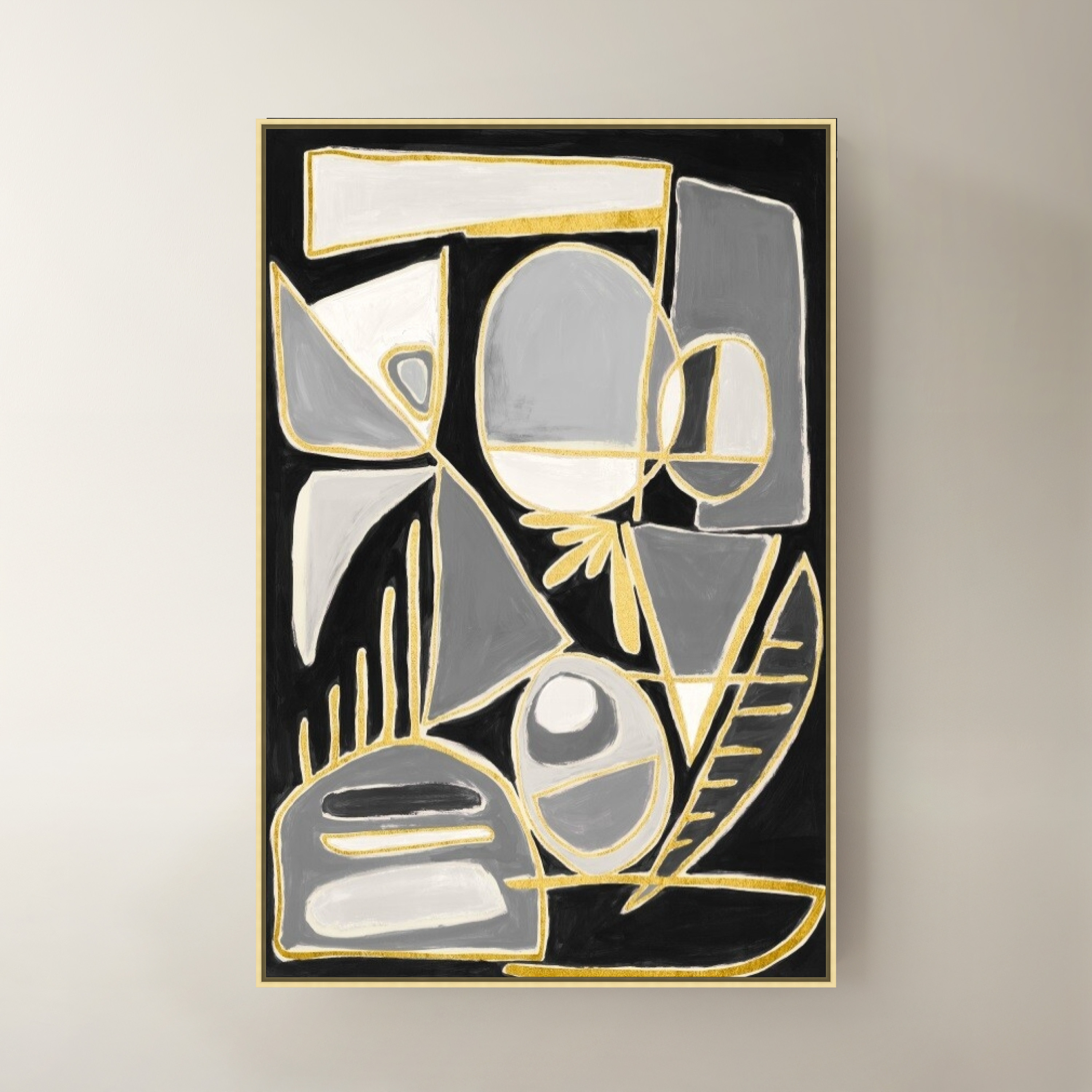
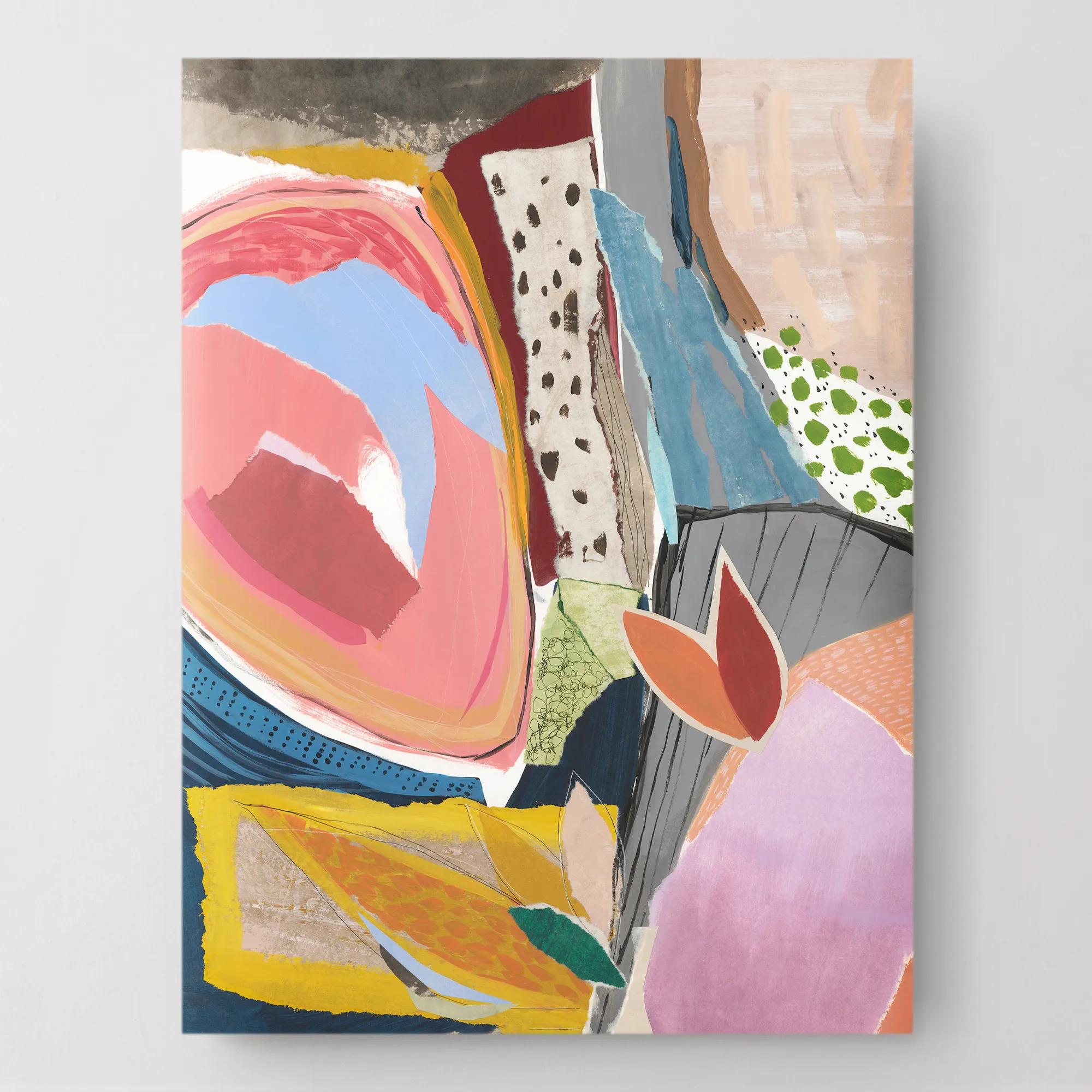
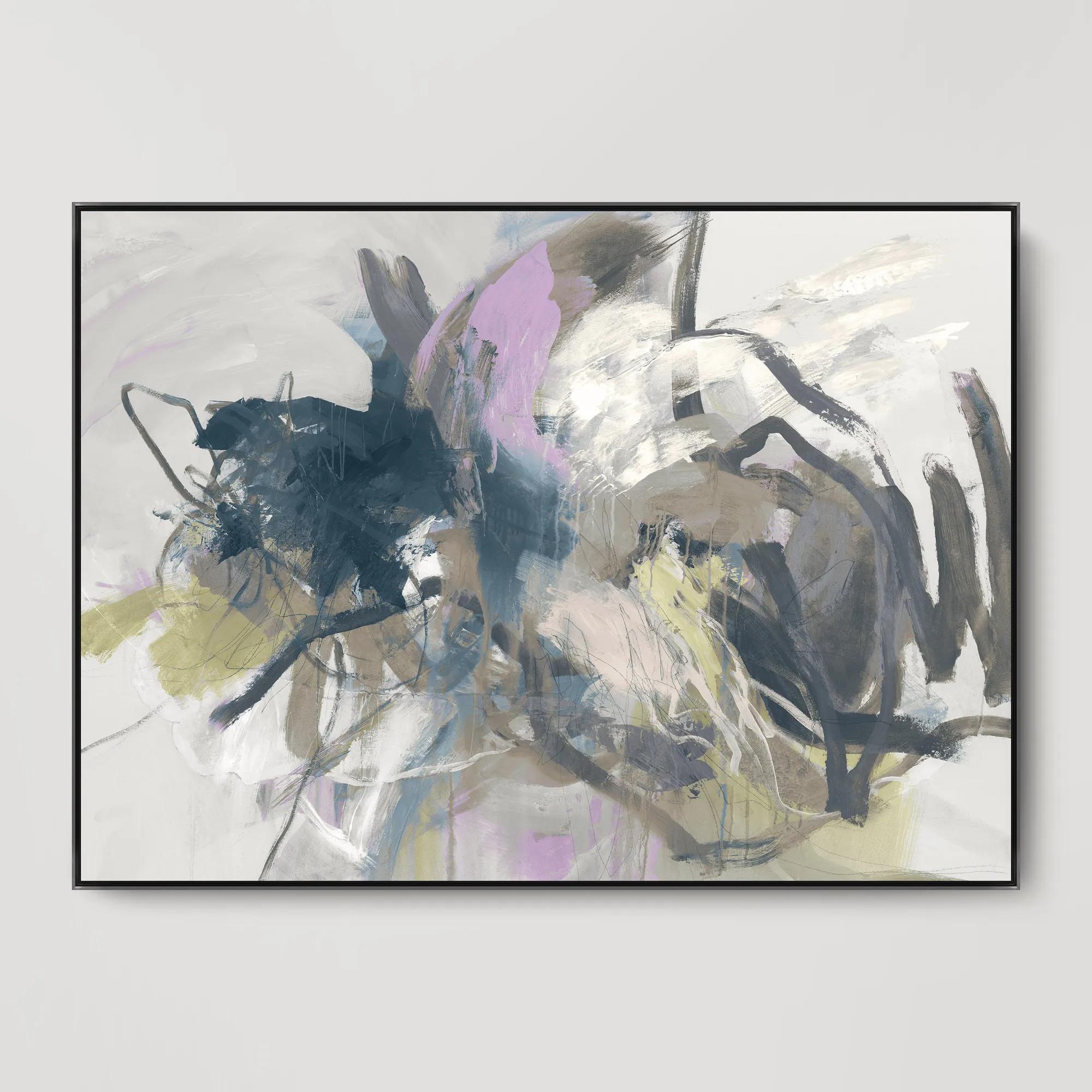
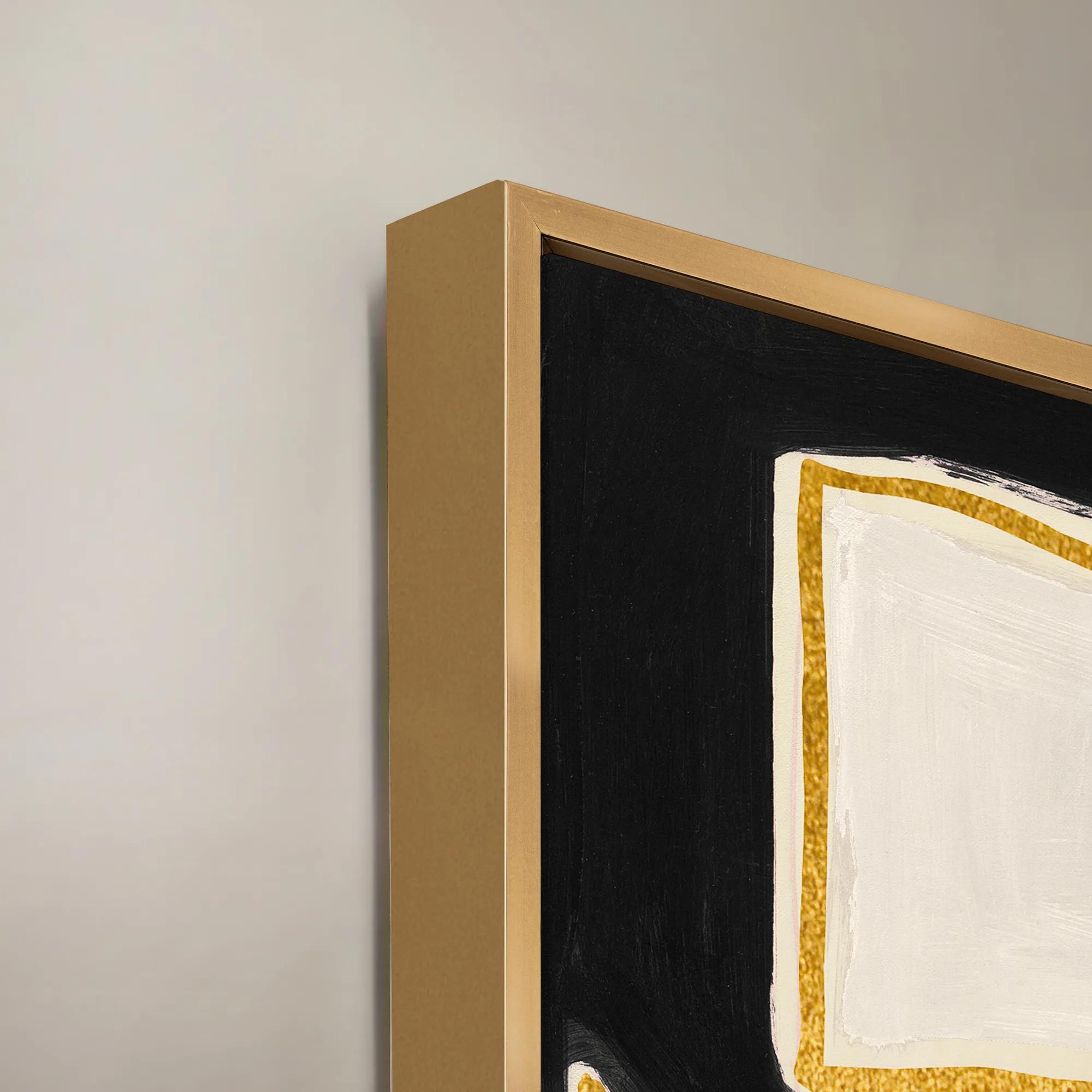 Shuffle City III Framed Wall Art 40" x 60"$1199
A dramatic black canvas wall artwork presented in a refined frame for contemporary interiors.
Add To Cart -
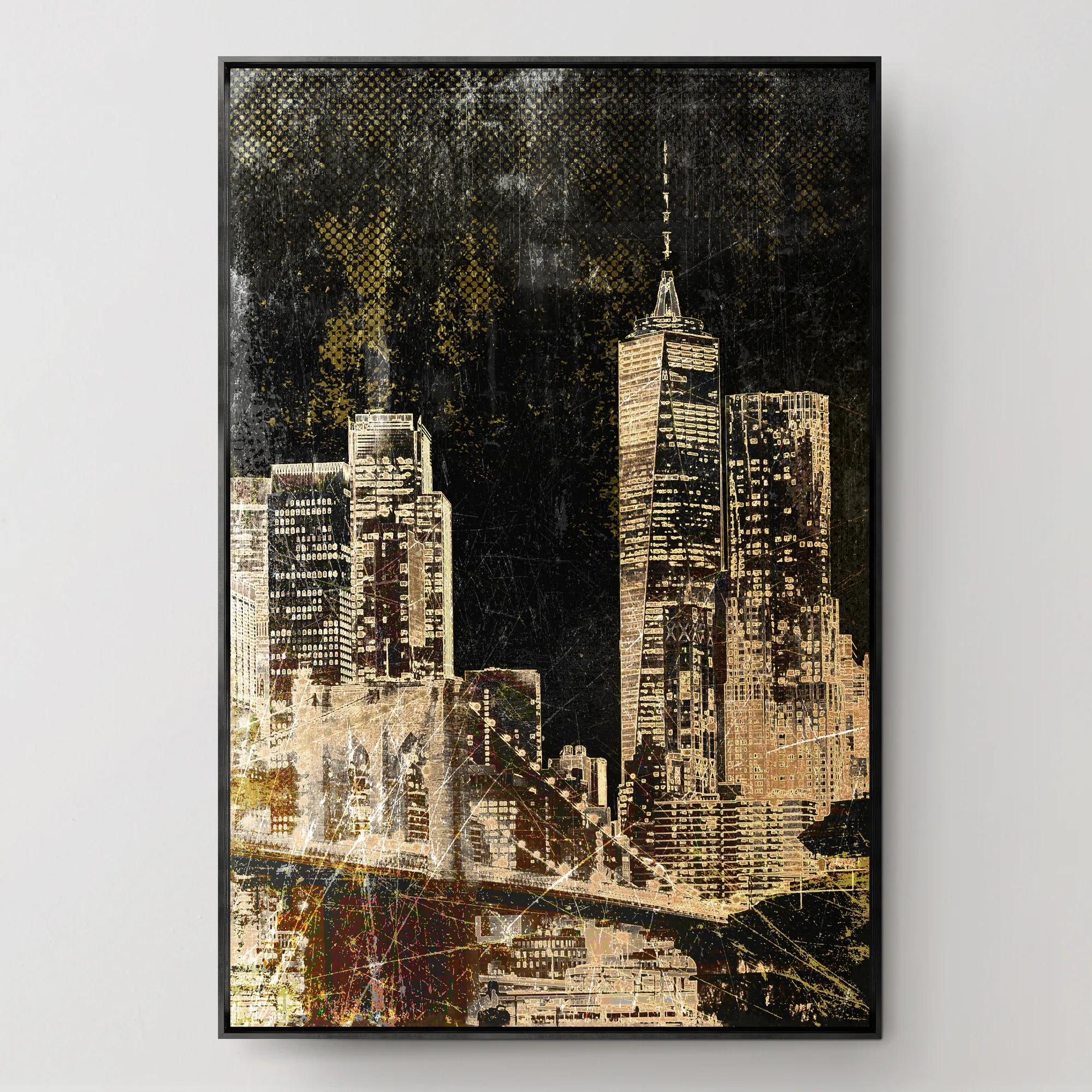
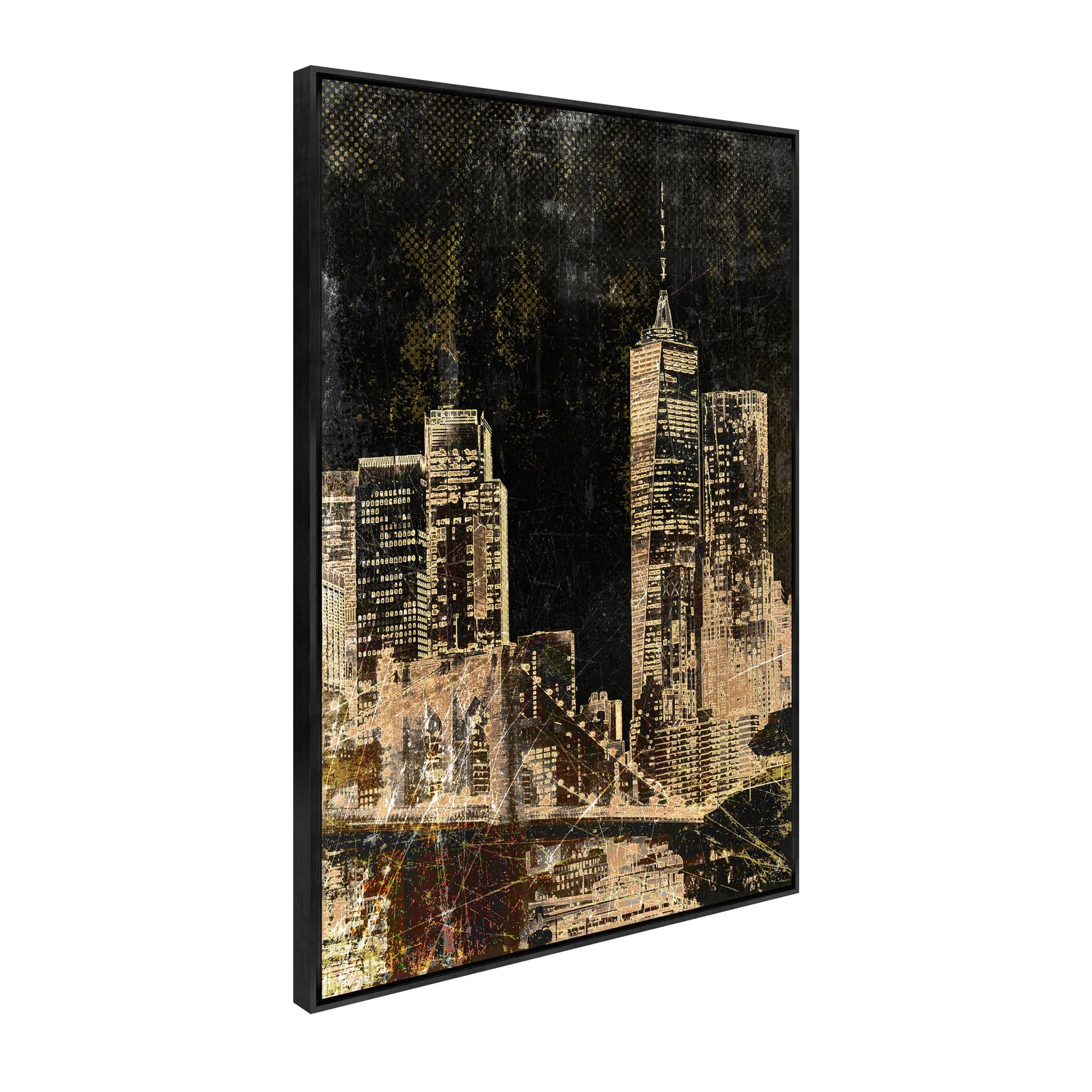 New York Lights Framed Wall Art 30" x 45"$649
A gallery-wrapped canvas artwork featuring a hand-applied gel finish and sleek black floater frame.
Add To Cart -
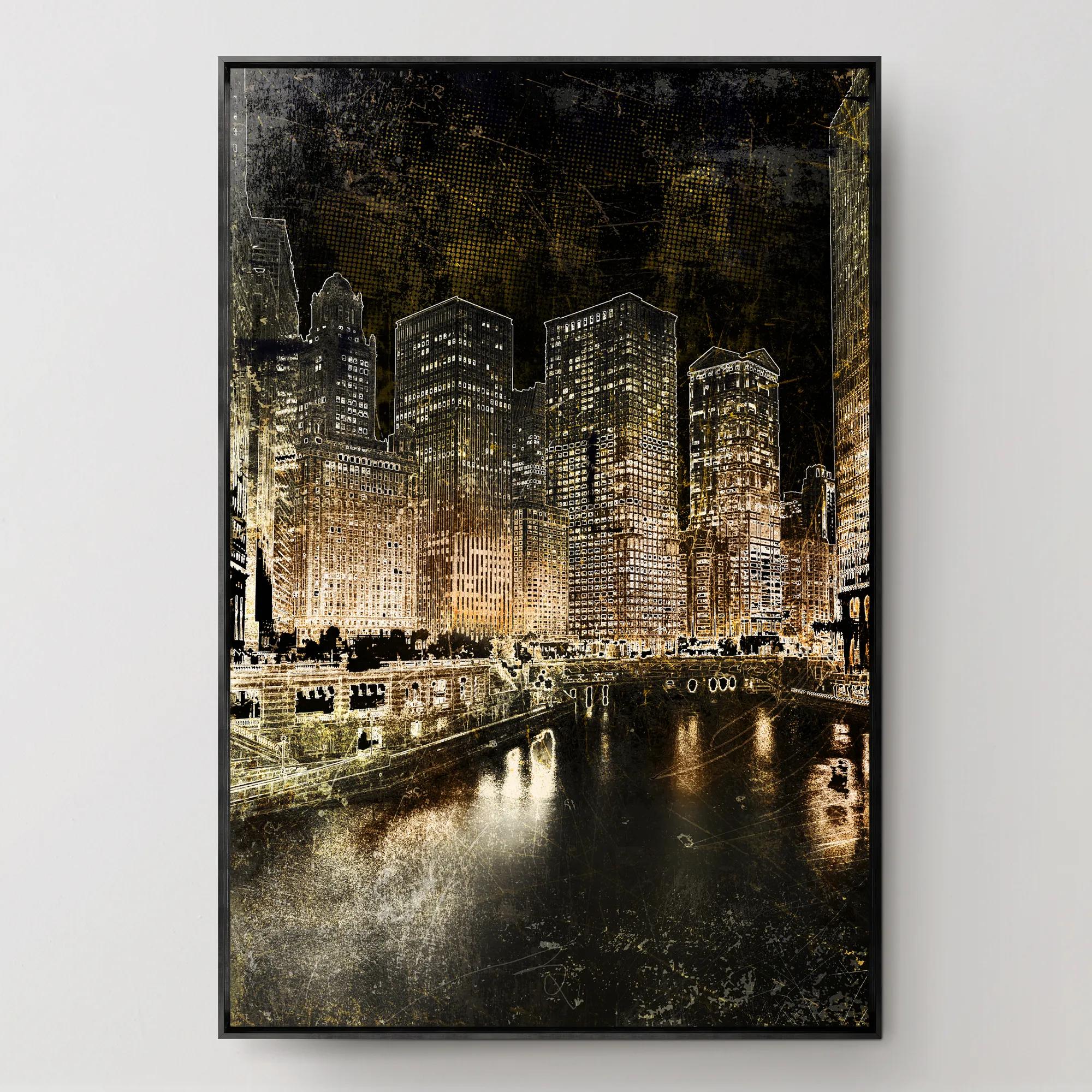
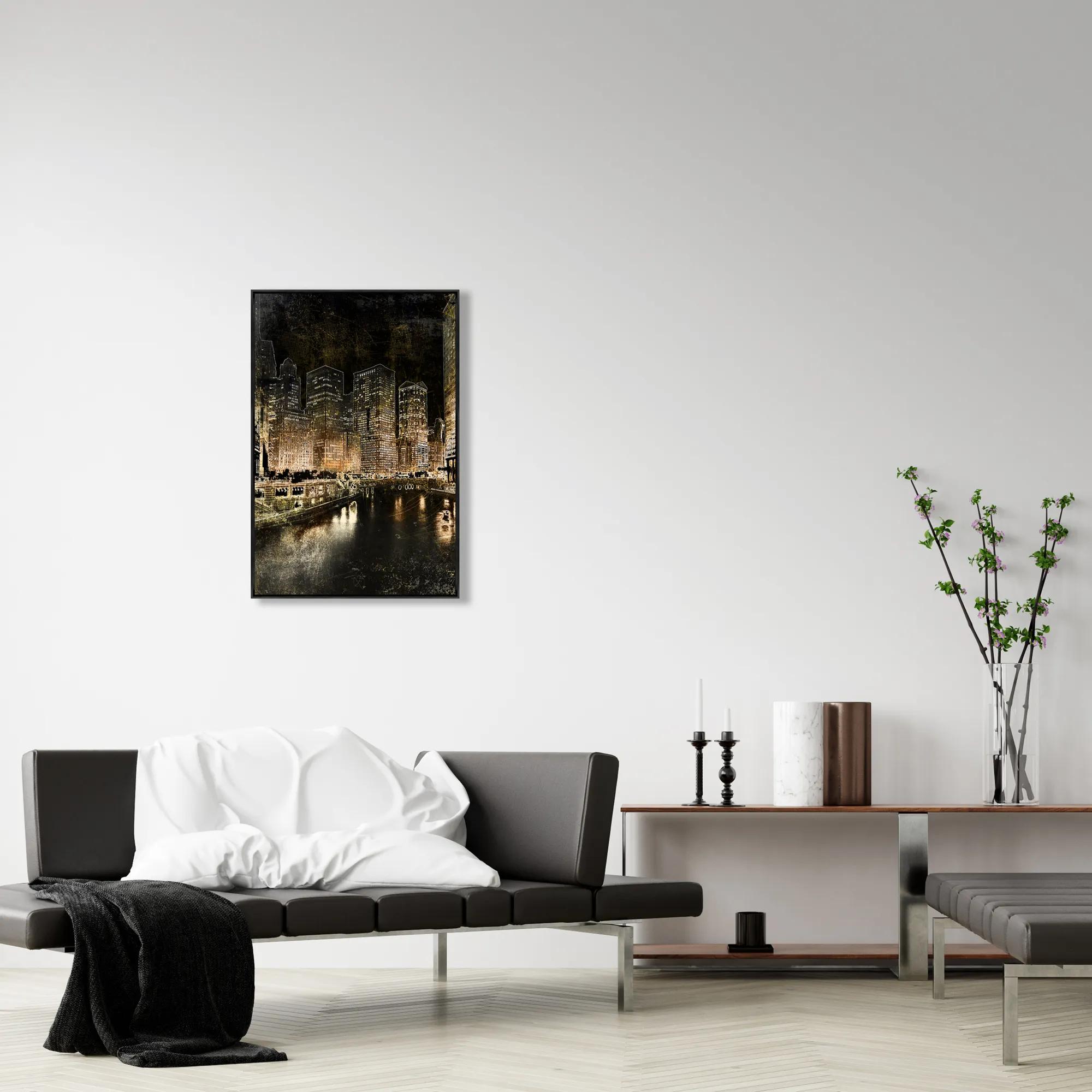 Chicago Lights Framed Wall Art 30" x 45"$649
A gallery-wrapped canvas artwork featuring a hand-applied gel finish in a sleek black floater frame.
Add To Cart -
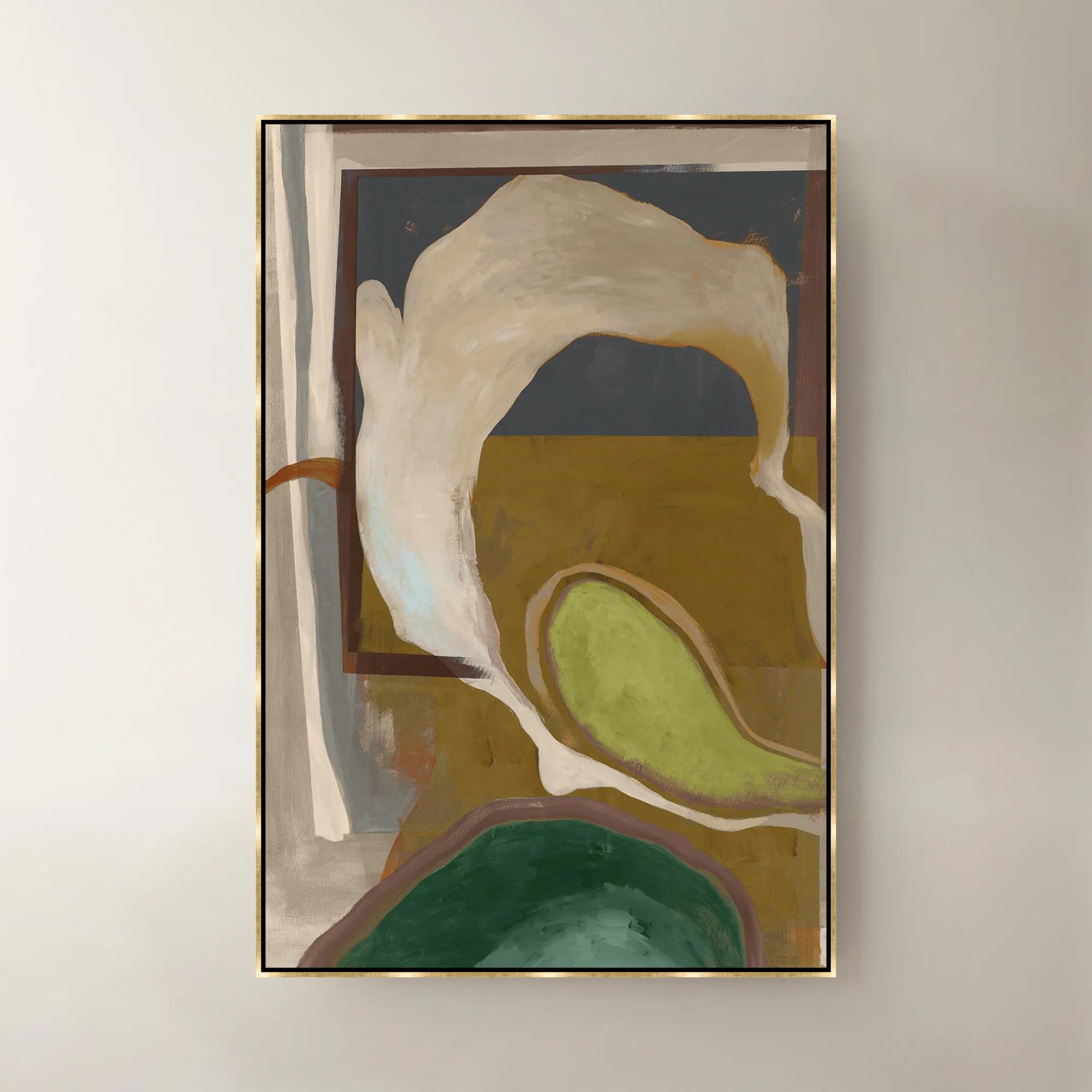 Olive Pearl Framed Wall Art 40"W x 60"$1099
A sophisticated green framed canvas artwork bringing layered color and modern elegance to your walls.
Add To Cart -
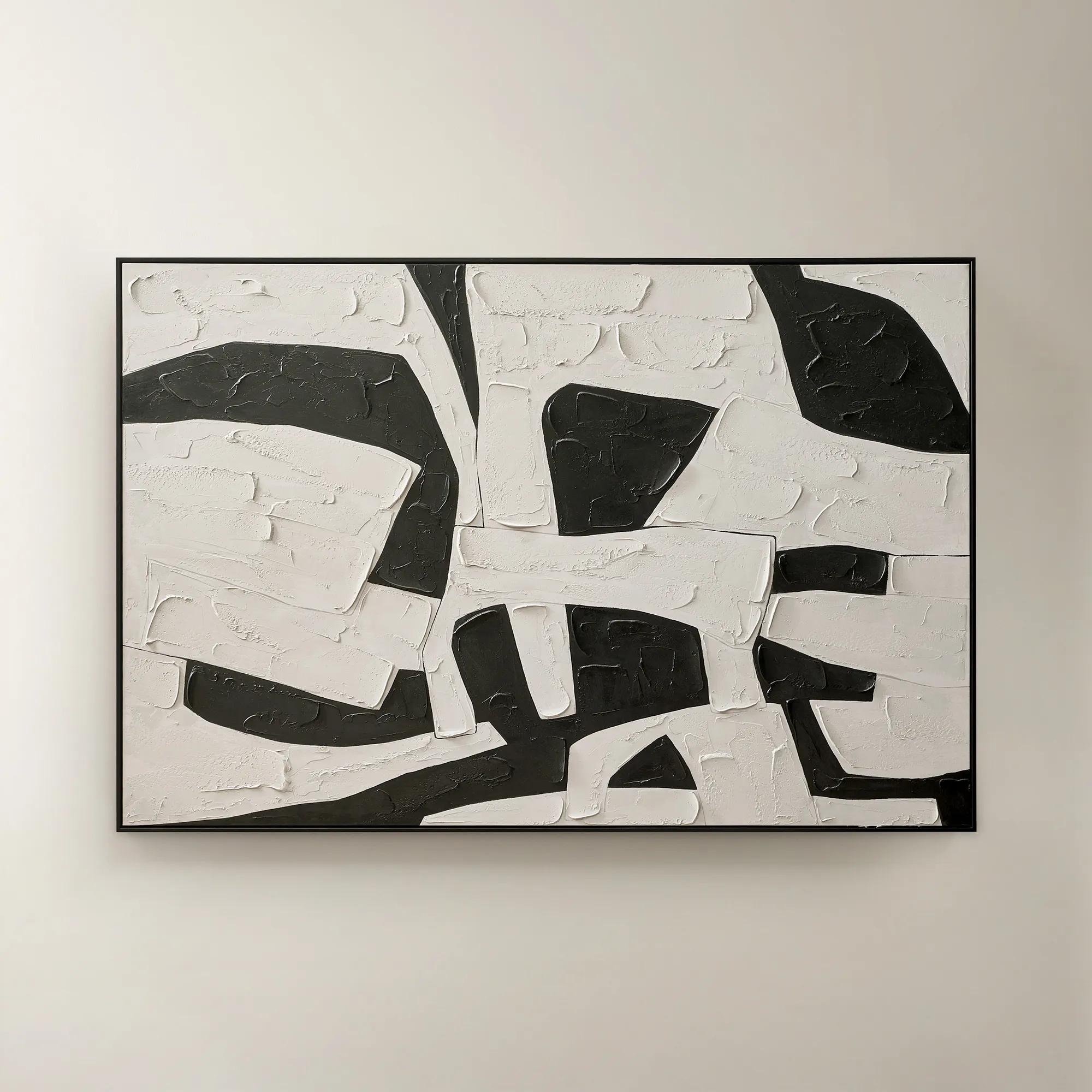 Space Between Shadows Framed Painted Wall Art 72" x 48"$799
A hand-painted abstract canvas featuring bold alabaster and black geometric forms in a sleek black frame.
Add To Cart -
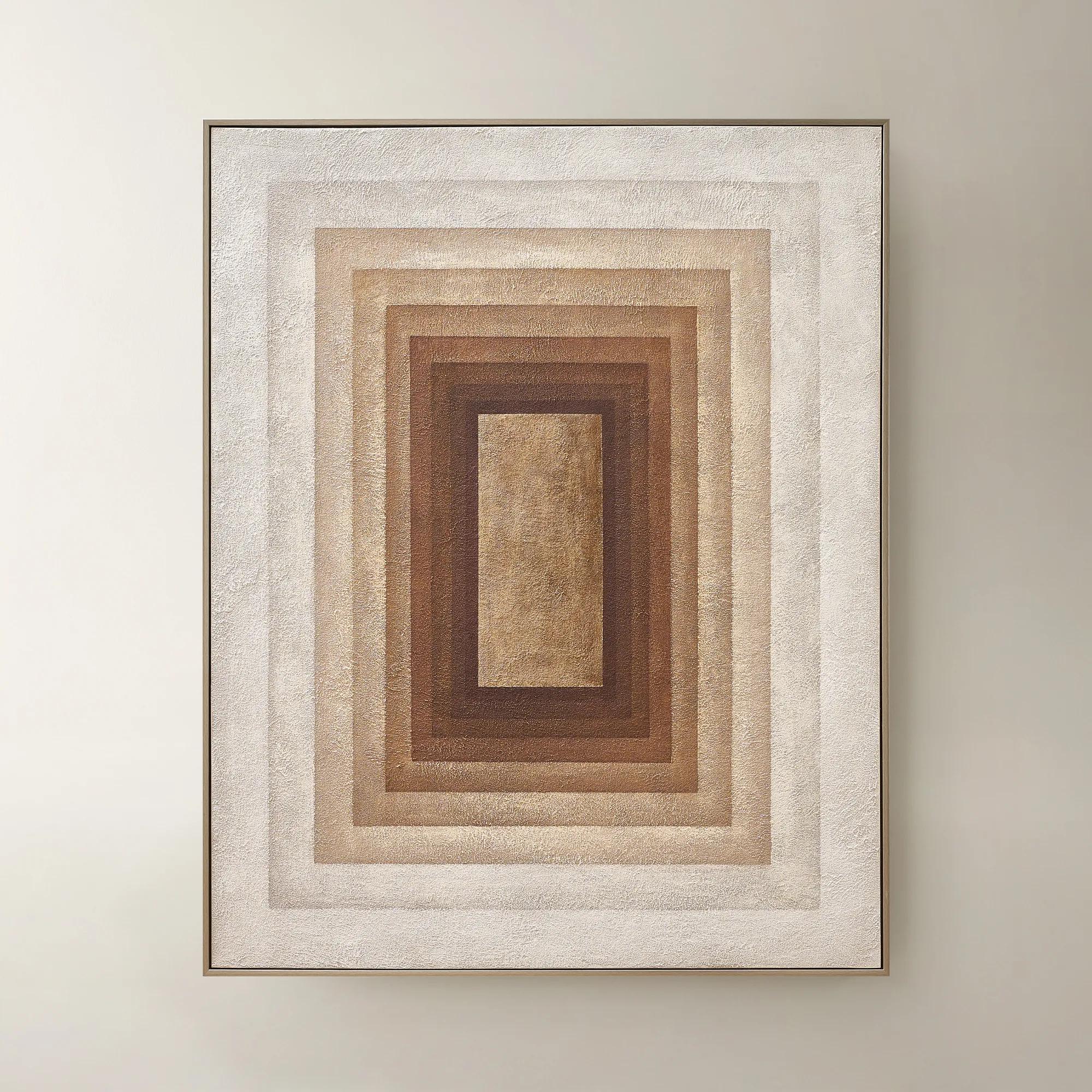 Monochrome Drift Framed Painted Wall Art 60" x 48"$699
A hand-painted abstract canvas with champagne leafing, featuring cocoa and gold tones in modern geometric design.
Add To Cart -
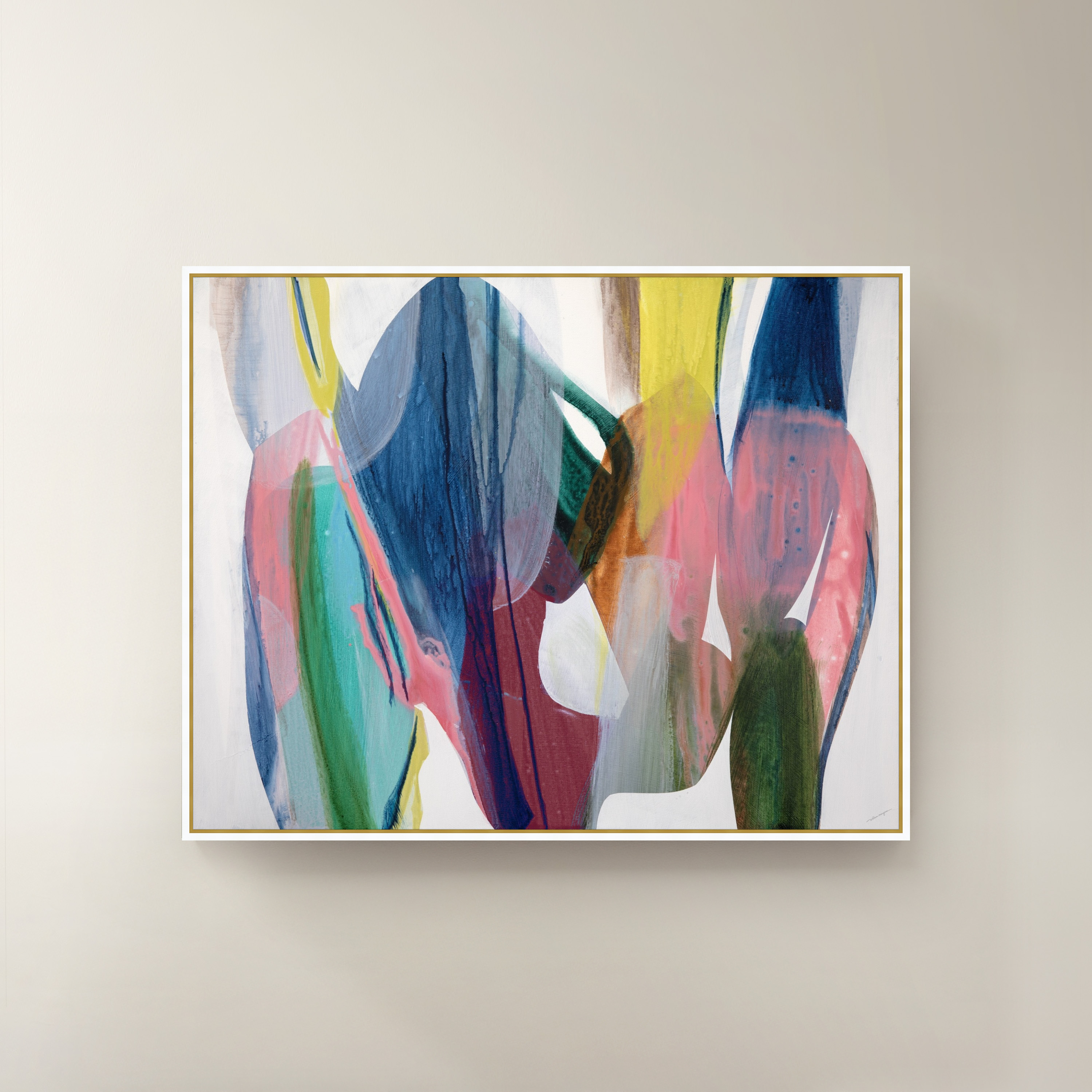
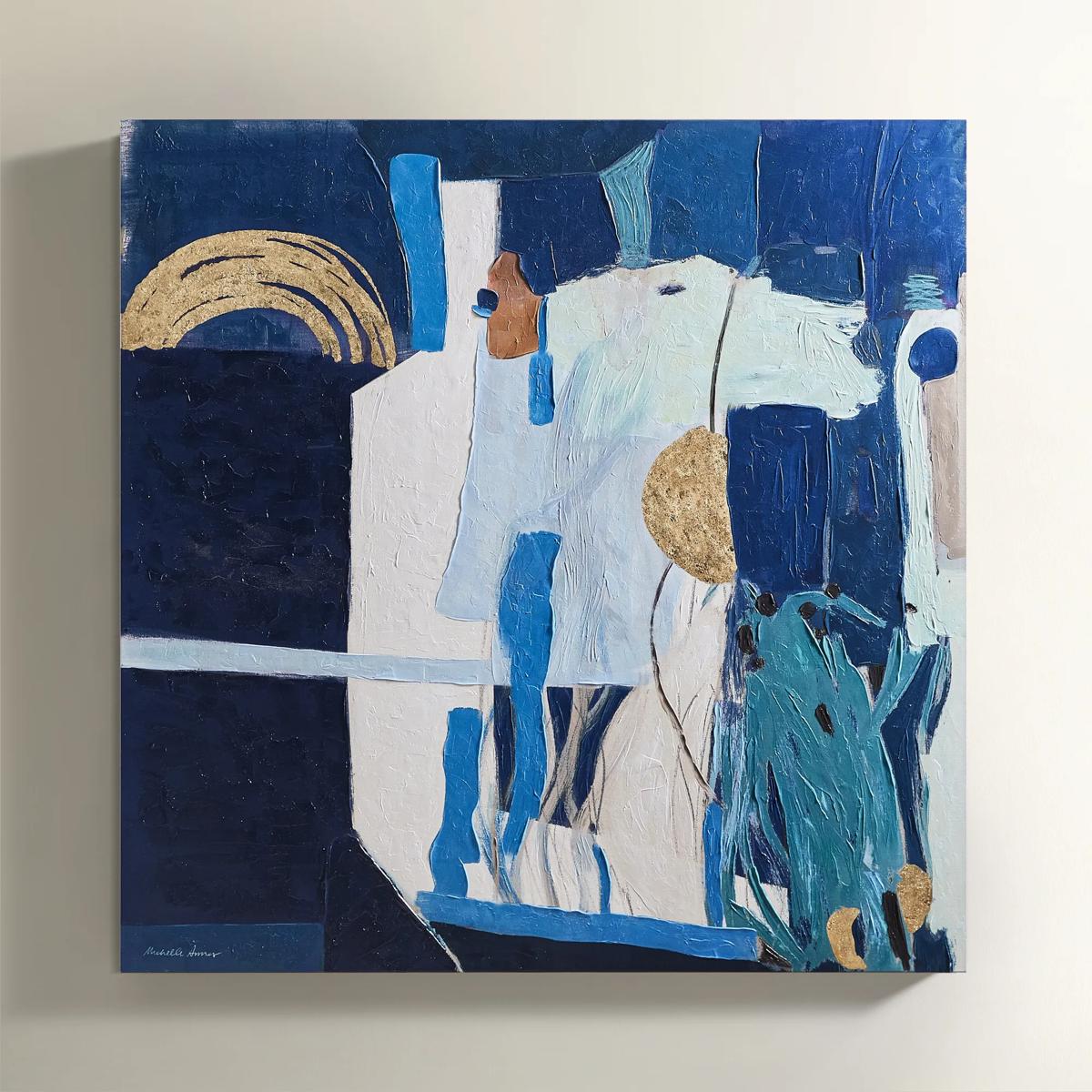
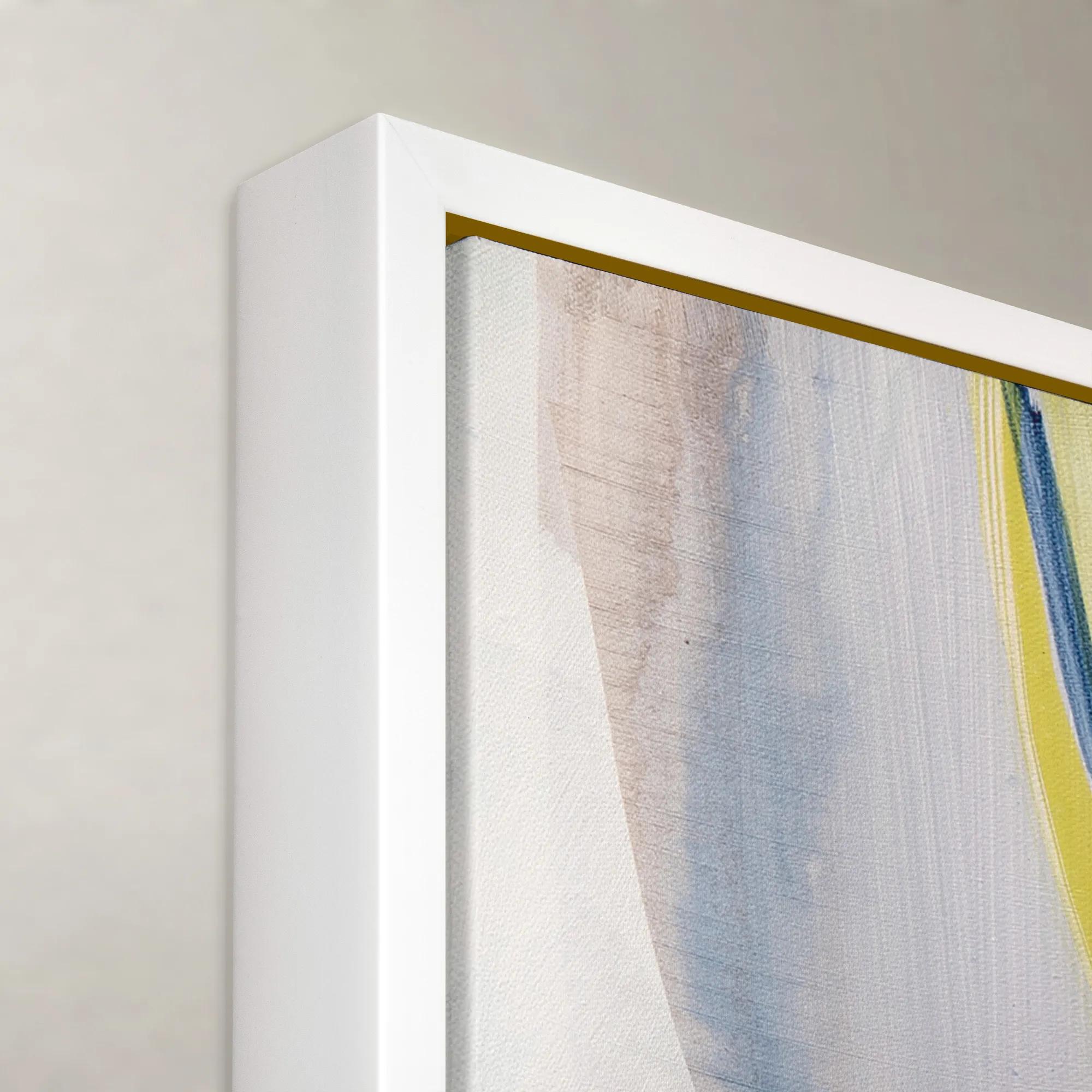 Dreams Take Flight Framed Wall Art 60" x 47"$1299
A vibrant multicolored framed canvas artwork adding expressive, contemporary style to any wall.
Add To Cart -
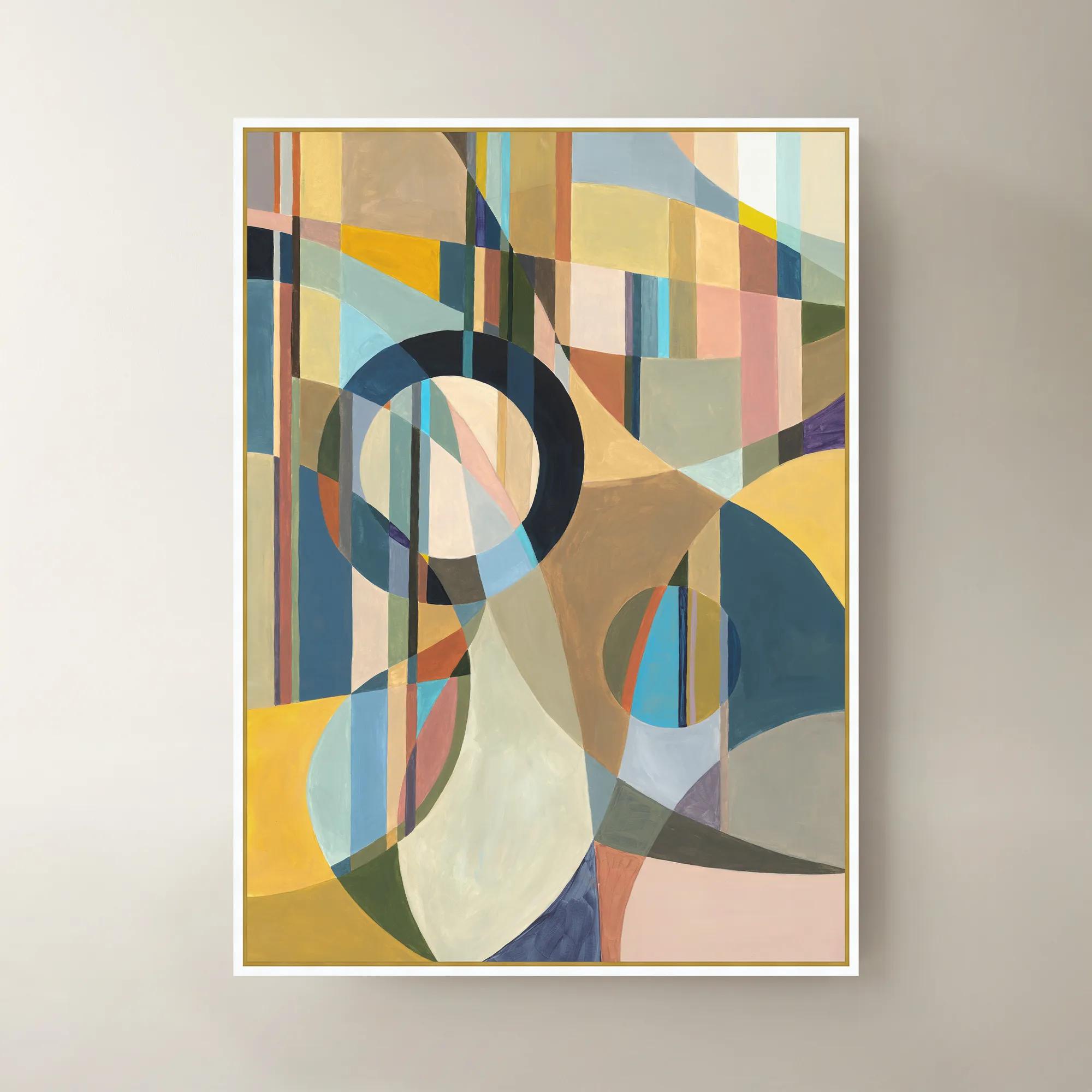
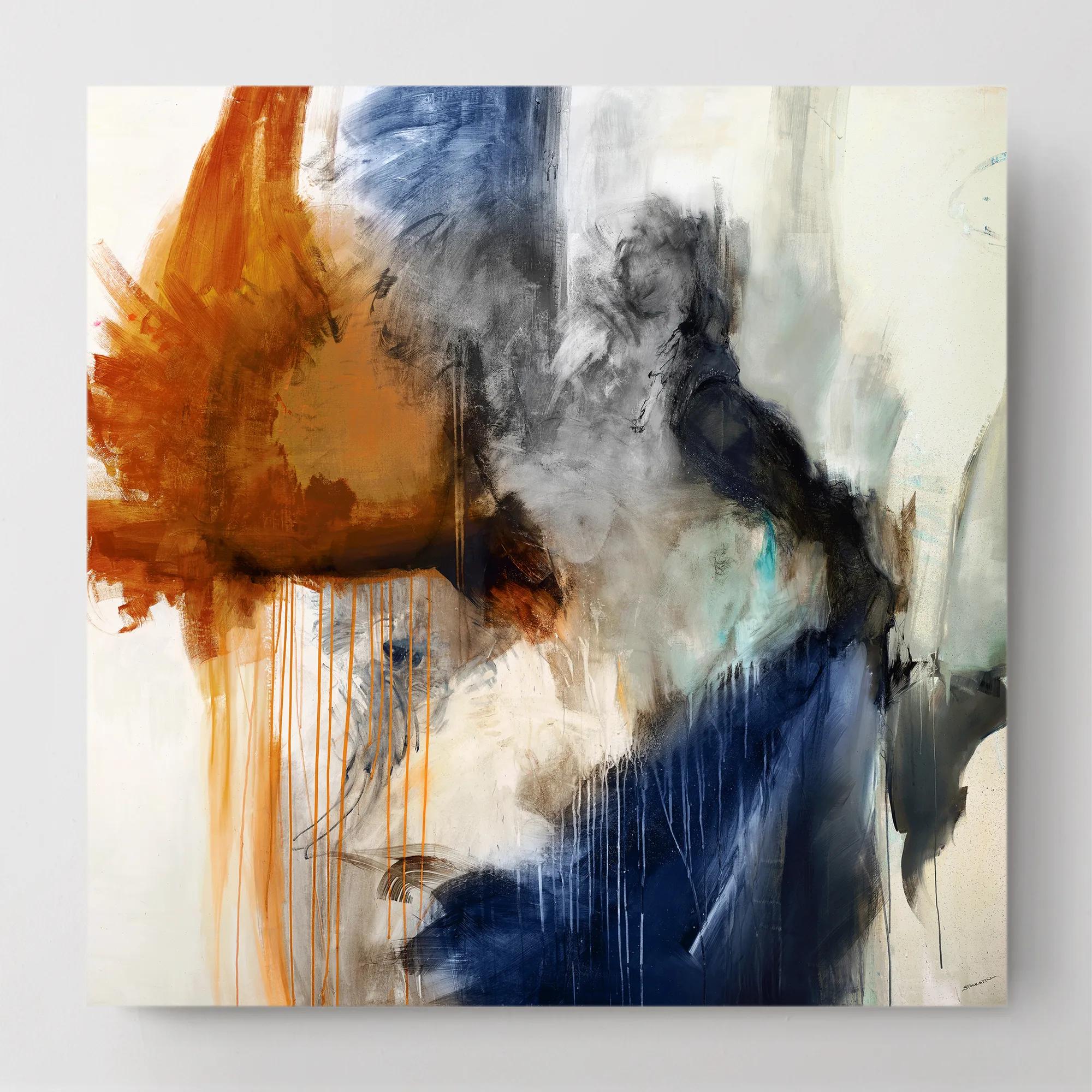
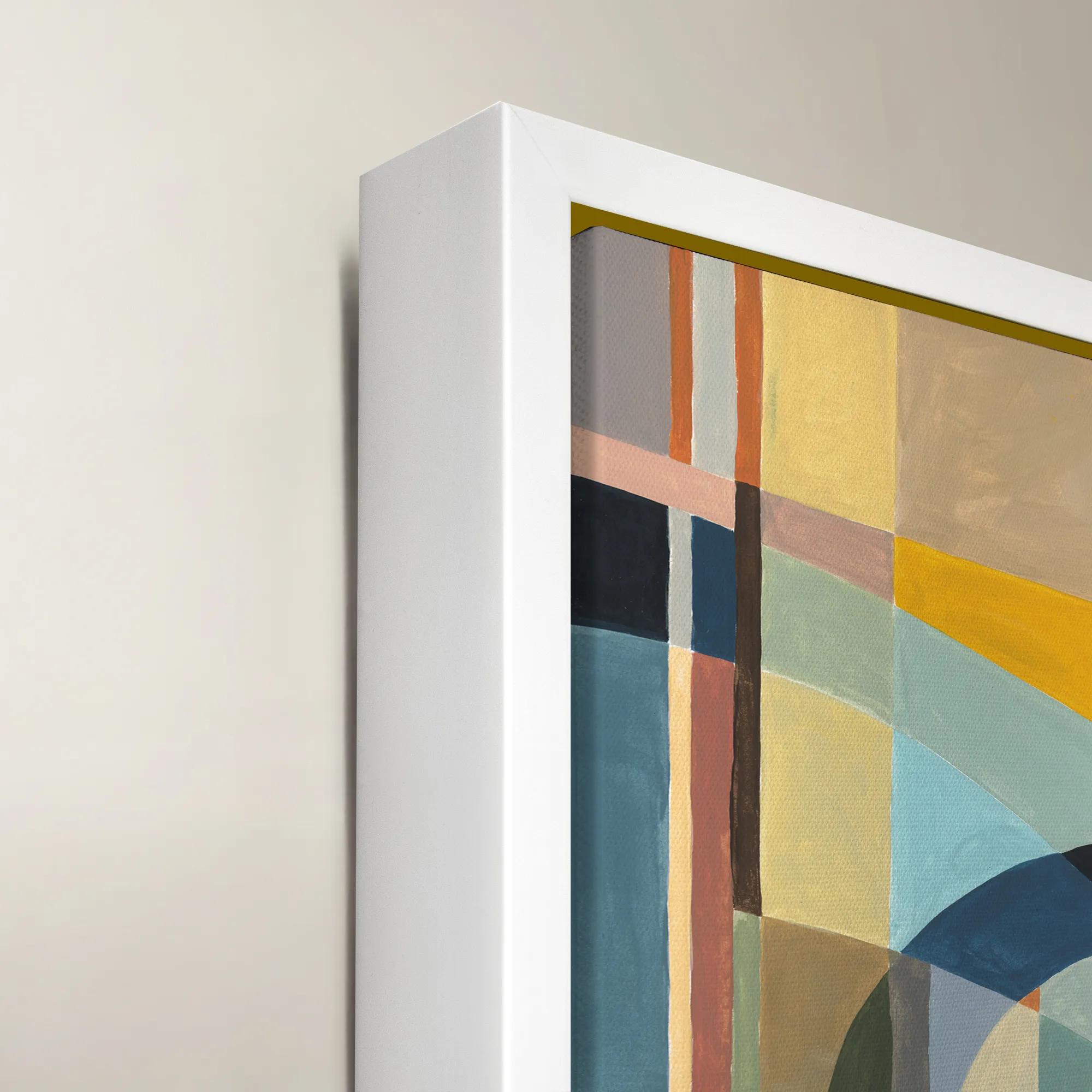 Happy Mistake Framed Wall Art 40" x 54"$1099
A vibrant multicolored framed canvas artwork adding expressive style to modern interiors.
Add To Cart -
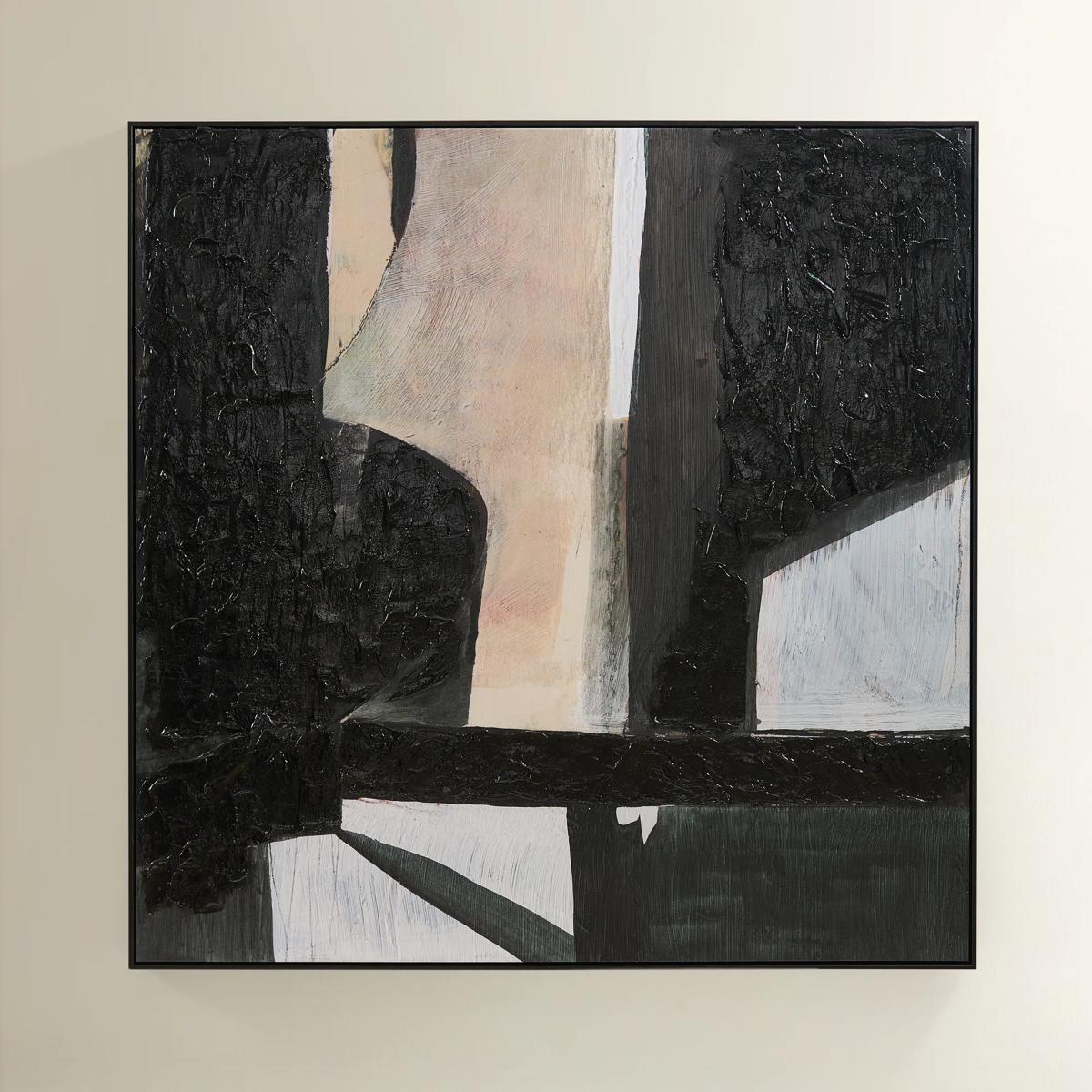 Grounded Painting$699
A hand-painted abstract canvas featuring black, cream, and earth tones in a sleek black floater frame.
Add To Cart -
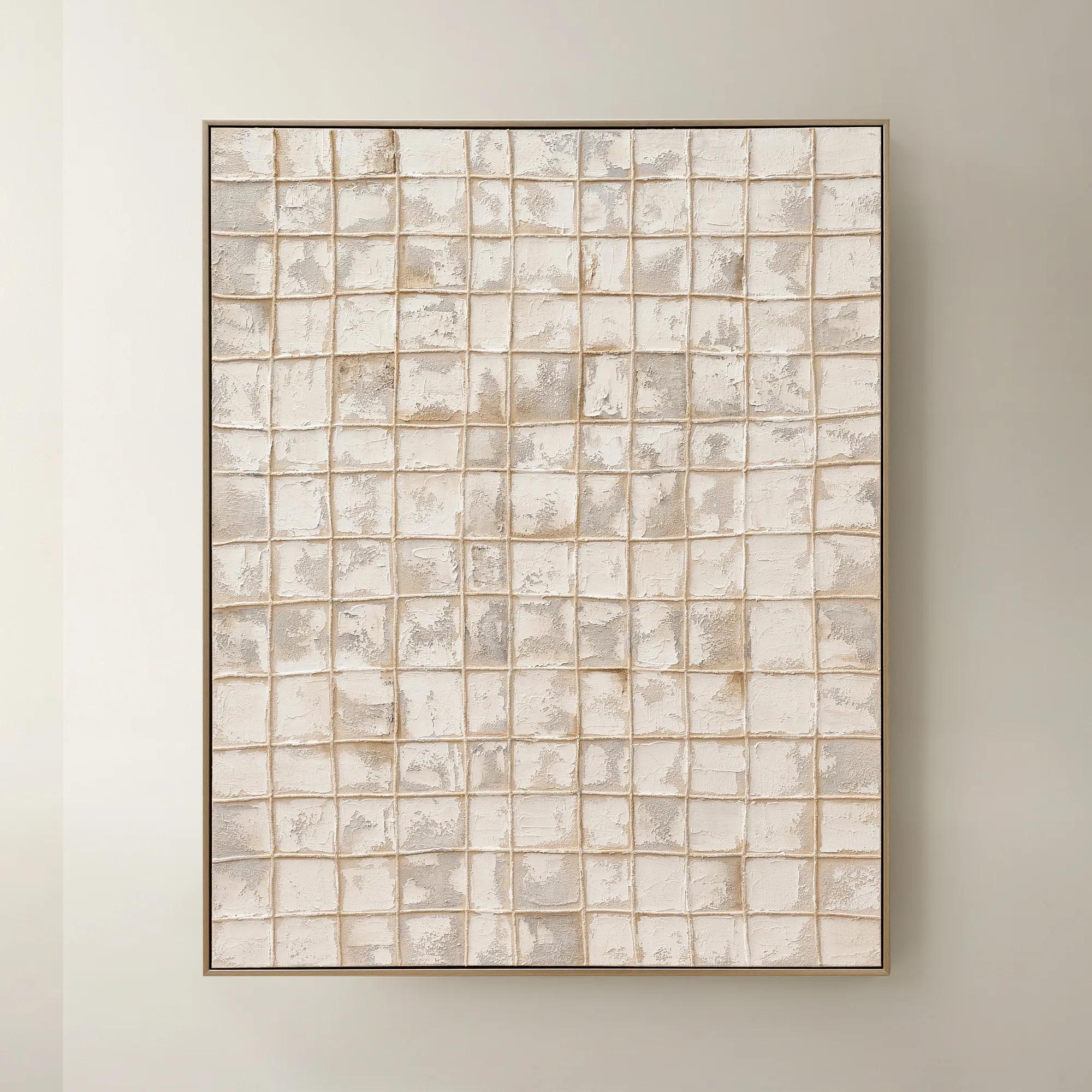
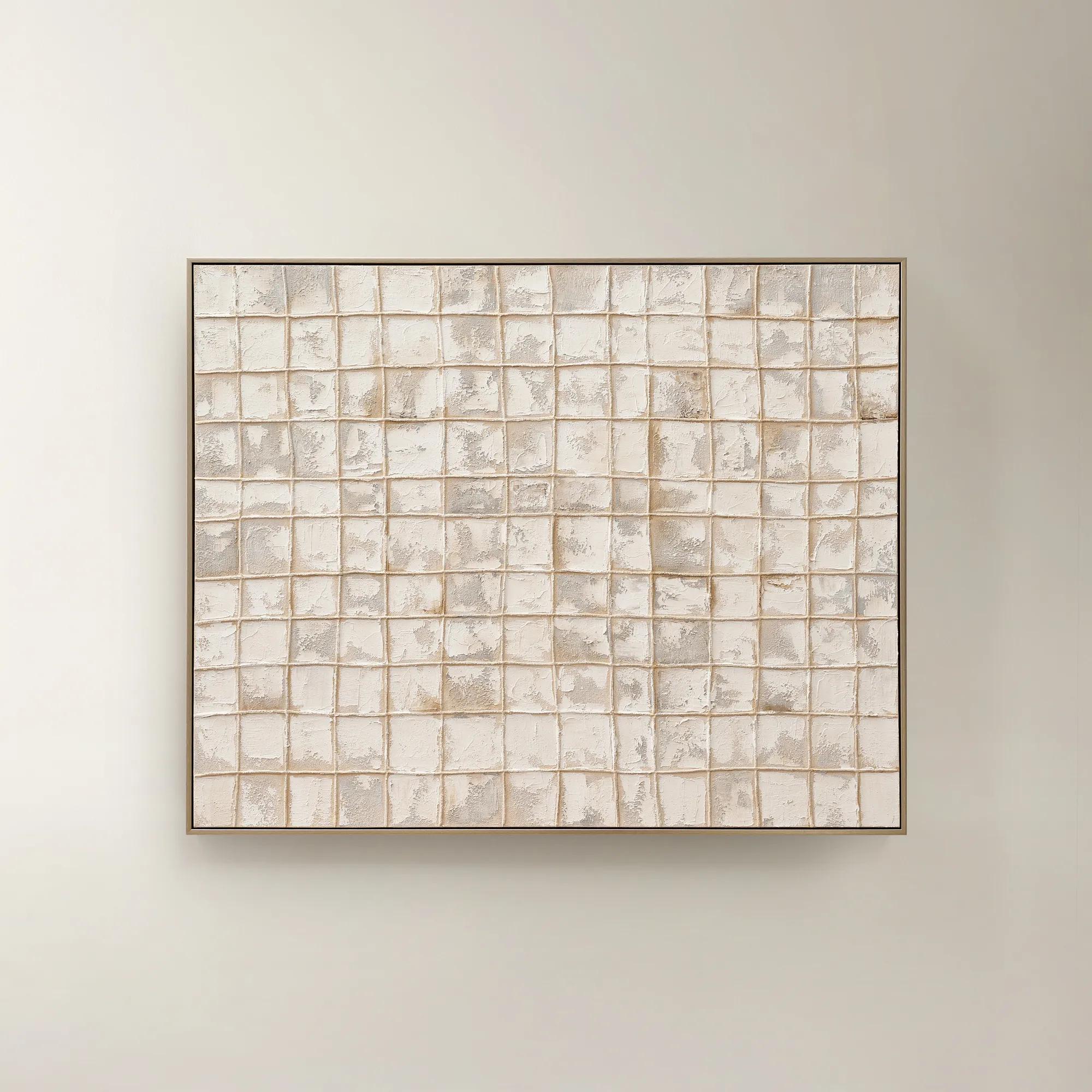 Painted Echos Framed Gold Leaf Wall Art 60" x 48"$699
A hand-painted abstract canvas with gold leaf accents and a champagne frame for modern, versatile display.
Add To Cart -
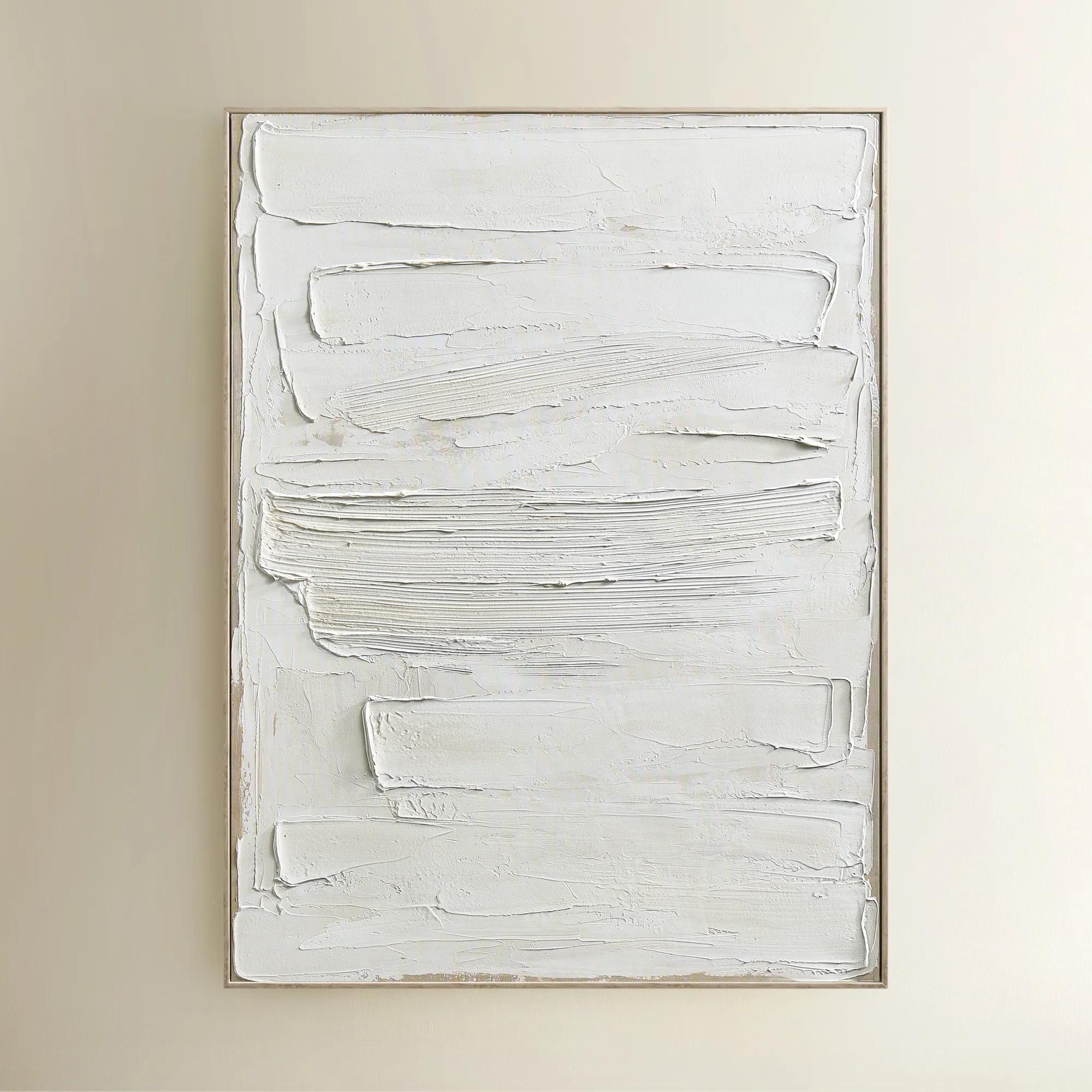
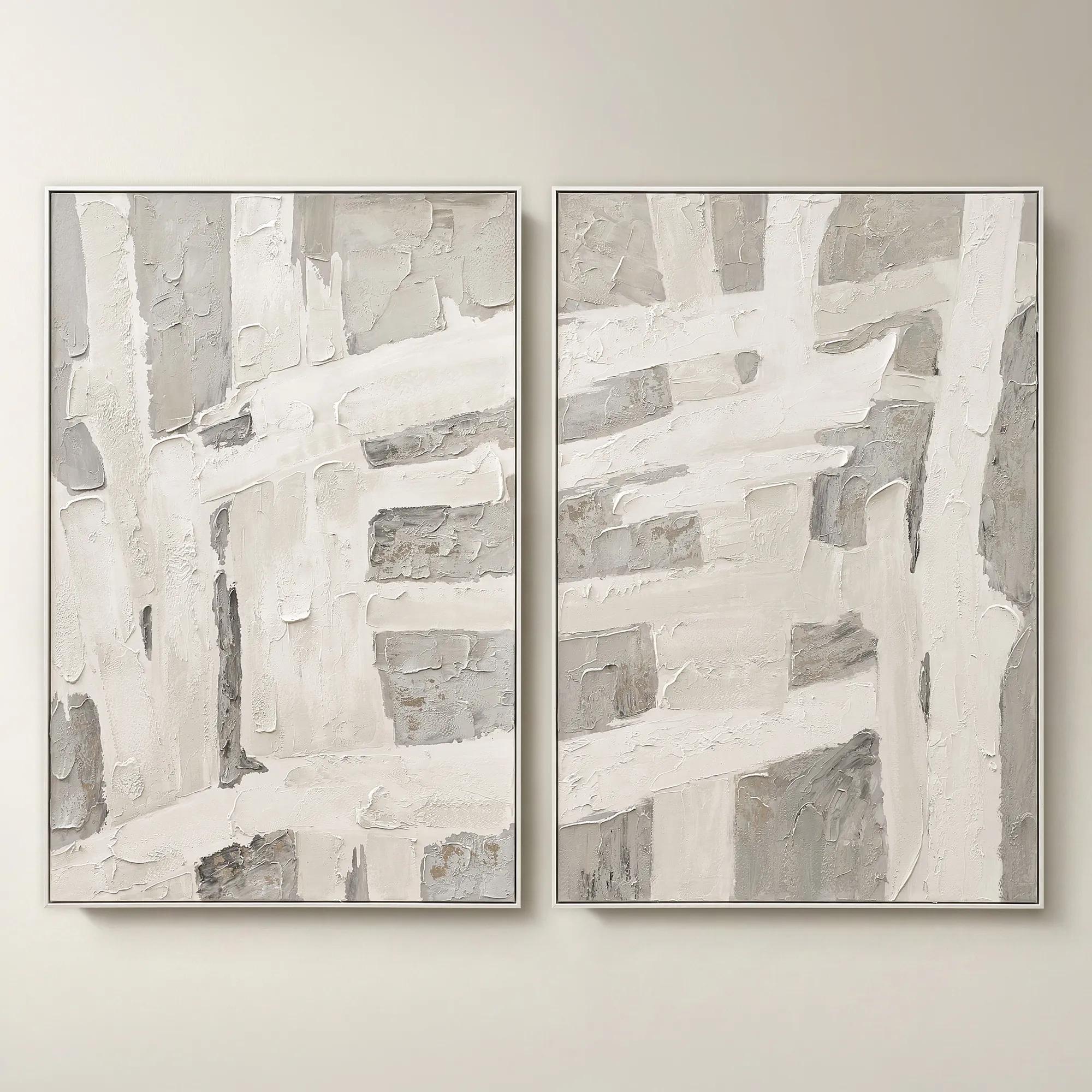 Traverse Framed Painted Wall Art 40" x 60" Set of 2$799
A hand-painted abstract diptych features champagne accents and soft grey, pearl, and alabaster tones in white frames.
Add To Cart -
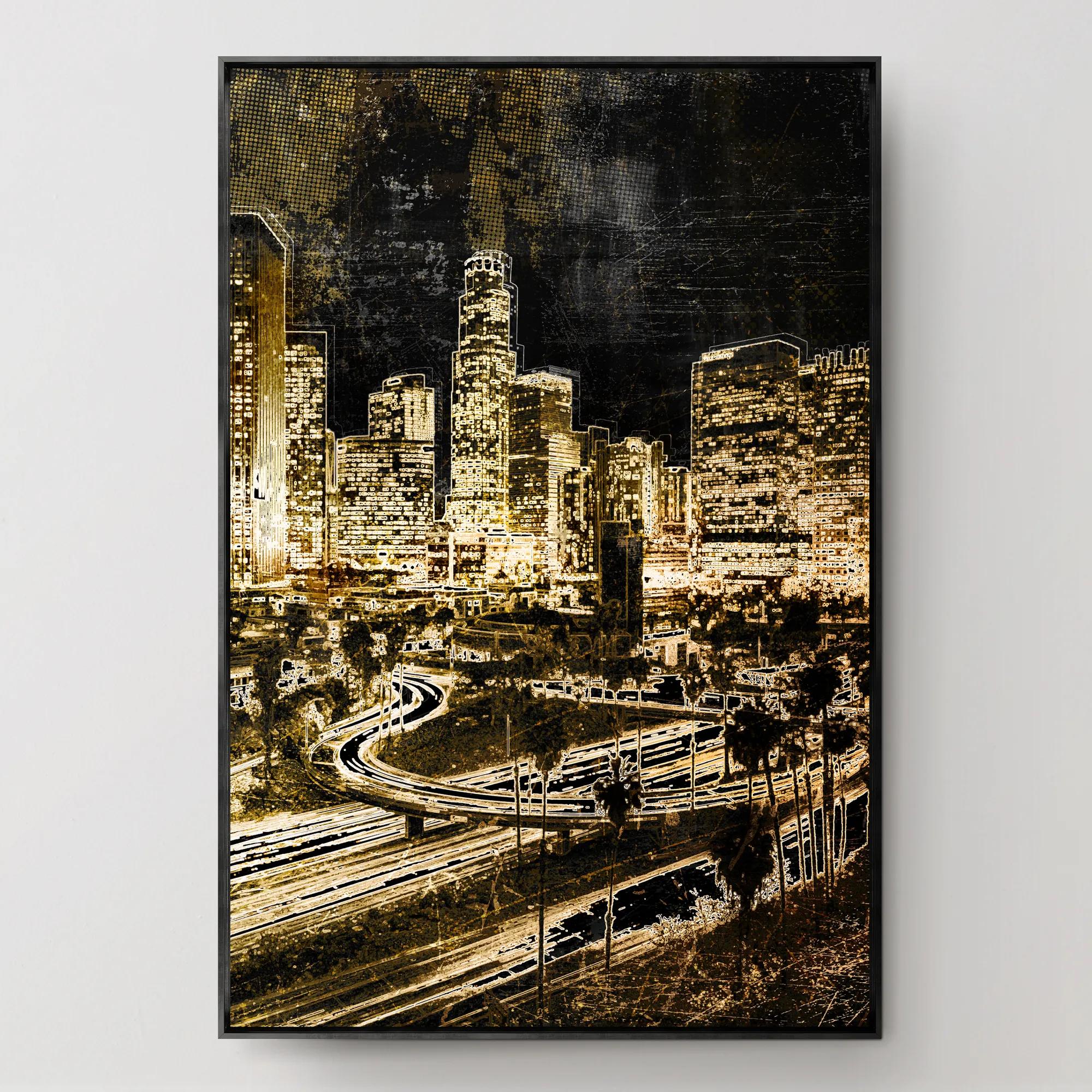 LA Lights Framed Wall Art 30" x 45"$649
A gallery-wrapped canvas artwork featuring a hand-applied brush gel finish in a sleek black floater frame.
Add To Cart -

 Twin Abstract 1 Framed Wall Art 30" x 45"$699
A captivating abstract canvas artwork featuring layered blue and purple tones in a sophisticated framed presentation.
Add To Cart -
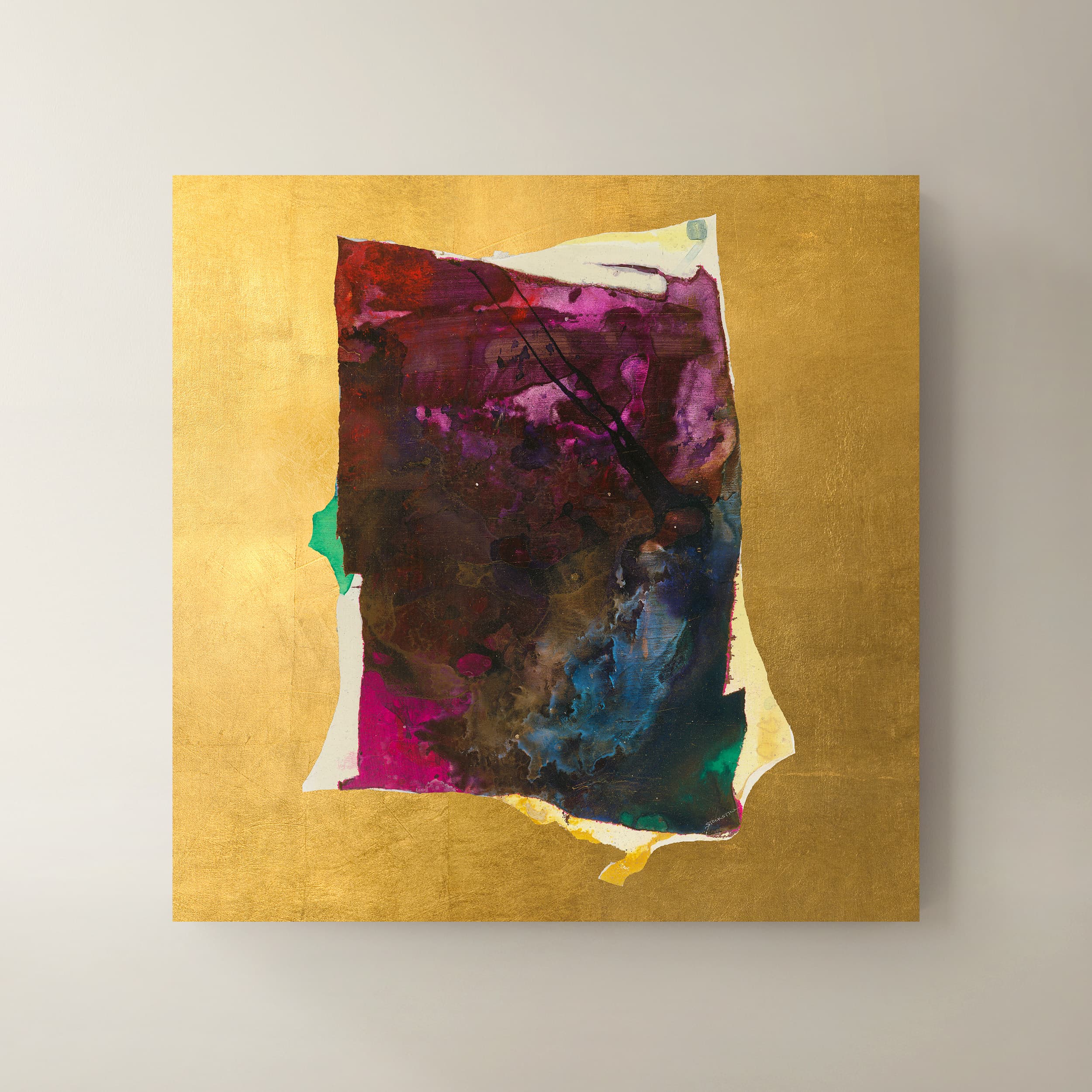 Supremo I Wall Art 40" x 40"$999
A multicolored canvas wall art piece adding contemporary visual interest to your interior.
Add To Cart -
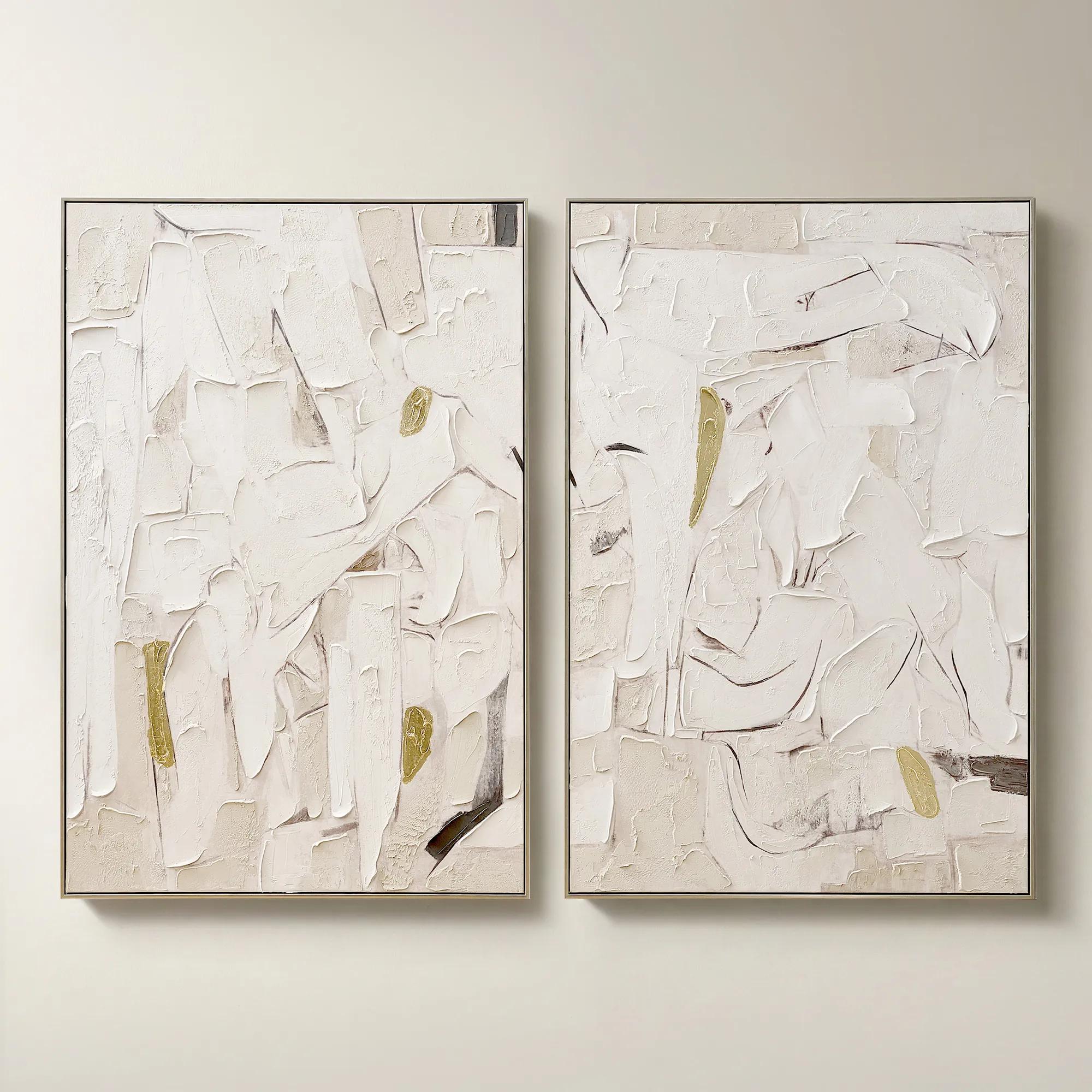 Beneath the Surface Framed Gold Leaf Painted Wall Art 40" x 60" Set of 2$799
A hand-painted abstract diptych featuring gold detailing and layered texture in alabaster and tawny hues.
Add To Cart -
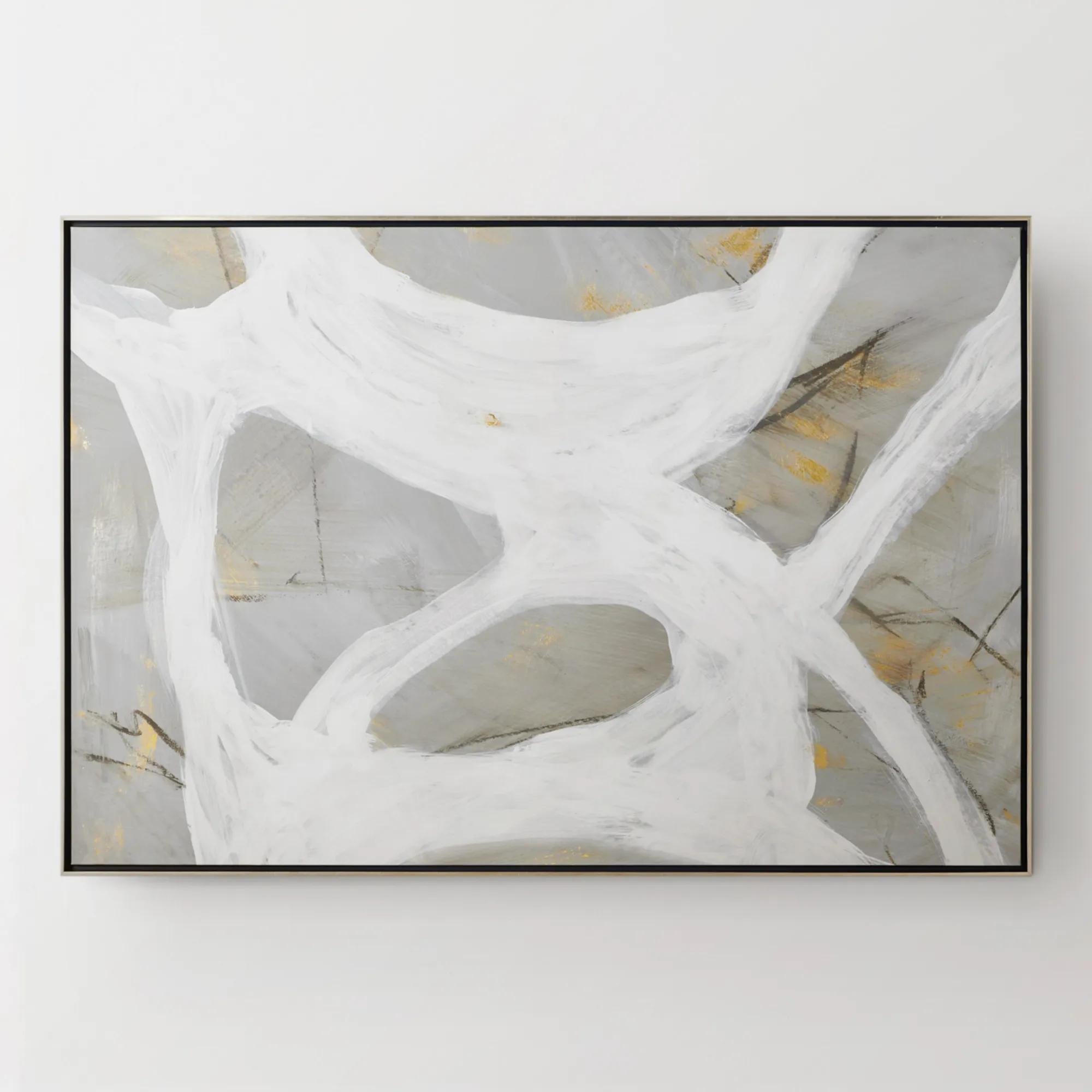
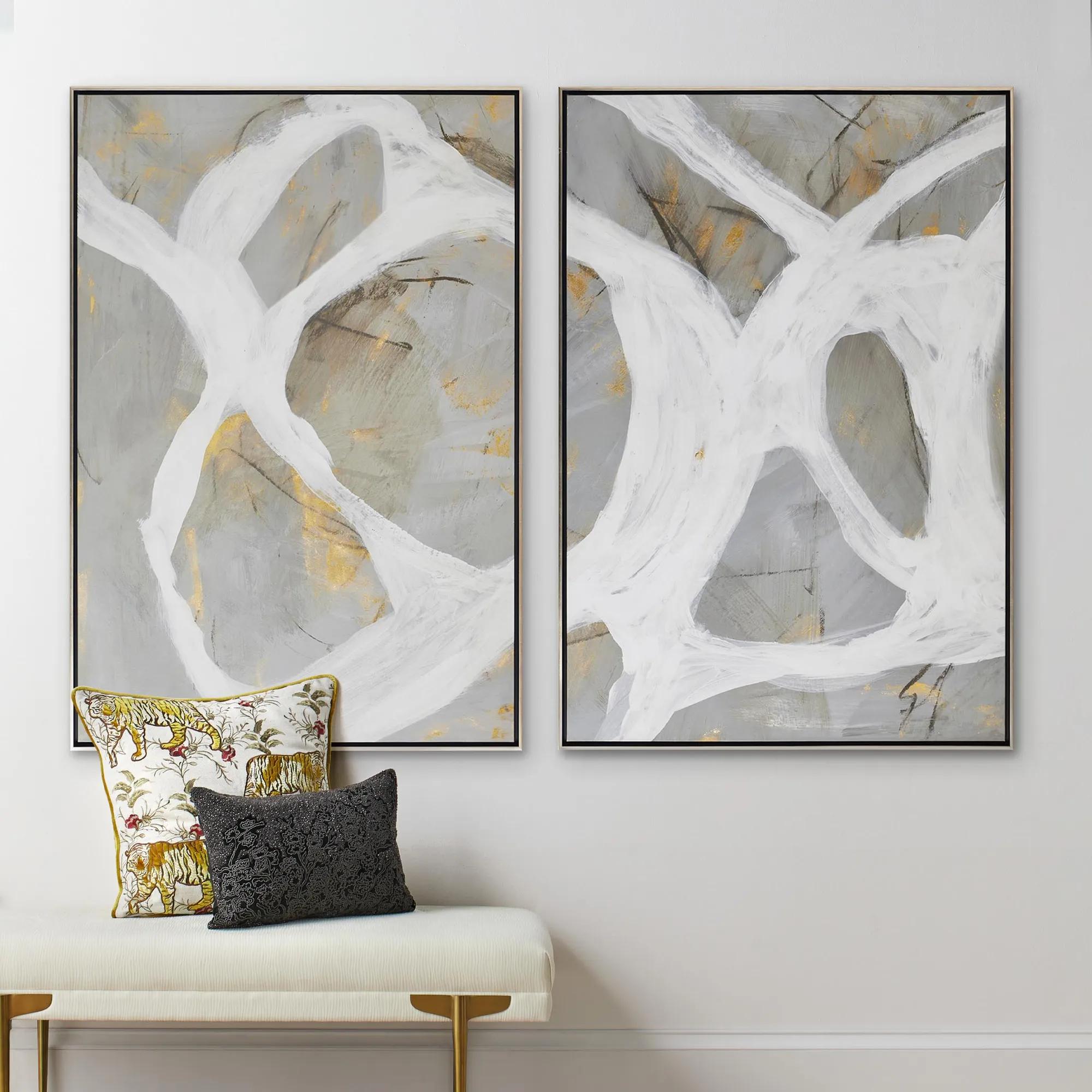 Les Series Framed Painted Wall Art II 61" x 41"$1099
An abstract canvas artwork featuring bold brushstrokes, hand-applied gold accents, and a silver floater frame.
Add To Cart -
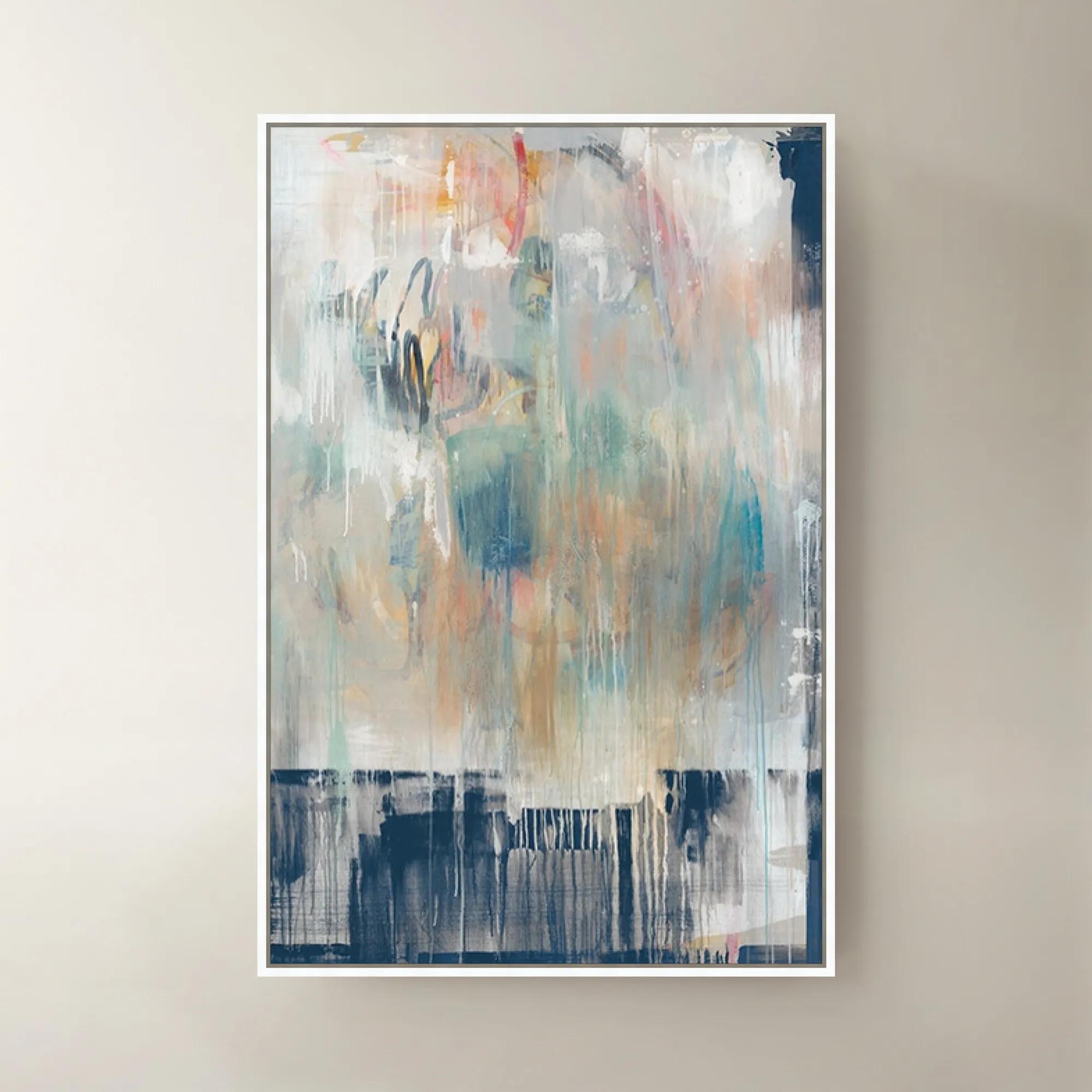
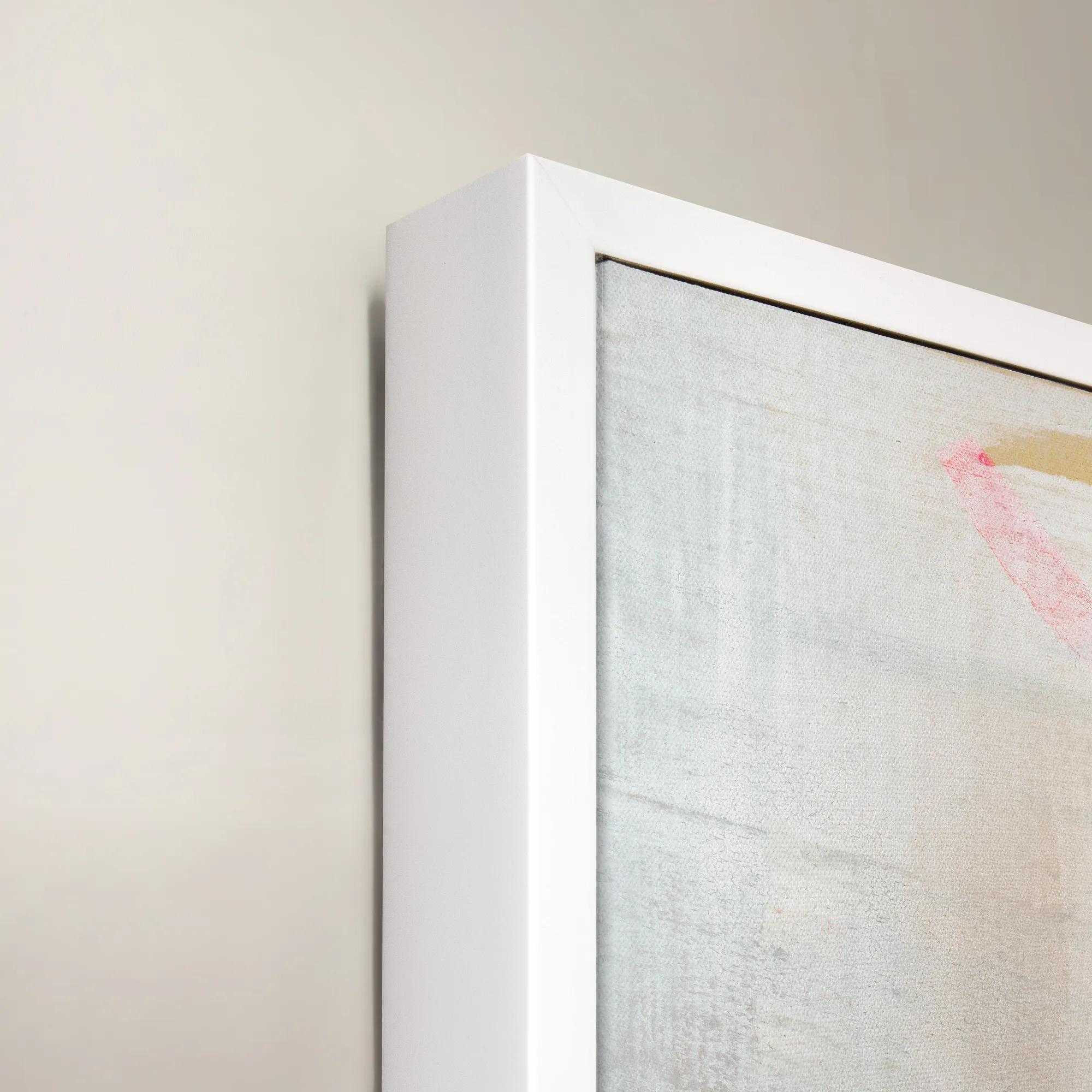 Disrepair III Framed Wall Art 40" x 60"$1099
A multicolored canvas wall artwork in a framed presentation, bringing expressive contemporary character to interiors.
Add To Cart -
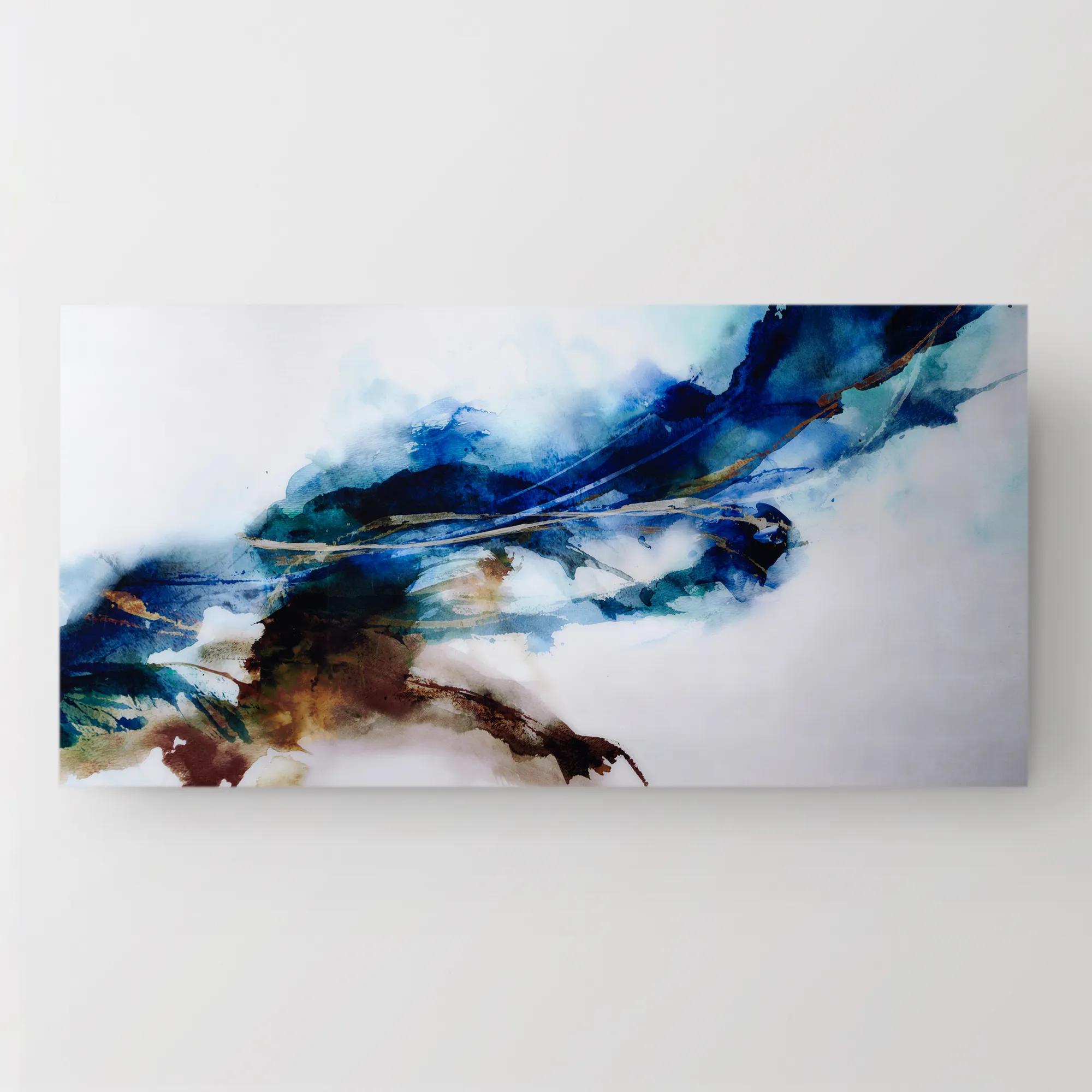 Cerulean Movement Acrylic Art 72" x 36"$1299
A vibrant abstract artwork printed on high-gloss acrylic, infusing your space with dynamic energy and movement.
Add To Cart -
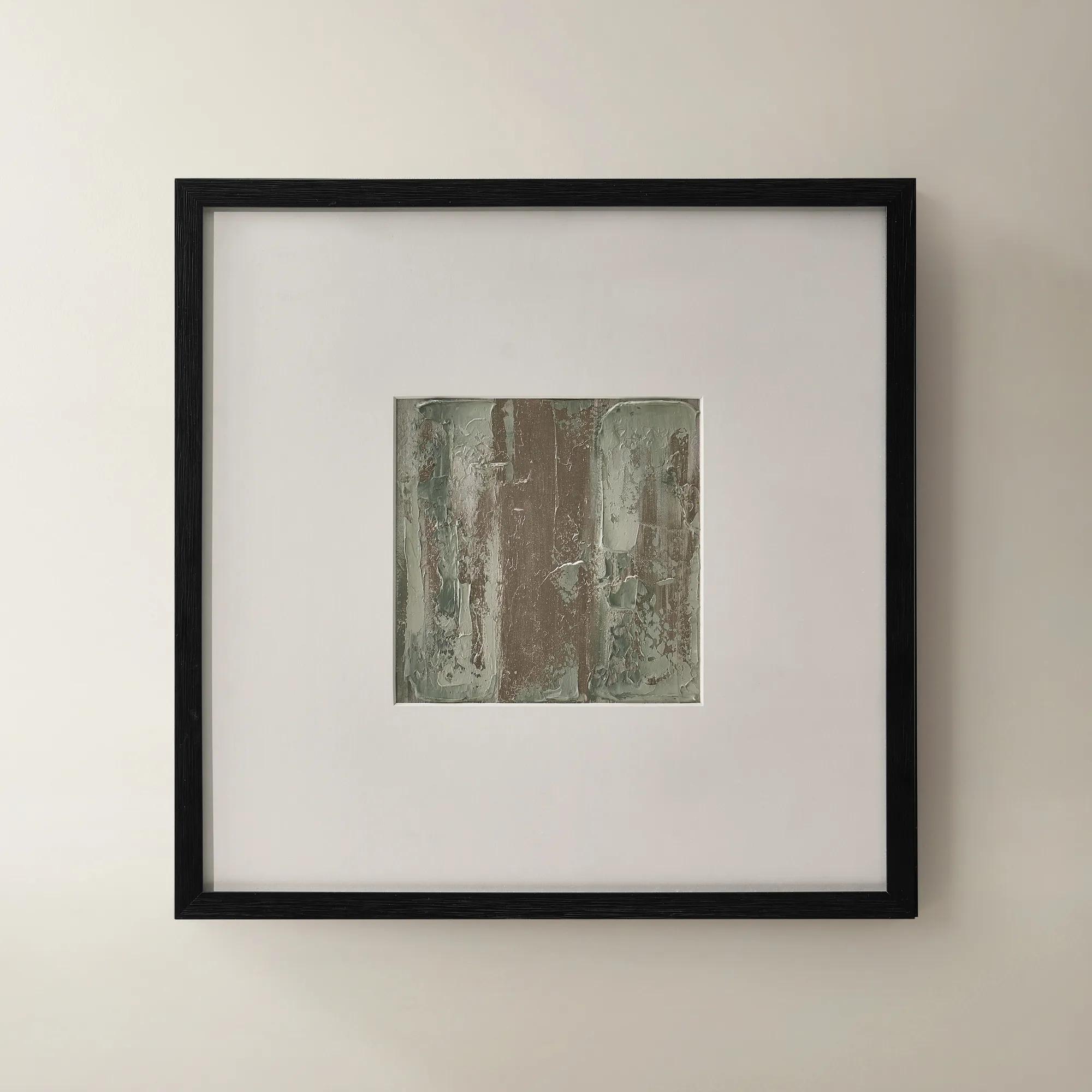
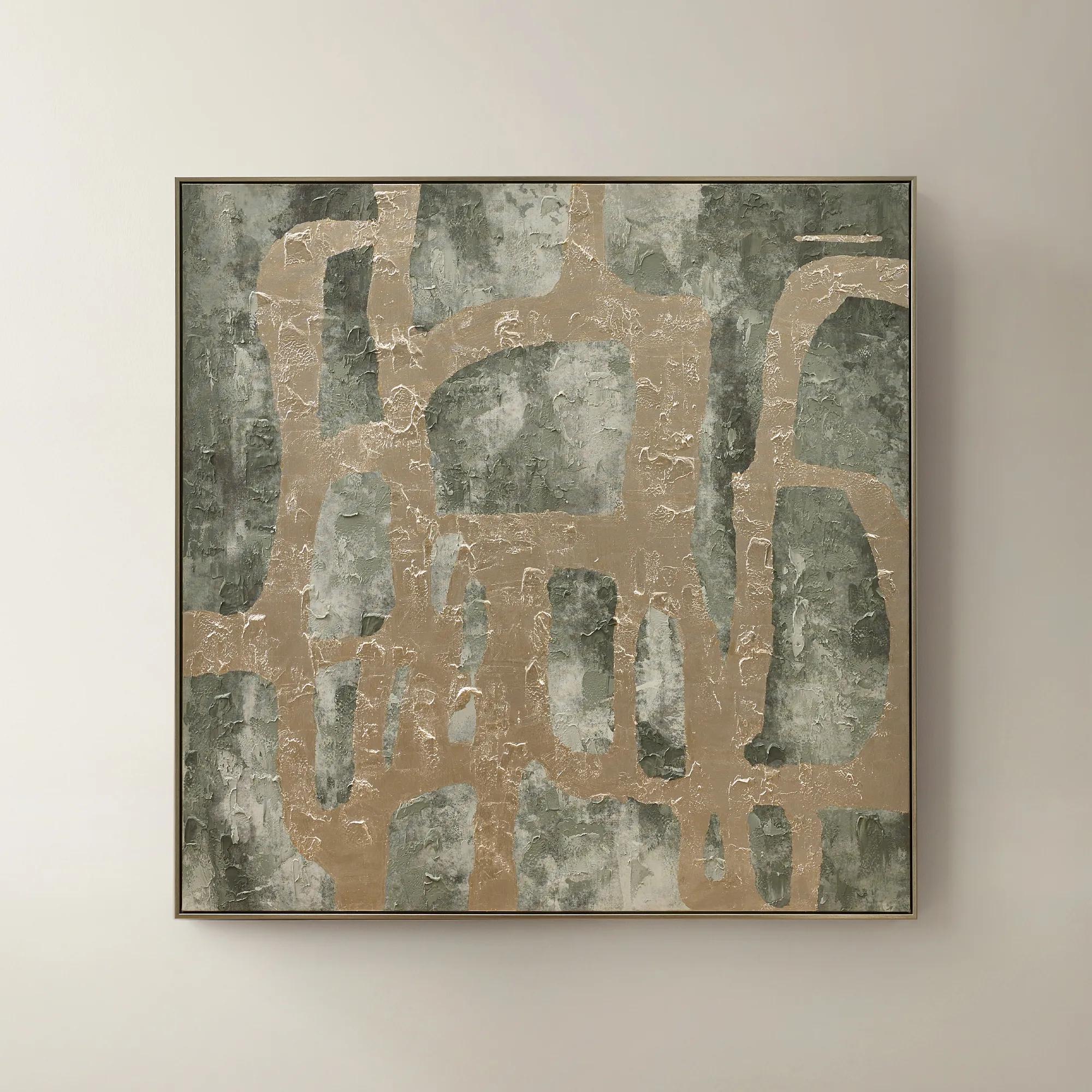 Illusions Framed Painted Wall Art 50" x 50"$599
A hand-painted canvas in sage and champagne tones with textural embellishments for modern, artful depth.
Add To Cart -
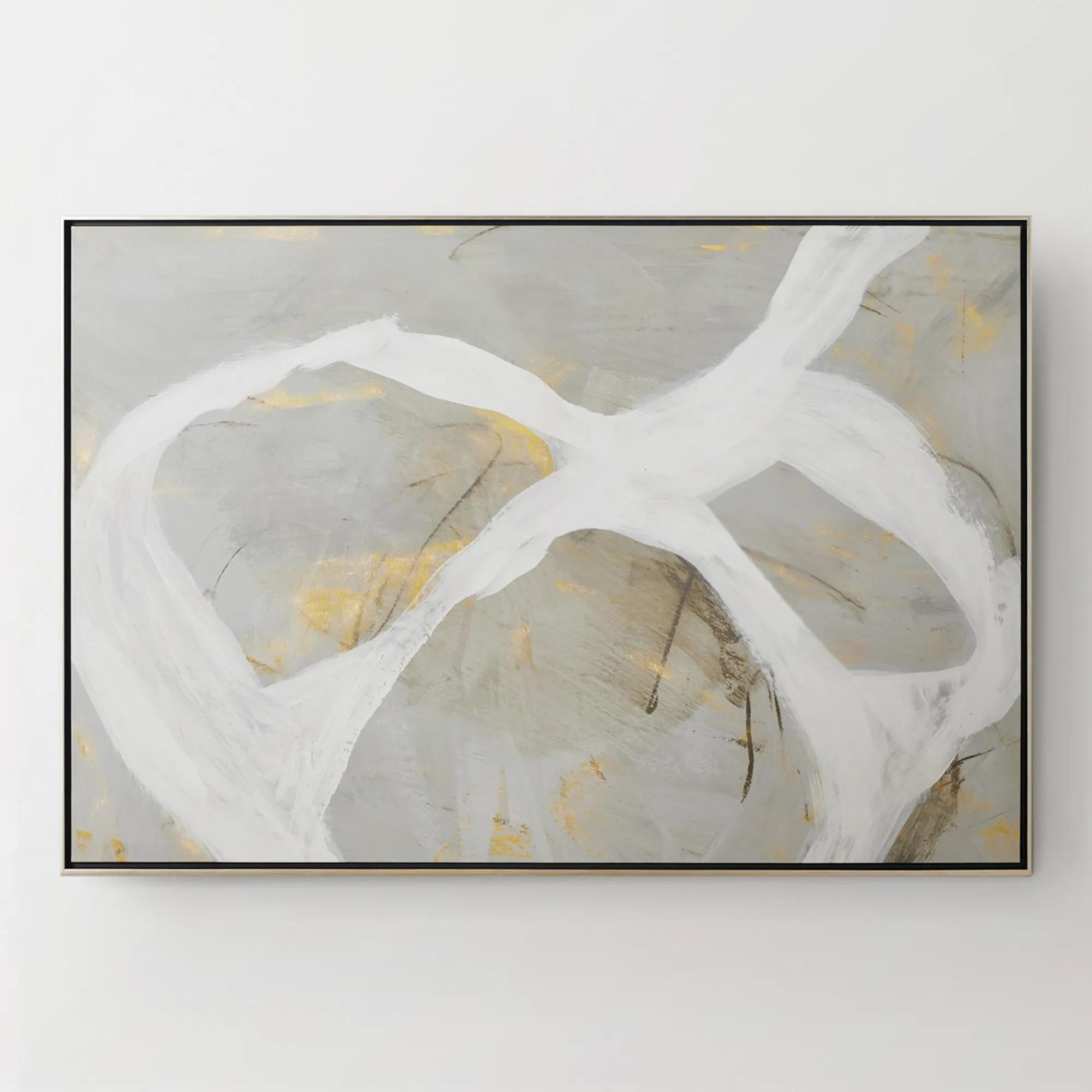
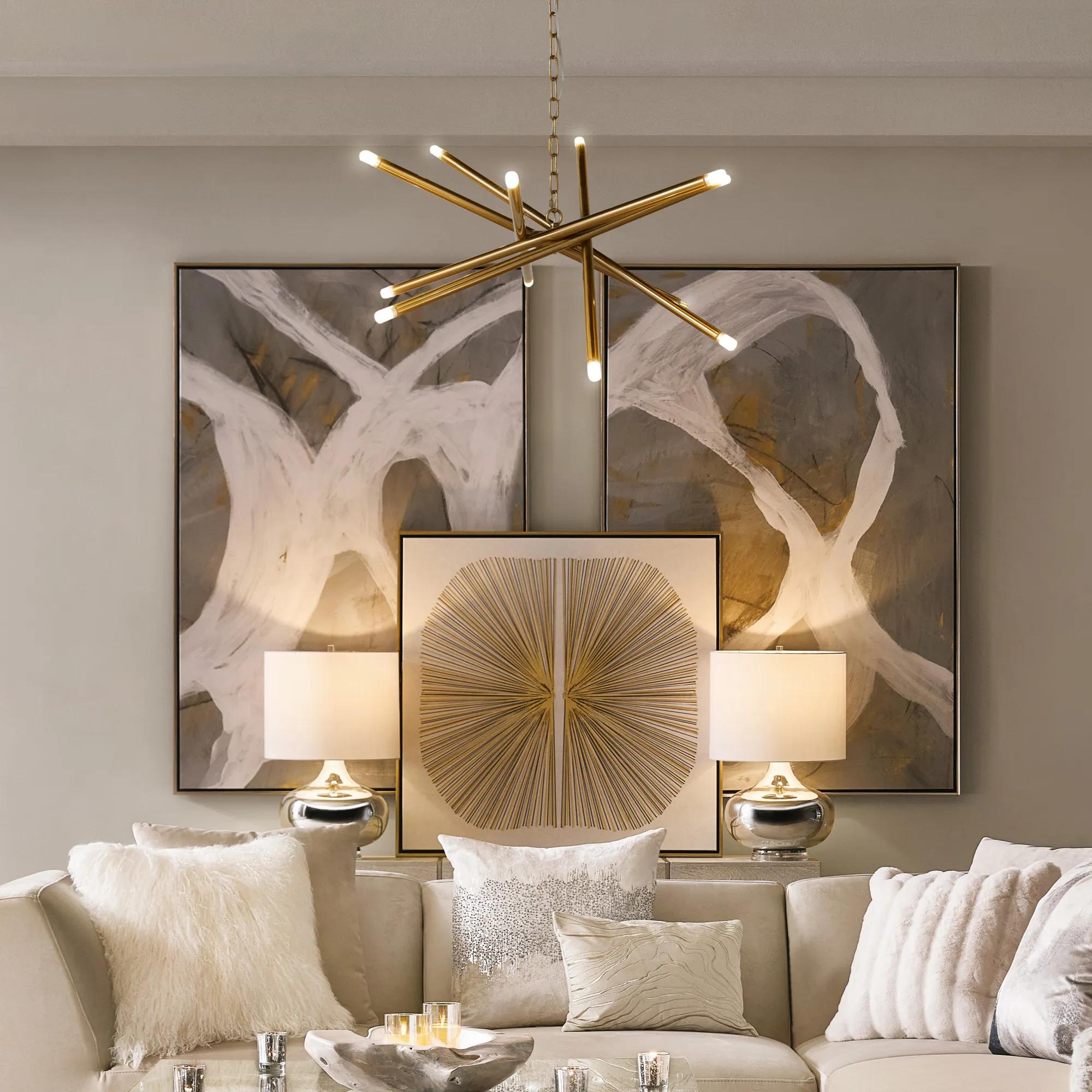 Les Series Framed Painted Wall Art I 61" x 41"$1099
An abstract canvas artwork featuring bold brushstrokes, hand-applied gold accents, and a silver floater frame.
Add To Cart -
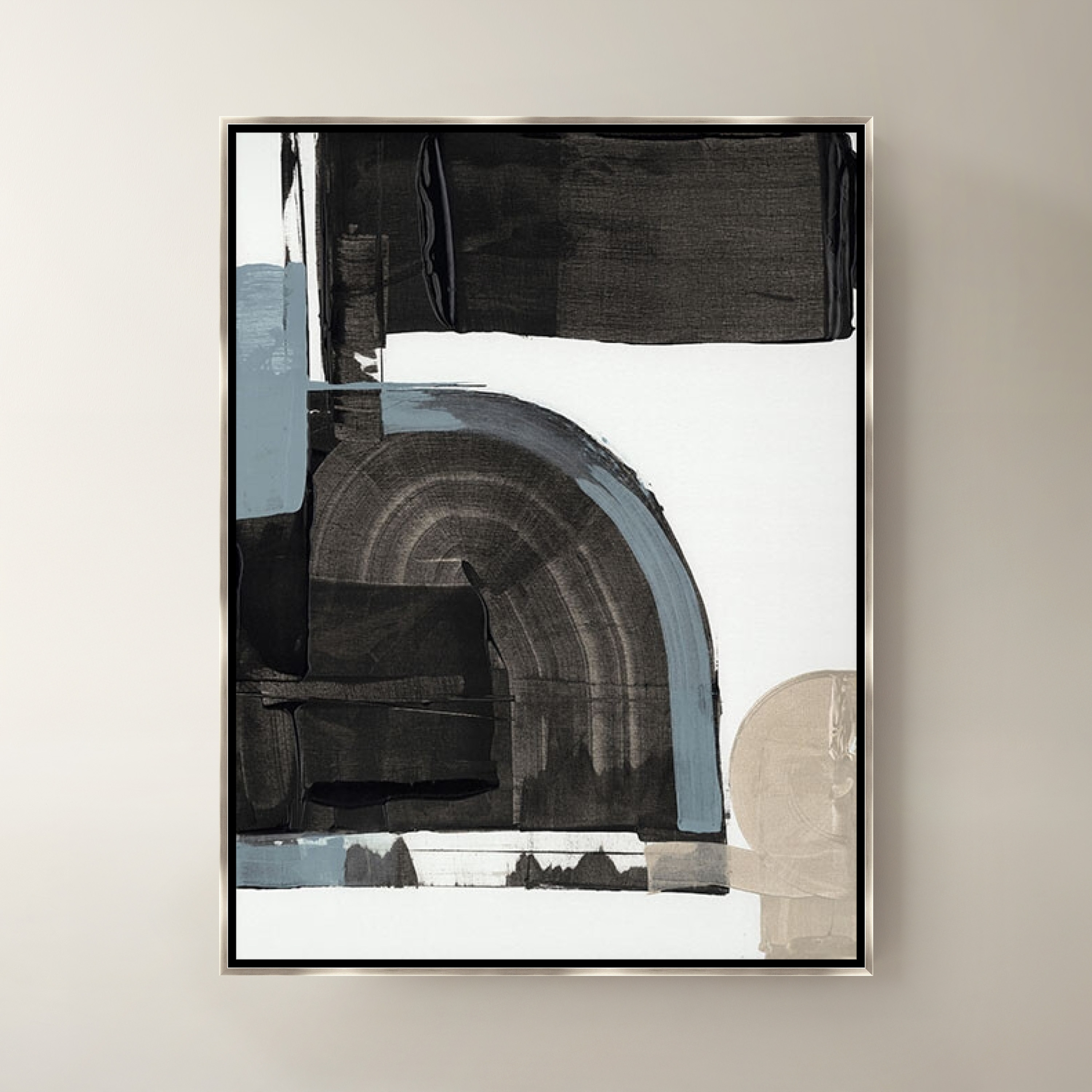
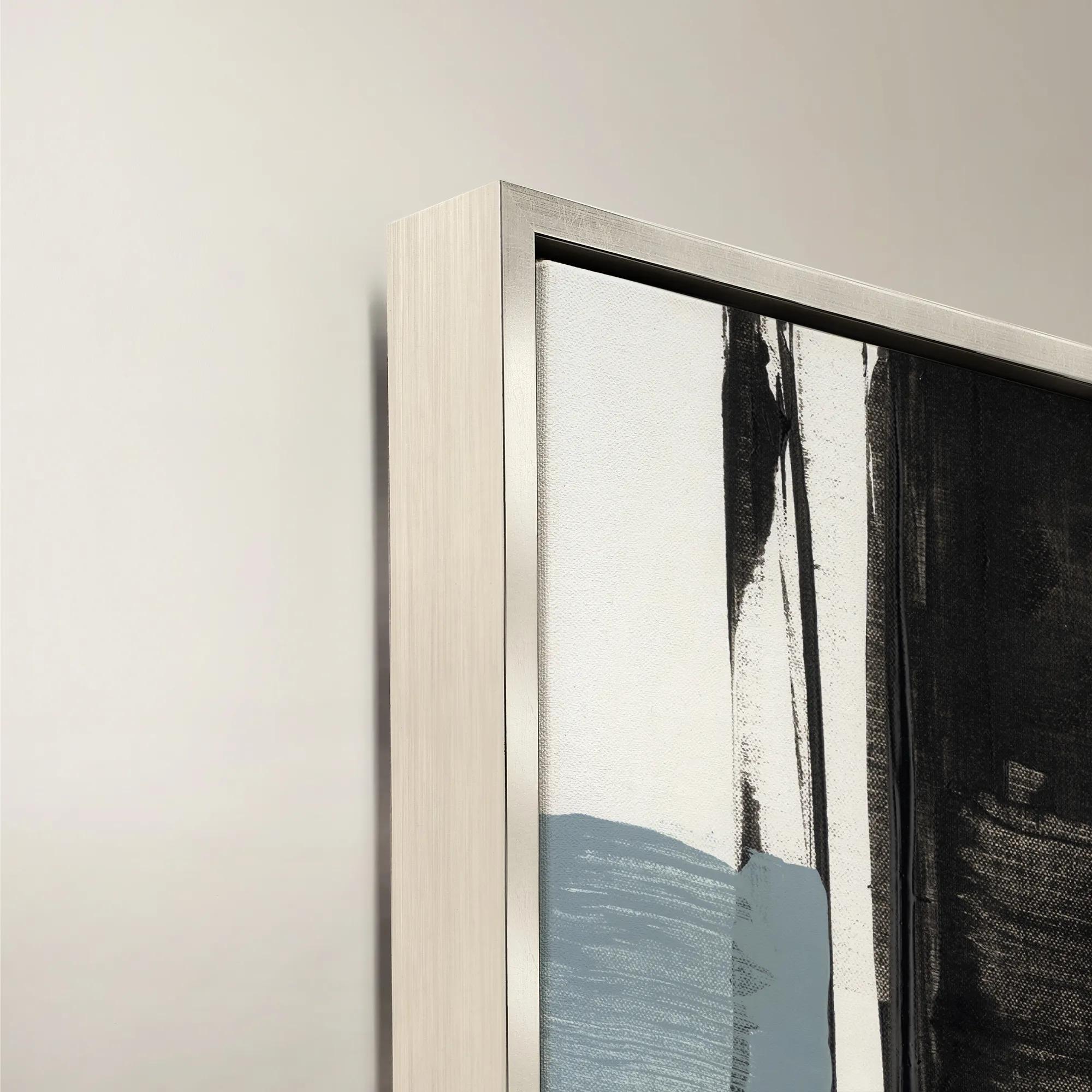 Blanc de Blancs III Framed Wall Art 24" x 30"$519
A sophisticated black canvas artwork presented in a refined frame for modern wall styling.
Add To Cart -
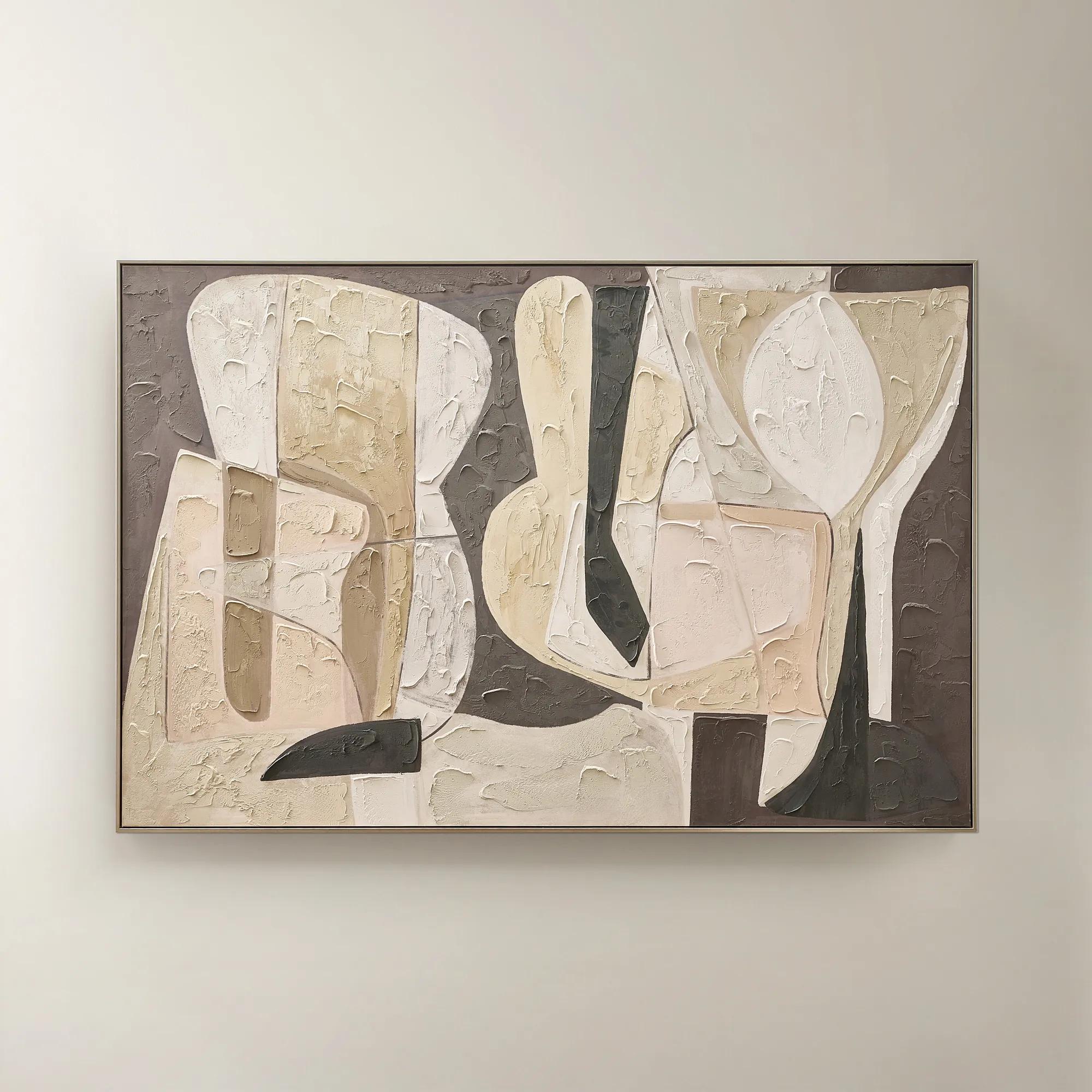 Wishful Thinking Framed Painted Wall Art 72" x 48"$599
A hand-painted abstract canvas featuring bold geometric forms and warm smoked plum, apricot, and tawny hues.
Add To Cart -
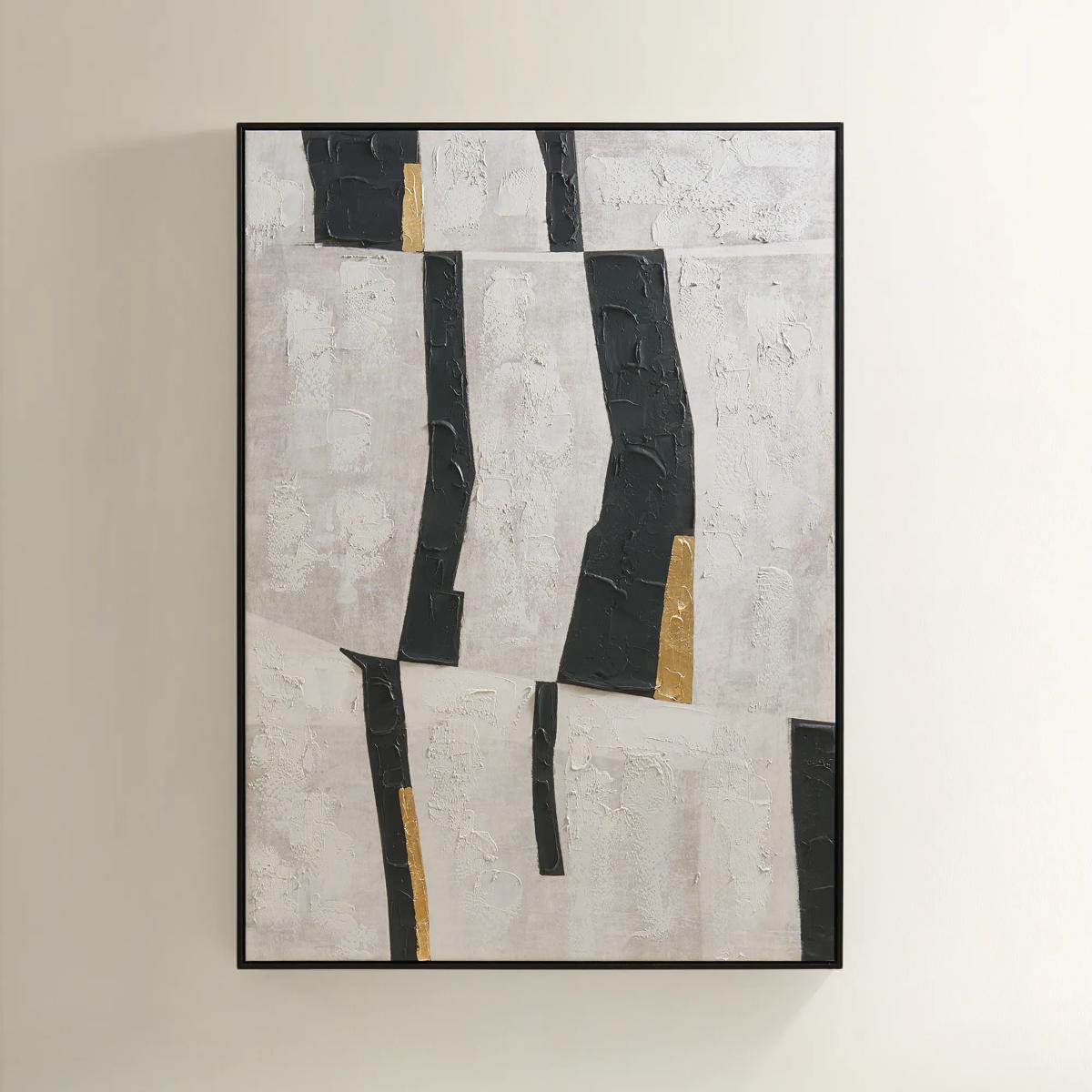
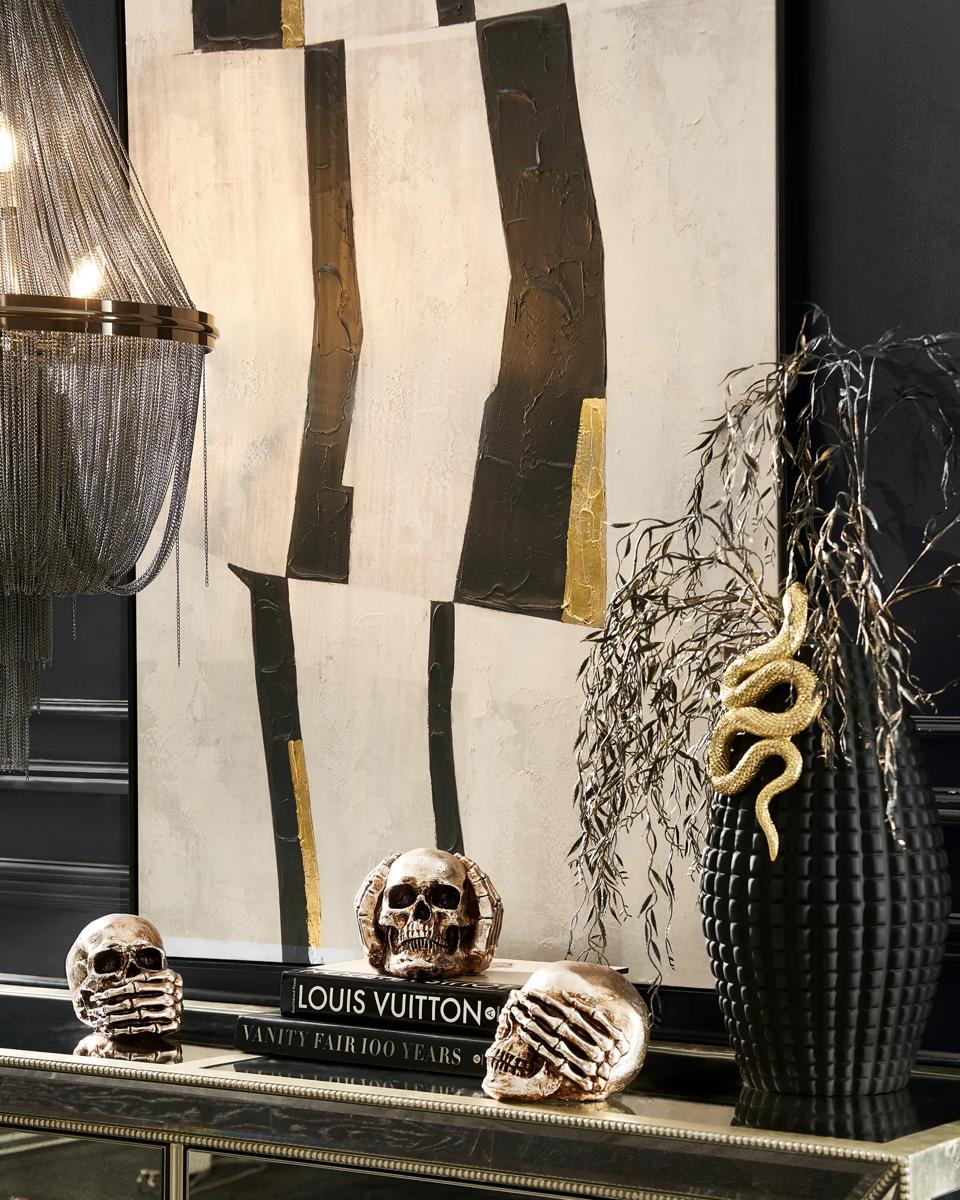 Into the Groove Painting$449
A modern abstract canvas featuring black, gray, and gold leaf accents in a sleek black floater frame.
Add To Cart -
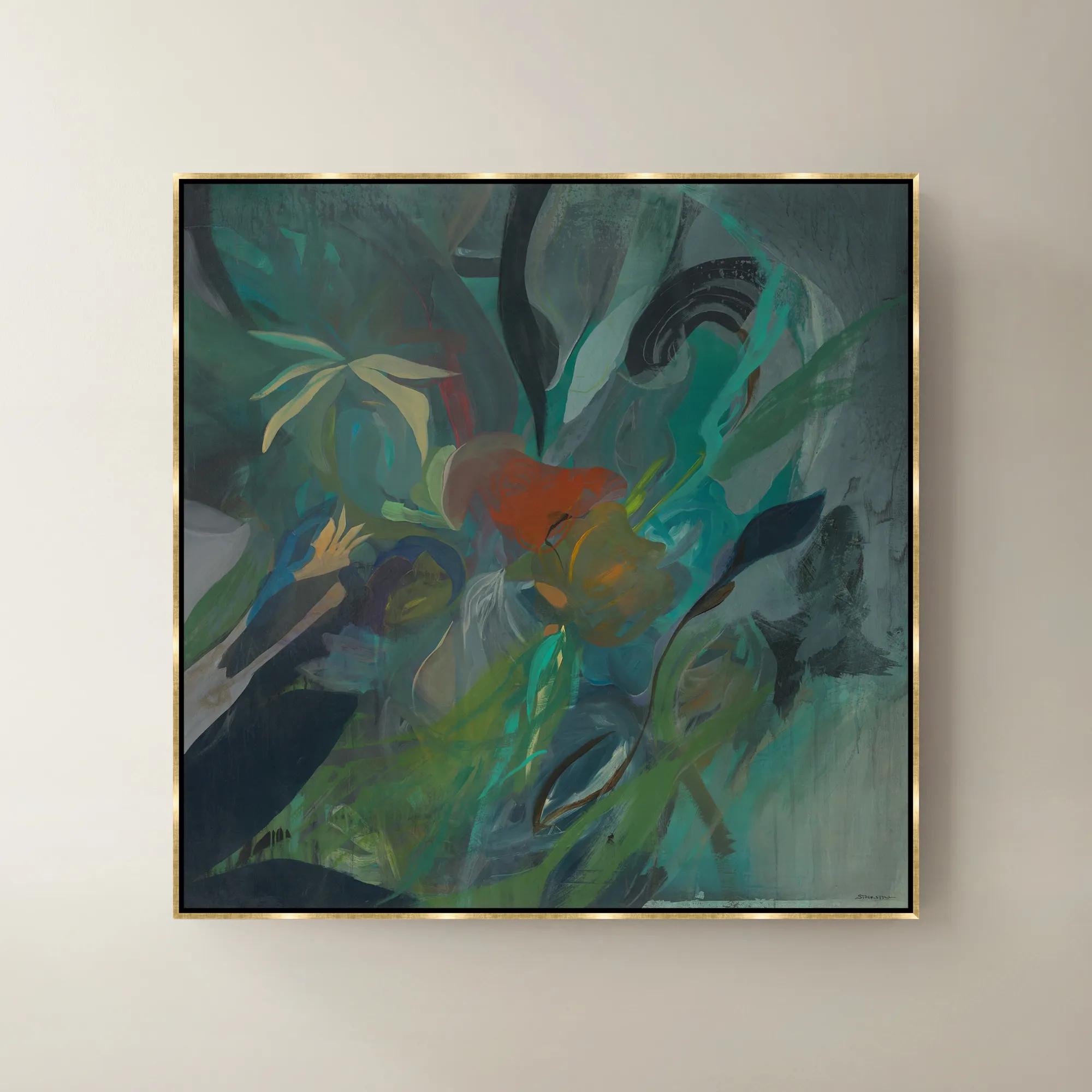
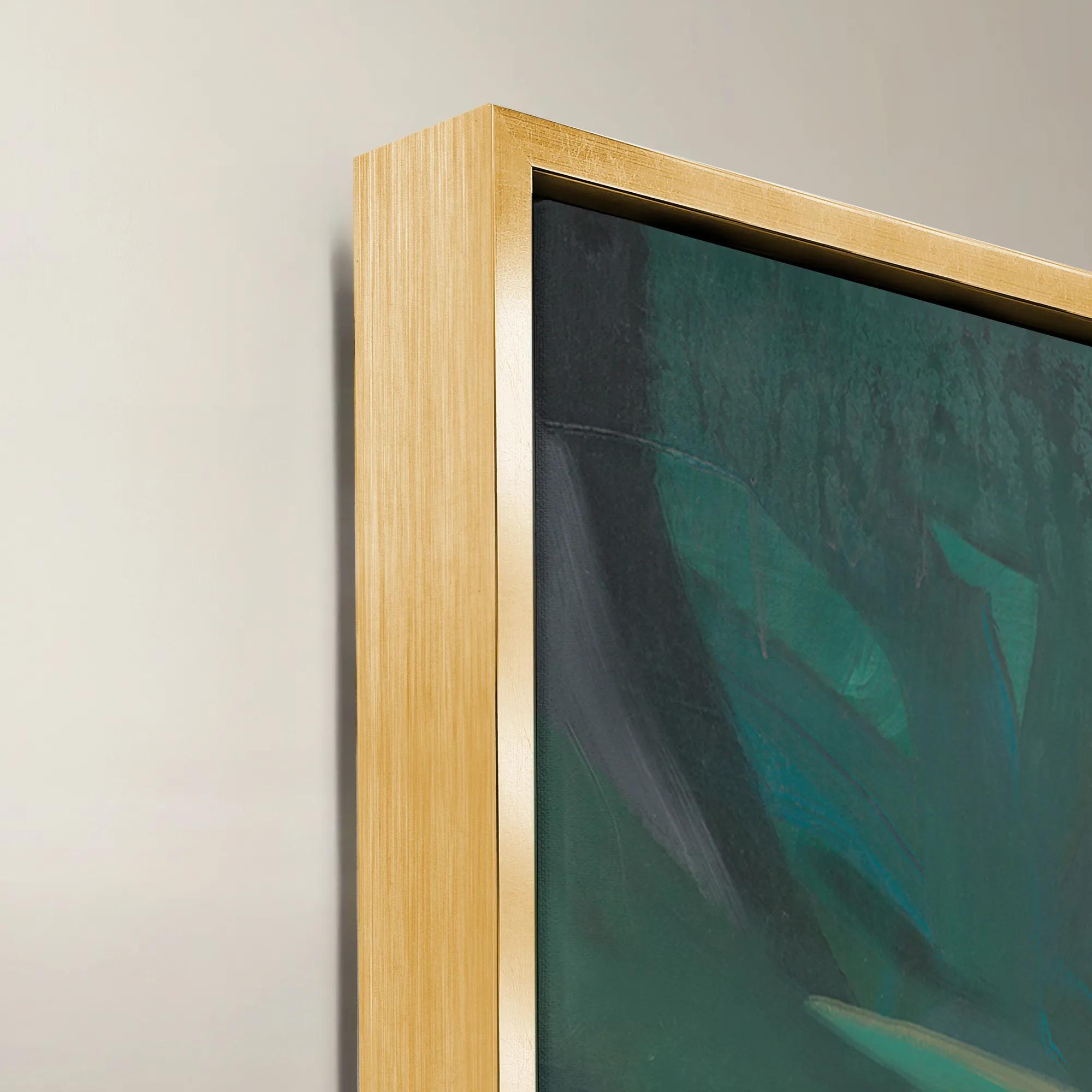 Fresh Places Framed Wall Art 47" x 47"$1199
A vibrant green canvas wall artwork with a sophisticated framed finish, bringing contemporary character to interiors.
Add To Cart

Abstract Cityscape Canvas Wall Arts
Abstract cityscape canvas wall arts transform your walls into windows overlooking metropolitan marvels—where shimmering skylines and painterly silhouettes evoke the pulse of urban life. Each piece is a celebration of movement and modernity, capturing the energy, intrigue, and architectural poetry of the city in expressive brushstrokes and luminous hues. Whether you crave the drama of a midnight skyline or the allure of sunlit avenues, these canvases invite you to curate a gallery that’s as bold and cosmopolitan as your vision. Elevate your space with artistry that doesn’t just decorate—it transports, turning every glance into an escape to a world where imagination reigns and boundaries blur.
Abstract cityscape canvas wall art reimagines urban architecture through expressive color, layered shapes, and painterly movement. Rather than documenting every window and avenue, these compositions capture the feeling of a city: the upward sweep of towers, the rhythm of overlapping rooftops, the shimmer of reflected light. A skyline may emerge from broad strokes of charcoal and ivory or dissolve into passages of sapphire, bronze, and soft gray. That balance between recognizable structure and artistic freedom gives abstract urban art its distinctive presence. It brings architectural energy into a room without requiring a literal view of a particular destination. For interiors with sculptural furniture, reflective accents, or sumptuous upholstery, cityscape imagery adds another dimension of visual interest—a suggestion of life beyond the walls, expressed through color and form. Horizontal compositions can echo the generous proportions of a sofa or dining console, while vertical canvases emphasize soaring buildings and draw attention to a room’s height. A panoramic skyline creates a sense of breadth; a closely cropped arrangement of geometric facades feels more intimate and graphic. Color changes the mood just as dramatically. Black-and-white cityscape canvas art emphasizes contrast and line, making a compelling companion to lacquered surfaces, marble, and metallic details. Muted taupe and stone tones bring architectural definition to a quieter palette, while saturated blue or jewel-toned accents give an otherwise restrained room a deliberate focal point. Metallic-looking passages can suggest illuminated windows or reflections, although a printed gold tone and a genuinely metallic finish will interact with light differently. Across these interpretations, the appeal lies in the interplay of order and spontaneity. Buildings provide structure, while blurred edges, unexpected marks, and open fields of color keep the composition expressive. The result feels equally at home in a polished living room, a distinctive entryway, or a home office with a strong point of view.
The material and construction of canvas artwork shape its appearance as much as the image itself. Cotton, polyester, and blended canvases each provide a woven foundation, but surface preparation, printing or painting technique, and finishing also influence the final effect. Pigment-based printing can translate intricate tonal shifts and expressive brushwork onto canvas; reproduced texture remains visual unless a separate dimensional treatment is applied. Hand-applied acrylic or oil paint can introduce physical ridges, layered marks, and variations that catch the light, with palette-knife techniques lending particular depth to architectural forms. Neither approach needs to imitate the other: a finely reproduced skyline can deliver crisp detail and nuanced color, while a textured painting invites attention to the gestures across its surface. Format is another defining consideration. Stretched canvas is tensioned over an internal support, and a gallery-wrapped presentation carries the image or finished edges around the sides for a clean profile. A surrounding frame adds definition, while a floating frame leaves a narrow reveal that gives the canvas a subtly suspended appearance. Rolled canvas requires stretching or suitable framing before display. Single-panel artwork creates one uninterrupted view; coordinated multipanel arrangements extend a composition across separate canvases, making the spacing between panels part of the design. Above a broad sofa, a generously scaled skyline can establish proportion more convincingly than a small canvas surrounded by an expanse of empty wall. As a general visual reference, an arrangement spanning roughly two-thirds to three-quarters of the furniture’s width often feels balanced, though ceiling height, nearby windows, and other furnishings affect the result. Leaving approximately six to ten inches between a sofa back or console and the bottom of the artwork can help connect the elements, with adjustments for actual furniture height and comfortable viewing. Measuring the full arrangement, including frames and panel gaps, prevents surprises. Mounting hardware should suit both the artwork’s weight and the wall material, and installation should follow the piece’s instructions rather than assuming every canvas uses the same support system. Sound construction and secure placement help preserve the presentation as well as the artwork.
An abstract skyline has enough character to lead a room, yet its palette can also create subtle connections throughout the interior. A ribbon of cobalt within the composition might echo a pair of velvet pillows; pale architectural shapes can pick up the veining of a stone tabletop. These restrained repetitions make the setting feel considered without turning every accessory into a match. In a dining room, a sweeping urban composition provides a striking backdrop for conversation. In a bedroom, softened edges and a limited palette can preserve a sense of repose while introducing depth. For an office, angular forms and confident contrast offer an expressive alternative to conventional professional decor. Spaces that combine several abstract subjects benefit from shared colors or related framing rather than identical imagery. The Abstract Circular Canvas Wall Arts collection offers a complementary direction, with curved forms providing a counterpoint to the vertical lines and gridded rhythms of urban compositions. Lighting deserves equal attention: gentle, indirect illumination reveals tonal variation, while a carefully positioned picture light can make dimensional brushwork more apparent. Strong glare can flatten the image or obscure details, particularly when a finish has noticeable sheen. For lasting enjoyment, canvas artwork generally belongs in a dry interior away from prolonged direct sunlight, excessive humidity, and direct heat sources. An interior wall away from cooking splatter or bathroom steam is typically a more suitable setting than an exposed, moisture-prone location. Routine care usually means light dusting with a clean, soft, dry cloth or brush, following the artwork’s care instructions; water, household sprays, and abrasive cleaners can damage paint, printing, or protective finishes. Abstract cityscape art can also make a thoughtful housewarming or milestone gift for an architecture enthusiast, a devoted traveler, or someone with a meaningful connection to urban life. The most personal choice reflects the recipient’s taste and space, whether through a dramatic skyline, a familiar architectural rhythm, or a color story that feels unmistakably theirs.
FAQs
Abstract cityscape canvas wall art reimagines urban environments through a lens of artistic interpretation, focusing on color, texture, and form rather than literal representation. This approach allows each piece to evoke the energy and atmosphere of a city while leaving room for personal interpretation and emotional resonance. The result is artwork that feels both modern and timeless, offering a sophisticated focal point for any space.
Abstract cityscape art makes a memorable gift for anyone with an appreciation for urban culture, travel, or contemporary design. It's especially well-suited for new homeowners, city dwellers, recent graduates, or those who cherish the vibrancy and dynamism of metropolitan life. Its evocative style also appeals to creative spirits who see their home as a canvas for self-expression.
Abstract cityscape wall art can dramatically transform the mood of a room by infusing it with energy, depth, and sophistication. Depending on the color palette and composition, these artworks can create a sense of movement, evoke nostalgia for favorite cities, or simply add a bold artistic statement. They are especially effective in spaces where you want to inspire conversation or spark creativity.
Abstract cityscape canvas art complements a wide range of interior styles, from modern and contemporary to eclectic and transitional. Its versatile blend of structure and abstraction allows it to harmonize with both minimalist backdrops and more layered, maximalist settings. Pairing these pieces with metallic accents, plush textiles, or geometric patterns can further enhance their dramatic impact.
For a striking effect, consider placing a large abstract cityscape above a sofa, bed, or dining table to anchor the space. Gallery walls that mix cityscapes with other abstract or geometric pieces—such as circular canvases—can create a curated, artful vignette. Smaller canvases can be grouped in entryways or hallways to tell a visual story, while leaning a piece on a mantel or shelf can add a relaxed, contemporary touch.