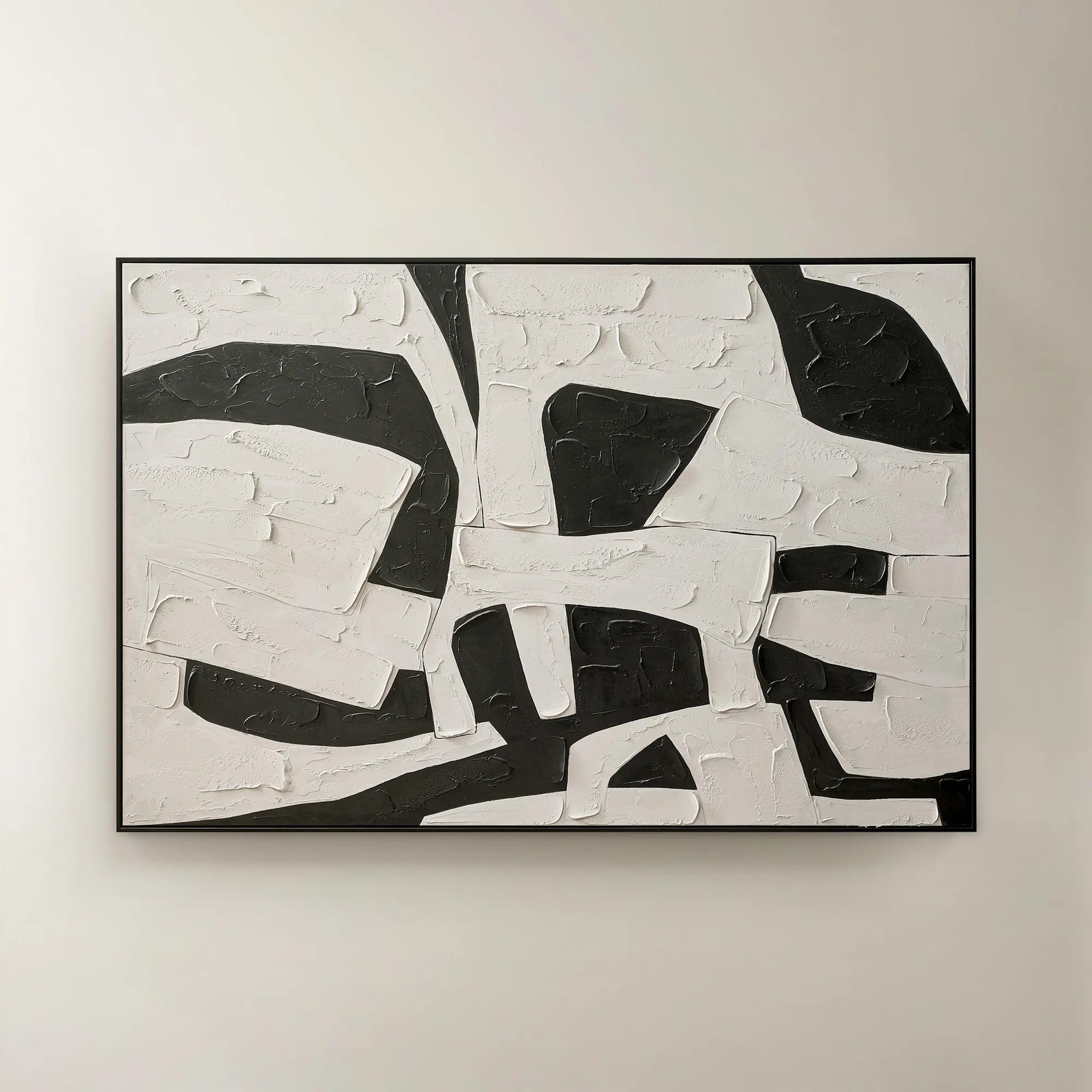
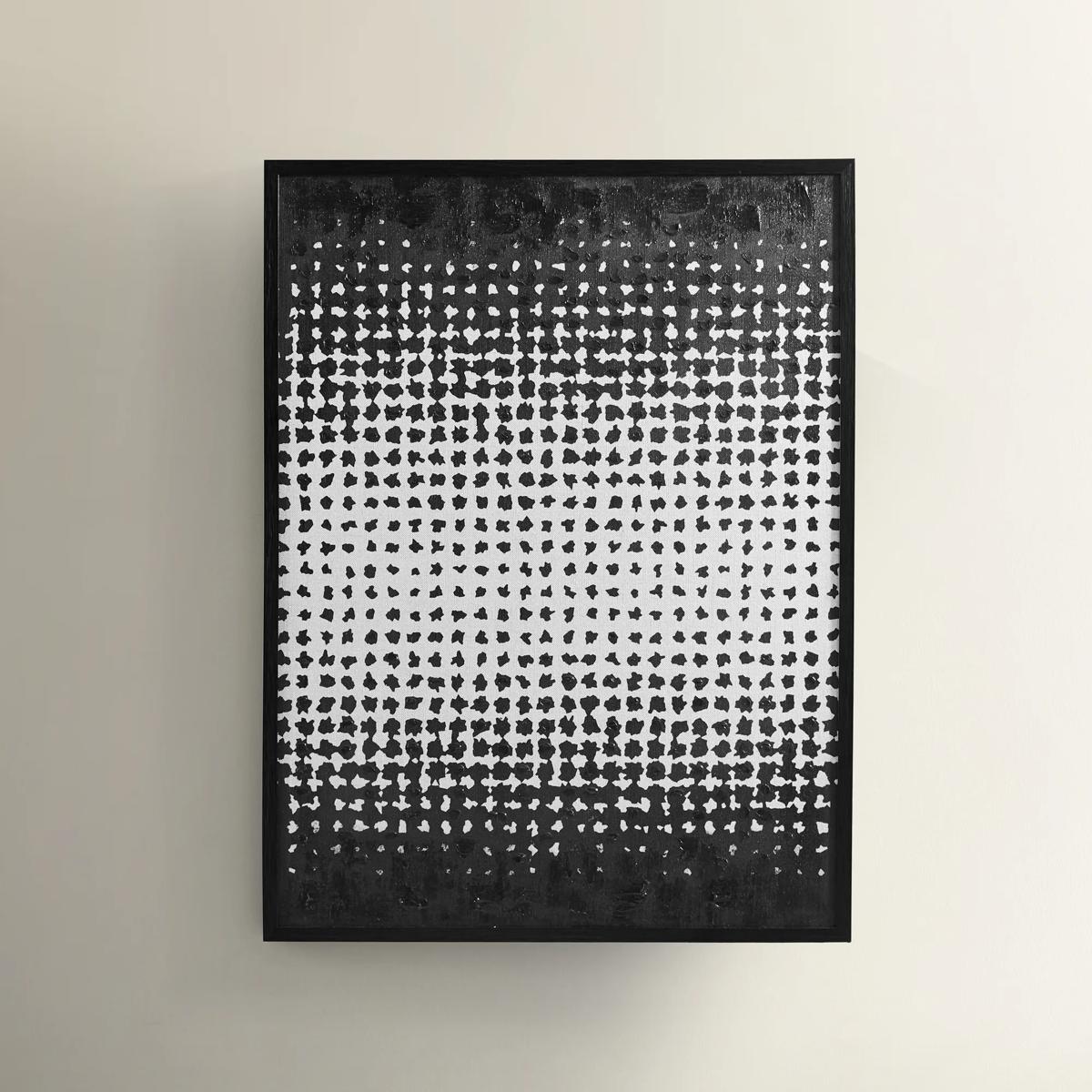
60 Inch Framed Wall Art
60 Inch Framed Wall Art
-
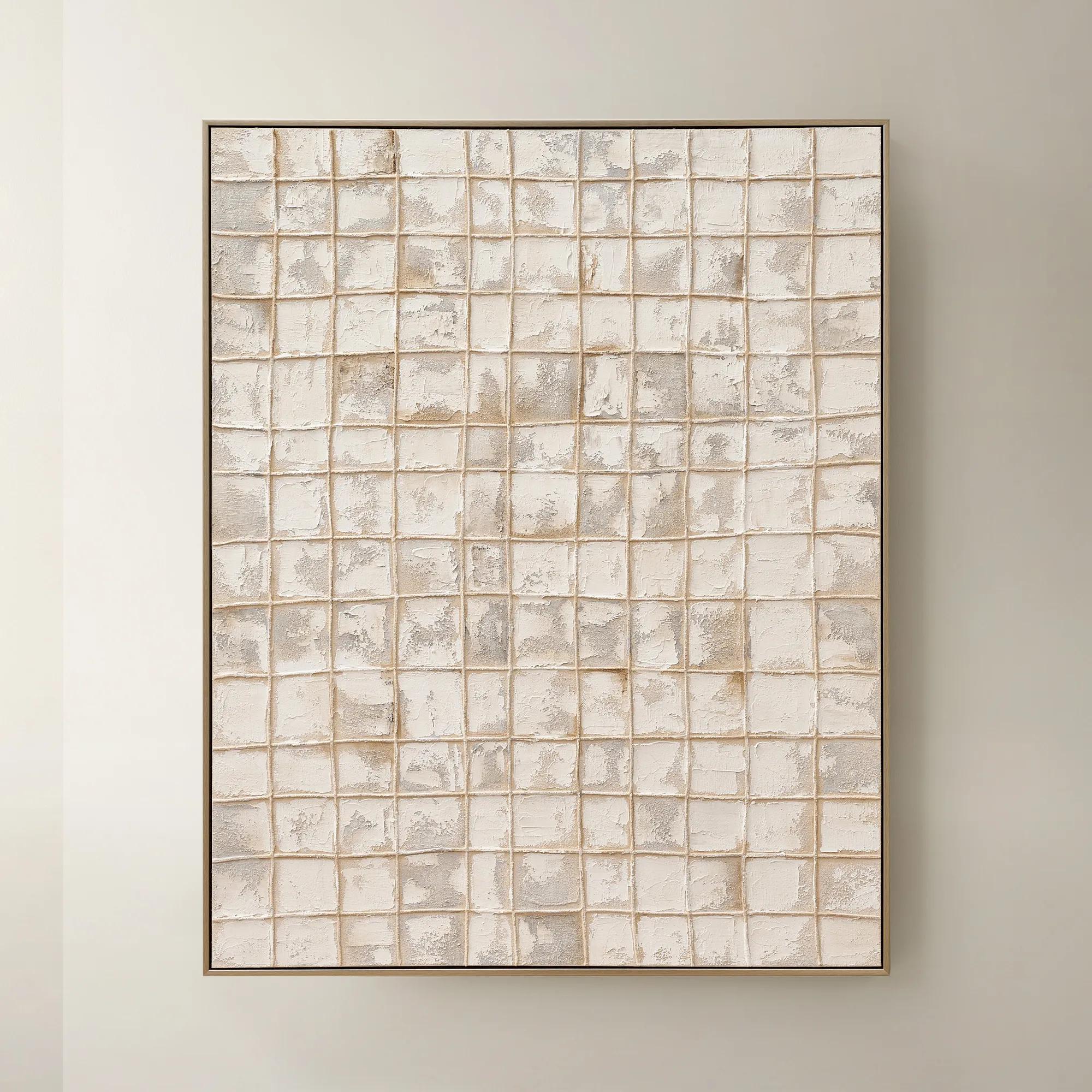
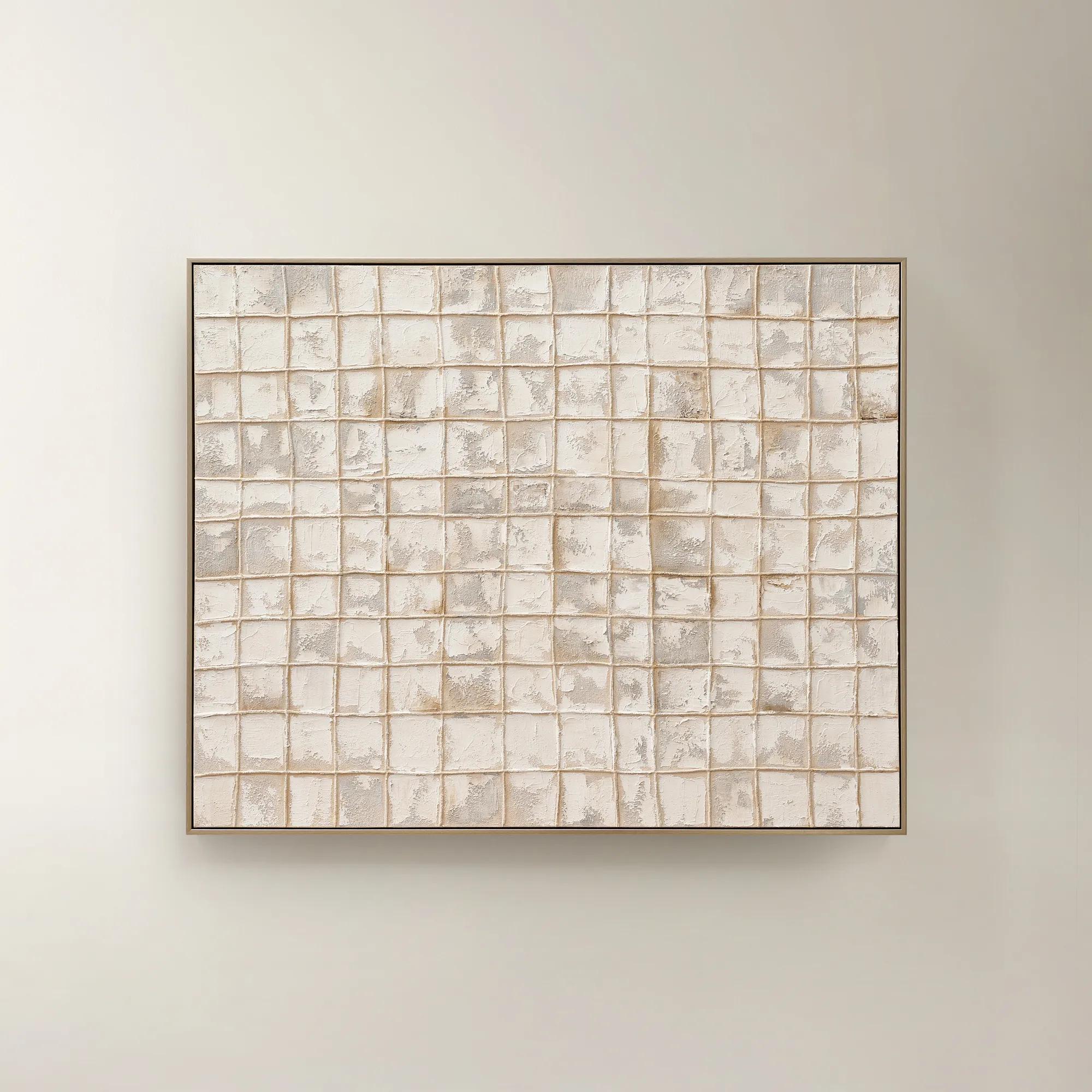 Painted Echos Framed Gold Leaf Wall Art 60" x 48"$699
A hand-painted abstract canvas with gold leaf accents and a champagne frame for modern, versatile display.
Add To Cart -
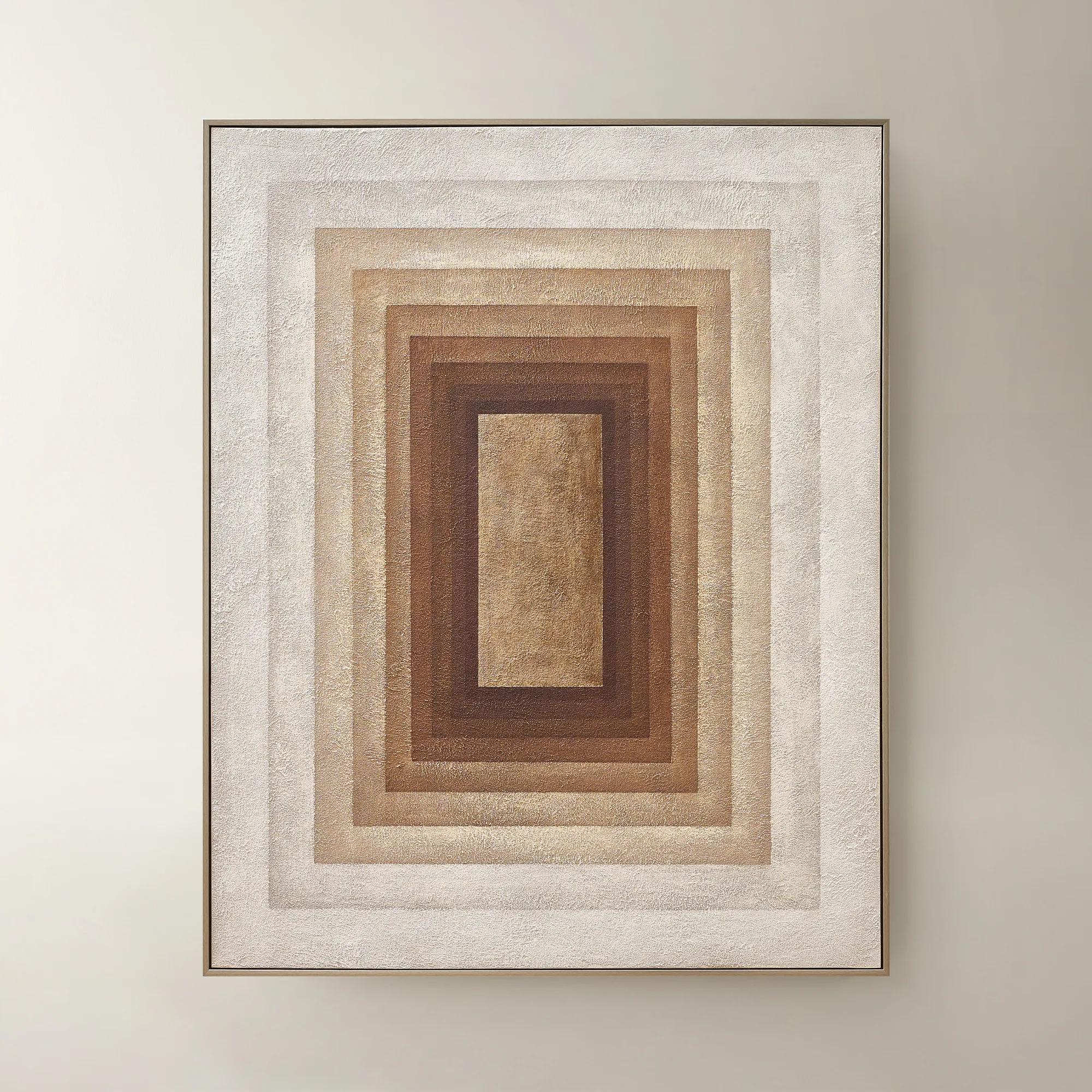 Monochrome Drift Framed Painted Wall Art 60" x 48"$699
A hand-painted abstract canvas with champagne leafing, featuring cocoa and gold tones in modern geometric design.
Add To Cart -
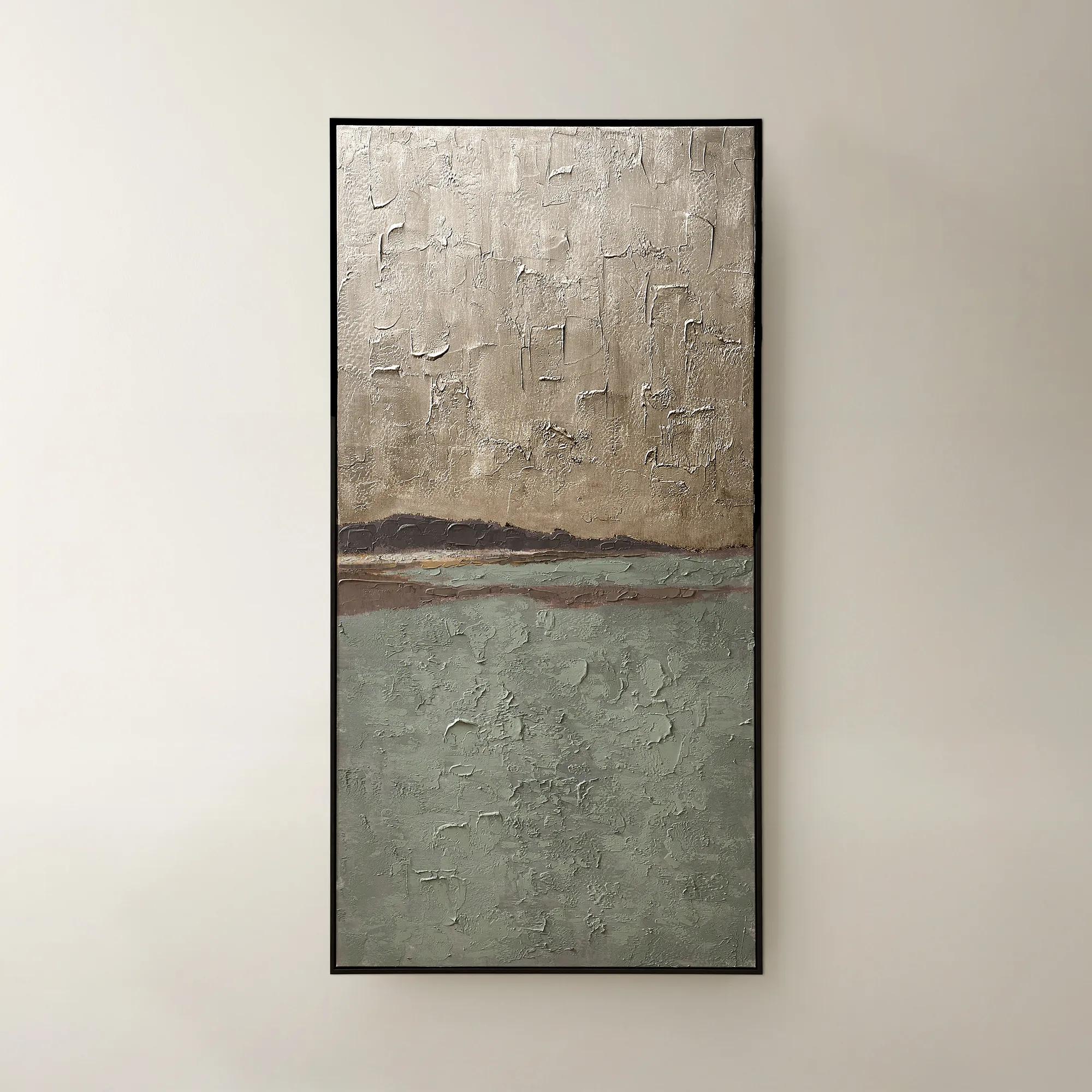
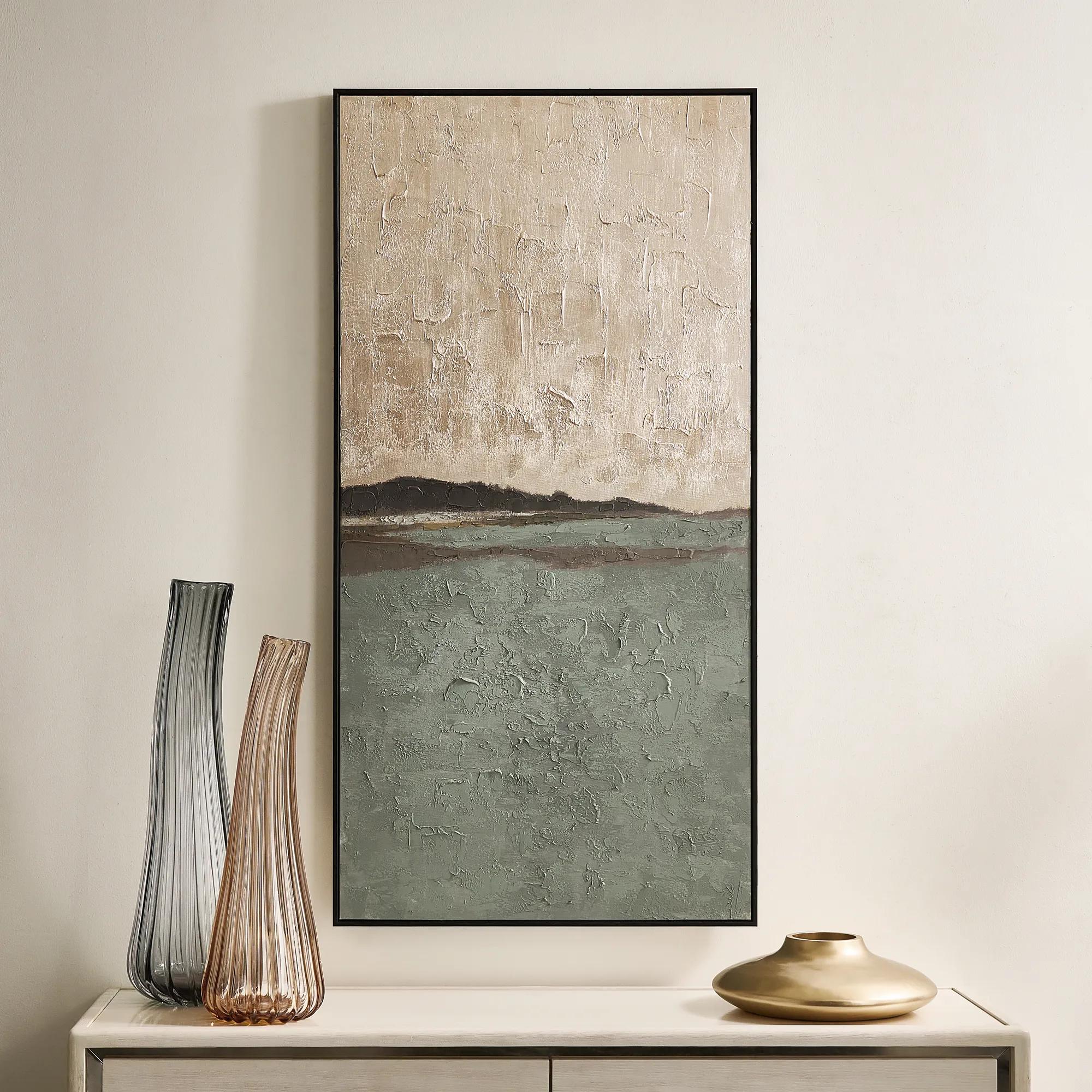 Fields of Gold Framed Painted Wall Art 60" x 30"$399
A hand-painted sage and champagne abstract canvas with a black frame, offering versatile vertical or horizontal display.
Add To Cart -
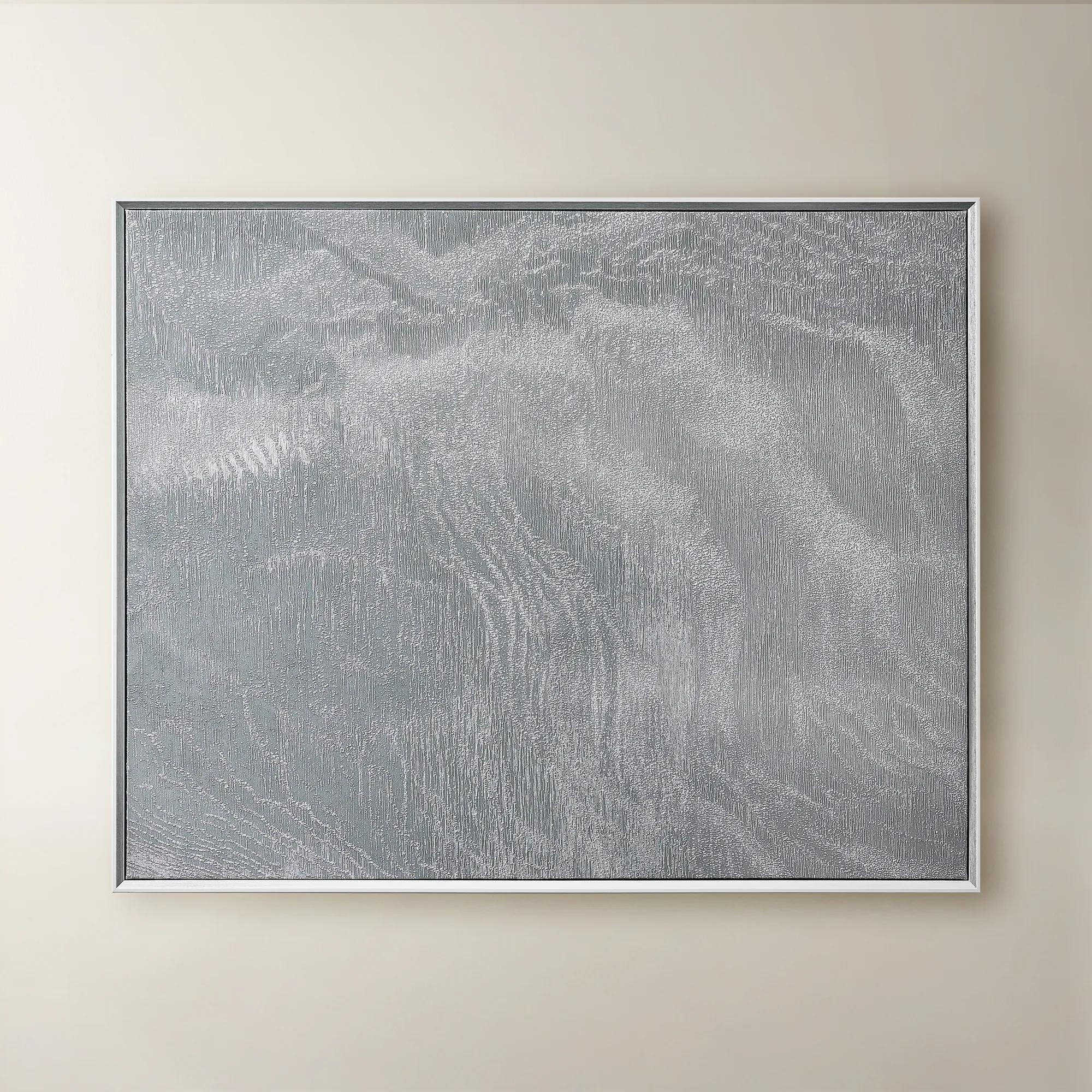 Slow Blue Morning Framed Silver Foil Wall Art 48" x 60"$599
A serene powder blue abstract canvas with silver foil accents, framed in silver and white for modern elegance.
Add To Cart -
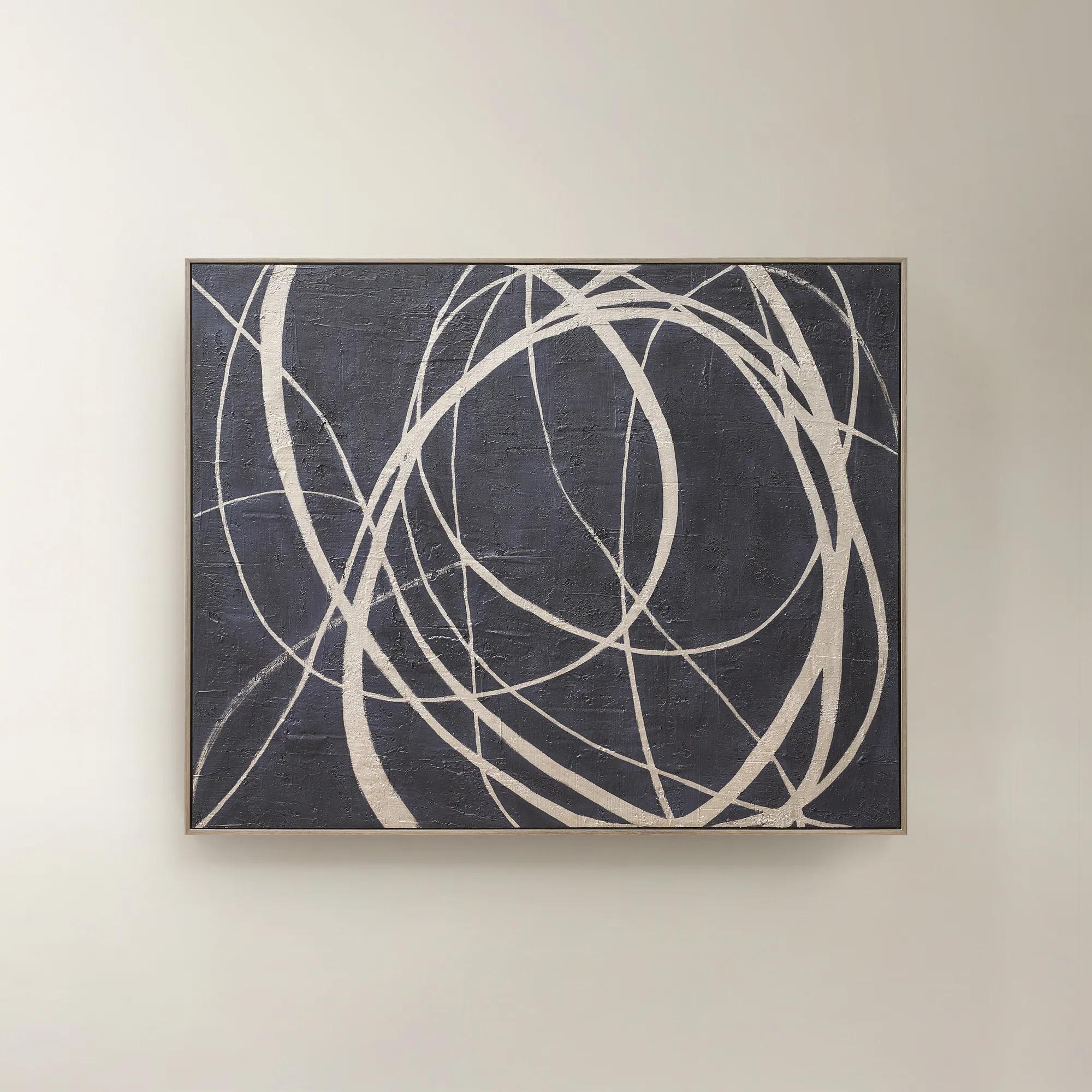 Wandering Framed Painted Wall Art 48" x 60"$699
An expressive hand-painted canvas in deep ink blue with champagne accents for a bold, sophisticated statement.
Add To Cart -
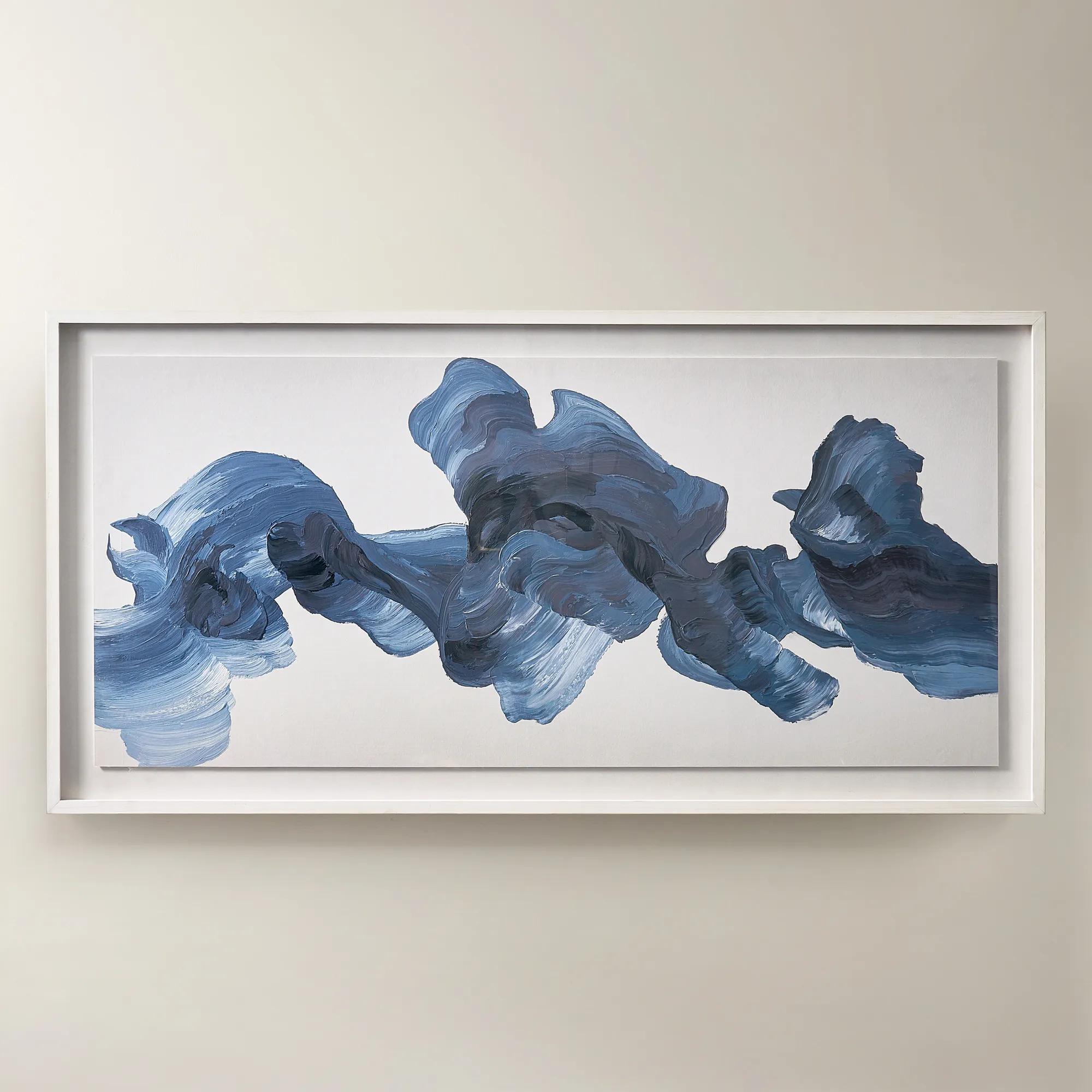
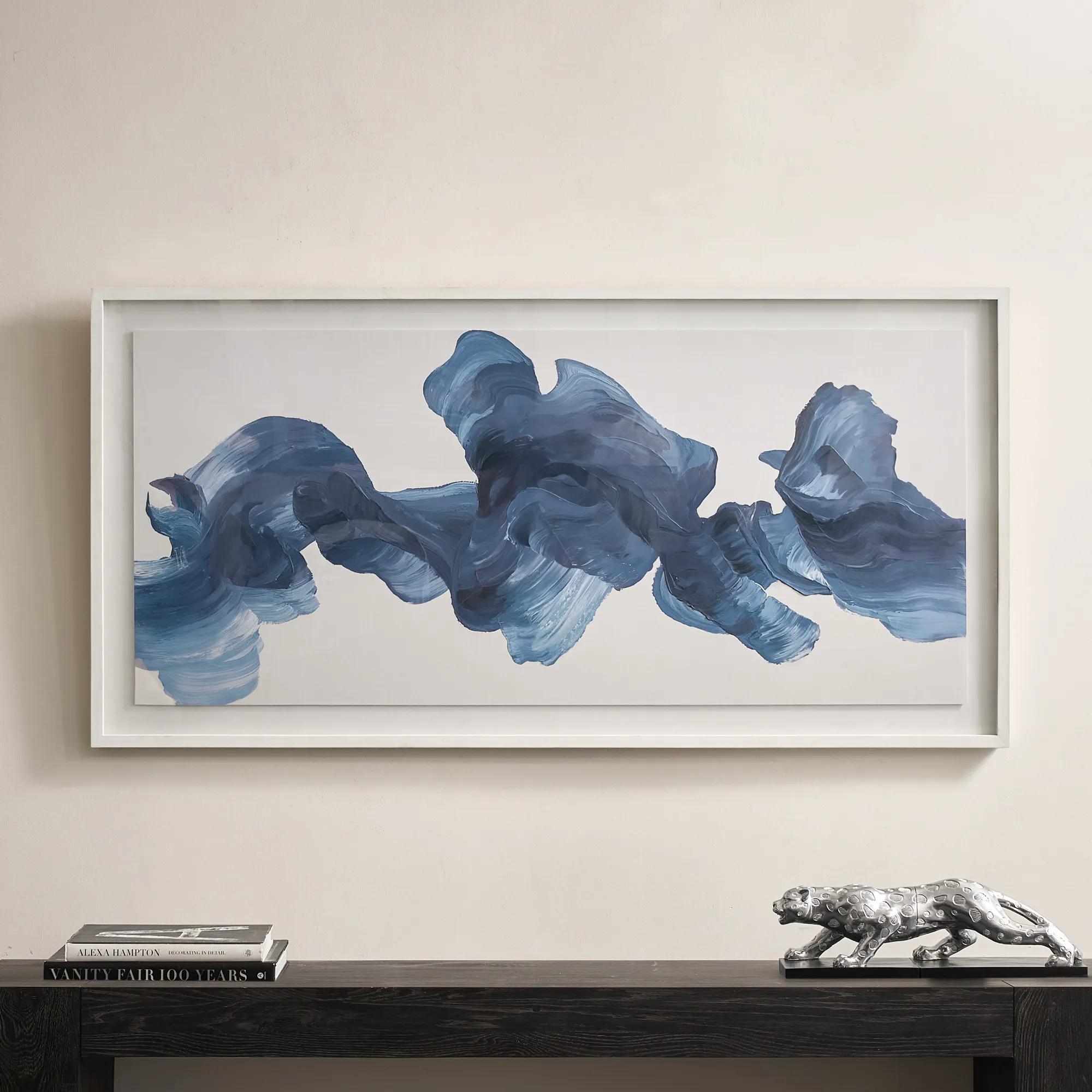 Blue Theory Framed Painted Wall Art in Acrylic 60" x 30"$499
A hand-painted canvas in deep ink blue, framed under acrylic with a whitewashed wood frame.
Add To Cart -
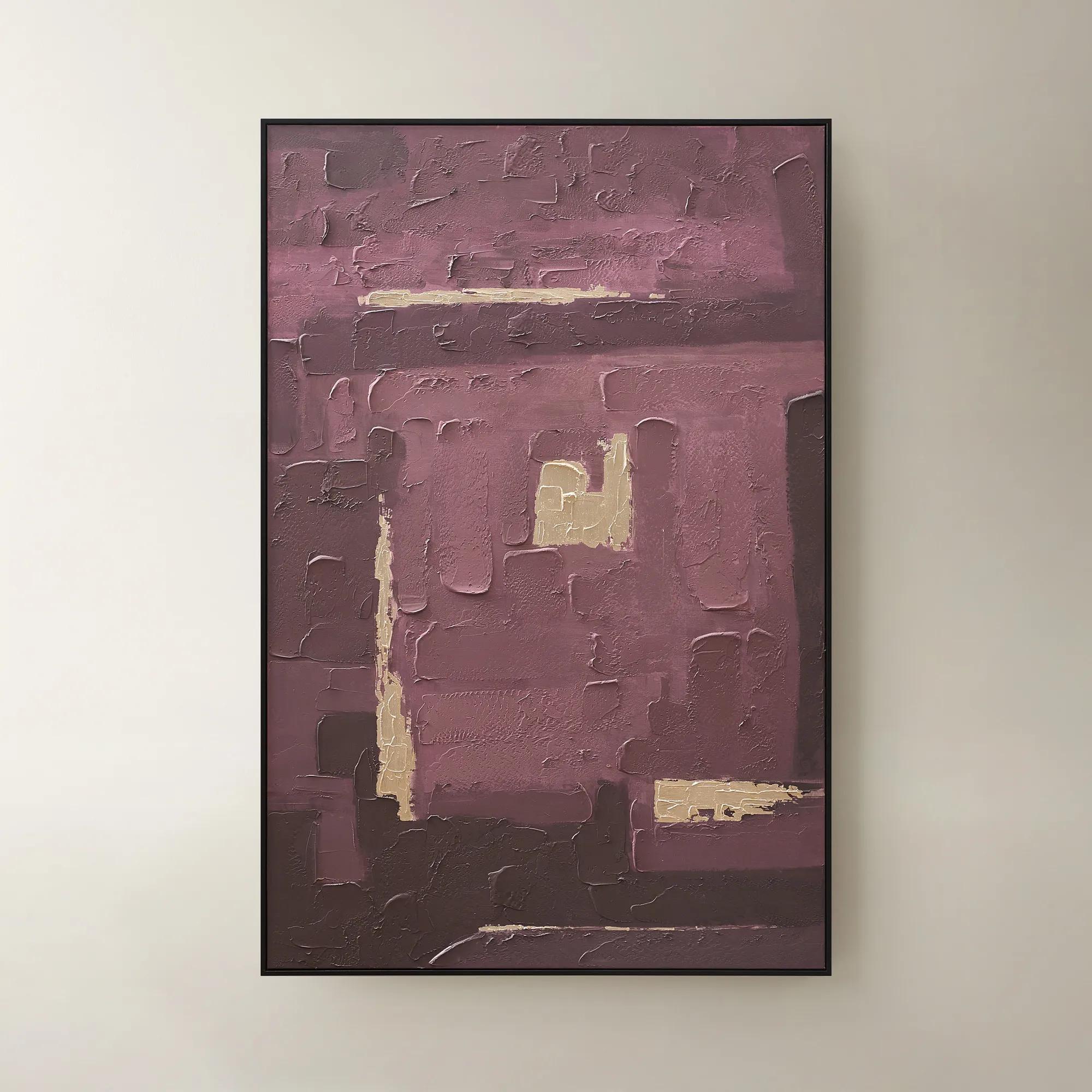
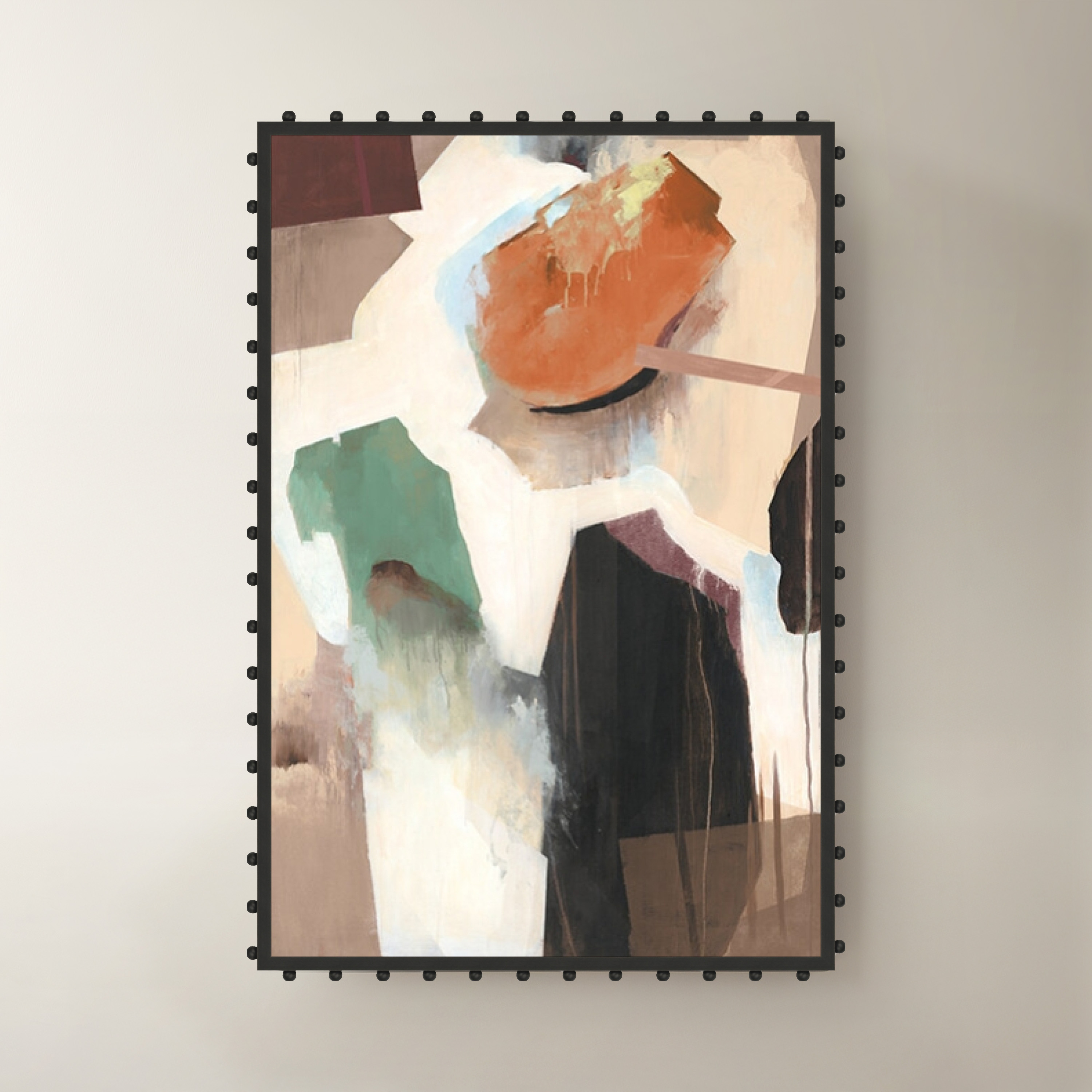
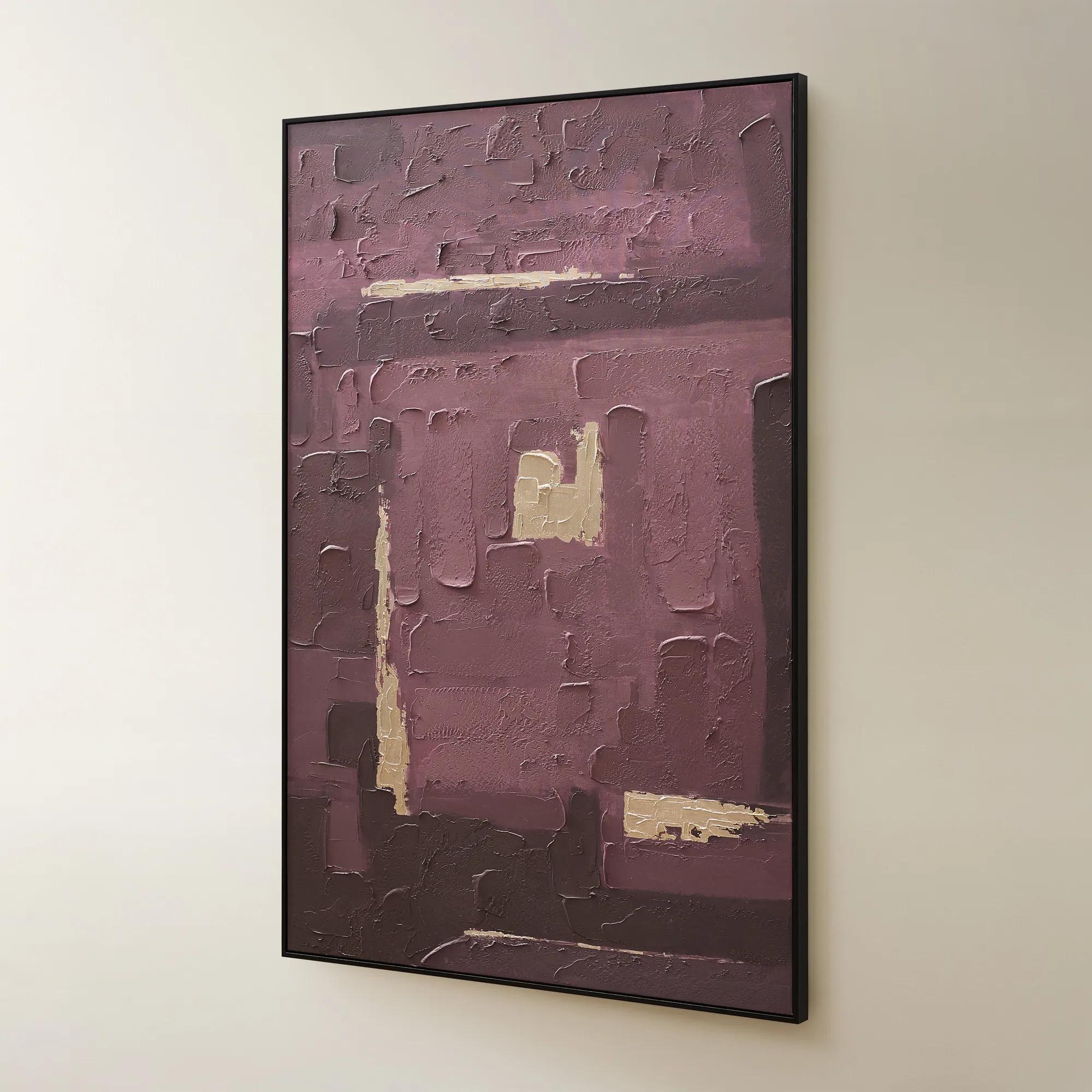 Fallback Framed Painted Wall Art 60" x 40"$499
A hand-painted abstract canvas in rich fig hues with champagne accents, set in a sleek black frame.
Add To Cart -
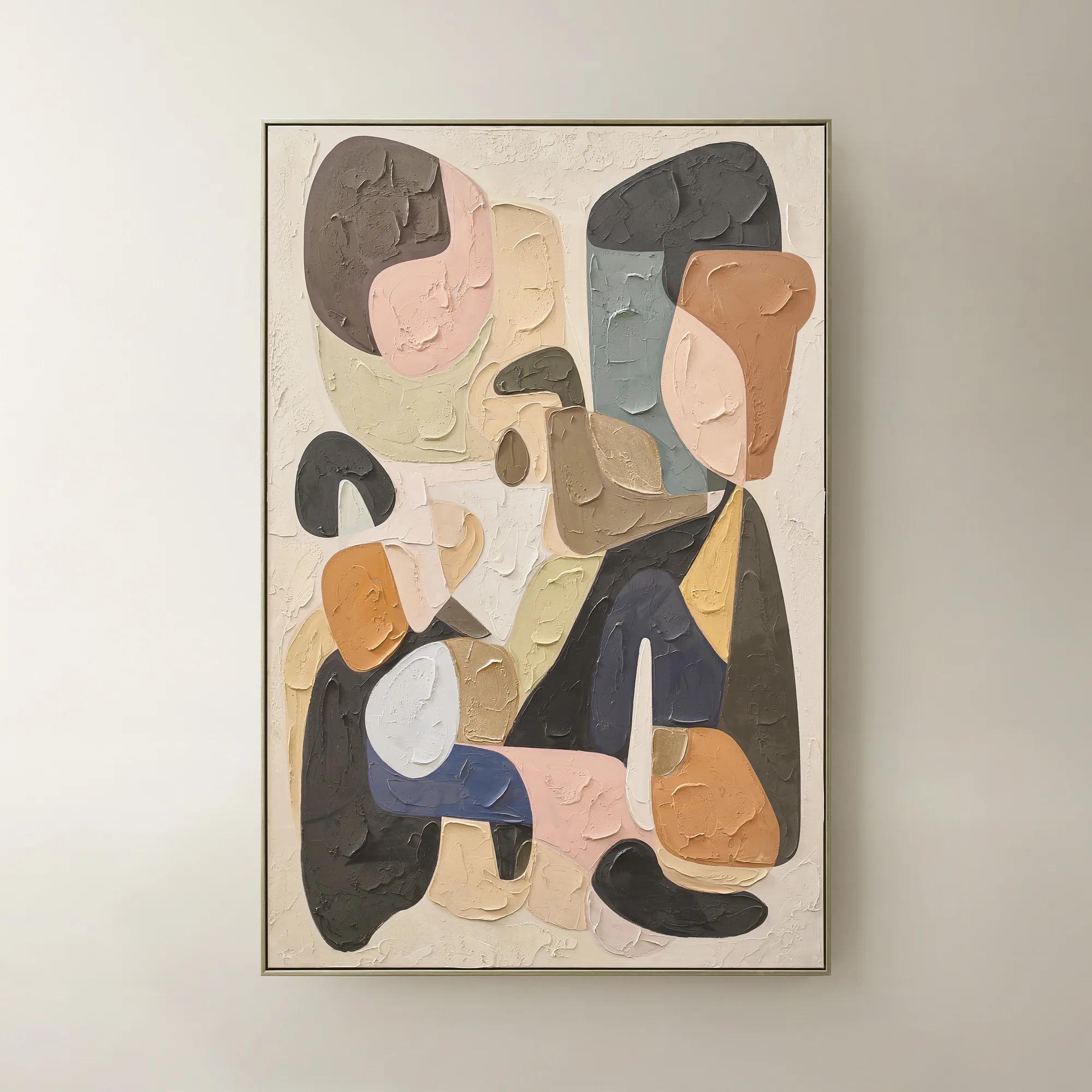 Chromatic Bloom Framed Painted Wall Art 40" x 60"$519
A hand-painted abstract canvas featuring a vibrant multi-color palette and shimmering champagne detailing.
Add To Cart -
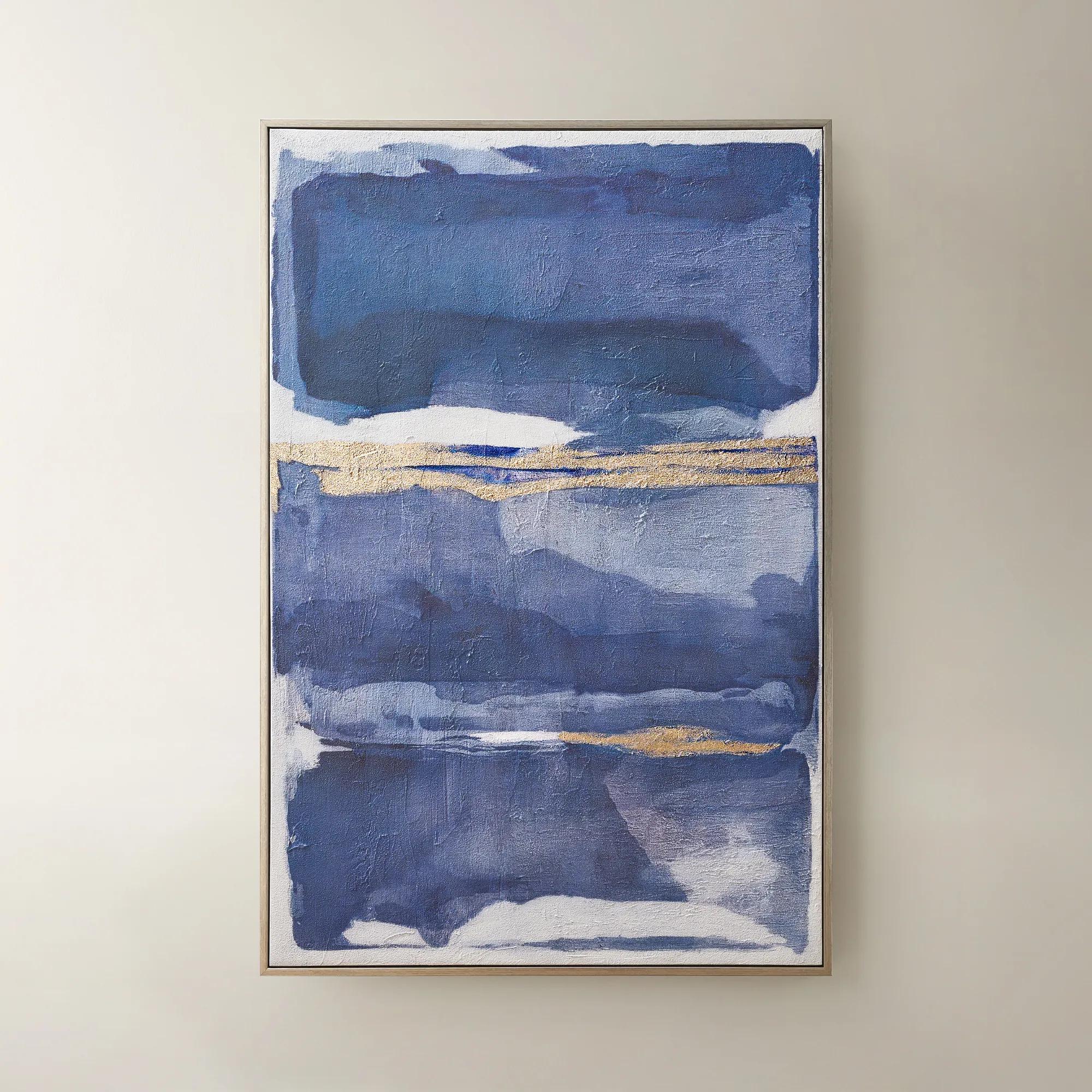
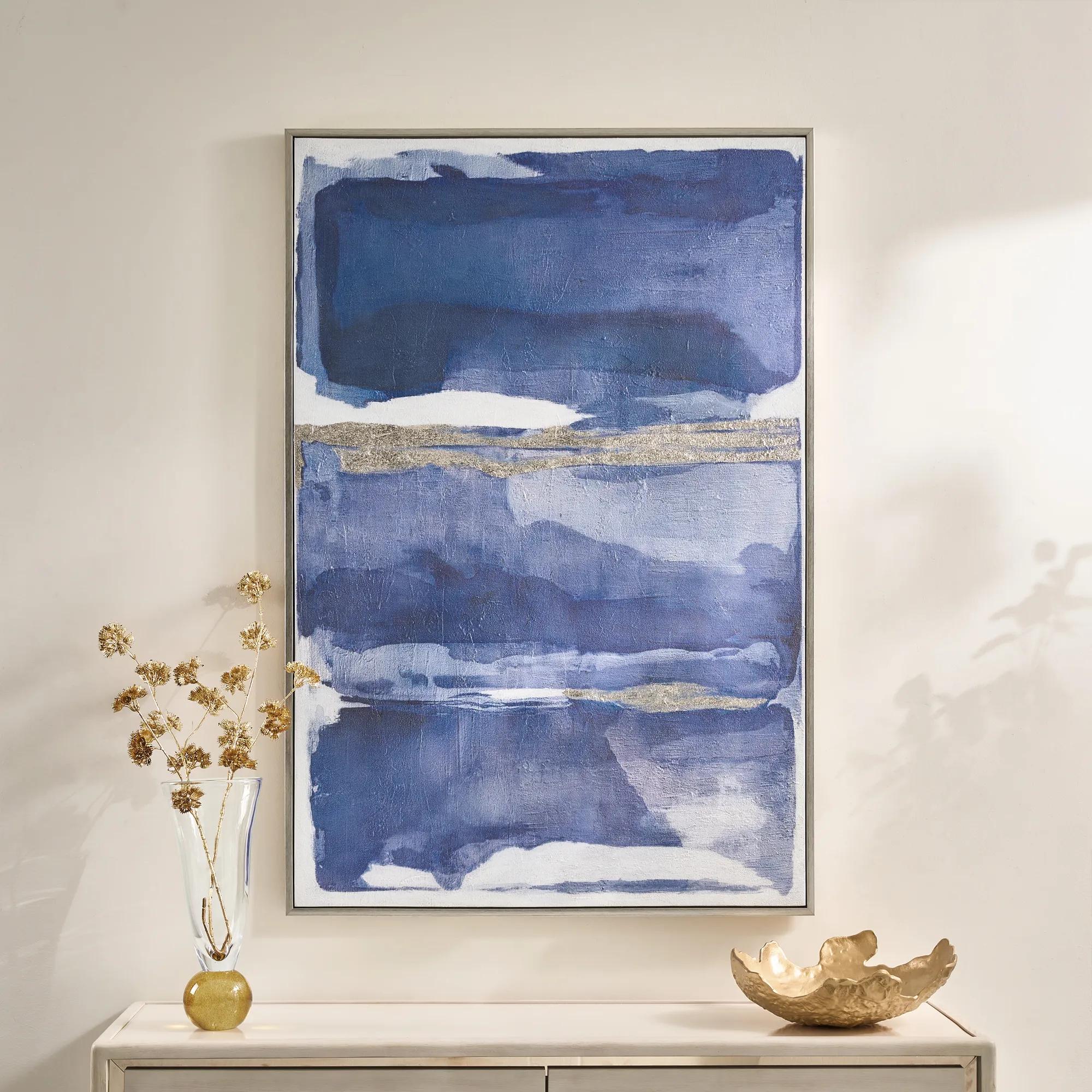 Memories in Blue Framed Painted Wall Art 40" x 60"$499
A hand-painted canvas in deep ink blue with champagne leafing for a sophisticated, gallery-inspired look.
Add To Cart -
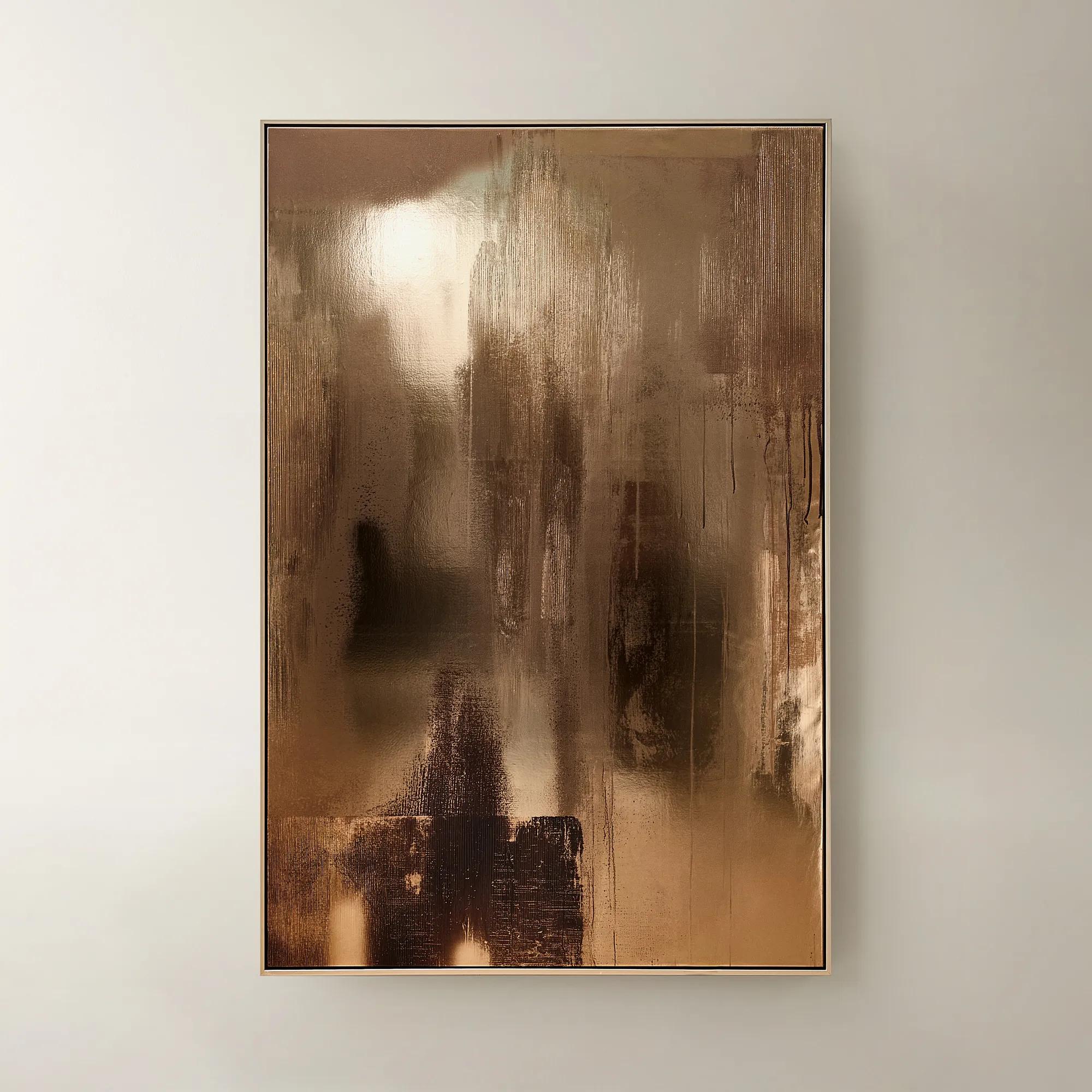
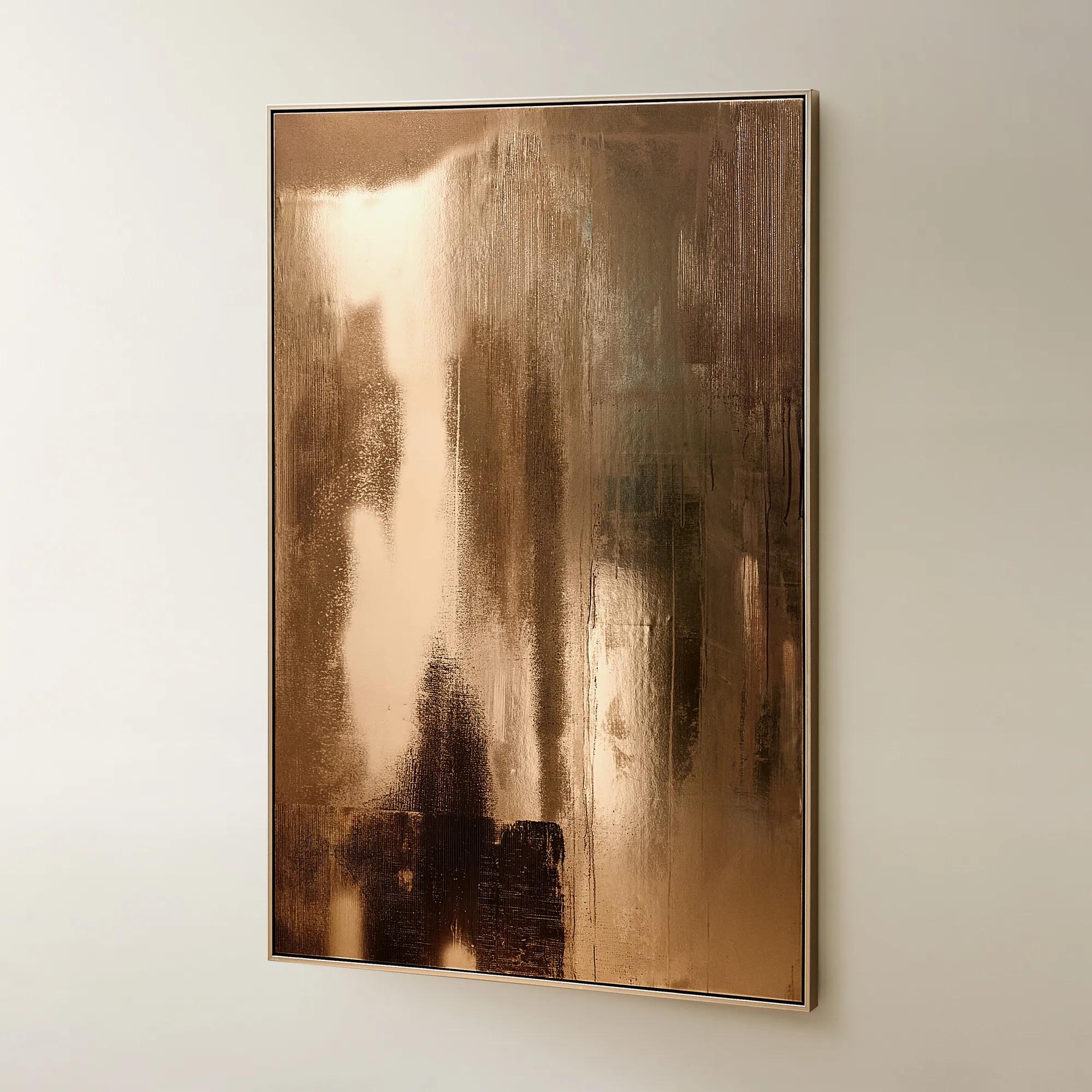 Bronze Reflective Framed Leather Painted Wall Art 40" x 60"$799
A hand-painted abstract wall art featuring reflective bronze faux leather and a warm champagne metallic frame.
Add To Cart -
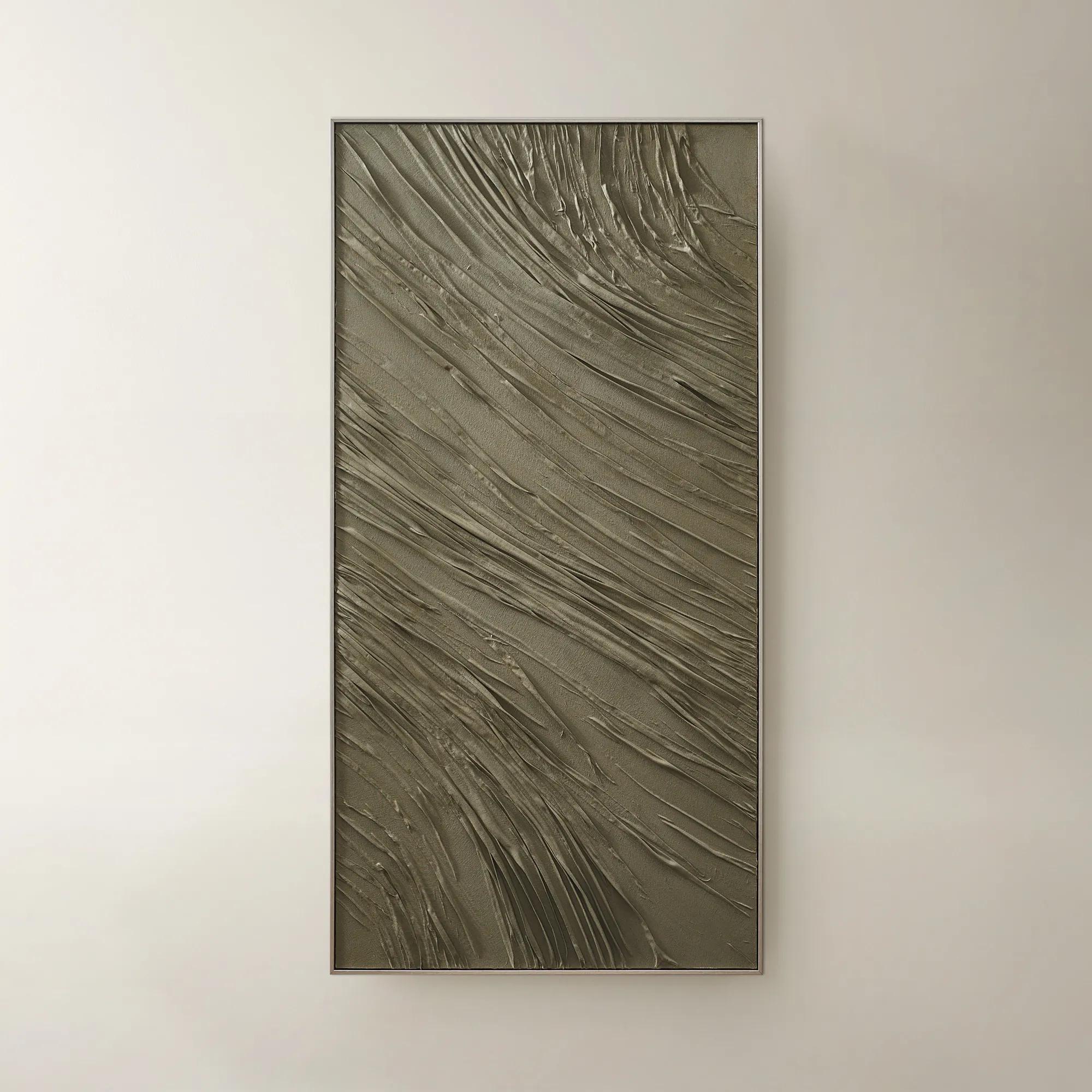
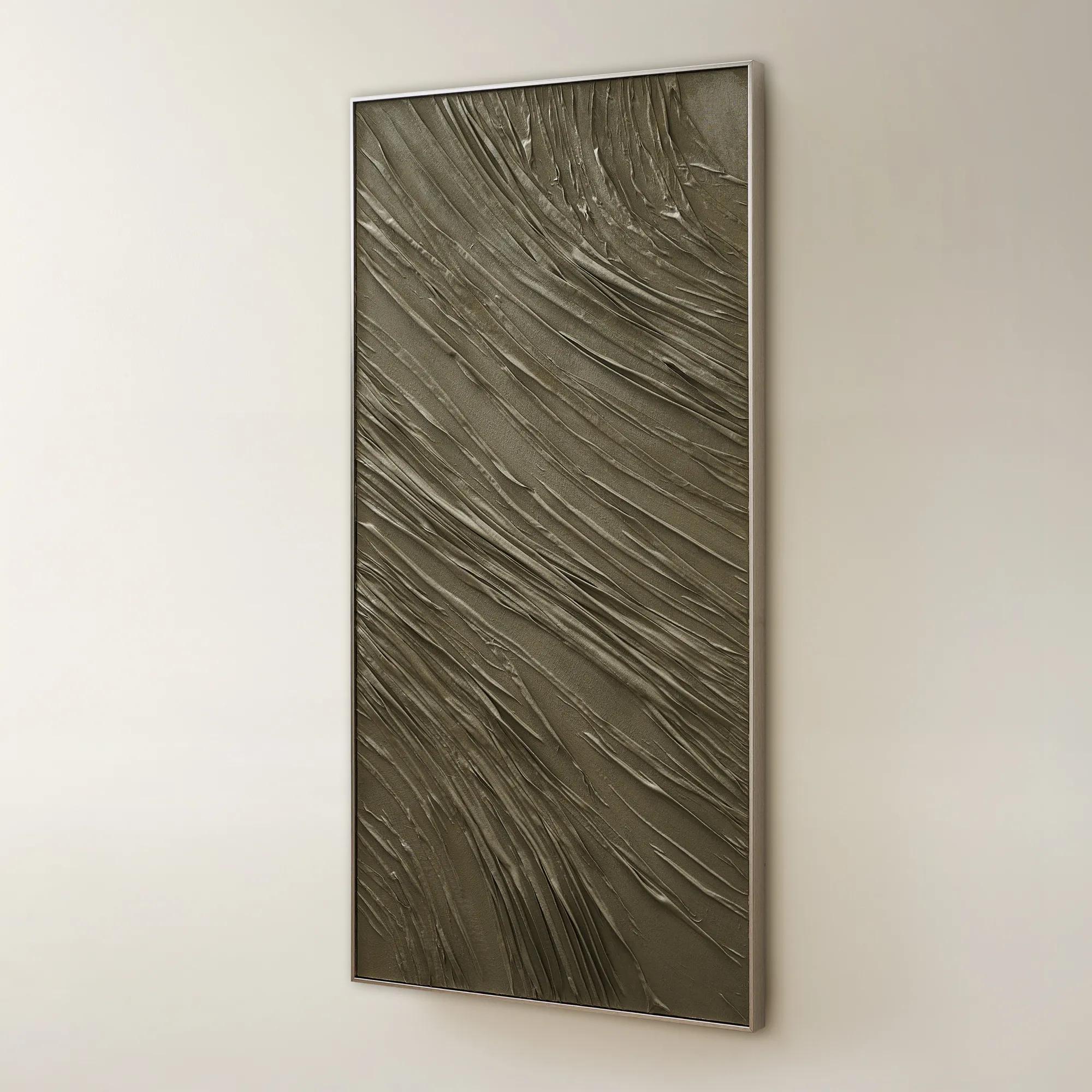 Grove Framed Hand-crafted Folded Fabric Wall Art 60" x 30"$349
A hand-crafted folded canvas in deep olive with a champagne frame for sculptural, modern wall art.
Add To Cart -
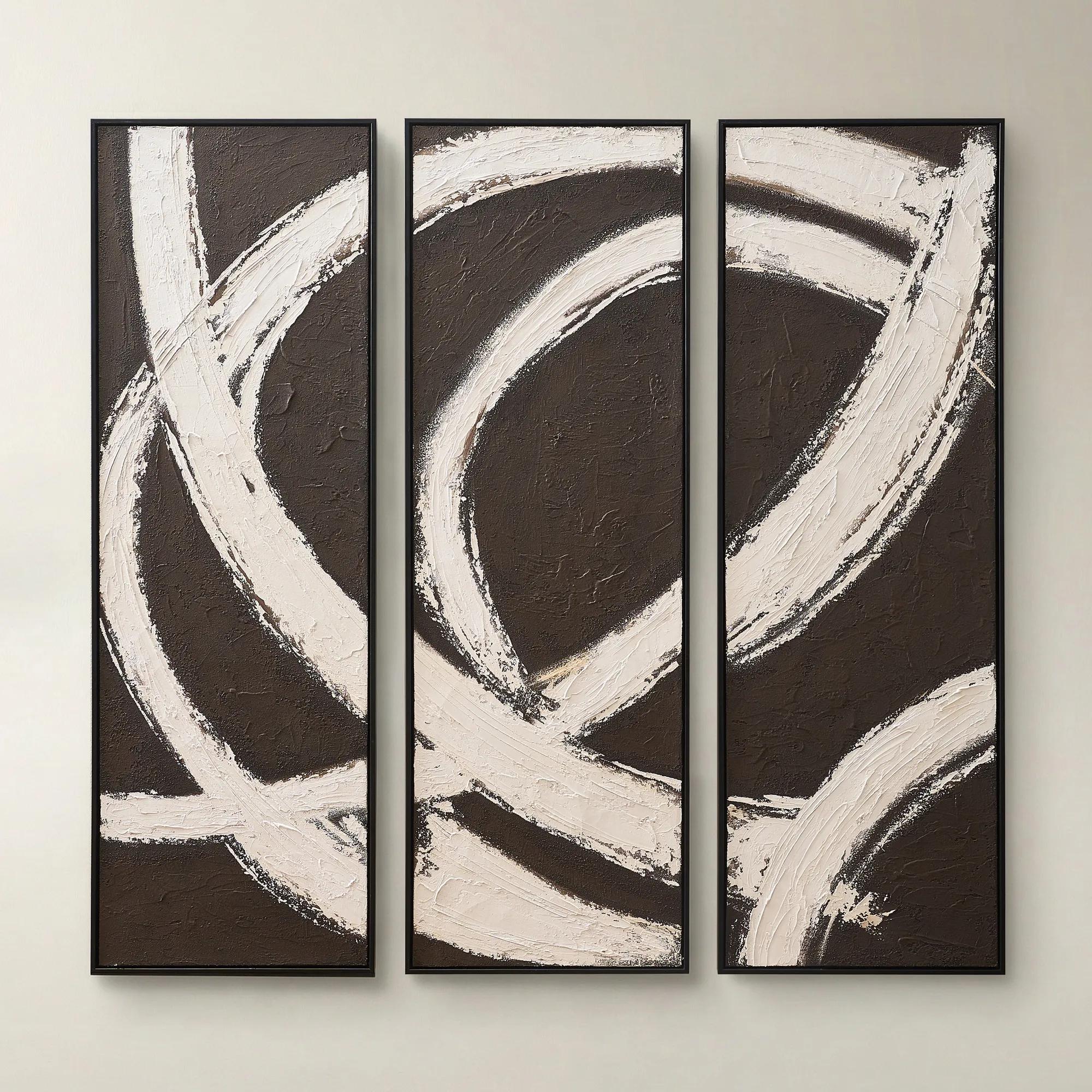
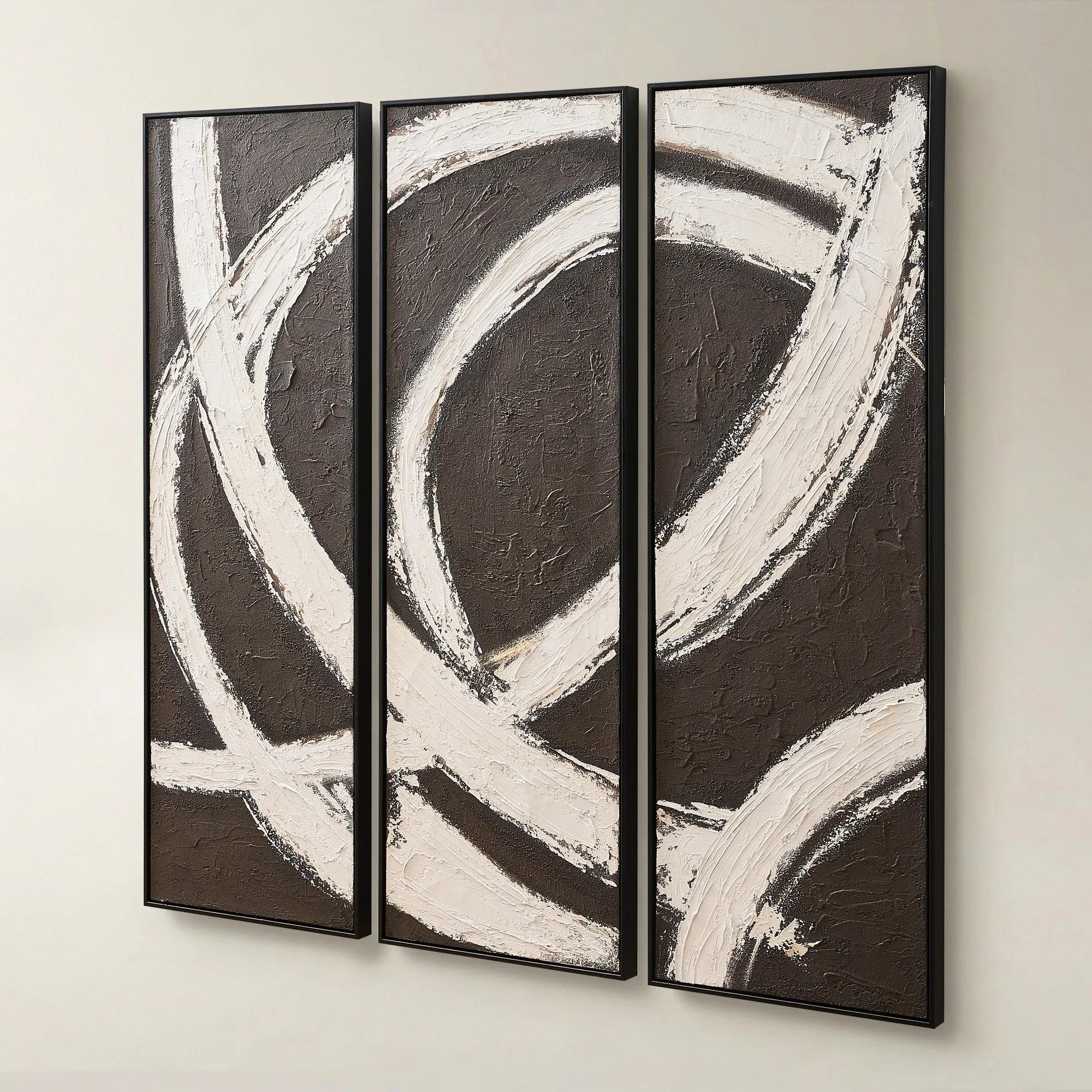 Spun in Coco Framed Painted Wall Art 20" x 60" Set of 3$499
A hand-painted triptych featuring dark chocolate and alabaster tones with rich texture and modern contrast.
Add To Cart -
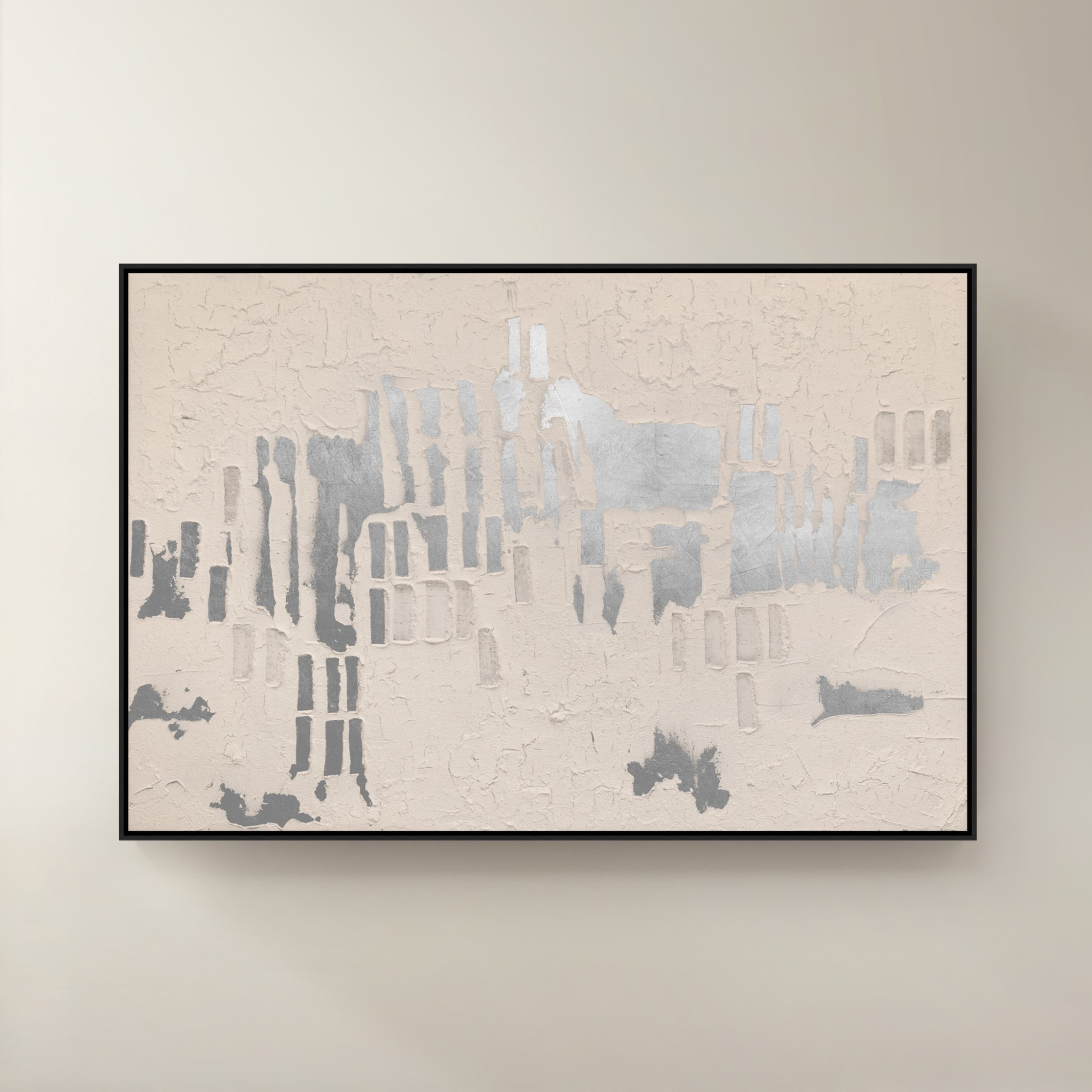
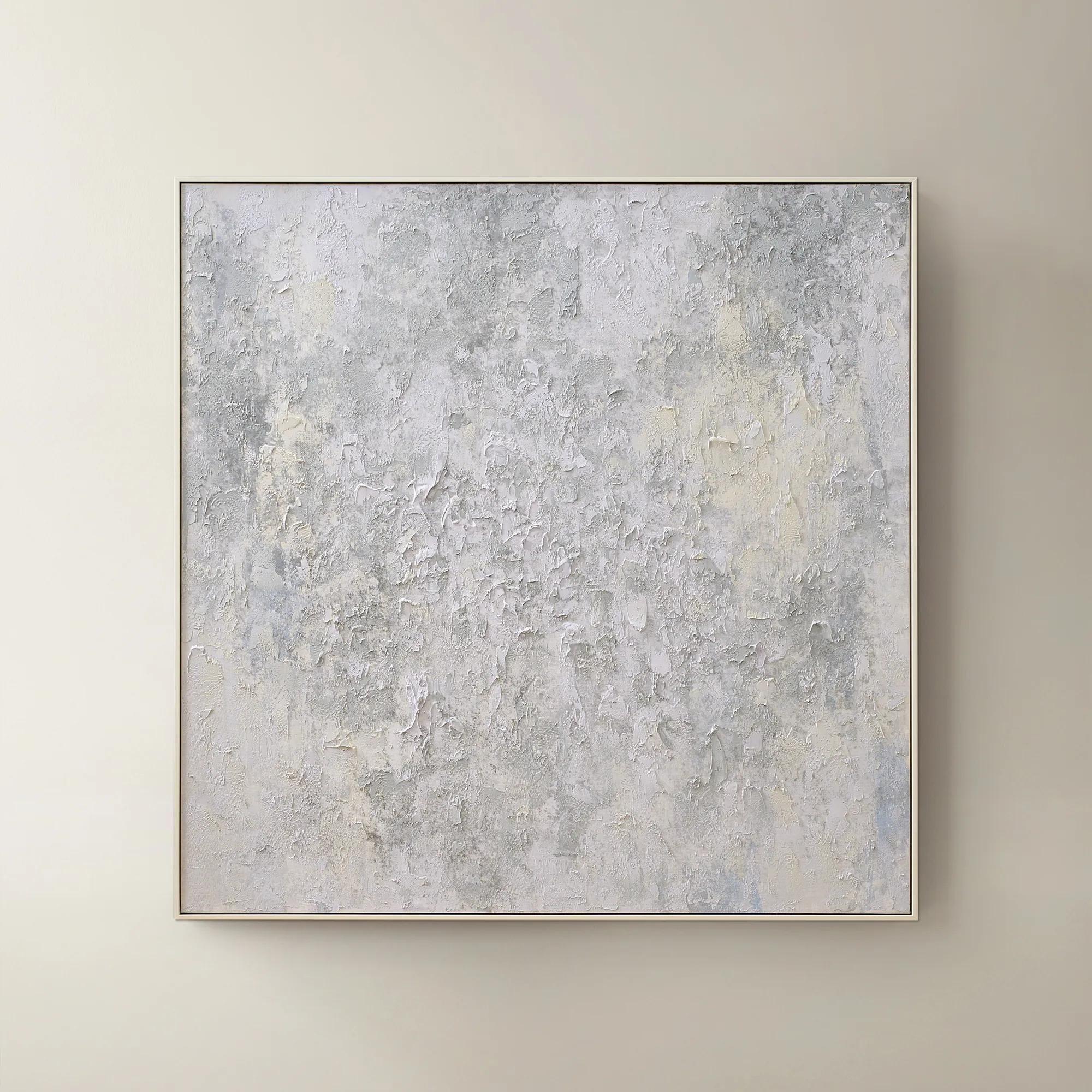
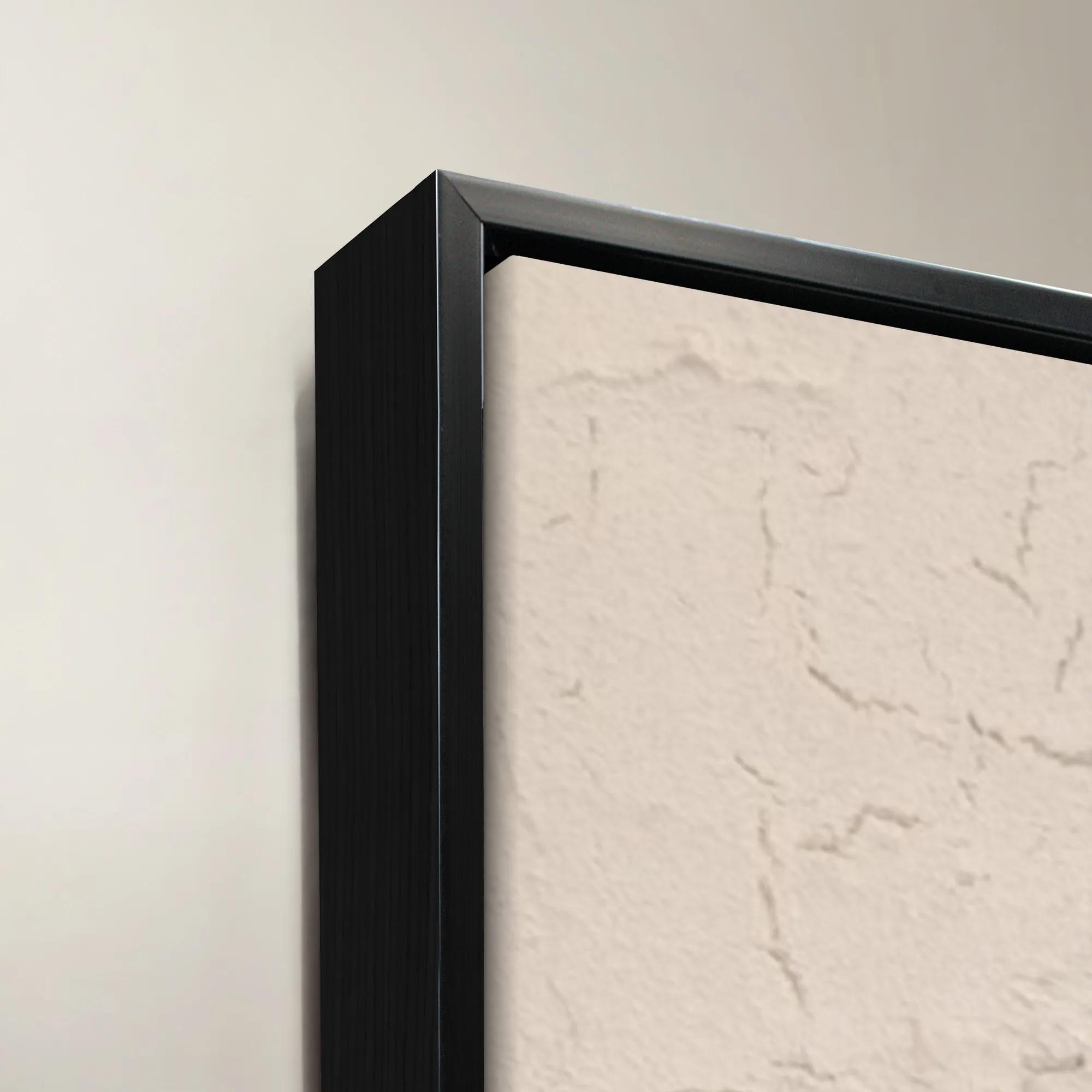 Silver Reverie Framed Painted Wall Art 60" x 40"$1699
A silver-toned painted canvas artwork framed for a sophisticated, contemporary wall display.
Add To Cart -
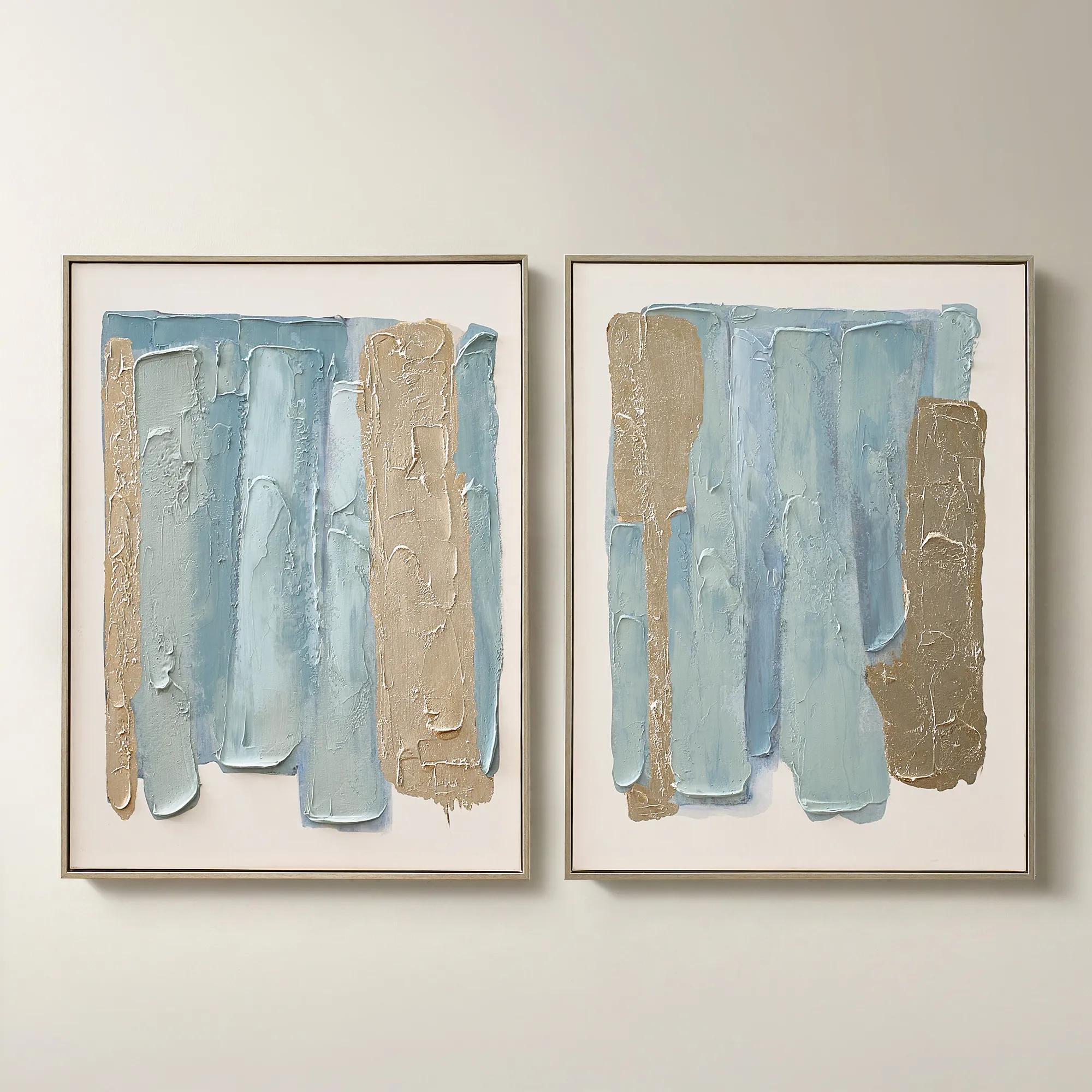
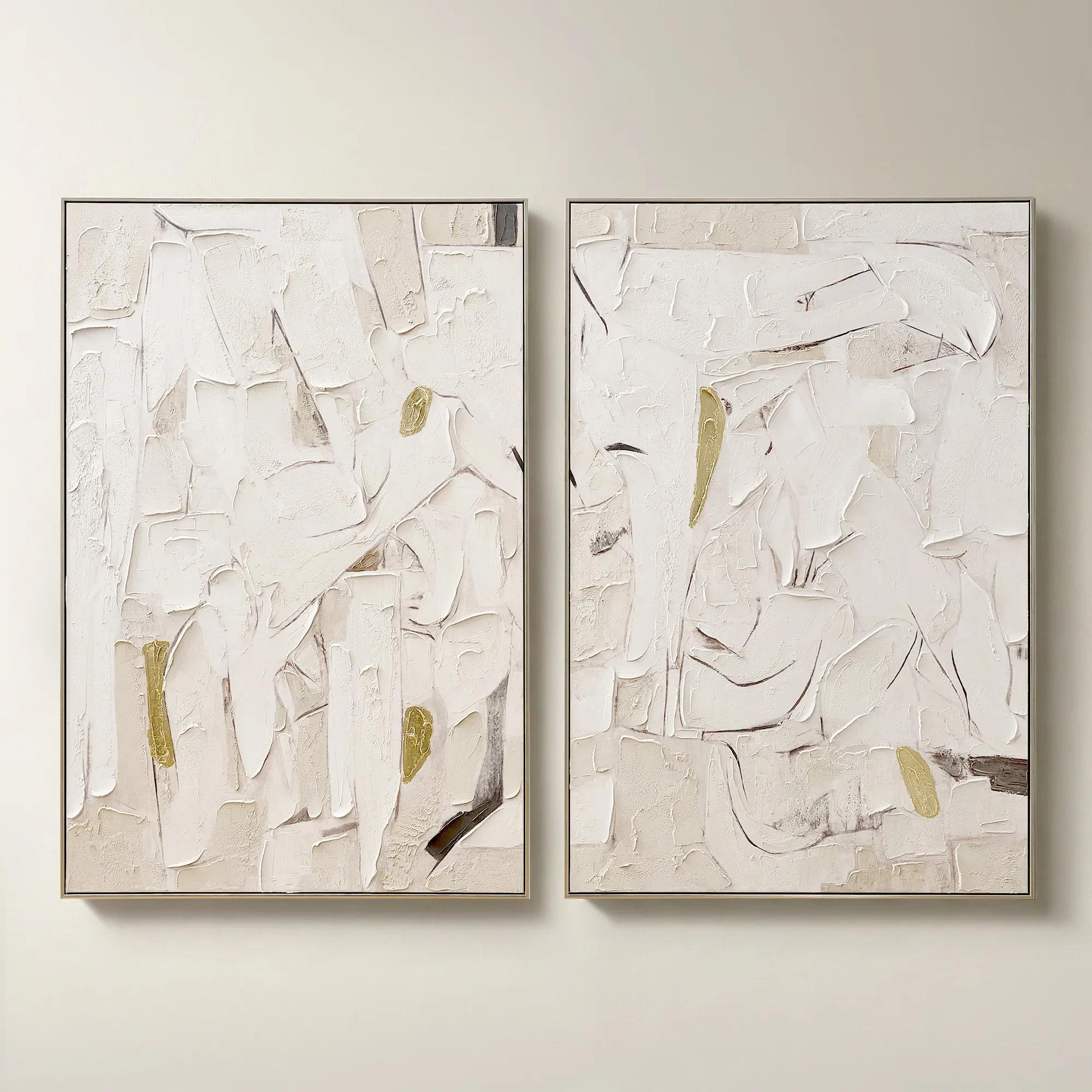 Beneath the Surface Framed Gold Leaf Painted Wall Art 40" x 60" Set of 2$799
A hand-painted abstract diptych featuring gold detailing and layered texture in alabaster and tawny hues.
Add To Cart -
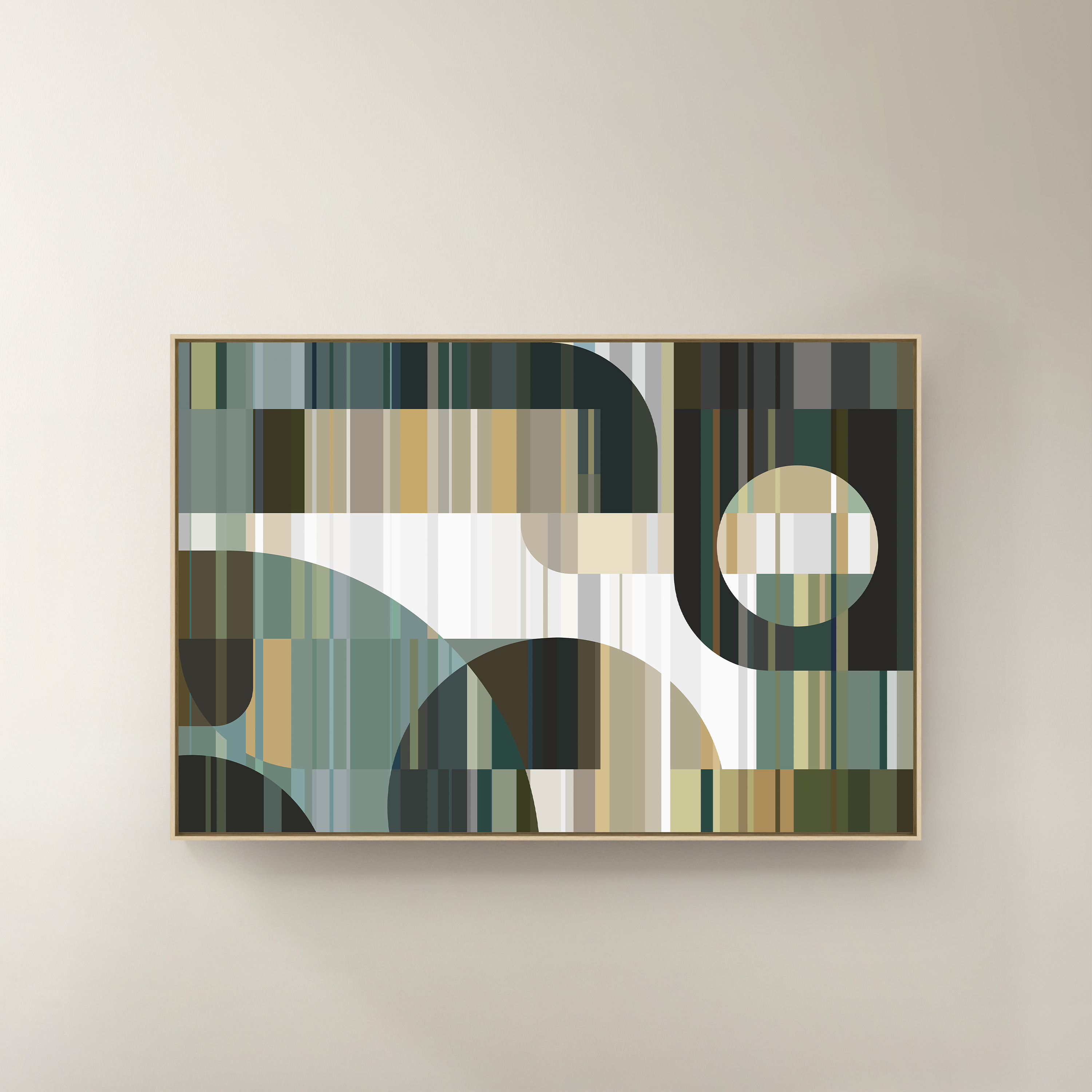
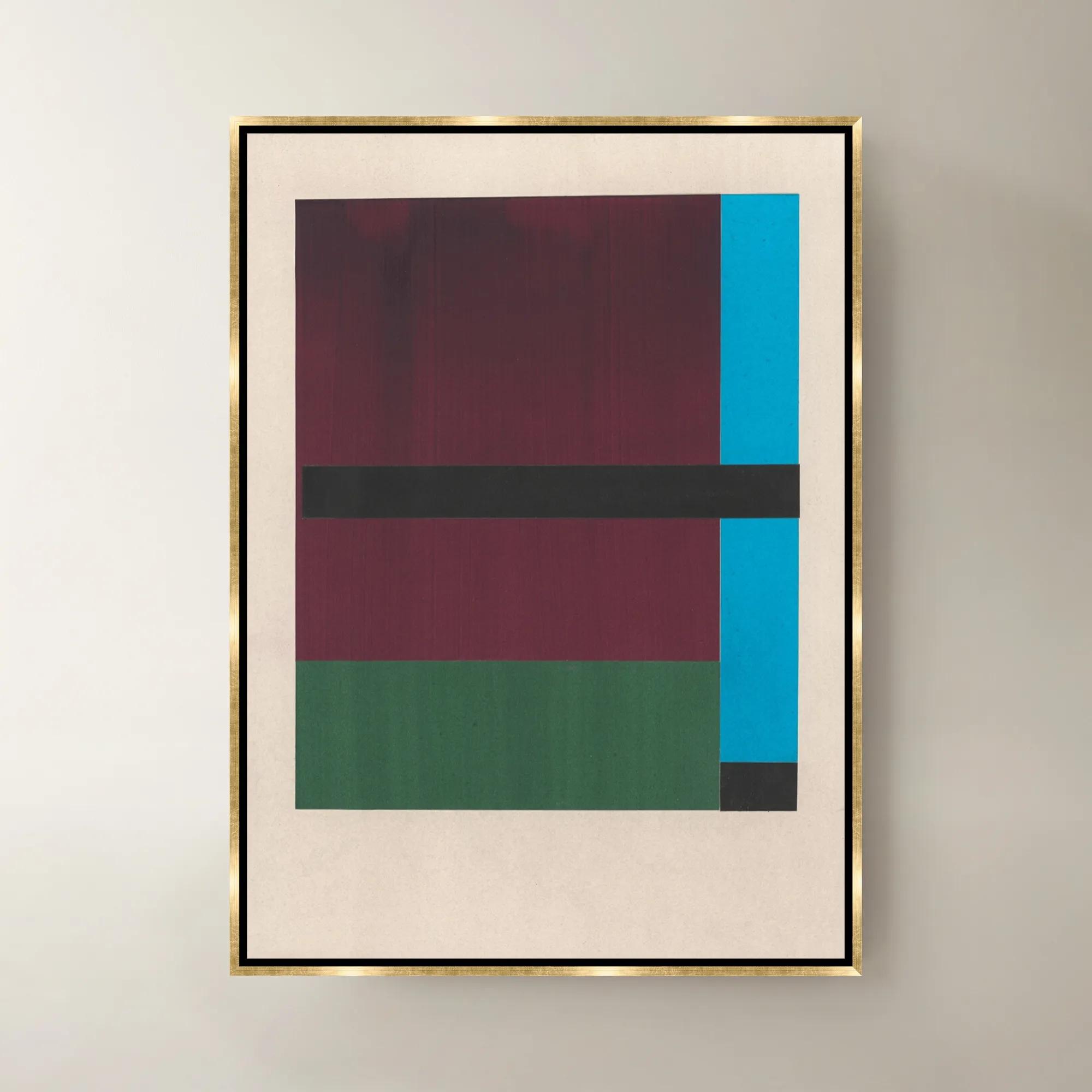
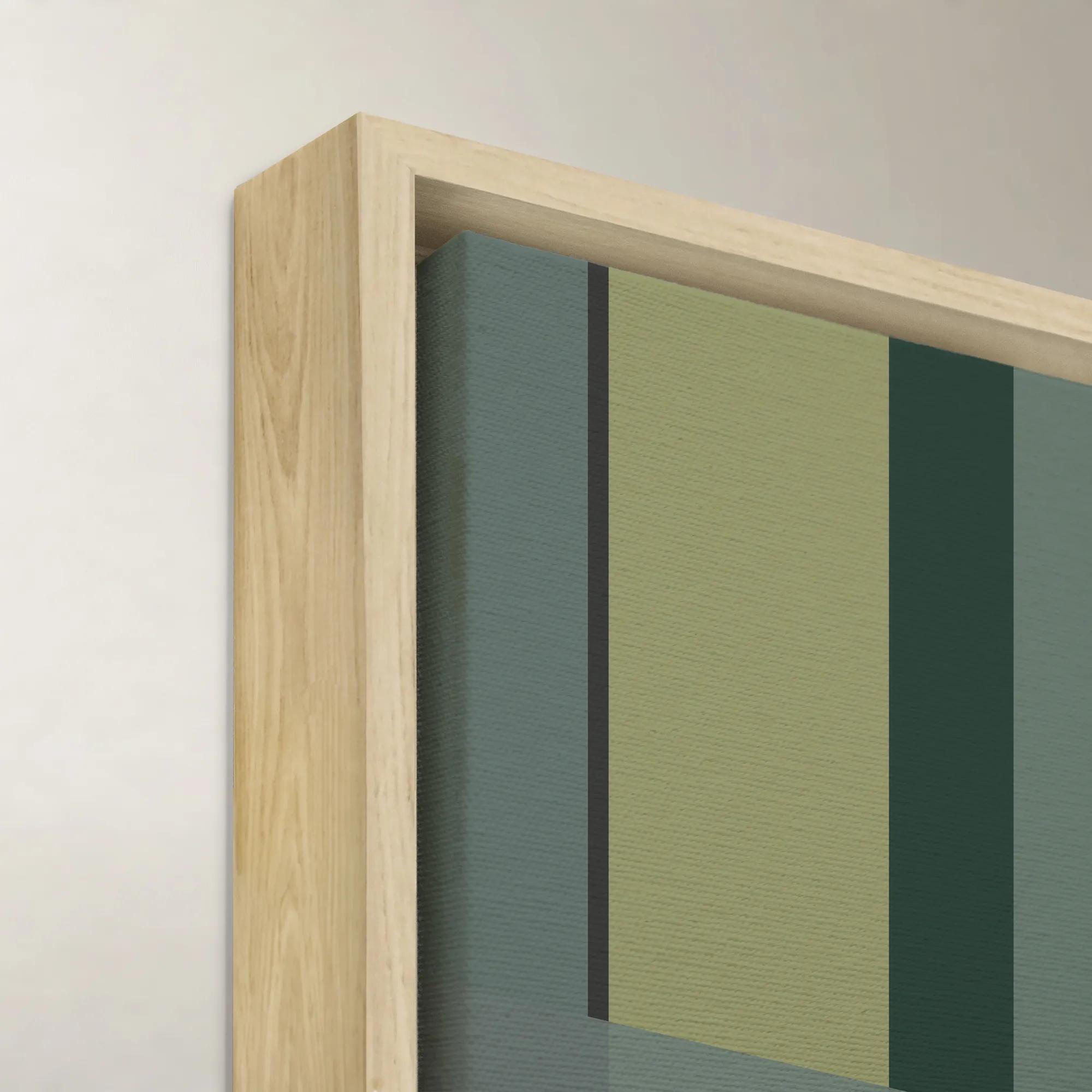 Cool Intersecting Forms II Framed Wall Art 60" x 40"$1099
A framed canvas wall artwork featuring cool-toned intersecting forms in a multicolored abstract composition.
Add To Cart -
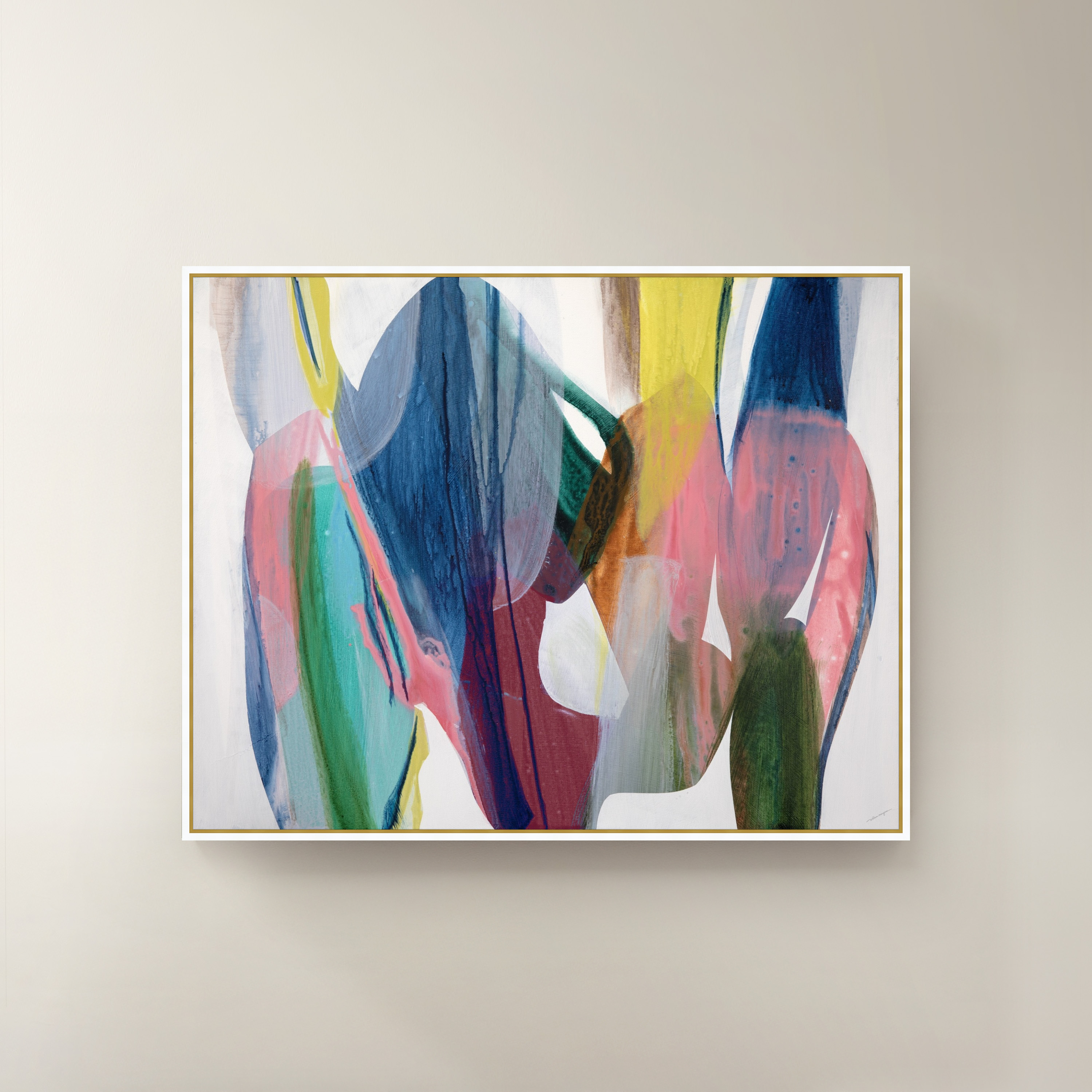
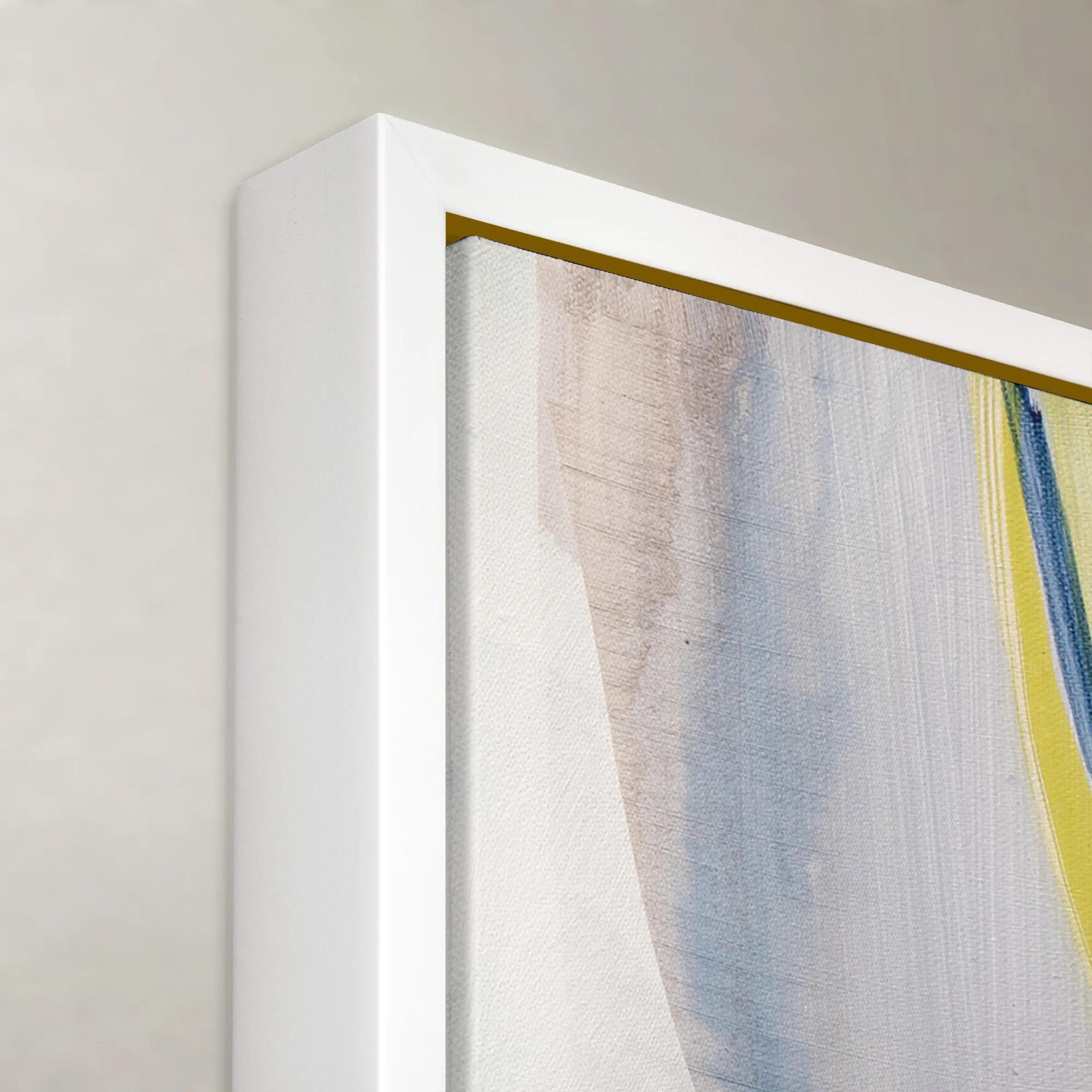 Dreams Take Flight Framed Wall Art 60" x 47"$1299
A vibrant multicolored framed canvas artwork adding expressive, contemporary style to any wall.
Add To Cart -
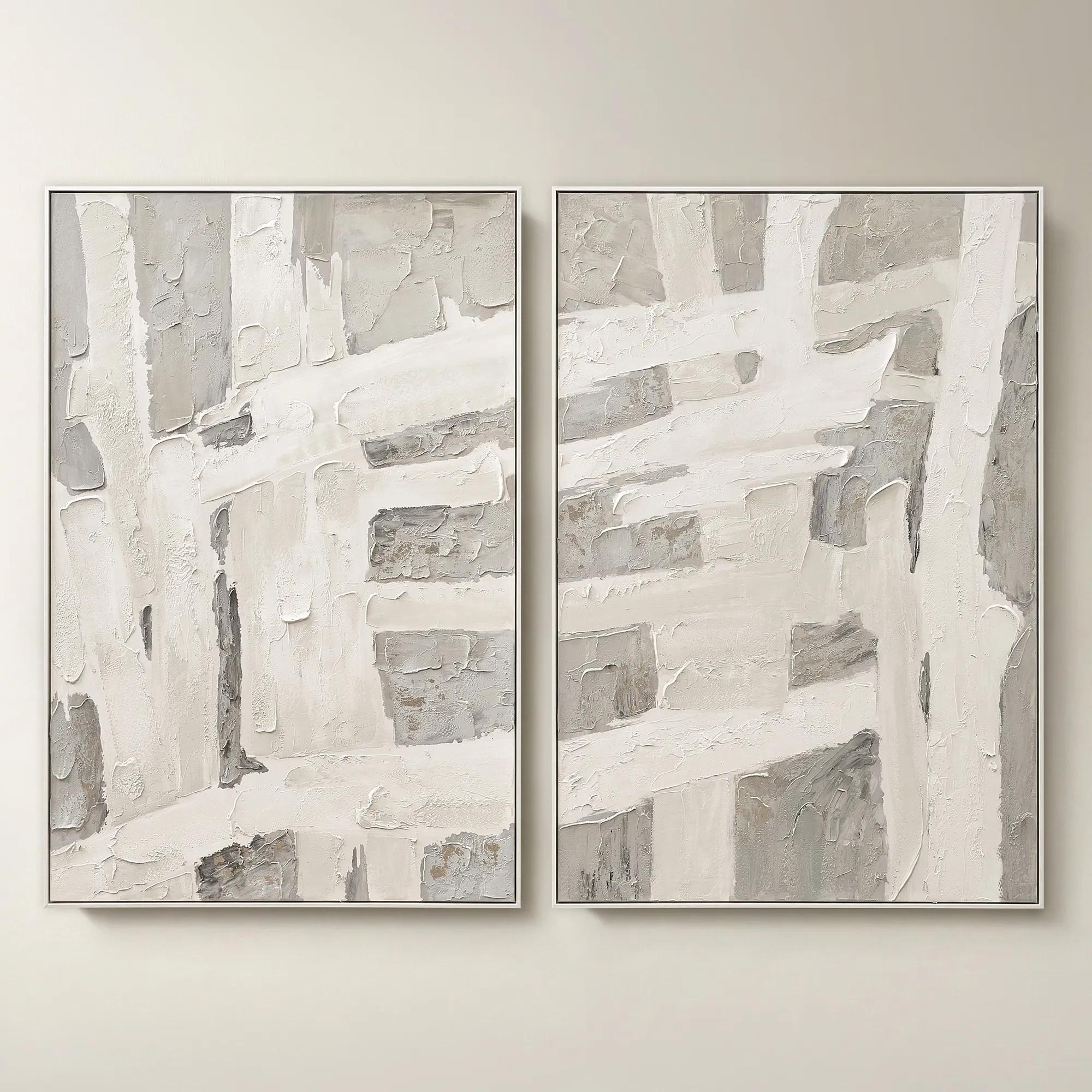 Traverse Framed Painted Wall Art 40" x 60" Set of 2$799
A hand-painted abstract diptych features champagne accents and soft grey, pearl, and alabaster tones in white frames.
Add To Cart -
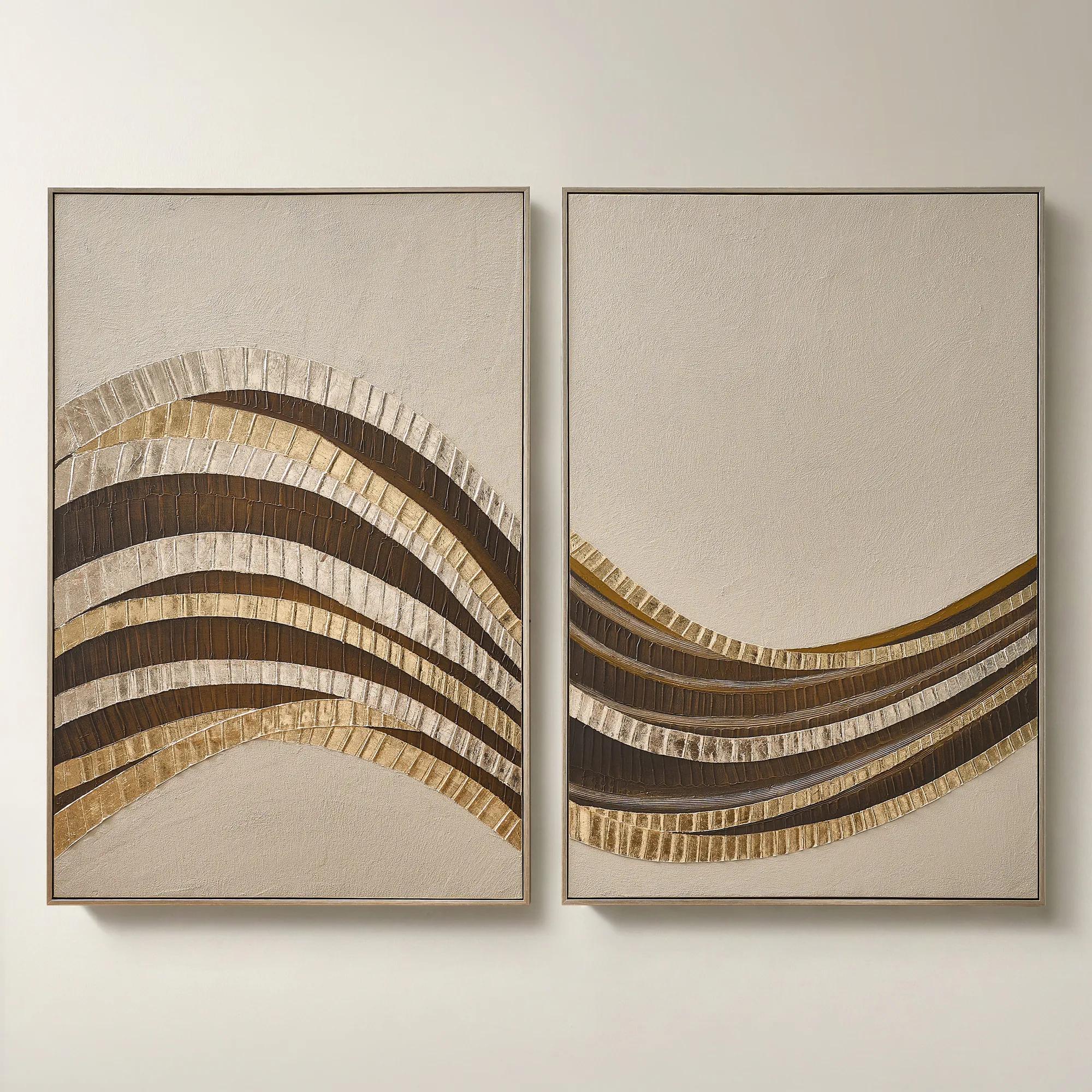 Stillness in Motion Framed Gold Leaf Painted Wall Art 40" x 60" Set of 2$899
A hand-painted abstract diptych with gold leaf accents, textured surface, and brushed champagne frames.
Add To Cart -
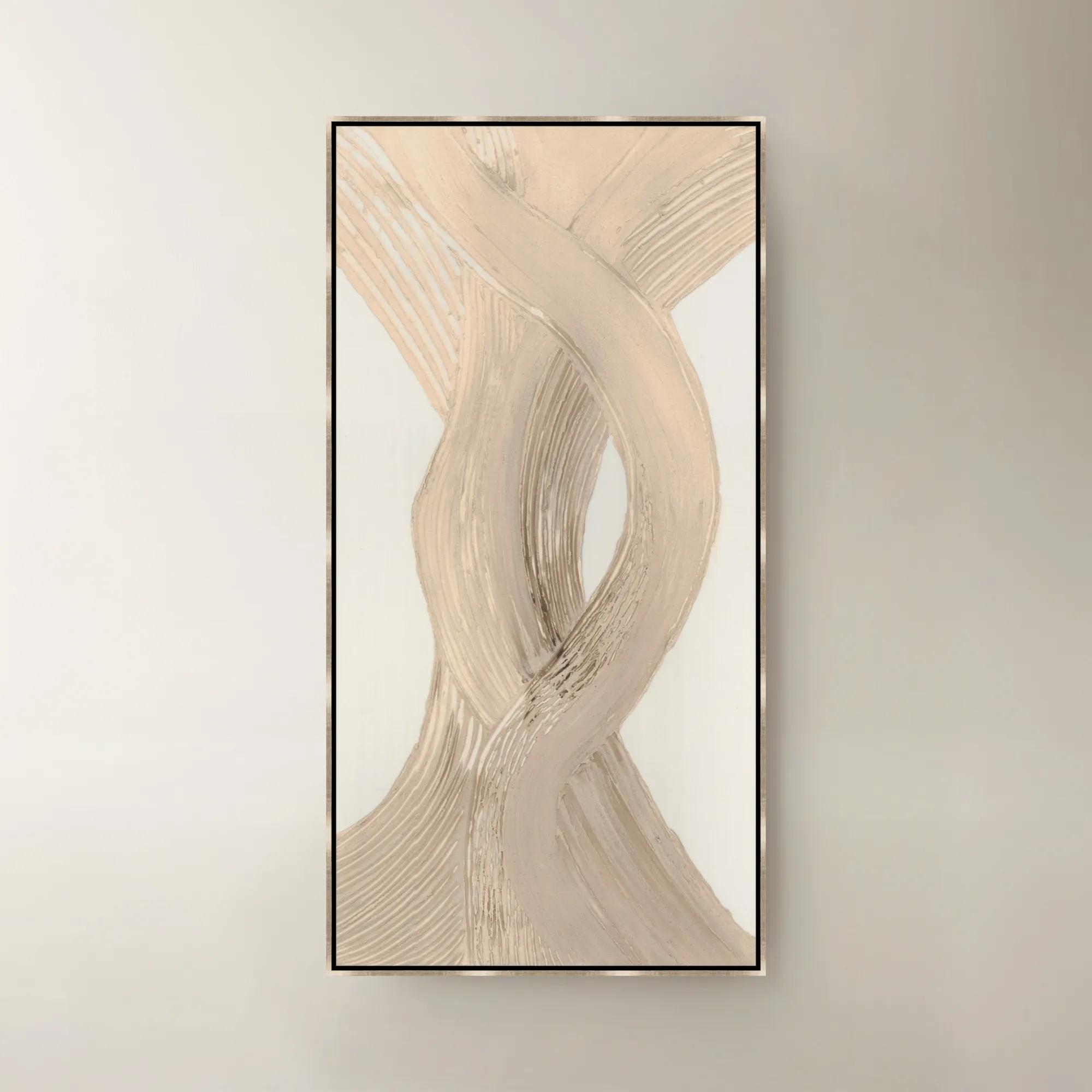
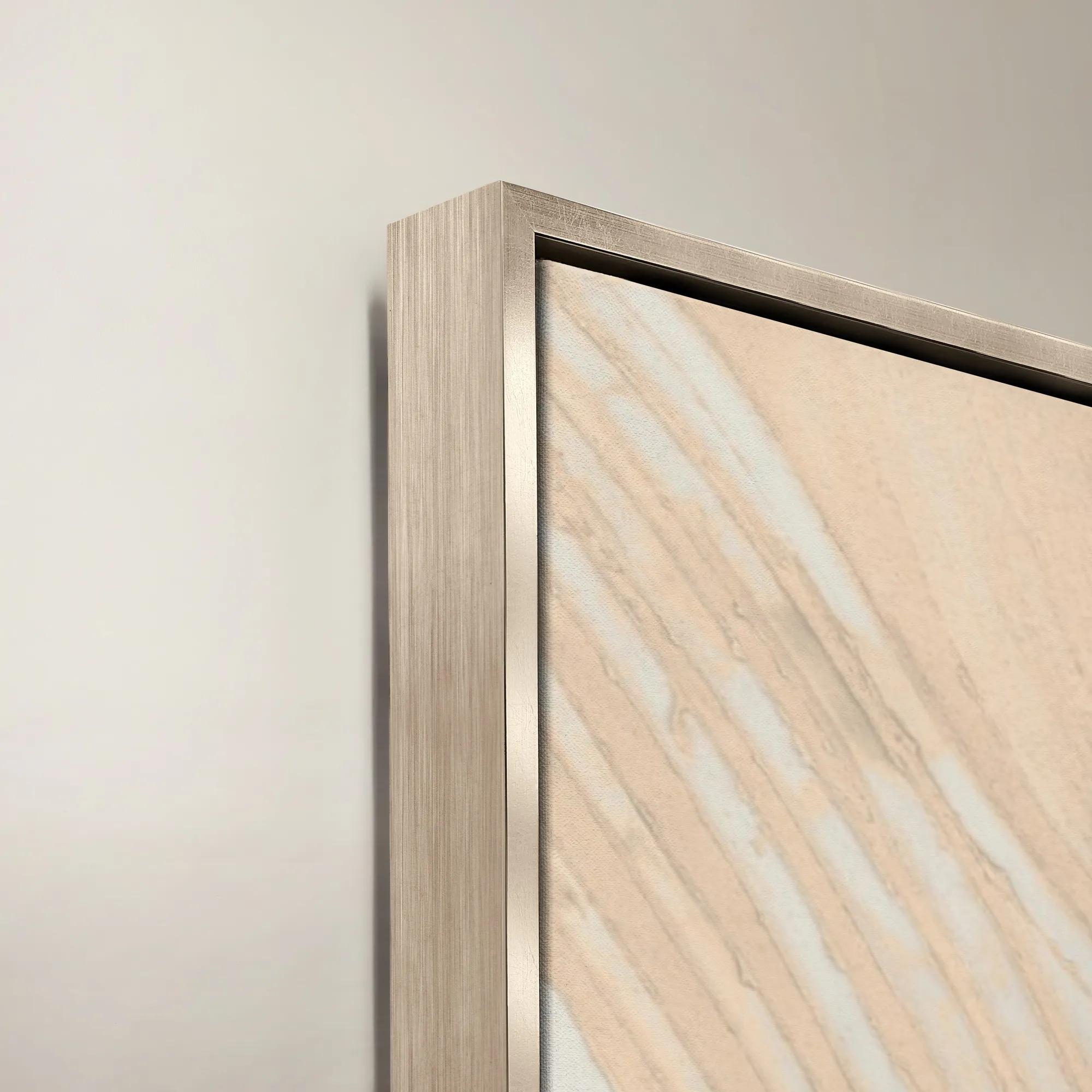 Rosy Sentiments Framed Painted Wall Art 30" x 60"$1199
A romantic painted canvas artwork in rosy hues, presented in an elegant gold frame.
Add To Cart -
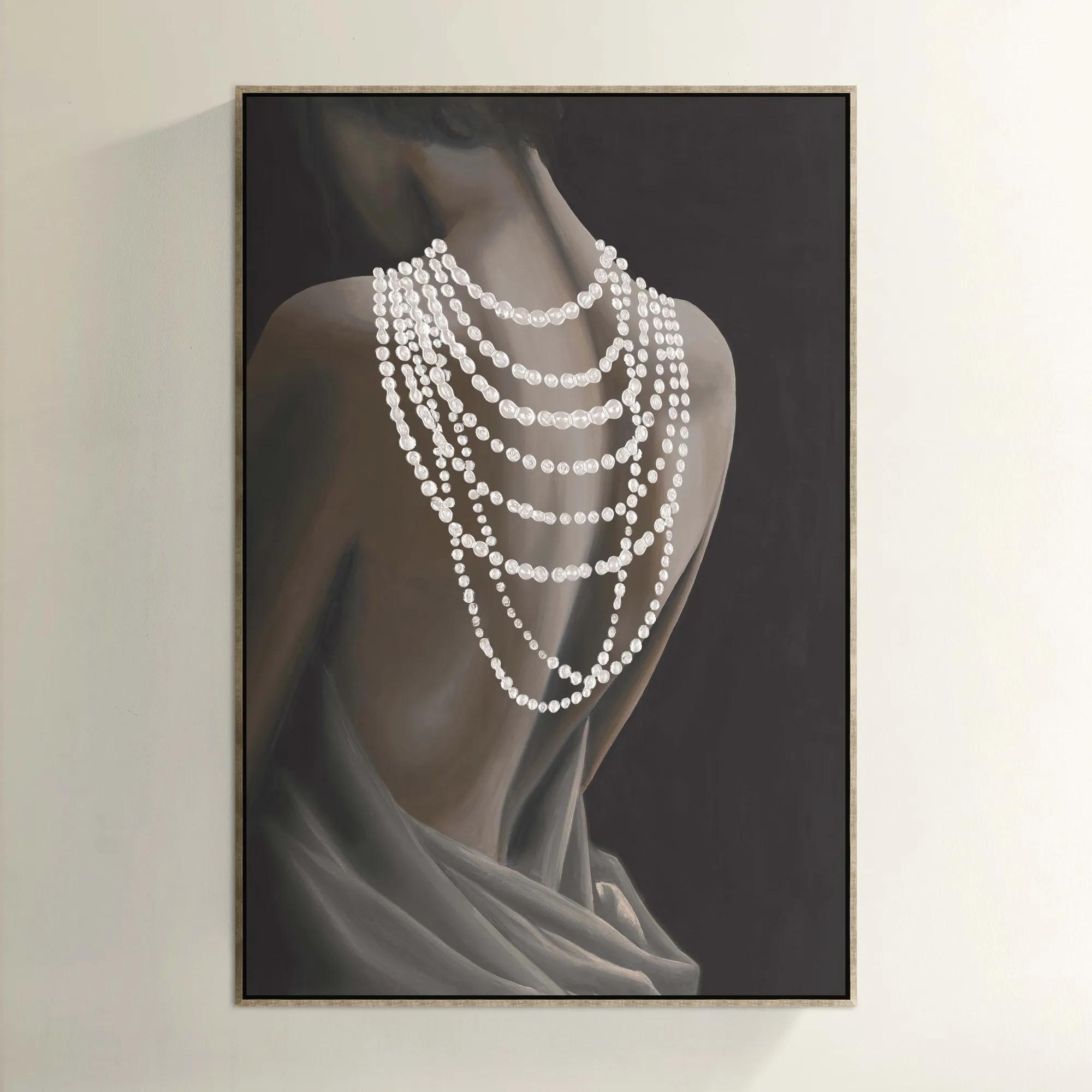 Luminescent Pearls Framed Wall Art 40" x 60"$1119
A hand-embellished canvas artwork featuring textured brush gel, set in a sleek silver floater frame.
Add To Cart -
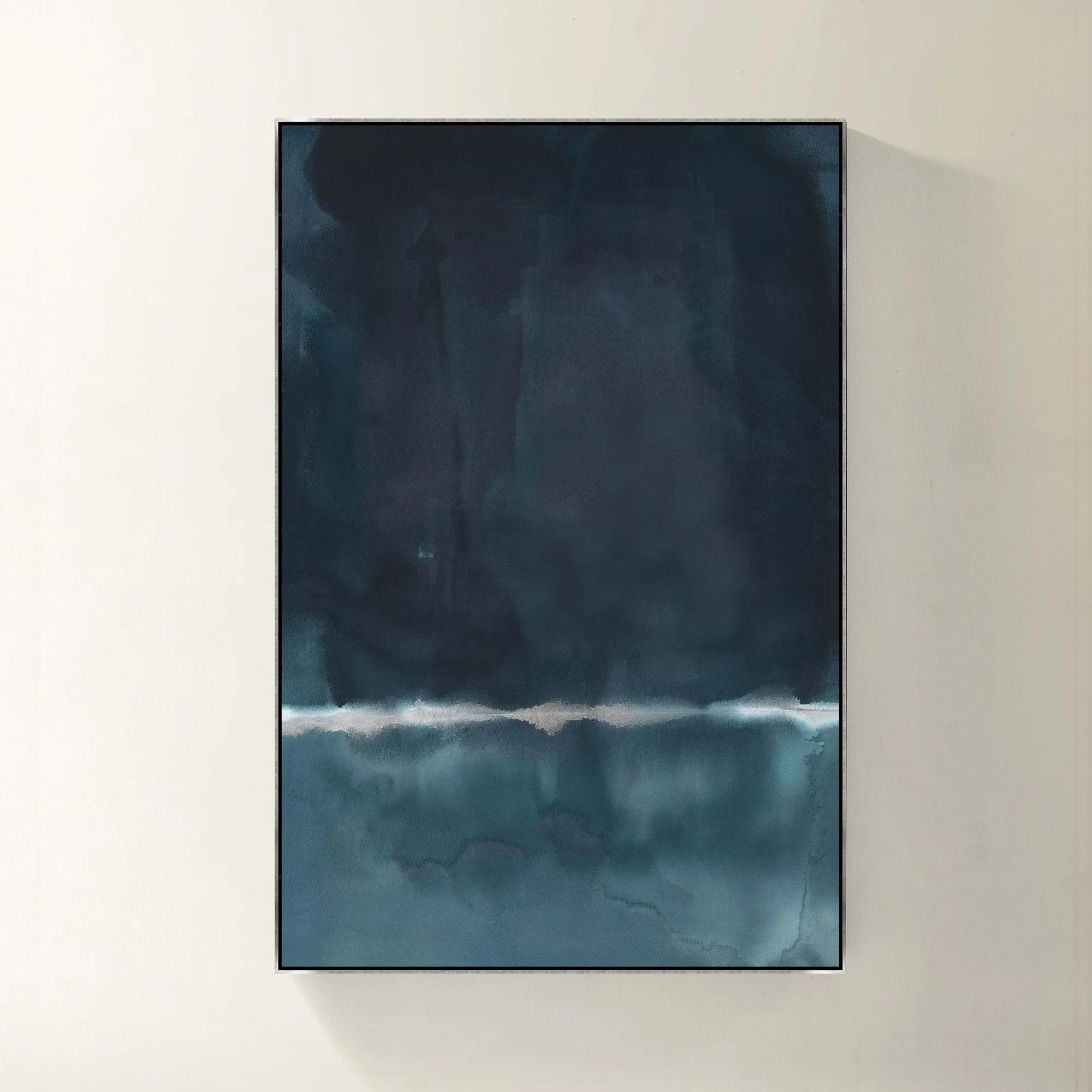 Blue Monday Framed Wall Art 40" x 60"$1119
A gallery-wrapped blue canvas with hand-embellished silver accents in a sleek silver floater frame.
Add To Cart -
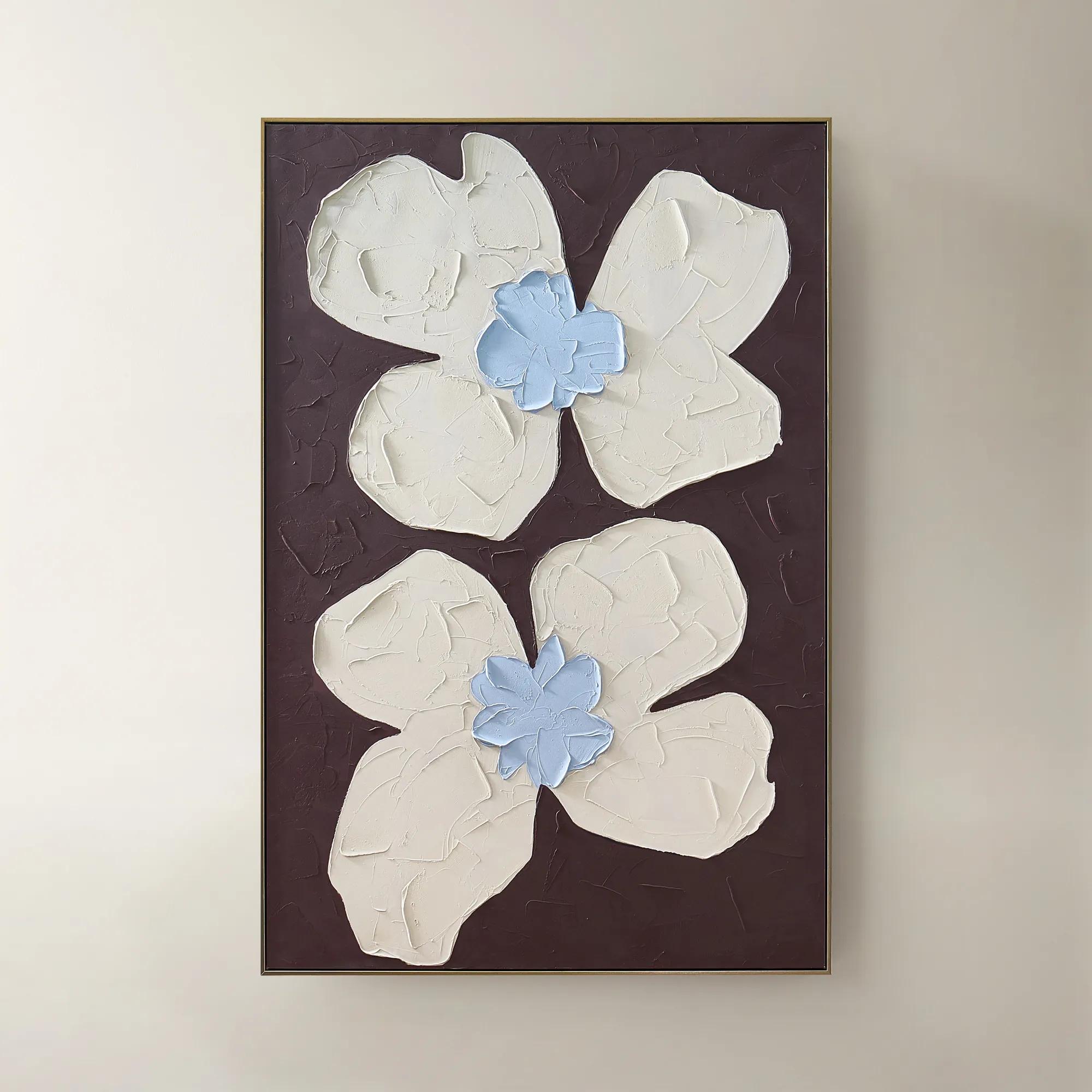
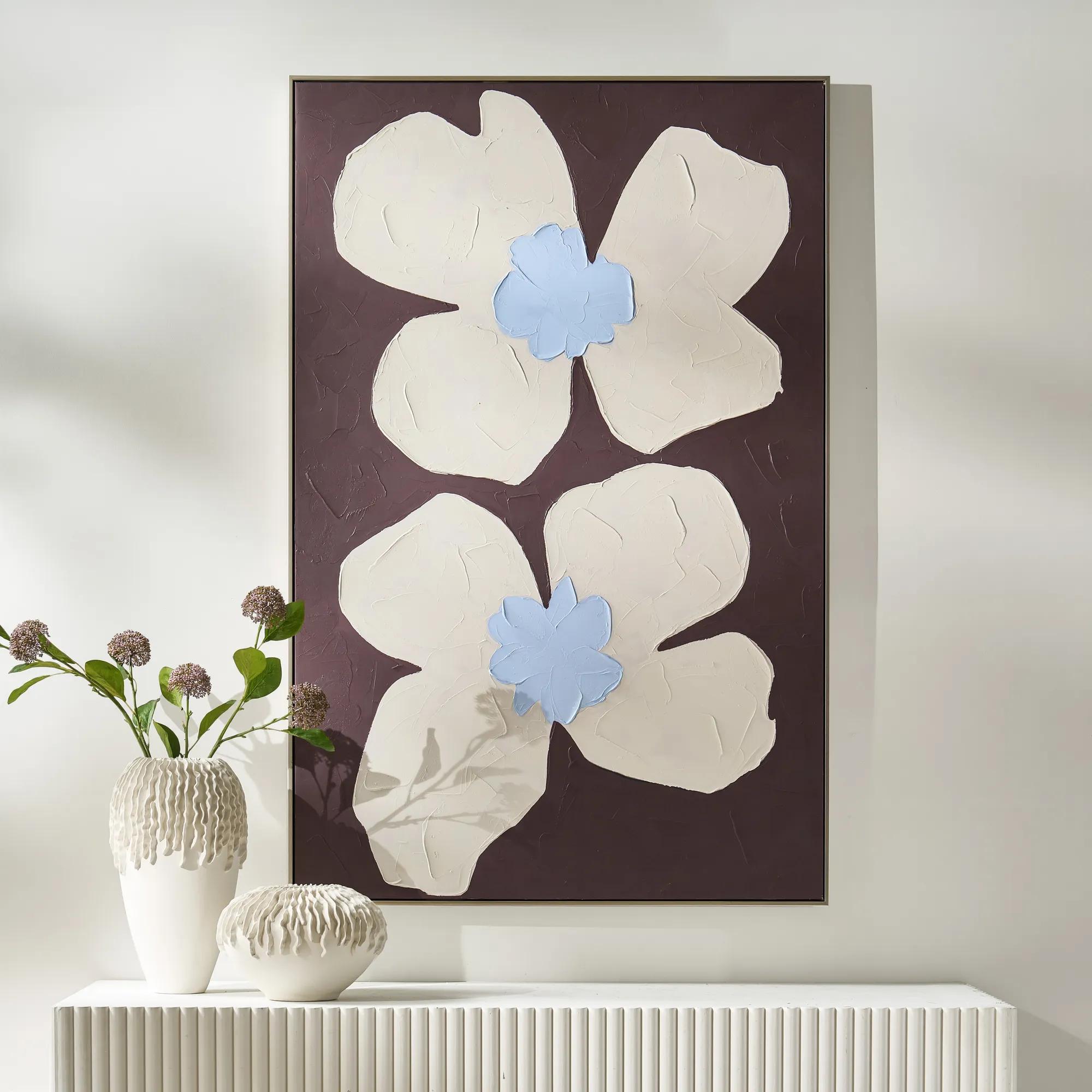 Cosmic Blooms Framed Painted Wall Art 40" x 60"$399
A framed painted canvas artwork featuring a cosmic floral composition in rich blue and purple hues.
Add To Cart -
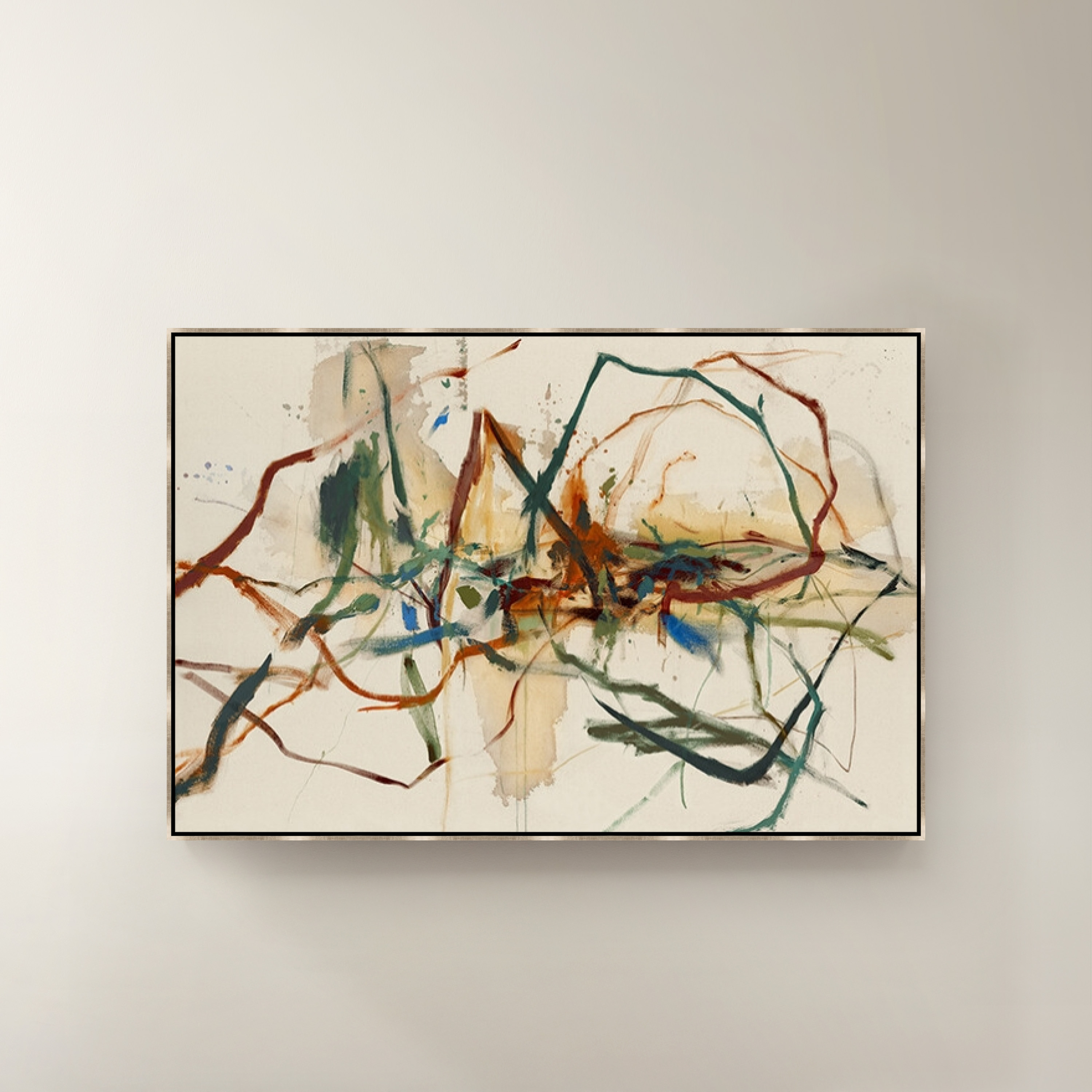
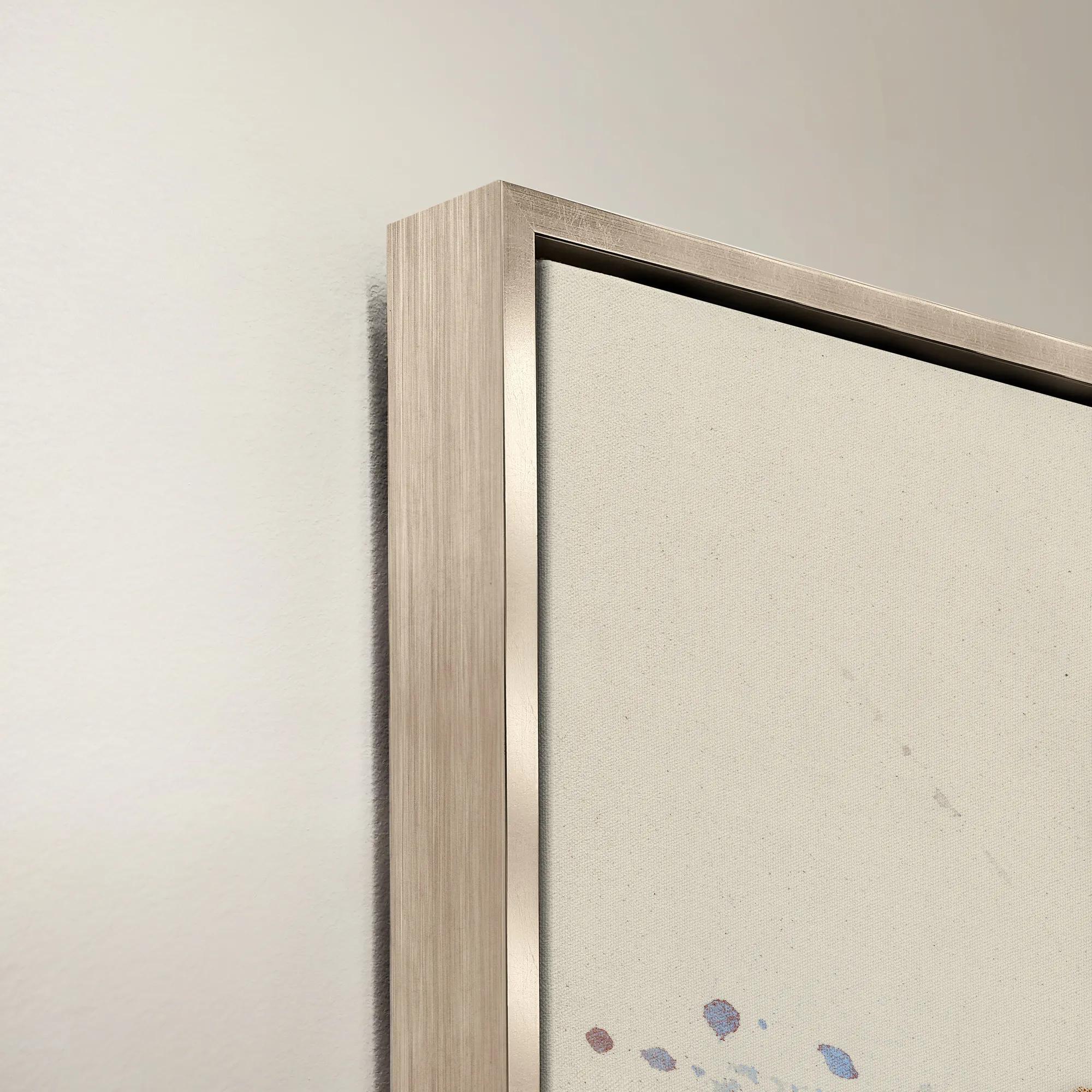 Chrono Crisis Framed Wall Art 60" x 40"$1099
A vibrant multicolored canvas wall artwork presented in a striking frame for contemporary interiors.
Add To Cart -
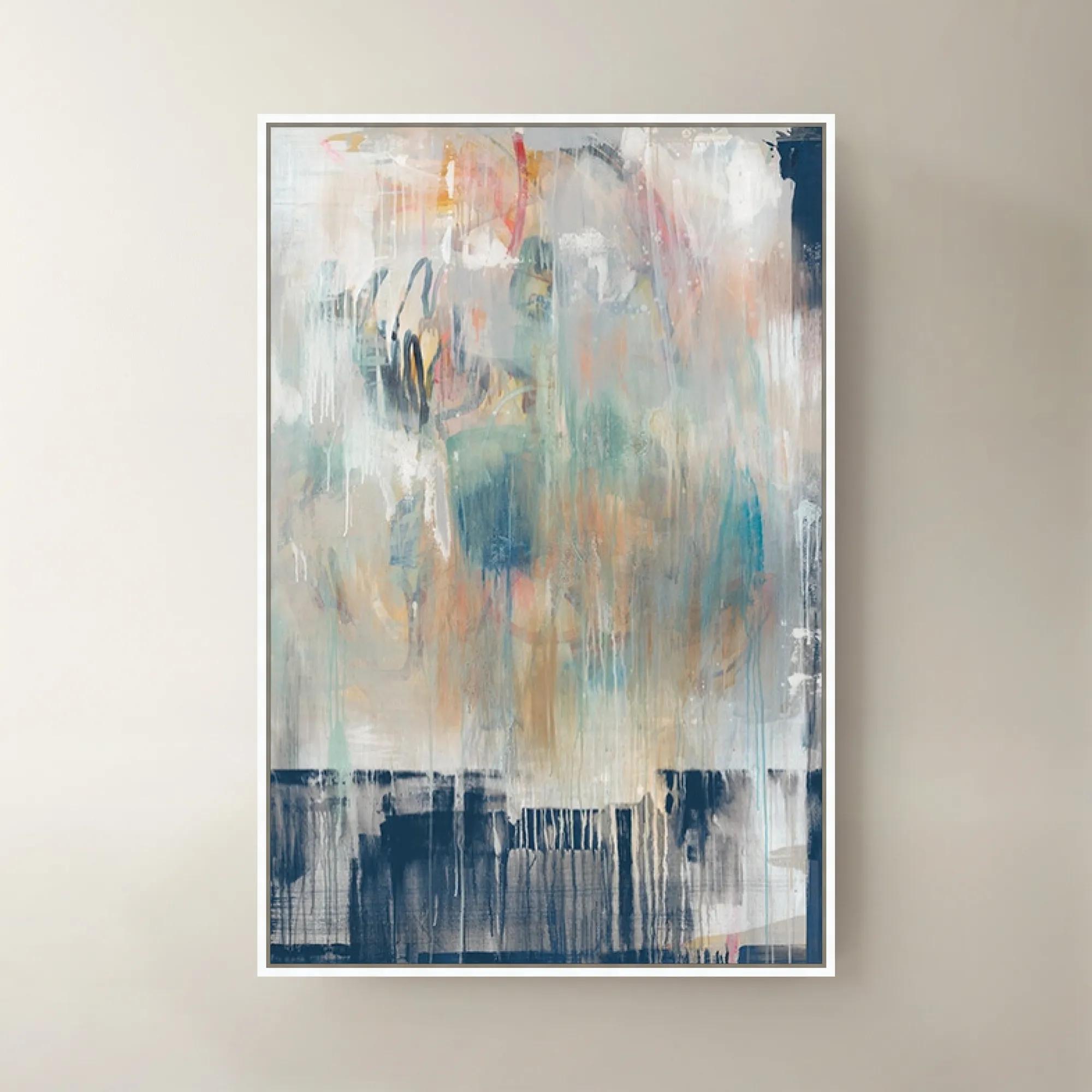
 Disrepair III Framed Wall Art 40" x 60"$1099
A multicolored canvas wall artwork in a framed presentation, bringing expressive contemporary character to interiors.
Add To Cart

60 Inch Framed Wall Art
Shop 60 Inch Framed Wall Art to create a commanding focal point with scale, dimension, and artistic presence. Explore statement-making framed artwork designed to anchor living rooms, dining areas, bedrooms, and entryways while bringing color, texture, and expressive style to your walls.
A generous expanse of art can give a room its signature, drawing the eye with color, movement, and a beautifully defined edge. At this scale, 60-inch framed wall art has the presence to anchor a seating arrangement, bring depth to a dining room, or turn an uninterrupted hallway wall into a striking visual destination. The appeal lies in the relationship between the image and its frame: expressive brushwork feels more intentional within a crisp border, while a quiet tonal composition gains distinction from the architecture surrounding it. Abstract art can introduce sweeping gestures and unexpected color; photographic imagery can lend atmosphere, perspective, or a sense of escape. A monochromatic composition offers its own drama through contrast, shadow, and negative space. For interiors rich in velvet, polished metal, or sculptural furniture, oversized framed artwork adds another layer of expression without requiring a collection of smaller accents. In a more restrained setting, one commanding piece can supply the room’s most memorable flourish. Color provides a natural connection between the art and its surroundings, but the relationship need not be literal. A trace of warm ivory can echo upholstered seating, a charcoal passage can converse with dark wood, and a flash of metallic tone can draw attention to a nearby lamp. Repeating every shade throughout the room can make the arrangement feel overly coordinated; allowing one or two colors to carry across the space leaves the artwork room to breathe. Consider the mood the composition creates from across the room as well as the details revealed up close. Broad shapes and strong contrast tend to register at a distance, while delicate marks reward a closer look. For someone furnishing a new home, redefining a formal living room, or bringing personality to a generous bedroom wall, large framed art offers a way to make the setting feel distinctly personal. Its impact comes not simply from occupying space, but from giving that space a point of view.
Proportion is essential to making that presence feel deliberate. A 60-inch measurement may refer to the width, height, or another listed dimension, so the full exterior measurements, including the frame, deserve close attention. A horizontal piece can extend gracefully above a sofa or sideboard, while a vertical composition of the same stated size creates a very different silhouette. Over furniture, artwork generally feels balanced when it remains narrower than the piece beneath it; roughly two-thirds to three-quarters of the furniture’s width can be a useful starting point rather than a rigid rule. A 60-inch-wide framed work, for example, may sit comfortably above an 80- to 90-inch sofa, depending on the room’s proportions and surrounding details. Painter’s tape placed at the outer corners of the proposed frame helps make that scale tangible before hanging. Leave enough space between the furniture and artwork for the frame to feel distinct, but avoid placing it so high that the two seem disconnected. Above a console, account for the height of lamps, vessels, and sculptural objects so they complement rather than obscure the composition. The frame itself contributes to this balance. A slim profile gives the image a sharply defined perimeter, while a deeper or broader molding adds visual weight and a more architectural character. Wood can introduce warmth and visible grain; metal can bring a precise, polished edge. Painted, metallic, and textured finishes each interact differently with nearby furnishings and changing light. Exploring Large Wall Art Frames can help clarify how profile, finish, and proportion shape the overall presentation. Matting, when included, creates a measured pause between the image and its border, often giving detailed photography or works on paper additional breathing room. A float-style frame creates a different effect around canvas, allowing a narrow shadow gap to distinguish the artwork from its surround. Neither treatment is universally better; the strongest choice supports the image while bringing a considered finishing note to the room.
Materials and construction influence how oversized framed wall art looks, hangs, and wears over time. Printed paper, canvas, glazing, backing, and frame components each play a role, so product descriptions should be considered alongside the visual impression. Canvas offers a textured surface that can enrich painterly imagery, while paper can beautifully convey fine lines, photographic detail, and subtle tonal transitions. Glazed artwork has another layer of protection, though its appearance depends partly on reflections and placement. Glass can provide clarity but adds weight; acrylic is generally lighter and more resistant to shattering, though its surface can scratch more easily. UV-filtering glazing may help reduce light-related damage, but it does not make artwork immune to fading. Positioning art away from prolonged direct sunlight, damp areas, and strong heat sources helps preserve its appearance. A wall opposite broad windows may also create distracting reflections, making a nearby interior wall the more flattering setting. For evening viewing, thoughtfully directed lighting can reveal texture and color without casting a harsh glare across the surface. Installation deserves equal care at this size: check the total weight, follow the hanging instructions, and use hardware appropriate to both the frame and the wall’s construction. Large pieces may require two people to lift and position safely, and professional installation can be worthwhile for substantial frames or challenging locations. Once displayed, gentle maintenance helps protect the finish. Dust the frame with a soft, dry cloth, follow material-specific cleaning directions, and avoid spraying cleaner directly onto the artwork or glazing, where moisture could travel beneath the edges. Unglazed canvas and delicate surfaces should not be scrubbed or treated with household cleaning solutions. These considerations make 60-inch framed wall art especially suited to spaces where its scale can be appreciated and its surface protected, from an inviting living room to a composed home office. As a housewarming or milestone gift, oversized art is most meaningful when the recipient’s taste, wall measurements, and installation needs are already understood. Chosen with that level of attention, a substantial framed composition becomes more than a finishing accent: it establishes an atmosphere, holds the room together, and offers something compelling to return to each day.
FAQs
Framed wall art pairs a decorative image, print, photograph, or original artwork with a finished frame for a polished, gallery-inspired presentation. The frame adds depth, structure, and a distinctive design element that helps complete the room’s visual story.
Framed wall art introduces color, texture, and artistic expression while creating a captivating focal point. A dramatic abstract, glamorous metallic composition, or serene landscape can instantly shape the mood of a living room, bedroom, dining area, or entryway.
Modern interiors pair beautifully with abstract compositions, geometric patterns, monochromatic photography, bold botanical imagery, and luxe metallic artwork. Look for clean-lined frames, expressive forms, and sophisticated palettes that enhance your décor without fading into the background.
Let framed wall art anchor a curated vignette by echoing tones found in your upholstery, rugs, lighting, or accent décor. For a refined gallery effect, layer complementary pieces with varied textures and finishes while keeping a consistent visual rhythm throughout the arrangement.
Mirror-finish, gold, silver, black, and richly toned wood frames bring distinctive character to glamorous interiors. Metallic finishes amplify light and opulence, while dark frames create striking contrast around vivid artwork or sophisticated neutral compositions.