120 Inch Silk Window Panels
120 Inch Silk Window Panels
-
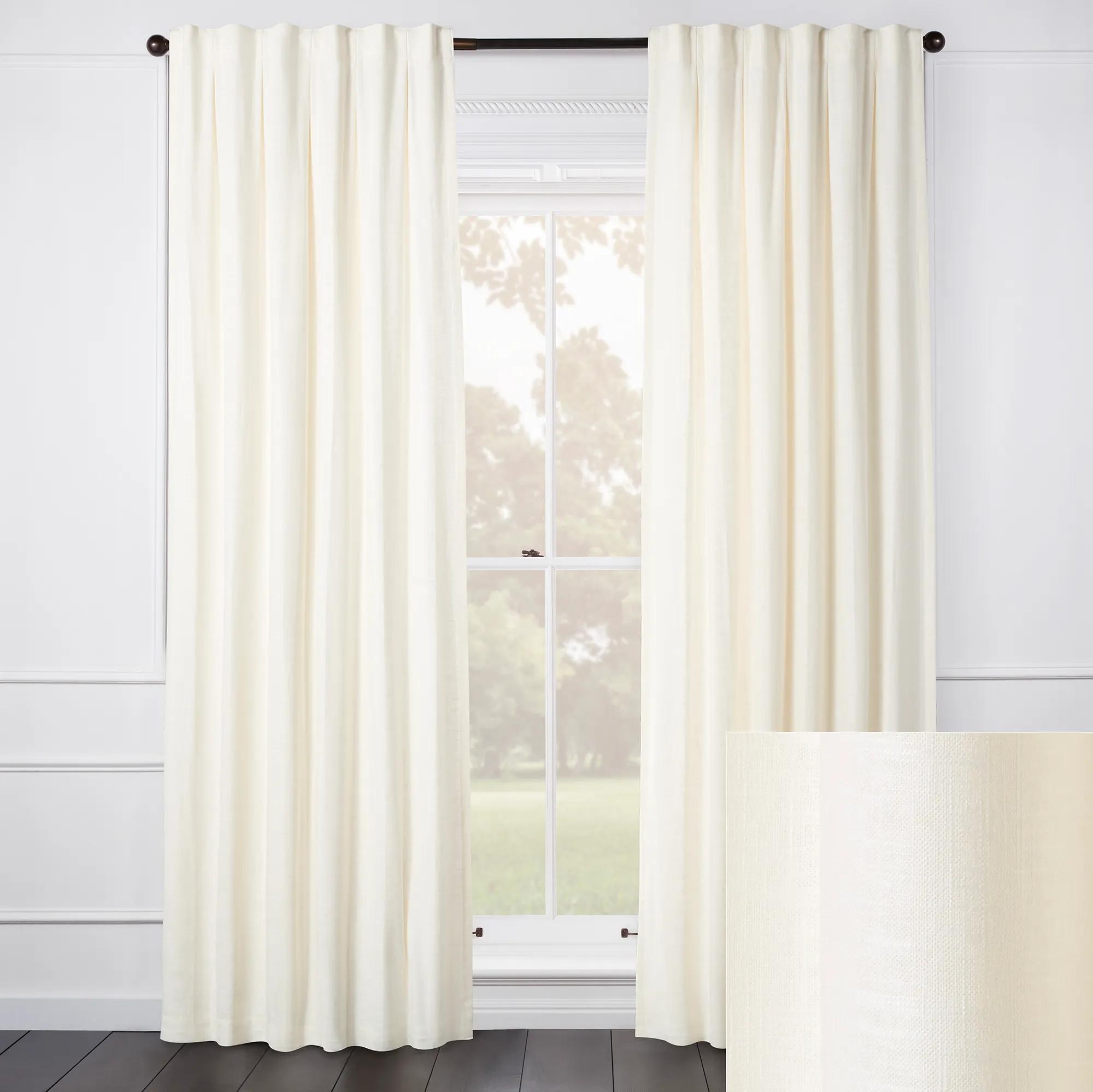
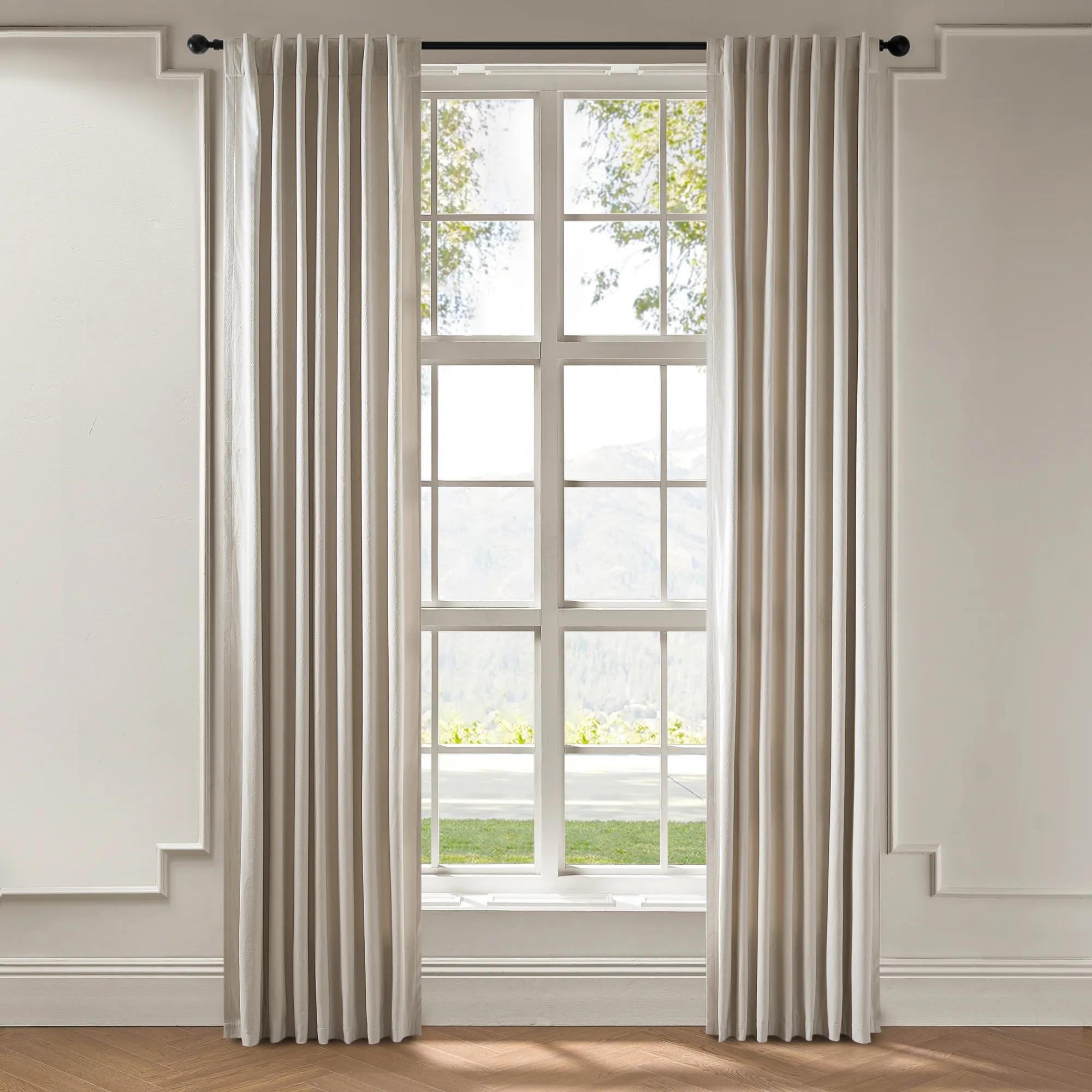
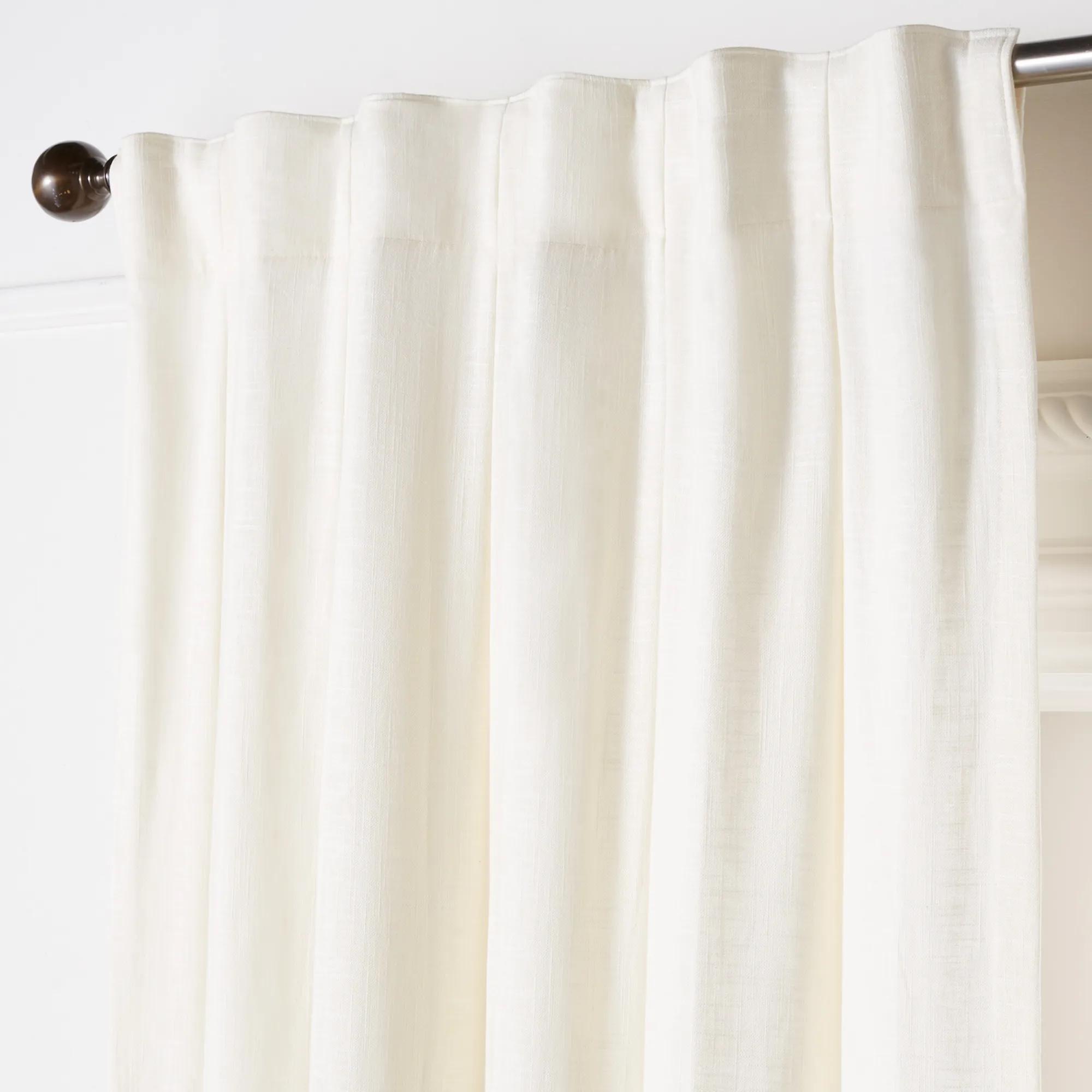 Audrey Linen Ivory Curtain - Custom$269
An ivory linen-blend curtain panel with lining, offering customizable lengths and two elegant header styles.
Add To Cart -
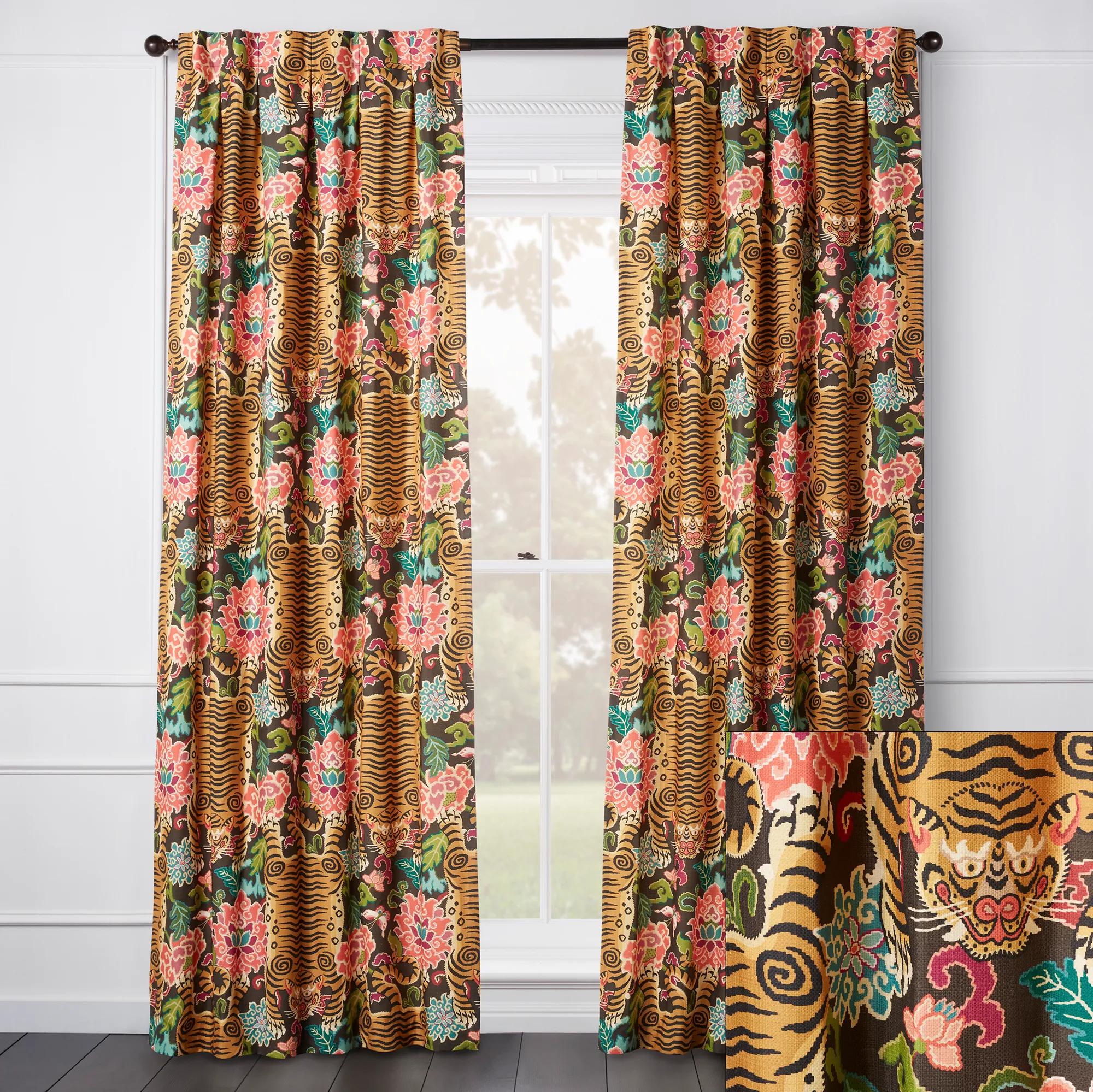
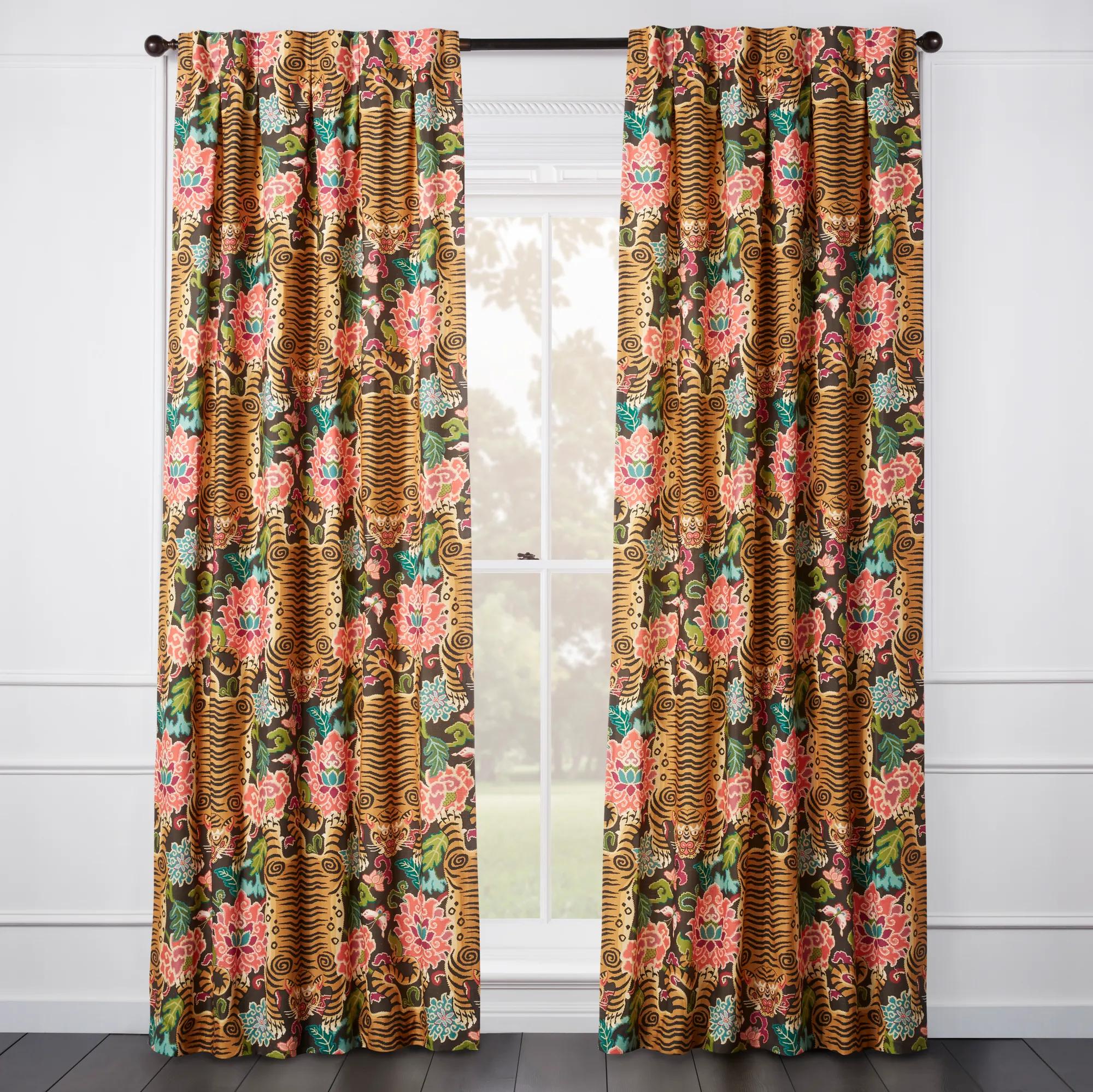 Nimer Gold/Multi Printed Slubbed Cotton Window Curtain Panel$369
A bold gold and multi-colored cotton curtain panel featuring a lively tiger print and customizable options.
Add To Cart -
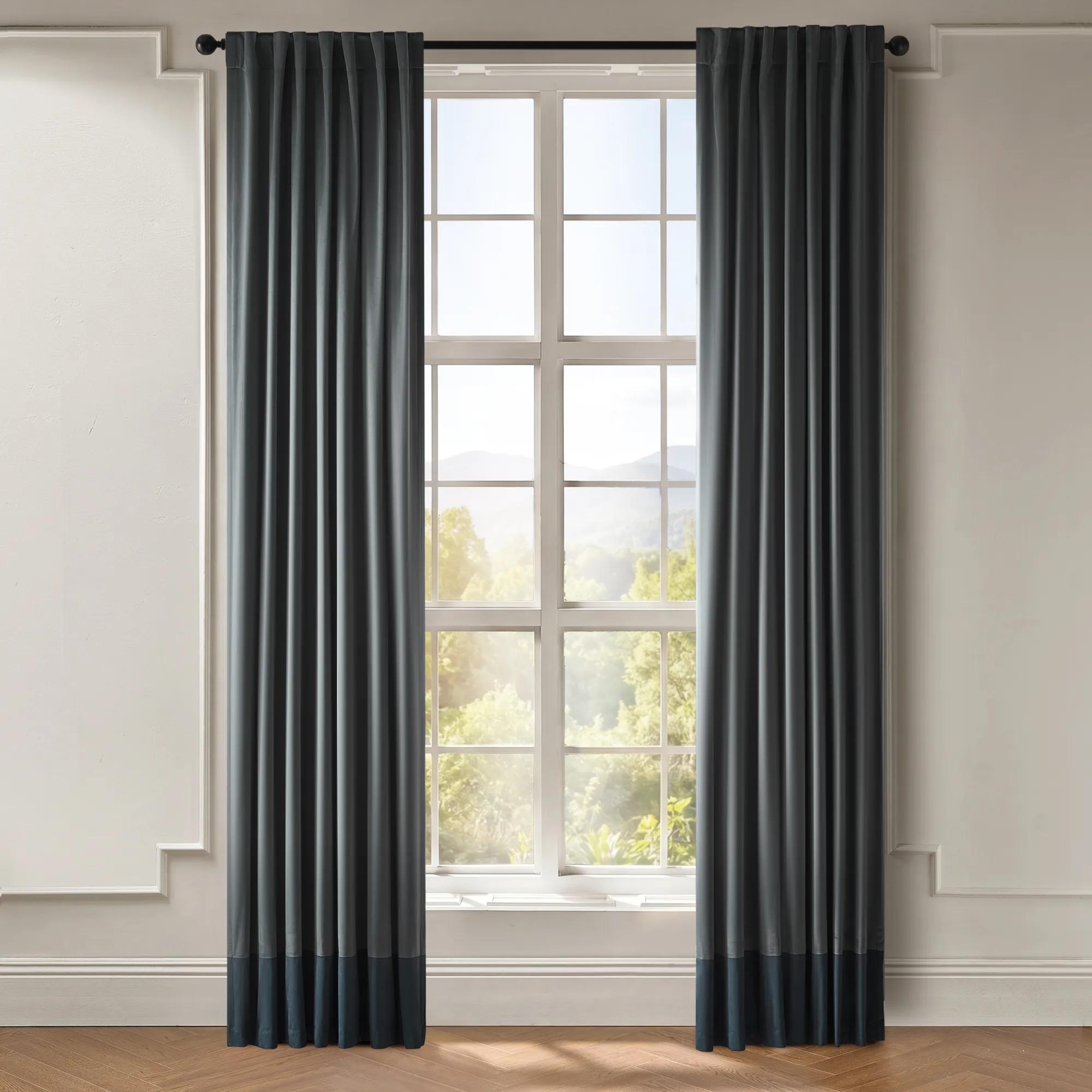
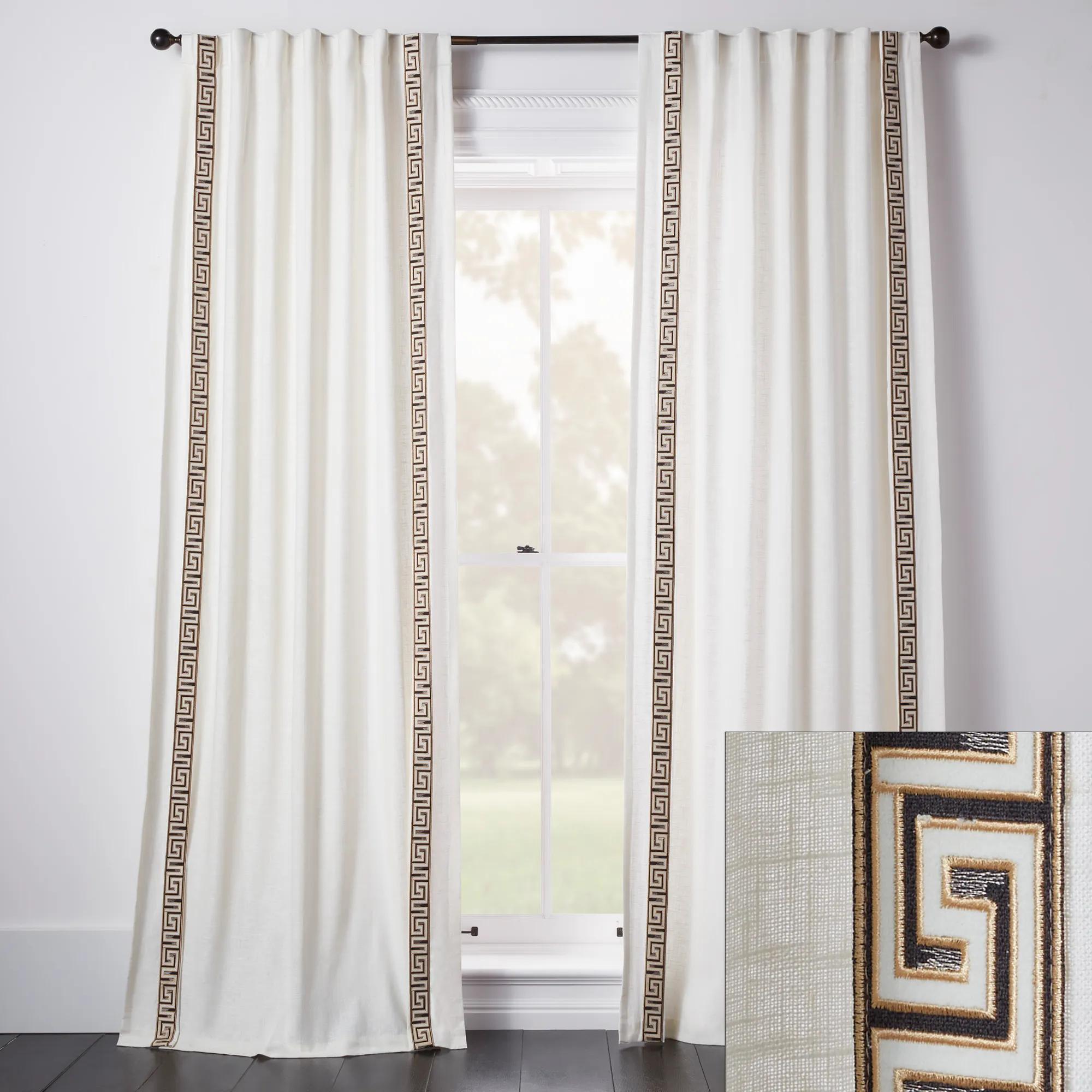 Chole Greek Key Border Velvet Widow Curtain Panels Custom$309
A white linen-blend curtain panel with black and gold velvet Greek key border and customizable options.
Add To Cart -
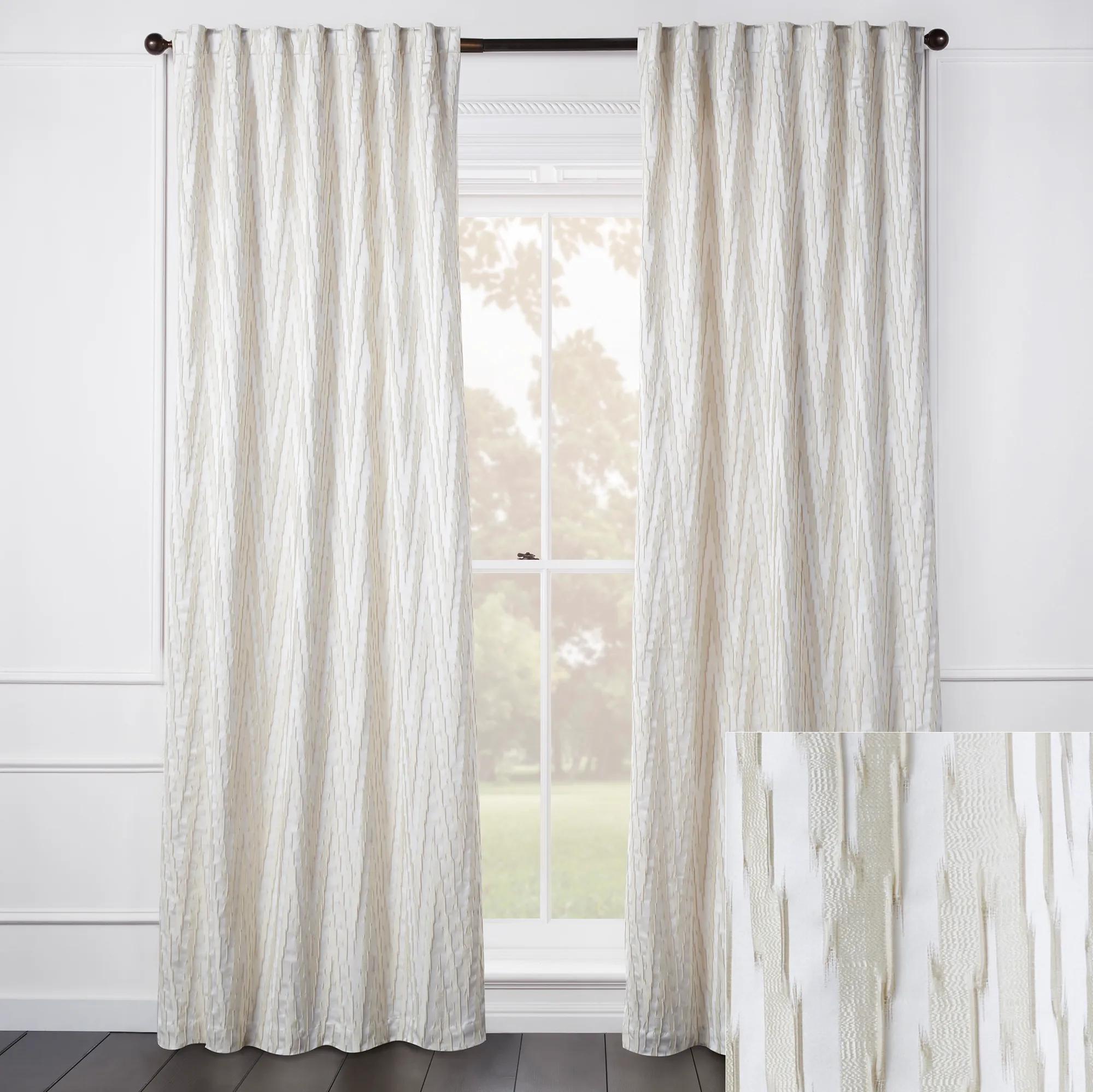
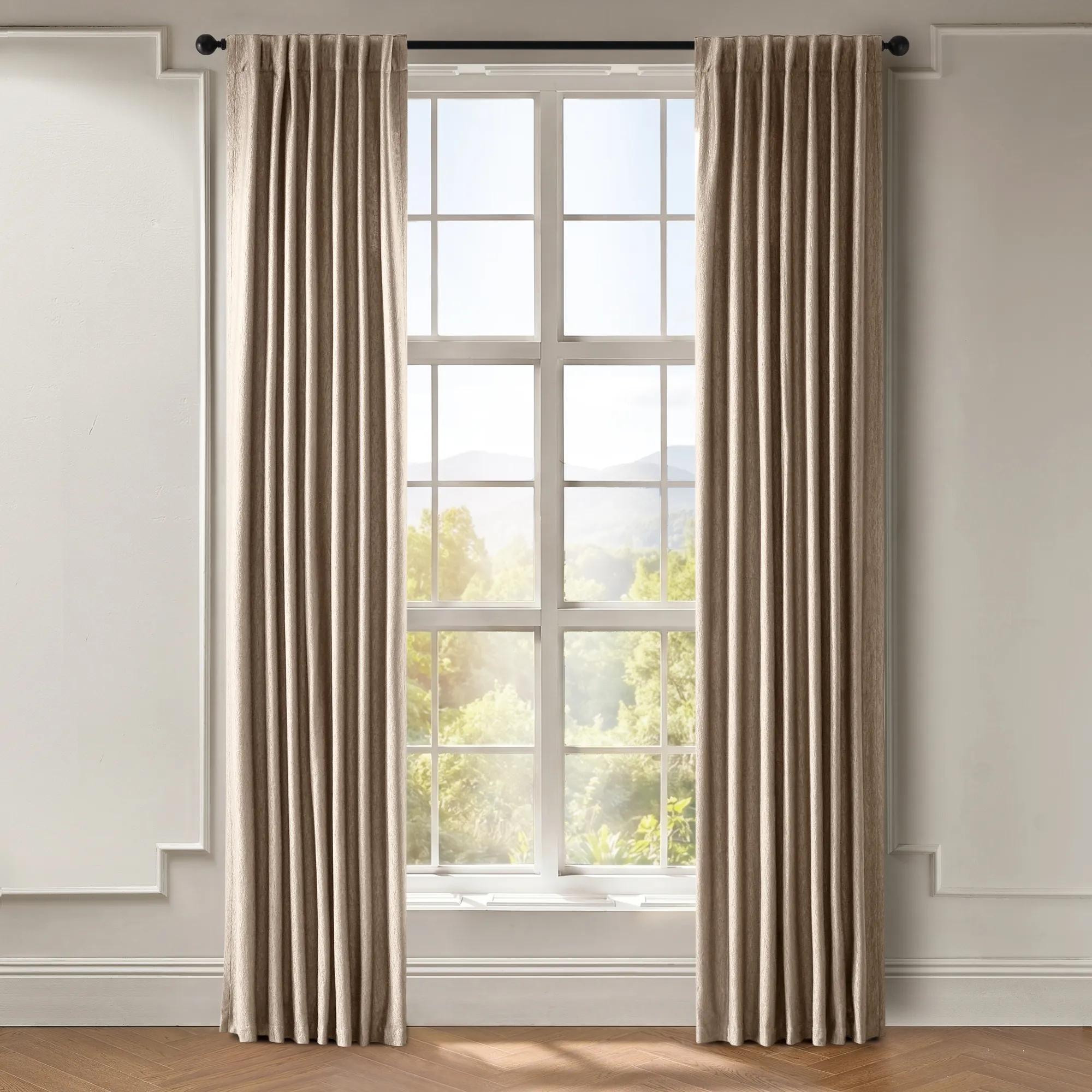
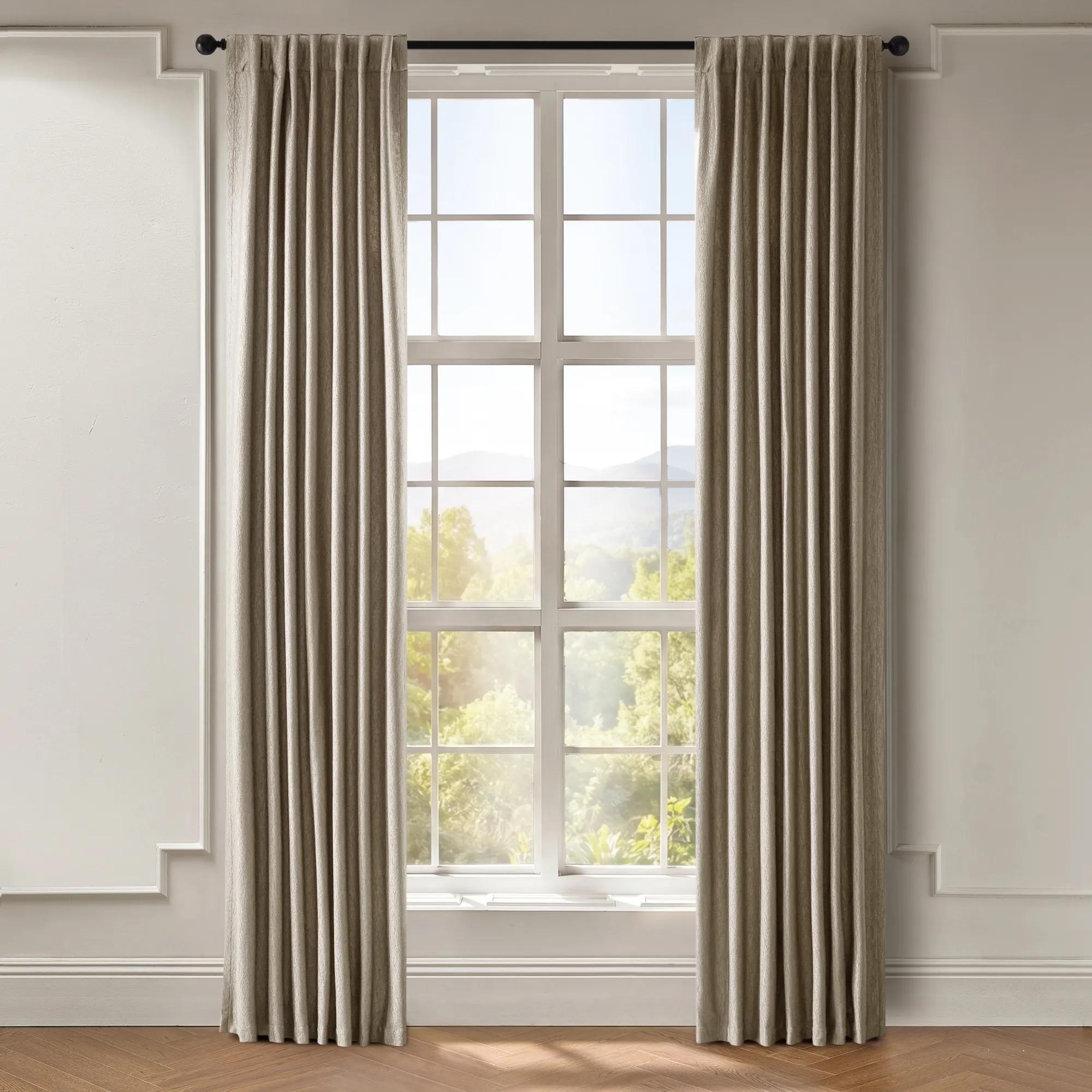
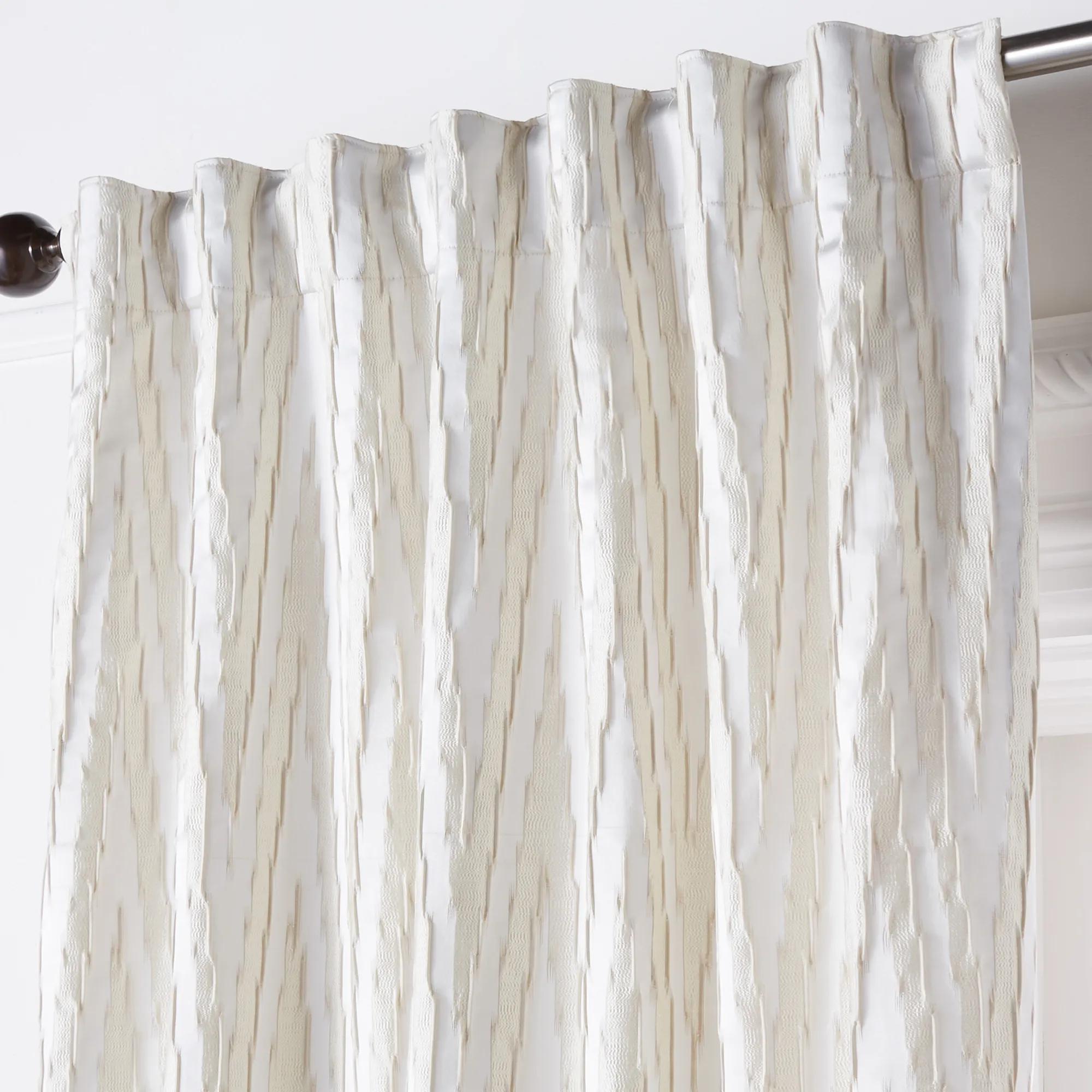 Minka Jacquard Pearl Window Curtain Panel Custom$289
A highly textured chevron curtain panel in pearl, grey, or natural polyester with customizable hanging options.
Add To Cart

120 Inch Silk Window Panels
120 inch silk window panels transform windows into sweeping statements of grandeur, draping every room in an aura of pure luxury. With their dramatic length and luminous sheen, these panels invite light to dance across your space, creating an atmosphere that’s both ethereal and unmistakably sophisticated. Perfect for those who believe a room should be dressed as elegantly as its inhabitants, 120 inch silk window panels elevate interiors with opulent texture and a sense of tailored artistry—turning every glance toward the window into a moment of awe.
120-inch silk window panels are extra-long curtains with a nominal length of 120 inches, or 10 feet, designed to bring a fluid, luminous finish to tall windows and elevated curtain rods. Their generous proportions suit rooms where shorter drapery would interrupt the architecture: a living room with soaring ceilings, a dining room framed by elongated windows, or a bedroom with curtain hardware positioned well above the window casing. Silk gives that vertical sweep its distinctive character. Rather than reflecting light with a uniform gloss, the fabric reveals subtle shifts in depth across its folds, creating a surface that feels expressive even in a restrained color. Ivory can take on a pearlescent richness, while deeper tones emphasize the sculptural shape of gathered fabric. The result is drapery that contributes as much to the room’s composition as upholstery, artwork, or a striking light fixture. Material descriptions matter within this category, because pure silk, silk blends, and silk-look fabrics are not interchangeable. Pure silk is a natural protein fiber prized for its luster and graceful movement; a silk blend combines it with another fiber and may have a different texture, weight, or care requirement. Fabrics described as faux silk offer a silk-inspired appearance but should not be assumed to contain silk. Construction also influences the mood. Dupioni and shantung silks often have visible slubs or textural irregularities, while smoother weaves create a more continuous sheen. Those distinctions can make the same color feel either richly tactile or sleek and polished. For interiors with mirrored accents, lacquered furniture, or sumptuous upholstery, silk window panels introduce another dimension without requiring an elaborate pattern. Against matte walls or richly grained wood, their glow becomes a deliberate contrast. The strongest effect comes from allowing the fabric’s texture, the depth of its folds, and the full length of the panel to remain visible.
The defining measurement for 120-inch silk curtains is length, not width, and that distinction is essential to achieving a beautifully proportioned installation. A 120-inch panel does not automatically fit a room with a 10-foot ceiling: the finished position depends on the height of the rod or track, the header construction, and the distance from the actual hanging point to the floor. Curtain rings, hooks, back tabs, and rod pockets each place fabric differently relative to the hardware. A panel that falls precisely to the floor in one arrangement may sit above it or pool below it in another. Floor-skimming silk gives a space a tailored outline, especially where curtains are opened and closed frequently. A small break at the hem softens that precision, while a more generous puddle creates a theatrical, salon-like effect best reserved for areas with little foot traffic. Length alone, however, cannot create fullness. Panel width and quantity determine whether the fabric forms substantial folds or appears stretched across the glass. For many gathered curtain styles, a combined flat fabric width of approximately one and a half to two times the rod span provides a useful starting point, with greater fullness producing a more opulent silhouette. Pleated panels require closer attention to the stated finished width, since their fullness may already be incorporated into the header. Product dimensions and packaging details also distinguish a single panel from a pair; neither the length nor the category name establishes how many panels are included. Header style contributes its own visual rhythm. Pinch pleats establish orderly vertical lines, rod pockets gather fabric into a softer crown, and back tabs can create broad folds while concealing much of the rod. For panels intended to move daily, compatible rings or a suitable track may offer easier operation than tightly gathered pockets. Hardware should be rated for the combined weight of the fabric and any lining, with appropriate brackets and secure mounting. For a broader view of this extra-long format across fabrics and finishes, 120 Inch Window Panels offers a related category beyond silk.
Light control, privacy, and maintenance give these dramatic proportions their everyday purpose. Silk itself does not guarantee blackout performance, and the fiber content alone cannot establish how much a panel conceals. A sheer silk construction may diffuse daylight beautifully while offering limited privacy, particularly when interior lights are on after dark. More substantial fabric can provide greater coverage, but lining and weave remain important. Lined silk panels often have a fuller body and a more finished appearance from outside the window; an interlining can add further substance between the face fabric and the backing. Blackout performance requires a construction specifically identified for that purpose, and even blackout-lined panels can admit light around the edges if the installation leaves gaps. In a bedroom, silk can serve as the decorative outer layer over a separate shade, allowing the shade to manage privacy while the panels frame the room with luminous folds. In a formal dining space, stationary side panels may provide the desired architectural presence without needing to cover the entire window. For a frequently used living room, operable panels with adequate width offer both a composed open position and meaningful coverage when drawn. Durability deserves equal attention: silk is sensitive to prolonged direct sunlight, which can fade dyes and weaken fibers over time. An appropriate lining and a separate shade can help reduce exposure, though they do not make the fabric immune to damage. Long hems also deserve consideration in homes with pets, young children, or heavily traveled doorways, where pooled fabric can collect dust or catch underfoot. Care should follow the panel’s label rather than a general assumption about natural fibers. Many silk curtains require professional dry cleaning; washing, spot treatments, or excessive steam may leave water marks, alter the finish, or affect the lining differently from the face fabric. Gentle dust removal, when permitted by the manufacturer, helps preserve the fabric between cleanings. With thoughtful placement and care, 120-inch silk window panels offer a distinctive balance of architectural scale and delicate surface detail, turning the window into an integral part of a richly expressed room.
FAQs
Silk window panels are renowned for their luminous sheen, sumptuous drape, and timeless elegance. The natural fibers catch and reflect light in a way that creates a soft, inviting glow, while their fluid movement adds an unmistakable sense of artistry and sophistication to any space. These panels transform windows into stunning focal points, elevating the overall ambiance of a room with their opulent texture and refined presence.
To achieve a truly dramatic effect, hang your silk panels high above the window frame, allowing them to cascade gracefully to the floor and even puddle slightly for added opulence. Pair them with elegant hardware in metallic finishes, such as brushed gold or polished nickel, to enhance their luxurious appeal. Layering with sheers or using bold tiebacks can add dimension and visual intrigue, creating a striking, editorial look that commands attention.
Silk window panels are remarkably versatile and can be used to elevate the décor in living rooms, dining spaces, bedrooms, and even home offices. Their sophisticated texture and luminous finish complement a variety of interior styles, from classic to contemporary. While they lend an especially glamorous touch to formal spaces, they can also soften and enrich more relaxed environments, offering a tailored sense of comfort and artistry.
To maintain the exquisite appearance of silk window panels, it’s best to gently vacuum them with a soft brush attachment to remove dust. Avoid prolonged direct sunlight, which can cause fading, and consider using a protective lining to shield the silk. For deeper cleaning, professional dry cleaning is recommended to preserve the delicate fibers and keep the fabric looking lustrous and fresh season after season.
Absolutely. Silk window panels pair beautifully with other treatments such as sheer curtains, Roman shades, or even textured blinds. This layering not only adds depth and richness to your windows but also allows for greater control over light and privacy. Mixing materials and textures creates a bespoke look that is both functional and visually captivating, allowing you to express your unique sense of style.
.jpeg?w=3942&h=3942)
.jpeg?w=4130&h=4130)