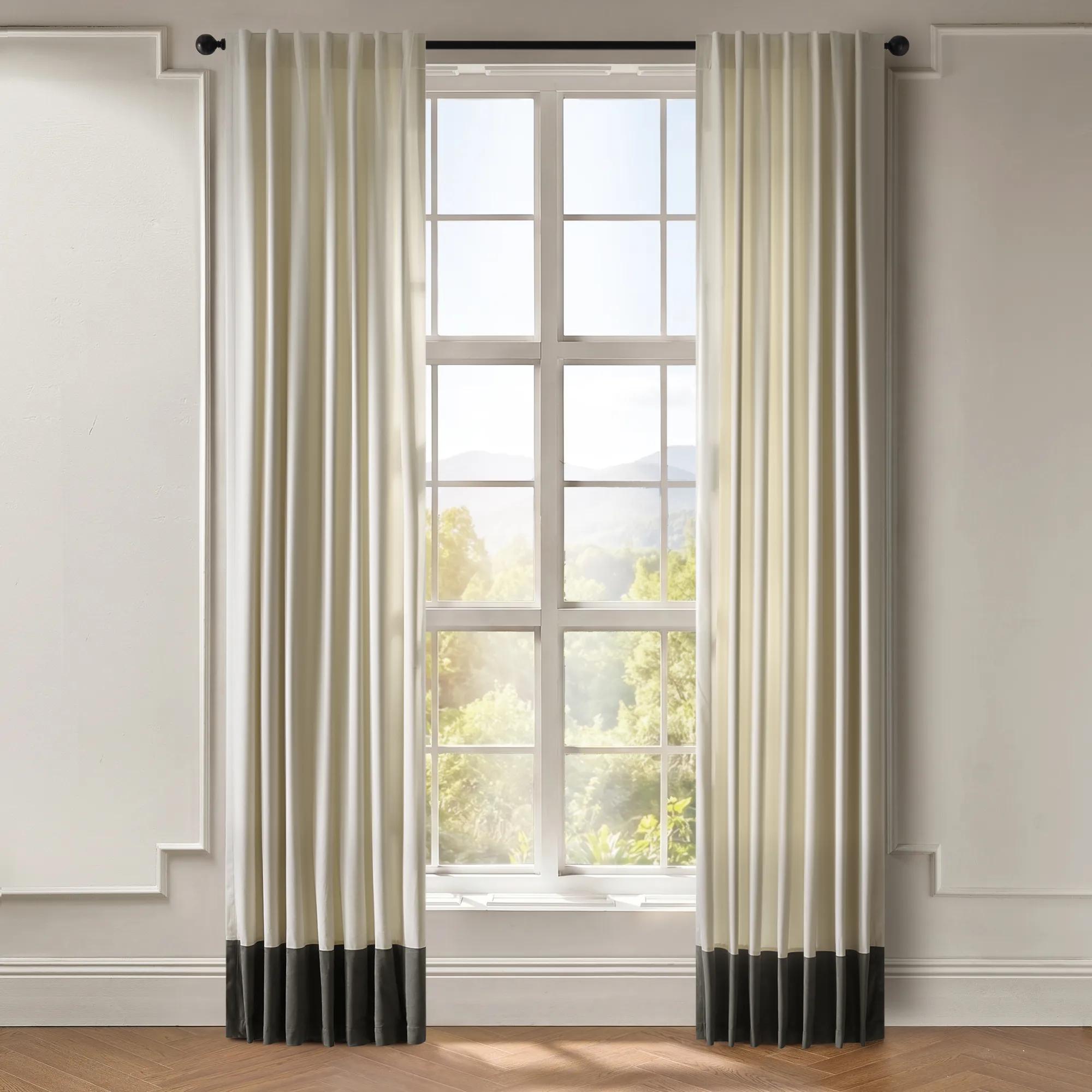
108 Inch Window Panels
108 Inch Window Panels
-
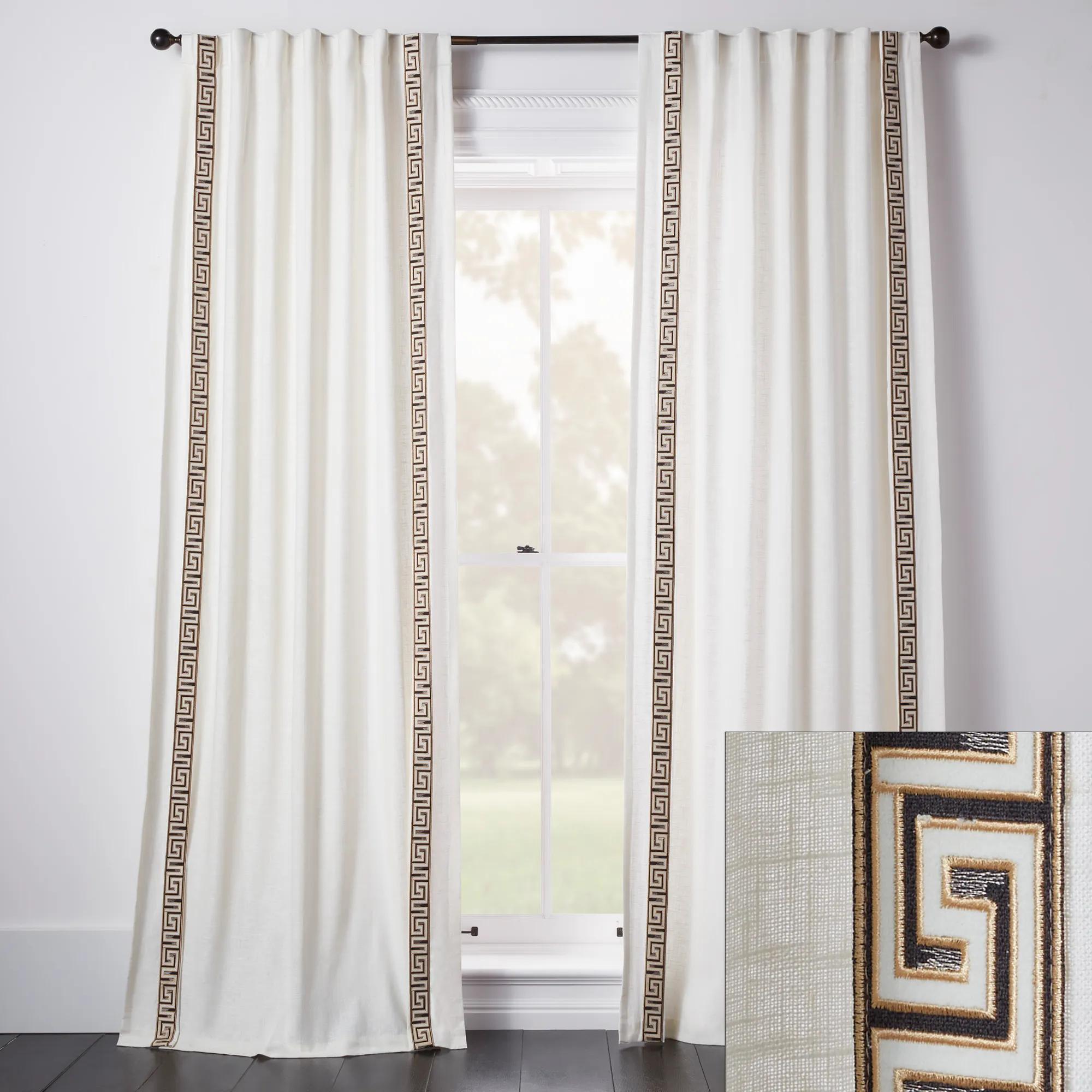 Chole Greek Key Border Velvet Widow Curtain Panels Custom$419
A linen-blend curtain panel with plush black and gold velvet Greek key border and customizable options.
Add To Cart -
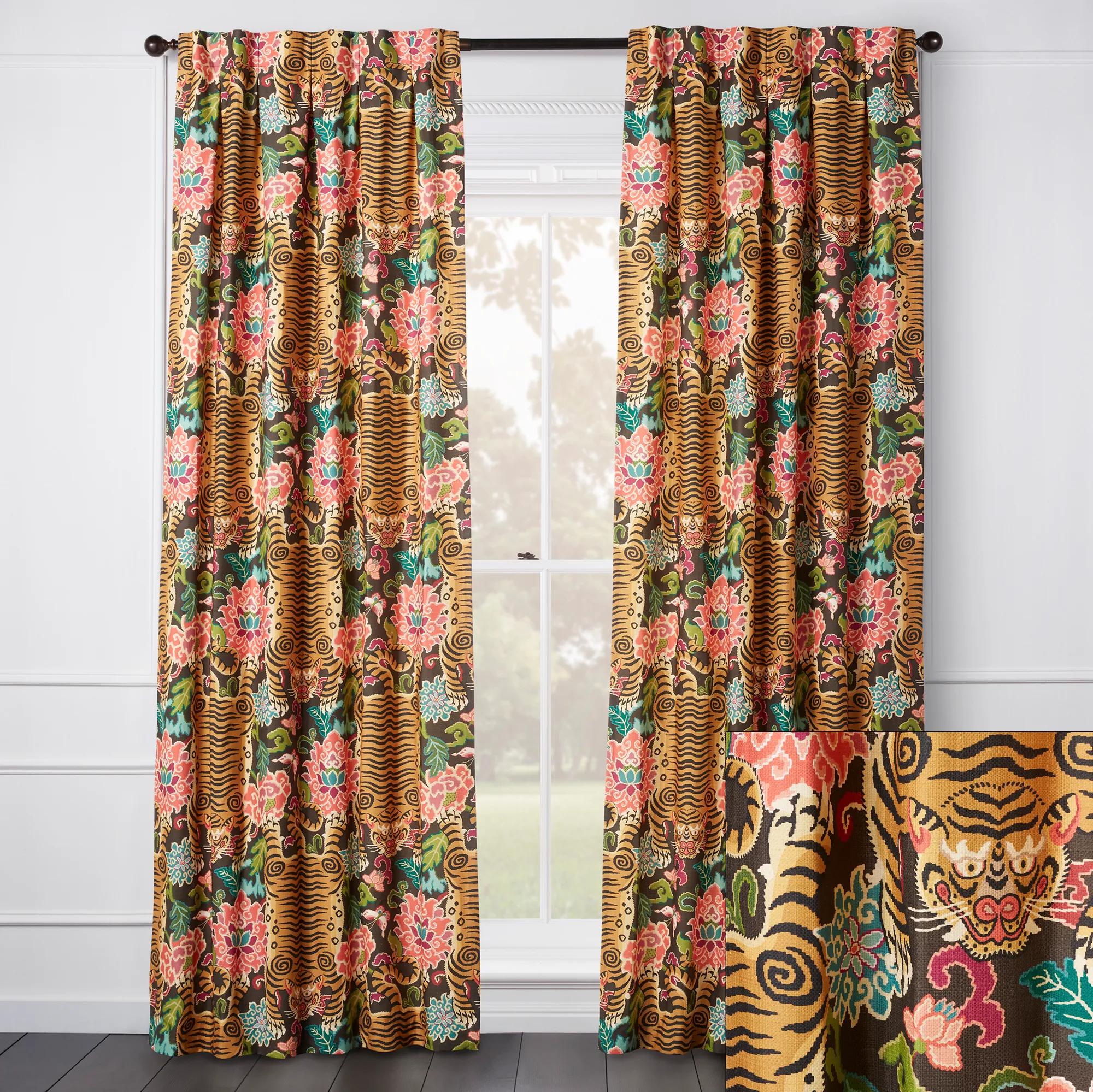
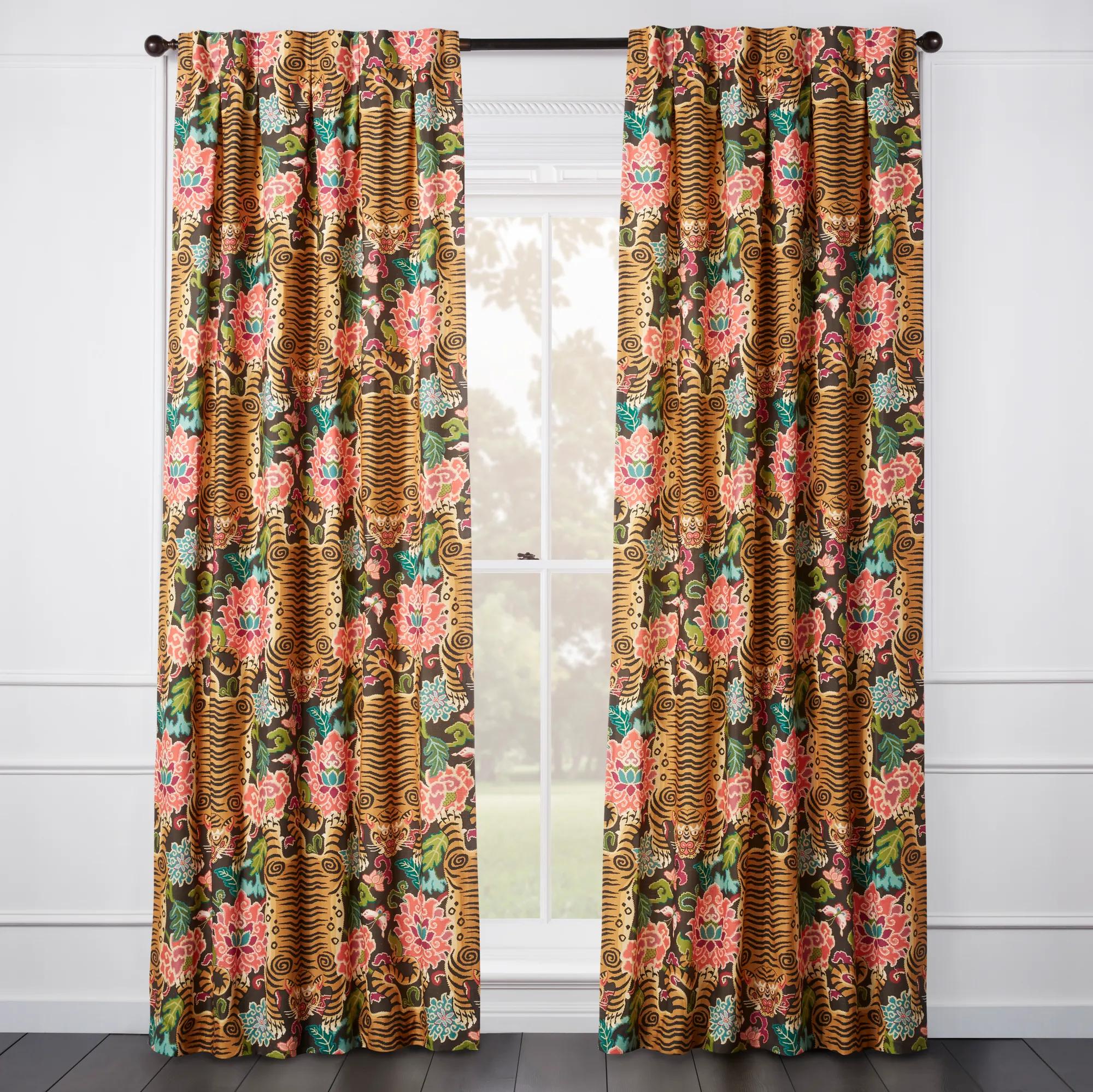 Nimer Gold/Multi Printed Slubbed Cotton Window Curtain Panel$369
A bold gold and multi-colored cotton curtain panel featuring a lively tiger print and customizable options.
Add To Cart -
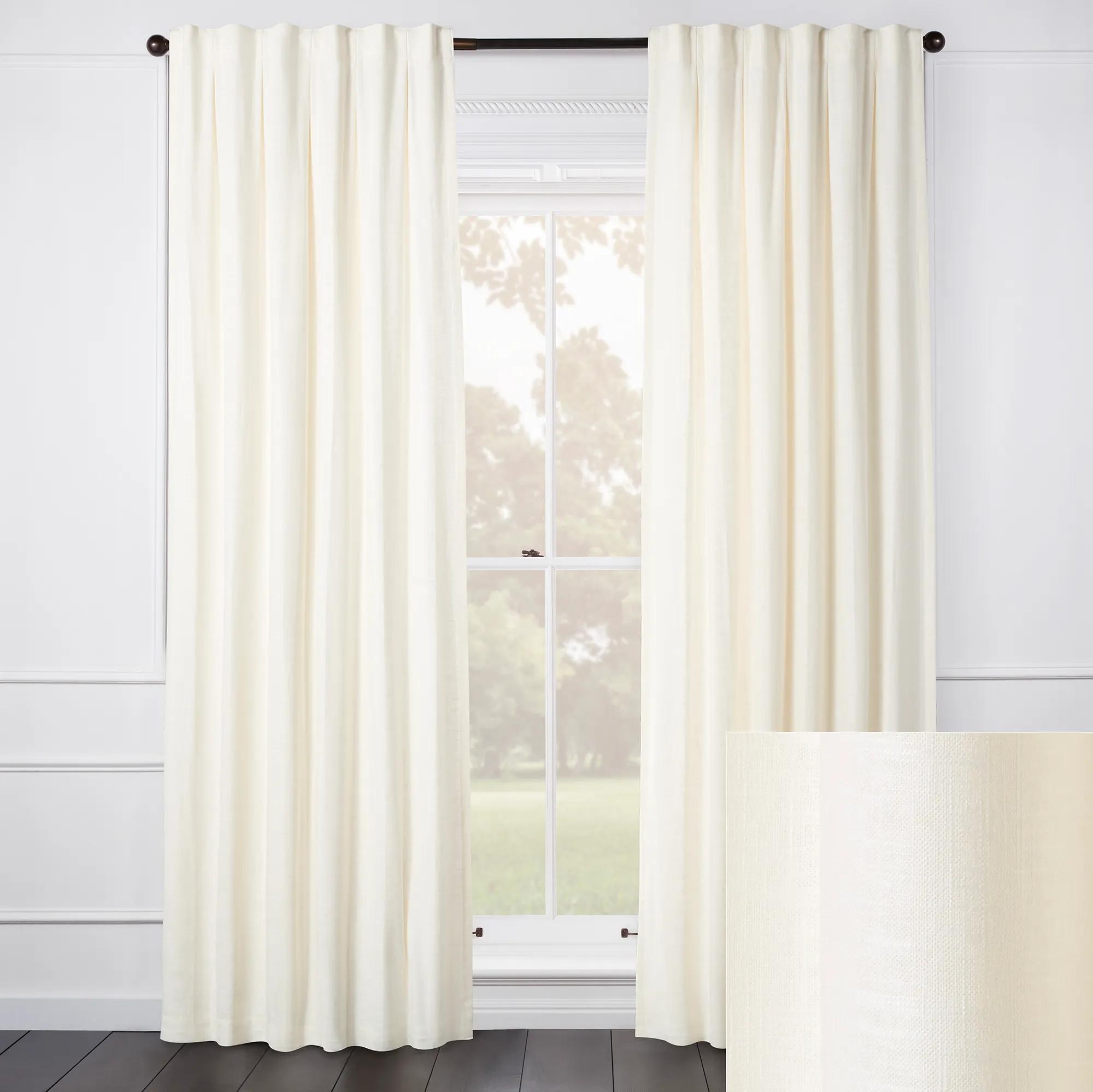
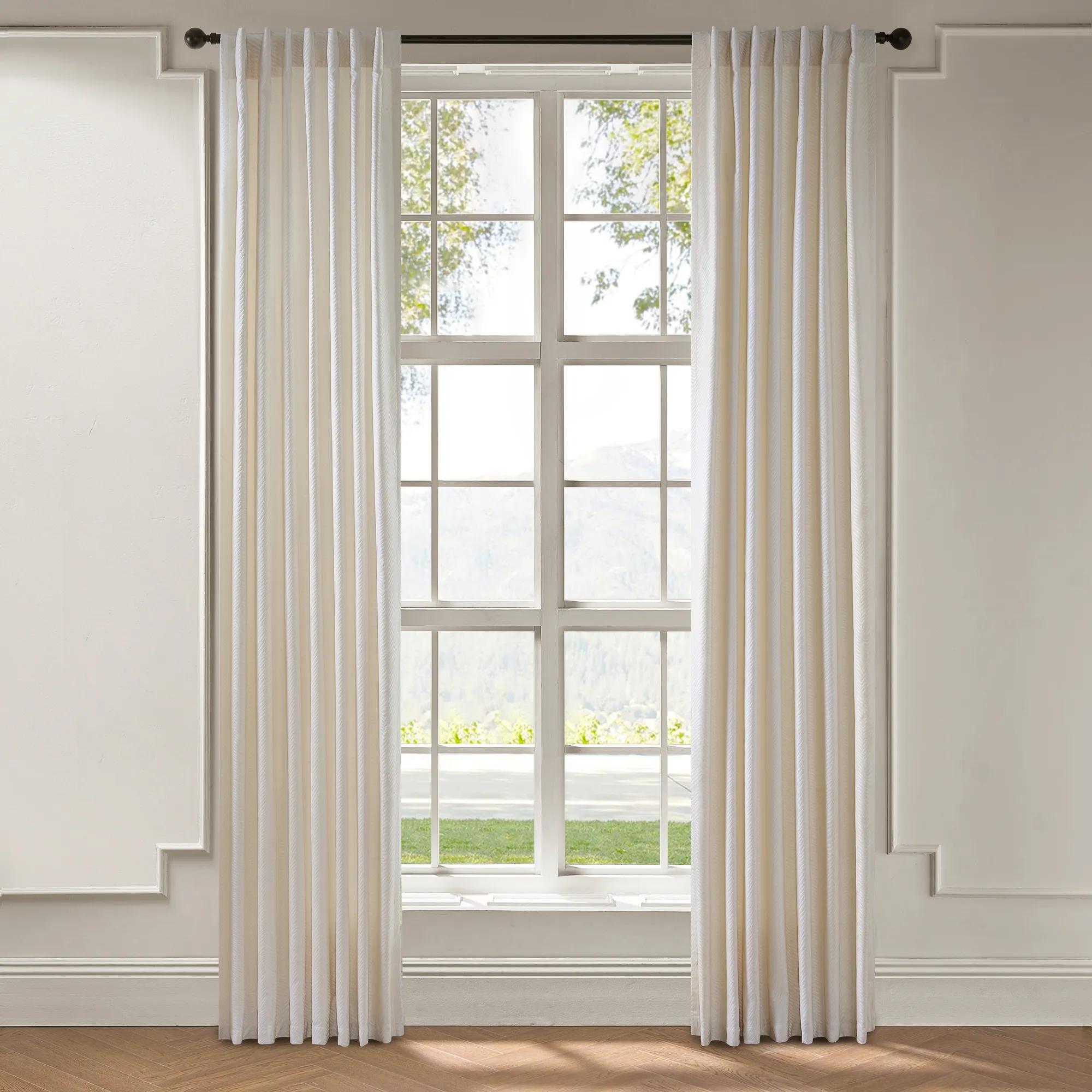
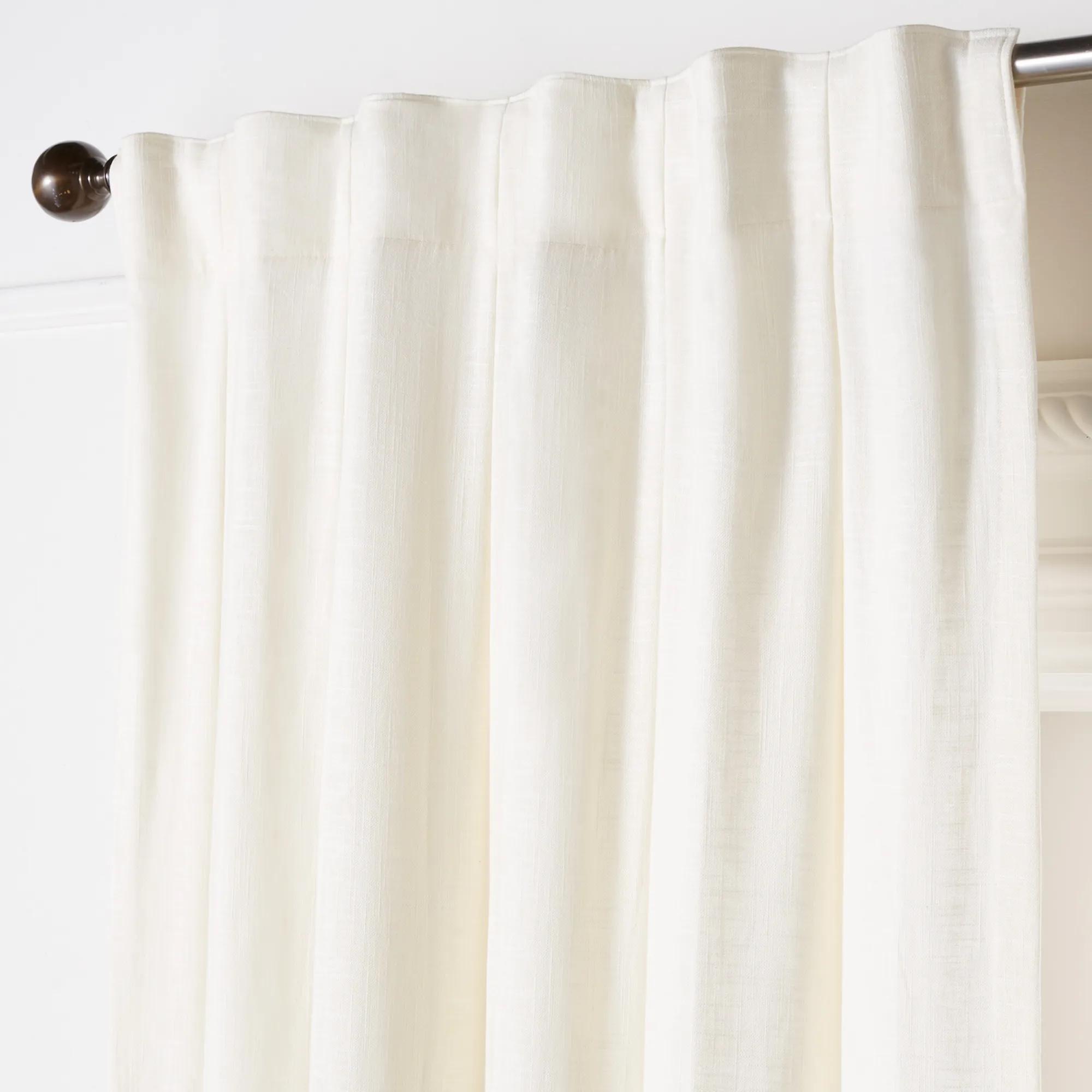 Audrey Linen Ivory Curtain - Custom$269
An ivory linen-blend curtain panel with lining, offering customizable lengths and two elegant header styles.
Add To Cart -
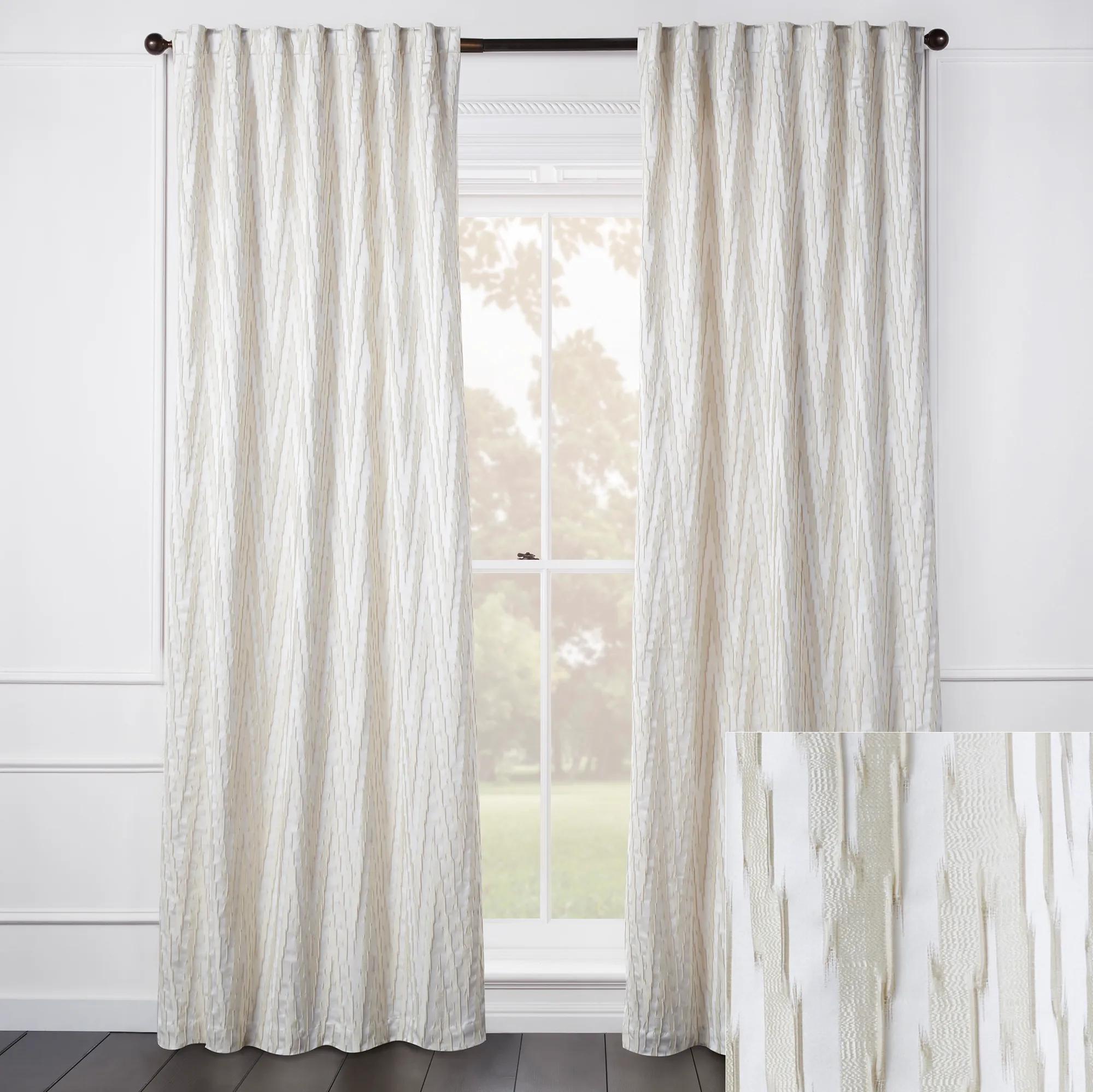
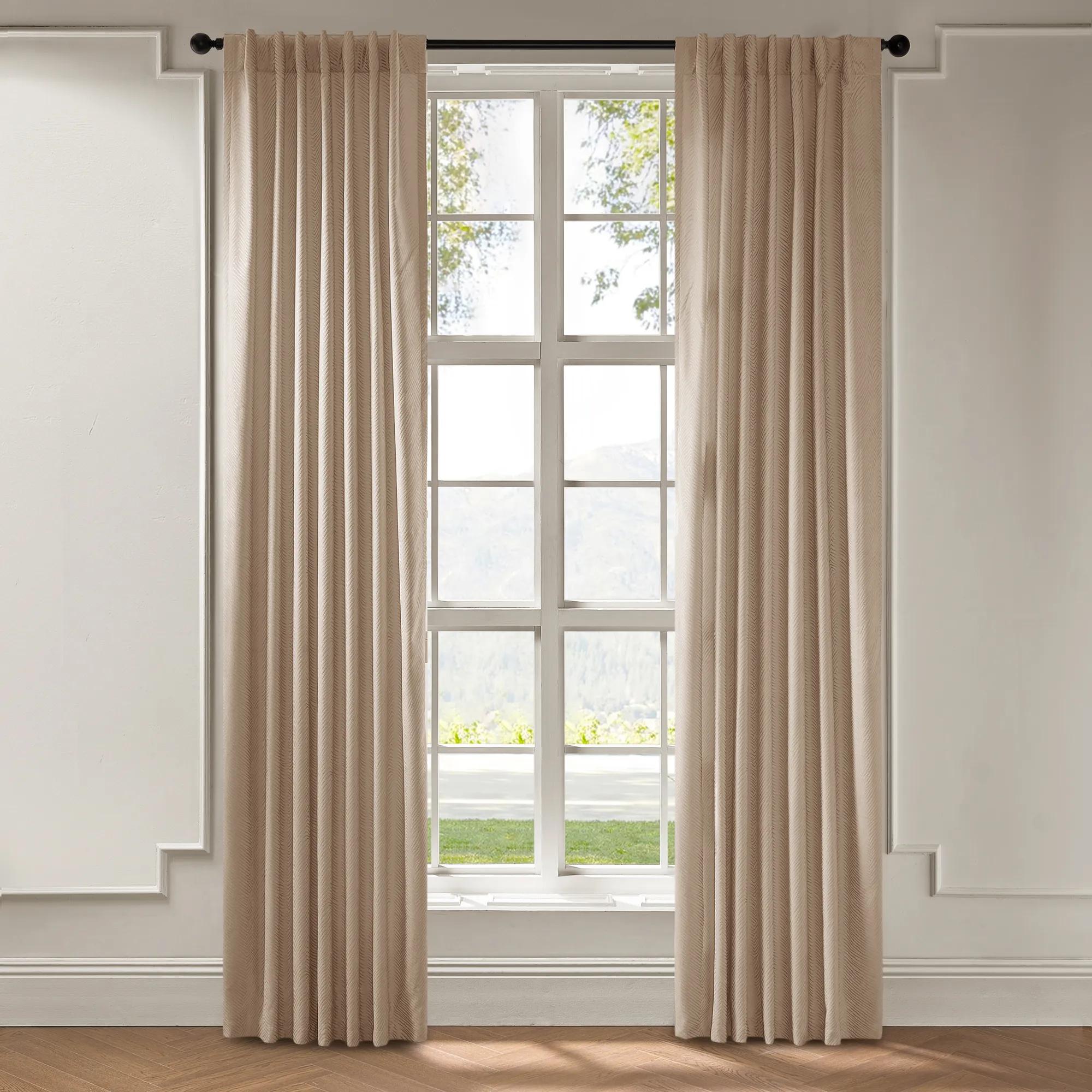
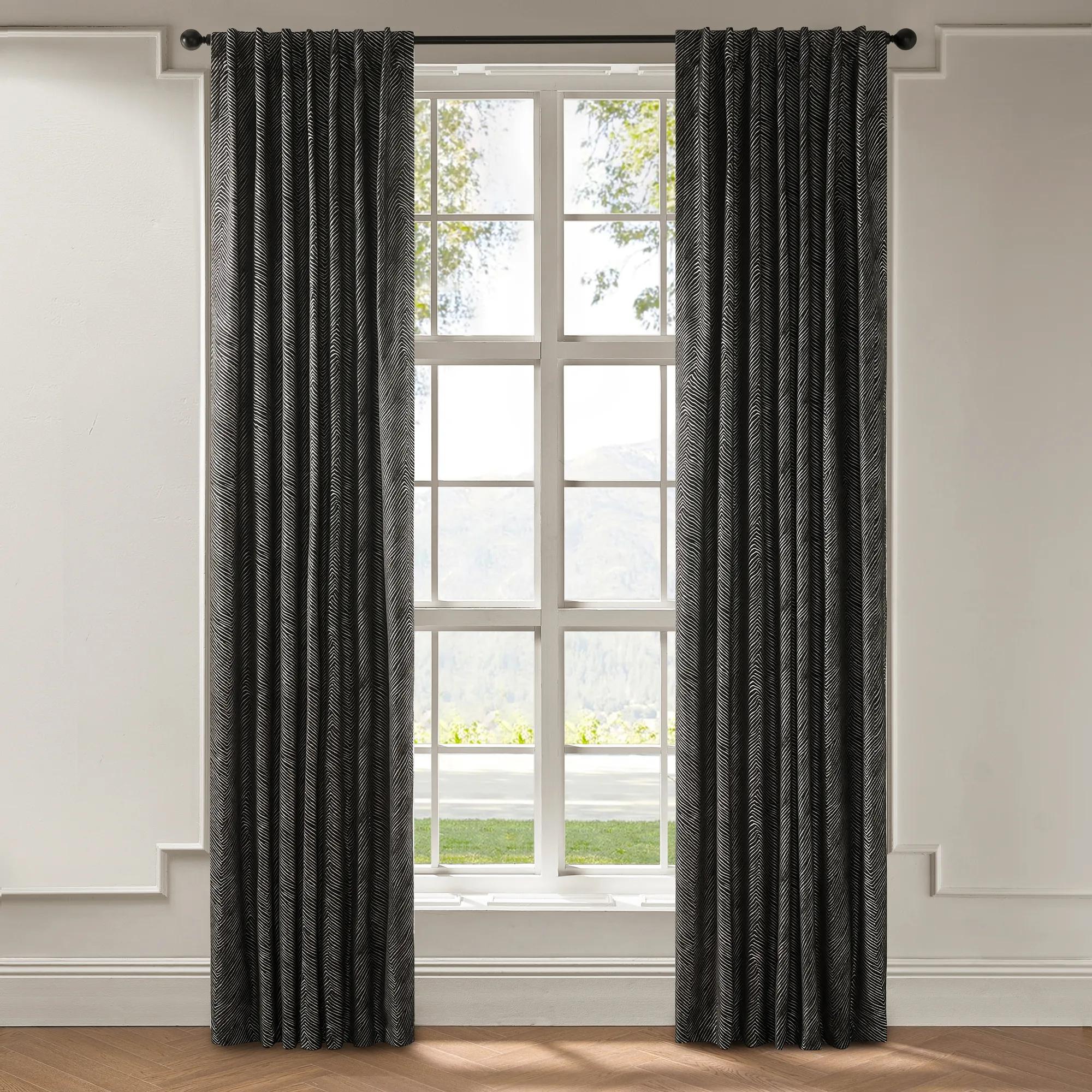
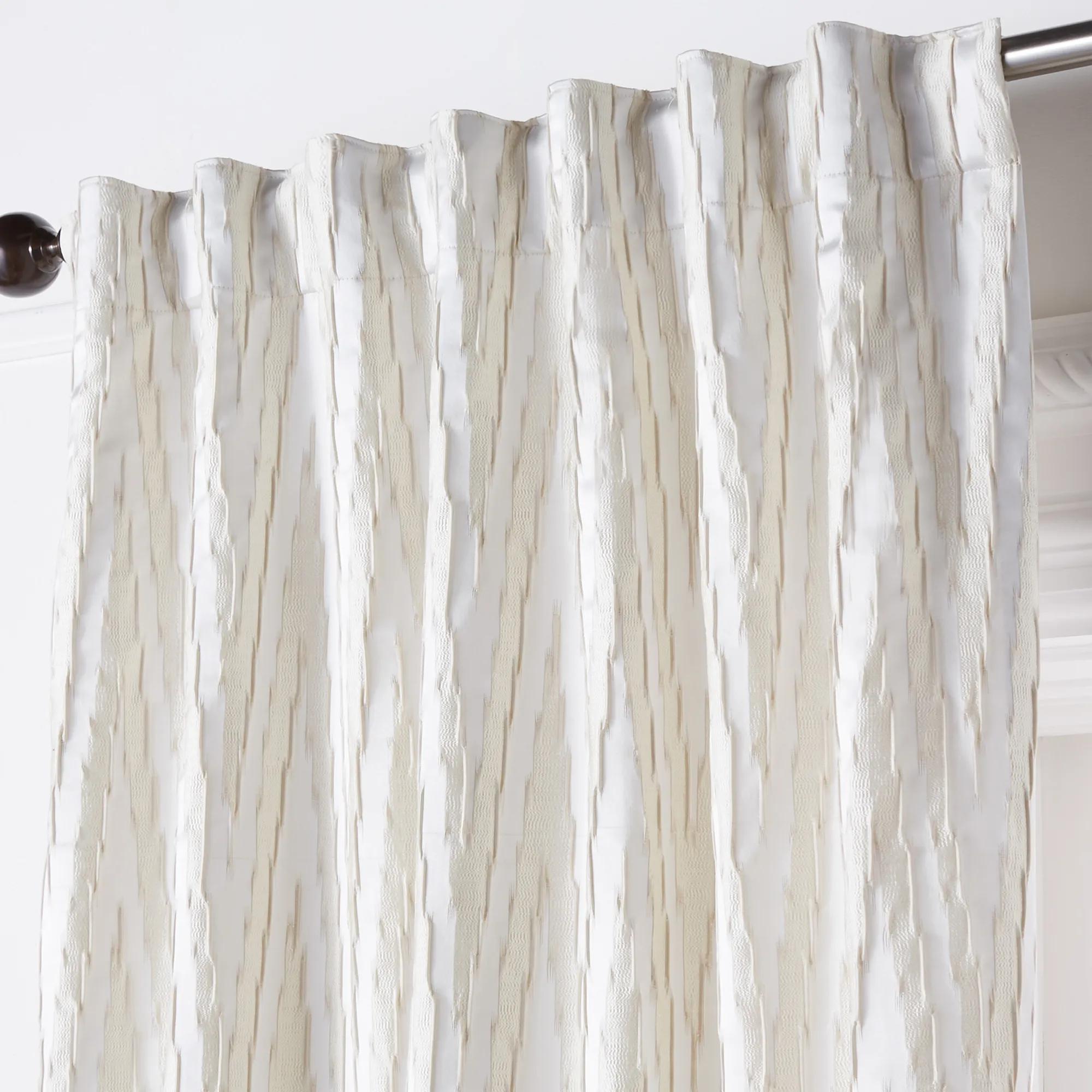 Minka Jacquard Pearl Window Curtain Panel Custom$289
A highly textured chevron curtain panel in pearl, grey, or natural polyester with customizable hanging options.
Add To Cart -
.jpeg?w=1200&h=1200)
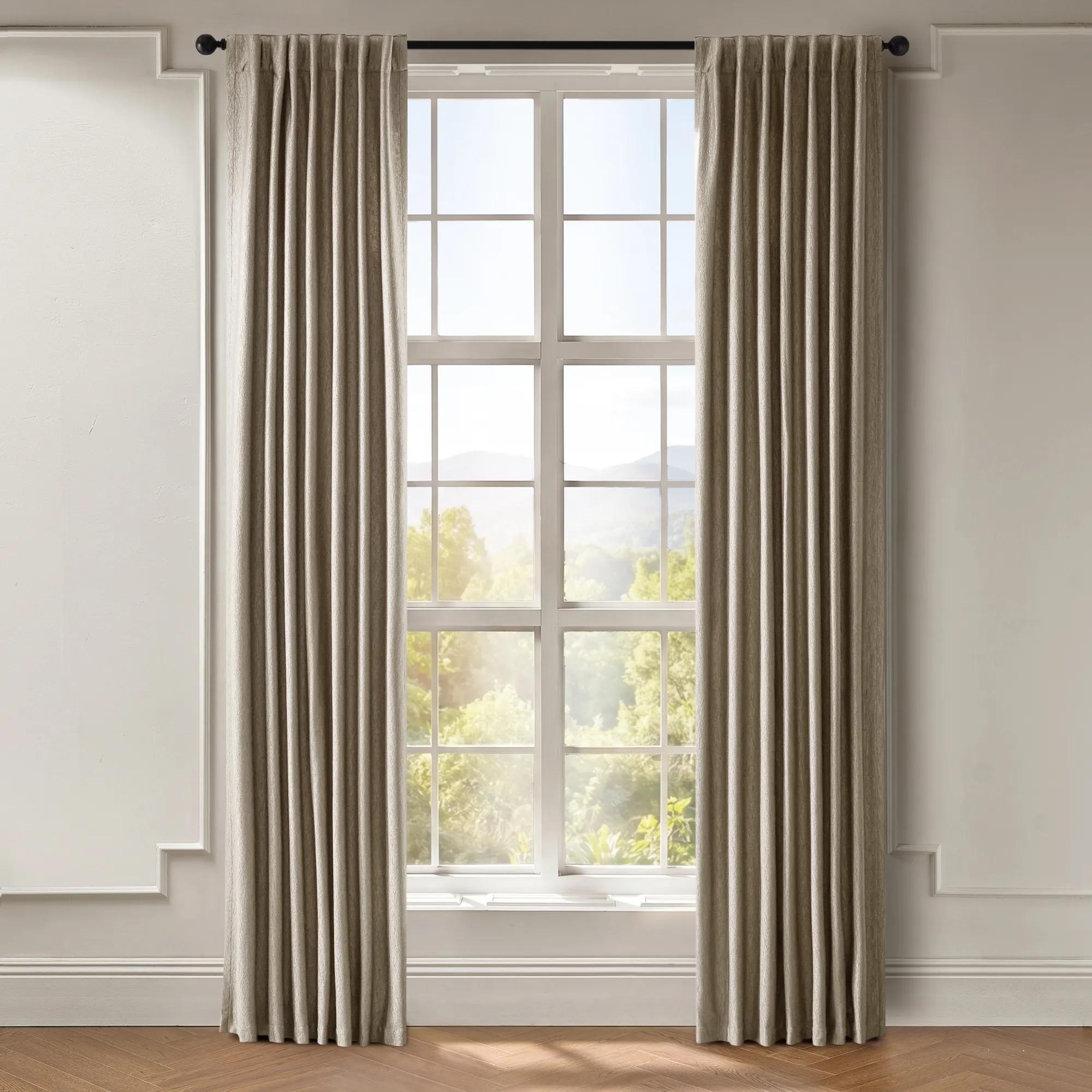
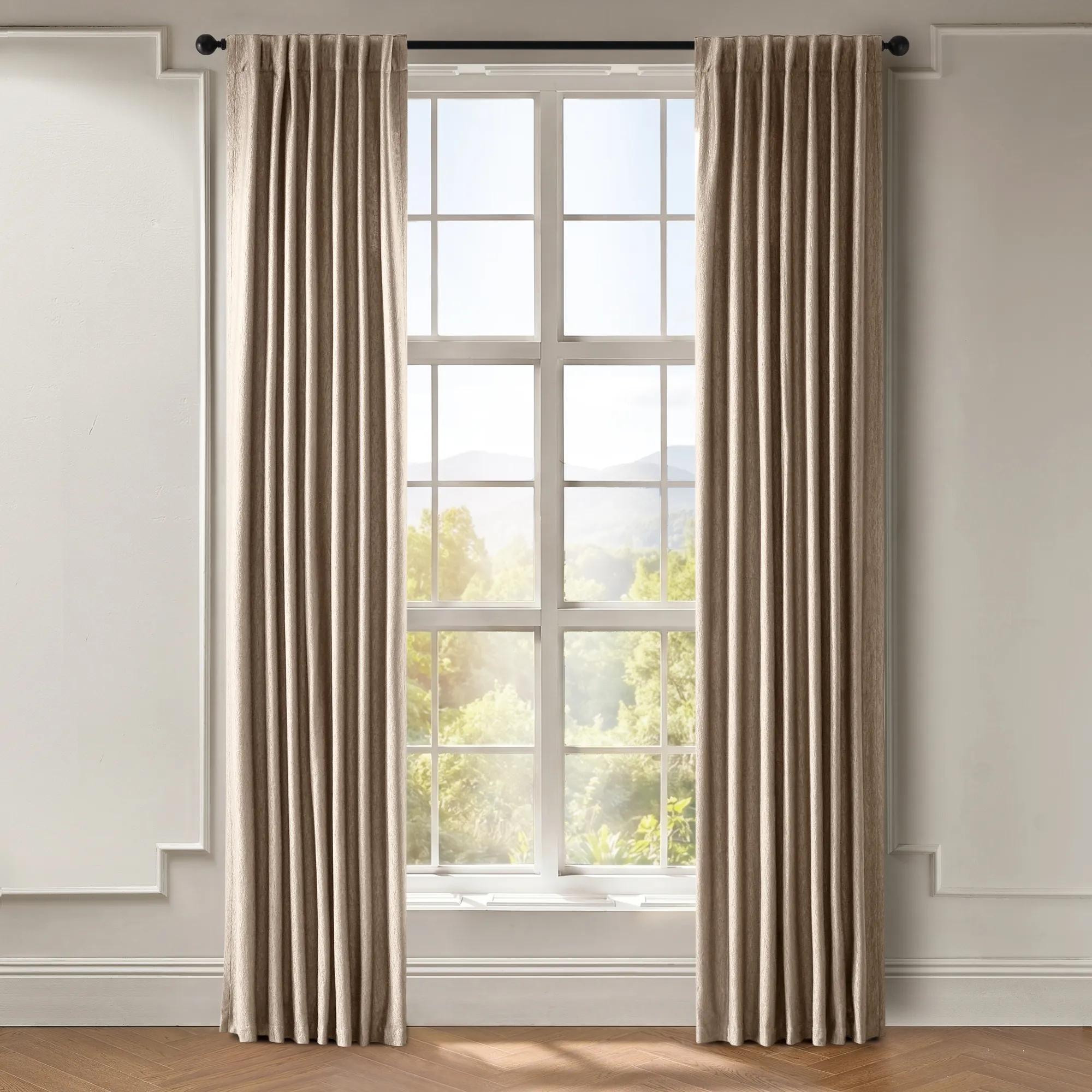
 Adair Midnight Blue Solid Velvet Window Curtain Panel$89
Adair Midnight Blue Solid Velvet Window Curtain Panel$89A sumptuous midnight blue velvet curtain that adds elegance, depth, and room-darkening style to any space.
Add To Cart

108 Inch Window Panels
Dramatic, sweeping, and unapologetically grand—108 inch window panels transform any room into a stage for your personal style. These elongated draperies draw the eye upward, creating an illusion of soaring ceilings and enveloping your space in elegance. Whether framing a sun-drenched view or adding theater to a cozy retreat, 108 inch window panels invite you to indulge in layers of texture, color, and light. Elevate your interiors with statement-making silhouettes that turn every window into a work of art—because in a Z Gallerie home, every detail is an opportunity for drama.
With a generous vertical sweep and room-defining presence, 108-inch window panels turn a window into an architectural focal point. The measurement refers to a nominal panel length of 108 inches, or 9 feet, rather than its width; the finished hanging position depends on the header, hardware, and distance from the attachment point to the floor. These extra-long curtain panels suit tall windows, elevated curtain rods, and interiors where shorter drapery would interrupt the line of the wall. They can also give a modest window greater presence when the rod is positioned above the frame, drawing the eye upward without changing the architecture. Ceiling height alone does not determine the right length: a room with a 9-foot ceiling will not automatically accommodate a 108-inch panel without alterations or fabric gathering at the floor. The more useful measurement follows the actual drop from where the curtain attaches to its intended hemline, allowing for rings, tabs, or other header details. Against that precise foundation, the visual possibilities are expansive. Long, fluid folds lend softness to a living room arranged around sculptural furniture, create an intimate backdrop behind a bedroom seating area, or bring balance to a dining room with an assertive chandelier. Ivory panels can trace a luminous border around the view, while charcoal or jewel-toned fabric creates a more theatrical frame. A tonal design lets texture carry the expression; a pronounced pattern makes the window part of the room’s artful composition. For another view of this extra-long format, 108 Inch Window Curtains brings the same length into focus. Whether the desired effect is tailored and restrained or richly layered, the appeal lies in proportion: enough fabric to establish graceful movement, sufficient width to create dimensional folds, and a hemline that feels deliberate. That balance gives even an otherwise understated space a sense of ceremony, particularly when the panels echo a color, finish, or texture elsewhere in the room.
Fabric determines how that length comes to life. Velvet gives 108-inch curtain panels depth and visual weight, with a pile that catches light differently across each fold; it is especially expressive beside polished metal, glass, and smooth upholstery. Linen and linen-blend fabrics offer a more irregular surface, bringing tactile contrast to crisp architectural lines without making the setting feel overly formal. Cotton can deliver a clean, substantial appearance, while polyester and blended fabrics may offer crease resistance and dimensional stability, depending on their construction and care requirements. Sheer fabrics create a different mood entirely, veiling the view in translucent layers rather than forming an opaque frame. The fiber name alone does not reveal how much light a panel will admit: weave density, fabric weight, color, and lining all contribute to its performance. Light-filtering panels soften daylight but may not provide adequate privacy after dark when interior lights are on. Room-darkening panels reduce incoming light, while blackout designs are intended to block light through the fabric; gaps above, below, and beside the curtain can still admit brightness. In a bedroom, a layered arrangement of sheers and opaque panels allows the window to move between diffused light and greater enclosure. In a living room used for reading, conversation, and television, adjustable coverage helps accommodate different activities without sacrificing the visual rhythm of the space. A lining can give the face fabric more body, create a more uniform appearance from outside, and help shield decorative material from direct light, although fading resistance varies. For someone furnishing a first home, refreshing a primary suite, or completing a formal entertaining space, those distinctions matter as much as color. A panel that looks exquisite gathered beside a window may behave differently when drawn across it, so both open and closed positions belong in the design decision. The strongest compositions account for the full expanse of fabric, allowing its texture and pattern to remain compelling throughout the day.
Fit and construction give extra-long window panels their finished elegance. Panel width is separate from the 108-inch length, and the combined width of the curtains needs to accommodate both coverage and fullness. For many styles, a total fabric width of roughly one and a half to two times the rod width creates attractive folds, though sheer fabrics may benefit from greater fullness and tailored pleated headers require their own sizing approach. A panel’s listed width may describe flat fabric or a finished pleated width, so the measurement method matters. Packaging also varies: a single panel is not the same as a pair, an important distinction when creating a balanced treatment on either side of a window. Header construction changes both appearance and everyday handling. Grommets form broad, regular waves; rod pockets create a gathered look; back tabs offer a quieter presentation with much of the rod concealed. Pleated styles establish more structured vertical lines, while compatible rings or carriers can support frequent opening and closing. Hardware should be rated for the combined weight of the fabric and lining and secured appropriately, especially with substantial extra-long drapery. Extending the rod beyond the window frame, where wall space permits, gives open panels somewhere to gather without covering as much glass. At floor level, a hem that just clears the surface suits frequently used rooms and sliding-door areas, while a slight break or decorative puddle creates a more languid effect in a low-traffic setting. Excess fabric can collect dust or become a tripping concern, particularly around children and pets. Care requirements deserve equal attention: some panels are washable, while others require professional cleaning, and heat or unsuitable washing methods can alter length, texture, or lining. Following the care label, removing settled dust gently, and avoiding repeated tugging on hems help preserve the intended silhouette. Well-finished seams, consistent hems, and reinforced attachment points support lasting performance. With these details resolved, long drapery becomes more than a finishing layer: it gives the room a composed backdrop for expressive living.
FAQs
108 inch window panels are often crafted from luxurious materials such as velvet, silk, linen, and high-quality polyester blends. Velvet brings a sumptuous, expensive looking finish that adds warmth and drama, while linen offers a breezy, organic touch ideal for light-filled spaces. Sheer fabrics are perfect for diffusing sunlight and creating an ethereal atmosphere, while jacquard or embroidered panels introduce intricate detail and texture.
To create a dramatic effect, hang your 108 curtain panels high above the window frame, allowing the fabric to gently pool on the floor. Choose richly textured or metallic-finished panels for added depth and glamour. Layering with sheers or using bold tiebacks can further enhance the visual impact, transforming your living room into a space that feels both curated and theatrical.
Absolutely. 108 drapes panels are versatile enough to elevate any room, from grand living areas and formal dining rooms to serene bedrooms and stylish home offices. Their generous length creates an elongated, elegant silhouette that works particularly well in spaces with high ceilings or large windows, but can also add a sense of luxury to more intimate rooms.
108" curtain panels can be used in a variety of creative ways beyond traditional windows. Consider using them as dramatic room dividers, sumptuous bed canopies, or to frame entryways and alcoves. Their length and luxurious fabric make them ideal for adding architectural interest and a sense of grandeur wherever you choose to display them.
During winter, 108 curtain panels add a cocooning effect to your interiors, helping to insulate against drafts while creating a cozy, inviting atmosphere. Rich fabrics and deep hues can enhance the warmth and intimacy of your space, while shimmering finishes reflect the soft glow of seasonal lights, making every room feel festive and welcoming.
.jpeg?w=4130&h=4130)