120 Inch Silk Drapery Panels
120 Inch Silk Drapery Panels
-
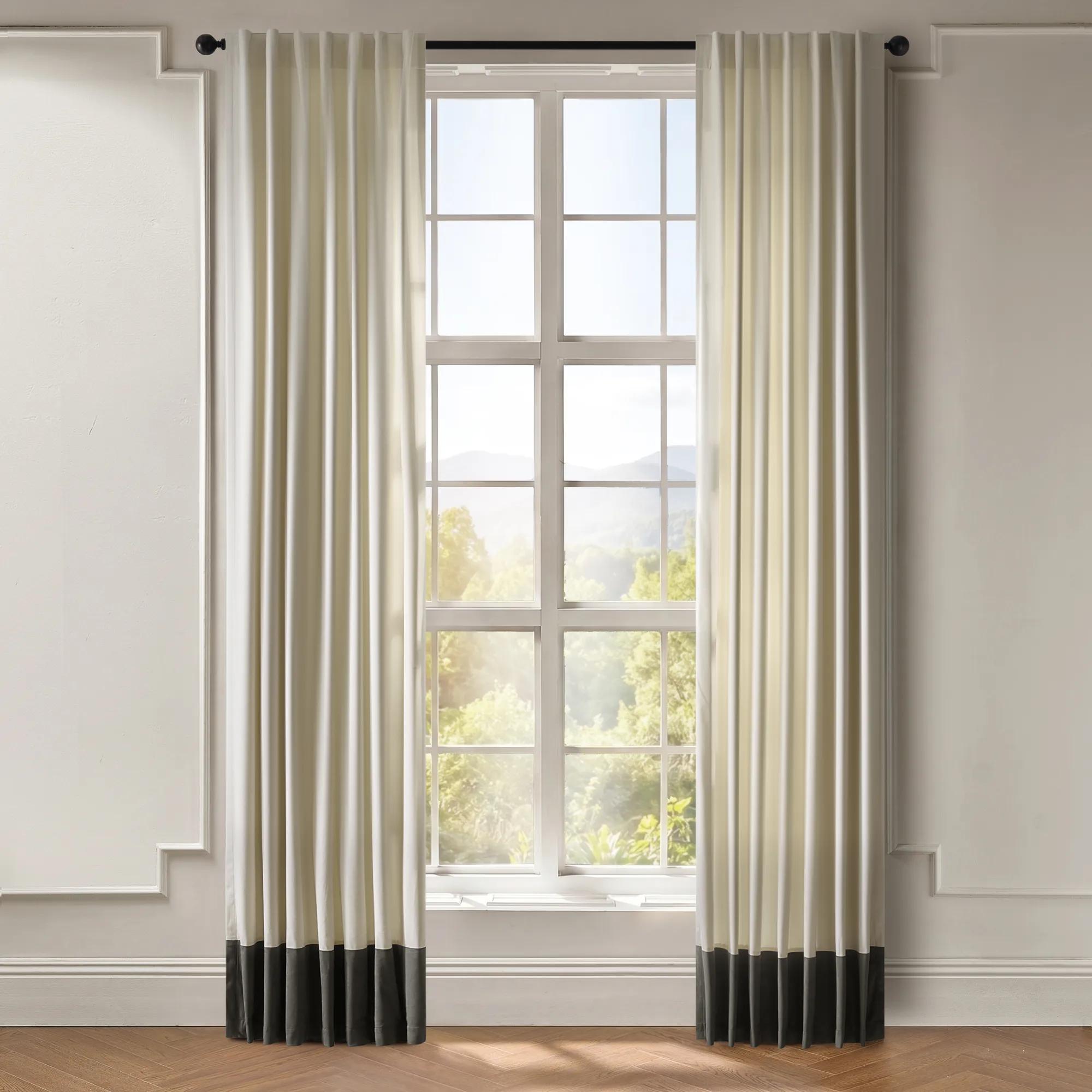
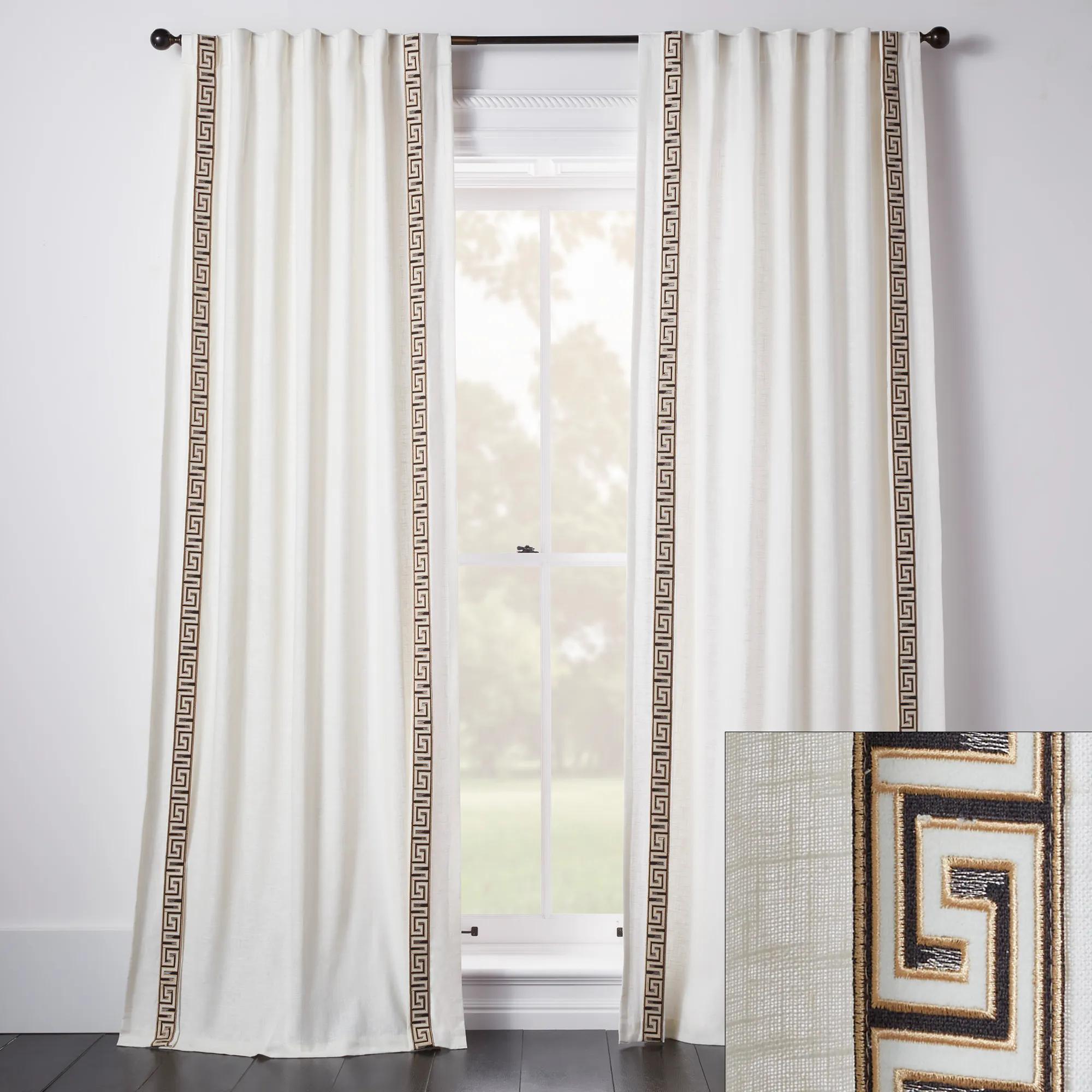 Chole Greek Key Border Velvet Widow Curtain Panels Custom$399
A white linen-blend curtain featuring a black and gold embroidered velvet Greek key border for elegant style.
Add To Cart -
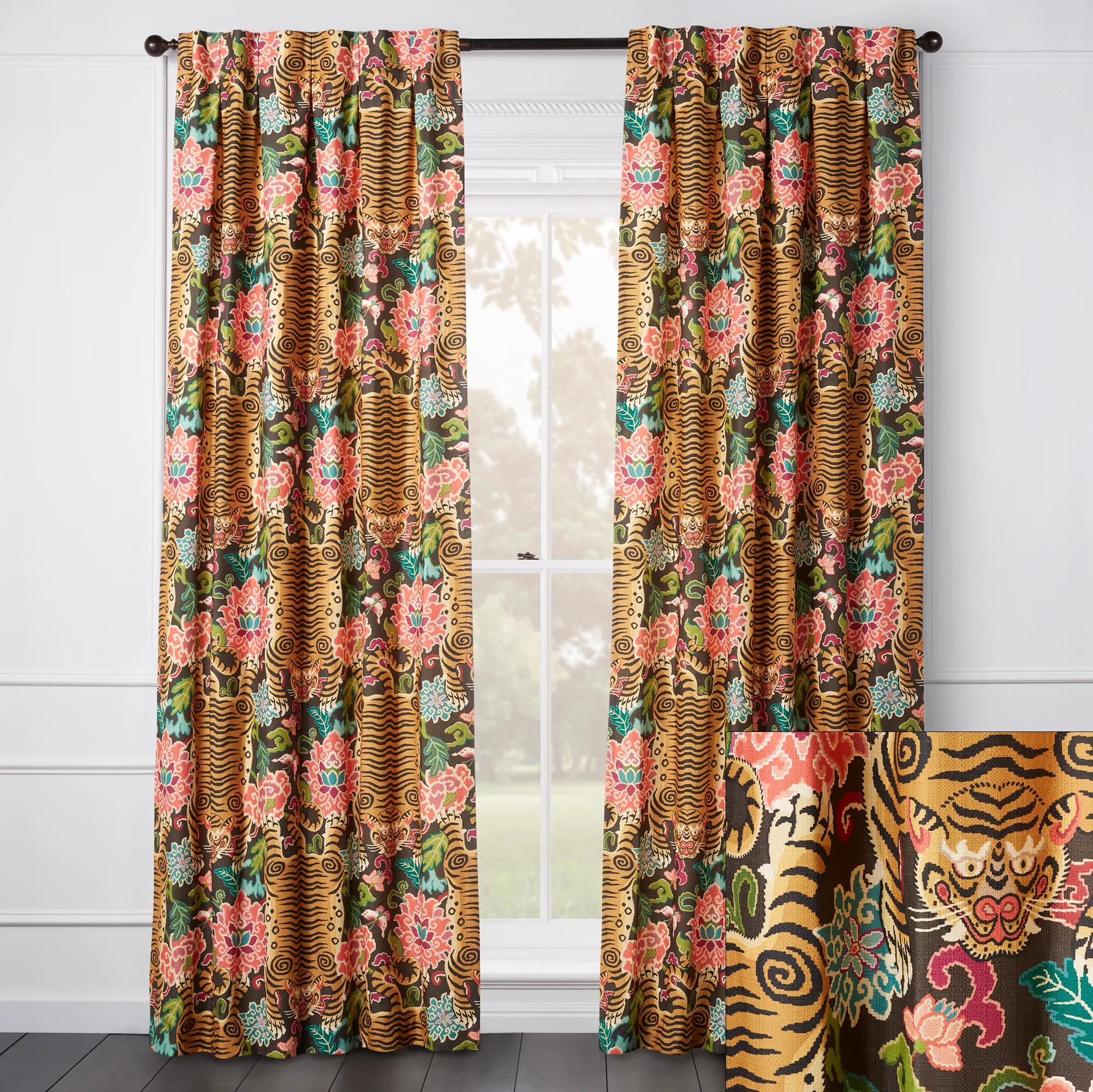
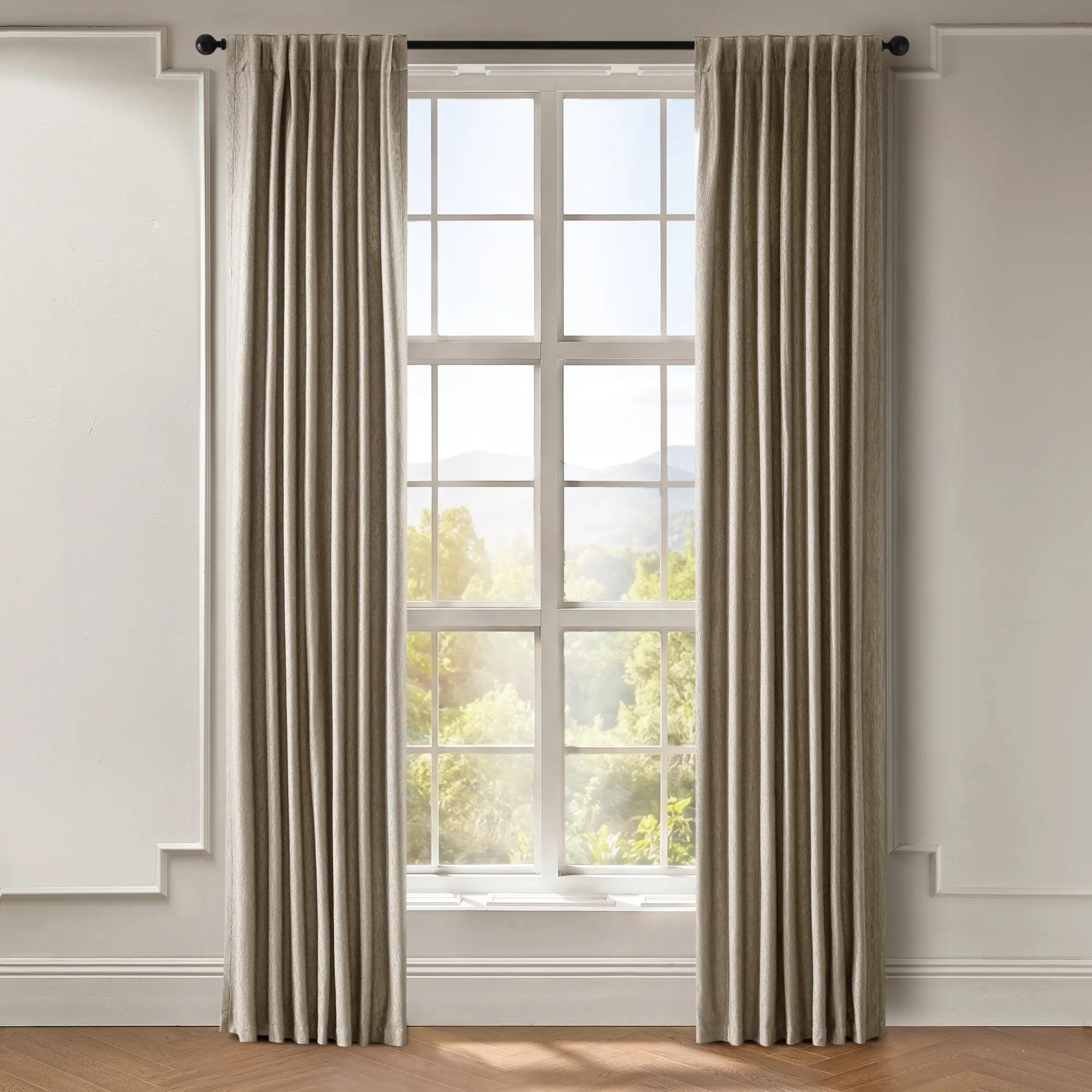
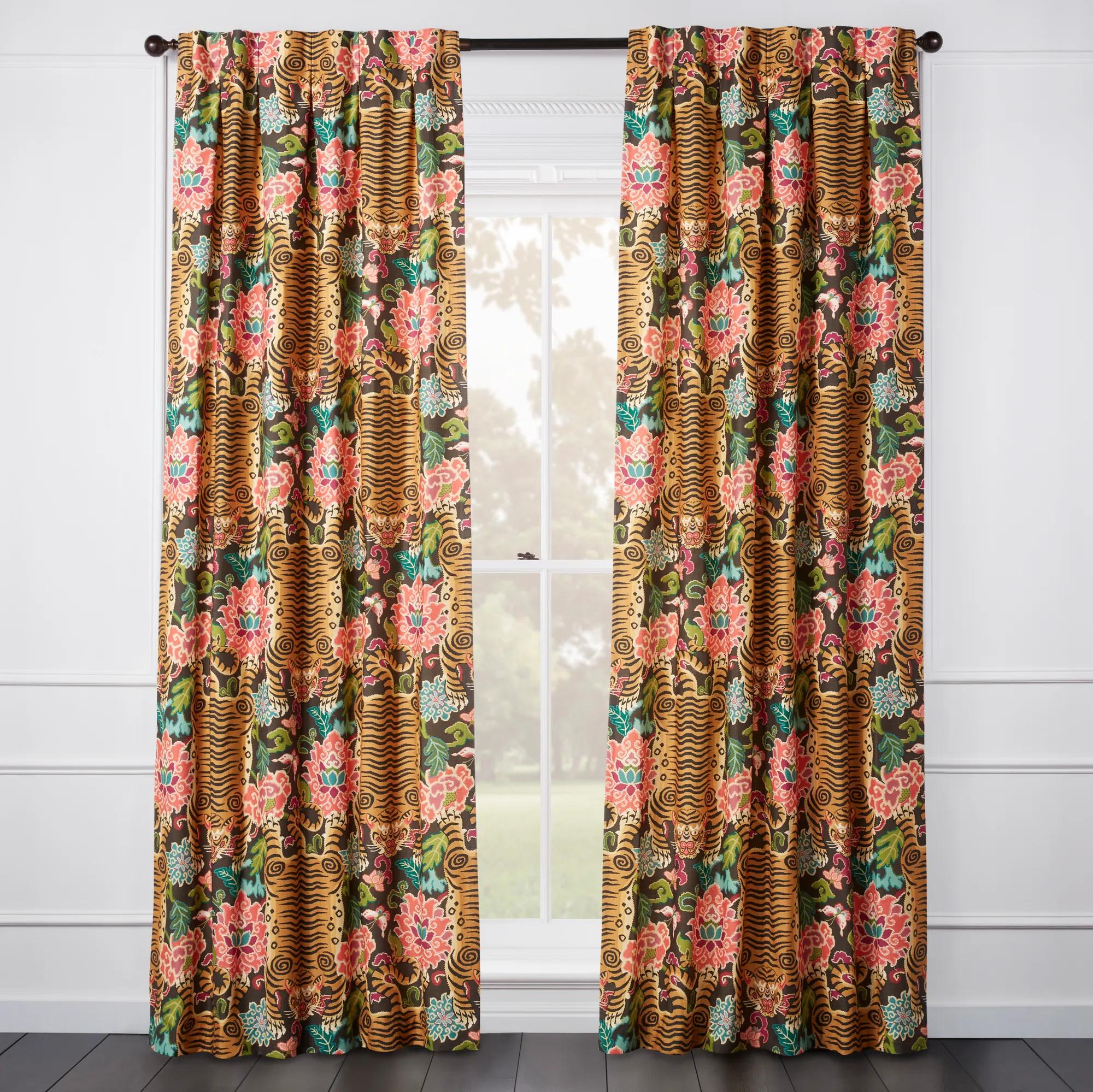 Nimer Gold/Multi Printed Slubbed Cotton Window Curtain Panel$299
A lively gold and multi-colored cotton curtain featuring a bold tiger print and customizable hanging options.
Add To Cart -
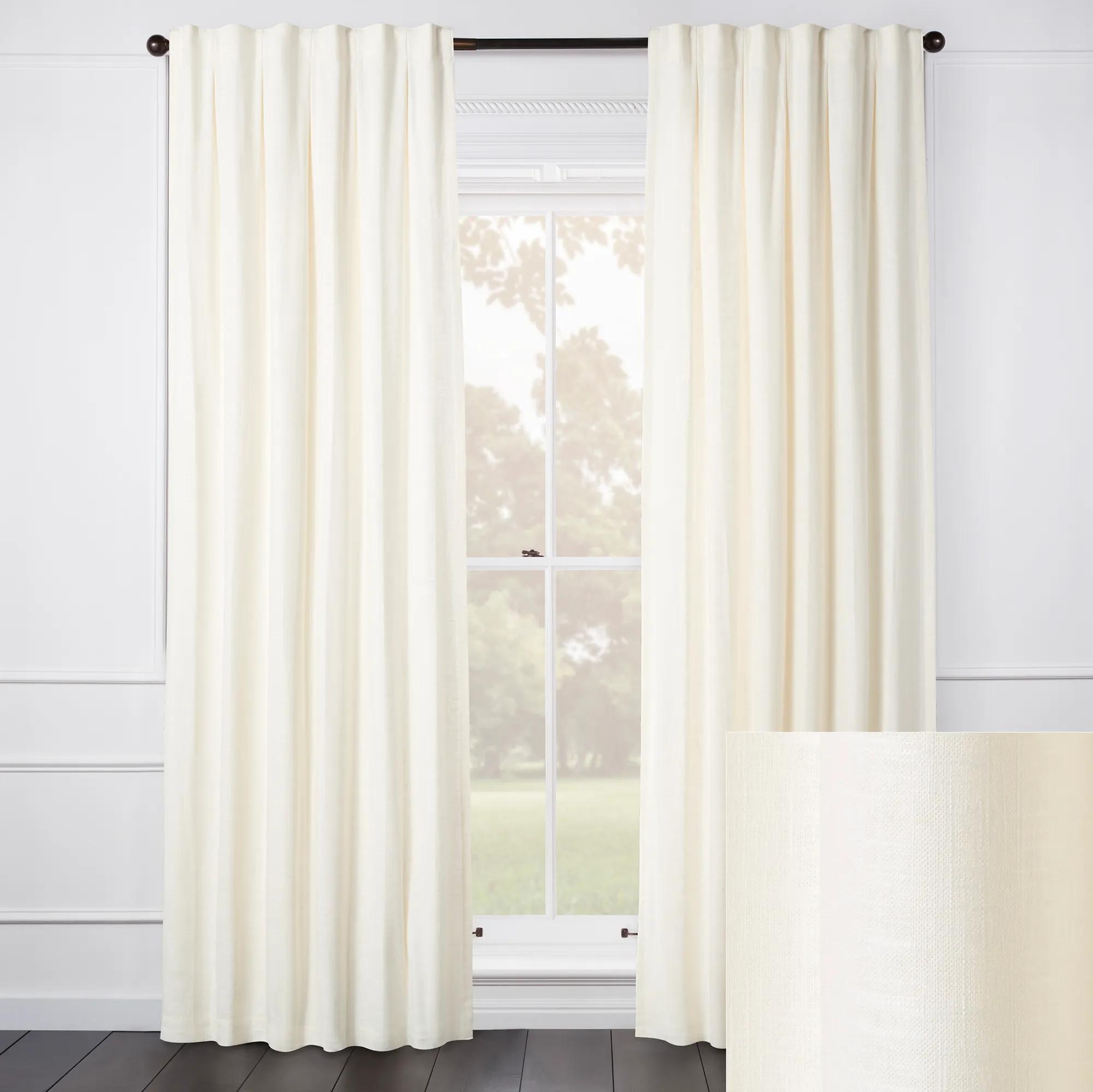
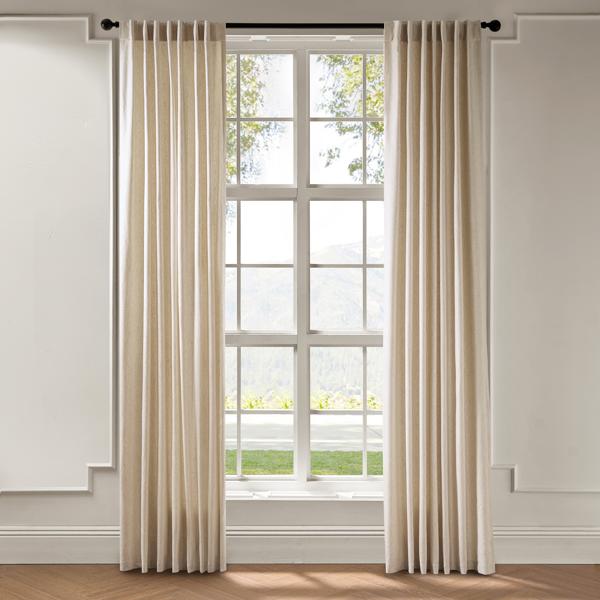
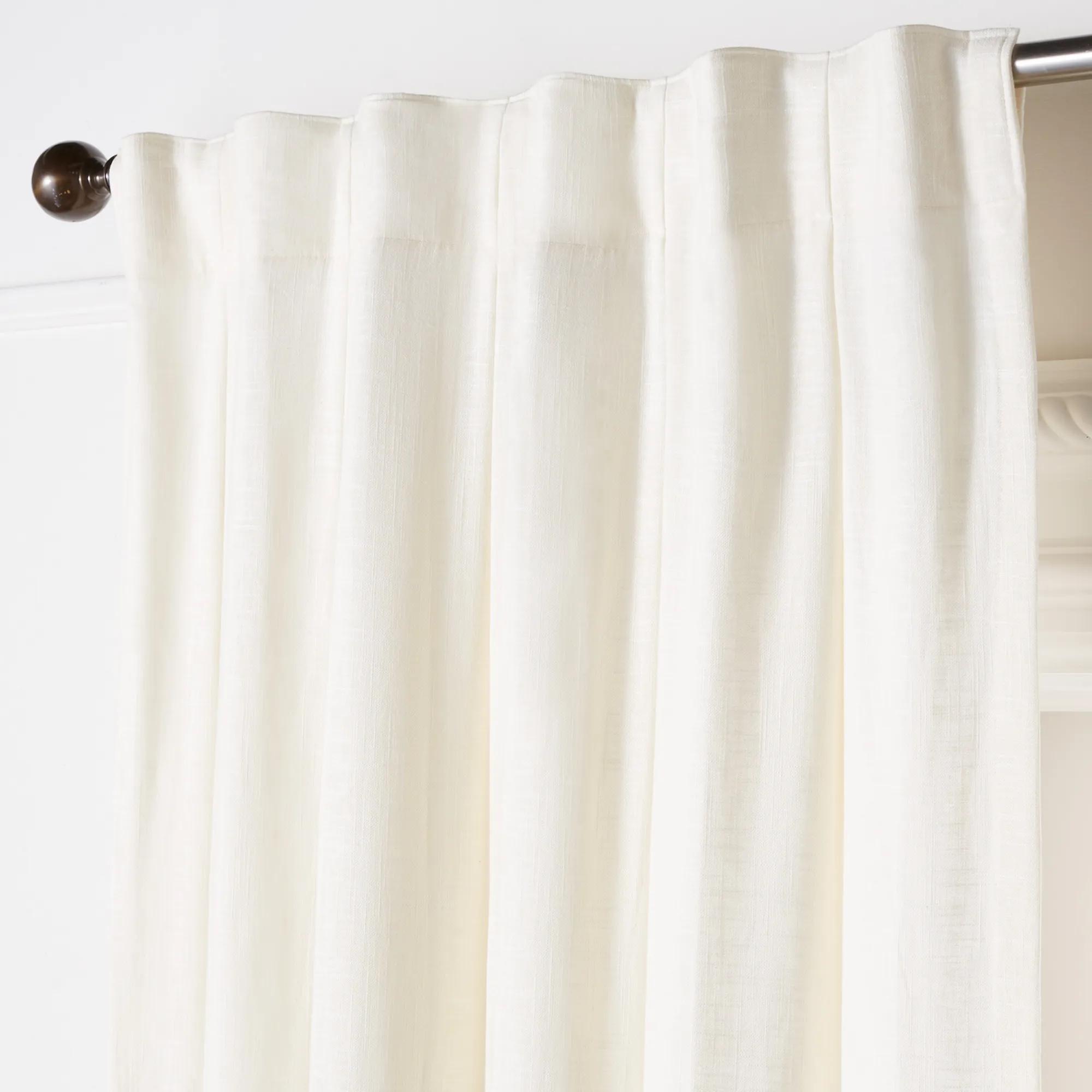 Audrey Linen Ivory Curtain - Custom$269
An ivory linen-blend curtain panel with lining, offering customizable lengths and two elegant header styles.
Add To Cart -
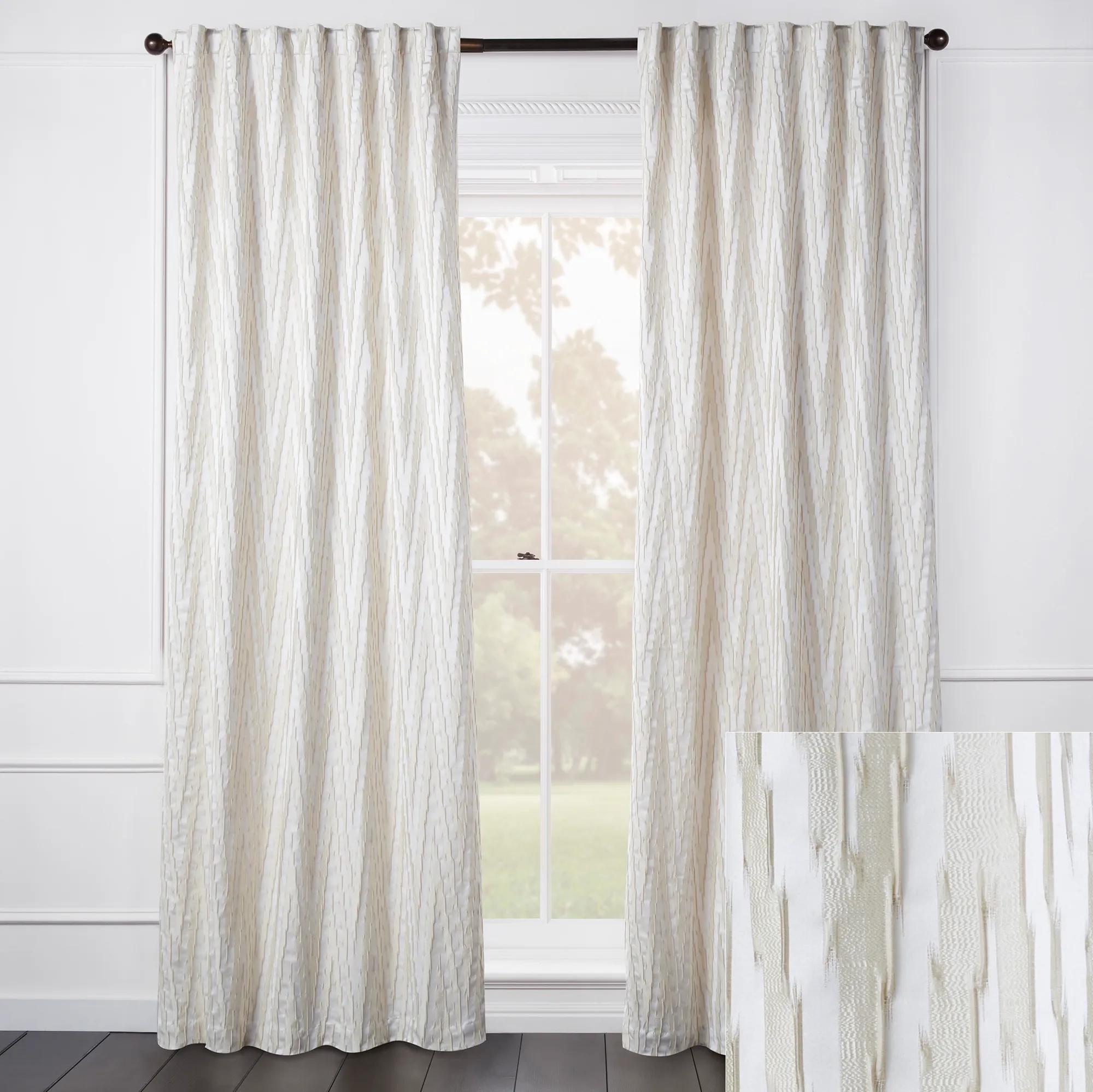
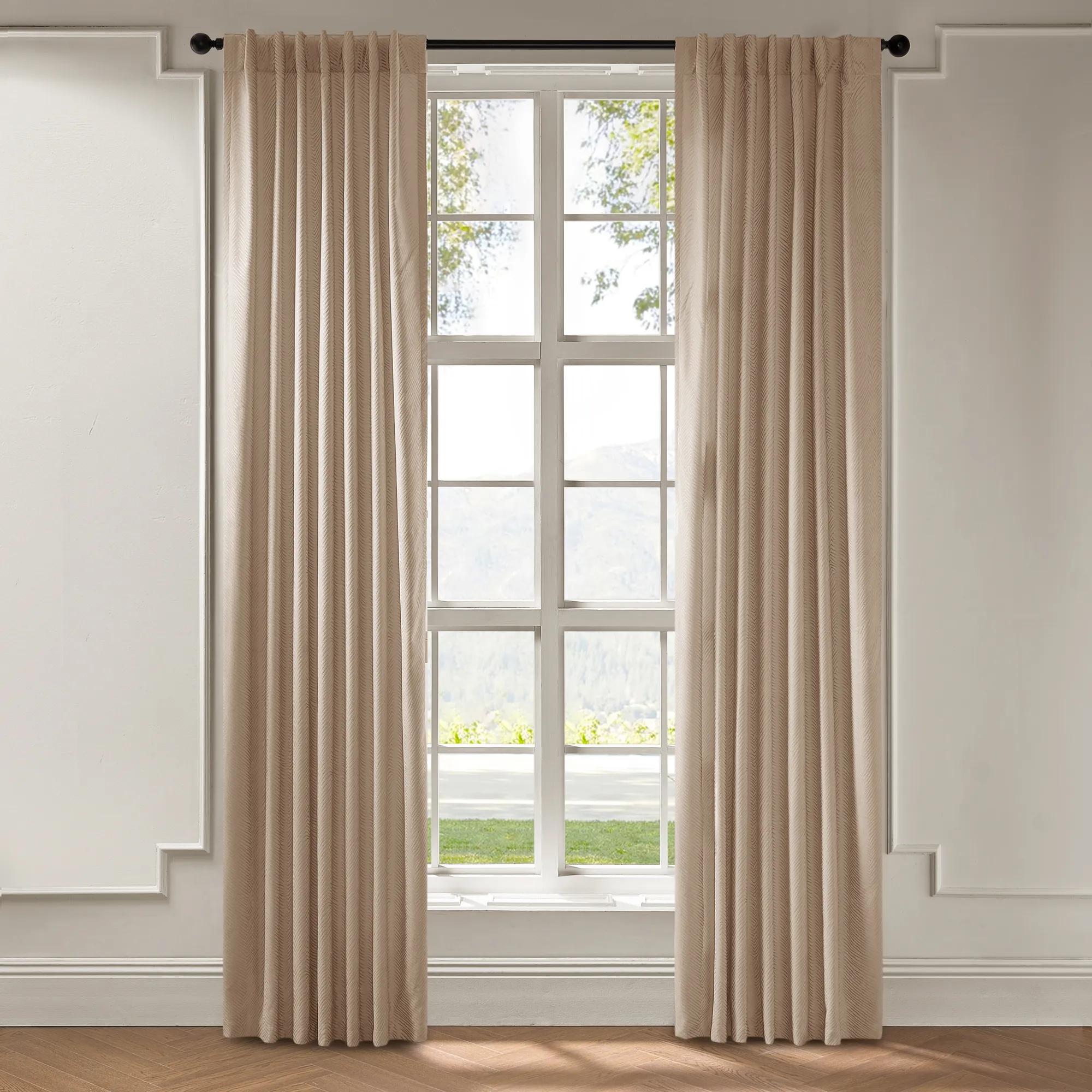
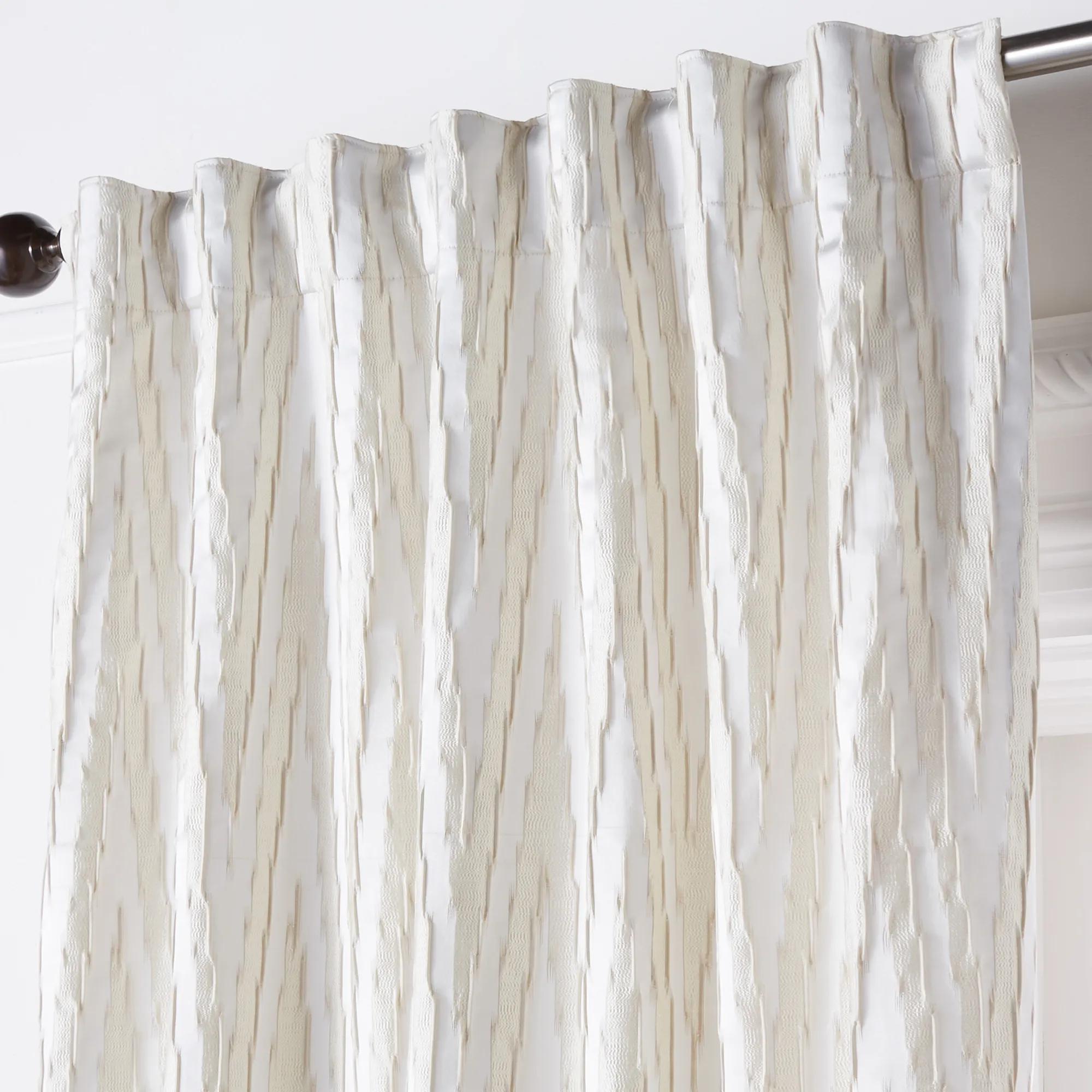 Minka Jacquard Pearl Window Curtain Panel Custom$329
A highly textured chevron curtain panel in pearl, grey, or natural polyester with customizable hanging options.
Add To Cart

120 Inch Silk Drapery Panels
120 inch silk drapery panels are the ultimate expression of grandeur—unfurling from ceiling to floor in a cascade of luminous, liquid elegance. With every gentle ripple, these panels transform windows into breathtaking focal points, infusing your space with an air of tailored drama and refined artistry. Whether framing a sunlit view or setting the stage for evening glamour, 120 inch silk drapery panels envelop each room in sumptuous texture and timeless sophistication, inviting you to indulge in a world where every detail dazzles and every moment feels extraordinary.
120-inch silk drapery panels are long window treatments that bring luminous texture and a sweeping vertical line to generously scaled interiors. At 10 feet in nominal length, they are suited to tall windows, elevated curtain rods, and rooms where shorter curtains would interrupt the architecture. Their appeal is as much about movement as height: silk catches light across the crest of each fold, then deepens into shadow where the fabric gathers. In a living room with sculptural seating, that contrast adds softness without sacrificing drama. In a dining room, long silk curtains give the windows a composed, almost architectural presence behind a statement table. A bedroom takes on a more intimate character when generous panels frame the glass and soften the surrounding finishes. The fabric itself shapes that effect. Genuine silk is a natural protein fiber, prized for its luster and fluid appearance, though its texture varies considerably by weave. Dupioni silk typically has visible slubs and a crisp hand, creating folds with pronounced texture and body. Silk taffeta generally has a smoother, crisp surface, while other silk weaves may fall more softly. Those differences matter when choosing between a sharply tailored window treatment and a more relaxed cascade. Natural irregularities can contribute to silk’s character rather than indicate a flaw, although the expected appearance depends on the fabric description. Silk blends and faux-silk fabrics offer distinct alternatives; a silk-look polyester panel is not the same material as genuine silk, even when both have a similar sheen. Fiber content is therefore more informative than appearance alone. Color also changes the mood. Ivory and champagne emphasize the interplay of light and texture, while charcoal, deep blue, or saturated jewel tones give long panels greater visual weight. Against painted walls, silk can create a subtle tonal layer; beside polished metal, glass, or richly grained wood, it introduces a softer counterpoint that keeps a dramatic room from feeling hard-edged.
The right fit allows 120-inch silk drapery panels to look intentional rather than simply long. The stated length should be considered alongside the manufacturer’s measuring convention, the header style, and the position of the hanging hardware. A 120-inch panel does not automatically fit a room with a 10-foot ceiling, because the distance from the attachment point to the floor may be shorter, and rings or hooks can alter where the fabric begins. Mounting near the ceiling can emphasize height, but the finished drop still depends on the actual installation. Panels that just meet the floor create a precise silhouette, particularly in rooms with strong architectural lines. A slight break at the hem introduces softness, while a deliberate puddle creates a more theatrical effect in spaces where the curtains will remain largely stationary. Excess fabric is less practical beside a frequently used doorway, in a busy household, or wherever the panels will be opened and closed every day. For a shorter drop with the same luminous character, 96 Inch Silk Drapery Panels may provide a more suitable proportion. Width deserves equal attention. Panels need enough combined width to form attractive folds when closed, not merely stretch across the glass. For unpleated panels measured flat, approximately twice the rod span is a common starting point for fullness, although fabric weight, header construction, and the desired effect can change that calculation. An 80-inch rod span, for example, would call for about 160 inches of combined flat fabric width at that ratio. Finished pinch-pleated widths follow a different logic because fullness is already built into the pleats. Pinch pleats produce orderly folds and typically attach with hooks to rings or a compatible track; rod pockets create gathered fabric around the rod but can be less convenient for frequent movement. The width of the stacked-back curtains also matters, especially when preserving a view or keeping a passage clear is part of the room’s design.
Lining and construction determine how silk drapery performs beyond its surface beauty. A lining can give the face fabric more body, create a more consistent appearance from outside, and help shield delicate silk from direct sunlight. Depending on its composition and weight, it may also improve privacy, but lined does not automatically mean blackout. Light-filtering, room-darkening, and blackout treatments serve different purposes, and the stated performance should match the intended use. A dining room may benefit from softly diffused light, while a bedroom may call for a specifically rated blackout lining. Even then, light can enter around the top, sides, and center opening, so coverage and installation remain important. Interlining, when included, adds another layer between the face fabric and lining, giving folds a fuller, more substantial profile. Well-executed side hems, secure header stitching, and neatly finished lower hems help long panels maintain their shape; hem weights, where present, can encourage a steadier fall. These details are especially noticeable across a 120-inch drop, where uneven tension or an unsupported header can disrupt the entire line. Silk also rewards thoughtful care. Prolonged direct sunlight can fade colors and weaken fibers, and lining reduces rather than eliminates that exposure. Strong sun may warrant an additional shade behind the drapery. Cleaning should follow the care label: many genuine silk panels require professional dry cleaning, and washing, spot treatments, or direct steam can leave marks or alter the finish. Faux-silk and blended fabrics may have different care requirements and should not be treated as interchangeable. Gentle handling, suitable hardware, and keeping hems clear of routine floor cleaning help preserve the fabric’s appearance. For households with pets or young children, a floor-skimming length can retain the grandeur with less fabric within reach. With the proportions resolved and the material suited to daily life, long silk panels become more than a frame for the window: their folds bring depth to a quiet wall and a measured sense of grandeur to the room.
FAQs
Silk drapery panels are celebrated for their sumptuous texture, natural sheen, and ability to catch and reflect light with a soft, luminous glow. Unlike synthetic materials, silk brings a sense of artistry and refinement to any room, draping beautifully and adding a layer of sophistication that transforms everyday spaces into extraordinary interiors.
For a dramatic, designer-inspired effect, pair 120 inch long sheer curtains with opulent silk drapery panels. Hang the sheer panels closest to the window to gently diffuse sunlight and maintain privacy, then layer the silk panels over them for visual depth and bold, expressive framing. This combination allows you to control light and mood with elegance and versatility.
Absolutely. Luxury silk draperies are remarkably versatile, complementing both modern and traditional aesthetics. In contemporary settings, their clean lines and lustrous finish add understated glamour, while in classic or eclectic rooms, they evoke timeless elegance and grandeur. The key is selecting colors and hardware that harmonize with your existing décor.
During winter, silk drapery panels create a cocooning effect, enveloping your space in warmth and richness. Their insulating properties help retain heat, while their reflective surface amplifies the soft winter light, infusing rooms with a cozy, golden ambiance that feels both inviting and indulgent.
Silk 120 panels make an exceptional gift for housewarmings, weddings, or milestone celebrations. Their luxurious presence and transformative impact on a room convey thoughtfulness and a sense of occasion, offering the recipient a lasting piece of artistry that elevates their home and daily life.