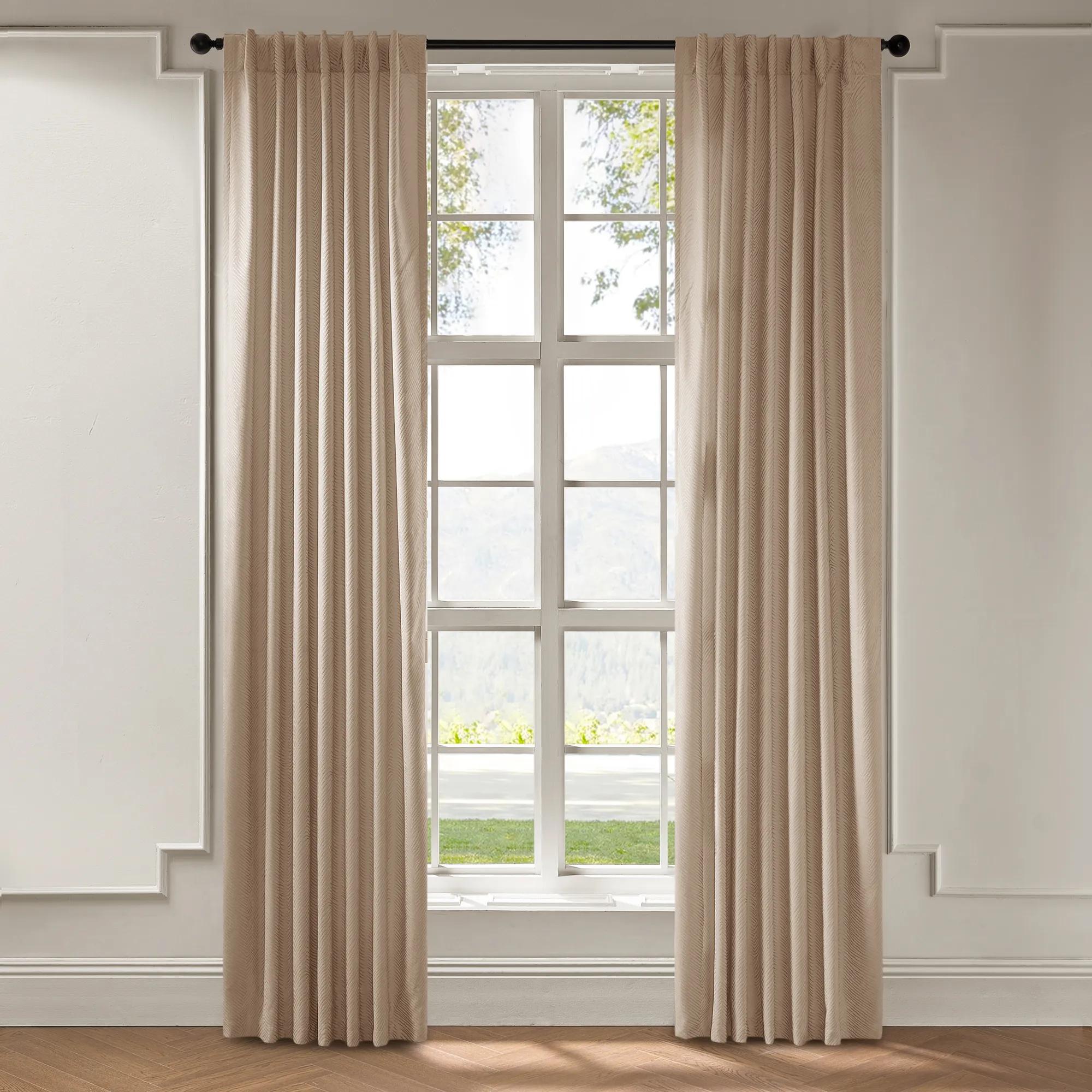
120 Inch Velvet Curtains
120 Inch Velvet Curtains
-
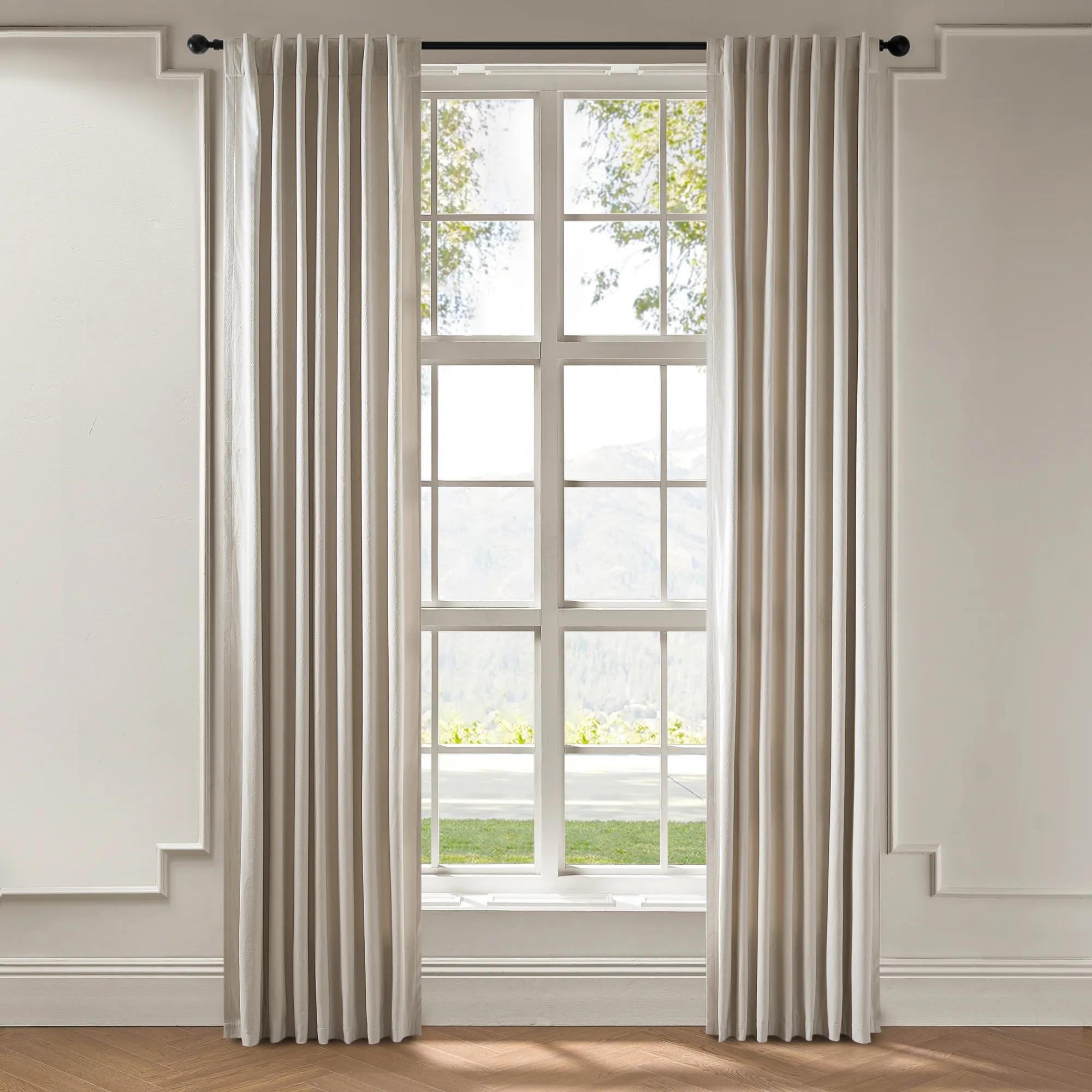
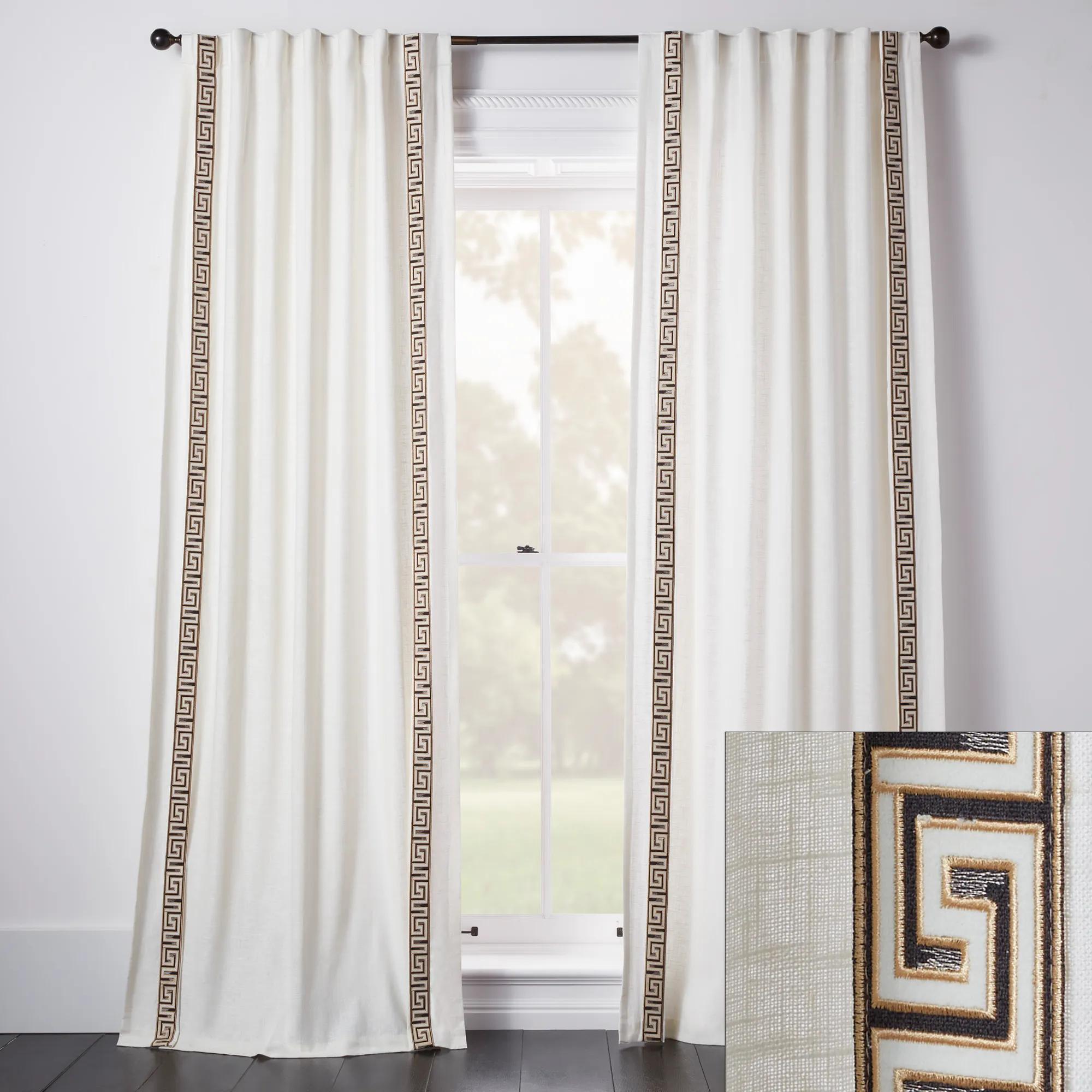 Chole Greek Key Border Velvet Widow Curtain Panels Custom$379
A linen-blend curtain panel with black and gold velvet Greek key border and customizable hanging options.
Add To Cart -
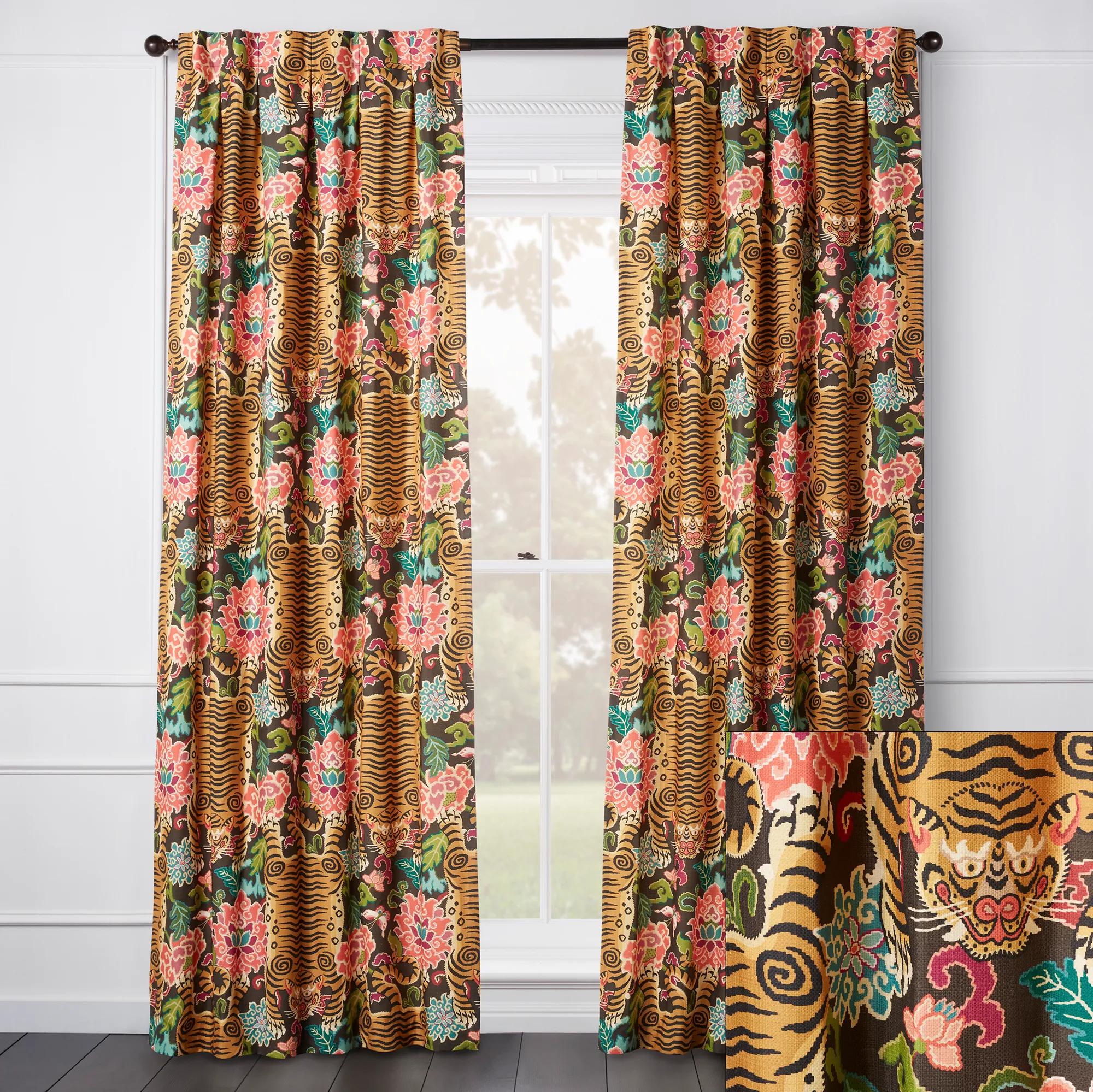
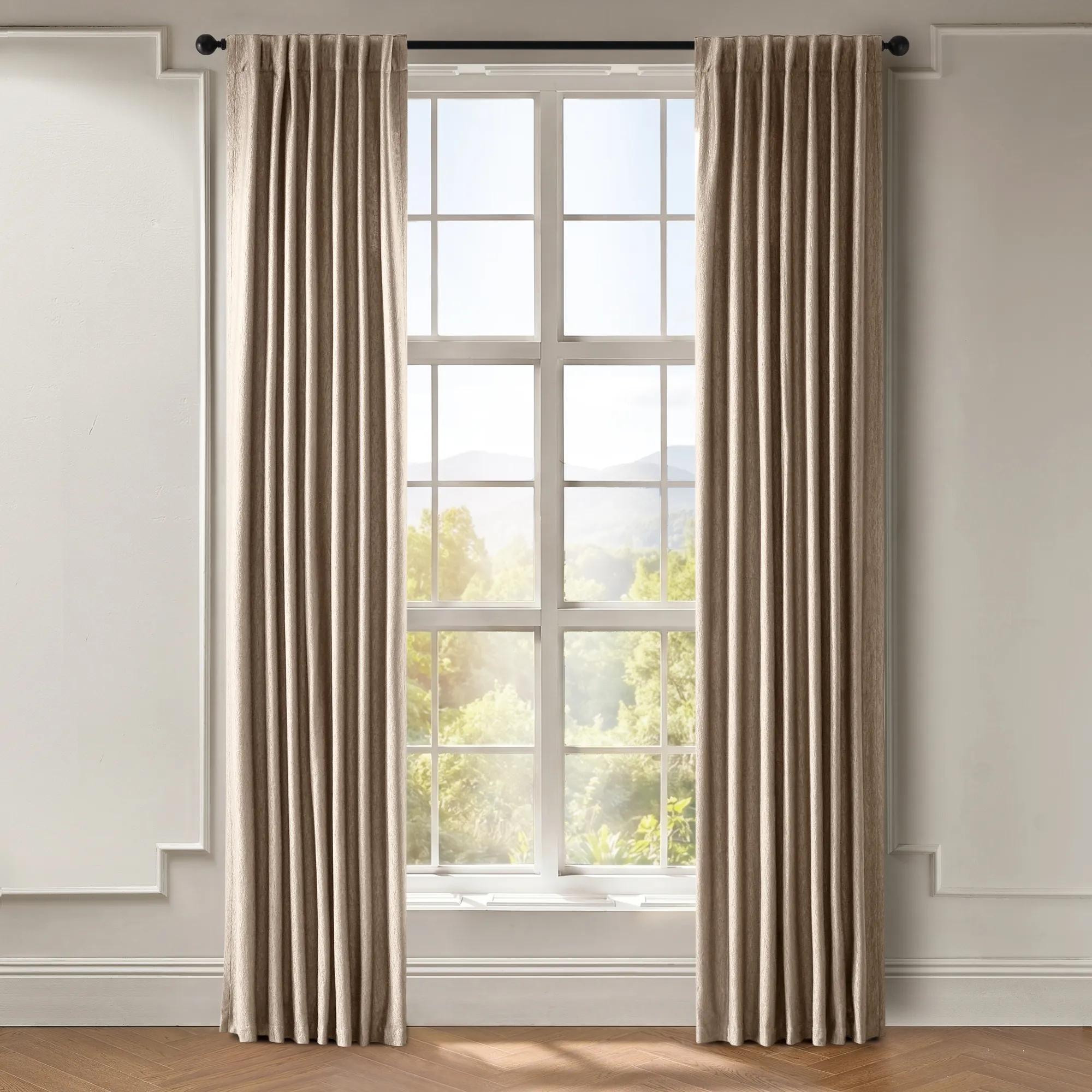
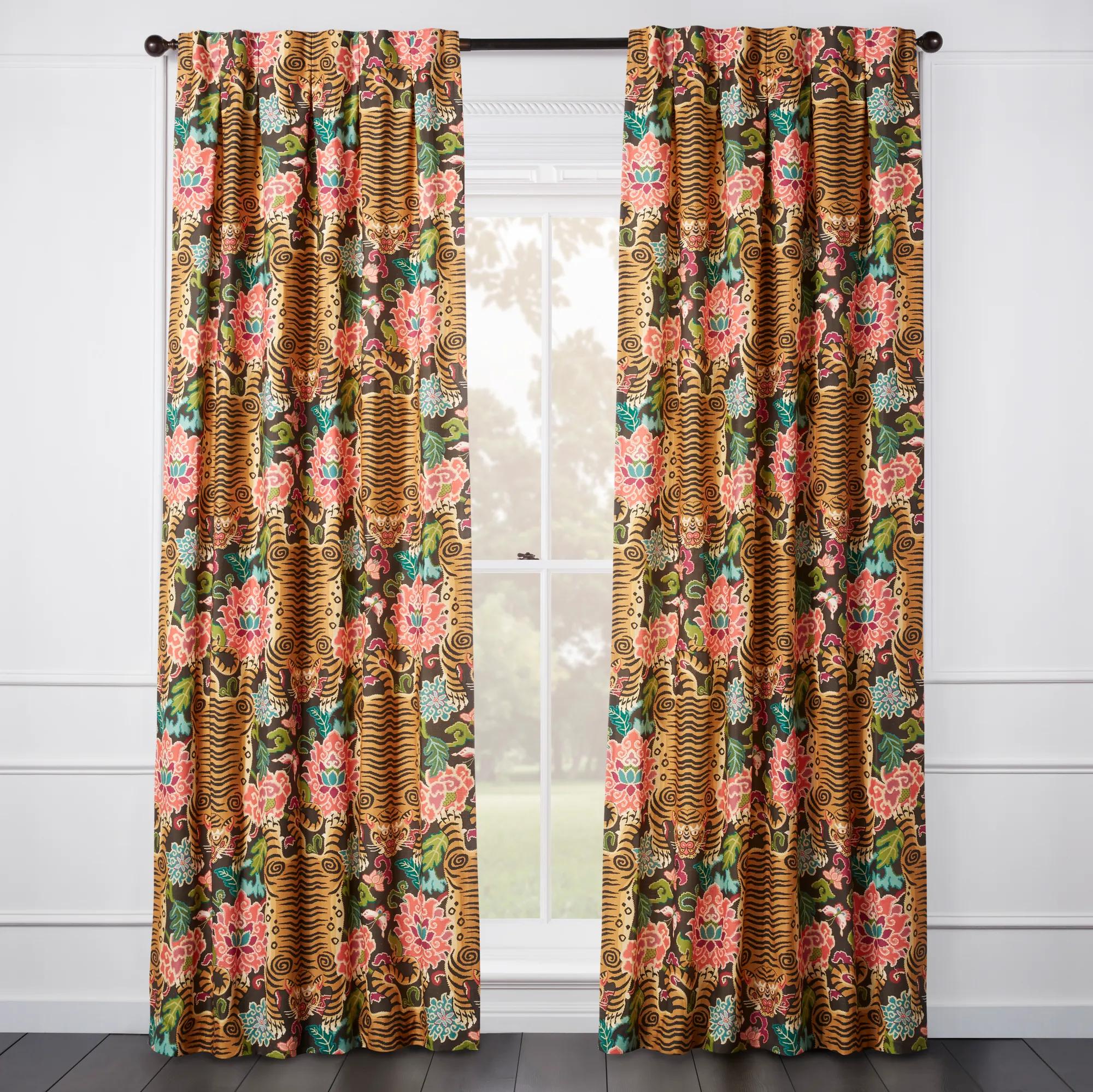 Nimer Gold/Multi Printed Slubbed Cotton Window Curtain Panel$309
A bold gold and multi-colored cotton curtain panel featuring a lively tiger print and customizable options.
Add To Cart -
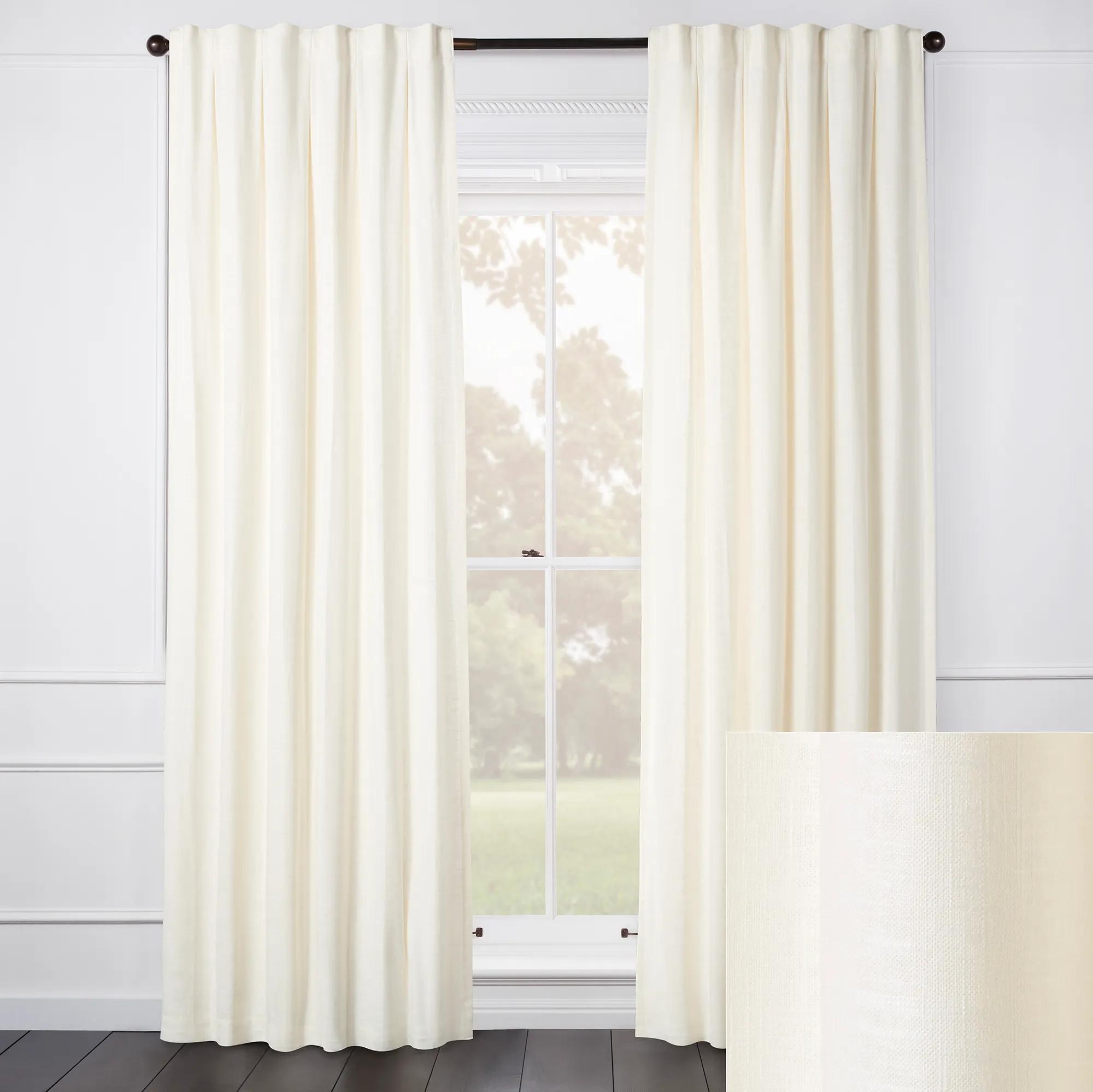
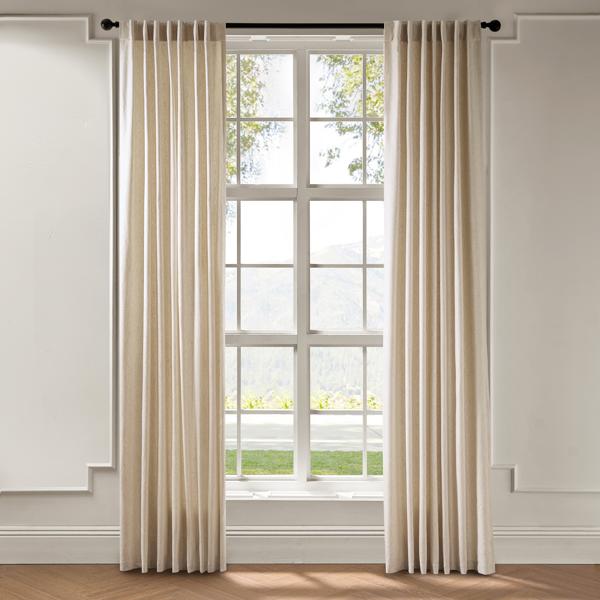
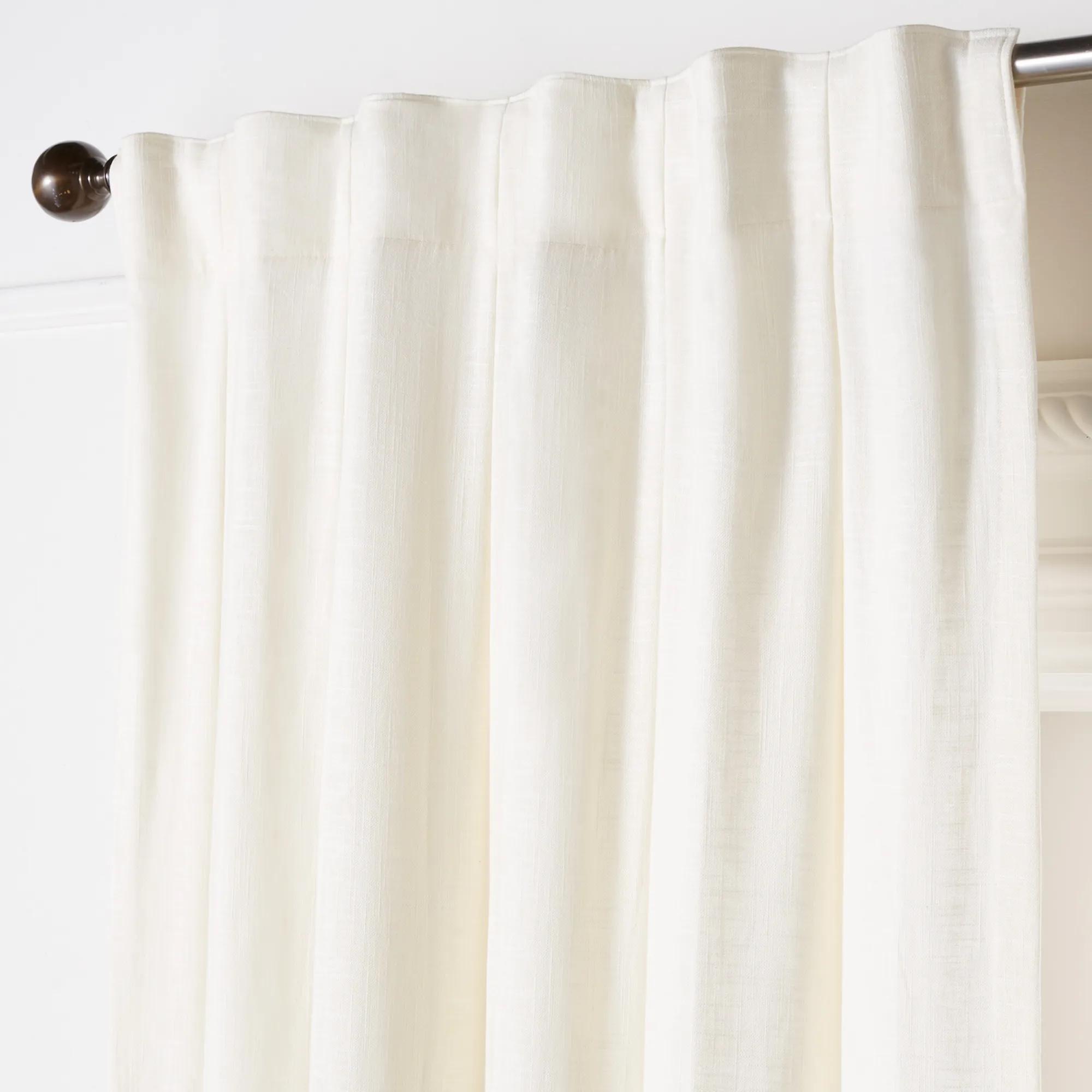 Audrey Linen Ivory Curtain - Custom$269
An ivory linen-blend curtain panel with lining, offering customizable lengths and two elegant header styles.
Add To Cart -
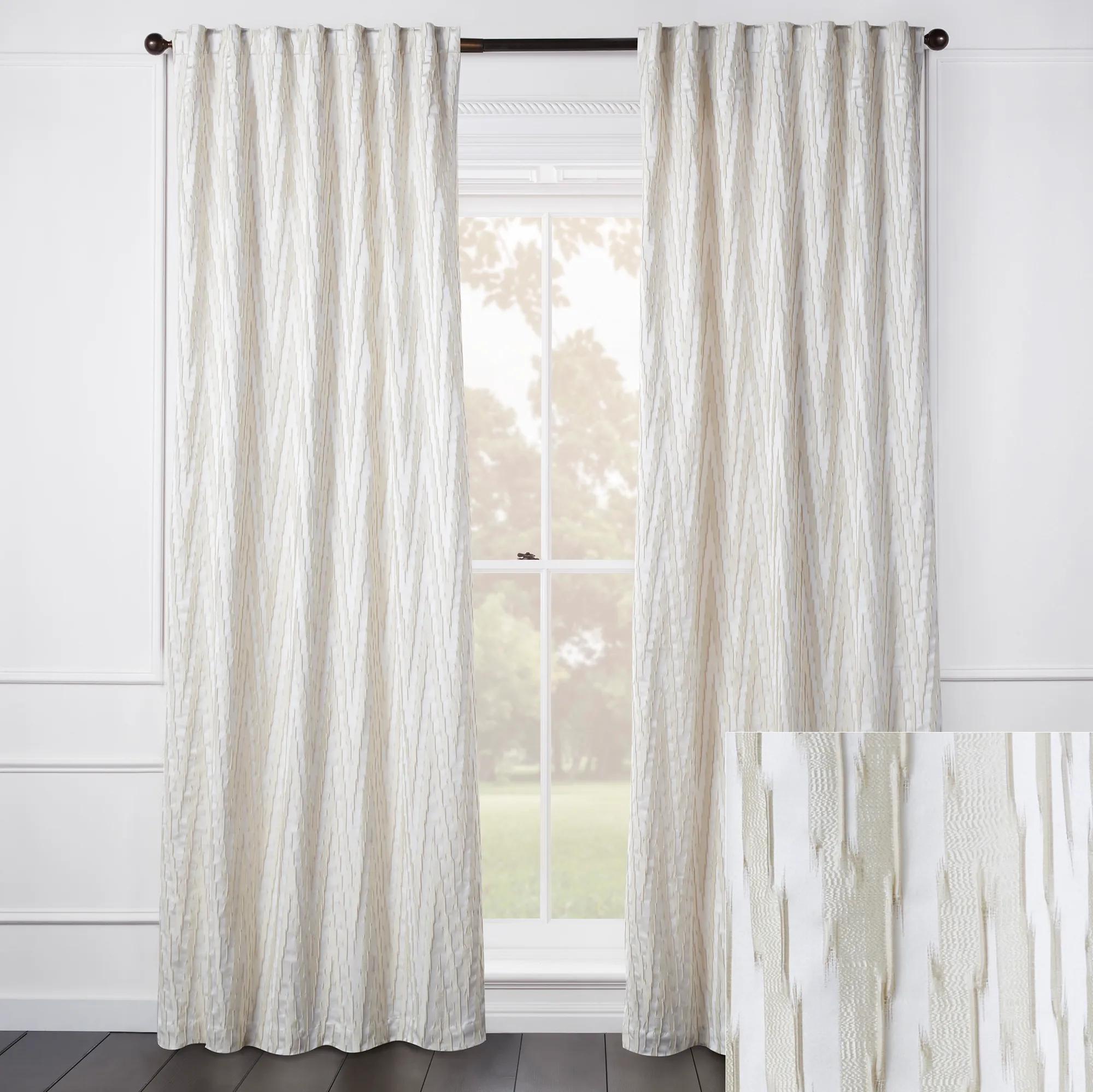
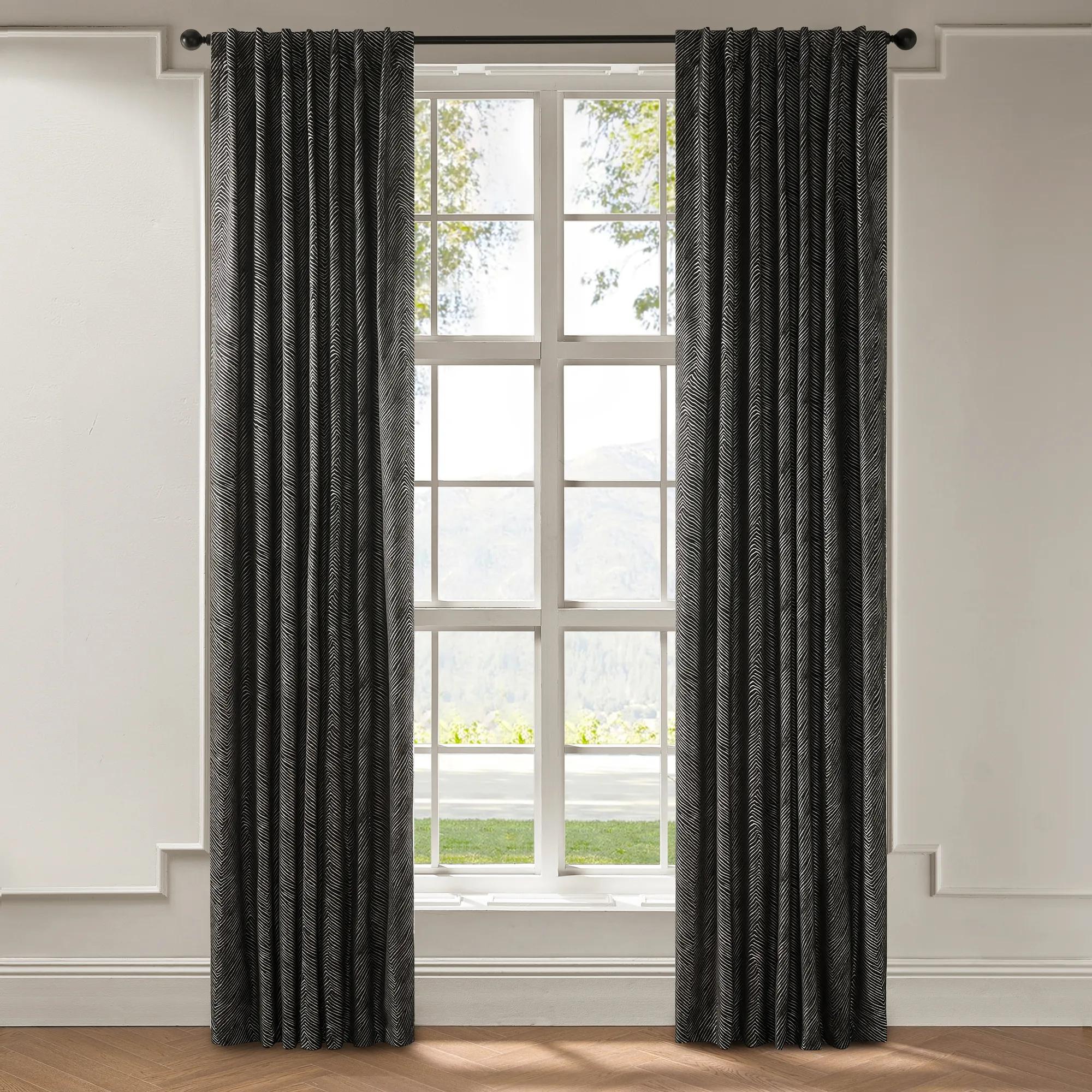
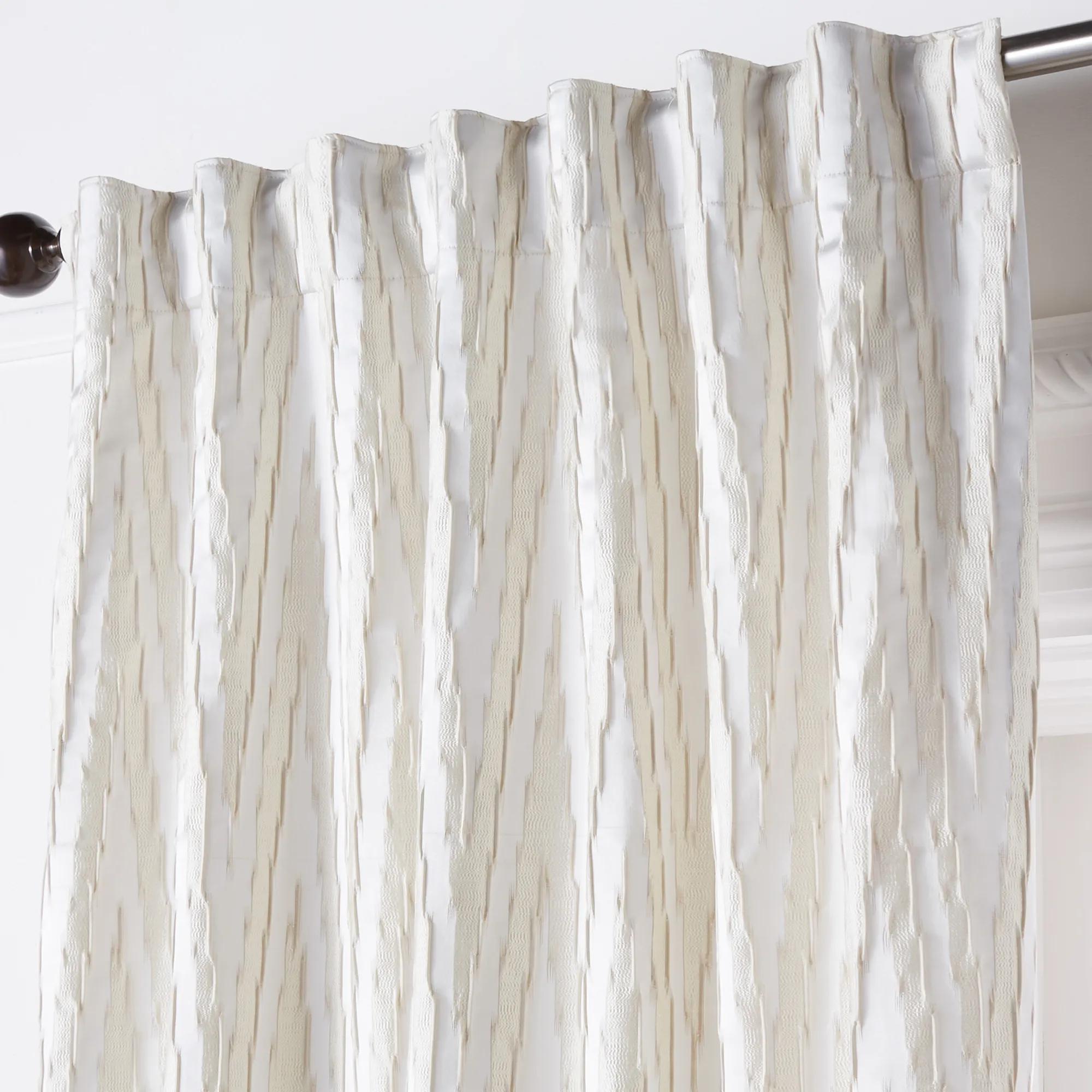 Minka Jacquard Pearl Window Curtain Panel Custom$289
A highly textured chevron curtain panel in pearl, grey, or natural polyester with customizable hanging options.
Add To Cart

120 Inch Velvet Curtains
Drape your windows in pure drama with 120 inch velvet curtains—where sumptuous texture meets grand, floor-sweeping length for an irresistibly luxe effect. These statement panels transform any room into a stage, casting an air of opulence and intrigue with every fold. Whether framing sunlit mornings or cocooning you in evening glamour, 120 inch velvet curtains invite you to embrace boldness, artistry, and the allure of high-style living. Let your space become a masterpiece, swathed in velvet and designed to dazzle.
With a sweeping ten-foot length and a richly textured surface, 120-inch velvet curtains give tall windows an architectural presence that feels both composed and theatrical. The measurement refers to the curtain panel’s length, not its width or the ceiling height it requires; the right fit depends on where the hardware sits and how the fabric meets the floor. In a living room with generous ceilings, long velvet panels frame the view like a work of art, bringing definition to expansive walls and softness to angular furniture. In a bedroom, they create a more enveloping backdrop, particularly when their color echoes an upholstered headboard or a deeply toned rug. Velvet’s distinctive character comes from its pile: densely arranged fibers that catch light differently as the surface changes direction. That subtle movement gives even a solid color dimension, shifting from luminous highlights to saturated shadows across each fold. Pale neutrals can feel pearlescent and sculptural, while charcoal, sapphire, or garnet tones introduce a deeper, more intimate mood. The effect also depends on the textile itself. Polyester velvet often offers resilience and a consistent finish, cotton velvet can have a more matte appearance, and blends vary in softness, weight, and sheen. Fiber content alone does not determine how luxurious a curtain will look; pile density, construction, lining, and the quality of the drape all contribute. A heavier fabric may form substantial folds, while a lighter velvet can fall with greater fluidity. These distinctions matter in rooms where the curtains remain visible throughout the day, whether drawn across a broad window or gathered at either side of French doors. For interiors built around expressive artwork, gleaming metal, or sculptural seating, velvet supplies a tactile counterpoint without requiring another pattern. Its appeal lies in that balance: a generous sweep of fabric with enough surface interest to hold its own, yet enough visual continuity to let the rest of the room speak.
The most convincing proportions come from considering length, width, and hardware together. Although 120-inch curtain panels are often associated with high ceilings, a ten-foot ceiling does not automatically call for a ten-foot curtain. Rod placement, rings, and the header construction affect the final drop, so the meaningful measurement runs from the curtain’s actual hanging point to its intended endpoint. Panels that barely meet the floor create a precise, tailored line; a slight break adds softness, while a deliberate puddle produces a more decorative finish. In a busy family room or beside a frequently used door, keeping the hem clear of the floor can make everyday movement and cleaning easier. A pooled hem is better suited to a quieter setting where the fabric will not be stepped on or repeatedly disturbed. Width deserves equal attention because a long panel stretched flat can lose the depth that makes velvet compelling. For many curtain styles, a combined flat panel width of approximately one and a half to two times the span being covered provides pleasing fullness, though pleated constructions may follow different sizing conventions. Panel quantities and stated widths should be checked carefully, since measurements may describe a single panel rather than a pair. Header choices further shape the silhouette. Grommets create broad, regular waves and leave the rod visible, rod pockets offer a gathered effect, and back tabs can conceal much of the hardware for a cleaner upper edge. Pinch pleats bring a structured rhythm, with hooks or rings influencing where the fabric begins. For curtains opened and closed daily, a compatible traversing system or smoothly moving rings can be more practical than a tightly gathered pocket. Long velvet panels also need hardware suited to their weight, with secure mounting and support appropriate to the rod’s span. Allowing space beside the window for the gathered fabric helps preserve the view when the curtains are open. Together, these details make the difference between fabric simply covering glass and drapery that feels integrated into the room’s architecture.
Beyond their visual richness, velvet curtains can support privacy and light control, but their performance should be judged by construction rather than appearance alone. A dense pile may soften incoming light, yet velvet is not inherently blackout fabric. Room-darkening and blackout performance depend on the weave, backing or lining, and how completely the installed panels cover the window. Light can still enter around the edges, so generous coverage and thoughtful placement matter in bedrooms, media rooms, and other spaces where glare is distracting. For a sitting room that needs both daylight and evening privacy, velvet panels layered over sheers offer flexibility: the sheer layer filters the view while the velvet creates a more enclosed atmosphere when drawn. Substantial fabric may also help soften reflected sound in a room with hard surfaces, although curtains should not be treated as soundproofing. Durability is another consideration, especially where panels are handled often or hang within reach of pets. Dense construction, well-finished seams, and an appropriate lining can contribute to lasting performance, while repeated rubbing, snagging, and prolonged direct sunlight may affect the pile or color over time. Care instructions should always guide cleaning. Some polyester velvet curtains permit gentle machine washing, while other fabrics and lined constructions require professional cleaning; the term “velvet” alone is not enough to choose a method. Even washable ten-foot panels can be bulky, making adequate machine capacity important. Between cleanings, gentle dust removal with a suitable upholstery attachment may help maintain the surface when permitted by the care label. Creases from packaging should be addressed cautiously, using steam only if recommended and avoiding direct ironing that could flatten the pile. For a related room where a more textured, less lustrous finish better suits the furnishings, 120 Inch Linen Blend Curtains offer another way to carry generous length through the home without repeating the same fabric everywhere. Velvet remains especially expressive where the intention is intimacy, depth, and a strong vertical line: framing a reading chair, anchoring a formal dining space, or giving a bedroom the quiet drama of a private retreat.
FAQs
120 inch velvet curtains effortlessly elevate a variety of design aesthetics, from classic Hollywood Regency and Art Deco spaces to modern glamour and eclectic maximalist interiors. Their rich texture and dramatic length suit both traditional and contemporary rooms, serving as a bold focal point or a luxurious backdrop.
Layering 120 inch velvet curtains with sheer panels or textured blinds adds dimension and versatility to your windows. Sheers soften the intensity of velvet, allowing filtered light while maintaining privacy, while pairing with metallic or crystal hardware enhances the overall sense of opulence.
Velvet curtains 120 inches long can be a striking addition to living rooms, bedrooms, dining spaces, and even home offices. Their insulating qualities and dramatic presence make them ideal for areas where you want to create a sense of intimacy, luxury, or visual drama.
For a designer-inspired look, allow the velvet to pool slightly on the floor for added drama, or use elegant tiebacks to frame your windows and showcase the fabric's rich texture. Mixing velvet with contrasting materials, such as silk or linen, can further personalize your space and highlight your unique taste.
Absolutely. Pairing 120 inch sheer curtains with velvet panels creates a layered effect that balances luxury with airiness. The sheers diffuse sunlight and add softness, while the velvet panels provide depth, color, and a sense of grandeur—perfect for creating a space that feels both inviting and sophisticated.
.jpeg?w=4130&h=4130)
.jpeg?w=3942&h=3942)