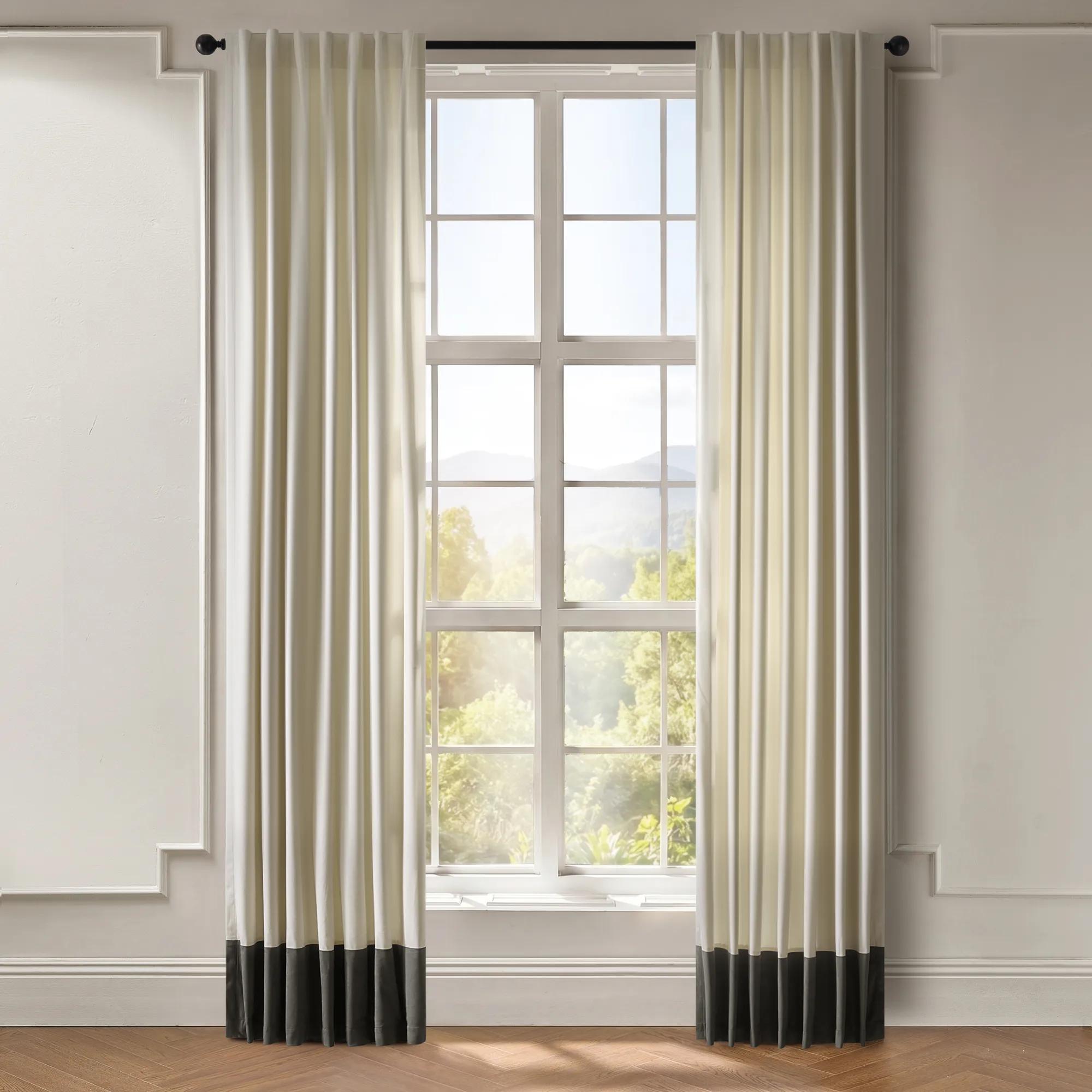
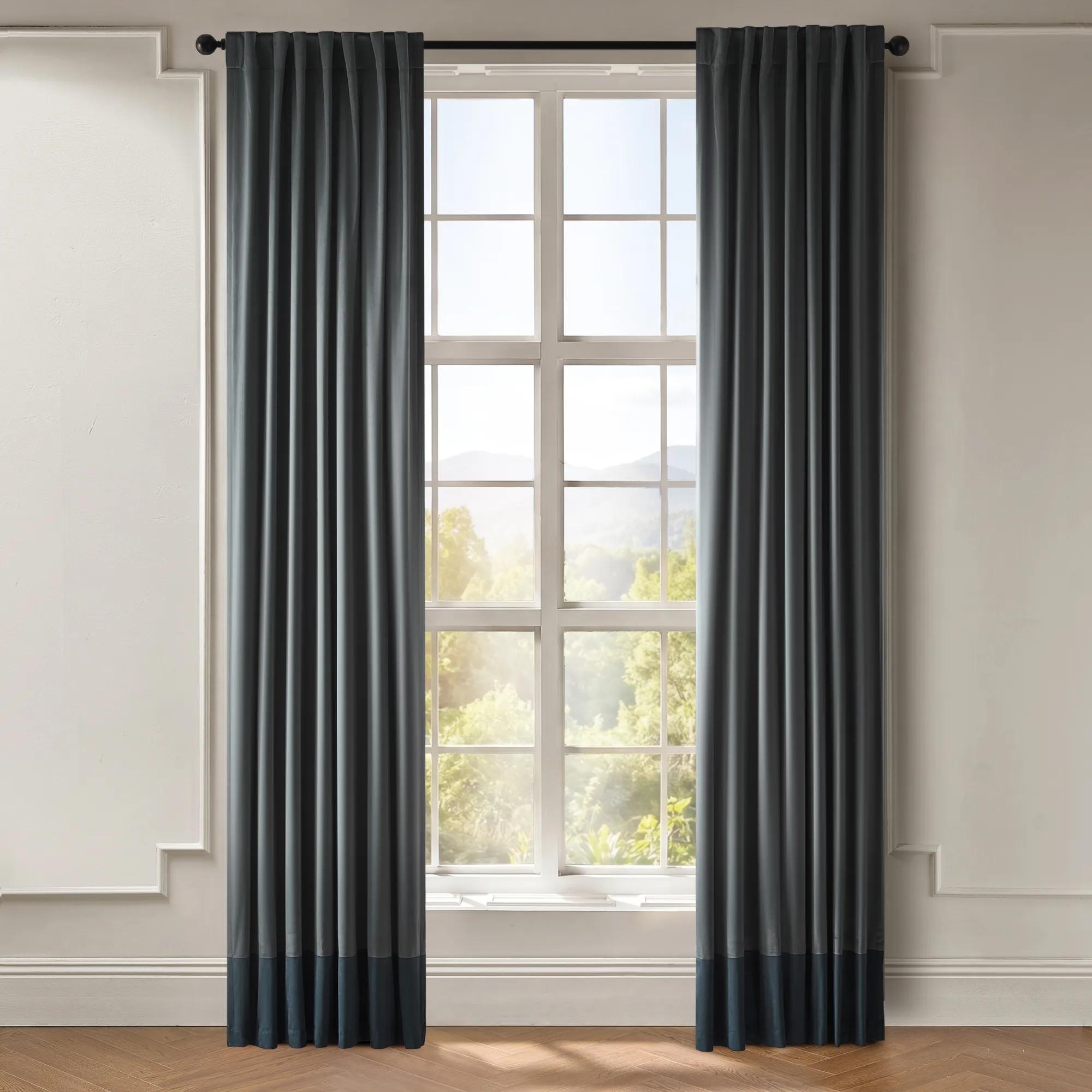
108 Inch Silk Drapery Panels
108 Inch Silk Drapery Panels
-
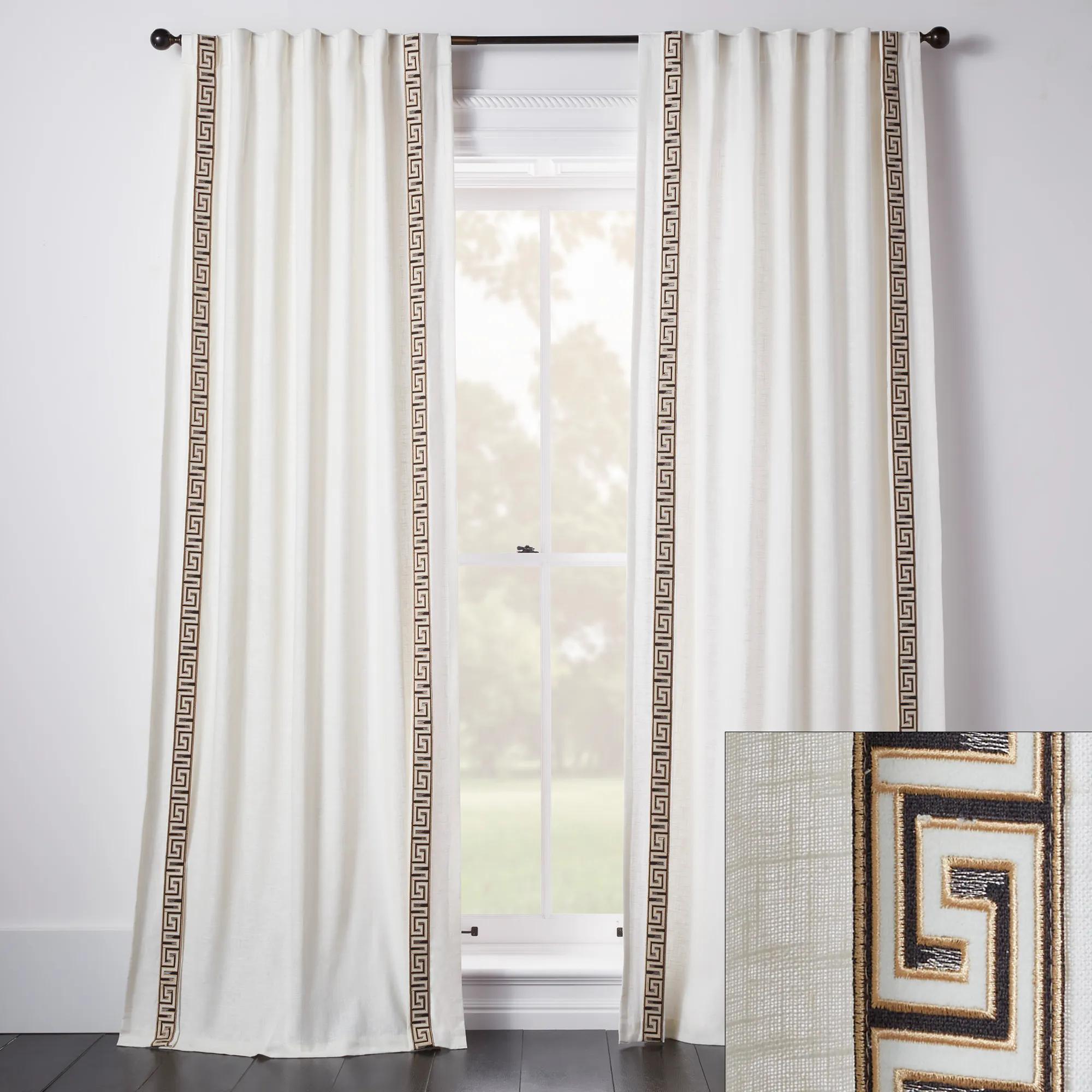 Chole Greek Key Border Velvet Widow Curtain Panels Custom$419
A linen-blend curtain panel with plush black and gold velvet Greek key border and customizable options.
Add To Cart -
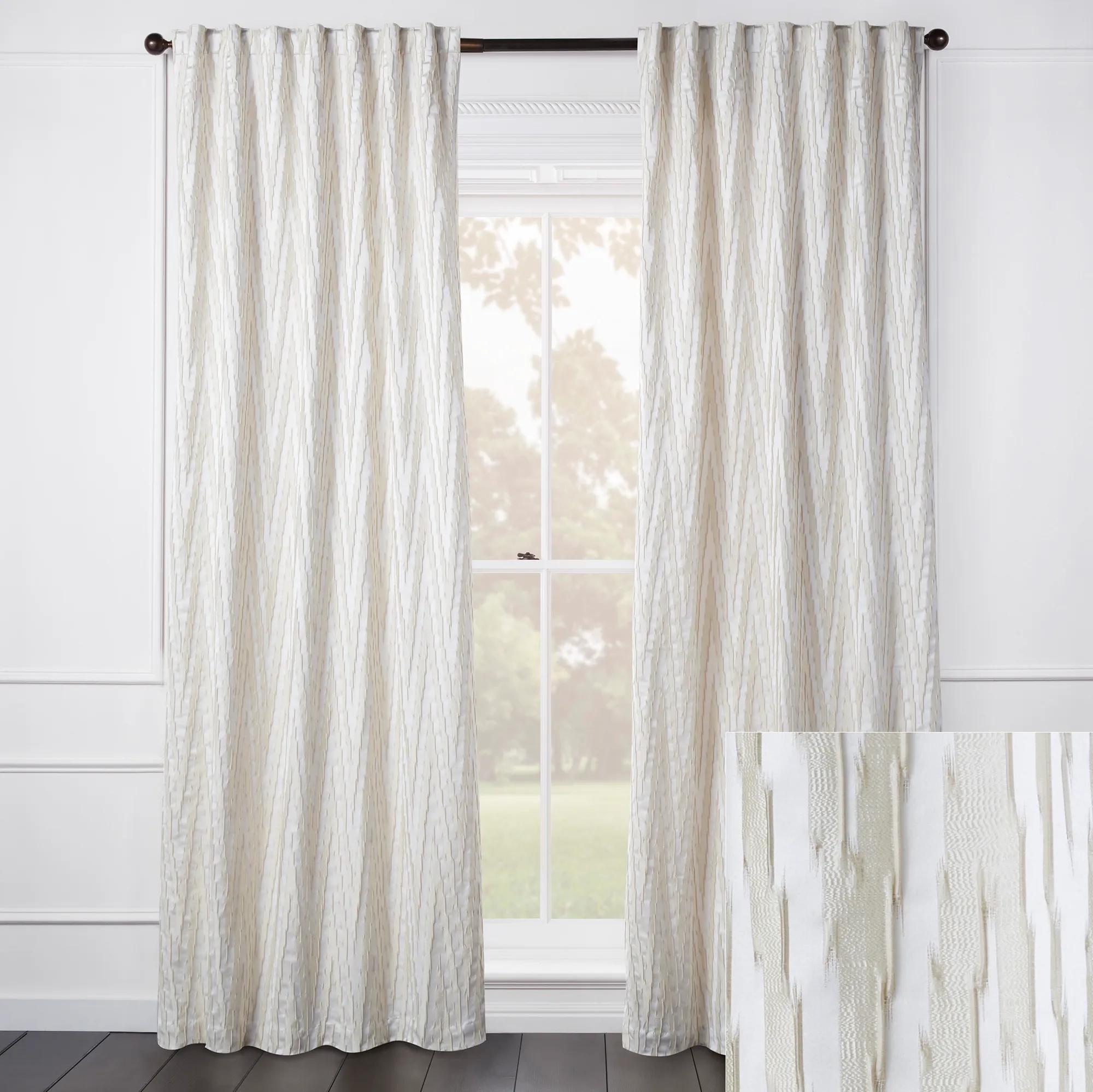
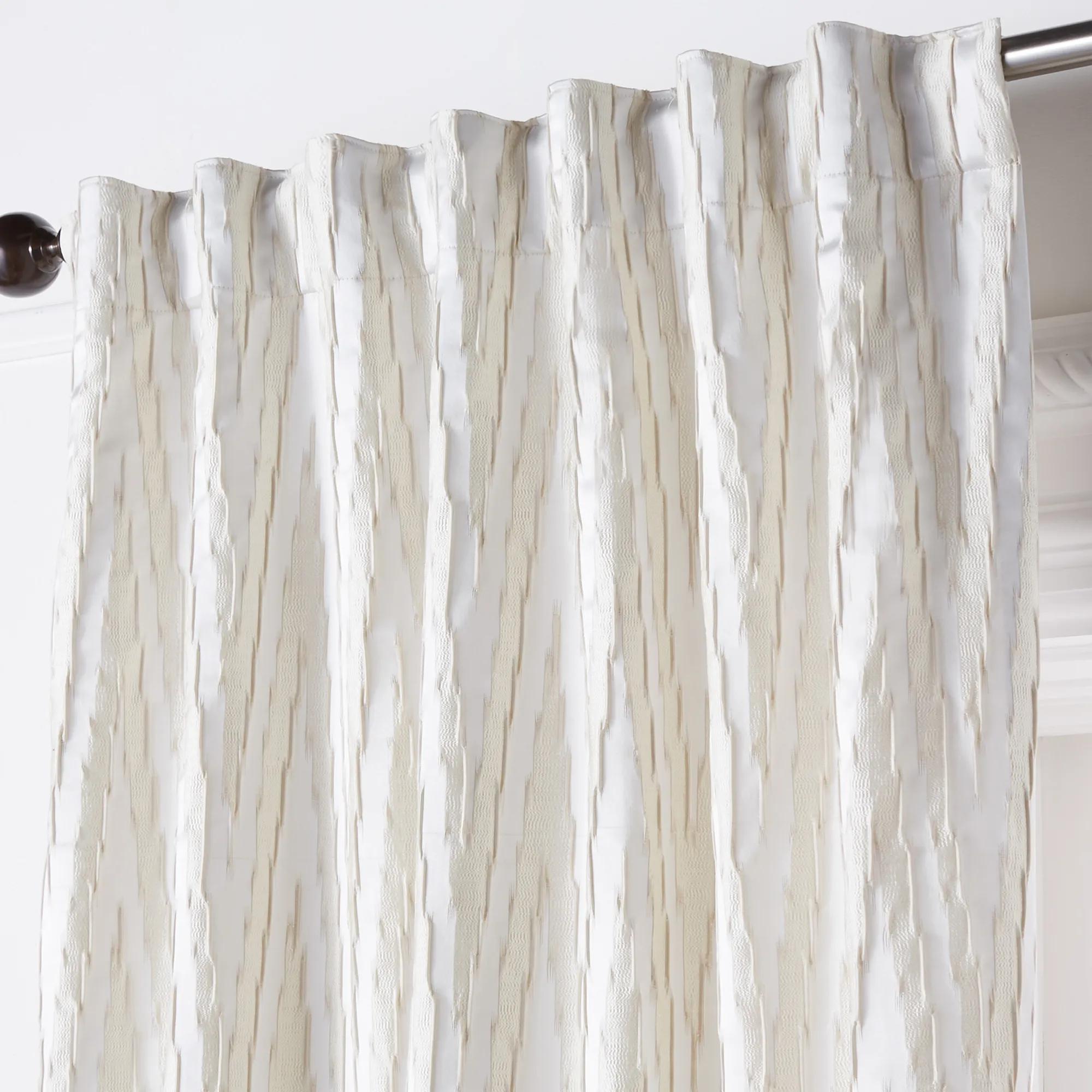 Minka Jacquard Pearl Window Curtain Panel Custom$299
A highly textured chevron curtain panel in pearl, crafted from polyester with customizable hanging options.
Add To Cart -
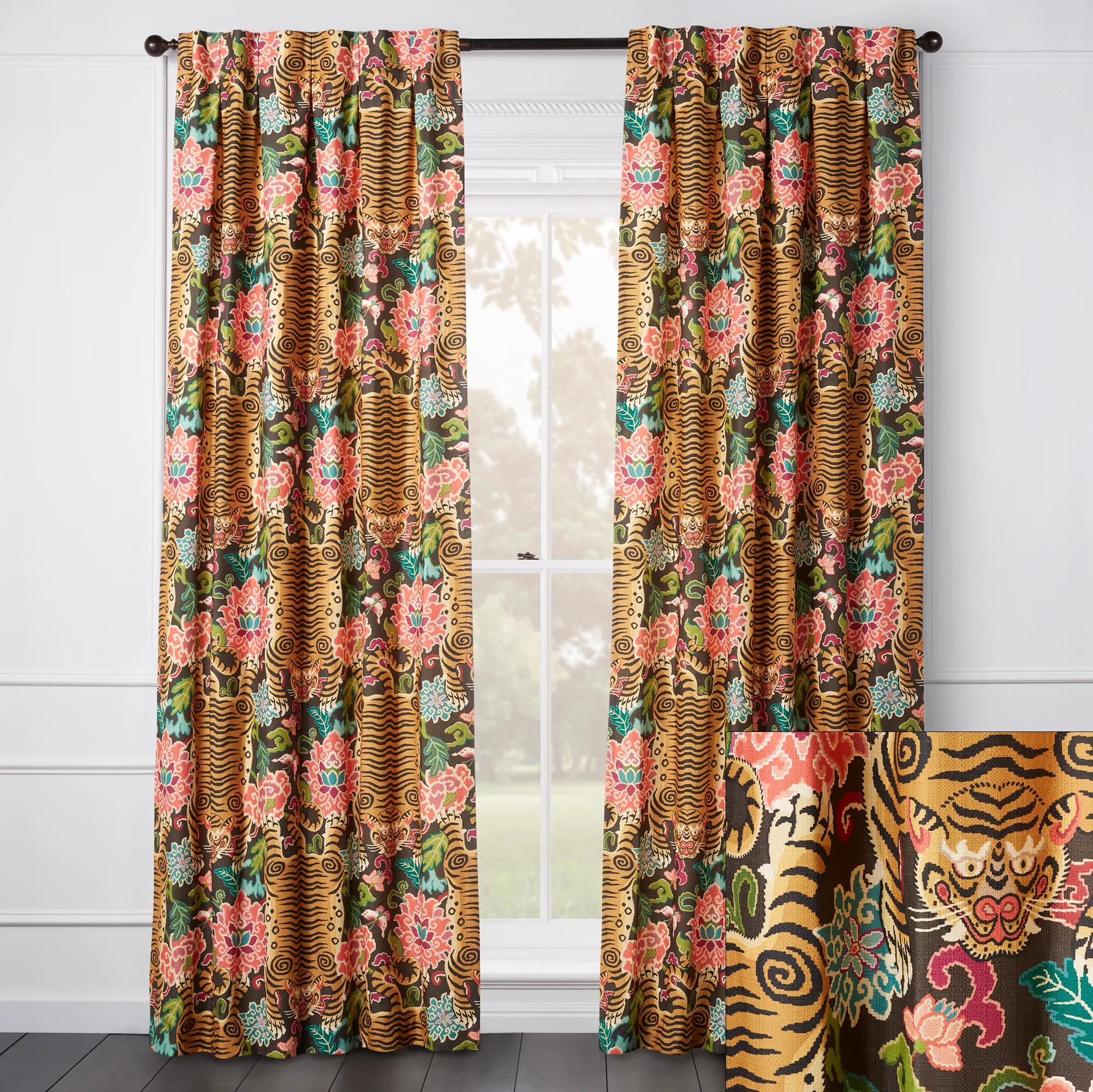
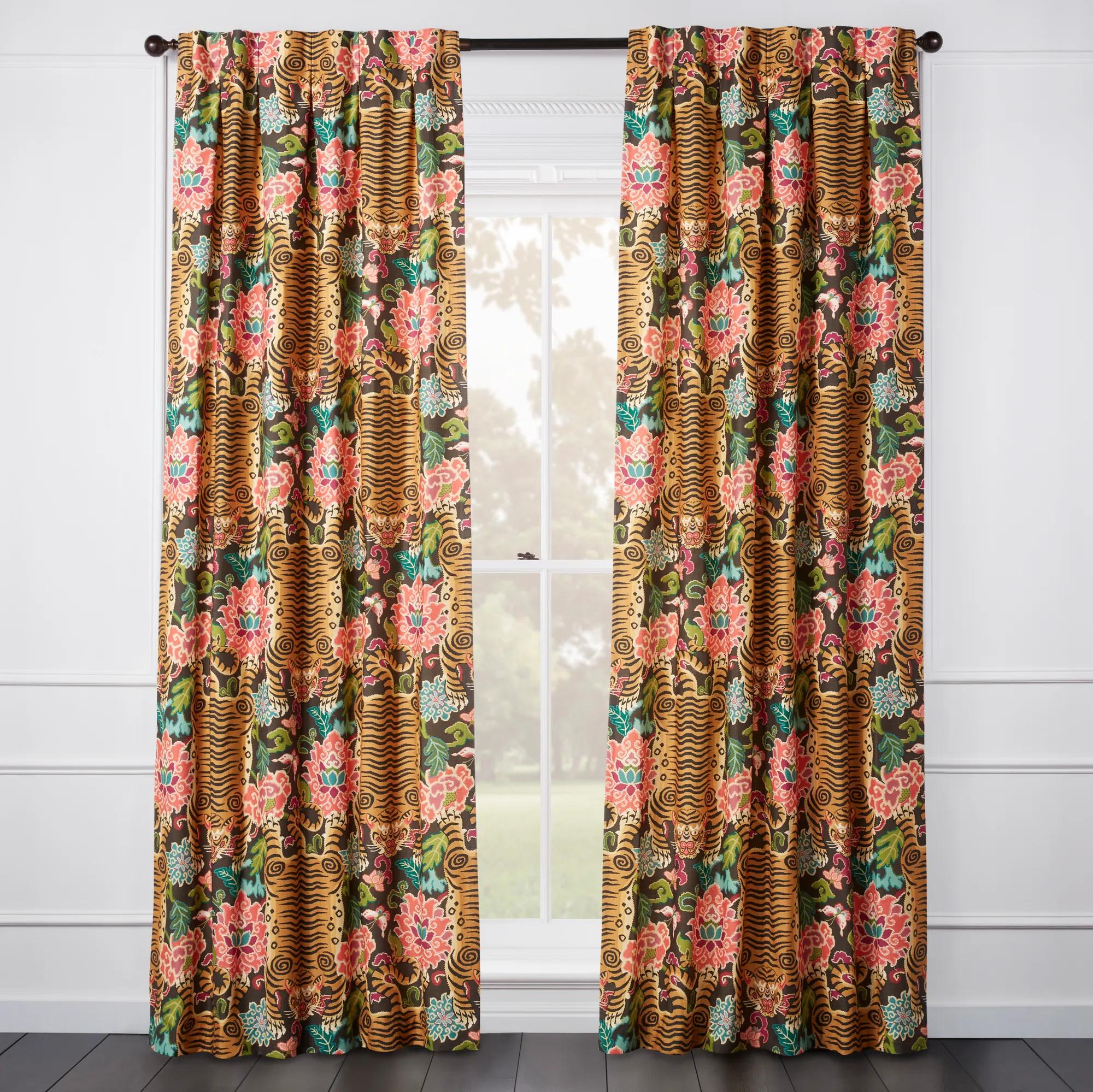 Nimer Gold/Multi Printed Slubbed Cotton Window Curtain Panel$369
A bold gold and multi-colored cotton curtain panel featuring a lively tiger print and customizable options.
Add To Cart -
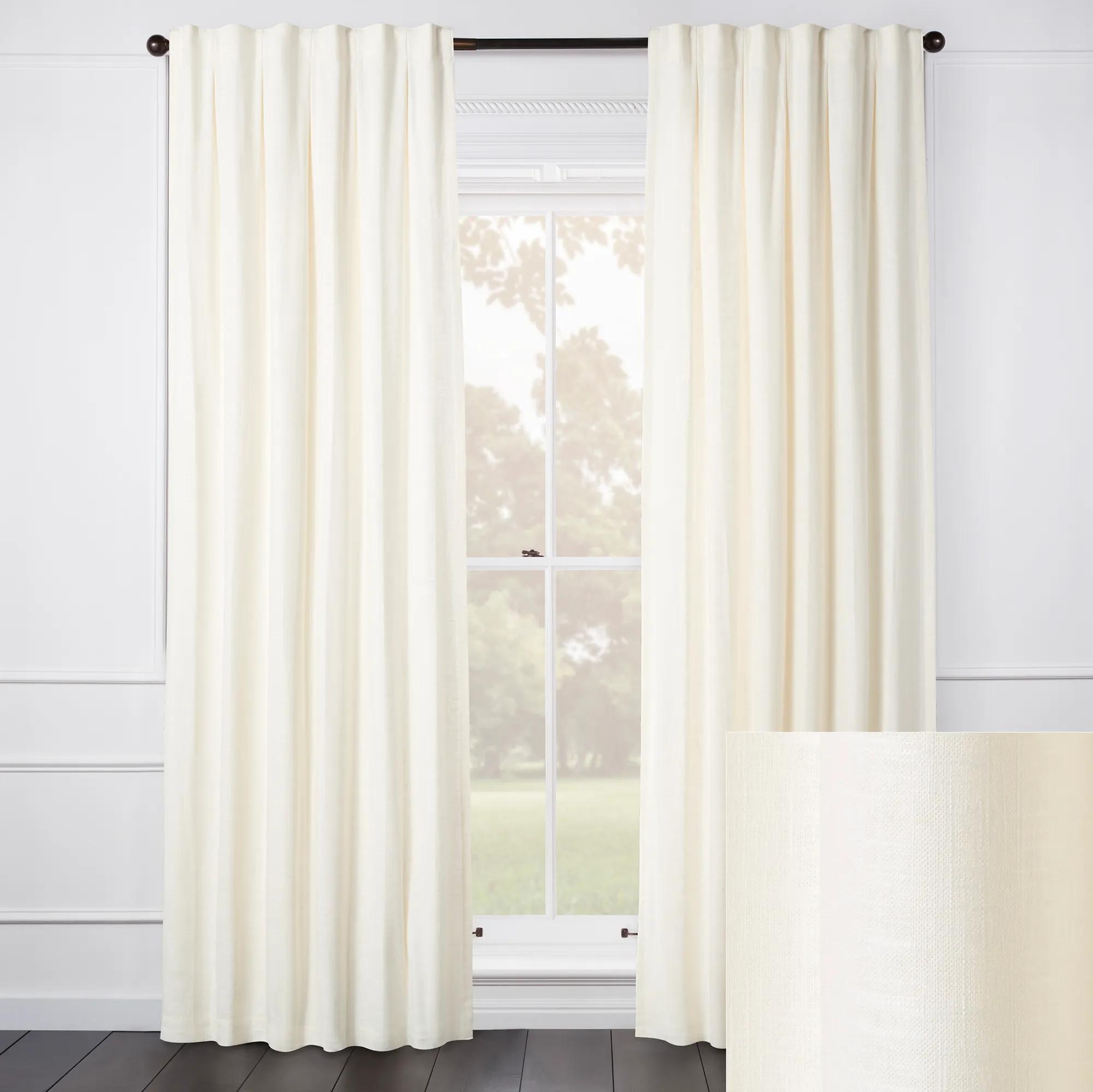
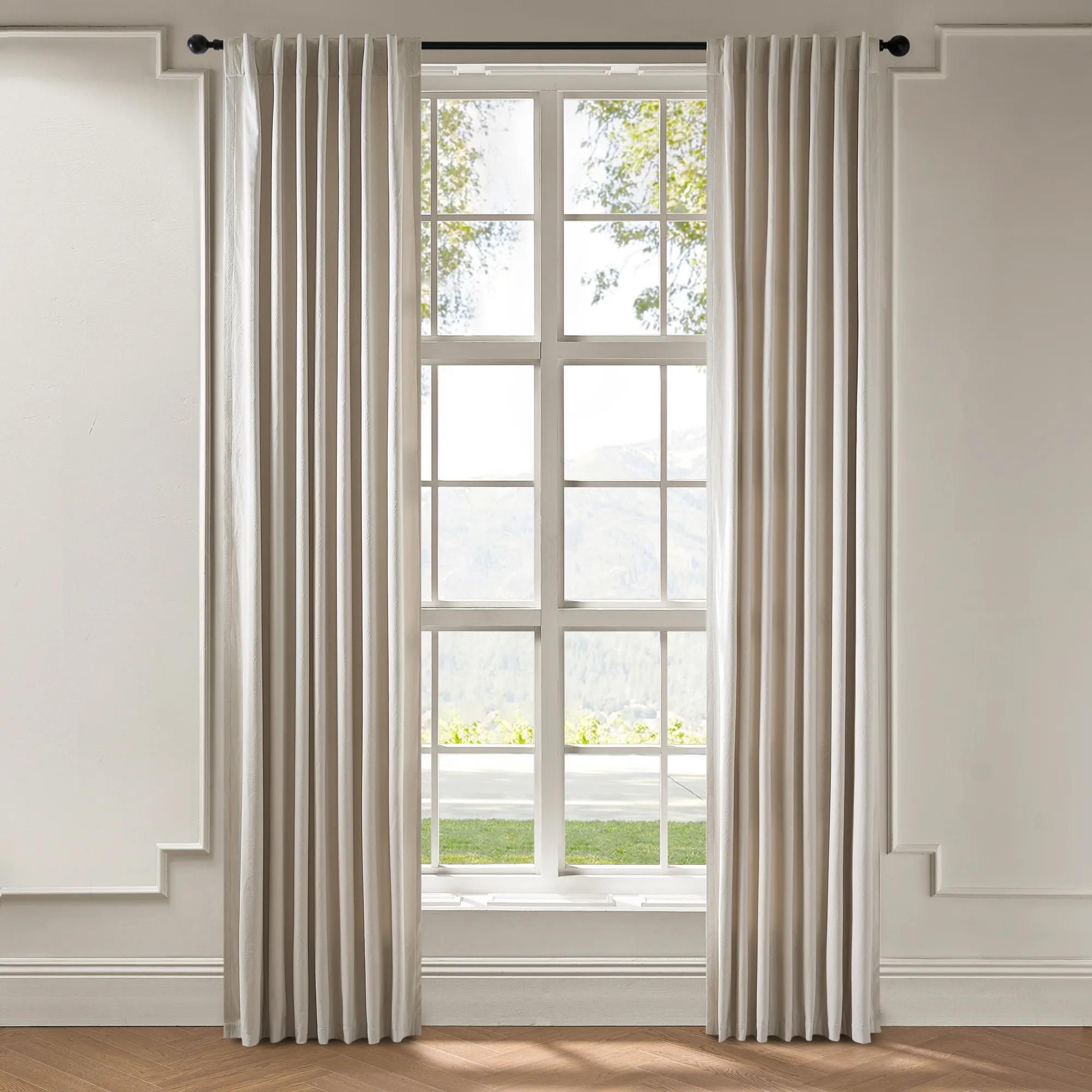
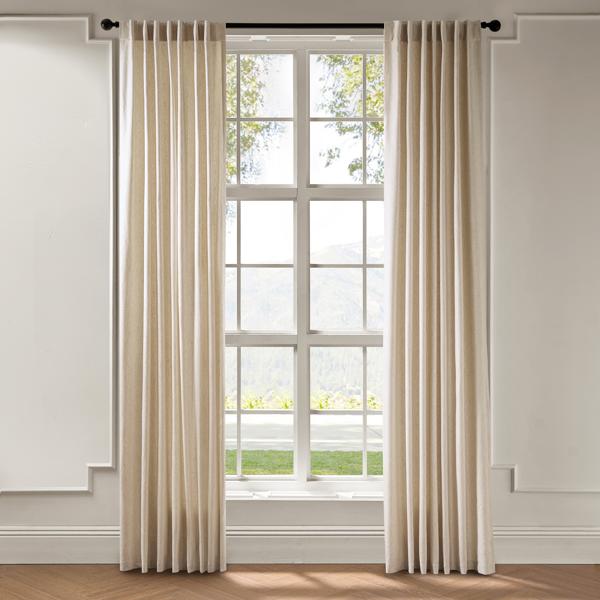
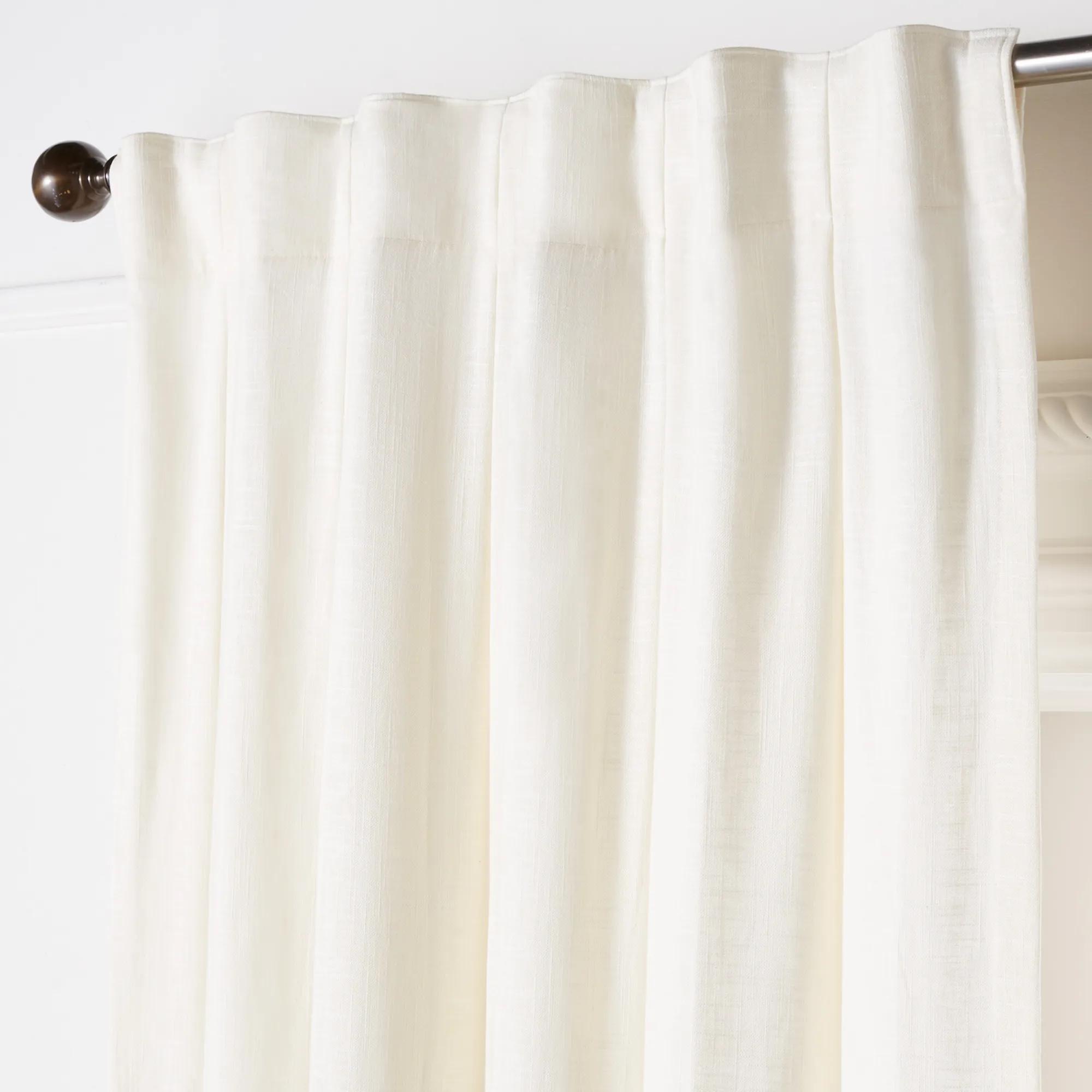 Audrey Linen Ivory Curtain - Custom$269
An ivory linen-blend curtain panel with lining, offering customizable lengths and two elegant header styles.
Add To Cart

108 Inch Silk Drapery Panels
108 inch silk drapery panels are the ultimate expression of grandeur, transforming windows into works of art and rooms into luminous sanctuaries. With their sweeping length and sumptuous silk, these panels cascade with a fluid elegance that commands attention, framing every view in pure opulence. Whether you’re seeking to amplify the drama of soaring ceilings or to envelop your space in a soft, shimmering glow, 108 inch silk drapery panels bring an undeniable sense of luxury and artistry to any interior. Indulge in the allure of texture, movement, and light—because your home deserves nothing less than spectacular.
108-inch silk drapery panels bring a nine-foot sweep of fabric to a window, creating an architectural frame with the richness and movement of silk. Their elongated proportions can emphasize tall windows, draw attention toward decorative molding, and give a living room, dining room, or bedroom a more composed silhouette. The effect comes from both scale and surface: silk catches light across its folds, revealing subtle shifts in color that flatter everything from sculptural furniture to polished metallic accents. Within this category, fabric composition makes a meaningful difference. Pure silk is made from natural silk fibers, while silk blends combine silk with other fibers to create a different balance of texture, weight, and care requirements. Dupioni silk is recognized for its characteristic slubs and crisp structure, lending drapery a softly irregular surface and defined folds. Smoother silk fabrics create a more fluid impression, with a sheen that can feel especially dramatic against matte walls or deeply textured upholstery. Descriptions such as raw silk may refer to a textured appearance, so the fiber content and construction details are more informative than the name alone. Faux silk and art silk describe silk-like fabrics rather than a guarantee of natural silk content; these textiles may use polyester, rayon, or other fibers, with performance that depends on their specific construction. Color also shapes the atmosphere. Ivory and champagne tones create a luminous backdrop without disappearing into the room, while silver, charcoal, and richer jewel tones make the window a stronger visual presence. A solid fabric allows the folds and luster to lead; embroidery or a woven pattern adds another layer of ornament. The most compelling choice relates to the room rather than matching every finish, perhaps echoing the warm undertone of a rug or bringing a restrained gleam beside a velvet chair. Even within one color family, silk’s changing highlights can give a broad expanse of fabric depth instead of visual heaviness.
The appeal of a 108-inch length depends on where the panel begins and how it meets the floor. Nine feet of fabric does not automatically correspond to a nine-foot ceiling: the mounting position, header style, rings, and desired hem placement all influence the finished fit. A rod installed above the window can create a taller visual line, but the relevant measurement runs from the actual hanging point to the intended bottom edge. Rod-pocket panels begin differently from panels suspended beneath rings, and back tabs or pleated headers can alter how the fabric sits against the hardware. These details matter when the goal is a precise floor-length finish rather than an accidental gap or excess fabric. A hem that just clears the floor offers an elegant, practical result for panels opened and closed regularly. A slight break introduces softness, while a deliberate puddle creates a more theatrical effect best suited to lower-traffic areas where the fabric will not interfere with walking, cleaning, or furniture. For a shorter hanging distance, 96 Inch Silk Drapery Panels provide another length to consider while preserving the expressive appeal of silk. Width deserves equal attention. A panel’s stated width is generally its flat measurement, not the amount of window it will cover once gathered or pleated. Depending on the header and desired fullness, a combined flat fabric width of roughly one and a half to two and a half times the intended coverage can create generous folds; pleated panels may instead be measured by their finished coverage width. Product measurements should clarify that distinction, along with whether the listing represents one panel or a pair. Extending the rod beyond the window can give open panels room to gather at the sides, revealing more glass and making the opening feel broader. Substantial fabric, lining, and additional fullness also add weight, making secure brackets and appropriately rated hardware essential to a graceful installation.
Construction determines how silk drapery feels in daily use as much as how it looks across the room. Unlined silk may reveal more of the fabric’s translucency and natural variation, while a lining can add body, conceal the reverse side, and help protect the decorative fabric from direct sunlight. Interlining, a separate layer between the face fabric and lining, can create a fuller, more cushioned silhouette with deeper folds. Neither silk nor ordinary lining automatically provides blackout performance; bedrooms and media spaces that require substantial light control need construction specifically identified for that purpose. Even then, light can enter around the top and sides, so coverage and installation remain important. In a sitting room where filtered daylight is part of the atmosphere, silk panels can serve as a decorative outer layer over a separate shade, allowing the window to balance softness with privacy. Privacy itself depends on fabric density, lining, and lighting conditions, rather than color alone. Durability calls for thoughtful placement: natural silk is sensitive to prolonged sun exposure, moisture, and abrasion, making protected windows and careful handling especially valuable. A deep puddle beside a frequently used patio door may look sumptuous but will encounter more dirt and friction than a floor-skimming hem in a formal dining room. Care should follow the sewn-in label, with professional cleaning appropriate for many silk draperies, particularly lined or embellished constructions. Machine washing, vigorous spot treatment, or direct heat can damage fibers, alter the finish, or affect different layers unevenly. Gentle dust removal, when permitted by the care instructions, and avoiding repeated tugging on the fabric help preserve its appearance between cleanings. Well-chosen silk drapery rewards this attention with a distinctive sense of occasion: a dining space gains a luminous backdrop, a bedroom acquires a softer perimeter, and a living room feels finished without sacrificing personality. The lasting impression is not simply a dressed window, but a room given depth, proportion, and a confident final flourish.
FAQs
Silk drapery panels offer a uniquely luxurious aesthetic, infusing your space with luminous sheen and sophisticated texture. They create dramatic vertical lines that visually elevate ceilings and add a sense of grandeur to any room. Beyond their visual appeal, many silk draperies also provide practical benefits such as light filtering, privacy, noise reduction, and thermal insulation—making them as functional as they are beautiful.
Genuine silk draperies, such as those crafted from dupioni silk, are celebrated for their natural luster, delicate slubs, and iridescent finish, which create subtle variations in color and texture. Faux silk panels are designed to closely mimic the look and feel of real silk, often with added durability and ease of care. Both options exude elegance, but real silk offers an unparalleled tactile richness, while faux silk tends to be more resilient in active households.
Absolutely. Silk drapery panels are incredibly versatile, complementing a wide range of design styles. In traditional spaces, their sumptuous fabric and classic pleat styles evoke timeless elegance. In modern settings, silk panels in bold hues or minimalist block designs can deliver a striking, contemporary statement. The key is to select colors, patterns, and hardware that harmonize with your overall décor vision.
To maximize the drama and elegance of silk draperies, hang panels high and wide to frame windows and accentuate ceiling height. Pair them with decorative rods or rings for added polish, and consider layering with sheers or coordinating shades for depth and dimension. For a curated designer effect, let the panels just kiss the floor or puddle slightly for a more romantic, opulent touch.
Silk drapery panels make an exquisite and memorable gift, perfect for housewarmings, weddings, or milestone celebrations. Their luxurious presence transforms any room, offering the recipient both beauty and lasting function. Gifting silk draperies is a way to share a sense of artistry and indulgence, helping loved ones create a home that feels uniquely personal and elevated.