Wool Rugs For Hardwood Floors
Wool Rugs For Hardwood Floors
-
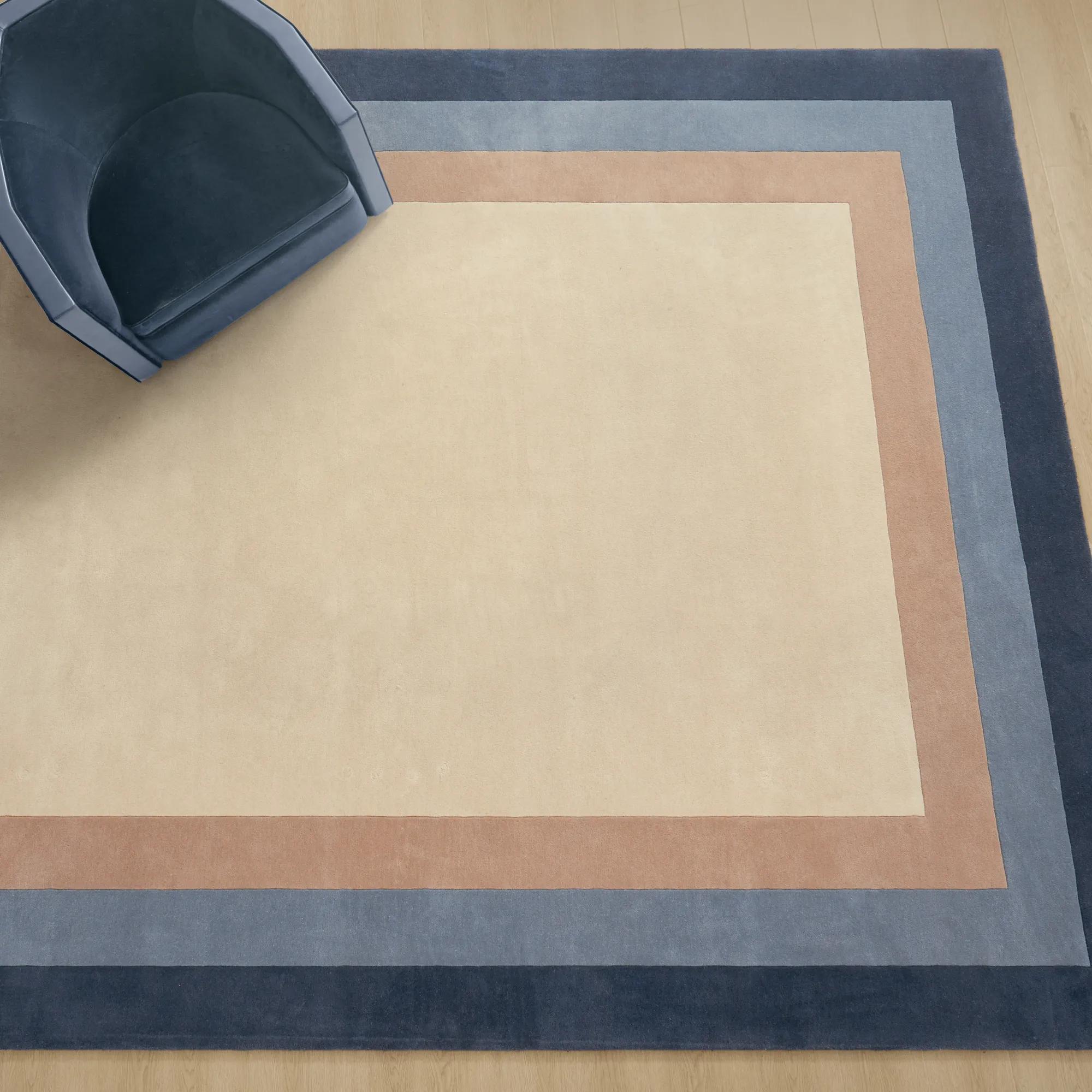 Bastien Hand-Tufted Blue/Taupe/Ivory Wool Border Rugs$1499
A hand-tufted wool rug featuring a bold color-blocked border in dusty blue, taupe, and ivory tones.
Add To Cart -
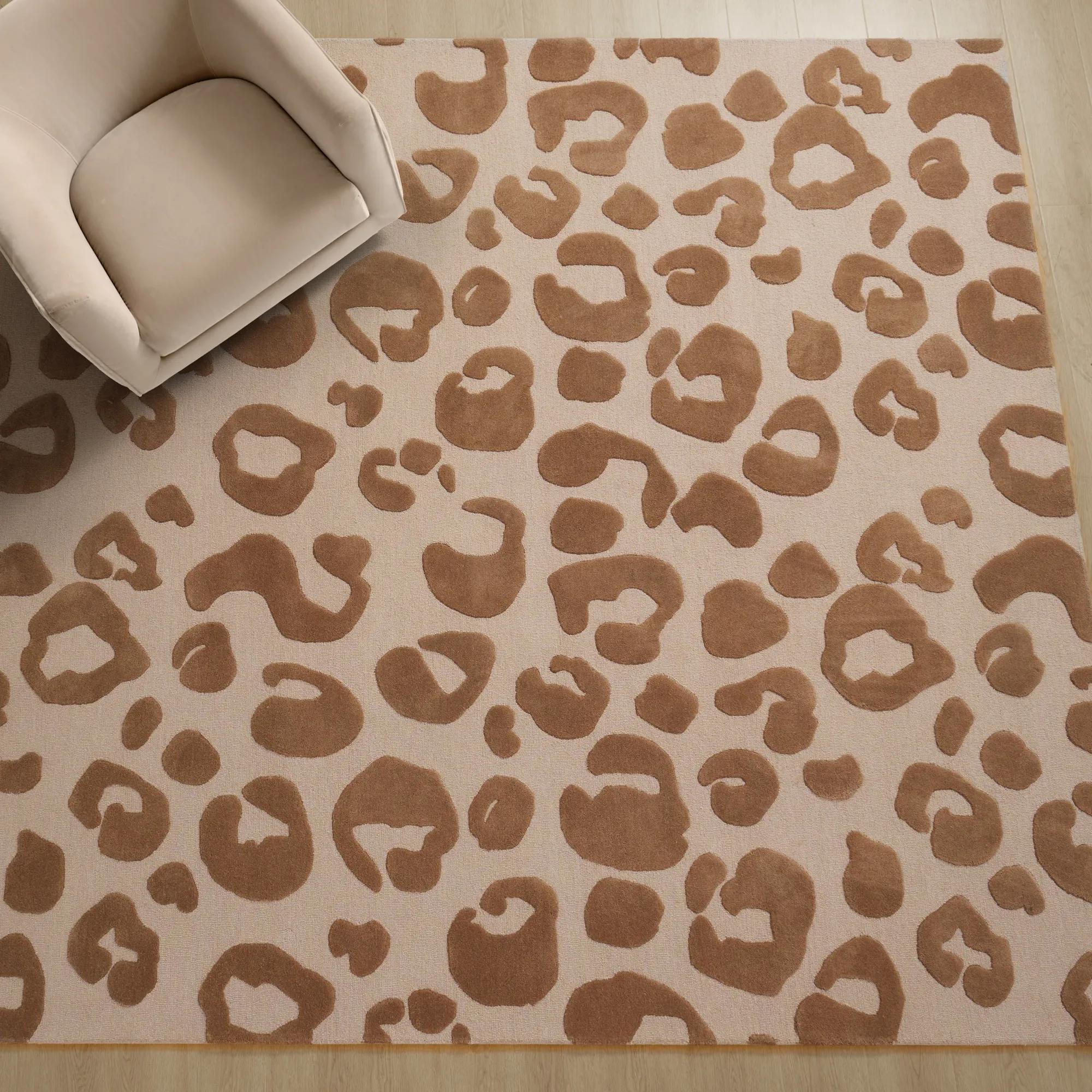 Pounce Hand-Tufted Tawny Brown Leopard Print Wool Rugs$499
A hand-tufted pure wool rug featuring a bold tawny brown leopard print and sculptural high-low texture.
Add To Cart -
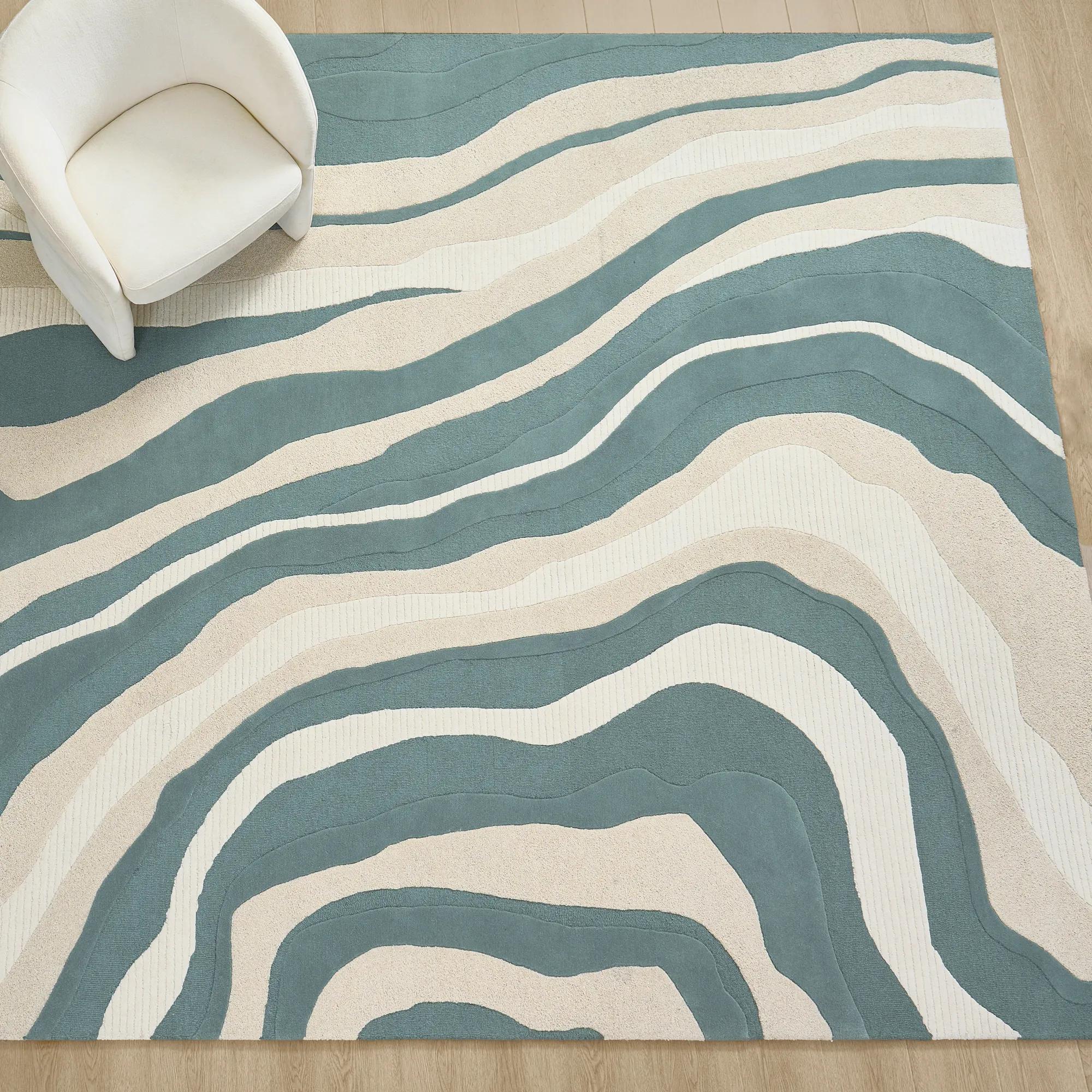 Kadence Hand-Tufted Sage Green/Ivory Wool Rugs$1499
A hand-tufted wool rug in deep sage green and ivory with a sculptural high-low abstract wave pattern.
Add To Cart -
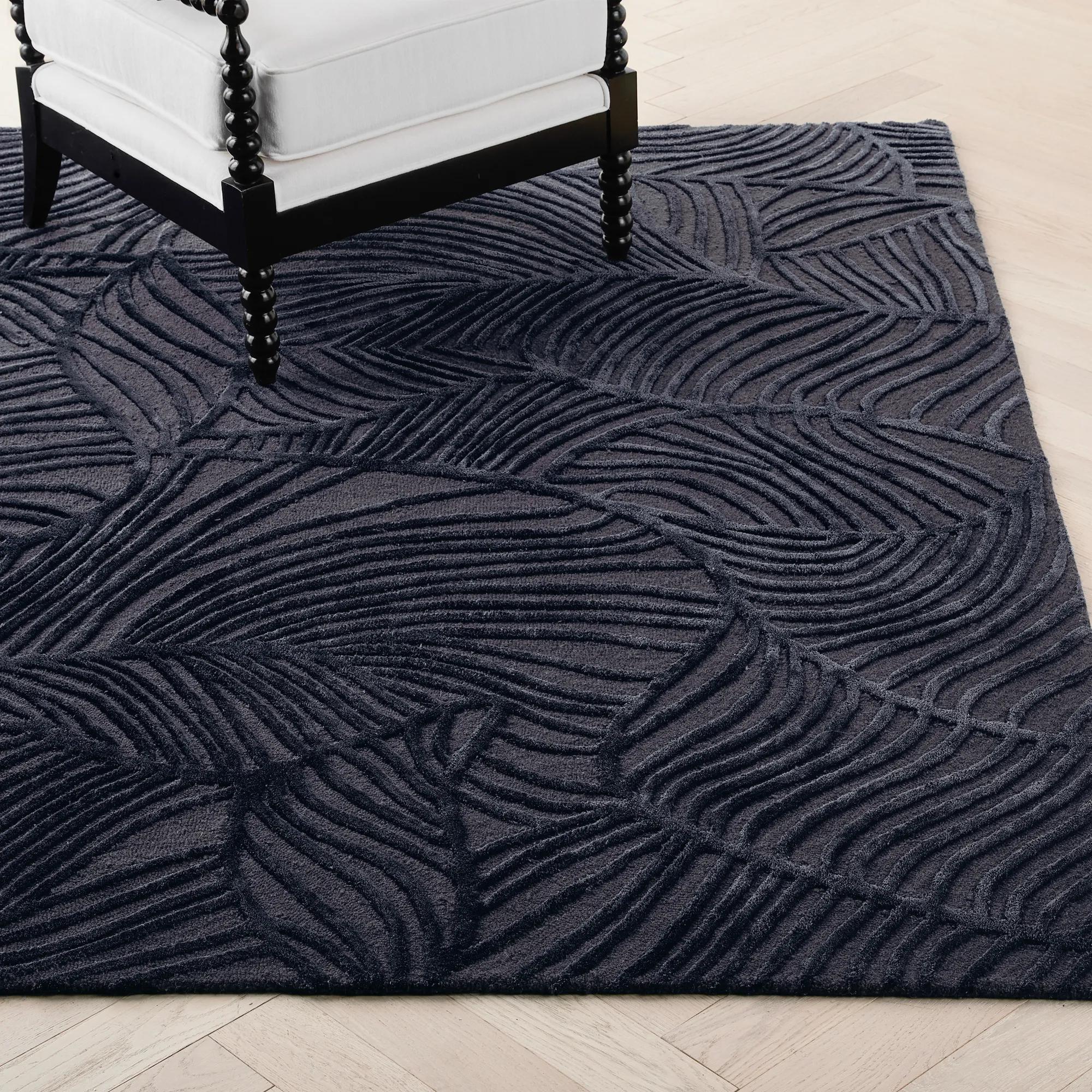
 Palm Rug - Charcoal$1499
A charcoal rug featuring a dynamic palm-leaf design with a textured high-low viscose and wool pile.
Add To Cart -
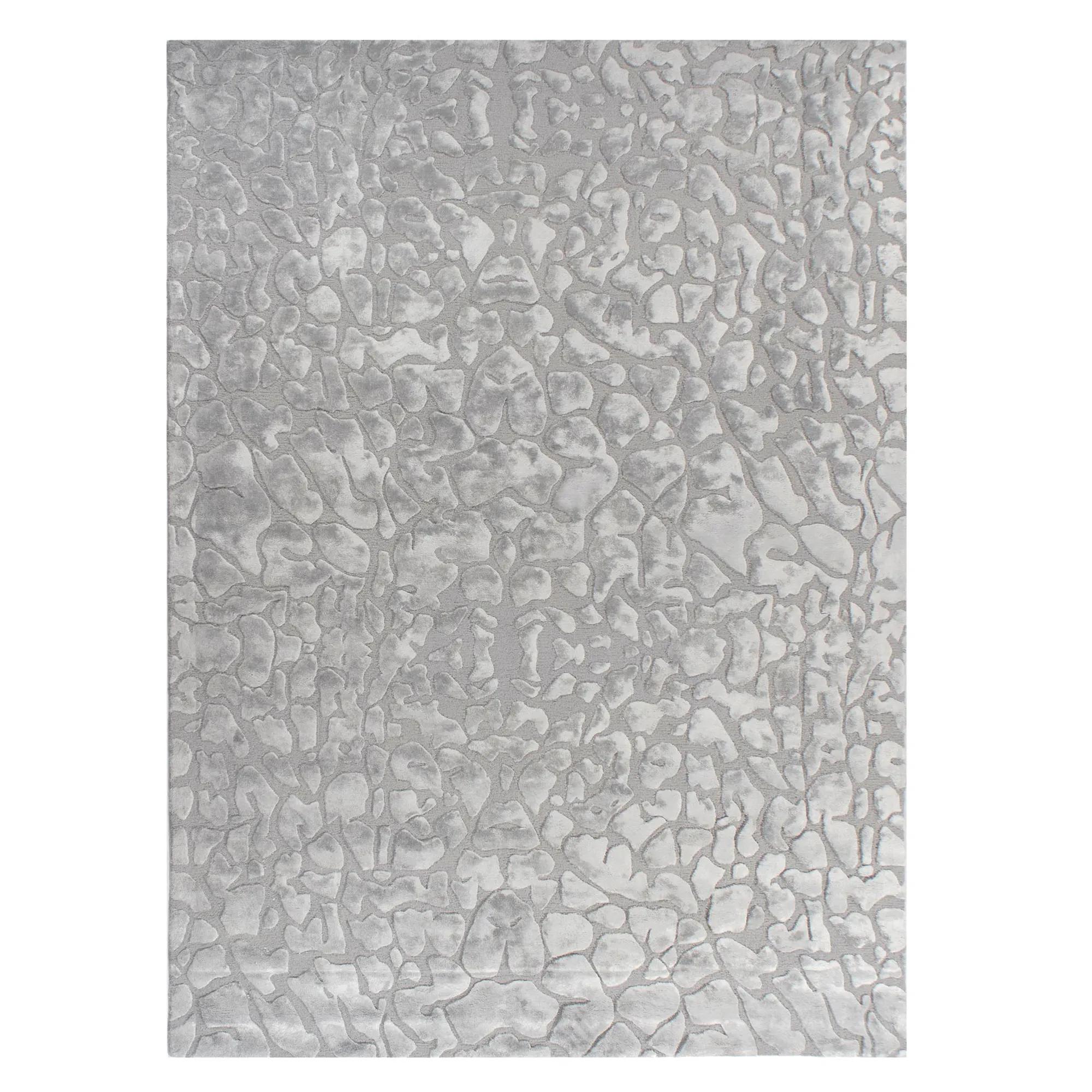
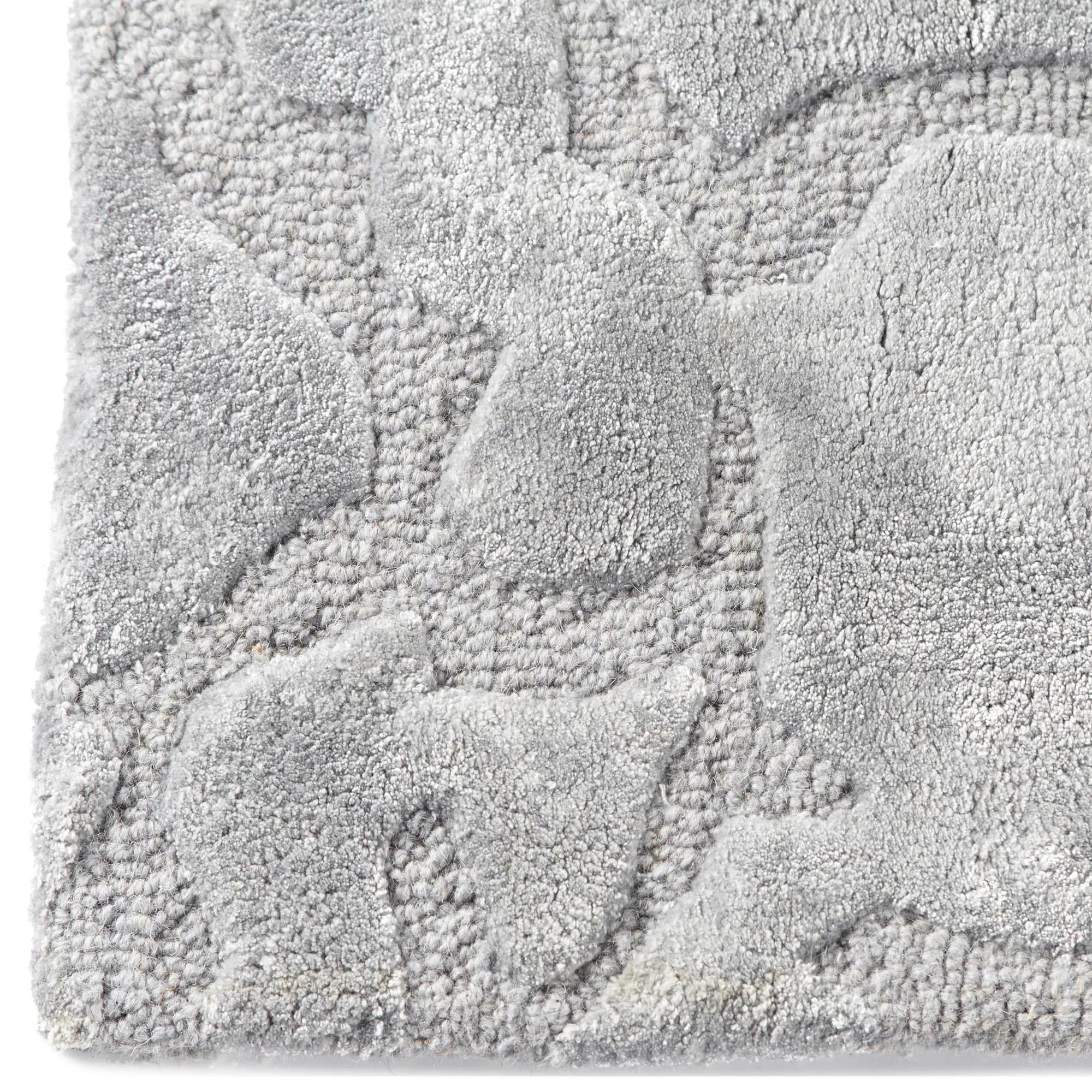 Nola Hand-Tufted Cool Grey Wool Blend Rug$849
A hand-tufted silver rug with contrasting pile heights, crafted from wool and viscose for plush texture.
Add To Cart -
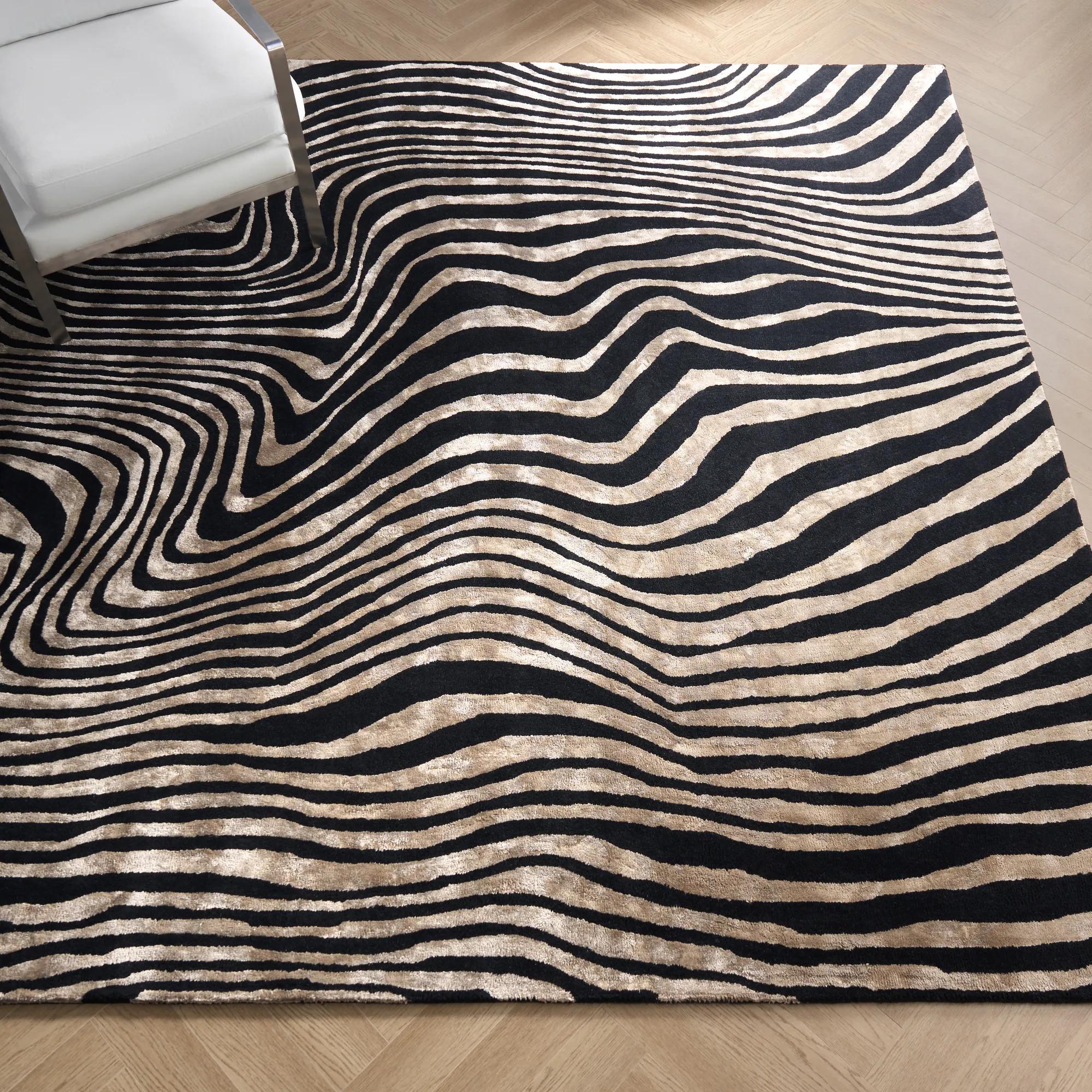
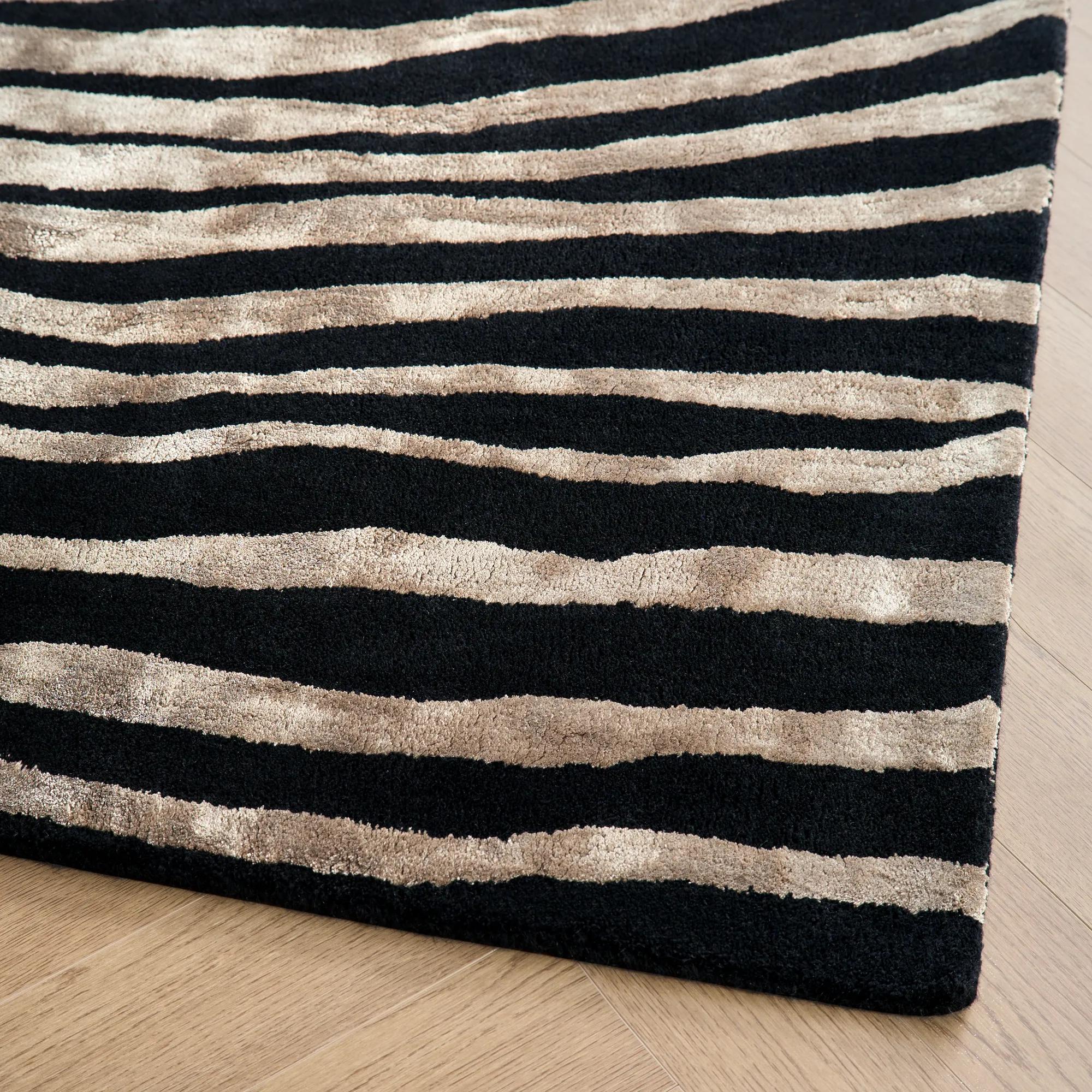 Abstract Zebra Hand-Tufted Black/Taupe Wool Blend Rug$599
An artisan hand-tufted rug in black and taupe wool-viscose, featuring a striking abstract zebra pattern.
Add To Cart -
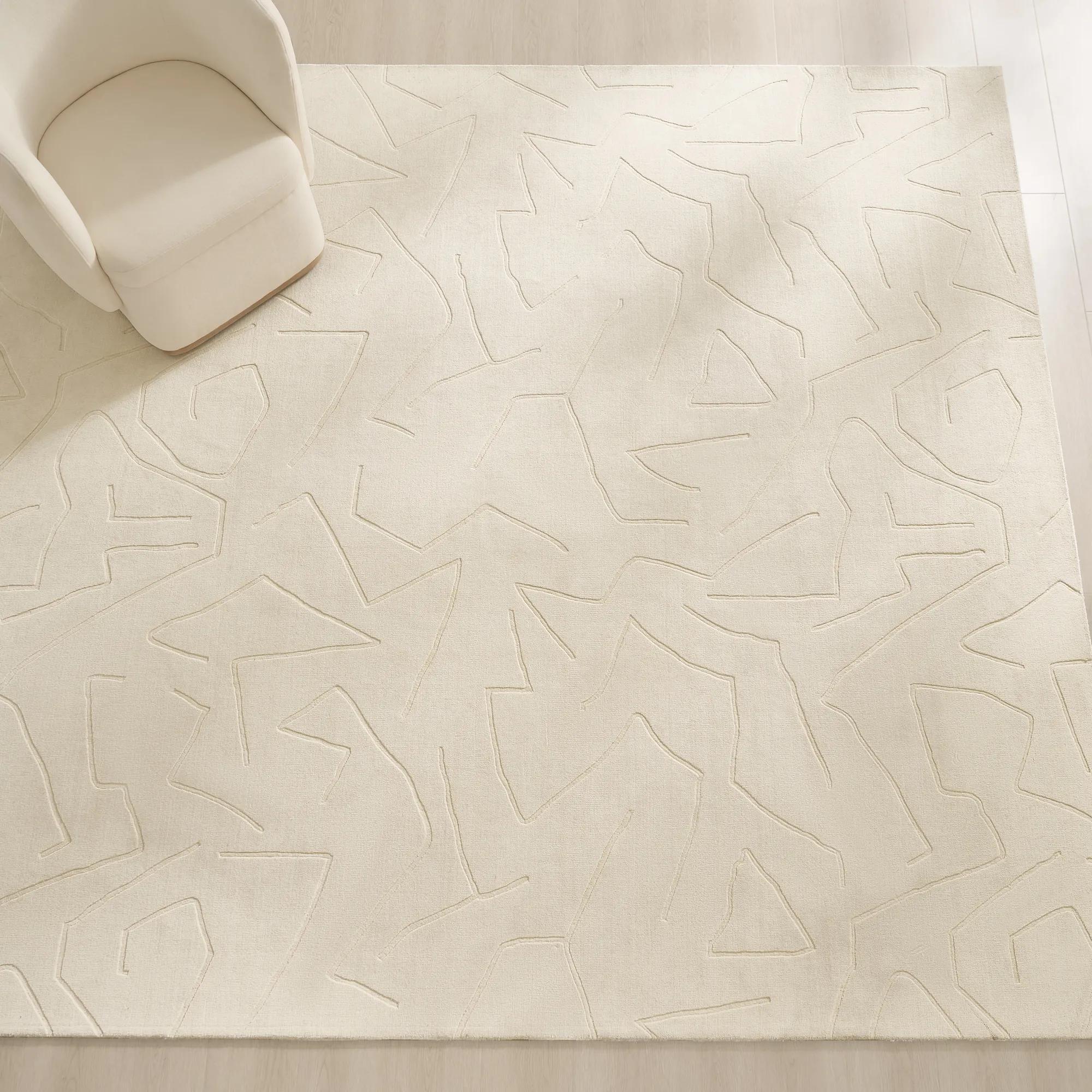 Carved Maze Ivory Hand-Loomed Wool Blend Rug$699
A hand-loomed ivory wool-blend rug featuring a carved maze pattern for modern, textural appeal.
Add To Cart -
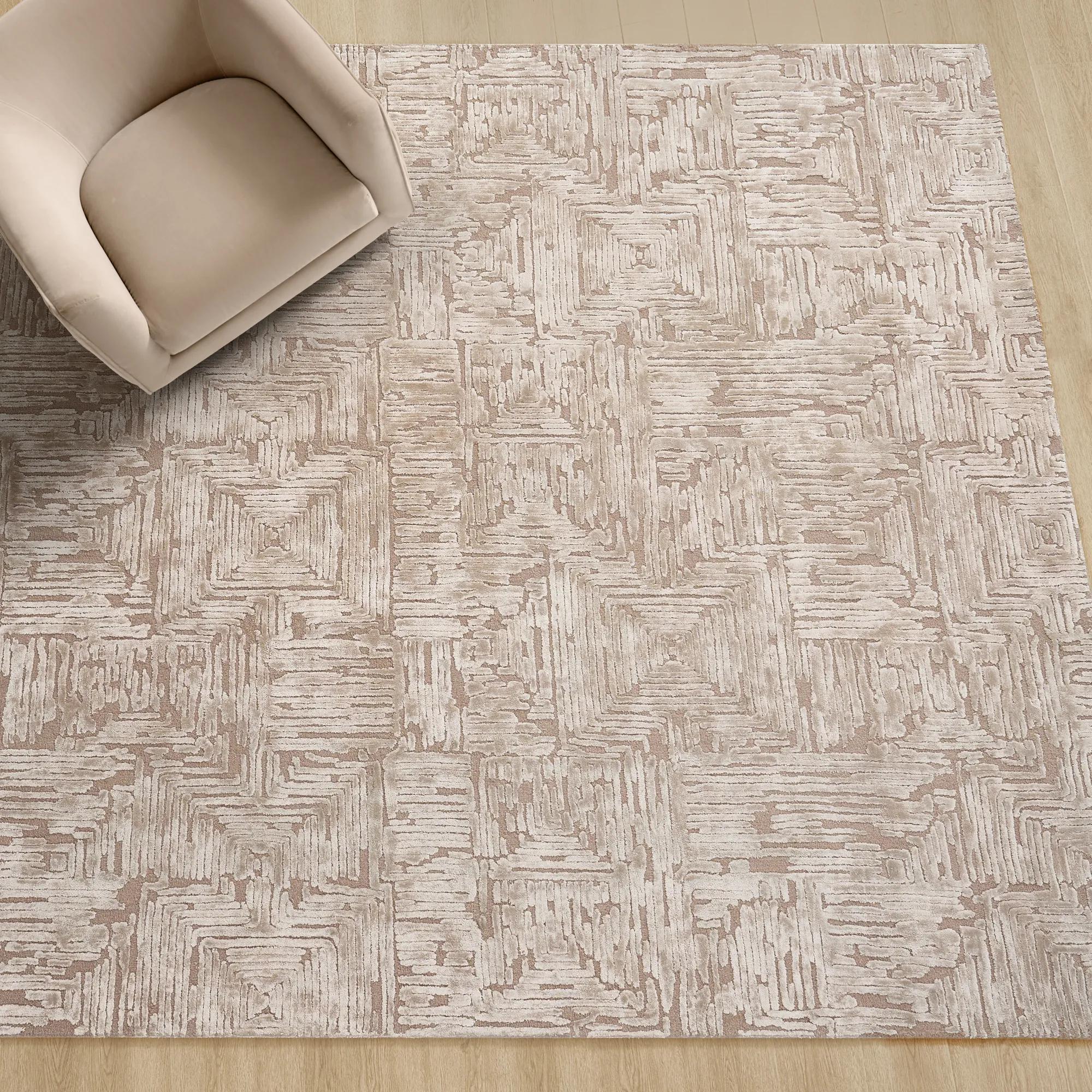
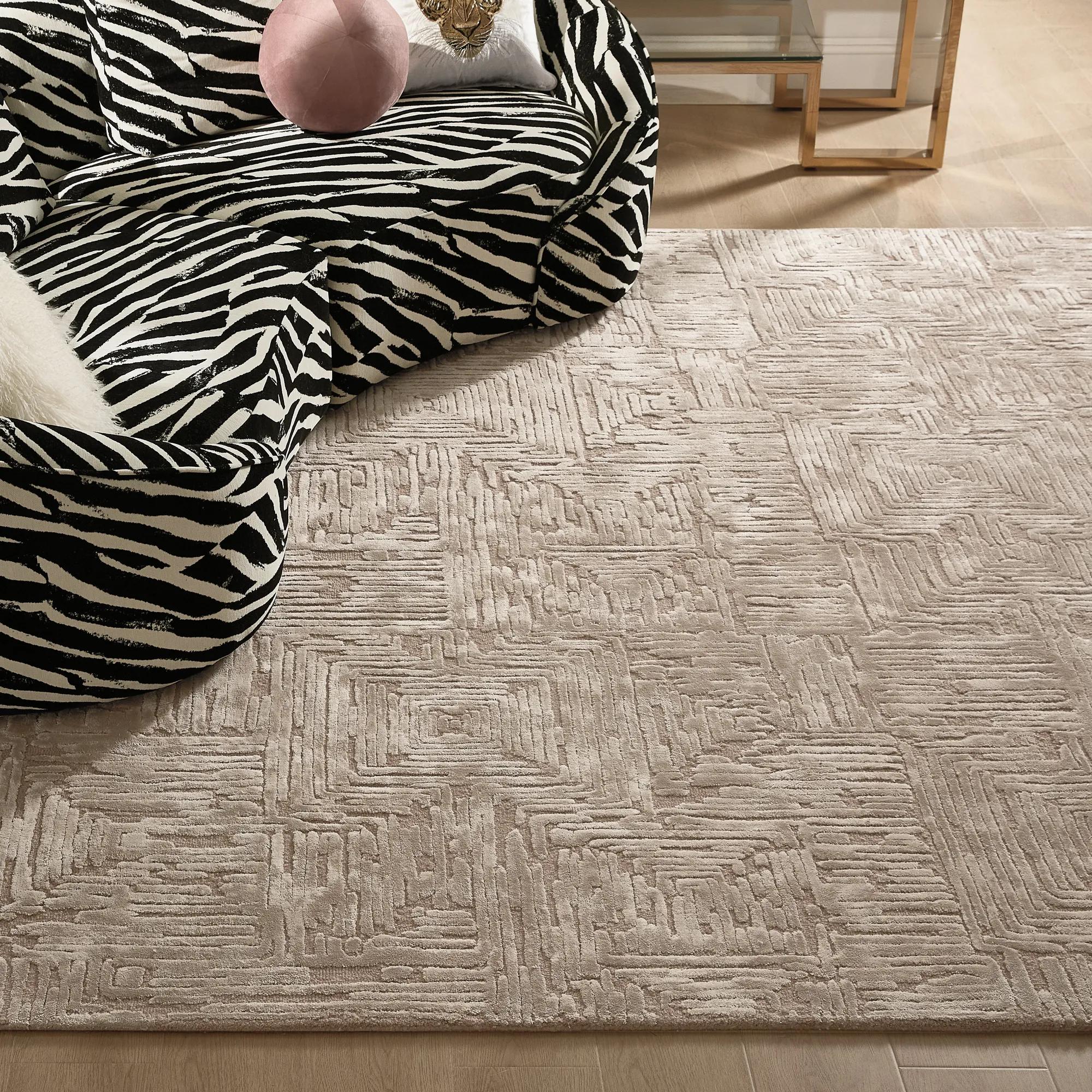 Andra Hand-Tufted Mocha Rose Viscose & Wool Dimensional Rugs$1499
A hand-tufted viscose and wool rug in mocha rose, featuring a dimensional geometric pattern and soft sheen.
Add To Cart -
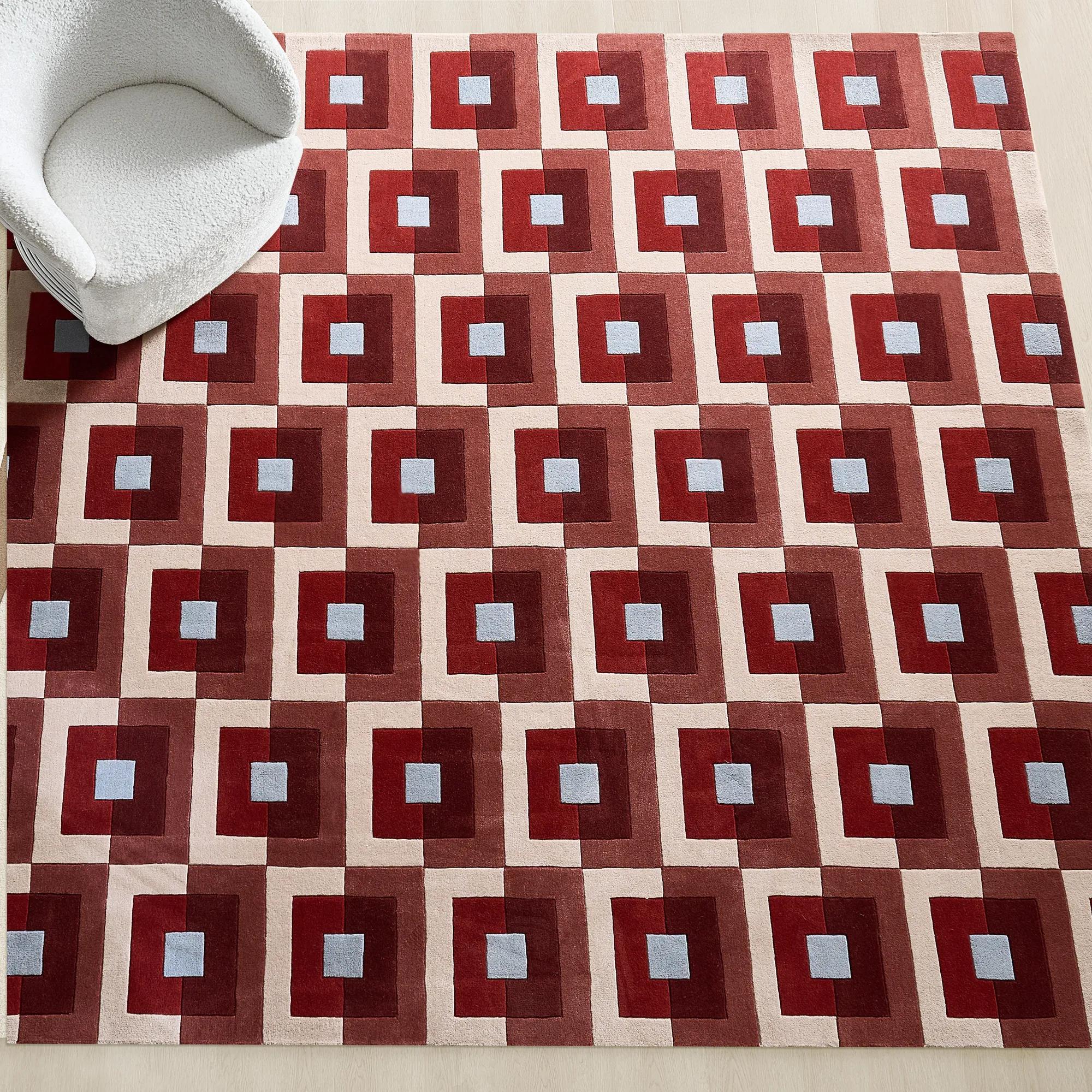
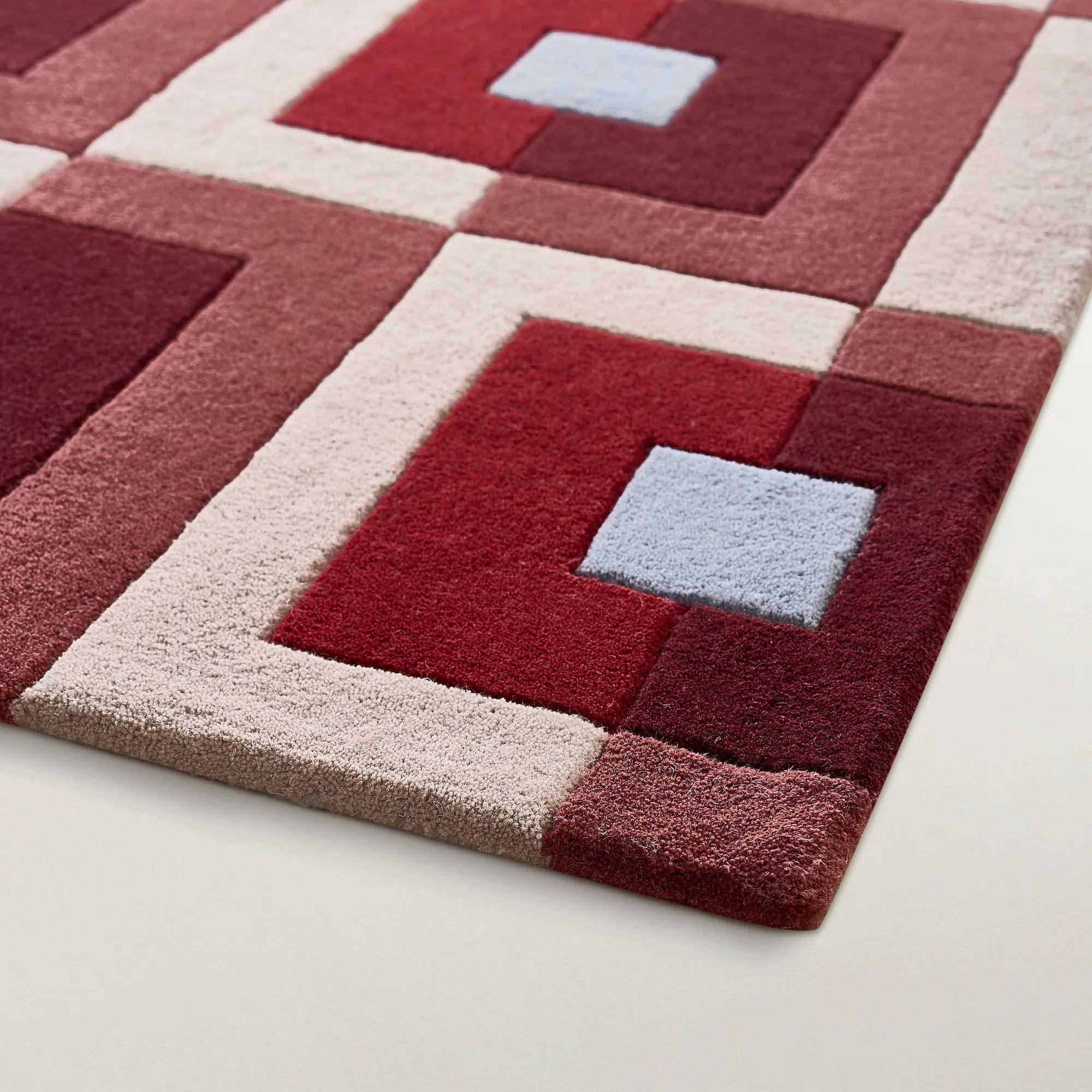 Geo Pop Wool Rug - Oxblood Red/Airy Blue$599
A geometric wool rug combining oxblood red and airy blue for a bold, modern statement.
Add To Cart -
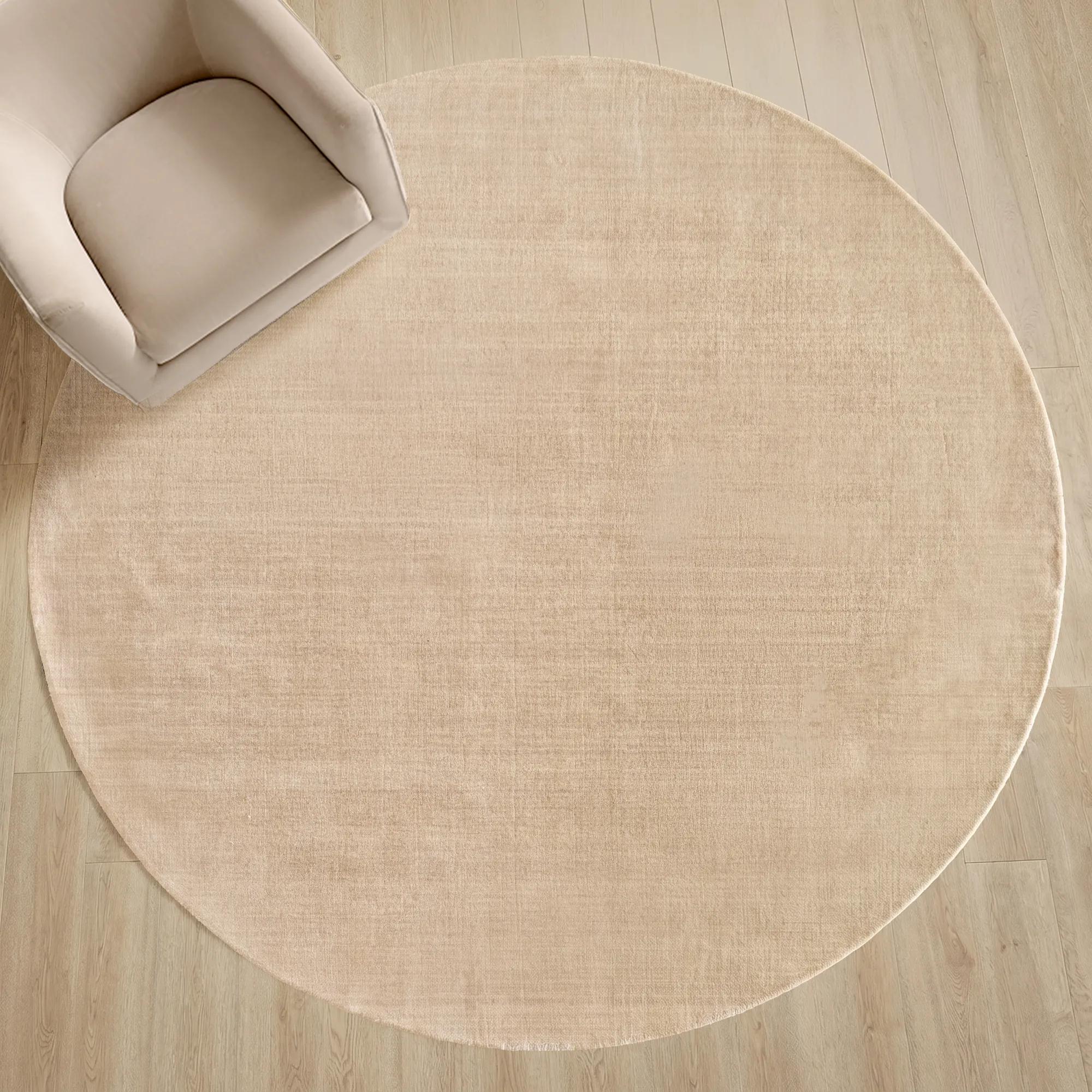 Juni Hand Woven Heathered Warm Beige Round Rug$1399
A handwoven round wool rug in heathered warm beige, offering refined texture and everyday durability.
Add To Cart -
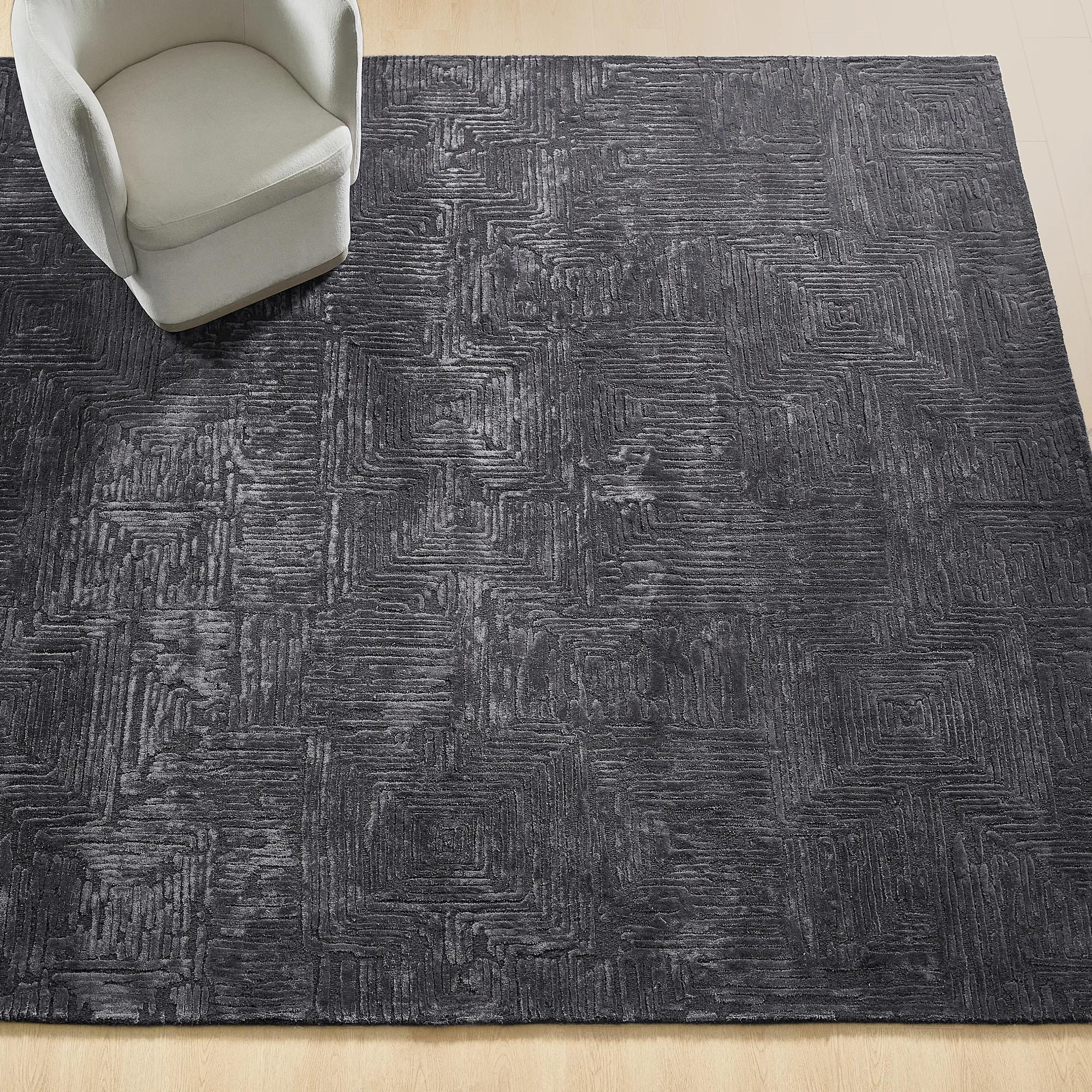
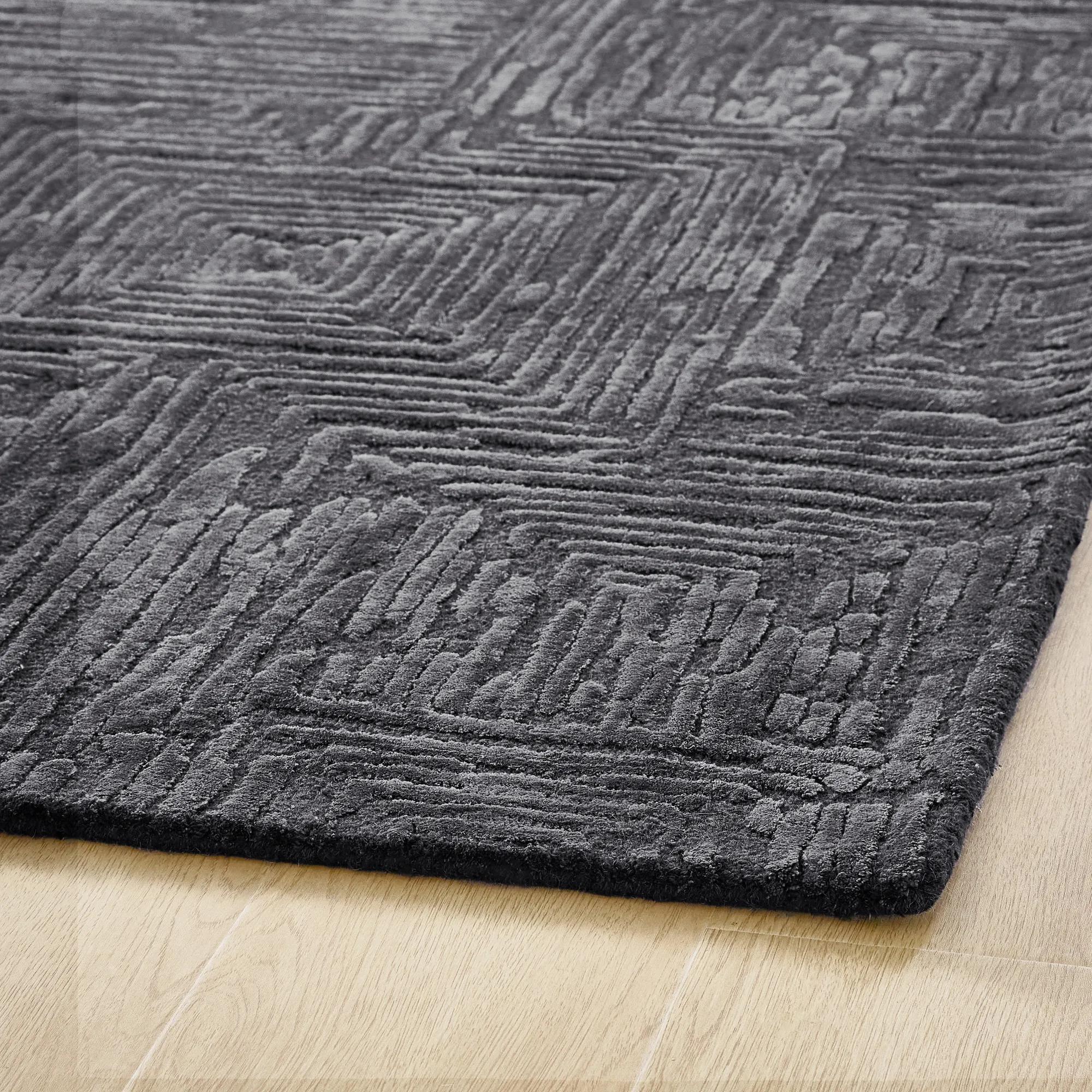 Andra Charcoal Hand-Tufted Wool Blend Dimensional Rug$1499
A hand-tufted viscose-wool rug in rich charcoal with a sculptural, dimensional pattern and plush texture.
Add To Cart -
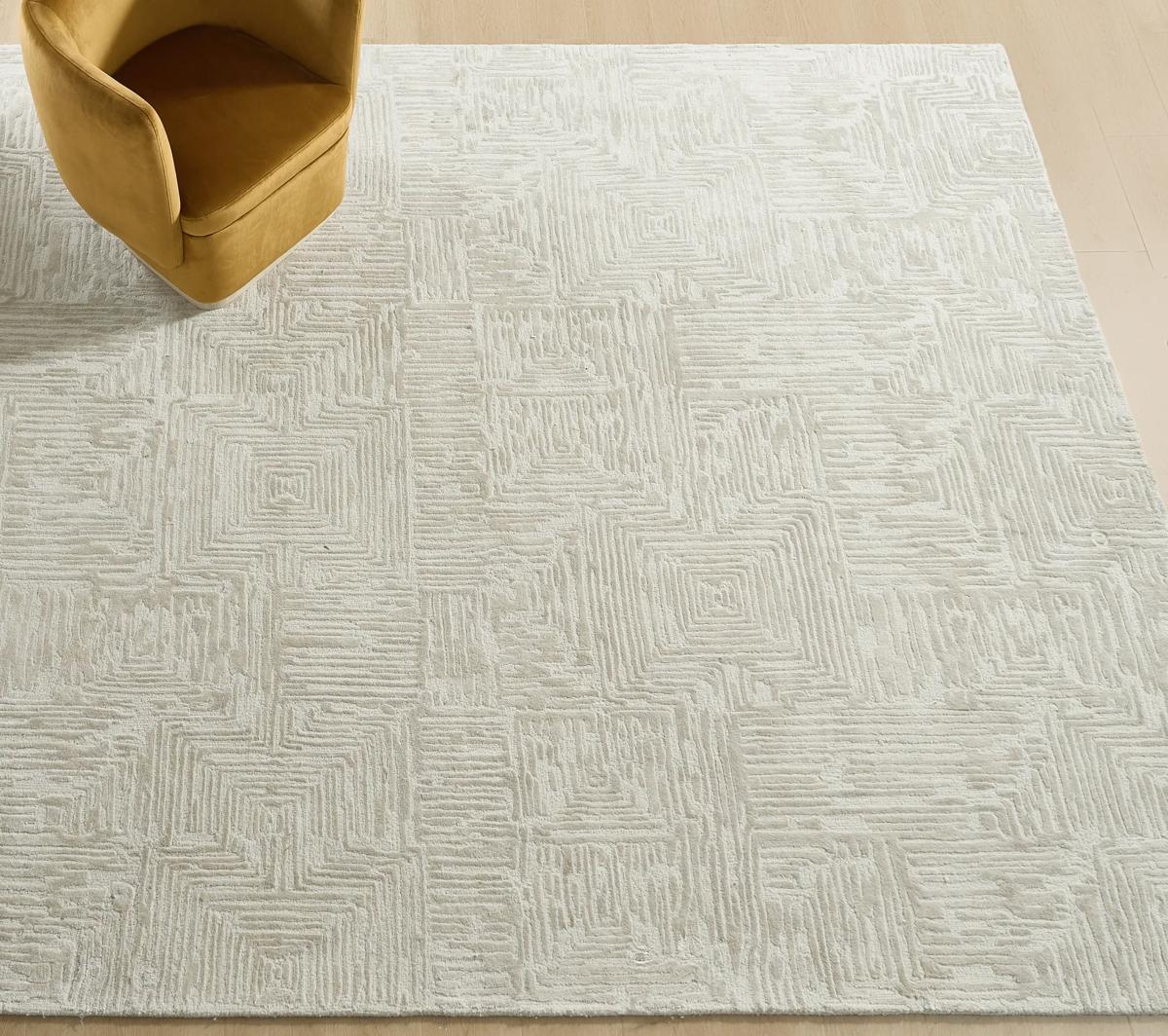 Andra Ivory Hand-Tufted Wool Blend Dimensional Rug$1499
A hand-tufted ivory rug in a viscose-wool blend with raised detailing and a subtle sheen.
Add To Cart -
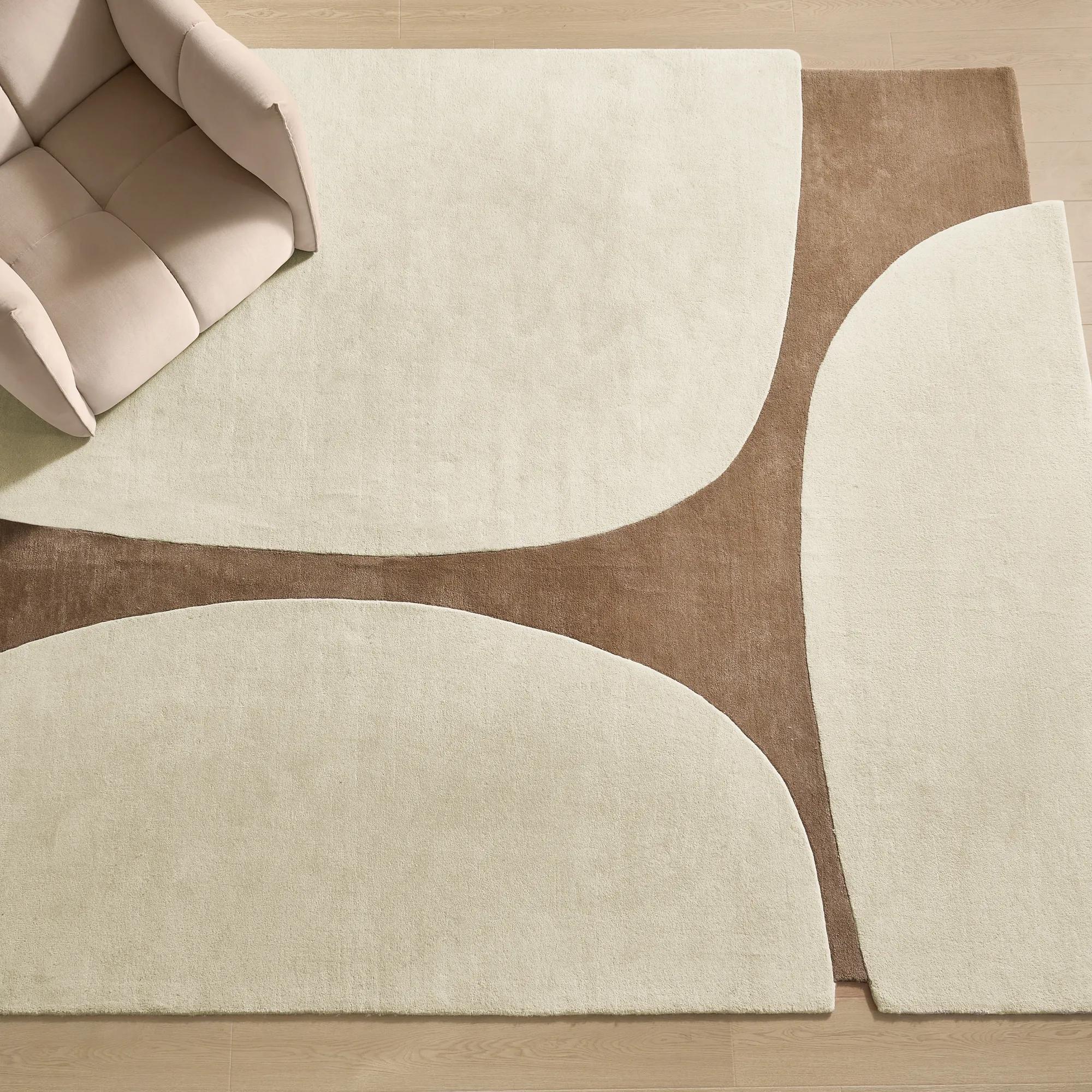
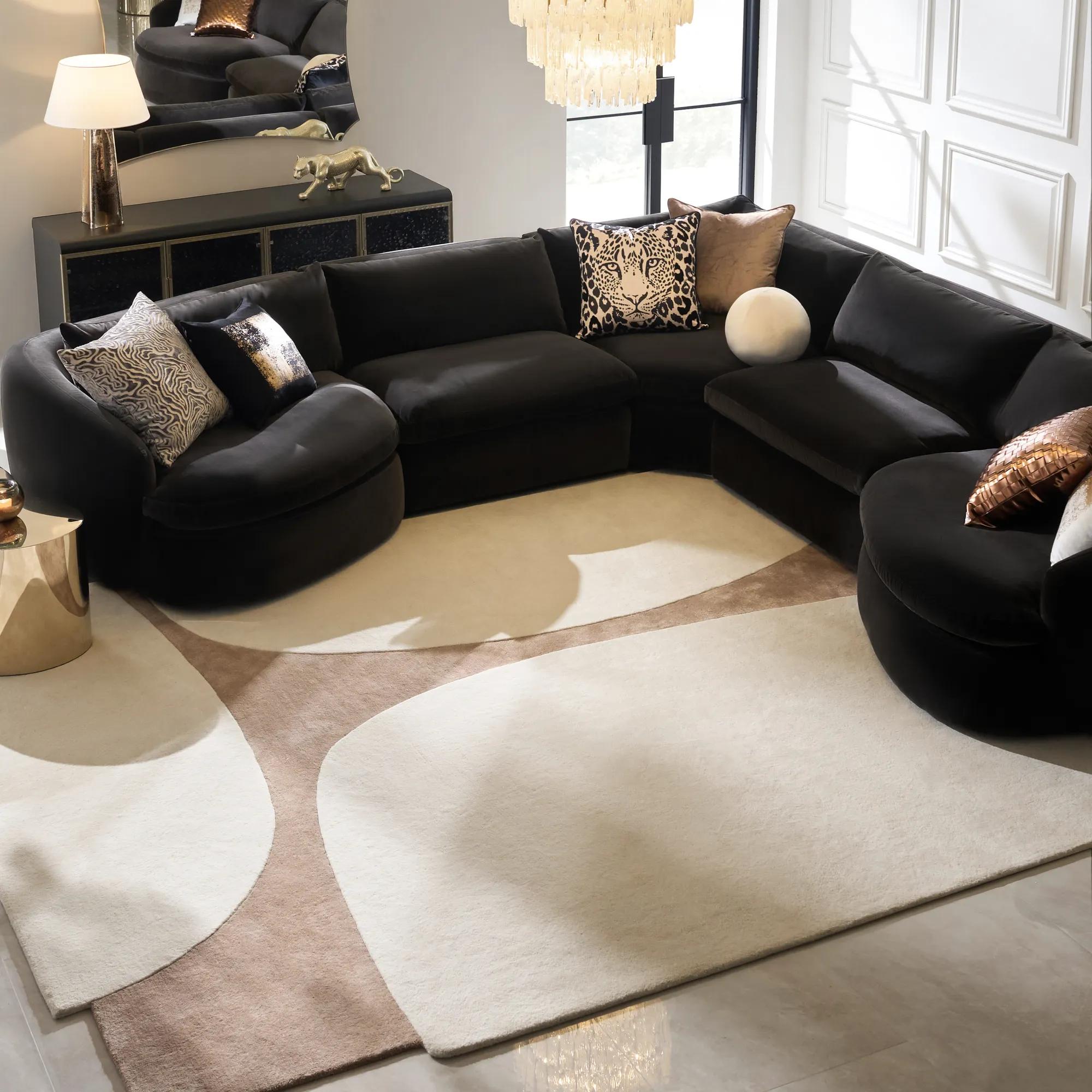 Contour Hand-Tufted Ivory/Ginger Root Wool Blend Rug$1499
A hand-tufted wool rug featuring an ivory and ginger root palette with a contoured, modern design.
Add To Cart -
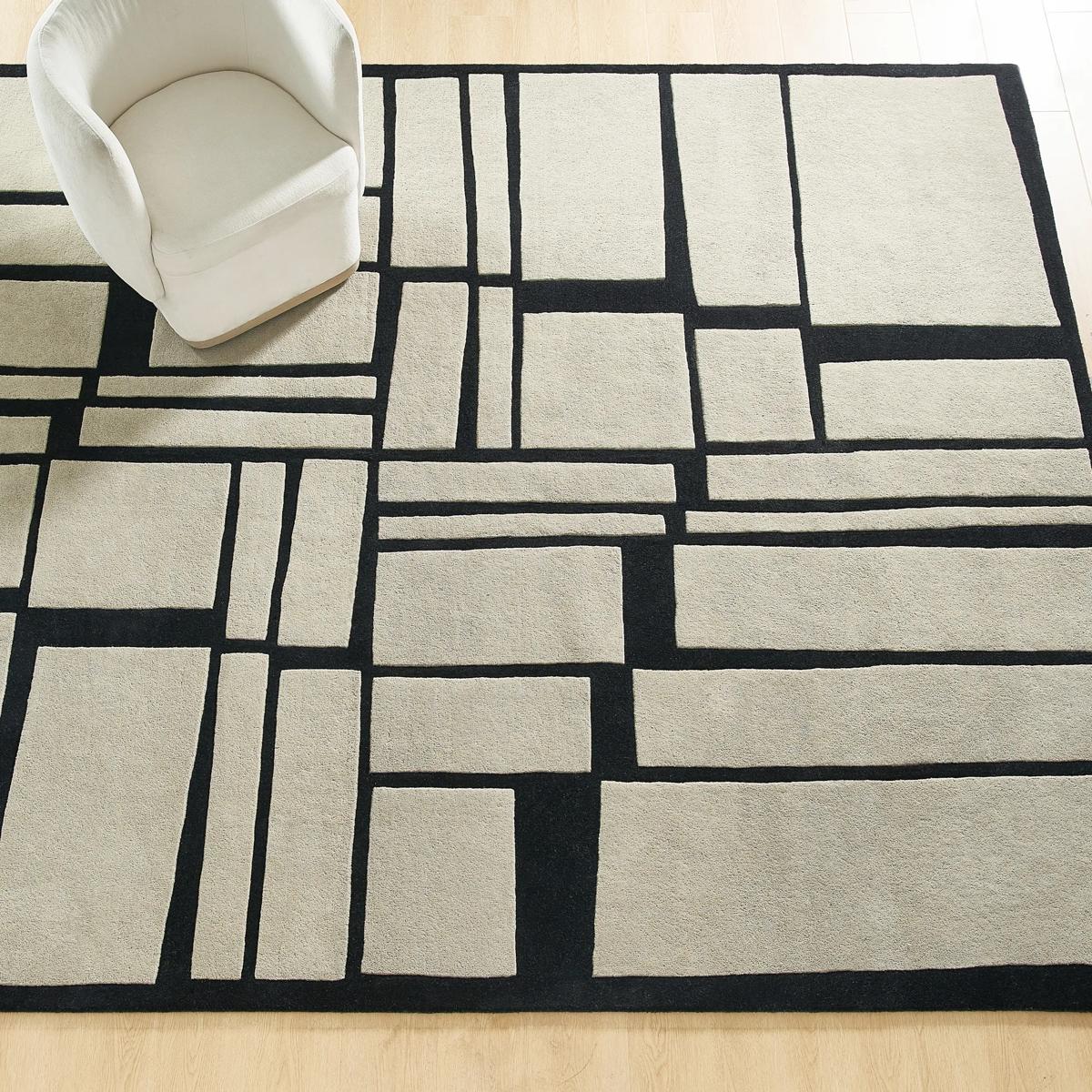 Novak Hand-Tufted Natural/Black Wool Rug$449
A hand-tufted wool rug featuring a bold black and natural grid design for modern visual impact.
Add To Cart -
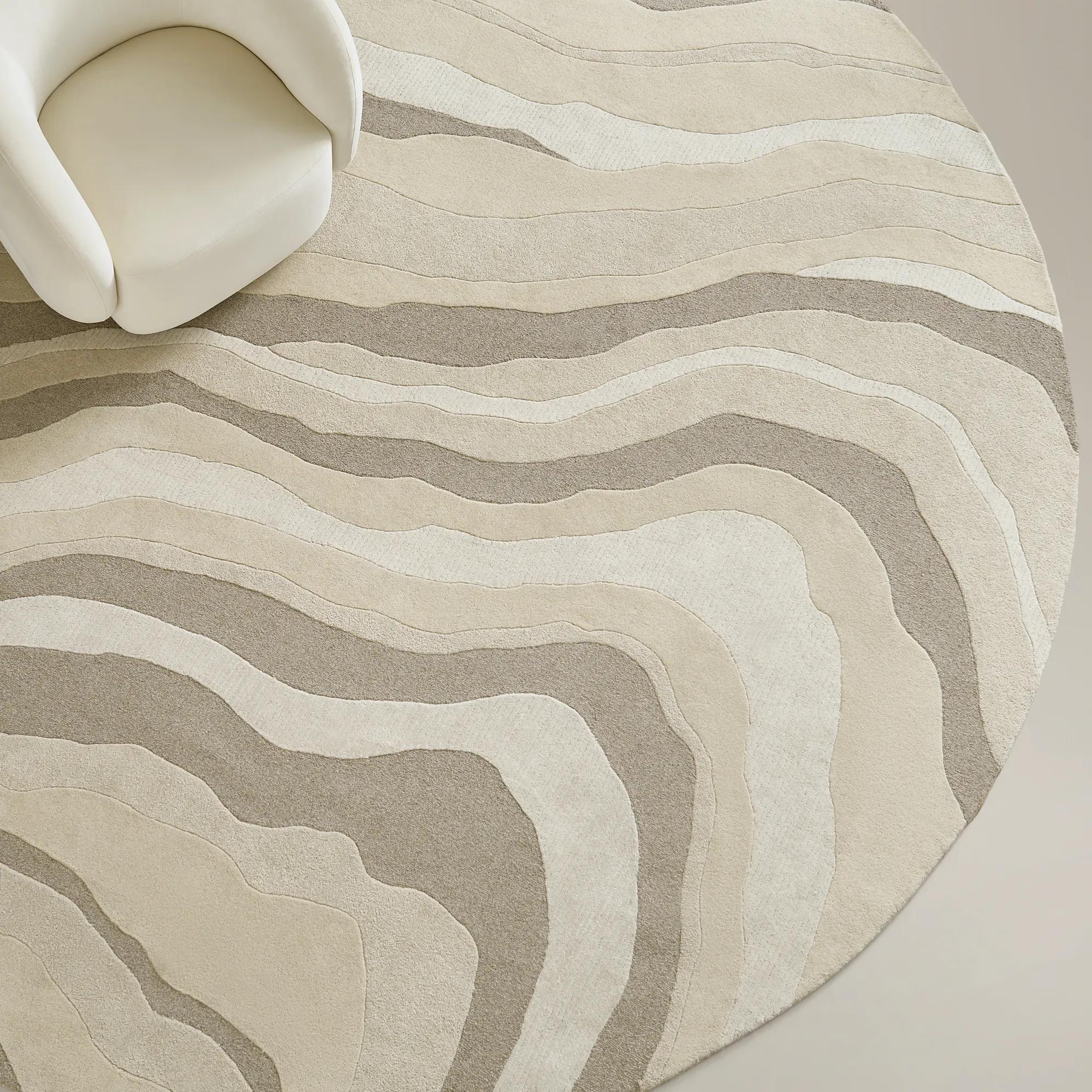 Kadence Hand-Tufted White/Ivory/Tan Wool Round Rug 12"$1799
A hand-tufted round rug in white, ivory, and tan, crafted from 100% wool for natural warmth.
Add To Cart -
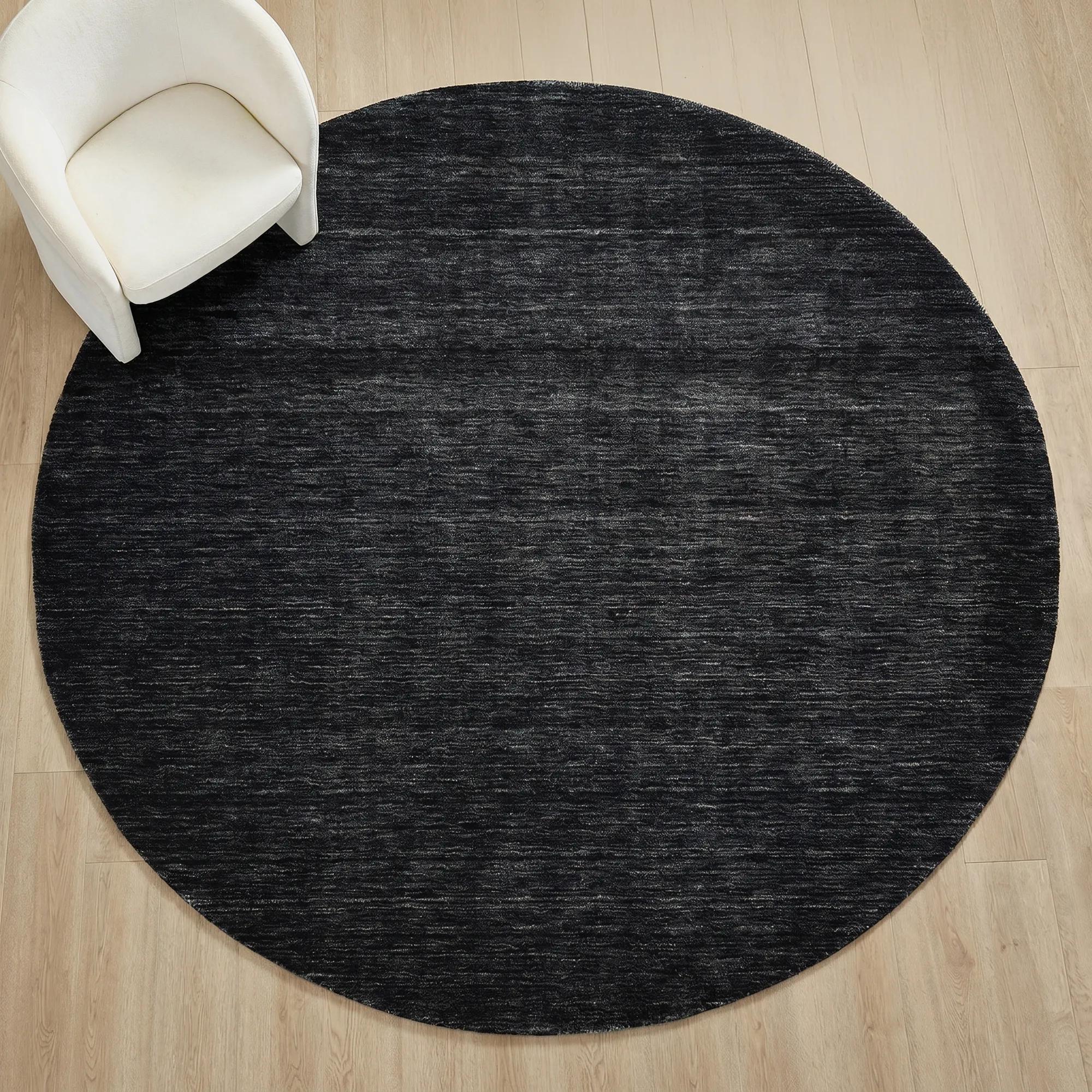 Juni Hand Woven Heathered Black Rug$799
A handwoven round wool rug in heathered black, offering durable texture and moody, contemporary style.
Add To Cart -
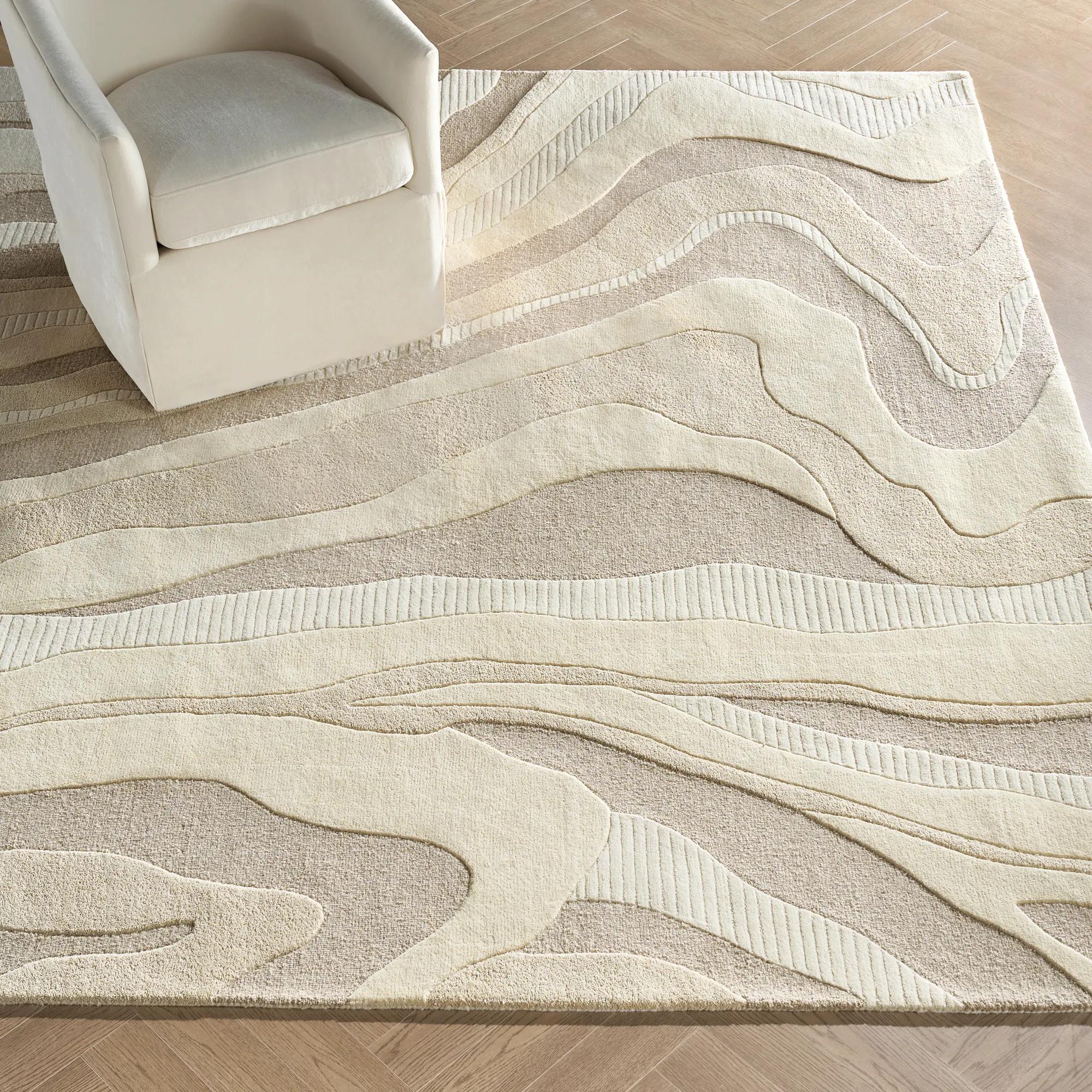 Kadence Hand-Tufted Ivory/Tan Wool Rug$499
A hand-tufted wool rug featuring a multi-textured swirl design in ivory and tan for elegant depth.
Add To Cart -
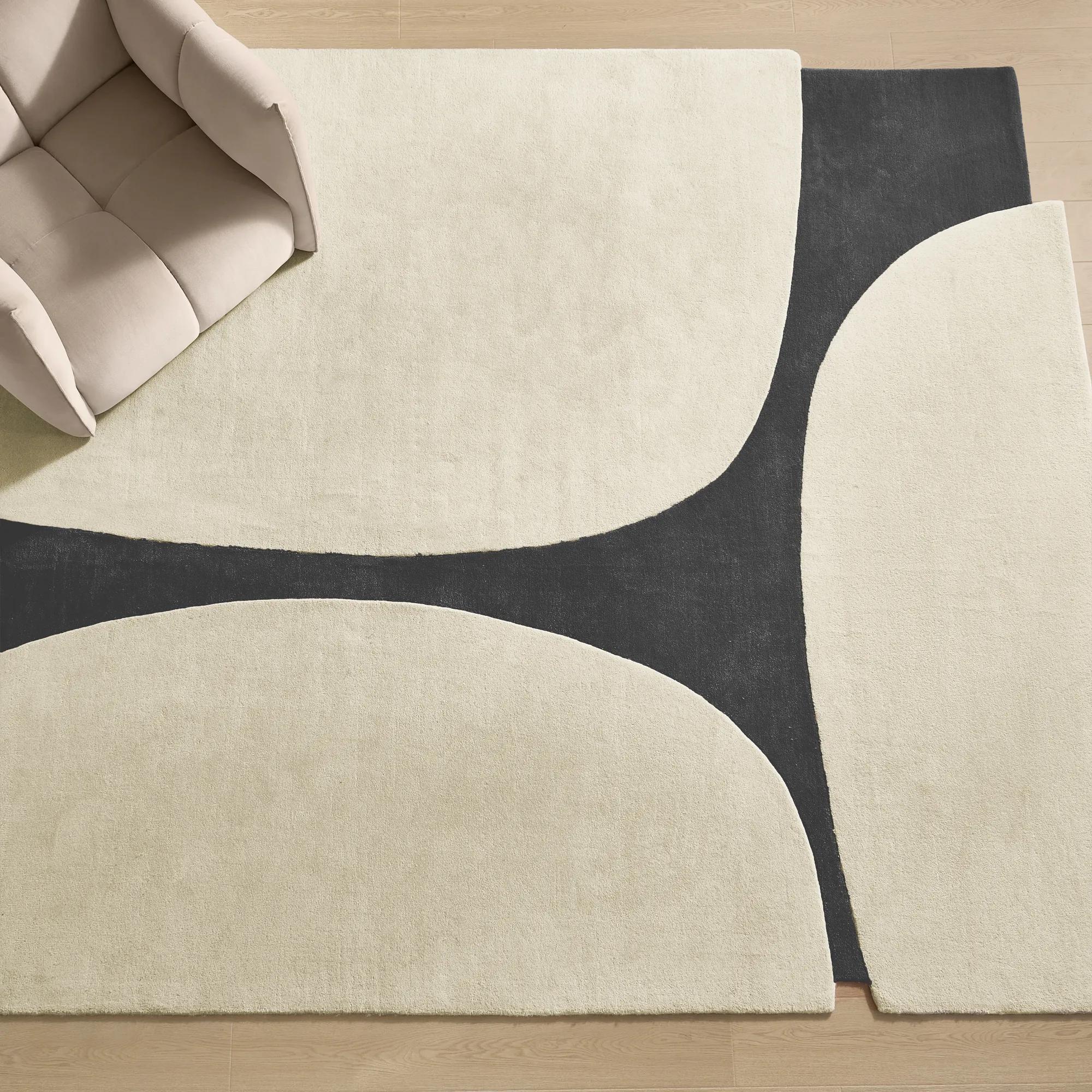 Contour Hand-Tufted Ivory/Charcoal Wool & Viscose Rugs$1499
An artfully shaped hand-tufted rug featuring high-low texture in warm ivory and charcoal wool-viscose blend.
Add To Cart -
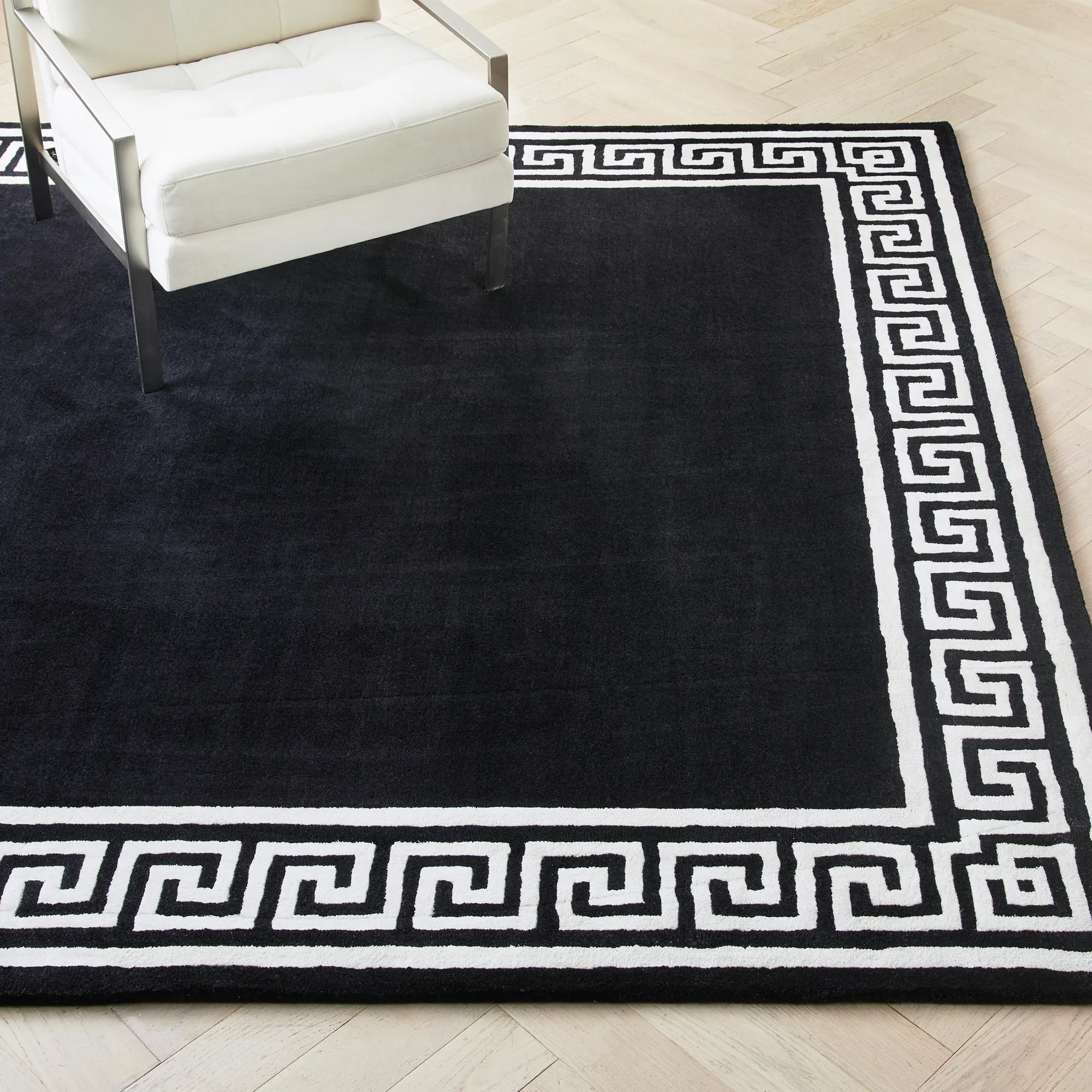
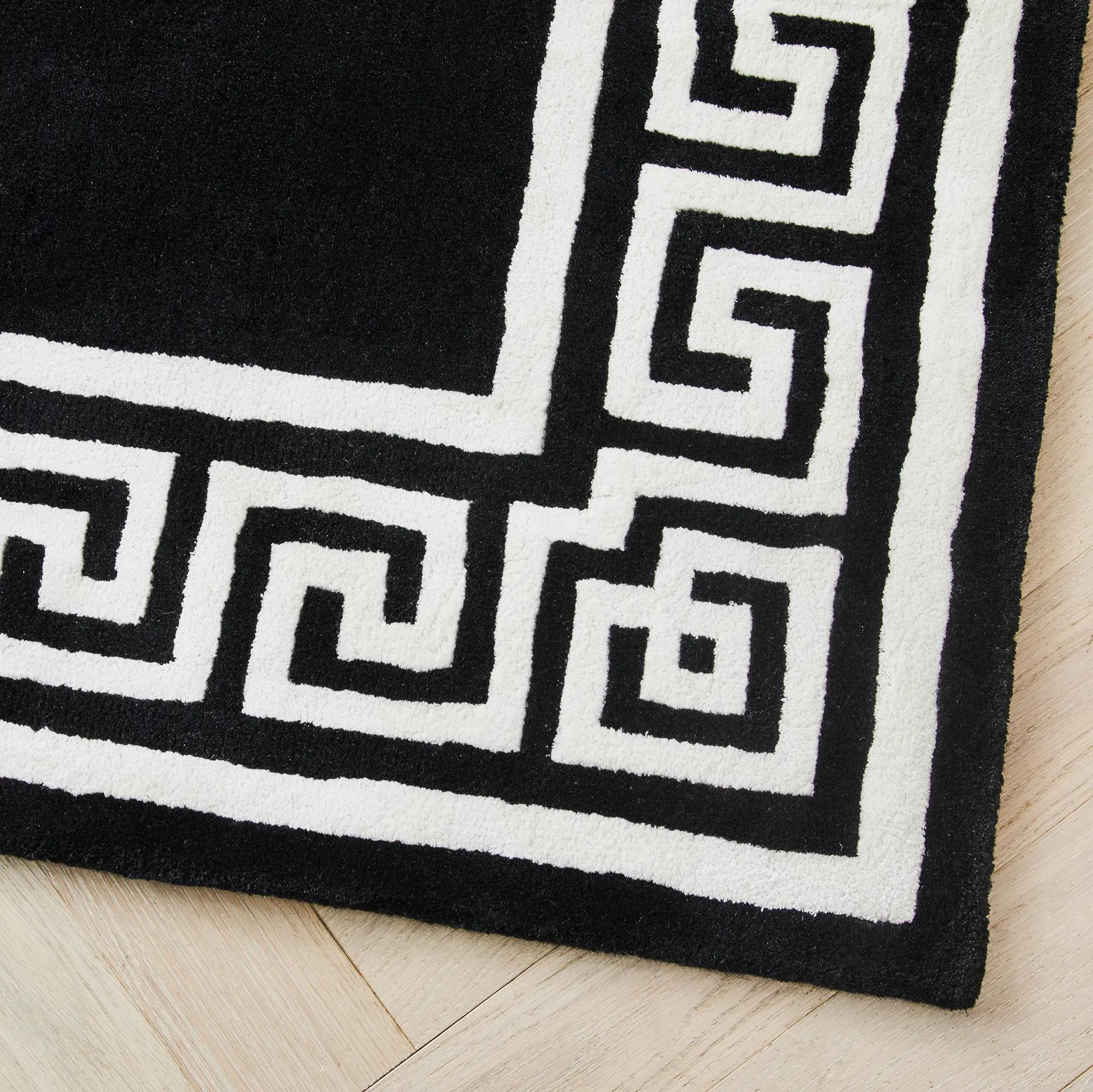 Greek Key Rug - Black/Ivory$1199
A hand-tufted black and ivory rug featuring a classic Greek key pattern in wool and viscose.
Add To Cart -
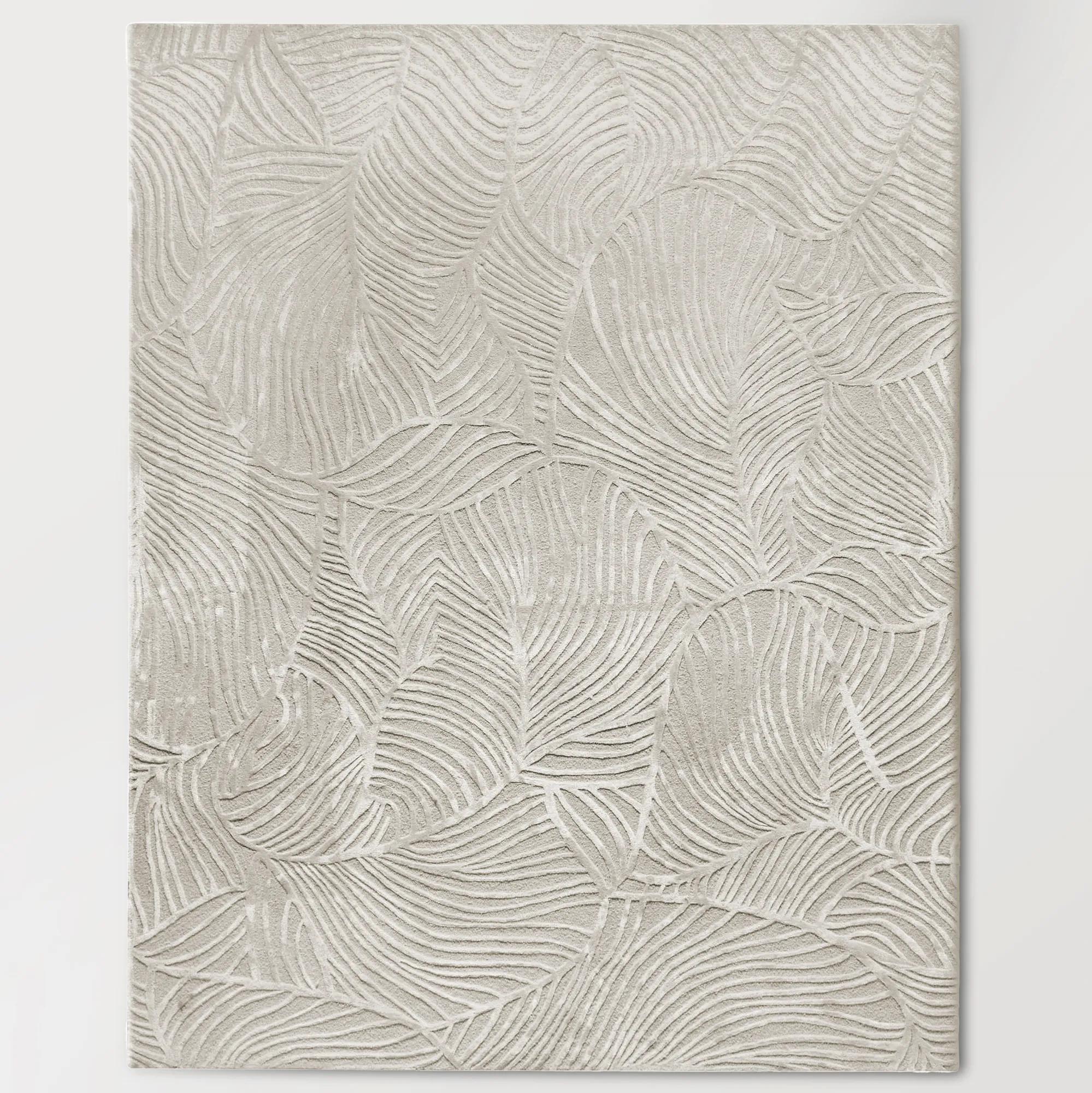 Palm Hand-Tufted Ivory Wool Blend Rug$1499
An ivory rug featuring a dynamic palm-leaf design with high-low pile in viscose and wool.
Add To Cart -
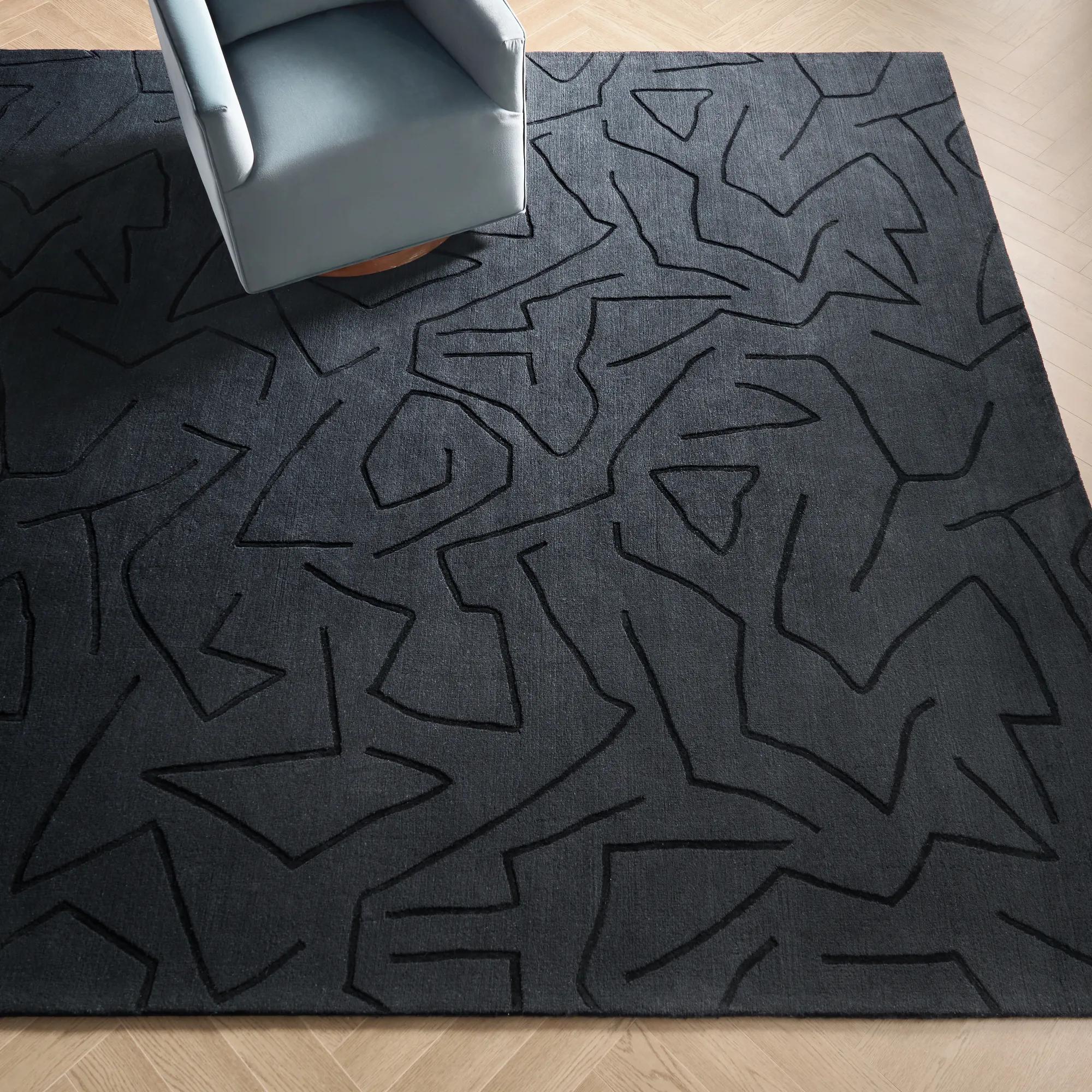 Carved Maze Rug$1399
A hand-loomed black rug crafted from wool and viscose, featuring a carved, textured maze design.
Add To Cart -
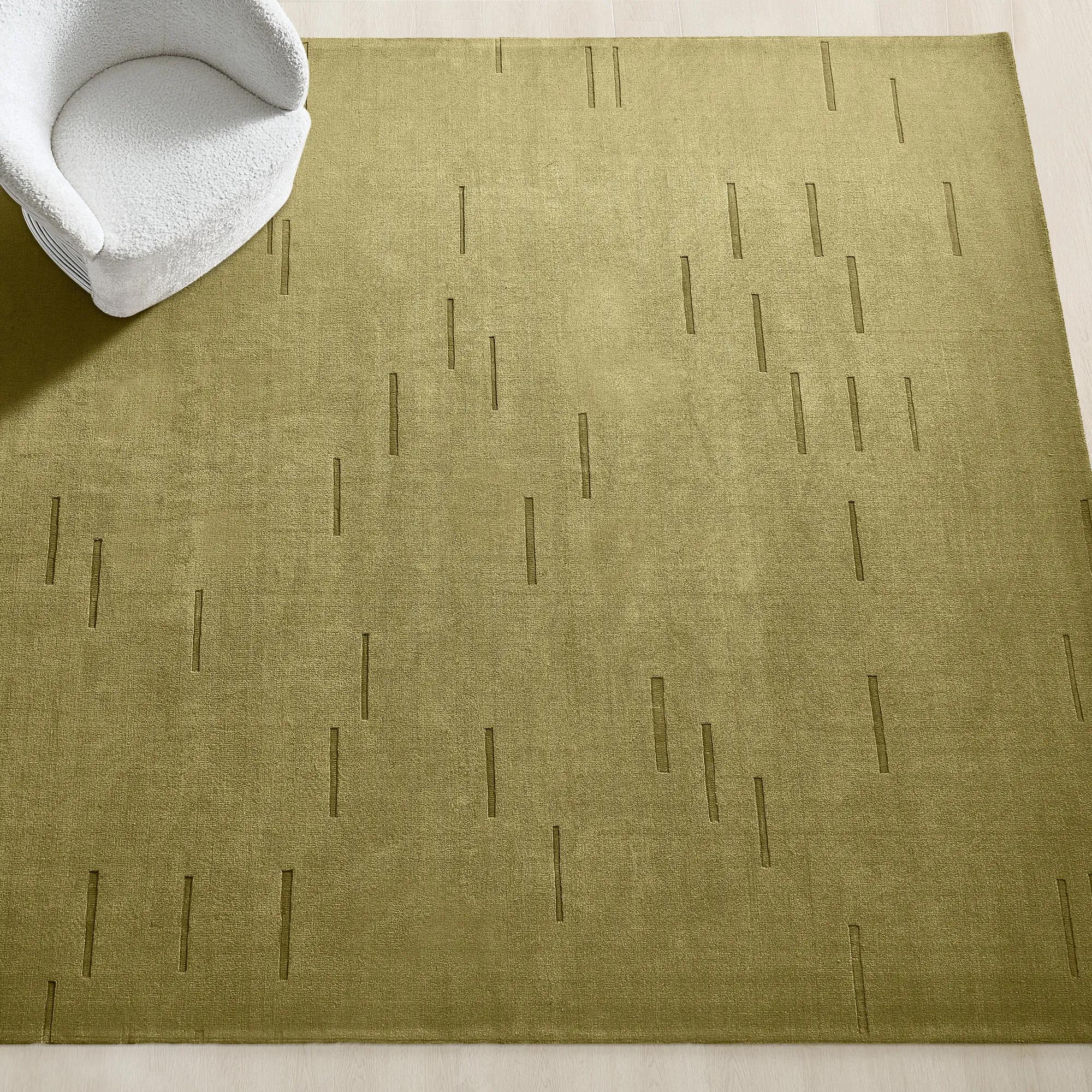
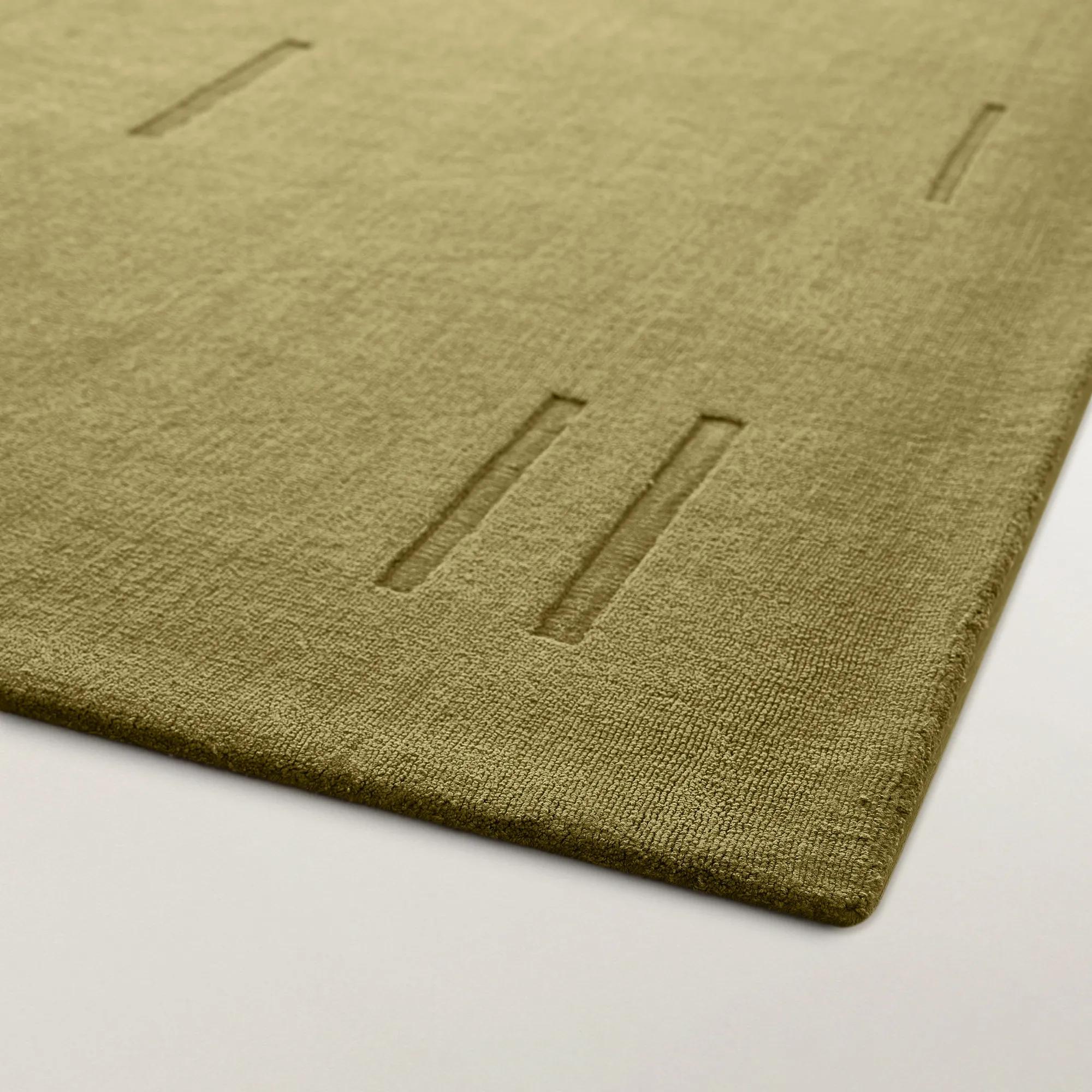 Lamita Muted Olive Green Wool Blend Rug$699
A muted olive green wool-blend rug bringing soft texture and understated sophistication to modern interiors.
Add To Cart

Wool Rugs For Hardwood Floors
Wool rugs for hardwood floors bring warmth and rich texture to a room, creating a soft contrast against the wood’s natural grain. Explore the selection with your palette and furniture layout in mind, choosing a size that defines your seating area while leaving a border of hardwood visible. Pair your rug with a rug pad labeled compatible with your floor’s finish to help reduce slipping.
Wool rugs for hardwood floors bring softness, durable natural fiber, and a richly layered finish to rooms defined by beautiful wood. Wool is naturally resilient and resistant to everyday soil, but it is not stainproof; pairing it with a rug pad approved for the floor’s finish helps reduce slipping, cushion footsteps, and limit abrasion from the rug’s backing. That practical foundation leaves room for a more expressive story: a sculptural seating arrangement framed by sumptuous texture, a pale rug illuminating dark walnut, or an intricate pattern adding depth to the quiet grain of oak. Hardwood lends architecture and polish, while wool introduces a tactile counterpoint that makes a room feel composed rather than bare. Its crimped fibers offer natural spring, helping the pile recover from light compression and making it appealing for living rooms, bedrooms, and other spaces where comfort matters. The precise feel depends on the yarn, weave, density, and pile height. A tightly woven surface can feel tailored and substantial, while a deeper pile creates a more indulgent landing beneath bare feet. Handwoven, hand-tufted, and machine-made constructions each have distinct characteristics, so fiber content and construction details deserve equal attention. A wool blend may introduce a different sheen, texture, or care requirement than an all-wool pile, and some tufted rugs include backing materials or adhesives that affect maintenance. Color adds another layer of intention. Ivory and oatmeal create a luminous contrast against richly stained boards; charcoal and smoky taupe offer a more dramatic foundation; saturated hues can echo artwork or upholstery without concealing the character of the floor. Tonal variations within the yarn give even restrained palettes movement. For households that entertain, retreat, and gather in the same room, the appeal is both visual and physical: a substantial textile that softens the experience of hardwood while giving furniture a deliberate place to belong. The most compelling pairing allows both materials to remain visible, with wood framing the rug like an architectural border.
Scale determines whether that pairing feels assured or tentative. In a living room, a wool area rug generally looks more integrated when it reaches beneath at least the front legs of the sofa and surrounding chairs, connecting the seating rather than sitting alone beneath a coffee table. A larger footprint can accommodate every furniture leg for a more expansive, enveloping effect, provided the room still has a visible perimeter of hardwood. Where proportions allow, approximately 18 to 24 inches of exposed floor around a rug creates a graceful border, though smaller rooms and irregular layouts call for flexibility rather than rigid measurements. Dining spaces have a different demand: the rug should extend far enough beyond the tabletop for chairs to remain on it when pulled out, often about 24 to 36 inches on each side. A lower, denser pile makes chair movement easier and gives crumbs fewer places to settle than a deeply textured surface. In a bedroom, generous coverage beside the bed turns the first step onto the floor into a softer moment, while keeping nightstands either consistently on or consistently off the rug preserves visual balance. Door clearance matters wherever a rug meets a doorway; pile and pad together must allow the door to swing freely. Runners require equal care, with enough width for comfortable passage and edges positioned away from awkward stopping points. In connected living and dining areas, Wool Rugs For Open Floor Plans offer another way to define distinct gathering spaces while maintaining a cohesive palette across continuous hardwood. Related colors can unify adjoining zones without repeating the same pattern everywhere. A bold motif beneath a quiet sofa, for example, can share a color with a more restrained dining-room rug. The result is rhythm rather than repetition, with the wood serving as the continuous element. Measuring the furniture arrangement, not simply the empty room, helps establish the right proportions before pattern and texture take center stage. Painter’s tape marking the proposed perimeter can make that scale easier to judge.
The relationship between wool, rug backing, and hardwood deserves as much consideration as color and size. A rug alone is not a reliable barrier against scratches: dust and grit can collect underneath, and movement can work those particles against the finish. A dense felt pad can add cushioning, but felt alone may not provide enough grip, especially beneath smaller rugs or runners. A felt pad with a nonslip layer may suit these spaces when the pad manufacturer and flooring manufacturer confirm compatibility with the specific finish. Rubber, PVC, adhesives, and other backing materials should never be assumed safe for every wood surface; some combinations can cause discoloration, residue, or finish damage. Newly finished floors also need the full curing period specified by the finish manufacturer before rugs or pads are placed over them. The pad should sit slightly inside the rug’s edges, typically about an inch on each side, so the border rests neatly without exposing the underlay or creating a raised lip. Ongoing care is straightforward but consequential. Vacuum according to the rug’s care instructions, using suction and brush settings appropriate to its construction; aggressive rotating brushes can disturb delicate fibers, fringe, or loops. Some shedding is normal, particularly with new cut-pile wool rugs, but loose fibers should be vacuumed rather than pulled. Blot spills promptly with a clean, absorbent cloth, working from the outside inward, and use only a wool-safe treatment approved for the rug after testing an inconspicuous area. Avoid saturating the pile, since moisture can reach the backing, pad, and wood beneath. Professional cleaning should follow the rug maker’s recommendations, and the rug and pad must be completely dry before returning to the floor. Periodic rotation distributes foot traffic and light exposure more evenly, while occasional cleaning beneath the pad removes hidden grit. These considered habits protect the beauty of the whole composition: lustrous wood, dimensional wool, and a room whose comfort feels as intentional as its design.
FAQs
Ivory, champagne, and soft taupe create a luminous, tonal composition against light hardwood. For a more expressive contrast, consider a wool rug in charcoal, sapphire, or emerald. Draw an accent color into pillows or artwork to give the room a deliberate, artfully composed finish.
Let contrast set the mood. A pale wool rug creates a striking focal point against espresso or walnut-toned floors, while rich jewel tones establish a deeper, more enveloping palette. Finish the composition with gleaming metallic accents and sculptural furniture for a room with unmistakable presence.
Abstract motifs and fluid patterns echo the organic movement of wood grain, while crisp geometrics introduce a tailored counterpoint. With strongly figured hardwood, choose a restrained rug palette to keep the composition intentional. Quieter grain offers a beautiful backdrop for more expressive pattern and color.
Consider the contrast between the wood’s finish and the rug’s surface. Plush wool textures introduce sumptuous depth beside sleek hardwood, while looped or sculpted textures lend a more architectural character. A tonal rug with dimensional detailing can make texture the centerpiece without introducing another bold color.
Treat the wool rug as the starting point for your room’s palette. Echo its undertones in upholstery, then introduce contrast through lacquered finishes, metallic accents, or expressive artwork. When wood furniture and hardwood floors share similar tones, a distinctly colored rug creates a beautifully defined visual layer.