
Window Panels For Minimalist Spaces
Window Panels For Minimalist Spaces
-
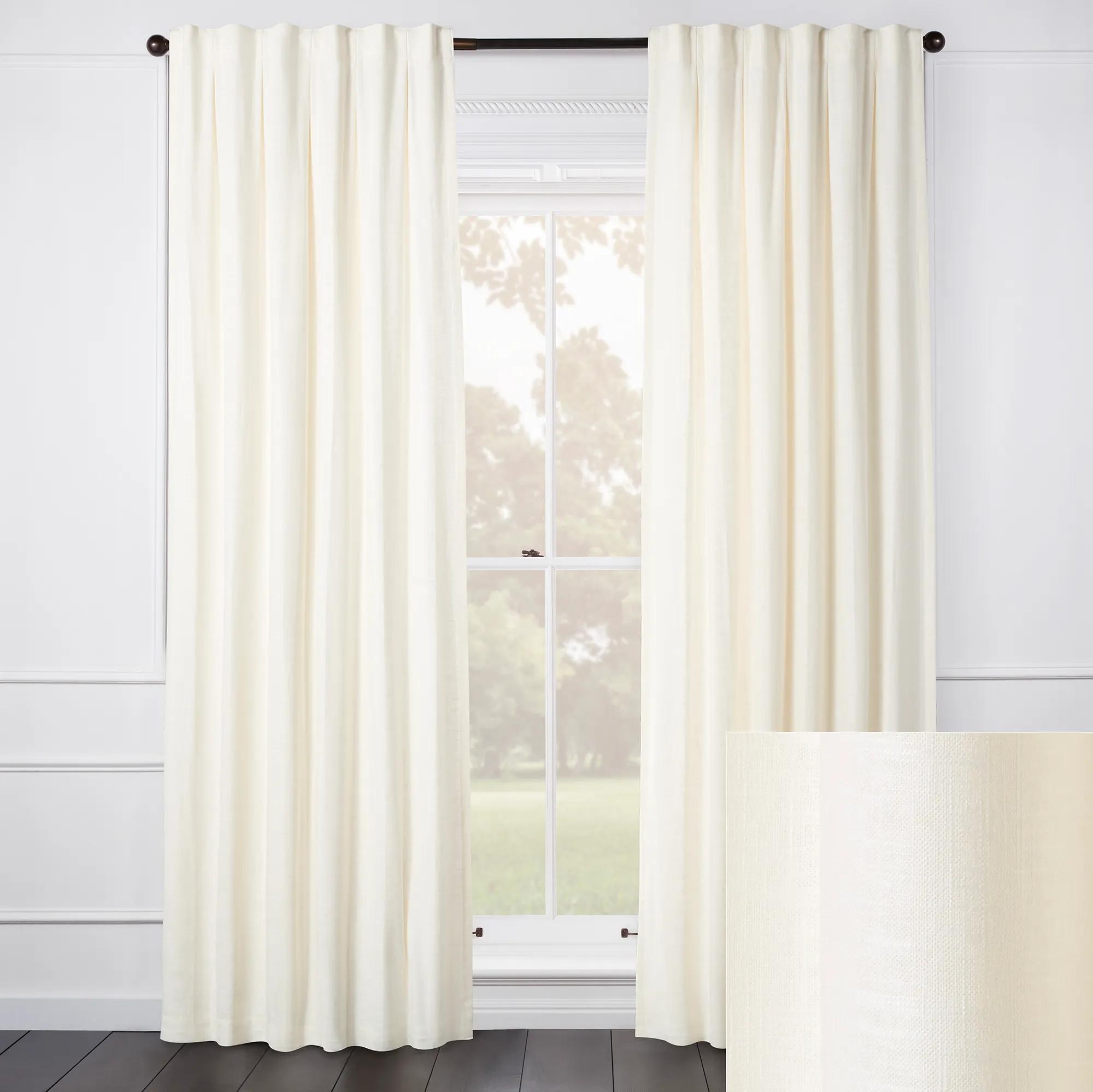
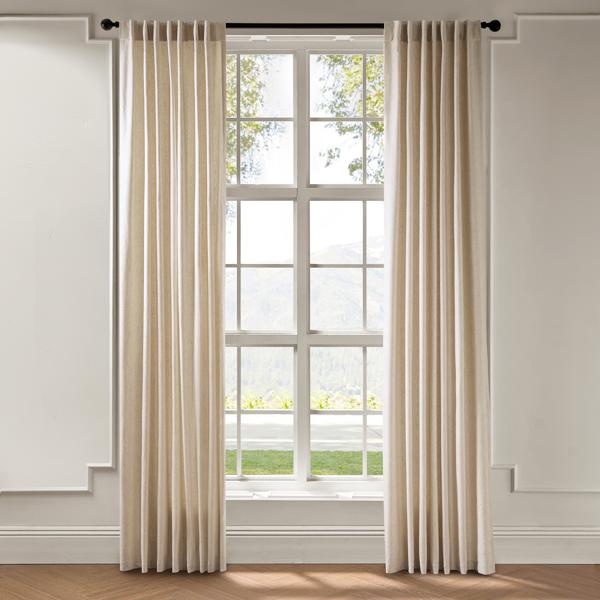
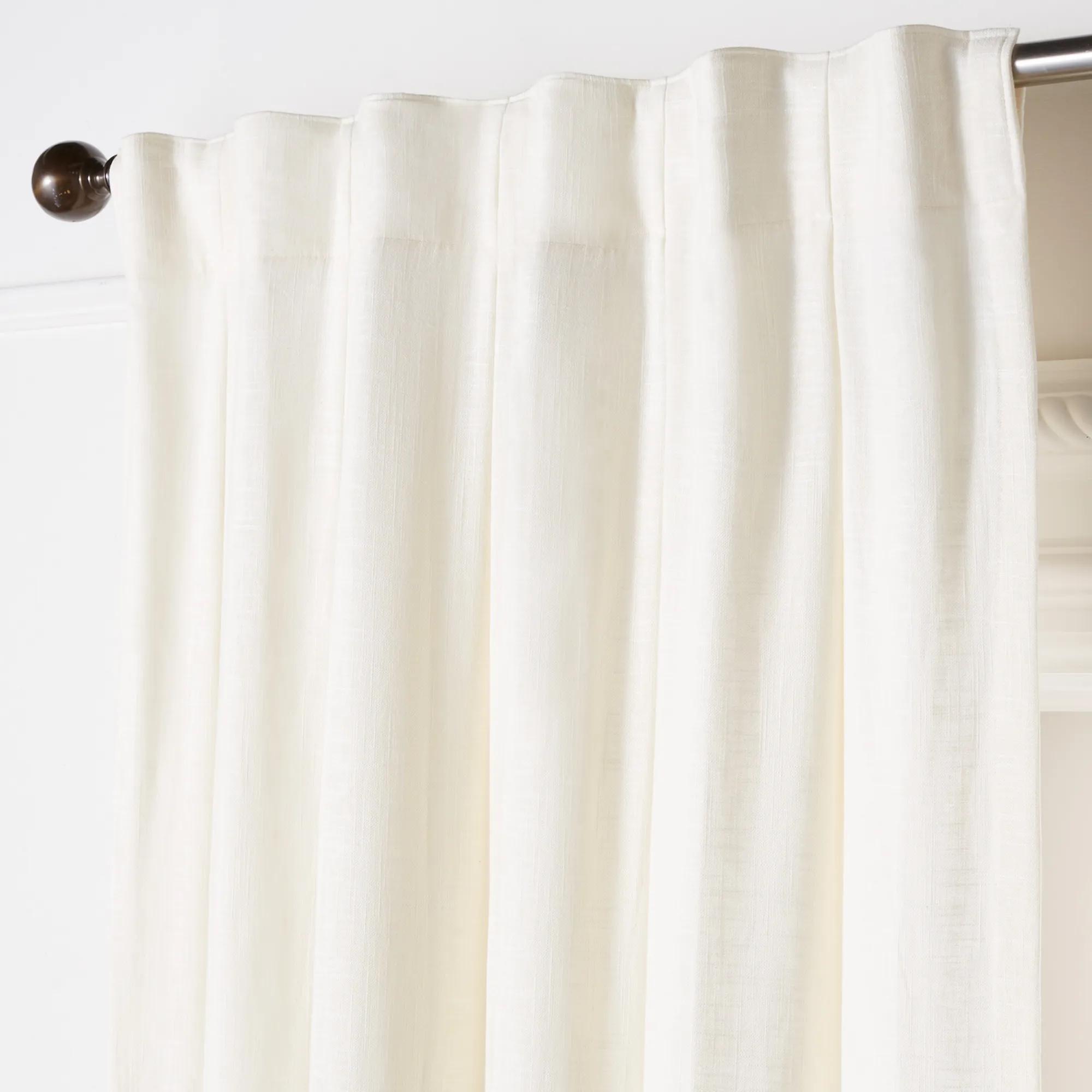 Audrey Linen Ivory Curtain - Custom$269
An ivory linen-blend curtain panel with lining, offering customizable lengths and two elegant header styles.
Add To Cart -
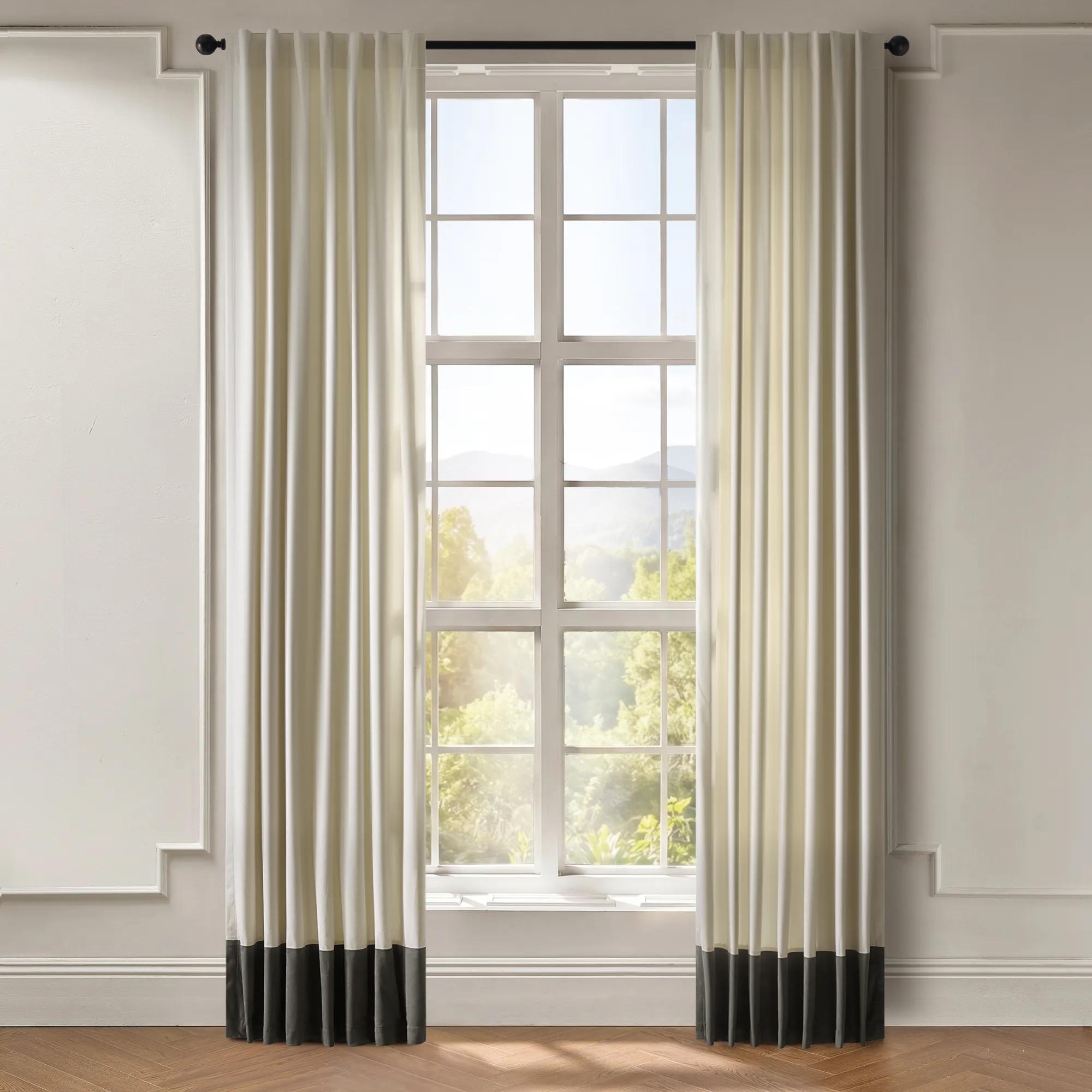
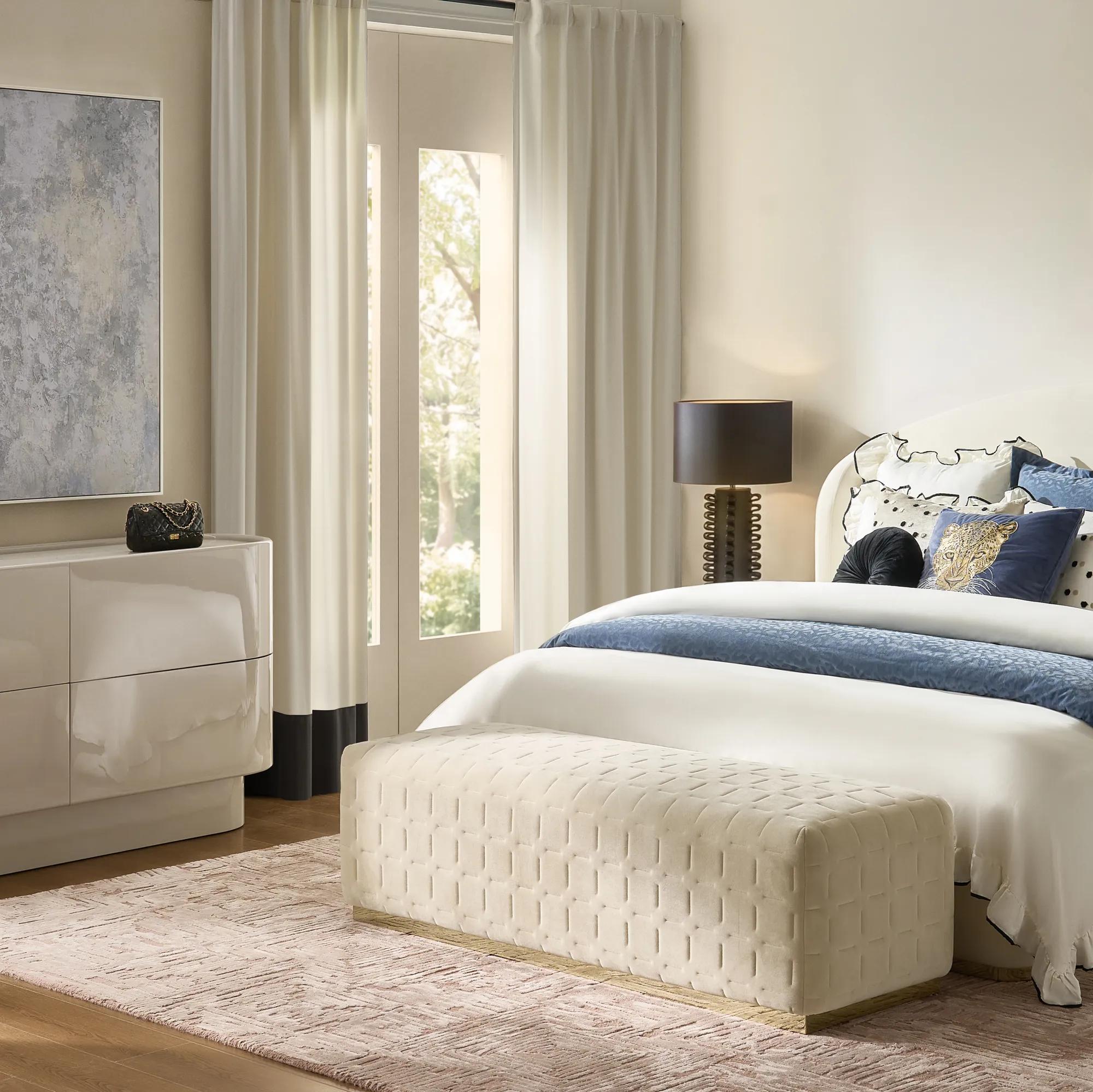 Bastien Ivory/Graphite Velvet Border Window Curtain Panel$99
A two-tone ivory and graphite velvet curtain panel with room-darkening design and versatile hanging options.
Add To Cart -
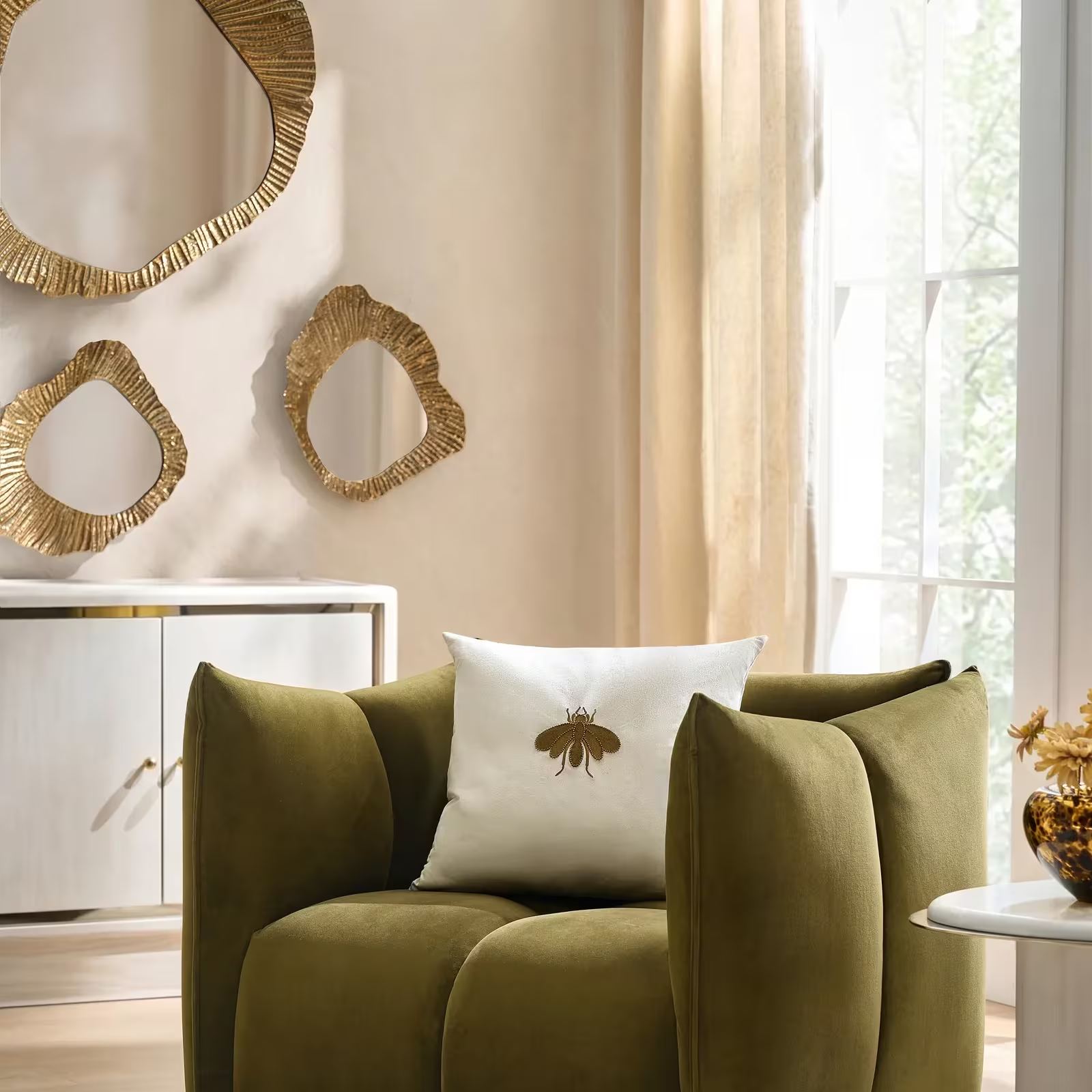 Anson Ivory Textured Window Curtain Panel$89
An ivory polyester curtain with a crushed, light-reflective texture for elegant, room-darkening style.
Add To Cart -
.jpeg?w=1200&h=1200) Anson Charcoal Textured Window Curtain Panel$89
Anson Charcoal Textured Window Curtain Panel$89A moody charcoal curtain with crushed polyester texture and subtle sheen for stylish, room-darkening appeal.
Add To Cart -
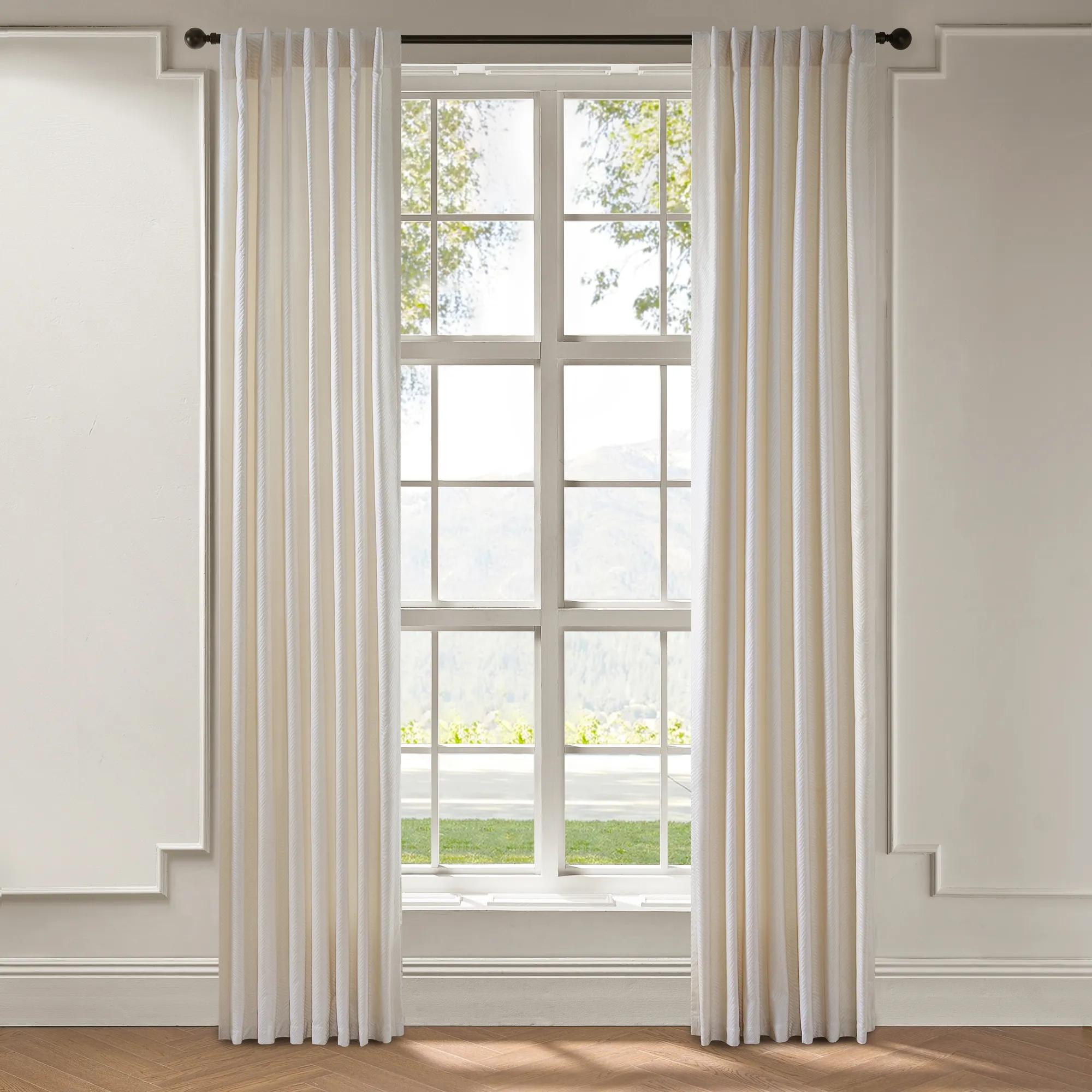
.jpeg?w=1200&h=1200) Kenzo Chenille Curtain - White$139
Kenzo Chenille Curtain - White$139A luxe white chenille jacquard curtain featuring a subtle high-contrast pattern and versatile dual construction.
Add To Cart -
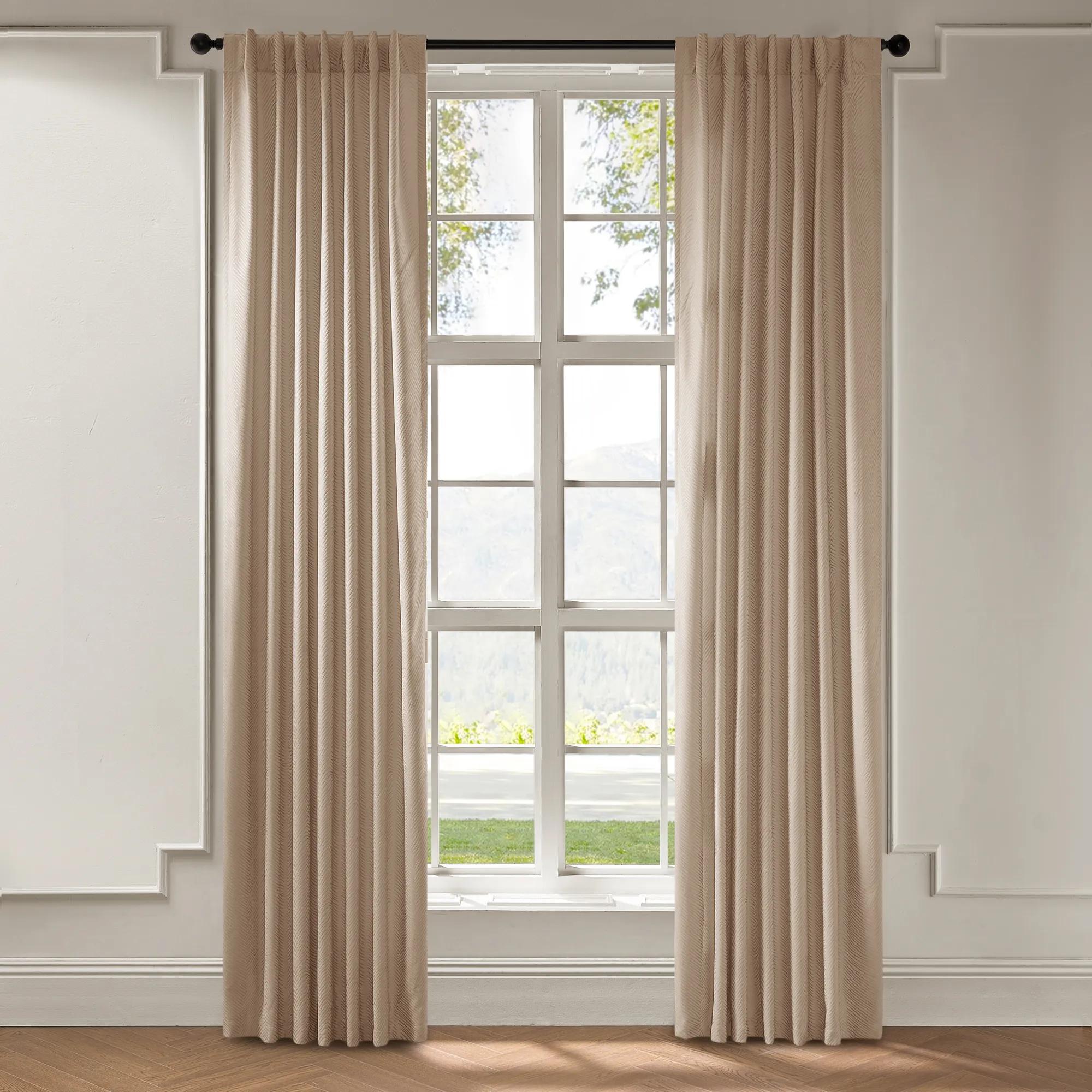 Kenzo Jacquard Beige Chenille Window Curtain Panel$139
A warm beige chenille jacquard curtain with a subtle sheen and versatile rod pocket or back tab hanging.
Add To Cart -
.jpeg?w=1200&h=1200)
 Adair Sand Solid Velvet Window Curtain Panel$69
Adair Sand Solid Velvet Window Curtain Panel$69A sand-colored velvet curtain offering room-darkening privacy and versatile hanging options for refined interiors.
Add To Cart -
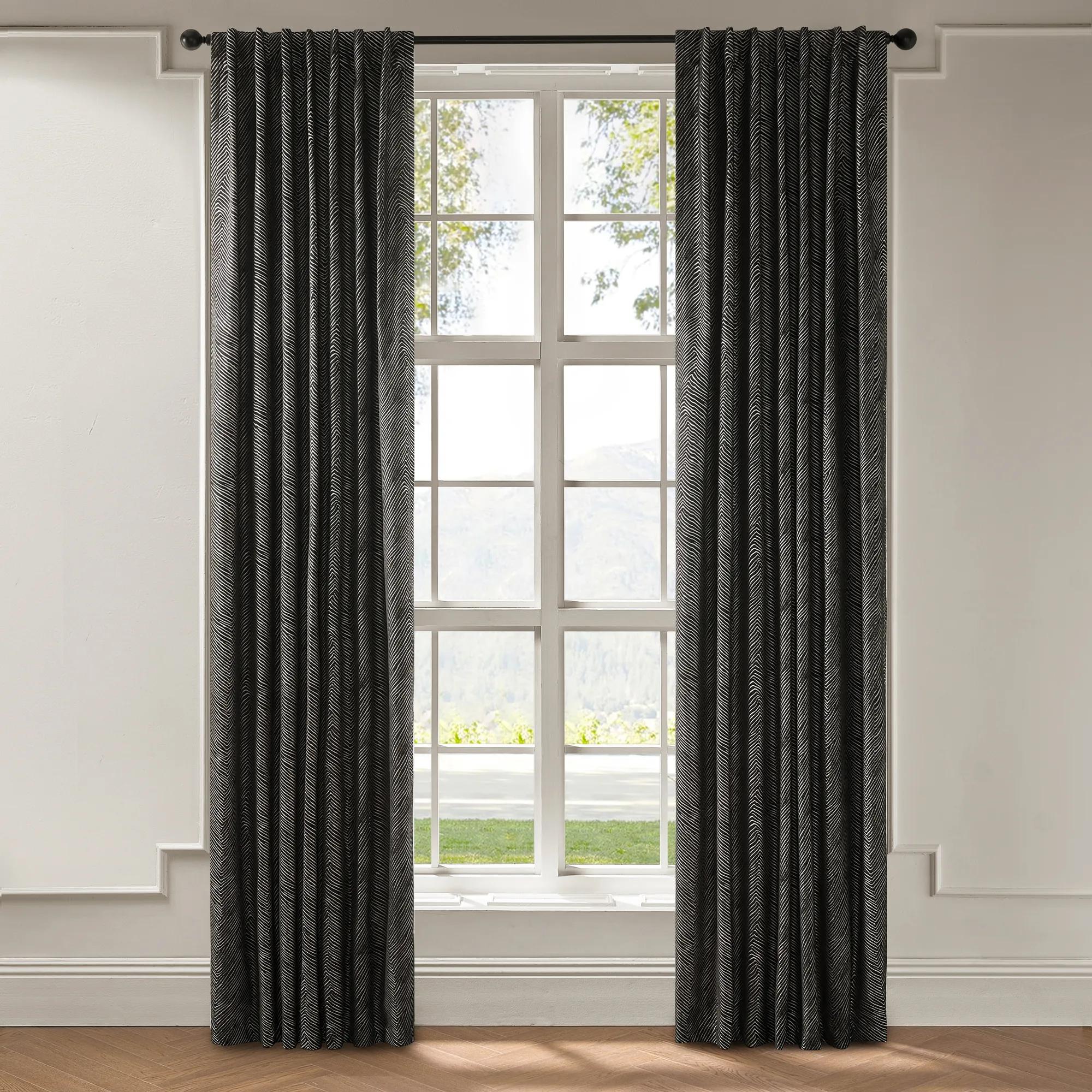
.jpeg?w=1200&h=1200) Kenzo Black Chenille Window Curtain Panel$119
Kenzo Black Chenille Window Curtain Panel$119A black chenille jacquard curtain with a luxe sheen and versatile dual hanging options for modern spaces.
Add To Cart -
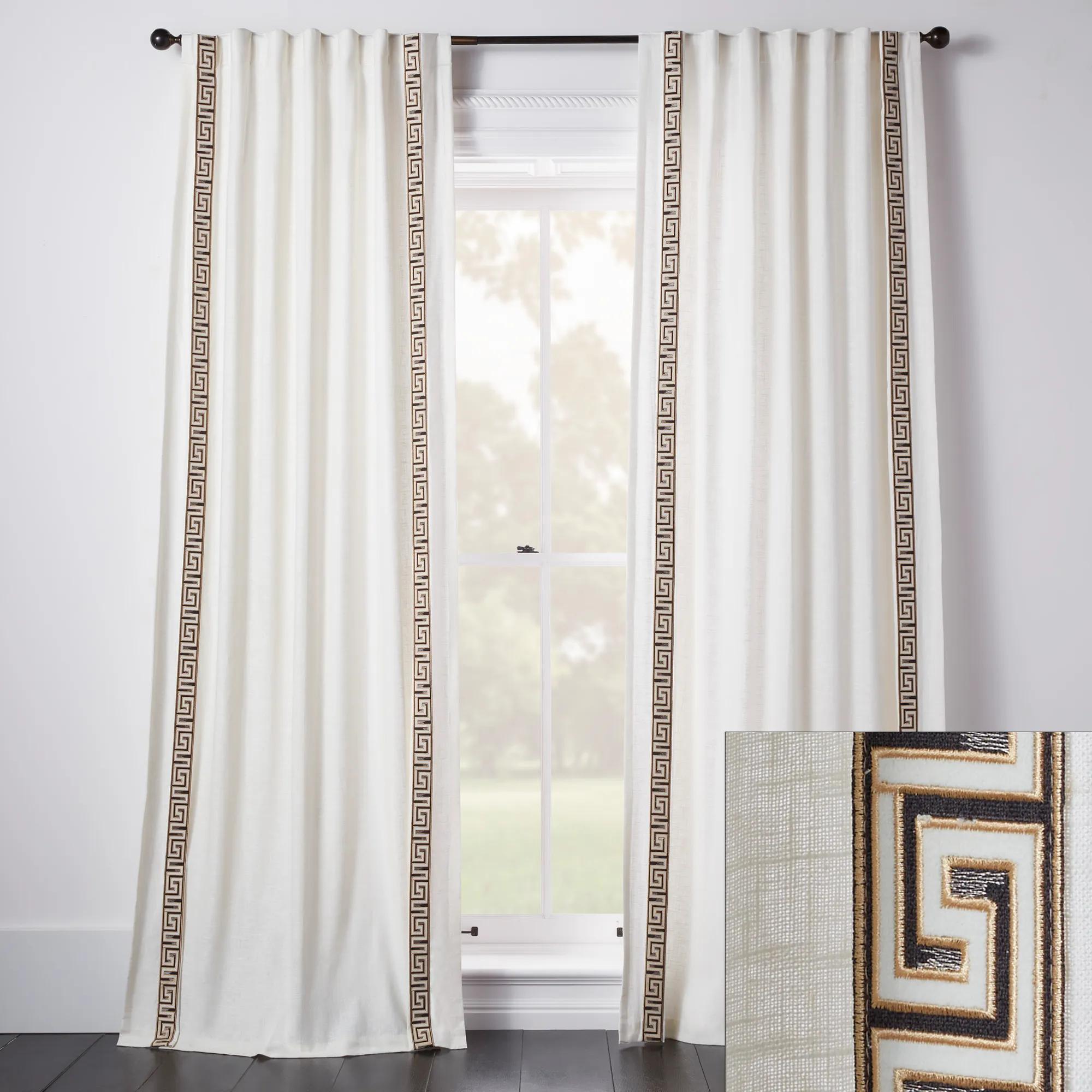 Chole Greek Key Border Velvet Widow Curtain Panels Custom$379
A linen-blend curtain panel with black and gold velvet Greek key border and customizable hanging options.
Add To Cart -
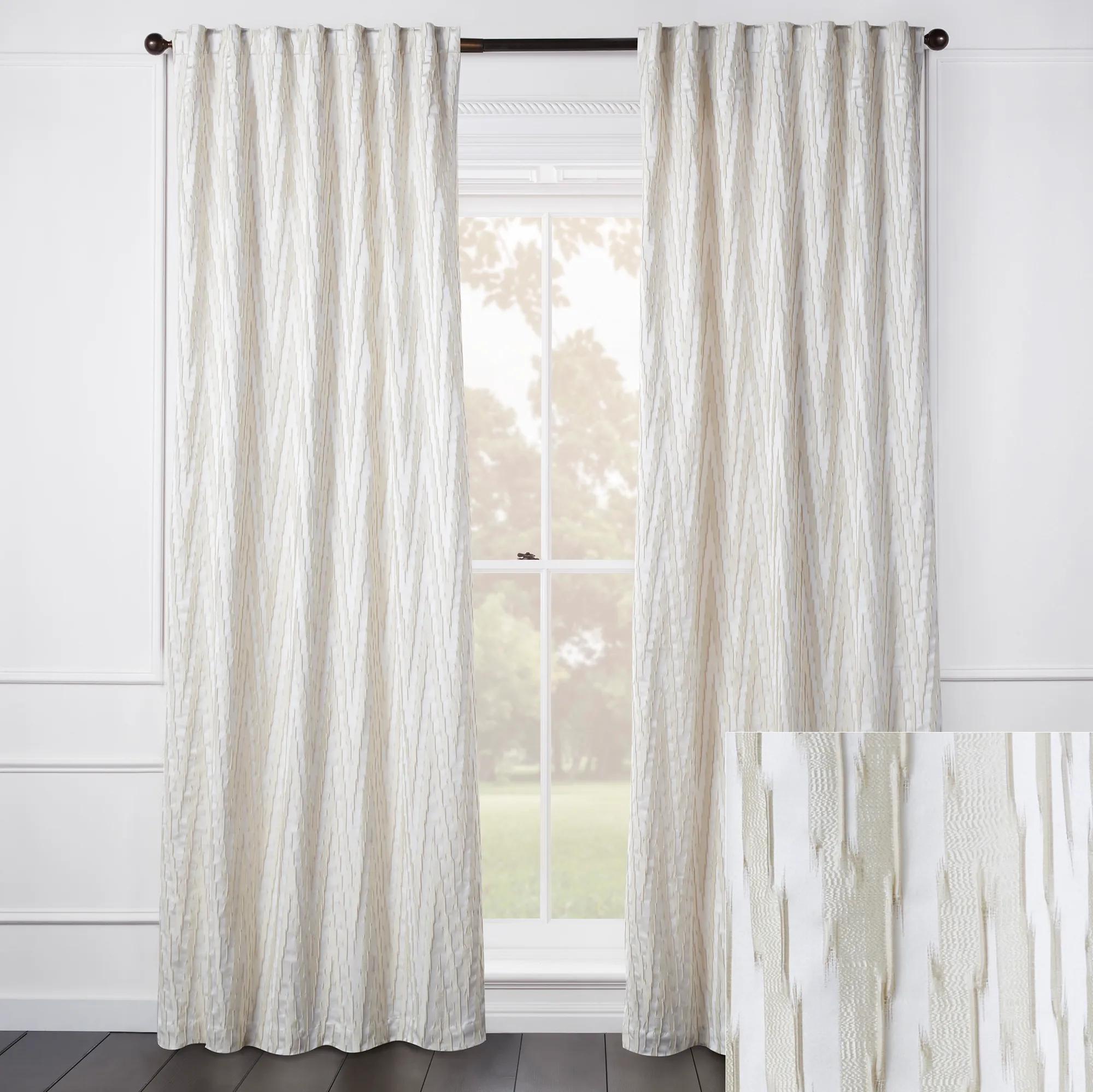
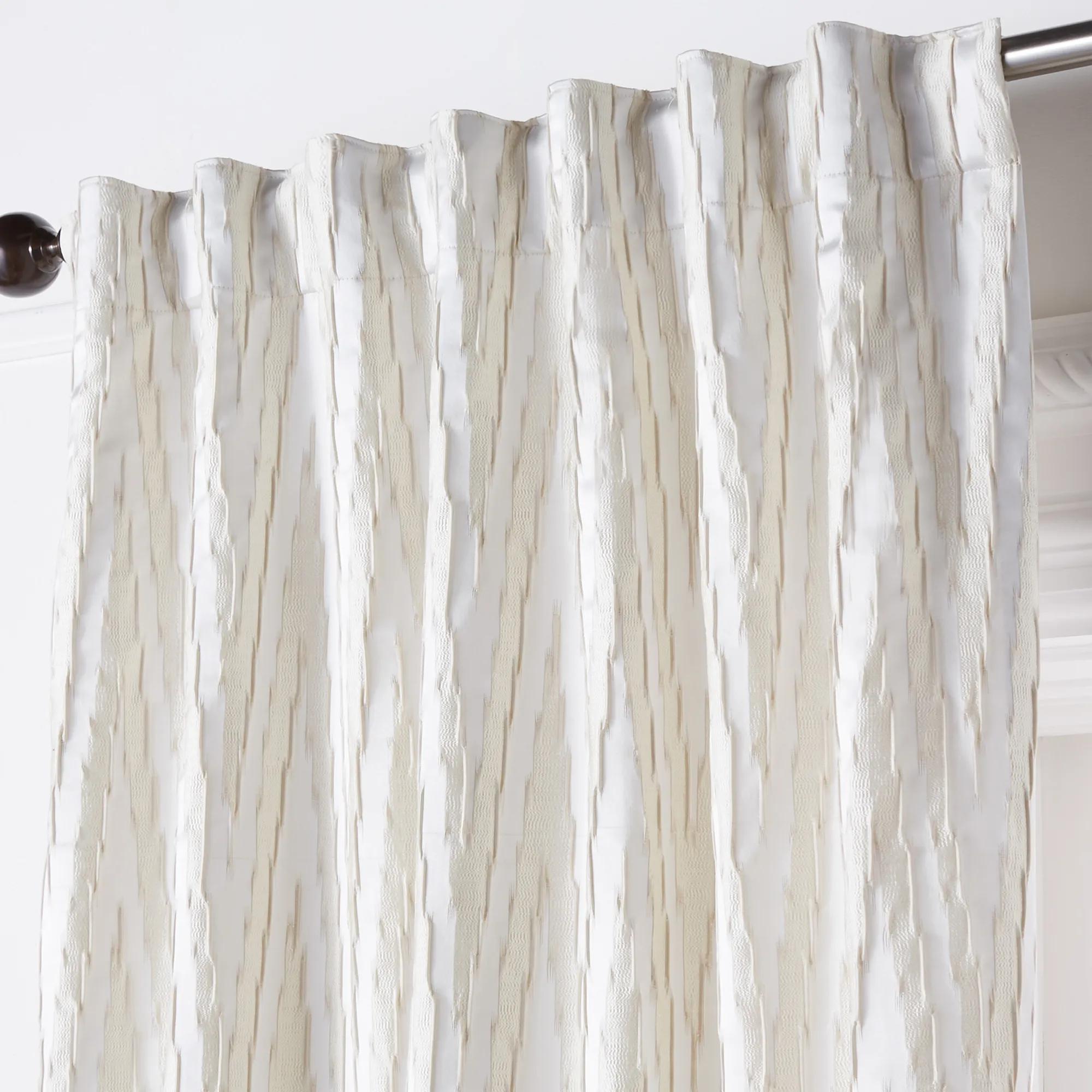 Minka Jacquard Pearl Window Curtain Panel Custom$289
A highly textured chevron curtain panel in pearl, grey, or natural polyester with customizable hanging options.
Add To Cart -
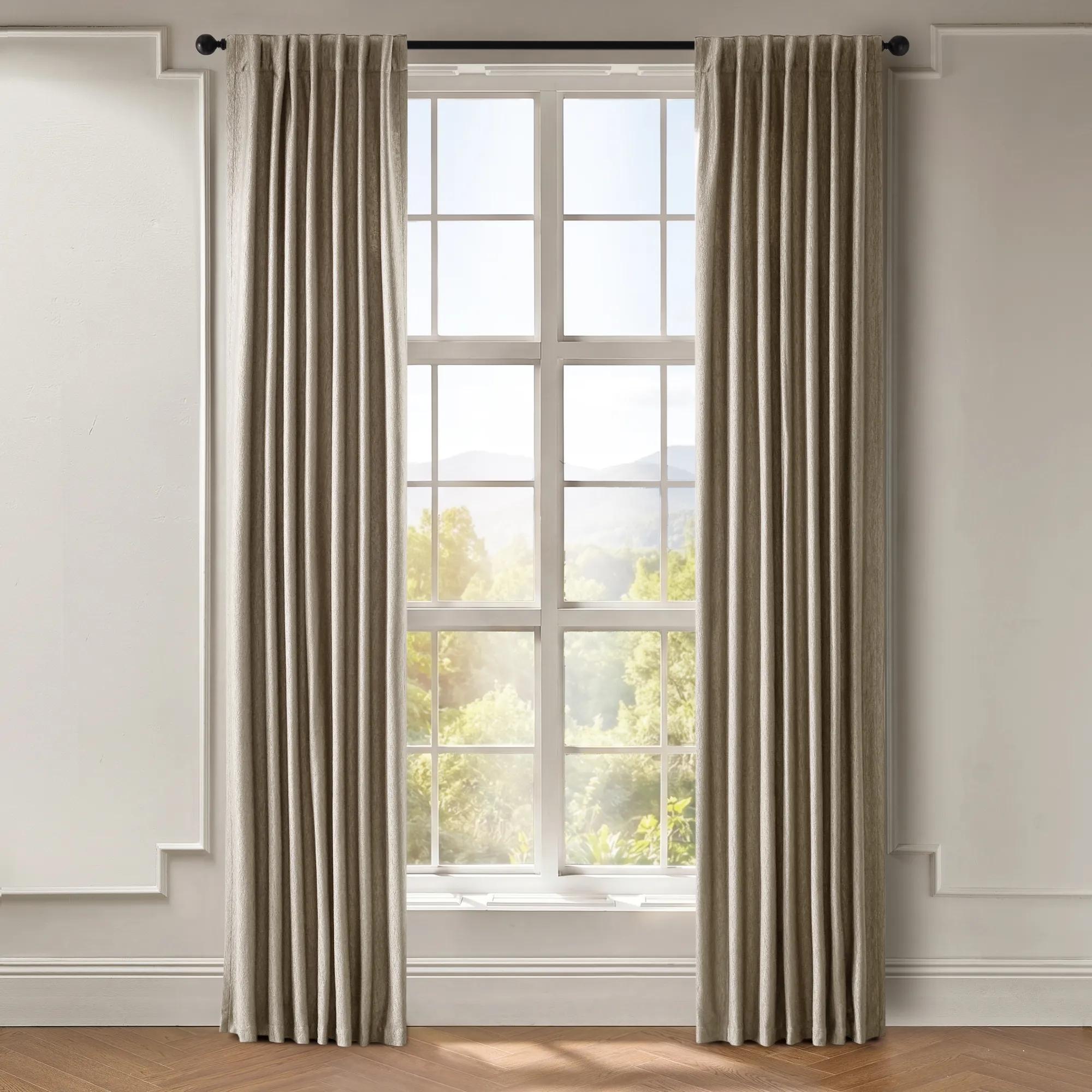
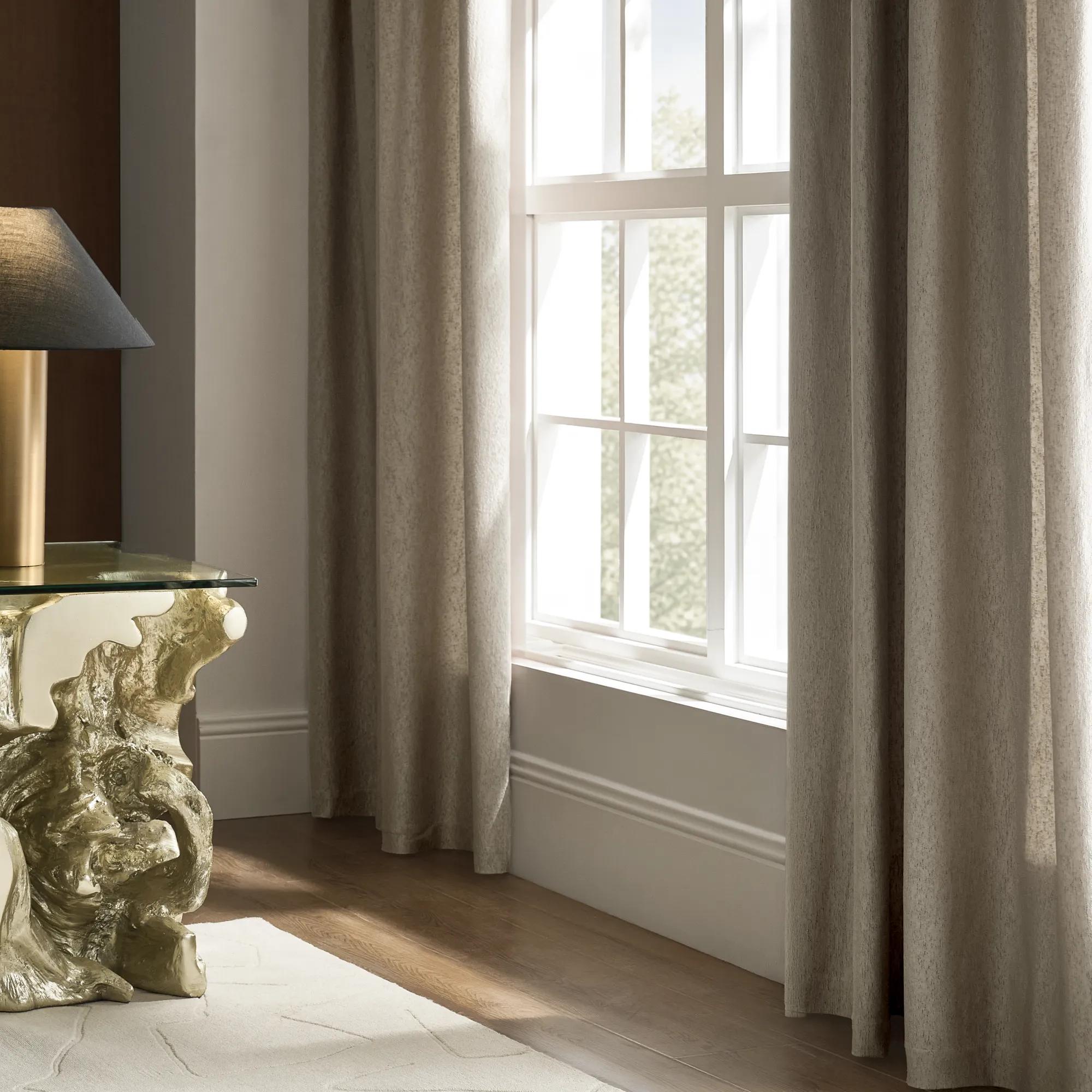 Anson Taupe Textured Window Curtain Panel$99
A taupe polyester curtain panel featuring a crushed sheen texture and versatile room-darkening design.
Add To Cart -
.jpeg?w=1200&h=1200) Mabel Natural Velvet Swirl Window Curtain Panel$99
Mabel Natural Velvet Swirl Window Curtain Panel$99A warm neutral velvet curtain with a tonal swirl pattern, offering room-darkening privacy and versatile hanging options.
Add To Cart -
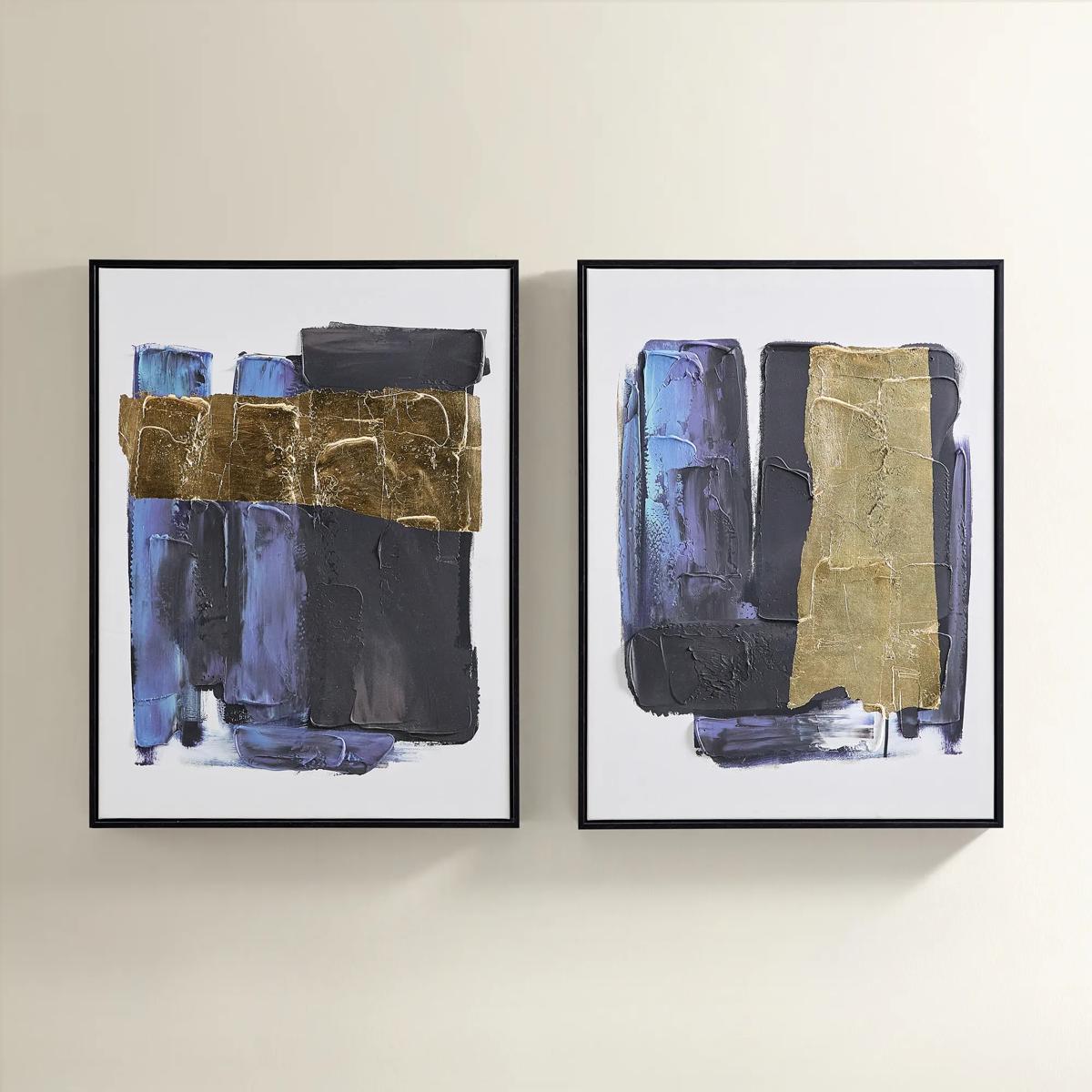
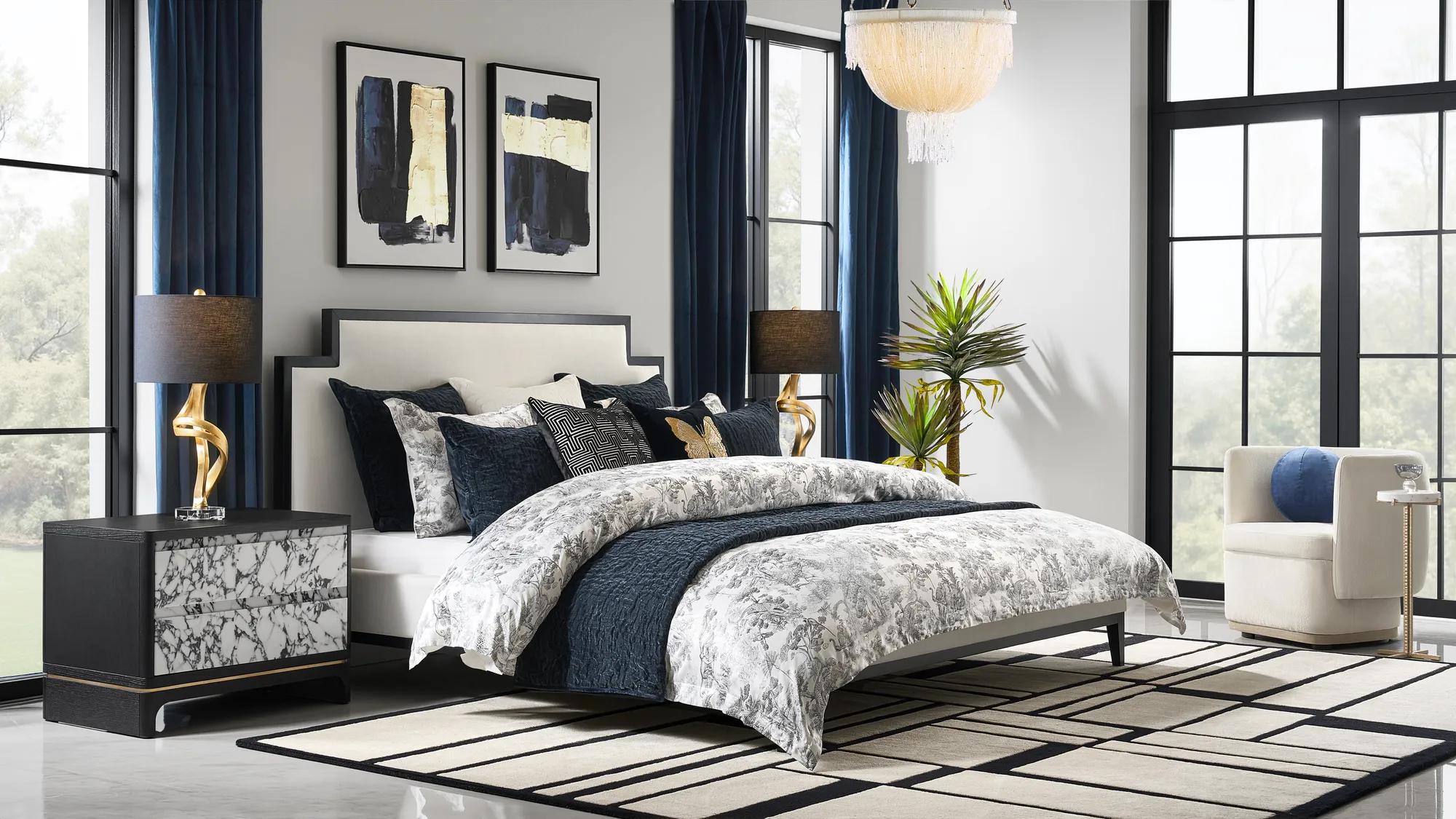 Deep Thoughts Gold Leaf Painted Wall Art Set of 2$199
A set of two hand-painted abstract canvases in blue and gold leaf, framed in sleek black.
Add To Cart -
.jpeg?w=1200&h=1200)
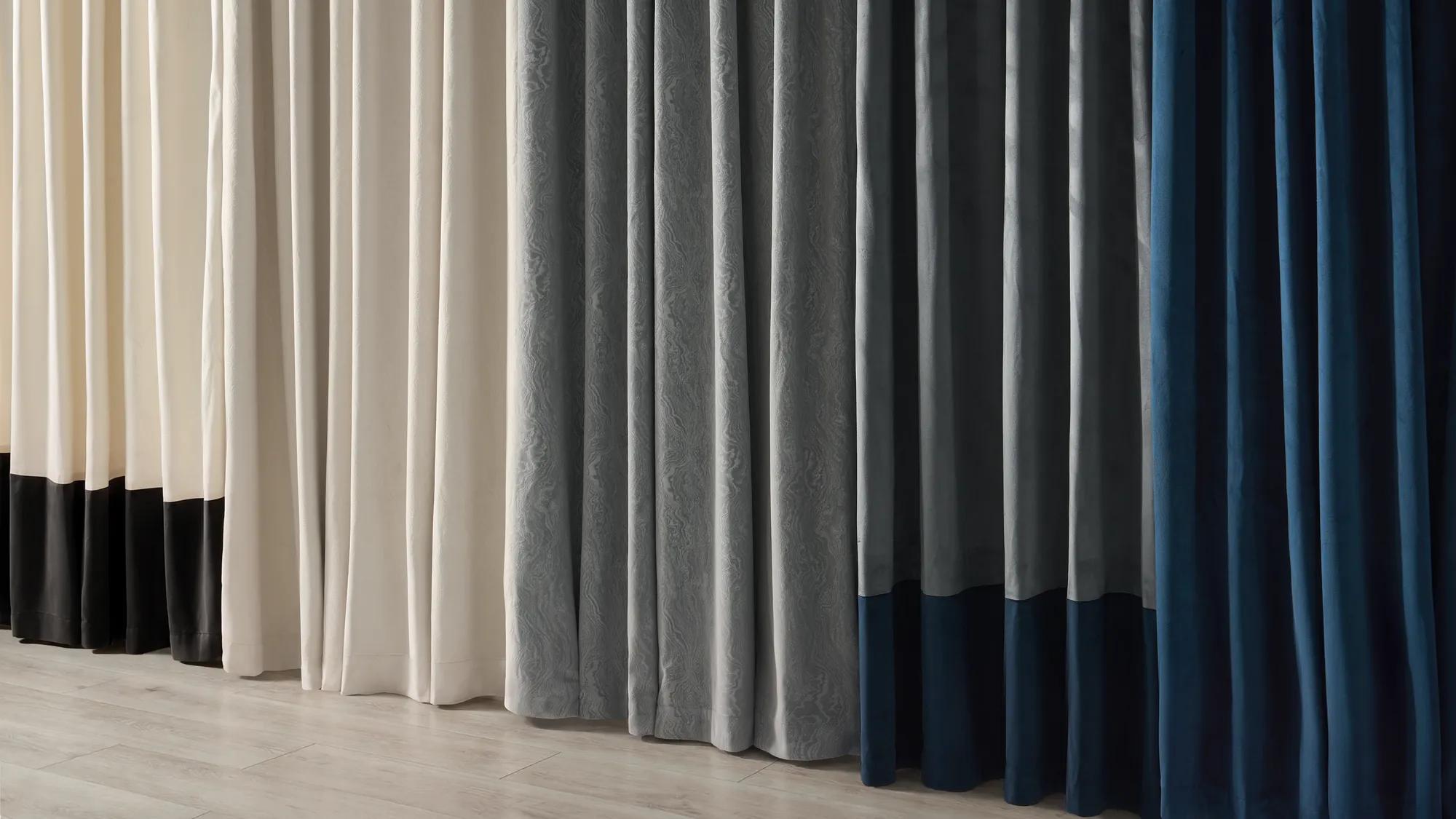 Mabel Velvet Swirl Curtain - Grey Blue$89
A grey blue velvet curtain featuring a tonal swirl pattern and versatile dual hanging options.
Add To Cart -
.jpeg?w=1200&h=1200) Adair Midnight Blue Solid Velvet Window Curtain Panel$69
Adair Midnight Blue Solid Velvet Window Curtain Panel$69A sumptuous midnight blue velvet curtain that adds elegance, depth, and room-darkening style to any space.
Add To Cart -
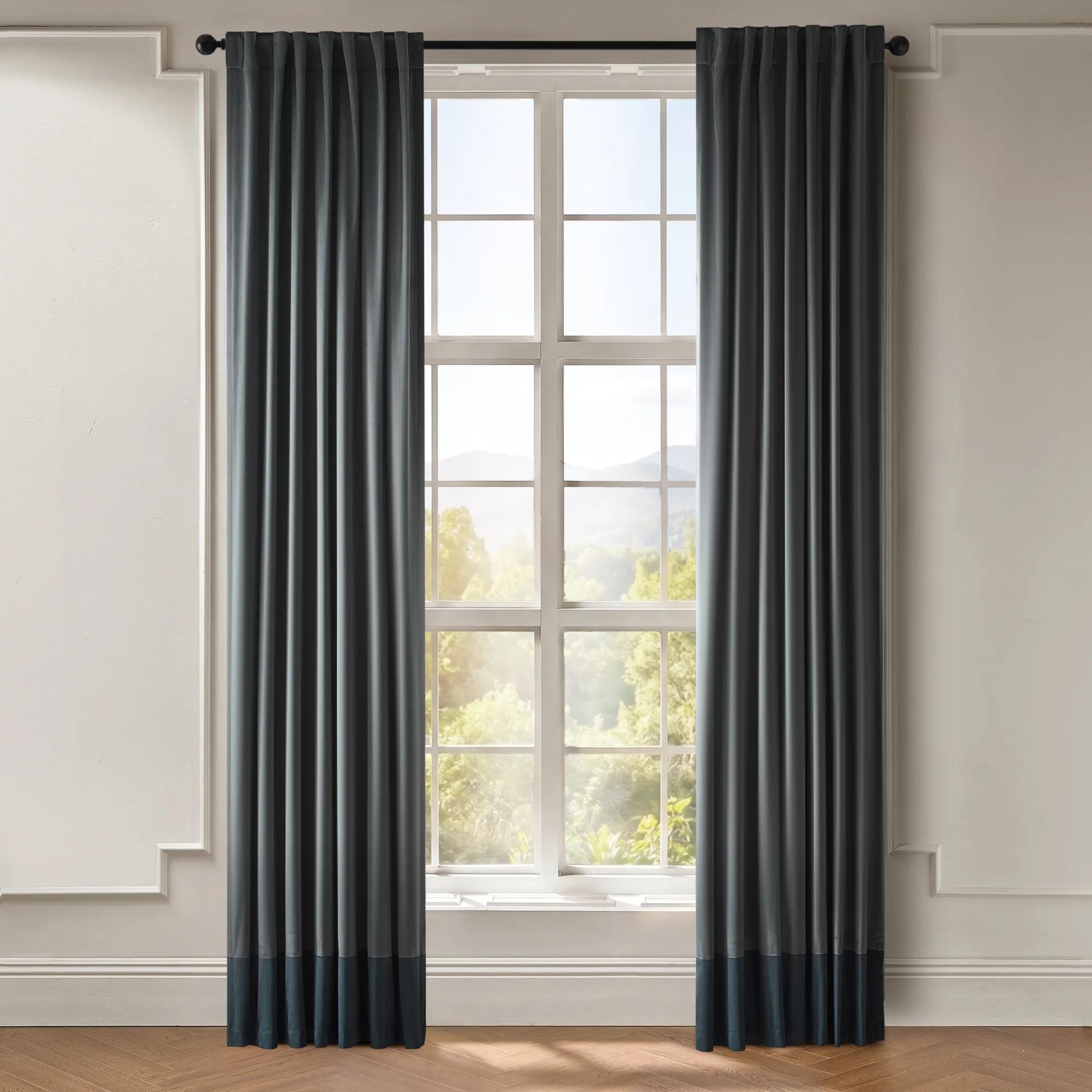
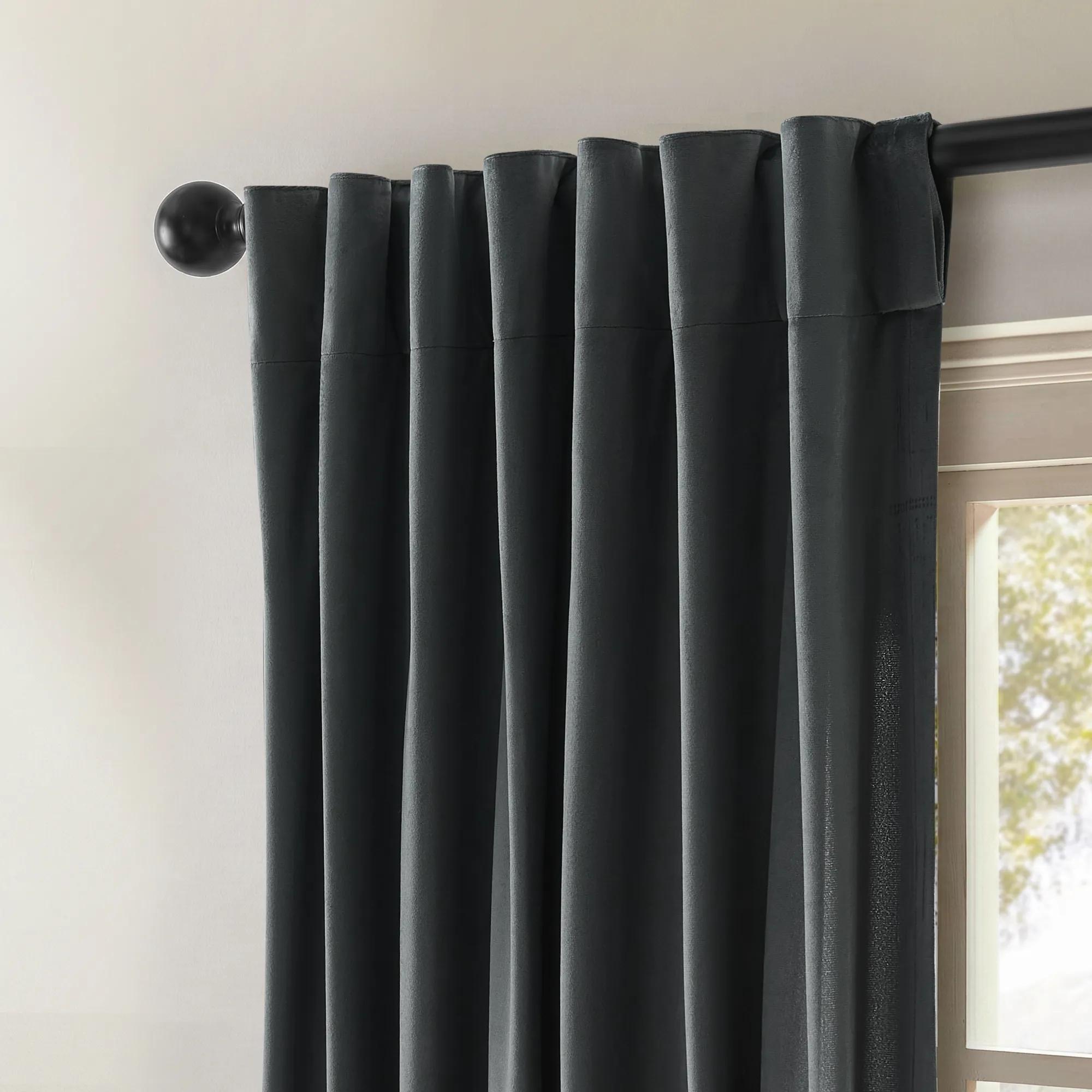 Bastien Blue/Midnight Velvet Border Window Curtain Panel$99
A two-tone dusty and midnight blue velvet curtain panel with a Deco-inspired border and room-darkening design.
Add To Cart -
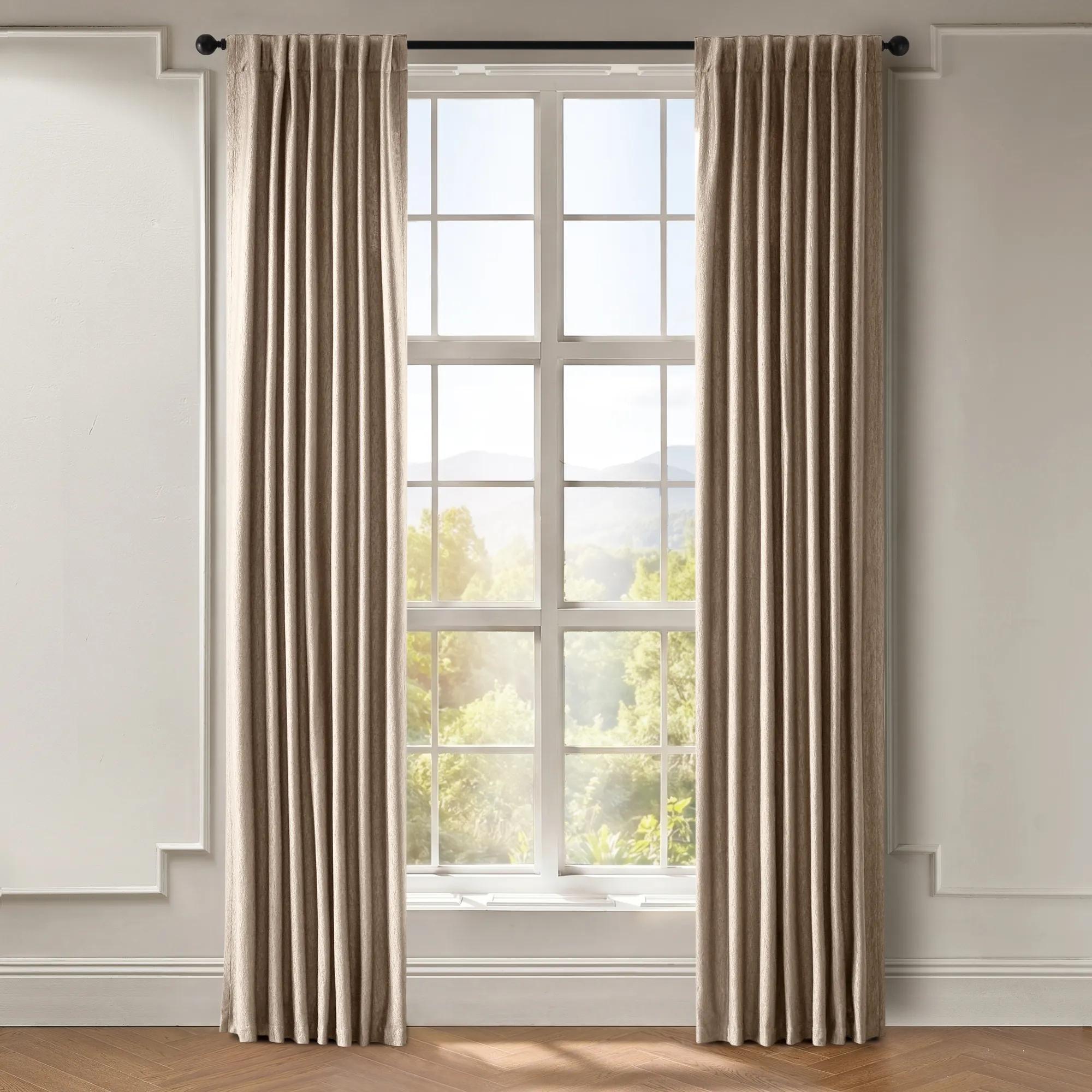 Anson Mocha Rose Textured Window Curtain Panel$99
A light mocha rose curtain panel with crushed sheen texture and room-darkening, dual hanging design.
Add To Cart -
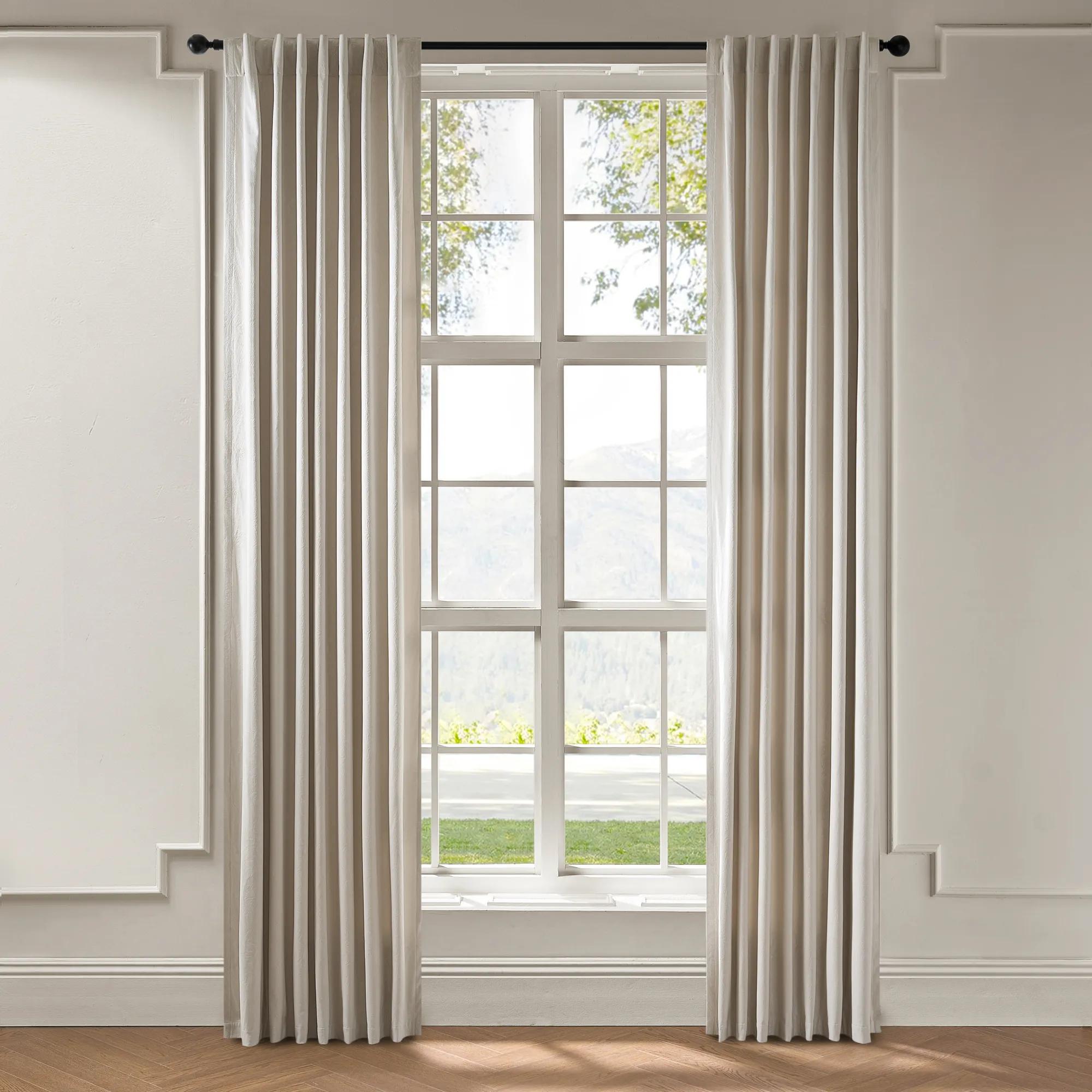
.jpeg?w=1200&h=1200) Mabel White Velvet Swirl Window Curtain Panel$99
Mabel White Velvet Swirl Window Curtain Panel$99A crisp white velvet curtain featuring a tonal swirl texture and versatile dual hanging options.
Add To Cart -
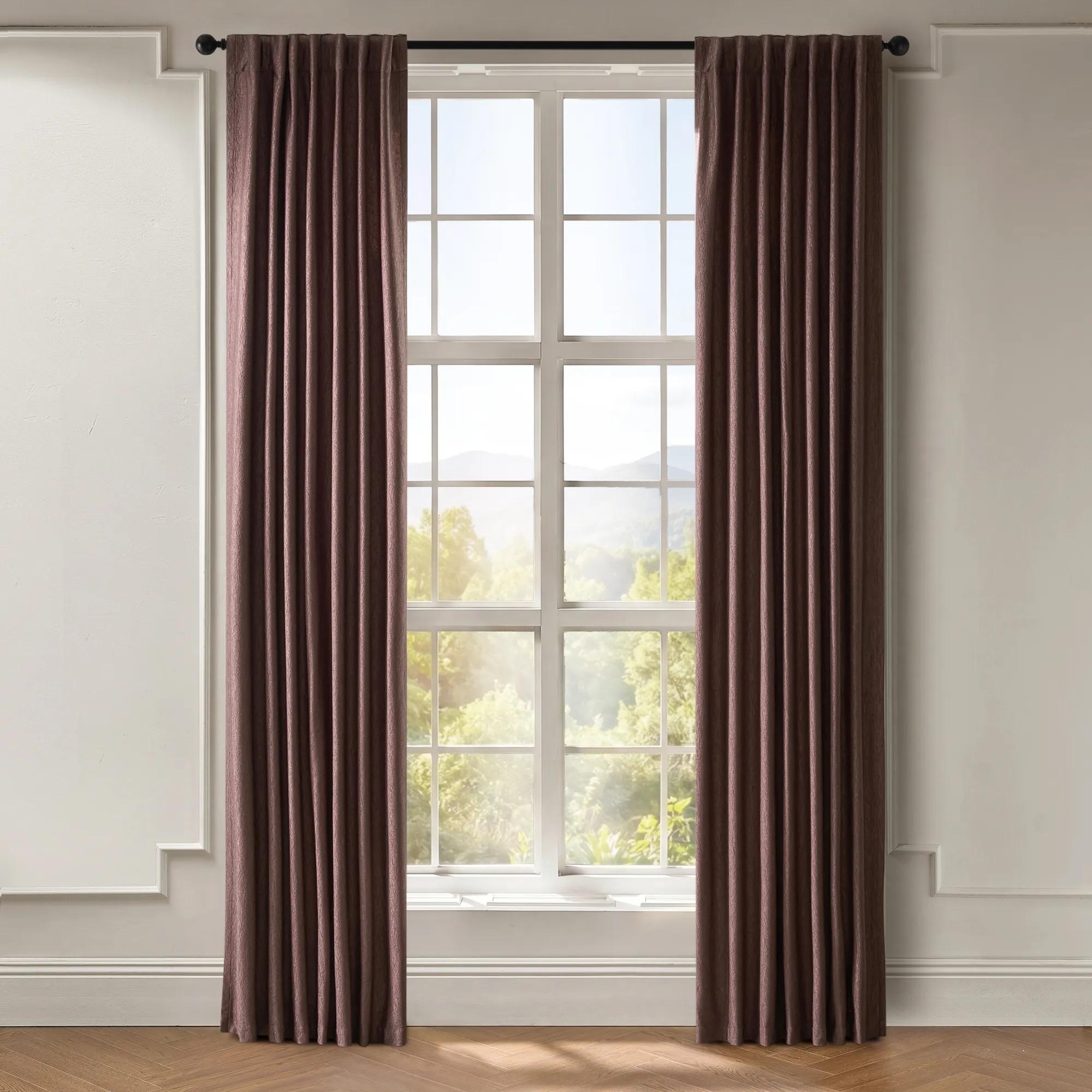
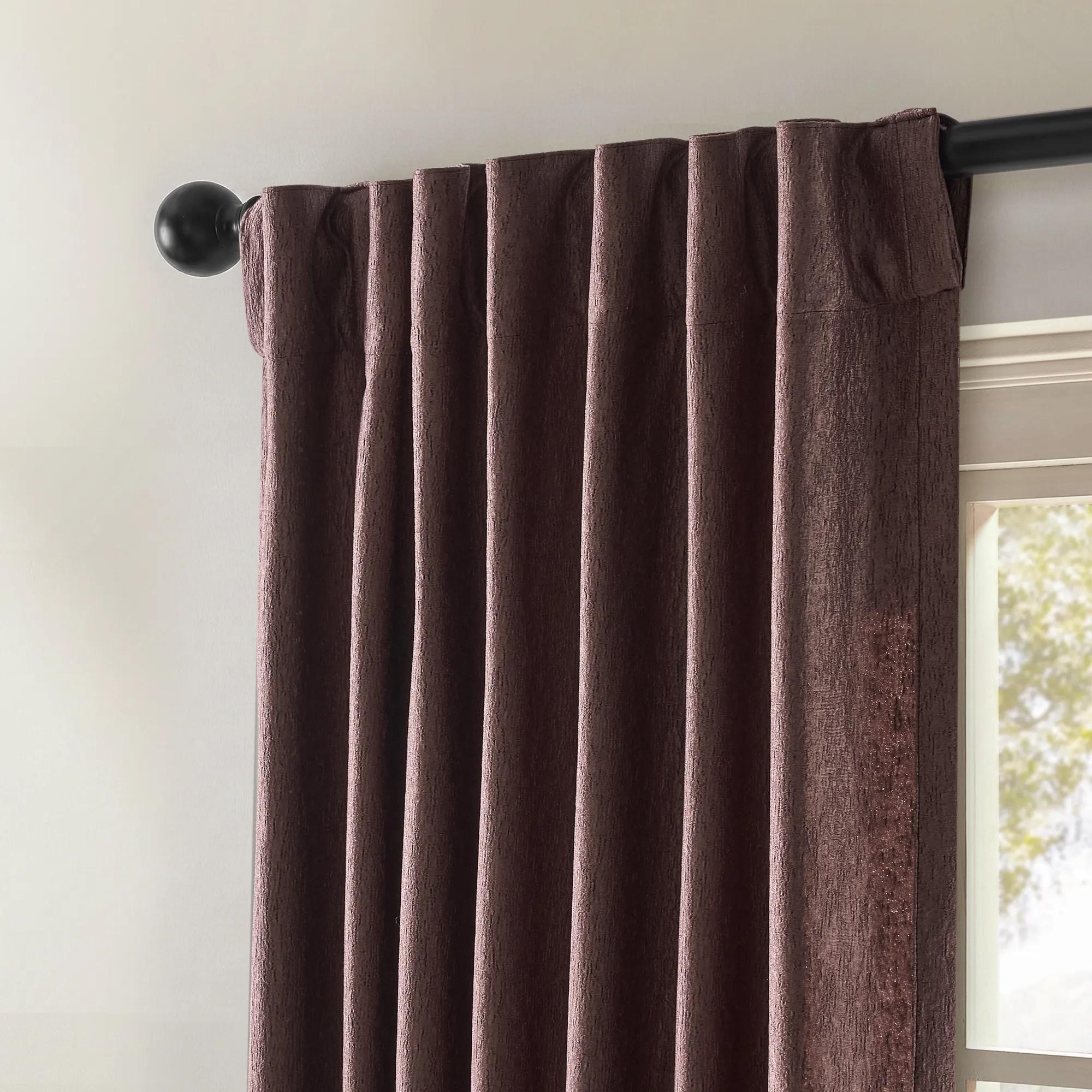 Anson Fig Textured Window Curtain Panel$99
A deep fig curtain panel in crushed, subtly sheened polyester with room-darkening and dual hanging options.
Add To Cart

Window Panels For Minimalist Spaces
Window panels for minimalist spaces are more than mere frames for sunlight—they are the quiet protagonists of a room, orchestrating light and shadow with effortless grace. In interiors where less is infinitely more, each panel becomes a study in restraint, clarity, and refined texture. These window treatments invite serenity while accentuating architectural lines, transforming every glance outside into a curated moment of calm. Let your space breathe with window panels that whisper sophistication, turning simplicity into an art form and minimalism into pure poetry.
Window panels for minimalist spaces bring softness, proportion, and controlled light to rooms where every element carries visual weight. Rather than competing with architectural lines or sculptural furnishings, the right panels create a quiet backdrop that allows the room’s materials and silhouettes to take center stage. Floor-to-ceiling panels are especially effective in a minimalist interior because they draw the eye upward, make windows feel more generous, and establish a graceful vertical rhythm from ceiling to floor. Sheer linen offers an airy, naturally textured finish that diffuses bright sunlight into a gentle radiance, while lightweight cotton provides a slightly cleaner structure with added privacy. Neutral shades—including ivory, soft white, warm beige, pale taupe, and understated gray—blend seamlessly with walls and reduce visual clutter without making the room feel stark. For a warmer, more expressive atmosphere, look for subtle variations in tone or weave rather than ornate pattern; the quiet irregularity of fabric can bring depth to a space styled with stone, wood, glass, or polished metal. Minimalism does not have to mean bare or impersonal. A beautifully proportioned panel can soften the echo of a modern room, temper a strong view, and make morning light feel almost painterly across the floor. In a bedroom, translucent fabric can create a serene retreat with a veil of privacy. In a living room, it can frame the landscape beyond the glass while preserving an open, luminous feeling. In a dining area or home office, it can moderate glare so the room remains comfortable through changing daylight. These panels suit design-conscious homeowners, apartment dwellers, renovators, and anyone drawn to interiors that feel edited yet welcoming. They can also make a thoughtful housewarming gift for someone settling into a new home, particularly when offered in a versatile neutral that complements a range of palettes and decorating styles.
Selecting window panels begins with understanding how the room should feel and function throughout the day. Sheer panels are ideal when the goal is to filter harsh sunlight, soften reflections, and maintain an open connection to the outdoors; they allow daylight to glow through the weave while offering a degree of daytime privacy. Lightweight cotton or a more opaque fabric is a better choice when privacy matters more, especially in bedrooms, street-facing rooms, or spaces with neighboring windows nearby. Consider the direction of the windows as well. South- or west-facing glass may benefit from panels that temper intense afternoon light, while north-facing windows can welcome a lighter, more translucent treatment that preserves every available ray. Measure carefully before purchasing, taking the rod or track placement into account rather than measuring only the glass. Mounting hardware several inches above the window frame and extending beyond its sides can make the opening appear taller and wider, while a panel that reaches the floor creates a tailored, architectural finish. For a polished minimalist effect, the hem should gently meet the floor or hover just above it; excessive pooling can look luxurious in a layered setting but may interrupt the clean lines many contemporary rooms depend on. Fullness matters, too. A single flat panel can create a restrained appearance, while two panels with enough width to stack generously at the sides will look more composed when closed. Before choosing a finished length, account for whether the fabric will hang from rings, grommets, a rod pocket, or a hidden track. Flat panels and discreet track systems produce a continuous, seamless line with fewer visual interruptions. Slim rods in matte black, brushed brass, or another finish already present in the room can complete the installation without pulling attention away from the fabric. Keep the hardware intentional: in a minimalist interior, even a small finial or visible ring becomes part of the overall composition.
Window panels also offer an elegant way to adapt a room as the light and temperature shift through the cooler months. Layering a sheer or lightweight panel with a more substantial treatment can provide flexible control: leave the lighter layer drawn for a diffused daytime glow, then close the additional layer in the evening for privacy and a more cocooning mood. In spaces that require maximum simplicity, sleek roller shades can provide a streamlined foundation beneath fabric panels, and motorized options can preserve a cord-free appearance while making it easy to adjust light across tall or hard-to-reach windows. The most successful combinations share a restrained palette and complementary textures rather than identical materials. A smooth shade beneath softly woven linen, for example, creates contrast without visual noise. Care is part of the selection process as well. Review the fabric’s cleaning instructions, allow adequate clearance from radiators or heating vents, and use a gentle vacuum attachment or light dusting to preserve the weave between deeper cleanings. For more inspiration on creating an edited, elevated window treatment scheme, explore Drapery For Minimalist Interiors. Whether the setting is a quiet bedroom washed in pale morning light, a city apartment softened by translucent layers, or an open-plan living space anchored by sculptural furnishings, the ideal panel should feel considered rather than conspicuous. It filters brightness, frames the view, and adds a tactile note that makes simplicity feel richly intentional. With thoughtful proportions, understated hardware, and a fabric chosen for the room’s privacy and lighting needs, window panels become more than functional accents—they complete the atmosphere and let the architecture breathe.
FAQ List
Minimalist window panels often shine in natural fabrics such as linen, cotton, or silk blends. These materials offer a refined texture and a soft hand, allowing light to filter through in a way that enhances the serene, uncluttered mood of the space. For a touch of luxury, consider panels with subtle woven patterns or a delicate sheen that catches the light without overwhelming the room’s simplicity.
Window panels have the remarkable ability to shape a room’s atmosphere by modulating natural light and introducing gentle movement. In a minimalist setting, panels with clean lines and understated hues can soften hard architectural edges, create a sense of calm, and draw the eye upward, making ceilings appear higher and rooms feel more expansive.
Absolutely. Minimalist window panels, especially those crafted from durable, easy-to-clean fabrics, are well-suited for lively households. Their streamlined design reduces the risk of tangling or excessive wear, and their neutral palettes can gracefully withstand the ebb and flow of changing family life while maintaining a polished, sophisticated look.
Minimalist window panels can be styled alone for a pure, architectural look or layered with sheers to add depth and dimension. For a curated effect, choose panels that echo the room’s color palette or introduce a subtle contrast. Hardware in matte black, brushed gold, or chrome can further elevate the aesthetic, transforming the window into a true focal point.
Yes, minimalist window panels are versatile enough to grace dining rooms, home offices, and even spa-inspired bathrooms. Their clean, tailored lines bring a sense of cohesion and tranquility to any environment, effortlessly adapting to both private retreats and social spaces.
.jpeg?w=4130&h=4130)
.jpeg?w=3942&h=3942)


