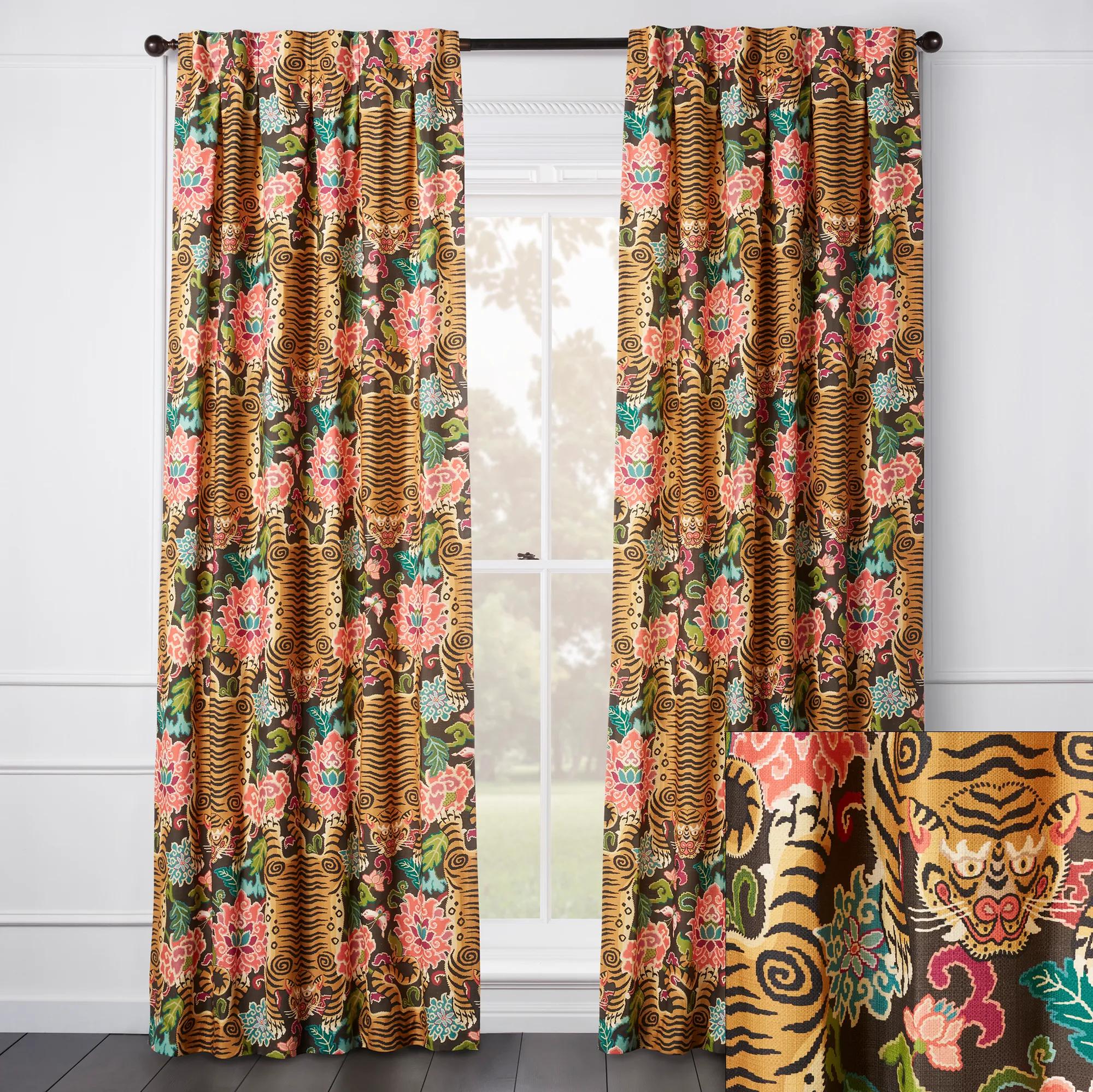
Window Curtains For Classic Interiors
Window Curtains For Classic Interiors
-
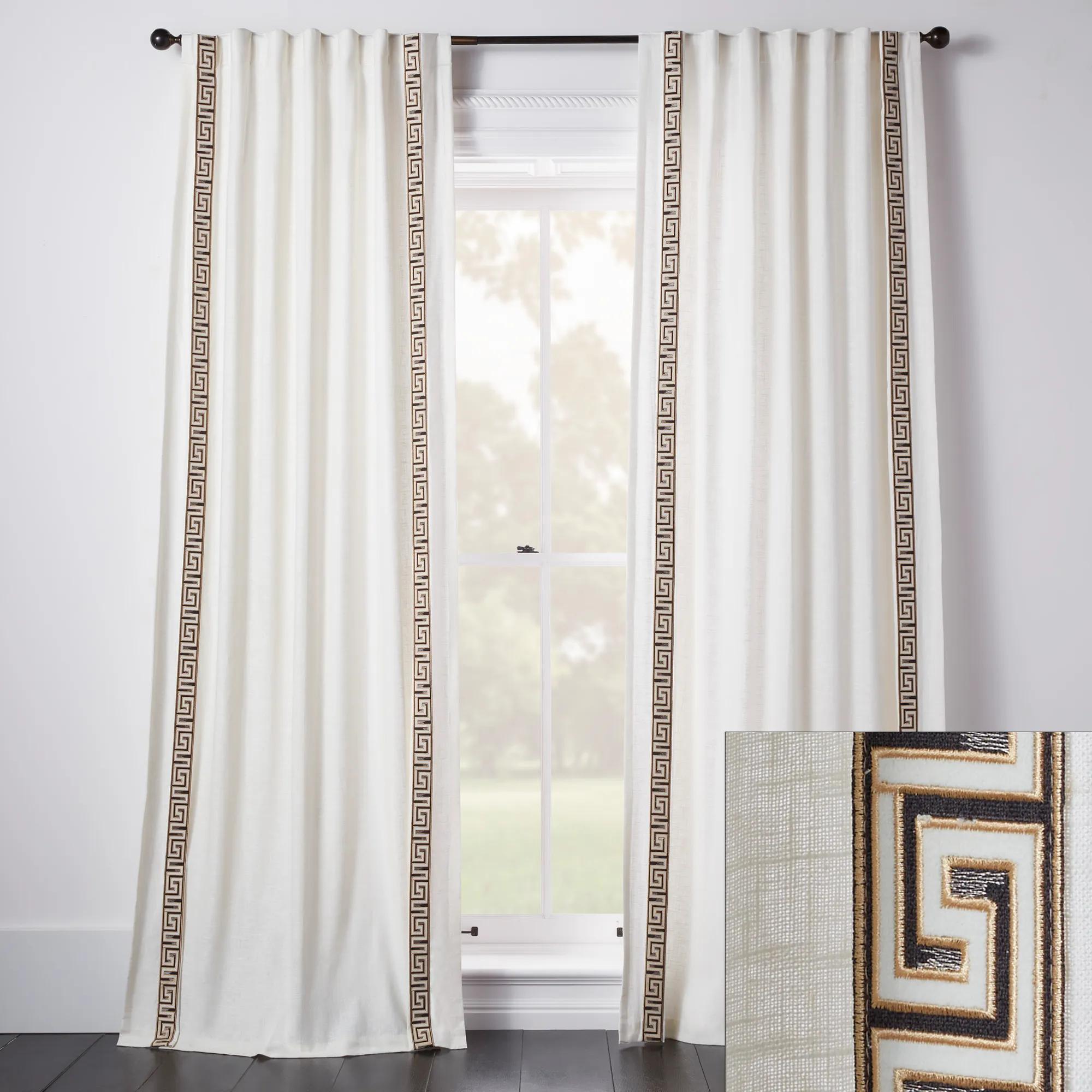 Chole Greek Key Border Velvet Widow Curtain Panels Custom$379
A linen-blend curtain panel with black and gold velvet Greek key border and customizable hanging options.
Add To Cart -
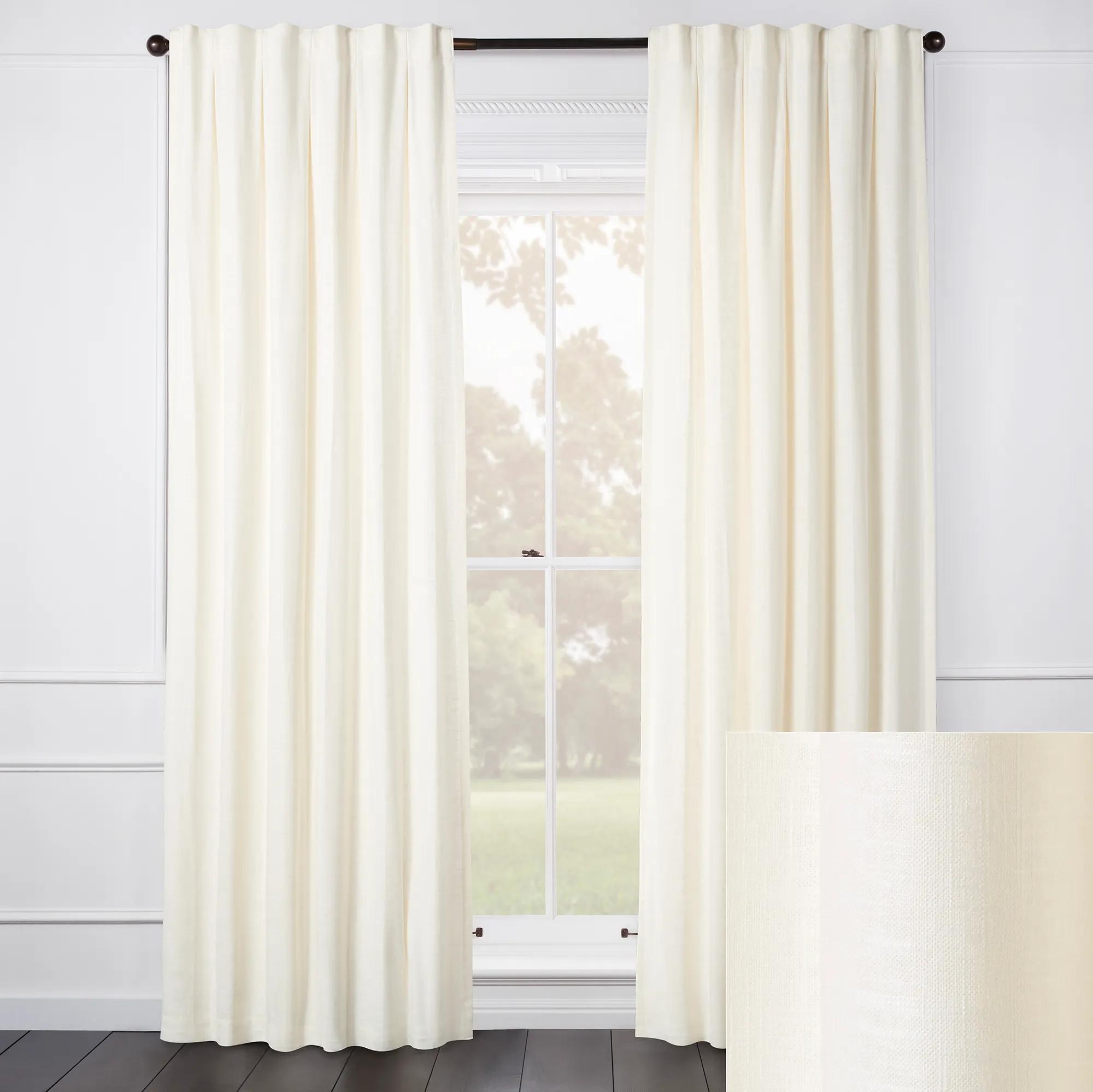
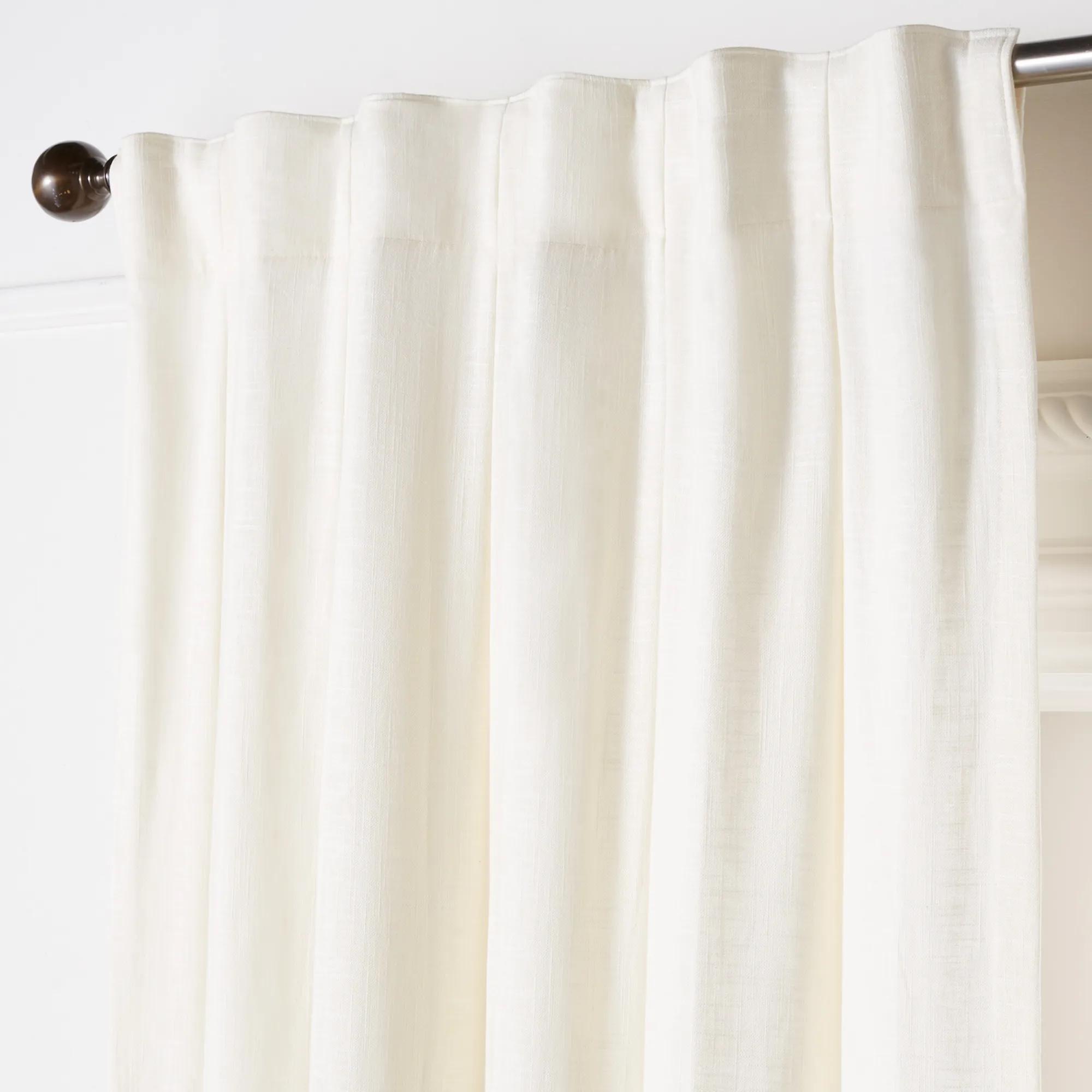 Audrey Linen Ivory Curtain - Custom$269
An ivory linen-blend curtain panel with lining, offering customizable lengths and two elegant header styles.
Add To Cart -
.jpeg?w=1200&h=1200) Mabel Natural Velvet Swirl Window Curtain Panel$99
Mabel Natural Velvet Swirl Window Curtain Panel$99A warm neutral velvet curtain with a tonal swirl pattern, offering room-darkening privacy and versatile hanging options.
Add To Cart -
.jpeg?w=1200&h=1200)
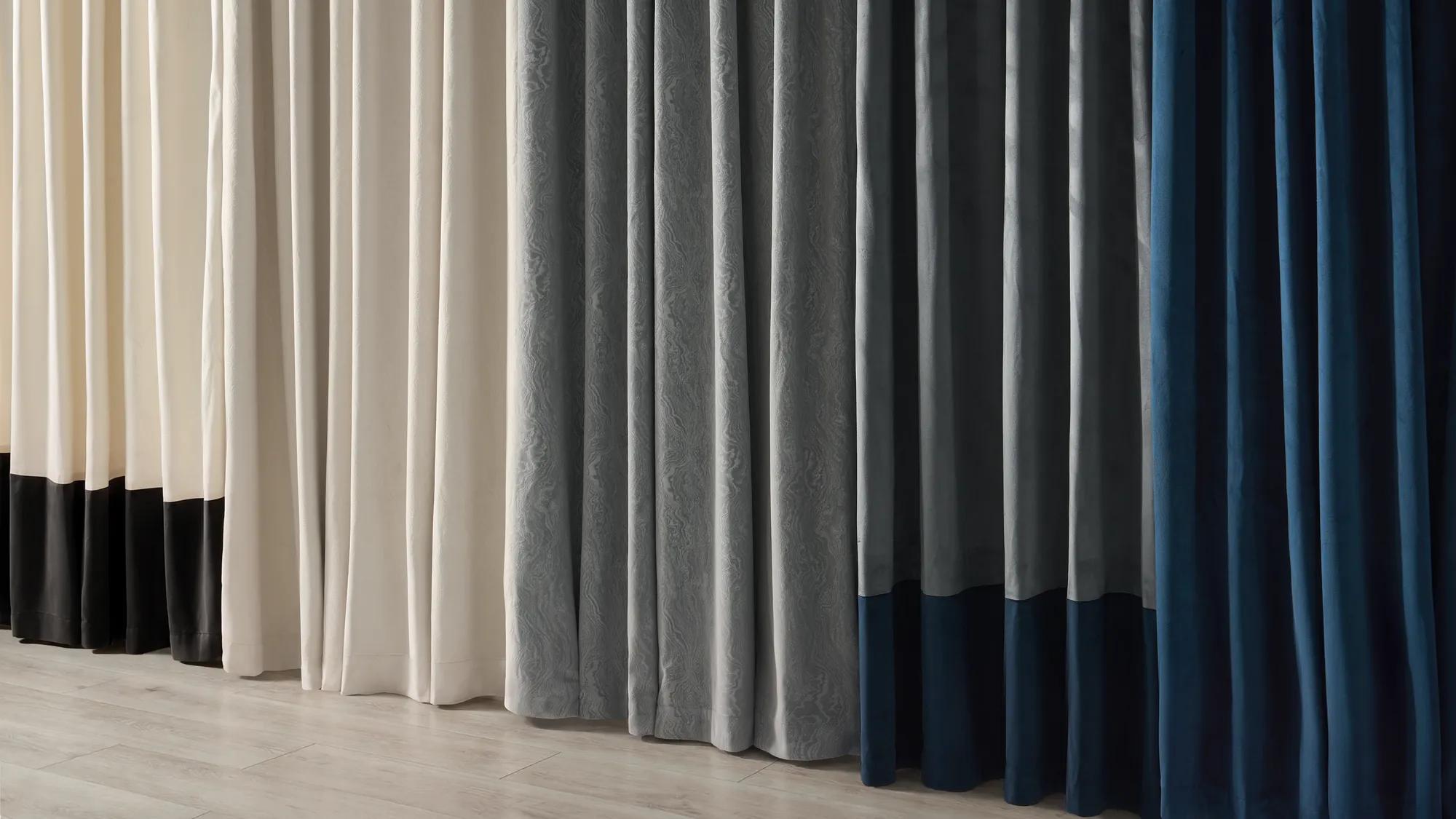 Mabel Velvet Swirl Curtain - Grey Blue$99
A grey blue velvet curtain featuring a tonal swirl pattern and versatile dual hanging options.
Add To Cart -
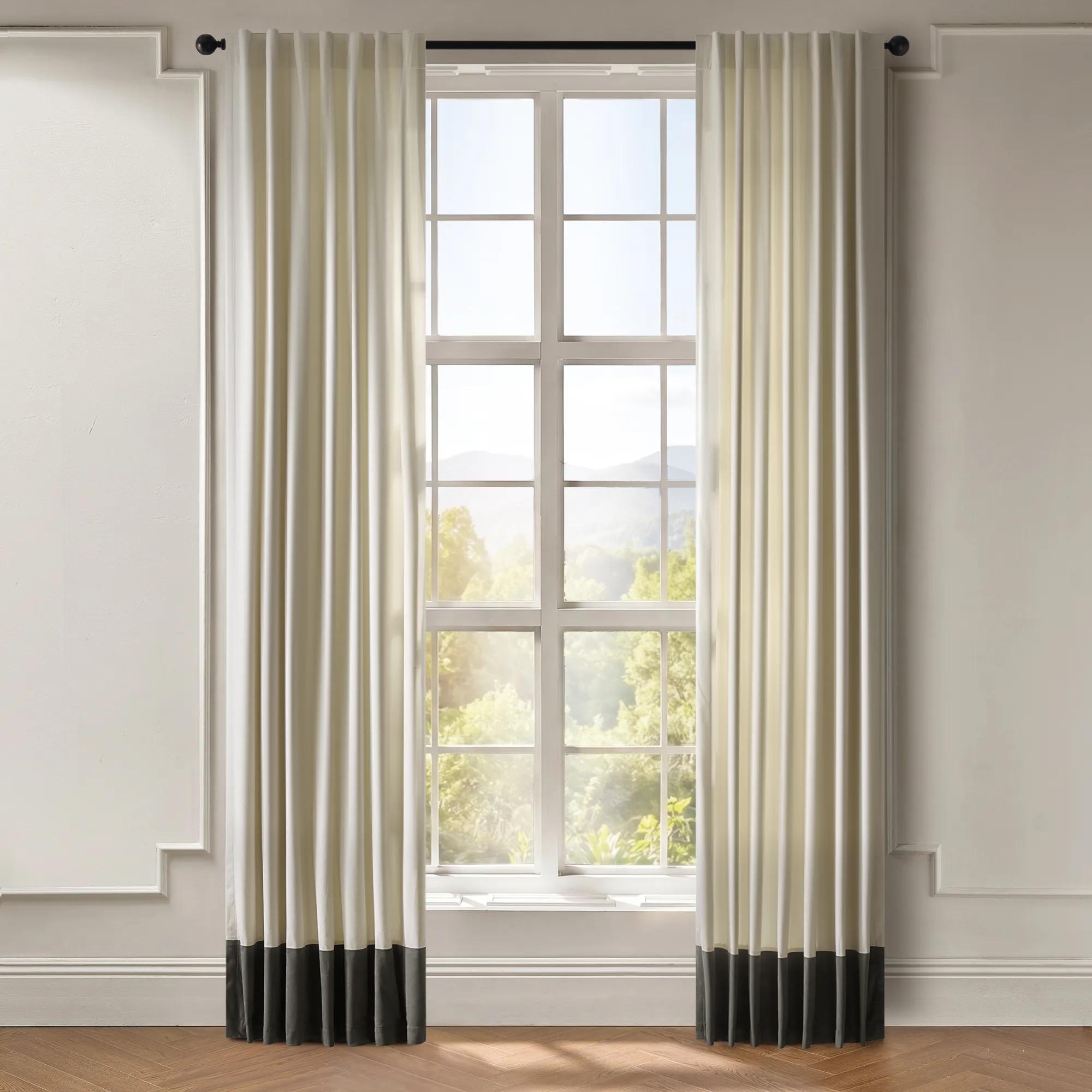
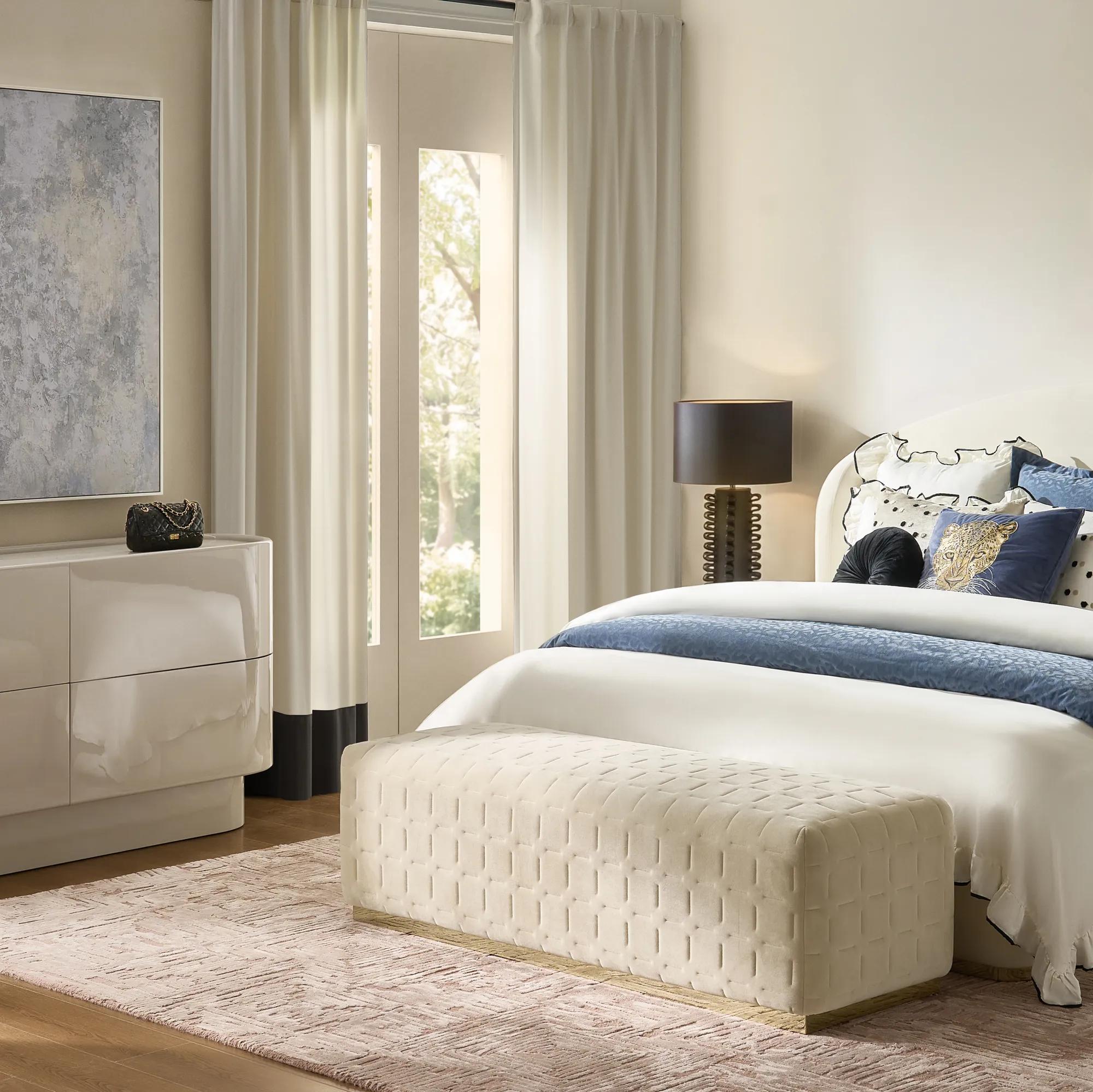 Bastien Ivory/Graphite Velvet Border Window Curtain Panel$109
A two-tone ivory and graphite velvet curtain panel with a Deco-inspired border and room-darkening design.
Add To Cart -
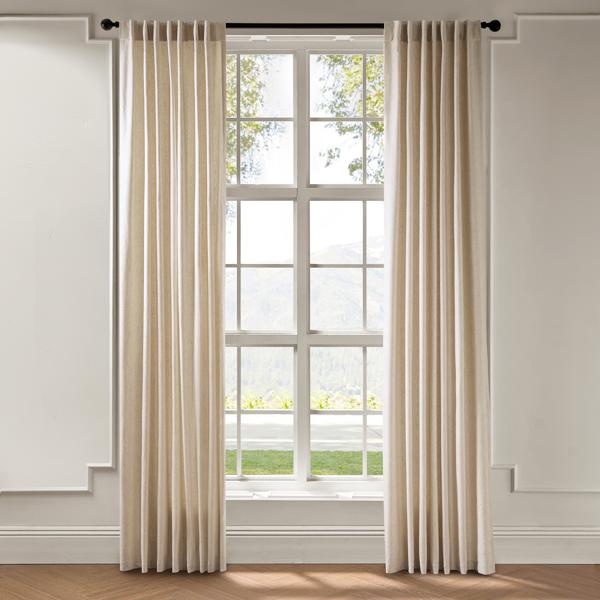
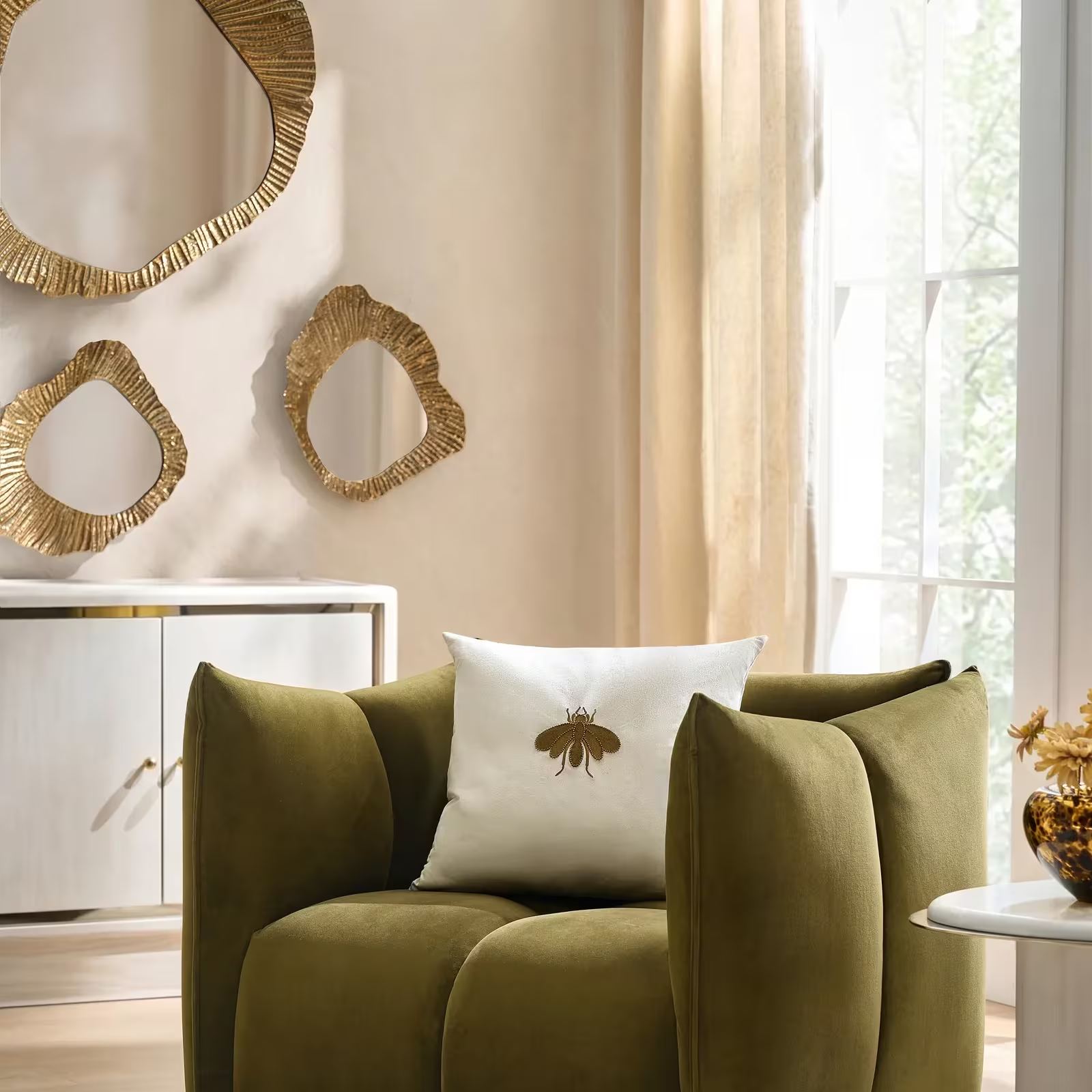 Anson Ivory Textured Window Curtain Panel$89
An ivory polyester curtain with a crushed, light-reflective texture for elegant, room-darkening style.
Add To Cart -
.jpeg?w=1200&h=1200) Adair Midnight Blue Solid Velvet Window Curtain Panel$69
Adair Midnight Blue Solid Velvet Window Curtain Panel$69A sumptuous midnight blue velvet curtain that adds elegance, depth, and room-darkening style to any space.
Add To Cart -
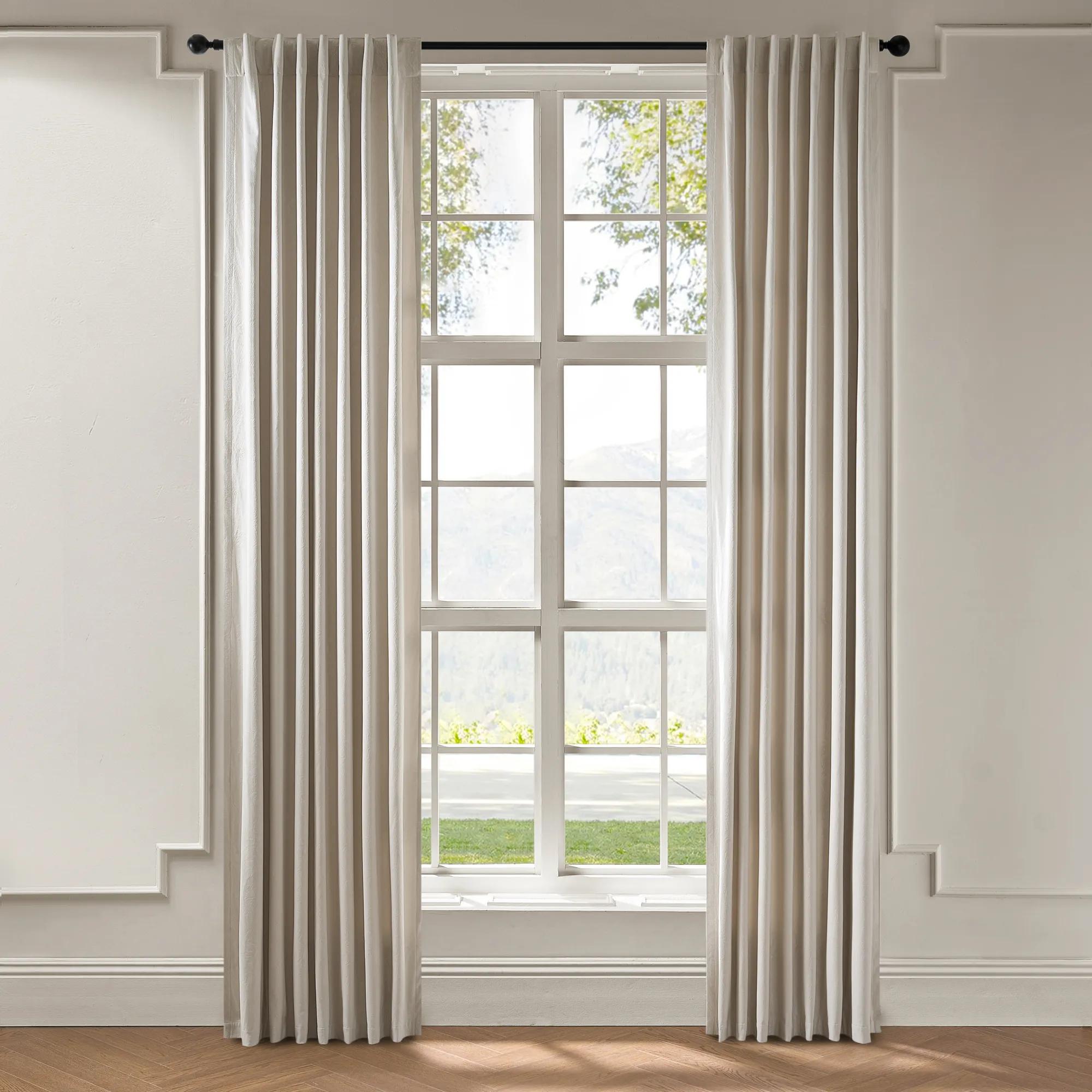
.jpeg?w=1200&h=1200) Mabel White Velvet Swirl Window Curtain Panel$99
Mabel White Velvet Swirl Window Curtain Panel$99A crisp white velvet curtain featuring a tonal swirl texture and versatile dual hanging options.
Add To Cart -
.jpeg?w=1200&h=1200)
 Adair Sand Solid Velvet Window Curtain Panel$79
Adair Sand Solid Velvet Window Curtain Panel$79A room-darkening sand velvet curtain with dual hanging options for a soft, tailored finish.
Add To Cart -
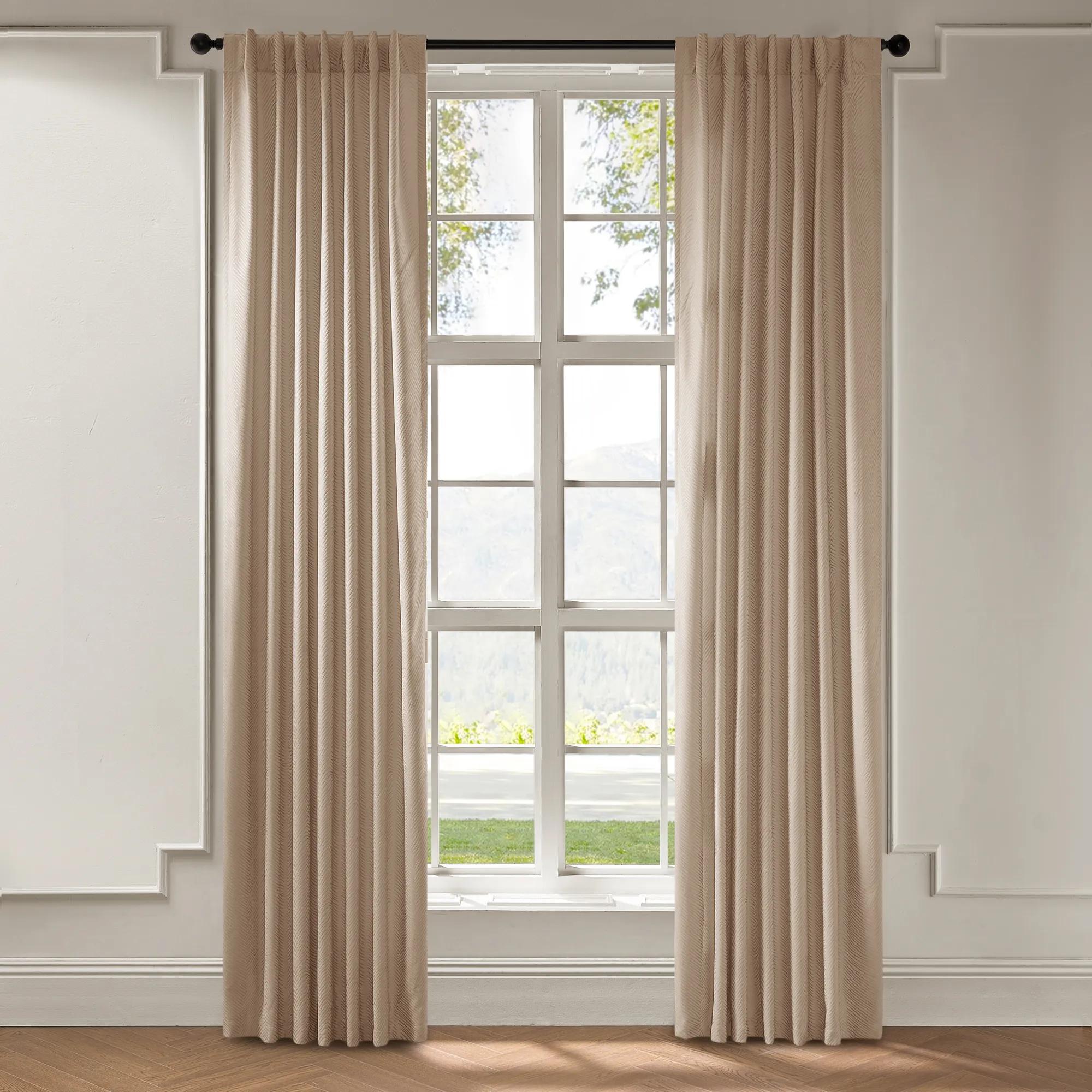 Kenzo Jacquard Beige Chenille Window Curtain Panel$129
A warm beige chenille jacquard curtain with a subtle sheen and versatile rod pocket or back tab hanging.
Add To Cart -
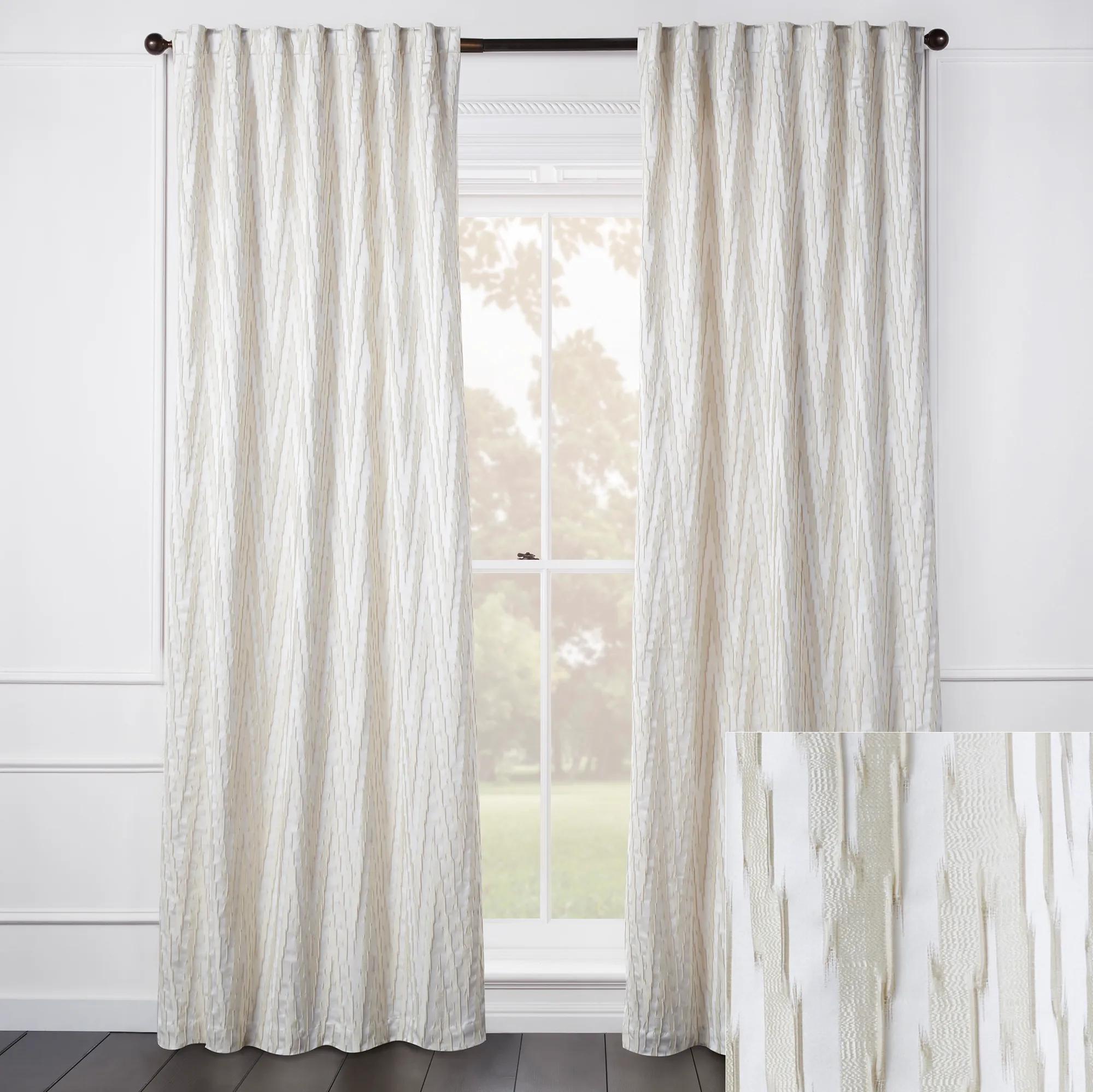
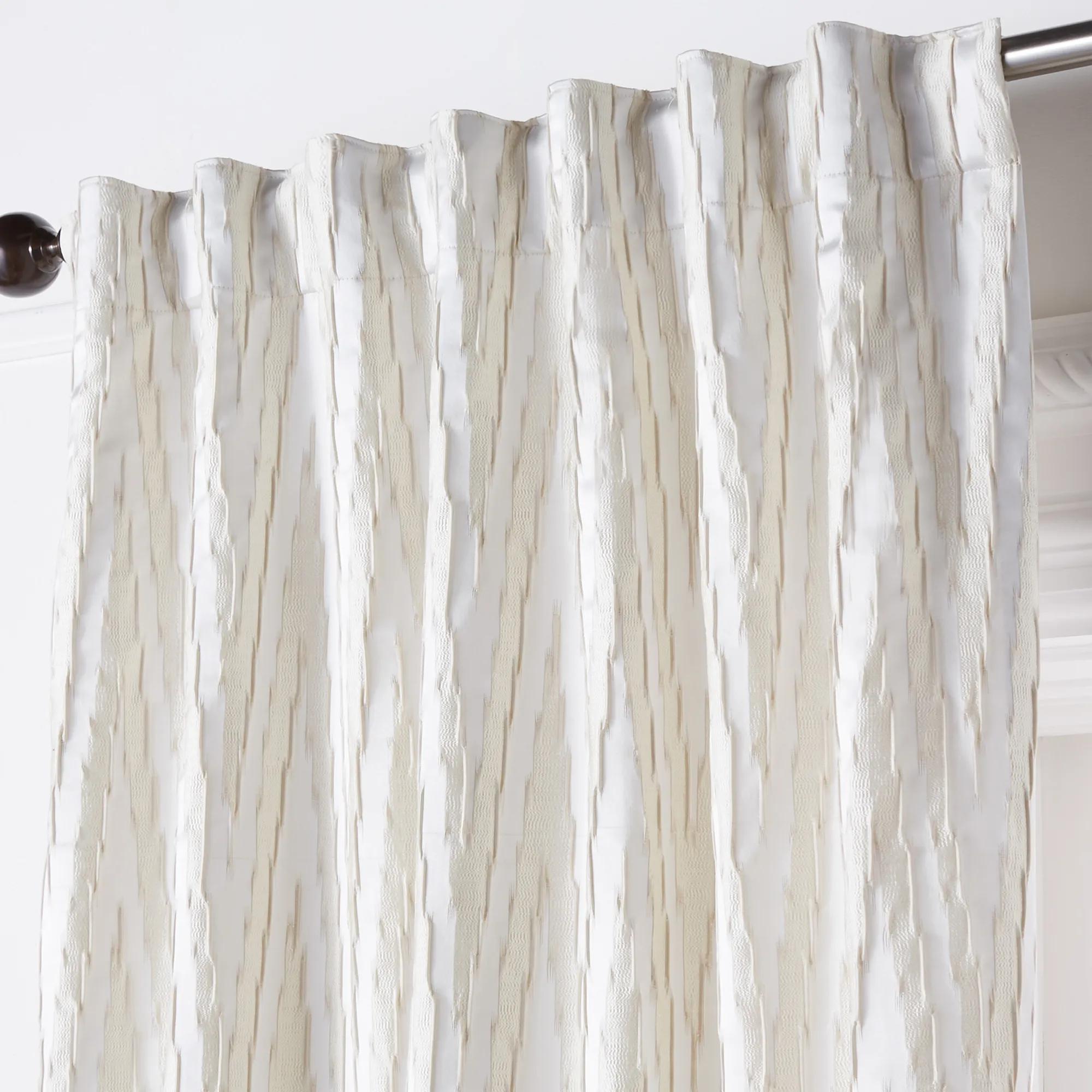 Minka Jacquard Pearl Window Curtain Panel Custom$289
A highly textured chevron curtain panel in pearl, grey, or natural polyester with customizable hanging options.
Add To Cart -
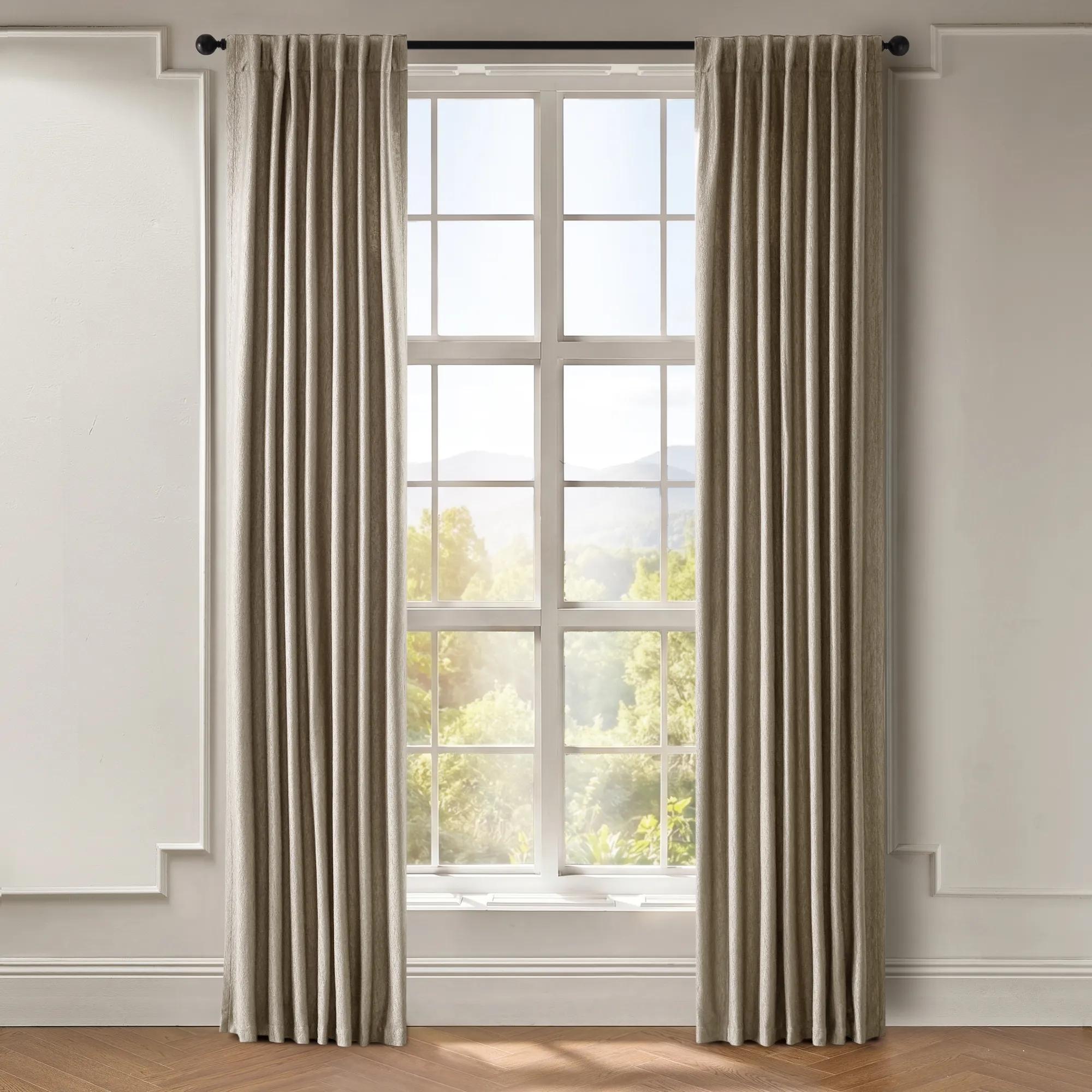
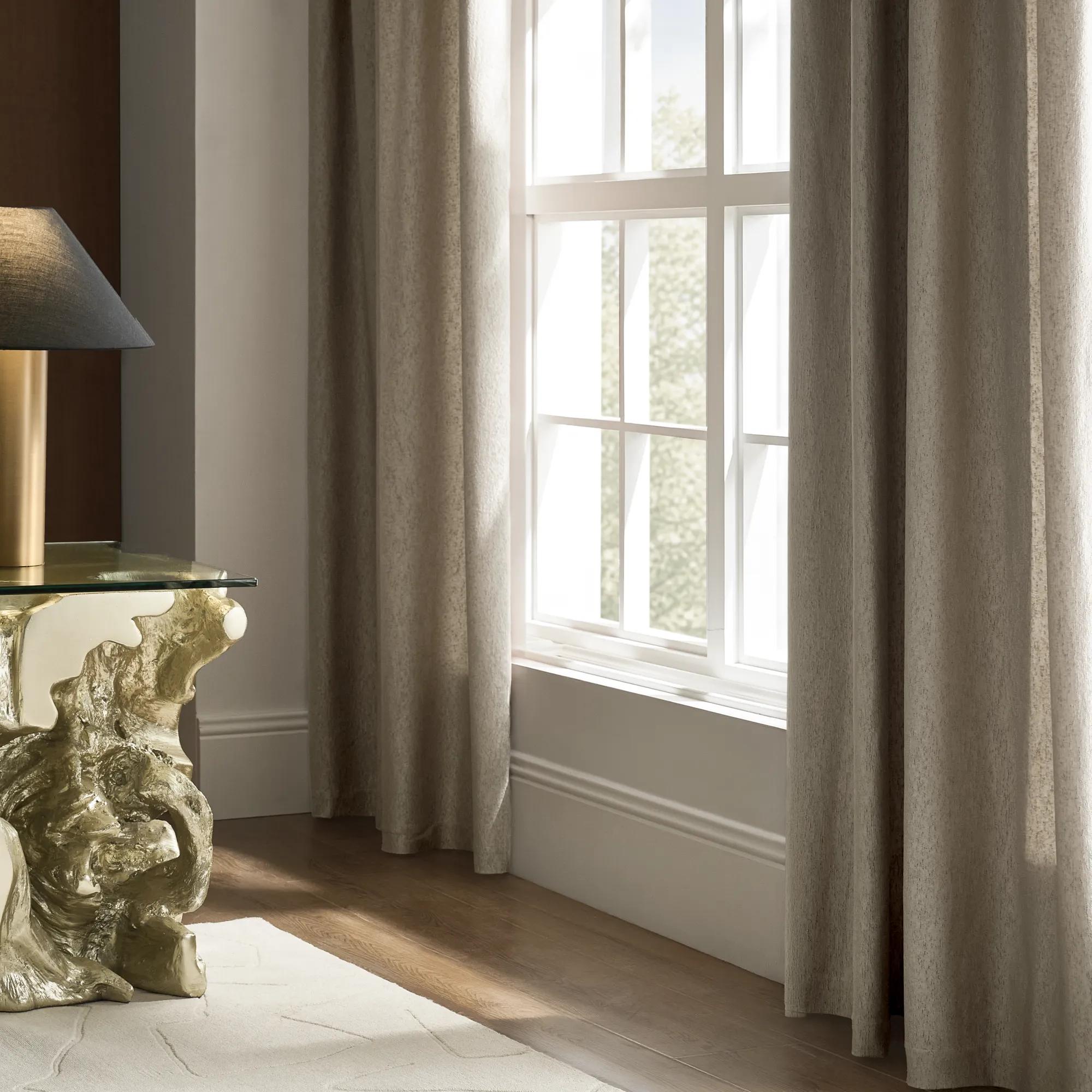 Anson Taupe Textured Window Curtain Panel$99
A taupe polyester curtain panel featuring a crushed sheen texture and versatile room-darkening design.
Add To Cart -
.jpeg?w=1200&h=1200) Anson Charcoal Textured Window Curtain Panel$89
Anson Charcoal Textured Window Curtain Panel$89A moody charcoal curtain with crushed polyester texture and subtle sheen for stylish, room-darkening appeal.
Add To Cart -
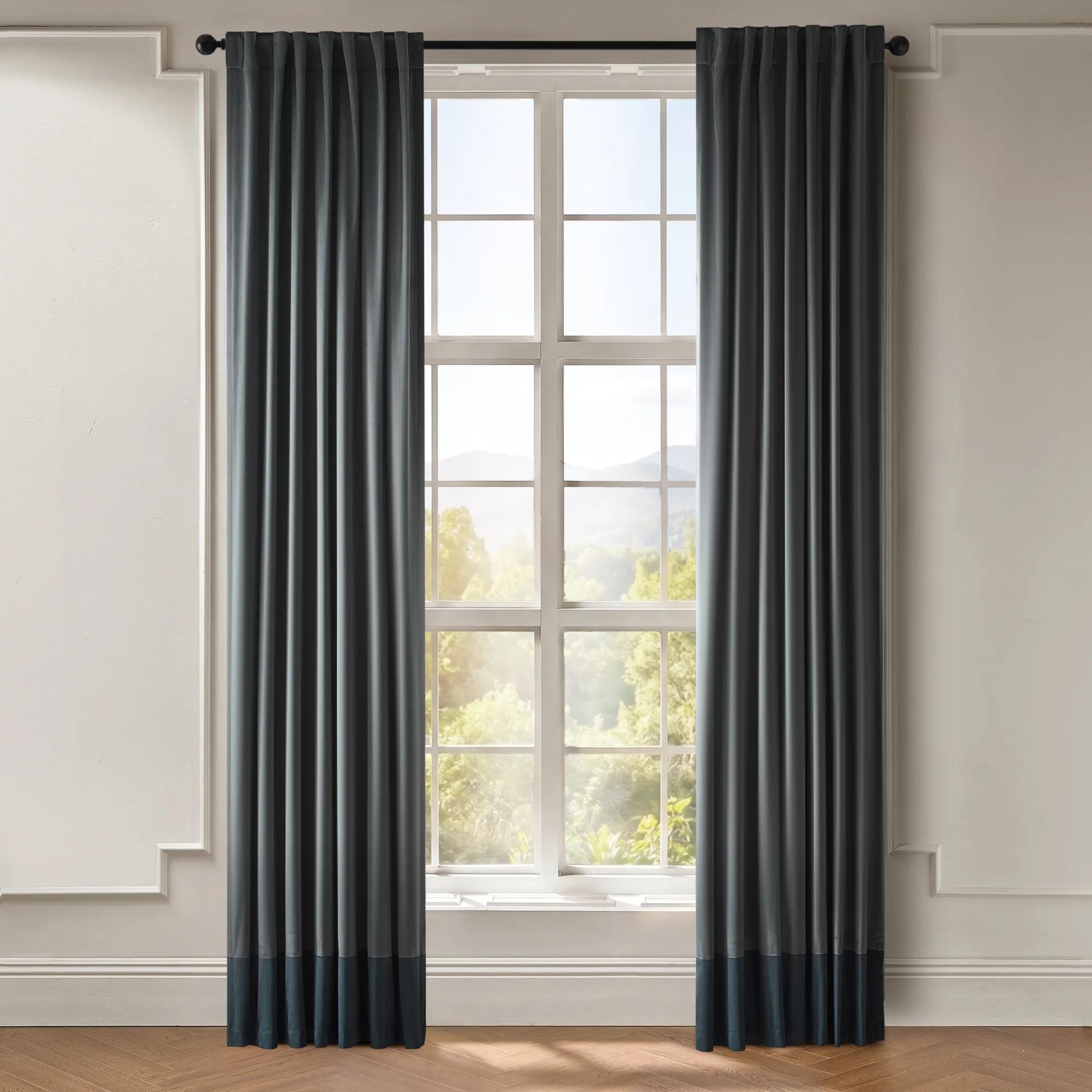
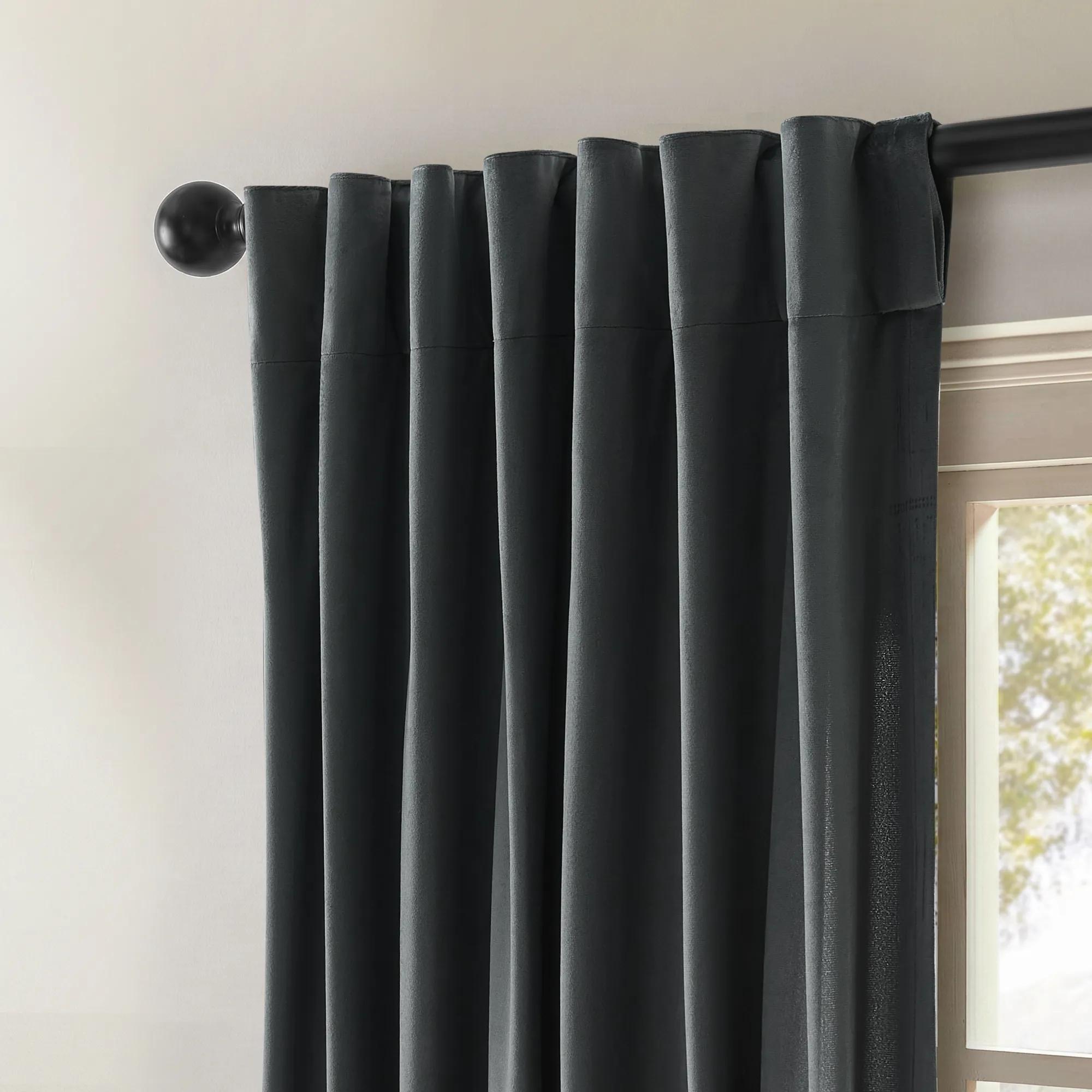 Bastien Blue/Midnight Velvet Border Window Curtain Panel$99
A two-tone dusty and midnight blue velvet curtain panel with a Deco-inspired border and room-darkening design.
Add To Cart -
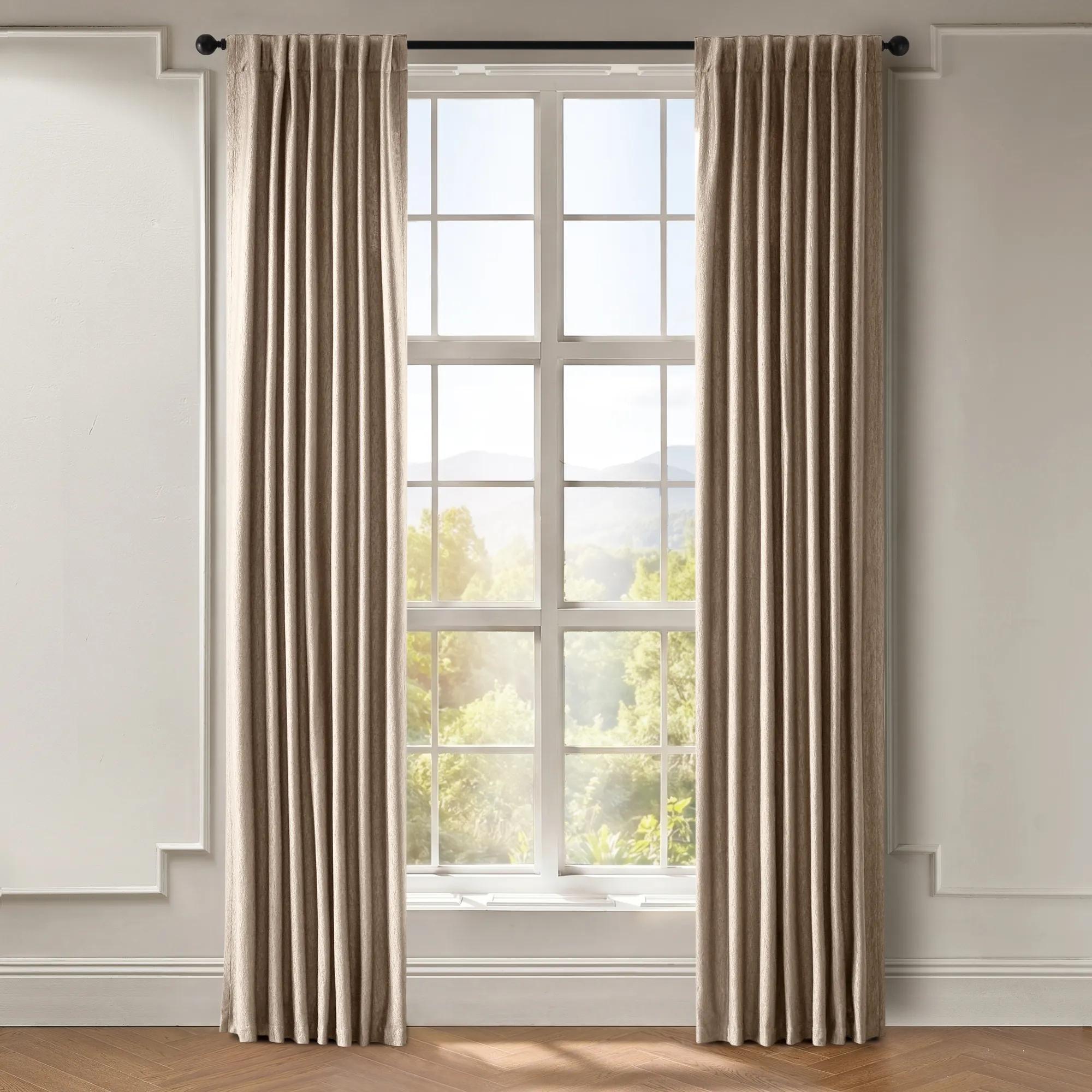 Anson Mocha Rose Textured Window Curtain Panel$99
A light mocha rose curtain panel with crushed sheen texture and room-darkening, dual hanging design.
Add To Cart -
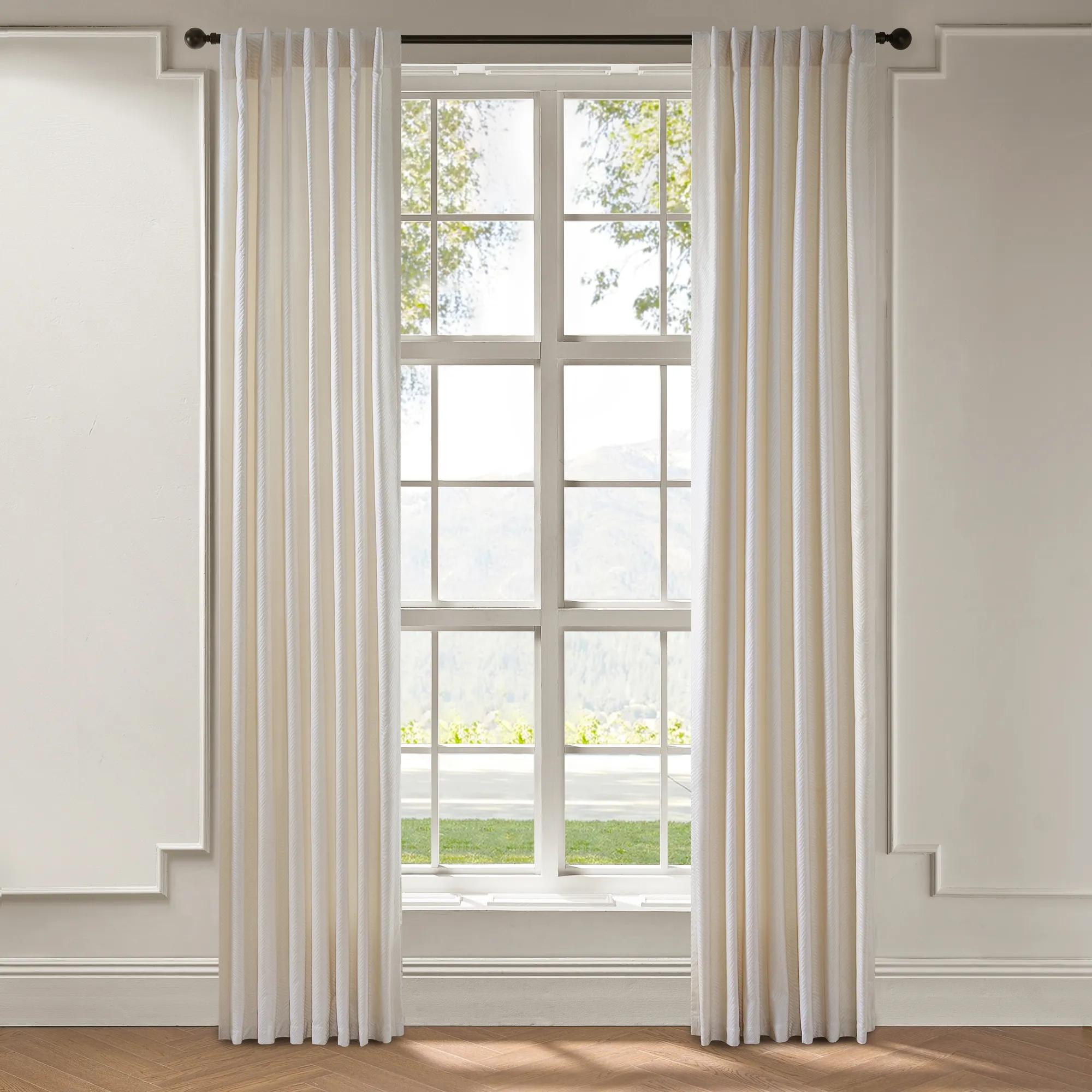
.jpeg?w=1200&h=1200) Kenzo Chenille Curtain - White$139
Kenzo Chenille Curtain - White$139A luxe white chenille jacquard curtain featuring a subtle high-contrast pattern and versatile dual construction.
Add To Cart -
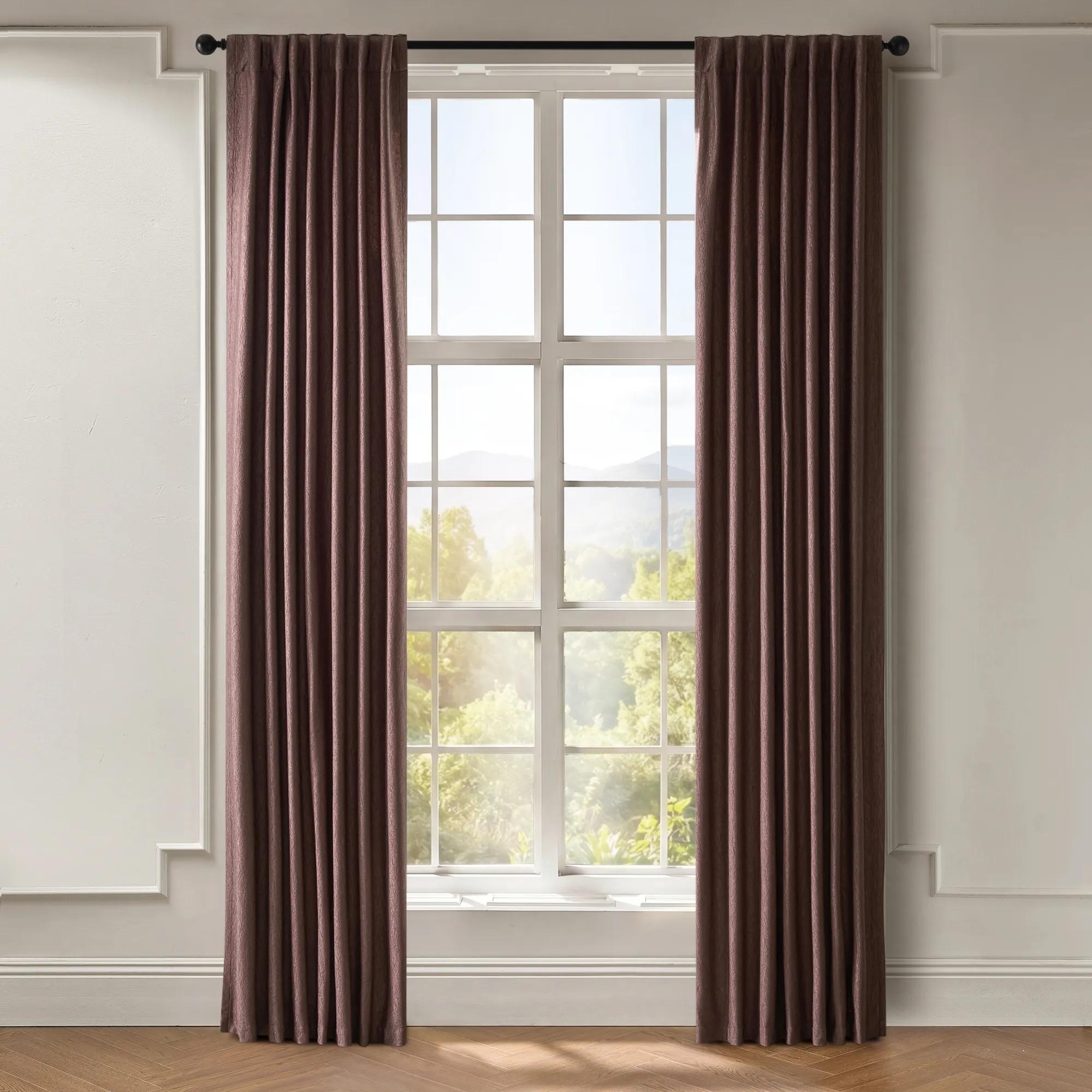
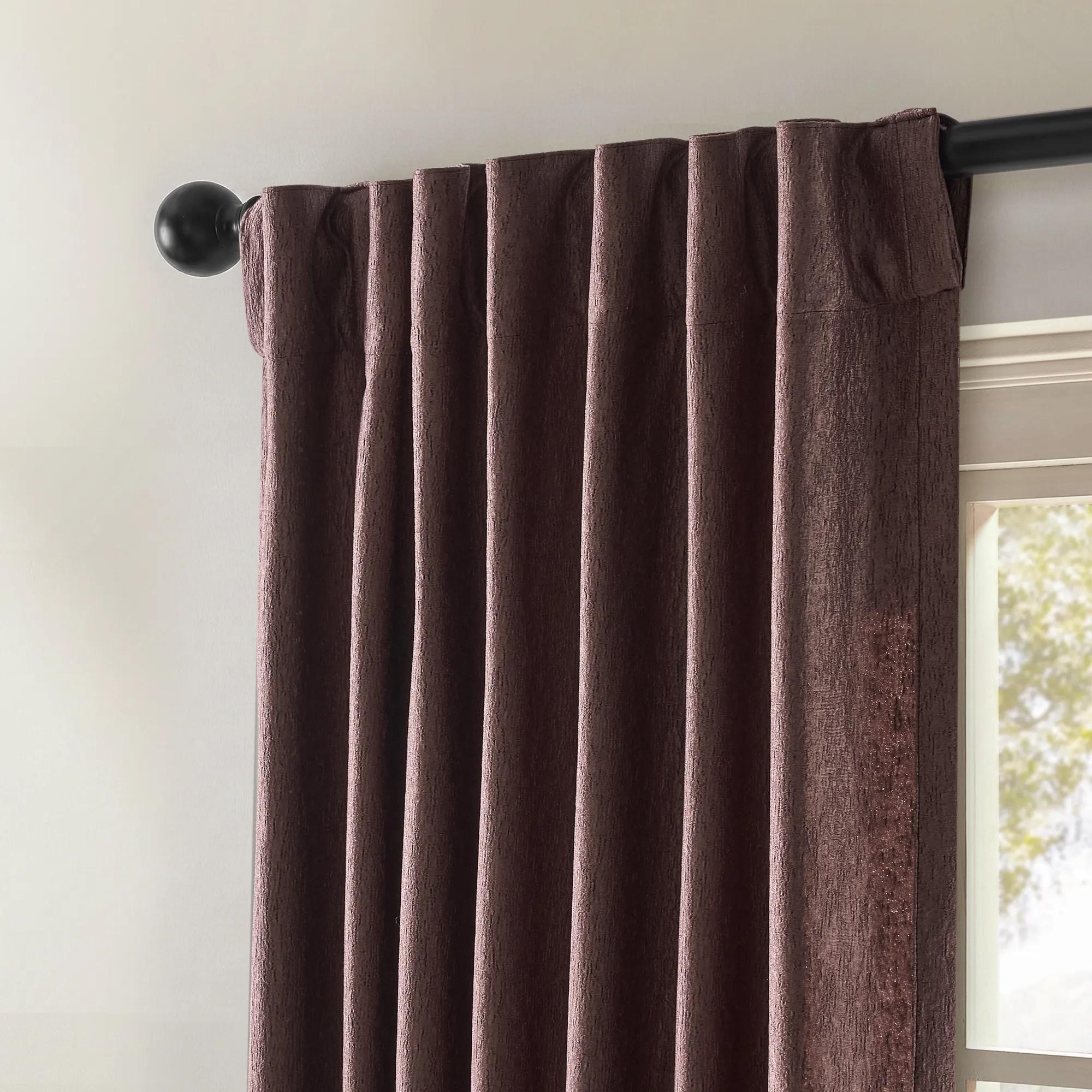 Anson Fig Textured Window Curtain Panel$89
A deep fig curtain panel with crushed sheen texture and room-darkening, dual hanging design in polyester.
Add To Cart

Window Curtains For Classic Interiors
Window curtains for classic interiors are more than mere accents—they are the grand overture that frames your room in timeless elegance. With every gentle drape and tailored pleat, these curtains evoke the romance of bygone eras while infusing your space with a sense of refined drama. Imagine sunlight filtering through sumptuous fabrics, casting delicate shadows that dance across polished floors and gilded moldings. Whether you’re curating a stately dining room or a serene bedroom retreat, window curtains for classic interiors invite you to indulge in a world where tradition meets artistry, and every view is elevated to an exquisite tableau.
Window curtains for classic interiors bring softness, structure, and a sense of occasion to rooms shaped by timeless design. In a traditional setting, the right panels do more than cover glass; they frame the view like an architectural detail, temper daylight, and add the layered richness that makes a room feel considered. Look for fabrics with beautiful hand and movement, including linen blends, cotton, velvet, lace, and softly woven textiles that gather into graceful folds. Heritage-inspired florals, medallions, scrolling botanicals, delicate stripes, checks, and subtle damask patterns can echo the character of antique furnishings without making the room feel preserved in another era. Solid curtains in ivory, warm taupe, dove gray, muted blue, olive, or deep jewel tones offer an equally elegant approach, especially when the room already has patterned upholstery or an ornate rug. Texture matters as much as color: a slubbed weave introduces quiet dimension, while a lightly lustrous finish catches the changing daylight and gives the window a polished glow. Sheer or semi-sheer layers are especially beautiful in classic interiors, allowing morning light to filter through with a gentle, atmospheric quality; fuller panels can then be drawn in the evening to create intimacy and visual weight. During the cooler months, lined curtains can also make a room feel more enveloping while helping soften drafts and reduce glare. Consider the mood you want to establish across the room—airy and collected, stately and dramatic, or warmly nostalgic—and choose a textile that supports that story. A curtain may be the finishing touch in a formal dining room, a graceful backdrop for a bedroom, or the detail that gives a sitting room its unmistakable sense of welcome. For more inspiration, explore Curtains For Elegant Home Updates and discover how beautifully chosen window treatments can elevate the entire atmosphere of a home.
Proportion is the secret to making classic window curtains look intentional rather than merely functional. Before purchasing, measure the width of the window and the full area you would like the curtains to cover, including any trim or space beyond the frame. Mounting the rod approximately four to six inches above the window casing—and extending it several inches beyond each side—can create the impression of taller ceilings and a more generous window. In rooms with high ceilings, the rod may sit even closer to the ceiling or crown molding for a grander, more continuous line. For a rich, tailored appearance, plan on a total curtain width of roughly one and a half to two times the window width, depending on the fabric and the fullness you prefer. Sheer materials often benefit from additional width, while a heavier textile can achieve a luxurious drape with slightly less. Length deserves equal attention. Panels that lightly kiss the floor create a crisp, refined finish, while a modest break or puddle can feel more romantic in a formal room, particularly when the fabric is supple and substantial. Avoid curtains that stop awkwardly above the floor unless they are intentionally styled for a specific architectural feature, such as a radiator or a deep sill. Consider the heading style as well: pinch pleats and tailored folds reinforce a traditional sensibility, while rod pockets or relaxed tab details create a softer cottage character. Lining can protect delicate fabric from strong sunlight, improve opacity, and help curtains hang with greater body; blackout lining is useful for bedrooms and media spaces, while light-filtering options preserve a luminous daytime quality. If the windows are unusually wide, tall, arched, or positioned close to built-ins, account for hardware clearance and how the panels will stack when open. These details are practical, but they also shape the final composition, ensuring that the curtains feel like an elegant extension of the architecture rather than an afterthought.
Classic curtains suit anyone who appreciates interiors with warmth, heritage, and a little ceremony. They are a natural choice for a homeowner furnishing a traditional dining room, refreshing a guest suite, or bringing a more finished look to a family room where the furnishings already carry enduring appeal. They can also be a thoughtful housewarming gift for someone settling into a period home, restoring a historic property, or creating a layered retreat with collected pieces gathered over time. Because window dimensions and personal preferences vary, gift shoppers may wish to confirm measurements or choose a versatile color and fabric that can move gracefully from one room to another. In a bedroom, lined curtains can turn daylight into a softer veil and make the bed feel more secluded and serene. In a dining room, patterned panels can amplify the drama of candlelight, polished wood, and gleaming tableware. In a living room, full-length curtains help connect the window to the rest of the furnishings, especially when their color picks up a tone from an accent chair, artwork, or area rug. For an entry space or reading corner, a delicate sheer can lend privacy without sacrificing brightness. During the transition between warmer and cooler weather, curtains are also an effortless way to refresh the atmosphere: lighter weaves keep the room feeling open when the sun is bright, while richer textures make the space feel cocooning as evenings grow longer. Care for the fabric according to its construction, and allow enough room for panels to open fully so the window remains an inviting source of natural light. Whether your taste leans toward restrained elegance or unapologetic grandeur, classic window curtains offer an expressive layer of design—one that softens the architecture, heightens the palette, and gives every room a beautifully framed point of view.
FAQ List
For classic interiors, luxurious materials such as velvet, silk, and linen are favored for their ability to drape beautifully and add depth to a room. Velvet offers a sense of drama and warmth, silk brings a luminous sheen, and linen provides crisp structure with a tailored finish. These fabrics not only elevate the look of your windows but also contribute to the overall atmosphere of timeless sophistication.
Layering curtains is a hallmark of creative curtains and interiors, allowing you to add both visual interest and functional versatility. Start with a sheer panel to diffuse light and create softness, then add a heavier drape—such as a rich velvet or patterned fabric—for privacy and drama. Mixing textures and tones in this way creates a dynamic, curated effect that feels both classic and fresh.
Beige curtains are a timeless choice for classic spaces, offering a subtle backdrop that enhances architectural details and allows statement furnishings to shine. Their understated elegance brings warmth and serenity to a room, making them ideal for those who appreciate refined simplicity without sacrificing sophistication.
Art deco window treatments are a striking way to blend classic elegance with modern flair. Look for geometric patterns, metallic accents, and bold color contrasts to infuse your space with vintage glamour while maintaining a fresh, current feel. These elements pair beautifully with traditional furnishings, creating a layered look that feels both curated and unexpected.
Classic window curtains make a memorable gift for anyone embarking on a new home journey, from newlyweds to first-time homeowners or those celebrating a move. Their timeless appeal and transformative power turn any space into a personal sanctuary, making them a cherished gesture for loved ones who value beauty, comfort, and expressive design.
.jpeg?w=4130&h=4130)
.jpeg?w=4130&h=4130)
.jpeg?w=4130&h=4130)
.jpeg?w=4130&h=4130)