White Parsons Dining Chairs
White Parsons Dining Chairs
-
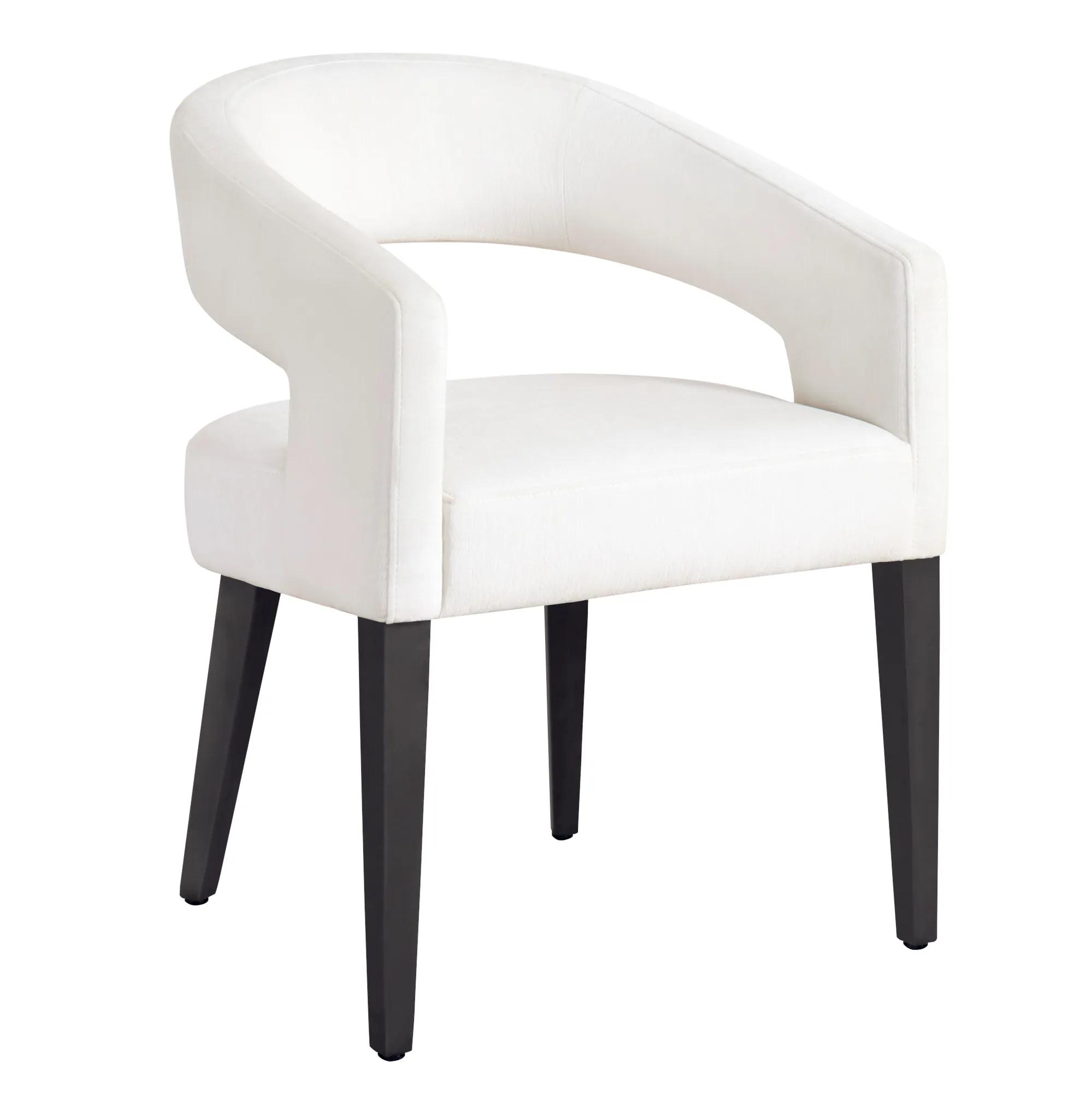
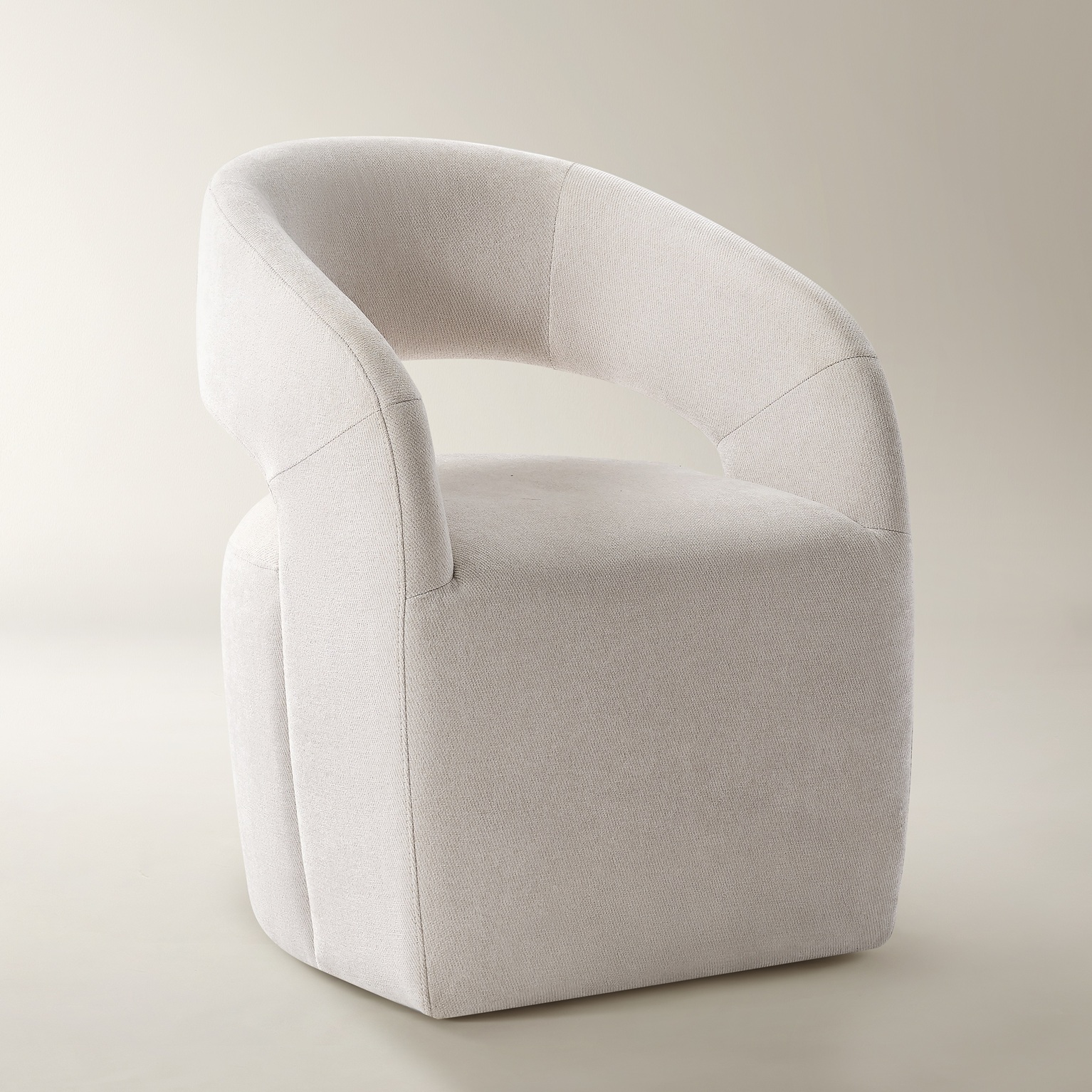 Harrison Ivory Performance Chenille Dining Chair$499
A sculptural ivory chenille chair featuring a continuous curved back, feather-blend comfort, and performance upholstery.
Add To Cart -
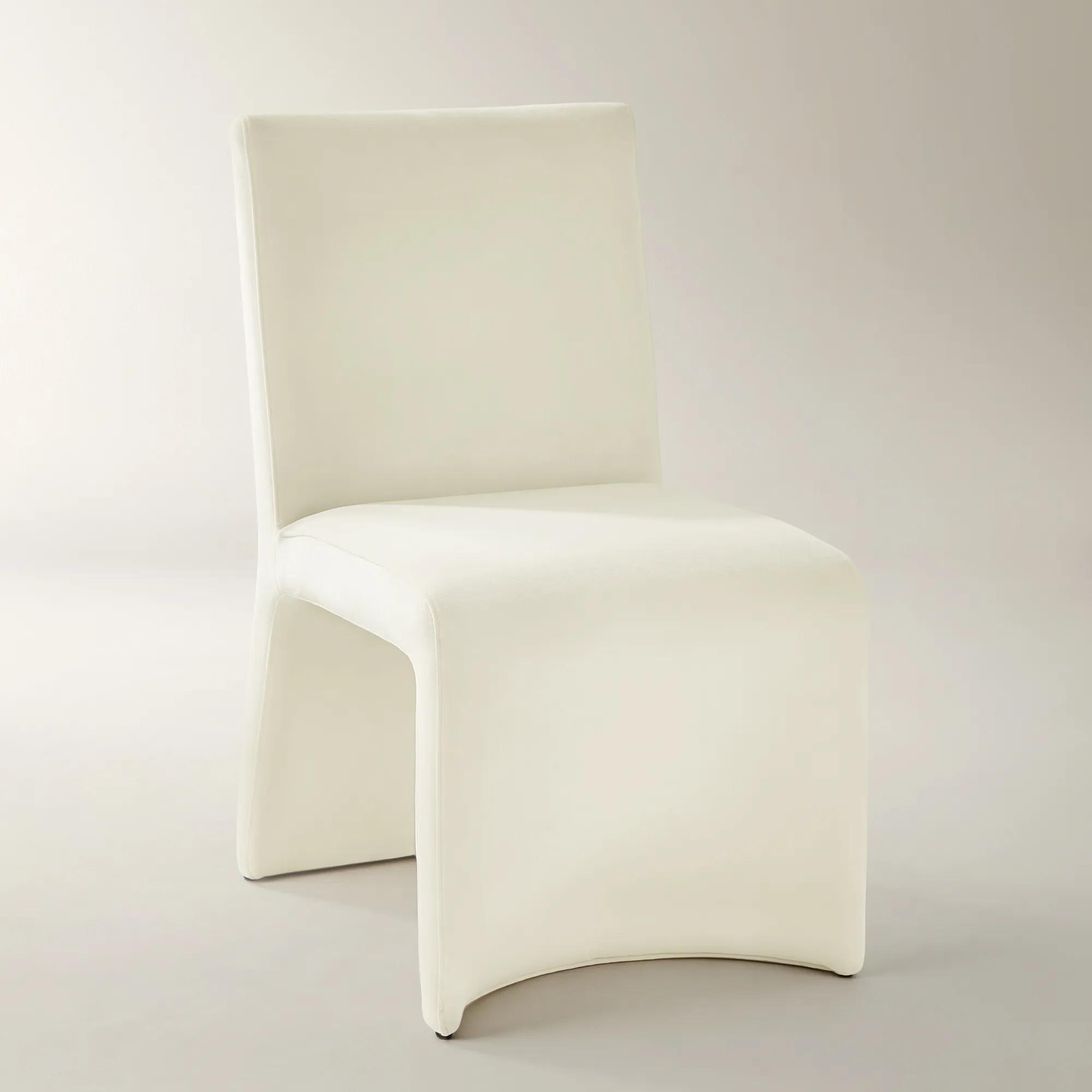 Elara Cloud Velvet Dining Chair Set Of 2$799
A set of two dining chairs featuring plush velvet upholstery, a seamless curved silhouette, and a sturdy steel frame.
Add To Cart -
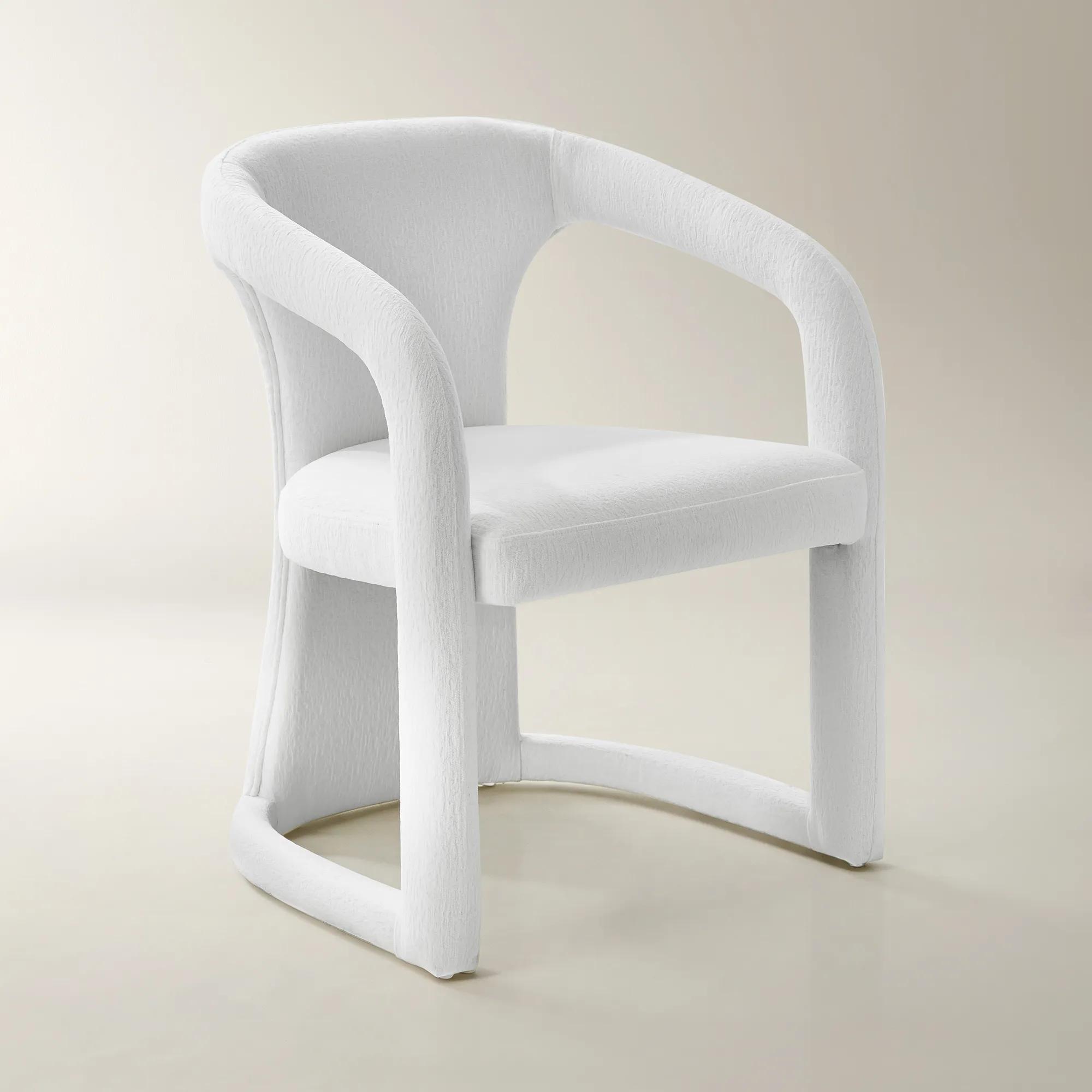
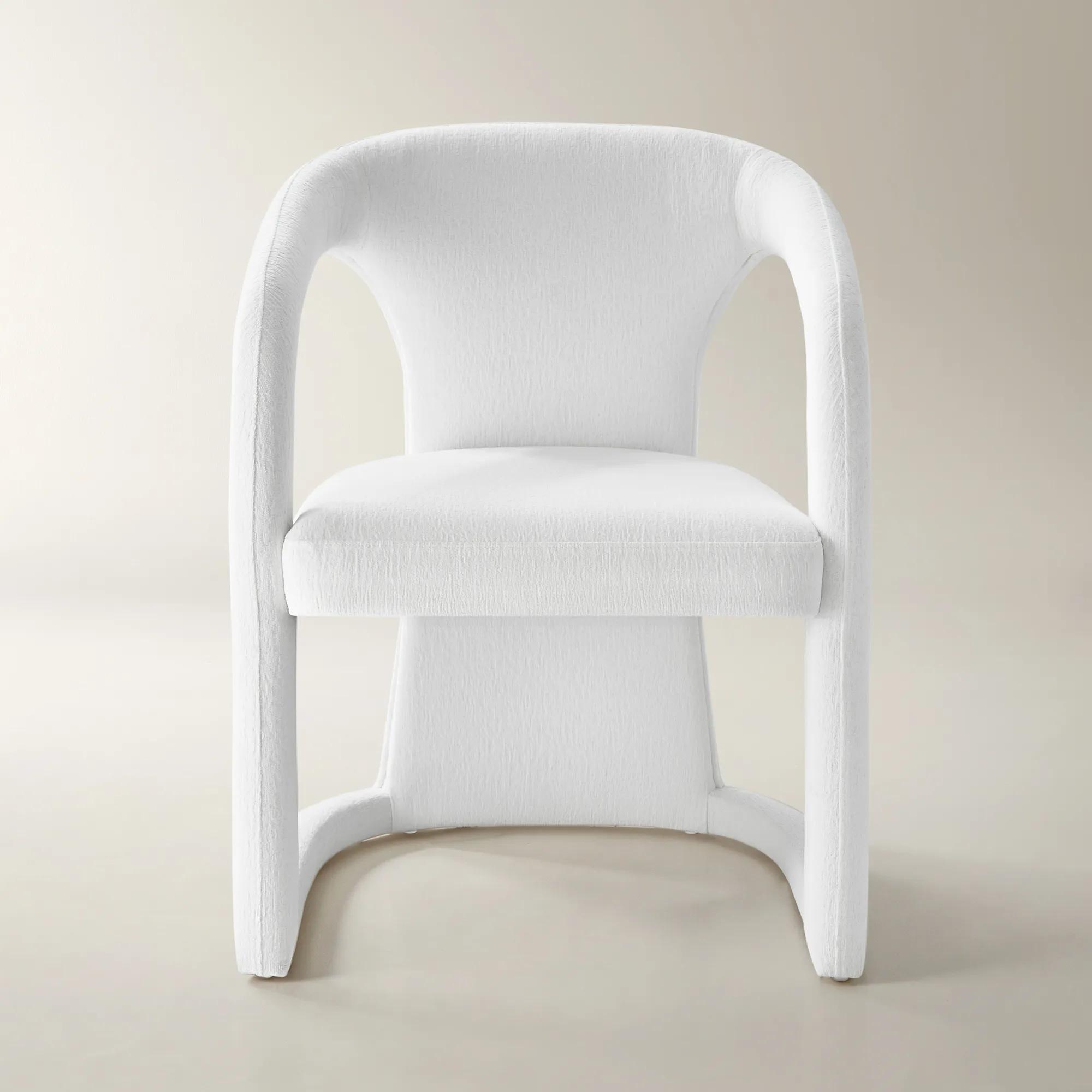 Arco White Performance Chenille Indoor/Outdoor Dining Chair$699
A sculptural white chenille dining chair with plush padding, moisture resistance, and indoor/outdoor versatility.
Add To Cart -
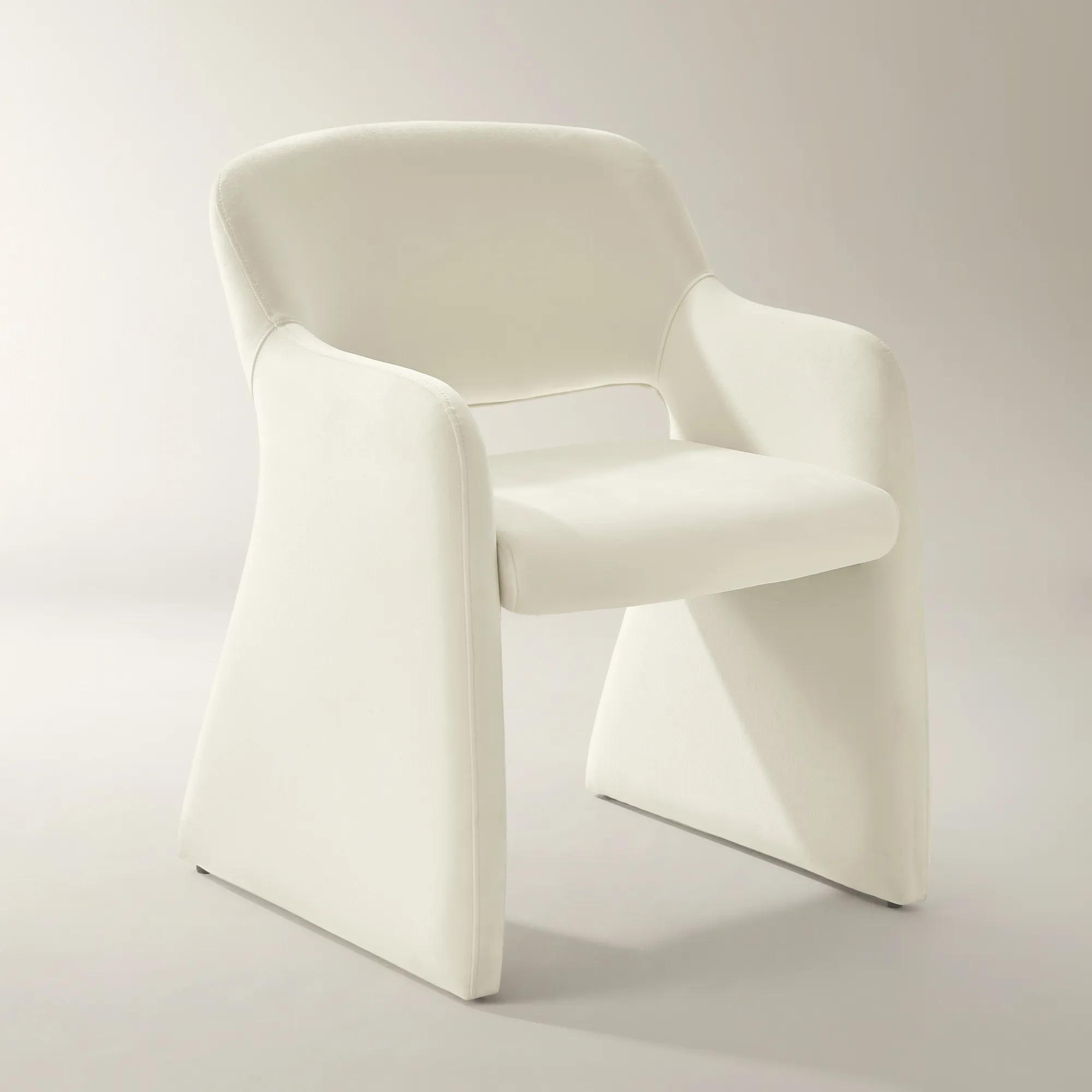 Elara Cloud Velvet Dining Chair$449
A plush velvet dining chair featuring a seamless wraparound silhouette and supportive carbon steel frame.
Add To Cart -
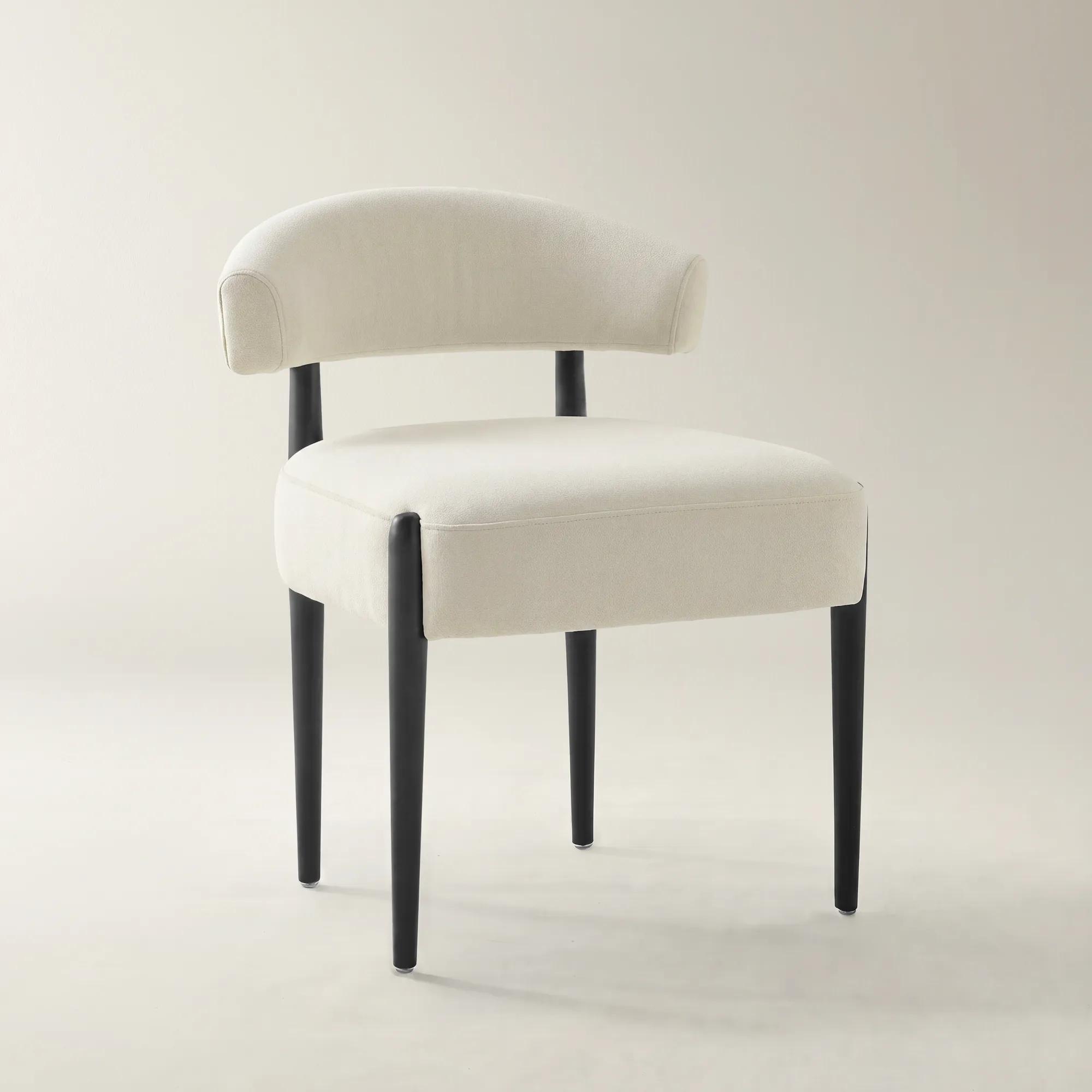
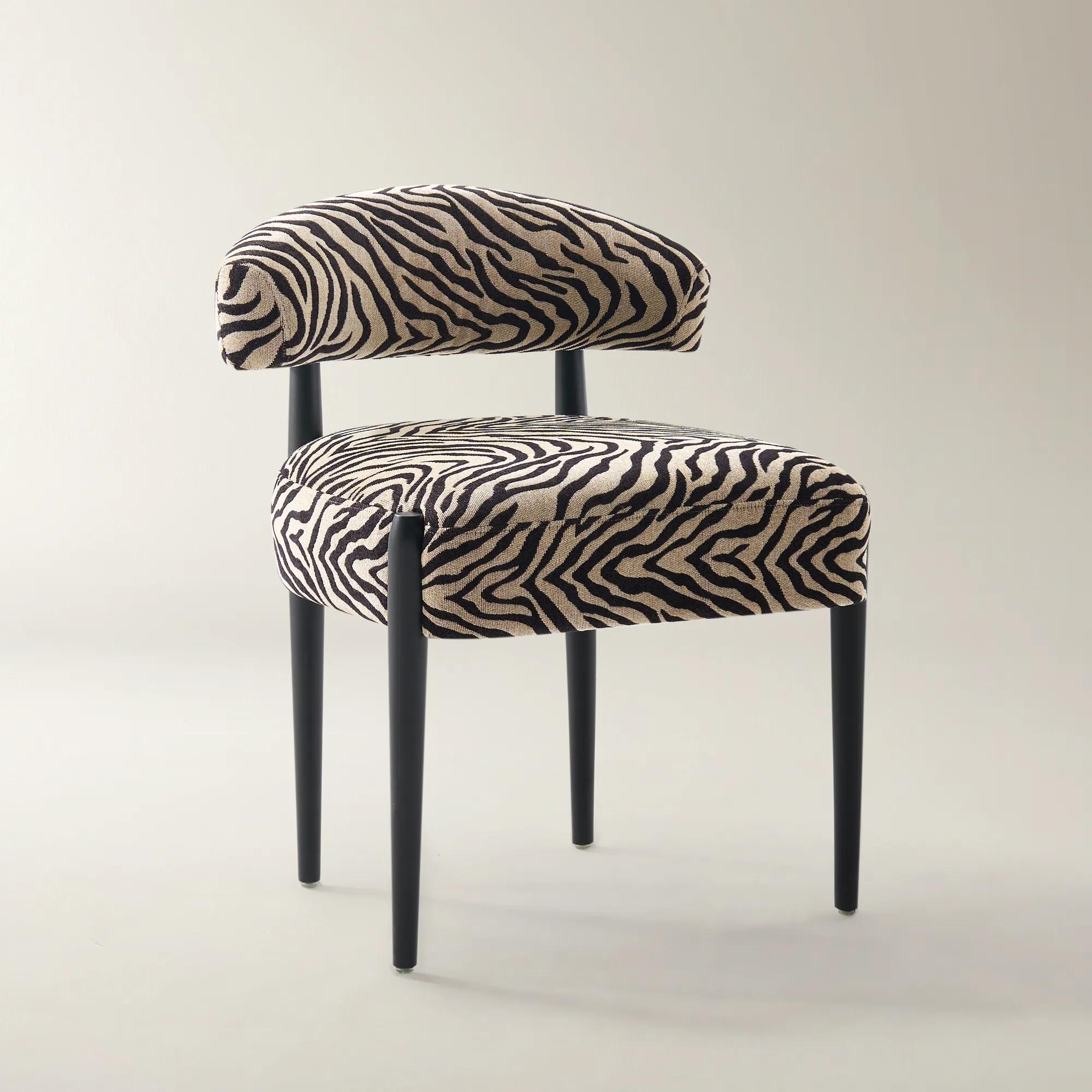 Anna Ivory Performance Chenille Dining Chair Set of 2$699
An ivory performance chenille chair pair featuring curved backs, high-density foam, and solid rubberwood legs.
Add To Cart -
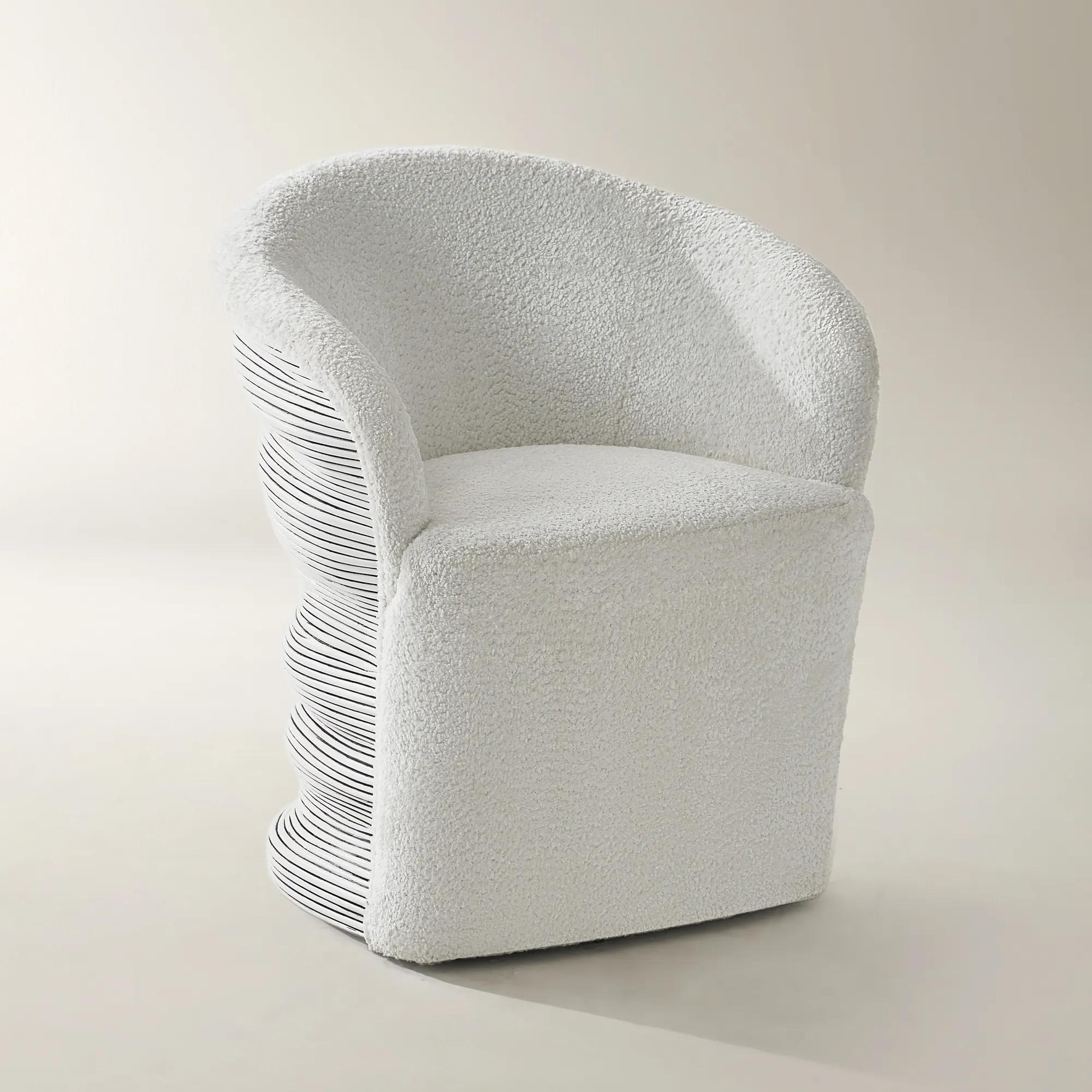
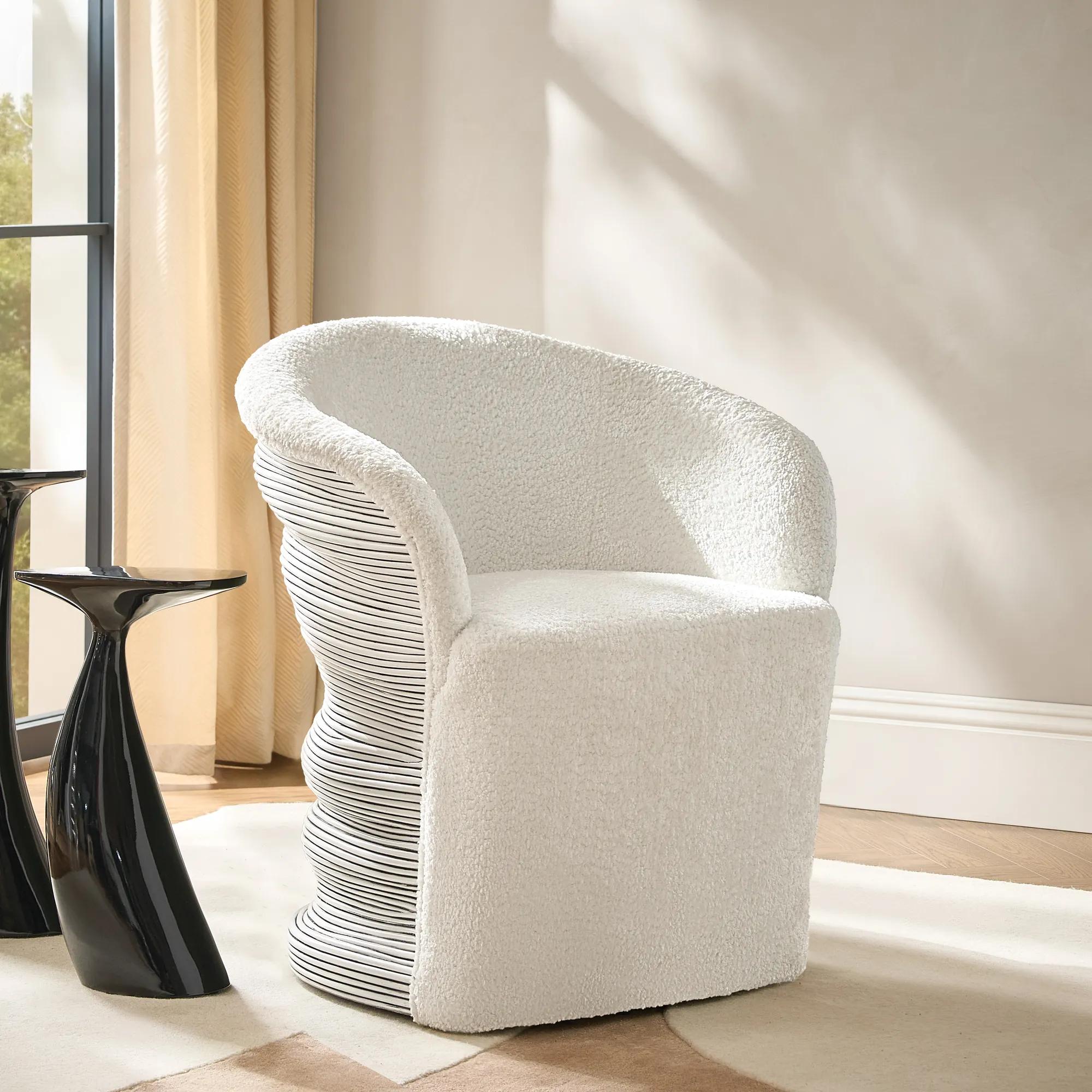 Cairo Rattan Ivory Chenille Dining Chair$999
An artisan-crafted swivel chair featuring handwoven natural rattan and plush ivory chenille upholstery for modern comfort.
Add To Cart -
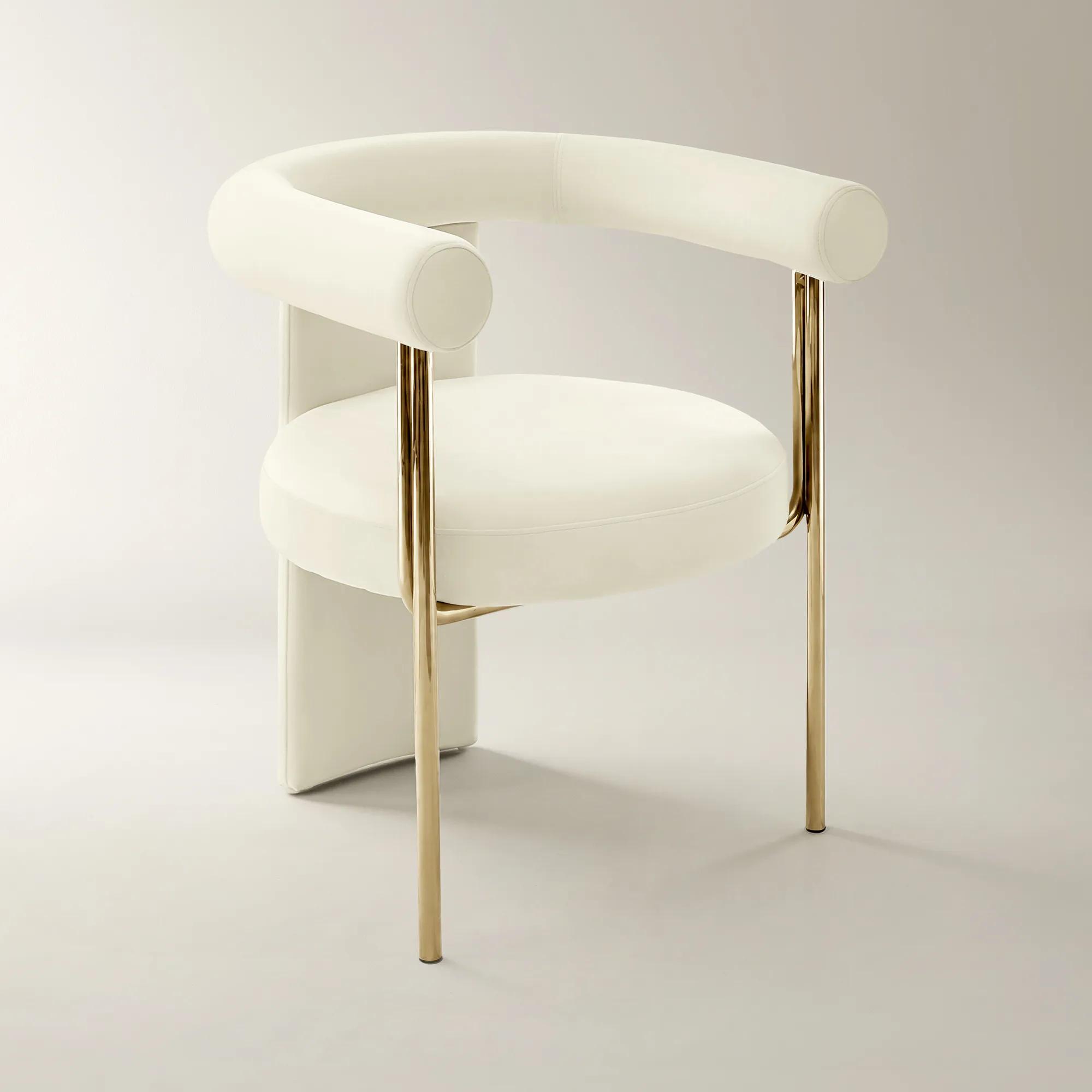 Davina Cloud Velvet Dining Chair Set Of 2$899
A set of two dining chairs featuring plush cloud velvet upholstery and a sculptural gold metal frame.
Add To Cart -
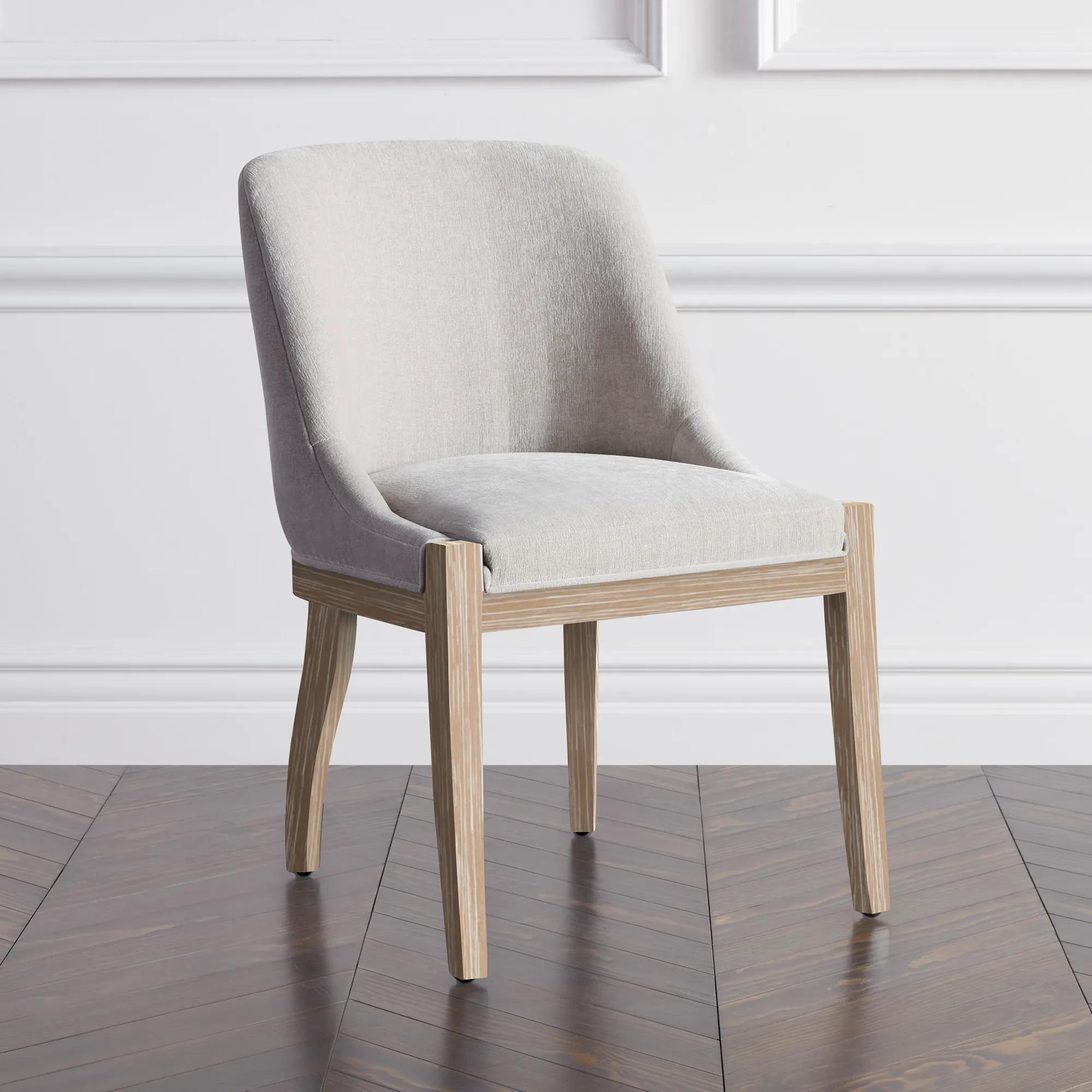
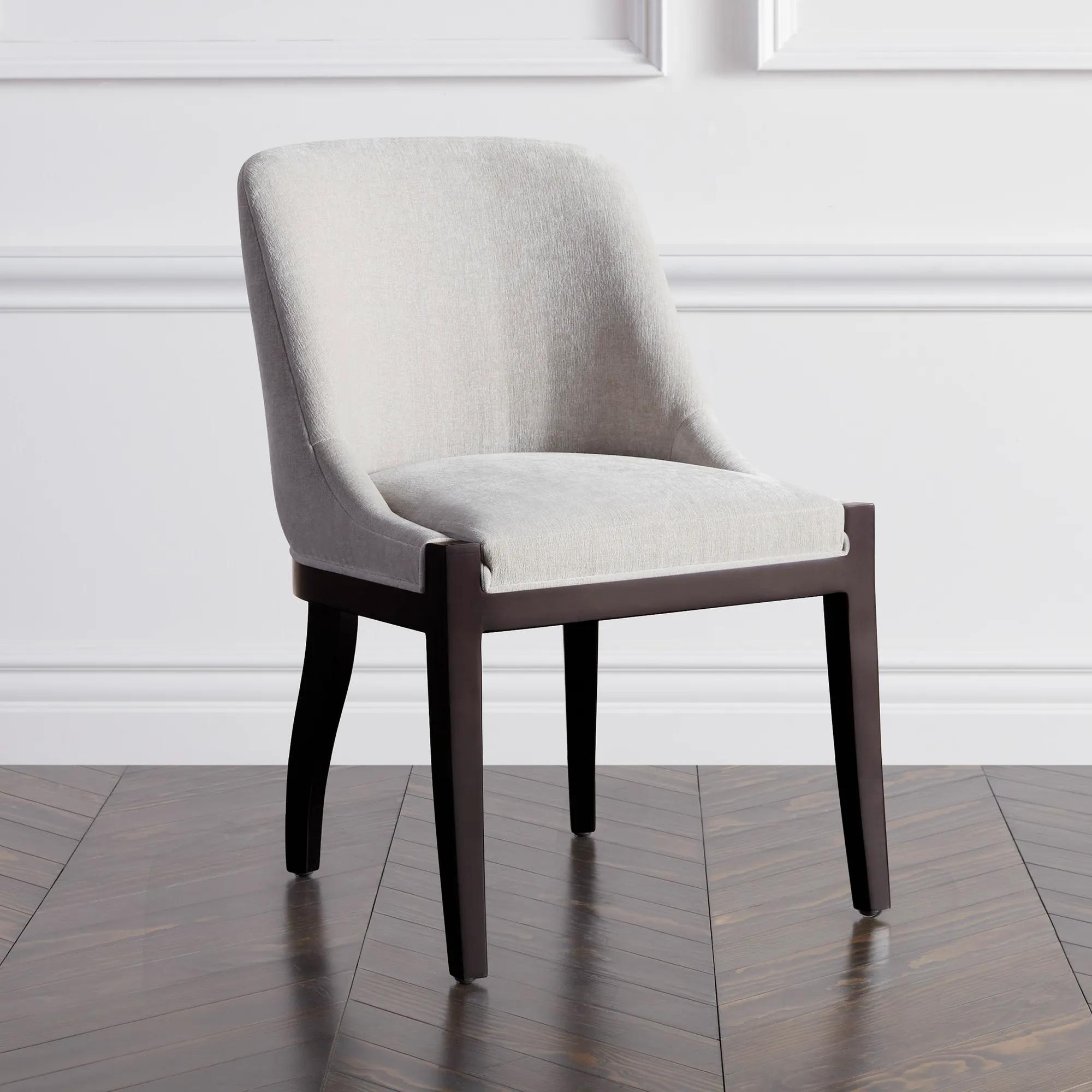
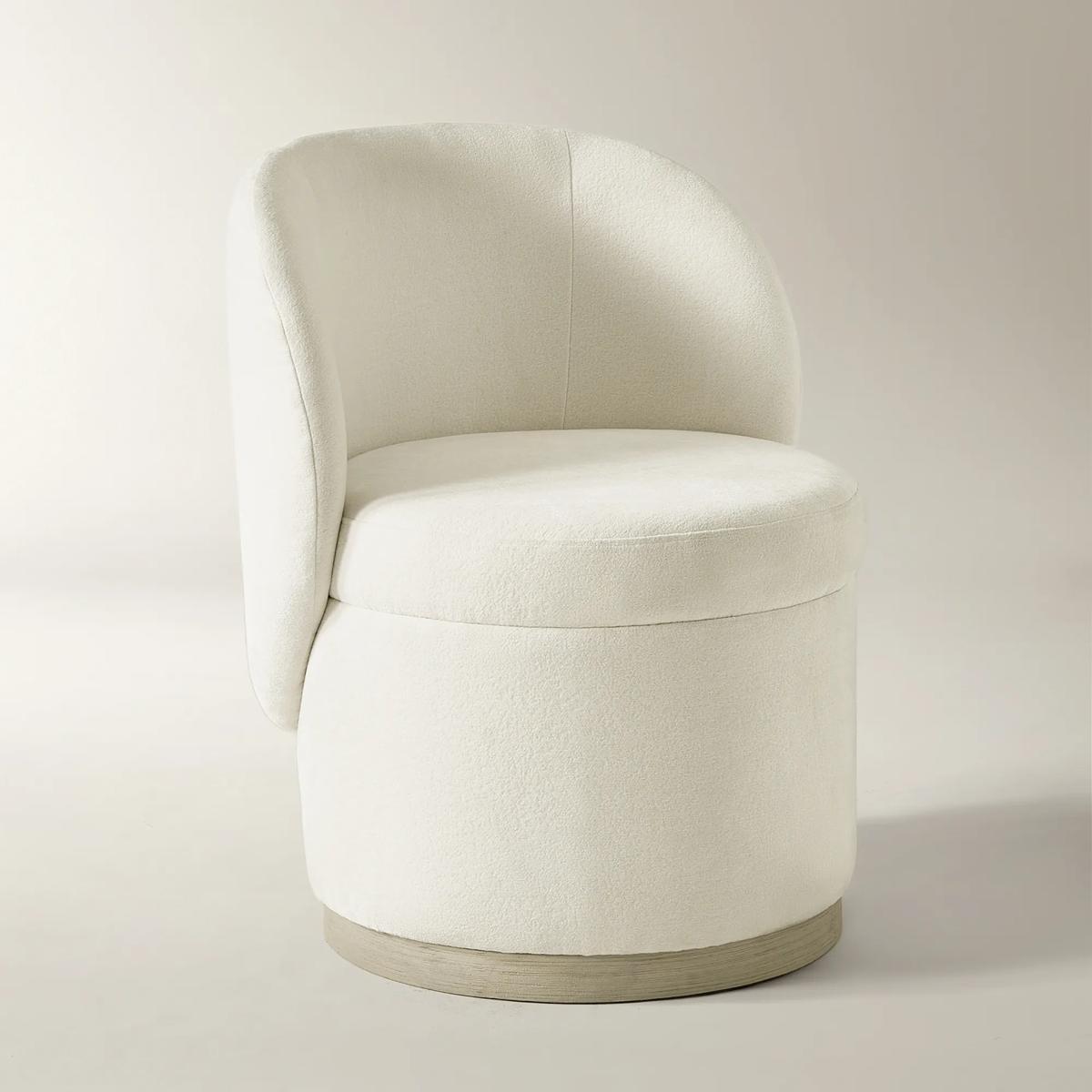 Stria Ivory Chenille Dining Chair With Oak Base$599
An ivory chenille chair featuring a plush, velvet-like finish and a handcrafted solid oak base.
Add To Cart -
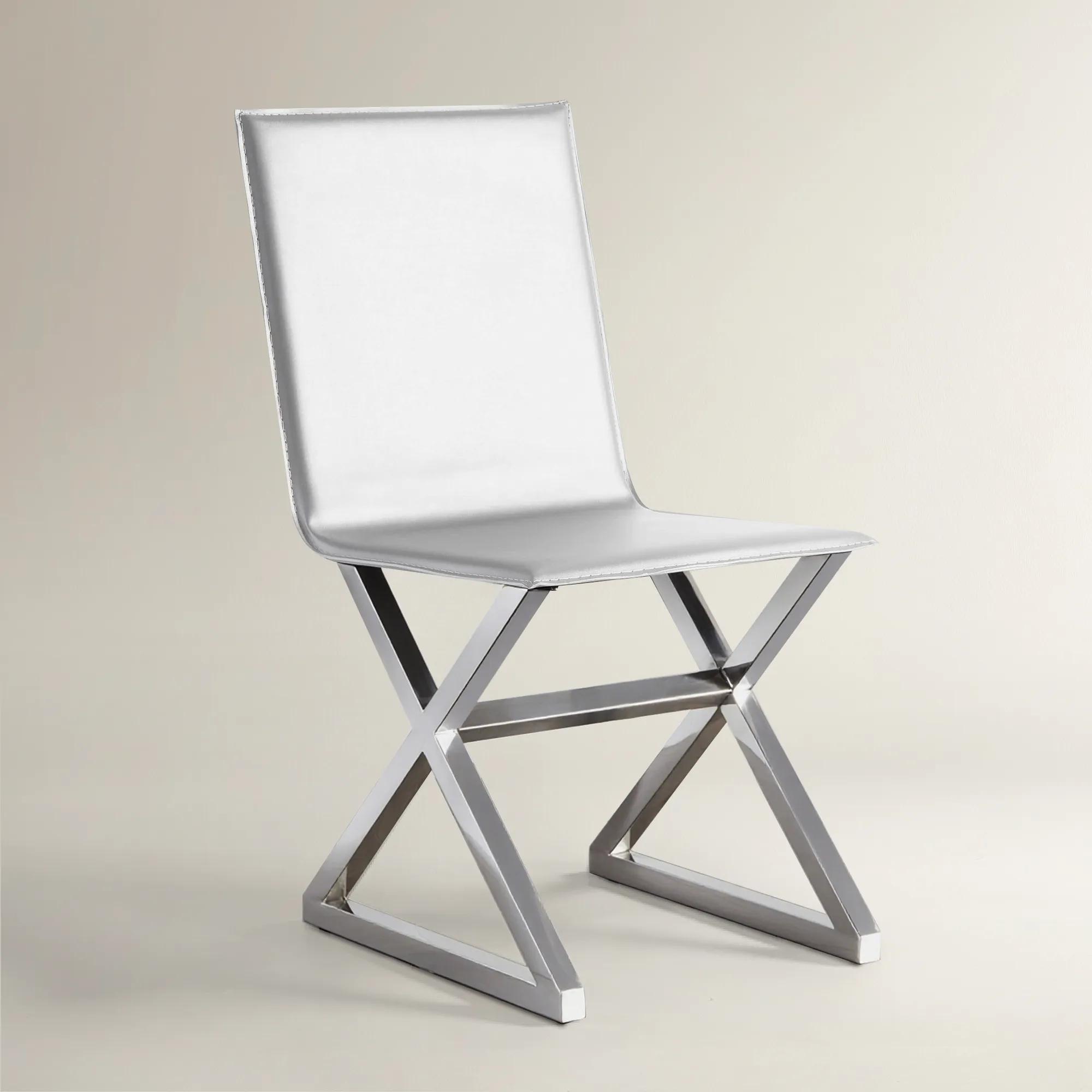
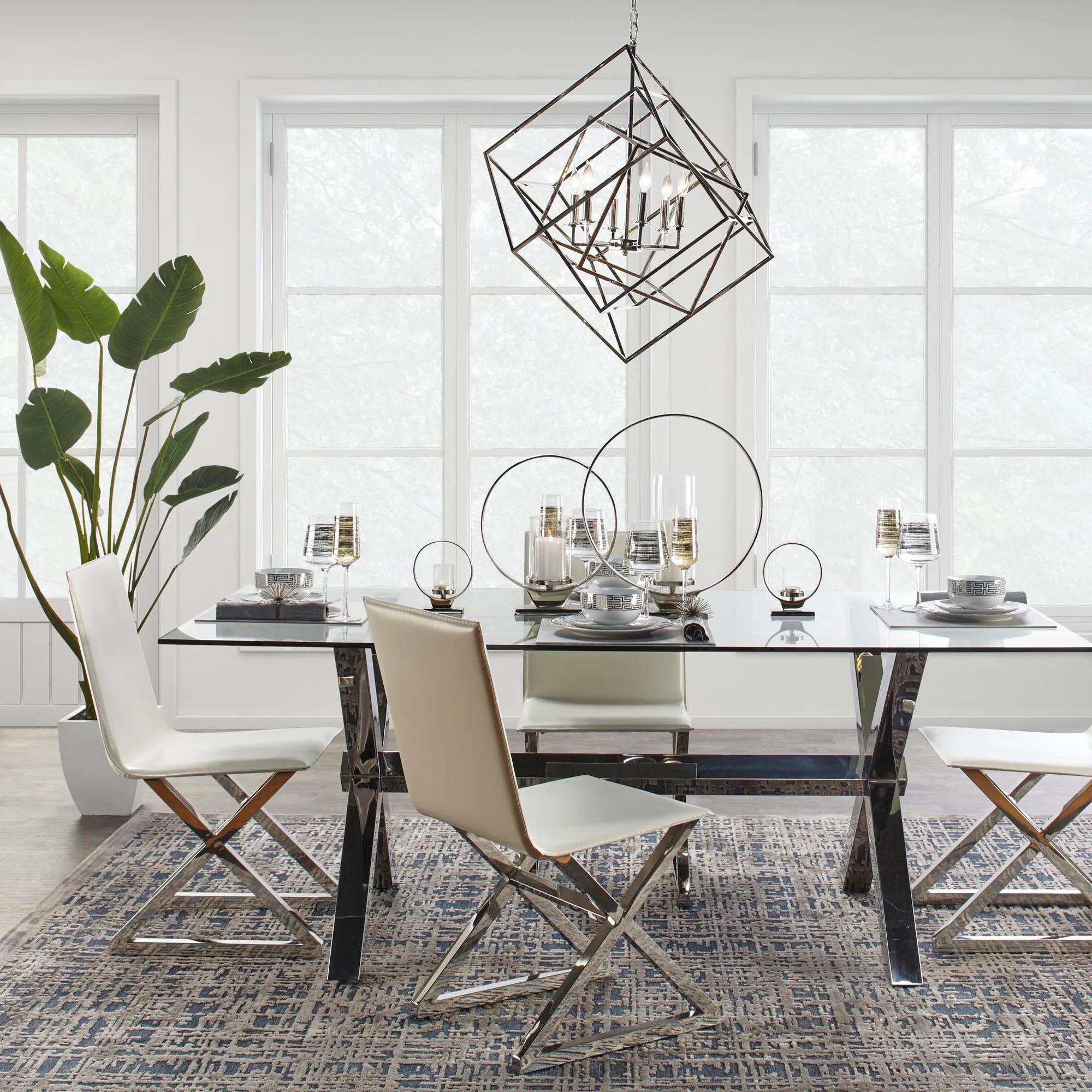 Axis Dining Chair - Set of 2$399
A contemporary chair set featuring white bonded leather upholstery and a polished stainless steel base.
Add To Cart -
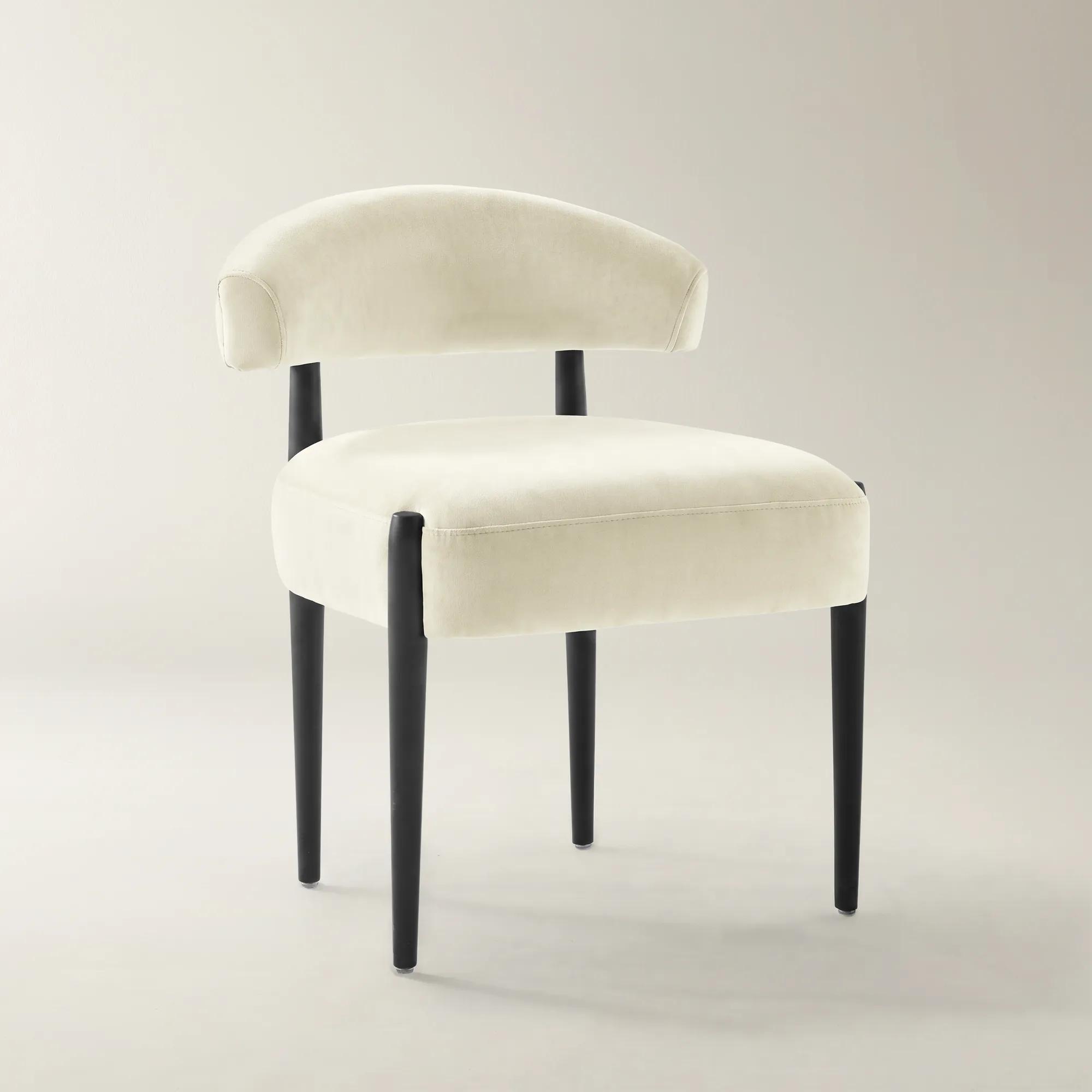 Anna Cloud Velvet Dining Chair Set of 2$699
A hand-upholstered Cloud velvet chair set featuring curved backs, high-density foam, and solid rubberwood legs.
Add To Cart -
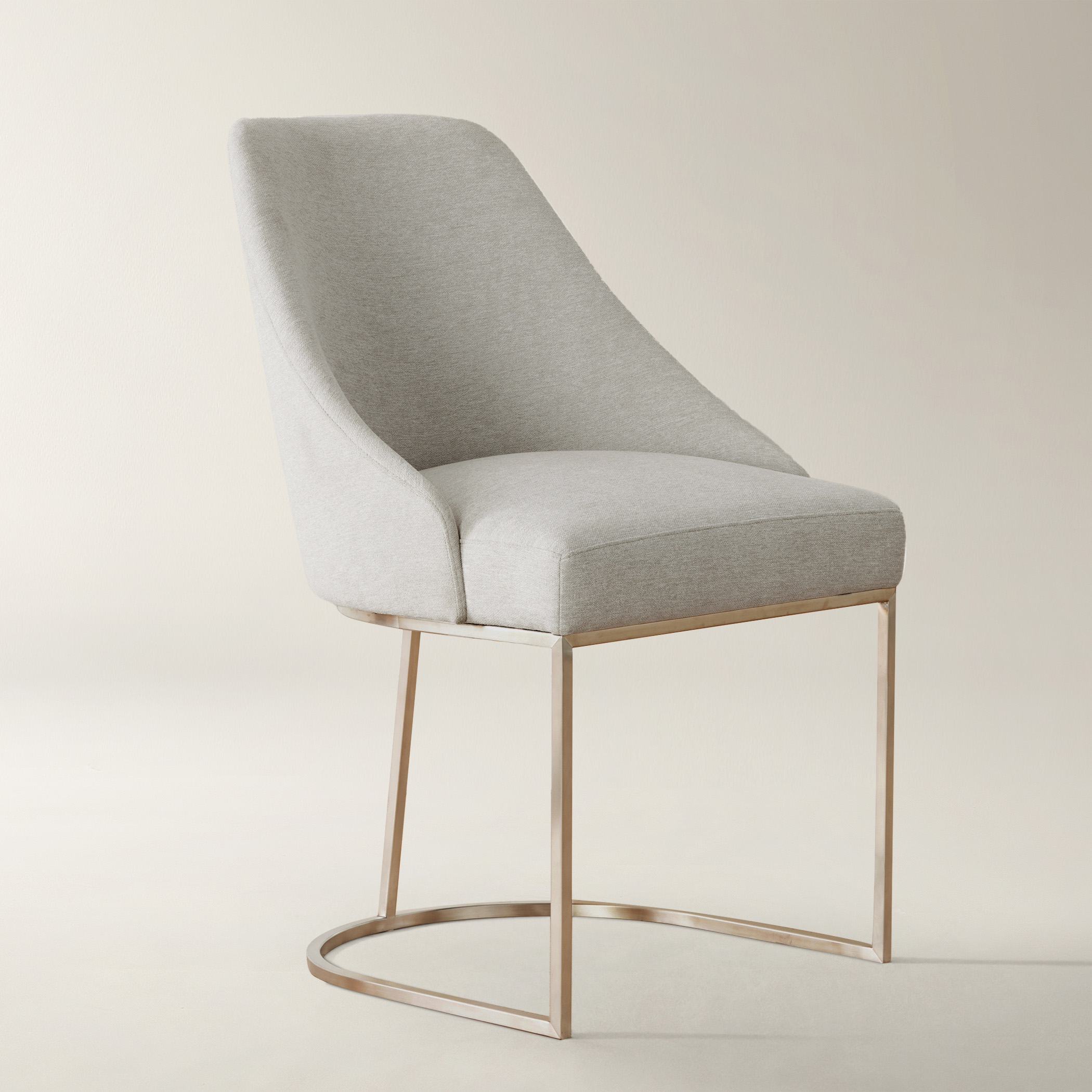
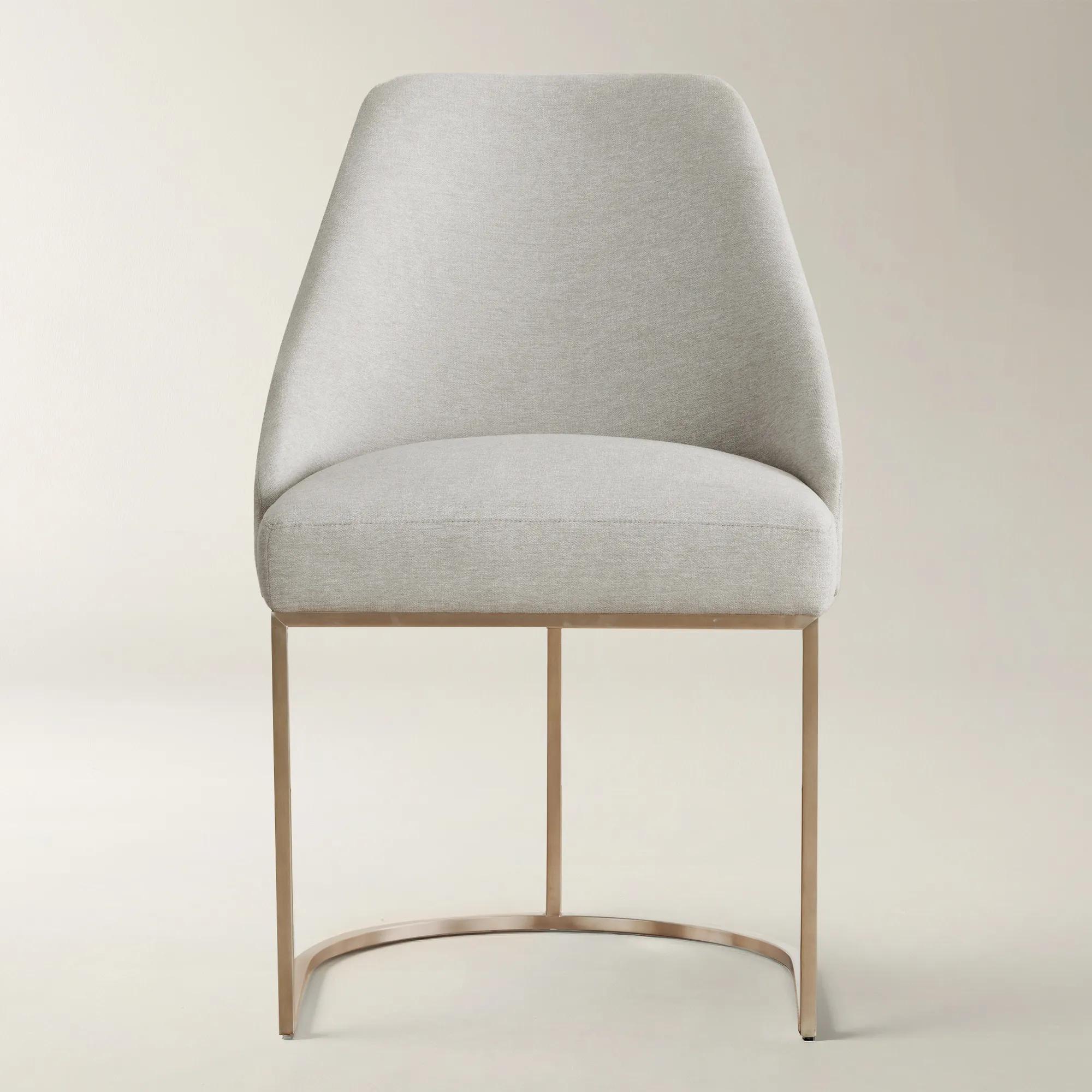 Rowan Ivory Fabric Dining Chair$599
A modern chair featuring brushed stainless steel legs and stain-resistant, water-repellent Roxboro Frost fabric.
Add To Cart -
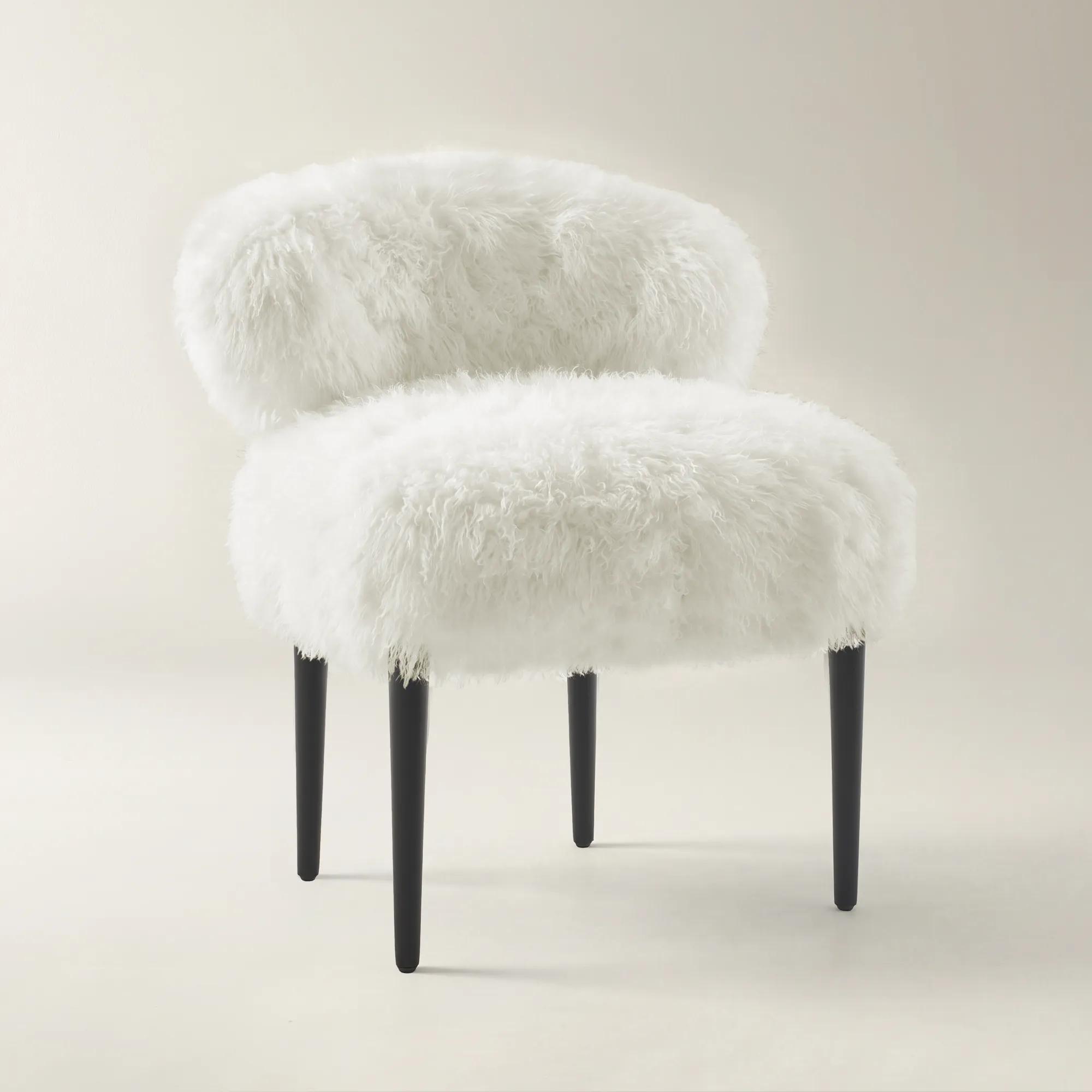 Anna Ivory Faux Fur Dining Chair Set of 2$799
A hand-upholstered ivory faux fur dining chair with a curved back, high-density foam cushioning, and rubberwood legs.
Add To Cart -
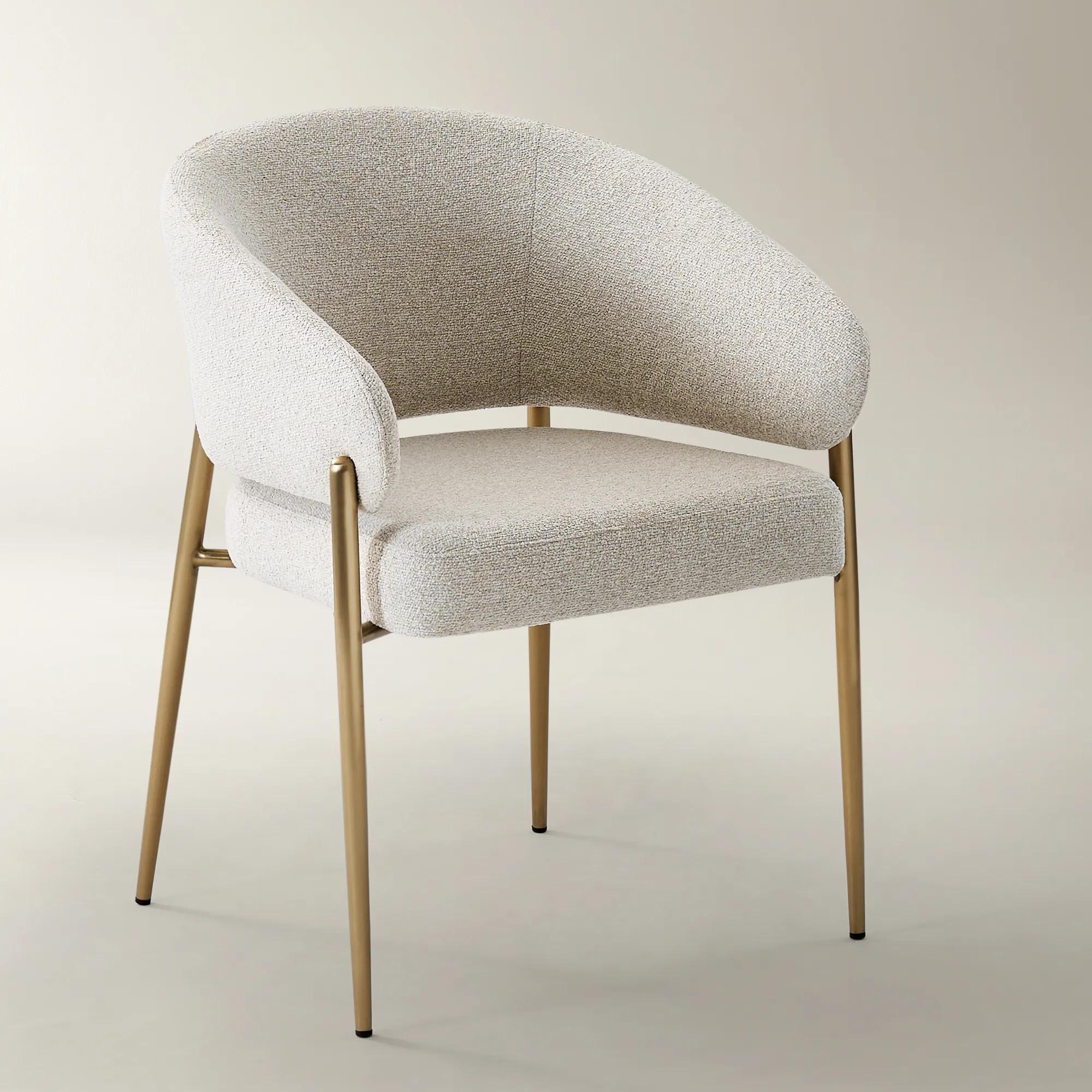
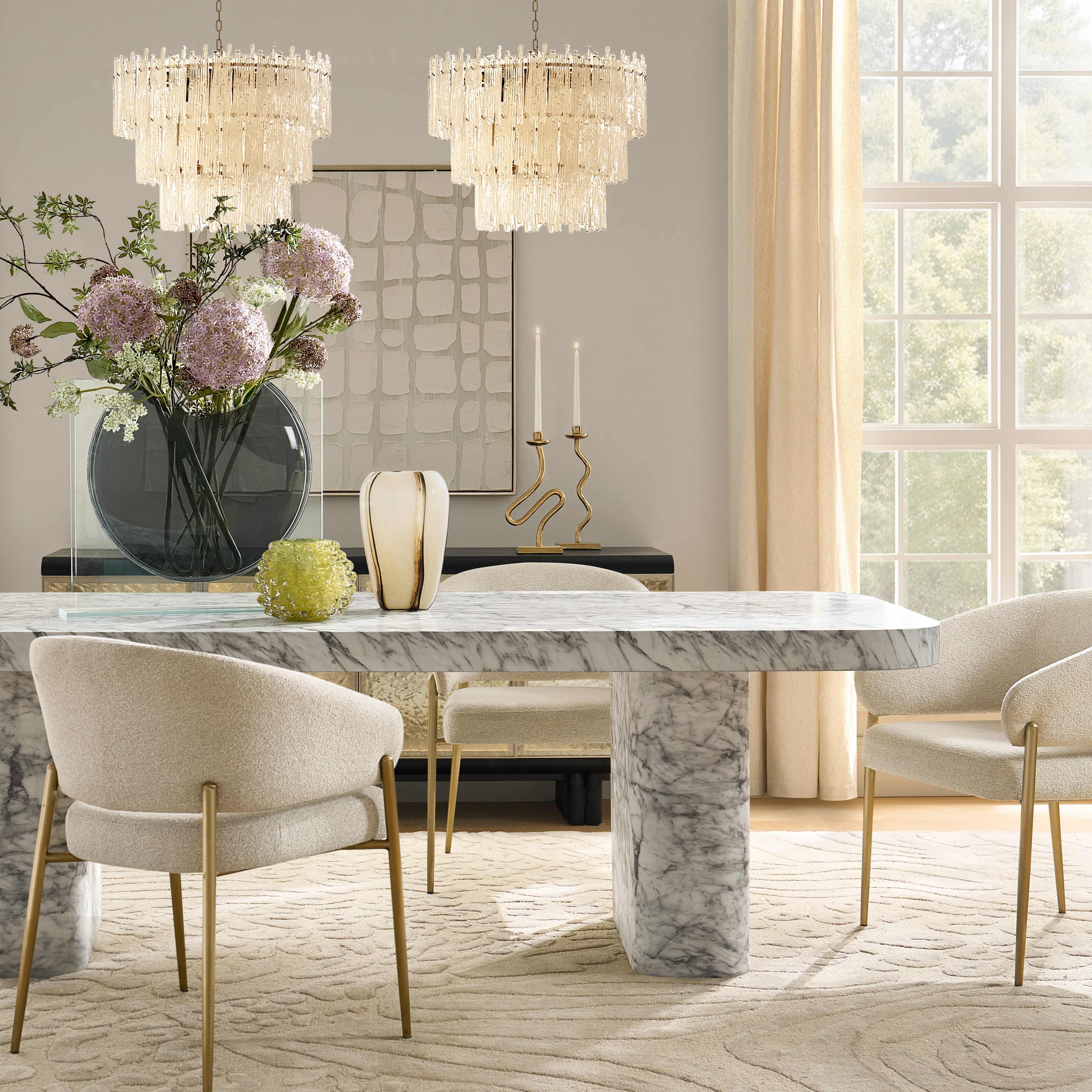 Nara Ivory Boucle Dining Chair Set Of 2$599
An ivory boucle dining chair set with a curved backrest and brushed stainless steel frame for modern elegance.
Add To Cart -
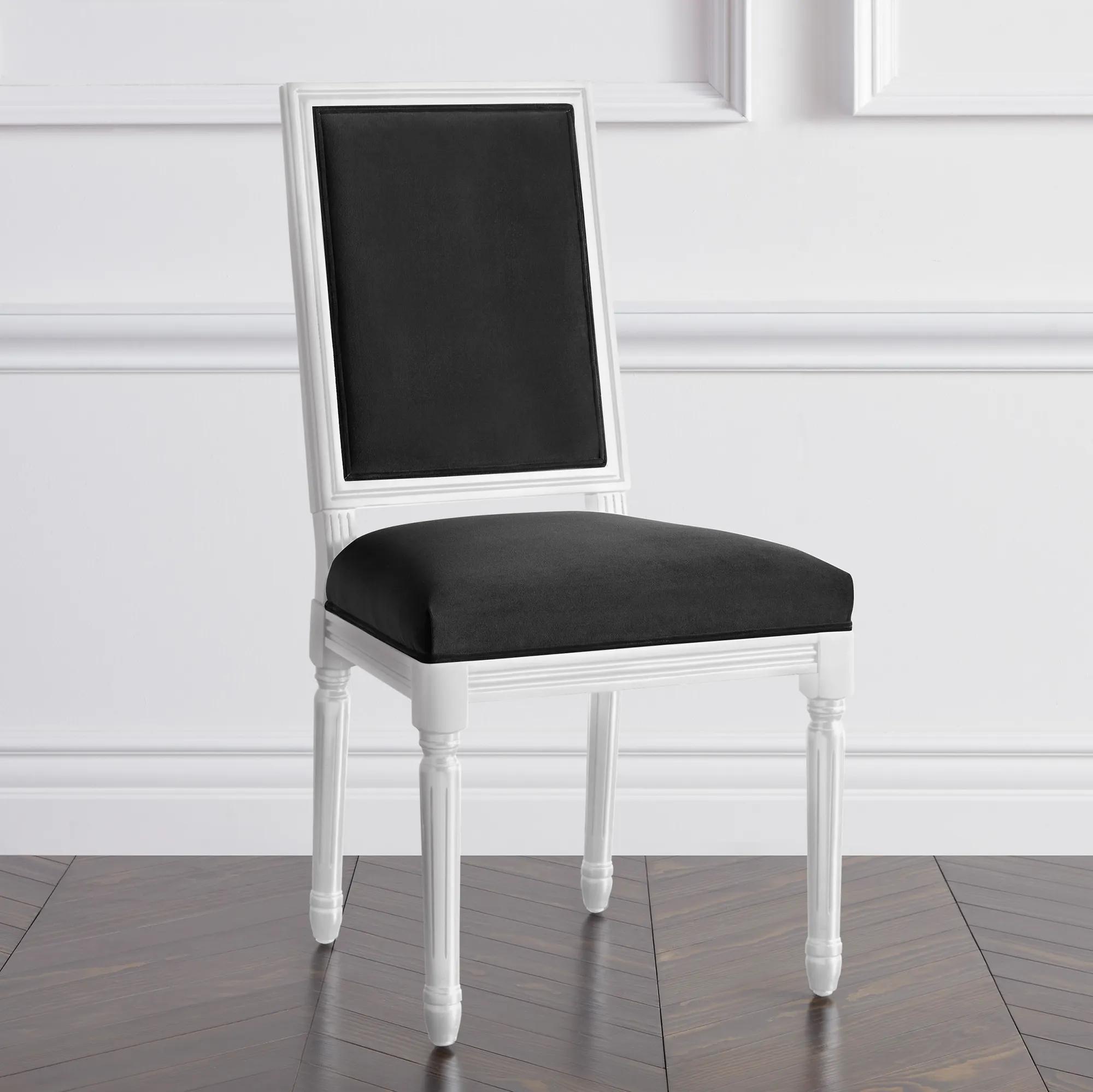
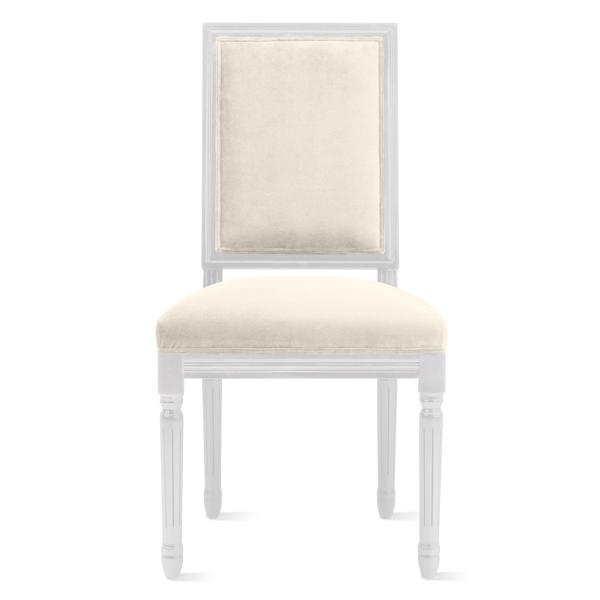 Callan Dining Chair - High Gloss White$649
A handcrafted dining chair featuring a high-gloss white finish, fluted legs, and plush velvet upholstery.
Add To Cart -
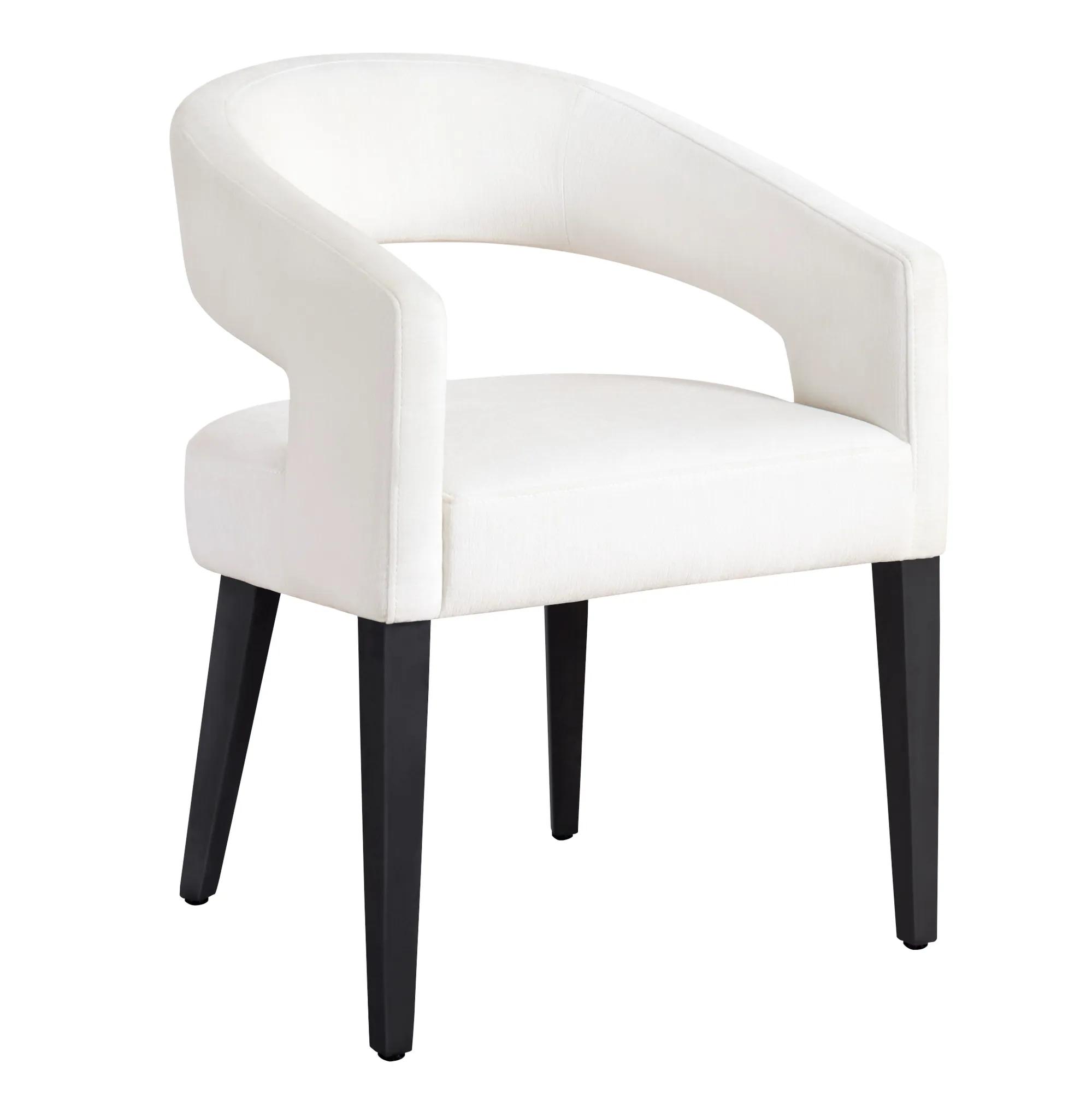
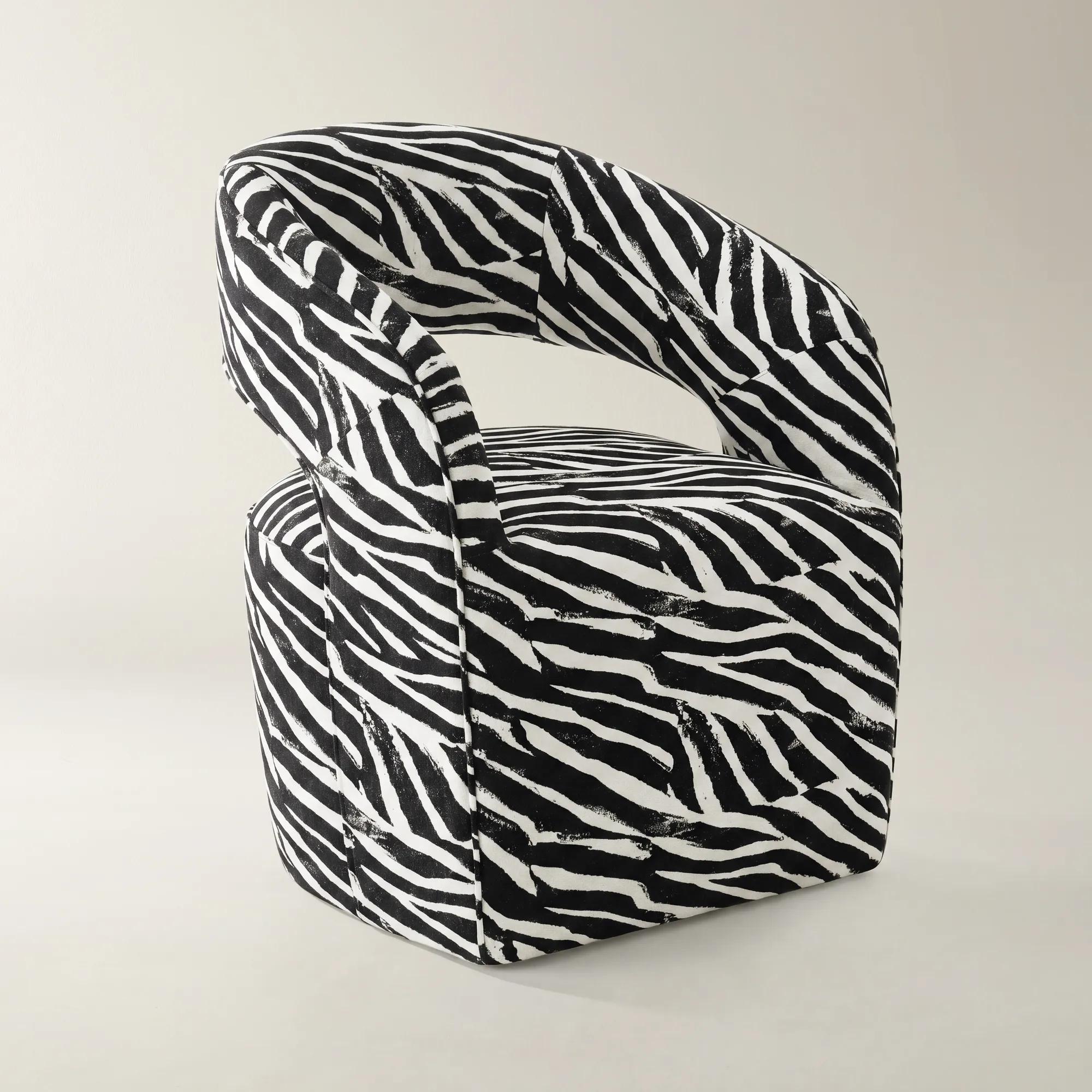 Harrison White/Black Performance Chenille Dining Chair$499
A sculptural dining chair in white and black performance chenille with plush feather-blend cushioning and curved arms.
Add To Cart -
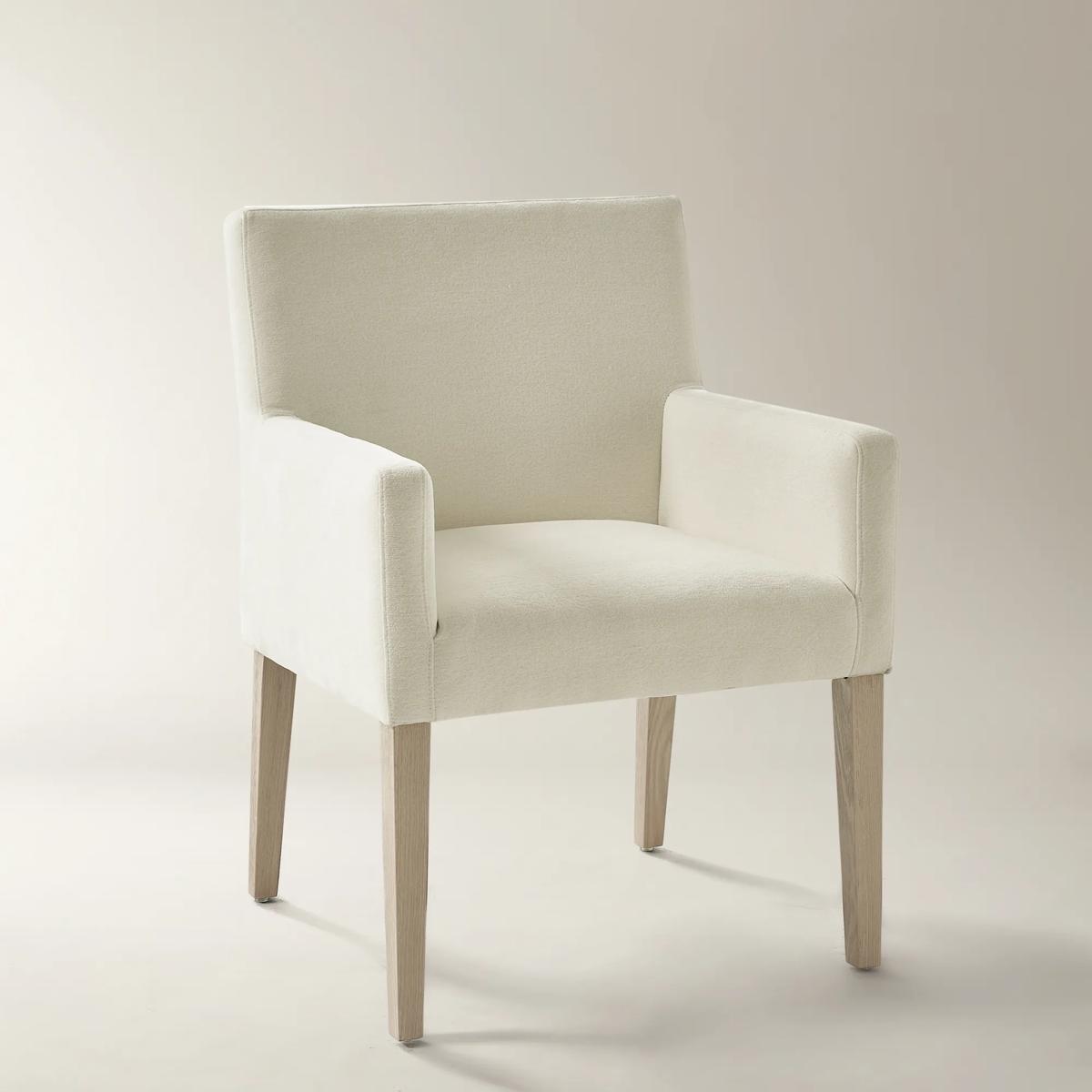
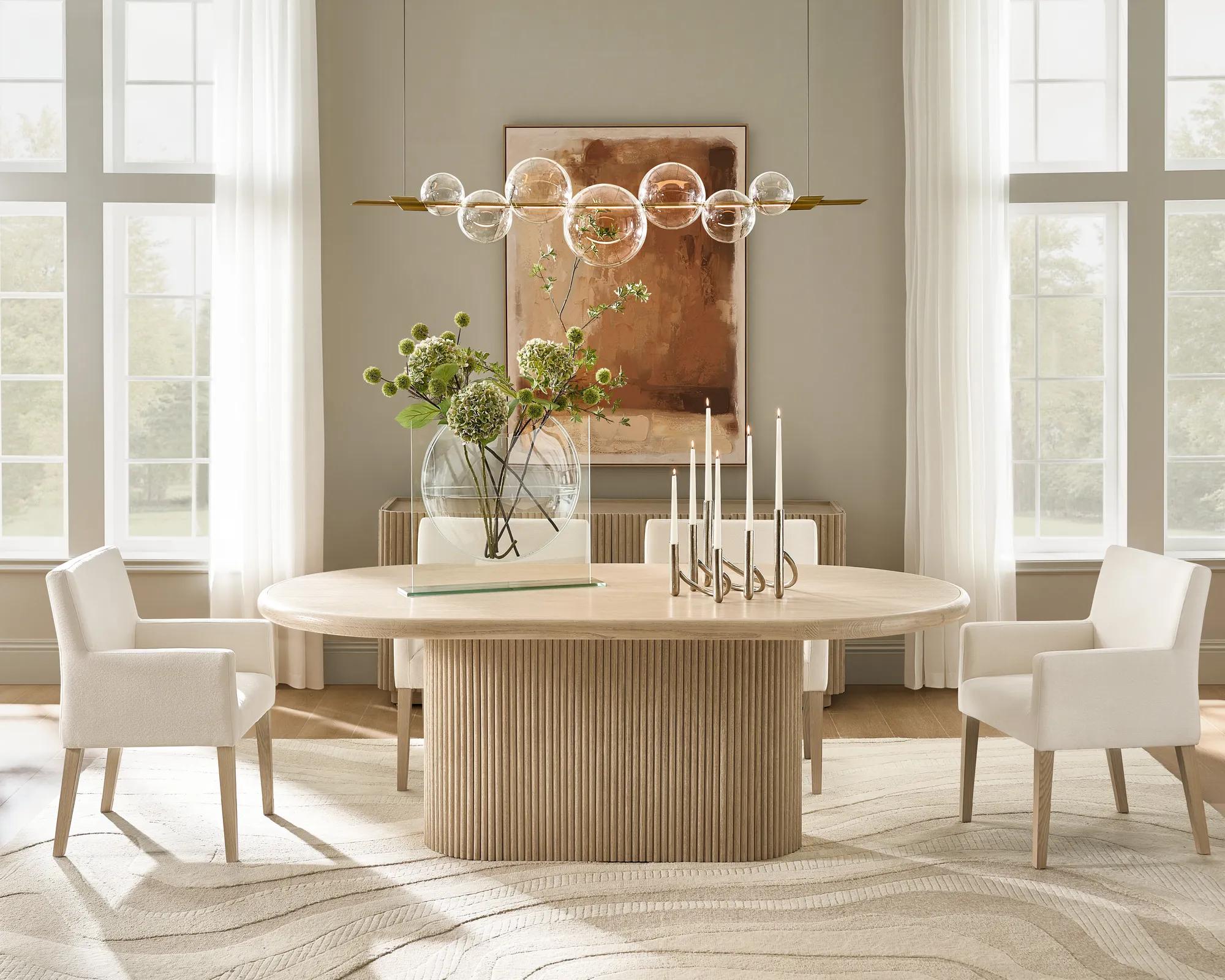 Stria Ivory Chenille Dining Chair Set Of 2$599
A pair of ivory chenille arm chairs with natural oak legs, offering plush comfort and modern elegance.
Add To Cart -
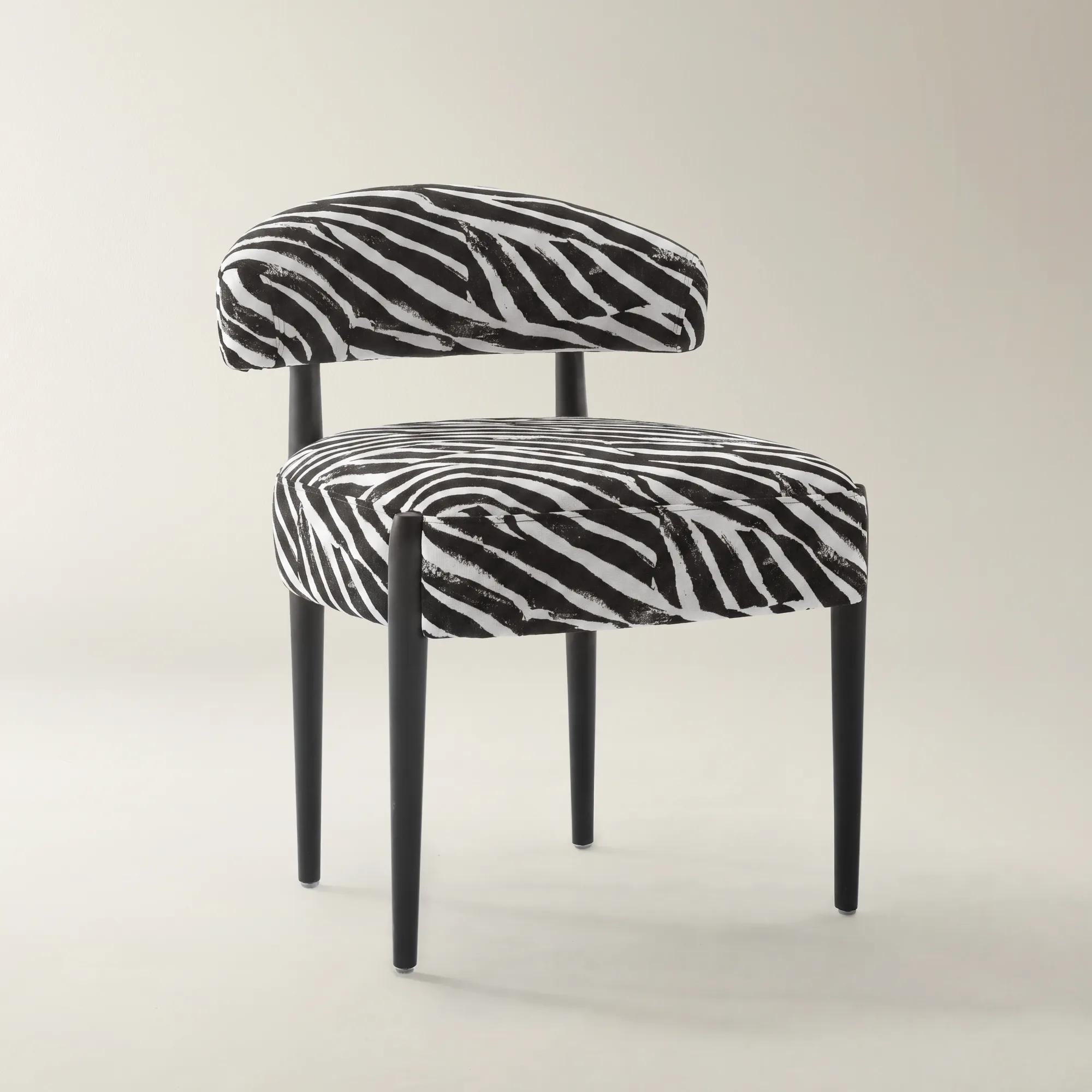 Anna White/Black Performance Chenille Dining Chair Set of 2$699
A black-and-white performance chenille chair set with arched backs, high-density foam, and solid rubberwood legs.
Add To Cart -
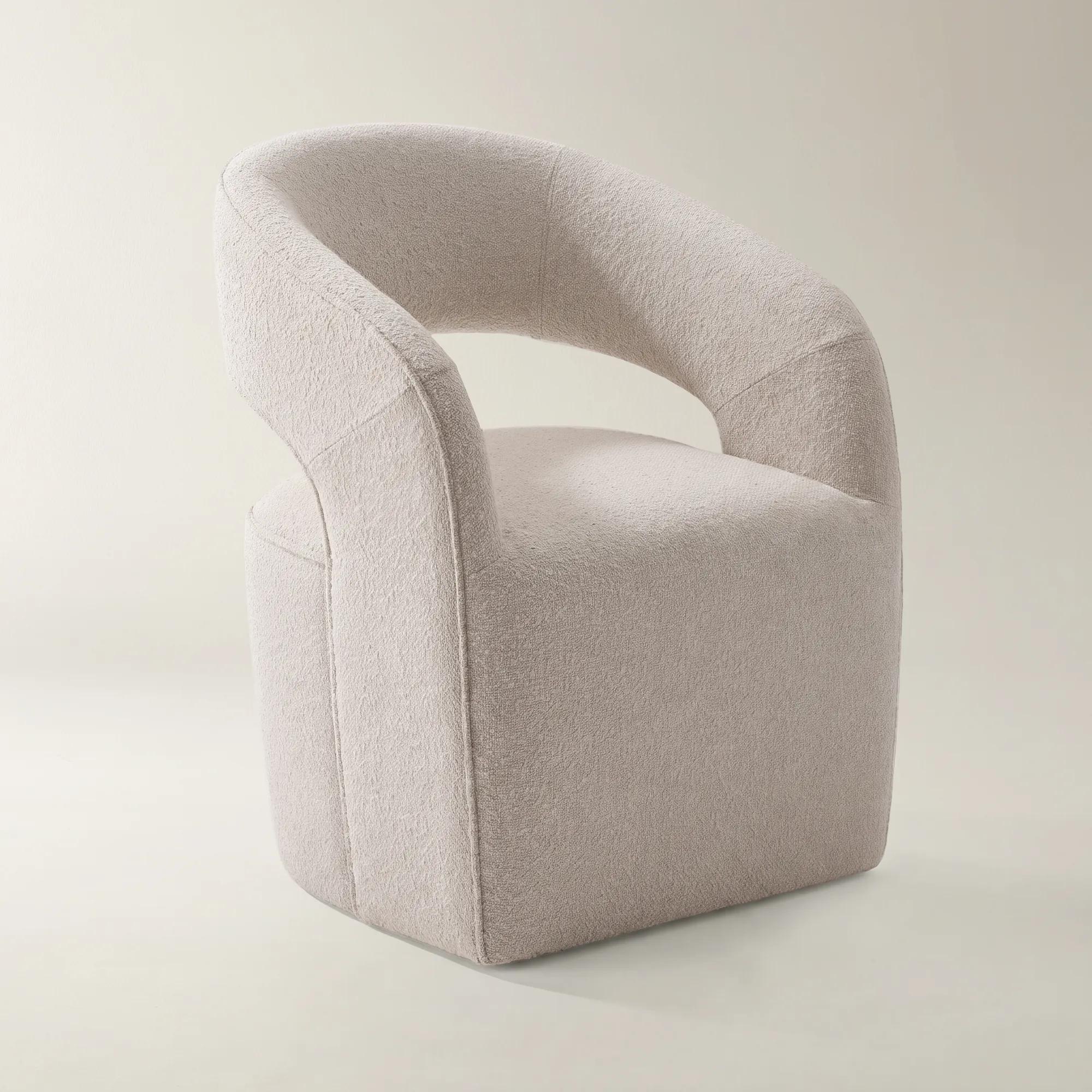 Harrison Ivory Performance Boucle Dining Chair$499
A sculptural dining chair in ivory performance boucle with a curved back, feather-blend seat, and modern elegance.
Add To Cart -
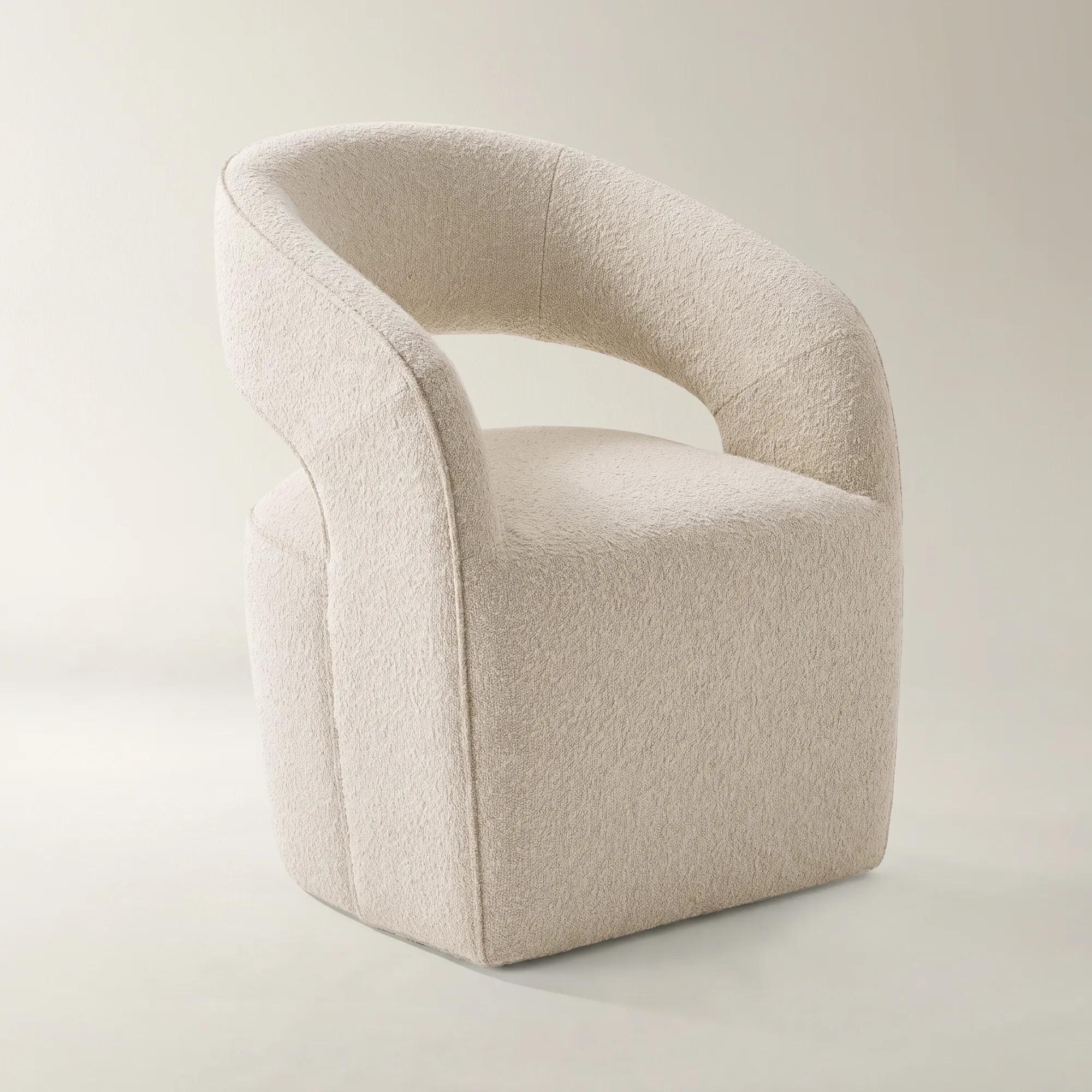 Harrison Ivory Performance Boucle Dining Chair$499
A sculptural dining chair in ivory performance boucle with a curved back, integrated arms, and feather-blend comfort.
Add To Cart -
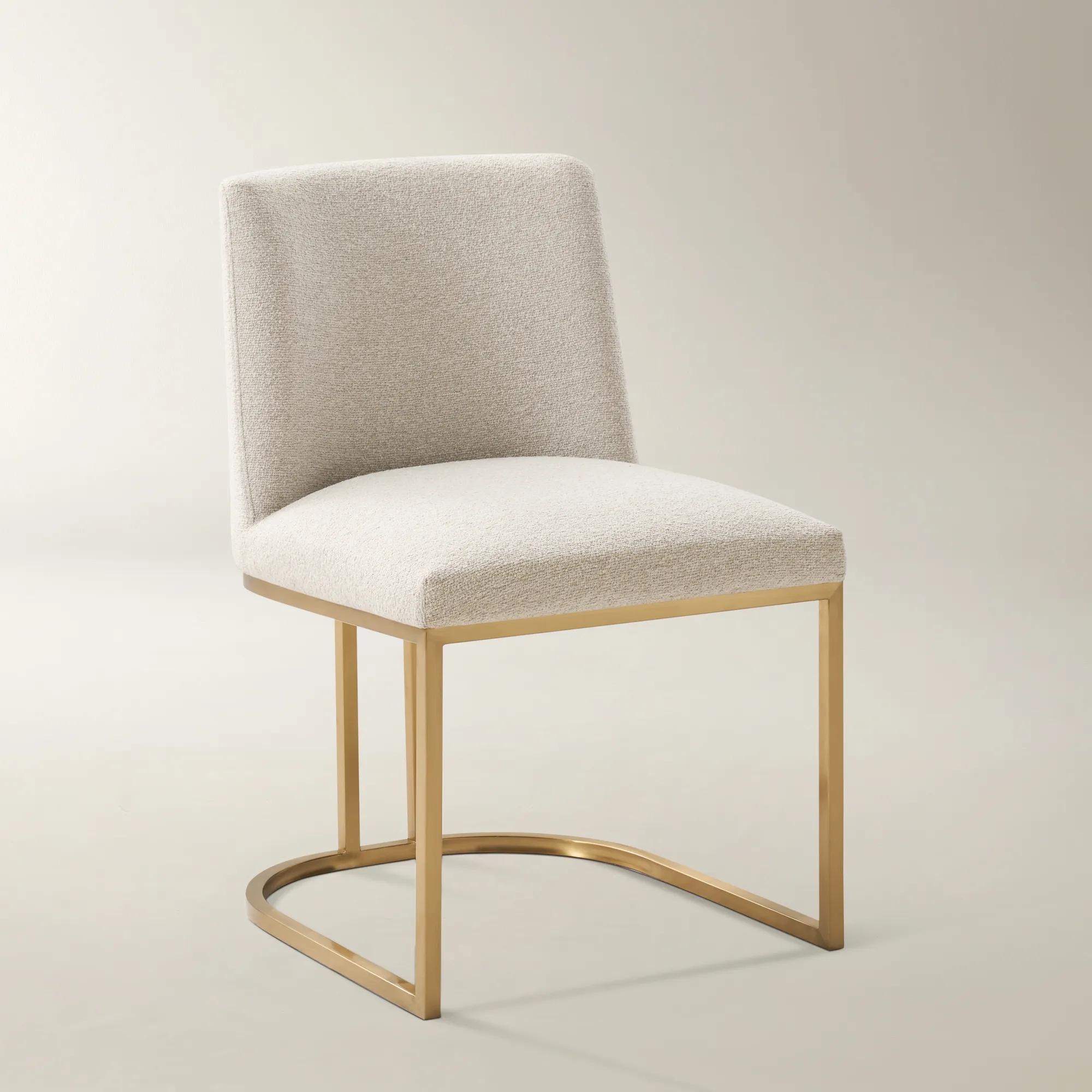 Bergen Ivory Boucle Dining Chair Set Of 2$549
An ivory boucle dining chair set featuring a curved backrest and brushed stainless steel frame for elegance.
Add To Cart -
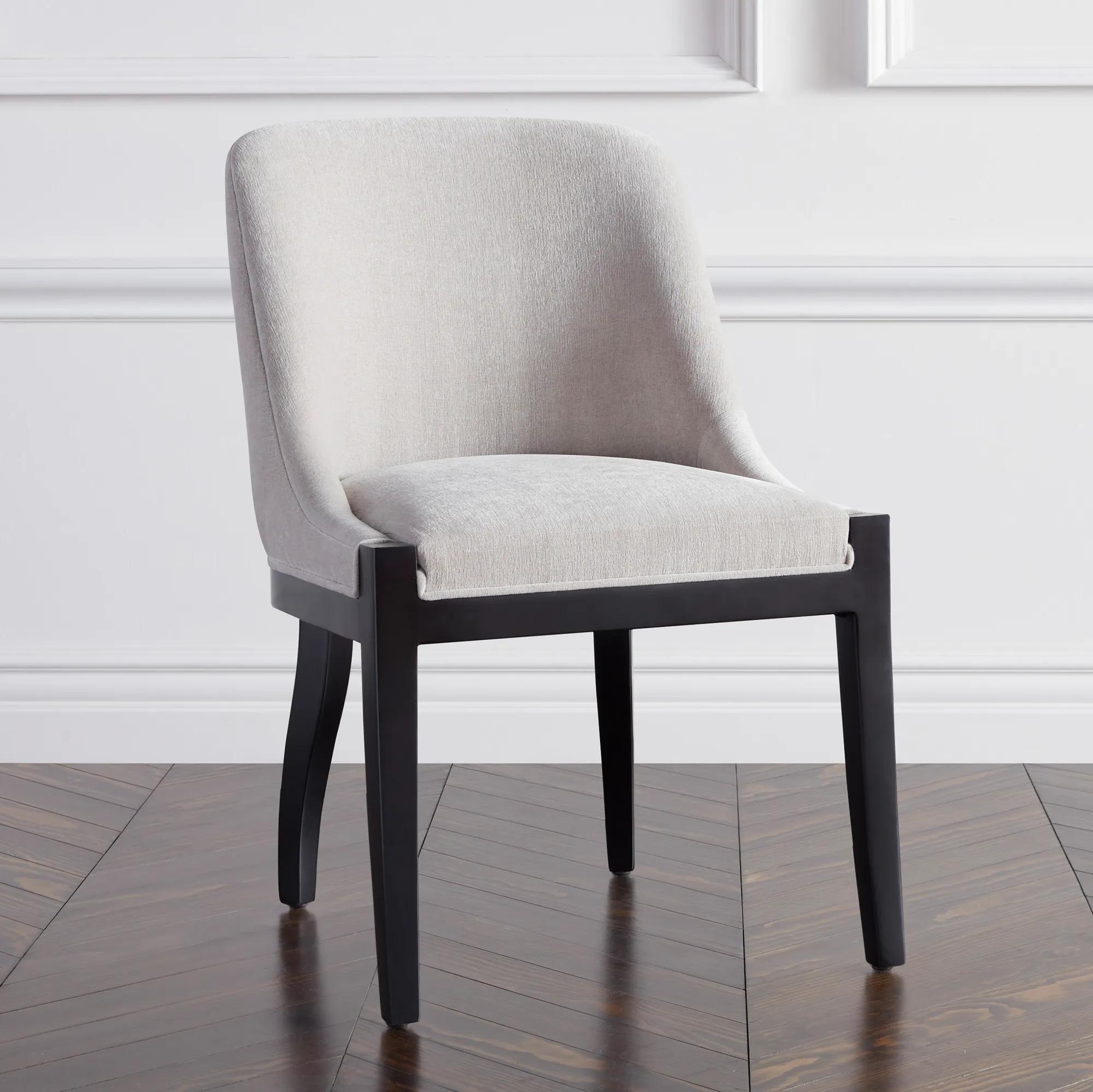
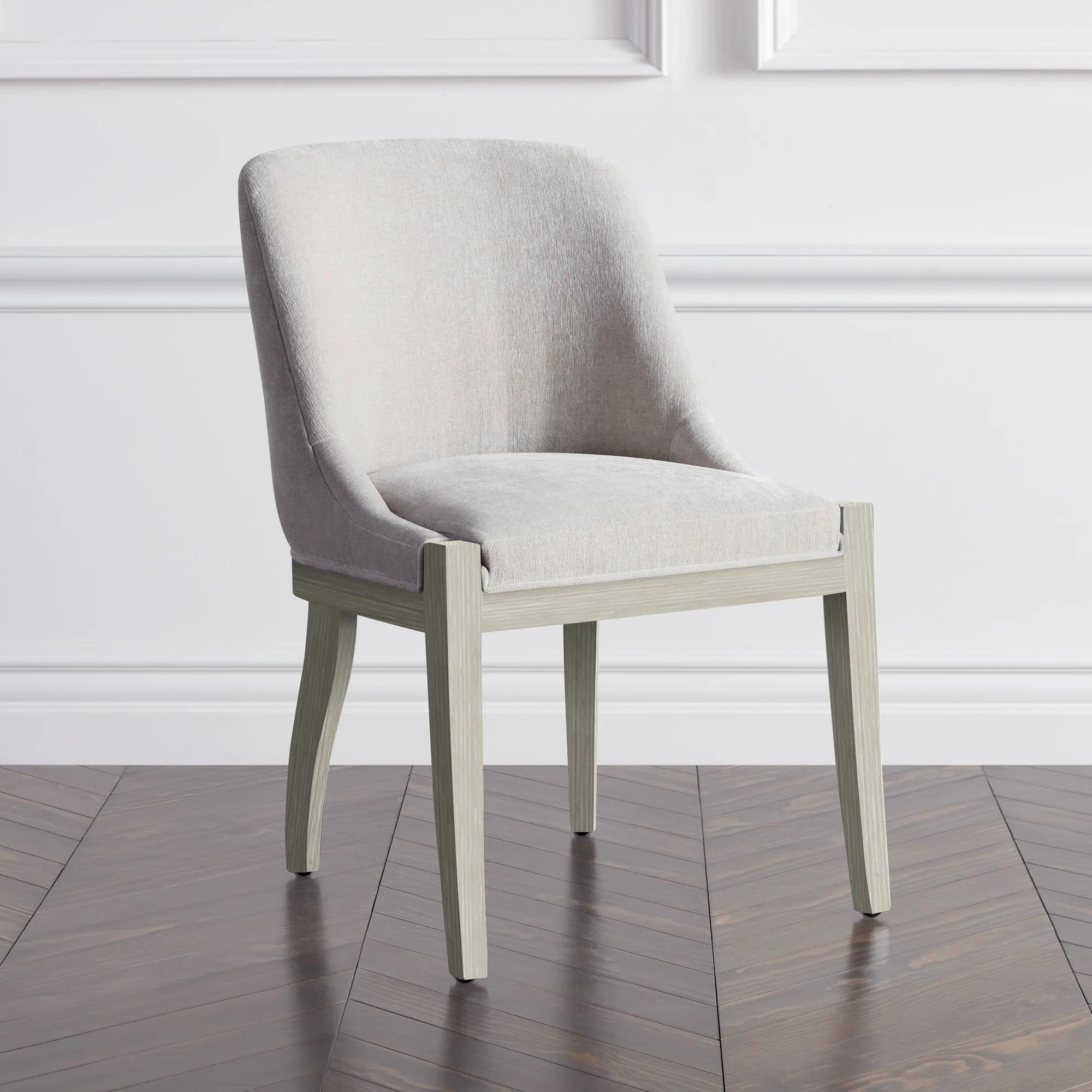
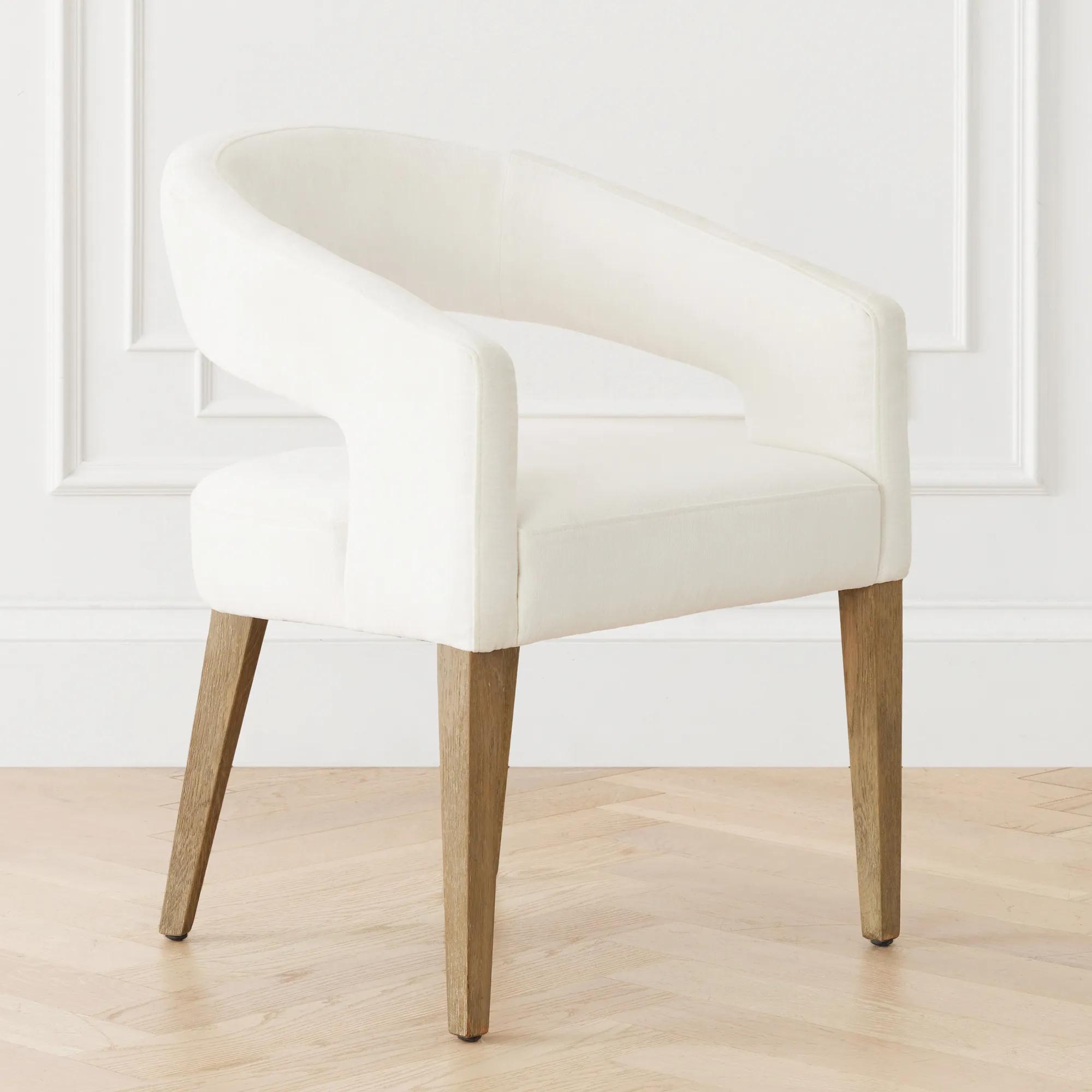 Philippa Dining Chair - Natural Grey$845
A modern dining chair featuring a curved silhouette, grey upholstery, and a kiln-dried hardwood frame.
Add To Cart -
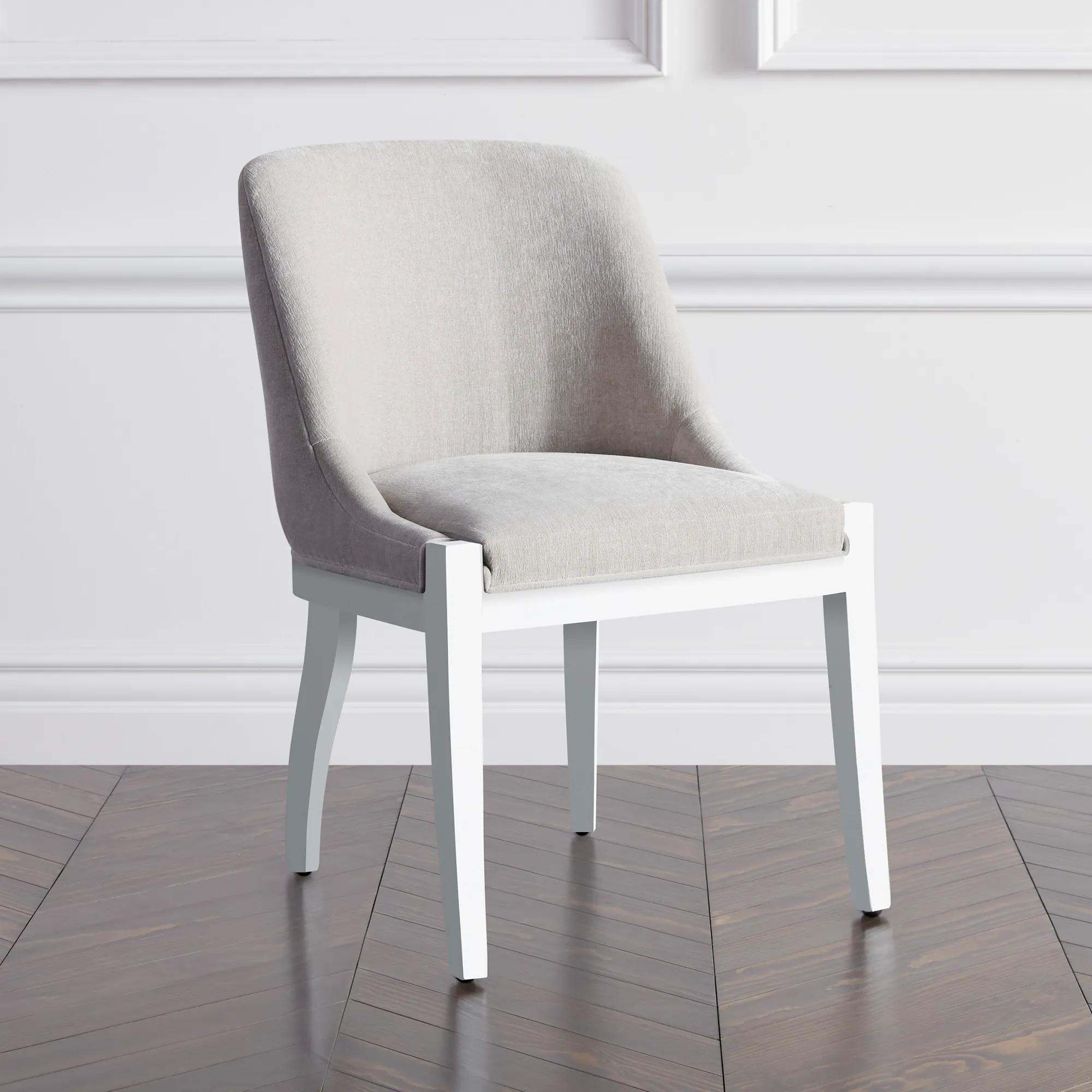
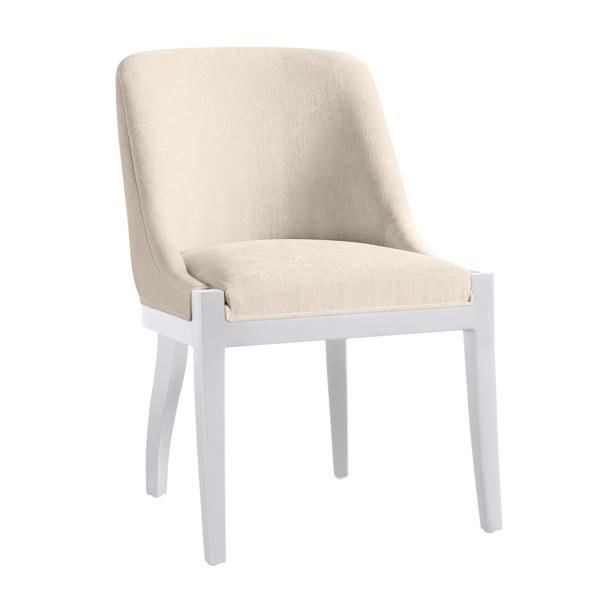 Lily Dining Chair - High Gloss White$699
A modern dining chair with a kiln-dried hardwood frame and high-gloss white legs for lasting elegance.
Add To Cart -
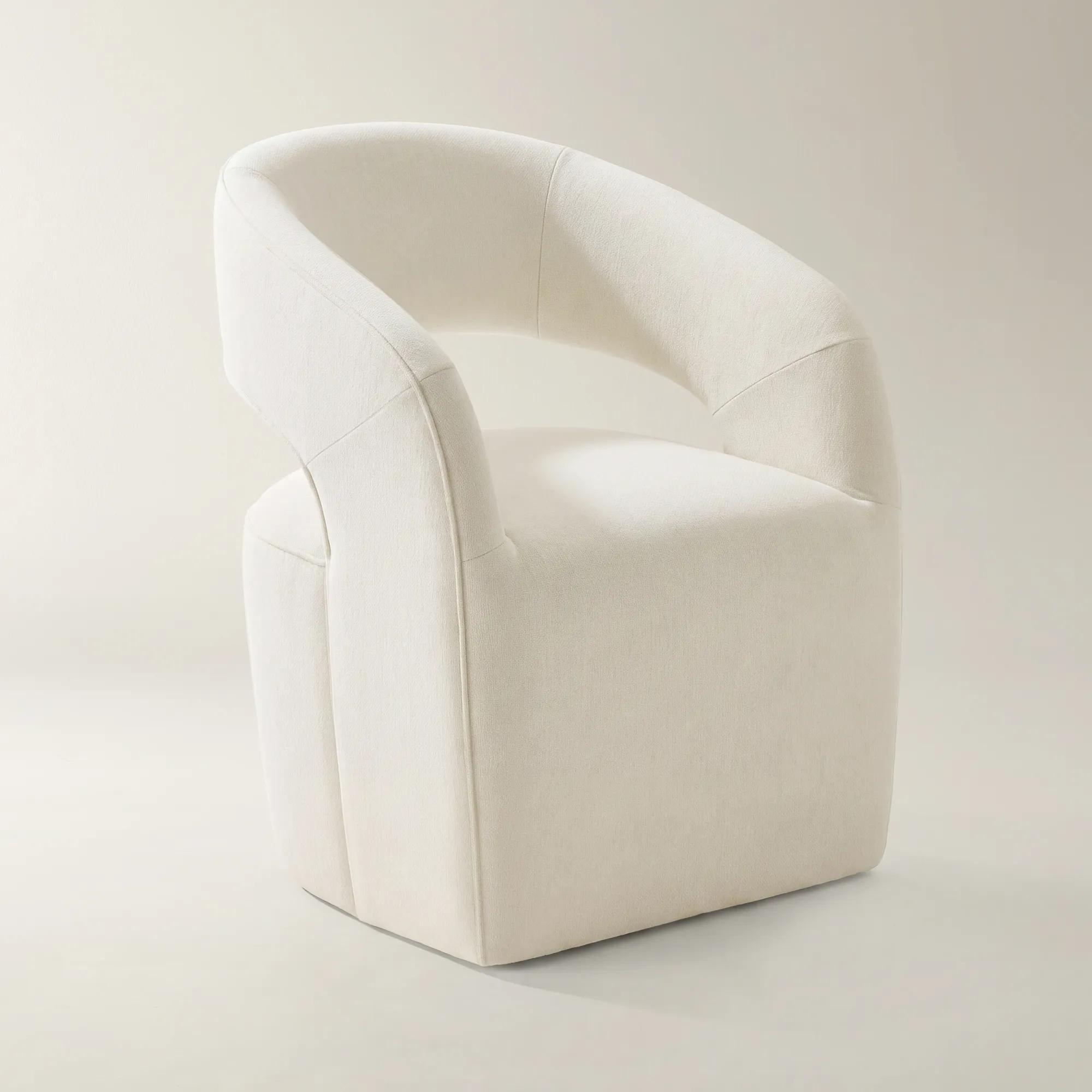
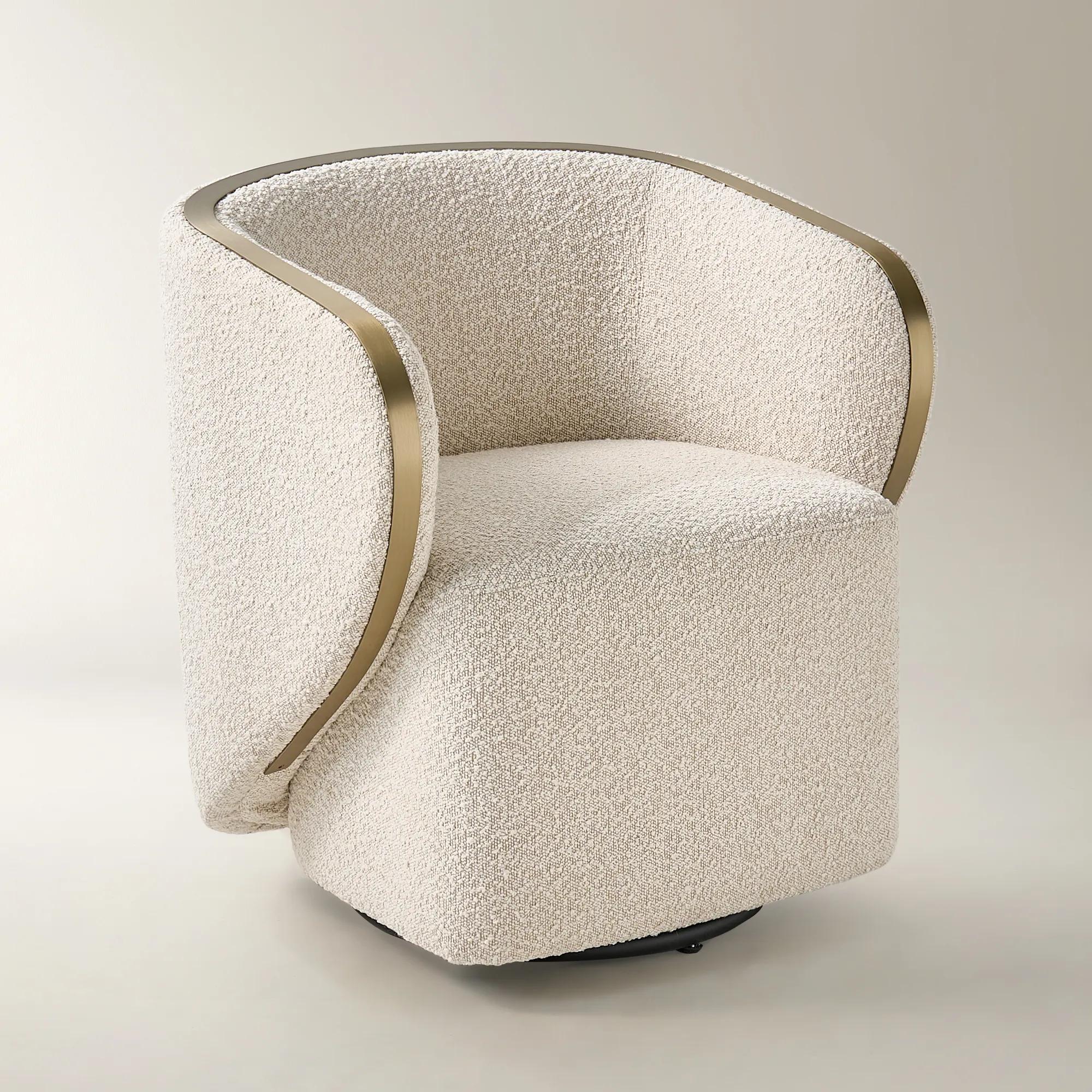 Nova Ivory Performance Boucle Swivel Dining Chair$699
An ivory boucle swivel chair featuring a sculptural wraparound silhouette and elegant metallic trim accents.
Add To Cart -
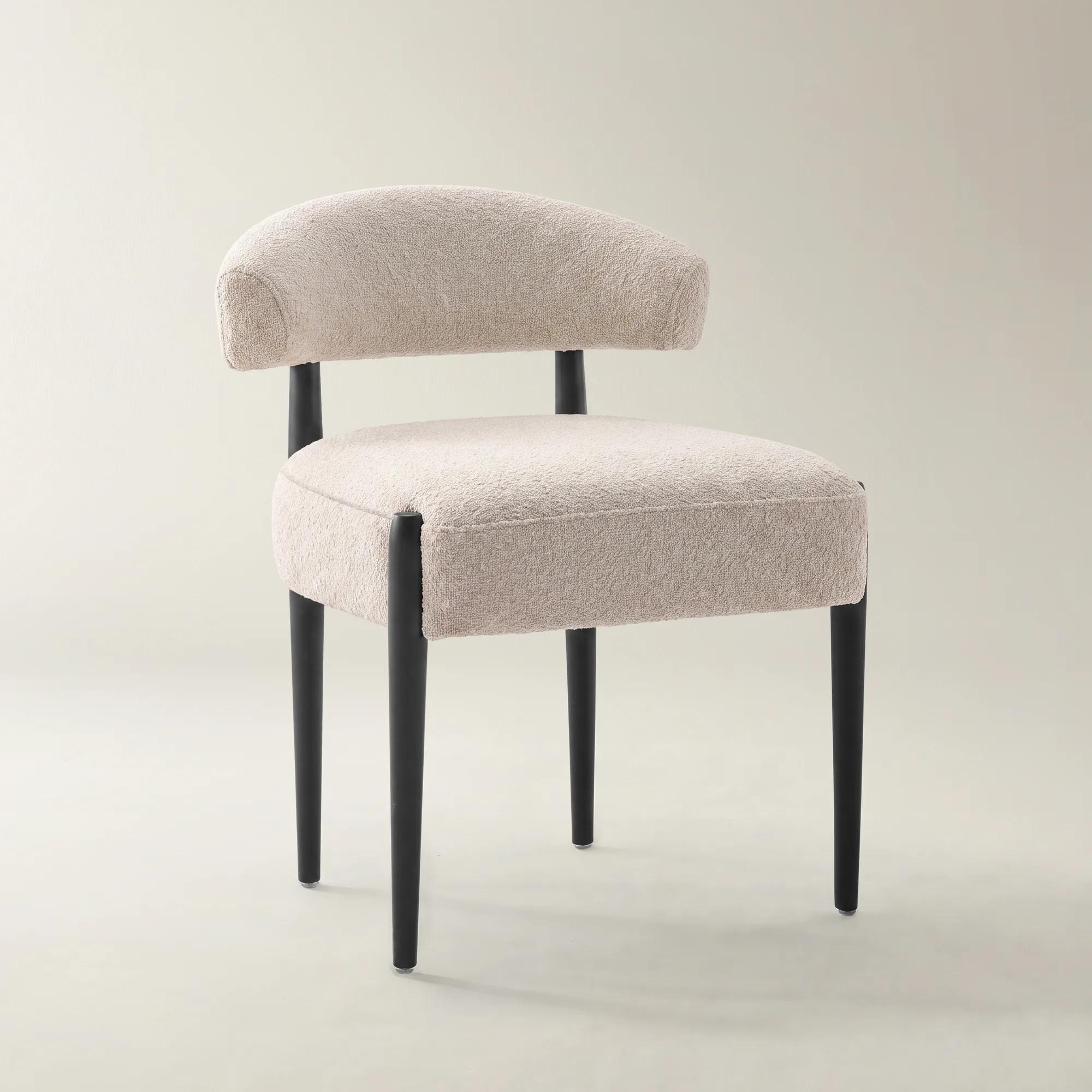 Anna Ivory Performance Boucle Dining Chair Set of 2$699
An ivory performance bouclé dining chair set with arched backs, high-density foam, and solid wood construction.
Add To Cart

White Parsons Dining Chairs
White Parsons Dining Chairs embody the art of refined simplicity, transforming any dining room into a stage for elegance and expression. With their crisp silhouettes and luminous presence, these chairs invite you to indulge in the purity of modern design—where every meal feels elevated, and every gathering is framed in sophistication. Whether paired with a dramatic table or set against a bold backdrop, White Parsons Dining Chairs serve as the perfect canvas for your most inspired tablescapes, capturing light, style, and imagination in every detail.
White Parsons dining chairs bring a distinctive balance to the dining room: the silhouette is restrained, while the effect can be wonderfully dramatic. Typically defined by an upholstered seat, a straight or gently shaped back, and clean-lined legs, the Parsons chair gives fabric, proportion, and color room to make their own statement. In white, that familiar profile becomes especially expressive, lifting the visual weight of a substantial table and creating a luminous backdrop for everything from sculptural dinnerware to a generous arrangement of branches. Against dark wood, white upholstery delivers crisp contrast; beside glass, it allows the tabletop’s transparency to remain part of the composition. A marble table introduces another layer of artistry, with natural veining playing against the chair’s quieter surface. White also has considerable range. A bright, clear shade can feel graphic and architectural, while ivory and warm off-white soften the room without sacrificing definition. Those subtle differences become more noticeable beside pale stone, painted cabinetry, or an existing rug, making undertone as important as the color name. Texture adds another dimension: a finely woven surface can lend tailored precision, while a more pronounced weave gives the same silhouette depth and a tactile presence. Smooth upholstery creates a different mood, emphasizing the uninterrupted shape of the back and seat. For hosts who enjoy an elaborate table setting, white chairs provide a composed foundation for gleaming flatware, richly colored linens, and oversized centerpieces. For households that gather around the table every day, they offer an equally compelling setting for breakfast, conversation, and shared meals. Their appeal lies in that versatility—a chair with enough presence to frame an occasion, yet a silhouette that lets the rest of the room speak. Repeating the shape around a table creates a deliberate rhythm, turning individual seats into a unified composition rather than a collection of competing details.
The materials beneath that luminous exterior influence how white Parsons dining chairs feel, wear, and function in everyday life. Fabric upholstery offers a broad spectrum of textures, from close, smooth weaves to surfaces with more visible character, and its suitability depends on fiber content, construction, and the manufacturer’s care guidance. Performance fabrics may offer useful resistance to spills or staining, but the term does not mean that every mark will disappear or that all cleaning methods are appropriate. Leather has its own character, with grain and finish affecting both appearance and maintenance; faux leather can offer a similarly sleek surface, though its composition and care requirements differ. Neither should be treated as interchangeable when choosing a cleaner. Beneath the upholstery, a well-constructed wood or metal frame, secure joints, and an appropriate seating support system help determine how confidently a chair handles repeated use. Cushioning matters just as much as the frame. A generously padded seat can feel inviting at first touch, while firmer cushioning may suit someone who prefers a more supported position through a long meal. Back height and contour also shape the experience, especially when dinner extends into conversation. Proportion deserves the same attention as texture. Many dining chairs have seat heights around 18 to 20 inches, but the actual relationship between chair and table is more useful than either measurement alone. A difference of roughly 10 to 12 inches between the seat and tabletop is a common starting point, with the table apron and underside checked separately for comfortable knee clearance. Allowing approximately 24 inches of table edge per person can help establish a workable arrangement, while wider chairs and expansive place settings may call for more room. An armless profile often makes it easier to tuck seating beneath a table, although the seat width, front legs, and table base still need to work together. Pedestal tables, trestle supports, and corner legs each create different placement considerations. Space behind the chairs matters, too: a dining arrangement feels more gracious when guests can pull out a seat without crowding a wall, sideboard, or passageway.
White upholstery rewards thoughtful care, particularly in a room where food, drinks, and frequent movement are part of its purpose. Its pale surface can make crumbs, dark lint, and accidental marks more noticeable, so practical maintenance helps preserve the clarity that makes the color so striking. For fabric chairs, regular vacuuming with an appropriate upholstery attachment can remove debris from seams and the junction between seat and back; the recommended setting and attachment should suit the textile. Spills are best addressed promptly according to the care label, generally by blotting rather than rubbing when that method is permitted. A cleaner intended for one upholstery type may damage another, and a discreet test area is important before any approved treatment is applied more broadly. Leather and faux leather likewise benefit from material-specific care rather than a universal household spray. Removable covers, when a chair is designed with them, can simplify maintenance, but removability does not necessarily mean machine washability. In active dining rooms, these distinctions help match the chair to the household instead of relying on color alone to determine practicality. Families with young children, pet owners, and frequent entertainers may place particular value on documented care instructions and upholstery suited to regular use. Felt pads or other floor-appropriate protectors can help reduce scratching as chairs move, while occasional checks of accessible fasteners, where applicable, support continued stability. Placement also affects longevity: prolonged direct sunlight may alter upholstery, and repeated contact with a rough table edge can wear fabric over time. Beyond maintenance, the enduring pleasure of white Parsons dining chairs is their ability to accommodate an evolving room. A new rug, a striking piece of art, or different table linens can shift the atmosphere while the seating remains a cohesive foundation. For a broader expression of this luminous palette, explore Classic White Dining Chairs as a complementary design direction. Whether arranged in a dedicated dining room or gathered around a table in an open living space, the Parsons silhouette brings tailored structure to the scene, leaving room for personal expression in every surrounding detail.
FAQs
White Parsons dining chairs are remarkably versatile, complementing a wide array of design styles—from modern minimalism and classic elegance to glamorous Hollywood Regency and coastal chic. Their clean lines and neutral palette allow them to blend seamlessly with bold statement pieces, rich textures, or metallic accents, making them a sophisticated choice for both traditional and contemporary dining rooms.
To maintain the pristine allure of white Parsons dining chairs, rotate their placement periodically to ensure even wear and exposure to light. During winter months, consider layering with decorative throws or accent pillows in seasonal hues for added texture and warmth. Regular gentle cleaning and mindful use will help preserve their luminous finish, allowing them to remain a radiant focal point year-round.
Absolutely. Many white Parsons dining chairs are crafted with performance fabrics or easy-to-clean materials that stand up beautifully to everyday life. For families with children or pets, opt for chairs with stain-resistant upholstery or removable slipcovers, ensuring that style and practicality coexist effortlessly in your dining space.
Yes, the elegant simplicity of white Parsons dining chairs makes them a striking addition to a variety of settings. Use them as accent chairs in a living room, as a chic desk chair in a home office, or even as stylish seating in a bedroom vanity area. Their adaptable design ensures they bring a touch of sophistication wherever they’re placed.
For festive gatherings or celebratory dinners, dress up white Parsons dining chairs with decorative sashes, velvet ribbons, or seasonal floral arrangements draped over the back. Pair them with bold table linens, gleaming chargers, or dramatic centerpieces to create a personalized tablescape that dazzles your guests and elevates every occasion.