Premium White Dining Chairs
Premium White Dining Chairs
-
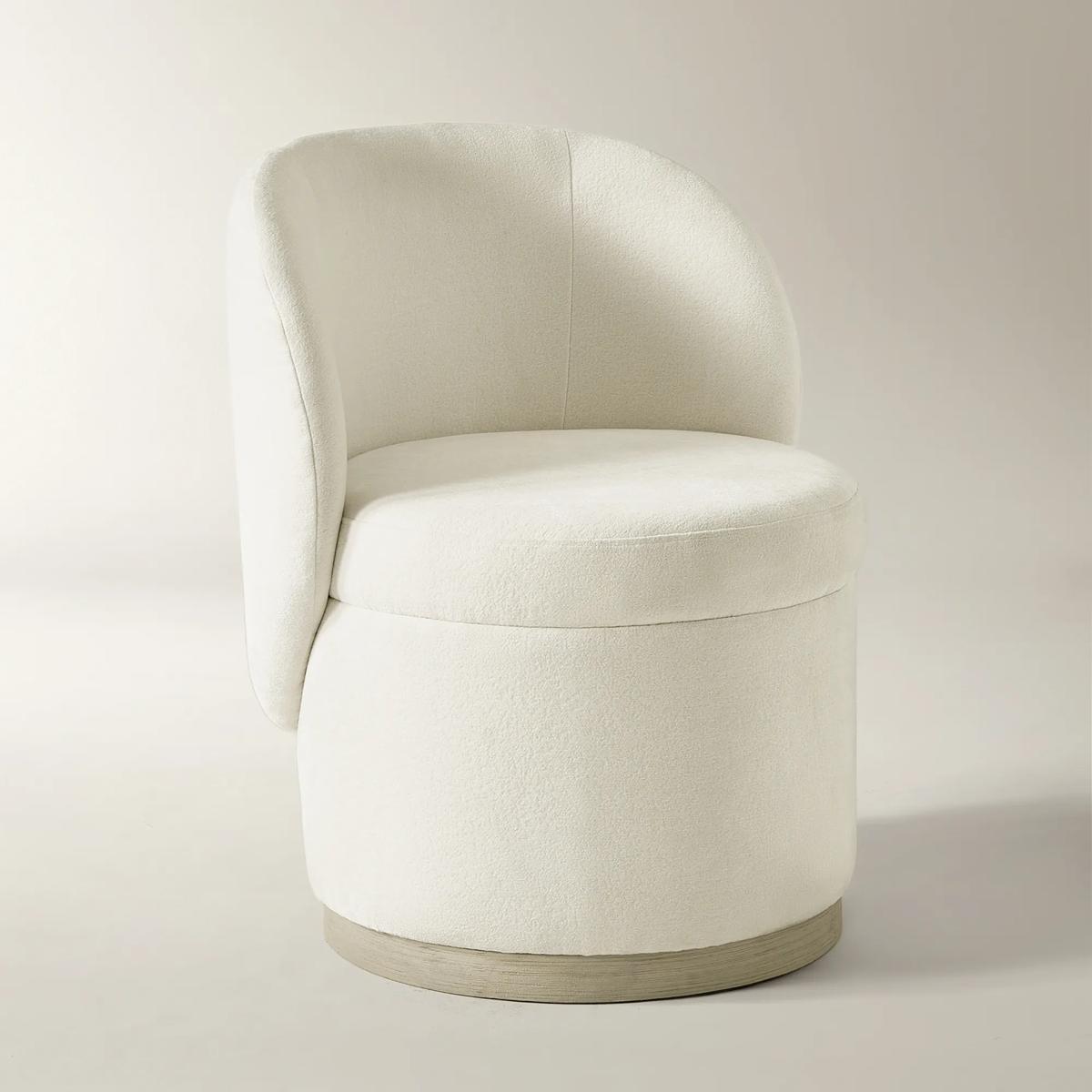 Stria Ivory Chenille Dining Chair With Oak Base$449
An ivory chenille chair featuring a plush, velvet-like finish and a handcrafted solid oak base.
Add To Cart -
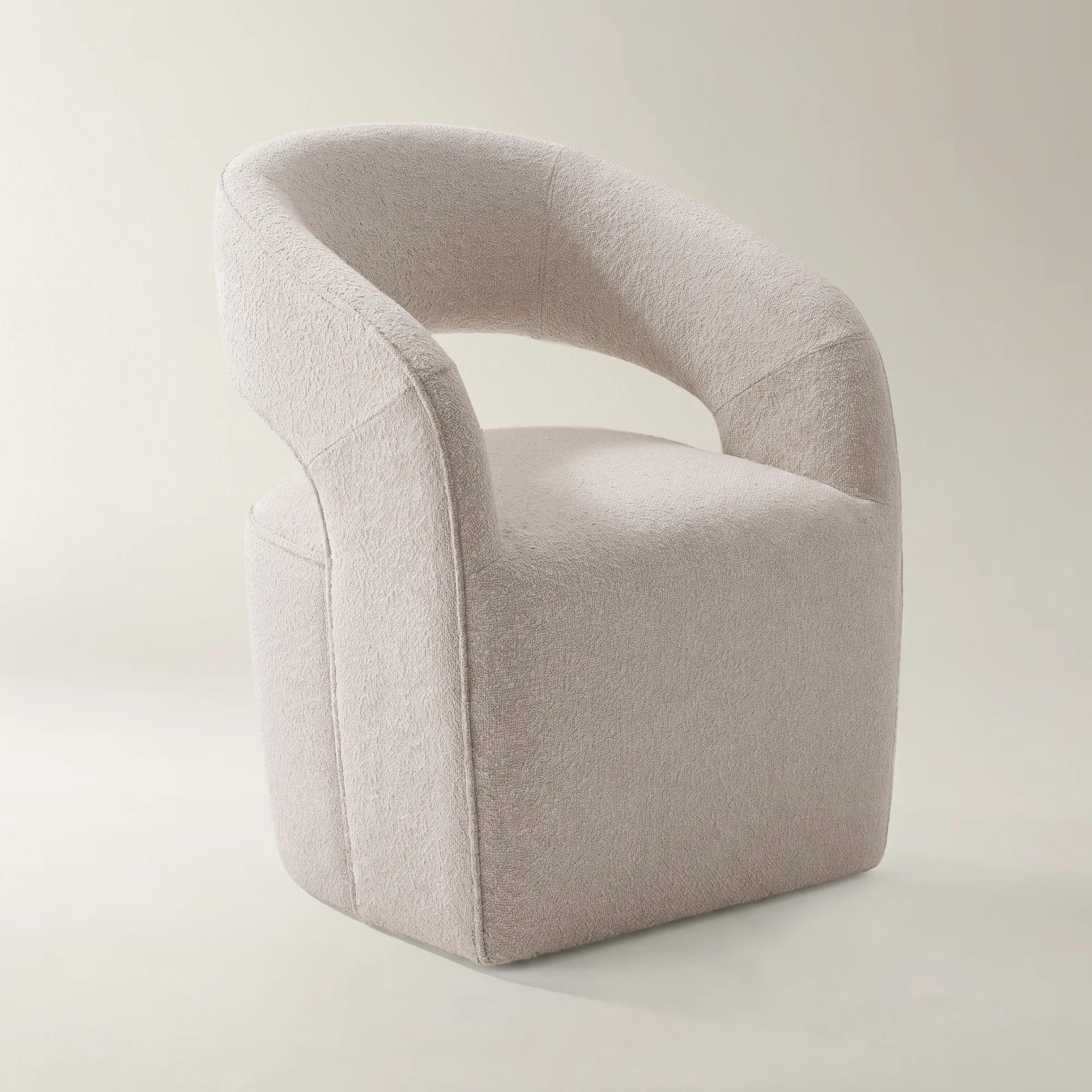
-2.jpg?w=1200&h=1200) Harrison Ivory Performance Boucle Dining Chair$449
Harrison Ivory Performance Boucle Dining Chair$449A sculptural dining chair in ivory performance boucle with a curved back, feather-blend seat, and modern elegance.
Add To Cart -
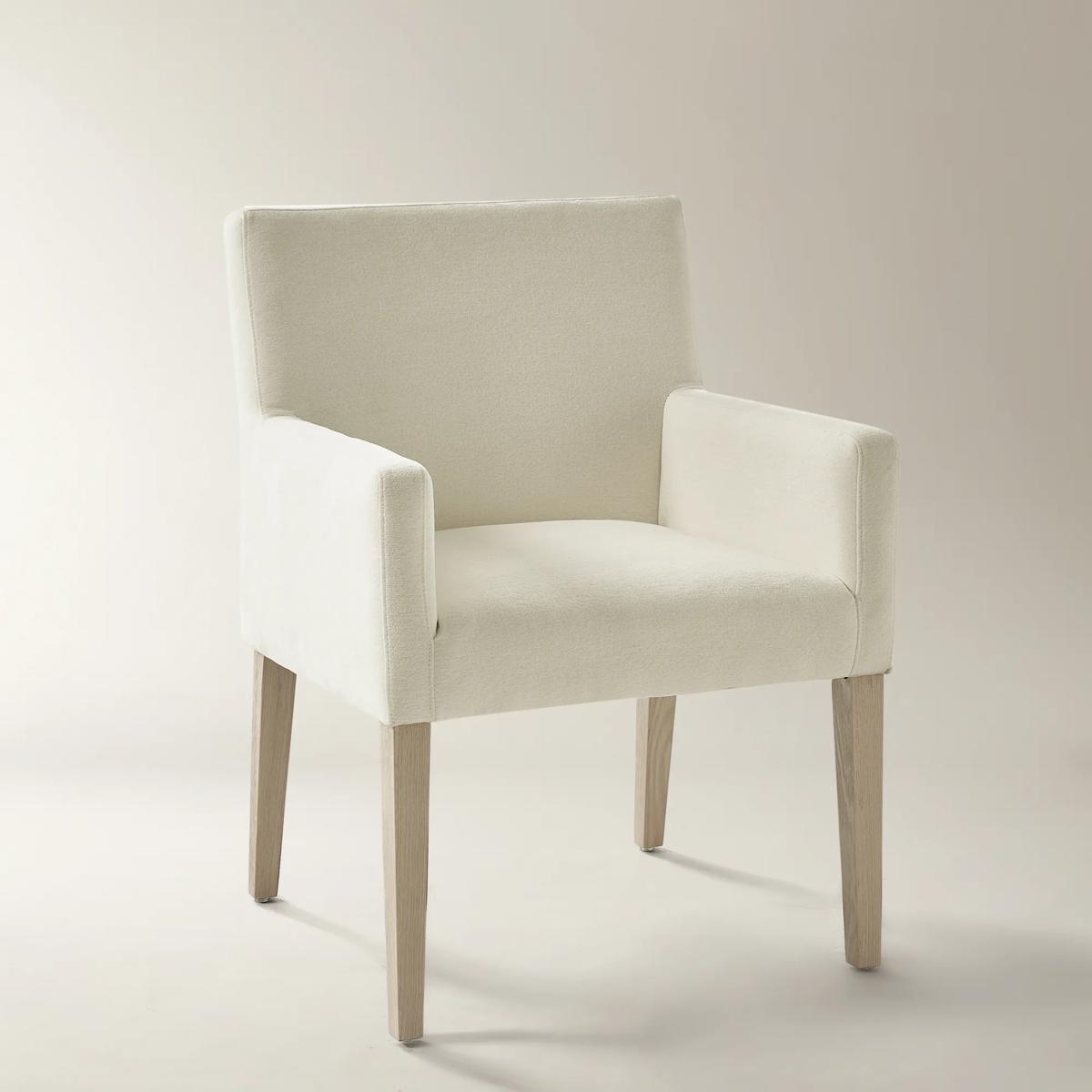
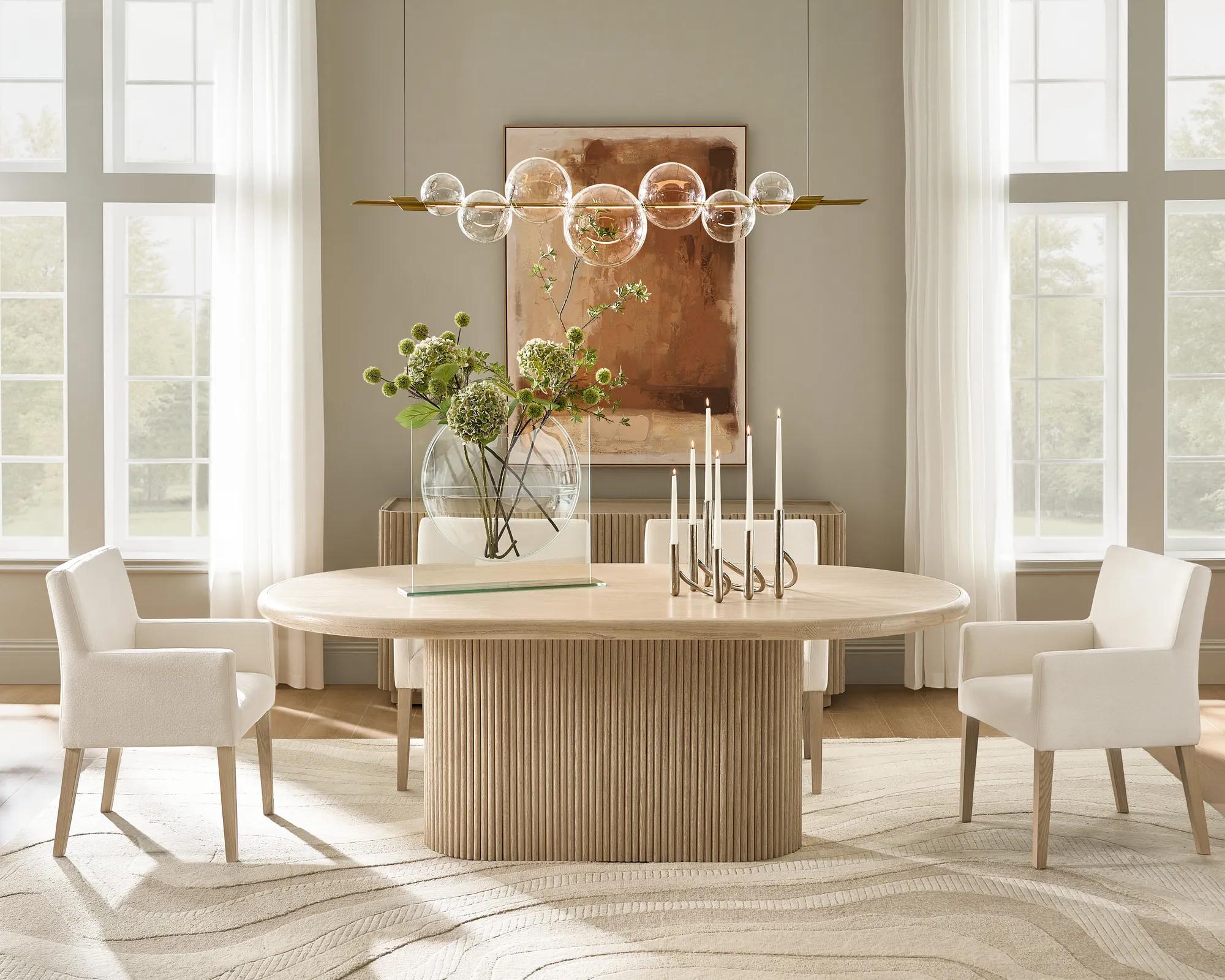 Stria Ivory Chenille Dining Chair Set Of 2$599
A pair of ivory chenille arm chairs with natural oak legs, offering plush comfort and modern elegance.
Add To Cart -
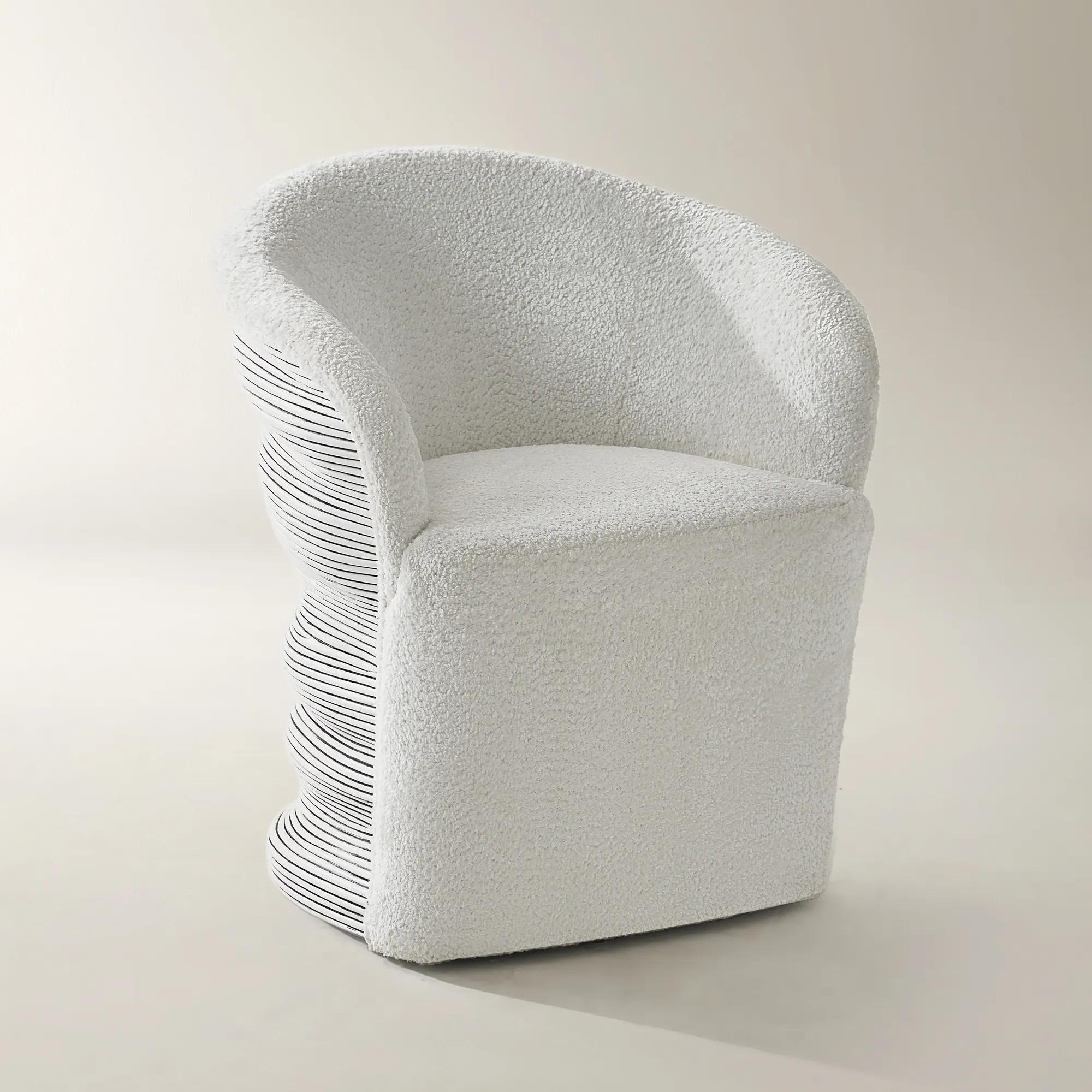
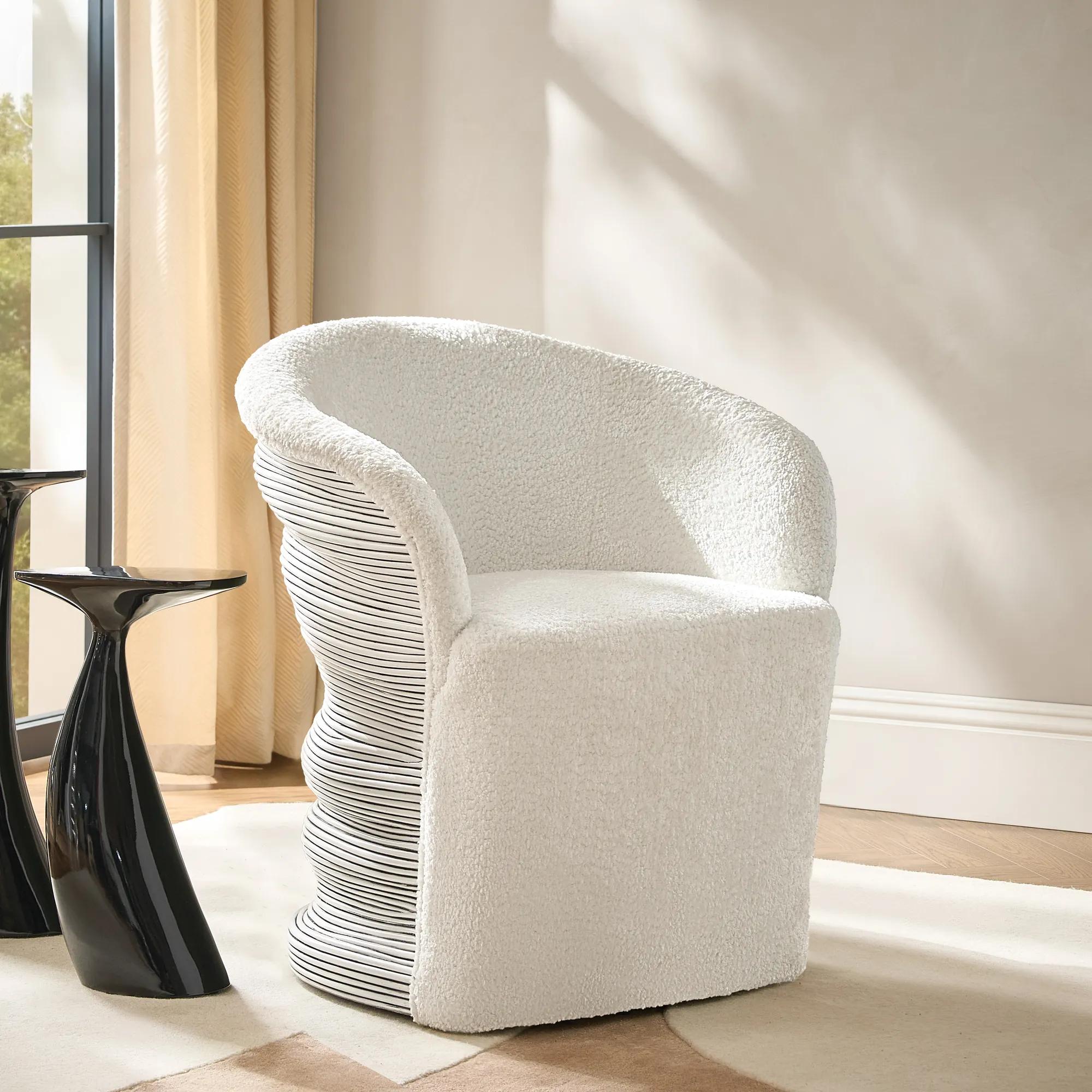 Cairo Rattan Ivory Chenille Dining Chair$899
An artisan-crafted swivel chair featuring handwoven natural rattan and plush ivory chenille upholstery for modern comfort.
Add To Cart -
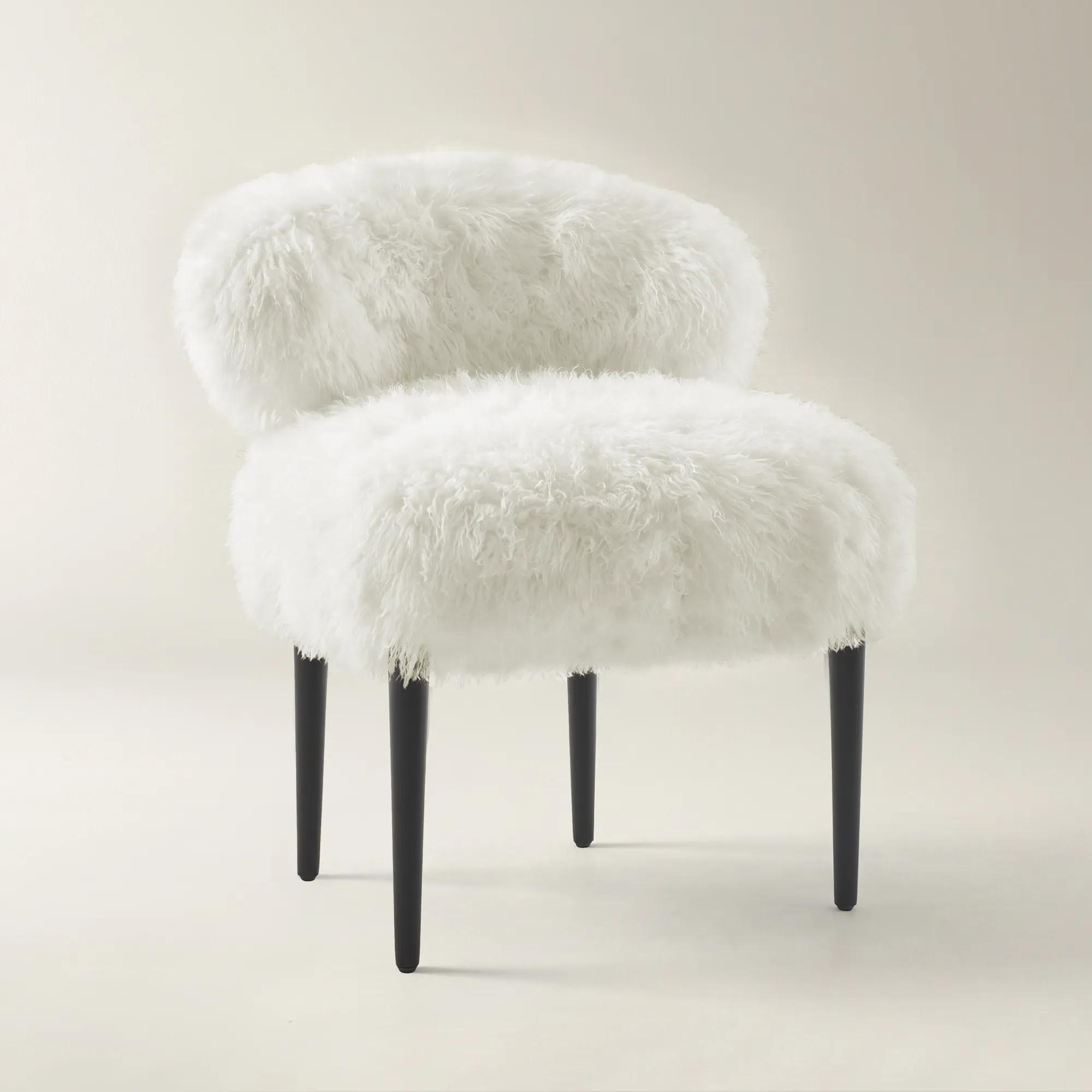
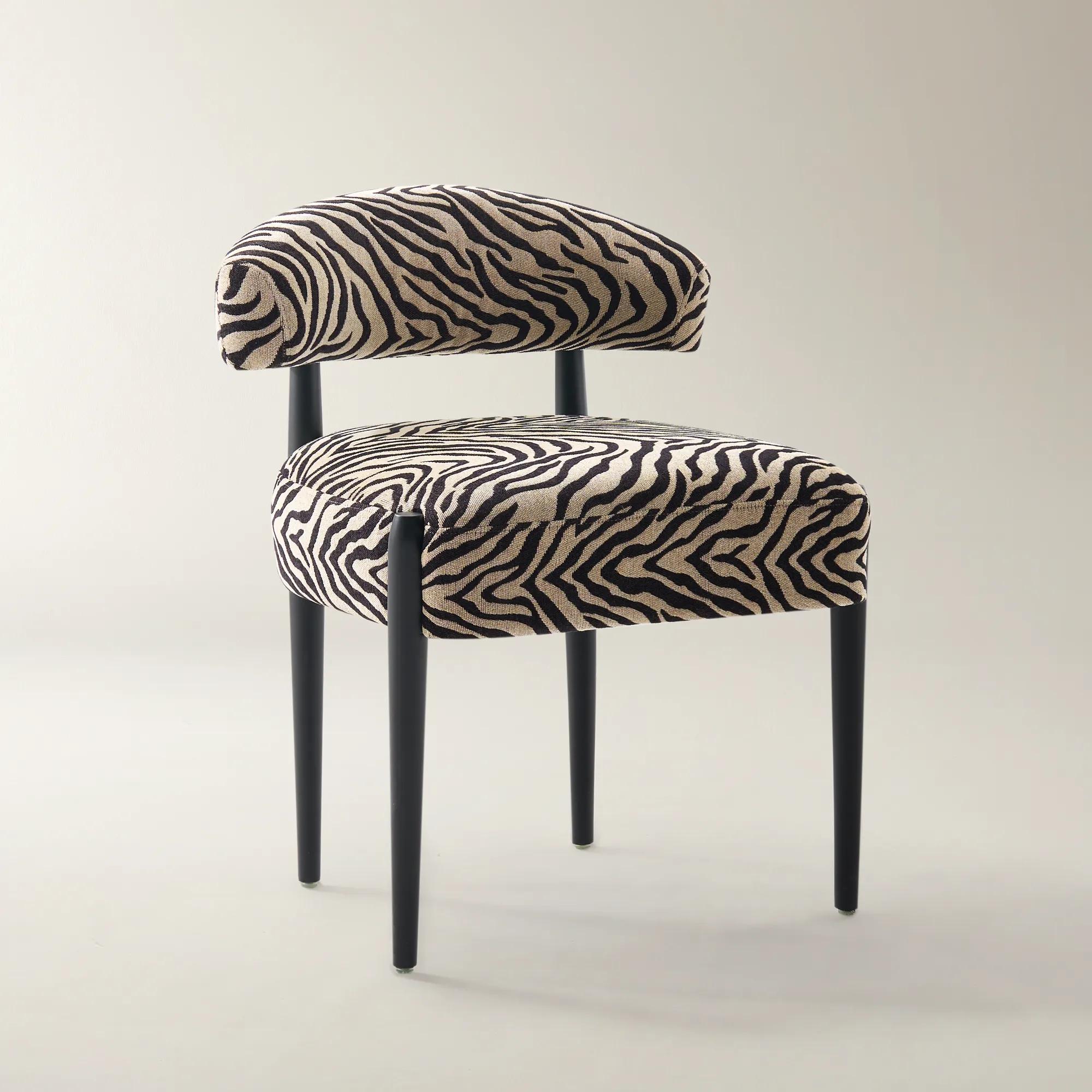 Anna Ivory Faux Fur Dining Chair Set of 2$699
A hand-upholstered ivory faux fur dining chair with a curved back, high-density foam cushioning, and rubberwood legs.
Add To Cart -
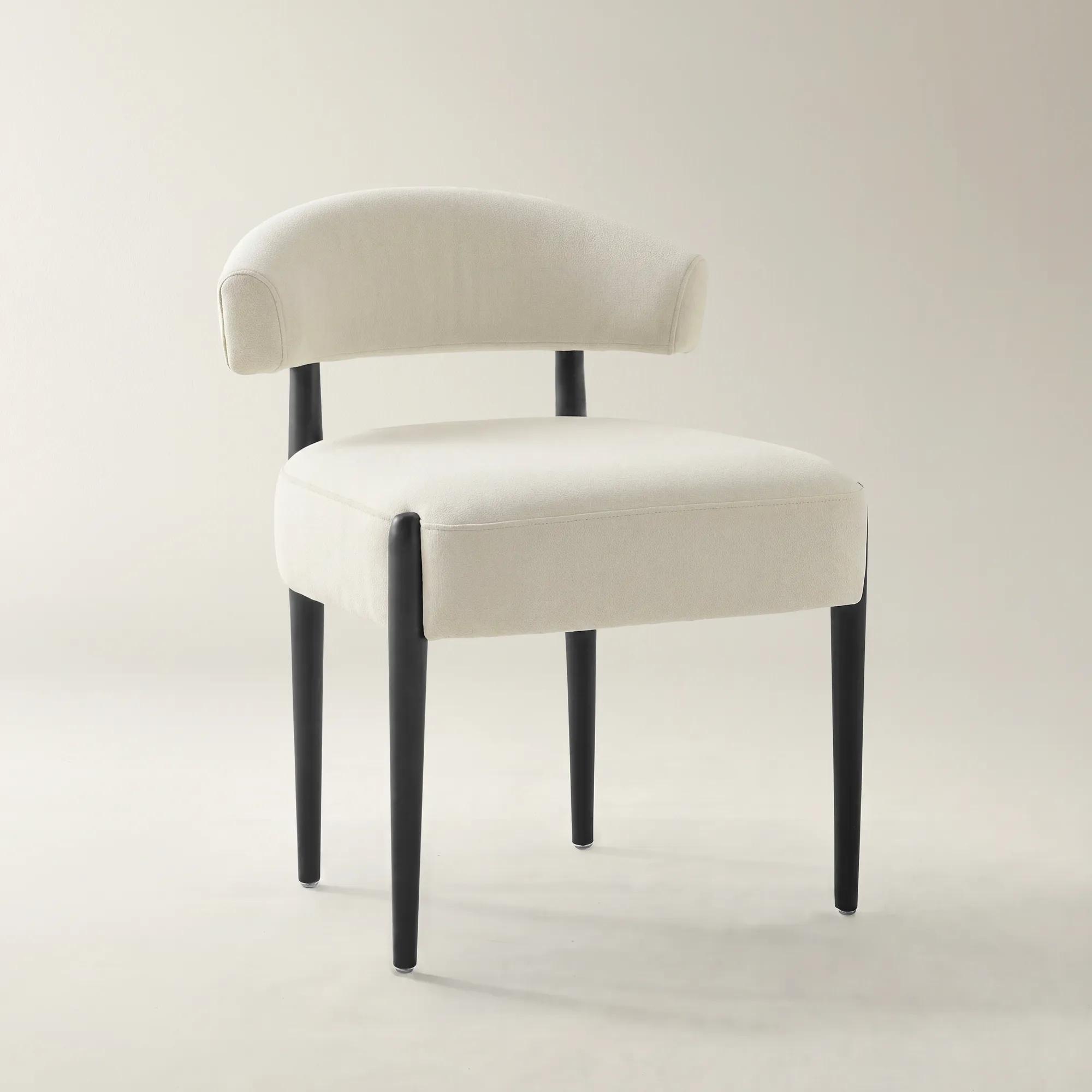 Anna Ivory Performance Chenille Dining Chair Set of 2$599
An ivory performance chenille chair pair featuring curved backs, high-density foam, and solid rubberwood legs.
Add To Cart -
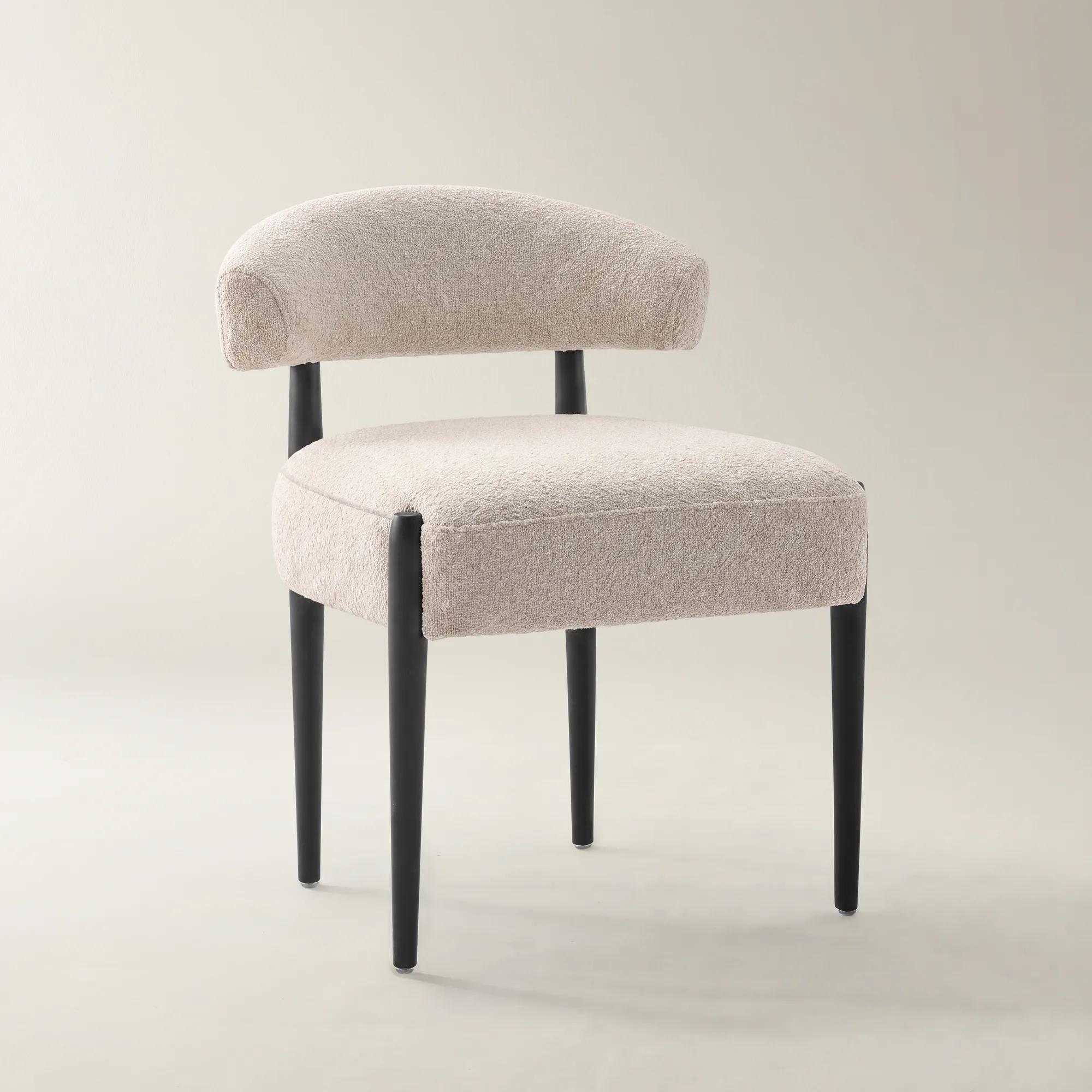 Anna Ivory Performance Boucle Dining Chair Set of 2$599
An ivory performance bouclé dining chair set with arched backs, high-density foam, and solid wood construction.
Add To Cart -
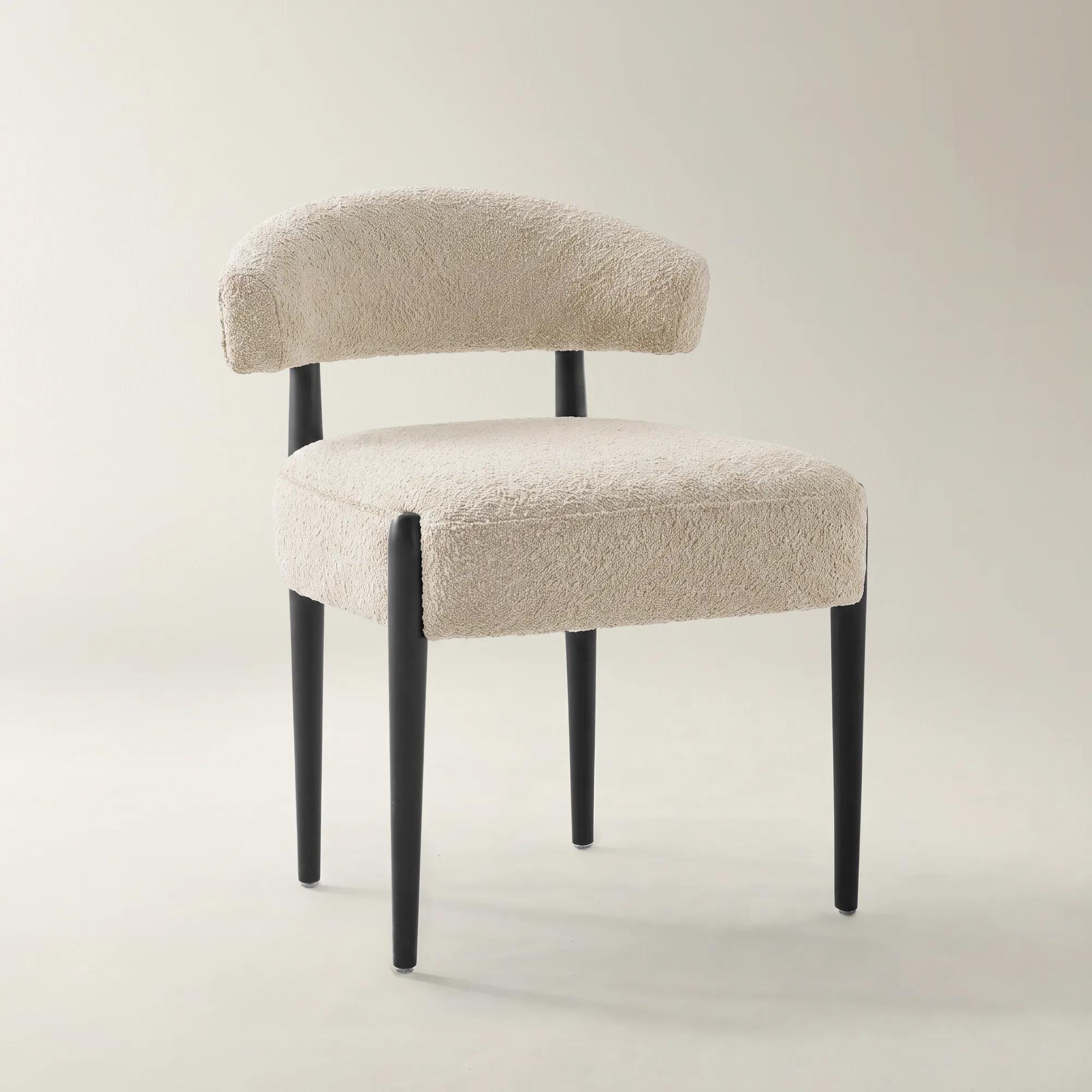 Anna Ivory Performance Boucle Dining Chair Set of 2$599
A pair of ivory performance boucle chairs with curved backs, cushioned comfort, and solid wood frames.
Add To Cart -
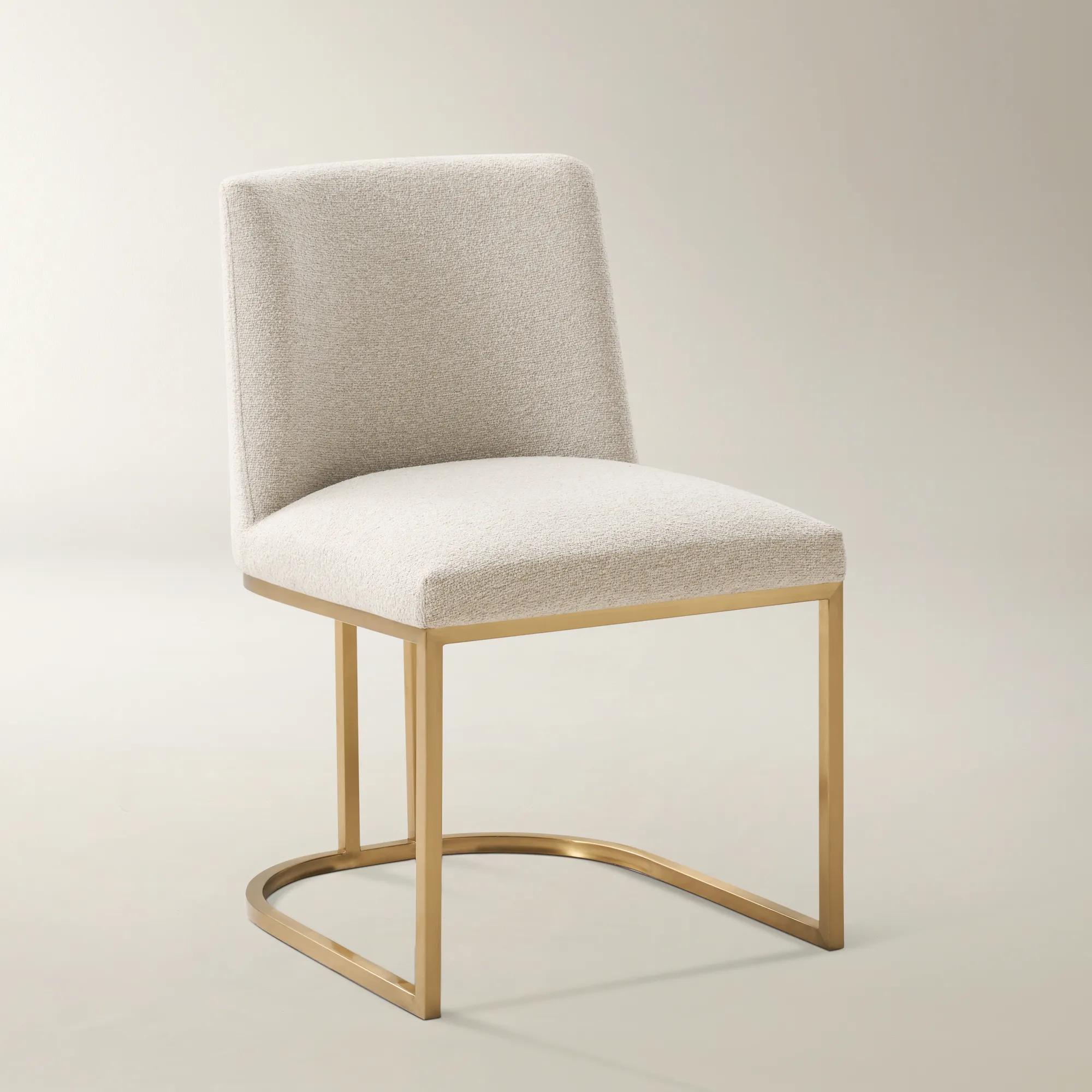 Bergen Ivory Boucle Dining Chair Set Of 2$499
An ivory boucle dining chair set featuring a curved backrest and brushed stainless steel frame for elegance.
Add To Cart -
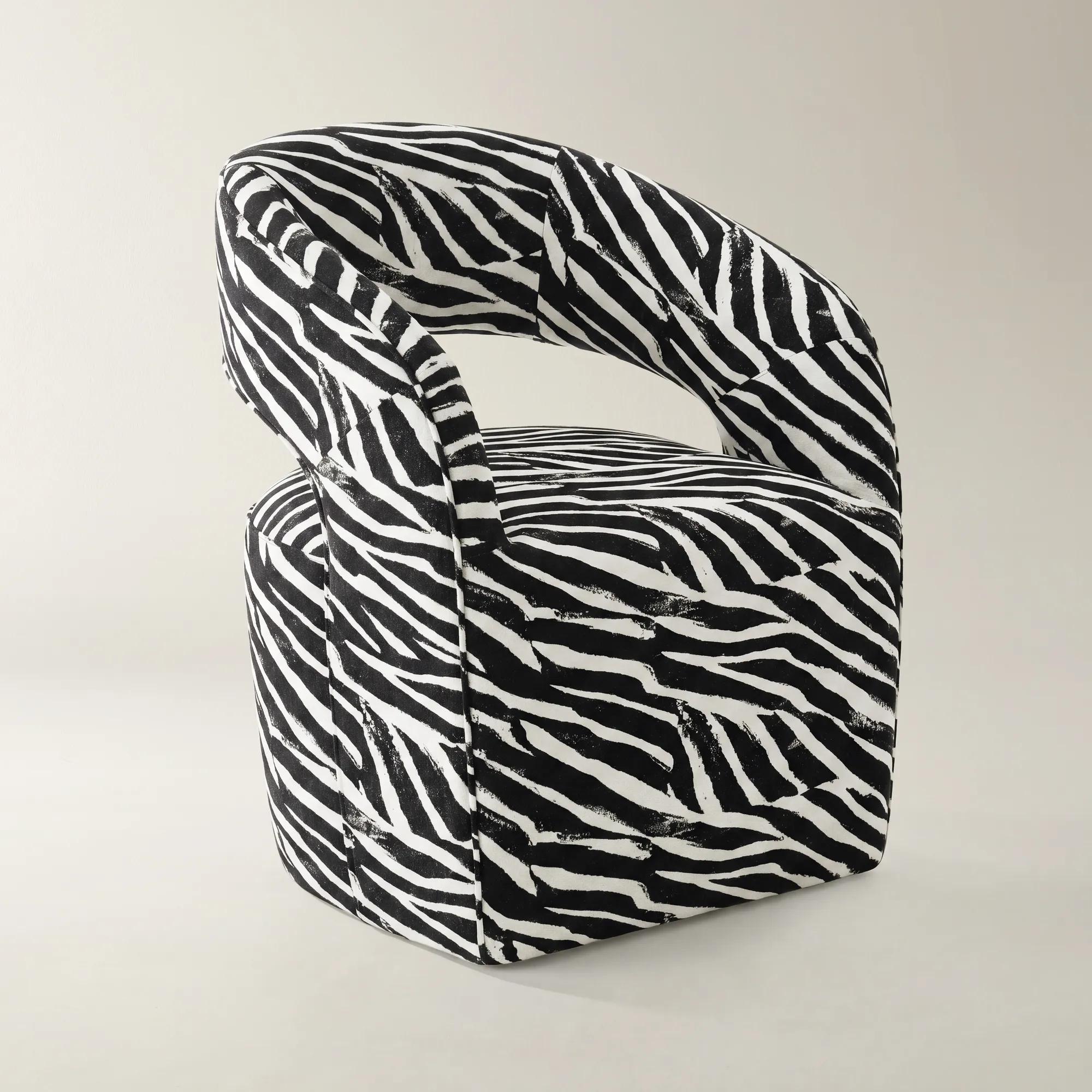 Harrison White/Black Performance Chenille Dining Chair$449
A sculptural dining chair in white and black performance chenille with plush feather-blend cushioning and curved arms.
Add To Cart -
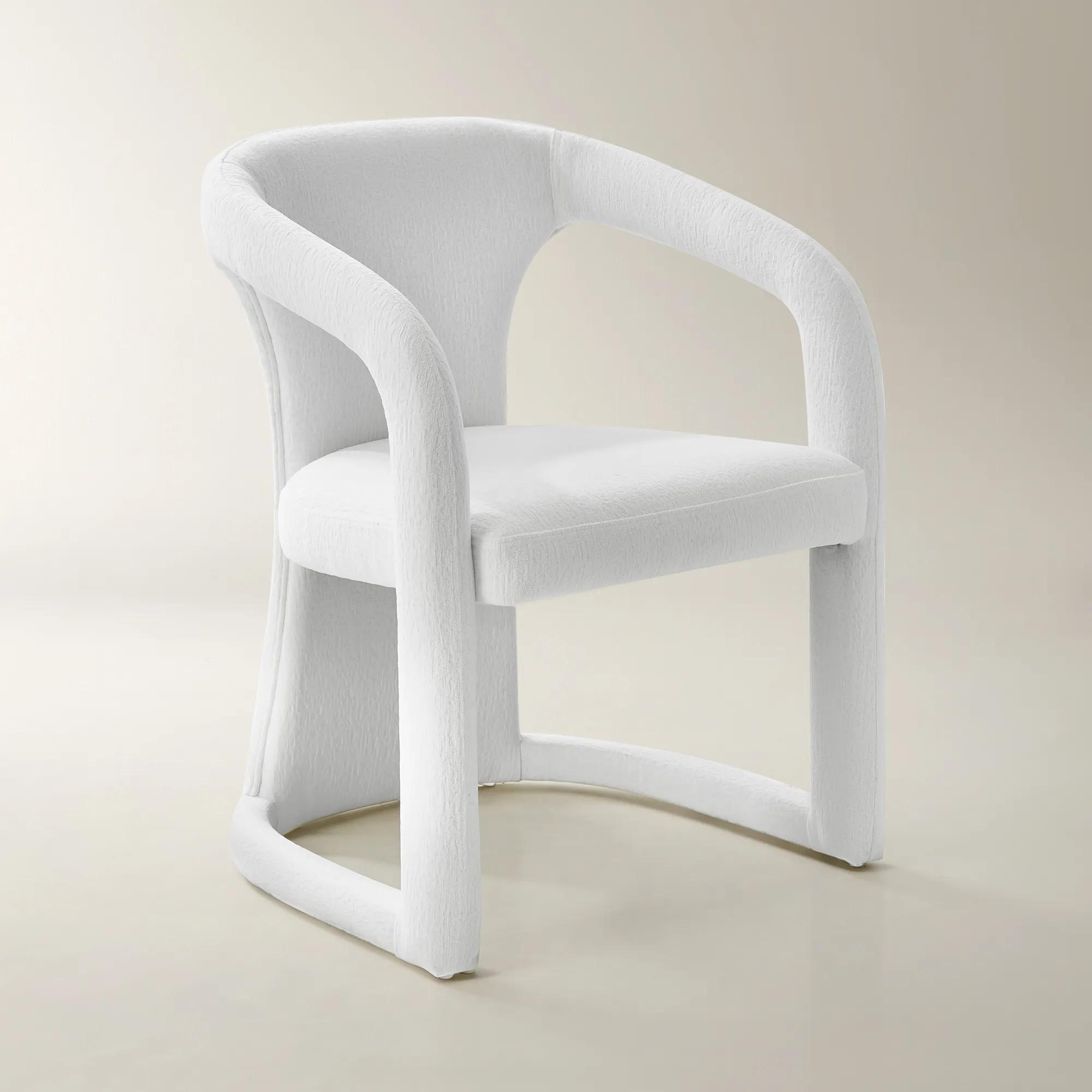
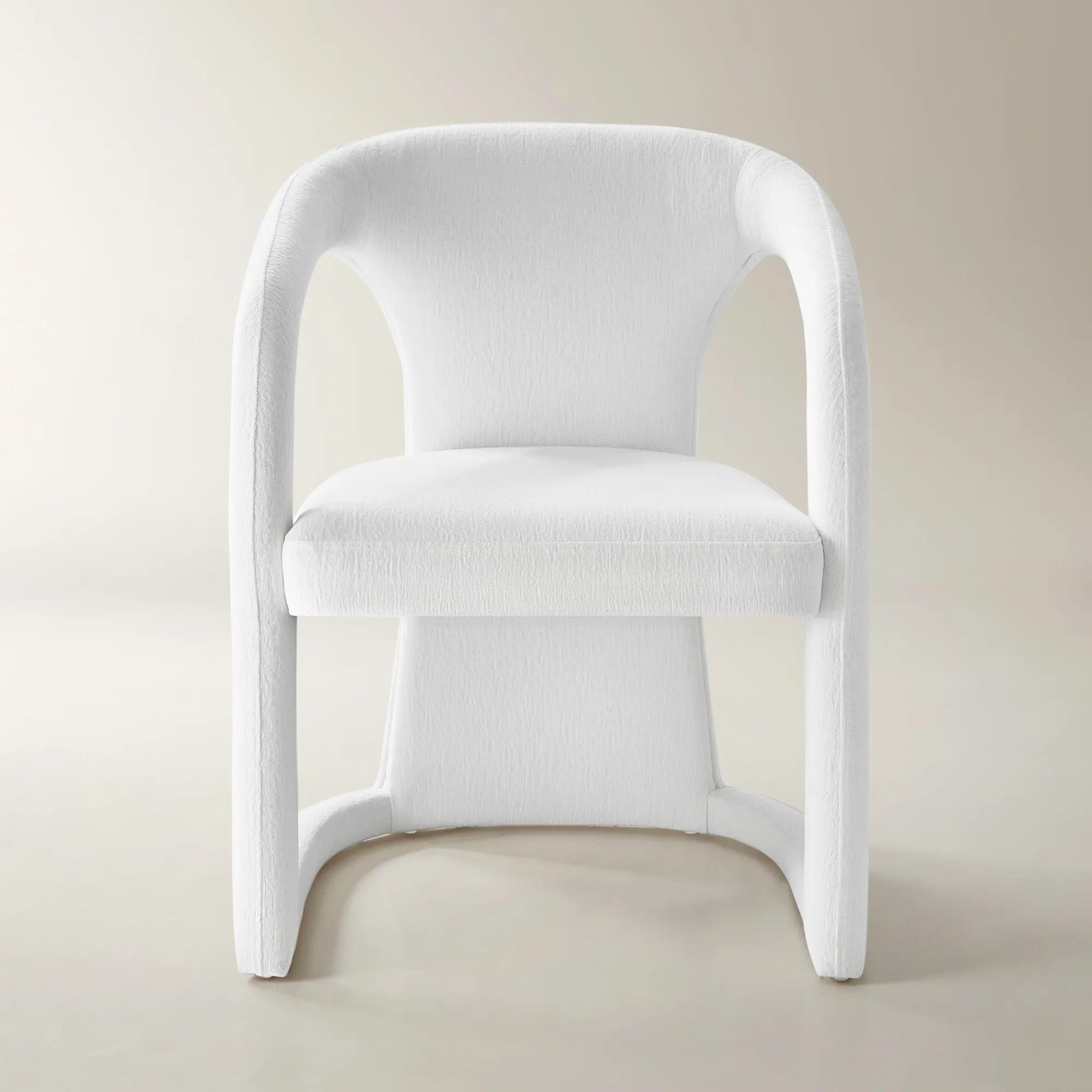 Arco White Performance Chenille Indoor/Outdoor Dining Chair$699
A sculptural white chenille dining chair with plush padding, moisture resistance, and indoor/outdoor versatility.
Add To Cart -
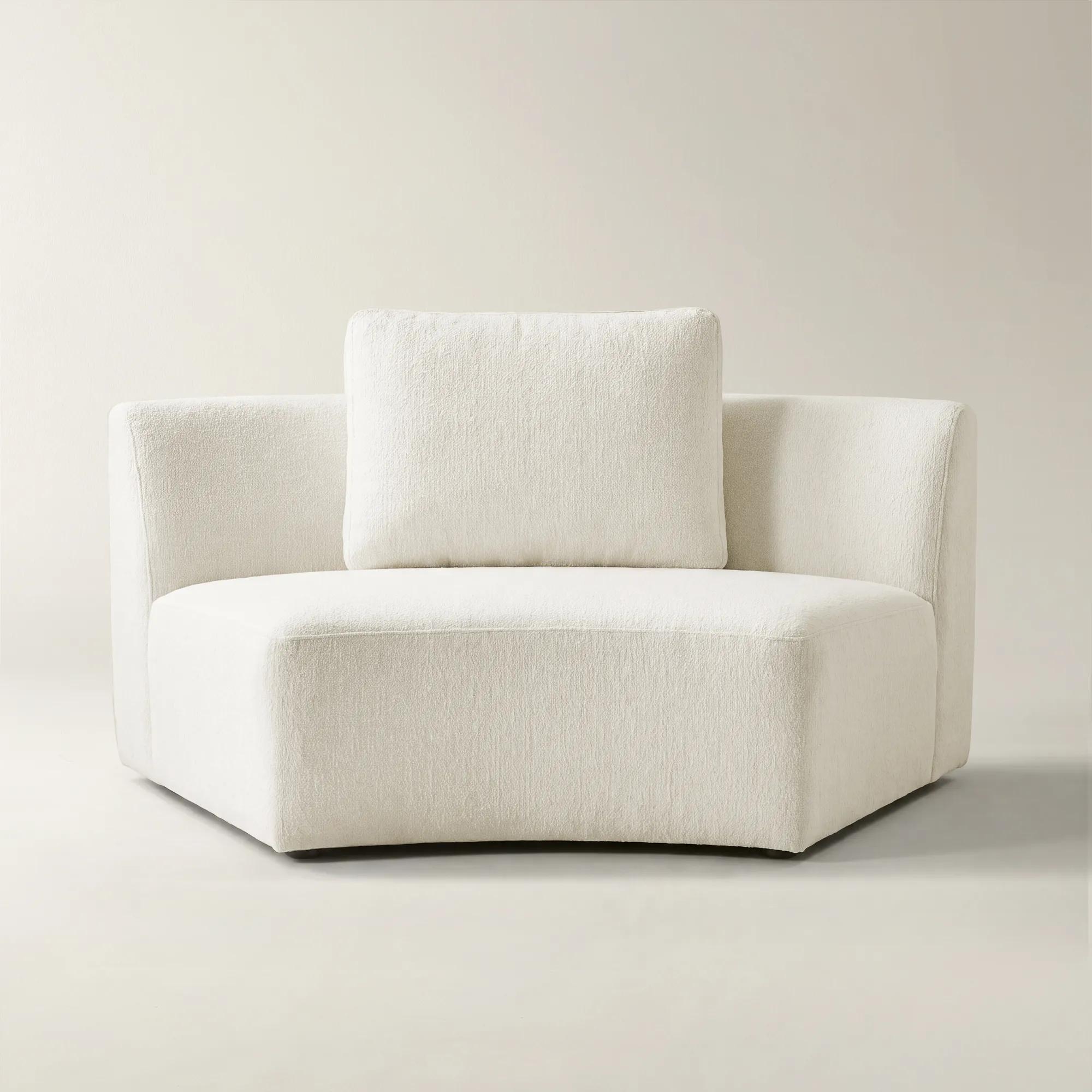
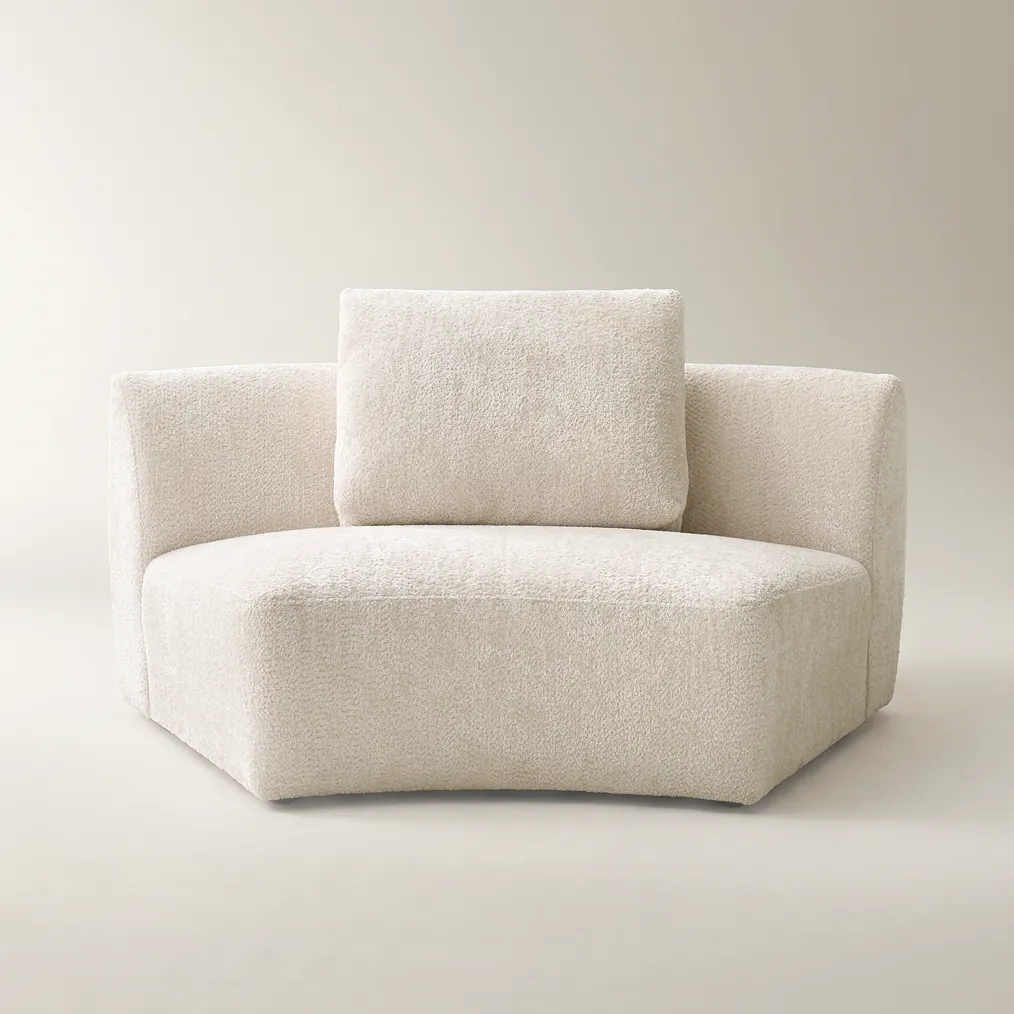 Irene Ivory Performance Chenille Armless Chair$1149
An armless chair in ivory performance chenille featuring sculptural curves, high-resiliency foam, and artisan detailing.
Add To Cart -
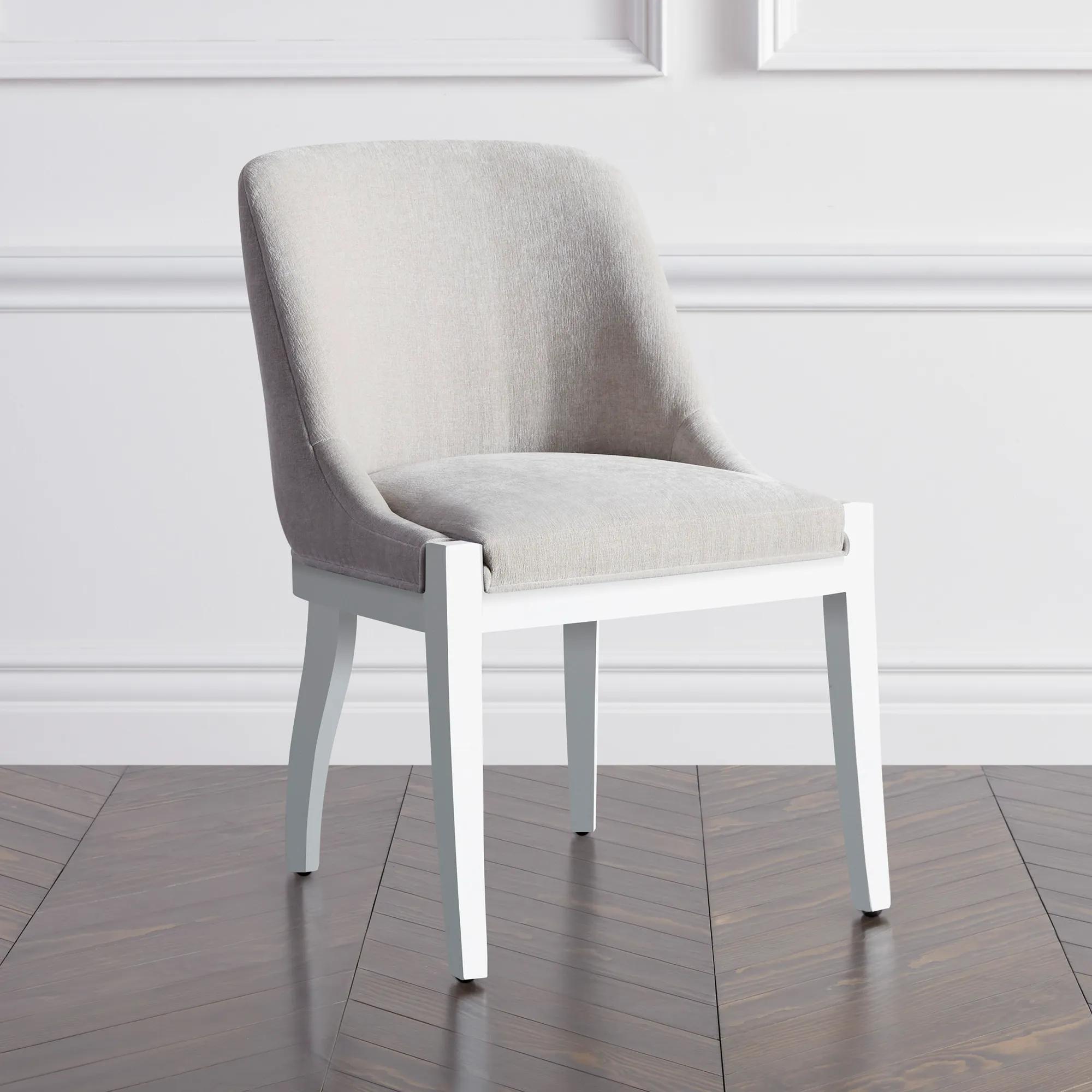
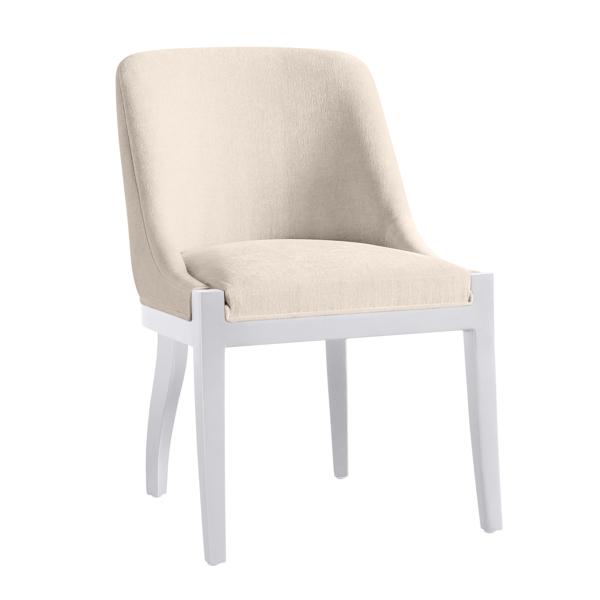 Lily Dining Chair - High Gloss White$649
A modern dining chair featuring kiln-dried hardwood, high-gloss white legs, and neatly tailored upholstery.
Add To Cart -
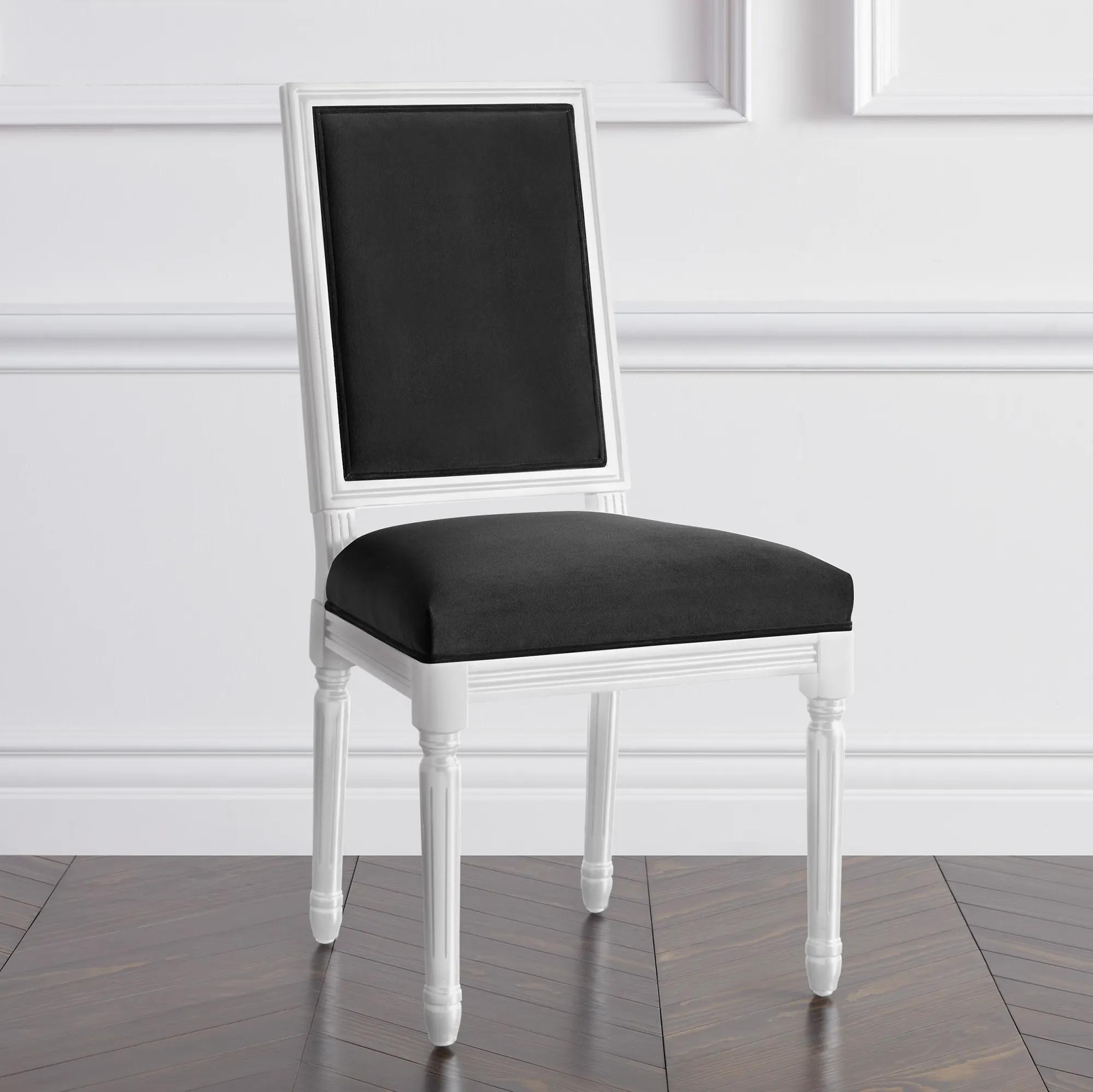
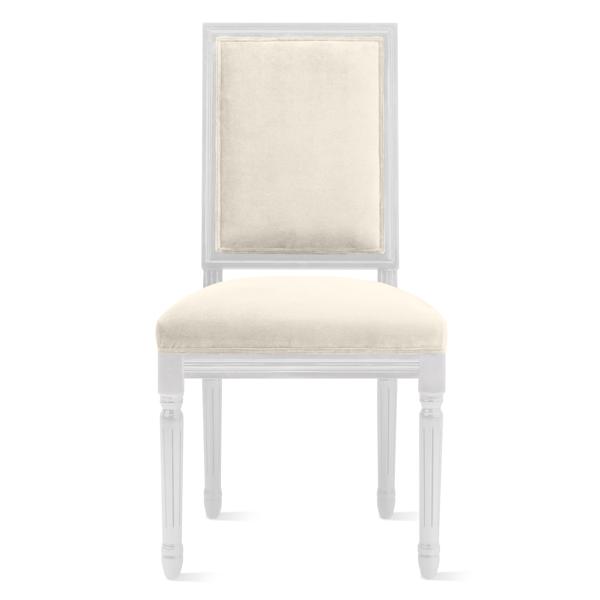 Callan Dining Chair - High Gloss White$599
A handcrafted dining chair featuring a high-gloss white finish, kiln-dried hardwood frame, and plush upholstery.
Add To Cart -
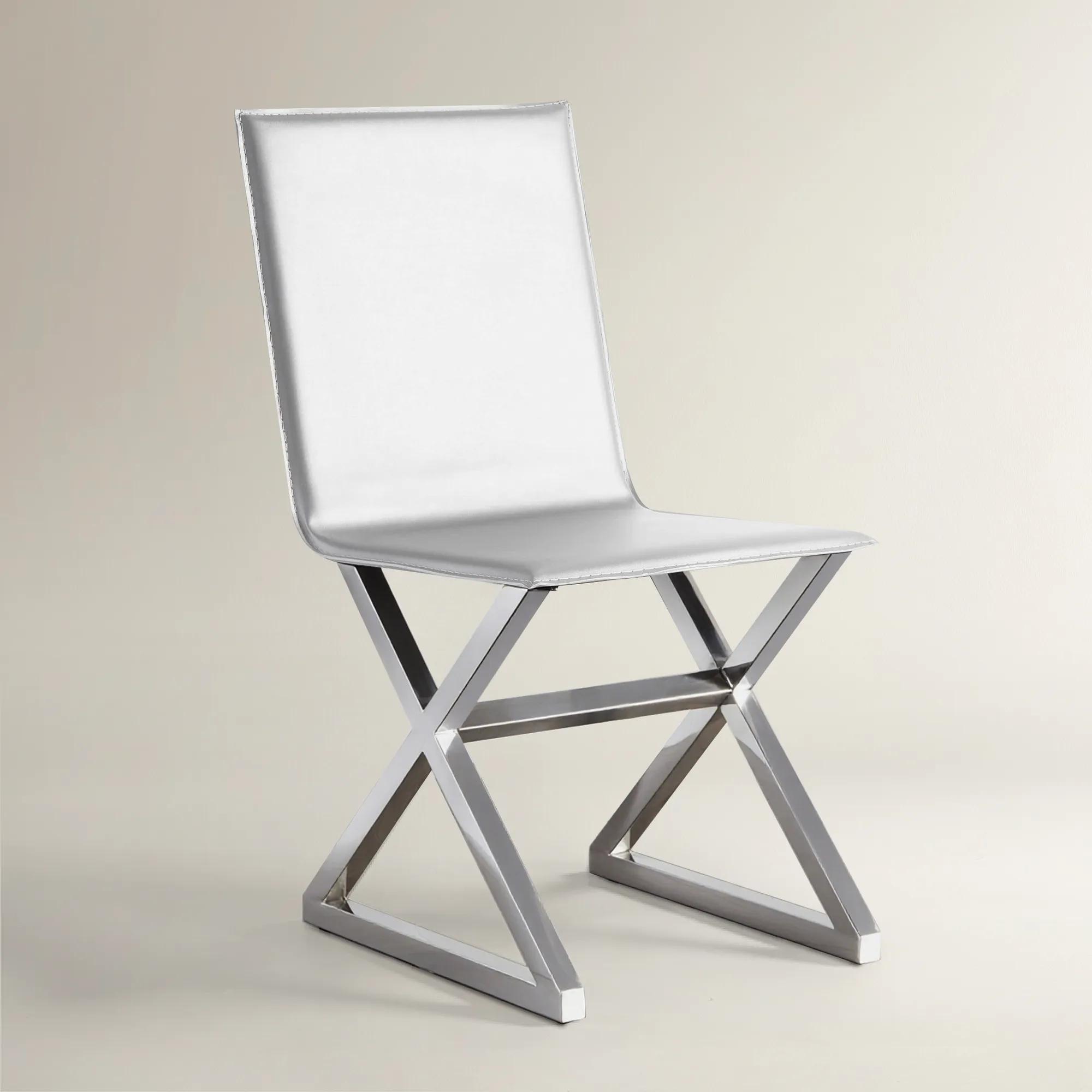
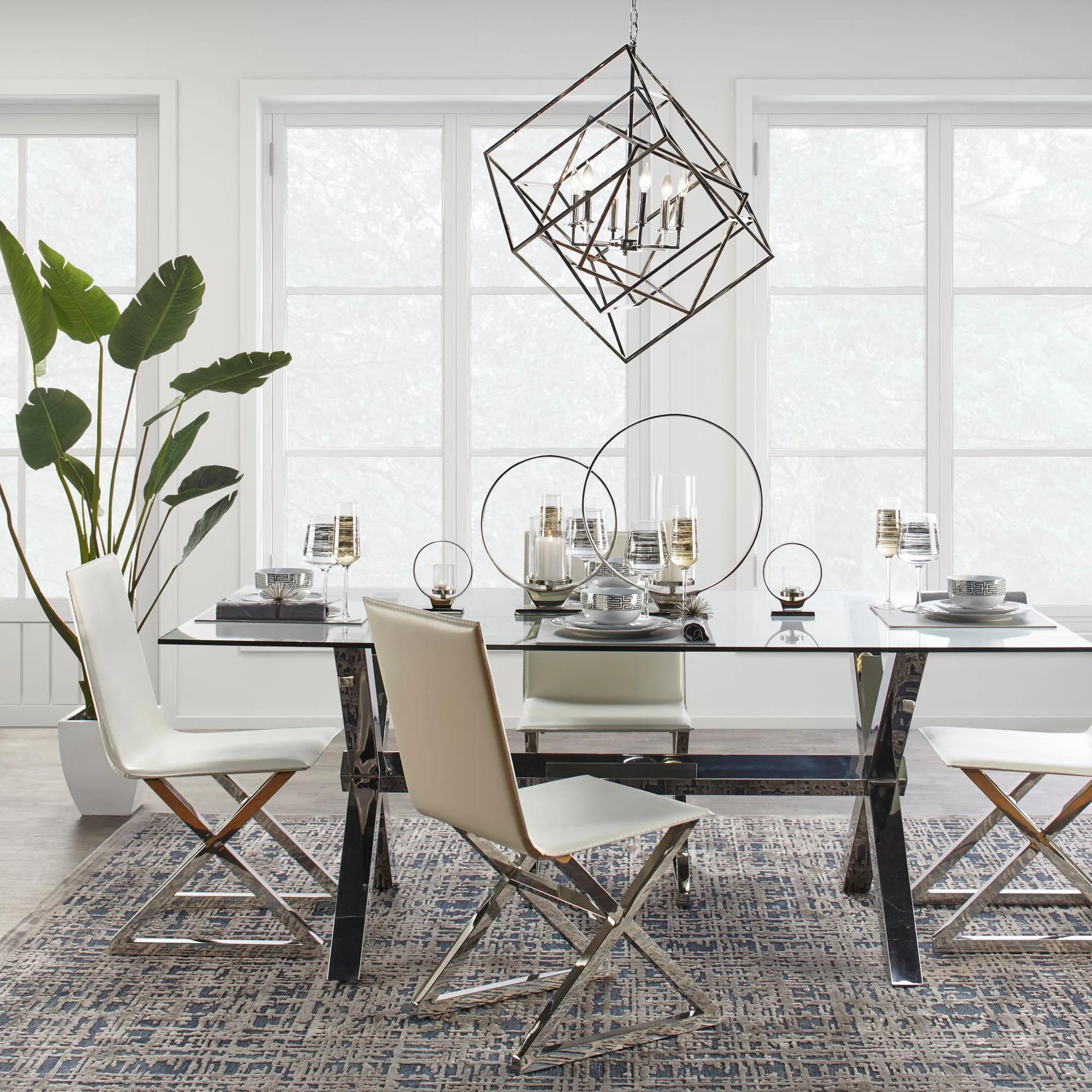 Axis Dining Chair - Set of 2$399
A contemporary chair set featuring white bonded leather upholstery and a polished stainless steel base.
Add To Cart -
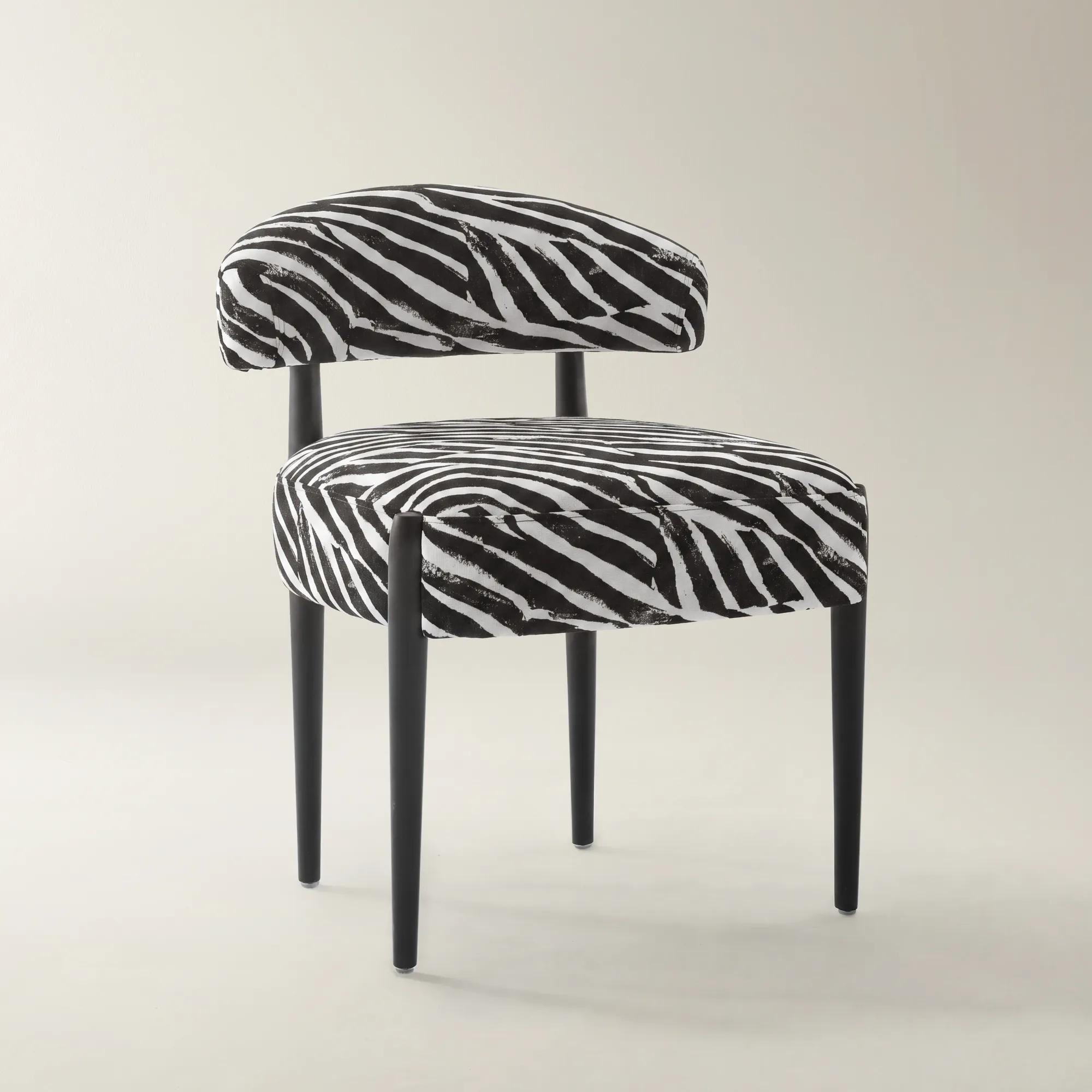 Anna White/Black Performance Chenille Dining Chair Set of 2$599
A black-and-white performance chenille chair set with arched backs, high-density foam, and solid rubberwood legs.
Add To Cart -
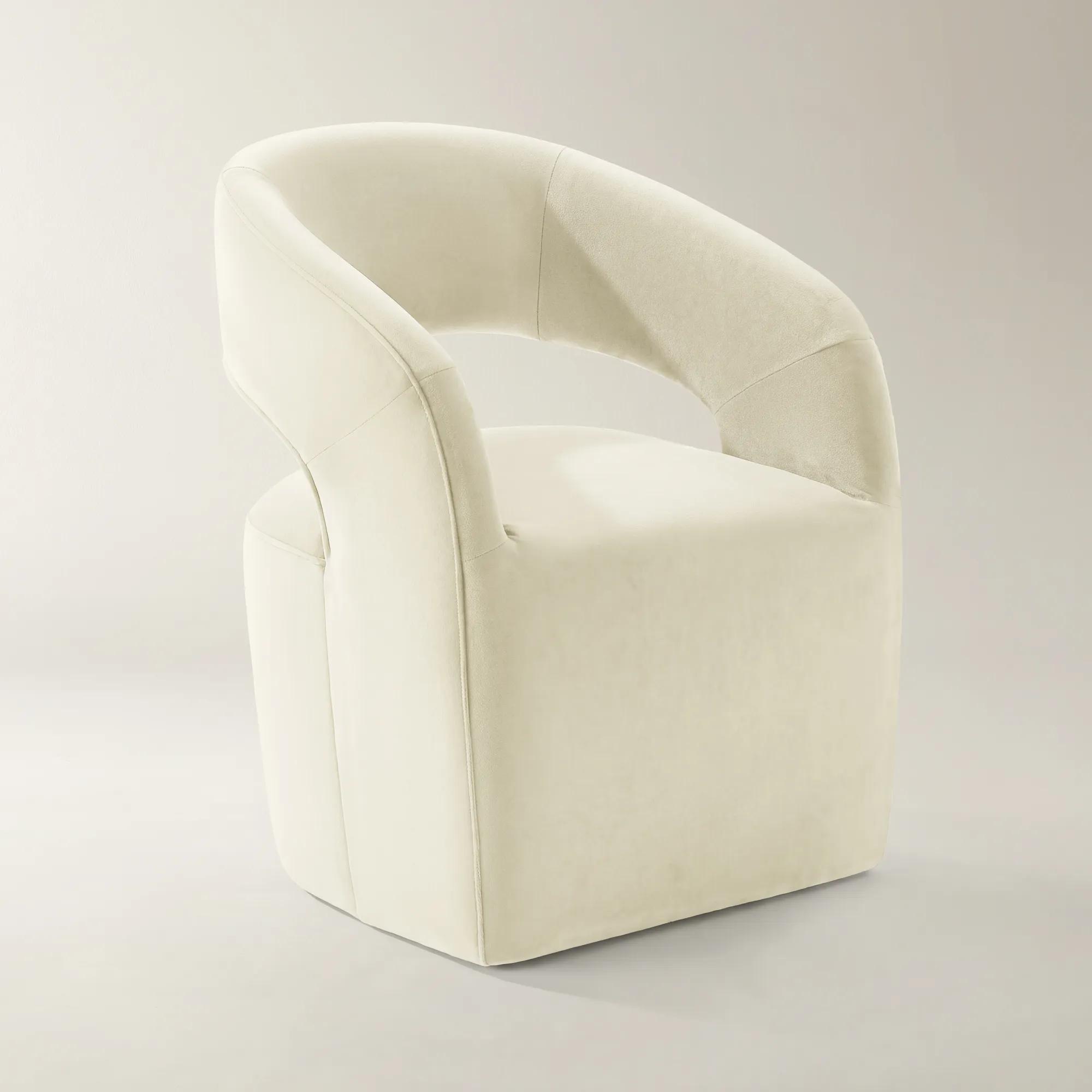 Harrison Cloud Velvet Dining Chair$449
A sculptural dining chair featuring cloud velvet upholstery, feather-blend cushioning, and a continuous curved back.
Add To Cart -
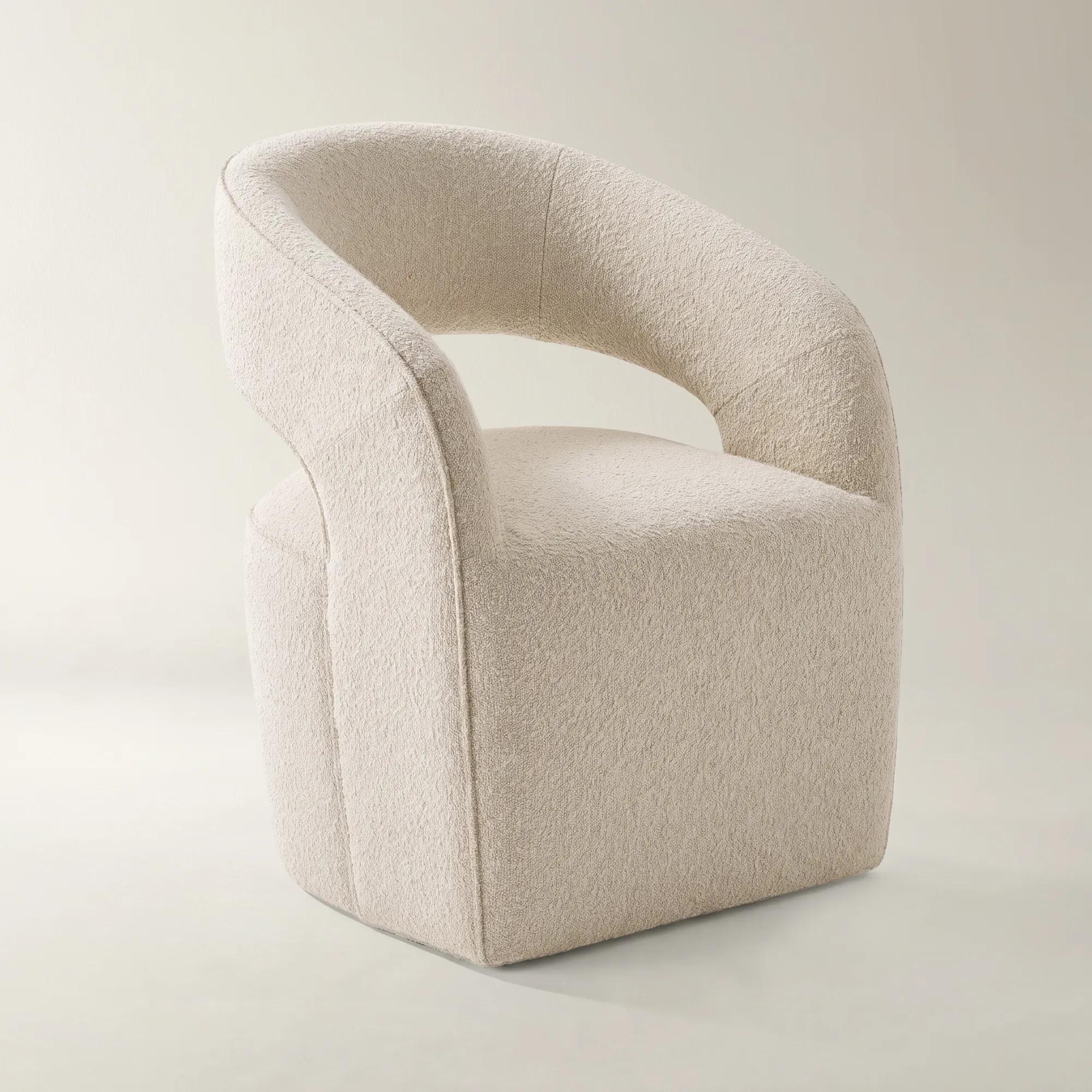 Harrison Ivory Performance Boucle Dining Chair$449
A sculptural dining chair in ivory performance boucle with a curved back, integrated arms, and feather-blend comfort.
Add To Cart -
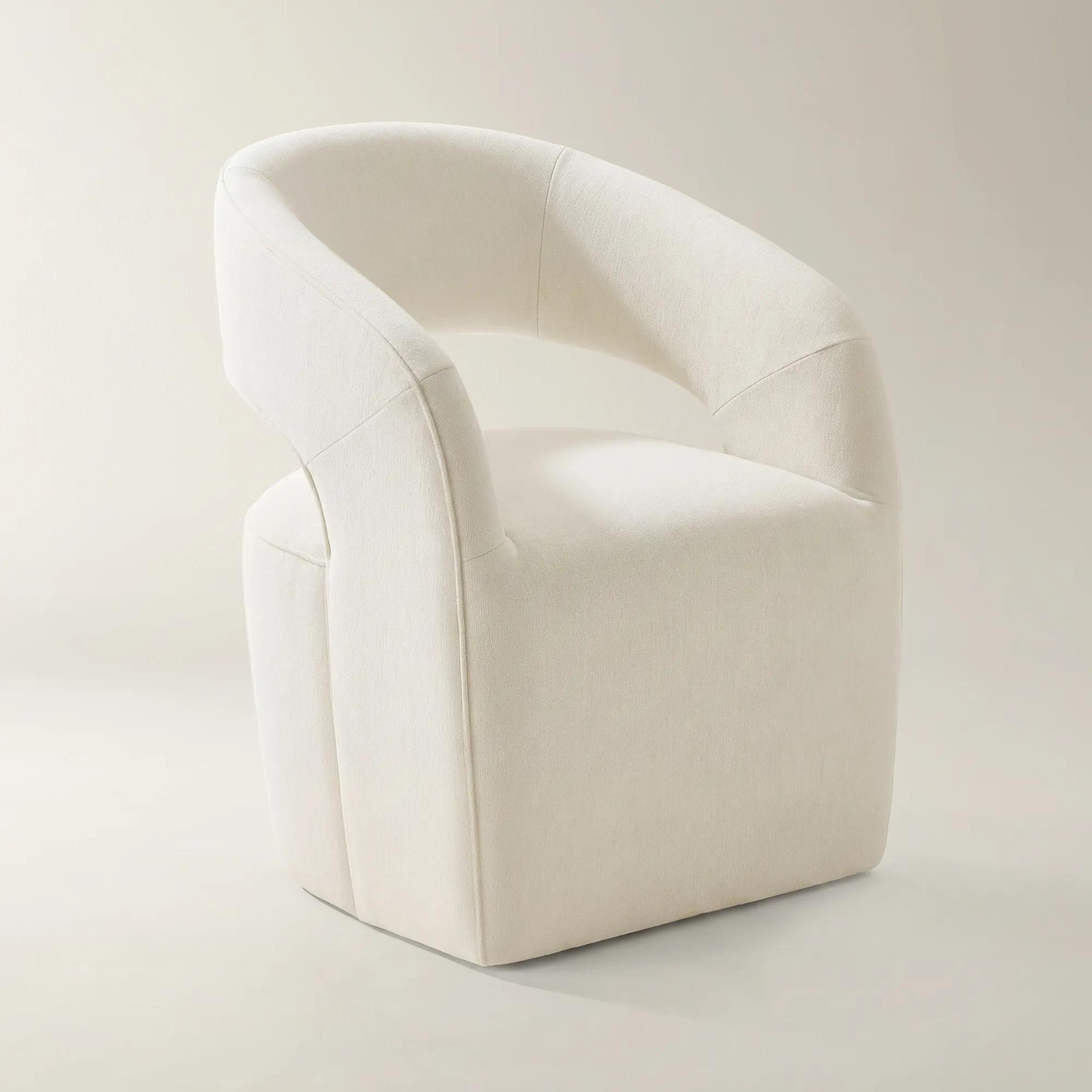 Harrison Ivory Performance Chenille Dining Chair$449
A sculptural ivory chenille chair featuring a continuous curved back, feather-blend comfort, and performance upholstery.
Add To Cart -
.jpg?w=1200&h=1200) Stria Ivory Chenille Swivel Dining Chair With Oak Base$599
Stria Ivory Chenille Swivel Dining Chair With Oak Base$599An inviting ivory chenille arm chair with a solid oak swivel base and hand-crafted details.
Add To Cart -
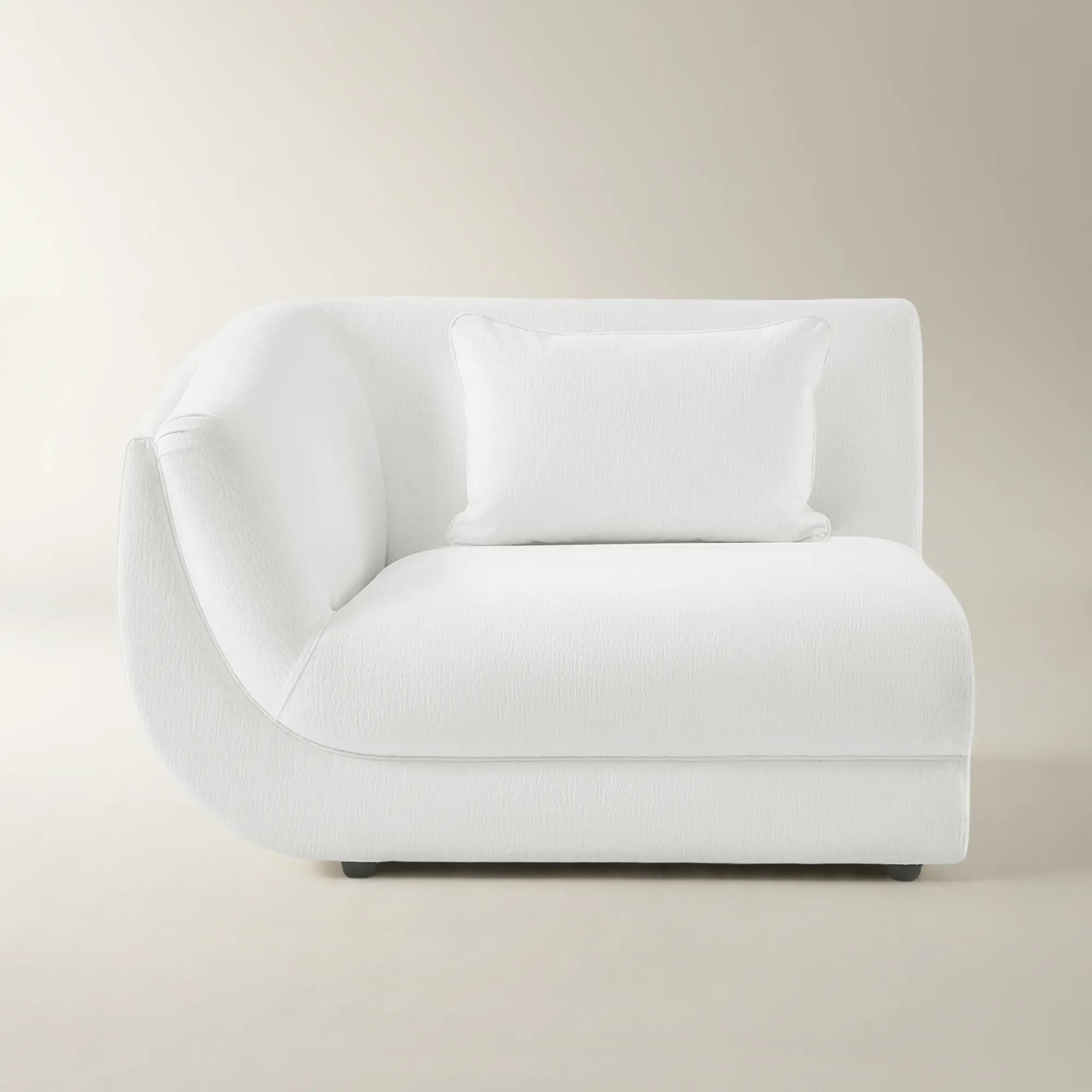 Curvia White Performance Chenille Indoor/Outdoor Left-Arm Chair$1349
A sculptural white chenille chair with plush cushioning, moisture-resistant backing, and indoor/outdoor versatility.
Add To Cart -
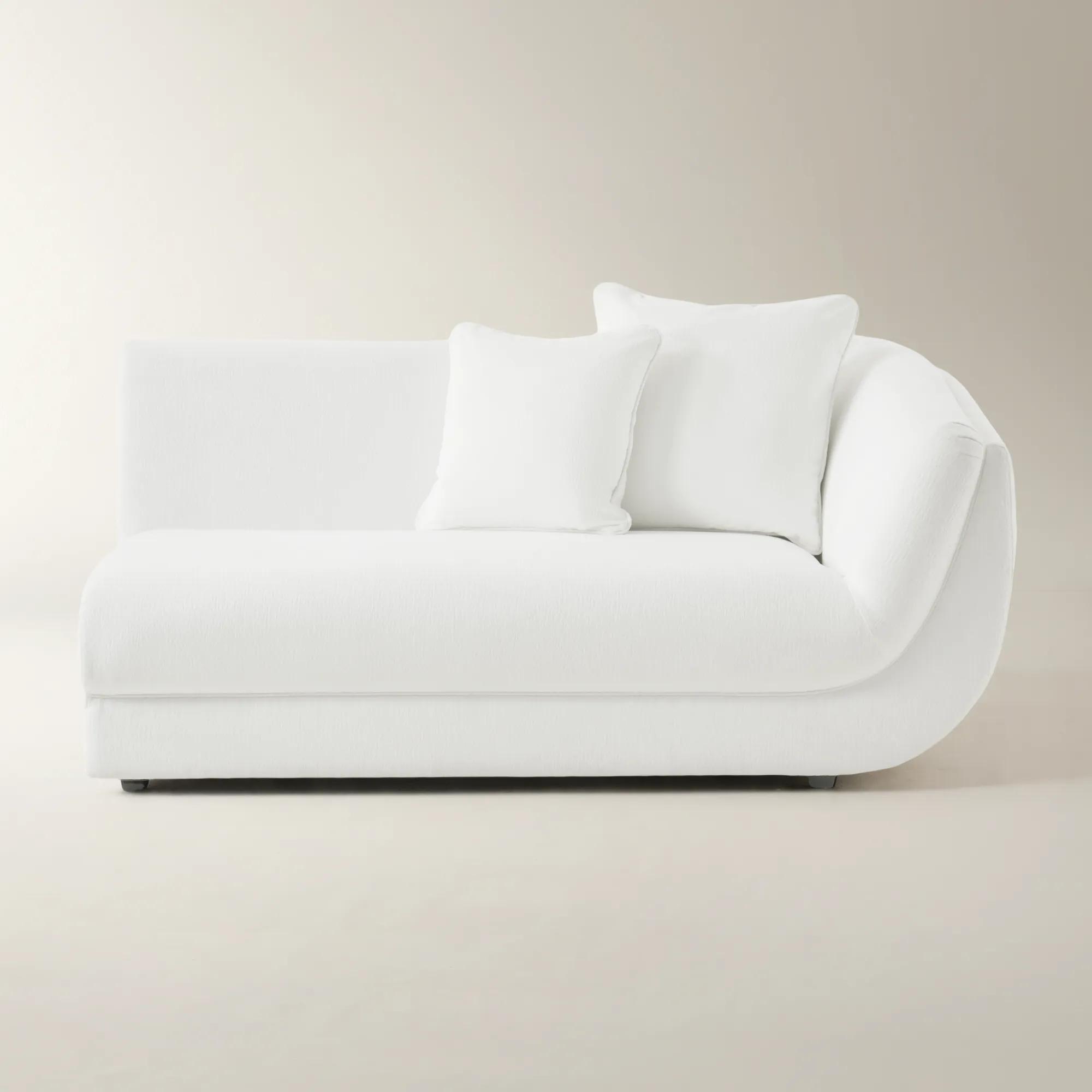 Curvia White Performance Chenille Indoor/Outdoor Grand Right-Arm Chair$1449
A sculptural white chenille chair featuring plush cushions, weather-resistant design, and indoor/outdoor versatility.
Add To Cart -
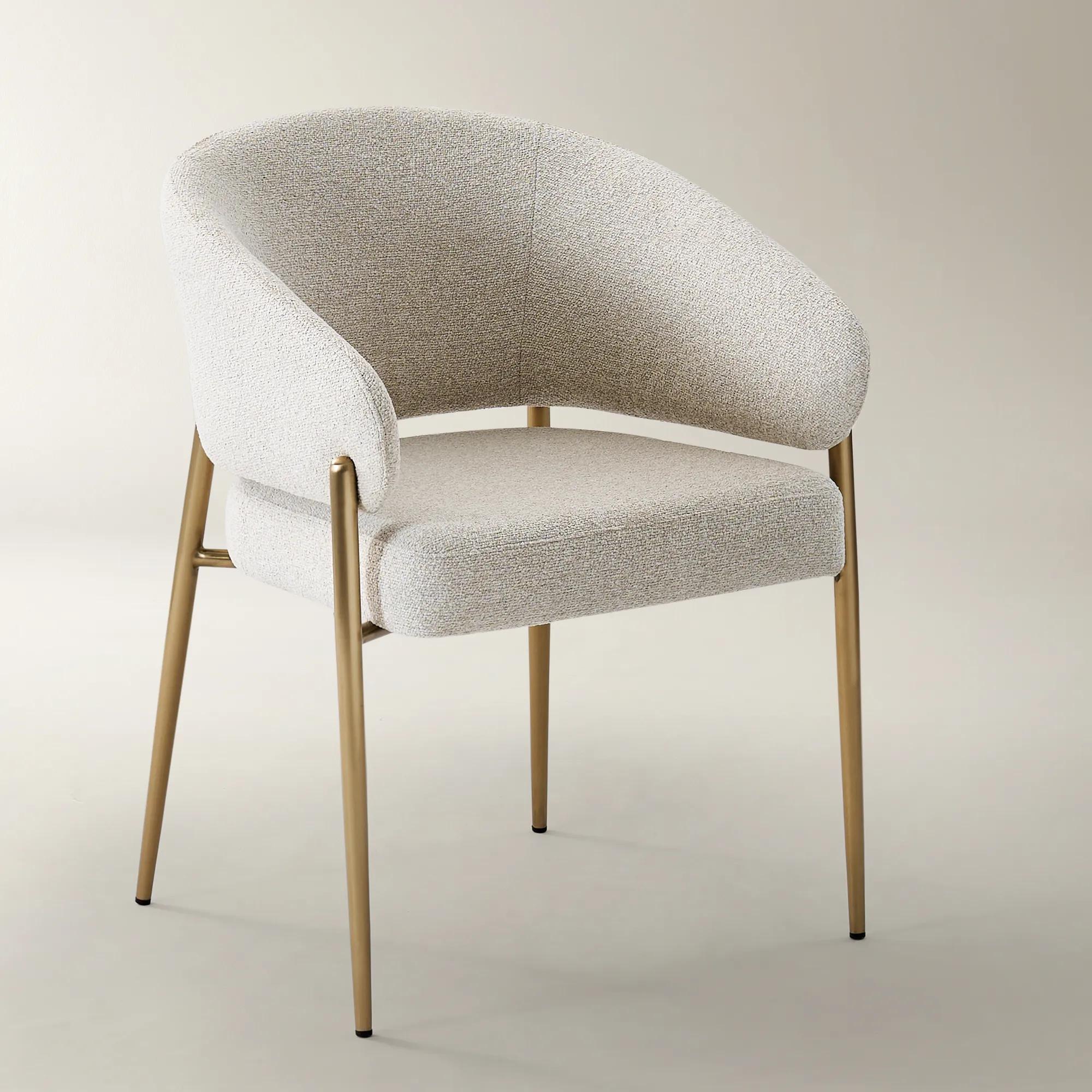
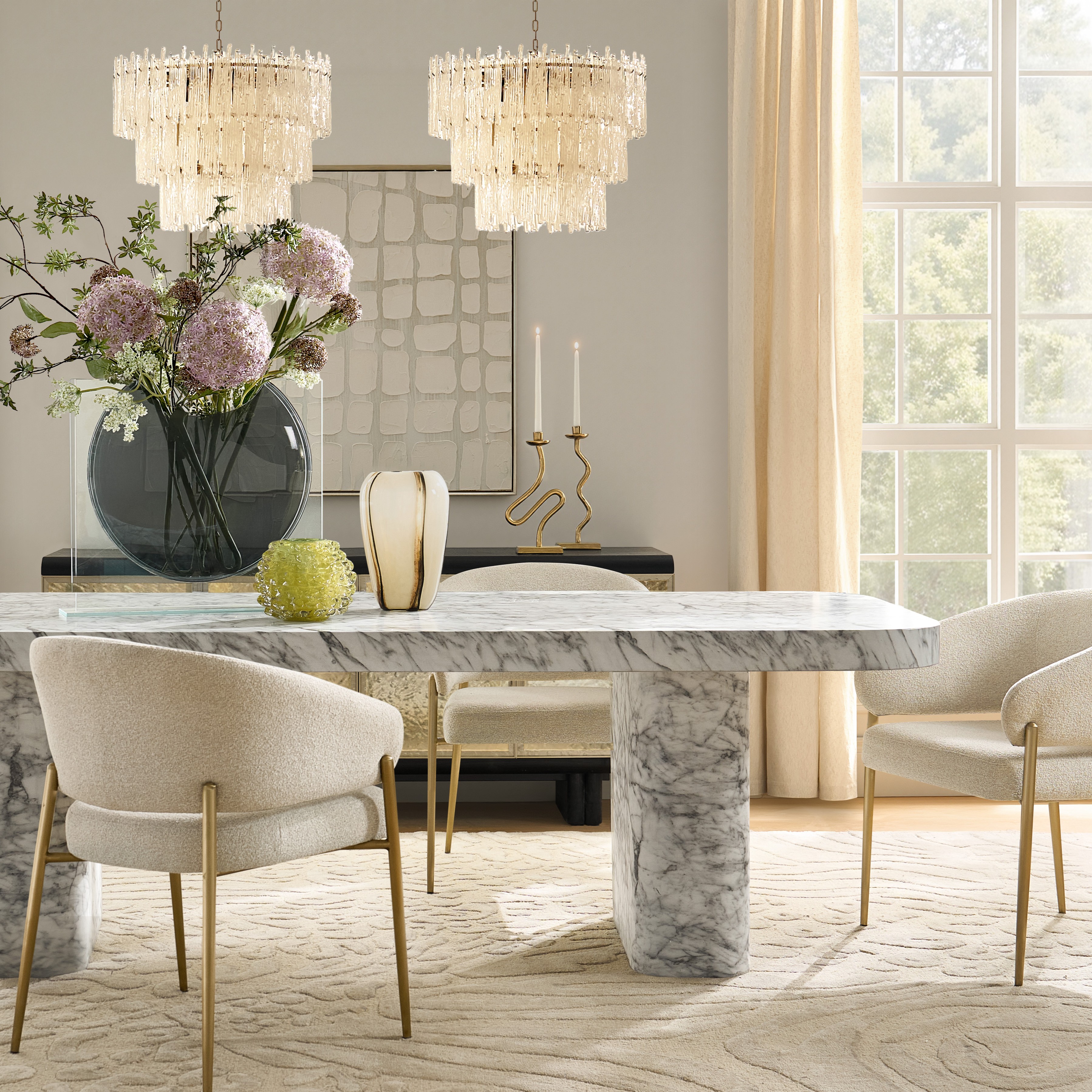 Nara Ivory Boucle Dining Chair Set Of 2$599
An ivory boucle dining chair set with a curved backrest and brushed stainless steel frame for modern elegance.
Add To Cart -
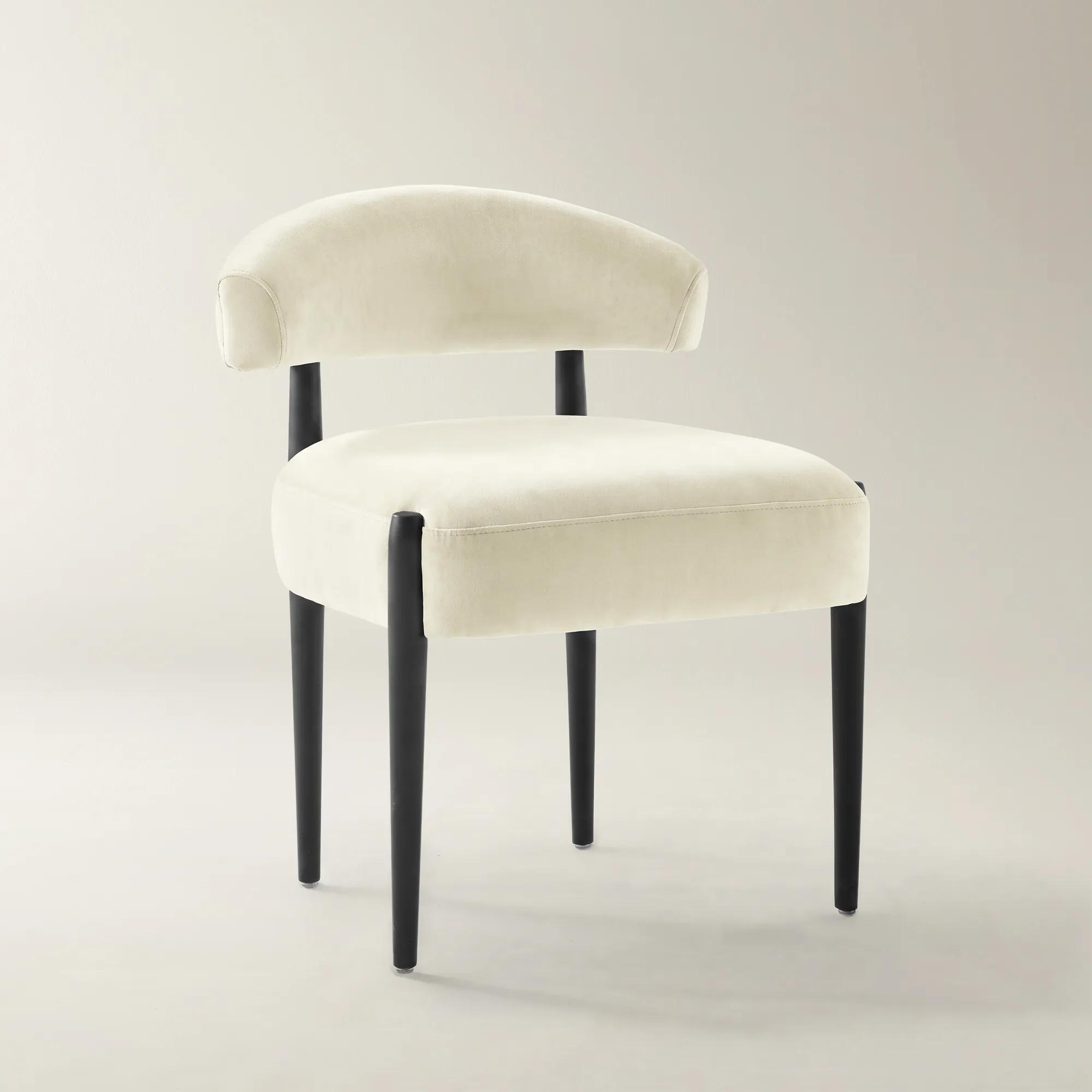 Anna Cloud Velvet Dining Chair Set of 2$599
A hand-upholstered Cloud velvet chair set featuring curved backs, high-density foam, and solid rubberwood legs.
Add To Cart

Premium White Dining Chairs
Premium White Dining Chairs invite a sense of pure sophistication into every gathering, transforming the dining room into a stage for unforgettable moments. Crisp, luminous, and endlessly versatile, these chairs embody the art of elevated entertaining—where every seat is an invitation to linger longer and indulge in style. Whether set against a dramatic tablescape or paired with gleaming metallic accents, Premium White Dining Chairs create a gallery-worthy tableau that celebrates both luxury and self-expression. Let your dining space shine with the fresh allure and sculptural elegance only white can offer—timeless, daring, and unapologetically chic.
Premium white dining chairs bring a luminous, sculptural presence to the dining room, framing the table with a color that feels both expressive and enduring. Their appeal lies in the interplay of silhouette, upholstery, and finish: a sweeping back creates movement, a tailored seat introduces polish, and a gleaming metal base adds a flash of contrast beneath the table. White gives those details room to emerge. Against dark wood, it creates a striking graphic composition; beside glass, it allows the architecture of each chair to become part of the setting; paired with veined stone, it draws attention to subtle variations in texture and tone. The category encompasses upholstered dining chairs, leather and leather-look seating, and painted wood designs, with character ranging from softly rounded to sharply architectural. A premium feel comes from more than ornament. Thoughtful proportions, supportive seating, neatly finished seams, and construction suited to regular dining use matter as much as a dramatic profile. For a formal dining room, a high back or restrained tufting can establish a sense of ceremony without overwhelming the table. In an open-plan home, a curved back offers an elegant view from the living area, where dining chairs are often seen from behind. Armless silhouettes keep the composition visually lighter, while upholstered armchairs at the ends of a rectangular table lend the arrangement a more generous, inviting presence. Color deserves equal attention: crisp white, softened ivory, and creamy off-white have distinct undertones, and their relationship to nearby walls, rugs, and tabletops can change the entire mood. Bright white emphasizes contrast; warmer shades create a gentler transition beside natural wood and brushed gold finishes. Repeating a related shade in artwork or a centerpiece can make the room feel composed without matching every surface. For a broader expression of this palette, Stylish White Dining Chairs offer another perspective on seating that makes white an intentional design statement rather than a neutral afterthought.
Materials shape both the visual richness and the everyday experience of white dining room chairs. Velvet brings a plush surface with a shifting sheen, giving pale upholstery depth as light moves across the pile. Woven fabrics offer a different kind of dimension, from finely textured surfaces that read as tailored to more pronounced weaves that soften an architectural frame. Leather lends a smooth, substantial character and develops according to its finish and care, while leather-look upholstery can create a similarly sleek appearance with different maintenance requirements. Neither material should be assumed to resist every spill or scratch; the stated composition and care instructions are more useful than appearance alone. Performance upholstery may be appropriate for frequently used dining spaces, but stain resistance varies by fabric and does not mean a chair is stain-proof. In a household where the dining table hosts breakfast, homework, and an evening meal, a surface with clearly documented cleaning requirements can be as important as an elegant curve. For leisurely entertaining, cushioning and back support become especially noticeable after the plates have been cleared. A deeply padded seat may feel sumptuous at first, yet the most comfortable fit also depends on seat depth, back angle, and whether the sitter’s feet rest naturally on the floor. Frames and bases contribute their own character and practical considerations. Wood introduces warmth and visible grain where left exposed, while metal can create slender profiles and polished or brushed accents. Durability depends on the construction as a whole, including secure joints, appropriate reinforcement, upholstery attachment, and the chair’s specified weight capacity. Clean stitching, consistent finishing, and a stable stance are useful details to evaluate alongside the silhouette. White also makes upkeep more visible, which can encourage prompt attention before everyday marks settle in. Regular gentle vacuuming with a suitable upholstery attachment helps remove dust and crumbs from fabric seats; spills are best blotted promptly rather than rubbed, following the manufacturer’s directions. Approved cleaning methods matter, since harsh products, excessive moisture, or vigorous scrubbing can damage upholstery and finishes. Dark denim and other strongly dyed textiles may also transfer color onto light seating.
Scale gives premium white dining chairs their place in the room, turning individual silhouettes into a cohesive arrangement. Seat height should suit the table rather than simply look proportional beside it. Many standard dining tables are approximately 28 to 30 inches high, and dining seats often measure about 17 to 20 inches high; roughly 10 to 12 inches between the seat and the underside of the tabletop is a common starting point for comfortable legroom. A table apron can reduce that clearance, so the usable space beneath the table matters more than the overall height alone. Upholstered seats may compress under weight, and arms need enough clearance to slide beneath the apron if the chairs are intended to tuck in. Width is equally consequential. A generously curved chair can feel exquisite at the head of a table yet crowd neighboring place settings along the sides. Allowing approximately 24 inches of table edge per diner is a useful baseline, with additional space for wider chairs and substantial arms. Table legs and pedestal bases also affect where seats can sit comfortably. Behind the chairs, around 36 inches between the table edge and a wall or other obstruction provides a common starting point, while an active walkway may need more room. These relationships are especially important in an apartment dining area, where a graceful, armless profile can preserve an airy composition without sacrificing presence. In a larger room, fuller upholstery and more substantial backs can hold their own against an expansive tabletop or statement chandelier. A coordinated set creates a measured rhythm; a deliberate combination of side chairs and more sculptural end chairs brings variation while keeping the white palette cohesive. Protective glides suited to the flooring help limit scuffs, and chairs that are manageable to move make daily meals and floor care less cumbersome. Unless specifically rated otherwise, dining chairs belong indoors, away from conditions that can compromise their materials. With the right proportions and thoughtful care, white seating supports both the intimacy of a quiet dinner and the generous atmosphere of a fully gathered table, giving everyday dining a beautifully considered setting.
FAQs
Premium white dining chairs are remarkably versatile, complementing a wide range of aesthetics—from modern minimalism and Hollywood regency to coastal chic and contemporary glamor. Their luminous hue and sculptural silhouettes allow them to anchor bold, eclectic tablescapes or provide a serene counterpoint to richly layered interiors.
To preserve the radiant finish of your white dining chairs, gently wipe them with a soft, damp cloth after meals and address spills promptly. For upholstered options, use a gentle upholstery cleaner or a fabric-safe solution as recommended by the manufacturer. Regularly rotating chairs and cushions can also ensure even wear and maintain their pristine allure.
Many premium white dining chairs are crafted with durable, easy-clean materials such as performance fabrics or faux leather, making them a sophisticated yet practical choice for lively households. Their resilience allows you to enjoy both style and function, even in spaces where little hands or paws are part of the daily scene.
Absolutely. The clean, luminous appeal of white dining chairs lends itself beautifully to accent placements—think a pair flanking a console in the entryway, or a single chair adding elegance to a bedroom vanity. Their refined presence makes them a versatile addition to nearly any room in the home.
Premium white dining chairs are often crafted from high-quality materials such as solid wood, polished metal, vegan leather, or performance upholstery. These materials are chosen for their durability, comfort, and ability to showcase the radiant, gallery-worthy finish that defines luxury seating.