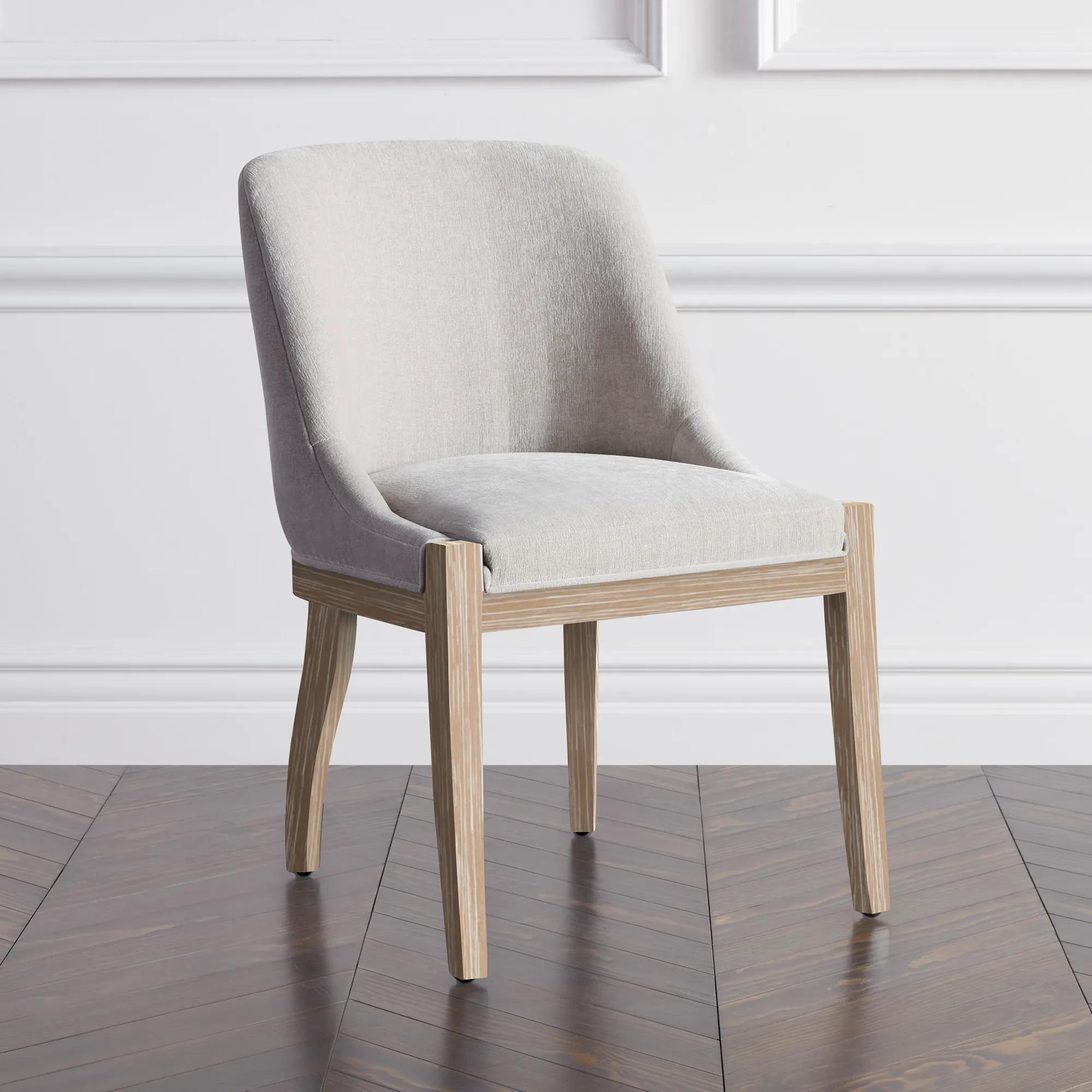
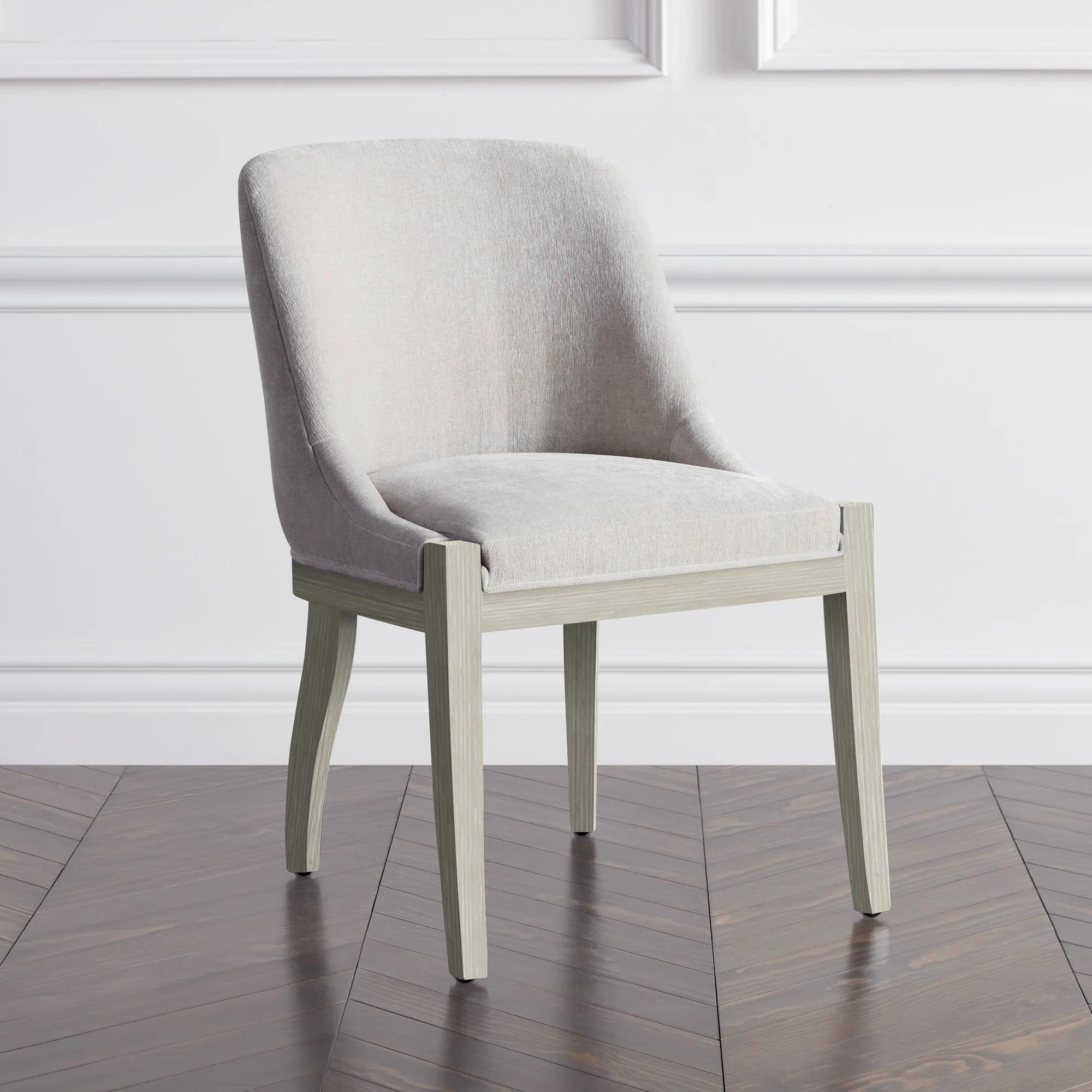
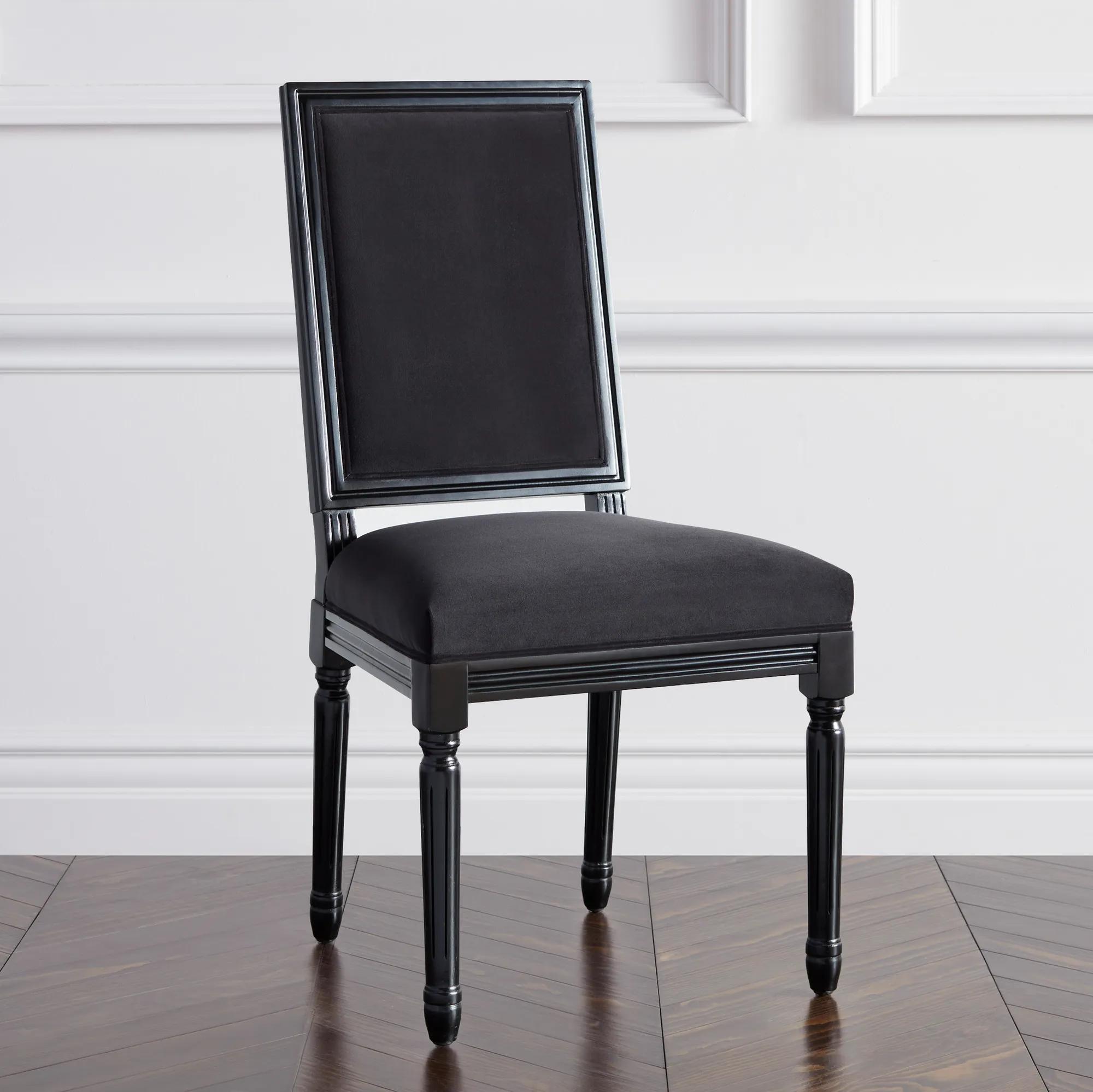
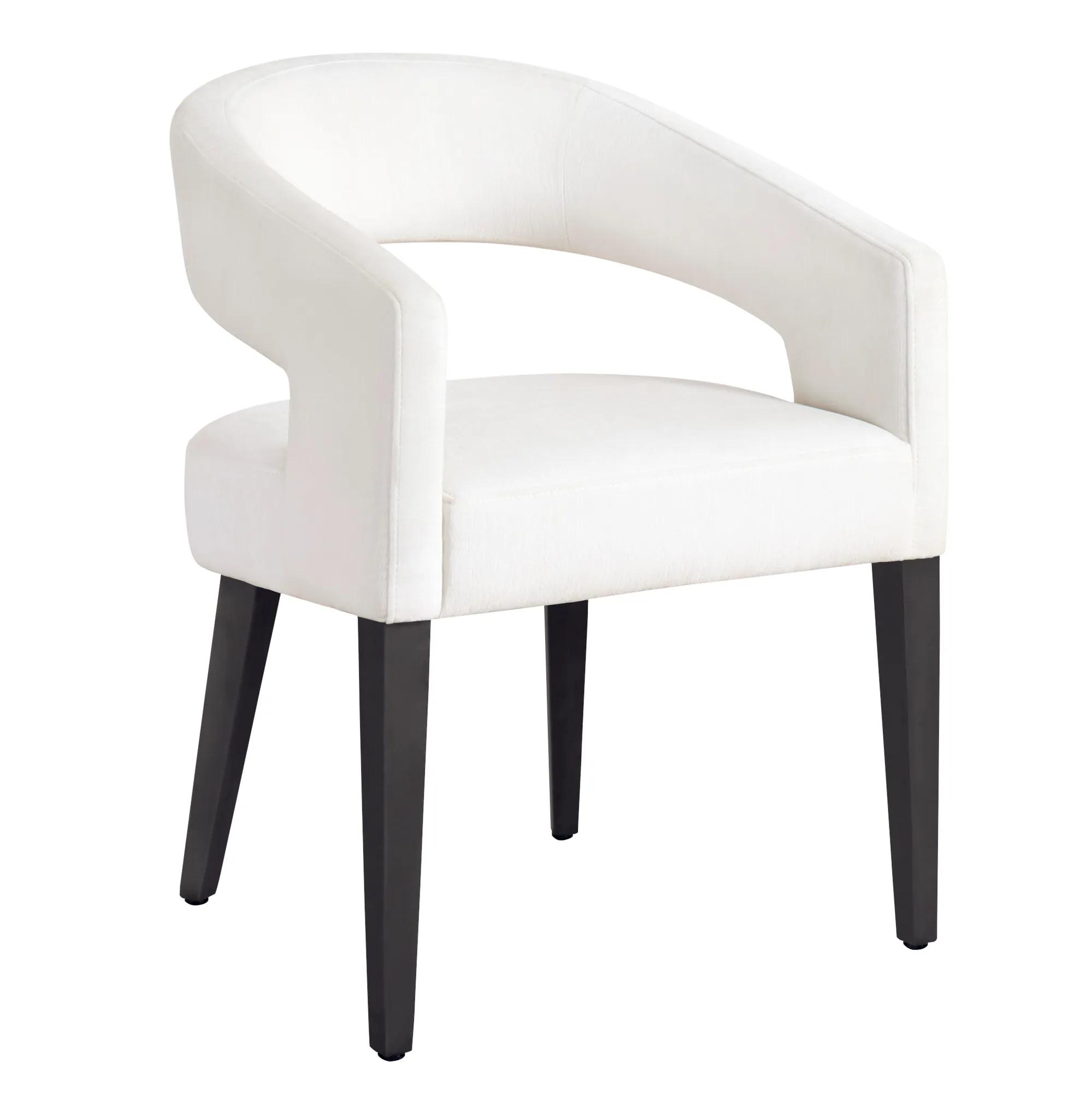
White And Ivory Dining Chairs
White And Ivory Dining Chairs
-
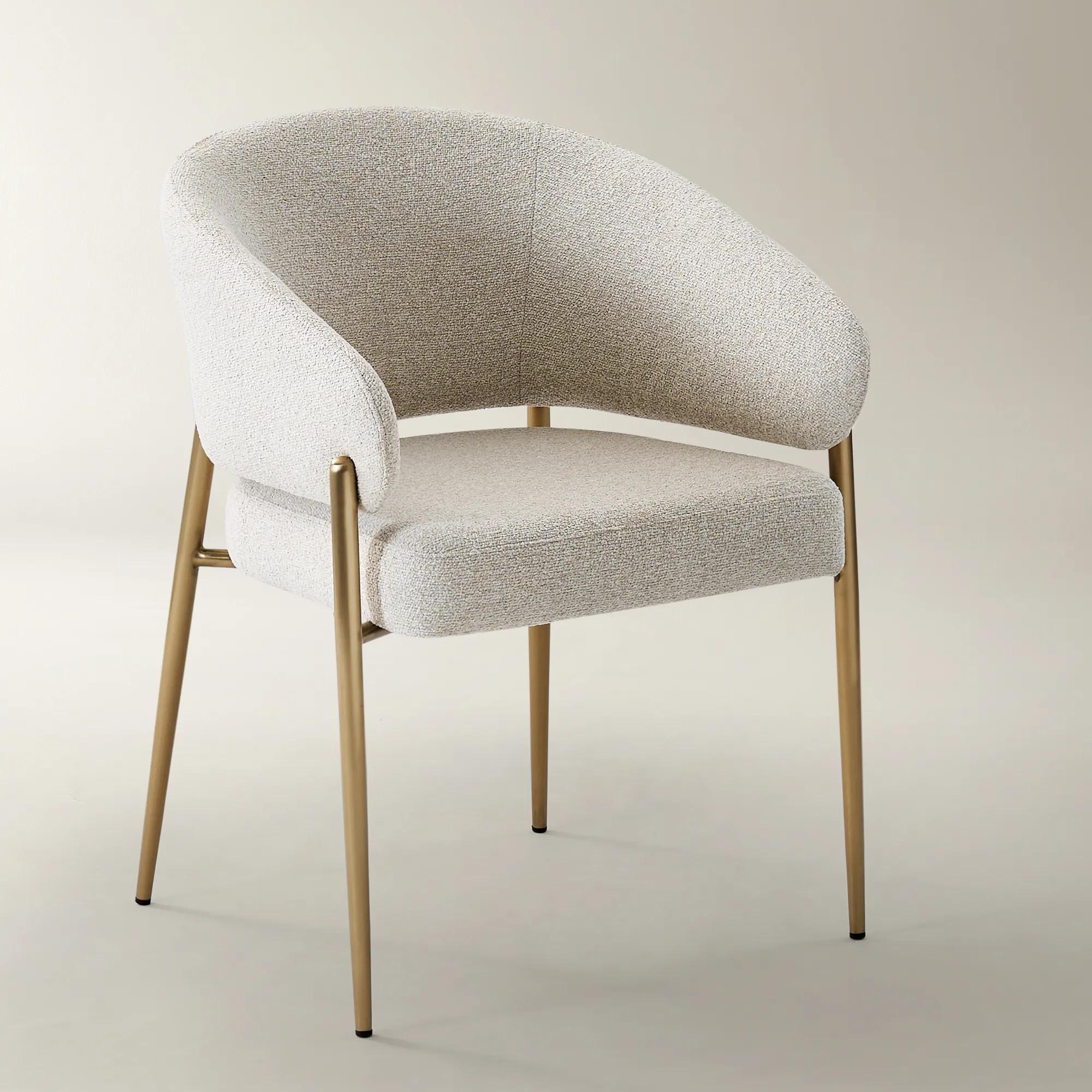
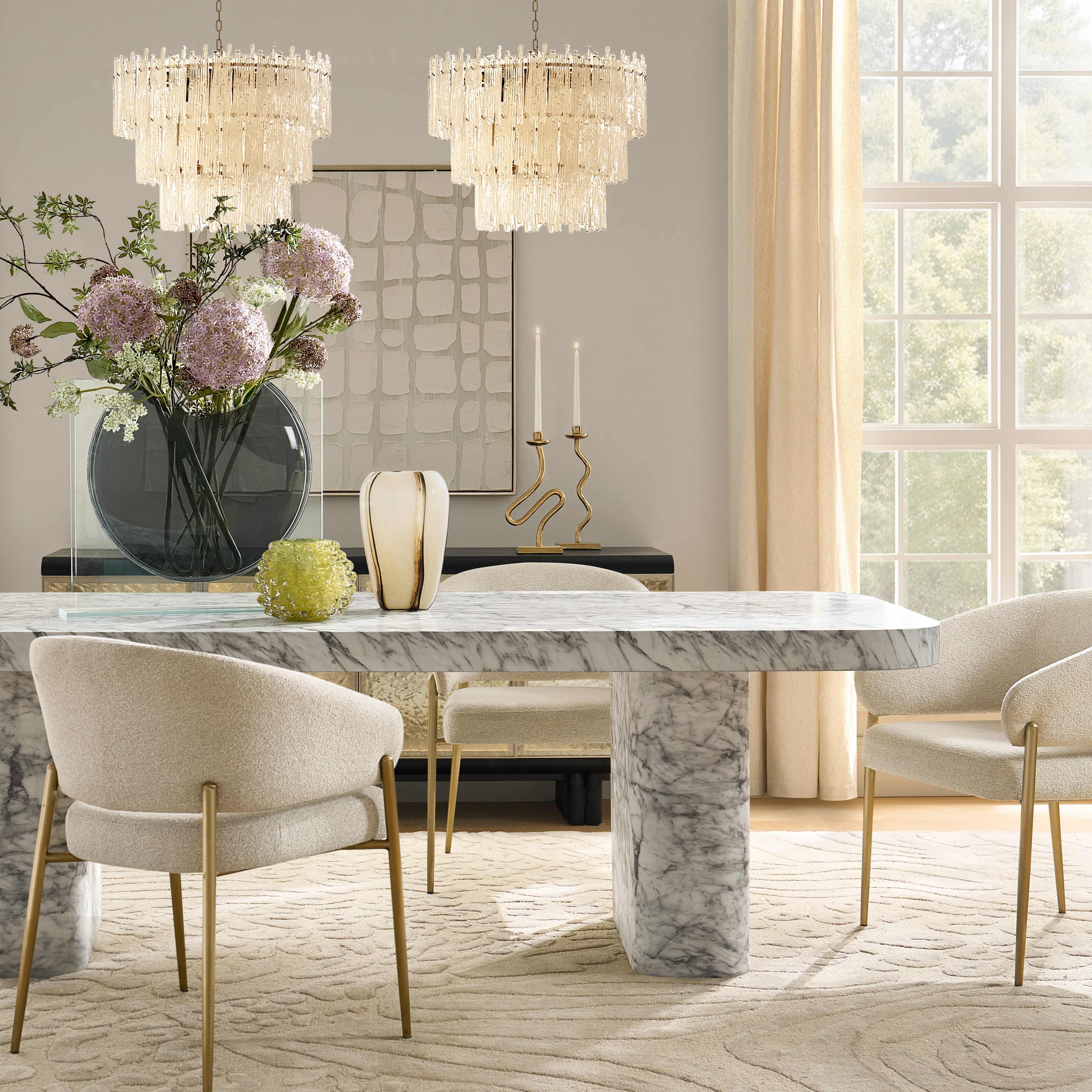 Nara Ivory Boucle Dining Chair Set Of 2$599
An ivory boucle dining chair set with a curved backrest and brushed stainless steel frame for modern elegance.
Add To Cart -
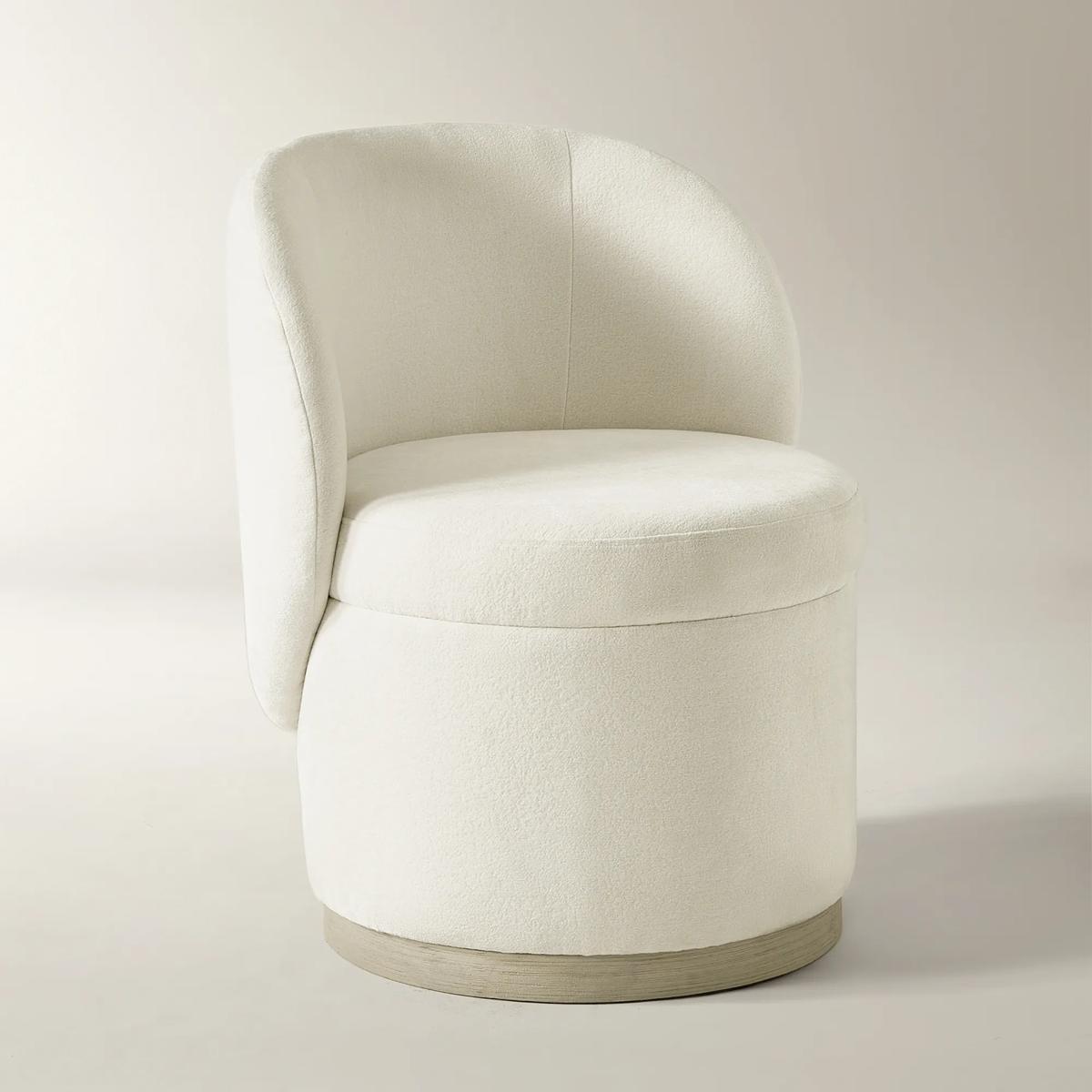 Stria Ivory Chenille Dining Chair With Oak Base$599
An ivory chenille chair featuring a plush, velvet-like finish and a handcrafted solid oak base.
Add To Cart -
 Stria Ivory Chenille Swivel Dining Chair With Oak Base$699
An inviting ivory chenille arm chair with a solid oak swivel base and hand-crafted details.
Add To Cart -
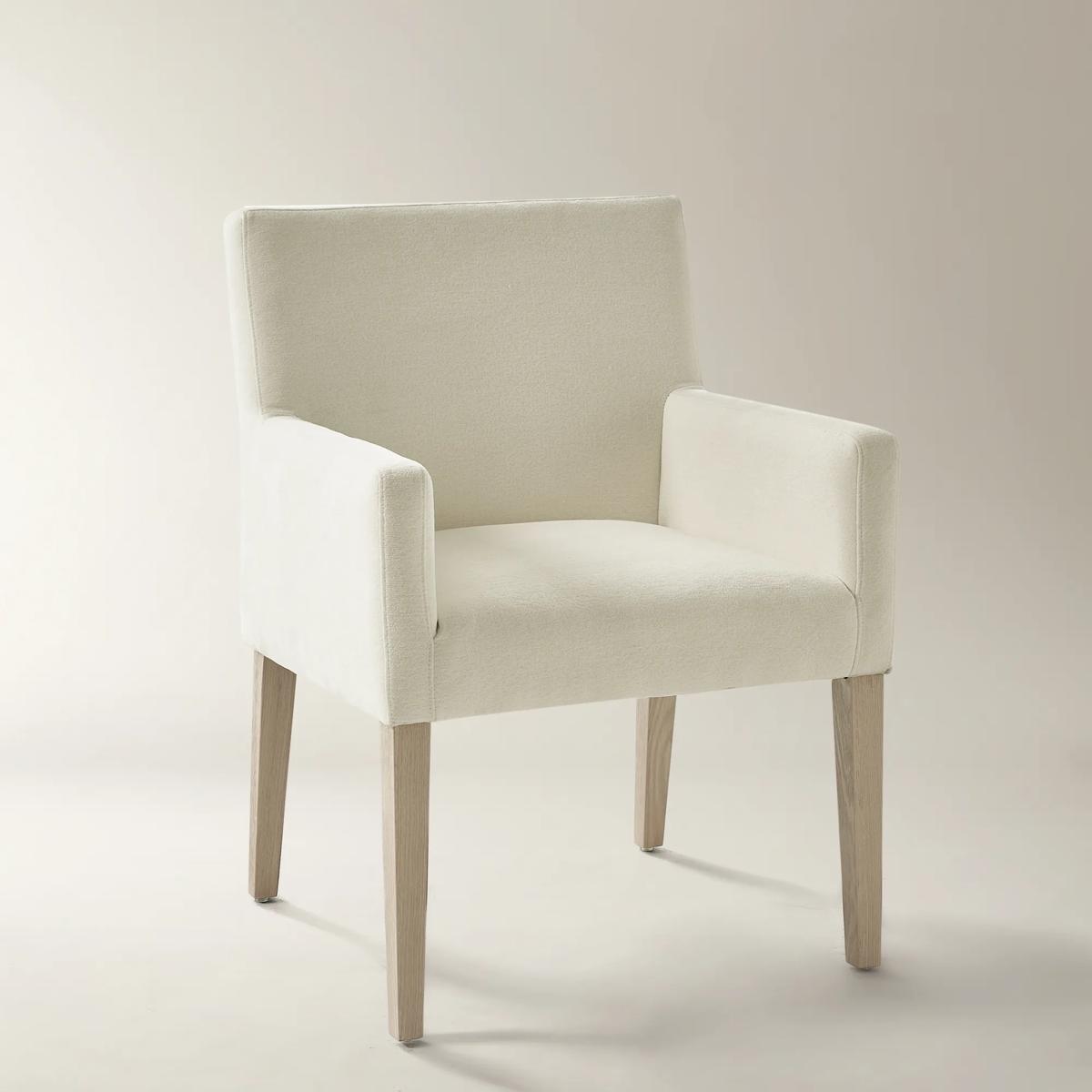
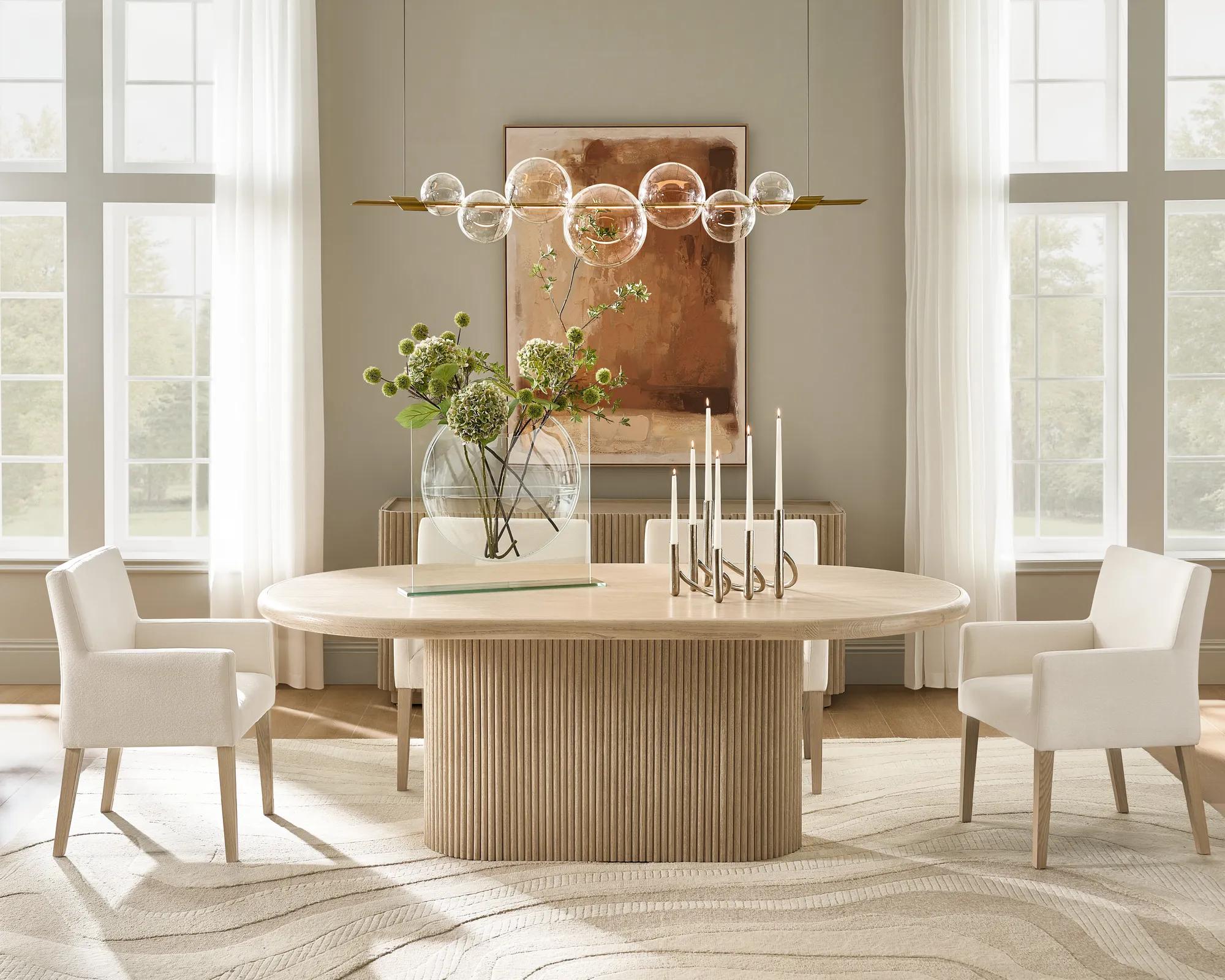 Stria Ivory Chenille Dining Chair Set Of 2$599
A pair of ivory chenille arm chairs with natural oak legs, offering plush comfort and modern elegance.
Add To Cart -
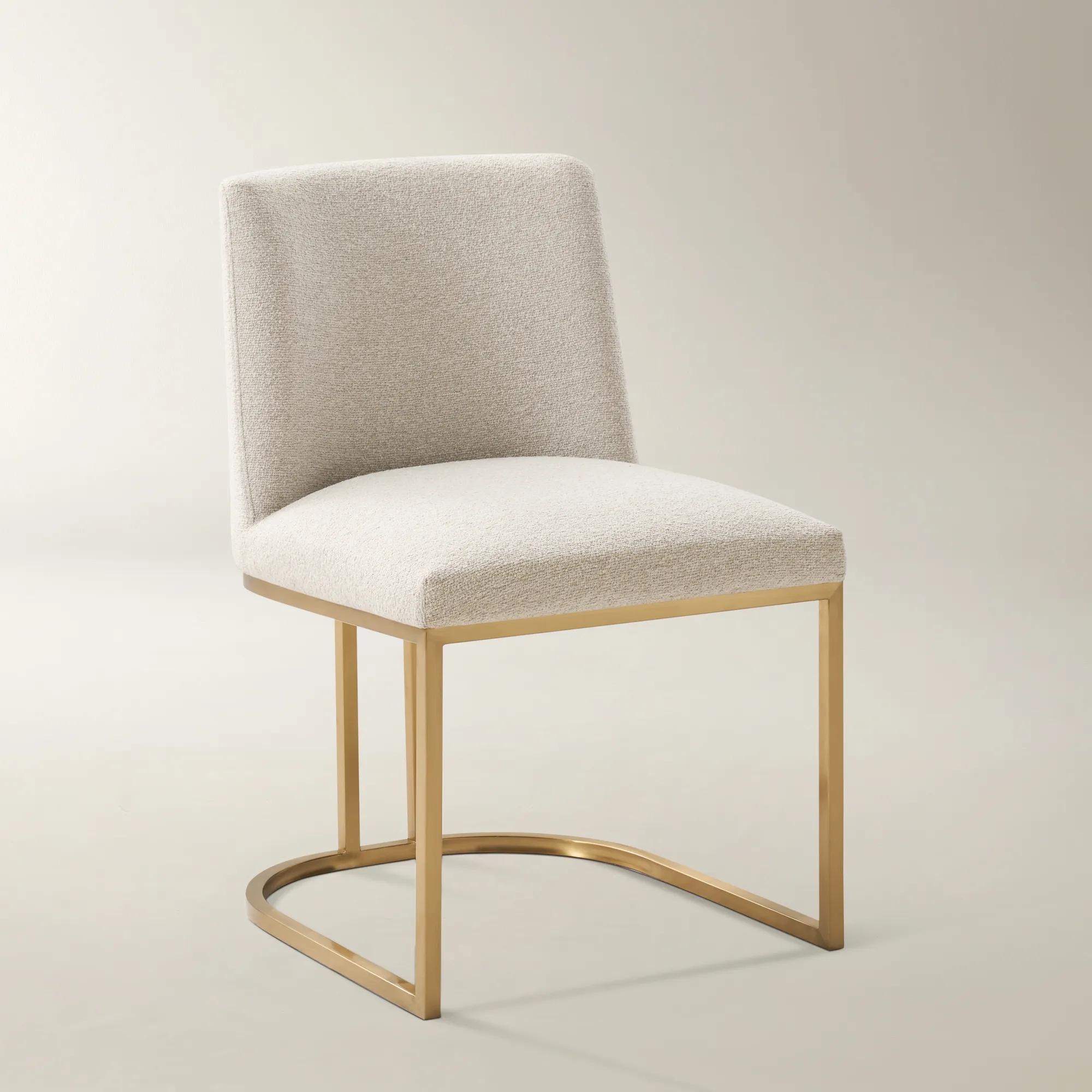 Bergen Ivory Boucle Dining Chair Set Of 2$549
An ivory boucle dining chair set featuring a curved backrest and brushed stainless steel frame for elegance.
Add To Cart -
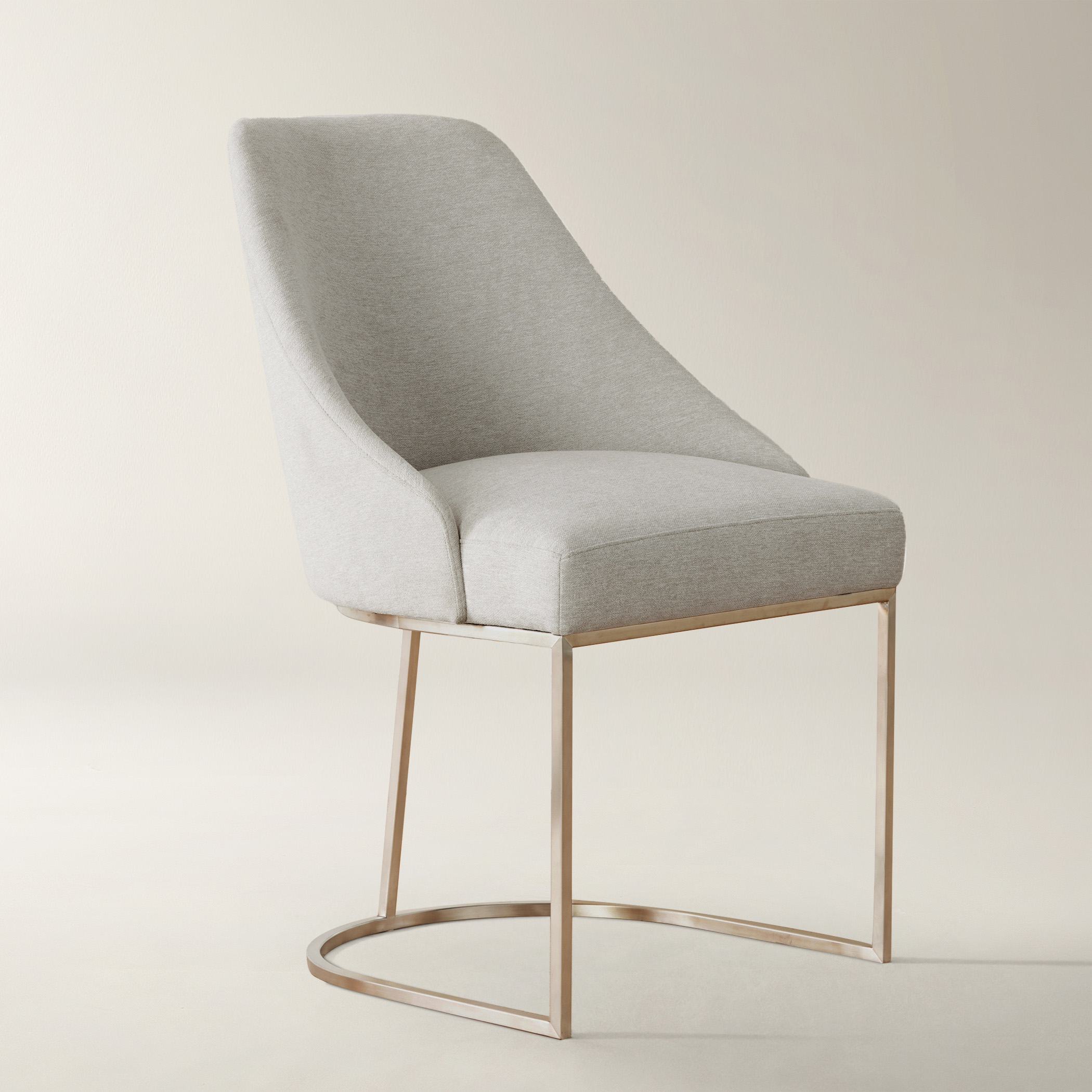
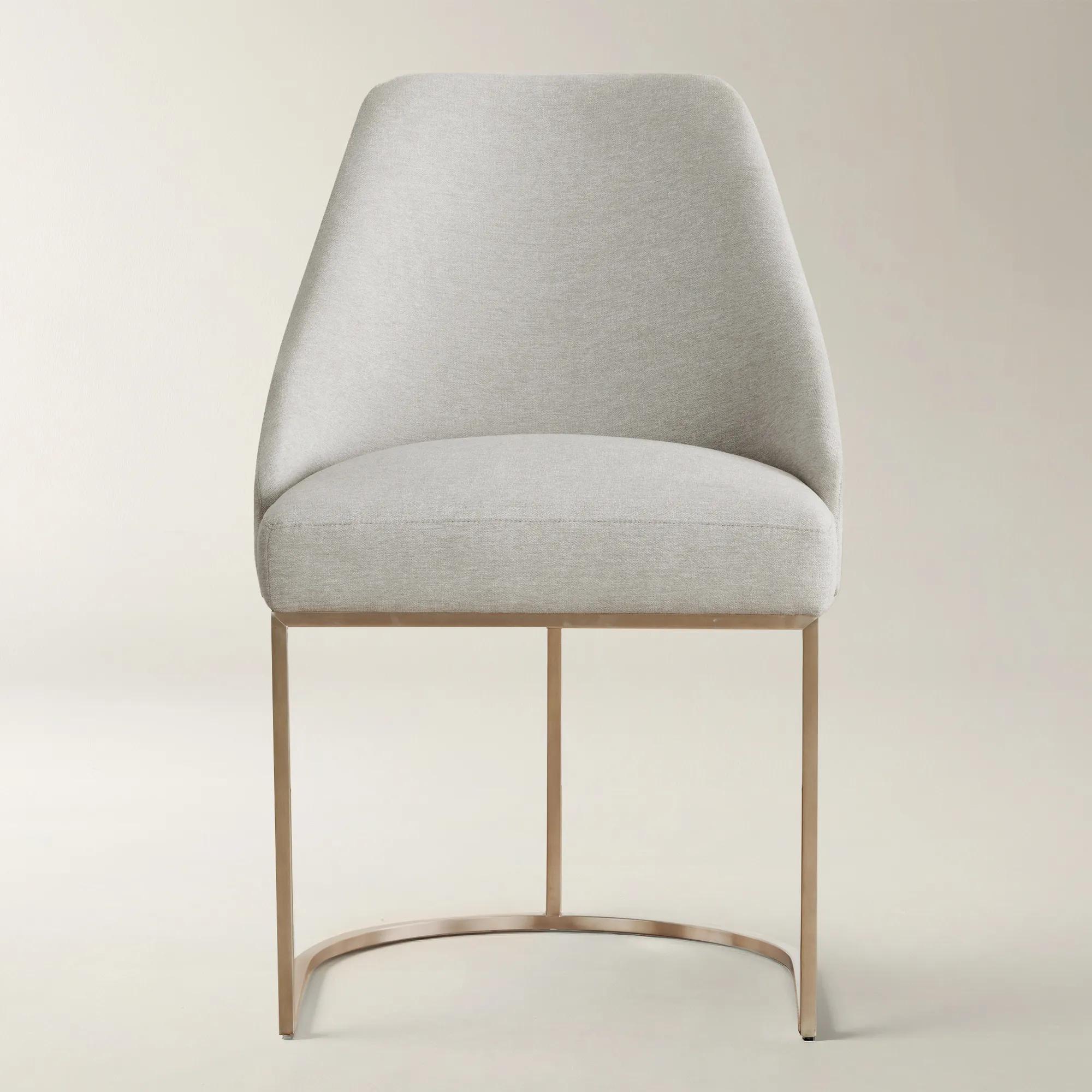 Rowan Ivory Fabric Dining Chair$599
A modern chair featuring brushed stainless steel legs and stain-resistant, water-repellent Roxboro Frost fabric.
Add To Cart -
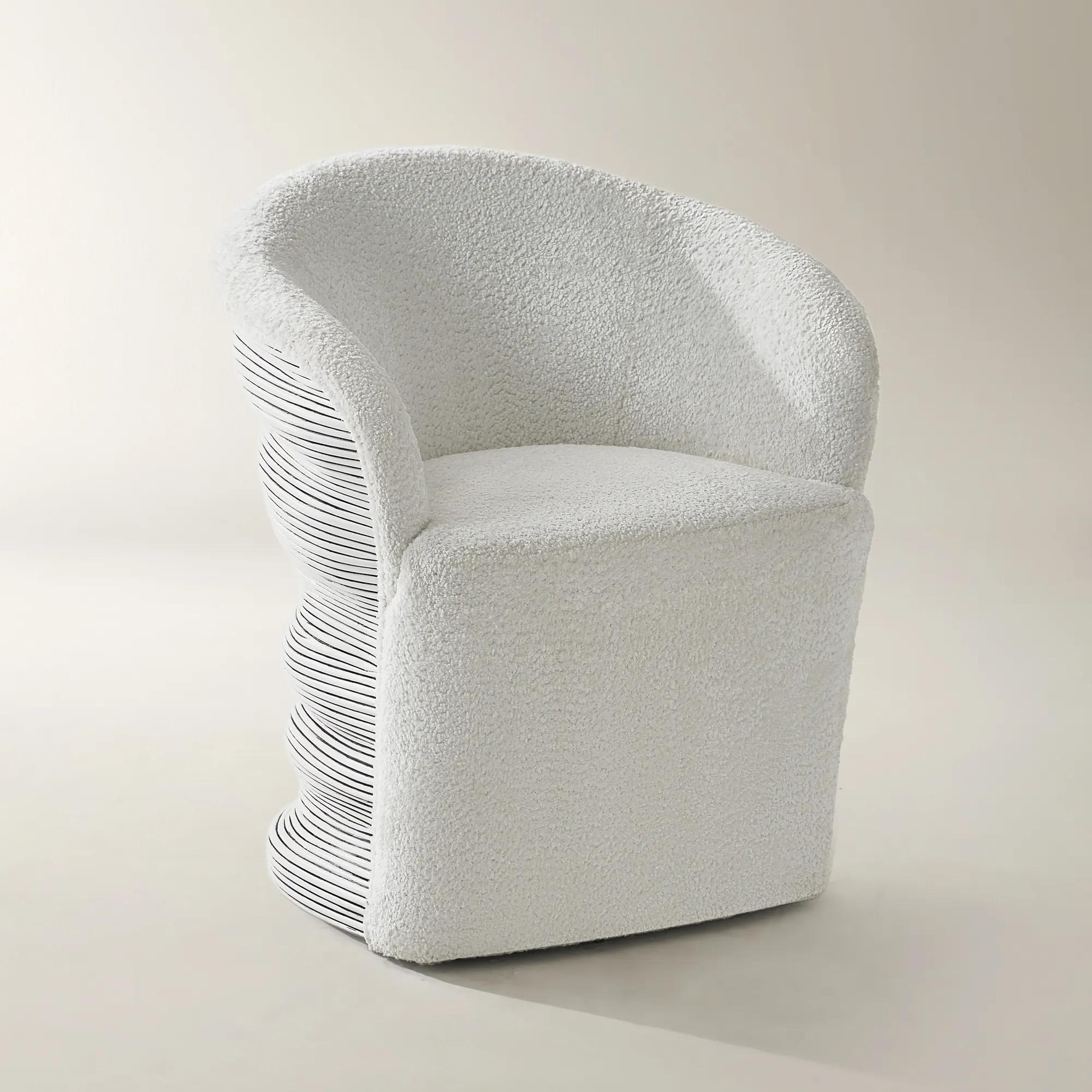
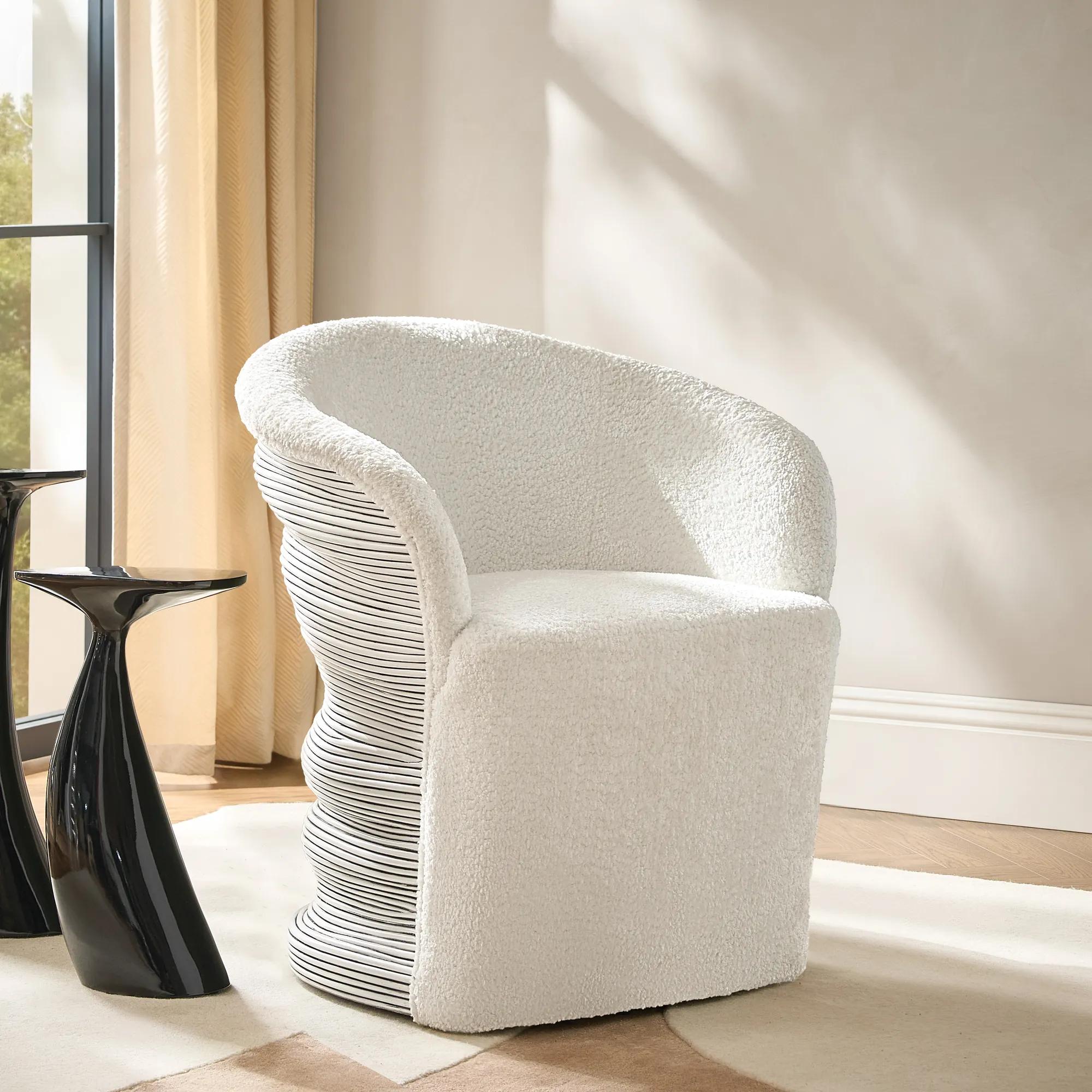 Cairo Rattan Ivory Chenille Dining Chair$999
An artisan-crafted swivel chair featuring handwoven natural rattan and plush ivory chenille upholstery for modern comfort.
Add To Cart -
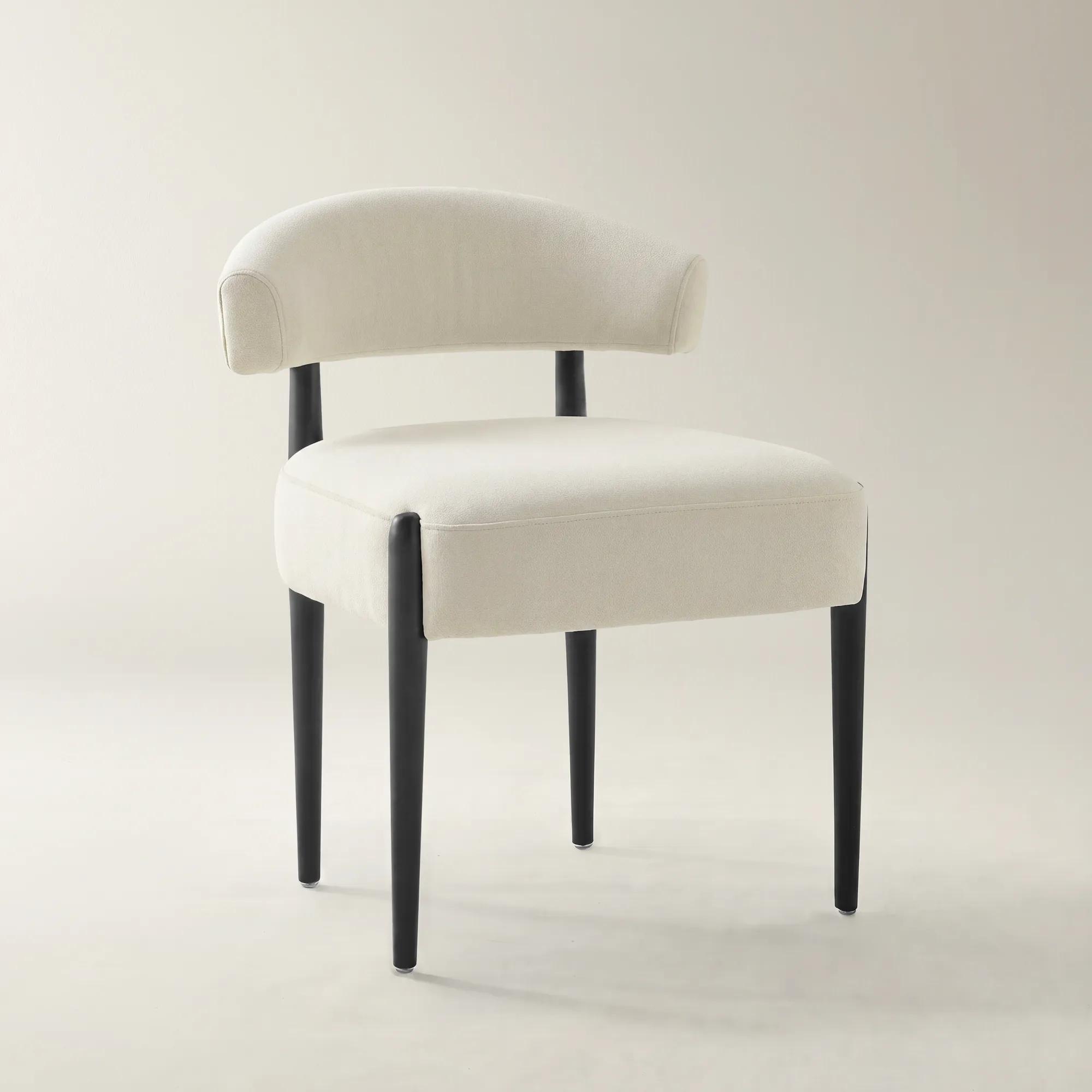
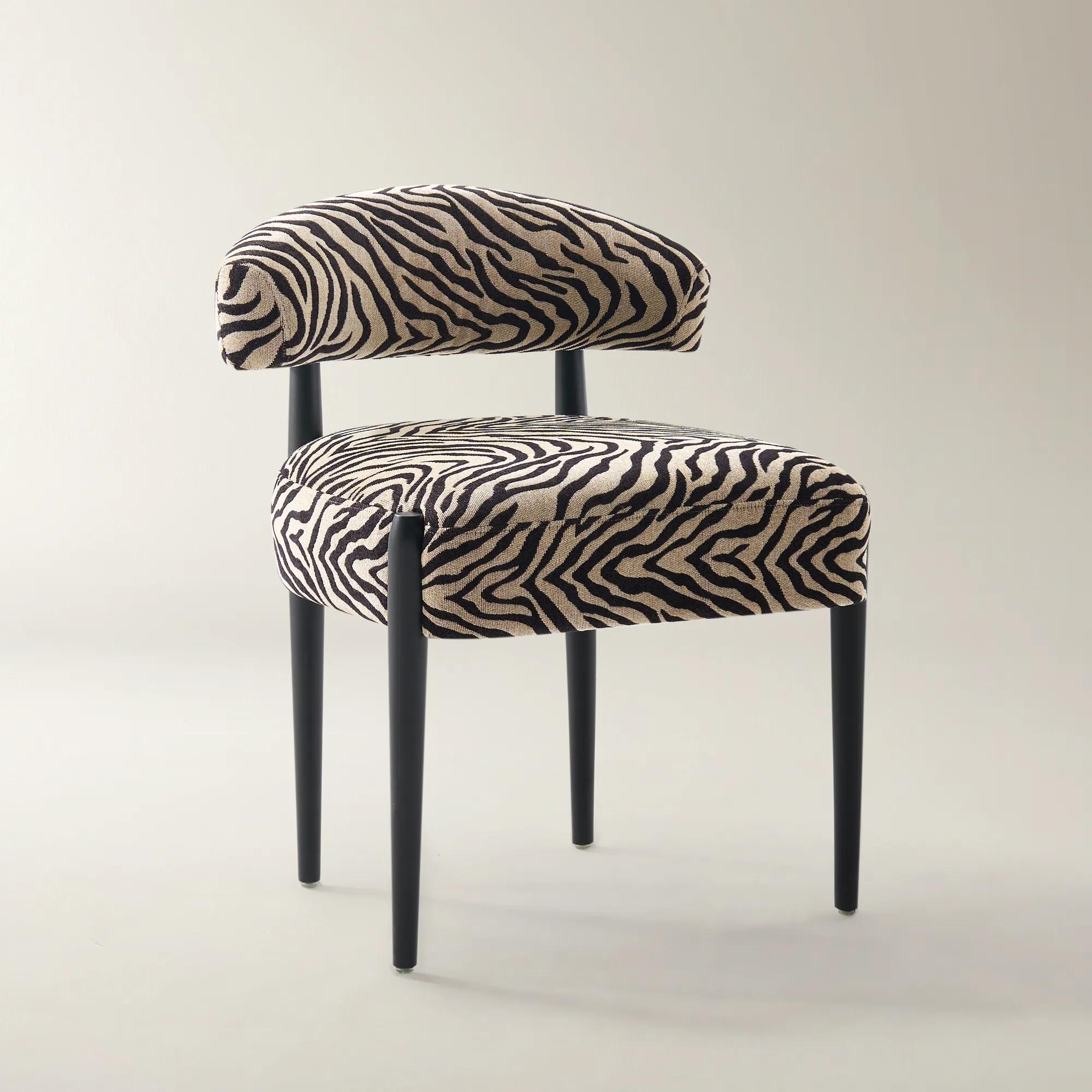 Anna Ivory Performance Chenille Dining Chair Set of 2$599
An ivory performance chenille chair pair featuring curved backs, high-density foam, and solid rubberwood legs.
Add To Cart -
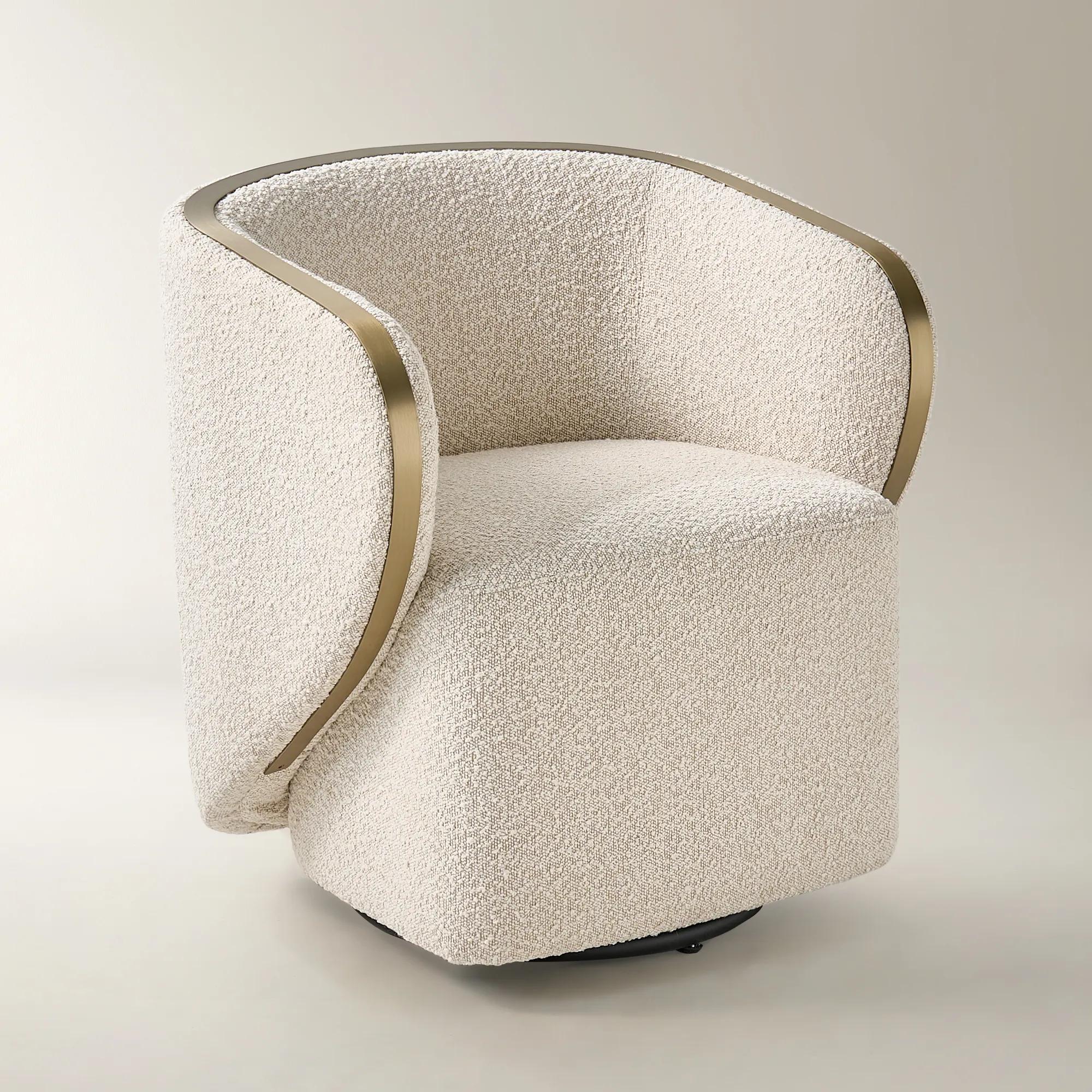 Nova Ivory Performance Boucle Swivel Dining Chair$699
An ivory boucle swivel chair featuring a sculptural wraparound silhouette and elegant metallic trim accents.
Add To Cart -
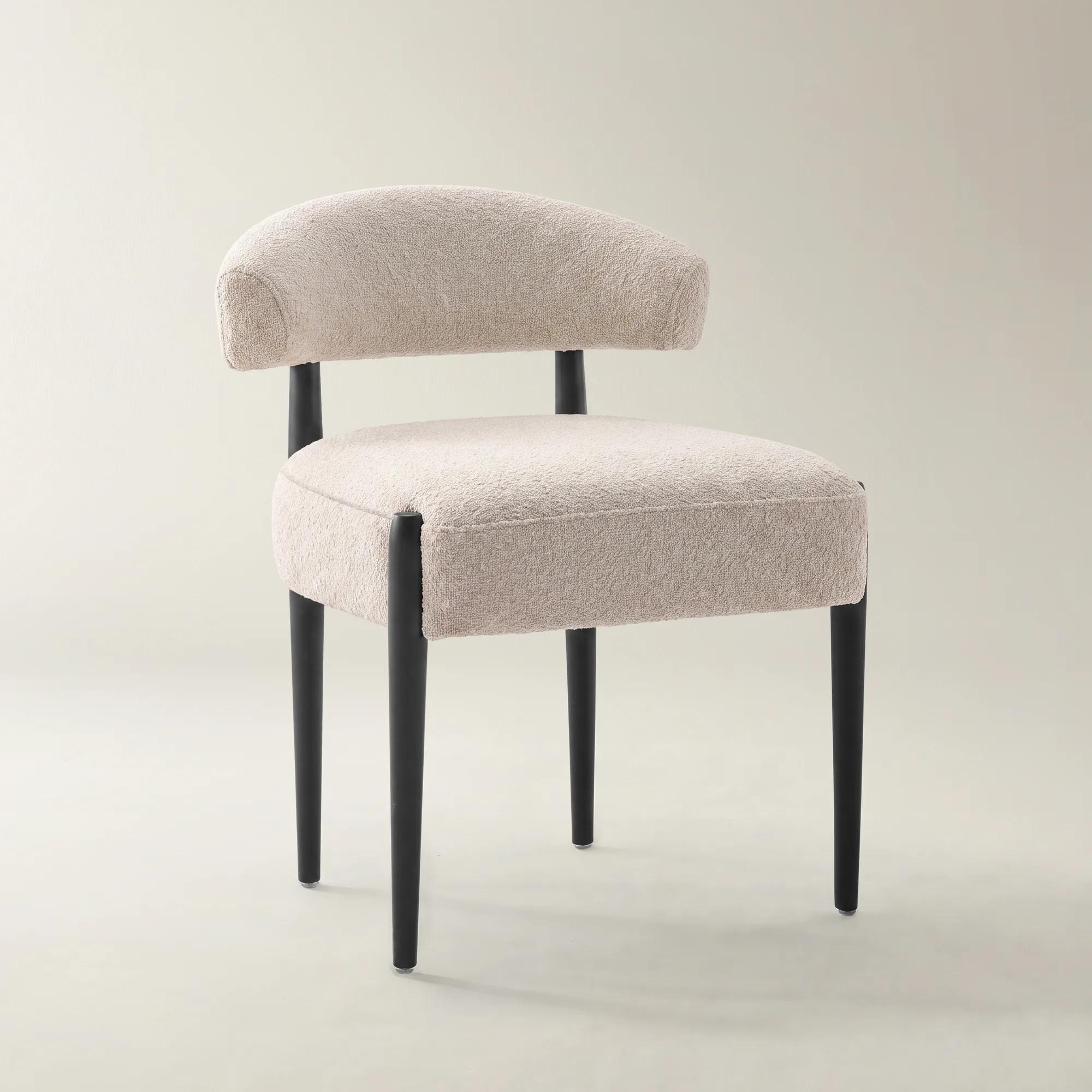 Anna Ivory Performance Boucle Dining Chair Set of 2$599
An ivory performance bouclé dining chair set with arched backs, high-density foam, and solid wood construction.
Add To Cart -
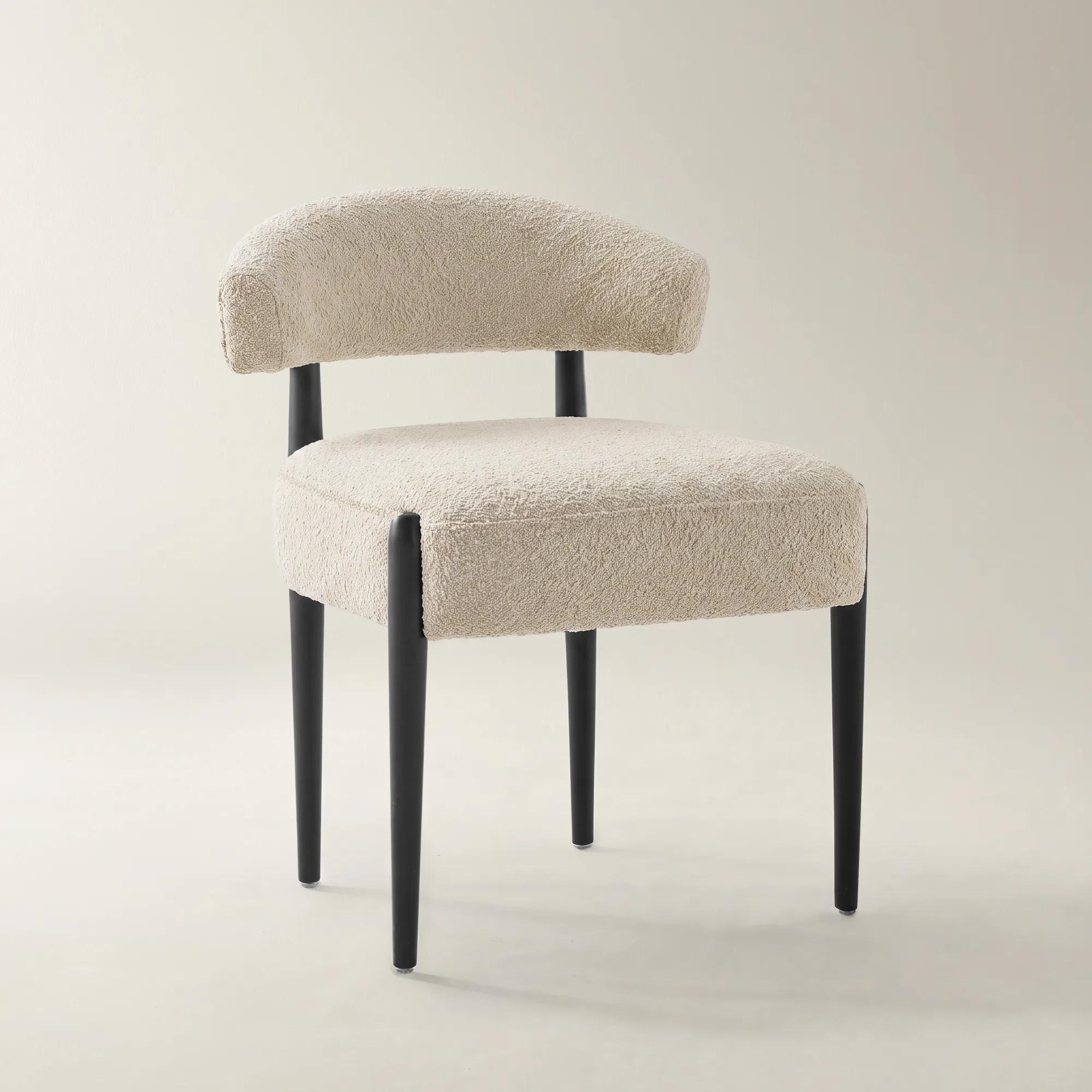 Anna Ivory Performance Boucle Dining Chair Set of 2$599
A pair of ivory performance boucle chairs with curved backs, cushioned comfort, and solid wood frames.
Add To Cart -
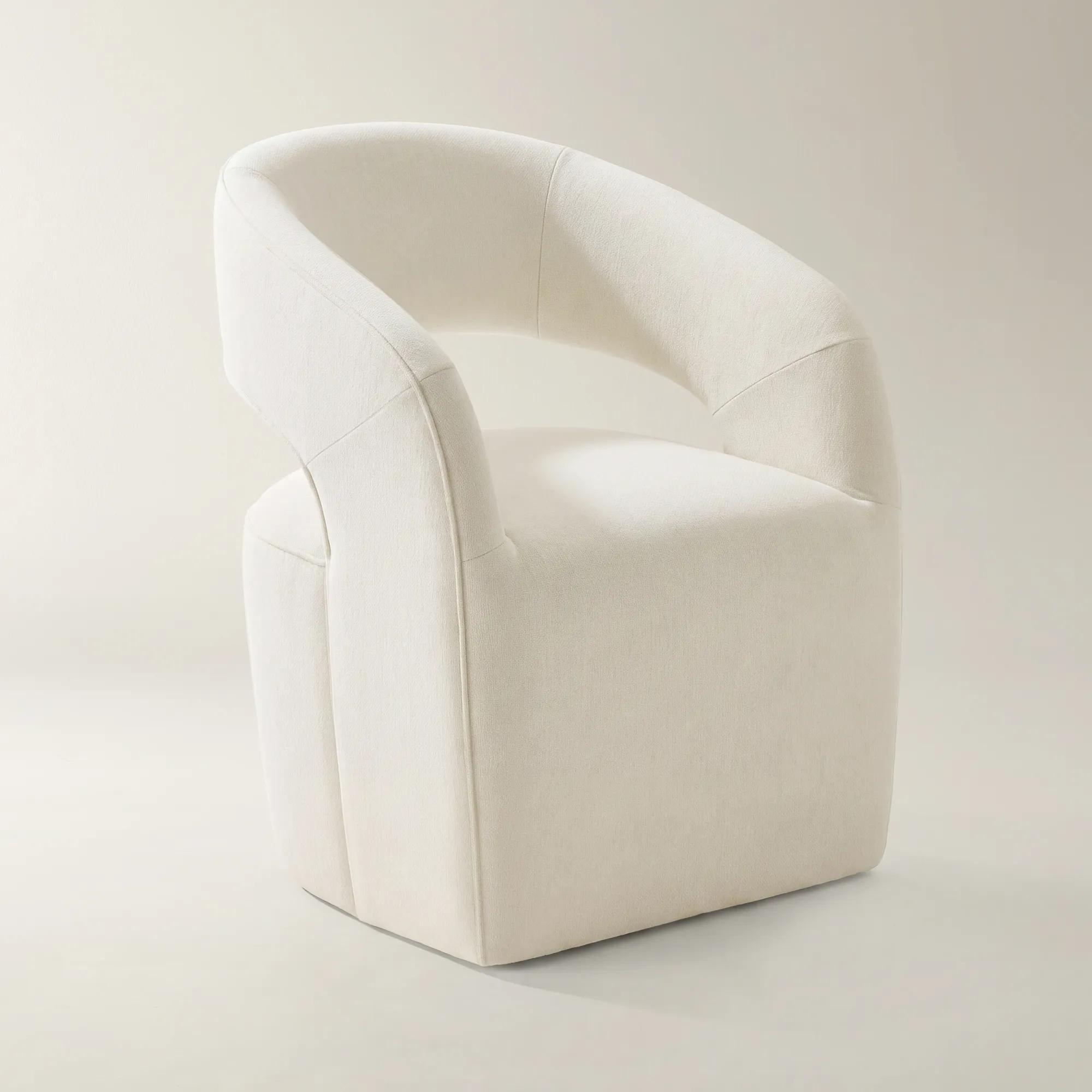
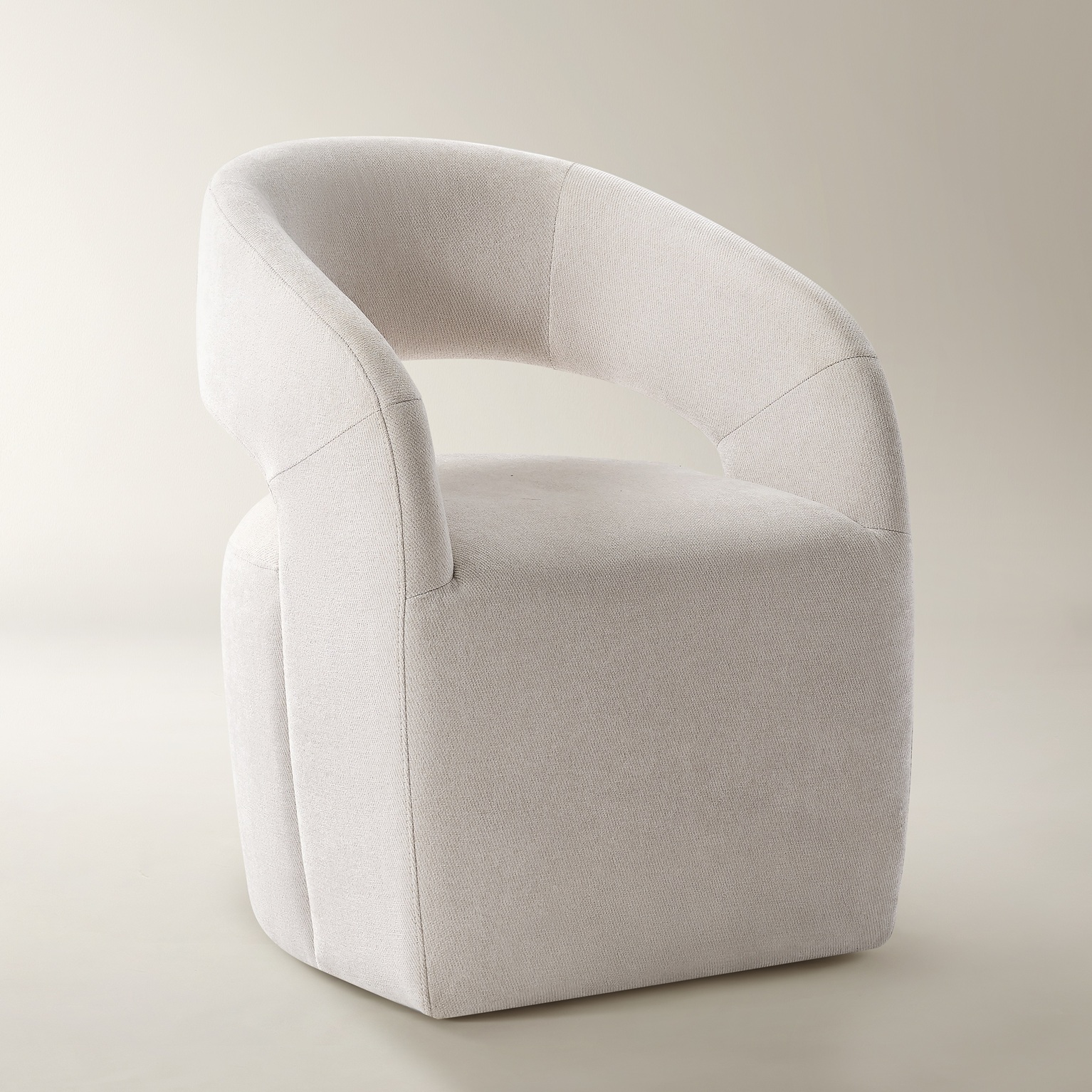 Harrison Ivory Performance Chenille Dining Chair$449
A sculptural ivory chenille chair featuring a continuous curved back, feather-blend comfort, and performance upholstery.
Add To Cart -
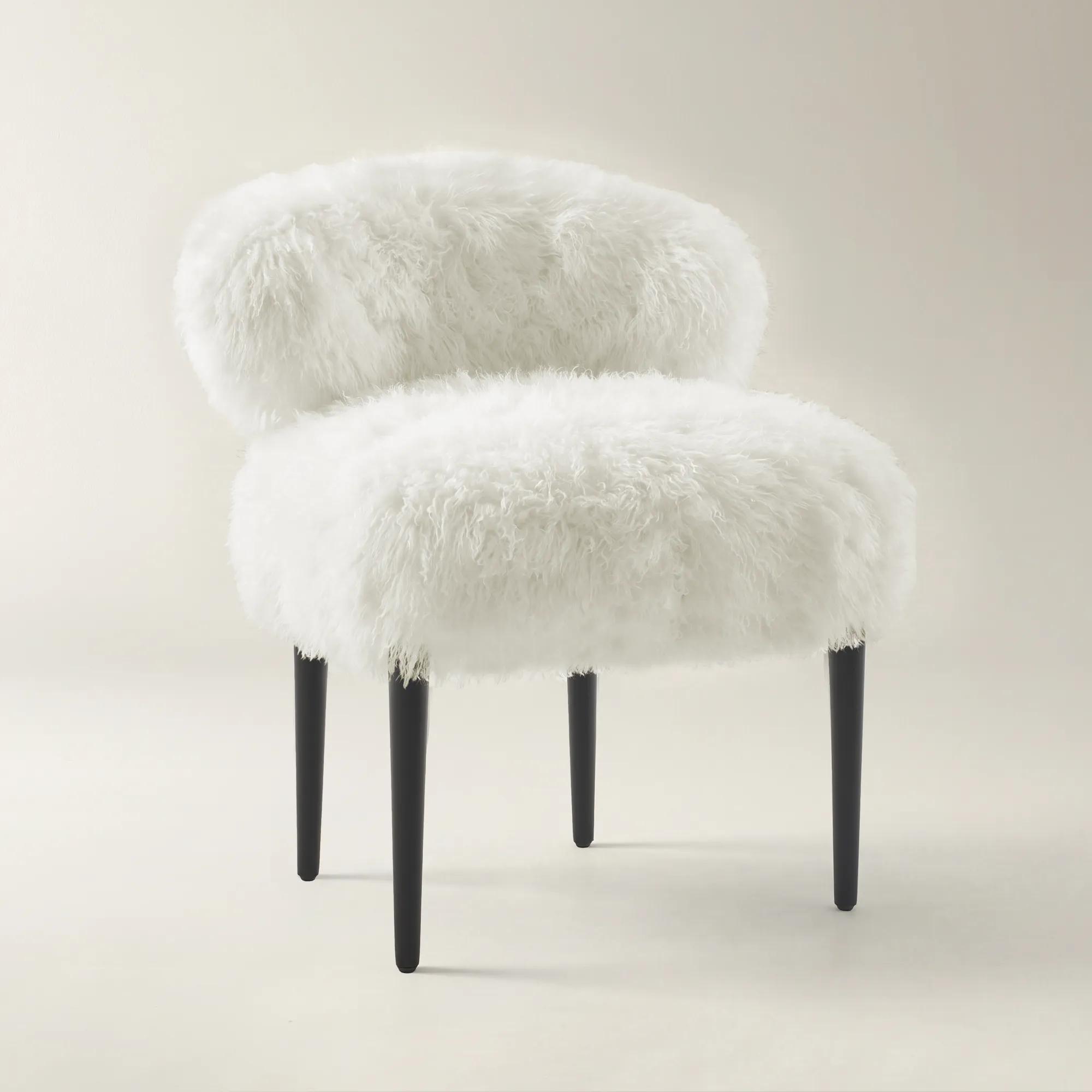 Anna Ivory Faux Fur Dining Chair Set of 2$699
A hand-upholstered ivory faux fur dining chair with a curved back, high-density foam cushioning, and rubberwood legs.
Add To Cart -
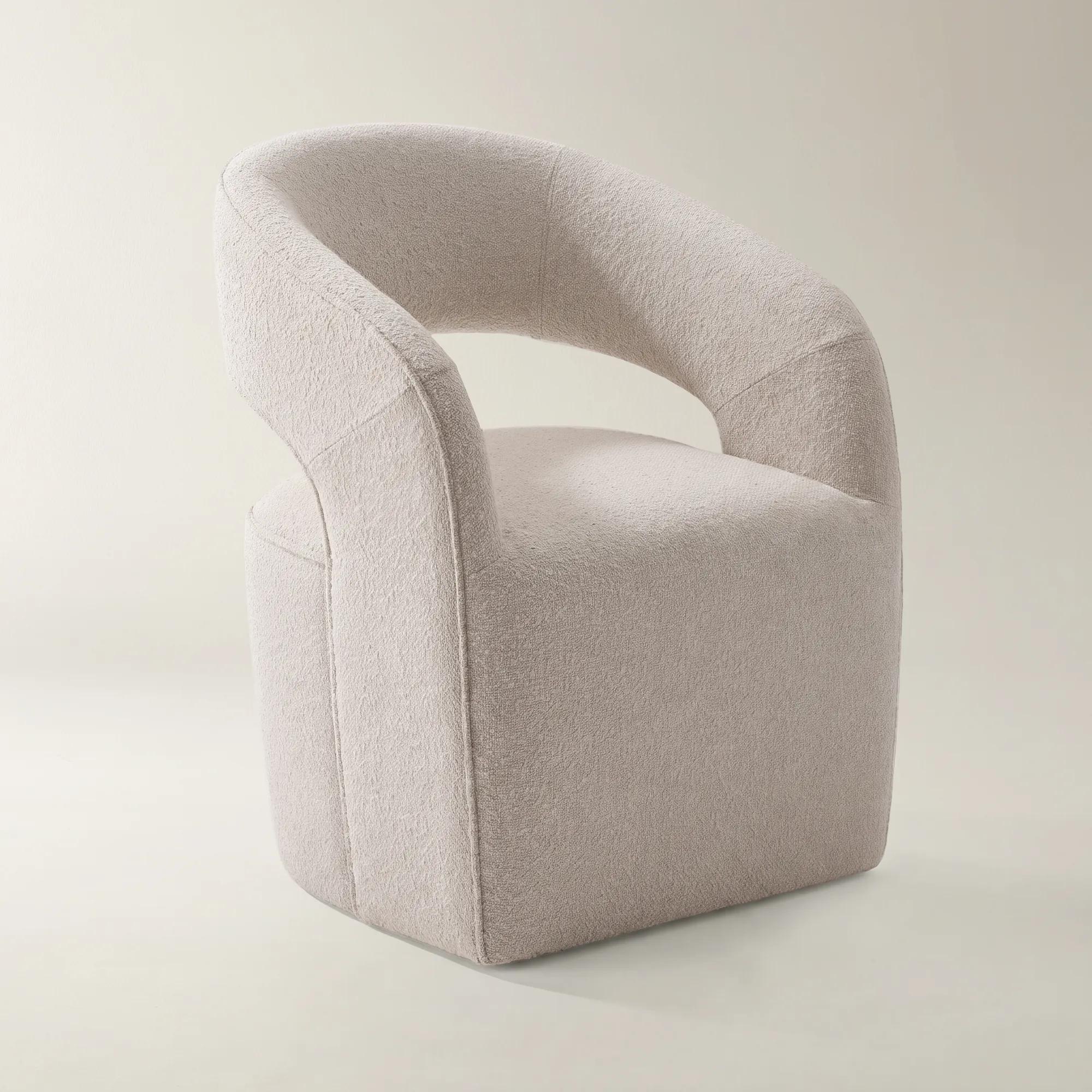 Harrison Ivory Performance Boucle Dining Chair$449
A sculptural dining chair in ivory performance boucle with a curved back, feather-blend seat, and modern elegance.
Add To Cart -
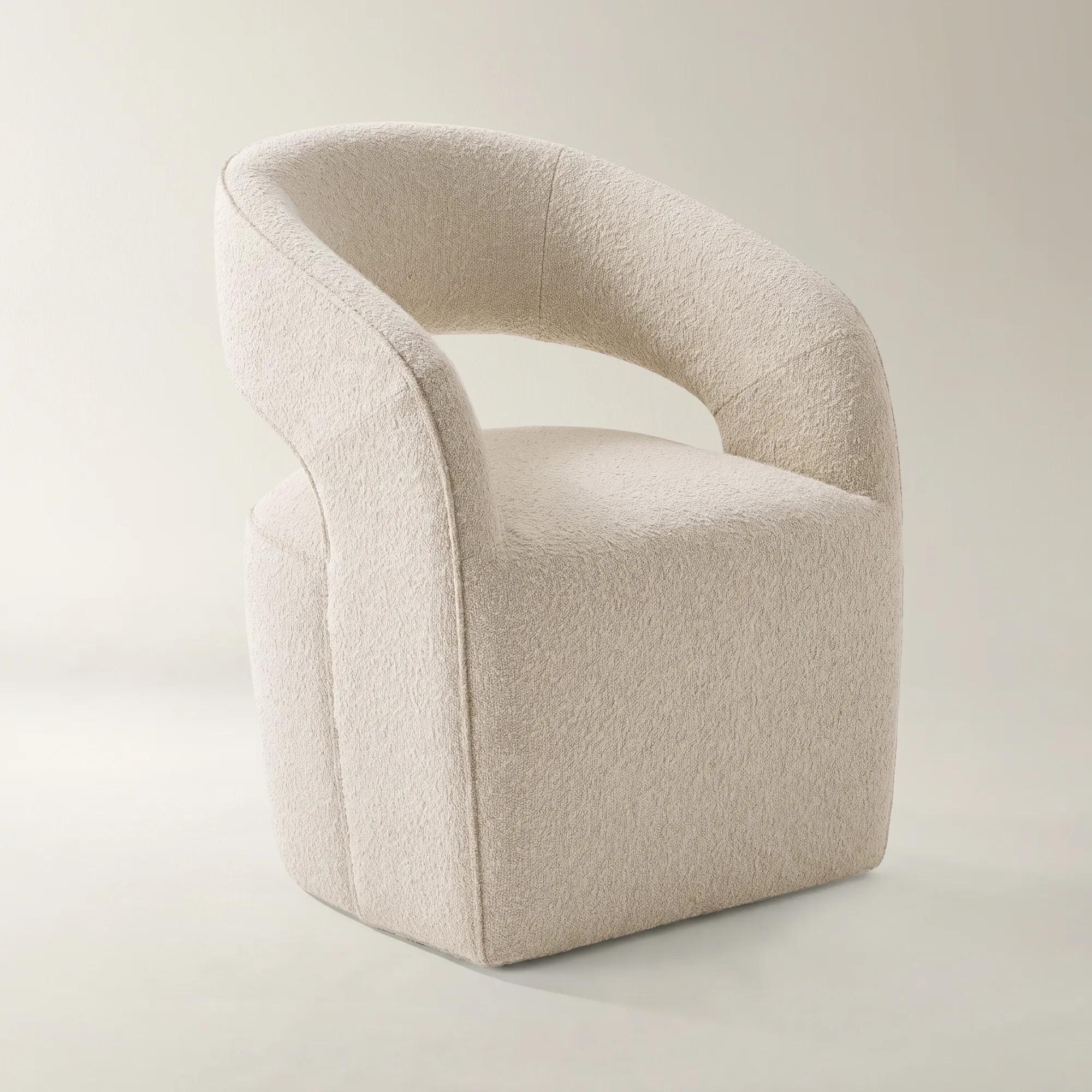 Harrison Ivory Performance Boucle Dining Chair$449
A sculptural dining chair in ivory performance boucle with a curved back, integrated arms, and feather-blend comfort.
Add To Cart -
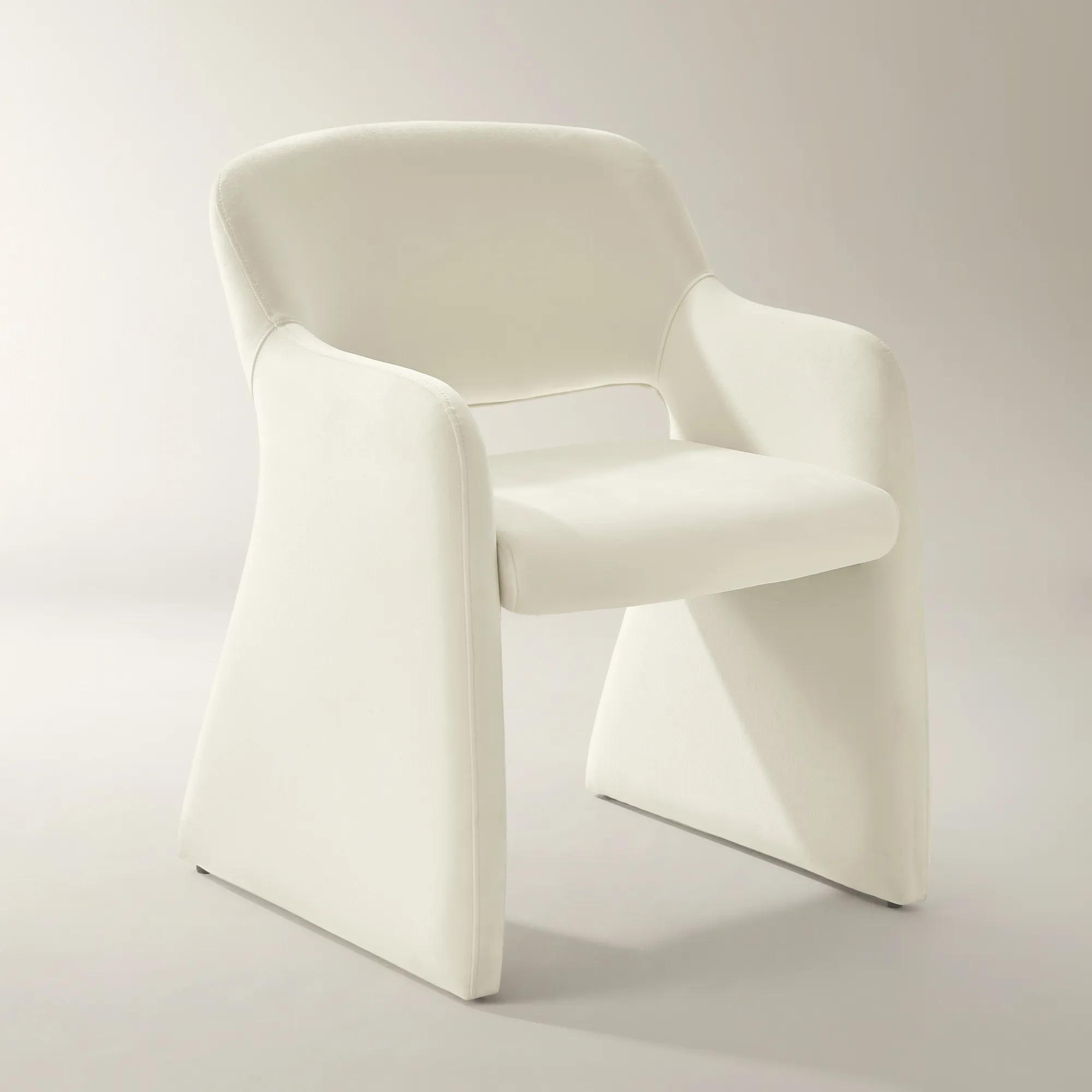 Elara Cloud Velvet Dining Chair$449
A plush velvet dining chair featuring a seamless wraparound silhouette and supportive carbon steel frame.
Add To Cart -
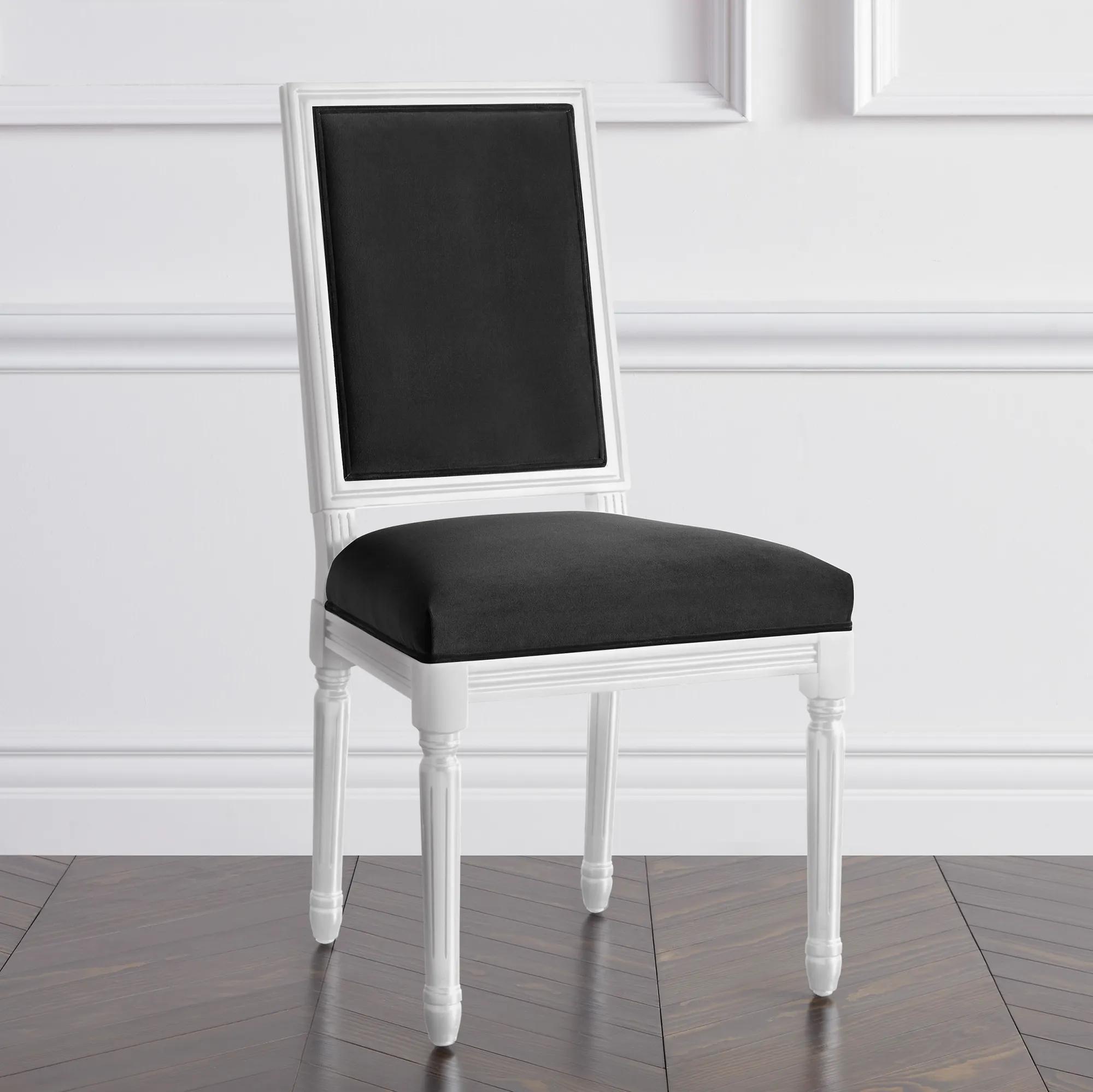
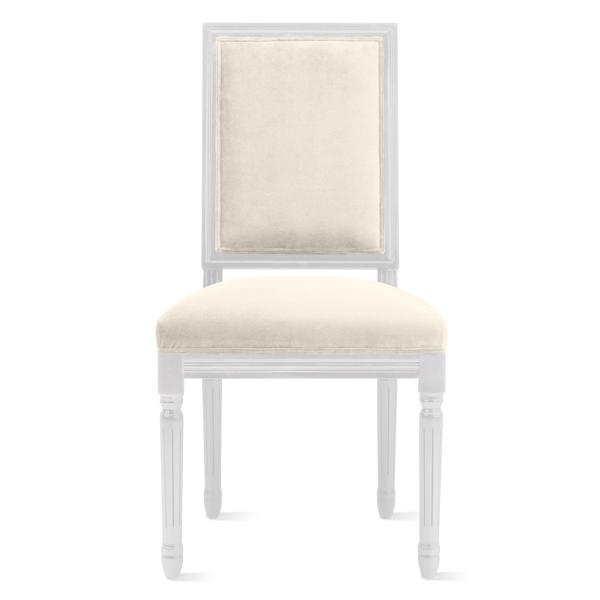 Callan Dining Chair - High Gloss White$549
A handcrafted dining chair featuring high-gloss white finish, kiln-dried hardwood frame, and plush velvet upholstery.
Add To Cart -
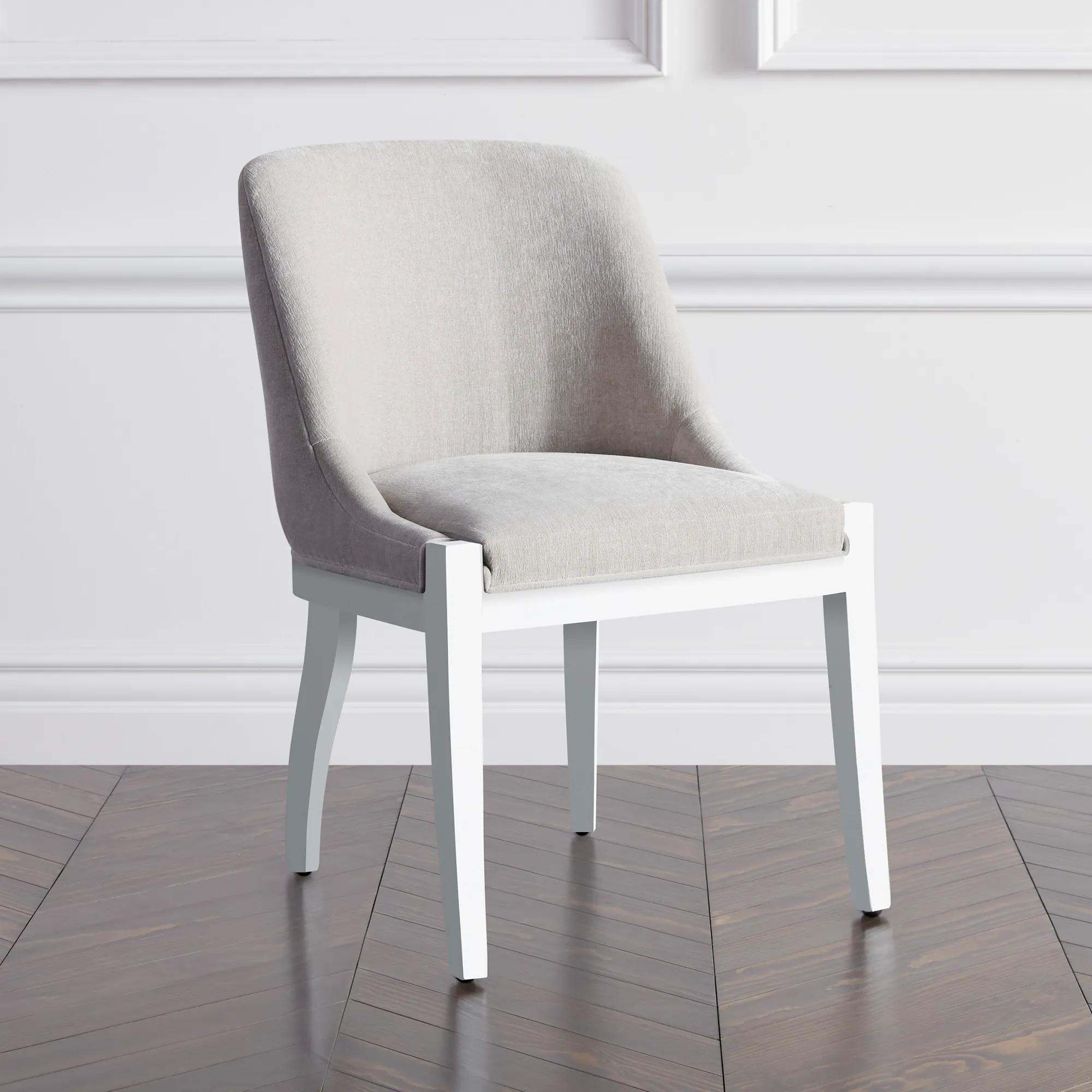
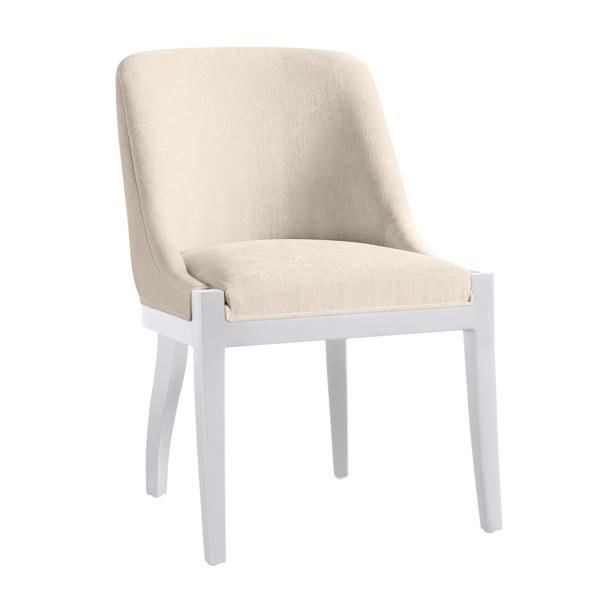 Lily Dining Chair - High Gloss White$649
A modern dining chair featuring kiln-dried hardwood, high-gloss white legs, and neatly tailored upholstery.
Add To Cart -
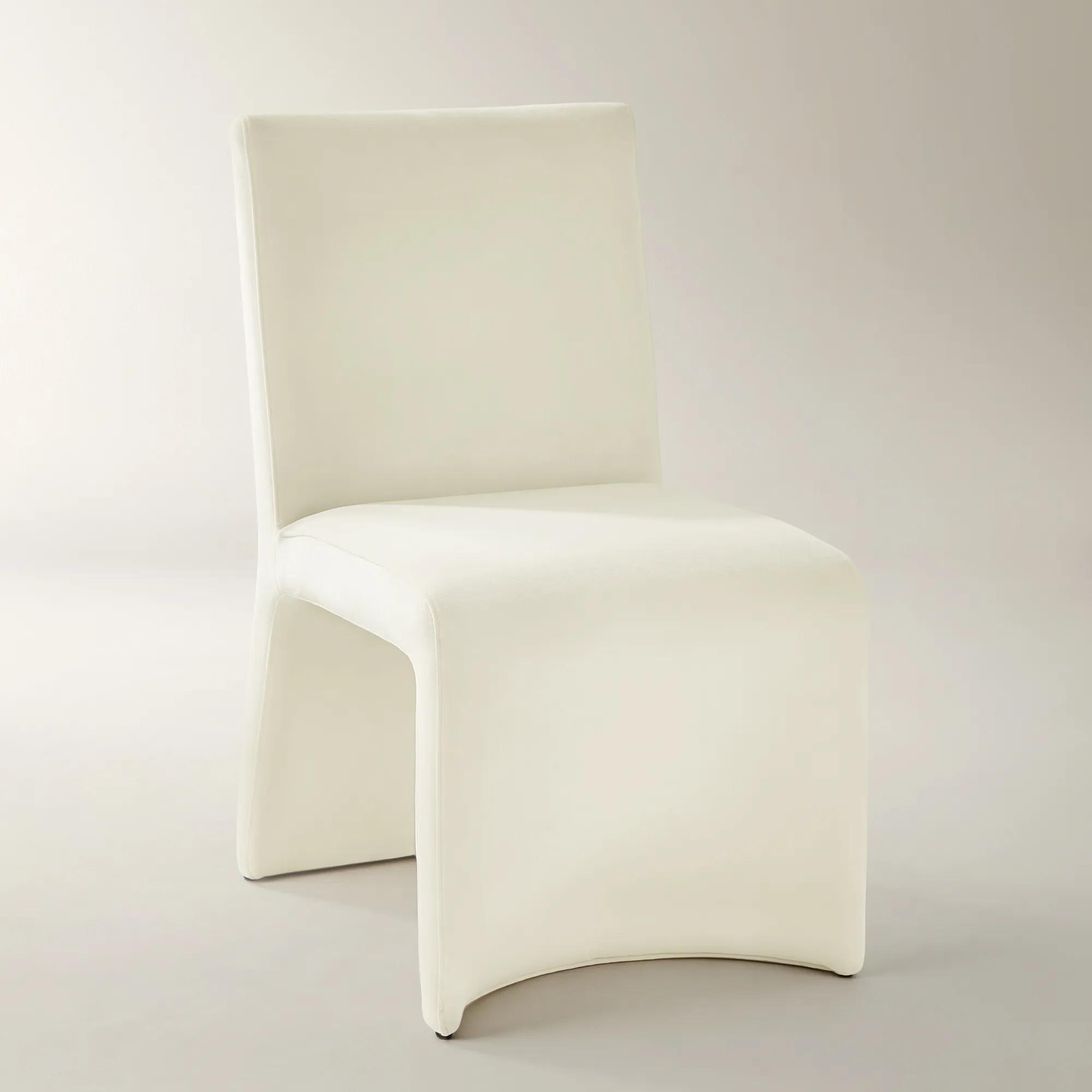 Elara Cloud Velvet Dining Chair Set Of 2$799
A set of two dining chairs featuring plush velvet upholstery, a seamless curved silhouette, and a sturdy steel frame.
Add To Cart -
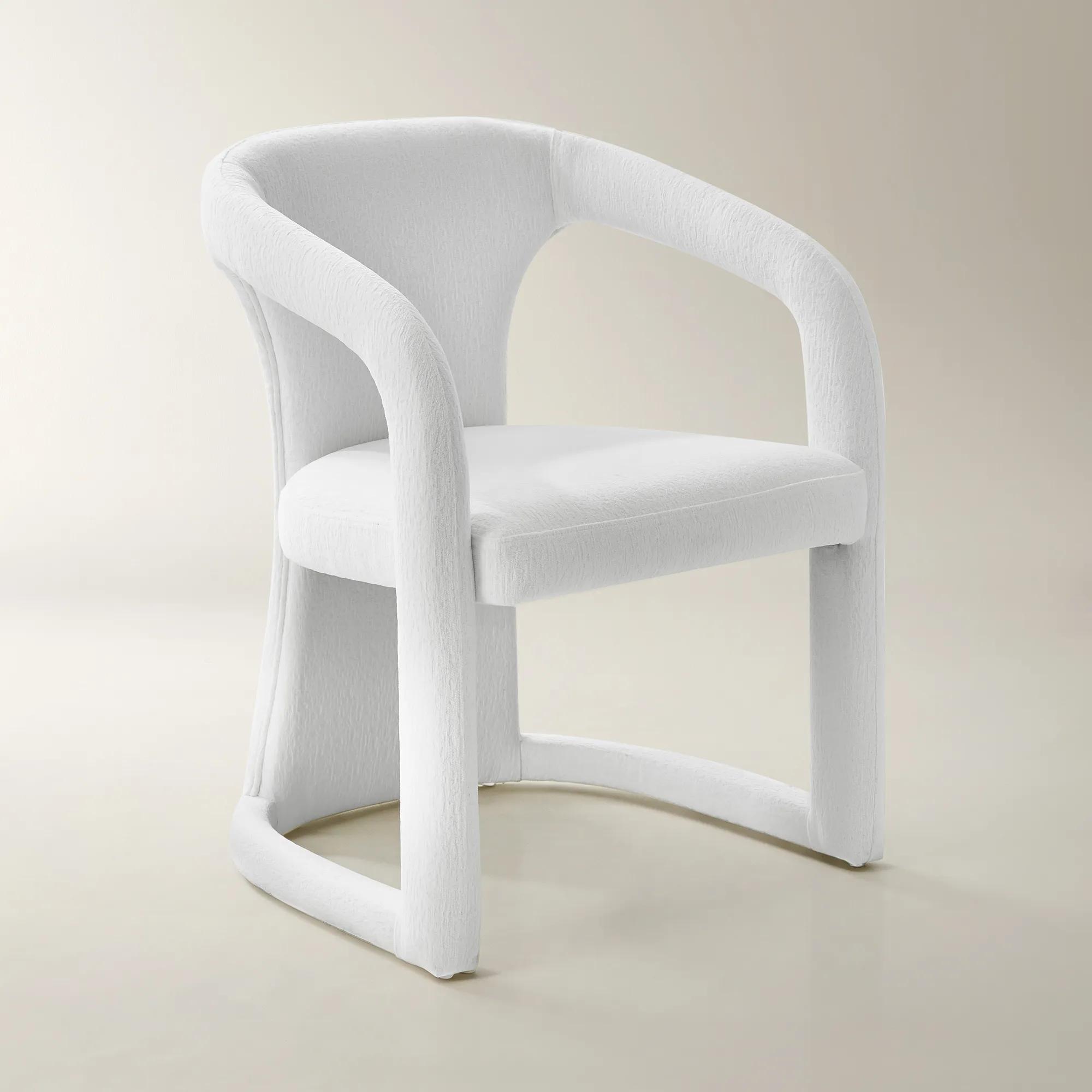
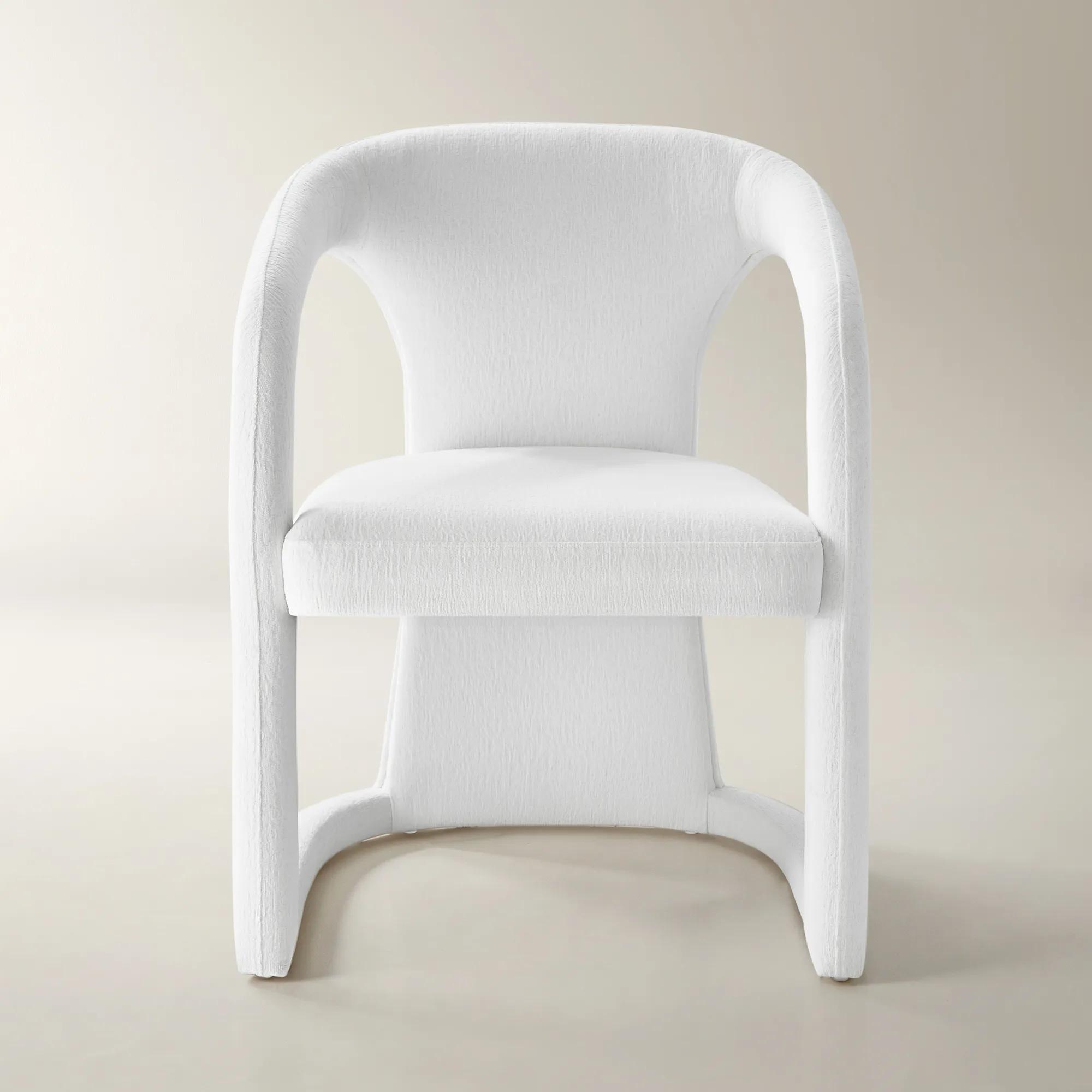 Arco White Performance Chenille Indoor/Outdoor Dining Chair$699
A sculptural white chenille dining chair with plush padding, moisture resistance, and indoor/outdoor versatility.
Add To Cart -
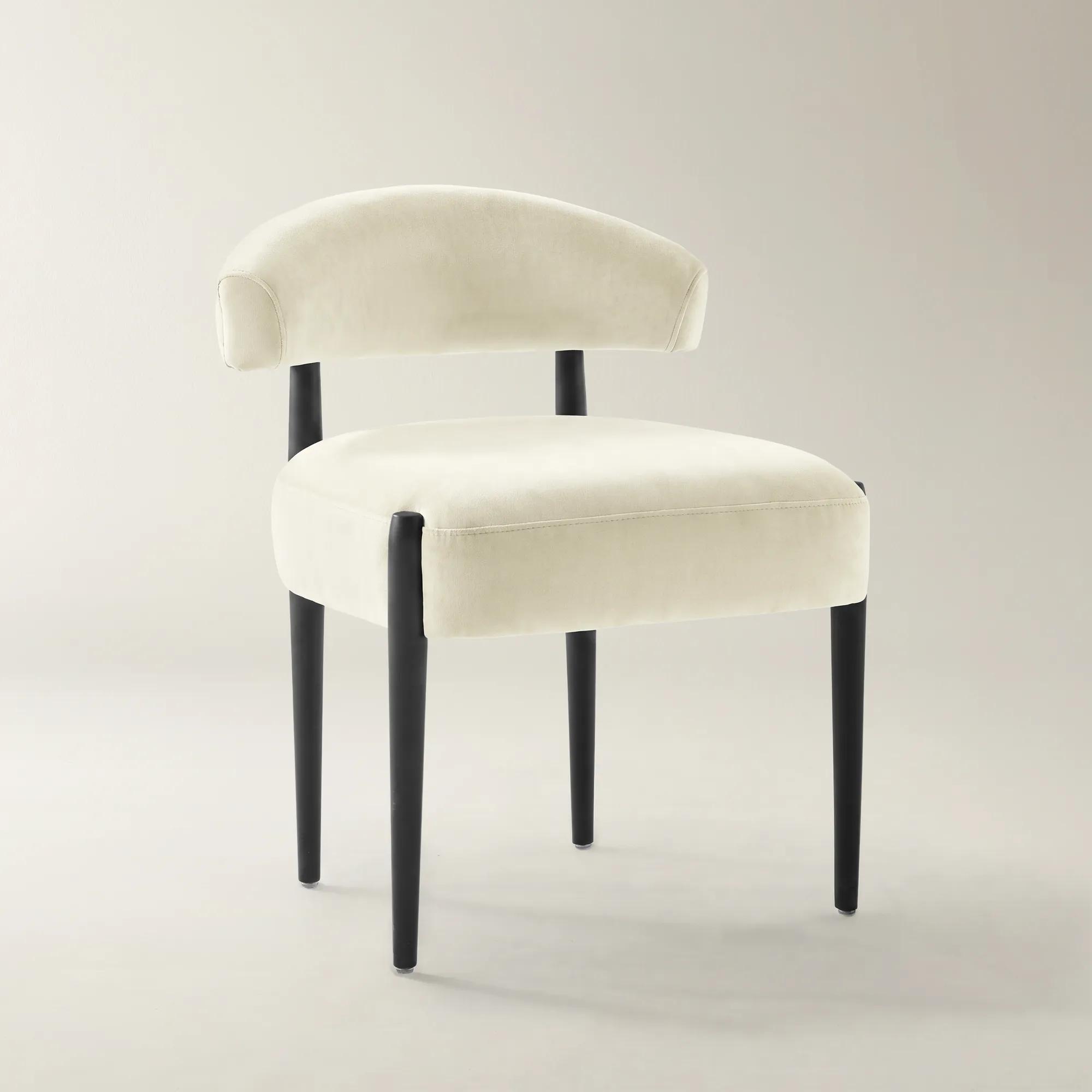 Anna Cloud Velvet Dining Chair Set of 2$599
A hand-upholstered Cloud velvet chair set featuring curved backs, high-density foam, and solid rubberwood legs.
Add To Cart -
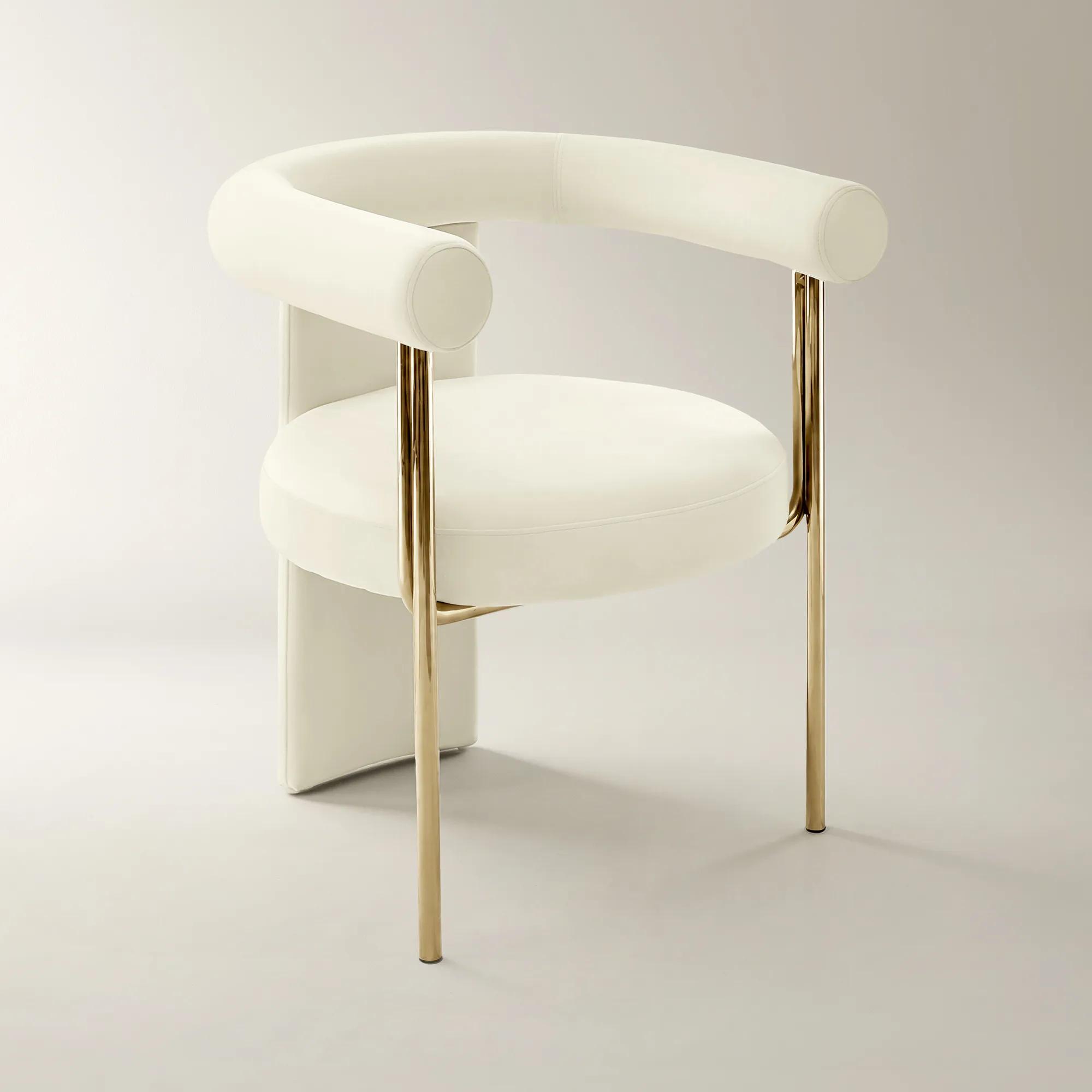 Davina Cloud Velvet Dining Chair Set Of 2$899
A set of two dining chairs featuring plush cloud velvet upholstery and a sculptural gold metal frame.
Add To Cart -
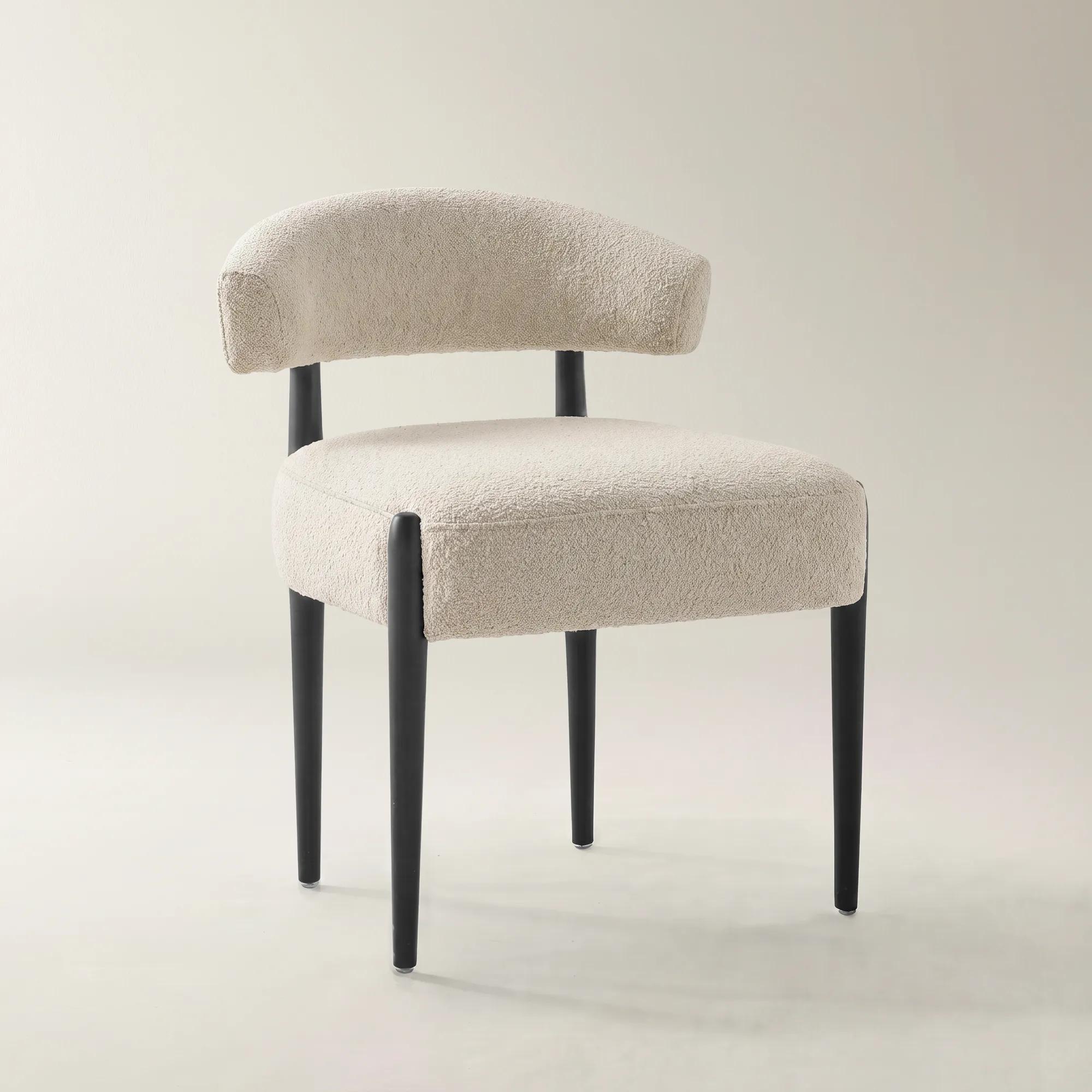 Anna Utopia Sand Chenille Dining Chair Set of 2$599
A sand chenille dining chair set featuring tailored armless curves, high-density cushioning, and solid rubberwood legs.
Add To Cart -
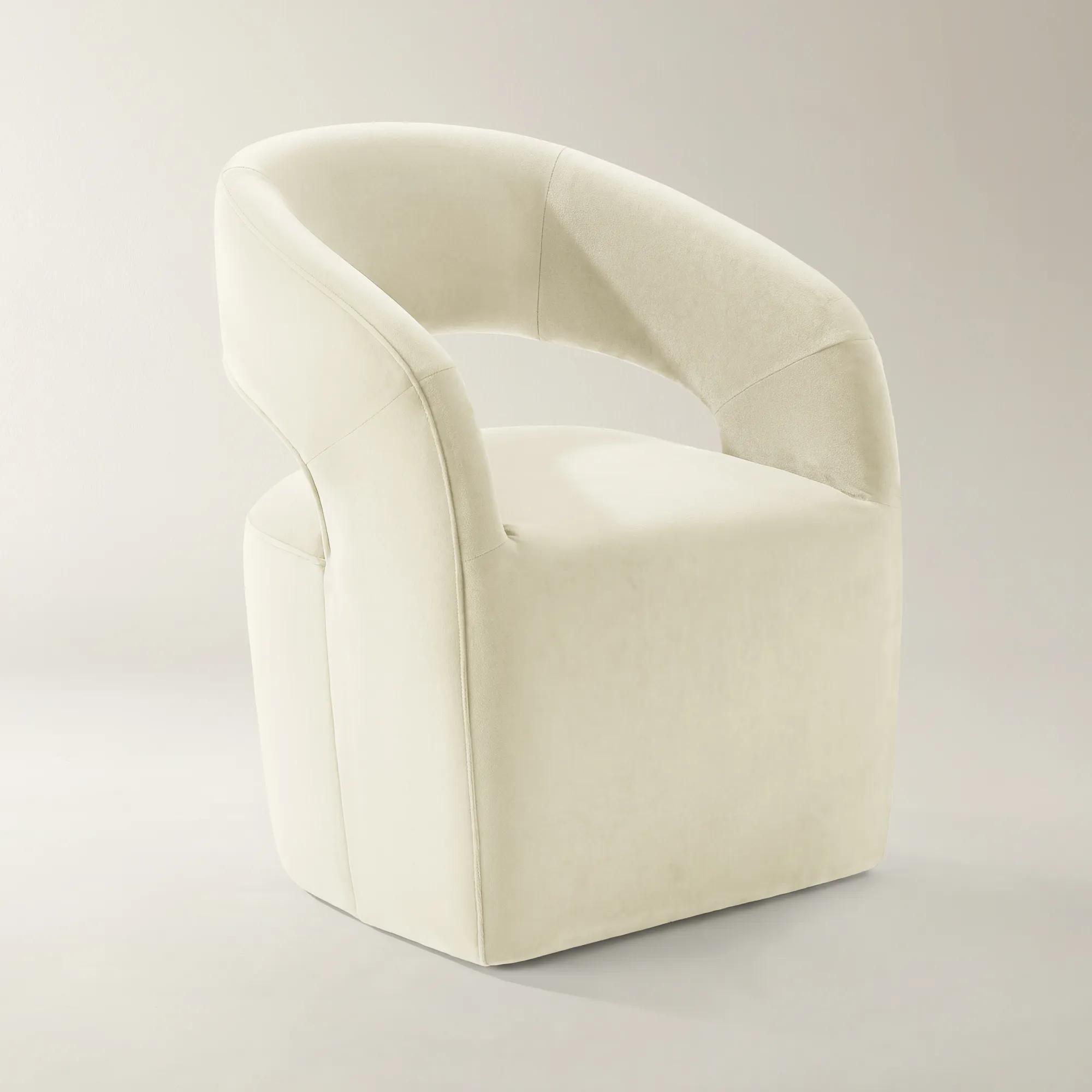 Harrison Cloud Velvet Dining Chair$449
A sculptural dining chair featuring cloud velvet upholstery, feather-blend cushioning, and a continuous curved back.
Add To Cart

White And Ivory Dining Chairs
White and Ivory Dining Chairs invite a sense of luminous sophistication to every gathering—transforming the ordinary meal into an occasion worthy of celebration. Bathed in serene neutrals, each chair becomes a sculptural statement, reflecting light and amplifying the artistry of your dining space. Whether you’re curating a modern tableau or layering textures for timeless allure, these pieces evoke effortless elegance and endless possibility. Elevate your table with seating that whispers luxury, celebrates contrast, and turns every dinner into an unforgettable experience.
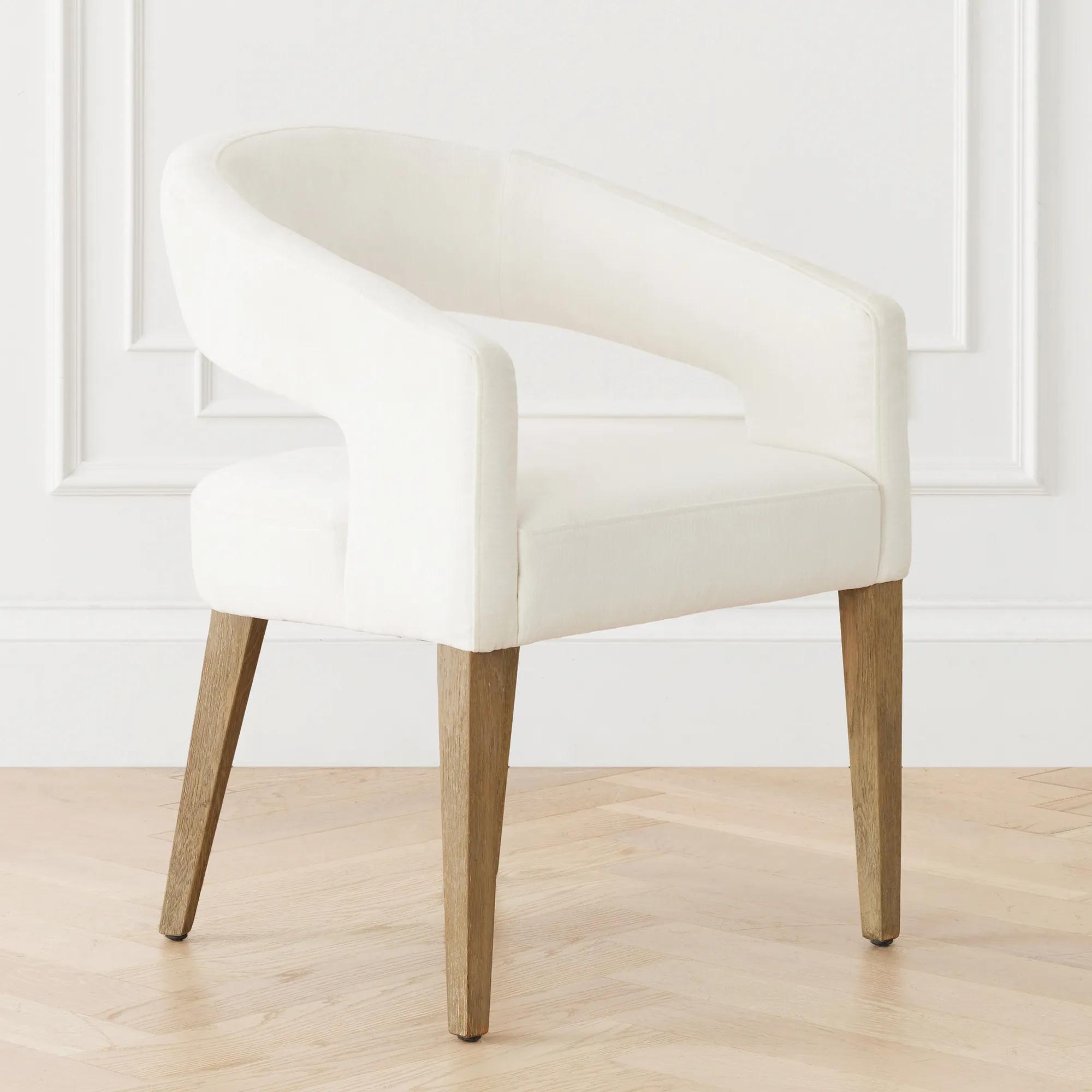
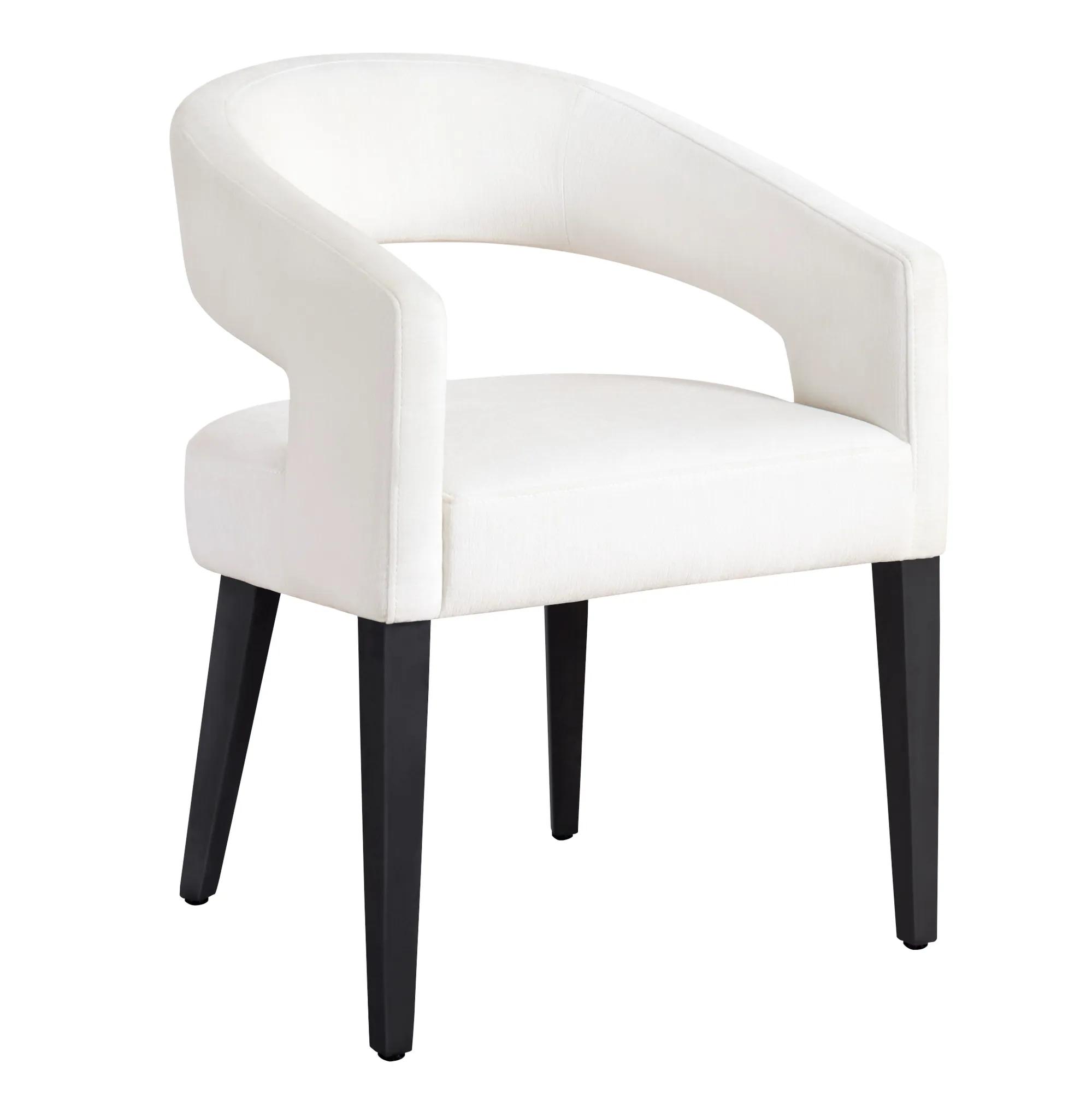
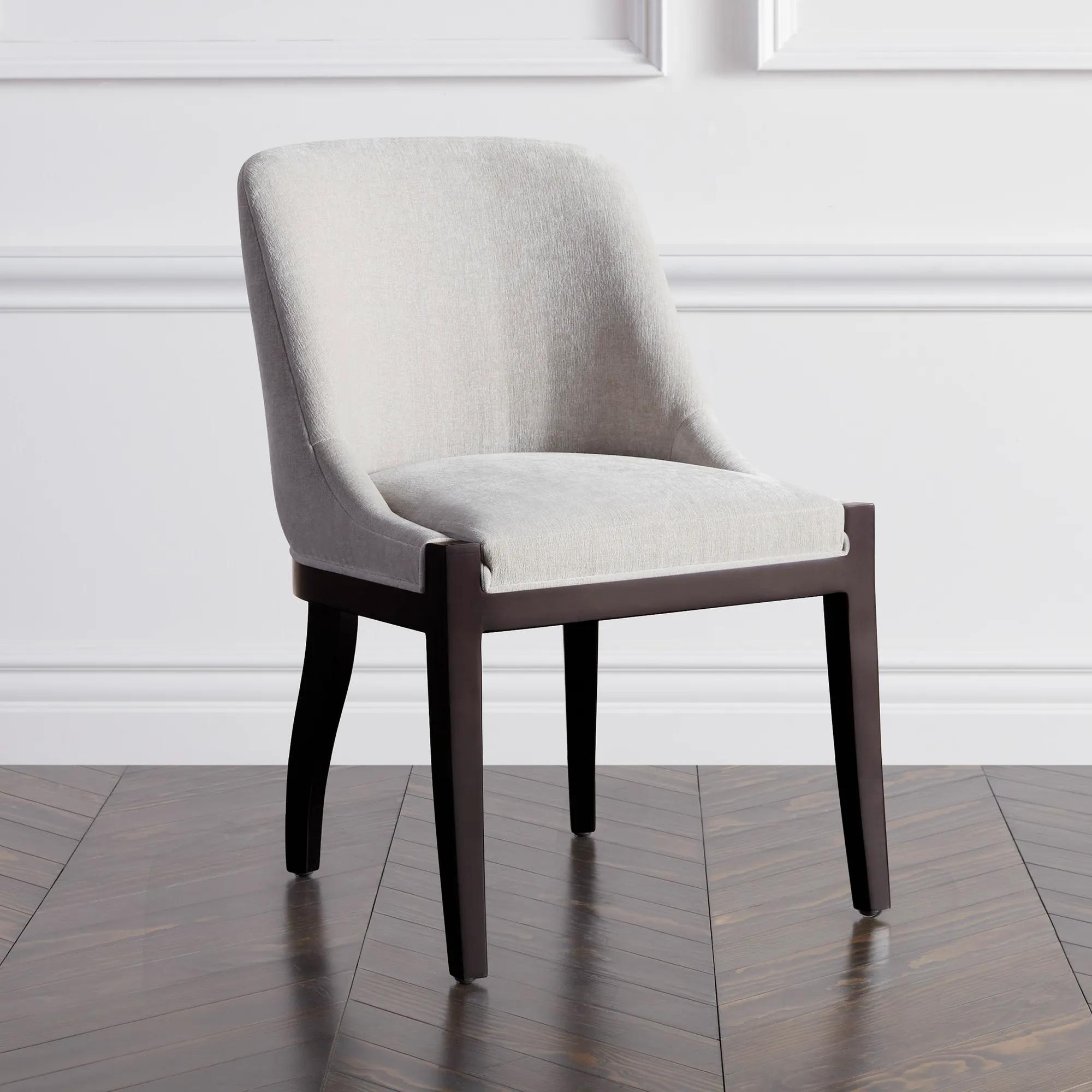
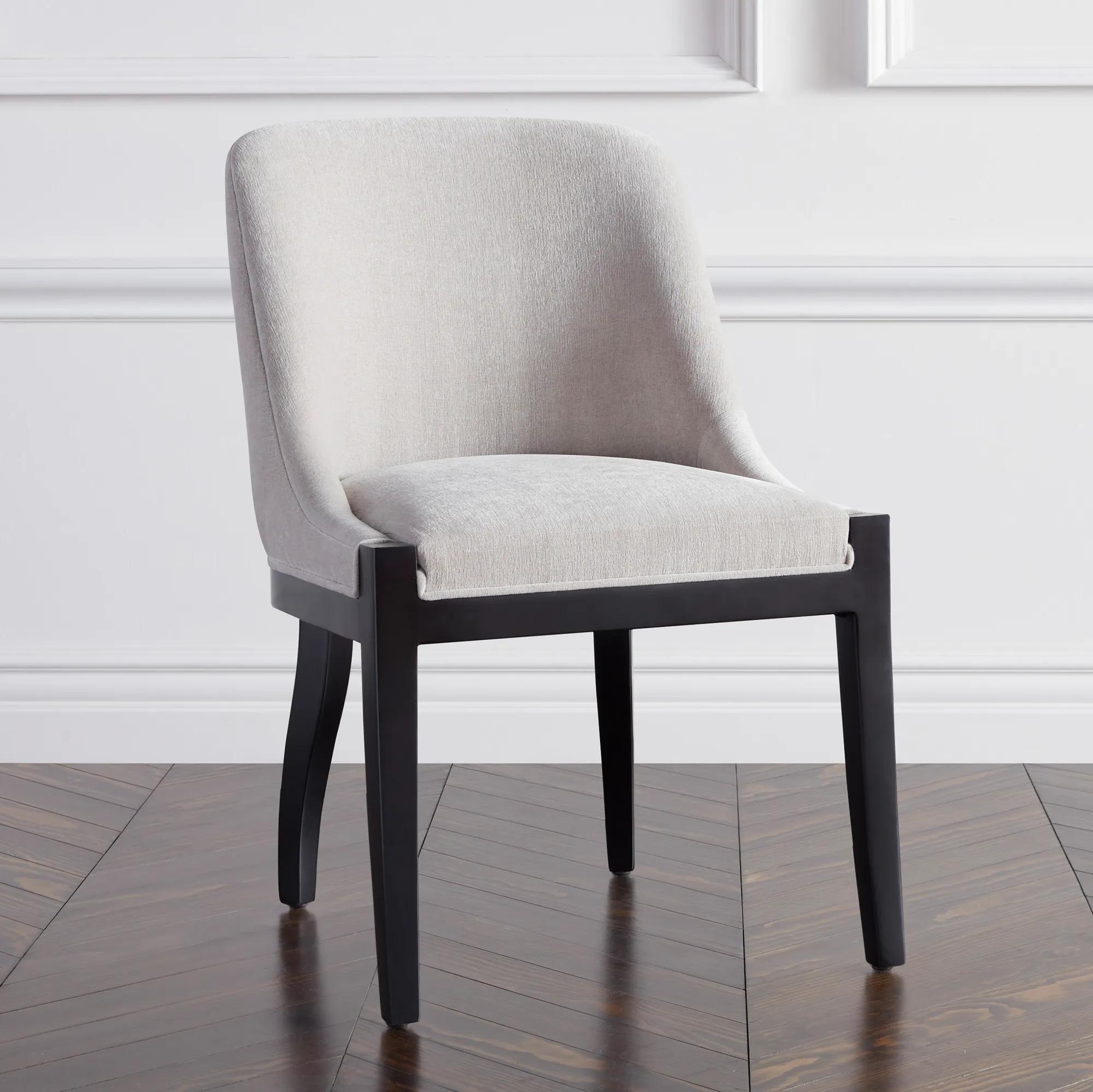
White and ivory dining chairs bring light, definition, and a sense of occasion to the dining room, pairing a versatile palette with silhouettes that can feel tailored, sculptural, or lavishly upholstered. White tends to create a crisp contrast against dark wood, richly colored walls, and patterned rugs, while ivory introduces a softer warmth that complements cream textiles, natural stone, and golden metal finishes. Neither shade needs to disappear into the background. A curved ivory back can stand out beautifully against a rectangular walnut table; a white upholstered seat on slender polished legs can give a substantial pedestal table a more airy composition. The distinction between these colors matters most alongside existing finishes: bright white may look sharper beside warm beige, while ivory can reveal yellow, pink, or gray undertones under different lighting. Viewing upholstery samples near the table and flooring, in daylight and under the room’s fixtures, helps establish a harmonious palette. Shape contributes just as much character as color. Parsons-style dining chairs offer a fully upholstered, tailored profile, while barrel backs wrap the seat in an inviting curve. Open wood frames introduce architectural detail, and channeling or tufting gives pale upholstery depth through light and shadow. White and ivory dining room chairs suit both dedicated entertaining spaces and dining areas that share a larger living room, where their neutral tones can connect the table setting to surrounding furnishings. A matching group creates a composed rhythm around the table; upholstered armchairs at the ends with slimmer side chairs along the length add variation without visual disorder. Repeating a finish, curve, or fabric tone keeps a mixed arrangement intentional. Against a marble-look tabletop, an ivory seat can soften the composition; beside dark lacquer, white upholstery creates a more graphic statement. The effect is expressive rather than overpowering, leaving room for dramatic artwork, gleaming serving pieces, and a centerpiece with presence.
Materials give white and ivory dining chairs their distinctive feel, and the most compelling choice balances visual richness with the way the dining space is used. Tightly woven upholstery lends a refined surface to clean-lined frames, while linen blends introduce subtle irregularity and texture. Velvet creates a plush, light-catching finish whose color can appear different as the pile changes direction. Bouclé brings a nubby, dimensional surface that makes a rounded chair feel especially sculptural, although its loops may be more susceptible to catching on pet claws or sharp accessories. For the soft visual continuity of upholstered seating, Ivory Fabric Dining Chairs offer a focused palette that works beautifully with both restrained table settings and richly layered interiors. Fabric composition, weave, and the manufacturer’s care instructions matter more than color alone when judging suitability for daily meals. Performance upholstery may provide added stain resistance, but that designation does not make every fabric stainproof or appropriate for every cleaning method. Leather and faux leather create a smoother appearance and may allow straightforward surface cleaning when their care instructions permit; faux leather’s resistance to peeling or cracking depends on its composition, construction, and use. Wood frames bring grain and warmth, with durability influenced by sound joinery, finish quality, and construction rather than the wood name alone. Metal frames and legs introduce a sharper outline, from the warm gleam of brass-toned finishes to the reflective precision of polished steel. A stable frame, secure connections, and supportive cushioning are particularly valuable when chairs serve breakfast, dinner, and lingering conversation every day. Dense padding is not automatically more comfortable, and a deeply cushioned seat is not necessarily more supportive; the relationship between the seat, back angle, and sitter makes the difference. For hosts who enjoy extended dinners, a gently contoured back and an accommodating seat can be as important as the upholstery’s dramatic finish. In a household with children or frequent guests, accessible cleaning instructions and resilient materials help preserve that polished appearance through ordinary use.
Proportion determines whether a beautiful dining chair feels equally graceful at the table. Many standard dining tables stand about 28 to 30 inches high, and dining chair seats commonly measure about 17 to 19 inches from the floor, though actual dimensions vary. Approximately 10 to 12 inches between the seat and the tabletop is a useful starting point for comfort, with additional attention to any apron beneath the tabletop that could reduce legroom. Upholstered seats may compress when occupied, so the listed seat height is only part of the fit. Arm height also deserves careful measurement: an ivory armchair should slide beneath the table’s lowest obstruction if it is intended to tuck in fully. For seating along a table, roughly 24 inches of width per person is a common starting point, but broad chairs, sweeping arms, and table legs may require more space. Allowing about 36 inches from the table edge to a wall or nearby furniture generally provides room to pull out a chair, while a passage behind seated diners benefits from greater clearance. These relationships are especially important with a round pedestal table, where generous chair backs can crowd one another even when the base leaves ample foot space. Armless designs often suit closer arrangements, while wider upholstered chairs create a more enveloping place to settle into conversation. Pale seating also rewards a consistent, material-appropriate care routine. Vacuum fabric gently with a suitable upholstery attachment, attend to spills promptly by blotting rather than rubbing, and follow the upholstery cleaning code before applying any solution. Some fabrics require professional or solvent-based cleaning rather than water. Test permitted cleaners in an inconspicuous area, and avoid assuming that a white finish can tolerate bleach. Keep wood and metal care specific to their finishes, check fasteners as recommended, and use floor-appropriate glides to help protect the surface beneath each chair. Direct sunlight can alter upholstery and finishes over time, so thoughtful placement supports lasting color. With proportions that invite movement and materials that suit daily life, white and ivory dining chairs give the dining room a luminous foundation—one that feels considered at a quiet breakfast and fully dressed when the table fills with guests.
FAQs
White and ivory dining chairs are remarkably versatile, complementing a spectrum of interior styles. They lend a sense of airy sophistication to modern and contemporary spaces, while their timeless palette enhances the elegance of traditional or transitional dining rooms. For those drawn to glam or Hollywood Regency aesthetics, these chairs act as a luminous canvas for metallic accents, mirrored surfaces, or bold statement lighting. In coastal or Scandinavian-inspired spaces, their serene tones amplify natural light and create a tranquil, welcoming atmosphere.
To keep your white or ivory dining chairs looking radiant, regularly dust and gently vacuum fabric surfaces to prevent dirt from settling. For spills, promptly blot with a clean, damp cloth—avoid rubbing, which can set stains. Many modern fabrics offer stain resistance, making upkeep effortless. For deeper cleaning, always follow the manufacturer’s care instructions. Periodic professional cleaning can also help preserve the original luster and texture of the upholstery.
Absolutely. Advances in performance fabrics and easy-care materials make it possible to enjoy the elegance of white and ivory dining chairs even in active households. Look for chairs upholstered in stain-resistant or washable textiles, which offer both durability and peace of mind. Smooth finishes like lacquer or acrylic are also easy to wipe clean, ensuring your dining space remains both beautiful and family-friendly.
White and ivory dining chairs shine when paired with textural contrasts and dramatic accents. Layering with plush throws, metallic tableware, or richly patterned rugs can add depth and visual intrigue. Consider surrounding them with a statement chandelier or bold centerpiece for added glamour. The neutral palette makes these chairs ideal for showcasing your favorite art, sculptural vases, or seasonal floral arrangements.
Yes, these chairs are as versatile as they are striking. Beyond the dining room, use them to create a serene reading nook, a sophisticated vanity seat, or elegant extra seating in a living room. Their understated palette and refined silhouettes allow them to blend seamlessly into bedrooms, home offices, or entryways, bringing a touch of luxe artistry wherever they are placed.