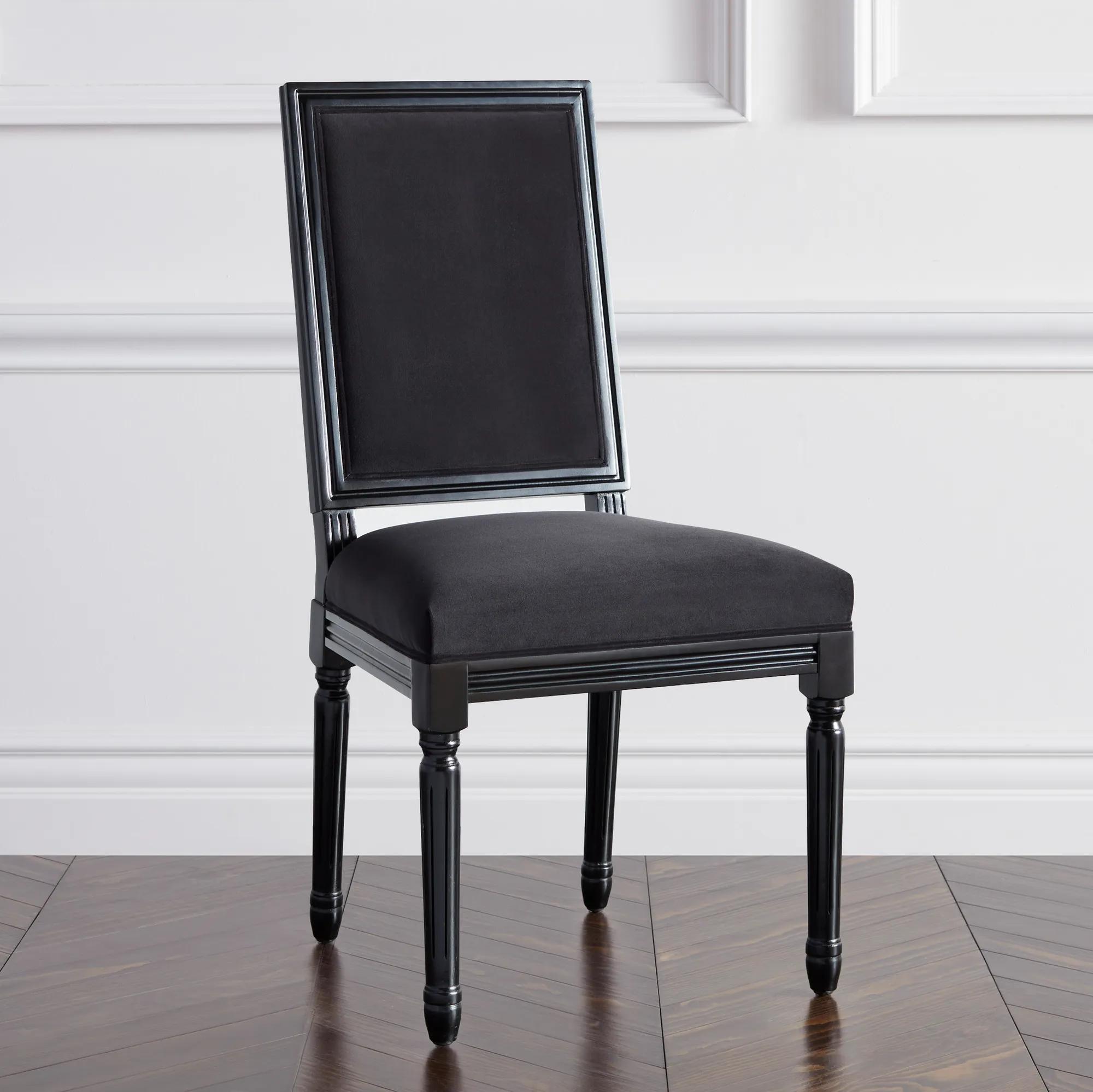
White Chenille Dining Chairs
White Chenille Dining Chairs
-
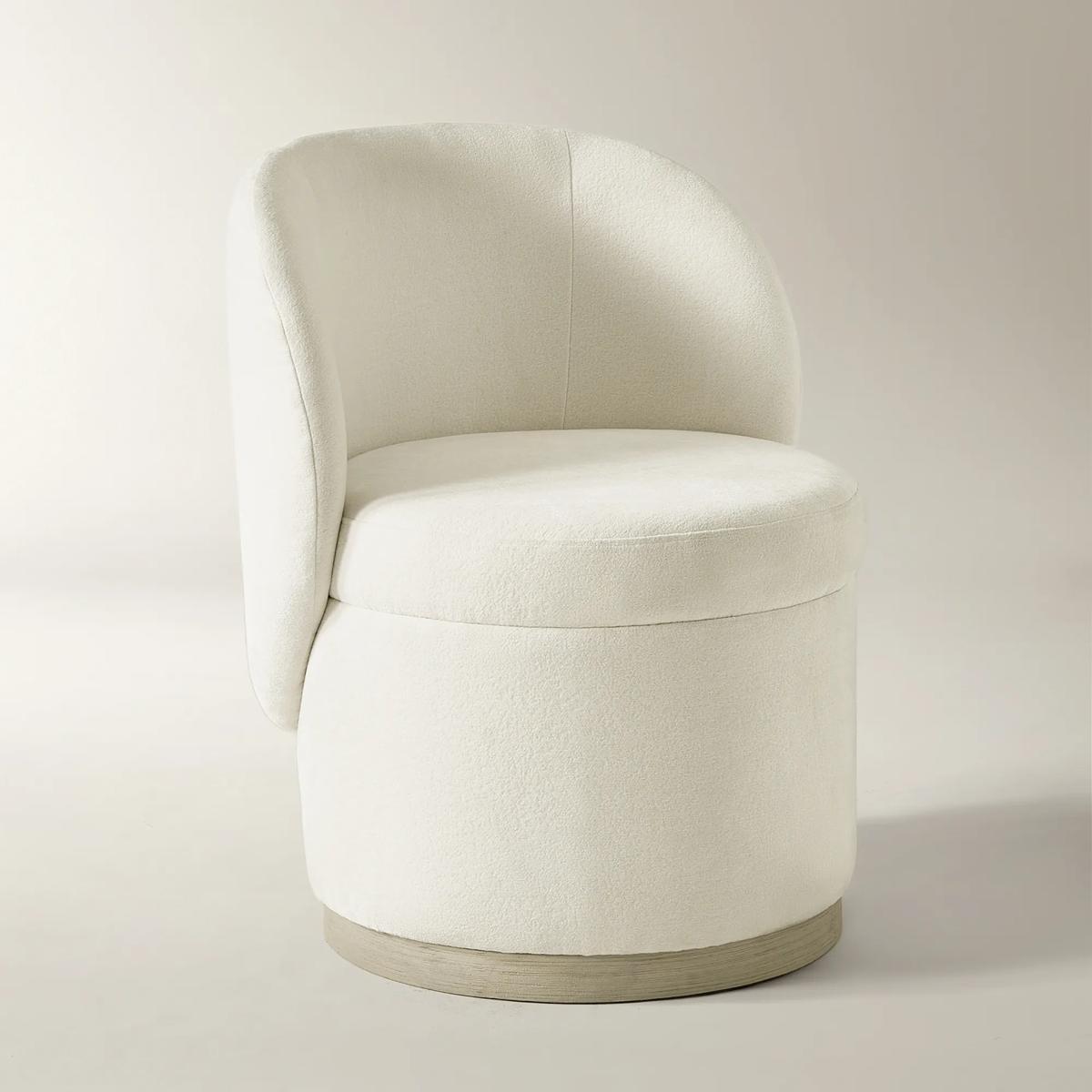 Stria Ivory Chenille Dining Chair With Oak Base$599
An ivory chenille chair featuring a plush, velvet-like finish and a handcrafted solid oak base.
Add To Cart -
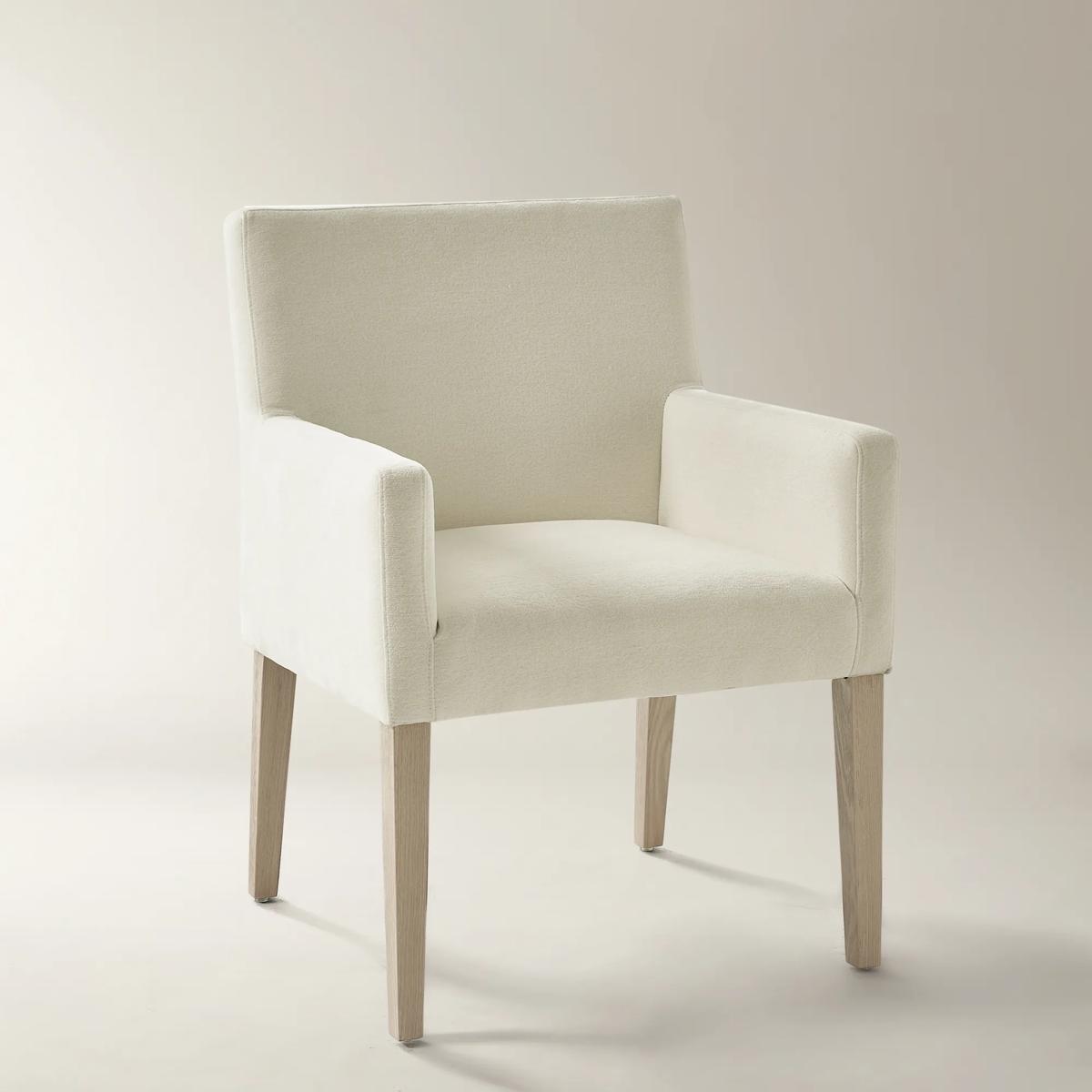
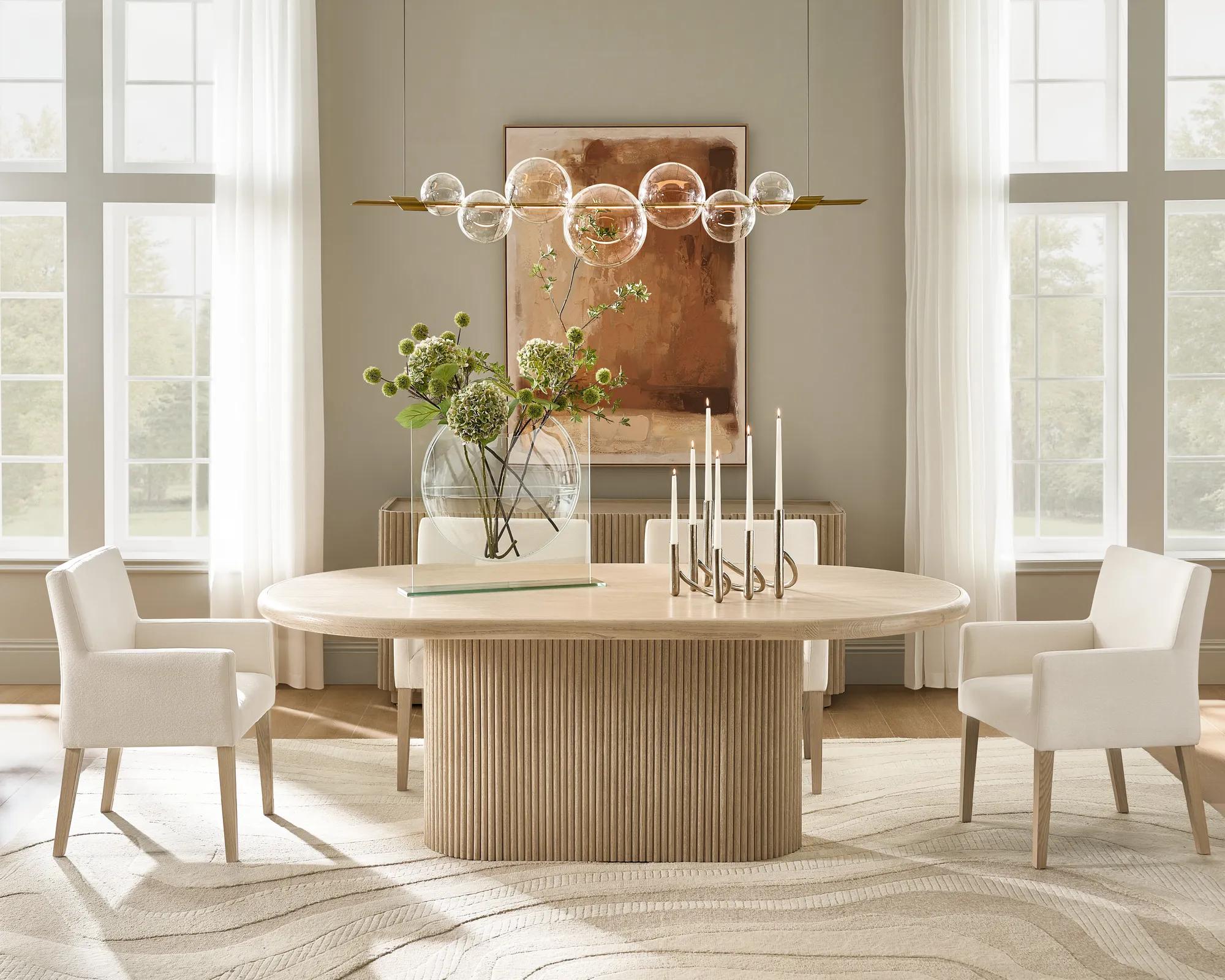 Stria Ivory Chenille Dining Chair Set Of 2$599
A pair of ivory chenille arm chairs with natural oak legs, offering plush comfort and modern elegance.
Add To Cart -
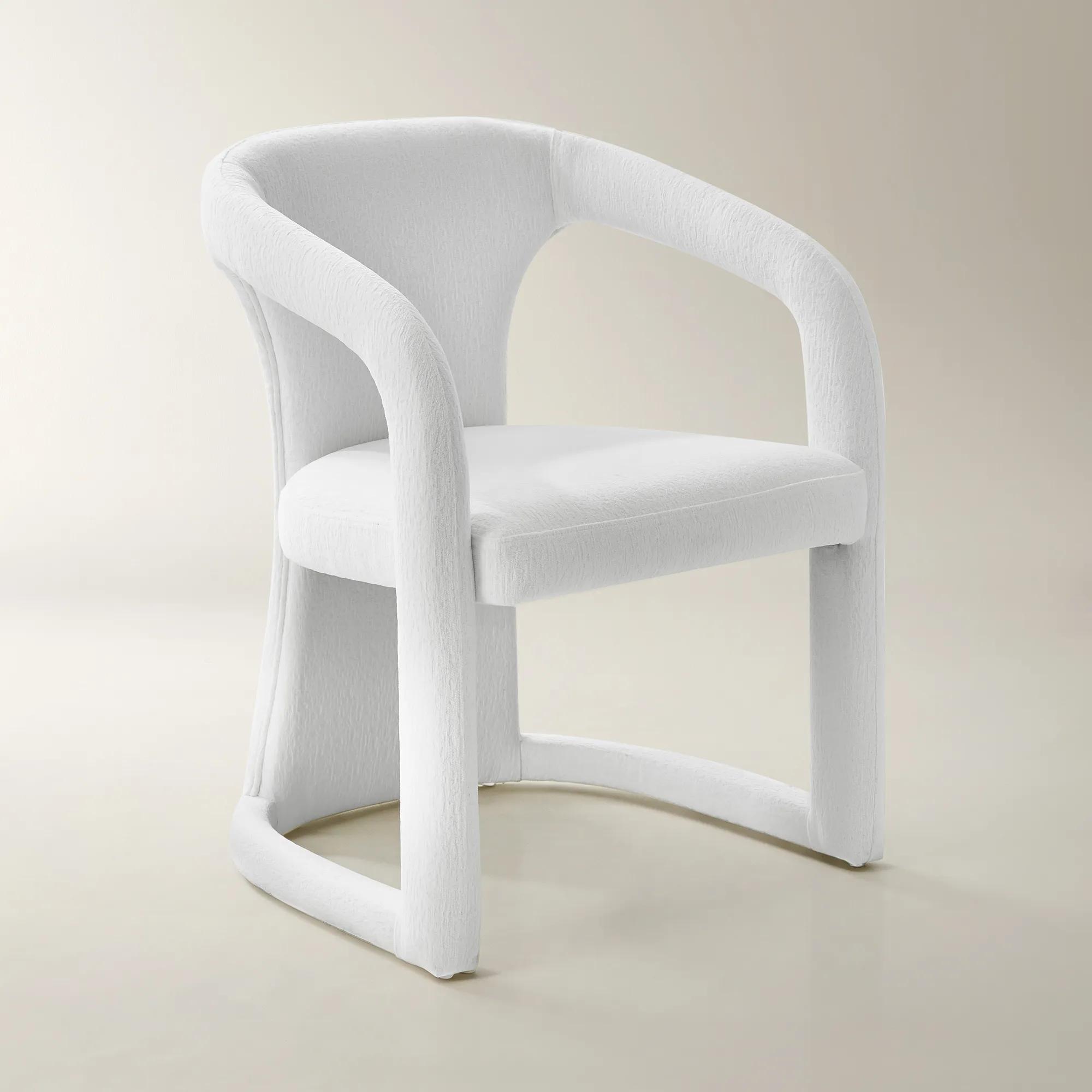
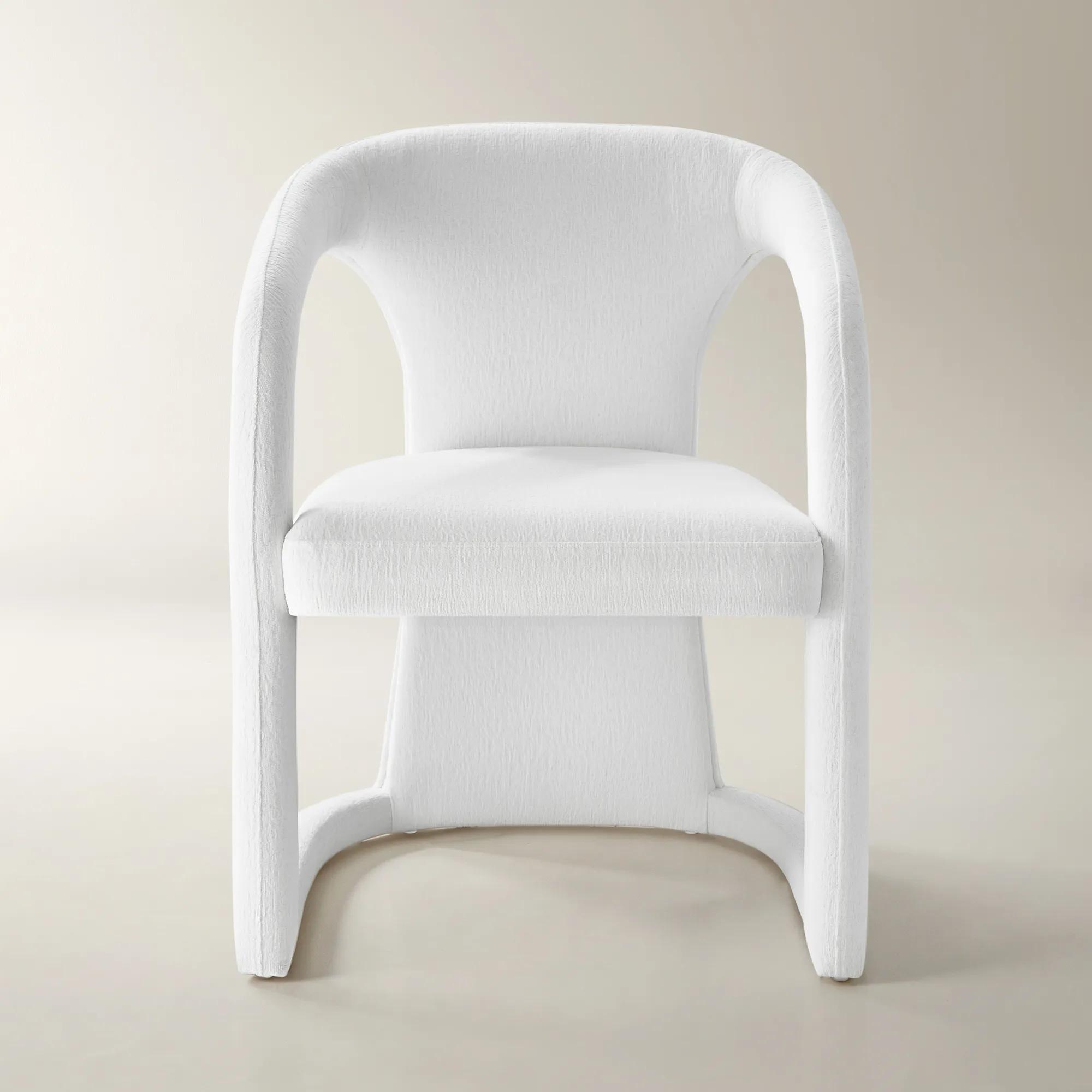 Arco White Performance Chenille Indoor/Outdoor Dining Chair$699
A sculptural white chenille dining chair with plush padding, moisture resistance, and indoor/outdoor versatility.
Add To Cart -
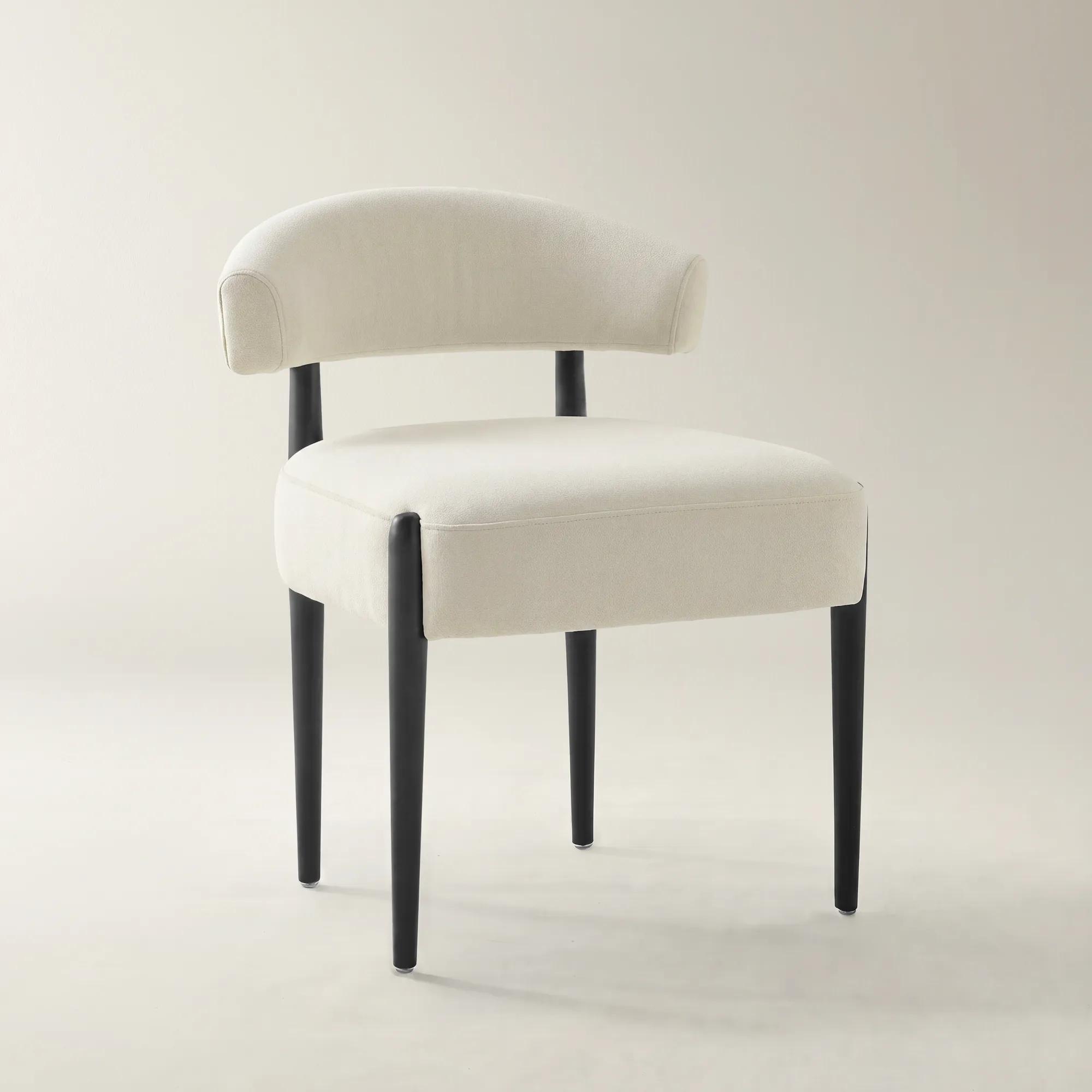
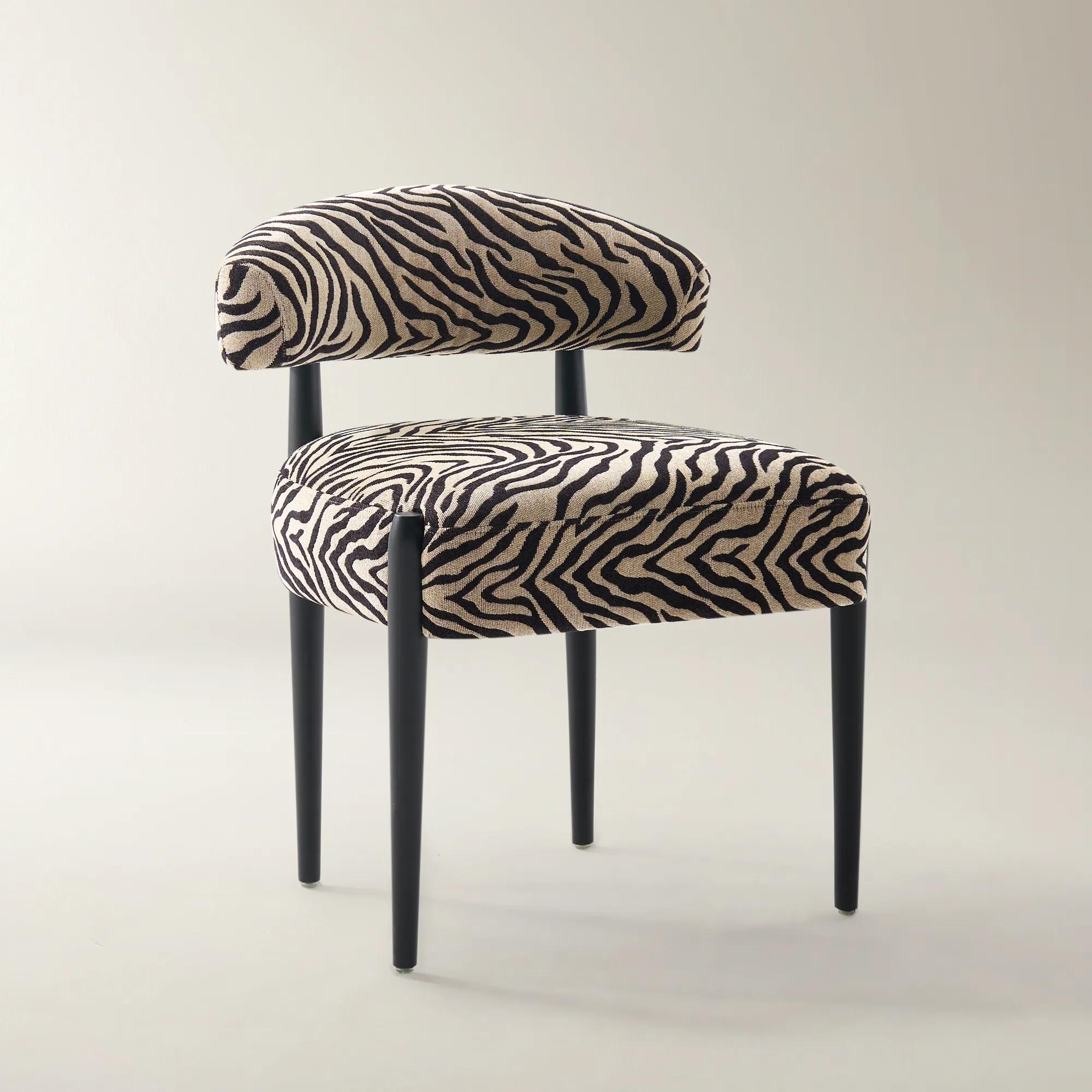 Anna Ivory Performance Chenille Dining Chair Set of 2$699
An ivory performance chenille chair pair featuring curved backs, high-density foam, and solid rubberwood legs.
Add To Cart -
 Stria Ivory Chenille Swivel Dining Chair With Oak Base$699
A sculpted ivory chenille dining chair with a solid oak base and smooth 360-degree swivel.
Add To Cart -
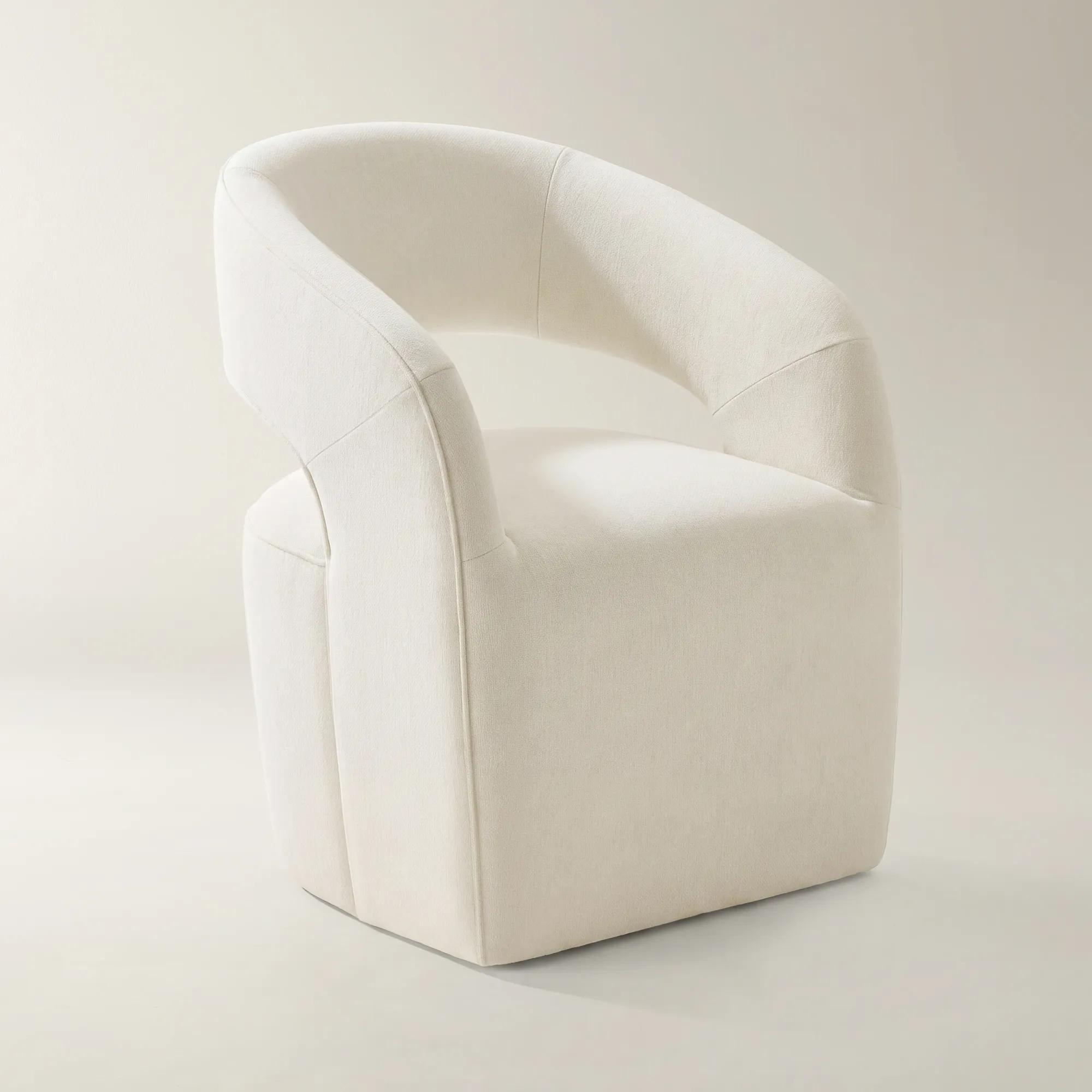
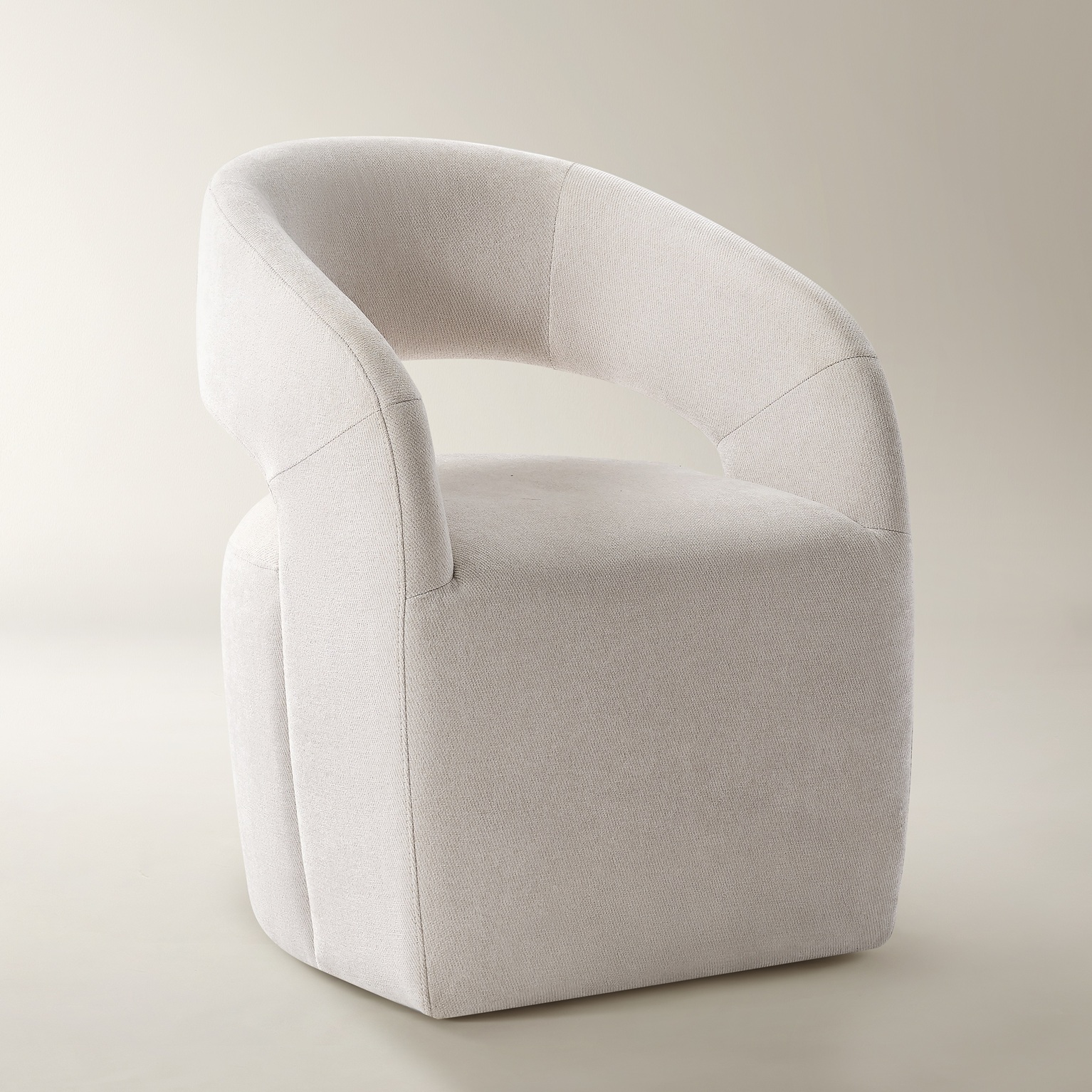 Harrison Ivory Performance Chenille Dining Chair$499
A sculptural ivory chenille chair featuring a continuous curved back, feather-blend comfort, and performance upholstery.
Add To Cart -
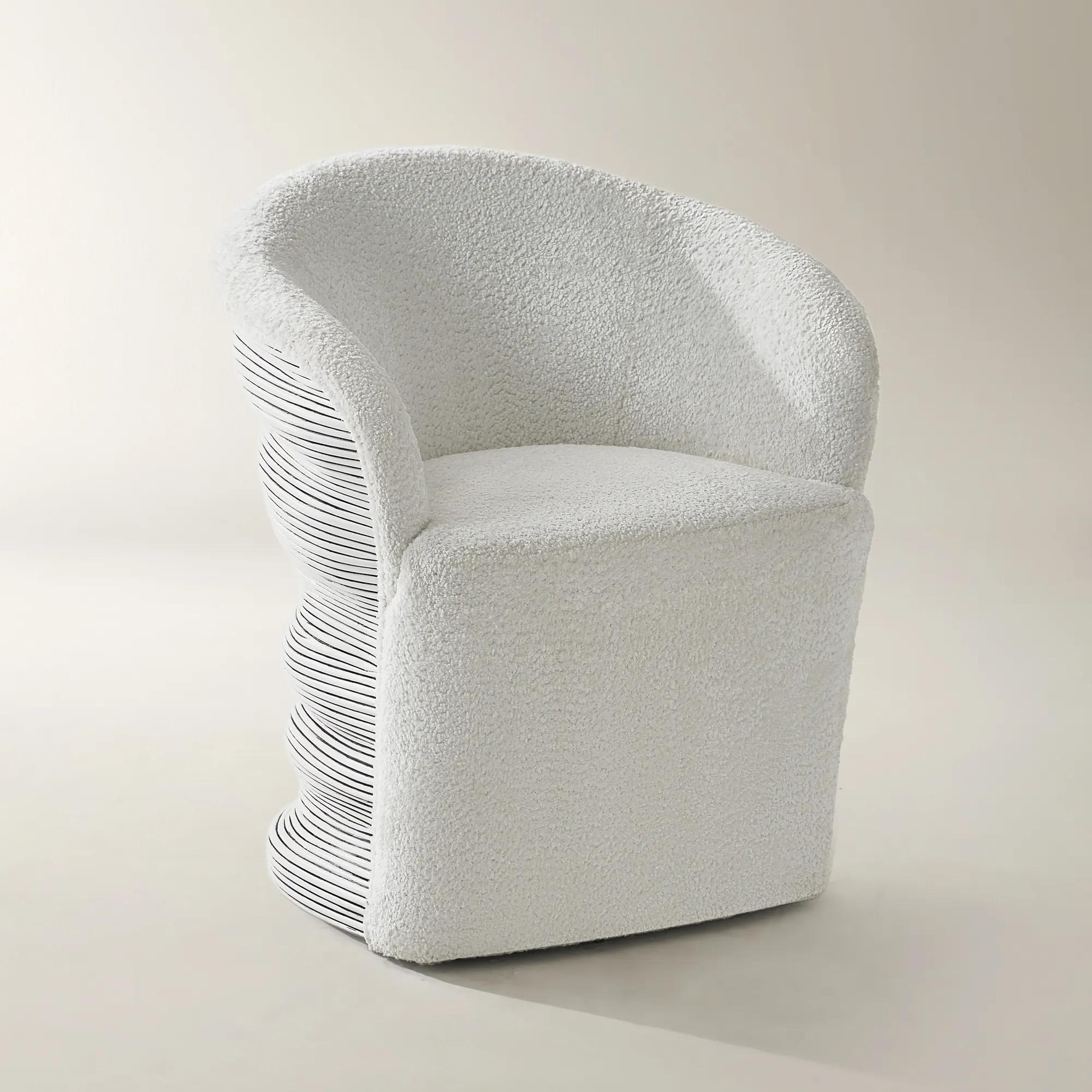
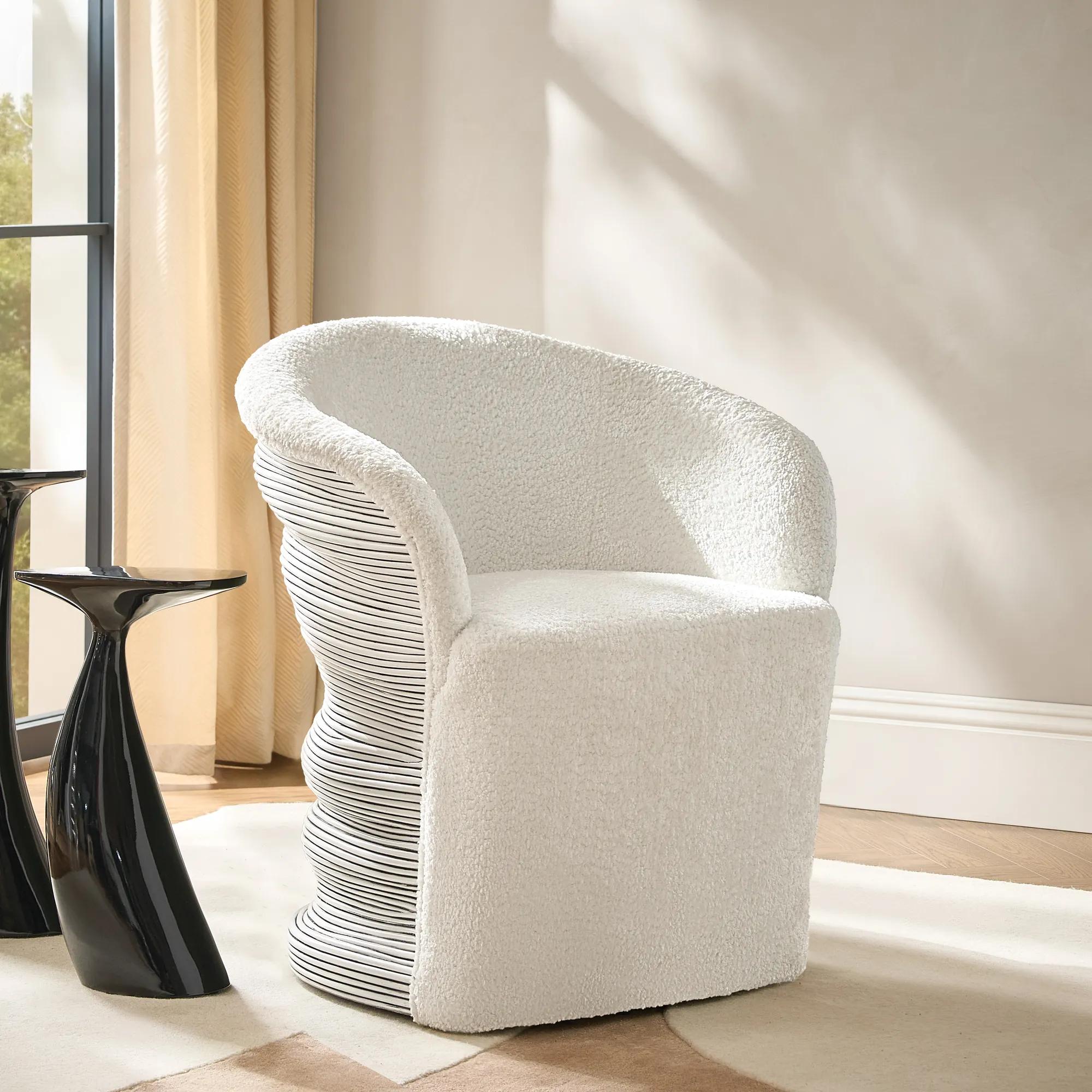 Cairo Rattan Ivory Chenille Dining Chair$999
An artisan-crafted swivel chair featuring handwoven natural rattan and plush ivory chenille upholstery for modern comfort.
Add To Cart -
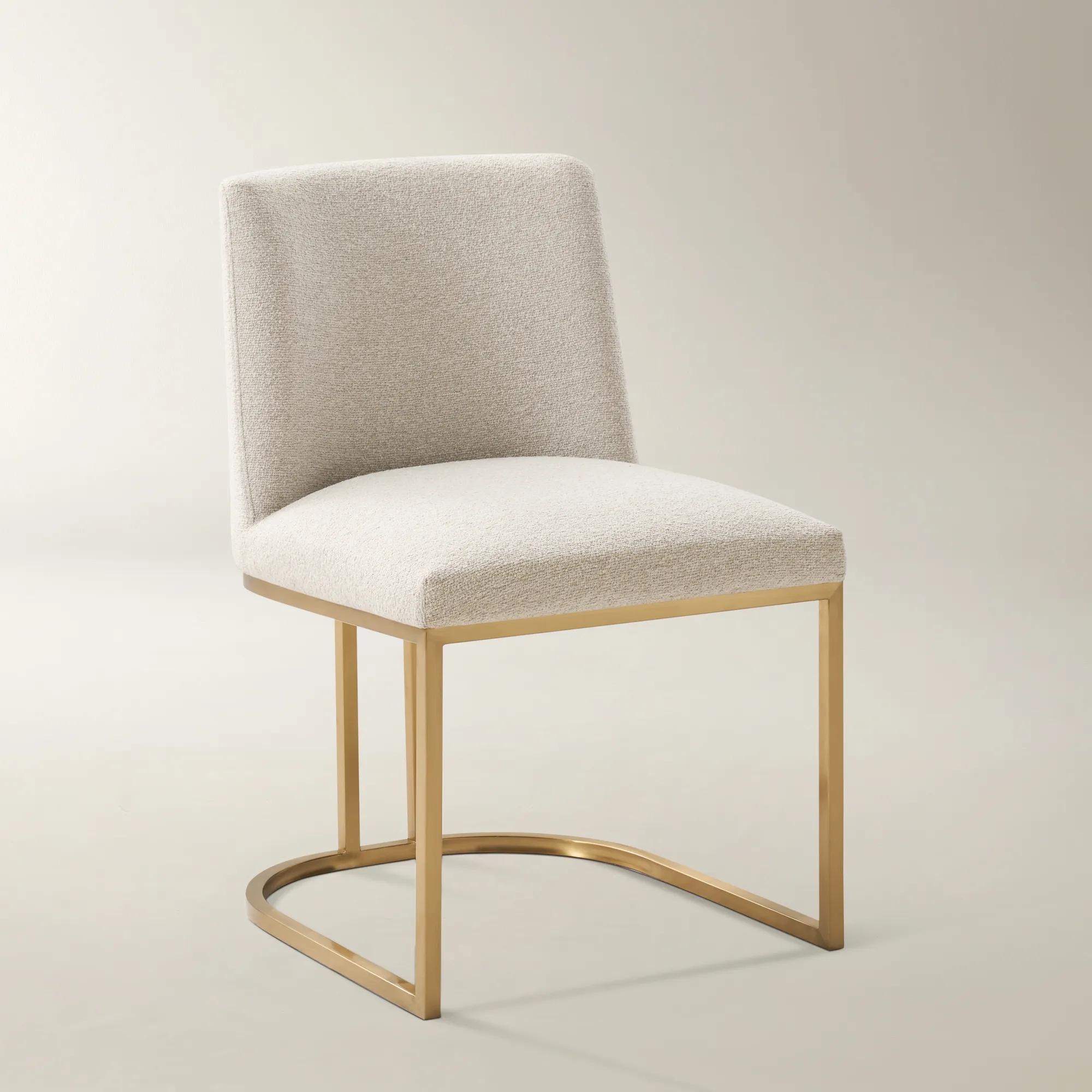 Bergen Ivory Boucle Dining Chair Set Of 2$549
An ivory boucle dining chair set featuring a curved backrest and brushed stainless steel frame for elegance.
Add To Cart -
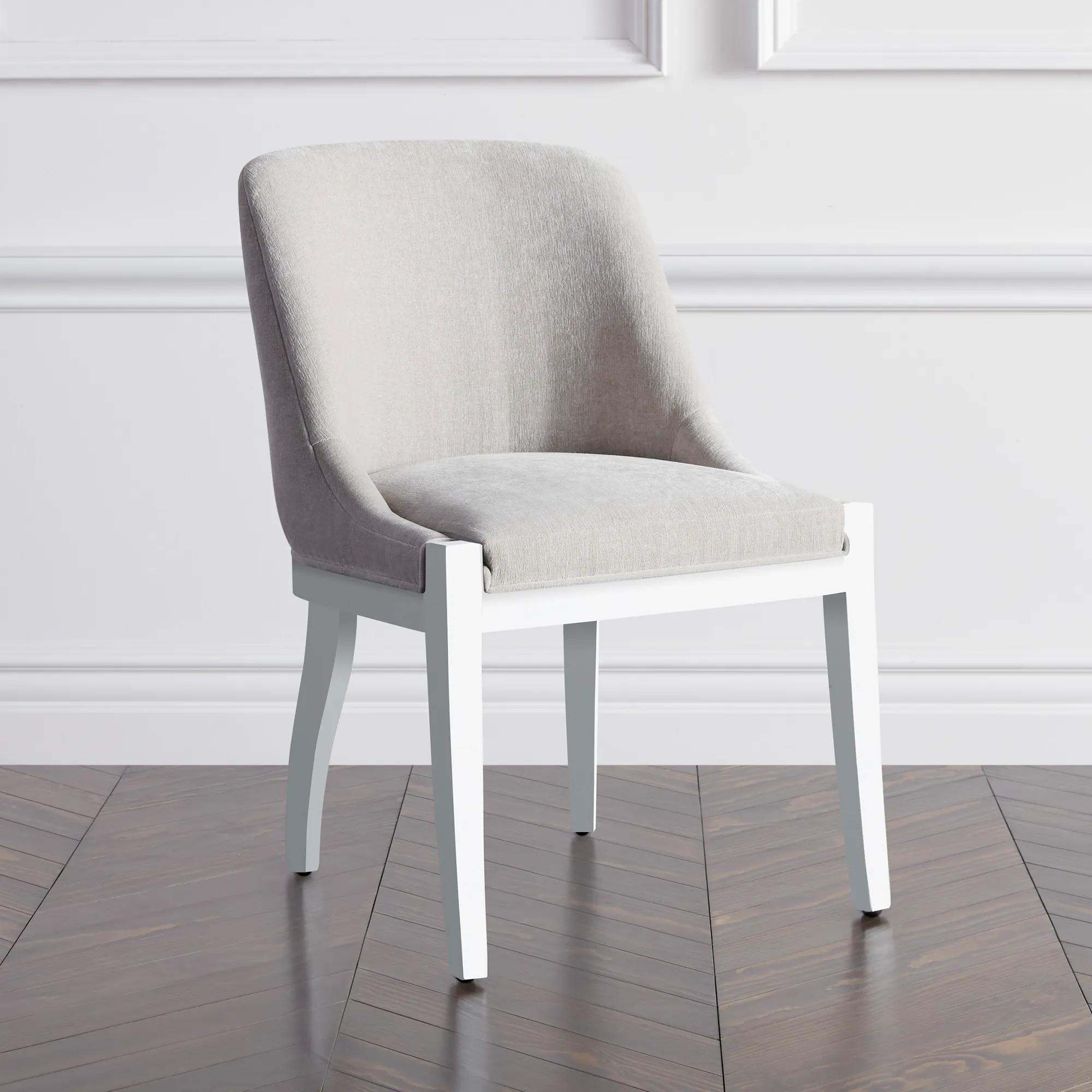
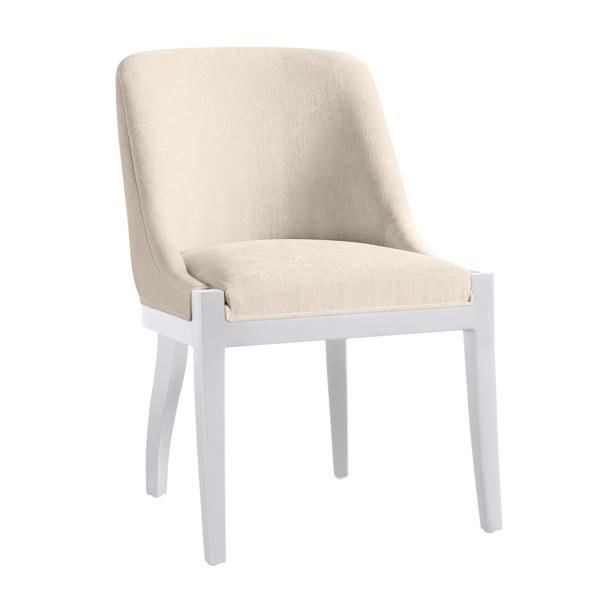 Lily Dining Chair - High Gloss White$799
A modern dining chair featuring a high gloss white finish, kiln-dried hardwood frame, and tailored upholstery.
Add To Cart -
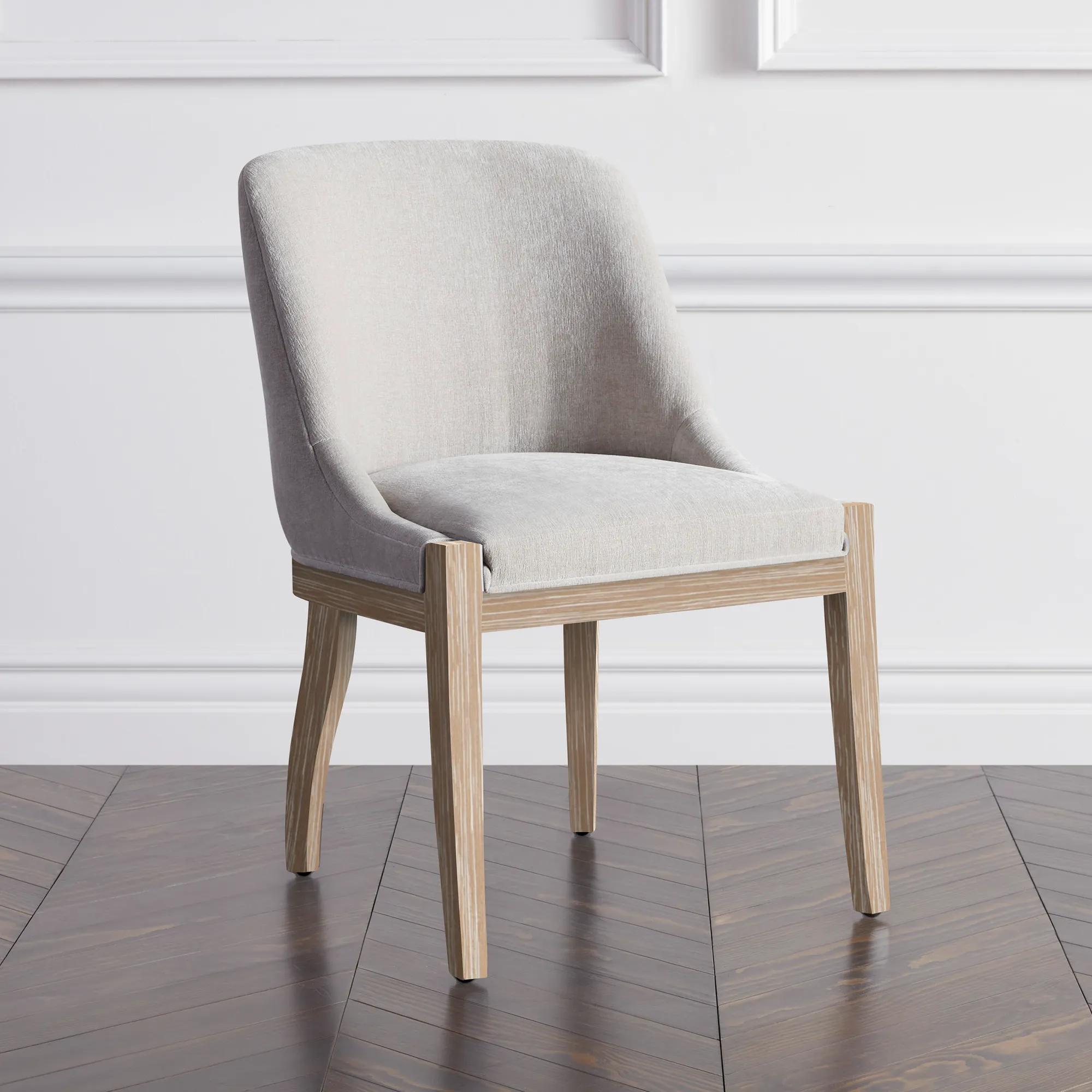
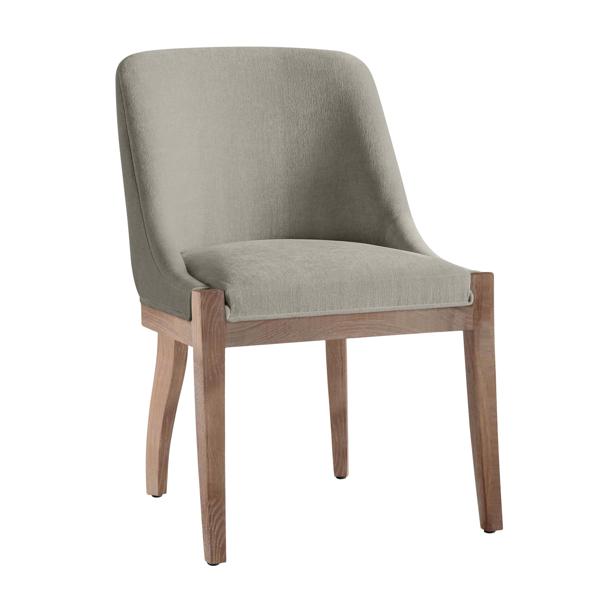 Lily Dining Chair - Wash Oak$749
A modern dining chair featuring a kiln-dried hardwood frame, wash oak legs, and tailored chenille upholstery.
Add To Cart -
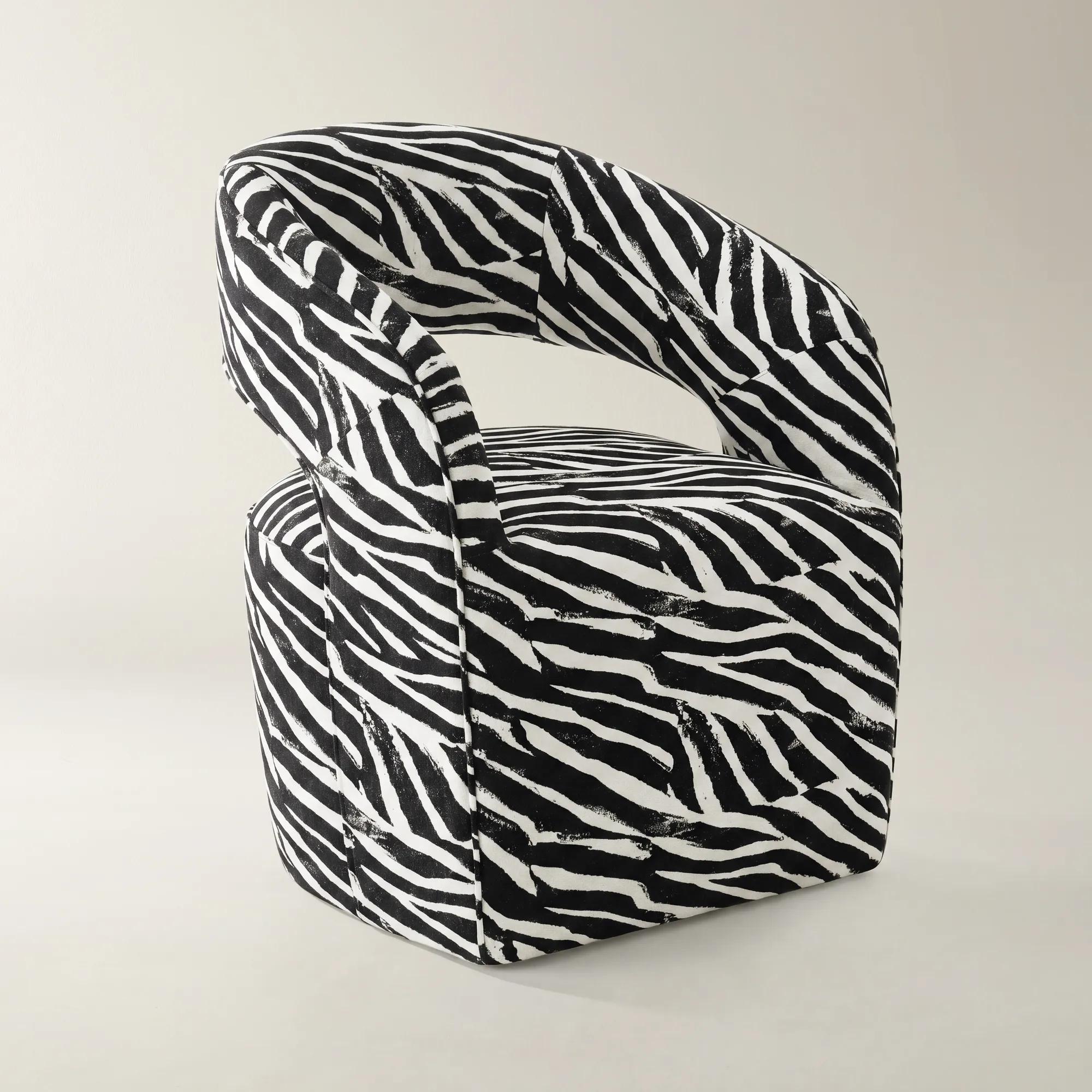 Harrison White/Black Performance Chenille Dining Chair$499
A sculptural dining chair in white and black performance chenille with plush feather-blend cushioning and curved arms.
Add To Cart -
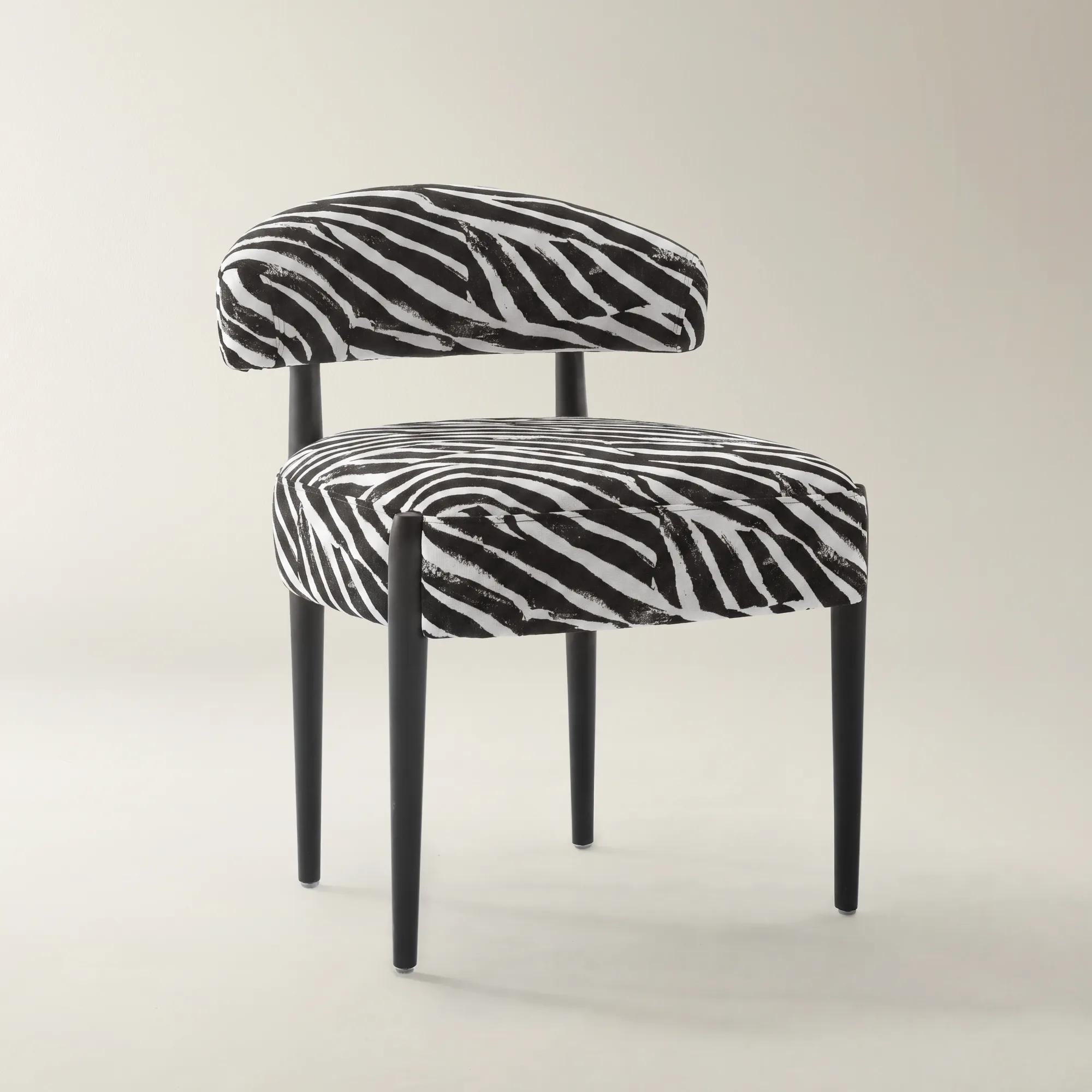 Anna White/Black Performance Chenille Dining Chair Set of 2$699
A black-and-white performance chenille chair set with arched backs, high-density foam, and solid rubberwood legs.
Add To Cart -
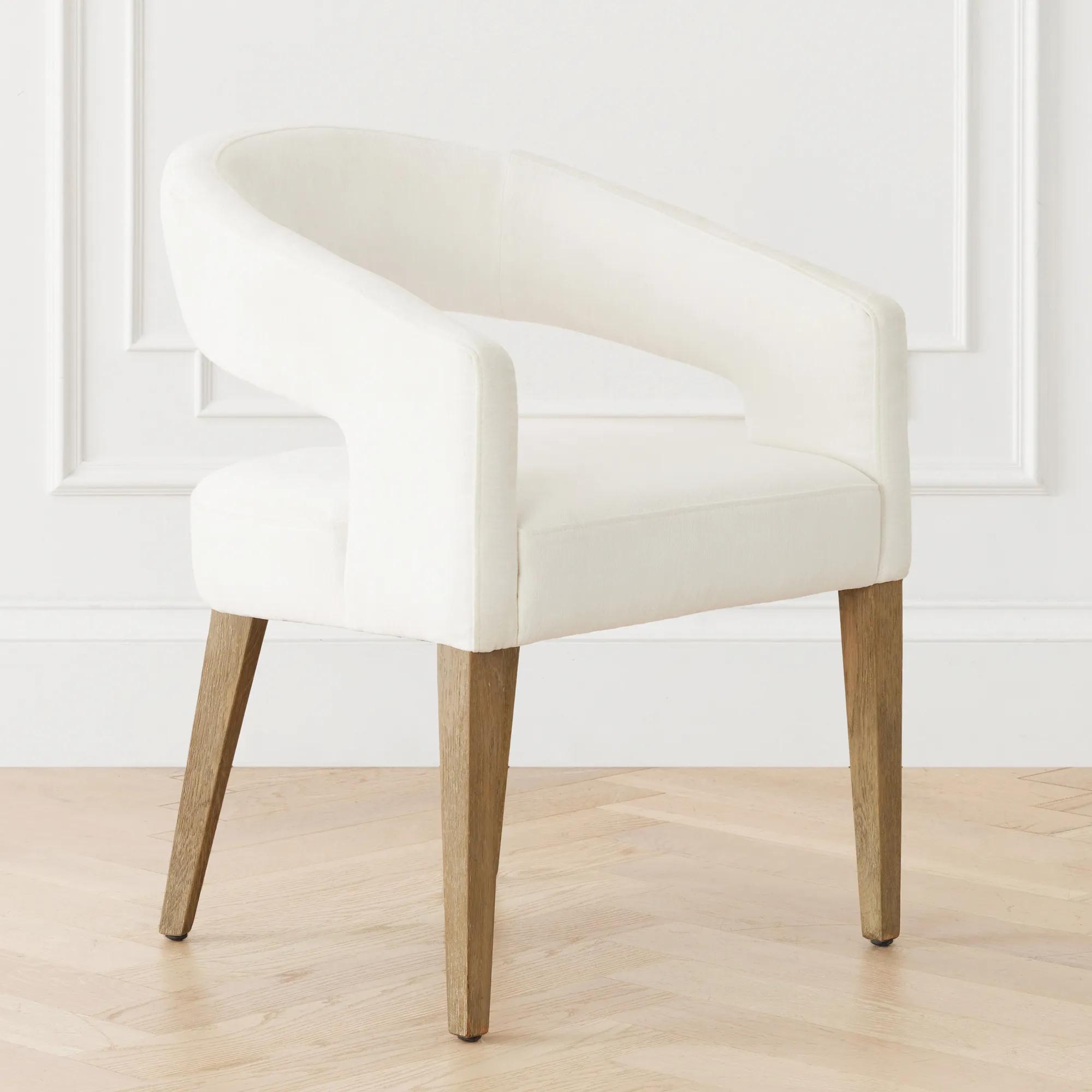 Philippa Dining Chair - Natural Grey$649
A modern dining chair featuring a curved silhouette, grey upholstery, and a kiln-dried hardwood frame.
Add To Cart -
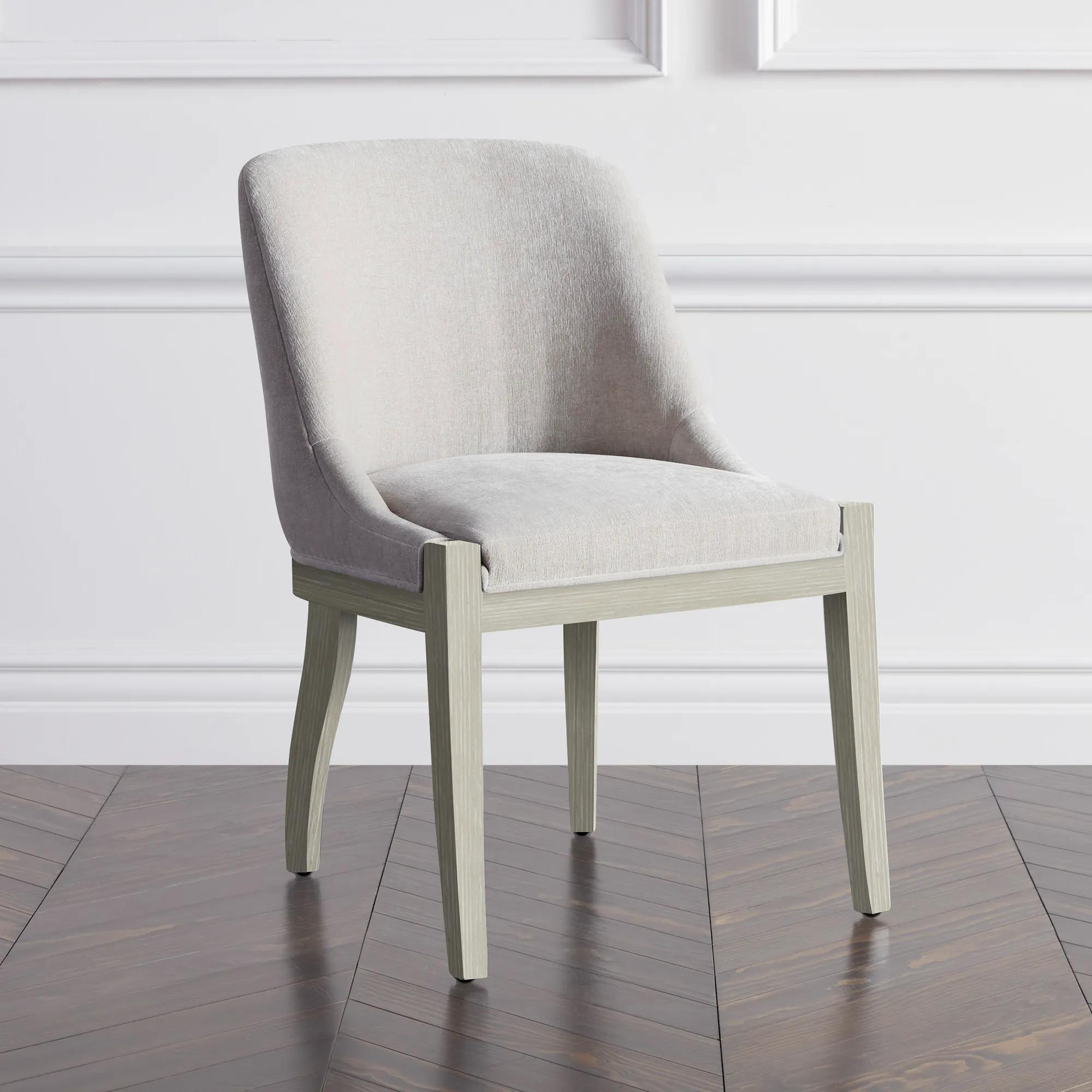 Lily Dining Chair - Natural Grey$749
A modern grey dining chair with kiln-dried hardwood frame and plush, tailored upholstery for lasting comfort.
Add To Cart -
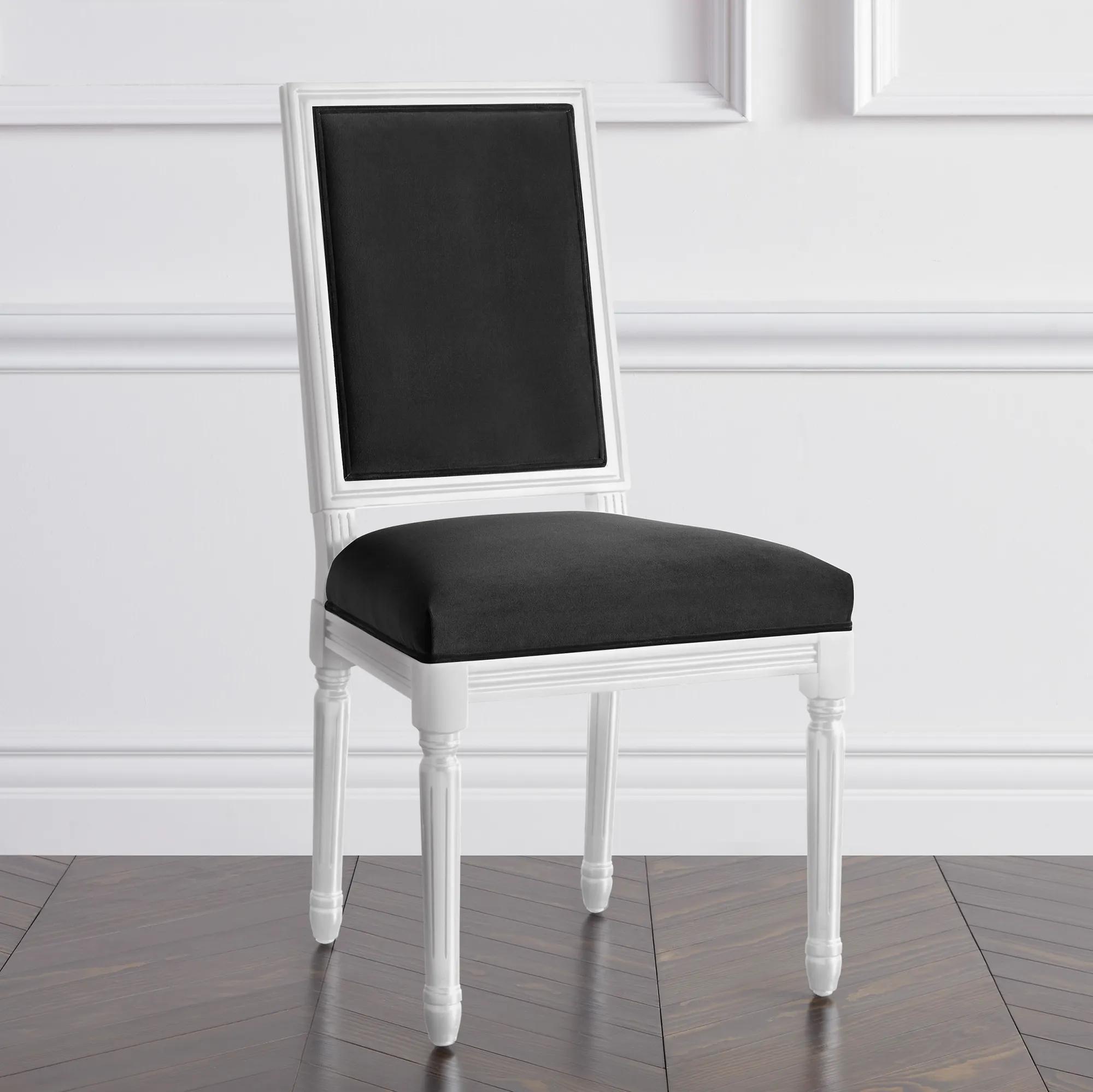
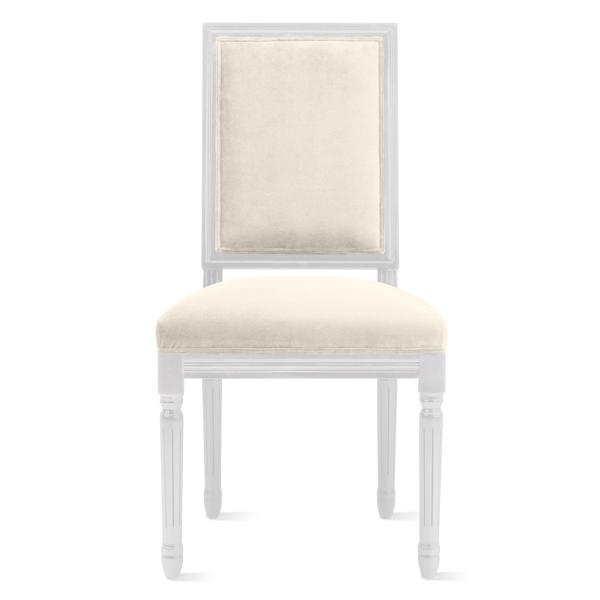 Callan Dining Chair - High Gloss White$599
A handcrafted dining chair featuring a high-gloss white finish, kiln-dried hardwood frame, and plush upholstery.
Add To Cart -
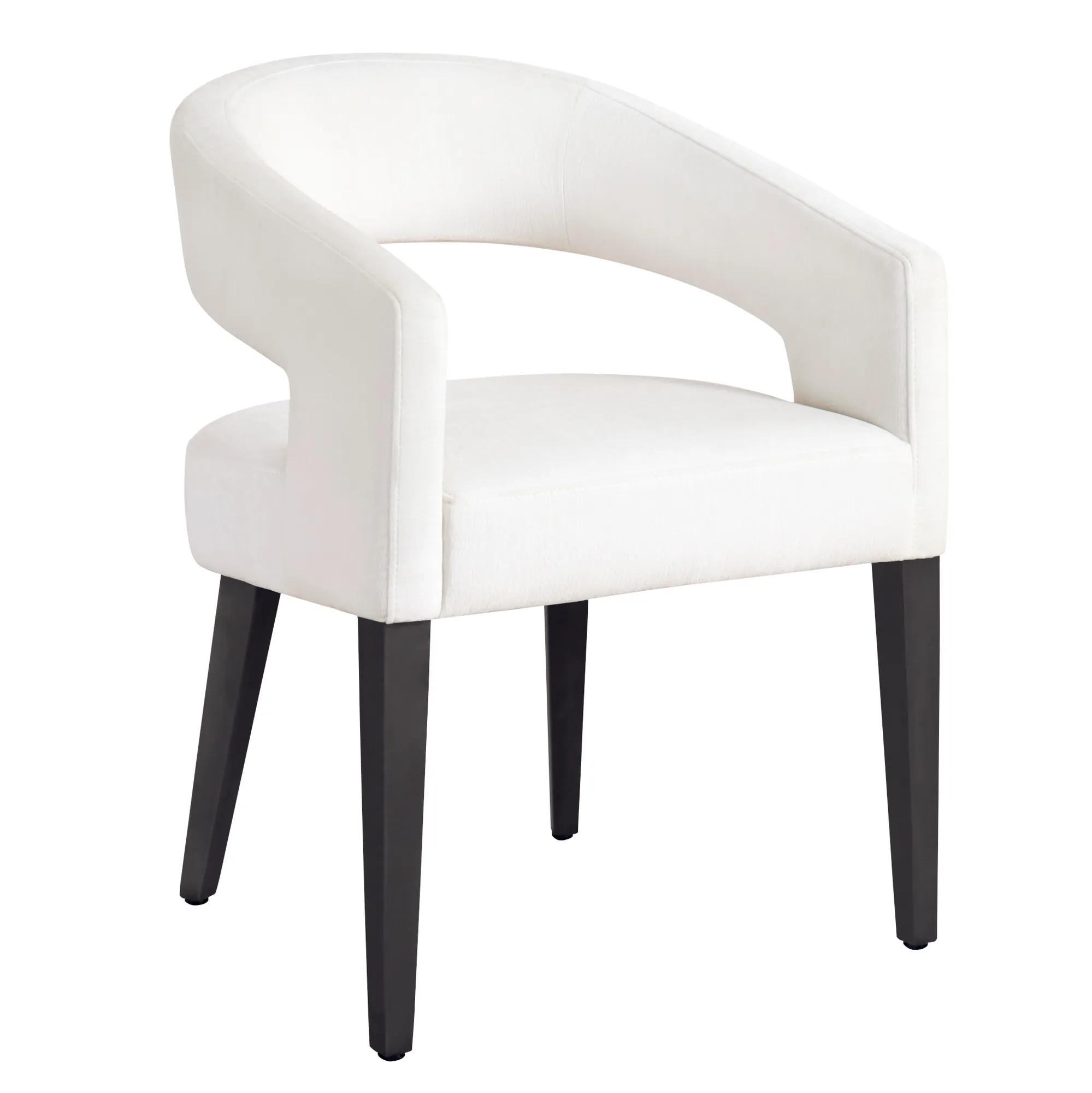
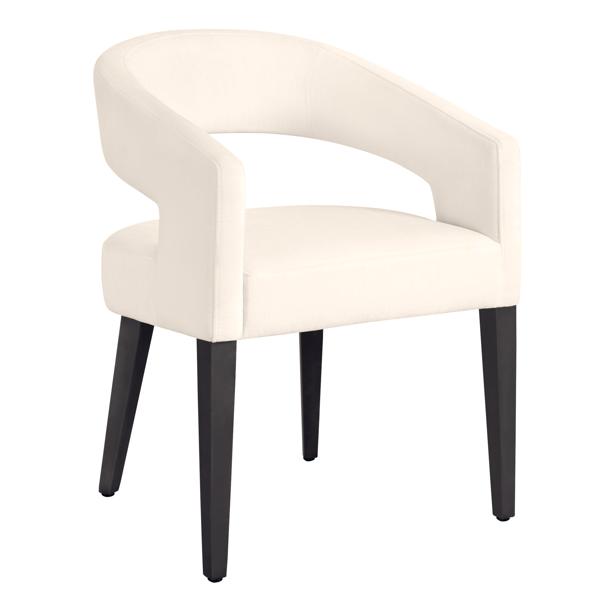 Philippa Dining Chair - Espresso$599
A modern dining chair featuring a curved silhouette, espresso legs, and neatly tailored chenille upholstery.
Add To Cart -
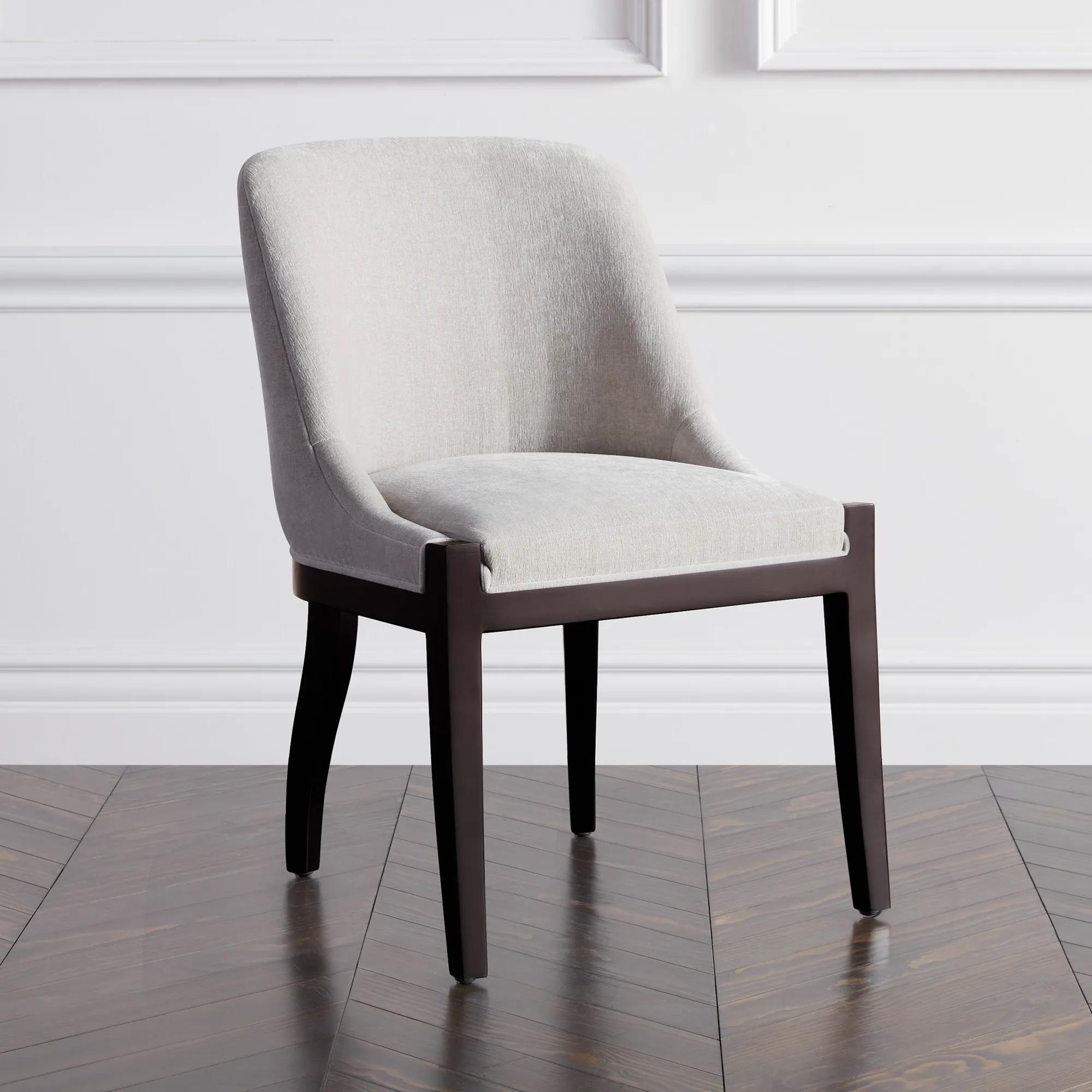
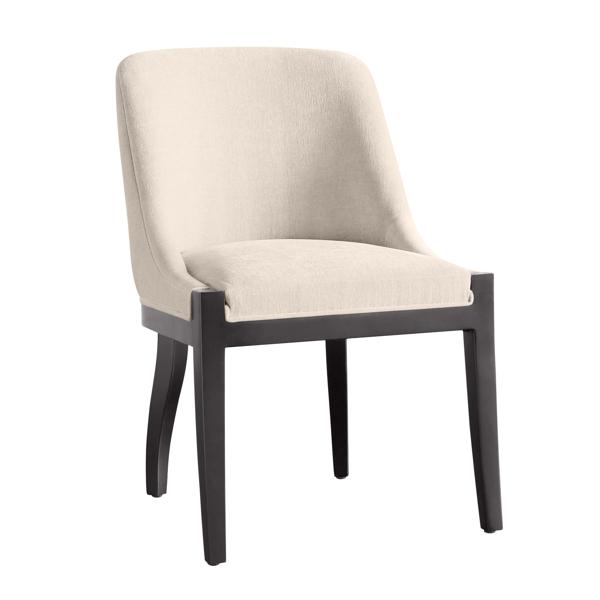 Lily Dining Chair - Espresso$649
A modern dining chair with kiln-dried hardwood frame, espresso legs, and plush tailored upholstery for comfort.
Add To Cart -
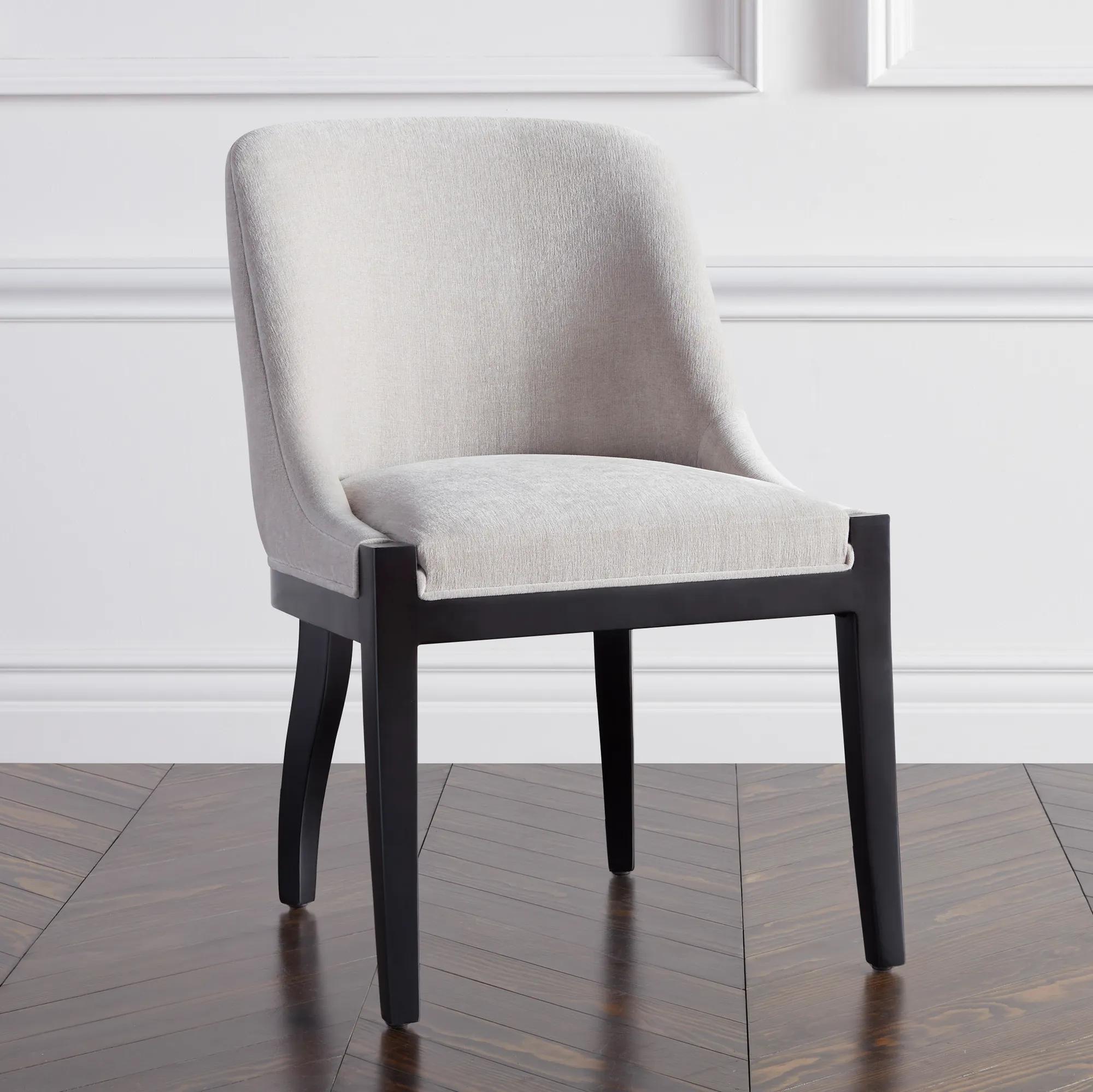 Lily Dining Chair - Matte Black$499
A modern dining chair with a kiln-dried hardwood frame, matte black legs, and plush tailored upholstery.
Add To Cart -
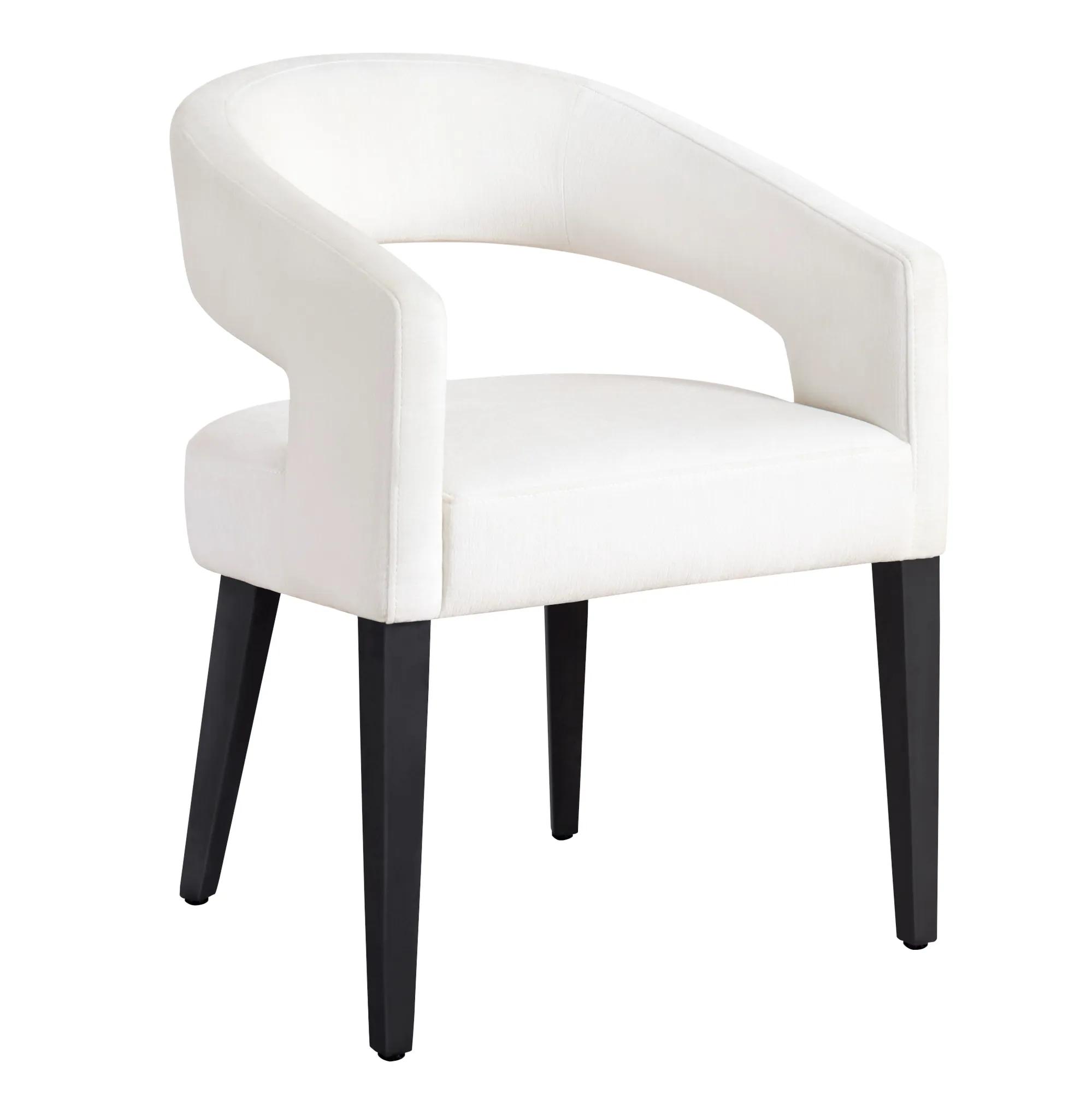
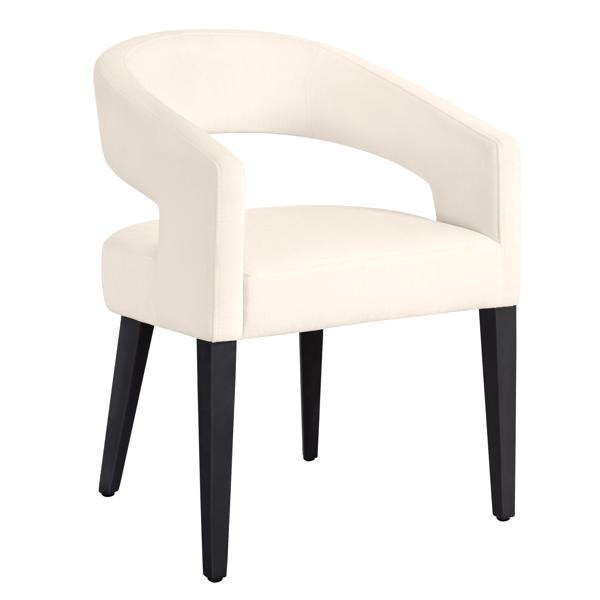 Philippa Dining Chair - Matte Black$699
A modern dining chair featuring a curved silhouette, matte black legs, and neatly tailored upholstery.
Add To Cart -
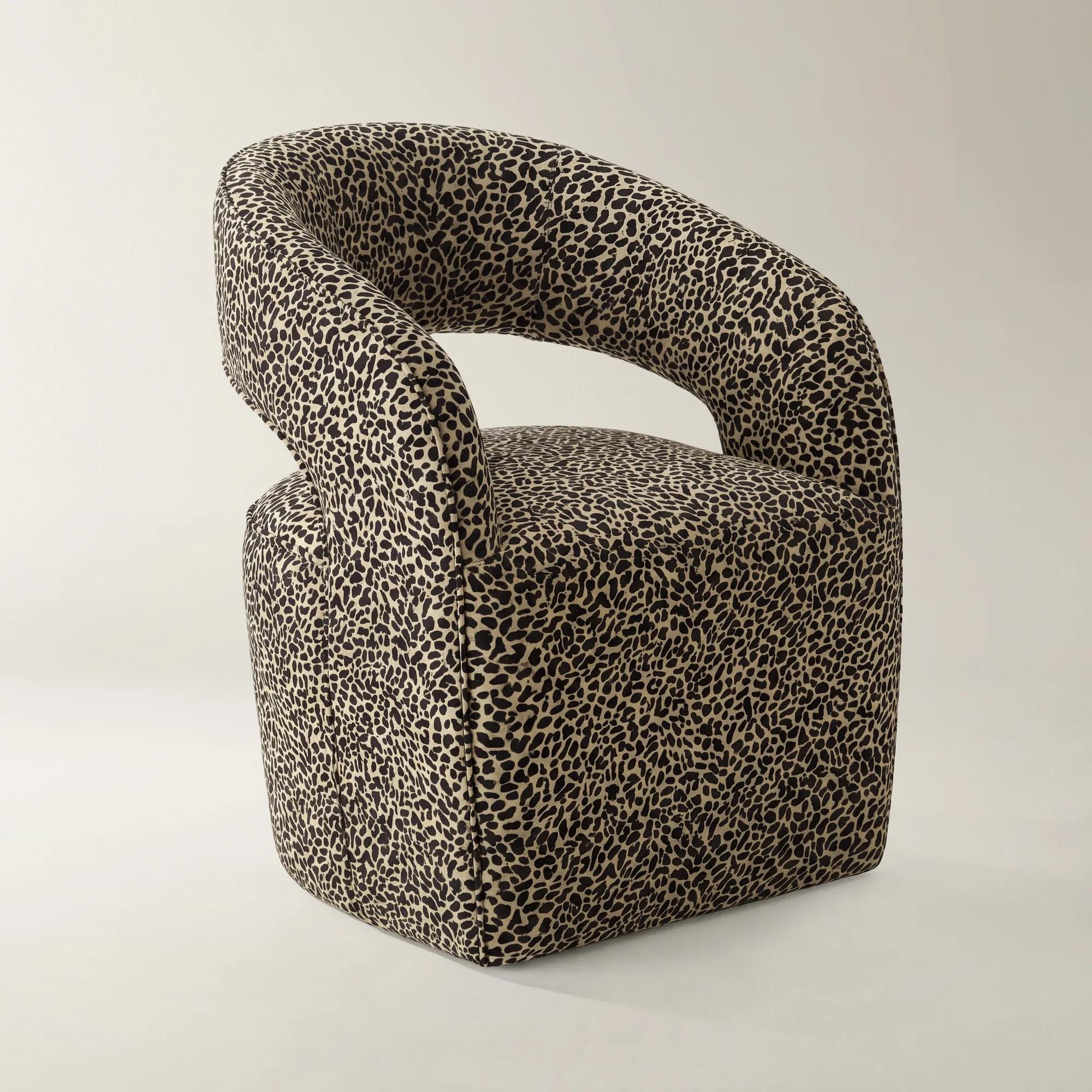 Harrison Leopard Performance Chenille Dining Chair$499
A sculptural dining chair featuring leopard performance chenille upholstery, feather-blend cushioning, and a curved silhouette.
Add To Cart -
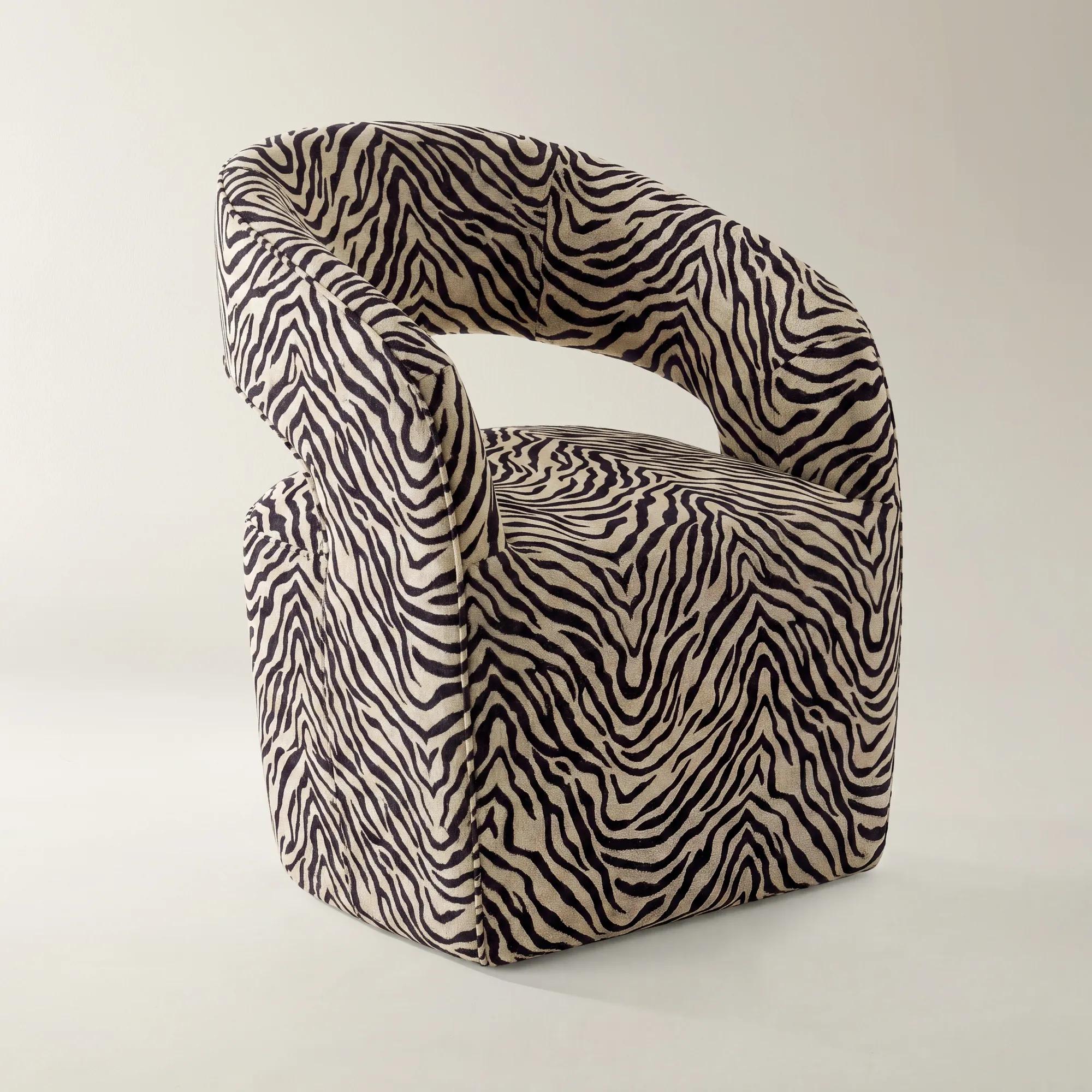 Harrison Zebra Performance Chenille Dining Chair$499
A sculptural dining chair upholstered in zebra performance chenille with a curved back and feather-blend comfort.
Add To Cart -
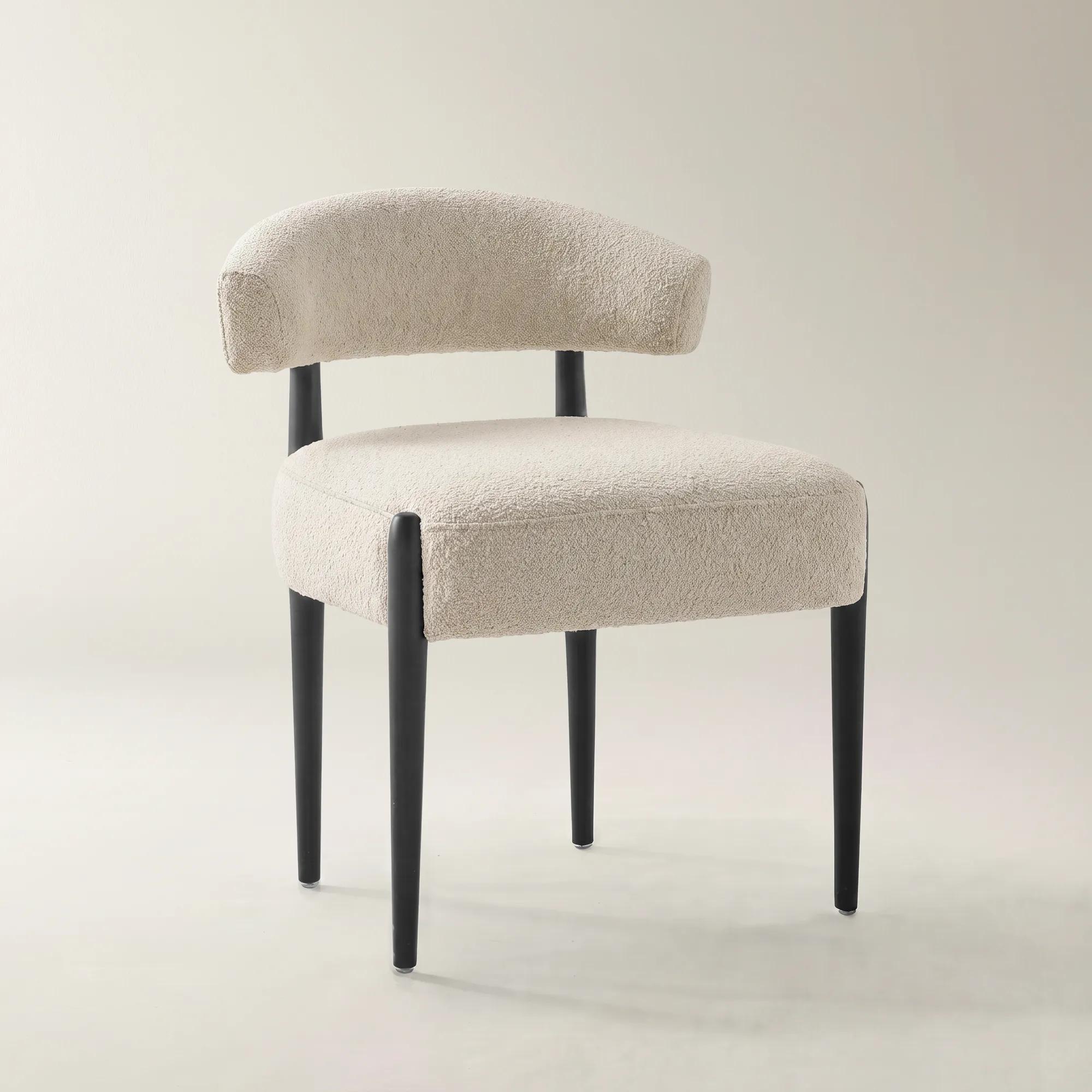 Anna Utopia Sand Chenille Dining Chair Set of 2$699
A sand chenille dining chair set featuring tailored armless curves, high-density cushioning, and solid rubberwood legs.
Add To Cart -
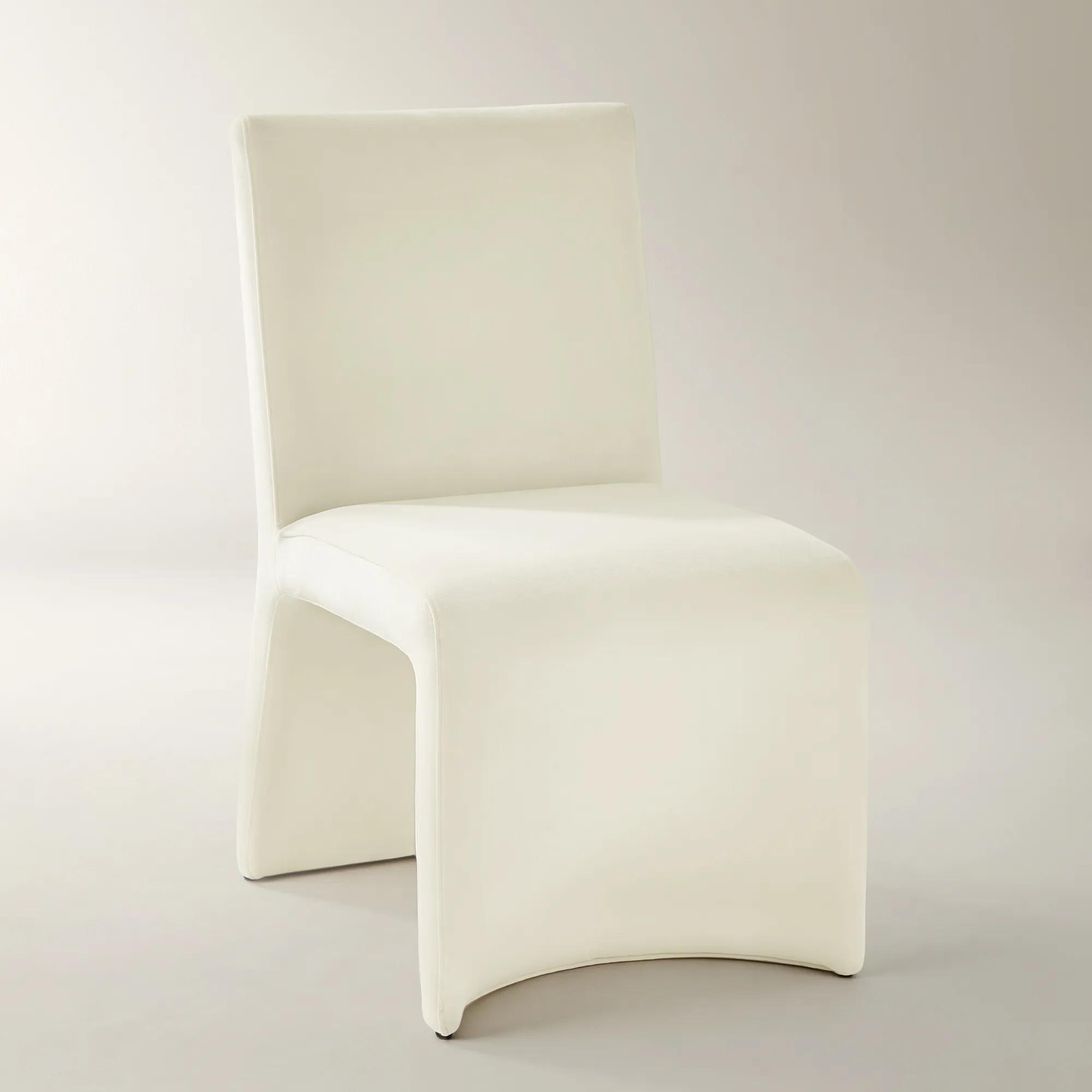 Elara Cloud Velvet Dining Chair Set Of 2$799
A set of two dining chairs featuring plush velvet upholstery, a seamless curved silhouette, and a sturdy steel frame.
Add To Cart -
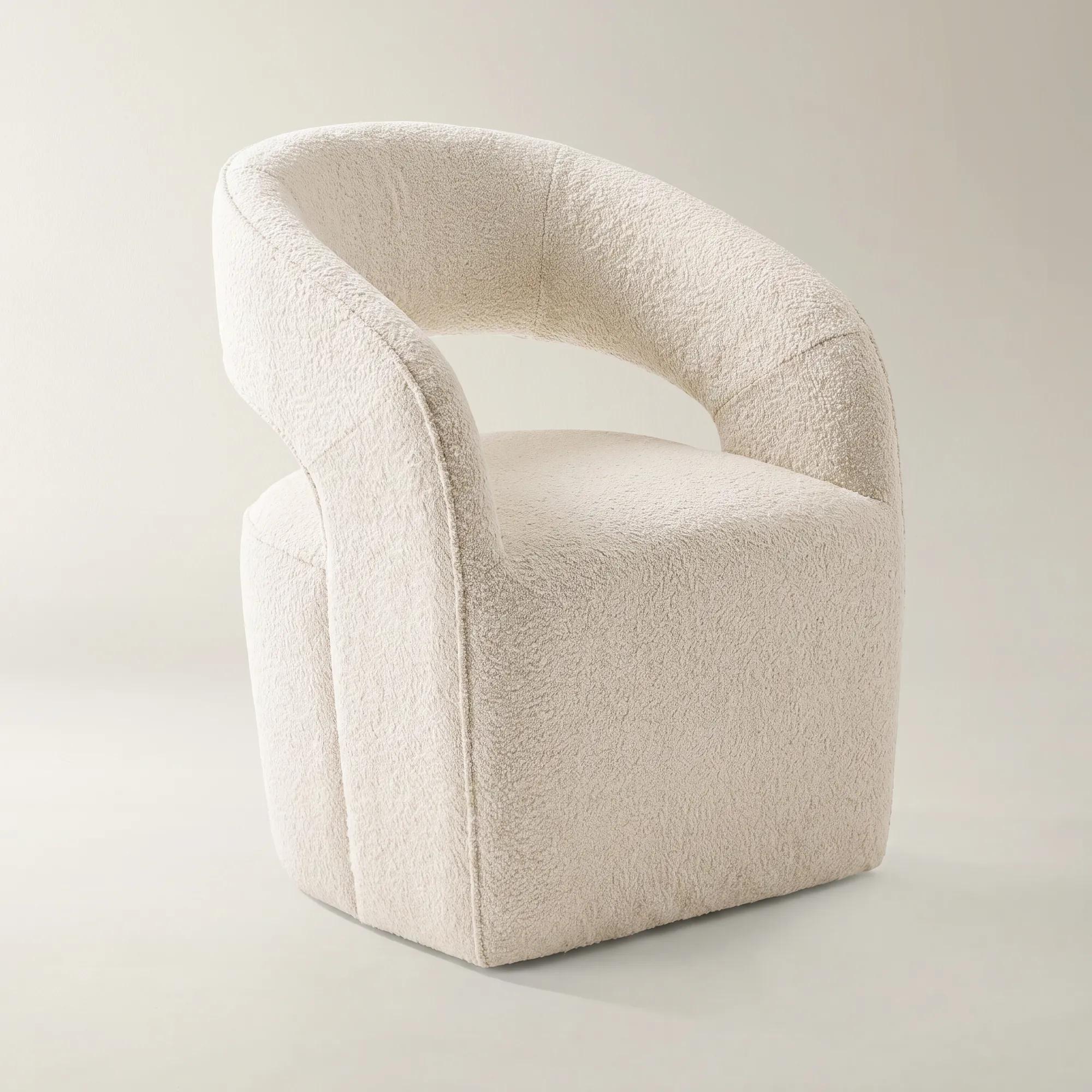 Harrison Utopia Sand Chenille Dining Chair$499
A sculptural dining chair upholstered in sand chenille with a curved back, feather-blend seat, and integrated arms.
Add To Cart

White Chenille Dining Chairs
Elevate your dining experience with white chenille dining chairs—where sumptuous texture meets luminous elegance. Each piece is a study in refined comfort, draping your space in a soft, radiant allure that transforms every meal into an occasion. The plush embrace of chenille invites lingering conversations, while the pristine white palette conjures an atmosphere of modern sophistication and effortless grace. Perfect for those who crave drama in the details, these chairs are more than seating—they are the exclamation point on your dining room’s story.
White chenille dining chairs pair luminous upholstery with a softly raised texture, bringing depth and dimension to a dining space without relying on bold color. Chenille takes its distinctive feel from yarns with short fibers that project from a central core, creating a plush surface that catches light differently across the seat and back. The effect is quietly expressive: a white chair can look crisp beside a polished tabletop, then reveal a softer, more tactile character as the light moves across its upholstery. That balance makes white chenille an elegant choice for dining rooms, breakfast areas, and open-plan spaces where furniture needs to feel connected to the surrounding interior. Against dark wood, white upholstery creates a striking contrast; beside glass, it introduces softness without obscuring the table’s sculptural base. A pale stone surface can create a layered, tonal composition, while gleaming metal details add a more glamorous note. Shape matters just as much as color. A curved back offers a graceful profile from across the room, an armless silhouette keeps the arrangement visually open, and an upholstered armchair can give the head of the table a more commanding presence. White itself also has nuance. Some fabrics read bright and clear, while others carry subtle warm or cool undertones that become more apparent beside wall paint, flooring, and adjacent textiles. For a creamier interpretation of this textured look, ivory chenille dining chairs bring a warmer color direction into consideration. Viewing an upholstery swatch in the intended room, when possible, helps reveal those differences under both daylight and interior lighting. For hosts who enjoy a beautifully composed table, or households seeking a dining area that feels polished without becoming formal, white chenille creates an inviting foundation. Its texture gives an otherwise restrained palette enough richness to hold its own beside expressive artwork, dramatic lighting, and richly patterned table linens.
The appeal of upholstered dining chairs extends beyond their appearance, and the most satisfying fit brings together proportions, support, and construction. A generous-looking seat is not necessarily a spacious one: curved sides, thick upholstery, and arms can reduce the usable sitting area, so seat dimensions deserve attention alongside overall width. Seat height also needs to work with the table rather than simply look balanced beside it. Approximately 10 to 12 inches between the top of the seat and the underside of the tabletop is a useful starting point, though an apron beneath the table can reduce thigh clearance. Arms should clear that apron if the chairs are intended to tuck fully underneath. Around the table, allowing about 24 inches of width per person offers a general baseline; broader chairs and more expansive place settings may need additional room. Roughly 36 inches between the table edge and a wall or other obstruction often allows space to pull out a chair, with more clearance preferable along an active walkway. These relationships make the difference between a dining arrangement that photographs beautifully and one that feels equally graceful during a lingering meal. Beneath the upholstery, frame materials, joinery, cushioning, and suspension influence stability and comfort. Wood can introduce natural grain and visual warmth, while metal can create a slender outline or a more architectural contrast. Neither material alone guarantees durability; construction quality and the chair’s stated weight capacity remain important. Chenille upholstery may contain polyester, cotton, rayon, or blended fibers, and the fiber content affects care requirements and performance. The word chenille describes the yarn’s character, not an automatic promise of stain resistance or resistance to pilling. Where provided, upholstery abrasion ratings and information about protective finishes offer more meaningful context for frequent use. A supportive back and cushioning that retains its shape are especially valuable when the dining table also hosts conversation, puzzles, or occasional laptop work. Dedicated office seating remains better suited to extended desk sessions, but a well-proportioned dining chair can comfortably accommodate the varied rhythms of a shared room.
White chenille rewards thoughtful everyday care, particularly in homes where the dining area is used for more than special occasions. Its pale surface makes spills and transferred color easier to notice, while the textured pile can hold crumbs and dust if left unattended. Gentle vacuuming with an upholstery attachment, following the furniture manufacturer’s recommendations, helps lift loose debris before it settles into the fabric. Excessive suction, stiff brushes, or vigorous scrubbing can disturb the pile, so a light touch is preferable. For spills, promptly blotting with a clean, absorbent white cloth helps limit spreading without introducing dye from a colored towel. Cleaning products and water should follow the upholstery’s designated care code rather than a universal home remedy: some fabrics permit water-based methods, others require solvent-based treatment, and some call for vacuuming or professional attention only. Any permitted cleaner should first be tested in an inconspicuous area, and oversaturating the upholstery should be avoided. A professional upholstery cleaner may be the appropriate choice for persistent marks or a broader refresh. Daily habits matter, too. Deeply dyed denim can transfer color to pale upholstery, pets’ claws may catch textured yarns, and repeated direct sunlight can affect fabric color over time. These considerations do not rule out white dining chairs for a busy household, but they make documented performance features and realistic care expectations especially relevant. Floor protection deserves equal attention: suitable glides can help protect the flooring and make chairs easier to reposition, provided they are compatible with both the chair legs and the floor surface. In a room used every day, keeping the surrounding styling deliberate allows the fabric’s texture to remain a focal point. A sculptural centerpiece, richly veined tabletop, or luminous pendant can provide drama without competing with the seating. Repeating one metal finish or a complementary wood tone across the room gives the arrangement cohesion. With the right proportions and a care routine suited to the fabric, white chenille dining chairs offer a compelling combination of tactile comfort and expressive design, creating a place where an ordinary meal can feel beautifully considered.
FAQs
White chenille dining chairs are remarkably versatile, seamlessly enhancing a range of design aesthetics. Their soft, luminous texture and clean palette make them a striking choice for modern, contemporary, and mid-century spaces, while their plush upholstery adds a touch of opulence to transitional or even classic interiors. Whether paired with a glass-topped table for a sleek look or set against rich, dramatic wall colors for contrast, these chairs elevate any dining environment with a sense of refined artistry.
Maintaining the radiant look of white chenille dining chairs is surprisingly simple. Regularly brush the fabric with a soft upholstery brush or vacuum using a gentle attachment to remove dust and pet hair. For occasional spills, promptly blot with a clean, damp cloth—avoid rubbing, which can affect the texture. Periodic professional cleaning helps preserve the fabric’s sumptuous feel and ensures your chairs remain a luminous centerpiece in your dining space.
Absolutely—chenille’s dense, plush weave resists snagging and is easy to keep fresh, making it a practical yet luxurious choice for lively households. The bright white hue can be maintained with a mindful cleaning routine, while the durable upholstery stands up to daily use, allowing you to enjoy both elegance and functionality without compromise.
White chenille dining chairs are not limited to the dining table—they can also bring their signature glamour to home offices, vanity setups, or as accent seating in living rooms and bedrooms. Their sculptural forms and tactile appeal make them a statement piece wherever they are placed, offering comfort and style beyond traditional dining settings.
For an artful dining vignette, layer your white chenille dining chairs with metallic or mirrored table accents to amplify their glow, or set them against a dramatic wall color for bold contrast. Add a plush throw or jewel-toned cushion for a pop of color and texture. Mixing chair silhouettes—such as pairing armless side chairs with a statement barrel or wingback chair at the ends—creates depth and visual interest, allowing your dining space to reflect your unique sense of style.