Grey Chenille Dining Chairs
Grey Chenille Dining Chairs
-
.jpg?w=1200&h=1200)
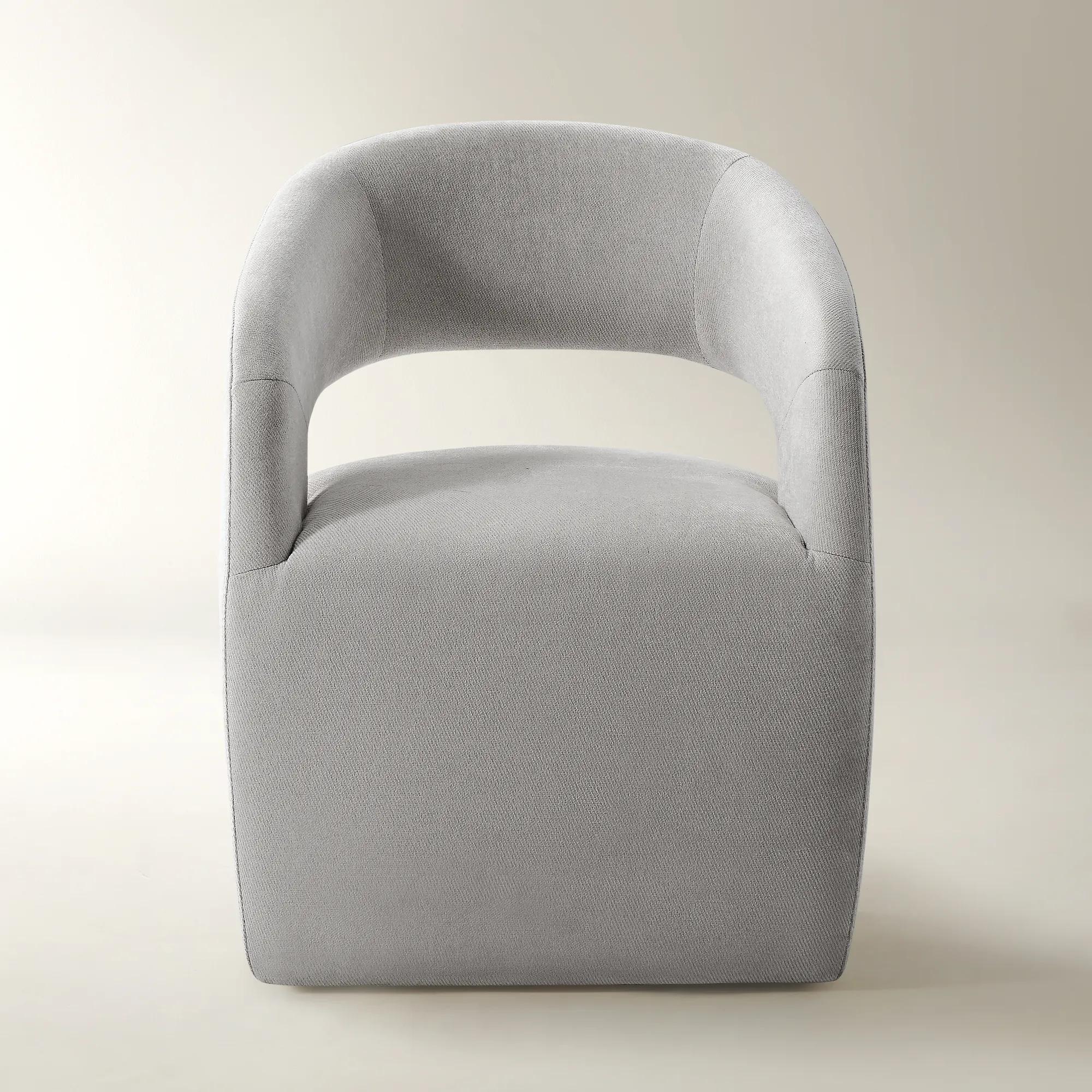 Harrison Flint Chenille Dining Chair$449
A fully upholstered flint chenille dining chair with high-density foam cushioning for superior comfort and style.
Add To Cart -
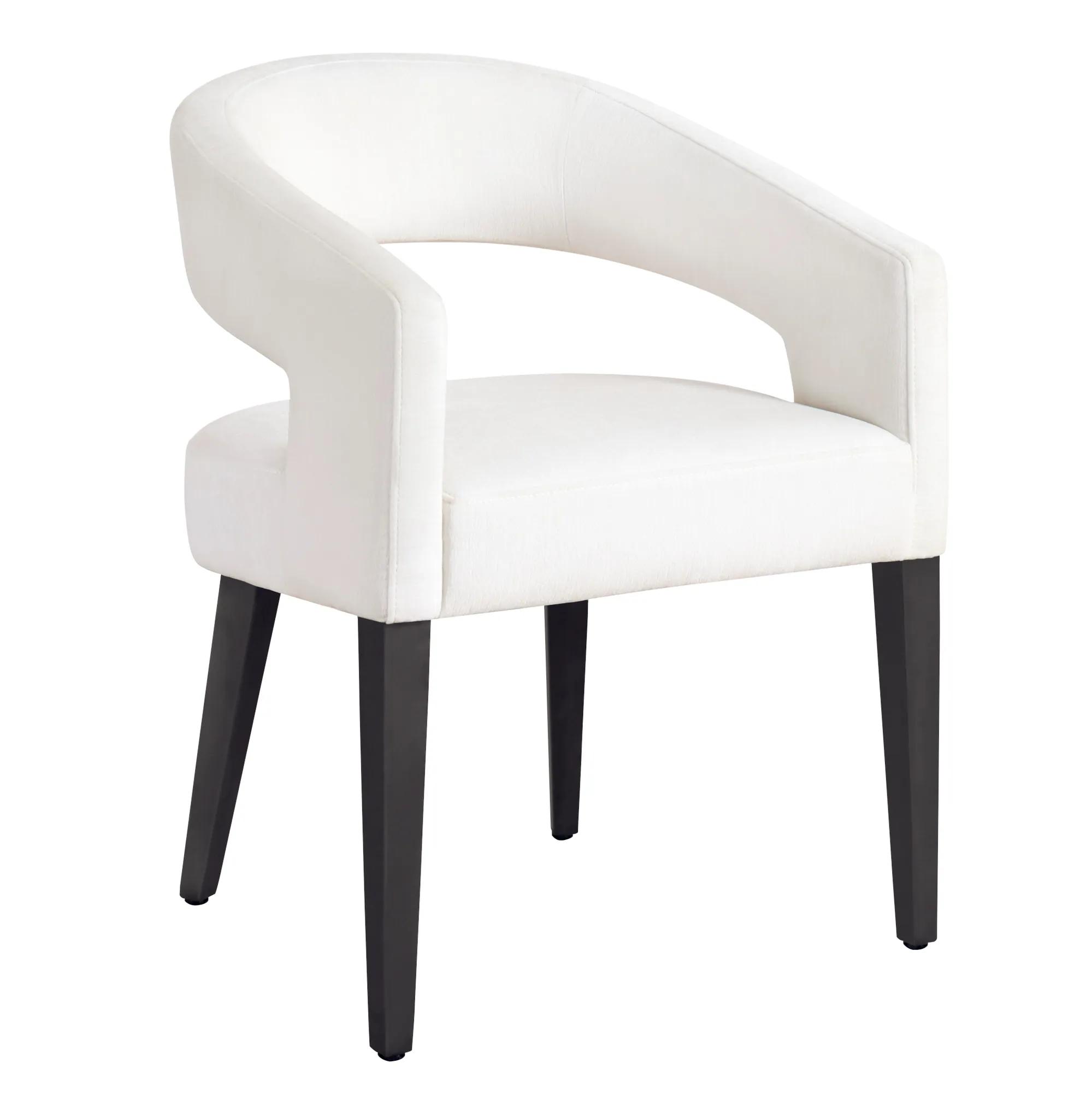
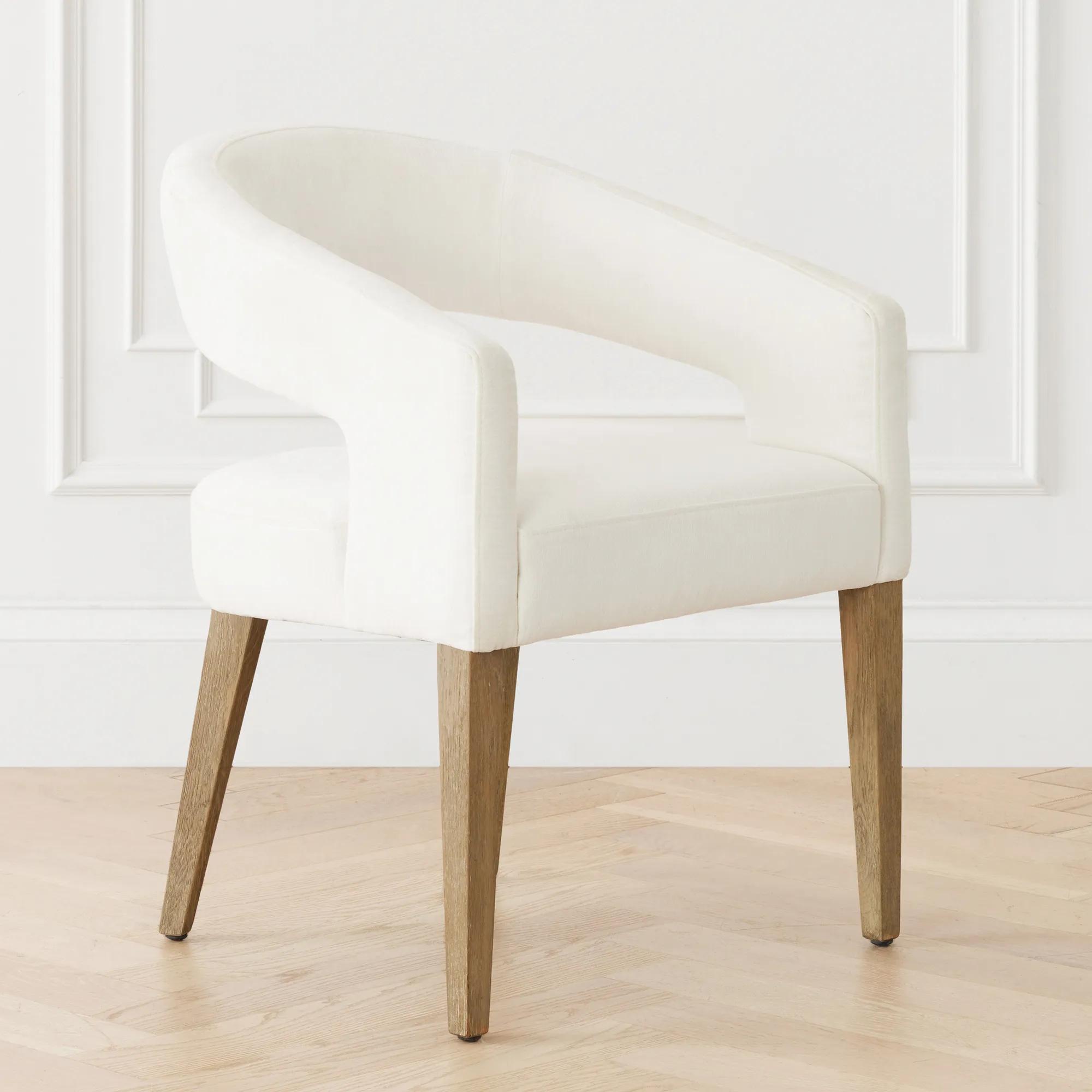 Philippa Dining Chair - Natural Grey$699
A modern dining chair featuring a curved silhouette, natural grey legs, and tailored chenille upholstery.
Add To Cart -
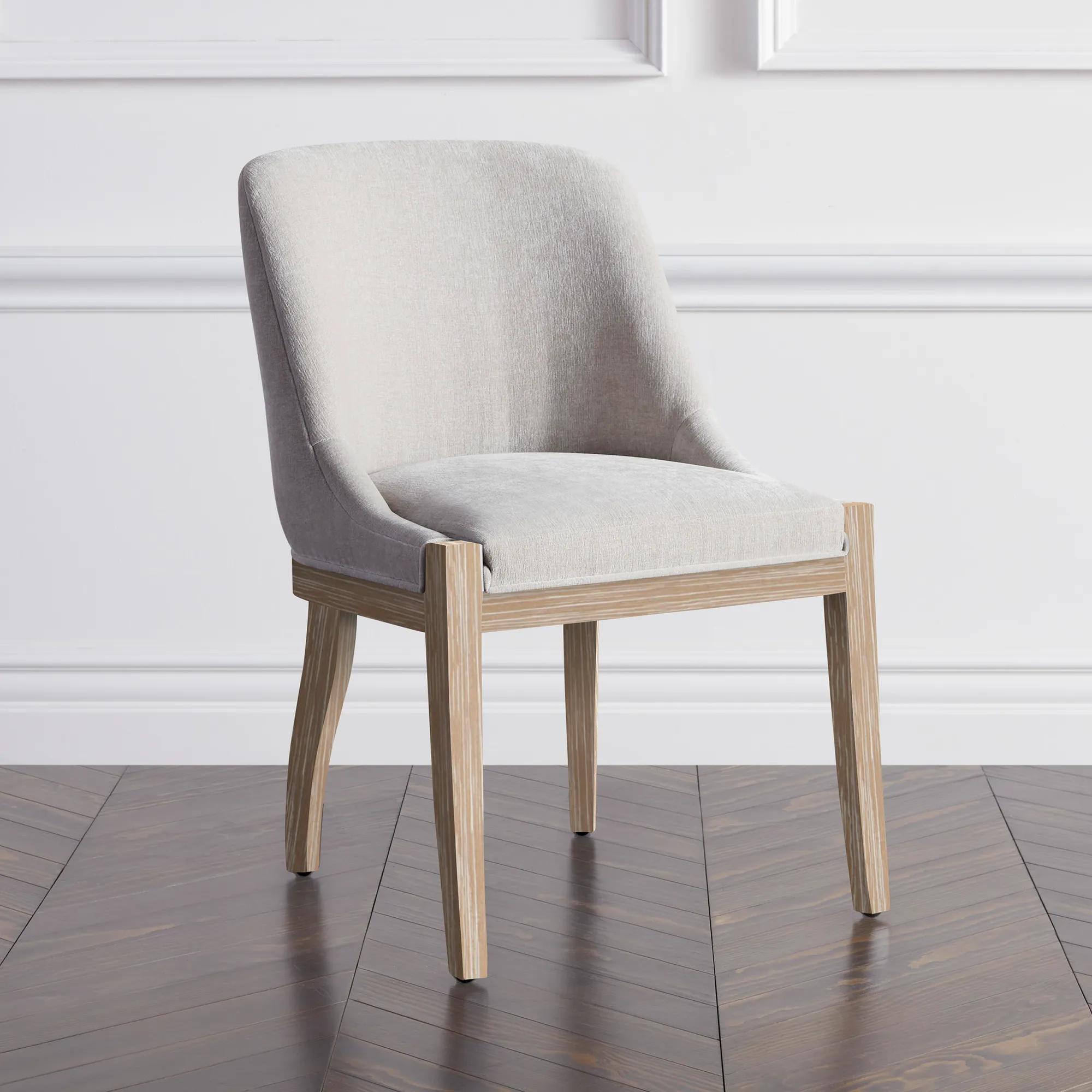
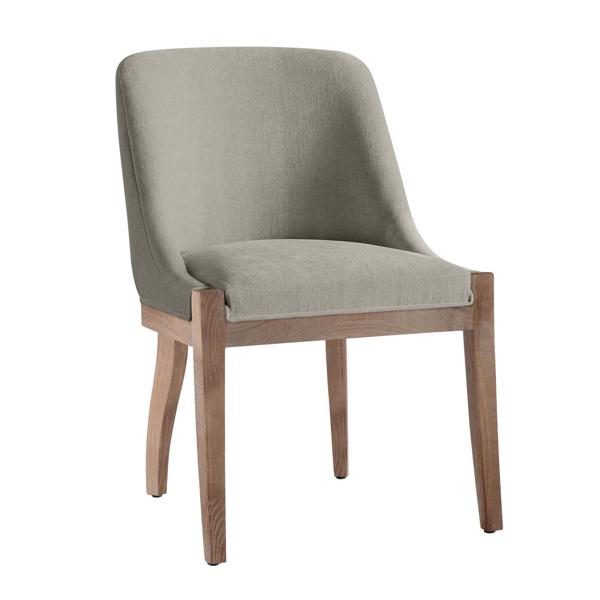 Lily Dining Chair - Wash Oak$649
A modern dining chair with a kiln-dried hardwood frame, wash oak legs, and plush tailored upholstery.
Add To Cart -
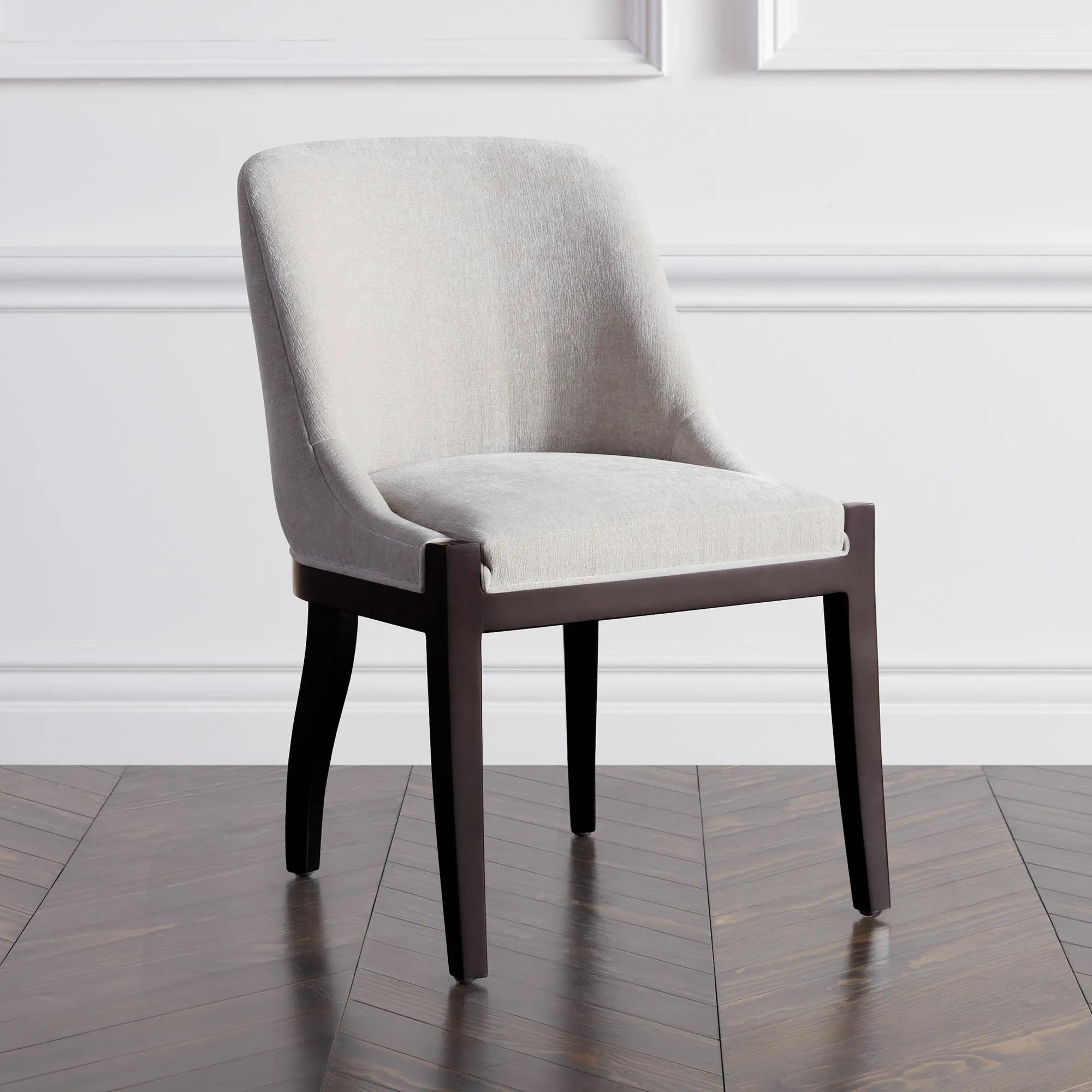
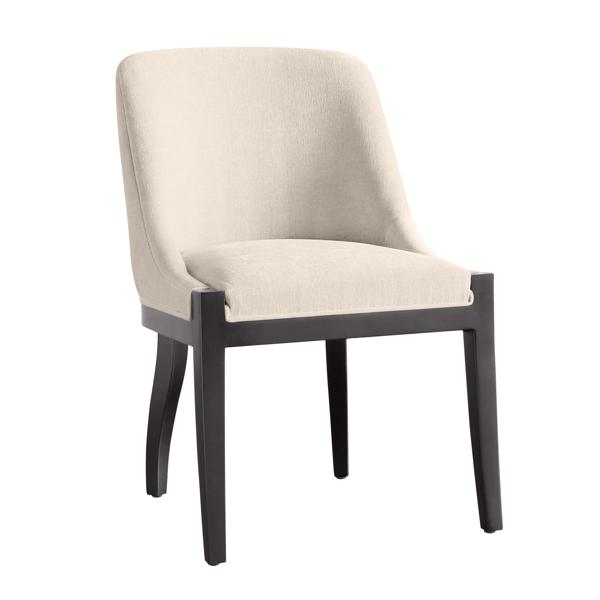 Lily Dining Chair - Espresso$699
A modern dining chair with espresso-finished hardwood frame and tailored upholstery for lasting comfort and support.
Add To Cart -
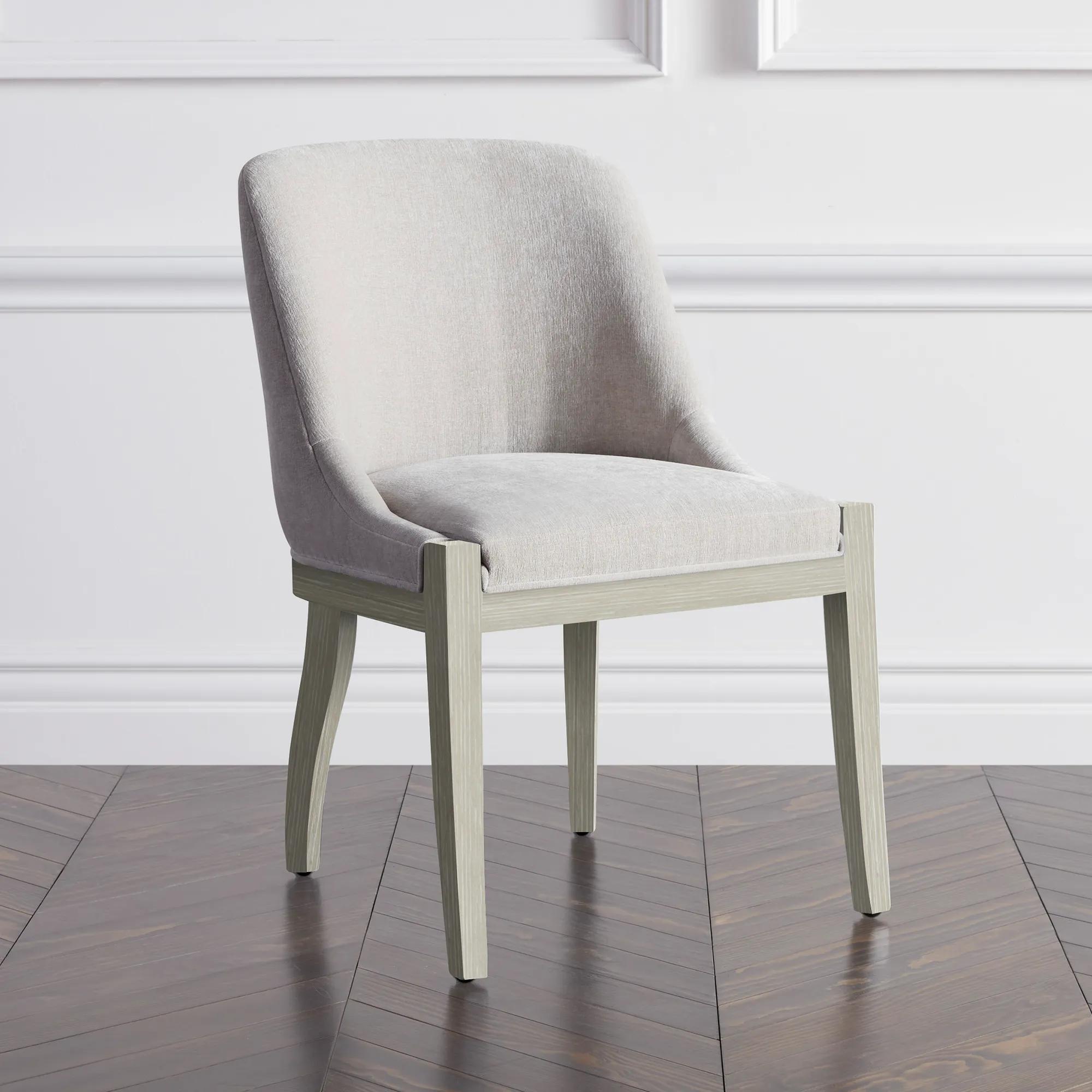 Lily Dining Chair - Natural Grey$749
A modern grey dining chair with kiln-dried hardwood frame and plush, tailored upholstery for lasting comfort.
Add To Cart -
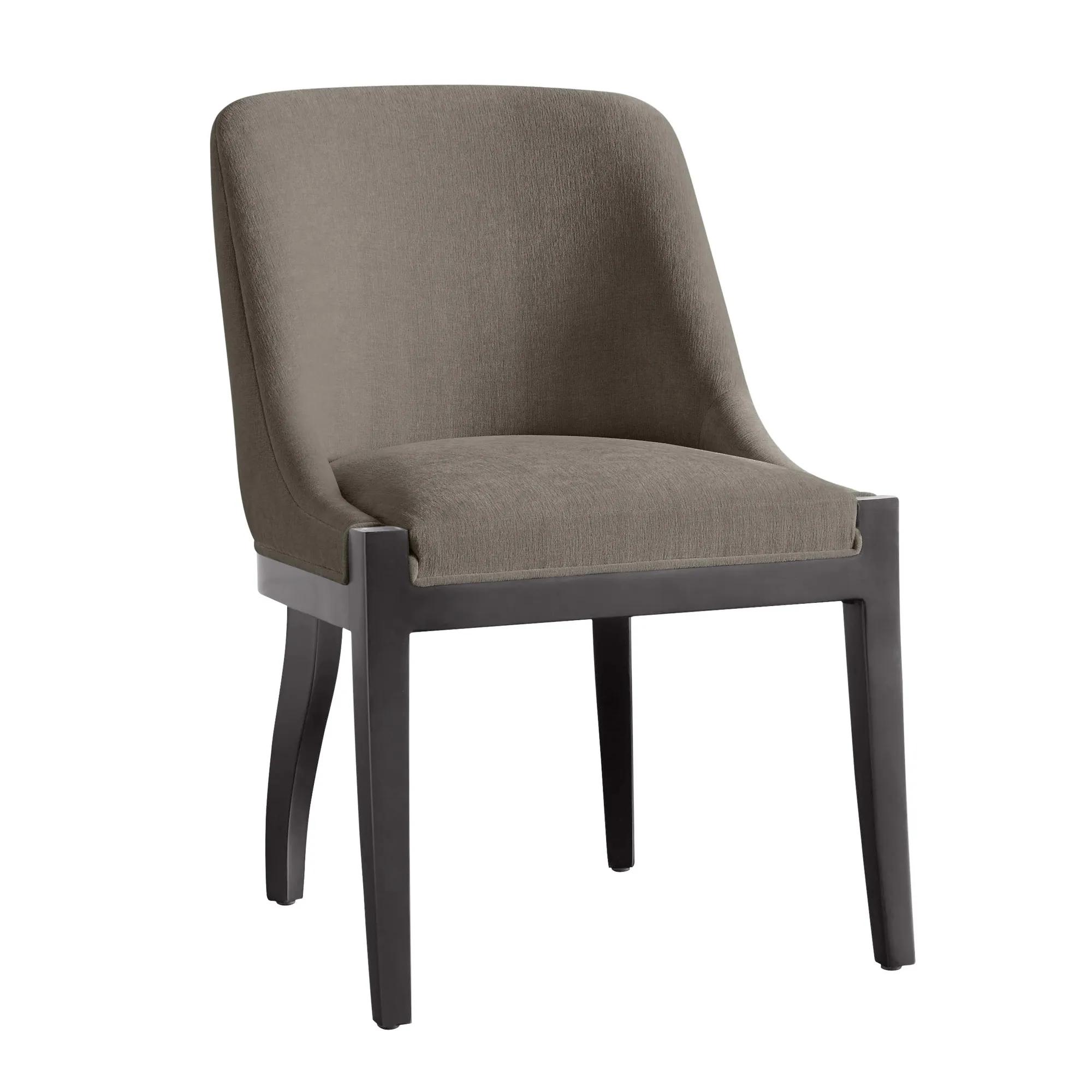 Lily Dining Chair - Espresso$649
A modern dining chair featuring espresso-finished hardwood, curvaceous silhouette, and plush tailored upholstery.
Add To Cart -
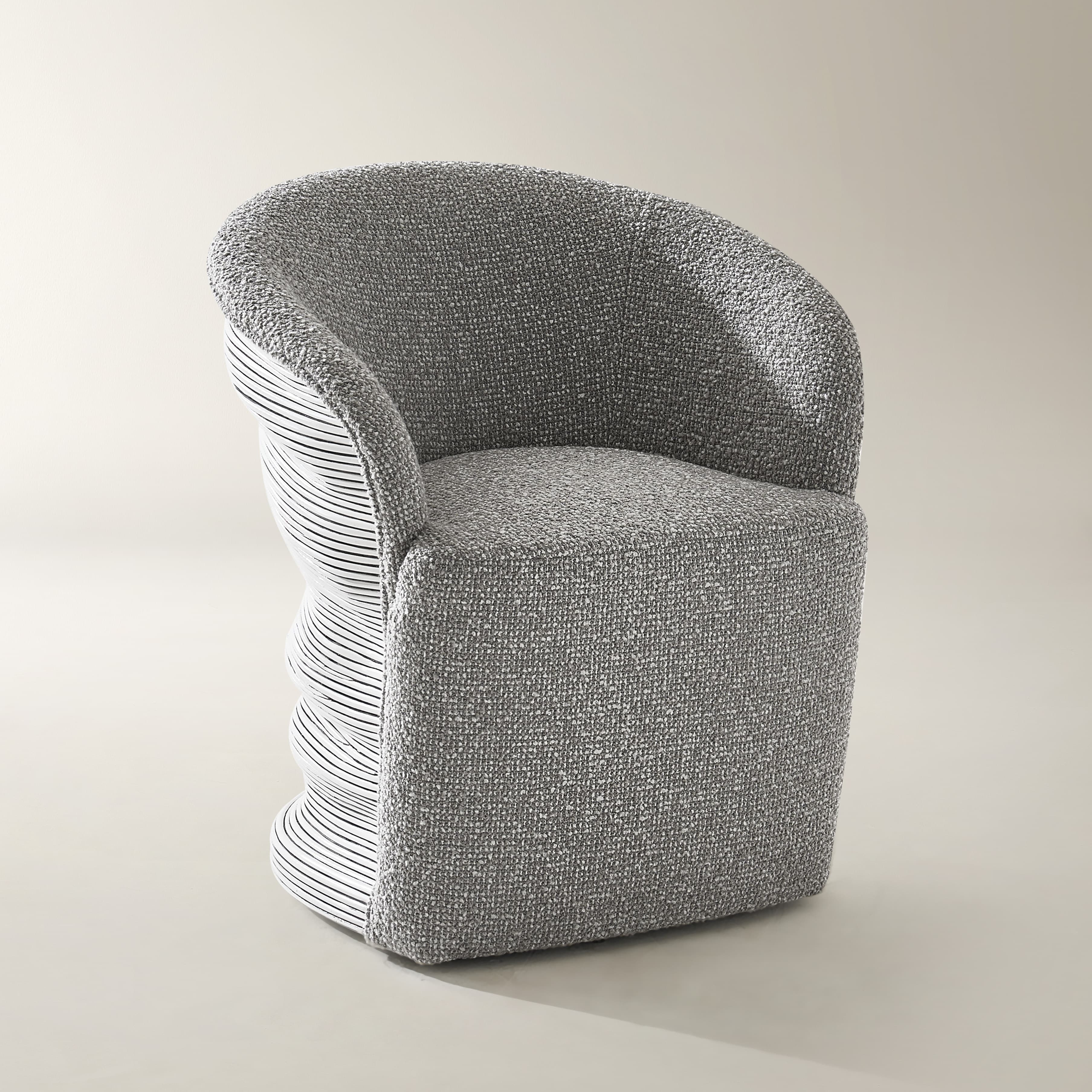
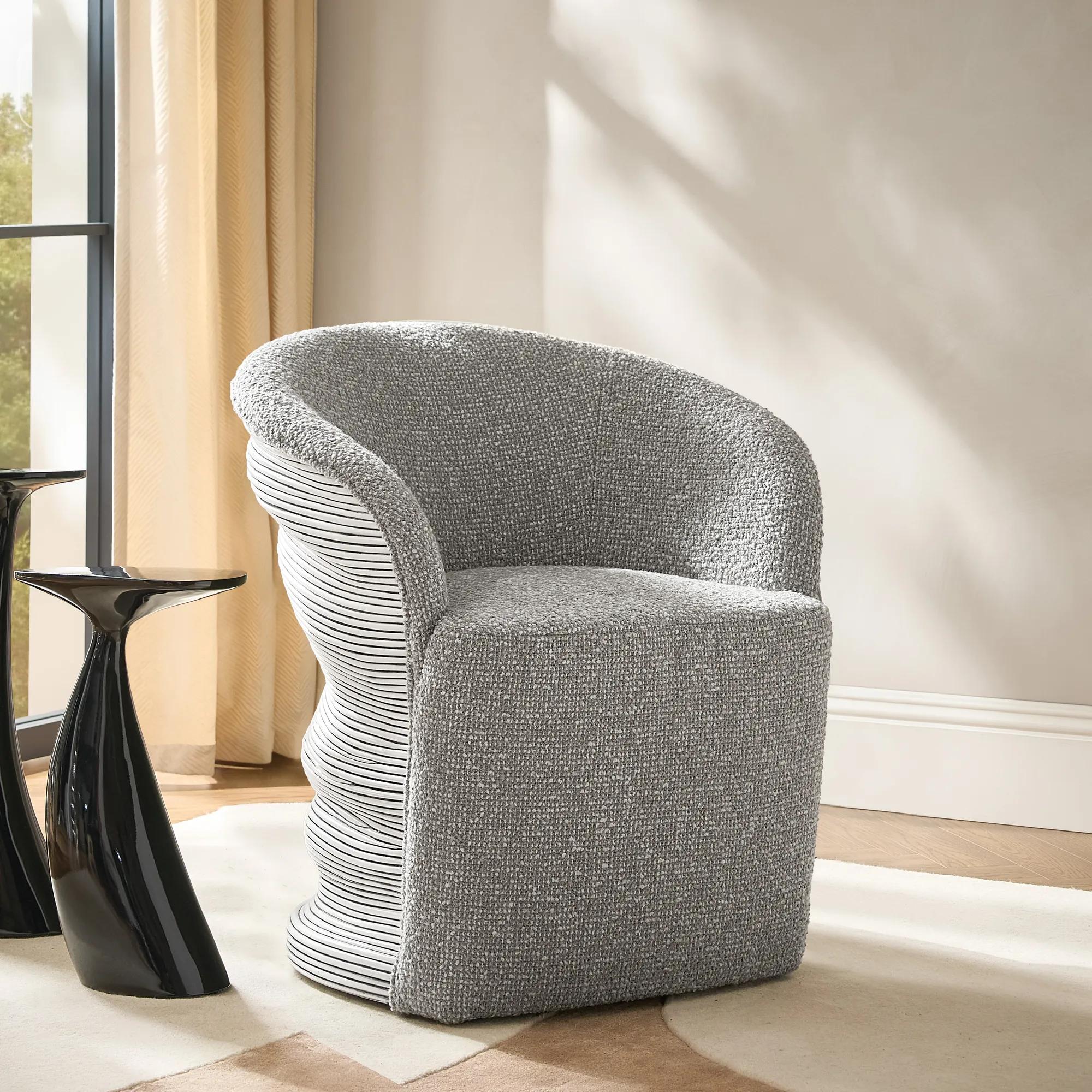 Cairo Rattan Grey Chenille Dining Chair$899
A handwoven natural rattan swivel chair in grey chenille, blending sculptural form with plush comfort.
Add To Cart

Grey Chenille Dining Chairs
Grey chenille dining chairs invite a mood of refined indulgence to your dining space, where sumptuous texture meets modern sophistication. Cloaked in a silvery palette that whispers understated drama, each chair becomes a canvas for expressive gatherings and elevated everyday moments. Whether paired with a sculptural table or set against a backdrop of gleaming accents, grey chenille dining chairs promise to transform every meal into an experience—blending tactile luxury with an artful sense of presence. Let your dining room radiate with the allure of plush comfort and timeless allure, curated for those who crave a statement as unforgettable as the conversations shared around the table.
Grey chenille dining chairs bring a plush, dimensional surface to the dining room, pairing the versatility of a neutral color with upholstery that feels richly expressive. Chenille is made with yarns that have a soft, fuzzy pile, giving the fabric its distinctive texture and a subtle play of light across the seat and back. The effect is gentler than a high-shine finish but far from flat: a pale grey chair can appear silvery beside a glass tabletop, while a deeper charcoal tone creates a dramatic outline against light stone or warm wood. Although chenille often has a velvety hand, it is not the same construction as velvet, and its appearance, softness, and performance vary with the fiber blend and weave. Polyester, cotton, rayon, and blended fibers may be used, so the upholstery composition matters as much as the color description. That tactile richness makes grey chenille dining chairs especially compelling for interiors that balance architectural lines with inviting comfort. A curved upholstered back softens the geometry of a rectangular table; a tailored, straight-backed silhouette gives a round table a more composed presence. Polished metal legs introduce reflected light, brushed finishes create a quieter gleam, and wood legs lend warmth beneath the cool elegance of grey fabric. Black frames draw a crisp boundary around plush upholstery, particularly in rooms with graphic artwork or dark window trim. Warm greys with taupe undertones sit beautifully beside walnut and ivory, while cooler greys complement chrome, blue accents, and white stone. Fabric swatches, when possible, help reveal those undertones in daylight and under evening lighting. For a room centered on ceremonial dinners and a more tailored visual rhythm, Grey Formal Dining Chairs offer a related direction to explore. The appeal of chenille remains its contrast: sumptuous texture around a table designed for gathering, with enough visual restraint to let sculptural lighting, expressive art, and layered place settings share the scene.
Comfort and proportion determine how gracefully grey chenille dining chairs become part of daily life. Upholstered dining seating suits households that linger over dinner, hosts who enjoy several courses, and anyone whose table doubles as a place for conversation over coffee. A softly padded back can make those moments more comfortable, but upholstery alone does not establish support. Seat firmness, back angle, usable seat depth, and the position of any arms all influence how a chair feels. A deeper seat may suit a taller sitter yet leave a shorter person without comfortable back support, while prominent side bolsters can reduce the seating space within an otherwise generous chair. For a standard dining table around 28 to 30 inches high, seats roughly 18 to 20 inches high are common; about 10 to 12 inches between the seat surface and the underside of the tabletop is a useful starting point, with additional attention to low aprons and the way cushioning compresses. Armchairs require a separate check so the arms can slide beneath the table without striking its edge or apron. Armless silhouettes generally tuck in more easily, making them a compelling choice for narrower rooms or closely spaced settings. Allow roughly 24 inches of table edge per diner as an initial planning measure, then increase that space for wider chairs or substantial arms. Around 36 inches from the table edge to a wall or other obstruction usually provides room to pull a chair out; an active walkway behind seated guests benefits from more clearance. Table legs and pedestal bases also affect placement, especially when several chairs share one side. Beyond dimensions, durability depends on the complete construction rather than fabric thickness alone. A well-built wood or metal frame, secure joints, appropriate cushioning, and a supportive seat foundation all contribute to dependable use. If provided, upholstery abrasion results, pilling information, care instructions, and the stated weight capacity offer more useful evidence than a plush appearance. Higher-density foam can indicate better resistance to breakdown, but density is not the same as firmness. For frequently used dining areas, those distinctions help balance a dramatic silhouette with seating that feels considered through everyday meals and extended evenings.
The most enduring dining spaces give beautiful materials the attention they need, and chenille rewards a care routine suited to its exact upholstery. Its raised texture can catch crumbs, dust, and pet hair, so regular gentle vacuuming with an upholstery attachment helps keep the surface fresh. Follow the manufacturer’s directions for suction and attachments, and avoid aggressive brushing that could disturb the pile or pull at yarns. When a drink spills, blot promptly with a clean, absorbent cloth rather than rubbing, which can spread the liquid and alter the fabric’s surface. Check the care label before introducing any cleaner: a W code generally permits water-based upholstery cleaning products, S calls for an appropriate solvent-based approach, W/S permits either method, and X indicates vacuuming or light brushing only. These codes do not mean that covers are machine washable, and any permitted treatment should first be tested in an inconspicuous area. Saturating the upholstery can leave marks or affect the padding beneath it, making professional care a prudent choice for stubborn stains or delicate blends. Grey offers visual flexibility, not immunity from marks; pale shades may reveal dark spills, while charcoal can make lint and light-colored pet hair more noticeable. In a busy family dining room, a tightly constructed fabric with documented performance characteristics may be more suitable than an especially loose or lofty texture. No chenille should be assumed stain-resistant or pet-proof without specific supporting information, and claws or sharp accessories can snag exposed yarns. Protect the upholstery from prolonged direct sunlight where practical, use floor-appropriate glides, and check assembly fasteners periodically according to the chair’s instructions. With those details considered, grey chenille dining chairs can serve as an inviting constant as the room changes around them. During the cooler months, their tactile surface feels especially at home beside candlelight, substantial ceramics, and richly colored linens. For everyday settings, a restrained centerpiece leaves the upholstery’s texture visible; for a more theatrical gathering, gleaming chargers and a sweeping floral arrangement amplify its depth. The result is a dining room with presence, but also a place where guests can settle in and enjoy the evening.
FAQs
Chenille fabric is prized for its ultra-soft, velvety texture and subtle sheen, creating a sense of warmth and elegance in any dining space. Its plush surface adds tactile comfort while reflecting light beautifully, making every meal feel like a special occasion.
Grey is a sophisticated neutral that pairs seamlessly with a wide range of color palettes and materials. Whether your dining room features bold jewel tones, metallic accents, or natural woods, grey chenille chairs provide a harmonious foundation that allows you to refresh your decor with ease as seasons and styles change.
Absolutely. The timeless elegance of grey combined with the plush comfort of chenille makes these chairs equally at home in relaxed family meals and formal dinner parties. Their refined appearance and inviting texture allow them to transition effortlessly between everyday use and special occasions.
Pair grey chenille chairs with a bold statement chandelier, mirrored or metallic accents, and rich table linens to create a dining room that exudes drama and sophistication. Layering textures—such as velvet drapes or a patterned rug—will amplify the sense of luxury and make your dining area feel like a curated gallery.
Grey chenille dining chairs make an exceptional gift for design enthusiasts, newlyweds, or anyone moving into a new home. Their combination of comfort, style, and timeless appeal ensures they will be cherished and admired for years to come.