White Ceramic Vases For Centerpieces
White Ceramic Vases For Centerpieces
-
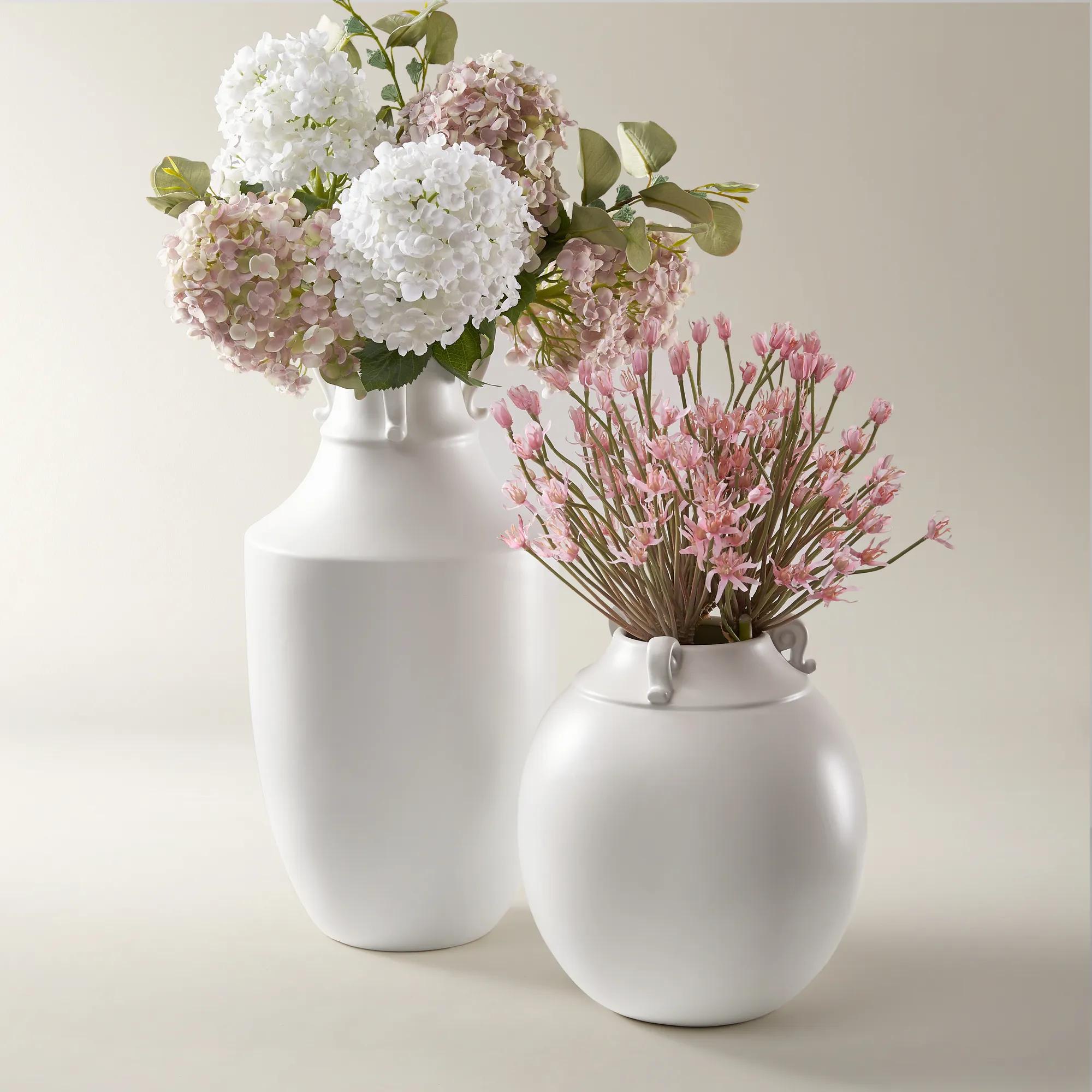 Amora Vase$119
A graceful white ceramic vase featuring smooth curves for a refined, contemporary accent to any space.
Add To Cart -
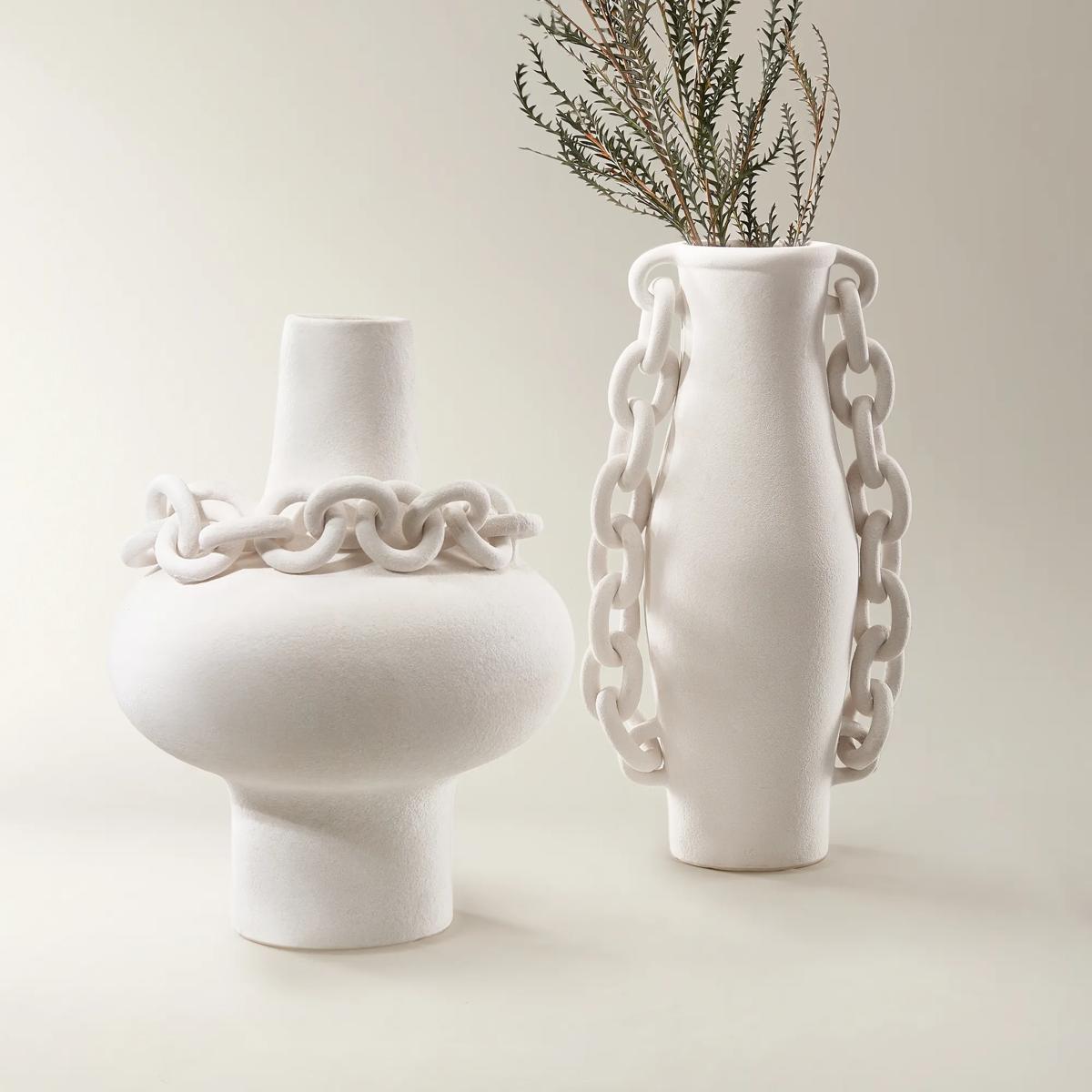
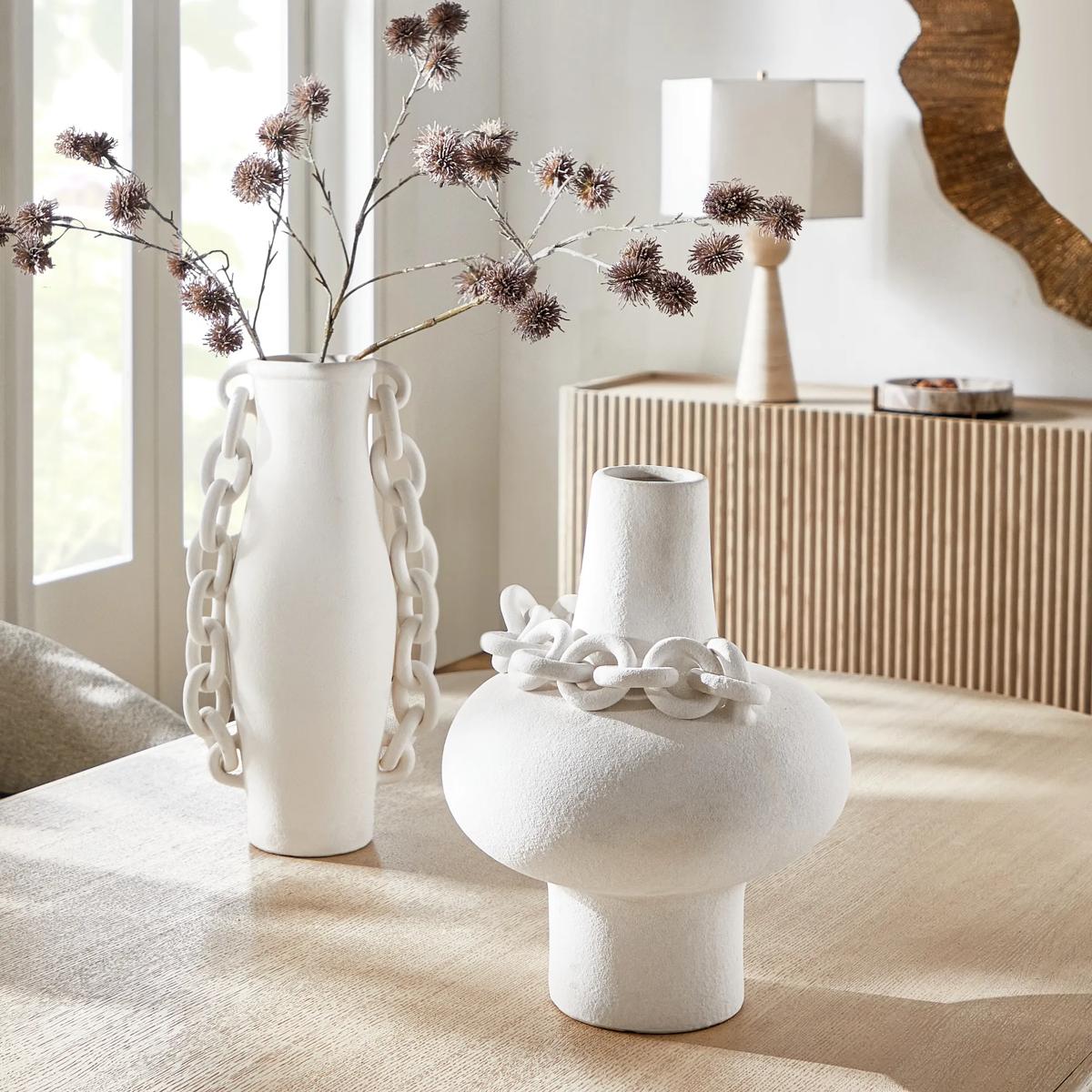 Links Stoneware Vases$139
A sculptural matte white stoneware vase featuring bold chain-link details for modern, artful texture.
Add To Cart -
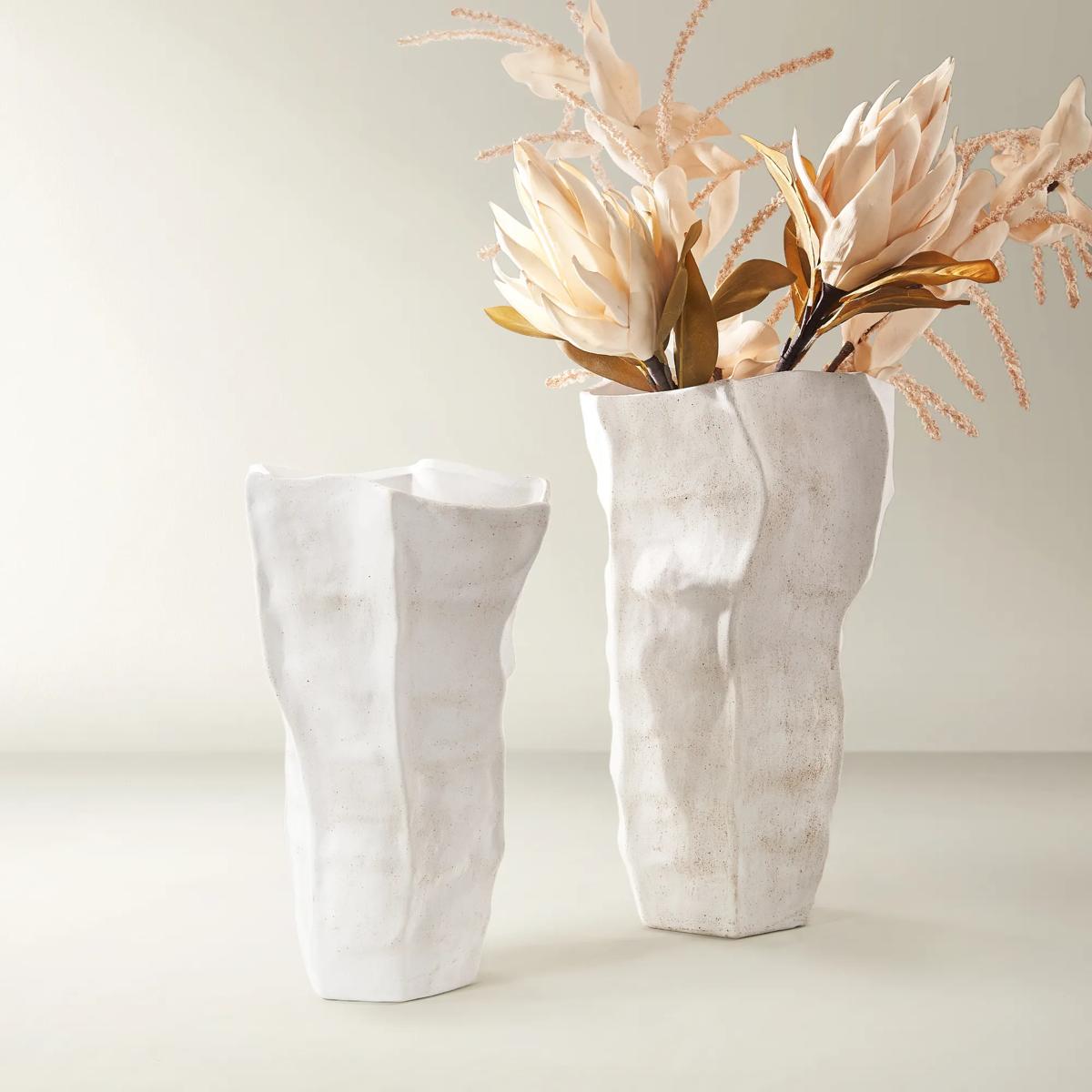 Kira Porcelain Vase$139
A sculptural matte white porcelain vase with fluid, faceted curves and a soft, textured finish.
Add To Cart -
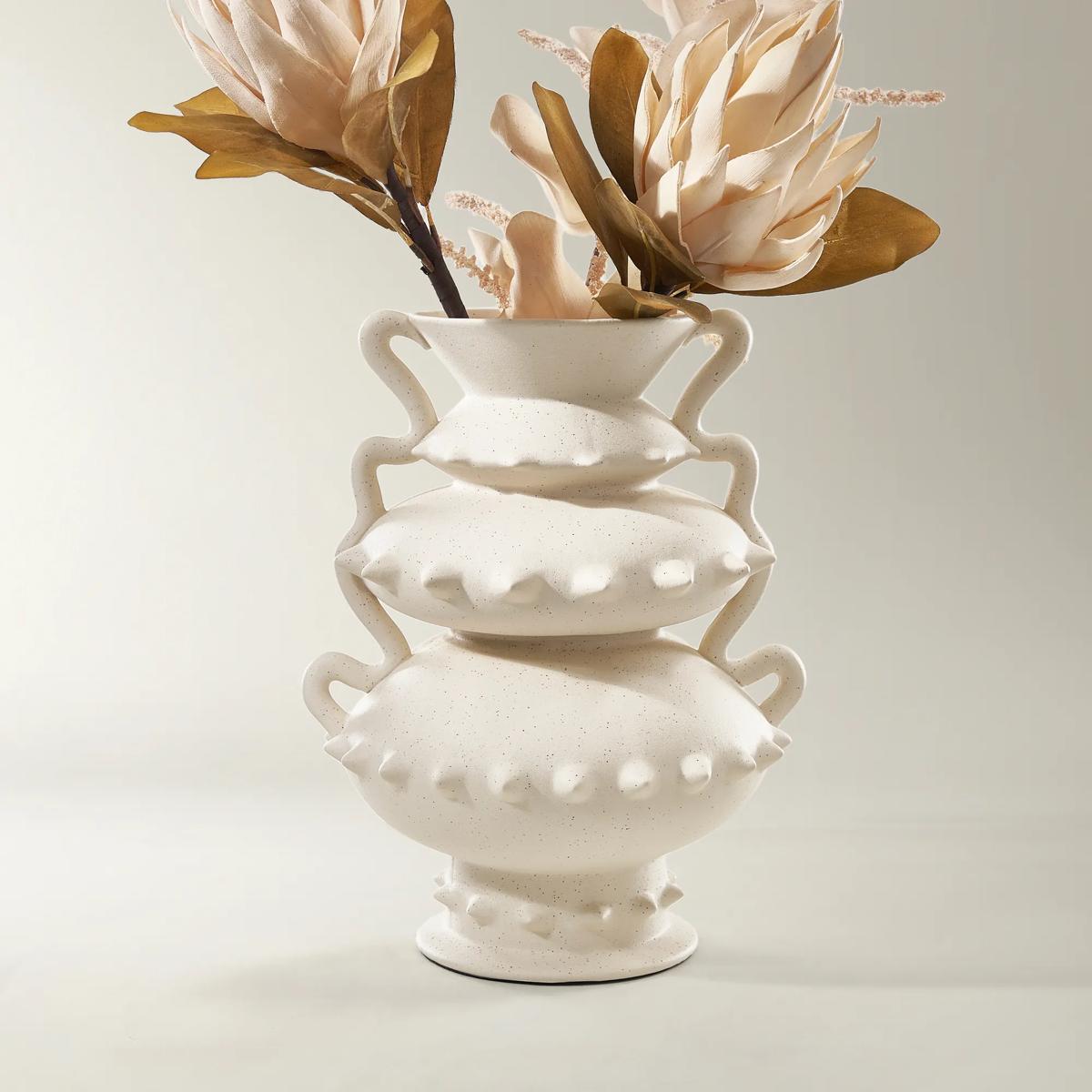 Savior Porcelain Vase - Ivory$189
An ivory porcelain vase featuring sculptural handles, tiered silhouette, and a matte, softly speckled finish.
Add To Cart -
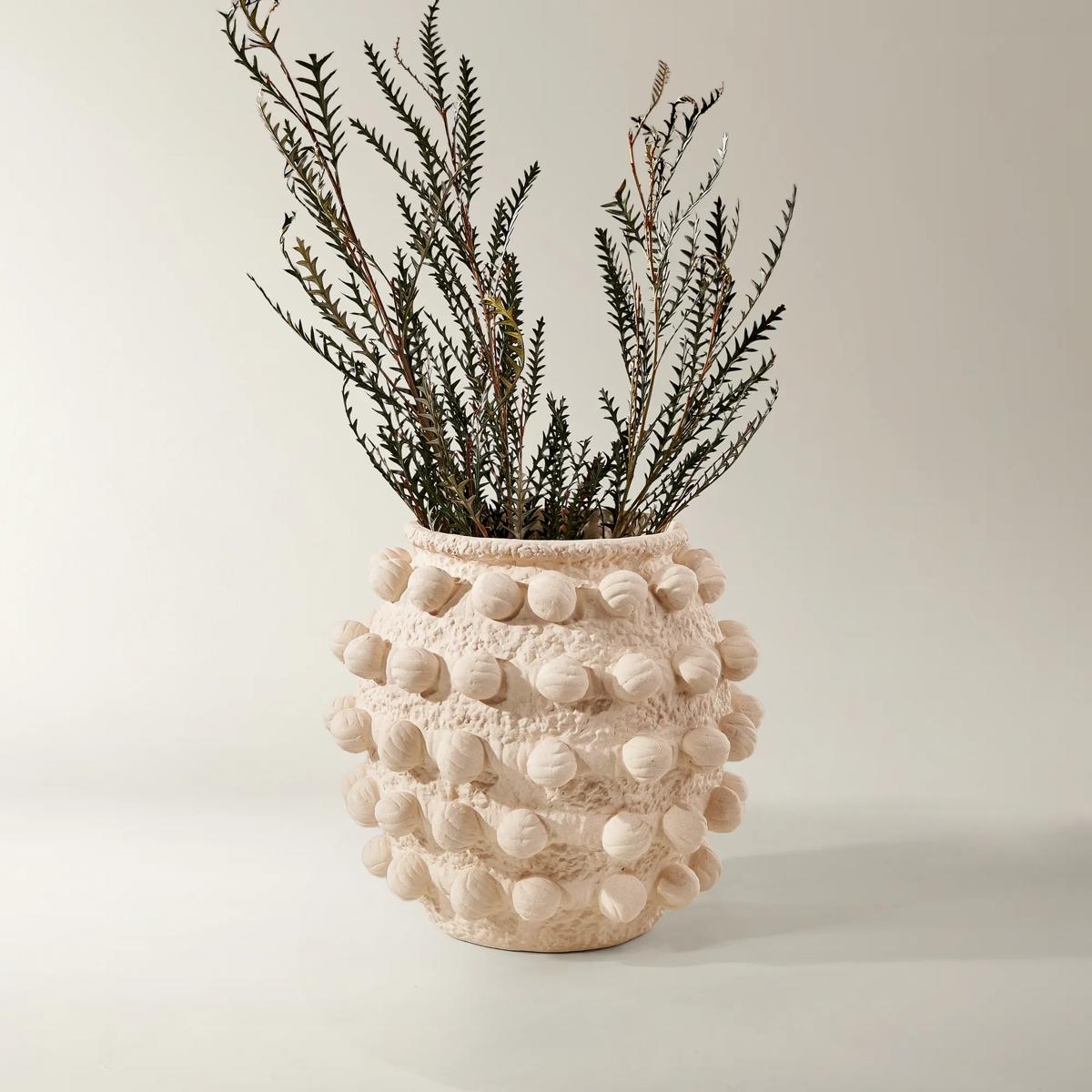
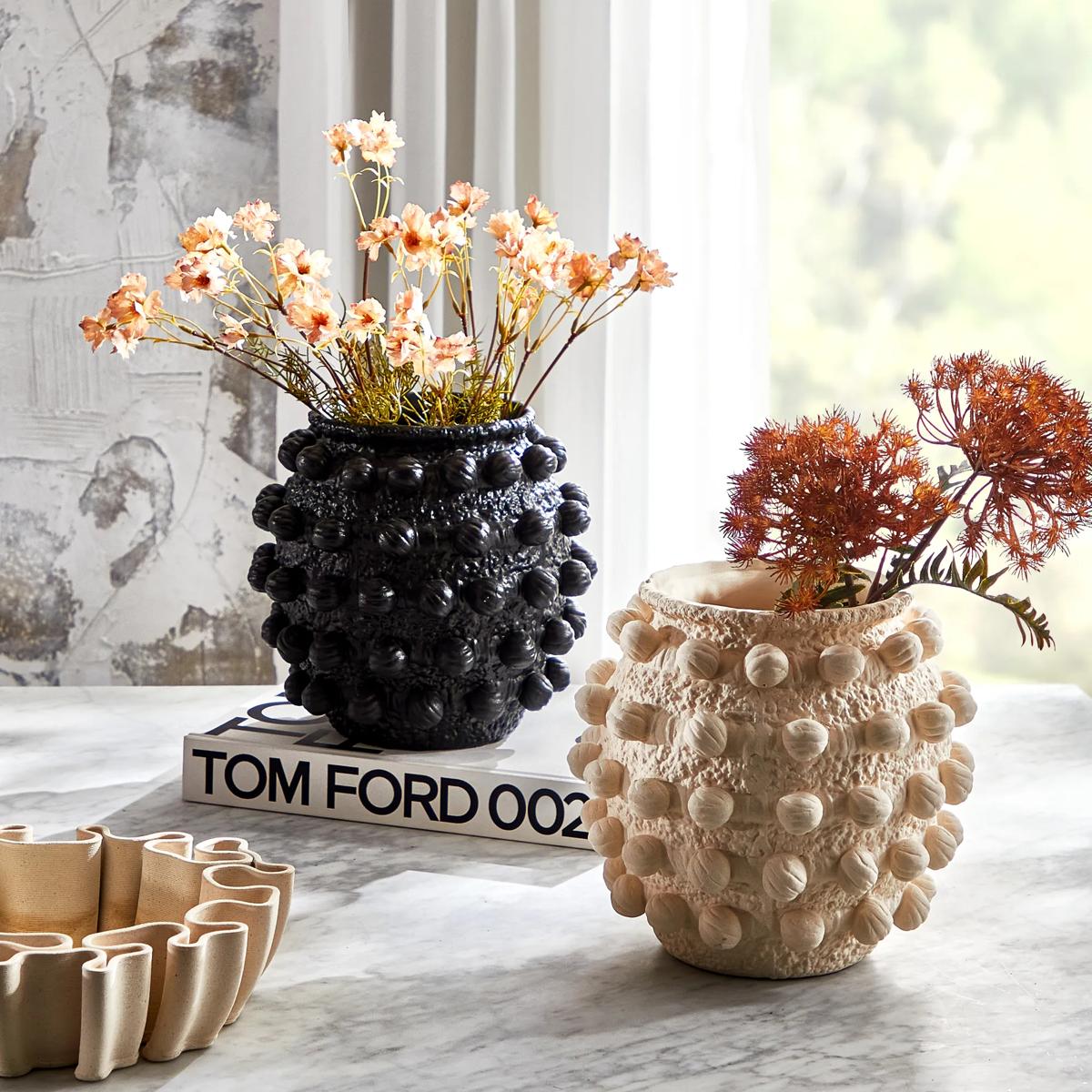 Pompa Vase - Ivory$119
An ivory porcelain vase featuring sculptural rounded forms and a richly textured, tactile surface.
Add To Cart -

 Madre Handcrafted Ivory Porcelain Vases$129
A handcrafted ivory porcelain vase featuring cascading textured fronds and a smooth matte finish.
Add To Cart -
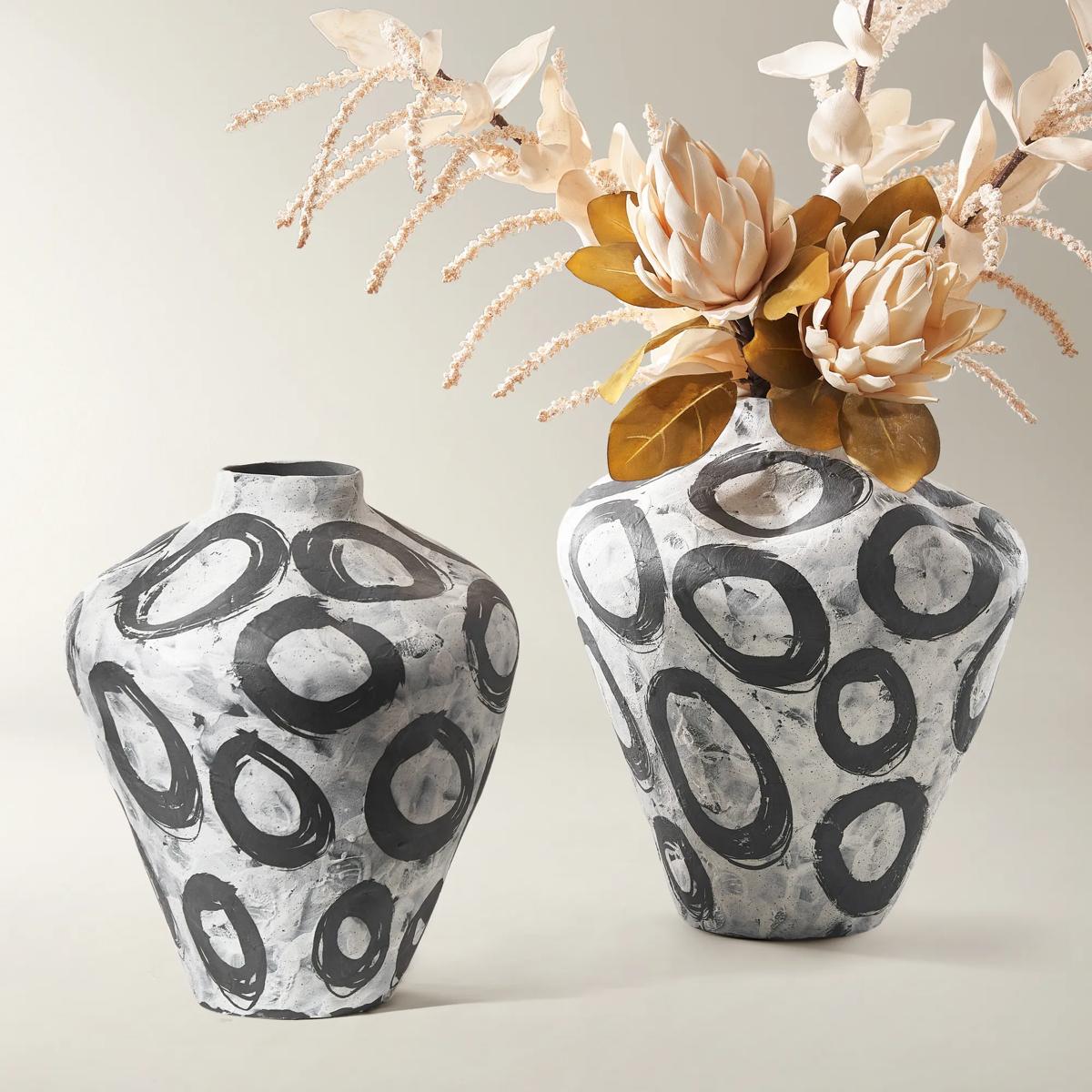
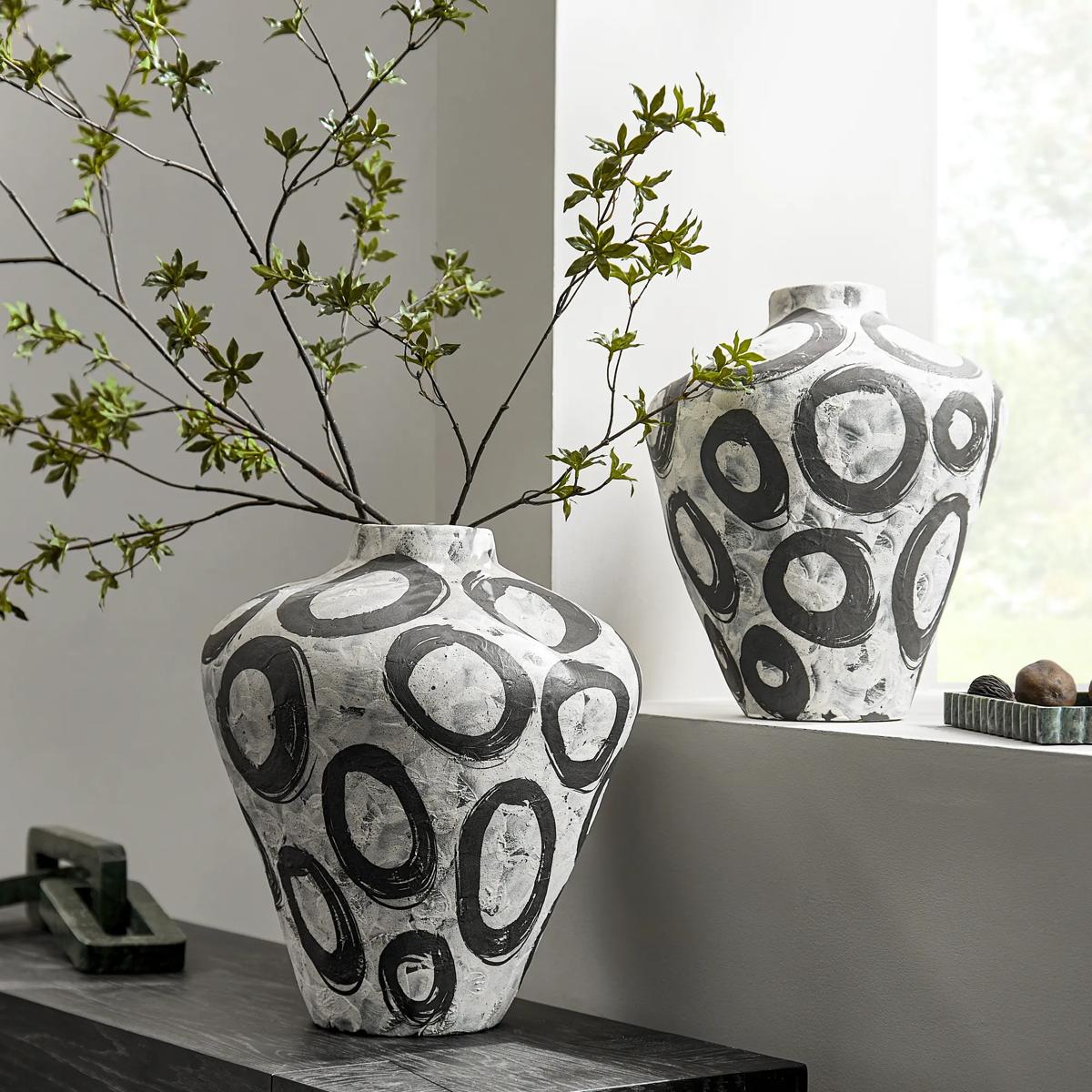 Stone Porcelain Vase$239
A sculptural porcelain vase featuring hand-painted black and white circular brushwork with a matte stone-like texture.
Add To Cart -
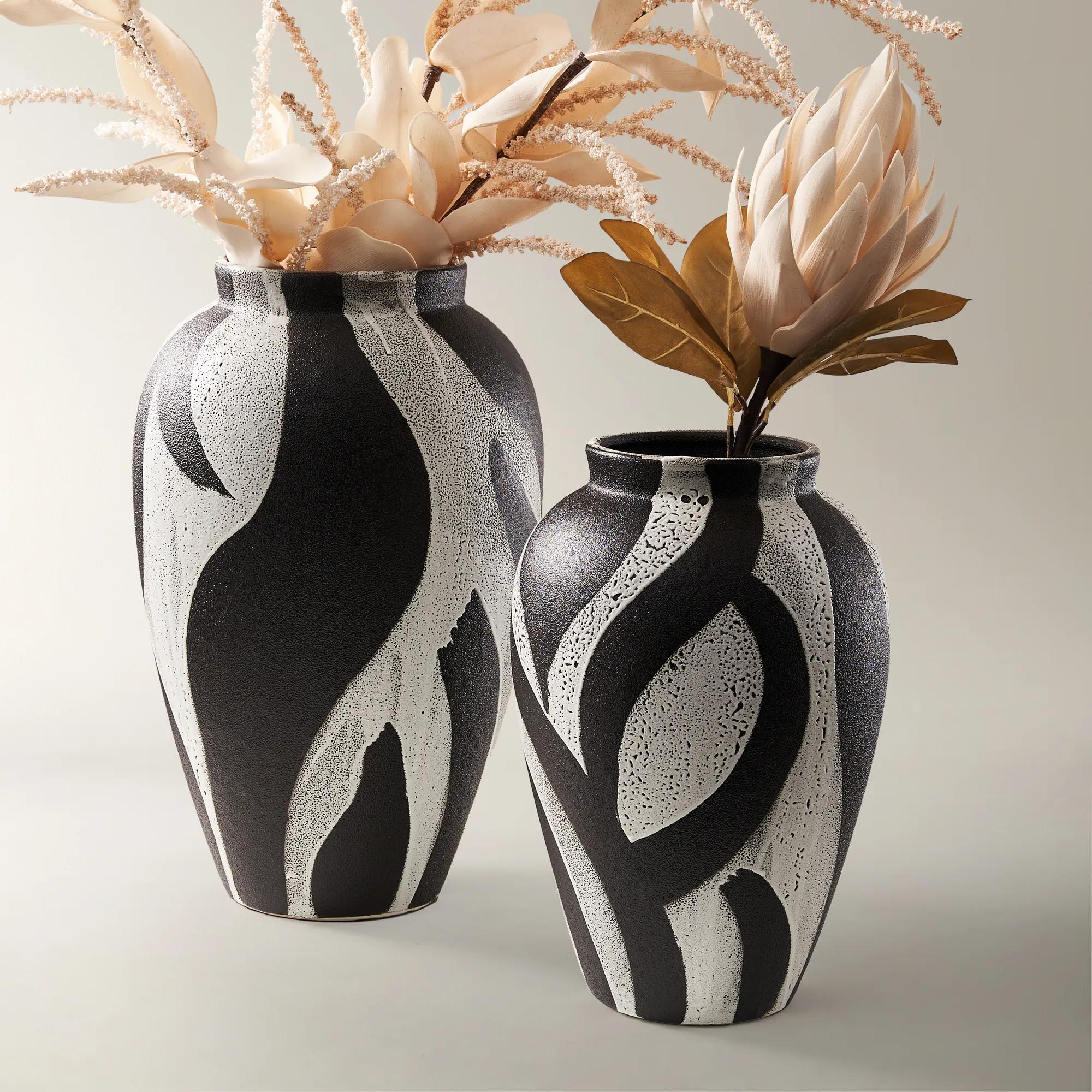 Montae Abstract Zebra Ceramic Vases$149
A ceramic vase featuring expressive black-and-white abstract zebra striping and a rounded, tapered silhouette.
Add To Cart -
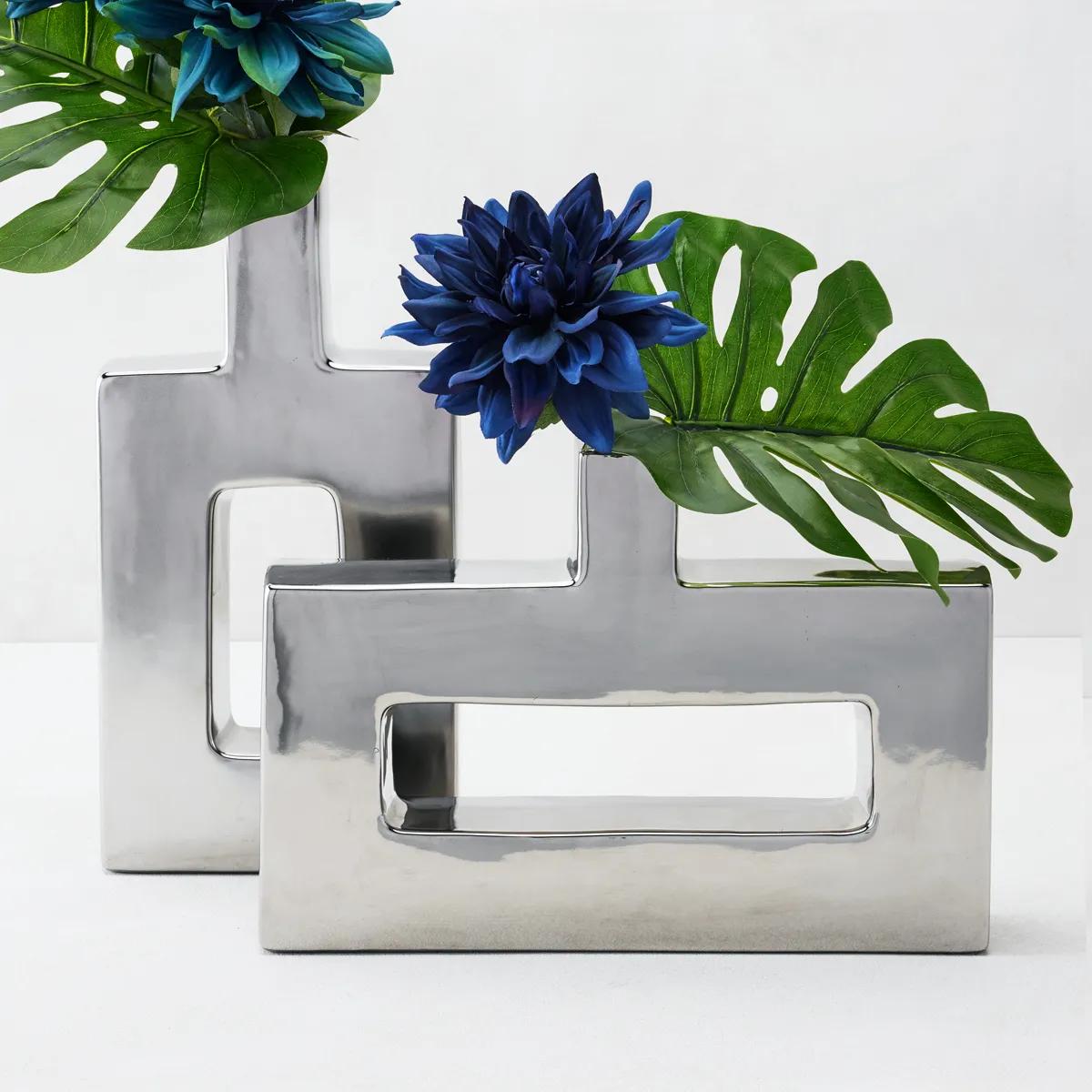 Miami Silver Ceramic High Gloss Vase 11.75"$69
A contemporary silver ceramic vase with a stylish gold glaze, perfect for decorative foliage or display.
Add To Cart -
Miami Silver Ceramic High Gloss Vase 18.5"$69
A contemporary silver ceramic vase with a stylish gold glaze, perfect for decorative foliage or display.
Add To Cart -
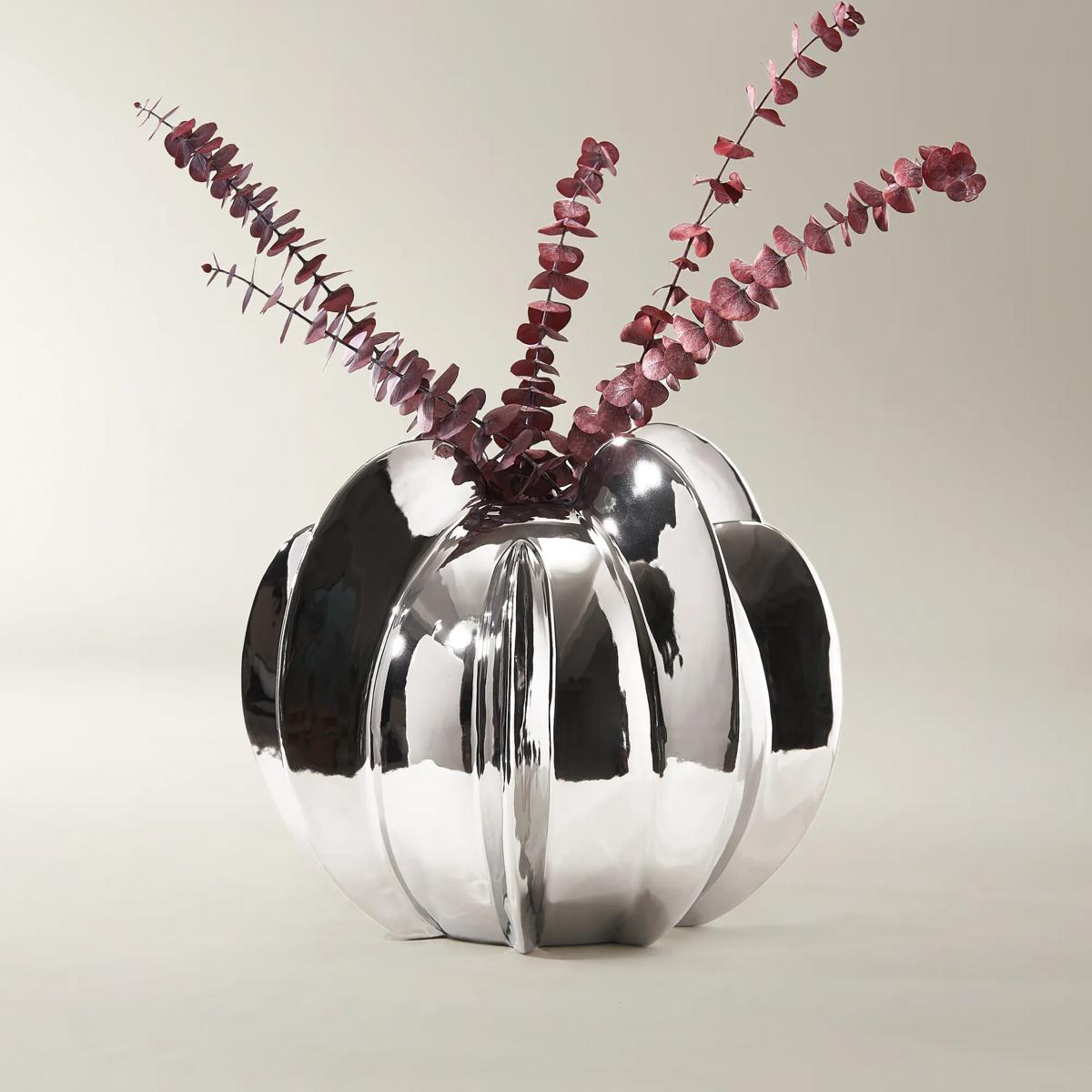
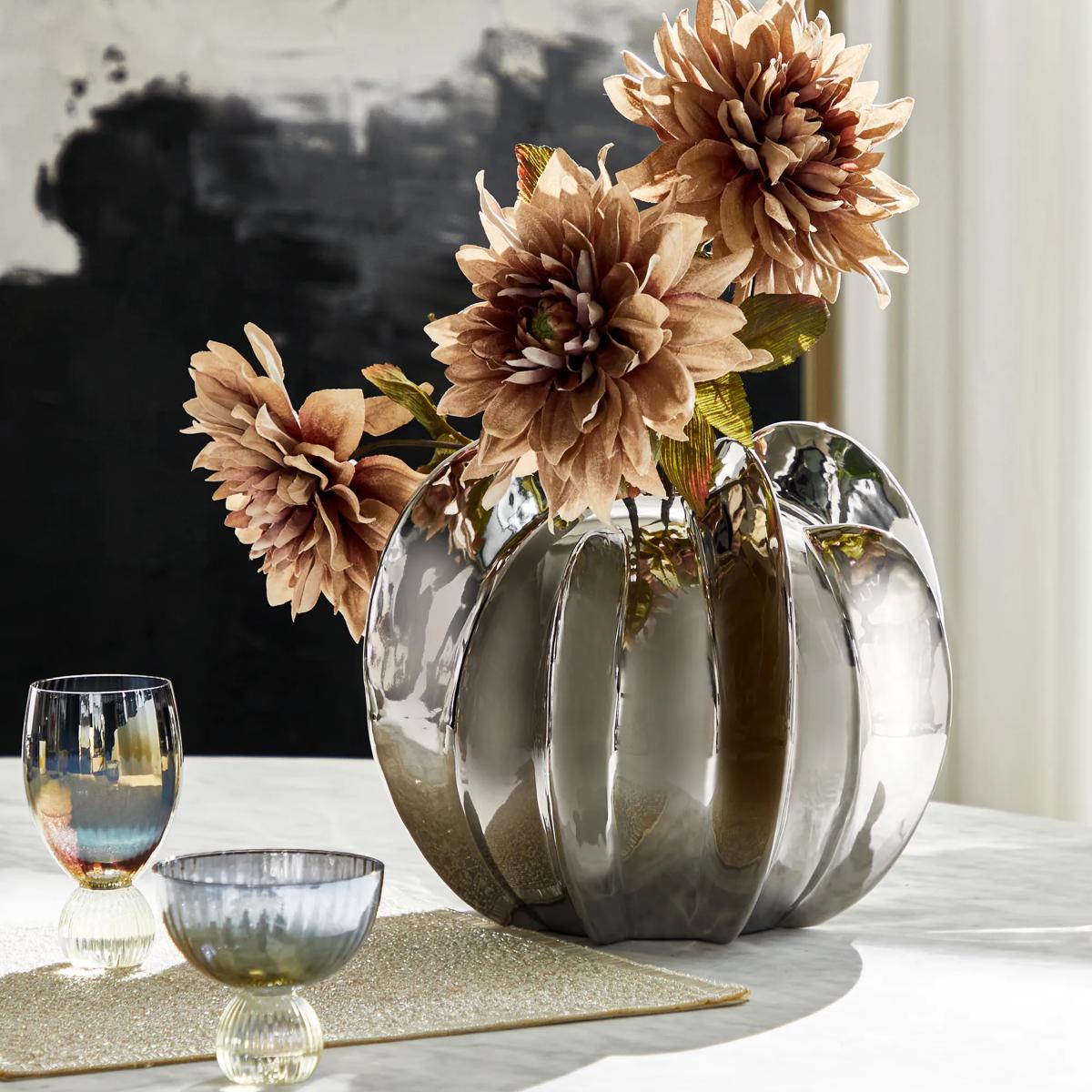 Voyage Vase$99
A reflective silver ceramic vase featuring a bold orb shape and dimensional vertical finned texture.
Add To Cart -

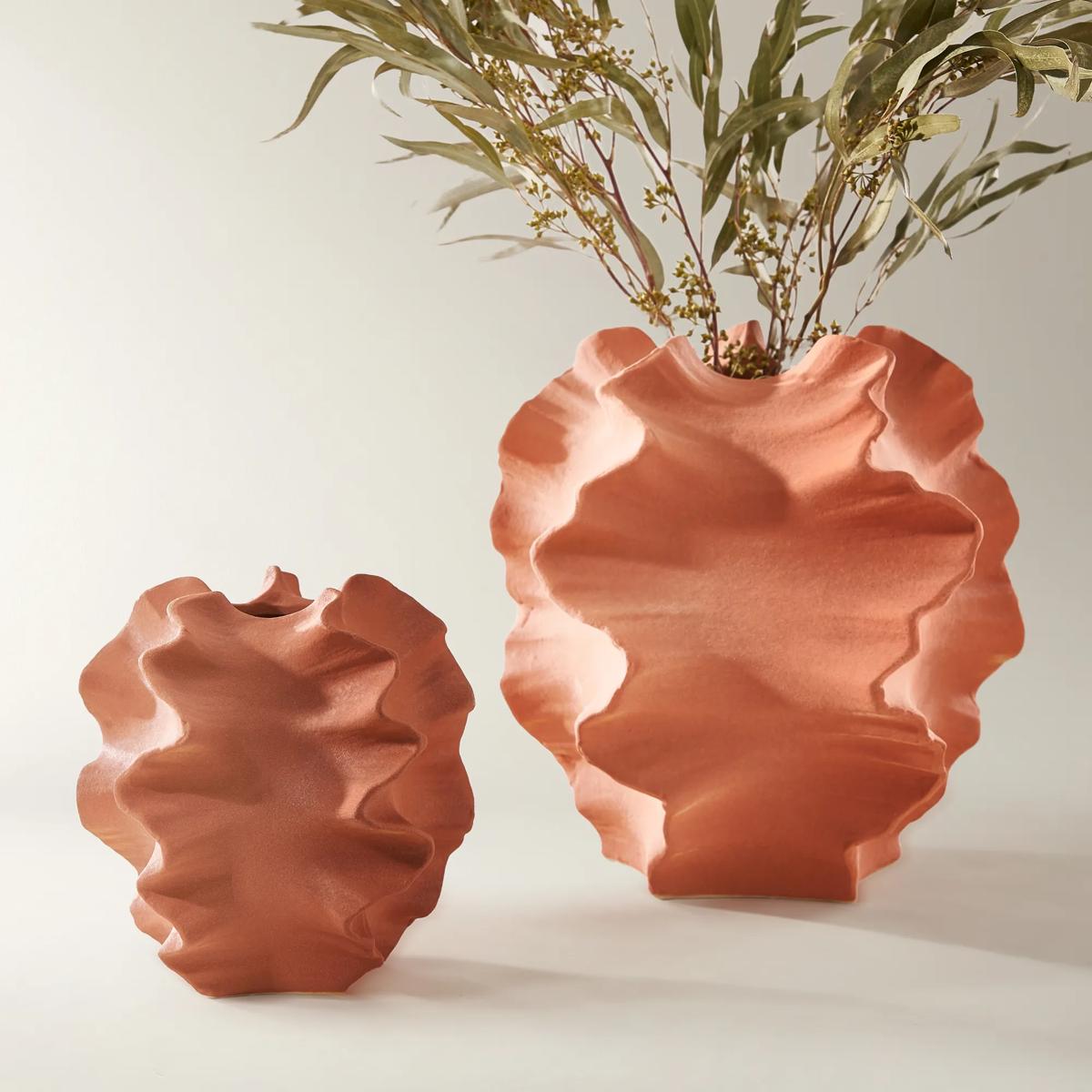
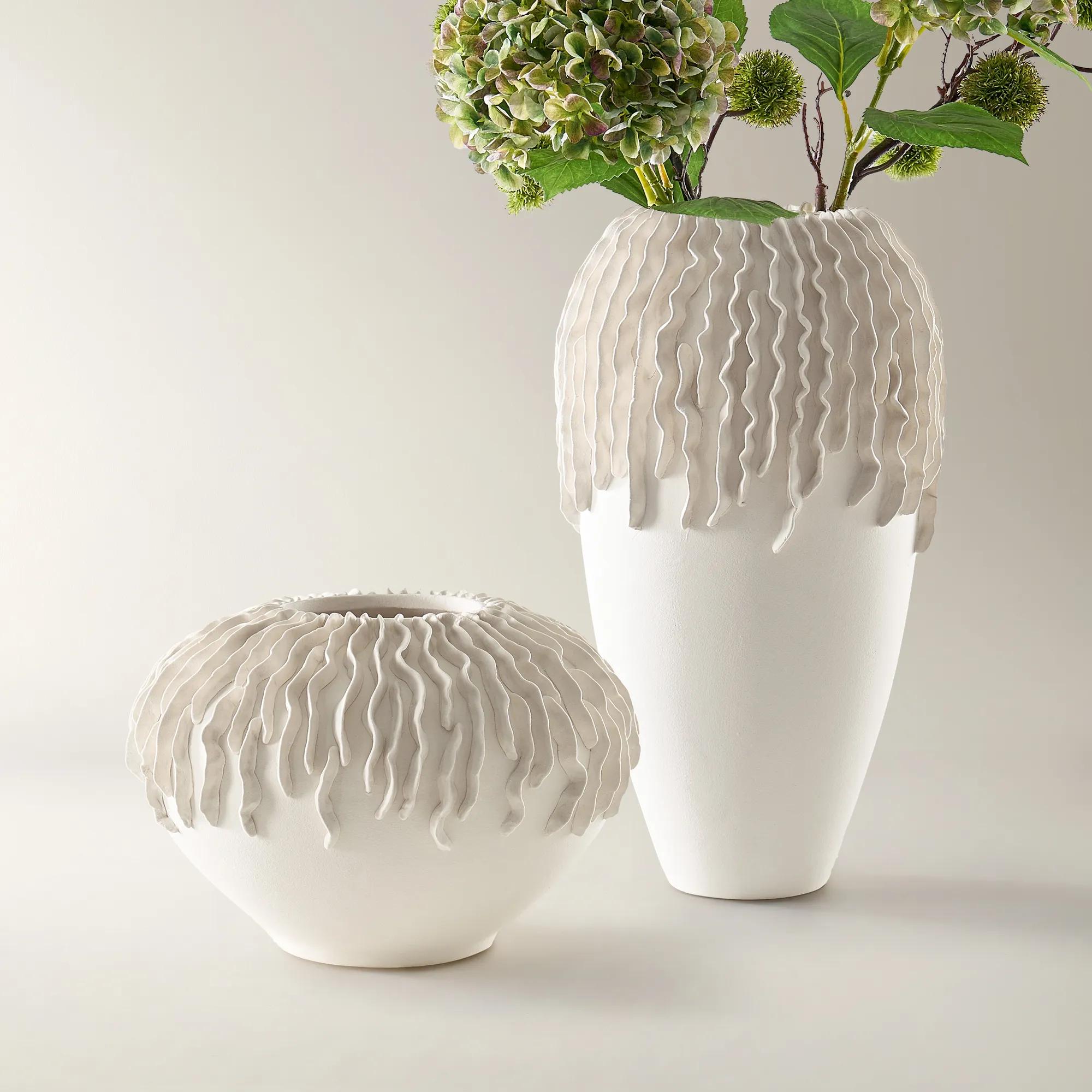
 Coral Ivory Porcelain Vase & Bowl$109
An ivory porcelain accent featuring flowing, coral-inspired curves for a modern, gallery-worthy display.
Add To Cart

White Ceramic Vases For Centerpieces
White Ceramic Vases For Centerpieces invite a vision of pure artistry—where luminous porcelain meets sculptural form, and every table becomes a gallery. These radiant vessels capture the eye with their serene elegance, transforming florals or foliage into moments of modern drama. Whether gracing a grand dining spread or elevating an intimate gathering, white ceramic vases set the stage for expressive design, infusing your space with light, balance, and unmistakable sophistication. Let your centerpiece tell a story in striking white—timeless, bold, and endlessly captivating.
White ceramic vases for centerpieces give a table a sculptural focal point, pairing the expressive shape of pottery with a color that lets flowers, foliage, and surrounding finishes come forward. Their appeal lies in that balance: a white vessel can feel quietly architectural on a marble dining table or richly decorative against dark wood, mirrored accents, and luminous glassware. Ceramic is a broad category of fired-clay materials, including earthenware, stoneware, and porcelain, and the clay body, firing process, and finish all influence a vase’s character and performance. A glossy glaze catches reflections from candlelight and chandeliers, while a matte surface emphasizes contours, texture, and shadow. Ribbed sides introduce rhythm; an asymmetrical silhouette brings an artistic gesture; a rounded body gives a bouquet generous visual presence. Even without flowers, a well-proportioned vase can hold its place as the centerpiece, making the vessel itself part of the composition rather than simply a container. White also has a surprisingly nuanced palette. A cool, crisp white creates contrast beside charcoal upholstery and silver-toned accents, while ivory and creamy whites feel especially harmonious with warm wood and brushed brass. Those differences become more apparent beside white dinnerware or pale stone, where subtle undertones can either create a deliberate contrast or a closely coordinated effect. For a dining centerpiece, the dimensions of the vase matter as much as its finish. The footprint should leave comfortable space for place settings, serving pieces, and the natural movement of a meal. A low, broad vessel can anchor a round table without interrupting conversation, while a slender profile preserves space on a narrow tabletop. Height deserves consideration once stems are added, not just when the vase is empty. The most compelling centerpiece feels connected to the room’s proportions: substantial enough to command attention, yet composed enough to let the table remain welcoming and usable. On an expansive table, presence comes from the relationship between the vessel, the arrangement, and the open space around them—not height alone.
The shape of a white ceramic centerpiece vase helps define both the arrangement and the mood. A narrow neck supports a few carefully chosen stems, making each curve and blossom feel intentional. A wider opening gives fuller bouquets room to spread, though soft or heavy stems may need an appropriate floral support to keep the composition balanced. Rounded vessels lend themselves to generous, softly gathered arrangements; elongated forms emphasize the line of branching foliage; small bud vases create distinct moments of color along a table. On a rectangular dining table, a loose grouping of different heights can carry the eye from one end to the other without the formality of a single oversized bouquet. Repeating a shared white finish keeps that grouping cohesive, even when the silhouettes differ. On a round table, one substantial vase often creates a clearer focal point, especially when its curves echo the tabletop. White flowers against white ceramic create a layered, tonal composition in which petal shape and surface texture take the lead. Deep burgundy blooms, glossy green leaves, or a few dramatic branches introduce sharper contrast. For a more graphic setting, an unfilled sculptural vase paired with a low bowl can be just as expressive as an elaborate floral display. White designs can also sit alongside other Ceramic Centerpiece Vases, with a repeated curve, finish, or proportion connecting the arrangement. The surrounding details determine how formal the result feels. A polished tray gives a cluster a defined boundary, while a textured runner softens the meeting of ceramic and tabletop. Where meals will be served, restrained fragrance and contained arrangements help keep the emphasis on food and conversation. The same visual principles translate beyond the dining room: a compact centerpiece can bring definition to a breakfast table, while a generous vessel on a console creates a striking welcome without competing with a mirror or artwork above it. For wedding receptions and intimate celebrations, repeated white vessels establish a unified setting while leaving room for expressive flowers, linens, and place settings.
Practical details protect both the vase and the surface beneath it. White ceramic vases may be intended for fresh flowers, dried stems, artificial botanicals, or decorative display only; ceramic construction alone does not establish that a vessel is watertight. An exterior glaze is not a guarantee either, so the stated use and care information matter whenever water will be involved. A liner is appropriate only when it fits securely and is compatible with the vessel’s intended use. Fresh arrangements also bring weight into the equation: a vase should have a stable base, and tall or spreading stems should not make the finished centerpiece top-heavy. A discreet, suitable protective pad can help shield a delicate tabletop from an unglazed base, provided it does not compromise stability. Although fired ceramic holds its shape and can remain beautiful with attentive care, it can chip or crack from impact, and narrow necks, projecting details, and fine edges deserve particular care during handling. Routine cleaning is generally gentlest with a soft cloth, mild soap, and lukewarm water when the finish permits; abrasive scrubbers and harsh cleaners can scratch or alter some surfaces. Textured exteriors may benefit from gentle dusting with a soft brush, while vessels used for fresh flowers need prompt cleaning to prevent residue from collecting inside. Dishwasher use, soaking, and chemical cleaners should depend on the manufacturer’s directions rather than appearance. Drying the base before returning the vase to furniture helps protect the surface below. These considerations make white ceramic vases especially rewarding for people who enjoy refreshing a room through flowers and small decorative changes rather than replacing larger furnishings. They also make thoughtful wedding, anniversary, and housewarming gifts, particularly when the recipient appreciates expressive interiors. A versatile silhouette leaves room for personal interpretation, whether that means a single stem on an intimate table or a generous arrangement for a celebratory dinner. The lasting appeal is a centerpiece that contributes shape, light, and character—with or without a bouquet.
FAQs
White ceramic vases provide a versatile foundation for both fresh and dried arrangements. Their neutral hue allows bold, colorful blooms to pop, while also highlighting the subtle beauty of greenery or sculptural branches. For a dramatic effect, consider pairing them with seasonal florals like tulips or ranunculus in spring, or pampas grass and eucalyptus for a modern, textured look. Mixing heights and shapes among multiple vases can create a layered, artful tablescape.
White ceramic vases are chameleons of design, adapting effortlessly to a range of aesthetics. For a modern or minimalist space, opt for sleek, geometric shapes and pair with a single statement stem. In eclectic or boho settings, choose vases with artisanal textures and group them with colorful blooms and mixed materials. For a classic or romantic look, cluster several vases with soft, pastel florals and candlelight for an inviting, layered effect.
Absolutely. White ceramic vases make thoughtful and elegant gifts for weddings, housewarmings, anniversaries, or hostesses. Their timeless appeal and versatility ensure they will be cherished and used in a variety of settings, whether as a centerpiece at a celebratory dinner or as a daily accent in the recipient’s home.
White ceramic vases transcend traditional floral displays. Use them to hold decorative branches, pampas grass, or even as sculptural objects on bookshelves and mantels. They can anchor a vignette with candles and art books, serve as stylish utensil holders in the kitchen, or display seasonal treasures like pinecones or ornaments for a festive touch.
To maintain the luminous finish of your white ceramic vases, gently dust them with a soft cloth and wash with mild soap and warm water as needed. Avoid abrasive cleaners or scouring pads, which can damage the surface. For vases used with fresh flowers, rinse thoroughly and allow to air dry between uses to prevent water marks and residue.