White 84 Inch Curtain Panels
White 84 Inch Curtain Panels
-
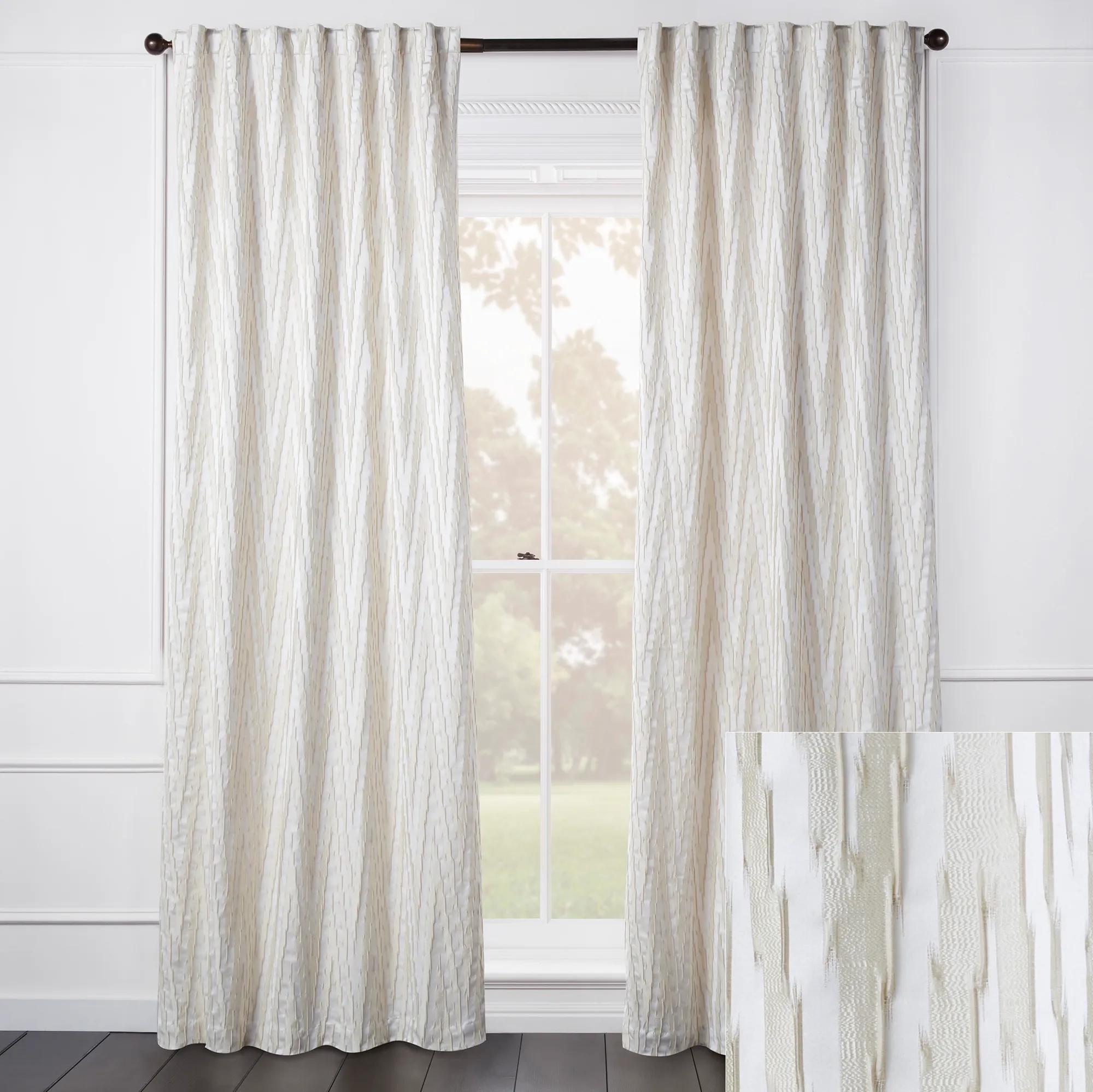
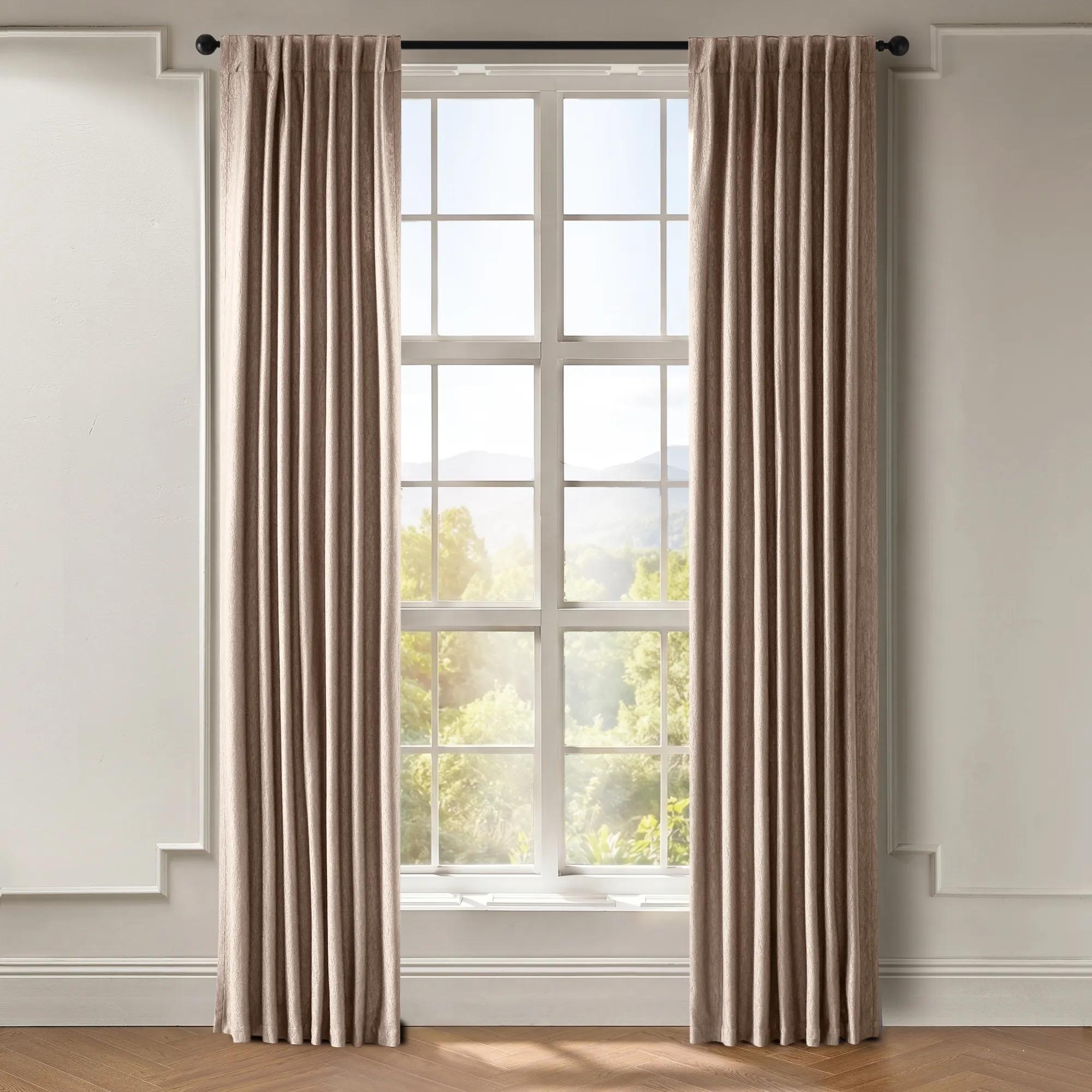
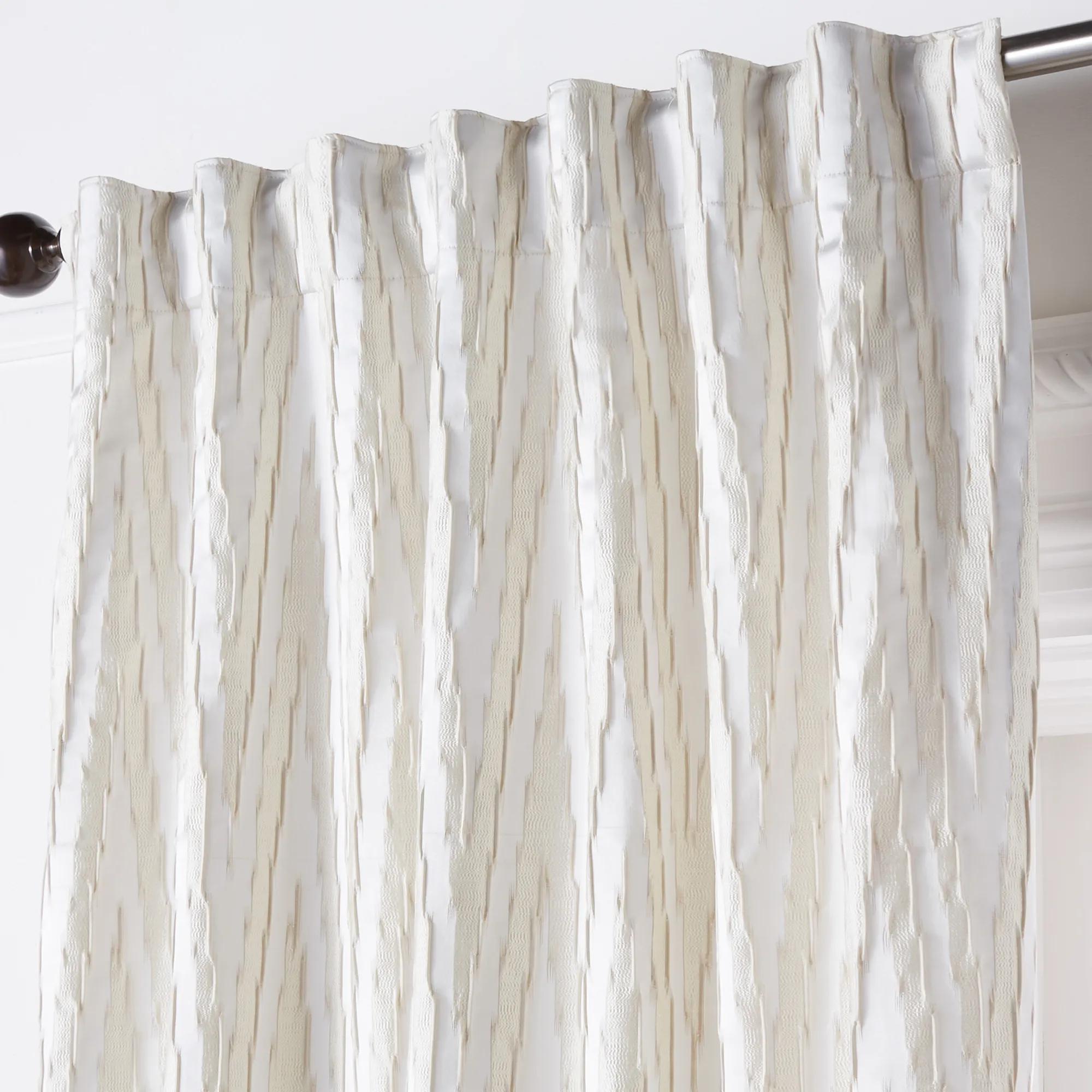 Minka Jacquard Pearl Window Curtain Panel Custom$329
A highly textured chevron curtain panel in pearl, grey, or natural polyester with customizable hanging options.
Add To Cart -
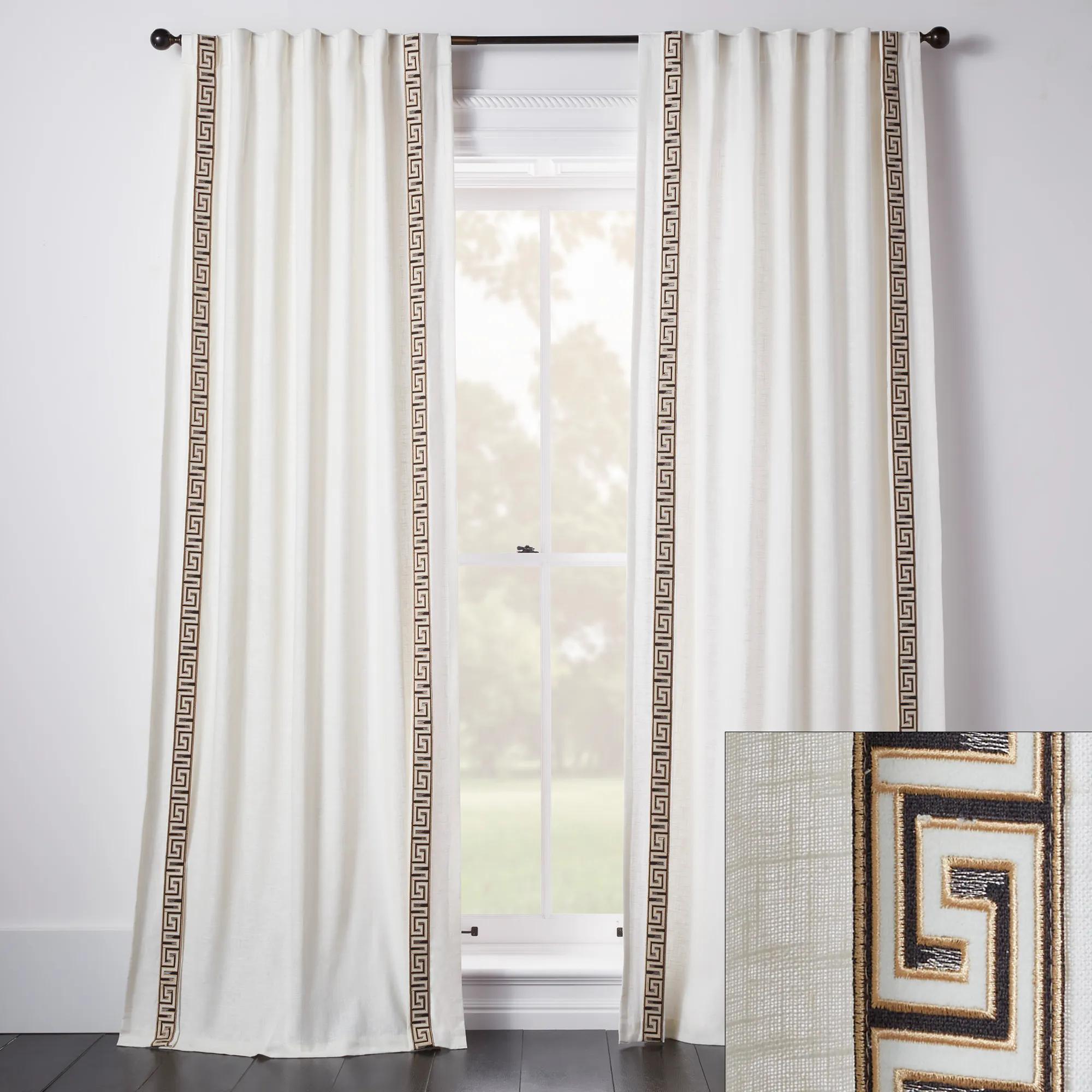 Chole Greek Key Border Velvet Widow Curtain Panels Custom$419
A linen-blend curtain panel with plush black and gold velvet Greek key border and customizable options.
Add To Cart -
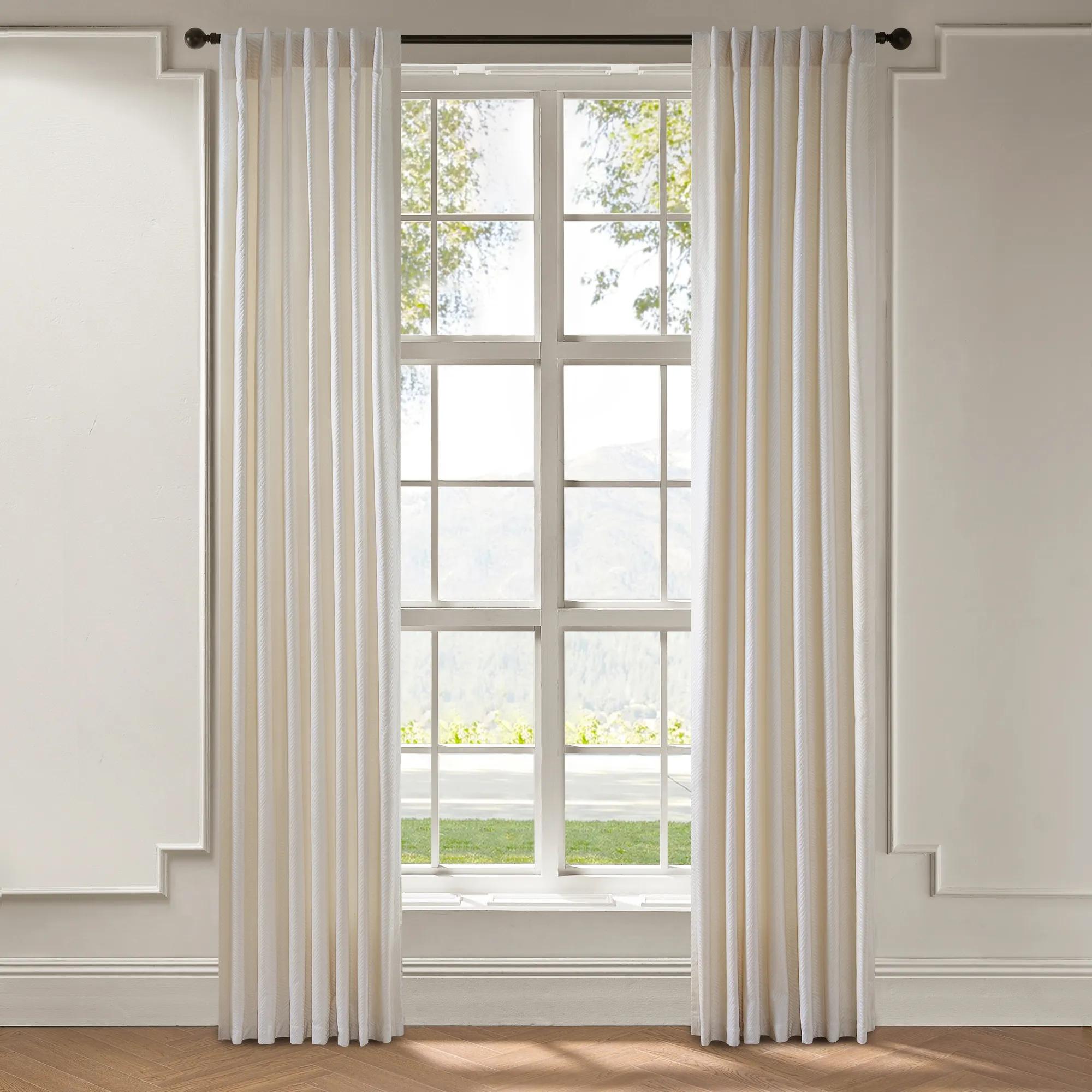
 Kenzo Chenille Curtain - White$119
A white chenille jacquard curtain featuring a subtle high-contrast pattern and soft, room-darkening texture.
Add To Cart -
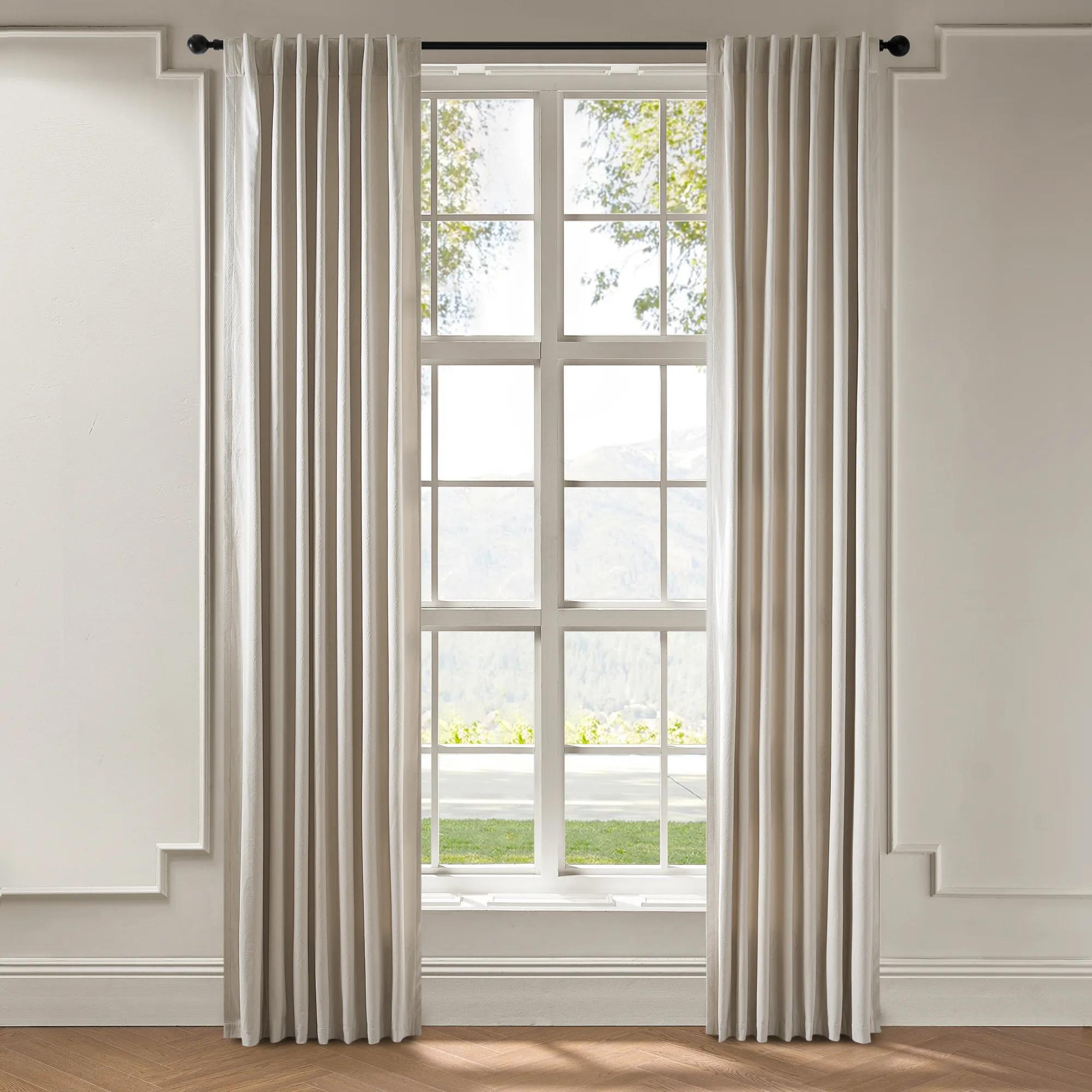
 Mabel White Velvet Swirl Window Curtain Panel$109
A crisp white velvet curtain featuring a tonal swirl texture and versatile dual hanging options.
Add To Cart -
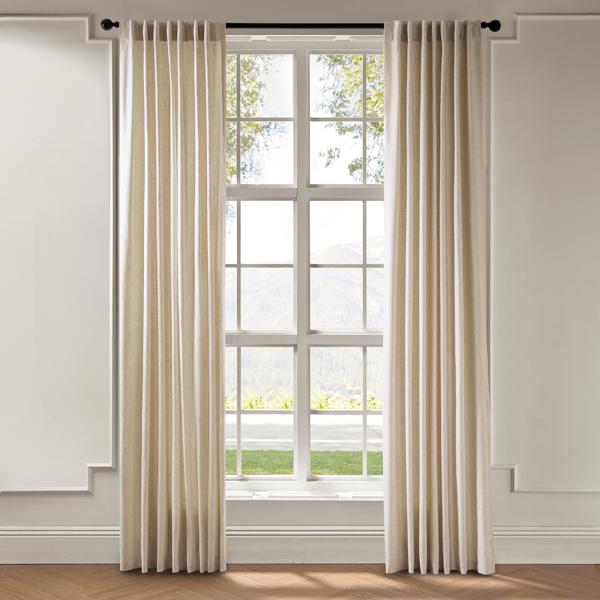
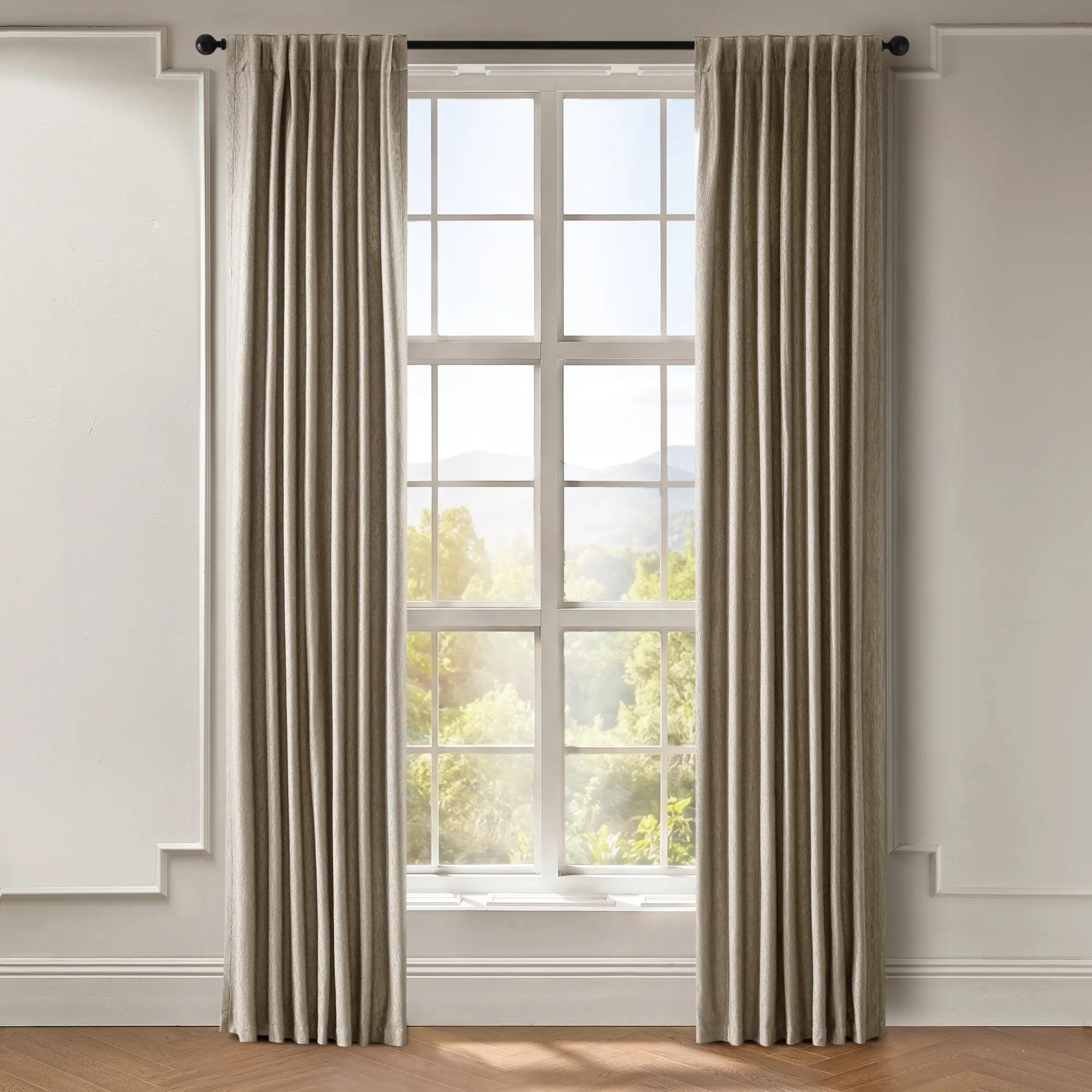
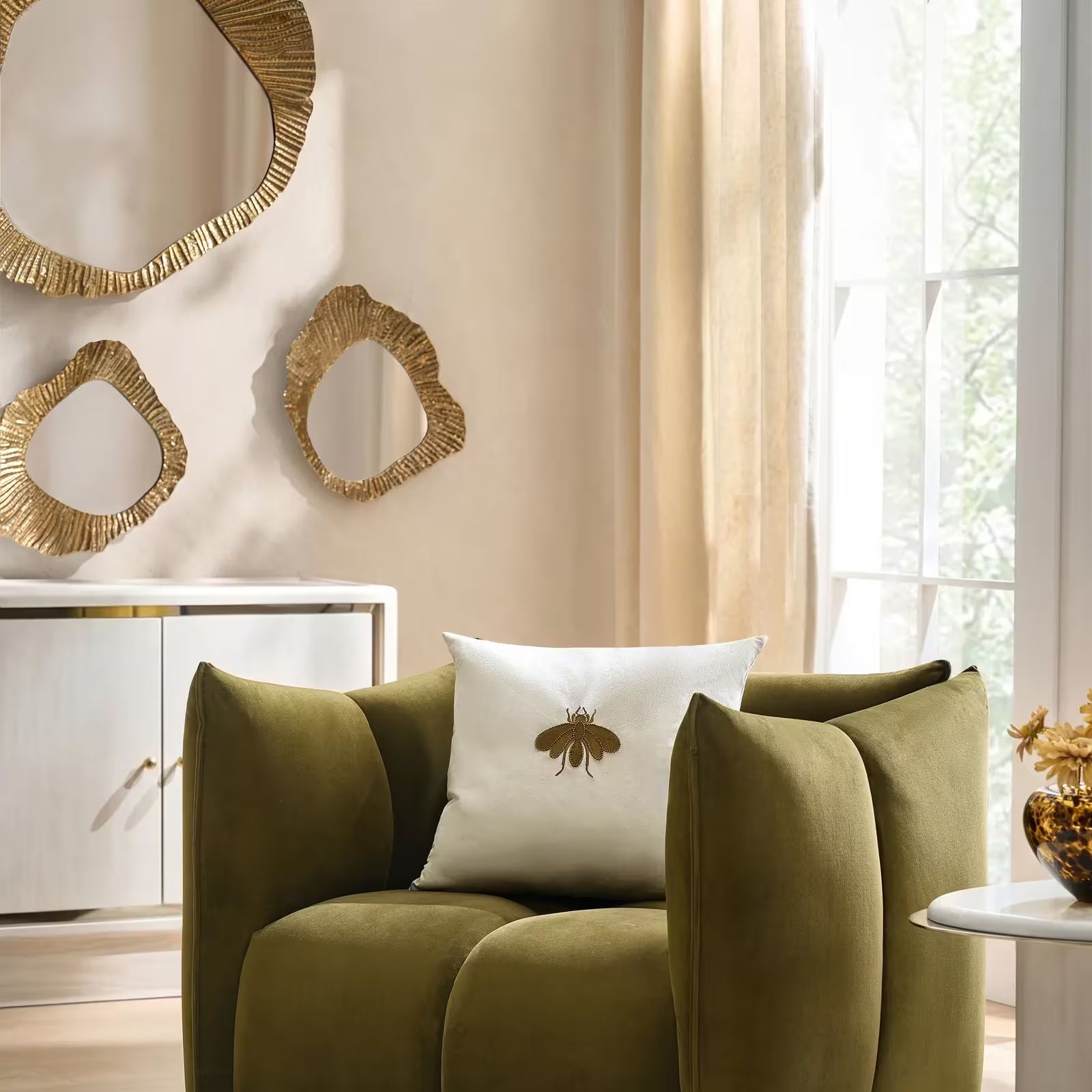 Anson Ivory Textured Window Curtain Panel$89
An ivory polyester curtain with a crushed, light-reflective texture for elegant, room-darkening style.
Add To Cart -
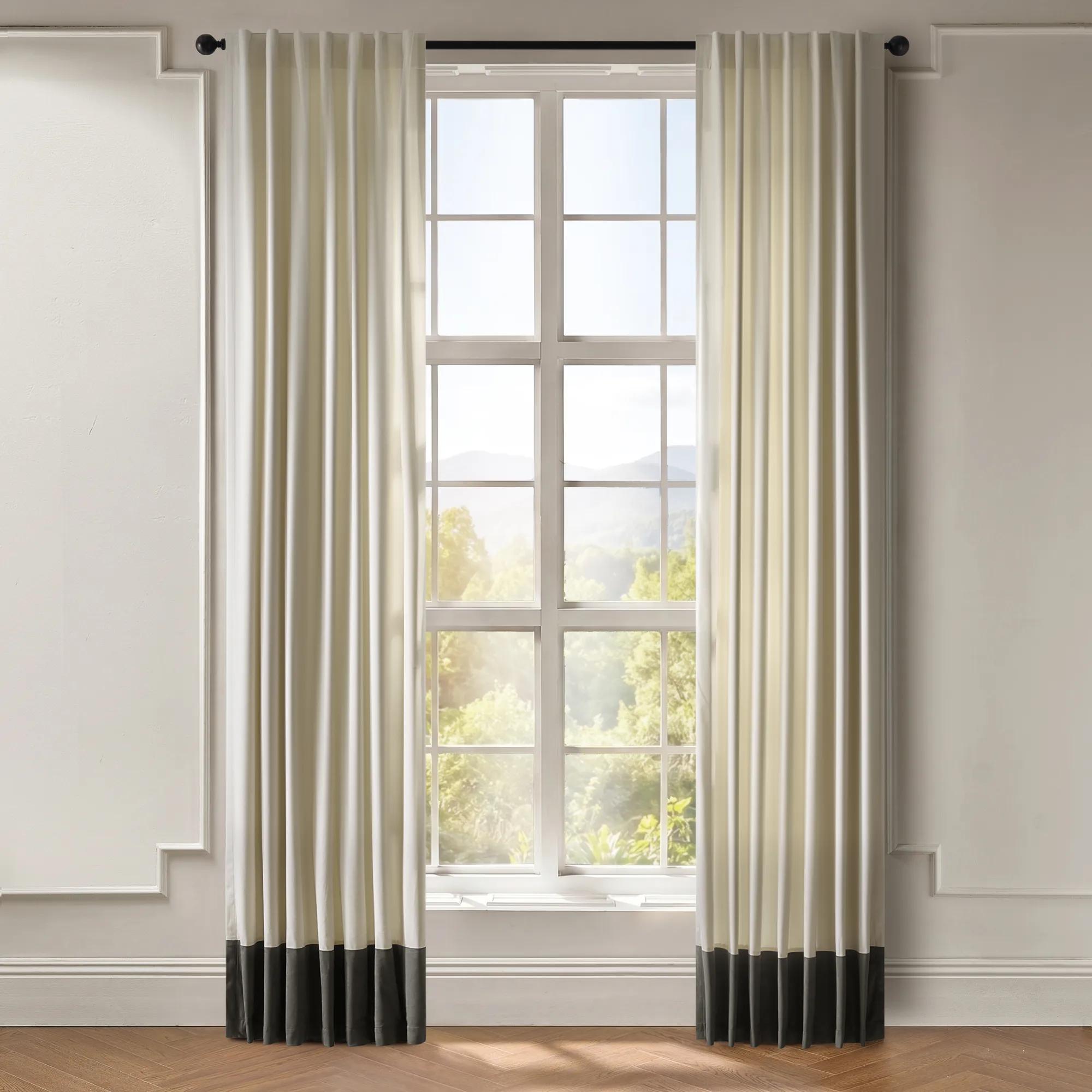
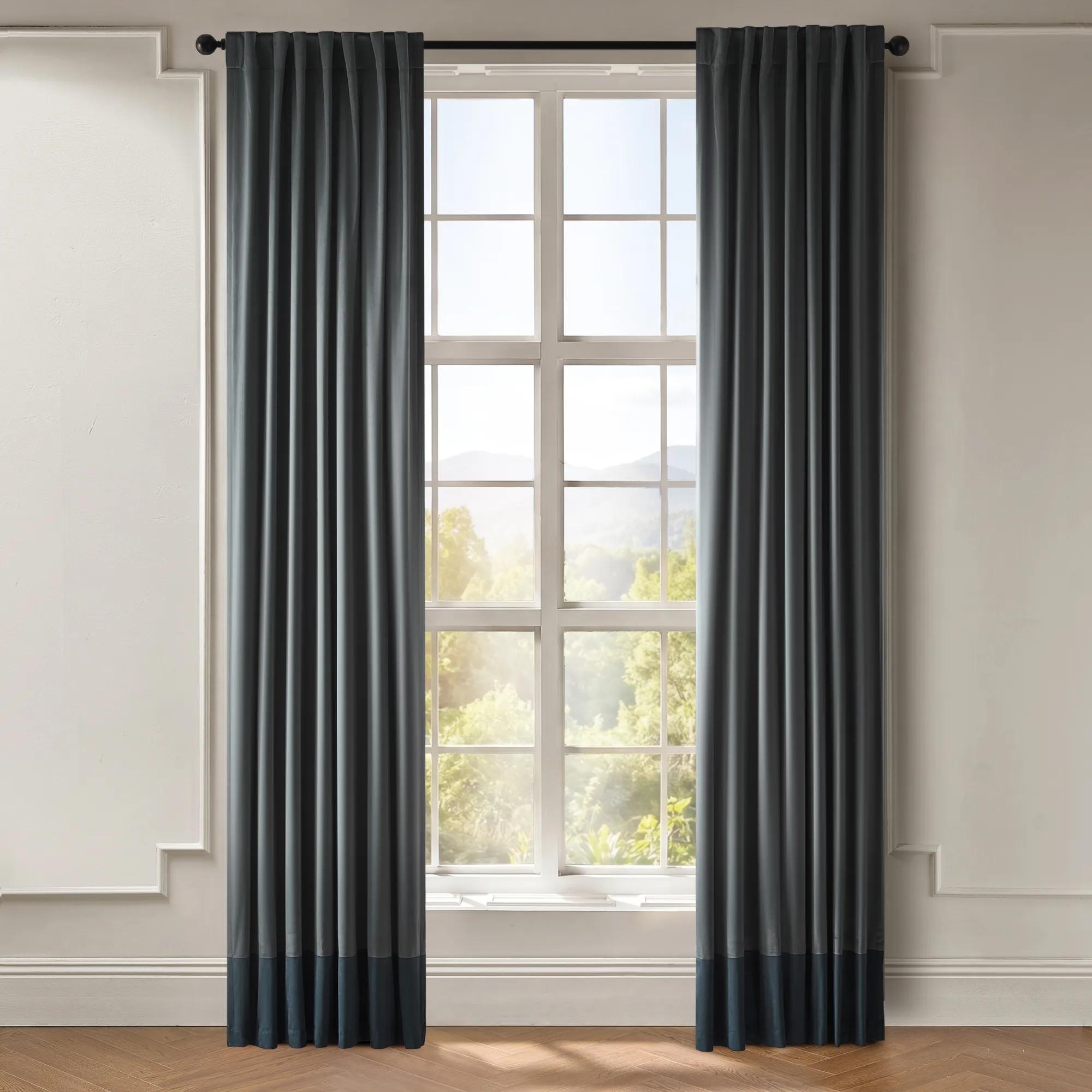
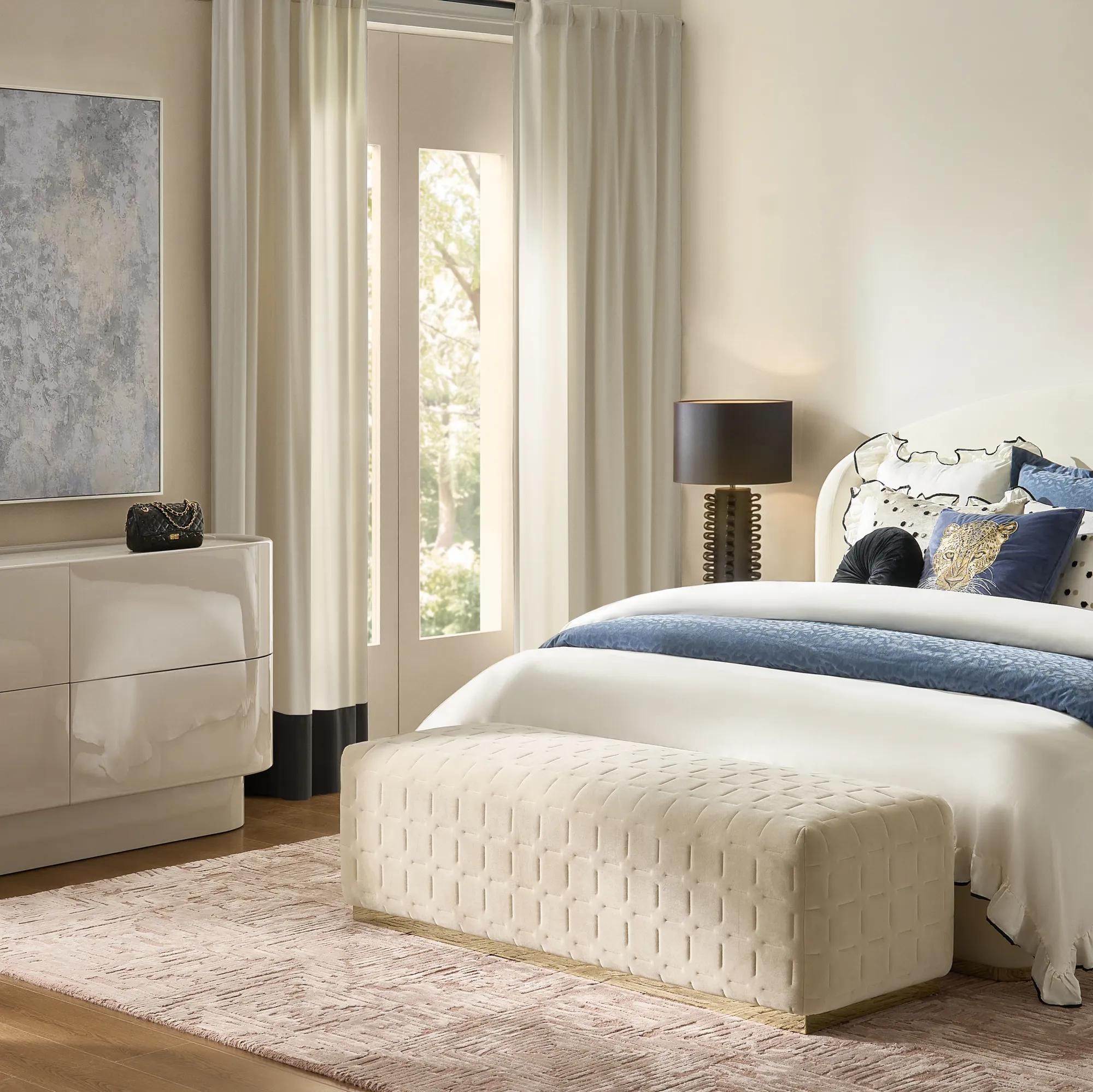 Bastien Ivory/Graphite Velvet Border Window Curtain Panel$99
A two-tone ivory and graphite velvet curtain panel with room-darkening design and versatile hanging options.
Add To Cart

White 84 Inch Curtain Panels
White 84 inch curtain panels transform windows into luminous works of art, casting every room in an ethereal light. These elegant drapes evoke a sense of effortless sophistication, their sweeping length creating vertical drama and visual intrigue. Whether framing a grand living area or adding serene refinement to a bedroom retreat, white 84 inch curtain panels invite a feeling of airiness and grandeur—turning the ordinary act of drawing the curtains into a daily ritual of beauty. Let your space breathe with possibility, where each panel becomes both backdrop and statement in your personal design story.
White 84-inch curtain panels frame a room with luminous softness, giving bold furnishings and expressive accents a beautifully composed backdrop. The 84-inch measurement refers to the panel’s length, not its width, while the fabric, weave, and lining determine how the curtain looks and performs. Sheer white panels diffuse daylight with an airy, translucent effect; light-filtering fabrics soften brightness with greater coverage; and blackout constructions are designed to block light more substantially. White describes the color, not the level of privacy, so opacity deserves as much attention as the shade itself. In a living room with a sculptural sofa and gleaming metallic tables, flowing white fabric introduces a graceful counterpoint to strong silhouettes. In a bedroom, more substantial panels create a quieter visual frame around an upholstered headboard or richly textured bedding. Material brings another layer of distinction. Linen has an irregular surface and relaxed movement, while linen blends can balance that organic character with the qualities of other fibers. Cotton offers a familiar softness that ranges from crisp to gently textured depending on the weave. Polyester and polyester blends often provide good shape retention and wrinkle resistance, though the finished effect varies with fabric weight and construction. Smooth surfaces lend themselves to polished, tailored interiors; slubbed and woven textures give white greater depth without adding a competing color. A subtle sheen can echo mirrored furniture or glass accessories, while a matte finish lets a dramatic chandelier command attention. The shade of white matters, too: a bright, clean white creates a different relationship with pale gray walls than a creamy white does with warm wood and champagne-toned finishes. Seen together, these details make white curtains far more expressive than a neutral afterthought. They establish the room’s rhythm, soften its edges, and give treasured pieces room to stand out.
The appeal of an 84-inch curtain panel depends on how its proportions meet the window, the hardware, and the floor. For many windows, this length can create a tailored finish, but the final position is determined by the rod height and the panel’s hanging style. A grommet top, rod pocket, back tab, or ring attachment can change where the fabric begins and where the hem lands. Measuring from the appropriate hanging point to the desired endpoint helps distinguish a clean floor-skimming effect from a hem that stops noticeably above the floor. An 84-inch panel will not automatically reach the floor when the rod is mounted high above the window; taller placements may call for a longer length. Width is a separate consideration, especially when the curtains need to close rather than remain decorative at either side. Combined panel widths of roughly two to two-and-a-half times the rod’s span often produce generous folds, although heavier fabrics and structured headings may require different proportions. Product dimensions and package quantities matter here, since one panel and a pair do not provide the same coverage. Fullness gives white fabric its sculptural presence: folds catch light along their edges and create soft shadows that keep a pale expanse from looking flat. At a dining room window, panels drawn back beyond the glass can emphasize the opening and preserve the view. In a bedroom facing neighboring windows, panels that close fully, with sufficient overlap and side coverage, offer a more considered arrangement. Sheer fabric alone generally provides limited privacy after dark when interior lights are on. Layering sheer panels with lined drapery or a separate shade allows the window to move between filtered daylight and greater coverage. Blackout performance also depends on installation, since light can enter around the top, sides, and center even when the fabric itself blocks it effectively.
White curtains make their strongest impression when beauty and everyday use receive equal consideration. In a frequently used living room, a fabric with dependable seam construction, secure heading details, and a care routine suited to the household can preserve that elegant appearance with less fuss. Substantial fabric is not necessarily more durable than a lighter weave; fiber content, construction, exposure, and handling all influence how a panel wears. Panels beside doors, pet resting spots, or busy walkways may encounter more dust and contact than curtains framing a seldom-opened dining room window. A hem that rests clear of the floor can be a practical choice in these settings, while a softly pooled effect introduces greater drama in a space where the fabric can remain undisturbed. Care should follow the individual label, particularly for lined panels, delicate weaves, and fabrics that may shrink or change texture when washed. Some curtains are machine washable, while others require professional cleaning; neither treatment should be assumed from color or fiber alone. Gentle vacuuming with a suitable upholstery attachment can help remove surface dust when permitted, and steaming may ease creases if the fabric’s care instructions allow it. White fabric benefits from thoughtful handling during installation, especially around freshly cleaned windowsills and decorative hardware. Hardware supplies the finishing punctuation: polished metal brings a jewelry-like accent, dark rods establish graphic contrast, and understated finishes allow the folds to lead. For a broader view of this length across colors and fabric effects, 84 Inch Window Panels offers a related starting point. Within a white palette, the most compelling choice is the one that connects the room’s light, proportions, and texture. Crisp pleats can reinforce a symmetrical arrangement; fluid folds can soften angular furniture; translucent layers can lend depth to an otherwise spare window. With the right scale and construction, white 84-inch curtain panels become an architectural finishing touch, giving an expressive interior a graceful sense of completion.
FAQs
White 84 inch curtain panels are often crafted from luxurious materials such as linen, cotton, silk, and sophisticated blends. Linen brings a natural, textured elegance and softens beautifully over time, while cotton offers crispness and versatility. For a touch of glamour, silk or sateen panels add subtle sheen and movement, perfect for creating a dramatic focal point in any room.
To achieve a layered, designer-inspired effect, pair sheer white panels with heavier drapes or blackout curtains. Use double curtain rods to hang both layers, allowing you to adjust light and privacy throughout the day. Accentuate the look with decorative tiebacks or metallic hardware, and consider puddling the panels slightly on the floor for added opulence.
Absolutely—white curtain panels are the chameleons of interior design, seamlessly adapting to living rooms, bedrooms, dining spaces, and even home offices. Their timeless color brightens any environment, while the choice of fabric and opacity allows you to tailor the mood, from airy and inviting to cozy and cocooned.
To keep white curtain panels looking pristine, regularly dust or vacuum them with a soft brush attachment. Most cotton and linen panels can be gently machine washed or dry cleaned, while delicate fabrics like silk may require professional cleaning. Always follow the care instructions provided to preserve the fabric’s texture and color.
White curtain panels act as luminous canvases, amplifying natural light and creating a sense of spaciousness. They soften architectural lines, diffuse harsh sunlight, and provide a serene backdrop for bold furnishings or art. Their understated elegance allows you to change up your décor seasonally, making them a beloved staple for expressive, ever-evolving interiors.