
54 Inch Wide Curtain Panels
54 Inch Wide Curtain Panels
-
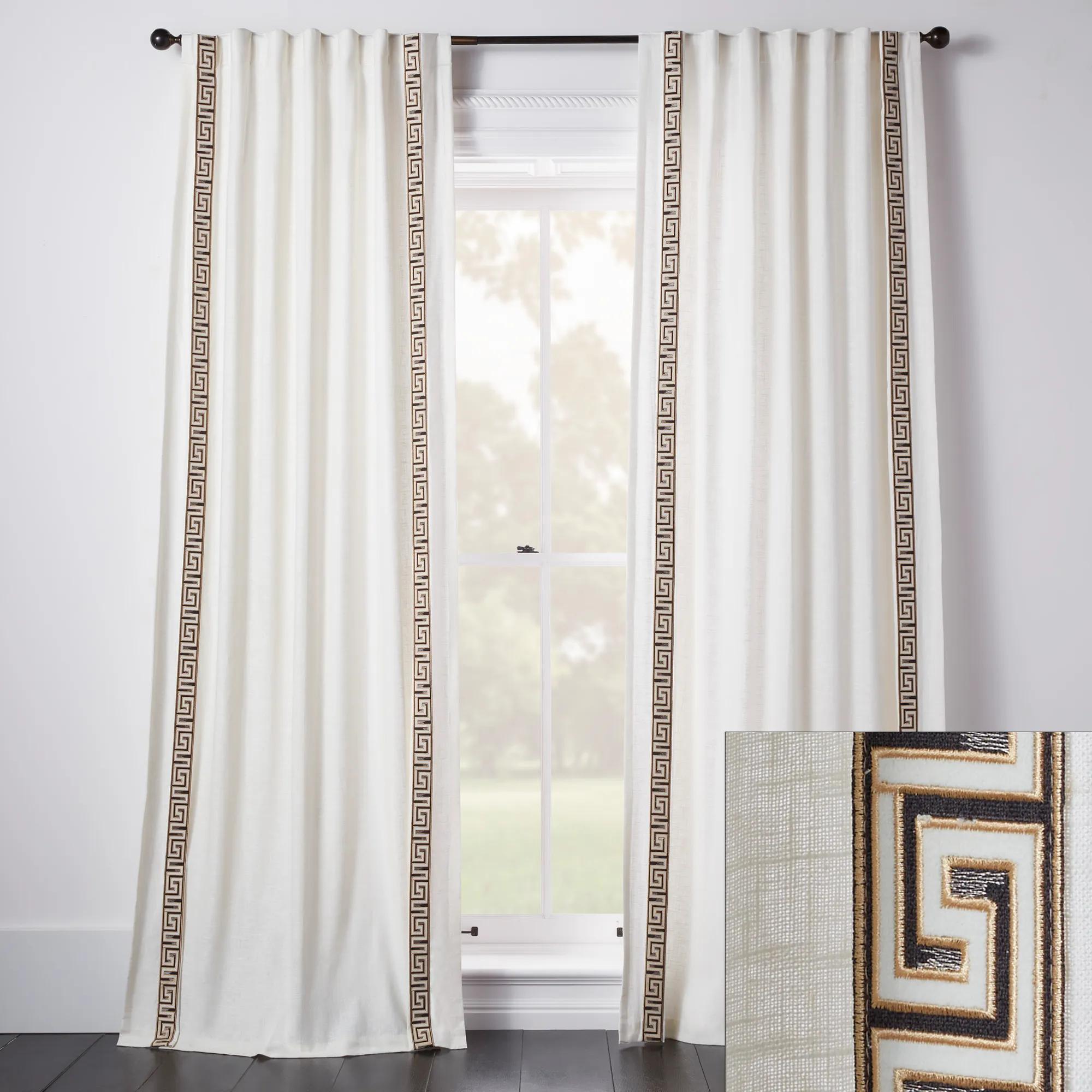 Chole Greek Key Border Velvet Widow Curtain Panels Custom$369
A white linen-blend curtain featuring a black and gold embroidered velvet Greek key border for modern elegance.
Add To Cart -
.jpeg?w=1200&h=1200)
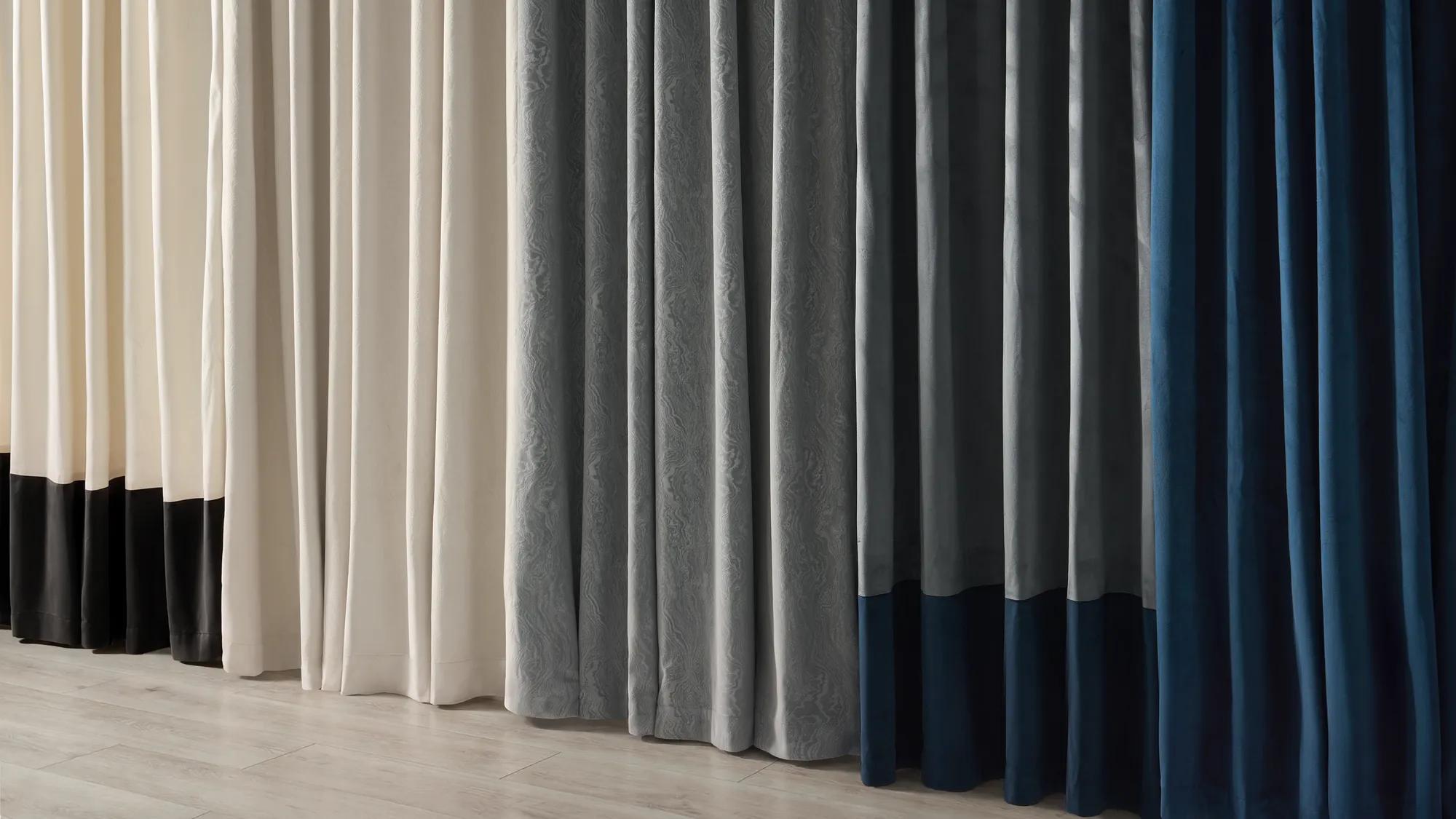 Mabel Velvet Swirl Curtain - Grey Blue$99
A grey blue velvet curtain featuring a tonal swirl pattern and versatile dual hanging options.
Add To Cart -
.jpeg?w=1200&h=1200)
 Adair Midnight Blue Solid Velvet Window Curtain Panel$69
Adair Midnight Blue Solid Velvet Window Curtain Panel$69A sumptuous midnight blue velvet curtain that adds elegance, depth, and room-darkening style to any space.
Add To Cart -
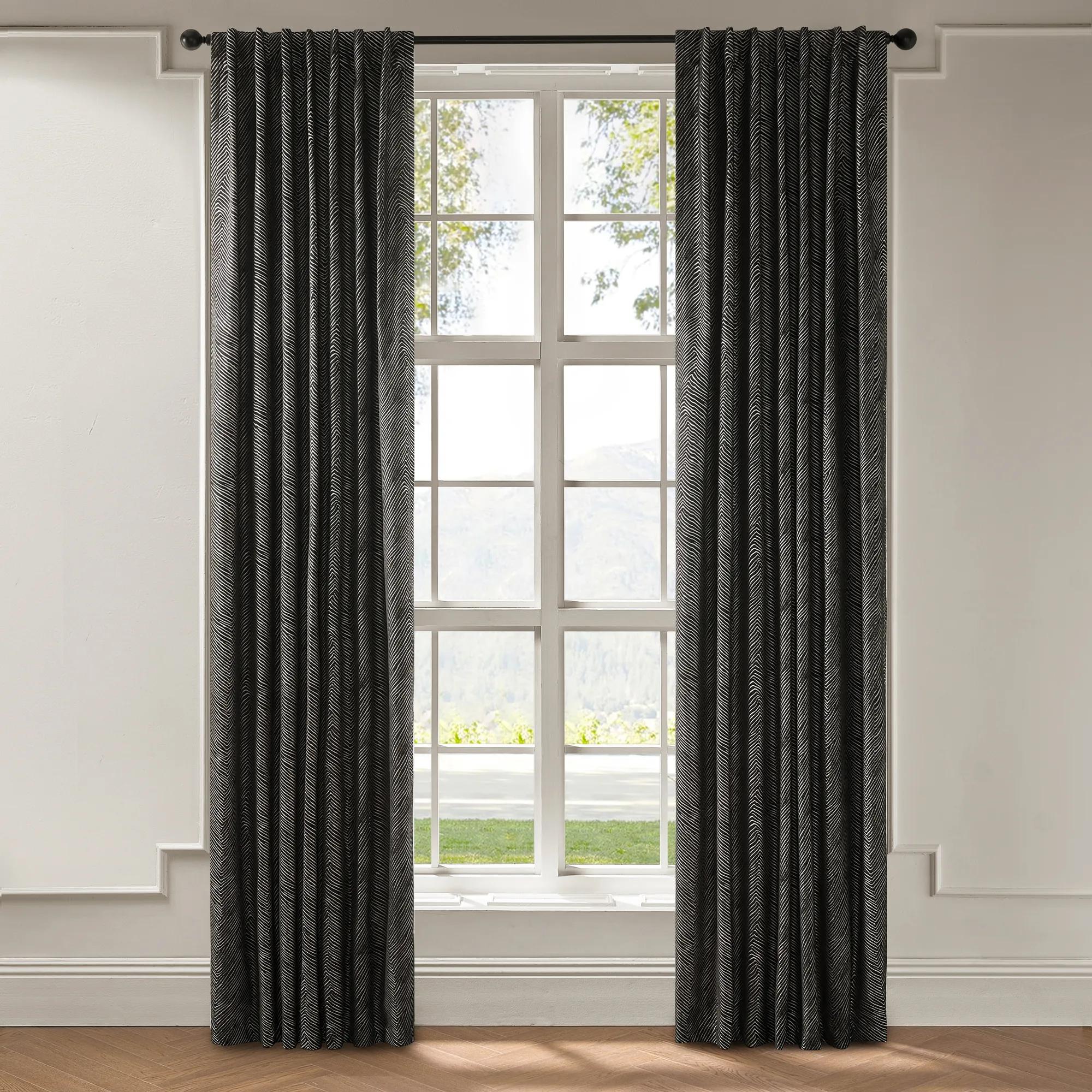
.jpeg?w=1200&h=1200) Kenzo Black Chenille Window Curtain Panel$139
Kenzo Black Chenille Window Curtain Panel$139A black chenille jacquard curtain with a room-darkening finish and versatile dual hanging options.
Add To Cart -
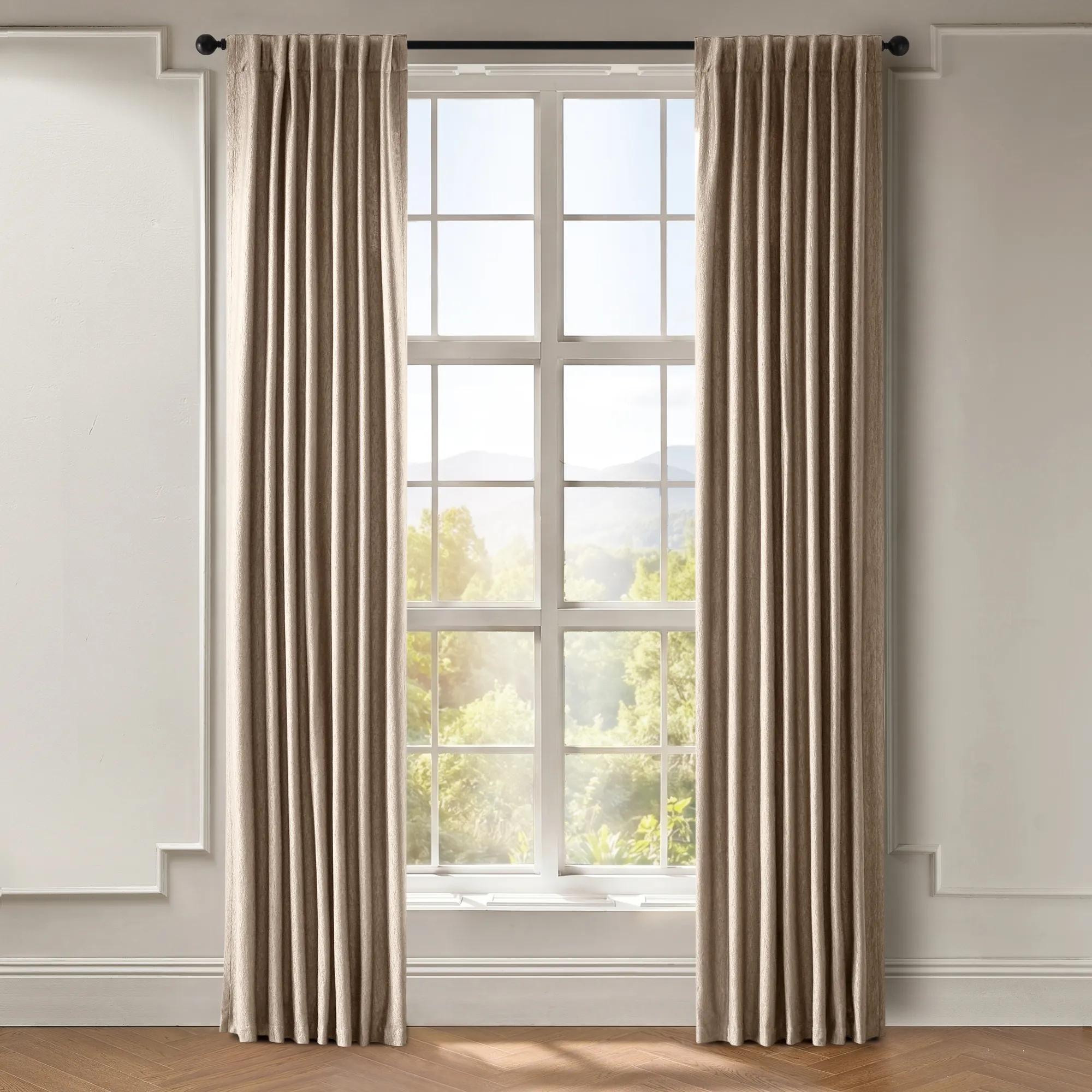
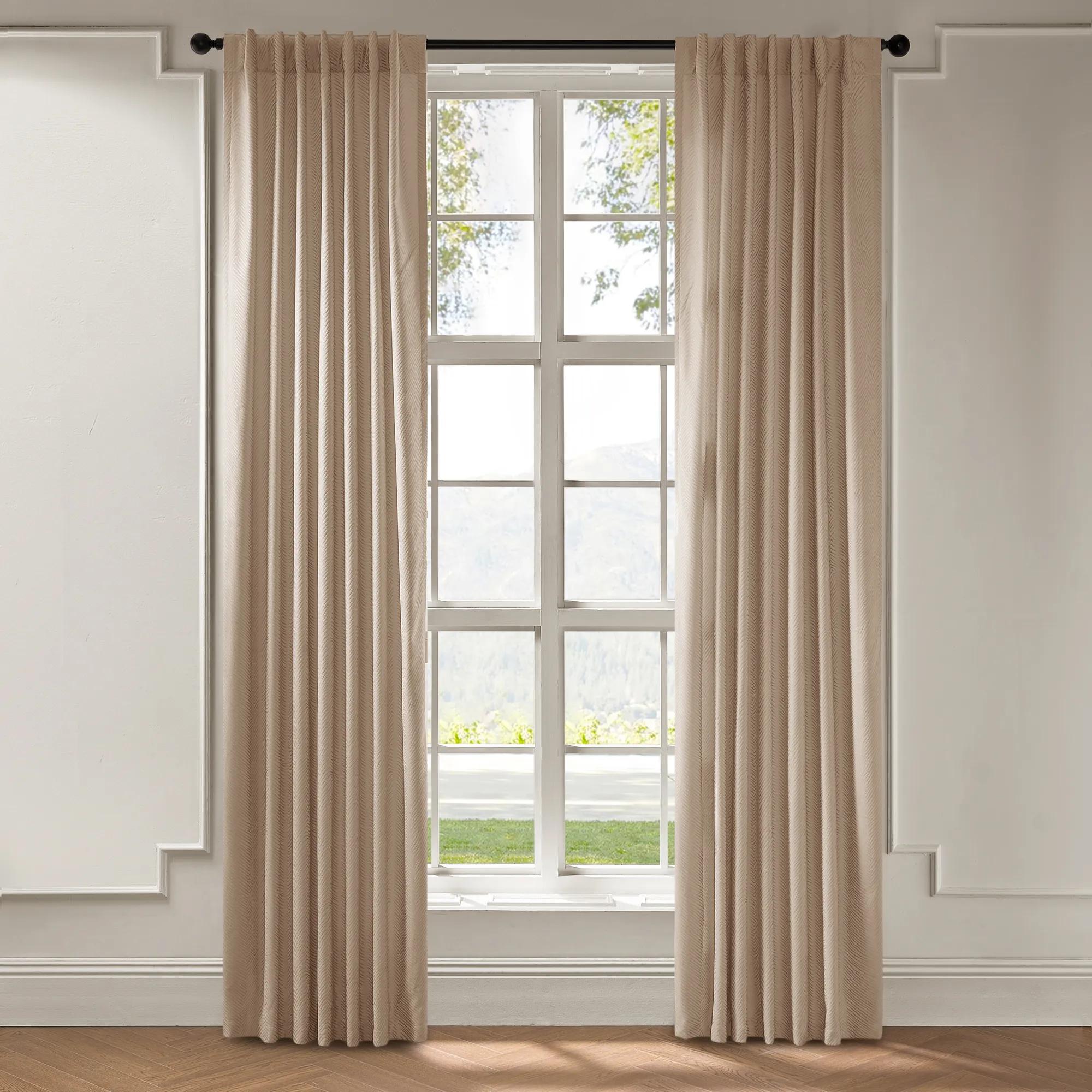 Kenzo Jacquard Beige Chenille Window Curtain Panel$129
A warm beige chenille jacquard curtain with a subtle sheen and versatile rod pocket or back tab hanging.
Add To Cart -
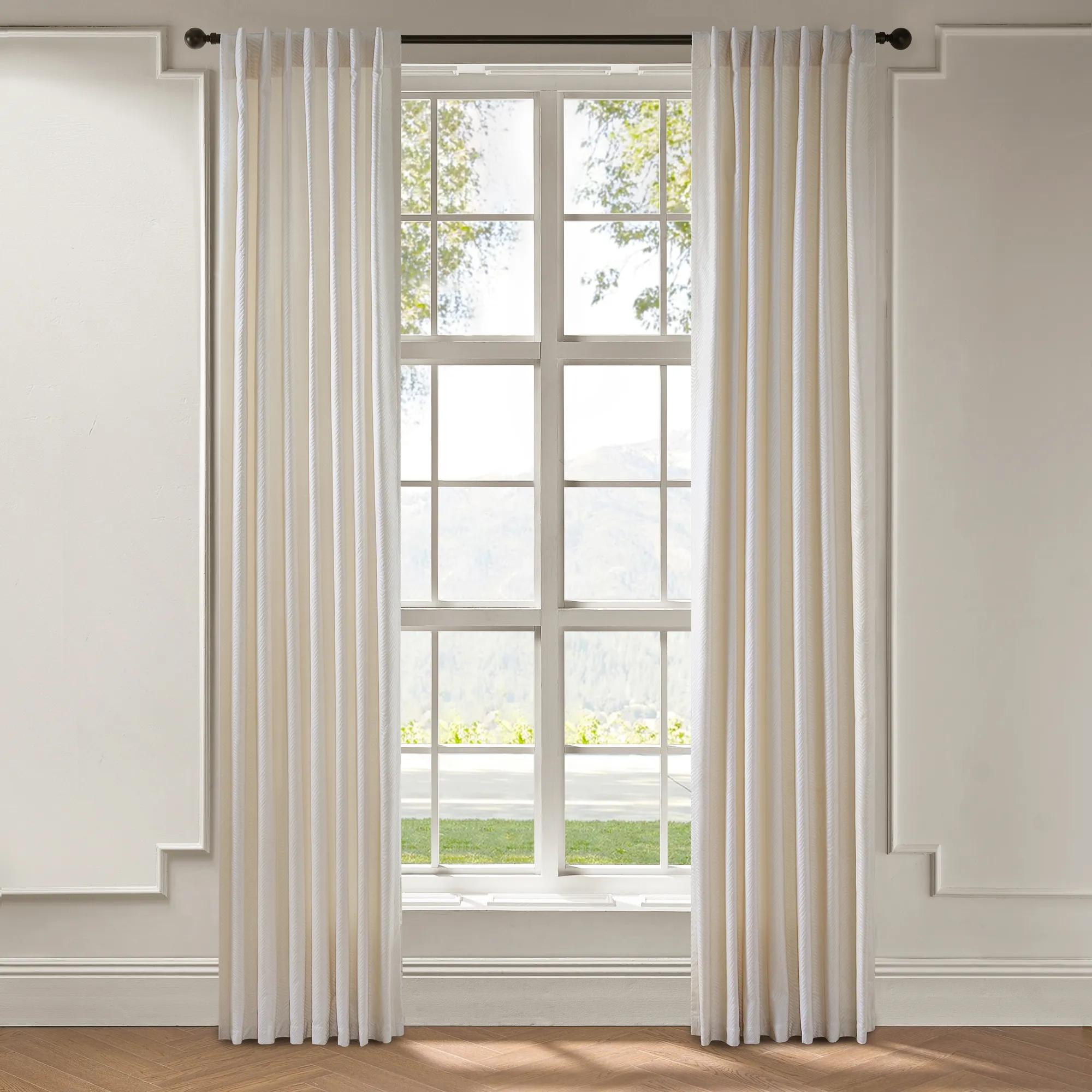
.jpeg?w=1200&h=1200) Kenzo Chenille Curtain - White$139
Kenzo Chenille Curtain - White$139A luxe white chenille jacquard curtain featuring a subtle high-contrast pattern and versatile dual construction.
Add To Cart -
.jpeg?w=1200&h=1200)
 Adair Sand Solid Velvet Window Curtain Panel$69
Adair Sand Solid Velvet Window Curtain Panel$69A sand-colored velvet curtain offering room-darkening privacy and versatile hanging options for refined interiors.
Add To Cart

54 Inch Wide Curtain Panels
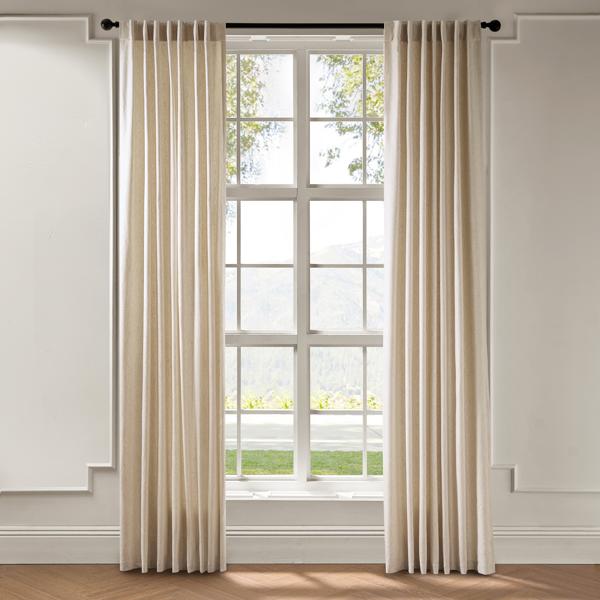
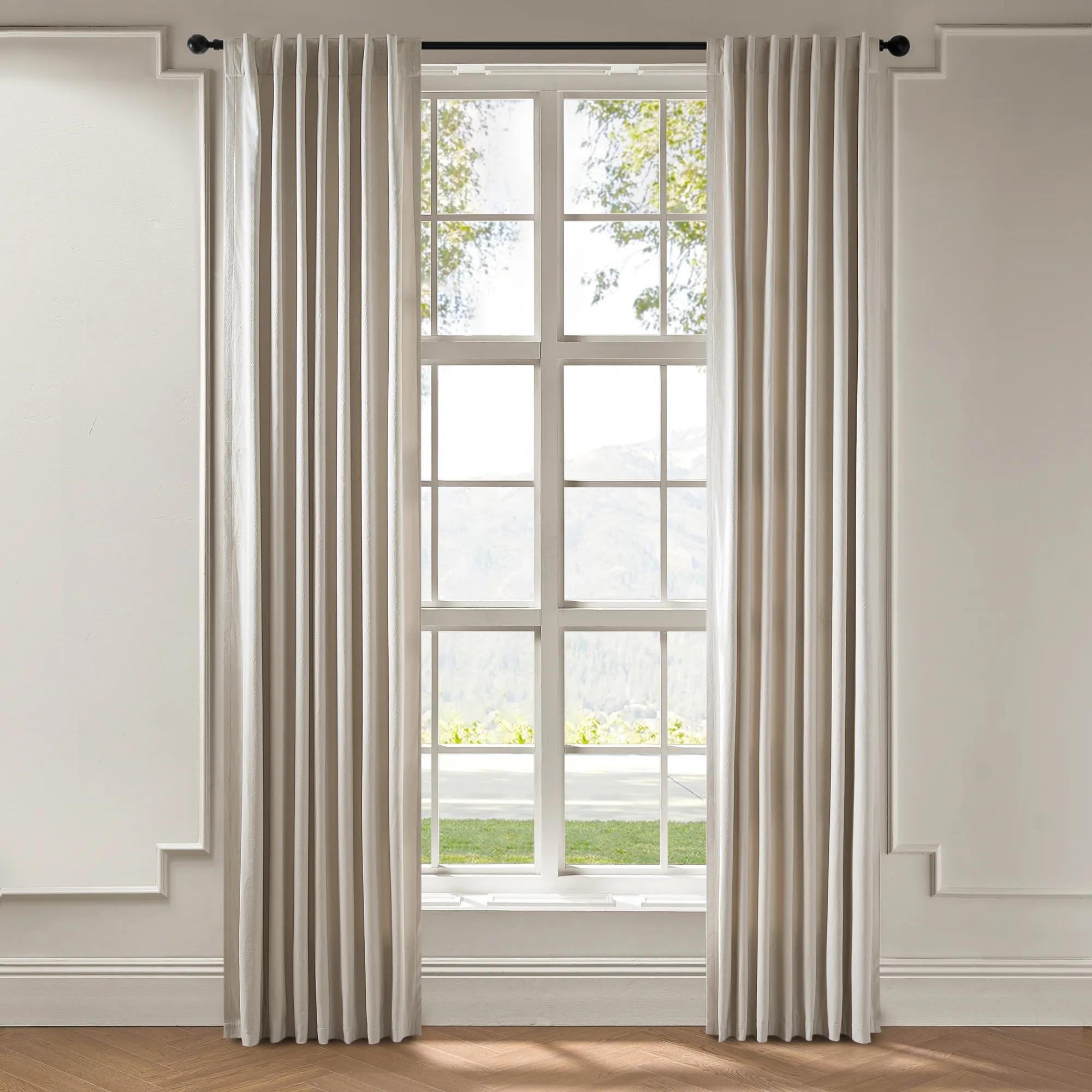
Explore 54 inch wide curtain panels to frame your windows with a tailored silhouette or a more dramatic drape. Shop with your desired fullness in mind: each panel’s width contributes to the overall look, while curtain length shapes how the fabric meets the floor. Measure your window and curtain rod before choosing how many panels you need for a beautifully proportioned finish.
A beautifully dressed window gives a room its sense of occasion, drawing the eye upward and framing everything from a sculptural sofa to a carefully composed dining table. With 54 inch wide curtain panels, that effect begins with a generous sweep of fabric: enough presence to introduce color, texture, and movement without overwhelming the furnishings around it. The stated width generally refers to an individual panel laid flat, so the finished impression depends on how much fabric gathers along the rod and how the material falls. Soft folds can make a pale, tonal room feel richer, while a more structured drape adds architectural definition beside gleaming metal accents or bold artwork. Fabric plays a leading role in that composition. Velvet brings visual depth and a plush surface that catches light differently across each fold, creating an especially dramatic frame for a bedroom or formal living area. Linen and linen-blend fabrics offer a more textured expression, with subtle variations that lend dimension to restrained palettes. Cotton can provide a crisp, tailored presence, while polyester and blended constructions may offer wrinkle resistance and consistent drape, depending on the weave and finish. Sheer fabrics create a luminous veil rather than a solid boundary, softening the view while allowing daylight to remain part of the room. Color is equally expressive: ivory and champagne tones can echo upholstered seating, charcoal can outline a window with striking precision, and saturated hues can pull a smaller accent color from a painting into the larger space. Pattern introduces another layer of artistry, whether through an understated woven motif or a pronounced geometric design. In a room with patterned upholstery, a solid curtain can give the eye a place to settle; alongside simpler furnishings, a textured or patterned panel can become the defining gesture. The most compelling effect comes from choosing fabric that has a clear relationship to the room, not necessarily an exact match to every surface.
Proportion is what turns beautiful fabric into a polished window treatment. A 54-inch panel width is not the same as 54 inches of finished, fully gathered coverage, and selecting panels solely by the glass measurement can leave a window looking sparse when the curtains are closed. Two panels measuring 54 inches wide provide approximately 108 inches of flat fabric before allowances for gathering, overlap, and the way the heading attaches to the rod. For many curtain styles, total fabric width around one and a half to two times the rod span creates appealing fullness, although sheer fabrics may benefit from more and tailored treatments may call for a different approach. A pair totaling 108 inches, for example, can create roughly twice the fullness across a 54-inch rod span; spread across a substantially wider rod, the same pair will hang with fewer folds. Measure the area the curtains will actually cover, including any rod extension beyond the window frame, rather than treating the window opening as the only dimension that matters. Width and length also deserve separate attention. When an 84-inch drop suits the planned rod placement, 84 Inch Window Curtains offer a related length category to consider alongside panel width. Measure from the appropriate hanging point for the chosen heading, since rings, grommets, tabs, and rod pockets position the fabric differently. Panels that just skim the floor create a precise, composed line, while a slight break introduces softness; generous pooling makes a more theatrical statement but requires extra attention in frequently used spaces. A desk, radiator, built-in bench, or deep windowsill can change the appropriate length, and curtains should remain clear of heat sources according to the equipment manufacturer’s guidance. Hardware completes the silhouette. Grommets emphasize regular, rounded folds, rod pockets create a gathered effect, and pleated headings establish a more tailored rhythm. Rod strength, bracket placement, and ring compatibility matter particularly with heavier fabrics or lined panels, allowing the finished treatment to look intentional and move comfortably through daily use.
Beyond their decorative presence, 54 inch wide curtain panels help shape how a room feels and functions throughout the day. In a living room facing neighboring windows, a layered arrangement of sheers and more opaque panels can balance a softened daytime view with greater privacy when the outer curtains are drawn. Sheers alone generally do not provide dependable nighttime privacy when interior lights are on. For bedrooms, media rooms, or spaces used by daytime sleepers, the fabric’s stated light-control performance deserves particular attention: room-darkening curtains reduce incoming light, while blackout performance depends on the construction and can still be affected by gaps around the edges. A dark color or substantial hand does not, by itself, establish blackout capability. Lining can add body, improve the appearance of folds, and help shield the face fabric from direct light, although performance varies by material. In a dining room, softly lustrous panels can reflect the glow of a chandelier without competing with a dramatic centerpiece; in a home office, a matte weave can provide a composed backdrop while helping diffuse harsh brightness near a screen. Durability becomes especially important where curtains are opened and closed often. Secure hems, even stitching, well-finished headings, and hardware suited to the fabric’s weight support a graceful appearance over time. Homes with children or pets may be better served by floor-skimming lengths rather than trailing fabric, along with securely installed rods and cord-free arrangements. Care requirements should suit the household as thoughtfully as the color suits the walls. Check the care label before laundering, steaming, ironing, or applying a spot treatment, since washable blends, delicate sheers, and lined velvet can require very different handling. Where permitted, gentle vacuuming with an upholstery attachment can help remove settled dust, while prompt attention to marks may prevent them from becoming more difficult to address. Avoid assuming that every fabric tolerates heat or water, and account for possible shrinkage when the care instructions identify it. With proportion, fabric, and everyday routines considered together, curtains become more than a finishing layer: they lend the window a distinctive presence and give the room a beautifully resolved frame.
FAQs
Velvet brings sumptuous texture and rich visual depth, while silk and silk-look fabrics introduce a luminous sheen. Linen offers a more tactile, softly tailored expression. Choose a fabric that echoes your room’s mood, from dramatic glamour to relaxed sophistication.
Draw inspiration from your room’s most expressive element, whether it’s a jewel-toned sofa, an abstract painting, or a richly patterned rug. Tonal curtain panels create a composed backdrop, while a contrasting hue gives windows a bold presence. Ivory, champagne, and charcoal offer sophisticated foundations for gleaming metallic accents.
Let patterned curtain panels lead the composition, then repeat one or two of their colors through pillows, artwork, or decorative objects. Pair graphic motifs with sculptural furnishings for an artful contrast. If you mix patterns, vary their visual scale and keep the palette cohesive so each detail feels intentional.
Sheers and curtain panels create a beautifully dimensional window treatment. Pair an airy sheer with a more substantial outer fabric for a contrast in texture, or choose closely related tones for a fluid, monochromatic composition. A double curtain rod allows each layer to hang independently.
Polished brass, chrome, and matte black each lend a distinct finishing note. Gleaming metal brings jewelry-like detail to the window, while matte black introduces a crisp, graphic accent. Coordinate the hardware with a finish already present in the room, and select rings or rods compatible with the panels’ header style.
.jpeg?w=4130&h=4130)
.jpeg?w=3942&h=3942)


