Velvet Curtains
Velvet Curtains
-
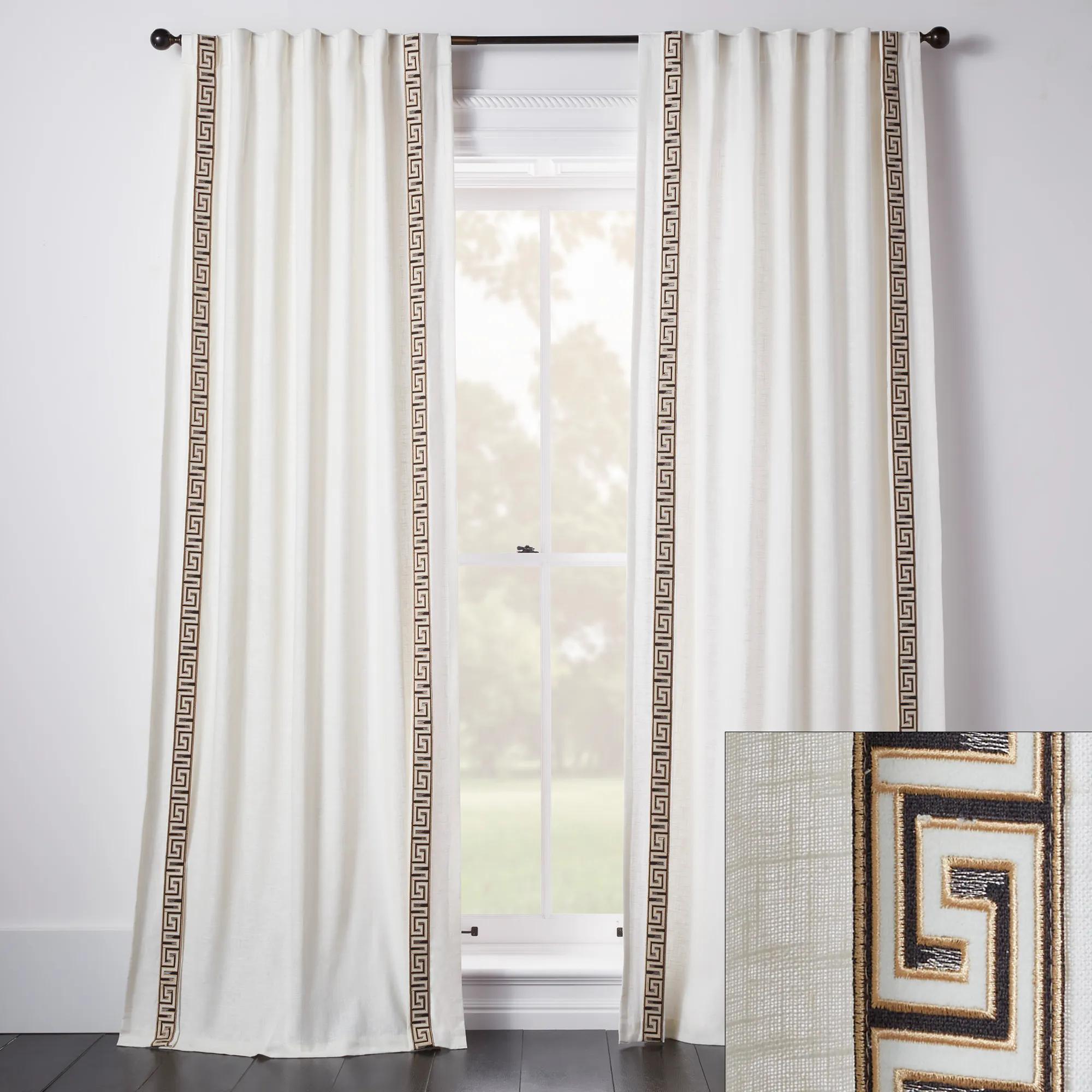 Chole Greek Key Border Velvet Widow Curtain Panels Custom$399
A linen-blend curtain panel with black and gold velvet Greek key border and customizable header options.
Add To Cart -

 Mabel Natural Velvet Swirl Window Curtain Panel$99
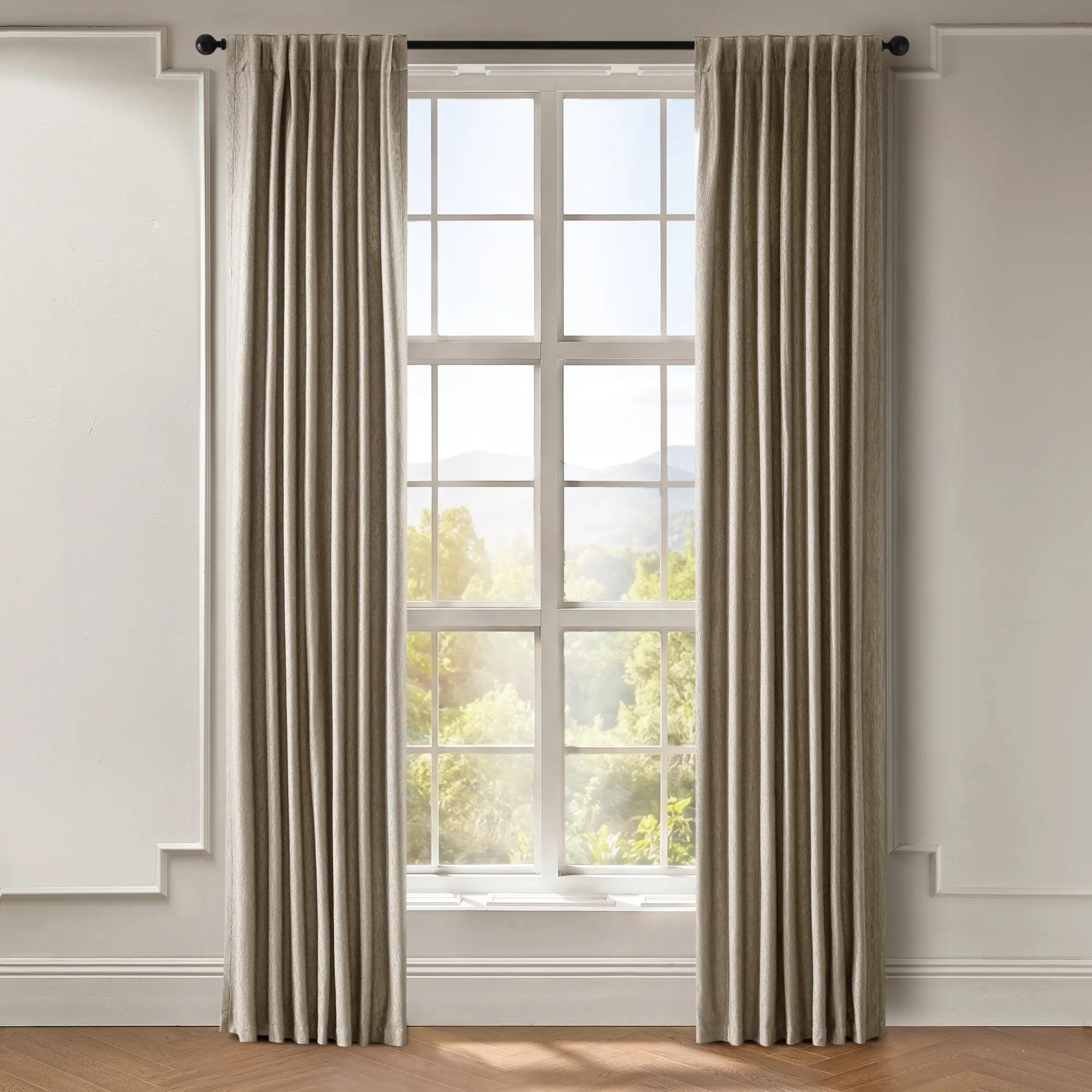
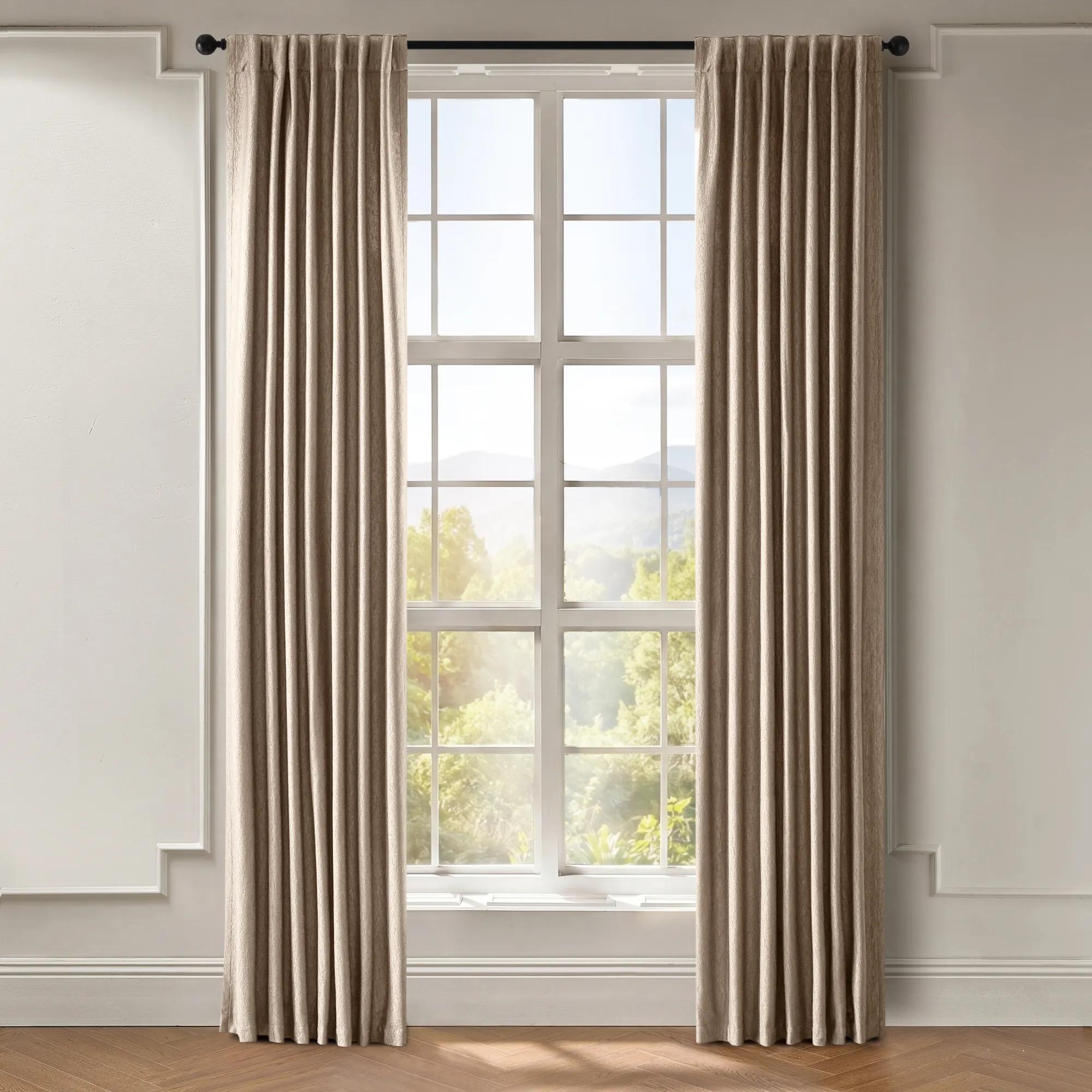
A warm neutral velvet curtain with a tonal swirl pattern, offering room-darkening privacy and versatile hanging options.
Add To Cart -

 Adair Midnight Blue Solid Velvet Window Curtain Panel$89
A sumptuous midnight blue velvet curtain that adds elegance, depth, and room-darkening style to any space.
Add To Cart -
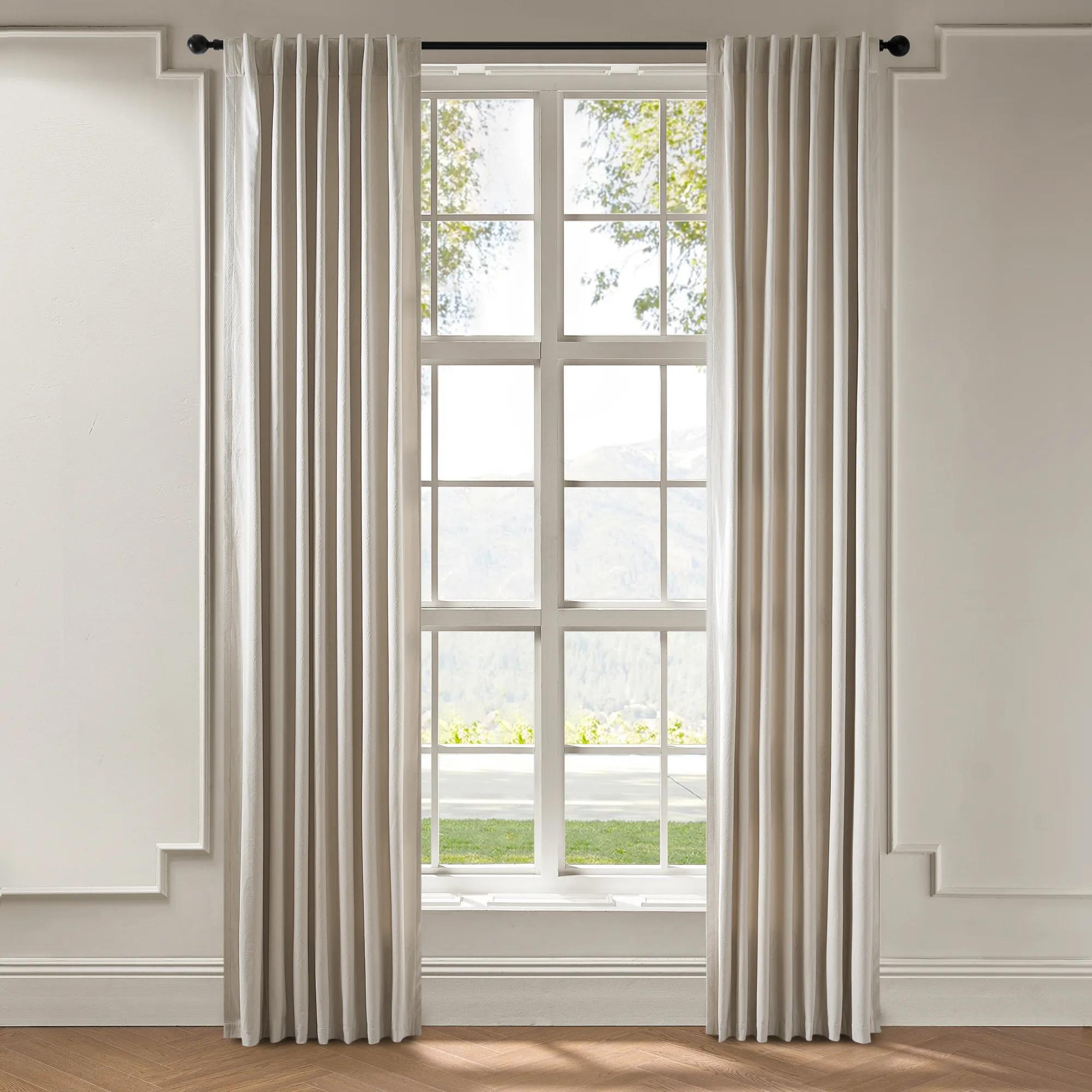
 Mabel White Velvet Swirl Window Curtain Panel$99
A crisp white velvet curtain featuring a tonal swirl texture and versatile dual hanging options.
Add To Cart -

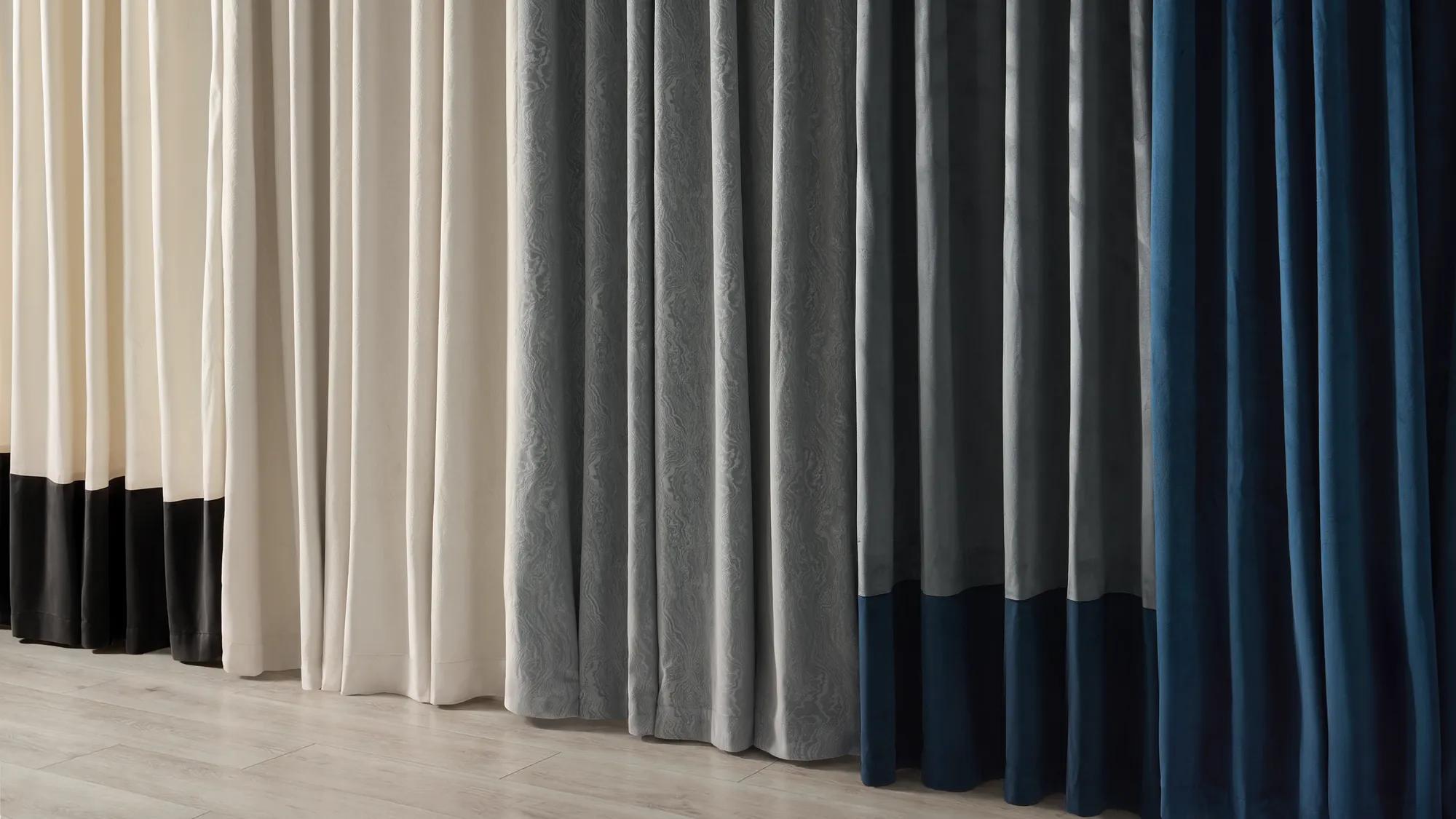 Mabel Velvet Swirl Curtain - Grey Blue$99
A grey blue velvet curtain featuring a tonal swirl pattern and versatile dual hanging options.
Add To Cart -
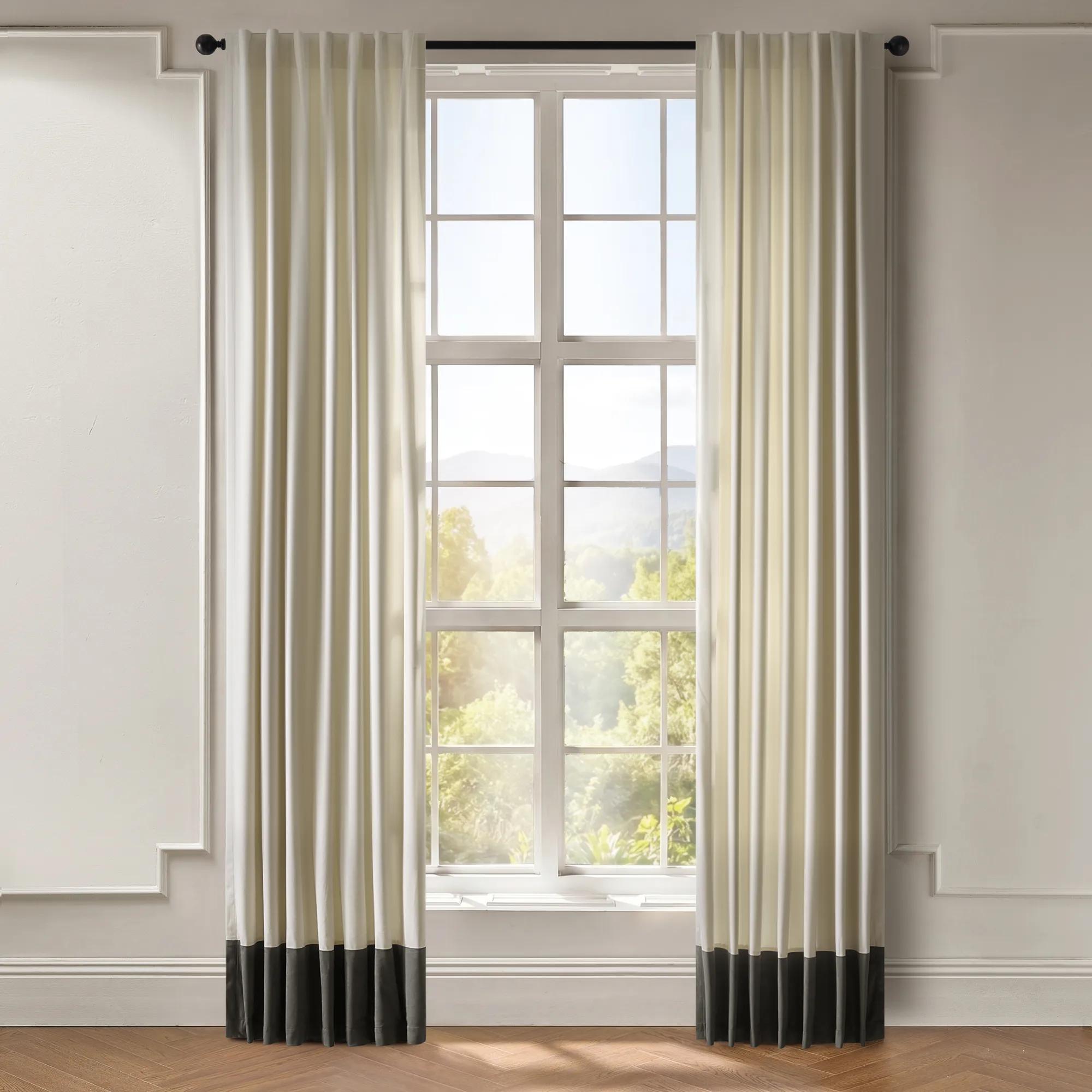
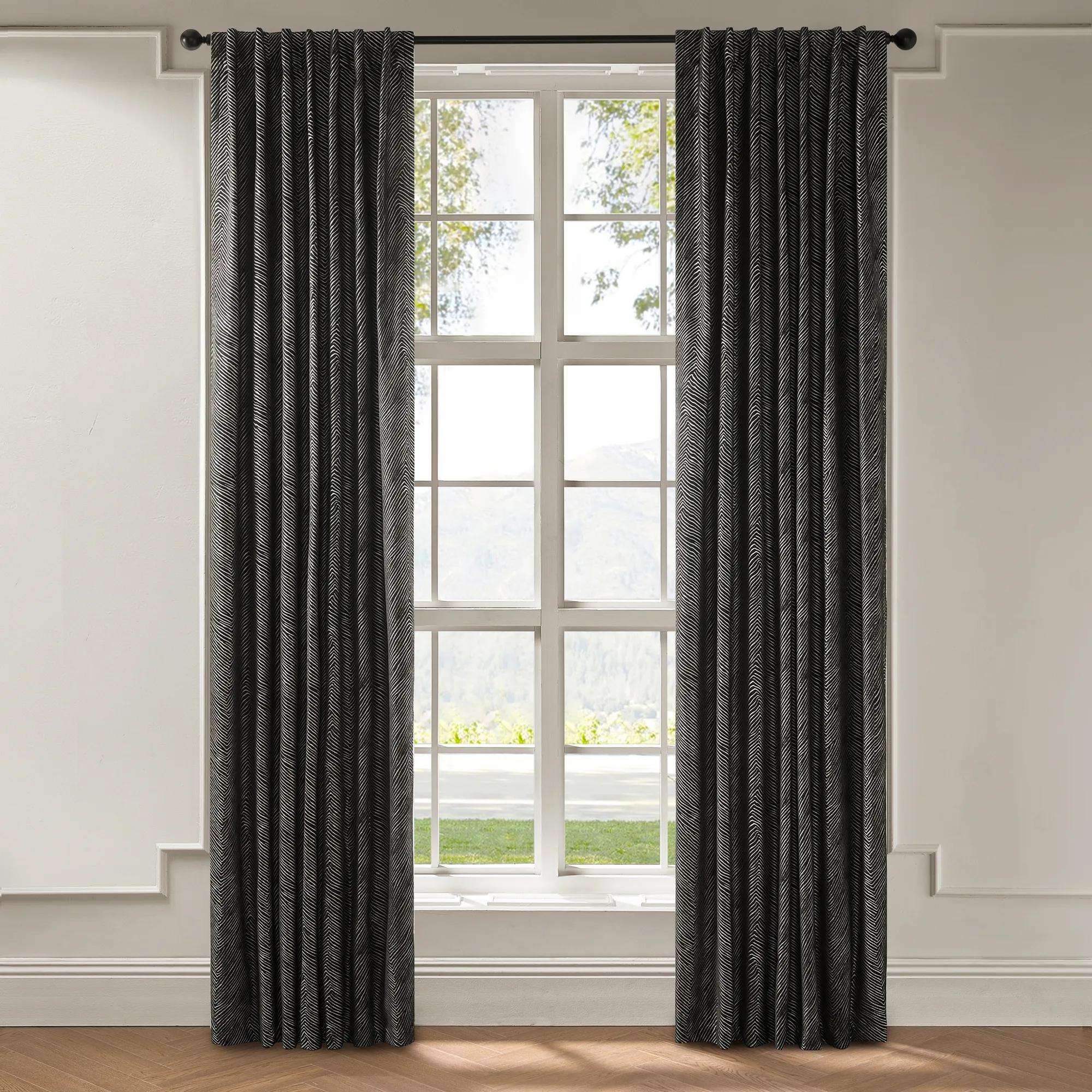
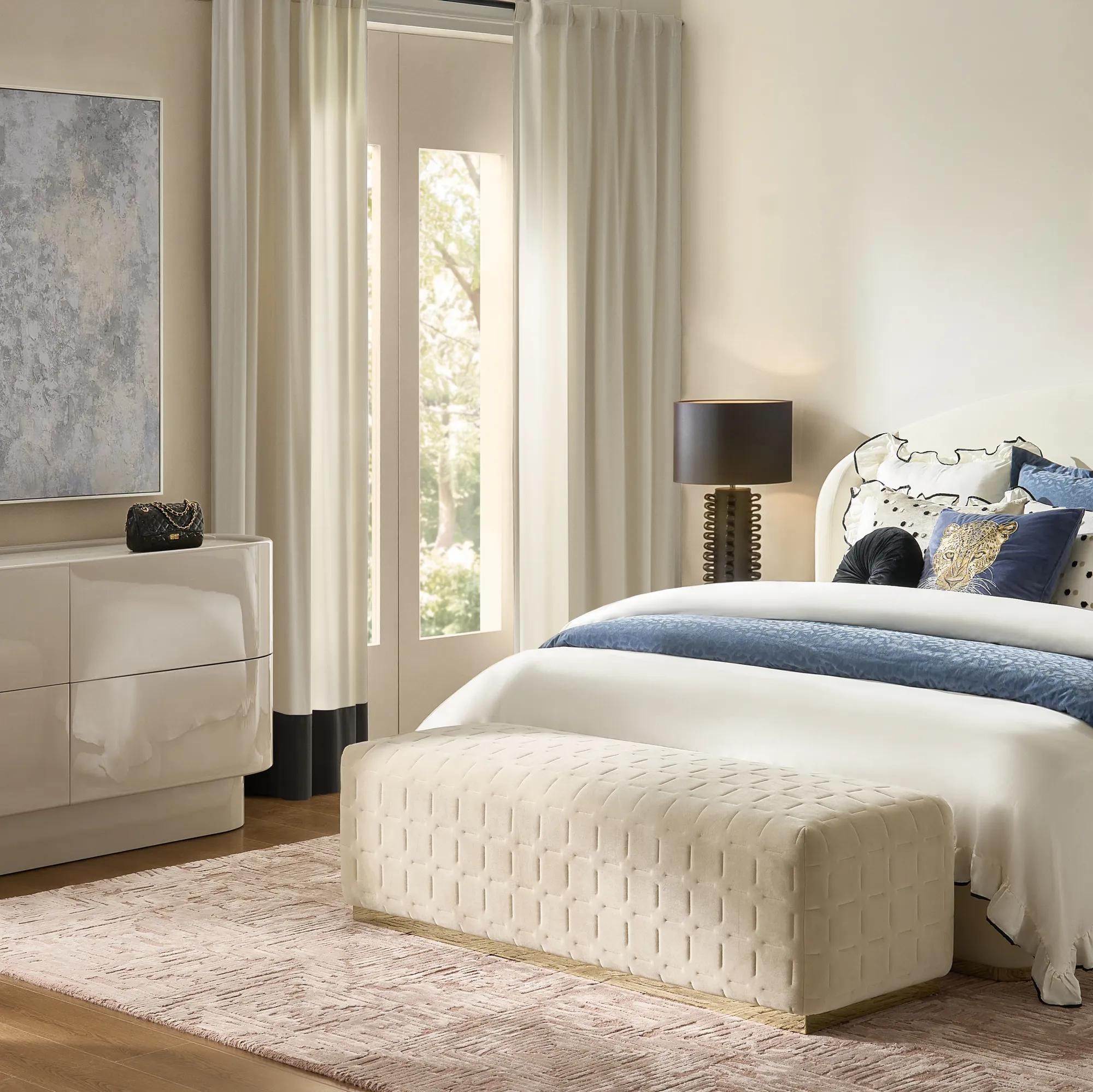 Bastien Ivory/Graphite Velvet Border Window Curtain Panel$109
A two-tone ivory and graphite velvet curtain panel with a Deco-inspired border and room-darkening design.
Add To Cart -
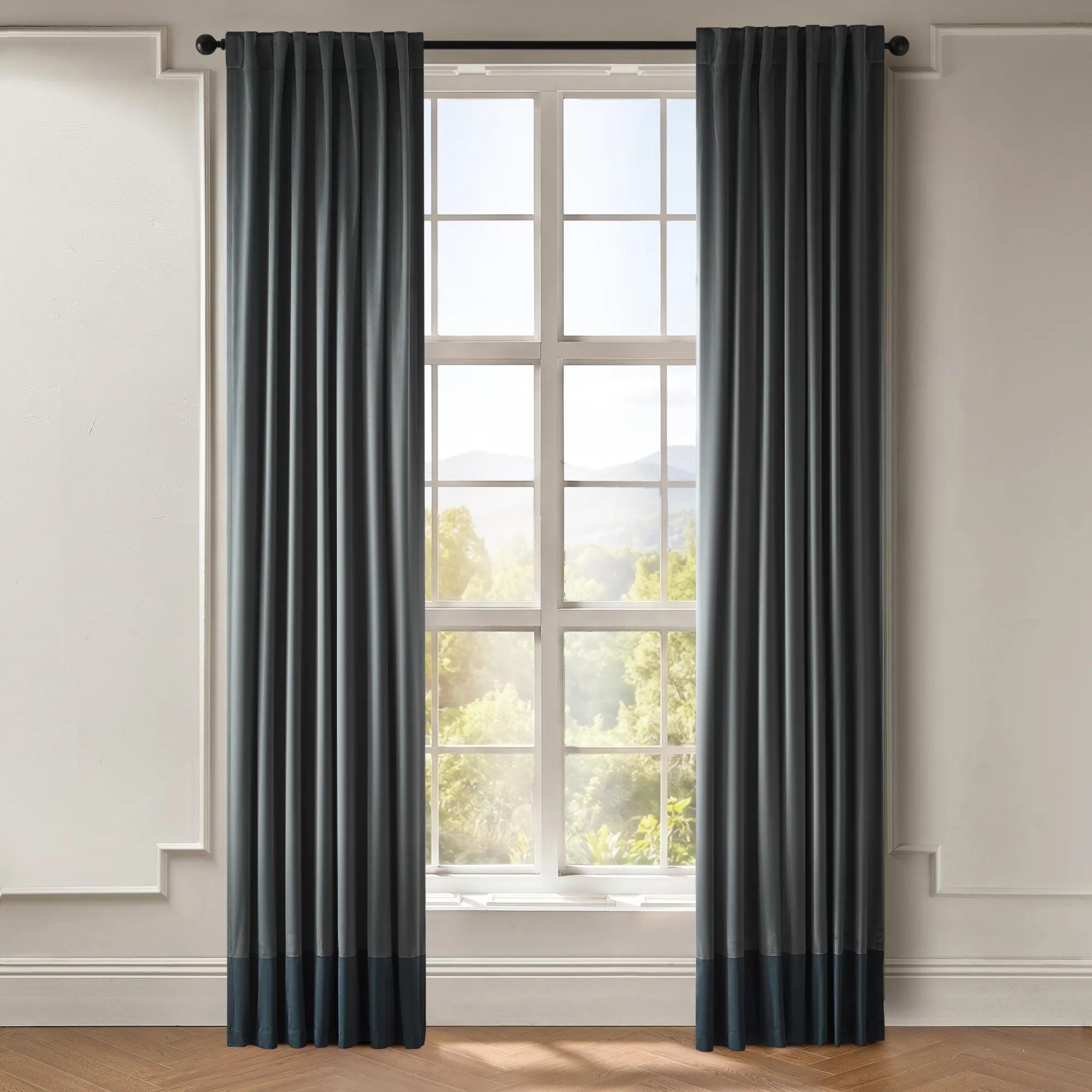
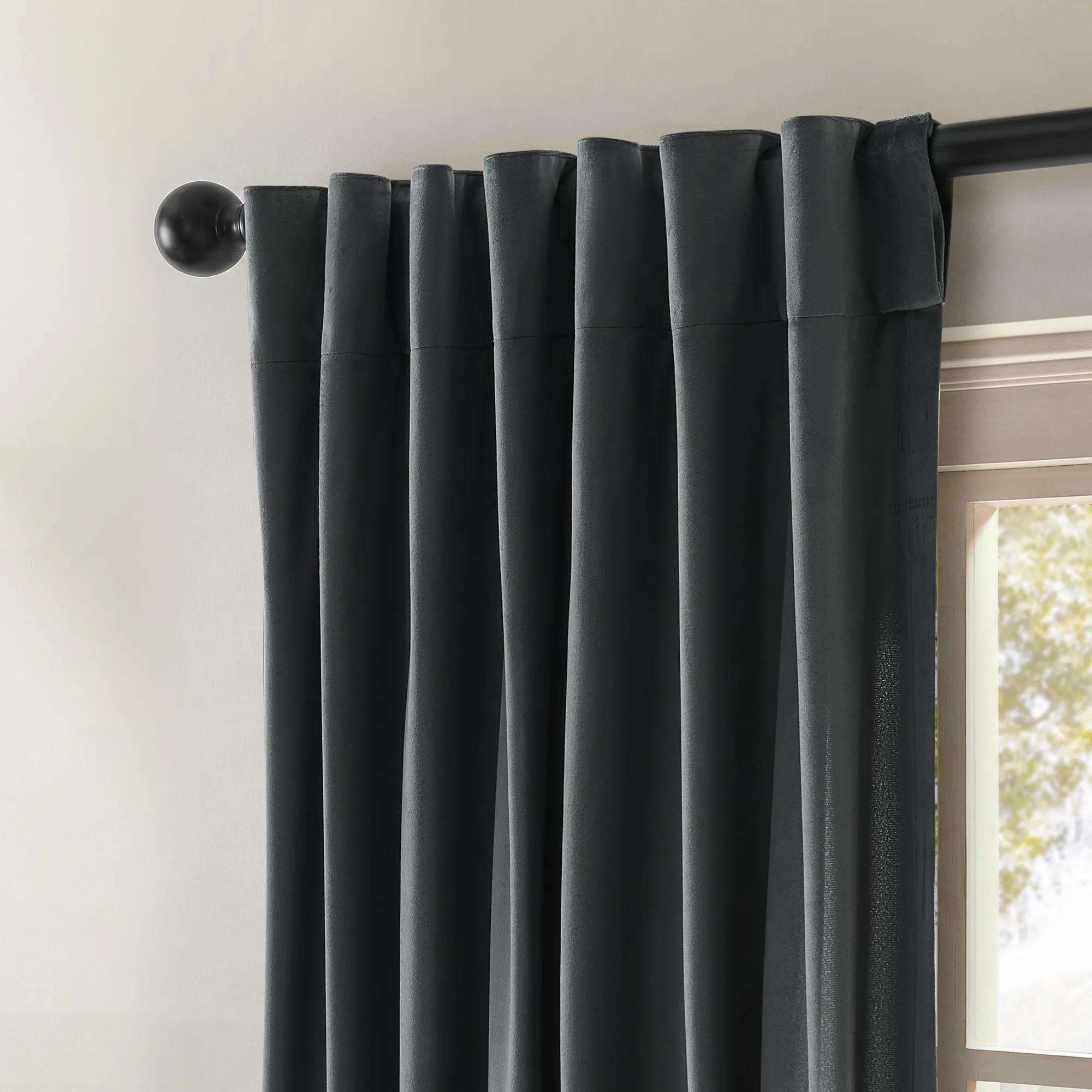 Bastien Blue/Midnight Velvet Border Window Curtain Panel$99
A two-tone dusty and midnight blue velvet curtain panel with a Deco-inspired border and room-darkening design.
Add To Cart -

 Adair Sand Solid Velvet Window Curtain Panel$79
A room-darkening sand velvet curtain with dual hanging options for a soft, tailored finish.
Add To Cart

Velvet Curtains
Velvet curtains transform any room into a stage of sumptuous elegance, casting a spell of sophistication and allure with every cascading fold. Their rich texture and luminous depth invite both drama and warmth, creating an atmosphere where every moment feels touched by artistry. Whether framing grand windows or adding a hint of opulence to intimate spaces, velvet curtains are the ultimate expression of bold design—perfect for those who believe their home should be as unforgettable as they are. Let your interiors revel in the luxury of velvet, and watch your space come alive with color, character, and undeniable flair.
Velvet curtains bring sculptural softness to a room, framing windows with a rich surface and a substantial, graceful drape. Their distinctive character comes from a dense pile of short fibers that catches light differently across each fold, creating depth that flat woven fabrics cannot quite replicate. A charcoal panel can shift from smoky gray to near-black, while ivory velvet reveals subtle shadows that give a pale interior dimension. That interplay of texture and light makes velvet window treatments especially compelling beside polished metal, glass, lacquered furniture, and expressive artwork. In a living room, they lend visual weight to tall windows without requiring a busy pattern; in a bedroom, they create a softly enclosed atmosphere around an upholstered bed. Dining rooms gain an elegant backdrop for conversation, and home offices benefit from a textured counterpoint to desks and shelving. Fabric composition influences both appearance and everyday performance. Cotton velvet often has a softer, more subdued sheen, while polyester velvet can offer a luminous finish and good resistance to wrinkling. Silk velvet is prized for its fluidity and glow but generally requires more delicate handling; blends vary according to their fiber content and construction. Neither sheen nor thickness alone establishes quality, so the fabric description, stitching, lining, and care label all deserve attention. Smooth seams and an evenly finished hem help the panels hang cleanly, while a lining can add body and protect the face fabric from direct light. Color also shapes the effect: deep jewel tones make the window an intentional focal point, warm neutrals add richness without dominating, and pale shades give velvet a lighter visual presence. For interiors that favor a defined edge over an allover pattern, Modern Velvet Border Curtains offer a related direction to explore. A contrasting border creates an architectural outline around the window, echoing the crisp lines of a console, a framed artwork, or a tailored sofa while preserving velvet’s expressive texture.
The proportions of velvet curtain panels are as important as their color. Because the fabric has body, sufficient width allows it to form generous folds rather than stretch into a flat sheet when closed. A common starting point is a combined panel width approximately one and a half to two times the curtain rod’s usable span, although the ideal fullness depends on fabric weight, header construction, and the intended silhouette. Pleated curtains may have fullness built into their finished width, so their listed measurements should be interpreted according to the product specifications. Length should be measured from the actual hanging point, which changes with rings, grommets, tabs, and rod pockets. Panels that just meet the floor create a composed, tailored finish; those that hover slightly above it are easier to move and keep clean in frequently used spaces. A small puddle introduces a more theatrical effect, but excess fabric can collect dust or interfere with walkways. Rod placement determines how much glass remains visible when the curtains are open. Where wall space permits, extending the rod roughly 12 to 18 inches beyond each side of the window can provide stacking room for substantial velvet panels, though the right extension depends on the panel width and window layout. Hardware should be rated to support the combined weight of fabric and lining, with appropriate brackets and secure installation. Grommet headers create broad, regular folds, rod pockets produce a gathered appearance, back tabs offer a discreet hanging detail, and pinch pleats establish a more tailored rhythm. For panels opened daily, compatible rings or a suitable track can make movement easier than a tightly gathered rod pocket. Velvet’s density can reduce incoming light, but velvet curtains are not automatically blackout curtains. Room-darkening performance varies, and true blackout performance depends on the specified fabric or lining as well as coverage around the window’s edges. Layering velvet over sheers allows privacy and filtered daylight without keeping the heavier panels closed. The plush surface can also absorb some reflected sound and soften room echo, particularly across a large window, but it should not be mistaken for soundproofing or a guarantee against outside noise.
Everyday durability depends on how the curtains are made, where they hang, and how they are maintained. Polyester velvet may be a practical choice for frequently handled panels, while cotton and more delicate blends bring their own tactile appeal; the fiber name alone does not determine whether a curtain is washable or resistant to fading. Strong direct sunlight can affect color over time, making an appropriate lining especially valuable for protecting the face fabric. In a family room, a floor-skimming length keeps the fabric away from shoes, pet bedding, and routine cleaning. In a bedroom with generous clearance around the window, a fuller drape can create an enveloping effect without interfering with furniture. Velvet’s pile may show temporary shading, pressure marks, or changes in direction where it is touched, so gentle handling helps preserve an even appearance. Routine care generally includes removing surface dust with a soft brush attachment on low suction, following the fabric’s nap rather than scrubbing across it. Supporting the panel during cleaning helps prevent unnecessary pulling at the header. The care label remains the authority for washing, professional cleaning, and steaming: some velvet curtains permit machine washing under specified conditions, while others require professional care. Water, cleaning solutions, and heat can alter certain velvet finishes, so spot treatment should follow the manufacturer’s instructions rather than a universal household remedy. Direct ironing can crush the pile, and steaming should only be used when approved, with the recommended distance and technique. Heavy lined panels also need enough clearance to open without dragging across sharp furniture corners or rubbing against rough surfaces. These practical details preserve the look that makes velvet so distinctive: an uninterrupted fall of fabric, dimensional color, and folds that feel considered rather than crowded. For someone furnishing a new home or refreshing a favorite room, velvet curtains make a deeply personal design choice, with measurements and color preferences best confirmed before giving them as a housewarming gift. Paired with restrained upholstery, they become the room’s expressive gesture; beside patterned textiles and gleaming accents, they contribute richness without needing another motif. Their appeal lies in that balance of presence and softness, giving the window a finished identity and the entire interior a more deliberate sense of composition.
FAQs
Velvet curtains offer an unparalleled sense of opulence and drama, thanks to their rich texture, subtle sheen, and ability to catch and reflect light. Their weight and depth instantly elevate a room, creating a mood that is both inviting and sophisticated. Velvet’s tactile quality adds a layer of comfort and artistry, making any space feel thoughtfully curated and visually stunning.
Velvet curtains have a unique ability to transform the atmosphere of a room. Their dense weave absorbs sound, making spaces feel more intimate and serene, while their plush surface diffuses light, casting a warm, gentle glow. Whether framing a dramatic entryway or softening the look of a modern lounge, velvet curtains set the stage for memorable moments and expressive living.
Velvet curtains are versatile enough to complement a variety of rooms, from formal dining spaces and grand living rooms to cozy bedrooms and chic home offices. Their luxurious appeal can add depth and character anywhere, whether you’re seeking to create a statement focal point or a subtle sense of comfort. The key is to select colors and patterns that harmonize with your overall design vision.
This season, deep and moody hues like charcoal gray and emerald green are making a bold impact, while lighter tones such as silver and blush offer a fresh, luminous twist. Velvet jacquard curtains and velvet print curtains are also trending, adding artistic flair and pattern to the classic velvet look. These options allow for playful layering and expressive combinations within your decor.
For a contemporary and multidimensional effect, try pairing velvet curtains with sheer panels or metallic accents. Floor-to-ceiling installations create a sense of grandeur, while the addition of decorative tiebacks or a modern border—such as those featured in Modern Velvet Border Curtains—adds architectural interest. Mixing textures and finishes allows you to personalize your space while maintaining a cohesive, luxurious aesthetic.