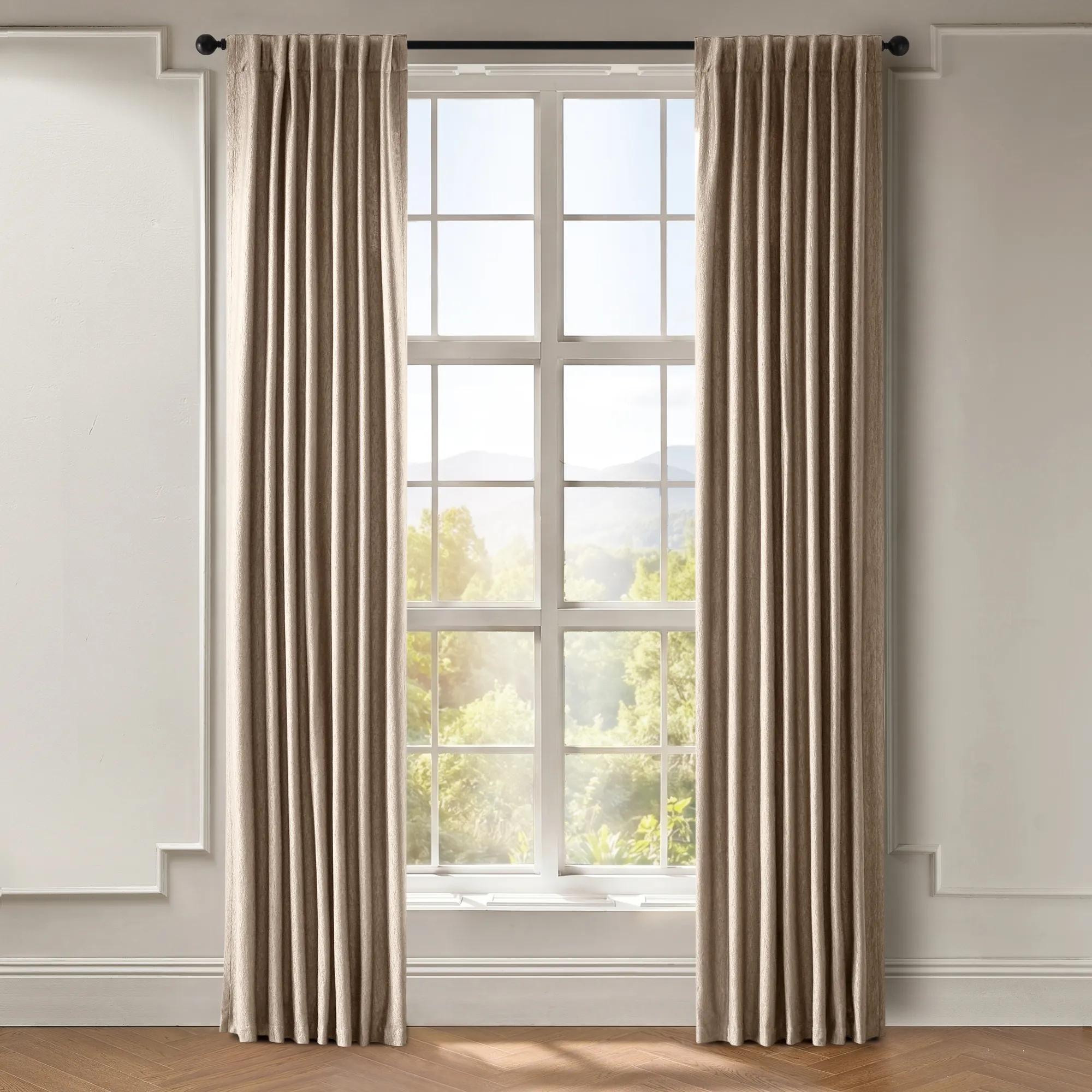
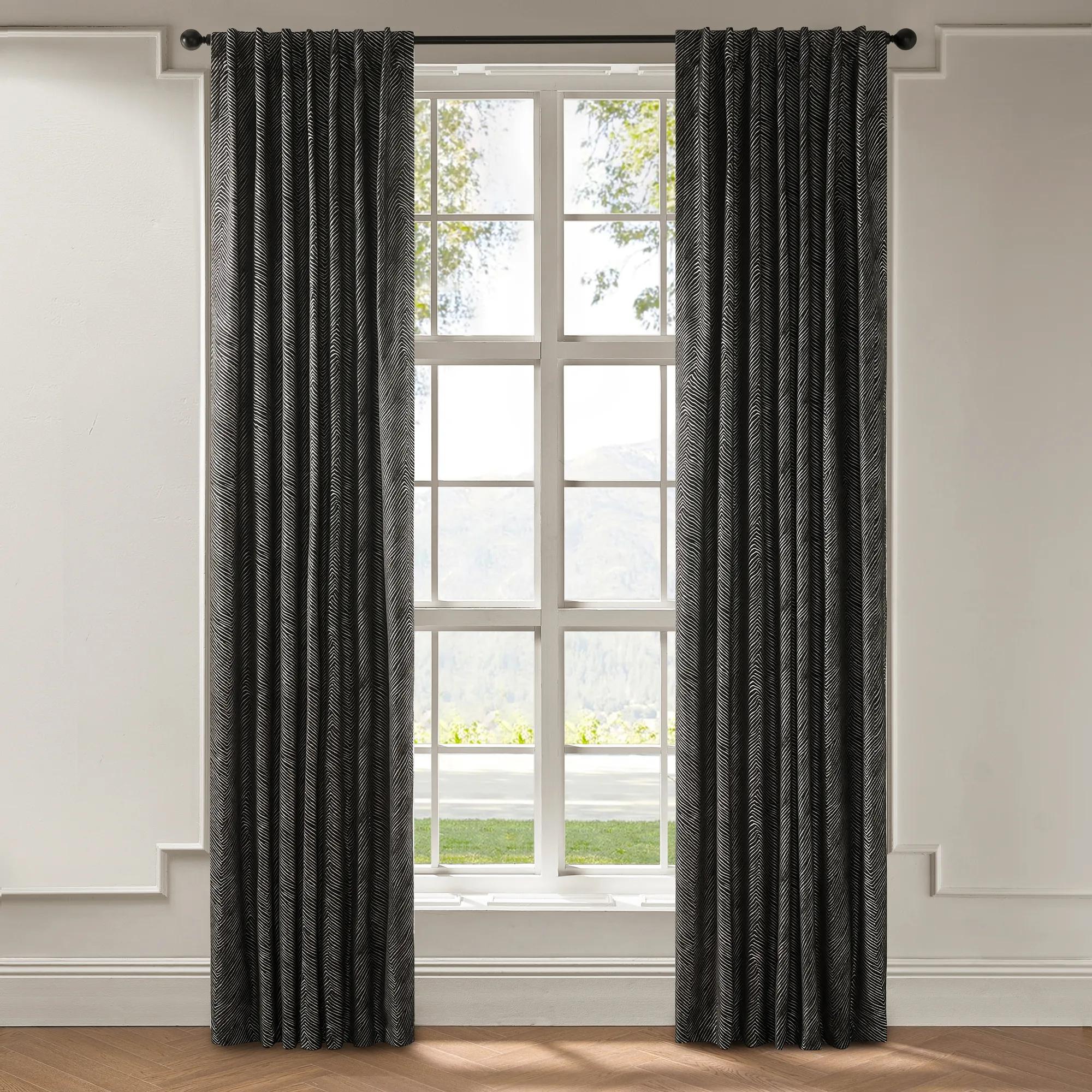
96 In Velvet Curtains
96 In Velvet Curtains
-
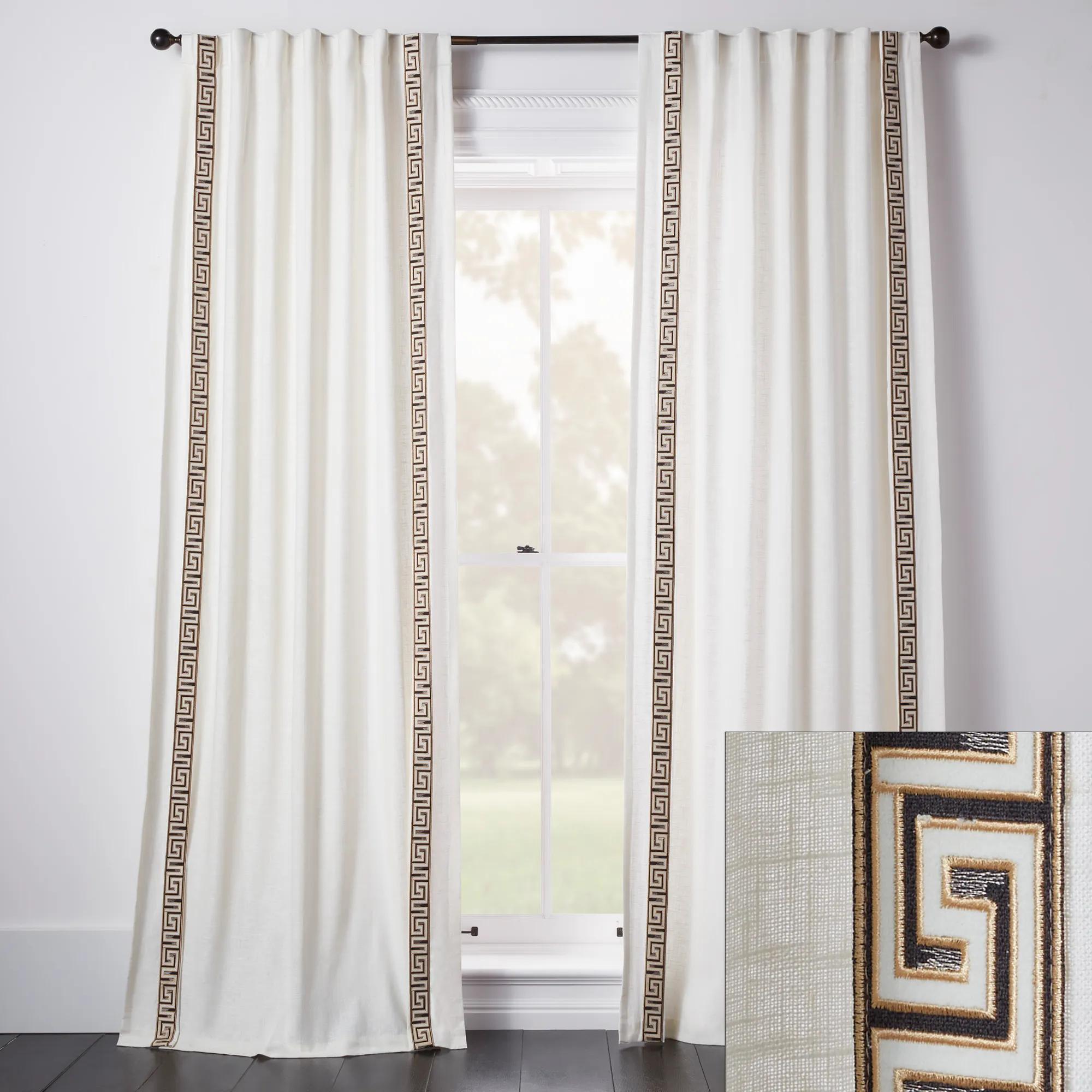 Chole Greek Key Border Velvet Widow Curtain Panels Custom$379
A linen-blend curtain panel with black and gold velvet Greek key border and customizable hanging options.
Add To Cart -
.jpeg?w=1200&h=1200)
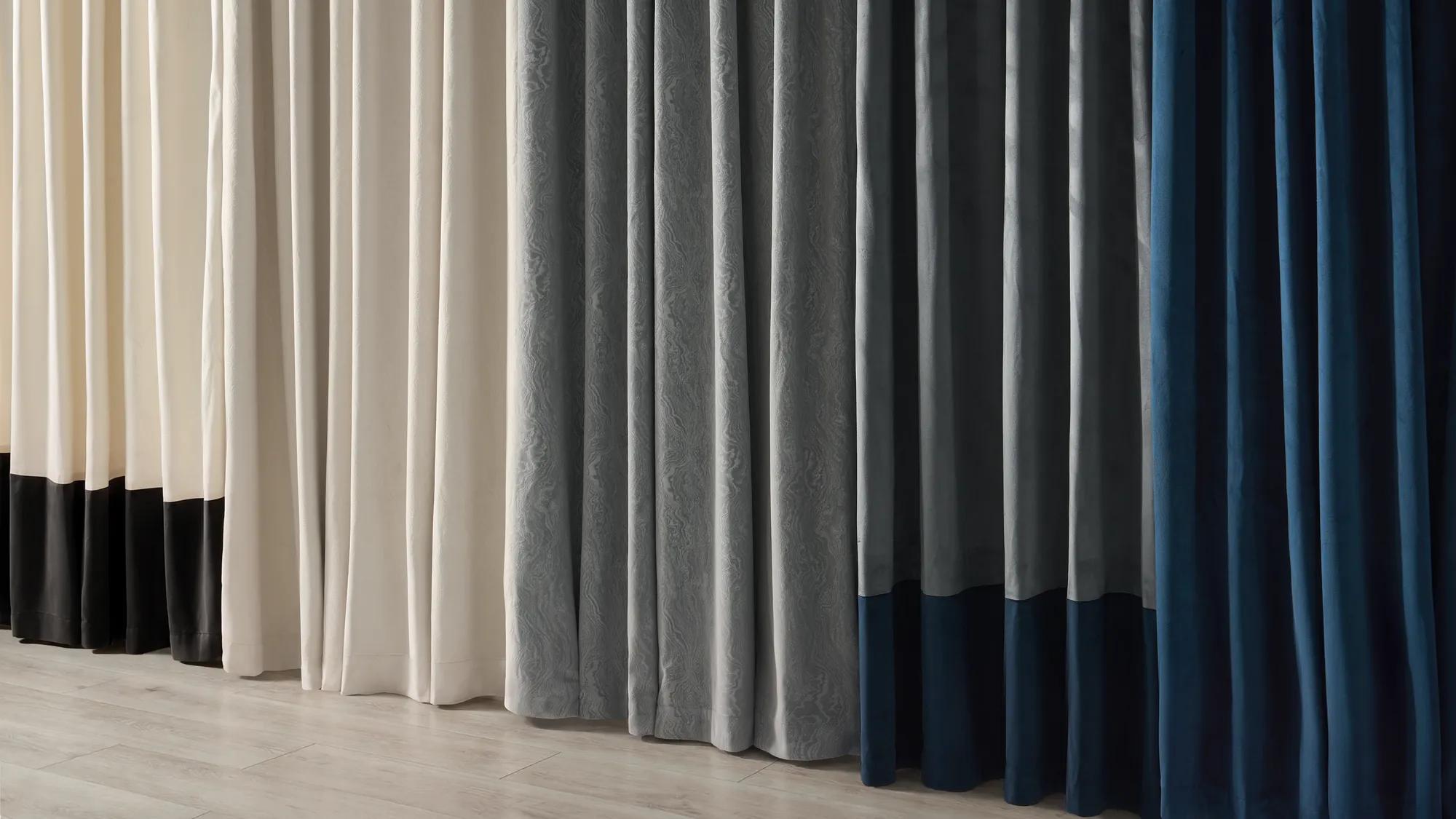 Mabel Velvet Swirl Curtain - Grey Blue$109
A grey blue velvet curtain featuring a tonal swirl pattern and versatile dual hanging options.
Add To Cart -
.jpeg?w=1200&h=1200)
 Adair Midnight Blue Solid Velvet Window Curtain Panel$69
Adair Midnight Blue Solid Velvet Window Curtain Panel$69A sumptuous midnight blue velvet curtain that adds elegance, depth, and room-darkening style to any space.
Add To Cart -
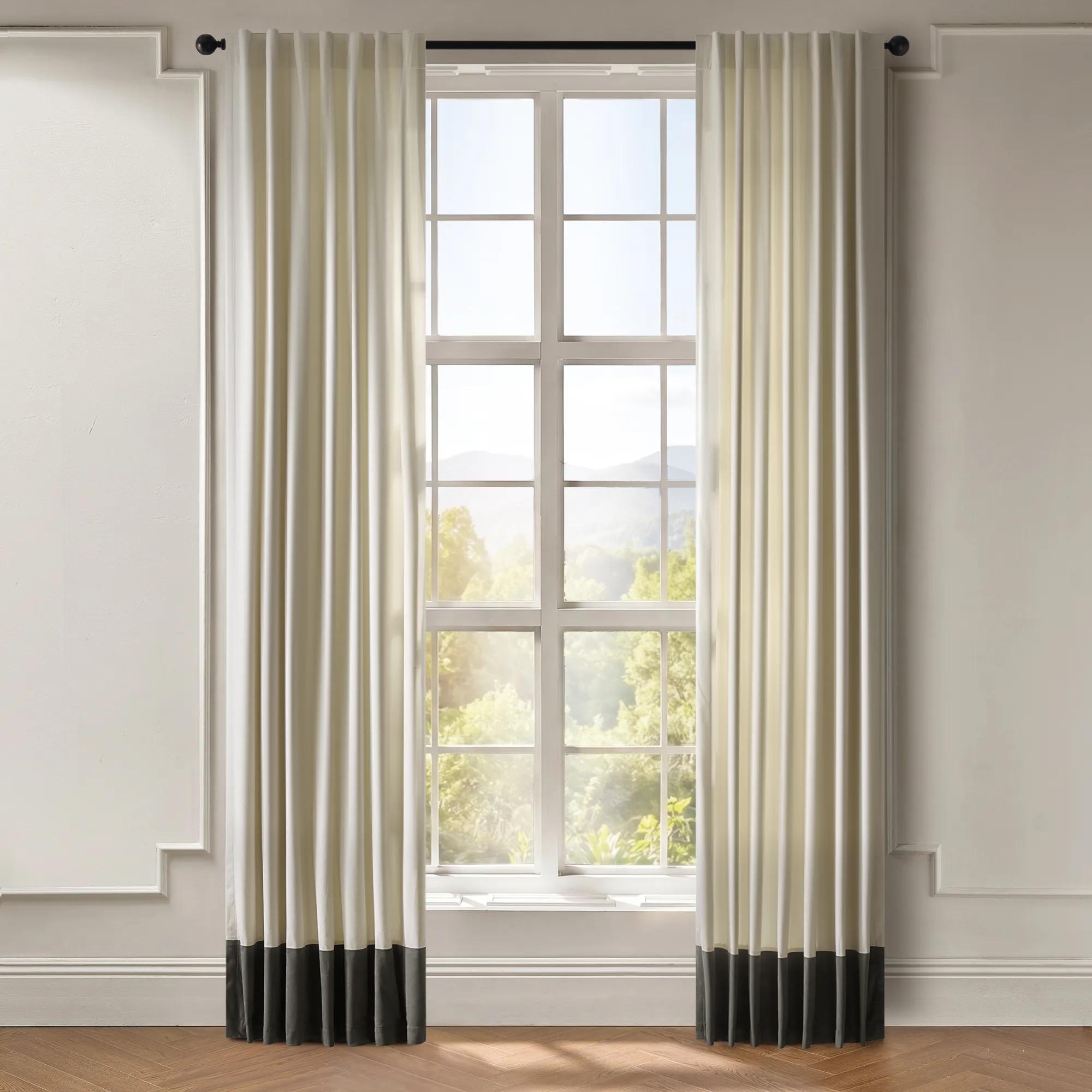
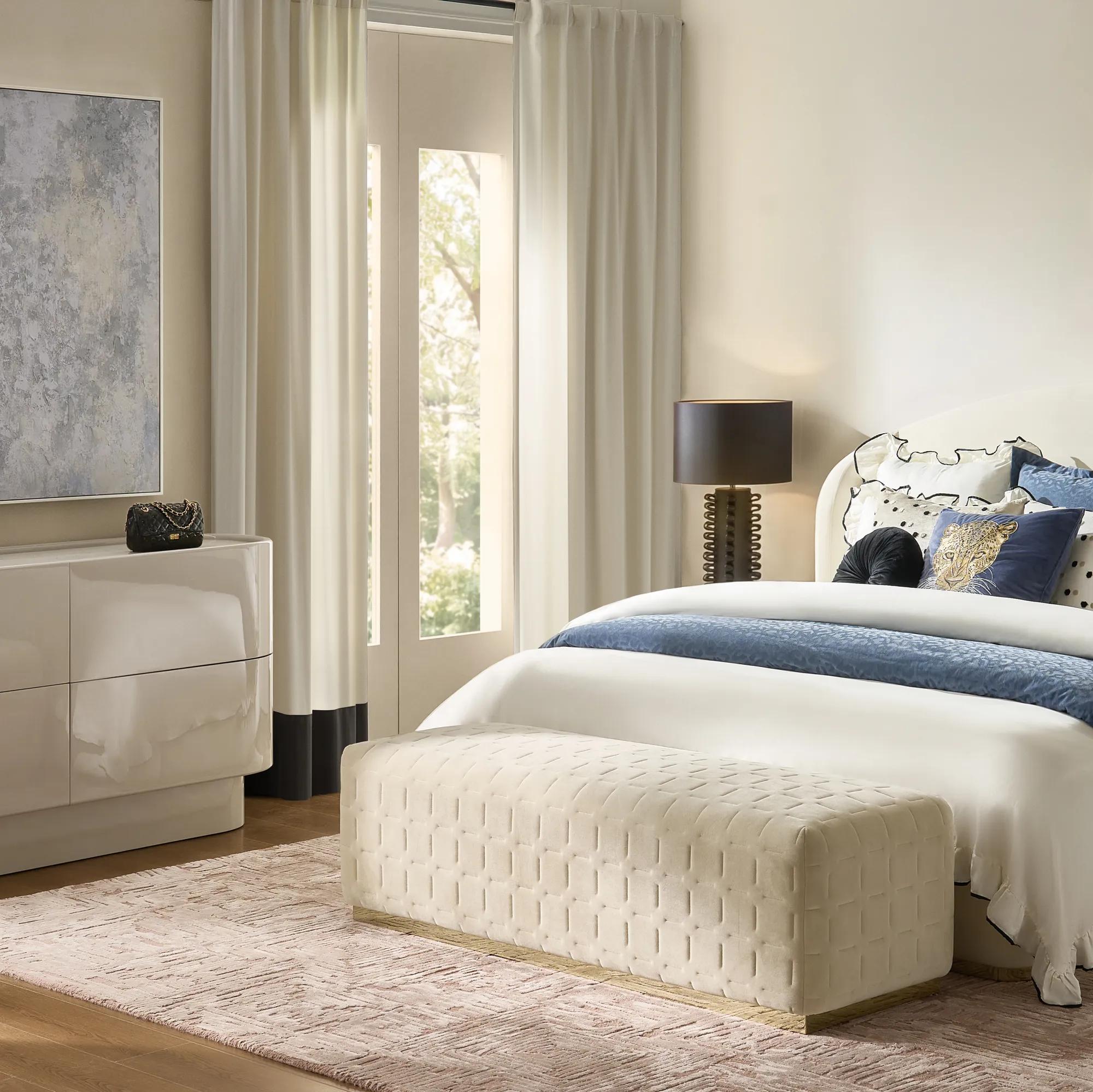 Bastien Ivory/Graphite Velvet Border Window Curtain Panel$89
A two-tone ivory and graphite velvet curtain panel with room-darkening design and versatile hanging options.
Add To Cart -
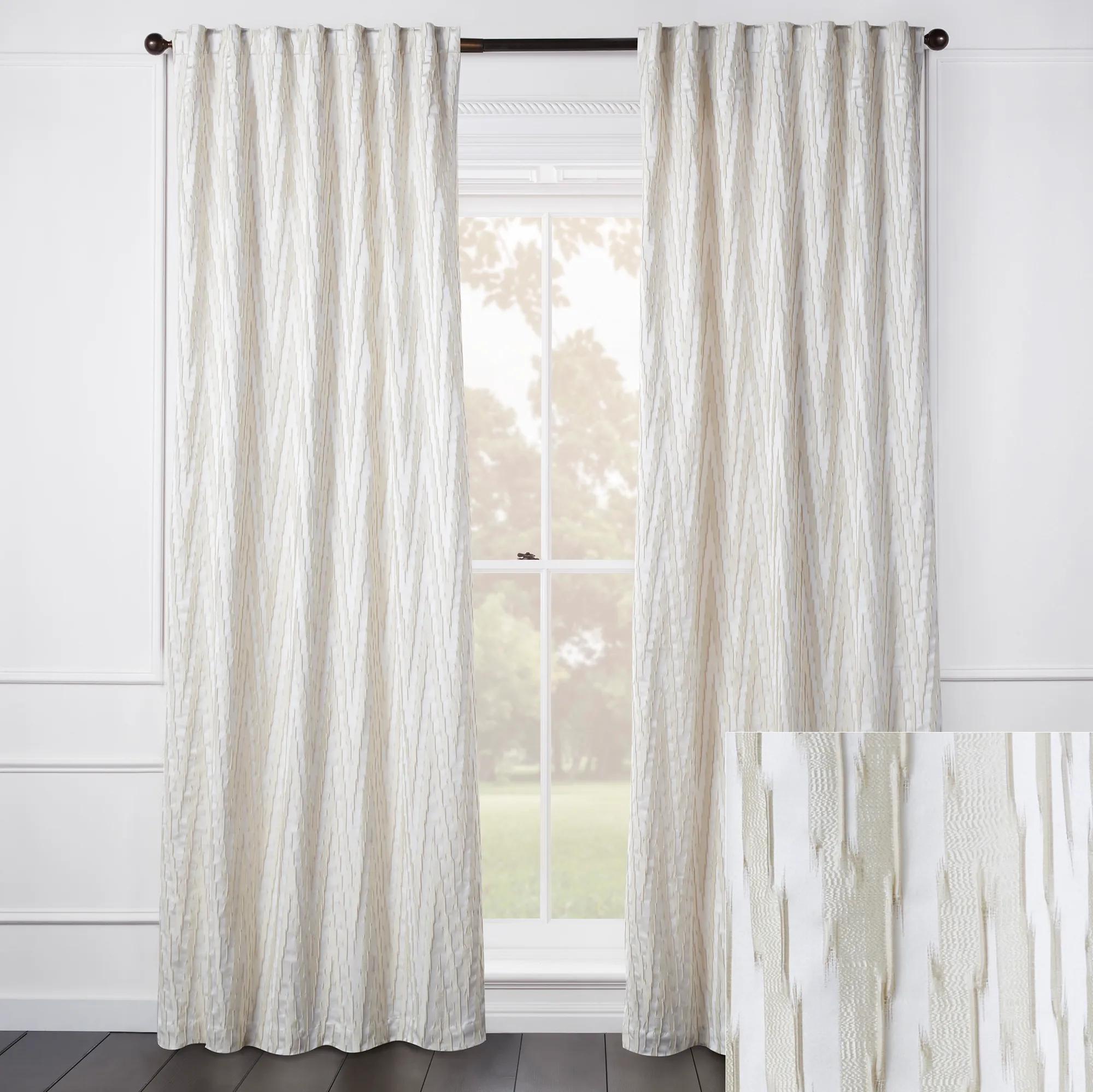
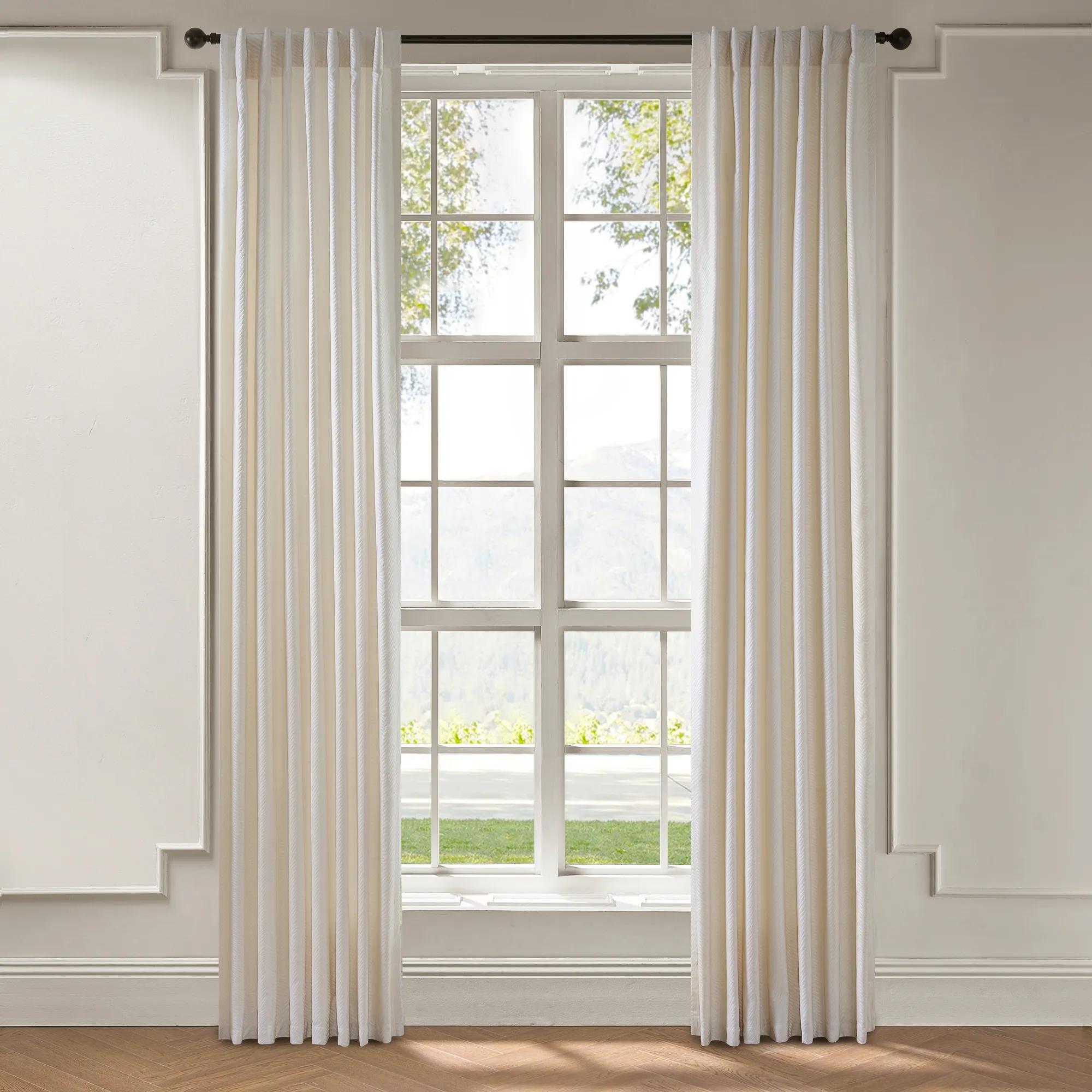
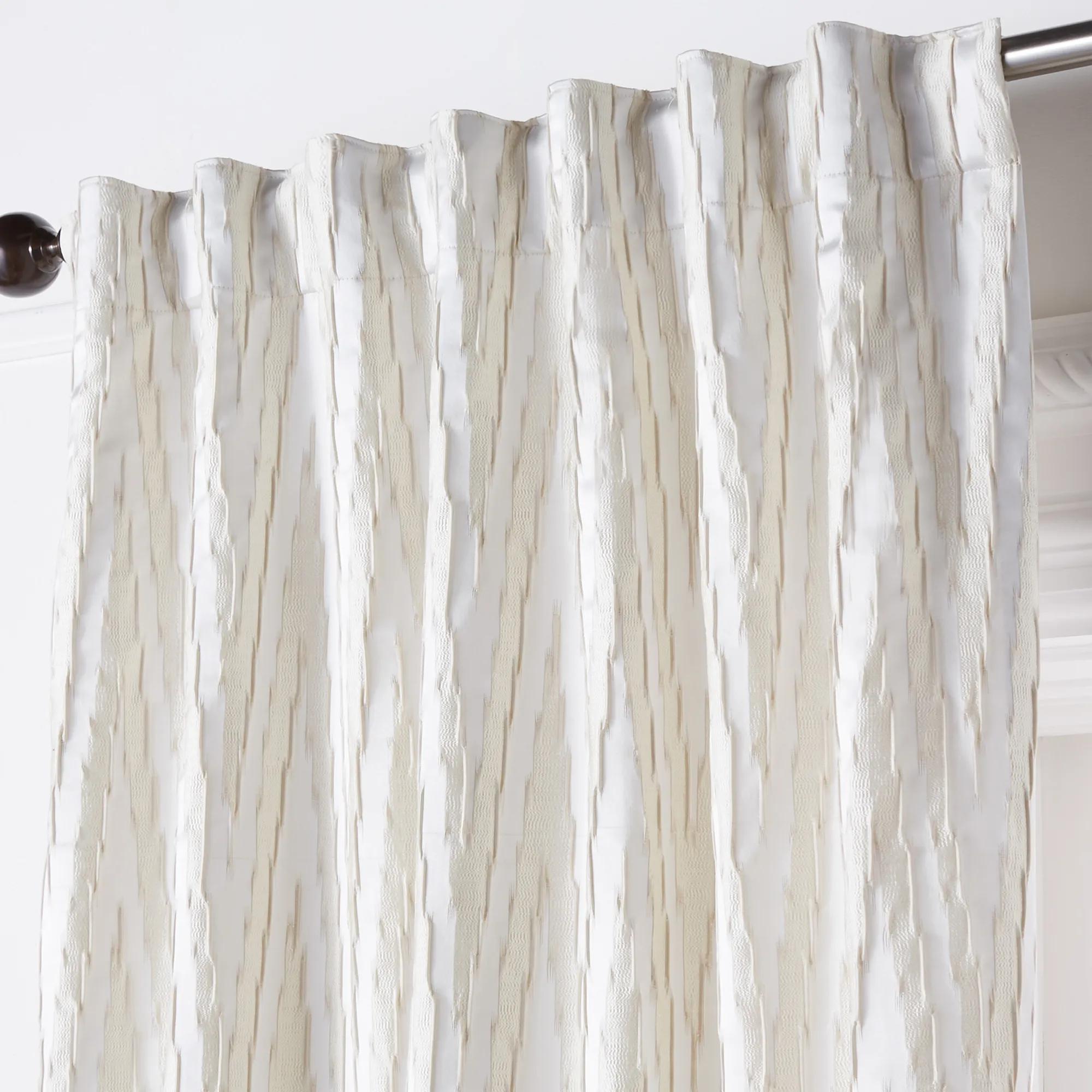 Minka Jacquard Pearl Window Curtain Panel Custom$289
A highly textured chevron curtain panel in pearl, grey, or natural polyester with customizable hanging options.
Add To Cart -
.jpeg?w=1200&h=1200)
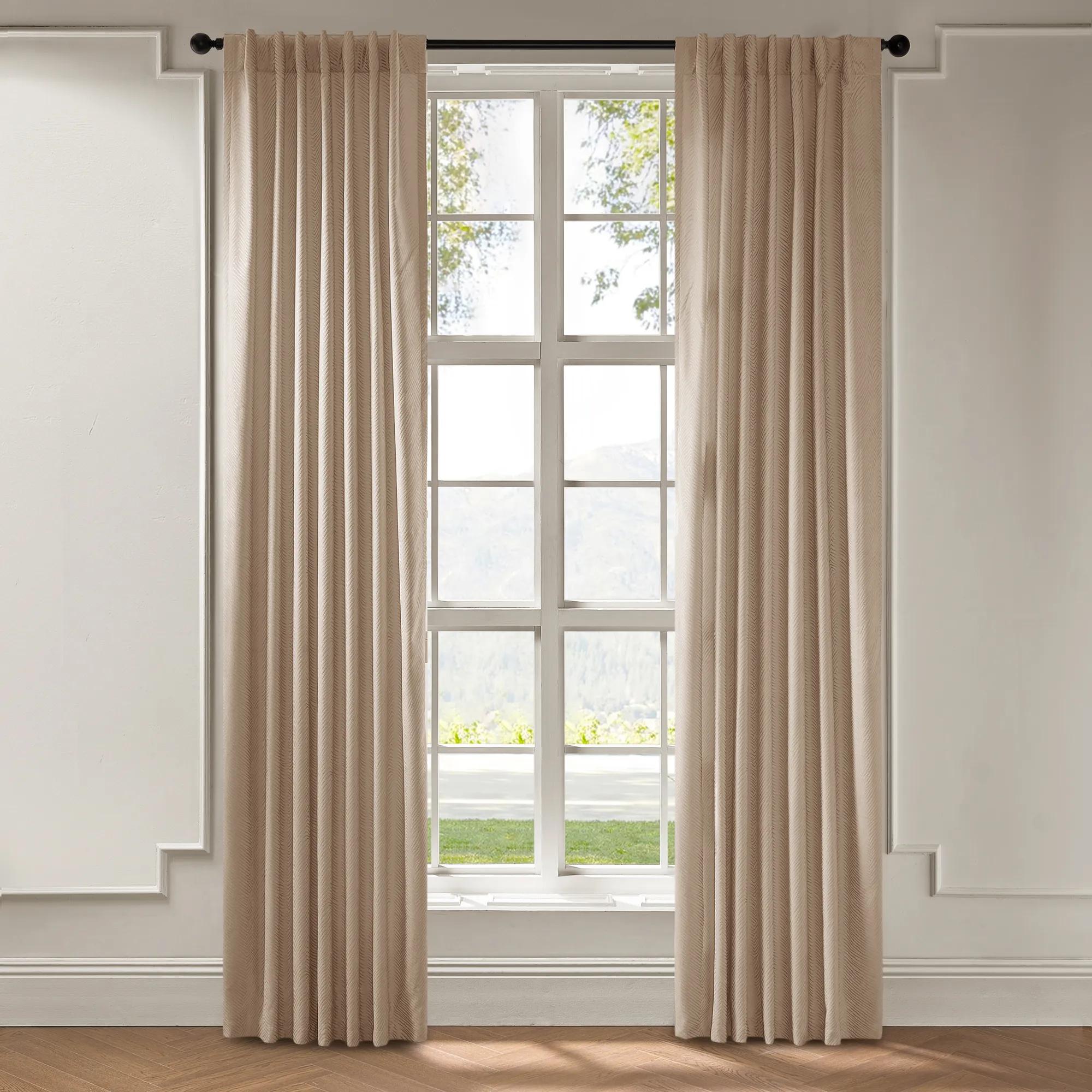
 Mabel Natural Velvet Swirl Window Curtain Panel$109
Mabel Natural Velvet Swirl Window Curtain Panel$109A warm neutral velvet curtain with a tonal swirl pattern and room-darkening, dual hanging options.
Add To Cart -
.jpeg?w=1200&h=1200)
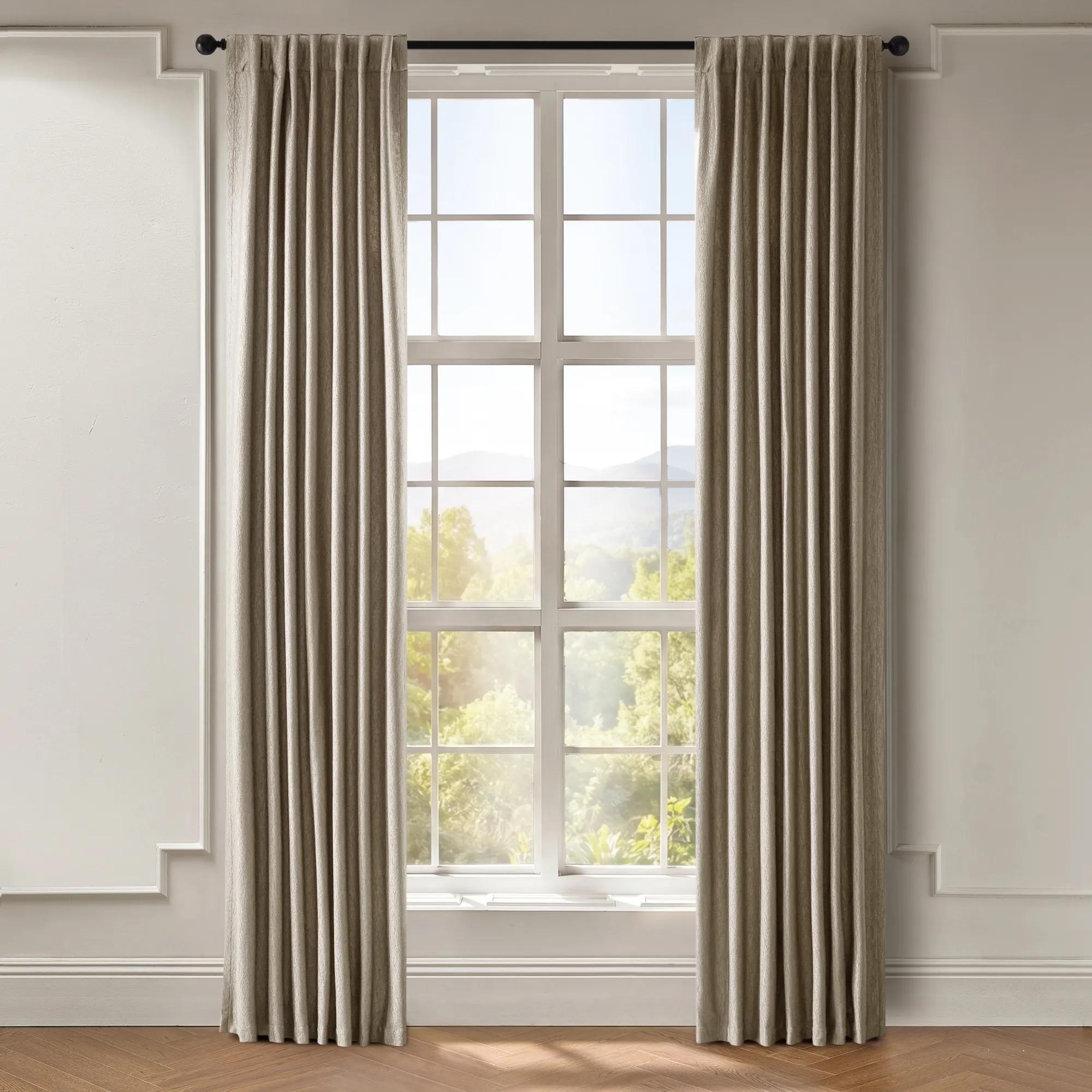
 Adair Sand Solid Velvet Window Curtain Panel$79
Adair Sand Solid Velvet Window Curtain Panel$79A room-darkening sand velvet curtain with dual hanging options for a soft, tailored finish.
Add To Cart

96 In Velvet Curtains
96 In Velvet Curtains transform windows into grand gestures—an invitation to indulge in drama and sophistication. With their sumptuous drape and rich, tactile allure, these curtains conjure an atmosphere of opulence, turning every room into a stage for self-expression. Whether framing sunlight or cocooning a space in intimacy, 96 In Velvet Curtains evoke a sense of luxury that is both timeless and bold, setting the scene for interiors that delight in detail and celebrate artistry at every turn.
Ninety-six-inch velvet curtains are window panels measuring eight feet in length, designed to bring a sumptuous drape and a strong vertical line to an interior. Their defining feature is velvet’s dense, raised pile: a softly textured surface that catches light differently across each fold, lending even a single-color panel extraordinary depth. In a living room, that subtle movement can make the window feel as considered as the artwork above a sofa. In a bedroom, generous velvet folds introduce a sense of enclosure, framing the space with softness rather than visual clutter. The 96-inch length can create a floor-length effect in many rooms, but the finished look depends on the distance from the curtain’s attachment point to the floor, not ceiling height alone. A window beneath a nine-foot ceiling, for example, may accommodate this length beautifully with the rod positioned above the frame, while a rod mounted near that ceiling could require longer panels. Velvet itself describes a fabric construction rather than a single fiber. Polyester velvet is a common choice for curtains because it offers a plush appearance with generally good dimensional stability and resistance to everyday wear; cotton velvet often has a more muted sheen, while blends vary in softness, weight, and care requirements. The fiber content, backing, and construction determine how an individual curtain performs. For someone drawn to expressive interiors, 96-inch velvet curtains offer an especially compelling balance of texture and scale. Deep jewel tones can give pale walls a dramatic outline, ivory or champagne shades can soften a room filled with gleaming accents, and charcoal can lend definition to richly layered neutrals. The pile may make the same color look lighter from one angle and more saturated from another, so viewing a fabric sample in the intended room, when possible, helps establish how it will relate to upholstery, rugs, and wall finishes. Against a streamlined console or a sculptural chair, velvet adds a tactile counterpoint without requiring an elaborate pattern.
A polished fit begins with the hanging position and the way the fabric meets the floor. For 96-inch curtain panels, measure from the point where the chosen heading suspends the fabric to the intended hemline, accounting for rings, hooks, or any fabric that extends above the rod. A hem that just clears the floor keeps the outline crisp and allows easier movement, a useful choice beside a frequently opened patio door or along a busy living room walkway. Fabric that barely touches the floor offers a more tailored, continuous line; a deliberate puddle creates a theatrical finish but collects dust more readily and needs arranging after the curtains are moved. When the planned mounting height calls for additional length, 108-inch velvet curtains provide another proportion to consider without lowering the rod simply to accommodate a shorter panel. Width deserves equal attention. Some curtain panels measure approximately 50 to 52 inches wide, but dimensions vary, and a listed width may refer to one panel rather than a pair. As a general starting point, a combined panel width around one and a half to two times the rod span creates fullness, with the preferred ratio depending on the heading and the weight of the velvet. A broad window dressed with insufficient fabric can look stretched flat when closed, losing the deep folds that give velvet its presence. Heading styles also shape the result: grommets form pronounced, regular waves; rod pockets create gathered softness; back tabs conceal much of the hardware for a cleaner presentation. Hook-and-ring arrangements can make frequently drawn curtains easier to operate when paired with compatible headings. Because velvet, especially lined velvet, can be substantial, rods, brackets, and wall anchors should be rated for the combined curtain weight and installed for the wall material. Allowing room beside the frame for the panels to gather helps preserve the view when open and gives the window treatment a generous architectural frame.
Beyond their visual richness, velvet curtain panels can support privacy and light control, though those benefits should be judged by the stated construction rather than the fabric name. Dense velvet often filters or reduces incoming light more noticeably than a sheer weave, but velvet is not automatically blackout. Room-darkening curtains reduce light; blackout curtains use a specified light-blocking construction or lining, and light can still enter around the top, sides, or center opening. For a bedroom used by a daytime sleeper, both a documented blackout feature and thoughtful coverage around the window matter more than a dark color alone. In a media room, lined panels can help temper glare on a screen while adding a richly textured backdrop. In a dining room, unlined or light-filtering velvet may offer enough privacy while allowing a softer glow through the fabric. Layering velvet over sheers creates flexibility: the sheer layer offers a degree of daytime screening, while the velvet draws closed for a more intimate atmosphere. Heavy textiles may also soften reflected sound within a room, but curtains should not be mistaken for soundproofing against outside noise. Lasting beauty depends on matching the material to the household and following the care label. Some polyester curtains are machine washable, while other velvets, linings, and structured headings require professional cleaning; washability should never be assumed from fiber content alone. Regular gentle dust removal with a soft brush or an appropriate upholstery attachment can help keep the pile fresh without aggressive rubbing. Creases may respond to careful steaming if the manufacturer permits it, but direct ironing can crush the pile or leave marks. Persistent strong sunlight may affect color over time, making a suitable lining or layered window treatment worth considering for exposed windows. In homes with pets or young children, floor-clearing hems reduce contact with paws, spills, and passing feet. With the right measurements and care, velvet curtains become more than a decorative finish: they give everyday rooms a composed, enveloping quality, turning the window into a deliberate expression of color, texture, and personal style.
FAQs
Velvet curtains bring a sense of opulence and drama to any room, thanks to their rich texture and luminous finish. Beyond their striking visual appeal, velvet’s dense weave helps to dampen sound, enhance privacy, and regulate temperature by providing an extra layer of insulation. This makes them ideal for creating cozy, intimate spaces that feel both luxurious and comfortable.
Velvet curtains are wonderfully versatile and can be styled to suit a range of aesthetics. For a glamorous, contemporary look, pair them with metallic hardware and bold, sculptural décor. If your style is more classic, opt for deep, jewel-toned velvets and traditional pleated headings. For an eclectic or modern vibe, layer velvet curtains with sheer panels or mix them with unexpected colors and textures to create a curated, artful atmosphere.
Yes, velvet curtains are an excellent choice year-round. Their substantial fabric helps block out cold drafts during winter and shields interiors from harsh sunlight in the summer, maintaining a comfortable environment throughout the seasons. Their tactile warmth and dramatic presence also make them especially inviting during the colder months.
Velvet curtains are especially striking in spaces where you want to make a statement or create a sense of intimacy. They are perfect for living rooms, dining rooms, bedrooms, and home theaters. Their light-blocking and sound-dampening qualities also make them a smart addition to nurseries and offices where privacy and tranquility are desired.
To keep your velvet curtains looking their best, regularly dust or gently vacuum them using a soft brush attachment. Most modern velvets are designed for easy care, but always check the care label before cleaning. For minor wrinkles, a handheld steamer or a cool iron on the reverse side will help restore their signature drape and sheen without damaging the pile.
.jpeg?w=4130&h=4130)