Velvet Bedding For Bridal Registries
Velvet Bedding For Bridal Registries
-
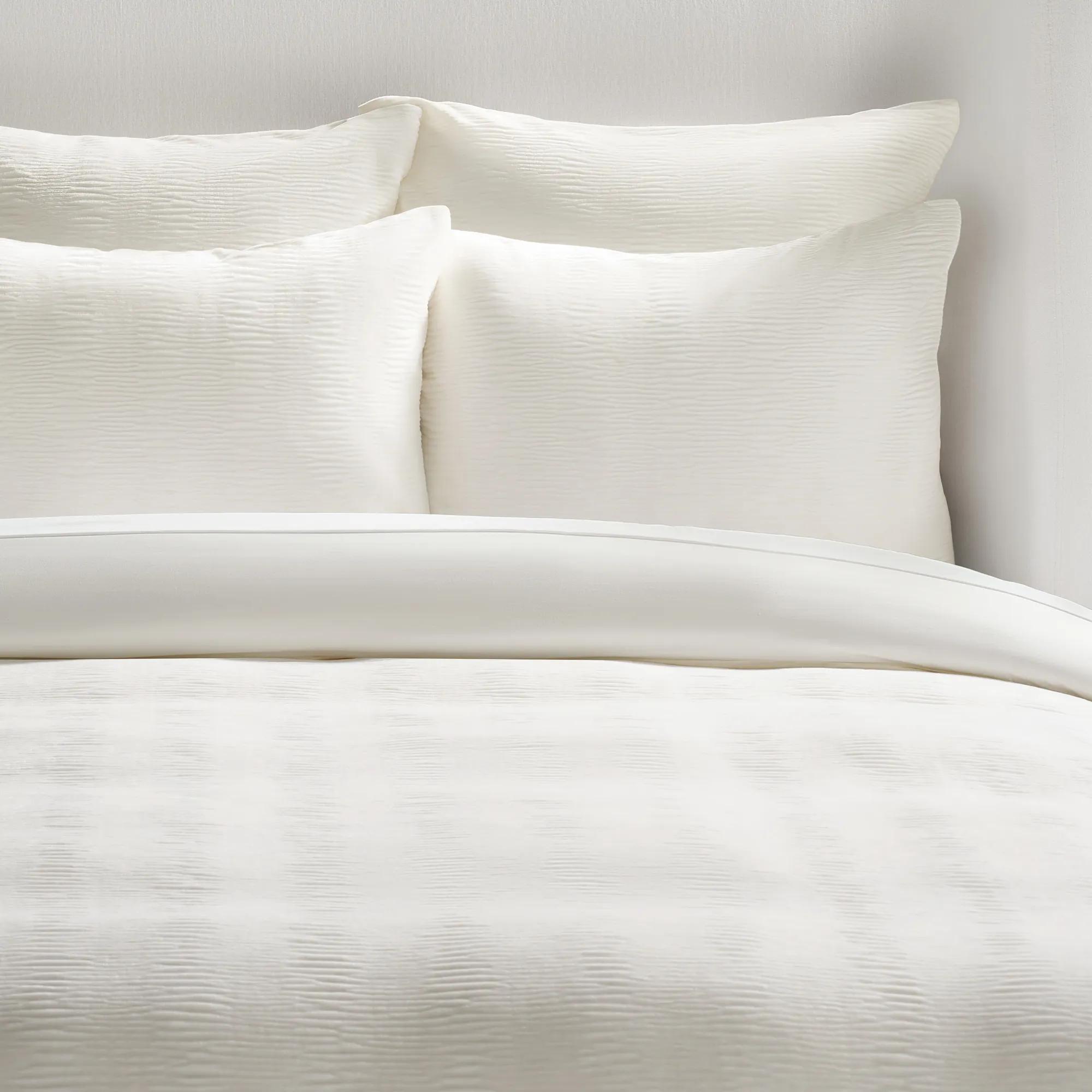 Vera Cloud White Soft Pleated Velvet Bedding Set$249
A cloud-white velvet bedding set featuring soft pleated texture and coordinating duvet and sham covers.
Add To Cart -
 Eve Pistachio Green Textured Velvet Quilt Set$229
A green textured velvet quilt set bringing plush softness and sophisticated style to contemporary bedrooms.
Add To Cart -
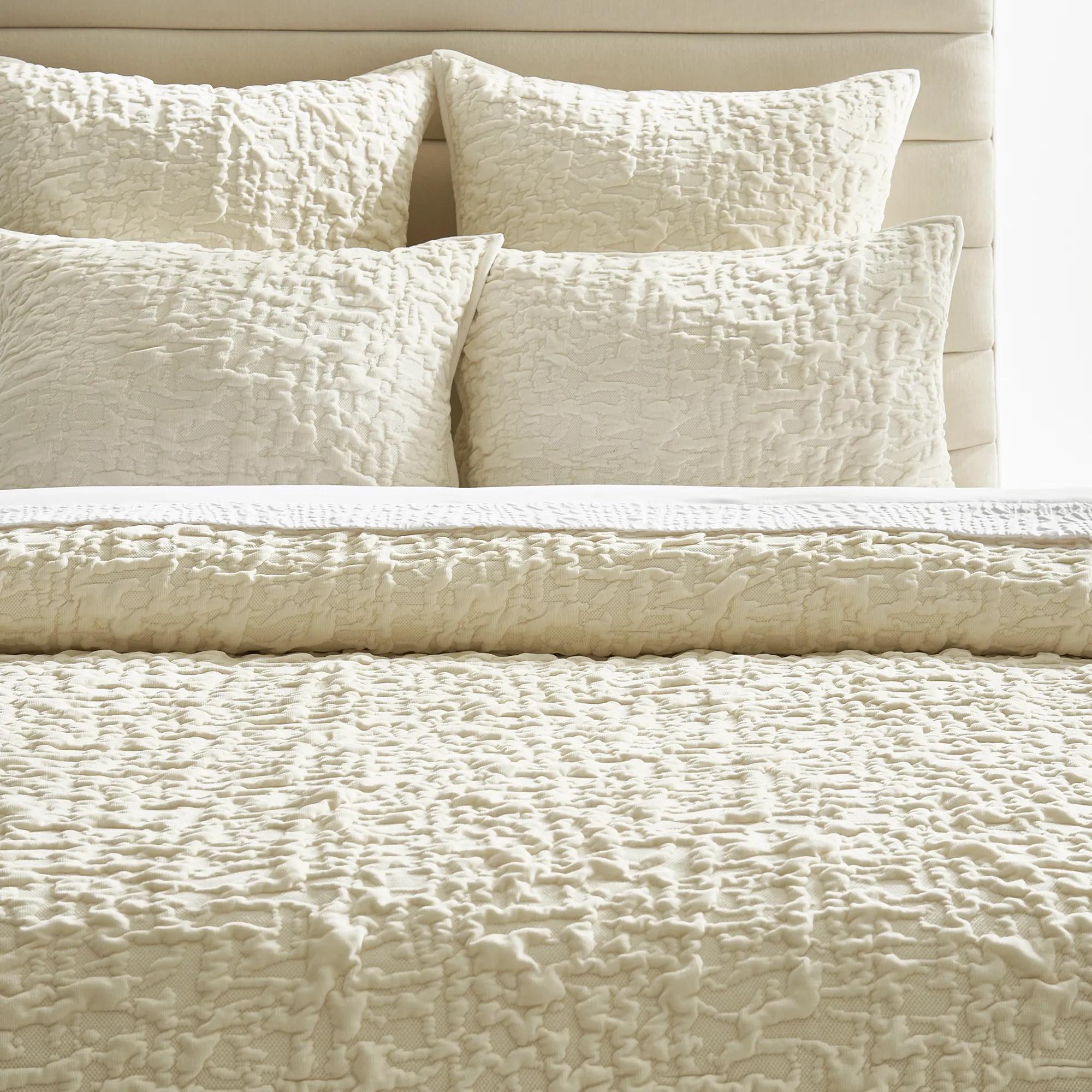
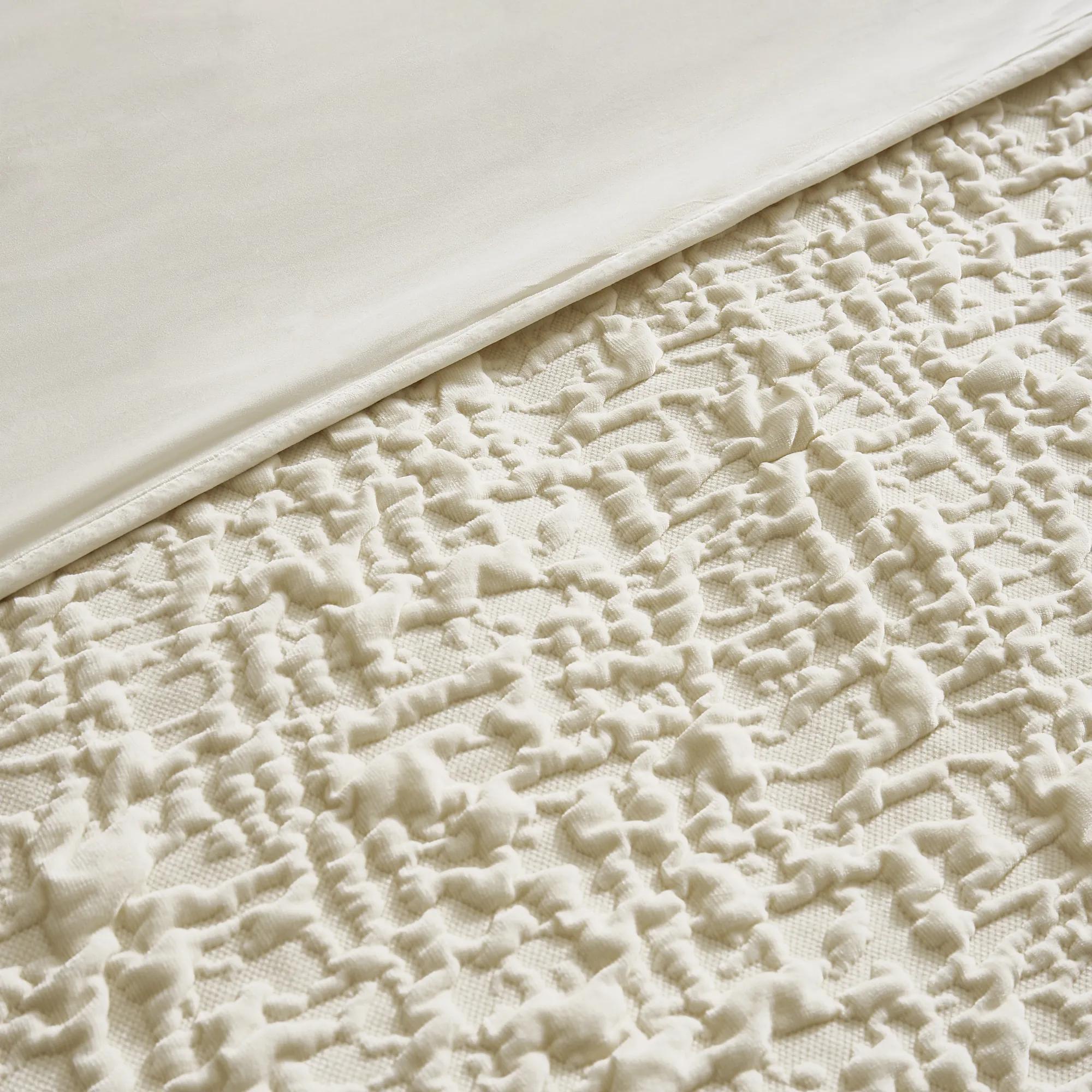 Madera Ivory Textured Velvet Bedding Set$299
A plush ivory velvet coverlet set with crushed embroidered texture and breathable cotton backing for serene style.
Add To Cart -
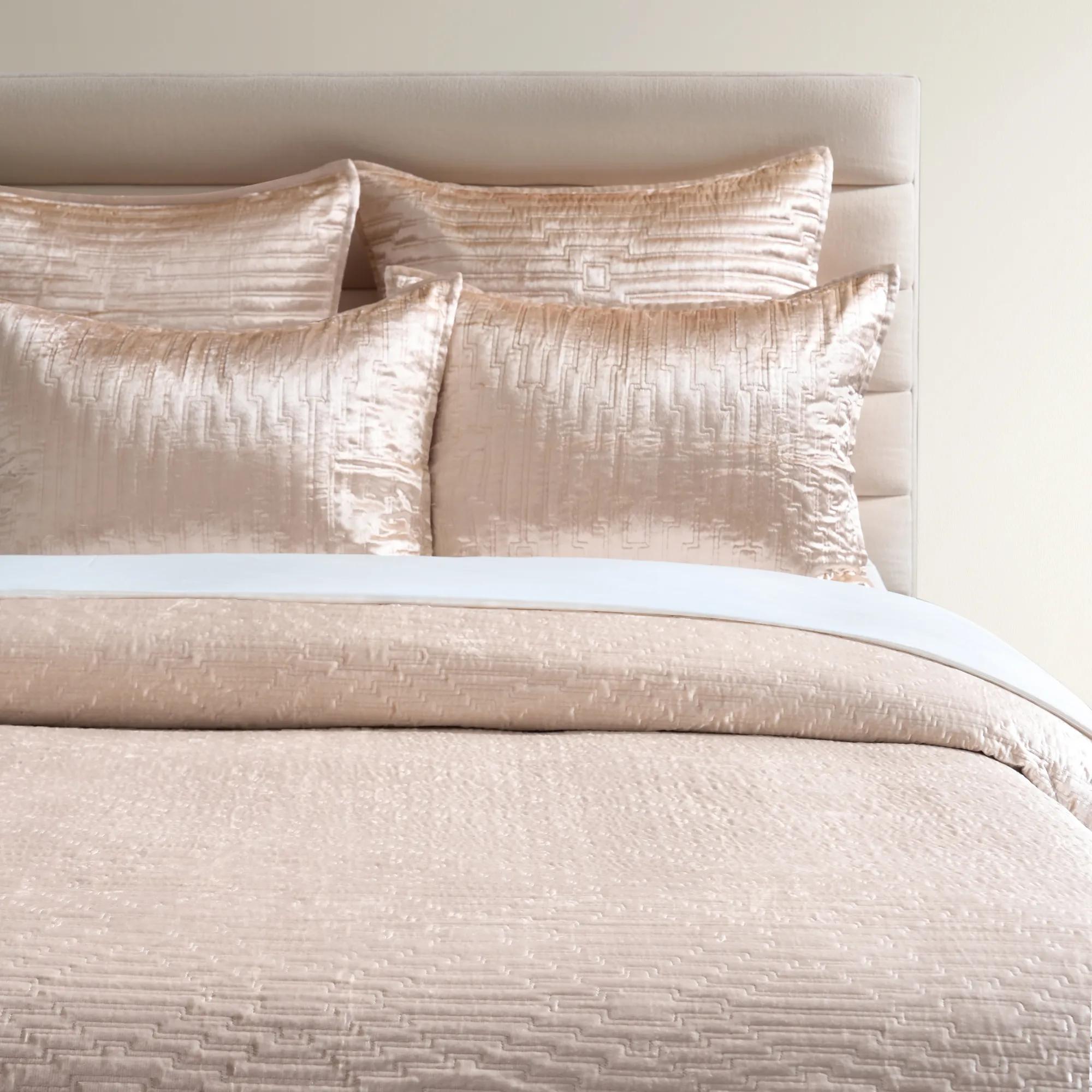
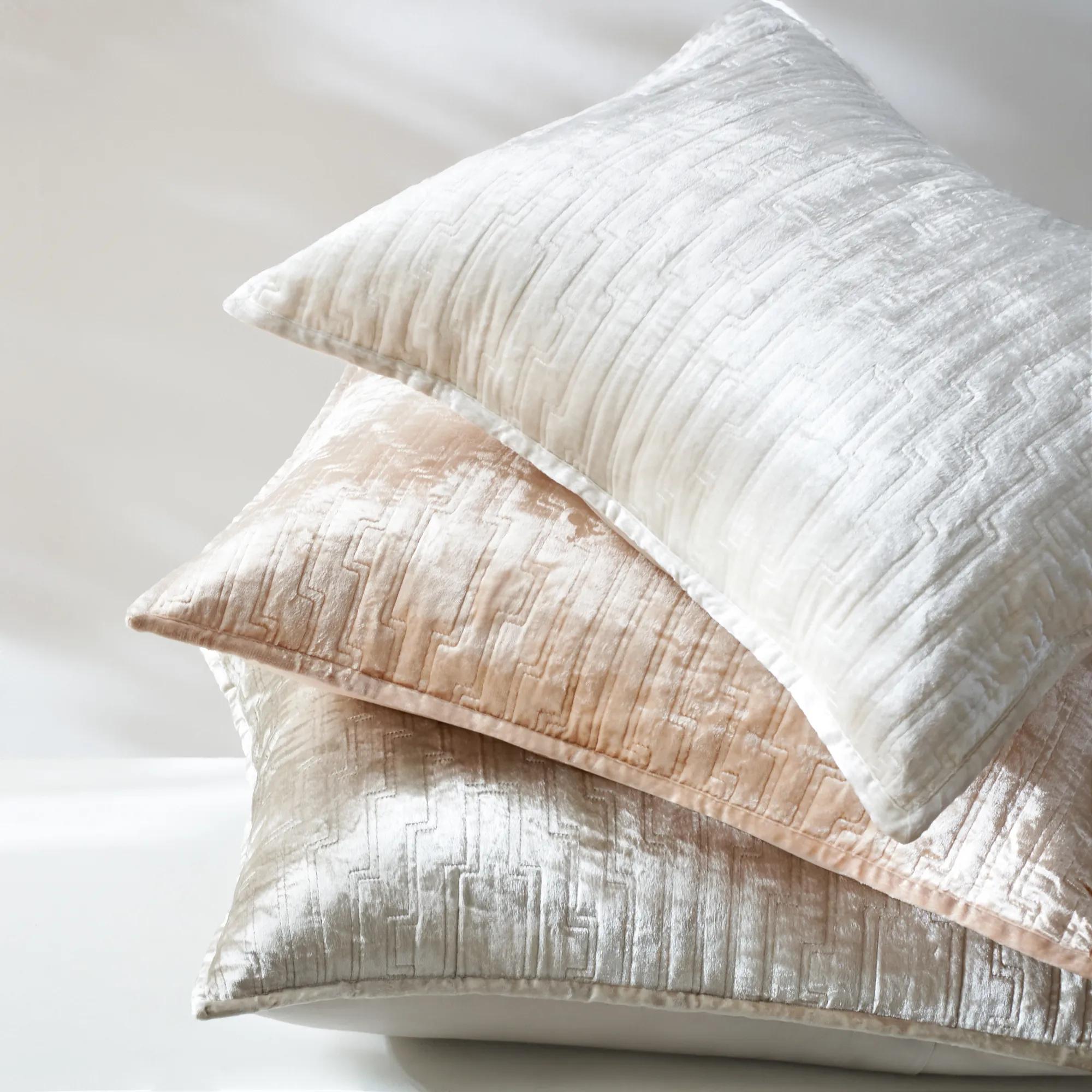 Glam Velvet Bedding - Blush$109
A blush pink quilted velvet bedding set with piped edges and a soft cotton backing for luxurious comfort.
Add To Cart -
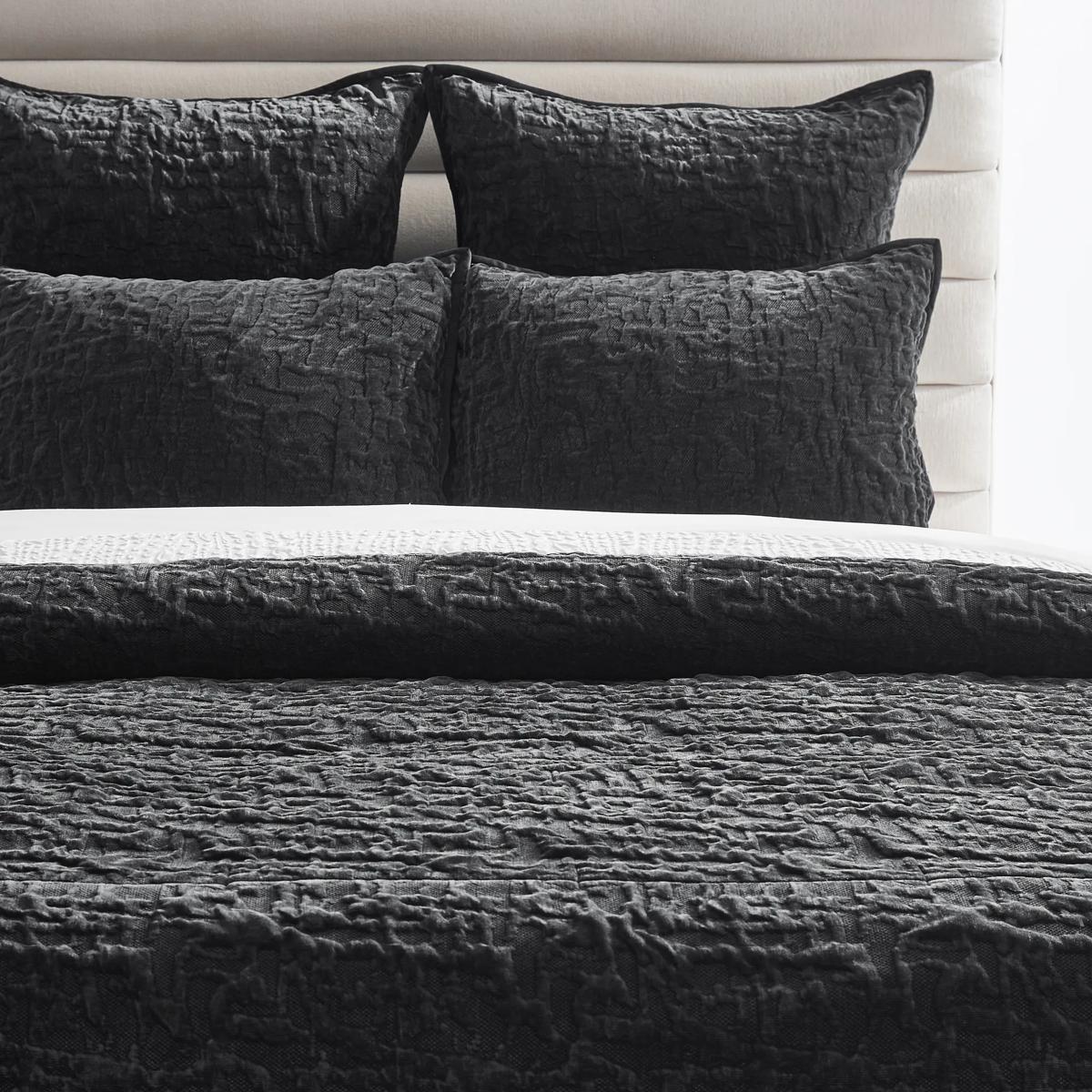
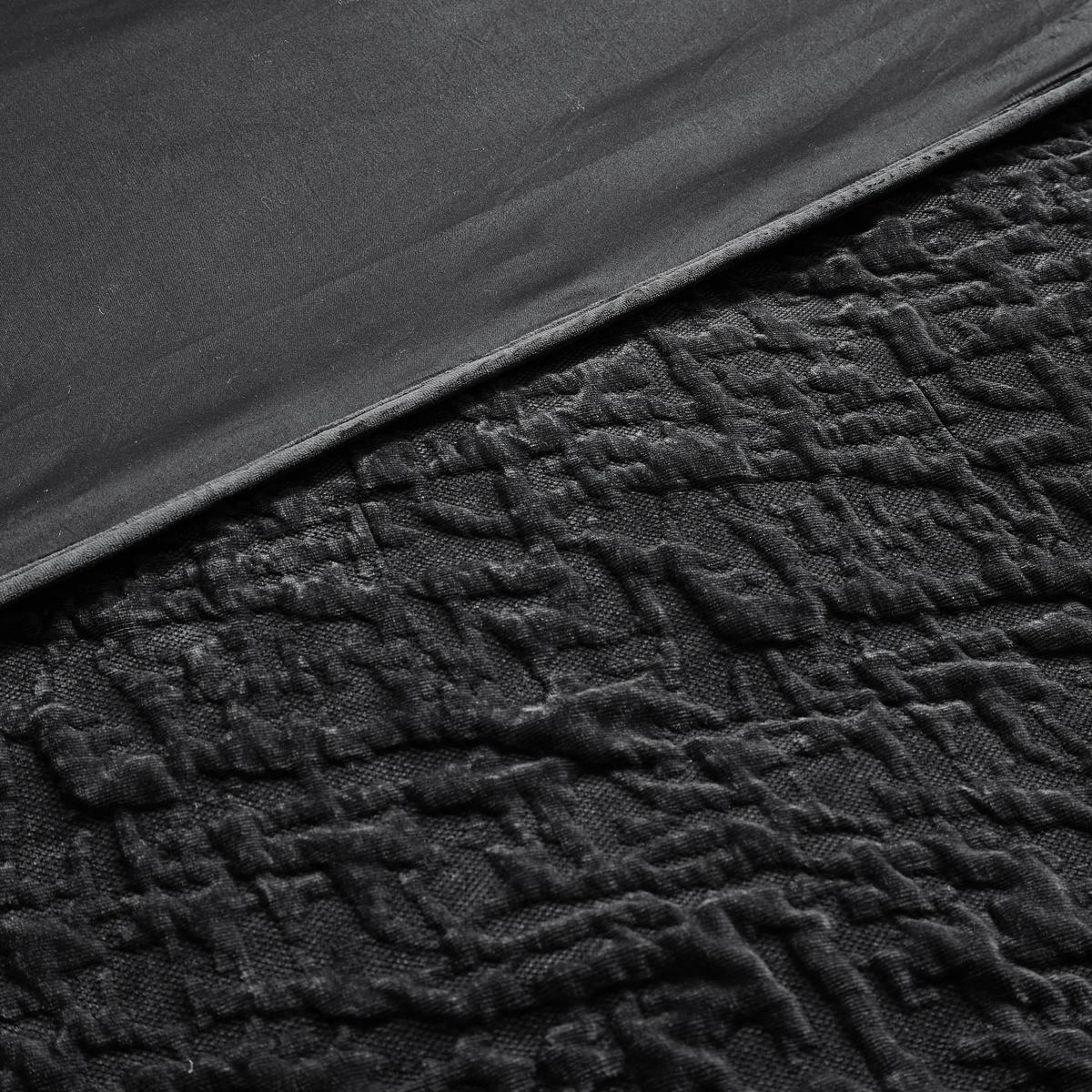 Madera Black Textured Velvet Bedding Set$249
A sophisticated black crushed velvet coverlet set with tonal embroidery and a breathable cotton backing.
Add To Cart -
 Vera Velvet Bedding Set - Mocha Rose$69
A luxurious mocha rose velvet bedding set with a duvet cover and coordinating sham covers.
Add To Cart -
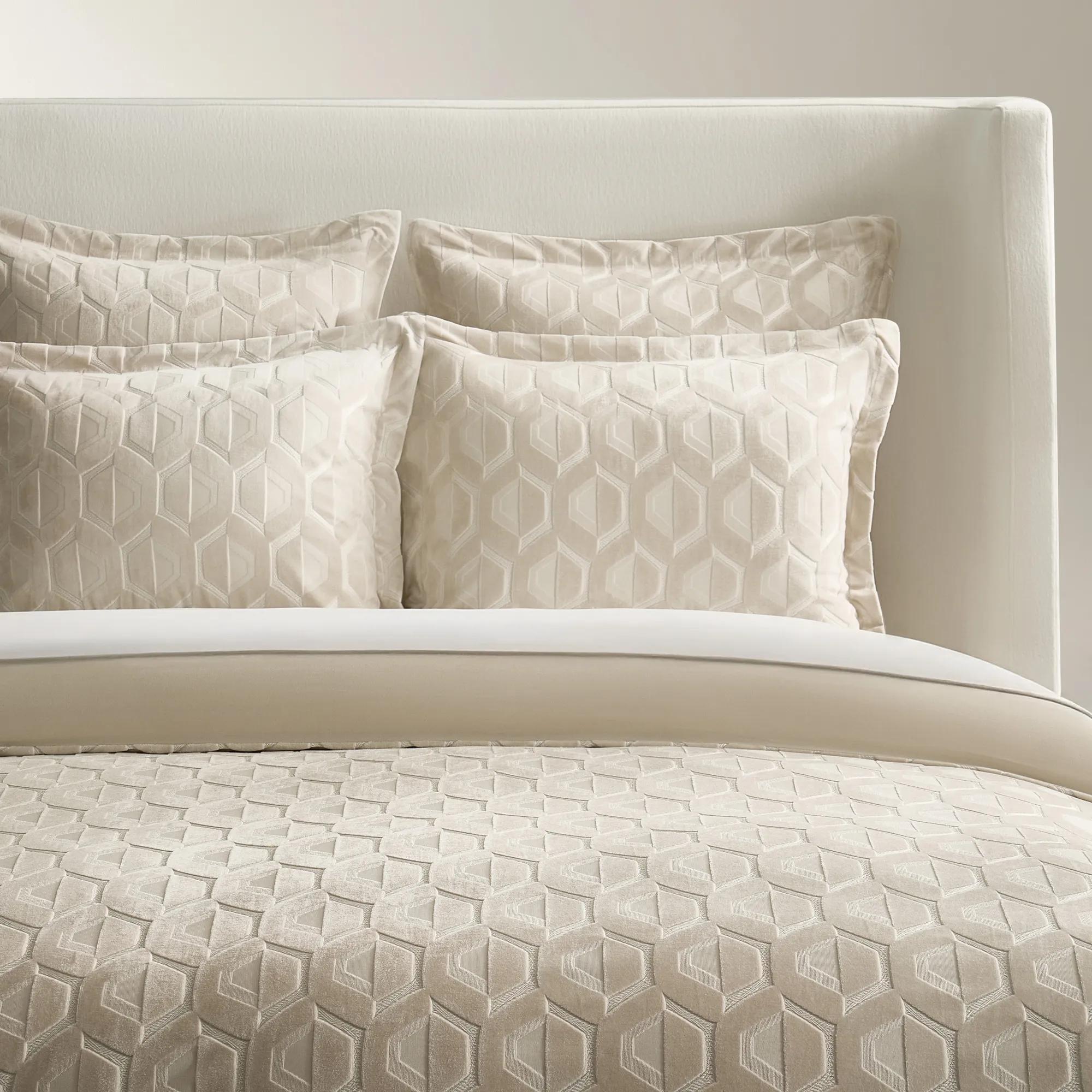 Cielo Alabaster White Geometric Cut Velvet Bedding Set$249
A white cut velvet bedding set with geometric detailing and coordinating duvet and sham covers.
Add To Cart -
 Glam Grey Shiny Viscose Velvet Quilt Bedding Set$109
A lustrous grey velvet bedding collection featuring modern quilted stitching and refined piped edges.
Add To Cart -
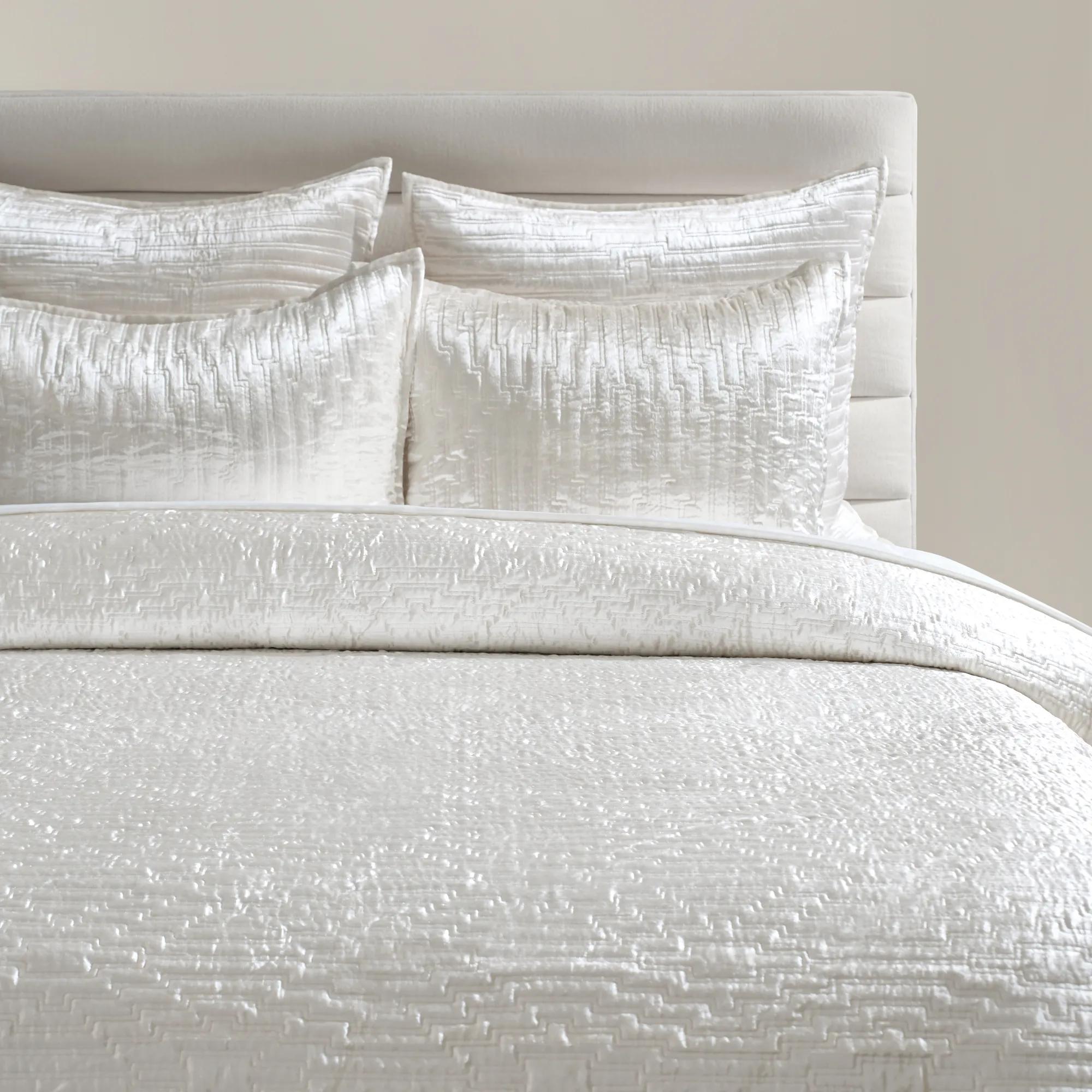
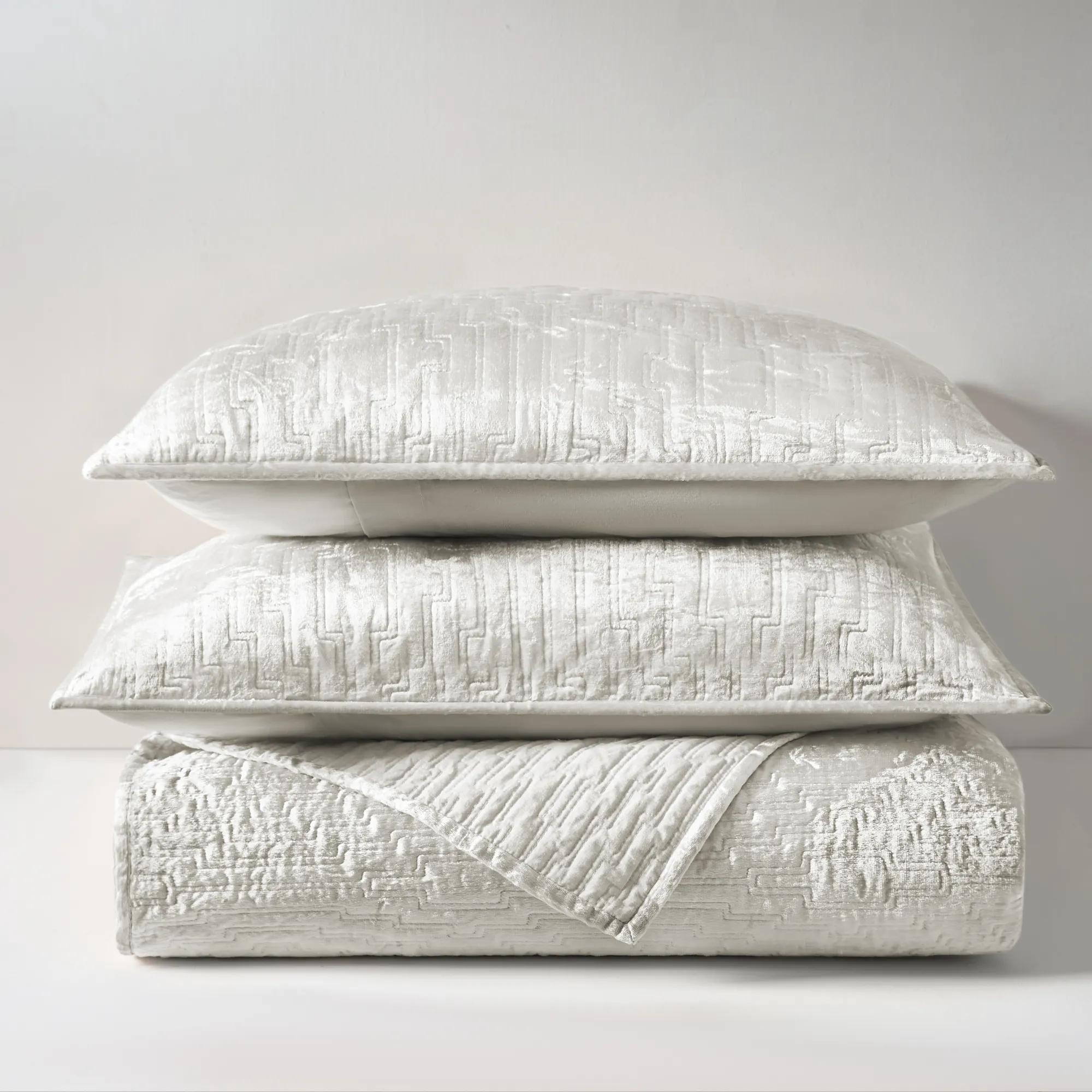 Glam Cloud White Shiny Viscose Velvet Quilt Bedding Set$499
A lustrous cloud-colored velvet quilt with modern geometric stitching and refined piped edges for sophisticated comfort.
Add To Cart -
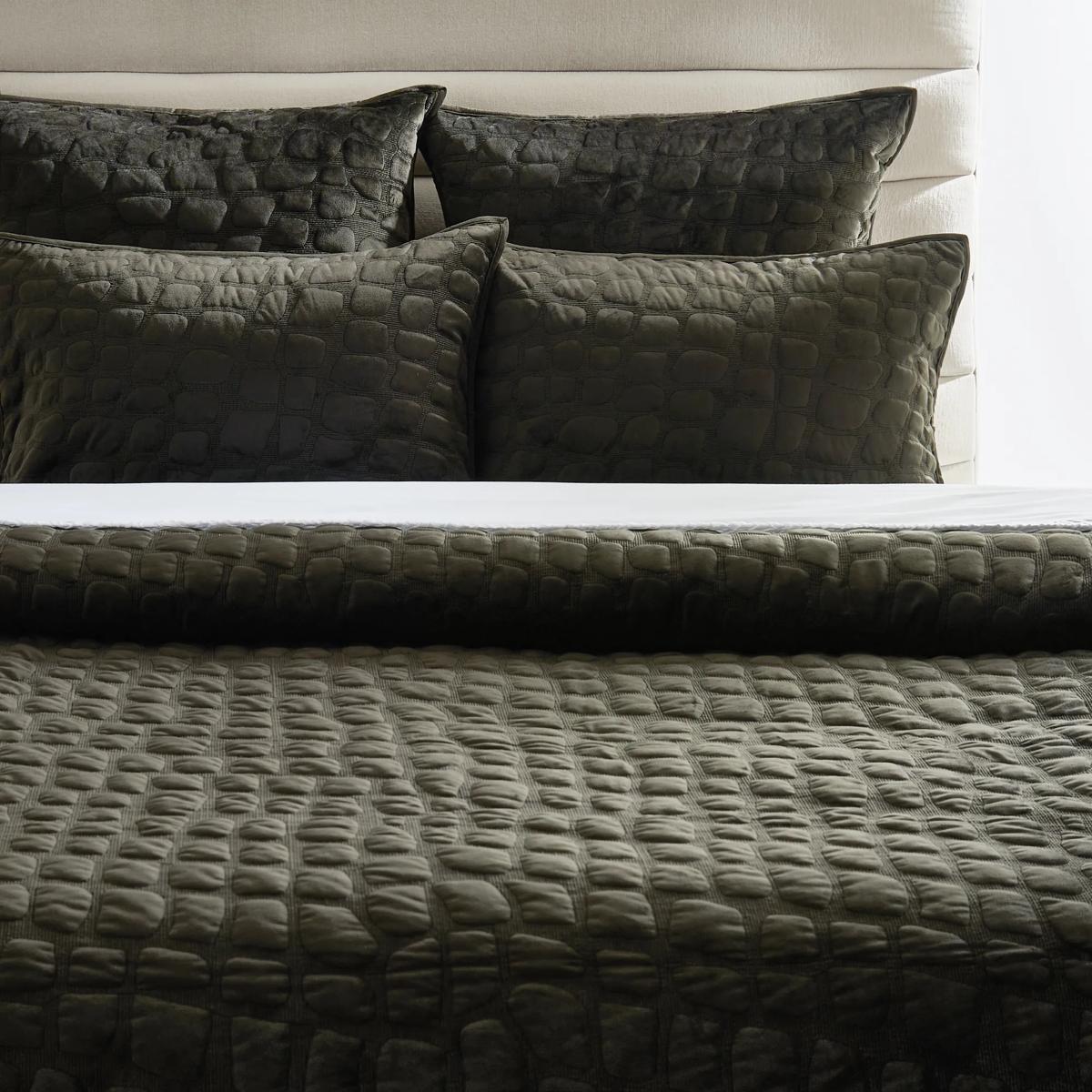
 Valen Velvet Quilt Set - Black$199
A bold quilt set in luxe black velvet with a quilted croc pattern and tailored piped edges.
Add To Cart -
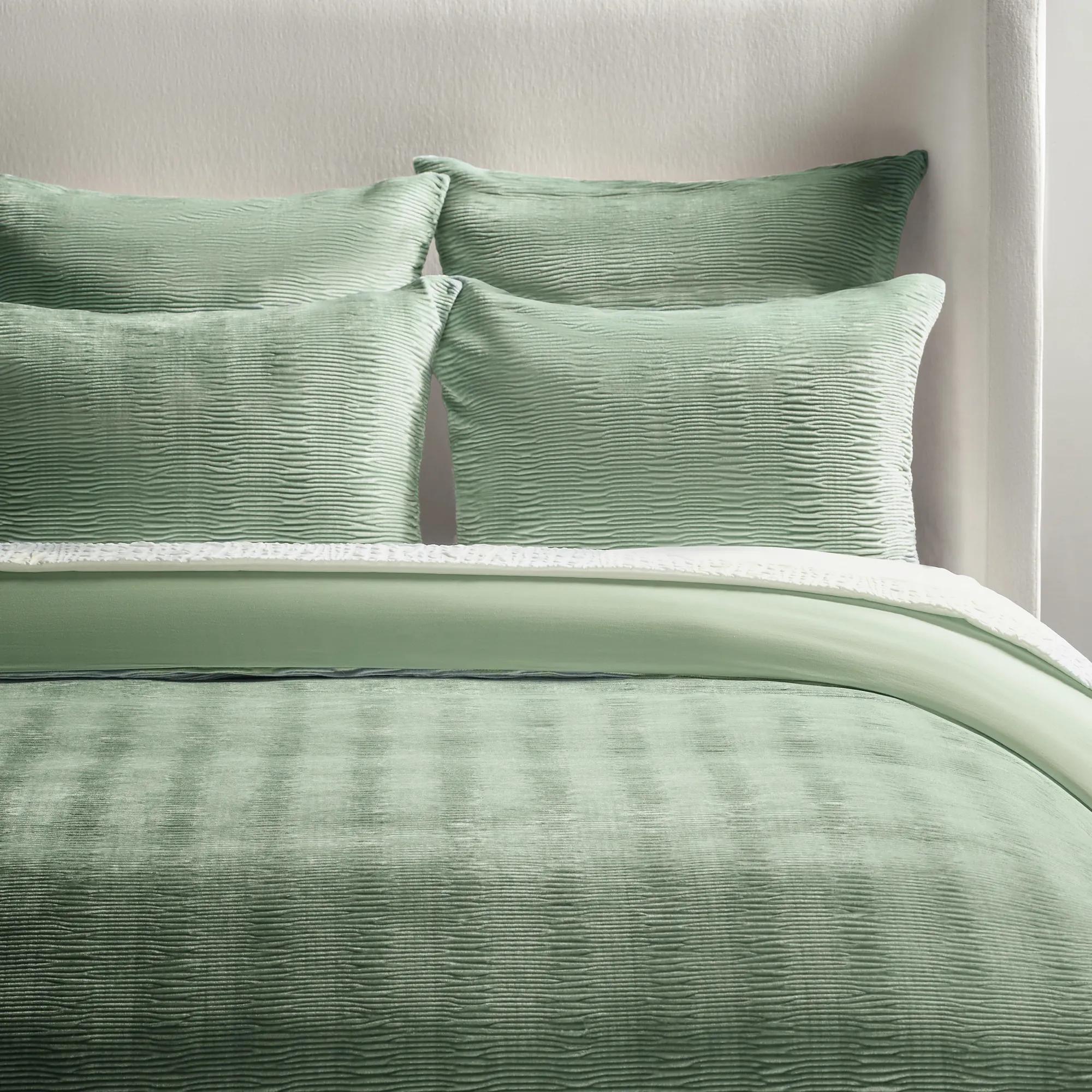
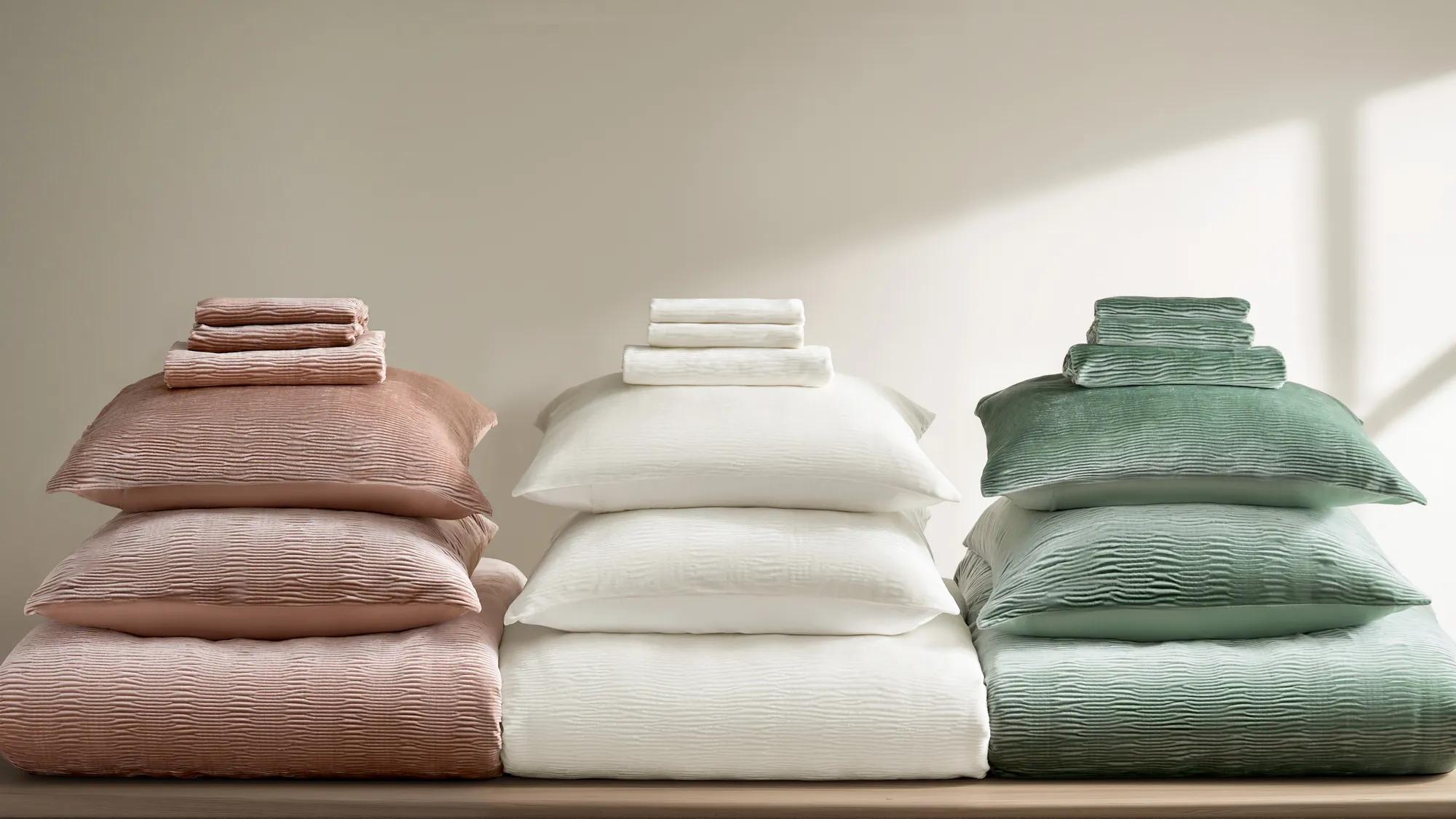 Vera Velvet Bedding Set - Malachite Green$229
A luxurious malachite green velvet bedding set with coordinating duvet and sham covers.
Add To Cart -
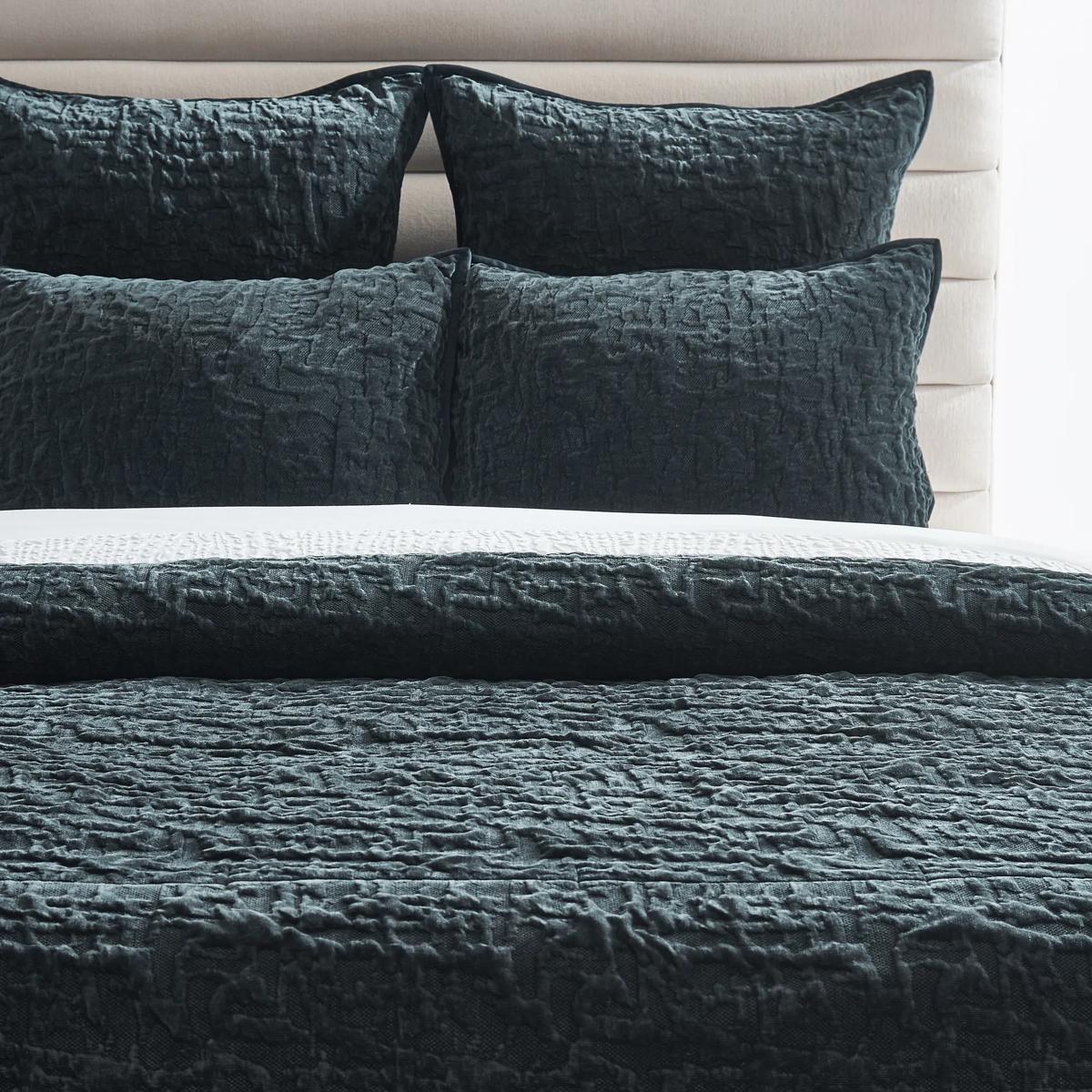
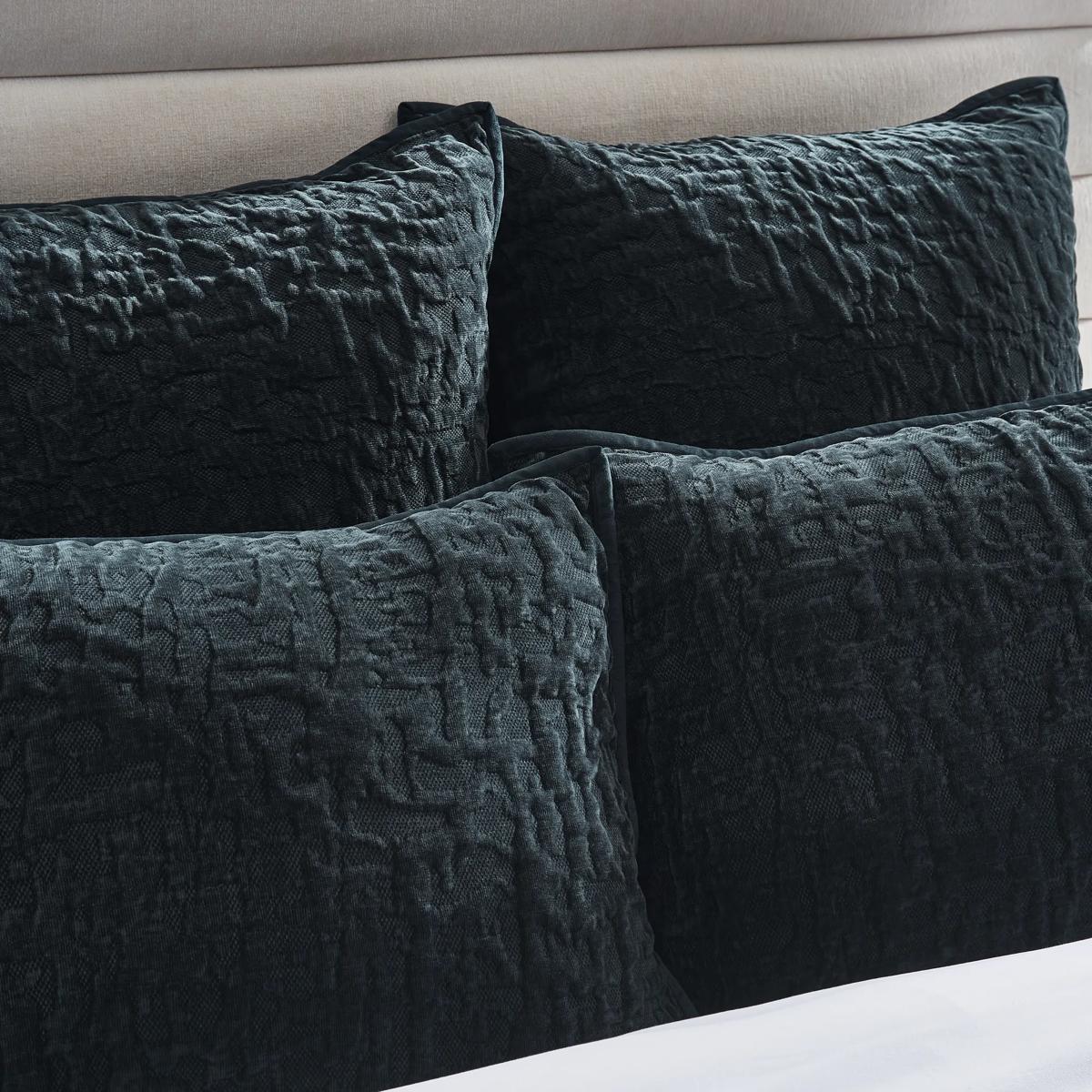 Madera Velvet Coverlet Set - Midnight Blue$69
A midnight blue crushed velvet coverlet set with embroidered detailing and a soft cotton backing.
Add To Cart -
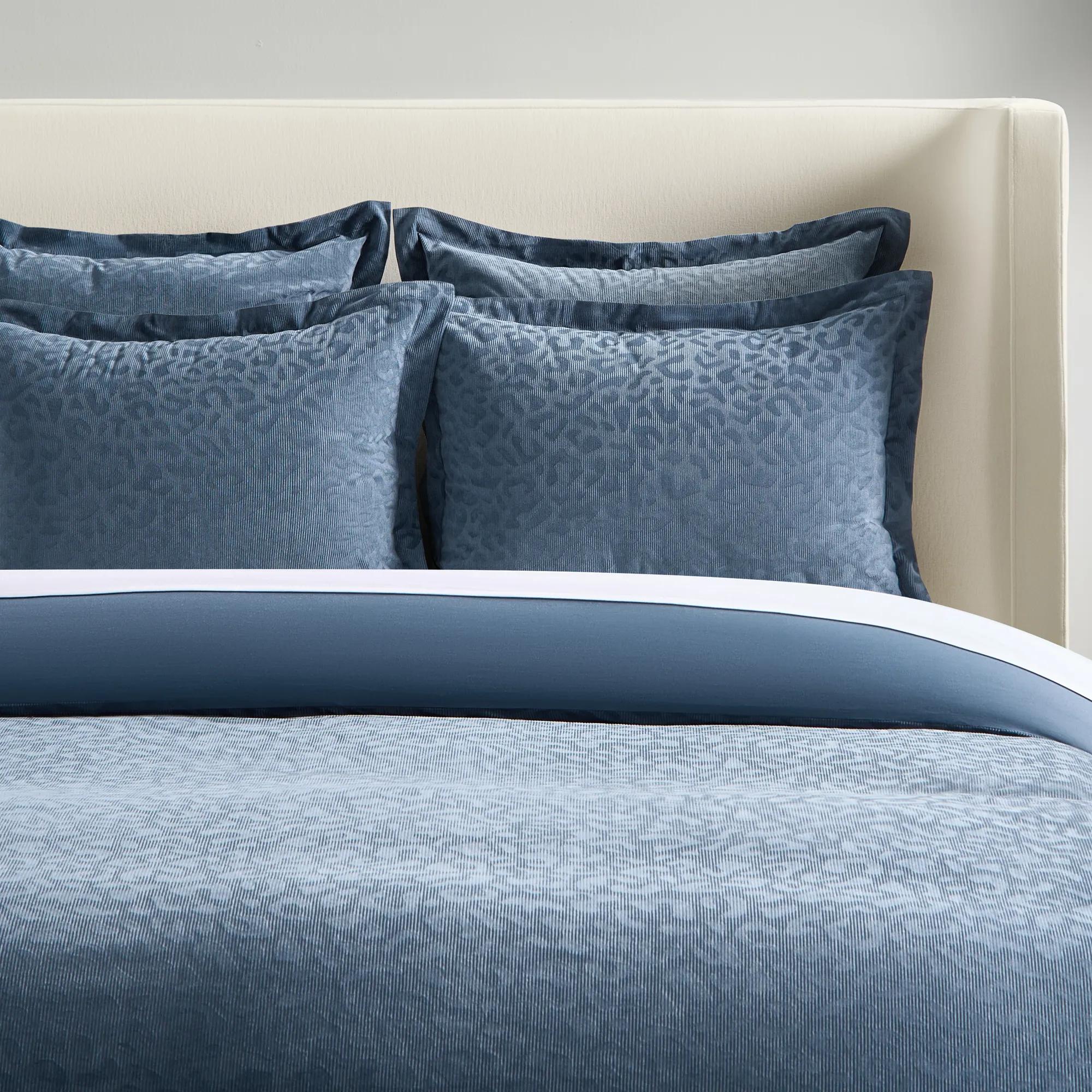
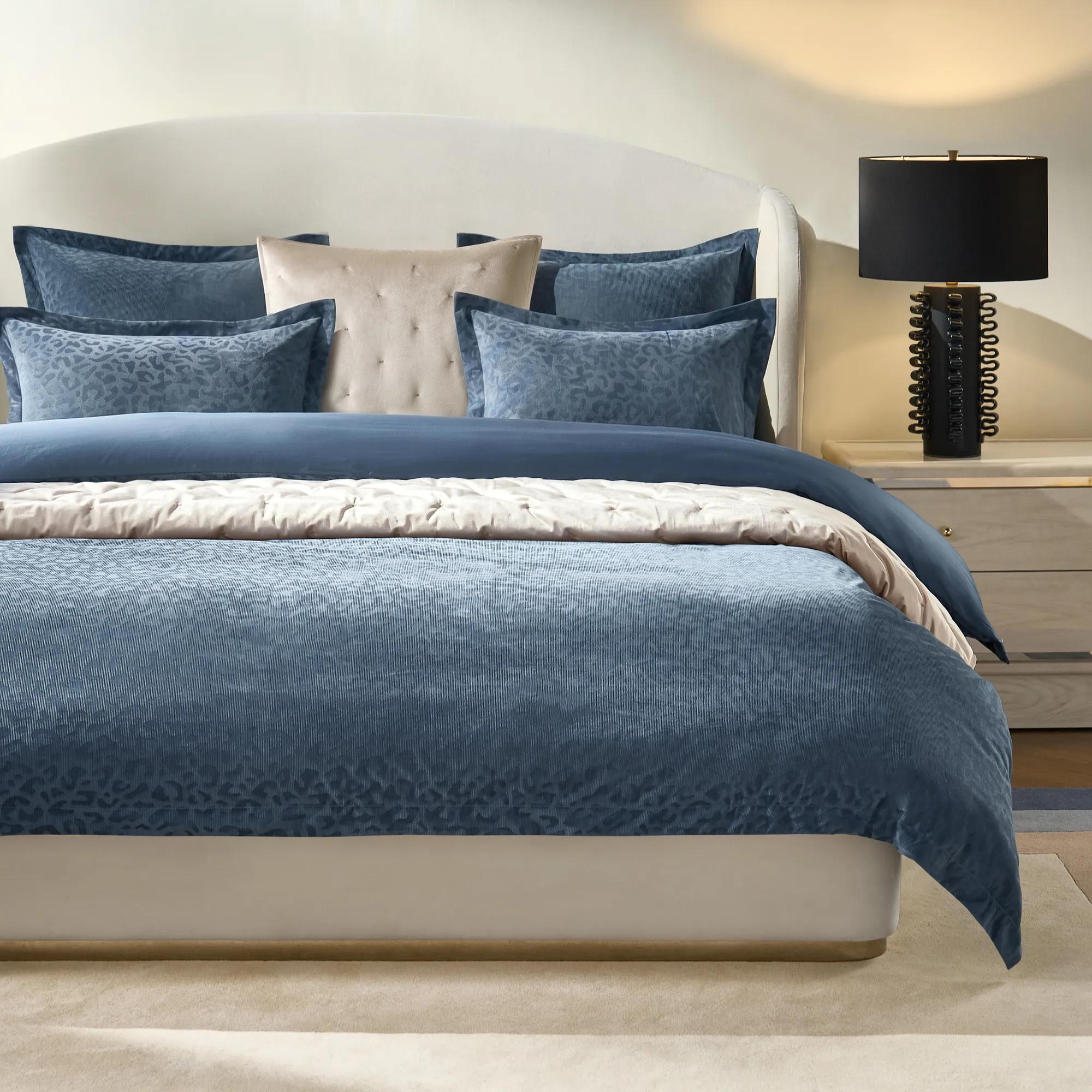 Leopard Dusty Blue Cotton Corduroy Velvet Bedding Set$249
A dusty blue velvet bedding set featuring a tonal leopard print and soft corduroy texture with cotton backing.
Add To Cart -
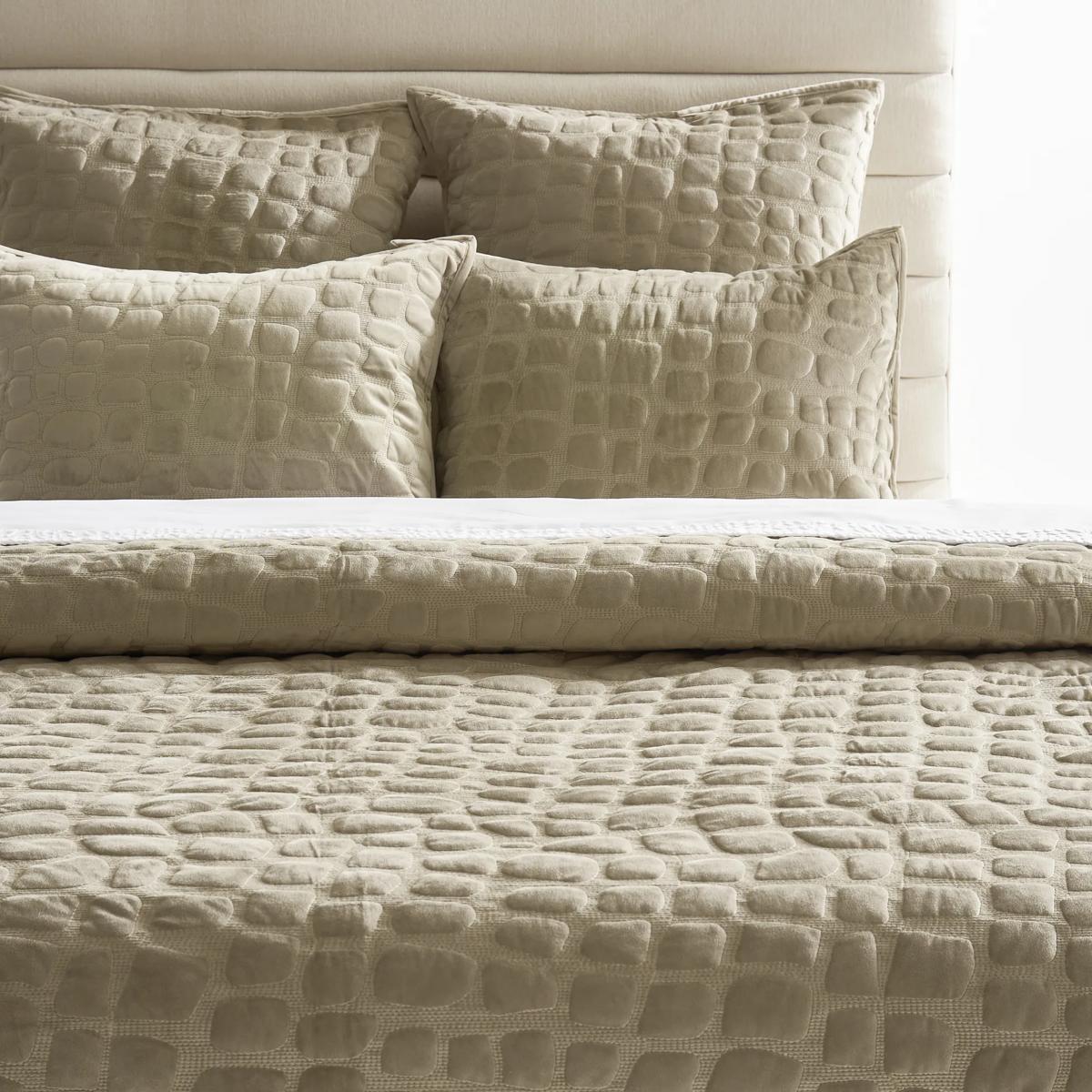
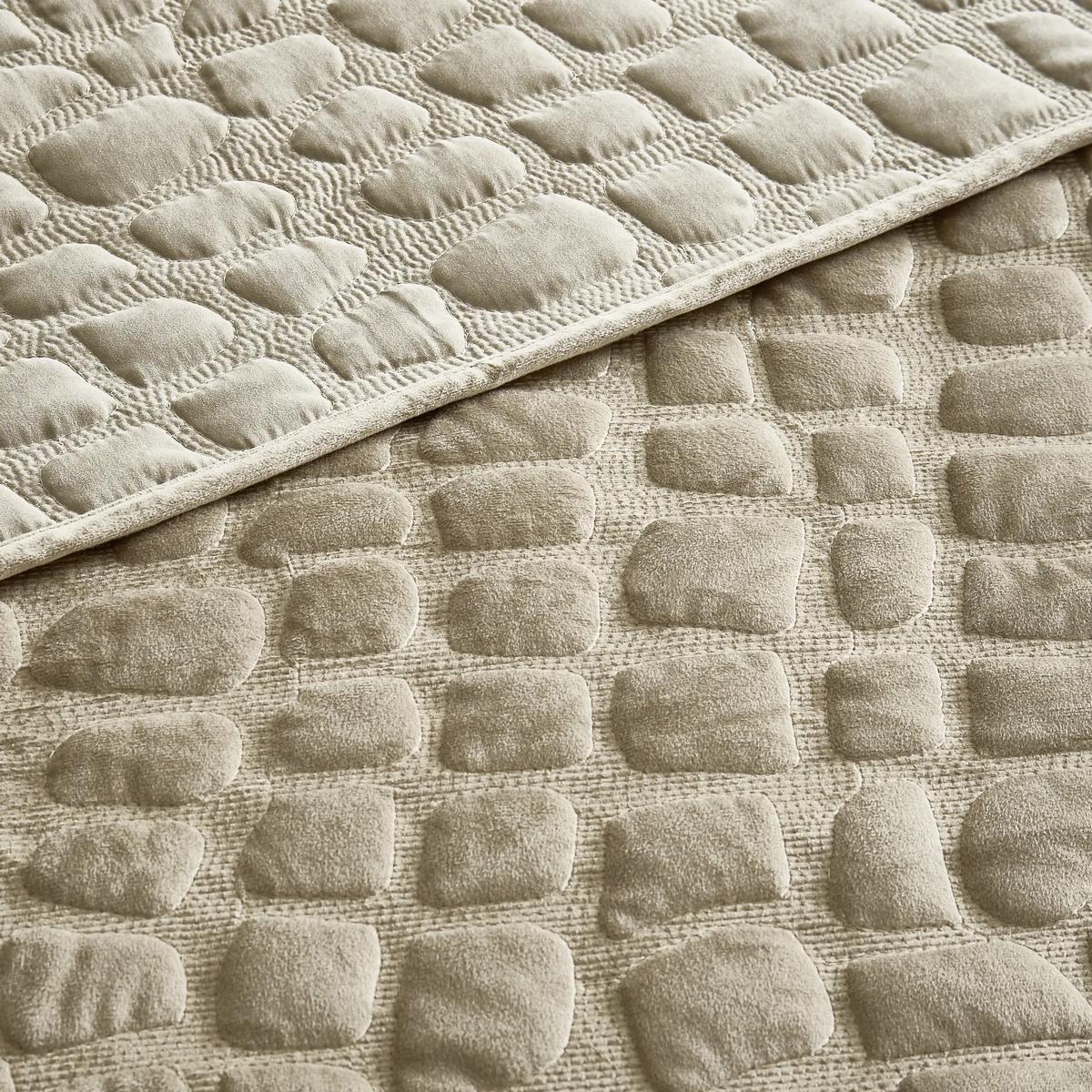 Valen Velvet Quilt Set - Sand$199
A plush sand velvet quilt set featuring a croc-inspired pattern and refined piped edges.
Add To Cart -
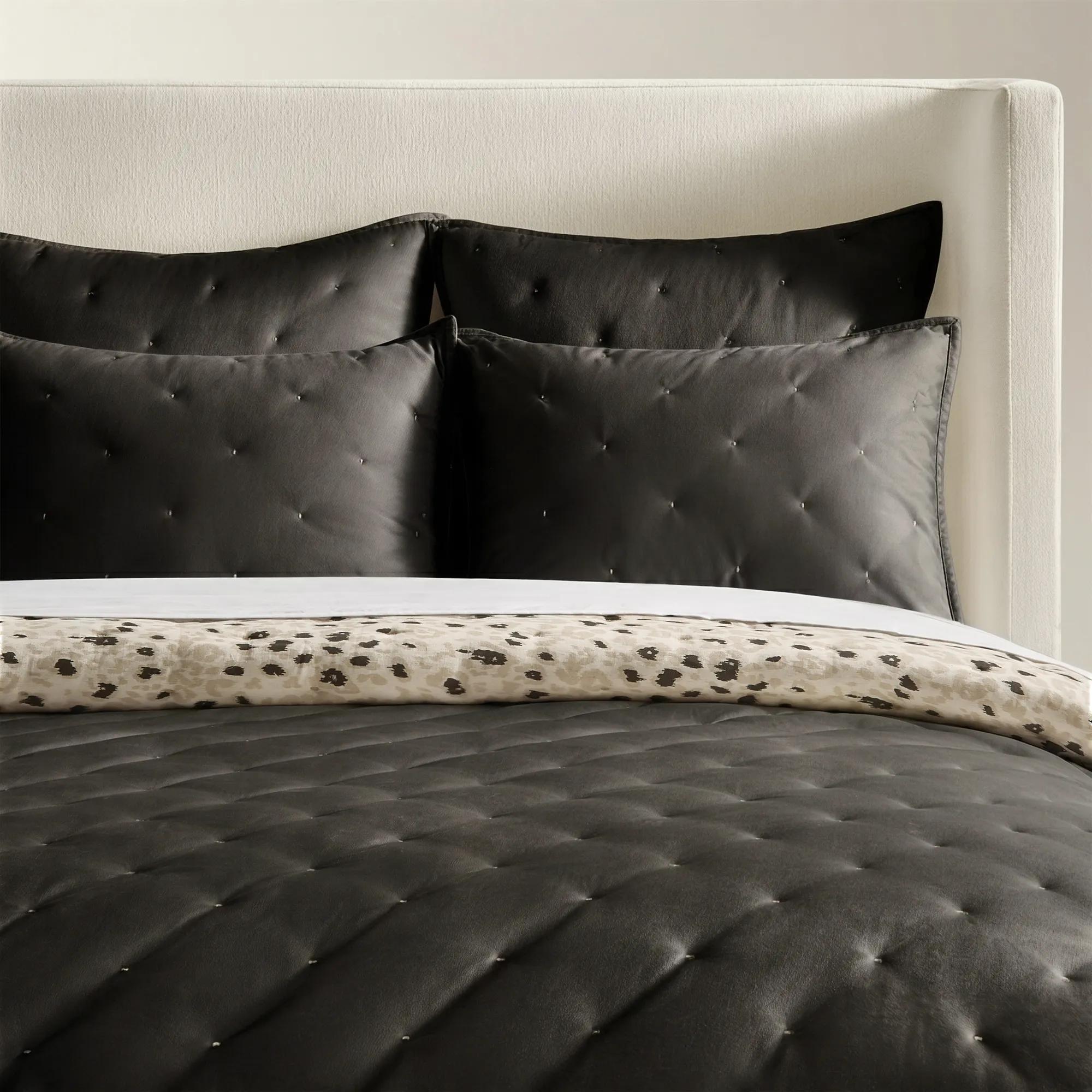
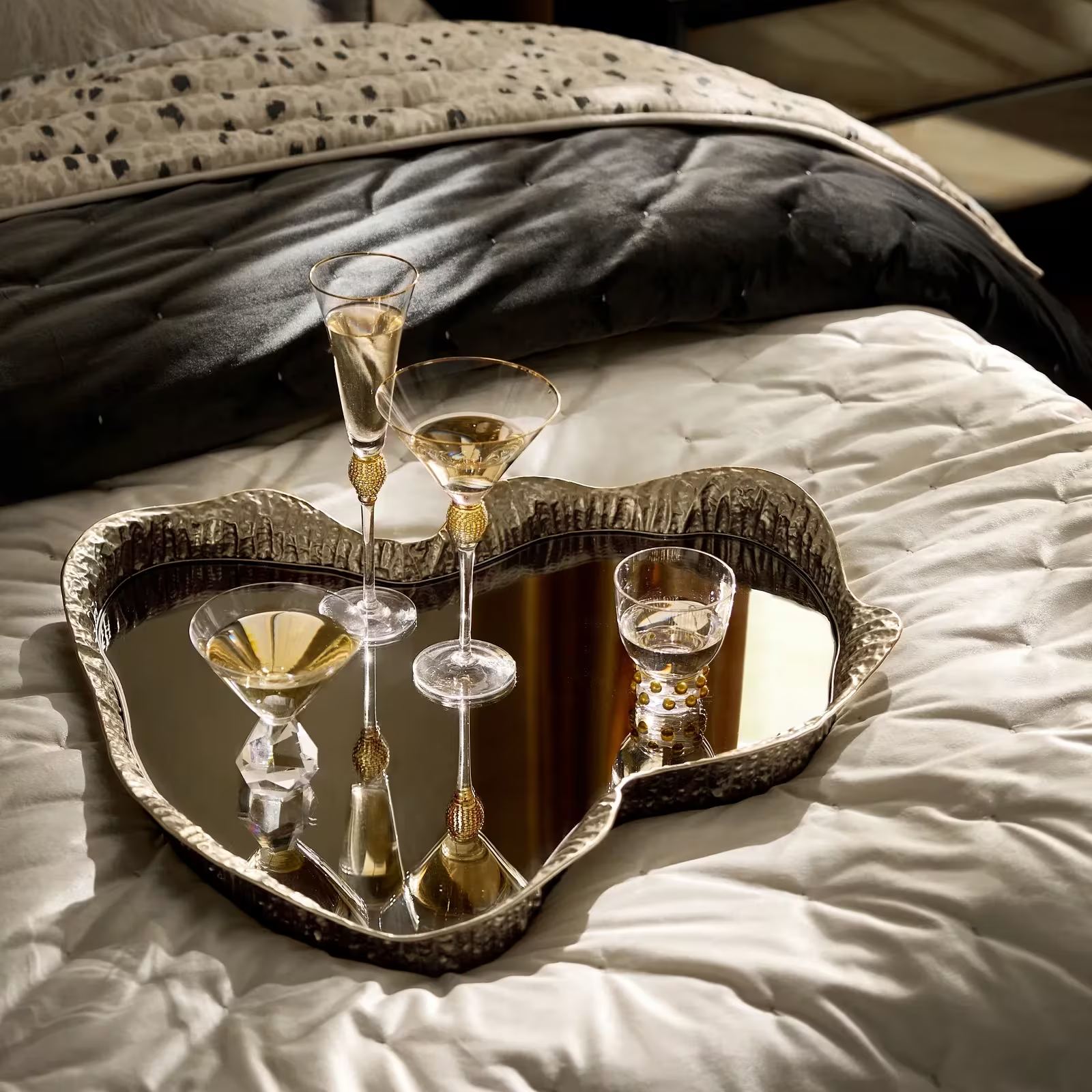 Nemera Graphite/Leopard Reversible Velvet & Cotton Linen Quilt Set$89
A reversible quilt set featuring plush graphite velvet on one side and bold leopard print cotton-linen on the other.
Add To Cart -
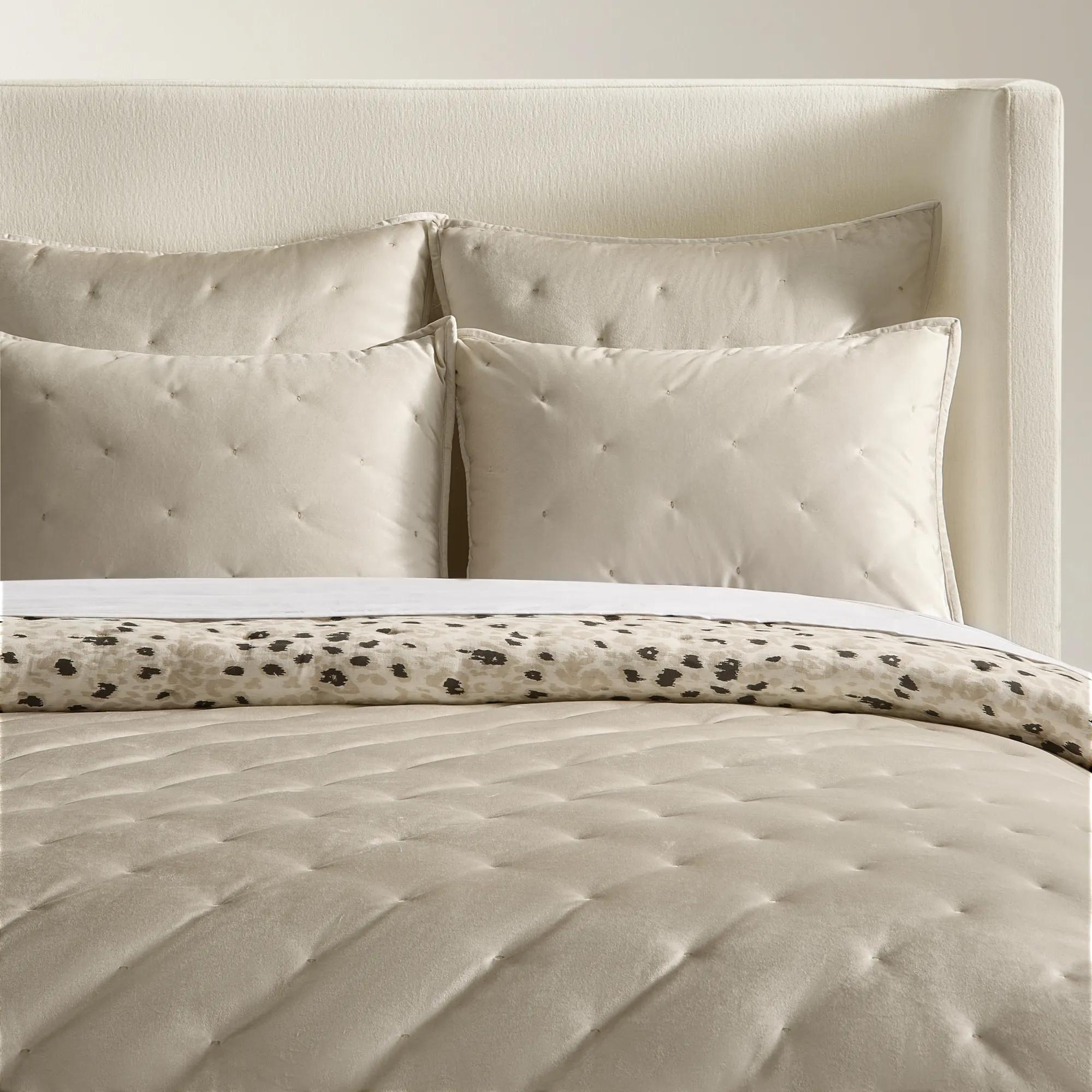 Nemera Alabaster/Leopard Reversible Velvet & Cotton Linen Quilt Set$349
A reversible quilt set featuring plush alabaster velvet on one side and bold leopard print cotton-linen on the other.
Add To Cart -

 Fan Velvet Quilt Set - Smoke Grey$229
A plush smoke grey velvet quilt set featuring a sculptural fan pattern and polished piped edges.
Add To Cart -

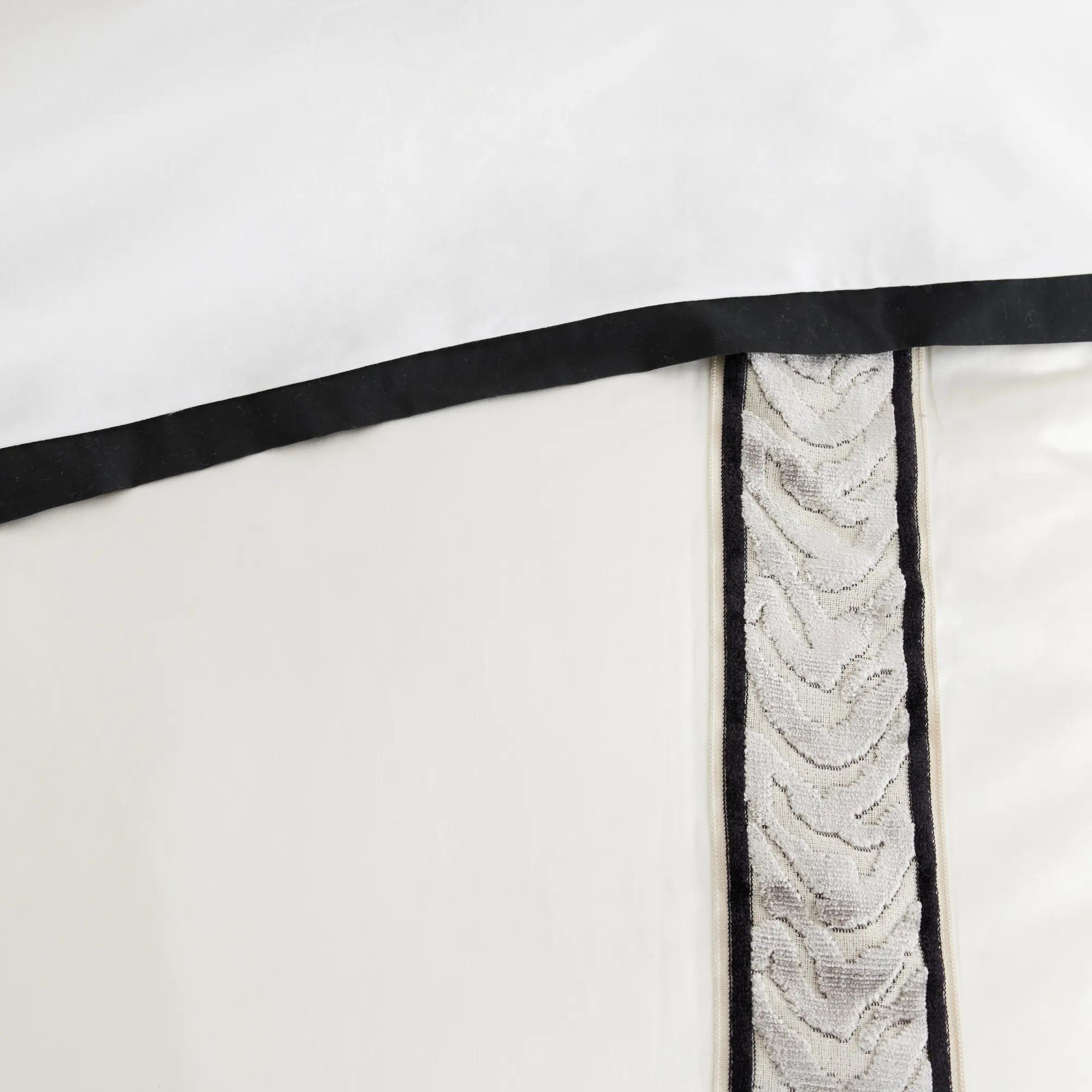 Gianna Grey/Black/White Animal Print Cut Velvet Appliqué Border Bedding Set$779
A luxurious grey and black bedding collection featuring a cut velvet tiger-stripe appliqué border for bold elegance.
Add To Cart -
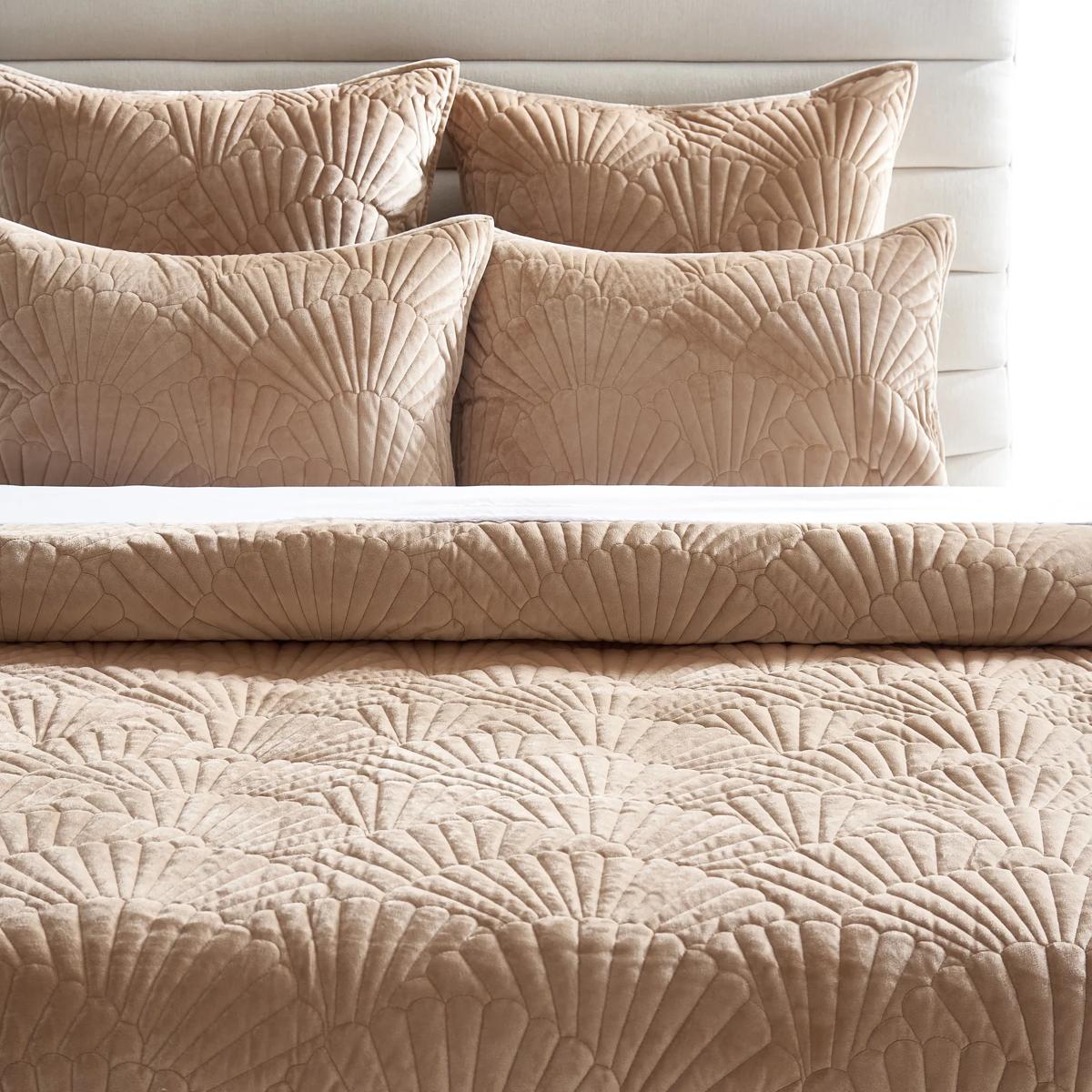 Fan Velvet Quilt Set - Muted Coral$199
A plush muted coral velvet quilt set featuring a sculptural fan motif and piped edges for modern elegance.
Add To Cart -
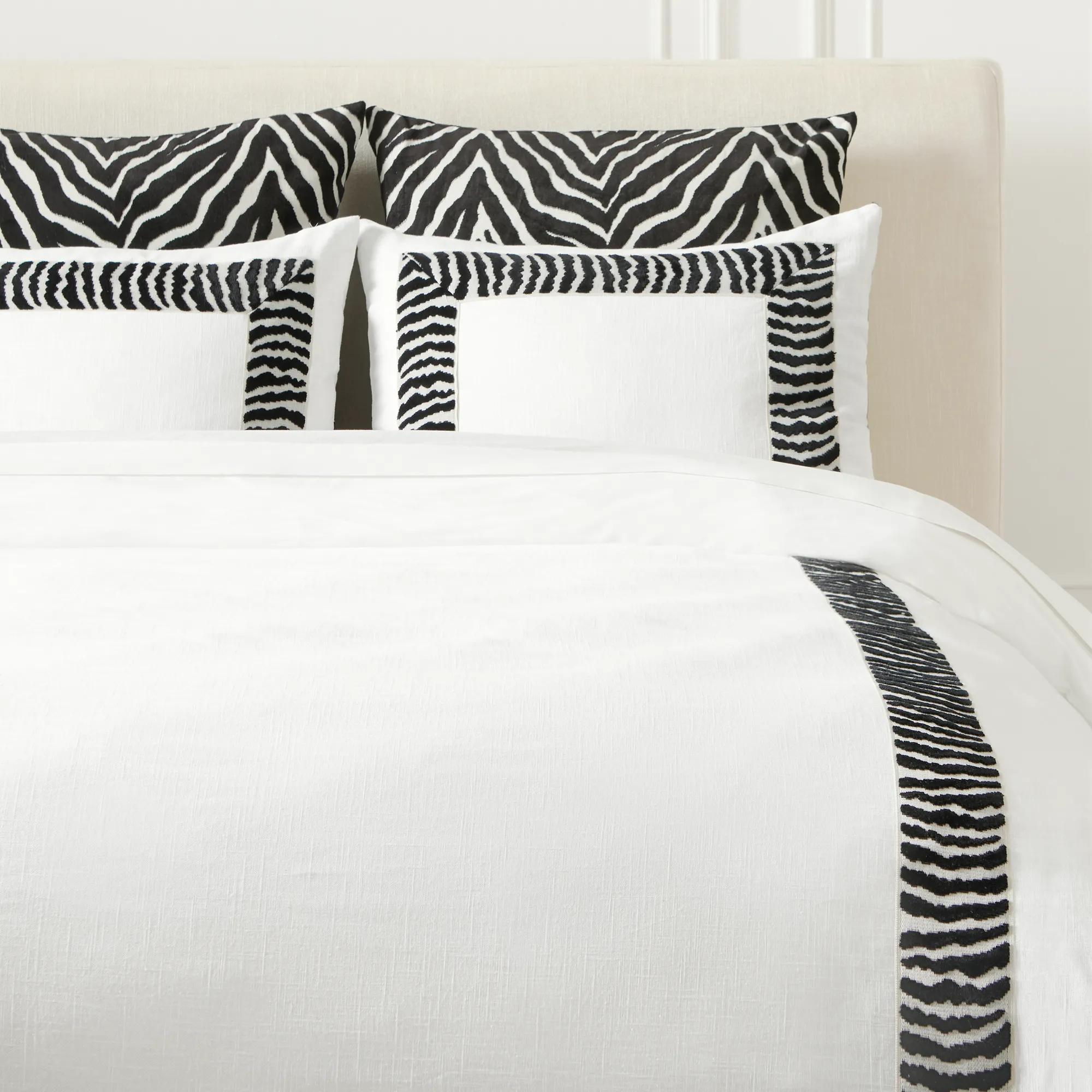
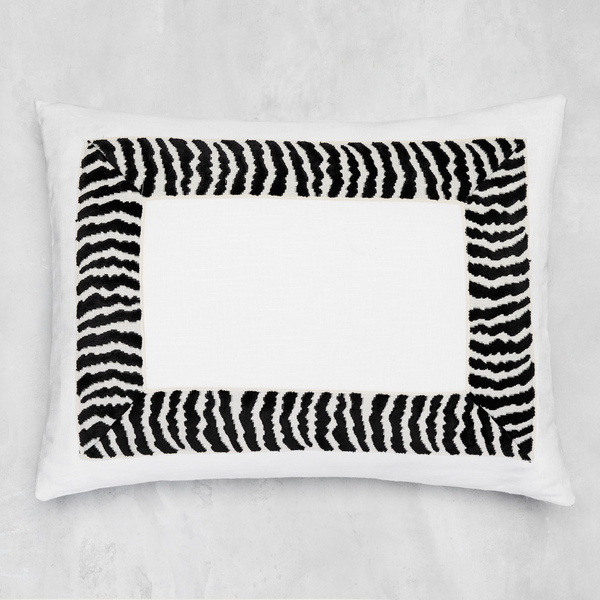 Nikki Chu Hasina Animal Print Black/White Velvet Appliqué Border Bedding Set$289
A bold black animal print borders ivory slubbed linen bedding for a textured, modern statement.
Add To Cart -
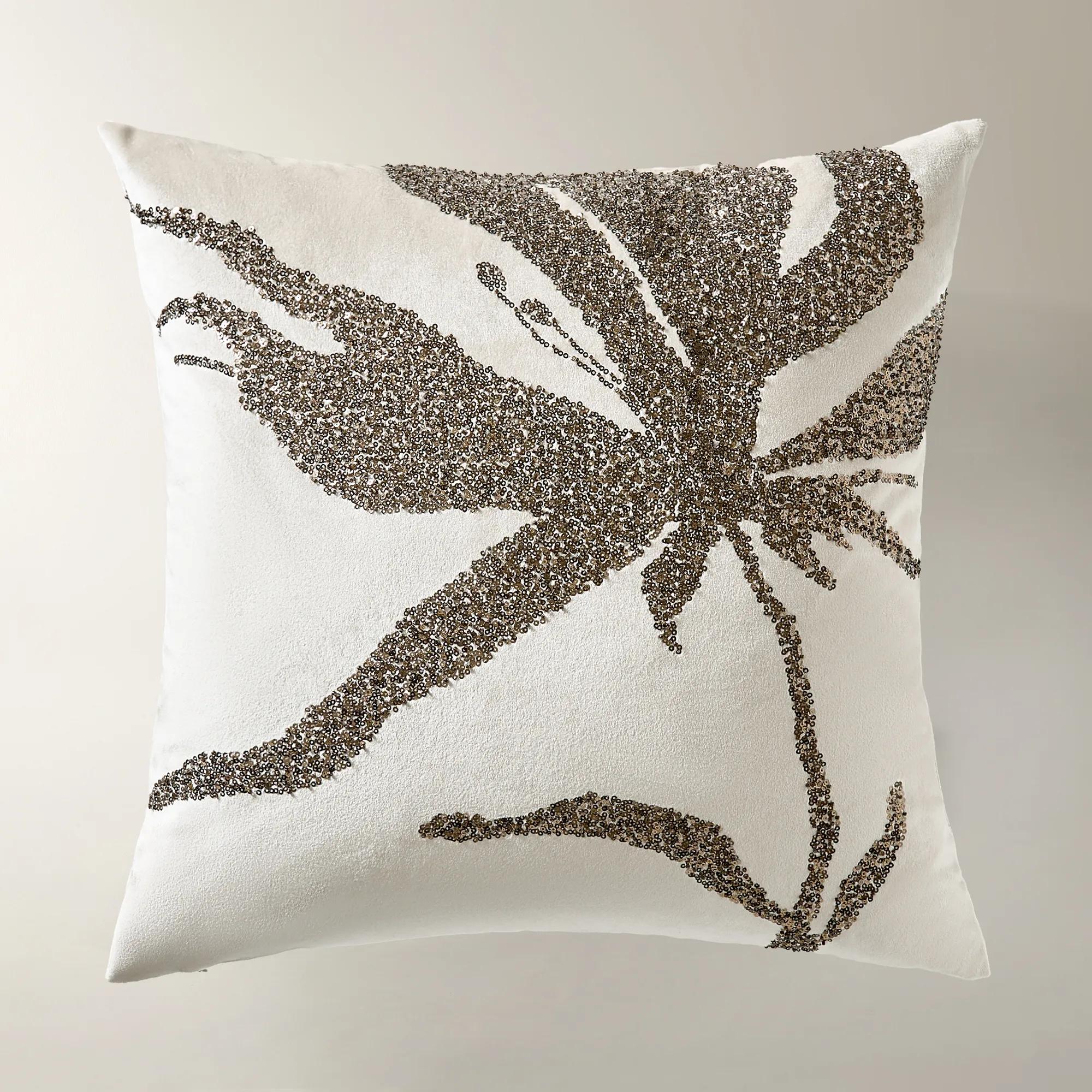
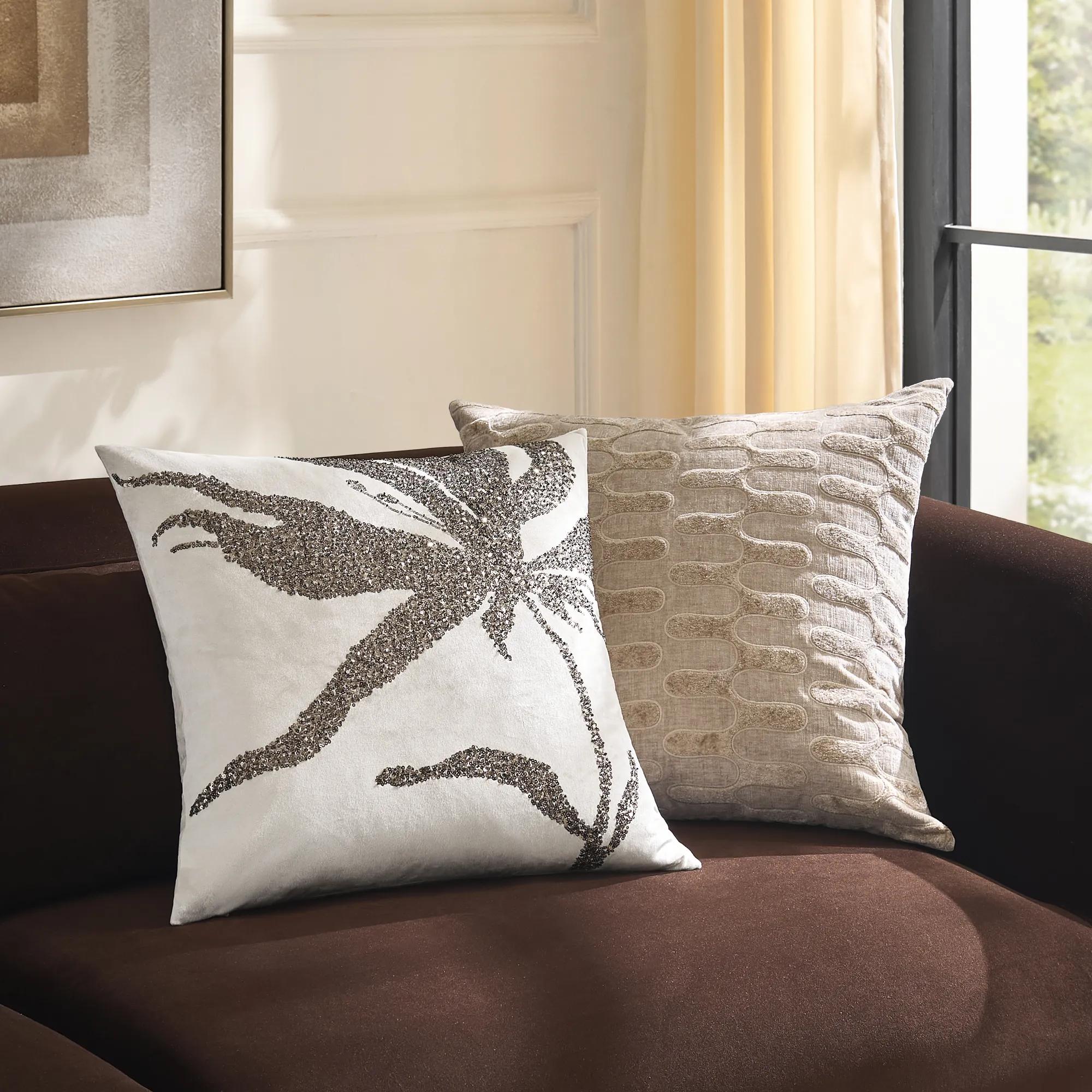 Leita Embellished Bronze/Cloud White Velvet Pillow 20" x 20"$129
A cloud velvet pillow featuring bronze sequin and bead floral embroidery with a feather-down insert.
Add To Cart -
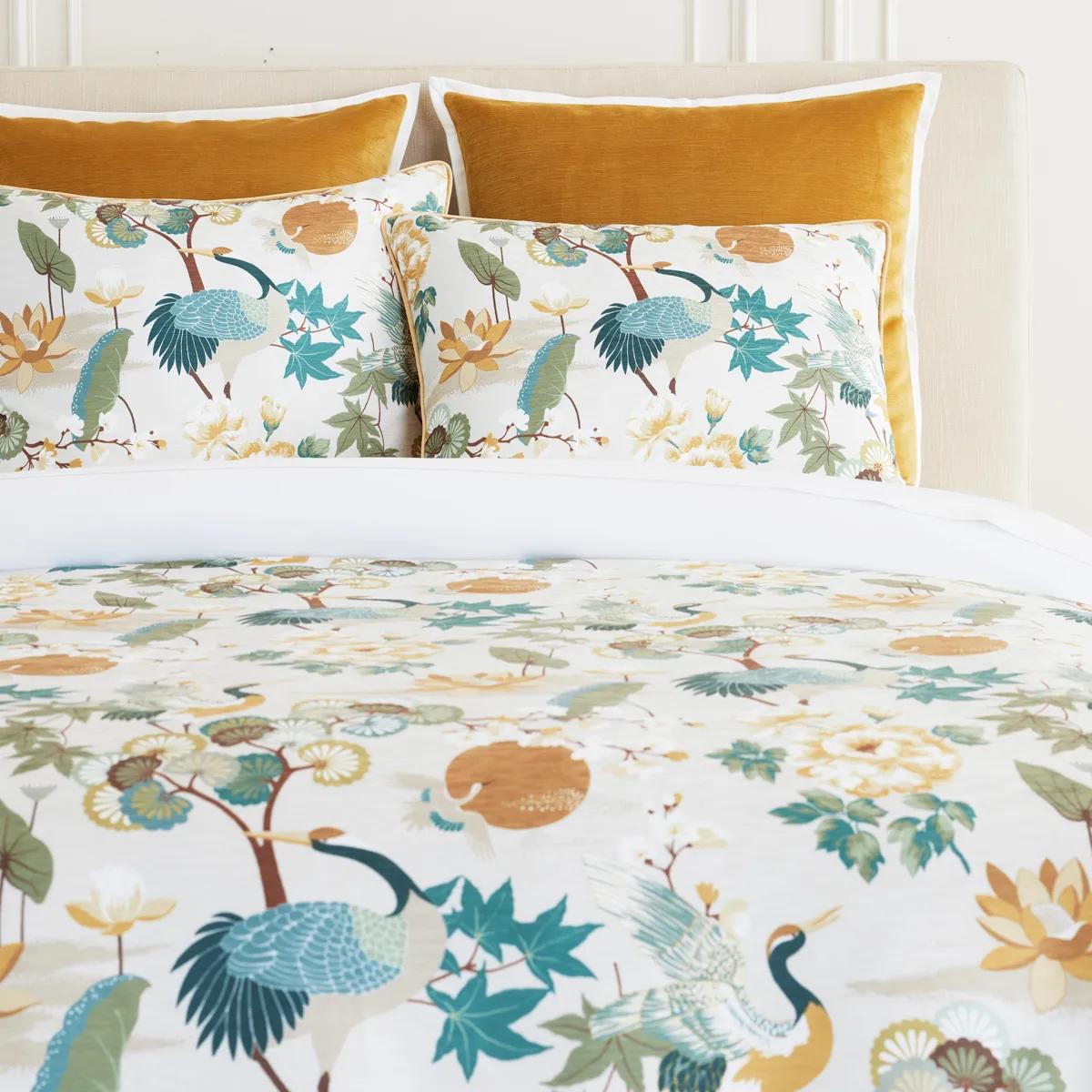
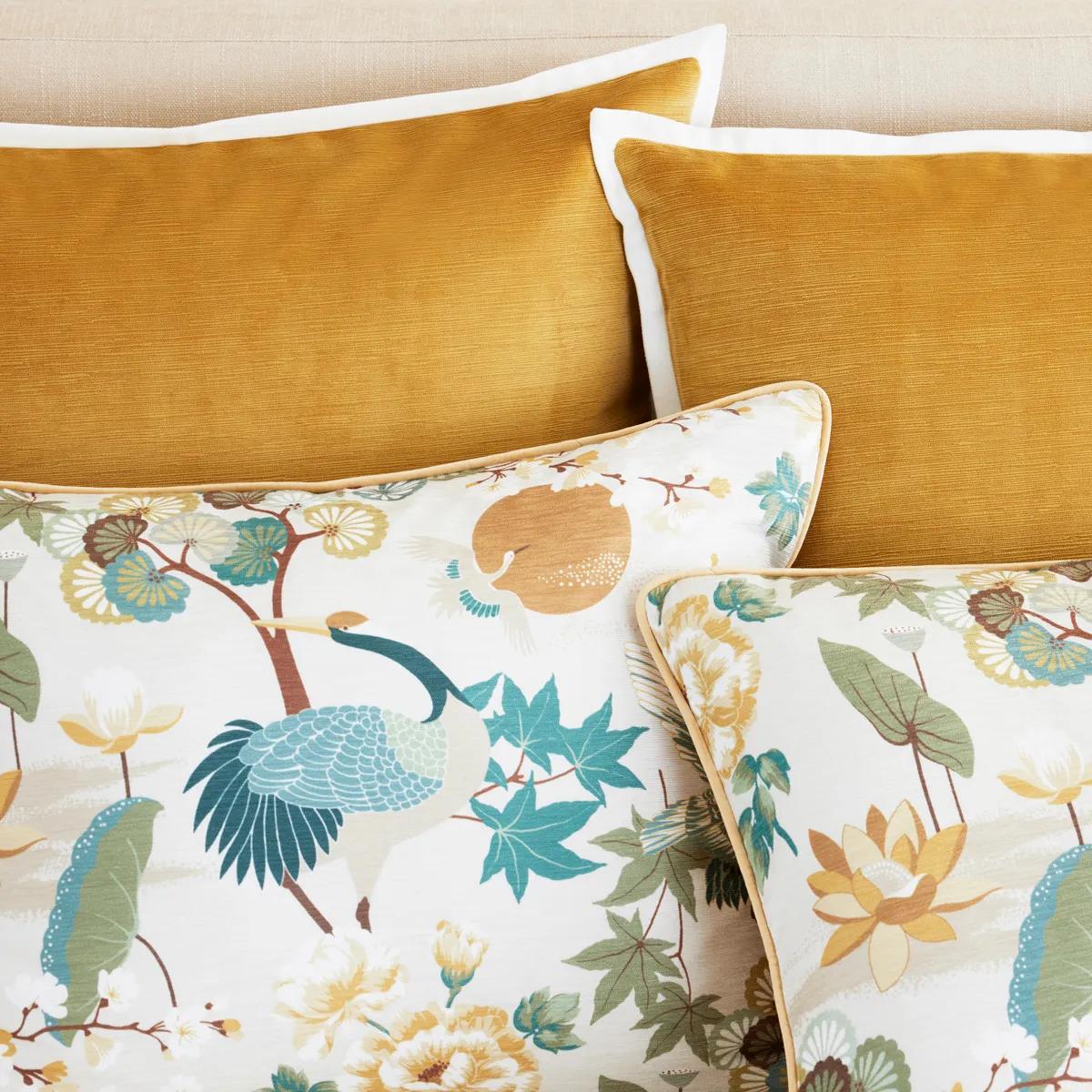 Sandhill Ivory/Multi Color Printed Bedding Set$639
An ivory bedding collection featuring earthy tones, gold velvet accents, and a soft cotton-polyester blend.
Add To Cart -
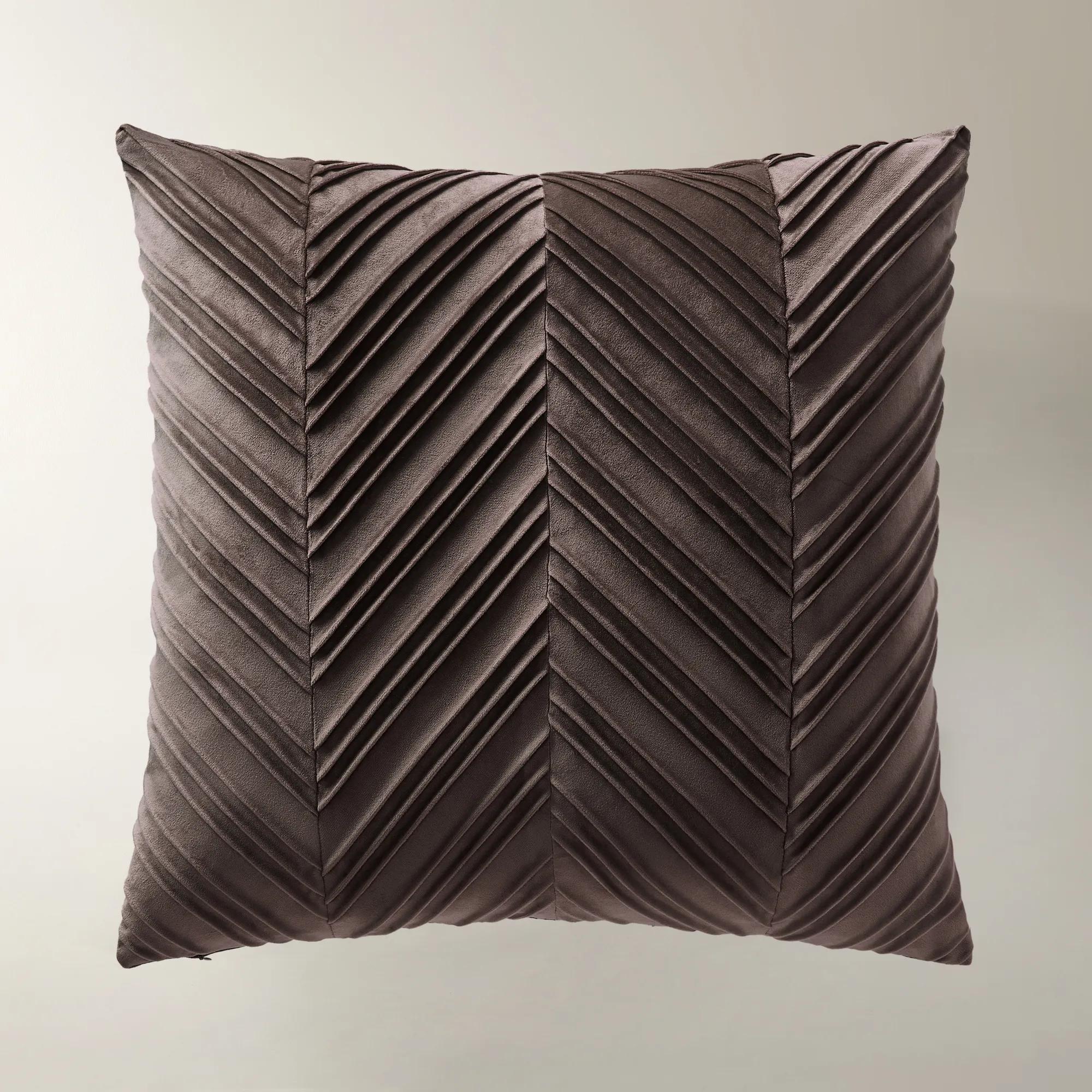 Lowry Pleated Dark Chocolate Brown Velvet Pillow 22" x 22"$89
A hand-pleated dark chocolate velvet pillow with a feather-down insert and hidden zipper closure.
Add To Cart -

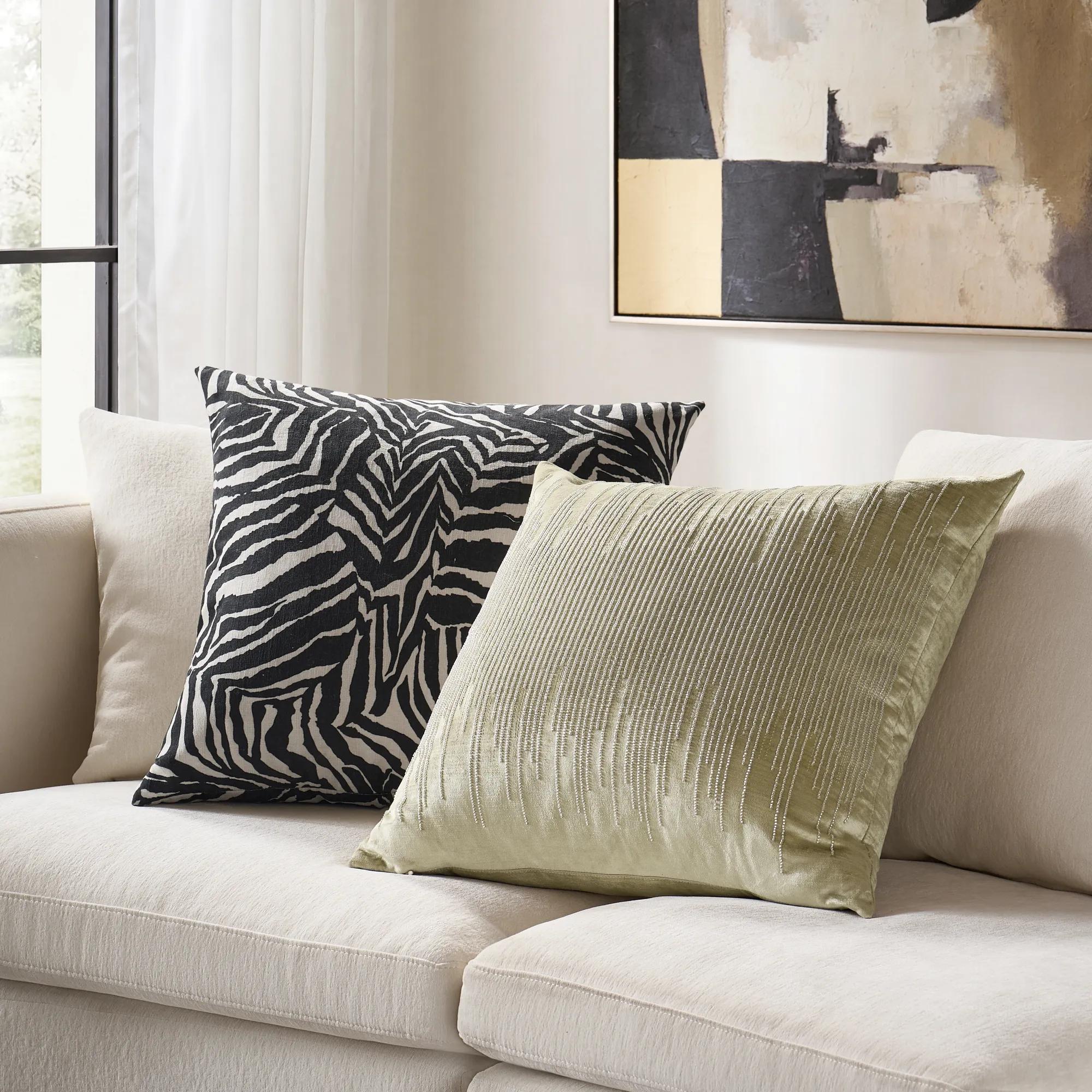 Ebba Black/Ivory Abstract Zebra Pillow 22" x 22"$89
A bold black and ivory velvet pillow featuring an abstract zebra print and plush feather-down insert.
Add To Cart

Velvet Bedding For Bridal Registries
Velvet Bedding For Bridal Registries transforms the art of newlywed nesting into a sumptuous affair, where every layer whispers romance and every detail dazzles with allure. Imagine a sanctuary swathed in plush velvet, its luminous sheen catching the light as it sets the stage for unforgettable evenings and languid mornings alike. For couples who crave drama and decadence, velvet bedding is more than a registry essential—it’s an invitation to indulge in everyday luxury, turning the marital suite into a masterpiece of comfort and style. Let your first home together shimmer with opulence, creating a haven that is as expressive and extraordinary as your love story.
Velvet bedding for bridal registries brings rich texture, luminous color, and a sense of occasion to the bedroom, making it a distinctive gift for couples creating a home together. Its signature cut pile catches light from different angles, giving even a single-color bed depth and movement. An ivory velvet layer can look softly radiant against crisp white sheets, while a deep sapphire or smoky charcoal creates a more dramatic focal point beneath an upholstered headboard. The appeal is both visual and tactile: velvet lends the bed a plush surface and a beautifully dressed appearance without relying on elaborate prints. For newlyweds blending two decorating styles, that balance can be especially compelling. One partner may gravitate toward clean lines and restrained color, while the other prefers expressive texture; velvet gives both sensibilities room to coexist. A tailored quilted surface introduces rhythm and definition, while broader, uninterrupted panels let the fabric’s sheen become the central detail. Bedding in this category can serve as the foundation of an everyday bedroom or as a decorative finishing layer over the pieces a couple already loves. On a bridal registry, that flexibility makes it meaningful beyond the wedding itself: a velvet bedspread can anchor a newly furnished room, and coordinating shams can give familiar bedding a more polished presence. Color also shapes how these gifts settle into a shared space. Soft neutrals leave room for patterned rugs, sculptural lamps, and expressive artwork, while saturated hues turn the bed into the room’s most commanding gesture. Subtle variations in shade are part of velvet’s character, so the same fabric may appear lighter along a folded edge and deeper across a smooth expanse. That shifting finish creates an atmosphere that feels layered and personal rather than rigidly matched. A considered registry brings those elements together around the couple’s actual room, allowing bedding to feel like part of a larger vision instead of an isolated decorative flourish.
The substance beneath velvet’s glamorous appearance matters just as much as its color. Velvet describes a fabric construction rather than a single fiber, and bedding may use cotton, polyester, or blended fibers to achieve different textures, weights, and finishes. Cotton velvet often has a more understated luster, while some synthetic velvets produce a pronounced sheen; the precise feel and performance depend on the complete construction. Face fabric, backing, and fill each contribute something different. A velvet face provides the plush visual effect, but the reverse fabric is particularly relevant when that surface rests against the sleeper. A filled comforter offers a different sleeping experience from a duvet cover, which surrounds a separate insert, or a quilt with stitched layers and a flatter profile. Those distinctions help a registry reflect everyday habits rather than appearance alone. A couple who prefers a generously layered bed may appreciate a velvet top layer over smooth sheets, while someone drawn to a simpler arrangement may favor fewer pieces with a strong textural presence. Dimensions deserve equal attention because size names do not describe the entire fit. Mattress depth, toppers, and the desired amount of drape influence how bedding falls at the sides and foot of the bed. A deep mattress can require more coverage than a shallower mattress bearing the same size designation, and a substantial frame may call for a different drop than a low platform. Pillow shams likewise need to correspond to the pillows they will hold; standard, king, and square decorative formats create distinctly different arrangements. Thoughtful proportions keep the finished bed looking intentional, with enough coverage to frame the mattress gracefully rather than leaving awkward gaps. The result is luxury with a practical foundation: fabric that suits the couple’s preferences, layers that serve their routines, and dimensions that complement the architecture of the bed.
Velvet’s lasting appeal also depends on care that respects its pile and the bedding’s full construction. Care labels should determine whether a piece can be machine washed, requires professional cleaning, or calls for another treatment; the appearance of the fabric alone cannot establish the right method. Fill, backing, decorative stitching, and trims may have requirements different from the velvet face. Where laundering is permitted, following the specified cycle, detergent guidance, and drying instructions helps protect both texture and shape. Excessive heat or direct ironing can flatten or mark some velvet surfaces, and any treatment for spills should follow the manufacturer’s directions rather than a general upholstery remedy. Light and dark areas caused by the direction of the pile are not necessarily stains, an important distinction when preserving the fabric’s dimensional finish. For a bed used every day, durable construction includes secure seams, well-finished edges, and closures appropriate to the bedding’s design. Households with pets may also want to consider how visible hair will be against a chosen color and whether decorative details suit daily use. These practical considerations make velvet bedding a more personal wedding gift, particularly when the recipients have selected the dimensions, palette, and care routine that work for them. Gift givers can contribute to a coordinated bedroom without needing to interpret the couple’s taste independently, while recipients can build a composition that feels collected rather than overly uniform. Smooth sheets, a restrained pattern, and a few carefully proportioned pillows give the velvet room to express its texture. For couples extending that vision to the bed frame, leather beds for wedding registries offer a complementary direction, pairing a sleek upholstered surface with velvet’s softer depth. Together, thoughtful scale, tactile contrast, and confident color create a bedroom with presence—a setting for shared routines that carries the expressive spirit of a wedding gift into everyday life.
FAQs
Velvet bedding is celebrated for its luxurious texture, rich color saturation, and ability to transform a bedroom into a romantic retreat. Its plush hand and luminous finish add an element of drama and sophistication, making it a standout selection for couples who want their first home together to feel truly special.
Velvet bedding infuses the bedroom with opulence and warmth, setting a tone of comfort and elegance. Its tactile softness invites relaxation, while its visual depth—whether in jewel tones or soft neutrals—creates a space that feels both intimate and grand, perfect for celebrating new beginnings.
Yes, modern velvet bedding is designed for versatility. Advances in fabric technology have made many velvet comforters and bed sheets breathable and adaptable, offering comfort through every season. This makes them an ideal choice for wedding registry bedding that will be enjoyed all year long.
Couples often gravitate toward classic hues like champagne, blush, and deep blue, as well as bolder jewel tones that make a statement. Quilted patterns, channel stitching, and tailored finishes add dimension and refinement, allowing the bedding to serve as both centerpiece and accent in a thoughtfully designed bedroom.
Velvet pairs beautifully with high-end materials such as linen, sateen, and silk. Layering a velvet comforter or throw with crisp cotton sheets and textured pillows creates visual interest and tactile contrast, resulting in a bed that feels as inviting as it looks sophisticated.