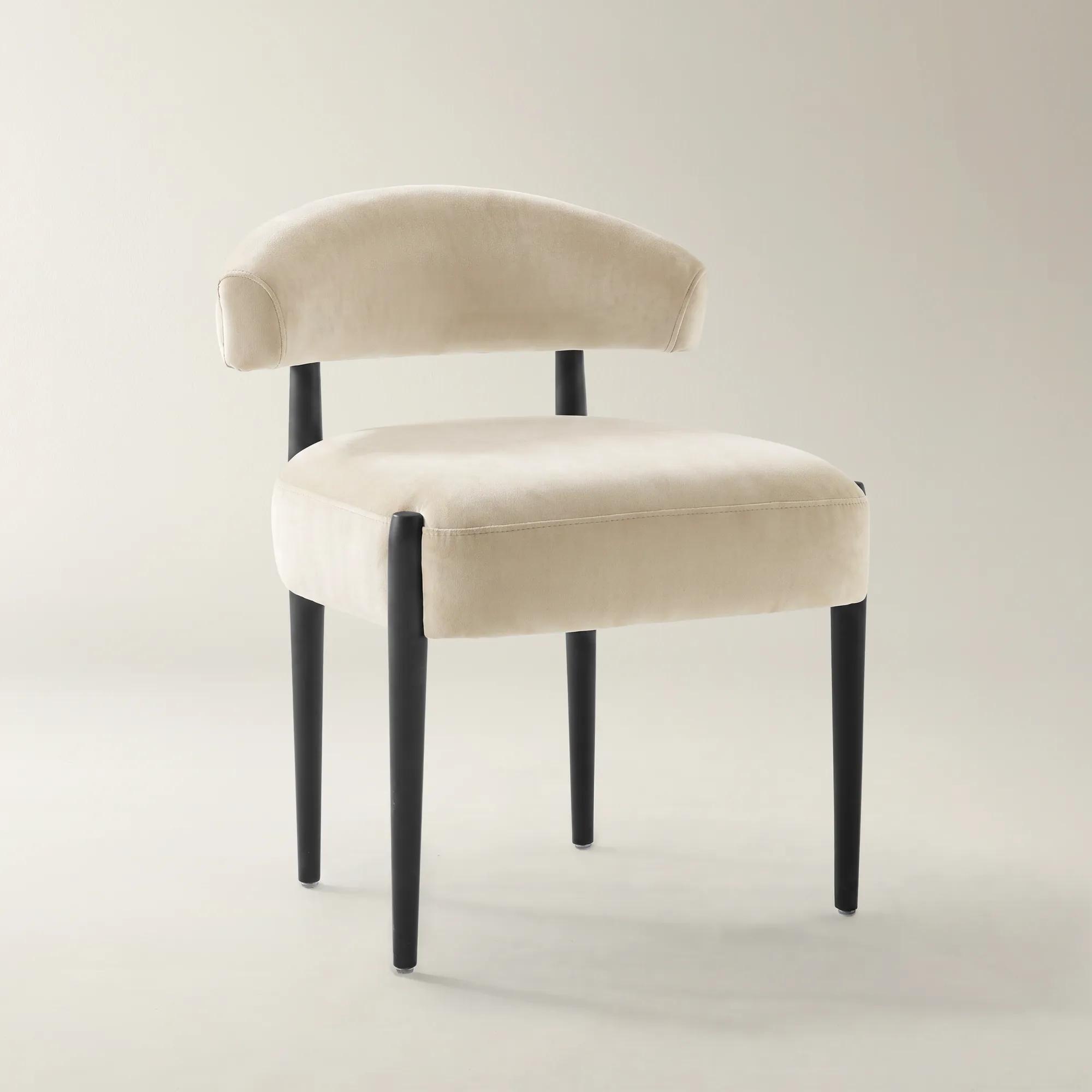
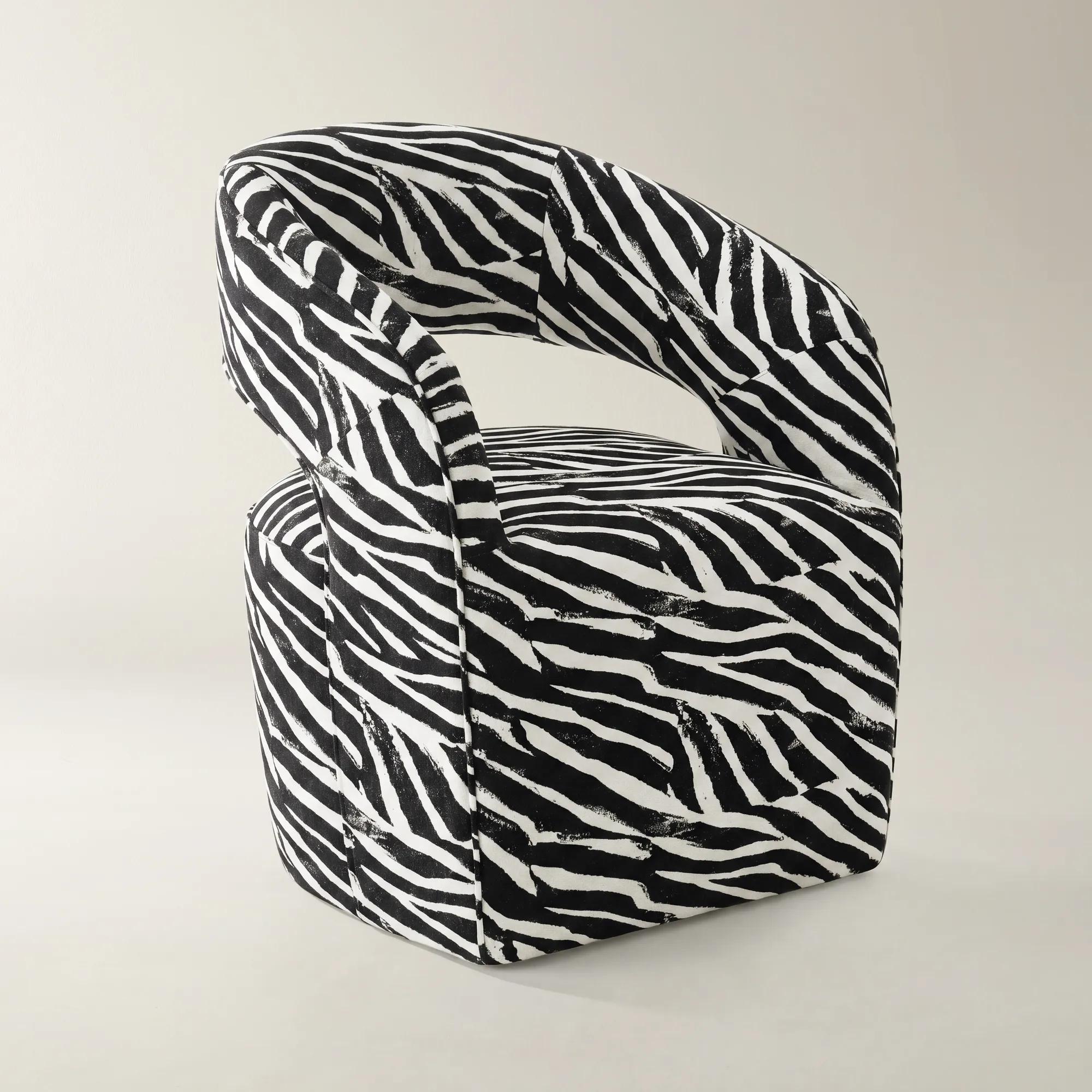
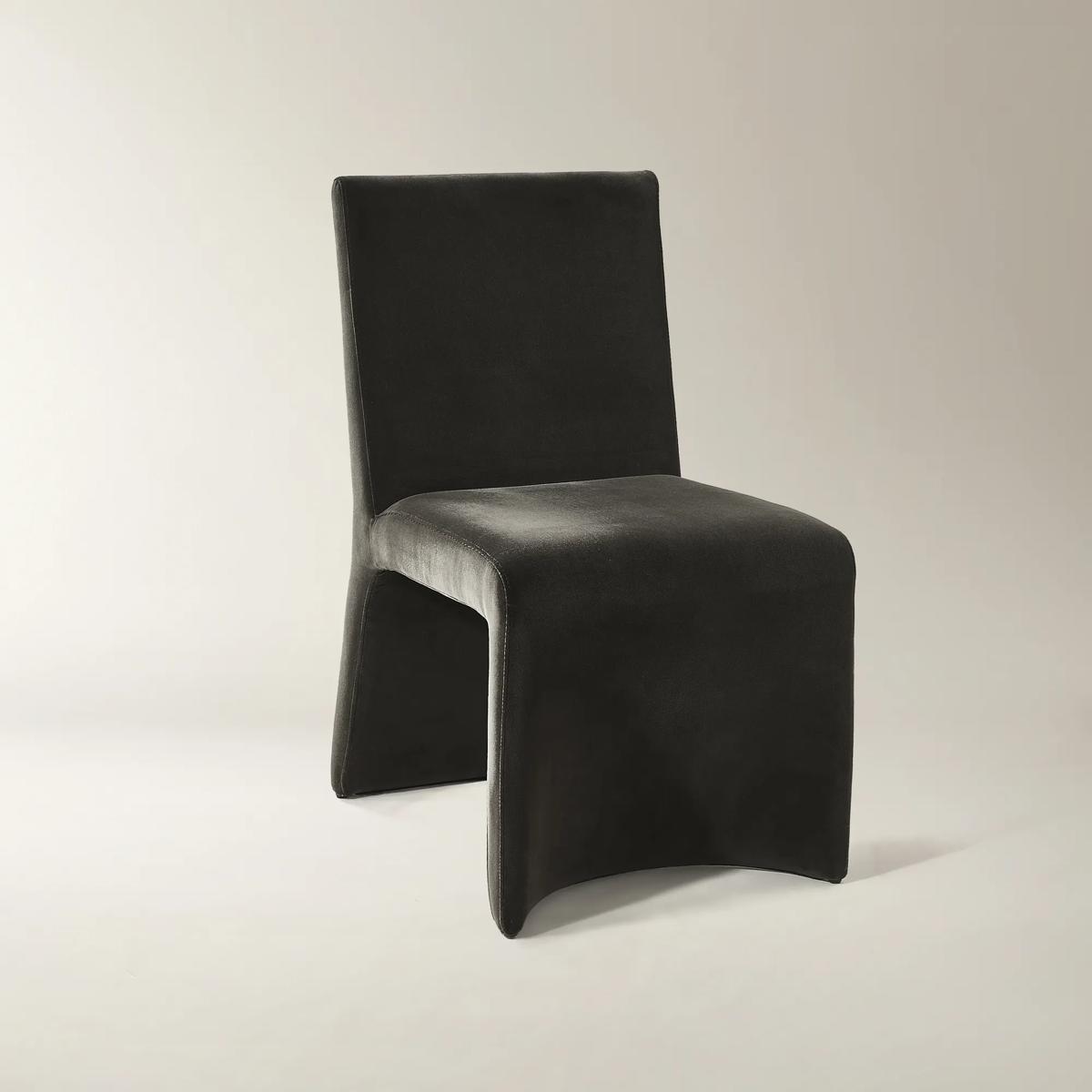
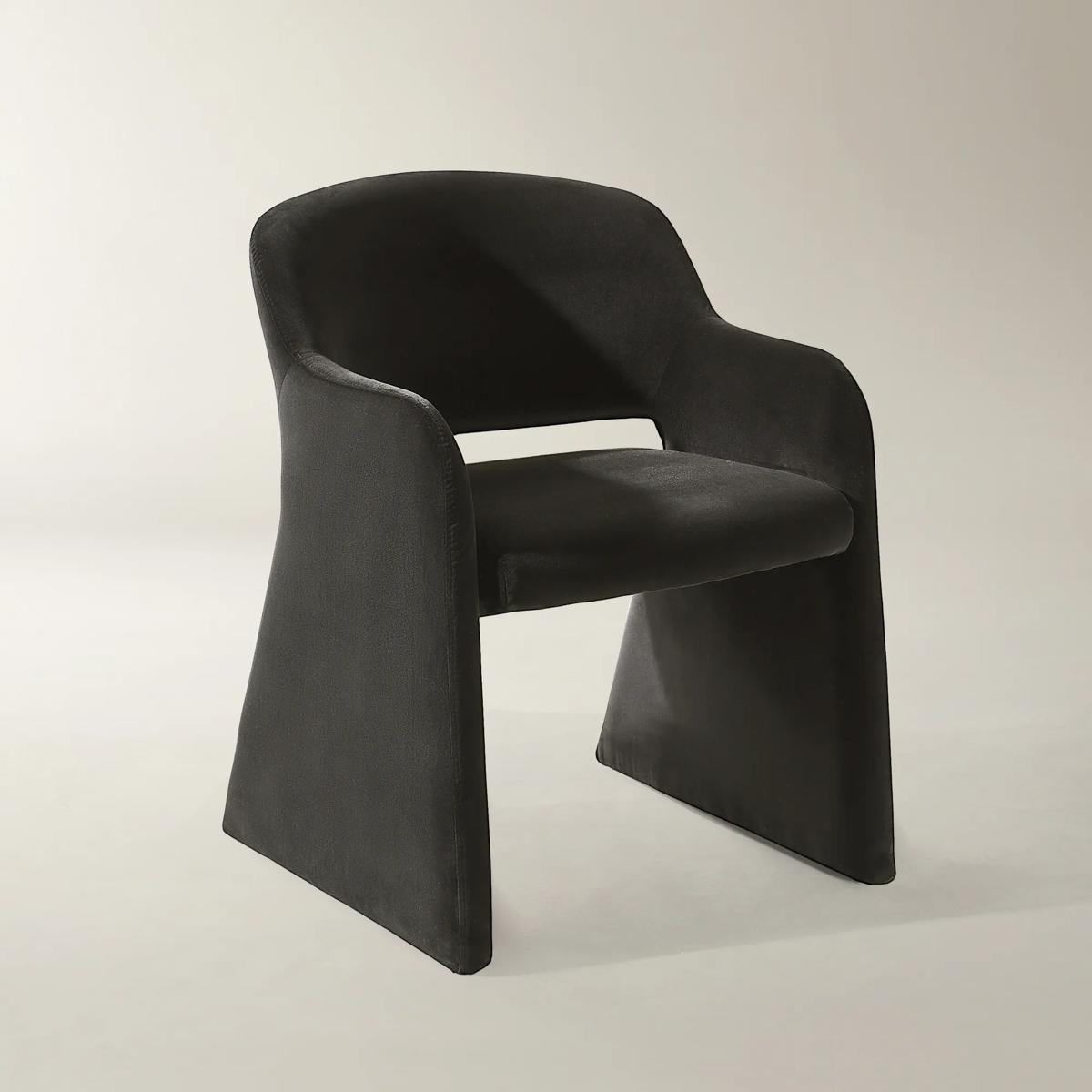
Upholstered Leather Dining Chairs
Upholstered Leather Dining Chairs
-
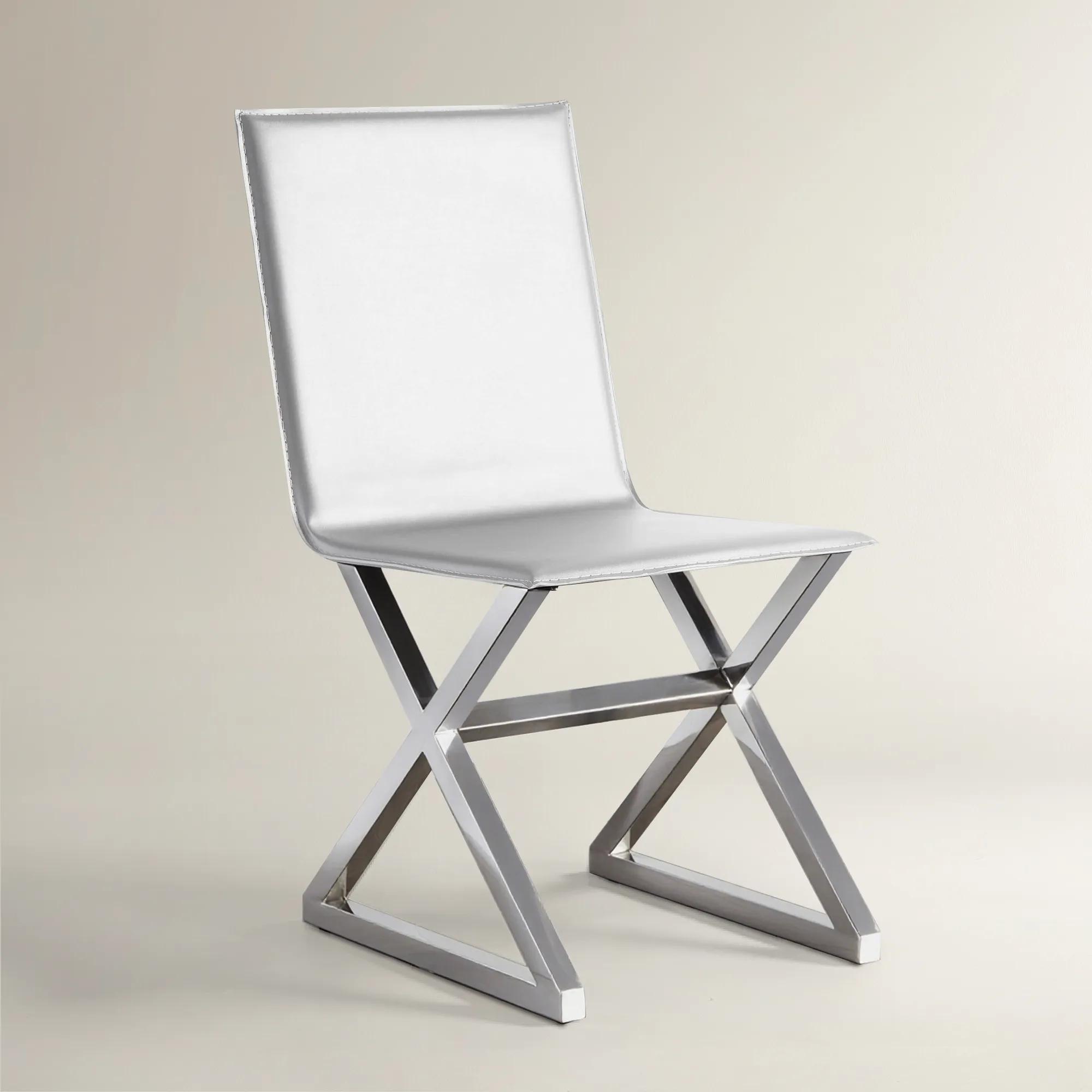
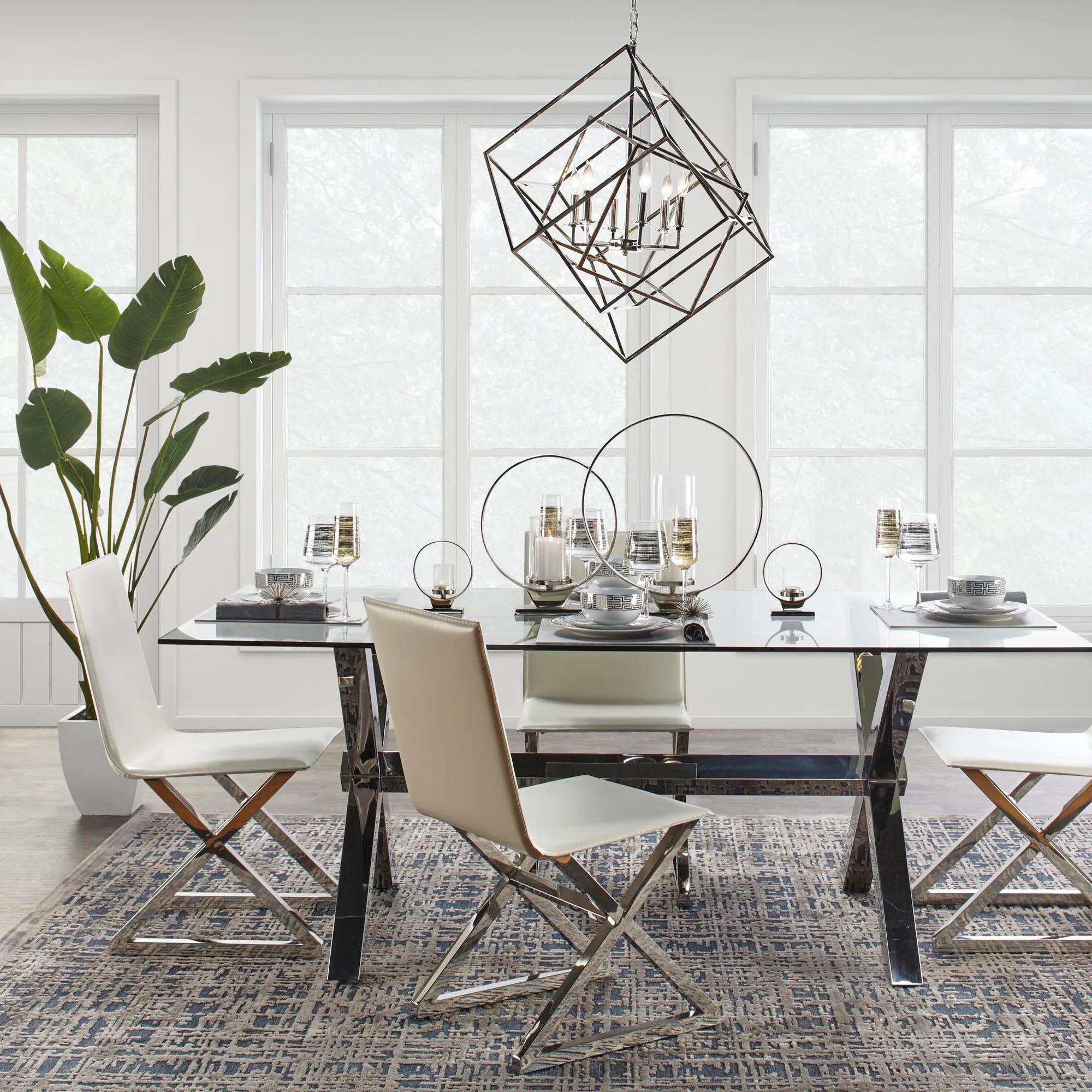 Axis Dining Chair - Set of 2$399
A contemporary dining chair set featuring white bonded leather upholstery and a polished stainless steel base.
Add To Cart -
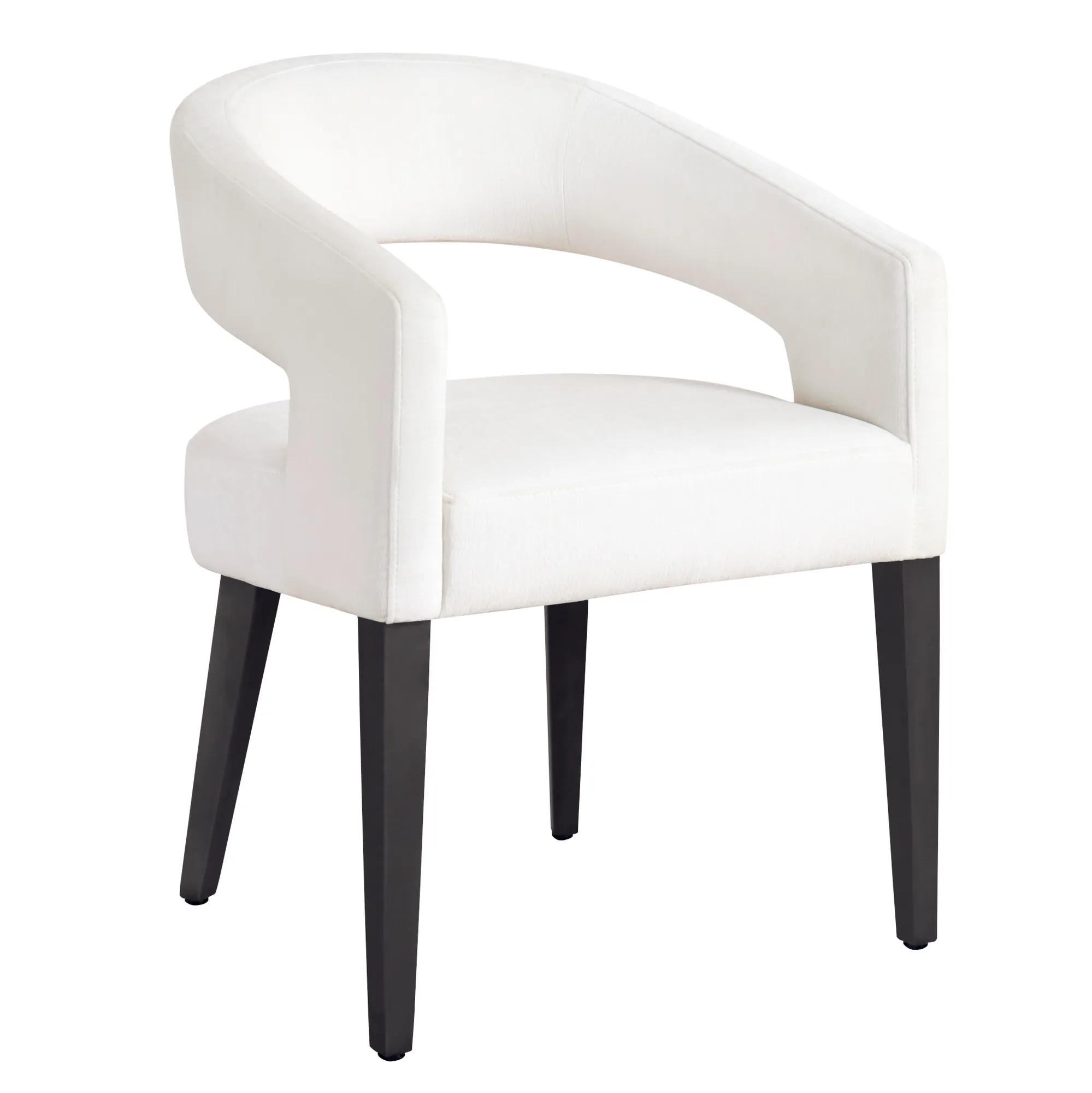
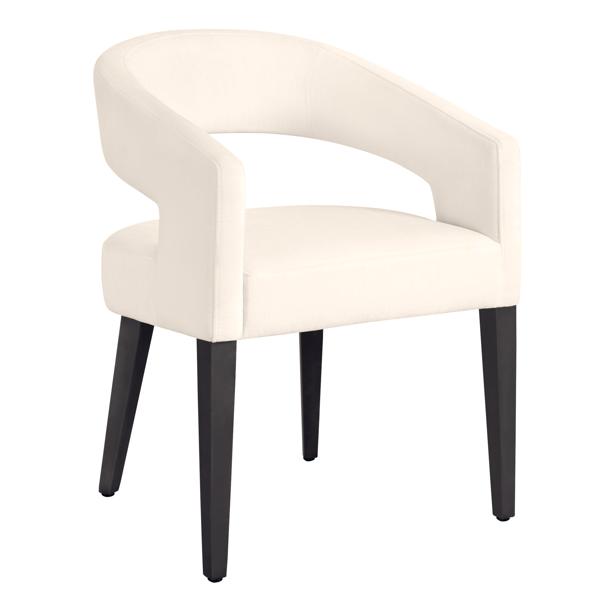 Philippa Dining Chair - Espresso$845
A curved, upholstered chair with an espresso-finished hardwood frame and a sleek back cutout.
Add To Cart -
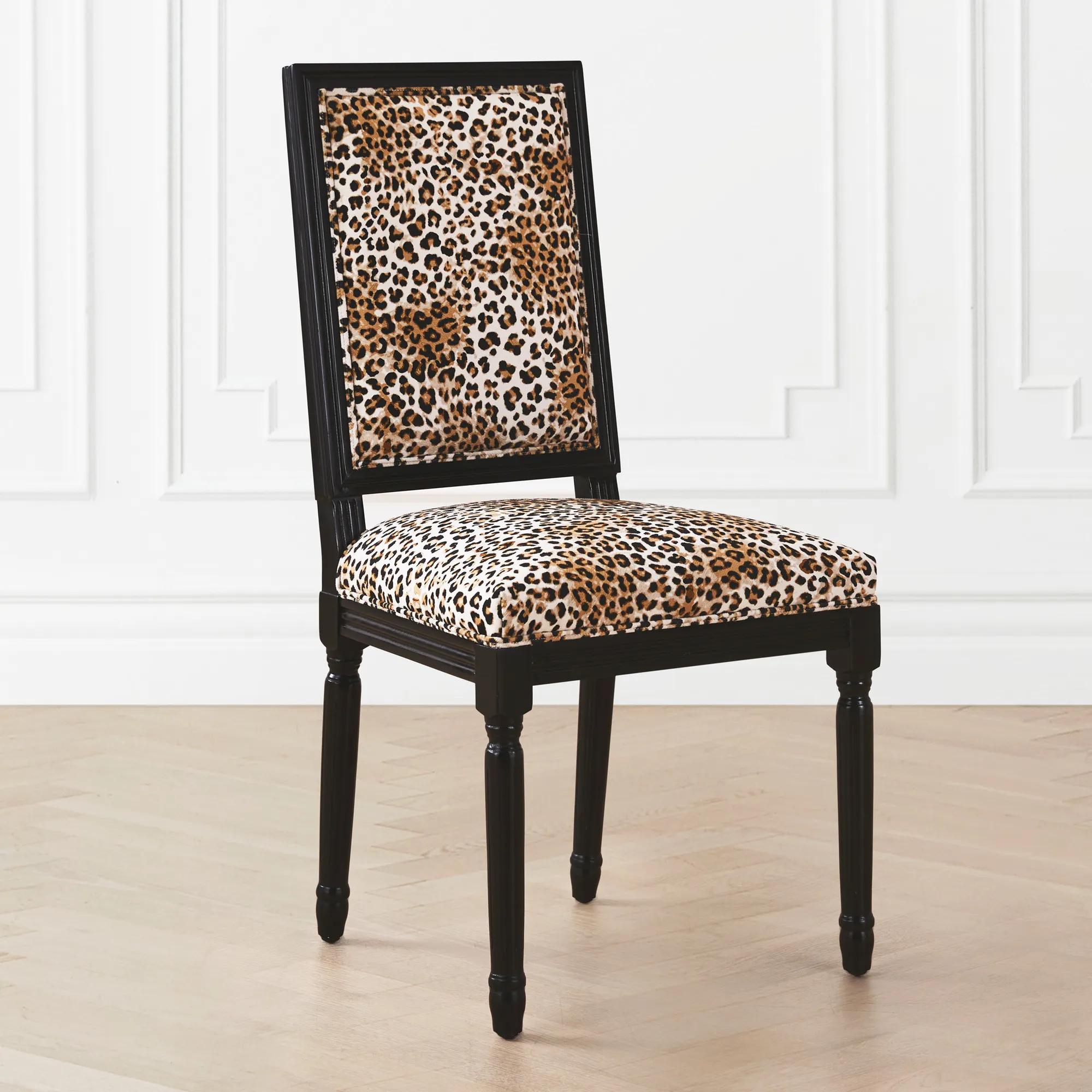
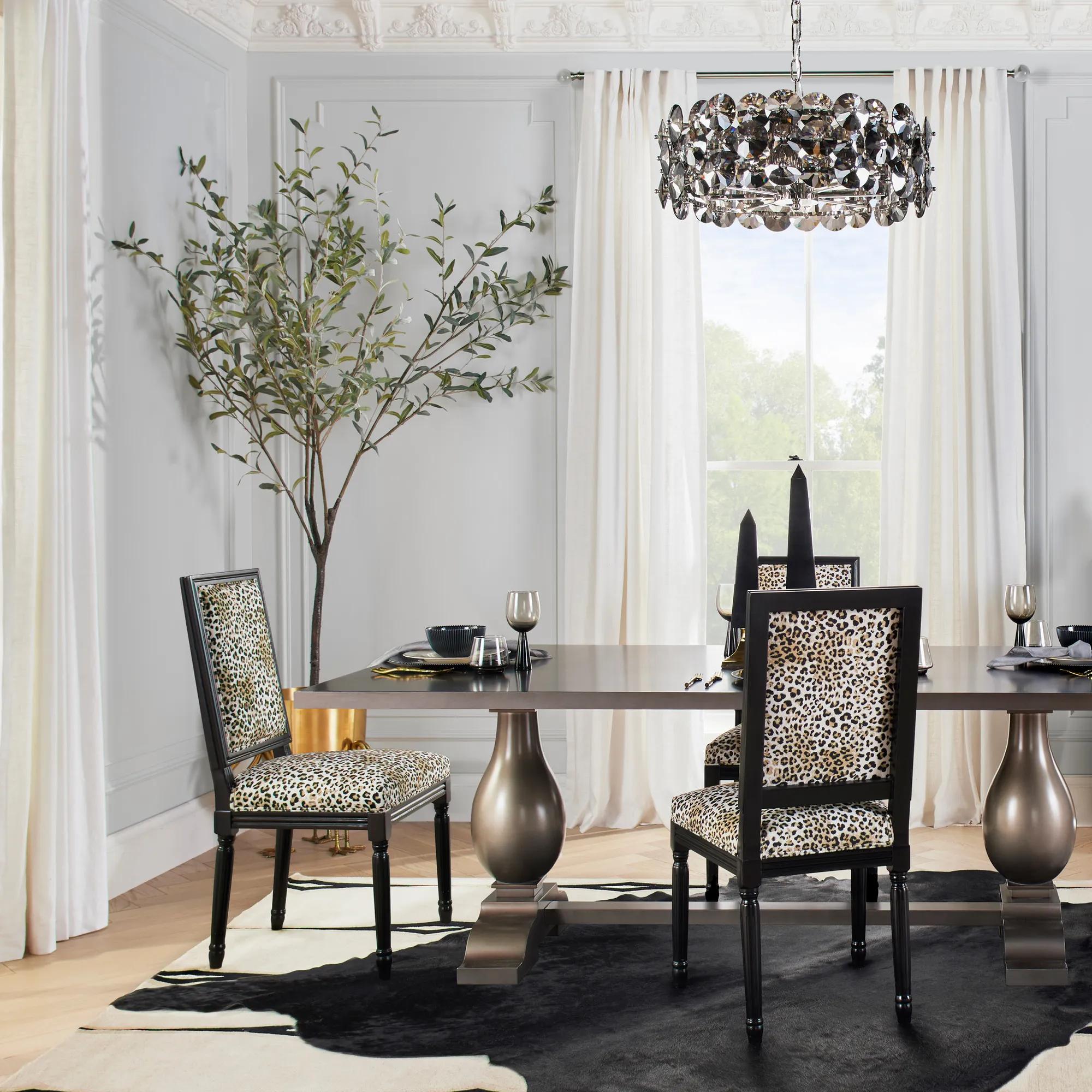 Callan Dining Chair$599
A handcrafted modern chair featuring classic upholstery, squared back, fluted legs, and high-gloss finish.
Add To Cart -
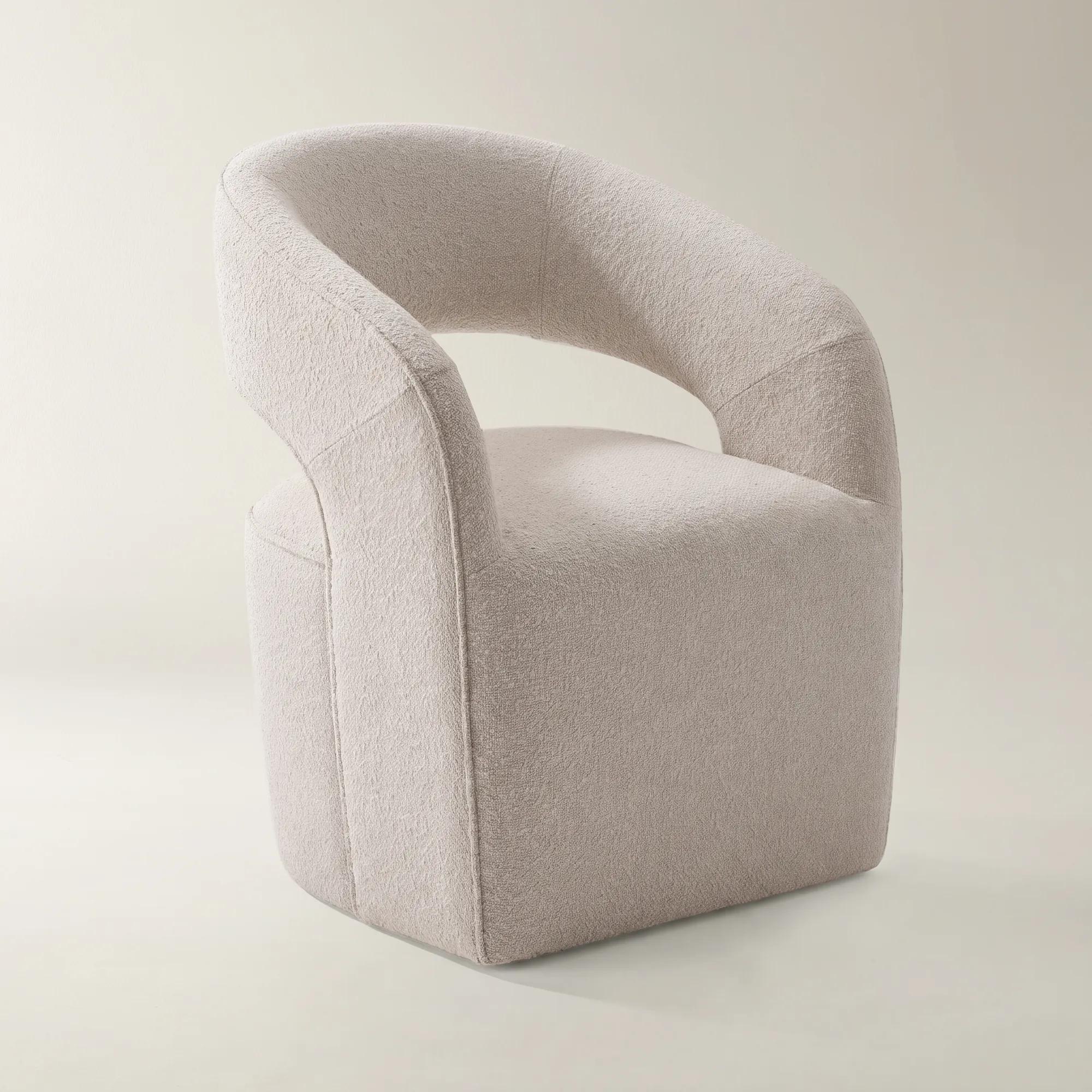
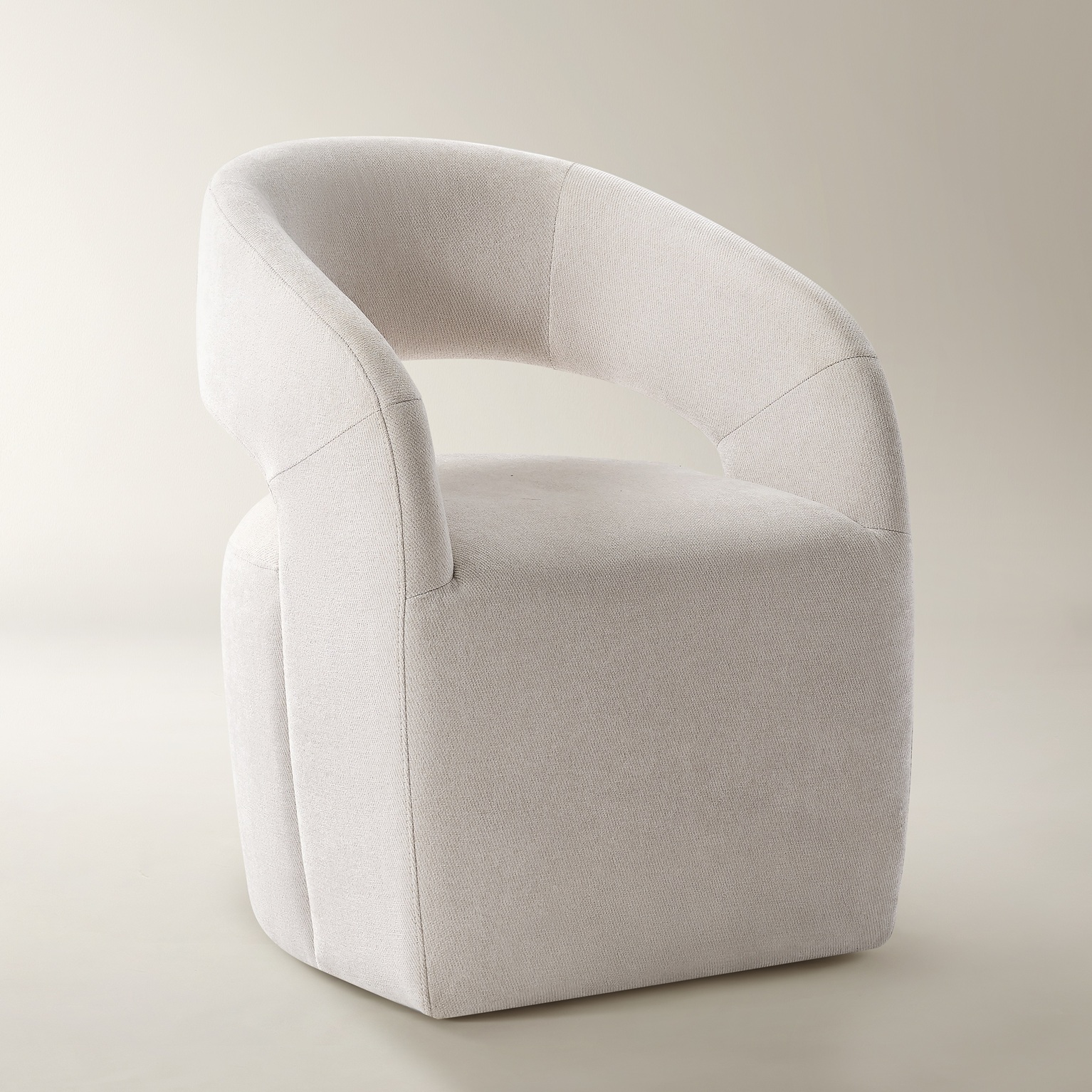 Harrison Ivory Performance Boucle Dining Chair$499
A sculptural dining chair in ivory performance boucle with a curved back, feather-blend seat, and modern elegance.
Add To Cart -
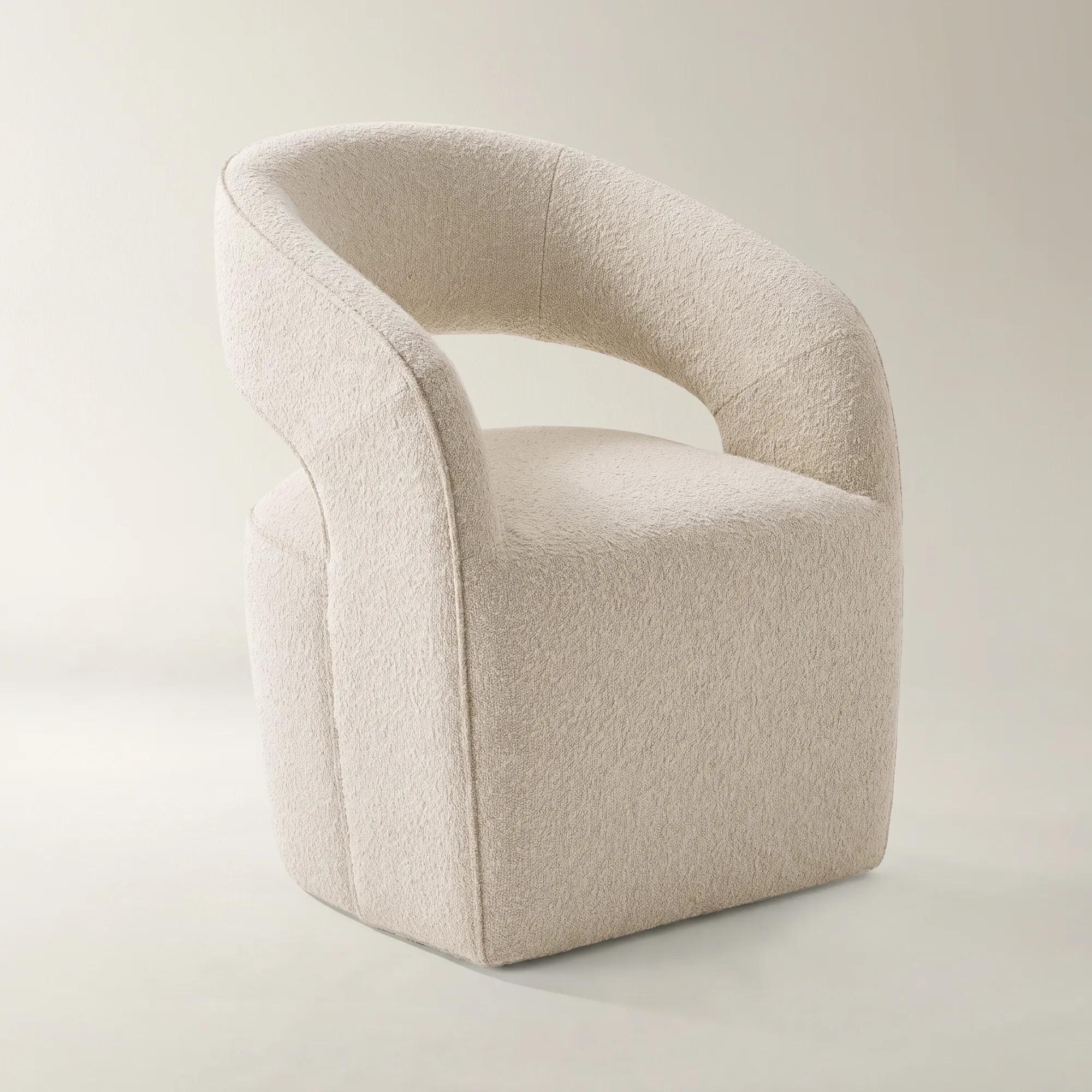 Harrison Ivory Performance Boucle Dining Chair$499
A sculptural dining chair in ivory performance boucle with a curved back, integrated arms, and feather-blend comfort.
Add To Cart -
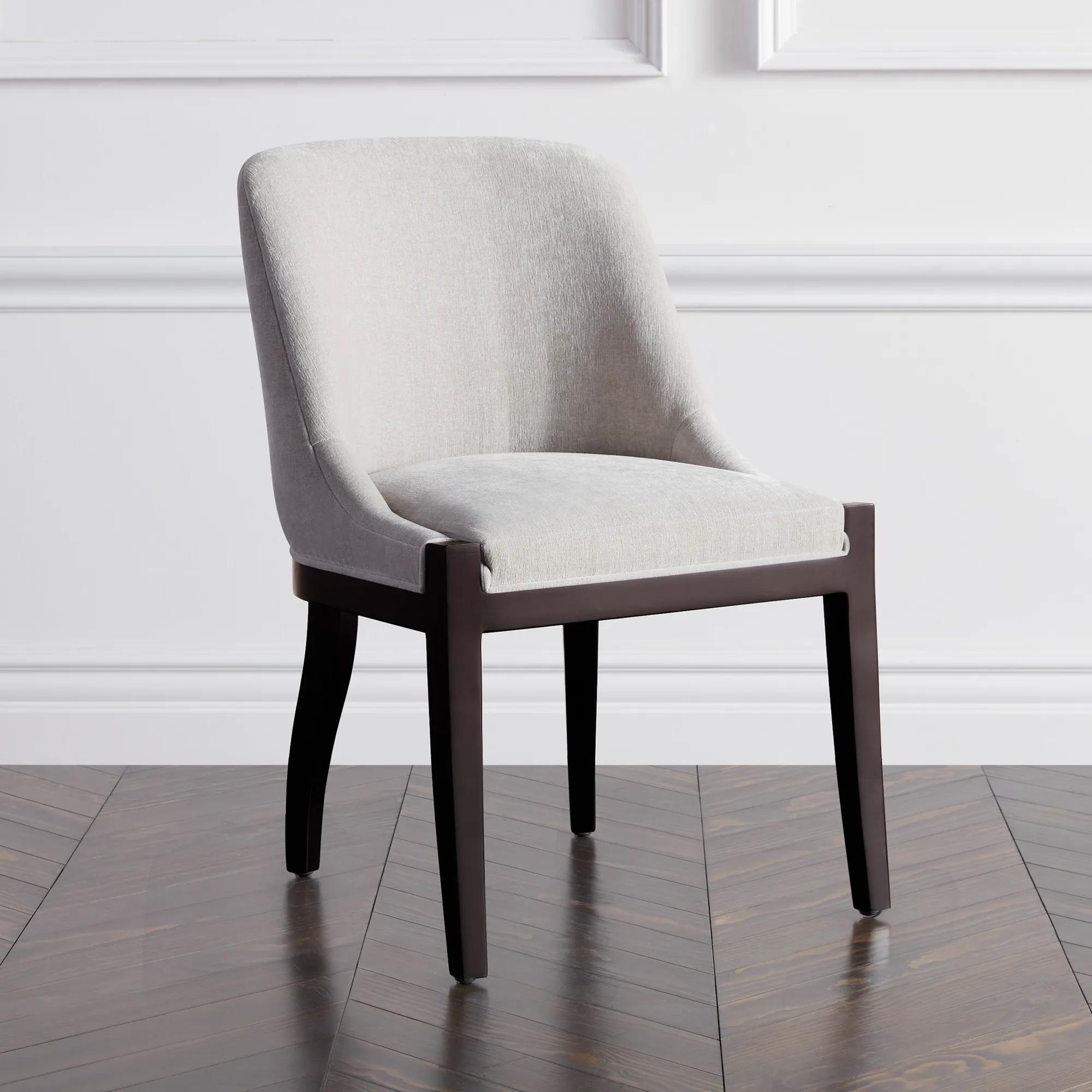
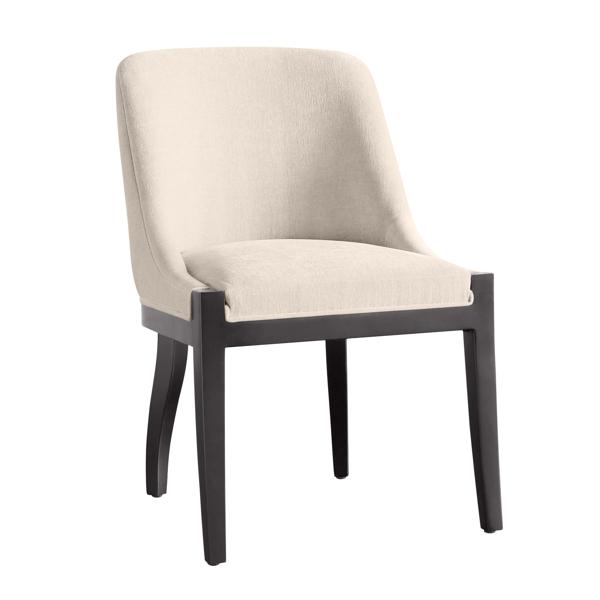 Lily Dining Chair - Espresso$599
A modern dining chair featuring espresso-finished hardwood, curvaceous silhouette, and plush, tailored upholstery.
Add To Cart -
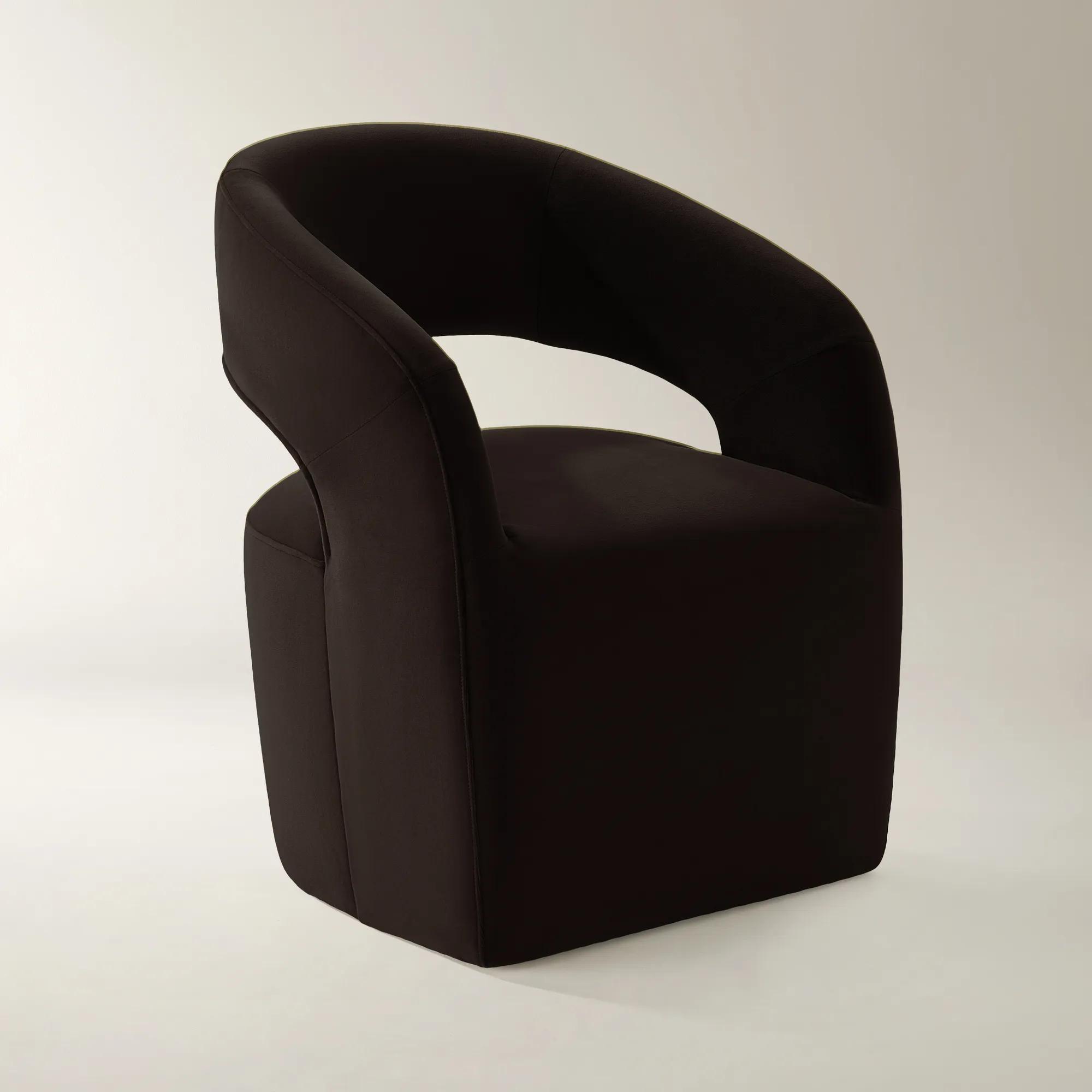 Harrison Dark Chocolate Velvet Dining Chair$499
A sculptural dining chair upholstered in dark chocolate velvet with a plush feather-blend seat and curved back.
Add To Cart -

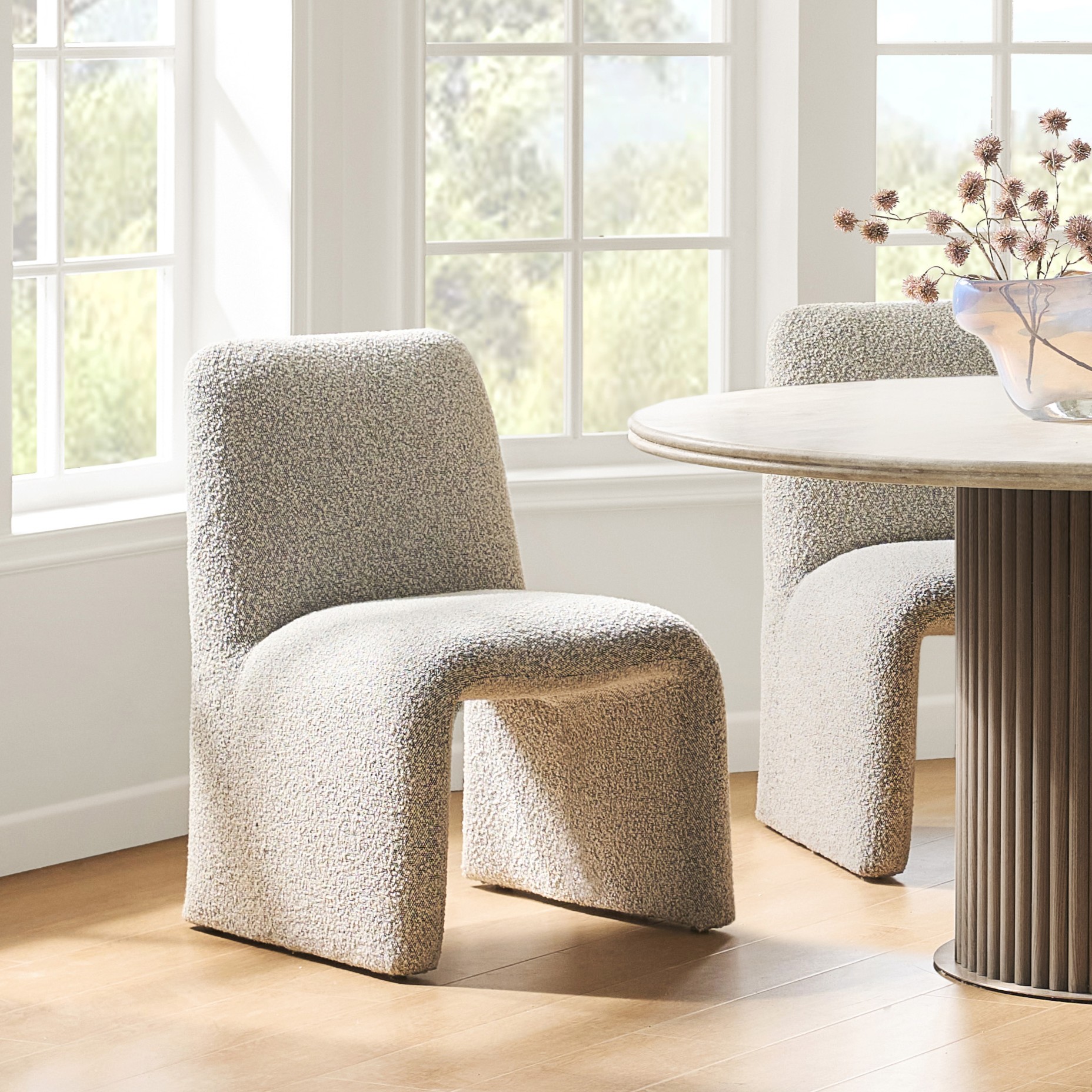 Cayenne Grey Boucle Dining Chair$399
A modern armless chair in grey boucle upholstery with a sleek metal frame and hand-crafted details.
Add To Cart -
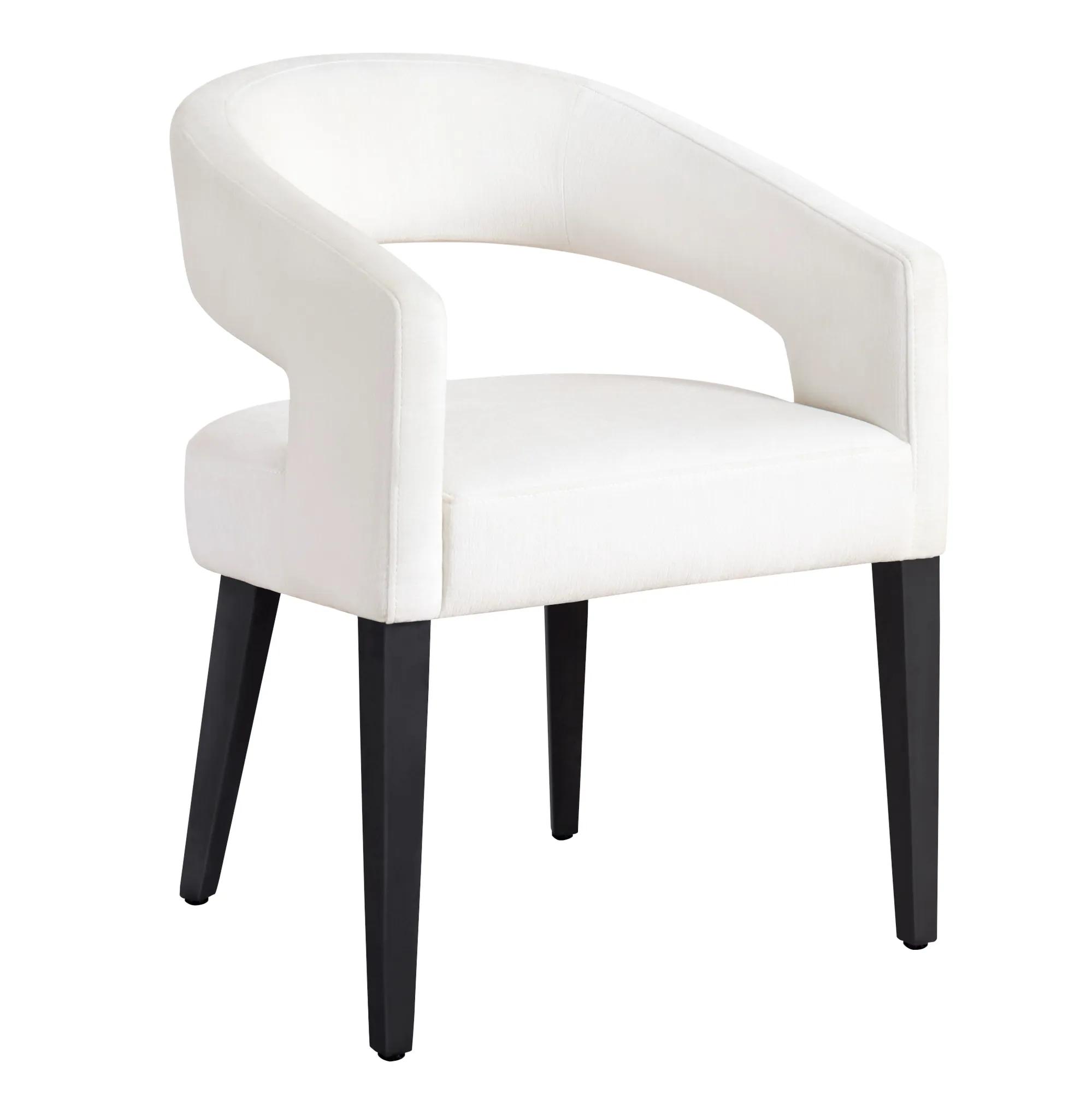
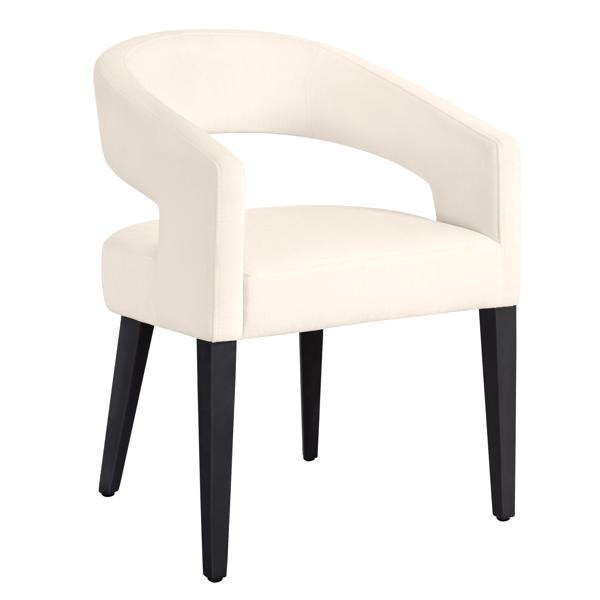 Philippa Dining Chair - Matte Black$599
A modern dining chair featuring a curved silhouette, matte black legs, and neatly tailored upholstery.
Add To Cart -
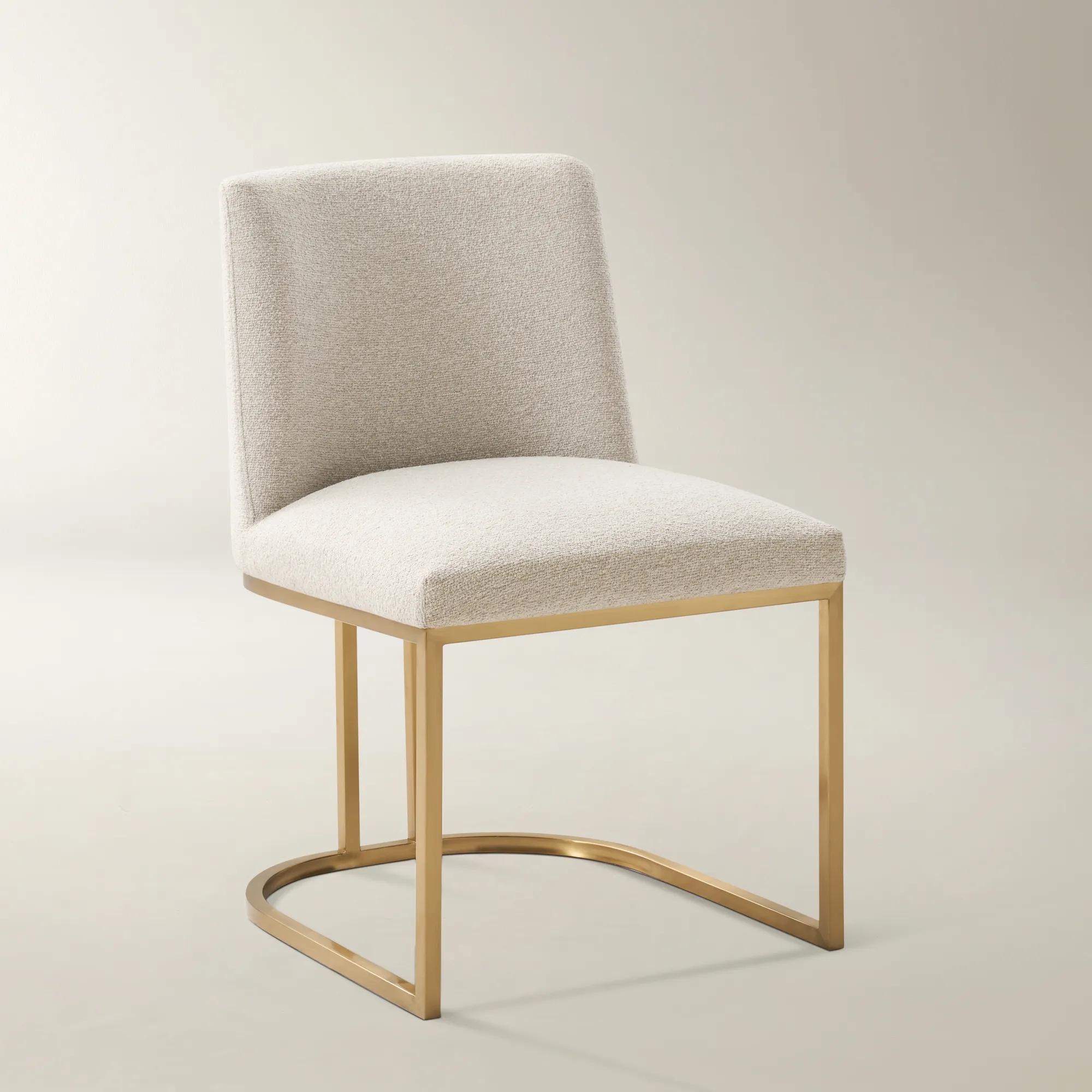 Bergen Ivory Boucle Dining Chair Set Of 2$549
An ivory boucle dining chair set featuring a curved backrest and brushed stainless steel frame for elegance.
Add To Cart -
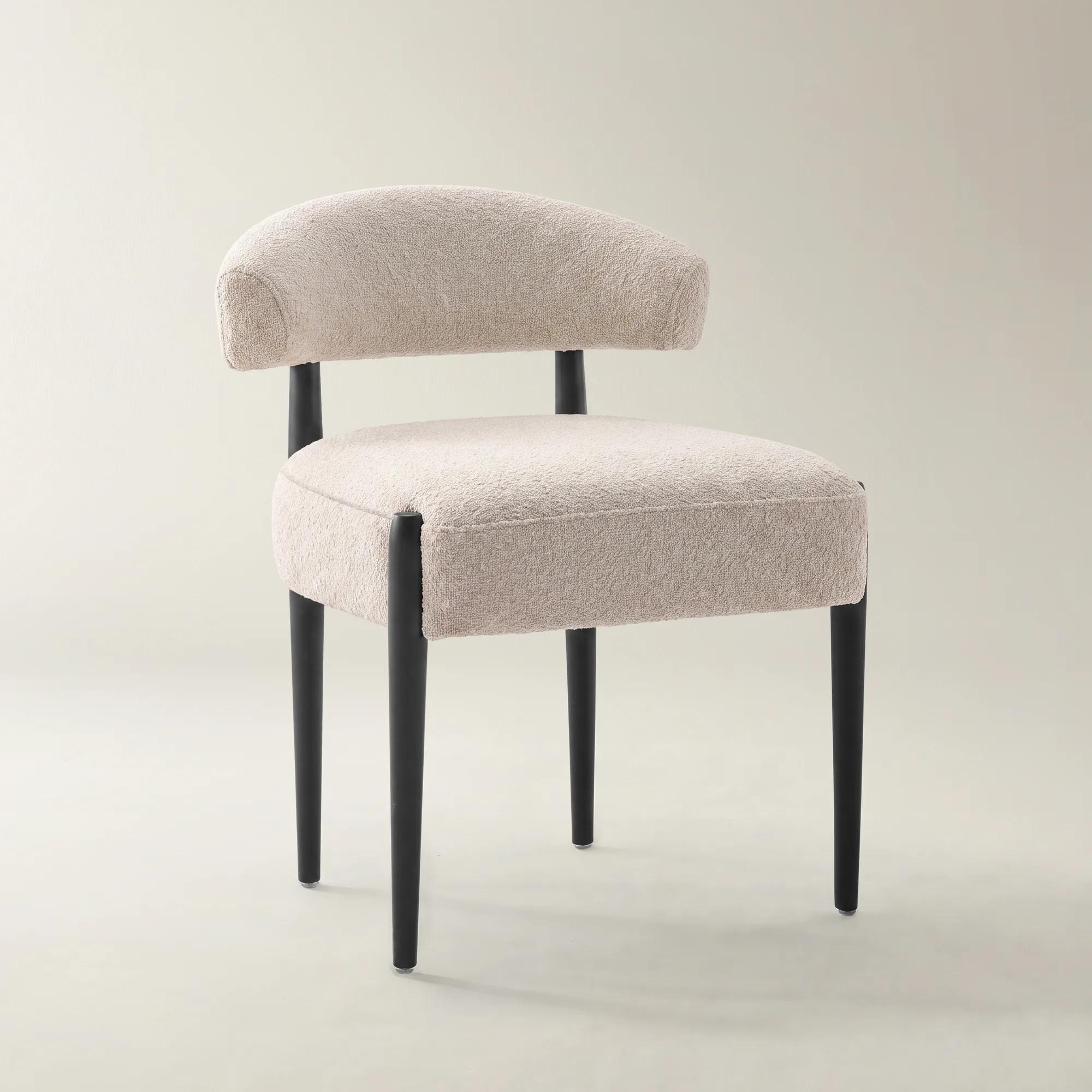
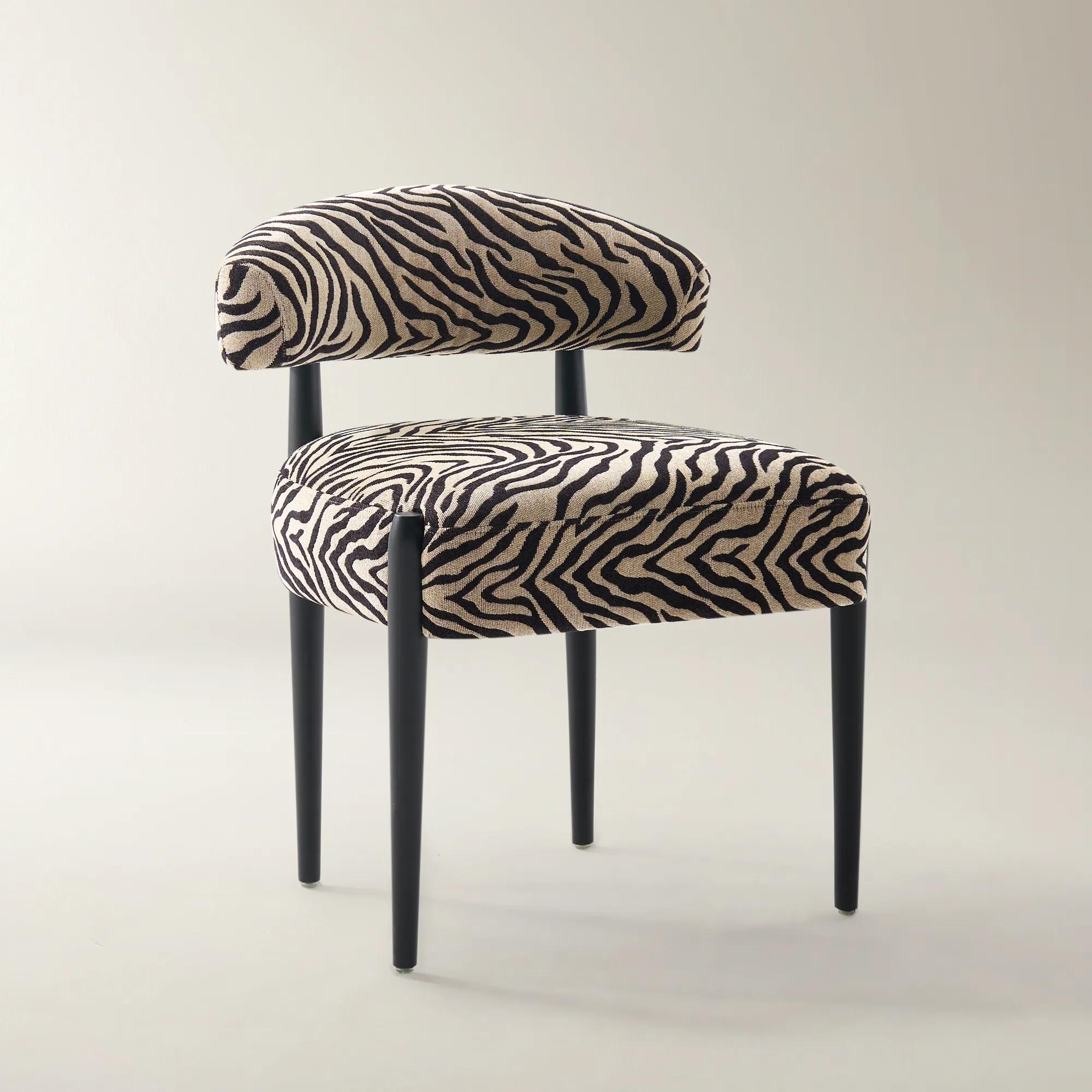 Anna Ivory Performance Boucle Dining Chair Set of 2$699
An ivory performance bouclé dining chair set with arched backs, high-density foam, and solid wood construction.
Add To Cart -
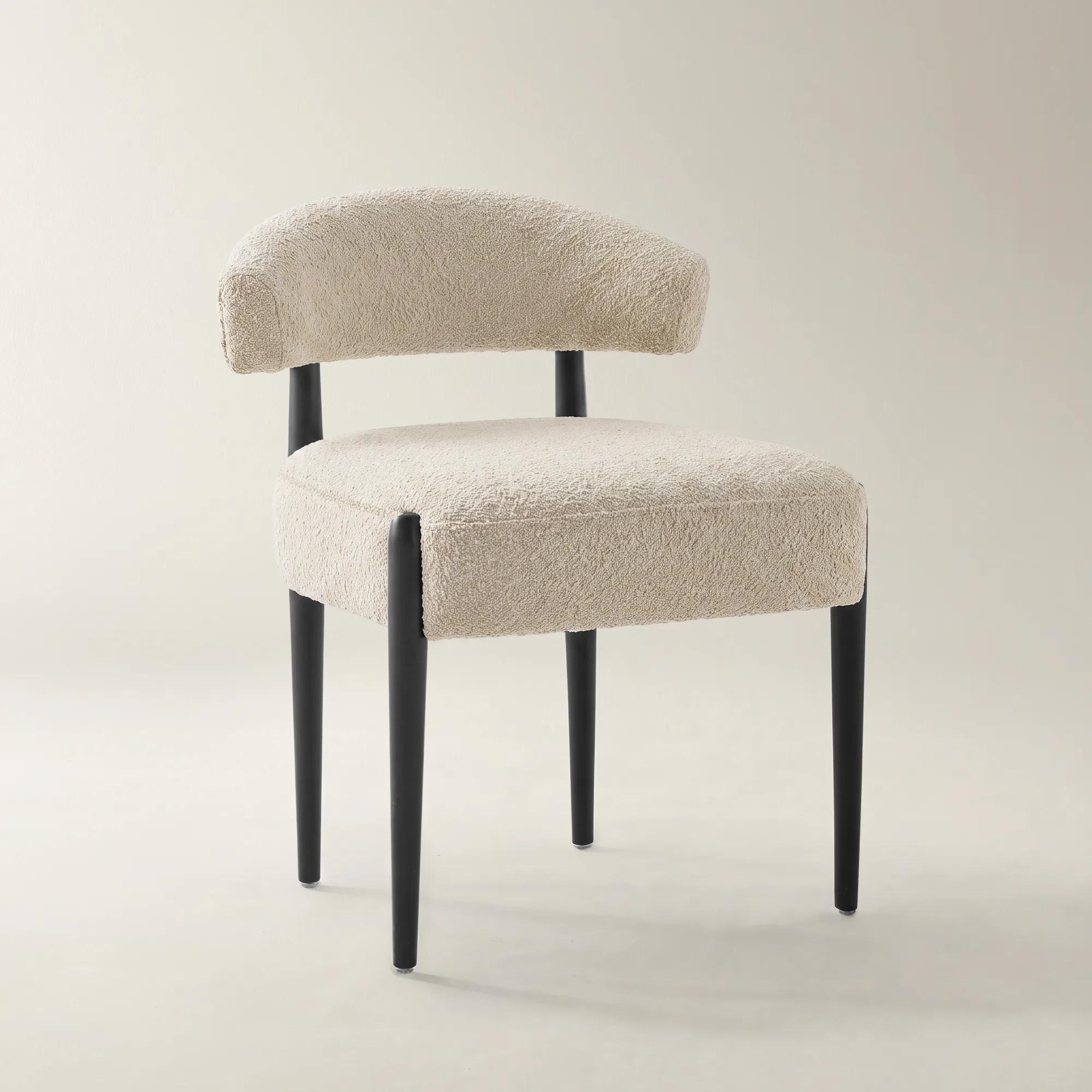 Anna Ivory Performance Boucle Dining Chair Set of 2$699
A pair of ivory performance boucle chairs with curved backs, cushioned comfort, and solid wood frames.
Add To Cart -
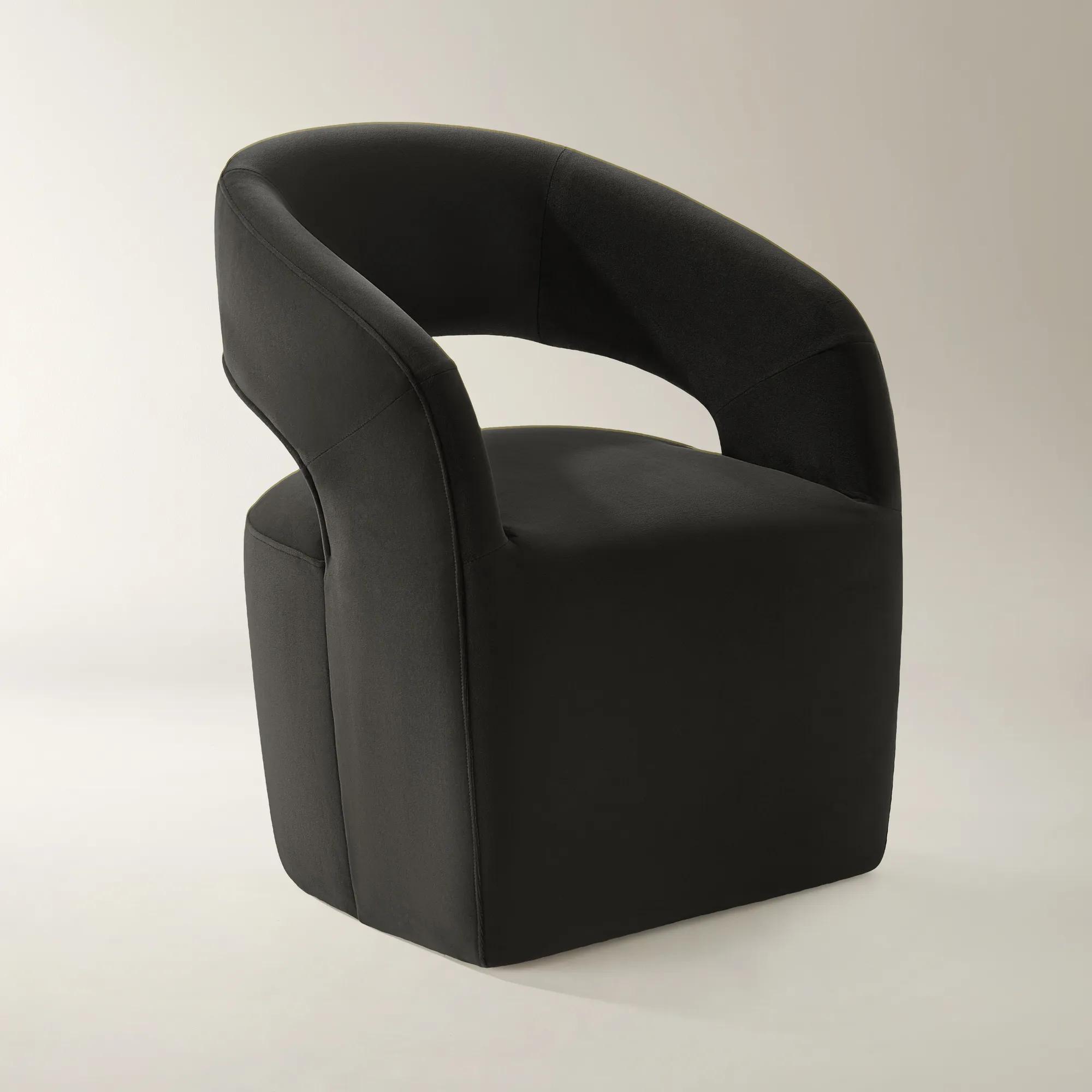 Harrison Charcoal Velvet Dining Chair$499
A sculptural dining chair upholstered in charcoal velvet with a continuous curved back and feather-blend comfort.
Add To Cart -
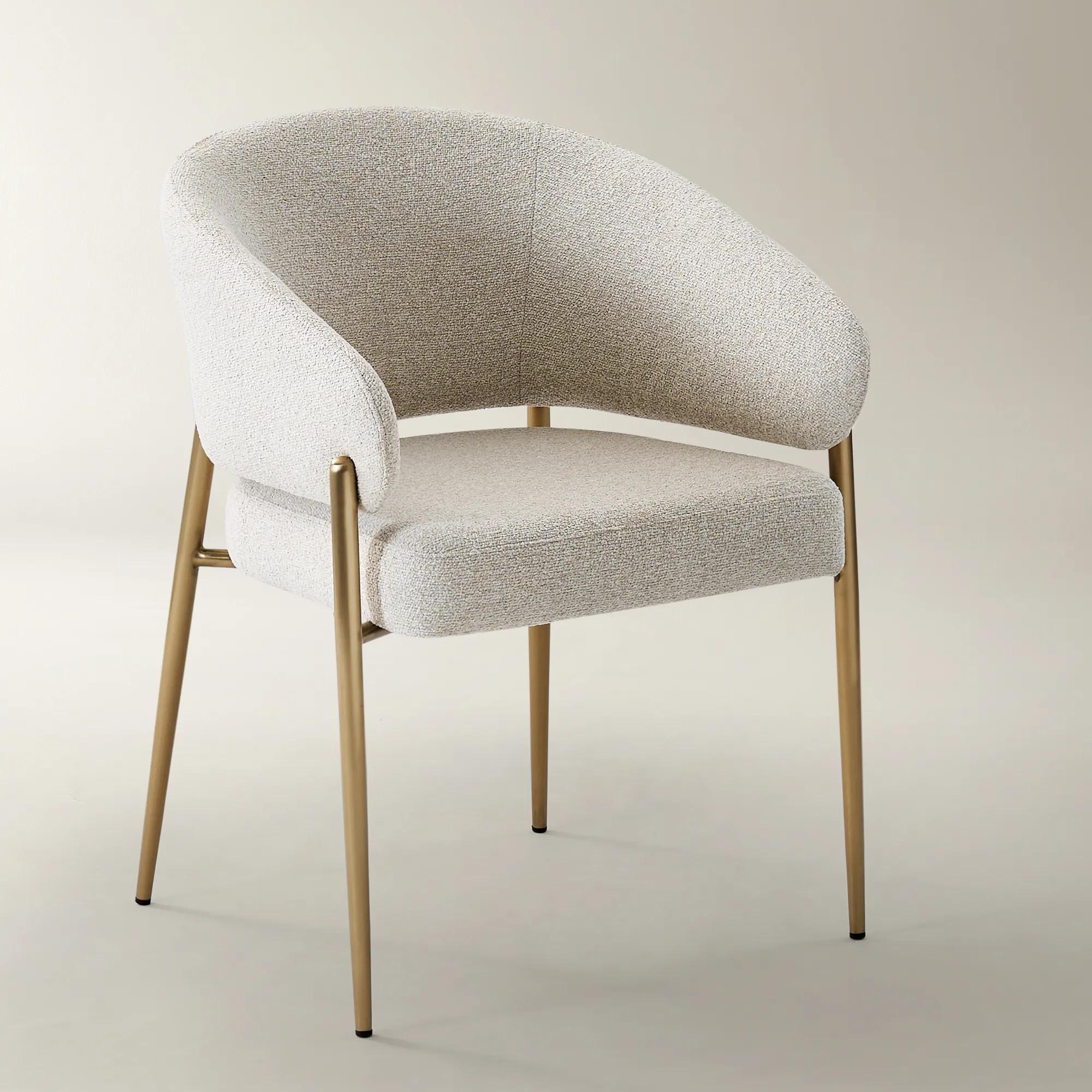
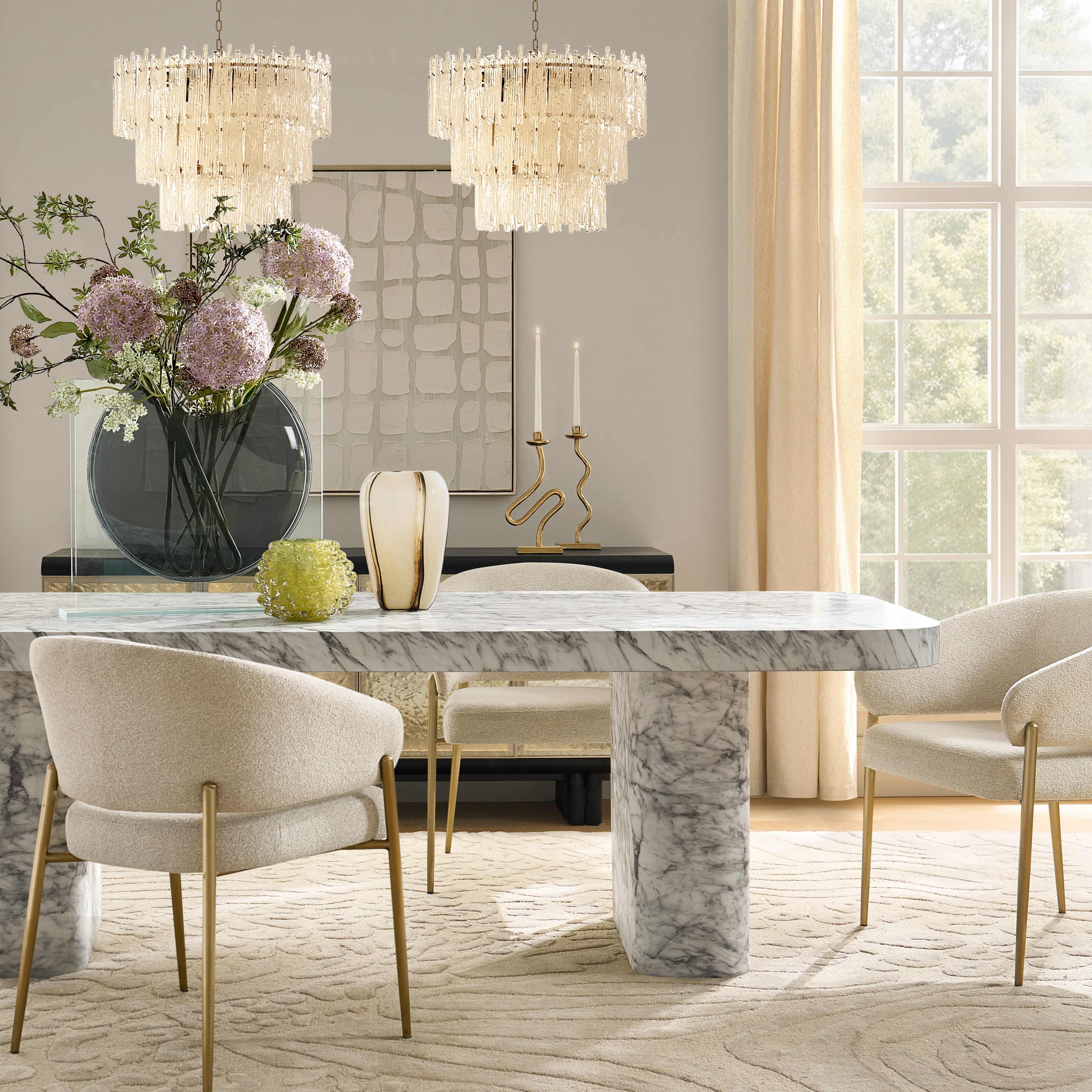 Nara Ivory Boucle Dining Chair Set Of 2$599
An ivory boucle dining chair set with a curved backrest and brushed stainless steel frame for modern elegance.
Add To Cart -
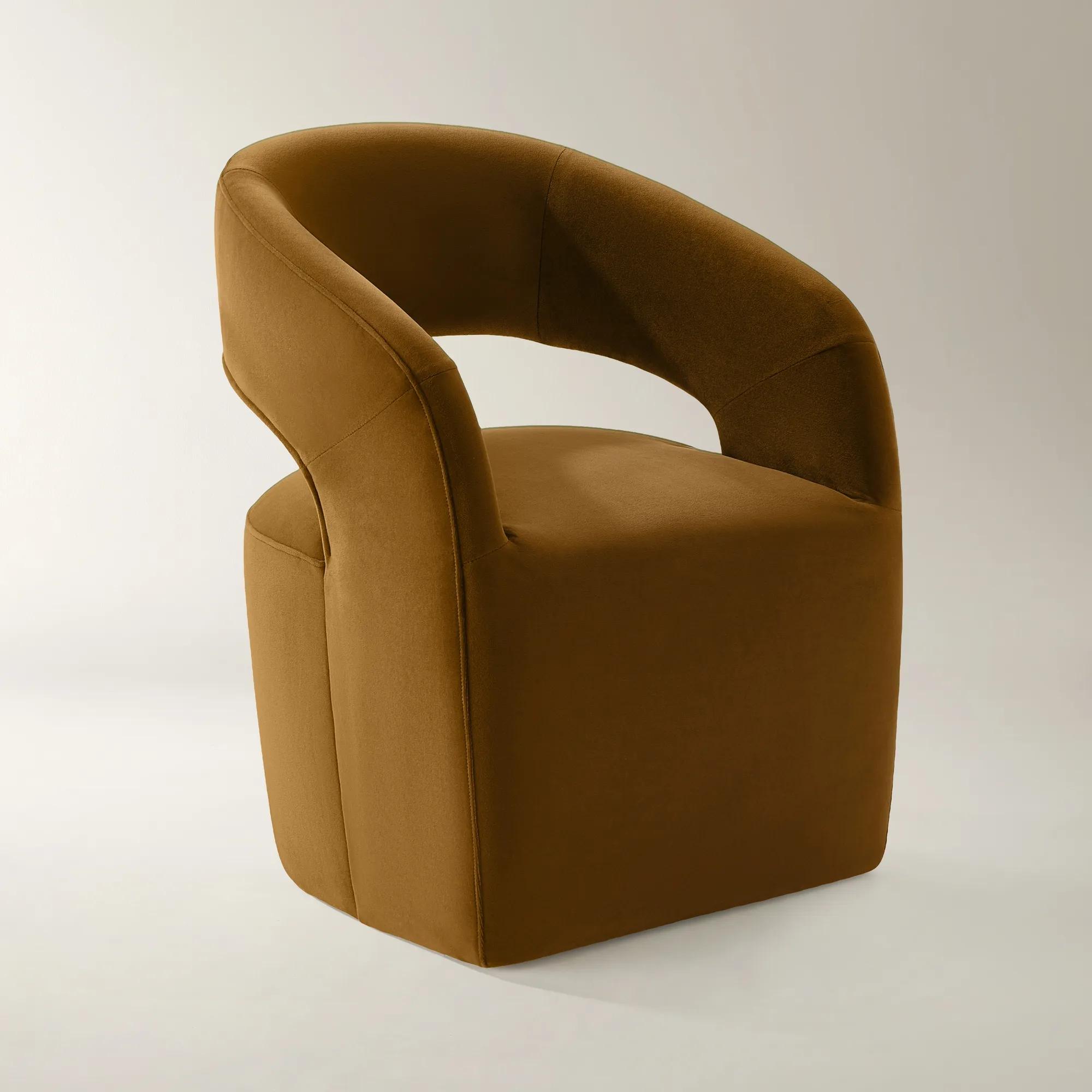 Harrison Roasted Pecan Velvet Dining Chair$499
A sculptural dining chair upholstered in roasted pecan velvet with feather-blend cushioning and integrated arms.
Add To Cart -
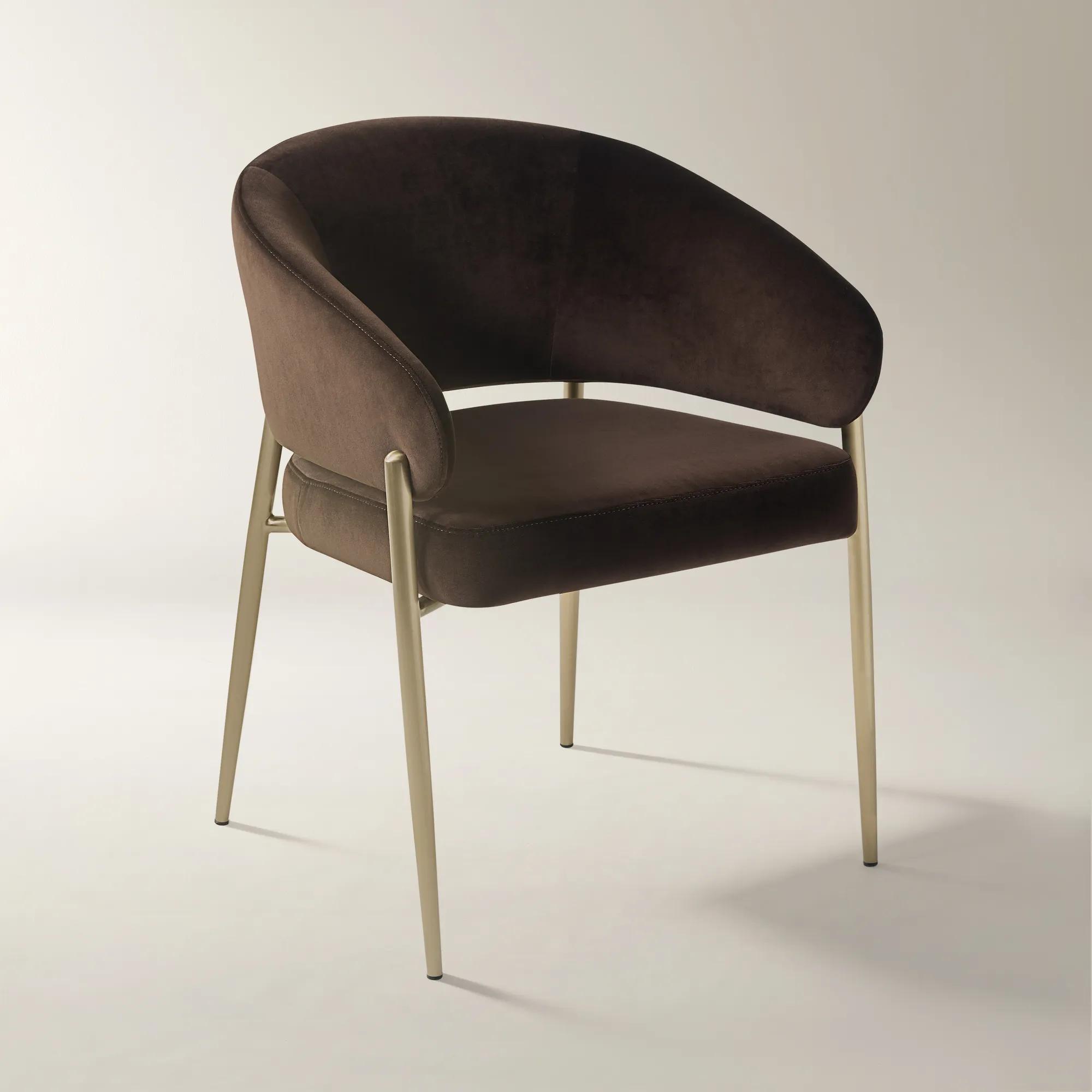 Nara Dark Chocolate Velvet Dining Chair Set Of 2$599
A pair of dark chocolate velvet chairs with curved backs and brushed brass stainless-steel legs for modern elegance.
Add To Cart -
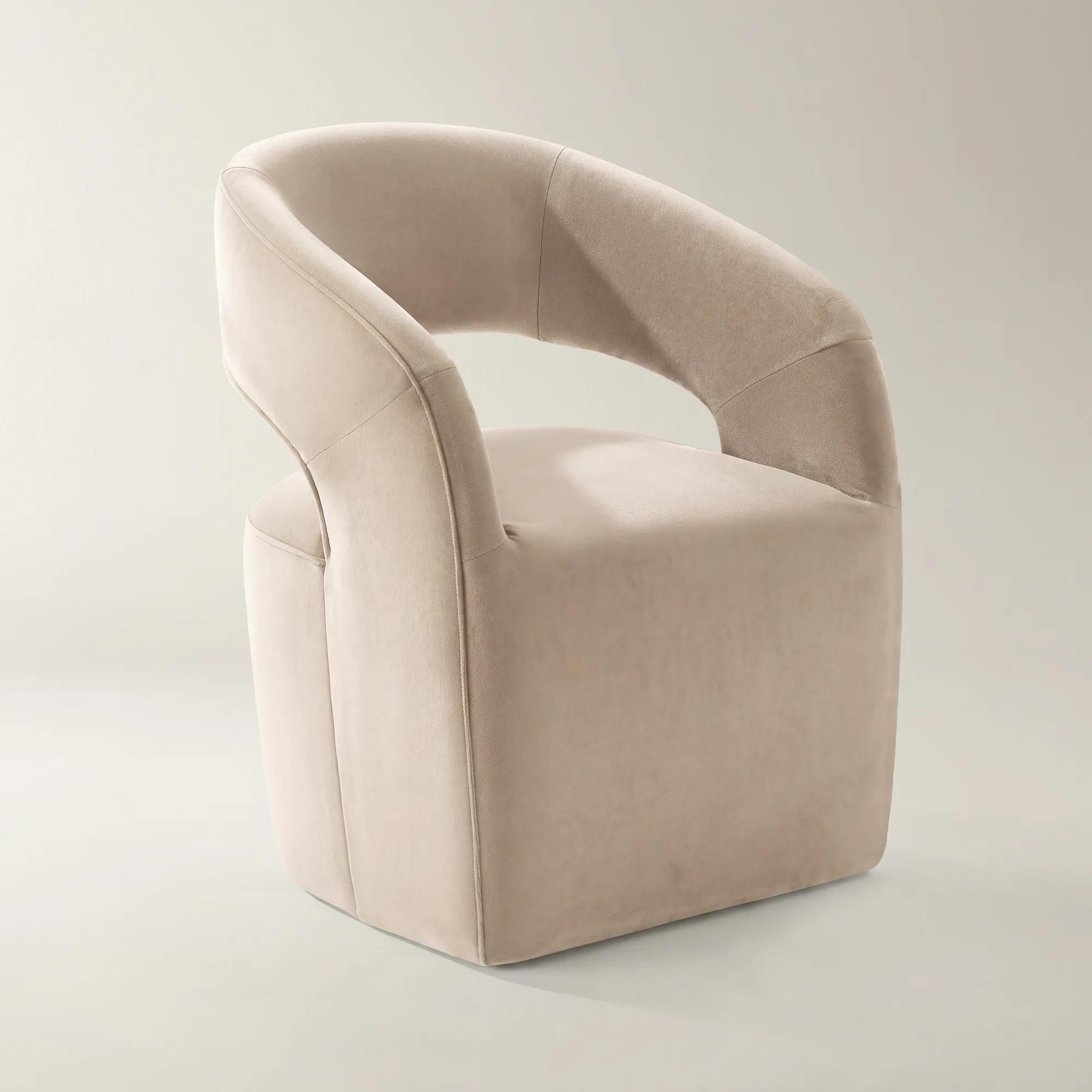 Harrison Simply Taupe Velvet Dining Chair$499
A sculptural dining chair in simply taupe velvet with a curved back, feather-blend seat, and modern elegance.
Add To Cart -
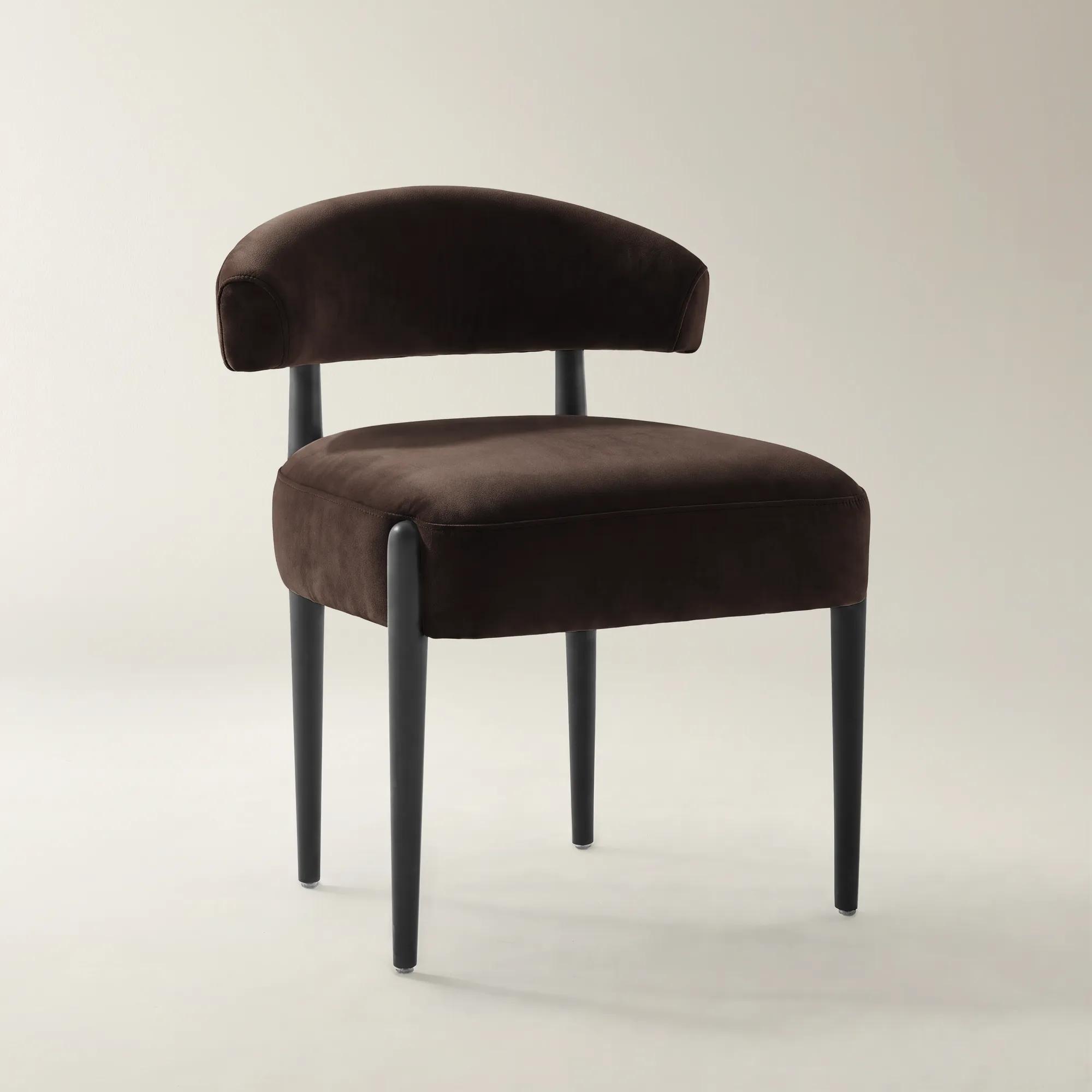 Anna Dark Chocolate Velvet Dining Chair Set of 2$699
A dark chocolate velvet dining chair set featuring an arched back, high-density foam, and solid wood construction.
Add To Cart -
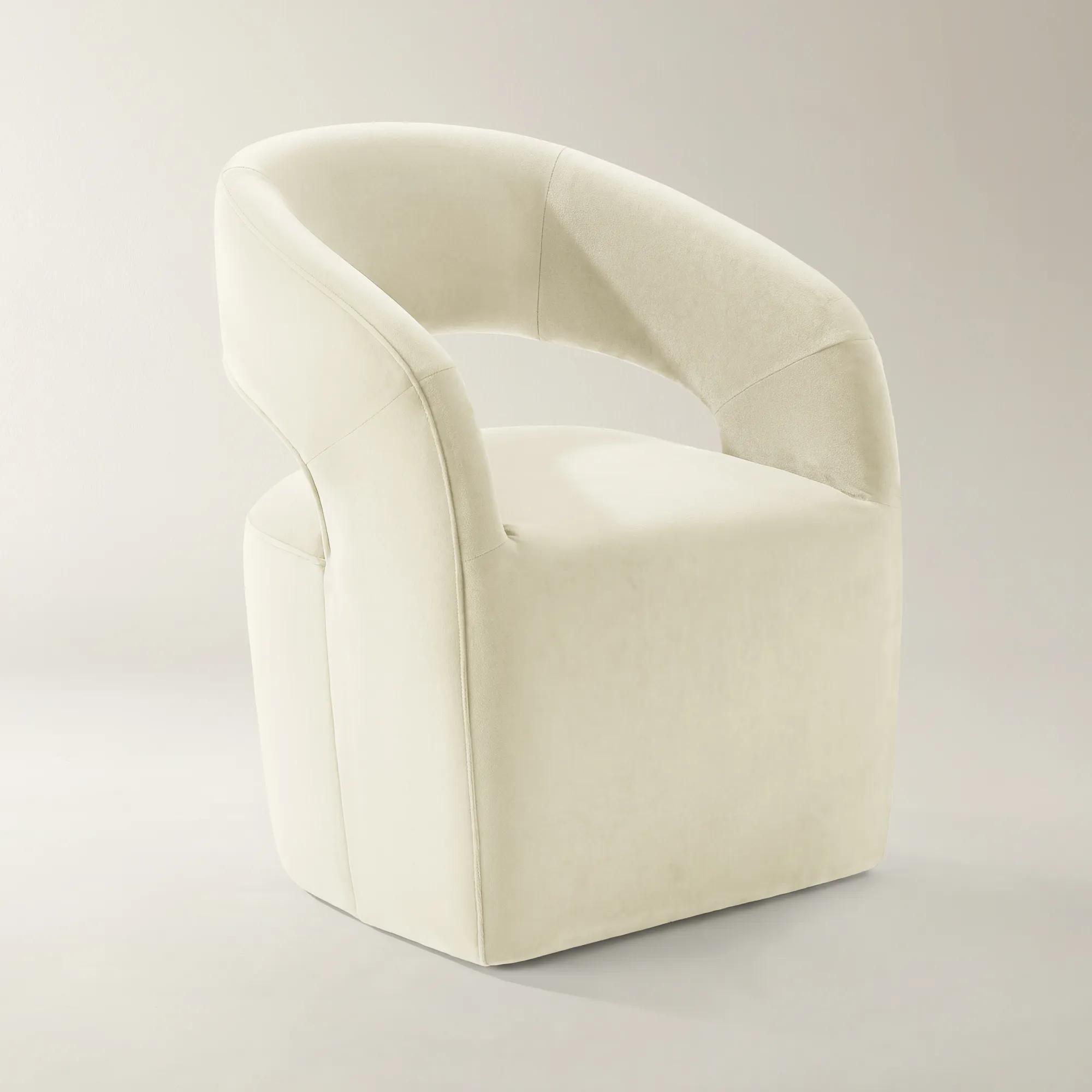 Harrison Cloud Velvet Dining Chair$499
A sculptural dining chair featuring cloud velvet upholstery, feather-blend cushioning, and a continuous curved back.
Add To Cart -
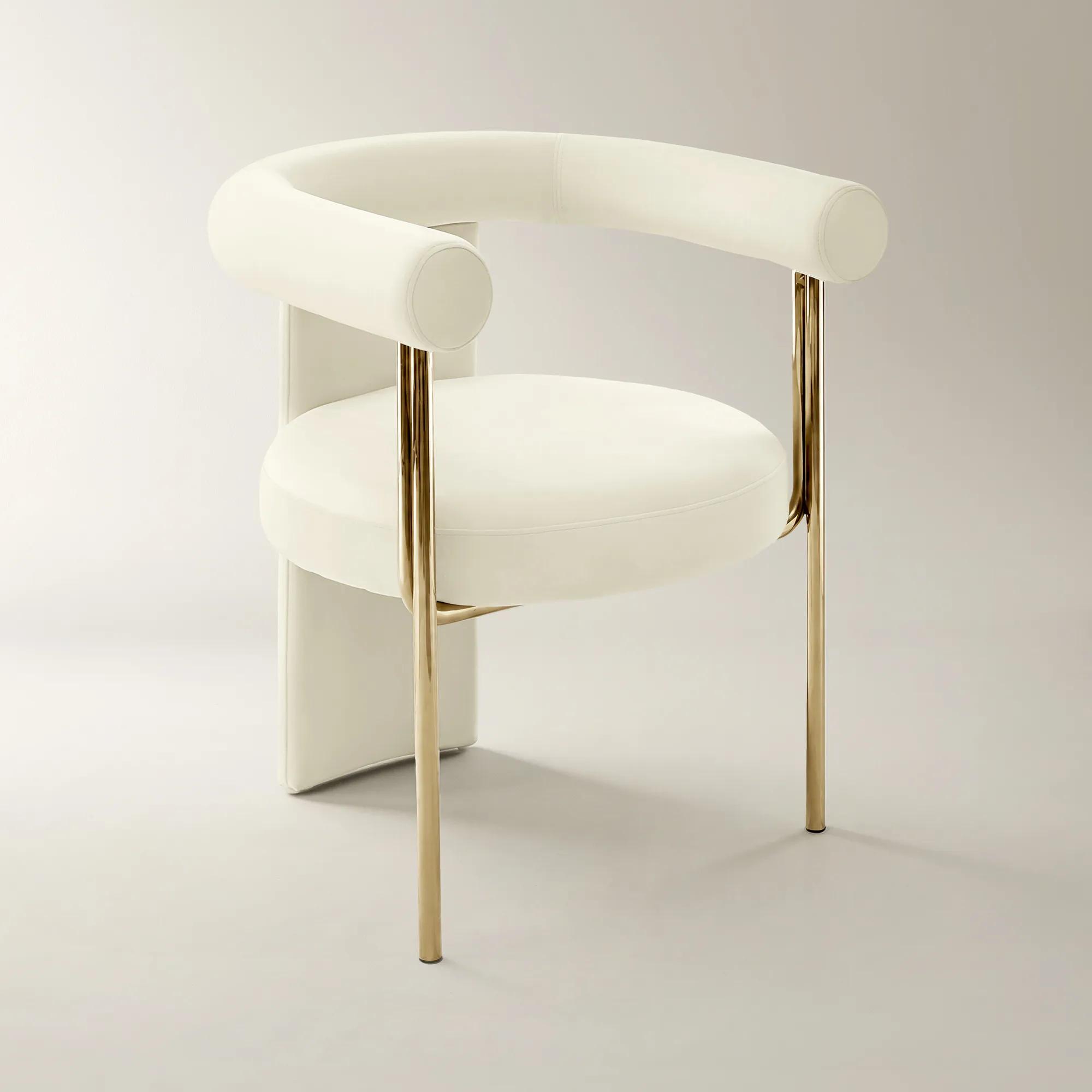 Davina Cloud Velvet Dining Chair Set Of 2$899
A set of two dining chairs featuring plush cloud velvet upholstery and a sculptural gold metal frame.
Add To Cart -
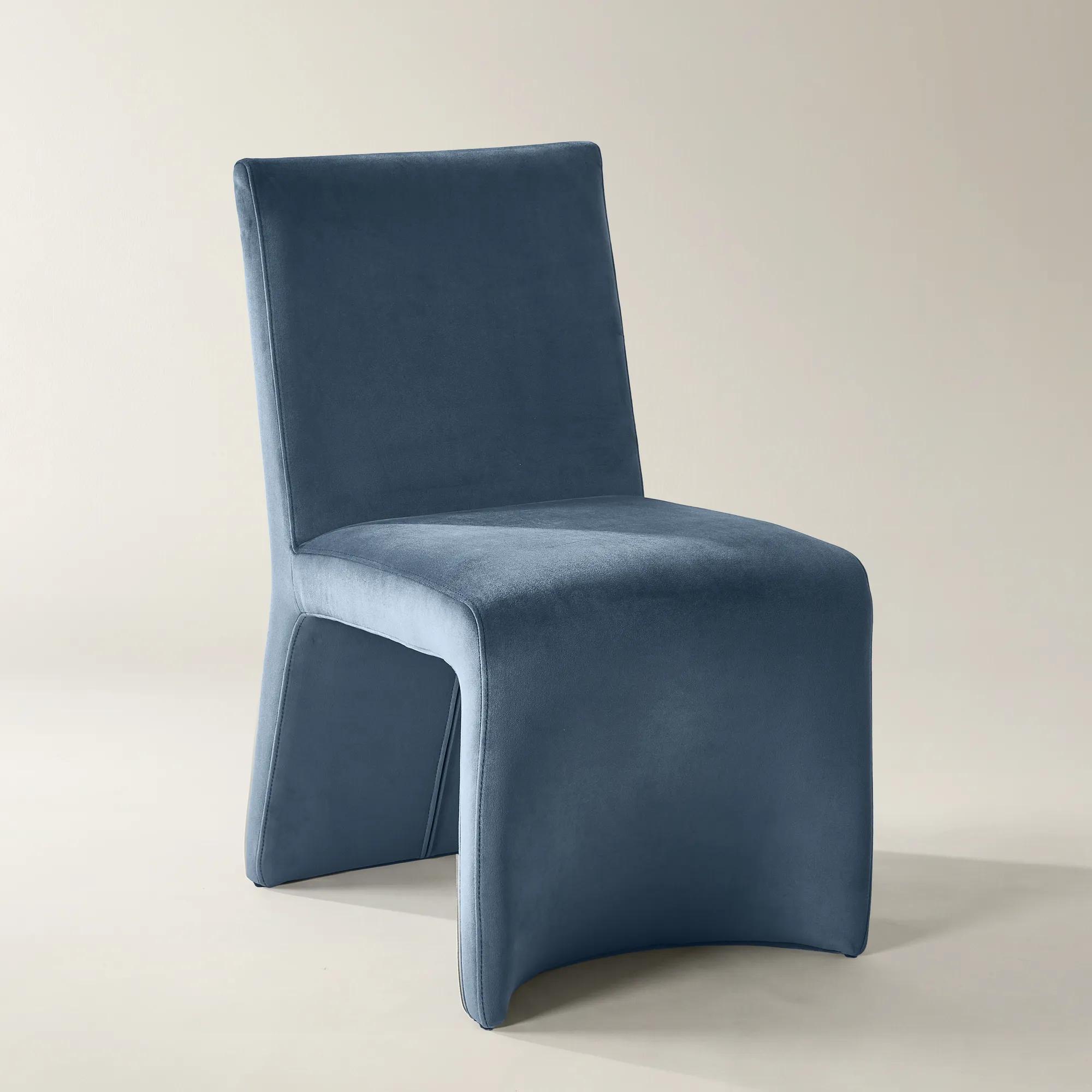 Elara Dusty Blue Velvet Dining Chair Set Of 2$799
A set of two dining chairs featuring plush dusty blue velvet upholstery and a seamless, artful silhouette.
Add To Cart -
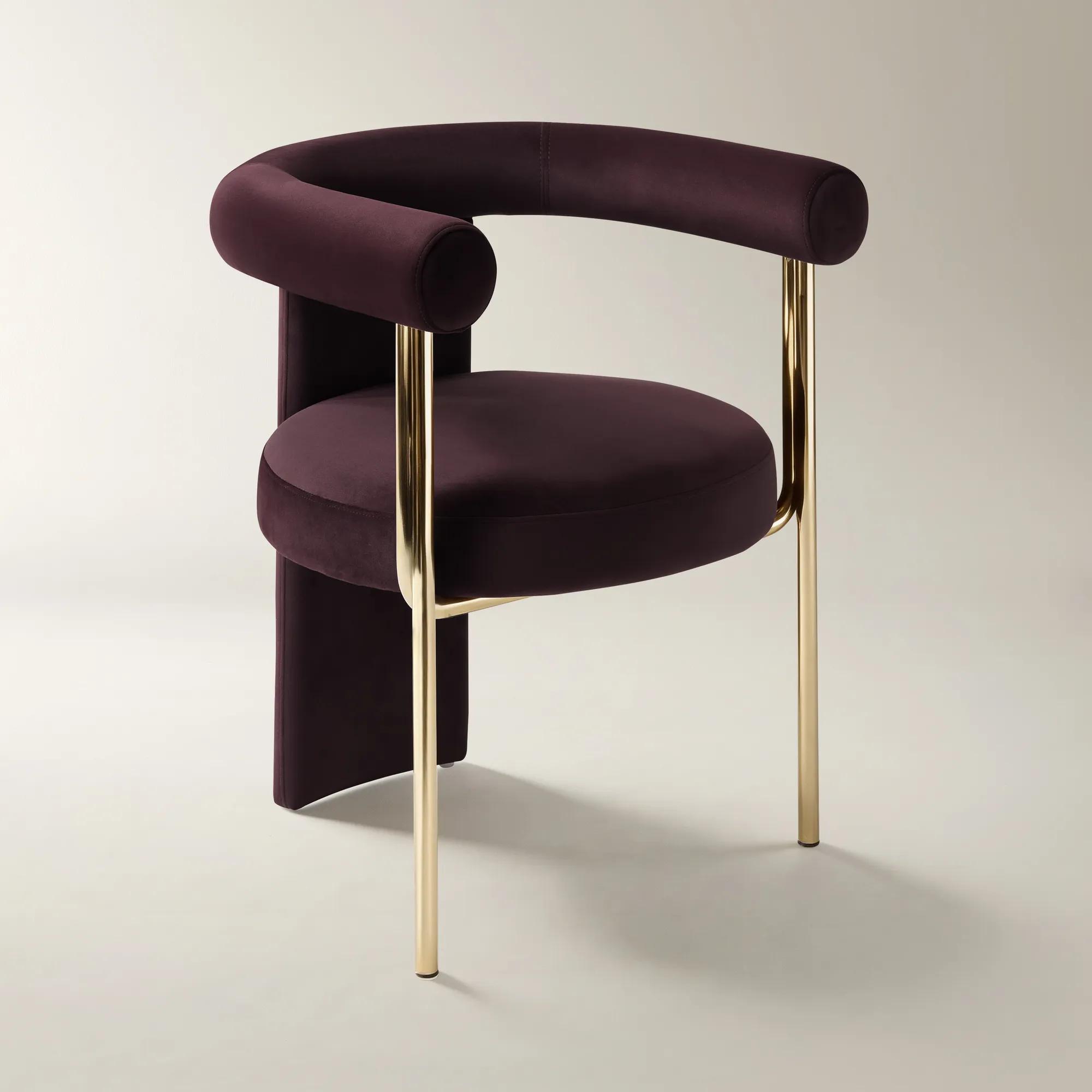 Davina Fig Velvet Dining Chair Set Of 2$899
A set of two dining chairs featuring plush fig velvet upholstery and a sleek gold-finished metal frame.
Add To Cart -
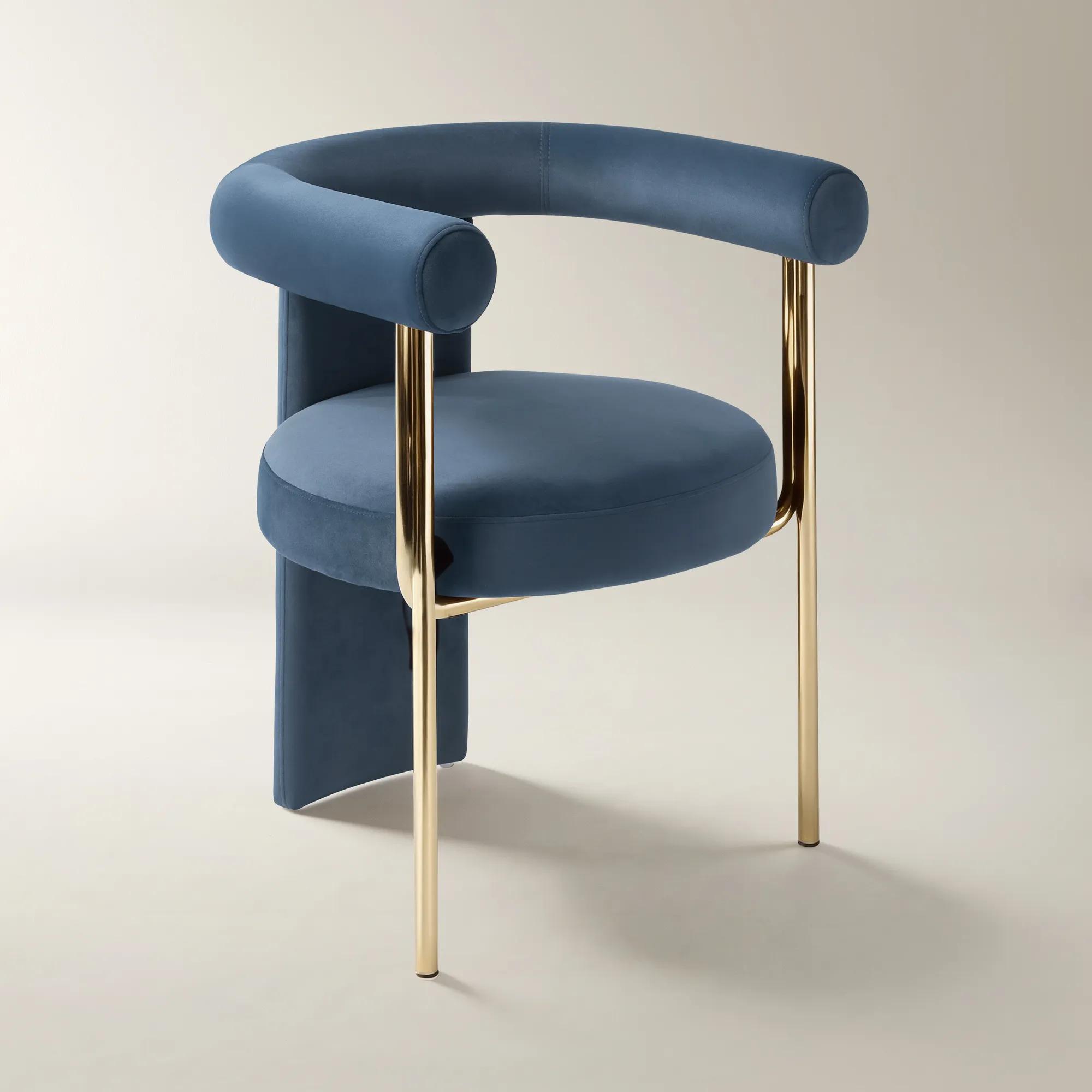 Davina Dusty Blue Velvet Dining Chair Set Of 2$899
A set of two dining chairs featuring dusty blue velvet upholstery and a polished gold metal frame.
Add To Cart -
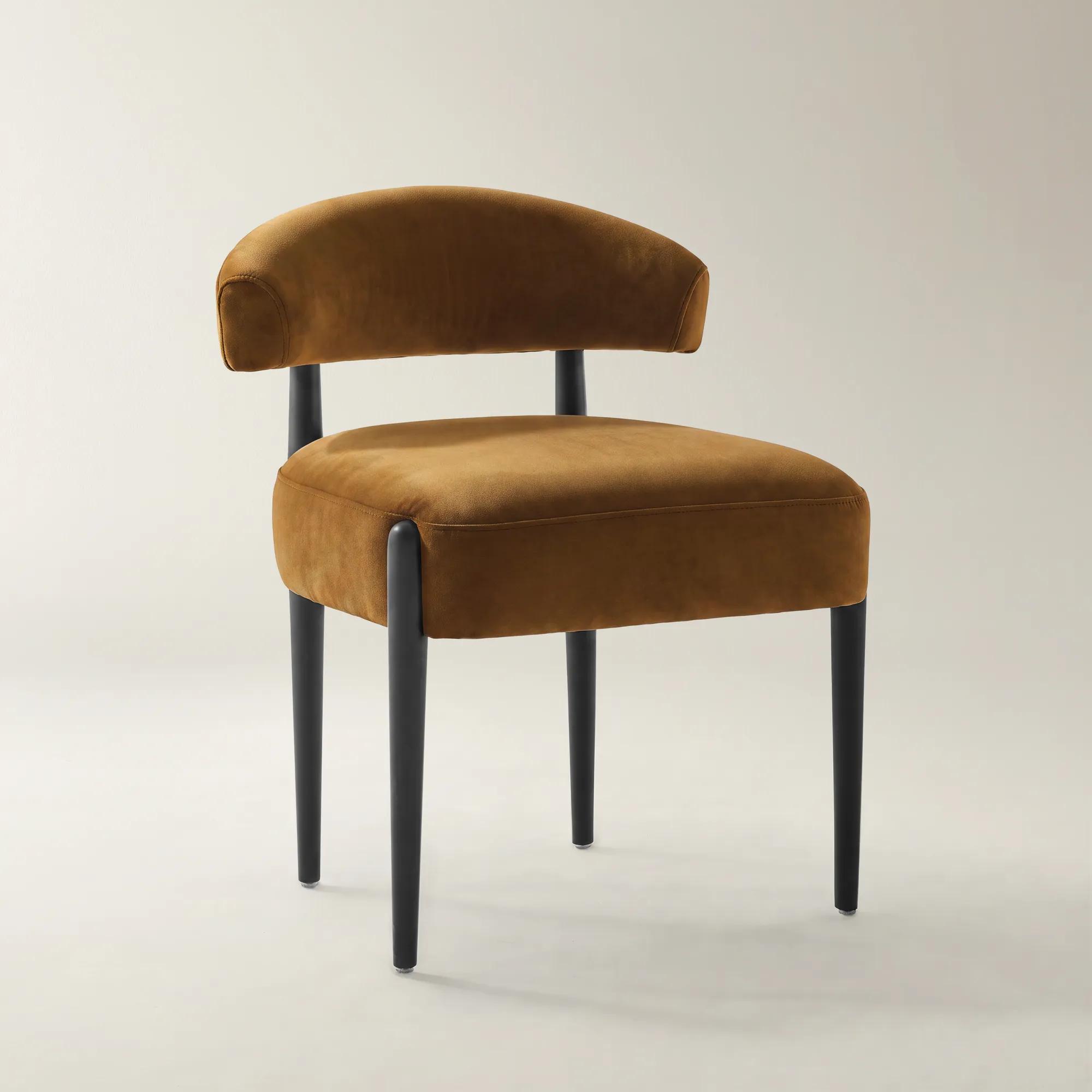 Anna Roasted Pecan Velvet Dining Chair Set of 2$699
A roasted pecan velvet dining chair set featuring a tailored curved back and high-density foam cushioning.
Add To Cart

Upholstered Leather Dining Chairs
Upholstered leather dining chairs invite an air of refined drama to the dining room, transforming everyday meals into extraordinary experiences. Each chair is a study in contrast—supple leather meets tailored upholstery, creating a tactile symphony that elevates both comfort and style. Whether you’re setting the stage for glamorous dinner parties or intimate gatherings, these sculptural silhouettes promise to anchor your space with undeniable sophistication. Let upholstered leather dining chairs become the statement pieces that define your dining story—bold, luxurious, and unapologetically expressive.
Upholstered leather dining chairs combine cushioned seating with genuine leather upholstery, bringing tailored comfort, rich texture, and a polished presence to the dining room. Related leather-look styles use synthetic upholstery, offering a similar visual effect with different care requirements and aging characteristics. Both can create an inviting place to linger over dinner, while the material, padding, frame, and proportions determine how each chair feels and performs. Leather has a particular visual depth: light moves across its surface, revealing subtle grain, tonal variation, and the contours of a sculpted back. In a room anchored by a dramatic dining table, that texture adds richness without competing for attention. An ivory upholstered chair can lend an airy elegance to dark wood, while cognac leather introduces warmth beside stone or glass. Black leather creates a crisp silhouette against pale surfaces, especially when paired with slender metal legs or a gleaming frame. The character of genuine leather varies by hide and finish. Full-grain leather retains the natural grain surface and may display distinctive markings; top-grain leather has been sanded or otherwise refined and can have a more consistent appearance. Neither label alone determines softness, stain resistance, or longevity, so the finish and construction deserve equal attention. Less protected leathers may develop a pronounced patina, while pigmented finishes generally provide a more uniform color and greater resistance to everyday marks. Faux leather, often made with polyurethane or other synthetic coatings over a backing, can offer consistent color and an accessible alternative for households seeking a leather-inspired look. Its surface does not develop the same patina as genuine leather, and resistance to cracking or peeling varies with composition, use, and care. Across these materials, details such as precise stitching, a curved back, or a neatly upholstered seat edge shape the overall impression. A restrained silhouette lets the upholstery take center stage; deeper channels or generous padding give the dining setting a more enveloping, lounge-like character.
The most compelling dining room arrangements balance that visual drama with proportions that make gathering effortless. Upholstered leather dining chairs should suit the table’s height, the space between its legs, and the way people move through the room. Many standard dining tables measure approximately 28 to 30 inches high, while dining chair seats commonly fall around 18 to 20 inches; the actual pairing matters more than either measurement in isolation. About 10 to 12 inches between the seat and tabletop is a useful starting point for legroom, with additional attention to any apron beneath the table. A thick apron can reduce clearance even when the overall table height appears suitable. Armchairs bring a gracious, almost ceremonial presence to the ends of a table, but their arms need to clear the underside if they are intended to tuck in. Armless side chairs often make closer arrangements feel less crowded and allow easier movement around a pedestal or narrow rectangular table. Allowing roughly 24 inches of table edge per person provides an initial planning reference, though wide seats and substantial arms usually need more. Behind each chair, space to pull out and stand comfortably matters as much as the arrangement when everything is neatly tucked away. Seat depth, back angle, and cushioning also influence comfort: a deep seat may feel luxurious to a taller guest but leave someone shorter without comfortable back support. Firmer padding can provide reassuring support through an extended meal, while softer cushioning offers a more relaxed impression. For a coordinated yet expressive setting, Elegant Leather Dining Chairs share a natural affinity with sculptural tables, luminous accents, and richly textured rugs. Matching chairs create a composed rhythm around the table; contrasting upholstered armchairs at the ends can introduce another layer of shape and scale. A curved chair back can echo a round tabletop, while a more architectural profile brings definition to an open dining area. These relationships give the room its character without sacrificing the pleasure of sitting comfortably together.
Everyday durability comes from the whole chair, not just its upholstery. A stable frame, well-executed joints, supportive padding, and a surface suited to the household all contribute to lasting comfort. Wood frames can introduce warmth and visible grain, while metal frames offer a sharply defined outline; either depends on sound construction and an appropriate finish. Weight capacity and intended use should be checked for each design, particularly when chairs will serve as daily family seating rather than occasional places for guests. Genuine leather can be durable, but it is not impervious to scratches, stains, or fading. Pet claws, sharp hardware on clothing, and repeated rubbing against a table edge can leave marks, while prolonged direct sunlight may alter color. Synthetic leather also requires thoughtful placement, since excessive heat and harsh cleaners can damage some coatings. Routine care is best kept gentle and consistent: remove dust with a soft cloth, blot spills promptly rather than rubbing, and follow the upholstery manufacturer’s instructions before introducing any cleaner or conditioner. A conditioner suitable for one genuine leather finish may be inappropriate for another, and products designed for natural leather should not automatically be used on faux leather. Testing an approved product in an inconspicuous area helps protect the visible surface. Saturating upholstery, using abrasive pads, or applying alcohol-based household cleaners can compromise finishes and stitching. Beneath the chair, floor-appropriate glides help protect hard surfaces, while secure fasteners and intact feet support everyday stability. These practical details are especially valuable in dining spaces that accommodate breakfast, conversation, homework, and elaborate dinners at the same table. A smooth upholstered surface may make crumbs easier to remove than a heavily textured fabric, but seams, tufting, and channels still benefit from careful attention. For frequent entertaining, supportive backs and generous seating encourage guests to settle in; in a compact dining nook, a slimmer profile can preserve openness while retaining a sumptuous feel. Thoughtfully chosen leather dining seating gives daily rituals a sense of occasion, with tactile richness that belongs as naturally at a quiet meal as at a beautifully dressed table.
FAQs
Leather upholstered dining chairs offer a unique blend of luxury, durability, and timeless style. The supple texture and rich patina of leather elevate any dining setting, while the material’s resilience makes it ideal for both everyday meals and special occasions. Leather is also easy to clean, making it a practical choice for entertaining guests or family gatherings.
Genuine leather dining chairs develop a distinctive patina over time, adding character and depth to your décor. They are exceptionally durable and age gracefully with use. Faux leather chairs, on the other hand, offer a similar look with a more consistent finish and are often easier to maintain, as they resist spills and stains with a quick wipe-down. Both options provide style and comfort, allowing you to choose based on your lifestyle and design preferences.
Absolutely. Leather upholstered dining chairs are remarkably versatile, seamlessly enhancing a range of aesthetics. Sleek, minimalist designs with metal frames suit contemporary spaces, while classic wood-framed chairs with tufted or stitched leather details bring warmth and elegance to traditional settings. The adaptability of leather ensures it can be styled to reflect your personal taste and the mood you wish to create.
Yes, leather dining chairs are an excellent option for active households. Their smooth, non-porous surface resists spills and is easy to clean, making accidental messes less stressful. High-quality leather is also tough and resilient, standing up well to the rigors of daily life while maintaining its sophisticated appearance.
When choosing dining chairs with leather seats, consider the overall style and palette of your dining area, as well as the desired level of comfort. Look for features such as ergonomic backs, plush padding, and sturdy frames—whether wood or metal. The color and finish of the leather can set the tone, from dramatic jewel tones to classic neutrals. Thoughtful details like stitching, tufting, or sculptural silhouettes can further personalize your space and create a cohesive, inviting atmosphere.