Upholstered Dining Chairs Set Of 2
Upholstered Dining Chairs Set Of 2
-
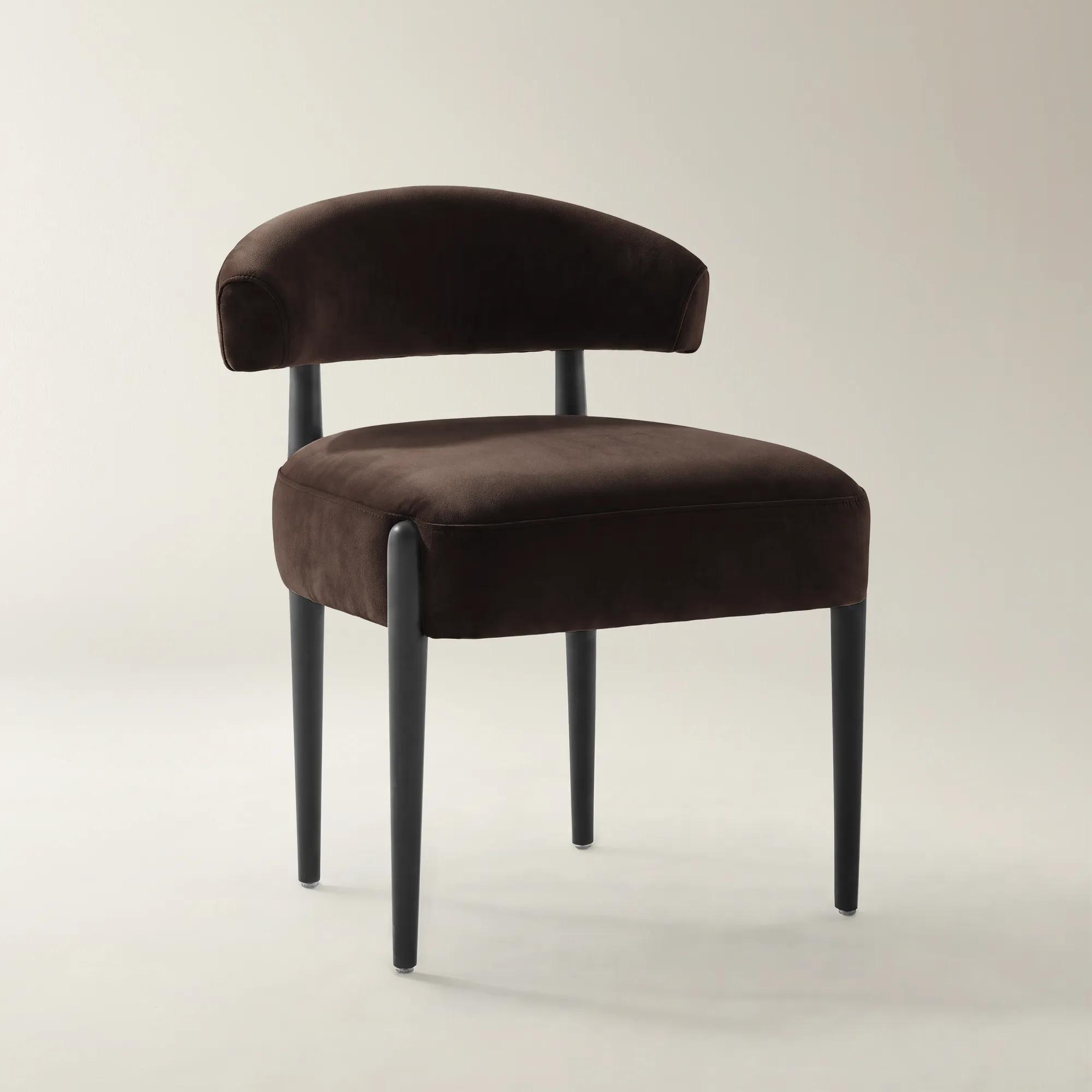
 Anna Dark Chocolate Velvet Dining Chair Set of 2$599
A dark chocolate velvet dining chair set featuring an arched back, high-density foam, and solid wood construction.
Add To Cart -
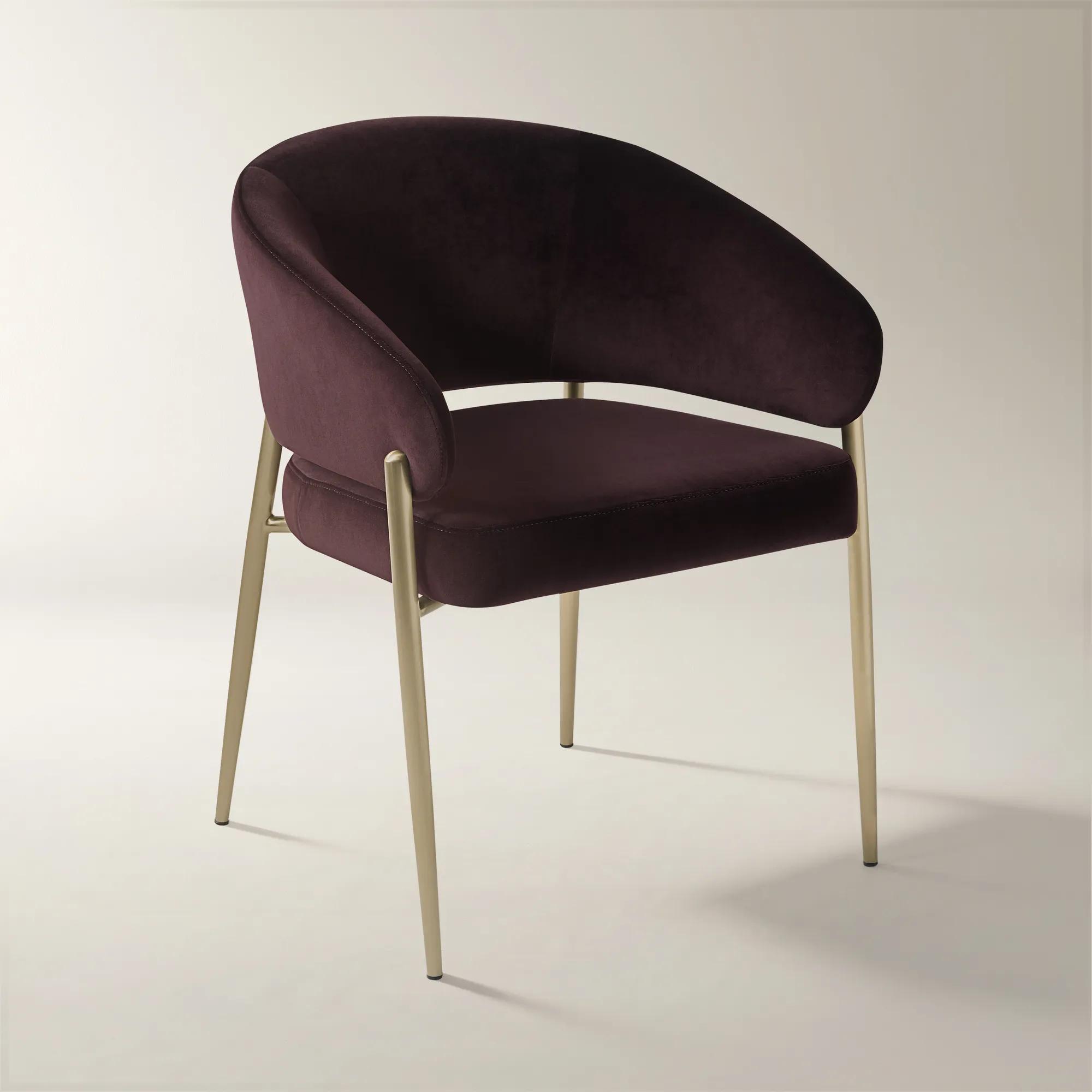 Nara Fig Velvet Dining Chair Set Of 2$599
A set of two dining chairs featuring plush fig velvet upholstery and brushed brass stainless-steel legs.
Add To Cart -
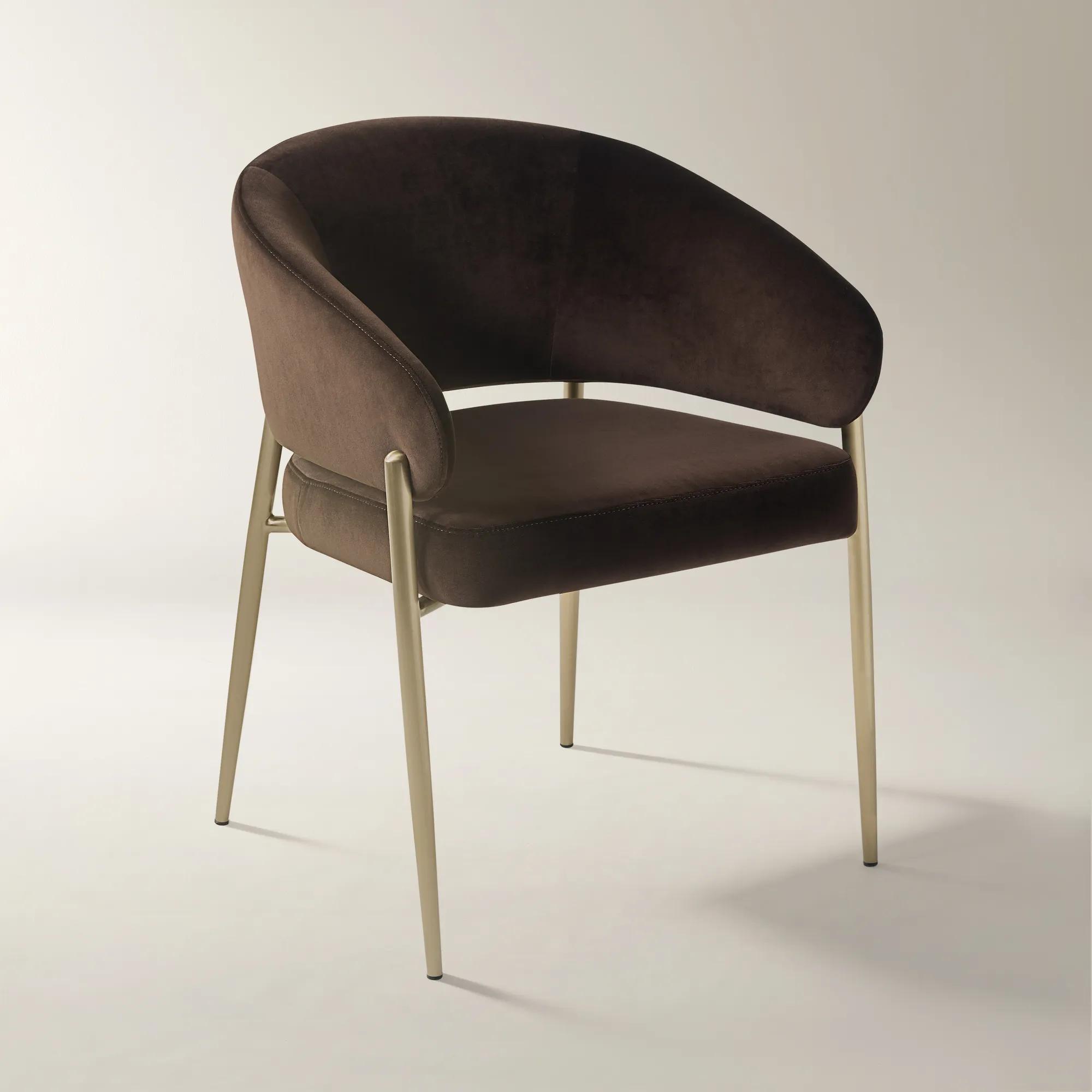 Nara Dark Chocolate Velvet Dining Chair Set Of 2$599
A pair of dark chocolate velvet chairs with curved backs and brushed brass stainless-steel legs for modern elegance.
Add To Cart -
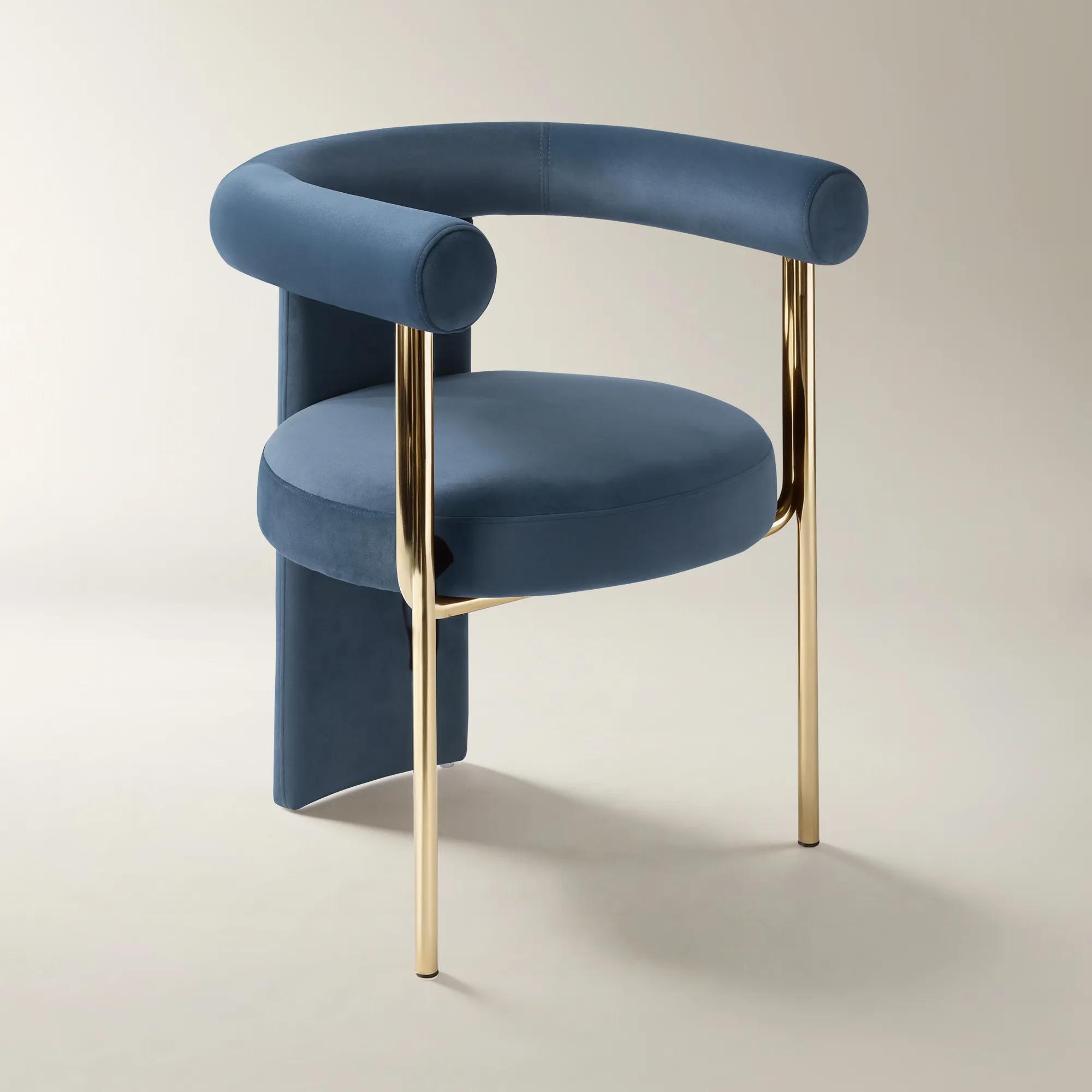 Davina Dusty Blue Velvet Dining Chair Set Of 2$799
A set of two dining chairs featuring dusty blue velvet upholstery and a polished gold metal frame.
Add To Cart -
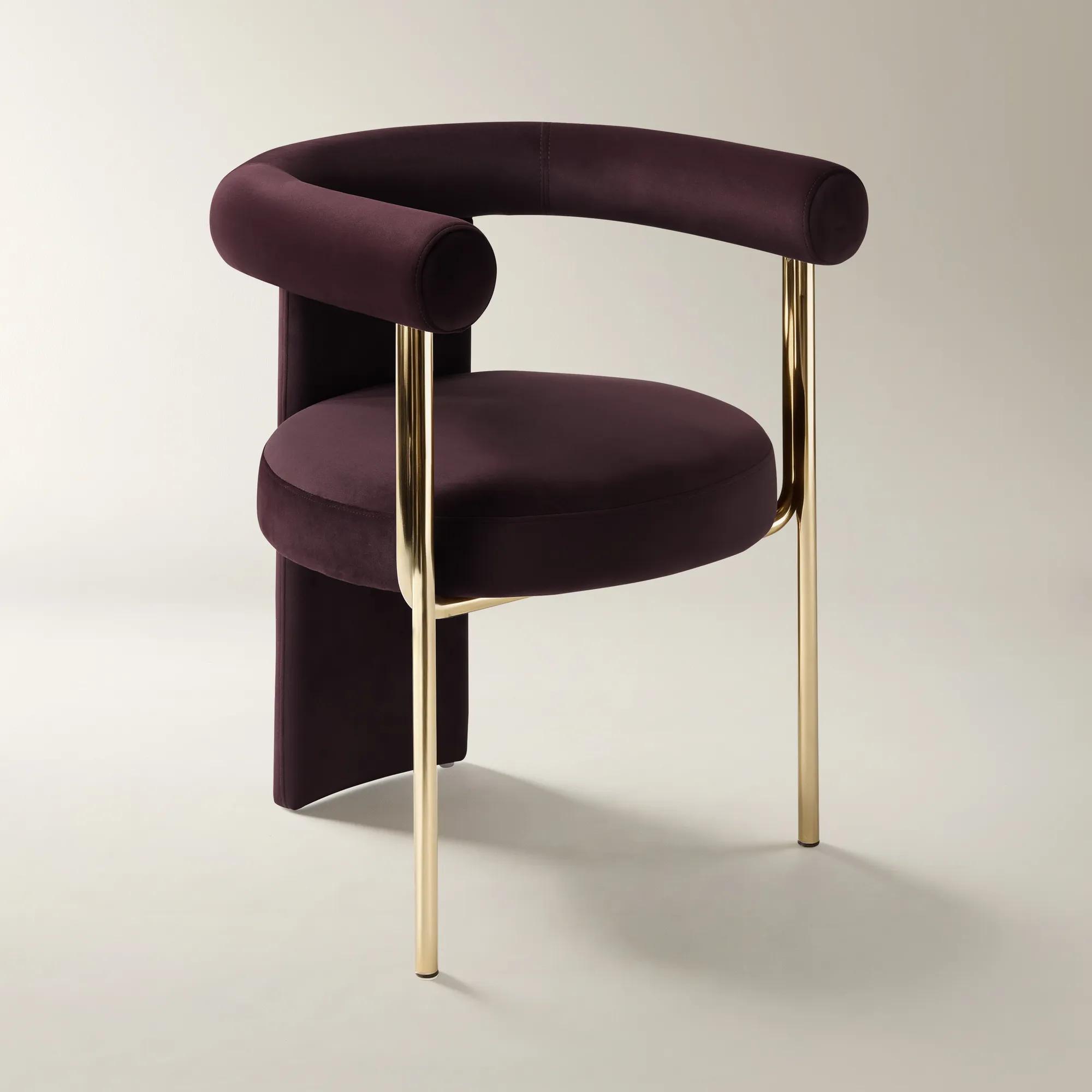 Davina Fig Velvet Dining Chair Set Of 2$799
A set of two dining chairs featuring plush fig velvet upholstery and a sleek gold-finished metal frame.
Add To Cart -
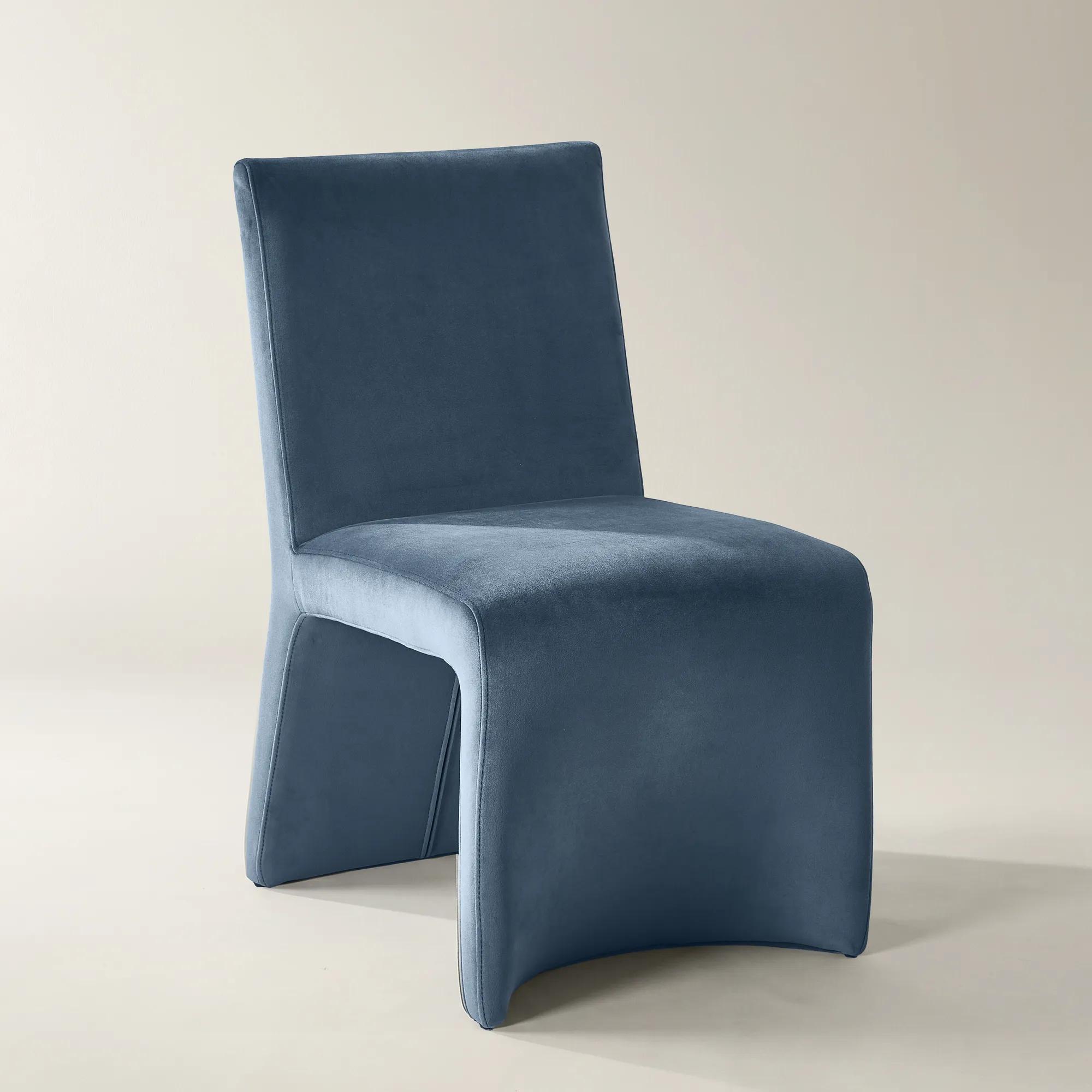 Elara Dusty Blue Velvet Dining Chair Set Of 2$649
A set of two dining chairs featuring plush dusty blue velvet upholstery and a seamless, artful silhouette.
Add To Cart -
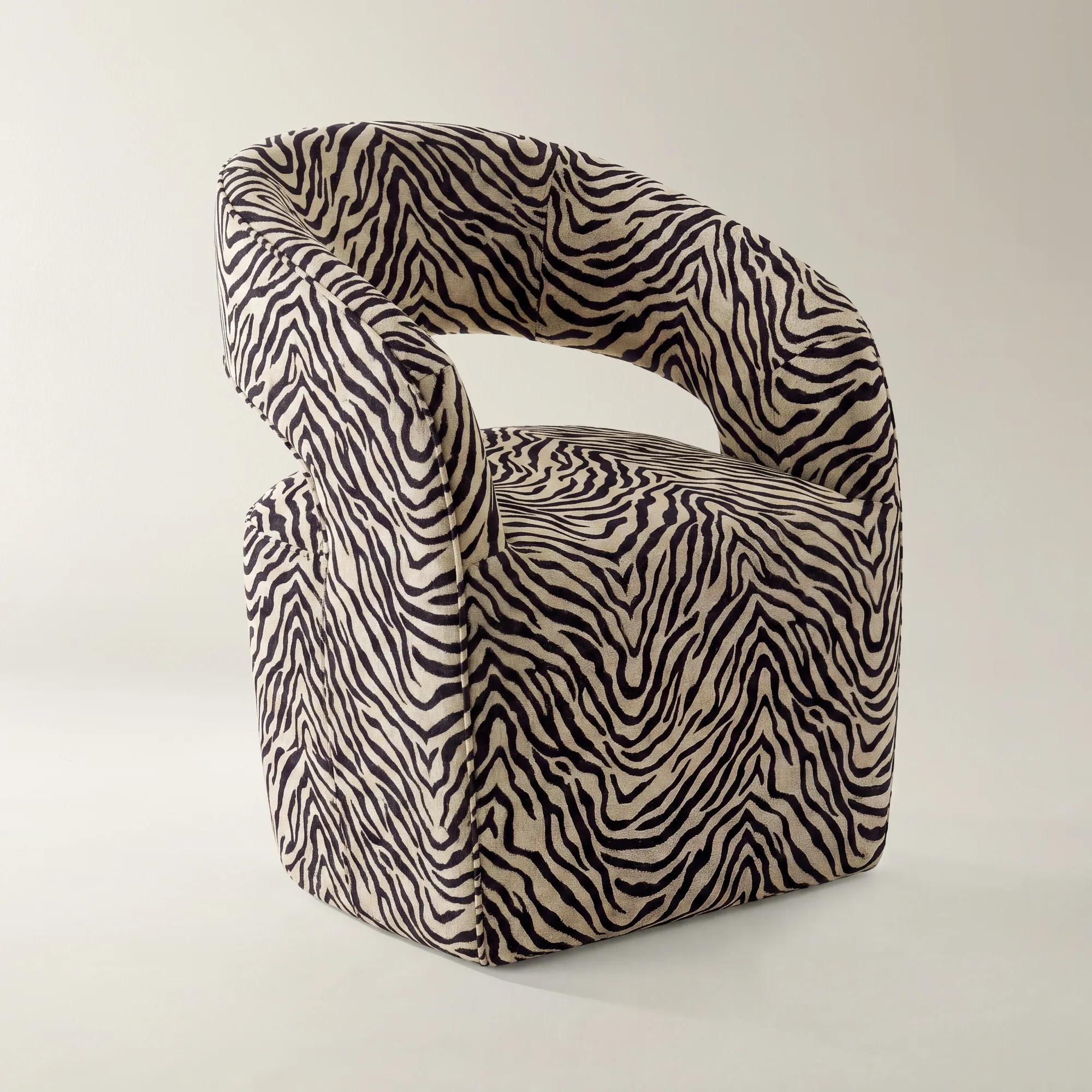
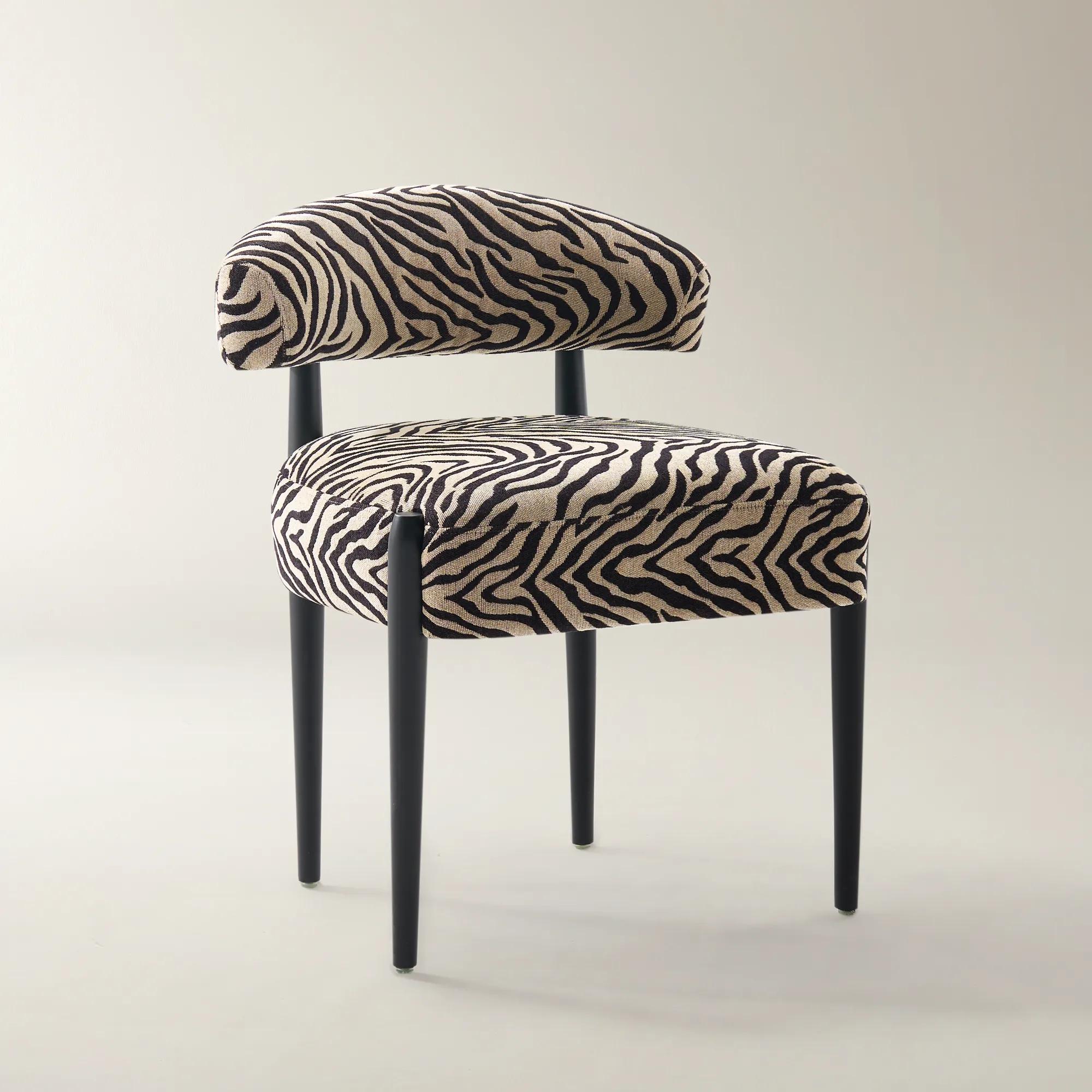
-2.jpg?w=1200&h=1200) Harrison Zebra Performance Chenille Dining Chair$449
Harrison Zebra Performance Chenille Dining Chair$449A sculptural dining chair upholstered in zebra performance chenille with a curved back and feather-blend comfort.
Add To Cart -
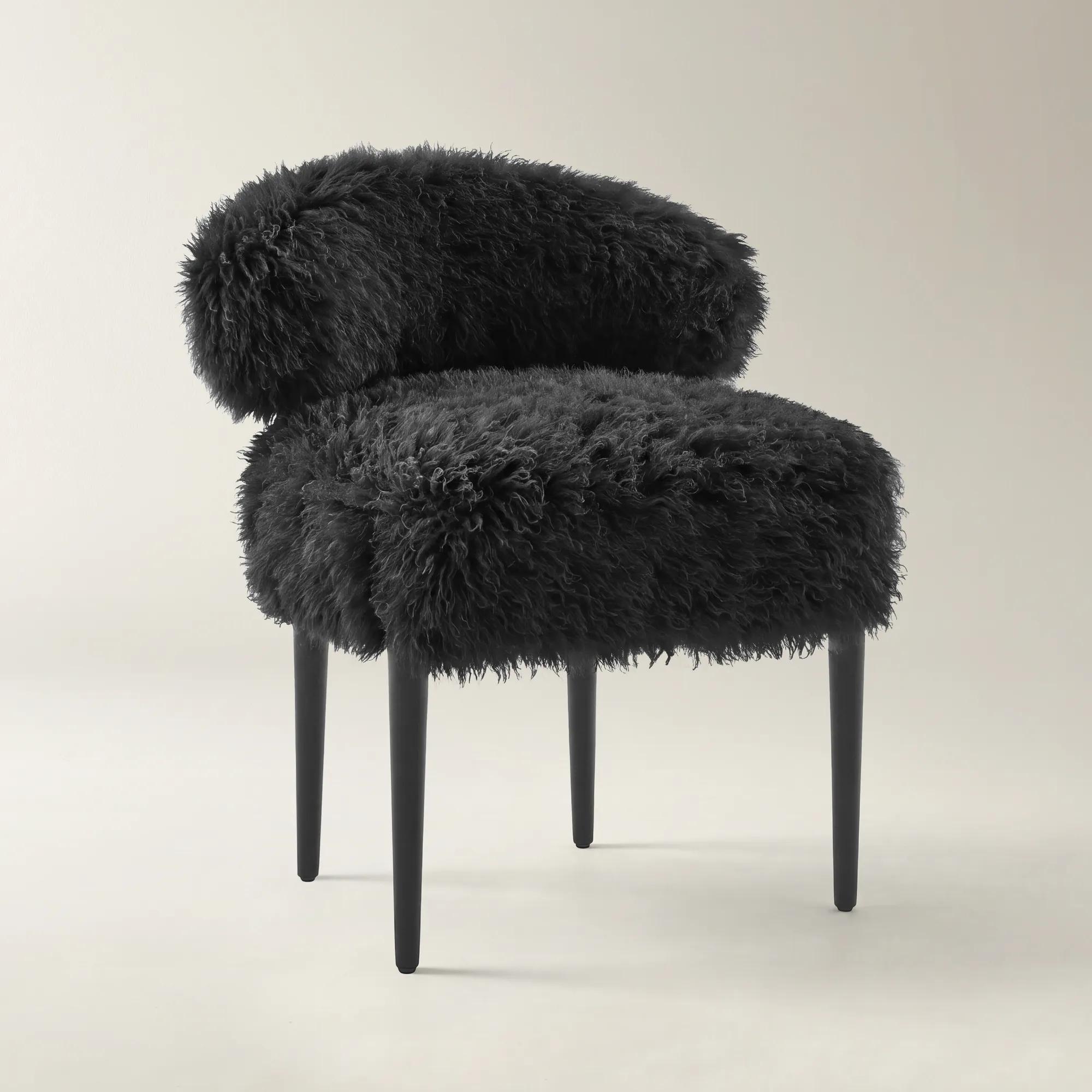 Anna Black Faux Fur Dining Chair Set of 2$699
A black faux fur chair set with arched backs, foam cushioning, and solid wood legs.
Add To Cart -
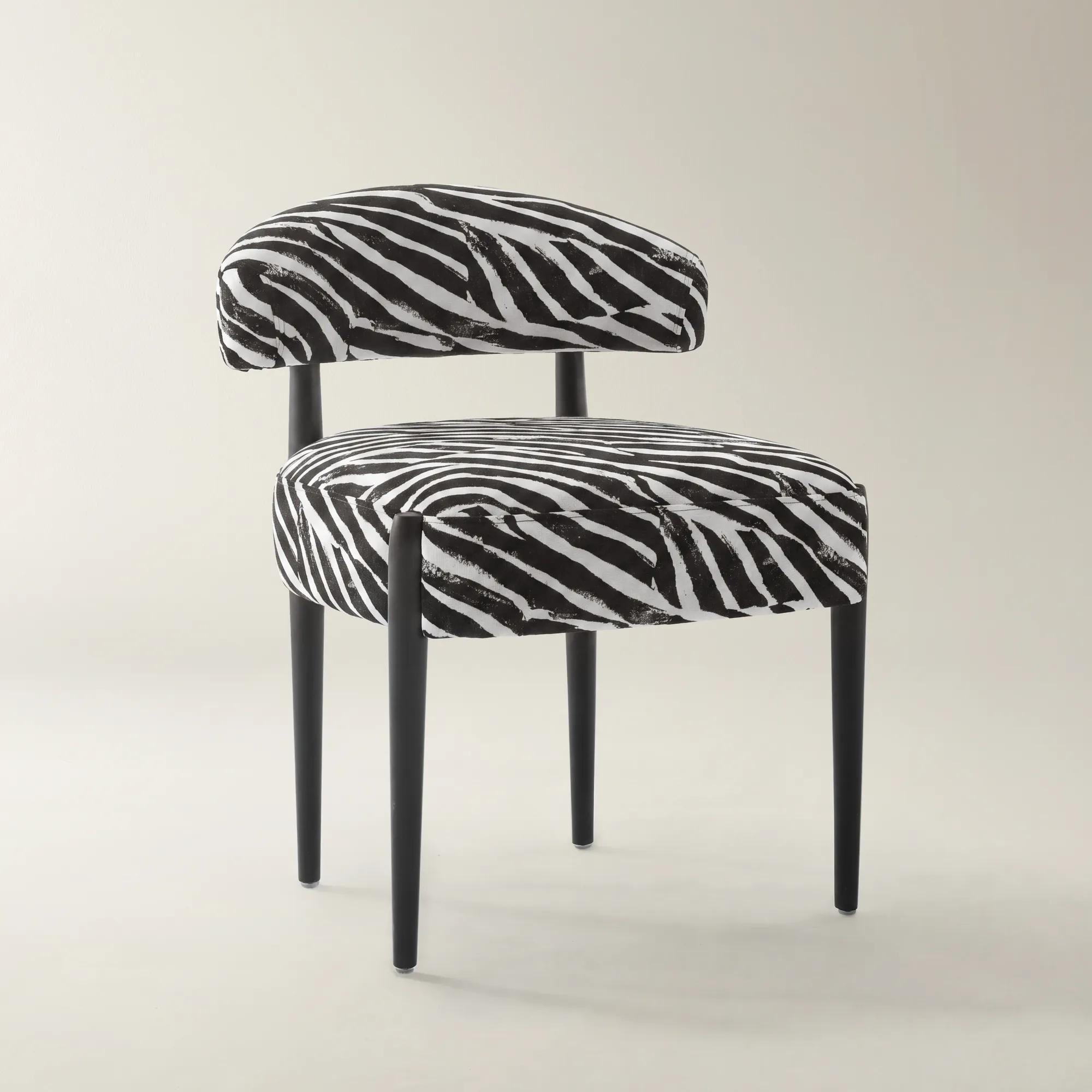 Anna White/Black Performance Chenille Dining Chair Set of 2$599
A black-and-white performance chenille chair set with arched backs, high-density foam, and solid rubberwood legs.
Add To Cart -
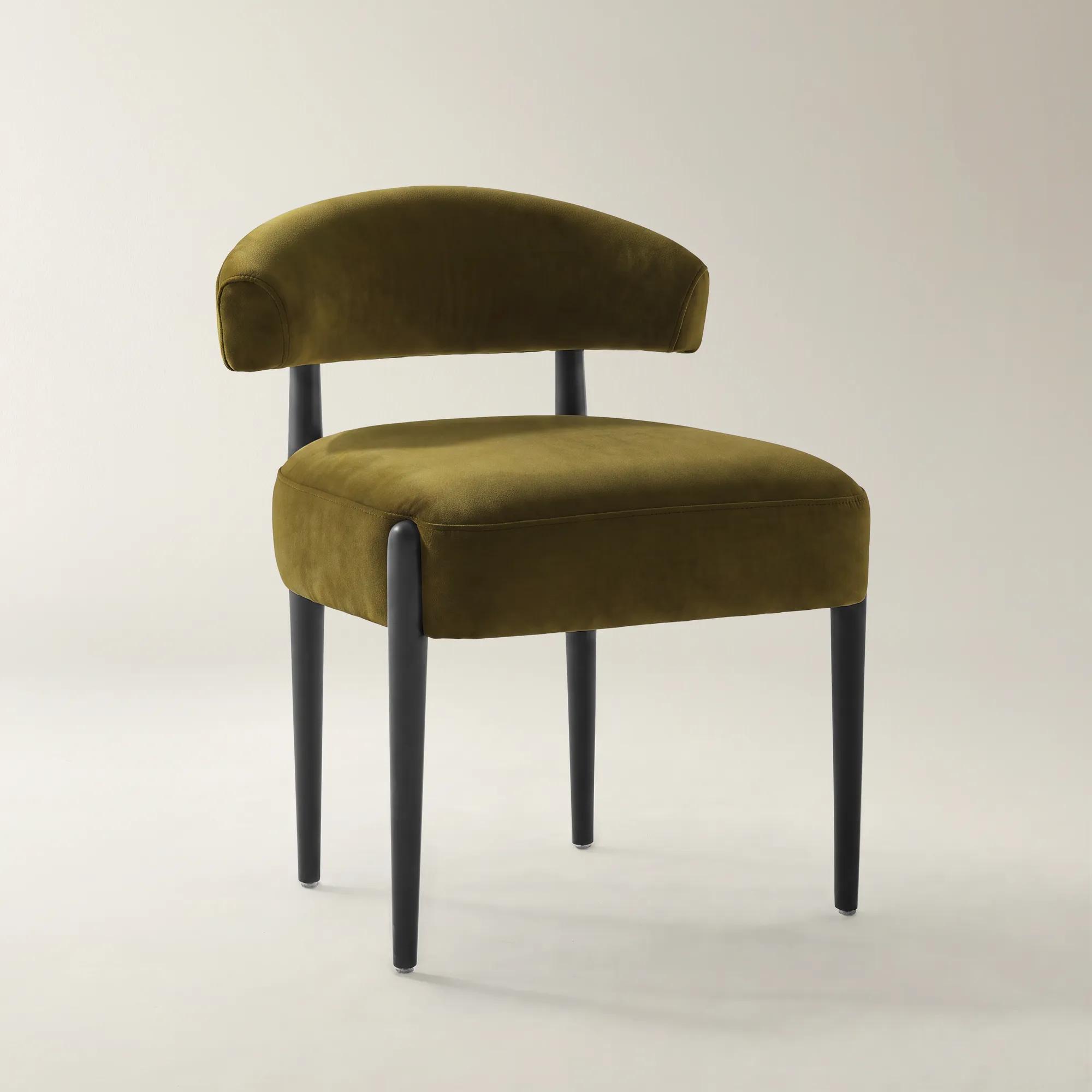 Anna Deep Olive Velvet Dining Chair Set of 2$599
A deep olive velvet dining chair with a tailored curved back, high-density cushioning, and solid rubberwood legs.
Add To Cart -
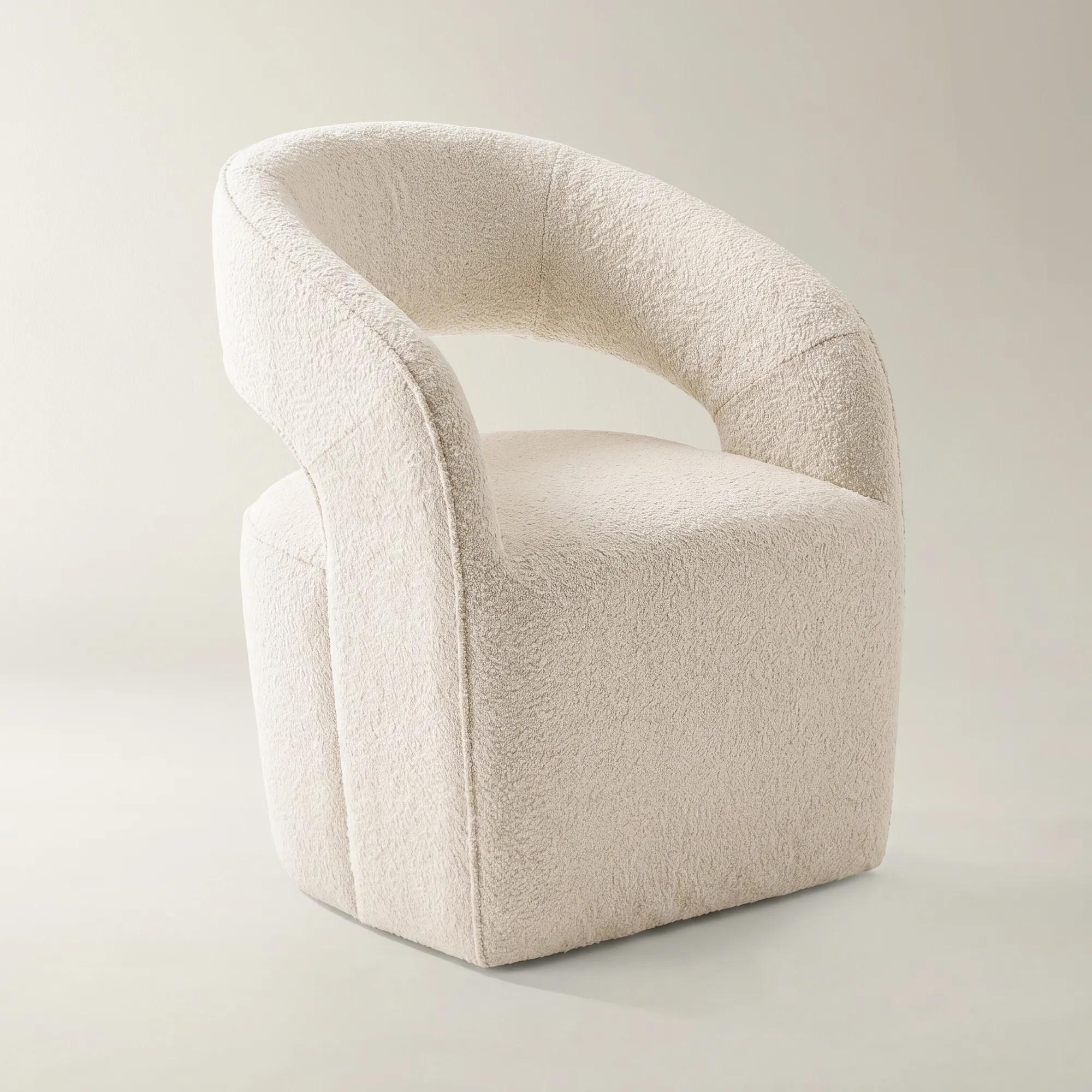 Harrison Utopia Sand Chenille Dining Chair$449
A sculptural dining chair upholstered in sand chenille with a curved back, feather-blend seat, and integrated arms.
Add To Cart -
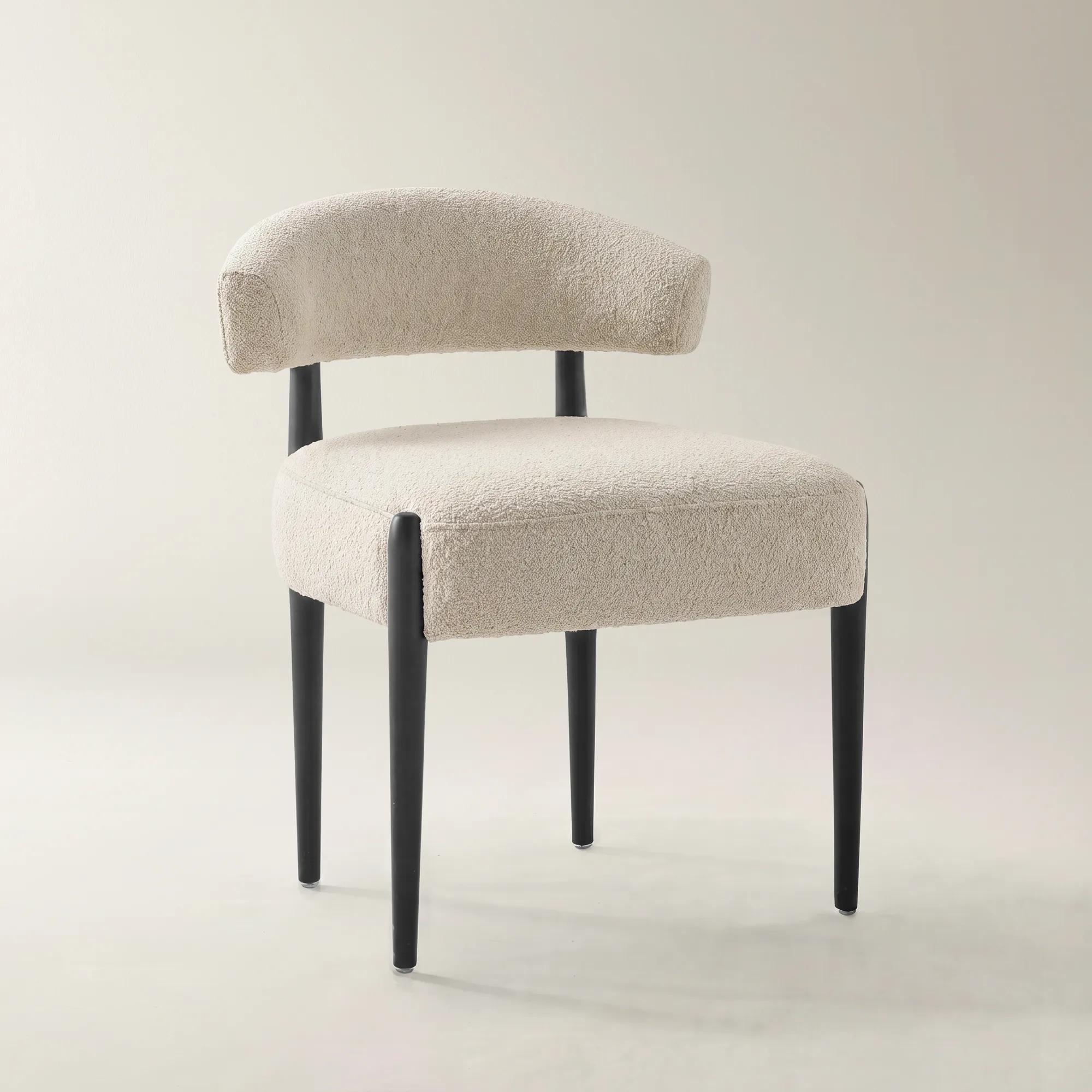 Anna Utopia Sand Chenille Dining Chair Set of 2$599
A sand chenille dining chair set featuring tailored armless curves, high-density cushioning, and solid rubberwood legs.
Add To Cart -
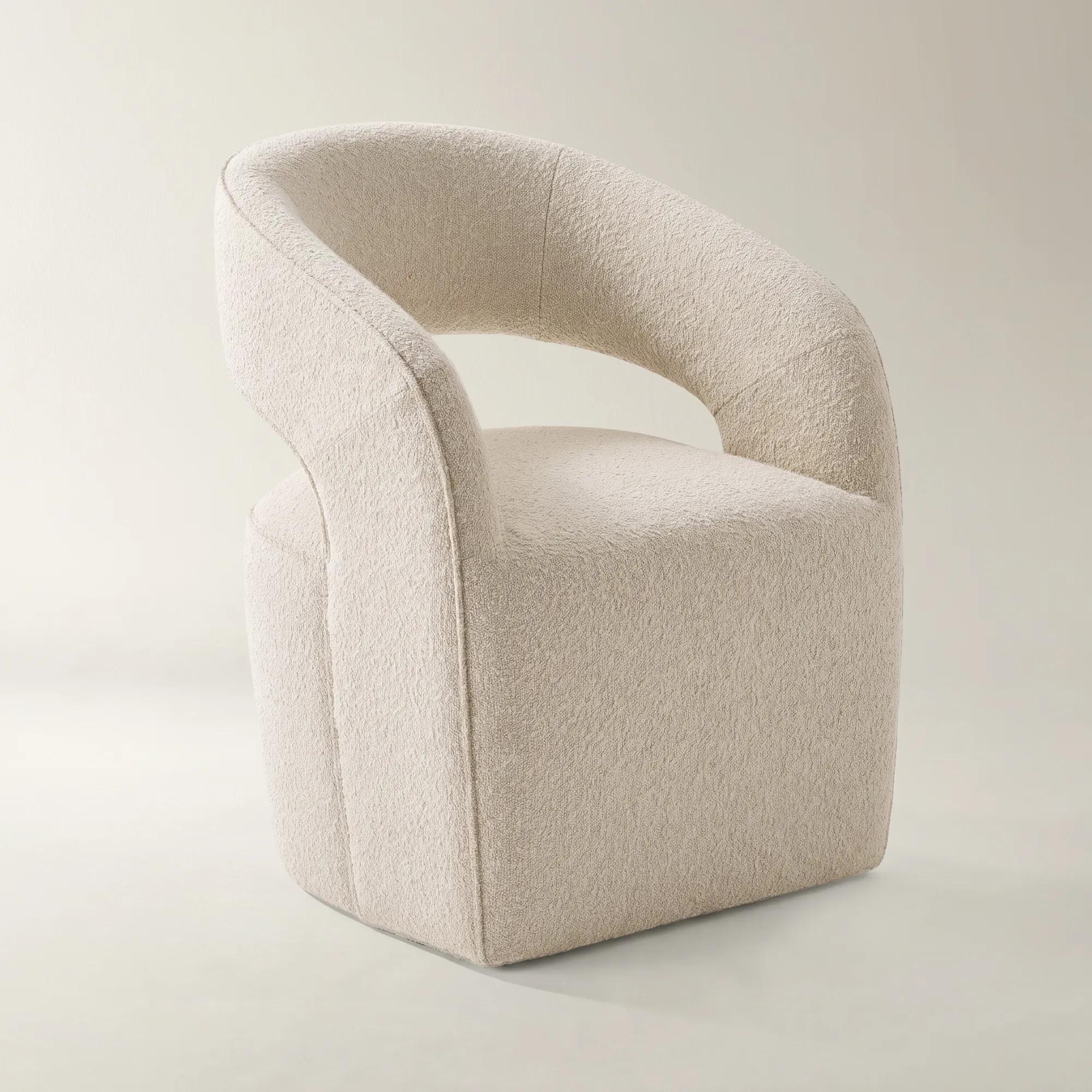 Harrison Ivory Performance Boucle Dining Chair$449
A sculptural dining chair in ivory performance boucle with a curved back, integrated arms, and feather-blend comfort.
Add To Cart -
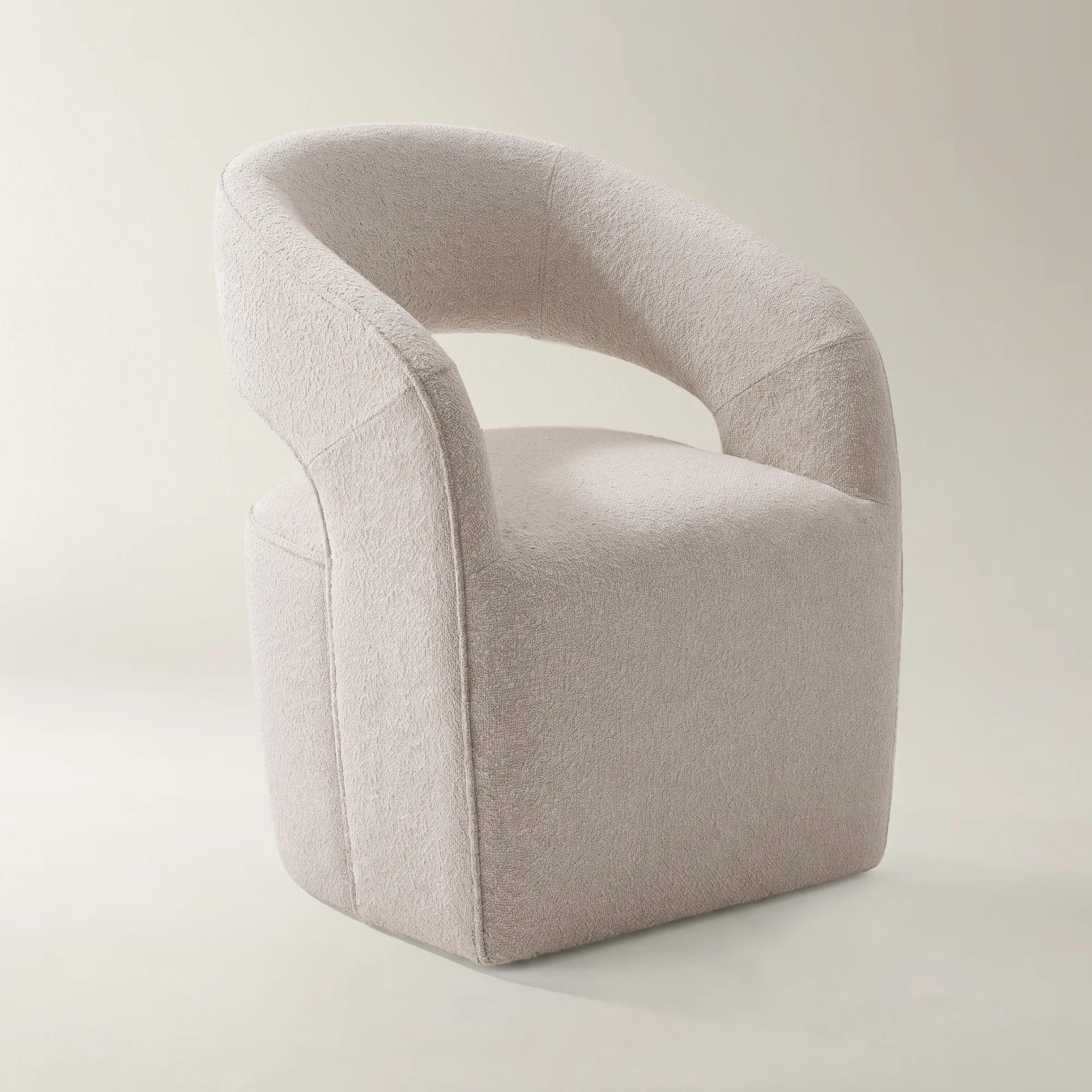 Harrison Ivory Performance Boucle Dining Chair$449
A sculptural dining chair in ivory performance boucle with a curved back, feather-blend seat, and modern elegance.
Add To Cart -
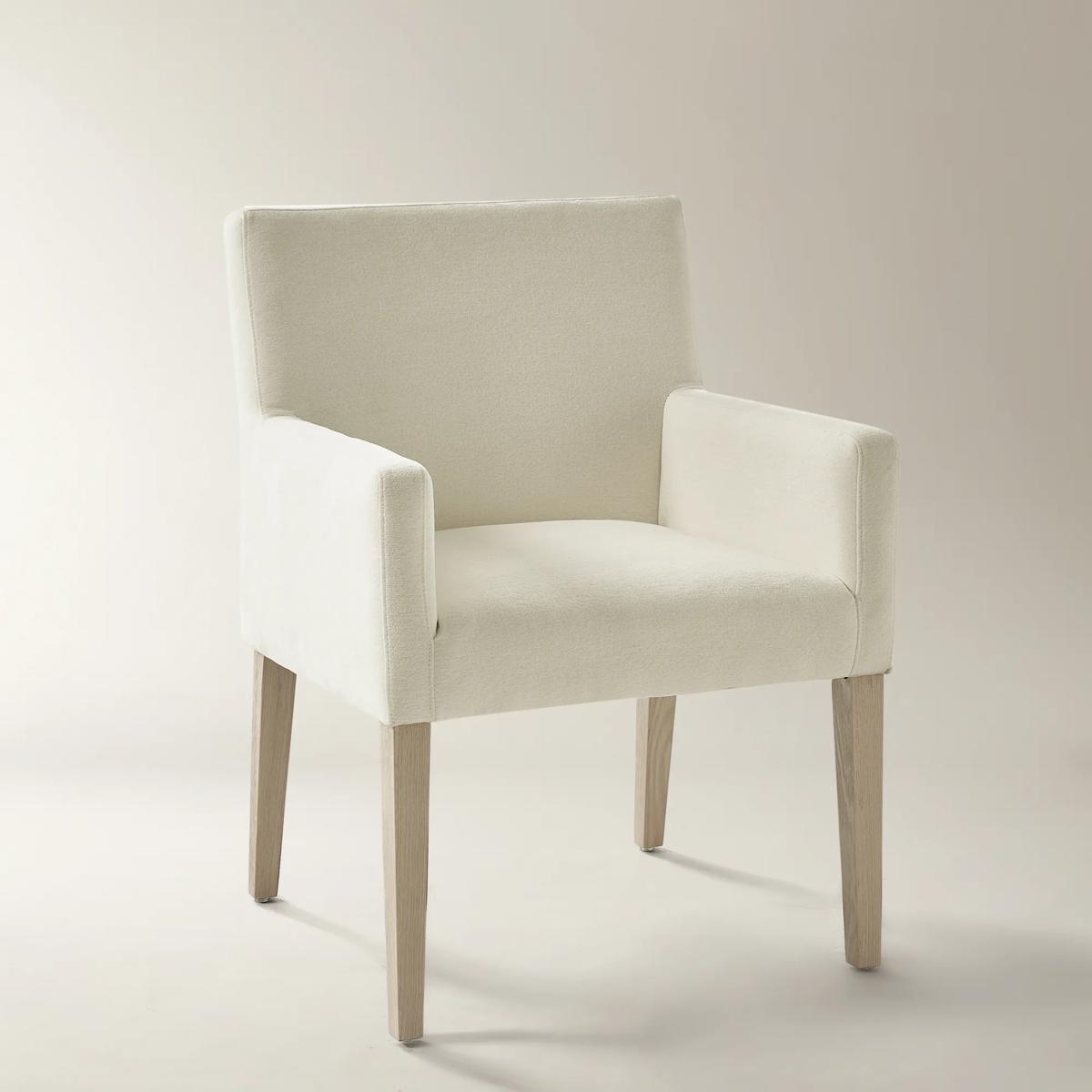
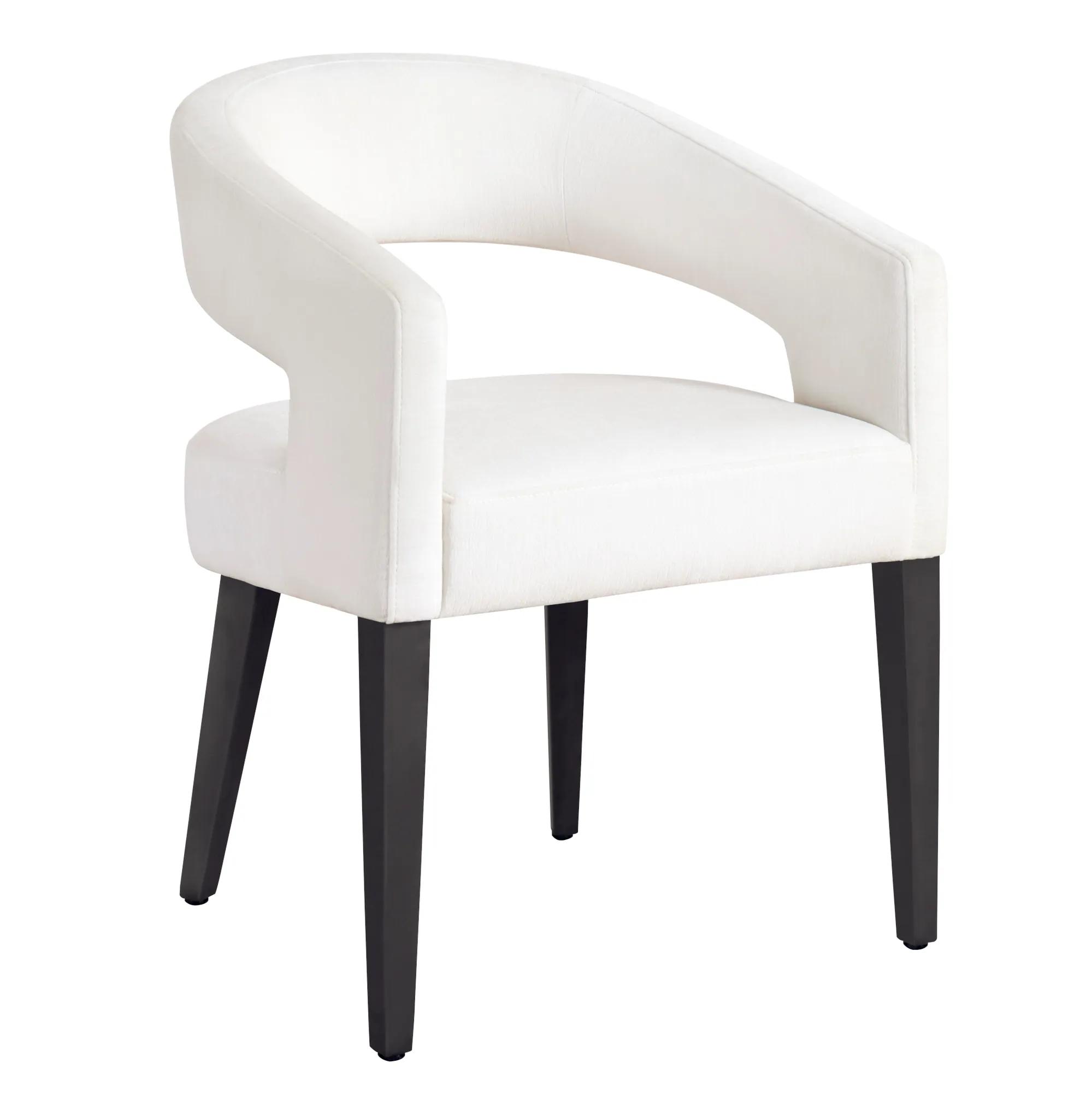
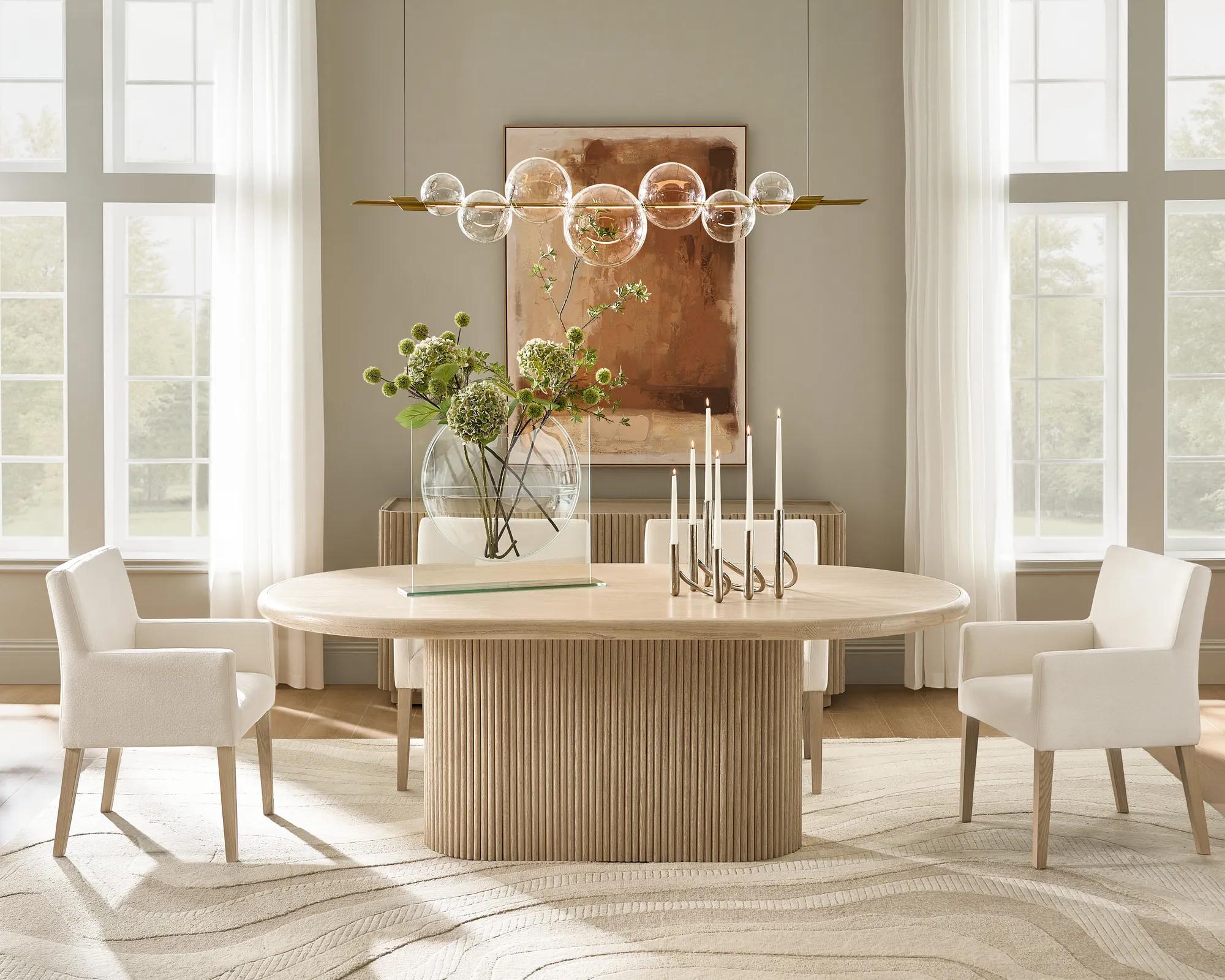 Stria Ivory Chenille Dining Chair Set Of 2$599
A pair of ivory chenille arm chairs with natural oak legs, offering plush comfort and modern elegance.
Add To Cart -
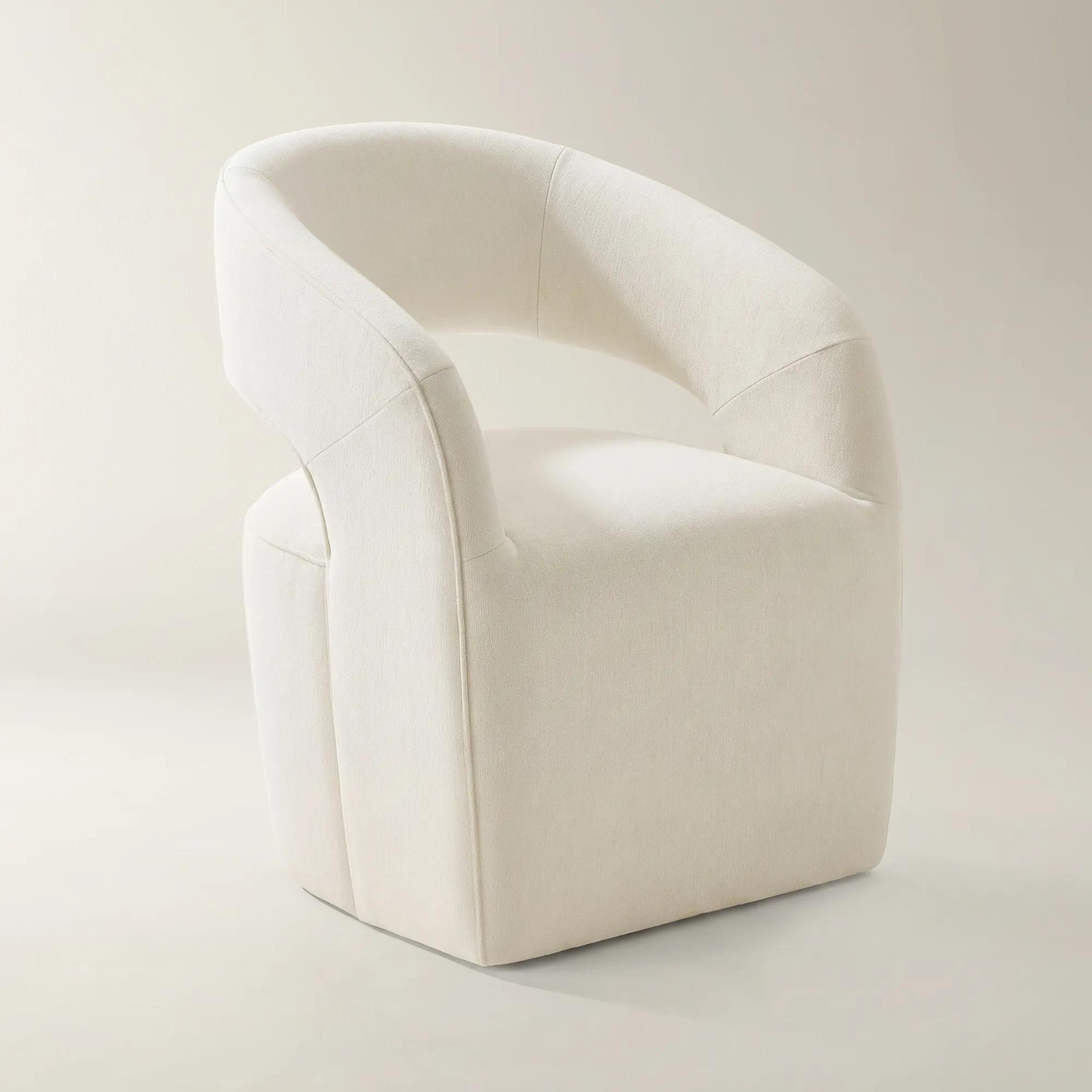 Harrison Ivory Performance Chenille Dining Chair$449
A sculptural ivory chenille chair featuring a continuous curved back, feather-blend comfort, and performance upholstery.
Add To Cart -
Anna Zebra Chenille Dining Chair Set Of 2$599
A set of zebra-print chenille dining chairs with high-density foam cushions and sturdy rubberwood legs.
Add To Cart -
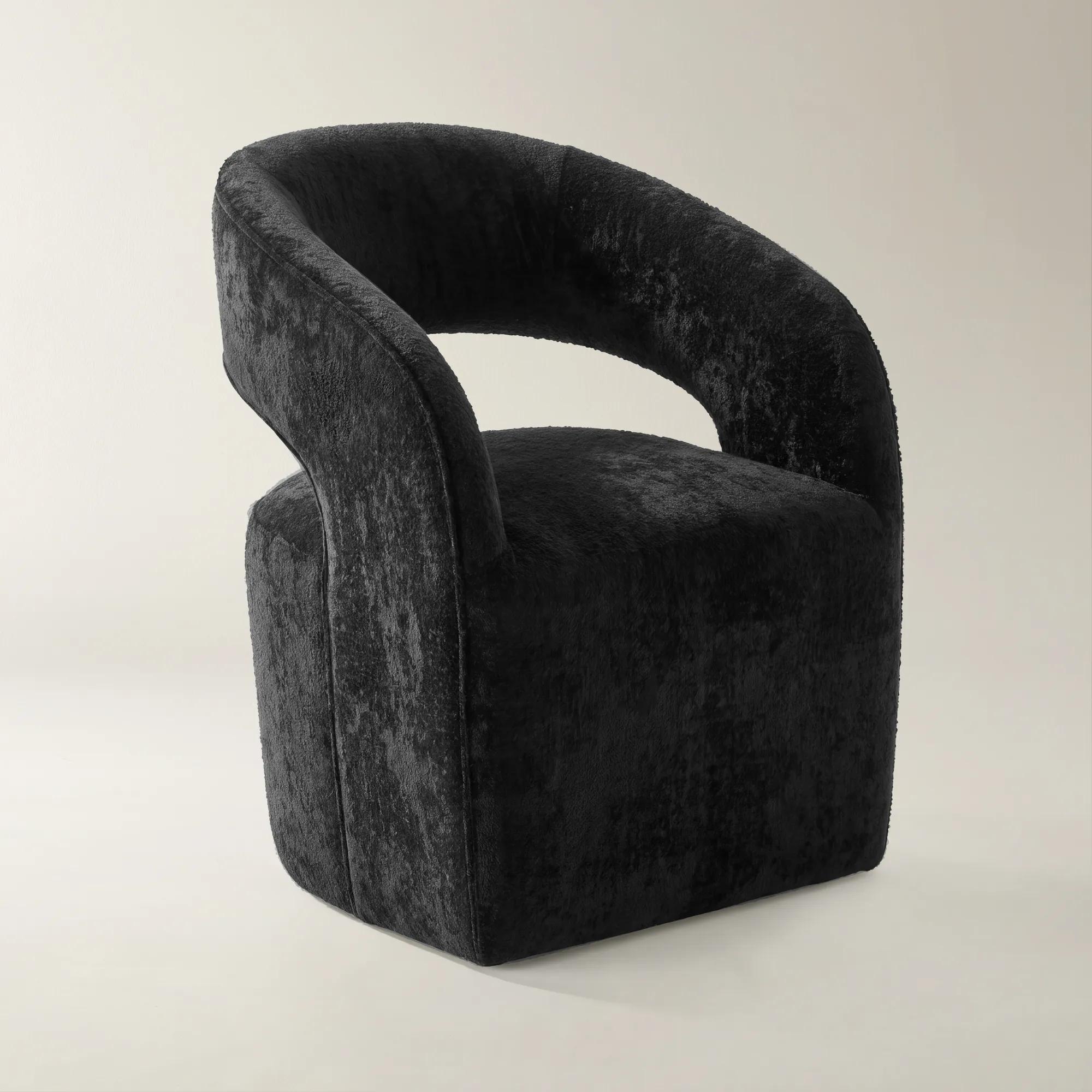 Harrison Black Chenille Dining Chair$449
A sculptural dining chair upholstered in charcoal chenille with a curved back, feather-blend seat, and integrated arms.
Add To Cart -
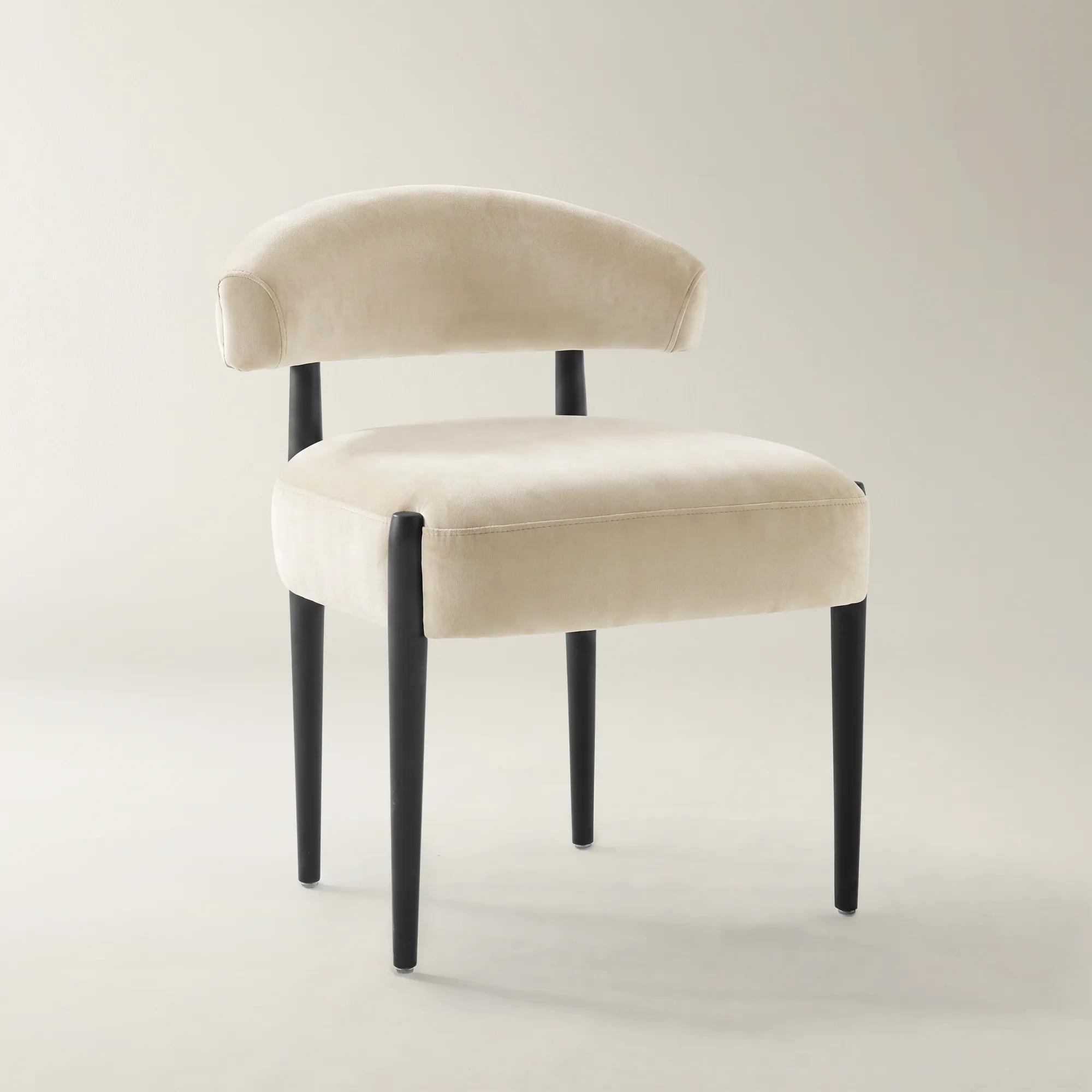 Anna Oatmeal Velvet Dining Chair Set of 2$599
A pair of oatmeal velvet dining chairs with arched backs, supportive foam cushioning, and rubberwood legs.
Add To Cart -
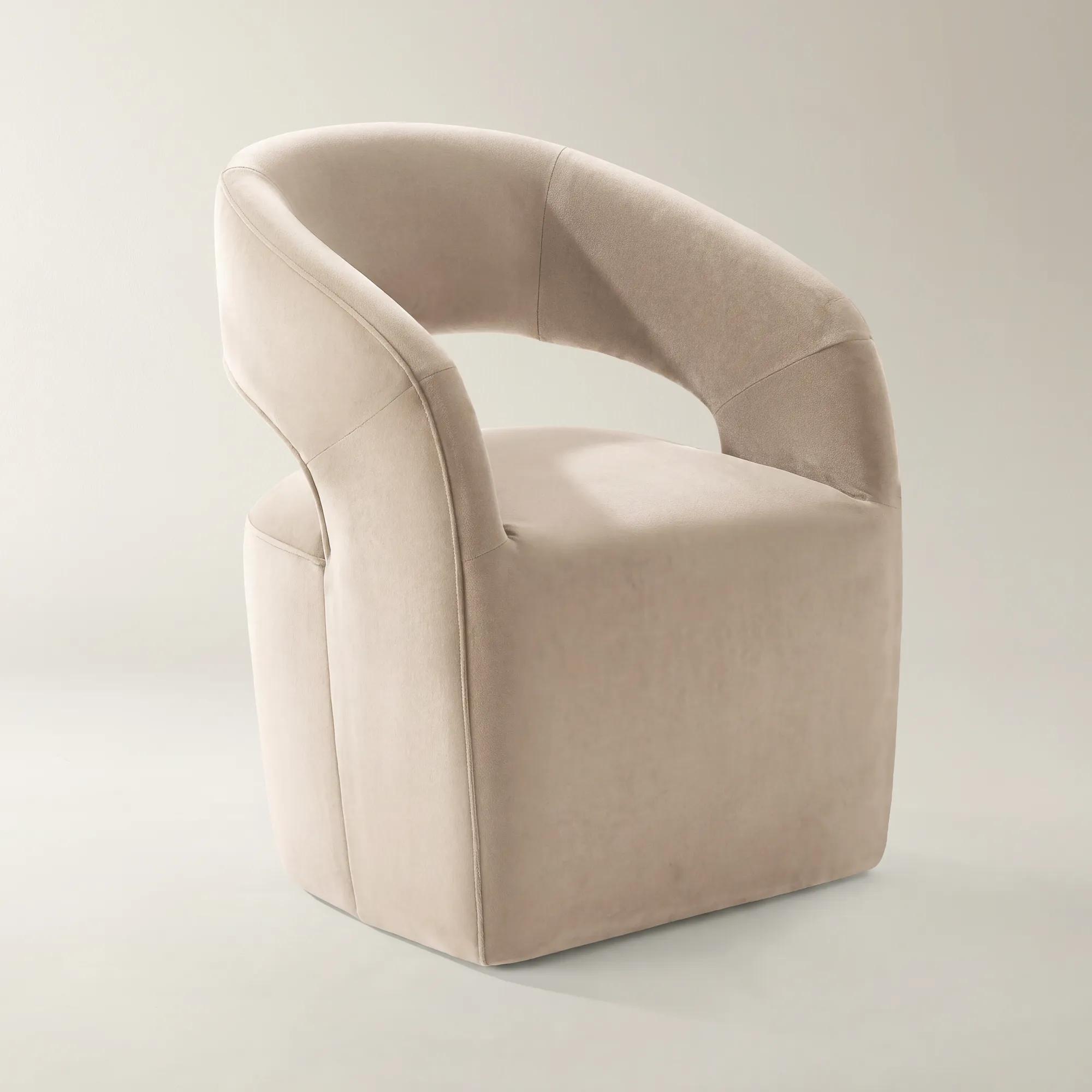 Harrison Simply Taupe Velvet Dining Chair$449
A sculptural dining chair in simply taupe velvet with a curved back, feather-blend seat, and modern elegance.
Add To Cart -
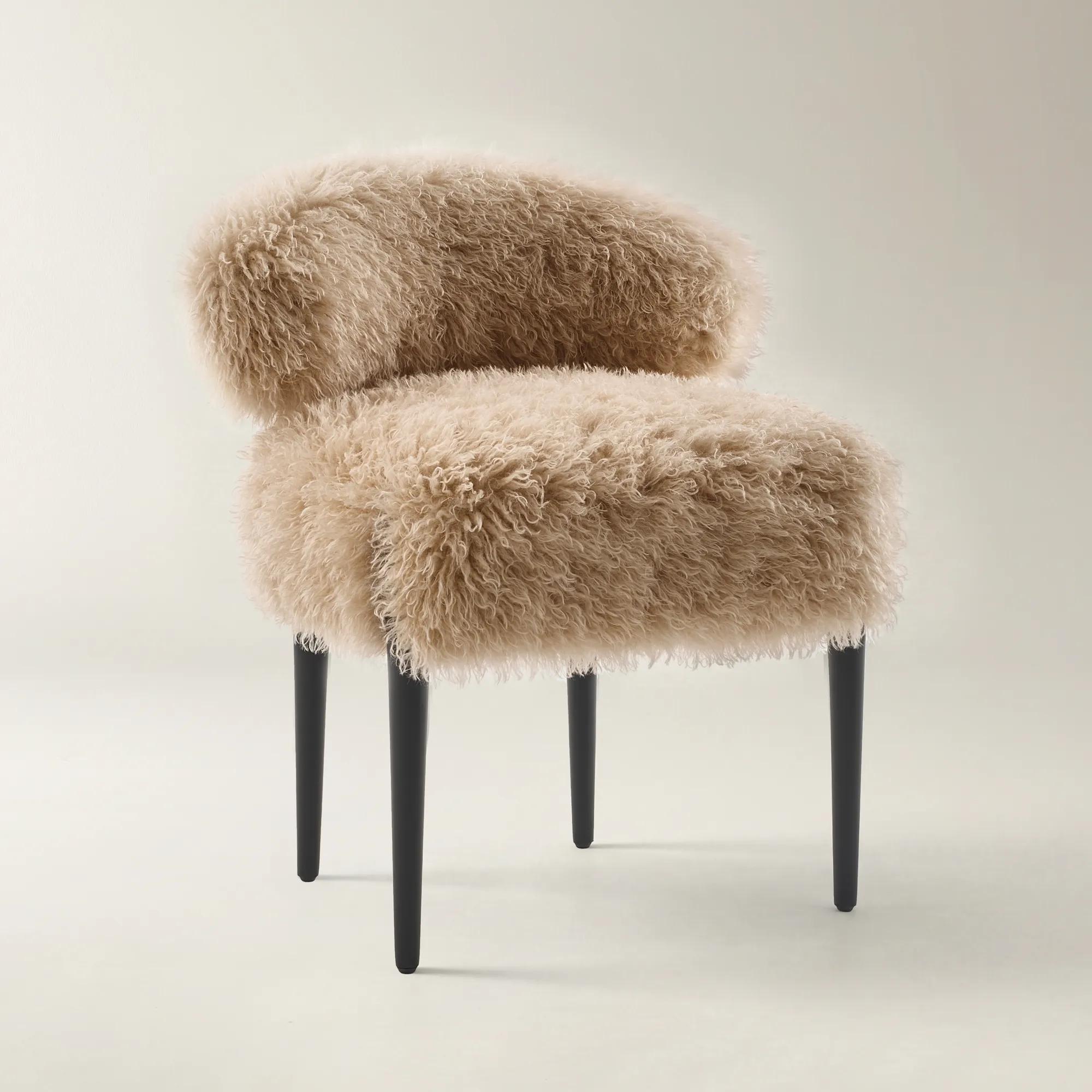 Anna Tan Faux Fur Dining Chair Set of 2$699
A tan faux fur dining chair set with curved backs, cushioned comfort, and solid rubberwood legs.
Add To Cart -
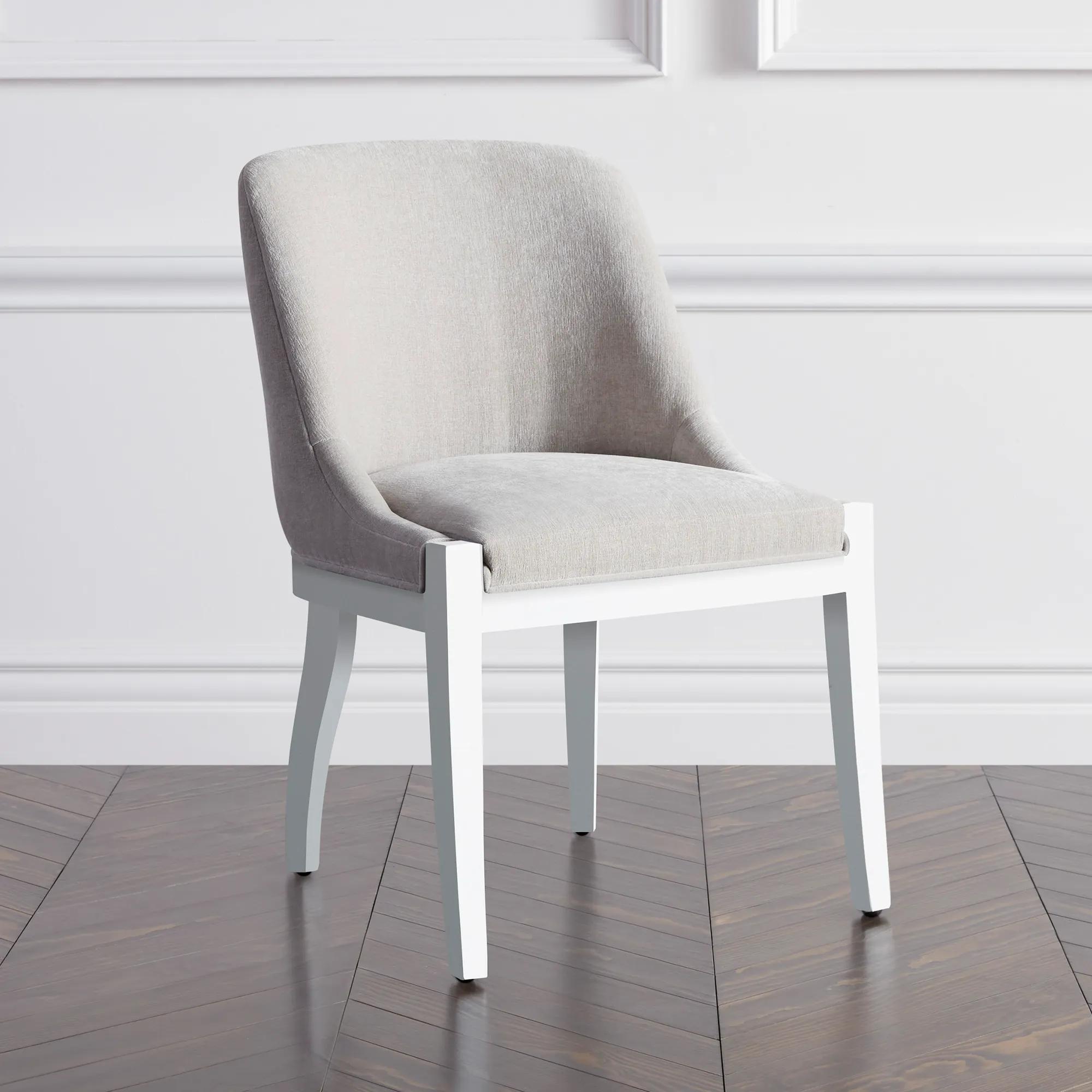
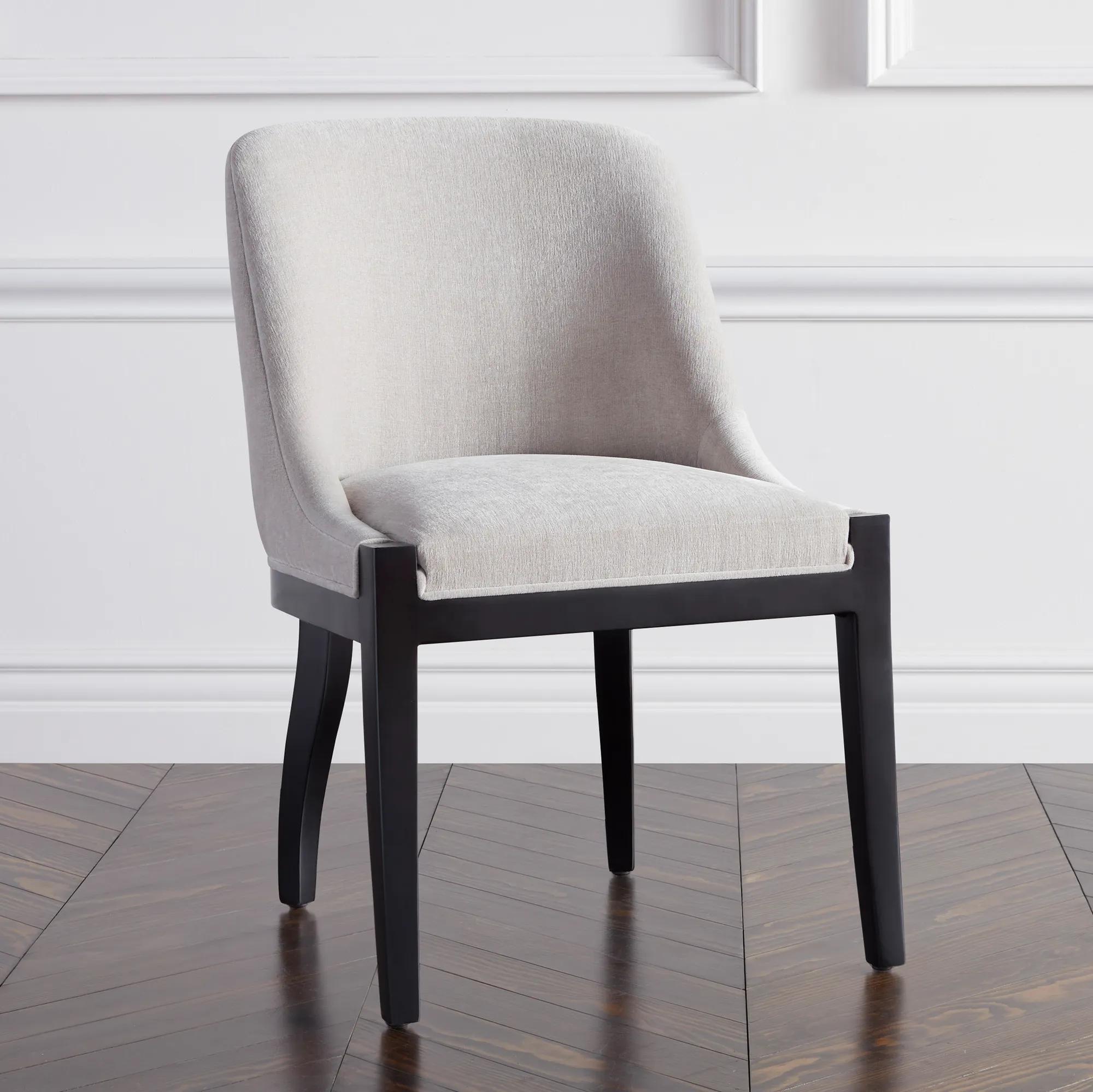
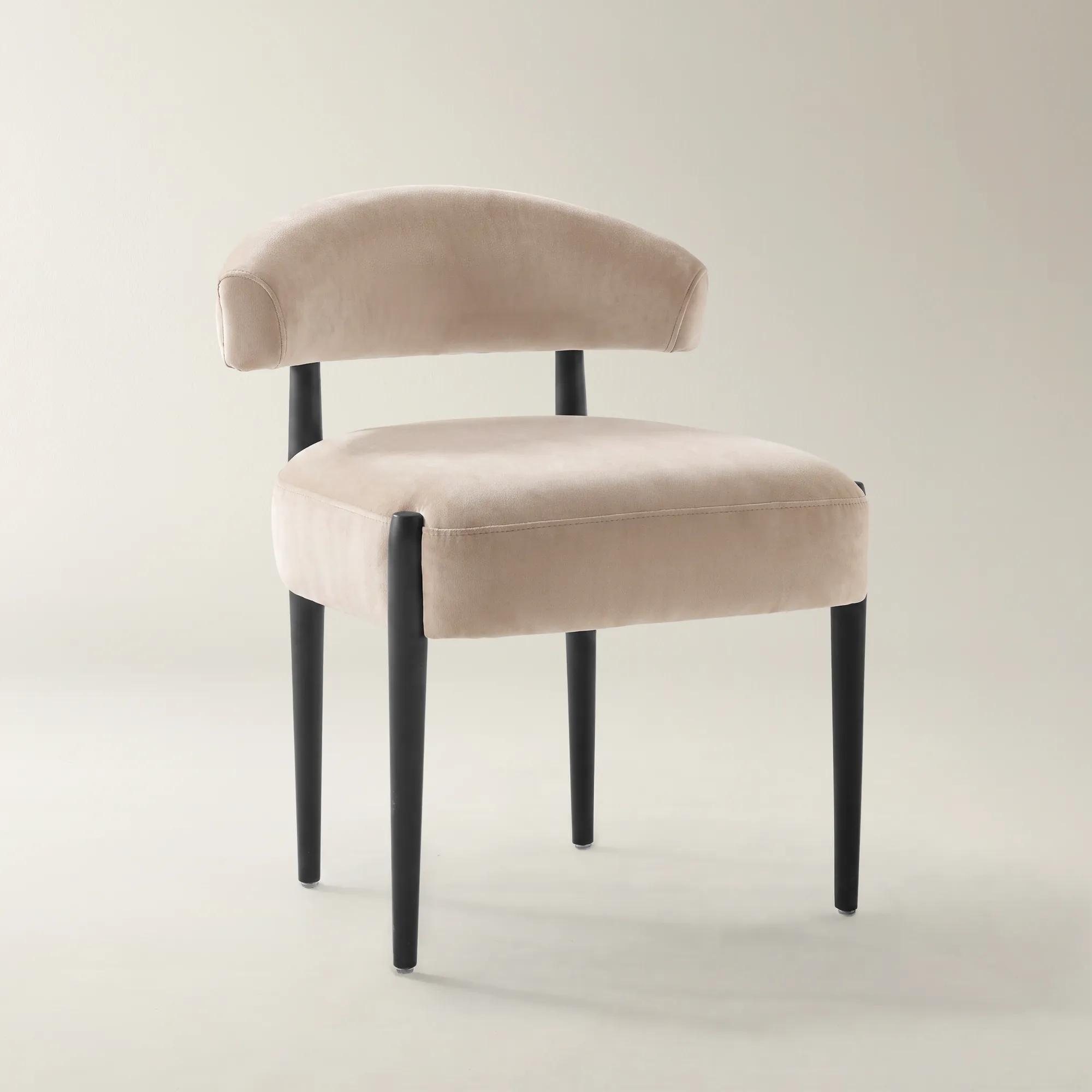 Anna Simply Taupe Velvet Dining Chair Set of 2$599
A taupe velvet dining chair featuring a tailored arched back, high-density foam cushioning, and rubberwood legs.
Add To Cart -
.jpg?w=1200&h=1200) Elara Burnt Umber Velvet Dining Chair Set Of 2$699
Elara Burnt Umber Velvet Dining Chair Set Of 2$699A pair of brown velvet chairs with sinuous curves, ergonomic support, and hand-crafted, sculptural design.
Add To Cart -
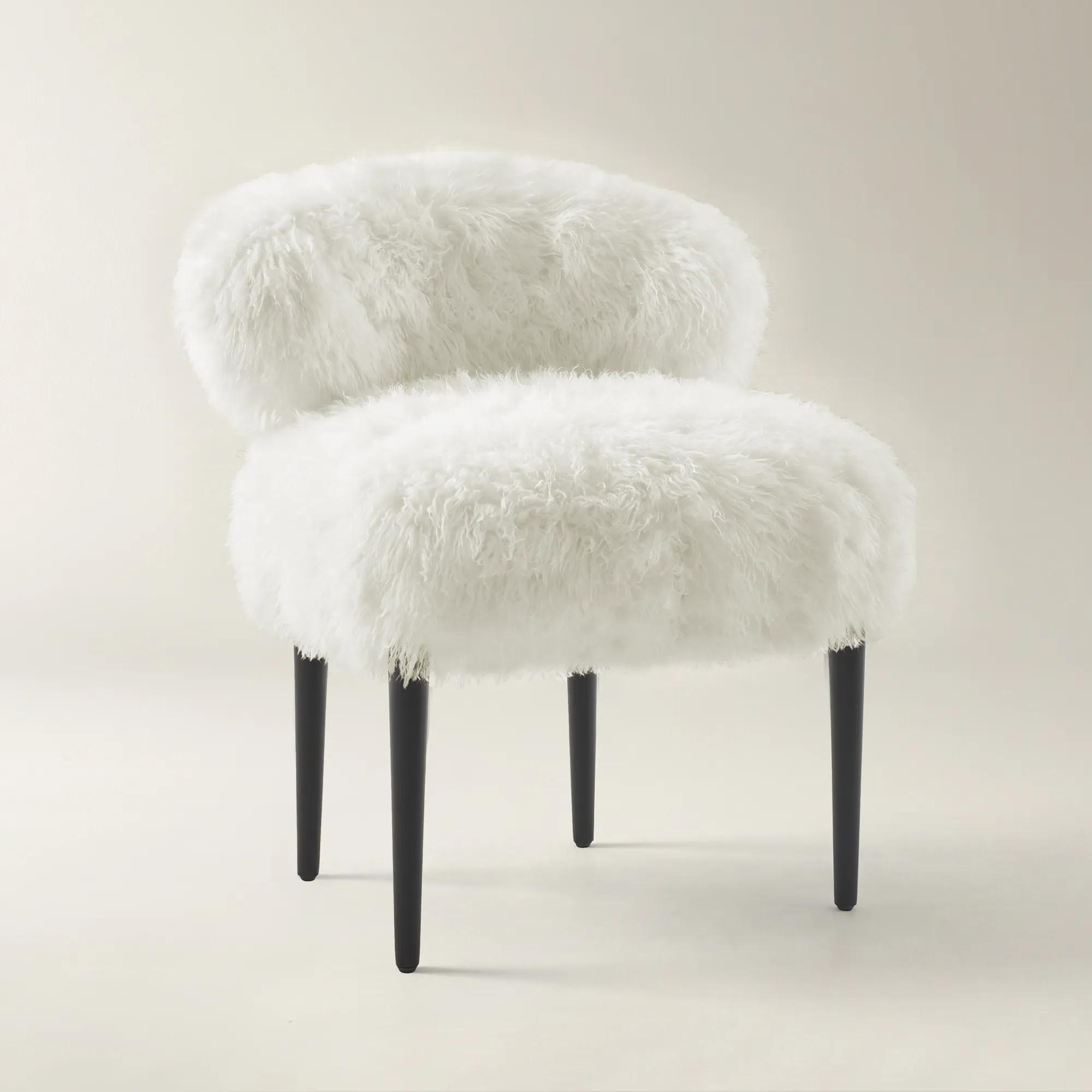 Anna Ivory Faux Fur Dining Chair Set of 2$699
A hand-upholstered ivory faux fur dining chair with a curved back, high-density foam cushioning, and rubberwood legs.
Add To Cart

Upholstered Dining Chairs Set Of 2
Explore upholstered dining chairs in sets of 2 to create a coordinated pair or complete a dining table with an expressive finishing touch. Discover seating that brings the softness of upholstery to your dining room, and consider how each pair’s silhouette, proportions, and upholstery complement your table and surrounding decor.
Upholstered dining chairs in a set of 2 bring a deliberate sense of rhythm to the dining room: two sculpted silhouettes, two inviting seats, and a shared language of texture that gives the table its presence. Upholstery softens the geometry of a dining arrangement, balancing the crisp edge of glass, the veining of stone, or the rich grain of wood with something more tactile. A velvet-covered back can catch the light like a jewel; a finely woven fabric can lend quiet depth to a room already alive with art and gleaming accents. The effect extends beyond appearance. A padded seat and thoughtfully shaped back create an inviting place for conversations that continue after the plates have been cleared, whether the occasion is a dinner for two or a gathering that fills every place setting. Paired chairs suit a small dining table beautifully, but their appeal is not limited to compact spaces. They can establish symmetry at opposite ends of a rectangular table, expand an existing seating arrangement, or introduce a contrasting fabric without changing the entire room. Two upholstered armchairs at the heads of a table, for example, can frame a row of slimmer side chairs with a more generous silhouette. Around a round table, matching pairs create repetition while leaving room for expressive combinations of color and finish. An ivory textile against dark wood feels luminous and architectural; a saturated hue beside a pale tabletop adds a concentrated stroke of color. For a related expression of coordinated seating, a Set of Two Upholstered Chairs carries that same sense of visual intention. The strongest arrangements allow the chairs to converse with the room rather than disappear into it, echoing a metallic detail in a light fixture, drawing out a color from artwork, or adding plush contrast to a polished floor. Each pair becomes part of the room’s composition, equally relevant to a first apartment with a distinct point of view and a dining space shaped over many years.
Fabric, cushioning, and frame construction give upholstered dining chairs their individual character, and those details matter as much in daily use as they do across a beautifully dressed room. Velvet often offers a dimensional surface with a directional nap, so its color may appear lighter or deeper as the light changes or the pile is brushed. Textured woven upholstery creates a different impression, bringing visible depth without the same sheen, while smooth fabrics emphasize the line of a curved back or tailored seat. Fiber content and finish influence how any upholstery feels and responds to wear; a luxurious appearance alone does not establish stain resistance or ease of cleaning. Performance claims, where specified, deserve a close look at the care information, particularly for chairs used by families with young children or anyone who enjoys frequent entertaining. A tightly woven surface may be better suited to some busy households than a loose, highly textured weave, though durability depends on the complete fabric construction. Beneath the upholstery, cushioning density, seat support, and secure frame joinery help determine how a chair feels through a leisurely meal and how well it holds its shape over time. Wood frames can add warmth and pronounced grain, while metal frames can introduce a slender profile or reflective accent; neither material alone guarantees lasting strength. The relationship between structure and silhouette is especially important with slender legs, curved backs, or generously padded seats. Tufting, piping, and decorative trim bring definition, but they also introduce creases and edges where crumbs may collect. For a dining area that serves breakfast, homework, and dinner in succession, approachable care can be as valuable as a dramatic profile. For a room reserved primarily for hosting, a more elaborate textile or richly detailed back may suit the setting. In either case, a chair’s upholstery should feel considered from every angle, especially when the backs are visible from an adjoining living room or entryway.
Scale gives a pair of upholstered dining chairs its ease and elegance. Overall width indicates how much visual and physical space each chair occupies, while seat width, seat depth, and back height reveal more about the sitting experience. A broad, enveloping chair can make a generous table feel inviting, yet overwhelm a petite breakfast setting; a narrower profile may allow more space between guests without sacrificing a tailored appearance. Seat height needs to work with the tabletop and any apron beneath it, leaving comfortable room for legs rather than simply aligning with a familiar measurement. Many dining arrangements allow approximately 10 to 12 inches between the seat and the underside of the tabletop, although an apron, substantial cushion, or individual seating preference can change the fit. Arm height is another important detail: an upholstered armchair that cannot slide beneath the table will project farther into the room even when not in use. Space behind each chair should accommodate pulling it out and sitting down, with additional clearance wherever people need to pass behind seated guests. These relationships become particularly noticeable in an open dining area, where circulation and sightlines are part of the overall composition. Day-to-day care helps preserve that carefully chosen effect. Regular vacuuming with an appropriate upholstery attachment lifts dust and crumbs before they settle into seams, while prompt blotting with a clean, absorbent cloth helps contain spills without rubbing them deeper into the fabric. Cleaning methods should follow the upholstery’s care code and manufacturer instructions; water, steam, or household cleaners are not suitable for every textile. Direct sunlight can affect some fabrics and finishes, and lifting chairs rather than dragging them helps protect both frames and flooring. Proper floor protectors add another layer of consideration, especially beneath frequently moved seating. With proportions that suit the table and materials that suit the household, a coordinated pair offers more than an attractive place setting. It gives everyday dining a composed backdrop and makes the invitation to linger feel entirely natural.
FAQs
Use a pair of upholstered dining chairs to introduce a deliberate note of drama at the ends of your dining table, or repeat pairs for a beautifully composed arrangement. Sumptuous upholstery creates an inviting backdrop for candlelit dinners, while sculptural silhouettes give the room an expressive point of view.
Velvet brings a luminous richness to the dining room, while bouclé introduces sculptural texture. Linen and linen-look weaves offer a more understated elegance, and leather lends a tailored finish. Let the fabric set the mood: richly layered, artfully textured, or sleek and polished.
Mixing upholstered dining chairs with wood or metal seating creates a collected, expressive dining room. Connect the styles through a shared color, complementary curves, or a recurring leg finish. A matching pair of upholstered chairs can anchor the arrangement while contrasting seats add visual intrigue.
Glass tables place the upholstery and chair silhouettes in the spotlight, while wood brings warmth to richly textured fabrics. Marble and stone surfaces create a striking contrast with soft upholstery, and metallic accents add a gleaming finishing note. Choose finishes that echo one detail in the chairs without making every element identical.
Ivory, champagne, and soft gray create an elegant foundation for expressive table settings and statement lighting. Jewel tones such as emerald or sapphire bring saturated drama, while charcoal and black lend graphic definition. Draw a color from your artwork or rug to make the chairs feel like an intentional part of the room’s story.