Upholstered Benches With Multiple Fabric Options
Upholstered Benches With Multiple Fabric Options
-
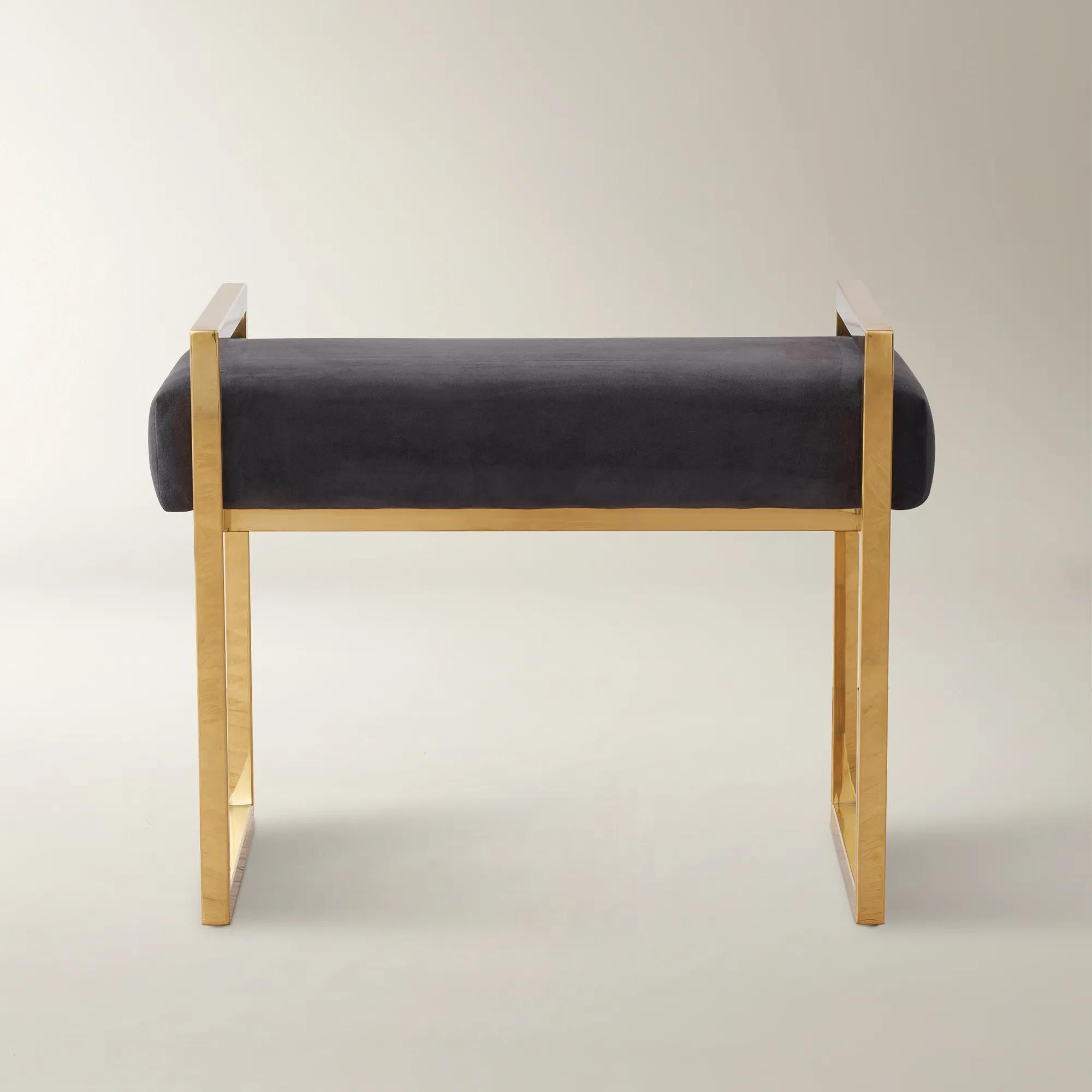
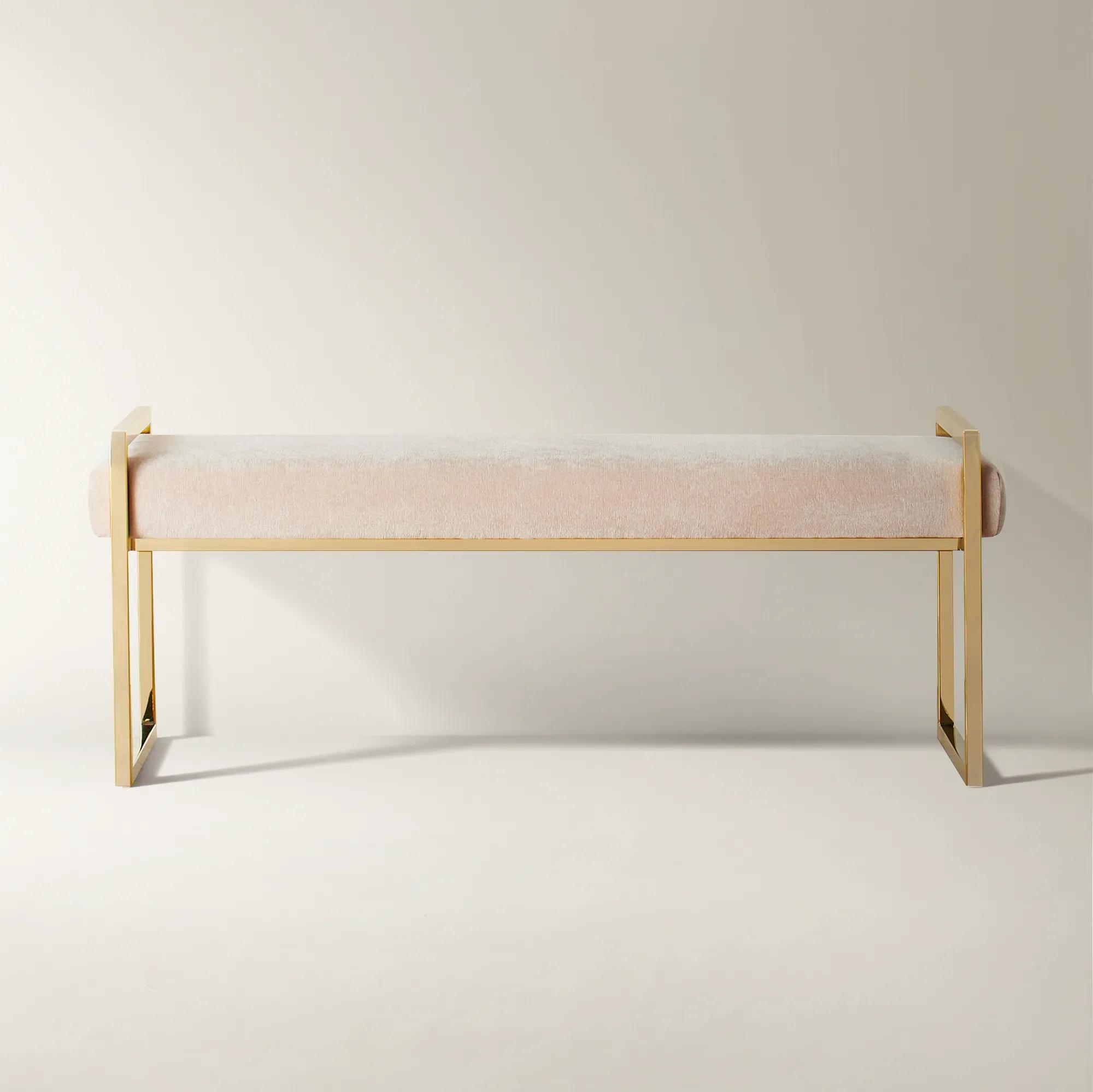 Clara Bench$699
A plush upholstered bench with a high-density foam seat and polished gold metal legs for modern elegance.
Add To Cart -
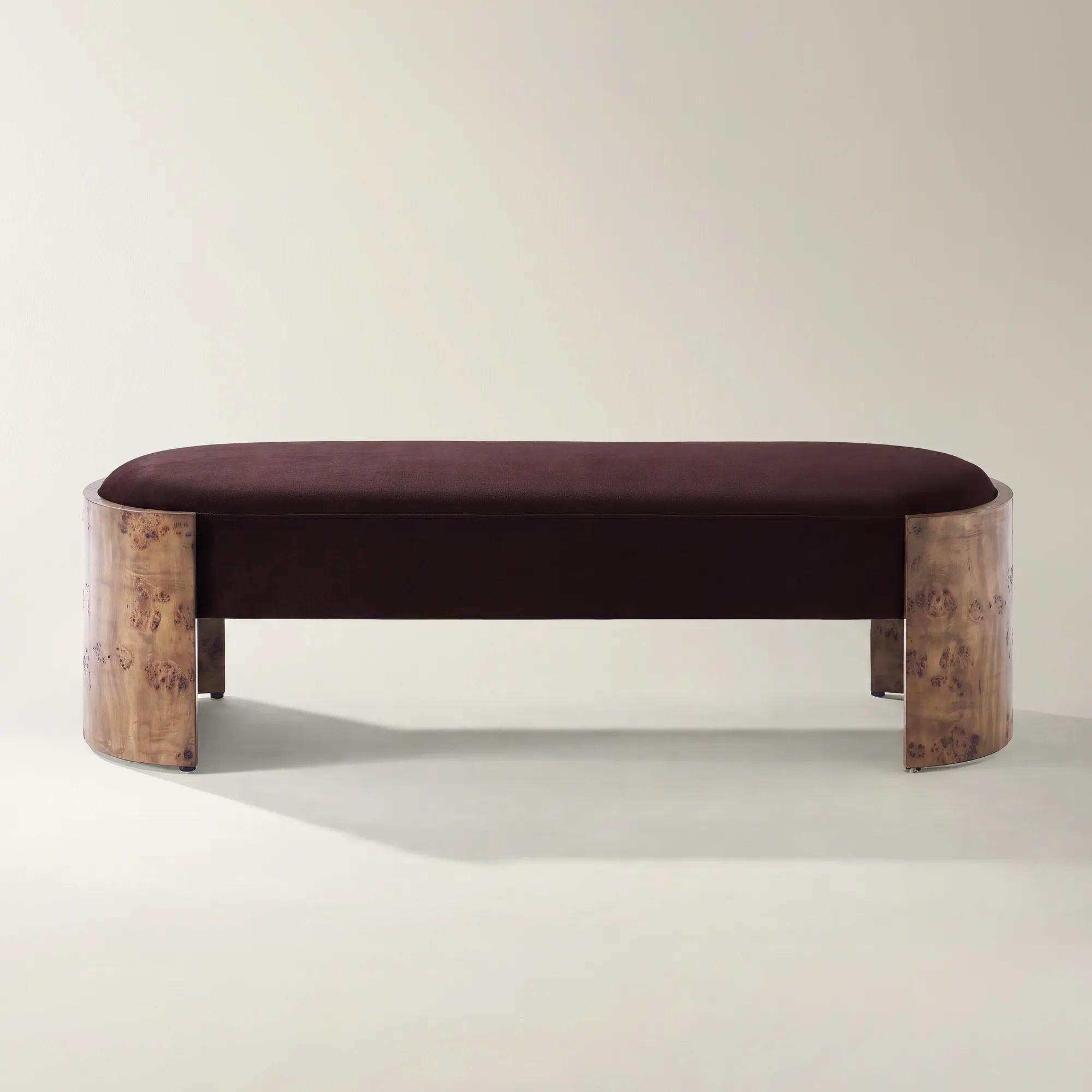
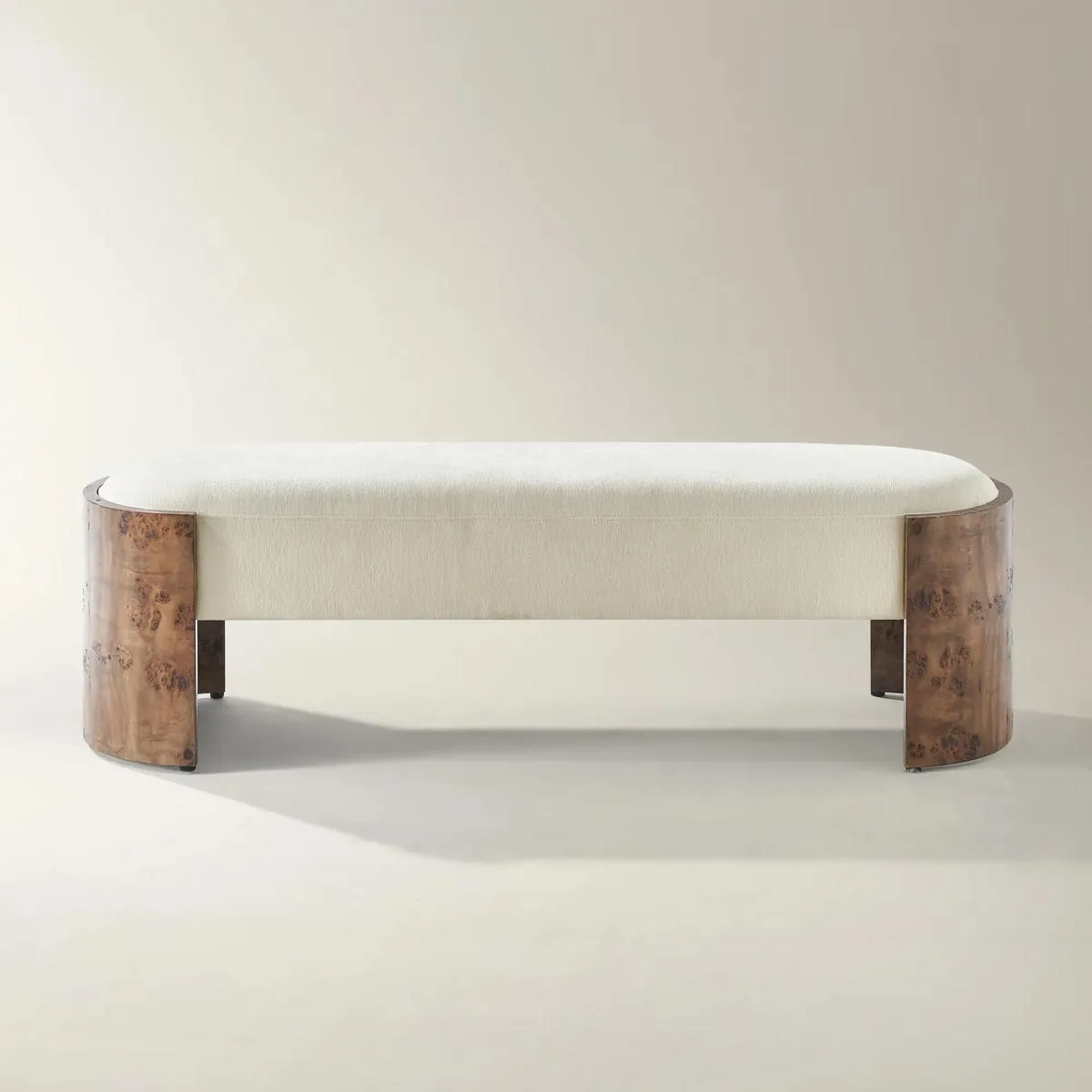 Cora Fig Velvet With Ash Wood Bench (60.6")$999
A sculptural bench with fig velvet upholstery, bookmatched ash burl panels, and supportive high-resiliency foam cushioning.
Add To Cart -
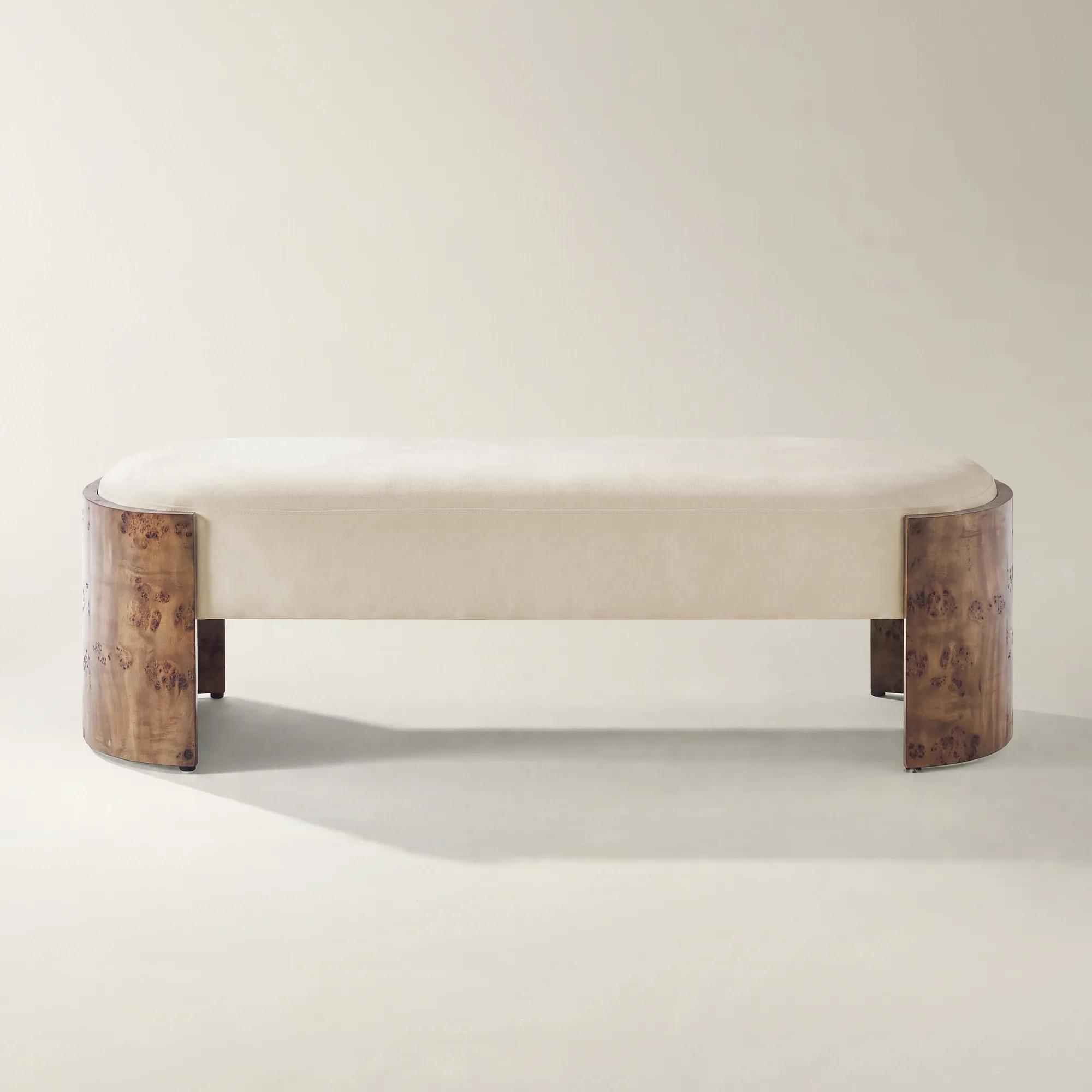 Cora Oatmeal Velvet With Ash Wood Bench (60.6")$999
A sculptural oatmeal velvet bench with curved ash burl wood panels and supportive foam cushioning.
Add To Cart -
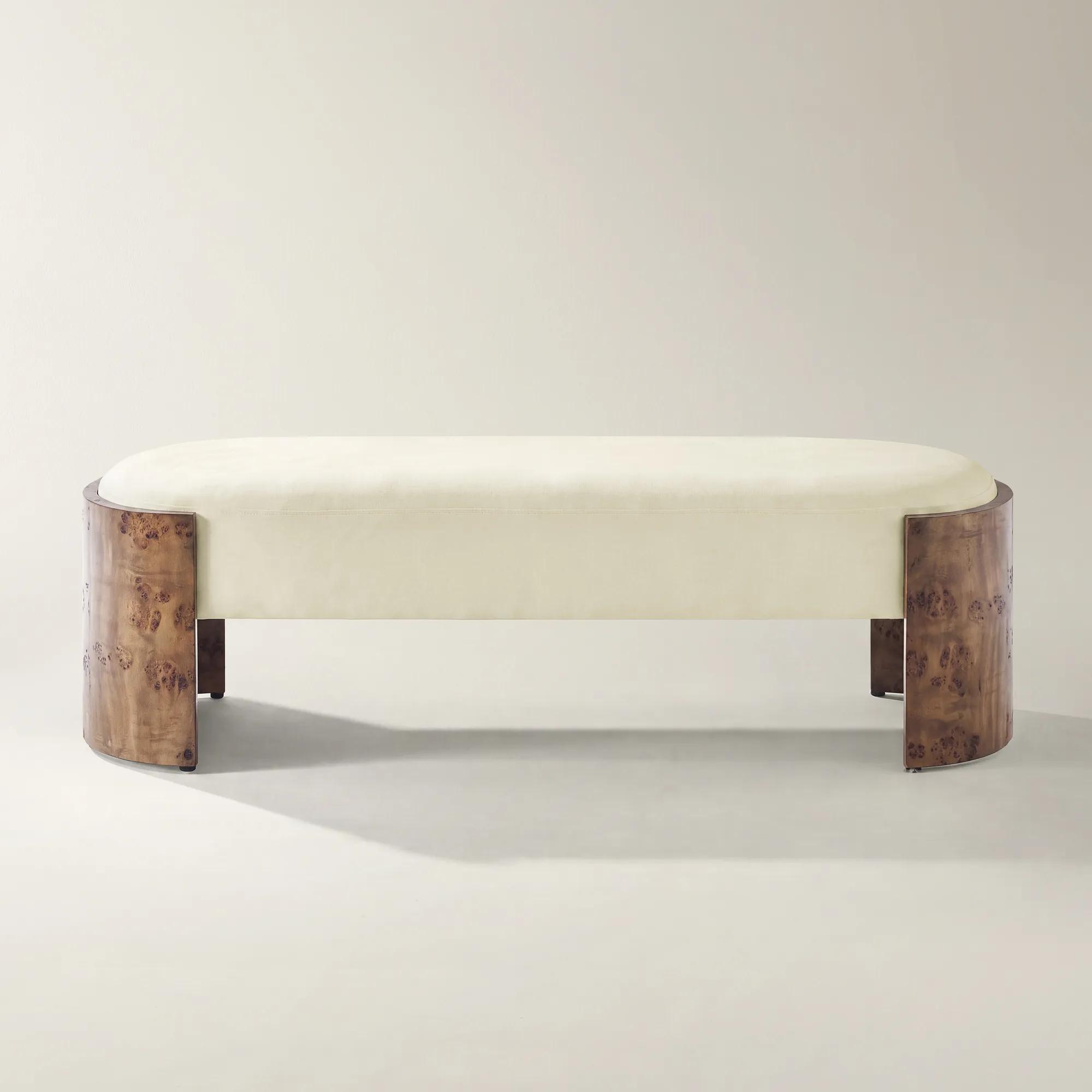 Cora Cloud Velvet With Ash Wood Bench (60.6")$999
A cloud velvet bench with bookmatched ash burl panels and supportive foam cushioning.
Add To Cart -
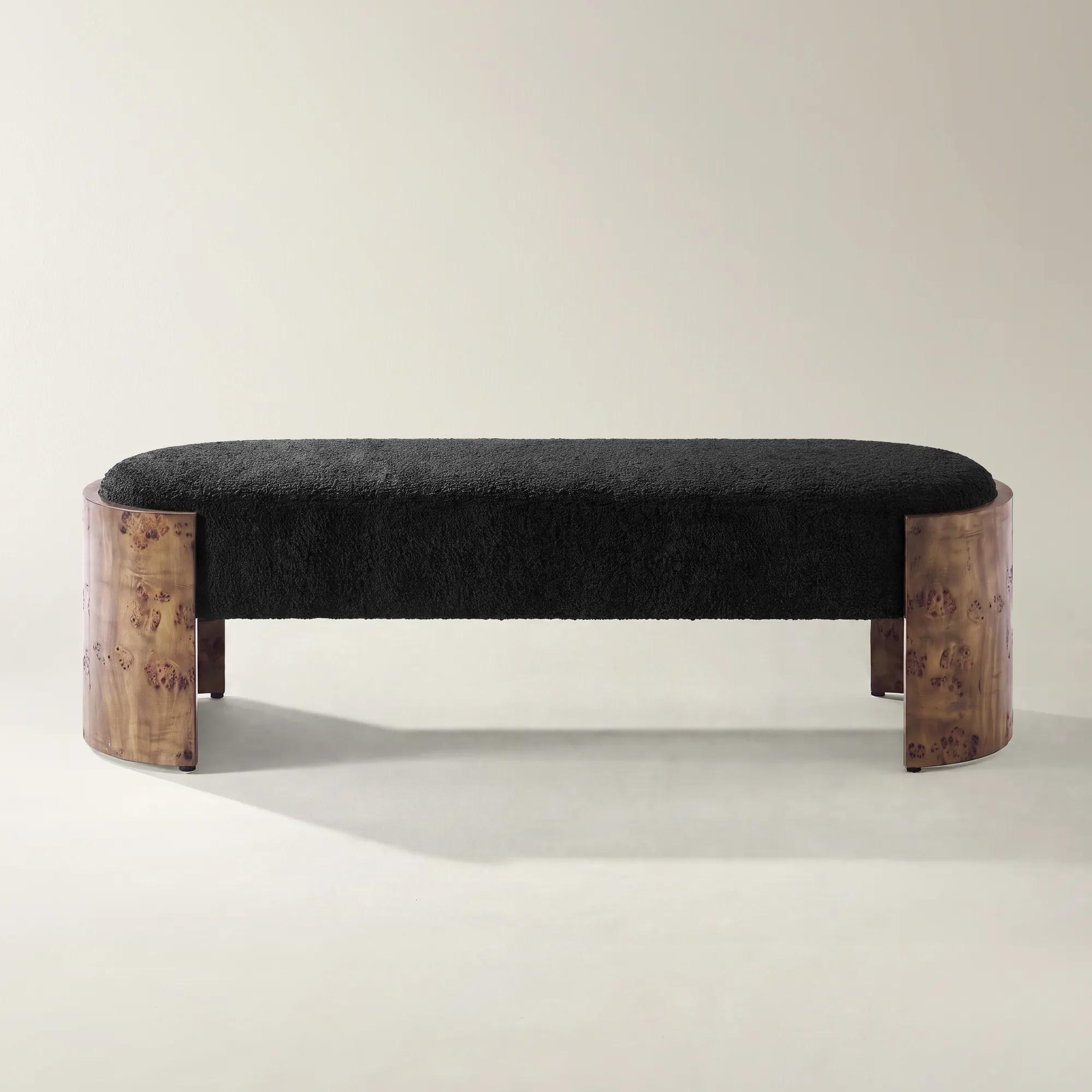 Cora Black Chenille With Ash Wood Bench (60.6")$999
A sculpted charcoal chenille bench featuring curved bookmatched ash burl panels and supportive foam cushioning.
Add To Cart -
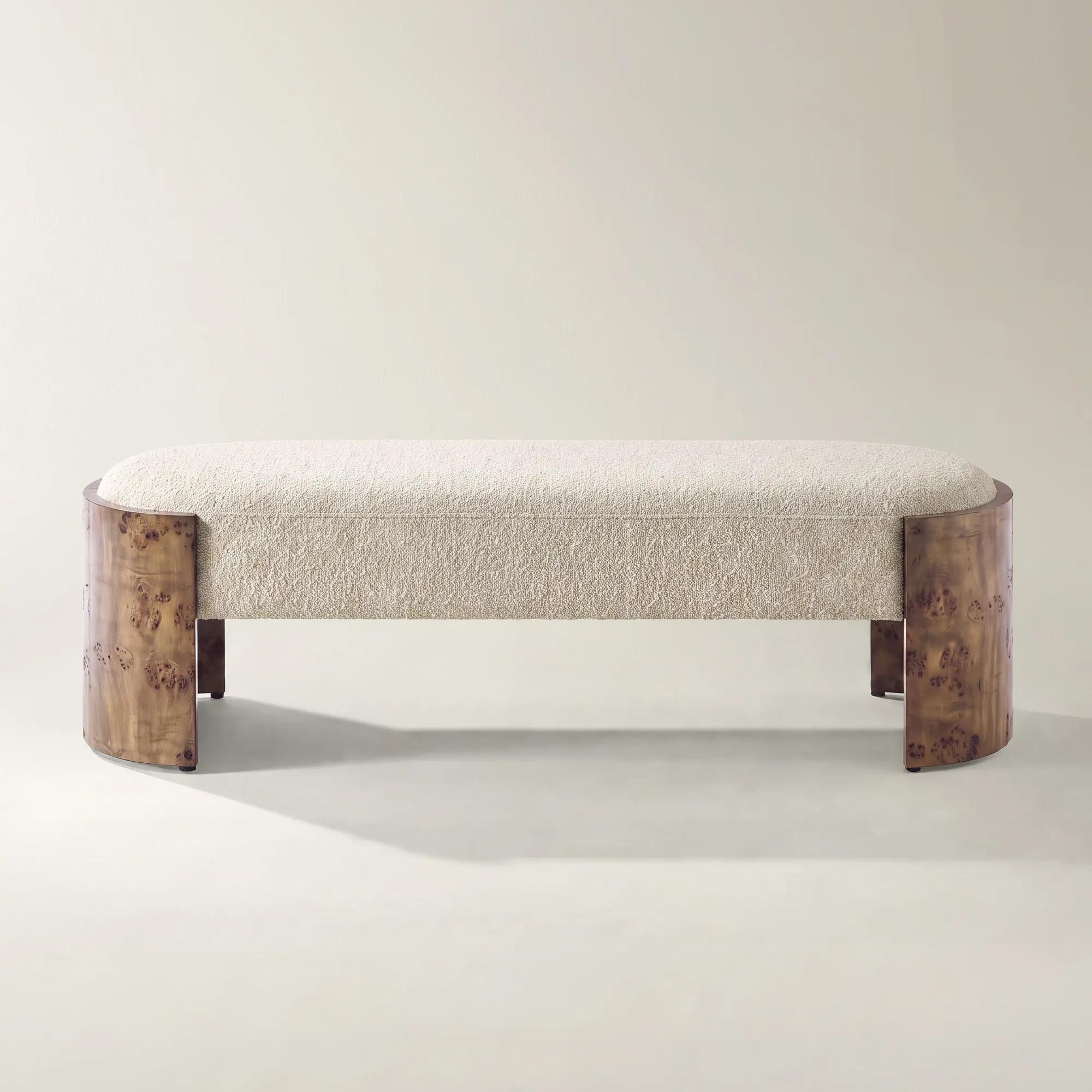 Cora Ivory Performance Boucle With Ash Wood Bench (60.6")$999
An ivory performance boucle bench with curved bookmatched ash burl panels and supportive foam cushioning.
Add To Cart -
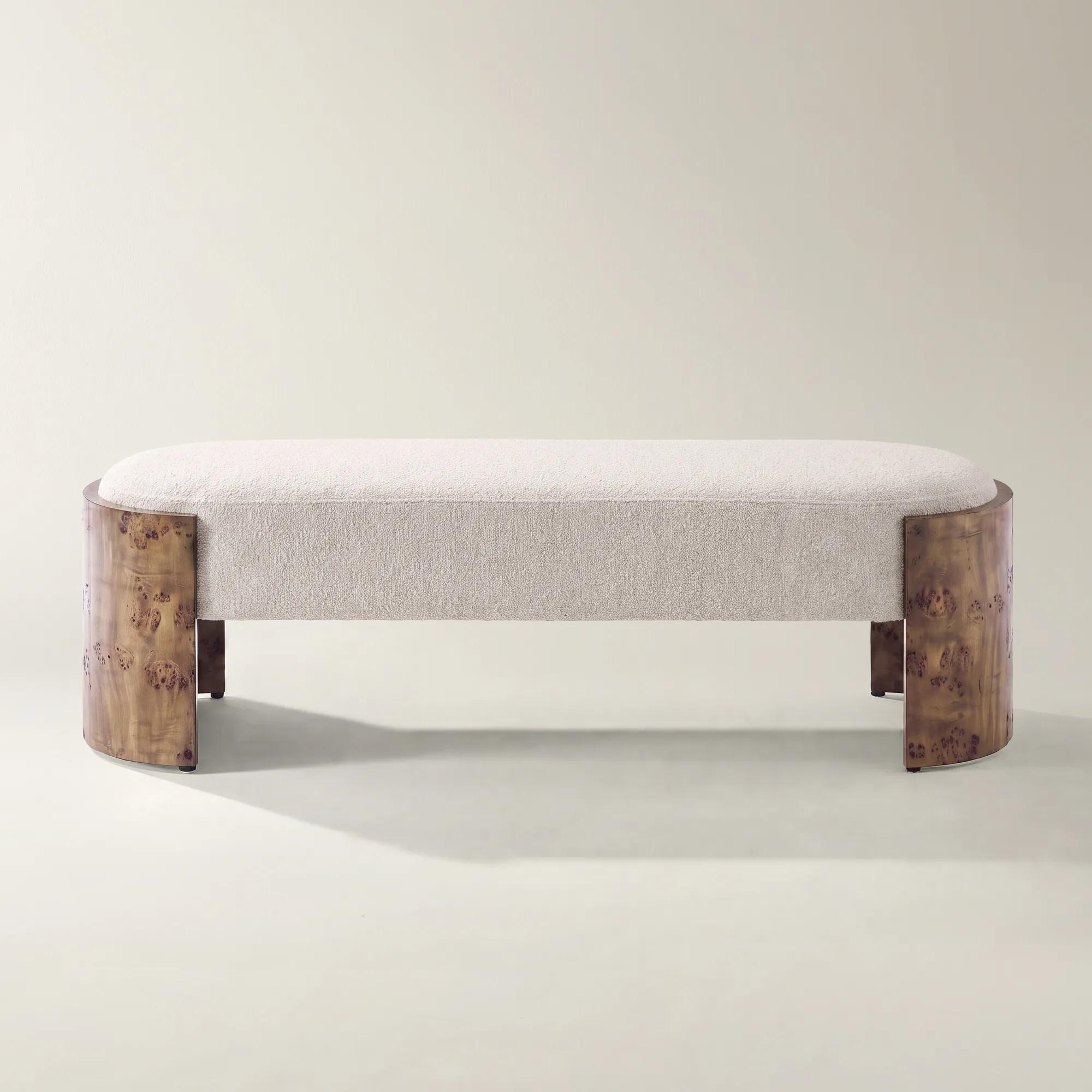 Cora Ivory Performance Boucle With Ash Wood Bench (60.6")$999
A sculpted ivory performance bouclé bench with curved bookmatched ash burl panels and supportive foam cushioning.
Add To Cart -
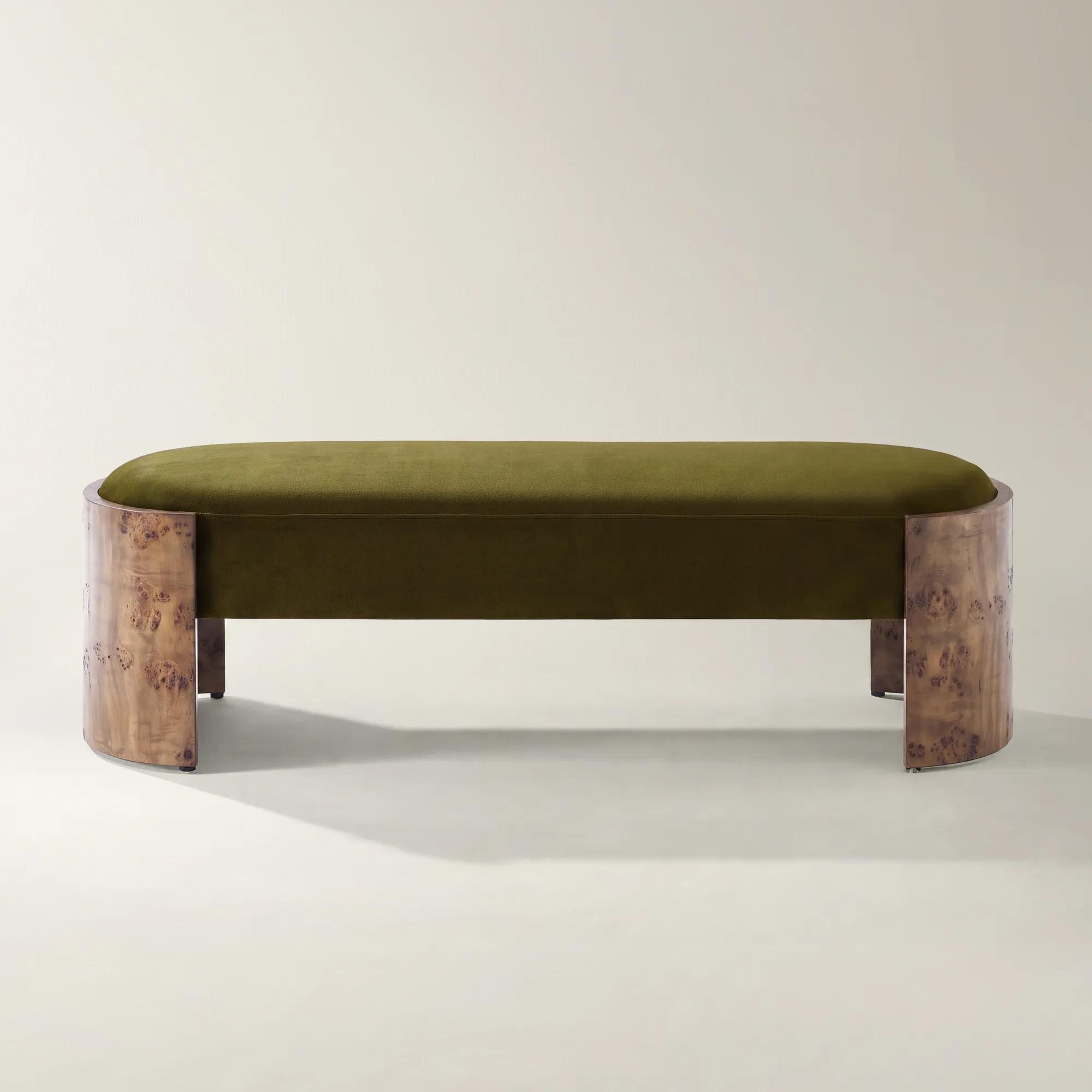 Cora Deep Olive Velvet With Ash Wood Bench (60.6")$999
A sculpted deep olive velvet bench featuring curved ash burl end panels and supportive foam cushioning.
Add To Cart -
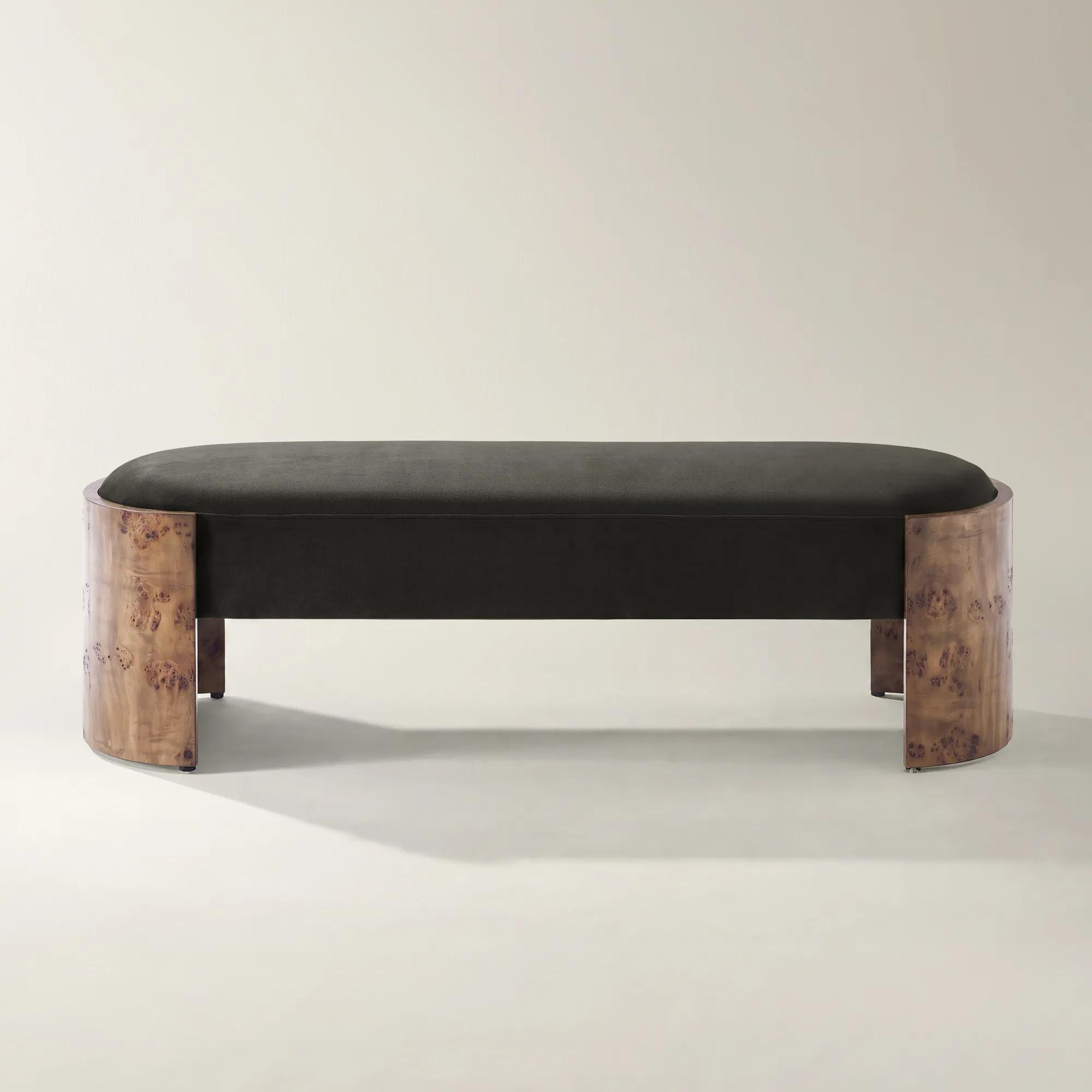 Cora Charcoal Velvet With Ash Wood Bench (60.6")$999
A sculpted charcoal velvet bench with curved bookmatched ash burl panels and supportive foam cushioning.
Add To Cart -
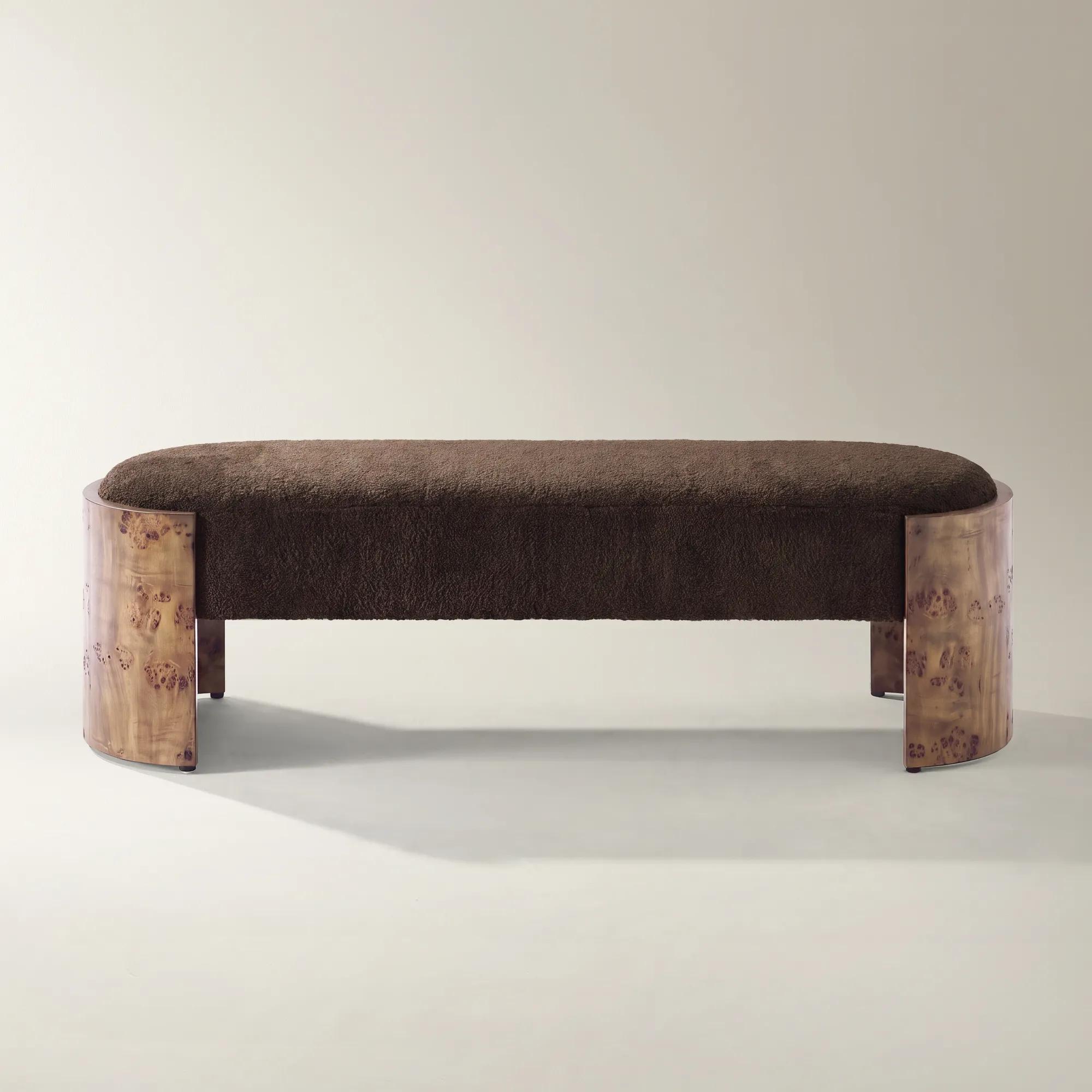 Cora Dark Chocolate Chenille With Ash Wood Bench (60.6")$999
A sculpted dark chocolate chenille bench with curved ash burl end panels and supportive foam cushioning.
Add To Cart -
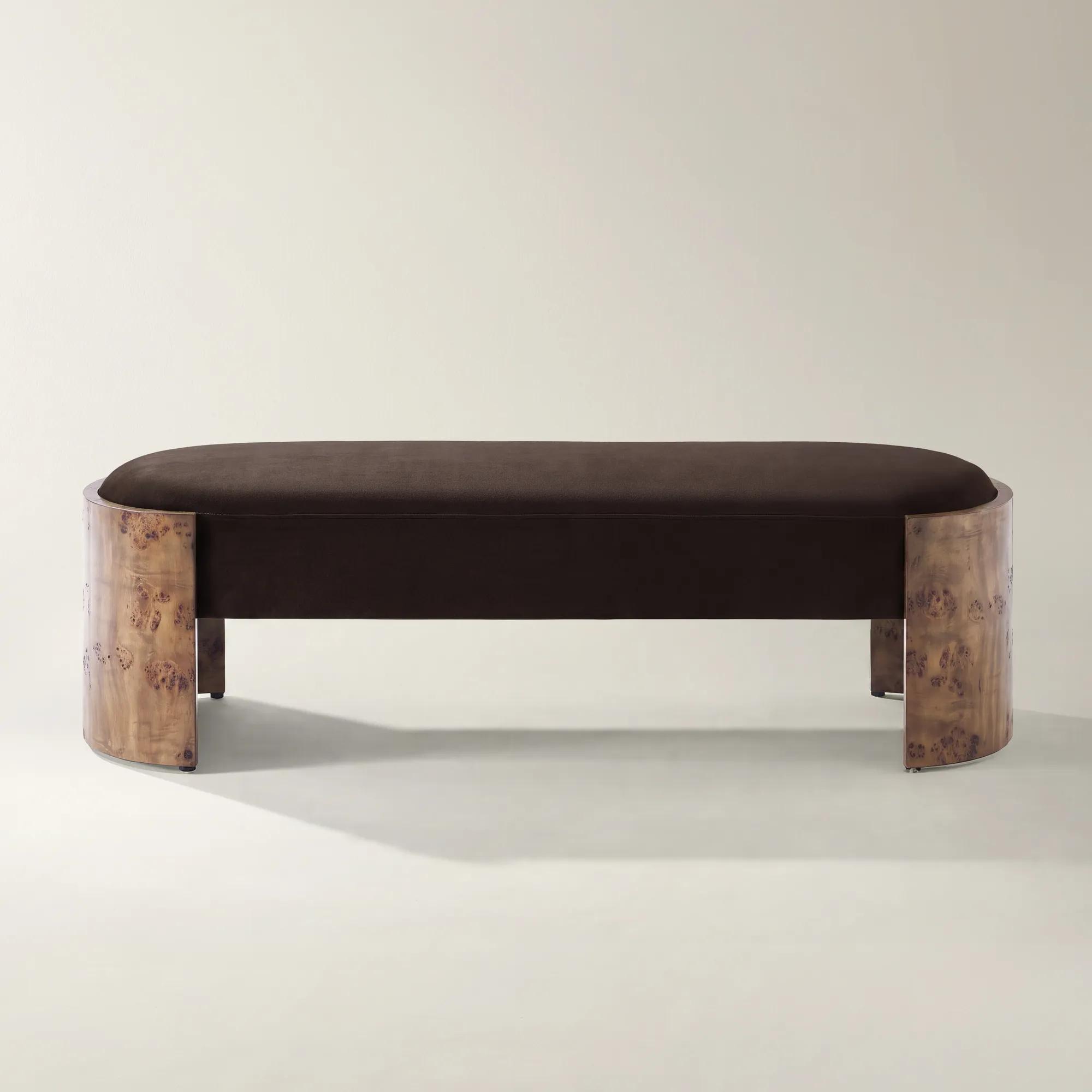 Cora Dark Chocolate Velvet With Ash Wood Bench (60.6")$999
A dark chocolate velvet bench with sculpted bookmatched ash burl end panels and high-resiliency foam cushioning.
Add To Cart -
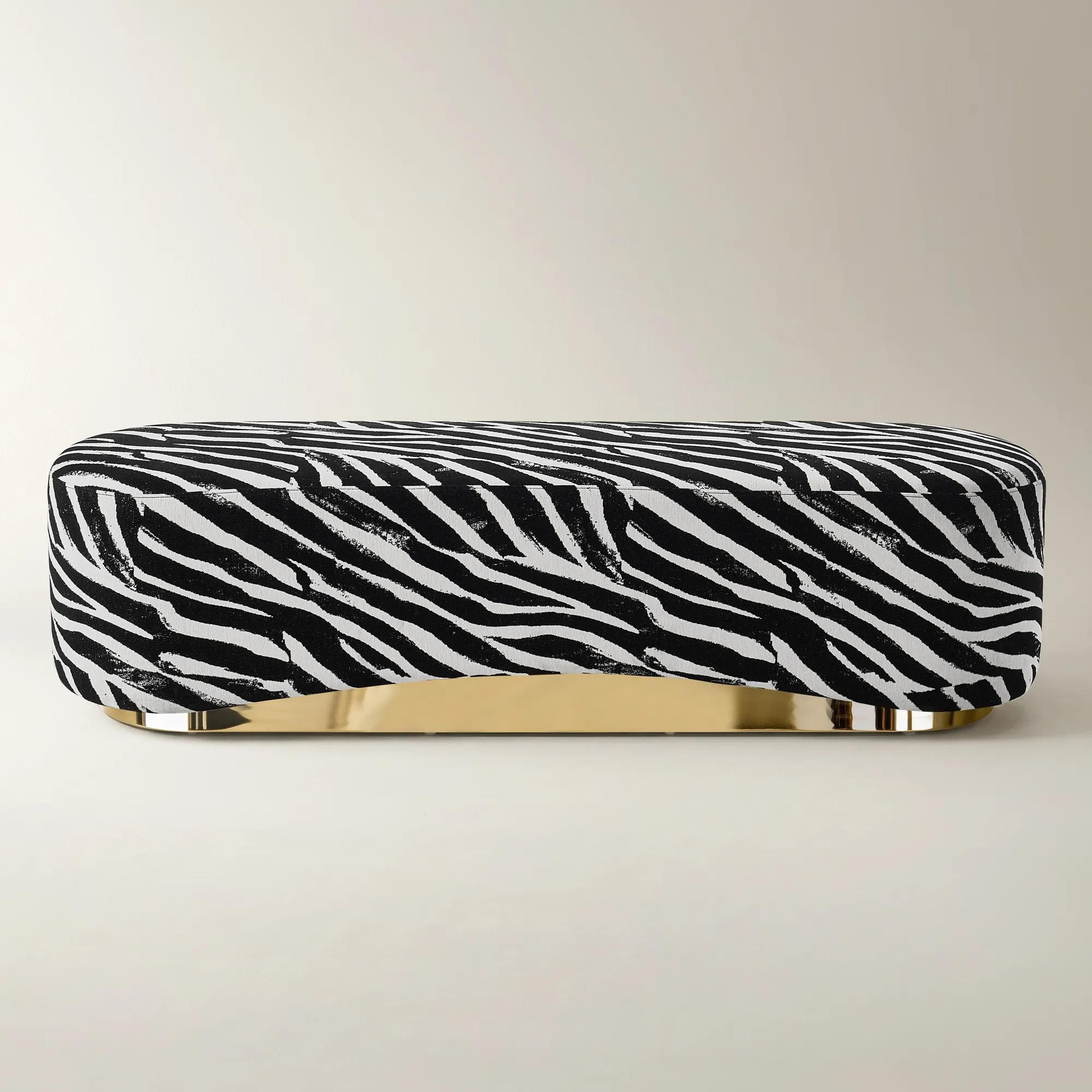
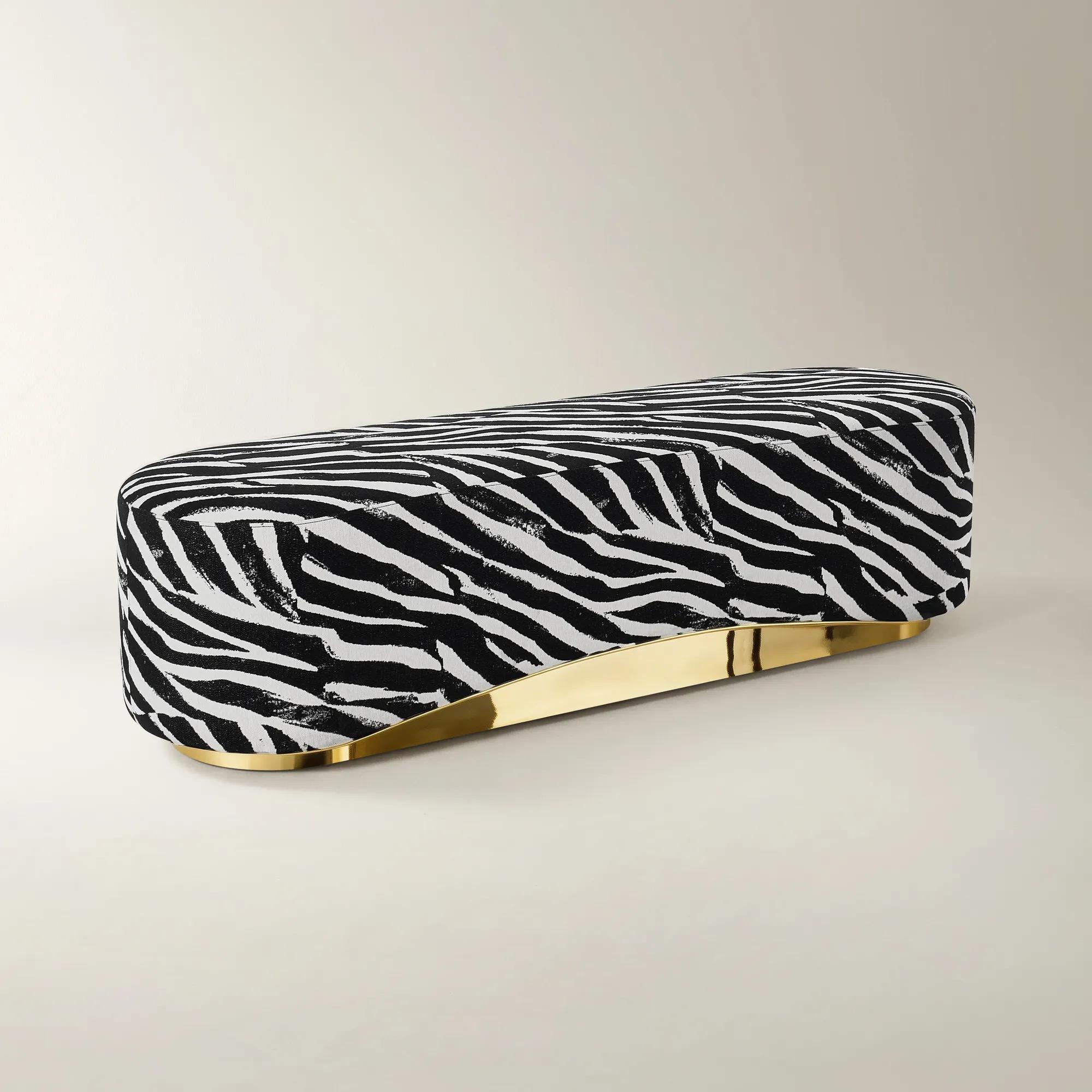 Kendra White/Black Performance Chenille Bench (70.47")$799
An elongated oval bench upholstered in white and black performance chenille with a polished gold stainless steel base.
Add To Cart -
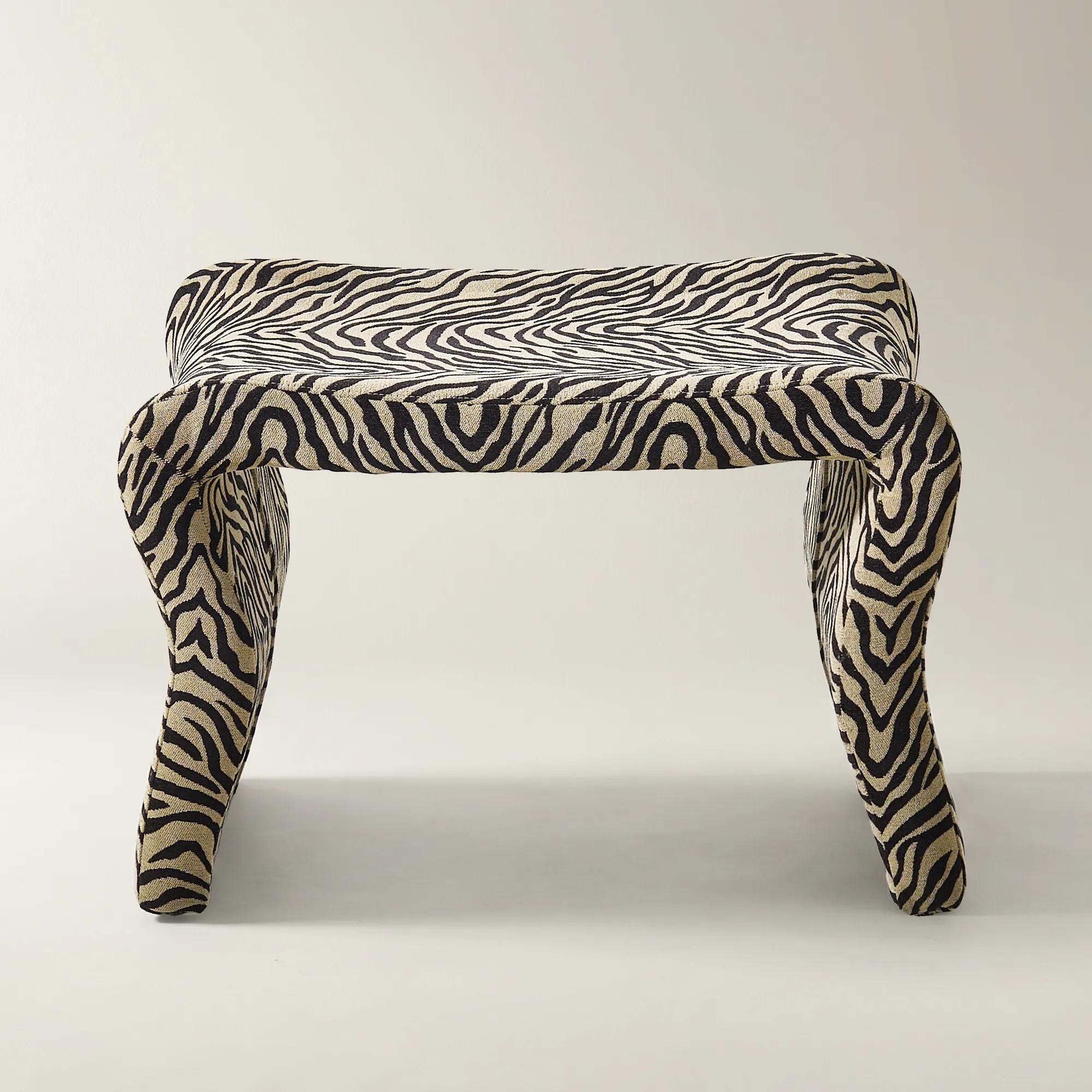
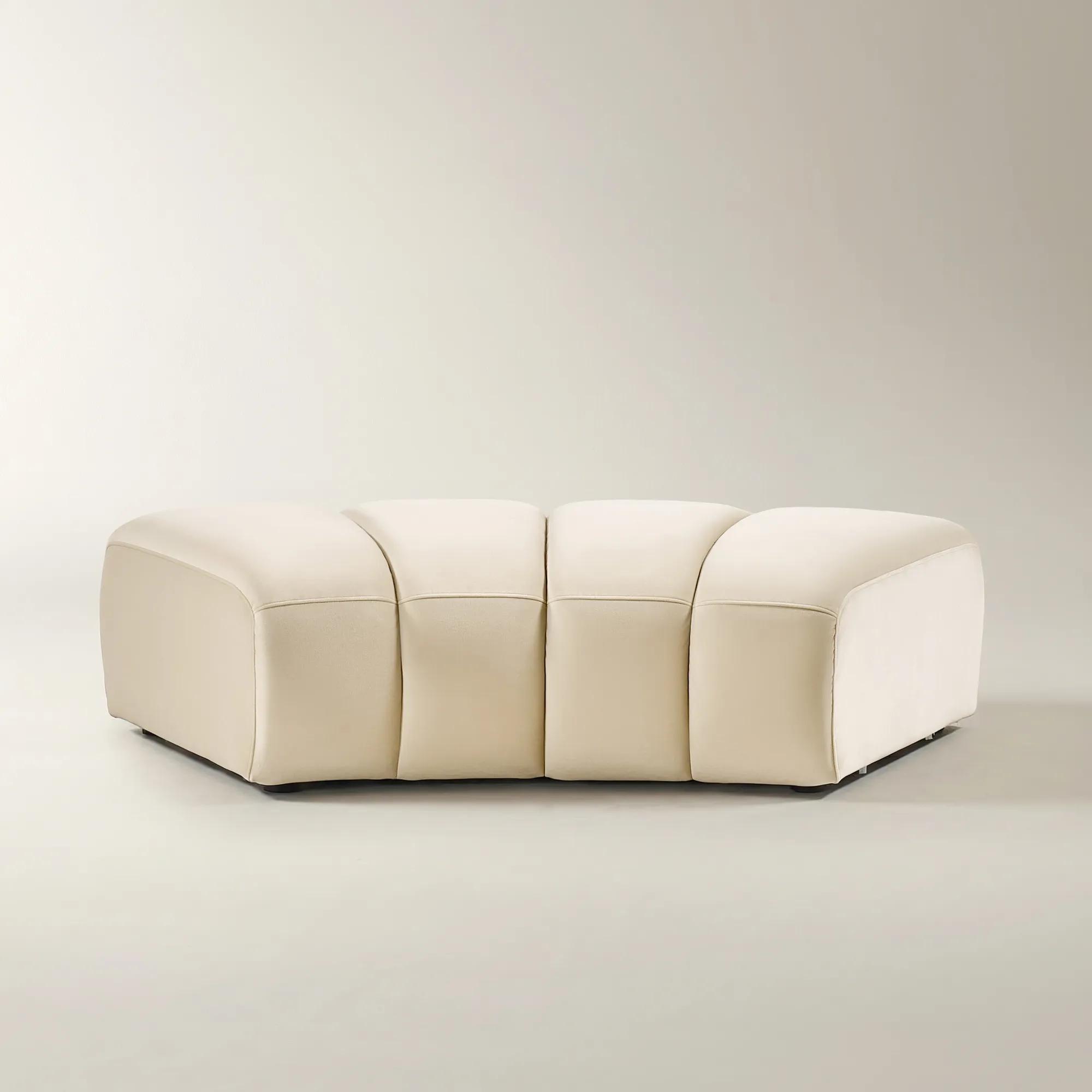
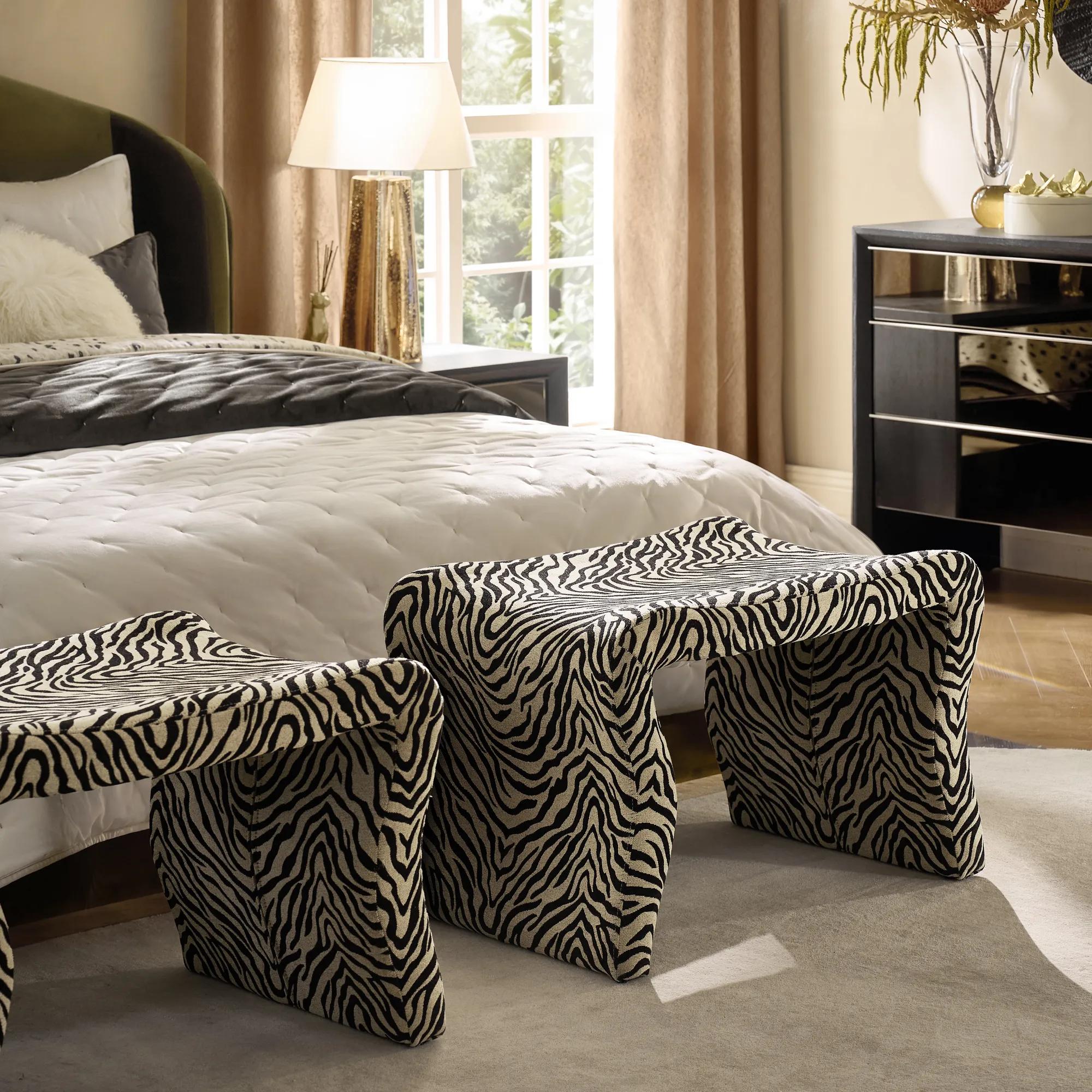 Romy Zebra Performance Chenille Bench (30.75")$499
A sculptural bench wrapped in zebra-patterned performance chenille with a wave-like silhouette and full foam construction.
Add To Cart -
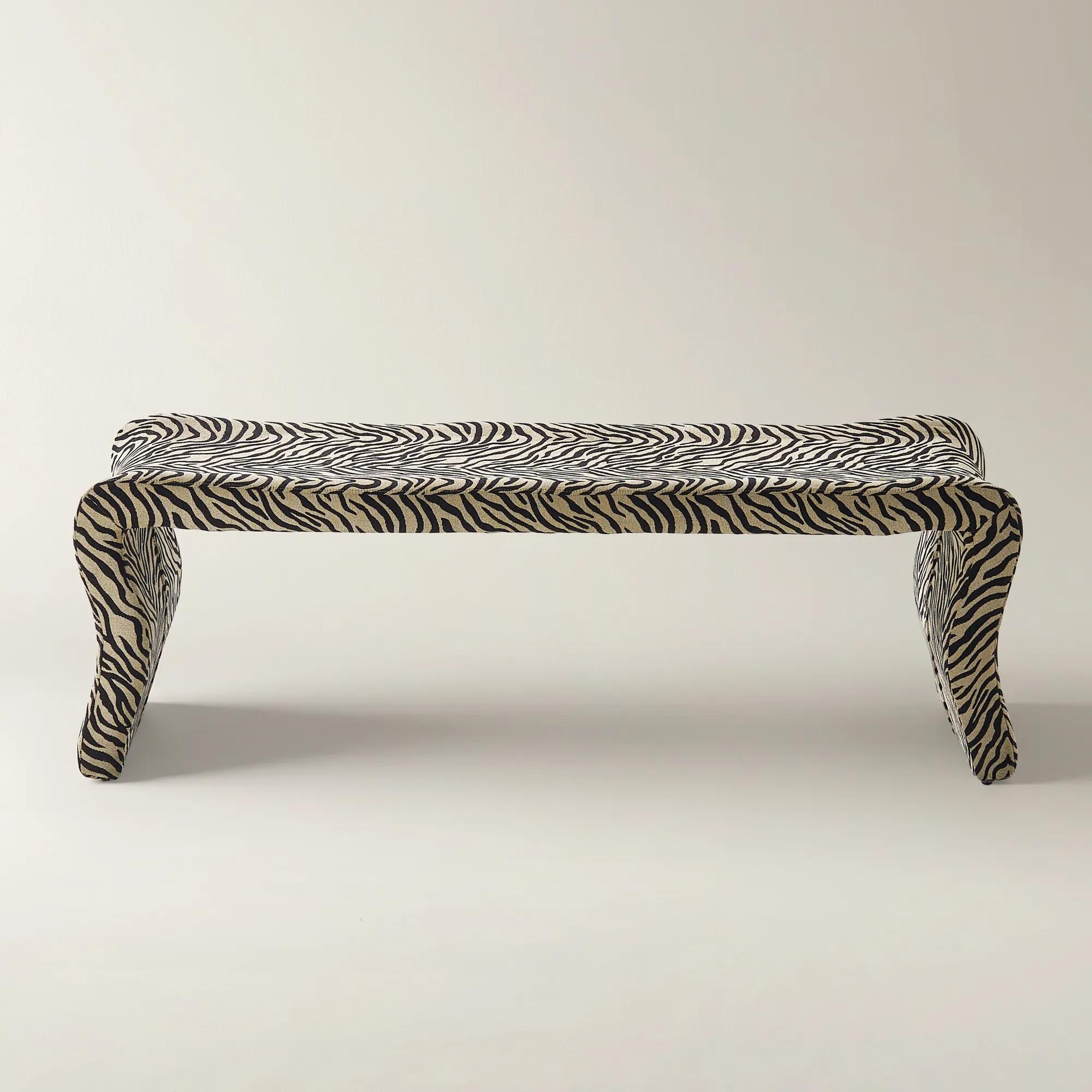 Romy Zebra Performance Chenille Bench (61.5")$899
A sculptural bench wrapped in zebra-patterned performance chenille with a wave-like silhouette and full foam construction.
Add To Cart -
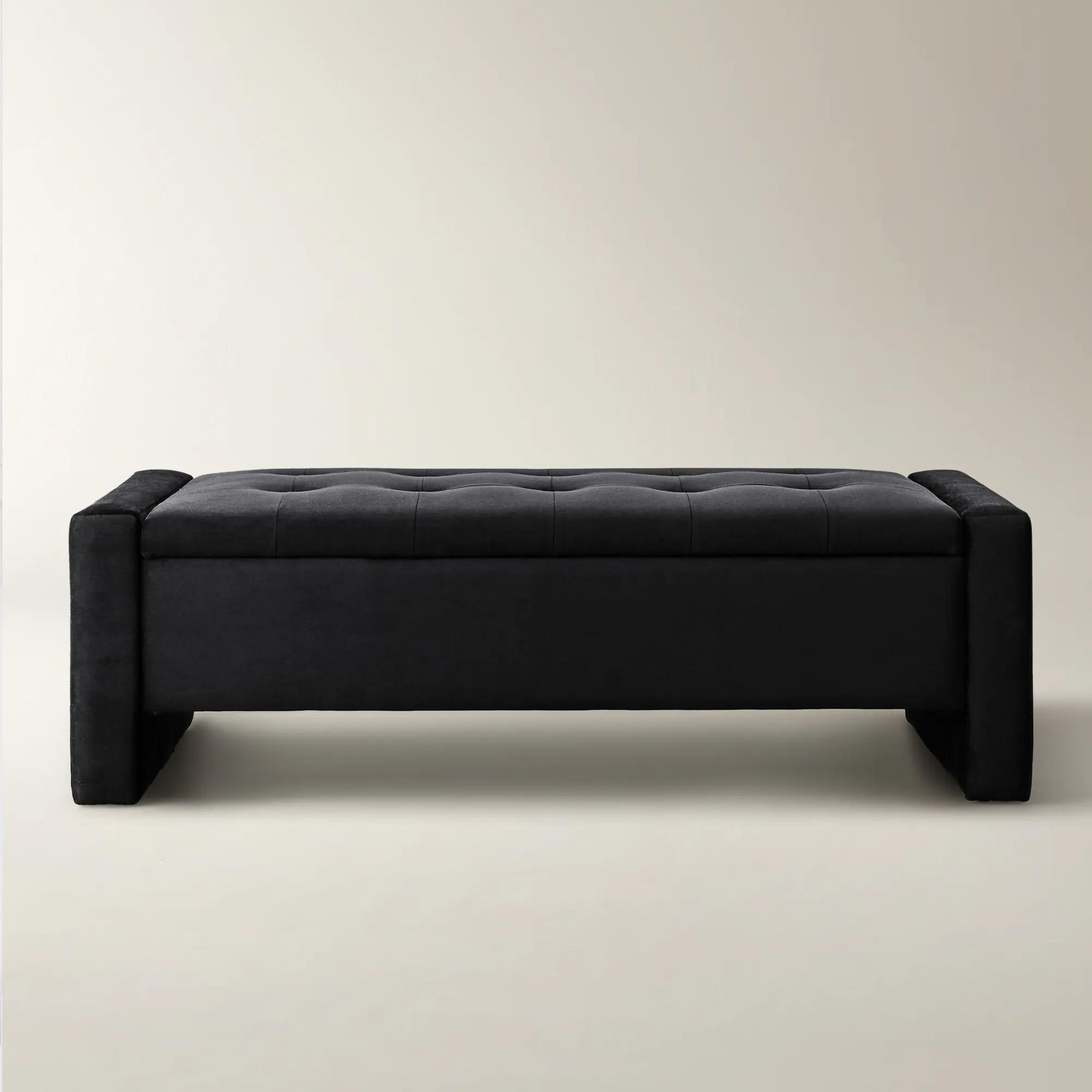
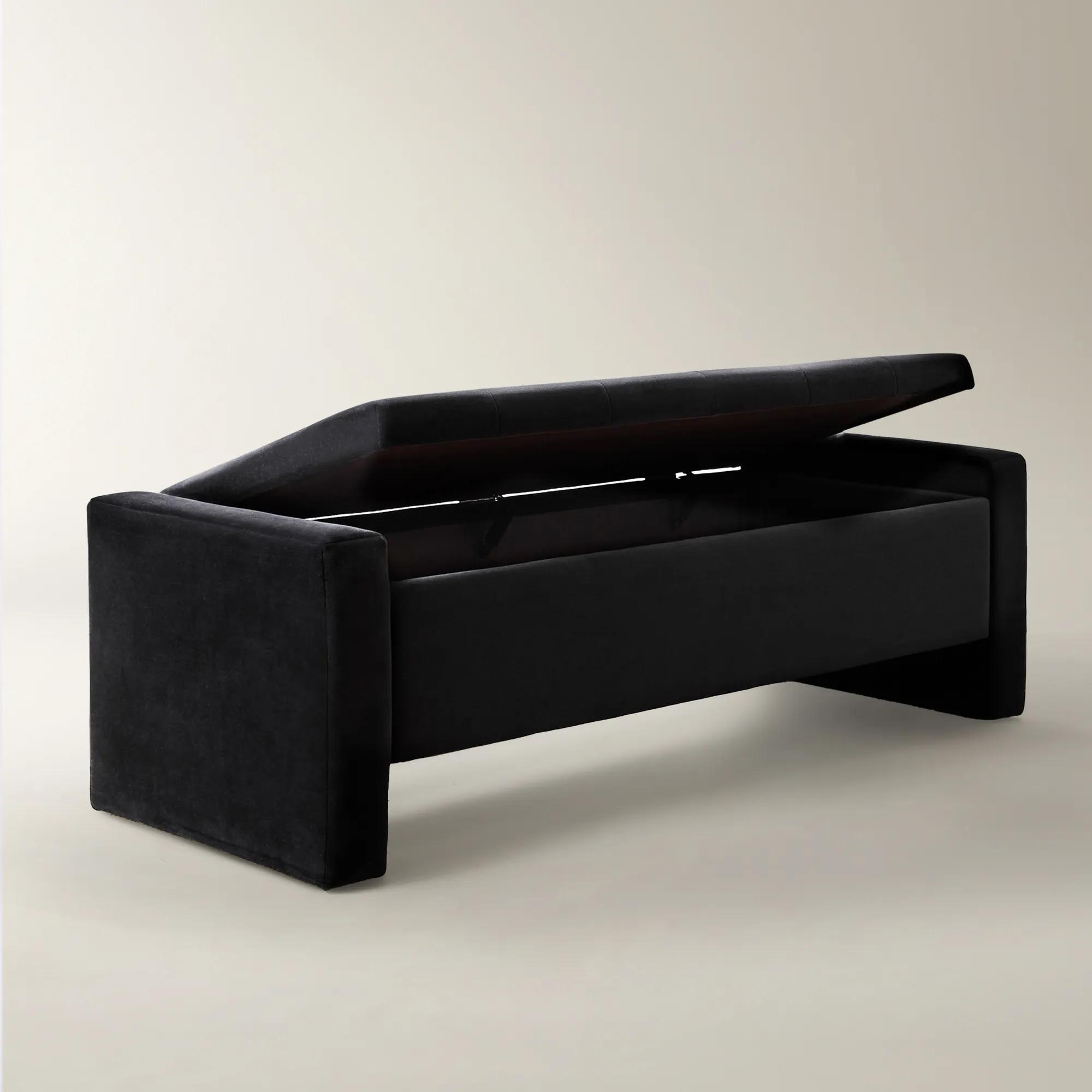 Maeve Storage Bench$899
A modern velvet-upholstered bench with hidden storage and a sturdy kiln-dried hardwood frame.
Add To Cart -
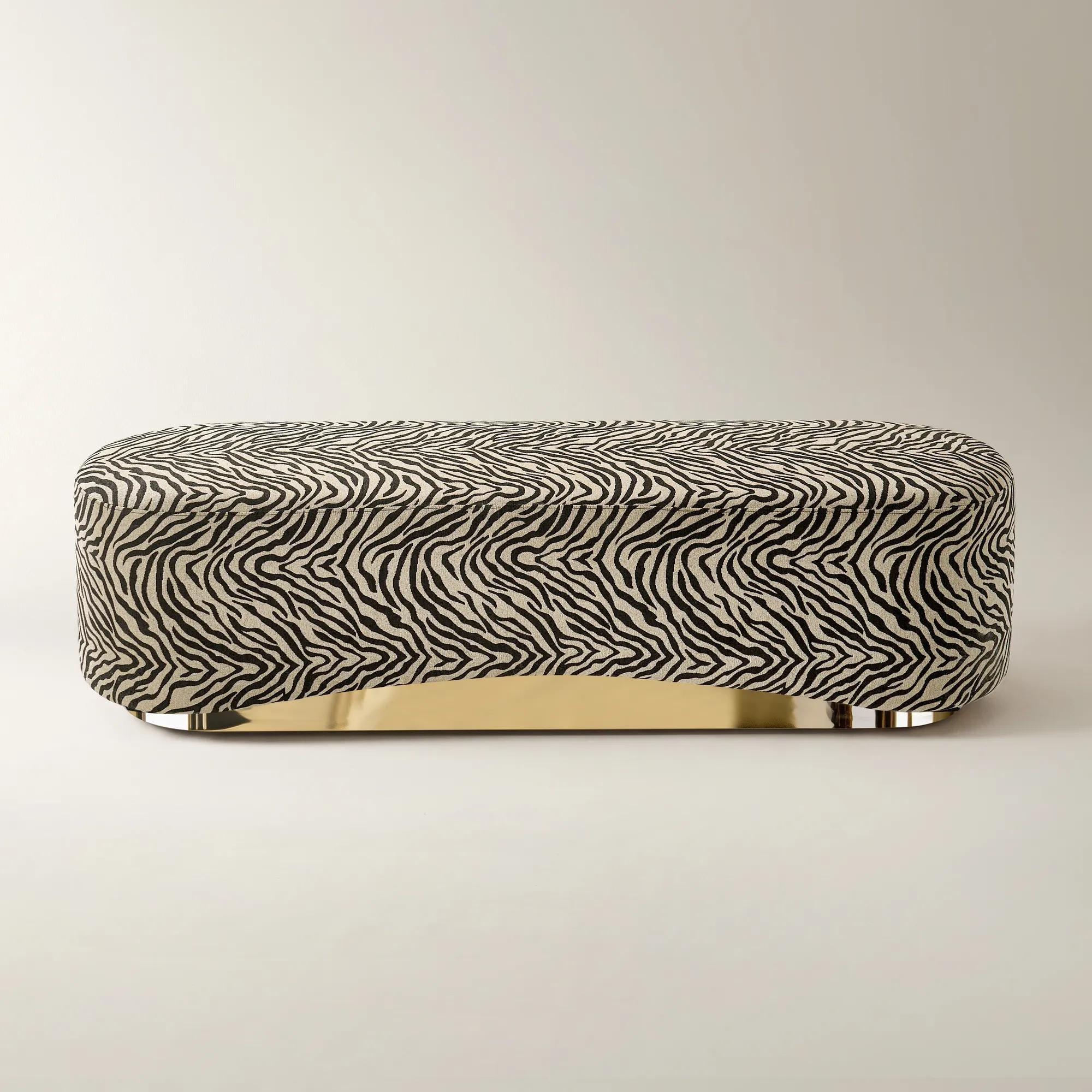
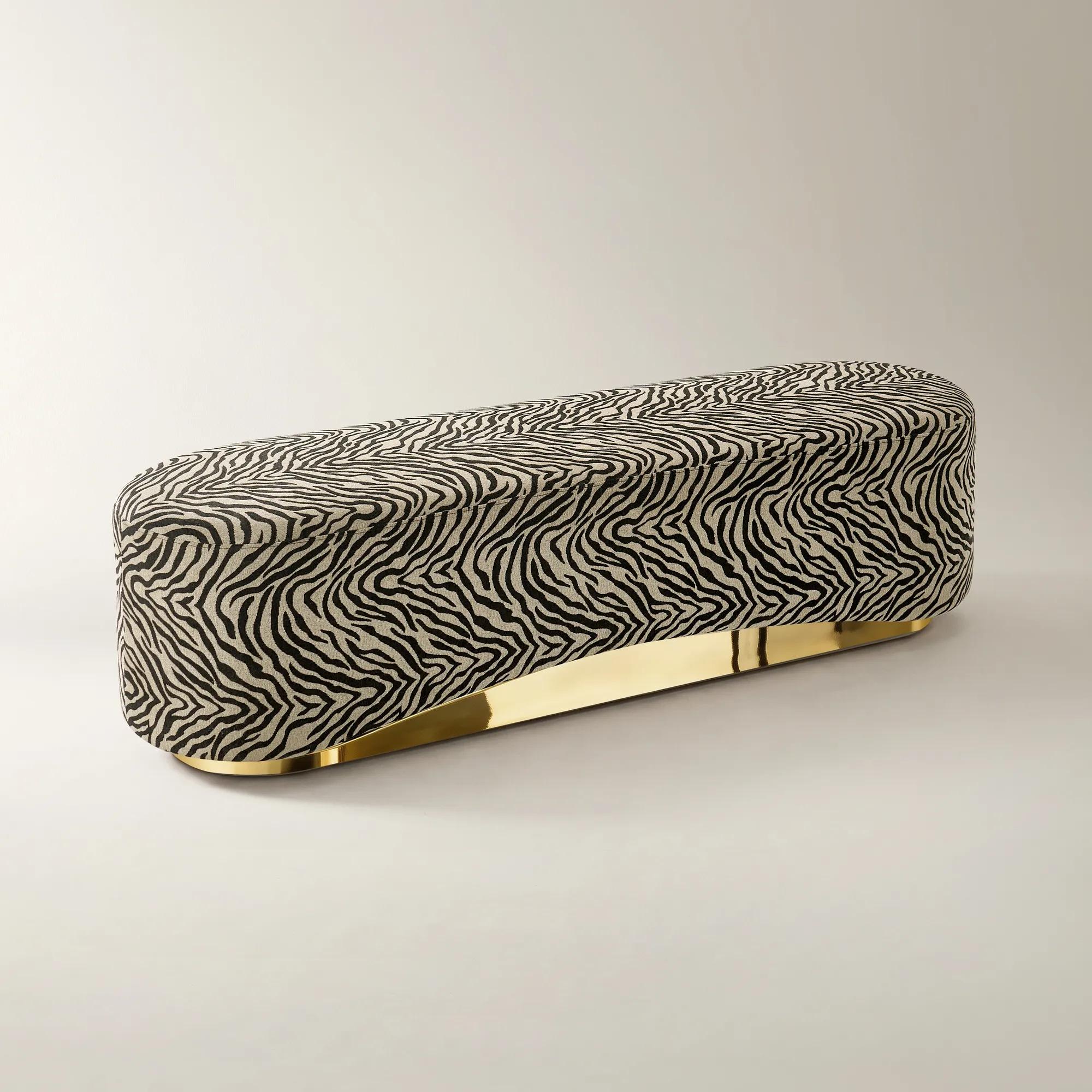 Kendra Zebra Performance Chenille Bench (70.47")$799
An elongated oval bench upholstered in textured zebra-pattern chenille with a polished gold stainless steel base.
Add To Cart -
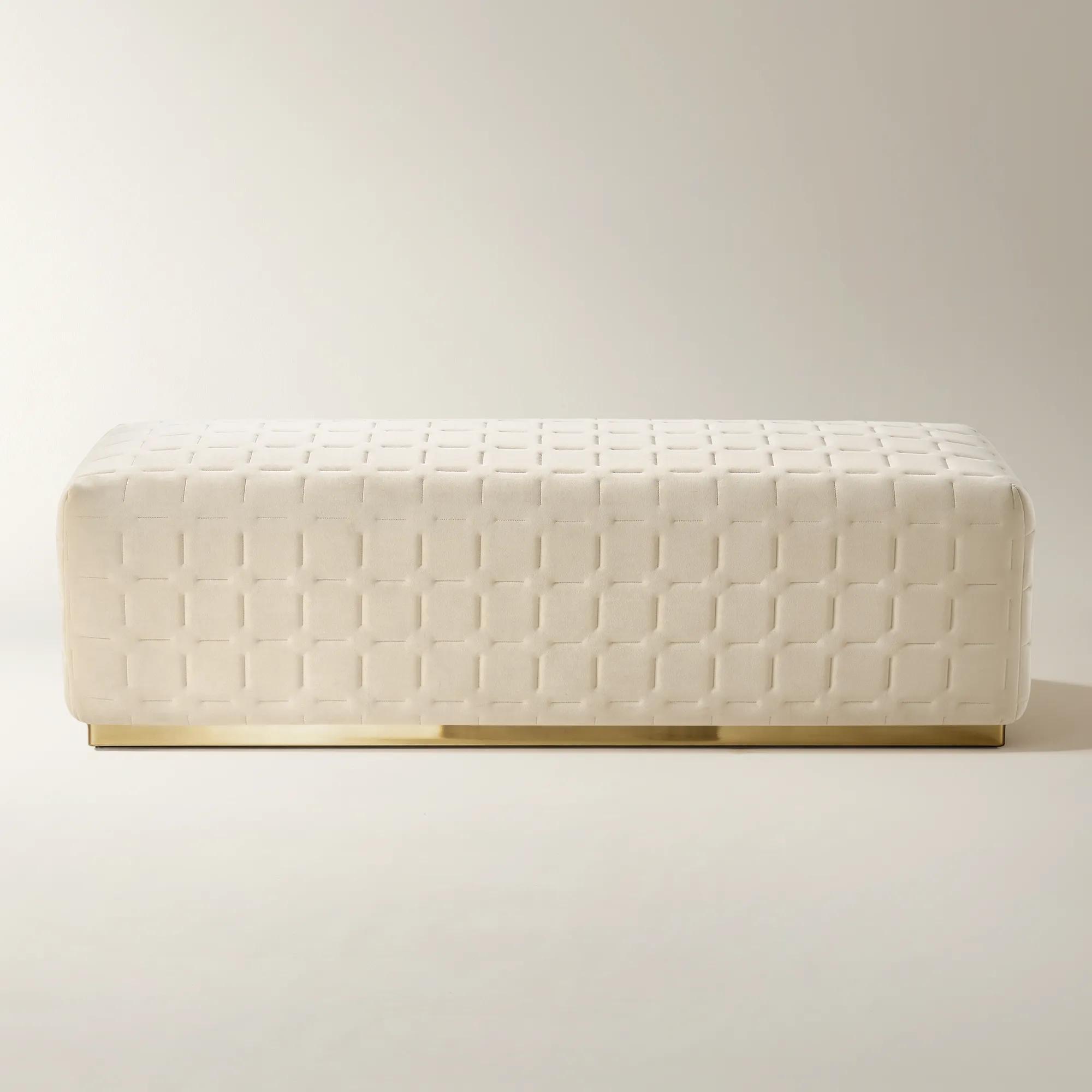
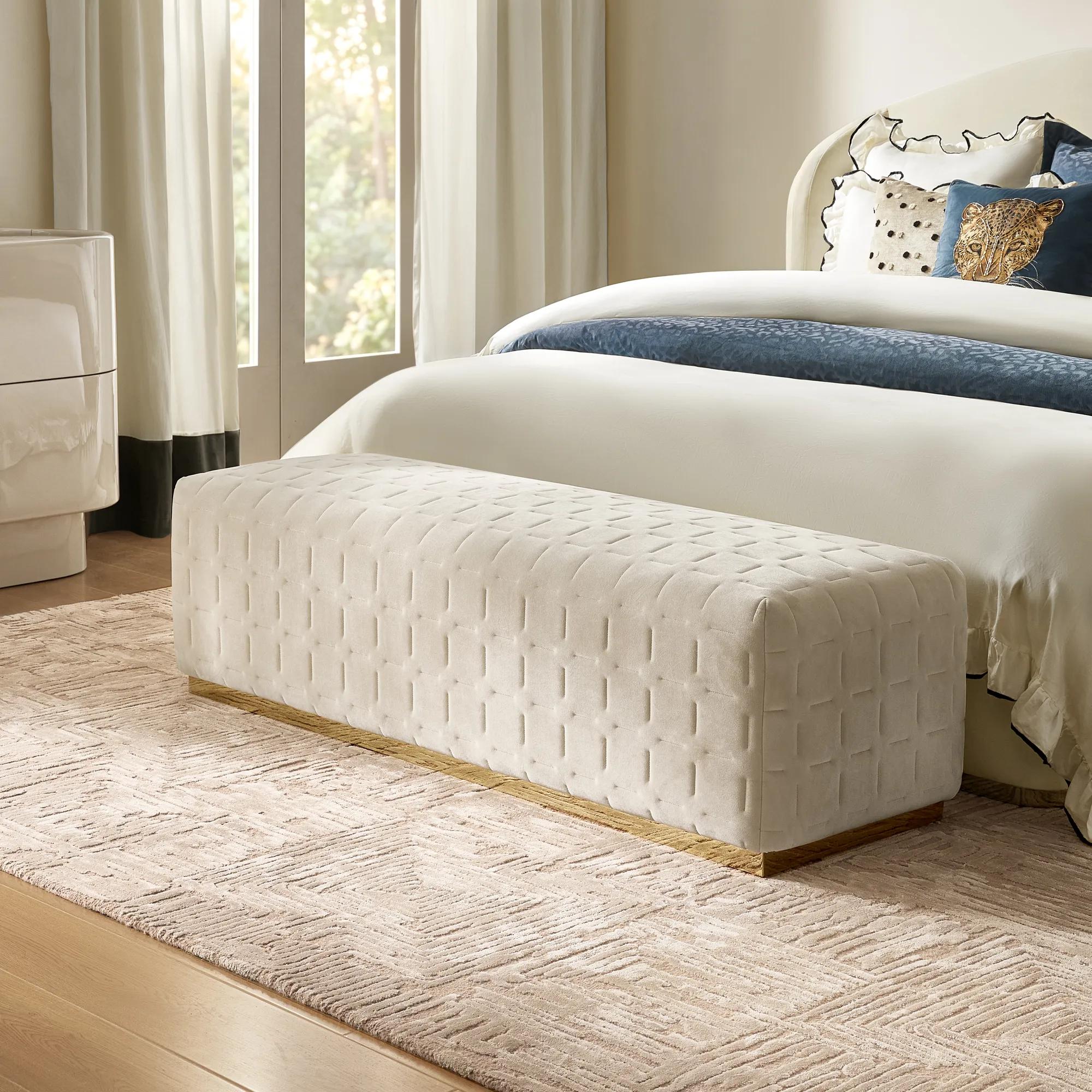 Vanta Quilted Oatmeal Velvet Bench (64.6")$899
A plush oatmeal velvet bench featuring checker quilted tufting and a sleek gold stainless steel base.
Add To Cart -
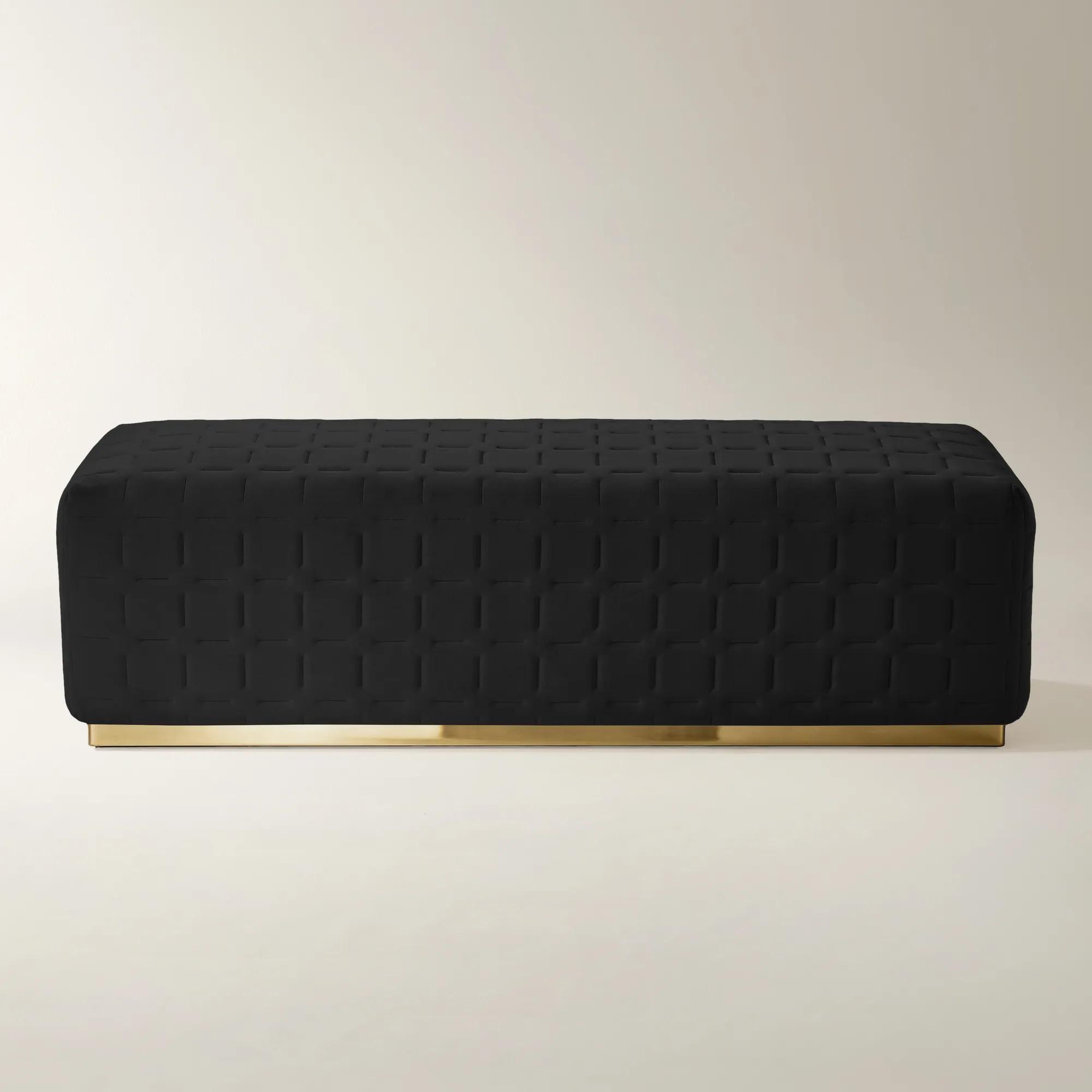 Vanta Quilted Charcoal Velvet Bench (64.6")$899
A charcoal velvet bench featuring checker quilted tufting and a gold stainless steel base for modern elegance.
Add To Cart -
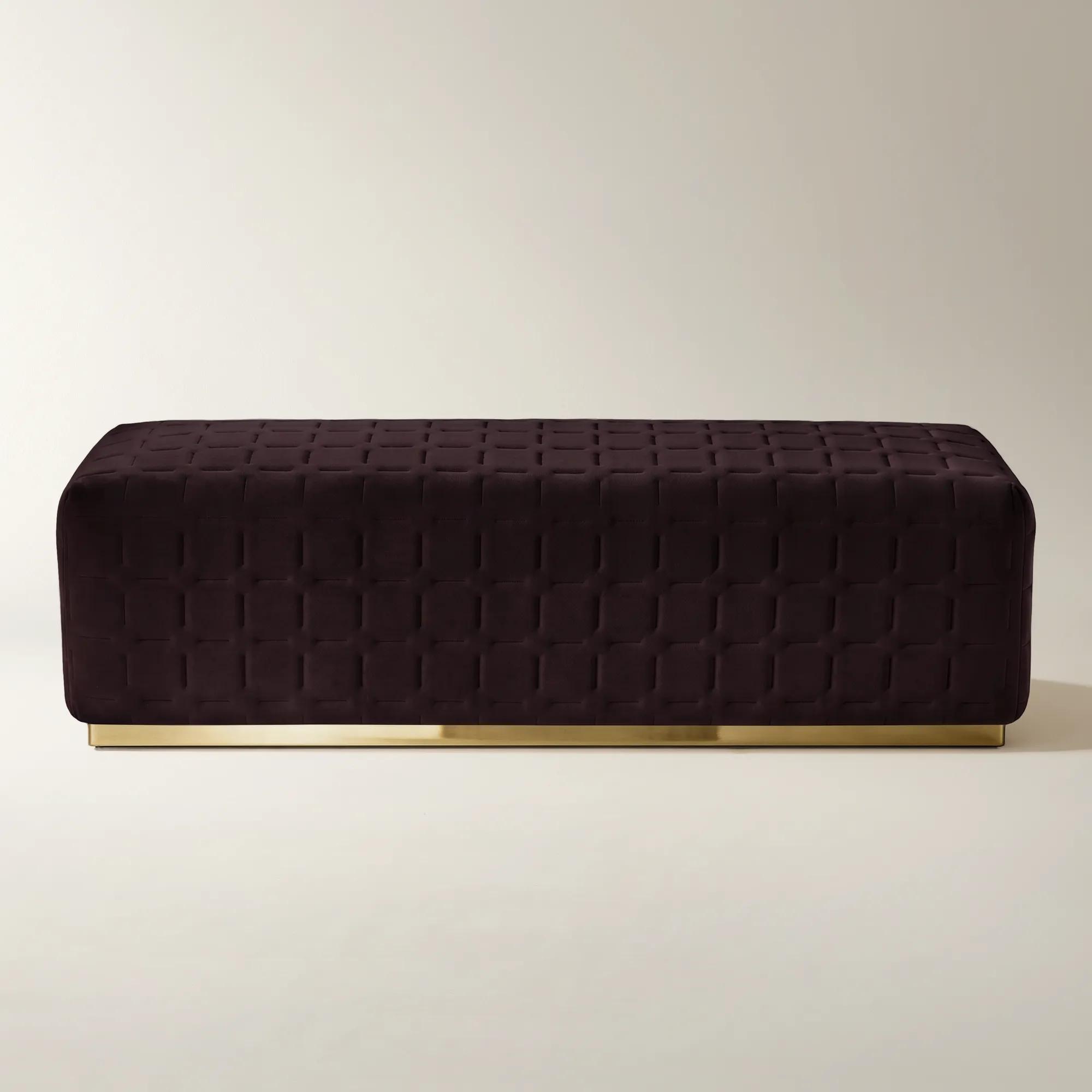
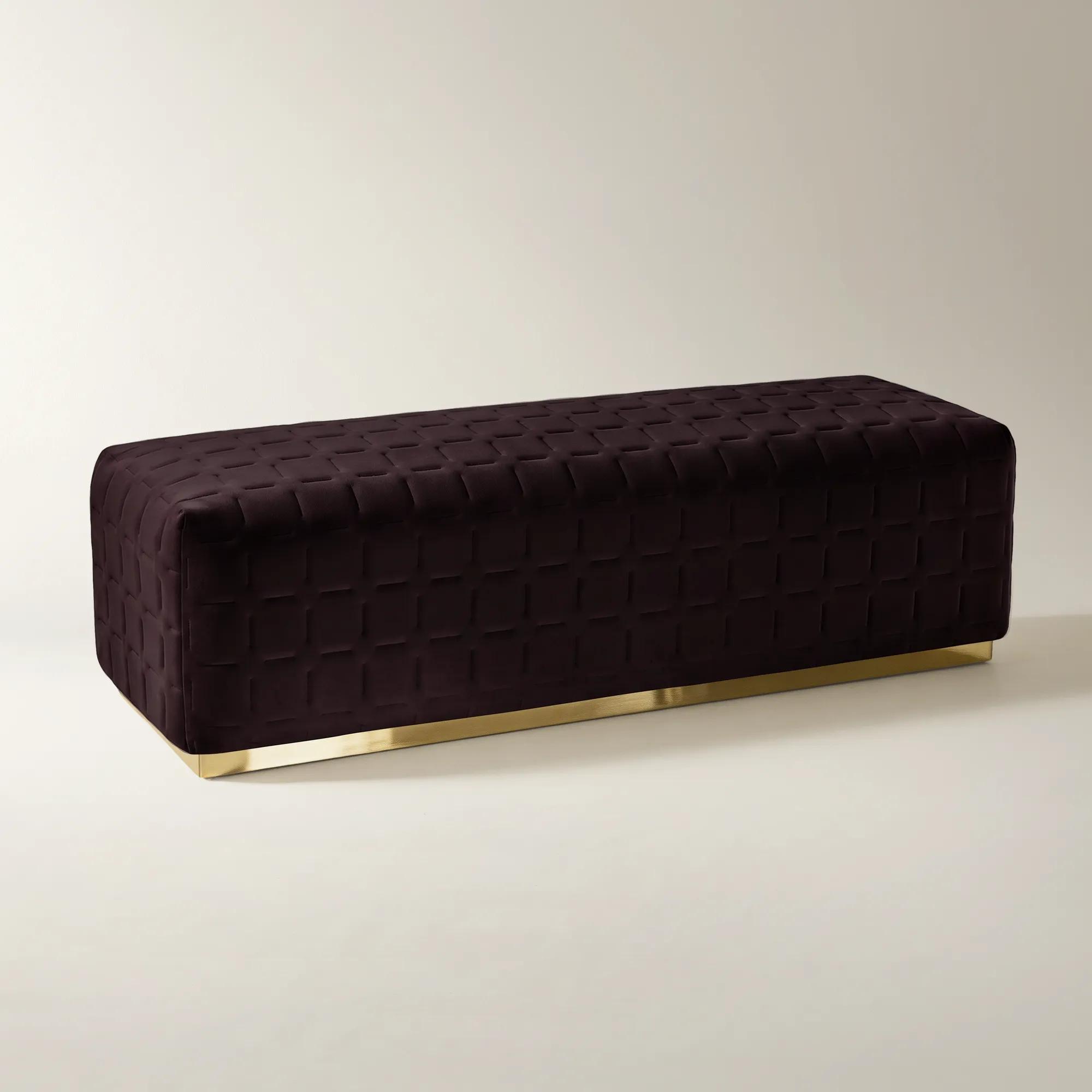 Vanta Quilted Fig Velvet Bench (64.6")$899
A plush fig velvet bench featuring checker quilted tufting and a sleek gold stainless steel base.
Add To Cart -
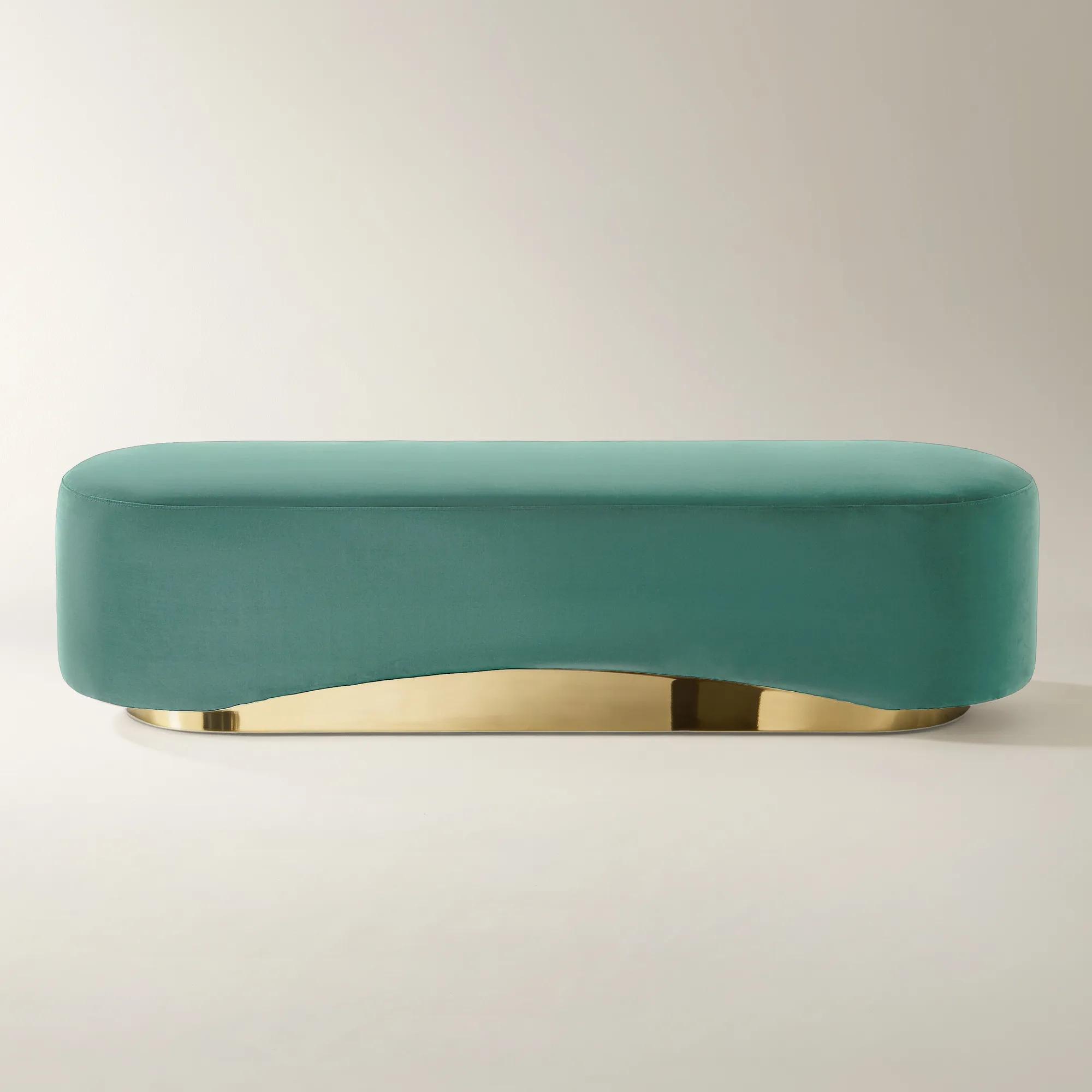 Kendra Ocean Teal Velvet Bench (70.47")$799
An elongated oval bench in ocean teal velvet with a plush seat and polished gold stainless steel base.
Add To Cart -
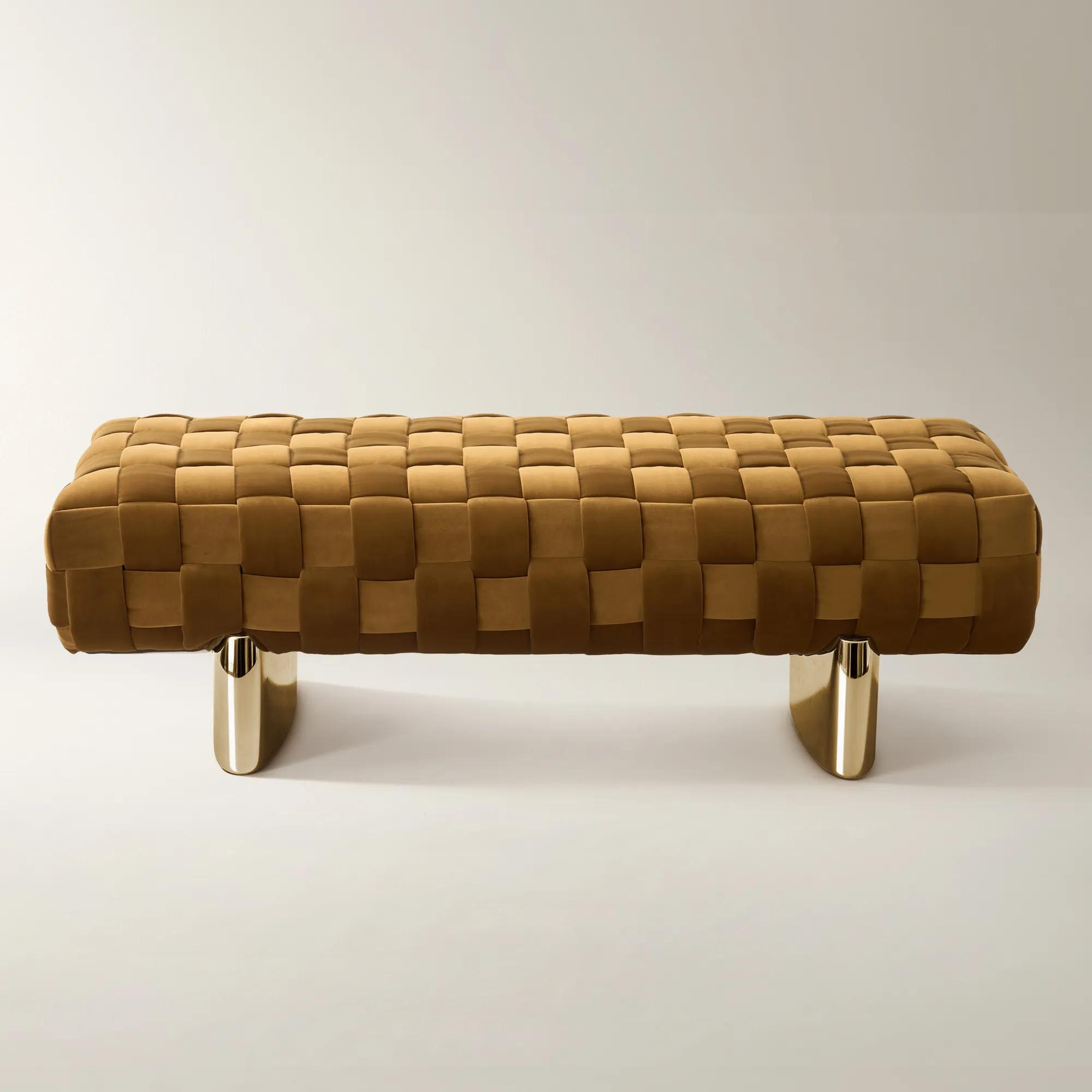
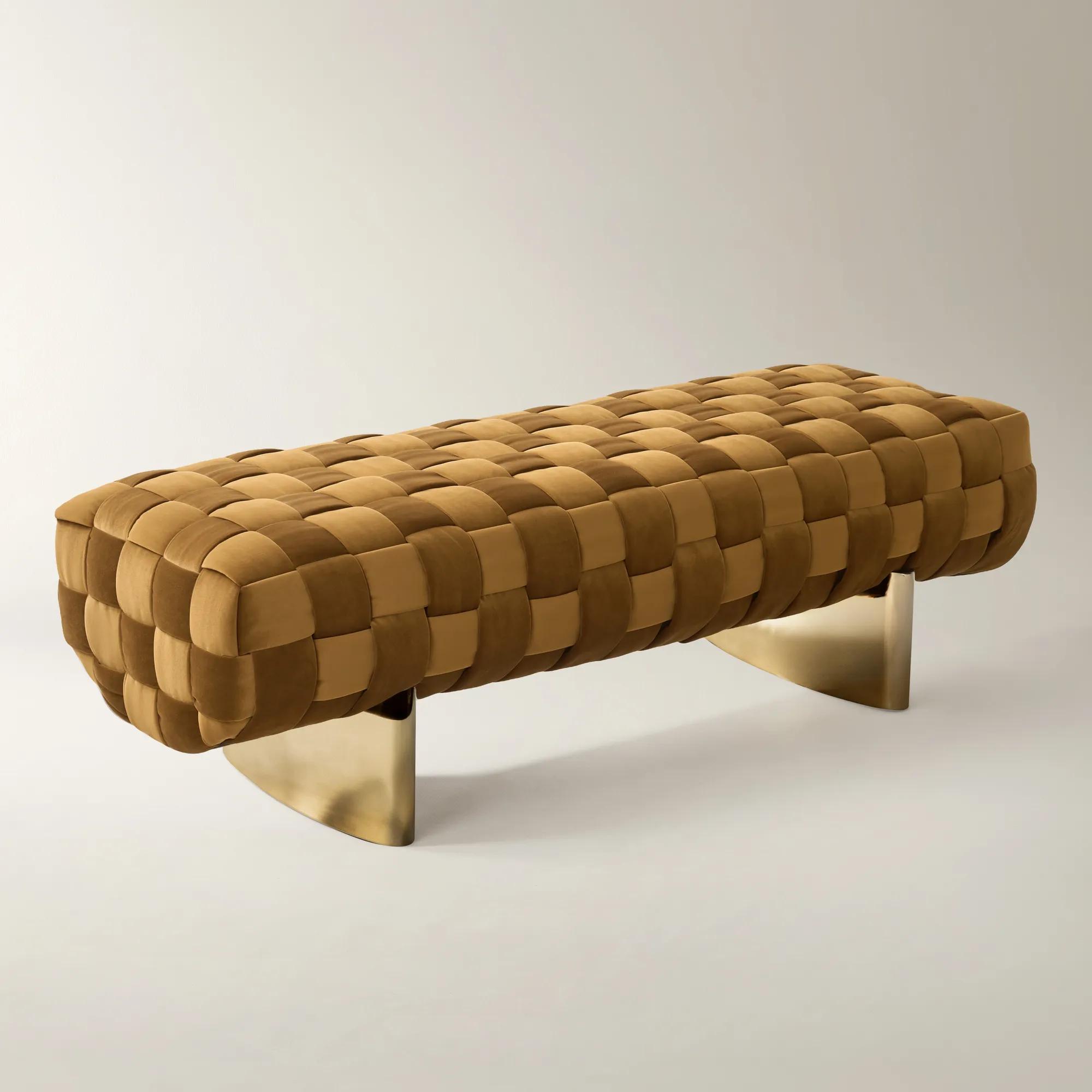 Dexter Woven Roasted Pecan Velvet Bench (64.2")$999
A woven roasted pecan velvet bench featuring plush upholstery and polished gold stainless steel legs for modern elegance.
Add To Cart -
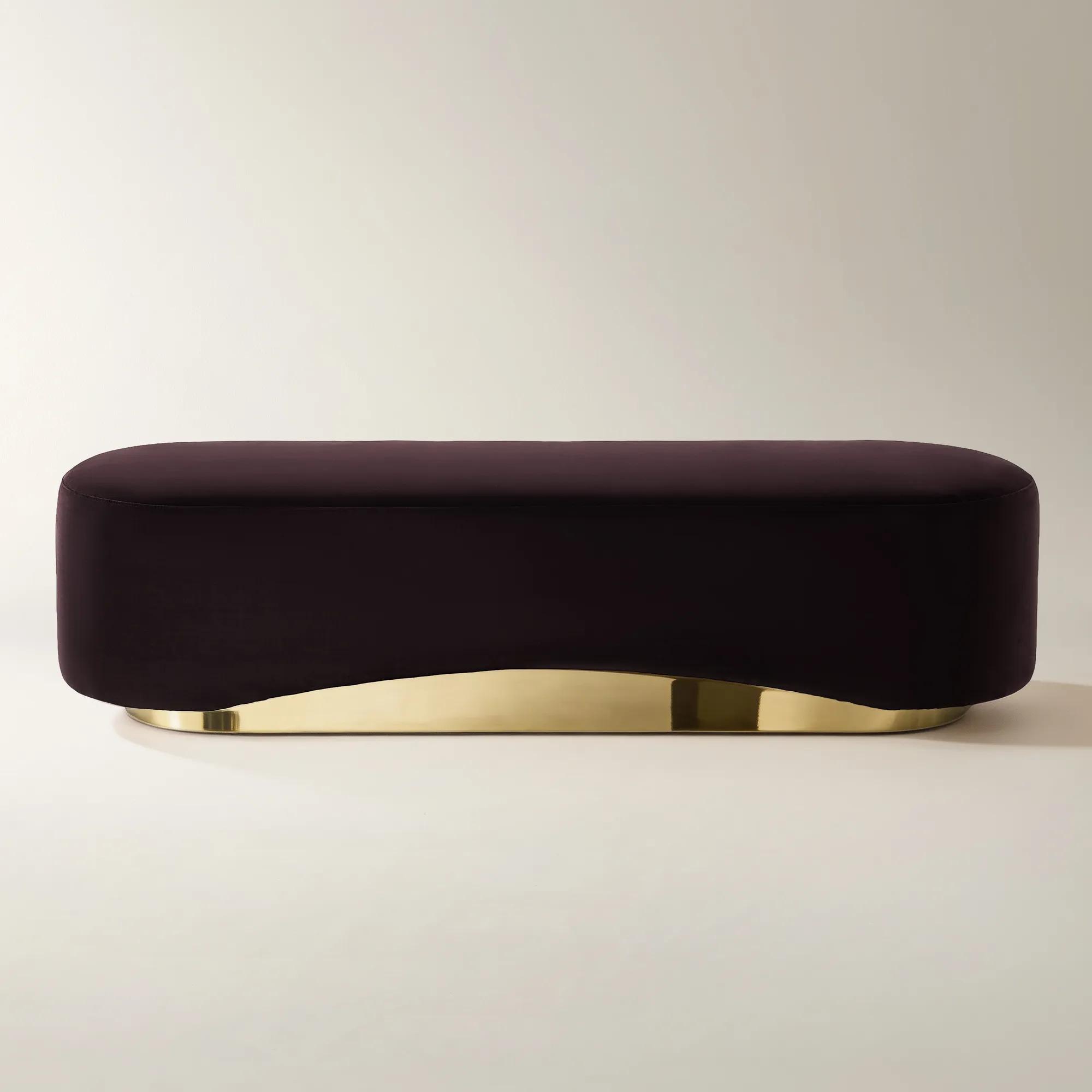 Kendra Fig Velvet Bench (70.47")$799
A plush fig velvet bench with an elongated oval silhouette and a polished gold stainless steel base.
Add To Cart -
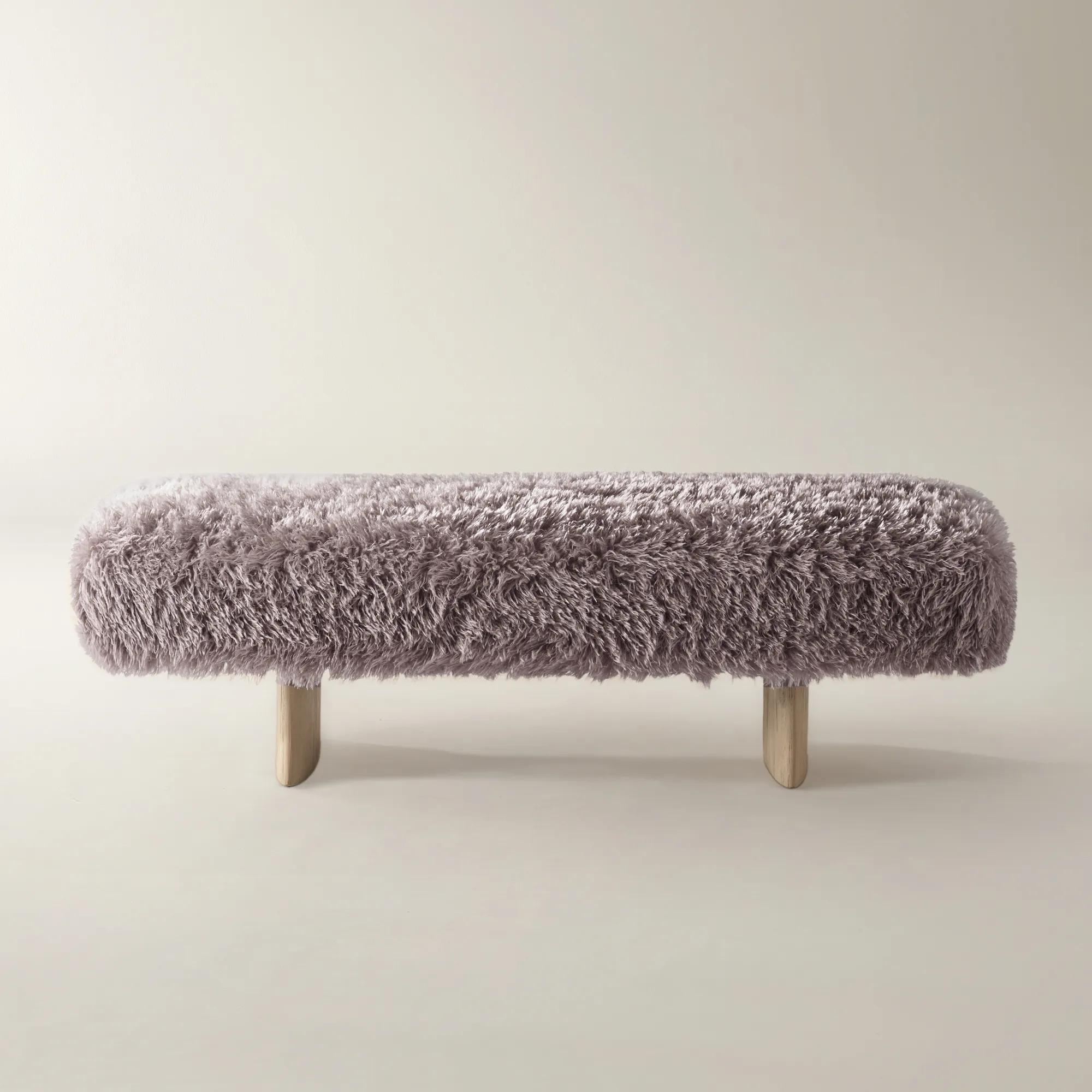
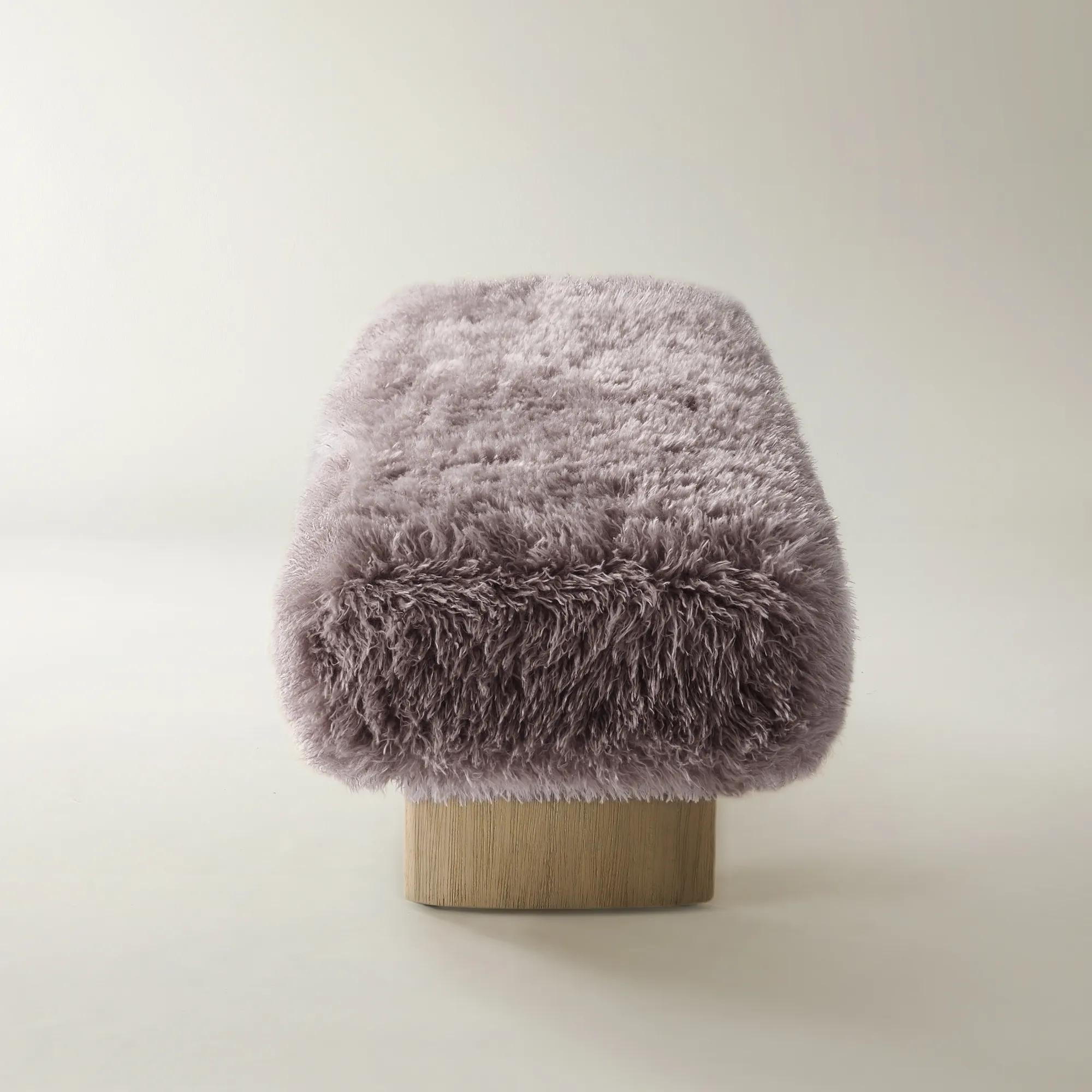 Micah Plum Truffle Mongolian Faux Fur Bench With Rubberwood Legs(62.6")$699
A sculptural bench featuring smoked plum Mongolian faux fur upholstery and warm solid rubberwood legs.
Add To Cart -
 Micah Tan Mongolian Faux Fur Bench With Rubberwood Legs (62.6")$699
A light brown faux fur bench with a curved rubberwood base and plush high-density foam cushion.
Add To Cart

Upholstered Benches With Multiple Fabric Options
Upholstered benches with multiple fabric options invite you to curate a masterpiece of comfort and style, transforming every room into a gallery of your own design. Whether poised at the foot of a bed, anchoring an entryway, or defining a dramatic dining moment, these versatile pieces offer a canvas for self-expression in every stitch and silhouette. Indulge in plush textures and captivating hues that echo your boldest inspirations—each bench is an opportunity to layer luxury, infuse artistry, and orchestrate your home’s most memorable scenes.
Upholstered benches with multiple fabric options combine cushioned seating with a choice of textiles, allowing a single silhouette to take on distinctly different moods. A sleek bench dressed in velvet feels richly theatrical; a similar shape in a textured weave offers a more tailored, architectural presence. That flexibility makes upholstery an important part of the design, not merely a finishing detail. Velvet, linen blends, bouclé, woven patterns, and performance fabrics each bring their own balance of texture, maintenance needs, and visual character. Velvet’s directional pile catches light and deepens color, creating subtle shifts across a generous seat. Linen and linen-blend fabrics introduce an expressive weave, while bouclé brings dimension through its looped surface. Patterned upholstery can establish a focal point or connect colors already present in artwork, rugs, and decorative pillows. Performance upholstery is designed with particular demands in mind, but the exact benefits depend on the fabric: stain resistance, abrasion resistance, and ease of cleaning are separate qualities worth reviewing individually. For a composed interior, consider how the textile interacts with the bench’s proportions and exposed materials. A plush fabric can soften a linear frame, while a crisp weave can emphasize precise tailoring. Channeling, tufting, welted edges, and smooth upholstery also change how a fabric reads, introducing shadow, rhythm, or an uninterrupted field of color. Pale neutrals highlight sculptural contours; saturated hues lend a bench the presence of an upholstered jewel. Neither approach needs to disappear into the room. A restrained color can still command attention through texture, especially beside polished metal, dark wood, or reflective glass. Among fabric upholstered benches, the most compelling choice is one that connects the atmosphere of the room with the way the seat will actually be used. Repeating one color from a painting or rug creates continuity, while introducing a contrasting texture keeps the setting from feeling overly coordinated. The result can be dramatic without being visually crowded: a considered place to sit that gives the surrounding furniture a more deliberate, finished composition.
A bench’s proportions determine whether that composition feels effortless in daily life. At the foot of a bed, an upholstered bench creates a graceful finishing line and a place to sit while dressing, but its width should feel balanced against the bed rather than compete with it. Measure the open floor space beyond the bench, including room for walking, opening drawers, and reaching nearby furniture. In an entryway, seat depth matters as much as length; a beautifully scaled bench should offer a comfortable perch without interrupting the path through the door. Consider door swings, closet access, and the space someone needs to bend forward while fastening shoes. In a living room, a bench can introduce additional seating while preserving a lighter visual profile than a high-backed chair. An open base may reveal more of a decorative rug, while a fully upholstered form creates a grounded, sculptural effect. Placement beneath artwork or along an unused wall can turn an overlooked stretch of space into a purposeful vignette. Dining use calls for closer attention to dimensions and construction. Compare the seat height with the underside of the table, allow comfortable leg clearance, and confirm that the bench is intended for dining or frequent seating. A deeply cushioned lounge-style seat may feel luxurious for a brief pause yet be less suitable for an extended meal. Likewise, a decorative bedroom bench should not automatically be treated as a heavy-use dining seat. Review the stated weight capacity, frame materials, joinery details when provided, and cushion construction to understand its intended role. Solid wood, engineered wood, and metal can all serve different structural purposes; the material name alone does not establish quality. Stable construction, sound connections, and suitable support matter together. For households that entertain, a bench can accommodate flexible seating arrangements, but comfortable capacity depends on usable seat width rather than appearance alone. Arms, bolsters, and thick side panels may reduce the seating area, even when the overall dimensions appear generous.
Fabric selection becomes especially meaningful in homes where a bench is used every day. An entryway seat encounters different demands than an occasional bedroom perch, and a bench shared with children or pets benefits from upholstery chosen for those routines. Tightly woven textiles may be worth considering where snagging is a concern, while looped or loosely woven surfaces deserve closer evaluation around claws, buckles, or textured accessories. No upholstery is universally pet-proof or stain-proof, including fabrics labeled for performance. Fiber content, weave, finish, and care instructions all contribute to how a material behaves. If swatches are part of the selection process, examine them beside the room’s existing finishes and under the lighting used throughout the day. A gray with a violet undertone can look striking beside chrome yet read differently against warm wood; an ivory weave may reveal more texture under angled lamplight than under overhead illumination. Feel the surface as well as studying the color, particularly for a seat used with bare legs or delicate clothing. Durability information, including abrasion testing when supplied, can help clarify suitability, although a single test result does not predict every aspect of long-term appearance. Pilling, colorfastness, seam strength, and cleaning requirements also deserve attention. For routine care, follow the manufacturer’s upholstery instructions and cleaning code rather than assuming that every textile tolerates water or the same cleaning solution. Use a suitable vacuum attachment to remove loose dust, blot spills promptly without aggressive rubbing, and test permitted cleaners in an inconspicuous area. Removable cushion covers are not necessarily machine washable, and professional upholstery cleaning may be recommended for certain fabrics. Keep upholstered seating away from prolonged direct sunlight where practical to help limit uneven fading, and avoid placing damp or sharp objects directly on the seat. These considerations protect more than the fabric: they preserve the bench’s tailored presence. The strongest choice brings visual confidence and practical compatibility into the same piece, whether it anchors a dressing area, welcomes guests at the door, or adds a sumptuous layer to a living room.
FAQs
Upholstered benches often feature a curated range of fabric choices, including sumptuous velvet, classic linen, luxe leather or suede, and innovative performance fabrics designed for durability and easy care. Many styles also offer specialty options such as hair-on-hide or stain-resistant textiles, allowing you to personalize your bench to suit both your aesthetic and lifestyle.
An upholstered bench instantly elevates any space by introducing texture, color, and a sense of curated comfort. Whether used as a dramatic entryway statement, a cozy dining accent, or a refined bedroom companion, these benches anchor the room and invite moments of pause, conversation, or self-care, all while reflecting your unique design vision.
Yes, many upholstered benches are adorned with artful details such as button-tufting, nailhead trim, sculptural legs, or distinctive silhouettes like the waterfall or Double X bench. These features not only amplify the visual drama but also create tactile interest, making each bench a true conversation piece.
An upholstered bench makes a thoughtful and stylish gift for anyone who values expressive interiors—new homeowners, newlyweds, or anyone celebrating a milestone. With customizable fabrics and finishes, you can select a bench that feels deeply personal, ensuring your gift becomes a cherished focal point in their home.
Performance fabrics are engineered for resilience, offering stain resistance and easy cleaning without compromising on luxurious texture or color. For households with children or pets, these fabrics provide peace of mind, allowing your upholstered bench to remain a beautiful and inviting part of daily life, no matter what adventures unfold.