Unique Black Lumbar Pillows
Unique Black Lumbar Pillows
-

 Kylen Embroidered Black Lumbar Pillow 24" x 14"$99
A sculptural black velvet lumbar pillow featuring bold tone-on-tone embroidery and a feather-down insert.
Add To Cart -

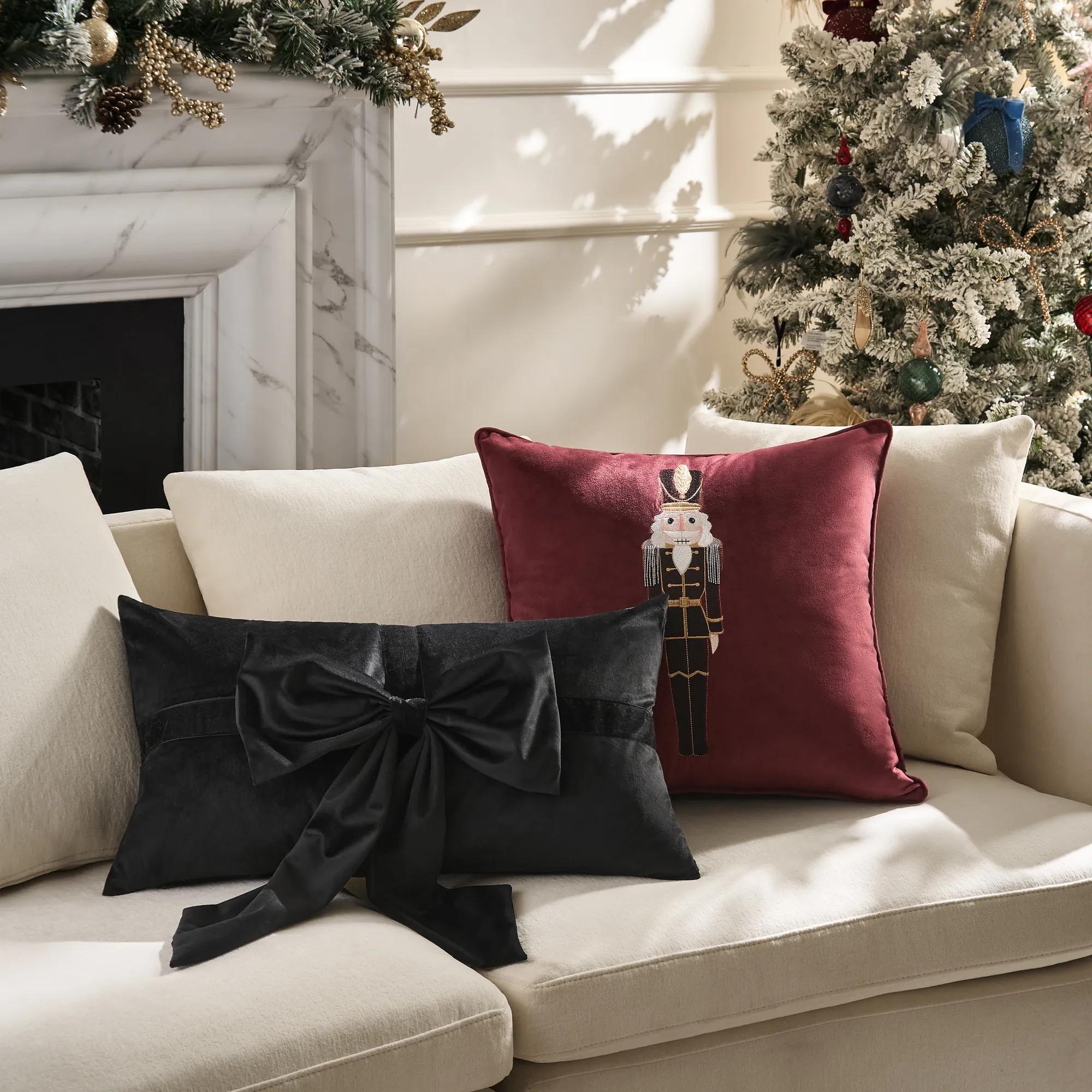 Velvet Bow Black Lumbar Pillow 20" x 14"$89
A sculptural black velvet lumbar pillow featuring an oversized bow and a plush feather-down insert.
Add To Cart -

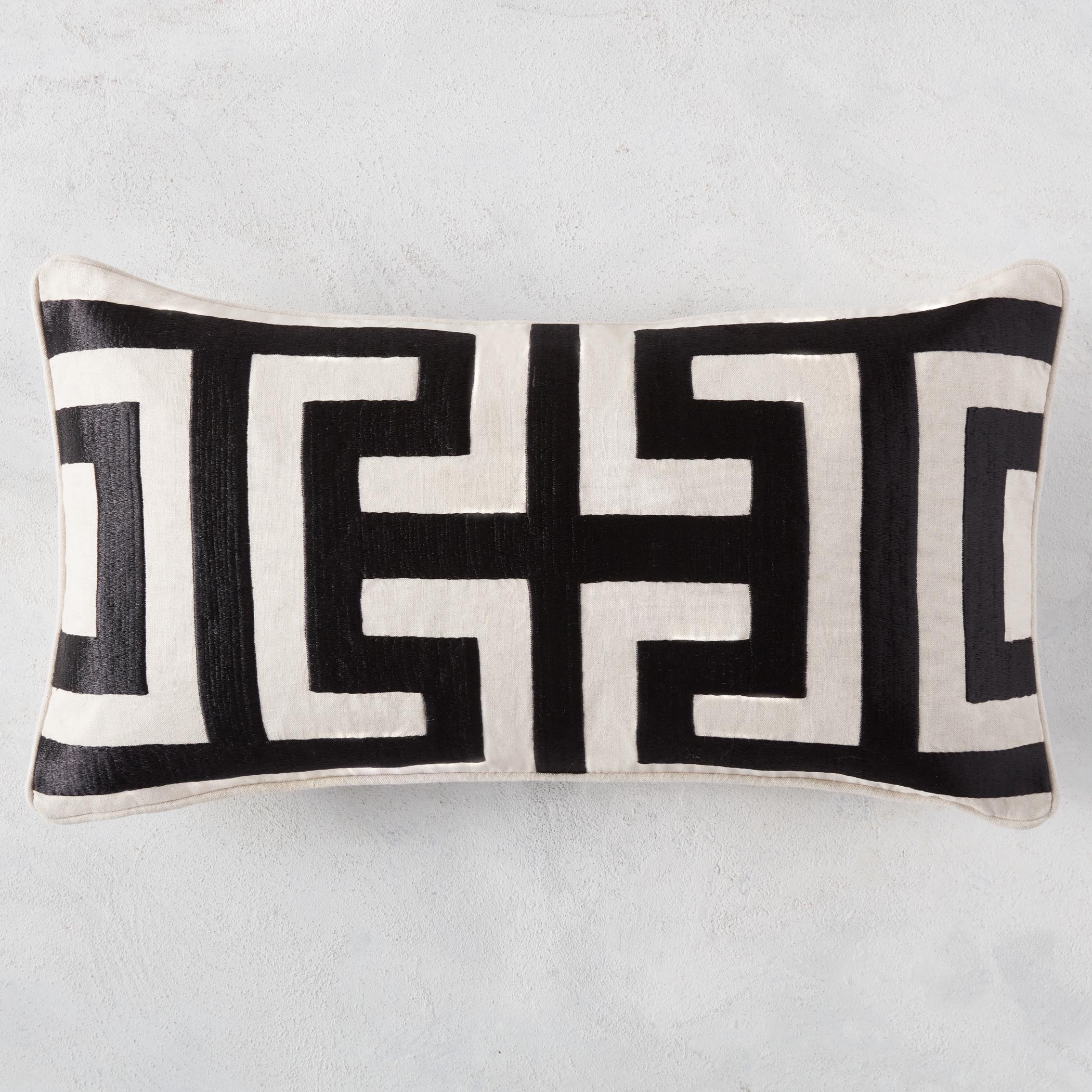 Cace Embroidered Black/Natural Linen Lumbar Pillow 26" x 14"$129
A cotton-linen pillow featuring metallic Greek key embroidery in natural and black with a feather-down insert.
Add To Cart -
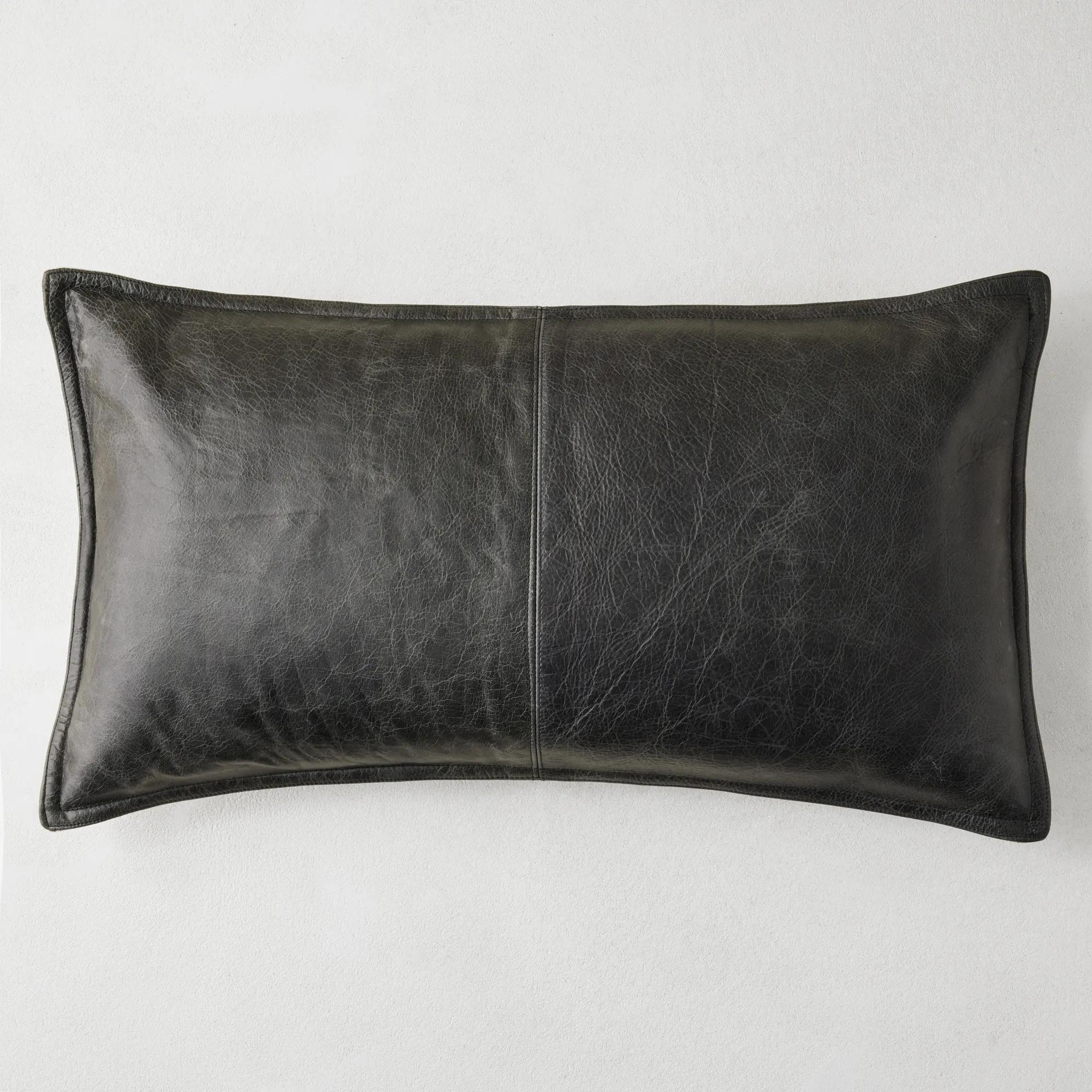 Dylan Onyx Black Genuine Leather Lumbar Pillow 14" x 26"$179
A sleek onyx leather lumbar pillow with double-stitched panels, cotton back, and feather-down insert.
Add To Cart -
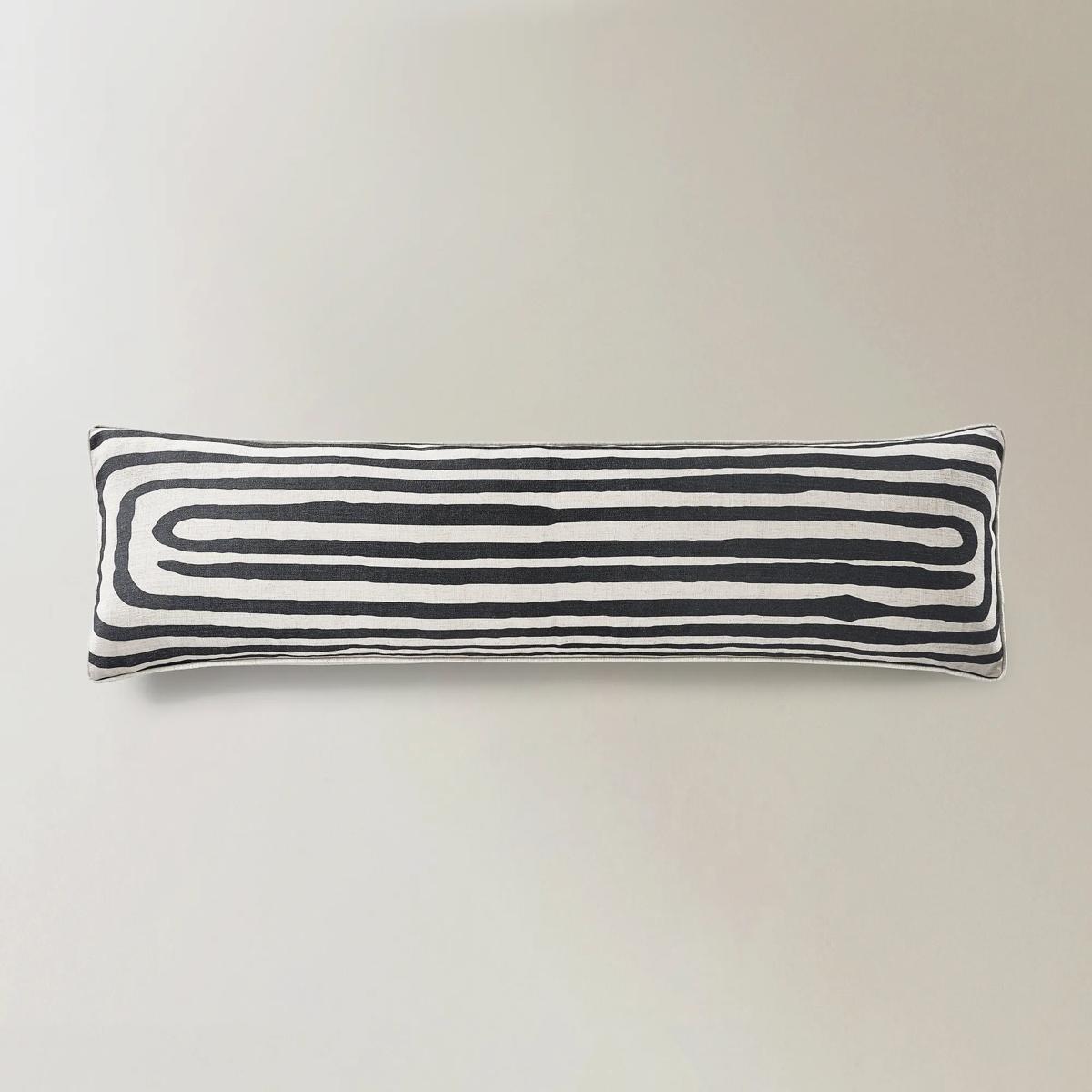
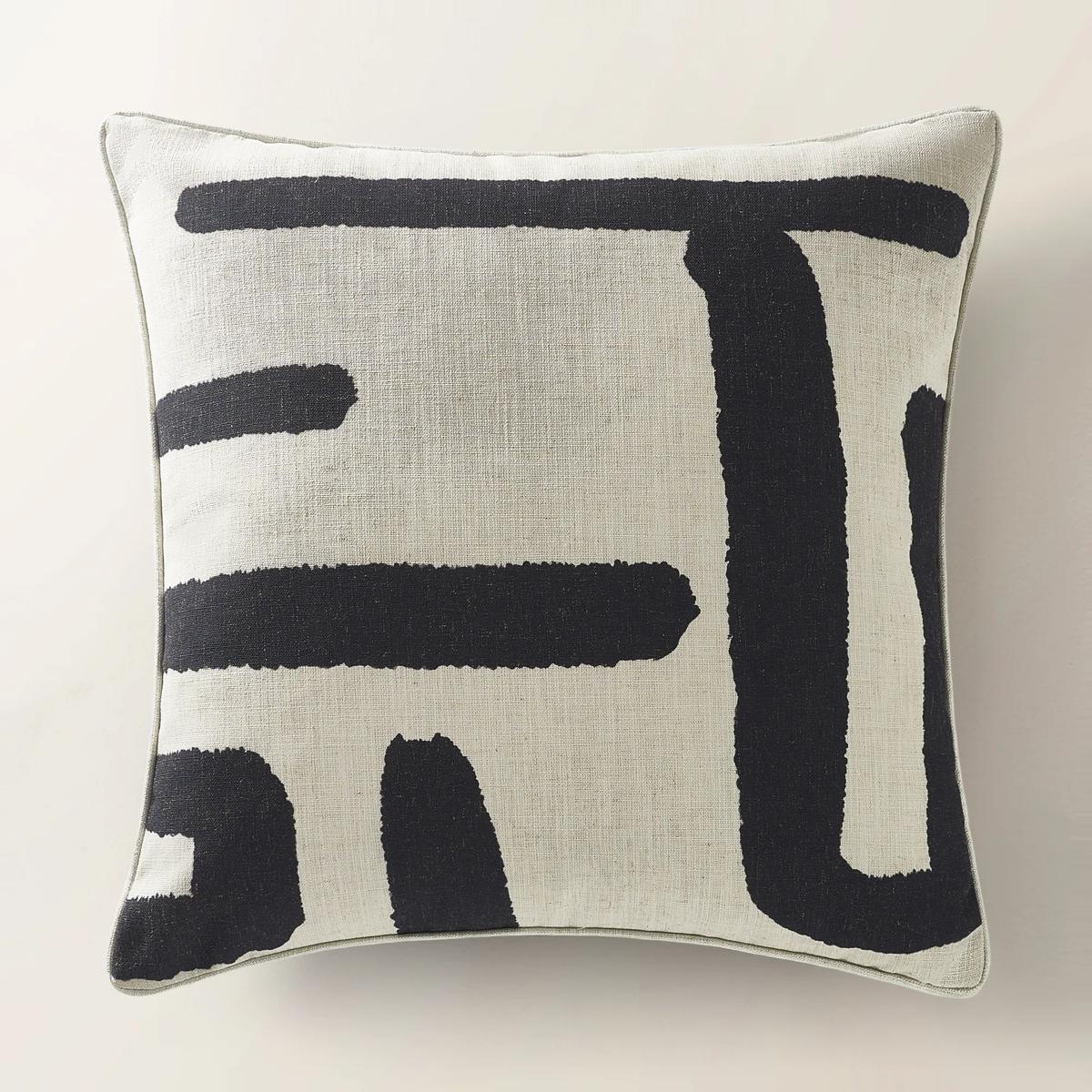
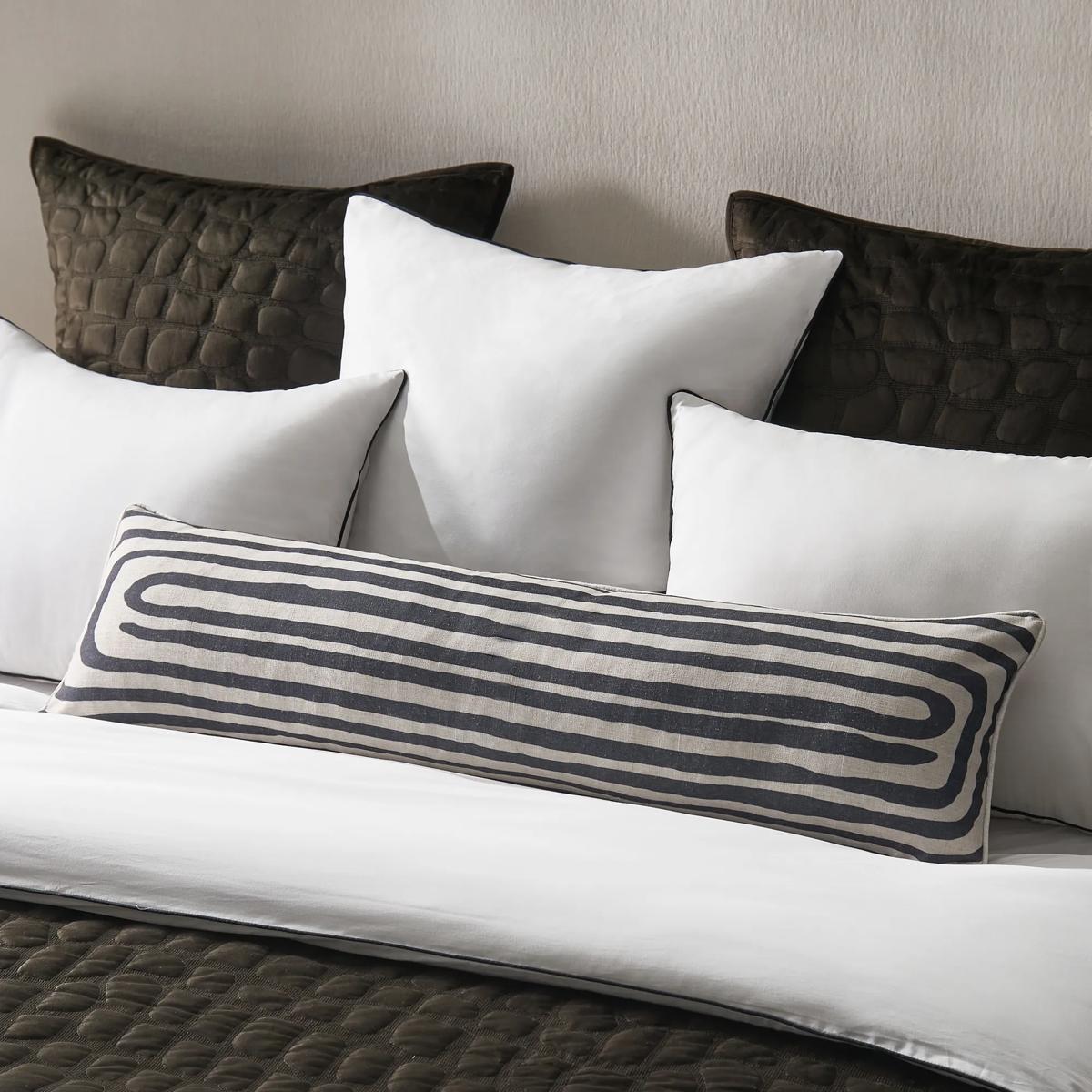 Eren Black/Natural XL Lumbar 42" x 12"$99
A bold black and ivory faux linen lumbar pillow featuring a striking modern pattern and feather-down insert.
Add To Cart -
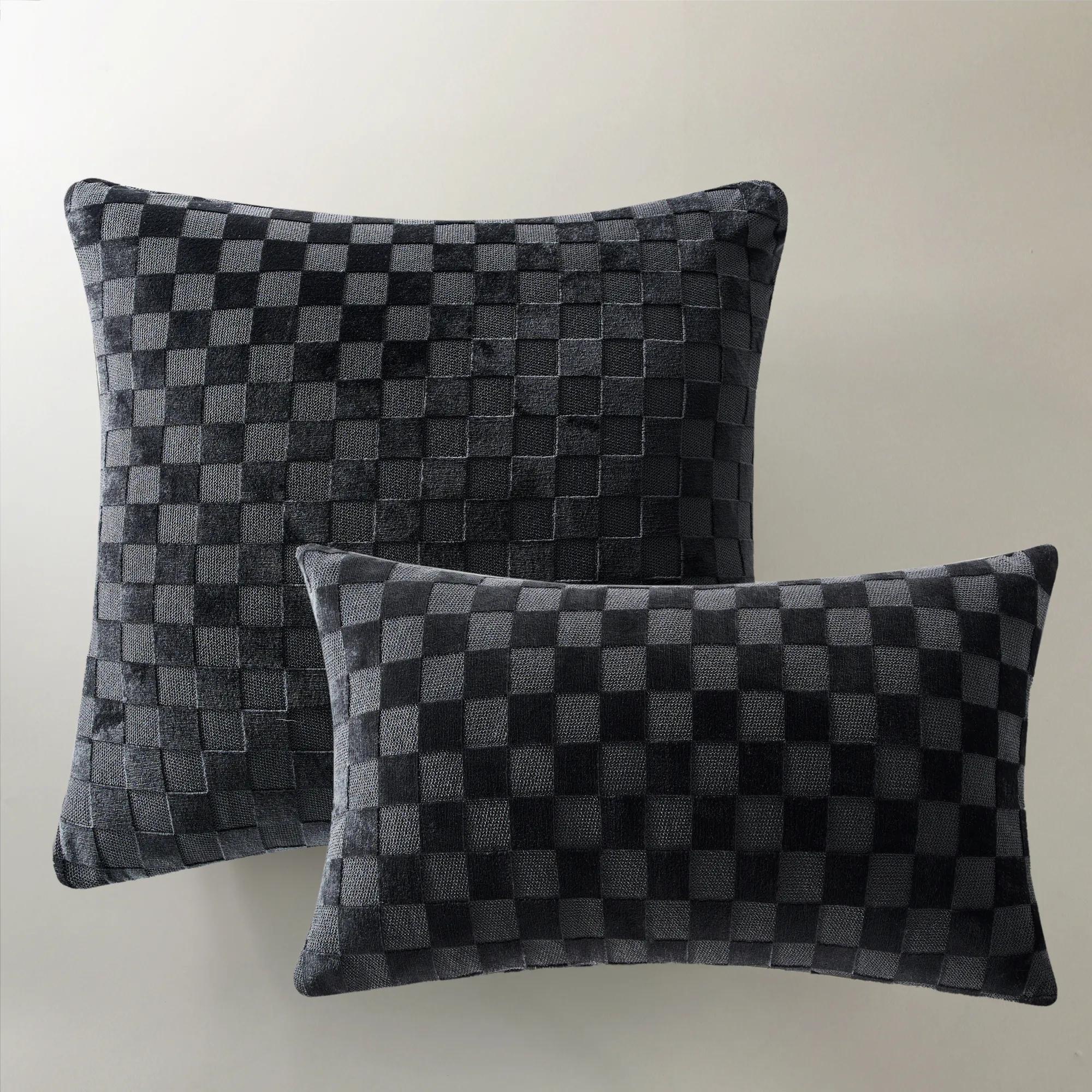
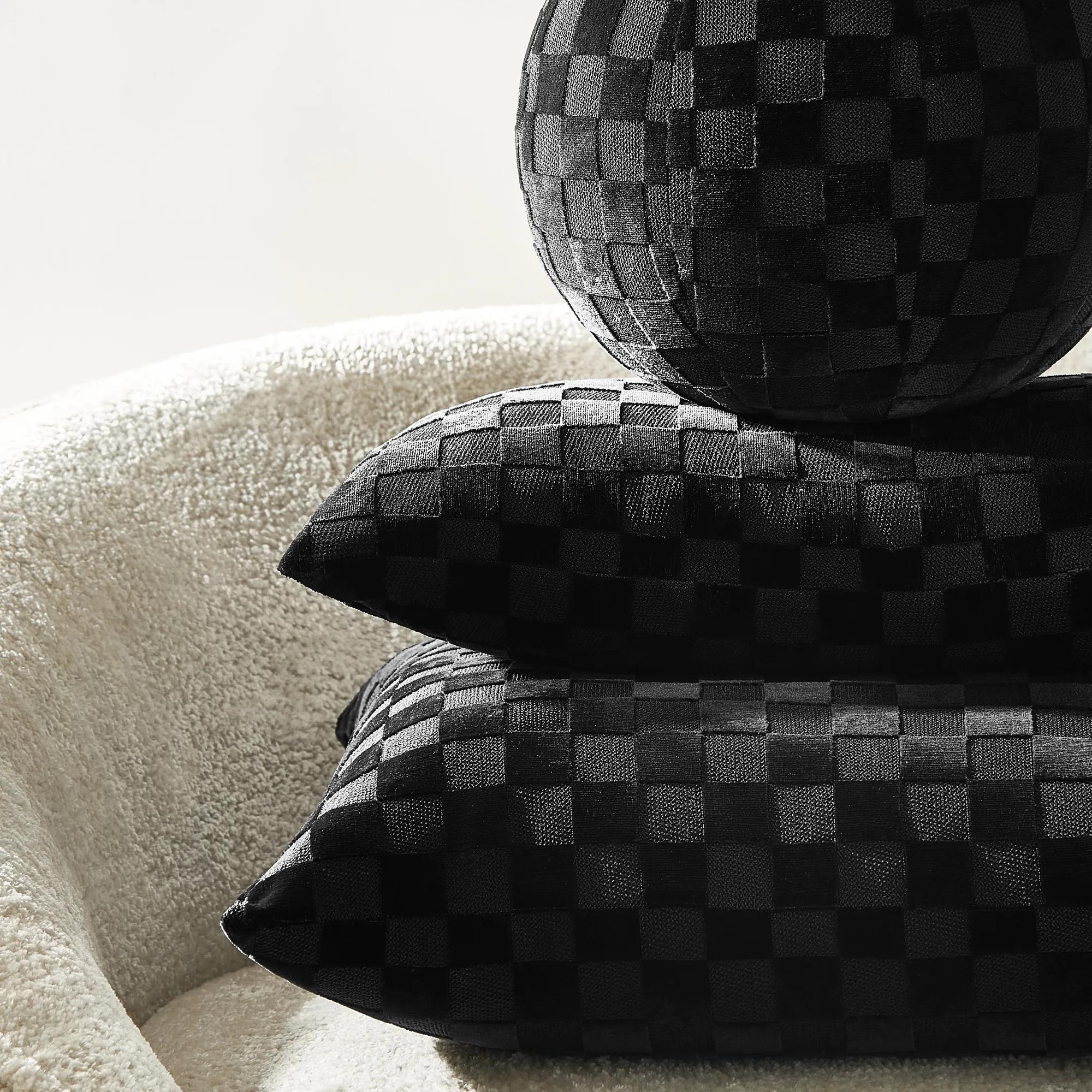 Checker Black Cut Velvet Lumbar 12" x 22"$59
A black cut velvet lumbar pillow featuring a sophisticated checkerboard pattern and removable feather-down insert.
Add To Cart -
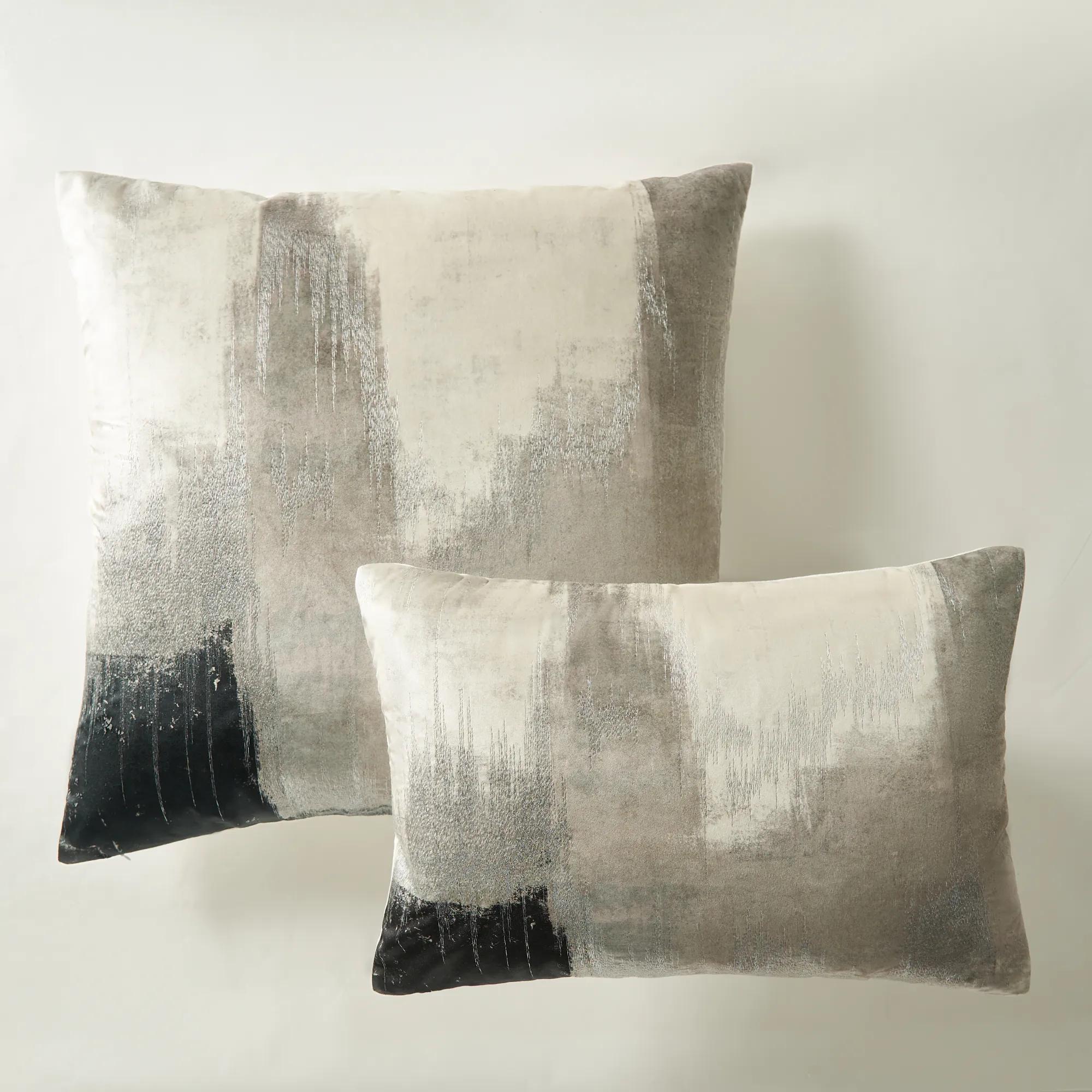
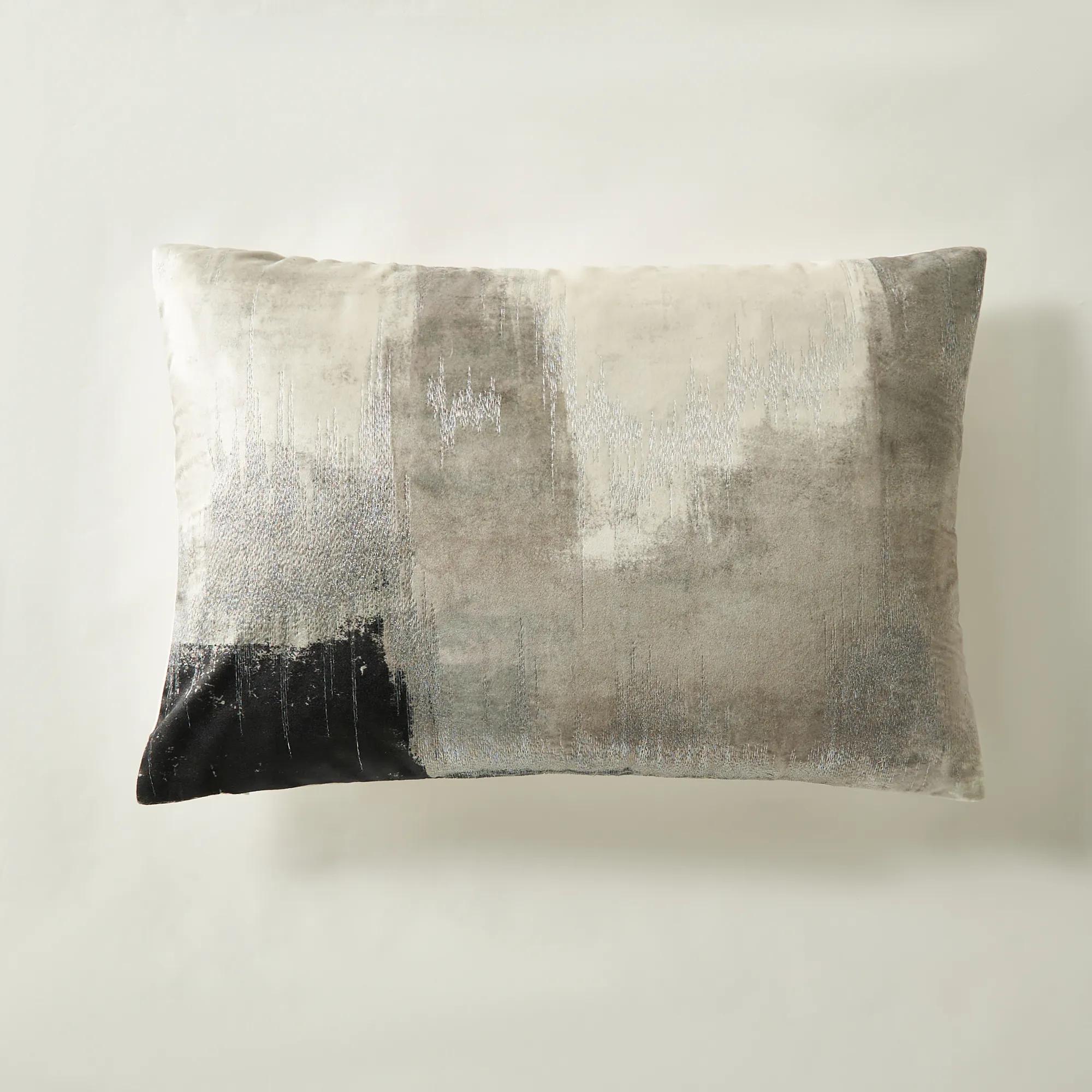 Nya Grey/Black Embroidered Velvet Lumbar Pillow 14" x 20"$69
A plush black and grey velvet lumbar pillow with metallic silver embroidery and a feather-down insert.
Add To Cart -
 Linea Striped Trim Lumbar 20" x 14" - Charcoal$69
A charcoal lumbar pillow featuring elegant striped trim for a sophisticated, modern accent.
Add To Cart -

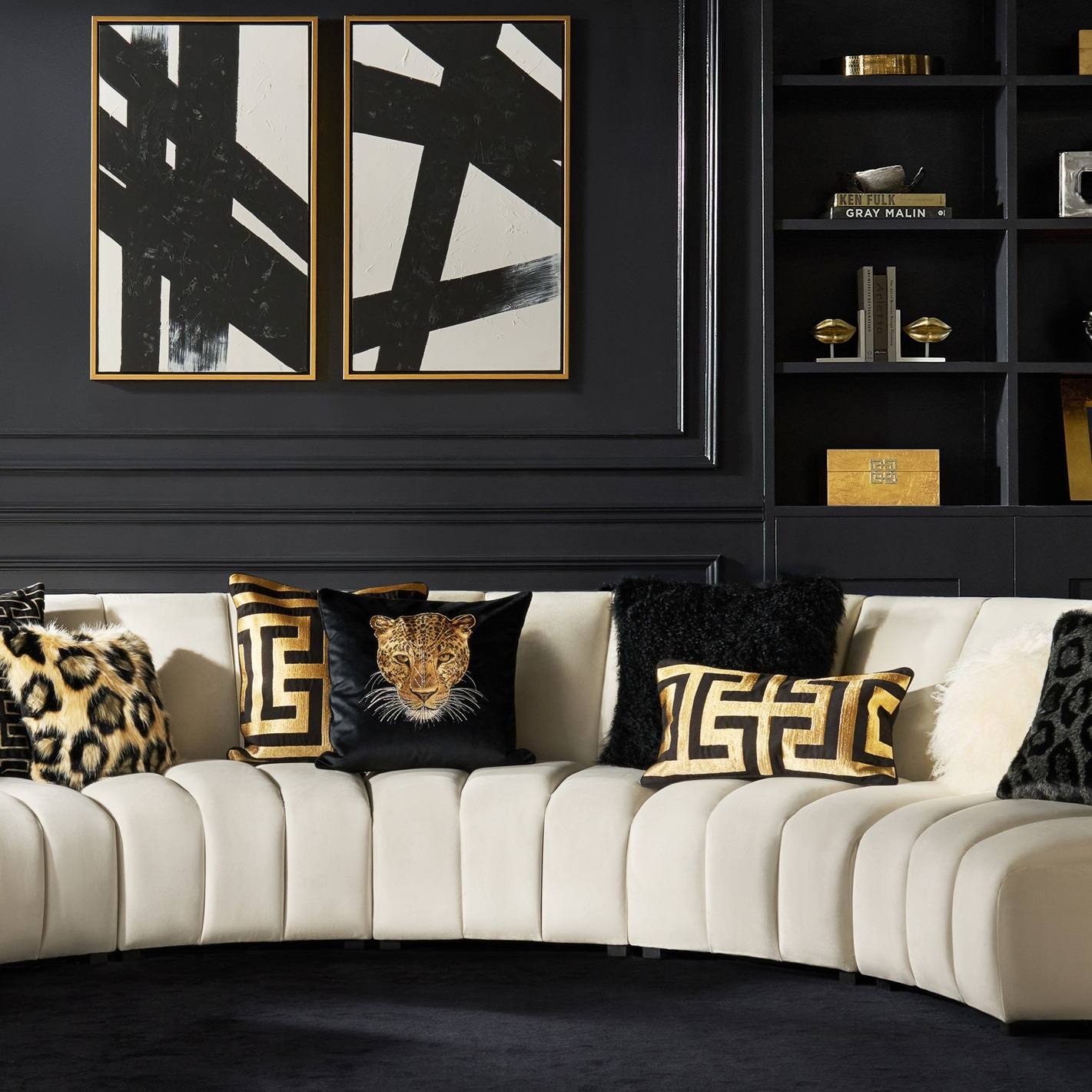 Cace Embroidered Gold/Black Linen Lumbar Pillow 26" x 14"$129
A cotton-linen pillow featuring metallic gold Greek key embroidery and a plush feather-down insert.
Add To Cart -
 Zulu Leopard Embroidered Velvet Pillows$89
A plush black and tan velvet pillow featuring a striking leopard face with embroidered accents and feather-down insert.
Add To Cart -
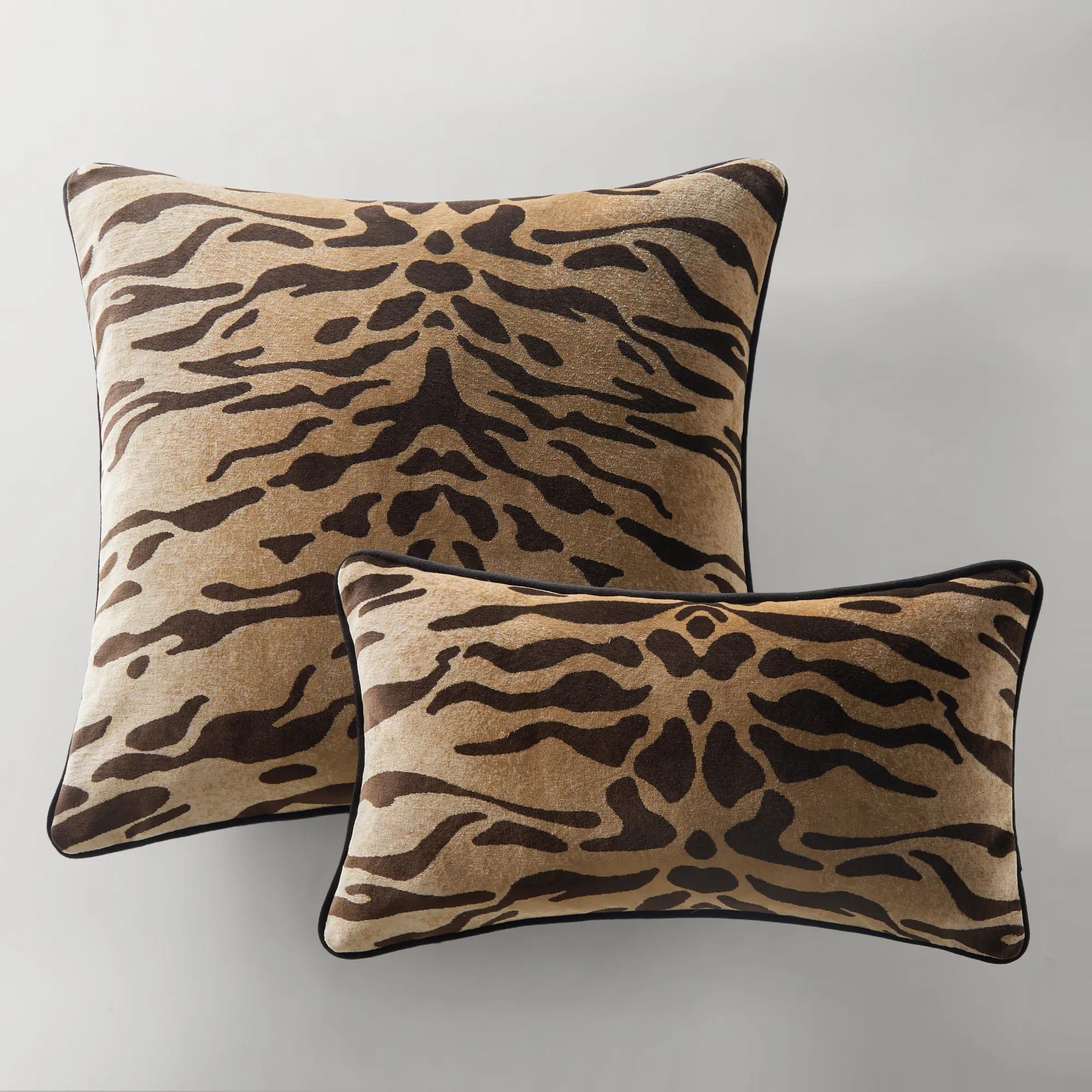 Bronze Tiger Black Piping Velvet Lumbar Pillow 20" x 12"$59
A bronze velvet lumbar pillow with contrast piping and a removable feather-down insert for added comfort.
Add To Cart -
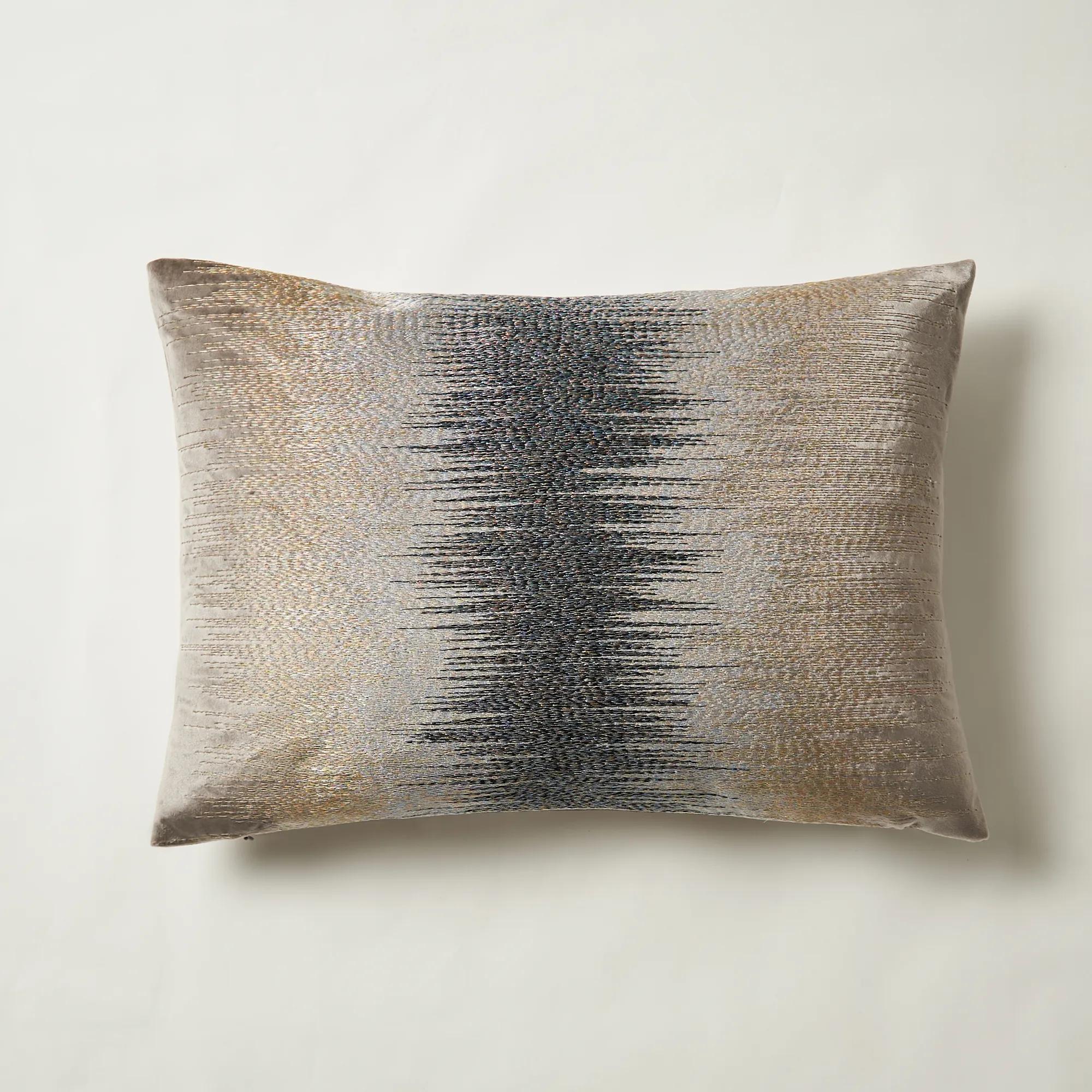
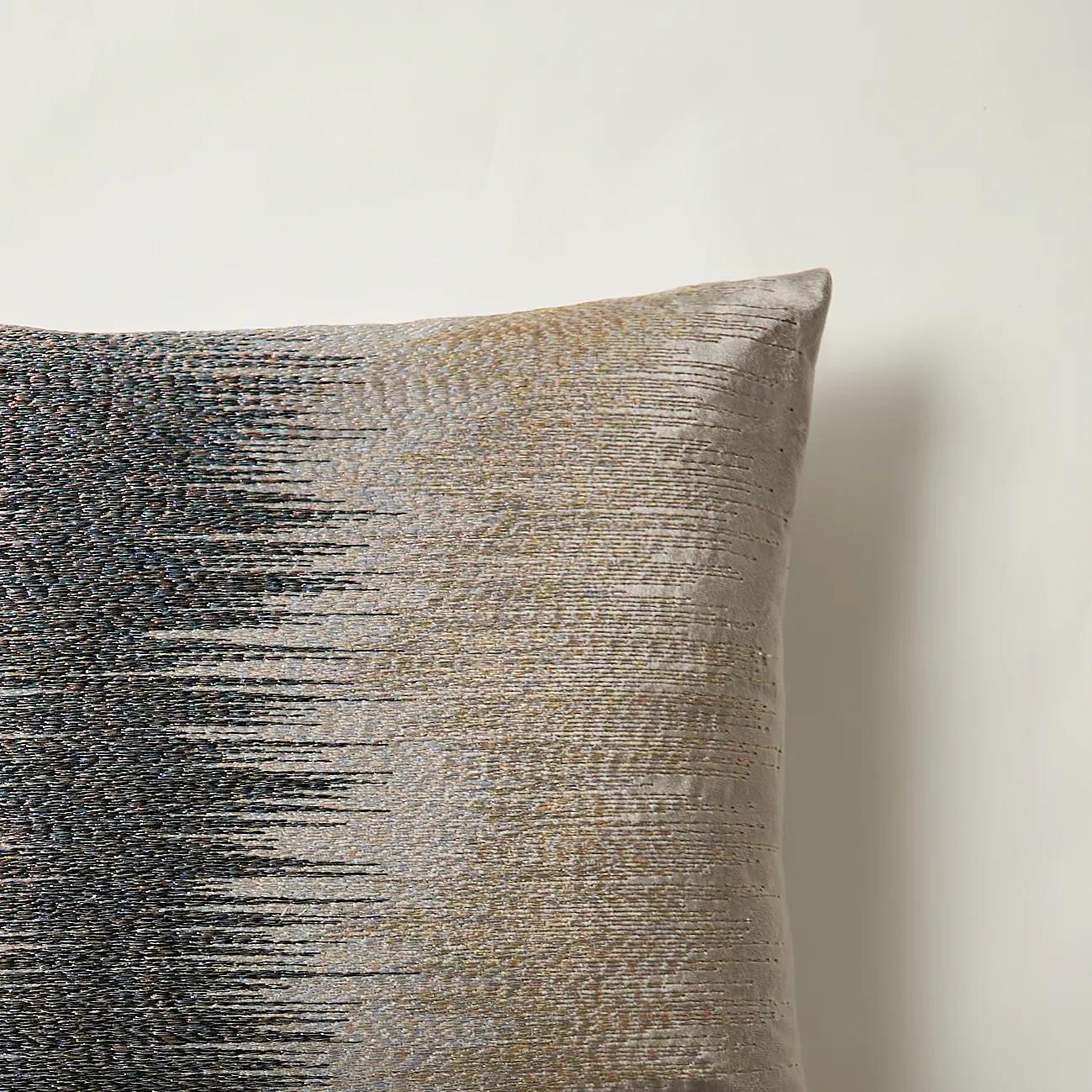 Leon Metallic Embroidered Grey/Charcoal/Silver Velvet Lumbar Pillow 14" x 20"$59
A soft grey, black, and silver velvet pillow featuring gradient metallic embroidery and a plush feather-down insert.
Add To Cart -
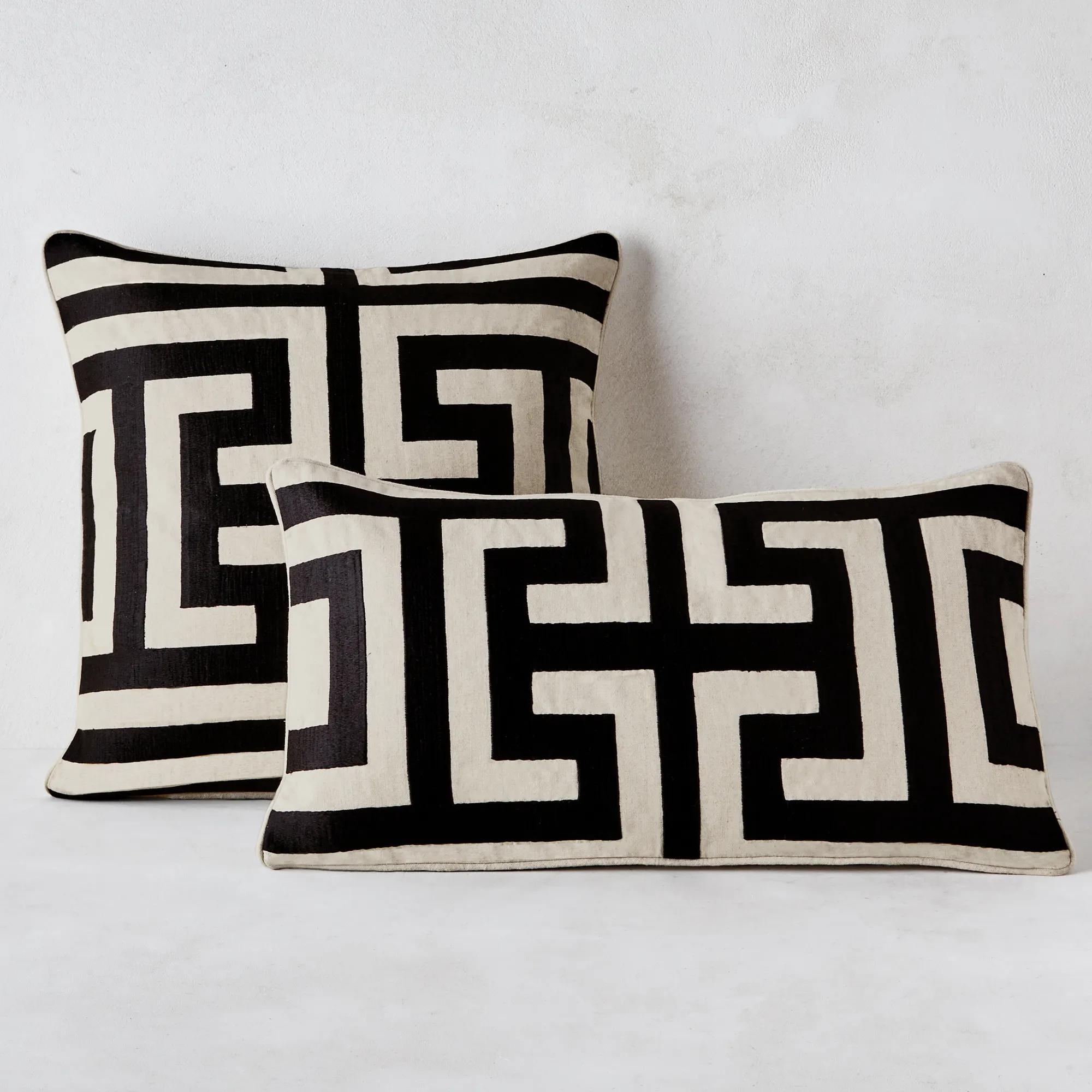 Cace Embroidered Black/Natural Linen Pillow 22" x 22"$129
A cotton-linen pillow featuring metallic Greek key embroidery in natural and black with a feather-down insert.
Add To Cart -

 Calia Black/White Stripe Ball Pillow 12"D$69
A sculptural velvet pillow with bold black-and-white stripes and a fully stuffed spherical form.
Add To Cart -
 Fia Charcoal/Ivory Rope Fringe Lumbar Pillow 20" x 14"$99
A Deco-inspired lumbar pillow featuring ivory velvet, charcoal rope fringe, and a plush feather-down insert.
Add To Cart -

 Nya Mocha Mousse Embroidered Velvet Pillow 24" x 24"$79
A mocha velvet pillow featuring intricate multicolor embroidery for an elegant, textural accent.
Add To Cart -

 Dylan Onyx Black Genuine Leather Pillow 22" x 22"$179
A sleek onyx leather pillow with double-stitched panels, feather-down insert, and cotton back.
Add To Cart -
Nya Mocha Mousse Embroidered Velvet Pillow 14" x 20"$69
A mocha-colored velvet pillow featuring elegant embroidered detailing and a sophisticated multicolor design.
Add To Cart -
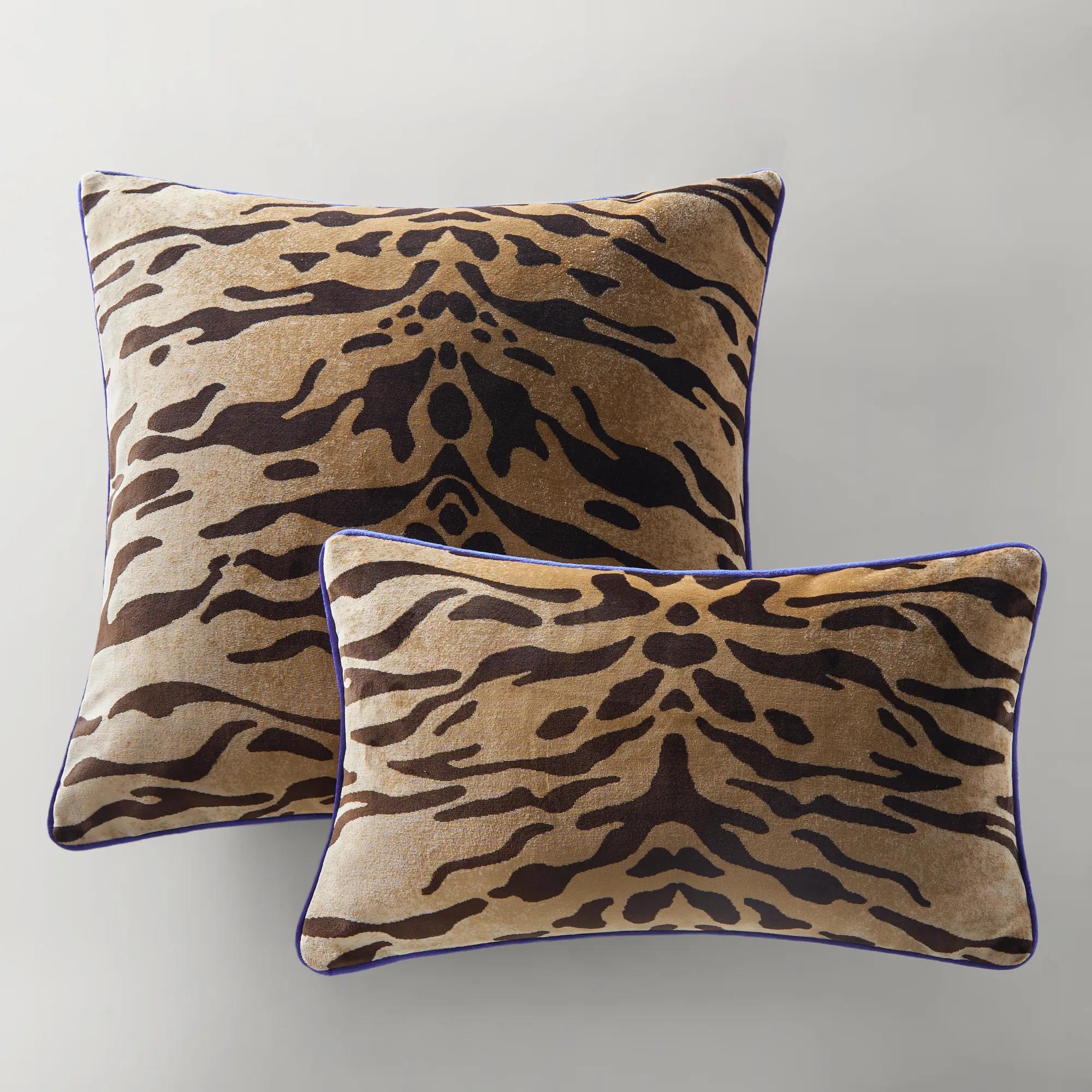
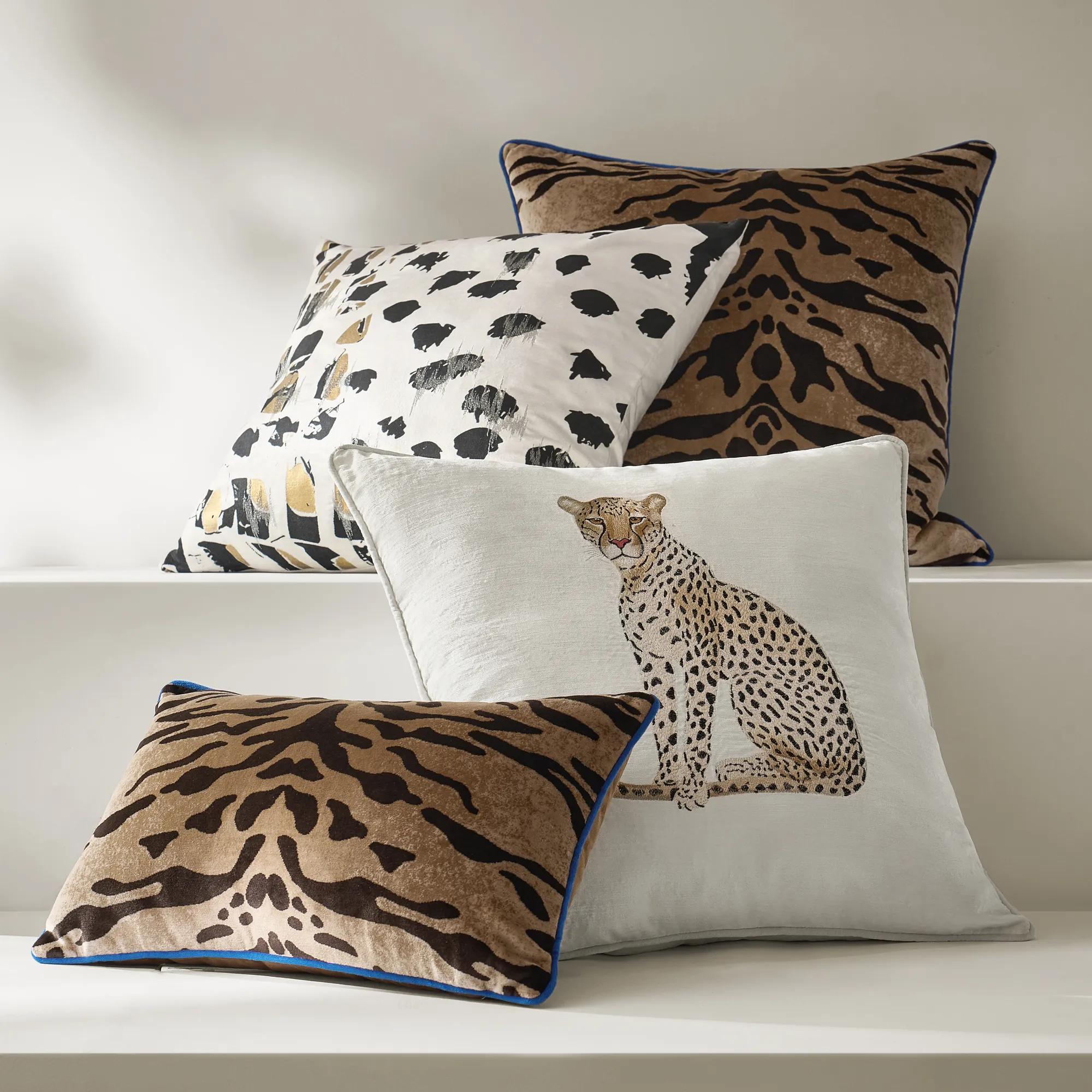 Bronze Tiger Blue Piping Velvet Lumbar Pillow 20" x 12"$59
A bronze velvet lumbar pillow accented with vibrant blue piping and a plush feather-down insert.
Add To Cart -

 Mia Black Mongolian Lamb Fur Pillow 22" x 22"$169
A luxurious black pillow featuring genuine Mongolian lamb fur front and faux suede back for modern elegance.
Add To Cart -

 Nova Beaded Ivory/Gold/Black Velvet Pillow 20" x 20"$89
An ivory velvet pillow with bold black and gold swirls, gold bead accents, and feather-down comfort.
Add To Cart -
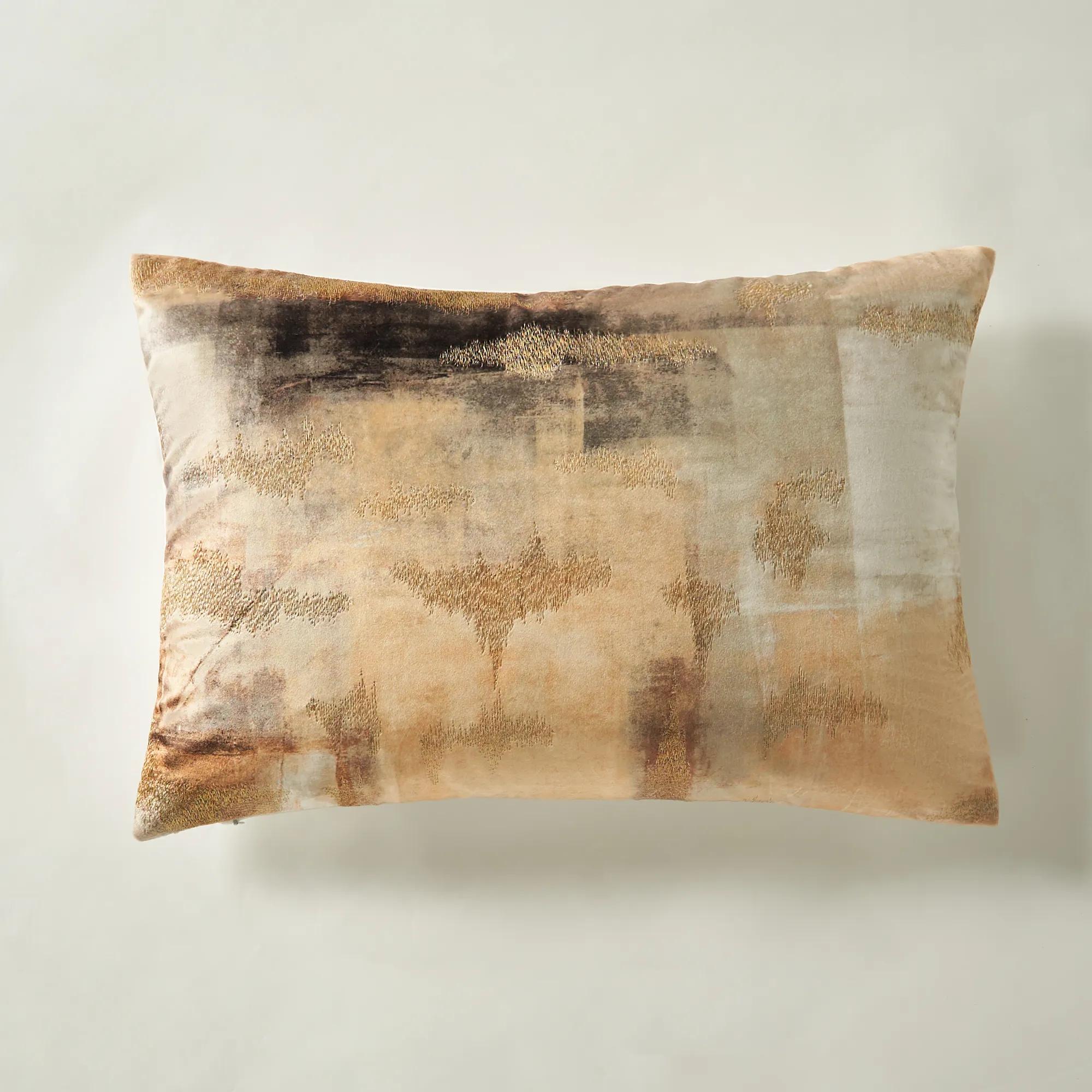
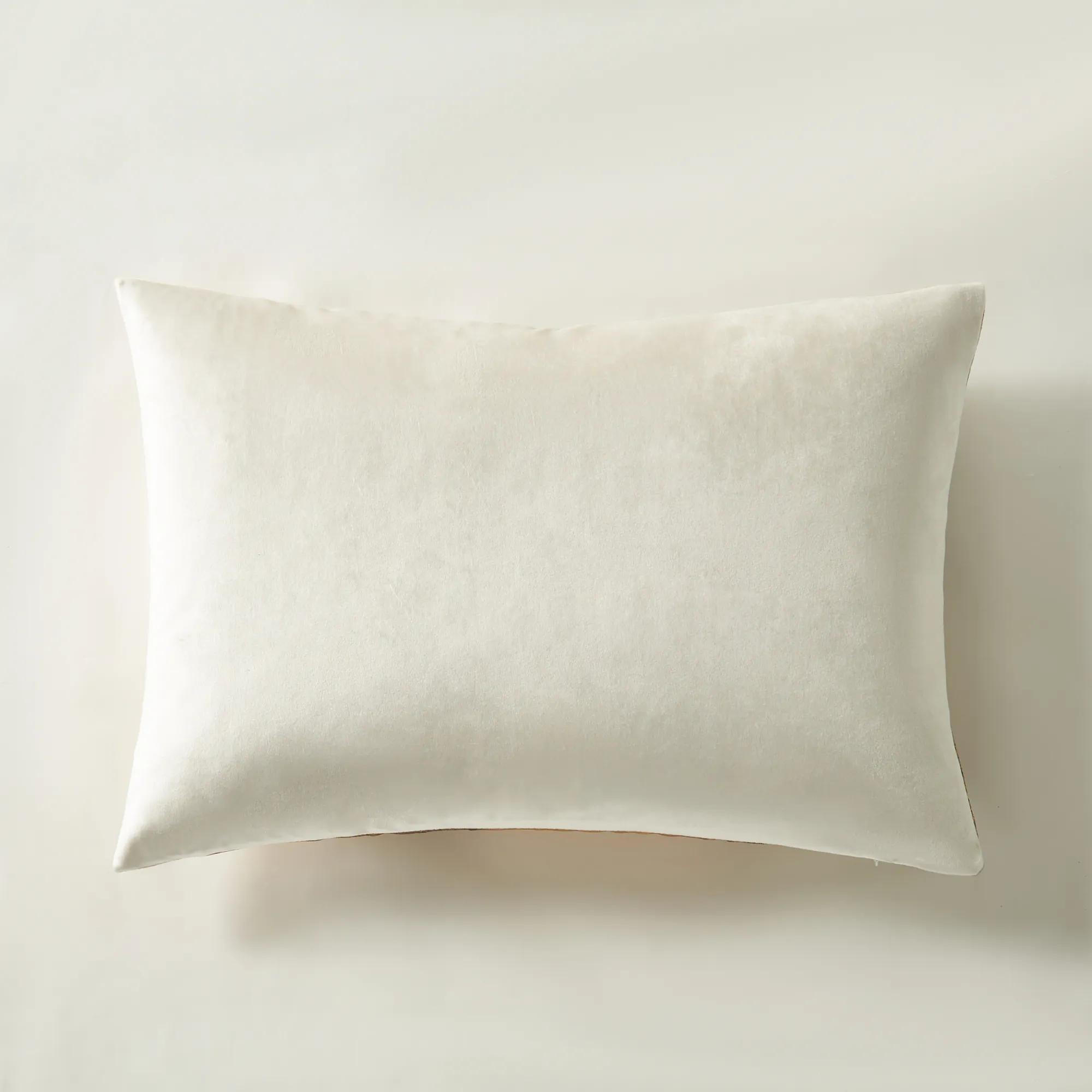 Riya Abstract Gold Embroidered Velvet Lumbar Pillow 14" x 20"$69
A plush ivory, gold, and grey velvet pillow featuring metallic embroidery and a feather-down insert.
Add To Cart -
 Roary Beaded Pillow 20" - Smoked Pearl$129
A smoked-pearl decorative pillow featuring an elegant beaded design.
Add To Cart

Unique Black Lumbar Pillows
Unique Black Lumbar Pillows invite a sense of mystery and sophistication into any space, transforming the ordinary into the extraordinary. These daring accents are more than mere accessories—they are statements of confidence, grounding your décor with a bold silhouette and an alluring depth. Whether draped across a luxe velvet sofa or punctuating a modern bedscape, each pillow becomes an artistic gesture, infusing your room with drama and intrigue. Embrace the power of contrast and let your home tell a story as striking as you are with Unique Black Lumbar Pillows that captivate at first glance.
Unique black lumbar pillows bring a strong visual line to a room, pairing an elongated rectangular shape with a color that can feel quietly tailored or richly theatrical. More than a finishing accent, a black lumbar pillow introduces contrast, texture, and a comfortable layer against a sofa back, accent chair, or arrangement of bed pillows. The distinctive character comes from the details: a raised geometric pattern, dimensional embroidery, a sculpted velvet surface, or a beautifully defined edge. Black is particularly expressive in textured fabrics because light reveals the surface without competing with the color. Velvet can appear nearly ink-dark from one angle and softly luminous from another, while bouclé creates a more tactile effect through its looped yarns. Woven cotton and linen blends offer a drier, more relaxed texture; jacquard brings pattern into the fabric itself rather than relying solely on a printed surface. Faux leather introduces a smooth, structured contrast, especially when accented with channel stitching or precise seams. These material differences give black decorative lumbar pillows their range, from polished and architectural to plush and enveloping. Against ivory upholstery, the effect is crisp and graphic. On a charcoal sofa, subtle differences in pile, weave, and sheen create depth without an abrupt color break. Warm wood, antique-inspired brass, clear glass, and mirror-finish accents each draw out a different quality in the same dark textile. A restrained black-and-cream pattern can connect contrasting furniture finishes, while black fabric with metallic embroidery adds a more ornamental note. The result need not depend on elaborate embellishment: an exceptionally tactile surface or an unexpected proportion can be just as expressive. Among Unique Lumbar Pillows, black designs have particular versatility, bringing definition to pale palettes and nuance to darker rooms. Their appeal lies in that balance of presence and adaptability—a compact textile accent with enough character to influence the entire composition.
Proportion determines how that character translates onto furniture. Decorative lumbar pillows are generally wider than they are tall, allowing them to sit in front of square cushions without concealing every layer behind them. Familiar dimensions such as 12 by 20 inches or 14 by 24 inches suit many chairs and sofas, while longer versions create a more expansive horizontal accent across a bed or generous seat. Measurements alone do not tell the whole story, however; a deeply filled pillow occupies more seating space than a softly filled one with the same cover dimensions. On a narrow accent chair, a modest rectangular pillow can highlight the chair’s silhouette while leaving room to sit comfortably. On a deep sofa, a larger lumbar shape can make the seating arrangement feel more inviting, particularly when paired with square pillows that provide height at either end. A single long black pillow across a bed can create a composed focal point in front of sleeping pillows, especially against ivory linen, a velvet coverlet, or a textured neutral quilt. The most convincing arrangements leave some surrounding fabric visible so the black accent reads as intentional rather than overwhelming. Pattern scale matters in the same way: broad geometric stitching has room to register on an oversized silhouette, while fine embroidery rewards a closer view on a reading chair. A solid black lumbar pillow can also steady an arrangement that already includes expressive artwork, patterned upholstery, or a richly veined stone table. Conversely, a dimensional black design gives a quieter room a point of fascination without introducing another dominant hue. Decorative lumbar pillows may add pleasant cushioning behind the lower back, but their comfort depends on the fill, firmness, and furniture depth; they are not substitutes for purpose-built ergonomic support. For everyday seating, the ideal balance is visual drama with enough softness and appropriately scaled depth to remain genuinely welcoming.
Construction and care are equally important to the lasting appeal of black lumbar throw pillows. A well-made cover has even seams, securely attached embellishments, and a shape that holds its intended outline without twisting. Piping emphasizes the perimeter, a knife-edge finish creates a cleaner outline, and fringe or dimensional trim adds movement and ornament. Removable covers with concealed zippers can simplify maintenance when their care instructions permit cleaning separately, though neither a zipper nor a durable-looking weave automatically means a cover is machine washable. Fiber content, dyes, backing materials, and decorative finishes all influence the appropriate treatment. Velvet may require care that protects its pile, while embroidered, beaded, or metallic details can call for specialist cleaning. Following the care label, blotting spills promptly rather than rubbing, and testing any permitted cleaner in an inconspicuous area help preserve the fabric’s appearance. Black textiles can make pale lint and pet hair more noticeable, so gentle, fabric-appropriate surface maintenance is especially useful in frequently used rooms. Direct sunlight may fade dark fabrics over time, making placement part of long-term care. Fill also shapes the experience: feather-and-down blends generally offer a yielding feel and benefit from regular fluffing, while polyester fills can provide resilient volume with a different degree of firmness depending on their construction. Where an insert is separate, compatibility with the cover dimensions and closure matters more than a universal sizing rule; too much fill can strain seams, while too little leaves corners looking unfilled. Households with pets or young children may prefer tightly woven surfaces and minimal loose ornament over open loops, dangling trim, or delicate beadwork. For a housewarming or design-minded gift, a black lumbar pillow offers expressive potential without requiring a large change to the recipient’s room. Matching its texture and scale to a favorite chair or established bedding palette makes the gesture feel personal. Whether richly embellished or defined by an exquisite surface, the strongest choice brings beauty into daily use and gives a familiar setting a more distinctive point of view.
FAQs
Black lumbar pillows add a sense of depth and drama to any room, serving as striking focal points or grounding neutral elements. Their rich, versatile hue complements a wide range of color palettes, from bold jewel tones to soft pastels, and their elongated shape brings architectural interest to sofas, beds, or accent chairs.
Black and white lumbar pillows are exceptionally versatile, pairing beautifully with modern, contemporary, art deco, and transitional spaces. Their crisp contrast can accentuate minimalist settings, enhance glam-inspired rooms, or provide graphic punctuation in eclectic environments.
Absolutely. Black lumbar pillows make thoughtful and stylish gifts for housewarmings, birthdays, or holidays. Their timeless appeal and luxurious textures ensure they’ll be cherished by anyone who values expressive, artful home décor.
To achieve a layered, designer-inspired look, pair a black back pillow with pillows in varying sizes, shapes, and textures. Mix materials like velvet, faux fur, or metallics, and introduce accent colors that reflect your personal style for a curated, gallery-worthy arrangement.
A black and beige lumbar pillow can soften the lines of a structured sofa, add warmth to a cool-toned bedroom, or serve as a sophisticated accent on a window seat. It also transitions beautifully from season to season, adapting effortlessly to evolving décor themes.