Designer Lumbar Pillows
Designer Lumbar Pillows
-
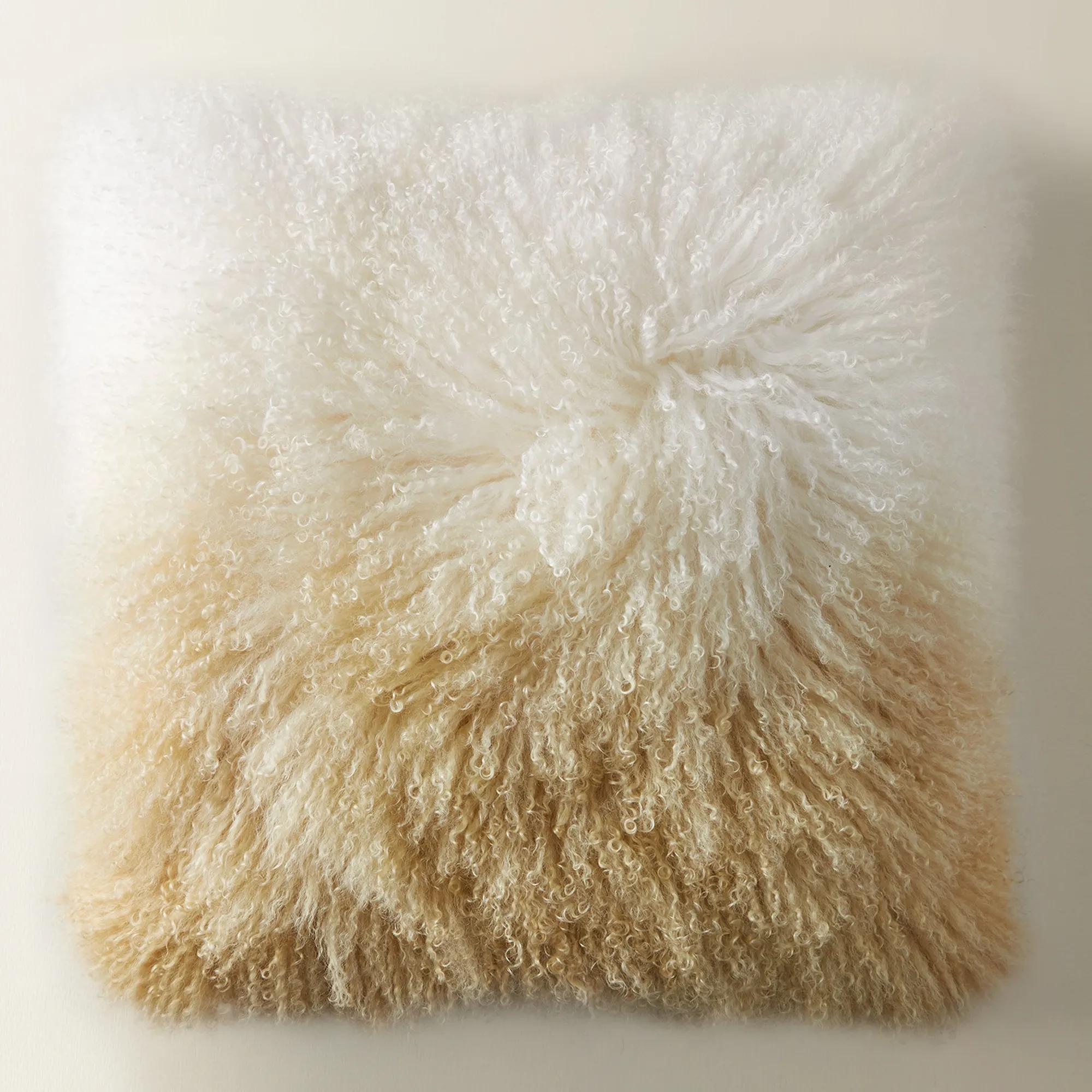
 Oria Soft Nude and Gold Metallic Embroidered Pillow$89
A soft nude pillow featuring elegant gold metallic embroidery for a glamorous, textural accent.
Add To Cart -

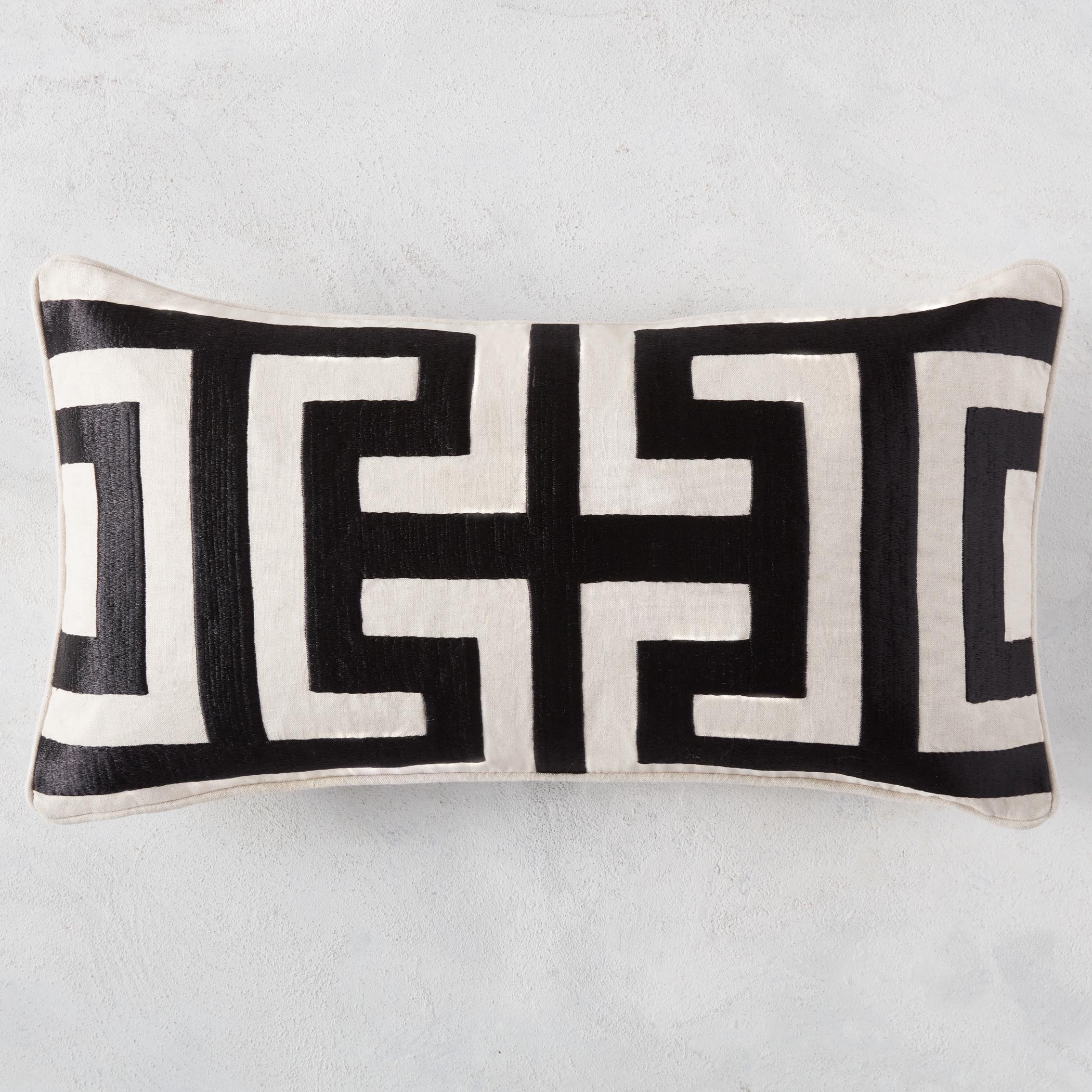 Cace Embroidered Black/Natural Linen Lumbar Pillow 26" x 14"$129
A cotton-linen pillow featuring metallic Greek key embroidery in natural and black with a feather-down insert.
Add To Cart -
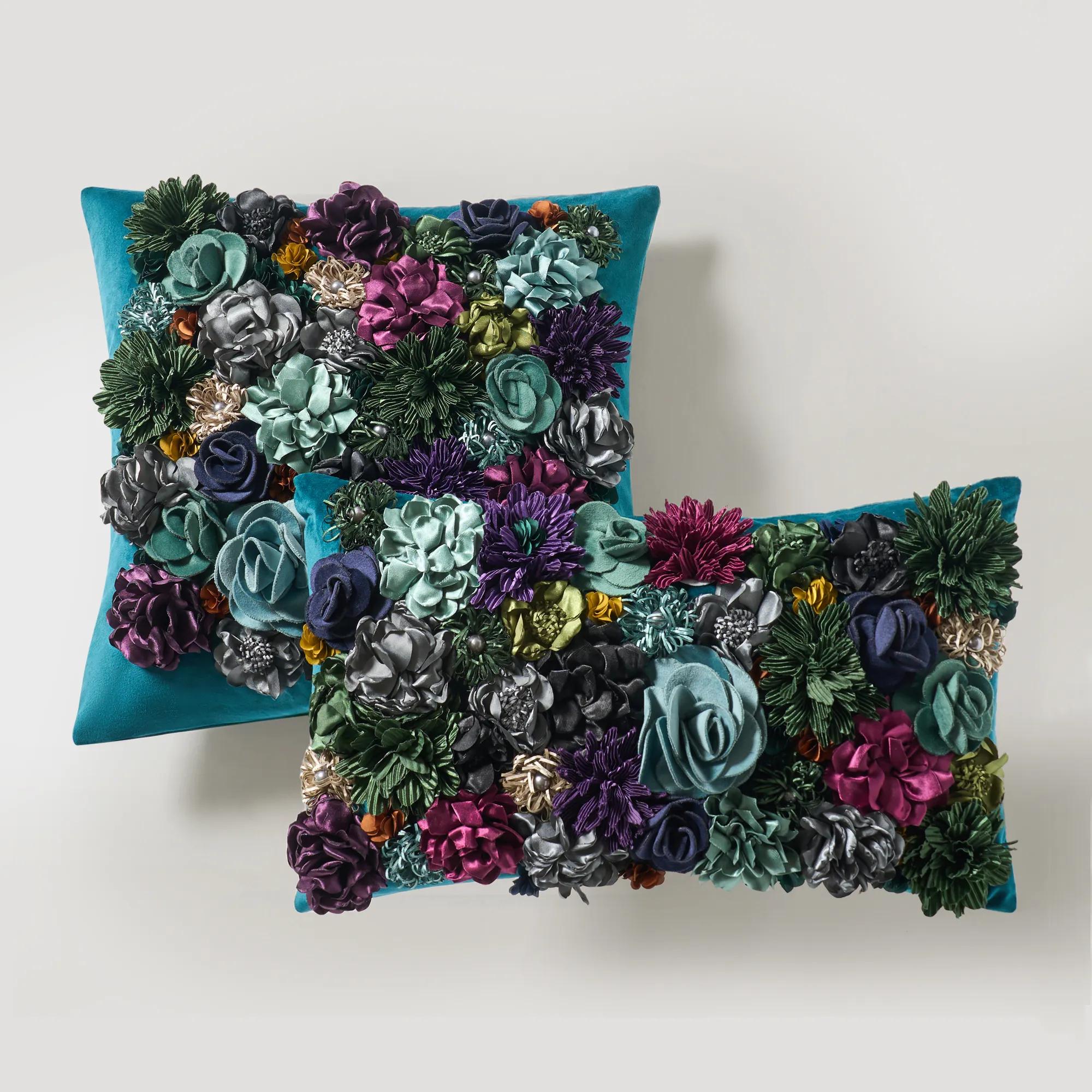
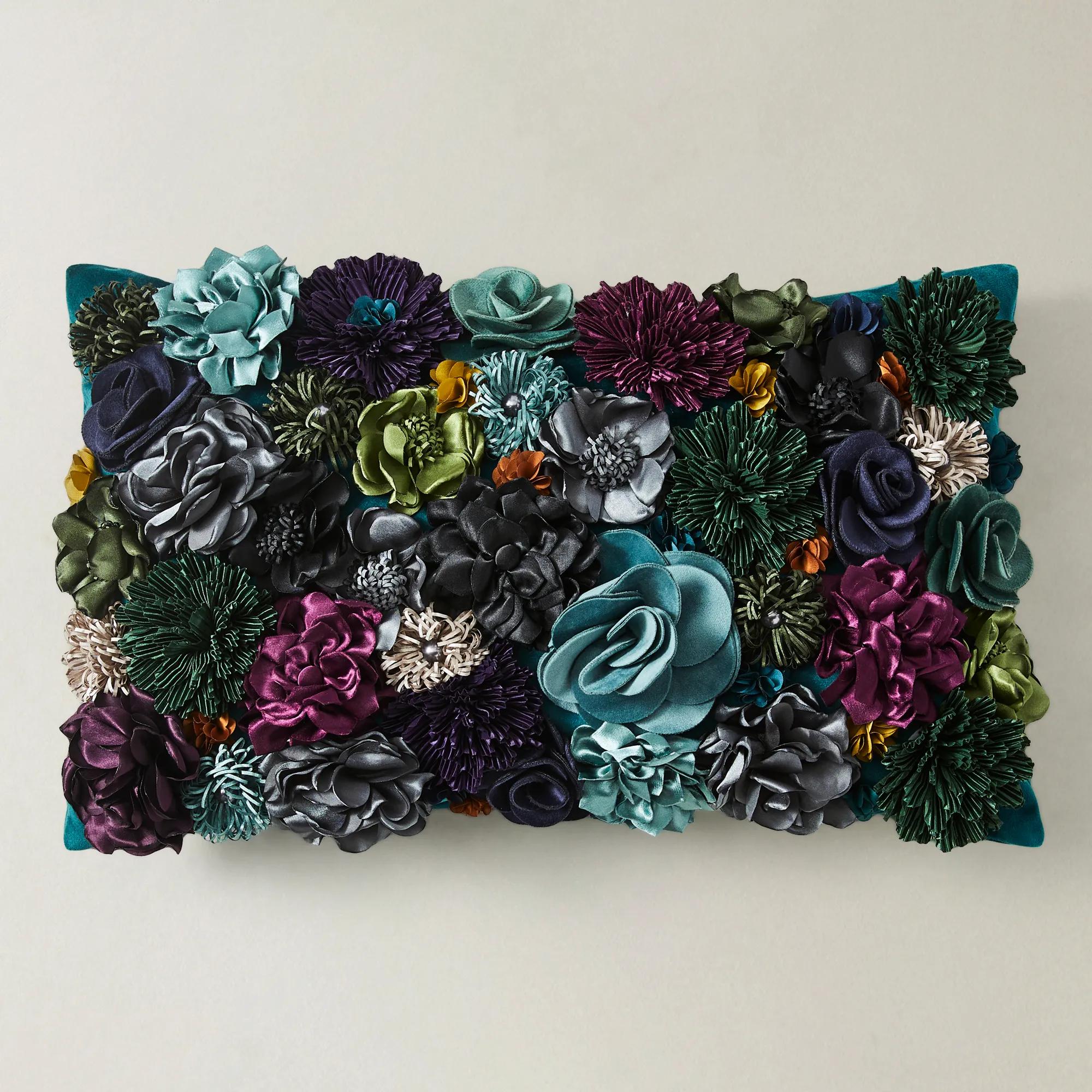 Posy Handcrafted 3D Floral Appliqué Multicolor Velvet Lumbar Pillow 20" x 12"$119
A cerulean velvet lumbar pillow adorned with detailed blooms and filled with a plush feather insert.
Add To Cart -
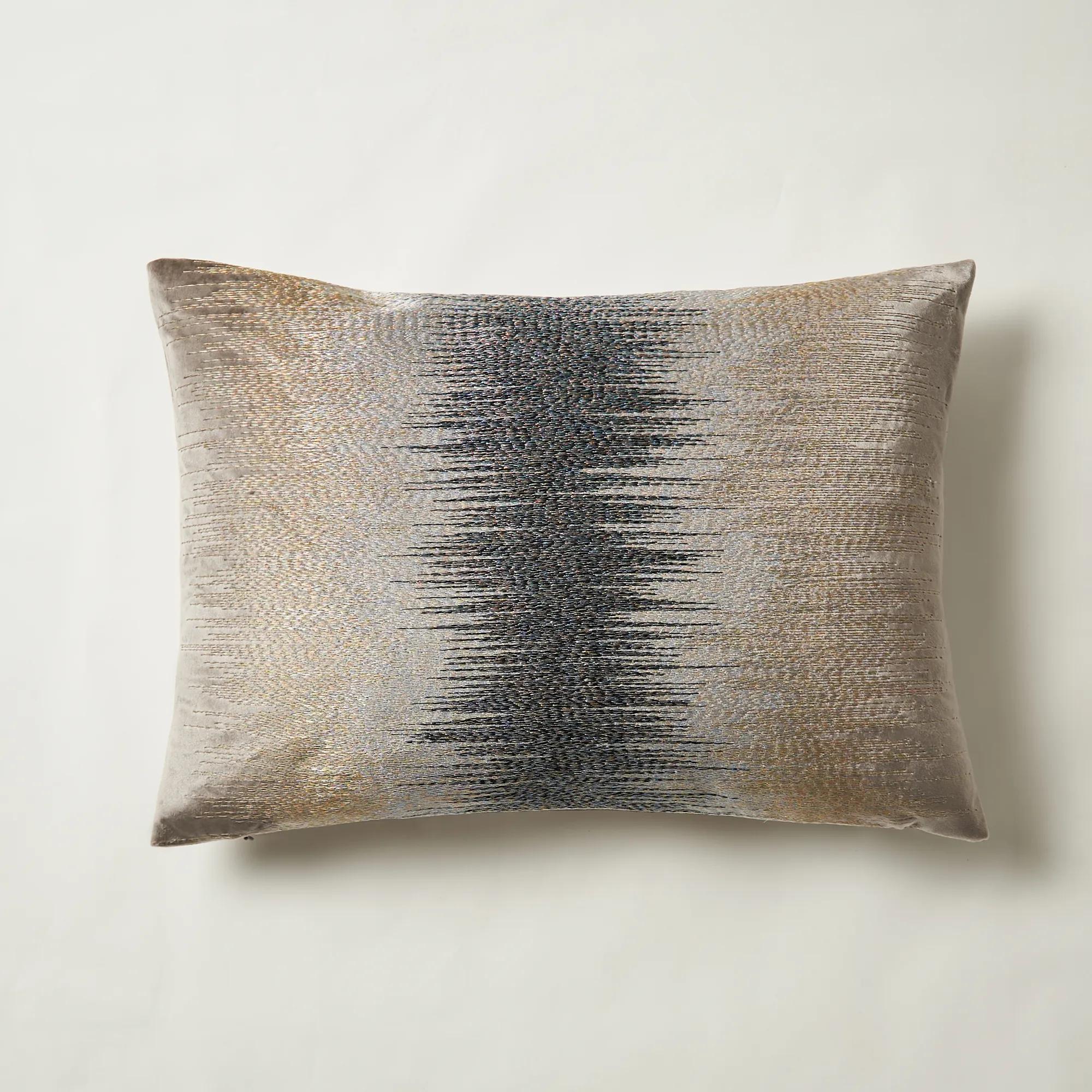
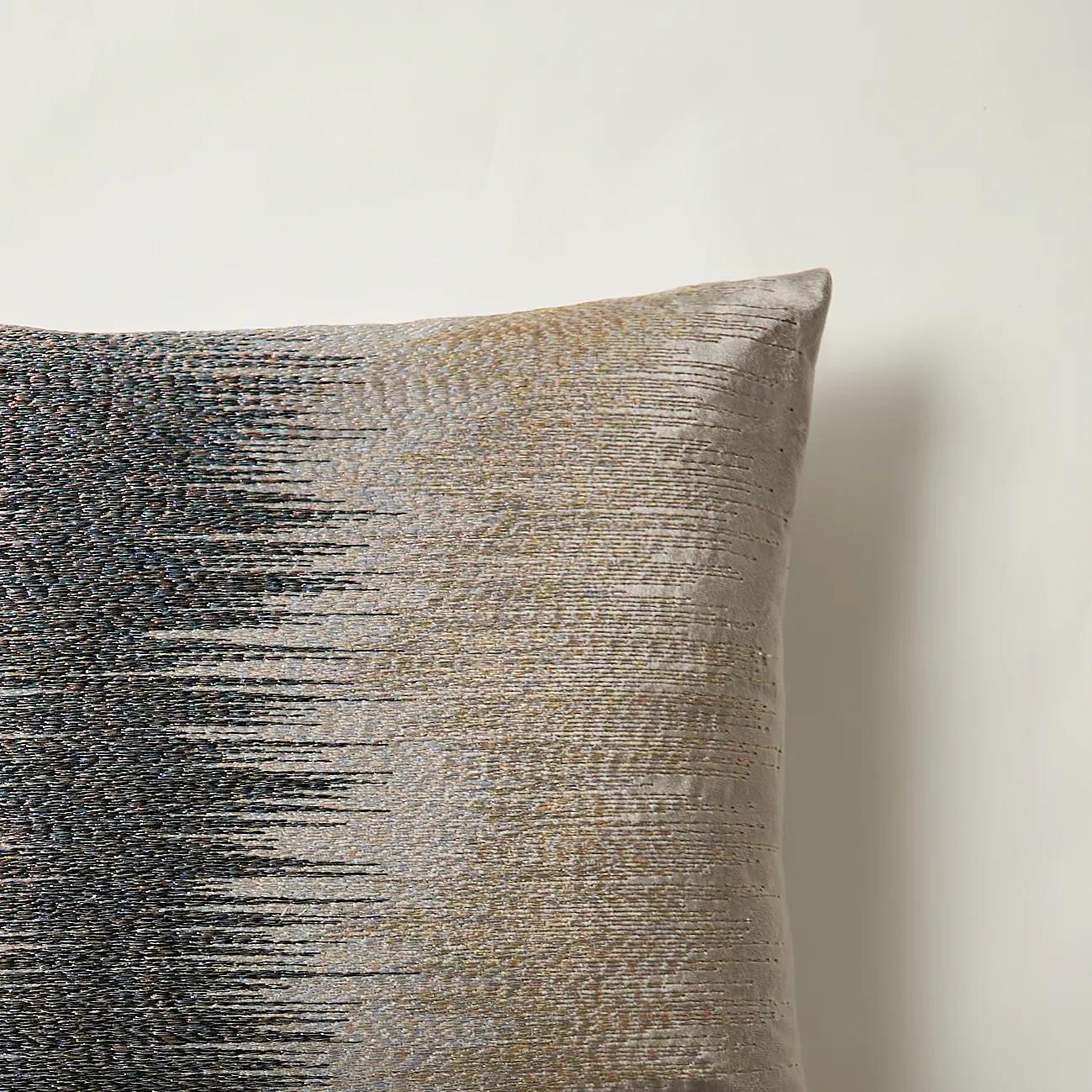 Leon Metallic Embroidered Grey/Charcoal/Silver Velvet Lumbar Pillow 14" x 20"$59
A soft grey, black, and silver velvet pillow featuring gradient metallic embroidery and a plush feather-down insert.
Add To Cart -
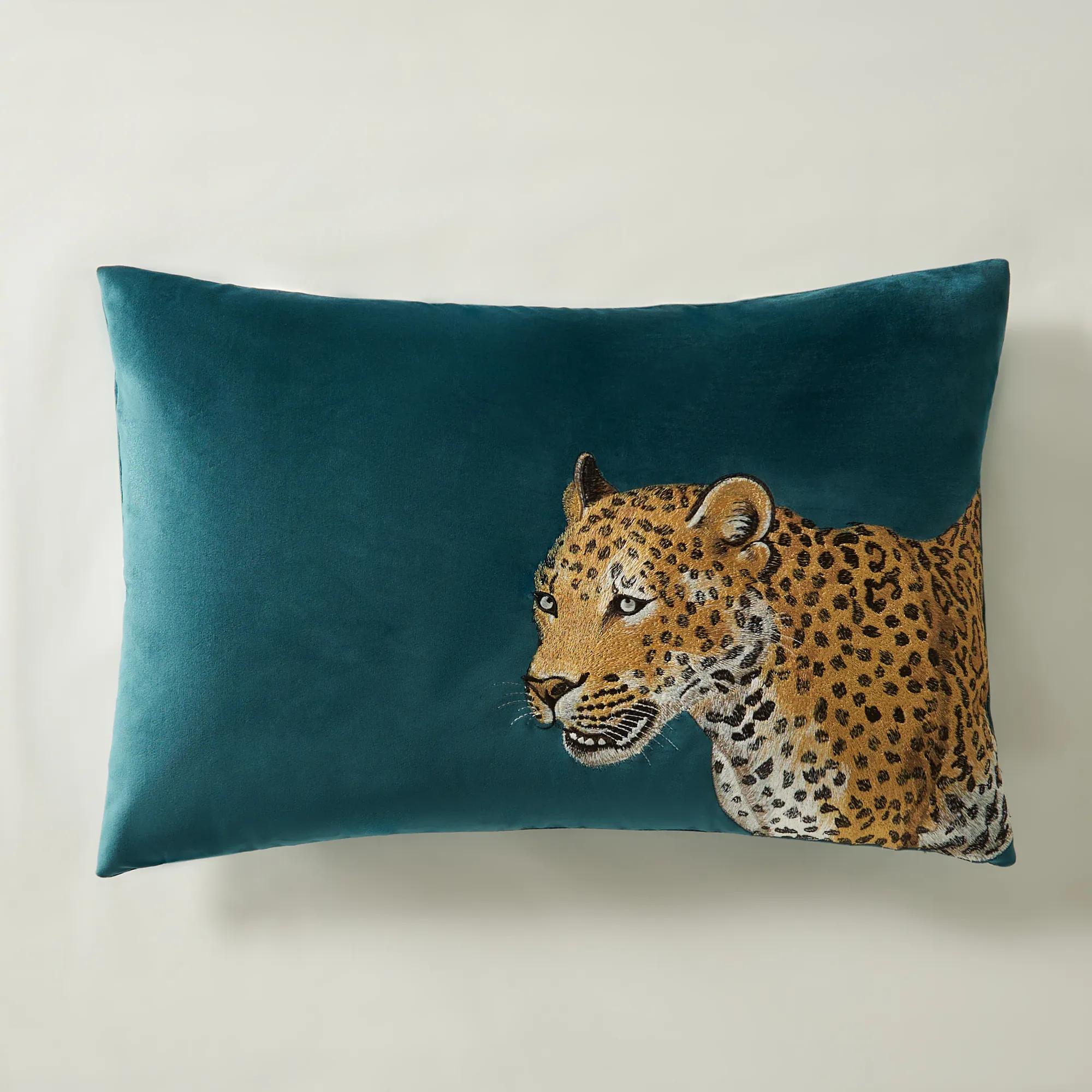
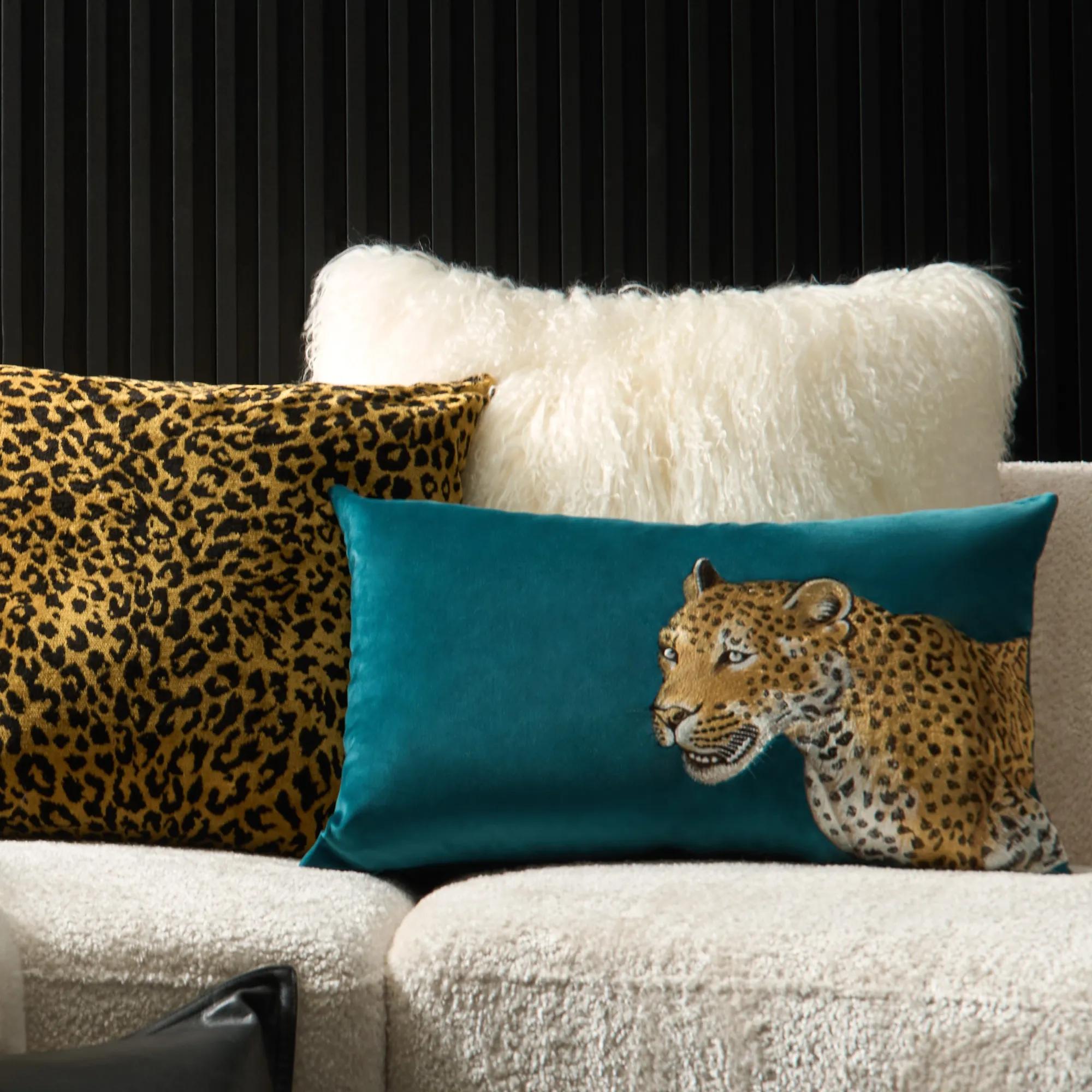 Leopard Embroidered Teal Velvet Lumbar Pillow 15" x 23"$69
A luxe dark teal velvet pillow featuring an embroidered leopard face and a plush feather-down insert.
Add To Cart -

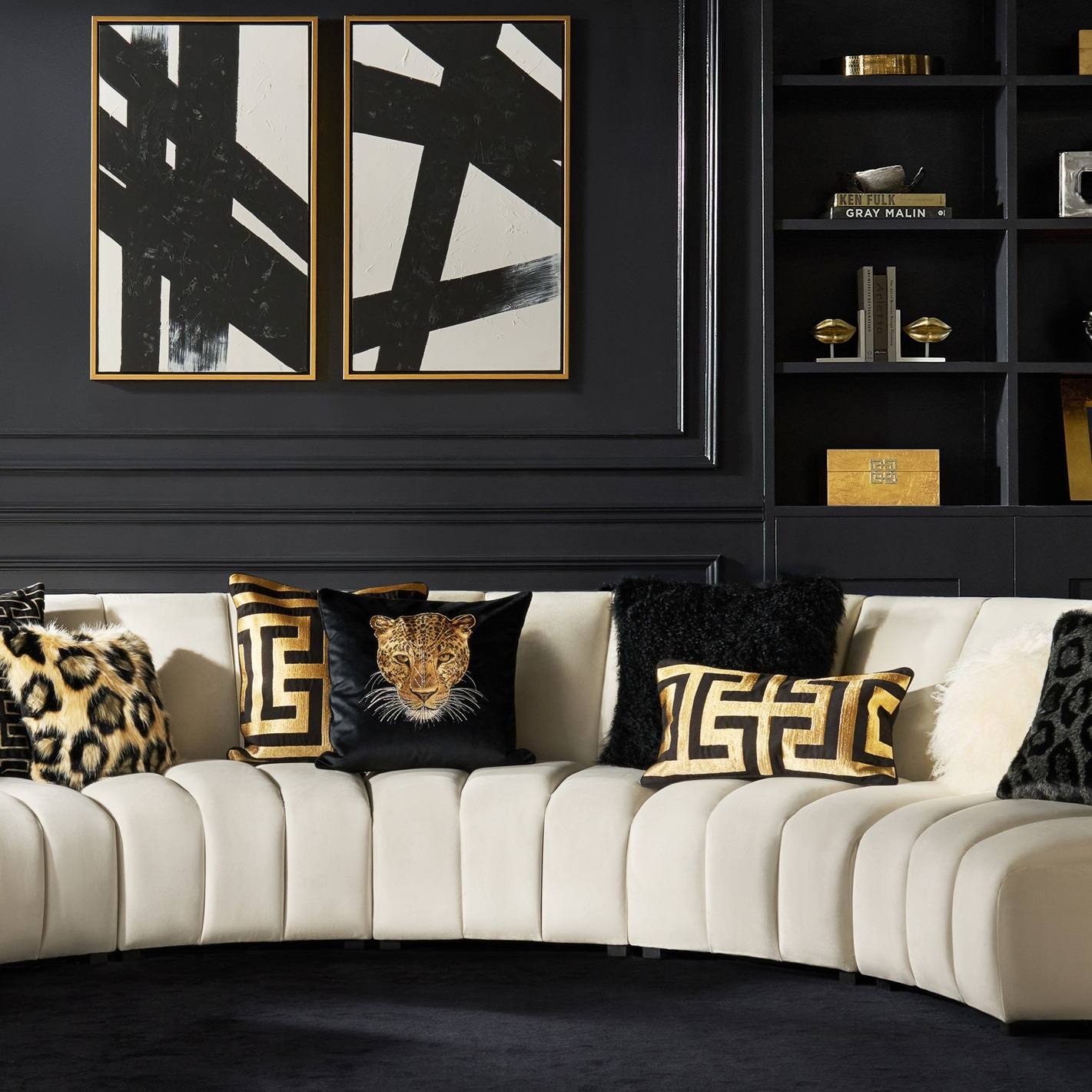 Cace Embroidered Gold/Black Linen Lumbar Pillow 26" x 14"$129
A cotton-linen pillow featuring metallic gold Greek key embroidery and a plush feather-down insert.
Add To Cart -
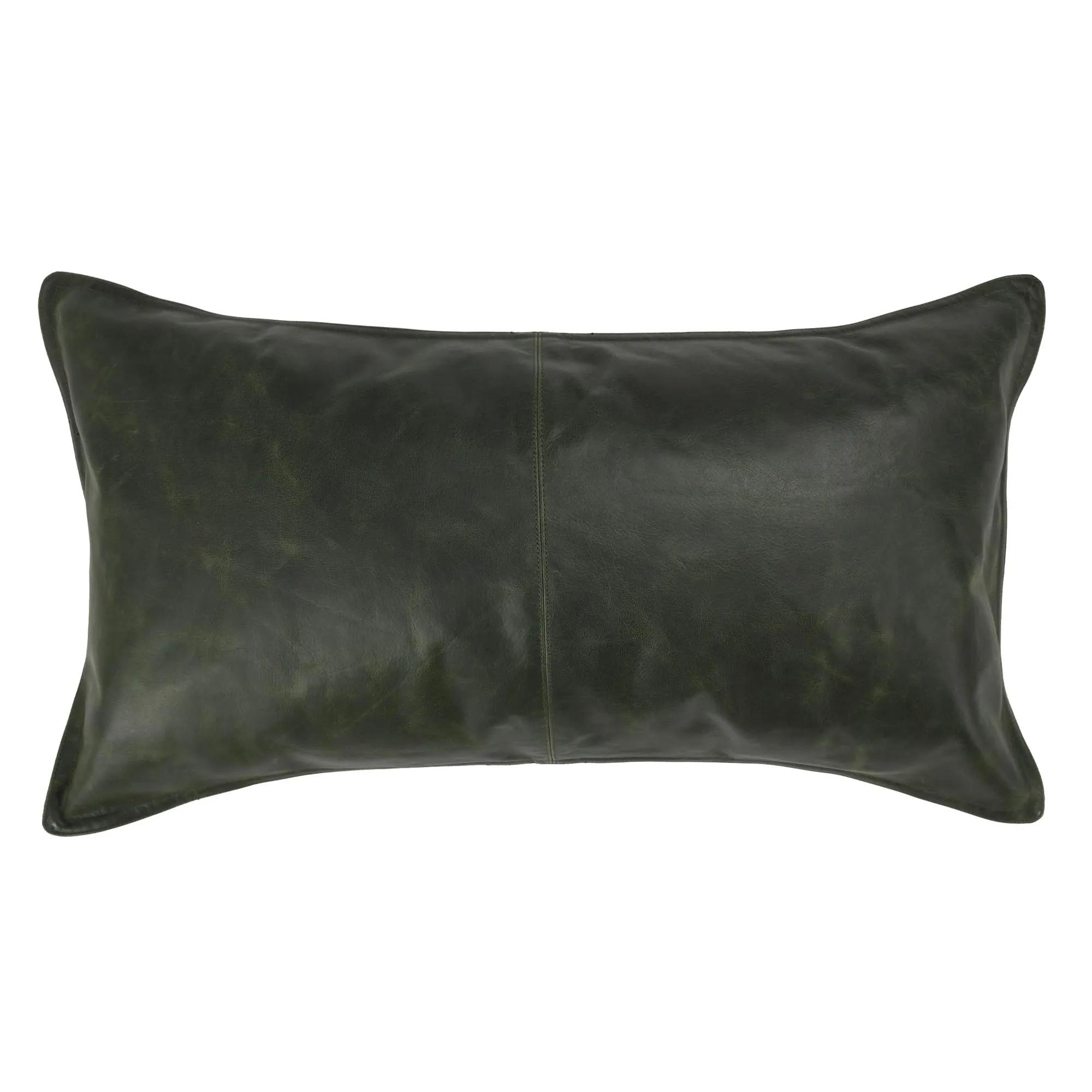
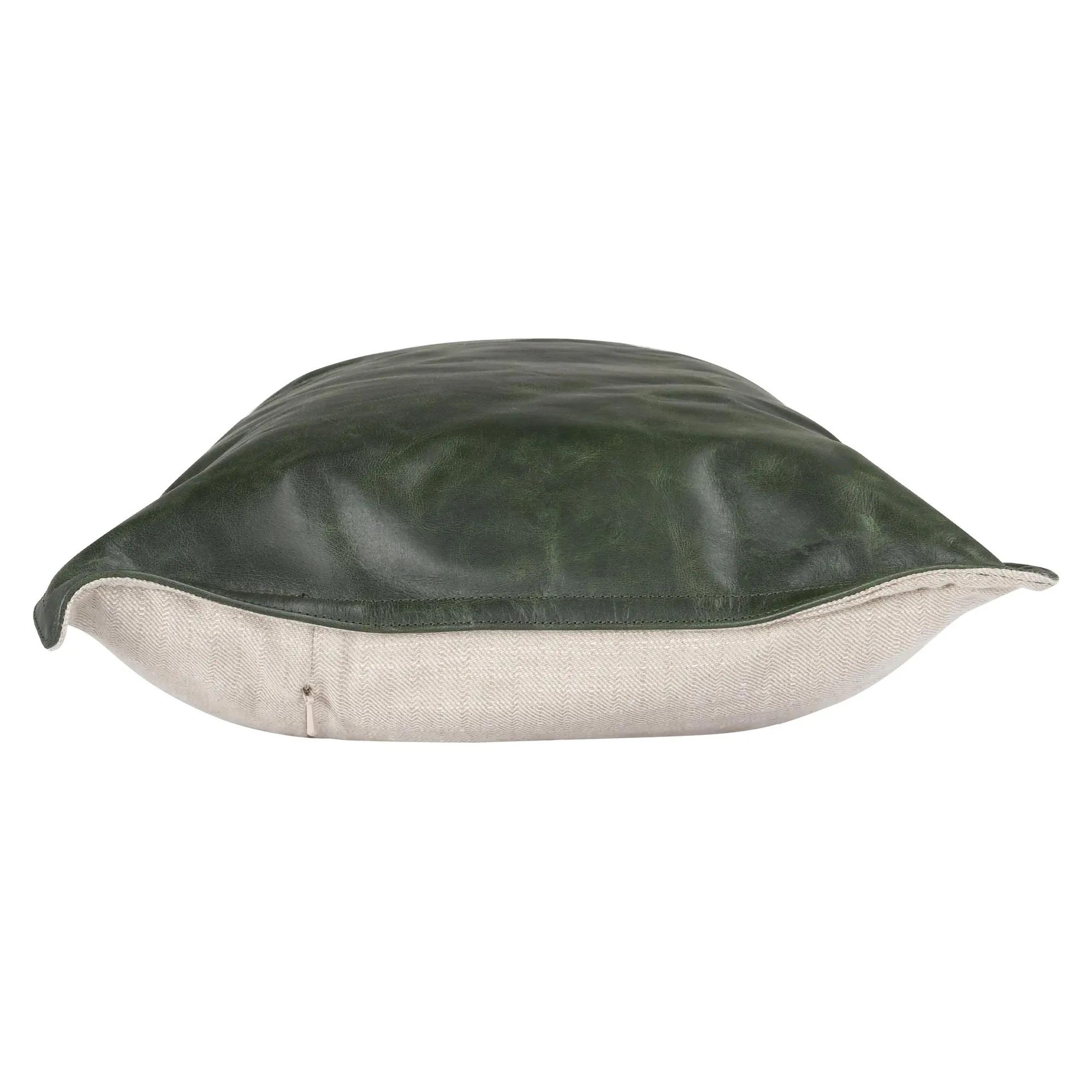 Dylan Forest Green Genuine Leather Lumbar Pillow 14" x 26"$179
A sleek forest green leather lumbar pillow with feather-down insert and double-stitched panels for style.
Add To Cart -
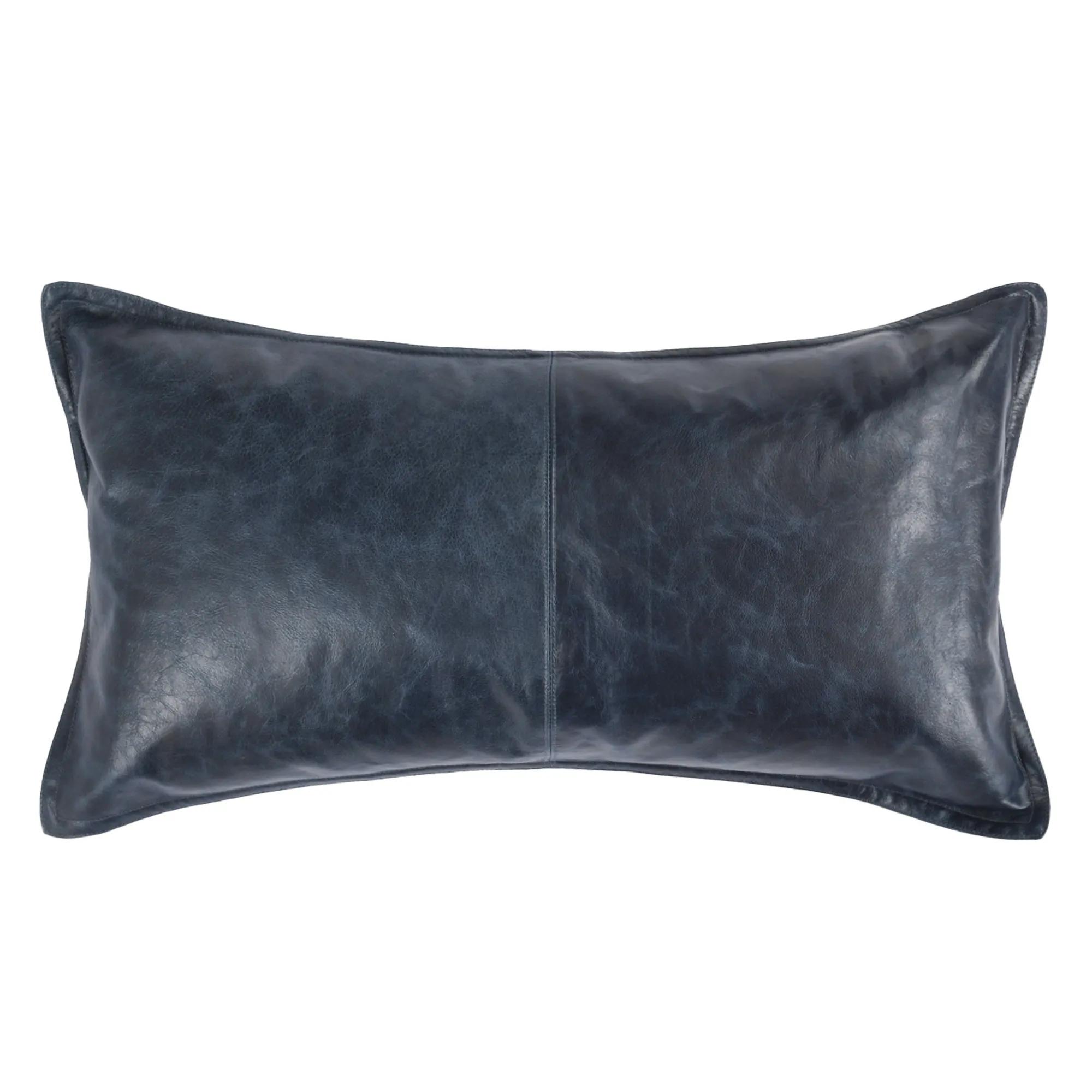
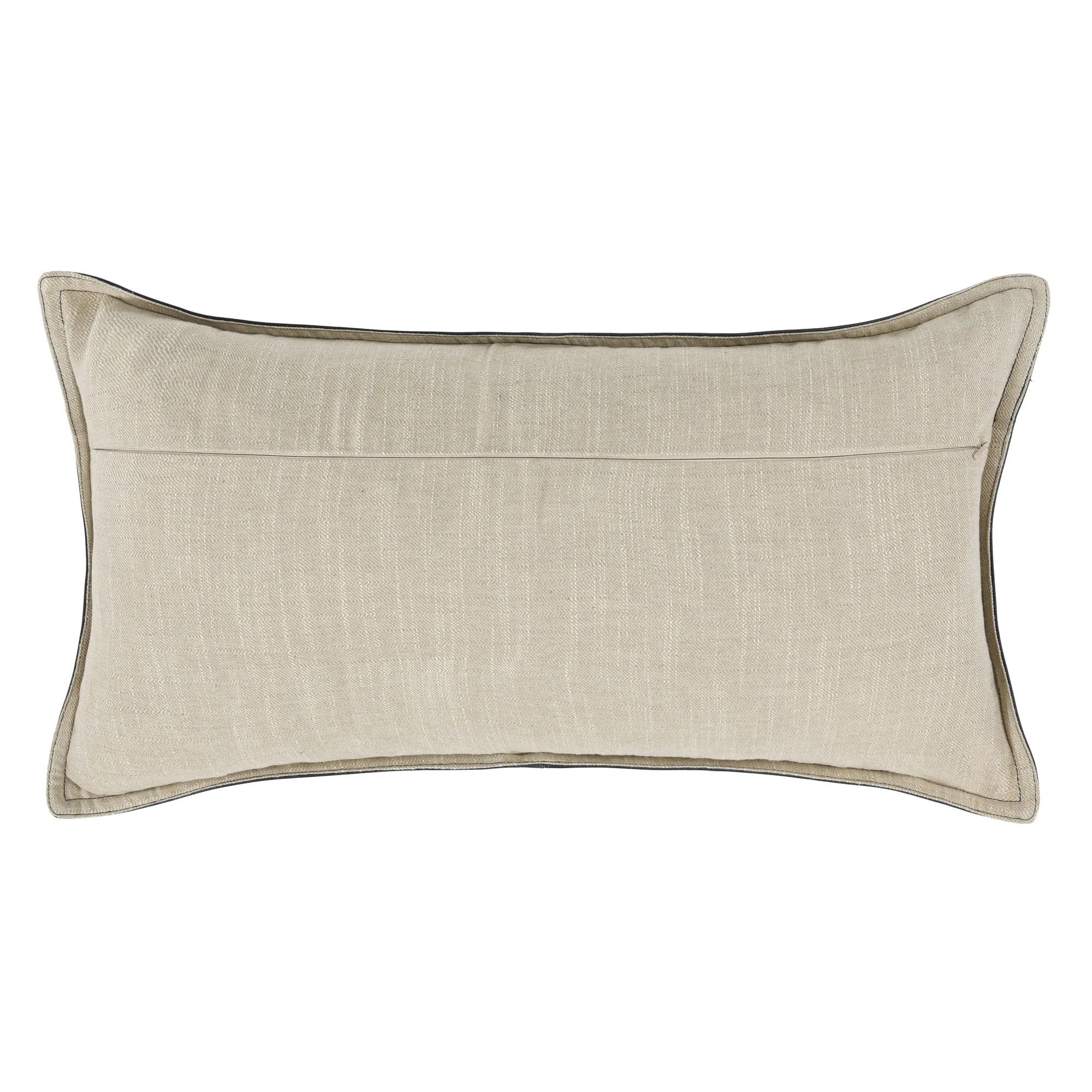 Dylan Navy Blue Genuine Leather Lumbar Pillow 14" x 26"$179
A sleek navy leather lumbar pillow with double-stitched panels, cotton back, and feather-down insert.
Add To Cart -
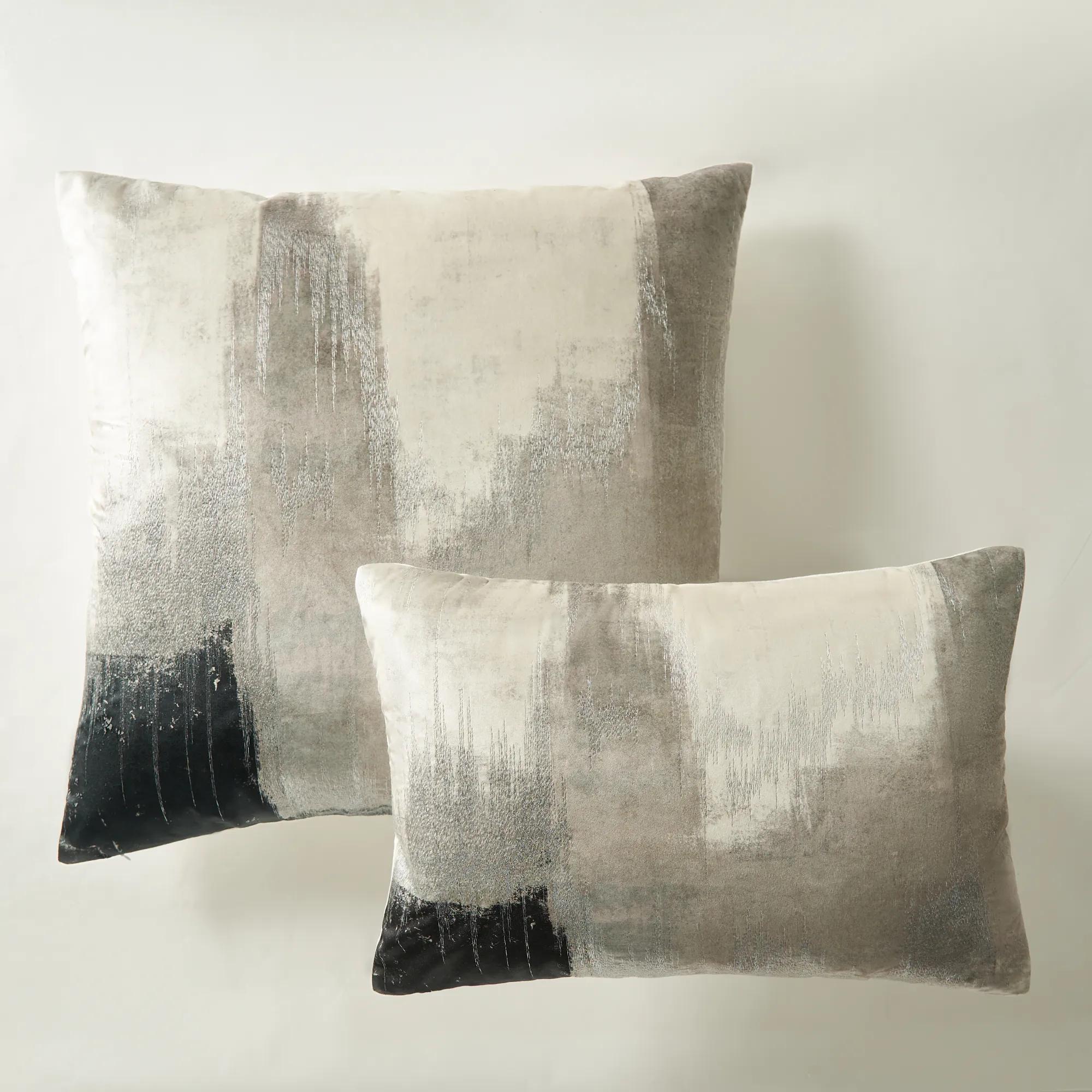
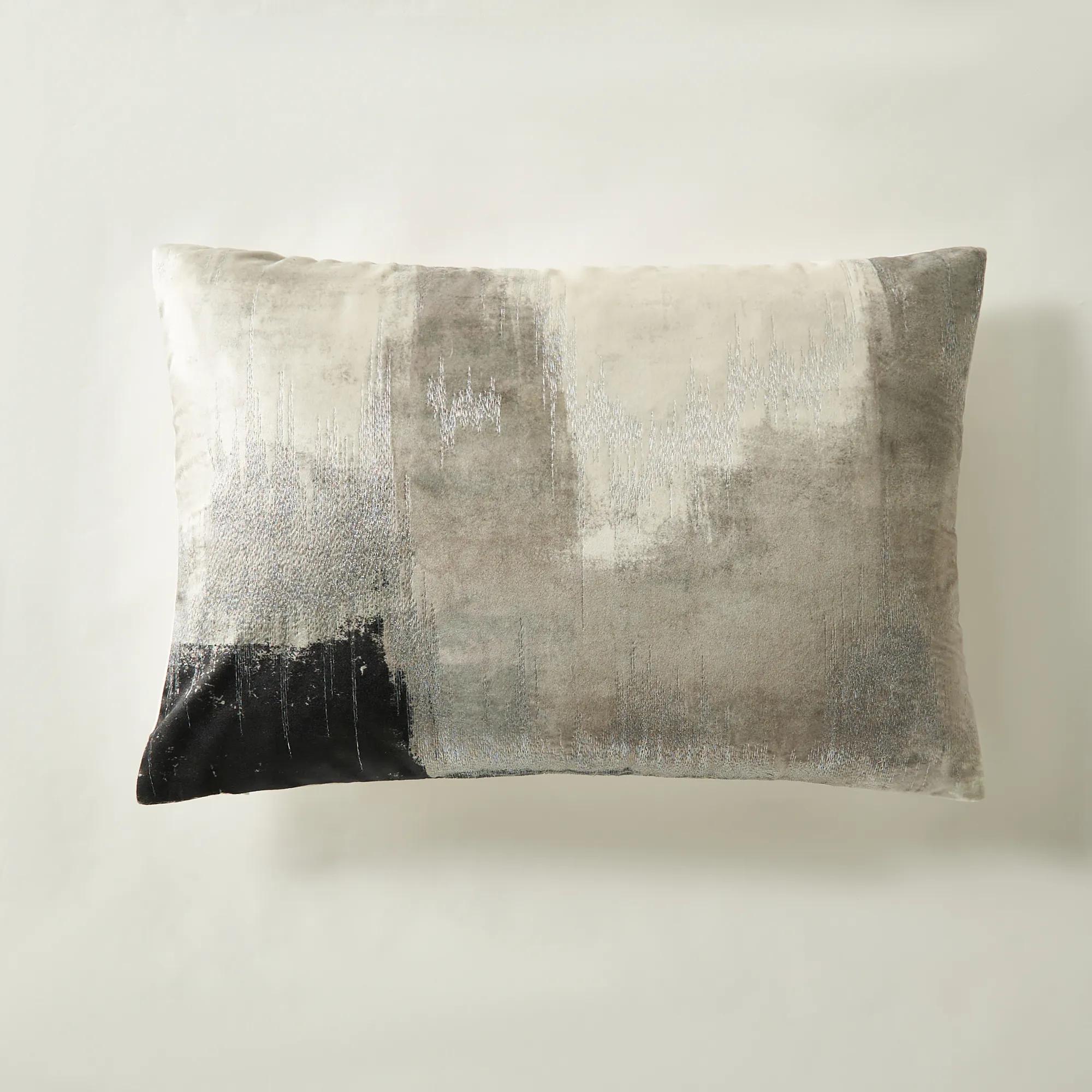 Nya Grey/Black Embroidered Velvet Lumbar Pillow 14" x 20"$69
A plush black and grey velvet lumbar pillow with metallic silver embroidery and a feather-down insert.
Add To Cart -
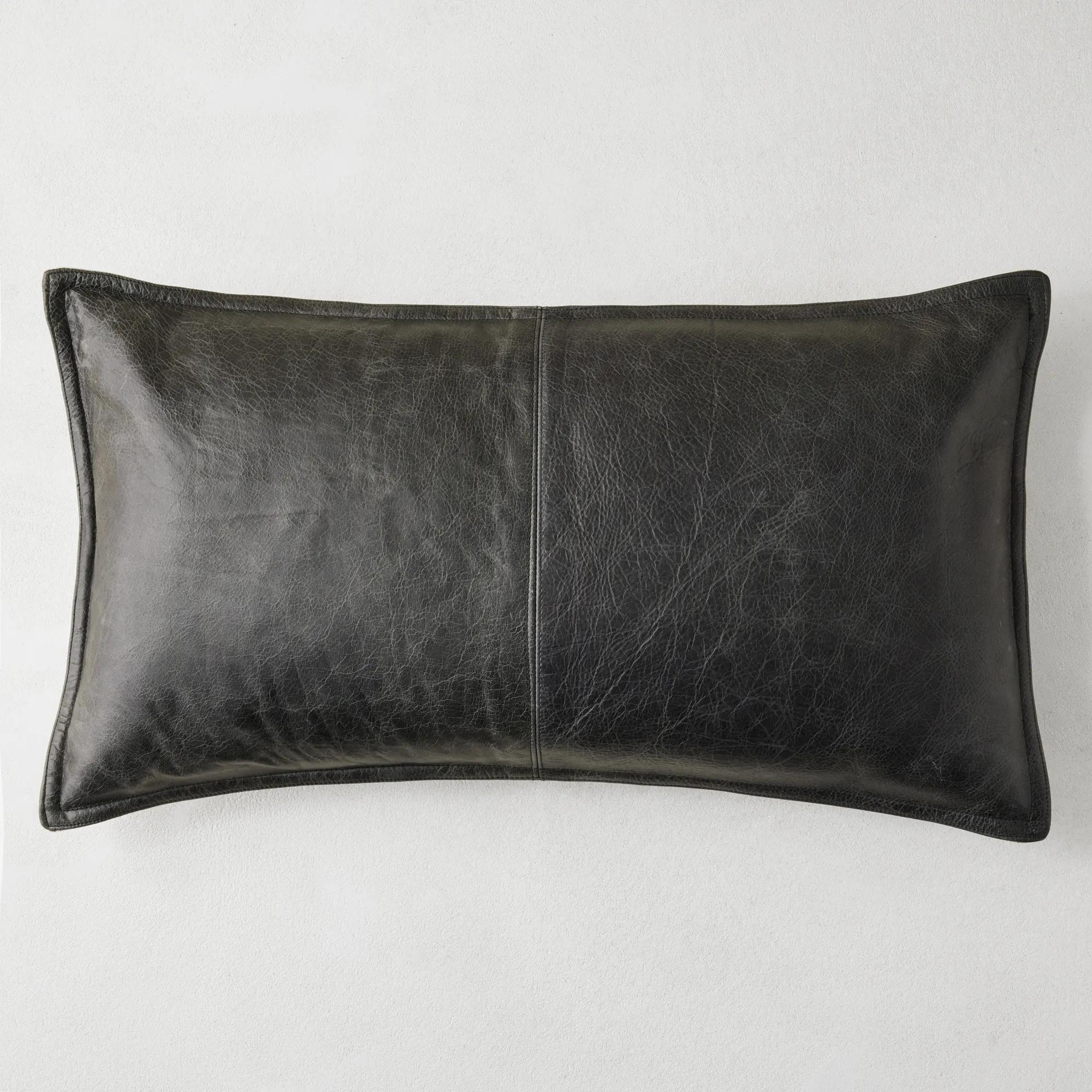 Dylan Onyx Black Genuine Leather Lumbar Pillow 14" x 26"$179
A sleek onyx leather lumbar pillow with double-stitched panels, cotton back, and feather-down insert.
Add To Cart -
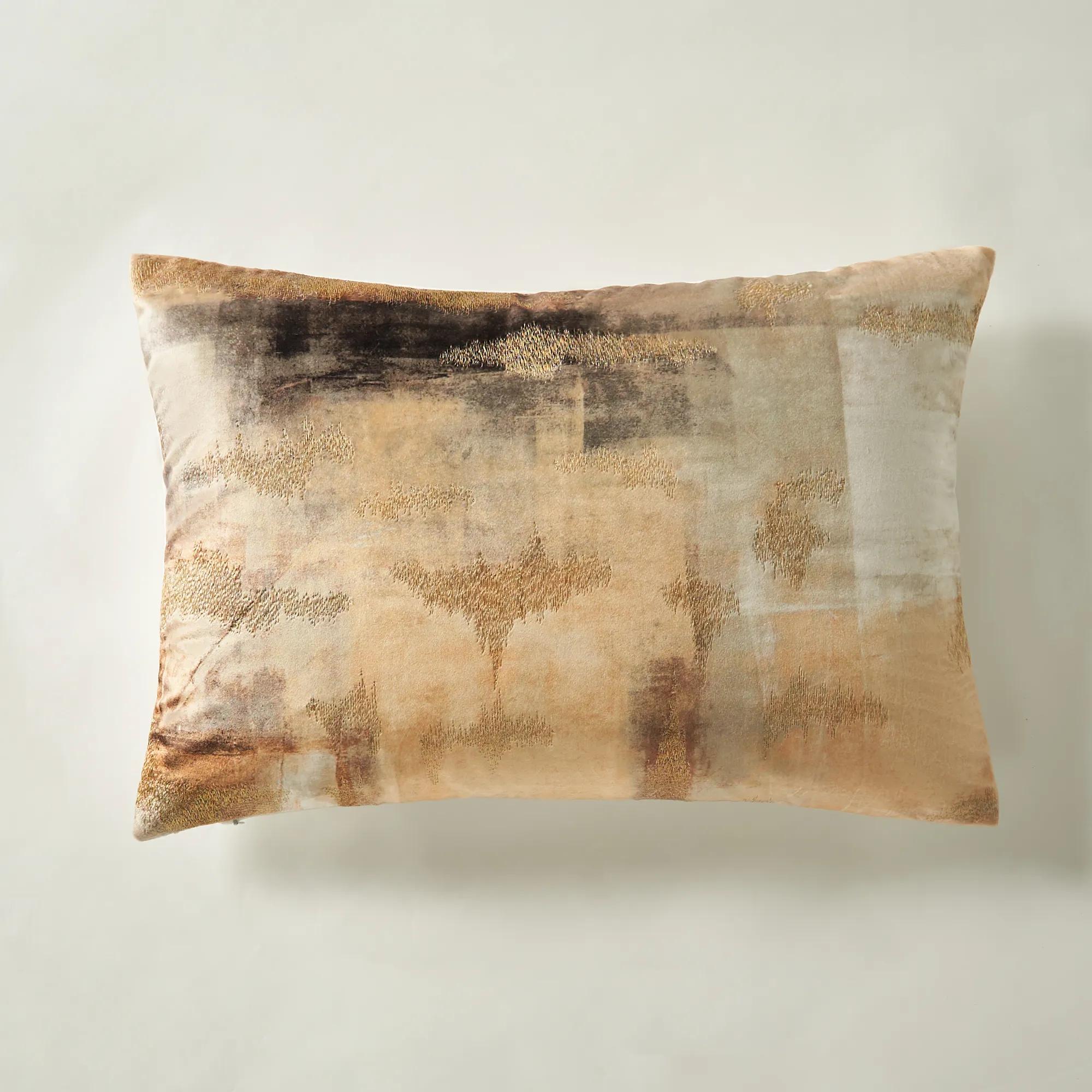
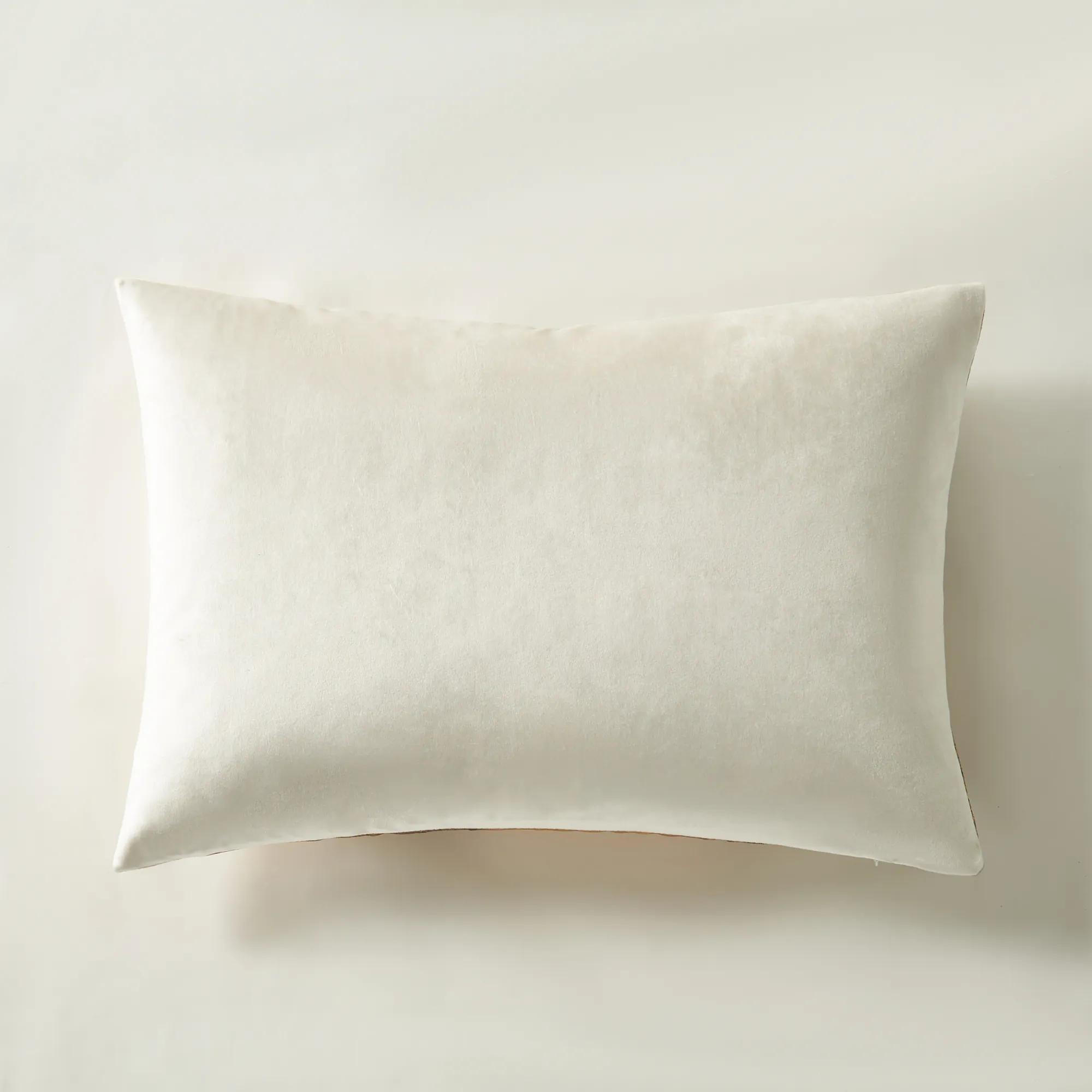 Riya Abstract Gold Embroidered Velvet Lumbar Pillow 14" x 20"$69
A plush ivory, gold, and grey velvet pillow featuring metallic embroidery and a feather-down insert.
Add To Cart -
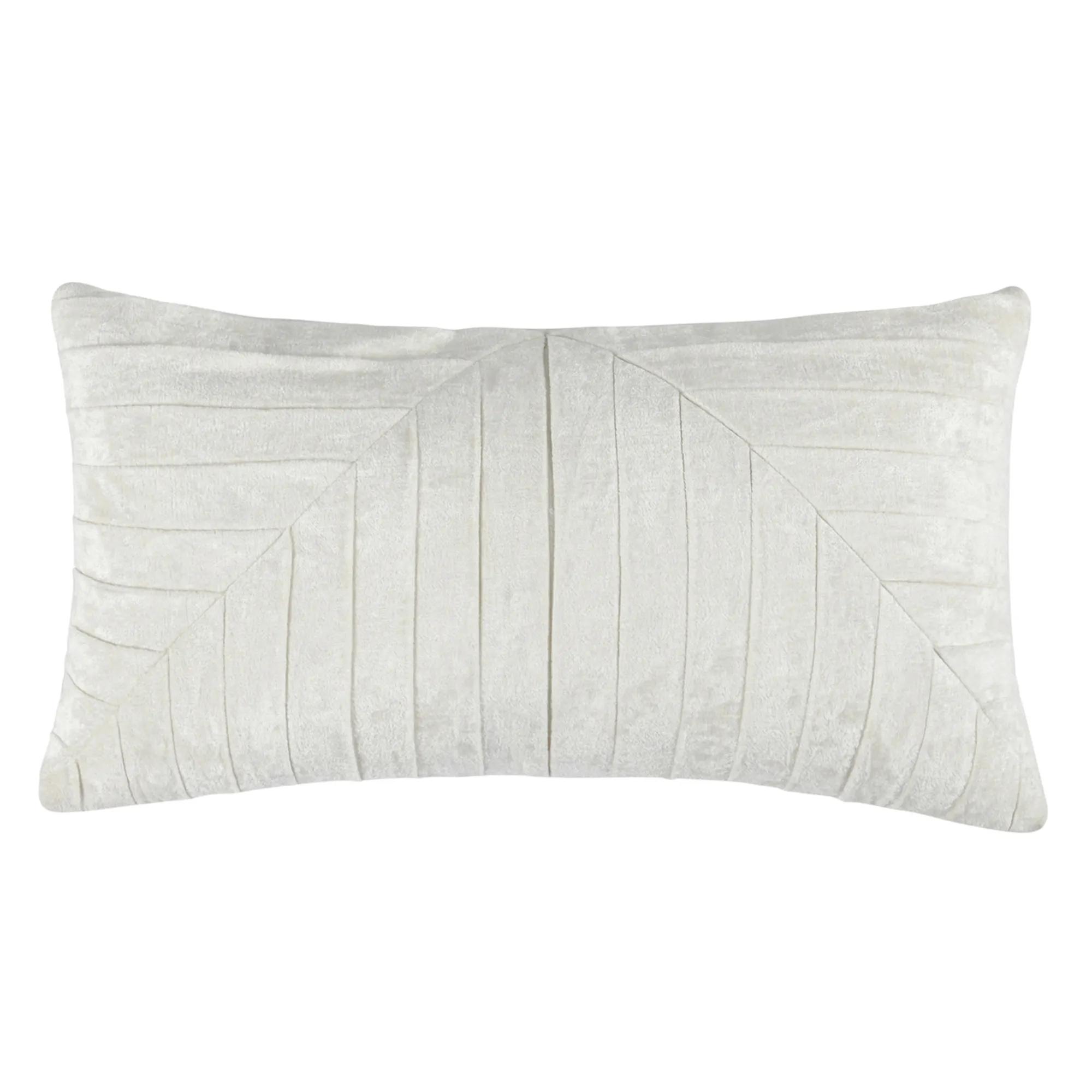
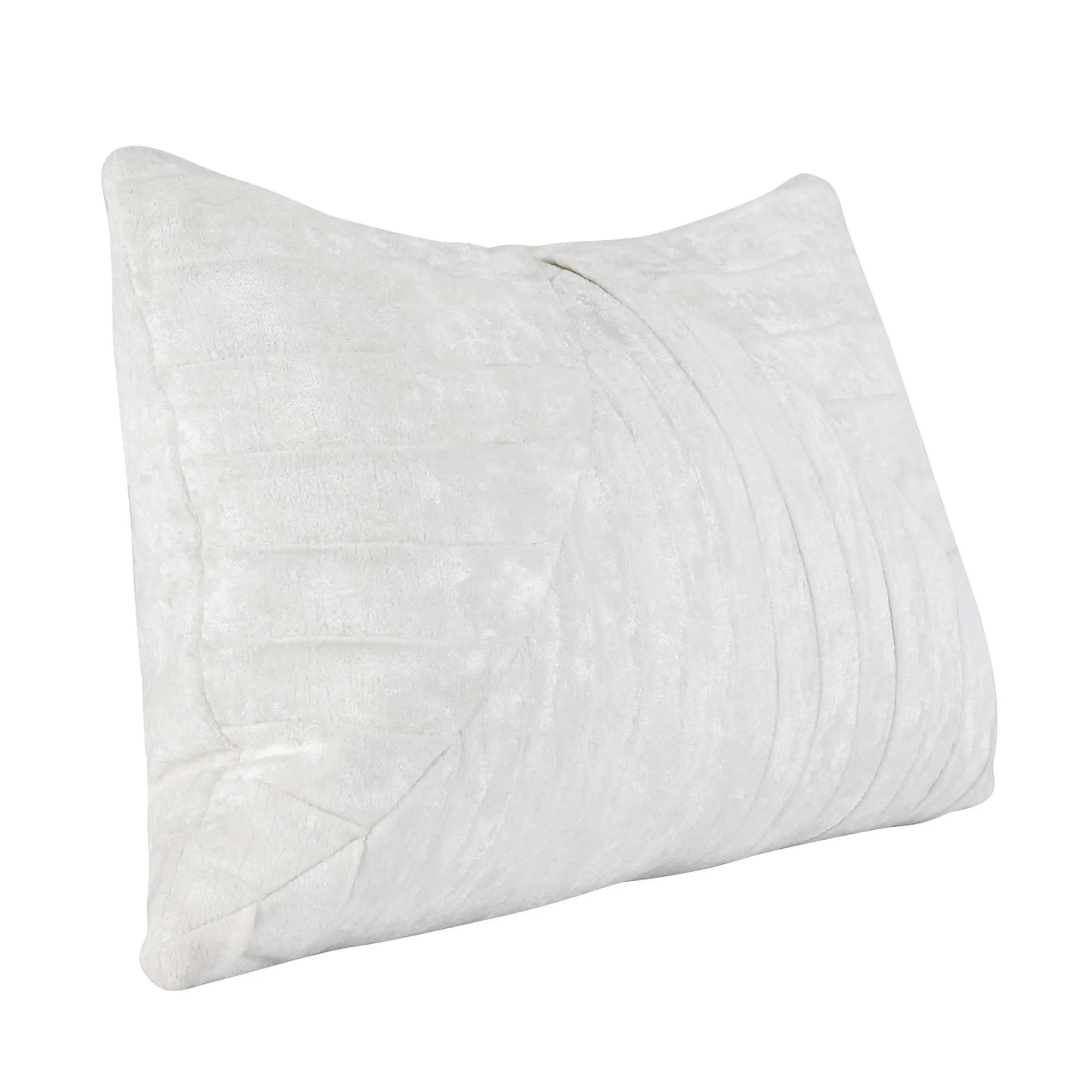 Addie Ivory Pleated Velvet Lumbar Pillow 14" x 26"$139
An ivory hand-pleated velvet lumbar pillow with a removable feather-down insert and hidden zipper.
Add To Cart -
 Cace Embroidered Gold/White Linen Lumbar Pillow 14" x 26"$129
A gold cotton-linen pillow featuring metallic Greek key embroidery and a plush feather-and-down insert.
Add To Cart -
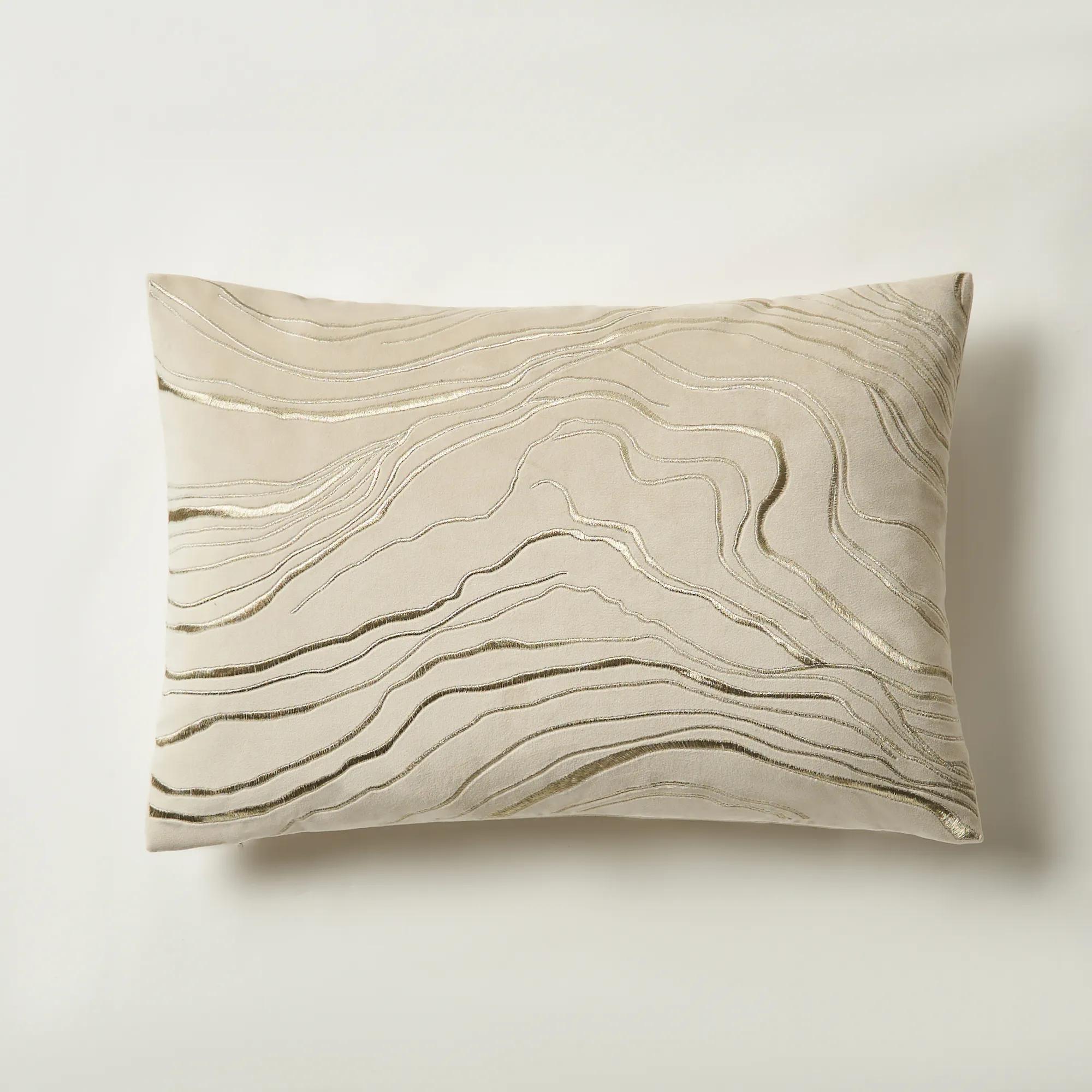
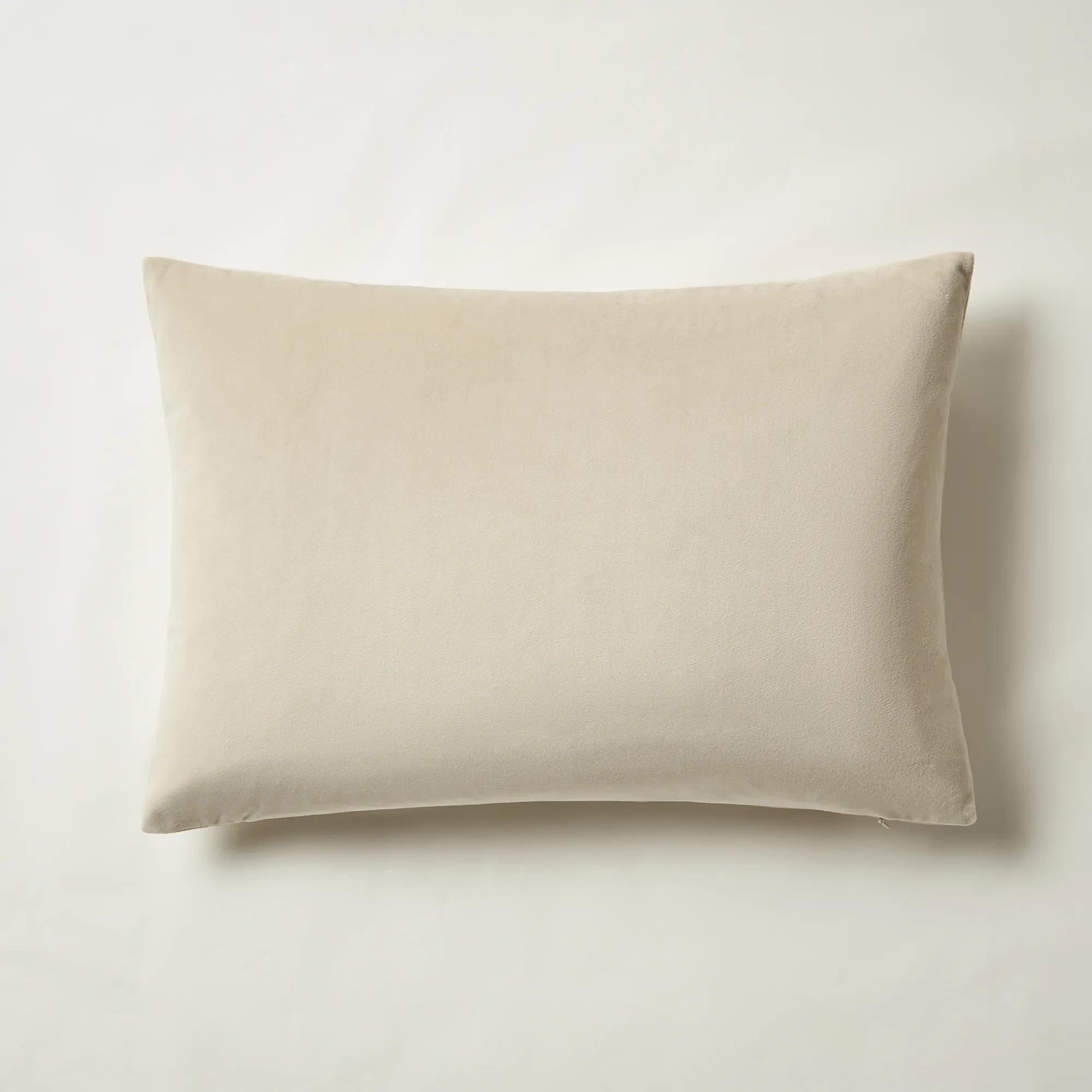 Swirl Embroidered Champagne/Taupe Velvet Lumbar Pillow 14" x 20"$59
A champagne velvet lumbar pillow with metallic embroidery and a plush feather-down insert.
Add To Cart -
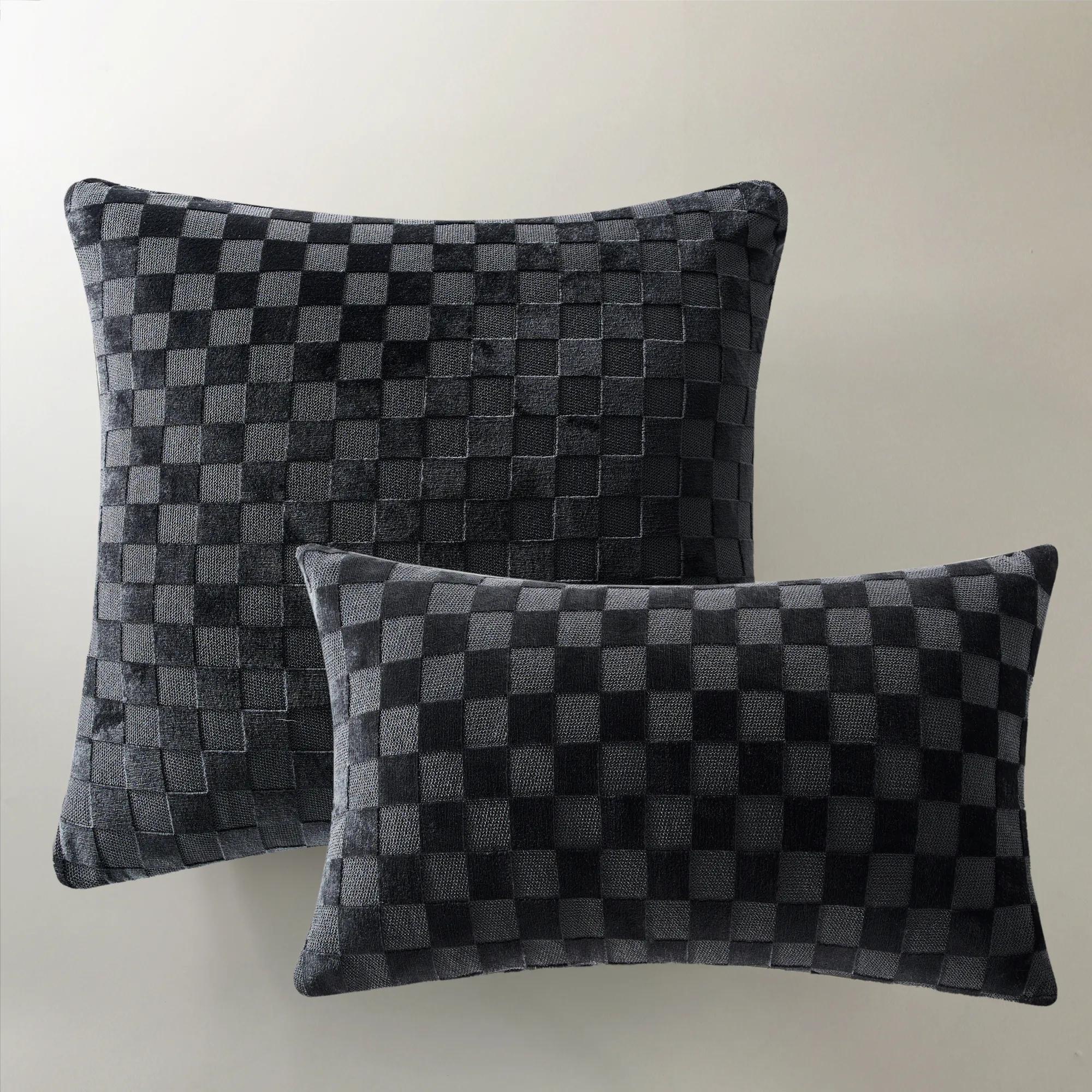
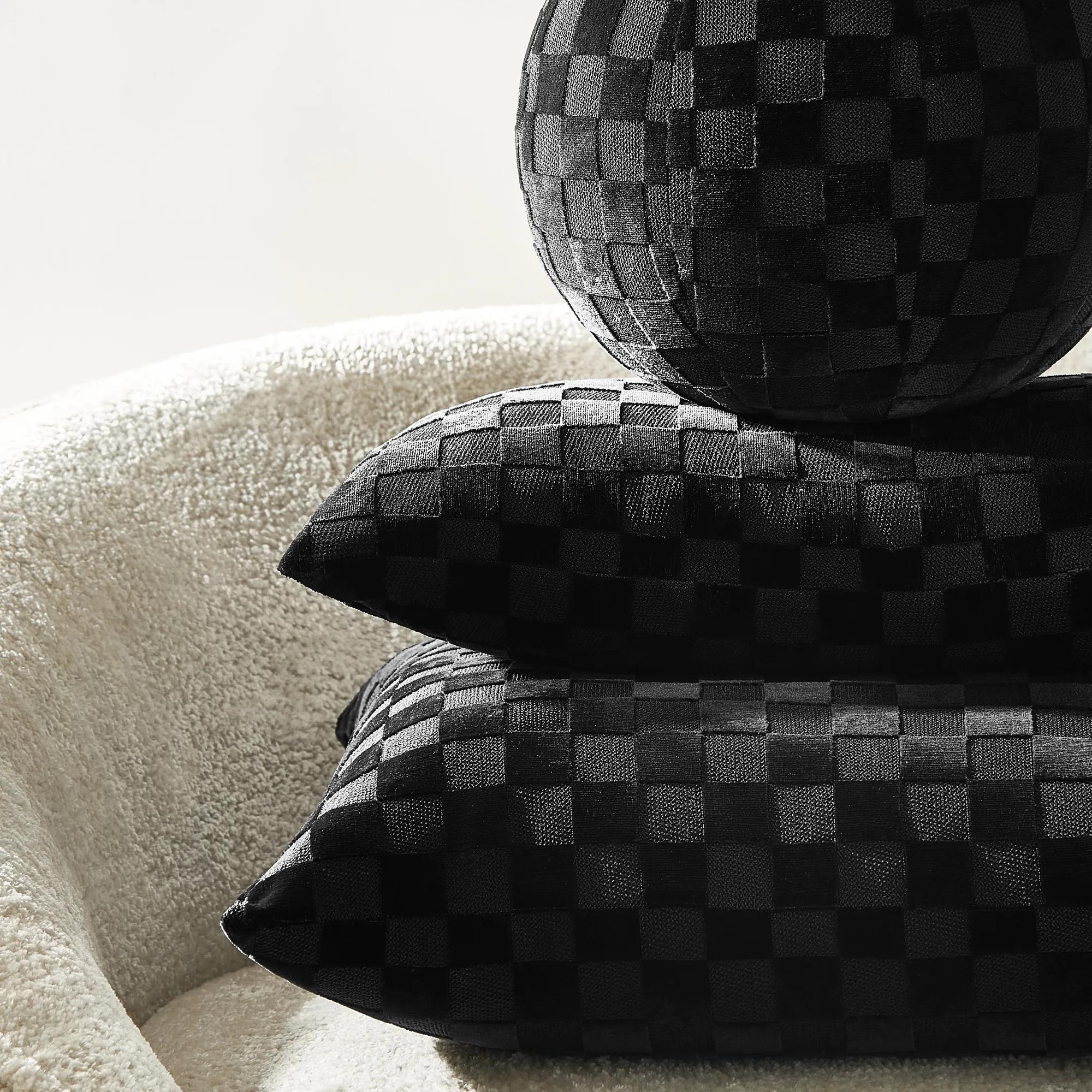 Checker Black Cut Velvet Lumbar 12" x 22"$59
A black cut velvet lumbar pillow featuring a sophisticated checkerboard pattern and removable feather-down insert.
Add To Cart -

 Nya Mocha Mousse Embroidered Velvet Pillow 14" x 20"$69
A mocha-colored velvet pillow featuring elegant embroidered detailing and a sophisticated multicolor design.
Add To Cart -
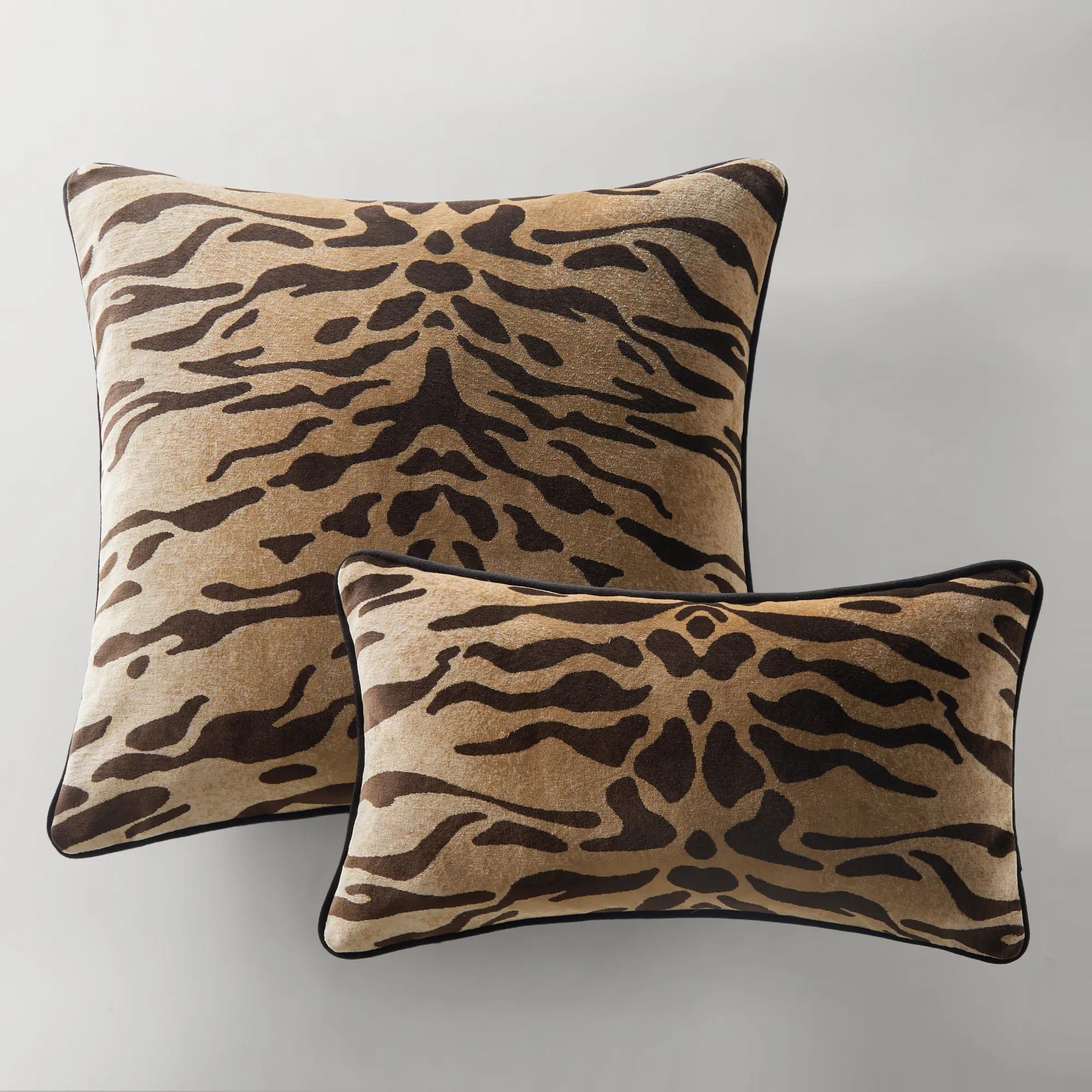 Bronze Tiger Black Piping Velvet Lumbar Pillow 20" x 12"$59
A bronze velvet lumbar pillow with contrast piping and a removable feather-down insert for added comfort.
Add To Cart -
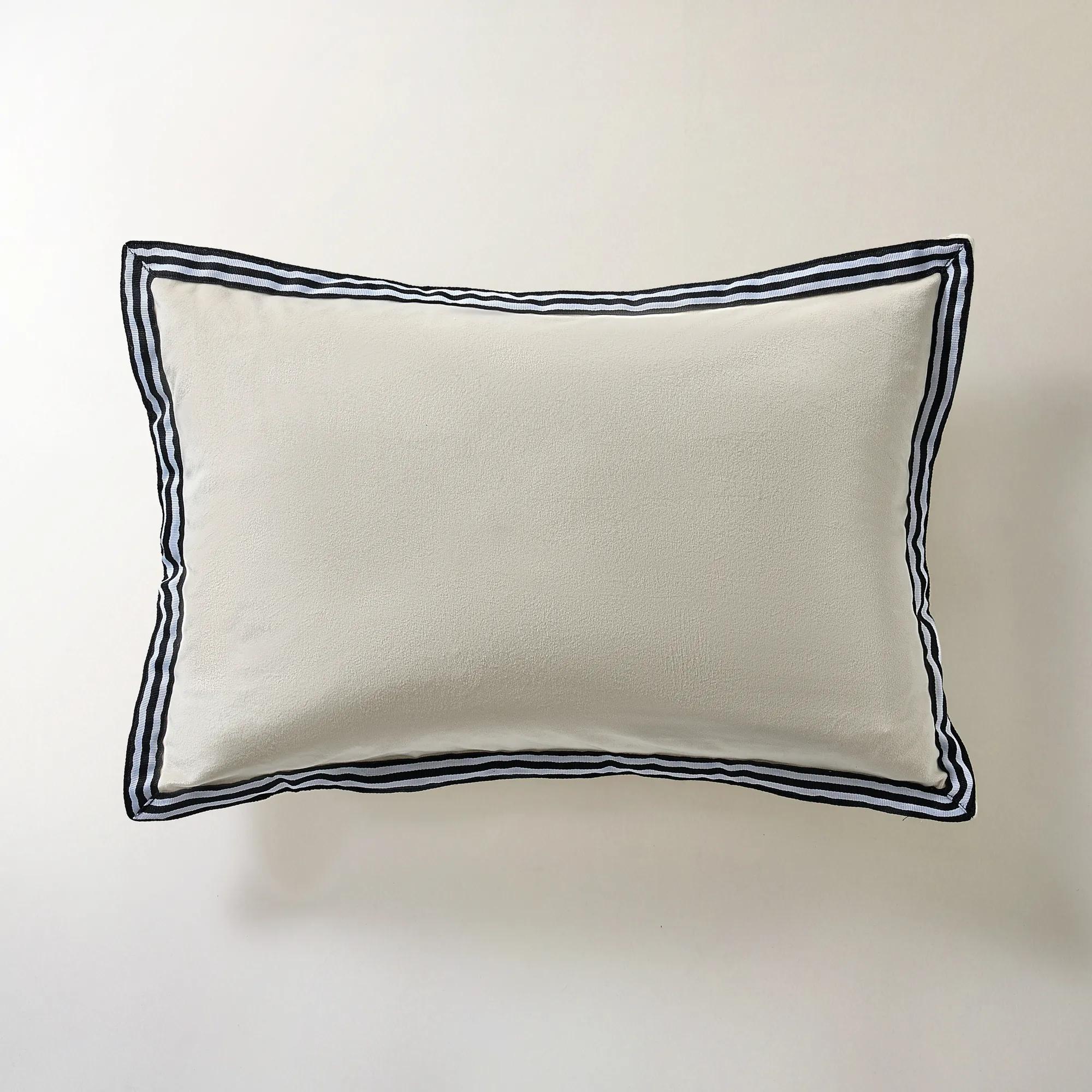
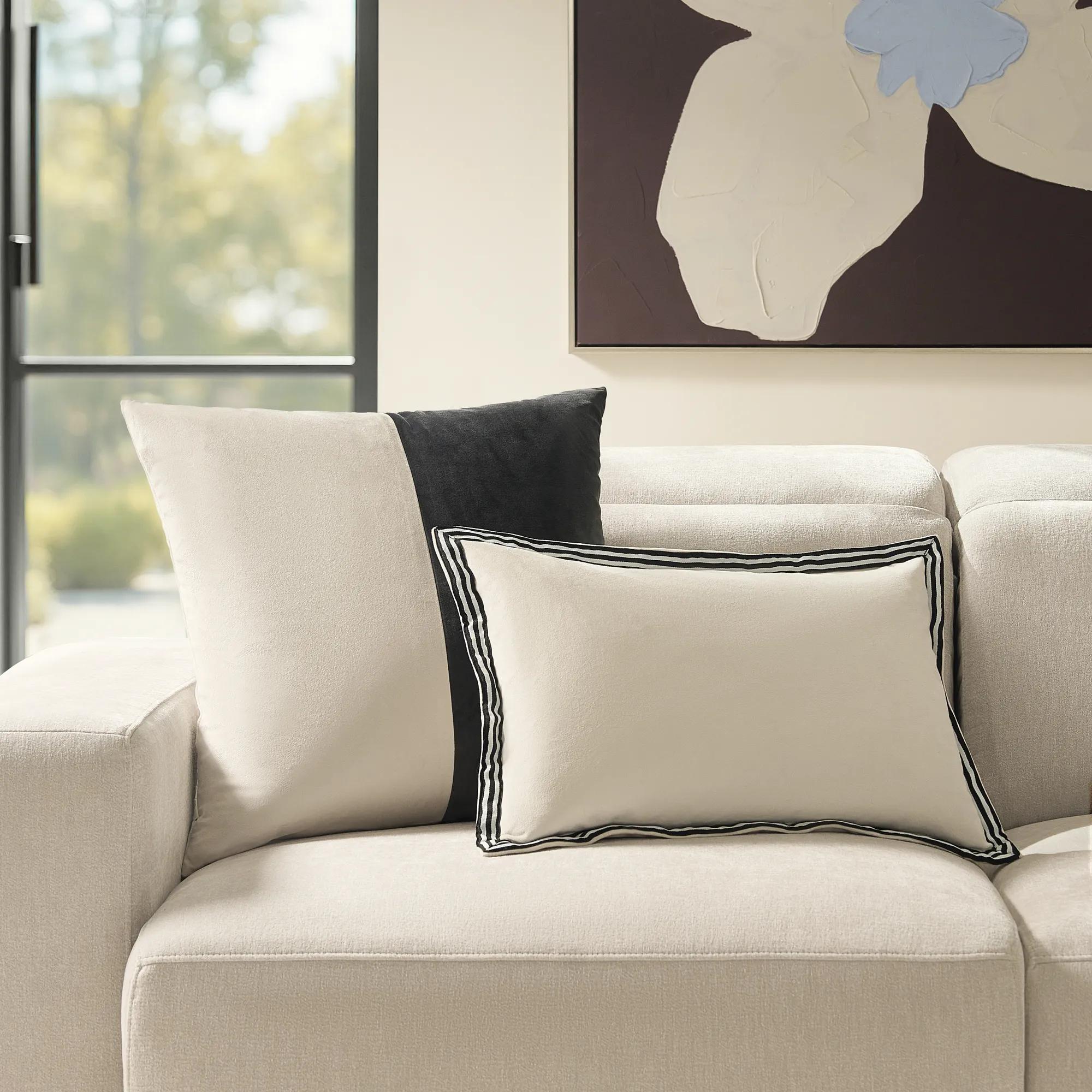 Linea Striped Trim Lumbar 20" x 14" - Alabaster$69
A striped lumbar pillow with contrasting trim in an elegant alabaster hue.
Add To Cart -
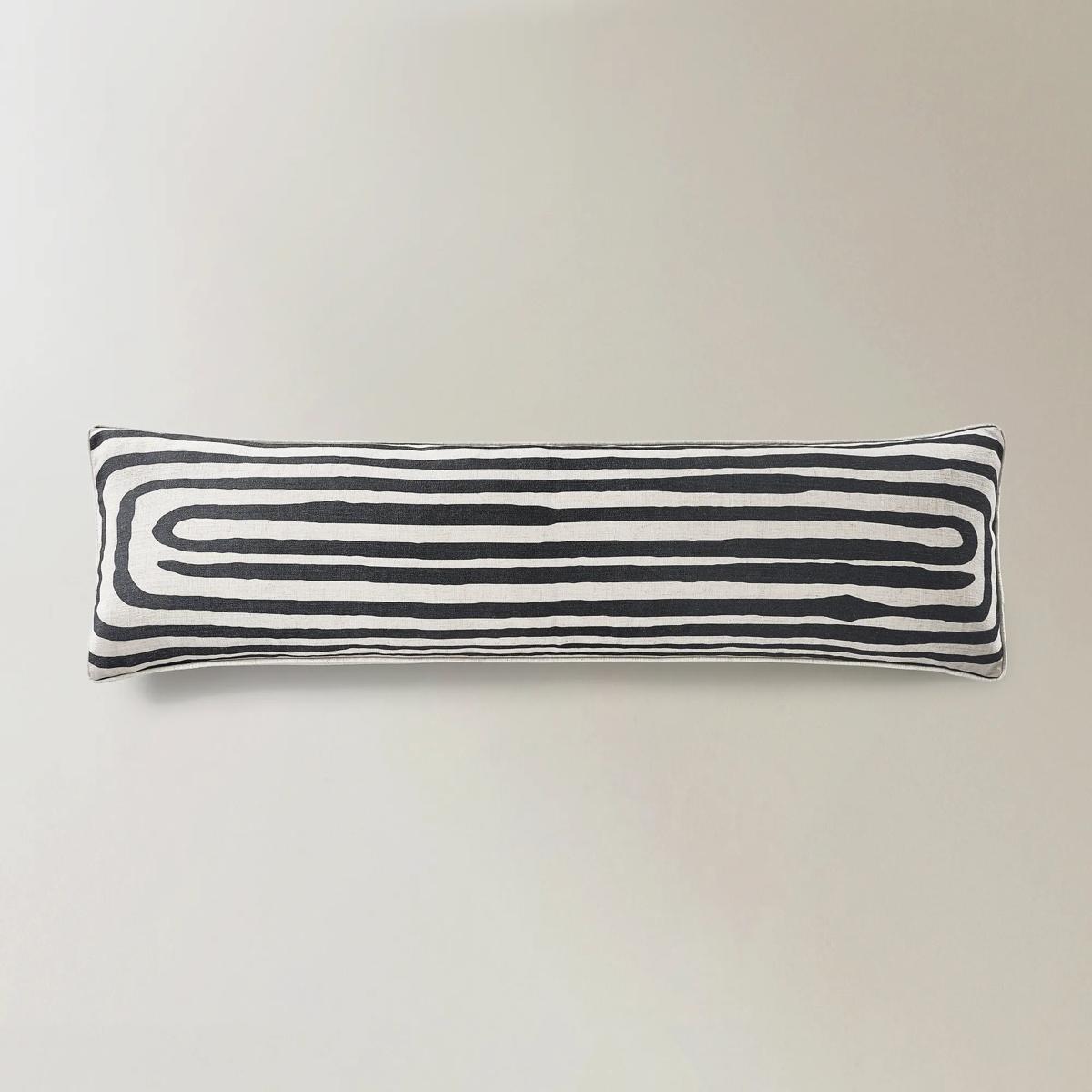
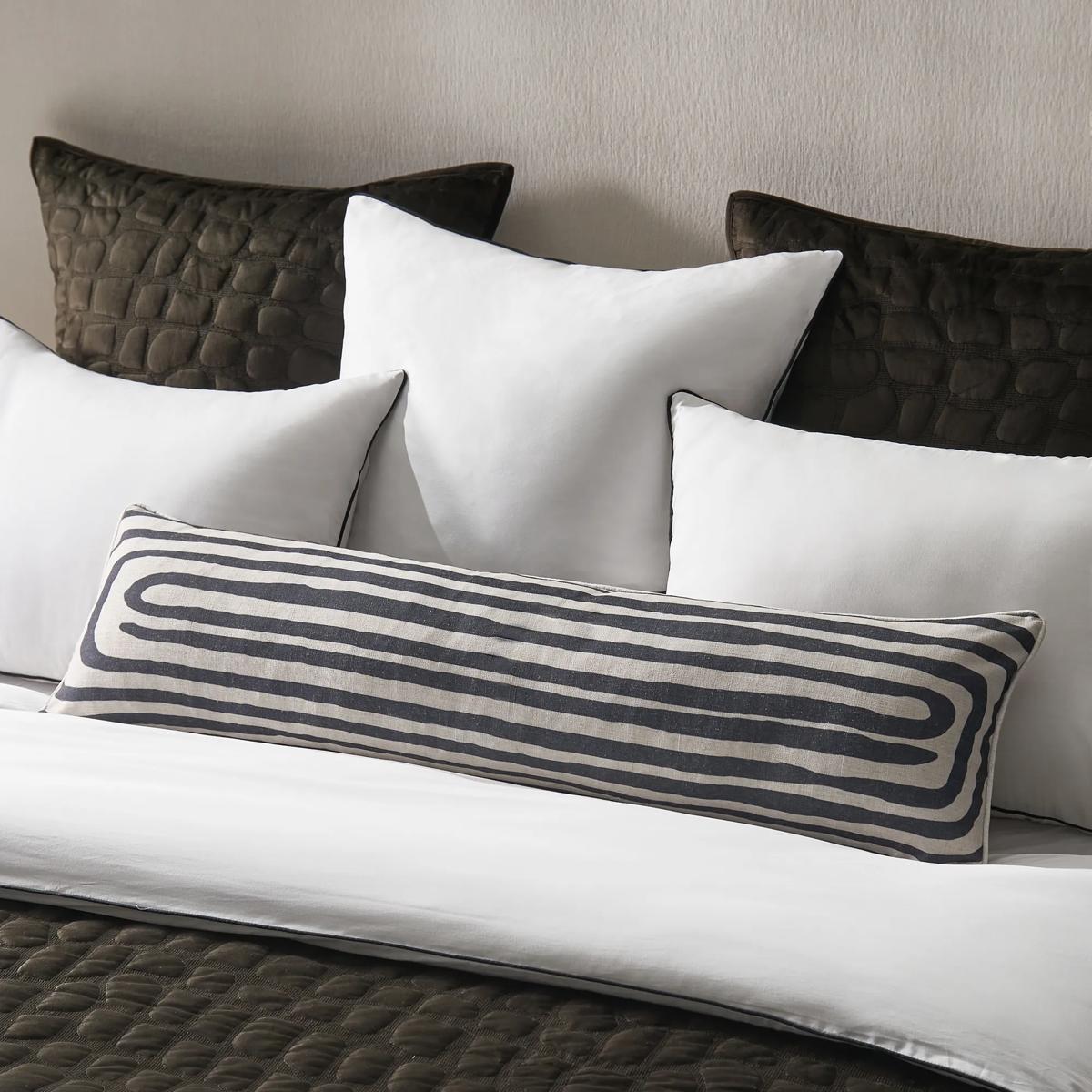 Eren Black/Natural XL Lumbar 42" x 12"$99
A bold black and ivory faux linen lumbar pillow featuring a striking modern pattern and feather-down insert.
Add To Cart -
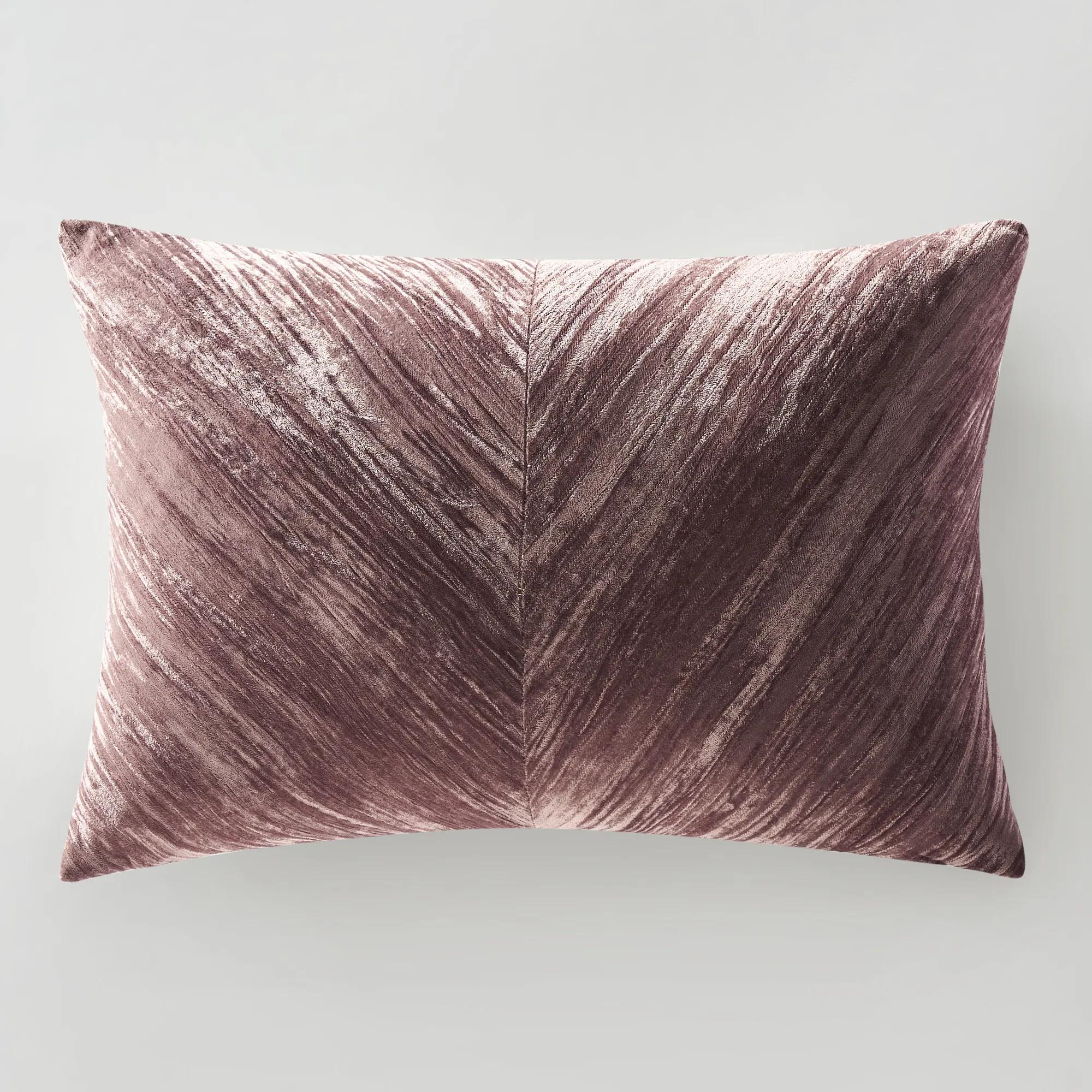
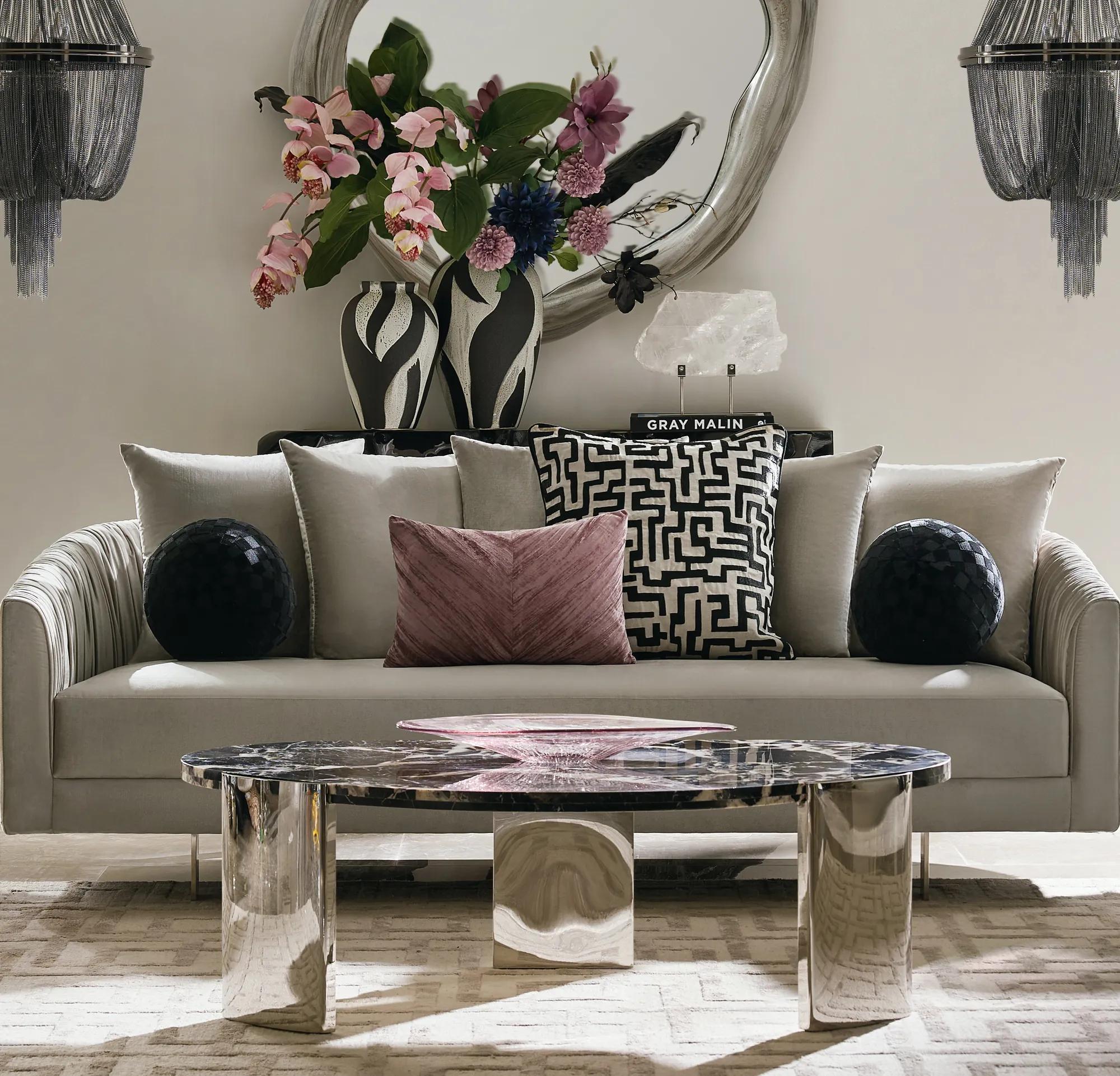 Elara Dusty Mauve Pleated Velvet Lumbar Pillow 14" x 20"$59
A pleated dusty mauve velvet lumbar pillow offering soft texture and contemporary warmth with a removable feather insert.
Add To Cart -
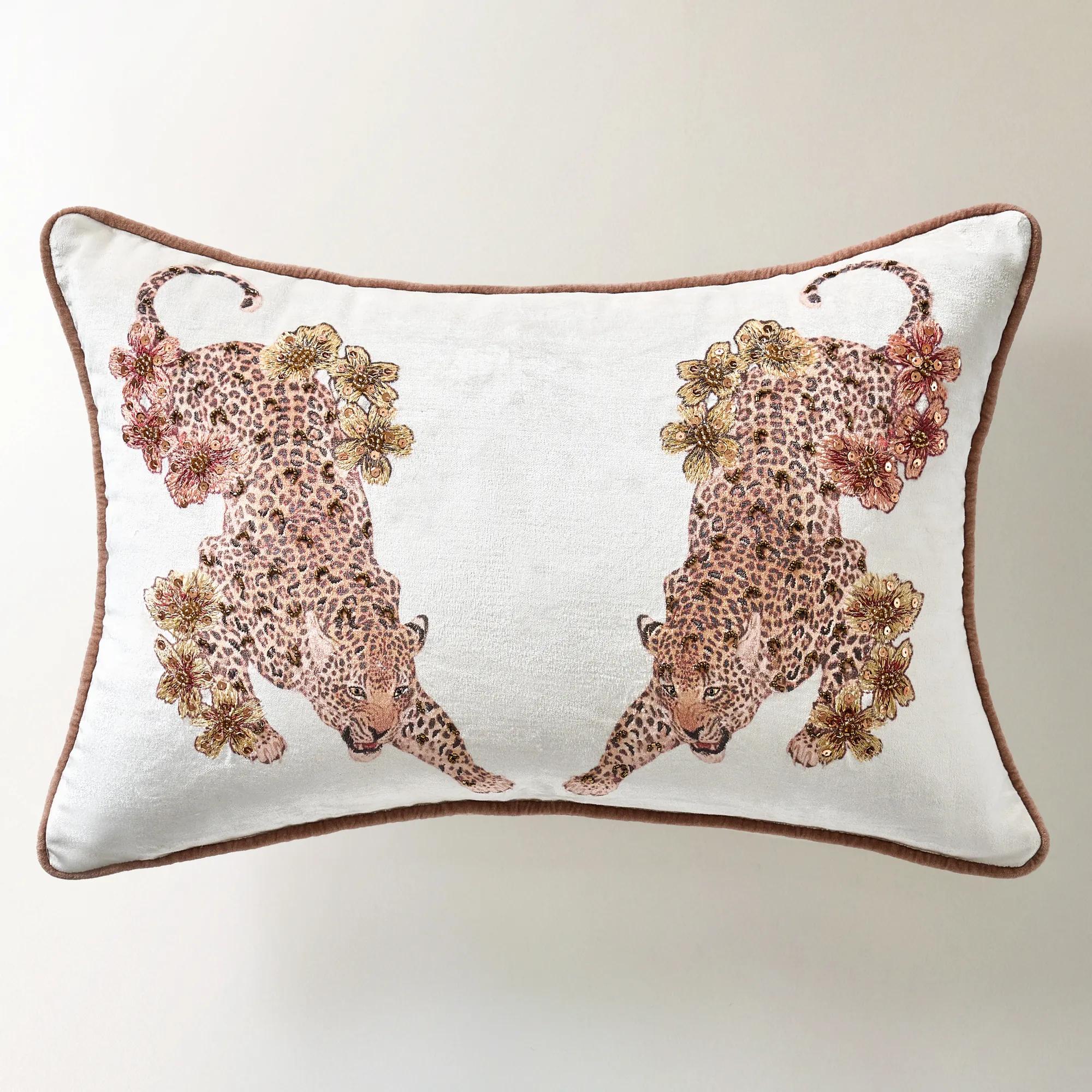
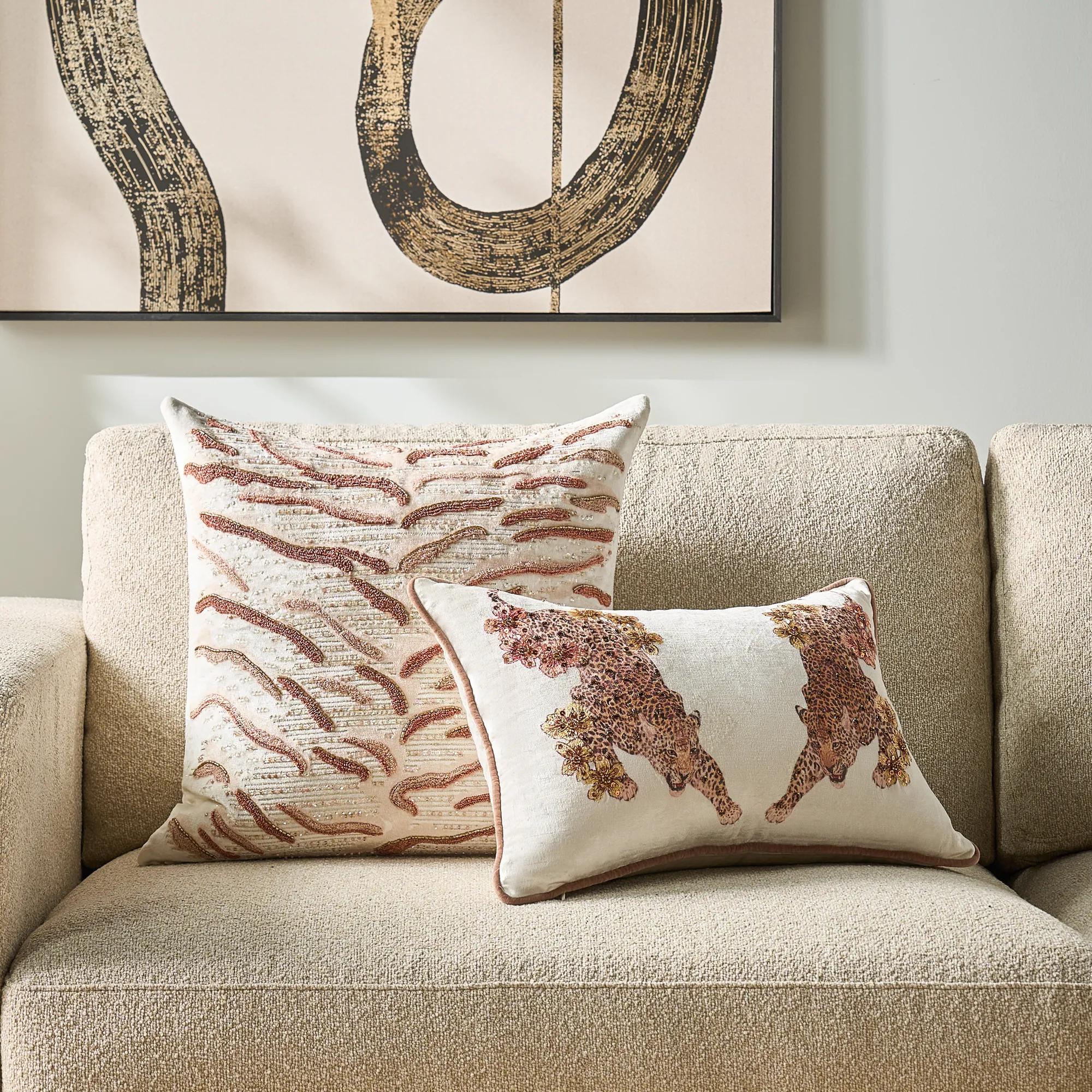 Jaya Embroidered Bead Lumbar 20" x 14"$119
A velvet lumbar pillow featuring hand-applied embroidery, bead accents, and contrast piping in soft neutral tones.
Add To Cart -
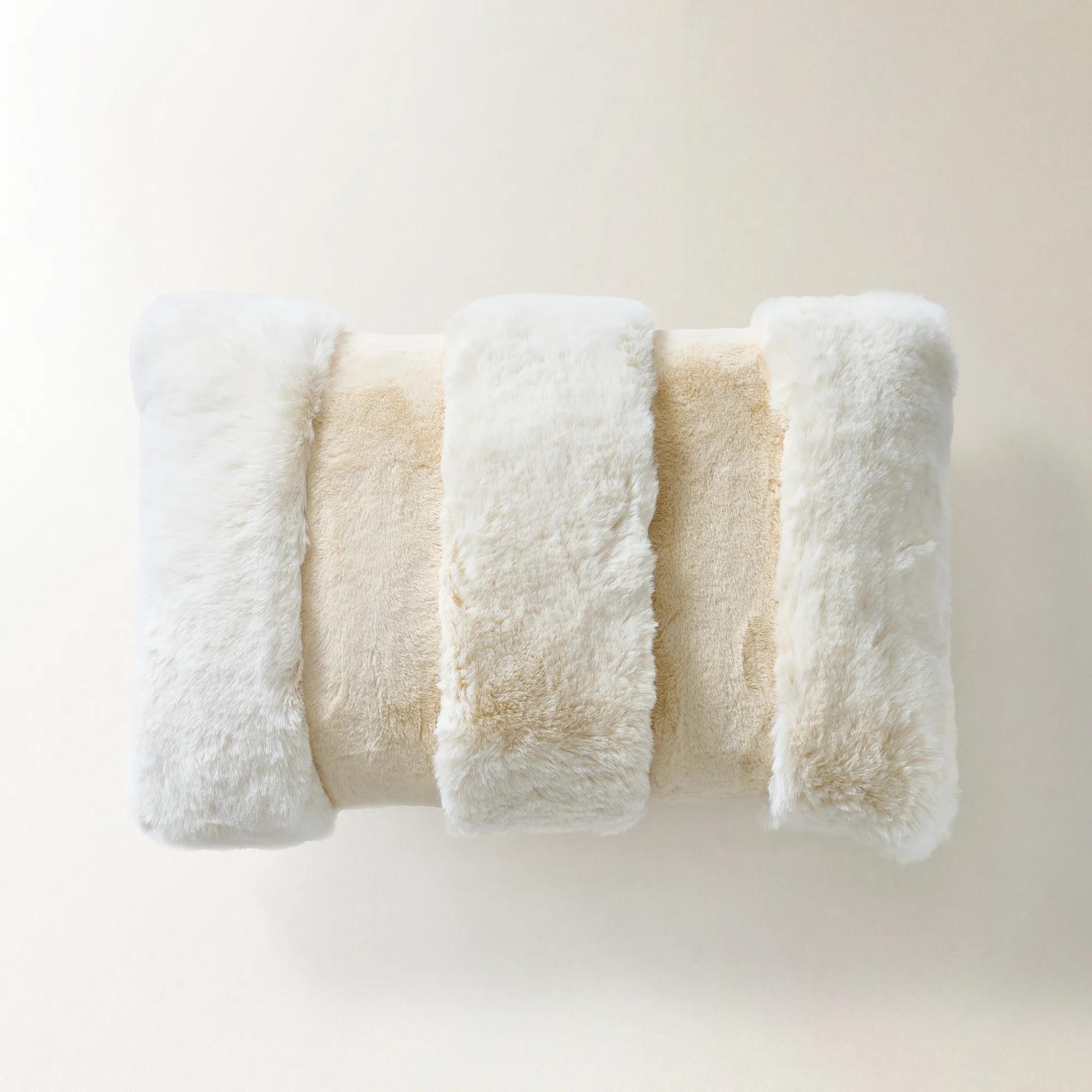
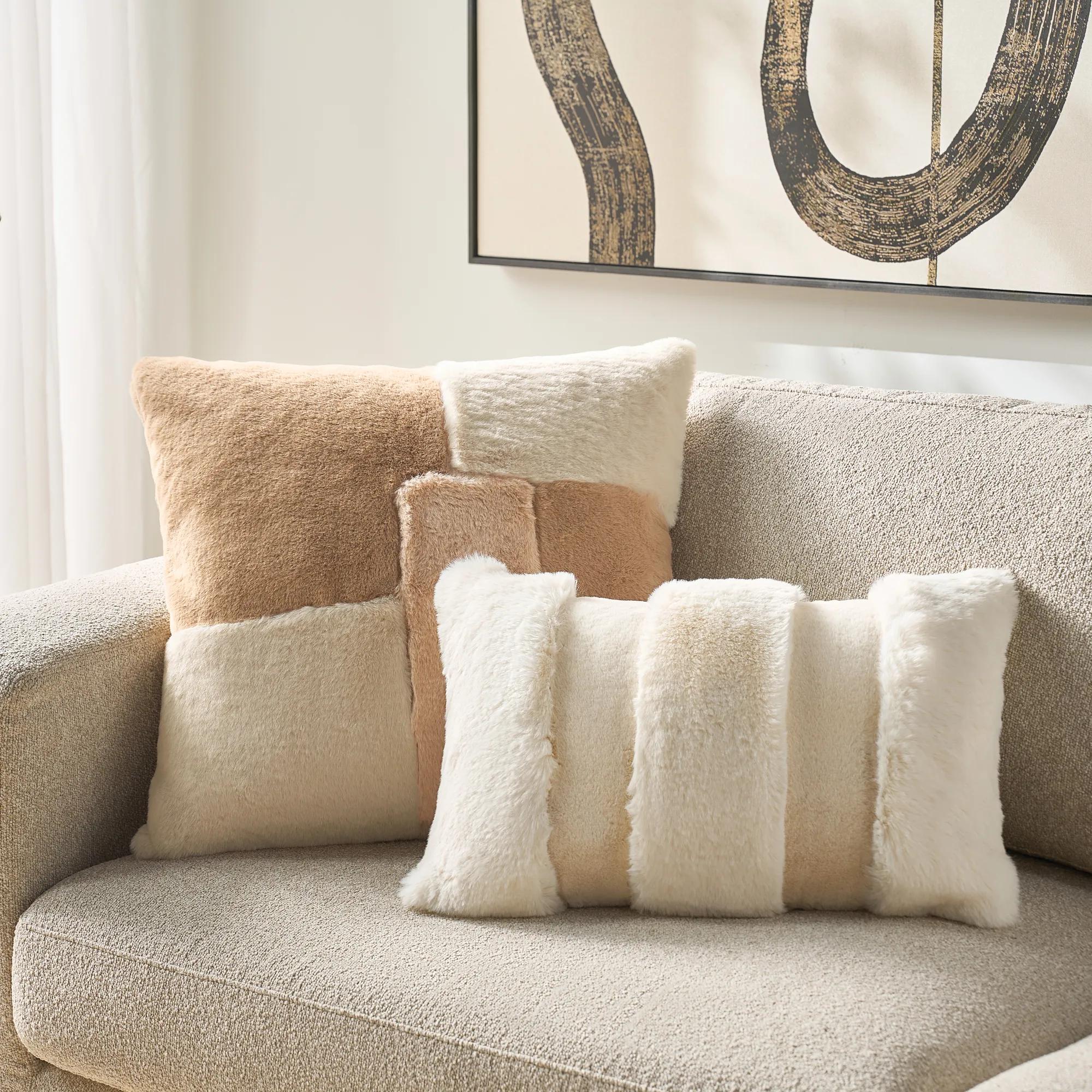 Peliz Ivory Faux Fur Lumbar Pillow 20" x 14"$99
An ivory faux fur lumbar pillow adding sumptuous texture and cozy sophistication to contemporary spaces.
Add To Cart -
Nya Mocha Mousse Embroidered Velvet Pillow 24" x 24"$79
A mocha velvet pillow featuring intricate multicolor embroidery for an elegant, textural accent.
Add To Cart -
 Fia Charcoal/Ivory Rope Fringe Lumbar Pillow 20" x 14"$99
A Deco-inspired lumbar pillow featuring ivory velvet, charcoal rope fringe, and a plush feather-down insert.
Add To Cart

Designer Lumbar Pillows
Designer lumbar pillows bring an elongated silhouette and a polished finishing touch to sofas, accent chairs, and beds. Explore decorative lumbar pillows to anchor a layered pillow arrangement or create a single, expressive accent. Consider proportion alongside color and texture to find a piece that complements your upholstery and gives your room a distinctive point of view.
Designer lumbar pillows are elongated, typically rectangular decorative pillows that bring texture, visual balance, and an extra layer of comfort to sofas, beds, and accent chairs. Their distinctive proportions offer a different rhythm from square throw pillows: a horizontal sweep of velvet, a band of intricate embroidery, or a bold geometric motif can give an entire arrangement its focal point. The appeal lies in both silhouette and detail. A lumbar pillow draws the eye across a seat or bed without adding the height of another square cushion, allowing upholstery, headboards, and surrounding artwork to remain part of the composition. On an ivory sofa, a cocoa velvet lumbar creates depth through color and sheen; against charcoal upholstery, pale embroidery introduces definition without overwhelming the room. A single elongated pillow can make a sculptural chair feel more inviting, while a longer format across the front of bed pillows creates a beautifully composed finish. Common decorative lumbar sizes include 12 by 20 inches and 14 by 22 inches, although proportions vary considerably. The most successful fit depends on the furniture rather than the dimensions alone. On a compact armchair, the pillow should leave enough space for comfortable sitting; on a generous sofa, a broader silhouette can hold its own beside larger cushions. For a bed, consider the width of the mattress and the scale of the pillows behind it, leaving visible space at either side for a balanced arrangement. Color can establish continuity with a rug or artwork, but an exact match is not necessary. Repeating one accent shade, or pairing a luminous surface with matte upholstery, often produces a more expressive result. Designer lumbar pillows suit interiors that favor deliberate detail, whether the room is built around sweeping curves, crisp architectural lines, or richly layered furnishings. Their smaller surface area also makes them an appealing place for a daring pattern that would feel too dominant across an entire sofa.
Materials give decorative lumbar pillows much of their character, shaping how they look in the room and how they feel against the body. Velvet offers a plush hand and a shifting depth of color as its pile catches the light, making even a solid hue feel dimensional. Linen brings a visible weave and subtle irregularity that can temper polished furniture, while cotton offers a softer, more understated surface for printed patterns and stitched designs. Silk and silk blends can introduce delicate luster, though their care requirements deserve particular attention. Jacquard fabrics weave pattern into the textile itself, creating a different depth from a surface print; embroidery adds raised detail that rewards a closer look. Metallic threads, beading, fringe, and sculpted textures can turn a lumbar pillow into a decorative focal point, but the placement should respect the embellishment. A smooth-faced pillow is generally more comfortable where someone regularly leans back, while intricate beadwork may be better suited to a bed arrangement or a chair used primarily as a visual accent. Construction matters just as much as the face fabric. Even seams, securely attached trim, neatly finished corners, and an accessible closure help a pillow maintain its tailored appearance. Piping outlines the rectangular shape with precision, while a flange creates a softer border and adds to the pillow’s visual footprint. The insert influences fullness and comfort: feather-and-down blends tend to offer a yielding feel that can be reshaped, while polyester fills vary in firmness and can provide an alternative for those who prefer to avoid feathers. Neither fill type guarantees a particular level of support, so the insert’s construction and density matter. Check whether a pillow includes an insert or is a cover only, and follow the cover’s sizing recommendations rather than assuming every insert will fit. An overfilled cover can strain seams or distort embroidery; an underfilled one may lose the clean outline that makes the lumbar shape so distinctive.
The right designer lumbar pillow should feel at home in the room’s daily life, not simply in its most polished photograph. In a frequently used living room, fabric with a stable weave, secure stitching, and limited exposed embellishment may be a better fit than a delicate, heavily decorated surface. In a bedroom, a richly embroidered or lustrous pillow can serve as the finishing layer, then move to a bench or chair when the bed is in use. Households with children or pets benefit from checking both the fabric’s care instructions and the practicality of its details: loose fringe, raised loops, and fragile accents can be vulnerable to pulling or snagging. A removable cover may simplify maintenance, but a zipper does not mean the fabric is machine washable. Always follow the care label, especially for velvet, silk, metallic threads, and mixed-material designs. Blot spills promptly without rubbing, and use only cleaning methods appropriate to the textile; some covers require professional cleaning. Regular reshaping helps redistribute fill, while occasional rotation can reduce uneven wear on a pillow that receives daily use. Prolonged direct sunlight may fade color, and rough contact with jewelry or clothing hardware can catch decorative stitching. These considerations leave ample room for expressive design. A black-and-ivory pattern can sharpen a softly upholstered seating area, while a tonal pillow with raised texture adds richness without introducing another color. Explore Stylish Lumbar Pillows for accents that carry this balance of proportion, texture, and personality into sofas, chairs, and beds. Lumbar pillows also make thoughtful housewarming or wedding gifts when the recipient’s palette and decorating preferences are familiar. Consider the intended furniture, preferred materials, and whether an insert is needed, so the gift feels considered rather than incidental. From a tailored accent on a reading chair to a dramatic final layer on a bed, the rectangular form offers a distinctive canvas for color, craftsmanship, and personal expression.
FAQs
Designer lumbar pillows bring an elongated silhouette to decorative pillow arrangements, creating a striking contrast with square cushions. Their horizontal lines lend a composed, editorial feel to a sofa, bed, or accent chair, while expressive textures and patterns can turn a simple arrangement into an artful focal point.
Let a lumbar pillow anchor your arrangement in front of square throw pillows, or place one off-center for a more relaxed composition. Echo a color from nearby artwork or a rug to create continuity, then introduce contrast through texture or pattern. The result feels thoughtfully layered rather than perfectly matched.
Place a decorative lumbar pillow in front of your sleeping pillows and shams to give the bed a distinct finishing note. Against understated bedding, a richly patterned design creates drama; with an expressive duvet, a quieter pillow offers visual balance. Carry a shared accent color through the layers for a cohesive, luxurious retreat.
Build around a shared palette, then vary the visual rhythm. A bold geometric lumbar pillow can contrast beautifully with flowing motifs, while an abstract design brings movement to solid upholstery. Give each pattern room to stand out by including solid accents that keep the composition deliberate.
Designer lumbar pillows do not need to match your furniture exactly. Tonal combinations create a nuanced, polished mood, while contrasting hues draw attention to a favorite seat. For a more expressive room, connect the pillow to your art or decorative objects instead of the upholstery, allowing it to become a distinctive part of the room’s story.