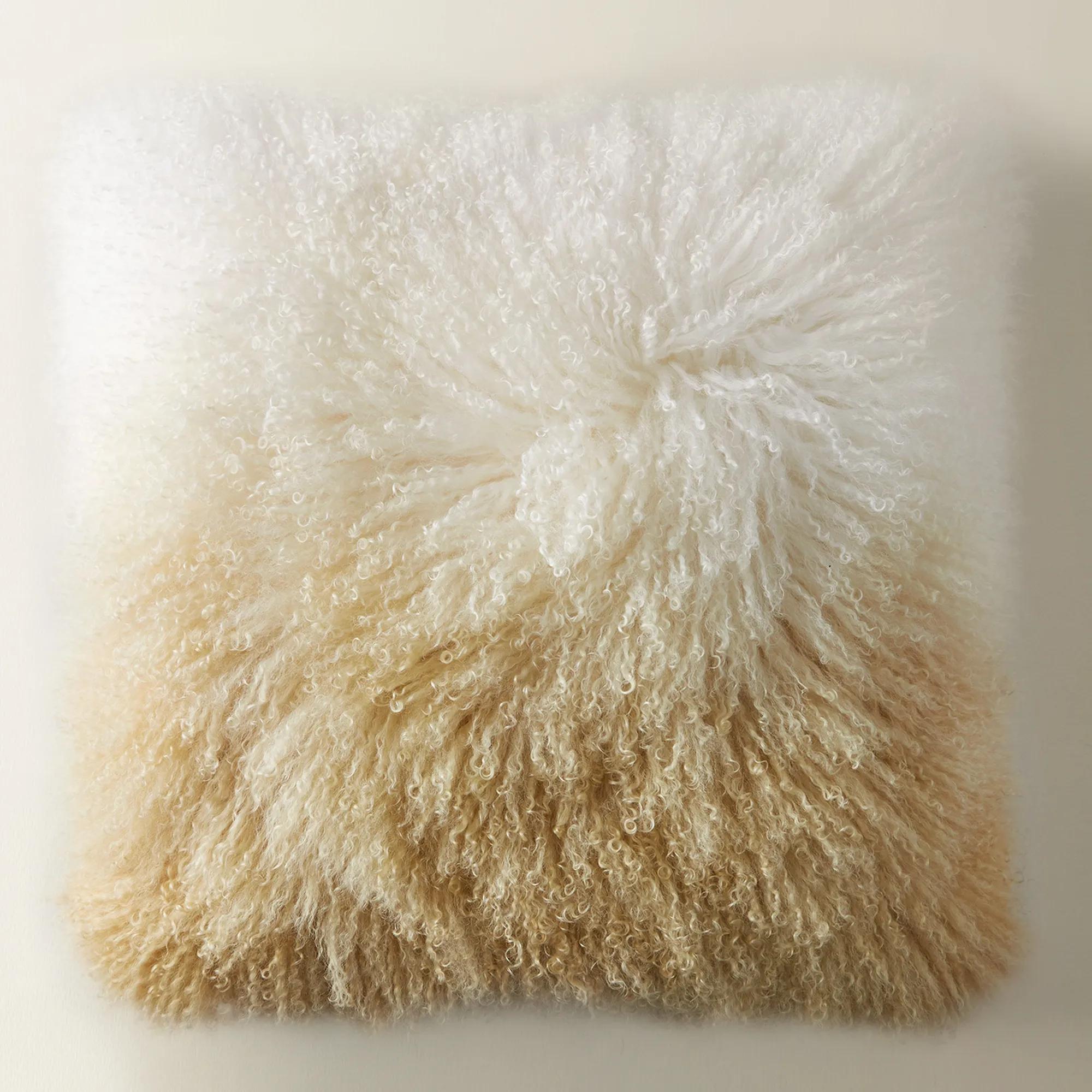
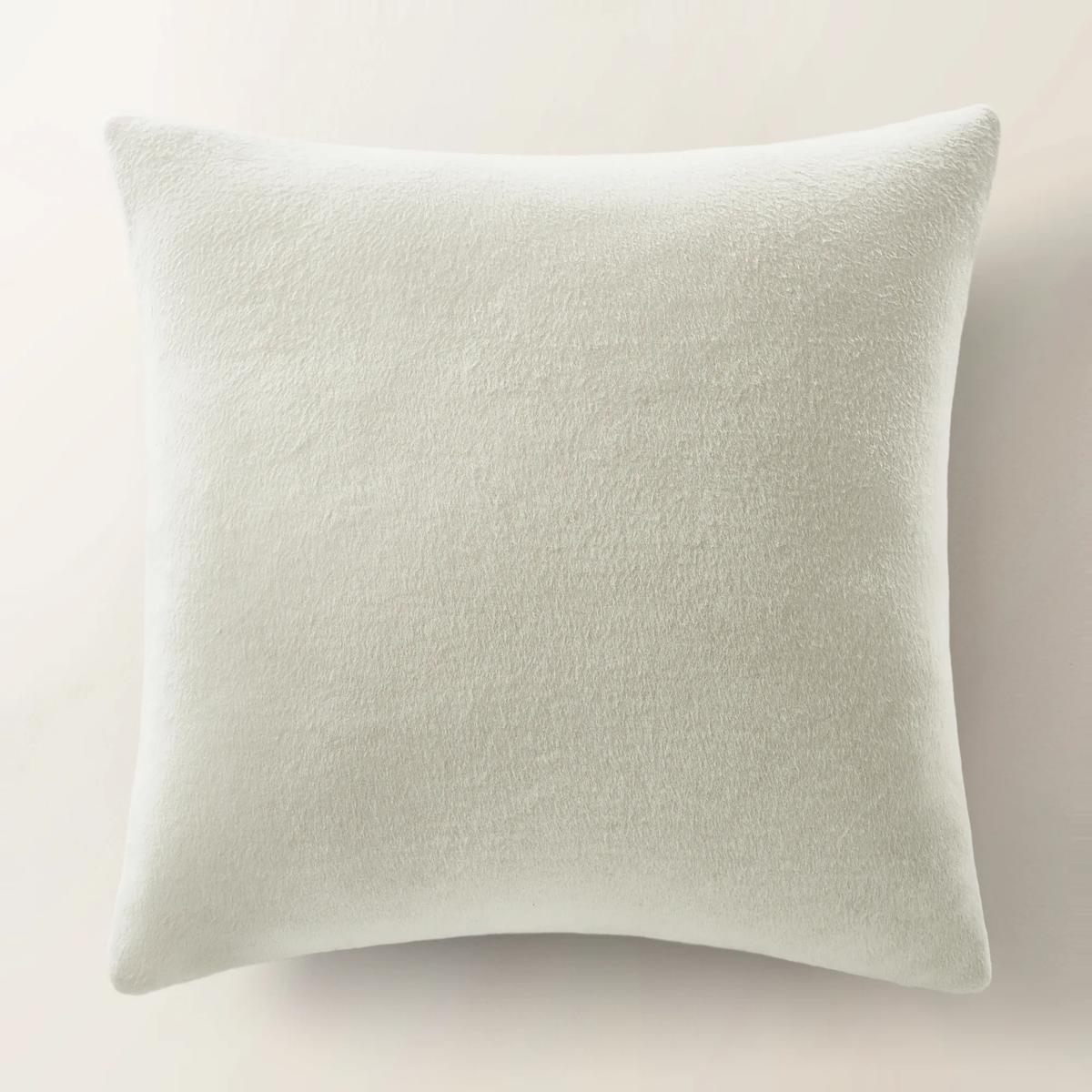
Decorative Lumbar Pillows
Decorative Lumbar Pillows
-
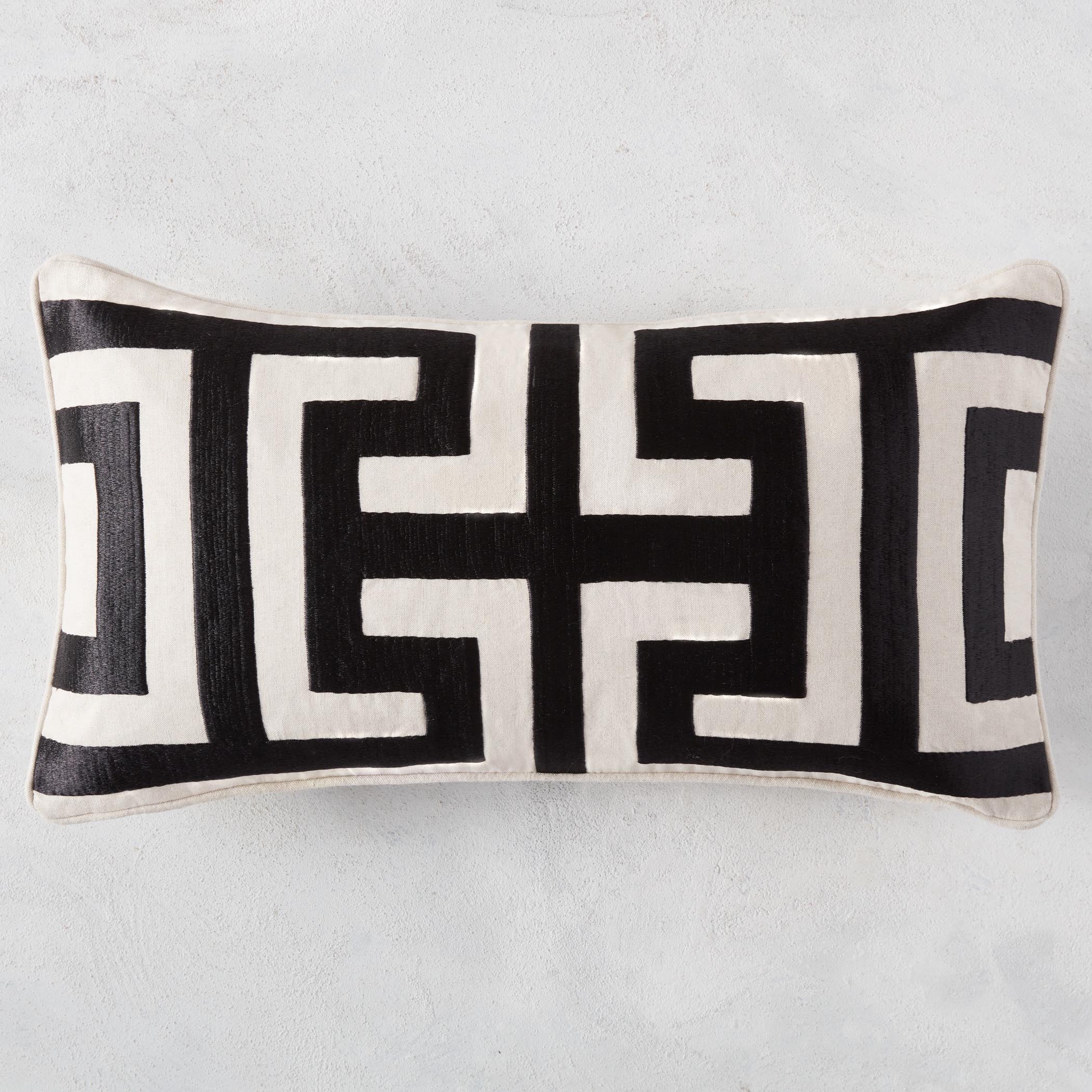 Cace Embroidered Black/Natural Linen Lumbar Pillow 26" x 14"$129
A cotton-linen pillow featuring metallic Greek key embroidery in natural and black with a feather-down insert.
Add To Cart -
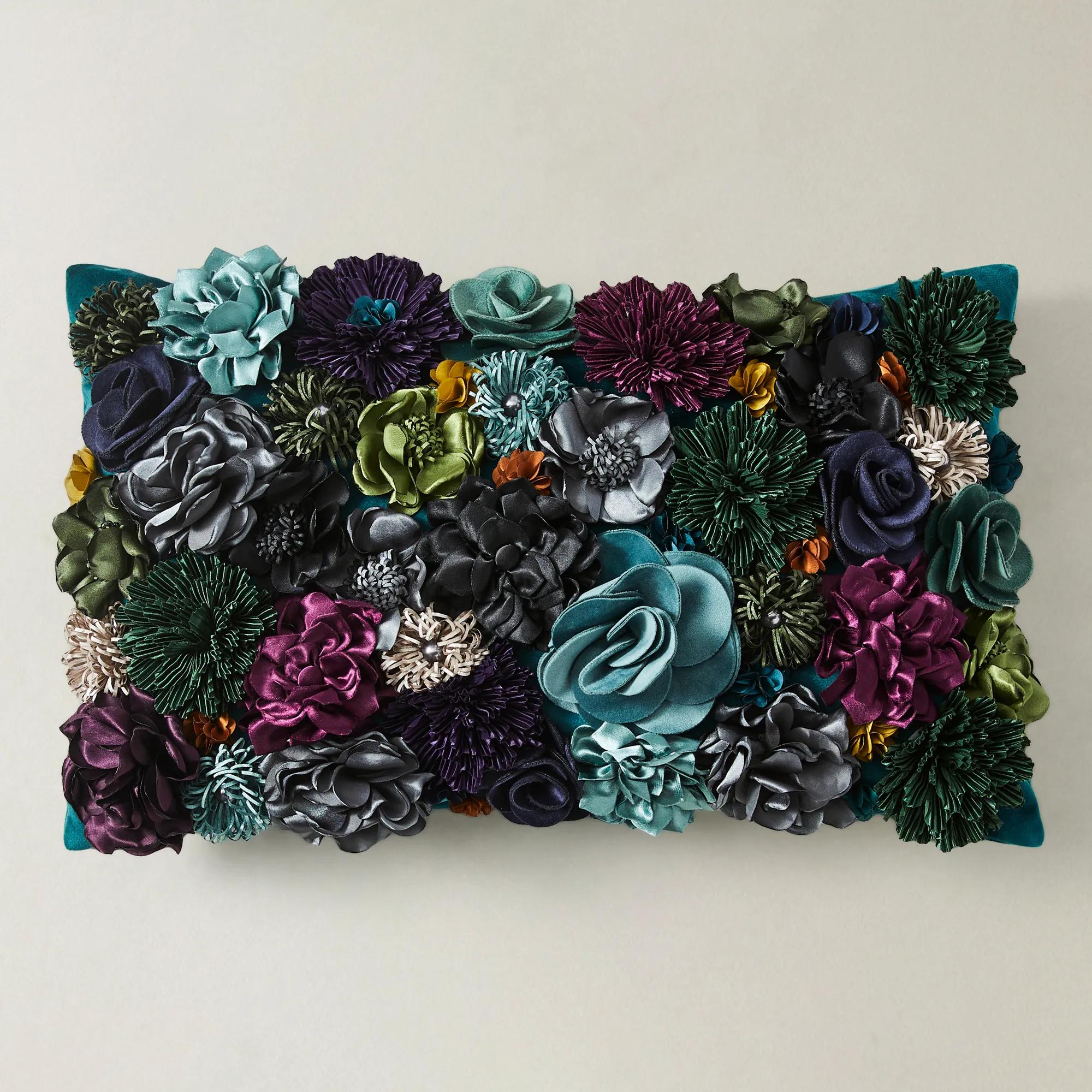
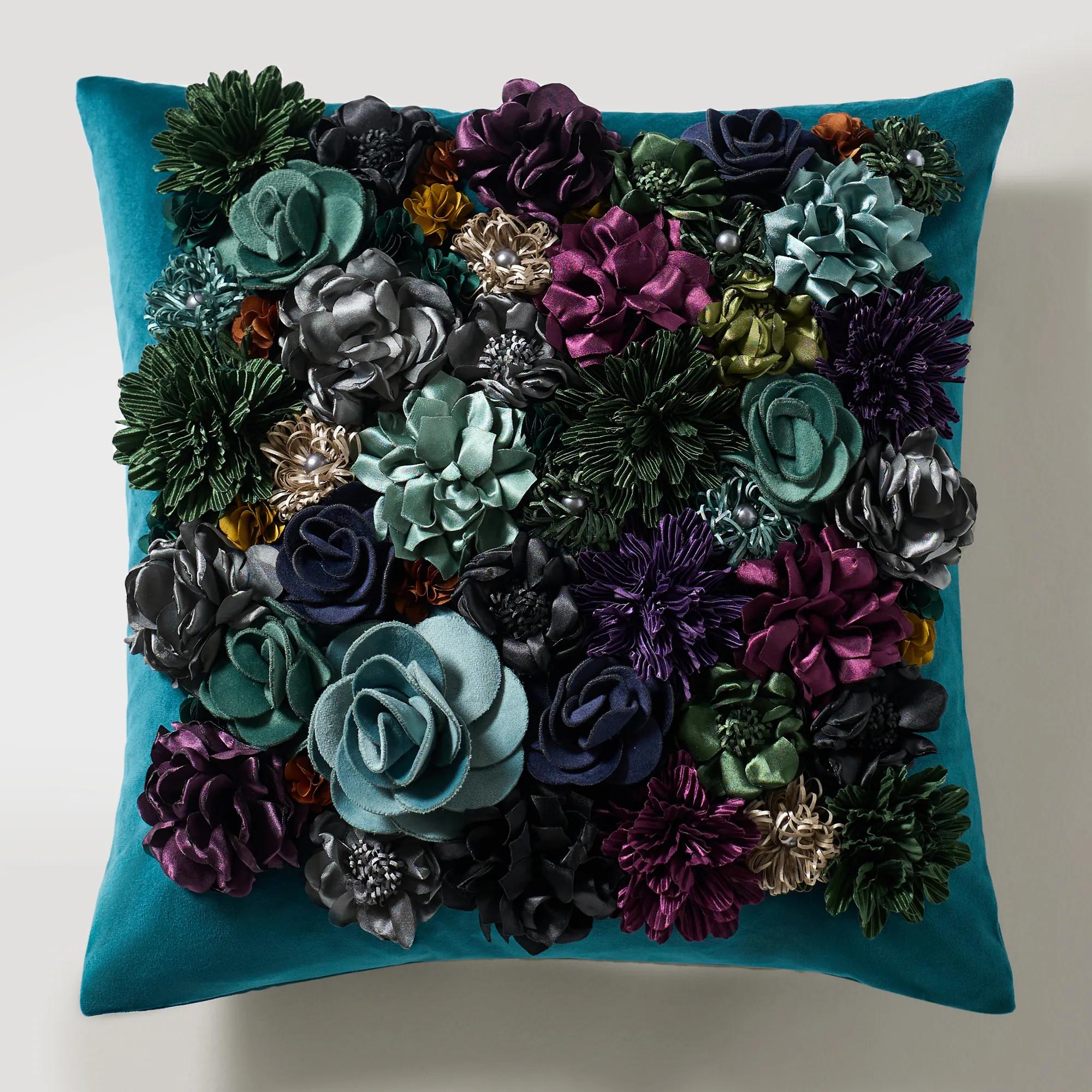
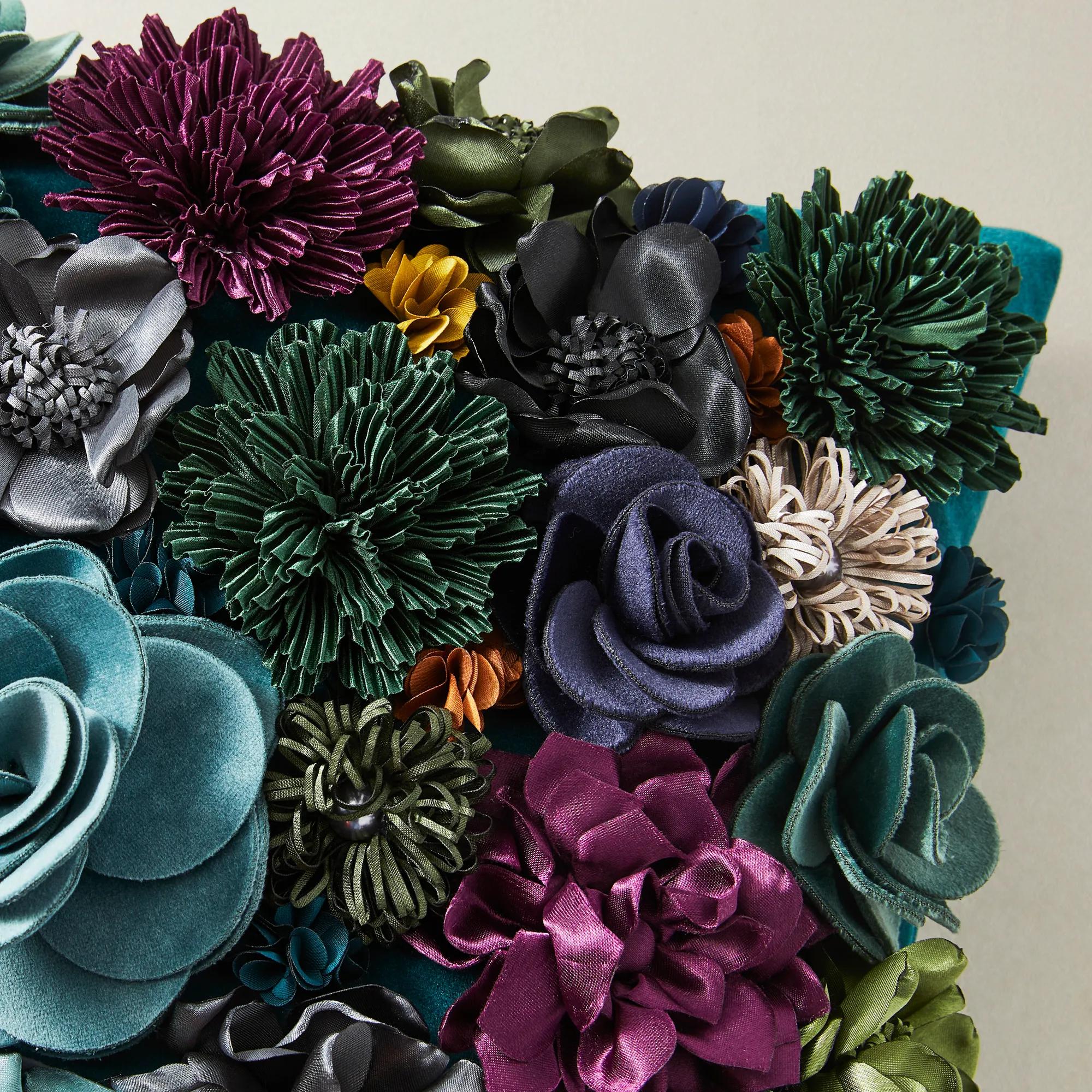 Posy Handcrafted 3D Floral Appliqué Multicolor Velvet Lumbar Pillow 20" x 12"$119
A cerulean velvet lumbar pillow adorned with detailed blooms and filled with a plush feather insert.
Add To Cart -
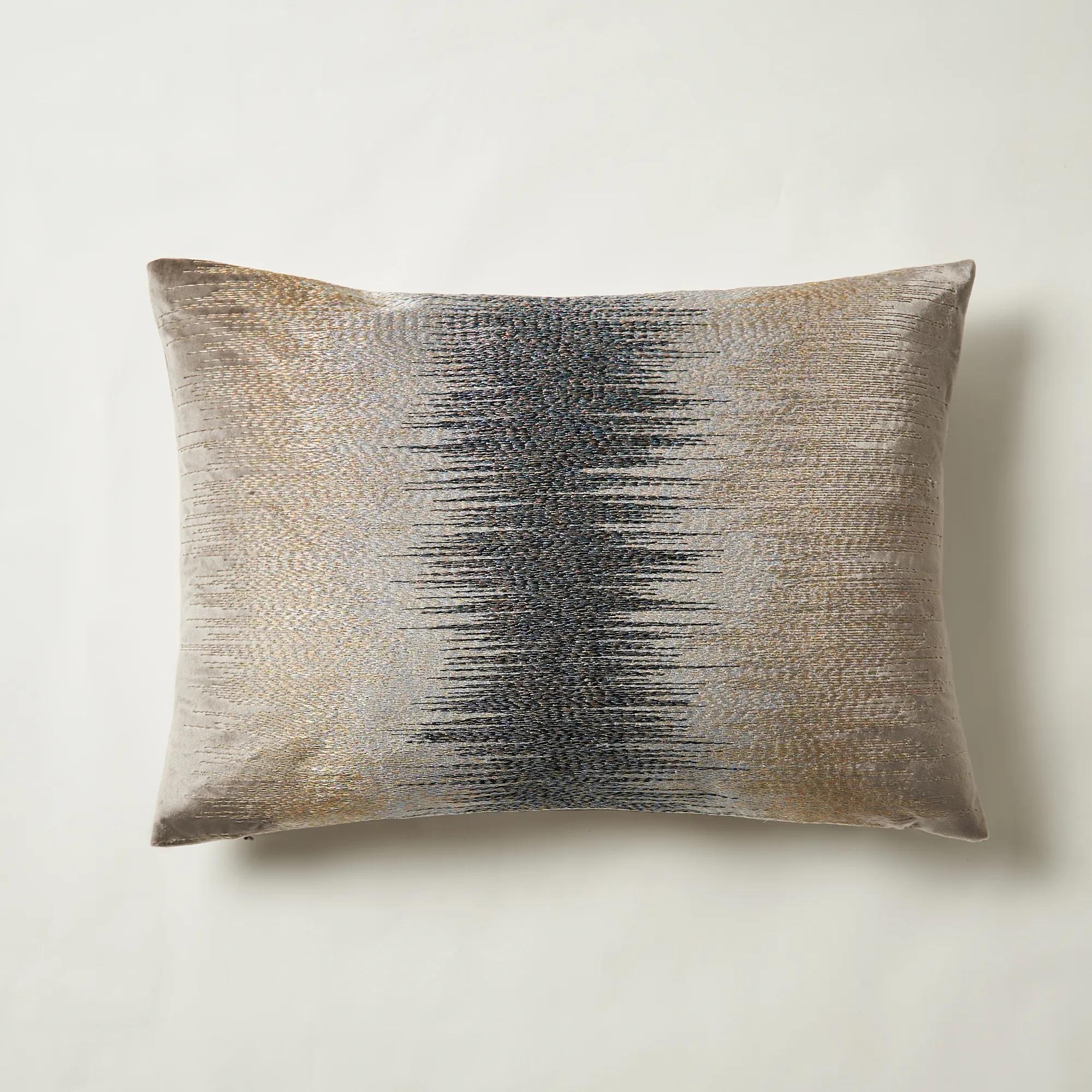
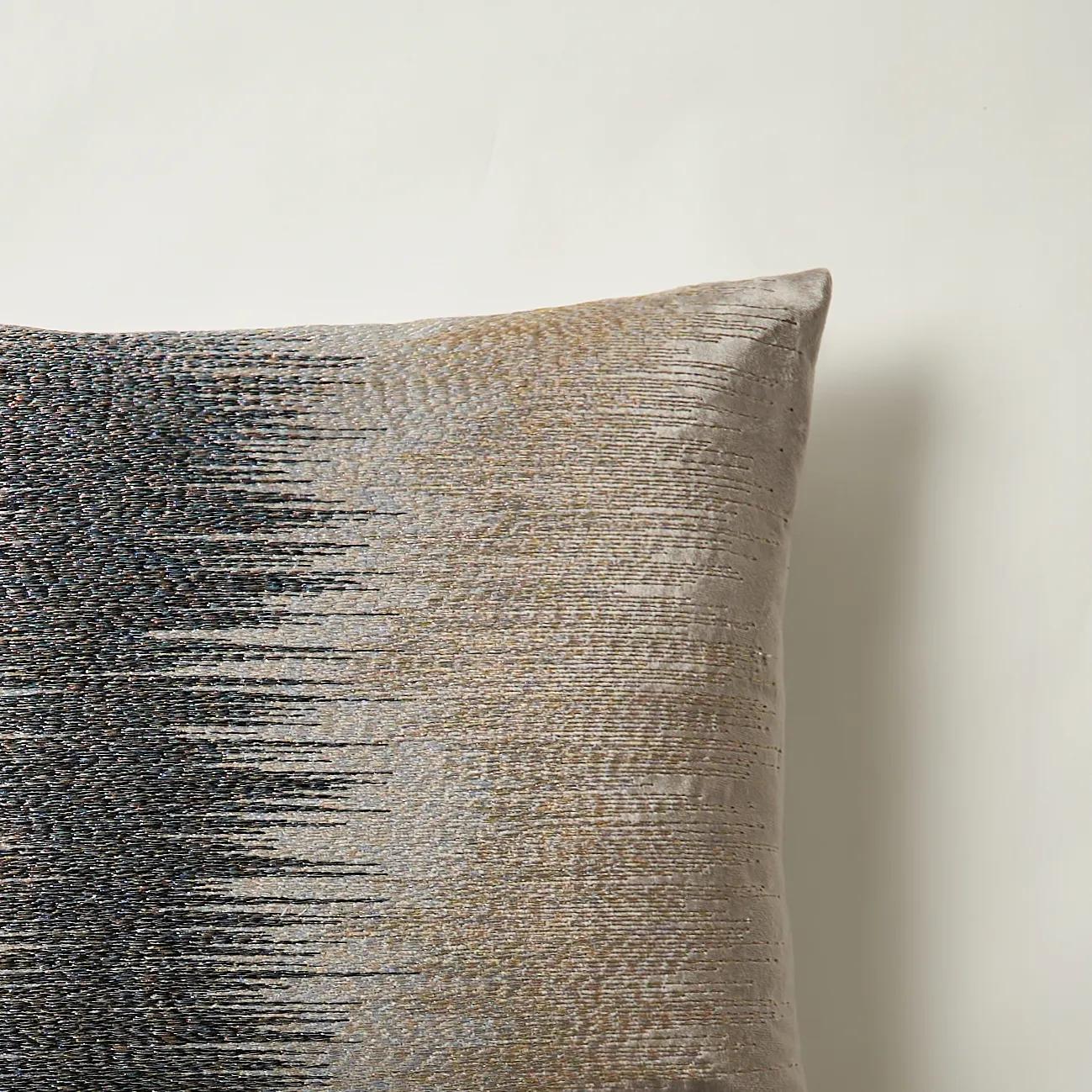 Leon Metallic Embroidered Grey/Charcoal/Silver Velvet Lumbar Pillow 14" x 20"$59
A soft grey, black, and silver velvet pillow featuring gradient metallic embroidery and a plush feather-down insert.
Add To Cart -
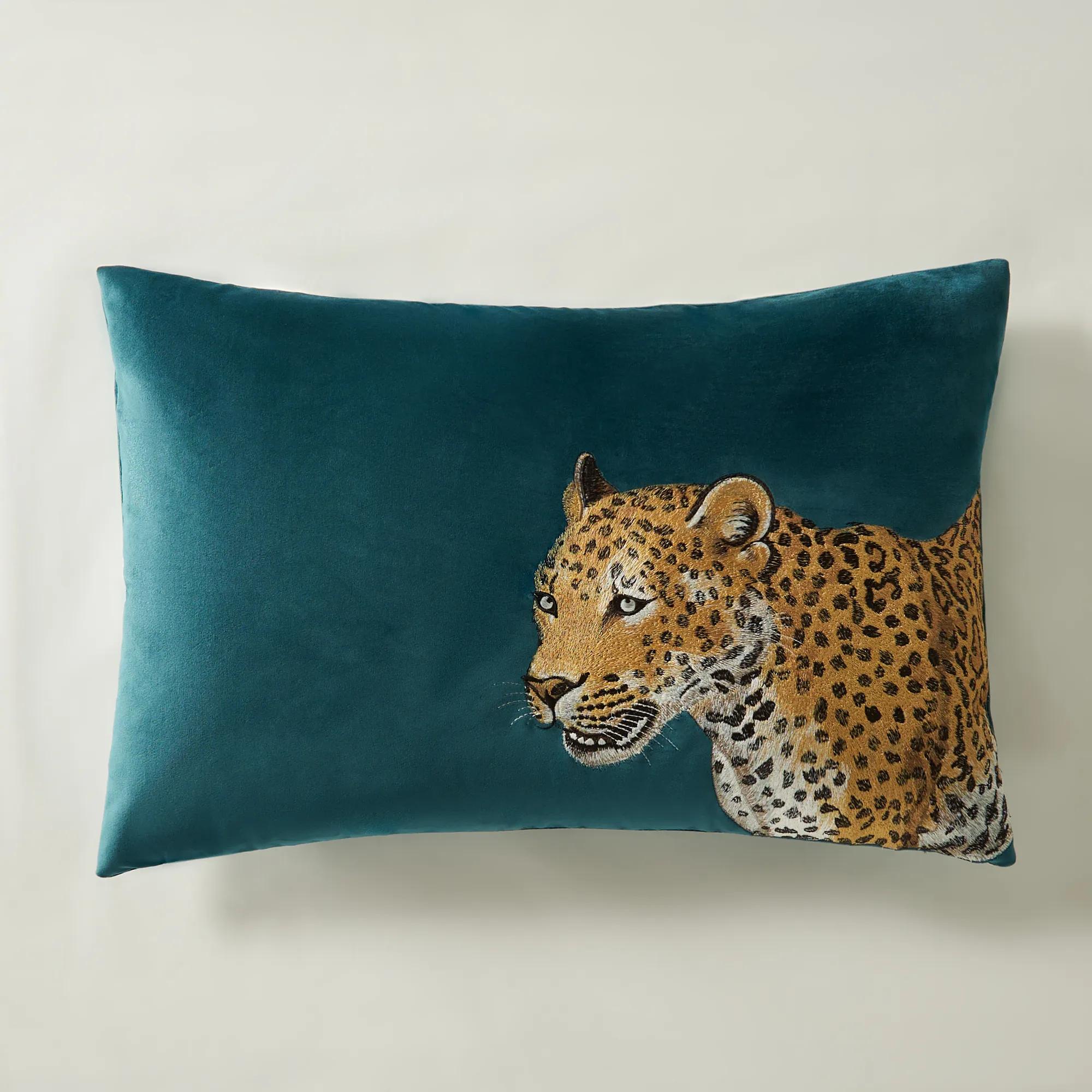
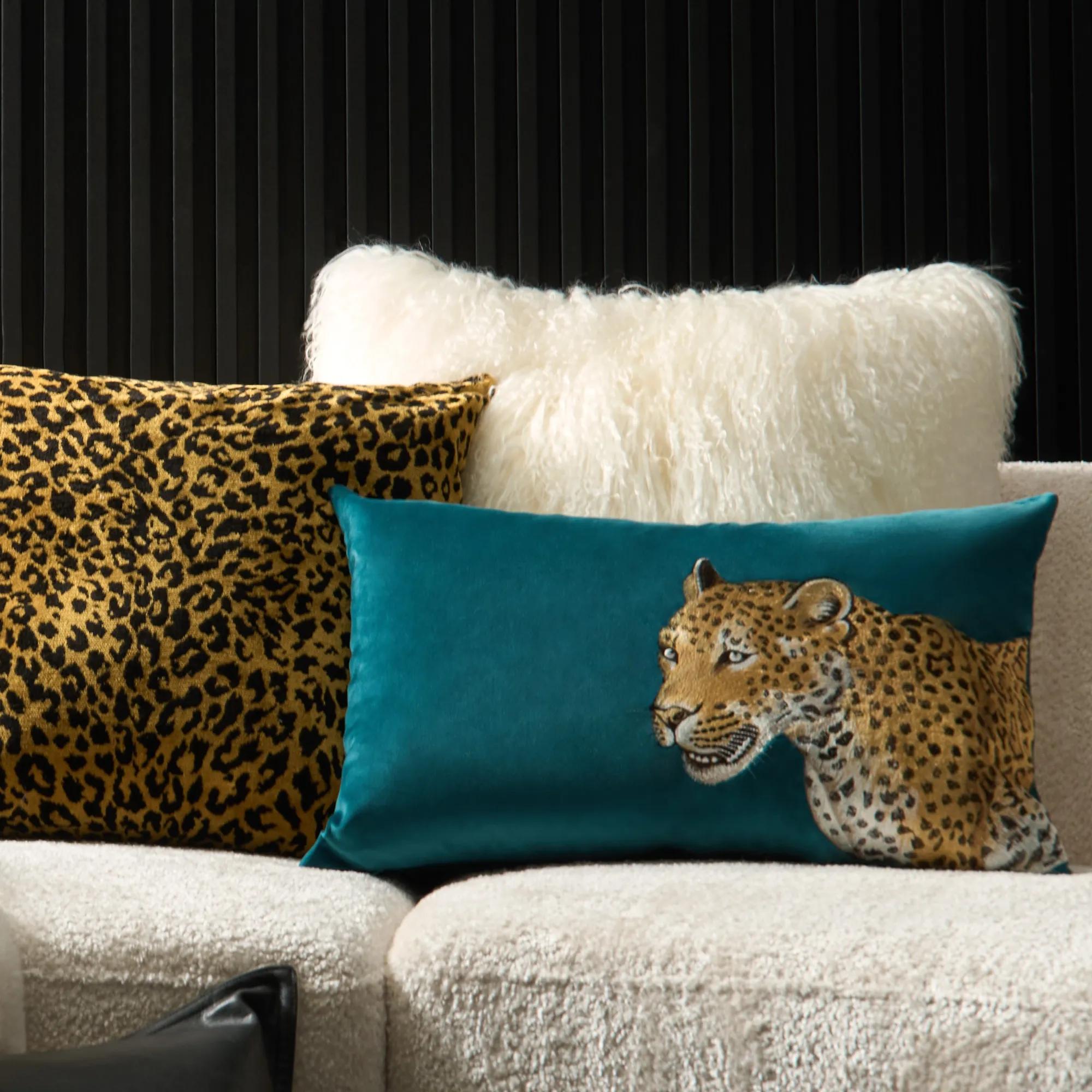 Leopard Embroidered Teal Velvet Lumbar Pillow 15" x 23"$69
A luxe dark teal velvet pillow featuring an embroidered leopard face and a plush feather-down insert.
Add To Cart -
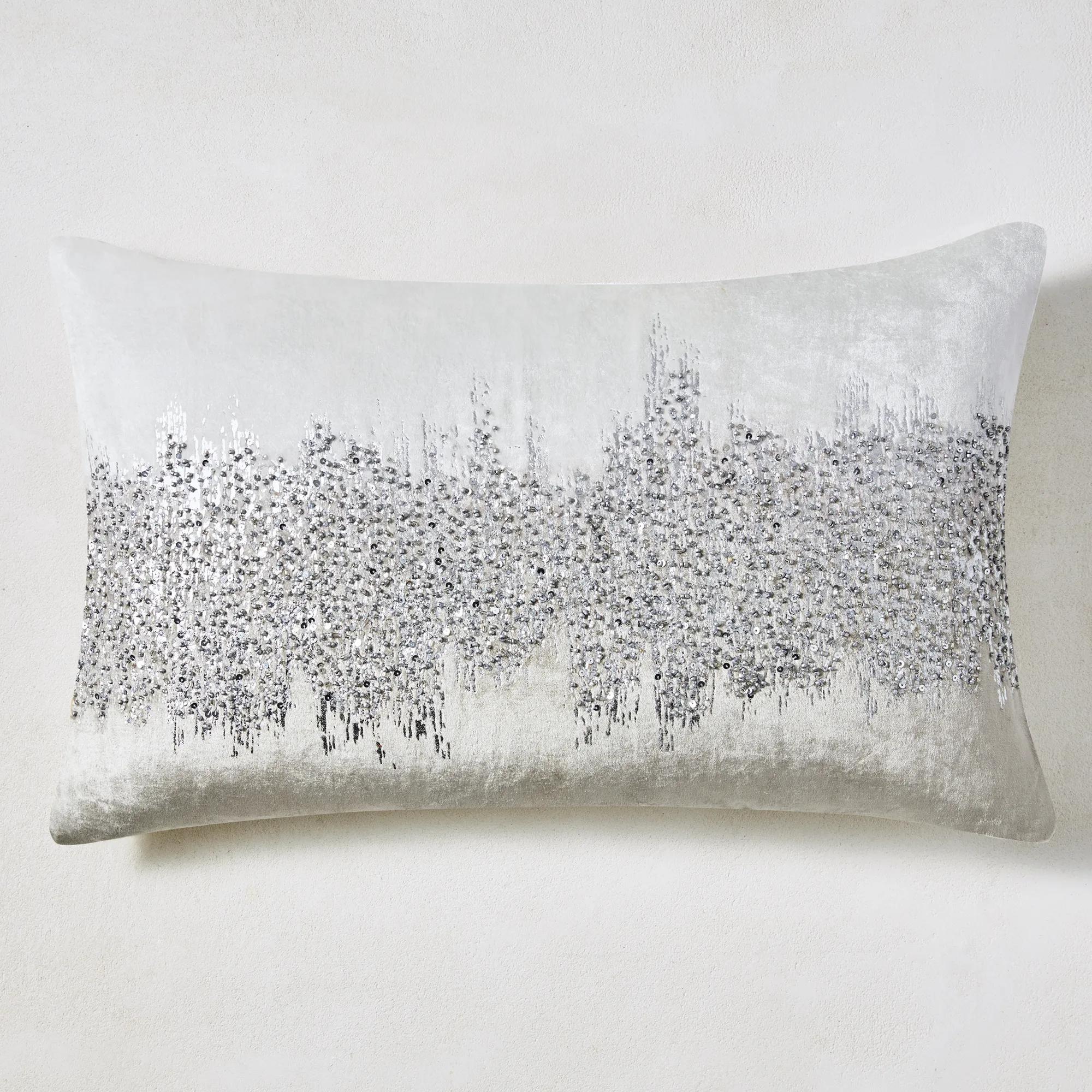 Joie De Vivre Lumbar Pillow 16" x 26" - Grey$99
A hand-dyed grey velvet lumbar pillow featuring metallic foil print and shimmering hand-beaded glass accents.
Add To Cart -
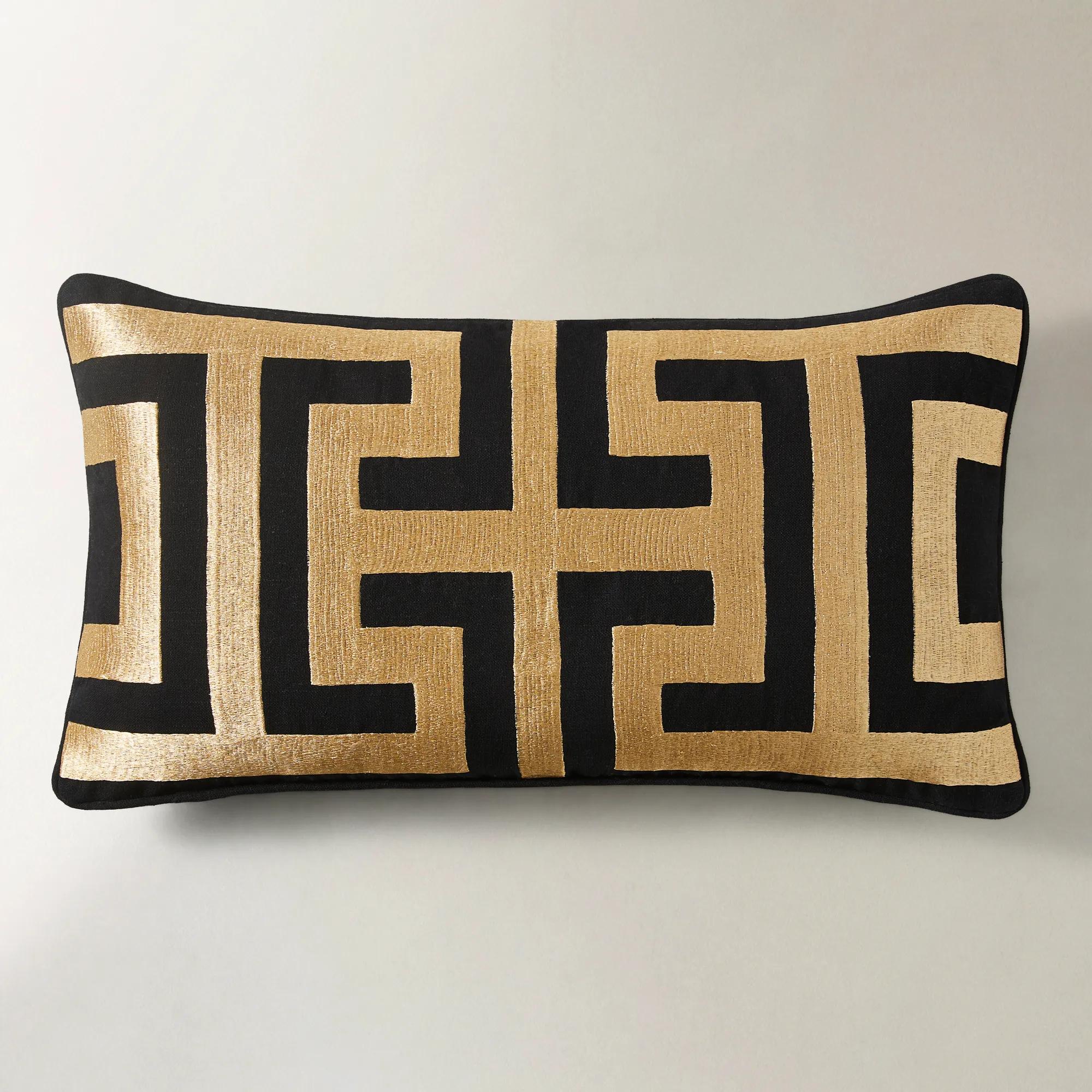
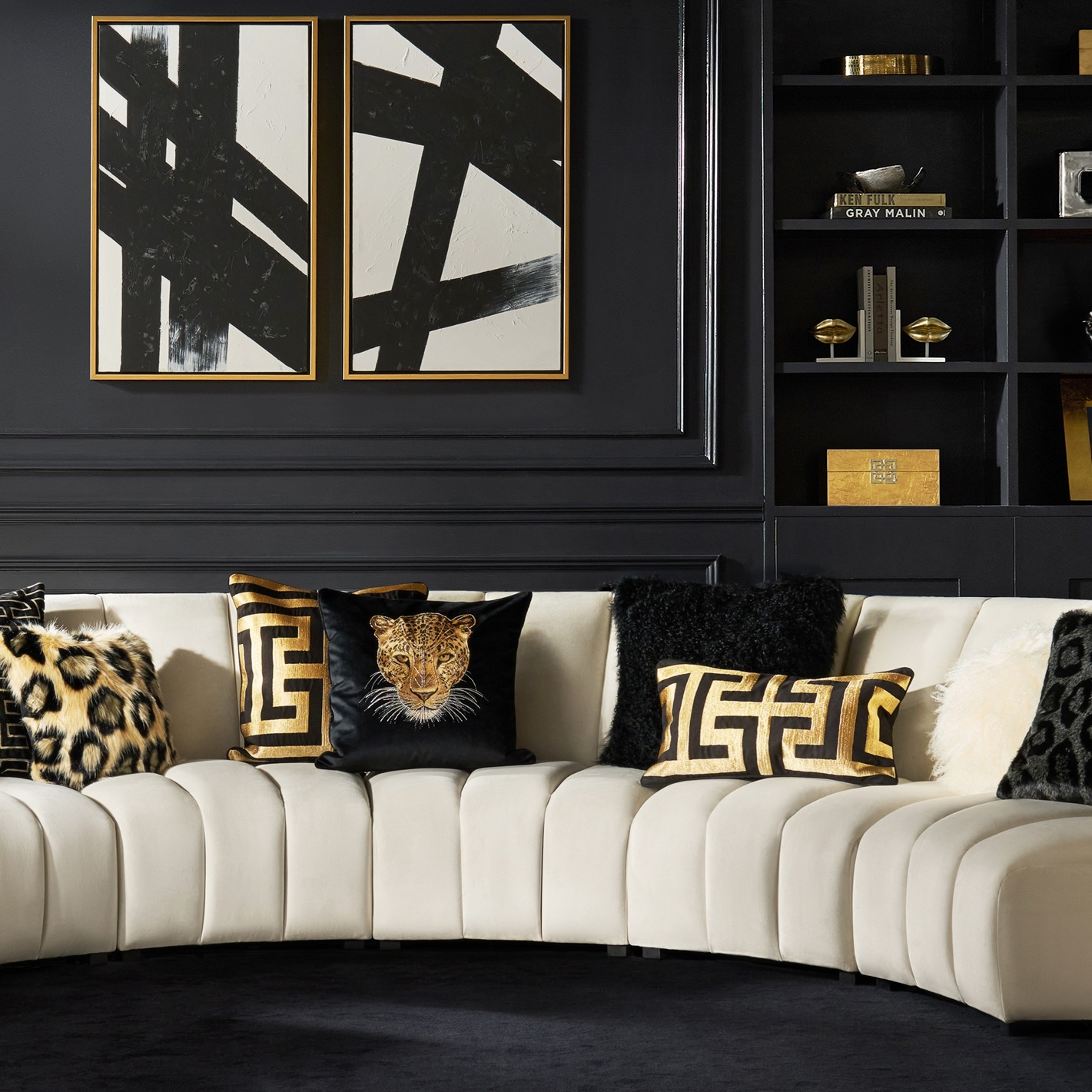 Cace Embroidered Gold/Black Linen Lumbar Pillow 26" x 14"$129
A cotton-linen pillow featuring metallic gold Greek key embroidery and a plush feather-down insert.
Add To Cart -
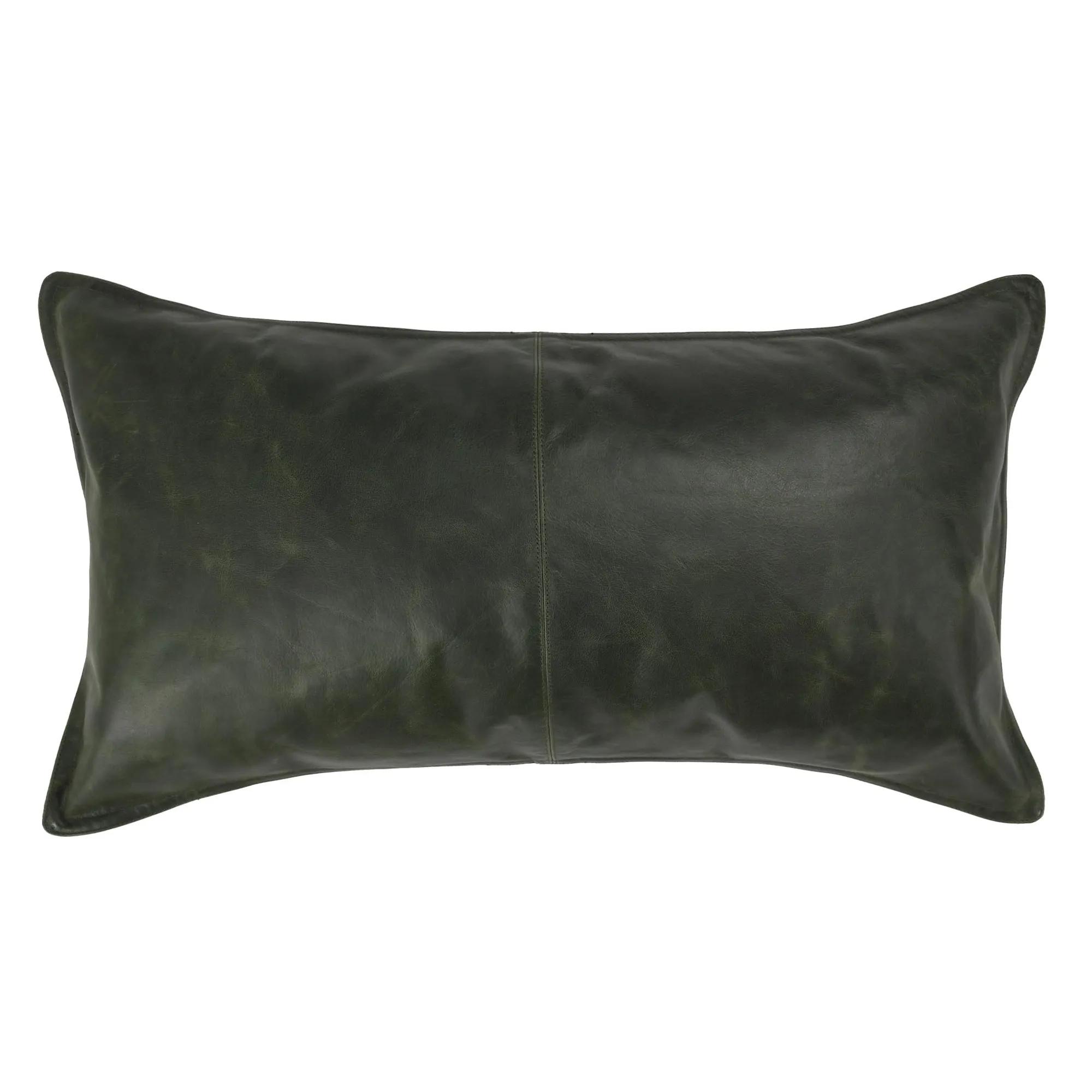
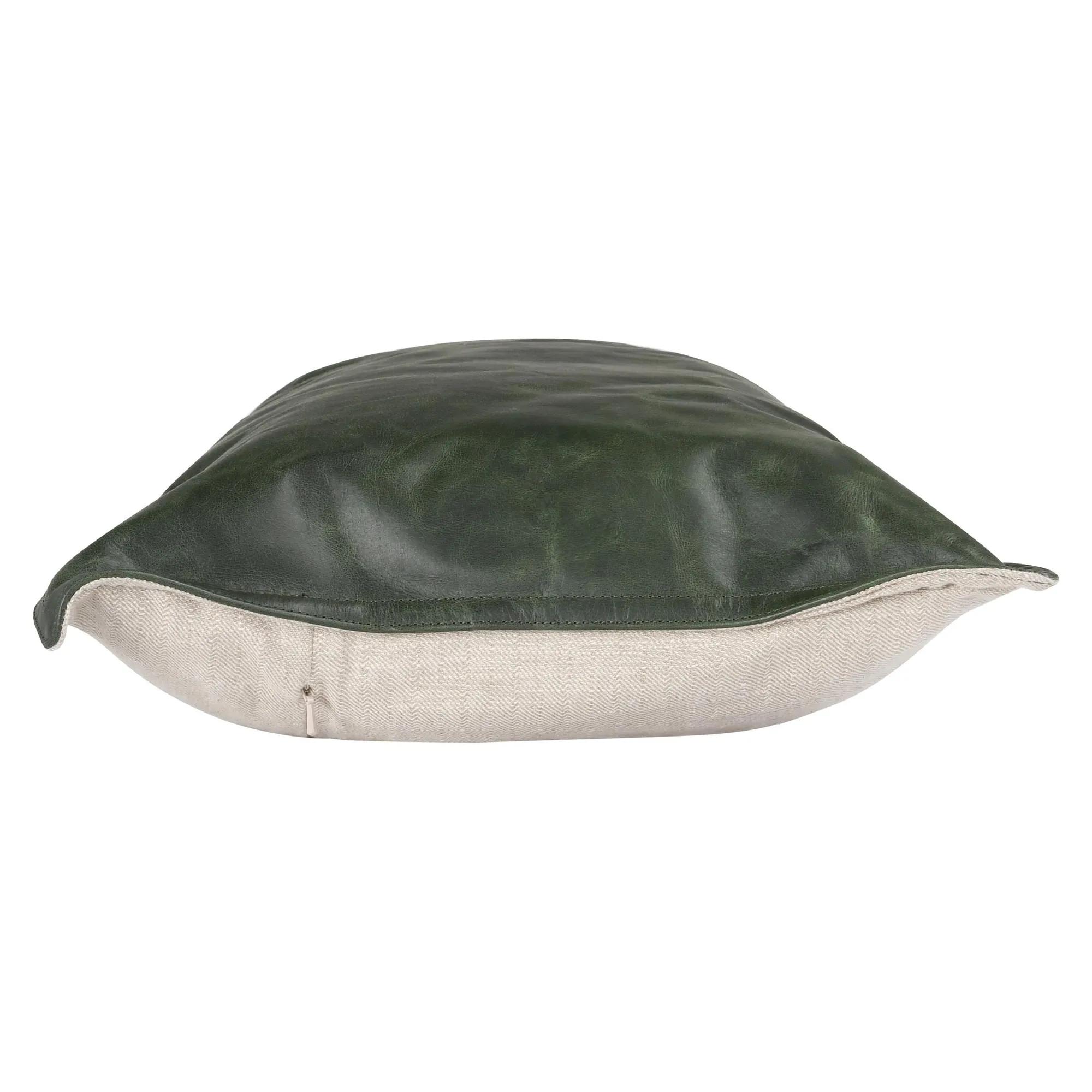 Dylan Forest Green Genuine Leather Lumbar Pillow 14" x 26"$179
A sleek forest green leather lumbar pillow with feather-down insert and double-stitched panels for style.
Add To Cart -
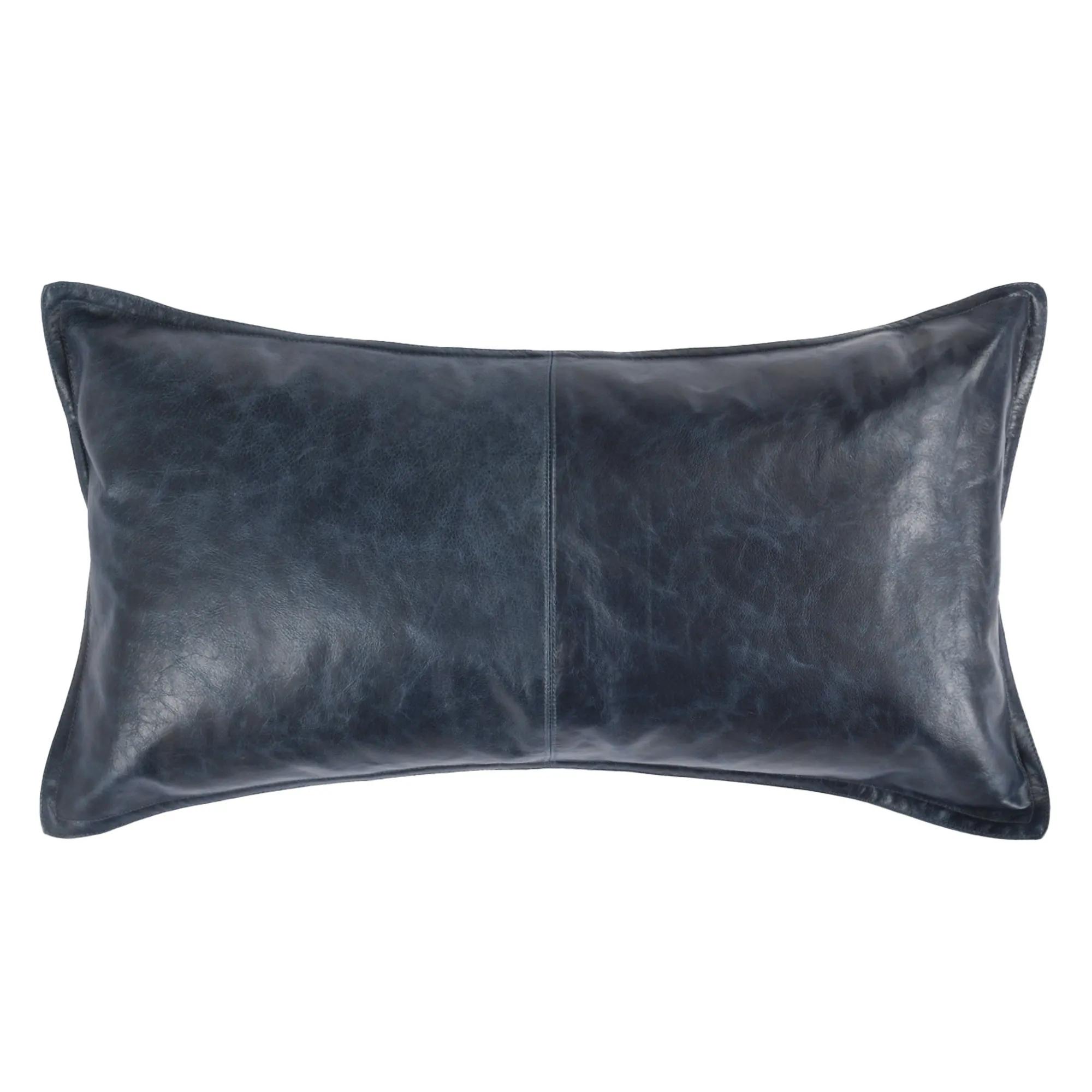
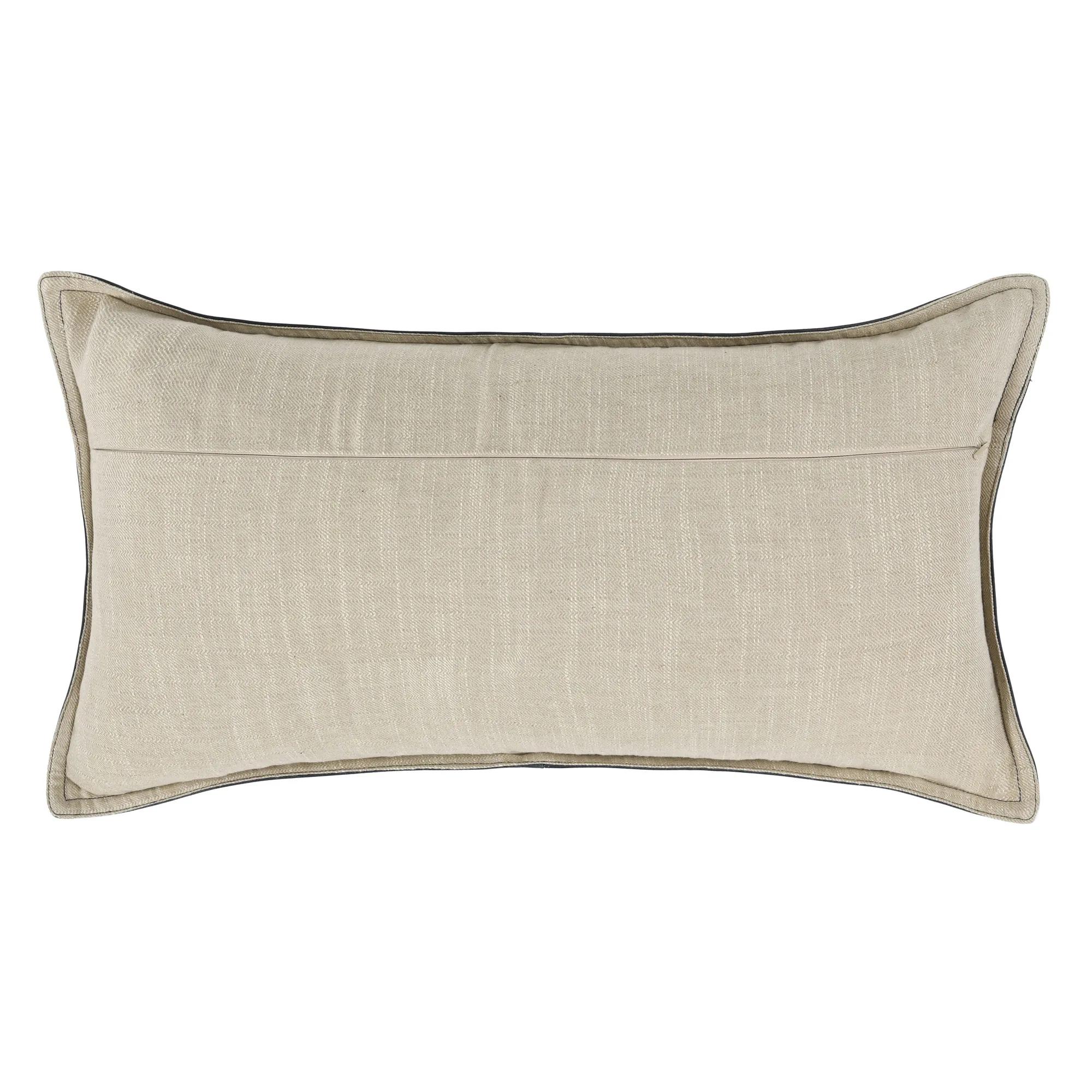 Dylan Navy Blue Genuine Leather Lumbar Pillow 14" x 26"$179
A sleek navy leather lumbar pillow with double-stitched panels, cotton back, and feather-down insert.
Add To Cart -
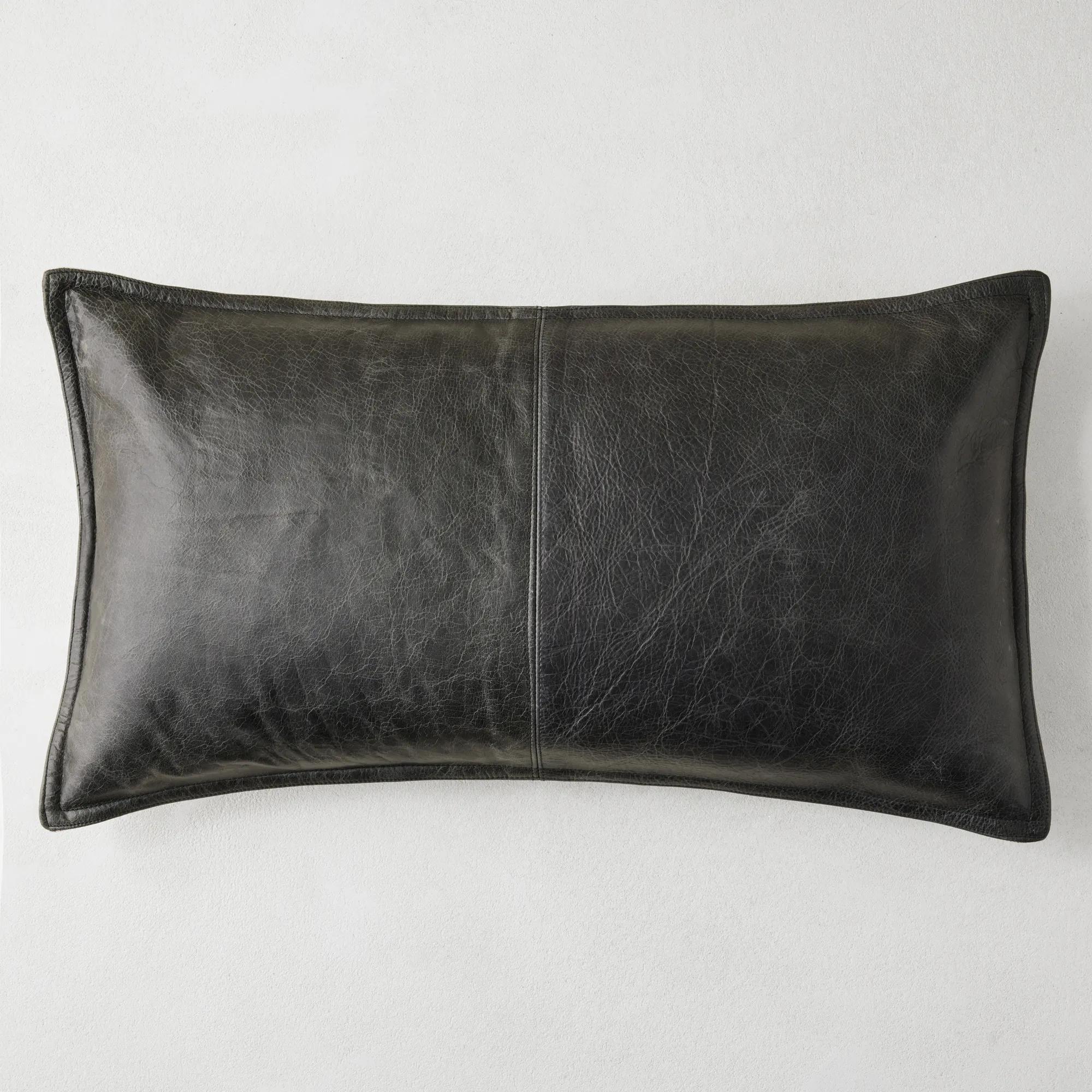 Dylan Onyx Black Genuine Leather Lumbar Pillow 14" x 26"$179
A sleek onyx leather lumbar pillow with double-stitched panels, cotton back, and feather-down insert.
Add To Cart -
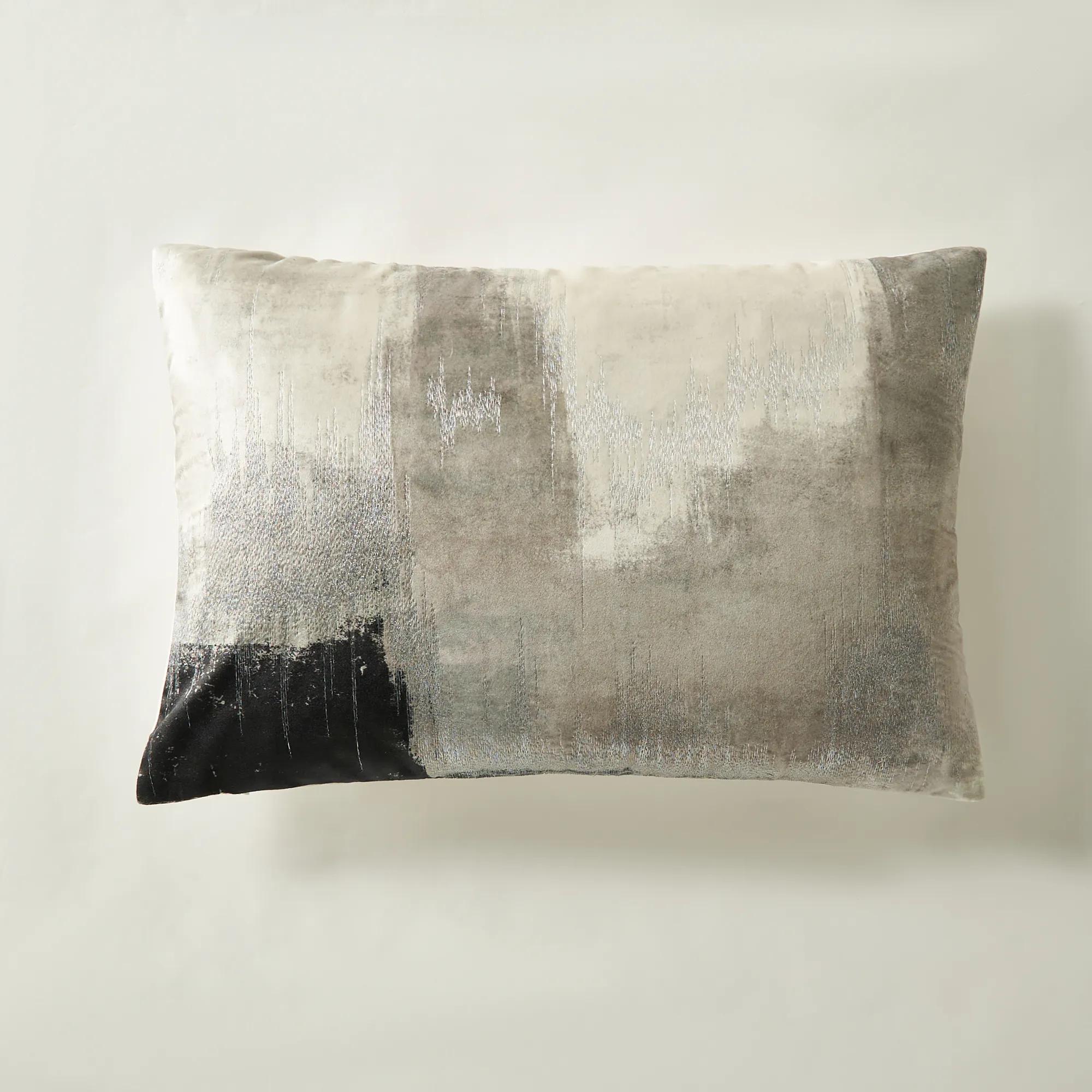 Nya Grey/Black Embroidered Velvet Lumbar Pillow 14" x 20"$69
A plush black and grey velvet lumbar pillow with metallic silver embroidery and a feather-down insert.
Add To Cart -
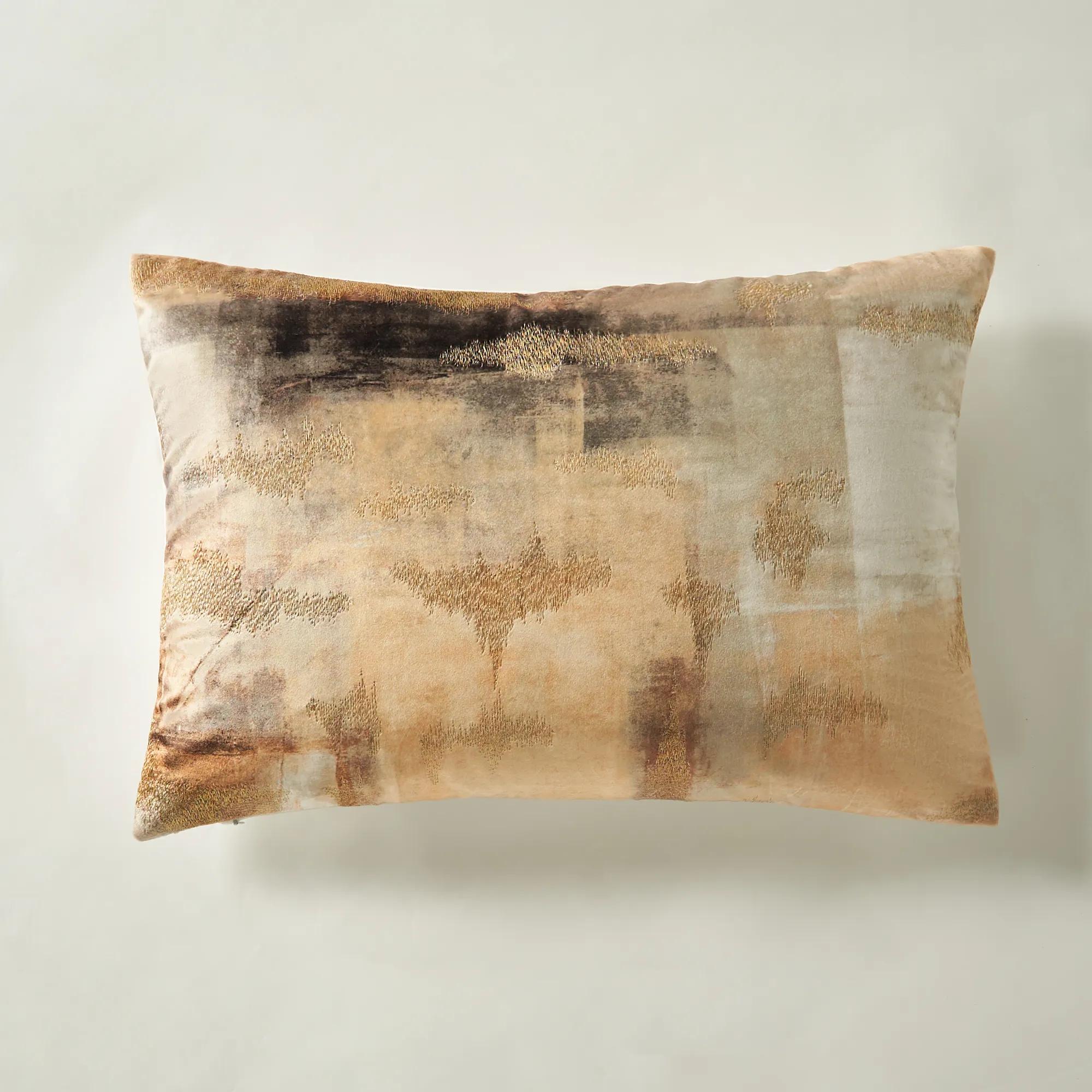
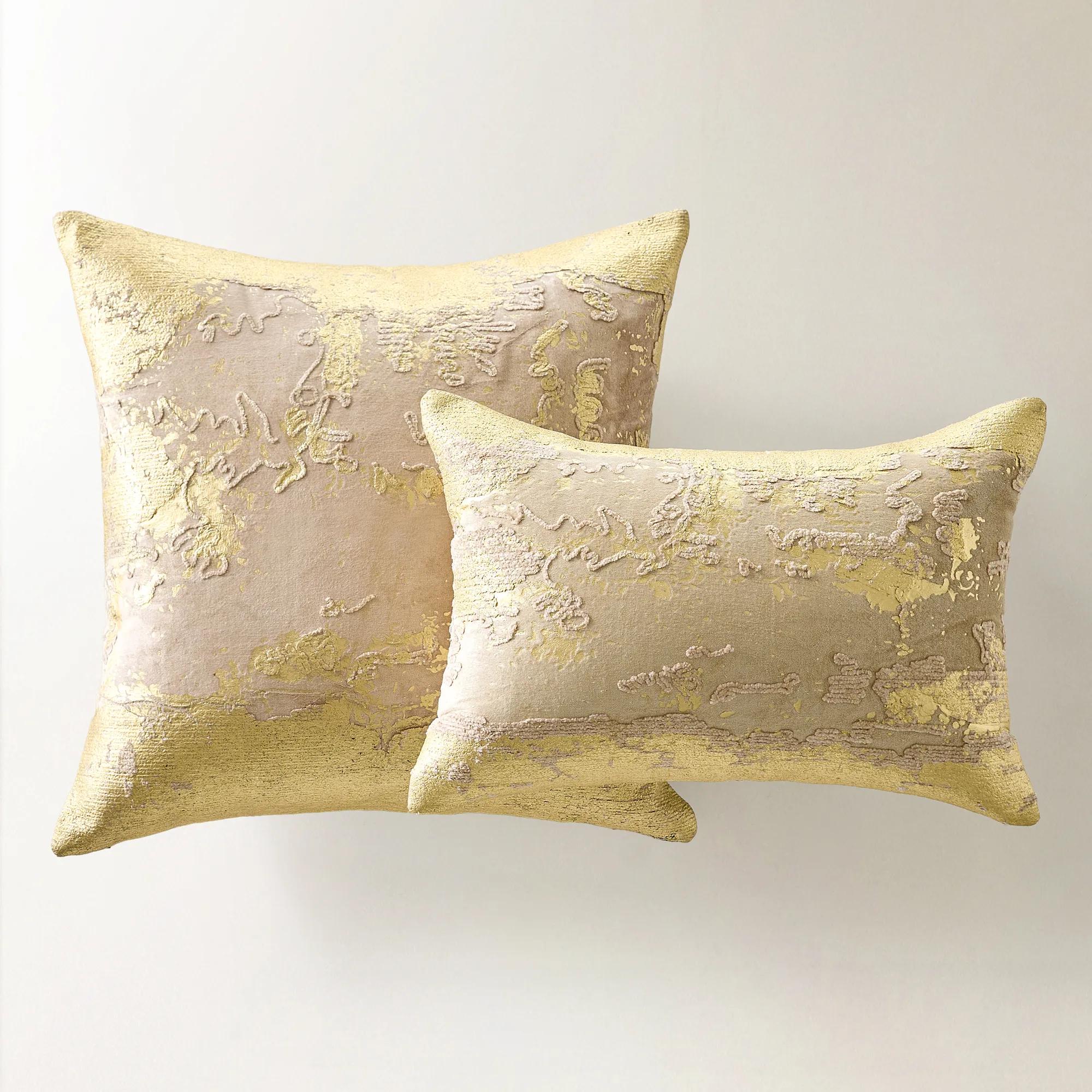
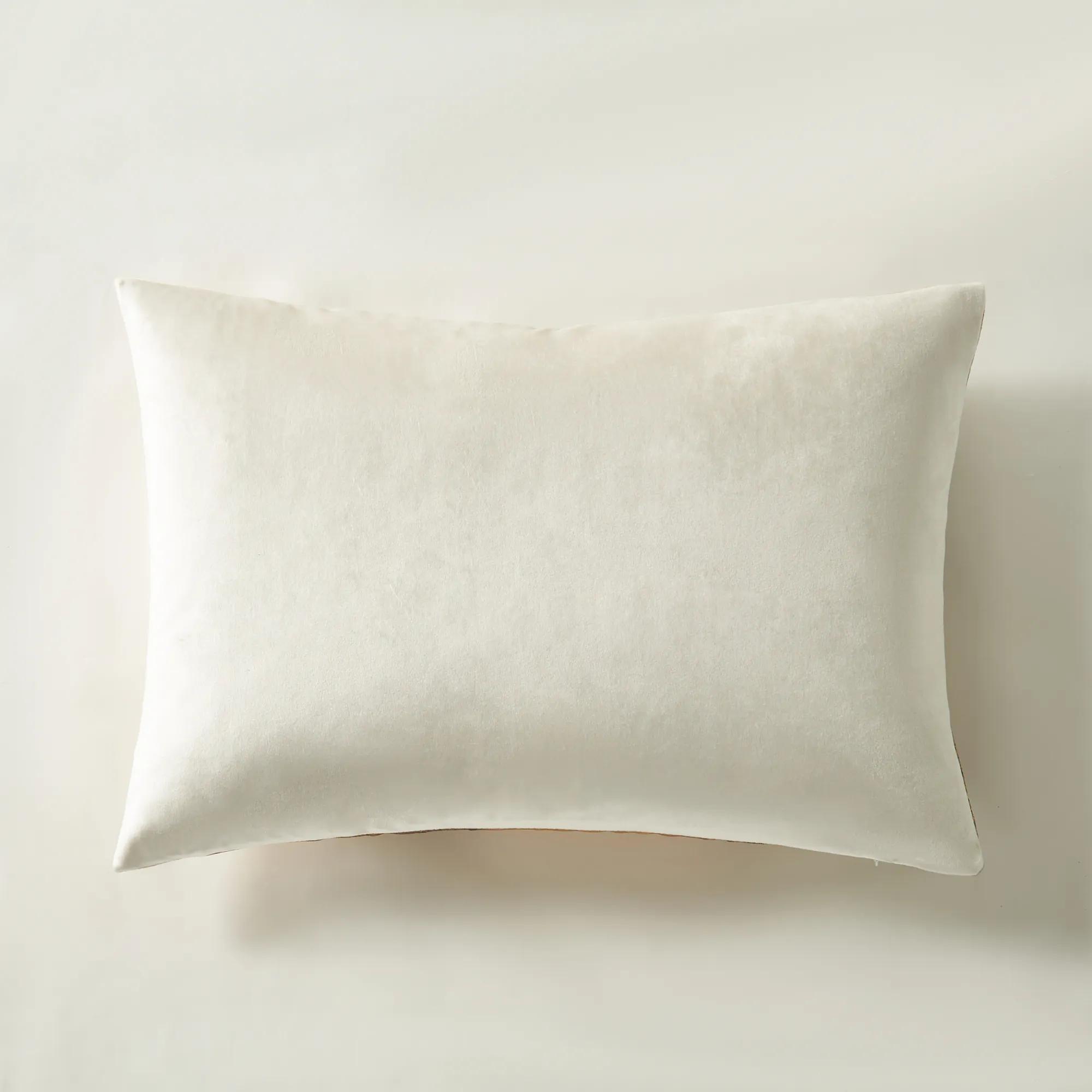 Riya Abstract Gold Embroidered Velvet Lumbar Pillow 14" x 20"$69
A plush ivory, gold, and grey velvet pillow featuring metallic embroidery and a feather-down insert.
Add To Cart -
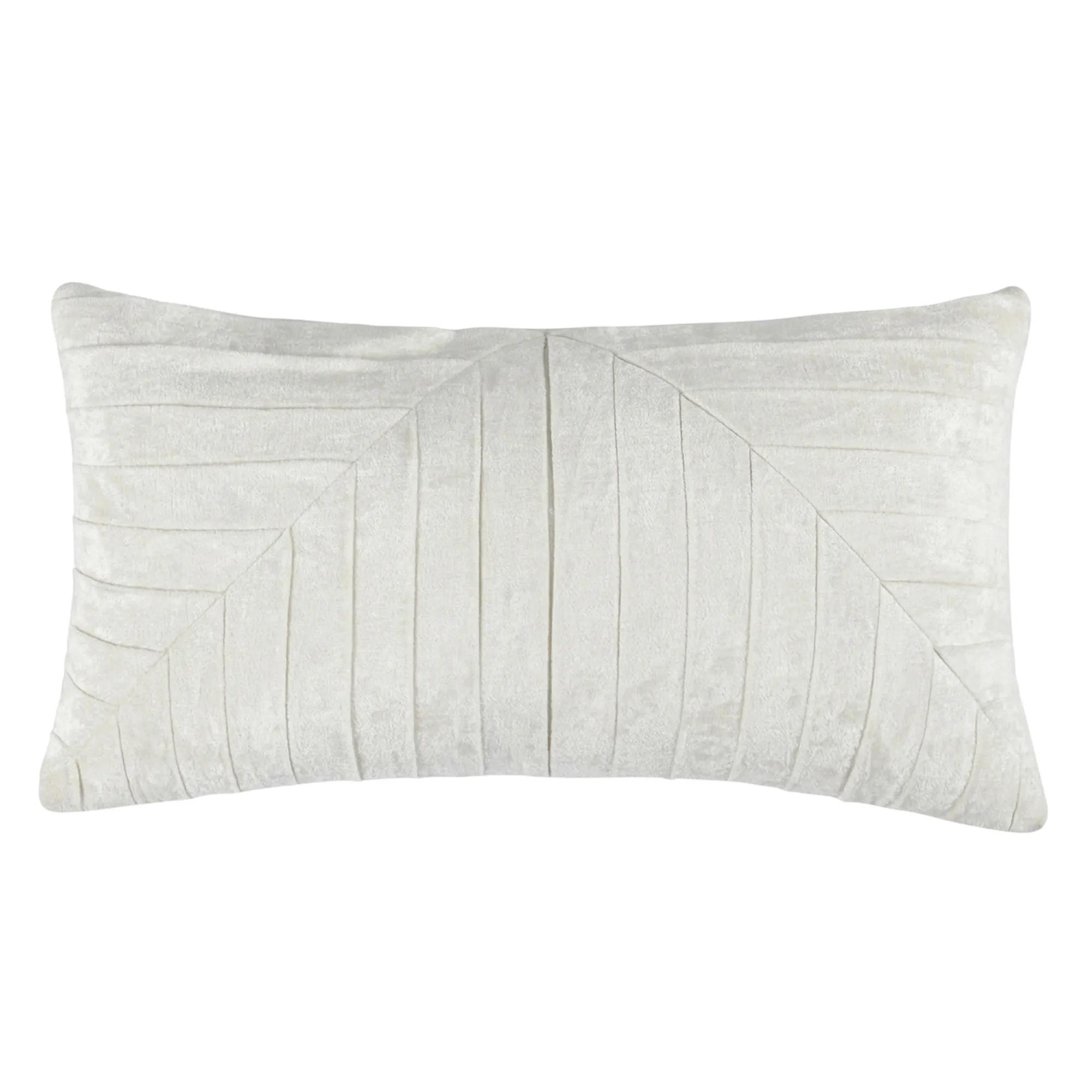
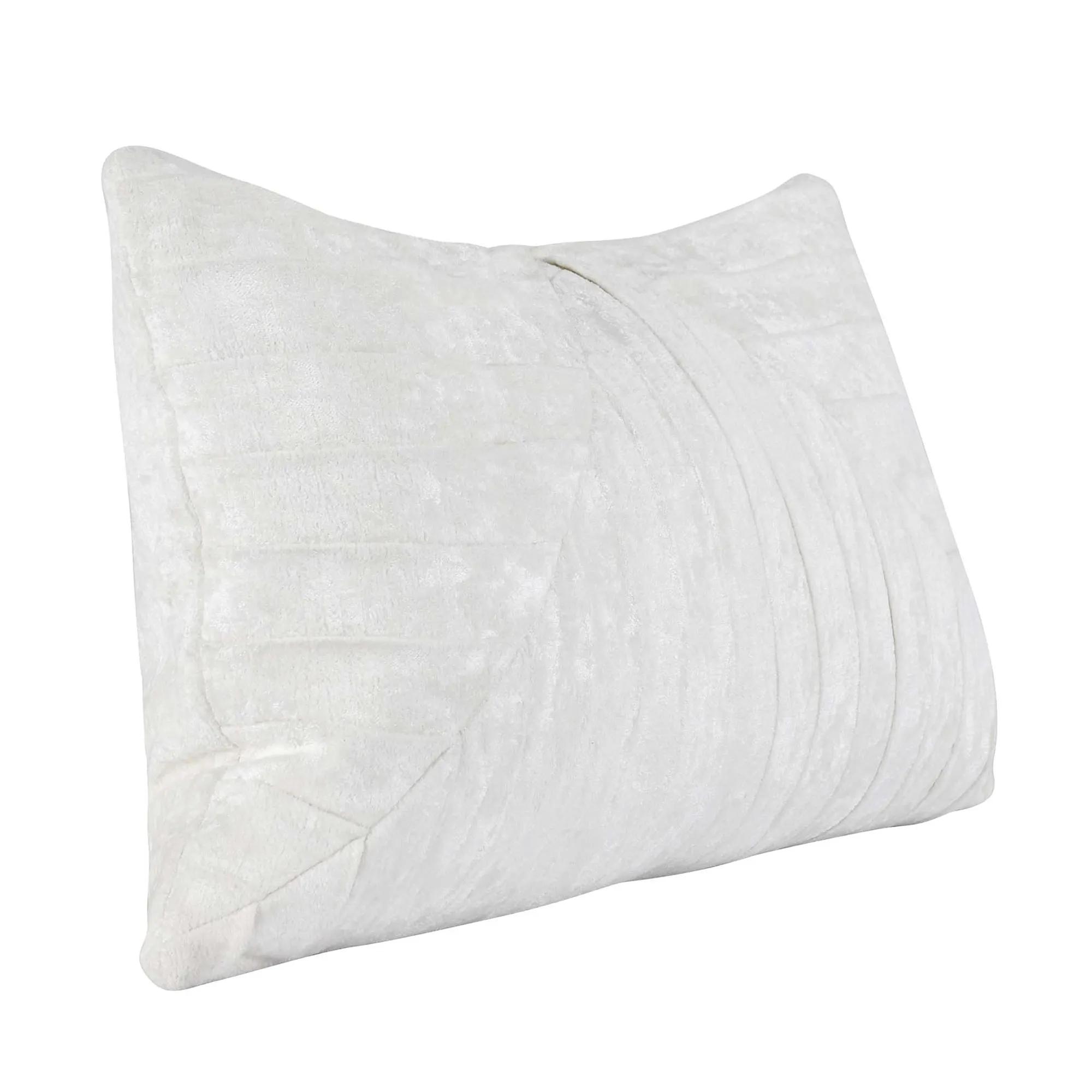 Addie Ivory Pleated Velvet Lumbar Pillow 14" x 26"$139
An ivory hand-pleated velvet lumbar pillow with a removable feather-down insert and hidden zipper.
Add To Cart -
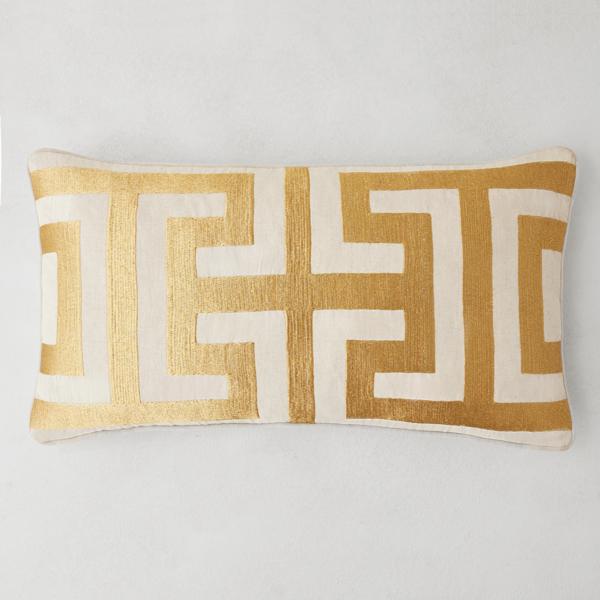
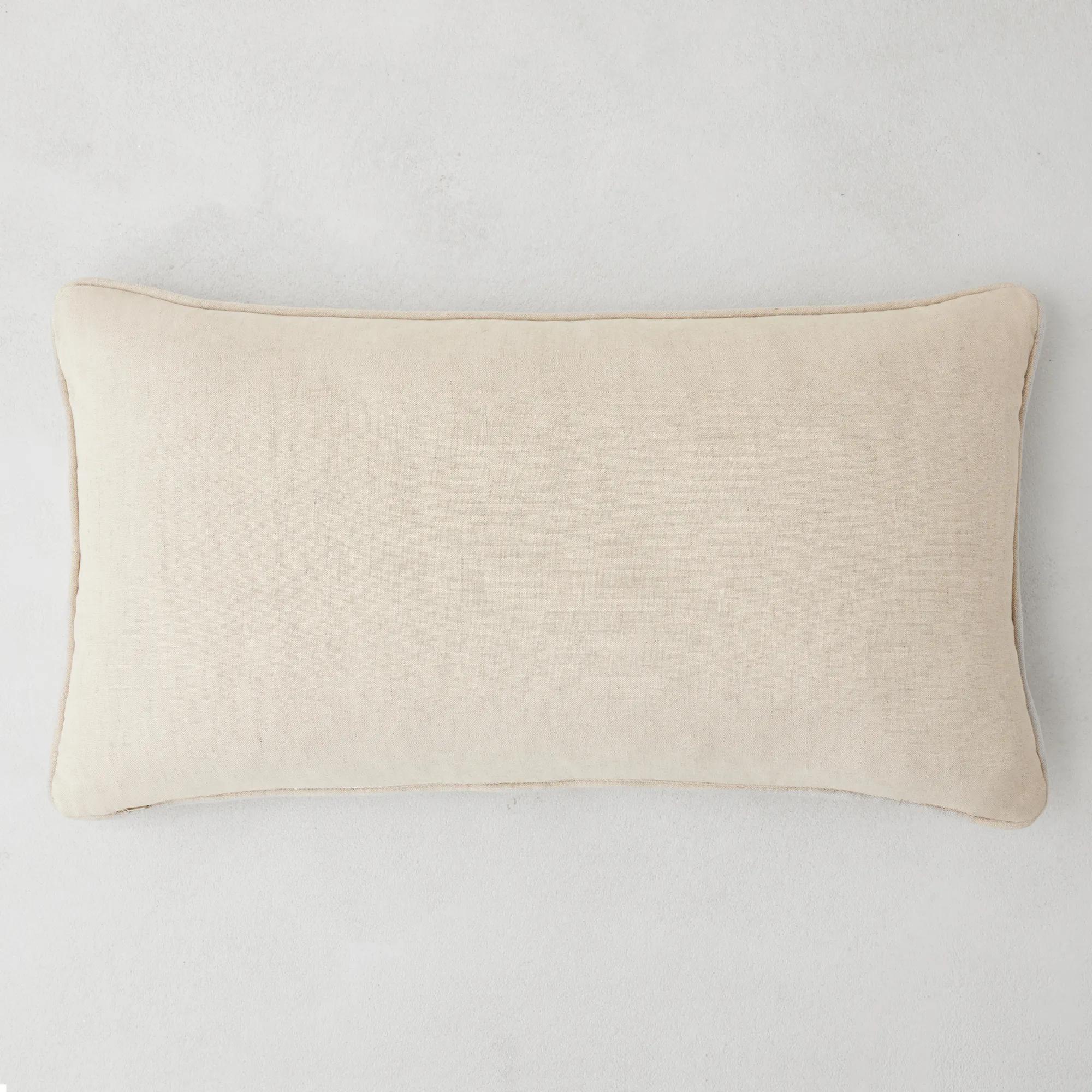 Cace Embroidered Gold/White Linen Lumbar Pillow 14" x 26"$129
A gold cotton-linen pillow featuring metallic Greek key embroidery and a plush feather-and-down insert.
Add To Cart -
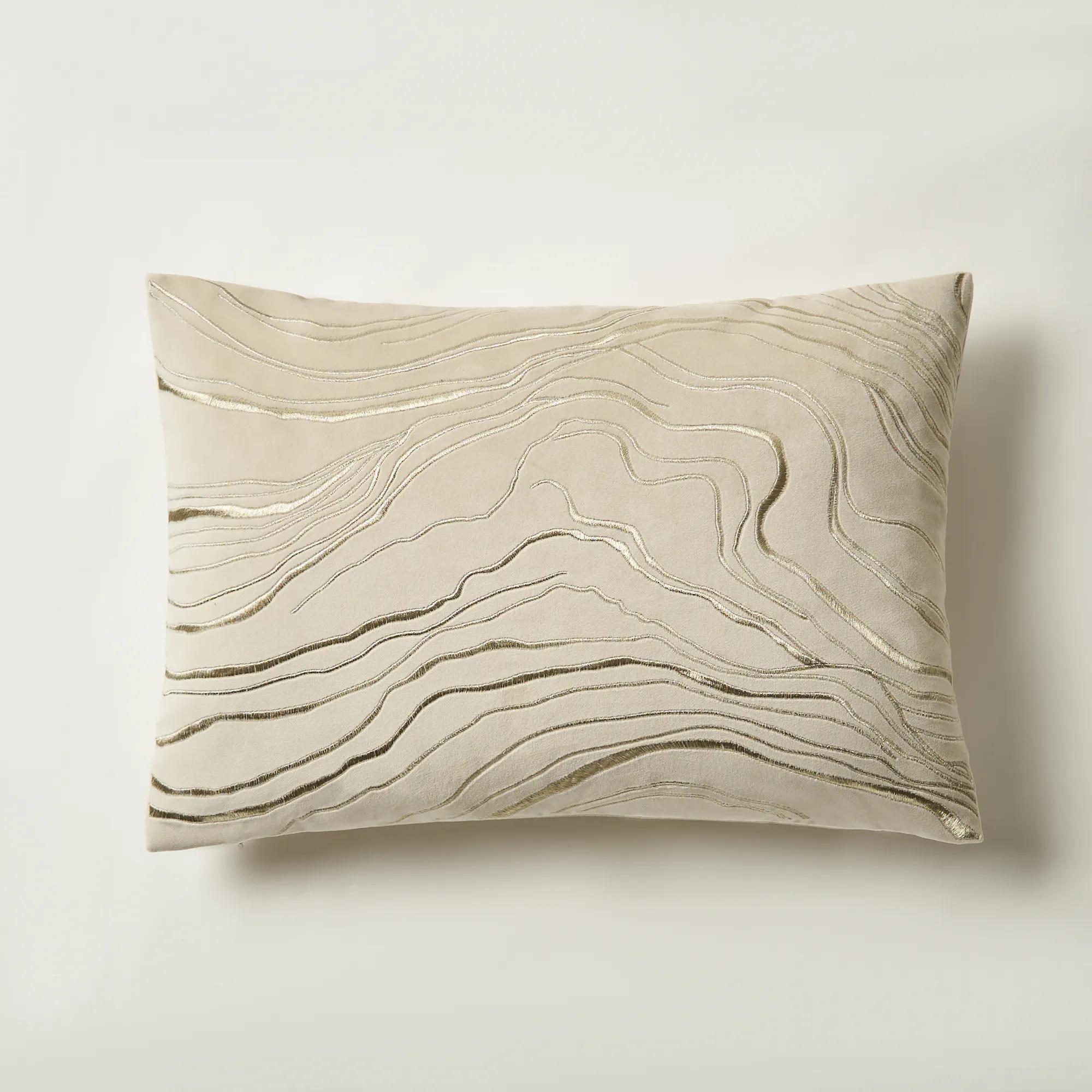
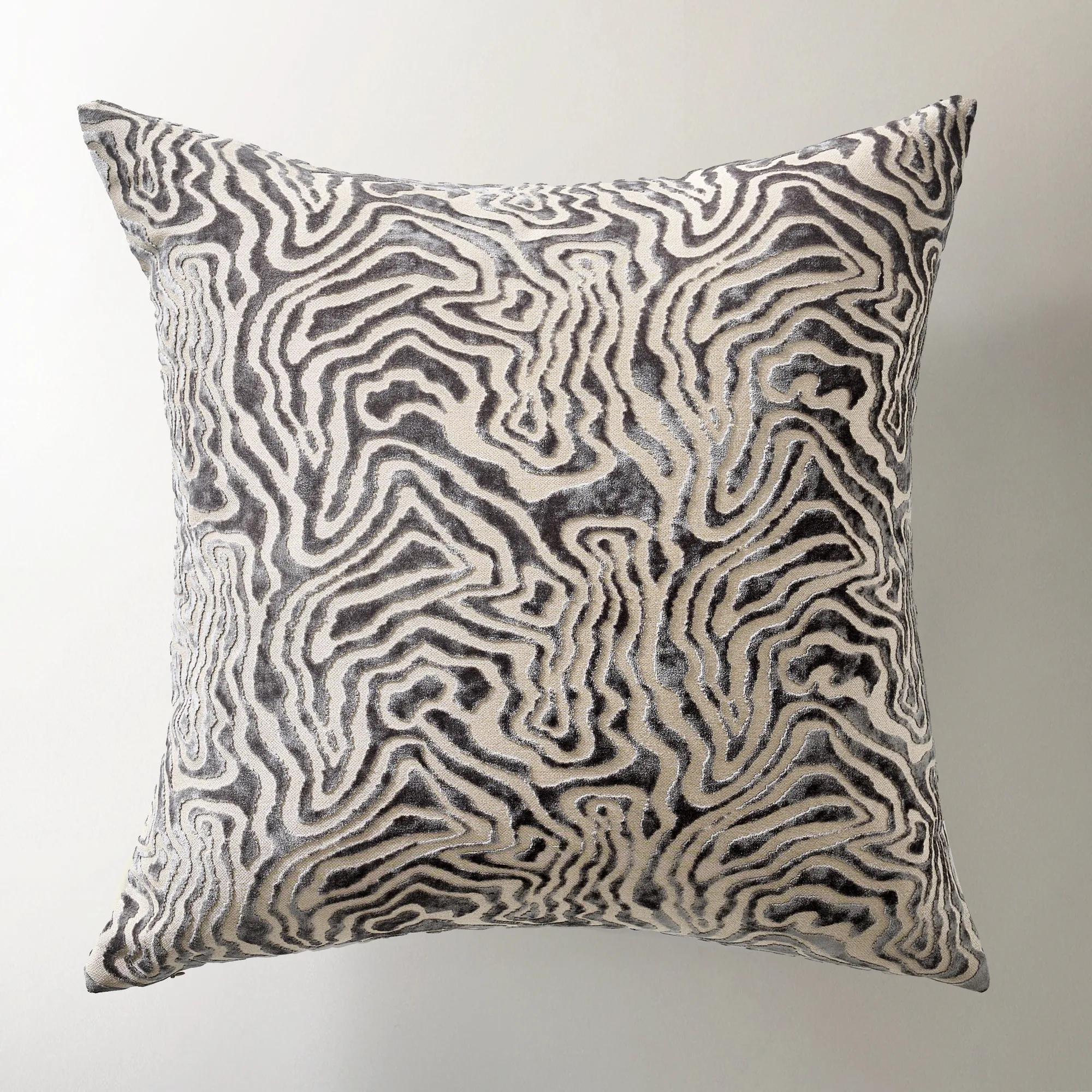
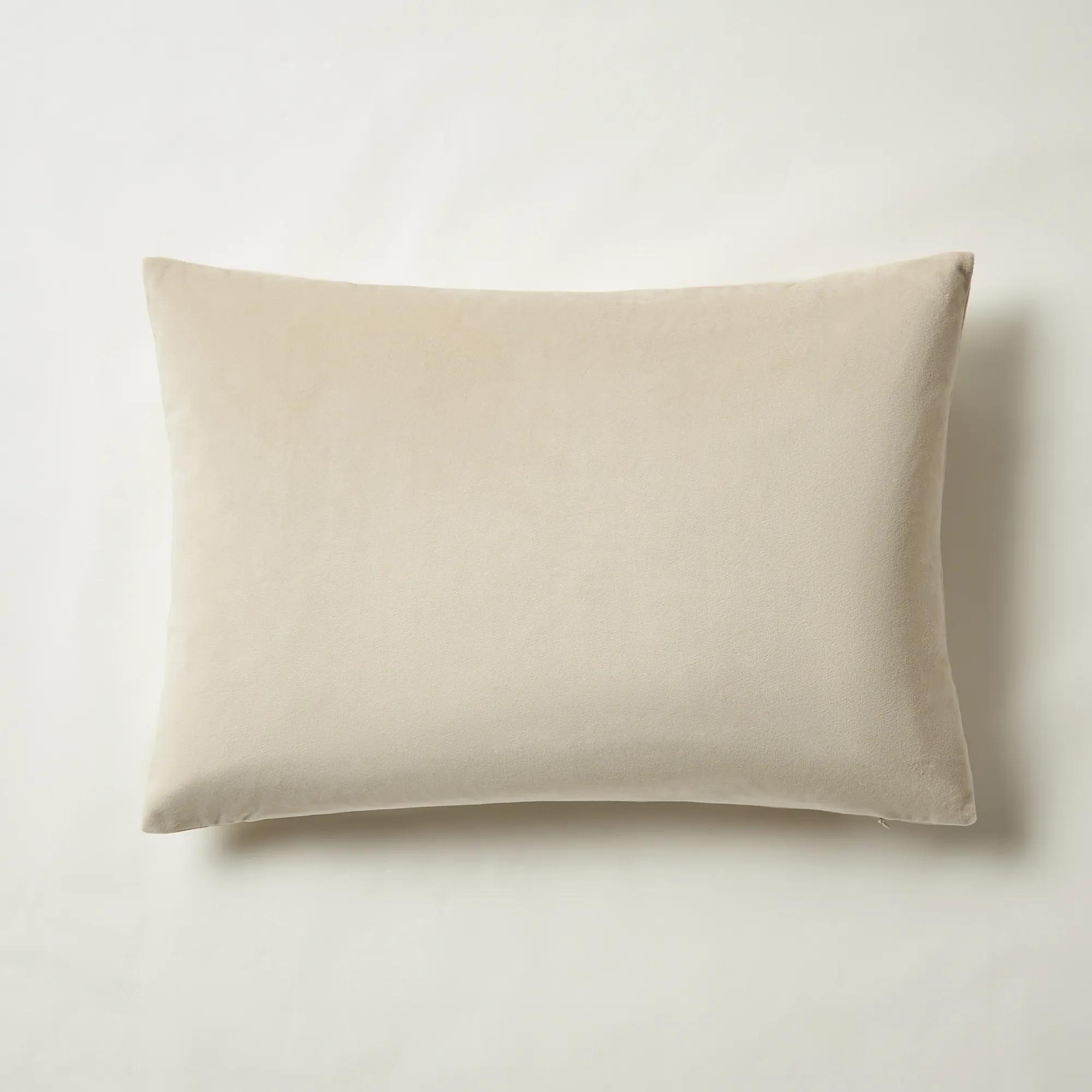 Swirl Embroidered Champagne/Taupe Velvet Lumbar Pillow 14" x 20"$59
A champagne velvet lumbar pillow with metallic embroidery and a plush feather-down insert.
Add To Cart -
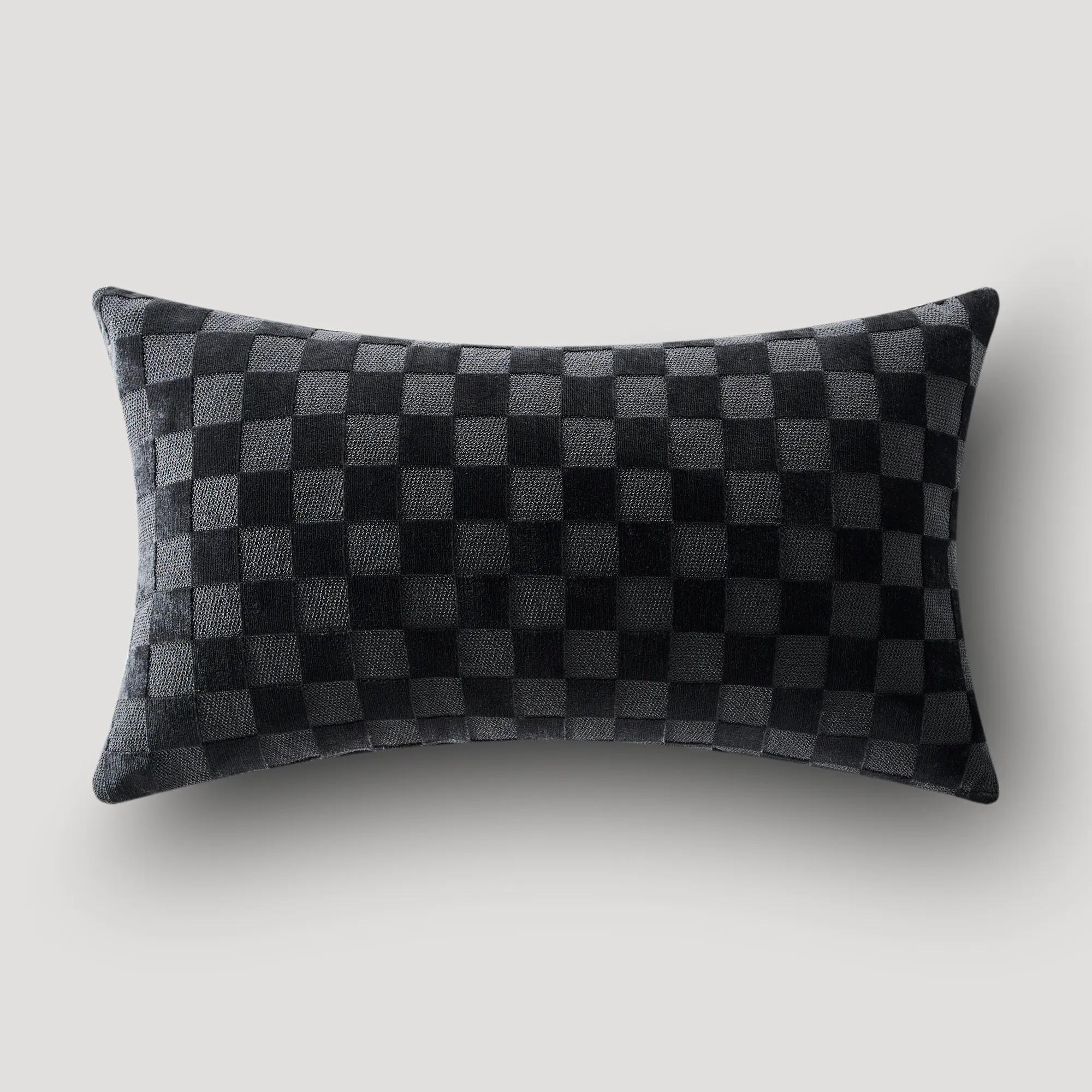 Checker Black Cut Velvet Lumbar 12" x 22"$59
A black cut velvet lumbar pillow featuring a sophisticated checkerboard pattern and removable feather-down insert.
Add To Cart -
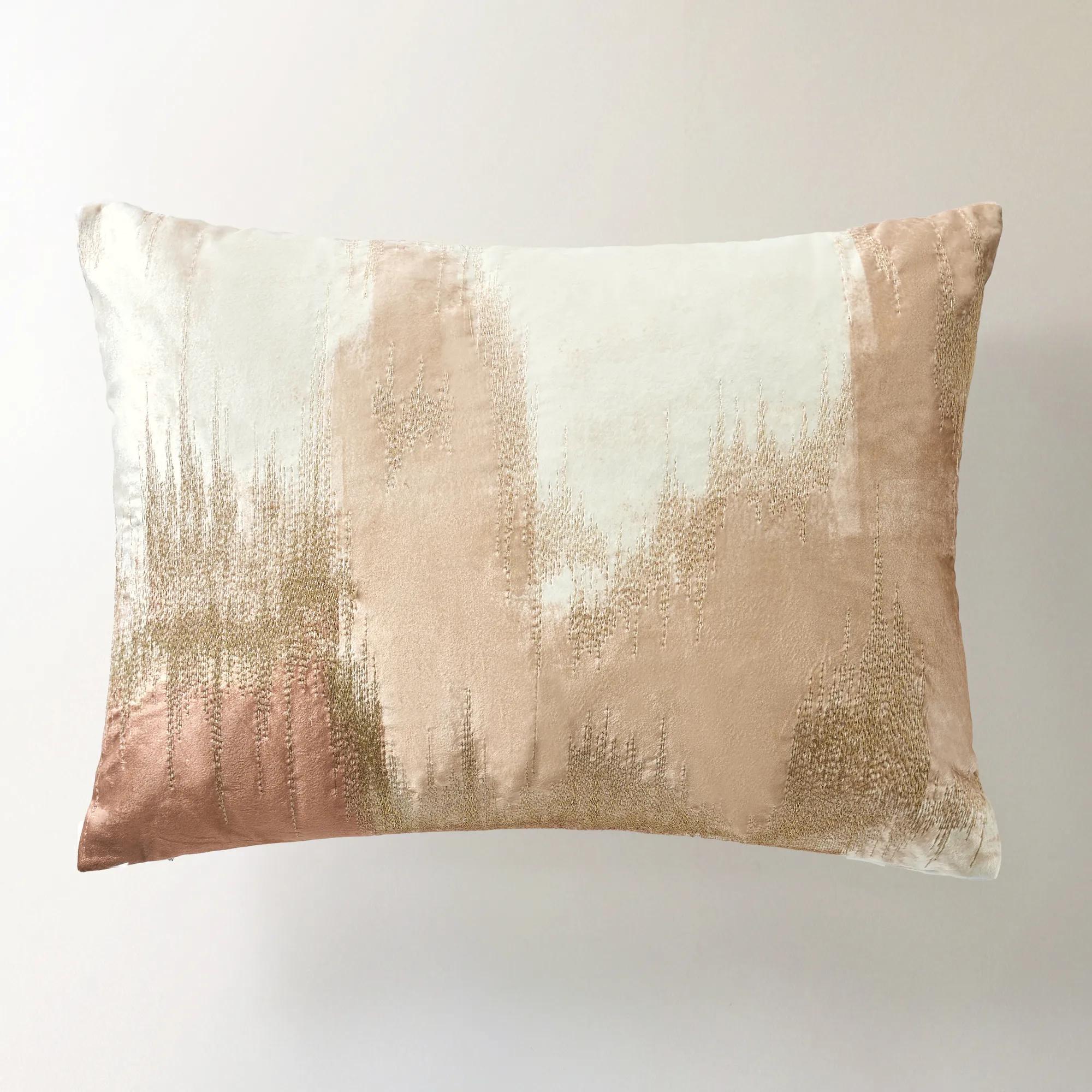
 Nya Mocha Mousse Embroidered Velvet Pillow 14" x 20"$69
A mocha-colored velvet pillow featuring elegant embroidered detailing and a sophisticated multicolor design.
Add To Cart -
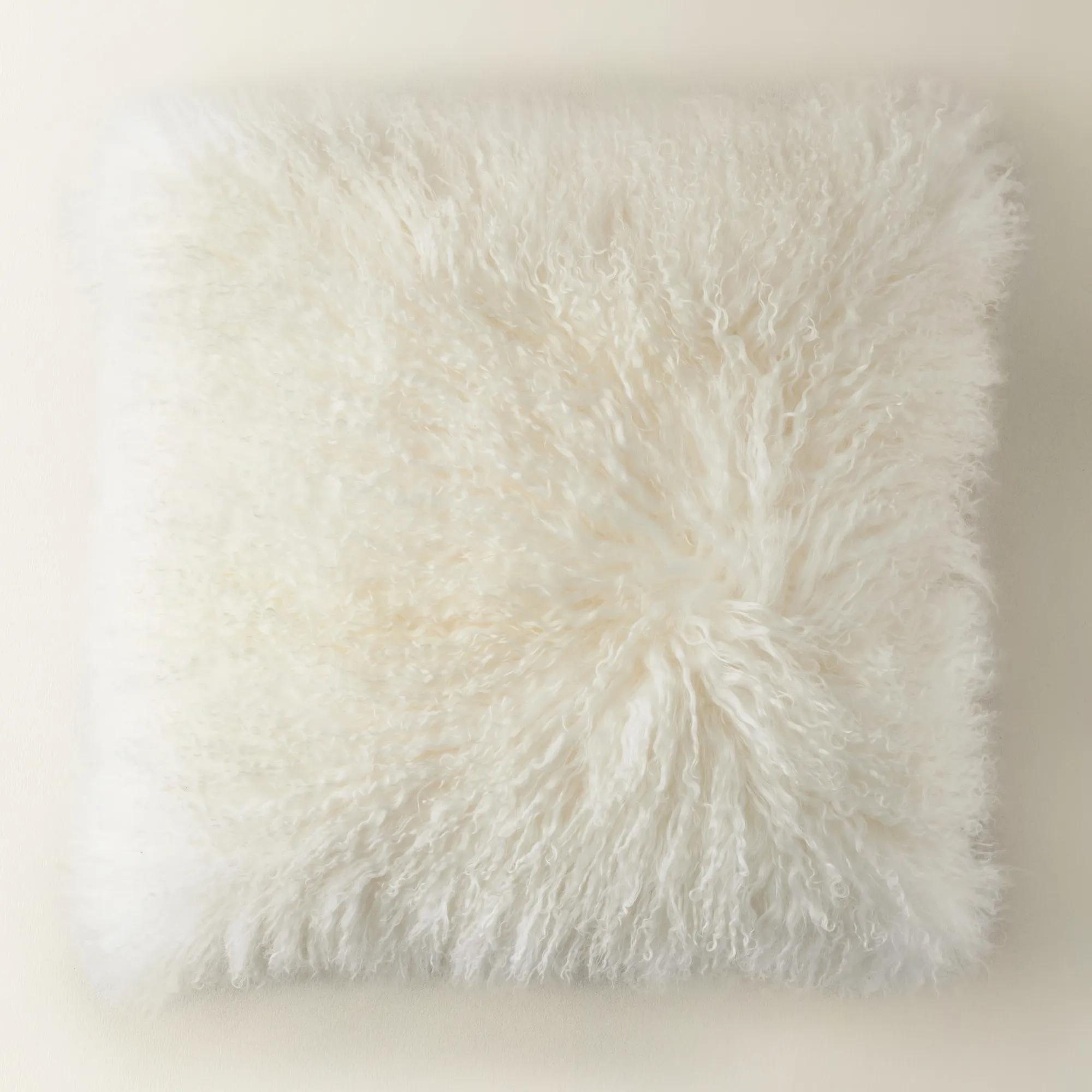
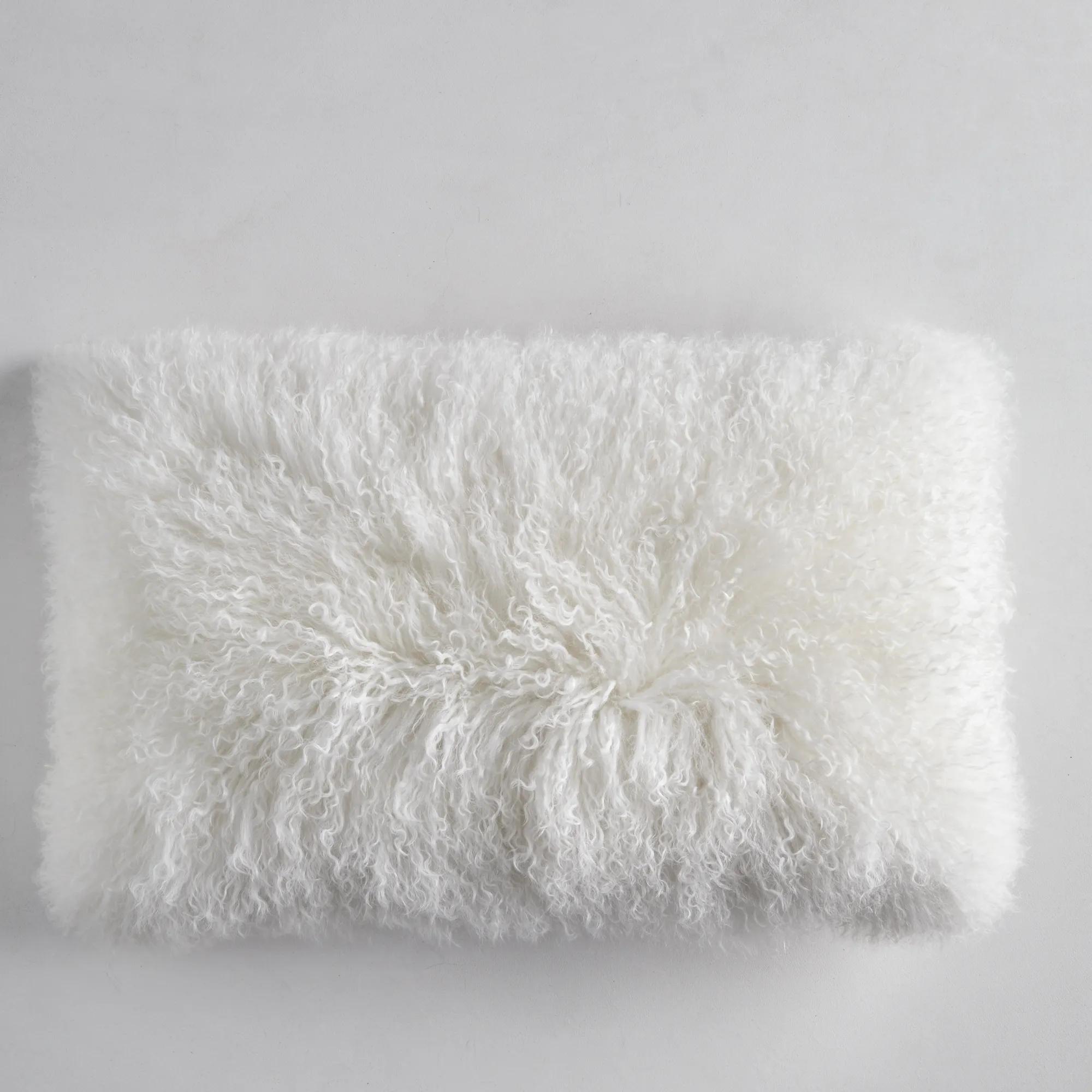 Mia Mongolian Lumbar 26" x 16"- White$169
A luxurious white Mongolian fur lumbar pillow adding plush texture and modern comfort.
Add To Cart -
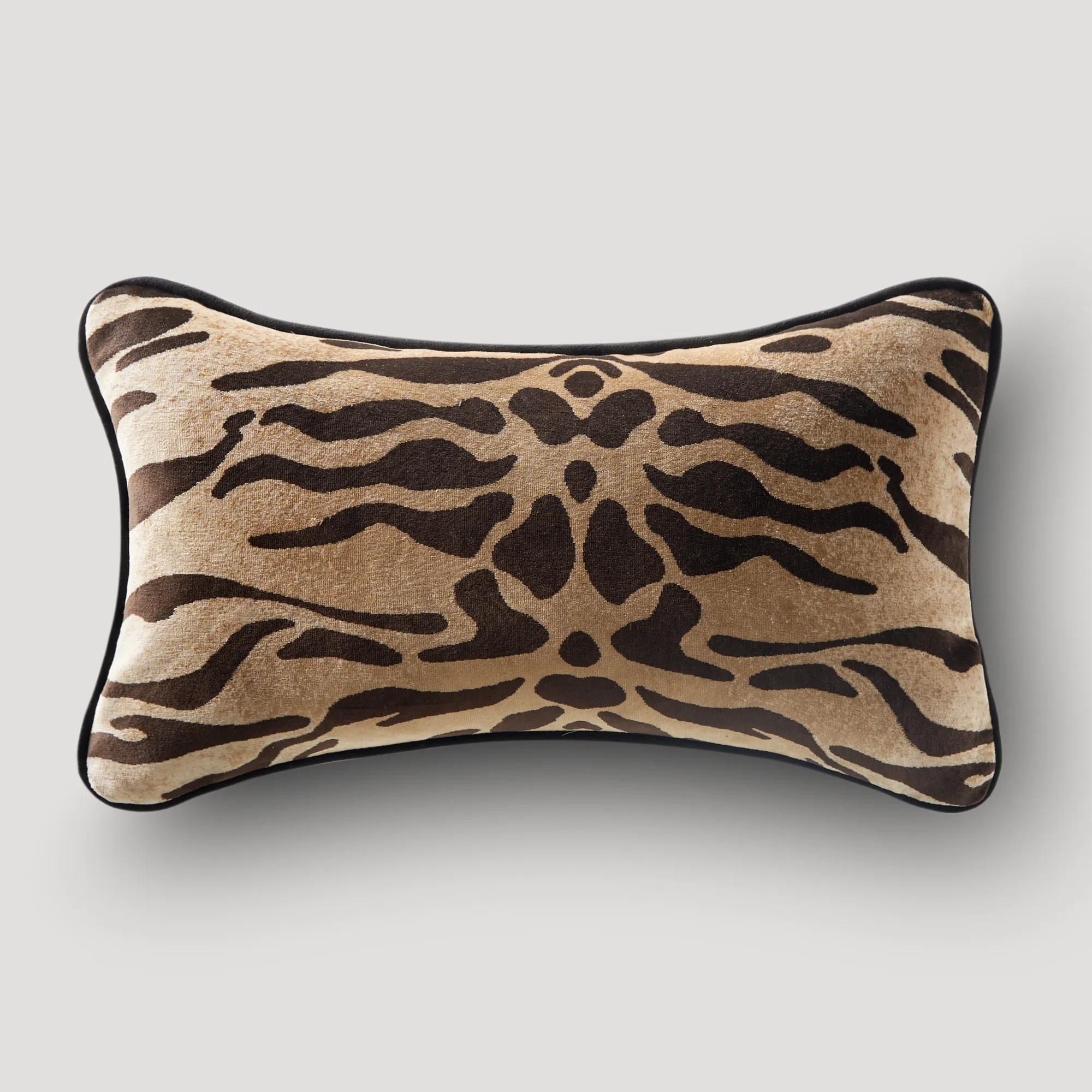 Bronze Tiger Black Piping Velvet Lumbar Pillow 20" x 12"$59
A bronze velvet lumbar pillow with contrast piping and a removable feather-down insert for added comfort.
Add To Cart -
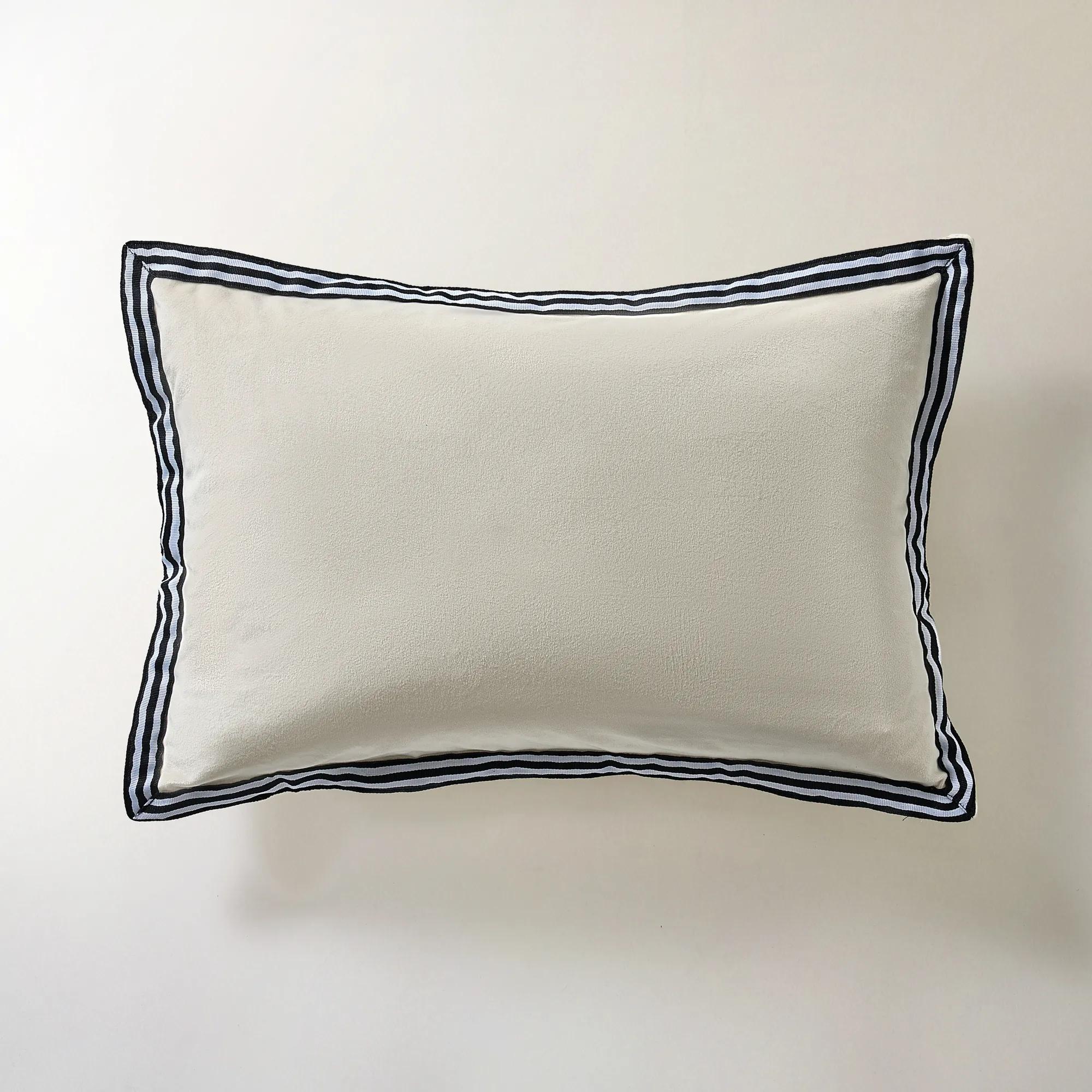
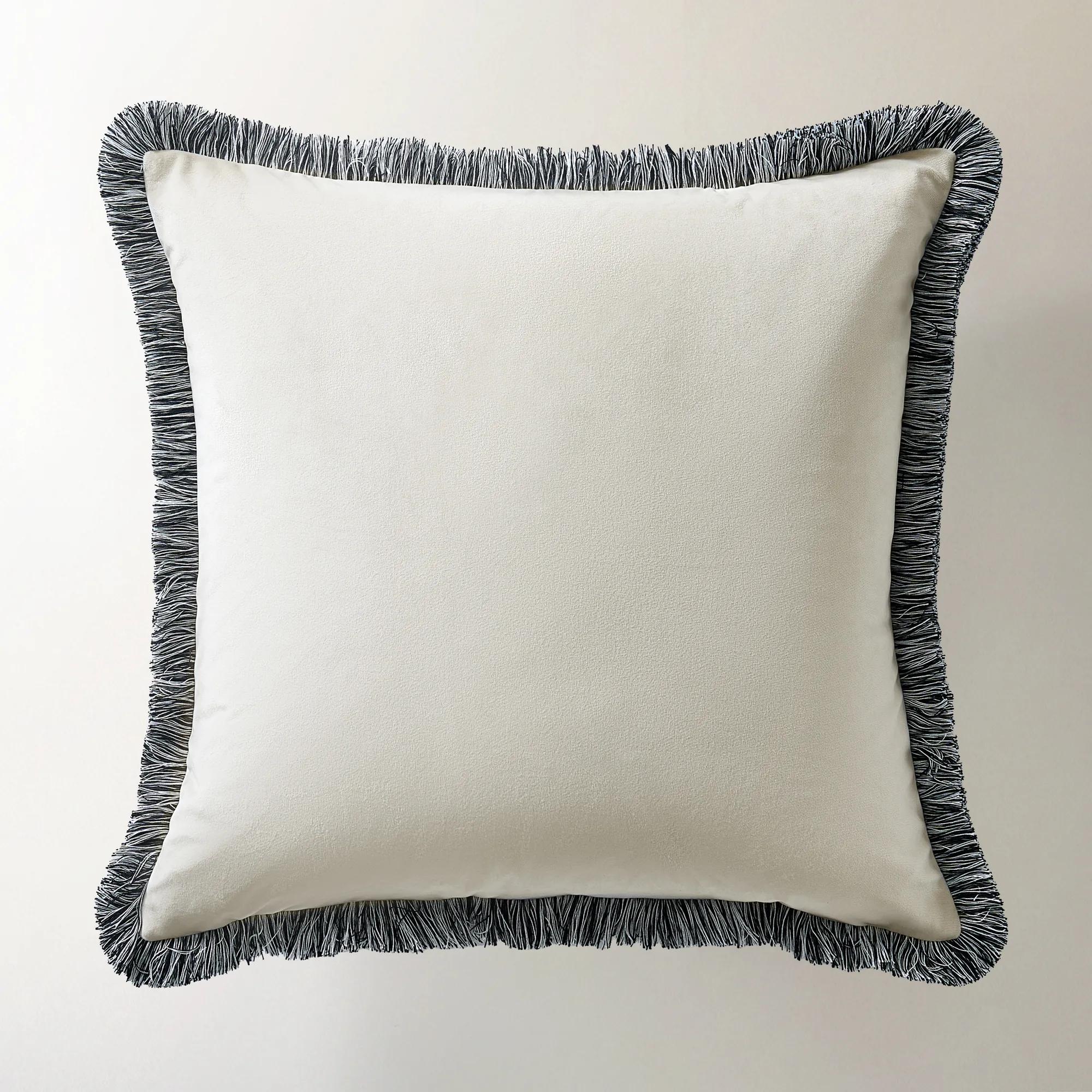
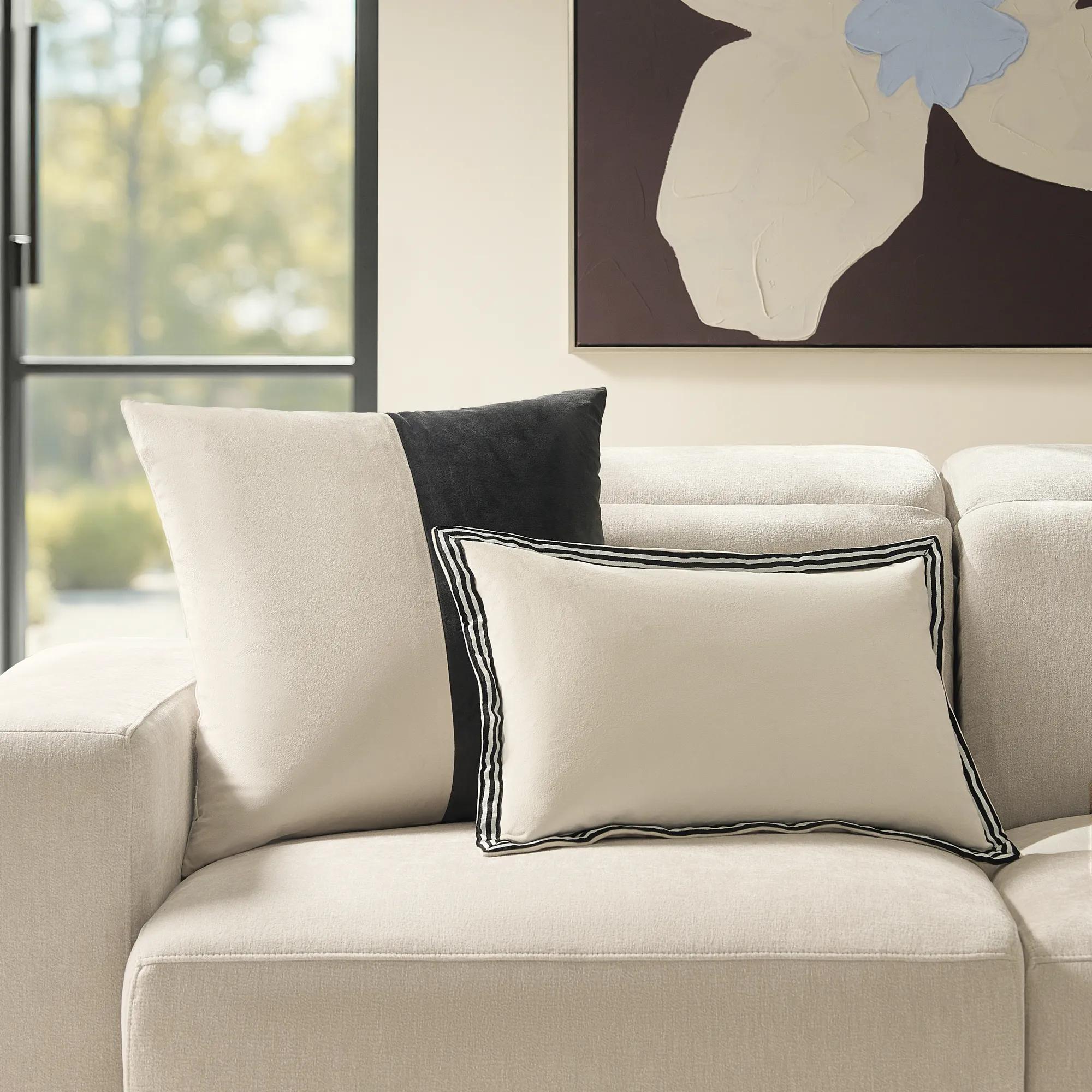 Linea Striped Trim Lumbar 20" x 14" - Alabaster$69
A striped lumbar pillow with contrasting trim in an elegant alabaster hue.
Add To Cart -
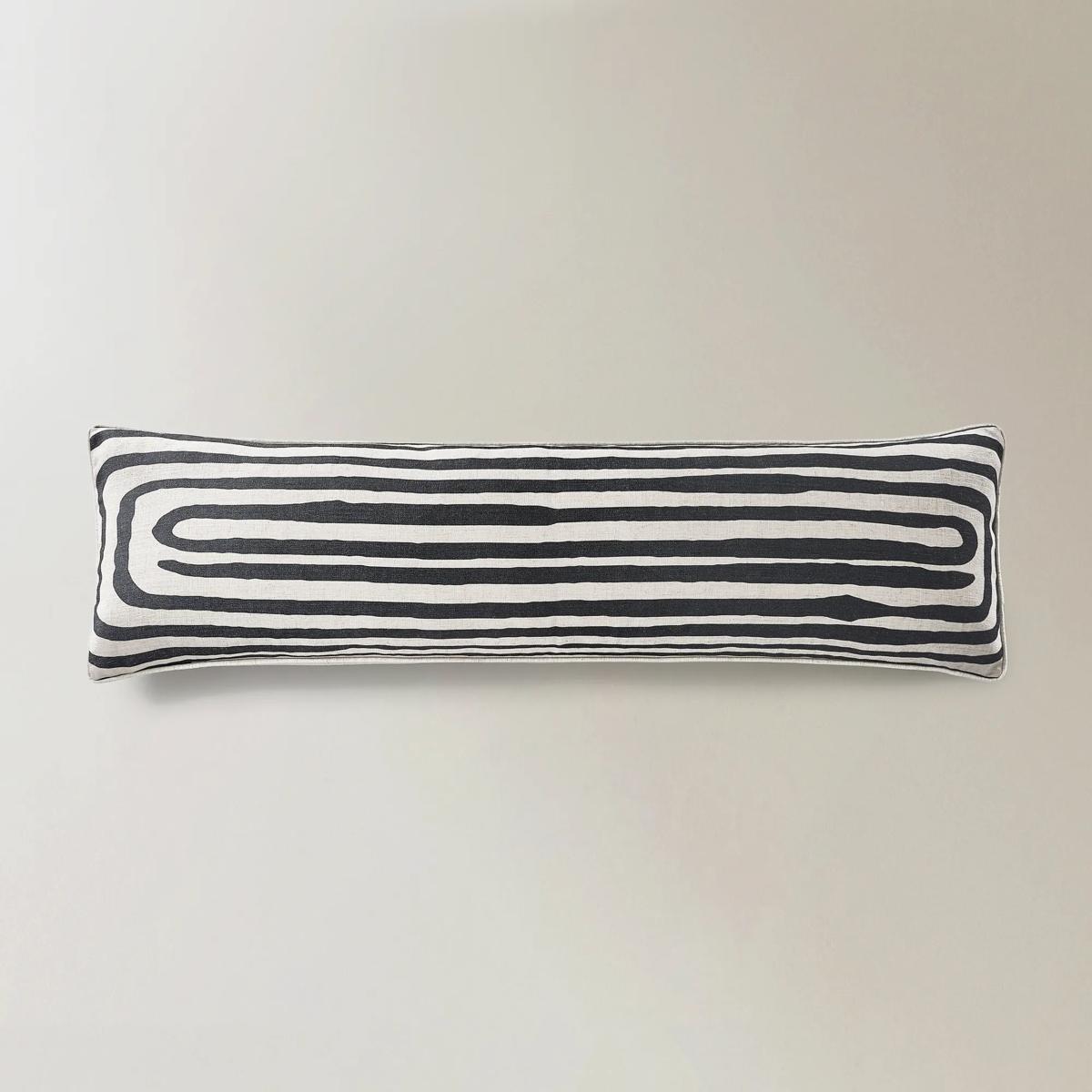
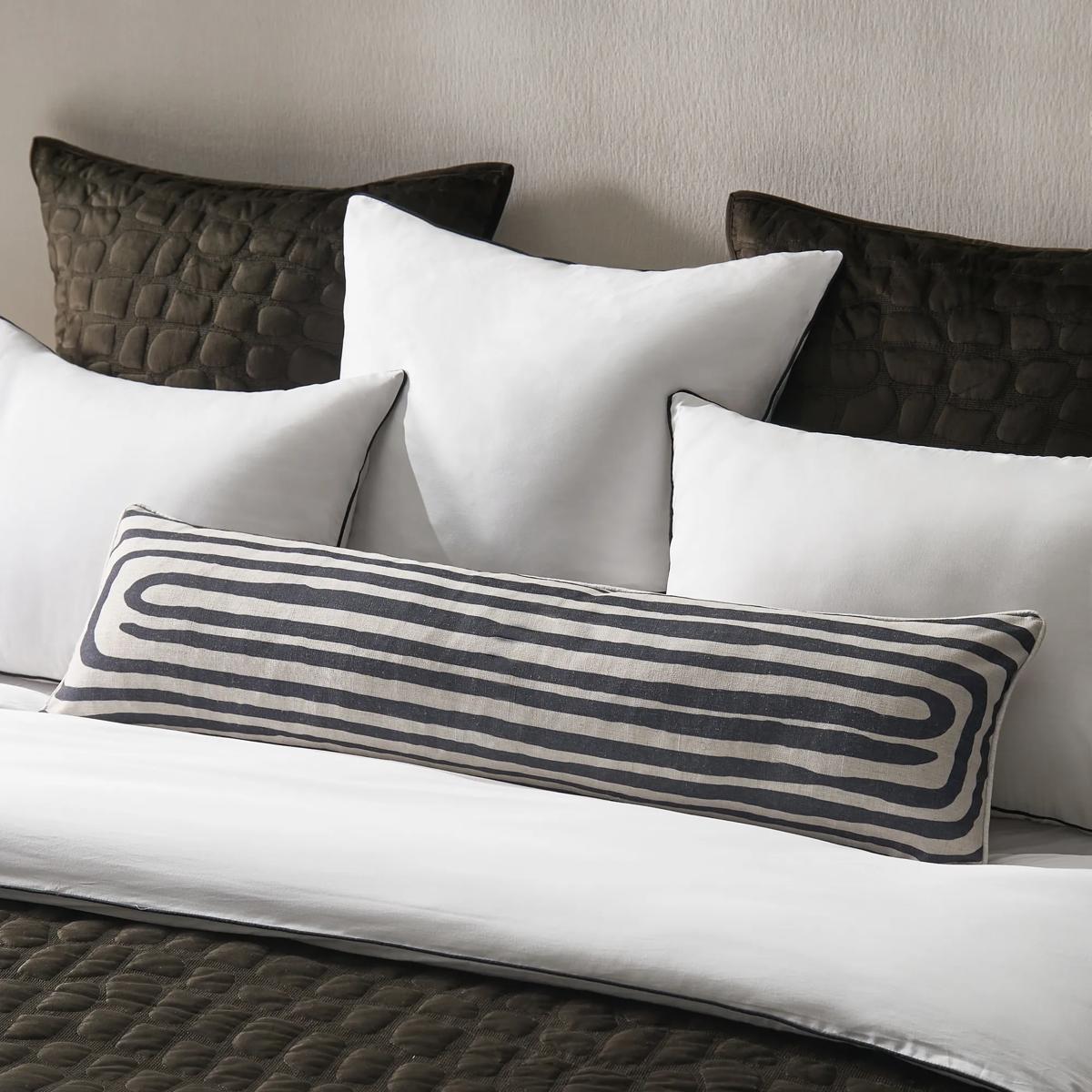 Eren Black/Natural XL Lumbar 42" x 12"$99
A bold black and ivory faux linen lumbar pillow featuring a striking modern pattern and feather-down insert.
Add To Cart -
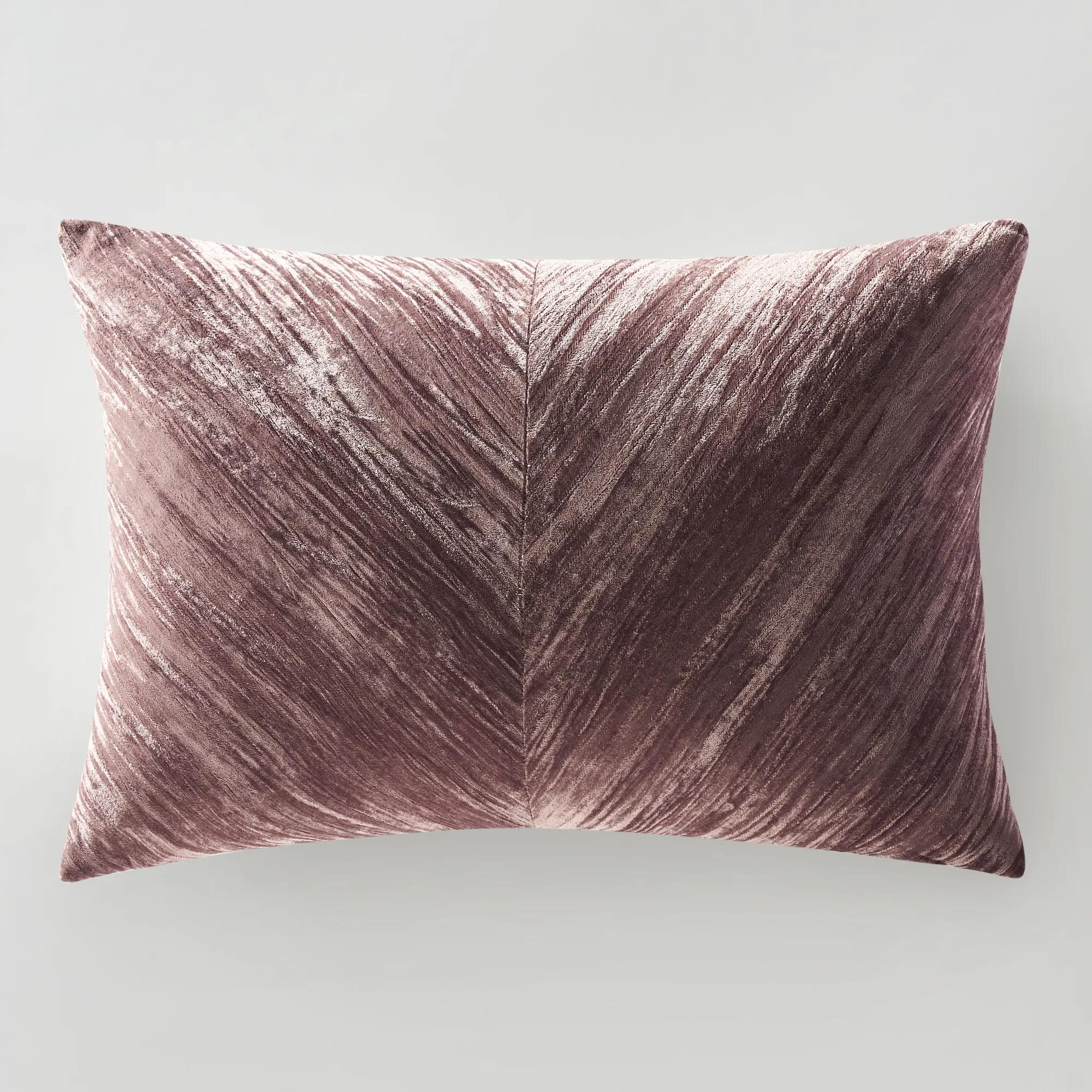
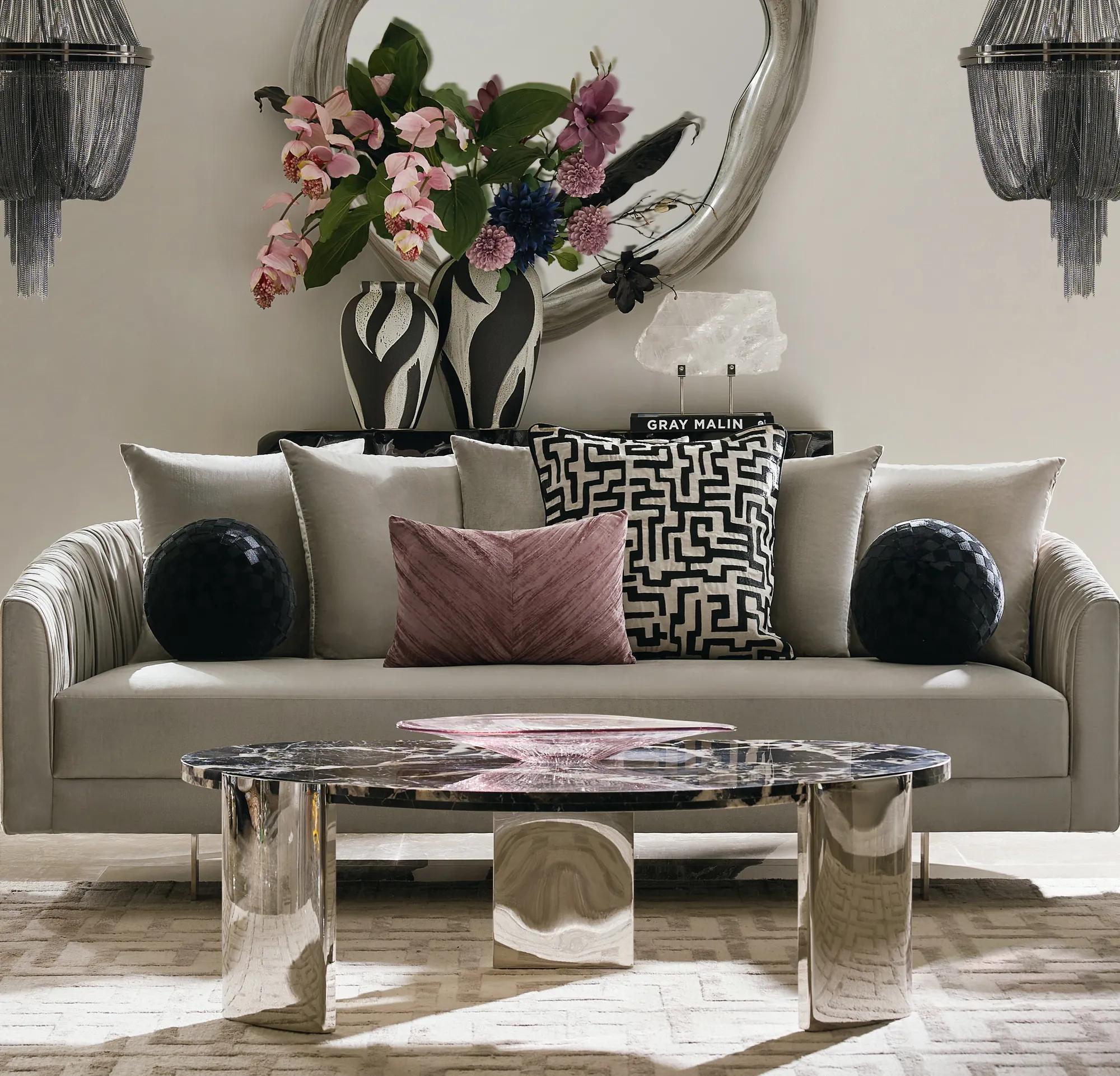 Elara Dusty Mauve Pleated Velvet Lumbar Pillow 14" x 20"$59
A pleated dusty mauve velvet lumbar pillow offering soft texture and contemporary warmth with a removable feather insert.
Add To Cart -
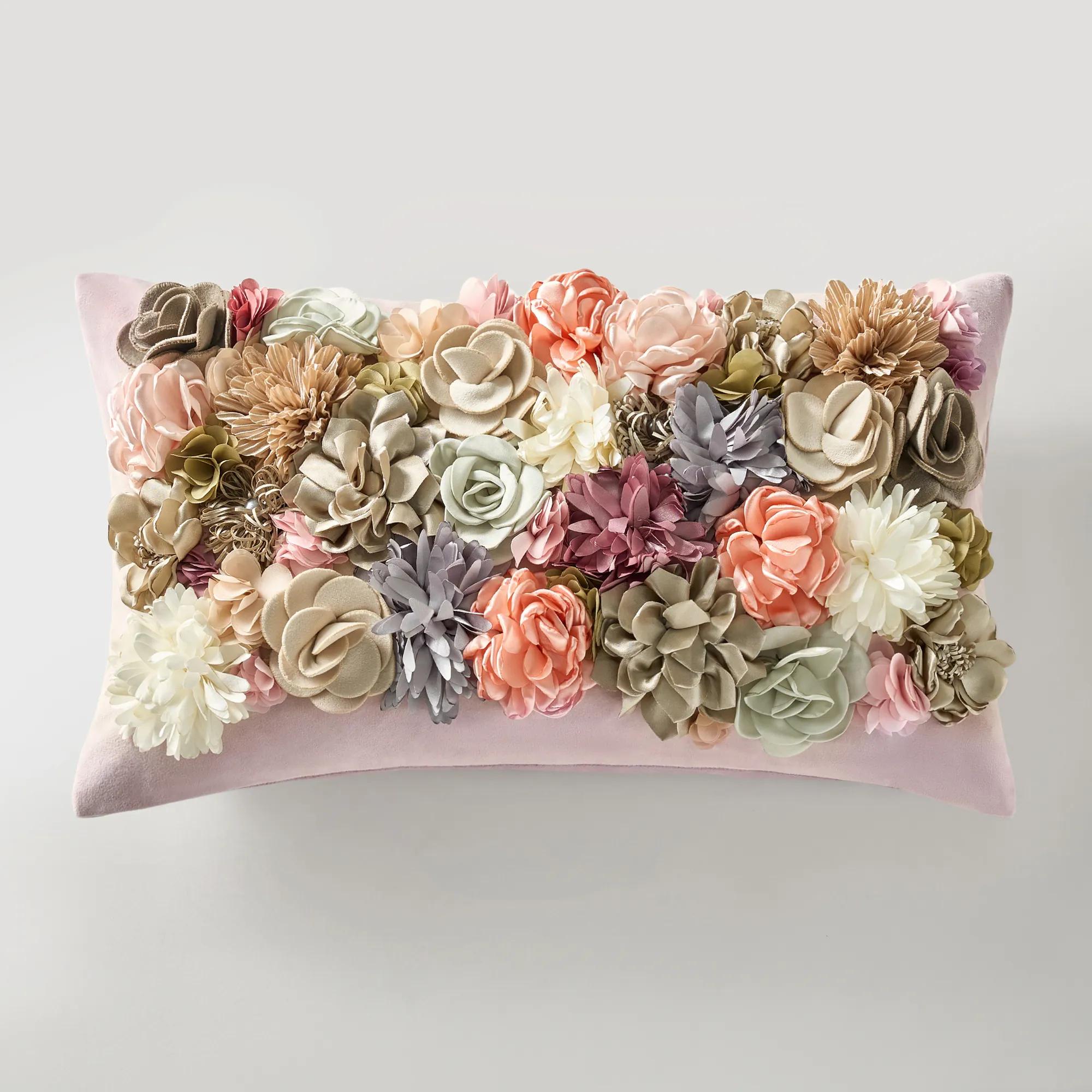
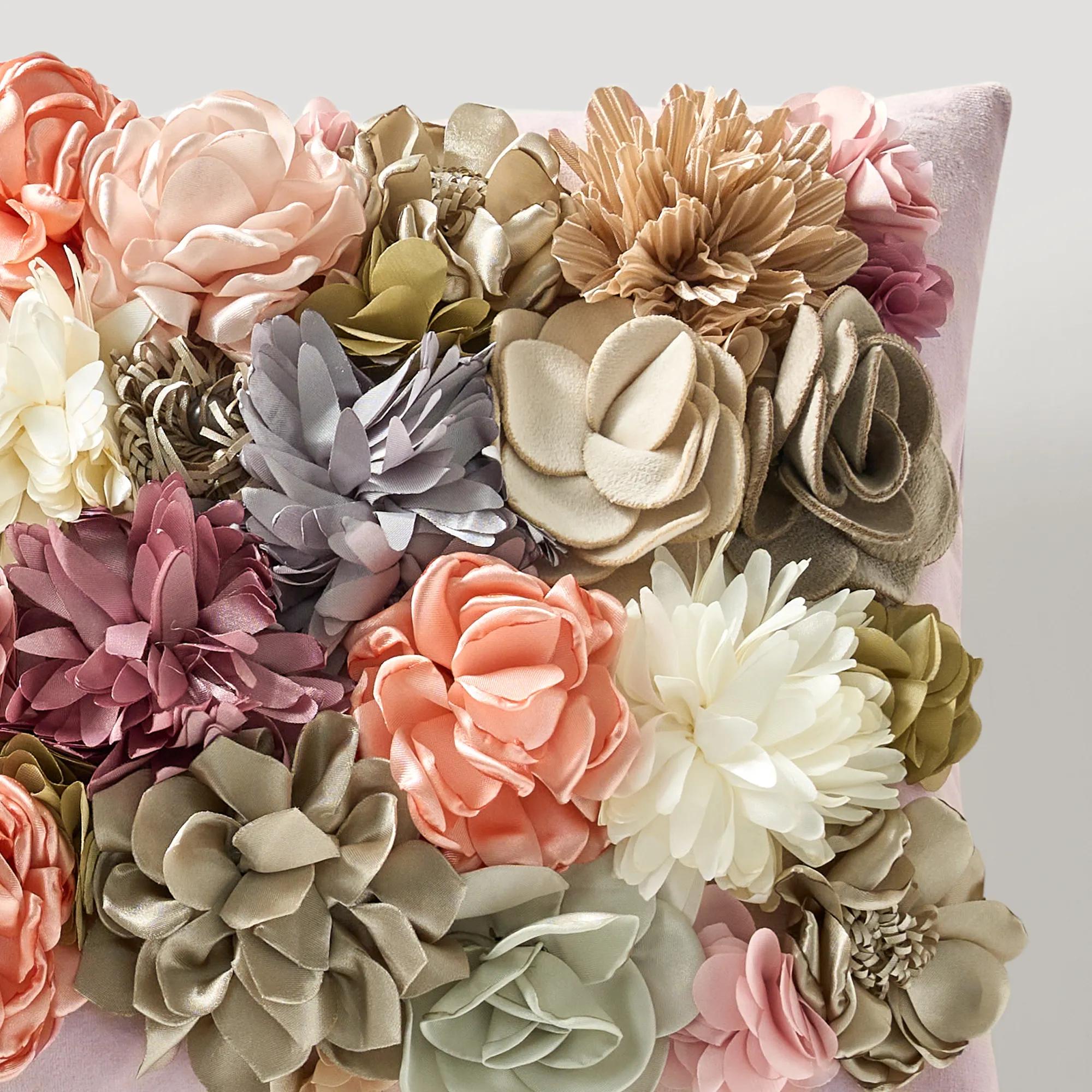 Posy Lumbar Pillow 12" x 20" - Mauve$119
A mauve velvet lumbar pillow adorned with dimensional floral accents and a plush feather insert.
Add To Cart -
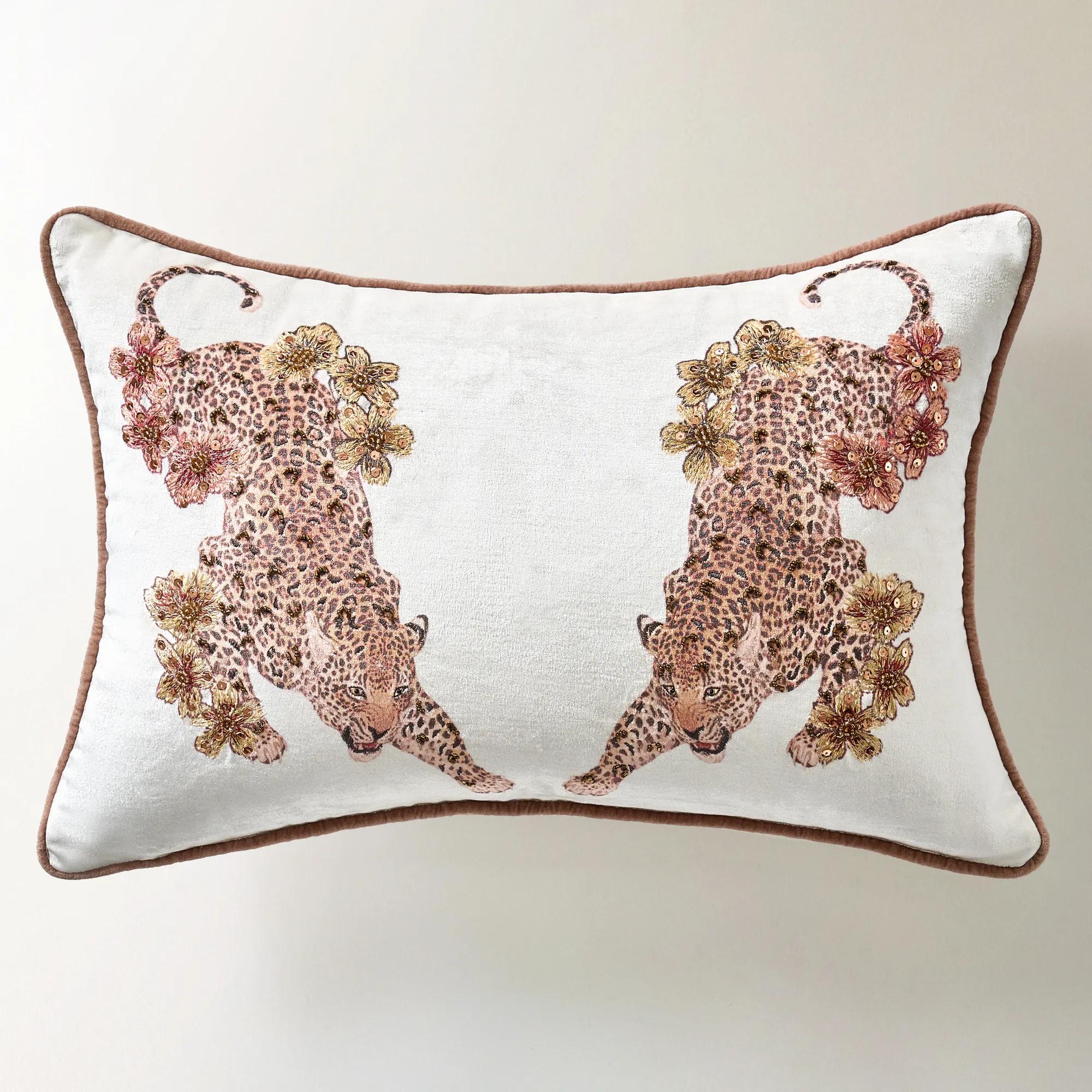
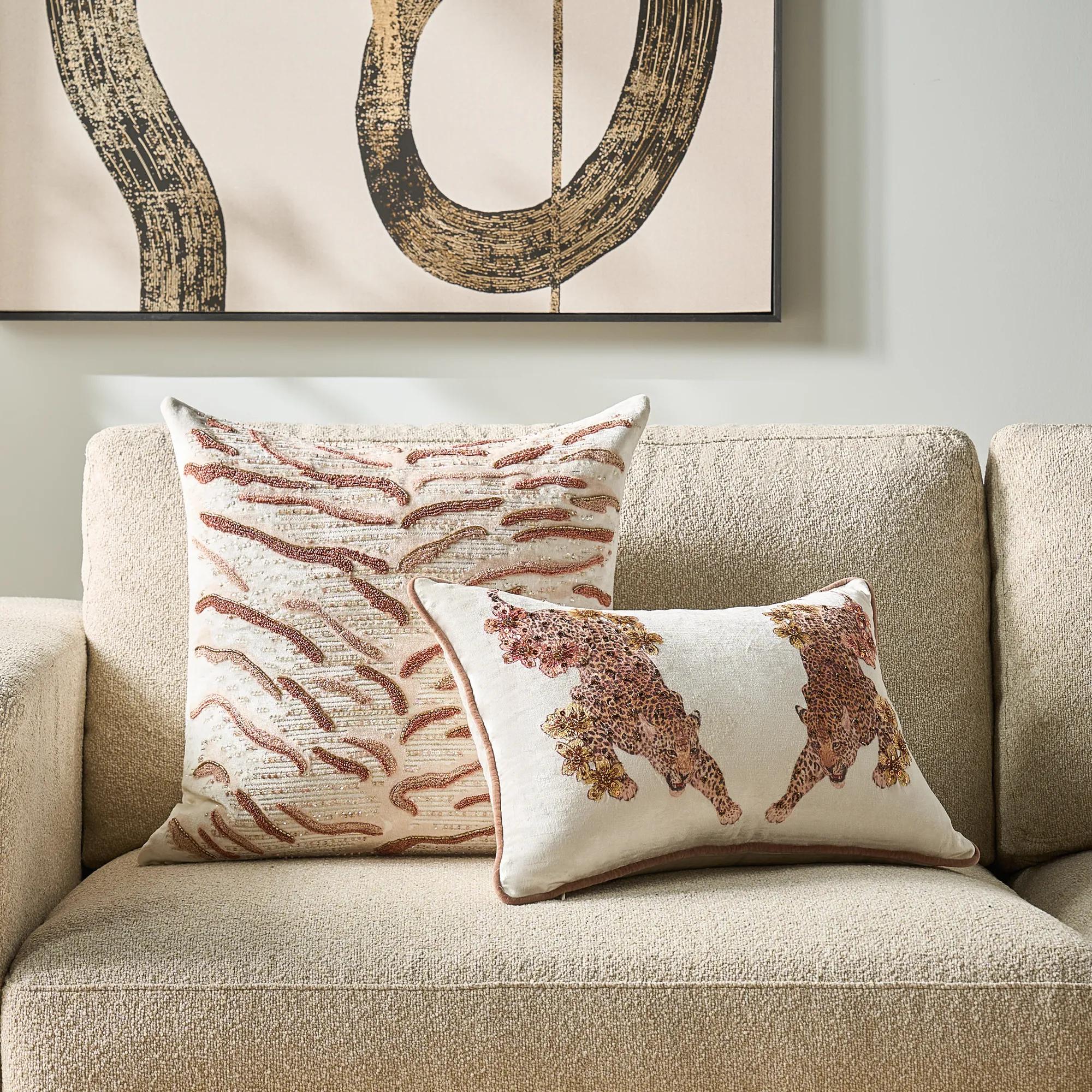 Jaya Embroidered Bead Lumbar 20" x 14"$119
A velvet lumbar pillow featuring hand-applied embroidery, bead accents, and contrast piping in soft neutral tones.
Add To Cart -
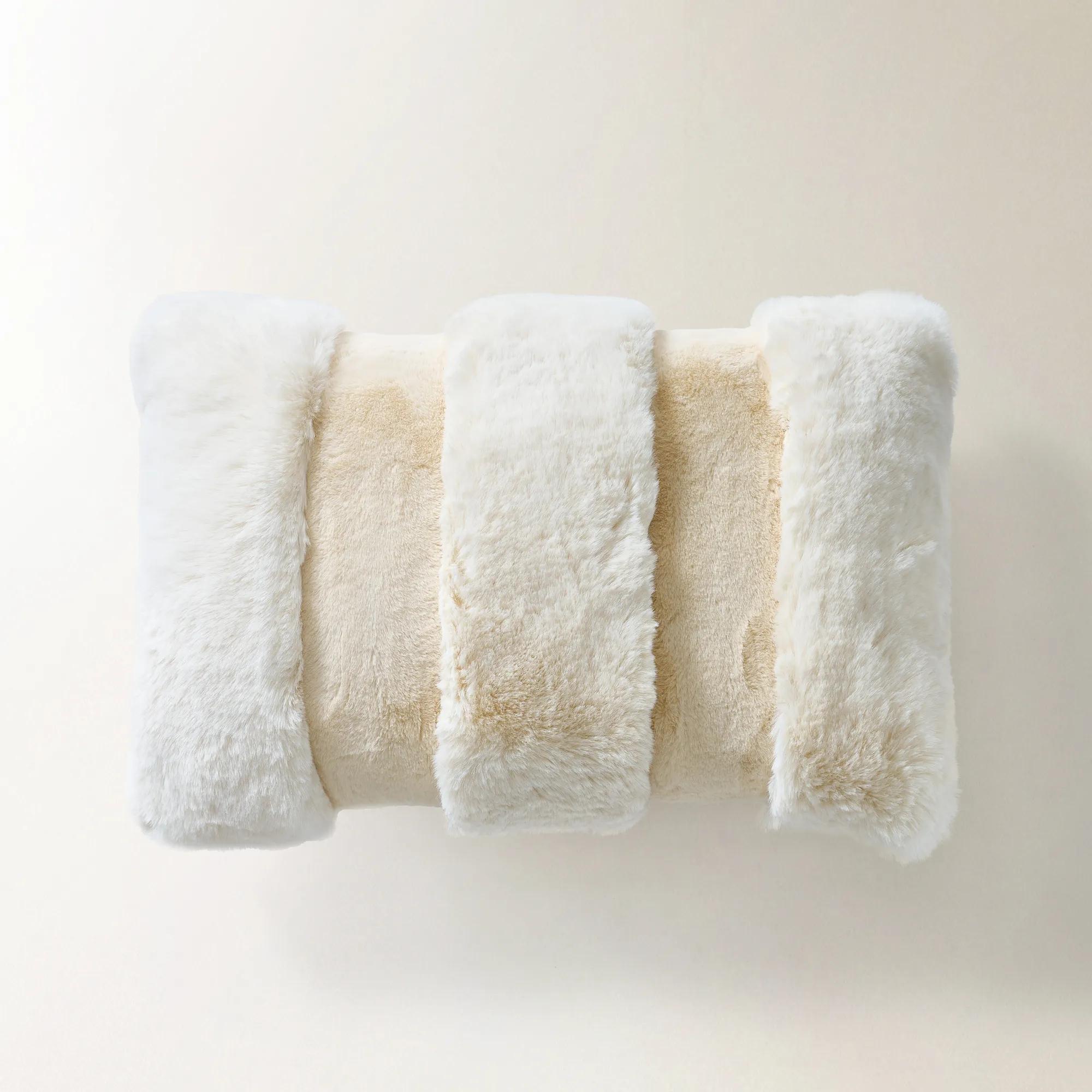
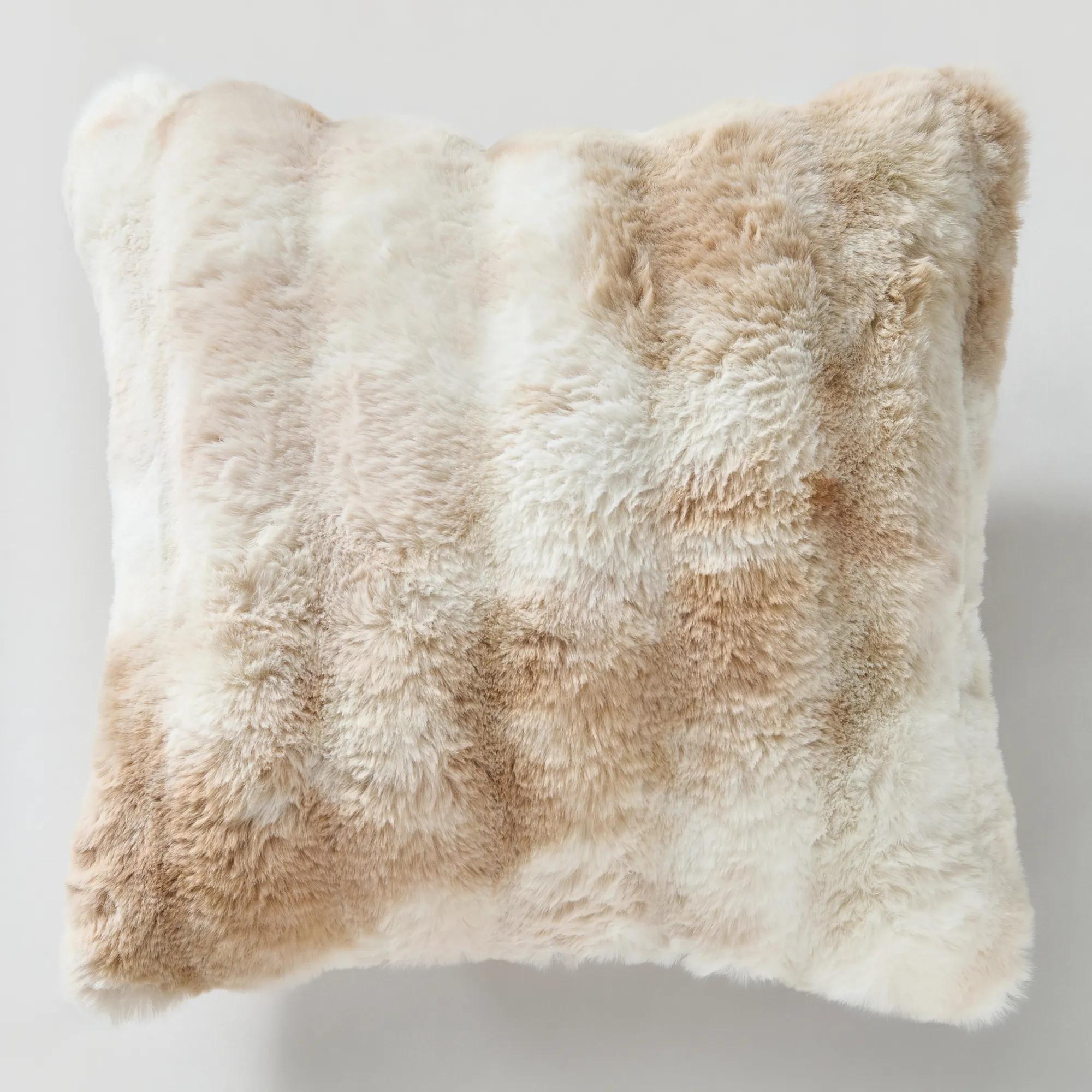
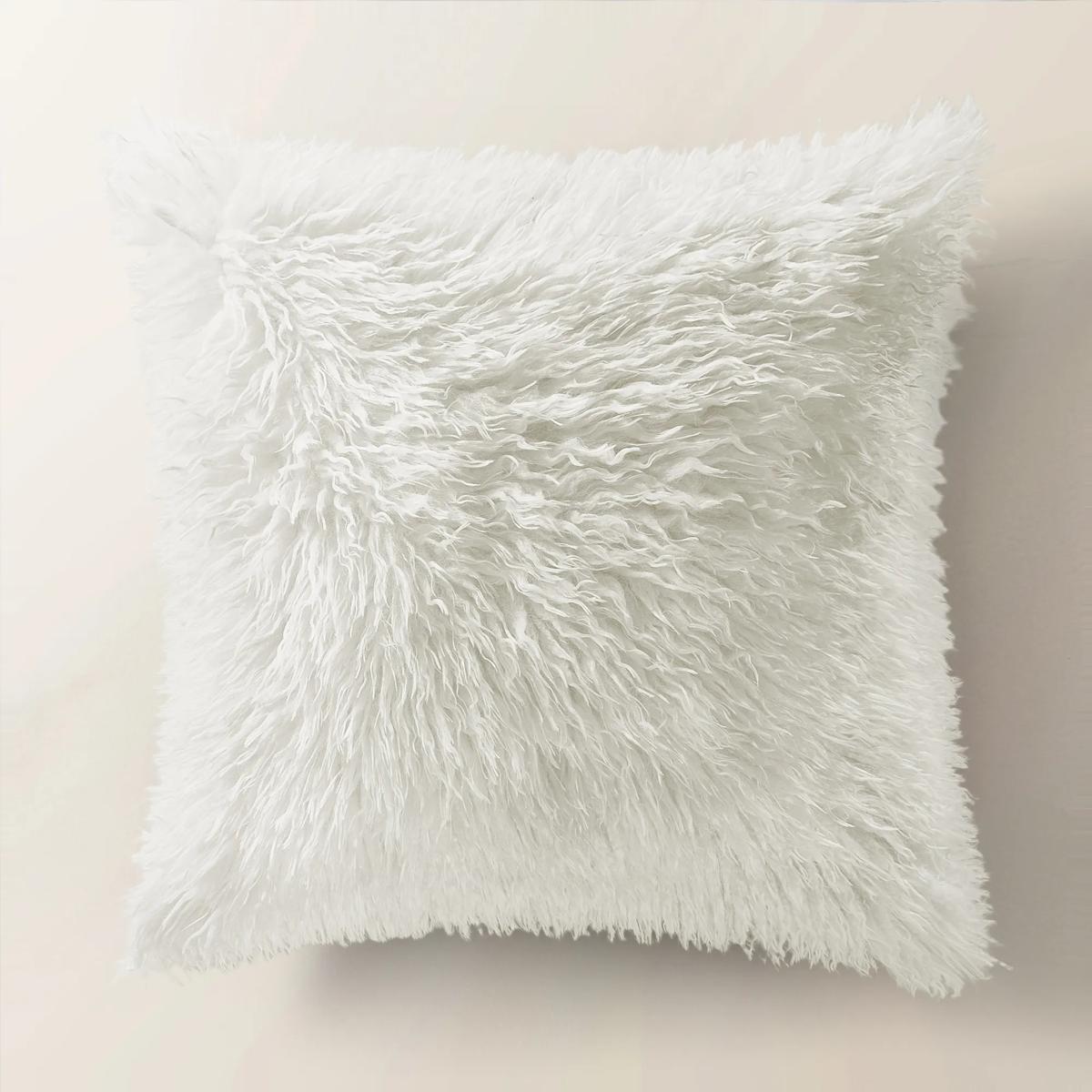
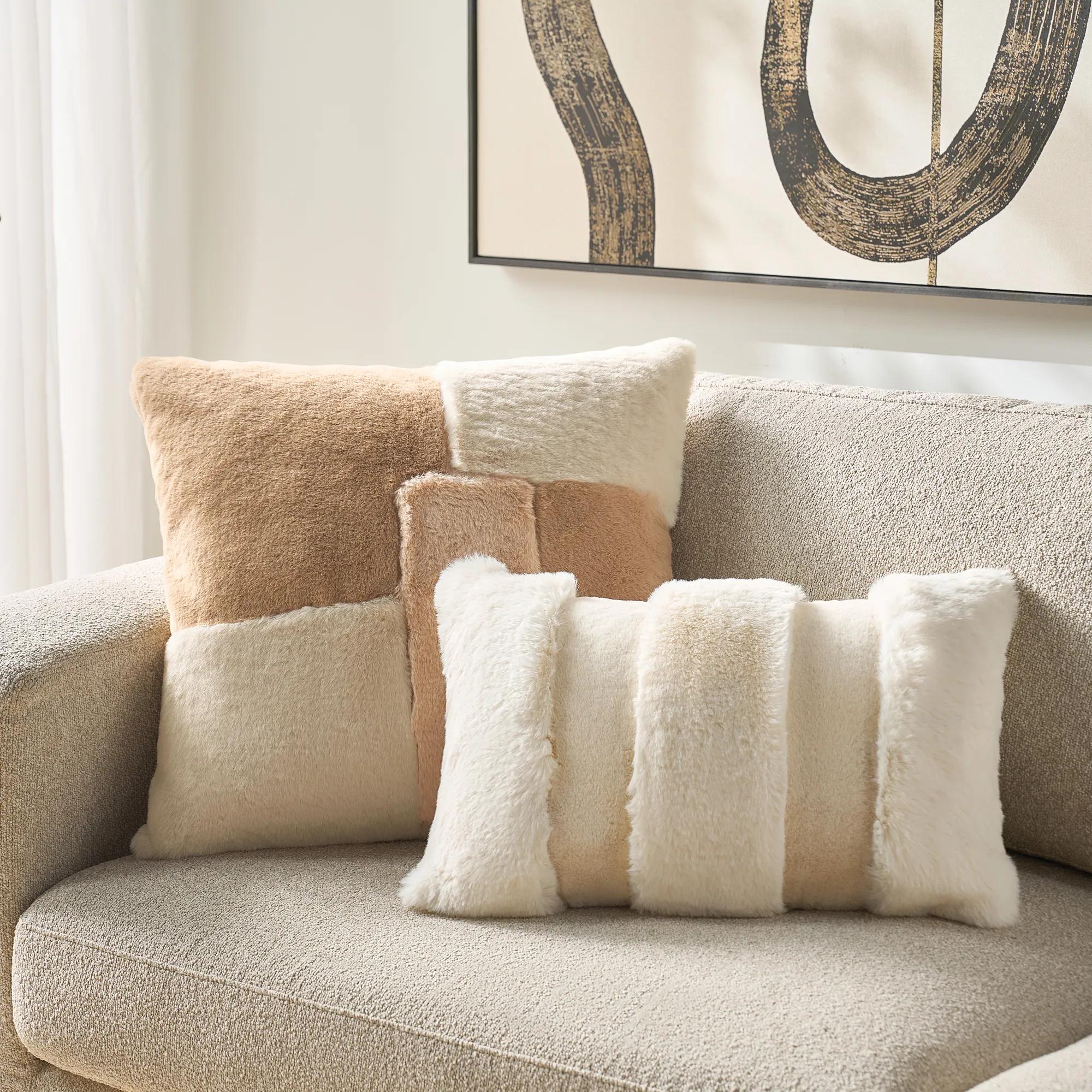 Peliz Ivory Faux Fur Lumbar Pillow 20" x 14"$99
An ivory faux fur lumbar pillow adding sumptuous texture and cozy sophistication to contemporary spaces.
Add To Cart

Decorative Lumbar Pillows
Decorative lumbar pillows add a tailored layer of comfort and visual drama to sofas, accent chairs, and beds. Explore elongated accent pillows that stand alone as a focal point or pair with square throw pillows for a dimensional arrangement. Choose proportions that complement your seating and colors that echo—or boldly contrast with—your room’s palette.
Decorative lumbar pillows bring a distinctive line to a room: elongated, expressive, and beautifully suited to the space between comfort and ornament. Their rectangular silhouette creates a counterpoint to square cushions, softens the expanse of a sofa, and lends an accent chair the presence of a thoughtfully composed vignette. A single pillow can introduce a sweep of color across pale upholstery or draw attention to the sculptural curve of a chair without concealing it. On a bed, the same shape offers a polished finishing layer, resting in front of larger pillows with enough visual weight to anchor the arrangement. The appeal lies in proportion as much as pattern. A narrow lumbar pillow can feel refined on a petite reading chair, while a longer silhouette holds its own against a generous sofa or upholstered headboard. Before choosing a size, consider the usable width of the seat, the depth of the furniture, and how much room should remain for sitting comfortably. An accent that looks dramatic in a photograph should still feel inviting in daily life. Color creates another opportunity for expression: ivory against charcoal feels crisp and architectural, jewel tones add depth to neutral surroundings, and metallic details can echo the glow of nearby lighting or the finish of a decorative tray. Pattern can carry a room’s personality without demanding a complete redesign. A graphic motif adds structure to relaxed upholstery, while an abstract design brings movement to a tailored seating arrangement. For interiors that favor distinctive detailing, designer lumbar pillows offer another perspective on this expressive accent. Rather than matching every element precisely, look for a shared thread—a muted gold, an inky blue, a repeated curve—that connects the pillow to the room. The result feels considered, not prescribed, with enough contrast to let each material and shape retain its character. Even a restrained palette gains dimension when a lumbar pillow introduces a different surface, a sharper outline, or a detail worth noticing up close.
Material gives decorative lumbar pillows their tactile character, determining whether the impression is sumptuous, airy, sculptural, or richly layered. Velvet catches light across its pile, creating subtle shifts in tone that can make a solid color feel remarkably dimensional. Linen brings visible texture and a relaxed elegance, while cotton offers a softer, more understated foundation for prints, embroidery, and woven patterns. Textured weaves can add depth without strong color contrast, an appealing choice when the room already includes expressive artwork or richly veined stone. Embroidered details, appliqué, fringe, and beading introduce artistry at a smaller scale, turning the pillow’s surface into a focal point rather than simply a backdrop. These finishes also influence intended use. A heavily embellished pillow may be best placed on an occasional chair or at the front of a bed, where its detail can be appreciated without constant pressure or friction. For a sofa used every evening, a less delicate surface and securely finished seams are practical considerations that need not diminish the sense of luxury. Households with children or pets may prefer tightly woven fabrics and fewer loose decorative elements, particularly on favorite seats. The insert matters just as much as the cover: its fill and density affect how the pillow holds its shape, how readily it compresses, and whether it feels structured or yielding against the back. Feather-and-down blends generally create a softer, moldable effect and benefit from regular fluffing; synthetic fills can offer a fuller, more uniform profile, depending on their construction. Neither appearance nor fabric alone determines comfort, so dimensions, fill information, and care details deserve attention together. A removable cover can make maintenance more manageable when its care instructions permit cleaning separately, while a concealed zipper preserves a clean outline. Thoughtful construction shows in even stitching, neatly finished edges, and embellishments that feel securely attached. These quieter details help a decorative accent remain appealing beyond its first impression, especially in rooms where pillows are moved, leaned against, and rearranged throughout the day.
The most compelling lumbar pillow arrangements respect how a room is actually lived in. On a compact sofa, one elongated pillow paired with a square cushion can create depth without crowding the seat. Across a larger sectional, repeating a color at opposite ends brings cohesion while leaving the central seating area open. A bedroom may need only one richly textured lumbar pillow to connect the bedding with an upholstered headboard; a window seat can benefit from a softer accent that makes the space feel more welcoming. In an entryway, a pillow on an upholstered bench can introduce a glimpse of the home’s palette, provided it leaves room for the bench’s everyday purpose. Mixing textures often produces a more convincing sense of luxury than multiplying accessories: velvet beside a matte weave, embroidery against smooth upholstery, or a subtle metallic thread near a brushed metal lamp. Care preserves those contrasts and the integrity of the fabric. Follow the care label rather than assuming every decorative cover can be machine washed, and check whether instructions apply to the cover, the insert, or the complete pillow. Embellished and specialty fabrics may require professional cleaning or a carefully specified spot treatment. Blot spills gently instead of rubbing, test any permitted cleaning method in an inconspicuous area, and avoid soaking decorative trims. Regular fluffing helps redistribute suitable fills, while rotating frequently used pillows can reduce uneven compression and wear. Keeping fabrics out of prolonged direct sunlight helps protect their color; placing them away from rough hardware and sharp accessories reduces the chance of snags. Decorative lumbar pillows also make thoughtful housewarming gifts for people who enjoy shaping their surroundings, especially when chosen with the recipient’s furniture scale and preferred palette in mind. A restrained texture can suit someone building a room gradually, while a dramatic pattern may delight a design enthusiast with an established point of view. Whether selected as a gift or as a personal finishing touch, the right pillow contributes more than ornament. It gives a familiar chair renewed presence, makes a bed feel deliberately composed, and brings color, texture, and comfort into a detail encountered every day.
FAQs
Place a decorative lumbar pillow in front of square throw pillows to create a layered, artfully composed arrangement. Pair sumptuous velvet with a woven texture, or let an embroidered design command attention against solid upholstery. Repeat a color from your artwork or rug to give the room a confident visual rhythm.
Velvet, silk, and richly textured jacquard bring distinctive depth to decorative lumbar pillows. Embroidery, beading, metallic threads, and tailored piping add detail that feels considered and expressive. Choose a lustrous finish for luminous drama or a dimensional weave for a more tactile statement.
Unite your pillows with a shared color palette, then vary the motifs for an expressive mix. A geometric lumbar pillow creates a striking contrast with painterly florals, while an abstract design adds movement alongside solid velvet. Give one pattern the spotlight and let the others enrich the composition.
A decorative lumbar pillow makes an elegant focal point on an accent chair, brings texture to an entryway bench, or adds a finishing flourish to layered bedding. Consider the surrounding finishes: a metallic-accented pillow can echo gleaming hardware, while a richly colored textile brings contrast to a neutral setting.
Look to your room’s artwork, upholstery, and decorative accents for a palette worth repeating. Jewel tones create a lavish focal point, ivory and champagne offer luminous tonal layering, and black introduces crisp definition. For a more daring composition, choose a contrasting color that draws the eye and gives your arrangement a distinct point of view.