Contemporary Lumbar Pillows
Contemporary Lumbar Pillows
-

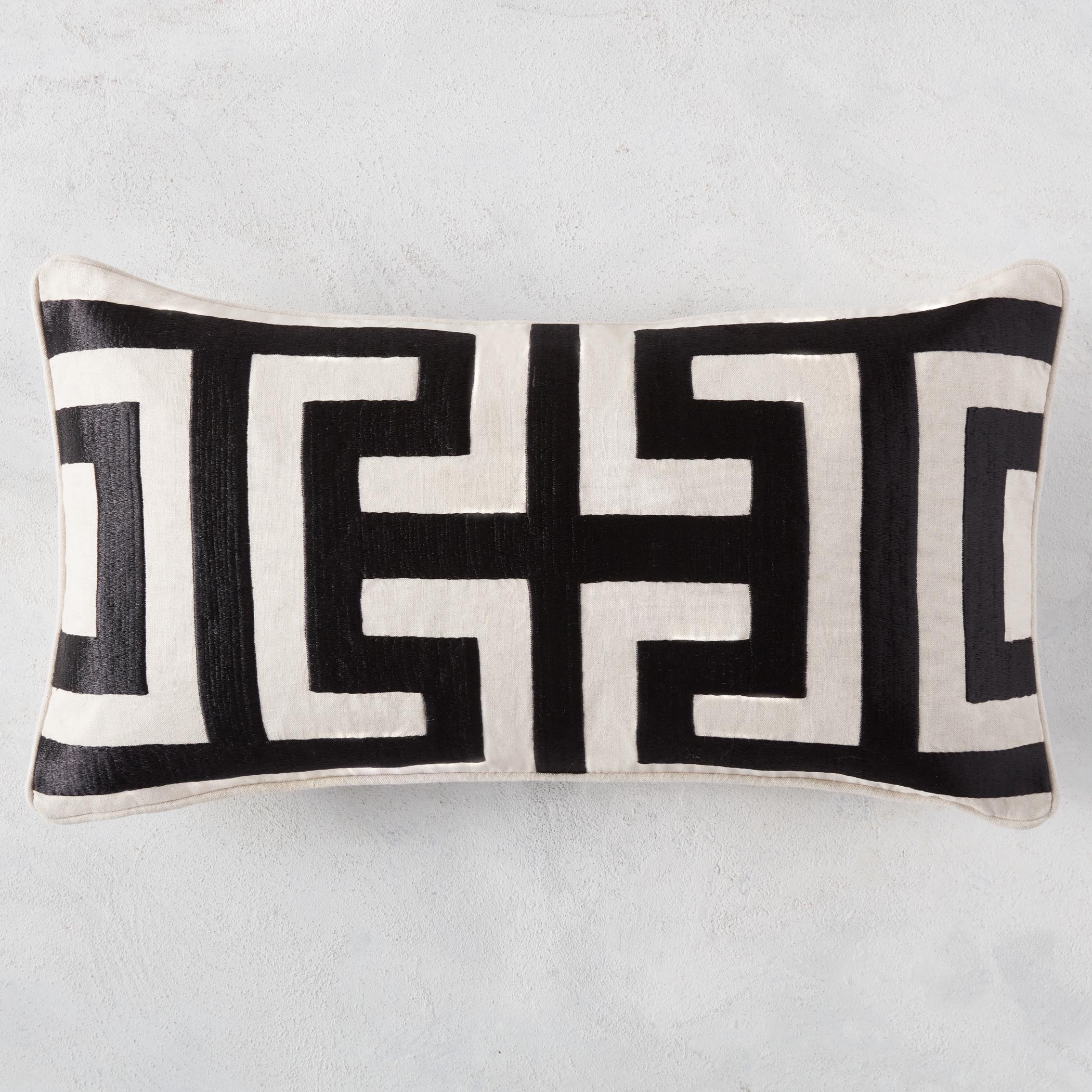 Cace Embroidered Black/Natural Linen Lumbar Pillow 26" x 14"$129
A cotton-linen pillow featuring metallic Greek key embroidery in natural and black with a feather-down insert.
Add To Cart -
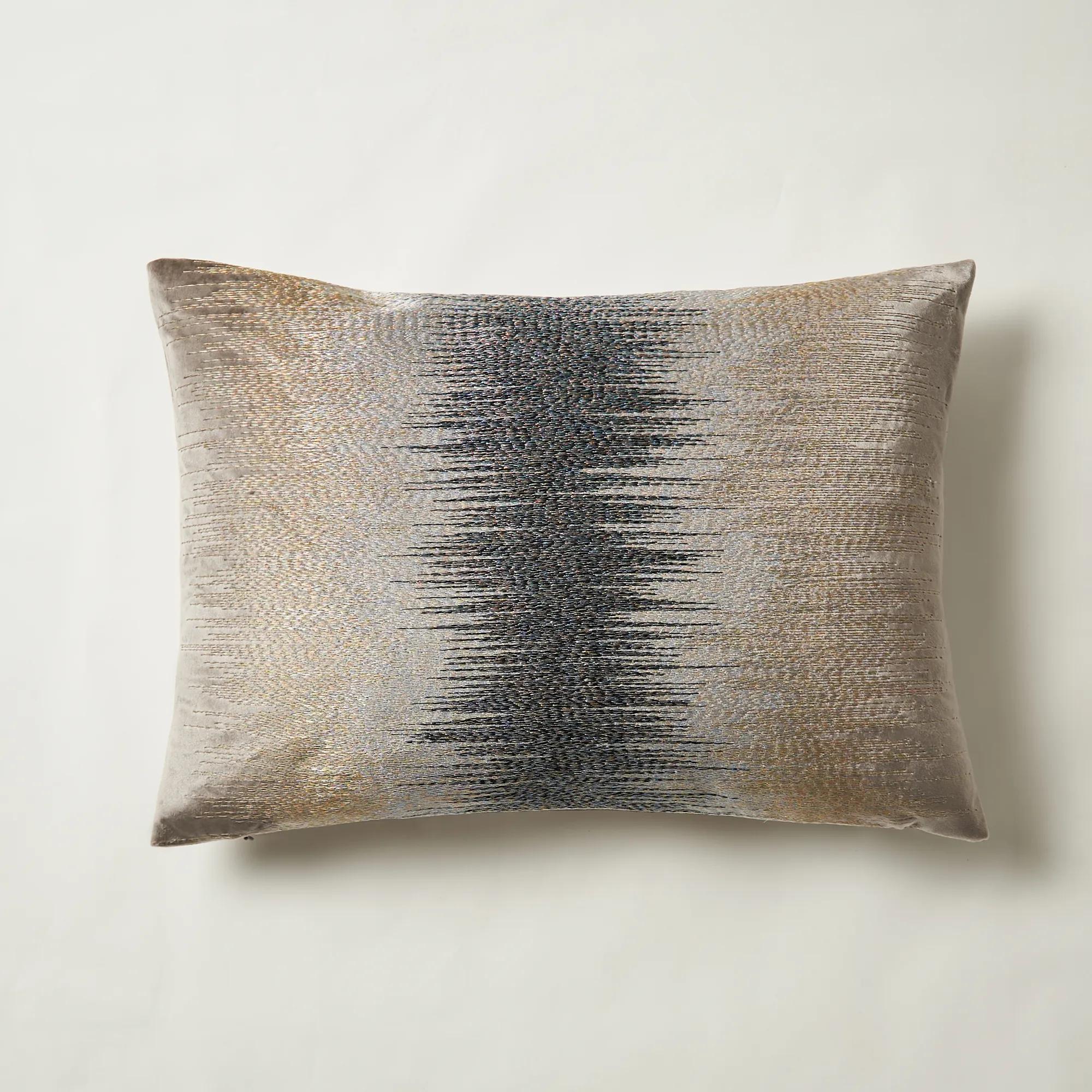
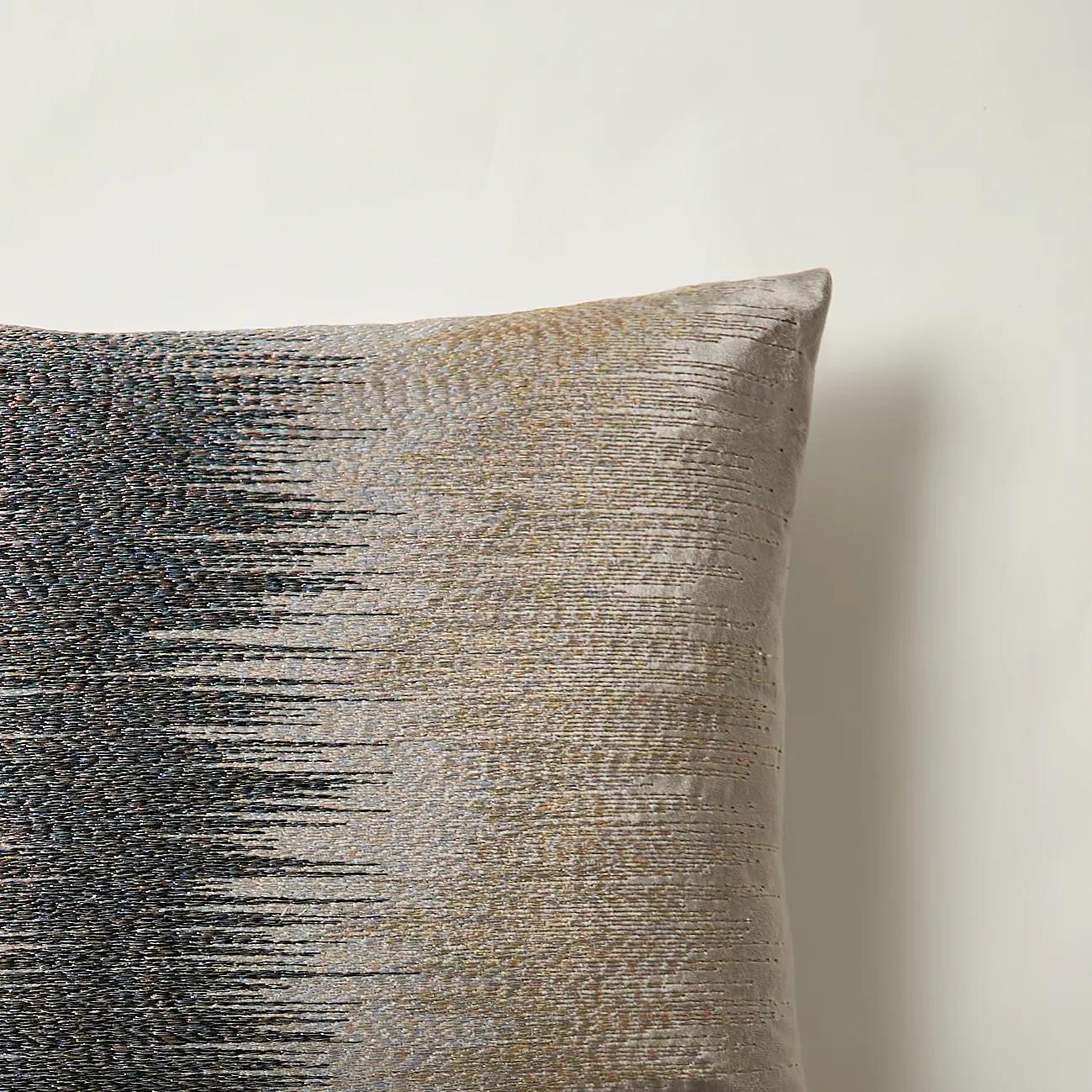 Leon Metallic Embroidered Grey/Charcoal/Silver Velvet Lumbar Pillow 14" x 20"$59
A soft grey, black, and silver velvet pillow featuring gradient metallic embroidery and a plush feather-down insert.
Add To Cart -
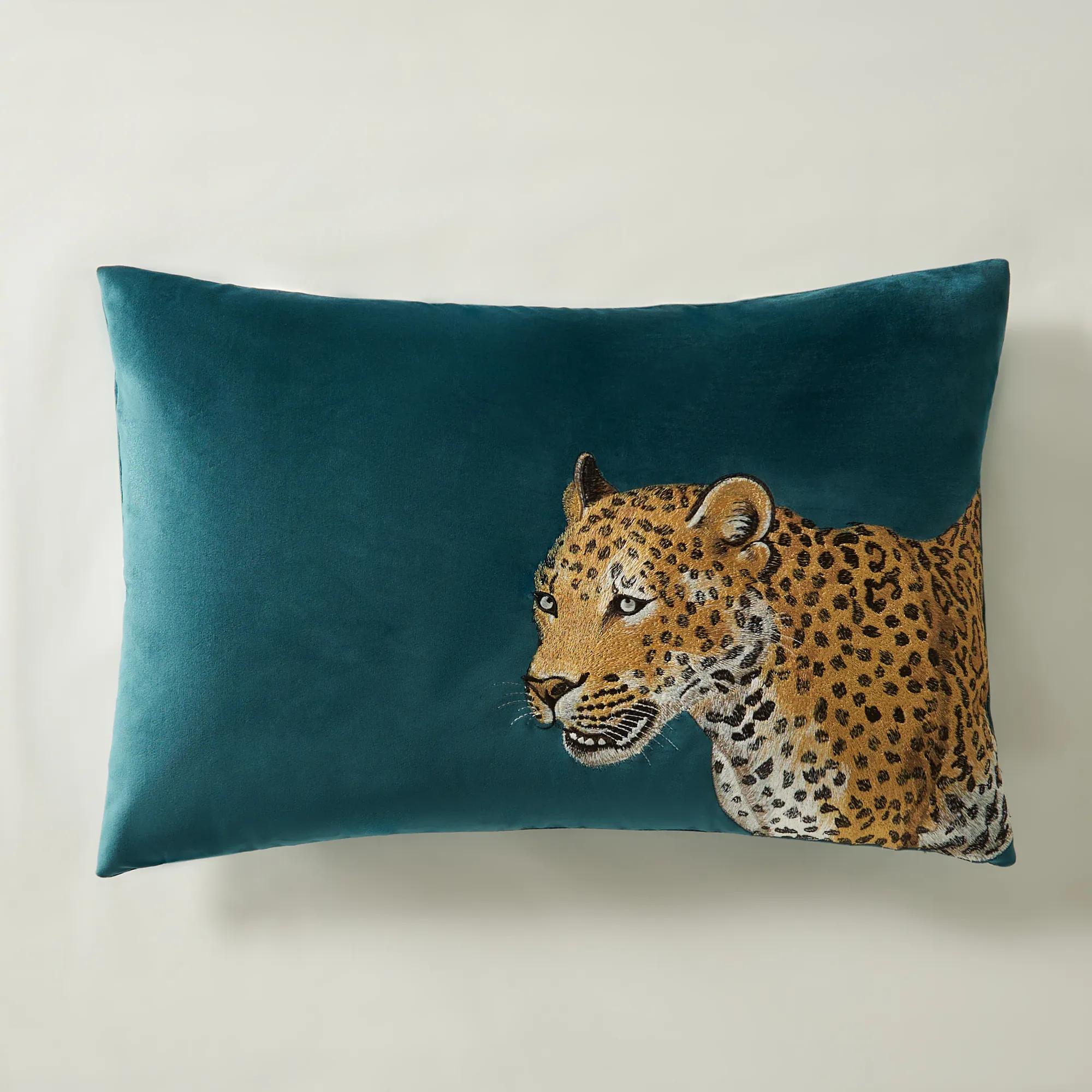
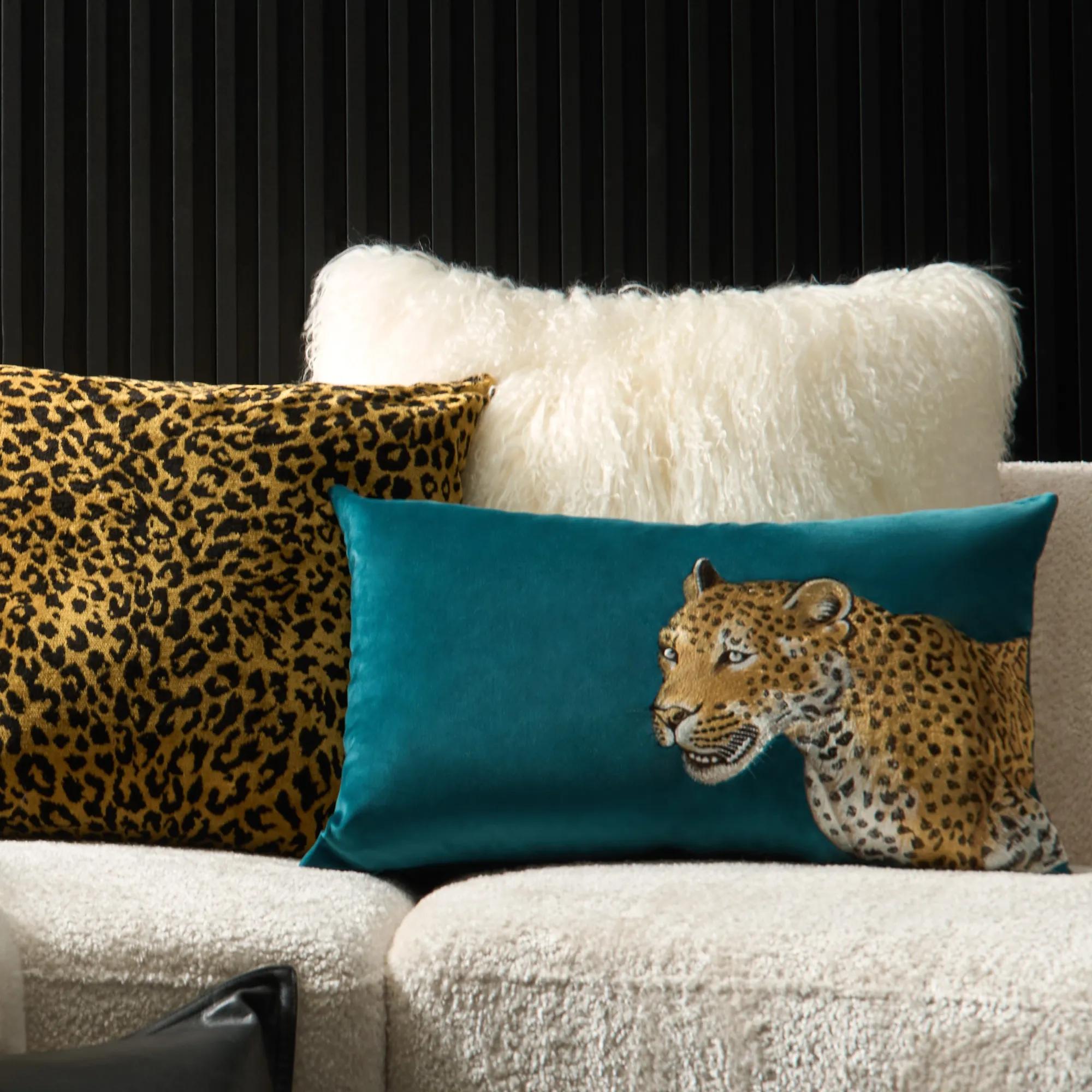 Leopard Embroidered Teal Velvet Lumbar Pillow 15" x 23"$69
A luxe dark teal velvet pillow featuring an embroidered leopard face and a plush feather-down insert.
Add To Cart -

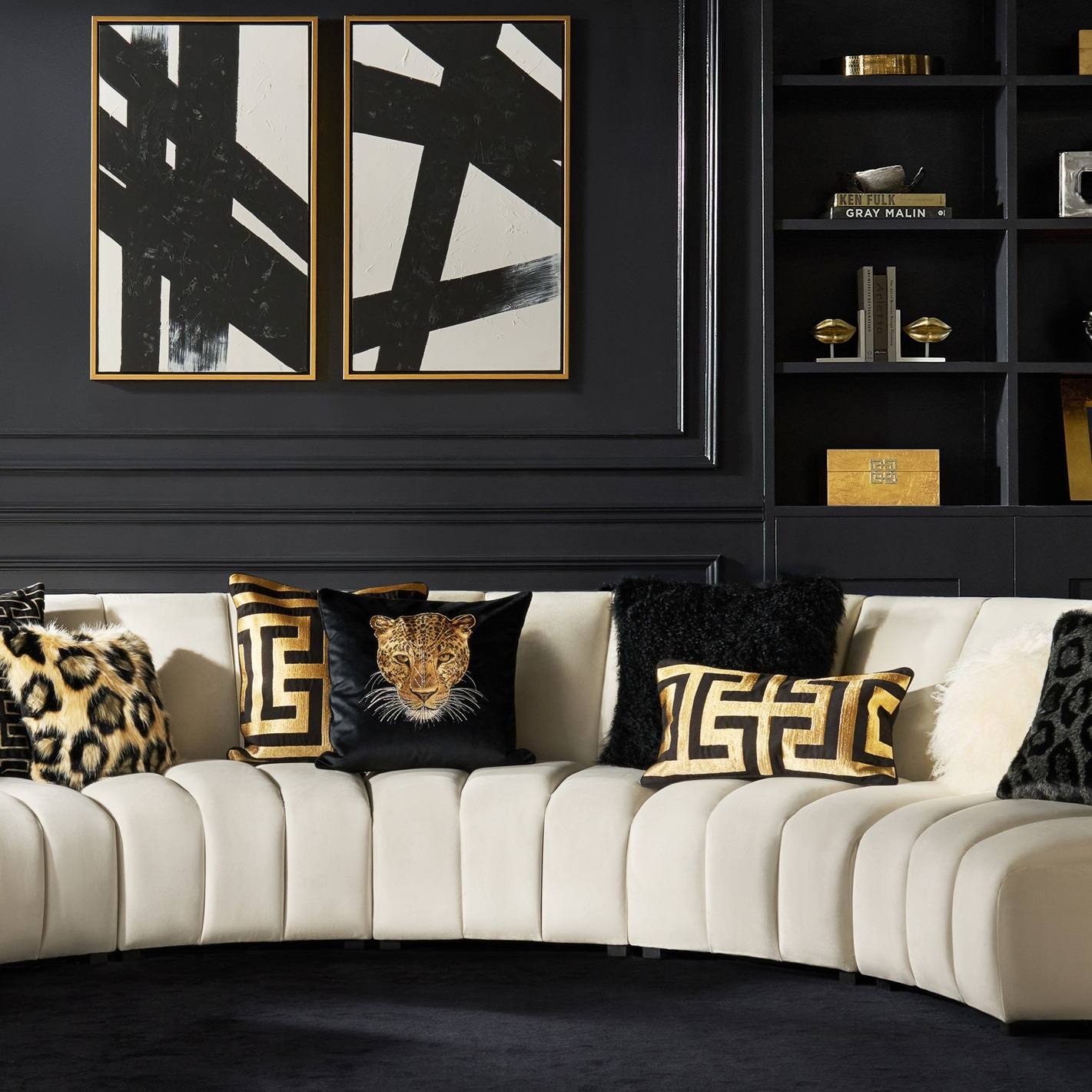 Cace Embroidered Gold/Black Linen Lumbar Pillow 26" x 14"$129
A cotton-linen pillow featuring metallic gold Greek key embroidery and a plush feather-down insert.
Add To Cart -
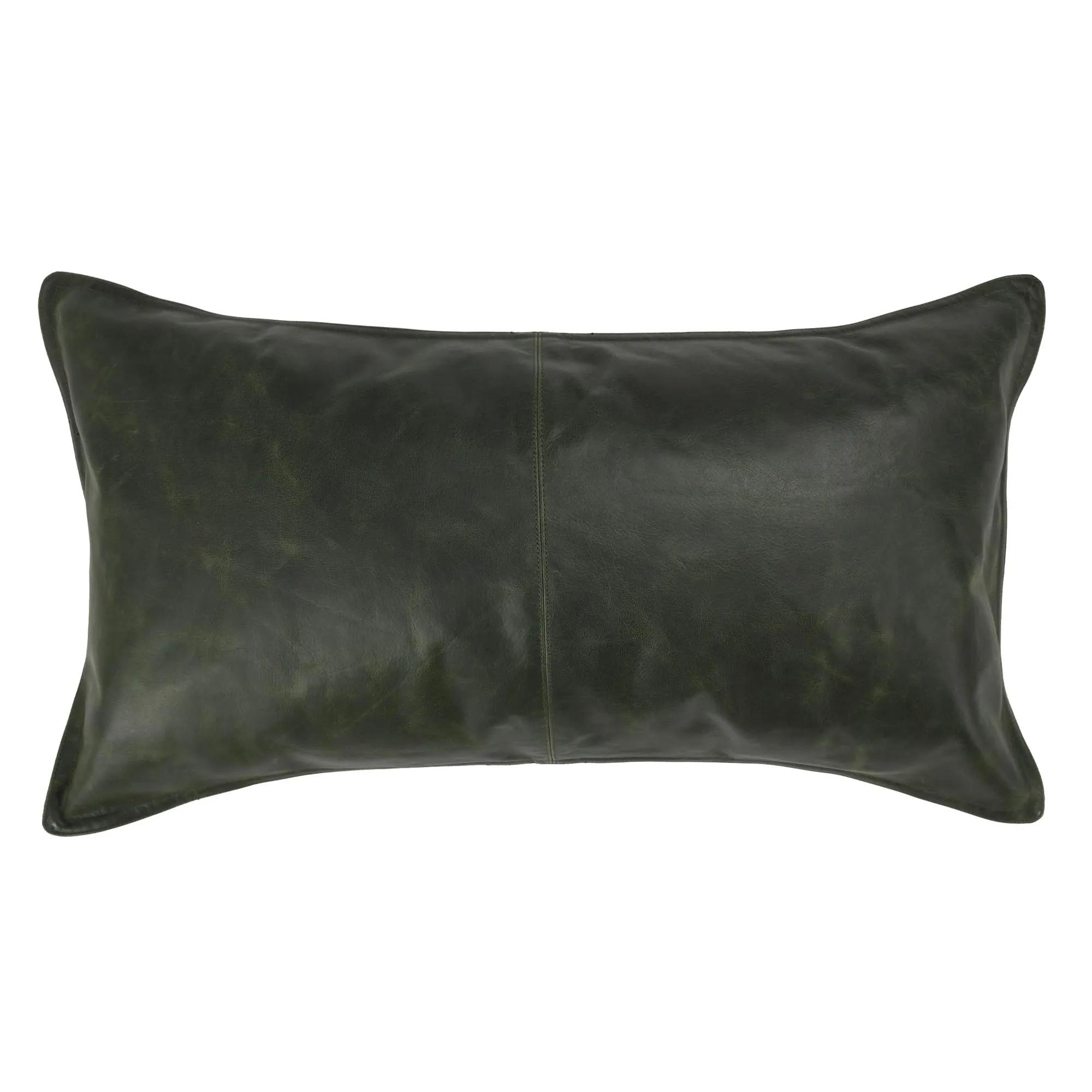
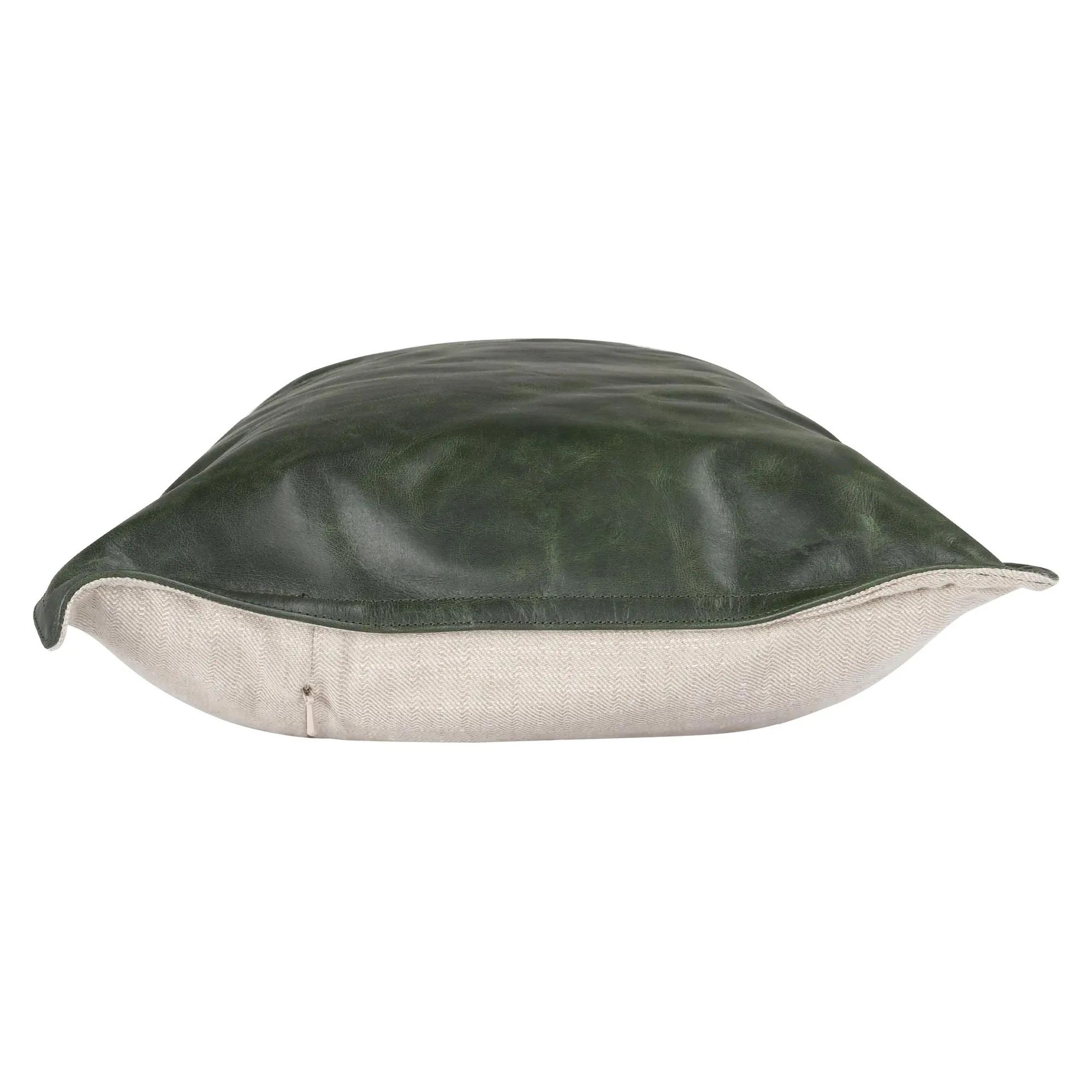 Dylan Forest Green Genuine Leather Lumbar Pillow 14" x 26"$179
A sleek forest green leather lumbar pillow with feather-down insert and double-stitched panels for style.
Add To Cart -
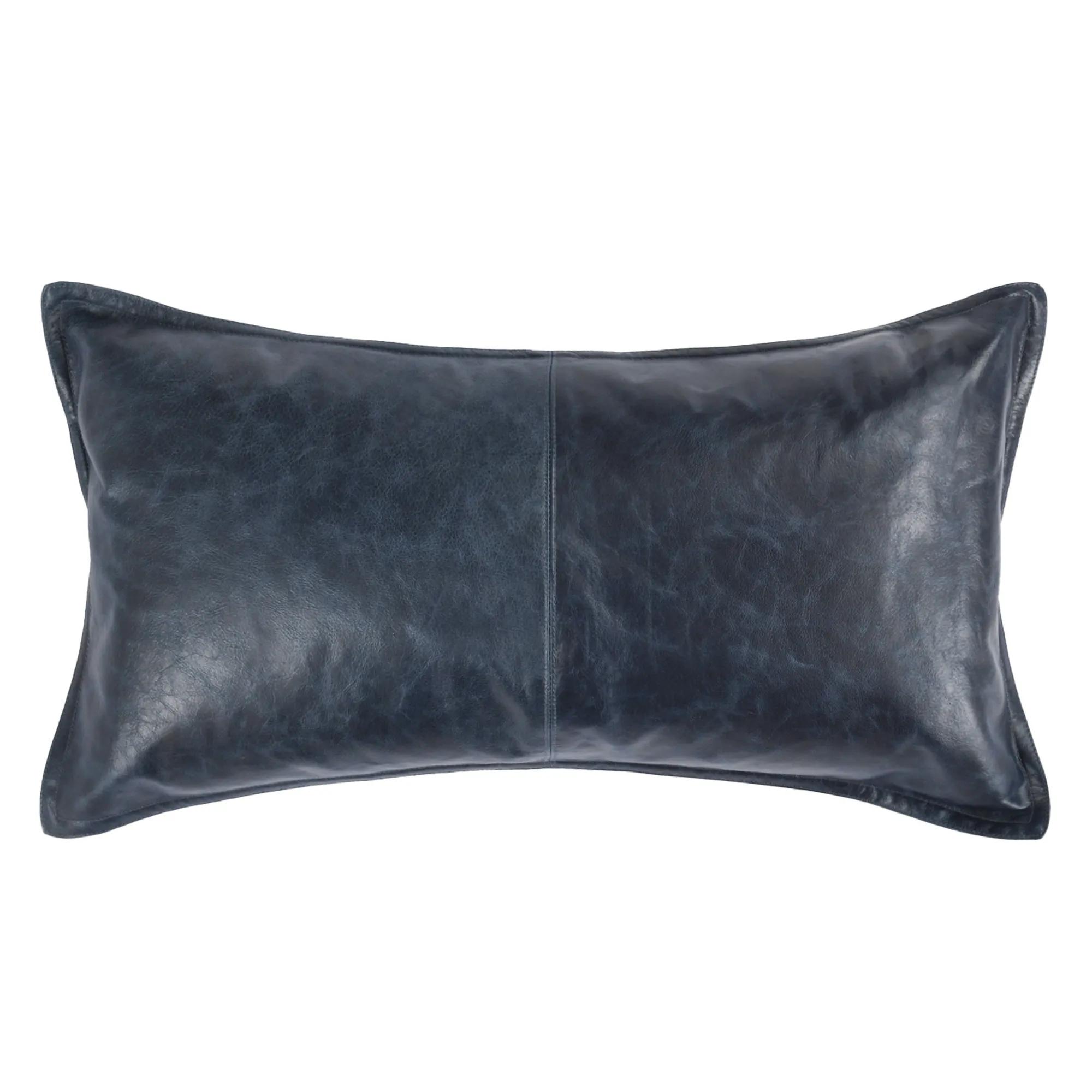
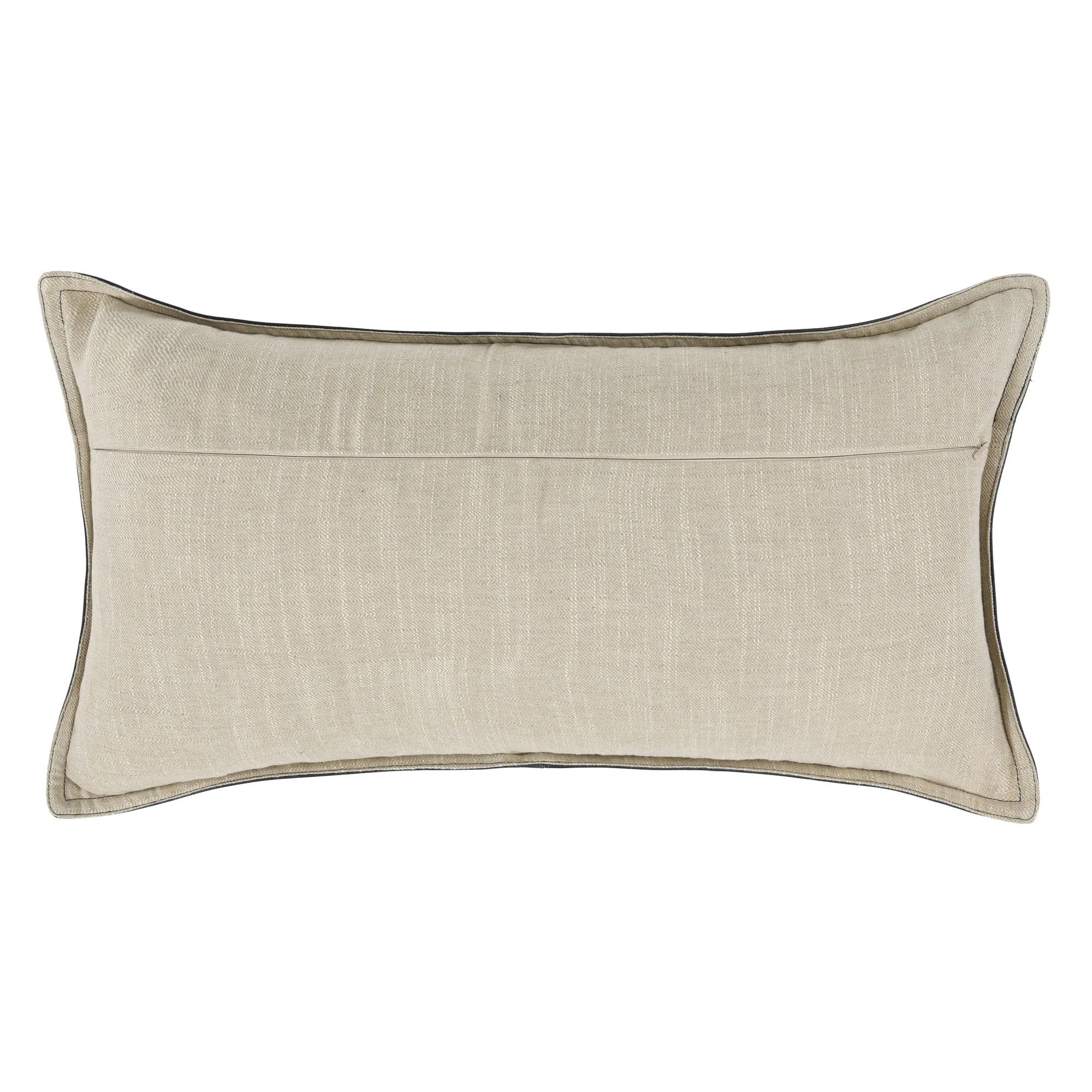 Dylan Navy Blue Genuine Leather Lumbar Pillow 14" x 26"$179
A sleek navy leather lumbar pillow with double-stitched panels, cotton back, and feather-down insert.
Add To Cart -
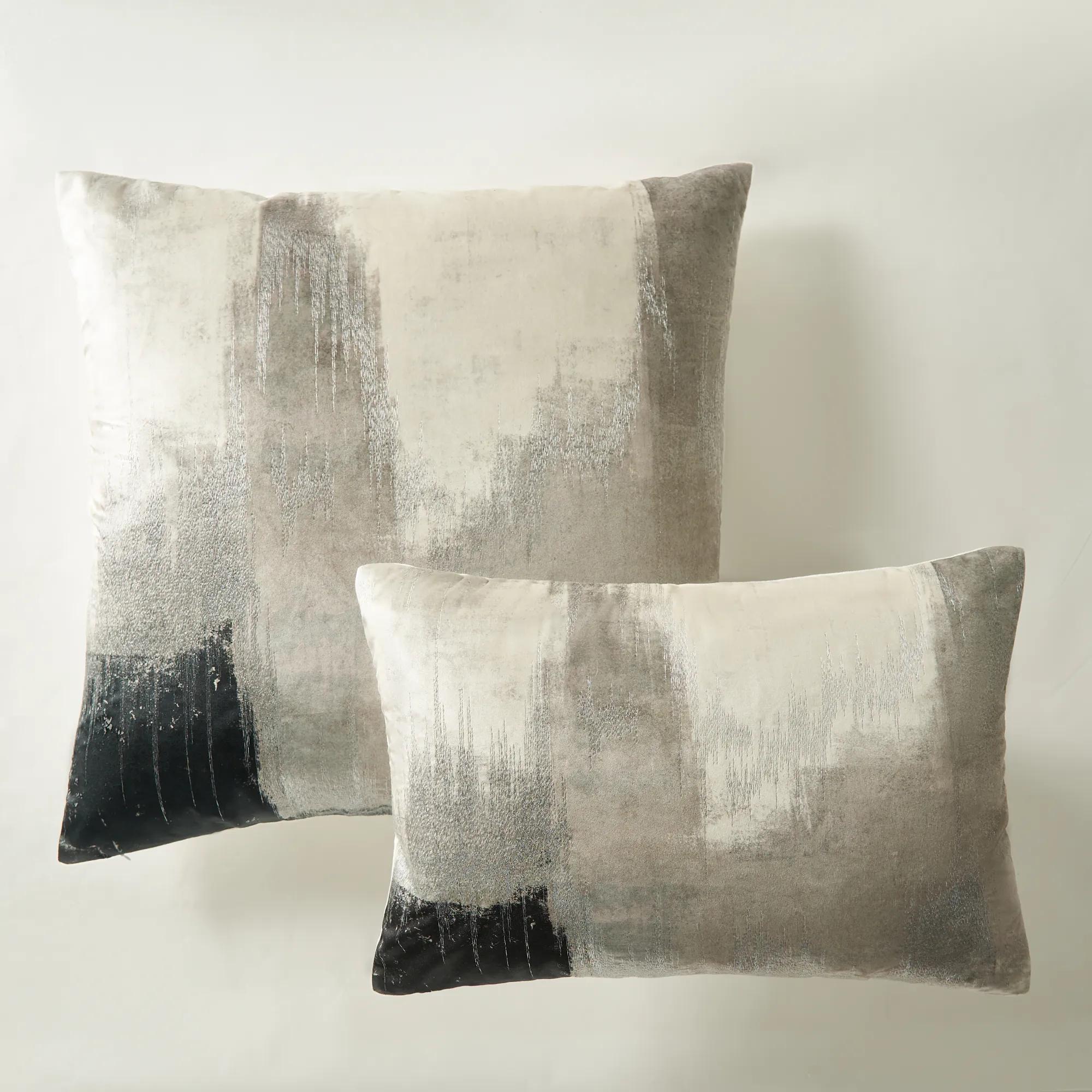
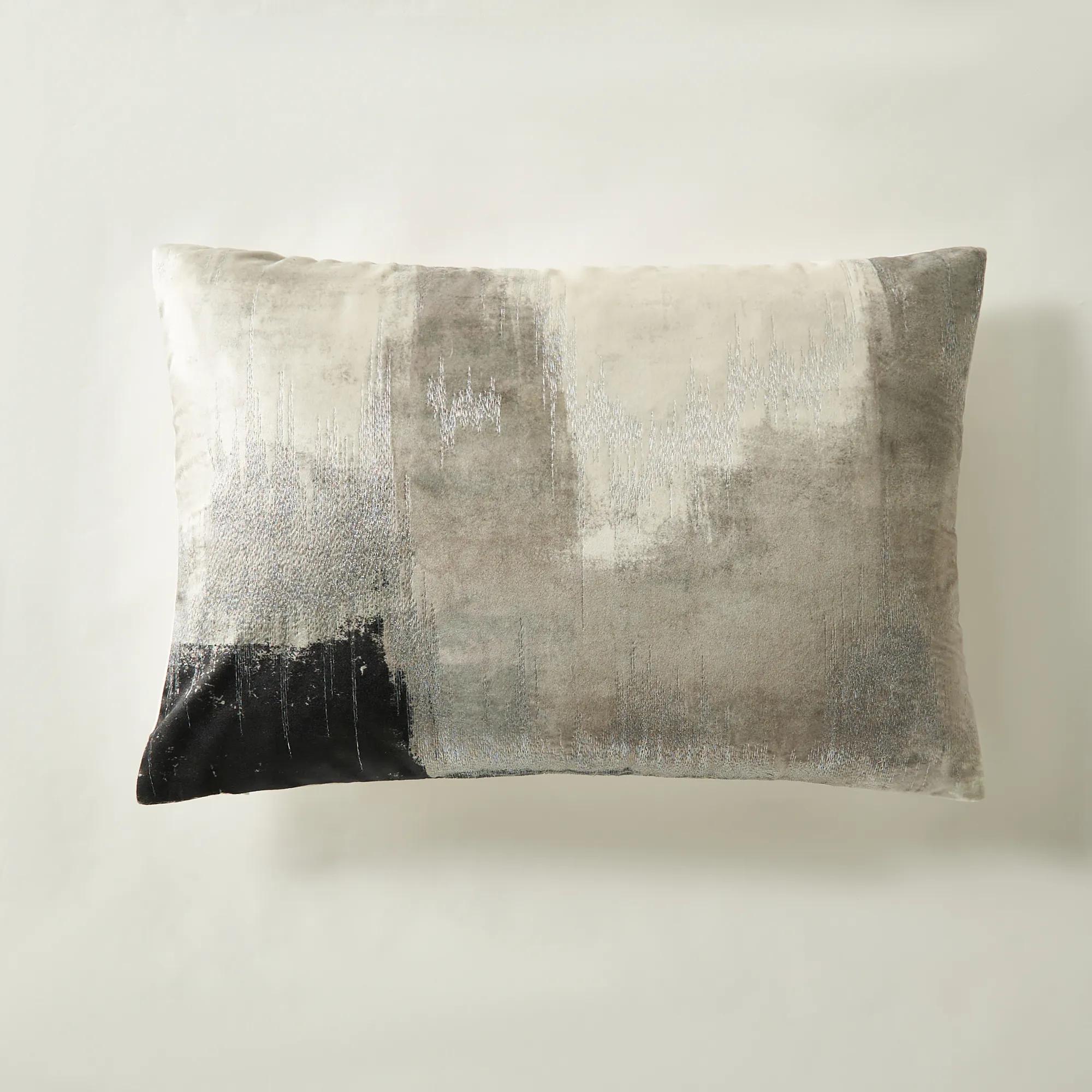 Nya Grey/Black Embroidered Velvet Lumbar Pillow 14" x 20"$69
A plush black and grey velvet lumbar pillow with metallic silver embroidery and a feather-down insert.
Add To Cart -
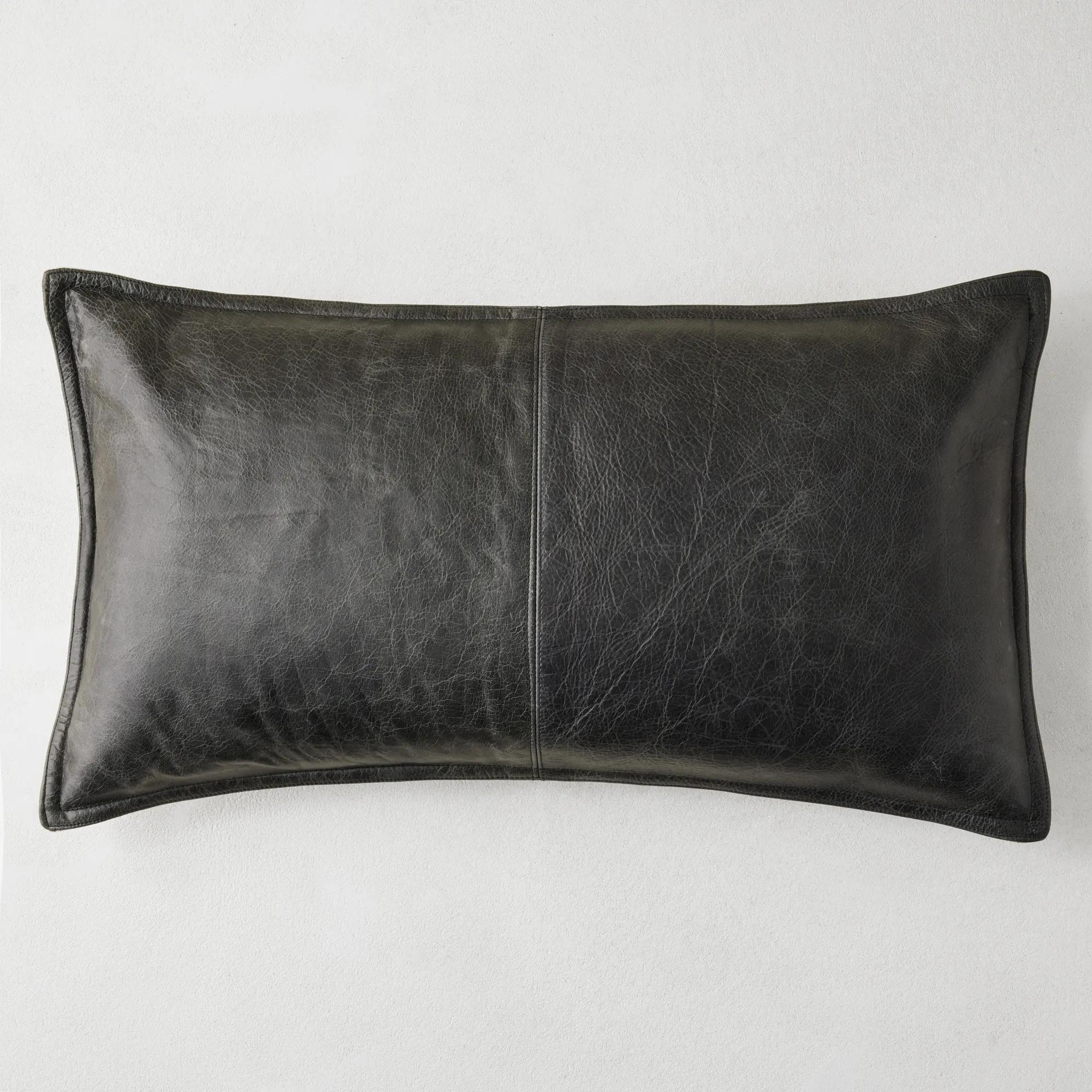 Dylan Onyx Black Genuine Leather Lumbar Pillow 14" x 26"$179
A sleek onyx leather lumbar pillow with double-stitched panels, cotton back, and feather-down insert.
Add To Cart -
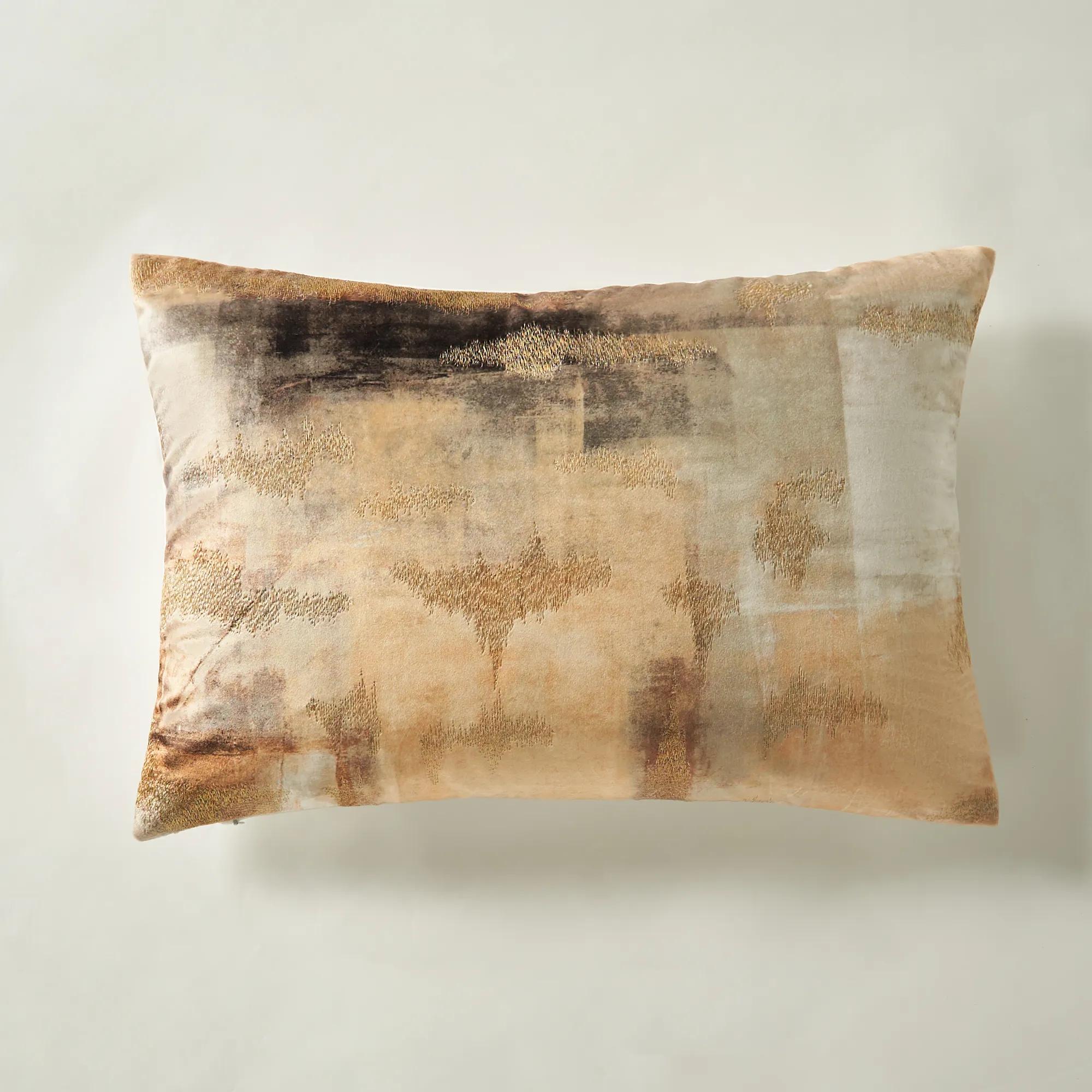
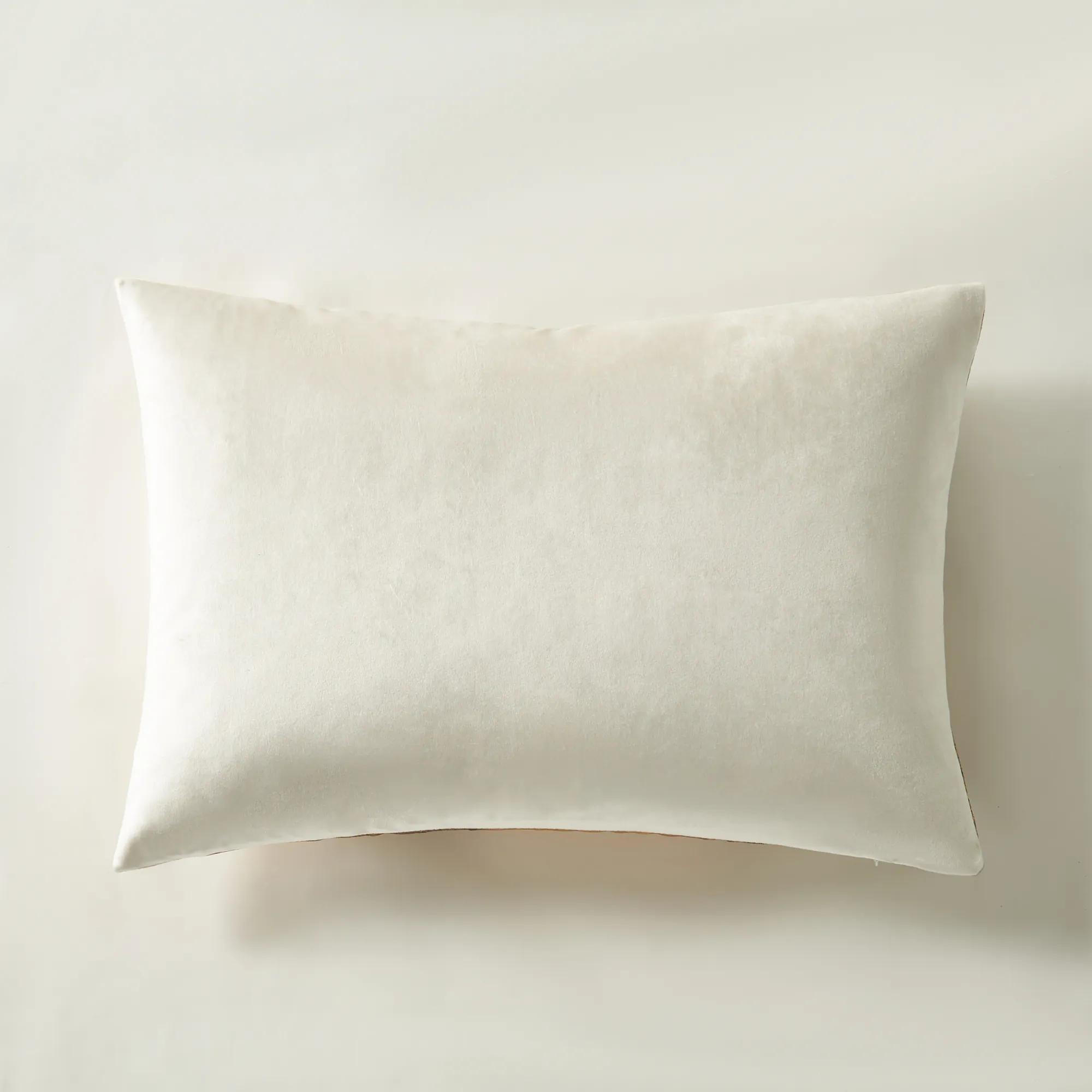 Riya Abstract Gold Embroidered Velvet Lumbar Pillow 14" x 20"$69
A plush ivory, gold, and grey velvet pillow featuring metallic embroidery and a feather-down insert.
Add To Cart -
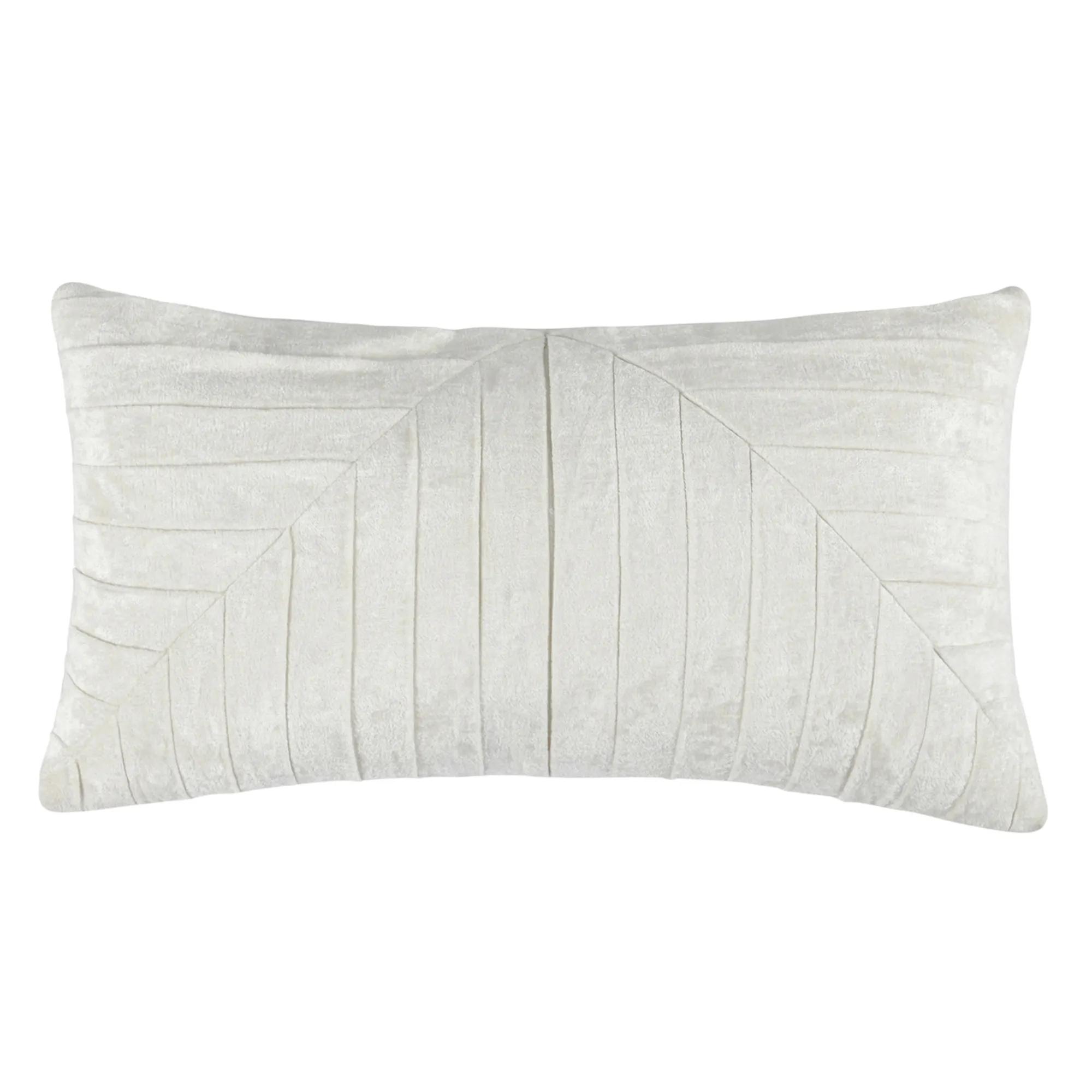
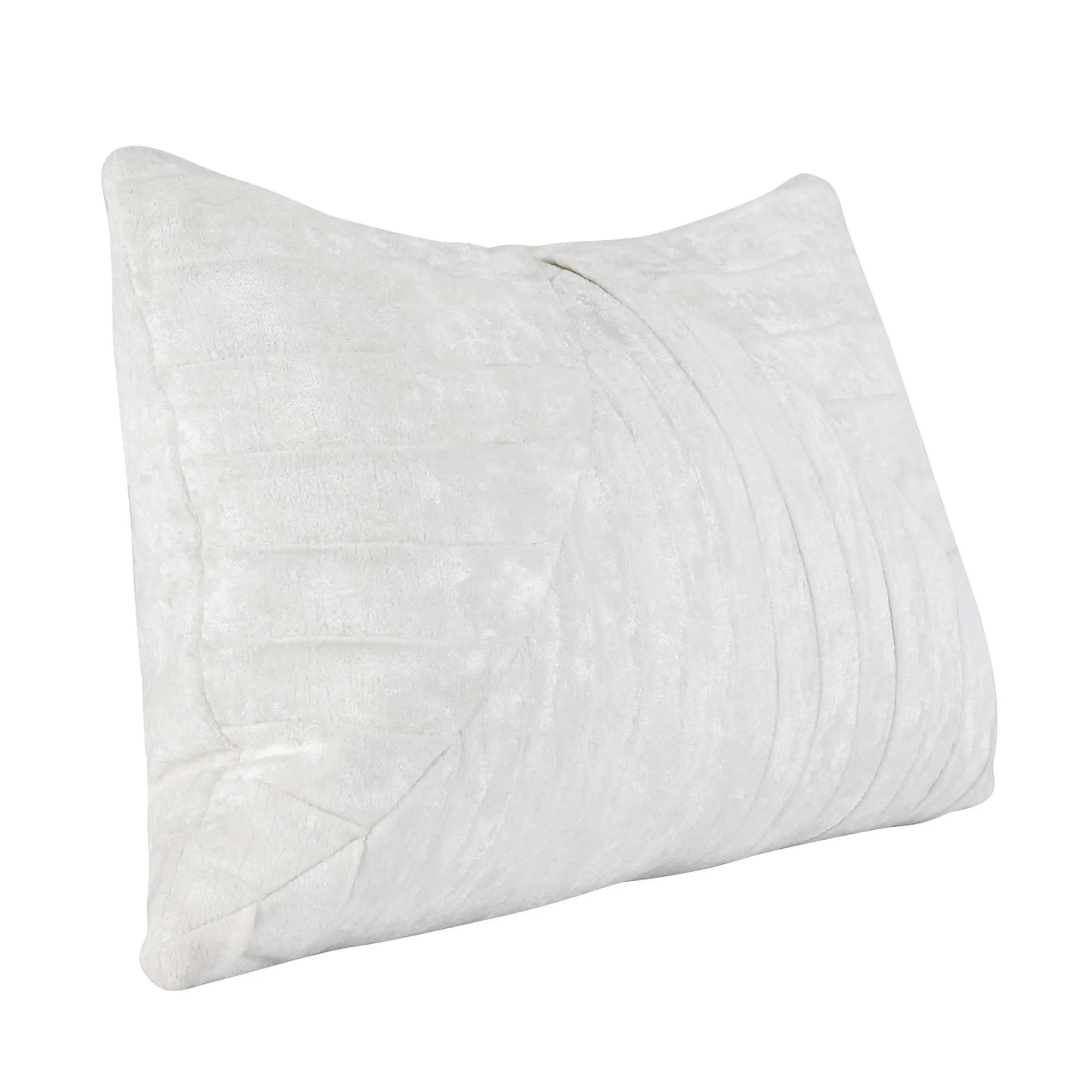 Addie Ivory Pleated Velvet Lumbar Pillow 14" x 26"$139
An ivory hand-pleated velvet lumbar pillow with a removable feather-down insert and hidden zipper.
Add To Cart -
 Cace Embroidered Gold/White Linen Lumbar Pillow 14" x 26"$129
A gold cotton-linen pillow featuring metallic Greek key embroidery and a plush feather-and-down insert.
Add To Cart -

 Nya Mocha Mousse Embroidered Velvet Pillow 14" x 20"$69
A mocha-colored velvet pillow featuring elegant embroidered detailing and a sophisticated multicolor design.
Add To Cart -
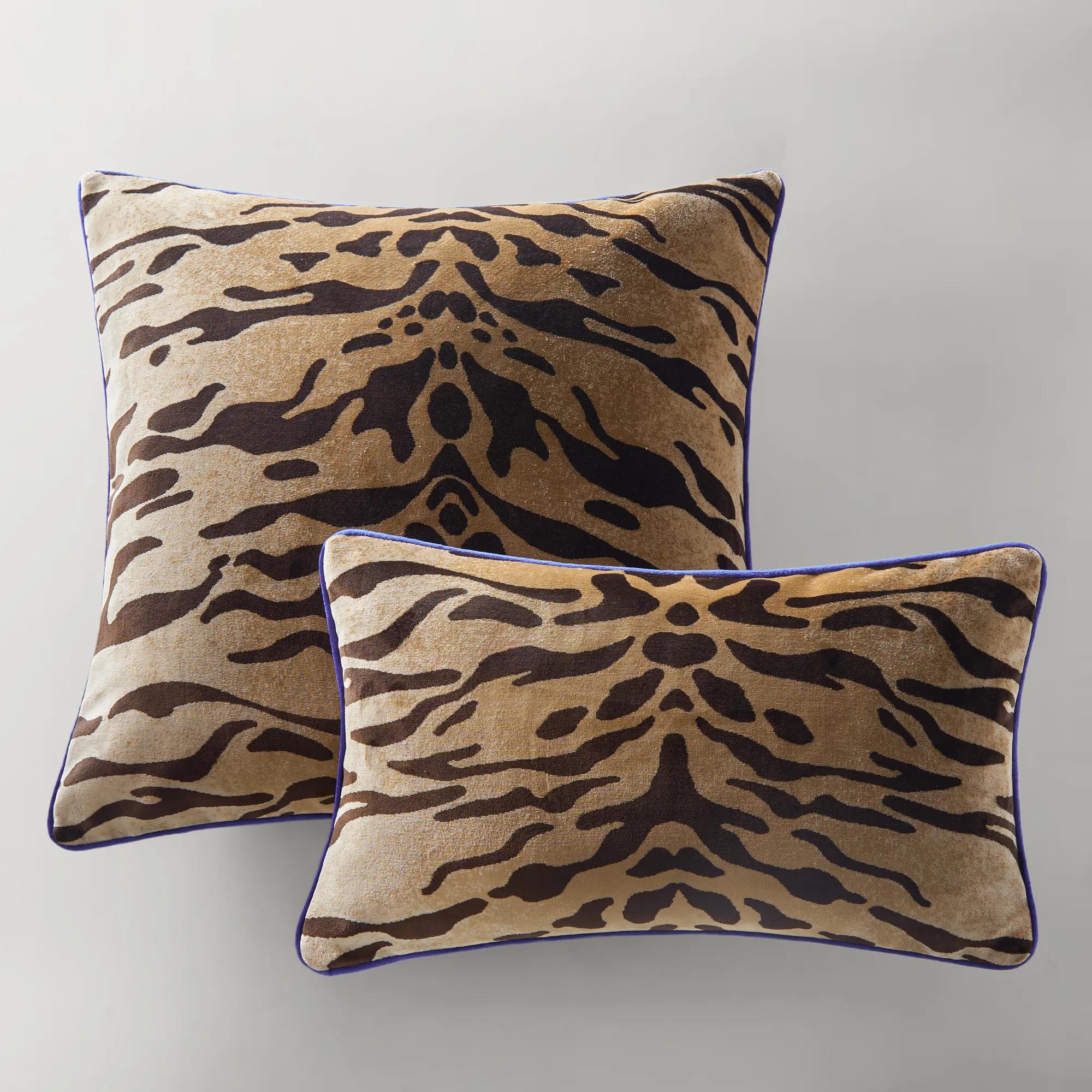
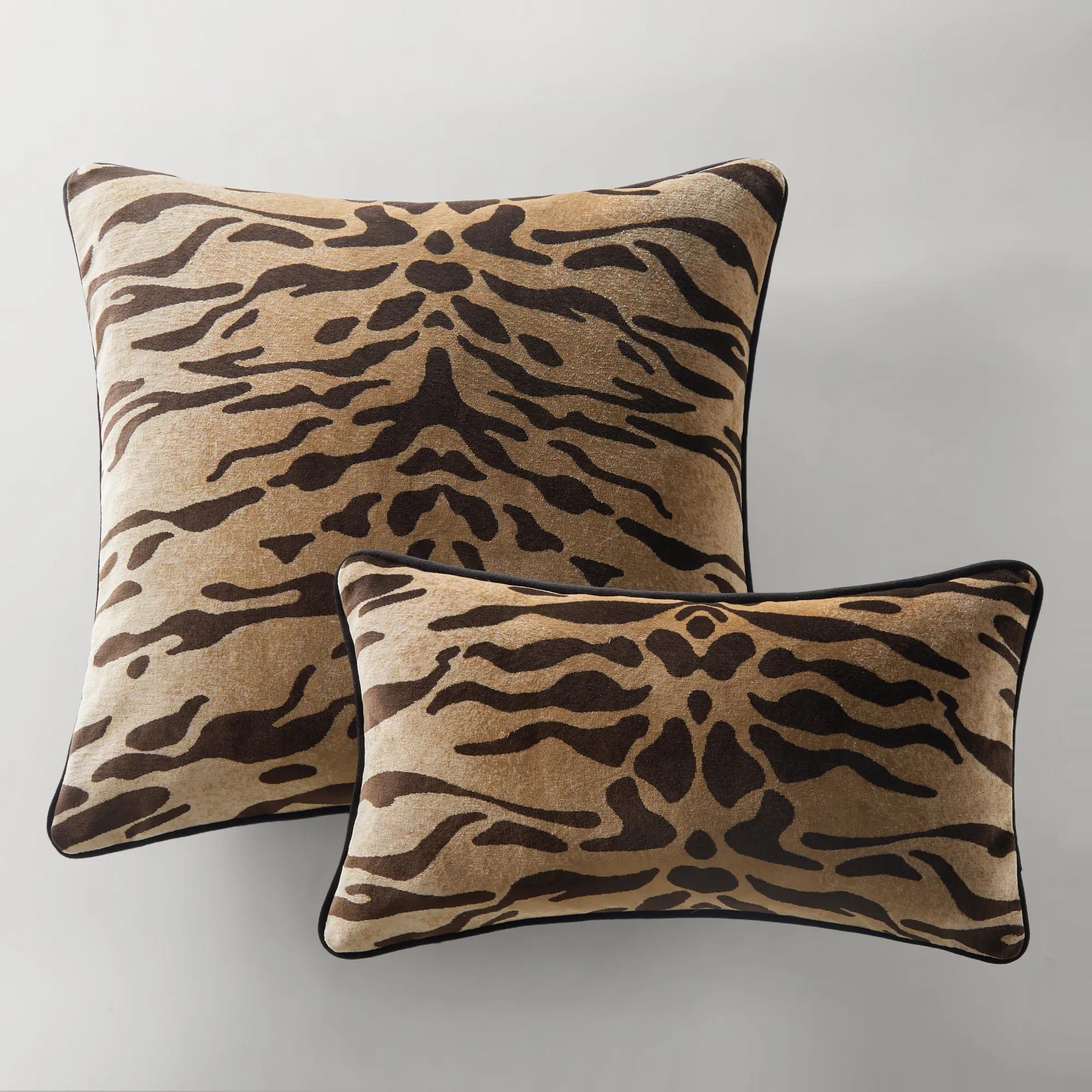 Bronze Tiger Black Piping Velvet Lumbar Pillow 20" x 12"$59
A bronze velvet lumbar pillow with contrast piping and a removable feather-down insert for added comfort.
Add To Cart -
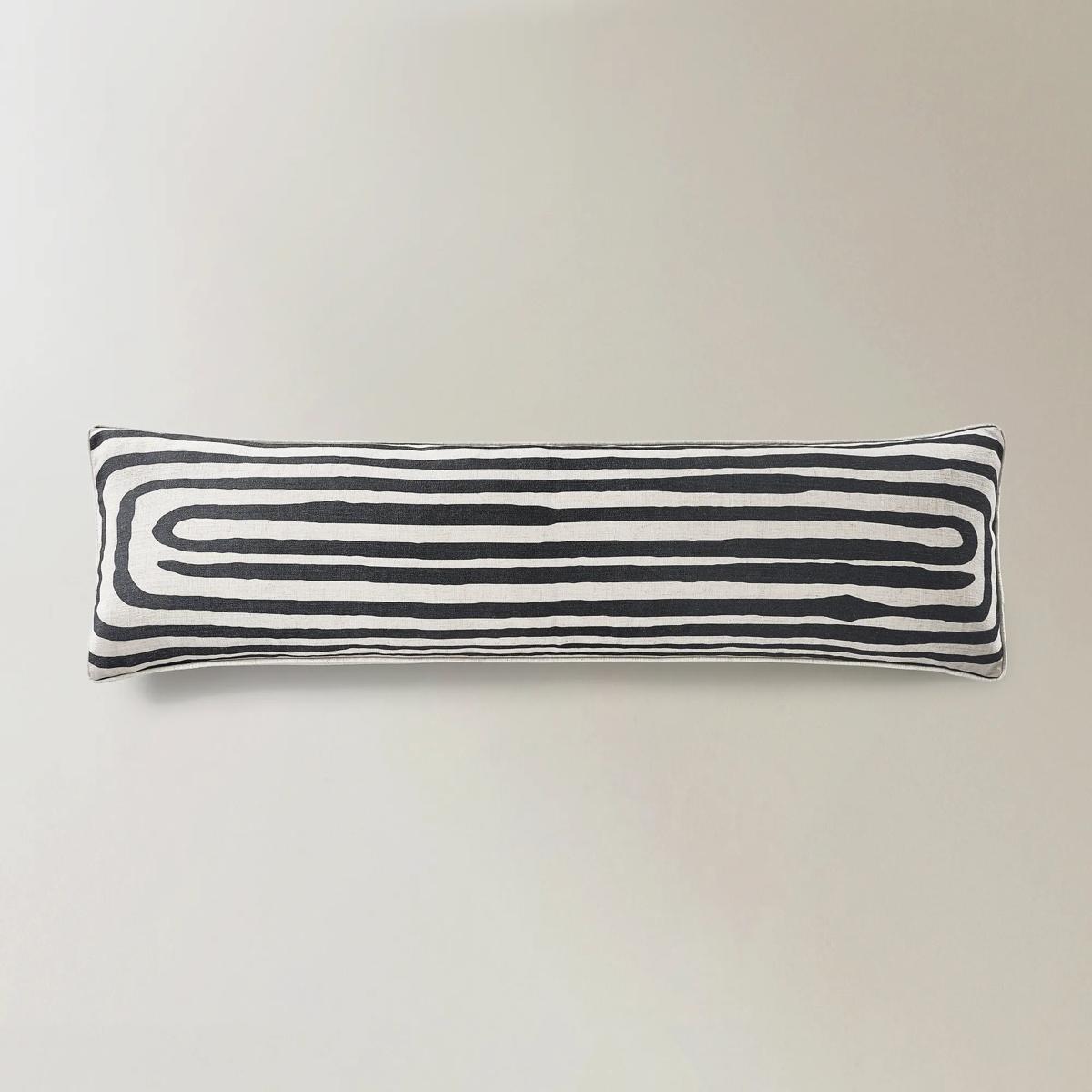
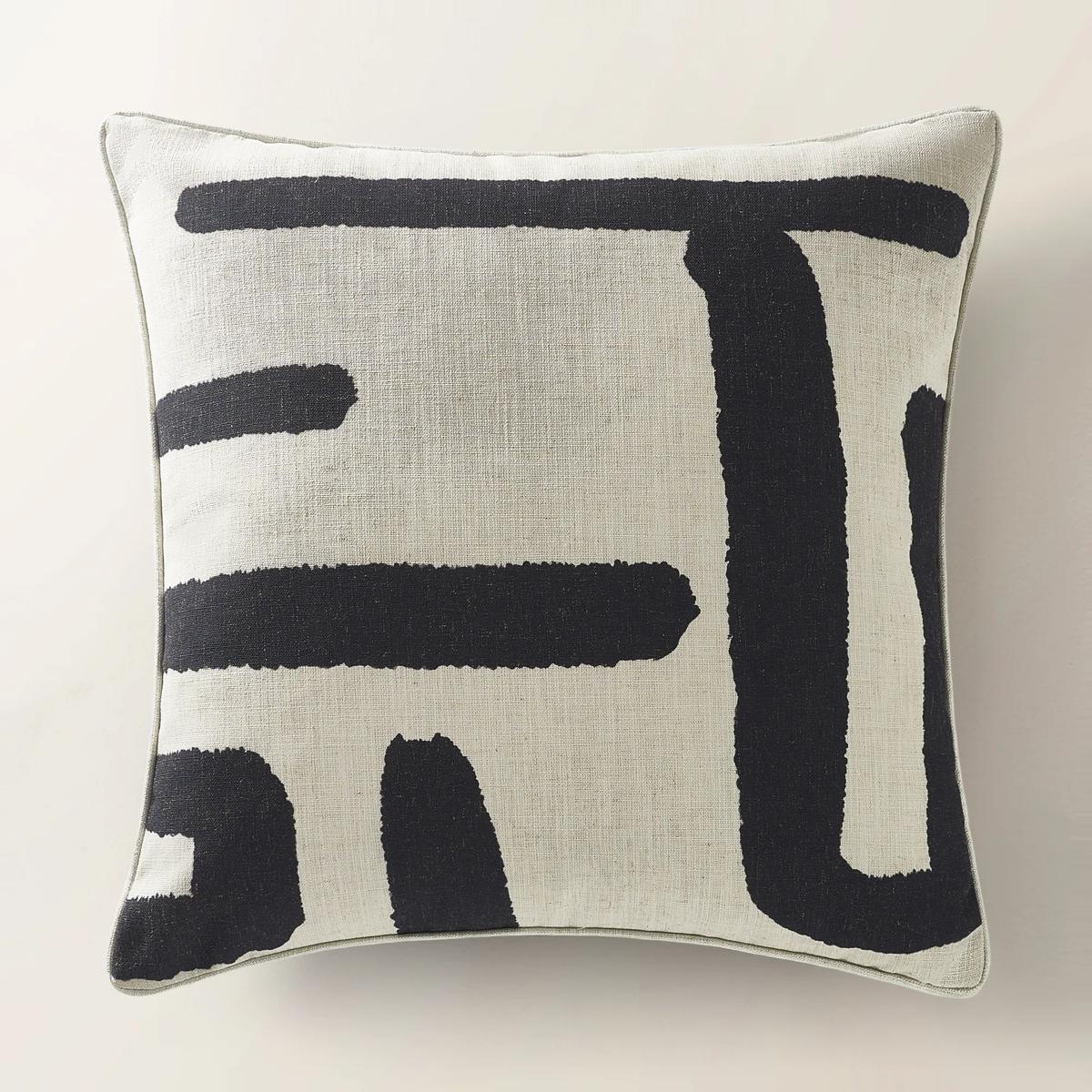
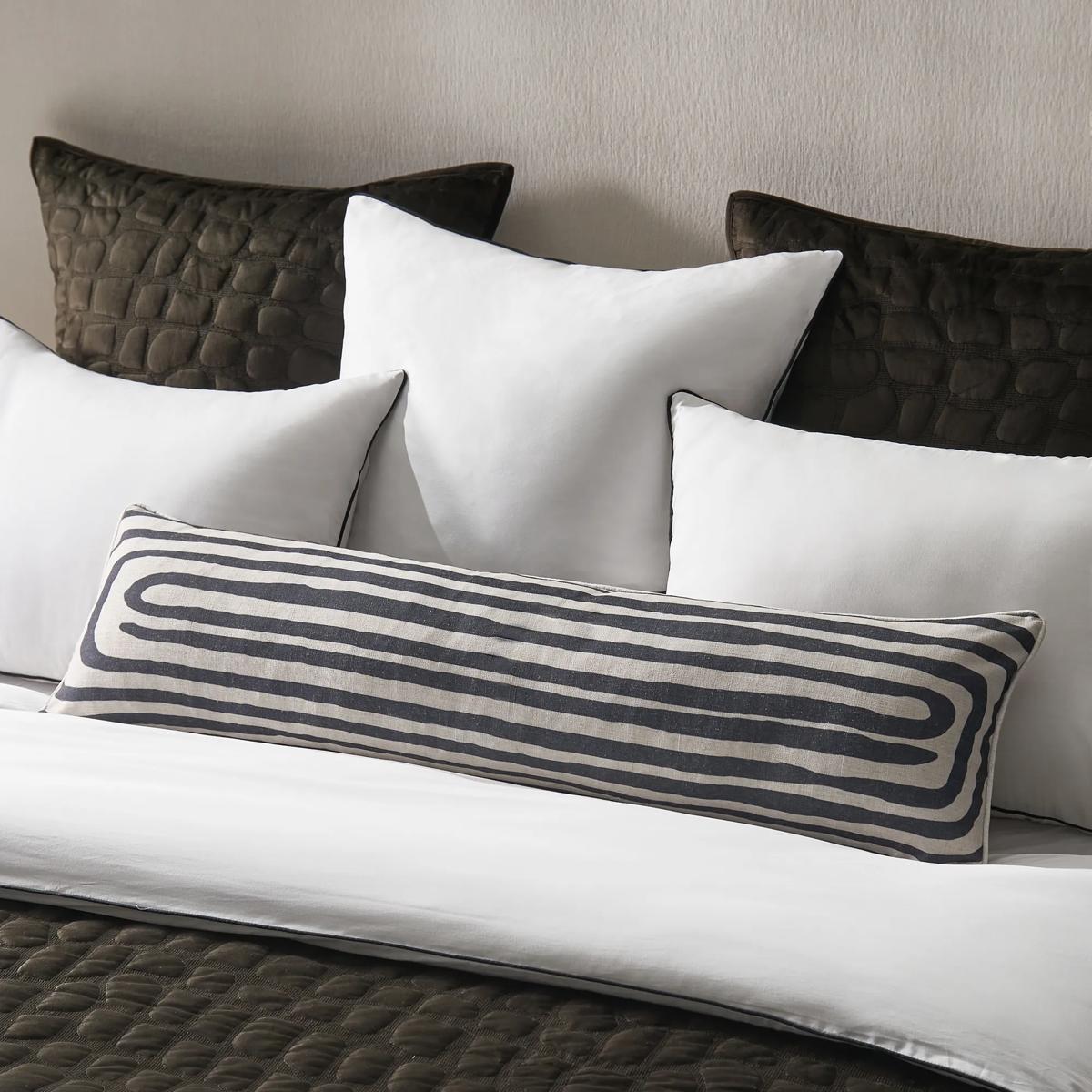 Eren Black/Natural XL Lumbar 42" x 12"$99
A bold black and ivory faux linen lumbar pillow featuring a striking modern pattern and feather-down insert.
Add To Cart -
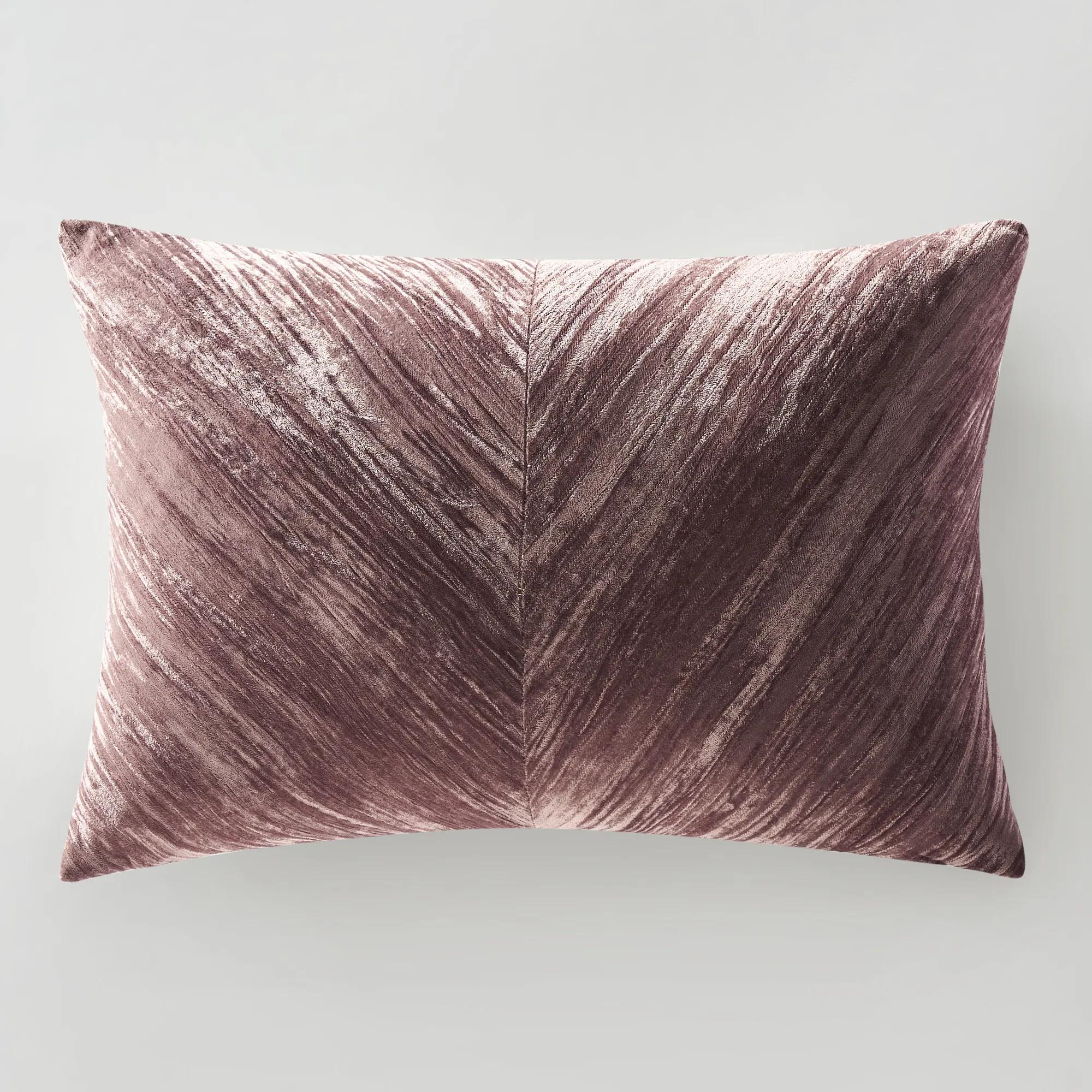
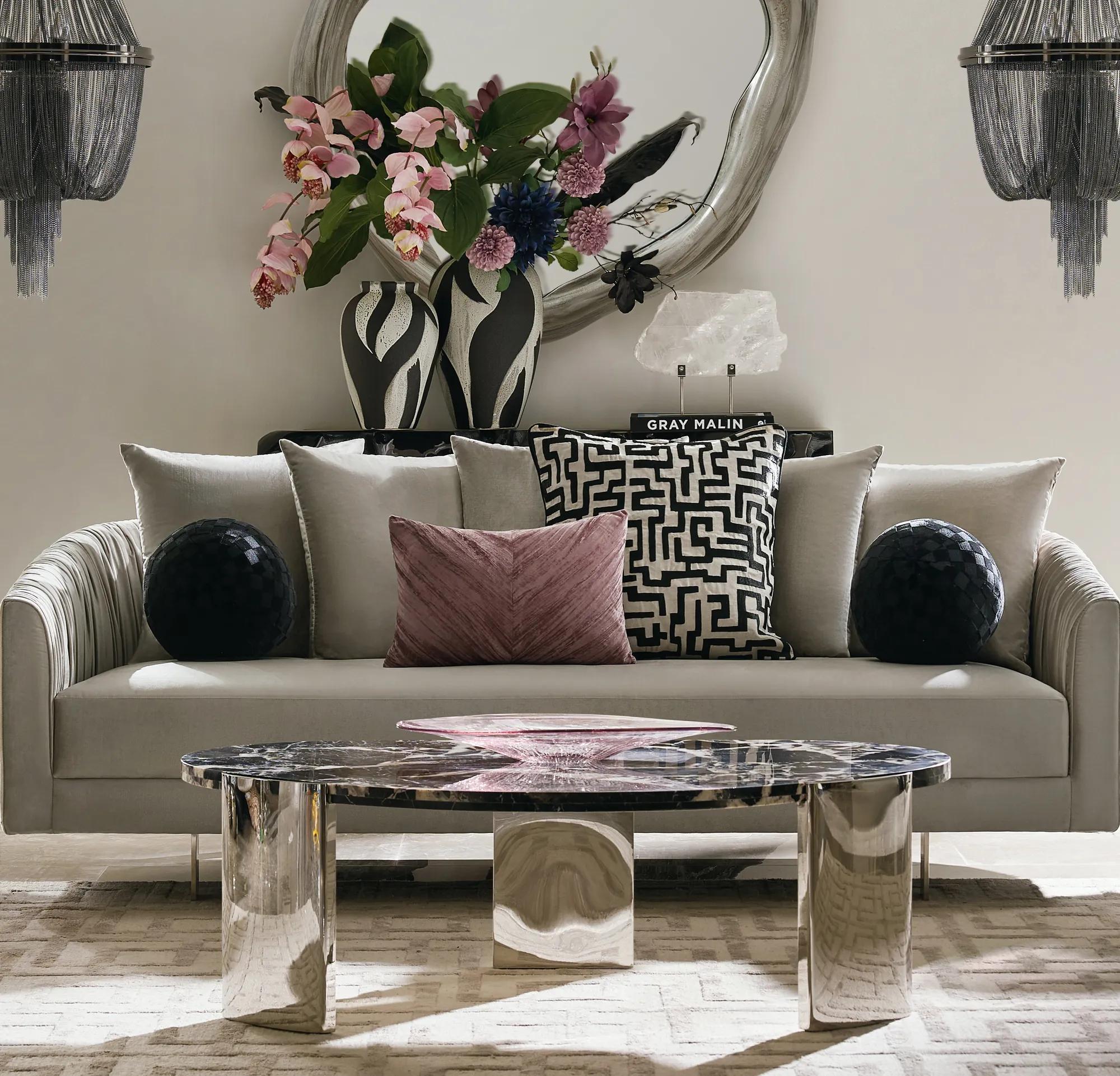 Elara Dusty Mauve Pleated Velvet Lumbar Pillow 14" x 20"$59
A pleated dusty mauve velvet lumbar pillow offering soft texture and contemporary warmth with a removable feather insert.
Add To Cart -
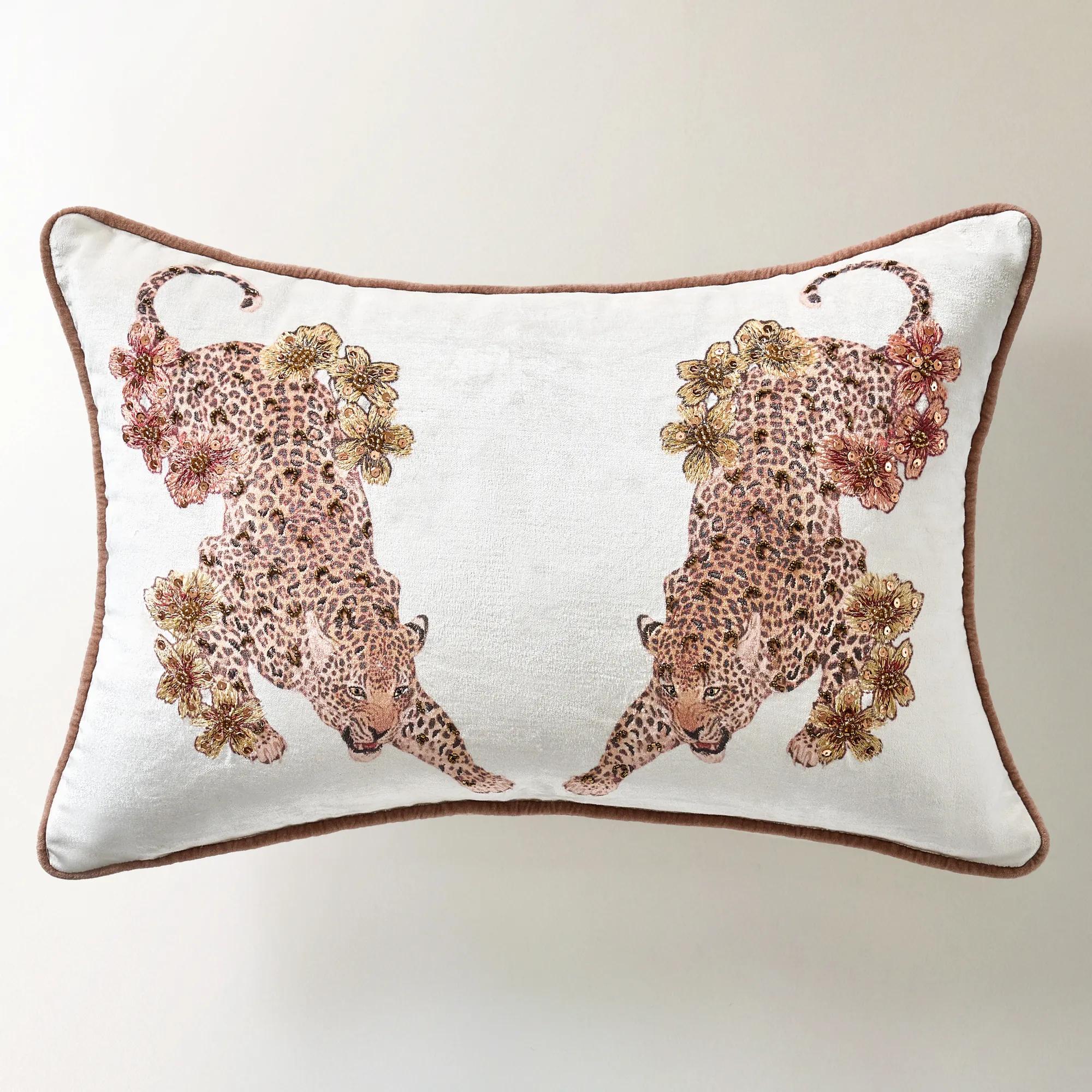
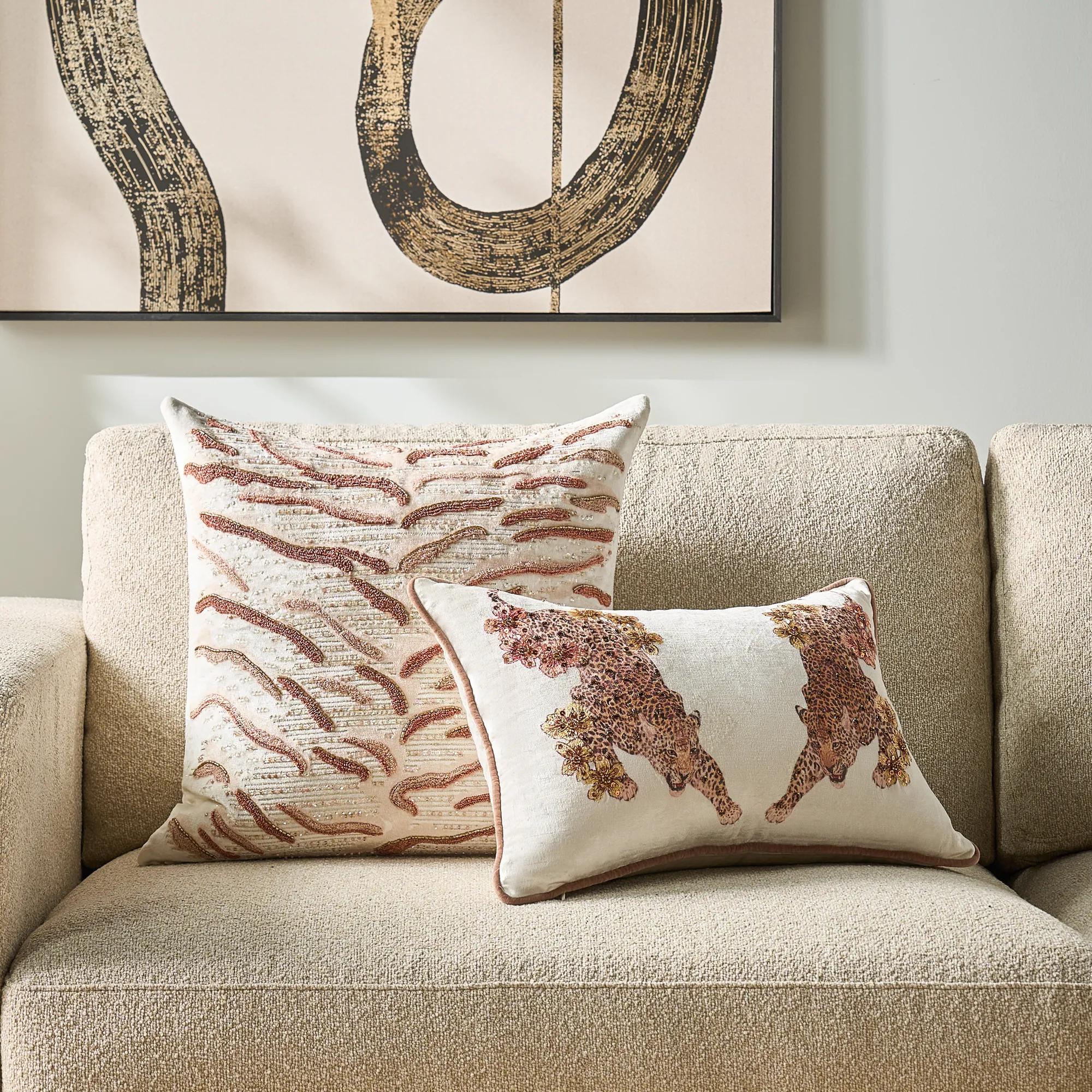 Jaya Embroidered Bead Lumbar 20" x 14"$119
A velvet lumbar pillow featuring hand-applied embroidery, bead accents, and contrast piping in soft neutral tones.
Add To Cart -
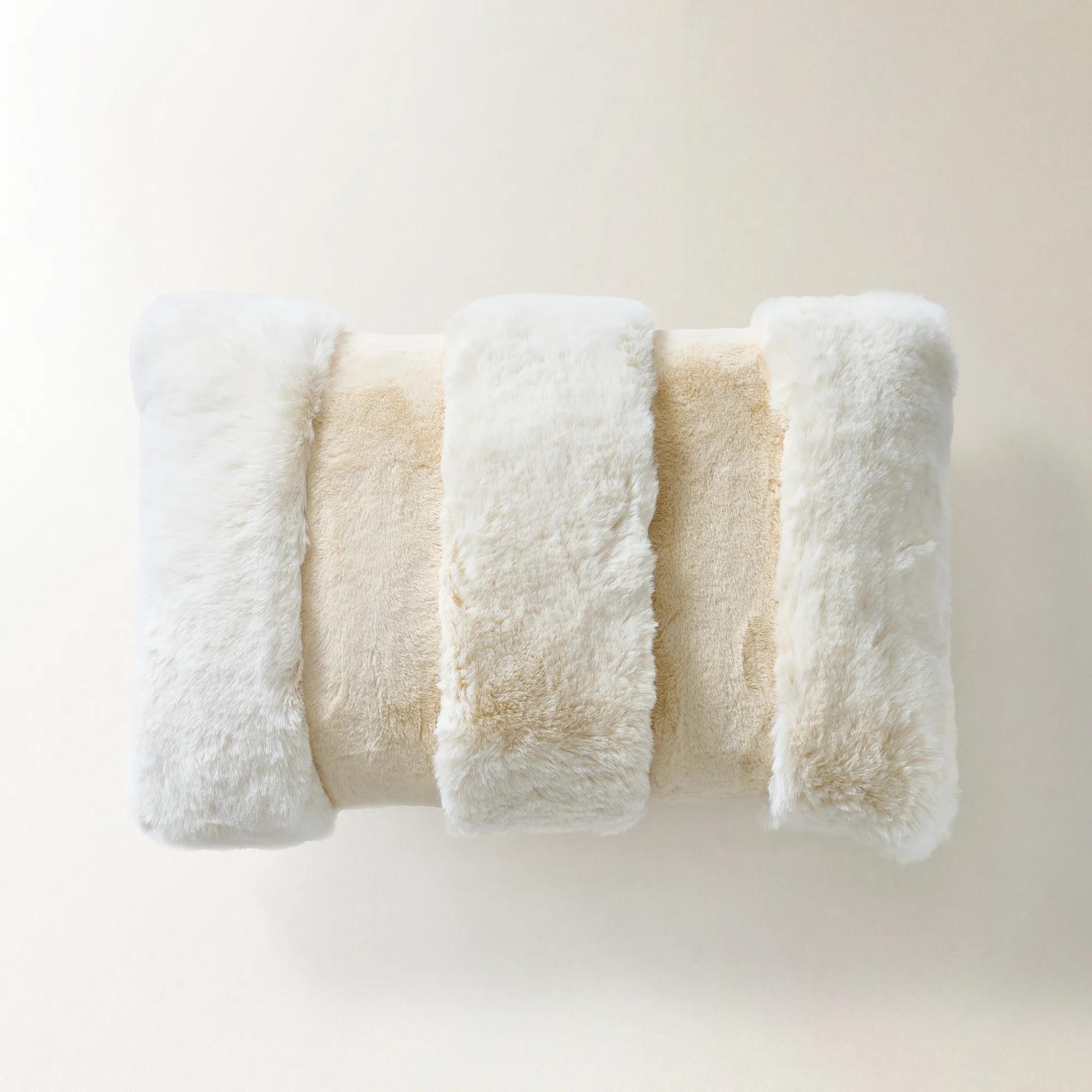
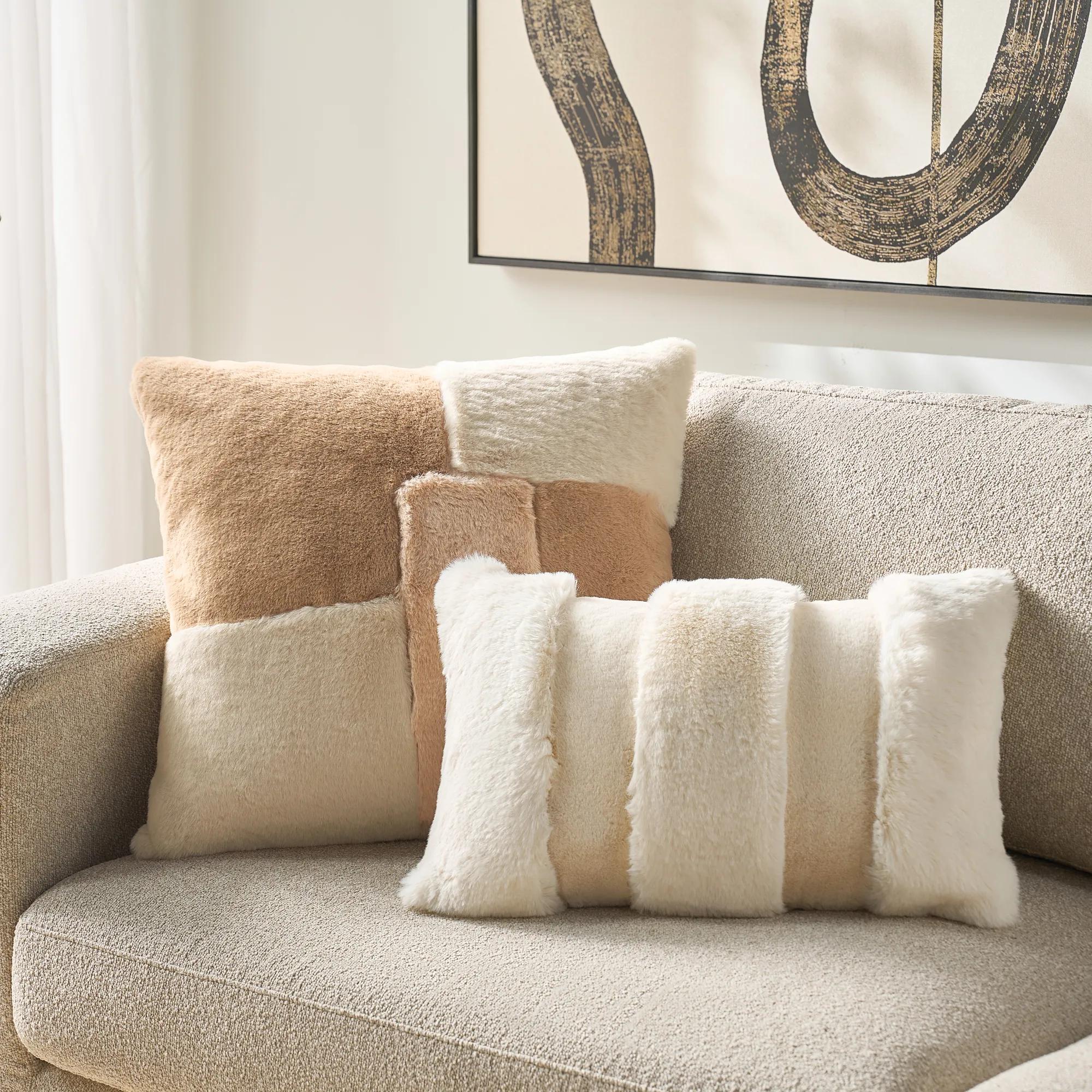 Peliz Ivory Faux Fur Lumbar Pillow 20" x 14"$99
An ivory faux fur lumbar pillow adding sumptuous texture and cozy sophistication to contemporary spaces.
Add To Cart -
 Fia Charcoal/Ivory Rope Fringe Lumbar Pillow 20" x 14"$99
A Deco-inspired lumbar pillow featuring ivory velvet, charcoal rope fringe, and a plush feather-down insert.
Add To Cart -

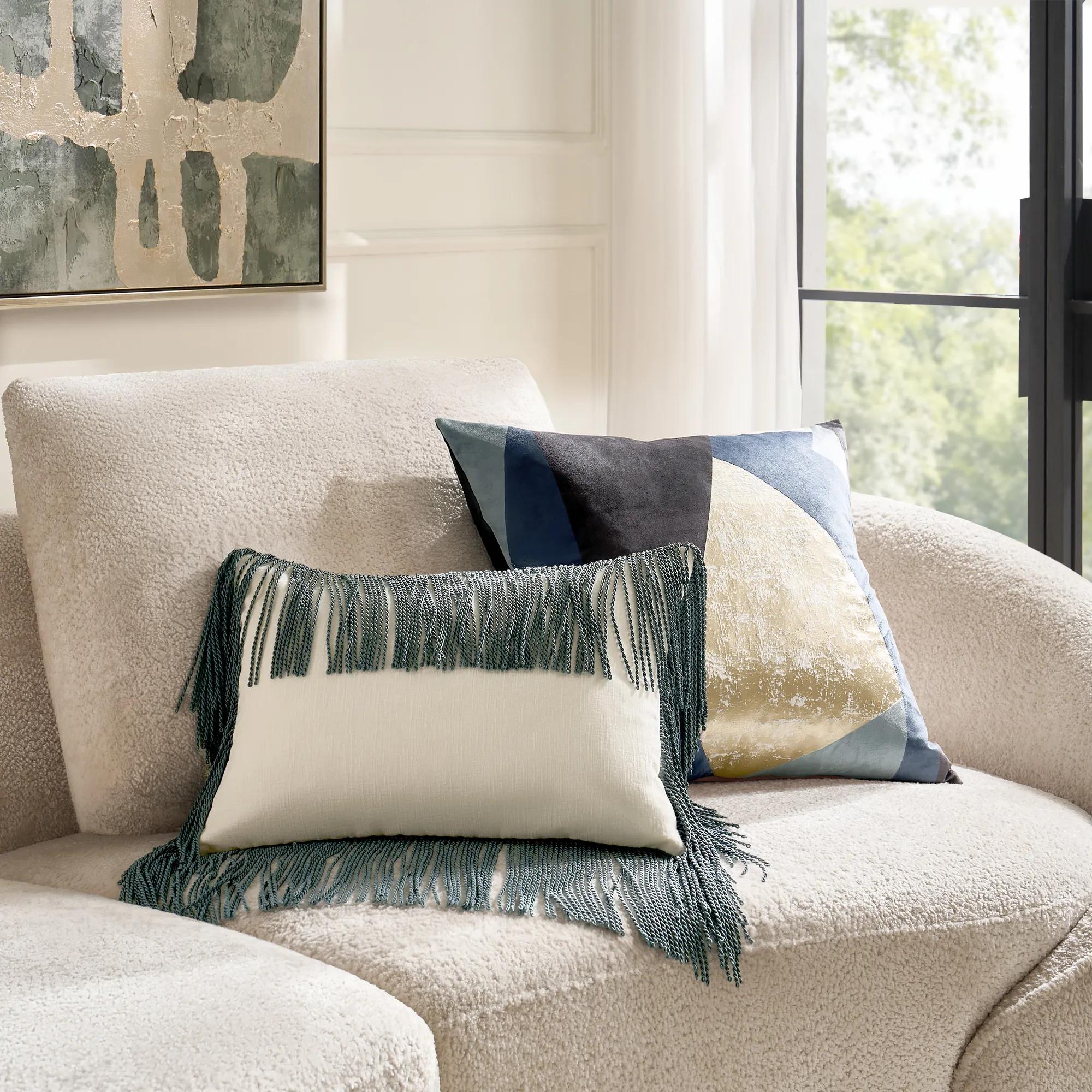 Fia Deep Teal/Ivory Rope Fringe Lumbar Pillow 20" x 14"$99
A plush ivory velvet lumbar pillow featuring bold deep teal rope fringe and a feather-down insert.
Add To Cart -
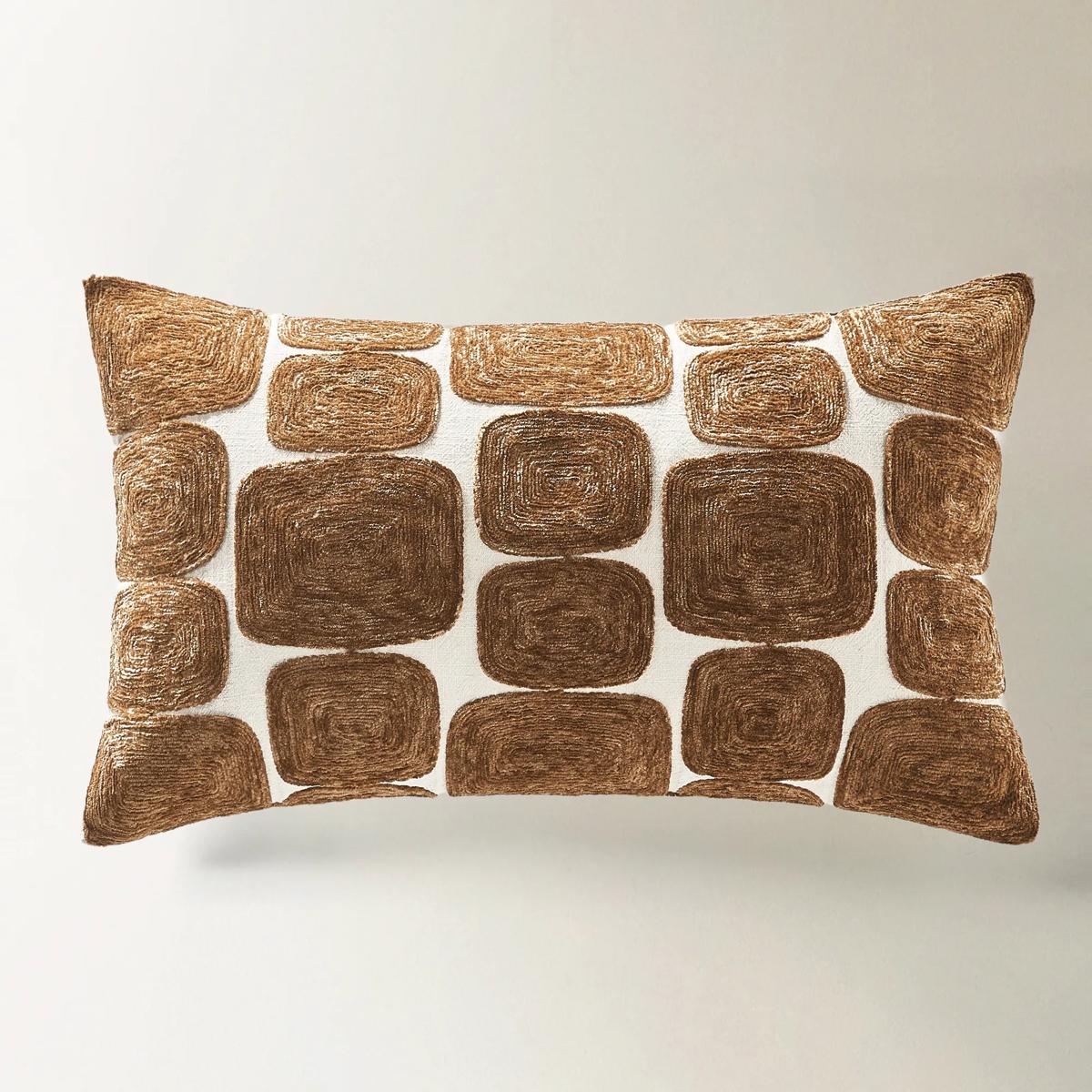
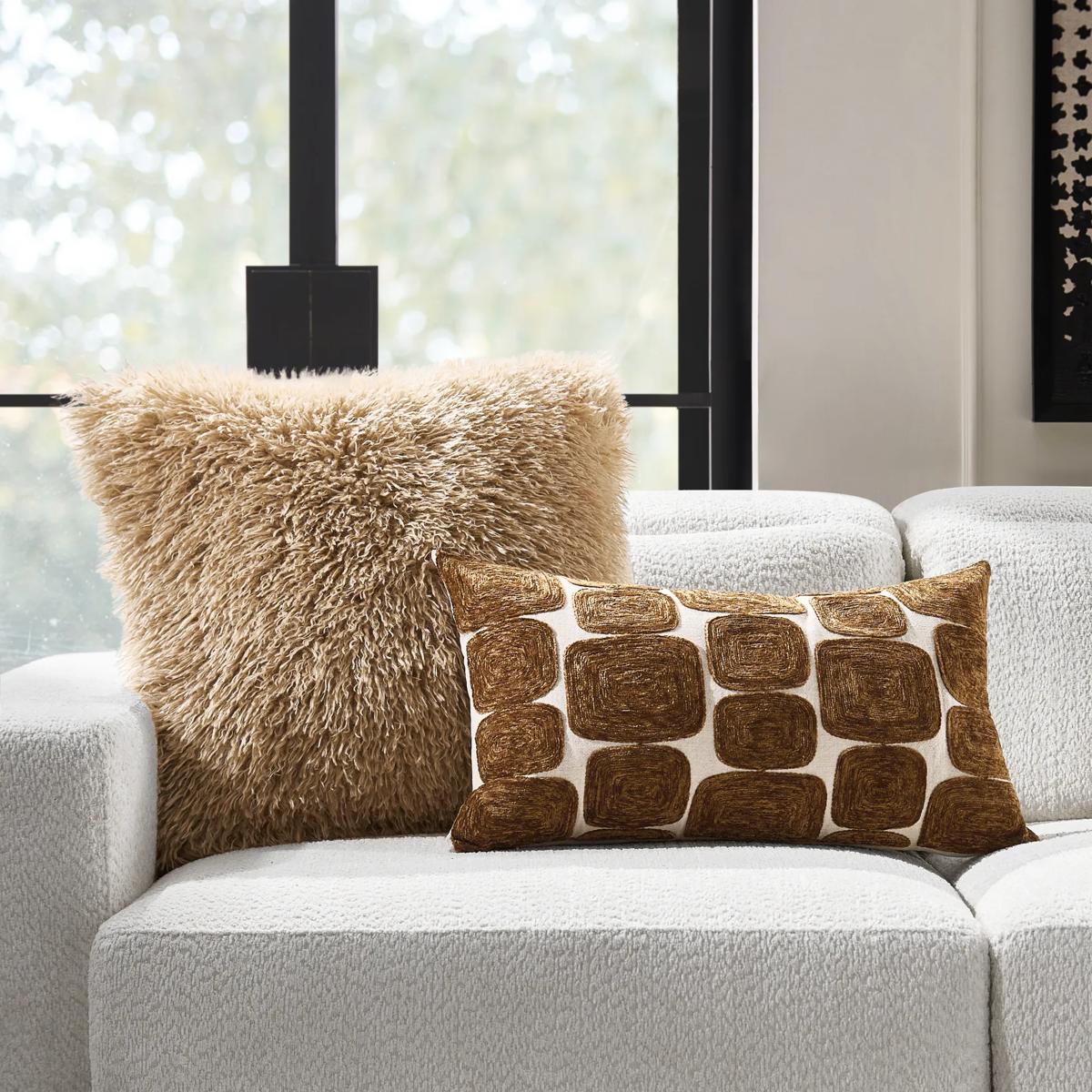 Kylen Embroidered Rust Lumbar Pillow 24" x 14"$99
A plush rust velvet lumbar pillow featuring metallic gold embroidery and a removable feather-down insert.
Add To Cart -
 Linea Striped Trim Lumbar 20" x 14" - Charcoal$69
A charcoal lumbar pillow featuring elegant striped trim for a sophisticated, modern accent.
Add To Cart -

 Fia Taupe/Ivory Rope Fringe Lumbar Pillow 20" x 14"$99
A plush ivory velvet lumbar pillow featuring bold taupe rope fringe and a feather-down insert for comfort.
Add To Cart -
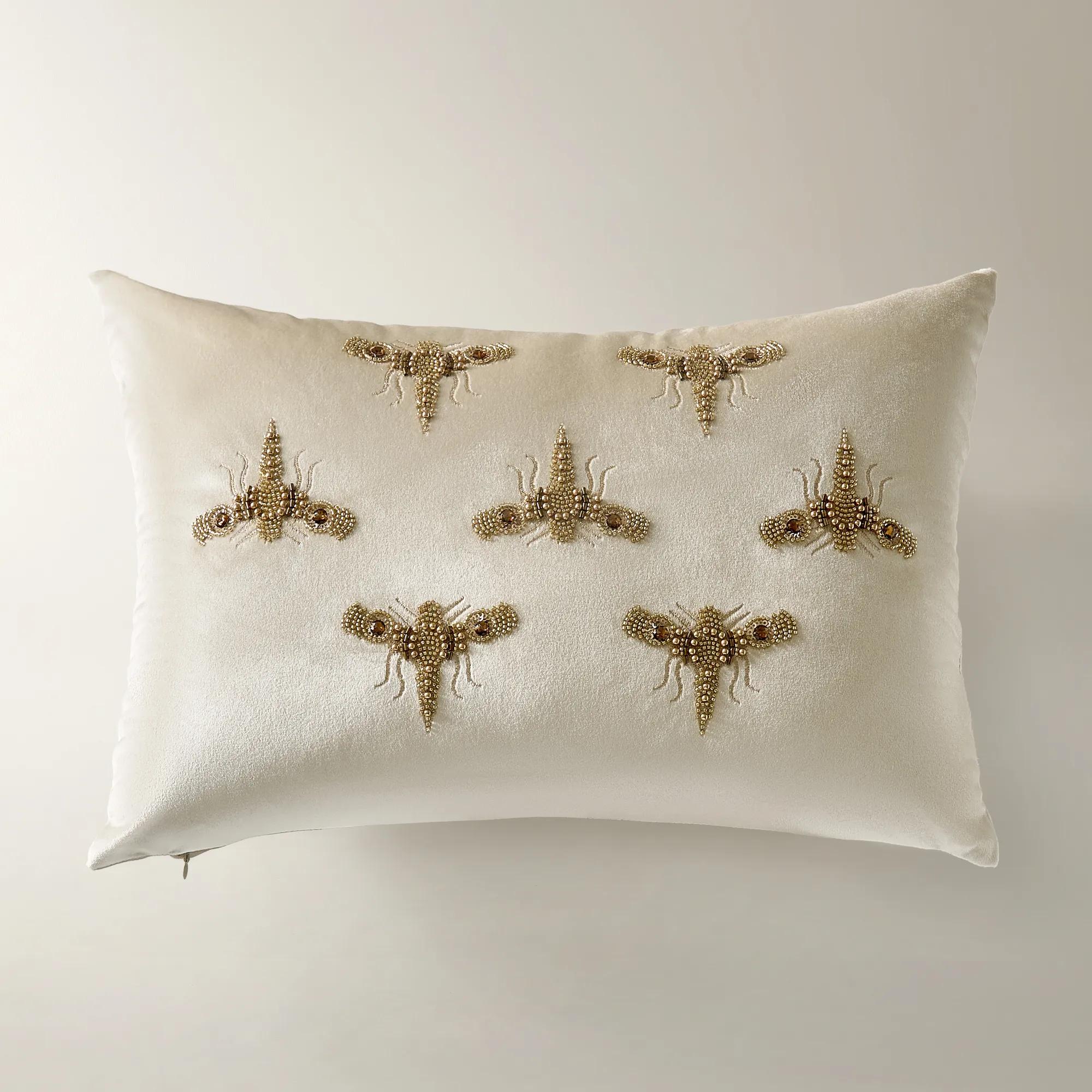 Bee Beaded Bronze/Alabaster Velvet Lumbar Pillow 20" x 14"$129
A cloud white velvet lumbar pillow features bronze embroidered bee icons and a plush feather-down insert.
Add To Cart -

 Kylen Embroidered Black Lumbar Pillow 24" x 14"$99
A sculptural black velvet lumbar pillow featuring bold tone-on-tone embroidery and a feather-down insert.
Add To Cart

Contemporary Lumbar Pillows
Explore contemporary lumbar pillows for a tailored finishing touch on sofas, accent chairs, and beds. With their elongated proportions, these decorative pillows offer a striking contrast to square throw pillows—ideal for creating a layered arrangement or placing a single, expressive accent where it can command attention.
Contemporary lumbar pillows are elongated decorative cushions that pair a rectangular silhouette with expressive textures, patterns, and finishes. Designed to add a layer of cushioning at the lower back, they bring both comfort and visual definition to sofas, accent chairs, benches, and beds. Their appeal lies in proportion: a horizontal pillow can interrupt a row of square cushions, emphasize the sweeping lines of a sofa, or give a sculptural chair a softer, more inviting presence. Contemporary styling leaves room for restraint and drama alike. A tonal woven cover can lend depth to smooth upholstery, while an abstract motif or gleaming embroidered accent can become the focal point of an otherwise composed arrangement. These are accents for interiors with a distinct point of view, whether that means an ivory sofa punctuated by black geometric forms or a jewel-toned chair finished with a lustrous neutral. Size matters as much as surface detail. A 12-by-20-inch lumbar pillow offers a different visual weight than a longer 14-by-36-inch design, and the best proportion depends on the furniture beneath it. On a compact accent chair, a shorter cushion can leave the seat welcoming rather than crowded. Across a generously scaled sofa, an elongated pillow can hold its own against broad arms and deep upholstery. Height deserves equal attention, especially on low-backed seating, where a tall cushion may obscure the shape that makes the furniture distinctive. On a bed, a long lumbar pillow can sit in front of sleeping pillows or larger decorative cushions, creating a deliberate finish without an elaborate arrangement. The effect is polished but personal: a single horizontal accent establishes a focal point, while a layered grouping offers more texture and dimension. For anyone who enjoys changing the character of a room through accessories, contemporary lumbar pillows provide a relatively small surface on which to make a remarkably expressive design choice.
Material gives that silhouette its personality. Velvet catches the light with a subtle shift in tone, adding sumptuous depth beside matte linen-look upholstery or a sleek leather seat. Textured weaves introduce tactile contrast, while jacquard fabrics can incorporate intricate patterns directly into the construction of the cover. Embroidery adds raised detail; metallic threads offer a more concentrated shimmer that feels especially striking against solid upholstery. Faux fur and other plush surfaces create a softer outline, while smooth fabrics with crisp piping emphasize the pillow’s architectural shape. Each treatment changes how the pillow looks from across the room and how it feels when someone settles against it. Fabric composition, embellishments, and construction also influence everyday practicality. A densely woven cover with secure seams may be better suited to frequent handling than an accent with delicate applied details, although durability depends on the specific fabric and workmanship rather than appearance alone. In an active living room, consider how the surface will respond to repeated contact, pet claws, or friction against textured upholstery. Decorative beads, fringe, and dimensional embroidery deserve more careful placement than an unembellished weave. The insert contributes another layer of distinction. Feather-and-down blends generally offer a yielding feel and can be reshaped with fluffing, while polyester fills vary in firmness and may appeal to households avoiding feather fill. Check whether a pillow includes an insert, whether the cover is removable, and whether its dimensions describe the cover or the finished cushion. Care should always follow the individual label: a removable cover is not automatically machine washable, and embellished or specialty fabrics may require professional cleaning. Gentle vacuuming with an appropriate upholstery attachment can help manage surface dust when permitted, while prompt attention to spills helps limit staining. Keeping decorative pillows away from prolonged direct sunlight can also help preserve their color and finish.
The most compelling arrangements give contemporary lumbar pillows a clear relationship to the rest of the room without making every element match. On a sofa with broad, uninterrupted cushions, a linear pattern can echo nearby architectural details, while a softly irregular motif can loosen the formality of a symmetrical setting. A black-and-ivory pillow brings graphic definition to pale upholstery; champagne or silver accents can pick up the finish of a side table or lamp without repeating it literally. Saturated emerald, sapphire, or plum can introduce concentrated color, particularly when the surrounding fabrics remain quiet. Texture offers another route to depth: a plush lumbar pillow against a tightly woven sofa creates contrast even within a single color family. When several pillows share the same seat, varying their shapes and the scale of their patterns helps each detail remain visible. A long rectangular cushion placed in front of two larger square pillows creates a composed arrangement, while one lumbar pillow on an accent chair can feel complete on its own. There is also a practical side to editing. Seating should retain enough usable depth for someone to sit comfortably without relocating an entire collection of cushions. Decorative lumbar pillows can make a reading chair more inviting, soften a bedroom bench, or add a welcoming finish to a guest room, but they are not substitutes for specialized ergonomic or medical support. Their role is decorative comfort, shaped around the way a space is actually used. For another interpretation of expressive textiles and refined proportions, explore Designer Lumbar Pillows. These accents can also make thoughtful housewarming or wedding gifts when the recipient’s color palette and furnishing style are familiar. A versatile neutral with distinctive texture may integrate easily into an established room, while a bolder pattern suits someone whose interiors already celebrate art and contrast. Whether chosen for a favorite chair or the center of a layered bed, the right lumbar pillow makes the arrangement feel intentional, down to the last seam.
FAQs
Contemporary lumbar pillows pair modern design with expressive details, from abstract motifs and geometric patterns to richly textured fabrics. Sculptural accents, luminous finishes, and artful color contrasts turn these decorative pillows into focal points for a thoughtfully layered room.
Place a lumbar pillow in front of a layered pillow arrangement to create a polished focal point, or let one richly textured design command attention on tailored upholstery. Echo a color from nearby artwork or a rug to connect the composition without making every detail match.
Velvet lends sumptuous depth, while linen introduces a more tactile, understated contrast. Jacquard weaves, embroidered textiles, and metallic accents bring dimension and artistry, making the fabric as expressive as the pattern itself.
Build the arrangement around a shared color palette, then vary the textures and motifs. Pair an abstract lumbar pillow with solid velvet pillows, or contrast a crisp geometric design with softly textured neutrals for a composition that feels intentional and full of character.
Follow the care label, since velvet, embroidery, beading, and metallic details may require different cleaning methods. Gently remove surface dust with a soft brush when appropriate, and use spot cleaning or professional cleaning only as directed to preserve the fabric’s texture and intricate finish.