Transitional Style Silk Curtains
Transitional Style Silk Curtains
-

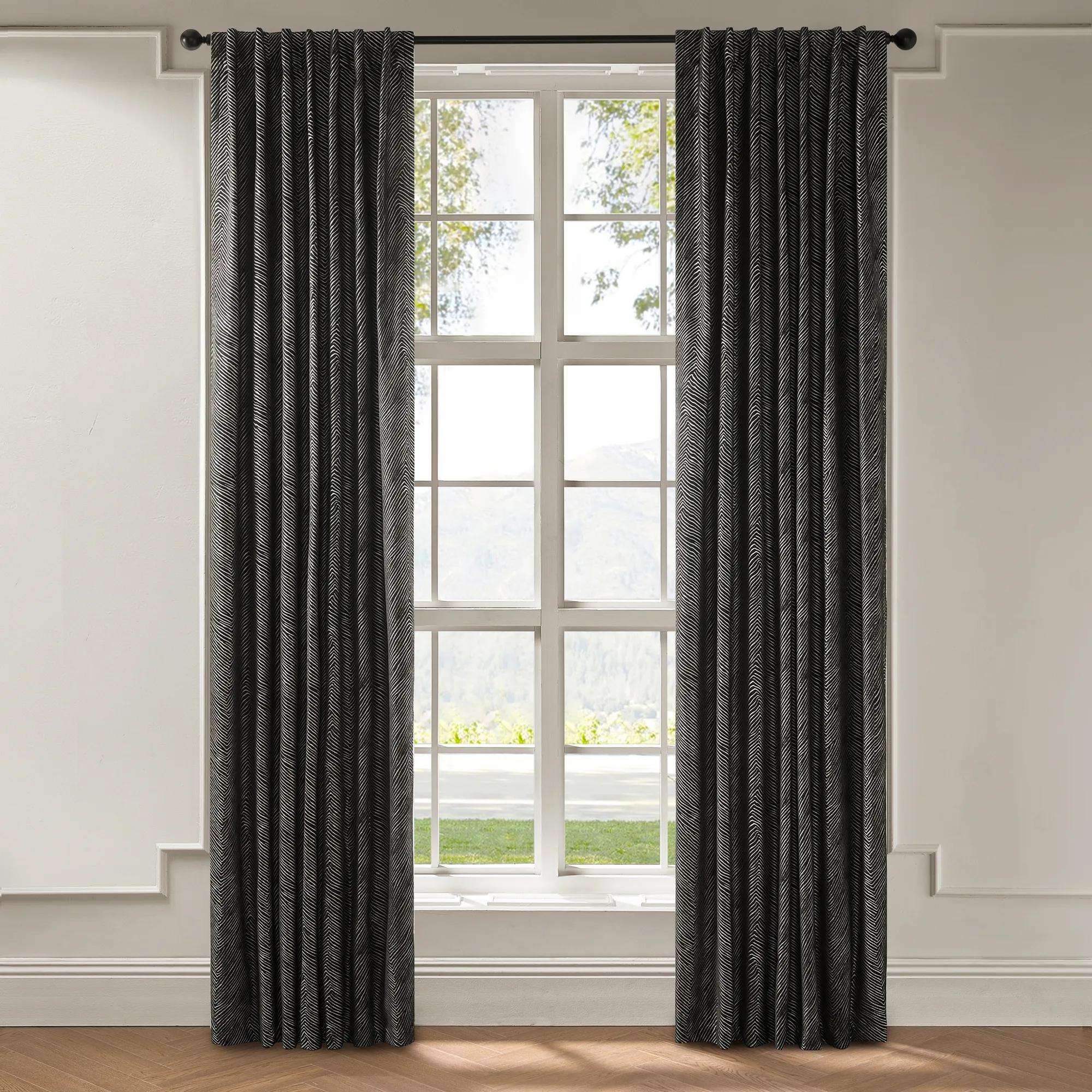
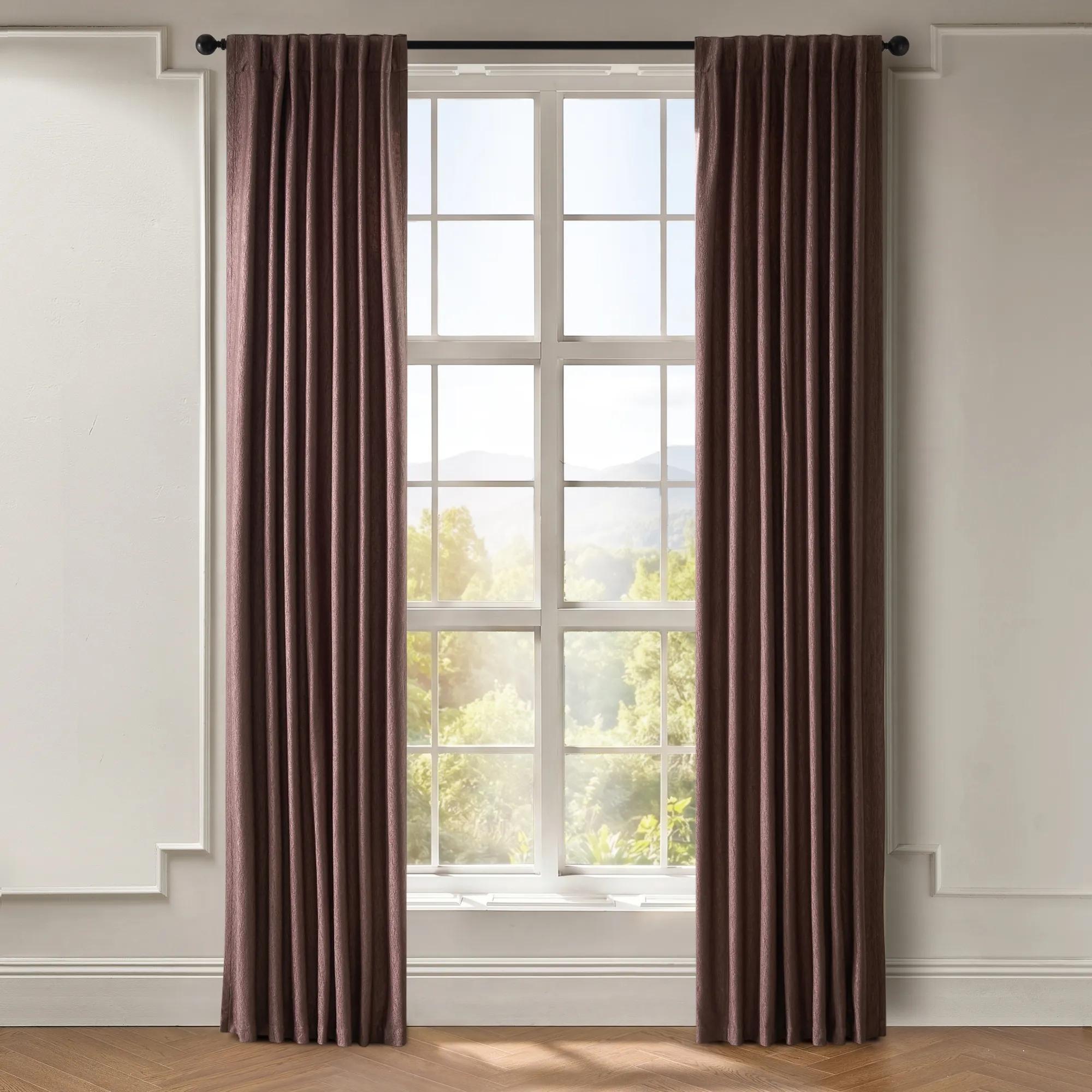
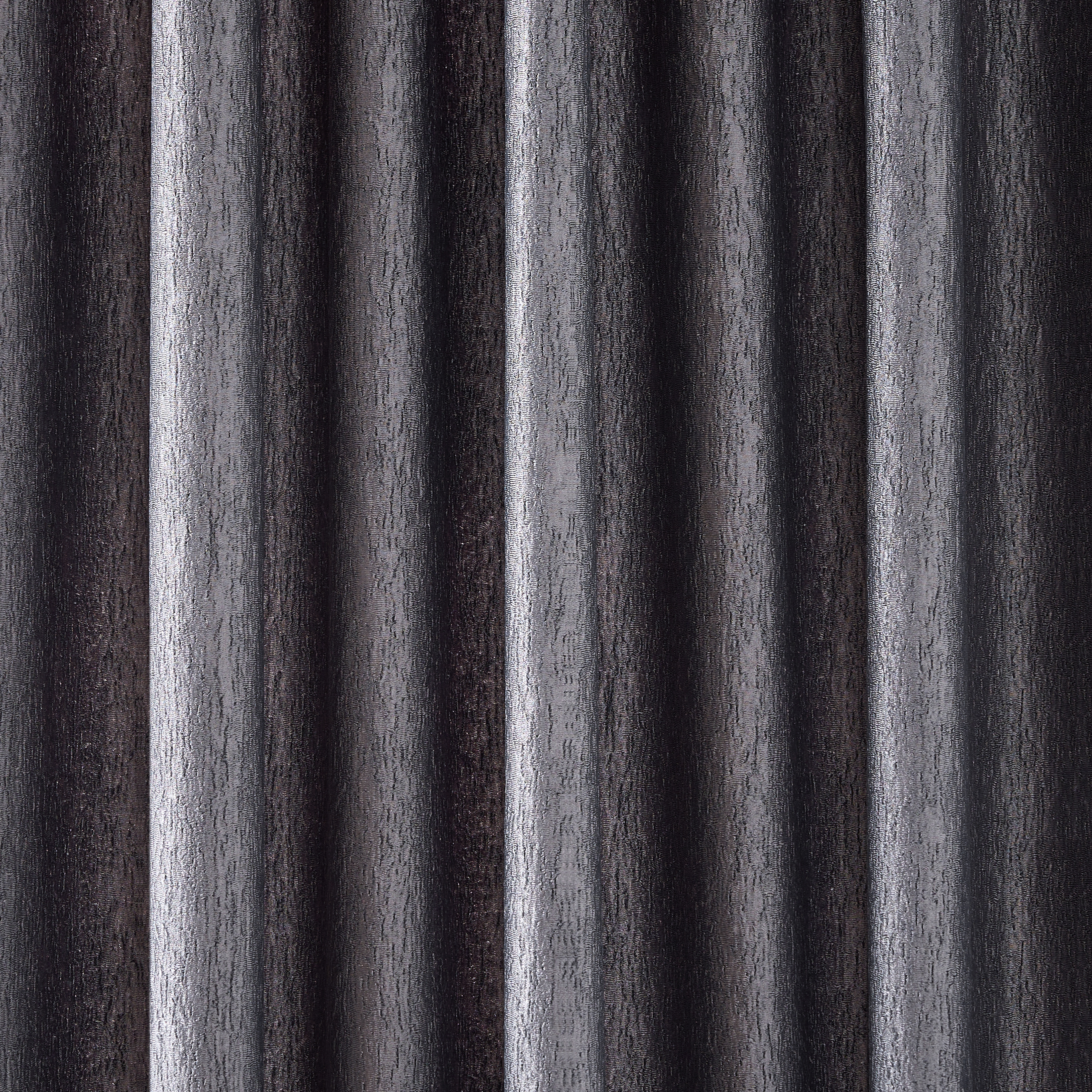 Anson Charcoal Textured Window Curtain Panel$89
A moody charcoal curtain with crushed polyester texture and subtle sheen for stylish, room-darkening appeal.
Add To Cart -
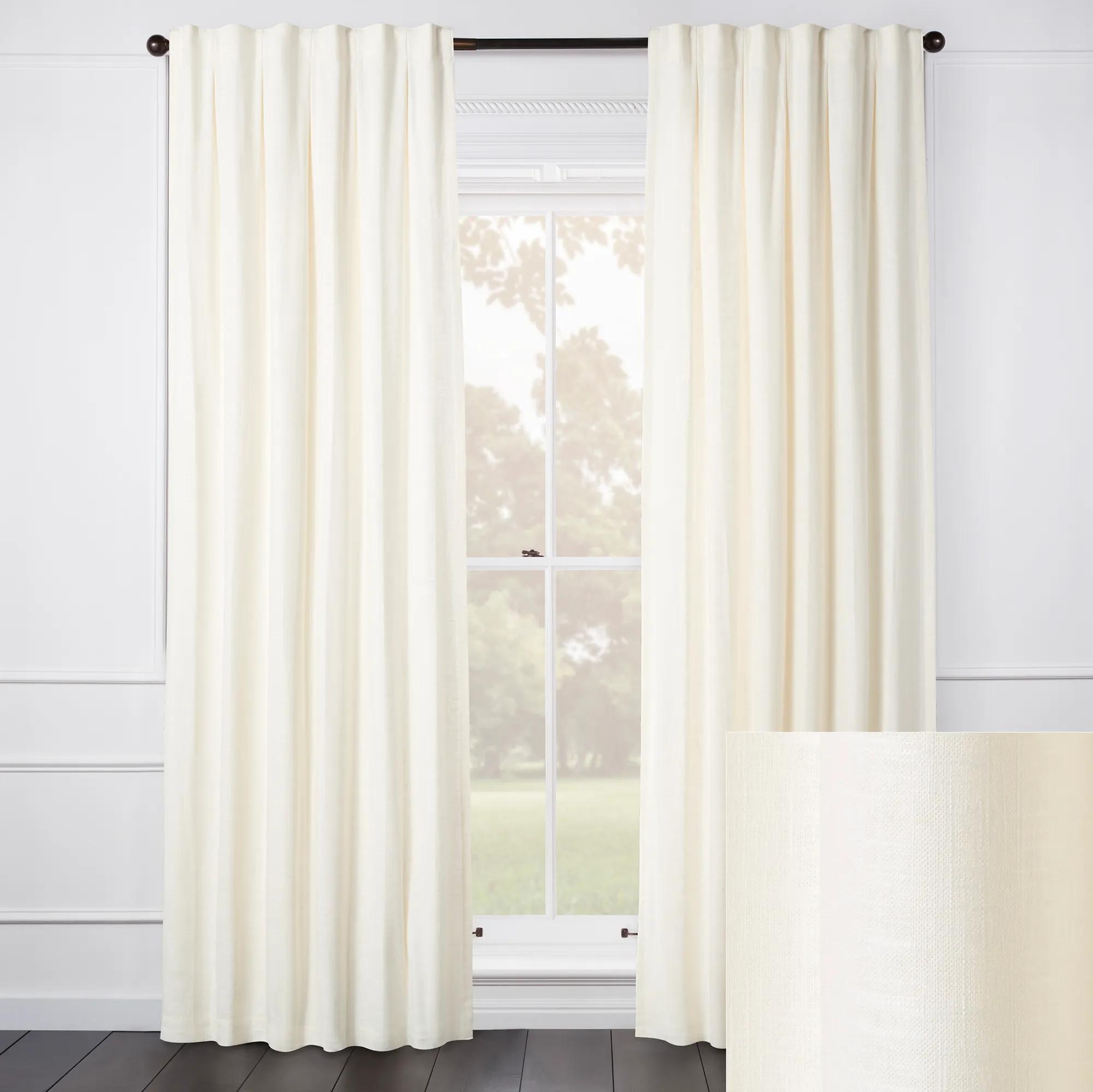
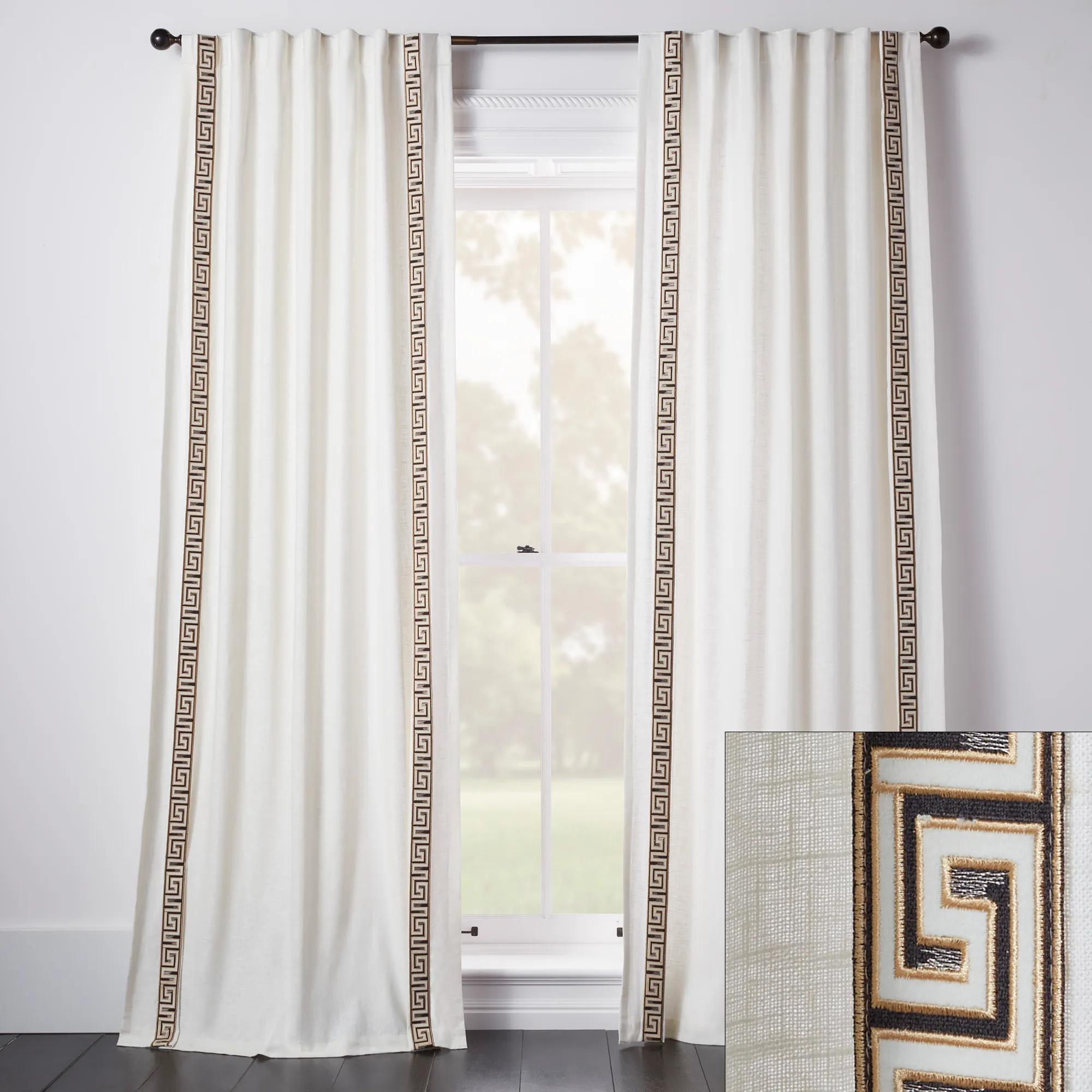
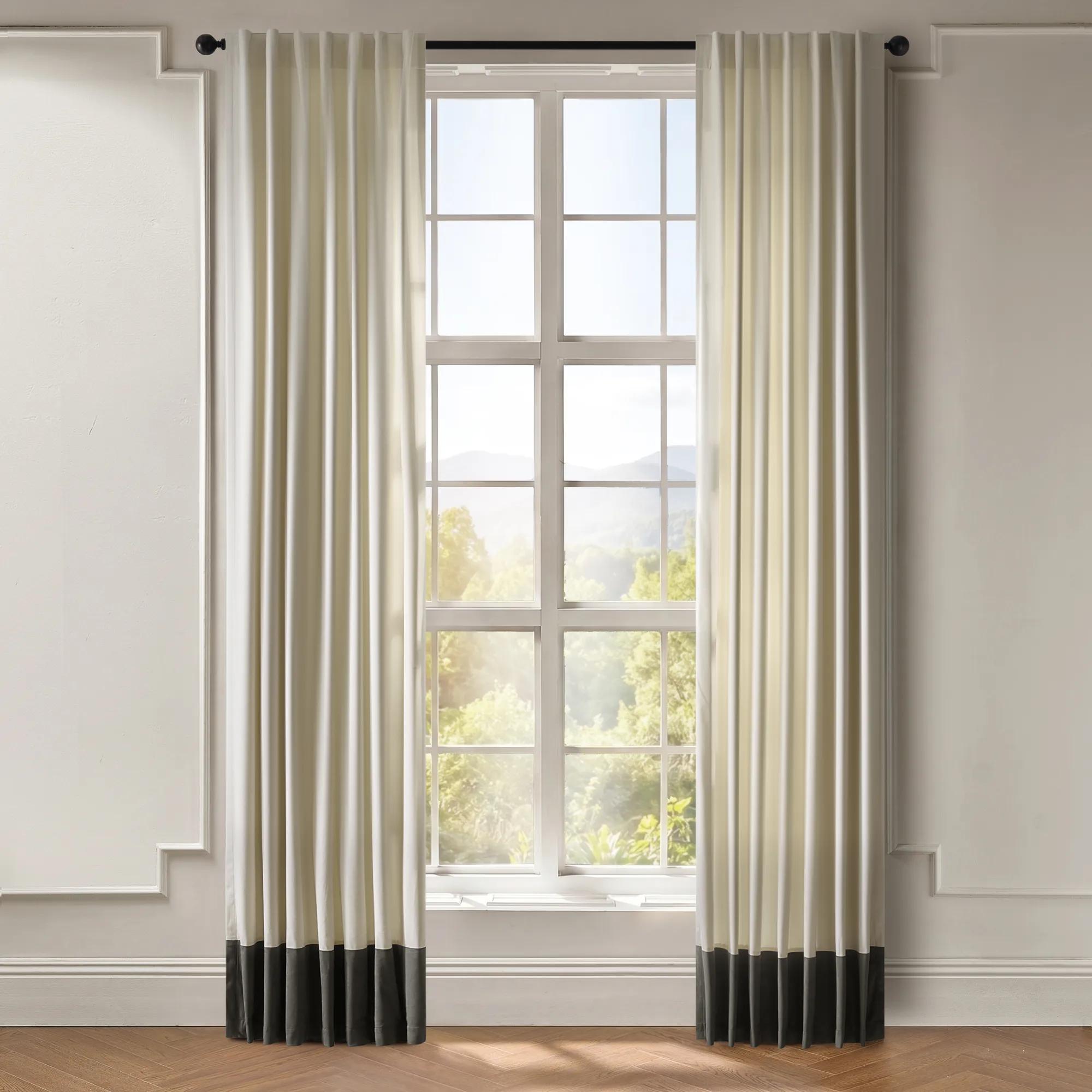
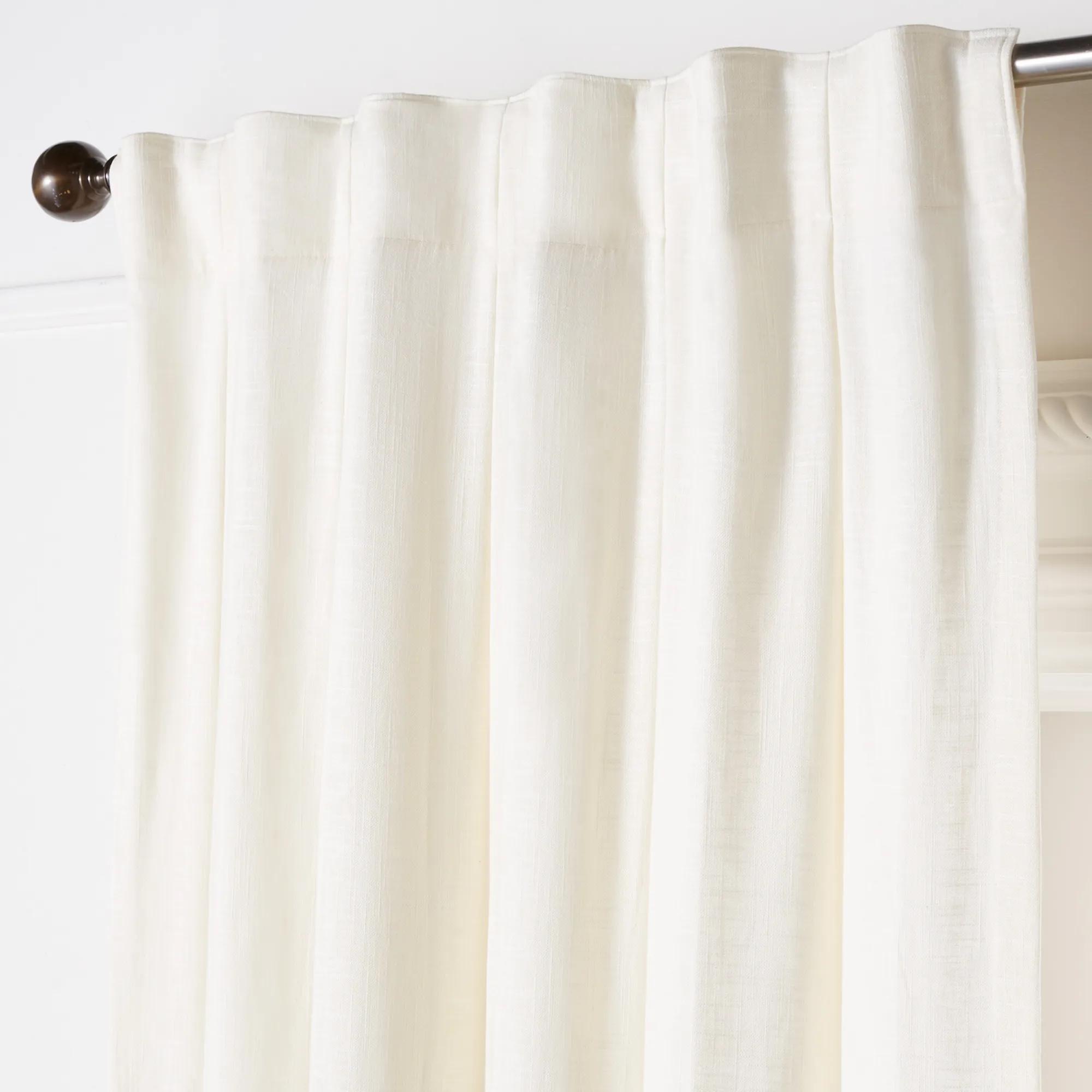 Audrey Linen Ivory Curtain - Custom$269
An ivory linen-blend curtain panel with lining, offering customizable lengths and two elegant header styles.
Add To Cart -
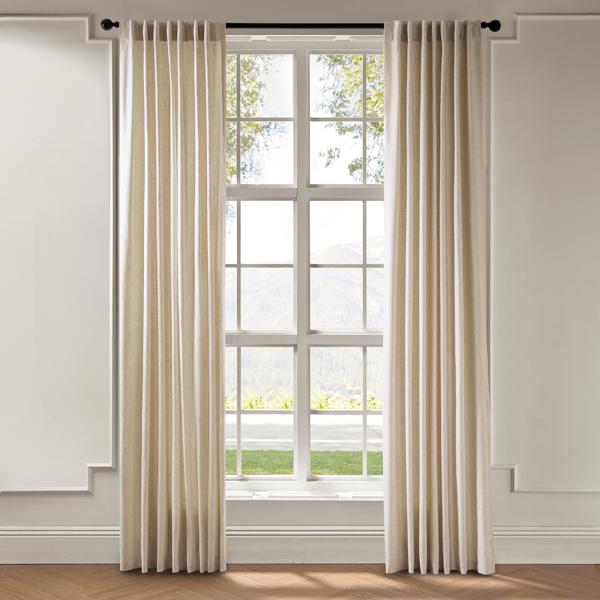
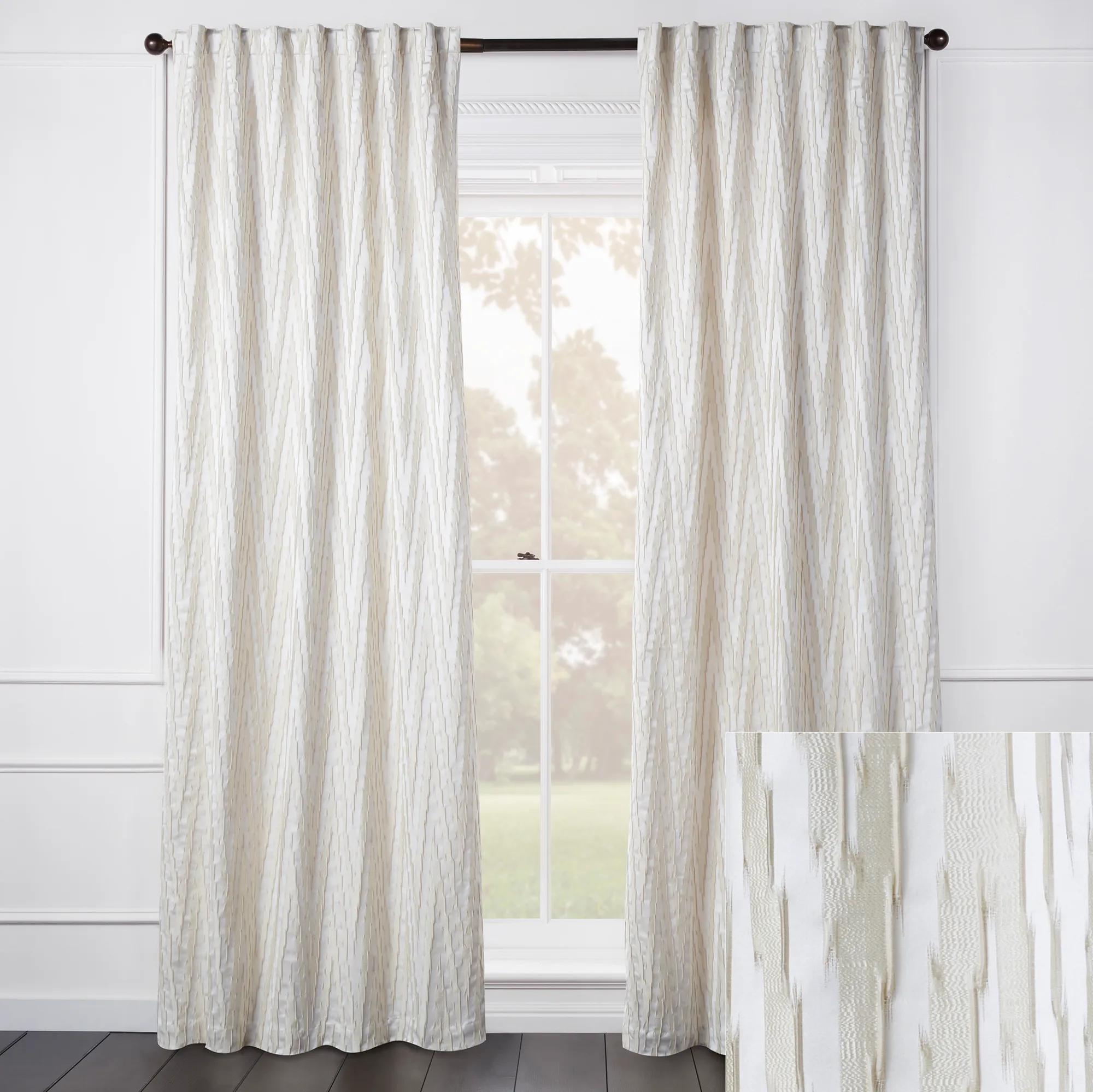
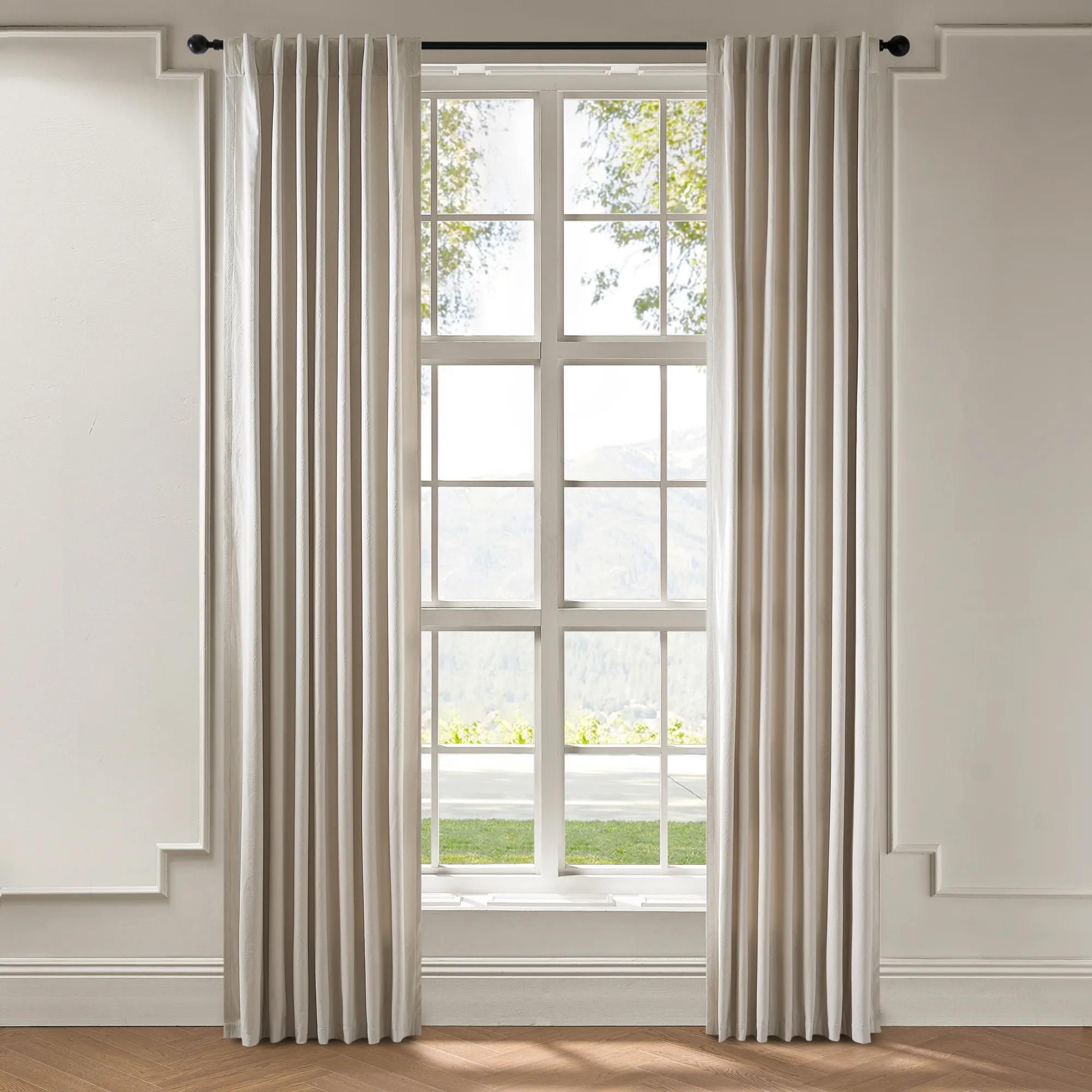
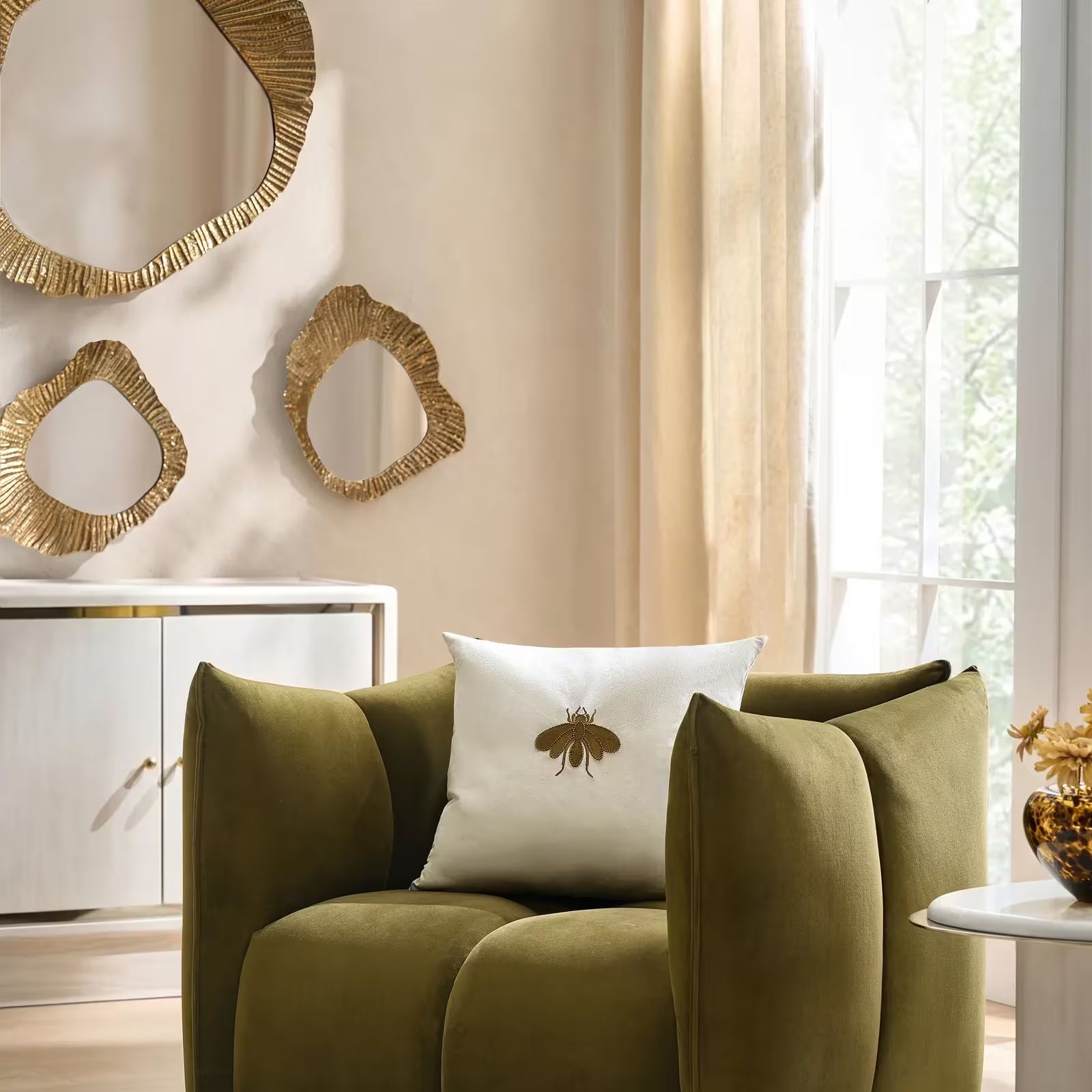 Anson Ivory Textured Window Curtain Panel$99
An elegant ivory curtain panel with a crushed, light-reflective texture for subtle shine and room darkening.
Add To Cart -
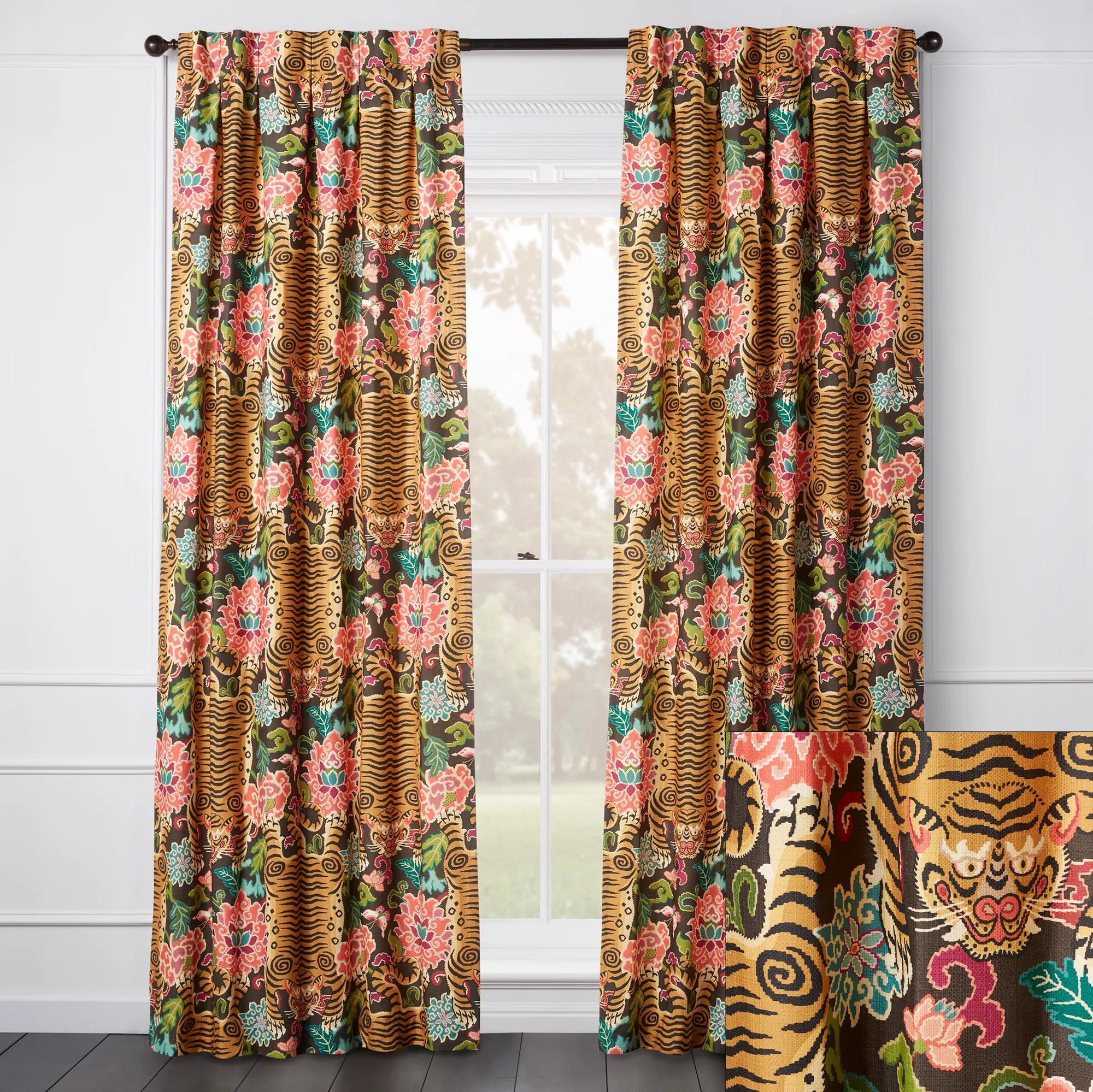
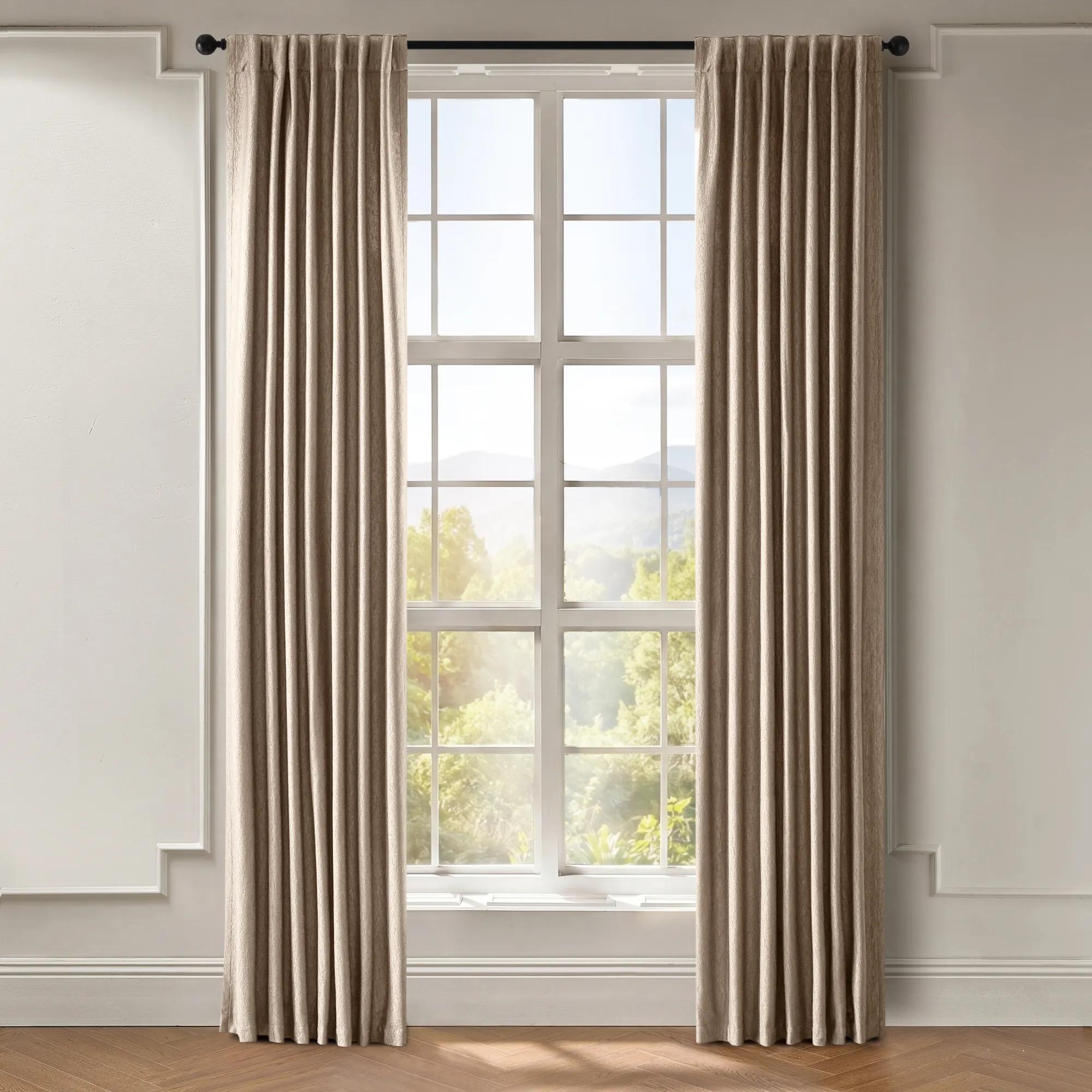
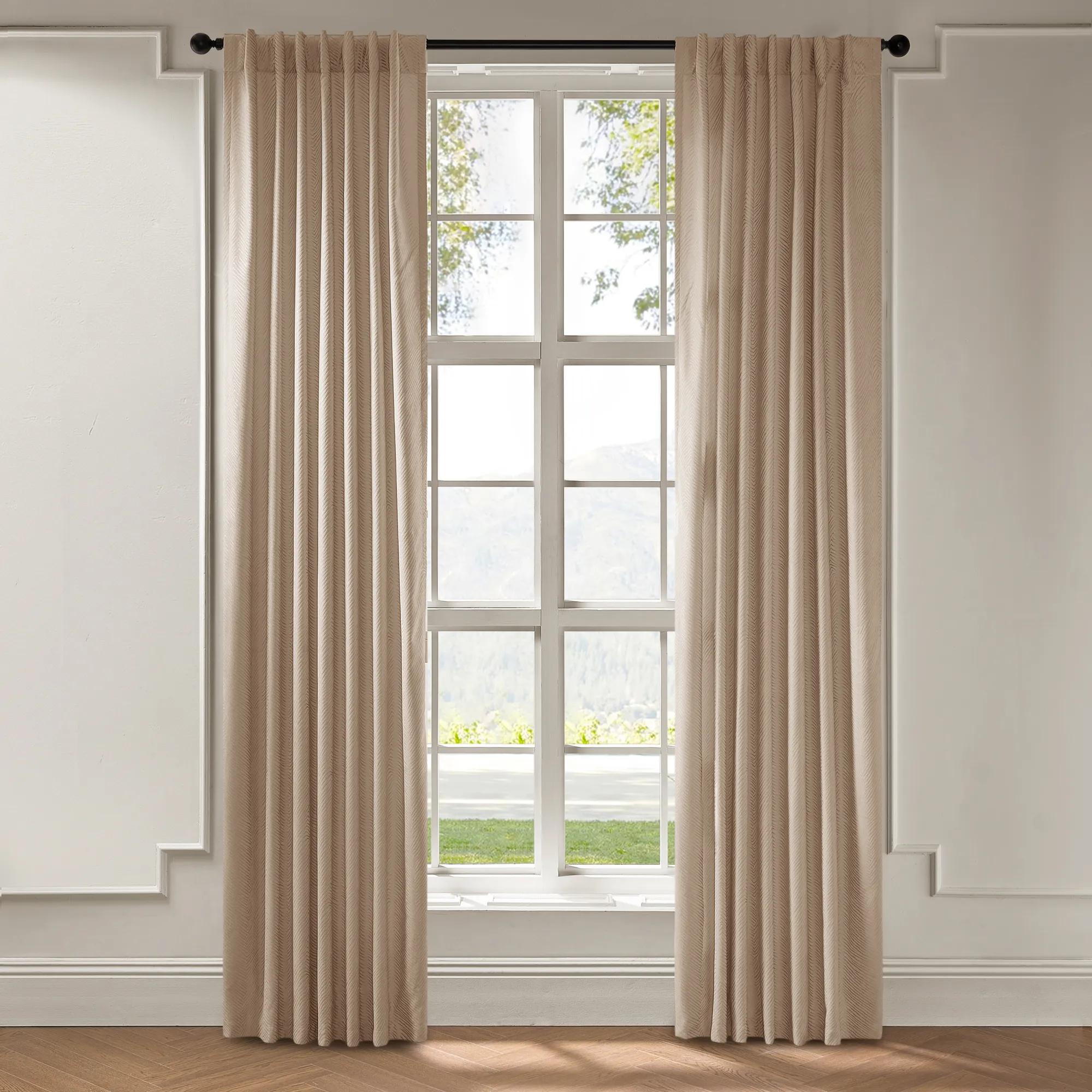 Kenzo Jacquard Beige Chenille Window Curtain Panel$129
A warm beige chenille jacquard curtain with a subtle sheen and versatile rod pocket or back tab hanging.
Add To Cart

Transitional Style Silk Curtains
Explore transitional style silk curtains that bring a lustrous finish to interiors balancing classic elegance with modern simplicity. These window treatments lend softness and quiet drama without overwhelming the room. Consider how the color, length, and fullness will frame your windows and complement both tailored furniture and more ornate accents.
Transitional style silk curtains bring a luminous, tailored presence to interiors that balance classic detail with modern restraint. Their appeal lies in the contrast: graceful folds soften architectural lines, while silk’s shifting sheen gives a simple silhouette depth and dimension. Rather than competing with a room’s furnishings, these curtains create a polished frame for them, lending upholstered seating, sculptural lighting, and expressive artwork a more composed backdrop. Transitional design leaves room for both heritage and individuality, pairing familiar proportions with cleaner shapes and a considered mix of finishes. Silk suits that sensibility beautifully. In a living room with gently curved seating and a streamlined coffee table, long panels introduce movement without adding visual clutter. In a dining room, they can echo the elegance of a chandelier while tempering the harder surfaces of glass, metal, and wood. Color helps establish the mood. Ivory and soft champagne lend a quiet luminosity; taupe and silver-gray create more definition against pale walls; deeper tones give windows a striking architectural presence. A close match between the wall color and curtain fabric produces a continuous, enveloping effect, while a deliberate contrast makes the window treatment part of the room’s visual composition. Texture matters just as much as color. Silk may have a smooth, reflective face or a more pronounced weave with small irregularities that lend character to the surface. For interiors that need dimension rather than additional pattern, Textured Silk Curtain Panels offer a way to explore that tactile expression. The result can feel richly layered even within a restrained palette. A slight variation in sheen between curtains, upholstery, and decorative accents keeps coordinated colors from appearing flat. This is especially compelling in rooms where the furnishings are understated but the architecture deserves attention: tall windows, substantial moldings, or a broad opening become more expressive when framed by fabric with a graceful drape. The beauty is not in excess ornament, but in the way light, texture, and proportion give the room presence.
The composition and construction of silk curtains influence their appearance as much as their color. Pure silk, silk blends, and fabrics described as silk-look are not interchangeable, so fiber content deserves attention when considering texture, care, and long-term use. Natural silk has a distinctive luster, but its weight and weave determine whether it falls in crisp folds or a softer, more fluid line. A blend may introduce different handling qualities, and any lining can change the body of the finished panel. Lined curtains often have a more substantial silhouette, with the lining helping support the face fabric and moderate light transmission. Privacy and room darkening depend on the complete construction rather than silk alone; a luminous fabric should not be assumed to conceal an illuminated interior after dark. For a bedroom, curtains may work alongside a separate shade to combine decorative richness with more precise light control. In a living room, a lighter treatment can preserve an airy appearance while still giving the window a finished frame. Fit brings these material choices into focus. Panel width should relate to the span being covered, with enough fabric to retain attractive folds when closed rather than pulling into a flat sheet. A fuller arrangement feels more sumptuous, while a measured amount of fullness gives transitional interiors a tailored rhythm. Length also changes the character of the room. Panels that just meet the floor create a composed line suited to frequently used spaces; extra fabric resting on the floor has a more theatrical effect but requires additional attention around walkways and cleaning. Measuring from the intended hanging point, not simply the top of the window, helps establish the correct proportions. Rod placement and width can influence how tall or expansive the opening appears, provided the hardware is securely supported. Headers, rings, pockets, and other attachment styles affect both the folds and how easily the panels move. Curtains drawn every day benefit from a hanging method that glides smoothly, while largely stationary side panels can emphasize a sculpted silhouette. Hardware with a restrained profile keeps the fabric in focus, and a considered metallic finish can connect the window treatment to other details throughout the room.
Silk’s beauty rewards thoughtful placement and care. Natural silk can be vulnerable to prolonged direct sunlight, which may fade color and weaken fibers over time; a suitable lining and an additional window covering can help reduce exposure without eliminating the need for care. In a room with strong direct light, the fabric’s position and the amount of time it remains exposed are worth considering alongside its decorative impact. A formal sitting room or an adult bedroom may provide a gentler setting than a busy play area, where frequent handling and accidental spills place different demands on textiles. Households with pets or young children may also prefer panels that clear the floor, reducing opportunities for snagging or tugging. The care label should govern cleaning, since fiber blends, dyes, linings, and decorative construction can require different treatment. Many silk curtains call for professional dry cleaning, and washing or spot treatment without manufacturer approval can leave water marks, alter the finish, or affect the panel’s shape. Careful dust removal, minimal handling, and protection from abrasive contact help preserve the surface between cleanings. Any steaming or pressing should follow the stated instructions rather than a general assumption about what silk can tolerate. These practical details allow the fabric’s artistry to remain the focal point: a subtle gleam along a fold, a finely textured surface, a long vertical line that gives the room poise. For someone furnishing a new home or refining an established interior, transitional silk curtains can provide a finishing layer that connects existing pieces rather than demanding an entirely new scheme. They can also be a thoughtful home gift when the recipient’s measurements, preferred palette, and care expectations are already known. Their strongest contribution is the atmosphere they create. Paired with plush upholstery, they deepen a sense of intimacy; set against clean-lined furniture, they introduce a graceful counterpoint. With considered scale and a fabric suited to the setting, silk curtains turn the window into a deliberate design gesture—expressive, polished, and integral to the room’s character.
FAQs
Transitional style silk curtains balance classic elegance with modern restraint. Think graceful draping, a luminous finish, and refined detailing rather than ornate embellishment. The effect is quietly dramatic: a polished backdrop that brings traditional furnishings and contemporary silhouettes into harmony.
Ivory, champagne, taupe, and soft gray create a sophisticated foundation, allowing silk’s natural luster to take focus. For a more expressive room, consider deep blue or charcoal against lighter walls. Echoing a tone from your artwork or upholstery makes the curtains feel thoughtfully woven into the room’s story.
Let silk curtains create a fluid counterpoint to structured furniture. Pair their luminous folds with a tailored sofa, a sculptural accent chair, and a richly grained wood table. A few gleaming metallic accents add glamour while the mix of classic forms and clean lines keeps the room distinctly transitional.
Streamlined rods with subtly sculptural finials complement silk without competing with its sheen. Warm brass lends a golden accent, polished nickel feels crisp and refined, and dark finishes add definition. Choose a finish that relates to the room’s lighting or decorative accents for a cohesive composition.
Yes. Pairing silk curtains with understated sheers creates an airy, dimensional composition, while a tailored Roman shade introduces a more architectural contrast. Keep patterns restrained and colors related so the layers feel intentional, with silk providing the luminous finishing note.