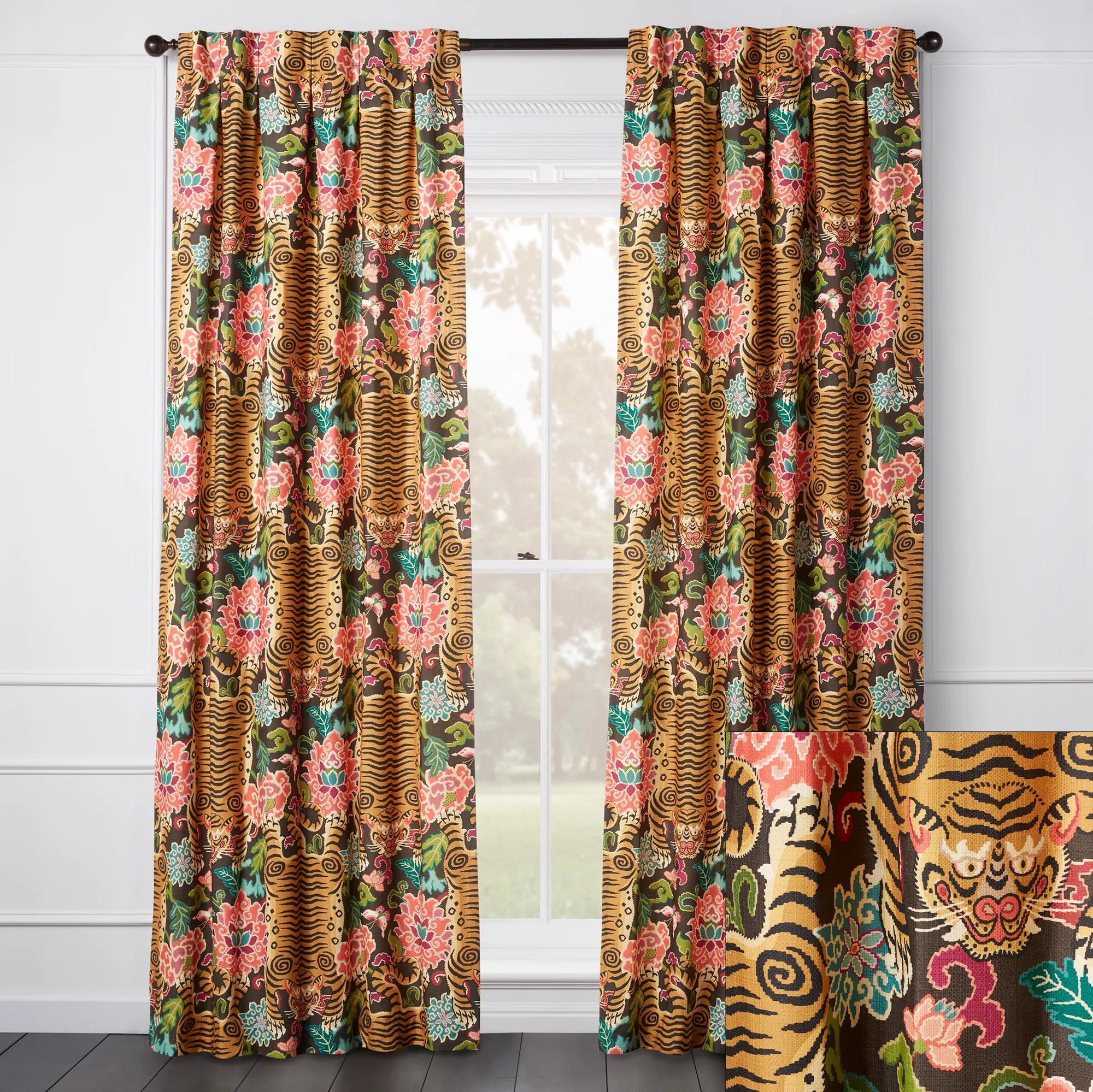
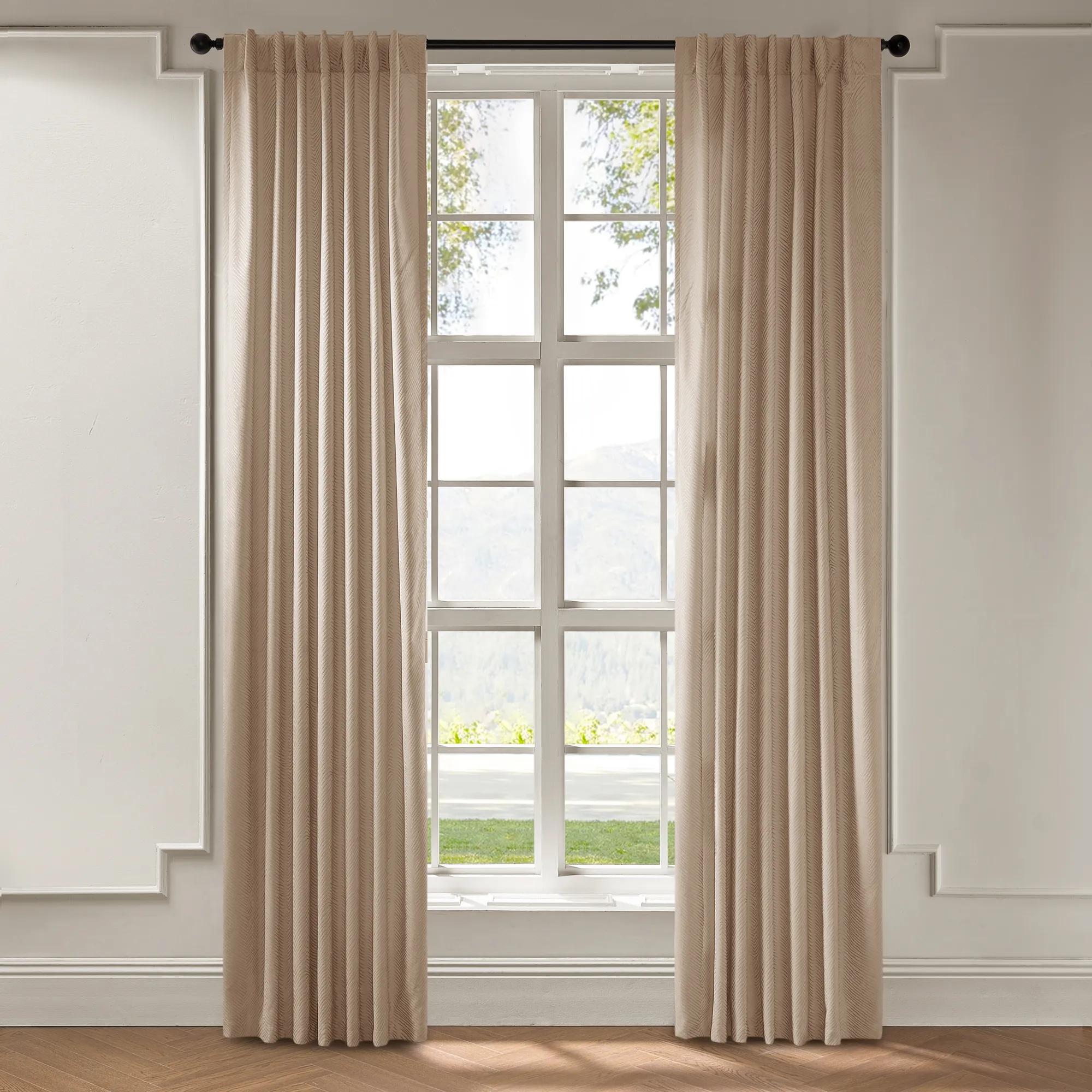
Textured Silk Curtain Panels
Textured Silk Curtain Panels
-
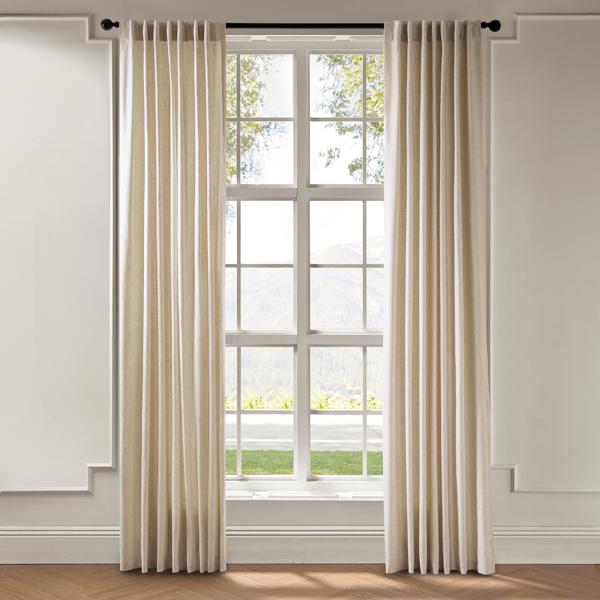
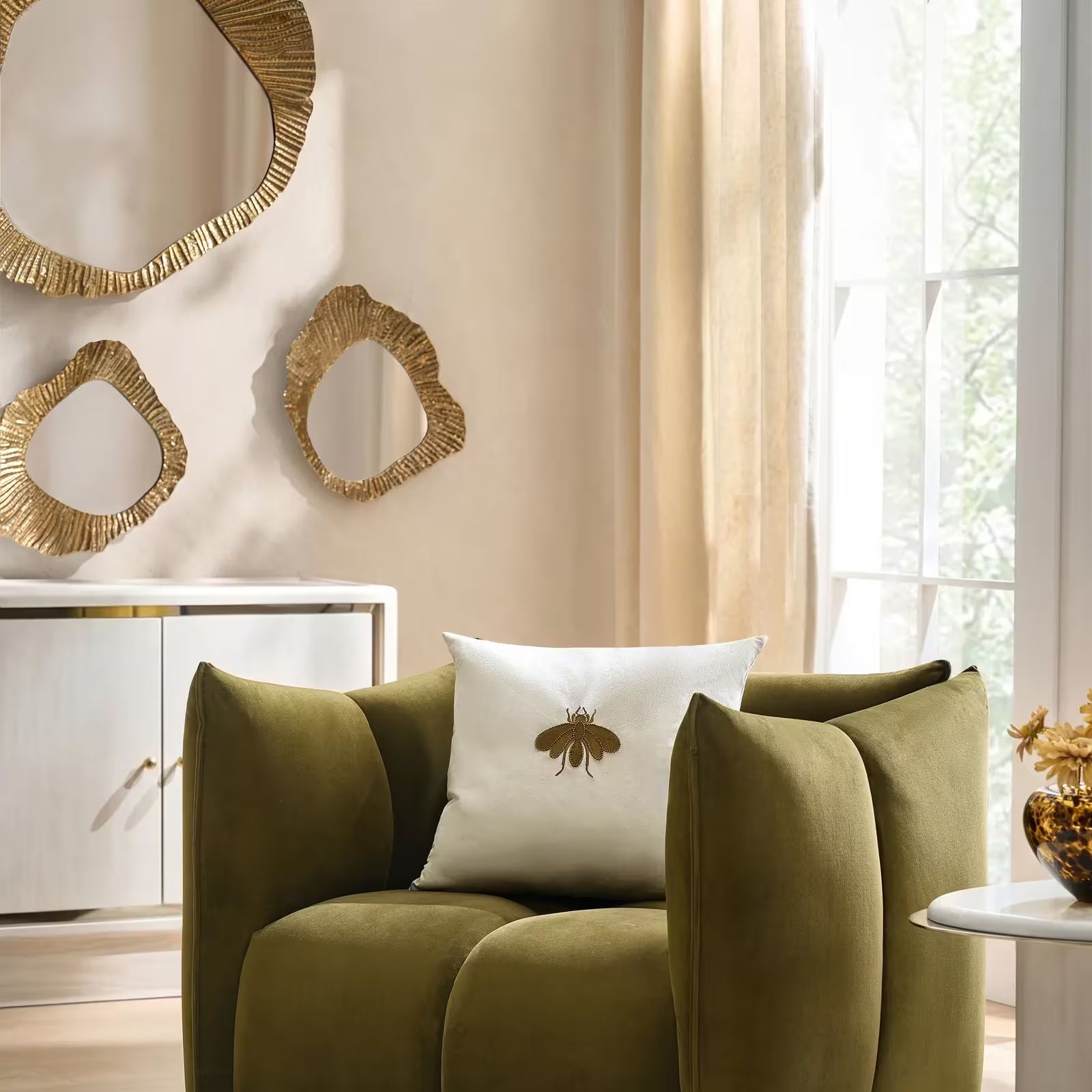 Anson Ivory Textured Window Curtain Panel$109
An elegant ivory curtain with a crushed, light-reflective texture and versatile dual hanging options.
Add To Cart -

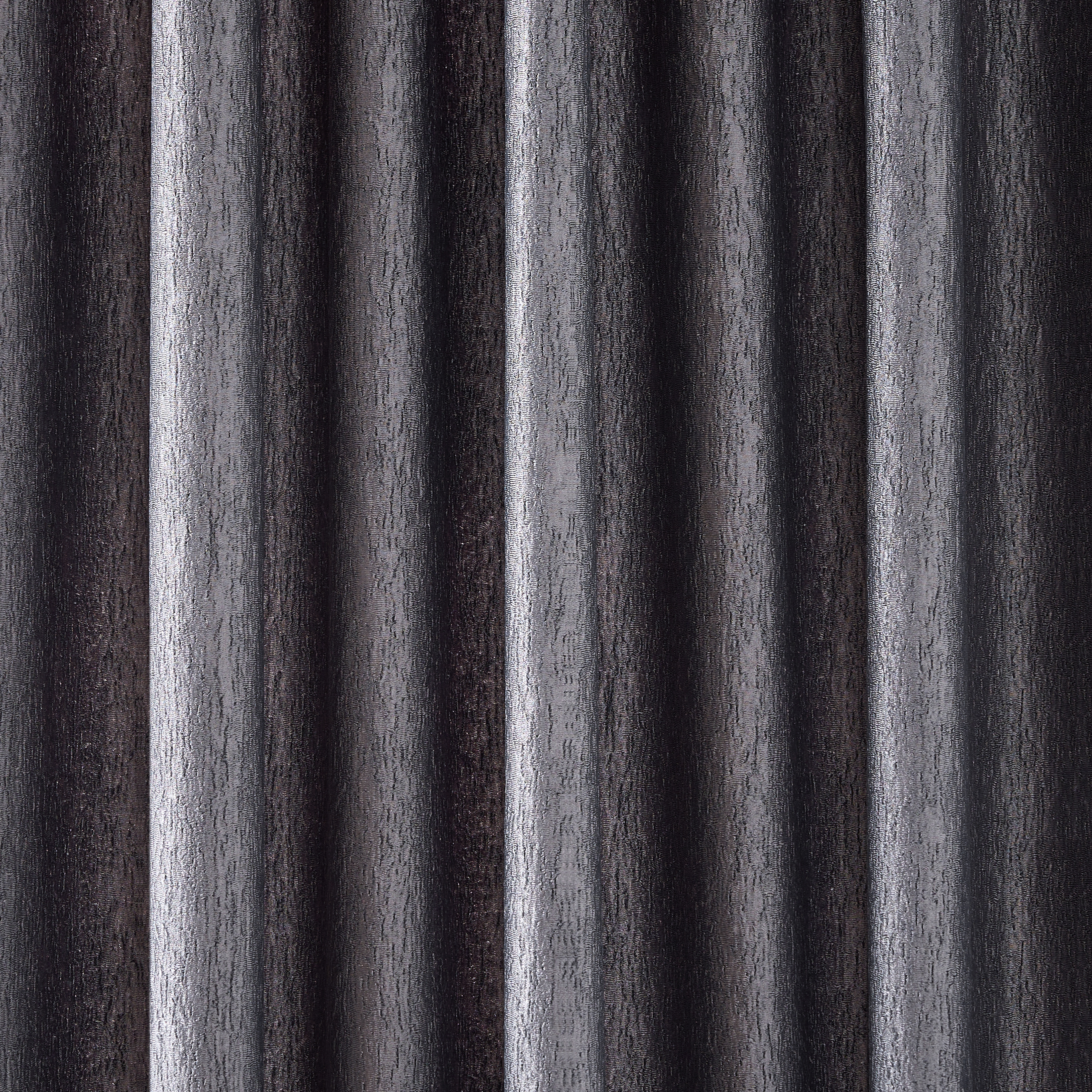 Anson Charcoal Textured Window Curtain Panel$99
A moody charcoal curtain with crushed polyester texture and subtle sheen for stylish, room-darkening appeal.
Add To Cart -
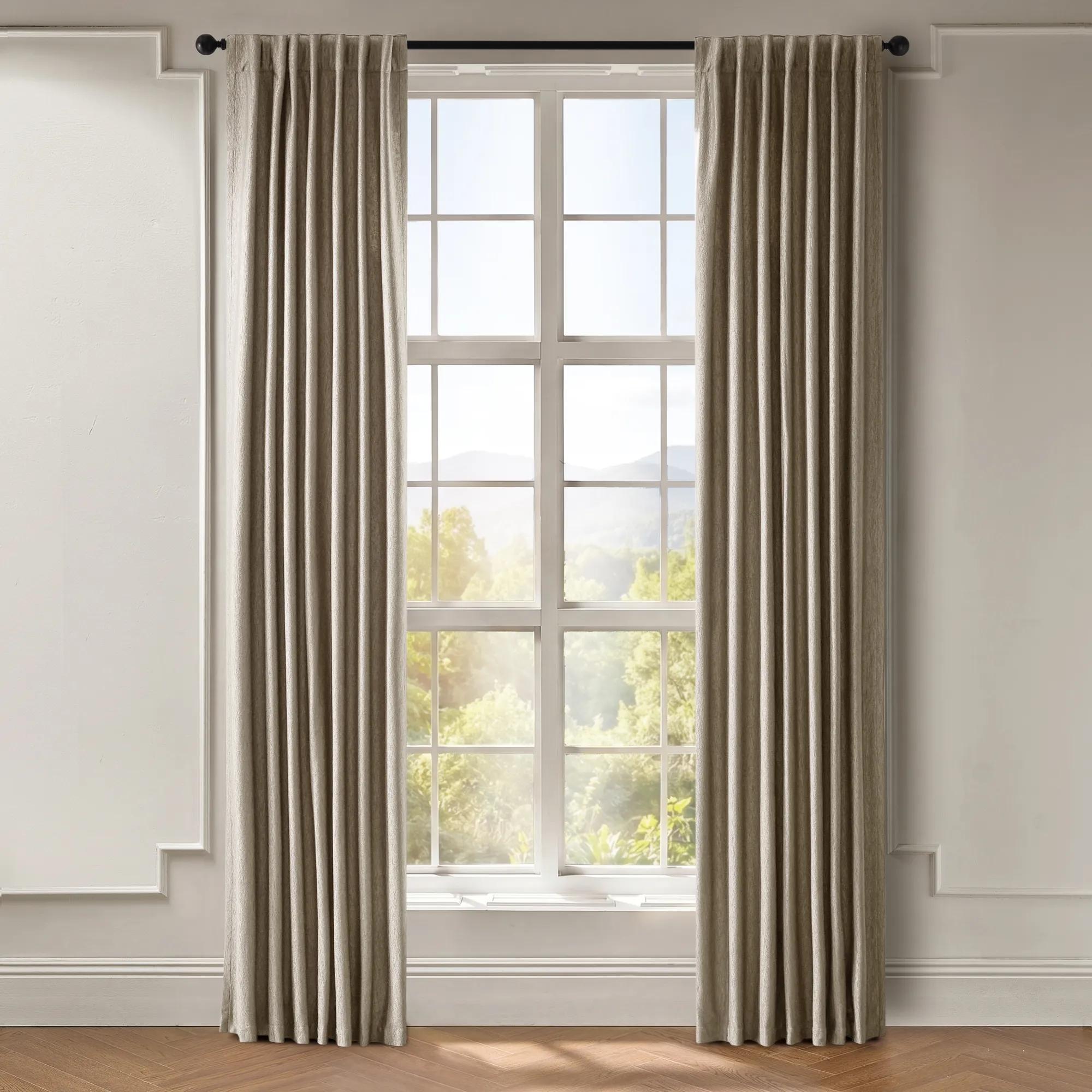
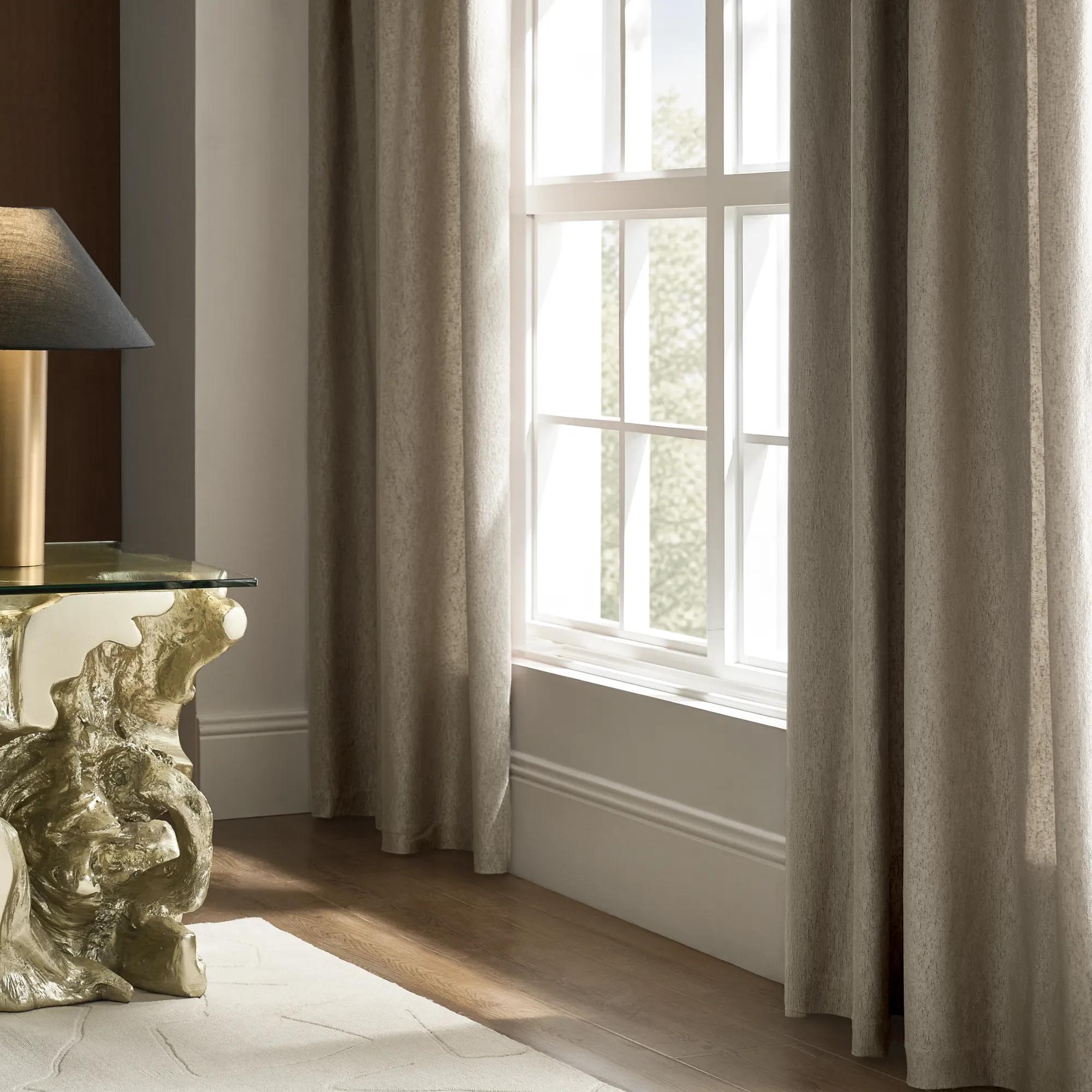 Anson Taupe Textured Window Curtain Panel$109
A taupe curtain panel featuring a crushed sheen texture and room-darkening, dual hanging design in 100% polyester.
Add To Cart -
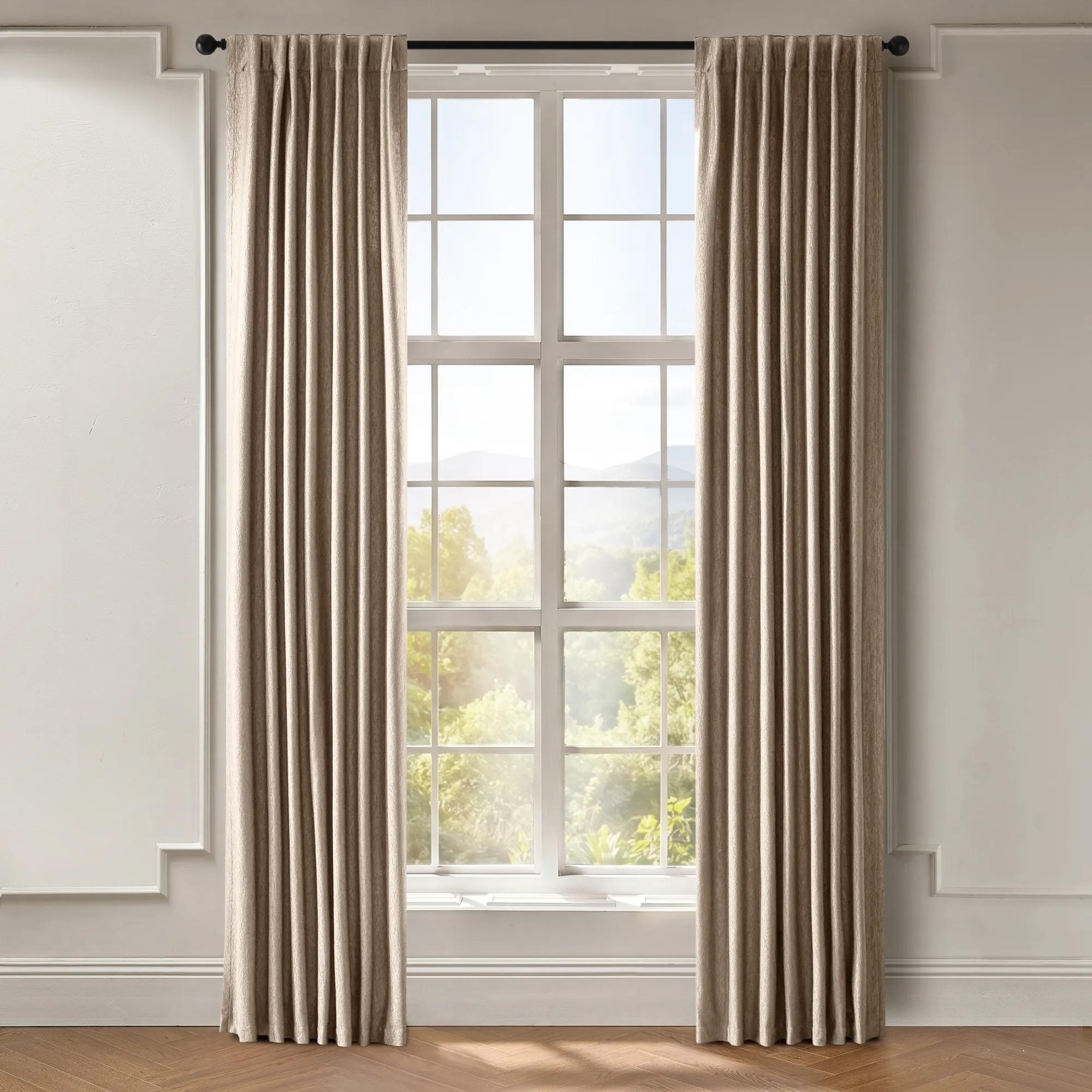 Anson Mocha Rose Textured Window Curtain Panel$89
A light mocha rose curtain panel with crushed sheen texture and room-darkening, dual hanging design.
Add To Cart -
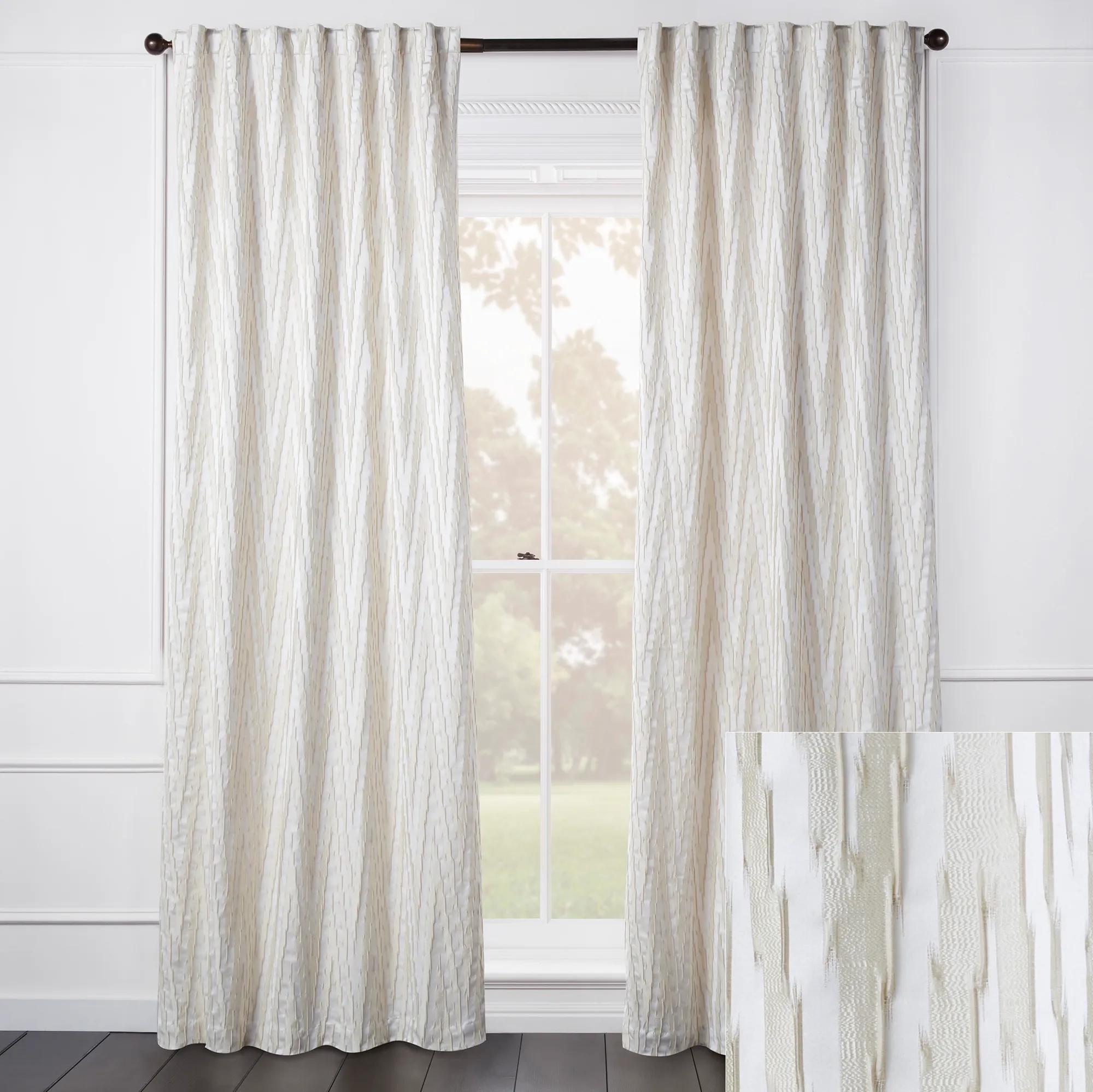
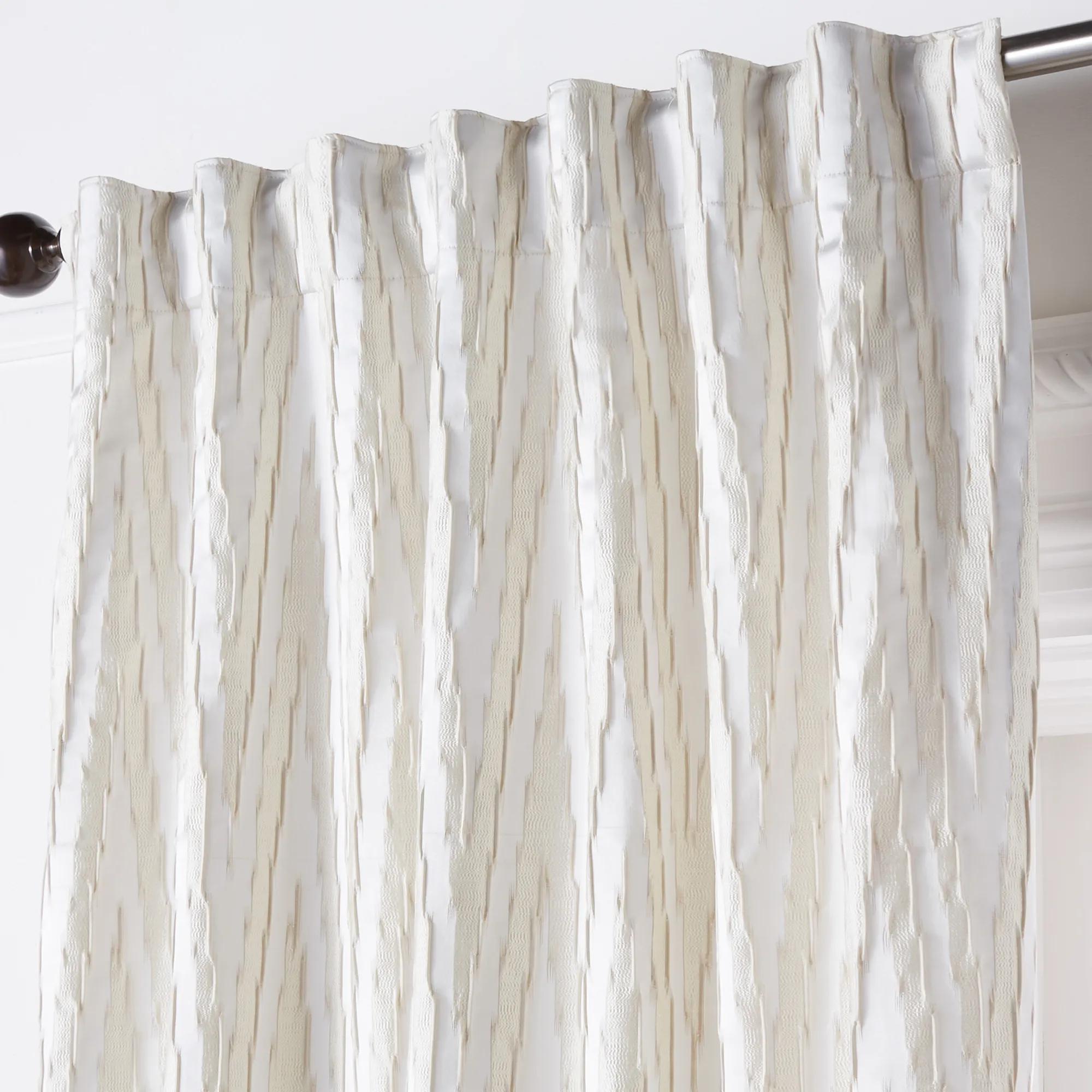 Minka Jacquard Pearl Window Curtain Panel Custom$249
A highly textured chevron curtain panel in pearl, grey, or natural polyester with customizable hanging options.
Add To Cart -
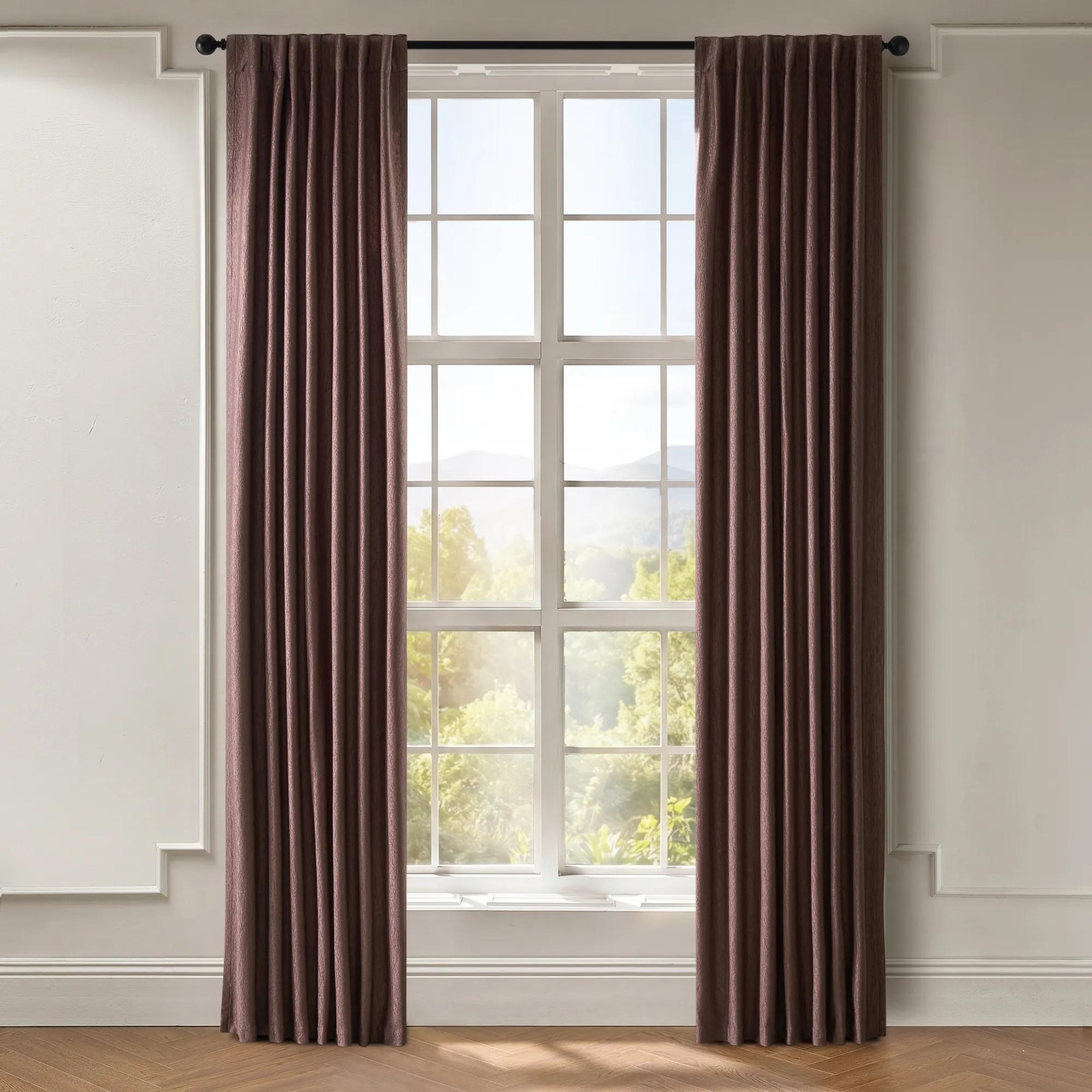
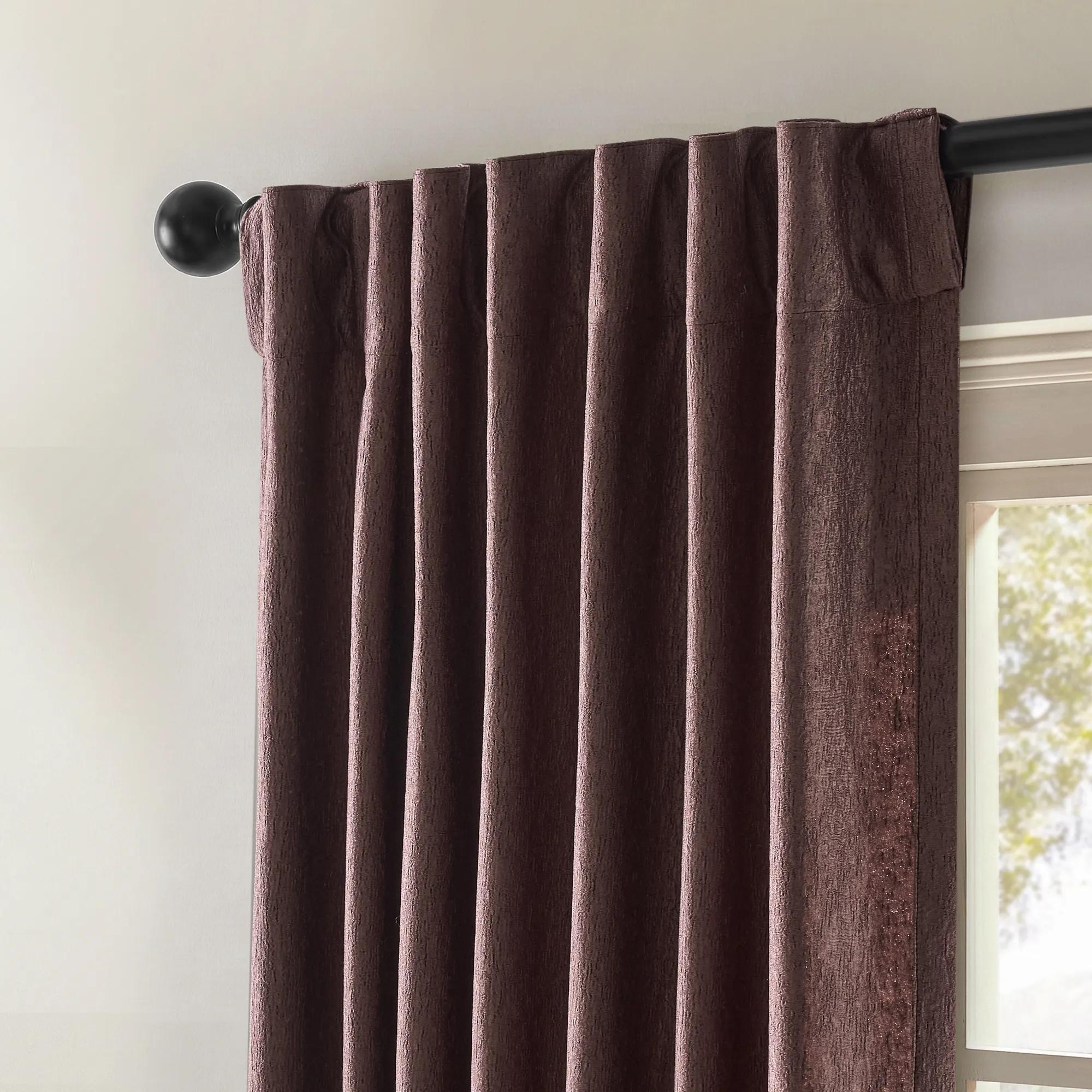 Anson Fig Textured Window Curtain Panel$99
A deep fig curtain panel in crushed, subtly sheened polyester with room-darkening and dual hanging options.
Add To Cart -

 Adair Sand Solid Velvet Window Curtain Panel$69
A sand-colored velvet curtain offering room-darkening privacy and versatile hanging options for refined interiors.
Add To Cart -

 Adair Midnight Blue Solid Velvet Window Curtain Panel$69
A sumptuous midnight blue velvet curtain that adds elegance, depth, and room-darkening style to any space.
Add To Cart -
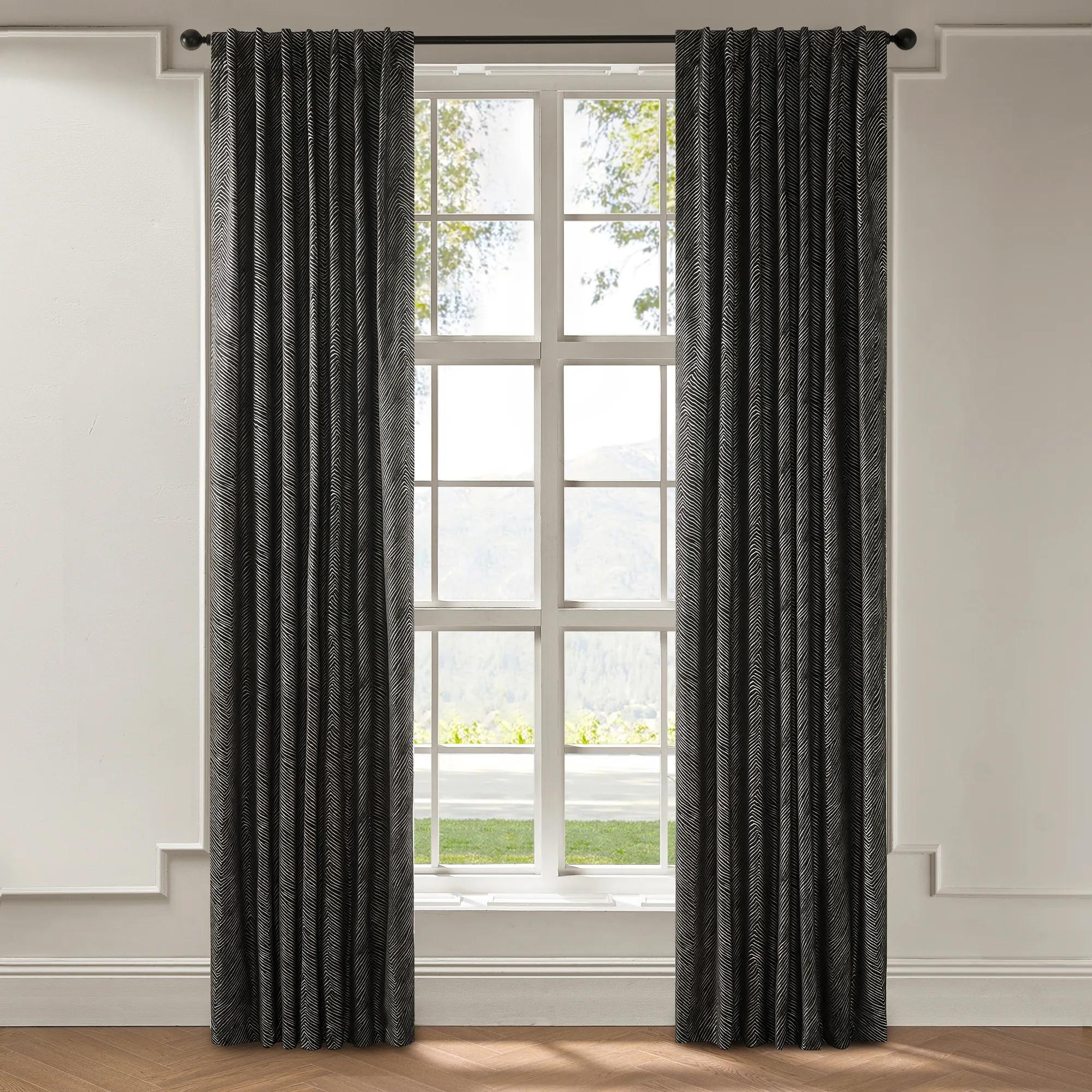
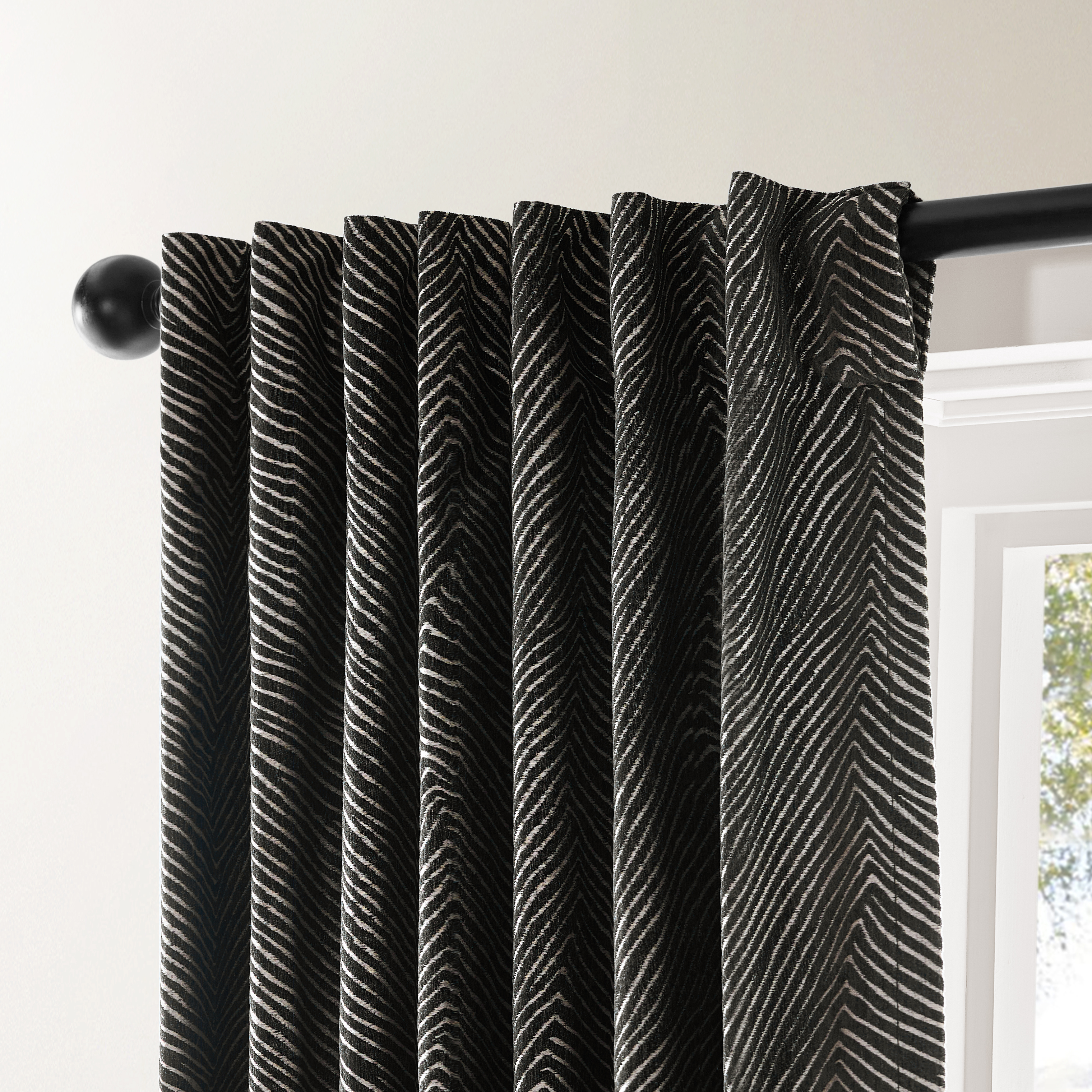 Kenzo Black Chenille Window Curtain Panel$119
A black chenille jacquard curtain with a luxe sheen and versatile dual hanging options for modern spaces.
Add To Cart -
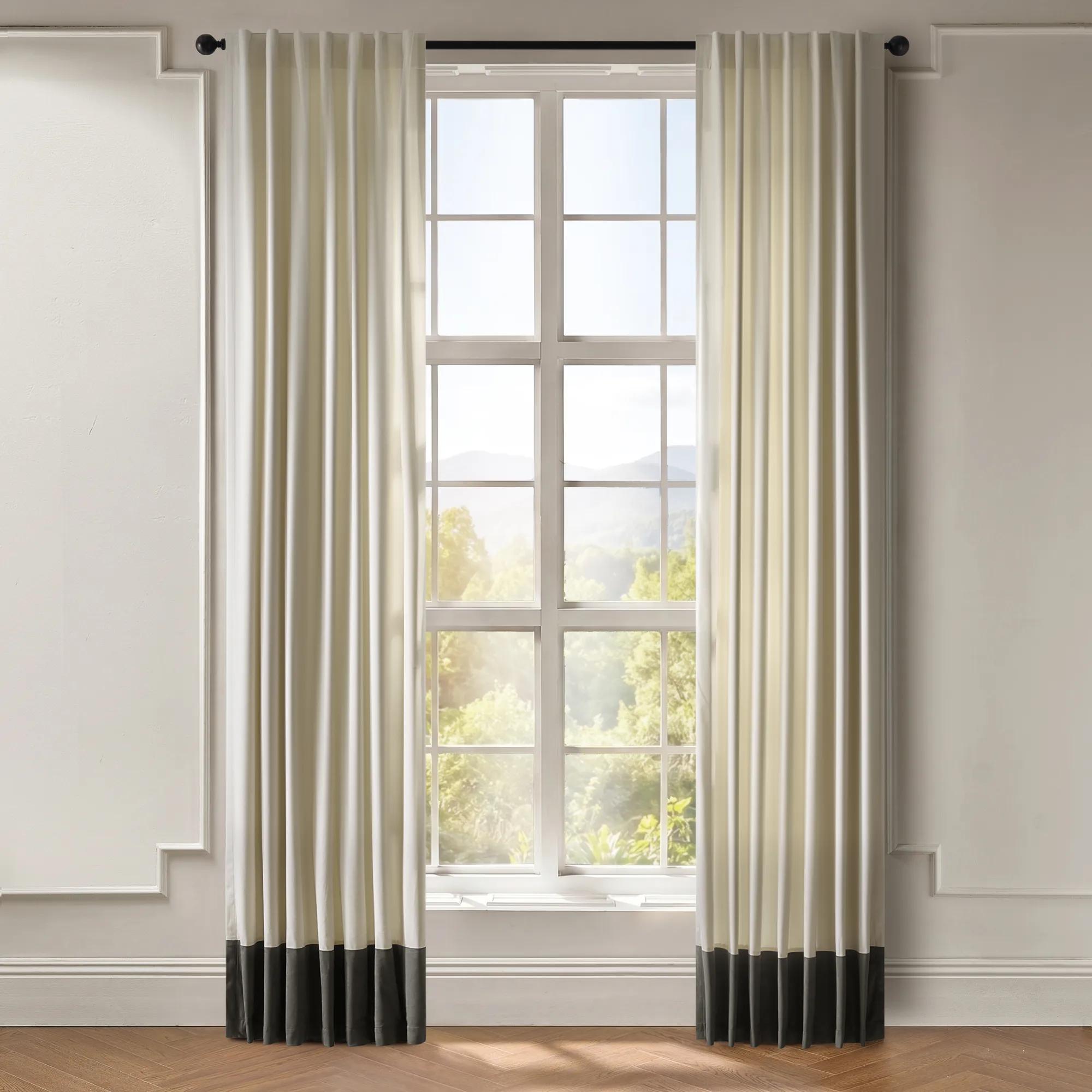
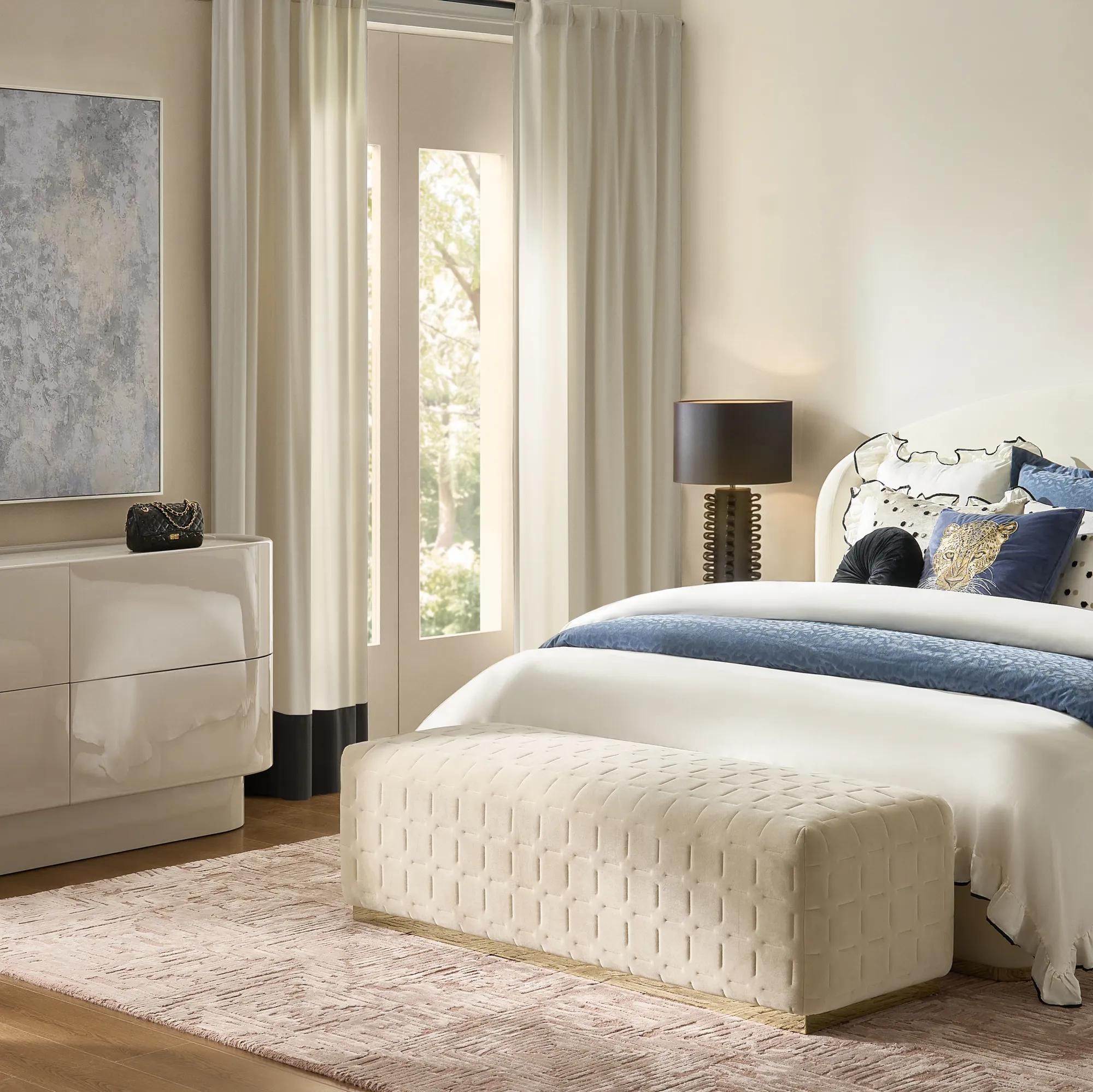 Bastien Ivory/Graphite Velvet Border Window Curtain Panel$109
A two-tone ivory and graphite velvet curtain panel with a Deco-inspired border and room-darkening design.
Add To Cart -
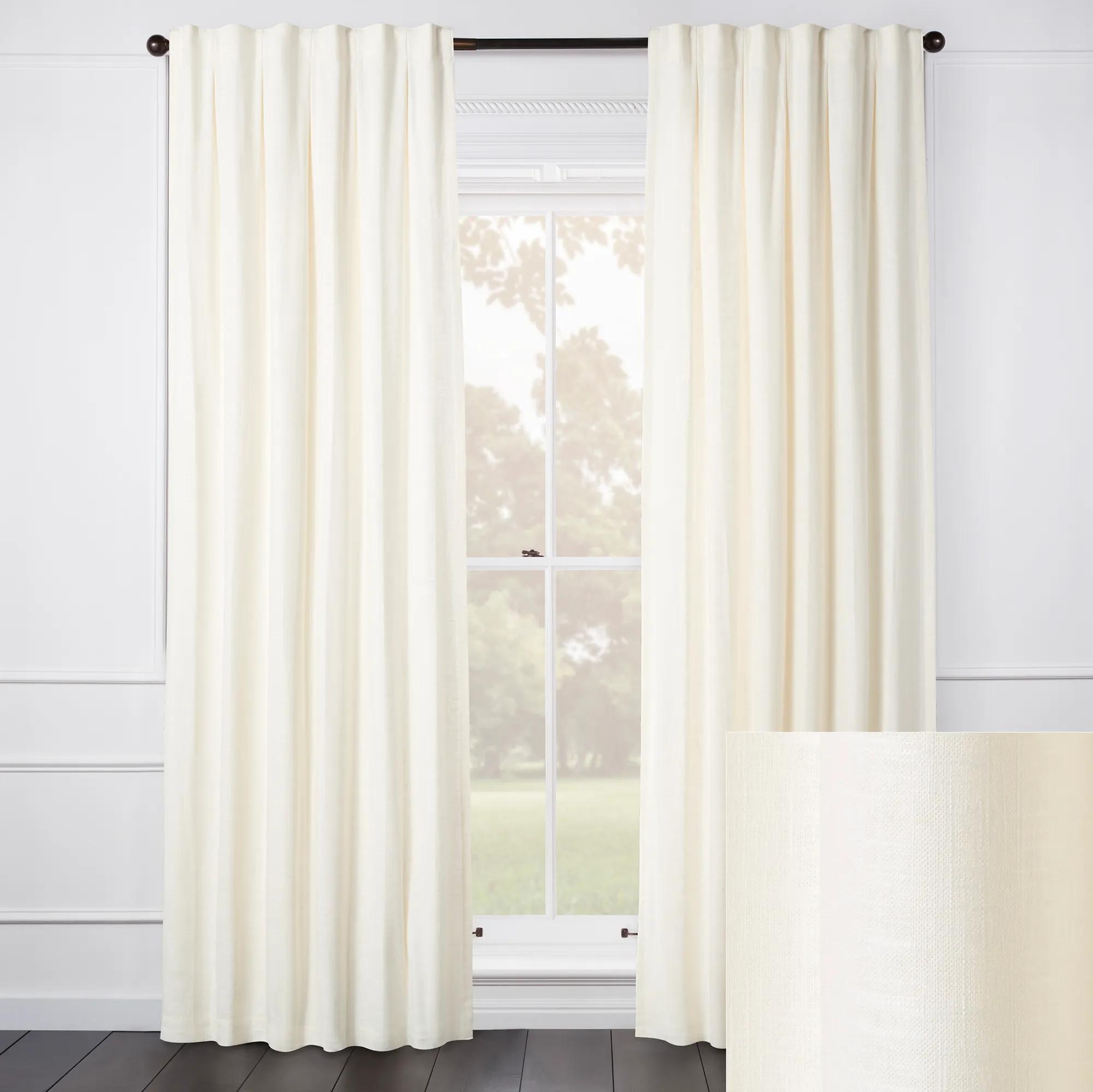
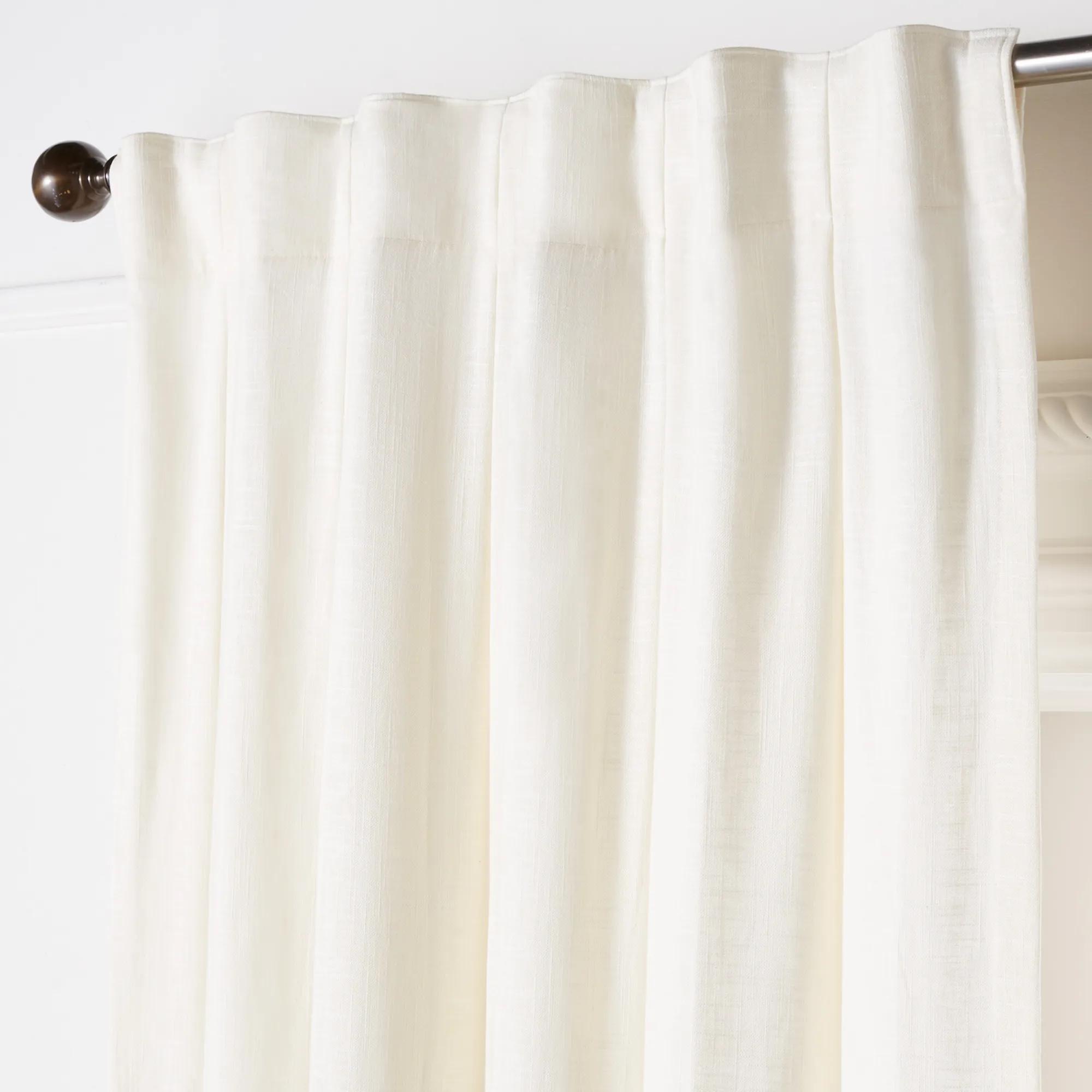 Audrey Linen Ivory Curtain - Custom$269
An ivory linen-blend curtain panel with lining, offering customizable lengths and two elegant header styles.
Add To Cart -
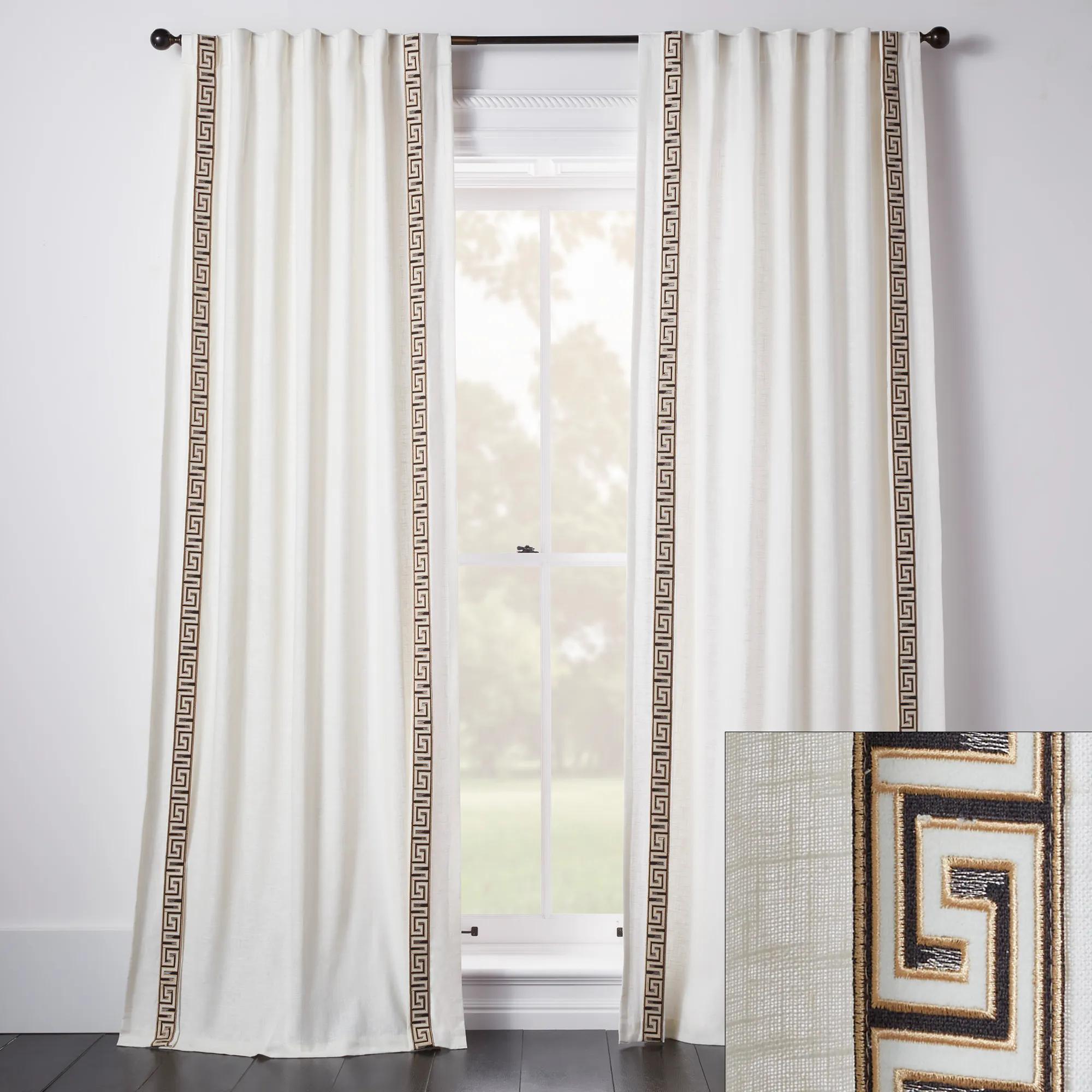 Chole Greek Key Border Velvet Widow Curtain Panels Custom$369
A white linen-blend curtain featuring a black and gold embroidered velvet Greek key border for modern elegance.
Add To Cart

Textured Silk Curtain Panels
Textured silk curtain panels transform windows into works of art, infusing any room with an unmistakable sense of drama and sophistication. Each panel captures the light in a dance of subtle shimmer and tactile intrigue, evoking the luxury of a grand salon or the intimacy of a curated gallery. Whether framing a breathtaking view or creating an opulent backdrop, textured silk curtain panels invite you to layer your space with depth, movement, and allure—where every fold tells a story of elegance reimagined. Indulge your senses and let your interiors speak in bold, beautiful textures.
Textured silk curtain panels bring luminous depth to a room, pairing the elegance of silk’s sheen with a surface that feels expressive rather than perfectly uniform. Fine slubs, subtle crosshatching, and softly irregular threads give the fabric dimension, so a broad expanse of drapery becomes as compelling as the furniture it frames. Unlike a flat, glossy curtain, a textured panel reveals its character gradually: raised threads catch the light, recessed areas appear richer, and generous folds create ribbons of shadow. The effect is especially striking beside sculptural seating, polished metal accents, or a richly grained console, where the fabric introduces softness without surrendering drama. Genuine silk, silk blends, and faux silk can all create versions of this look, but their fiber content matters. Silk dupioni typically has a crisp hand and visible slubs, giving pleats an architectural presence; other silk weaves may appear smoother or fall more fluidly. Silk blended with cotton can offer a more understated luster, though its texture and drape depend on the weave and proportions. Faux silk, often made from polyester, recreates silk’s light-catching appearance and may offer greater resilience and simpler maintenance. A textured finish alone does not establish that a curtain contains natural silk, making the fiber label an important distinction. Across these materials, color becomes part of the texture: ivory can read like softly illuminated stone, champagne draws attention to the fabric’s glow, and deeper tones emphasize the movement between highlight and shadow. A restrained room gains richness from these details, while a more expressive interior gains another layer of artistry. For a living room arranged around conversation, a dining space with a commanding chandelier, or a bedroom with an upholstered headboard, silk-look and genuine silk panels lend windows a deliberate, beautifully composed presence. Their appeal lies as much in what they frame as in the fabric itself, drawing the eye toward a view, defining a seating area, or giving a plain wall an elegant vertical rhythm.
Scale determines whether that luminous fabric feels generous or stretched thin. For many gathered curtain styles, a combined flat panel width of approximately two to two-and-a-half times the curtain rod’s width creates full, substantial folds when closed. This is a useful starting point rather than a universal rule: fabric weight, heading construction, and the desired silhouette can change the amount of fullness needed. Pre-pleated panels may list a finished width that already accounts for their pleats, so their coverage should be assessed differently from flat panels. Panel quantities also deserve attention, since a single panel and a pair provide very different coverage. Length shapes the mood just as clearly. A hem that barely clears the floor looks tailored and moves easily, particularly beside a frequently used patio door or in a room where curtains are opened daily. Fabric that rests lightly on the floor introduces a more romantic line, while a pronounced puddle creates theatrical volume but gathers dust and requires more arranging. Measuring from the actual hanging point, whether that is a ring, hook, or rod pocket, helps establish the intended finish. Mounting a rod above the window frame can emphasize height, and extending it beyond the sides allows open panels to frame rather than crowd the glass, provided the surrounding wall space permits. Heading styles bring their own character: pleats create orderly depth, rod pockets produce soft gathers, and grommets form broad, regular waves. Hardware should complement that silhouette and support the combined weight of the fabric and lining. A slender-looking rod still needs appropriate strength and secure mounting for substantial drapery. In a bedroom, the relationship between beautiful folds and practical coverage becomes especially important; bedroom textured curtain panels offer a related direction for interiors where tactile richness is central to the atmosphere. Across rooms, balanced proportions let the texture remain the focal point, rather than an awkward gap, compressed fold, or uneven hem.
Lining gives textured silk curtains much of their practical character, influencing privacy, light control, body, and the way the face fabric hangs. An unlined panel may reveal more of its weave when backlit, creating an airy, luminous effect, but it should not be assumed to provide reliable privacy after interior lights are switched on. A standard lining can add opacity and help folds appear more substantial; room-darkening or blackout construction provides a different level of light control, depending on the stated specifications. The terms are not interchangeable, and even blackout fabric can allow light around the edges if the installation leaves gaps. For a bedroom used by someone who sleeps during daylight hours, coverage and lining deserve as much attention as color. In a dining room where the curtains primarily frame the setting, surface texture and a graceful fall may take precedence. Genuine silk benefits from particular care because prolonged direct sunlight can fade dyes and weaken the fibers. Lining helps shield the fabric but does not make it immune to exposure; a separate shade can provide another protective layer while preserving the curtains’ decorative role. Durability also depends on handling, seam quality, and how often panels are drawn. Faux silk may be a practical choice for frequently used spaces, though polyester content alone does not guarantee that a finished panel is machine washable. Linings, trims, and heading components can change its care requirements. Many genuine silk curtains require professional dry cleaning, and every panel should be maintained according to its care label rather than assumptions about the face fabric. Gentle dust removal, where permitted, helps preserve the surface, while vigorous rubbing or unapproved spot treatments can leave marks or disturb the sheen. Any pressing or steaming should also follow the manufacturer’s instructions. With material, dimensions, and maintenance thoughtfully matched to the room, textured silk curtain panels offer more than an ornamental finish: they bring depth to the architecture, softness to reflective surfaces, and a distinctive sense of occasion to everyday living.
FAQs
Textured silk curtain panels captivate with their luxurious feel and dynamic appearance. The interplay of light and texture—whether from crushed silk, tussore silk, or artfully woven faux silk—creates a sense of depth and movement that transforms any room. These panels offer not only visual drama but also a tactile richness, making your windows a true focal point in your home.
Absolutely. The versatility of silk curtain texture allows these panels to bridge design eras with ease. In modern spaces, they introduce a layer of sophistication and soft contrast to clean lines, while in traditional rooms, they echo the grandeur and refinement of classic décor. Their ability to adapt makes them a timeless choice for any setting.
Faux silk curtain panels are expertly crafted to emulate the gleam and drape of genuine silk, often with the added benefit of increased durability and easier care. While real silk offers an unmistakable natural luster and organic texture, high-quality faux silk panels can achieve a similarly sumptuous look and feel, making them an excellent alternative for high-traffic areas or busy households.
Textured silk curtains shine when paired with dramatic hardware, layered with sheers for added dimension, or used as a bold backdrop for statement furniture. Try framing a reading nook with crushed silk curtains to create an intimate, cocooning effect, or use tussore silk curtains in a dining room to catch and reflect candlelight, setting a mood of opulent warmth.
Silk curtain panels make an exquisite and memorable gift, perfect for housewarmings, weddings, or milestone celebrations. Their timeless appeal and transformative impact on a space make them a cherished addition to any home, offering both beauty and a sense of occasion with every glance.