
Transitional Style Curtain Panels
Transitional Style Curtain Panels
-
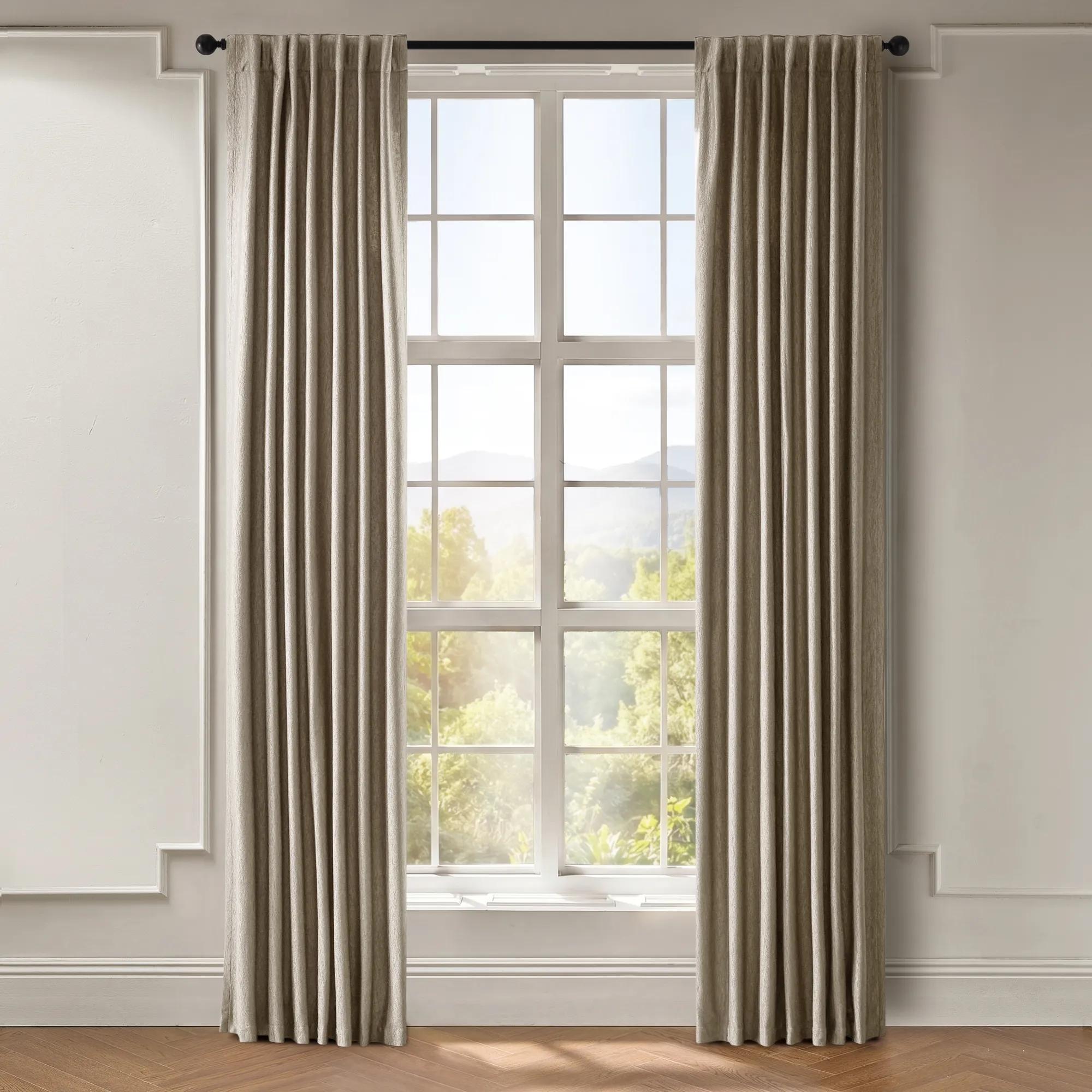
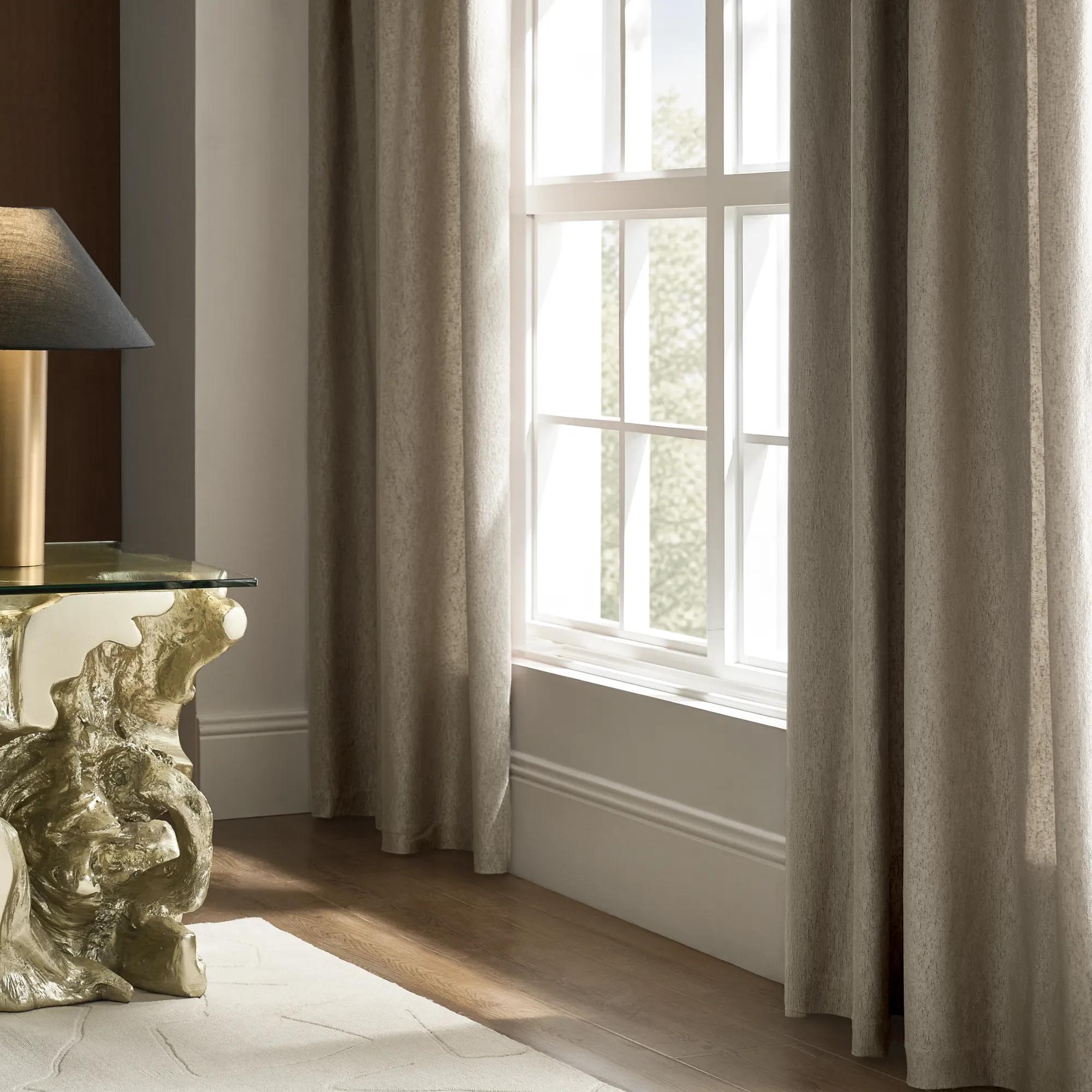 Anson Taupe Textured Window Curtain Panel$99
A taupe polyester curtain panel featuring a crushed sheen texture and versatile room-darkening design.
Add To Cart -
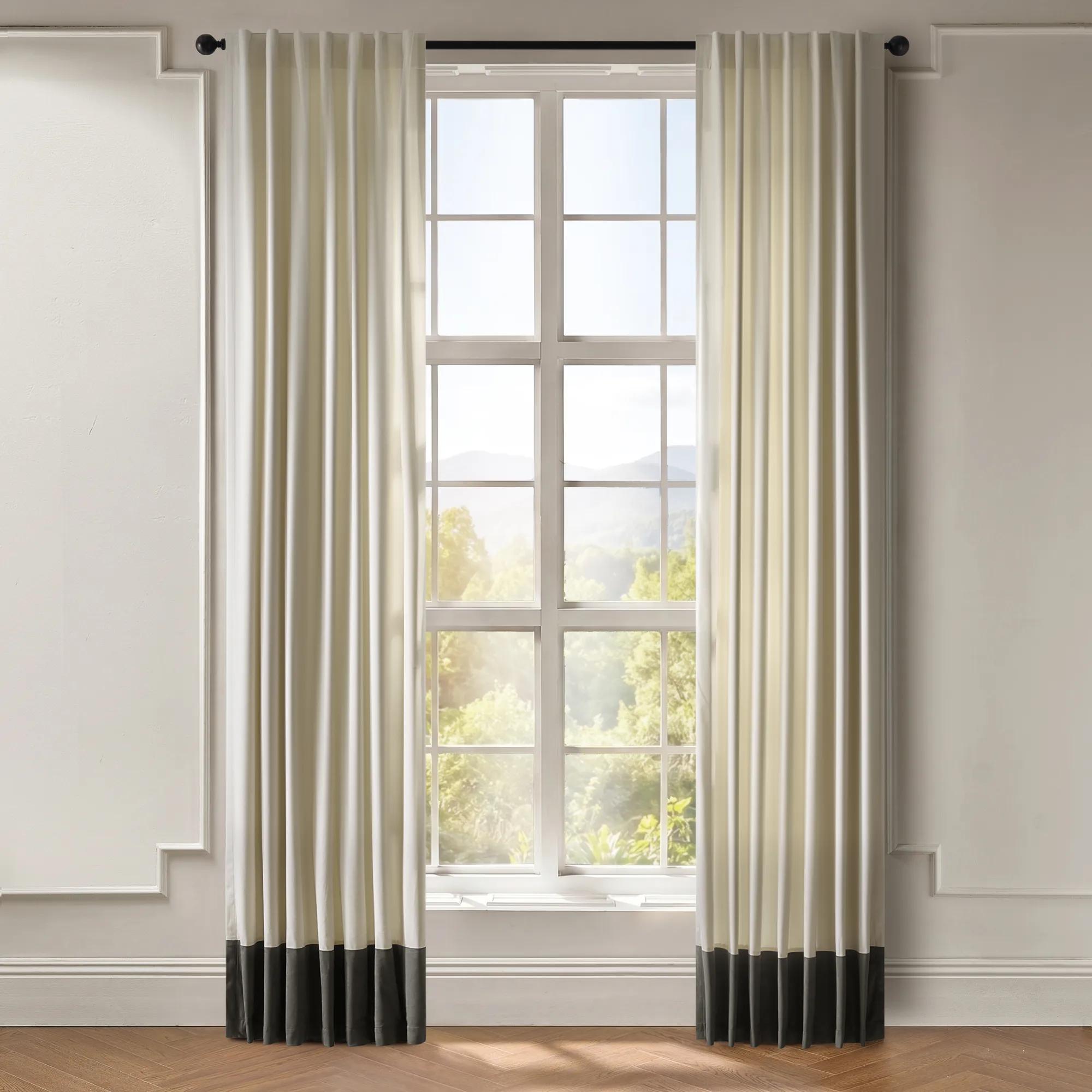
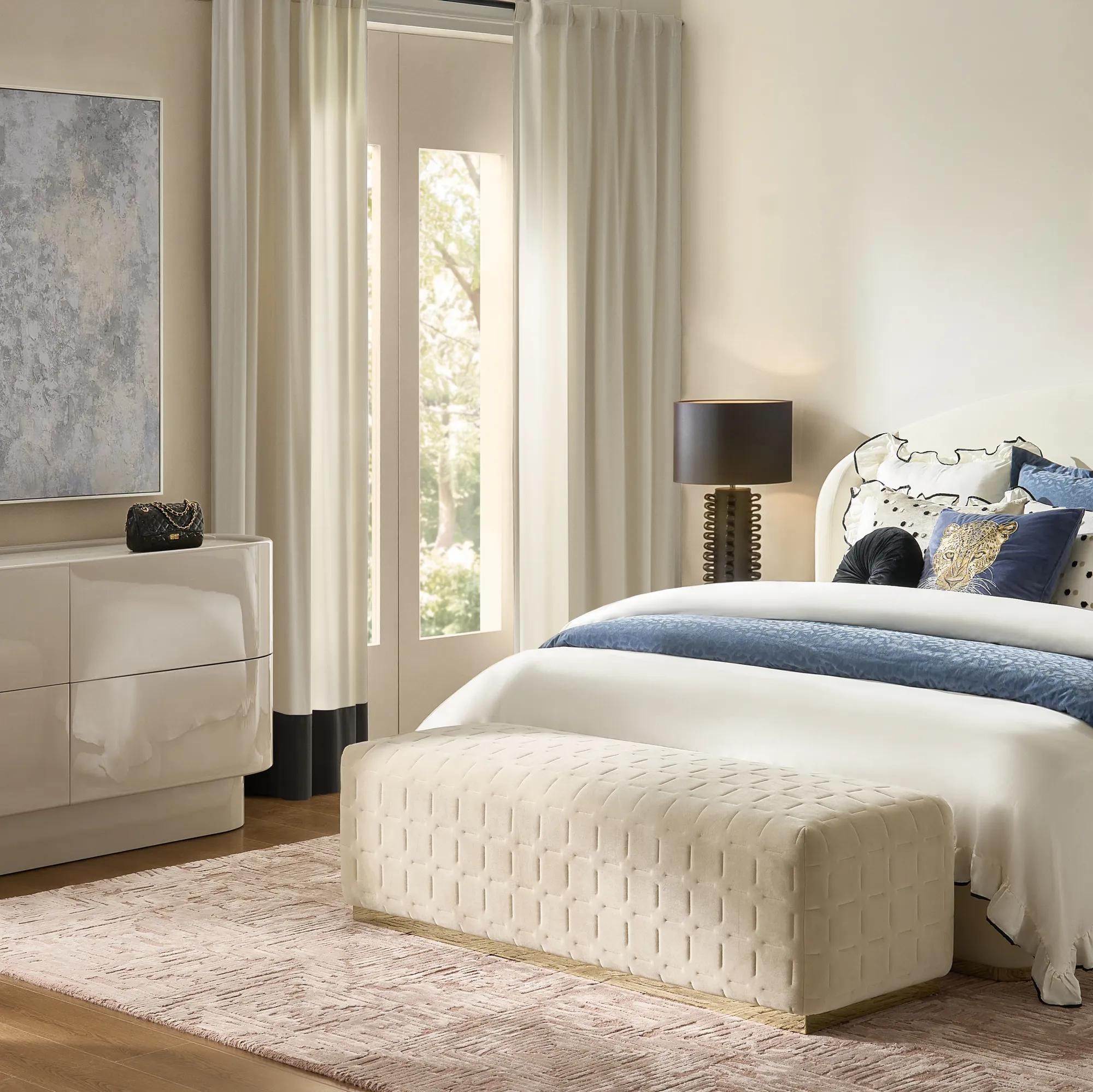 Bastien Ivory/Graphite Velvet Border Window Curtain Panel$99
A two-tone ivory and graphite velvet curtain panel with room-darkening design and versatile hanging options.
Add To Cart -
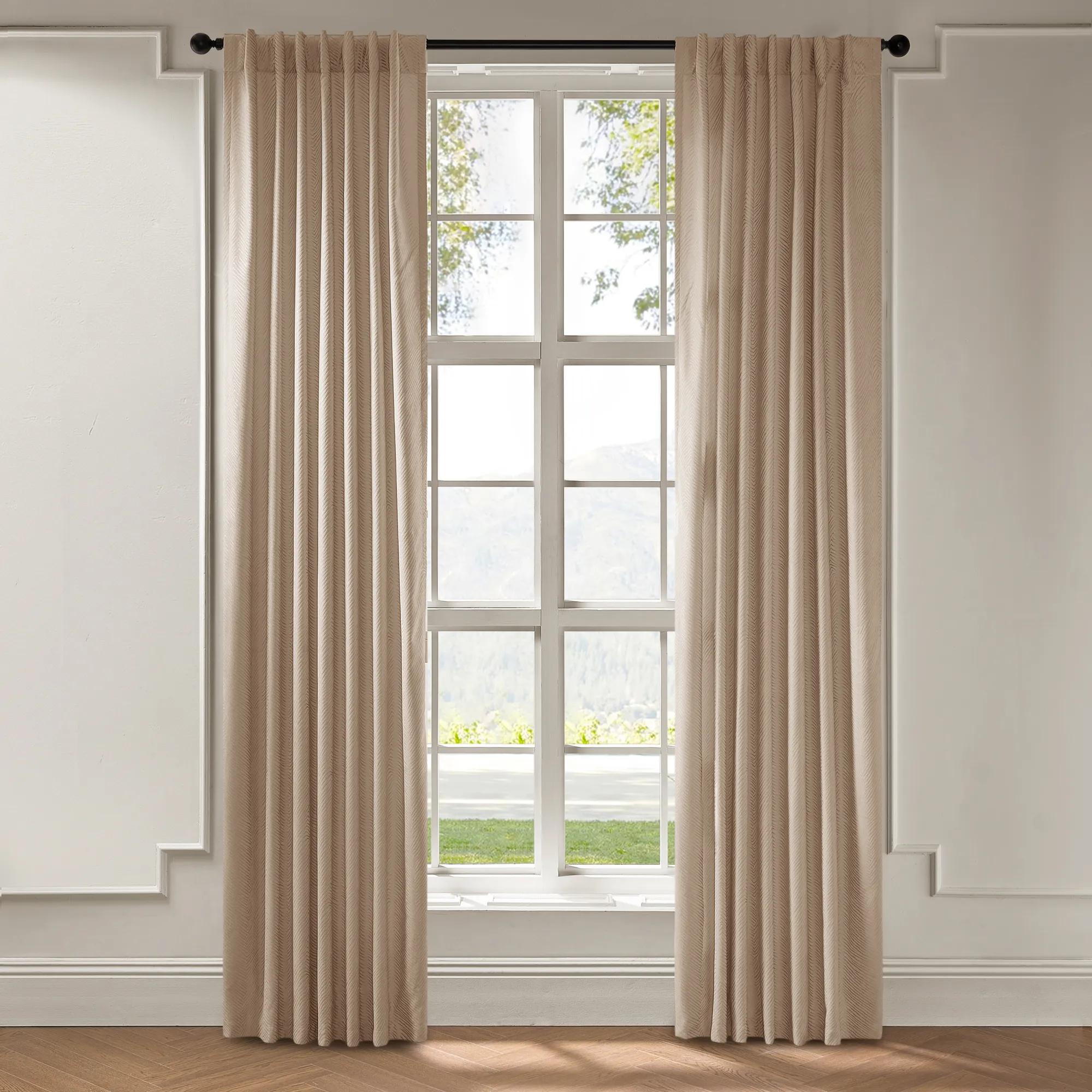 Kenzo Jacquard Beige Chenille Window Curtain Panel$119
A warm beige chenille jacquard curtain with a subtle sheen and versatile rod pocket or back tab hanging.
Add To Cart -
 Anson Mocha Rose Textured Window Curtain Panel$89
A light mocha rose curtain panel with crushed sheen texture and room-darkening, dual hanging design.
Add To Cart -
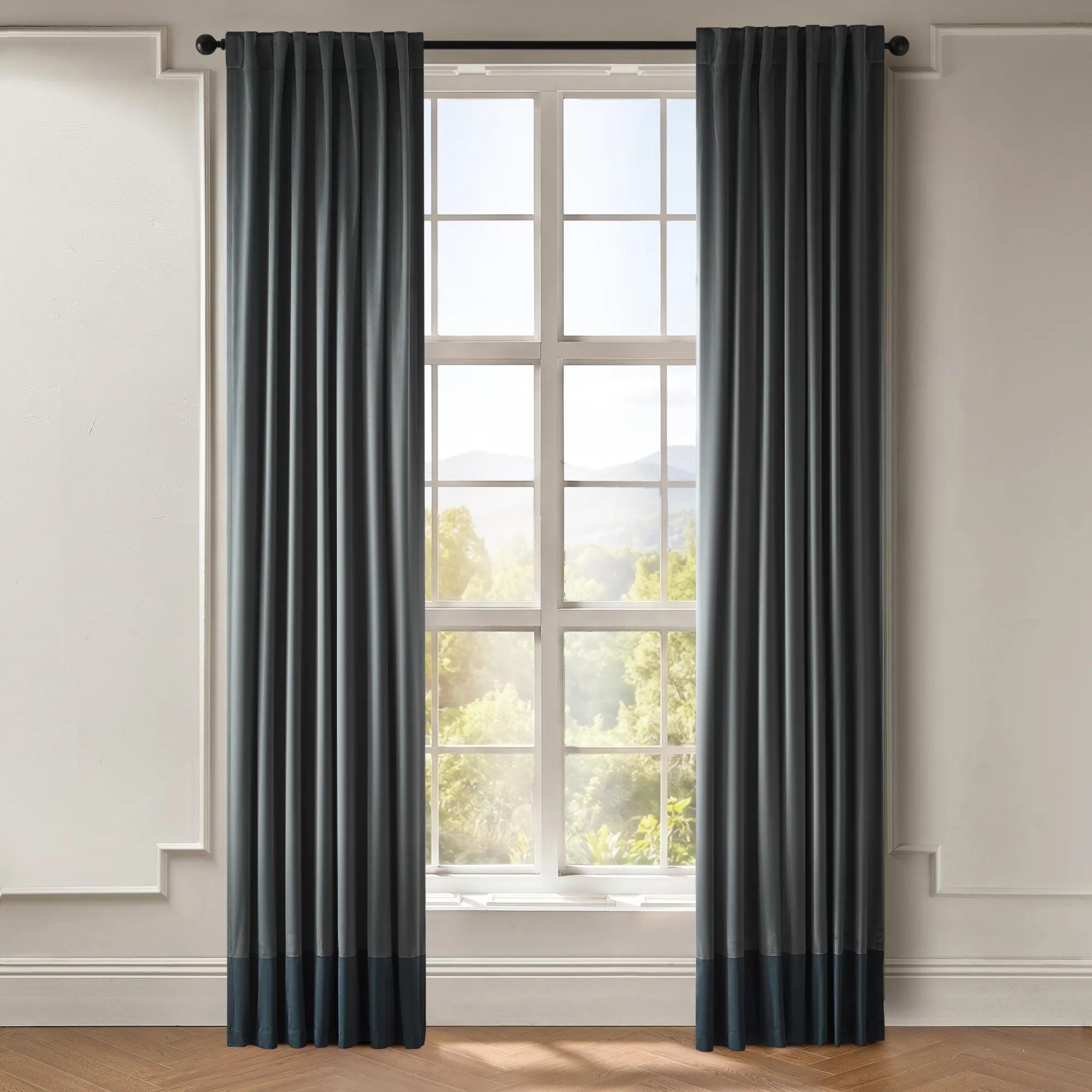
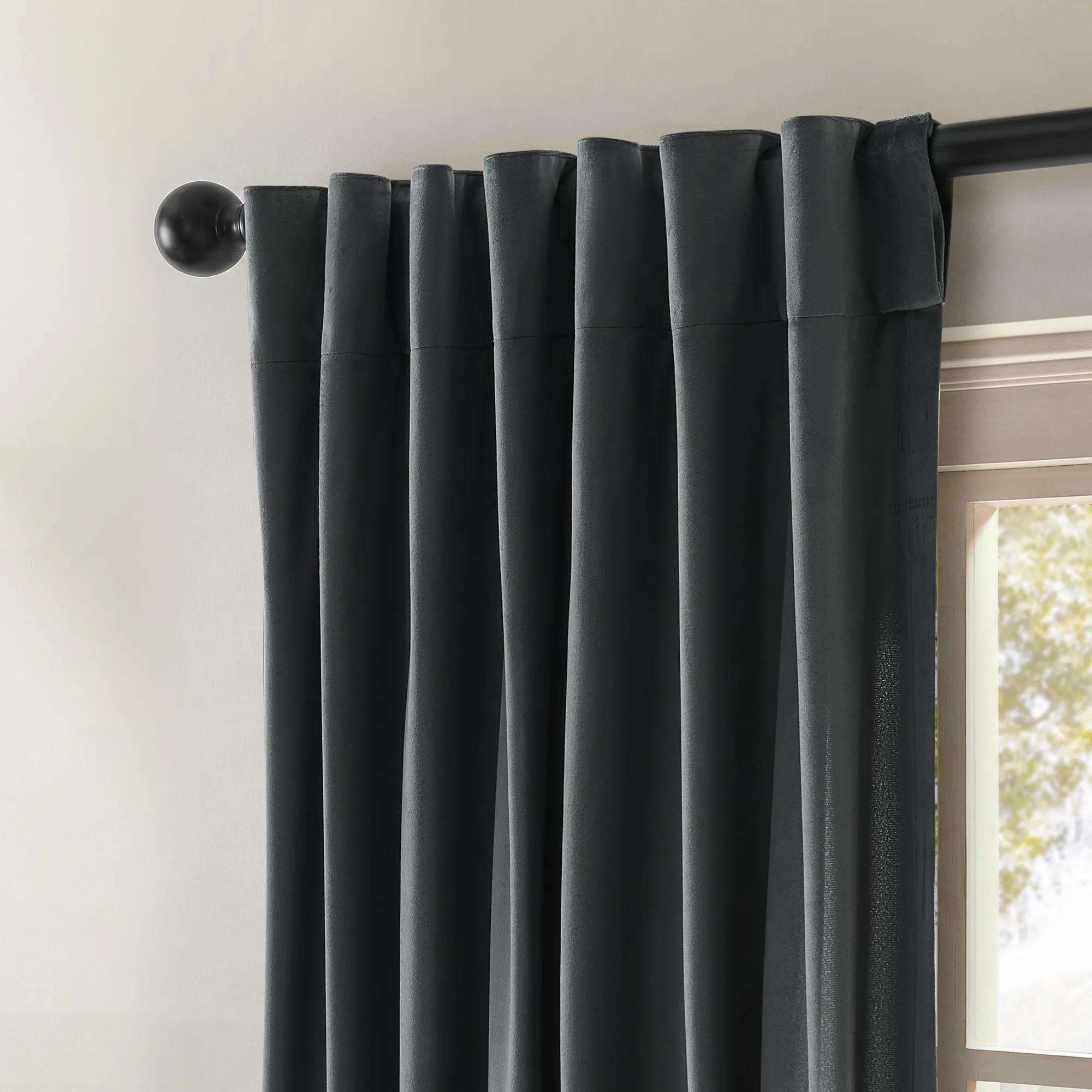 Bastien Blue/Midnight Velvet Border Window Curtain Panel$89
A two-tone dusty and midnight blue velvet curtain panel with a Deco-inspired border and room-darkening design.
Add To Cart -
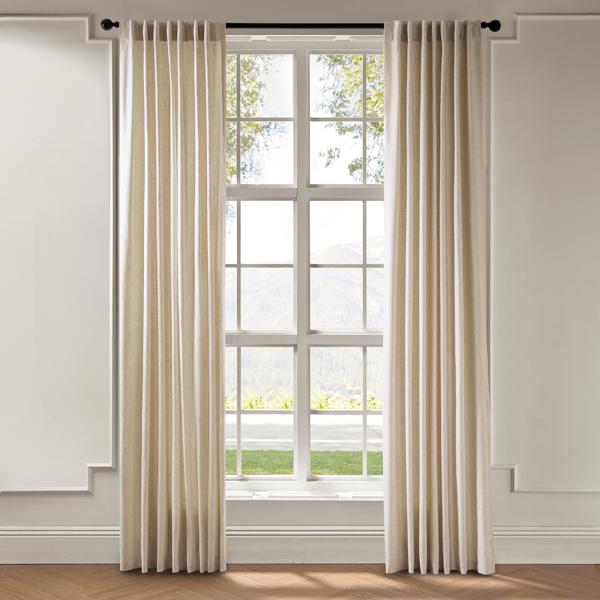
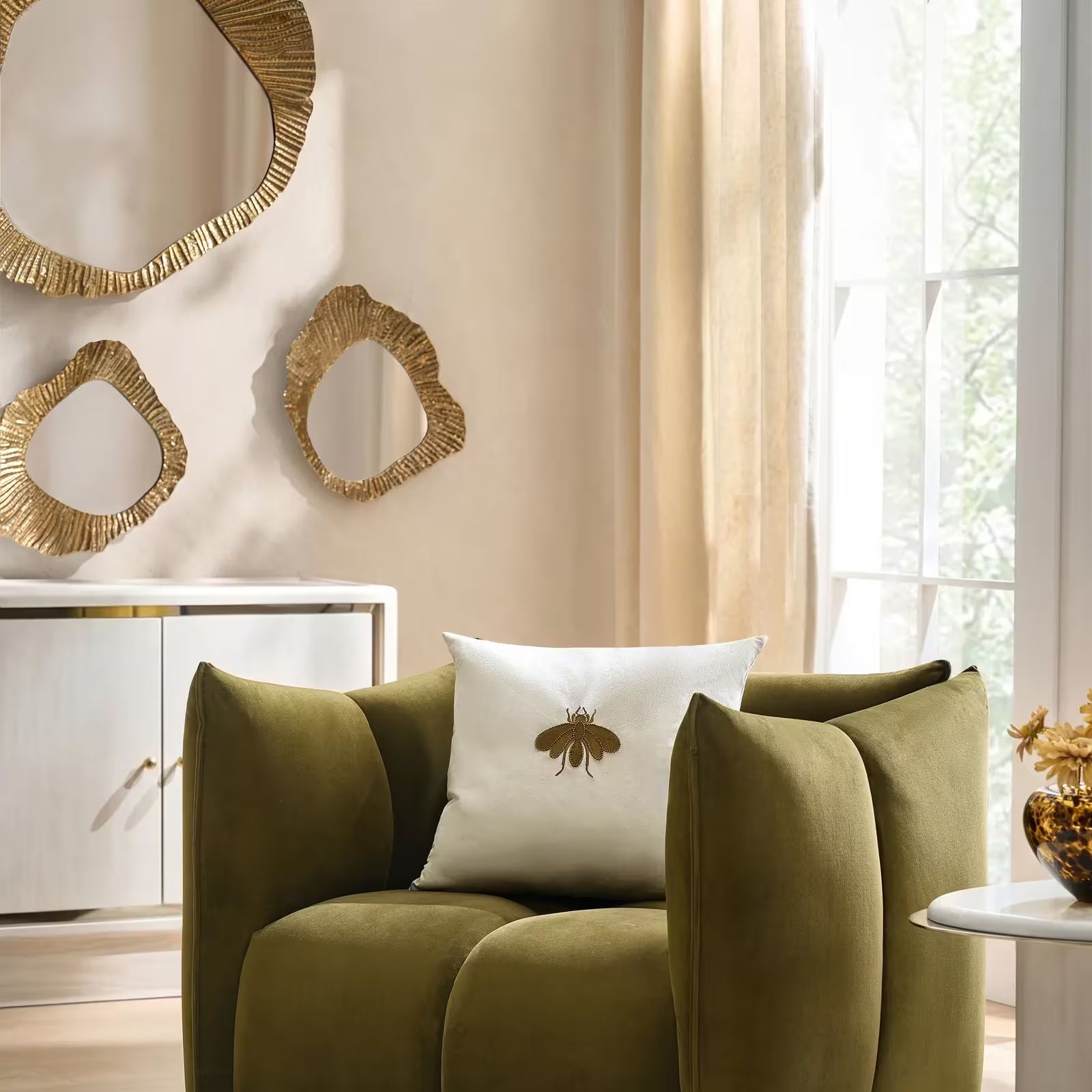 Anson Ivory Textured Window Curtain Panel$109
An elegant ivory curtain with a crushed, light-reflective texture and versatile dual hanging options.
Add To Cart -
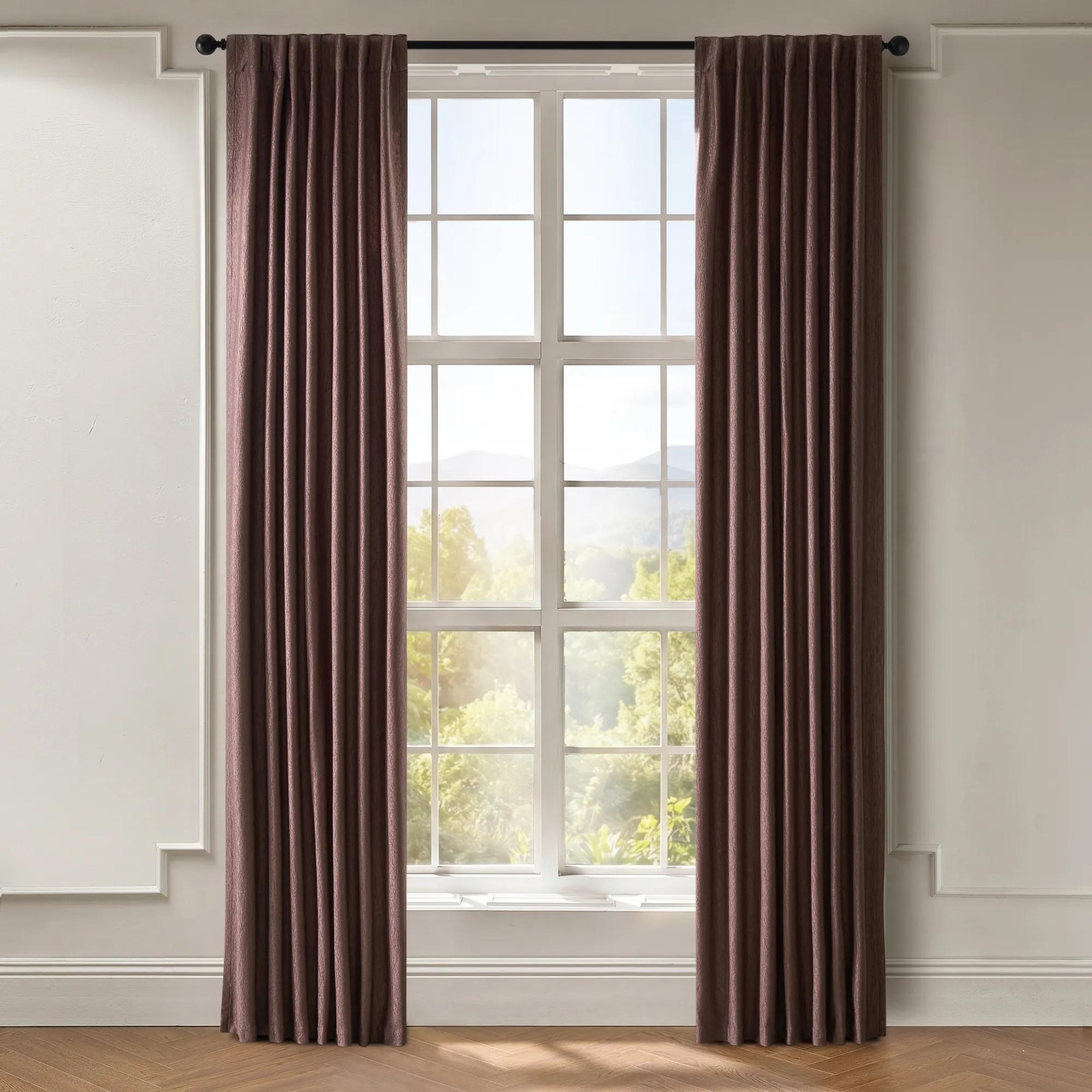
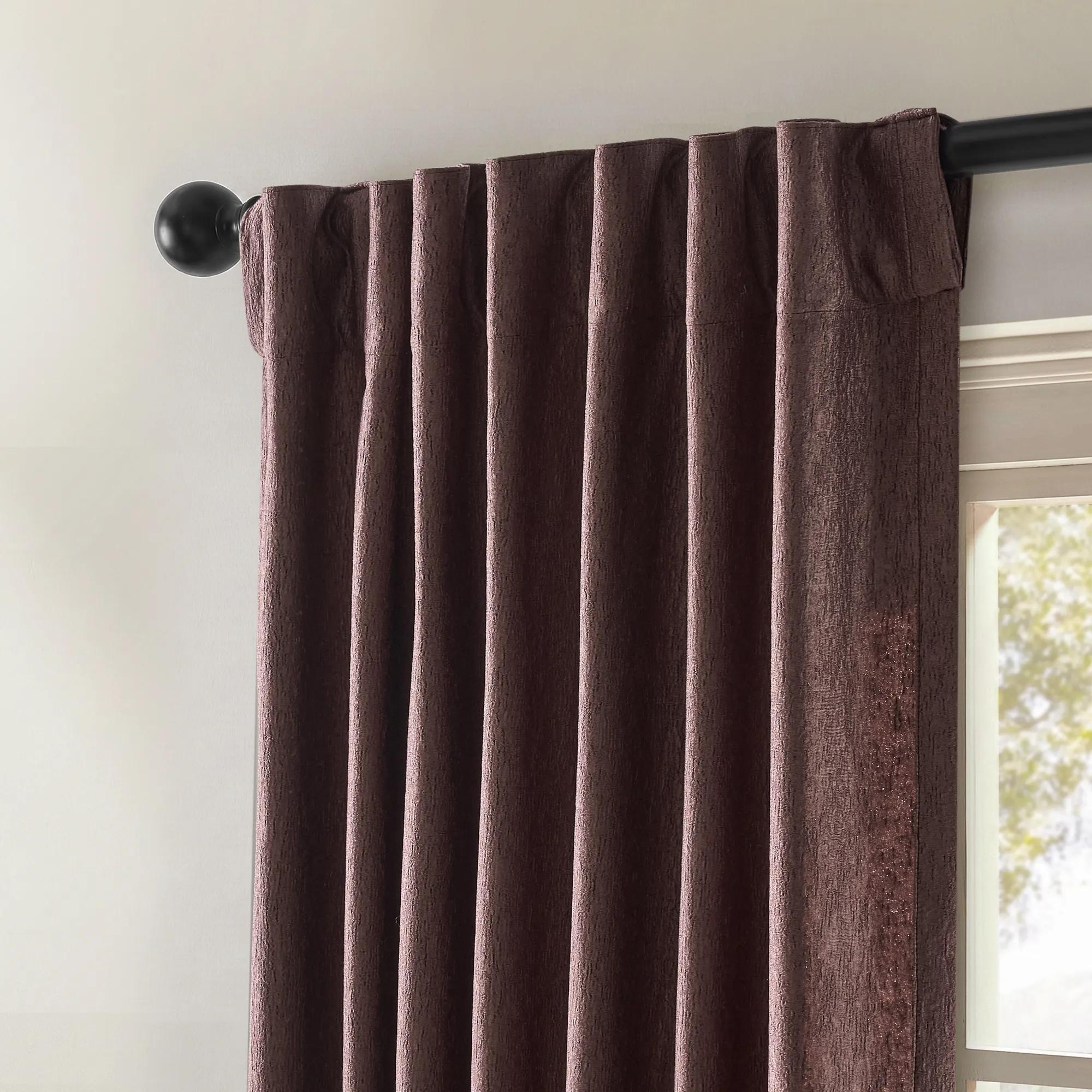 Anson Fig Textured Window Curtain Panel$109
A room-darkening fig curtain panel with a crushed sheen texture and versatile dual hanging options.
Add To Cart -

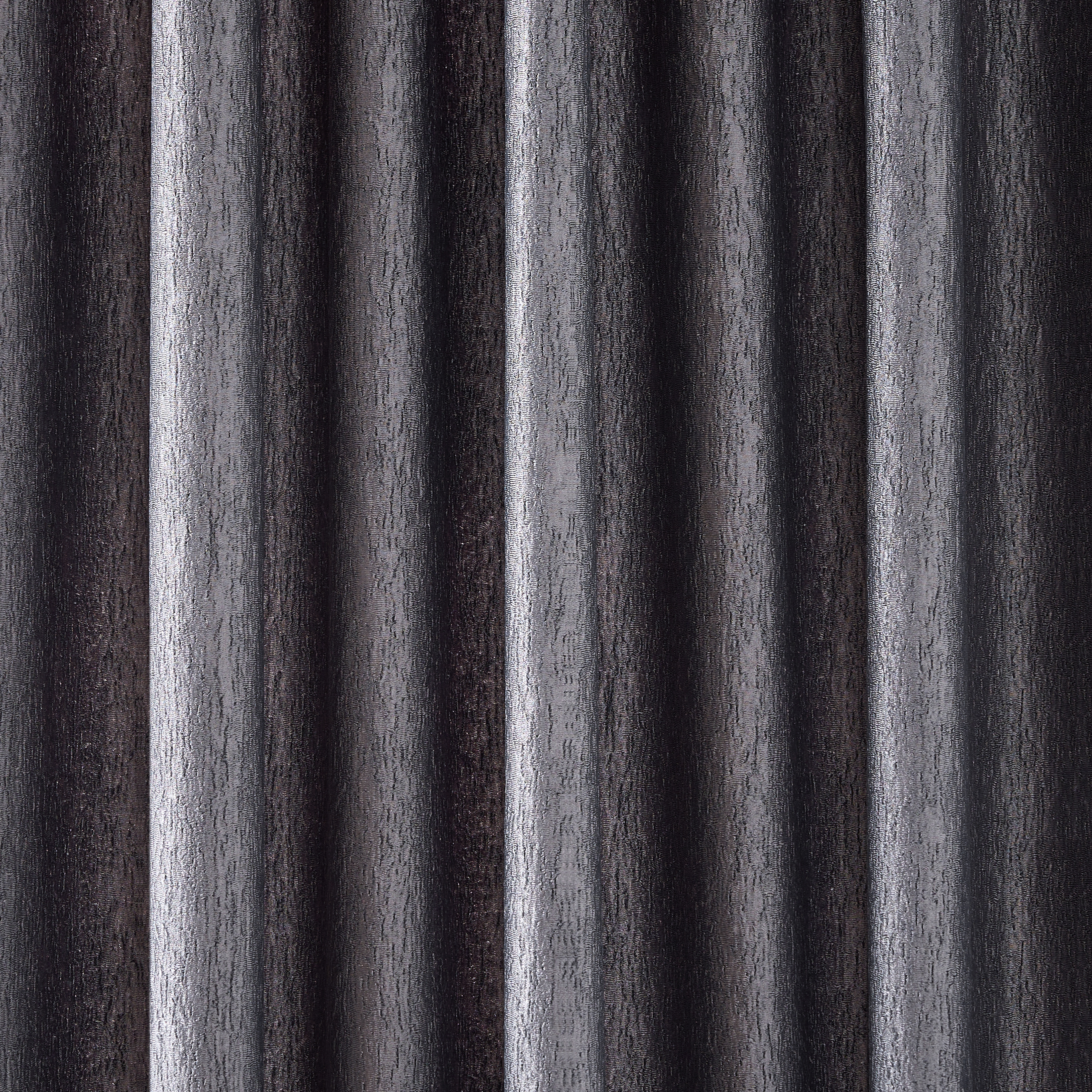 Anson Charcoal Textured Window Curtain Panel$109
A moody charcoal curtain with crushed polyester texture and subtle sheen for stylish, room-darkening appeal.
Add To Cart -

 Mabel Natural Velvet Swirl Window Curtain Panel$109
A warm neutral velvet curtain with a tonal swirl pattern and room-darkening, dual hanging options.
Add To Cart -
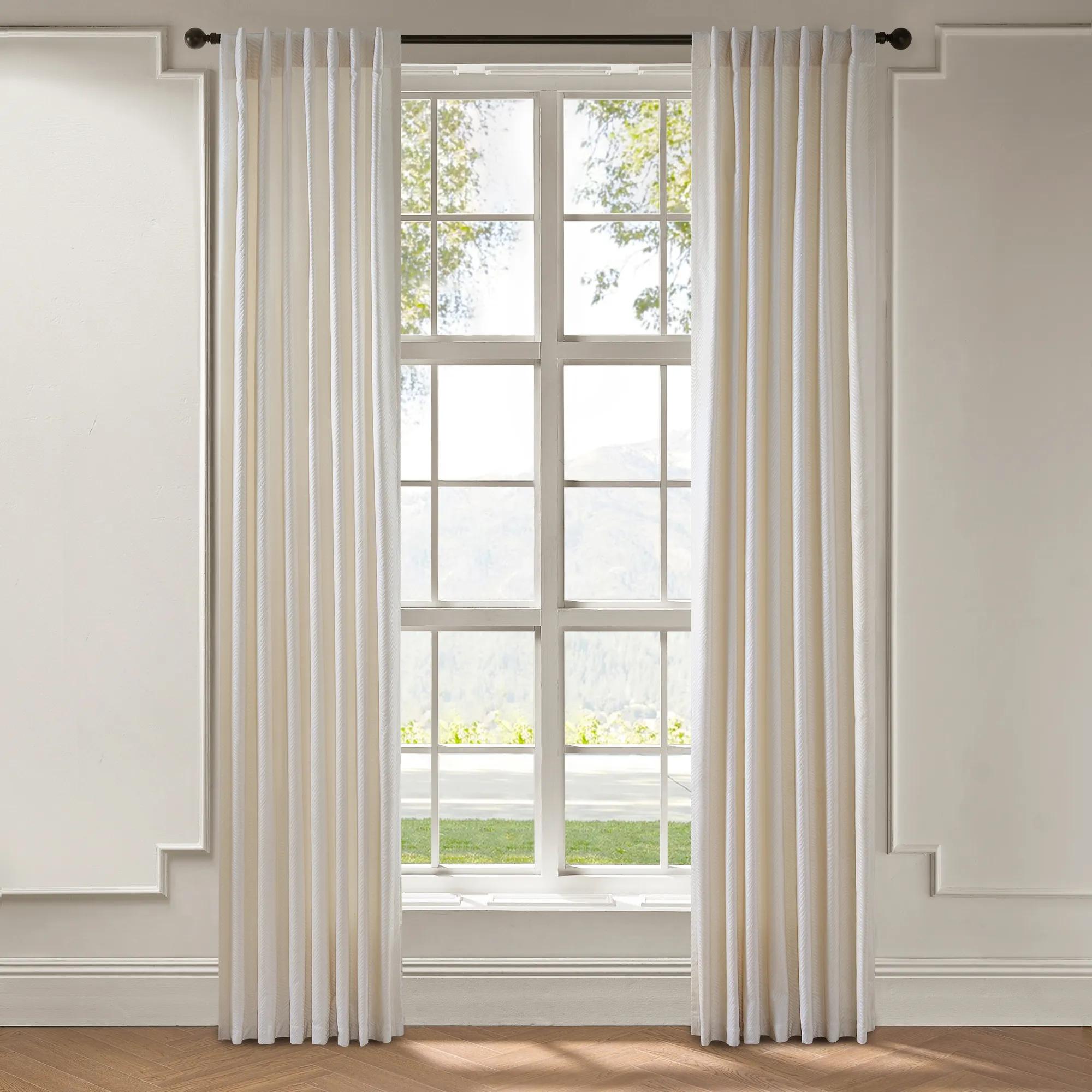
 Kenzo Chenille Curtain - White$119
A white chenille jacquard curtain featuring a subtle high-contrast pattern and soft, room-darkening texture.
Add To Cart -
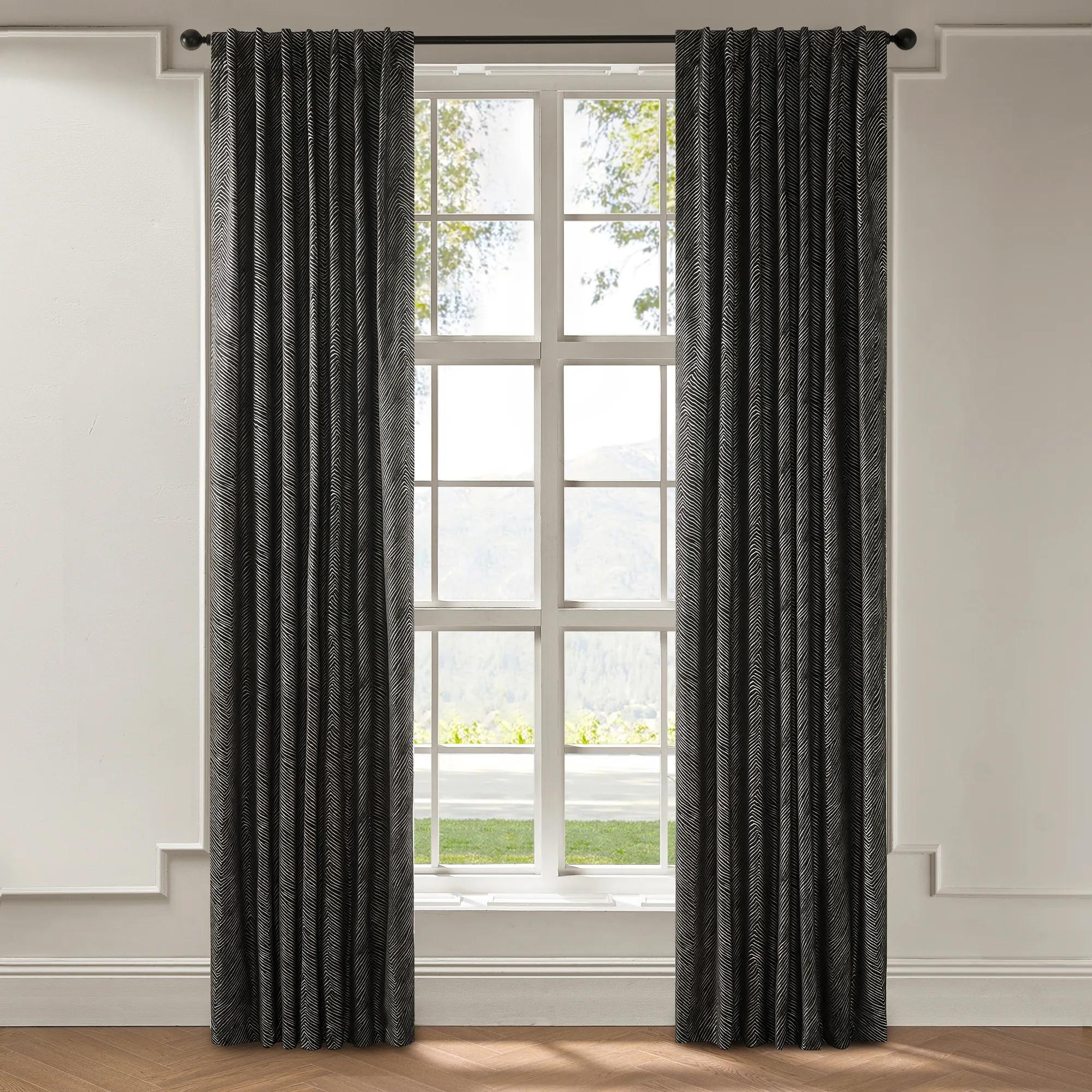
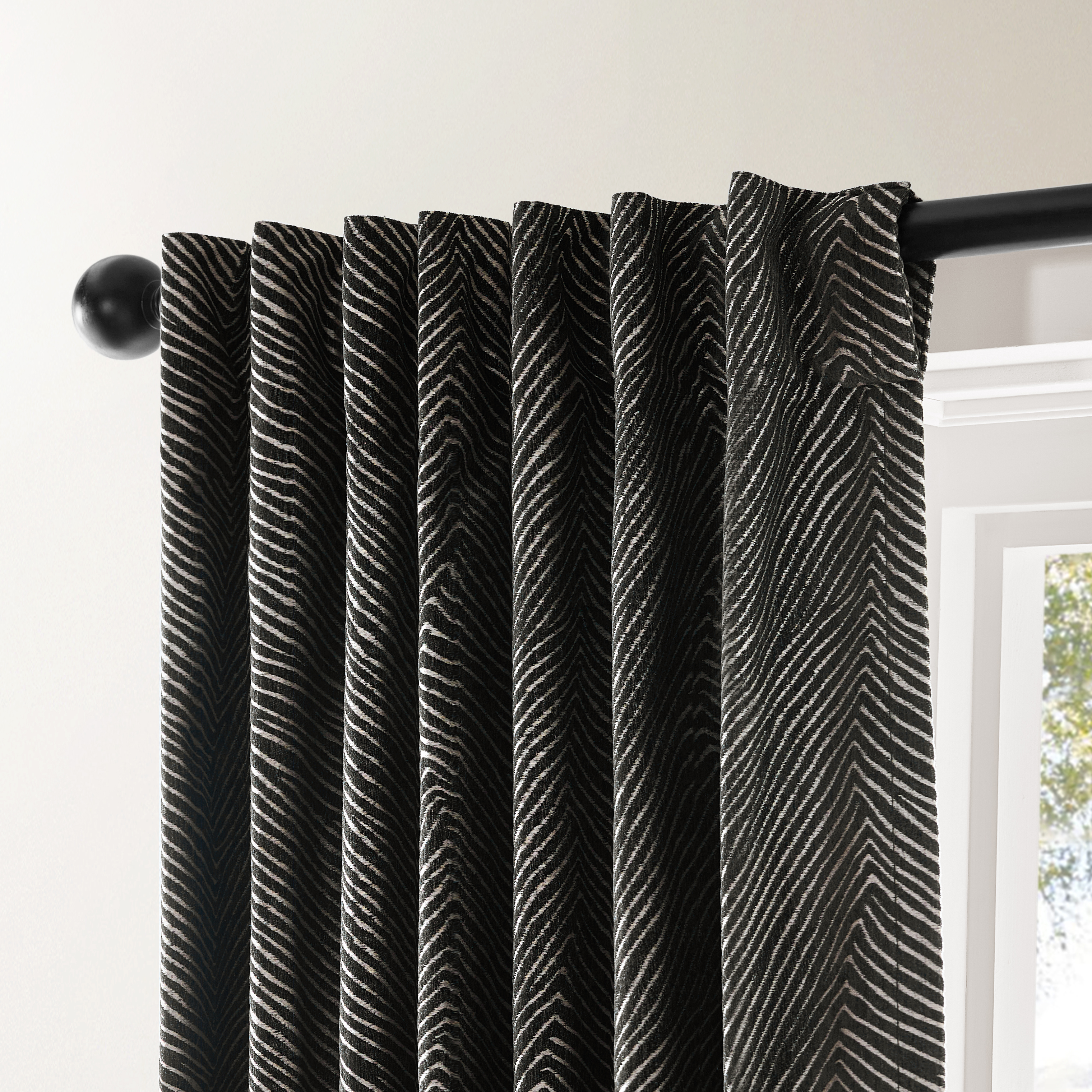 Kenzo Black Chenille Window Curtain Panel$119
A black chenille jacquard curtain with a luxe sheen and versatile dual hanging options for modern spaces.
Add To Cart -
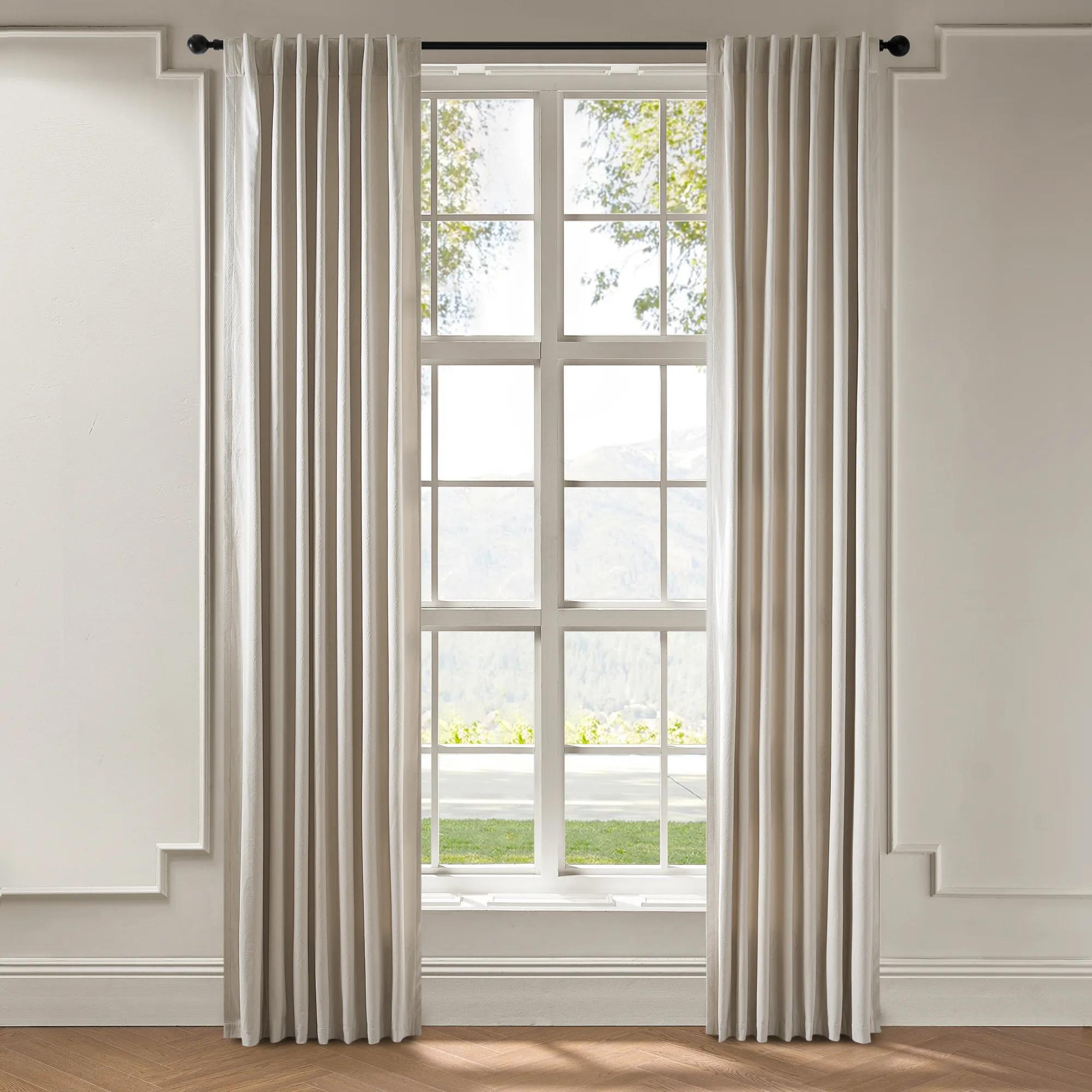
 Mabel White Velvet Swirl Window Curtain Panel$109
A crisp white velvet curtain featuring a tonal swirl texture and versatile dual hanging options.
Add To Cart -

 Adair Sand Solid Velvet Window Curtain Panel$69
A sand-colored velvet curtain offering room-darkening privacy and versatile hanging options for refined interiors.
Add To Cart -
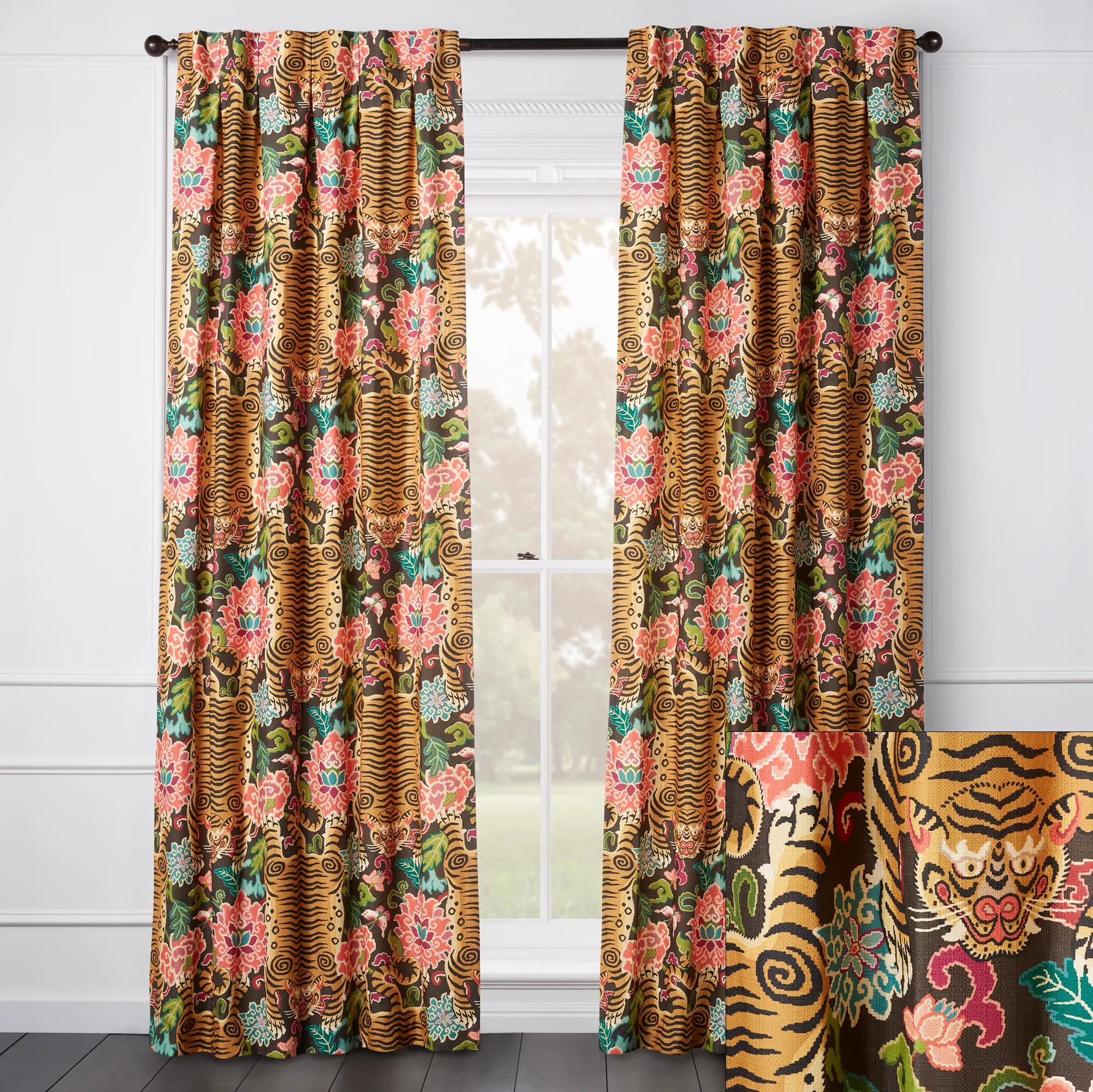
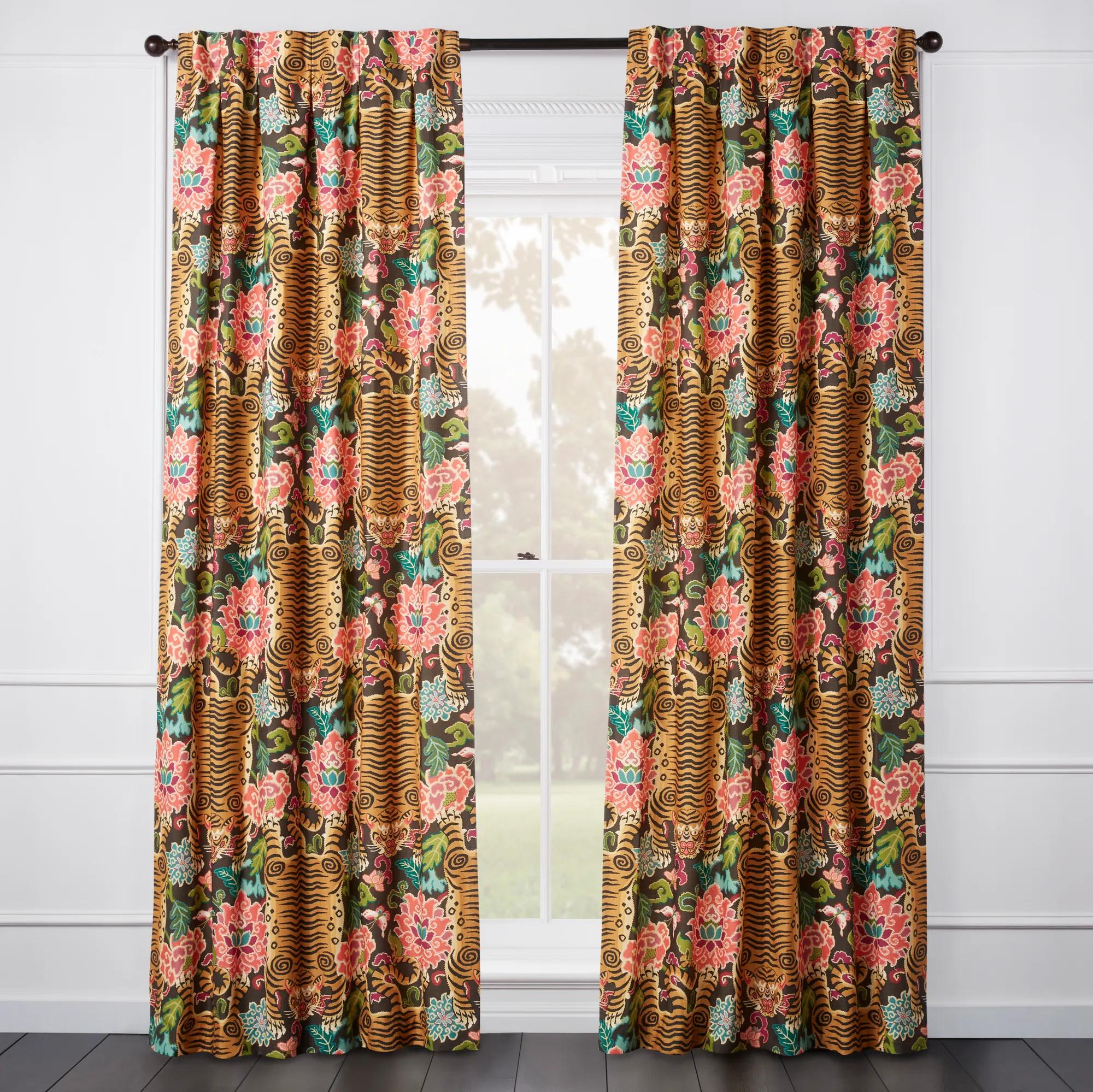 Nimer Gold/Multi Printed Slubbed Cotton Window Curtain Panel$349
A lively gold and multi-colored cotton curtain panel featuring a bold tiger print and customizable options.
Add To Cart -

 Adair Midnight Blue Solid Velvet Window Curtain Panel$79
A sumptuous midnight blue velvet curtain that adds rich dimension and room-darkening elegance to any space.
Add To Cart -
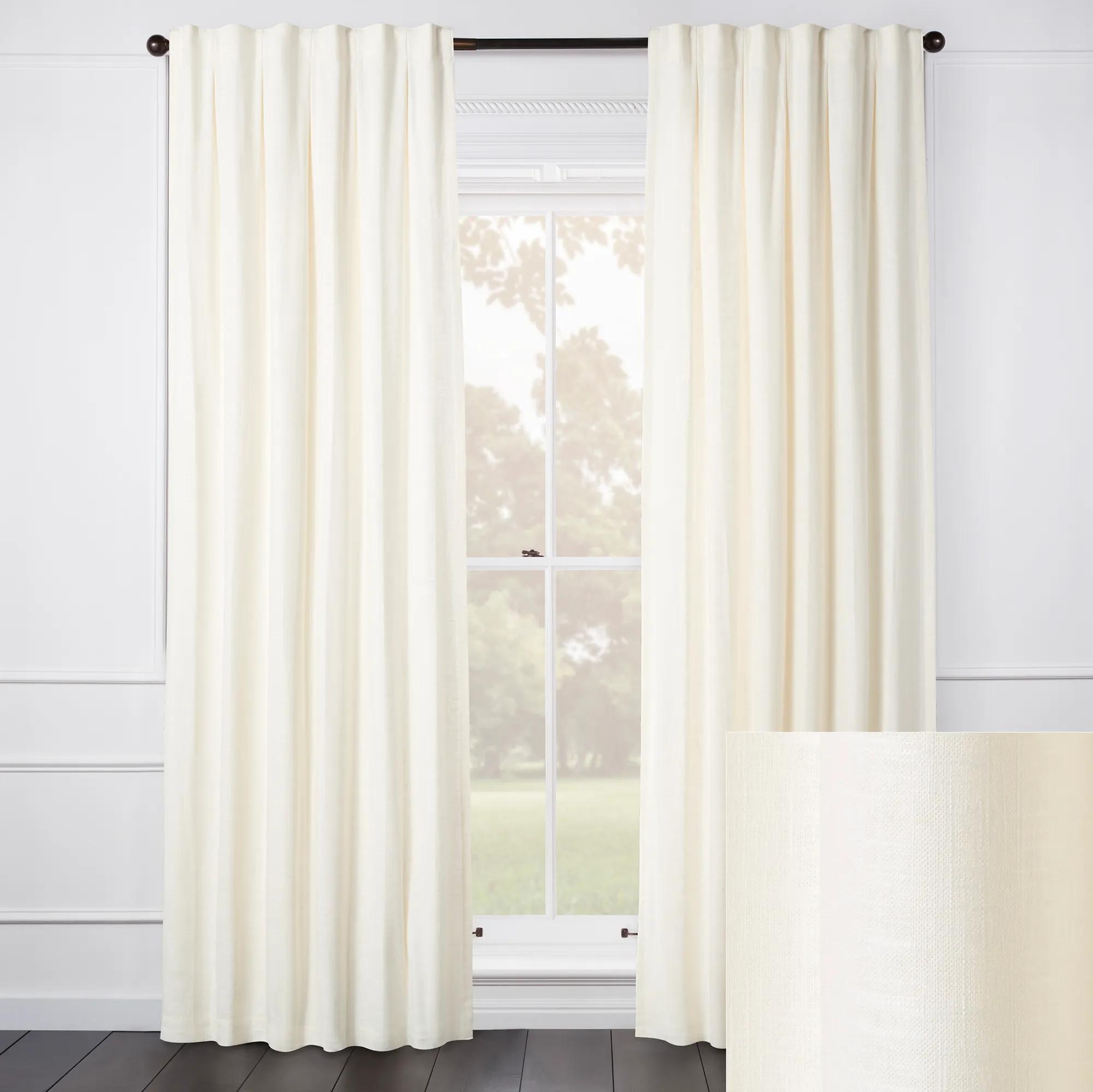
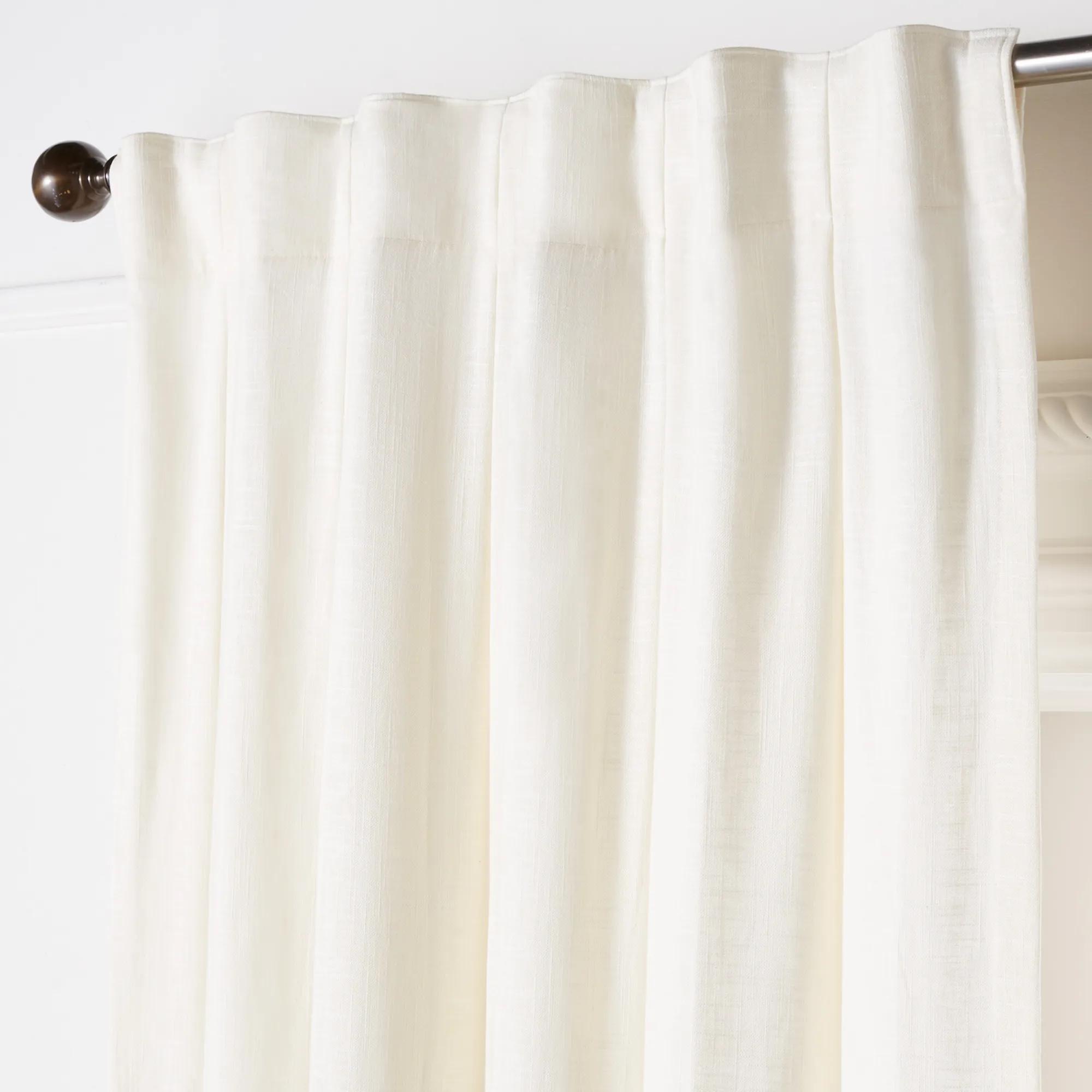 Audrey Linen Ivory Curtain - Custom$269
An ivory linen-blend curtain panel with lining, offering customizable lengths and two elegant header styles.
Add To Cart -
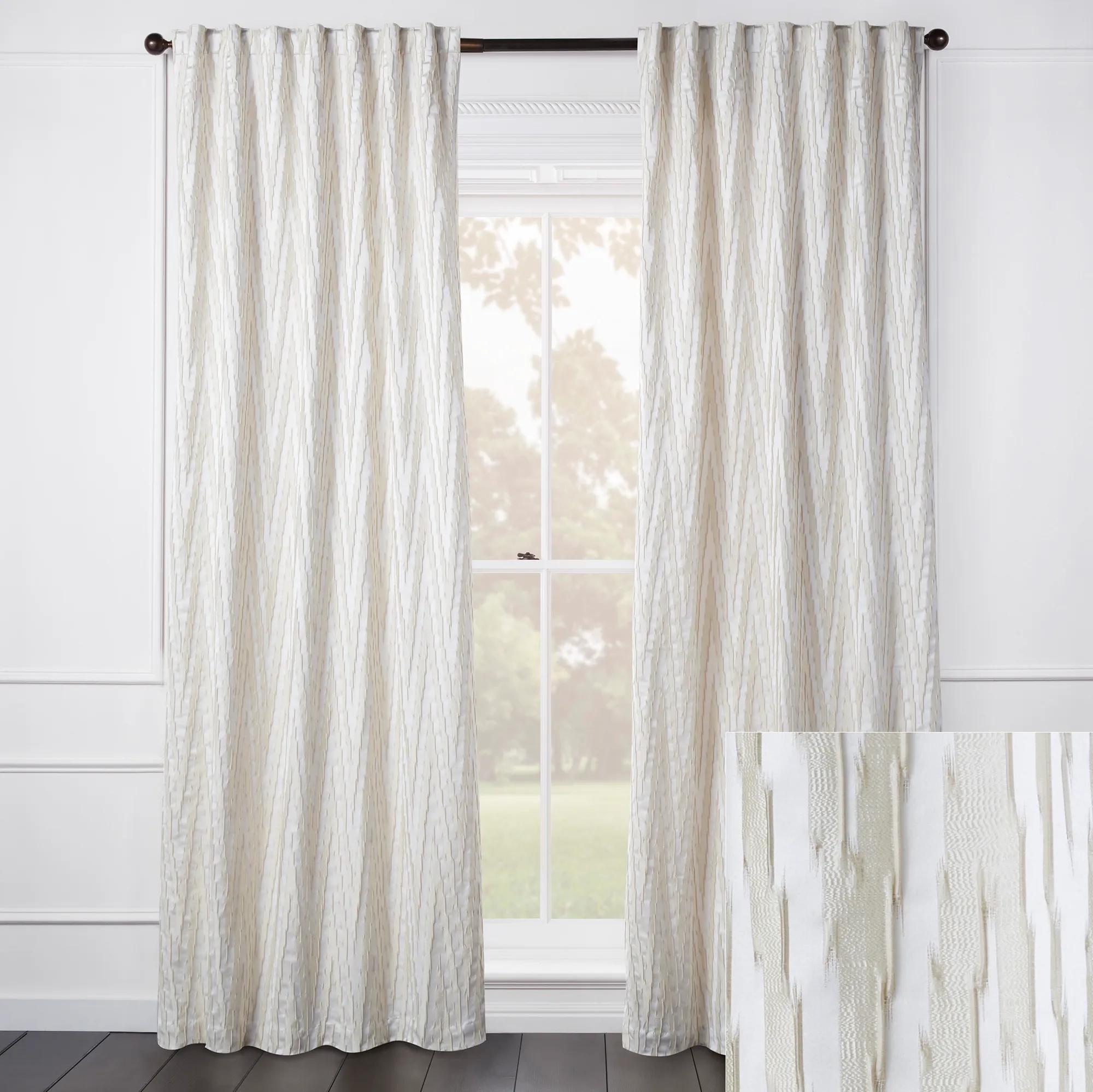
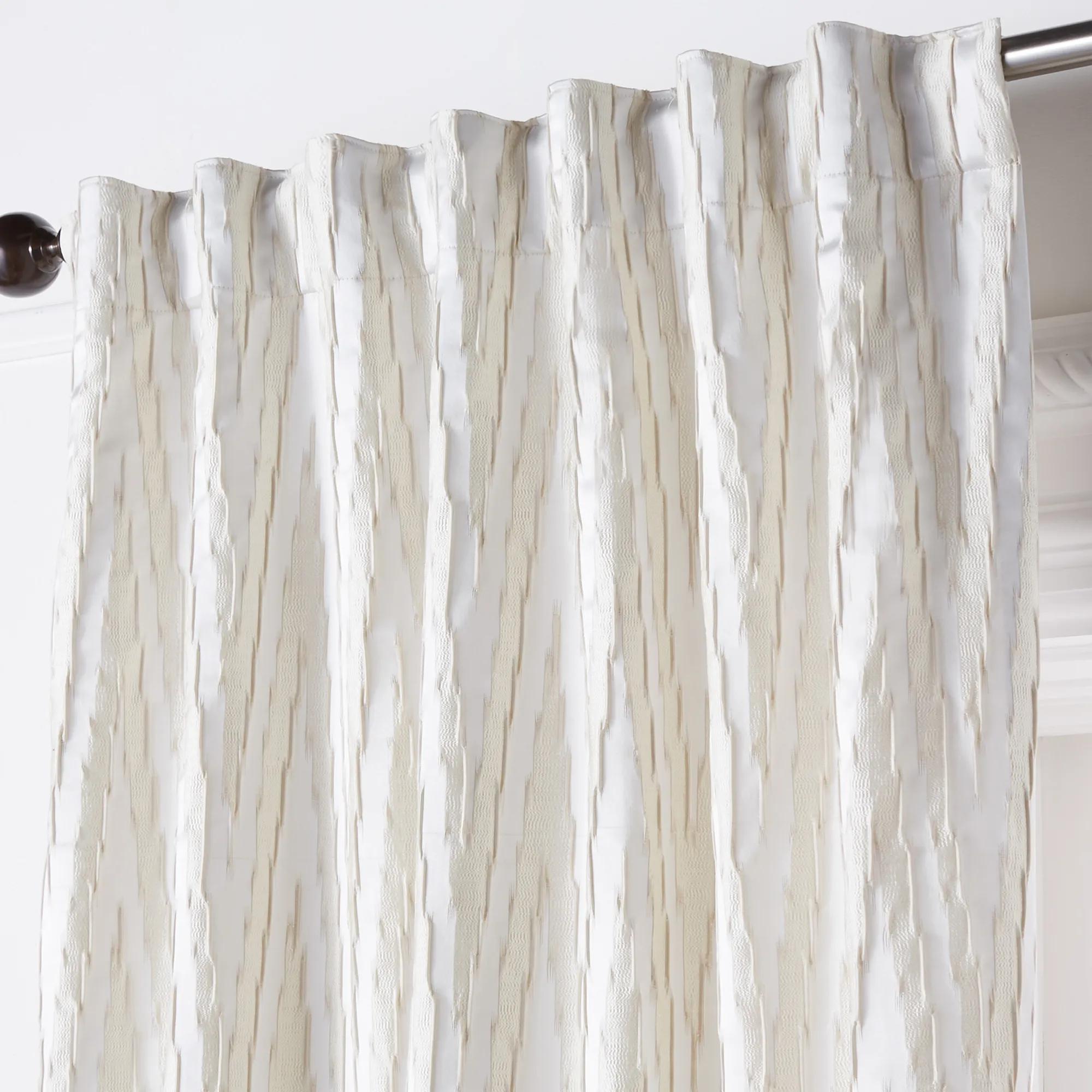 Minka Jacquard Pearl Window Curtain Panel Custom$239
A highly textured chevron curtain panel in pearl, grey, or natural, crafted from soft polyester blend.
Add To Cart -

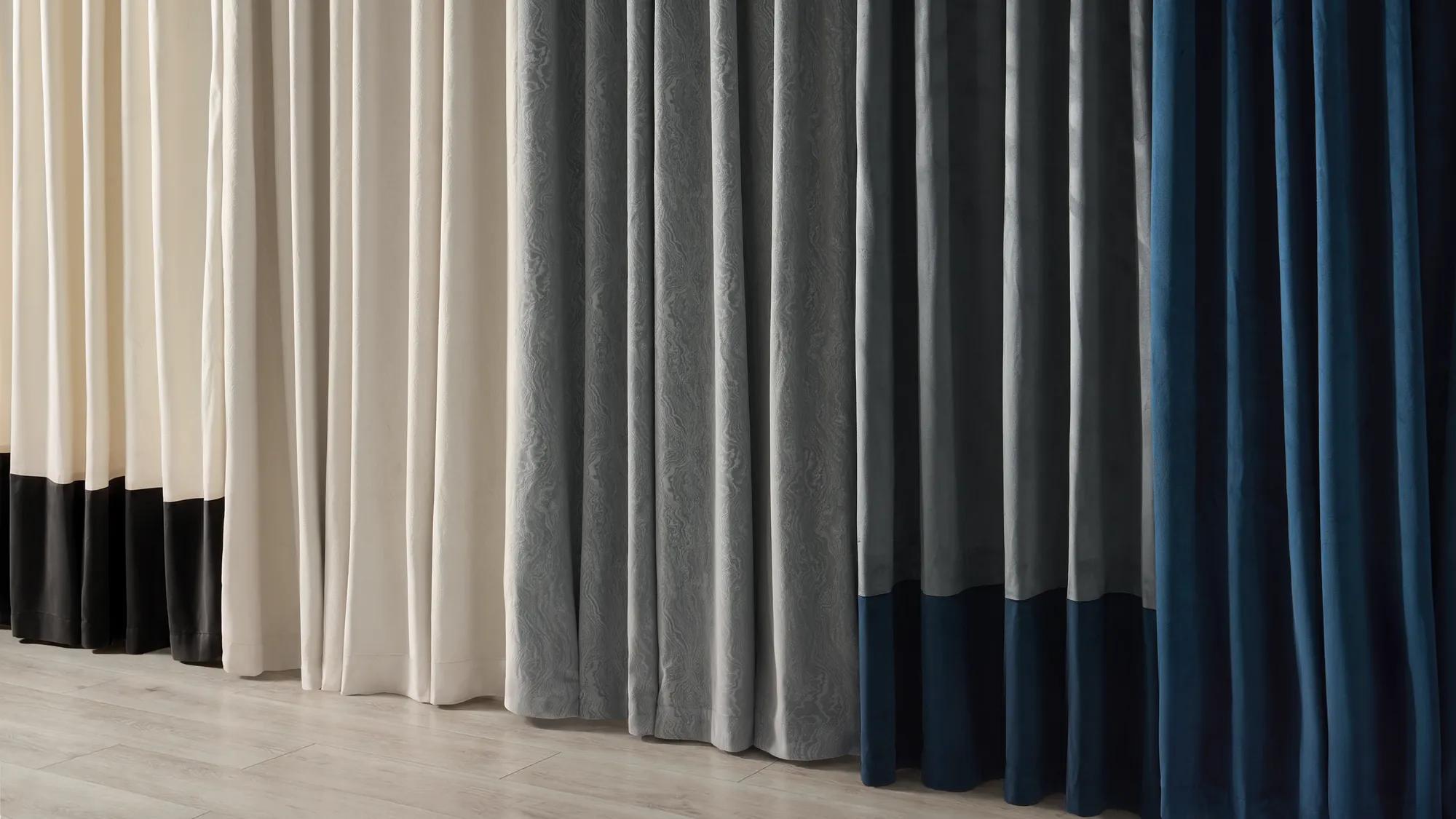 Mabel Velvet Swirl Curtain - Grey Blue$109
A grey blue velvet curtain featuring a tonal swirl pattern and versatile dual hanging options.
Add To Cart -
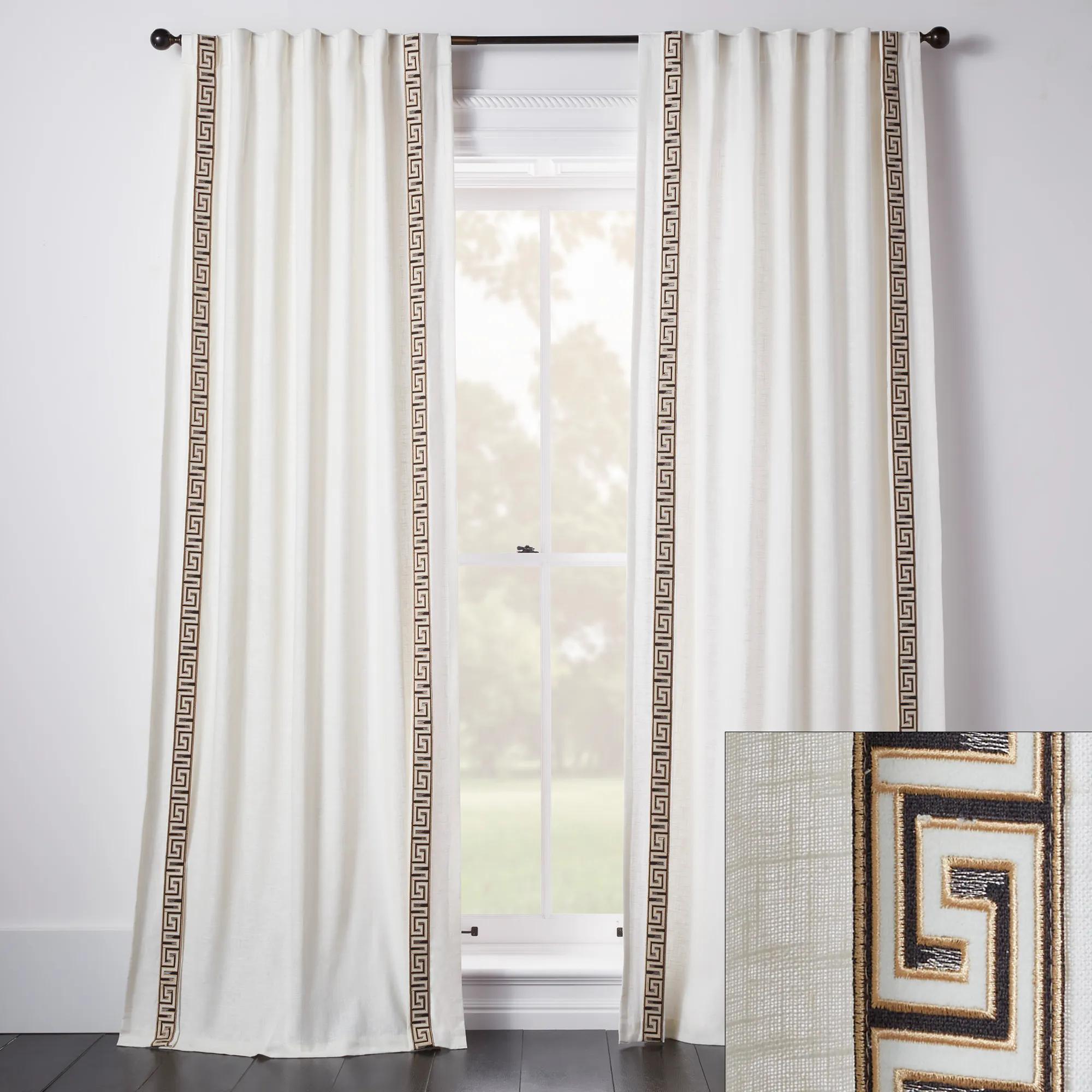 Chole Greek Key Border Velvet Widow Curtain Panels Custom$419
A linen-blend curtain panel with plush black and gold velvet Greek key border and customizable options.
Add To Cart

Transitional Style Curtain Panels
Transitional Style Curtain Panels embody the art of balance—where classic elegance meets modern sophistication in a seamless embrace. These drapes are more than window treatments; they are the finishing touch that transforms a room into a curated masterpiece, softening sunlight with an effortless grace while framing your space in understated luxury. Each panel becomes a canvas for subtle drama, inviting texture, depth, and movement into your home. Perfect for those who crave refinement without restraint, Transitional Style Curtain Panels offer the versatility to elevate any interior, blending timeless allure with contemporary flair for a look that’s forever captivating.
Transitional style curtain panels blend the warmth and graceful proportions of traditional interiors with the clean lines of contemporary design. Neutral palettes, subtle textures, and restrained geometric patterns define the look, allowing windows to feel elegantly dressed without overwhelming the room. Their appeal lies in that balance: a softly tailored panel can complement a carved wood console just as naturally as a sculptural sofa or a gleaming metal accent table. Rather than relying on elaborate swags or ornate trim, transitional curtains create presence through beautiful fabric, thoughtful proportions, and the way folds catch the light. Linen and linen blends offer an organic texture with subtle variations that soften polished surroundings, while cotton brings an approachable, tailored character. Velvet introduces a richer surface and a more sumptuous drape, particularly striking against streamlined furnishings. Polyester and blended fabrics can offer consistency of texture and shape, although performance and care requirements depend on the particular construction. Color establishes the atmosphere just as clearly as material. Ivory, oatmeal, taupe, and soft gray create a composed backdrop for expressive furniture and artwork, while deeper charcoal or muted blue can give a window greater definition. For an airy interpretation, White Transitional Window Curtain Panels bring visual softness to darker wood finishes, metallic details, and richly layered upholstery. White itself has nuance: a creamy tone feels warmer beside walnut and brass, while a crisper shade creates a sharper contrast with black accents. Tonal embroidery, narrow stripes, delicate lattice motifs, and woven patterns can introduce detail without turning the window into a competing focal point. In a room with an oversized abstract painting or a dramatic chandelier, a quieter curtain fabric gives those elements room to command attention. Where furnishings are more restrained, a lustrous weave or sculpted texture can make the windows the most expressive feature. The result is a window treatment that connects different design influences through color, texture, and proportion.
The fit of transitional curtain panels shapes their effect as much as the fabric itself. Long, uninterrupted folds emphasize ceiling height and lend a room architectural poise, while sufficient width keeps closed curtains from looking stretched across the glass. For many fabrics, a combined panel width of roughly one and a half to two times the curtain rod width creates soft fullness, although heading style, pleat construction, and fabric weight can change that proportion. Panel dimensions and package quantities deserve equal attention, since a single panel and a pair serve different window arrangements. Length is best considered from the actual hanging point rather than the top of the window frame; rings, rod pockets, back tabs, and grommets each position the fabric differently. Panels that just meet the floor create a tailored line suited to living rooms, bedrooms, and dining spaces. A slight break at the hem feels more relaxed, while generous pooling makes a more theatrical statement but requires extra attention around foot traffic, pets, and routine cleaning. Hardware adds another layer of character. Warm metallic finishes can echo a mirror frame or lighting fixture, while dark rods create definition against pale walls. The heading determines how that hardware participates in the composition: concealed tabs emphasize fabric, rings introduce a visible decorative detail, and grommets create regular folds with a more contemporary rhythm. Beyond appearance, fabric opacity and lining determine how the panels function. Sheer and semisheer constructions soften incoming light but generally offer limited privacy, especially when interiors are illuminated after dark. More substantial fabrics and privacy linings provide greater coverage, while room-darkening or blackout performance should be confirmed in the product specifications rather than assumed from color or thickness. A layered arrangement, with a sheer nearest the glass and a more opaque outer panel, offers flexibility between an open, luminous setting and a more enclosed atmosphere. Adequate rod clearance helps those layers move freely and allows the panels to gather beside the window when open.
In everyday rooms, transitional window curtains are especially useful for bringing unlike elements into a deliberate composition. A living room with a tufted sofa and angular accent chairs gains continuity from panels that repeat a shared undertone without matching every surface. In a bedroom, softly textured curtains can temper an upholstered headboard and mirrored nightstands, creating a restful setting that still feels richly considered. A dining room may call for a denser weave or understated sheen, giving the space a more formal frame without the visual weight of elaborate drapery. Home offices benefit from similar restraint, with fabric adding depth behind a desk or seating area while suitable opacity helps manage distracting light; screen placement and window orientation still influence glare. These panels suit anyone drawn to classic detail but unwilling to make an entire room feel traditional, as well as households bringing contemporary furniture into a home with decorative molding or older architectural features. Their lasting appeal depends partly on construction and upkeep. Even hems, secure seams, and reinforced headings help panels retain a composed appearance through repeated opening and closing. Tighter weaves and smooth surfaces may be more practical where fabric is handled often, while delicate embroidery, open weaves, and plush piles call for more considered placement. Care instructions should govern cleaning, since fiber content alone does not establish whether a panel can be machine washed, steamed, or dry cleaned. Linings, trims, dyes, and finishes can each affect the appropriate method. Gentle dust removal with a suitable attachment, when permitted by the care label, helps keep folds looking fresh; consistent use of a curtain wand can reduce direct handling of delicate fabric. Strong sunlight may gradually affect color and fibers, making lining and placement relevant to long-term appearance. With thoughtful scale, compatible undertones, and fabric suited to daily use, transitional curtain panels give a room a finished quality: softly framed views, graceful vertical lines, and a sense that every furnishing belongs to the same expressive interior.
FAQs
Transitional style curtain panels stand out for their unique ability to blend the timeless elegance of traditional design with the clean lines and subtle sophistication of contemporary style. Their neutral palettes, understated patterns, and versatile textures create a harmonious backdrop that complements both classic and modern interiors, making them a favorite for those seeking a balanced and refined aesthetic.
Transitional curtain panels are exceptionally versatile, making them ideal for living rooms, bedrooms, dining spaces, and even kitchens. Their adaptable design allows them to frame large picture windows in a formal setting or add softness and privacy to more intimate spaces, enhancing the overall ambiance throughout the home.
To achieve a layered look, combine sheer or semi-sheer panels with heavier drapes or blackout curtains. This approach allows you to control light and privacy while adding depth and visual interest to your windows. Pairing textures—such as linen sheers with velvet or cotton panels—creates a rich, dimensional effect that elevates the room’s style.
Transitional curtain panels make an inspired gift for new homeowners, newlyweds, or anyone embarking on a design refresh. Their neutral tones and classic-meets-modern appeal ensure they complement a wide range of decor styles, providing a thoughtful, practical, and beautifully stylish addition to any space.
Transitional curtain panels are available in a variety of header styles to suit different design preferences and installation needs. Popular options include grommet headers for a contemporary look, rod-pocket styles for a cozy and traditional feel, and pinch-pleat panels for a tailored, classic finish. Each style offers a distinct visual effect, allowing you to personalize the mood of your space.


