Throws For Contemporary Homes
Throws For Contemporary Homes
-
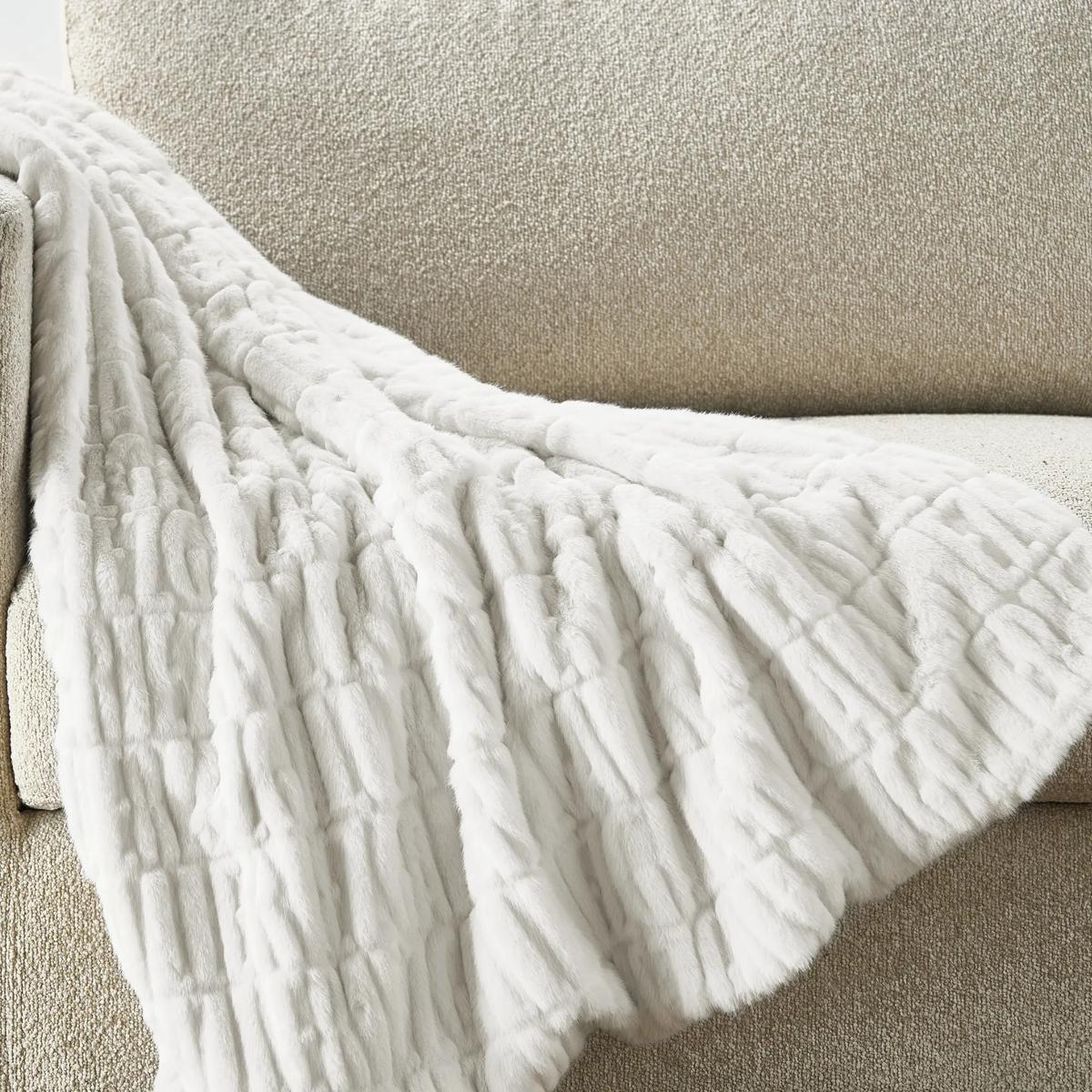
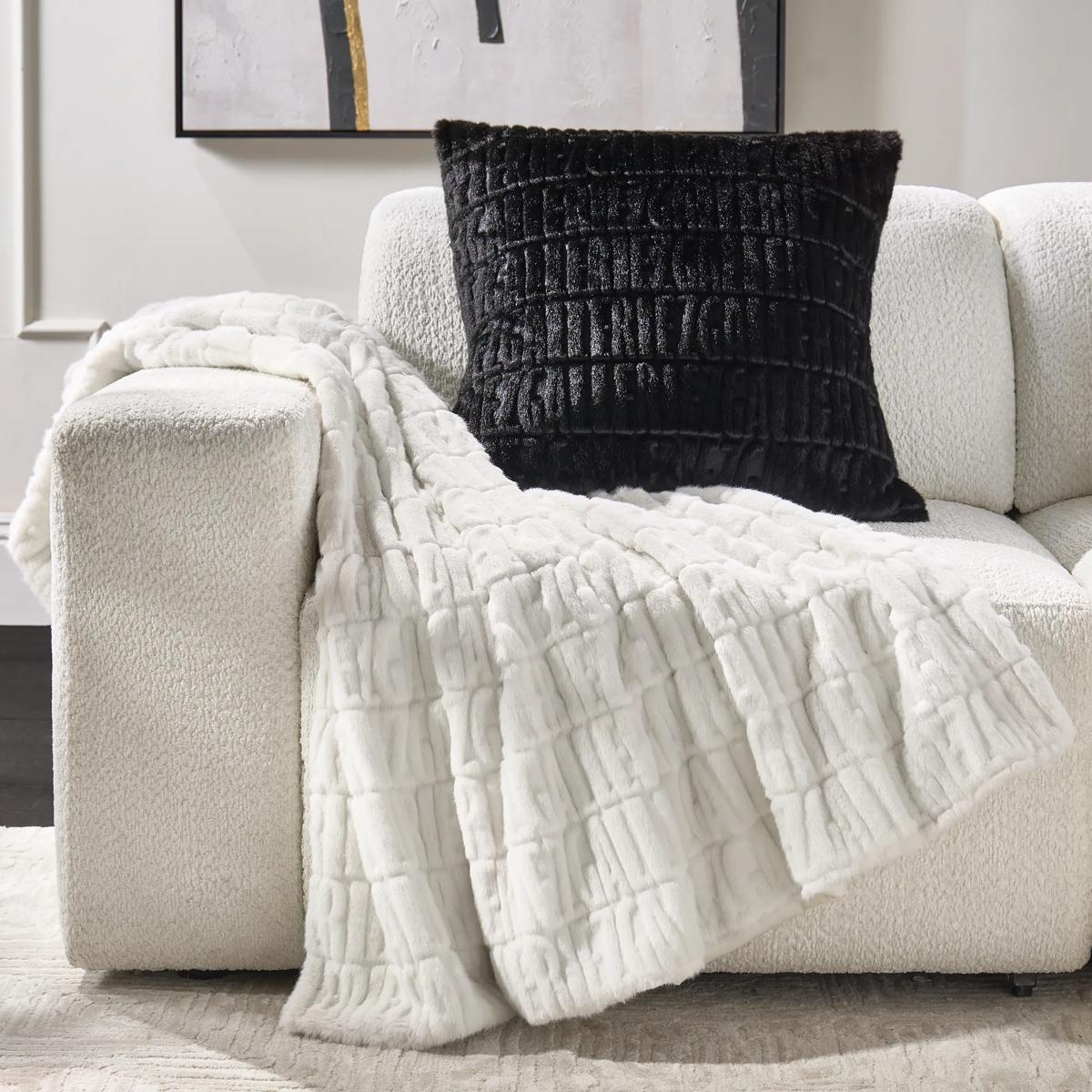 Z Carved Faux Fur Throw 50" x 60" - Ivory$129
An elegant ivory faux fur throw with a sculptural carved pattern and soft velvet backing.
Add To Cart -
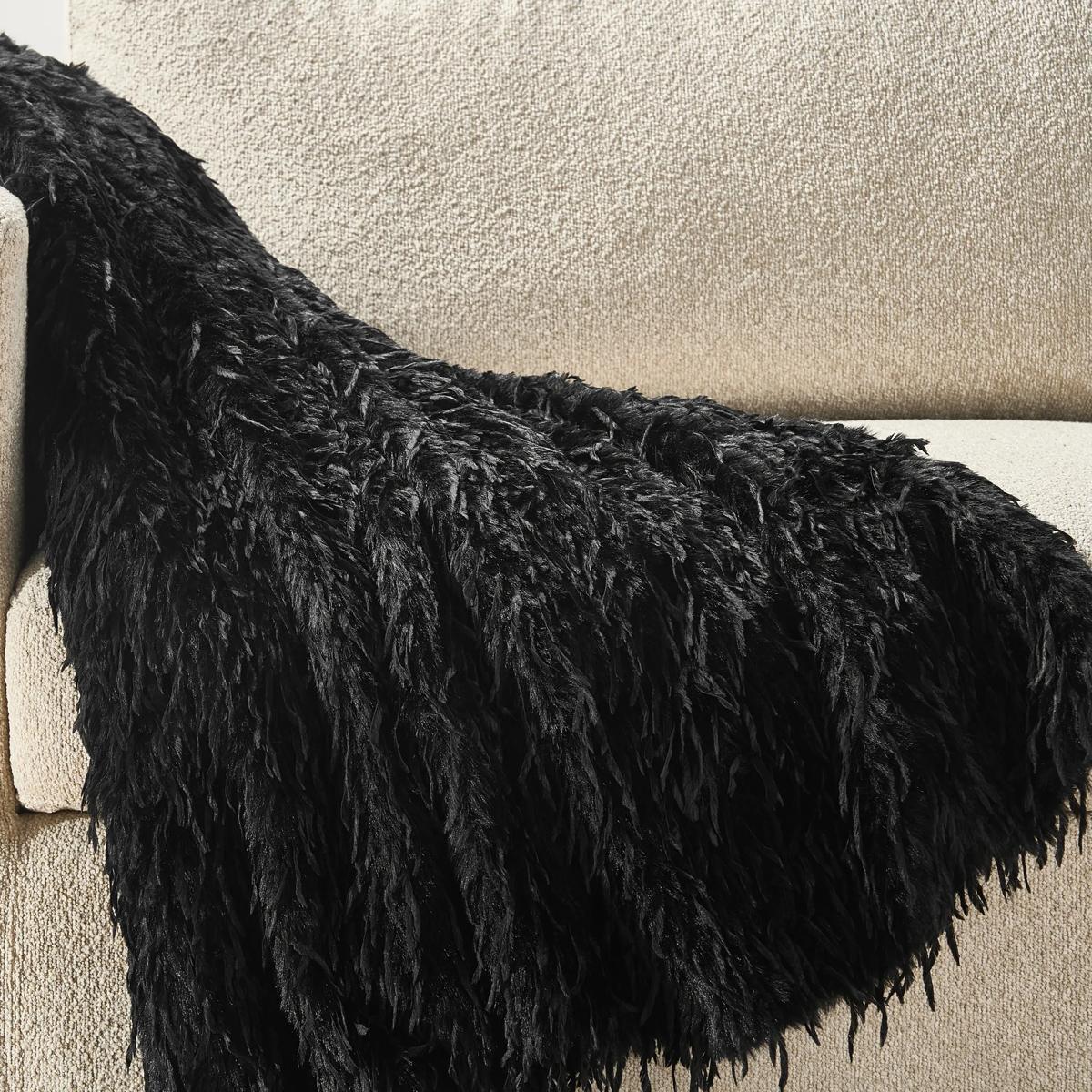
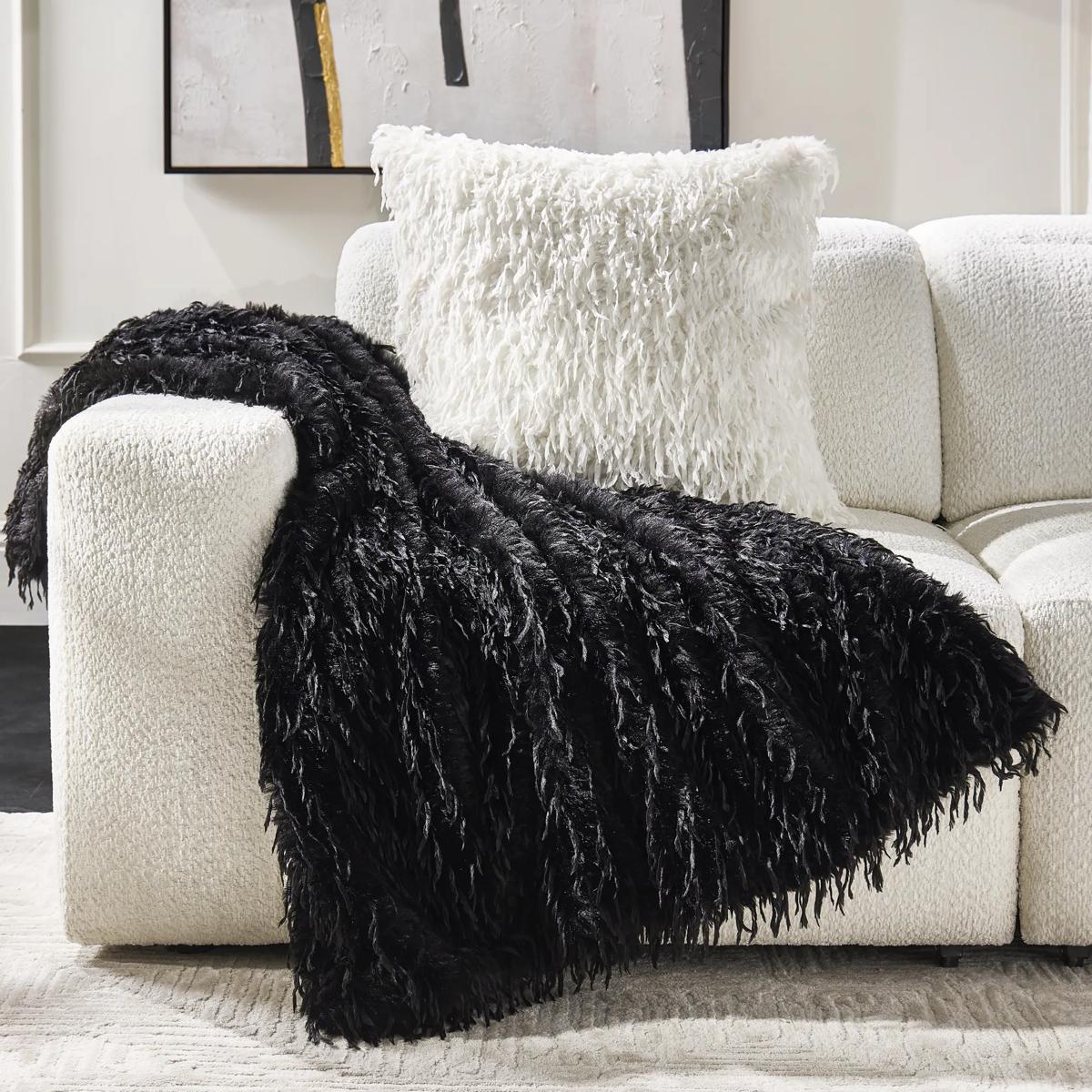 Pluma Faux Feather Throw 50" x 60" - Black$129
A bold black faux feather throw with plush texture and a dramatic, chic polyester velvet backing.
Add To Cart -
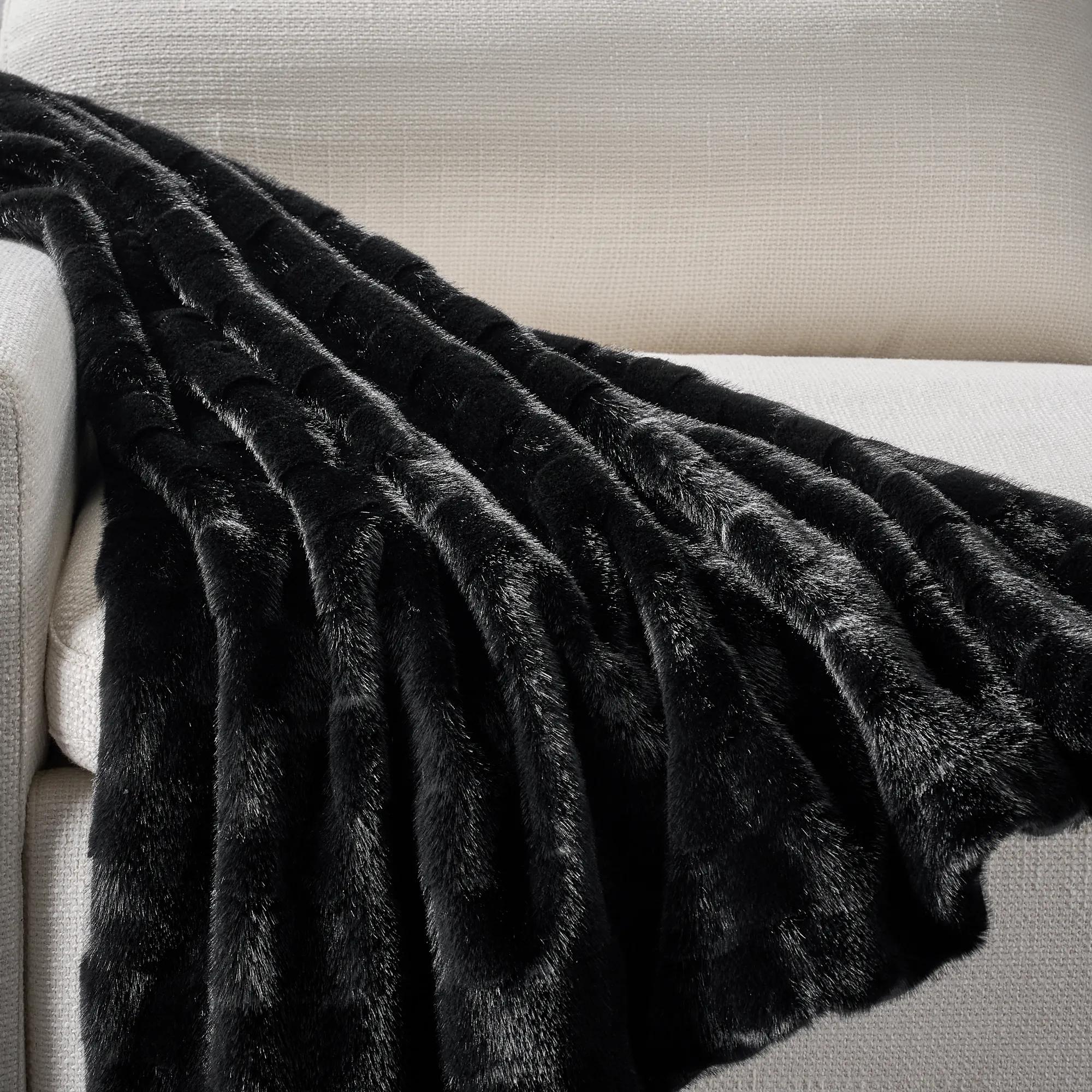 Carved Check Black Faux Fur Throw 50" x 60"$129
A black faux fur throw with a carved checker pattern and a smooth velvet reverse for added luxury.
Add To Cart -
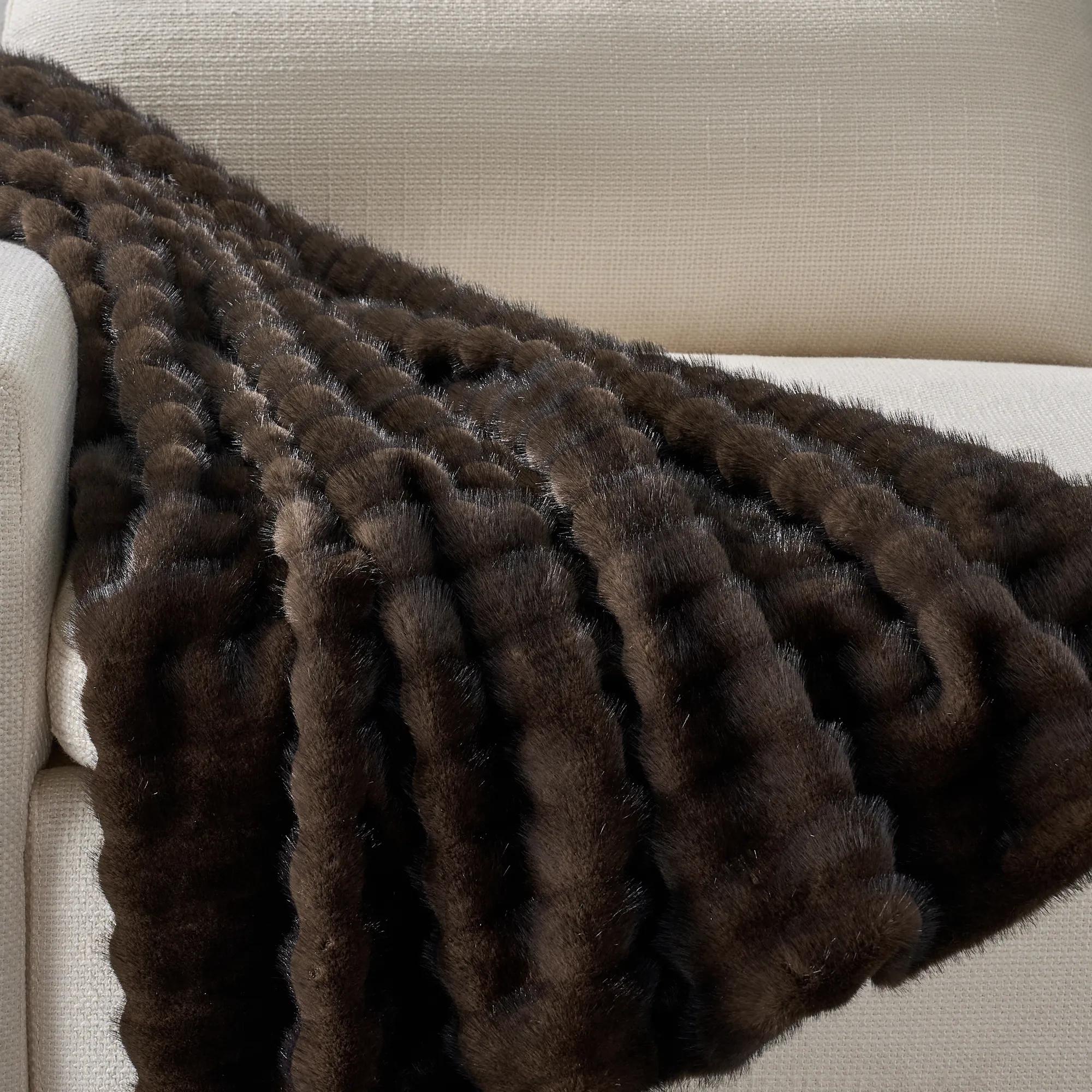
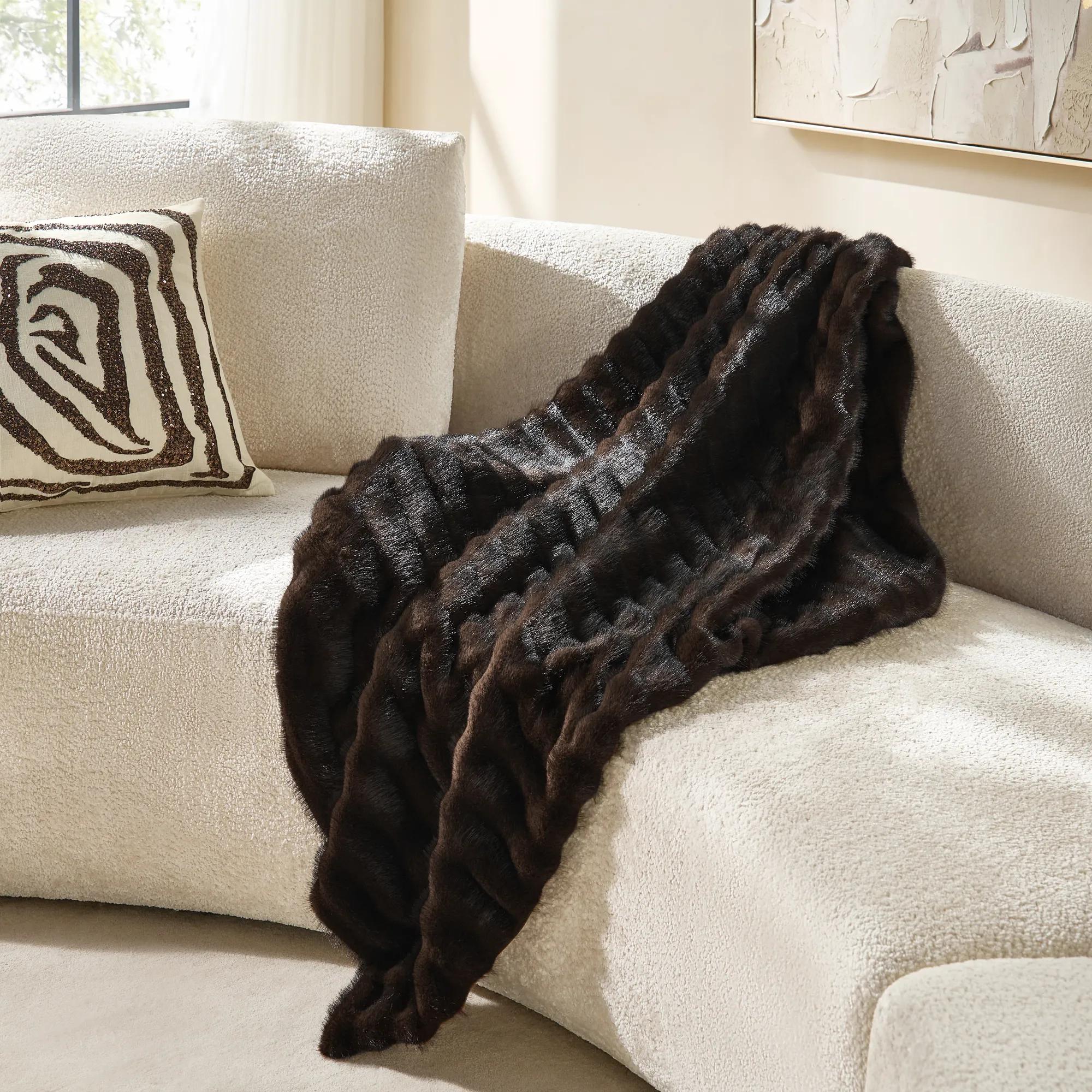 Chaska Channeled Dark Chocolate Brown Faux Fur Throw 60" x 50"$159
A sculpted channeled faux fur throw in rich dark chocolate brown with a smooth velvet reverse.
Add To Cart -
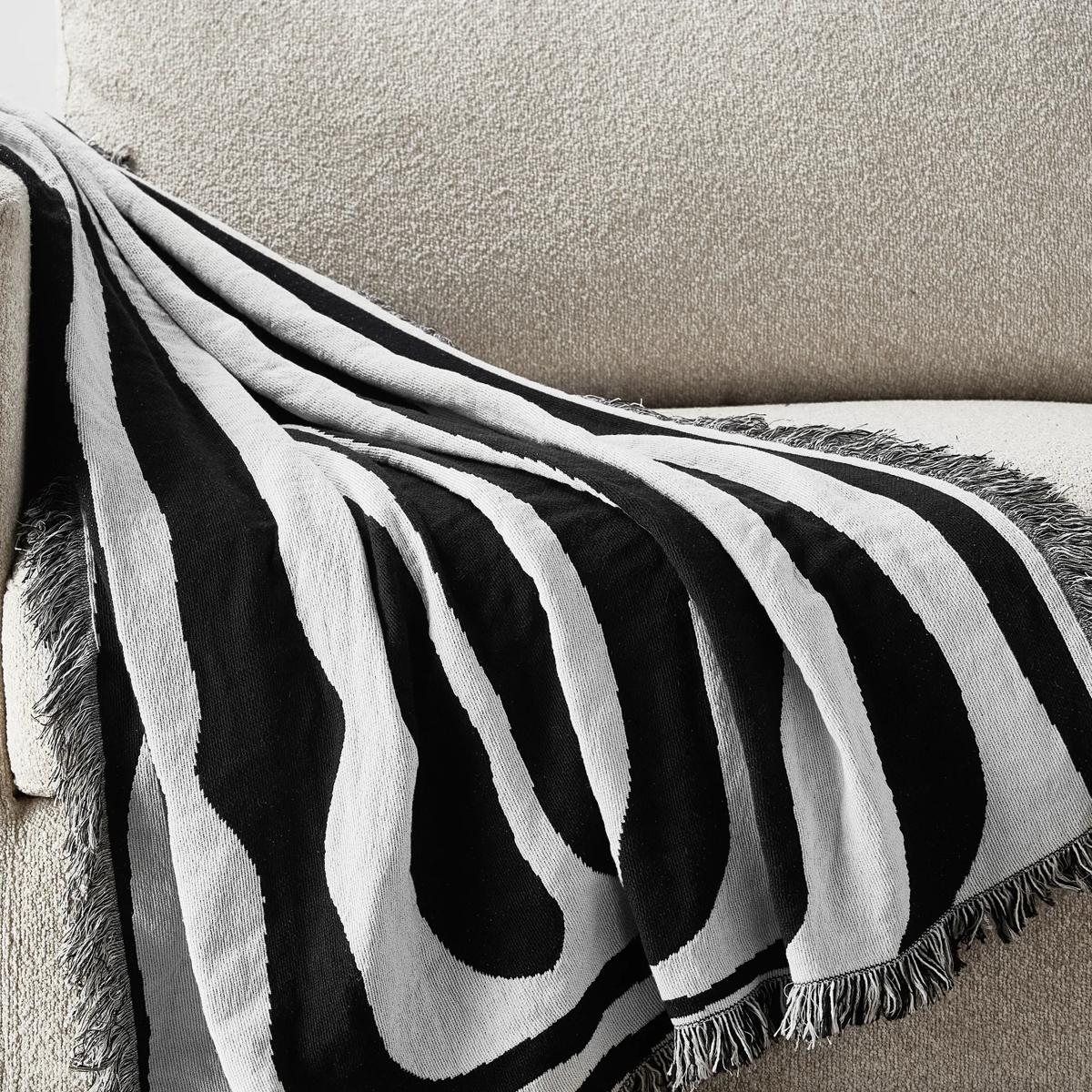
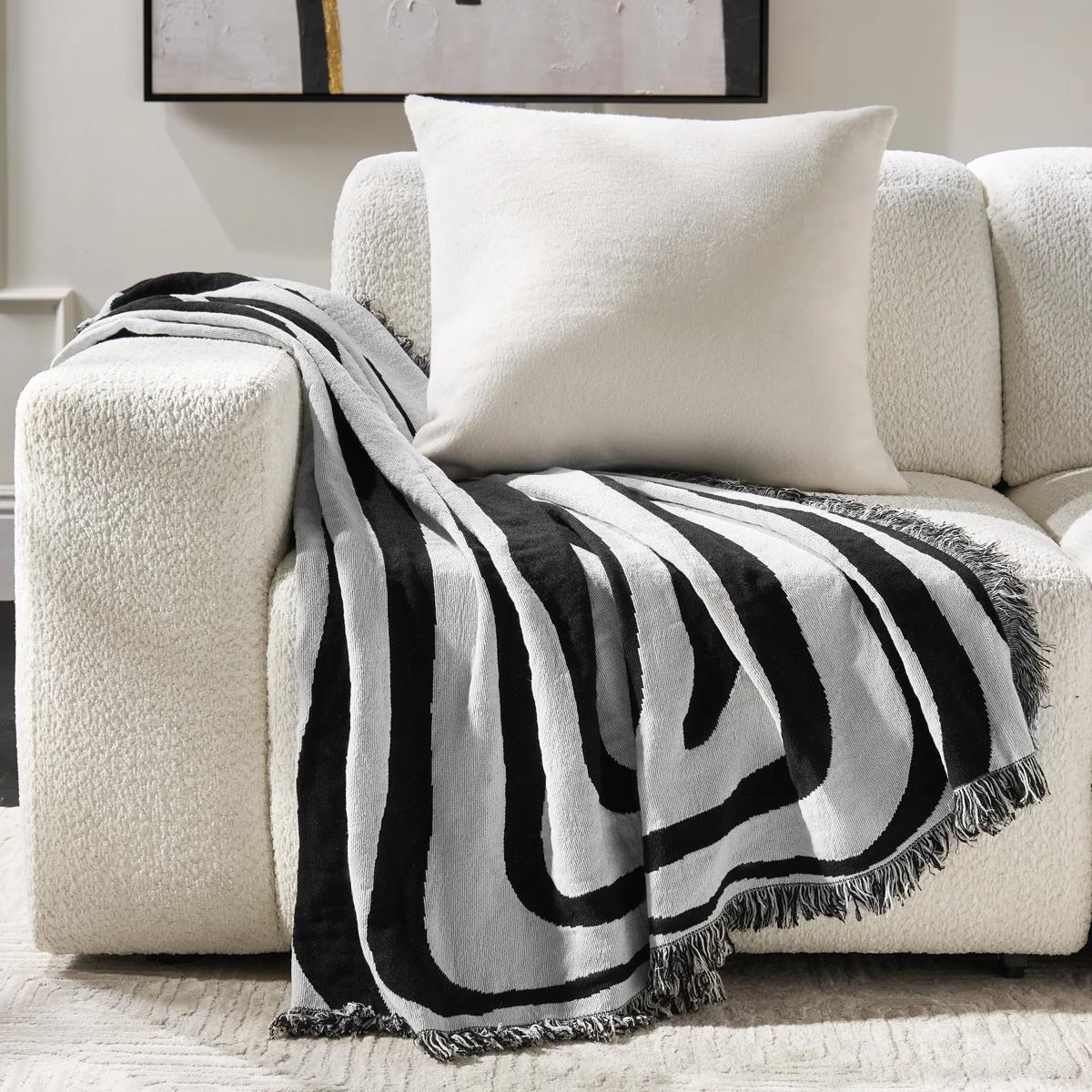 Eren Fringe Throw 50" x 60"$99
A woven black and ivory throw featuring a bold swirl pattern, textured softness, and fringed edges.
Add To Cart -
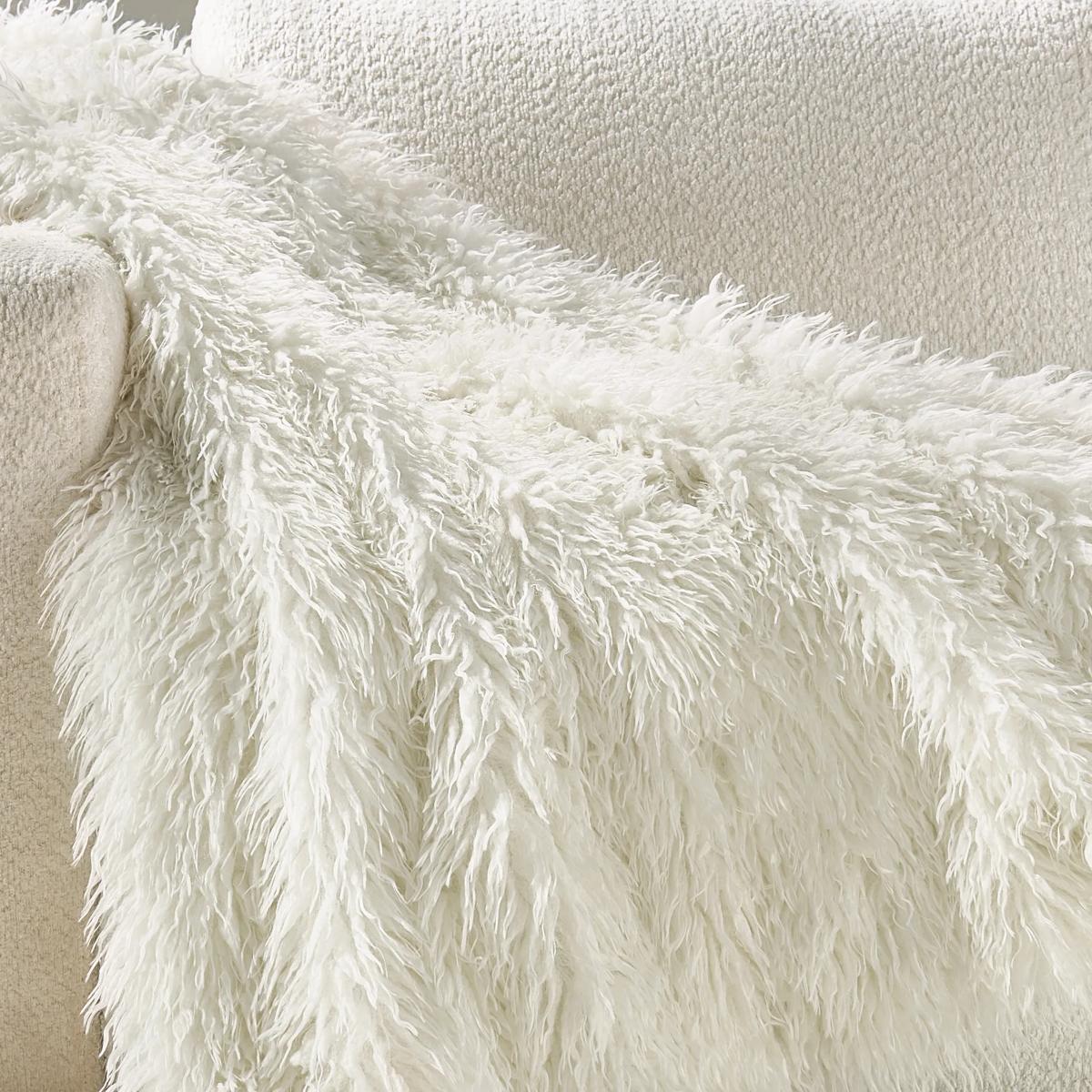
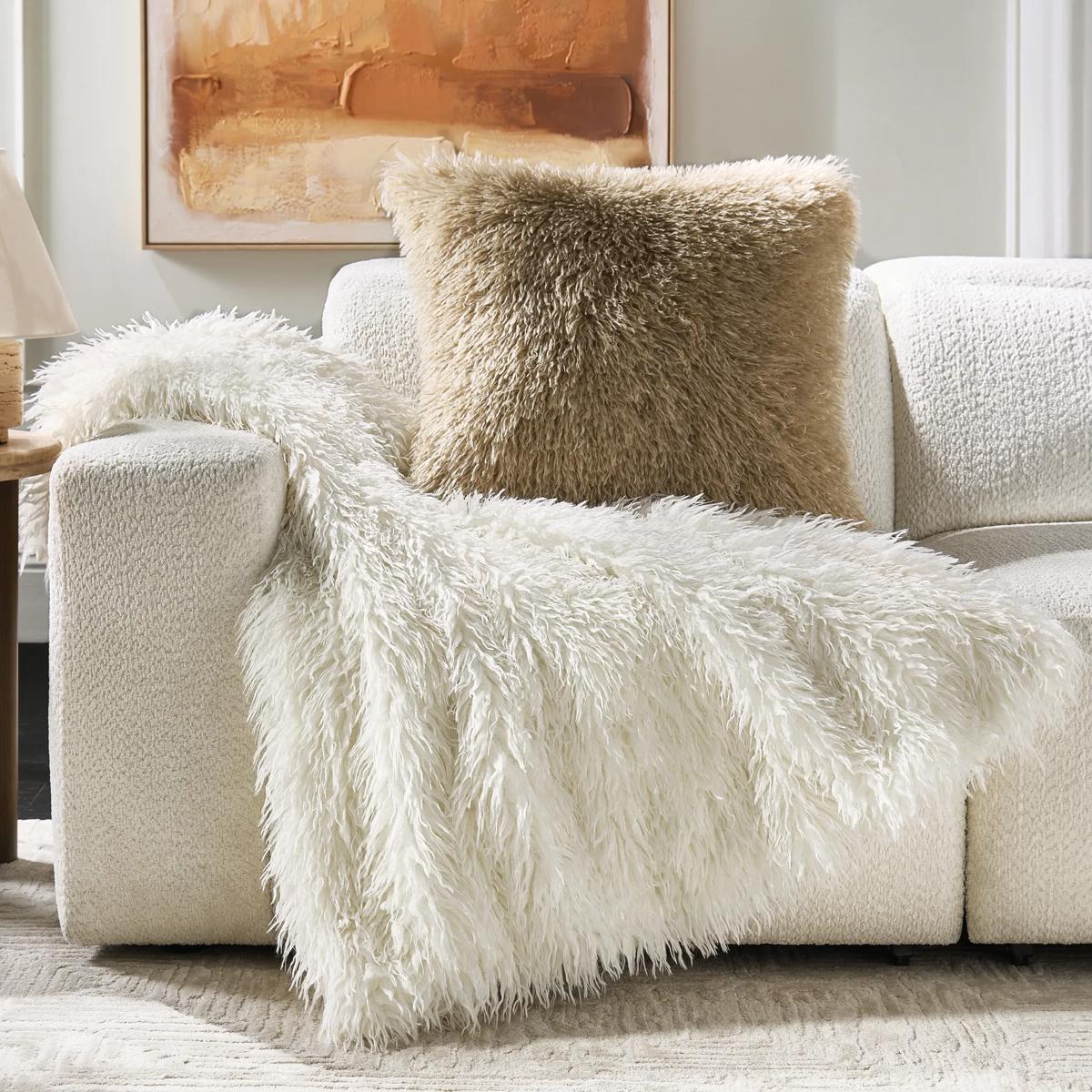 Micah Faux Mongolian Throw 50" x 60" - Ivory$129
An airy ivory faux Mongolian fur throw with a soft polyester velvet back for modern, cozy style.
Add To Cart -
.jpg?w=1200&h=1200)
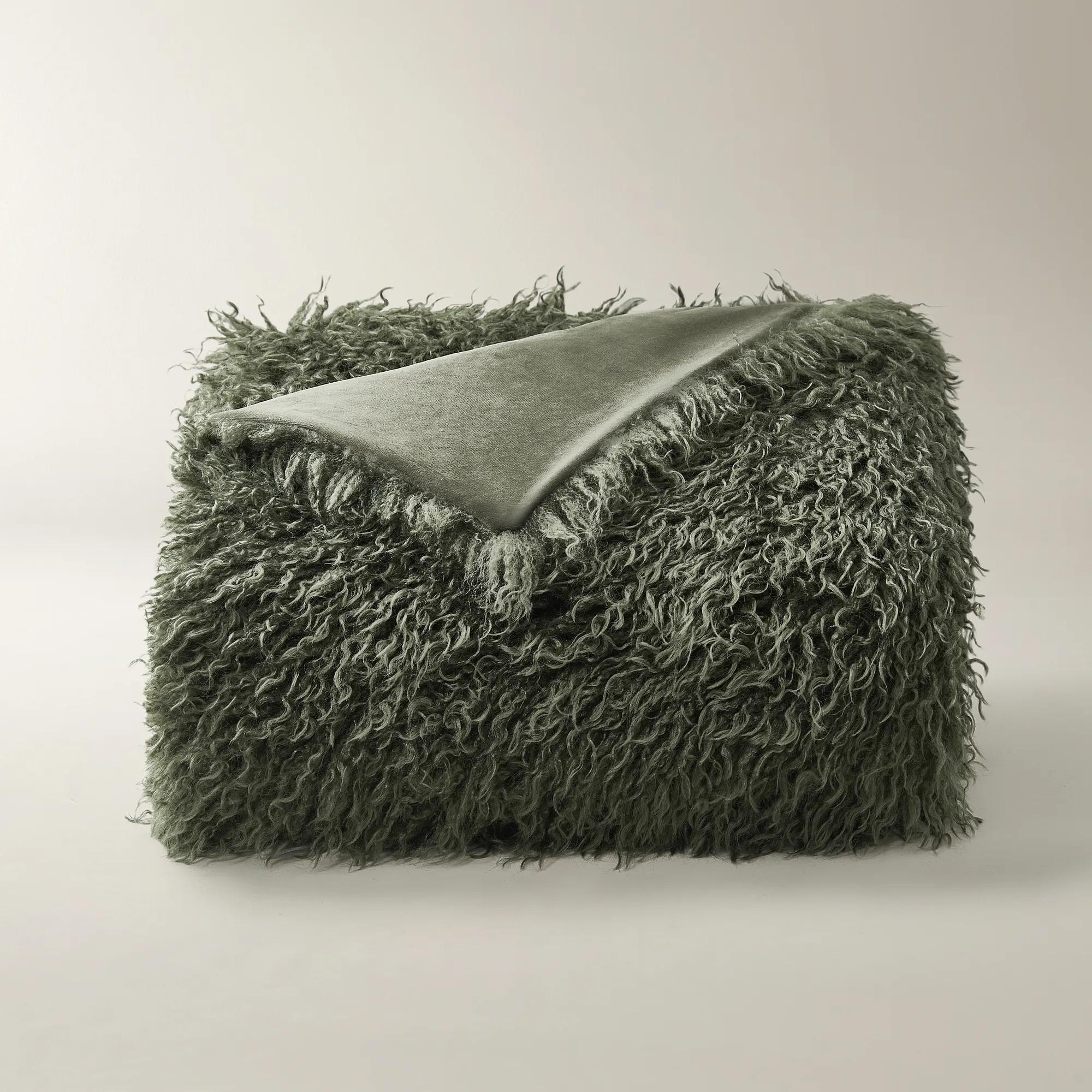 Micah Dark Green Faux Mongolian Throw Blanket 50" x 60"$129
A dramatic dark green faux Mongolian fur throw with a soft, tactile texture and luxurious visual impact.
Add To Cart -
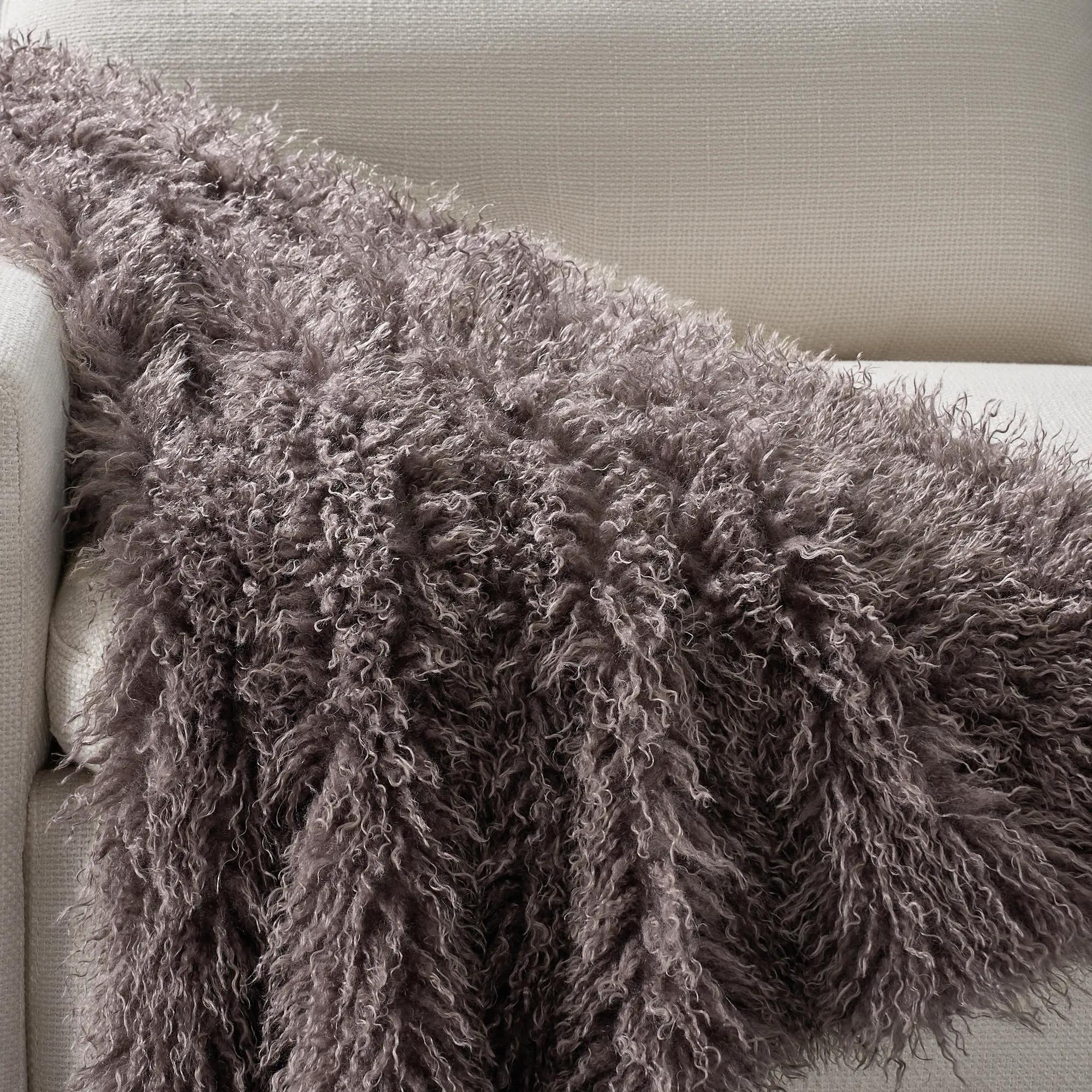 Micah Smoked Plum Faux Mongolian Fur Throw 50" x 60"$129
A plush faux Mongolian fur throw in smoked plum with a smooth velvet reverse for added comfort.
Add To Cart -
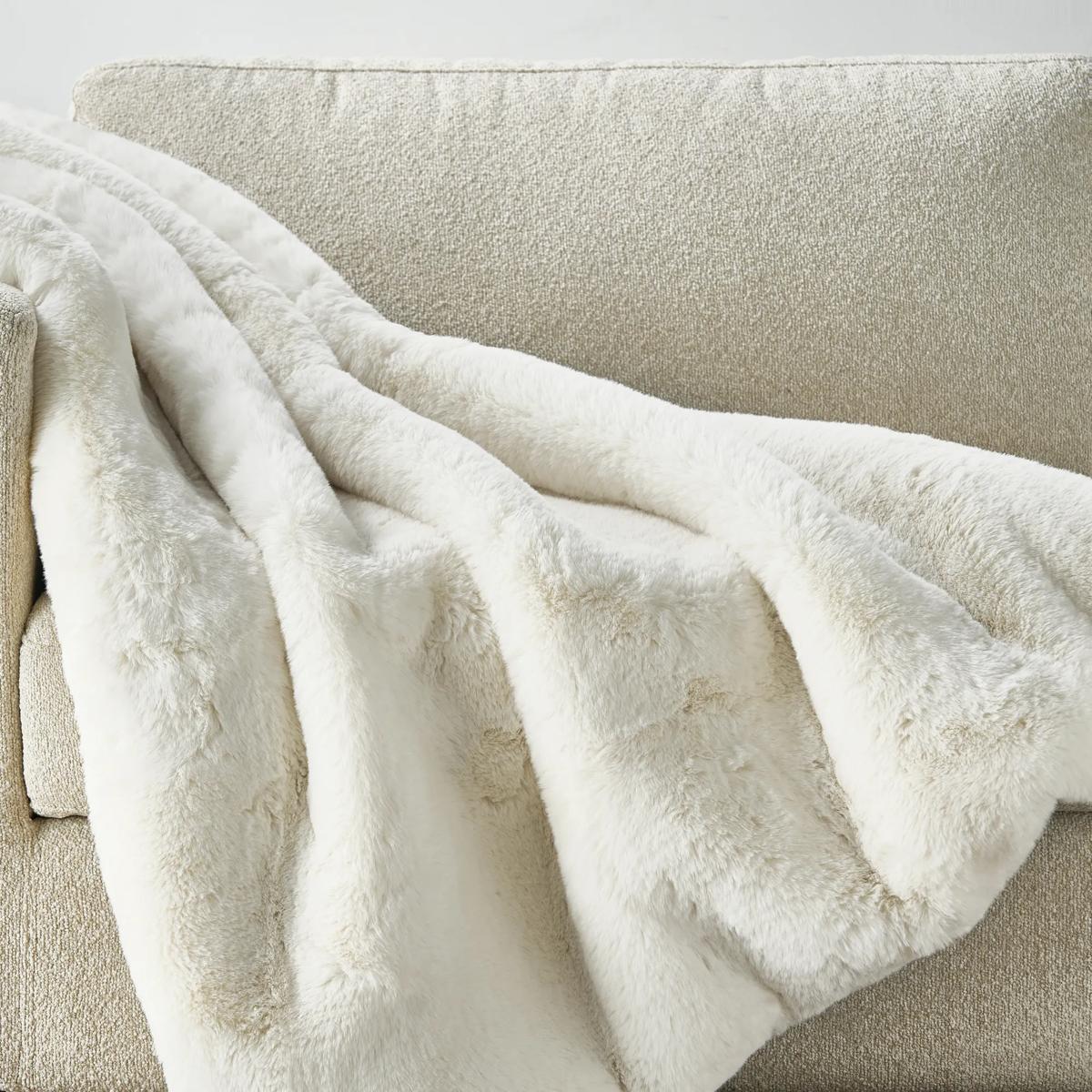
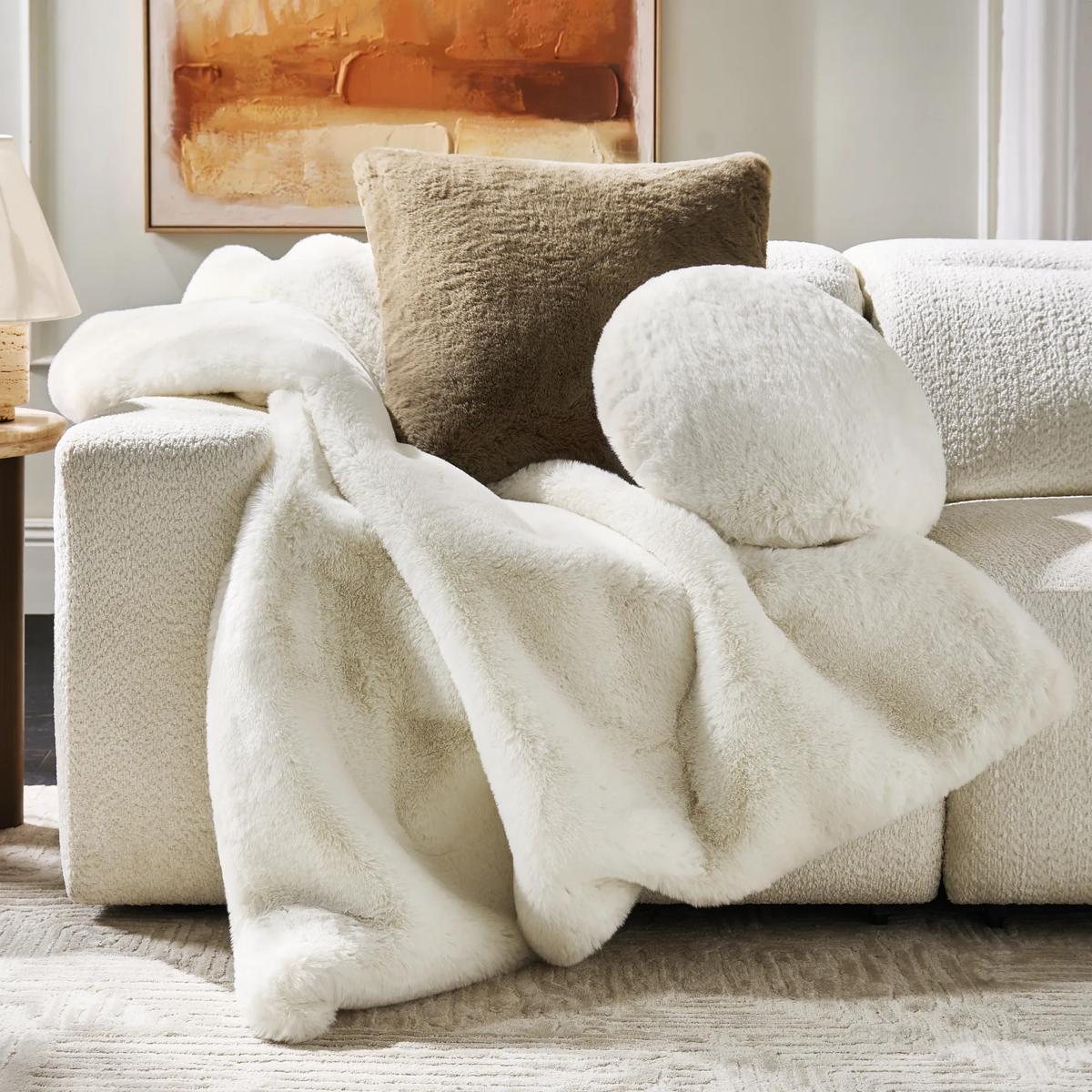 Shay Ivory Faux Fur Throw Blanket 50" x 60"$149
An ultra-plush ivory faux fur throw with a velvet back, offering luxurious softness and subtle elegance.
Add To Cart -
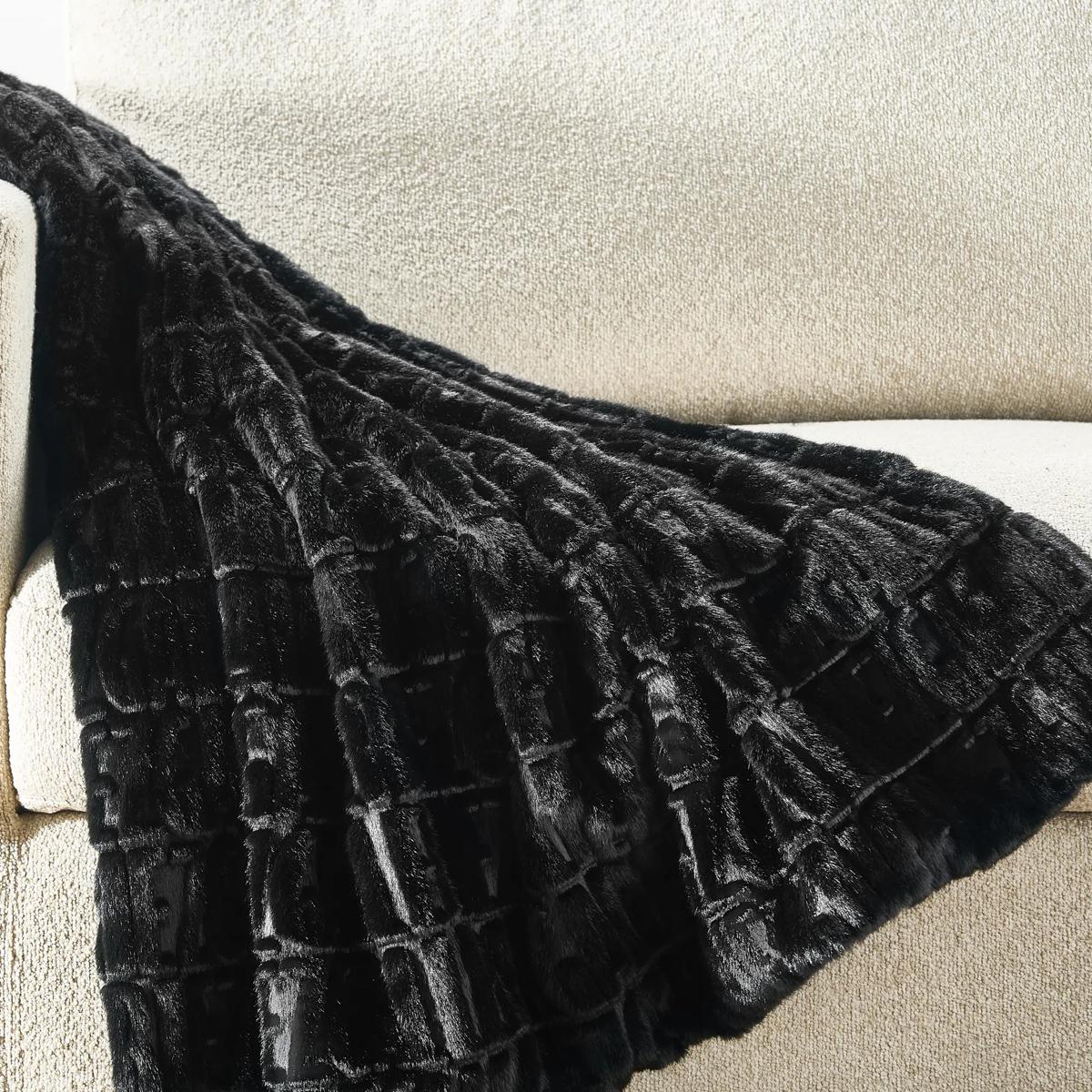
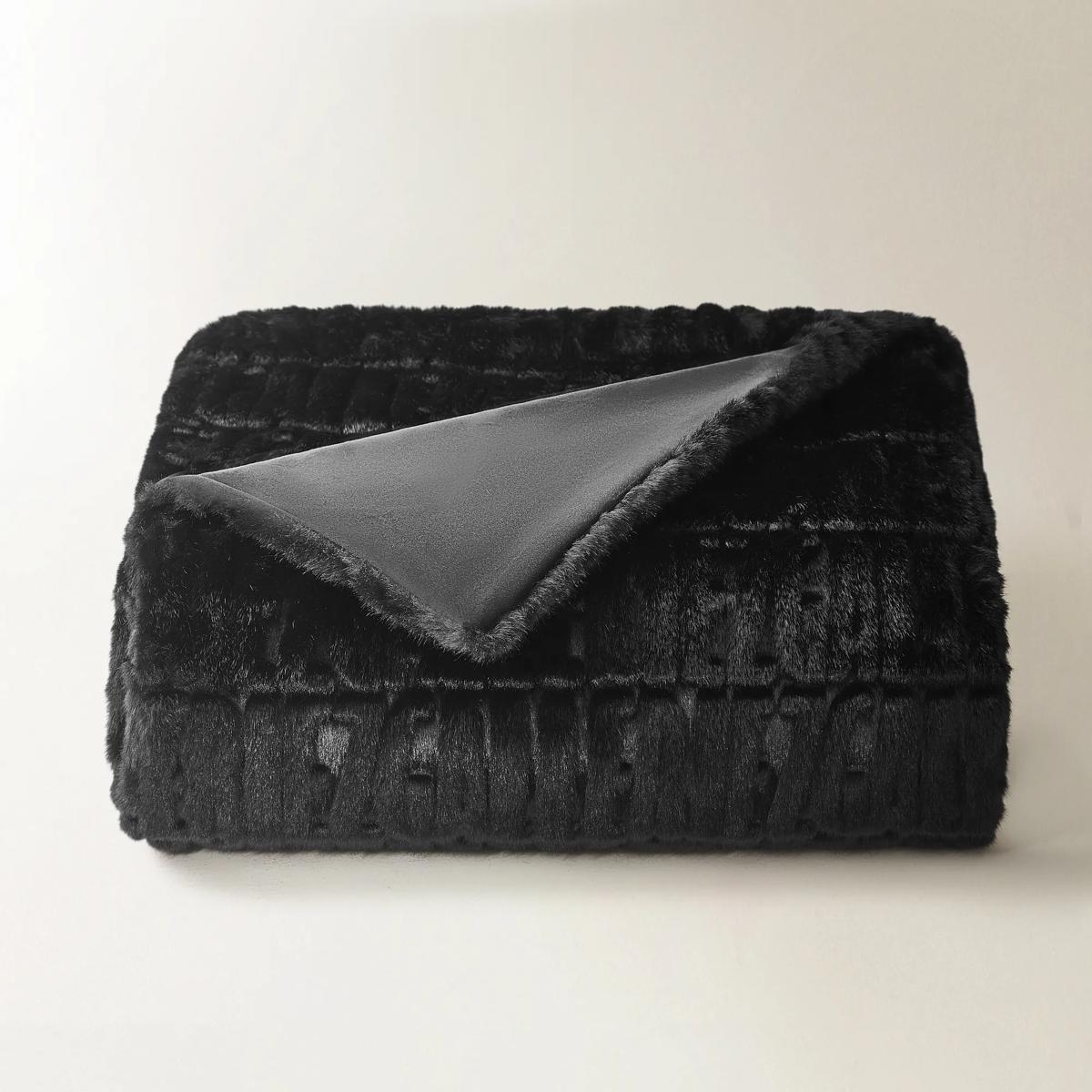 Z Carved Faux Fur Throw 50" x 60" - Black$129
A dramatic black faux fur throw with a carved pattern and velvety backing for cozy, modern style.
Add To Cart -
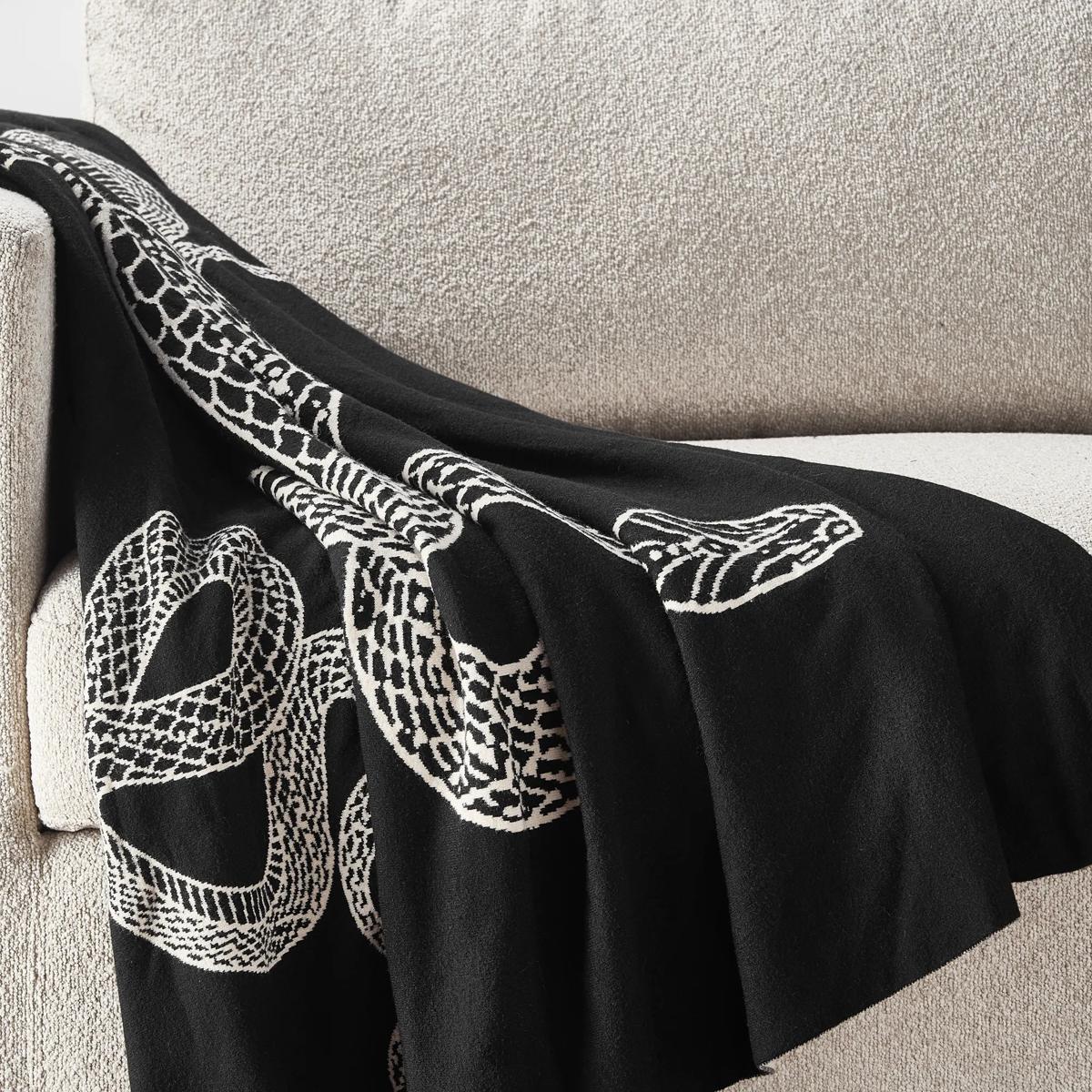
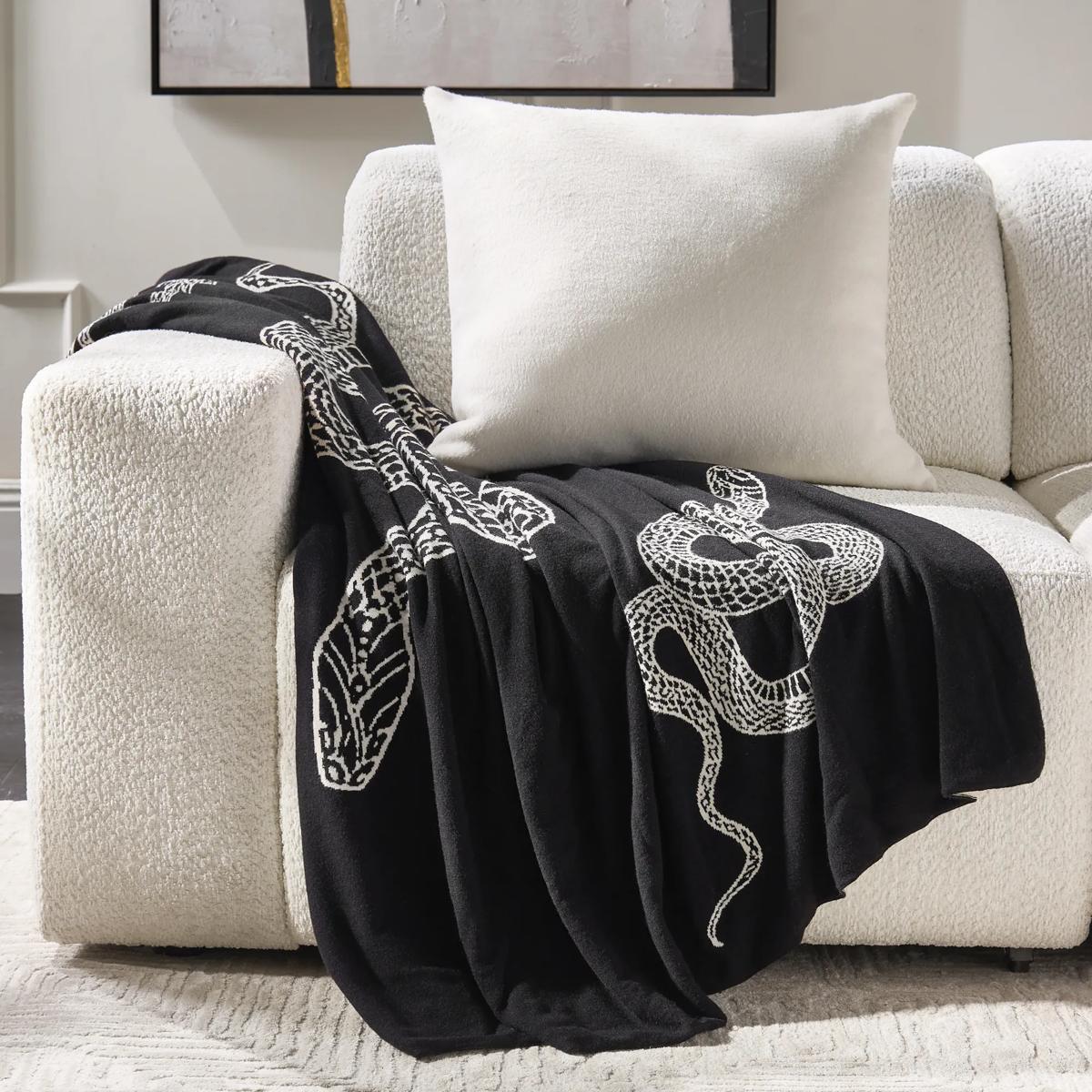 Snake Throw 50" x 60"$129
A bold black and ivory knit throw featuring an edgy snake motif and ultra-soft, breathable texture.
Add To Cart -
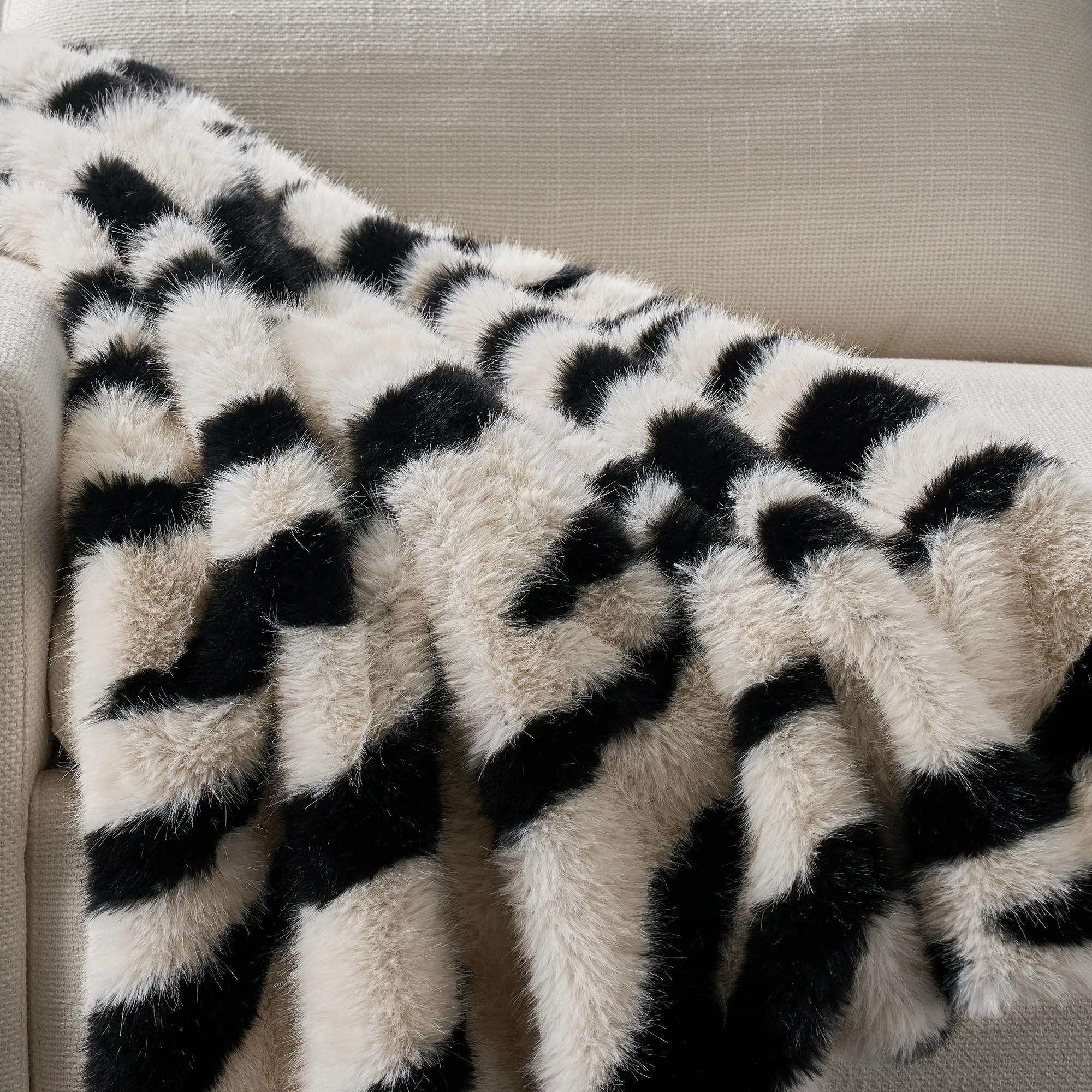
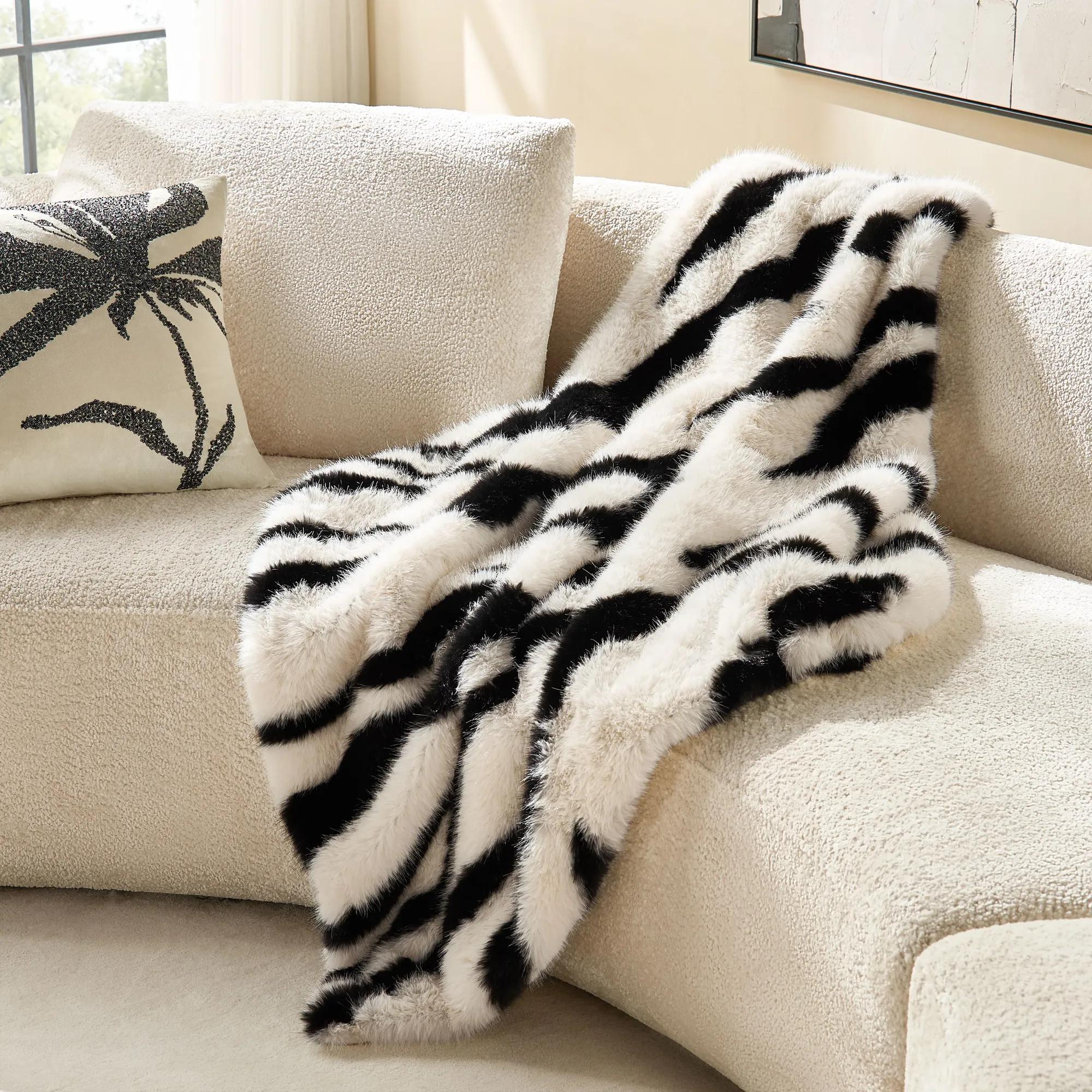 Verano Black/White Faux Fur Throw 50" x 60"$129
A bold black and white faux fur throw with a plush texture and smooth velvet reverse for added comfort.
Add To Cart -
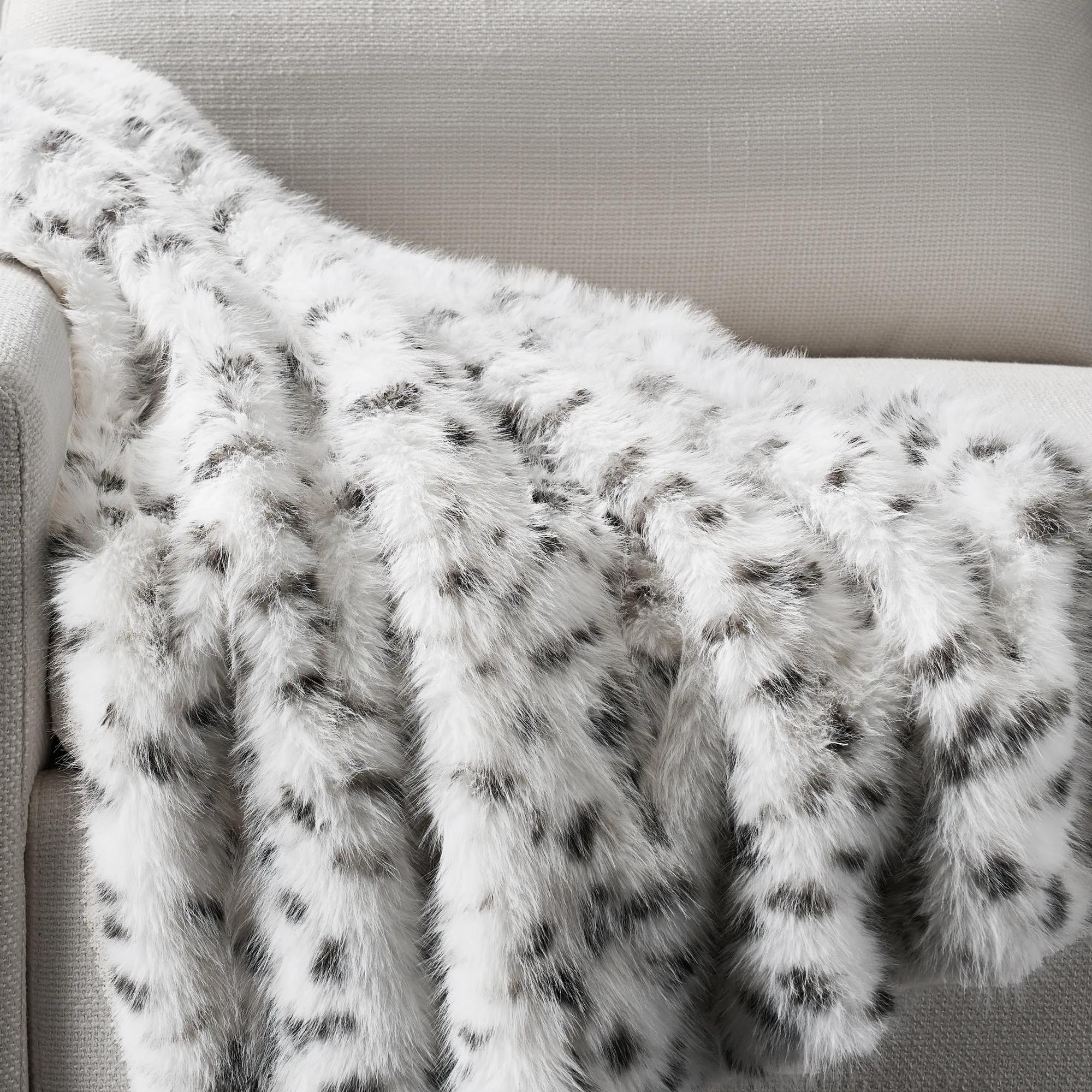 Snow Leopard Faux Fur Throw 50" x 60"$159
A plush white and black faux fur throw with a snow leopard print and soft velvet reverse.
Add To Cart -
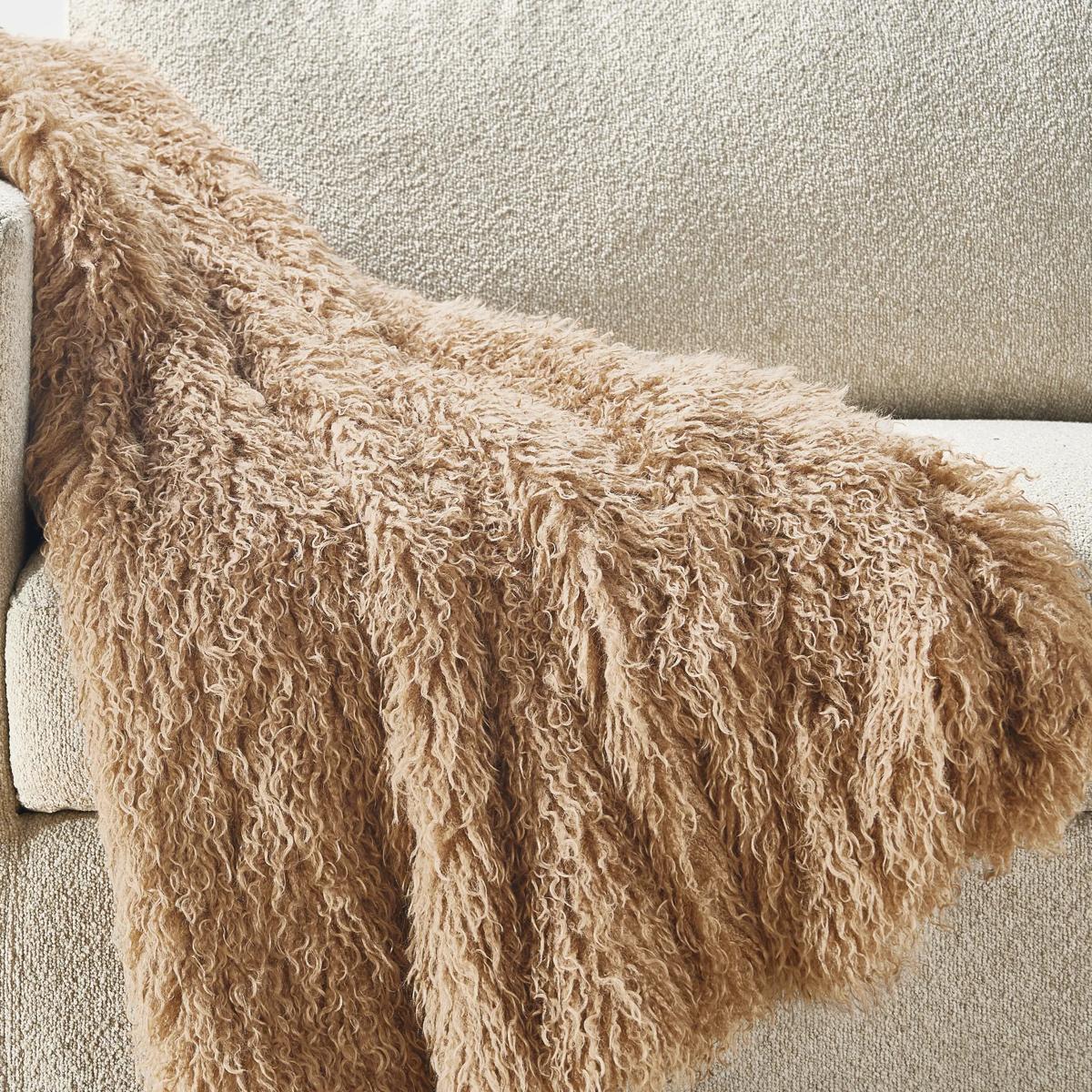
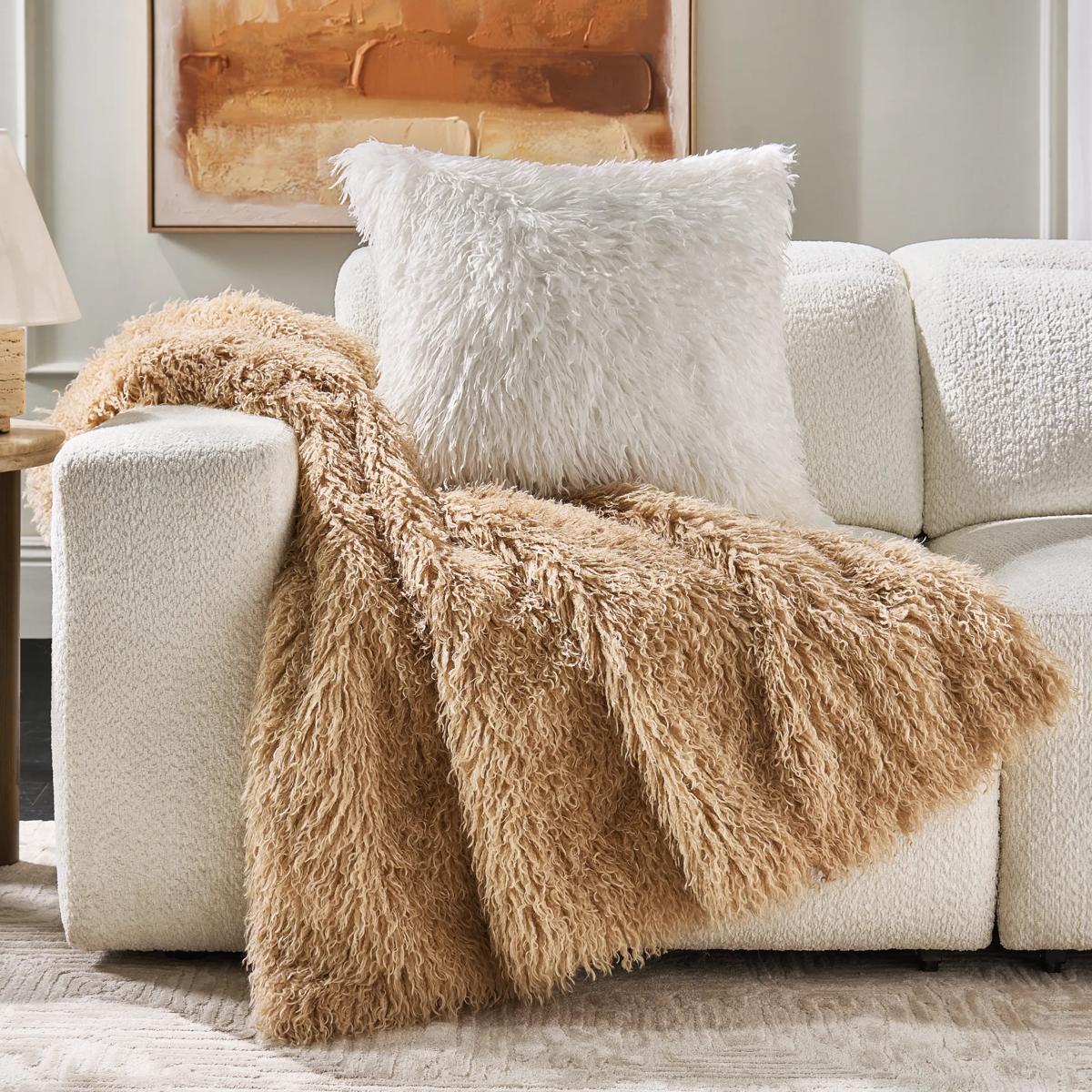 Micah Faux Mongolian Throw 50" x 60" - Beige$129
A plush beige faux Mongolian fur throw that adds sculptural softness and refined warmth to your décor.
Add To Cart -
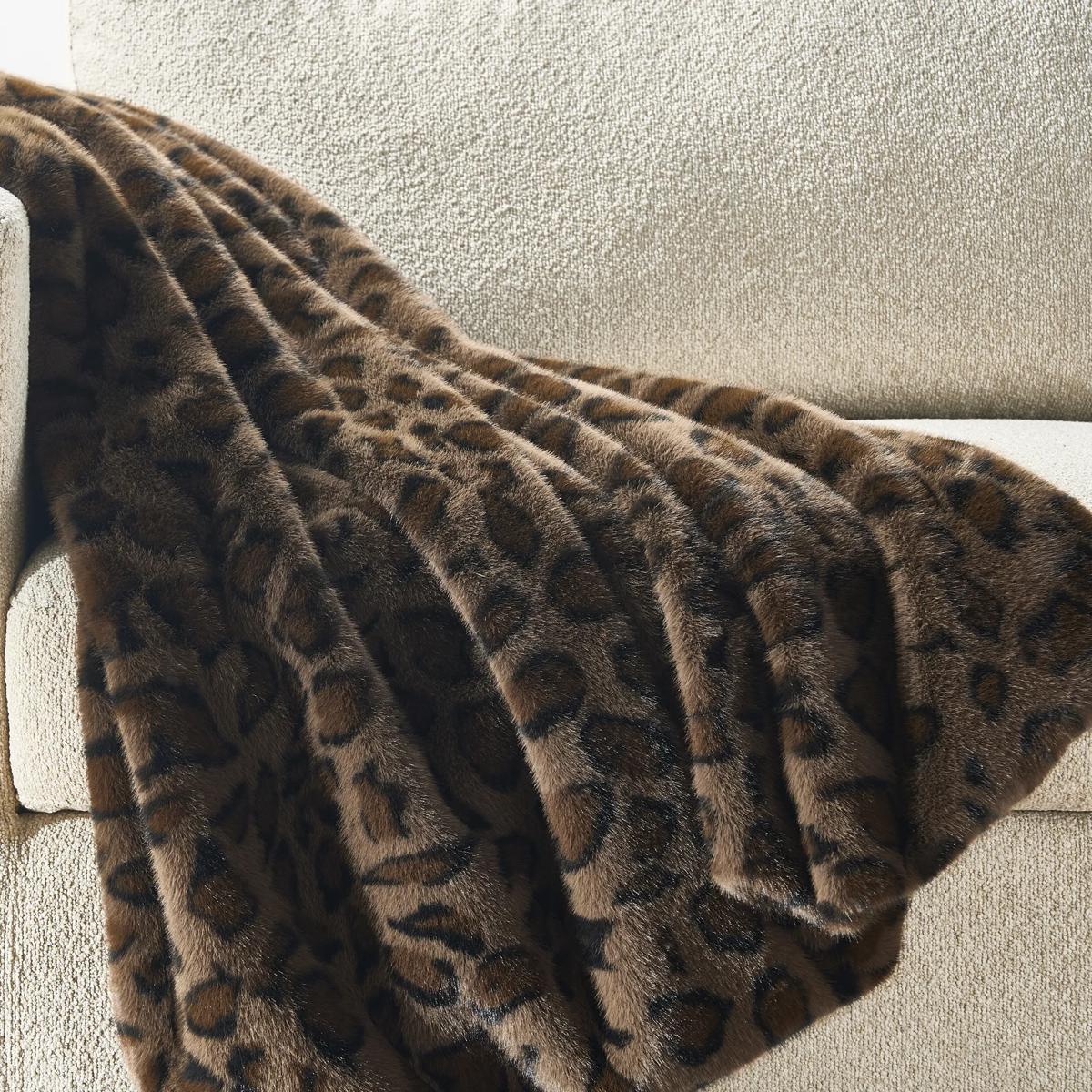
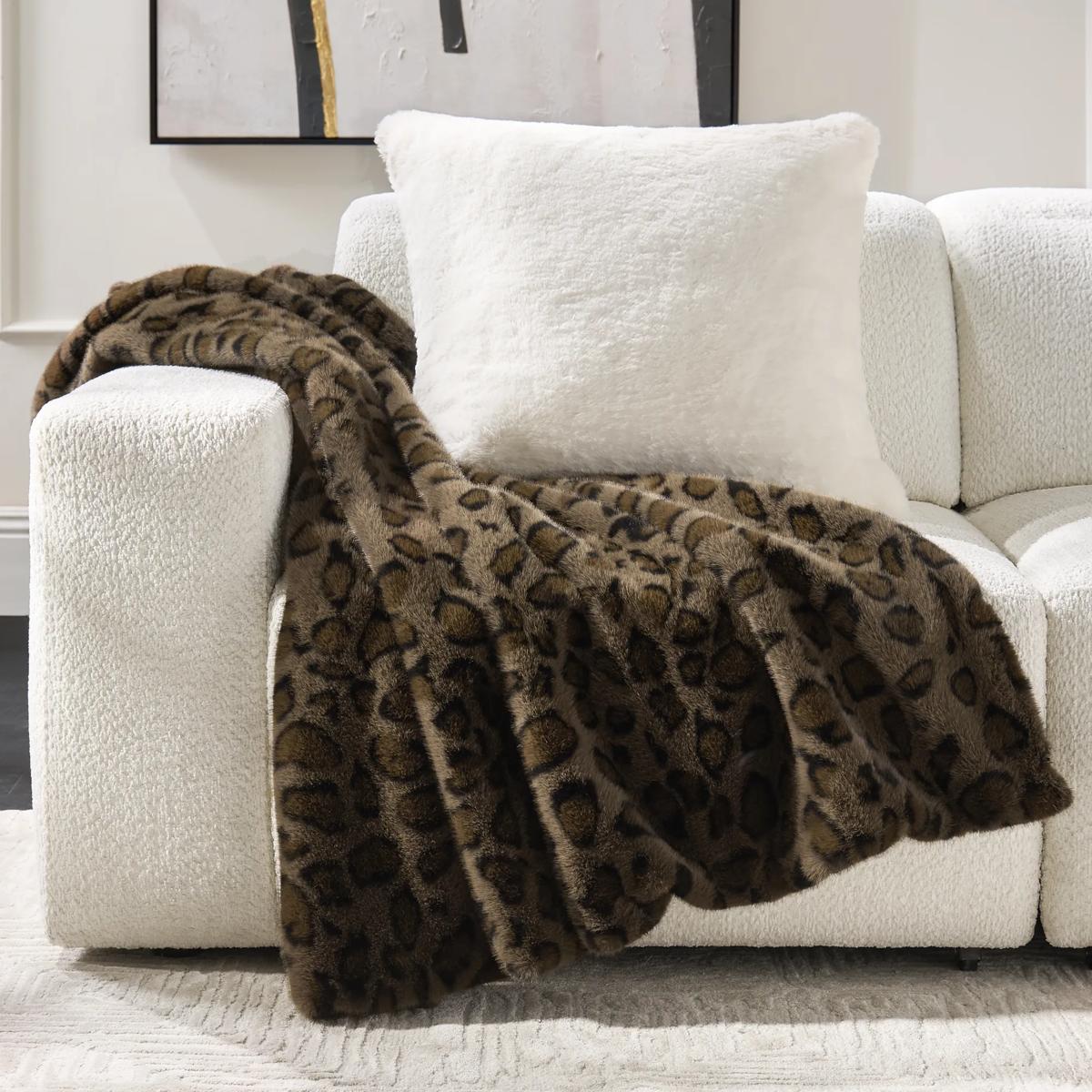 Nyx Brown Animal Print Faux Fur Throw 50" x 60"$149
A brown leopard print faux fur throw offering ultra-soft texture and bold, glamorous style.
Add To Cart -
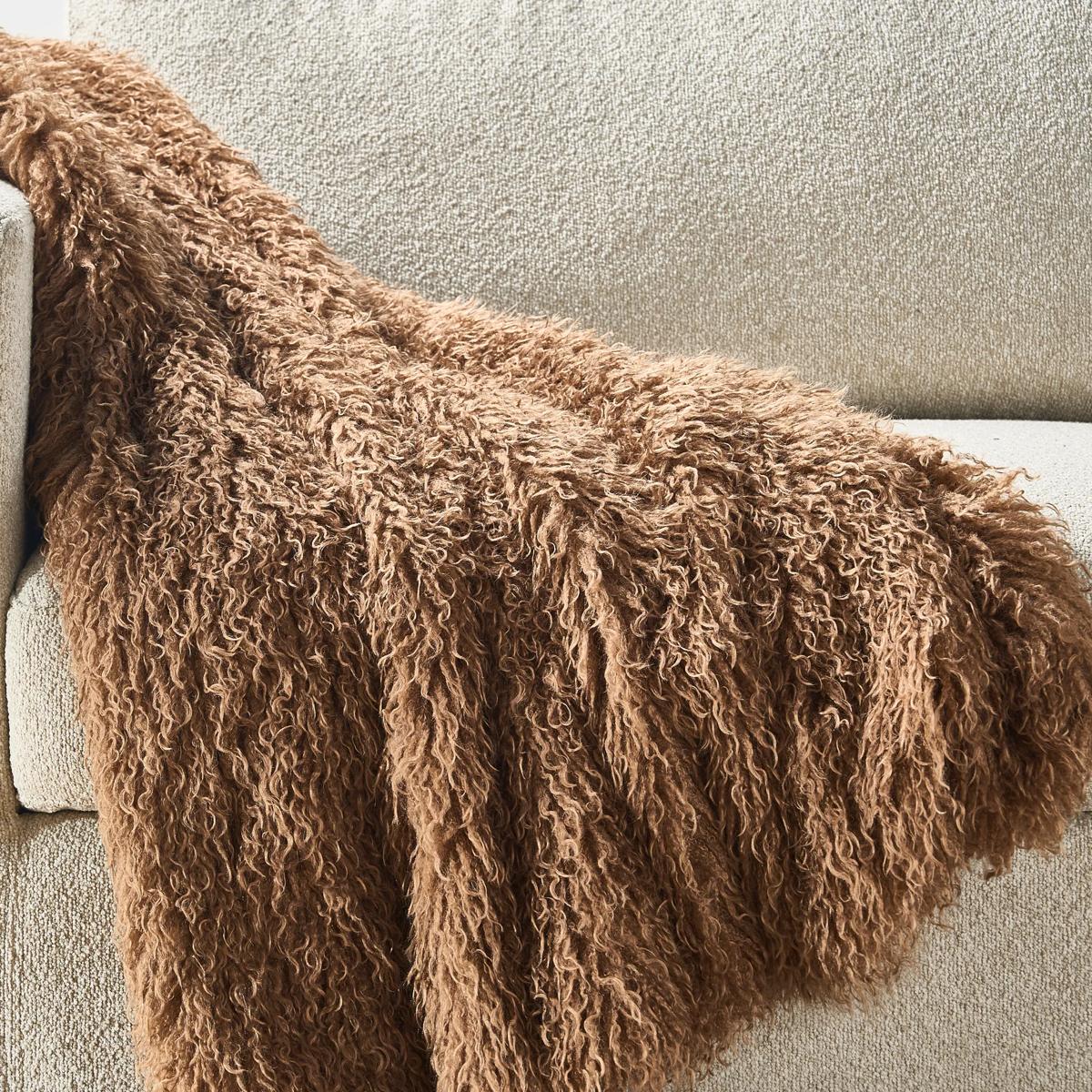 Micah Mocha Faux Mongolian Throw Blanket 50" x 60"$129
A plush mocha faux Mongolian fur throw with a velvety polyester back for cozy, stylish layering.
Add To Cart -
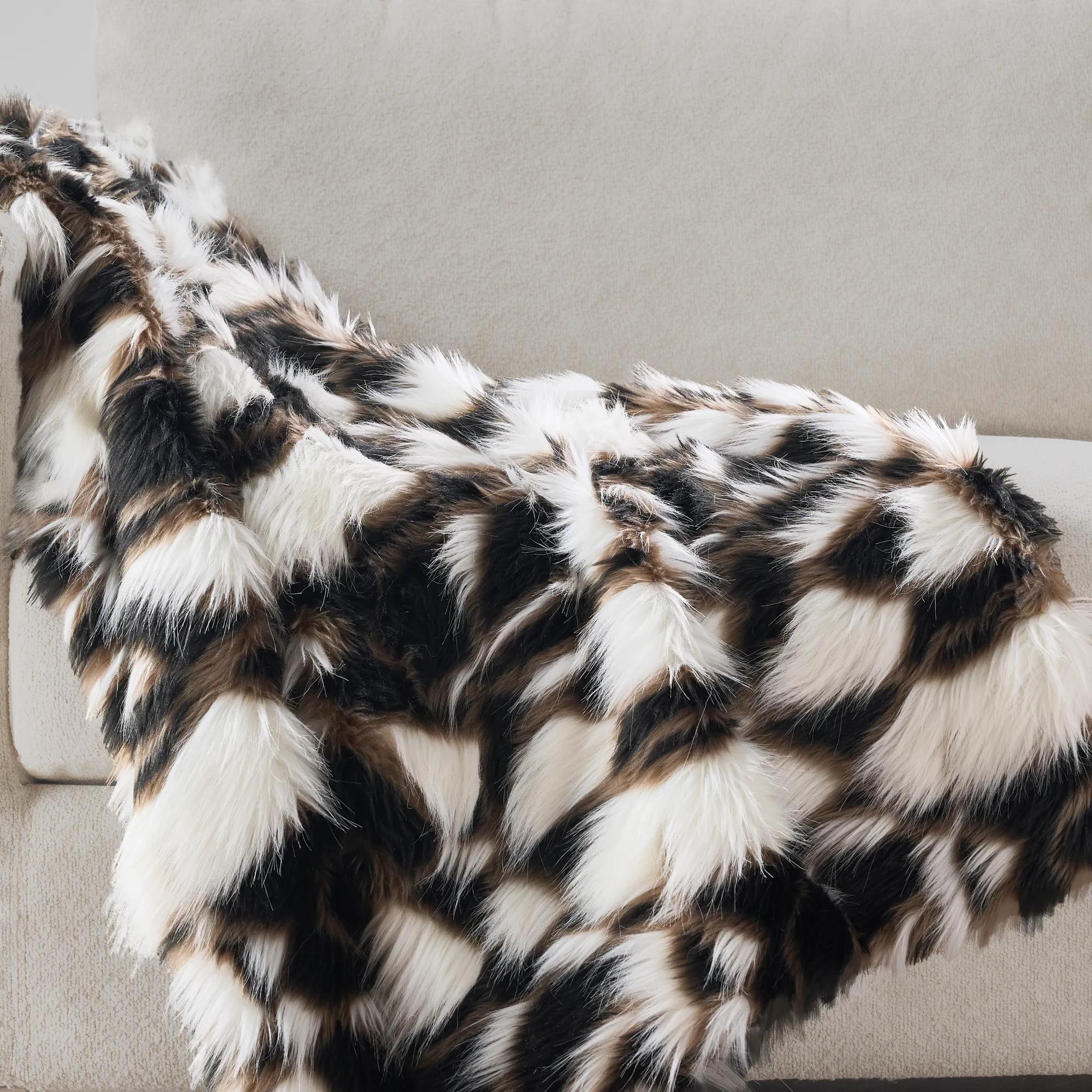
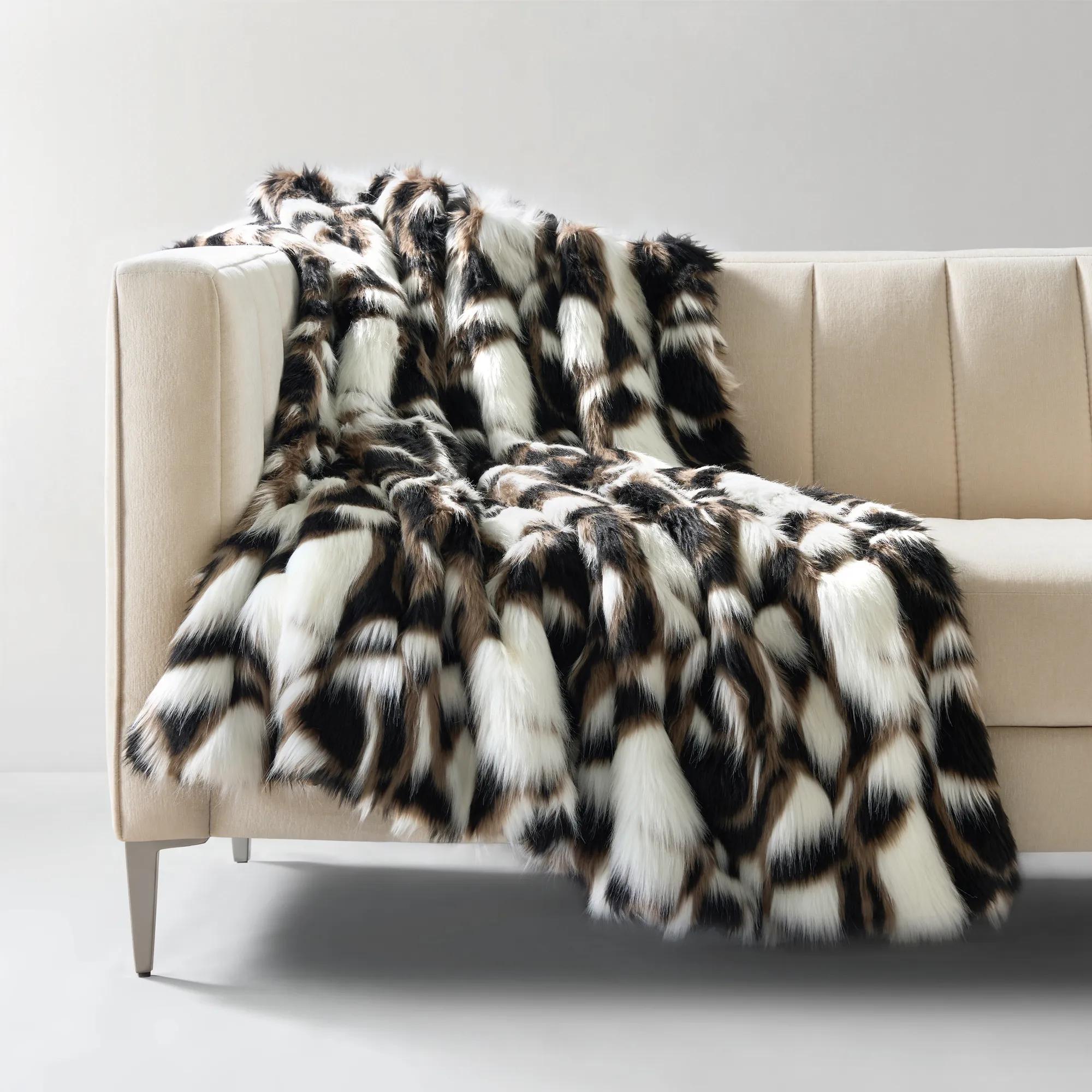 Neve Spotted Black Faux Fur Throw 50" x 60"$89
A luxuriously soft faux fur throw featuring a spotted black, brown, and white design with velvet backing.
Add To Cart -
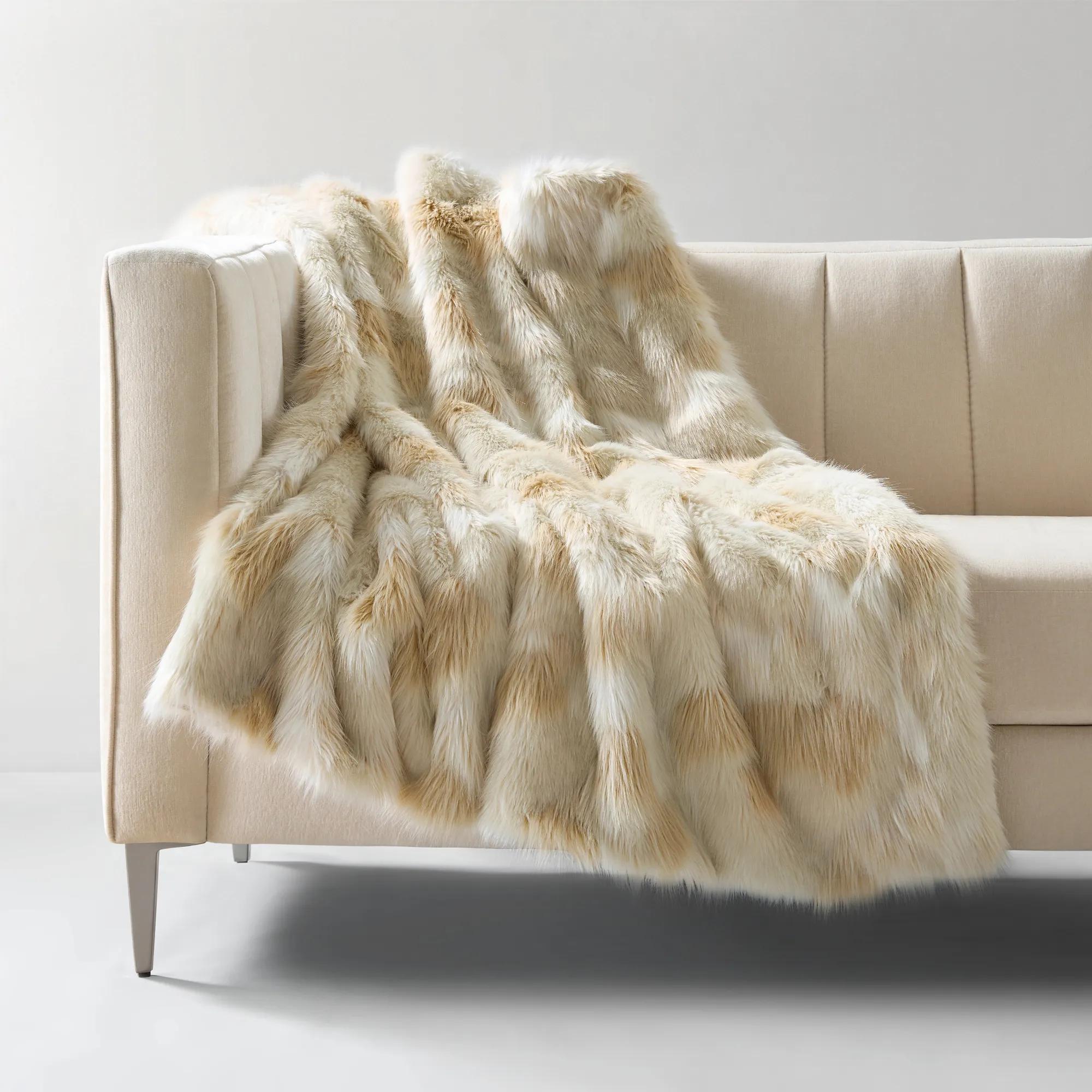 Edurn Spotted Throw 50" x 60"$99
A luxuriously soft faux fur throw in tan and cream with a solid velvet back for timeless elegance.
Add To Cart -
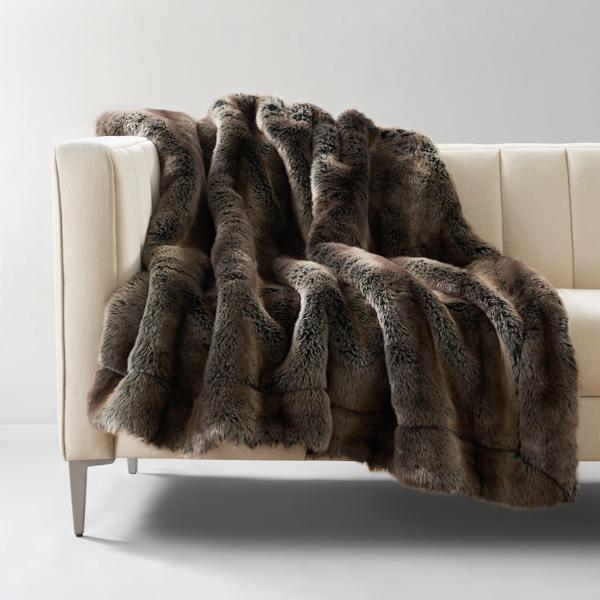
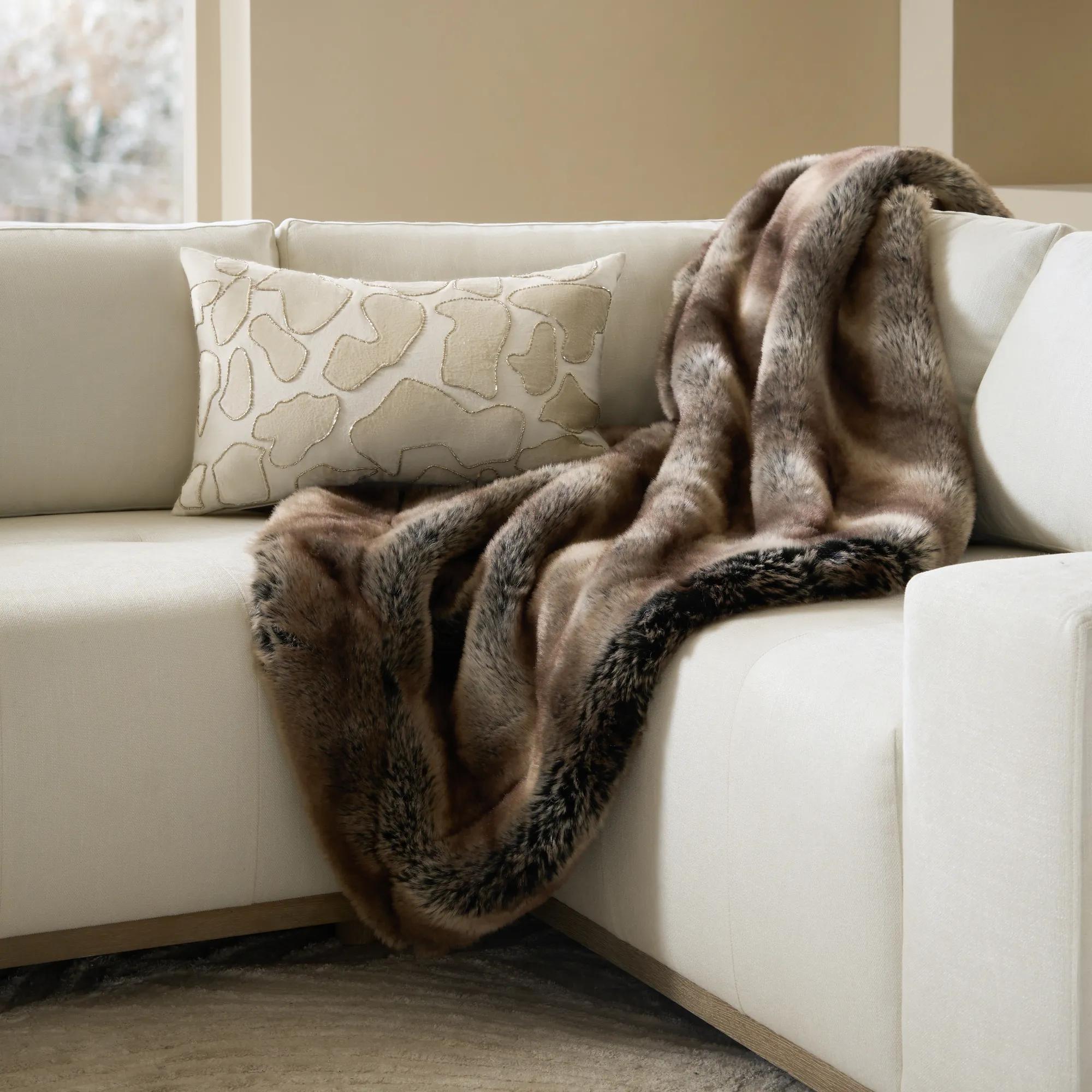 Accalia Grey Brown Faux Fur Throw Blanket 50" x 60"$139
A luxurious grey and brown faux fur throw with a soft acrylic front and plush velvet back.
Add To Cart -
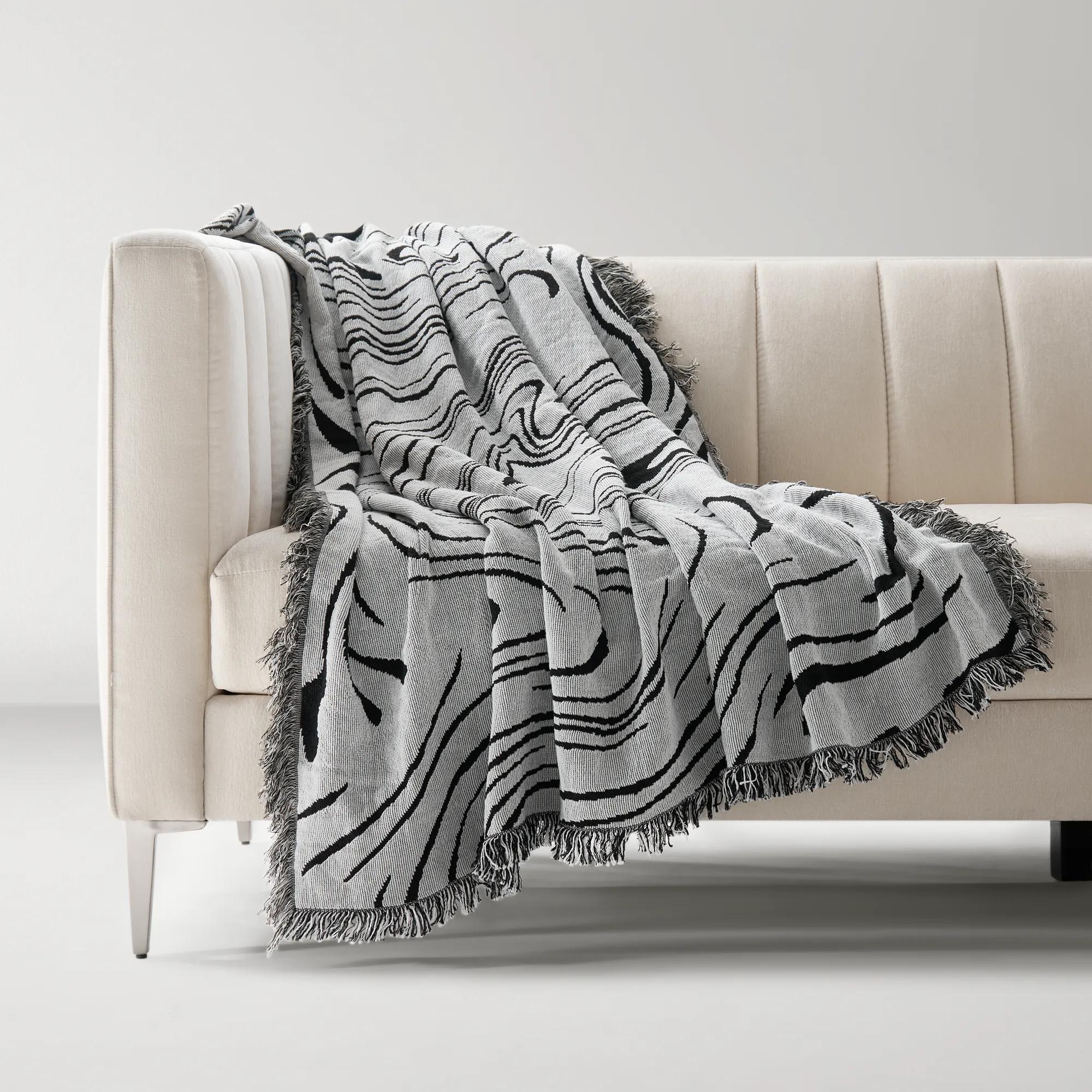 Swirl Throw 60" X 50"$79
A plush black and white throw featuring a contemporary swirl pattern in a soft polyester-cotton blend.
Add To Cart -
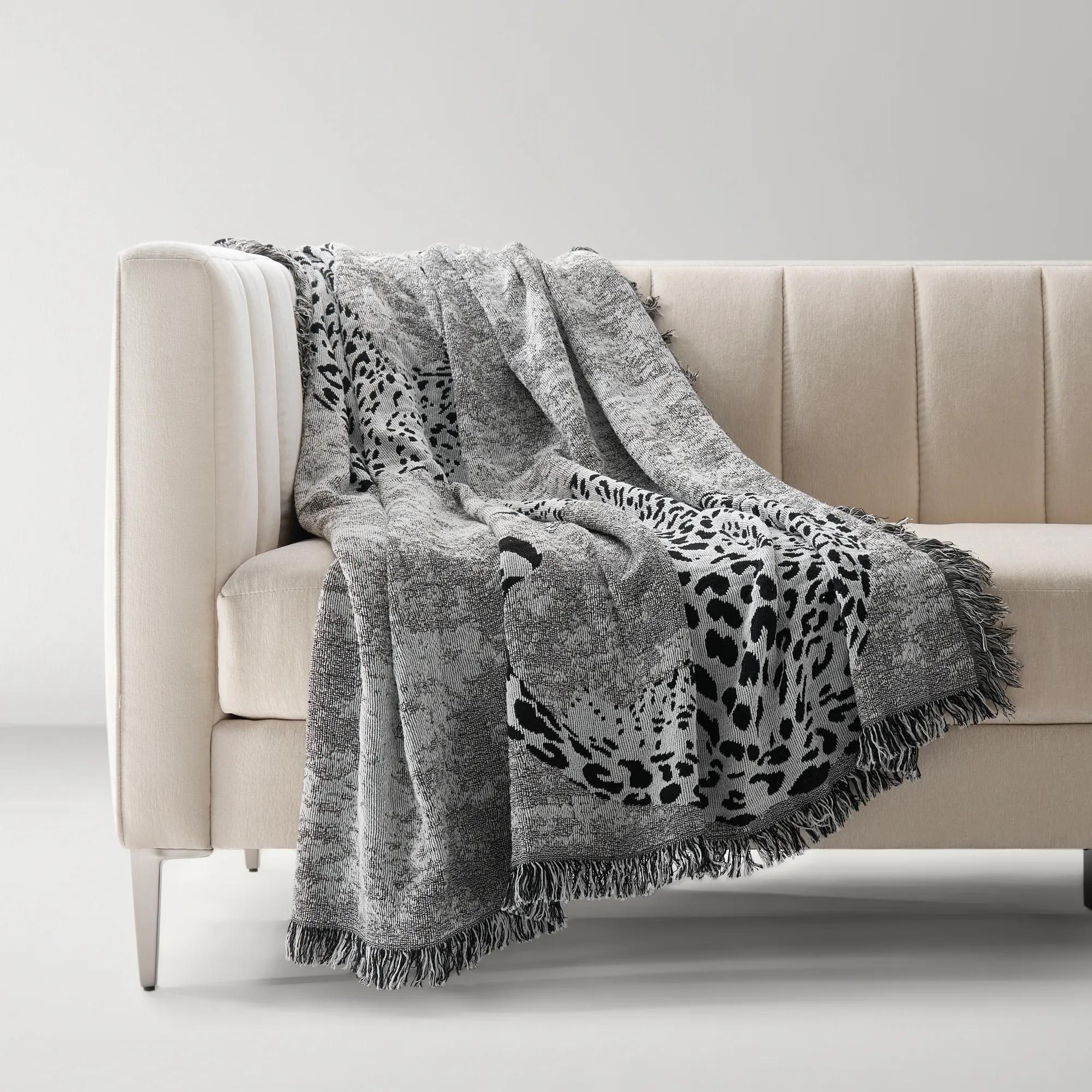 Leopard Duet Throw 60" X 50"$79
A plush black and white leopard print throw woven from polyester and cotton for bold, cozy style.
Add To Cart -
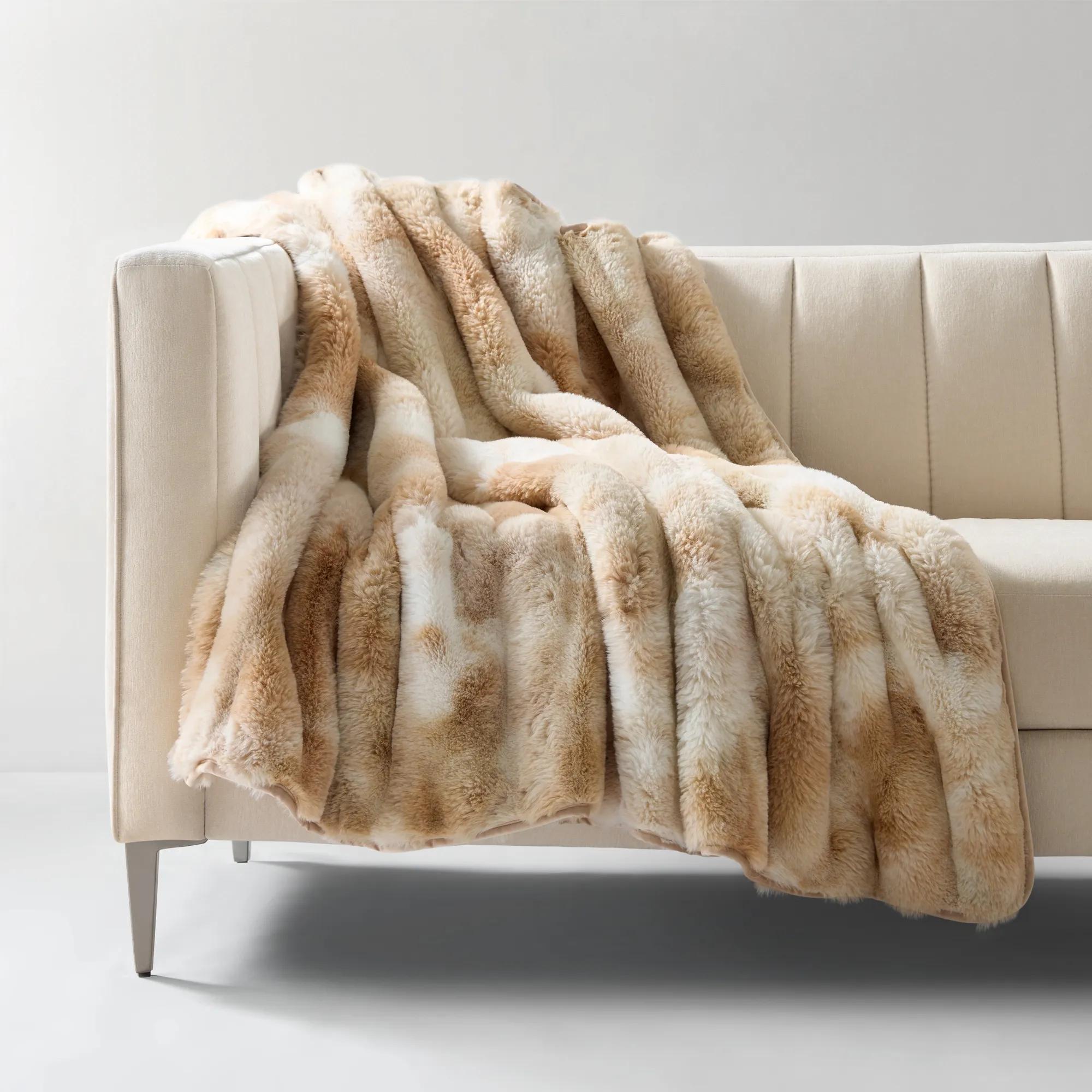
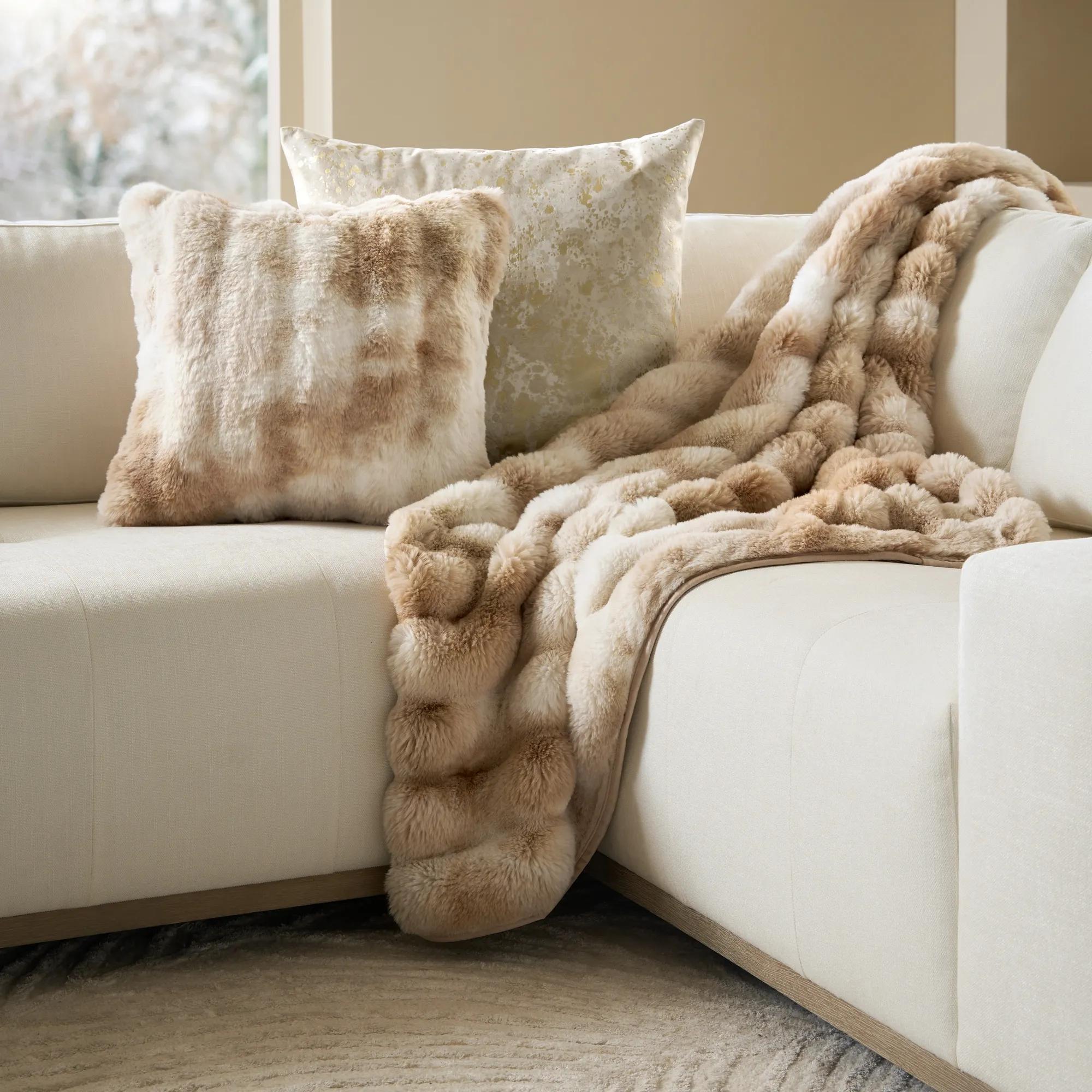 Sable Throw 50" x 60"$89
A double-sided cream and tan faux fur throw offering plush softness and timeless elegance.
Add To Cart -
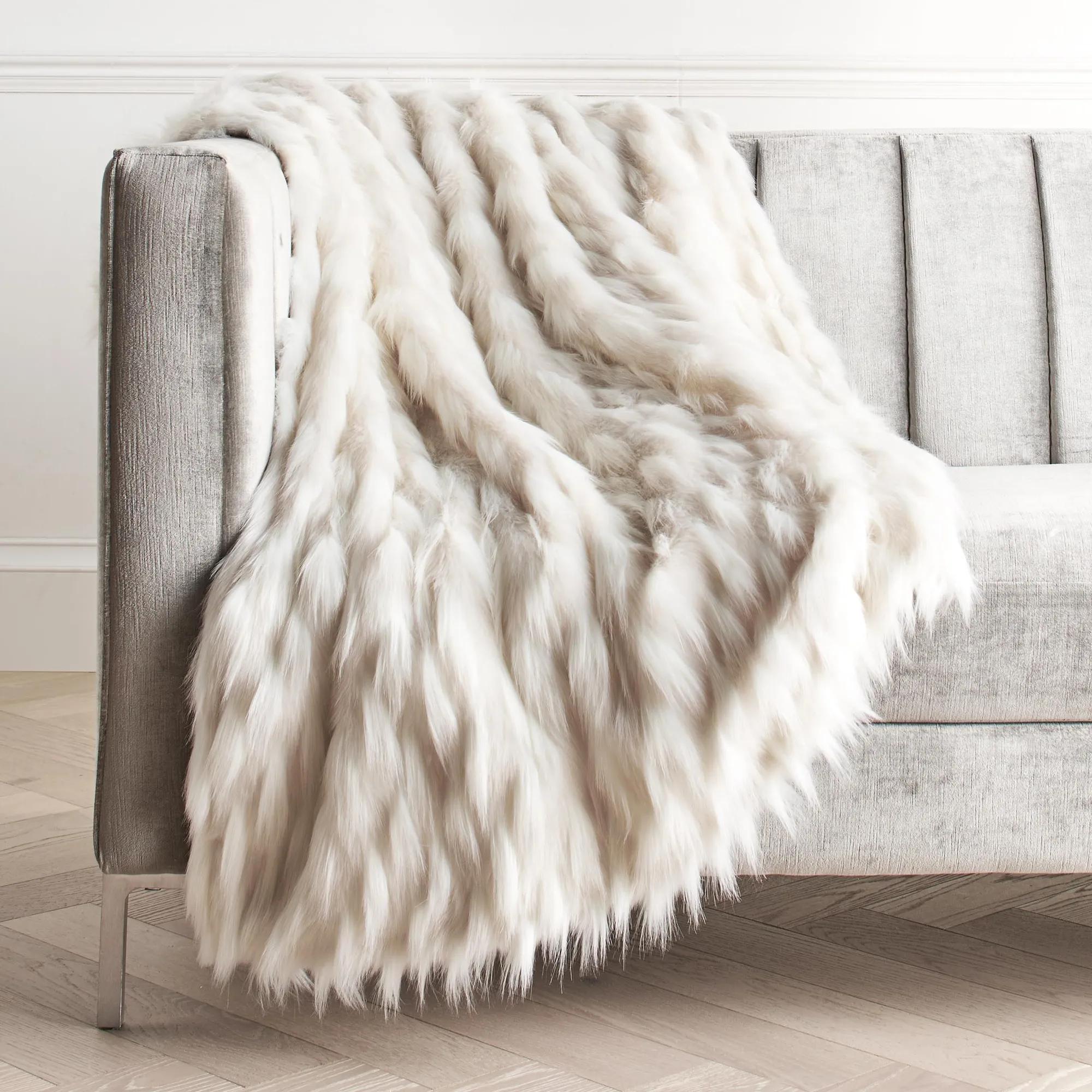 Corseca Throw - Ivory$129.95
An ultra-soft ivory faux-fur throw with silky acrylic front and luxurious velvet reverse for cozy warmth.
Add To Cart

Throws For Contemporary Homes
Throws for contemporary homes are more than mere accents—they are statements of style, texture, and intention. Draped with effortless elegance across a sofa or artfully layered at the foot of a bed, these sumptuous textiles invite touch while transforming every corner into a curated masterpiece. Whether your aesthetic leans toward bold geometrics or soft, sculptural weaves, each throw is an invitation to indulge in comfort and creativity. Elevate your living space with throws for contemporary homes—where every fold tells a story of modern luxury and expressive design.
Throws for contemporary homes bring tactile richness to clean-lined furniture, giving a room depth without interrupting its architectural clarity. Smaller than most bed blankets and designed for both personal comfort and decorative layering, throw blankets add an expressive finishing touch to sofas, accent chairs, benches, and beds. Their impact comes from the relationship between fabric, color, and scale: a plush surface against smooth leather, a sculptural knit beside polished metal, or an ivory weave set against charcoal upholstery. In a contemporary interior, these contrasts make even a restrained palette feel sumptuous. A throw can echo the curve of a chair through its drape or introduce a graphic counterpoint to a broad, uninterrupted sofa cushion. Solid colors allow texture to take the lead, while geometric motifs, abstract patterns, and contrasting borders bring a more deliberate visual rhythm. Black and white creates crisp definition; tonal cream, taupe, and gray builds quieter dimension; saturated jewel tones lend depth to pale upholstery. The most compelling choice does not need to match every pillow. Repeating one color from artwork or a rug often creates a stronger connection than coordinating every textile exactly. Consider how much of the fabric will remain visible when folded, too. An intricate allover pattern reads differently across the back of a sofa than it does in a narrow band over an arm, while fringe or a contrasting edge can remain a focal point in either arrangement. Throws also offer a way to give shared spaces a more personal character. A reading chair becomes an inviting retreat, a tailored sectional gains a softer contour, and a guest room feels thoughtfully composed rather than merely furnished. For interiors with expansive windows, glossy surfaces, or angular silhouettes, that touchable layer provides balance. It is a relatively small textile with considerable presence, capable of drawing together the room’s colors while introducing a distinctly different surface.
Material determines much of a throw’s character, from the way it falls over furniture to how it feels during an evening spent reading or watching a film. Cotton throws often offer breathable comfort and a supple hand, with woven constructions ranging from smooth and tightly structured to richly textured. Cotton blends can combine that familiar feel with other performance characteristics, but the fiber percentages and care label matter more than the blend name alone. Wool offers natural resilience and an expressive texture; its softness varies with the fiber and construction, making the feel against bare skin an important consideration. For those drawn to lavish surfaces, faux fur introduces plush pile and dramatic depth, while chenille brings a velvety touch that catches light across its textured yarns. Fleece and microfiber throws can provide softness with relatively little weight, though laundering requirements and resistance to pilling vary. Chunky knits make an especially sculptural statement, but their open loops may be more vulnerable to jewelry, pet claws, and other sources of snagging than a compact weave. A densely woven throw with secure edges may be a more practical companion for a frequently used family sofa. Decorative fringe, tassels, and loosely spun yarns deserve similar consideration: beautiful details should suit the way the room is actually lived in. Size is equally important. A common throw measurement is approximately 50 by 60 inches, a useful starting point for an armchair or individual lounging, although dimensions vary considerably. Taller users, deeper seating, or anyone who prefers more generous coverage may find an oversized throw more comfortable. On a bed, compare the throw’s width with the mattress rather than assuming it will extend across both sides. A smaller piece can create an intentional accent at one corner, while a larger format makes a more substantial band across the foot. Weight and flexibility affect the finished look as well: a fluid weave follows the furniture’s contours, whereas a thick knit forms bolder folds and occupies more visual space.
The most successful placement makes a throw feel integrated into daily life rather than arranged beyond reach. On a tailored sofa, fold it lengthwise over one arm to reveal a clean border and leave the seat open. For a more expressive composition, let it fall diagonally from the back onto one cushion, allowing the fabric’s weight to shape the folds. Keep trailing edges clear of walkways and reclining mechanisms, and avoid burying the entire piece beneath pillows; texture needs room to register. On a chaise, a loosely folded throw within easy reach feels both considered and genuinely useful. In a bedroom, a textured layer across the lower portion of the bed can connect upholstered furniture with bedding without requiring identical fabrics. For spaces centered on seating, Throws for Living Room Decor offers a related perspective on using these accents within a cohesive room. Long-term satisfaction depends just as much on maintenance as on that first beautiful drape. Read the care instructions before choosing a throw for frequent use, especially when easy laundering is a priority. Some fabrics tolerate machine washing, while others require hand washing or professional cleaning; decorative trims and mixed-material constructions can make care more demanding. Follow the specified wash and drying settings, since excess heat or agitation can alter dimensions, flatten pile, or affect softness. Treat spills according to the textile’s instructions, and do not assume a vigorous brushing or stain treatment is appropriate for every surface. Between uses, fold the throw or place it in a smooth-sided basket that will not catch delicate yarns. Check exposed edges periodically for loose threads, and avoid pulling at snags. These practical details are particularly valuable when choosing a housewarming, wedding, or host gift: a versatile color, pleasing texture, generous proportions, and manageable care routine help a decorative gesture become a lasting pleasure. Whether reserved for a favorite chair or shared across a family sectional, a well-chosen contemporary throw brings artistry into the everyday through something meant to be touched, used, and enjoyed.
FAQs
Contemporary homes often favor throws crafted from luxurious materials such as velvet, merino wool, fine cotton, boucle, and cashmere blends. These fabrics offer both tactile richness and visual sophistication, allowing you to layer comfort and artistry throughout your living spaces.
To elevate a modern living room, drape a throw artfully over the arm of a statement sofa or fold it neatly at the foot of a chaise. Choose a throw with a bold texture or a refined geometric pattern to create visual interest, or opt for a tone-on-tone palette to maintain a sleek, cohesive look.
Throws make exquisite gifts for a variety of occasions, from housewarmings to anniversaries. Their blend of luxury and practicality ensures they are cherished by recipients, adding a layer of comfort and style to any new beginning or celebration.
Contemporary interiors often shine with throws in neutral hues like charcoal, ivory, or taupe, as well as subtle geometric or abstract patterns. For those who crave a touch of drama, jewel tones or metallic accents can add a bold, modern twist.
Throws are transformative accents that infuse spaces with warmth, texture, and personality. Whether providing a soft counterpoint to sleek furniture or adding a layer of visual intrigue, they complete the story of a room and invite moments of relaxation and self-expression.