Table Lamps For Open Concept Spaces
Table Lamps For Open Concept Spaces
-
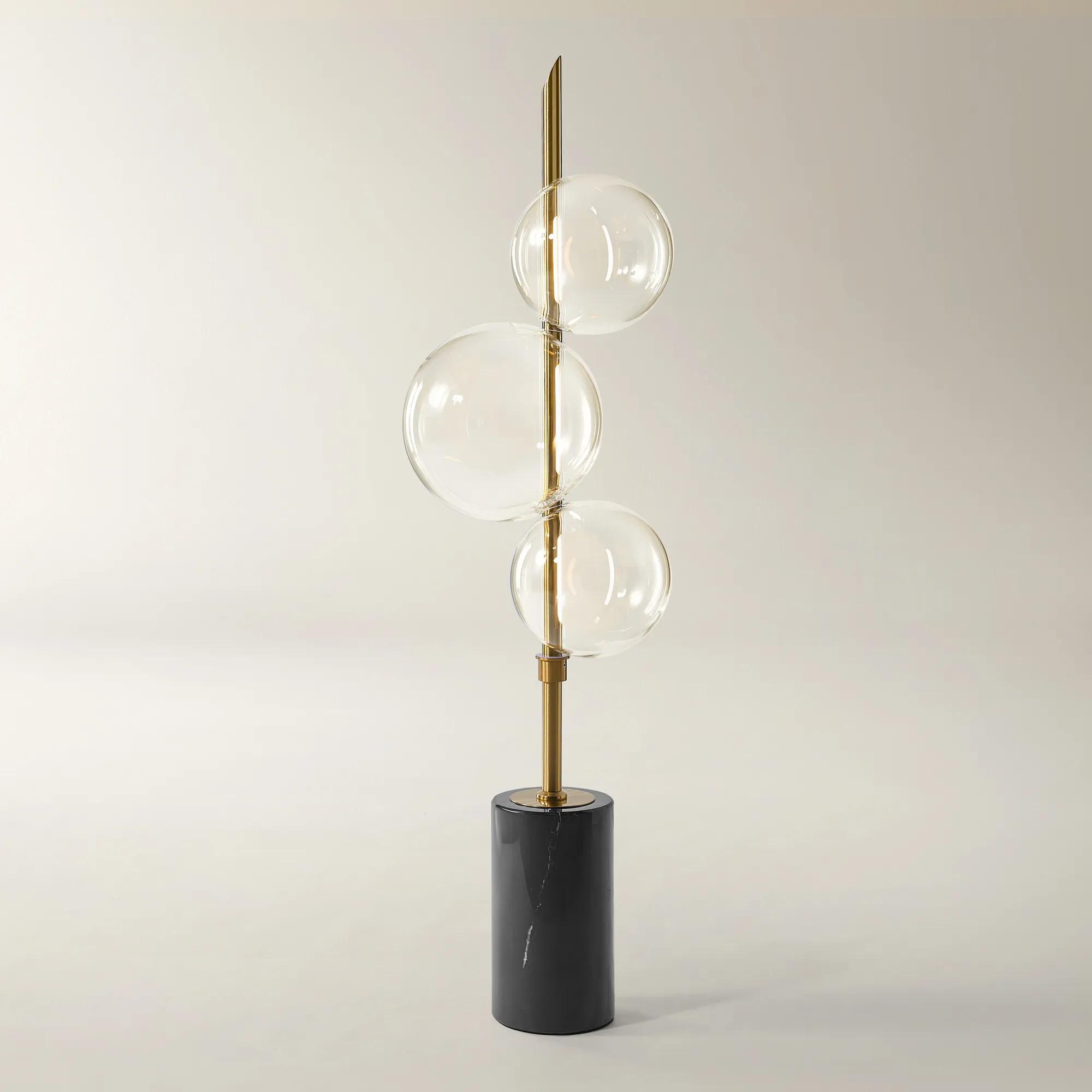
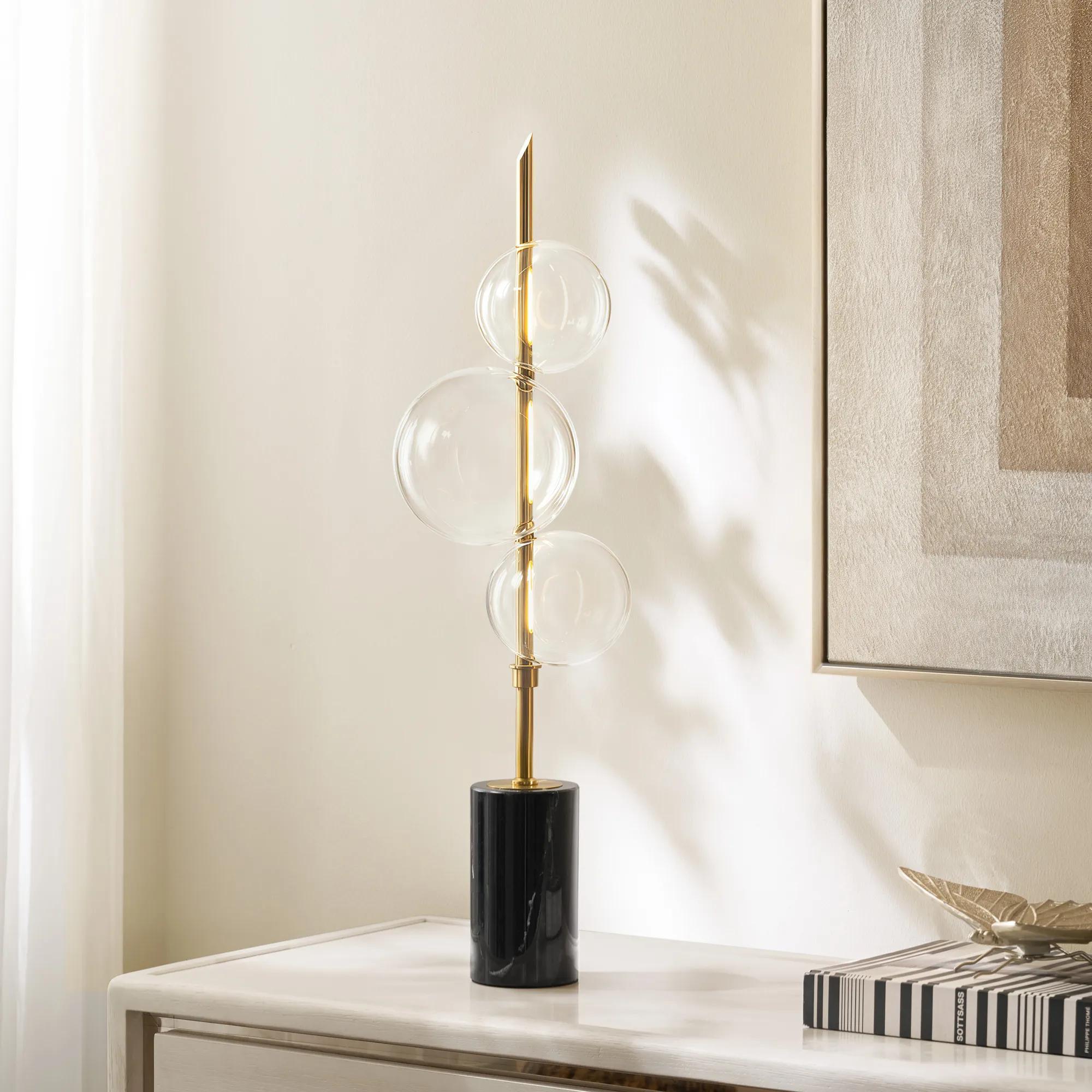 Bolla LED Hand-Blown Glass Bubble And Stone Table Lamp 31.5"$249
A sculptural table lamp featuring clear hand-blown glass bubbles, brass and stone accents, and integrated LED lighting.
Add To Cart -
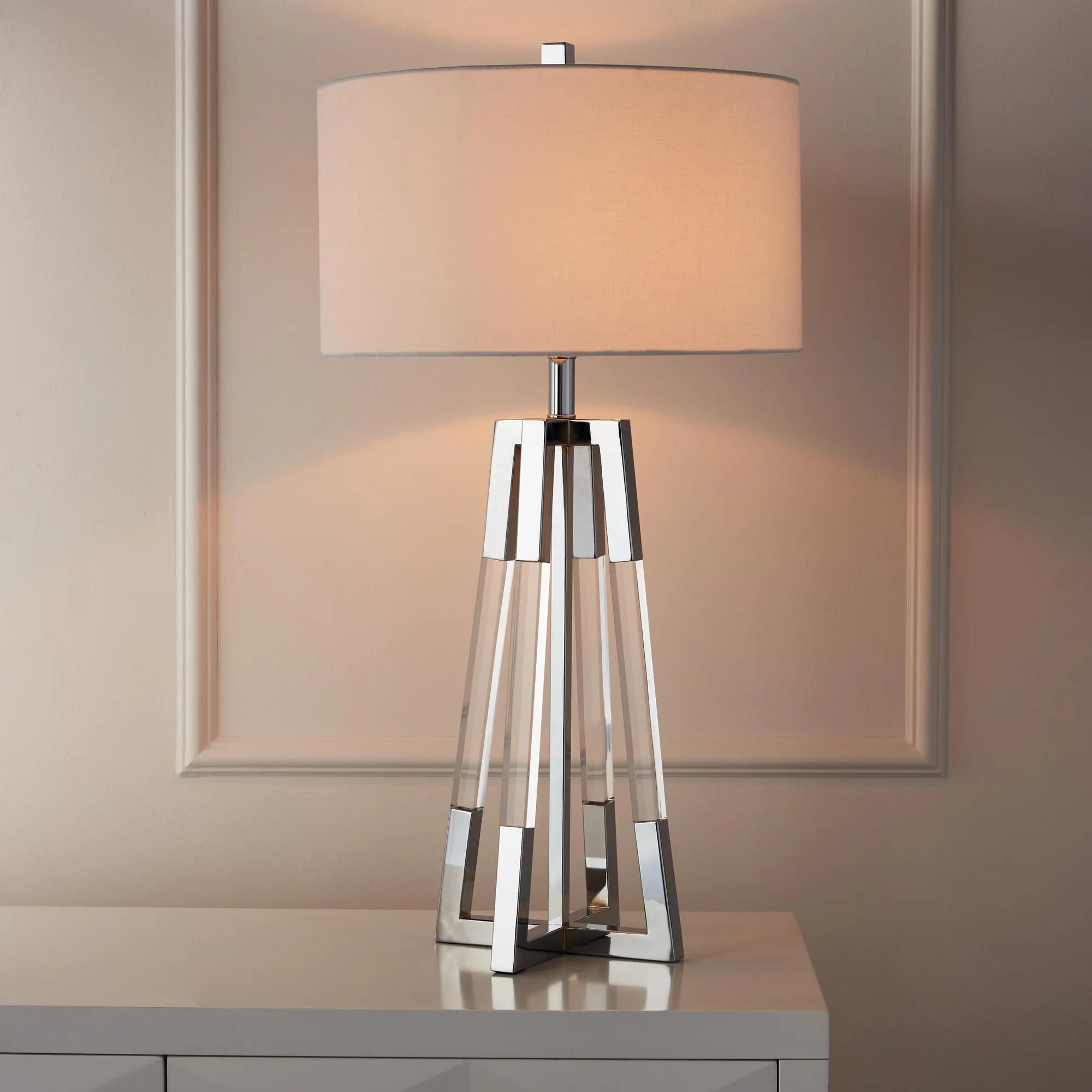 Rollins Table Lamp$439
A sophisticated table lamp featuring clear acrylic and polished nickel accents with a crisp white shade.
Add To Cart -
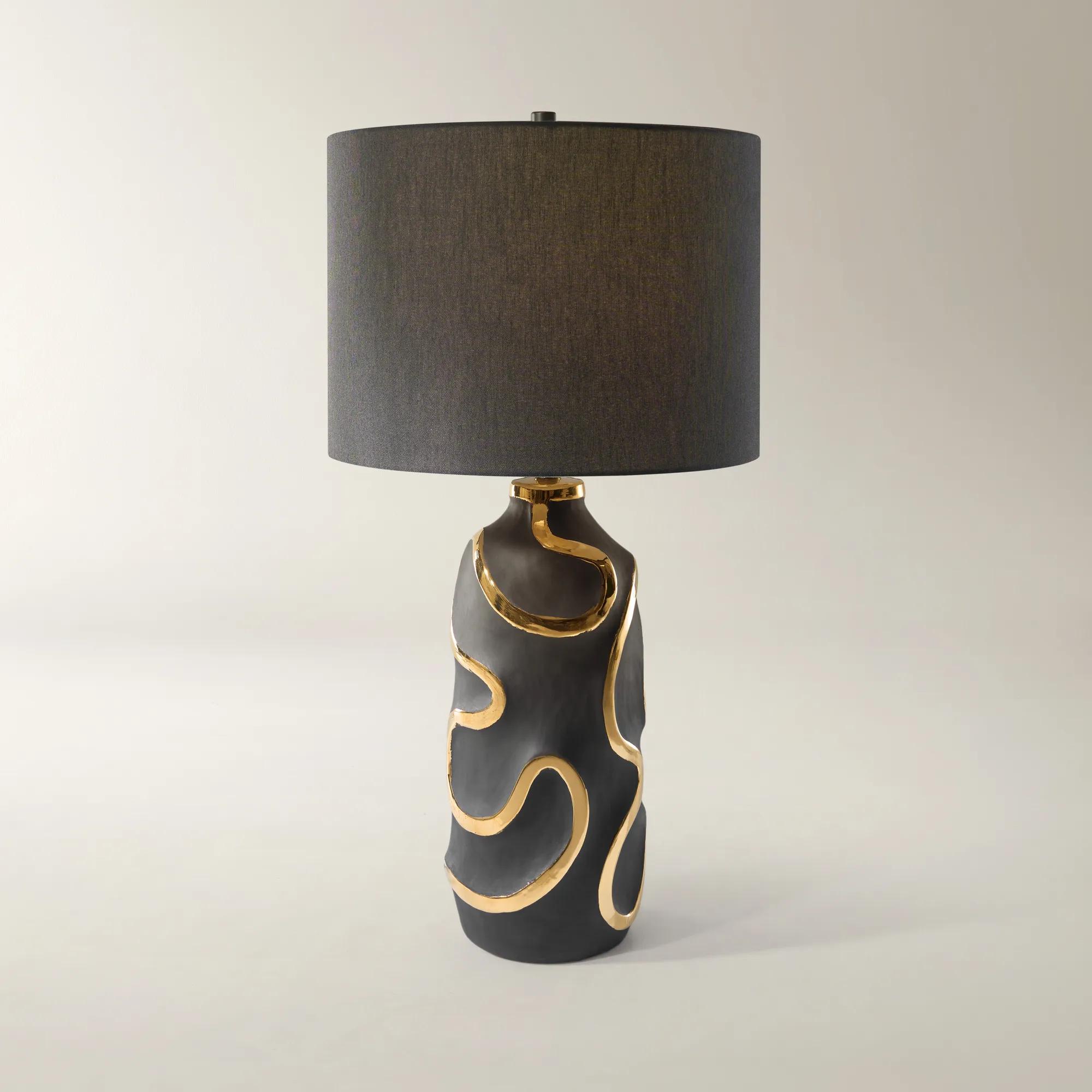 Seraphina Black/Gold Ceramic Table Lamp 32"$249
A matte black ceramic lamp with electroplated gold loops and adjustable three-level lighting.
Add To Cart -
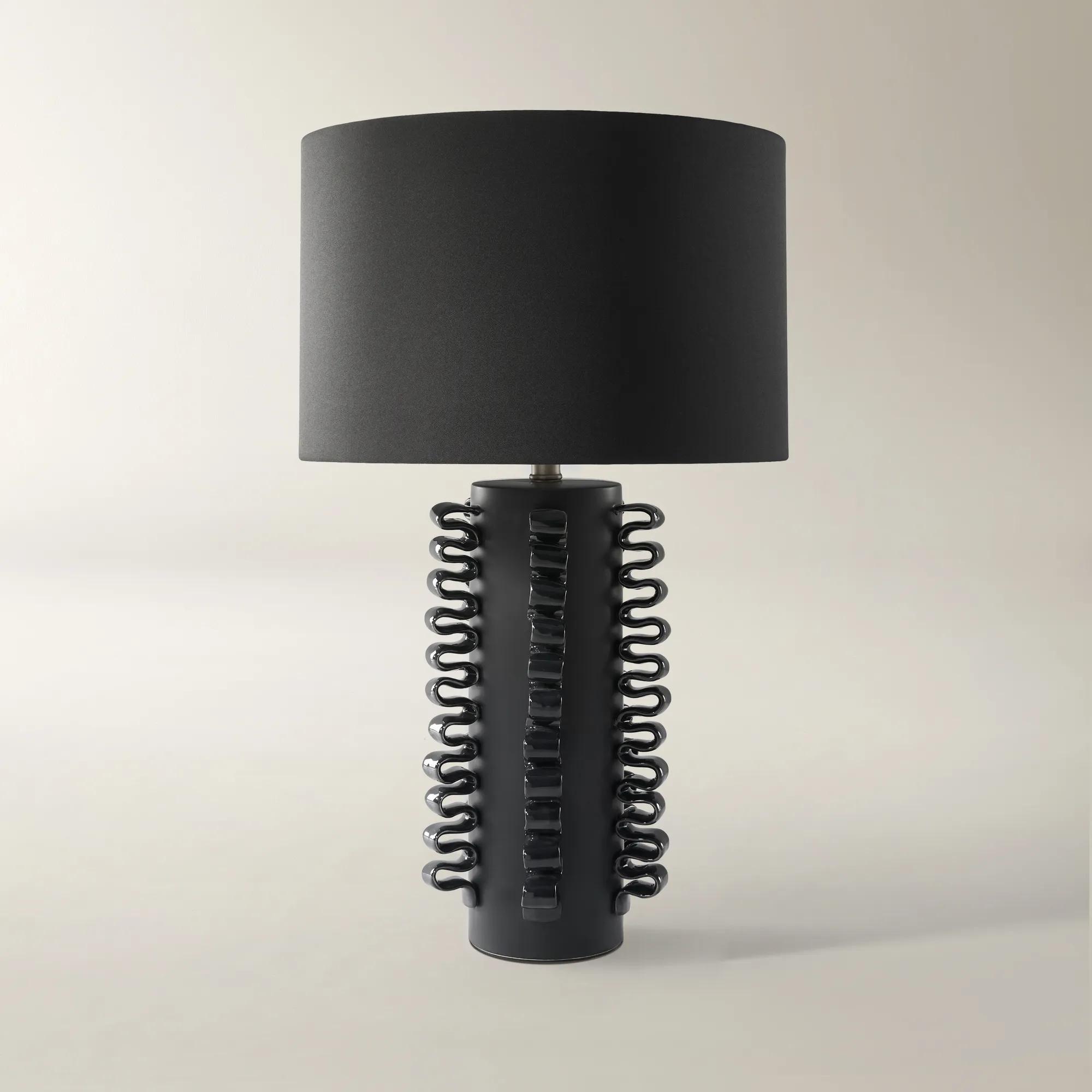
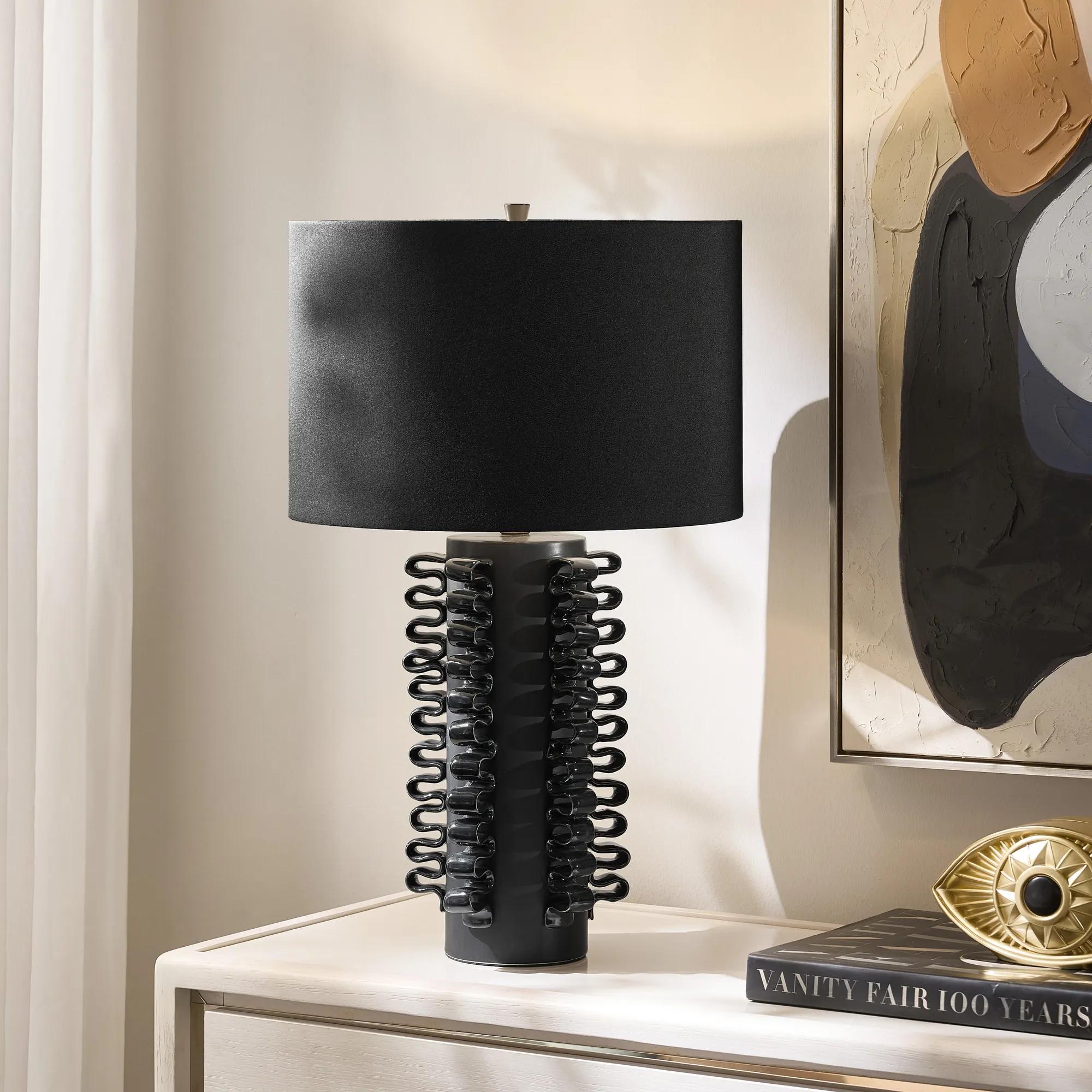 Anello Ruffle Black Ceramic Table Lamp 27"$249
A sculptural matte black ceramic lamp with glazed ribbon accents and a matching black cotton shade.
Add To Cart -
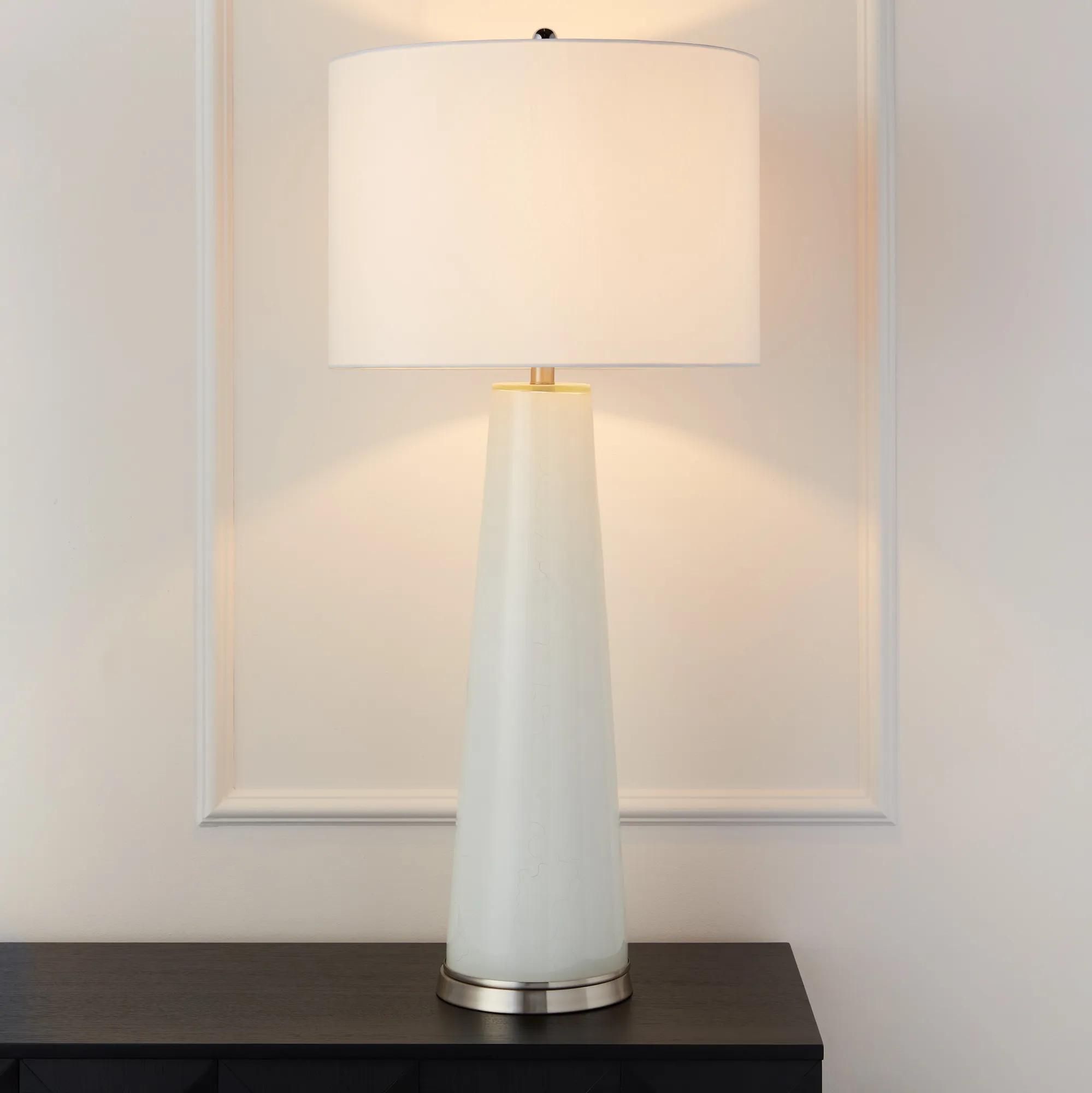 Century White Glass High Gloss Table Lamp 40"$299
A modern glass lamp with a high-gloss white interior and a crisp white drum shade.
Add To Cart -
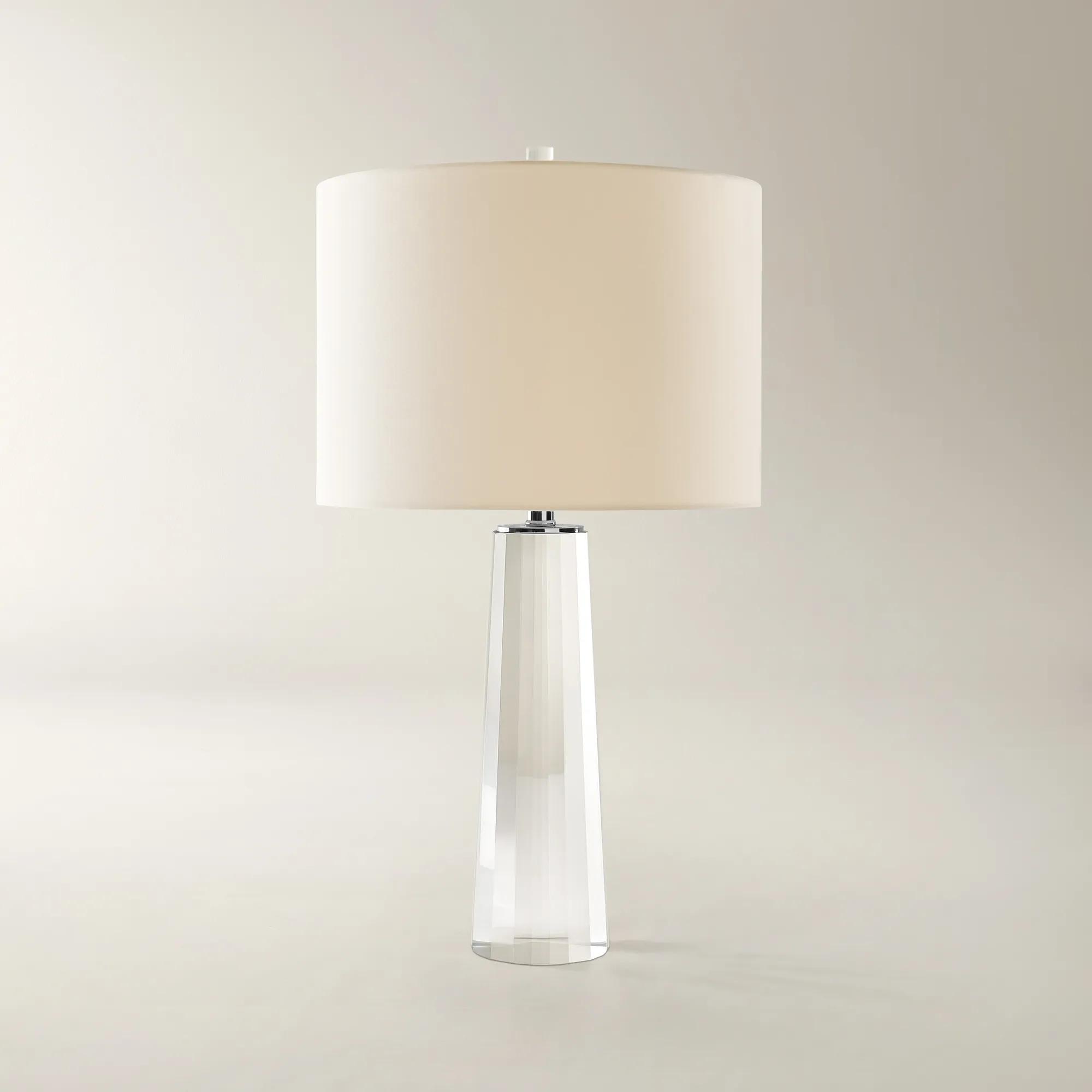
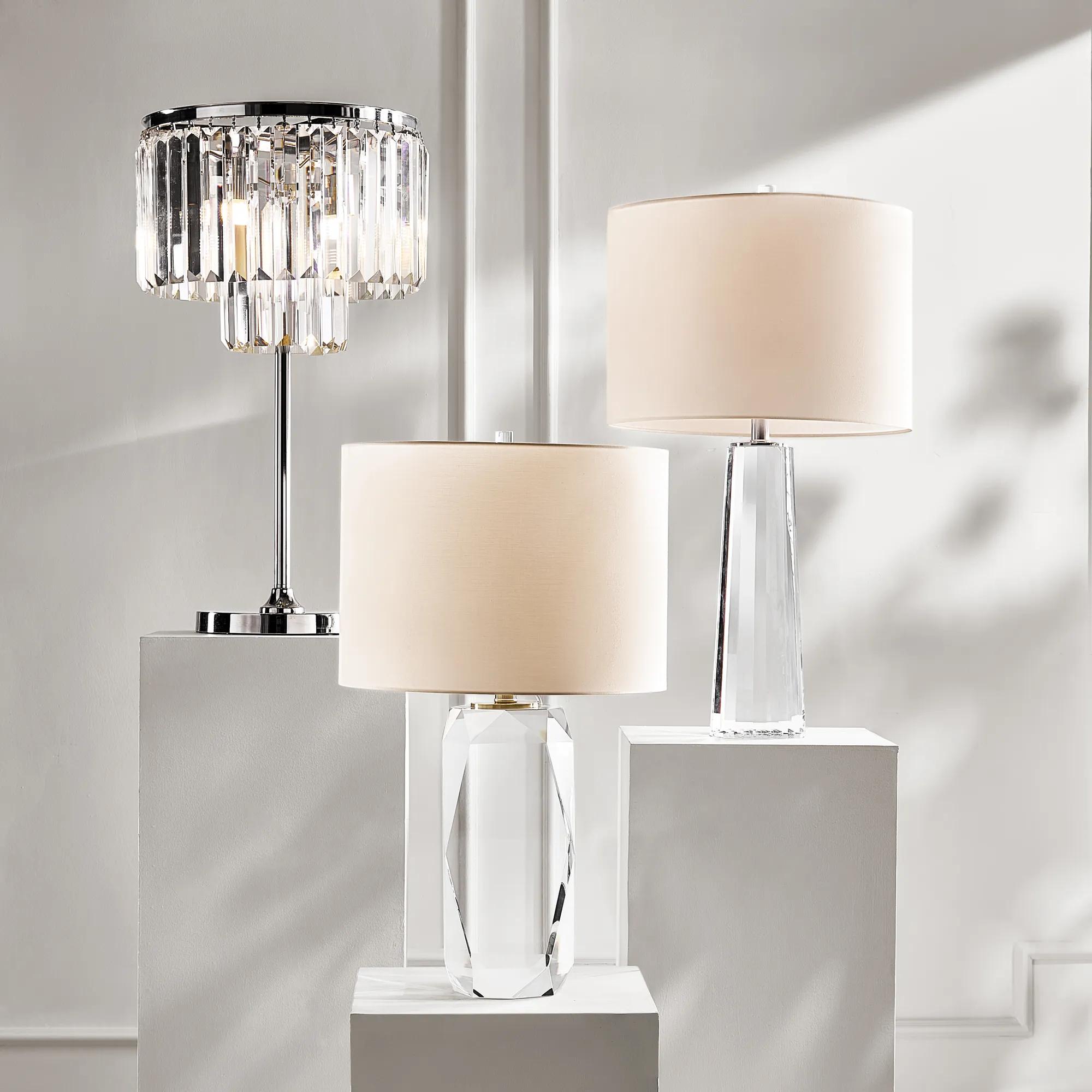 Sasha Faceted Clear K9 Crystal Table Lamp 28"$499
A refined table lamp featuring a clear crystal base, white drum shade, and polished nickel accents.
Add To Cart -
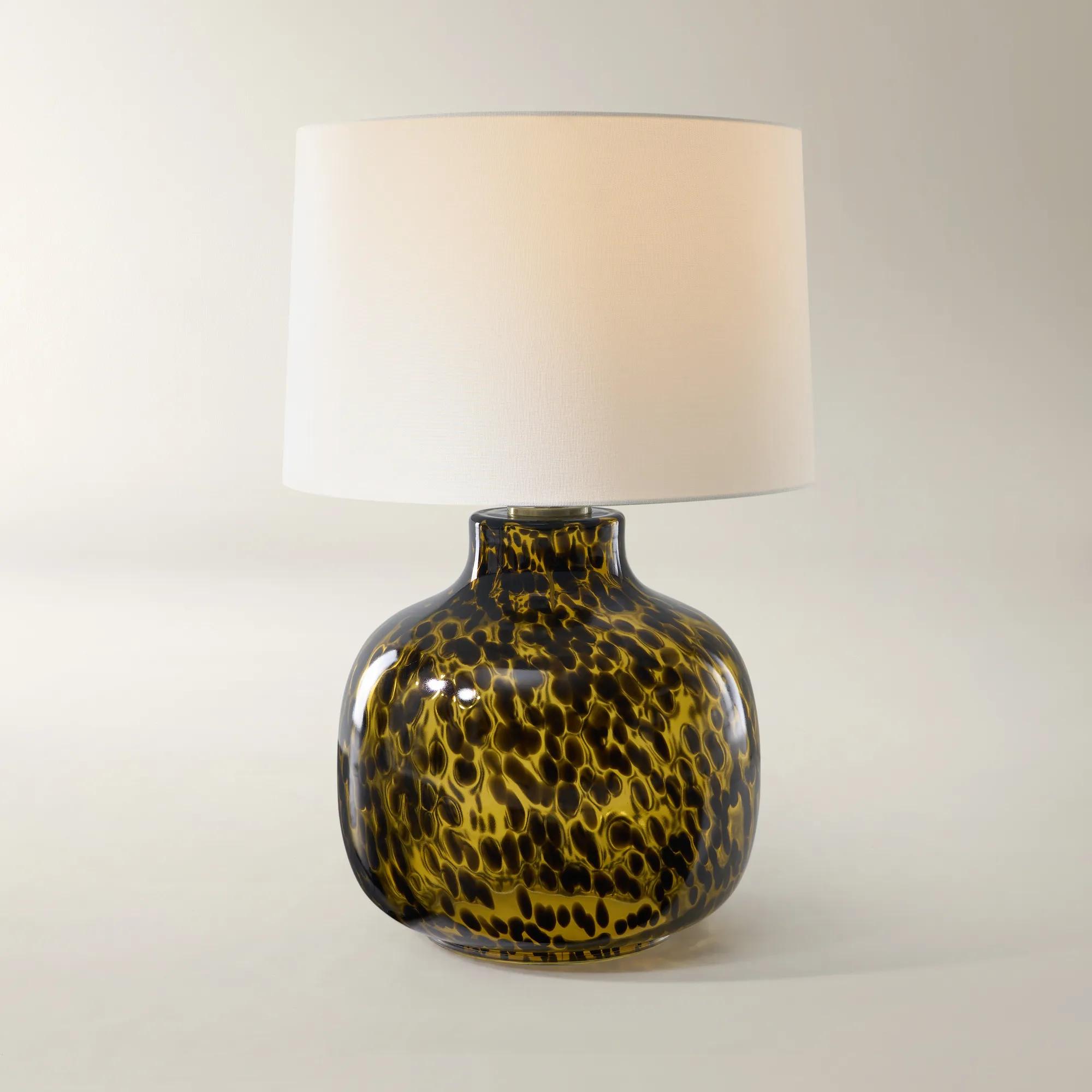 Blair Mouth Blown Tortoise Brown Glass Table Lamp 25"$229
A mouth-blown glass lamp in a brown tortoise finish with antique brass accents and an ivory linen shade.
Add To Cart -
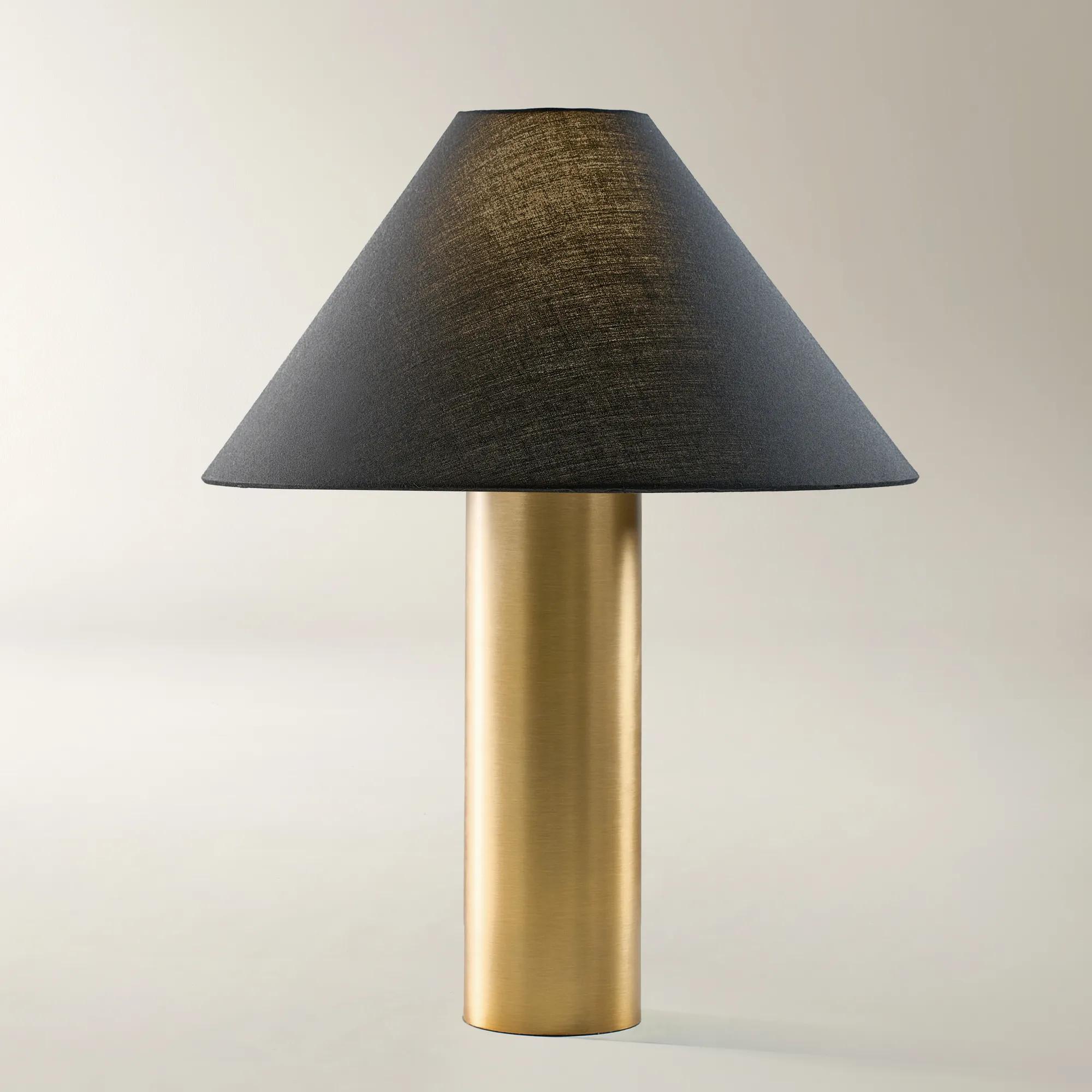 Tova Brushed Brass/Black Table Lamp 20.5"$249
A sculptural brushed brass iron base pairs with a tailored black cotton shade for bold, modern contrast.
Add To Cart -
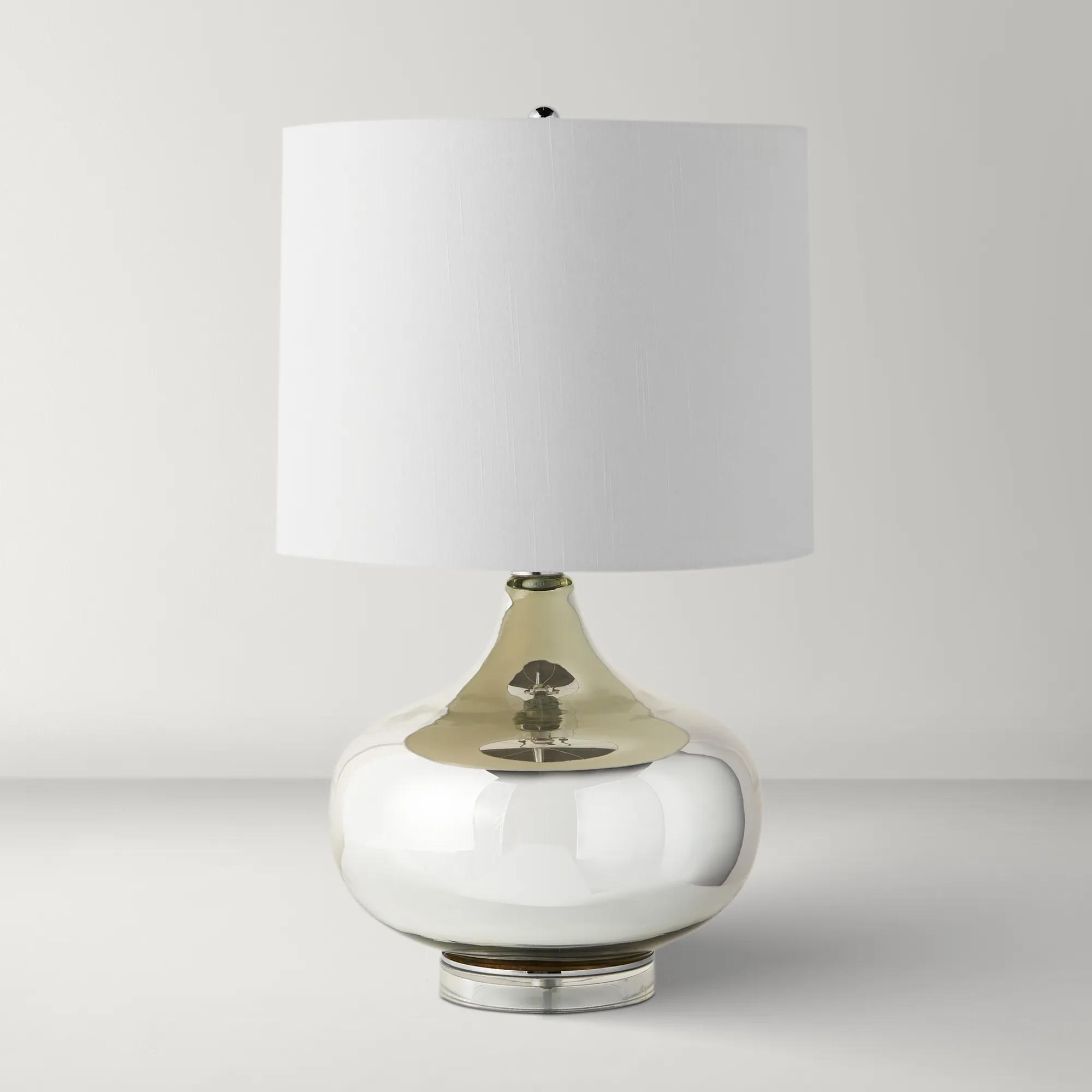 Sabrina Mirrored Silver Glass Table Lamp 27.5"$199
A contemporary lamp featuring a silver mirrored glass base, clear acrylic accents, and a white fabric shade.
Add To Cart -
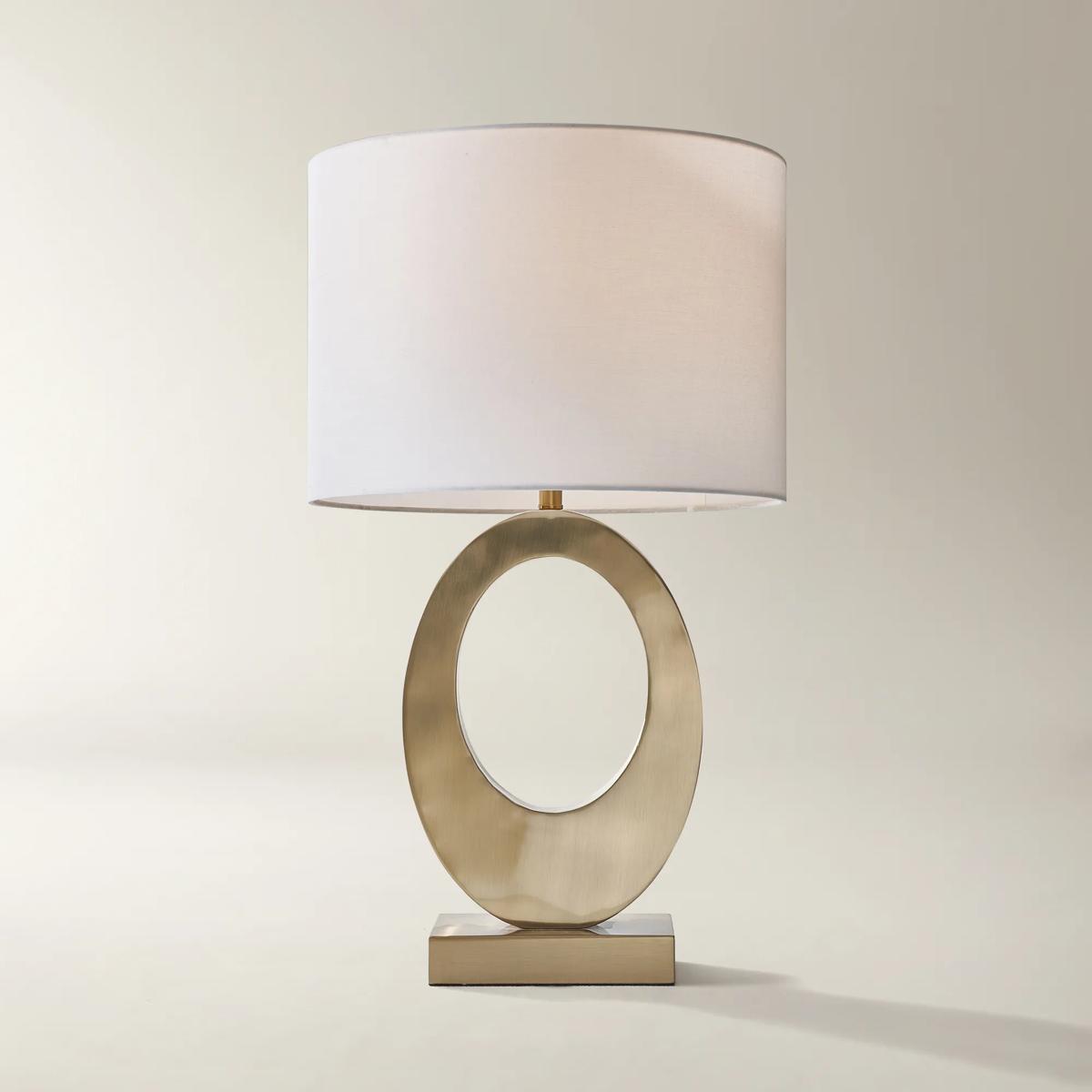 Loop Champagne Gold Metal Table Lamp 26.25"$399
A sculptural iron lamp in champagne gold with a beige cotton drum shade for warm, diffused lighting.
Add To Cart -
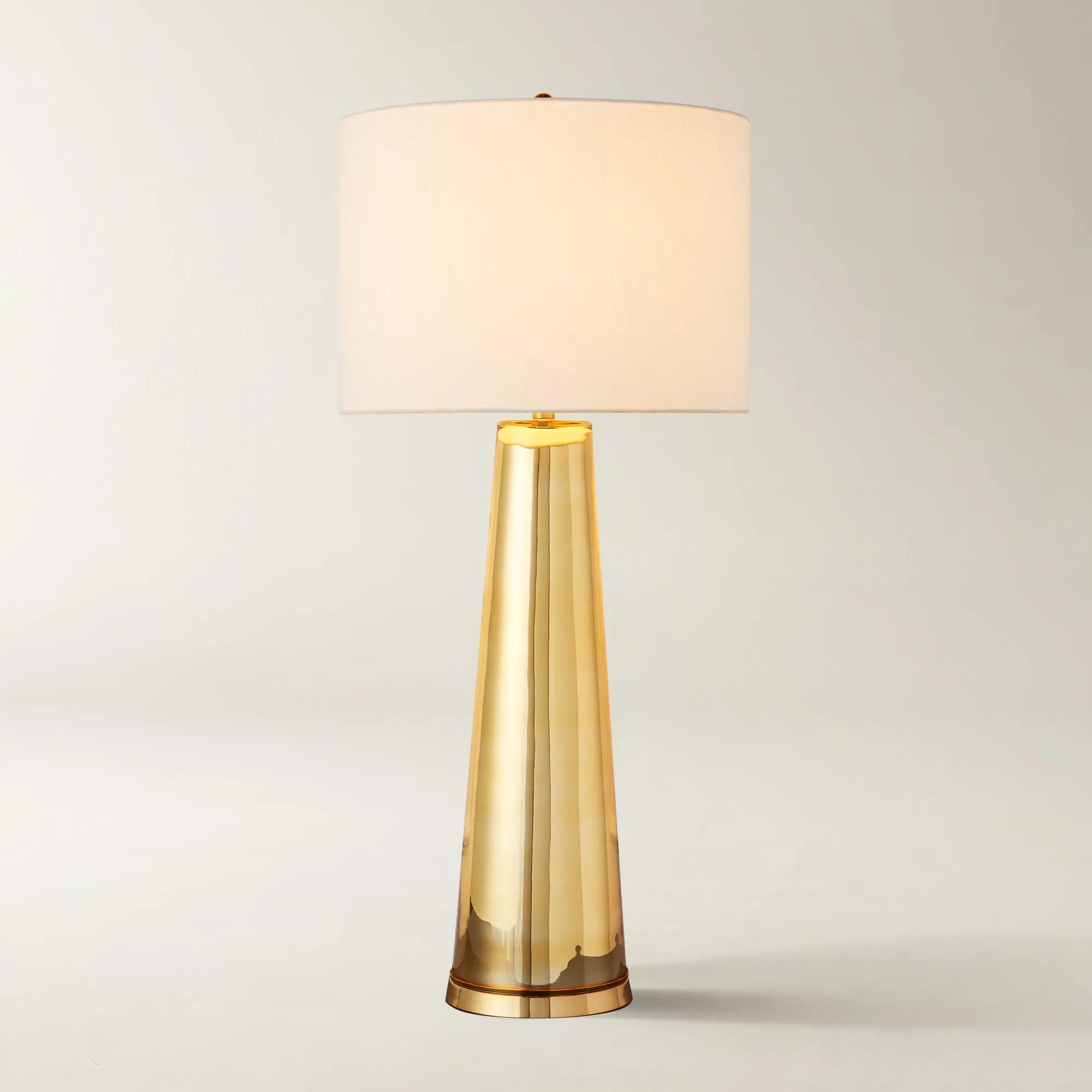
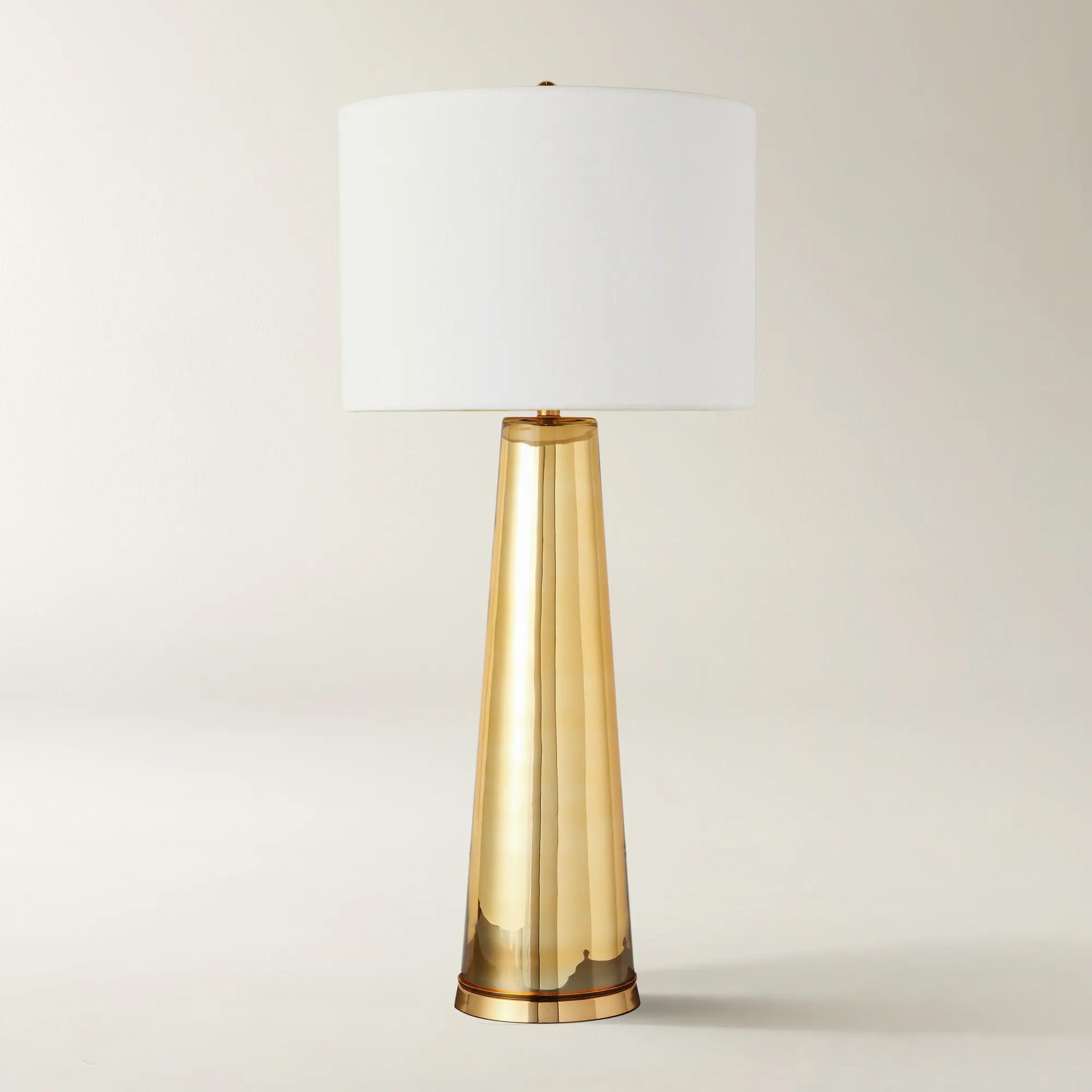 Century Gold Mirrored Glass Table Lamp 40"$299
A modern lamp featuring a mirrored glass base and white drum shade, accented with gold or silver details.
Add To Cart -
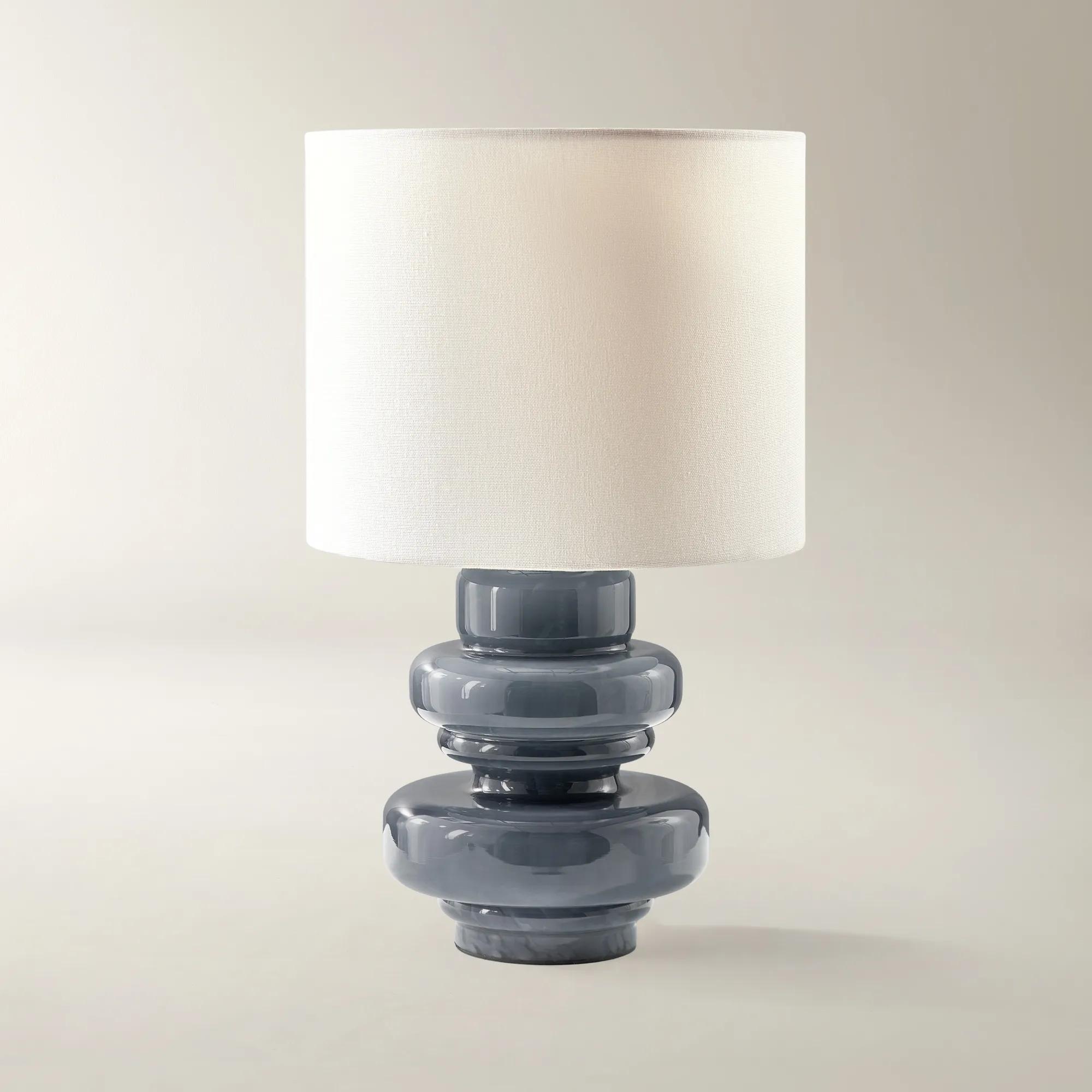 Edin Mouth Blown Slate Blue Glass Table Lamp 17.5"$99
A sculptural slate blue mouth-blown glass lamp with brushed nickel accents and an ivory linen shade.
Add To Cart -
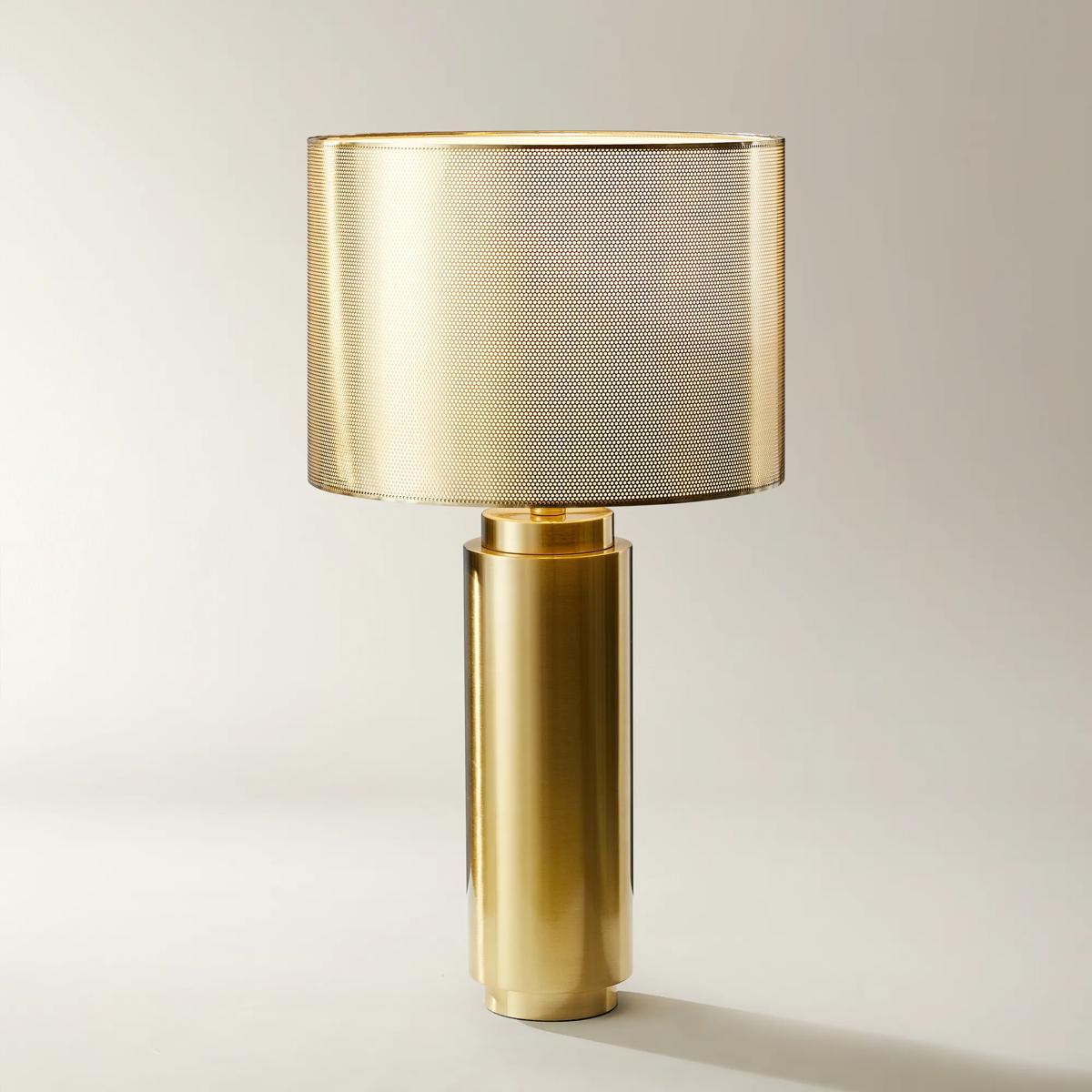
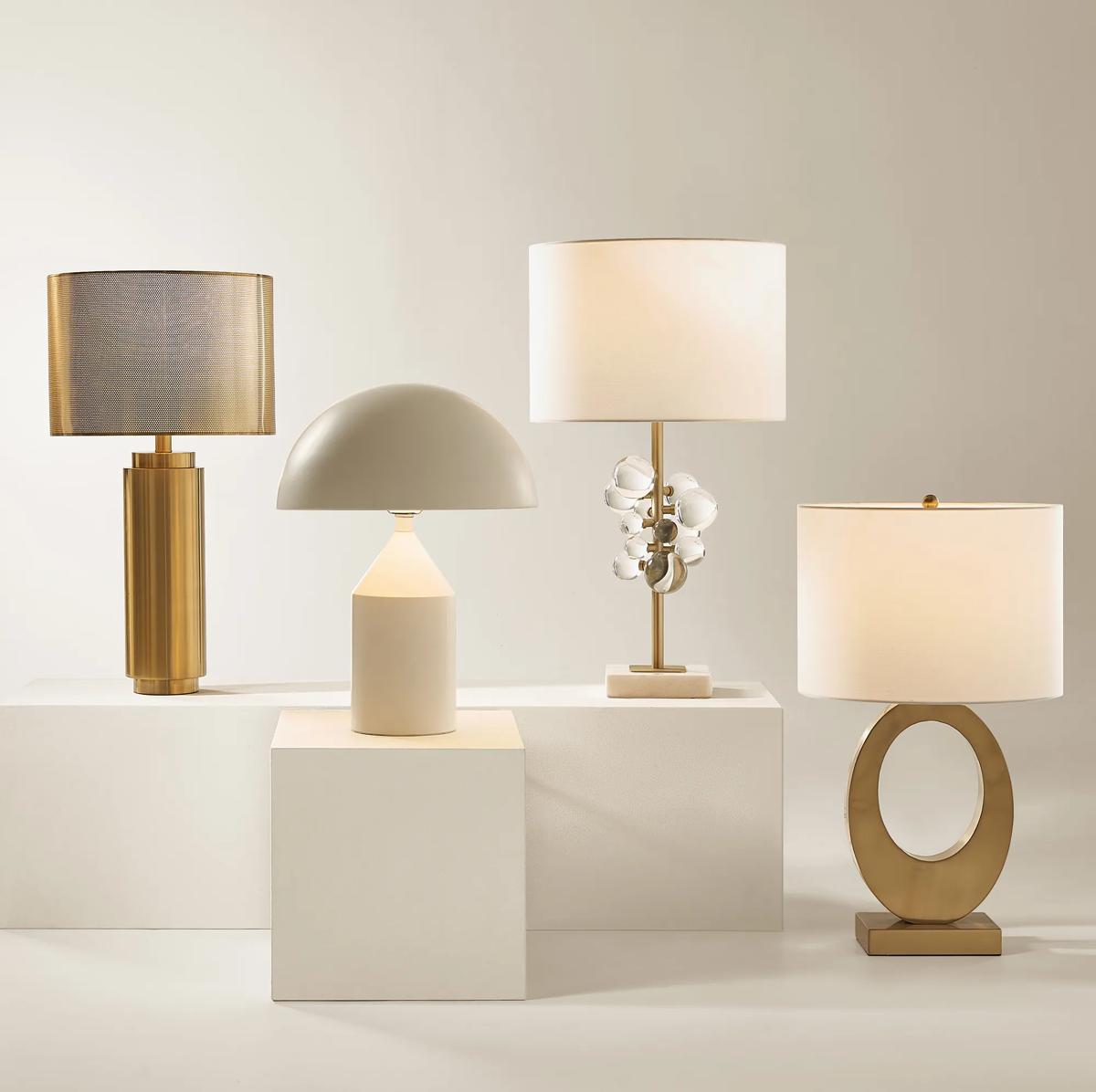 Sibyl Metal Aged Brass Finish Table Lamp 26"$399
A modern table lamp featuring an aged brass iron base and a perforated metal-over-cotton shade.
Add To Cart -
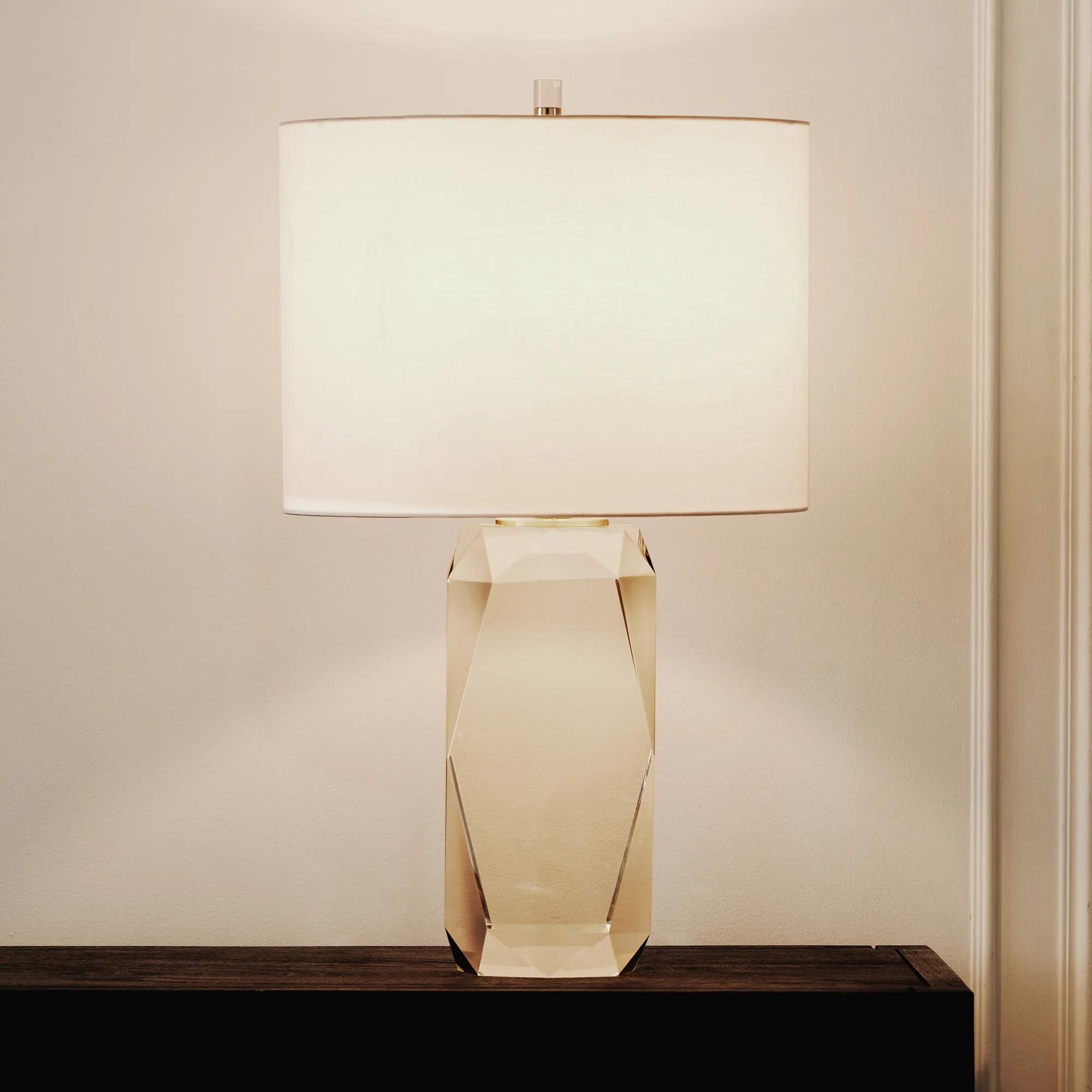 Bianca Faceted Clear K9 Crystal Table Lamp 24"H$499
A clear crystal table lamp with a white drum shade and soft brass hardware for elegant illumination.
Add To Cart -
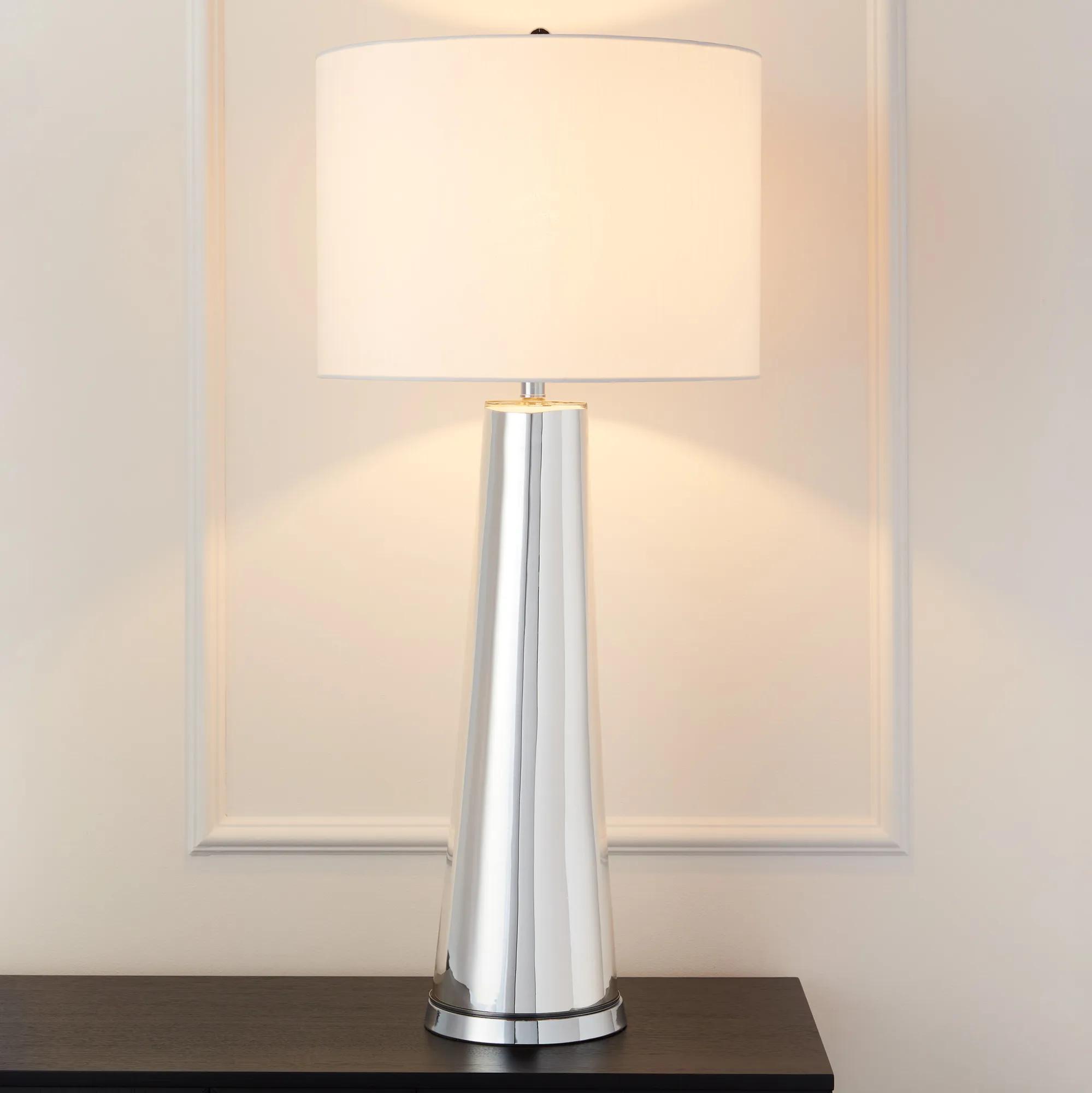 Century Silver Mirrored Glass Table Lamp 40"$299
A modern table lamp featuring a mirrored glass base and white drum shade with brushed chrome accents.
Add To Cart -
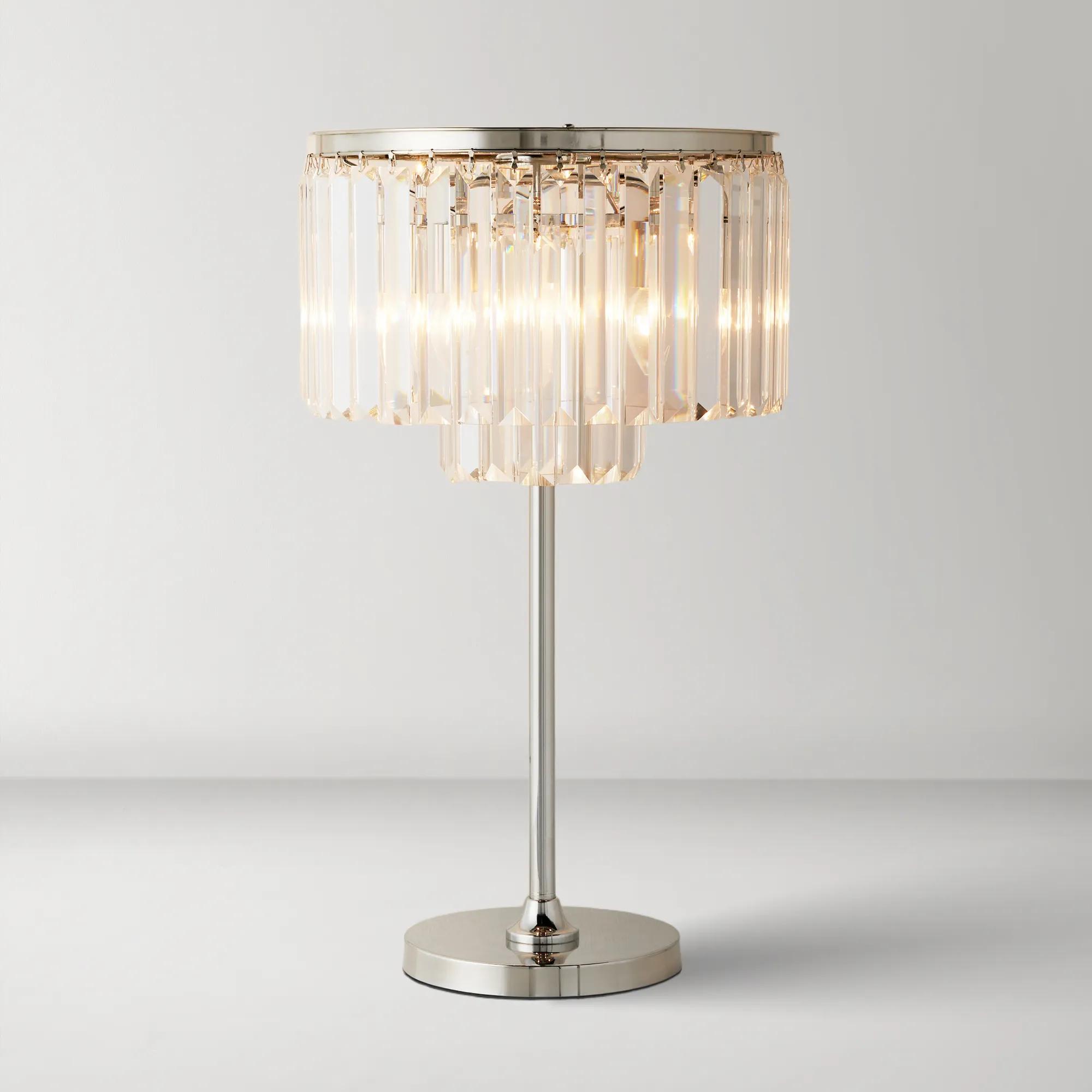
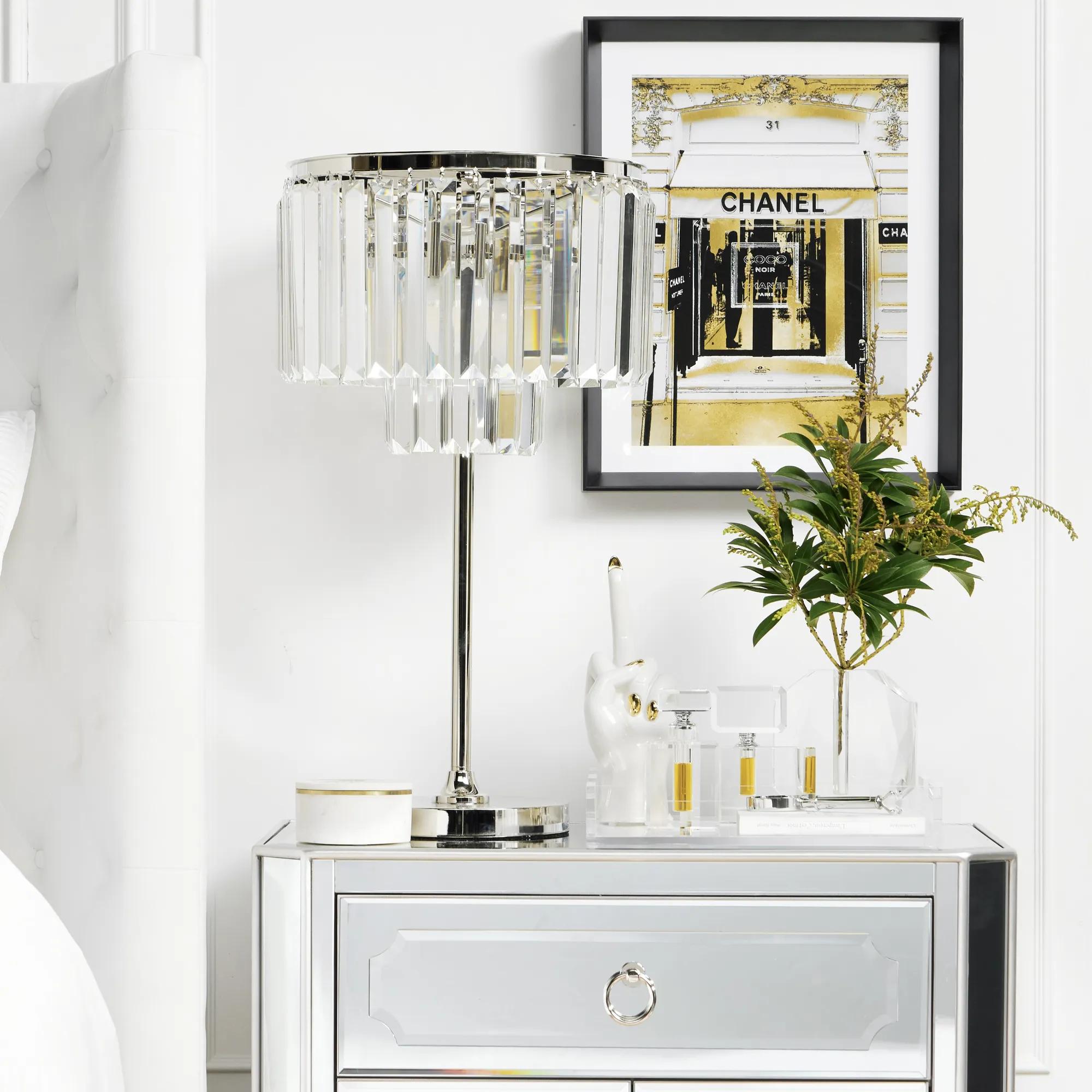 Luxe Table Lamp$499
A sophisticated table lamp featuring faceted ocular glass prisms and a nickel-plated iron frame.
Add To Cart -
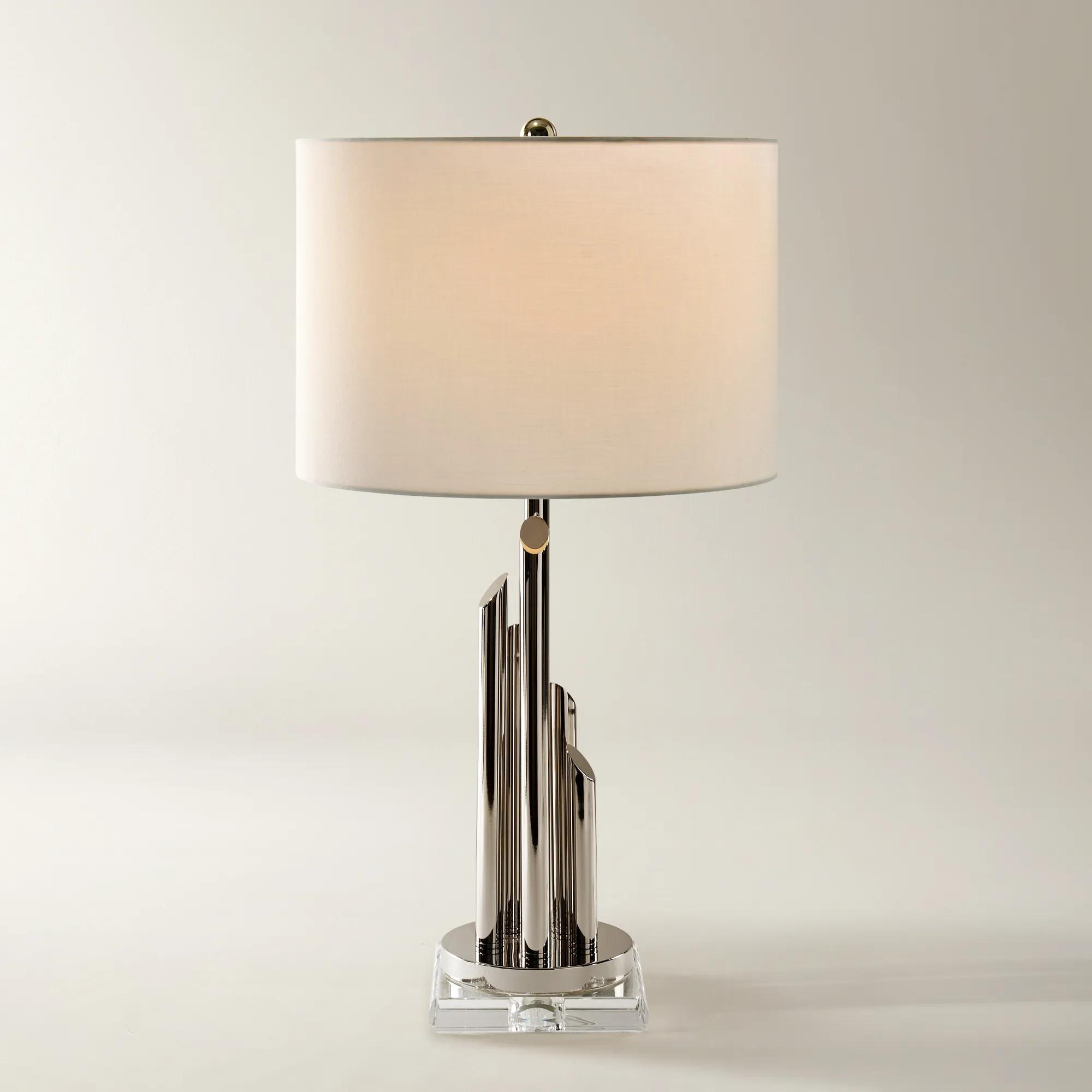
 Jagger Table Lamp$329
A modern table lamp featuring a polished nickel iron frame, clear crystal base, and white cotton drum shade.
Add To Cart -
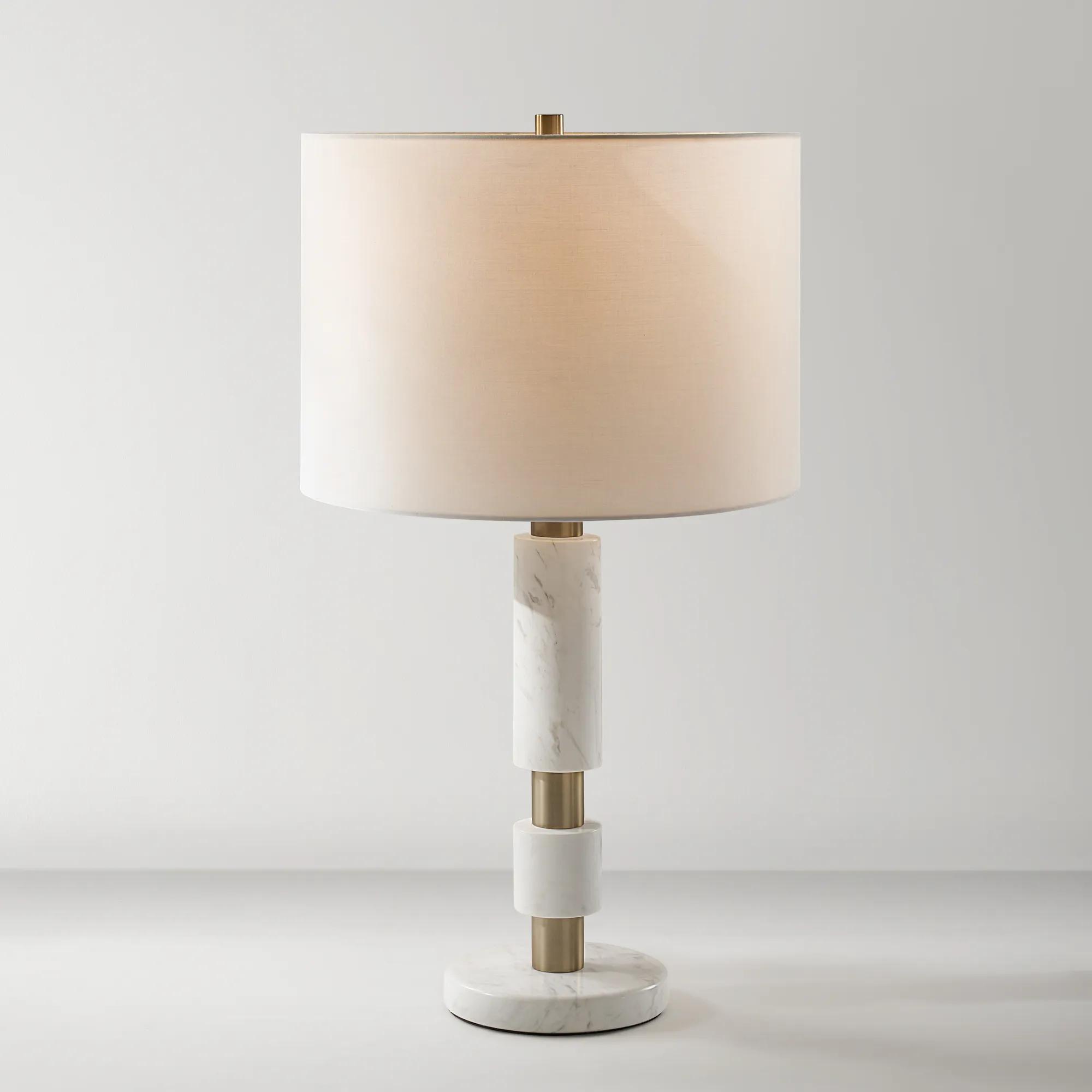 Thea Table Lamp$379
A luxurious table lamp featuring a white marble base, champagne metal accents, and a crisp cotton drum shade.
Add To Cart -
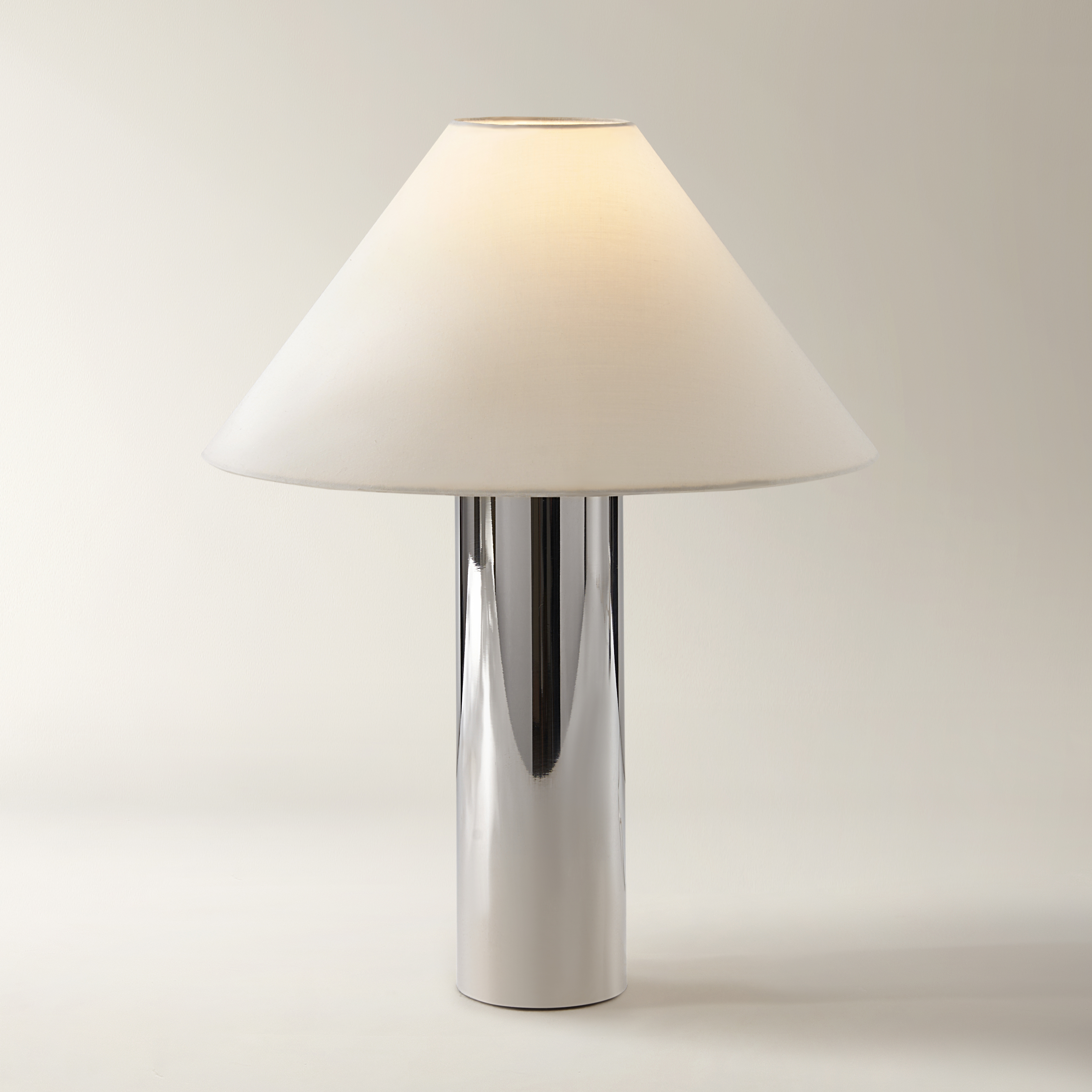
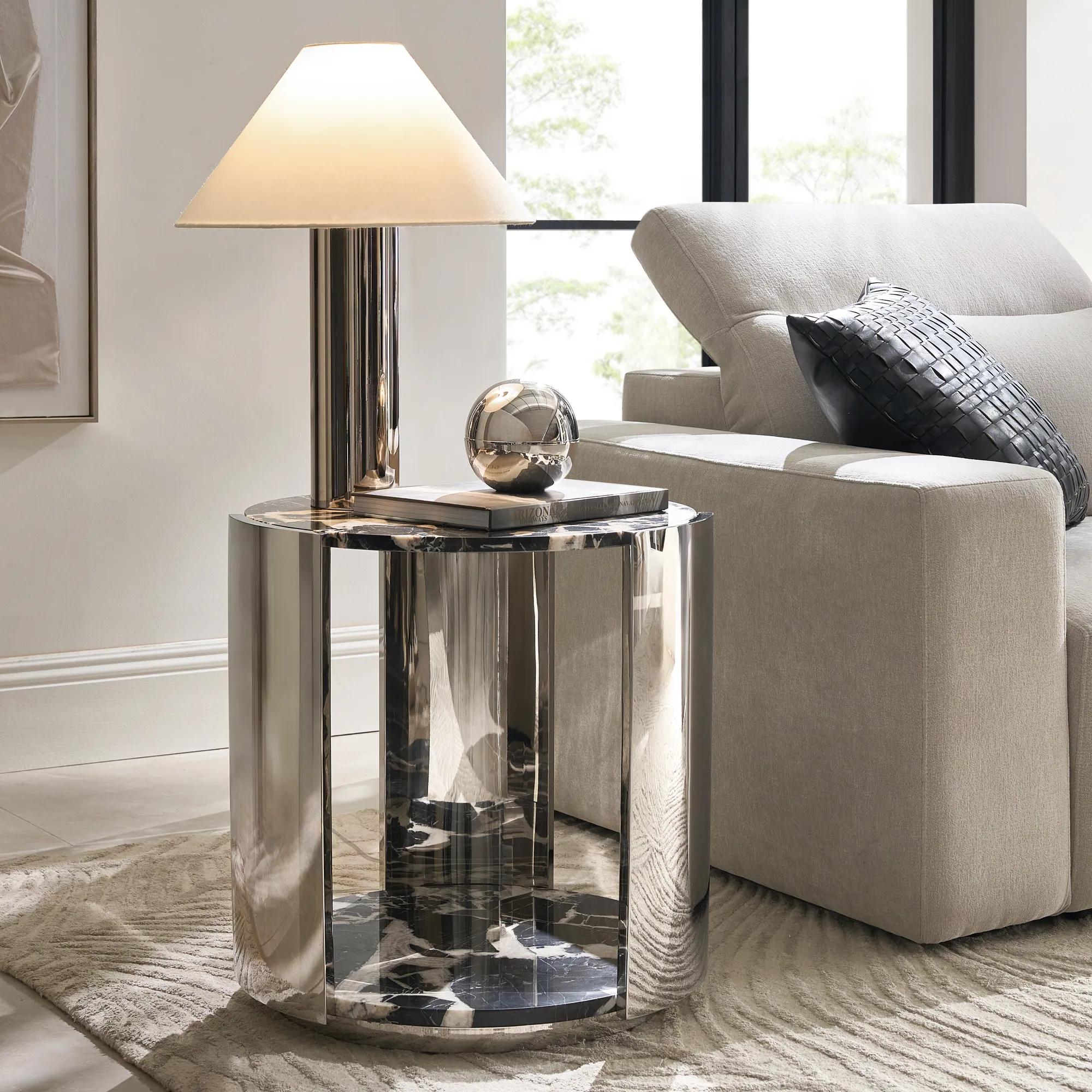 Tova Polished Nickel/White Table Lamp 20.5"$249
A polished nickel iron lamp with a white cotton tapered shade brings sleek, modern style to any room.
Add To Cart -
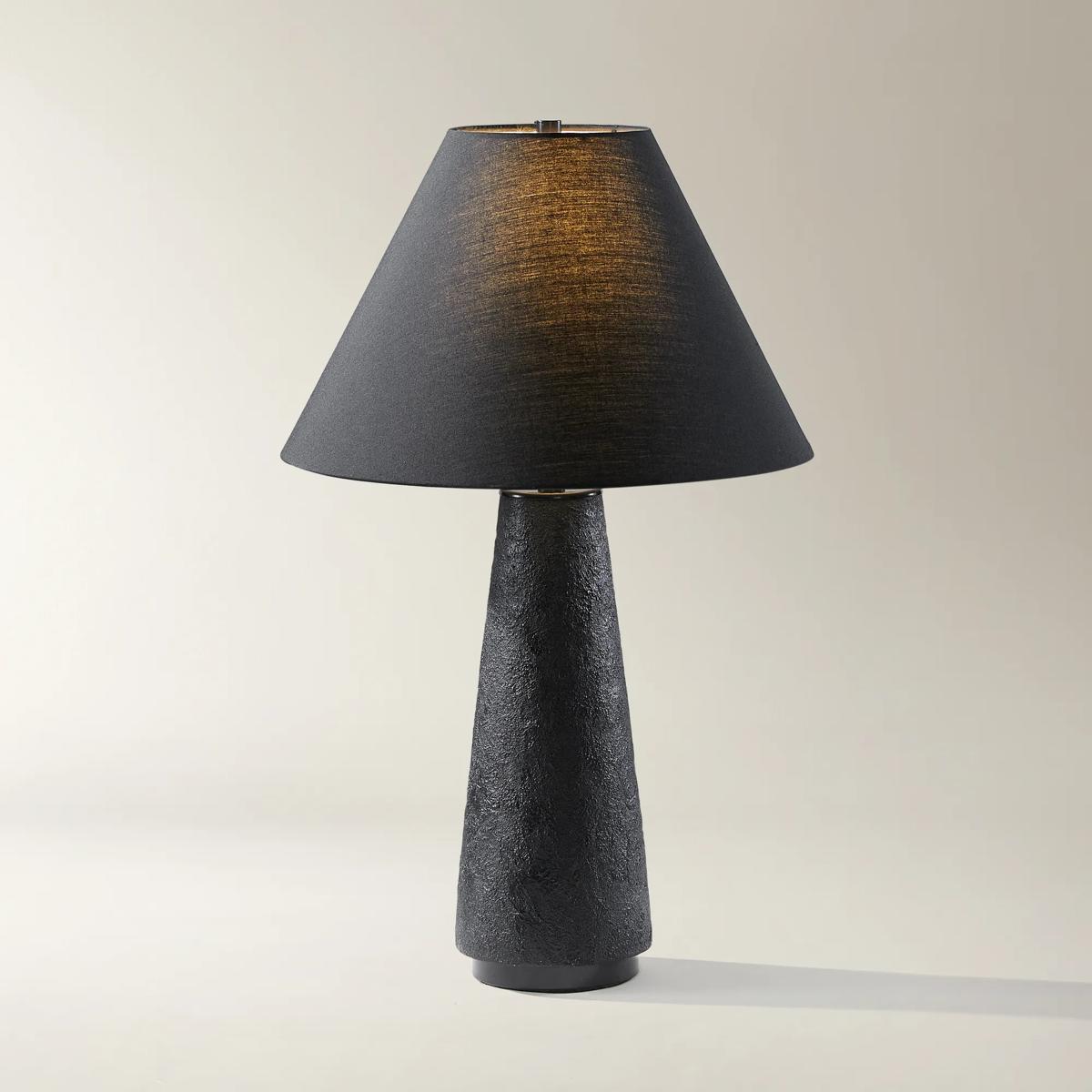 Beton Black Textured Concrete Table Lamp 25"$299
A sculptural table lamp featuring textured black concrete, matte black metal accents, and a black cotton shade.
Add To Cart -
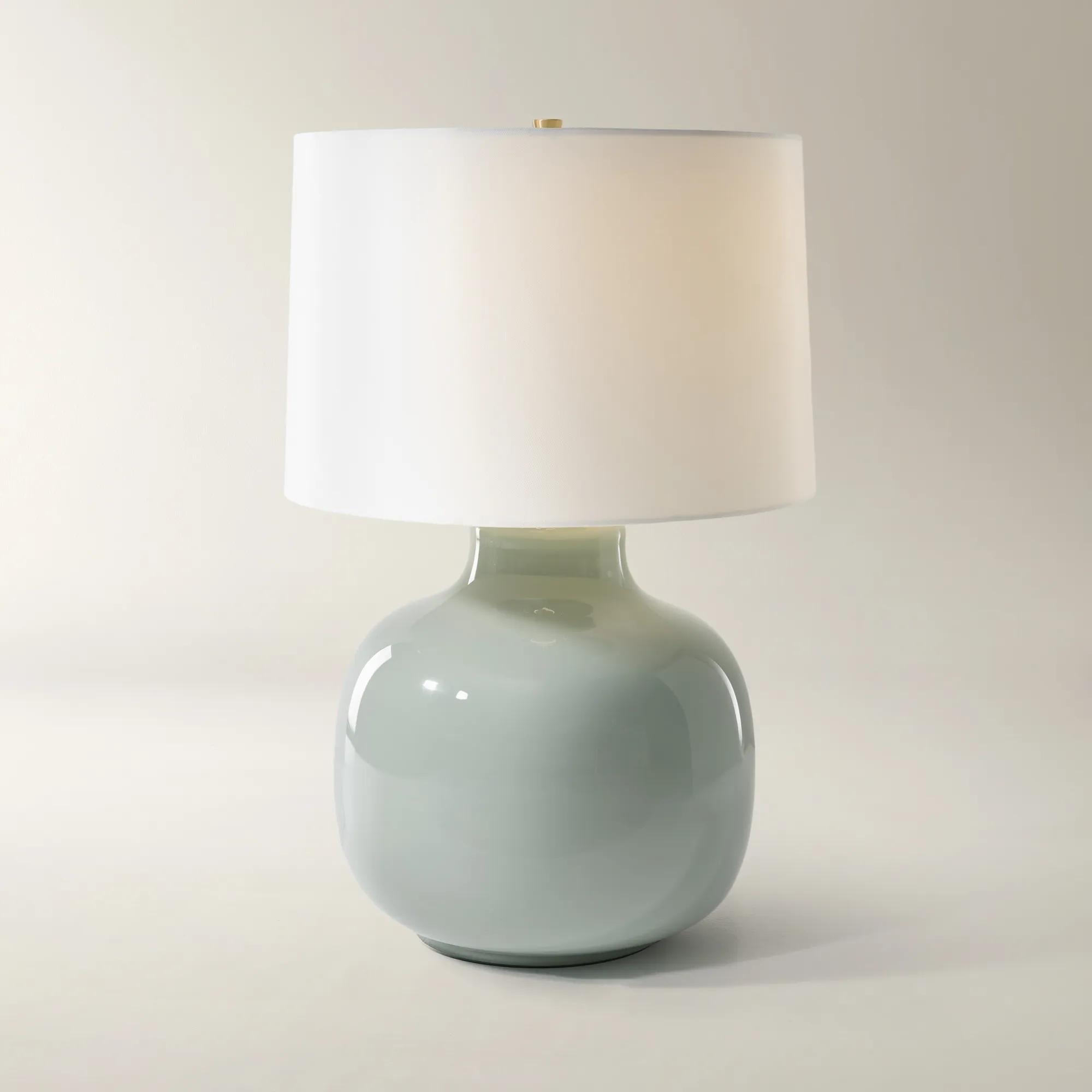
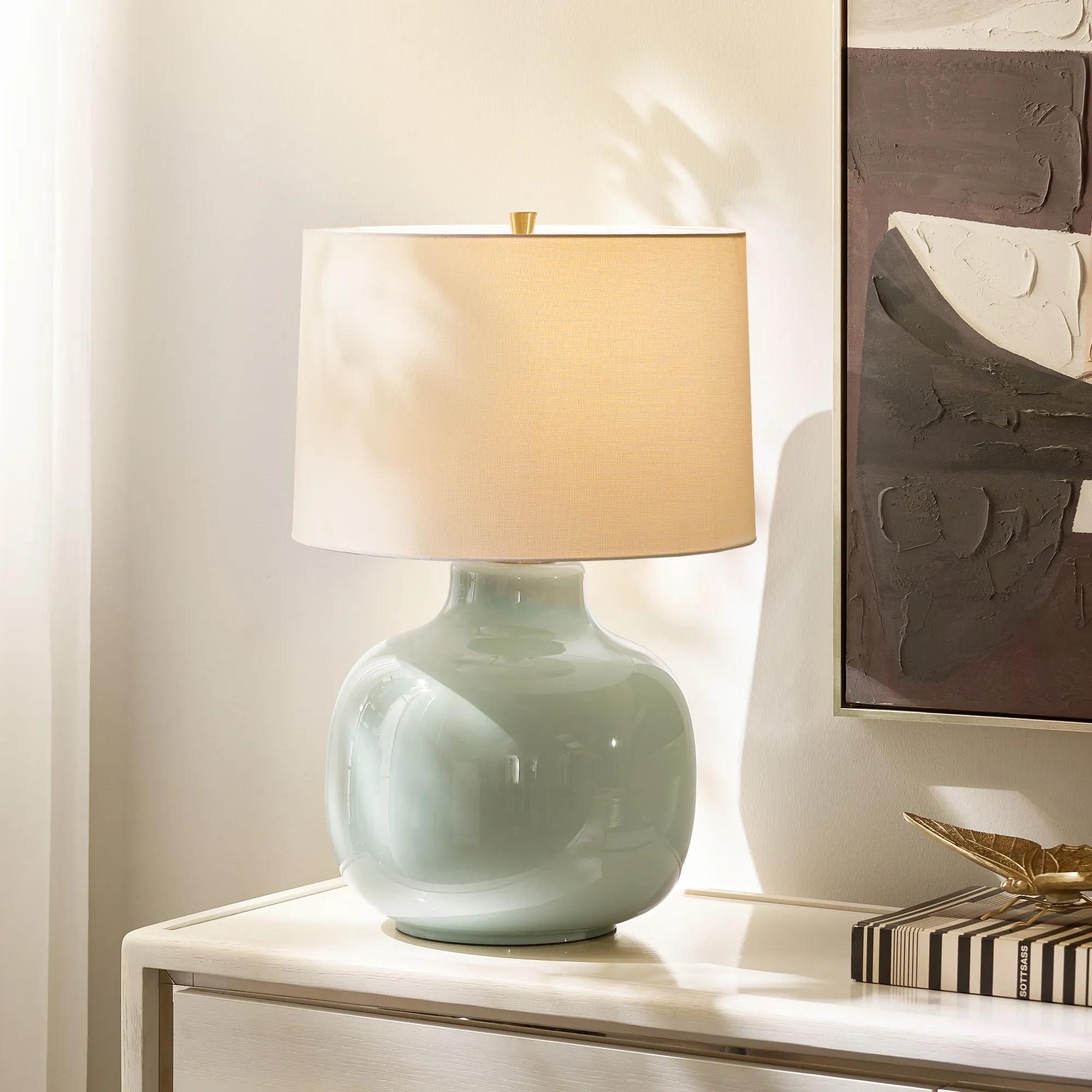 Blair Mouth Blown Sea Glass Blue Glass Table Lamp 25"$229
A mouth-blown glass lamp in soft blue sea glass with antique brass accents and an ivory linen shade.
Add To Cart -
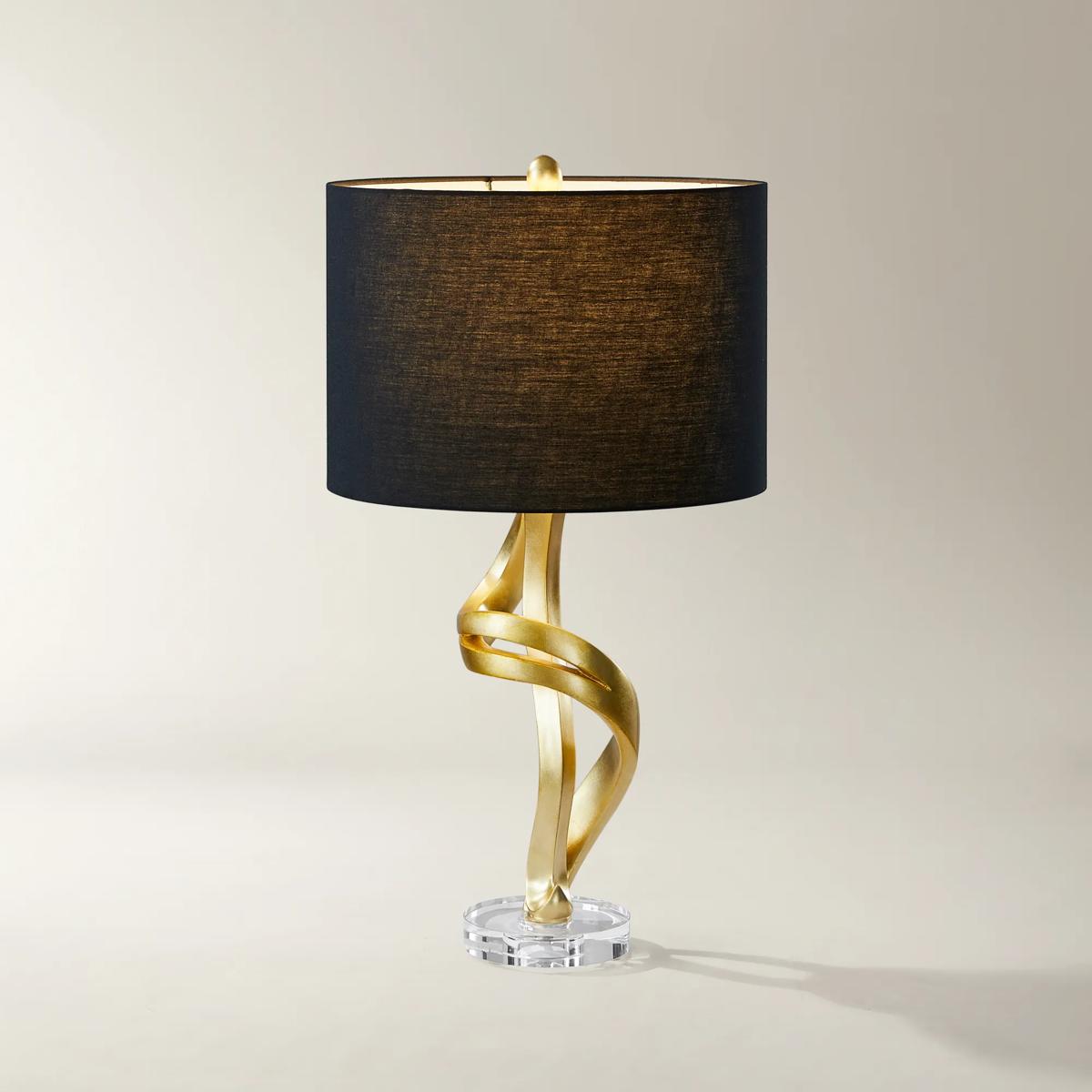
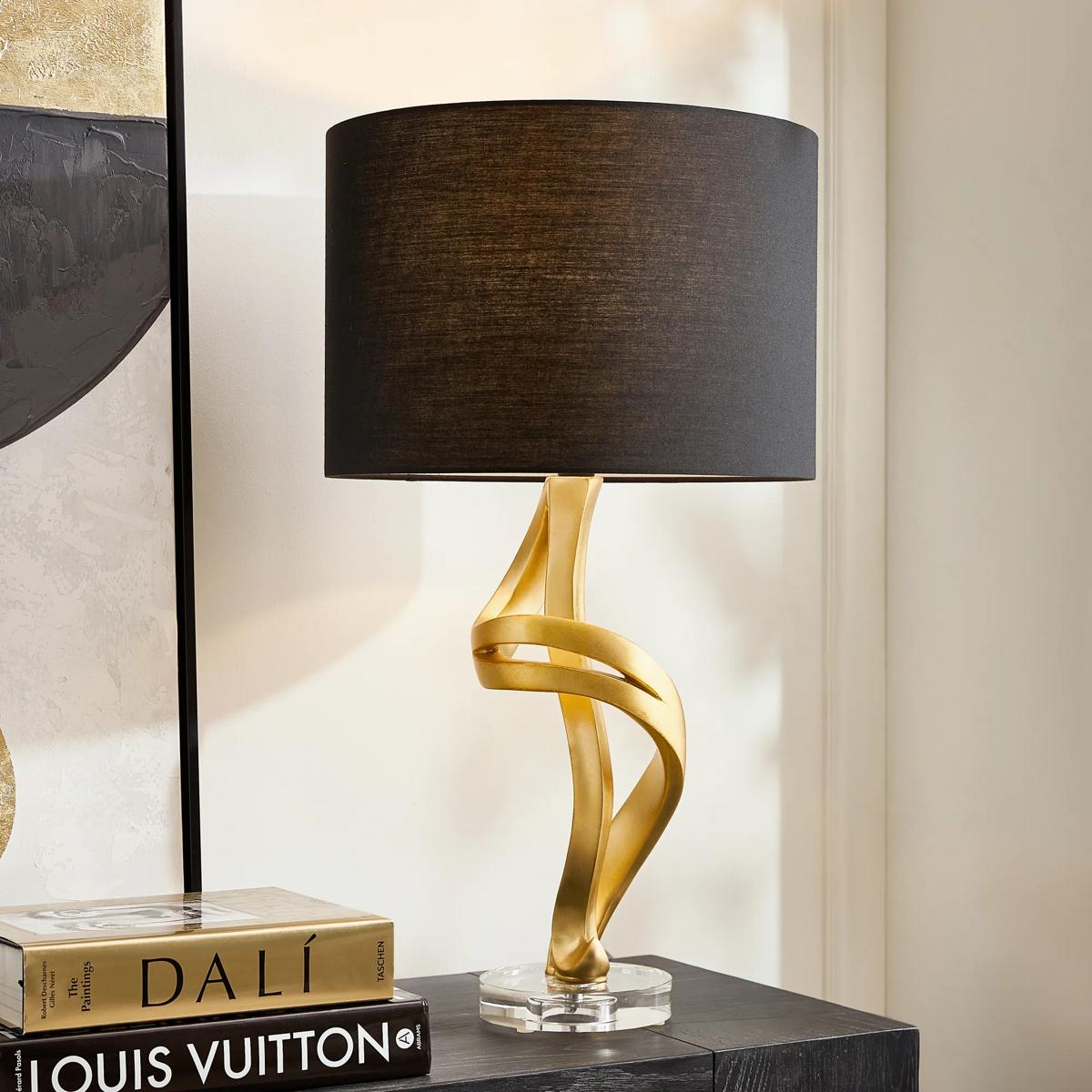 Nisa Sculptural Champagne Resin Table Lamp 28.25"$399
A sculptural resin lamp in champagne gold with a black cotton drum shade and clear acrylic base.
Add To Cart -
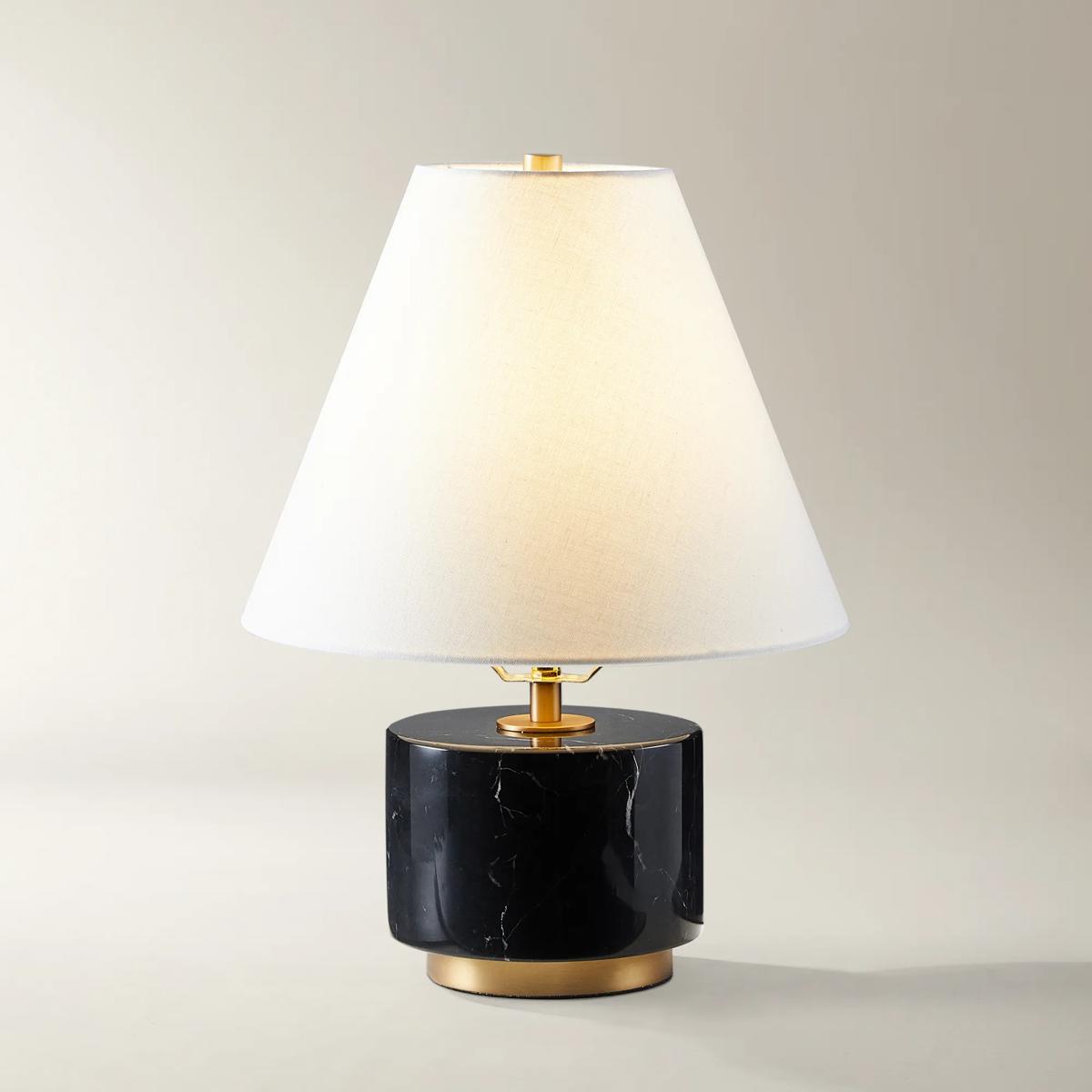
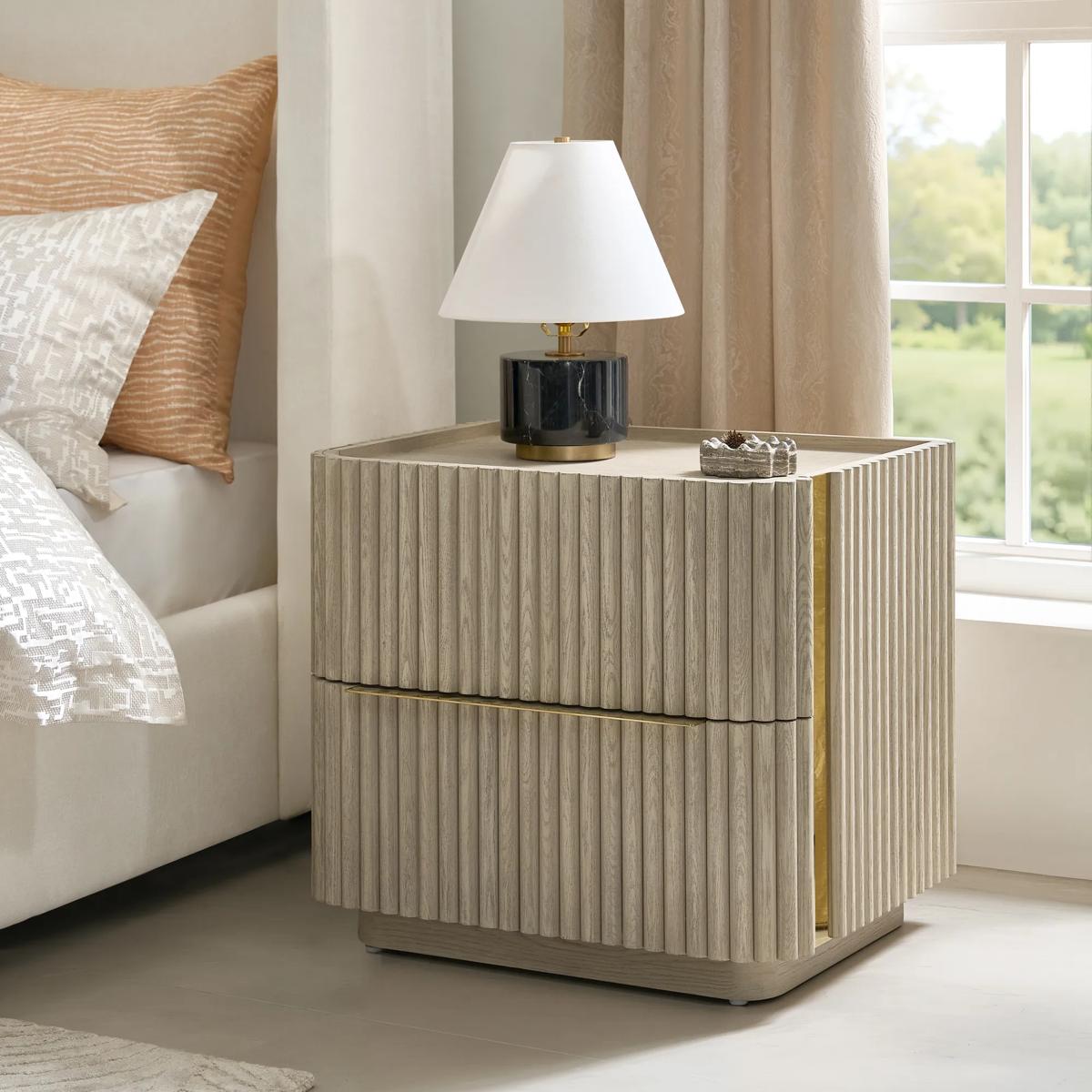 Arden Black Marble Table Lamp 14"$249
A sculptural black marble lamp with brushed brass accents and a warm white linen tapered shade.
Add To Cart -
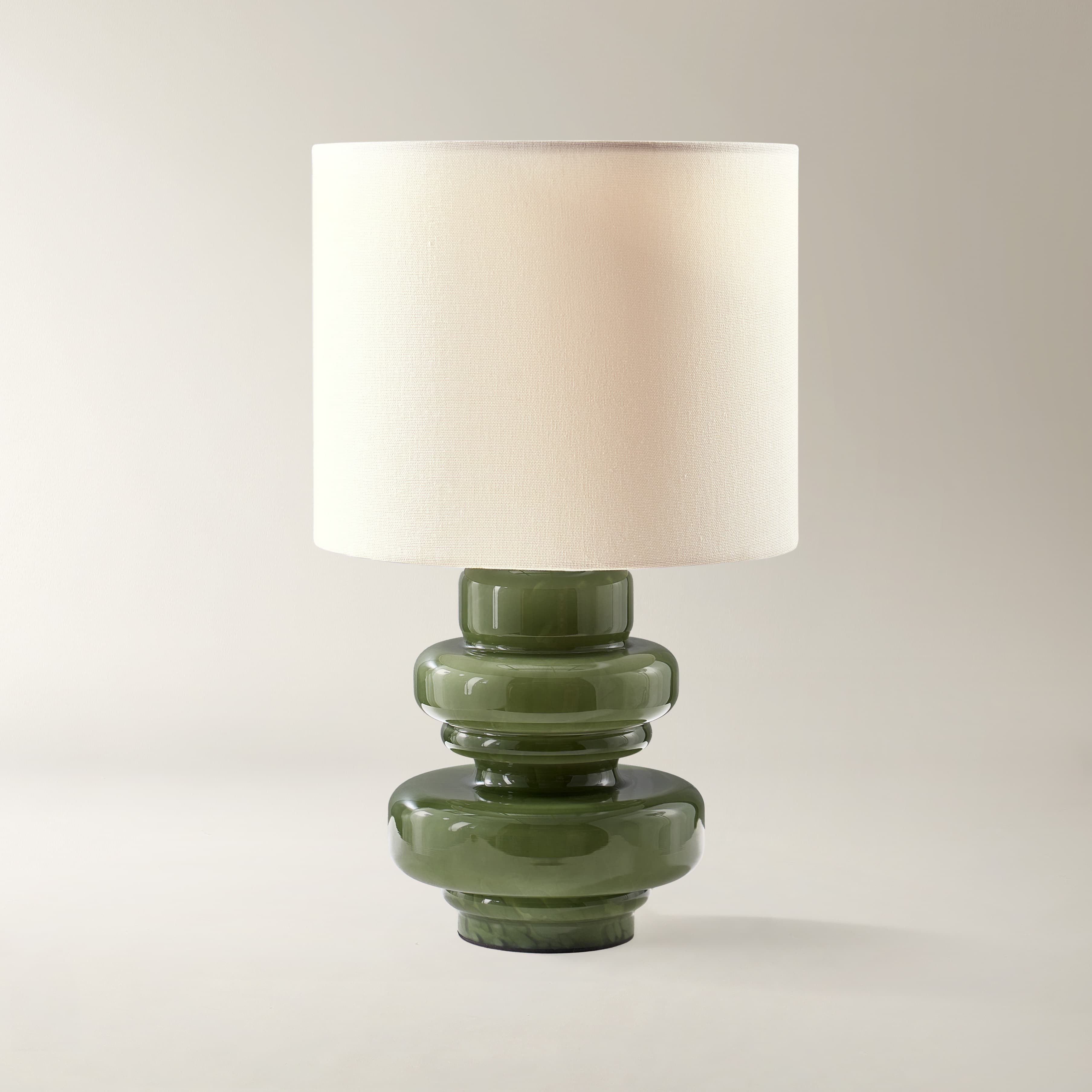
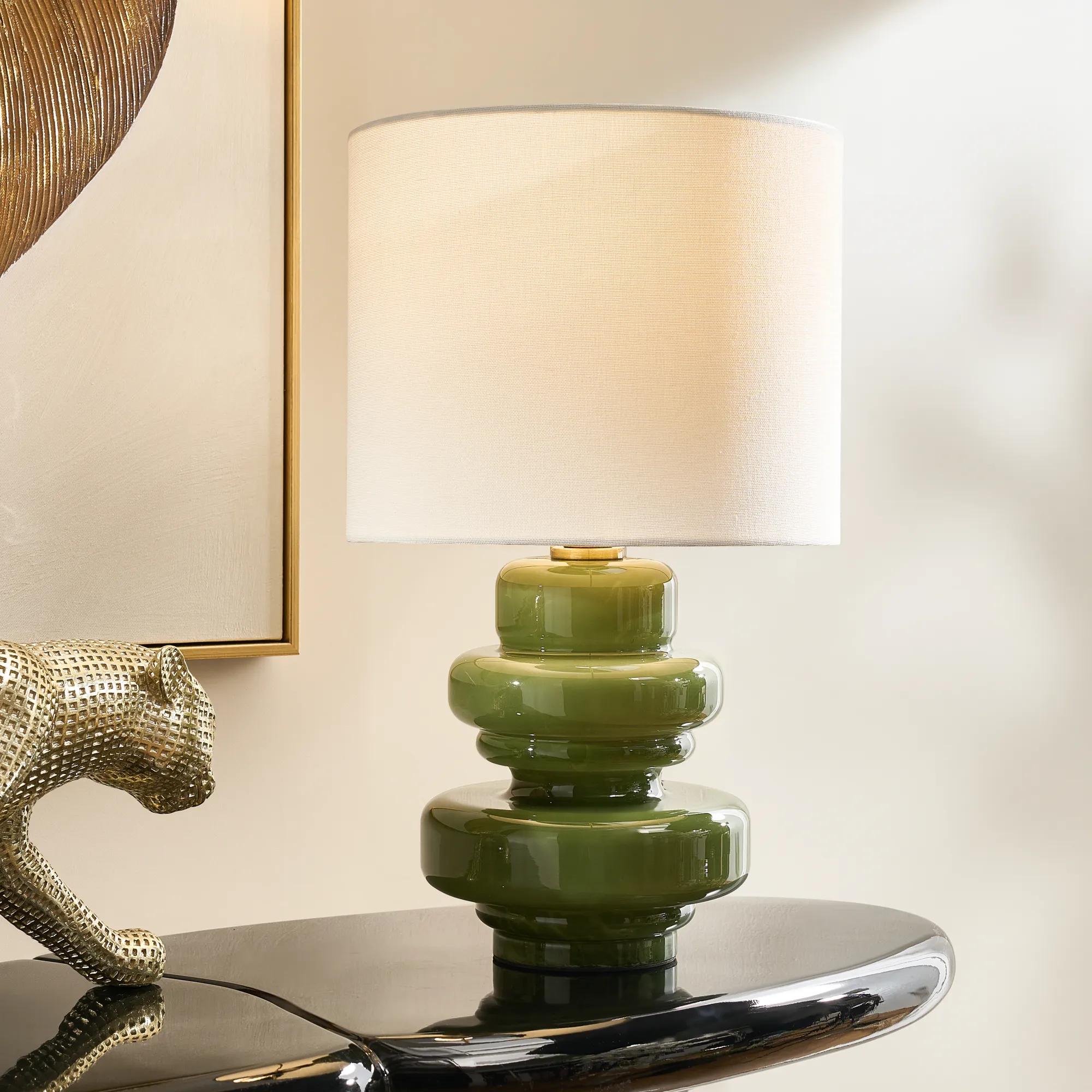 Edin Mouth Blown Pistachio Green Glass Table Lamp 17.5"$99
A sculptural table lamp featuring mouth-blown pistachio green glass and brushed nickel accents with an ivory linen shade.
Add To Cart

Table Lamps For Open Concept Spaces
Table Lamps For Open Concept Spaces are more than mere accents—they are the secret to sculpting ambiance and defining zones within a grand, flowing floor plan. Imagine pools of golden light casting dramatic shadows across sumptuous textiles, illuminating curated vignettes and inviting conversation to linger long after sunset. In these expansive settings, table lamps become luminous works of art, effortlessly bridging living, dining, and entertaining areas with a touch of glamour and intention. Whether perched atop a gleaming console or anchoring a bold centerpiece, each lamp transforms open spaces into layered expressions of style and sophistication—proof that every corner can be a moment of brilliance.
Table lamps for open concept spaces bring light closer to the way a room is lived in, creating distinct places to read, gather, dine, and unwind without interrupting the openness of the floor plan. Their glow acts as a visual anchor: a shaded lamp beside a sofa gives the seating area its own intimate atmosphere, while a lamp on a console can distinguish an entryway from the living space beyond. Unlike walls or tall dividers, table lamps define these zones through pools of illumination, preserving the long views that make connected interiors feel expansive. They also add a layer of light between overhead fixtures and the surrounding furniture, softening the contrast between a brightly lit kitchen and a quieter conversation area. For a room that serves several purposes, this flexibility is especially valuable. One person can settle into a reading chair beneath a focused glow while another enjoys softer ambient light across the sofa. The lamp itself becomes part of the composition, too. A sculptural base introduces an artful silhouette; a generous fabric shade lends softness to angular furniture; a gleaming finish catches light even when the lamp is switched off. Because open layouts reveal furnishings from several directions, the most compelling choices have presence from the side and back as well as the front. A console behind a floating sofa, for example, calls for a lamp that looks considered from both the seating area and the dining table. Repeating a finish or a shade color across separate zones creates a subtle connection, but identical lamps are not necessary throughout. A shared detail, such as warm metallic accents or softly rounded forms, can hold the larger space together while allowing each setting its own character. The result is illumination with purpose and furniture arrangements that feel complete rather than simply placed within a large room.
Proportion gives that visual connection its polish. A substantial sofa or deep console can support a lamp with a broad shade and a weighty-looking base, while a narrow end table benefits from a more restrained footprint. The shade should sit comfortably within the tabletop’s boundaries, leaving usable room for a book, a drink, or a small decorative accent. Height matters just as much as width: beside a reading chair, the shade should help screen the bulb from seated view while directing useful light toward the page. On a console between connected living and dining areas, its silhouette should complement rather than compete with artwork, pendant lighting, and views across the room. When a generous floor plan includes a slender landing spot beside a chair or along an entry wall, Table Lamps for Small Spaces offer a useful point of comparison for compact proportions. Materials create another layer of distinction. Clear glass can lend visual lightness where several furniture groupings share the same sightline, though its transparency may also reveal cords or internal components. Ceramic brings depth through glaze, contour, and surface texture, making a lamp feel grounded against an airy backdrop. Metal introduces crisp definition, whether its finish reads softly brushed or brilliantly polished. Natural stone offers distinctive veining and a sense of substance, with variations that give each piece individual character. These materials also interact differently with their surroundings: reflective surfaces echo nearby color and movement, while matte finishes tend to read as quieter, more solid forms. Shades shape the atmosphere as decisively as bases. Pale fabric generally diffuses a softer ambient glow, while darker or more opaque materials tend to concentrate light through the shade’s openings. A room with glossy furniture and mirrored accents may benefit from the visual softness of a textured shade; an upholstered seating arrangement can gain definition from a sleek, luminous base. Such contrasts make the space feel layered without crowding it with competing statements.
Everyday performance is what allows a dramatic lamp to remain a pleasure long after the room is arranged. For reading, needlework, or other close tasks, consider how much light reaches the activity itself rather than judging by the bulb’s brightness alone; shade construction, lamp height, and placement all influence the result. For relaxed conversation, a diffused glow can be more comfortable than an exposed bulb visible from across the room. Compatible dimmable lamps and bulbs offer additional flexibility, allowing a connected living area to move from lively entertaining to a more intimate setting without changing its furnishings. Similar bulb color temperatures across adjoining zones help the lighting feel intentional, especially when several lamps are visible at once. Bulb type and wattage should always follow the fixture’s specifications, and dimming requires compatible components. Practical placement deserves equal attention. A stable base is particularly important on a table near busy pathways, and cords should reach an outlet without stretching across walking routes. In homes with children or pets, substantial construction and a protected location can be more useful than a delicate silhouette perched near an edge. Durability depends on both material and treatment: glazed ceramic and glass can chip under impact, polished metal can show fingerprints, and some stone surfaces may mark when exposed to acidic cleaners. A soft, dry cloth is a sensible starting point for routine dusting, with any additional cleaning guided by the manufacturer’s care instructions. Unplug the lamp before cleaning, keep moisture away from electrical components, and handle fabric shades gently to preserve their shape. For a housewarming gift, a table lamp can offer lasting beauty when its scale, finish, and lighting needs suit the recipient’s home. Whether placed beside a favorite chair or composed as a pair on a long console, a well-chosen lamp gives an open interior something architecture alone cannot provide: a welcoming point of focus, rich with texture, character, and light.
FAQs
Table lamps serve as elegant visual anchors in open-concept layouts, subtly distinguishing living, dining, and entry areas without the need for walls. By placing lamps on consoles, side tables, or accent chests, you create pools of light that draw the eye and establish cozy, inviting zones within a larger space.
Mixing and matching table lamps is an artful way to add depth and intrigue. Combine contrasting materials—such as pairing a sculptural glass lamp with a textured ceramic one—or play with finishes like brushed metal and marble. Varying heights, shapes, and shade styles ensures each lamp stands out while still contributing to a harmonious, layered look.
Absolutely. A statement table lamp is a thoughtful and memorable gift for housewarmings, weddings, or milestone celebrations. It offers both beauty and utility, transforming daily rituals into moments of luxury and adding a personal touch to the recipient’s living space.
Table lamps infuse open-concept homes with warmth, intimacy, and drama. Their gentle illumination softens expansive spaces, while unique designs and luxe materials become focal points that reflect your personality. Whether casting a golden glow for gatherings or providing serene ambiance for quiet evenings, table lamps set the emotional tone of the room.
Yes, table lamps are perfect for spotlighting art, architectural details, or cherished decor. Placing a lamp next to a statement sculpture or beneath a gallery wall draws attention to these features, creating a curated, gallery-inspired atmosphere that elevates the entire space.