Table Lamps For End Tables
Table Lamps For End Tables
-
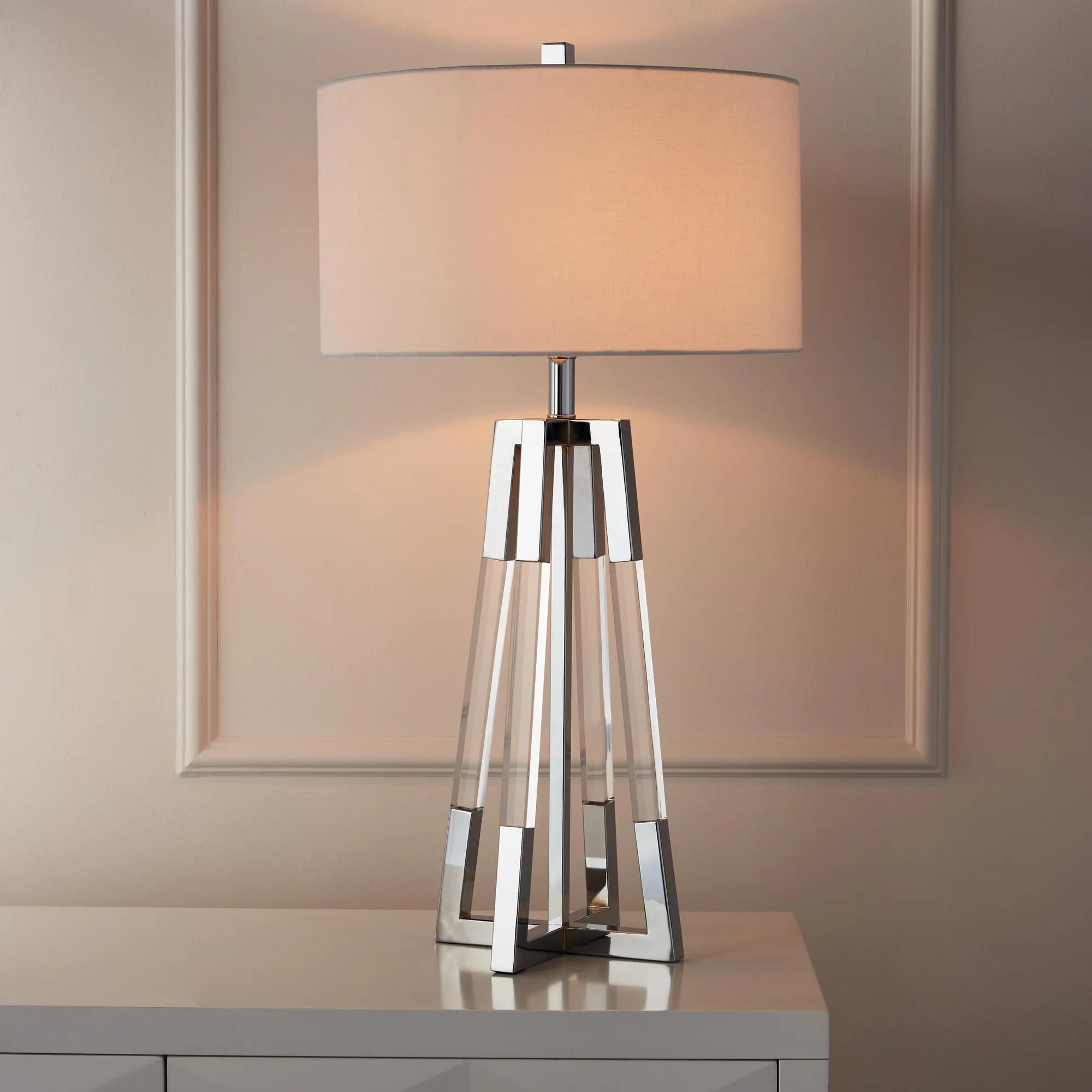 Rollins Table Lamp$439
A sophisticated table lamp featuring clear acrylic and polished nickel accents with a crisp white shade.
Add To Cart -
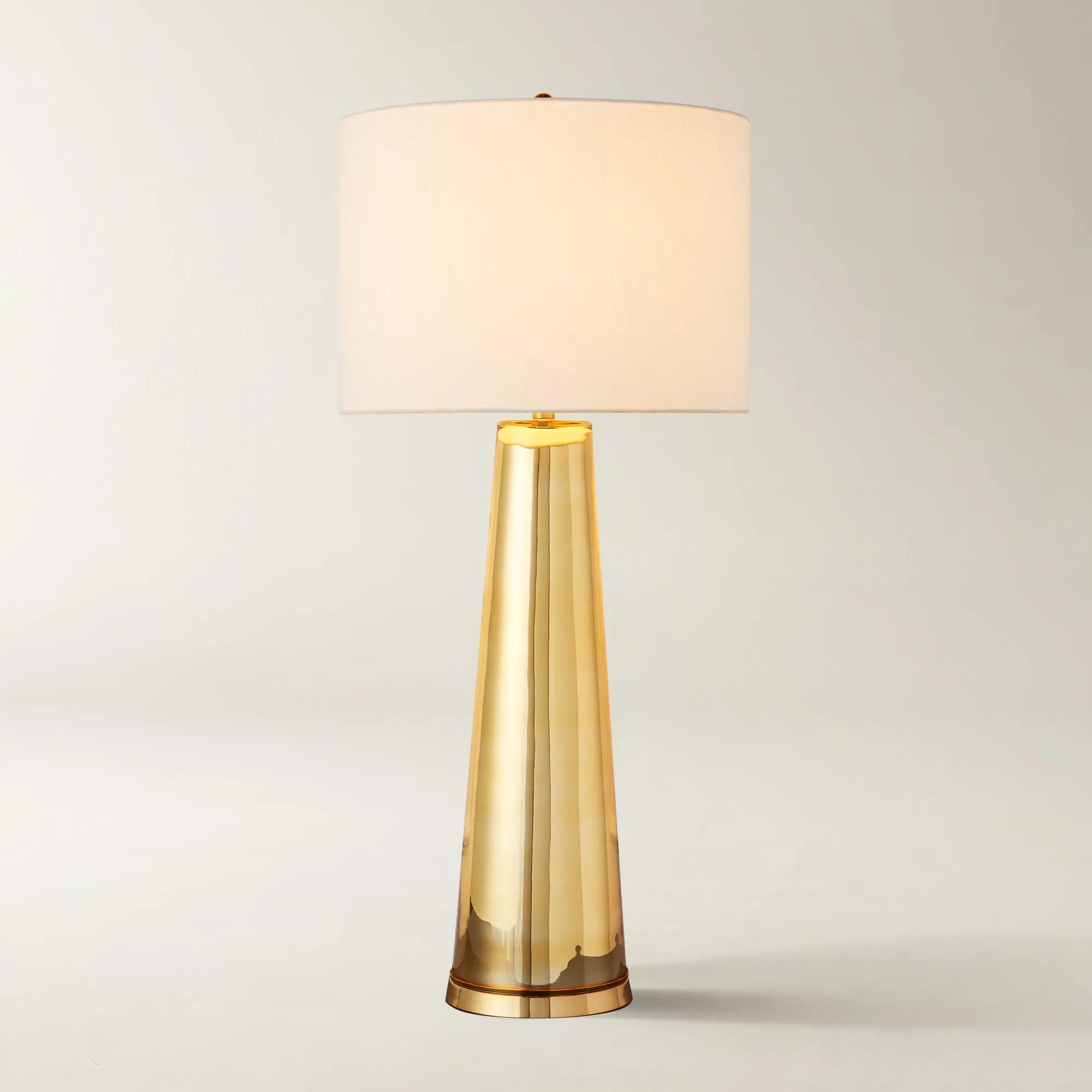
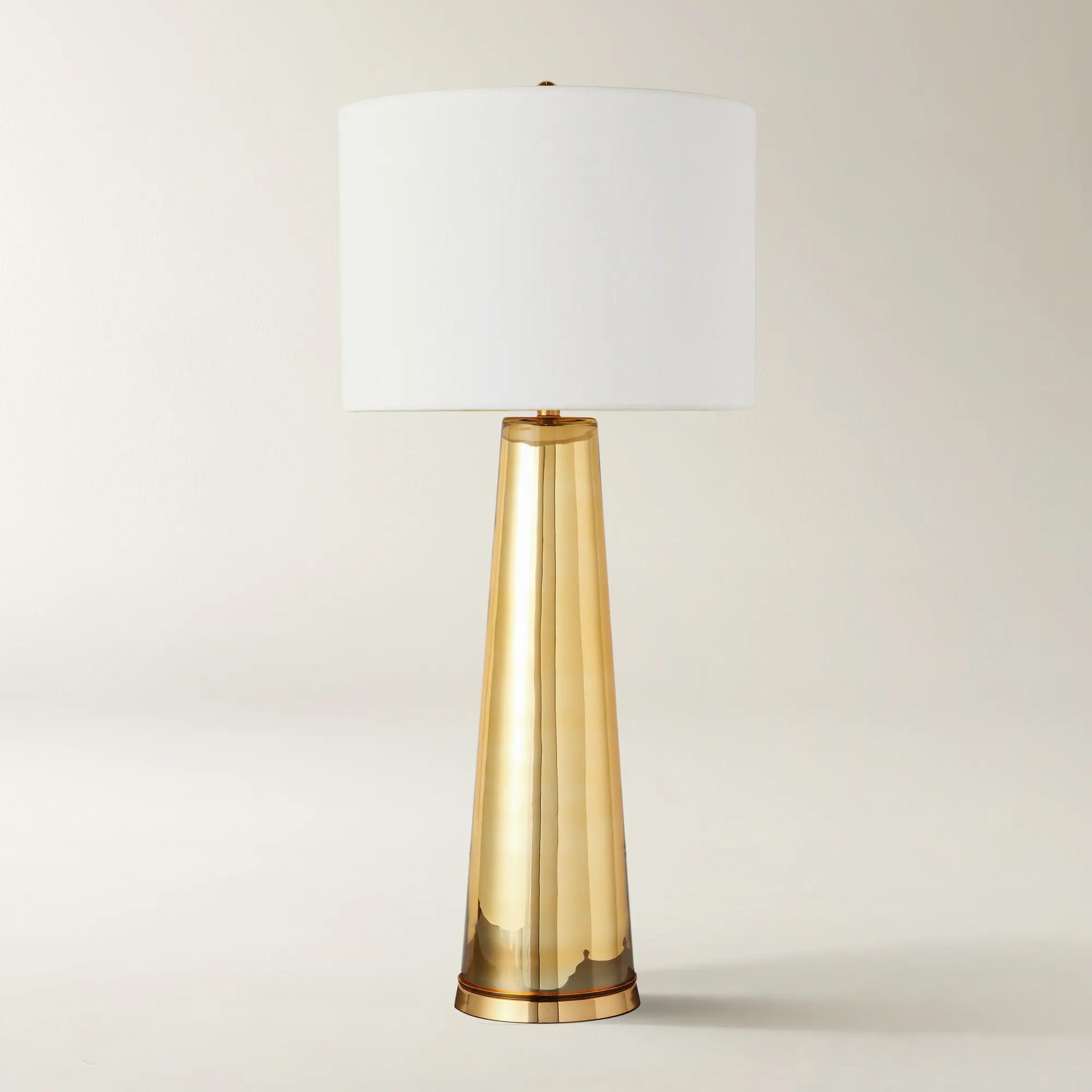 Century Gold Mirrored Glass Table Lamp 40"$299
A modern lamp featuring a mirrored glass base and white drum shade, accented with gold or silver details.
Add To Cart -
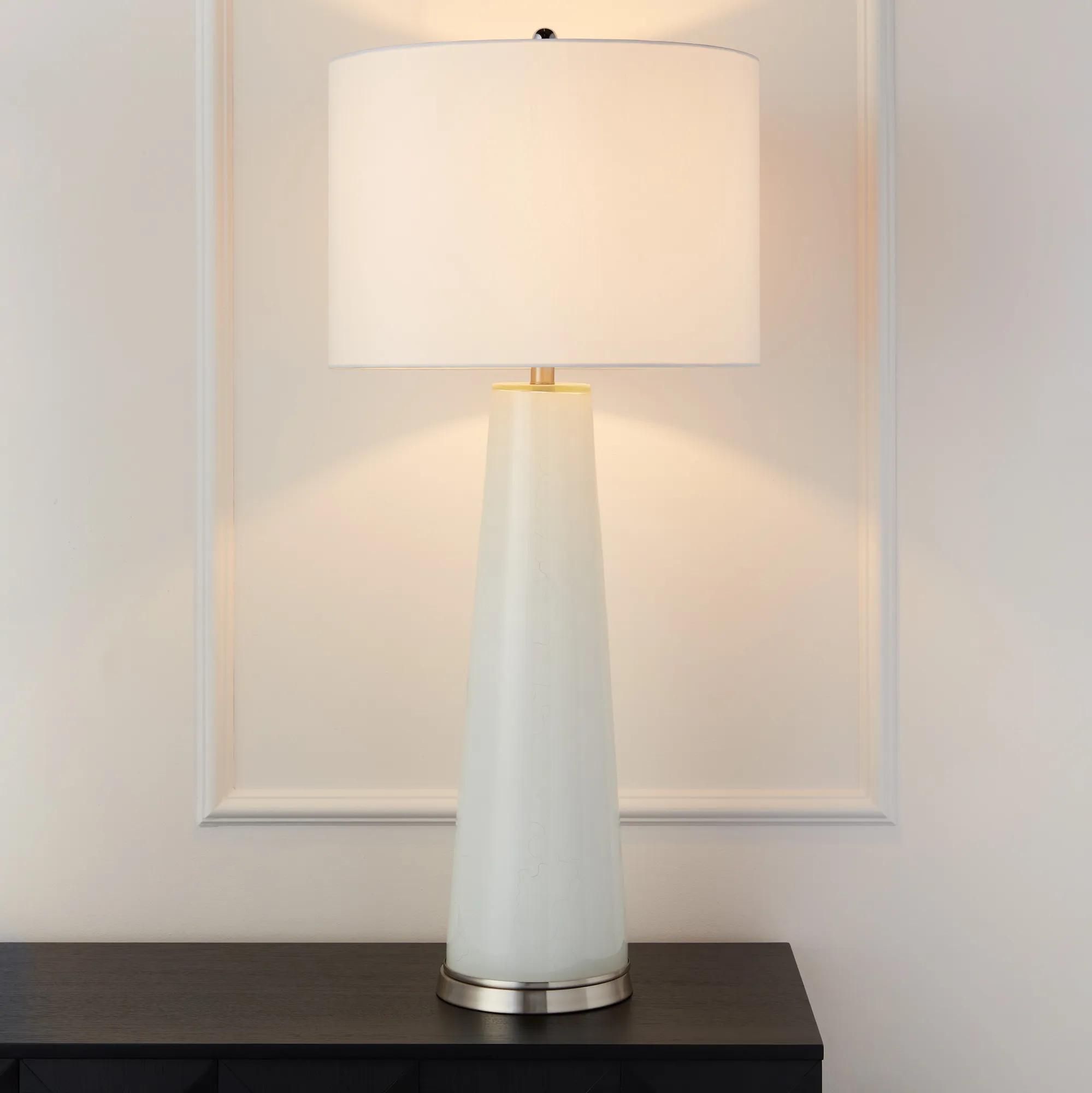 Century White Glass High Gloss Table Lamp 40"$299
A modern glass lamp with a high-gloss white interior and a crisp white drum shade.
Add To Cart -
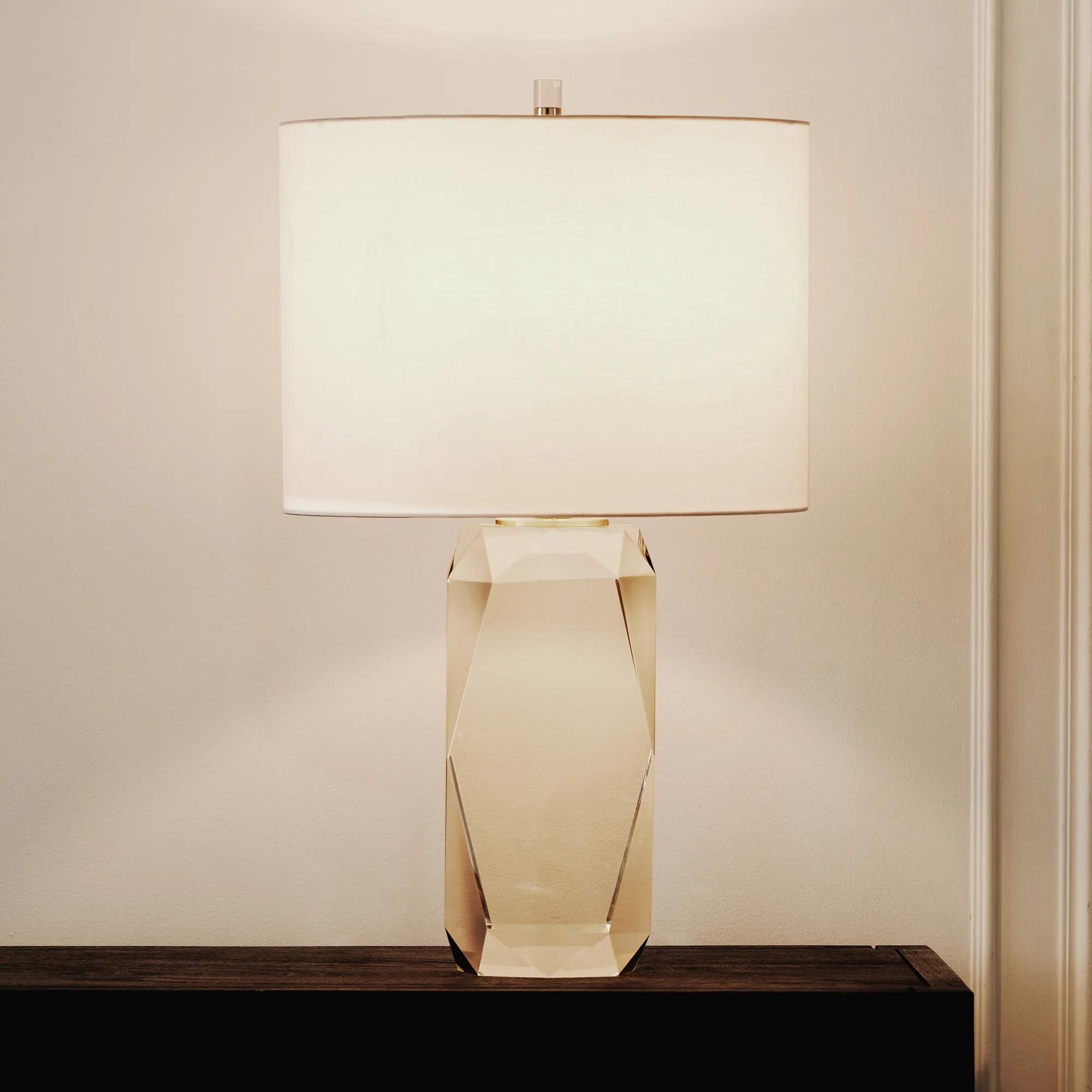 Bianca Faceted Clear K9 Crystal Table Lamp 24"H$499
A clear crystal table lamp with a white drum shade and soft brass hardware for elegant illumination.
Add To Cart -
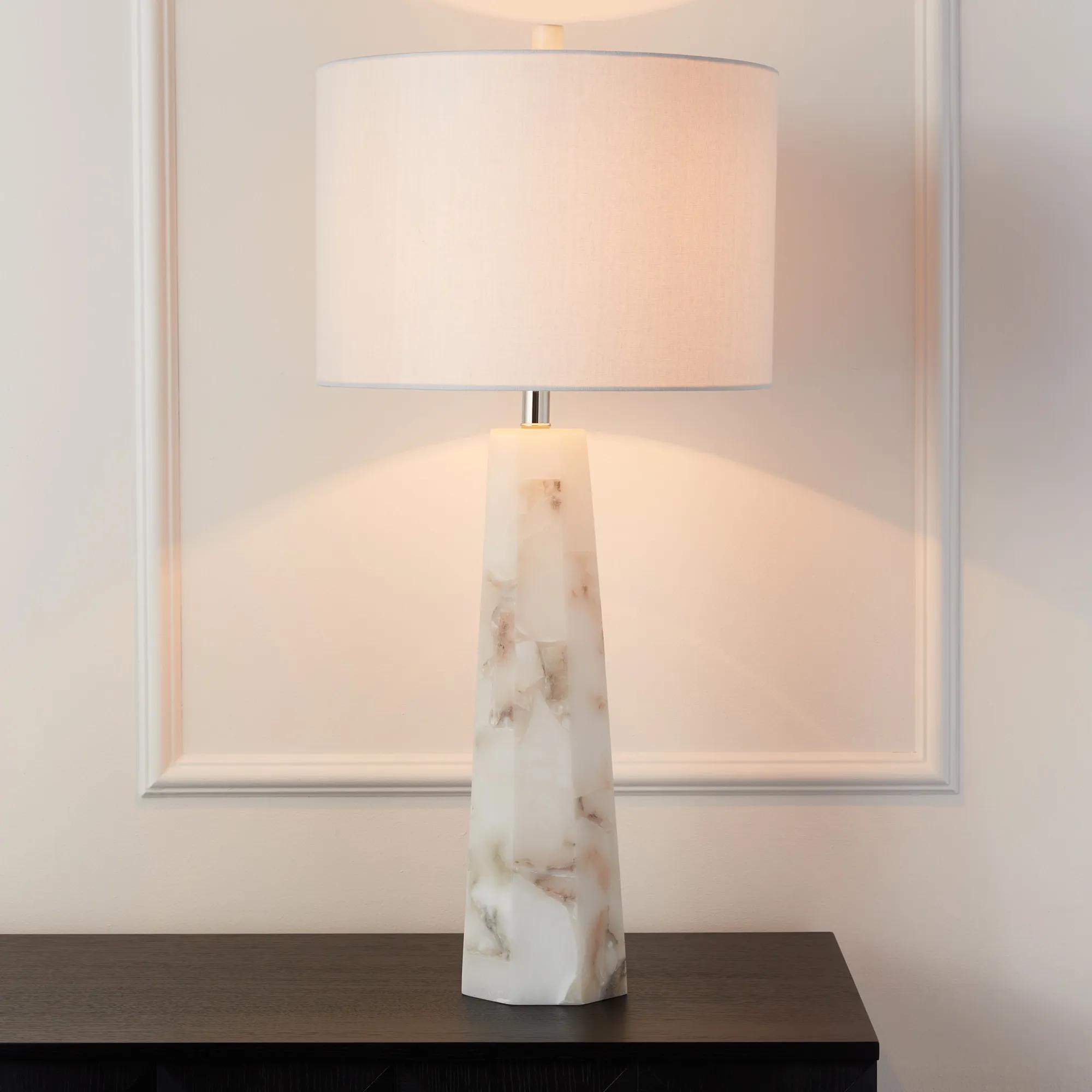 Aurora Alabaster Table Lamp 34"$499
An alabaster stone lamp with a tapered silhouette, white linen shade, and matching alabaster finial.
Add To Cart -
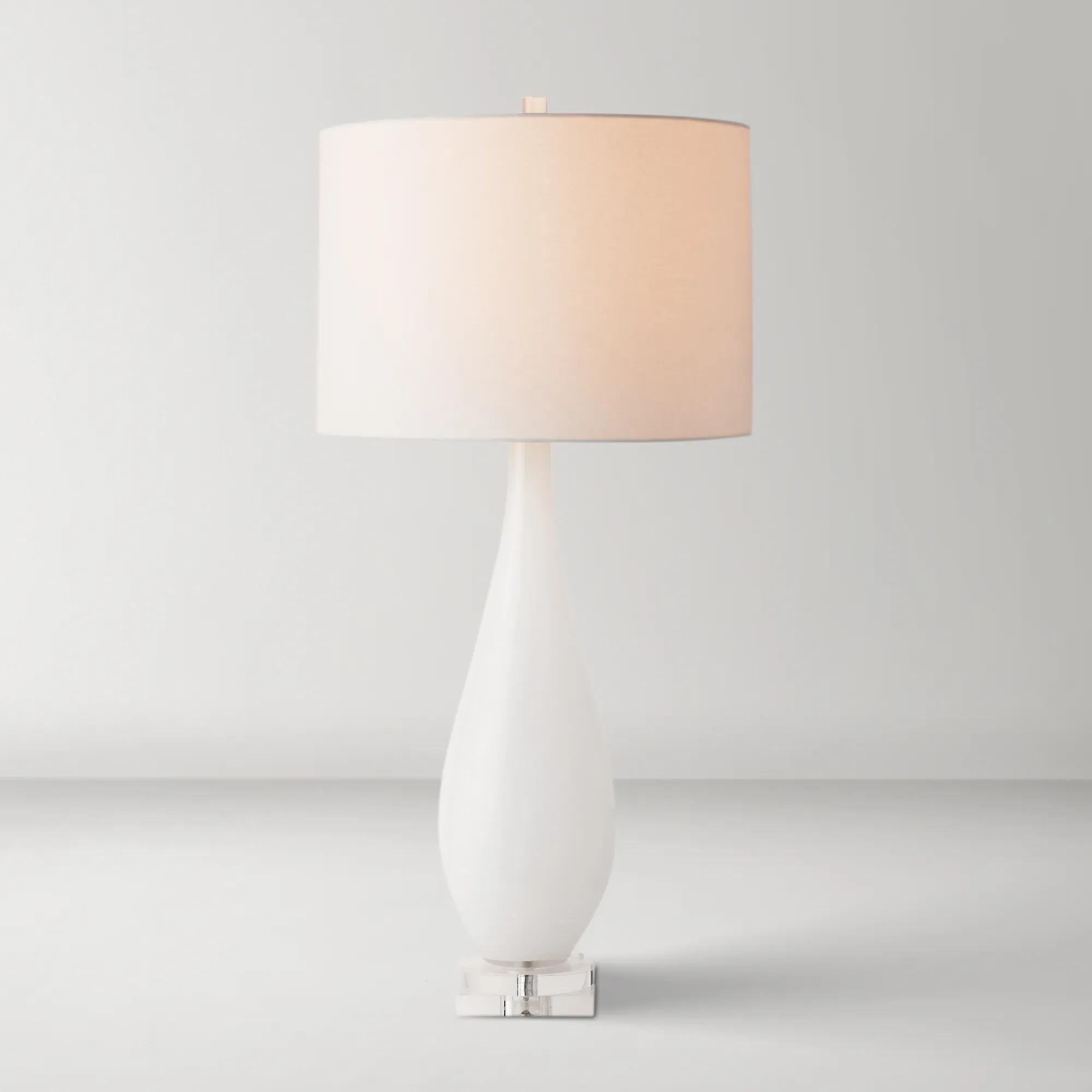
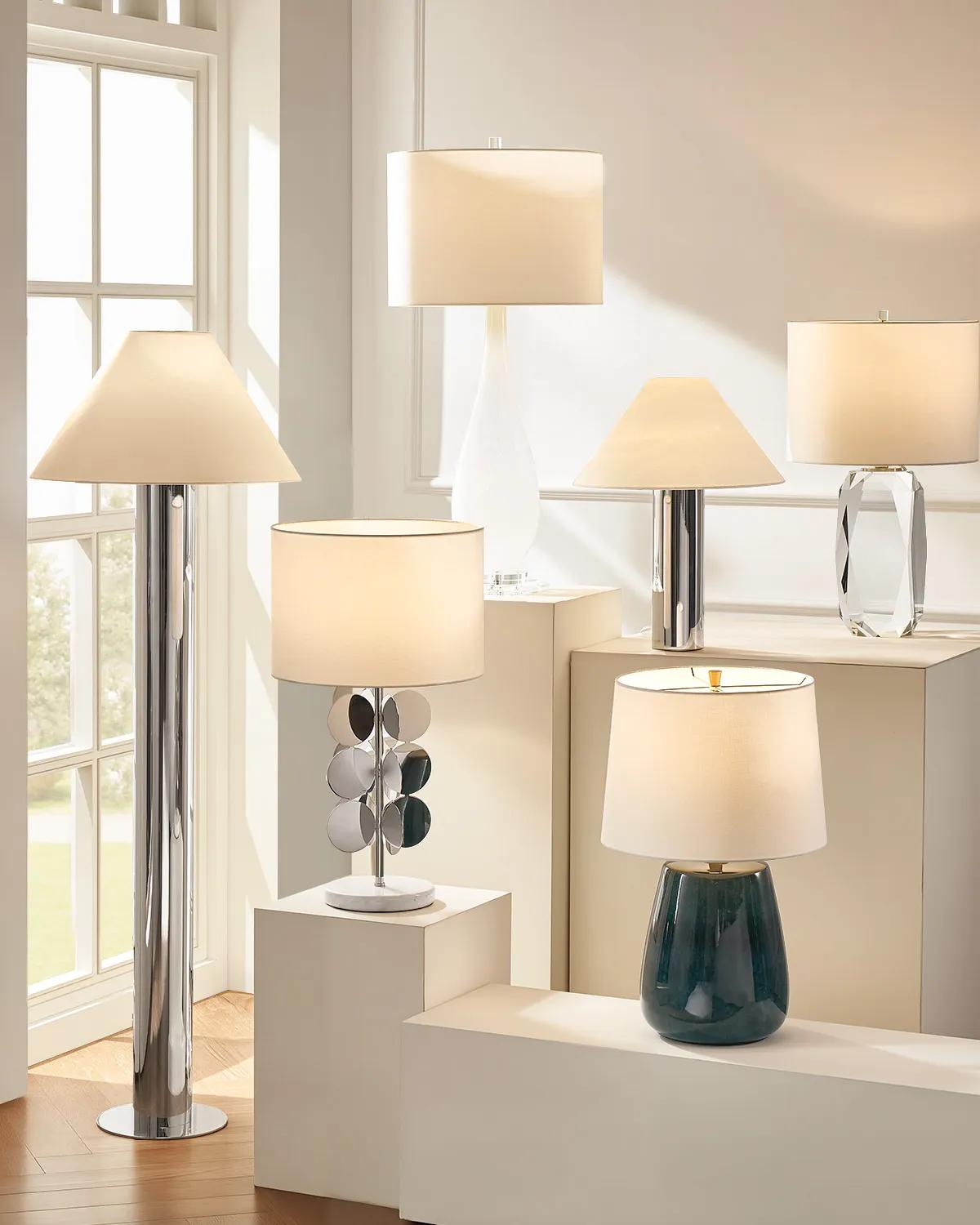 Serena Table Lamp$299
A chic table lamp featuring a handblown glass body, crystal base, and monochromatic white finish.
Add To Cart -
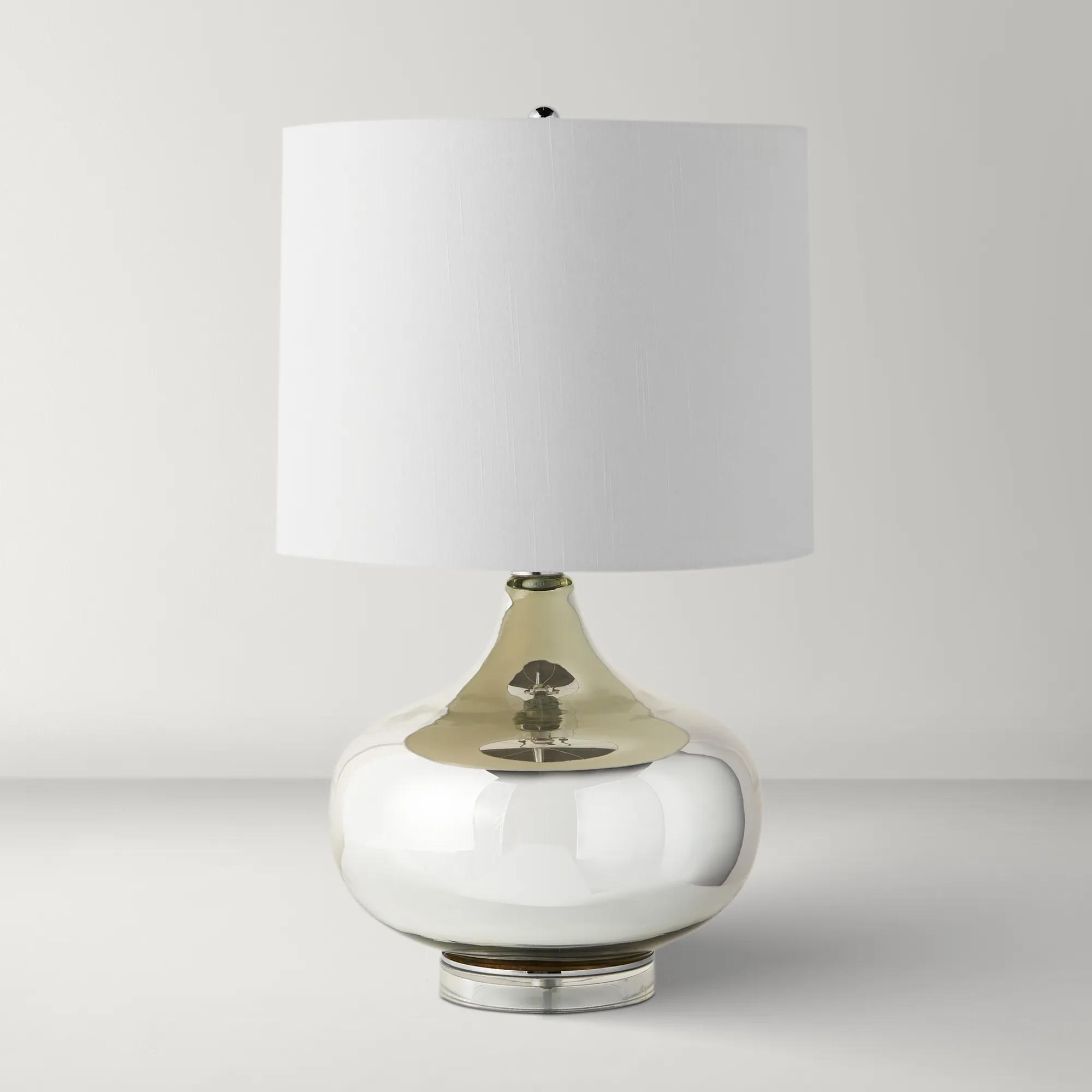 Sabrina Mirrored Silver Glass Table Lamp 27.5"$199
A contemporary lamp featuring a silver mirrored glass base, clear acrylic accents, and a white fabric shade.
Add To Cart -
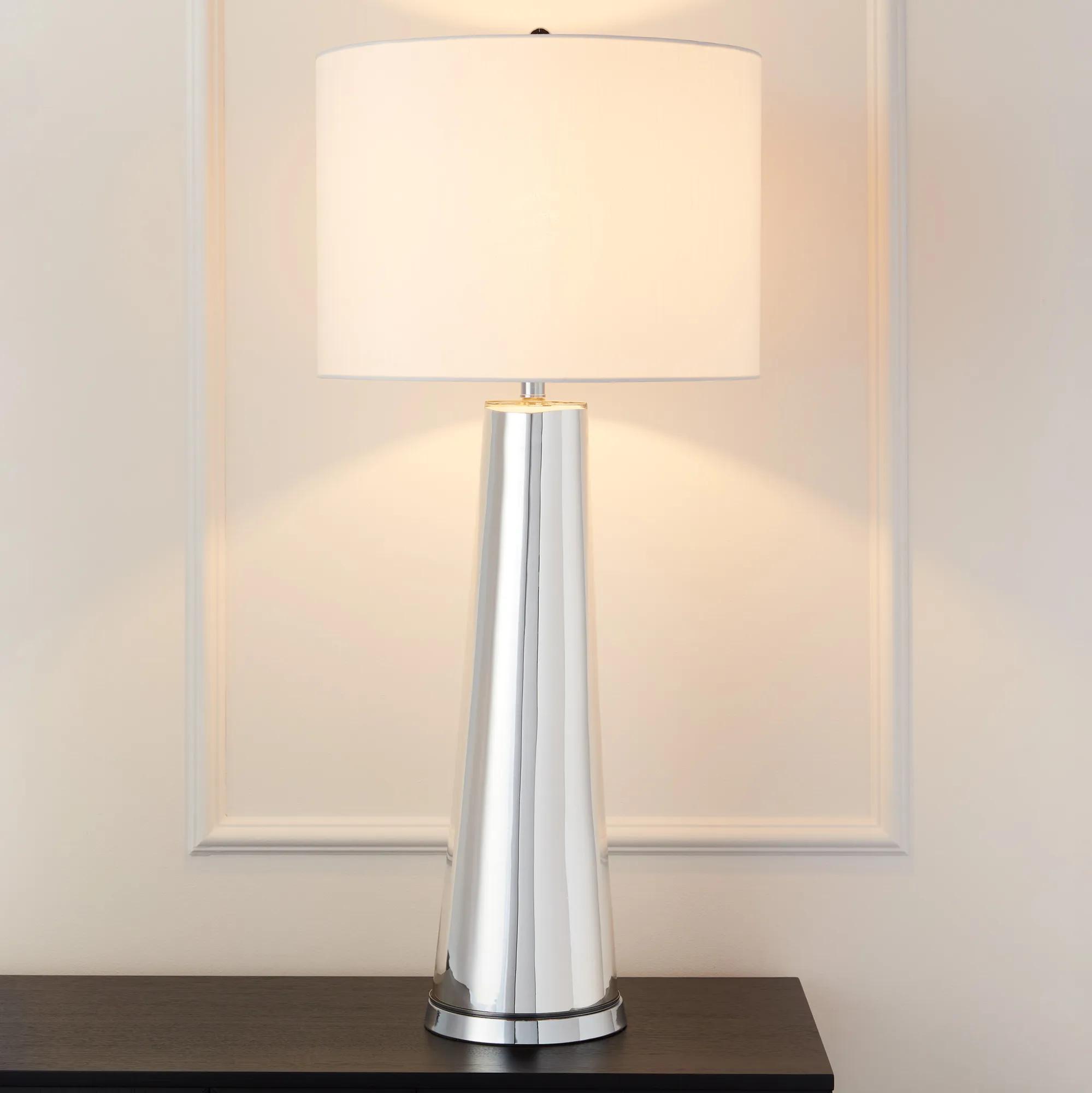 Century Silver Mirrored Glass Table Lamp 40"$299
A modern table lamp featuring a mirrored glass base and white drum shade with brushed chrome accents.
Add To Cart -
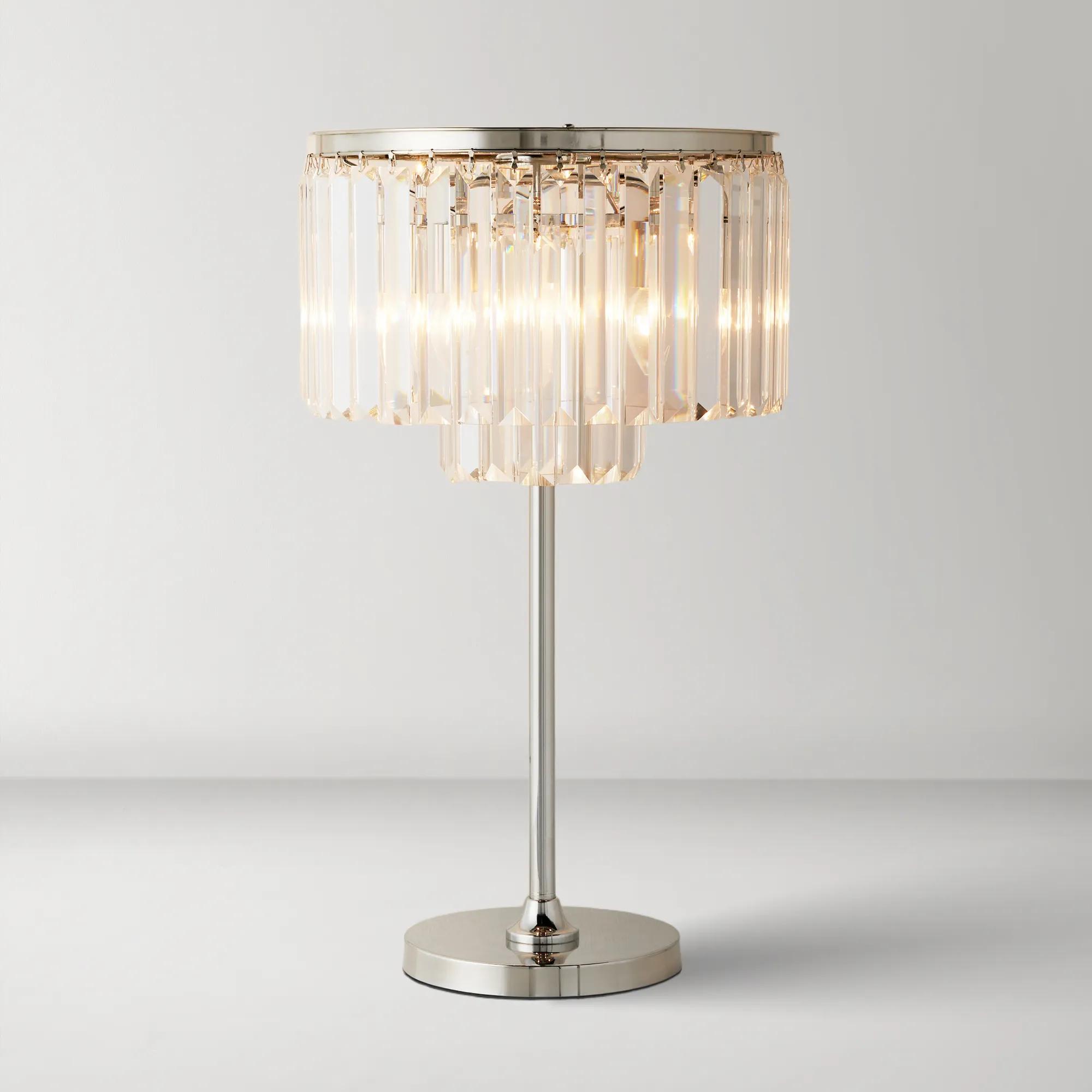
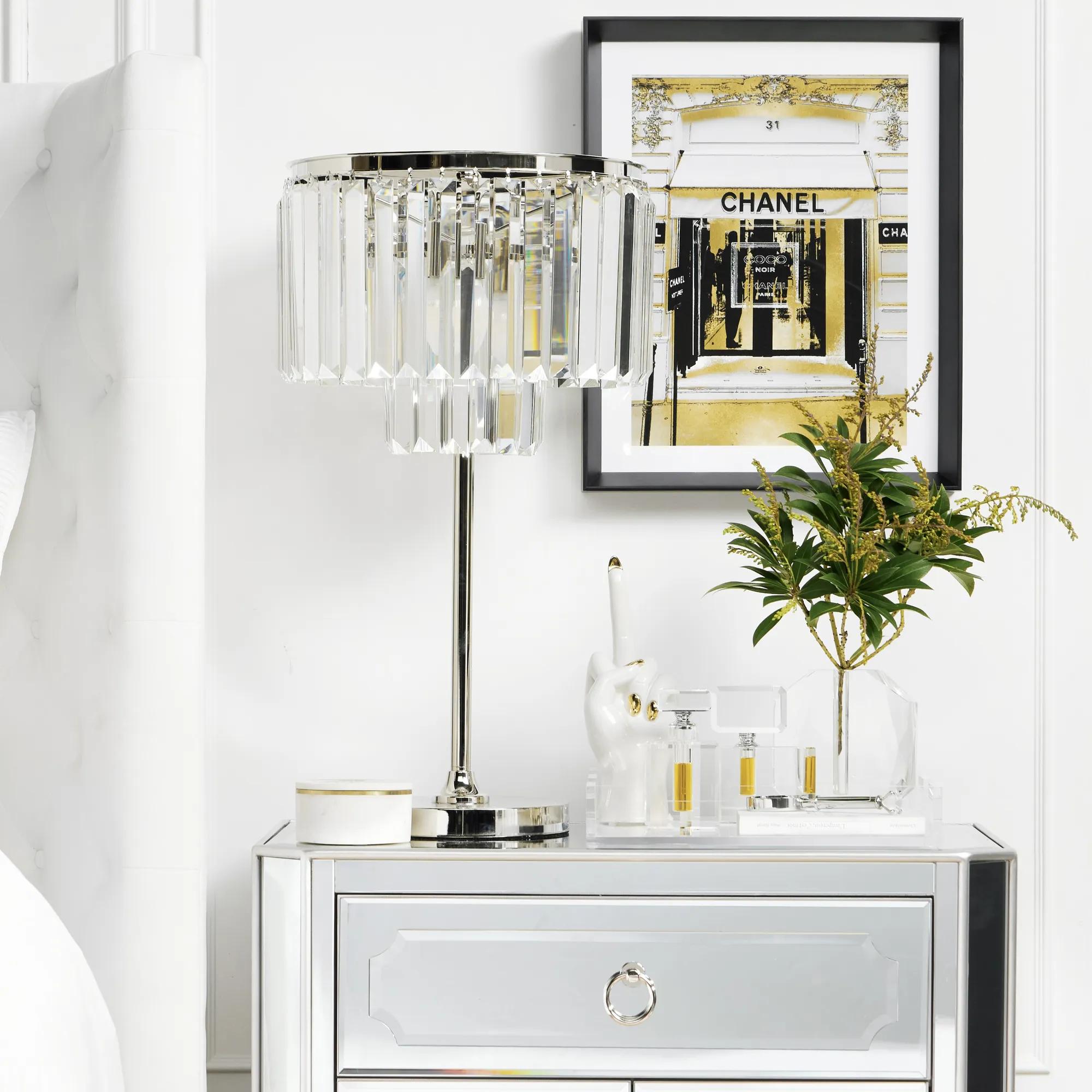 Luxe Table Lamp$499
A sophisticated table lamp featuring faceted ocular glass prisms and a nickel-plated iron frame.
Add To Cart -
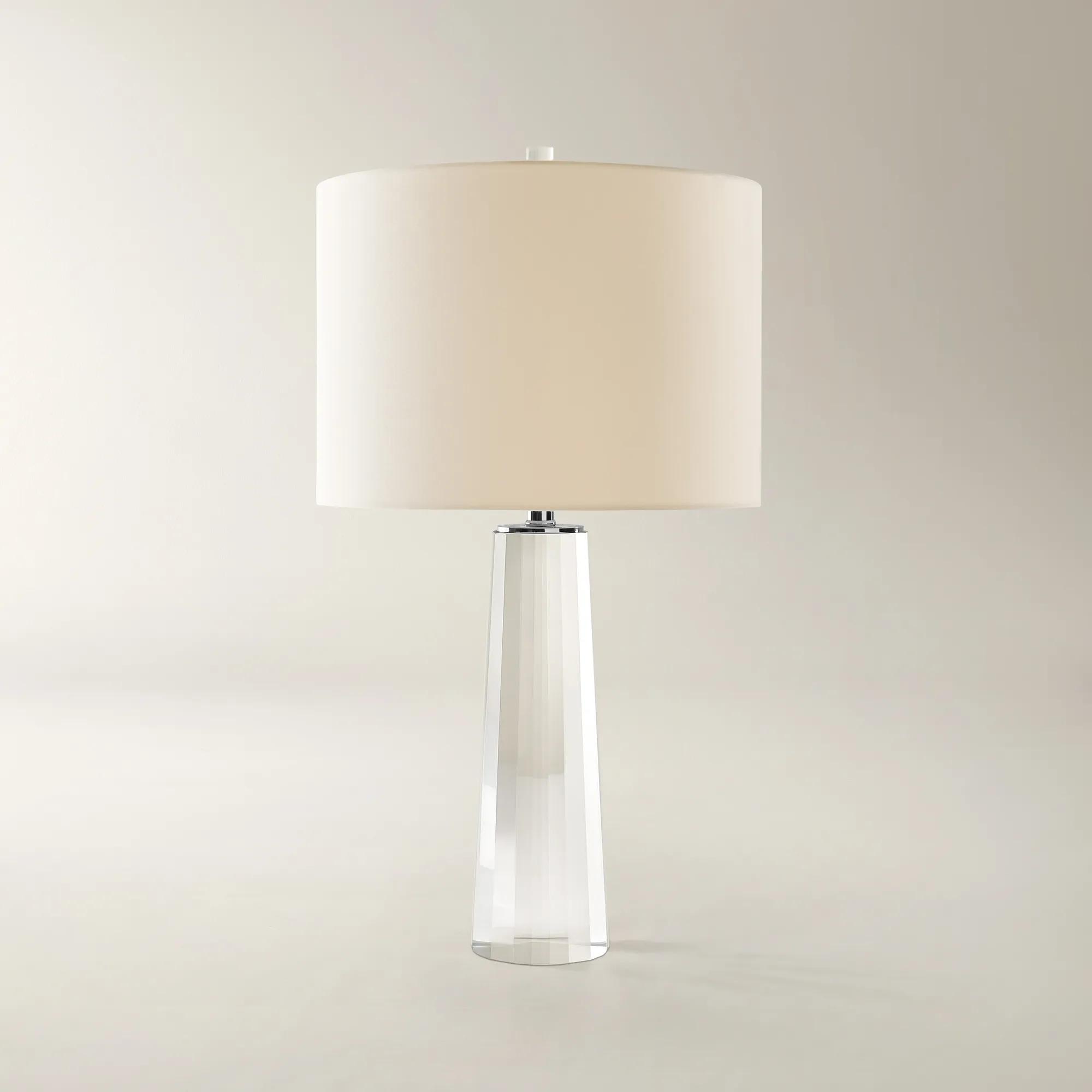
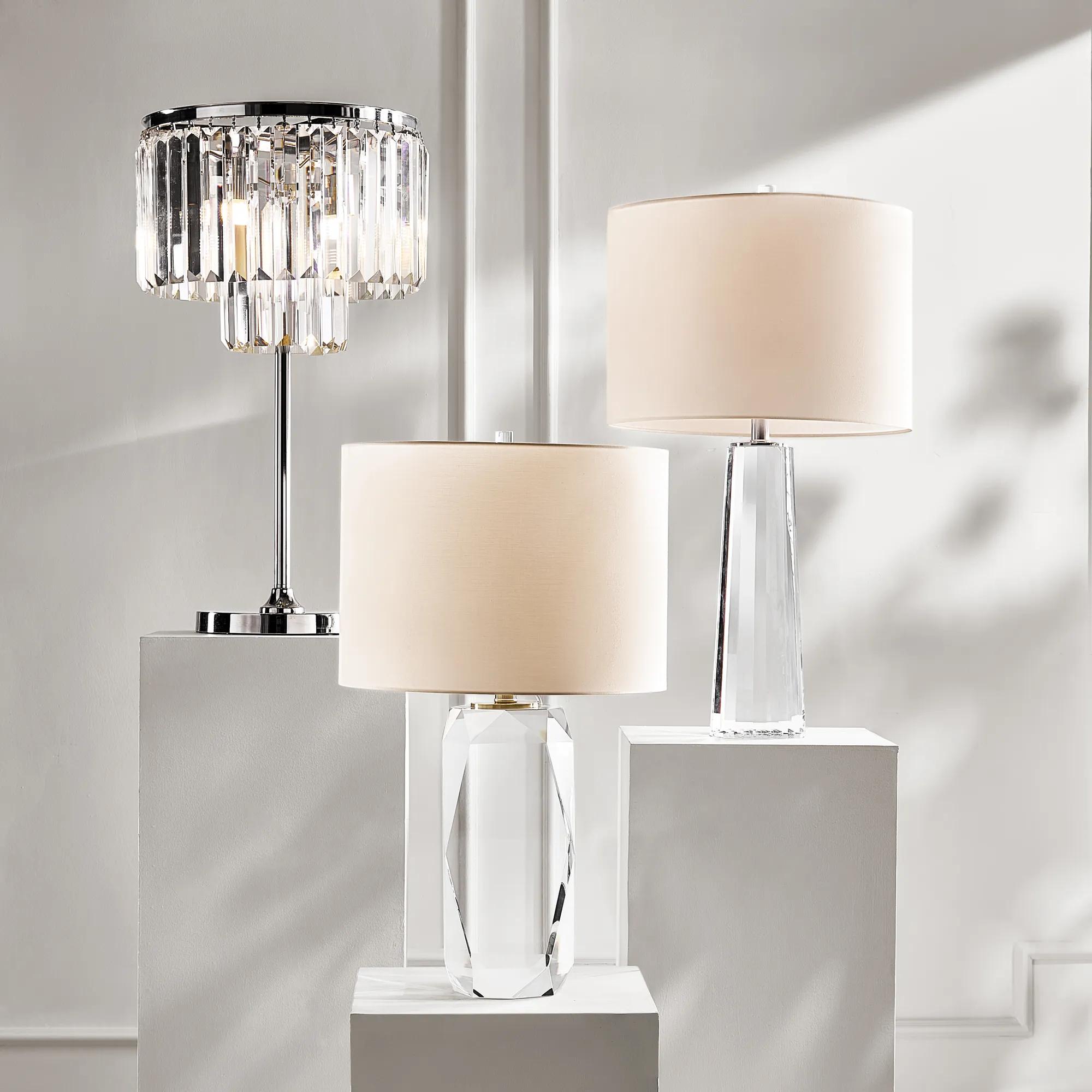 Sasha Faceted Clear K9 Crystal Table Lamp 28"$499
A refined table lamp featuring a clear crystal base, white drum shade, and polished nickel accents.
Add To Cart -
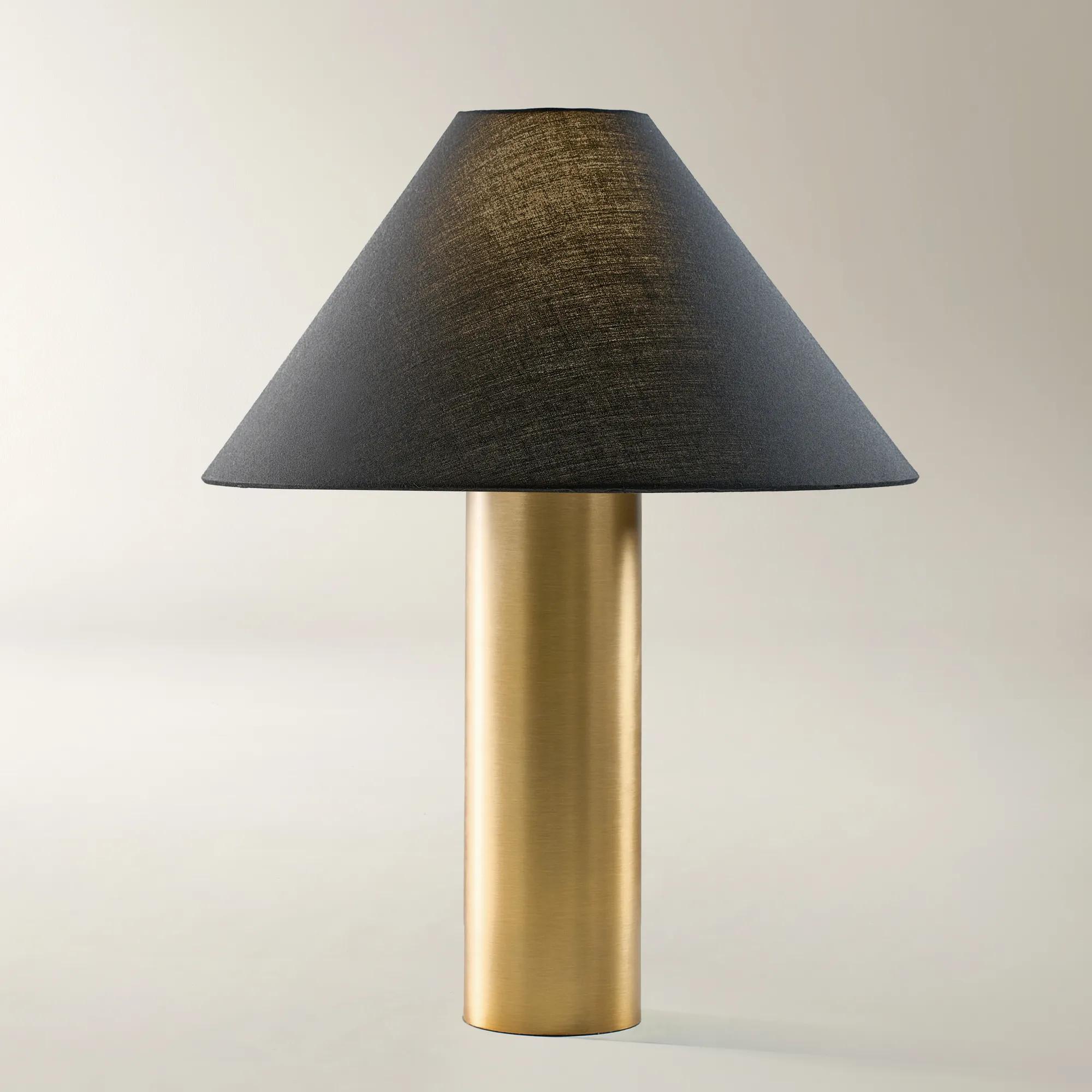 Tova Brushed Brass/Black Table Lamp 20.5"$249
A sculptural brushed brass iron base pairs with a tailored black cotton shade for bold, modern contrast.
Add To Cart -
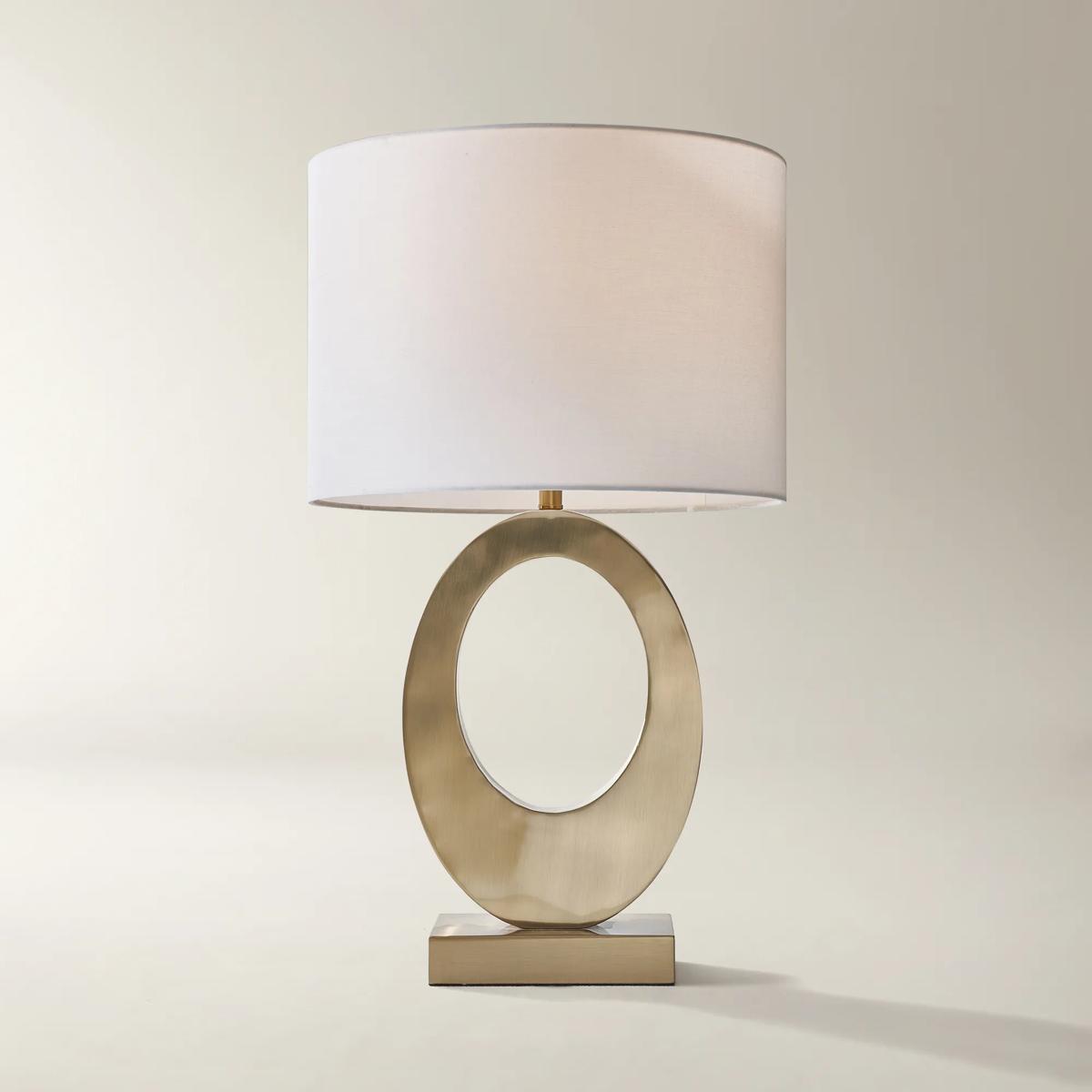 Loop Champagne Gold Metal Table Lamp 26.25"$399
A sculptural iron lamp in champagne gold with a beige cotton drum shade for warm, diffused lighting.
Add To Cart -
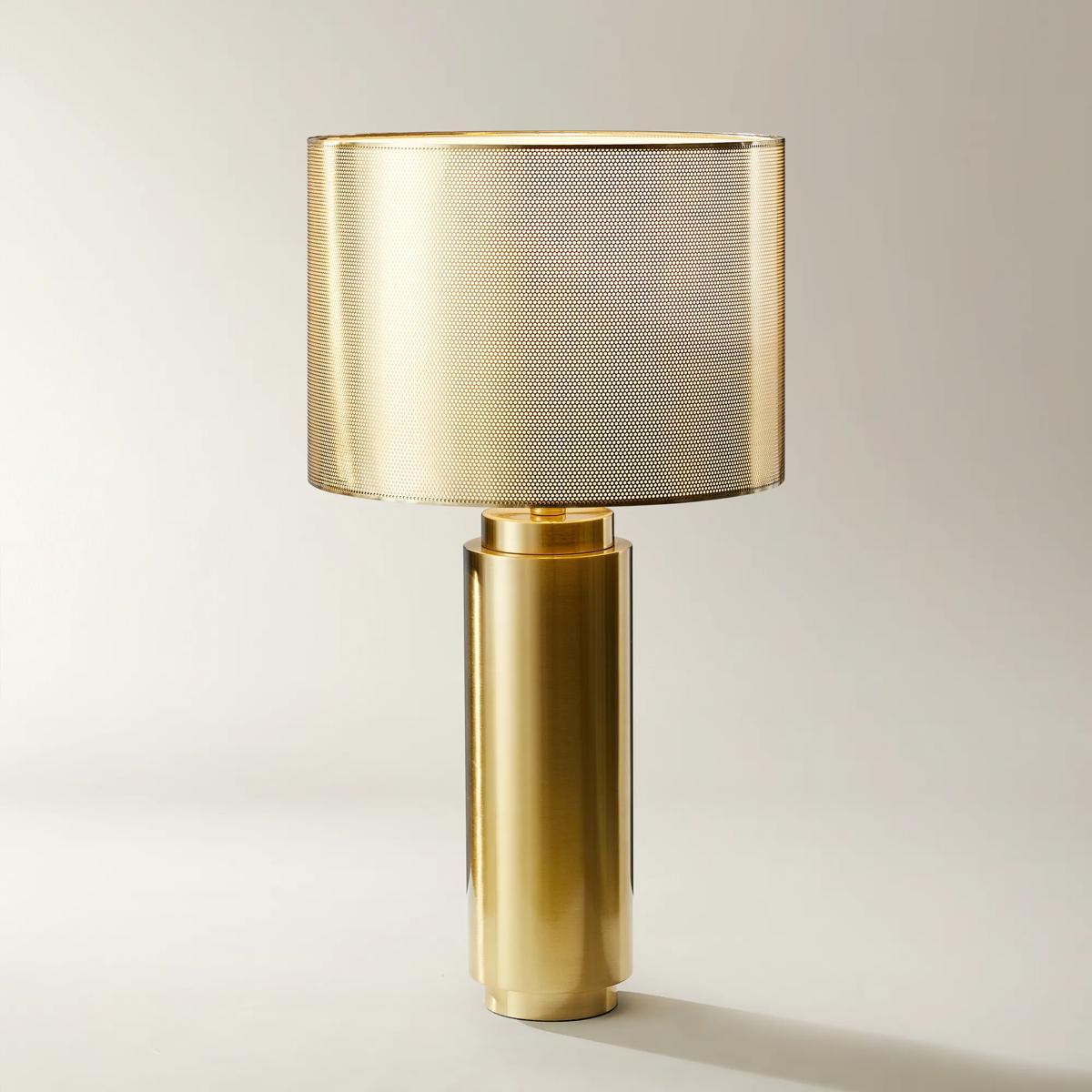
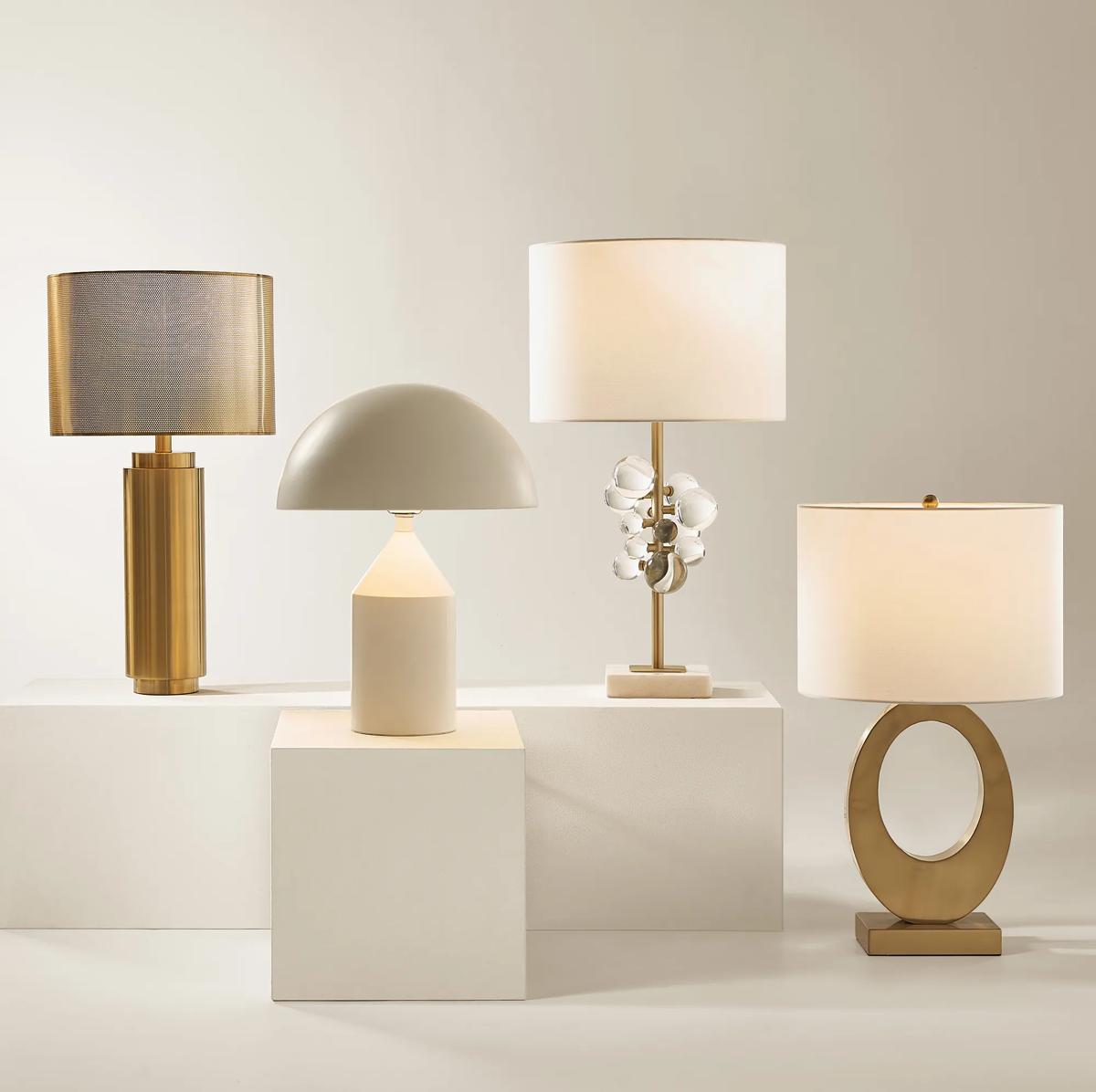 Sibyl Metal Aged Brass Finish Table Lamp 26"$399
A modern table lamp featuring an aged brass iron base and a perforated metal-over-cotton shade.
Add To Cart -
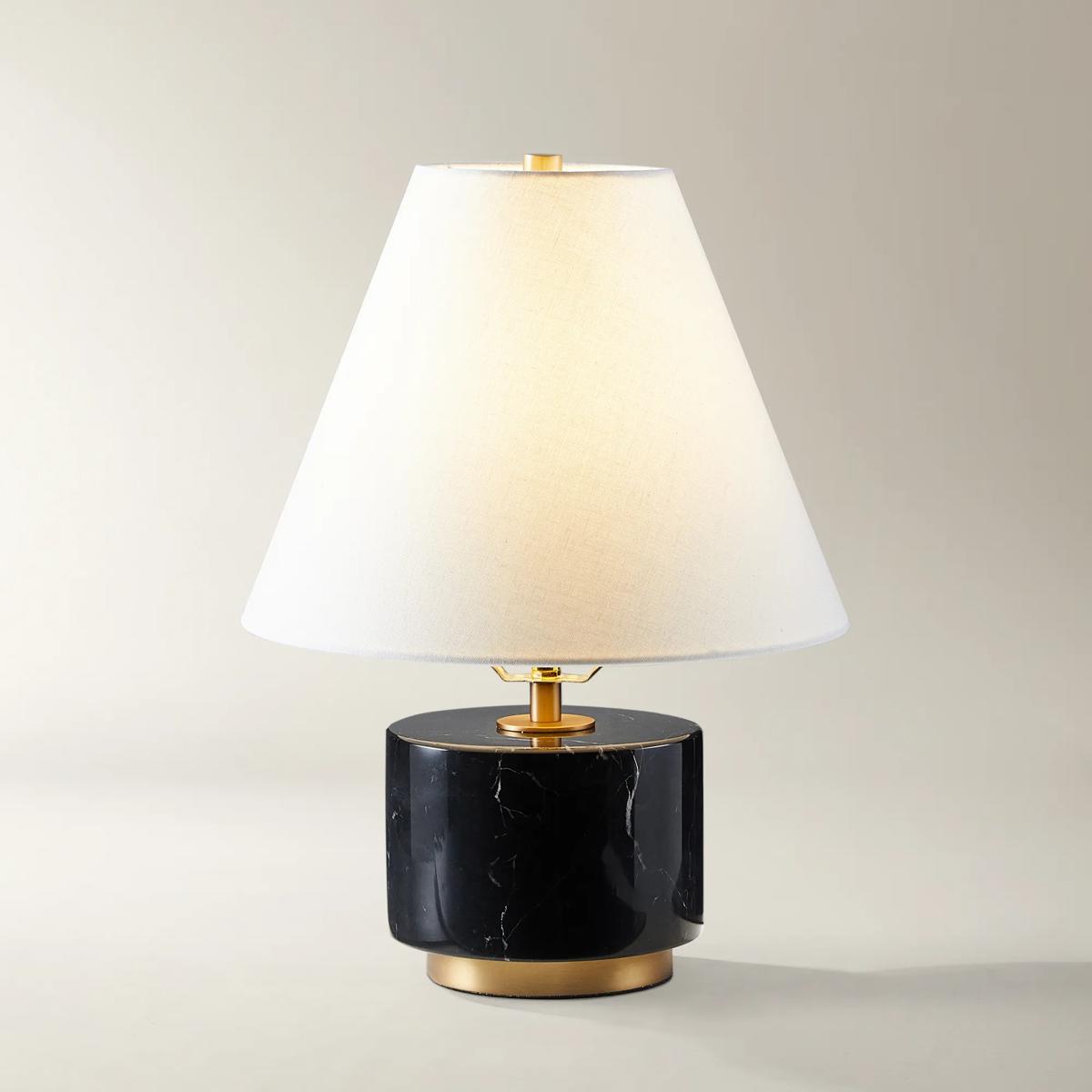
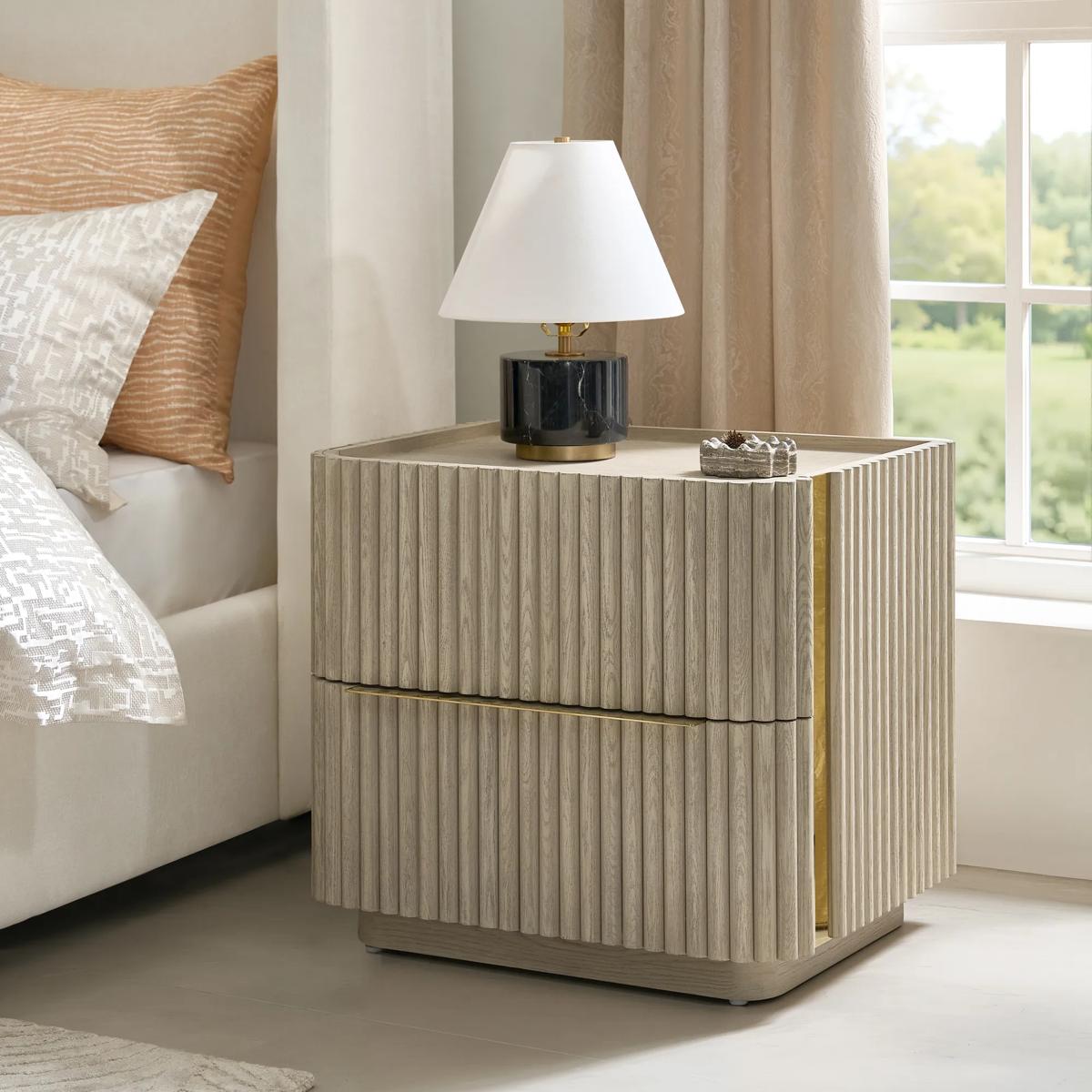 Arden Black Marble Table Lamp 14"$249
A sculptural black marble lamp with brushed brass accents and a warm white linen tapered shade.
Add To Cart -
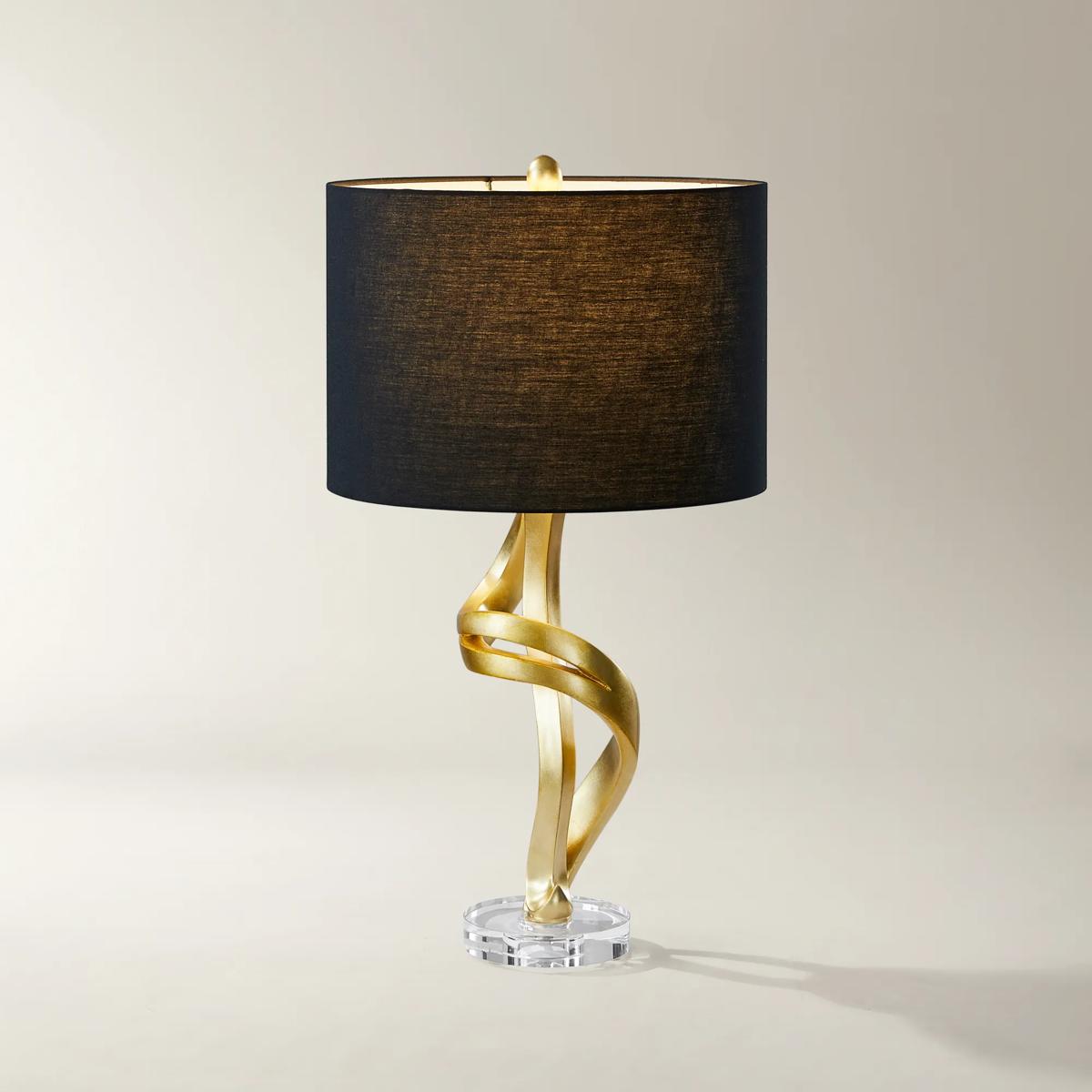
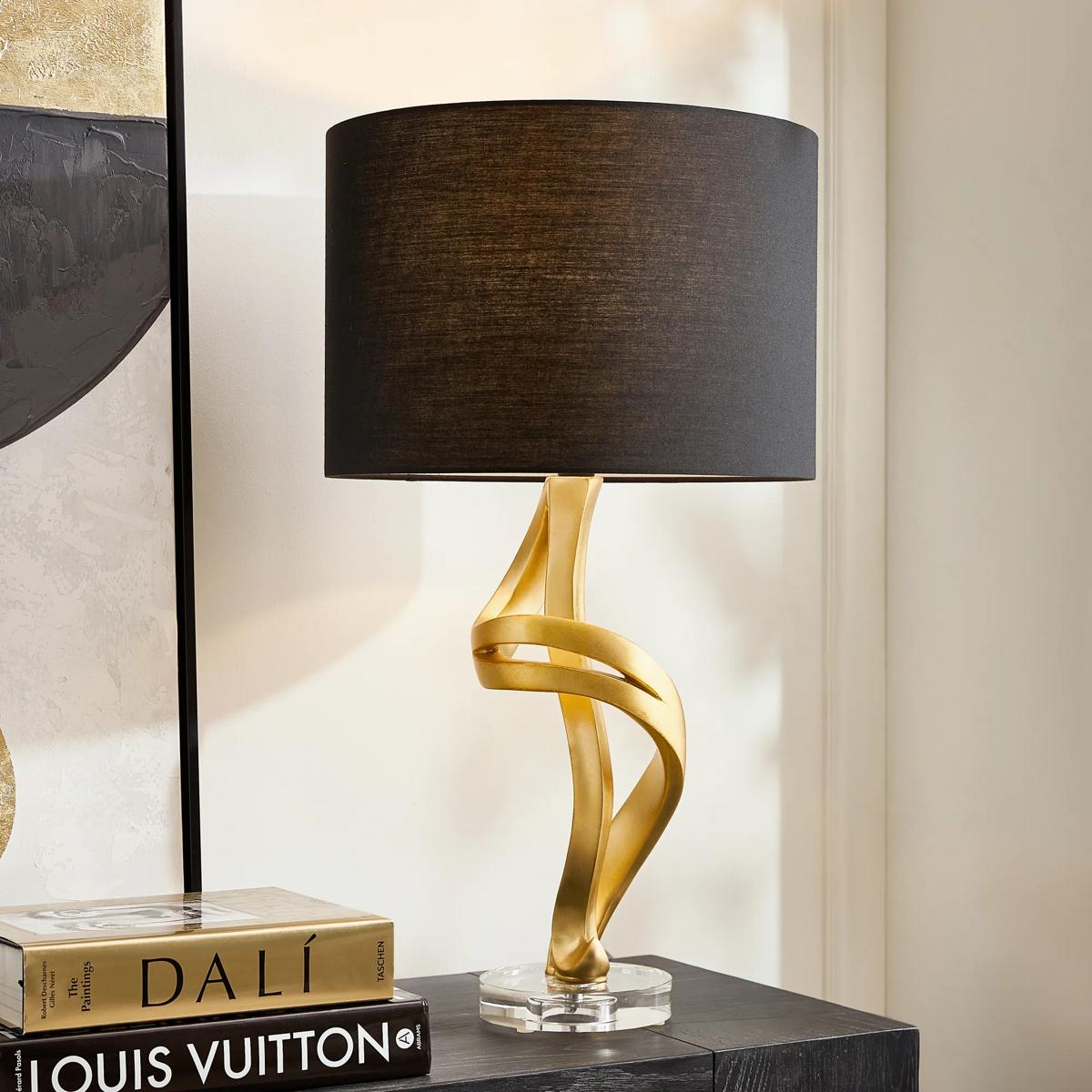 Nisa Sculptural Champagne Resin Table Lamp 28.25"$399
A sculptural resin lamp in champagne gold with a black cotton drum shade and clear acrylic base.
Add To Cart -
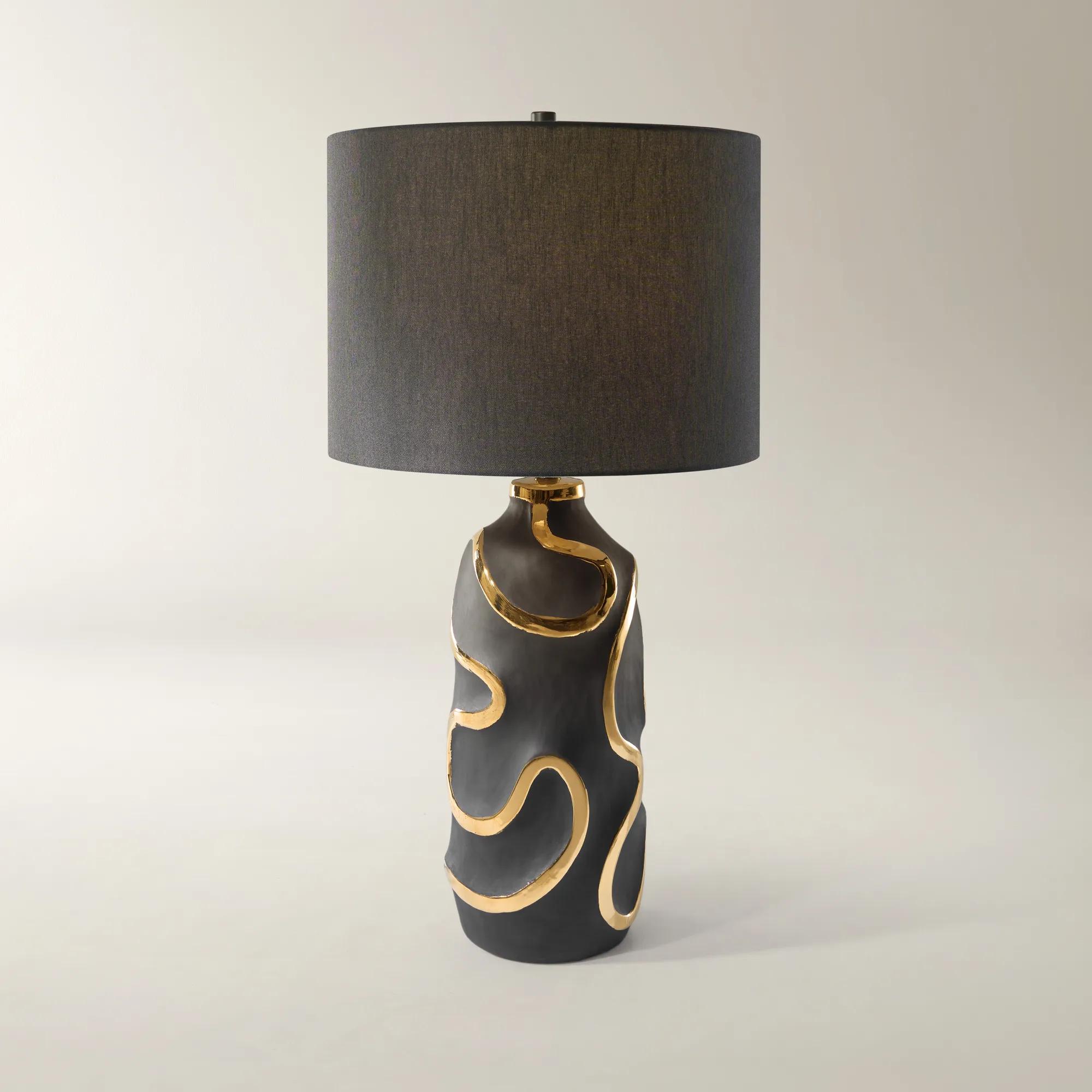 Seraphina Black/Gold Ceramic Table Lamp 32"$249
A matte black ceramic lamp with electroplated gold loops and adjustable three-level lighting.
Add To Cart -
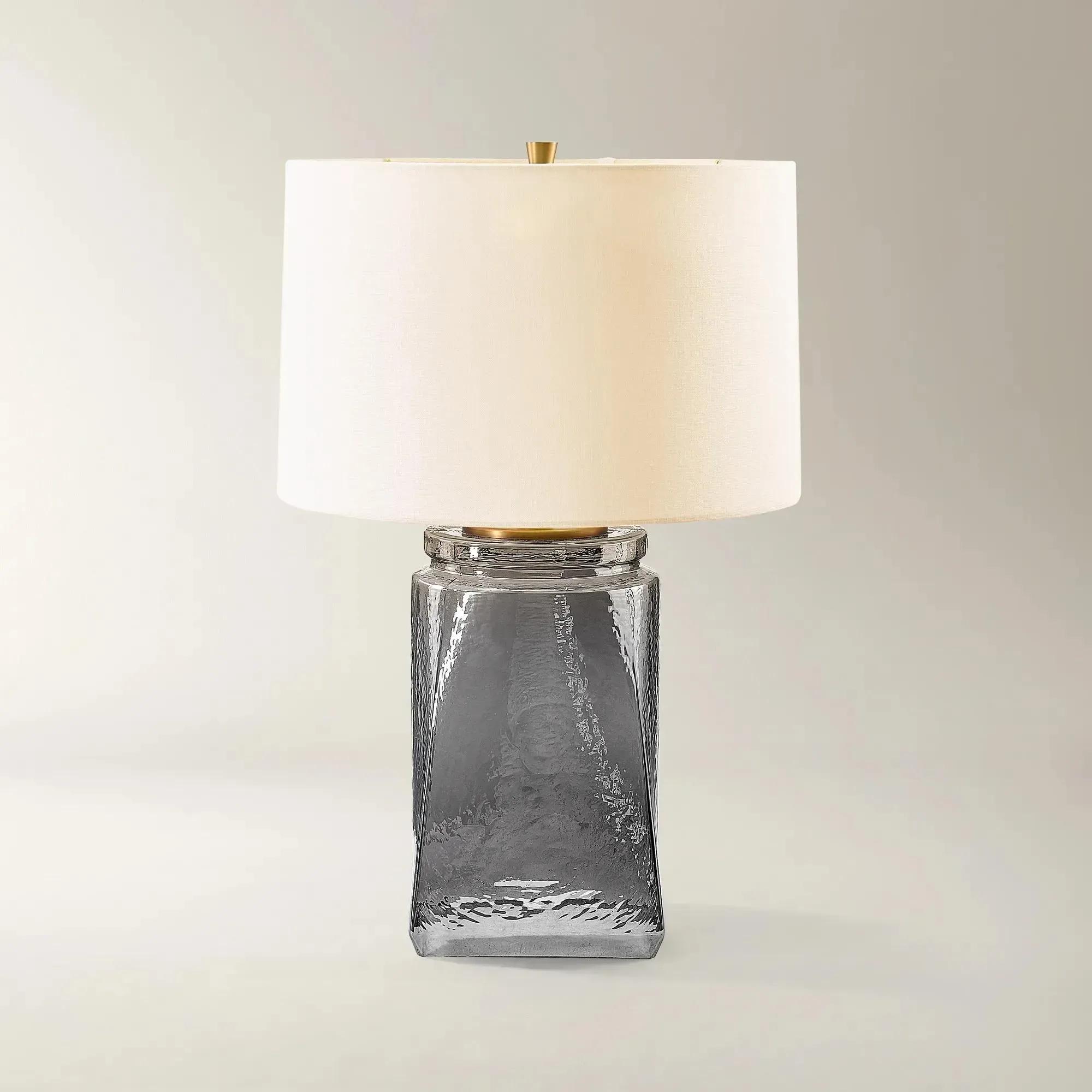 Rumi Reflective Glass Table Lamp$199
A sleek reflective glass table lamp that adds modern elegance and ambient illumination to contemporary interiors.
Add To Cart -
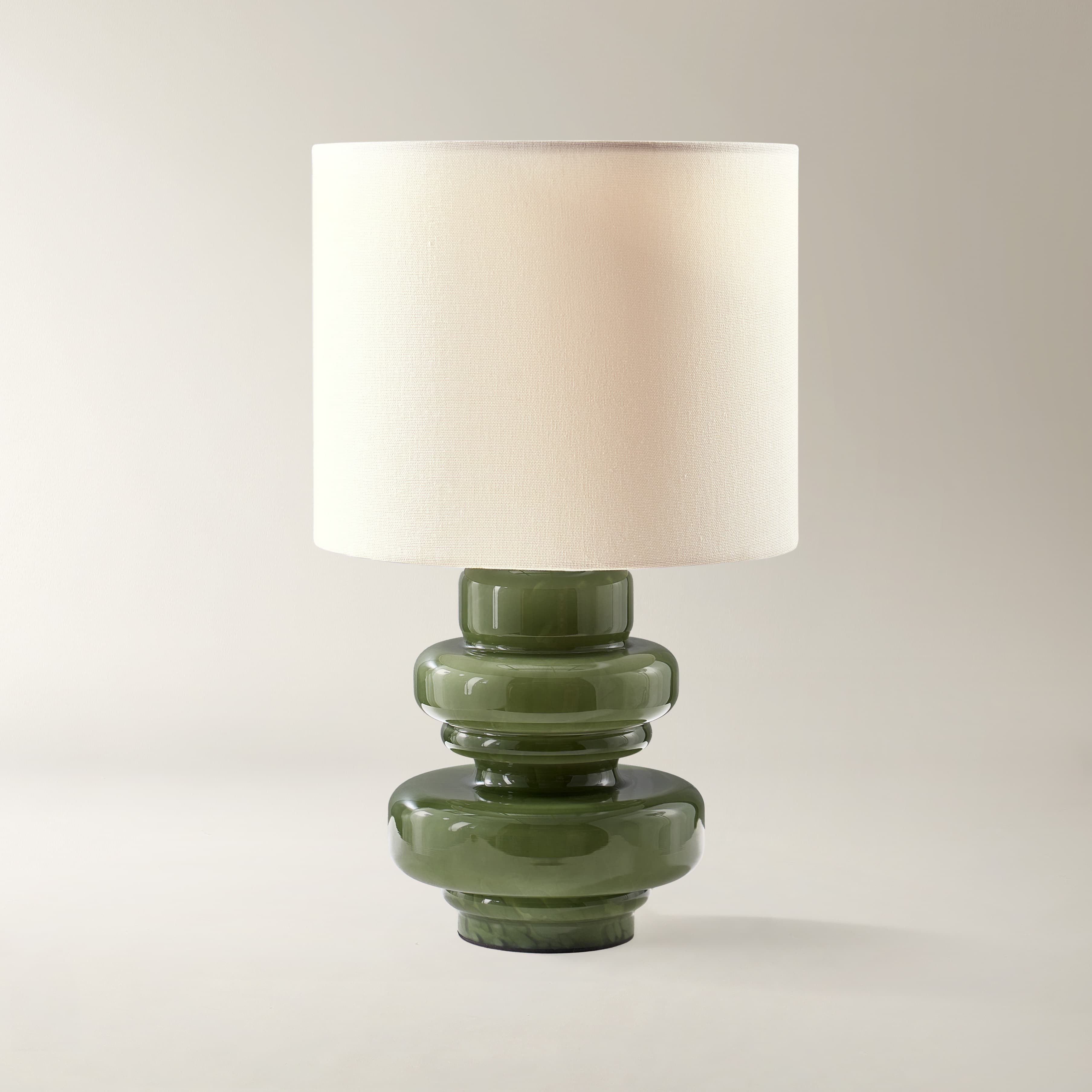
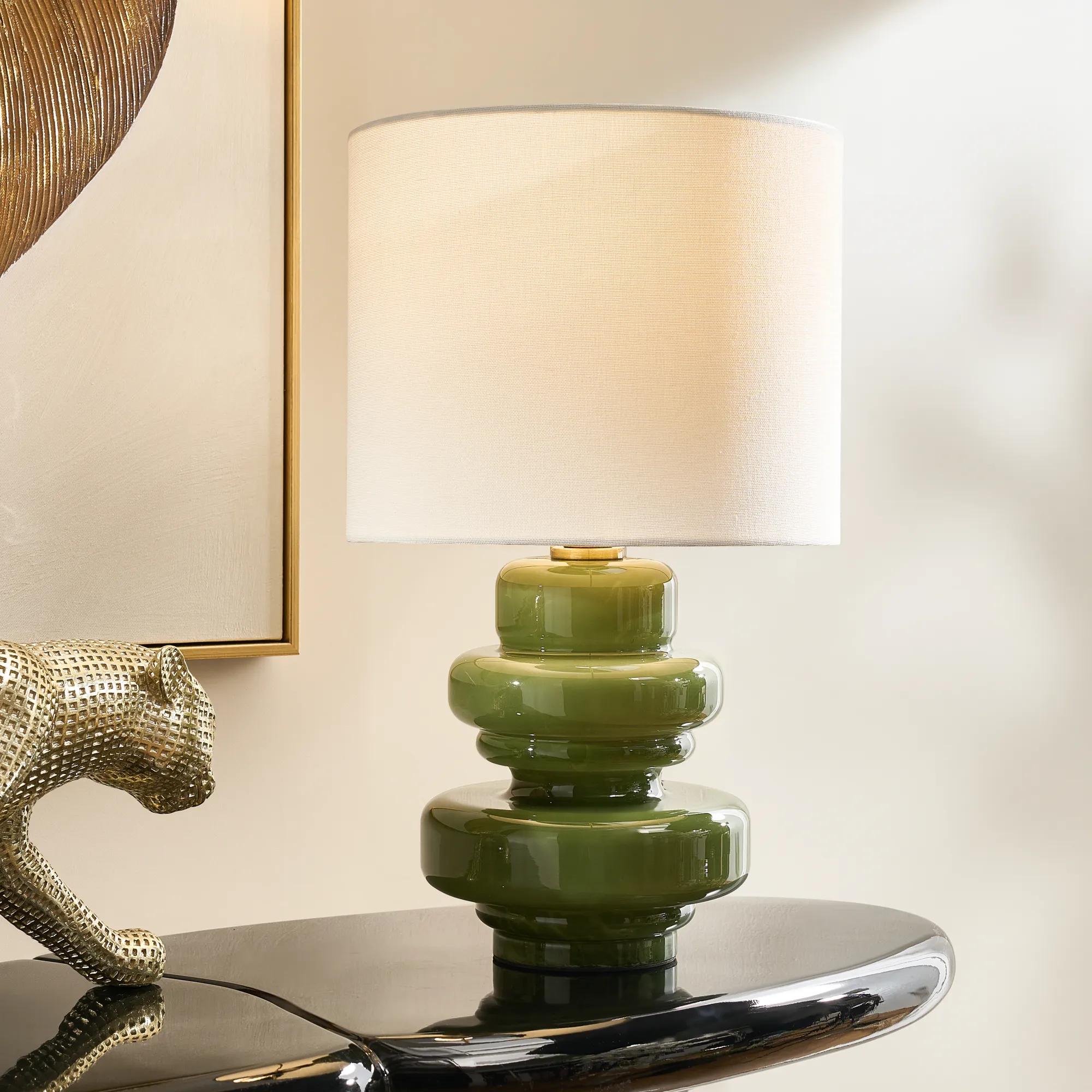 Edin Mouth Blown Pistachio Green Glass Table Lamp 17.5"$99
A sculptural table lamp featuring mouth-blown pistachio green glass and brushed nickel accents with an ivory linen shade.
Add To Cart -
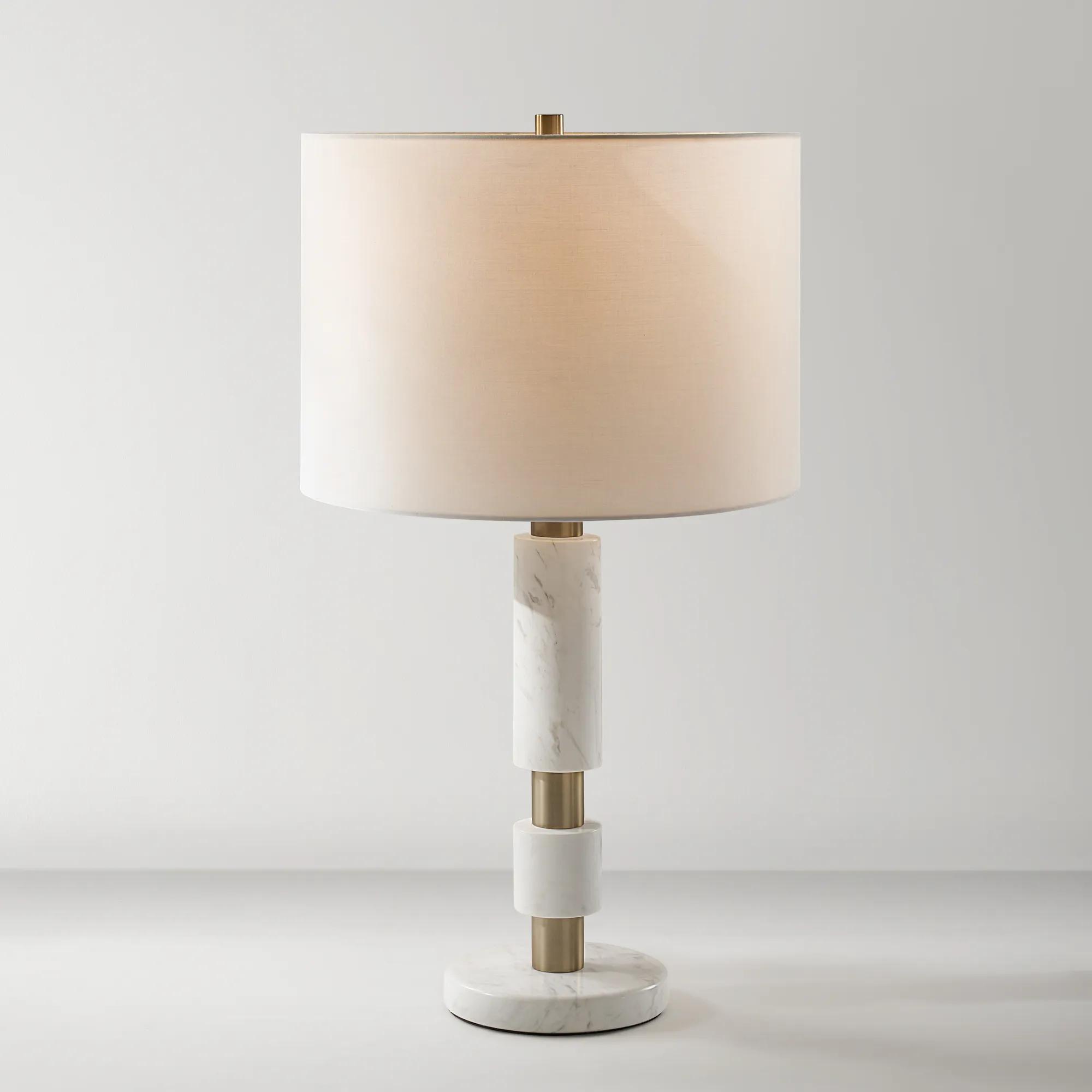 Thea Table Lamp$379
A luxurious table lamp featuring a white marble base, champagne metal accents, and a crisp cotton drum shade.
Add To Cart -
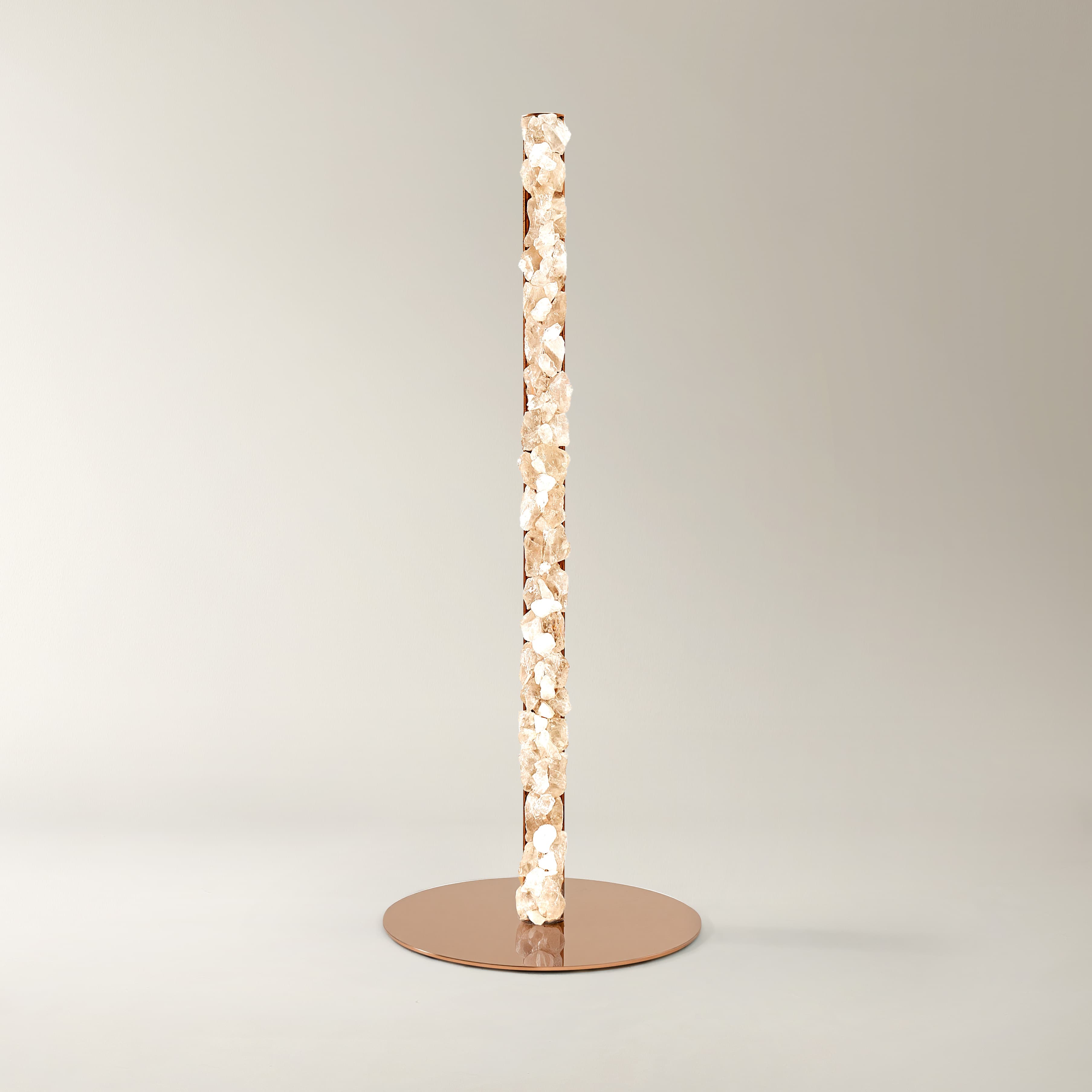
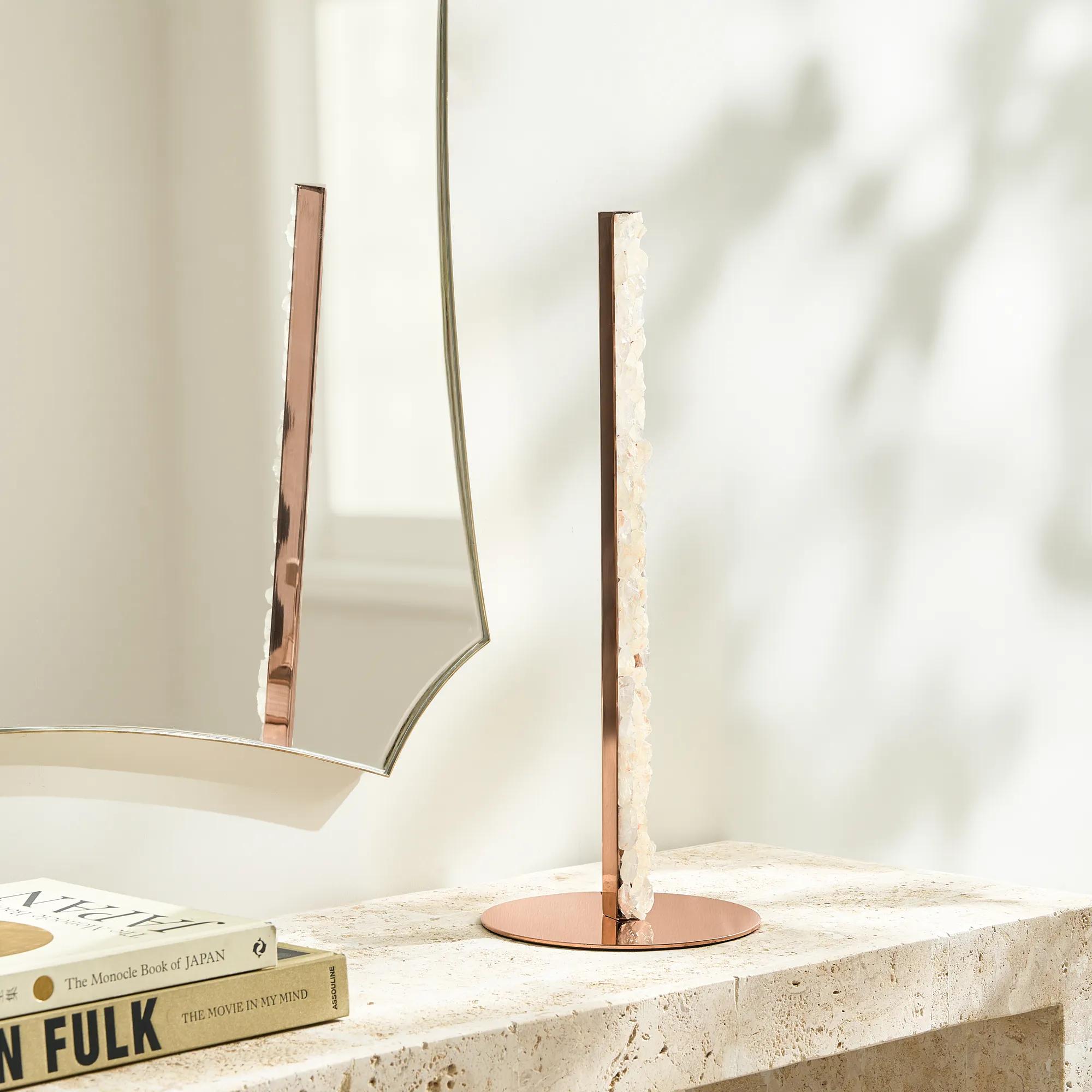 Demi LED Natural Quartz Crystal Table Lamp 19.75"$229
A sculptural LED table lamp featuring natural quartz crystal for a luminous, modern accent.
Add To Cart -
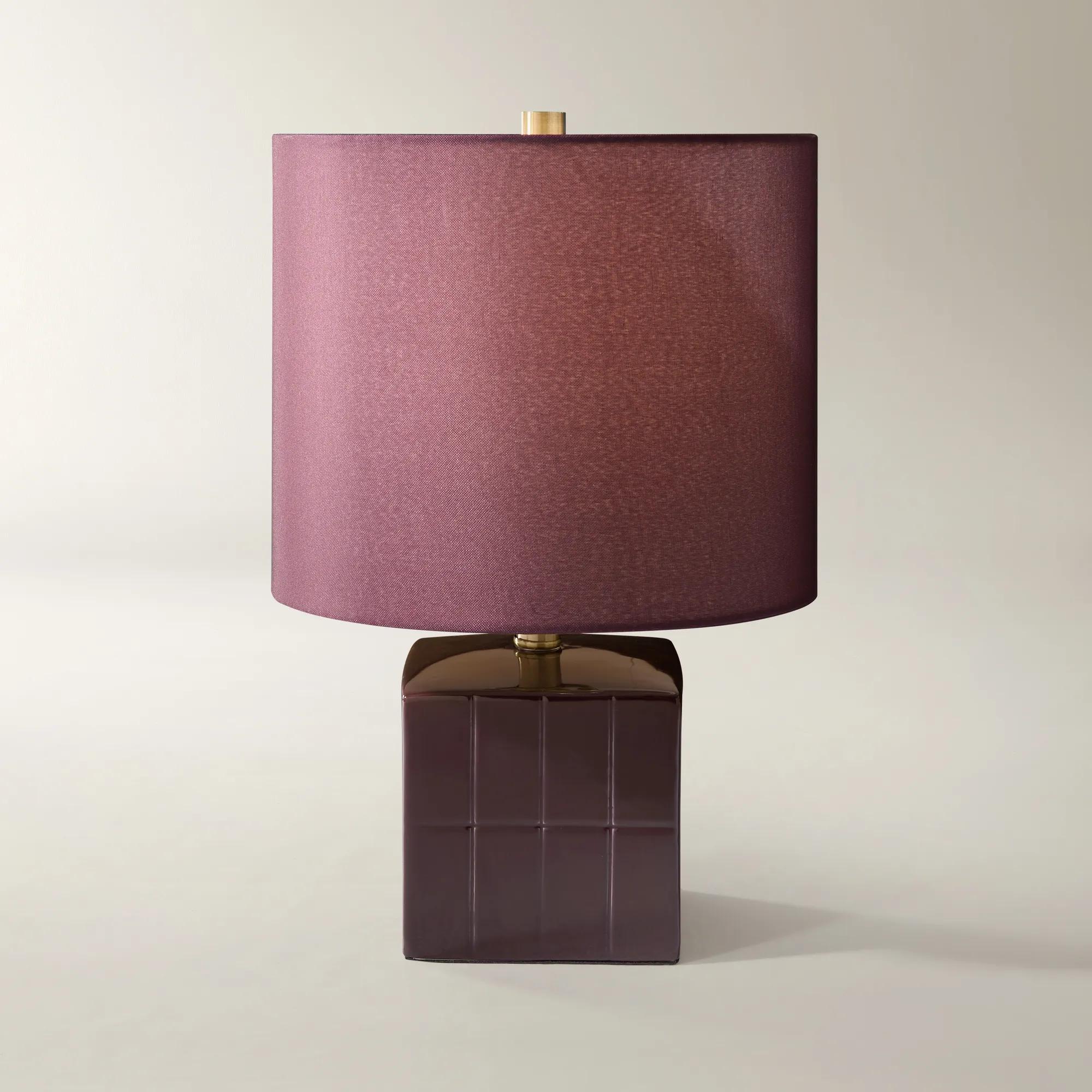 Le Cube Fig Ceramic Table Lamp 18"$139
A glazed ceramic lamp in rich fig with sculpted grid texture and a matching tonal shade.
Add To Cart -
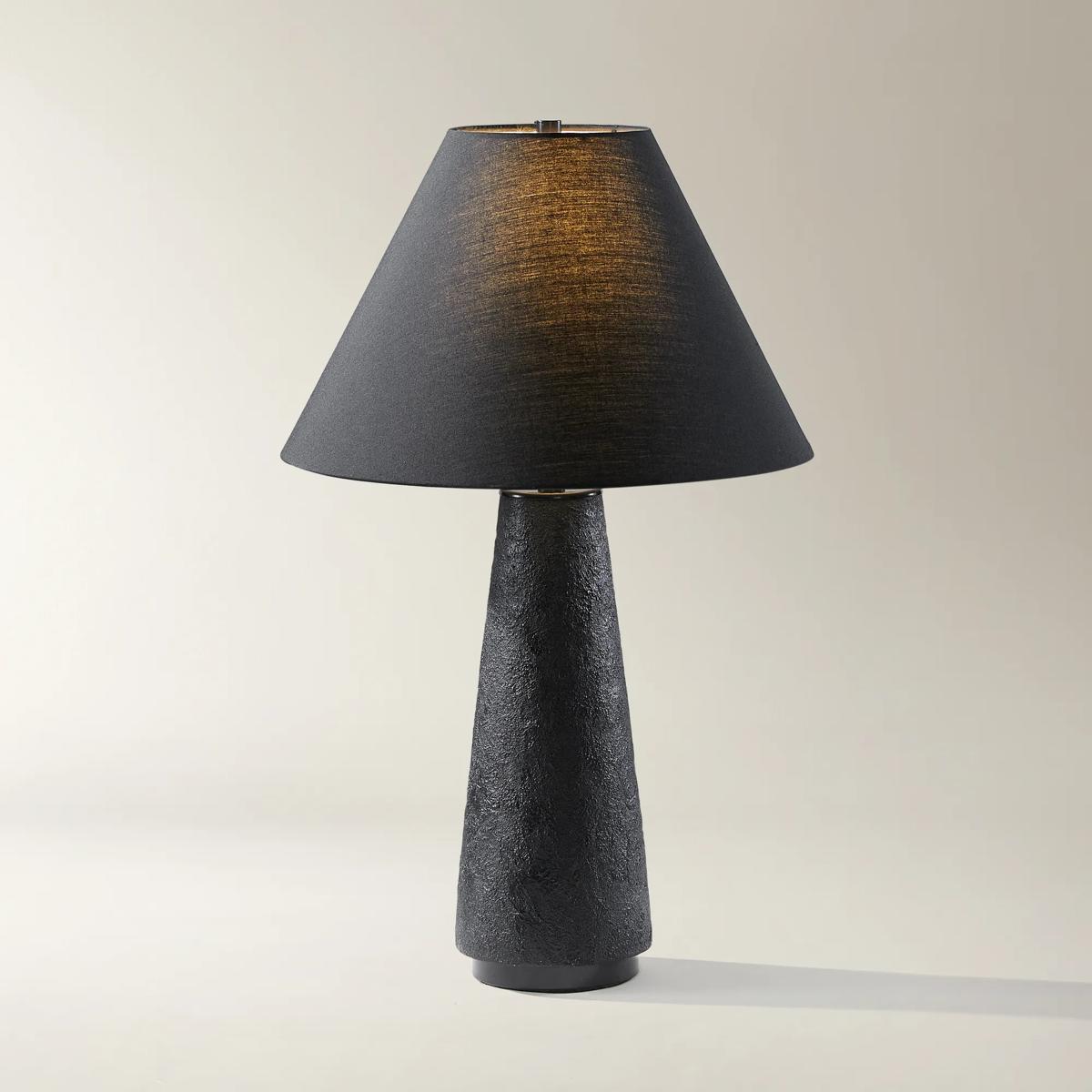 Beton Black Textured Concrete Table Lamp 25"$299
A sculptural table lamp featuring textured black concrete, matte black metal accents, and a black cotton shade.
Add To Cart -
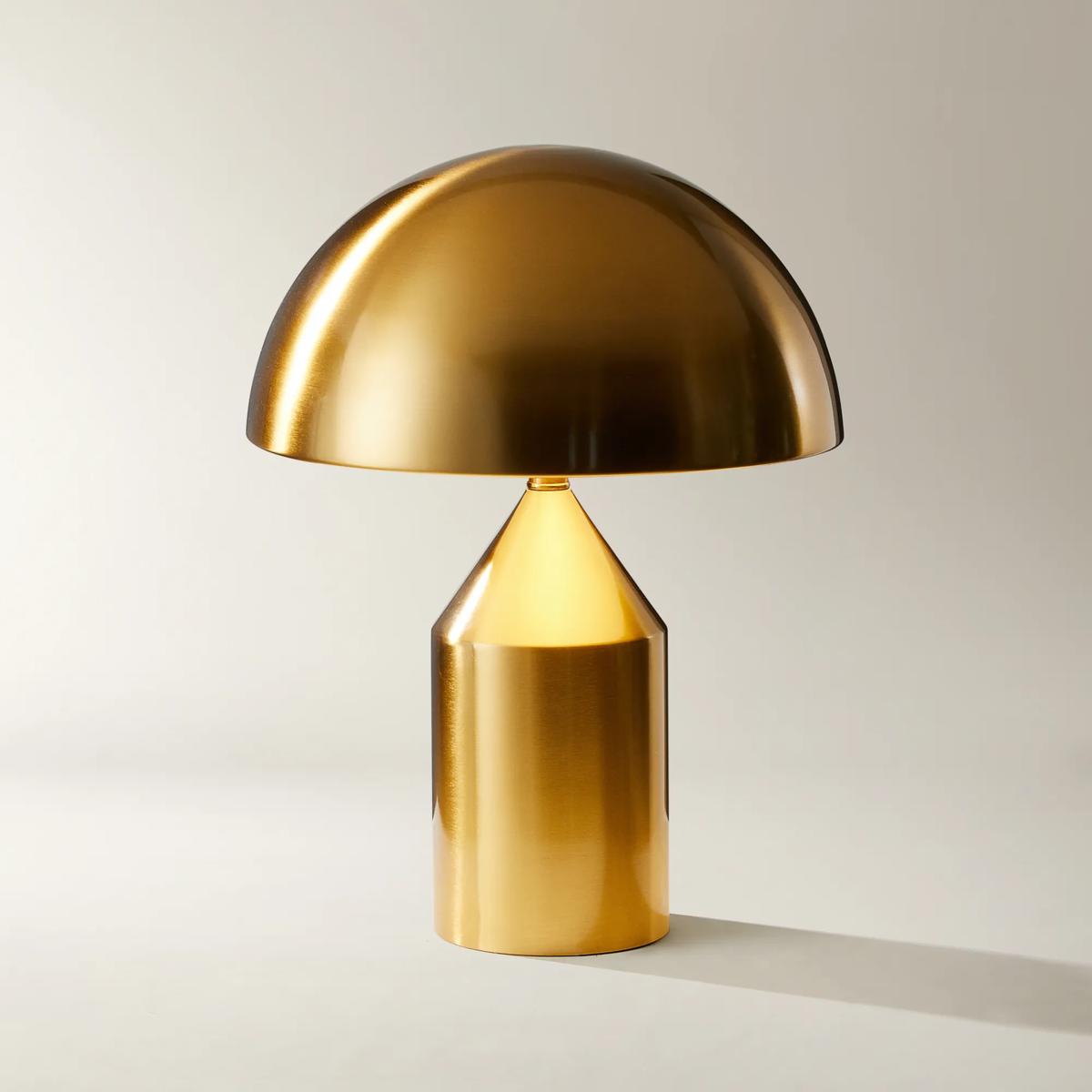 Arlen Gold Metal Table Lamp 19"$249
A modern iron table lamp in brushed gold with a bold dome shade and clean cylindrical base.
Add To Cart -
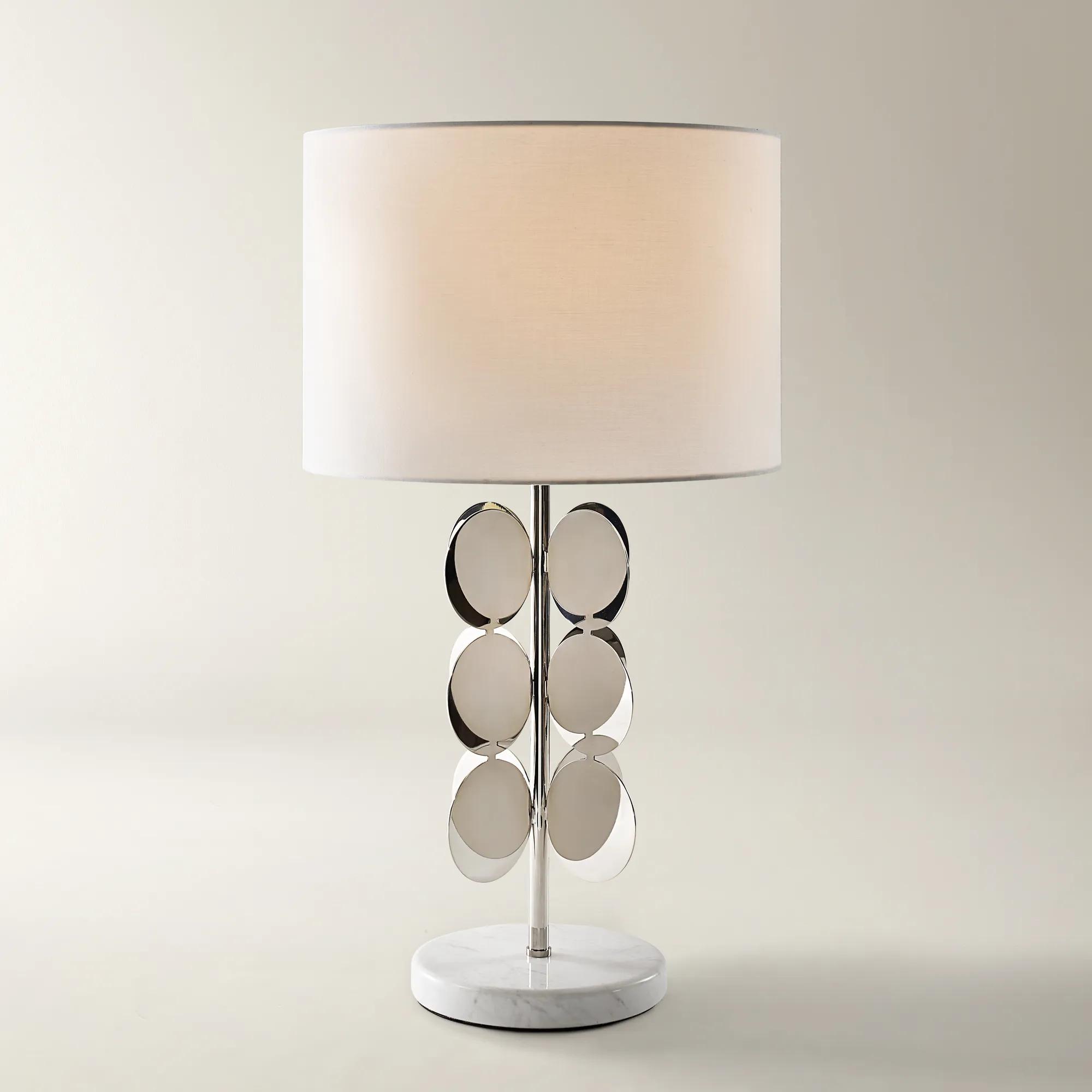 Orion Table Lamp$329
A polished nickel iron lamp with a white marble base and crisp white cotton drum shade.
Add To Cart

Table Lamps For End Tables
Find table lamps for end tables that bring inviting light and a distinctive finishing touch to your seating area. Explore decorative lighting for placement beside a sofa or armchair, comparing lamp height, shade width, and base size to suit your furniture. Aim for proportions that create visual drama while leaving tabletop space for everyday essentials.
Table lamps for end tables bring sculptural presence to the spaces closest to everyday life: the corner of a sofa where a book stays open, the chair reserved for conversation, the polished surface holding a favorite photograph. Their appeal reaches beyond illumination. A lamp gives an end table height and purpose, drawing the eye upward while casting a more intimate pool of light than an overhead fixture alone. A luminous glass base can lend visual lightness beside a deeply upholstered sofa, while textured ceramic introduces depth against a sleek tabletop. Metal finishes add another expressive layer, from the soft richness of brushed gold tones to the sharper brilliance of polished silver. Clear or faceted elements catch surrounding light, creating subtle movement even when the lamp is switched off. Stone offers natural variation and a grounded presence, particularly striking against lacquer, glass, or other smooth surfaces. These material contrasts help a seating arrangement feel considered rather than simply coordinated. The shade is equally influential: a pale fabric shade can soften the light around a conversation area, while a more opaque shade directs illumination toward the table and nearby seat. Drum shades emphasize clean geometry; tapered profiles introduce a more traditional note that can feel especially compelling beside contemporary furniture. For a restrained room, an expressive lamp silhouette becomes a focal point without requiring another large piece of furniture. In a richly layered interior, a quieter base can let patterned upholstery, artwork, or a dramatic rug remain in focus. Even small details change the effect, including the shape of a finial, the texture of a shade, or the way a base meets the tabletop. The most satisfying choice feels connected to its surroundings without disappearing into them, giving the end table a distinct role in the room’s composition. It is this balance of atmosphere and utility that makes a well-proportioned lamp such a lasting part of a thoughtfully furnished home.
Proportion matters most where furniture, light, and movement meet. Table lamps for end tables should relate to the height of the adjacent seating as well as the dimensions of the table itself. Beside a low, generous sofa, a very tall lamp can feel disconnected; next to a high-backed chair, a petite silhouette may lose its presence. With someone seated nearby, a shade positioned to conceal the bulb helps reduce direct glare while keeping light close enough for reading or conversation. The full width of the shade deserves as much attention as the base, particularly on a narrow end table or in a seating area with limited clearance. A compact footprint leaves room for a coaster, reading glasses, and a small decorative object, while a broader table can support a more substantial silhouette without feeling crowded. Shade placement should also allow comfortable movement beside the sofa and avoid contact with upholstery or curtains. In a symmetrical arrangement, paired lamps create a composed frame around a sofa and give both seats their own light source. An asymmetrical room can be just as polished with different lamp shapes, provided they share a connecting detail such as shade color, finish, or overall visual weight. That relationship can continue across nearby seating areas through elegant table lamps for side tables, allowing each corner its own character without losing cohesion. Light output should reflect how the space is used. An end table beside a dedicated reading chair benefits from useful, well-directed illumination, while a lamp near a television may serve primarily as a gentle background glow, positioned to minimize screen reflections. Warm-white light often flatters wood, metallic finishes, and richly colored textiles, though shade material will influence the final effect. Where adjustable lighting is important, a compatible dimmable bulb and control can support brighter reading light and a softer setting for entertaining. Accessible switches and a discreet route to an outlet make the arrangement as comfortable to use as it is compelling to look at.
Materials, construction, and care determine how gracefully a lamp lives alongside daily routines. A stable base, securely fitted shade, and sound electrical components deserve close attention, especially on an end table that is used frequently. In homes with children or pets, balance and placement become particularly important; a lamp should sit securely away from a vulnerable edge, with its cord kept clear of walkways and places where it could be pulled. Glass and glossy ceramic offer luminous surfaces but can reveal fingerprints, while textured finishes may require more deliberate dusting around grooves and raised details. Natural stone can vary in veining and tone, giving each base an individual character, although its care requirements depend on the material and finish. Plated and painted metals also benefit from a gentle approach that preserves their surface rather than polishing aggressively. Before cleaning, unplug the lamp and allow the bulb to cool, then follow the manufacturer’s instructions for the base and shade. A soft, dry cloth is often suitable for routine dusting; avoid spraying cleaners directly onto electrical fittings or assuming that the same treatment is appropriate for every finish. Fabric shades may allow careful dusting with a soft brush, but delicate fabrics, trims, and specialty surfaces need particular attention to their care directions. Bulb selection should follow the fixture’s stated type and maximum wattage, with compatibility checked for dimmers or enclosed shades where applicable. These practical details protect the beauty of a piece chosen to be enjoyed every day. For a housewarming or a gift to someone furnishing a first home, an end-table lamp can be both personal and useful when its scale, finish, and intended setting are understood. A design enthusiast may appreciate an artful silhouette, while an avid reader may place greater value on comfortable illumination and an easy-to-reach switch. Whether illuminating a quiet reading corner or lending polish to a room made for gathering, the right lamp earns its place through the way it looks, the light it casts, and the ease it brings to the seat beside it.
FAQs
Sculptural silhouettes, geometric bases, and expressive finishes bring an artful edge to modern interiors. Choose a streamlined lamp for a tailored setting, or introduce a faceted glass base to give a restrained room a more glamorous point of view.
Crystal, glass, polished metal, and marble lend distinctive character to an end table. Crystal introduces jewel-like sparkle, while marble brings natural veining and visual depth. Metallic finishes add a gleaming accent alongside velvet upholstery or richly textured decor.
Matching lamps create a composed, symmetrical look, especially on end tables flanking a sofa. Different lamps offer a more collected expression. Connect contrasting designs through a shared finish, shade color, or sculptural detail so the arrangement feels intentional rather than uniform.
Drum shades offer a crisp counterpoint to ornate or sculptural bases, while tapered shades introduce a more classic note. Fabric adds a soft textural layer; a dark shade creates a dramatic accent. Let the shade and base share the spotlight without competing for attention.
Treat the lamp as the anchor of an expressive vignette, then layer in a ceramic vessel, a decorative box, or art books. Echo one material or color across the arrangement, and leave some tabletop visible so each distinctive detail has room to be admired.