Table Lamps For Console Tables
Table Lamps For Console Tables
-
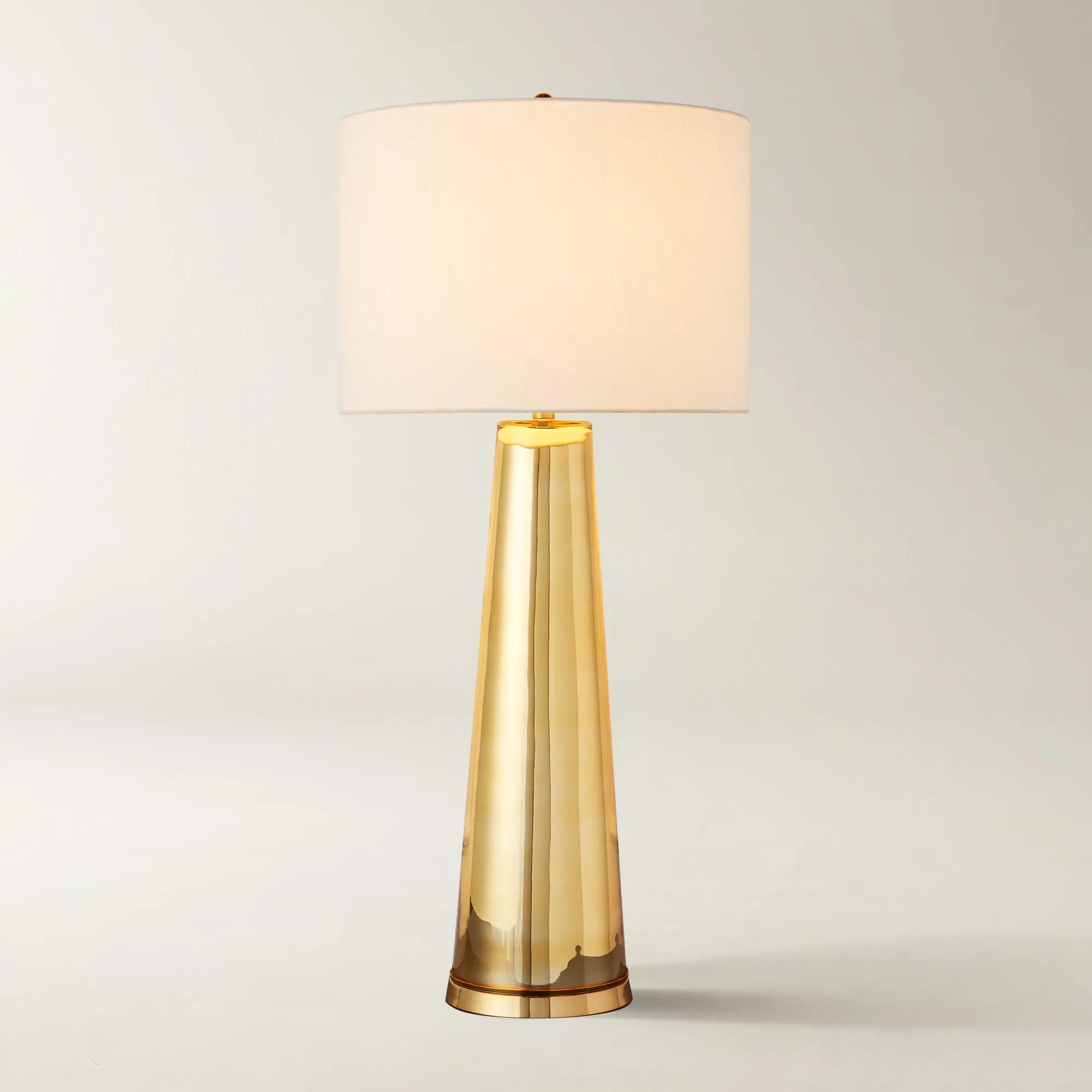
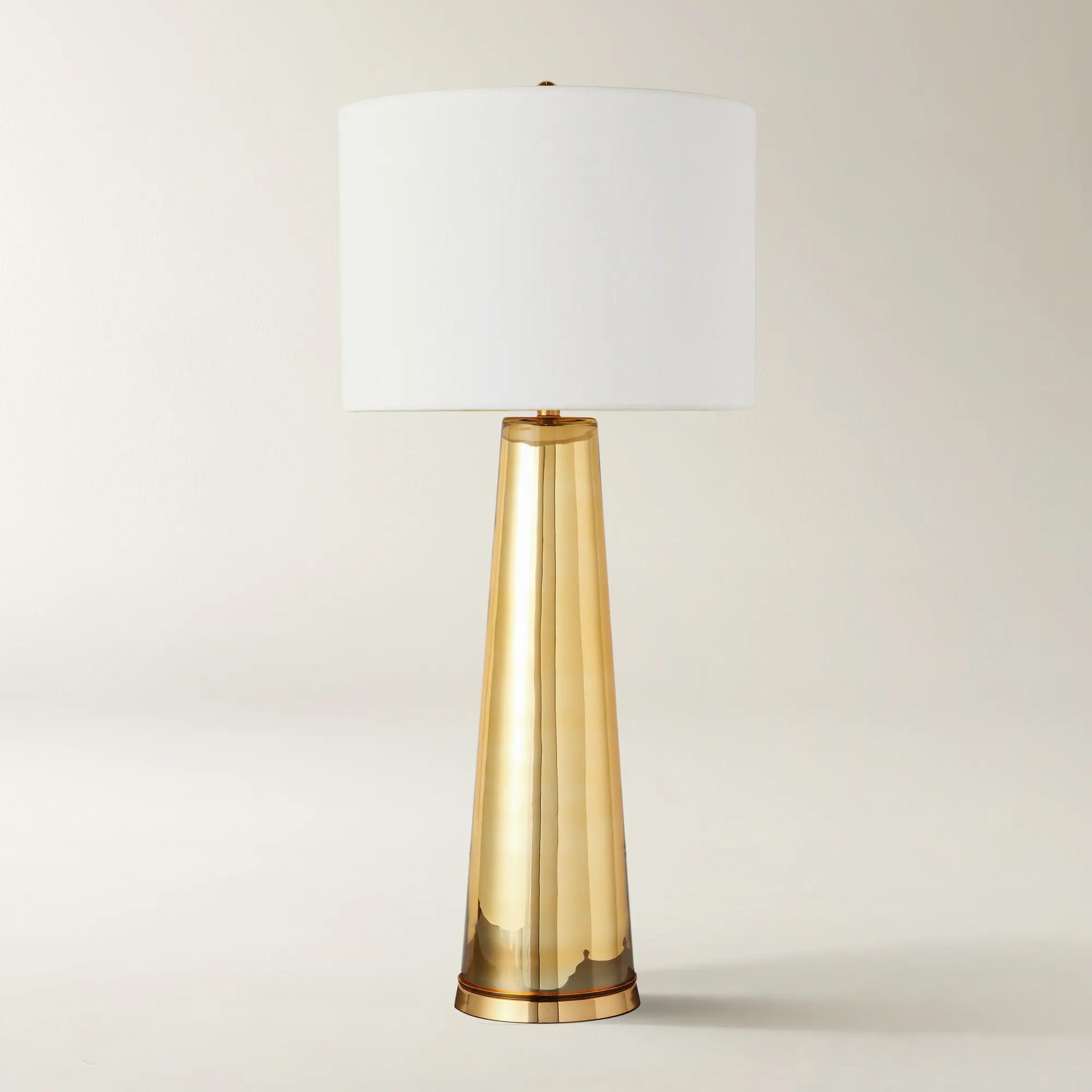 Century Gold Mirrored Glass Table Lamp 40"$299
A modern lamp featuring a mirrored glass base and white drum shade, accented with gold or silver details.
Add To Cart -
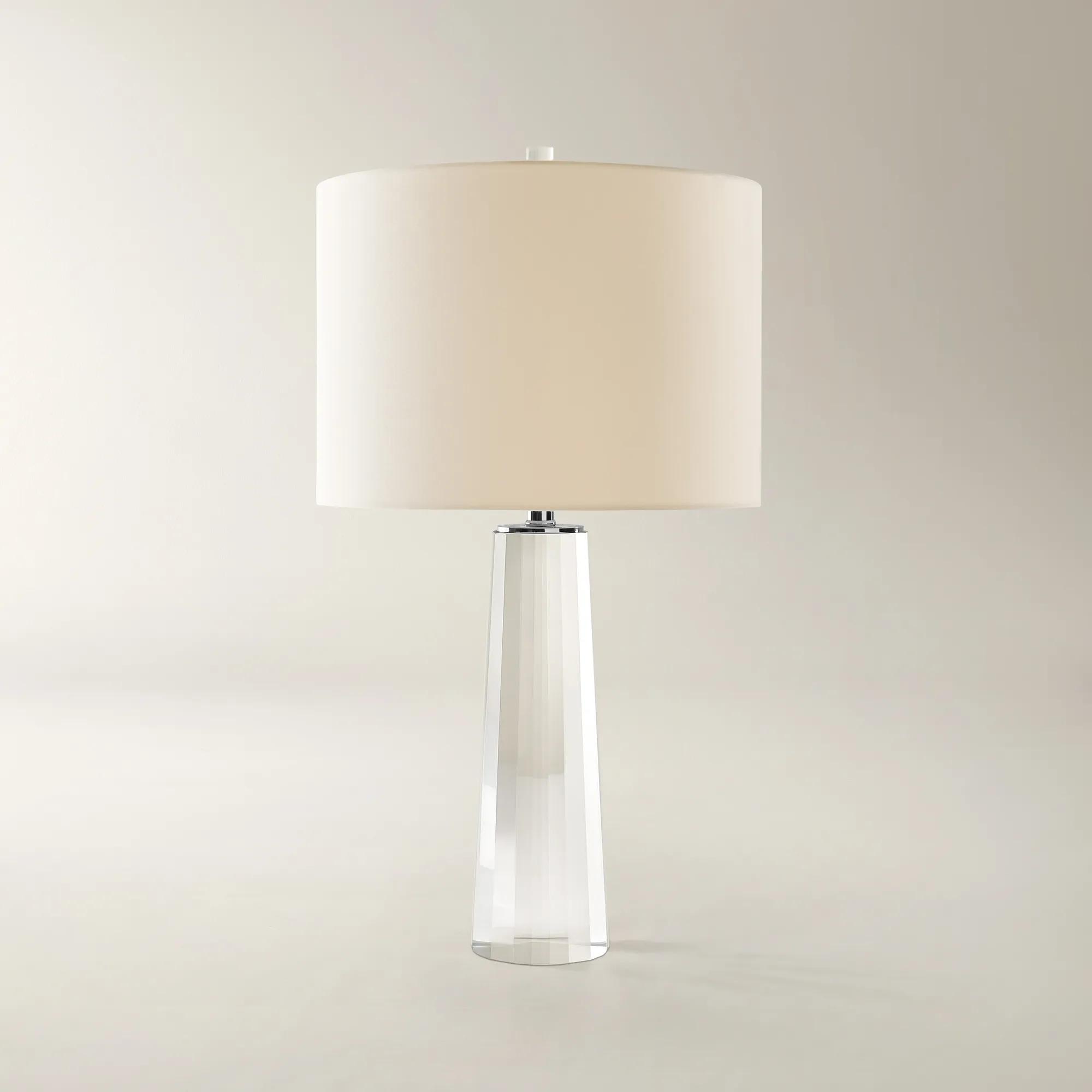
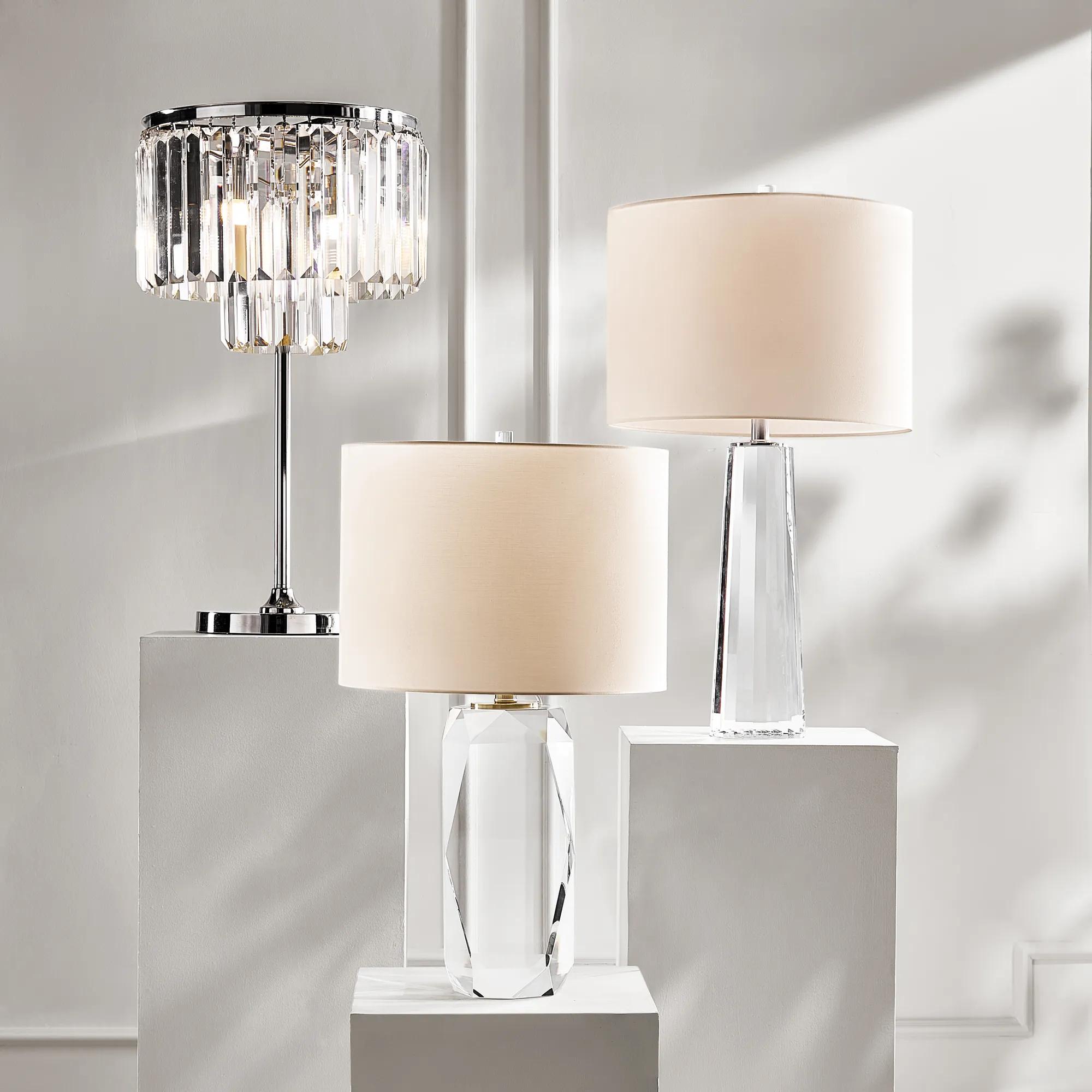 Sasha Faceted Clear K9 Crystal Table Lamp 28"$499
A refined table lamp featuring a clear crystal base, white drum shade, and polished nickel accents.
Add To Cart -
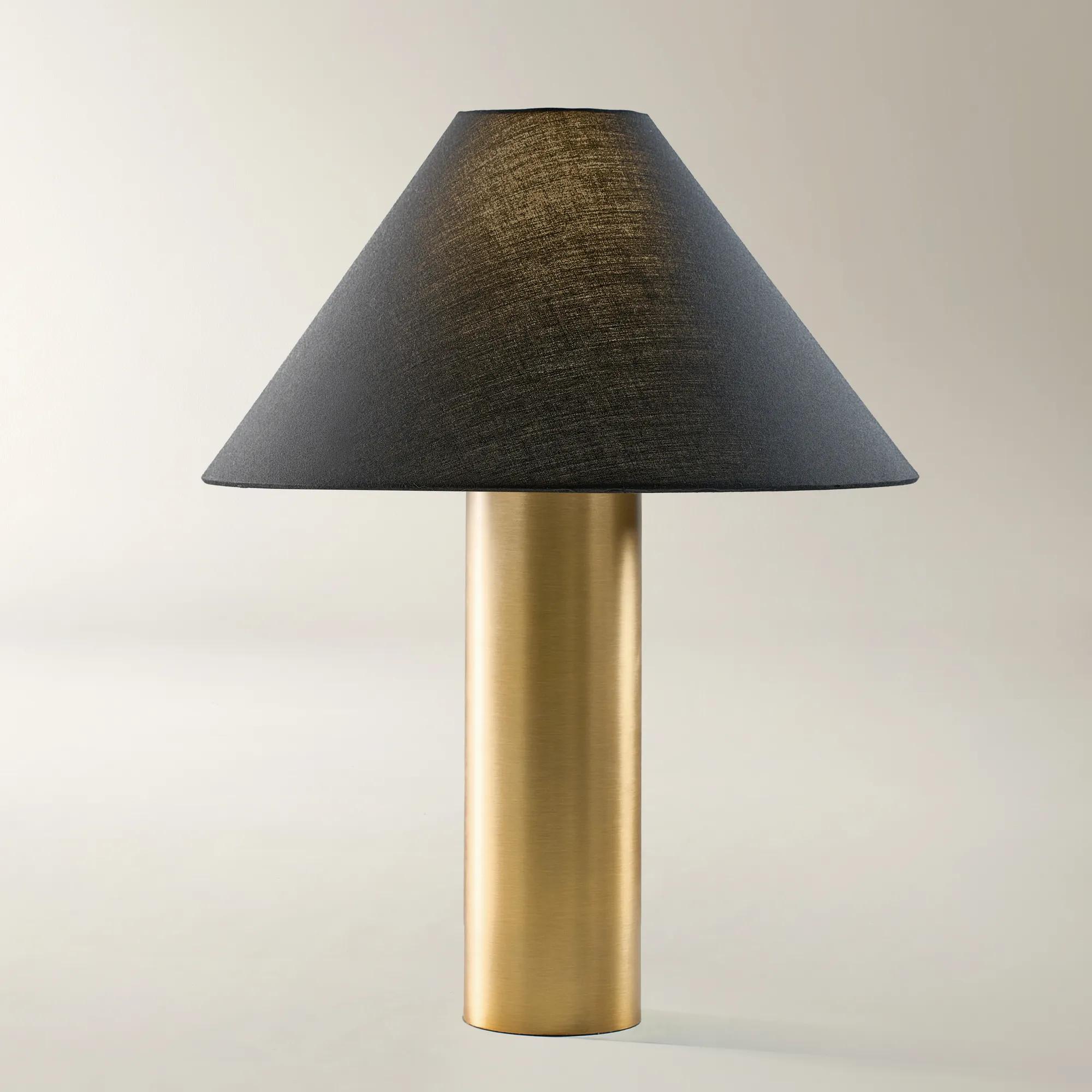 Tova Brushed Brass/Black Table Lamp 20.5"$299
A sculptural brushed brass iron base pairs with a tailored black cotton shade for bold, modern contrast.
Add To Cart -
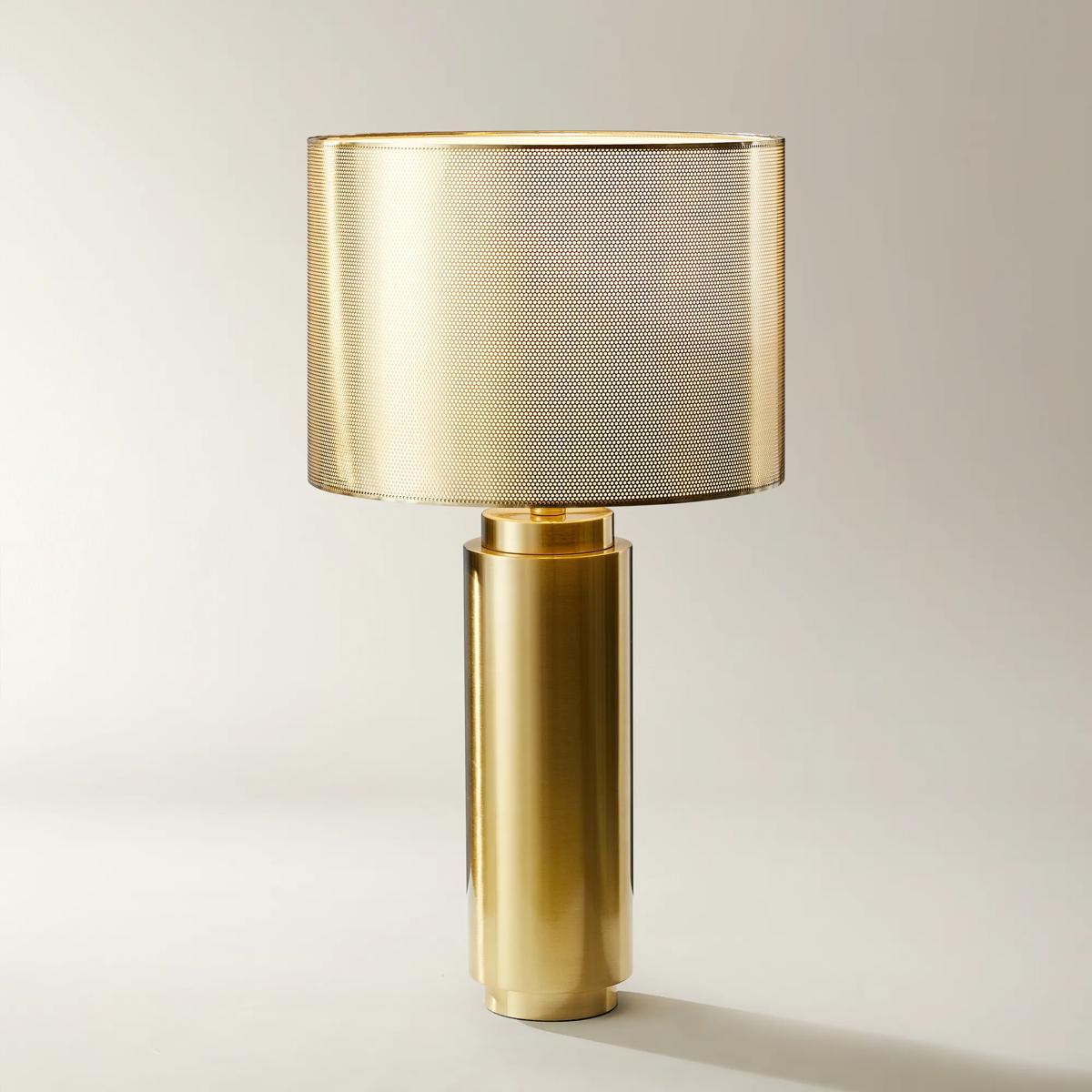
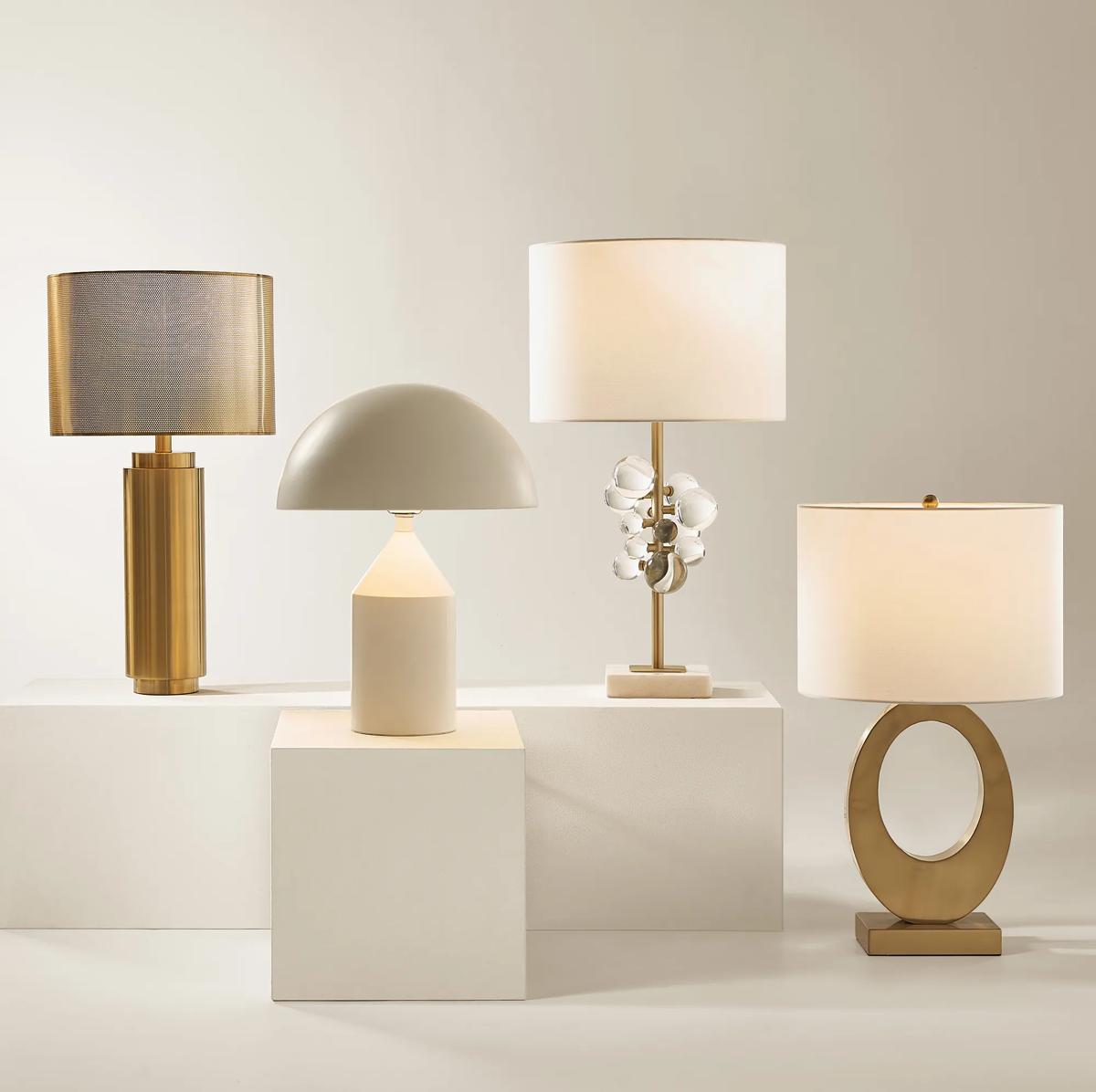 Sibyl Metal Aged Brass Finish Table Lamp 26"$399
A modern table lamp featuring an aged brass iron base and a perforated metal-over-cotton shade.
Add To Cart -
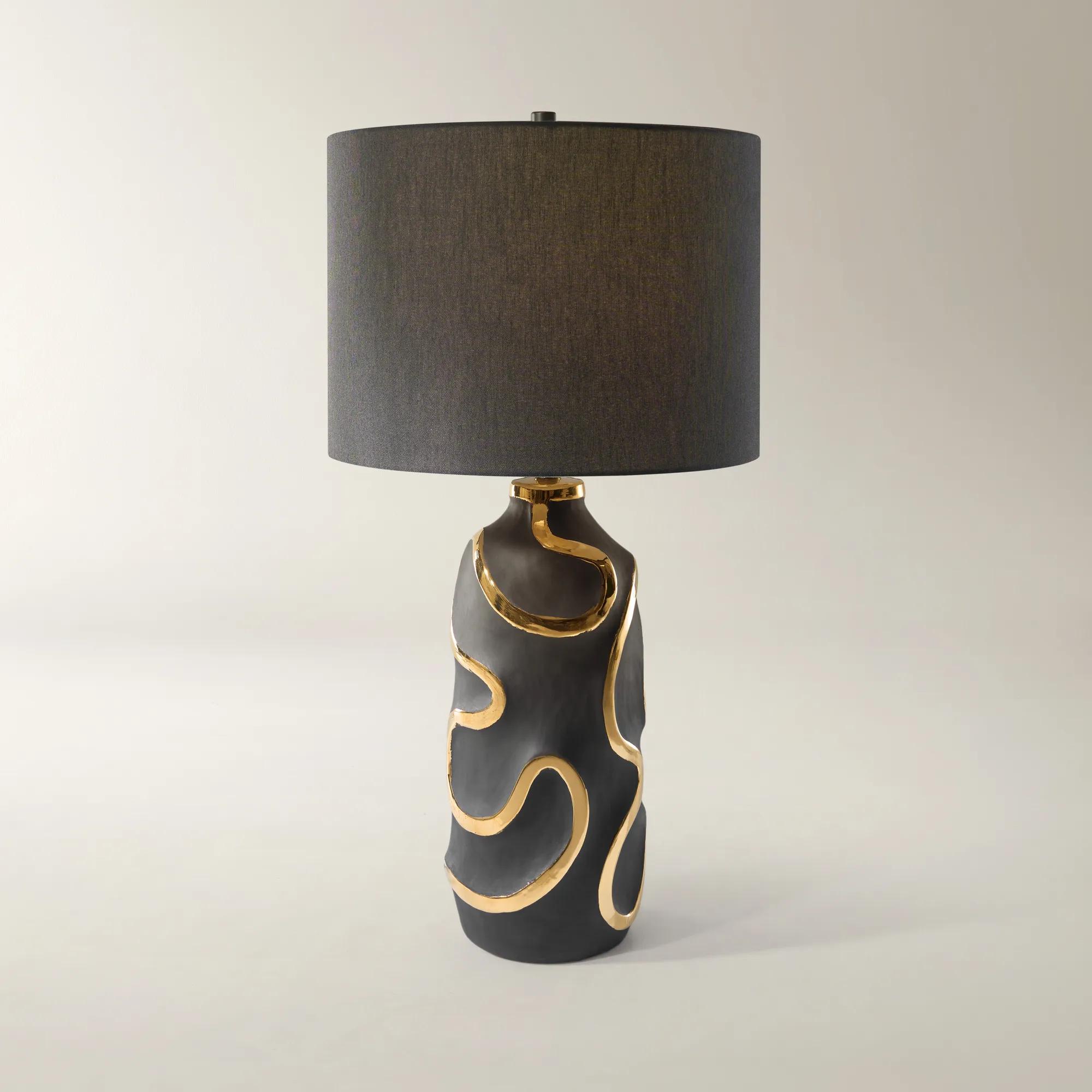 Seraphina Black/Gold Ceramic Table Lamp 32"$249
A matte black ceramic lamp with electroplated gold loops and adjustable three-level lighting.
Add To Cart -

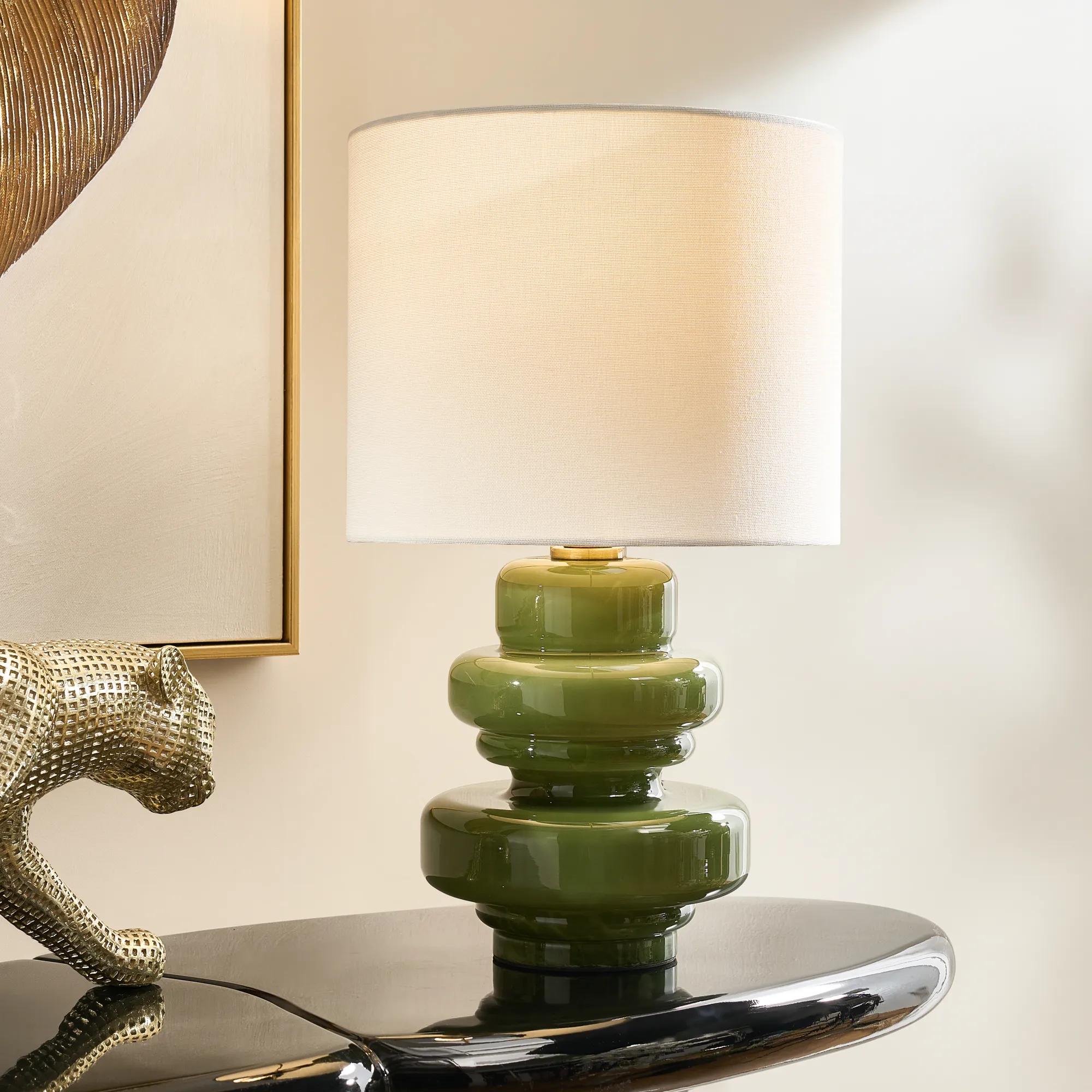 Edin Mouth Blown Pistachio Green Glass Table Lamp 17.5"$99
A sculptural table lamp featuring mouth-blown pistachio green glass and brushed nickel accents with an ivory linen shade.
Add To Cart -
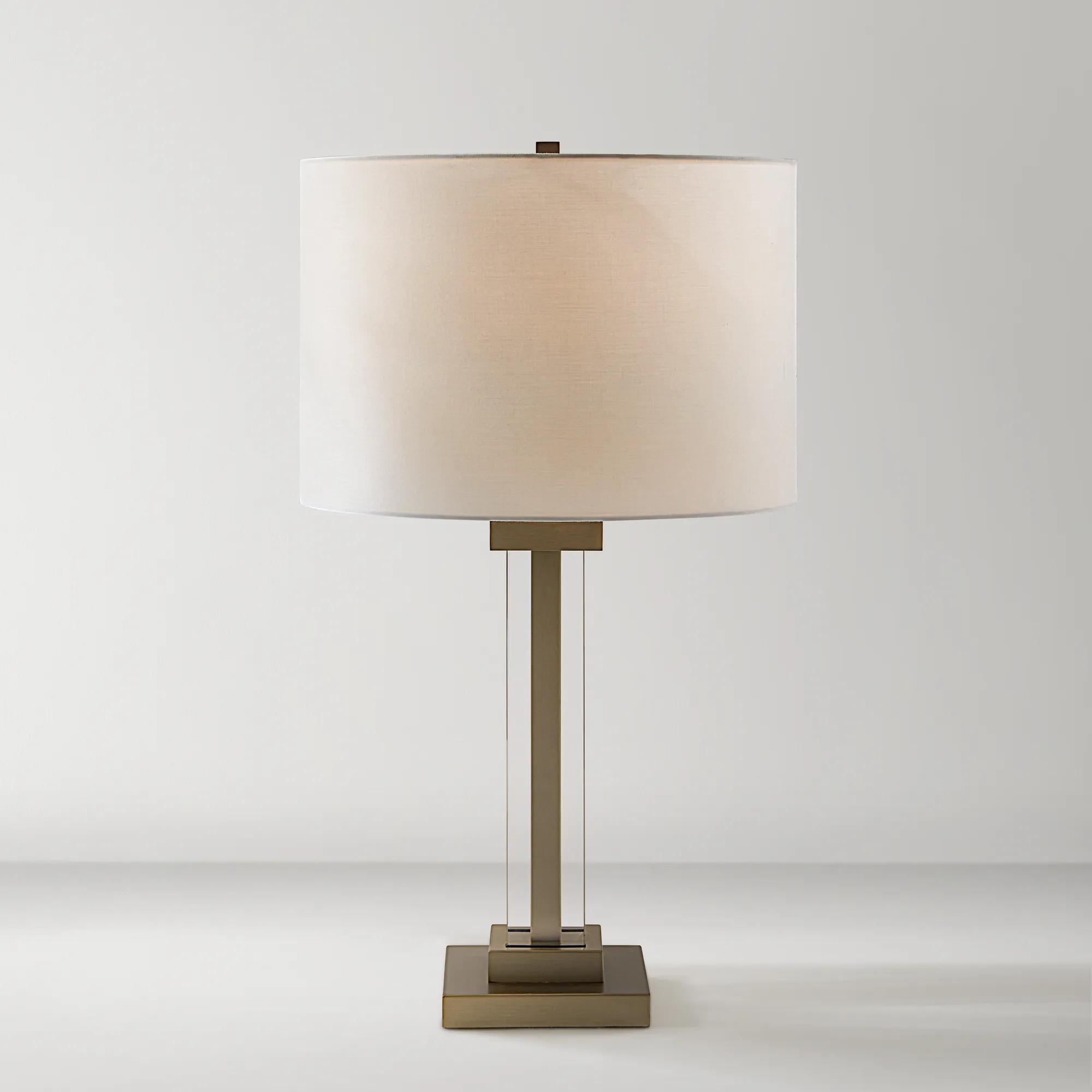
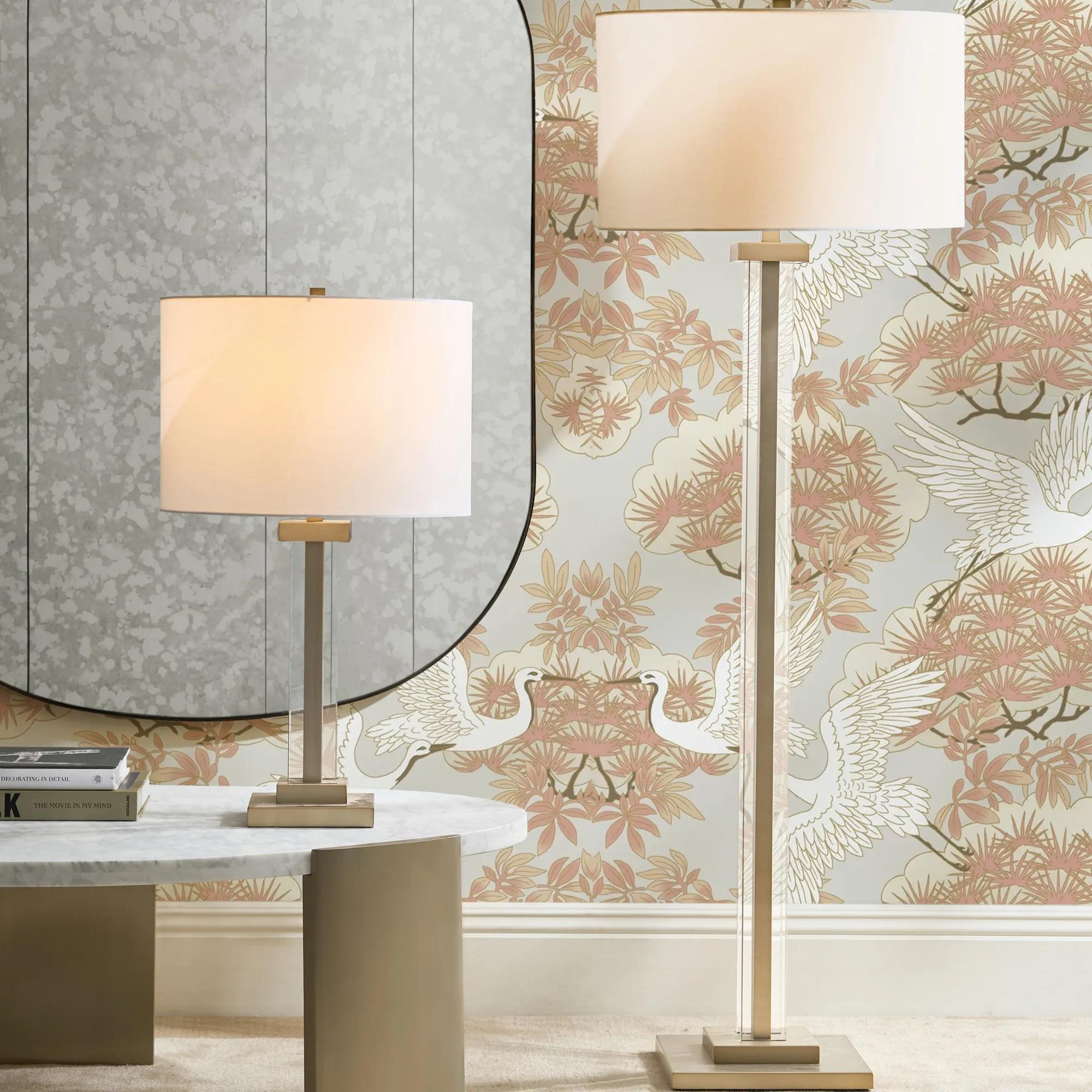 Soren Table Lamp$349
A clear glass and champagne metal lamp with a white cotton drum shade for elegant illumination.
Add To Cart -

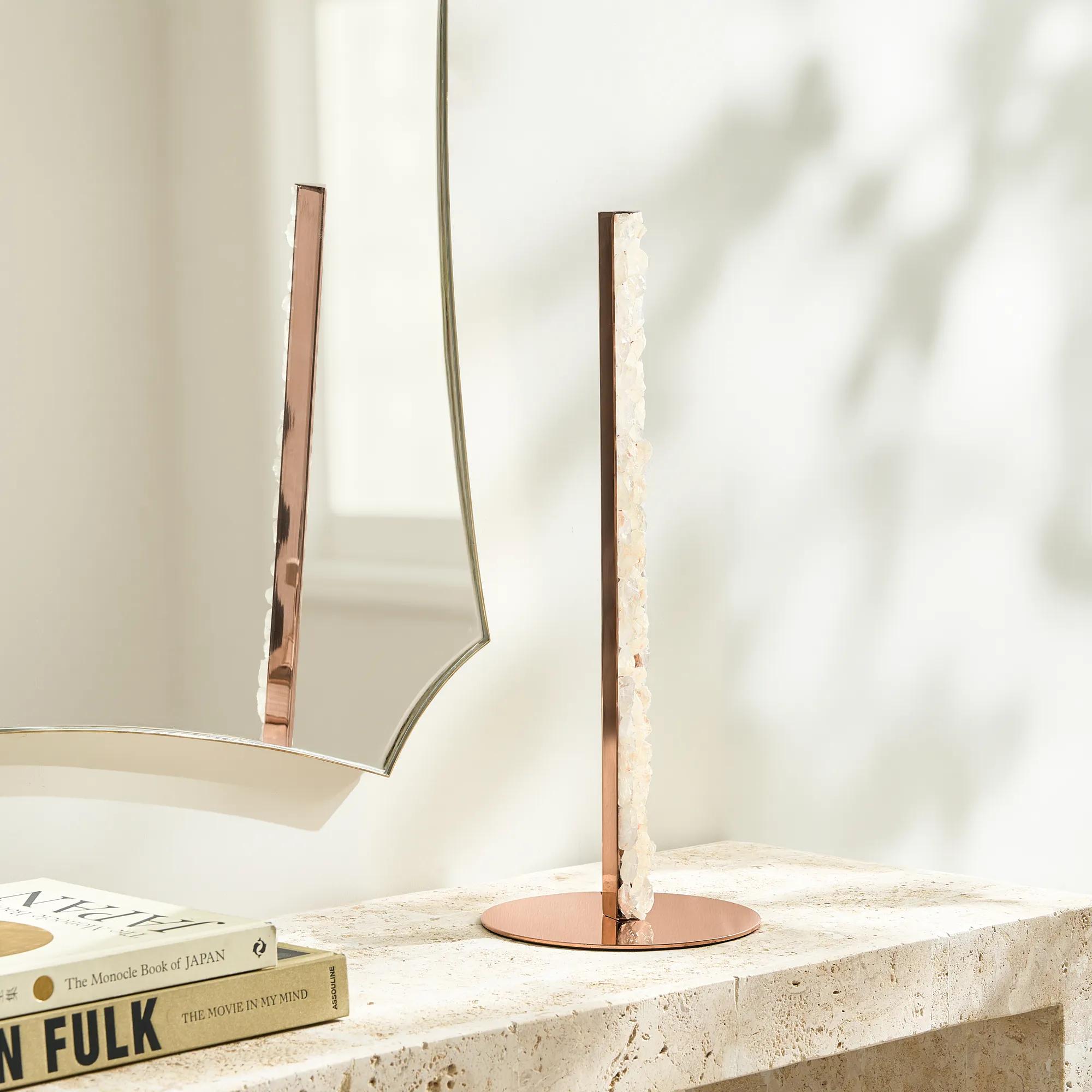 Demi LED Natural Quartz Crystal Table Lamp 19.75"$229
A sculptural LED table lamp featuring natural quartz crystal for a luminous, modern accent.
Add To Cart -
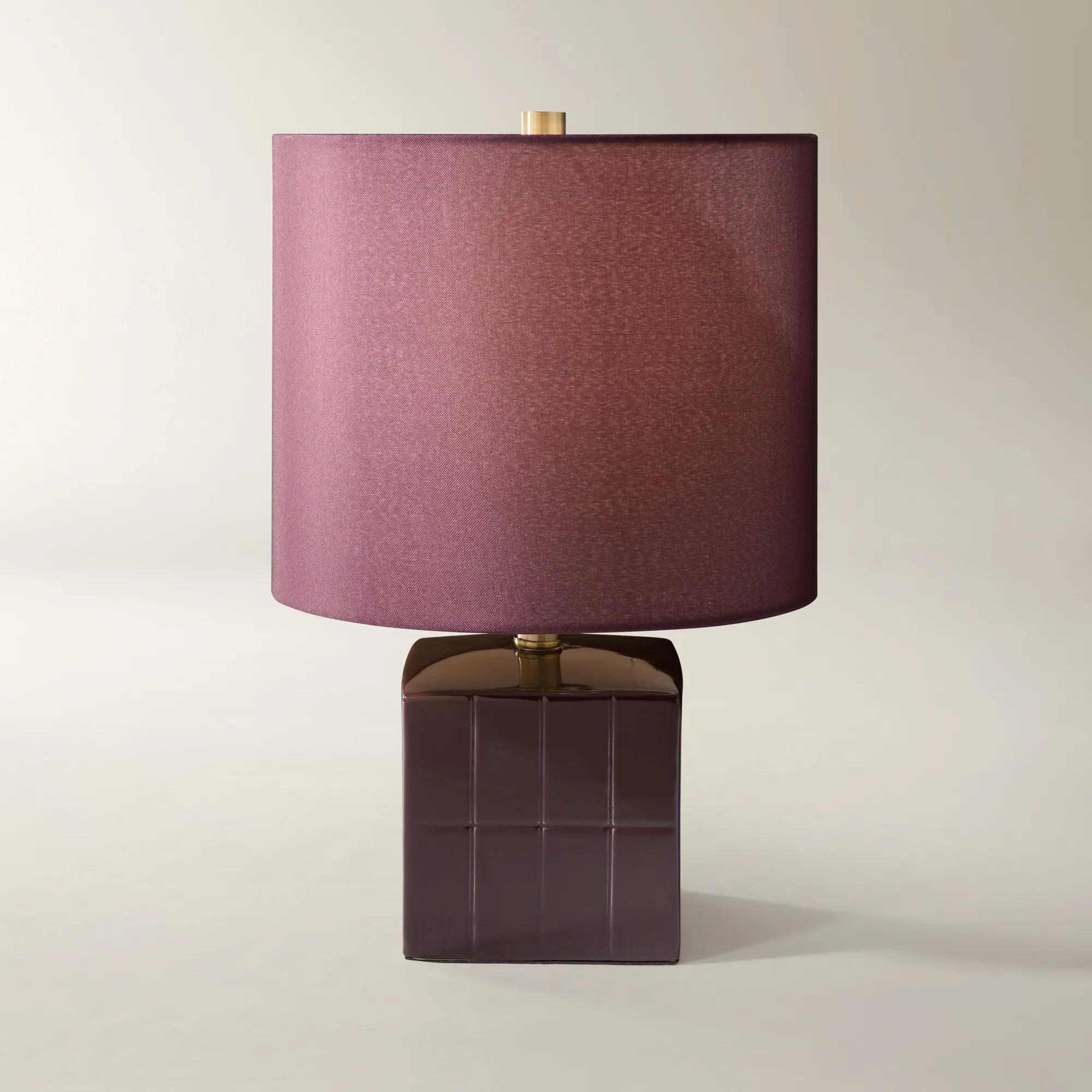
 Le Cube Fig Ceramic Table Lamp 18"$139
A glazed ceramic lamp in rich fig with sculpted grid texture and a matching tonal shade.
Add To Cart -
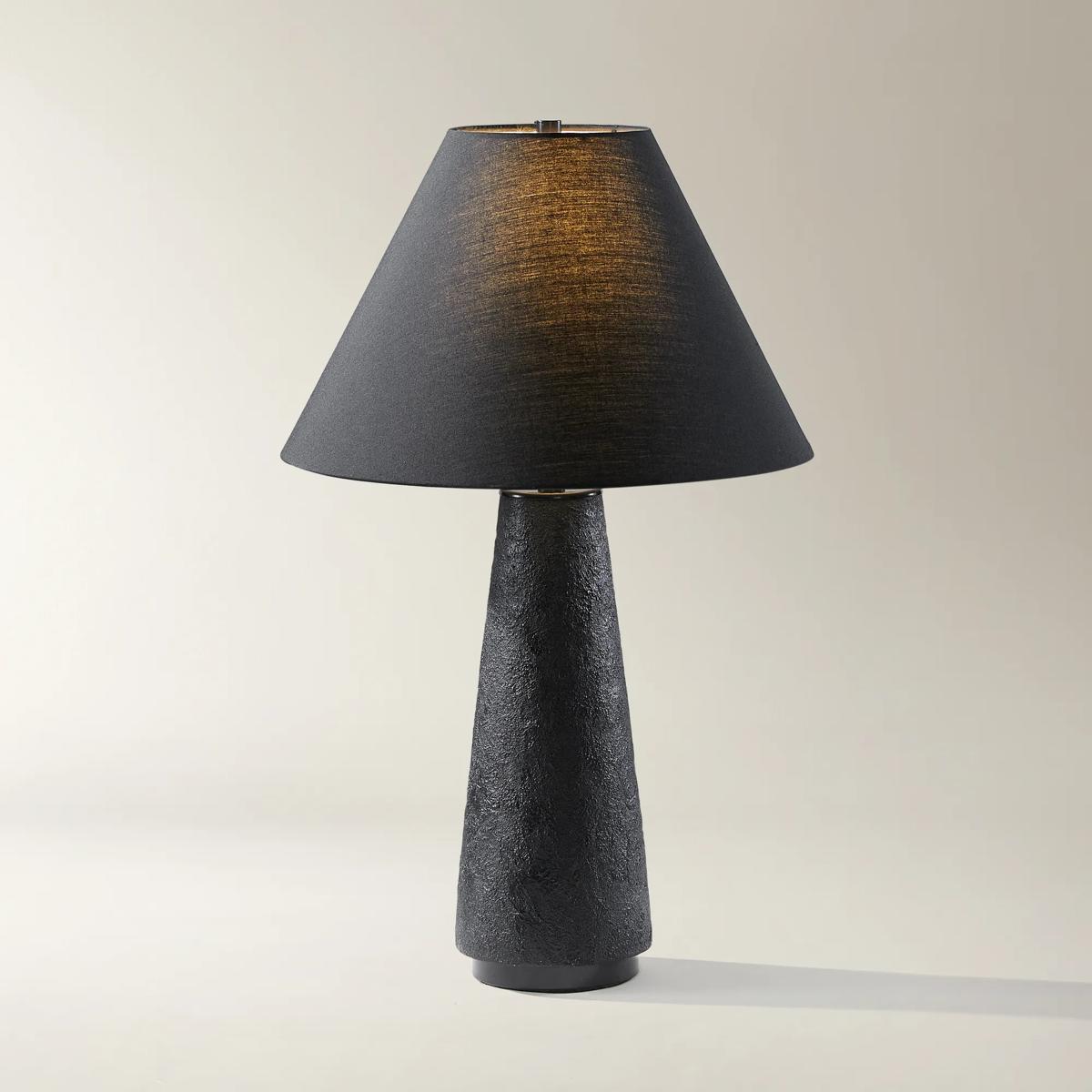 Beton Black Textured Concrete Table Lamp 25"$299
A sculptural table lamp featuring textured black concrete, matte black metal accents, and a black cotton shade.
Add To Cart -
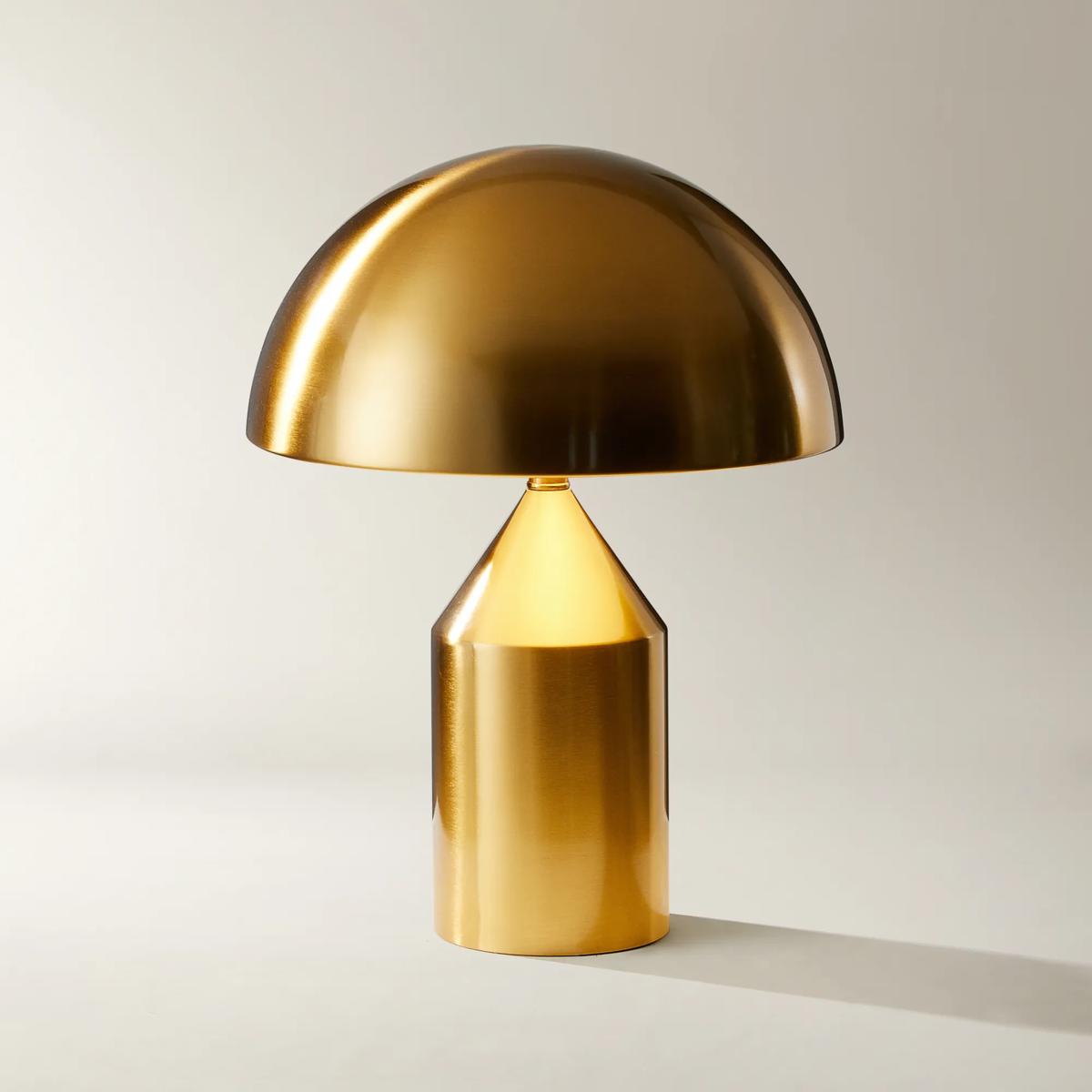 Arlen Gold Metal Table Lamp 19"$249
A modern iron table lamp in brushed gold with a bold dome shade and clean cylindrical base.
Add To Cart -
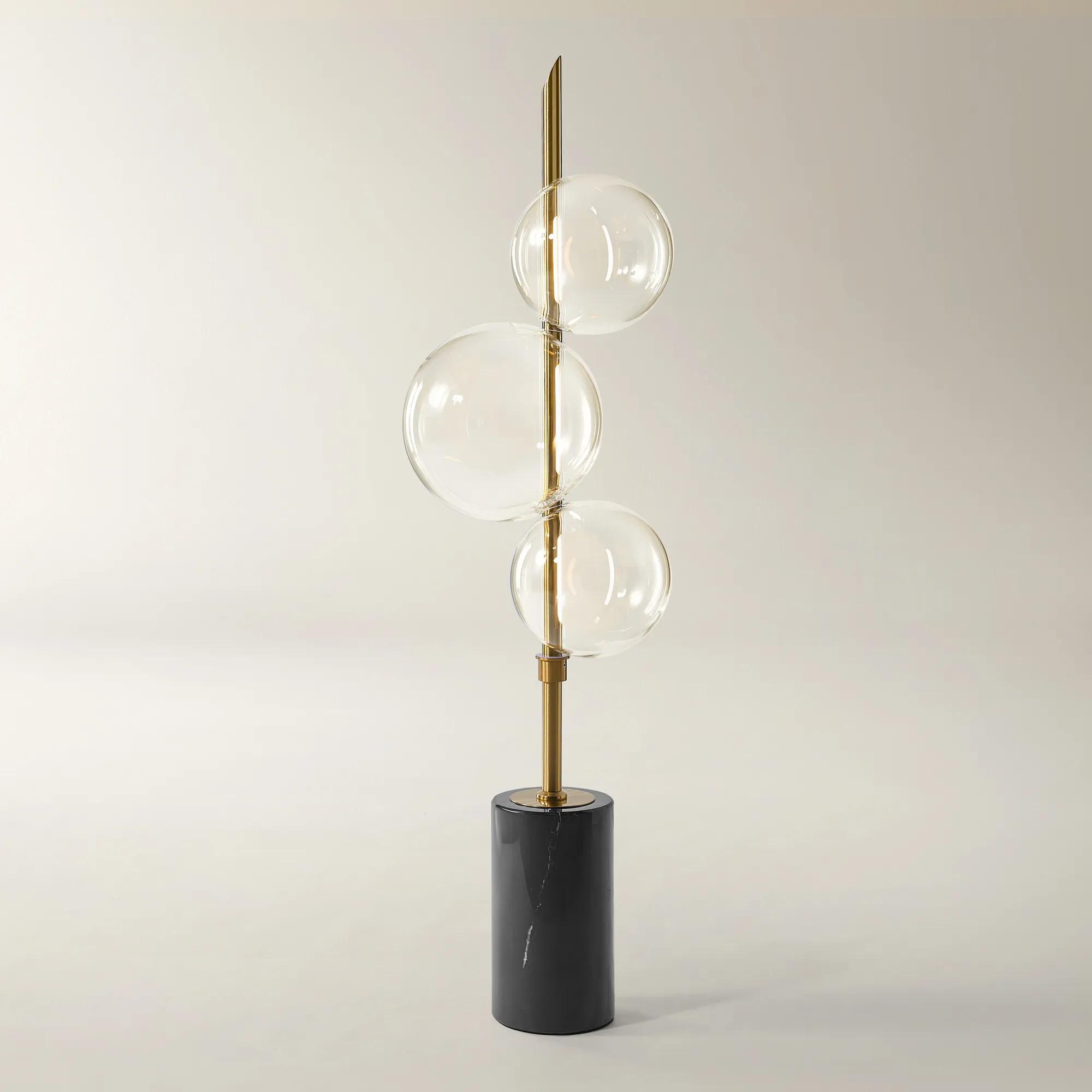
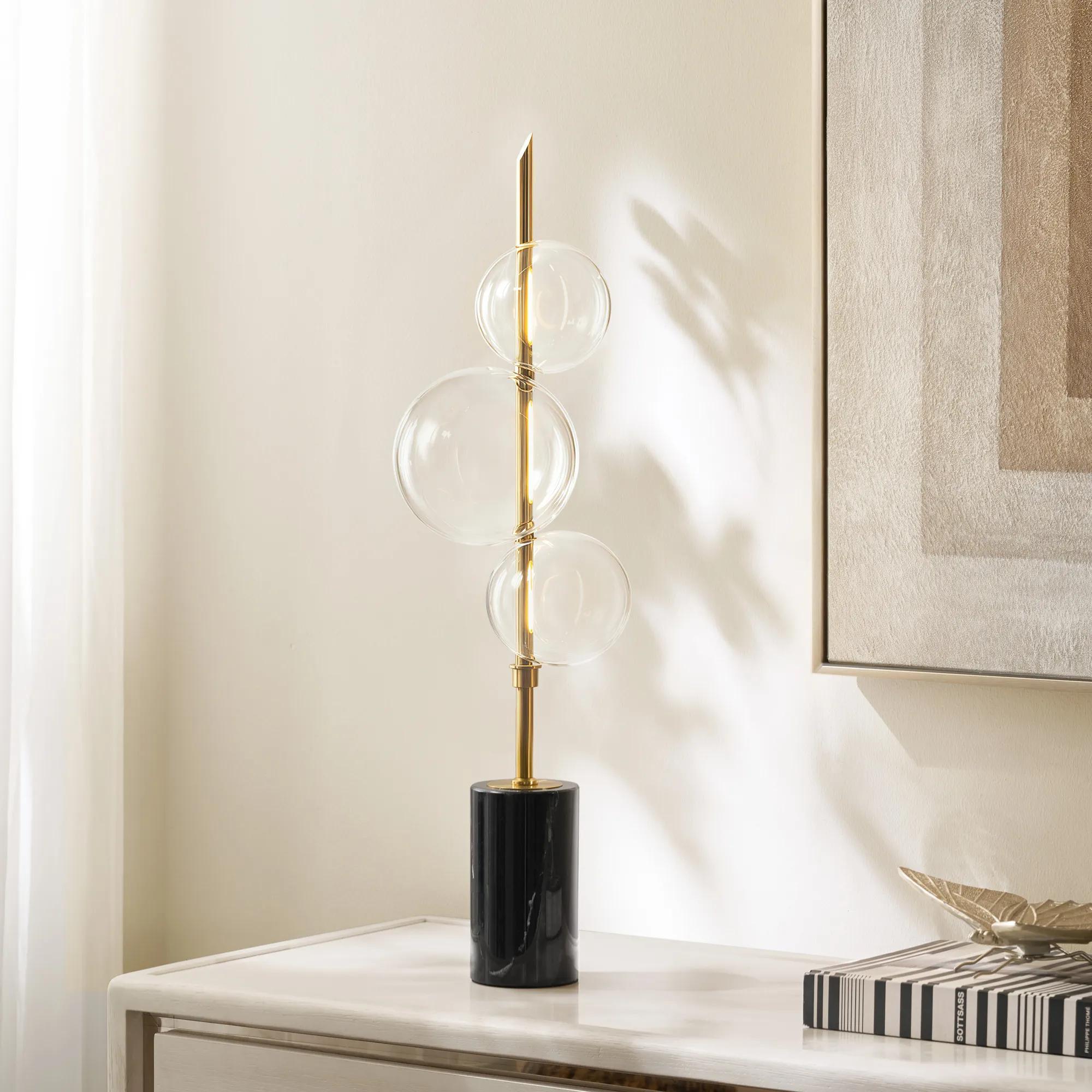 Bolla LED Hand-Blown Glass Bubble And Stone Table Lamp 31.5"$249
A sculptural table lamp featuring clear hand-blown glass bubbles, brass and stone accents, and integrated LED lighting.
Add To Cart -

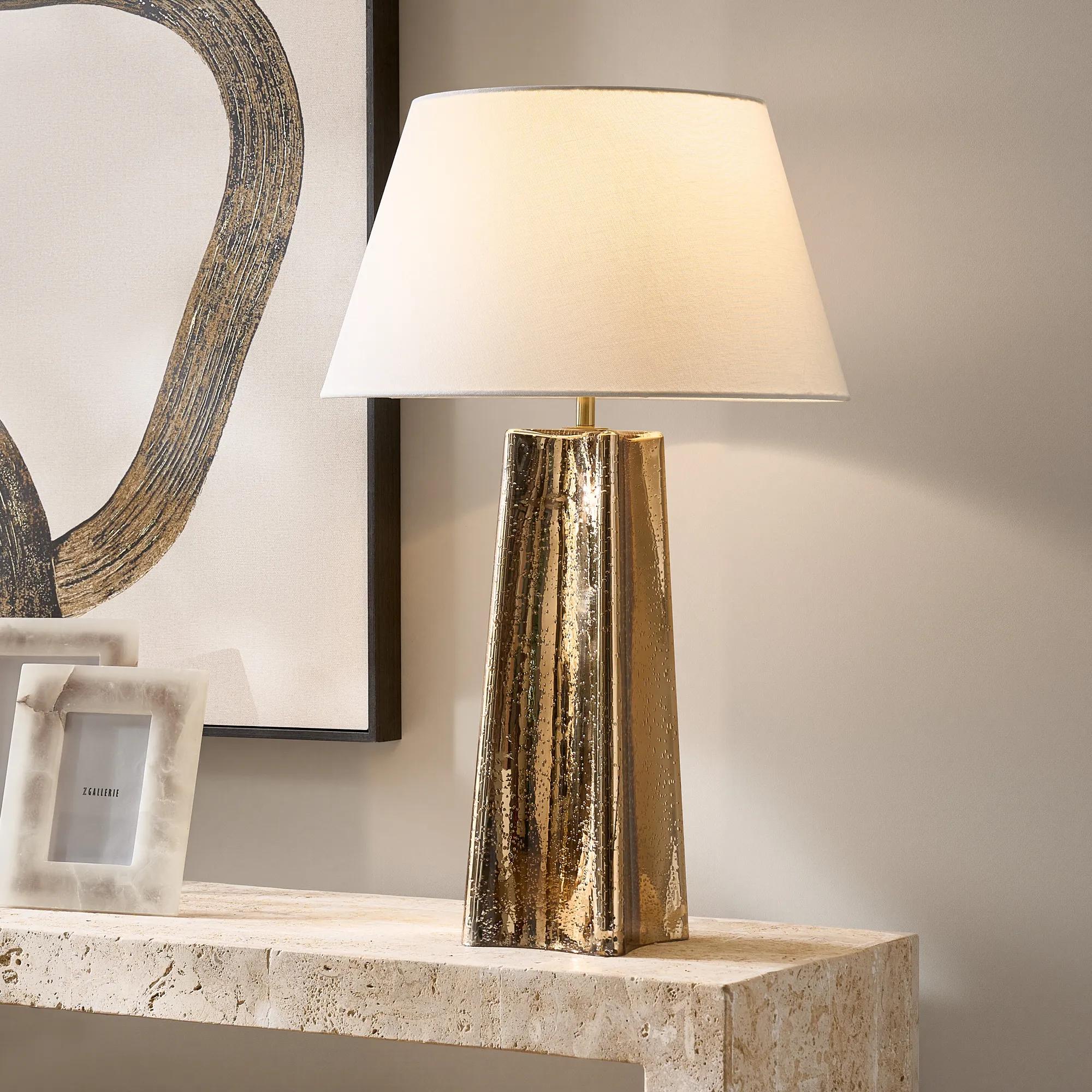 Uma Gold Texture Glass Table Lamp 28.25"$349
A gold textured glass table lamp adding sculptural elegance to contemporary interiors.
Add To Cart -

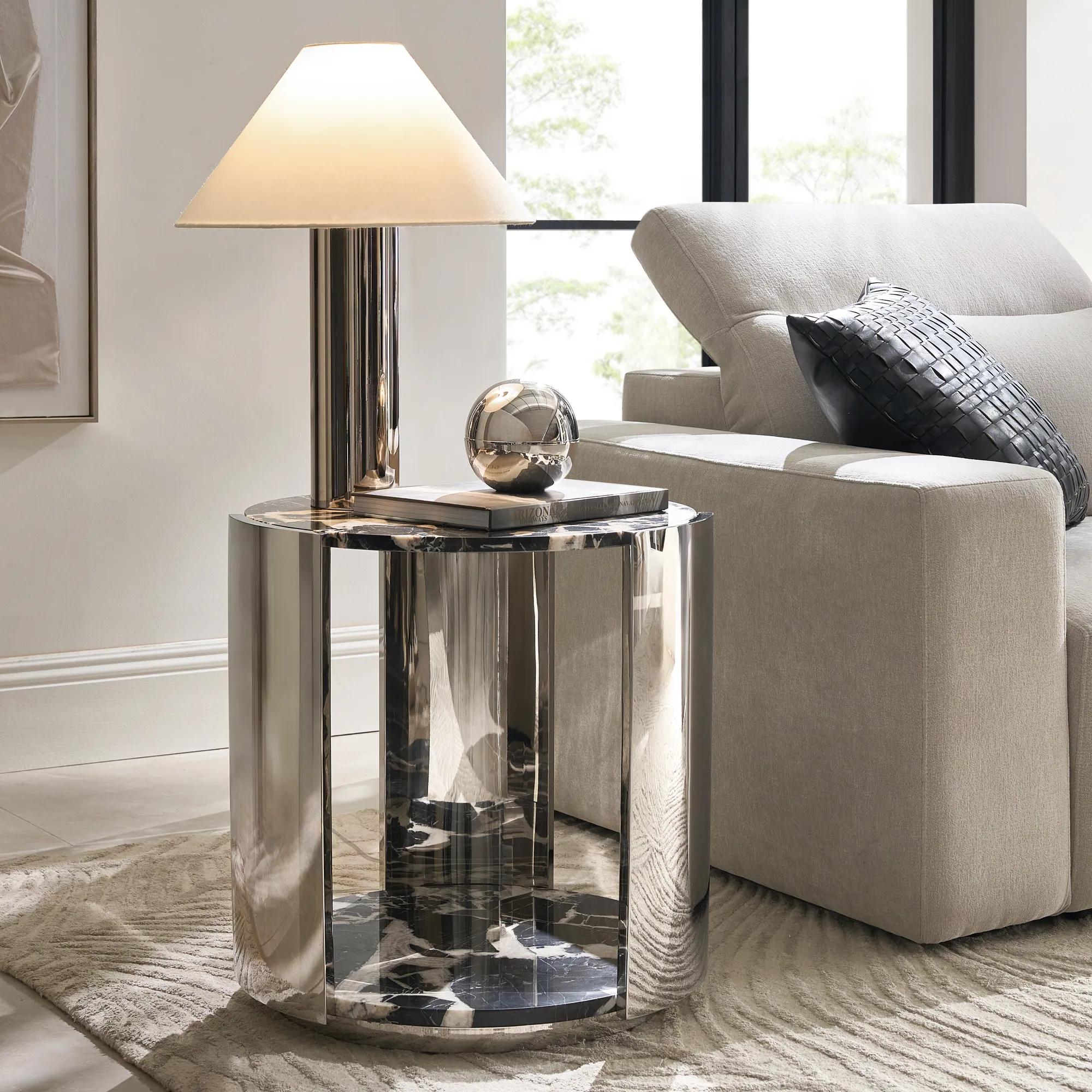 Tova Polished Nickel/White Table Lamp 20.5"$249
A polished nickel iron lamp with a white cotton tapered shade brings sleek, modern style to any room.
Add To Cart -
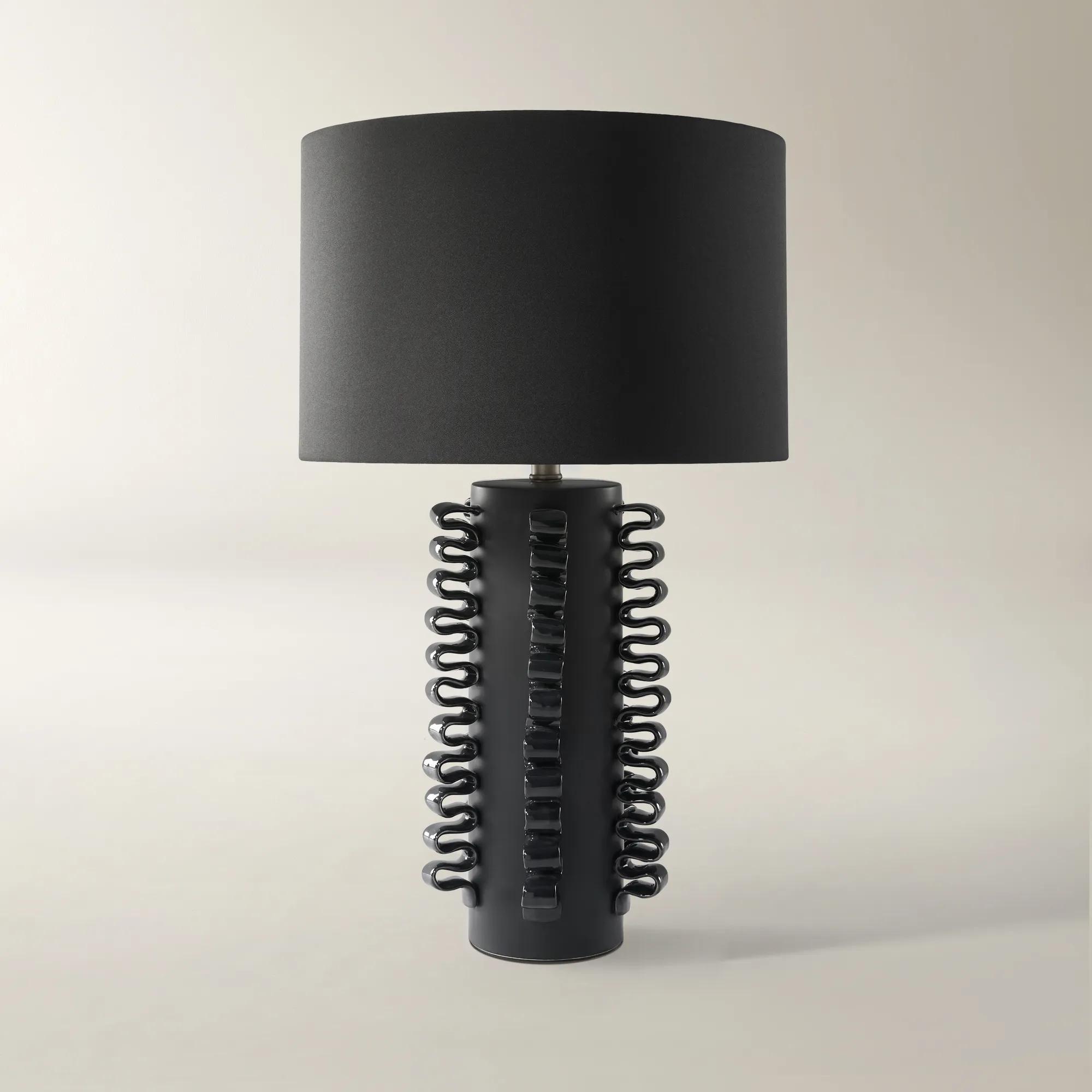
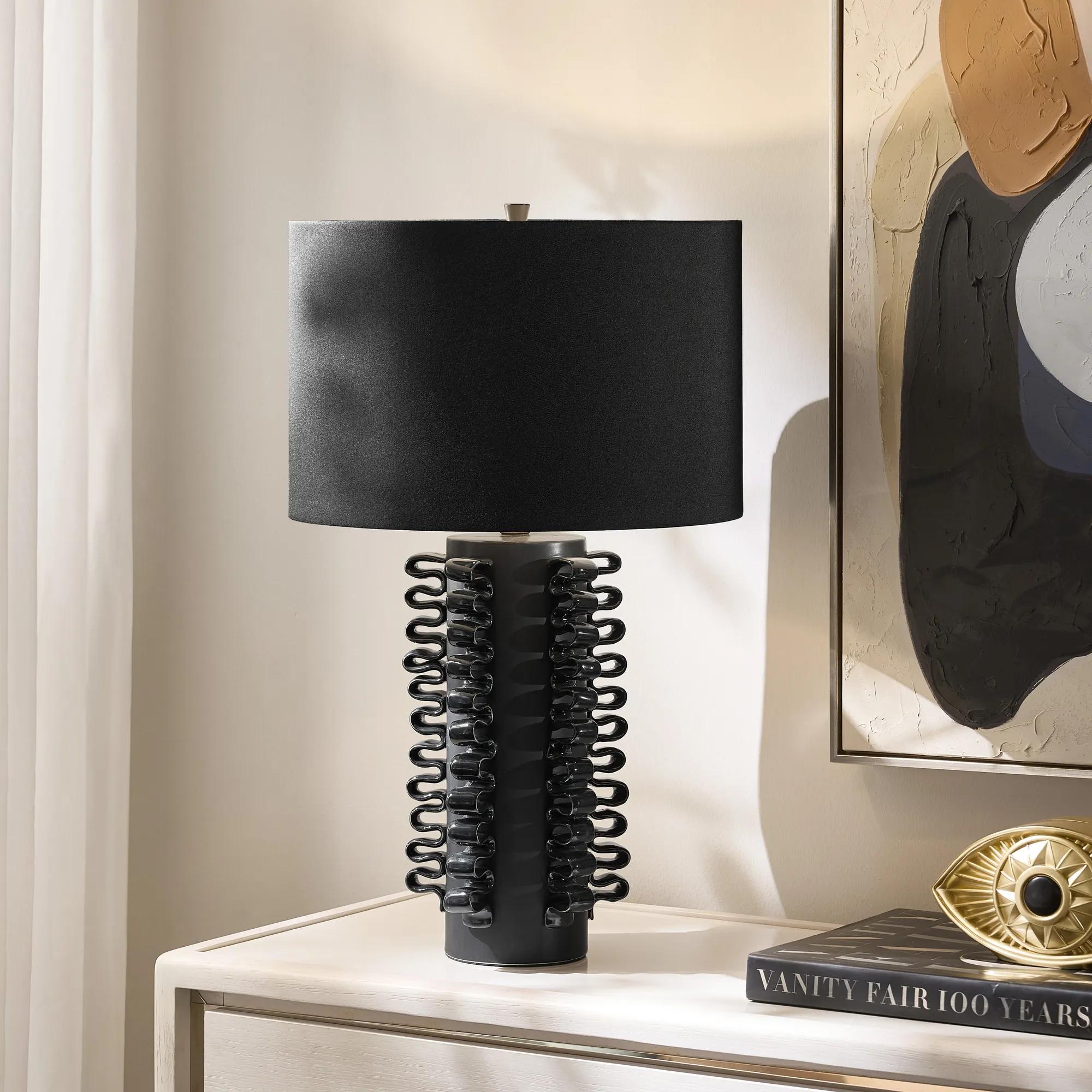 Anello Ruffle Black Ceramic Table Lamp 27"$249
A sculptural matte black ceramic lamp with glazed ribbon accents and a matching black cotton shade.
Add To Cart -
 Edin Mouth Blown Slate Blue Glass Table Lamp 17.5"$99
A sculptural slate blue mouth-blown glass lamp with brushed nickel accents and an ivory linen shade.
Add To Cart -

 Blair Mouth Blown Sea Glass Blue Glass Table Lamp 25"$229
A mouth-blown glass lamp in soft blue sea glass with antique brass accents and an ivory linen shade.
Add To Cart -
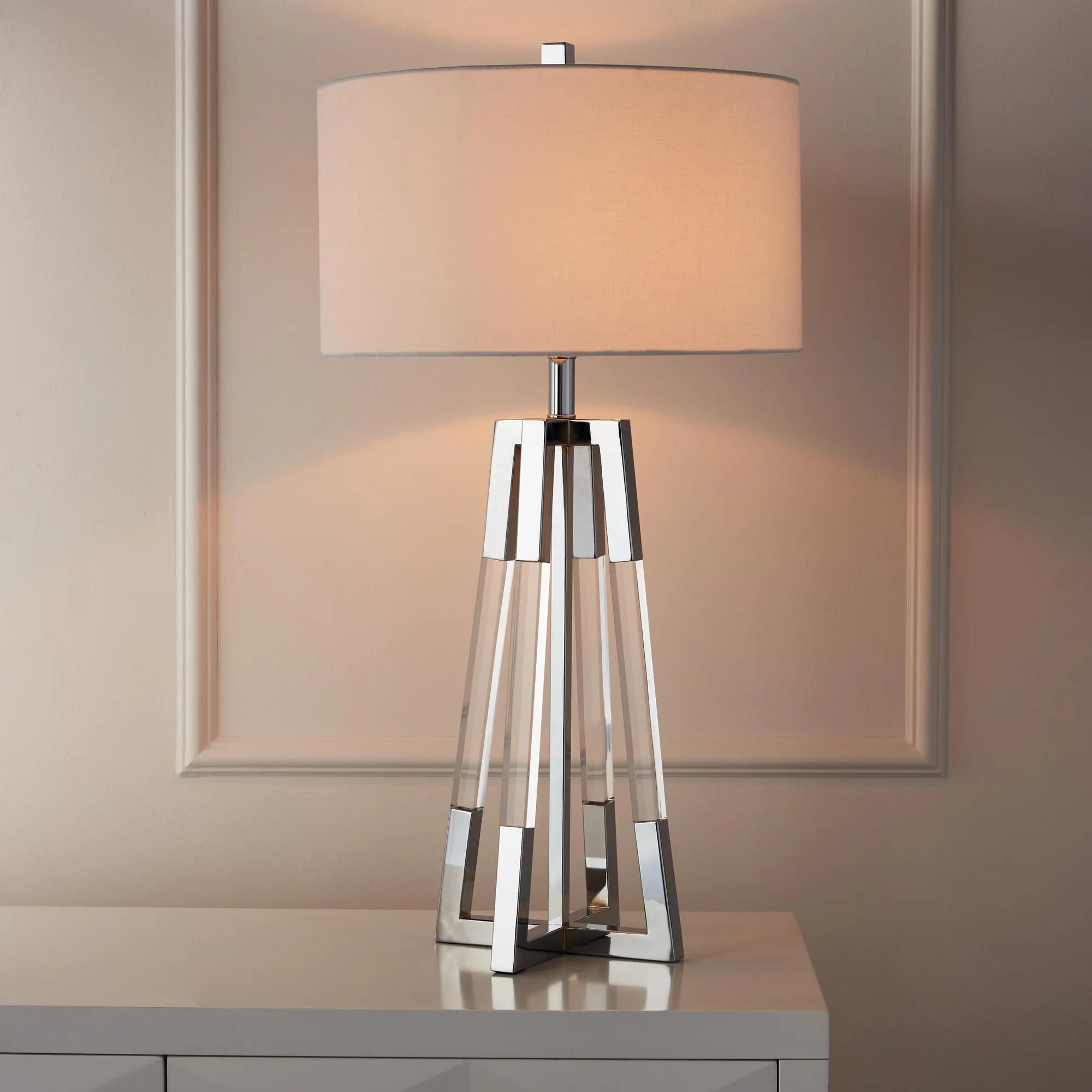 Rollins Table Lamp$439
A sophisticated table lamp featuring clear acrylic and polished nickel accents with a crisp white shade.
Add To Cart -
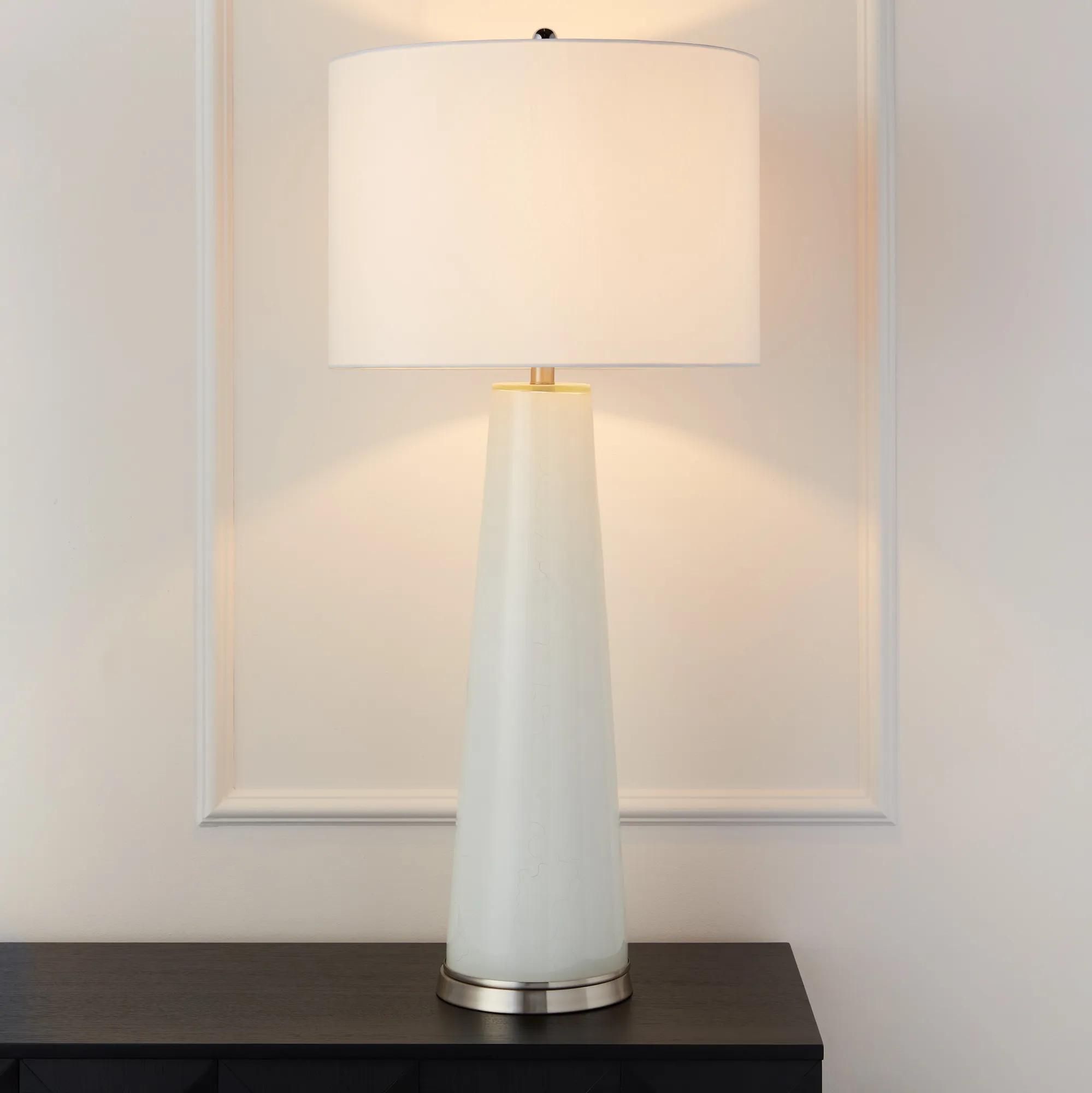 Century White Glass High Gloss Table Lamp 40"$299
A modern glass lamp with a high-gloss white interior and a crisp white drum shade.
Add To Cart -
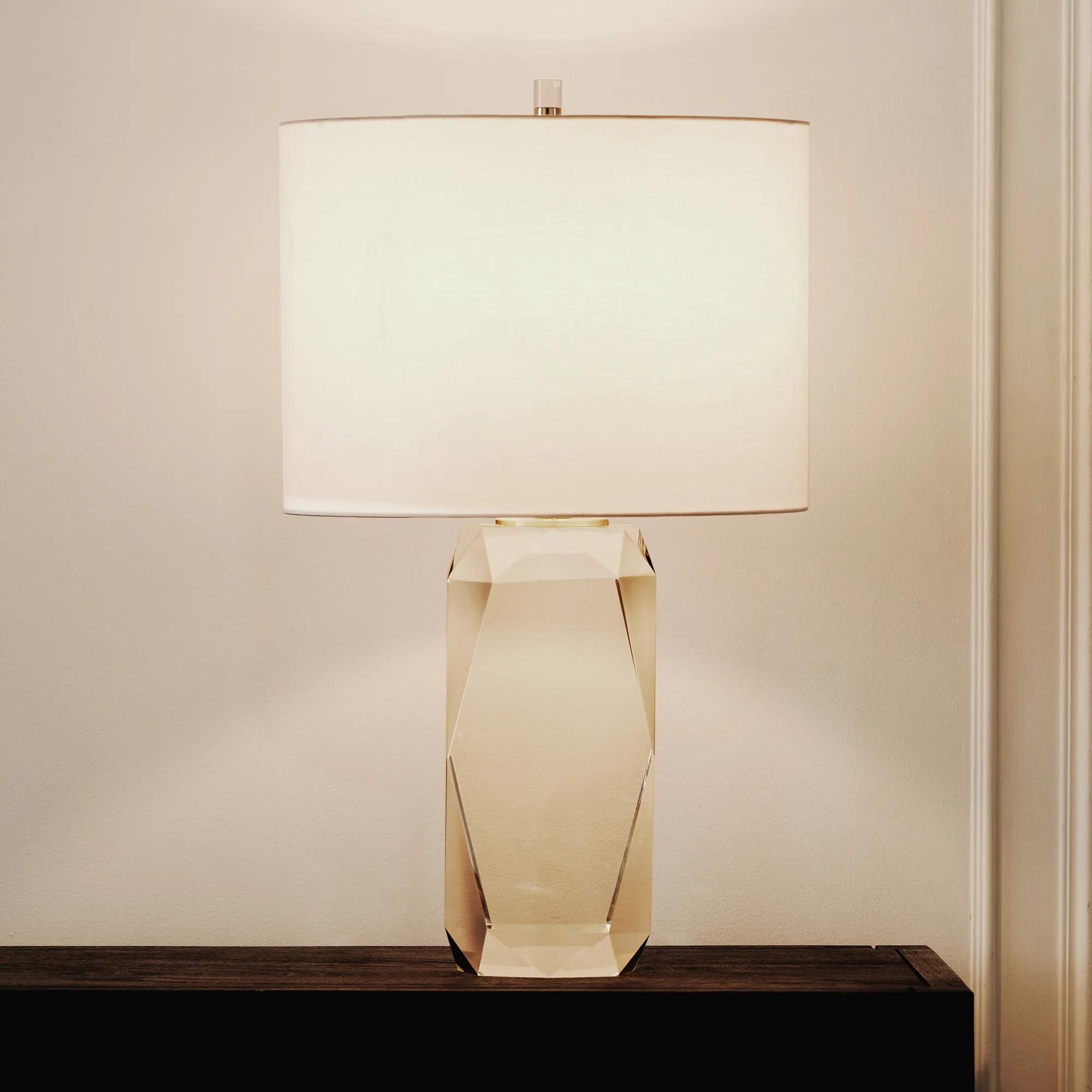 Bianca Faceted Clear K9 Crystal Table Lamp 24"H$499
A clear crystal table lamp with a white drum shade and soft brass hardware for elegant illumination.
Add To Cart -
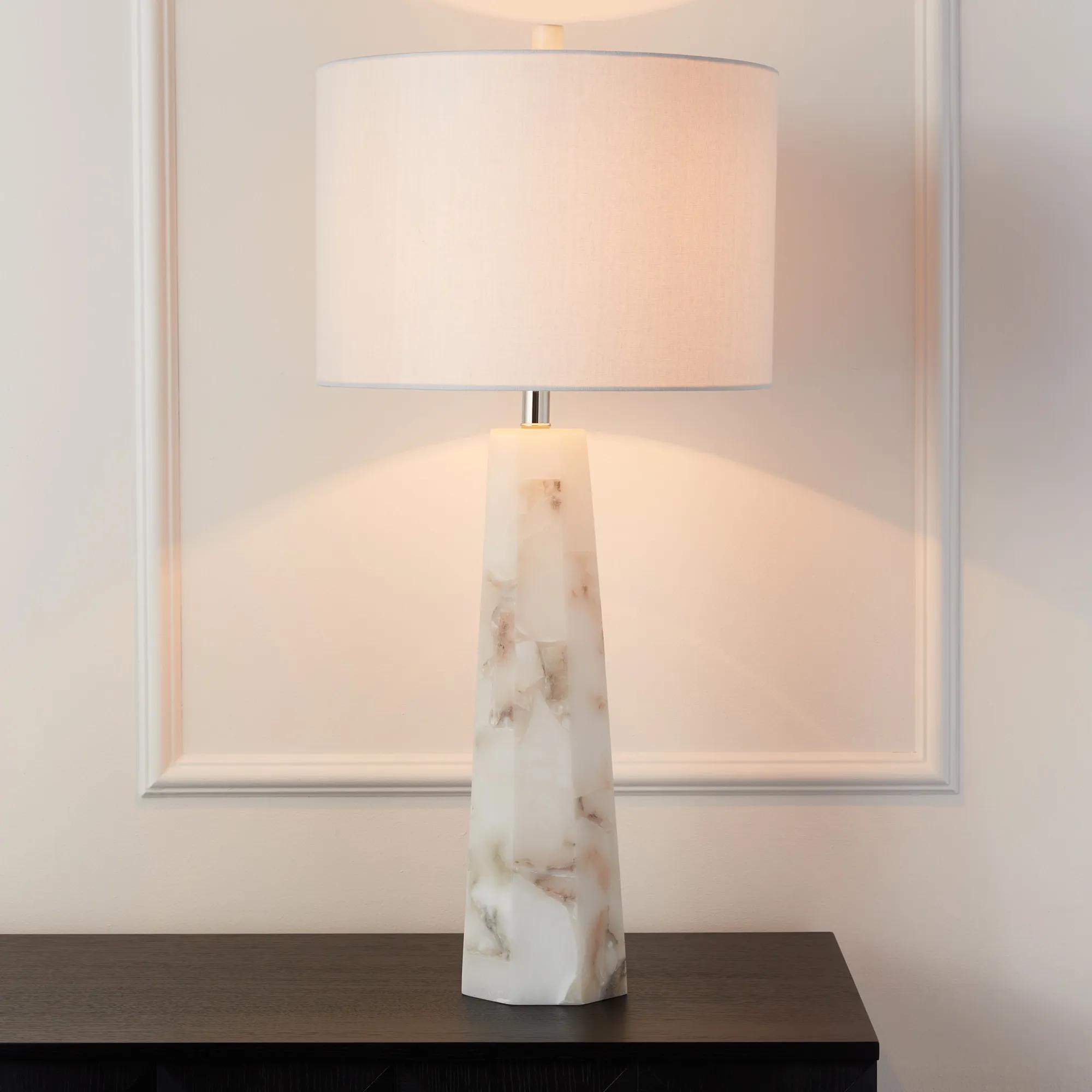 Aurora Alabaster Table Lamp 34"$499
An alabaster stone lamp with a tapered silhouette, white linen shade, and matching alabaster finial.
Add To Cart -
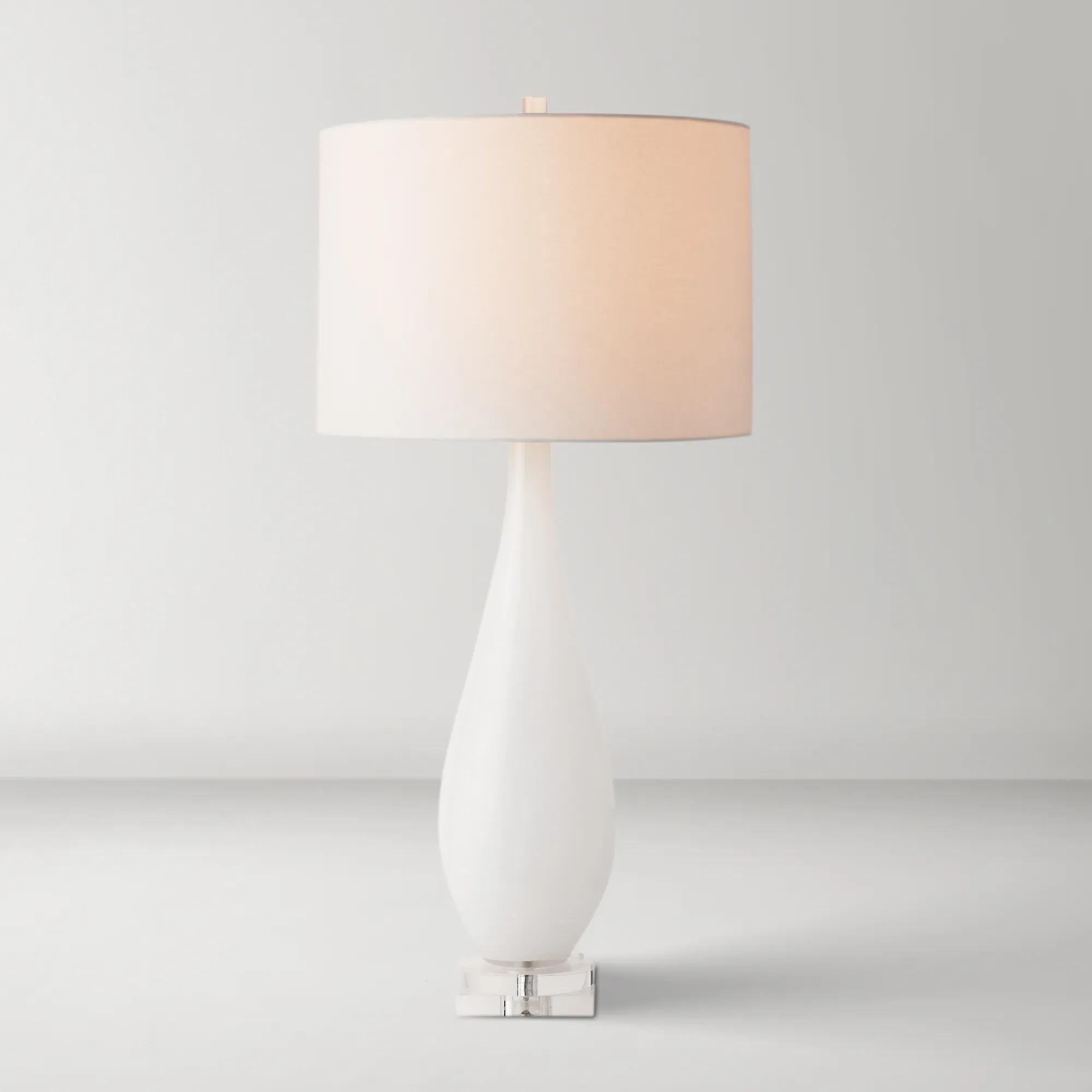
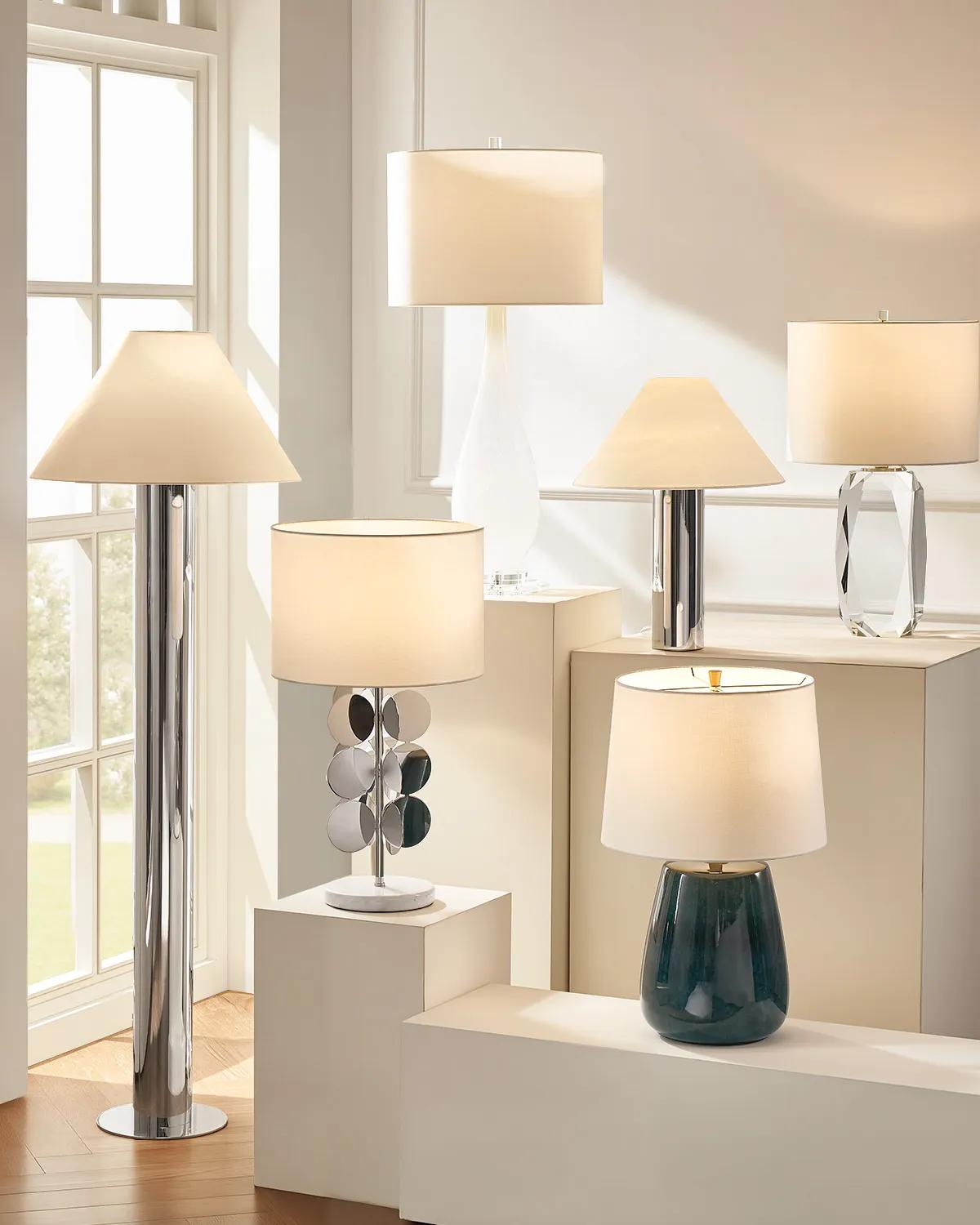 Serena Table Lamp$299
A chic table lamp featuring a handblown glass body, crystal base, and monochromatic white finish.
Add To Cart -
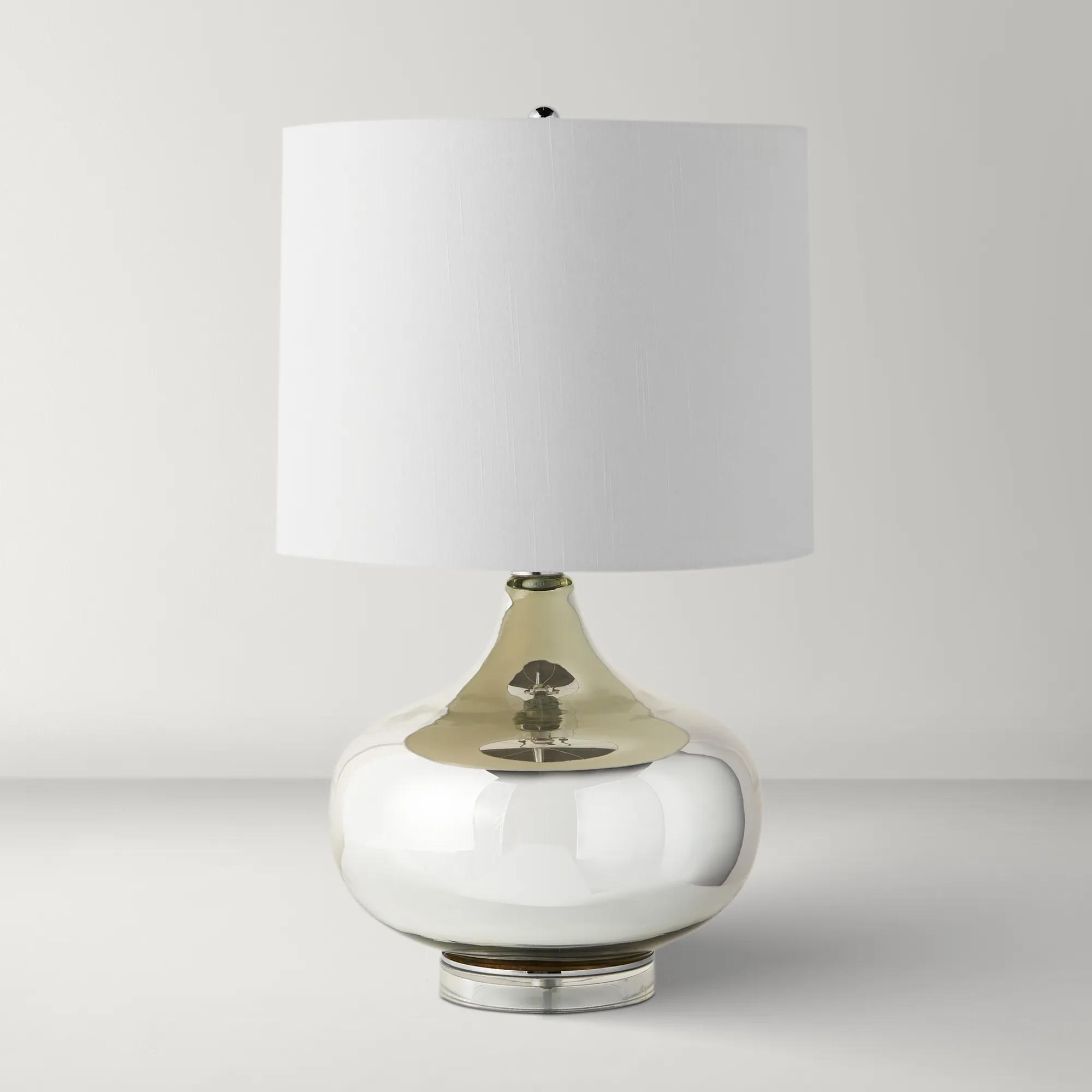 Sabrina Mirrored Silver Glass Table Lamp 27.5"$199
A contemporary lamp featuring a silver mirrored glass base, clear acrylic accents, and a white fabric shade.
Add To Cart -
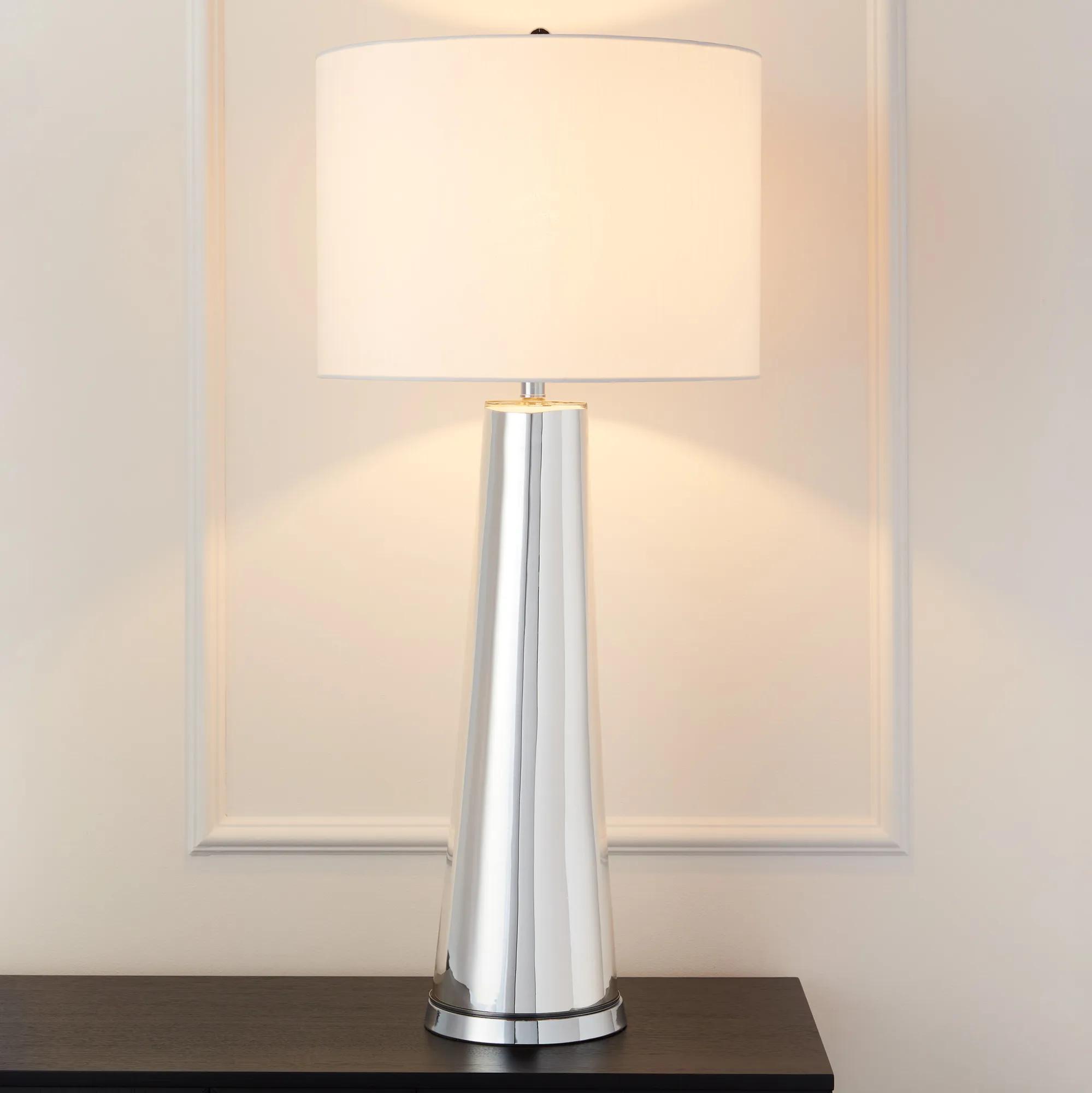 Century Silver Mirrored Glass Table Lamp 40"$299
A modern table lamp featuring a mirrored glass base and white drum shade with brushed chrome accents.
Add To Cart

Table Lamps For Console Tables
Explore table lamps for console tables that bring expressive style and a welcoming glow to an entryway, hallway, or living room. Find a striking accent to frame your console vignette, keeping the lamp’s height, shade width, and base footprint in proportion to the table. Leave room for decorative accents, and consider how the light will complement a mirror or artwork above.
Table lamps for console tables provide accent lighting and a vertical design element on the narrow surfaces often found in entryways, hallways, living rooms, and dining spaces. Their glow softens the room, while their silhouettes give a console arrangement presence against a wall, beneath artwork, or beside a mirror. On an entryway console, a sculptural lamp creates an inviting point of arrival and illuminates the surface where keys, correspondence, and a decorative catchall gather. Behind a sofa, it adds a layer of light without demanding another piece of furniture. Along a dining room wall, paired lamps lend a composed, luminous backdrop to conversation. The right proportions depend on the console’s depth and height as much as its length. A tall console lamp measuring approximately 25 to 36 inches from base to top can suit many standard-height consoles, although a substantial shade or an oversized base may need more surface area than a slender design of the same height. The shade’s widest point should fit comfortably within the tabletop’s depth, especially in a hallway where an overhanging edge could interrupt passage. A compact base leaves room for decorative objects, but sufficient weight and a stable footprint remain important on a shallow surface. One lamp can anchor an asymmetrical arrangement, balanced by a low bowl, a stack of art books, or a vase at the opposite end. A matching pair creates a more formal rhythm on a longer console, framing a central artwork or mirror without requiring the entire surface to be filled. Space between objects lets each shape register clearly. When a console sits behind seating, the lamp’s position should also account for the view from the sofa: a shade that conceals the bulb helps keep accent lighting comfortable rather than glaring. Artwork, wall fixtures, and mirror frames deserve similar consideration, with enough separation to keep the lamp from obscuring a focal point. These practical relationships allow a dramatic lamp to feel intentional, not crowded.
Materials determine both the character of a console table lamp and how it relates to surrounding furniture. Glazed ceramic offers rich color, dimensional texture, and a substantial visual presence, whether its surface is smooth and lustrous or shaped with sculptural ridges. Clear or tinted glass introduces lightness, making it especially expressive against a dark wall or above a richly grained wood console. Faceted glass can catch surrounding light with a jewel-like effect, while an opaque body creates a stronger silhouette. Metal brings another kind of polish: warm gold-toned finishes lend radiance, silvery surfaces sharpen a glamorous composition, and darker finishes provide a decisive outline against pale upholstery or stone. Natural stone bases offer weight and distinctive veining, though their heft should be considered alongside the console’s load capacity. Material alone does not determine durability; secure construction, a stable base, sound electrical components, and appropriate handling all matter. Glass and ceramic reward careful placement away from the edge, while plated or painted finishes benefit from protection against abrasive cleaners and scratches. The shade contributes just as much to the room’s atmosphere as the base. A pale fabric shade typically diffuses light gently, making it well suited to an entryway or a living room console where the goal is a welcoming glow. A darker or more opaque shade can direct more light upward and downward, creating a concentrated pool on the tabletop and a pronounced silhouette. Drum shades introduce a clean, architectural profile; tapered shades bring a different balance of breadth and height. Repeating one finish from a nearby mirror or frame can connect the arrangement without making every surface match. A textured ceramic lamp against a mirrored console, or a gleaming metal base beside a matte decorative bowl, gives the setting depth through contrast. Restrained repetition and expressive differences let the console feel collected rather than mechanically coordinated.
Light quality completes the composition. Warm-white bulbs, often in the 2700K to 3000K range, can lend console lighting a soft, flattering character; the effect also depends on the shade’s color and opacity. Brightness should suit the lamp’s intended role. A gentle accent light may be sufficient in a hallway, while a console beside a reading chair may call for more useful illumination and a shade that directs light toward the seated area. Table lamps complement overhead fixtures rather than replacing the lighting needed for safe movement through the room. Where adjustable illumination is desired, a compatible dimmer and dimmable bulb allow the glow to change from a brighter welcome to a quieter background. Bulbs should always match the fixture’s socket requirements and stay within its stated wattage limit, and specialized controls require compatible components. Access to the switch and outlet matters, too: a beautifully arranged console should not require reaching through delicate objects whenever the lamp is turned on. Cords routed behind the furniture preserve the silhouette and stay clear of walking paths; nearby doors and drawers should open without catching them. In homes with children or pets, a stable lamp set away from an exposed edge is especially important. For a coordinated lighting story beyond the console, Tall Table Lamps For Side Tables offer a related direction for bringing vertical presence to seating areas while allowing each surface its own proportions. Thoughtful care preserves the details that make these pieces expressive. With the lamp unplugged and cool, a soft, dry microfiber cloth can remove dust from many bases; shade cleaning and any use of moisture should follow the manufacturer’s instructions. Delicate textures, porous stone, and specialty finishes may need different treatment, and liquid should never enter electrical components. As a housewarming or wedding gift, a console lamp is most personal when its scale, finish, and lighting needs reflect the recipient’s home. For everyday living, that same attention gives the piece lasting purpose: a luminous focal point that makes arrival, conversation, and quiet evenings feel beautifully considered.
FAQs
Sculptural table lamps give a console table an artful focal point, while clean-lined silhouettes bring polish to a richly layered arrangement. For a glamorous look, explore reflective finishes and expressive shapes. Let the lamp echo one detail in your console or surrounding decor, then introduce contrast for a composition with character.
Treat your table lamp as the anchor of a curated vignette. Pair it with a stack of art books, a decorative bowl, or an expressive object, leaving open space so each detail feels intentional. A restrained color palette lets dramatic forms command attention without competing.
Matching table lamps create a symmetrical arrangement with a composed, glamorous presence—especially when framing artwork or a mirror. A single lamp offers a more editorial approach, balanced by a vase or sculptural accent. Choose symmetry for a formal mood or asymmetry for a freer expression of personal style.
Draw inspiration from the colors, shapes, or finishes in the piece above your console. A curved lamp can soften geometric artwork, while a streamlined silhouette creates contrast beside an ornate mirror. Repeat a single visual element to connect the arrangement without making every detail match.
A lampshade shapes both the lamp’s silhouette and the mood of the vignette. A crisp, angular shade lends architectural definition, while a rounded profile introduces a softer line. Light-colored shades tend to create an airy impression; deeper tones add visual richness and drama.