Subtle Animal Print Bedding
Subtle Animal Print Bedding
-
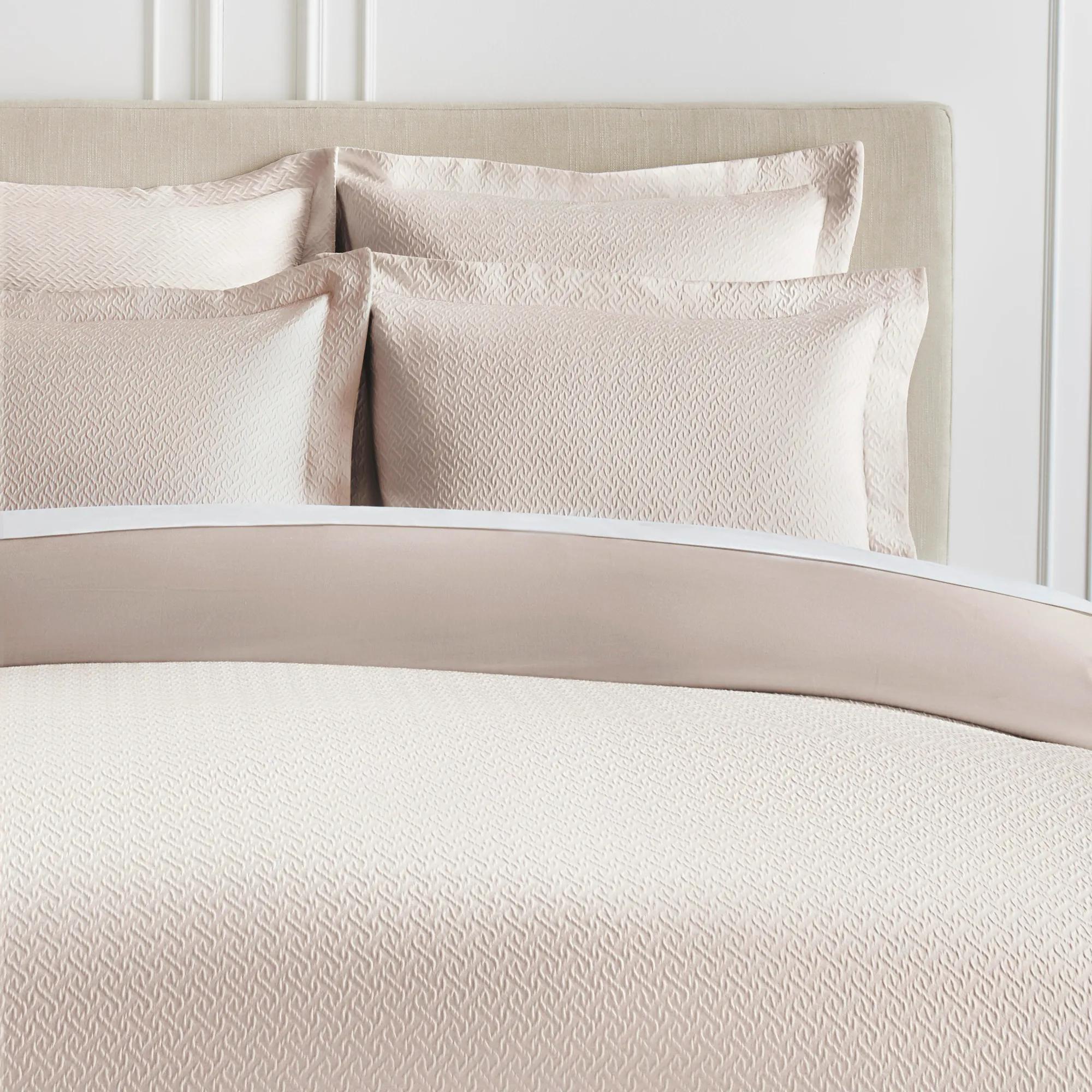
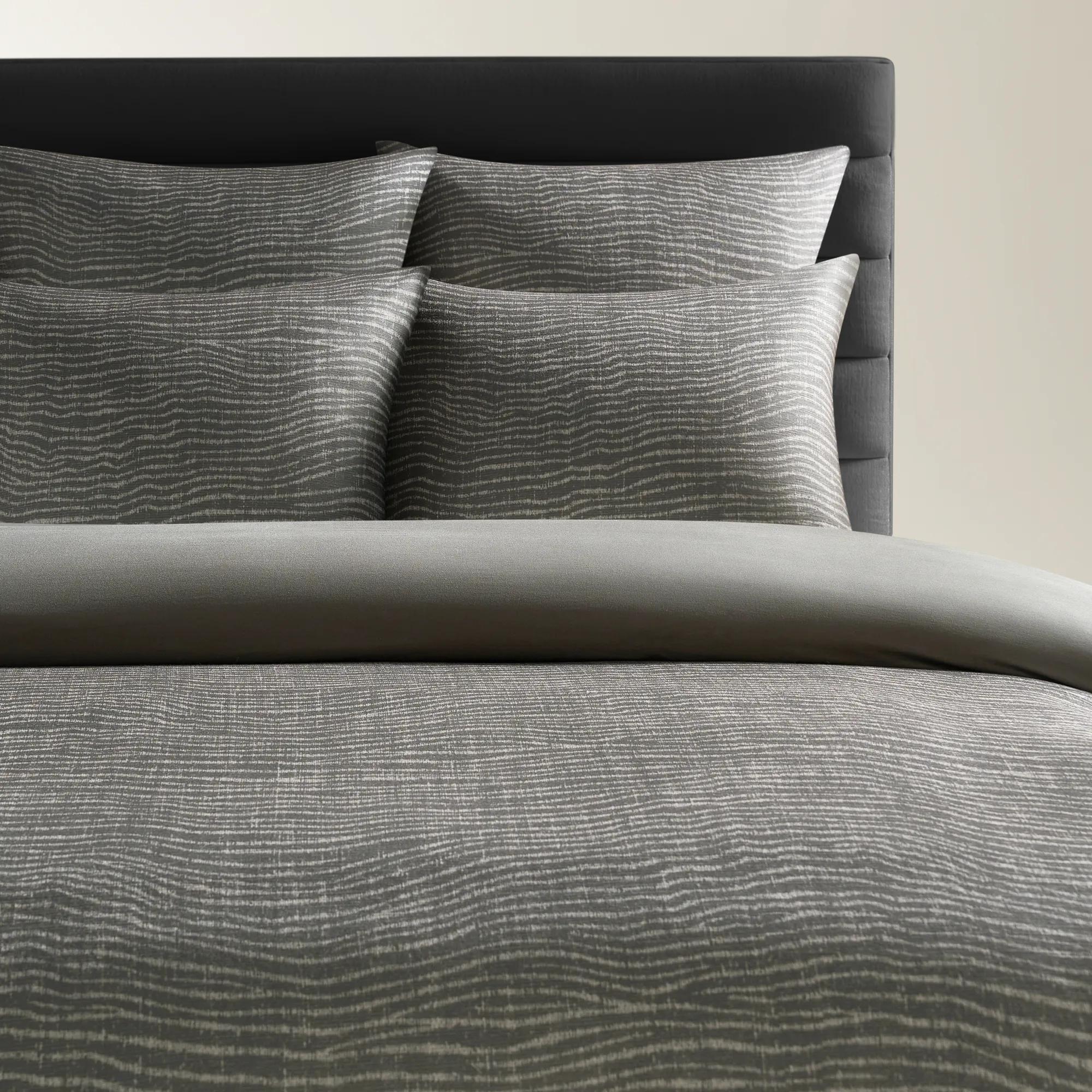 Sahara Bedding Set - Charcoal$229
A soft jacquard bedding set in calming charcoal with a subtle wave-inspired zebra print and refined details.
Add To Cart -
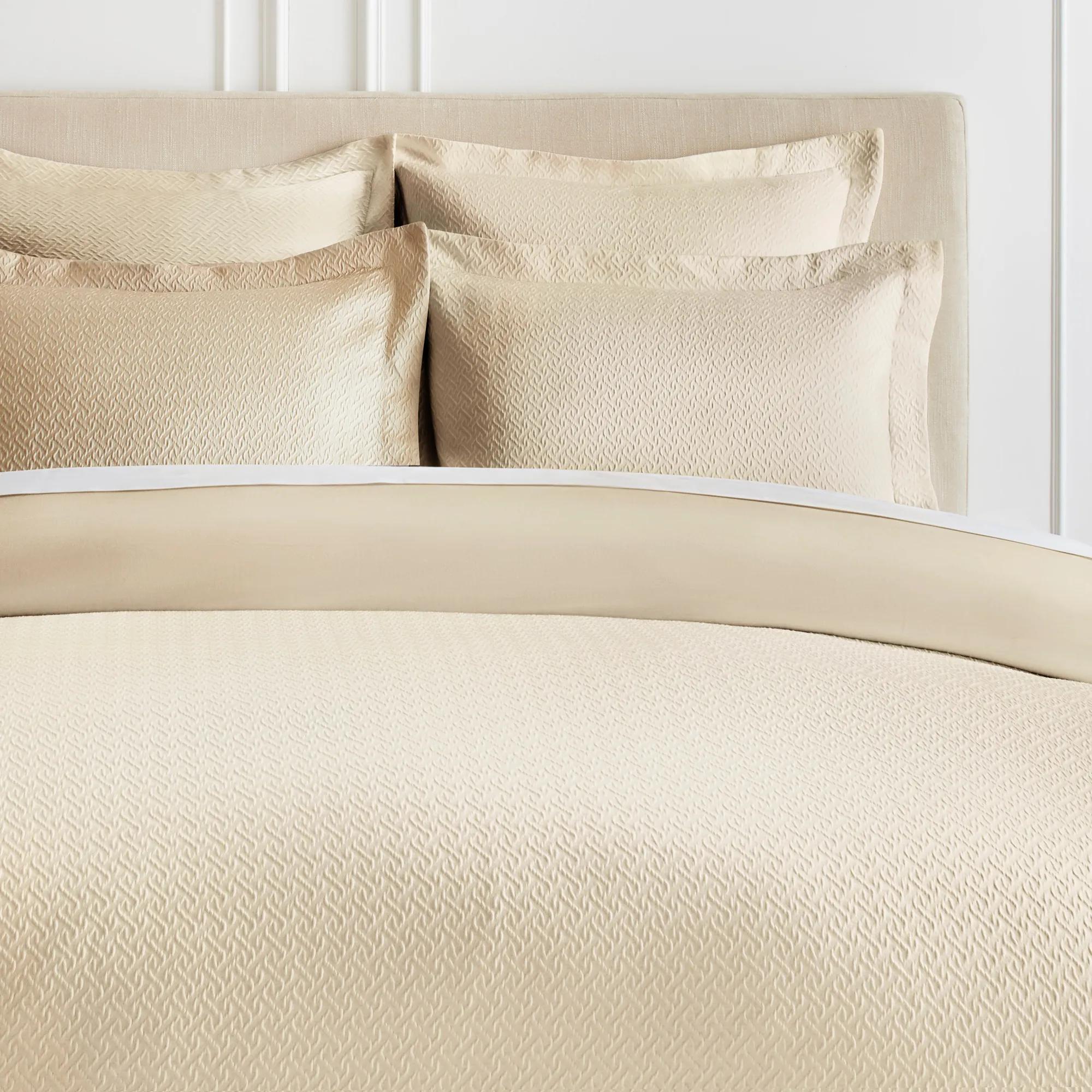
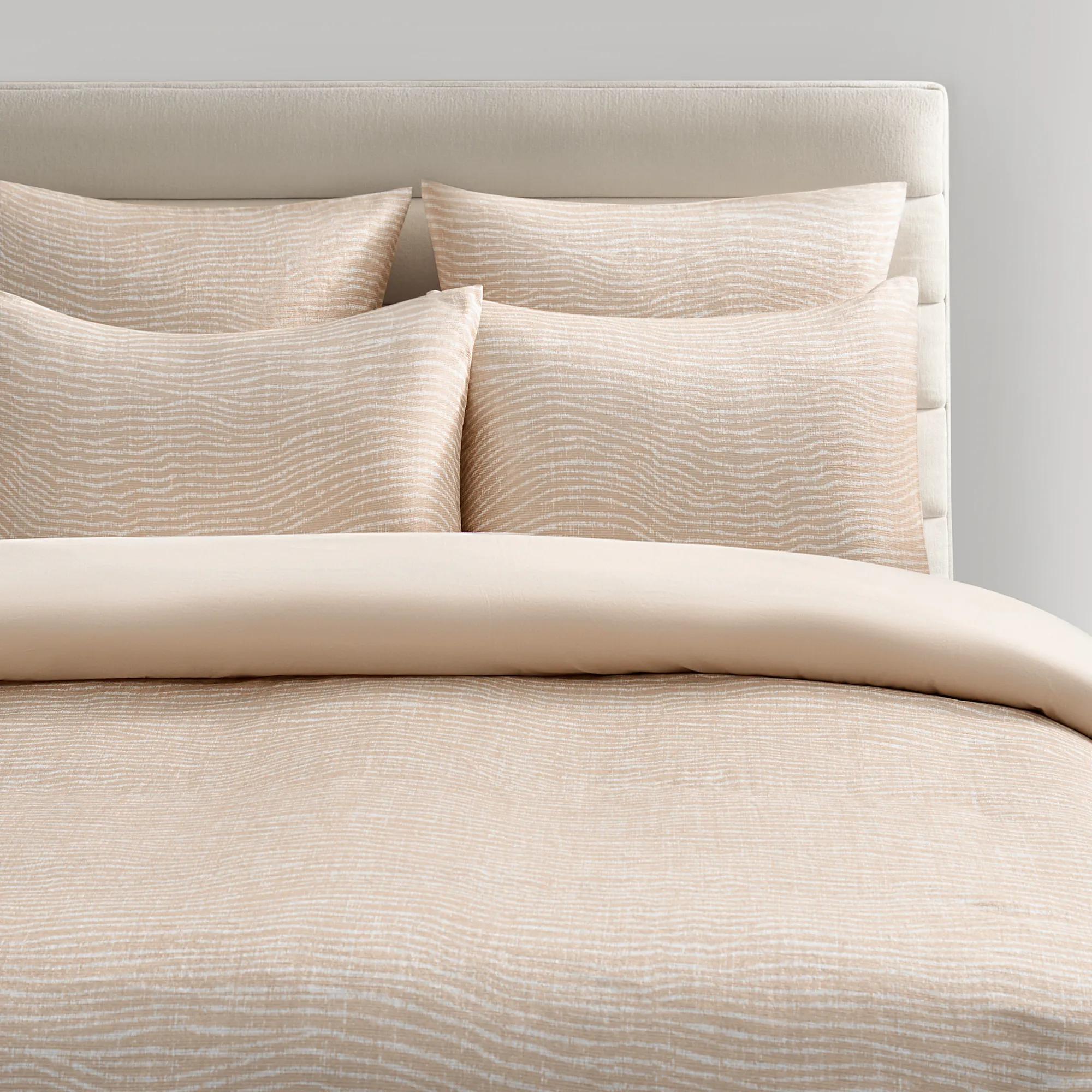 Sahara Bedding Set - Tan/Cream$199
A soft jacquard bedding set in tan and cream with a subtle wave-inspired zebra print and button closure.
Add To Cart -
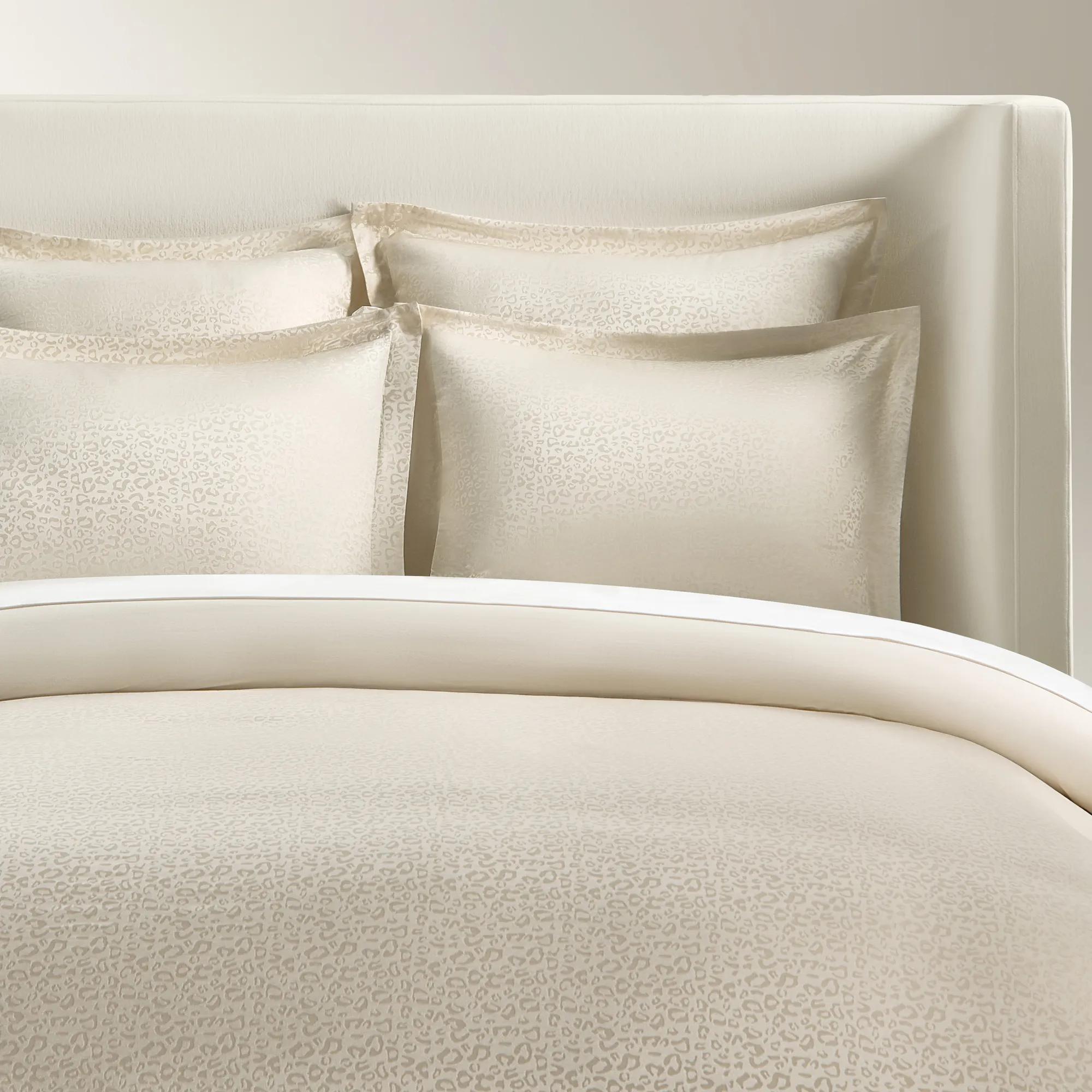 Abi Leopard Soft Nude Tencel Bedding Set$79
A soft nude bedding set featuring a tonal leopard print in a smooth Tencel blend with cotton reverse.
Add To Cart -
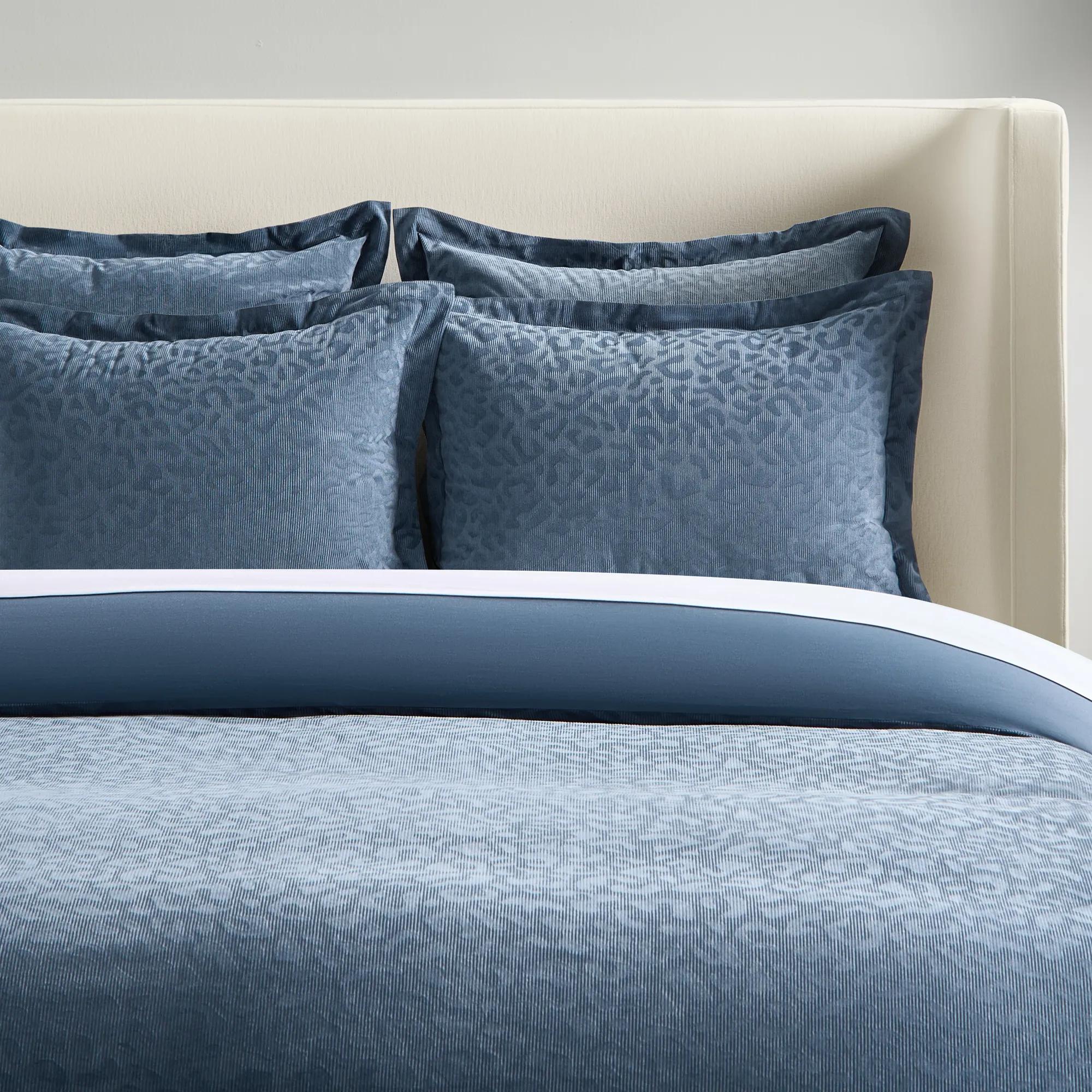
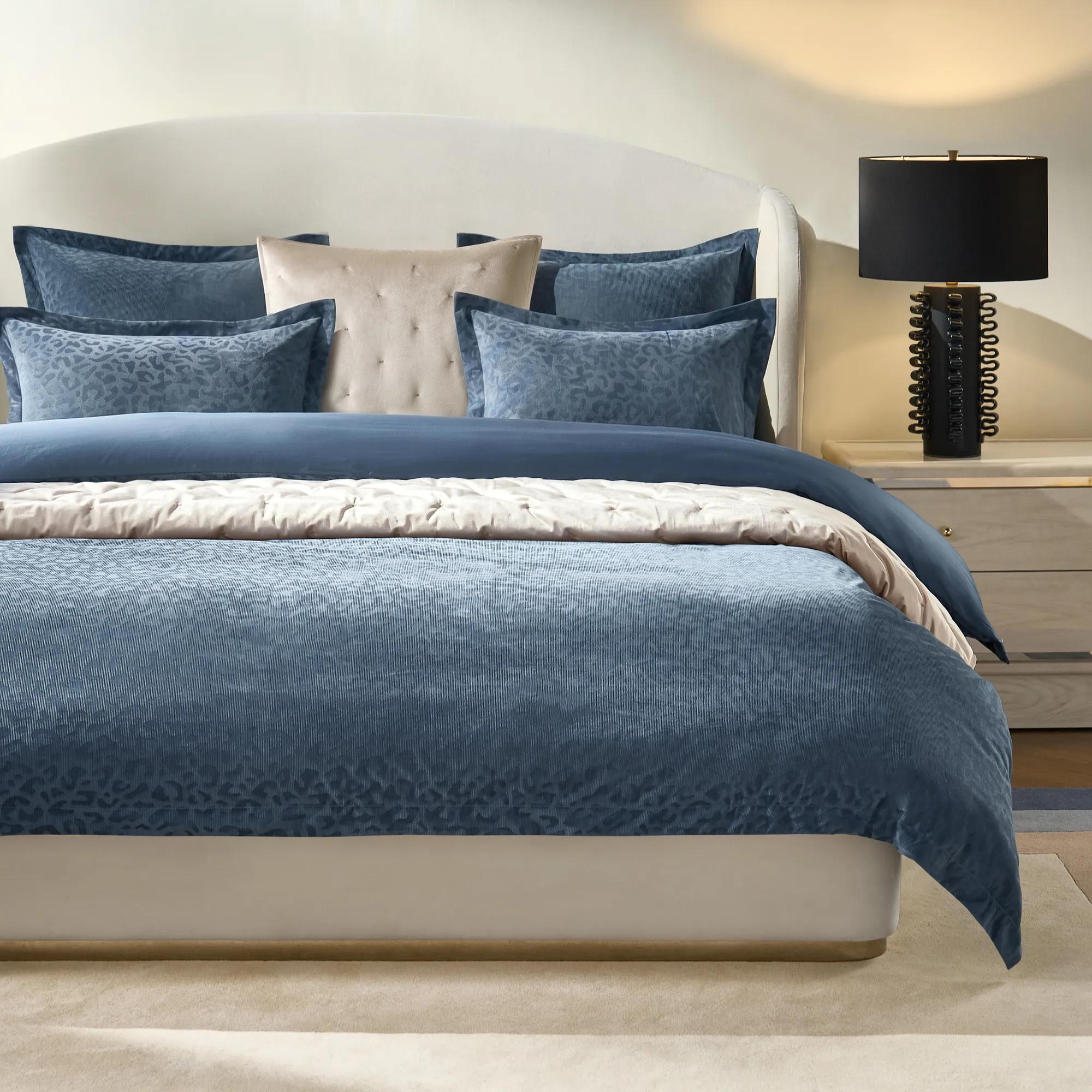 Leopard Dusty Blue Cotton Corduroy Velvet Bedding Set$199
A dusty blue bedding set featuring tonal leopard print on corduroy-textured velvet with a cotton backing.
Add To Cart -
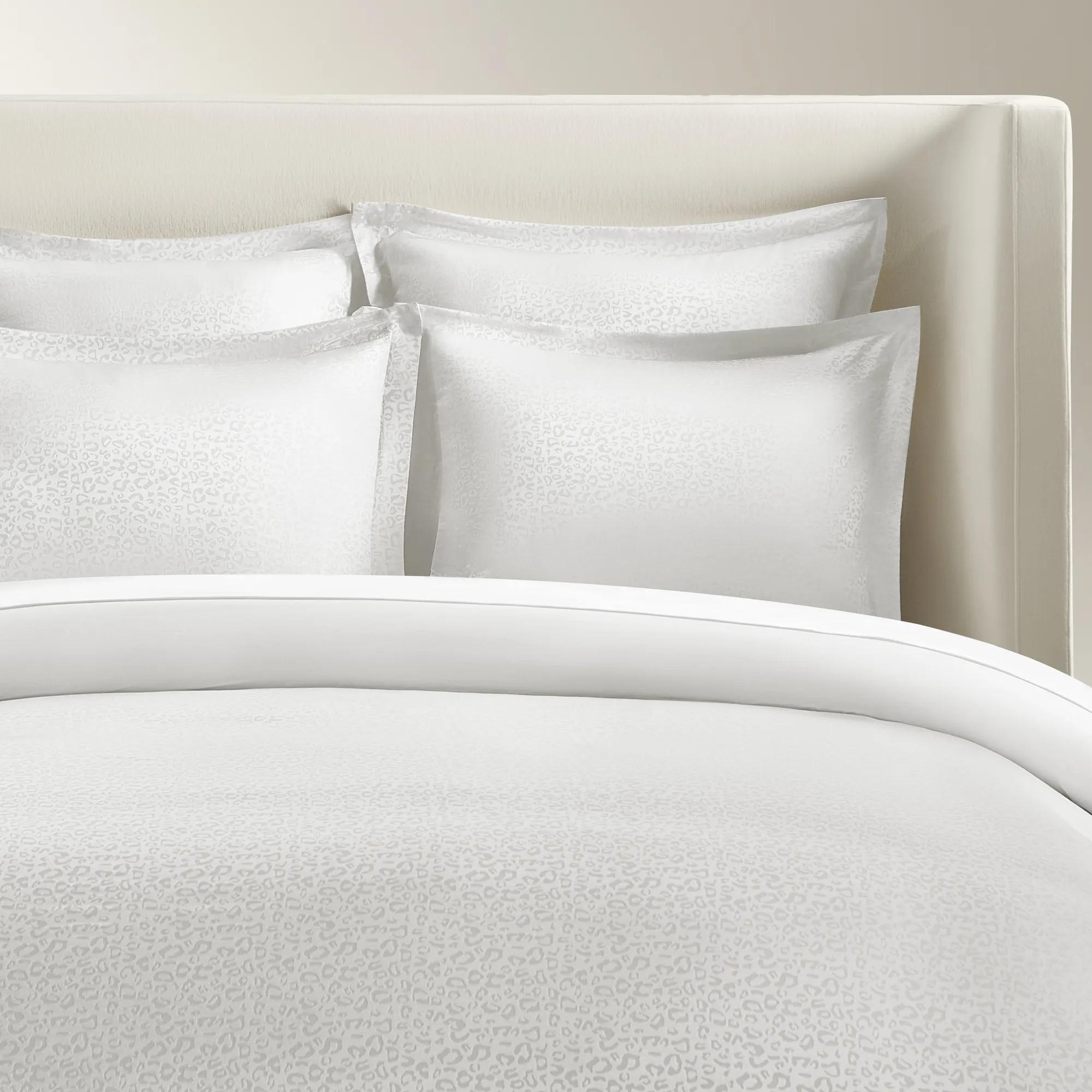
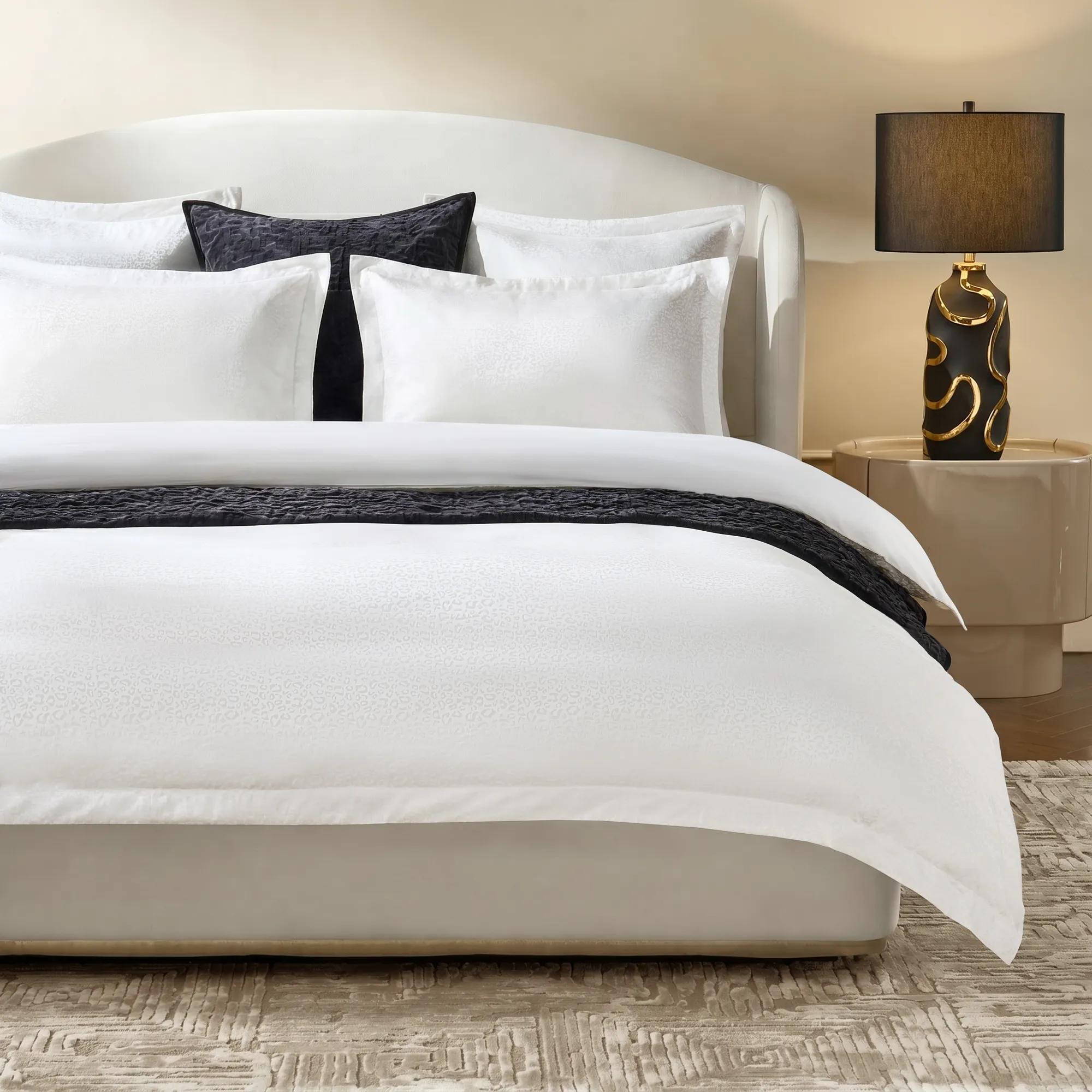 Abi Leopard Cloud White Tencel Bedding Set$299
A cloud white tonal leopard print bedding set crafted from a smooth Tencel blend with cotton reverse.
Add To Cart -

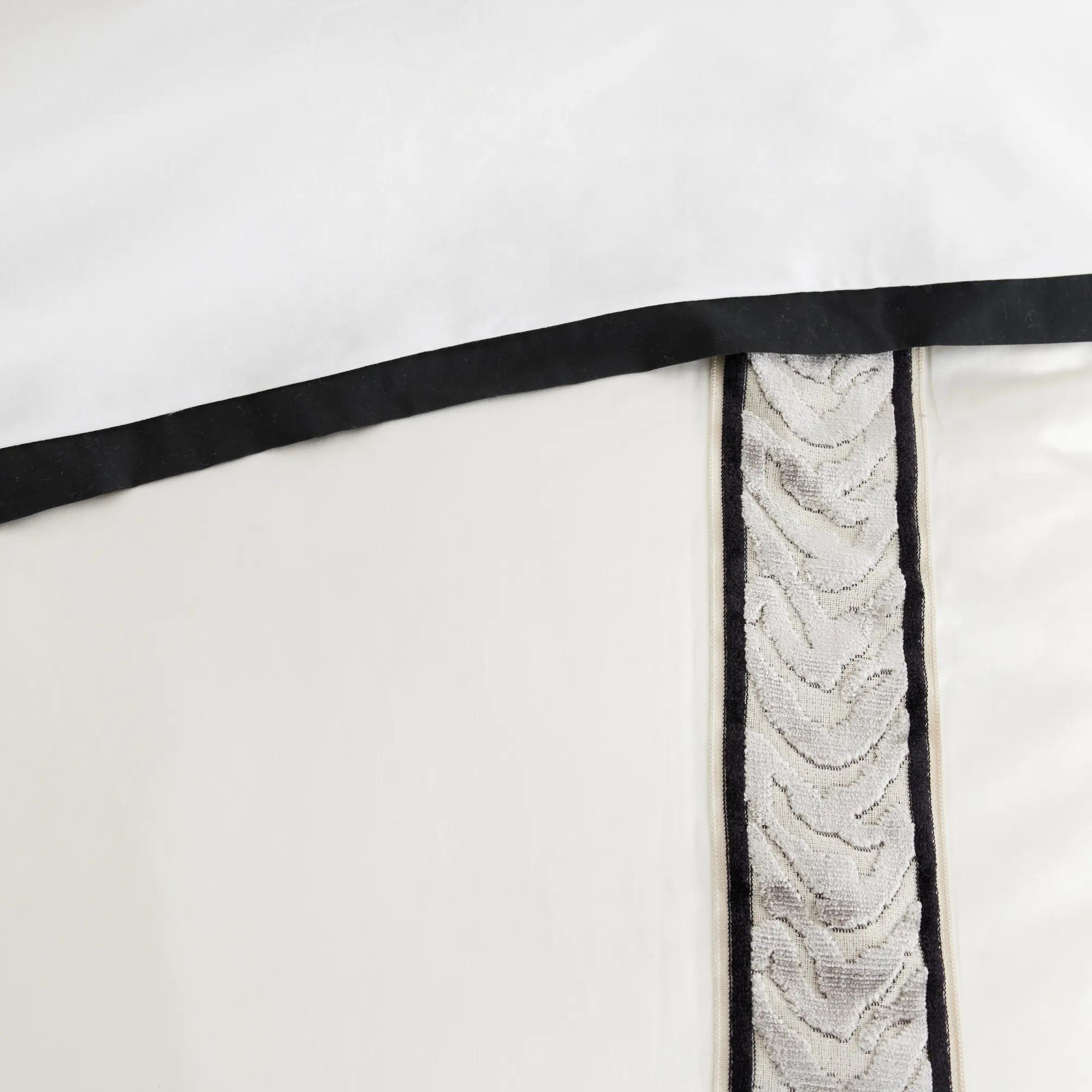 Gianna Grey/Black/White Animal Print Cut Velvet Appliqué Border Bedding Set$199
A luxurious grey and black bedding collection featuring a cut velvet tiger-stripe appliqué border for bold elegance.
Add To Cart -
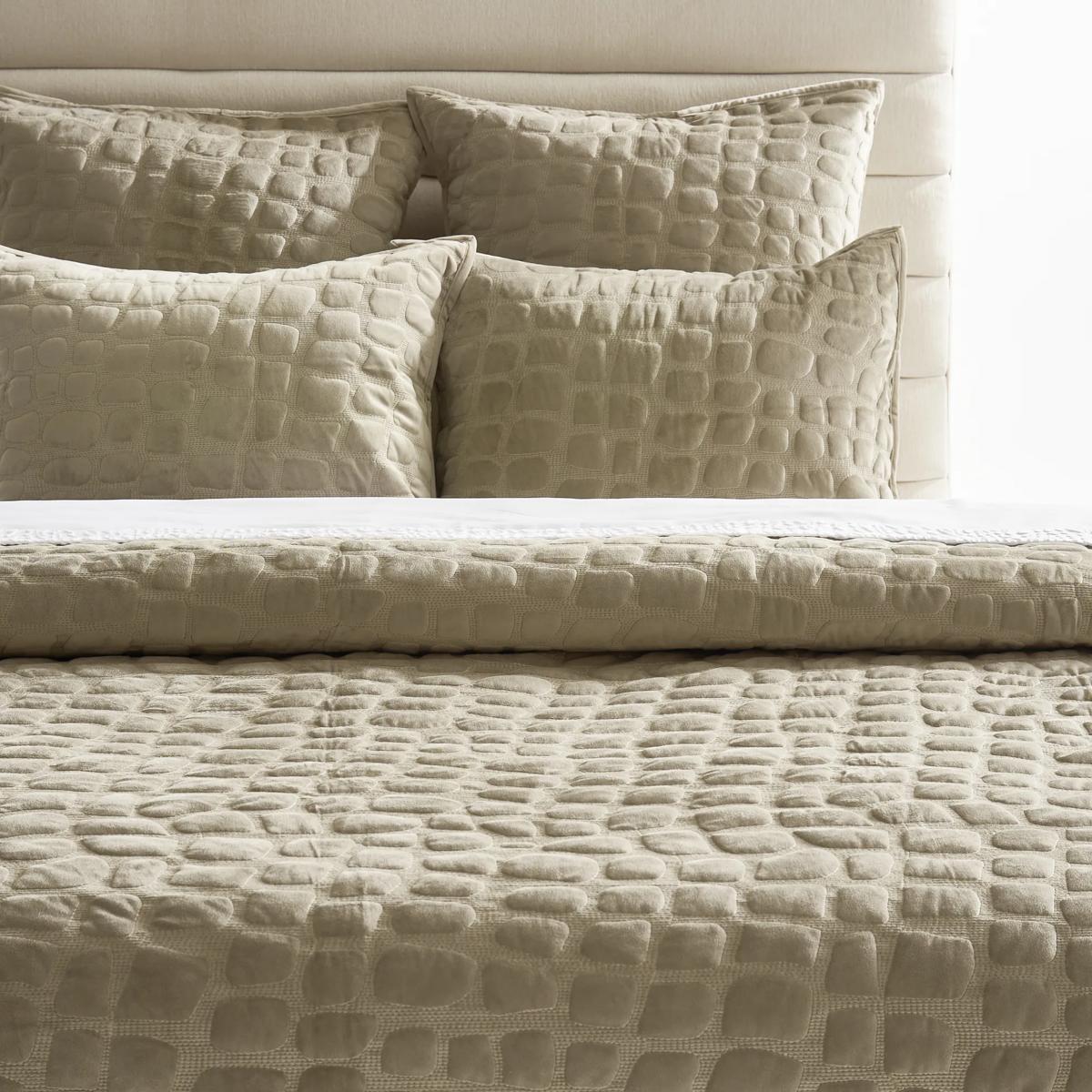
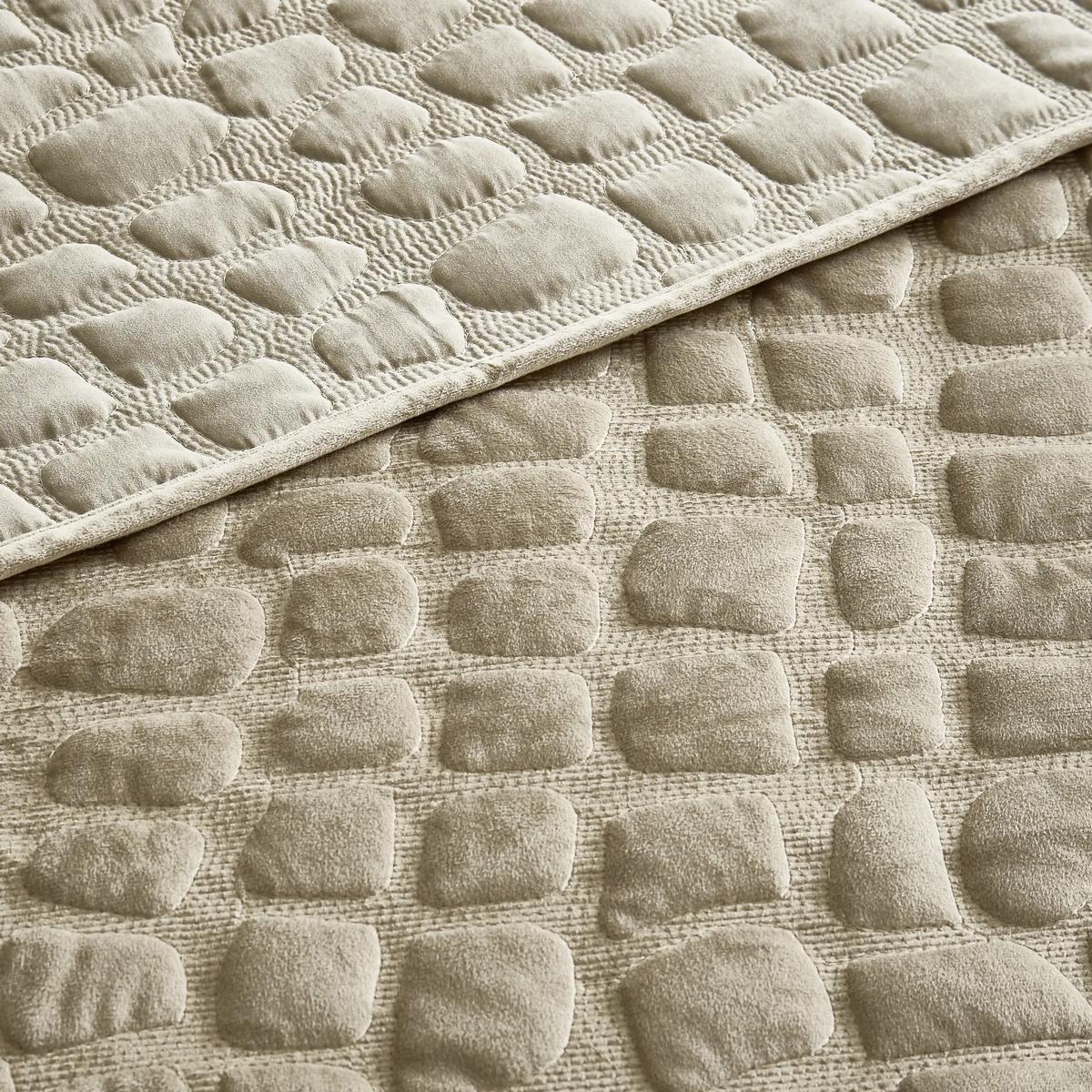 Valen Velvet Quilt Set - Sand$199
A plush sand velvet quilt set featuring a croc-inspired pattern and refined piped edges.
Add To Cart -
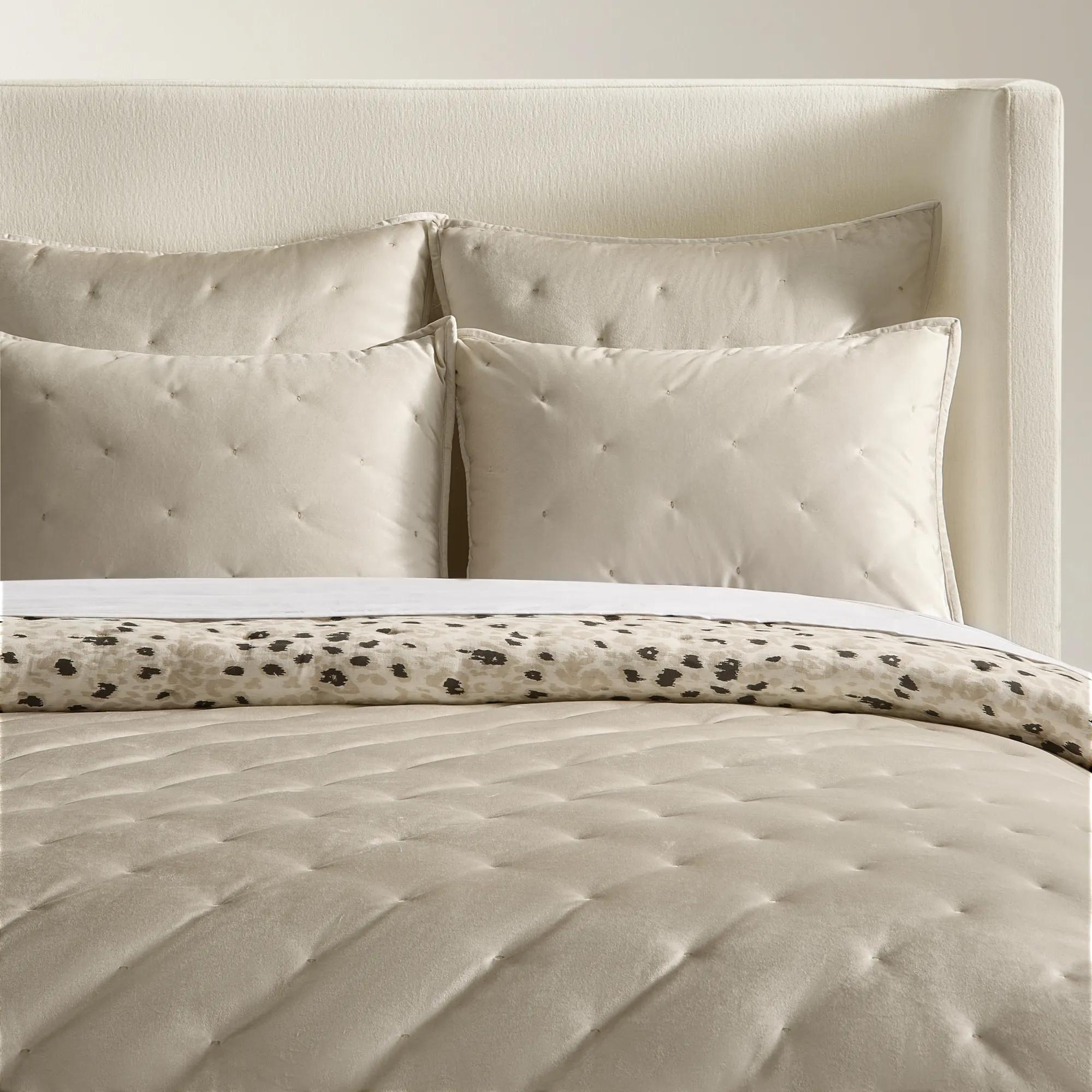 Nemera Alabaster/Leopard Reversible Velvet & Cotton Linen Quilt Set$89
A reversible quilt set featuring plush alabaster velvet on one side and bold leopard print cotton-linen on the other.
Add To Cart -
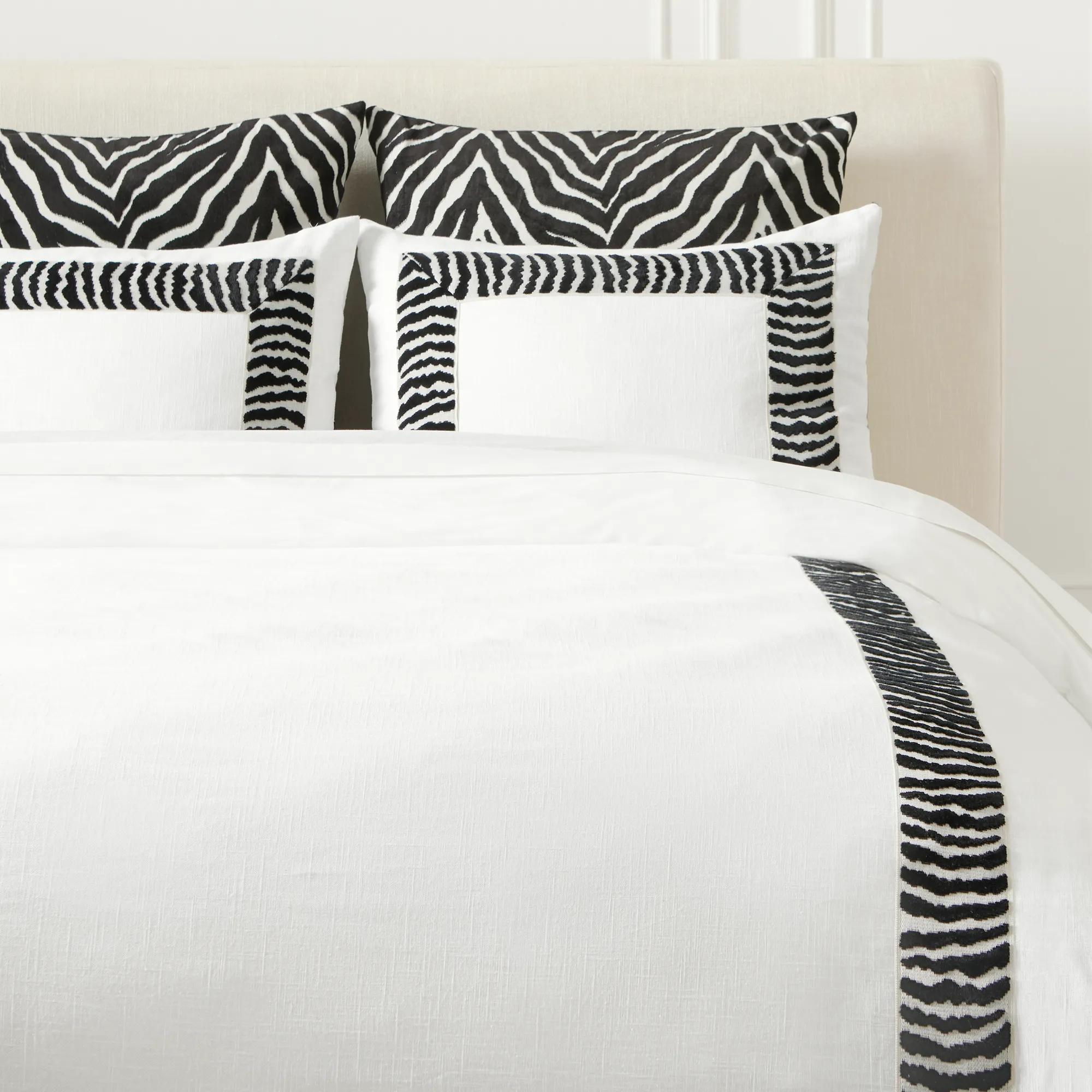
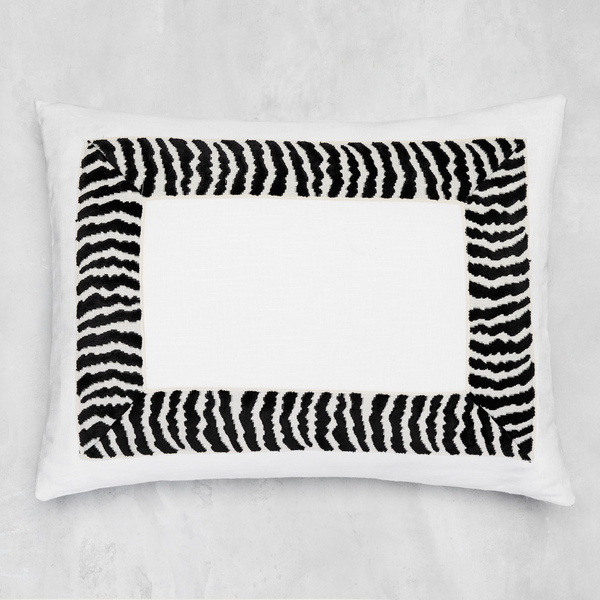 Nikki Chu Hasina Animal Print Black/White Velvet Appliqué Border Bedding Set$159
A striking black animal print bedding set featuring textured slubbed linen and soft cotton blends.
Add To Cart -
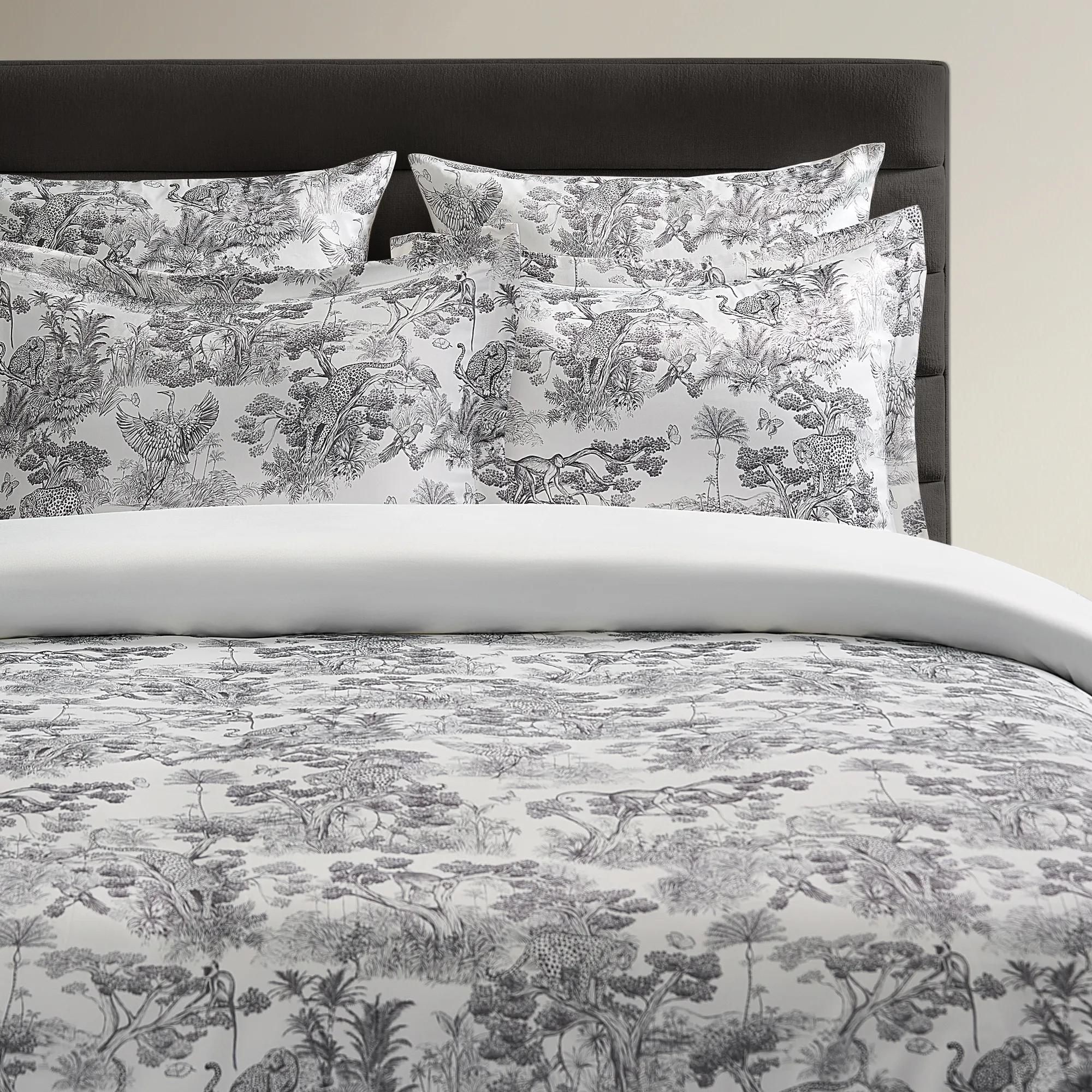
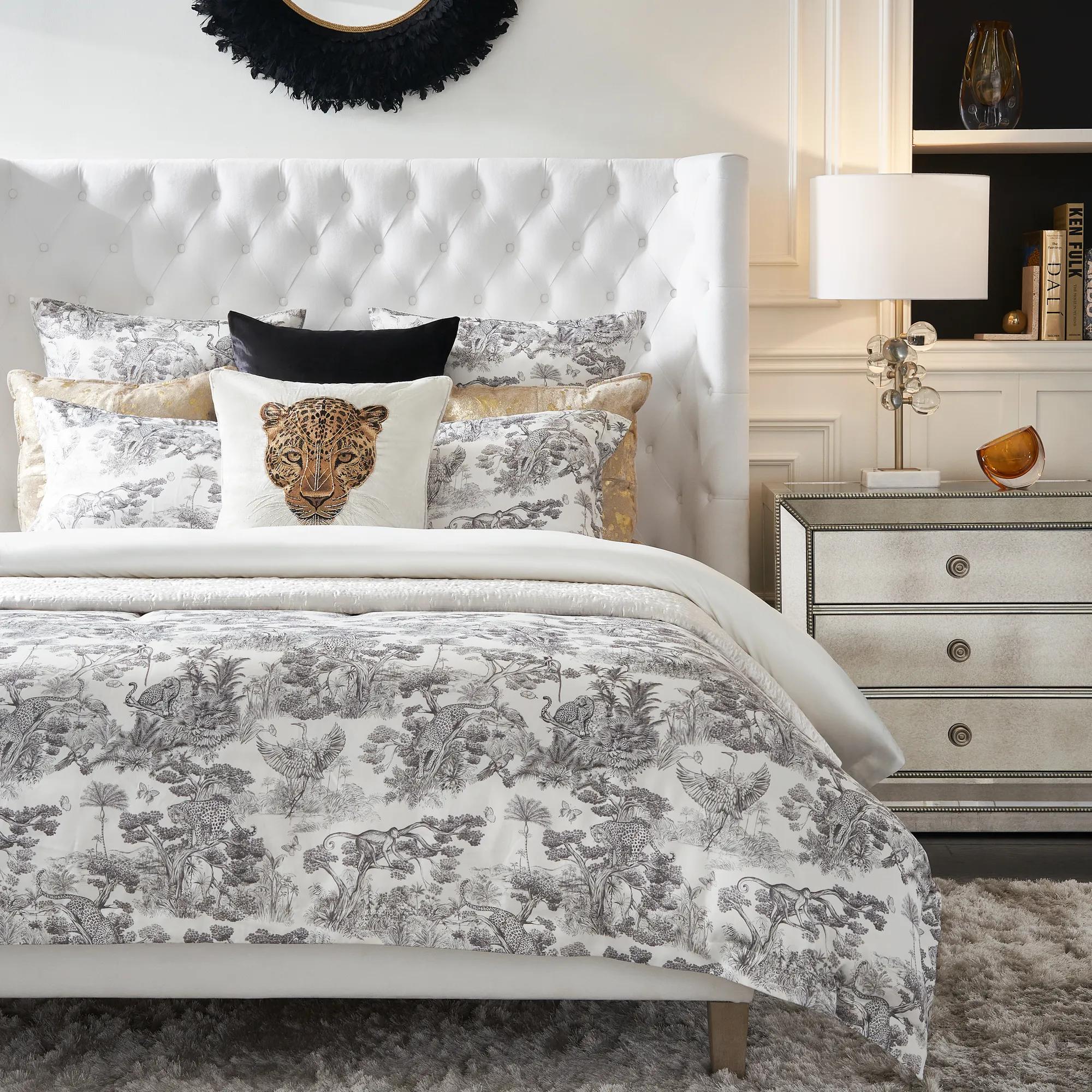 Jungle Toile Bedding Set - Ivory/Black$169
An elegant ivory and black satin bedding set featuring a delicate jungle print and refined flange edges.
Add To Cart -

 Jungle Toile Bedding Set - Pale Pink$189
A luxurious satin bedding set featuring a delicate black jungle print on a pale pink background.
Add To Cart -
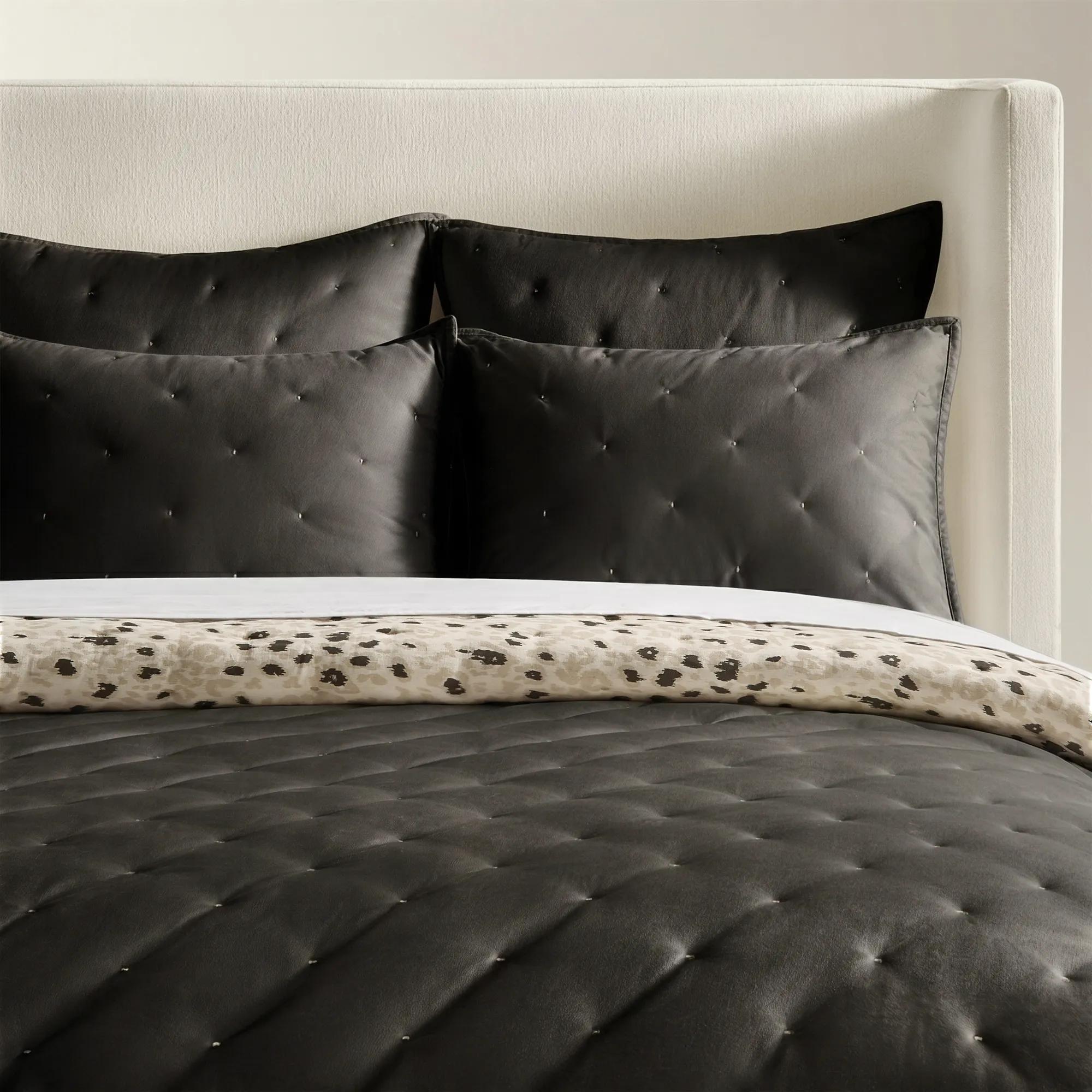
 Nemera Graphite/Leopard Reversible Velvet & Cotton Linen Quilt Set$89
A reversible quilt set featuring plush graphite velvet on one side and bold leopard print cotton-linen on the other.
Add To Cart -
 Eve Pistachio Green Textured Velvet Quilt Set$69
A green textured velvet bedding set with coordinating duvet and sham covers for polished comfort.
Add To Cart

Subtle Animal Print Bedding
Subtle animal print bedding transforms the ordinary bedroom into an oasis of quiet glamour—where wild elegance meets whispered sophistication. Imagine a sanctuary where delicate patterns evoke the untamed beauty of nature, yet remain refined enough to complement any palette or style. Each piece is an invitation to indulge in artistry and allure, layering your space with soft intrigue and tactile richness. Let your retreat reflect your spirit: bold yet balanced, expressive yet serene. With subtle animal print bedding, every night becomes a luxurious escape into the extraordinary.
Subtle animal print bedding brings leopard spots, zebra stripes, and other animal-inspired markings into the bedroom through muted colors, low-contrast patterns, and tactile detail. Rather than making the bed feel visually busy, these designs create depth: ivory markings against cream, smoky gray shapes on silver, or soft taupe spots that reveal themselves gradually across a generously draped cover. The effect is expressive without overwhelming the room, giving a restful setting a distinctly glamorous point of view. Tone-on-tone animal print bedding is especially compelling because the pattern can read almost like a solid from across the room, then become more intricate at close range. A woven stripe might catch the light along its edges; a raised spot might introduce a plush accent against a smoother background. Subtlety depends on more than color, however. Closely spaced, petite markings create a different rhythm than broad, widely spaced shapes, while a strong light-to-dark contrast makes even a small print feel more assertive. For a bedroom with a sculptural headboard, mirrored nightstands, or dramatic artwork, a restrained animal motif can connect those statement elements without competing for attention. Against an upholstered headboard in a similar neutral, it creates a layered composition that feels deliberate rather than matched. Cream and sand lend softness to rich wood finishes, while pearl and charcoal sharpen the presence of polished metal and glass. Keeping sheets and larger pillows solid gives the eye a place to rest and allows the pattern’s finer details to emerge. A single patterned duvet cover can establish the mood; a pair of patterned shams can offer a more measured accent against an otherwise solid bed. Within the broader design language of Modern Animal Print Bedding, these quieter interpretations deliver their drama through texture, proportion, and the interplay of closely related shades. They suit anyone who wants a bedroom with personality but prefers an intimate, layered atmosphere to a high-contrast statement.
Materials and construction shape both the appearance and the everyday experience of subtle animal print bedding. Cotton can provide a soft, breathable foundation, while a cotton-rich blend may offer a different balance of smoothness, resilience, and care requirements depending on its composition. A printed motif places the design on the fabric’s surface; a jacquard creates its pattern through the weave, allowing the motif to emerge through structure as well as color. Neither approach automatically determines softness or durability, so fiber content, fabric weight, finishing, and construction all deserve attention. Raised chenille details can give leopard-inspired spots a velvety dimension, while faux fur creates a more pronounced plush surface that is particularly expressive in a decorative layer. For bedding that rests directly against the skin, consider the reverse fabric as carefully as the patterned face. An elaborate surface can make a beautiful visual statement, but the underside influences how the bedding feels during use. Duvet covers and comforters also serve different needs: a duvet cover surrounds a separate insert and can often be removed for cleaning, while a comforter combines an outer shell and fill in one piece. The insert’s loft changes how a duvet cover displays its pattern, with fuller inserts creating rounded folds and lower-profile inserts producing a more tailored outline. For a composed fit, compare actual dimensions rather than relying only on labels such as queen or king. Mattress depth, a topper, and the height of the bed frame all affect how much fabric falls along the sides. A deep mattress may require more coverage to achieve the intended drape, especially when the bed is viewed from the doorway. Check fitted-sheet pocket depth separately, and match pillow shams to the pillows they will hold. Where provided, interior duvet ties paired with compatible insert loops help reduce shifting, while secure closures support a finished appearance. These practical details allow the pattern to remain the focal point instead of uneven edges, exposed inserts, or pillows that do not fill their shams.
Thoughtful care helps preserve the quiet richness that makes this bedding distinctive. Always follow the care label for the complete piece, not simply the fiber most visible on its surface; raised textures, decorative trims, backing fabrics, and filled constructions can require different handling. Machine-washable bedding needs enough room to move freely, and a substantial comforter may call for a larger-capacity machine rather than a crowded home washer. Use the recommended detergent and cycle, observe bleach restrictions, and follow the specified drying method. Excessive heat can affect some fibers and finishes, while incomplete drying can leave dense areas damp, so pay particular attention to fill, seams, and textured sections. Duvet covers should be fully dry before an insert is replaced, and bedding should be clean and dry before storage. For long-term satisfaction, look beyond the pattern to details such as even stitching, neatly finished seams, dependable closures, and care requirements that fit the household’s routine. A heavily textured layer may be best reserved for the top of the bed if frequent laundering is a priority, while a removable patterned cover can make regular upkeep more manageable. In a primary bedroom, the most successful arrangement often pairs a distinctive surface with familiar comforts: smooth solid sheets, supportive pillows, and enough space to turn back the top layer easily. In a guest room, a restrained animal motif introduces character without imposing an intensely personal color scheme, particularly when balanced with uncomplicated solid linens. This bedding can also make a considered housewarming or wedding gift when the recipient’s bed size, palette, and care preferences are known. Finish the setting with a few purposeful contrasts—a lustrous pillow against a matte weave, a solid coverlet beneath softly patterned shams, or a tailored fold that reveals the bedding’s reverse. The result is a bed with depth and presence, where an animal-inspired motif feels less like decoration added afterward and more like an integral part of the room’s identity.
FAQs
Subtle animal print bedding is remarkably versatile, complementing a spectrum of design styles. It brings a touch of intrigue to modern glam spaces, adds depth to minimalist interiors, and layers beautifully with eclectic or transitional décor. Pair with metallic accents for a luxe vibe, or combine with natural textures like linen and wood for a sophisticated, organic look.
To create a harmonious space, echo the bedding’s palette in your accessories—think velvet accent pillows, a plush area rug, or a statement lamp in coordinating hues. Layer in different textures, such as faux fur throws or silk drapes, to add dimension. Balance the animal motif with solids and understated patterns elsewhere in the room for a curated, polished effect.
Absolutely. Subtle animal print bedding is designed to feel seasonless, offering a sophisticated touch whether it’s the heart of winter or the height of summer. In cooler months, layer with heavier throws and quilts; in warmer seasons, let the print stand alone for a crisp, airy statement.
This bedding makes a thoughtful gift for anyone with an eye for design—new homeowners, newlyweds, or anyone who enjoys expressing their personality through their living space. It’s particularly cherished by those who appreciate artistry, texture, and the allure of understated glamour.
You’ll often find these designs crafted from luxe materials such as sateen, brushed cotton, linen, or silk blends. These fabrics not only showcase the intricate patterns beautifully but also offer a sumptuous hand-feel that elevates the everyday ritual of rest.