Animal Print Linen Bedding
Animal Print Linen Bedding
-
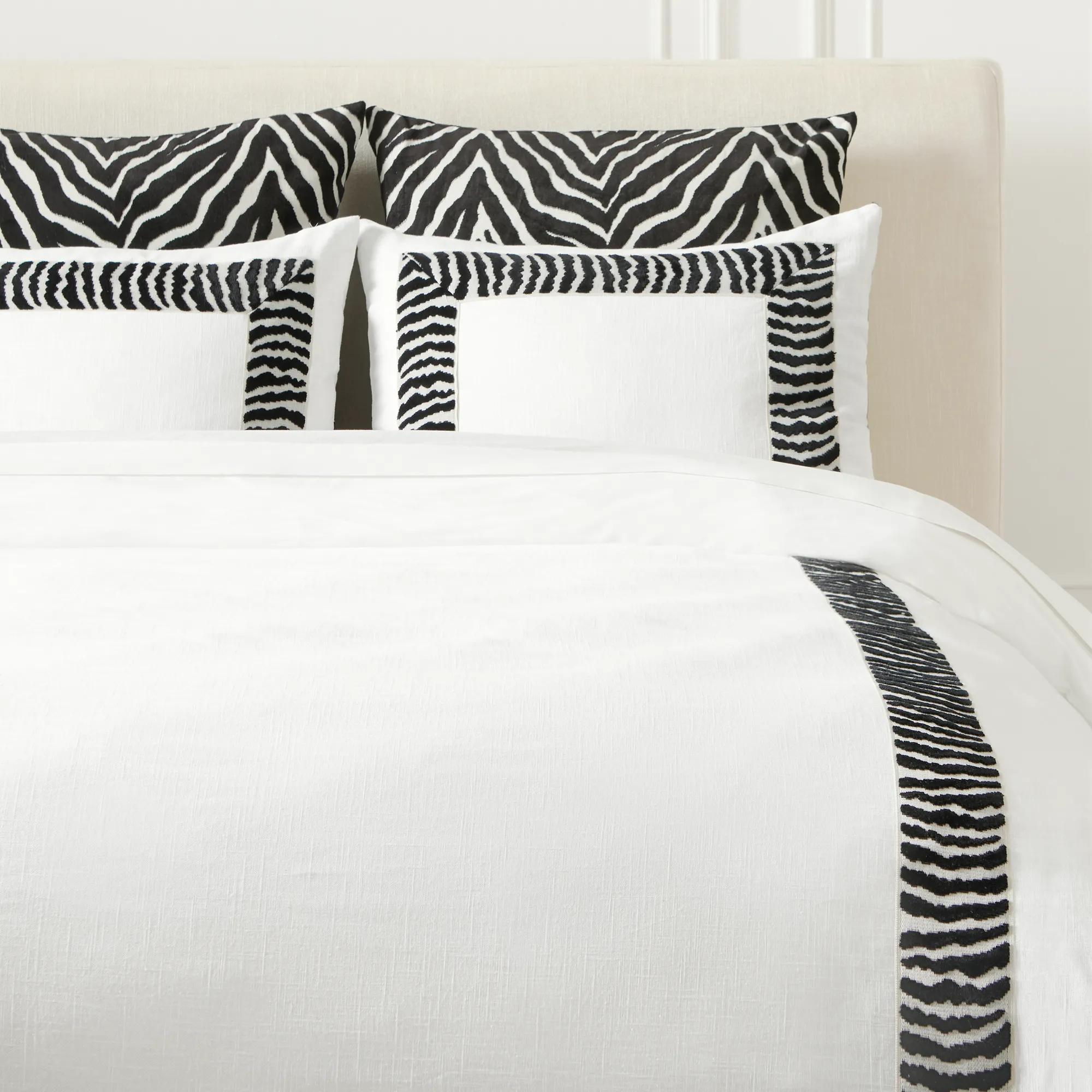
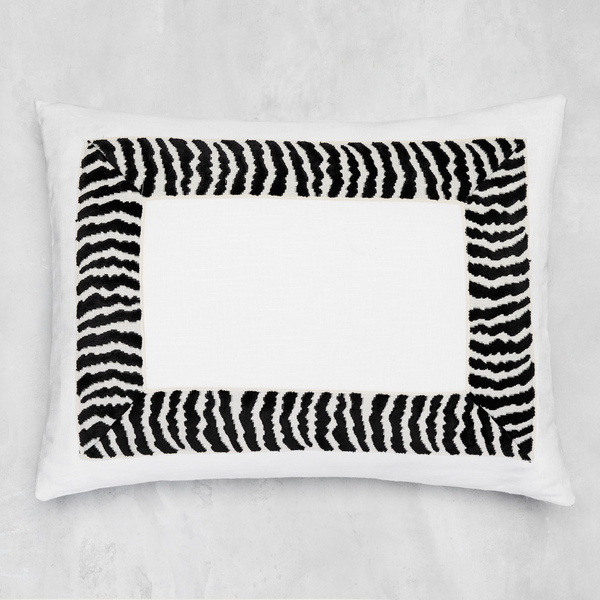 Nikki Chu Hasina Animal Print Black/White Velvet Appliqué Border Bedding Set$159
A striking black animal print bedding set featuring textured slubbed linen and soft cotton blends.
Add To Cart -
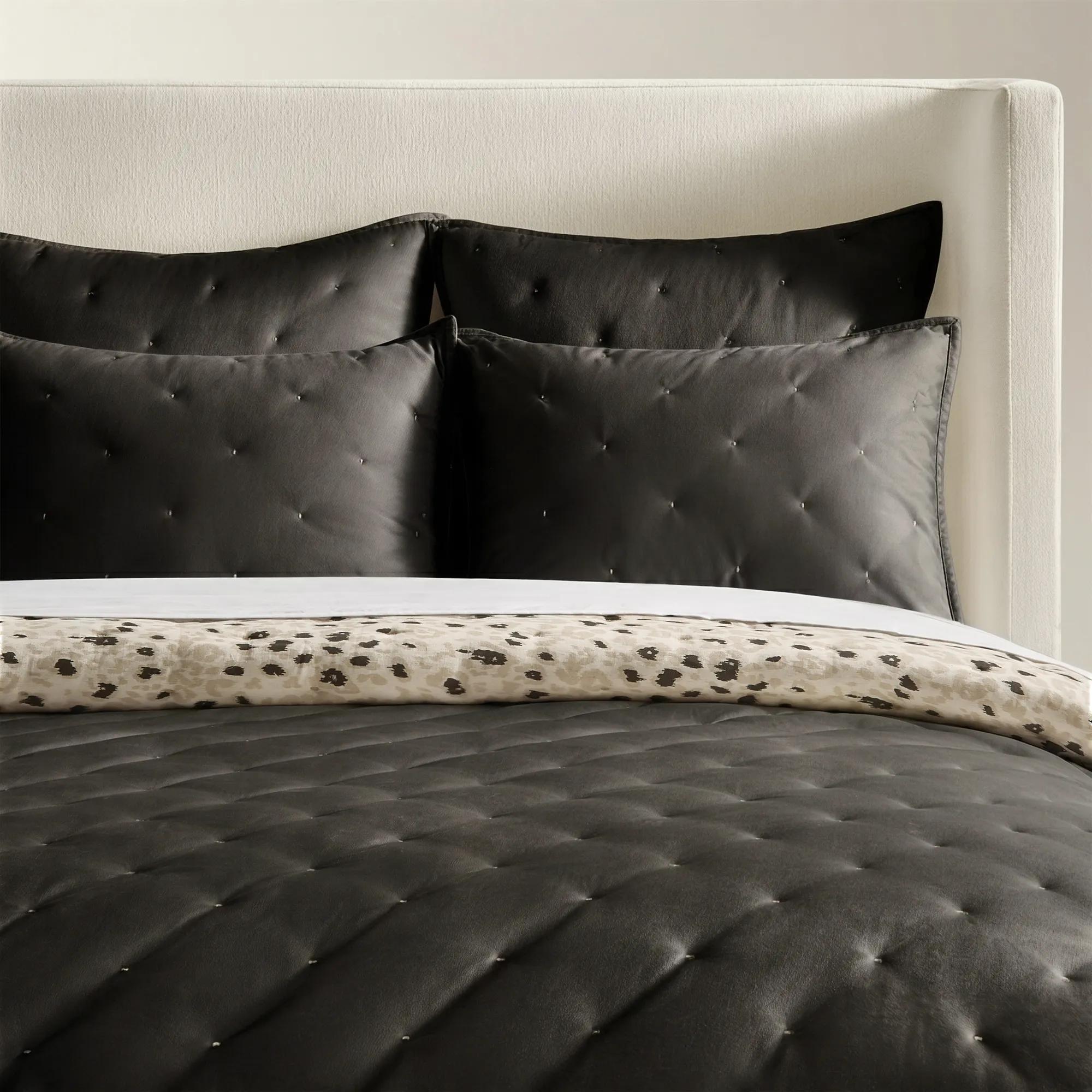
 Nemera Graphite/Leopard Reversible Velvet & Cotton Linen Quilt Set$349
A reversible quilt set featuring plush graphite velvet on one side and bold leopard print cotton-linen on the other.
Add To Cart -
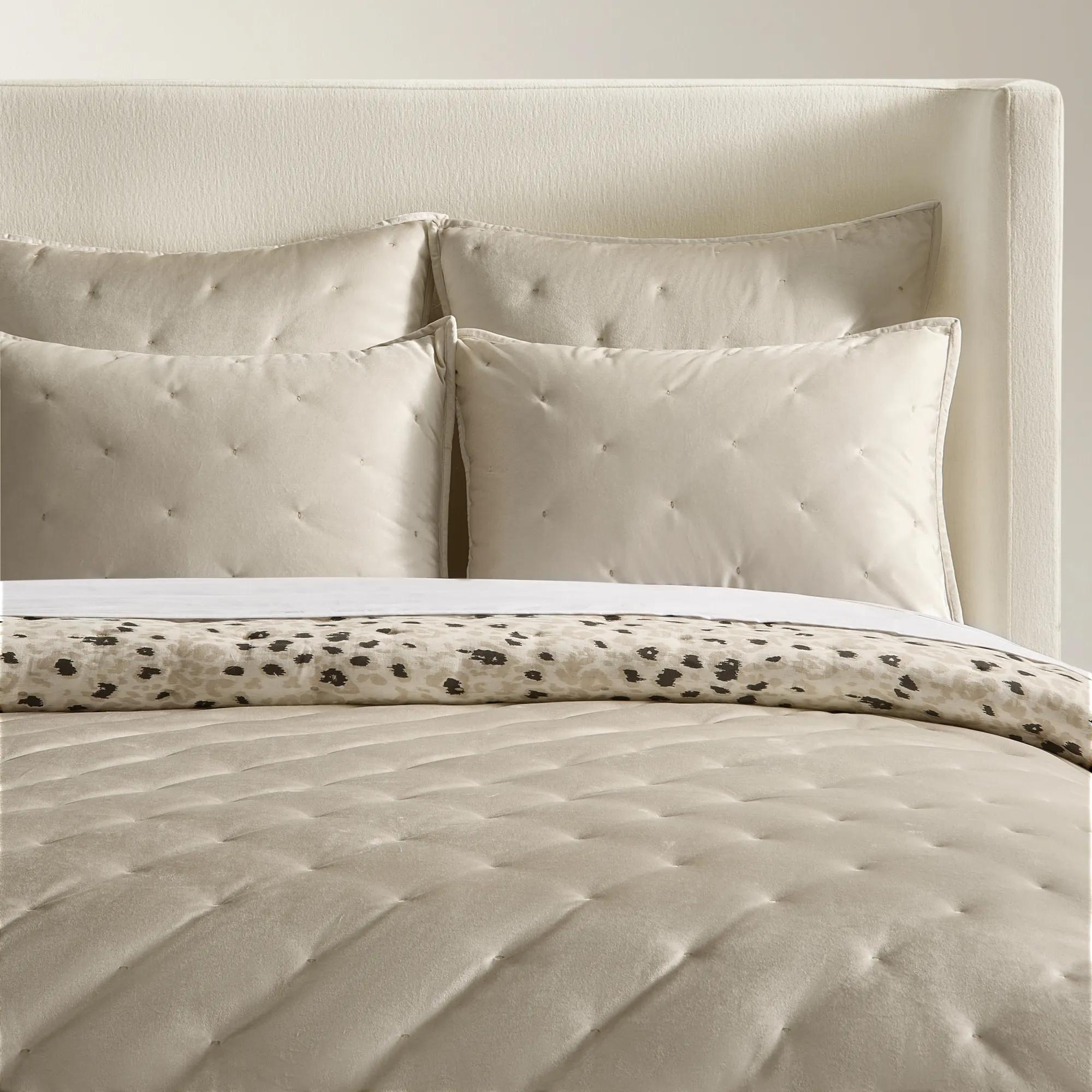 Nemera Alabaster/Leopard Reversible Velvet & Cotton Linen Quilt Set$299
A reversible quilt set featuring plush alabaster velvet on one side and bold leopard print cotton-linen on the other.
Add To Cart -

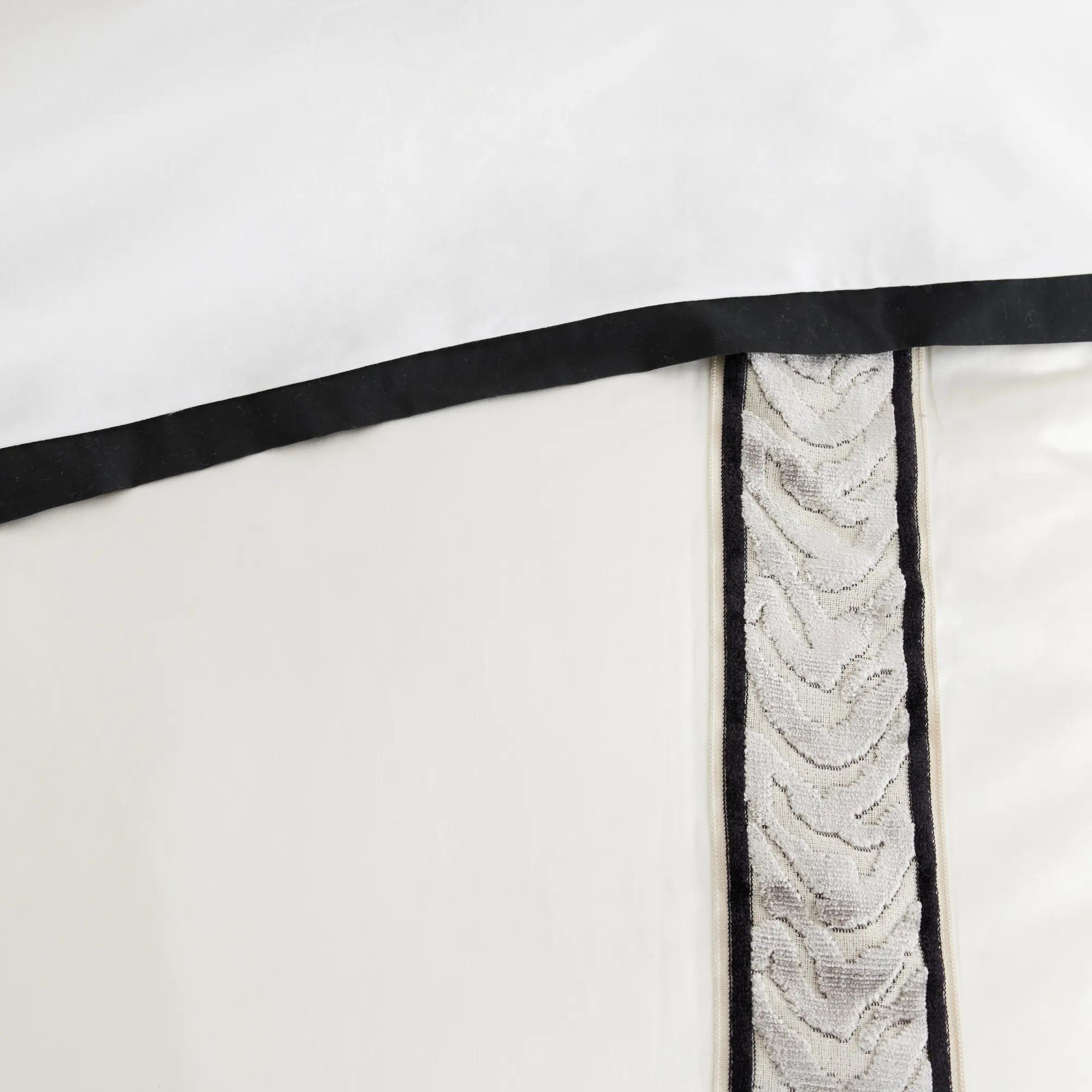 Gianna Grey/Black/White Animal Print Cut Velvet Appliqué Border Bedding Set$199
A luxurious grey and black bedding collection featuring a cut velvet tiger-stripe appliqué border for bold elegance.
Add To Cart -
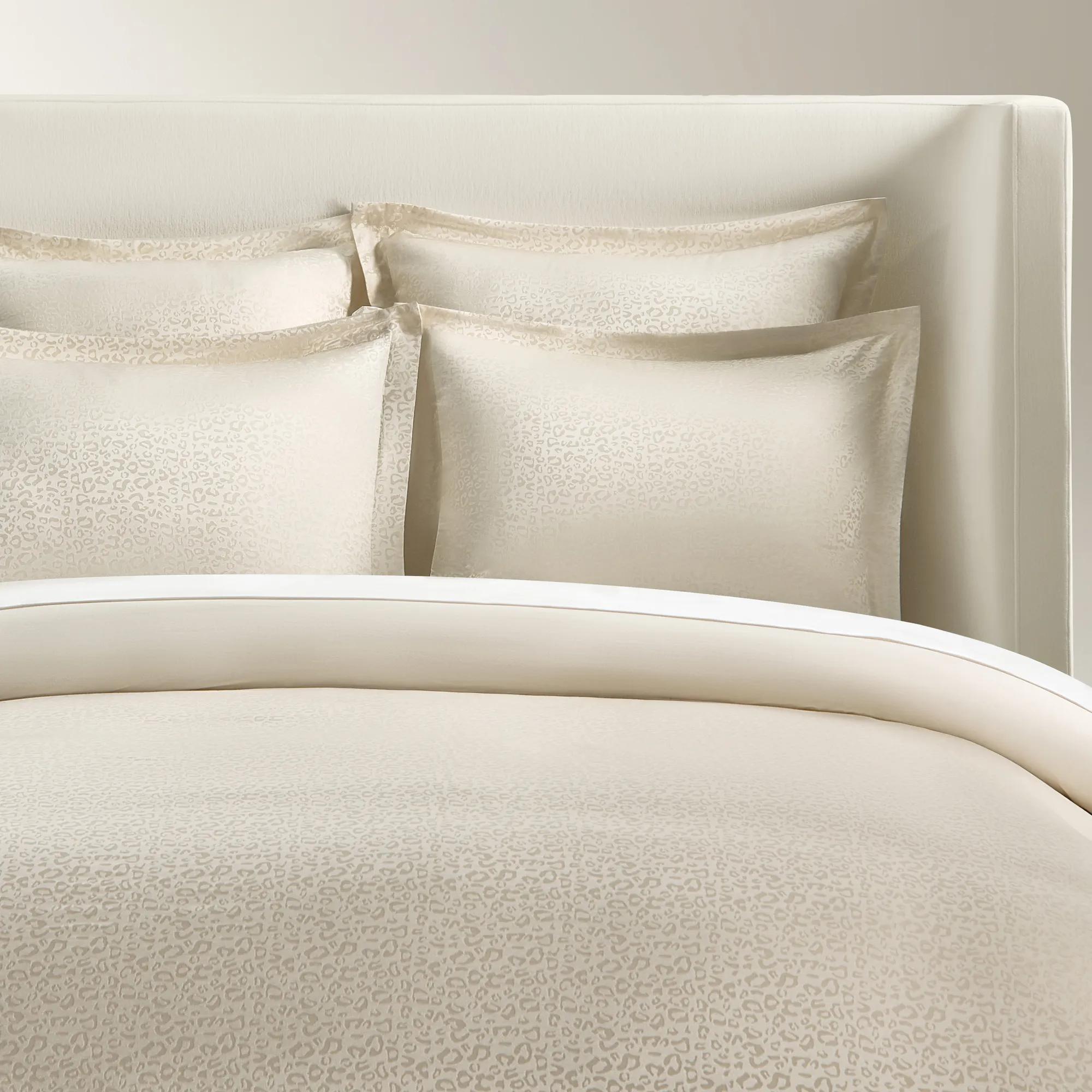 Abi Leopard Soft Nude Tencel Bedding Set$299
A soft nude bedding set featuring a tonal leopard print in a smooth Tencel blend with cotton reverse.
Add To Cart -
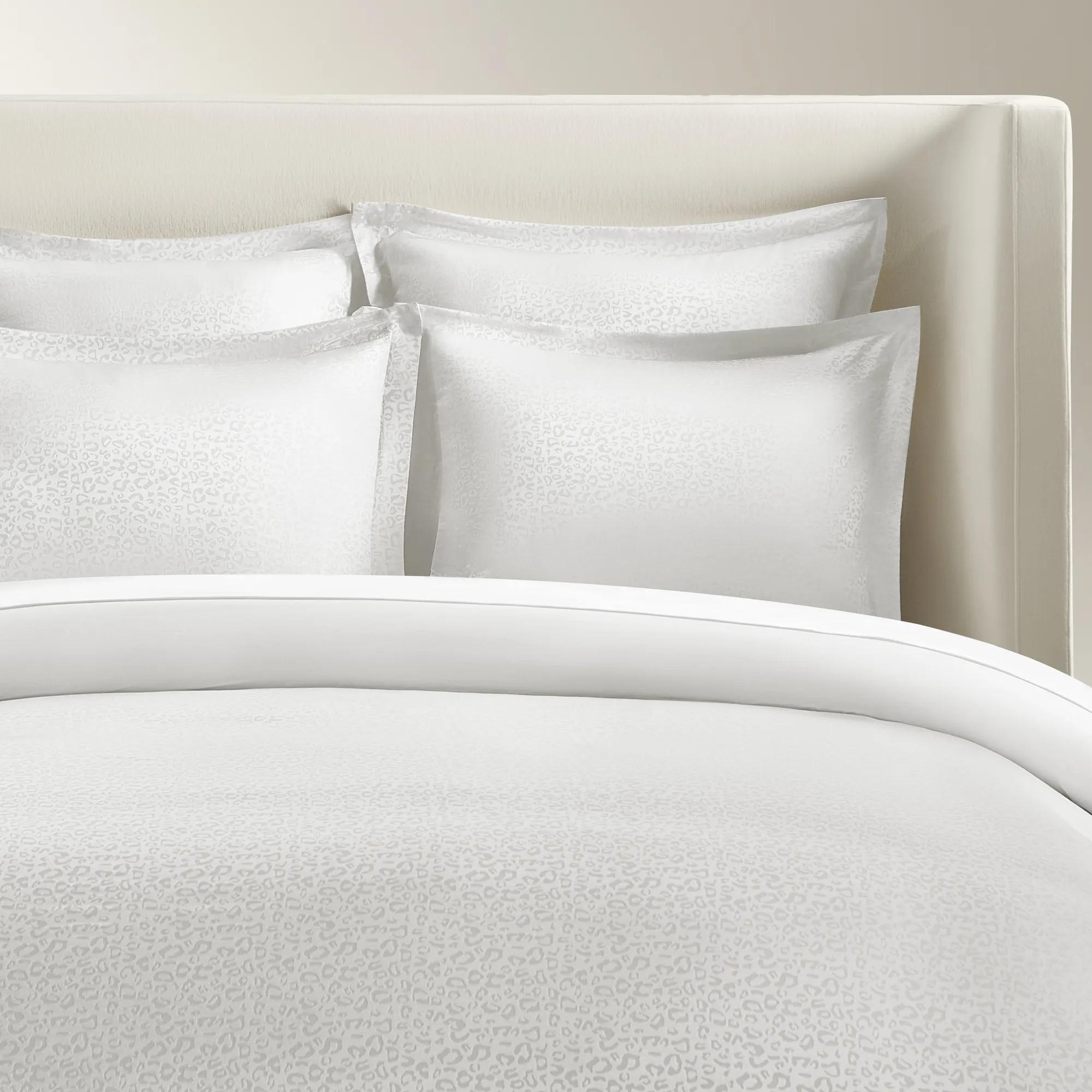
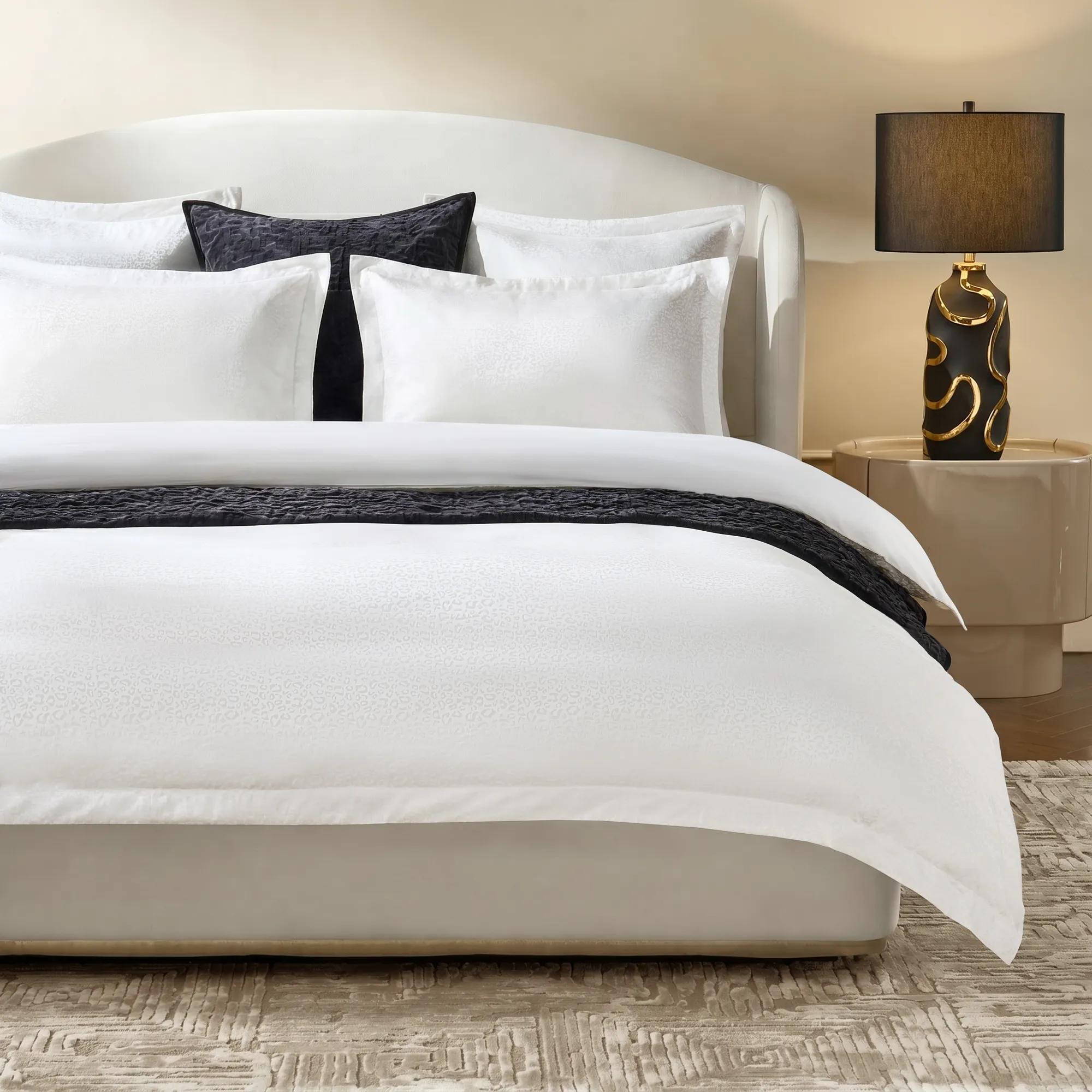 Abi Leopard Cloud White Tencel Bedding Set$299
A cloud white tonal leopard print bedding set crafted from a smooth Tencel blend with cotton reverse.
Add To Cart -
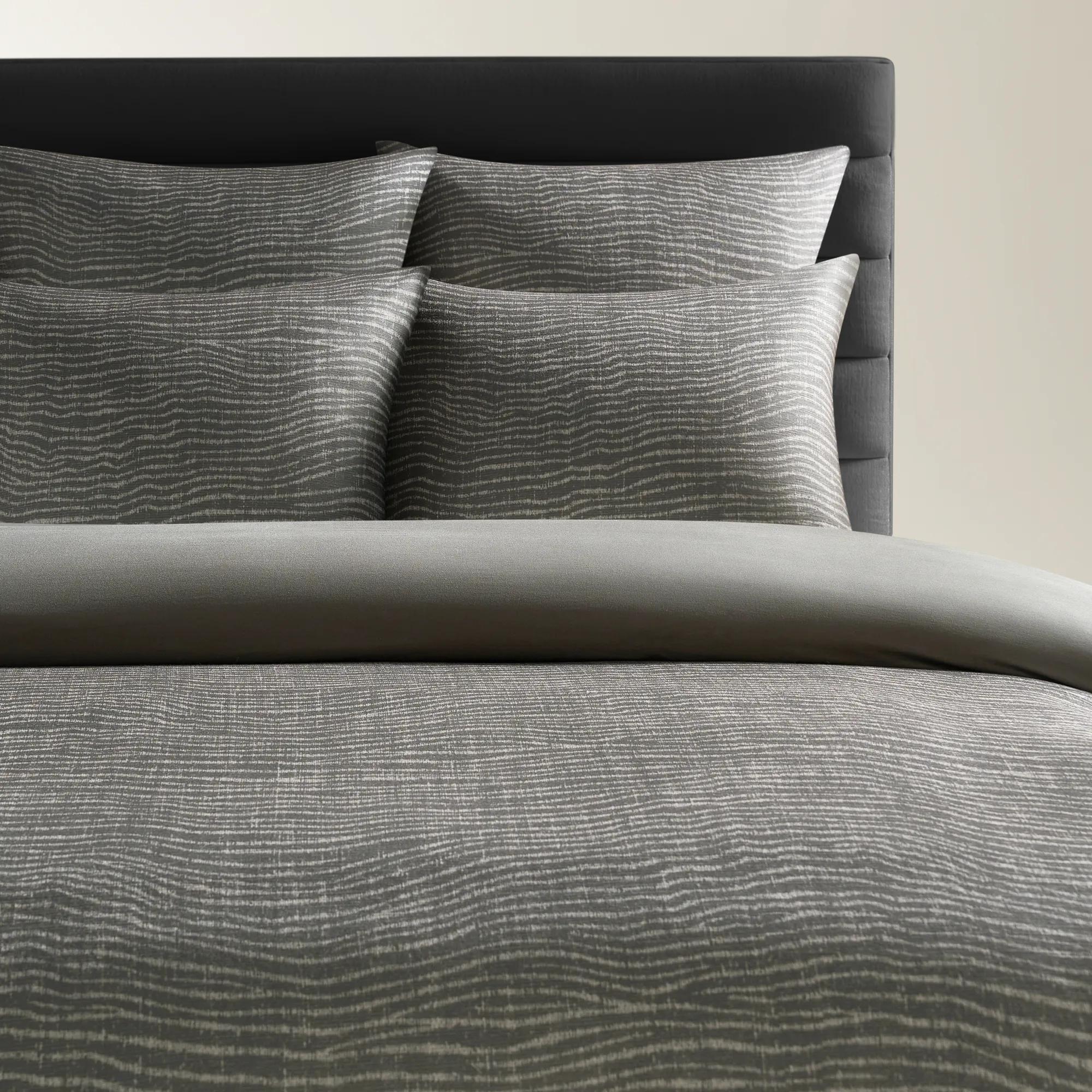 Sahara Bedding Set - Charcoal$229
A soft jacquard bedding set in calming charcoal with a subtle wave-inspired zebra print and refined details.
Add To Cart -
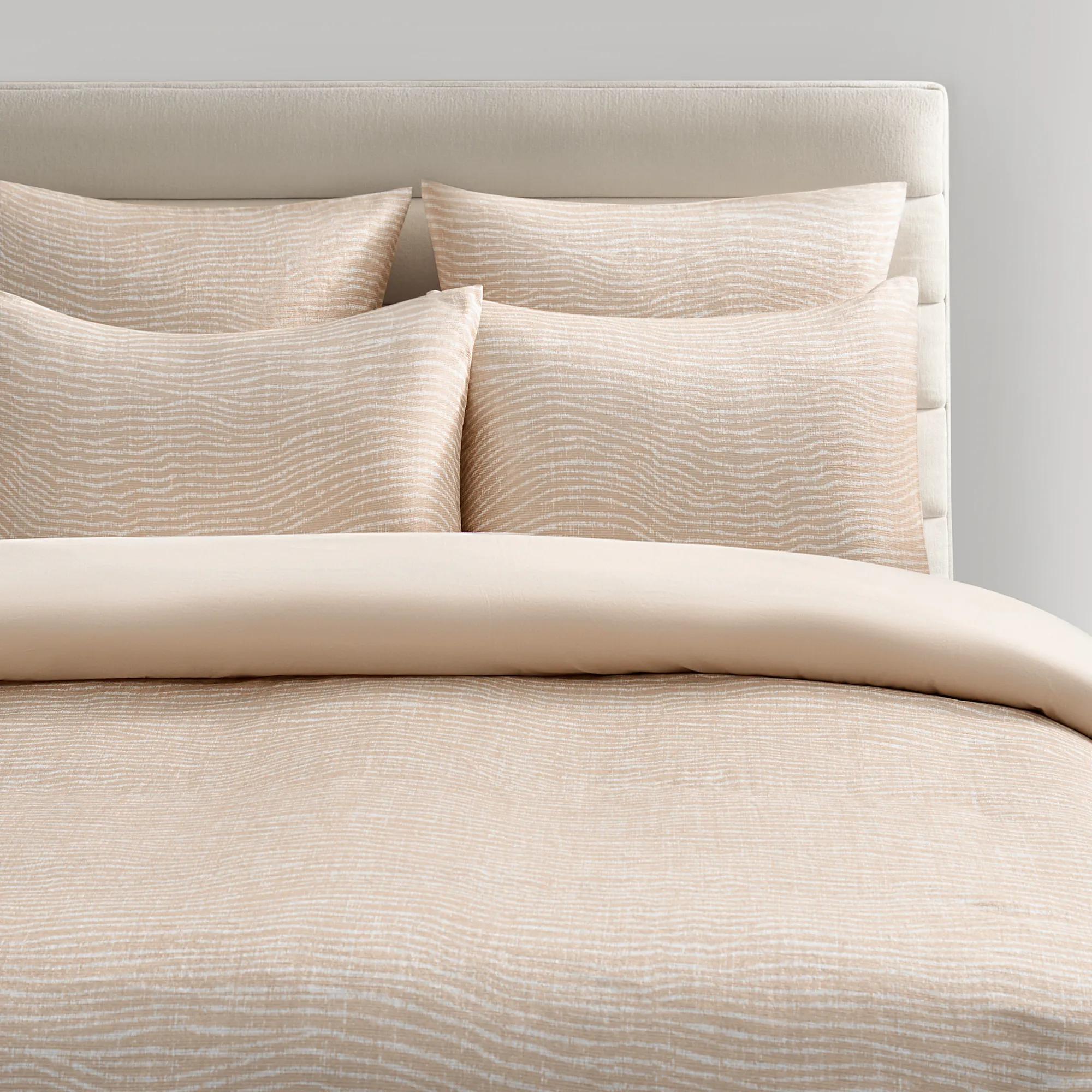 Sahara Bedding Set - Tan/Cream$199
A soft jacquard bedding set in tan and cream with a subtle wave-inspired zebra print and button closure.
Add To Cart

Animal Print Linen Bedding
Unleash your wild side and transform your bedroom into a sanctuary of untamed elegance with Animal Print Linen Bedding. Each piece is a masterstroke of artistry, infusing your space with a sense of adventure and luxe comfort. Bold patterns evoke the allure of the exotic, while sumptuous textures invite you to linger just a little longer. Whether you crave the drama of leopard spots or the refined intrigue of zebra stripes, Animal Print Linen Bedding sets the stage for nights wrapped in opulence and mornings awakened by style. Your home is a canvas—paint it with passion and panache.
Animal print linen bedding gives a bedroom a distinctive signature: the organic rhythm of leopard spots, the graphic sweep of zebra stripes, or the finely scattered markings of cheetah rendered against fabric with depth and character. These patterns bring movement to the broad canvas of a bed, creating a focal point that can feel richly dramatic or quietly expressive depending on the palette and scale. Oversized black-and-ivory markings make a commanding statement beside an upholstered headboard, while smaller motifs in sand, cream, and taupe introduce a softer kind of opulence. The term “linen” deserves particular attention because it can describe either the fabric itself or a warm neutral color. True linen is made from flax fibers and is known for its breathable construction, distinctive texture, and naturally relaxed appearance. Linen-blend bedding combines flax with other fibers, such as cotton, with the finished feel depending on the proportions, weave, and treatment. Linen-colored animal print bedding, by contrast, may be made from cotton, polyester, or another material without containing flax at all. The fiber content, rather than the color name, identifies the fabric. That distinction matters when selecting bedding for its tactile qualities as well as its visual impact. A printed motif can offer relatively smooth pattern definition, while a woven jacquard creates its design through the fabric structure; chenille details can add a raised, plush dimension. None of these techniques alone establishes whether the bedding contains linen. Natural slubs and subtle irregularities are characteristic of many linen fabrics, contributing to their expressive surface rather than the polished uniformity associated with some other textiles. For a room with gleaming bedside accents or a sculptural lamp, that textural contrast can be especially compelling. Animal print linen bedding balances the untamed energy of the motif with the grounded elegance of the cloth, allowing the bed to carry a room’s personality without requiring every surrounding detail to compete.
The most successful bedding arrangements give pattern room to resonate. A leopard-print duvet cover paired with solid sheets and understated pillowcases creates a generous expanse of design without crowding the bed, while patterned shams against a plain coverlet offer a more concentrated flourish. Coordinated bedding sets can establish a cohesive composition, but their contents differ: a duvet cover set does not necessarily include a duvet insert, sheets, or decorative pillows. A duvet cover encloses a separate insert, whereas a comforter contains its own fill; a coverlet generally provides a lighter, less lofty layer. Those construction differences affect the silhouette of the bed and how each piece is used, independent of the animal print. For a tailored appearance, compare the stated dimensions with the mattress and any insert rather than relying on a size name alone. Queen, king, and California king bedding are not interchangeable, and duvet cover dimensions can vary even within the same size category. An insert that closely matches the cover helps the corners fill evenly, while interior ties, when included, help limit shifting. Fitted sheets require a separate check of pocket depth, especially on a mattress with a substantial topper. Flat sheets, coverlets, and comforters also need sufficient width to achieve the desired side drape, particularly when a tall mattress or upholstered bed frame changes the proportions. Pattern scale deserves the same attention as physical dimensions. Broad zebra stripes retain their graphic presence across a large bed, while a small, densely repeated spot can read almost as texture from the doorway. A restrained palette lets that texture mingle elegantly with a velvet headboard, a mirrored nightstand, or a richly grained wood frame. Matching every element is unnecessary; repeating one background tone in the sheets or one darker accent in a pillow creates continuity. For bedrooms that already feature expressive wallpaper or artwork, a low-contrast animal motif can support the composition rather than divide attention. In a quieter room, a larger print can supply the defining gesture, turning an otherwise simple bed into a confident centerpiece.
Animal print linen bedding is equally concerned with the pleasure of daily use and the lasting character of the room. Linen often becomes softer with repeated laundering, but its familiar creases remain part of its appeal; anyone seeking a consistently crisp, smooth surface should consider that natural tendency before choosing the fabric. Durability depends on more than fiber content. Fabric weight, weave, seam construction, embellishments, and everyday handling all contribute to how bedding wears. Secure stitching and sound closures matter on duvet covers, while raised chenille motifs or decorative trims may call for more careful laundering than a simple printed surface. The care label is the authority: some bedding is machine washable, while other constructions require professional cleaning. For washable pieces, following the specified cycle and drying method helps protect both the fabric and the pattern. Overloading a machine can prevent large bedding from moving freely, and excessive heat can contribute to shrinkage or damage certain fibers and finishes. Harsh bleaching agents can alter printed colors, so stain treatment should be compatible with the stated care instructions. Where permitted, washing a cover inside out and fastening its closures can help reduce surface abrasion and tangling. Bedding should be fully dry before being folded away, with storage that protects it from moisture and prolonged direct sunlight. These practical details preserve the visual richness that makes animal print so compelling in the first place. The style suits anyone who enjoys an expressive bedroom, from a design enthusiast building a layered primary suite to a host creating a guest room with memorable character. It can also make a thoughtful housewarming or wedding gift when the recipient’s mattress size, preferred fibers, and appetite for pattern are known. A subtle neutral motif offers versatility; a high-contrast print makes a more personal declaration. For a broader view of this distinctive aesthetic, Modern Animal Print Bedding extends the conversation beyond linen’s particular texture. Whether the preference is softly tonal or boldly graphic, the enduring appeal lies in the interplay of pattern, fabric, and proportion: a bed that feels inviting to inhabit and unmistakably expressive to behold.
FAQs
Animal print linen bedding brings a daring edge to a range of interior styles, from glamorous Hollywood Regency to eclectic bohemian and even modern minimalism. Its organic patterns and rich textures create a striking focal point, whether you’re layering it with metallic accents for a luxe look or juxtaposing it against sleek contemporary furniture for a bold, artistic statement.
For a sophisticated approach, balance the wild energy of animal print with solid-hued linens, plush velvet throws, or tailored accent pillows in complementary tones. Metallic accessories, mirrored nightstands, and sculptural lighting can further elevate the look, transforming your bedroom into a curated retreat that feels both glamorous and inviting.
Absolutely. Animal print linen bedding is an inspired gift for those who appreciate expressive design and tactile luxury. It’s ideal for housewarmings, newlyweds, or anyone looking to infuse their space with personality and flair. The distinctive patterns and sumptuous textures make every unboxing feel like an occasion.
Yes, animal print linen bedding instantly transforms a guest room into a memorable sanctuary. Its bold motifs and inviting texture create a sense of drama and hospitality, ensuring your guests feel both pampered and inspired during their stay.
Linen’s natural texture adds depth and dimension to animal print patterns, softening their boldness while enhancing their organic appeal. The slightly rumpled finish of linen complements the wild, untamed nature of the prints, resulting in bedding that feels simultaneously sophisticated and effortlessly chic.