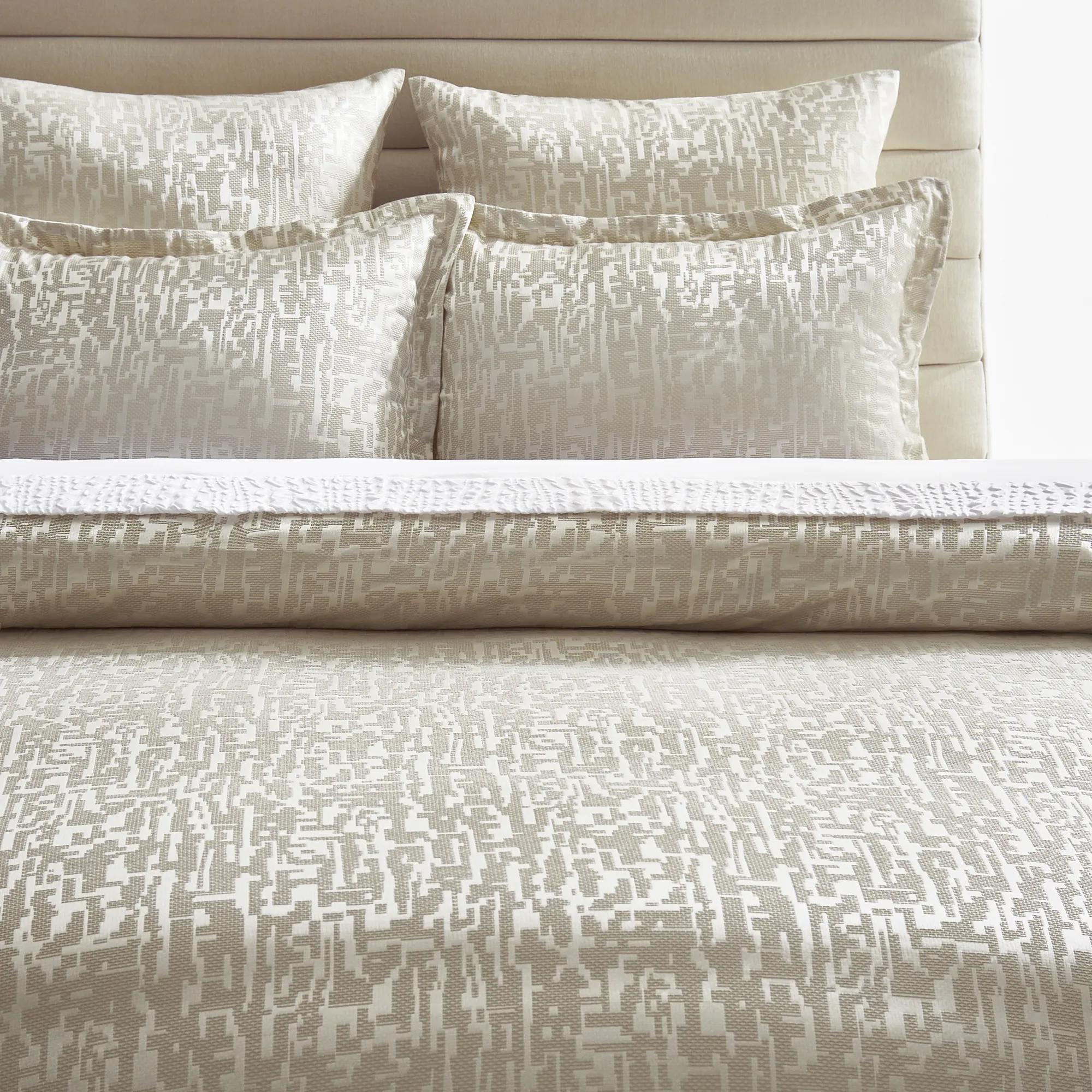
Soft Leopard Print Bedding
Soft Leopard Print Bedding
-
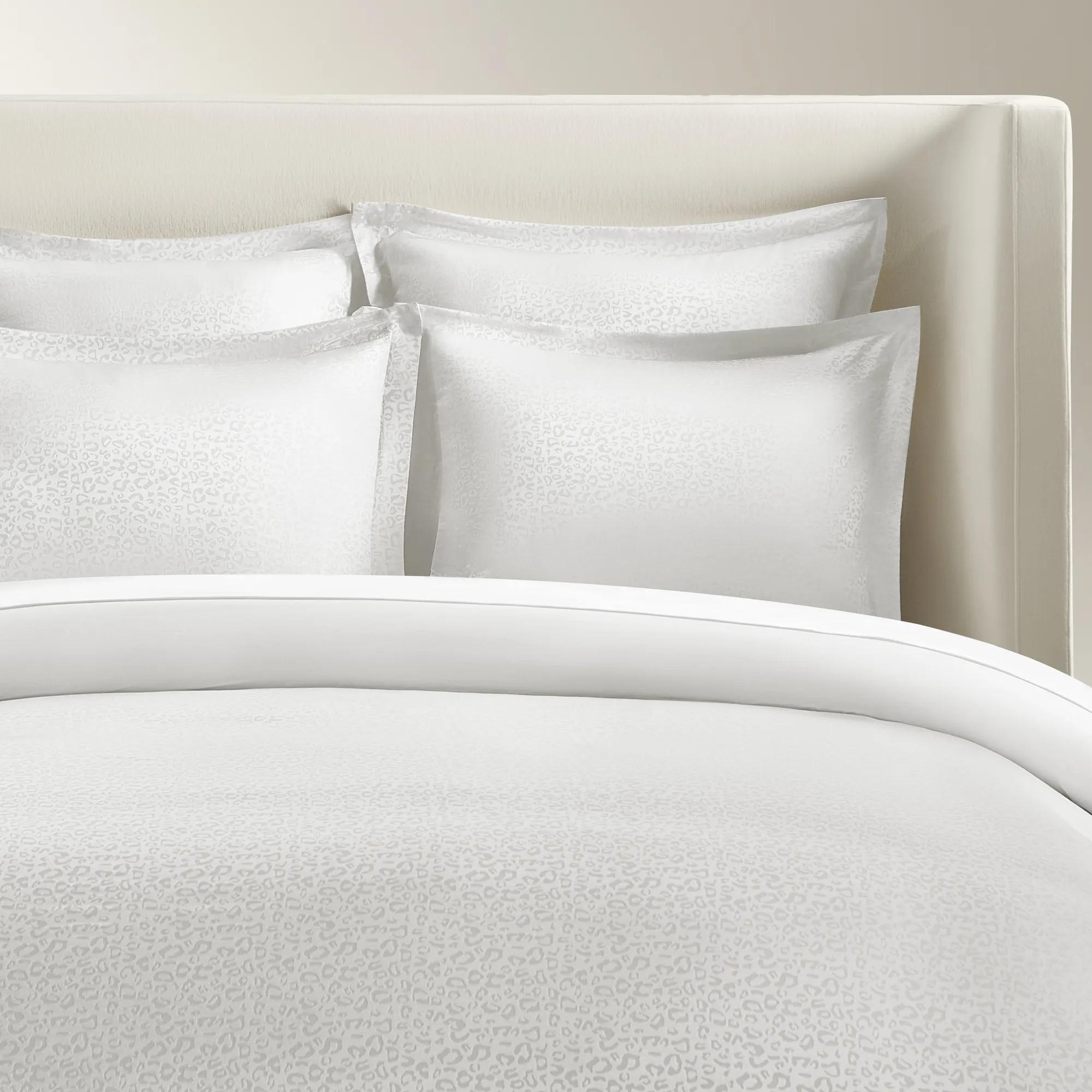
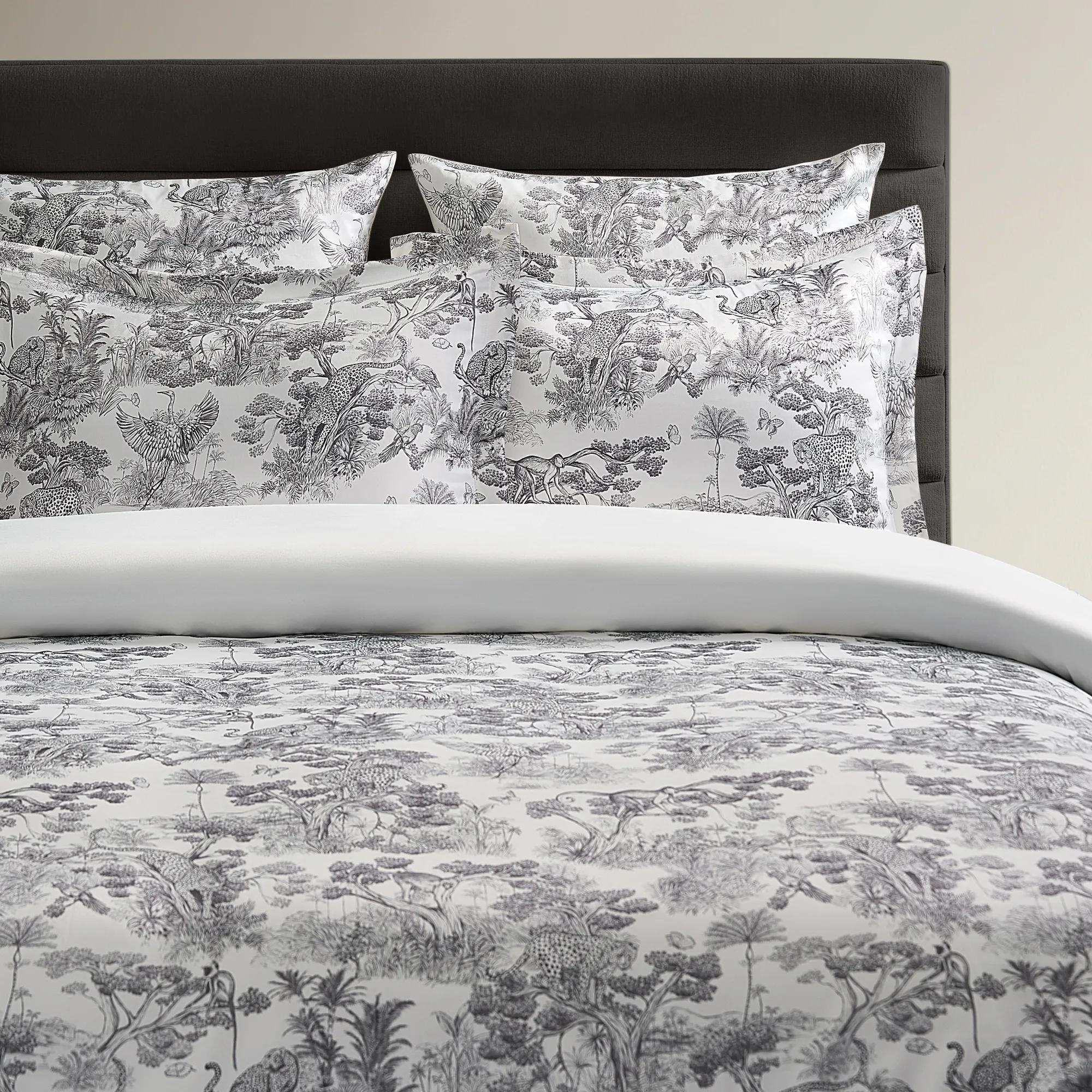
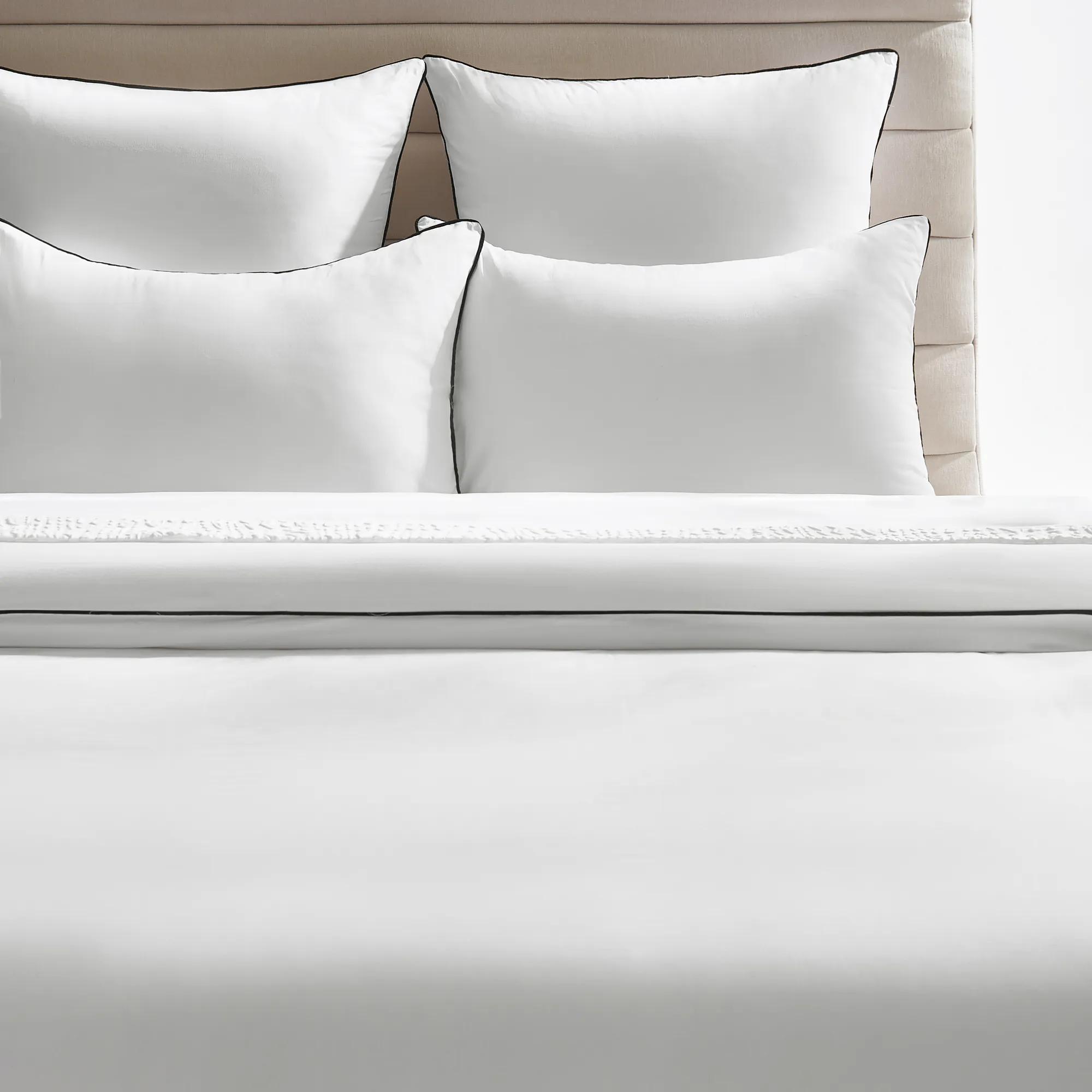
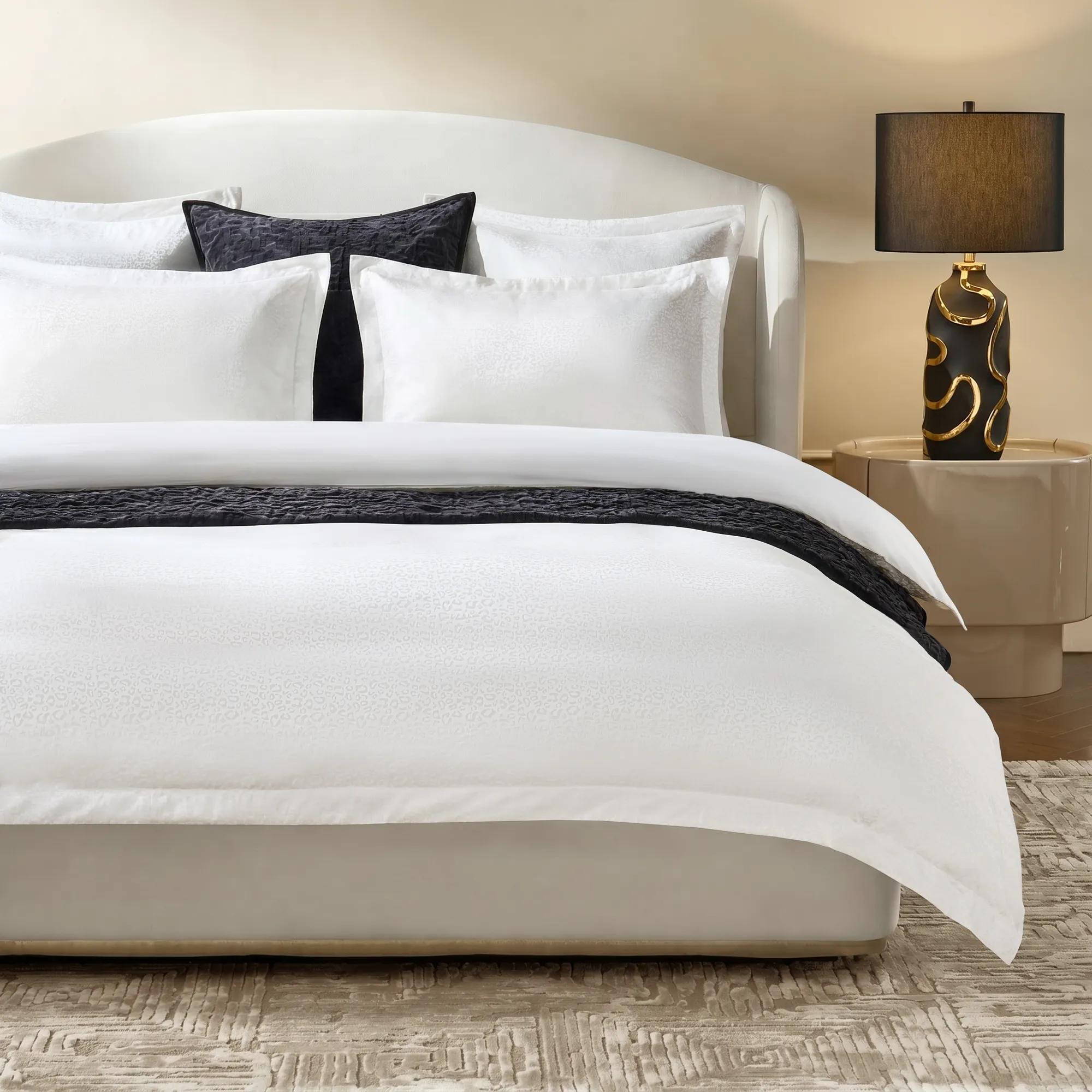 Abi Leopard Cloud White Tencel Bedding Set$249
A cloud white bedding set featuring a tonal leopard print in a smooth Tencel blend with cotton reverse.
Add To Cart -
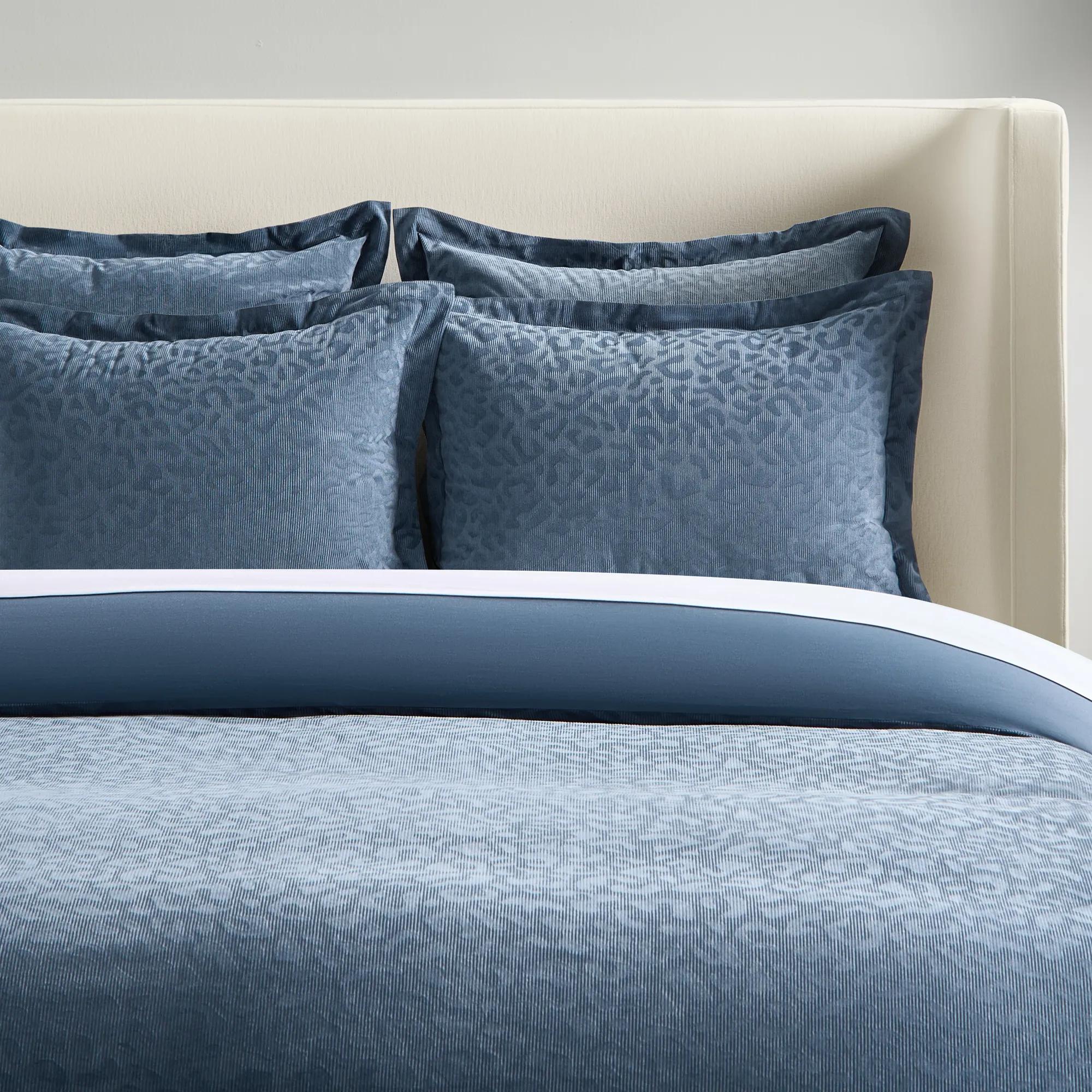
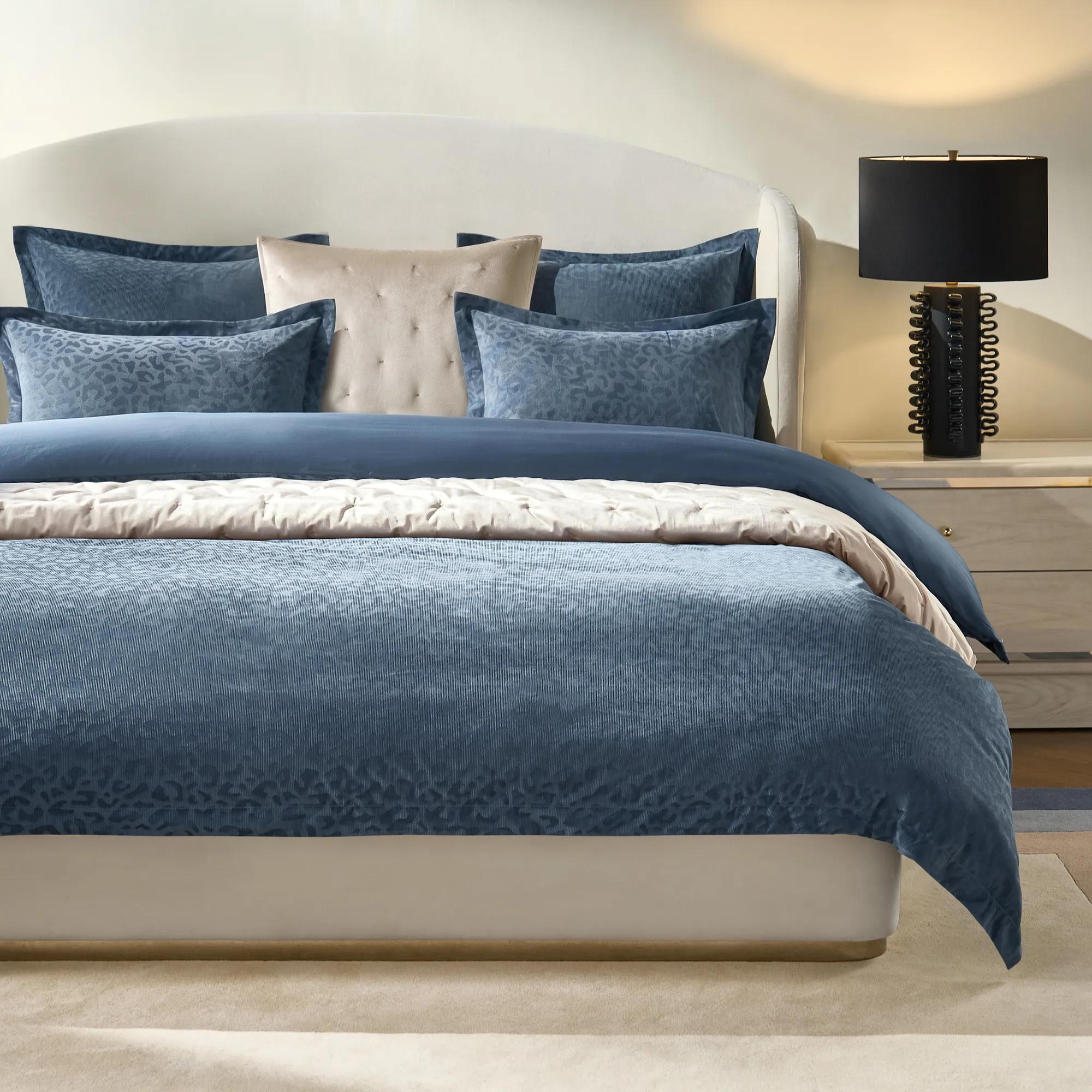 Leopard Dusty Blue Cotton Corduroy Velvet Bedding Set$249
A dusty blue velvet bedding set featuring a tonal leopard print and soft corduroy texture with cotton backing.
Add To Cart -
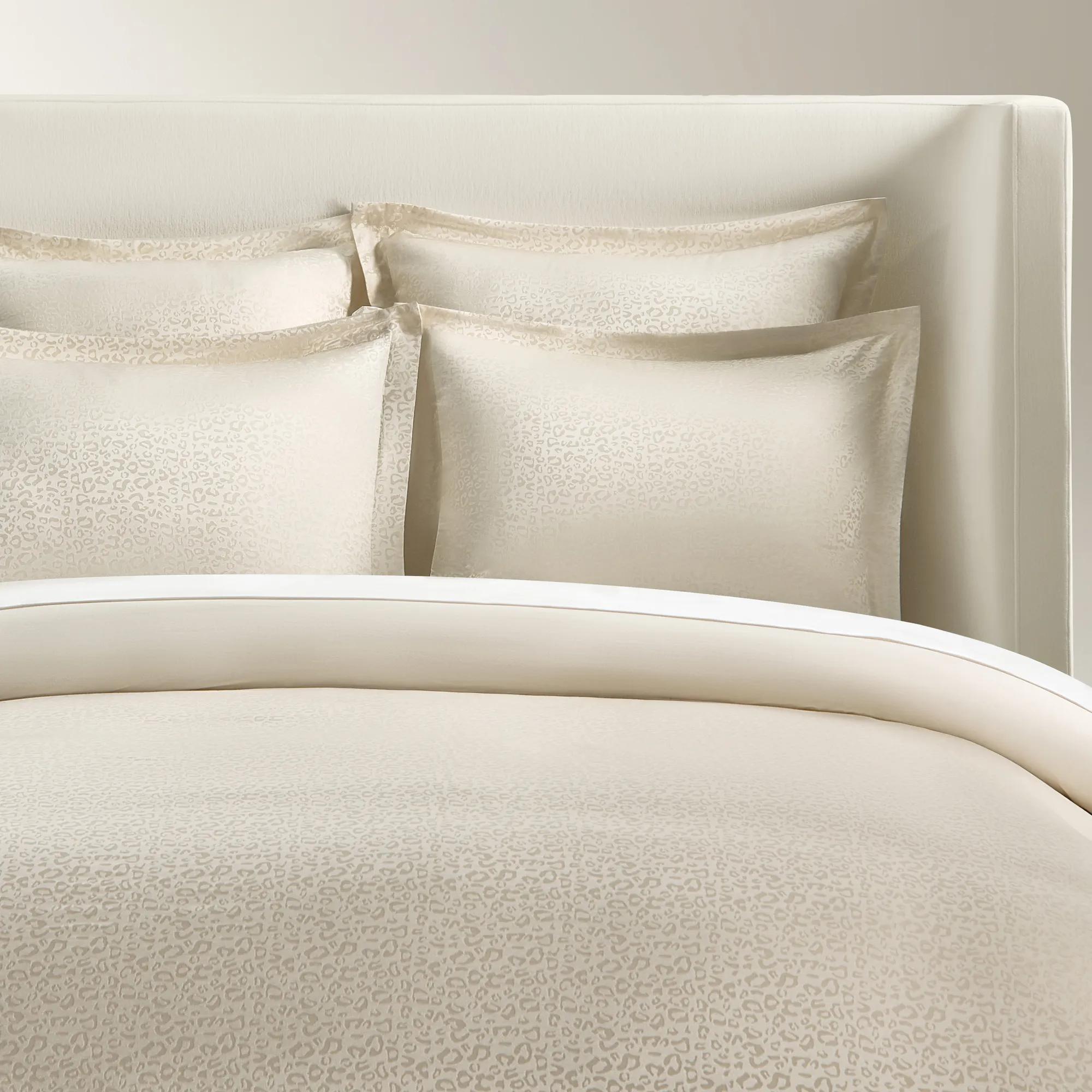 Abi Leopard Soft Nude Tencel Bedding Set$299
A soft nude bedding set featuring a tonal leopard print in a smooth Tencel blend with cotton reverse.
Add To Cart -
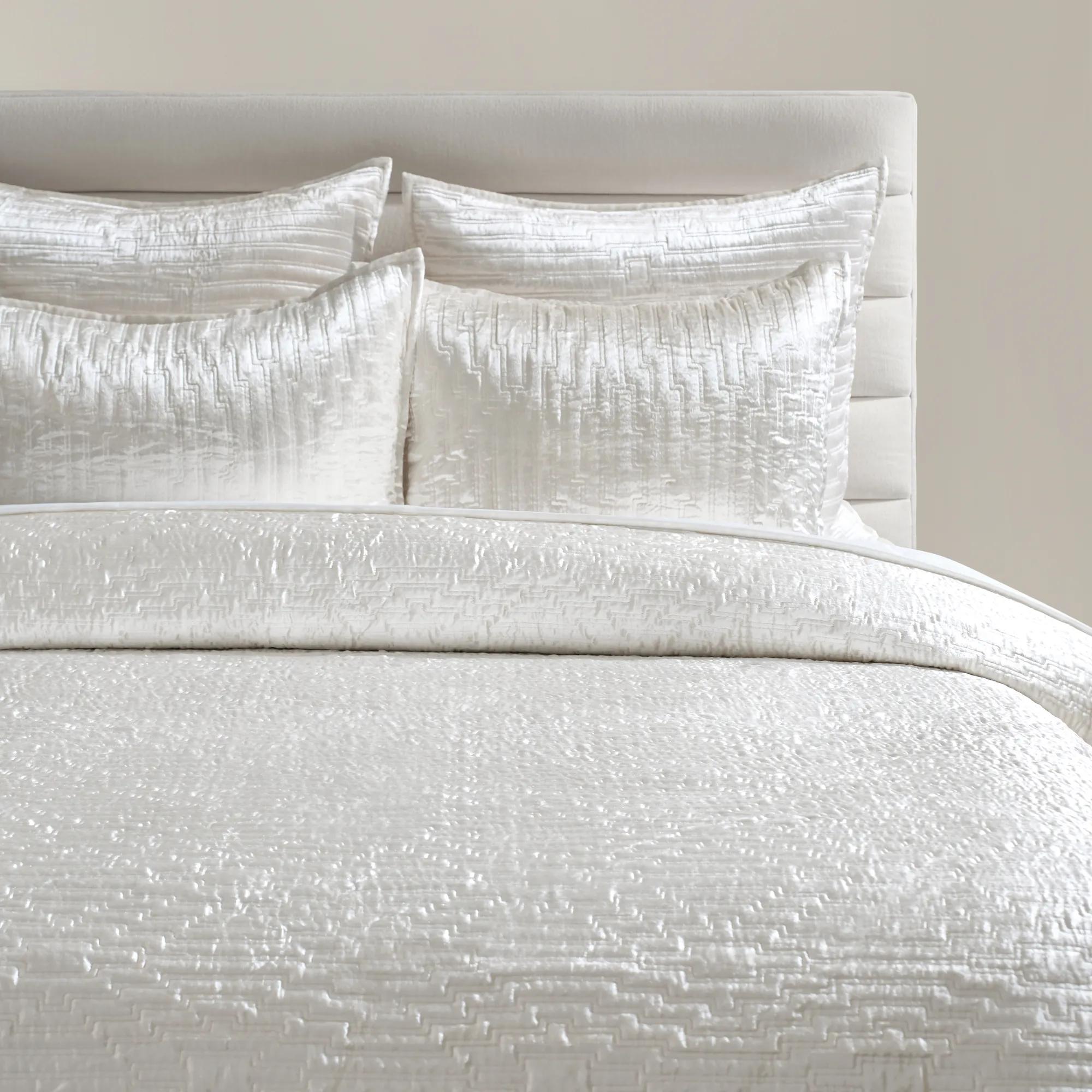
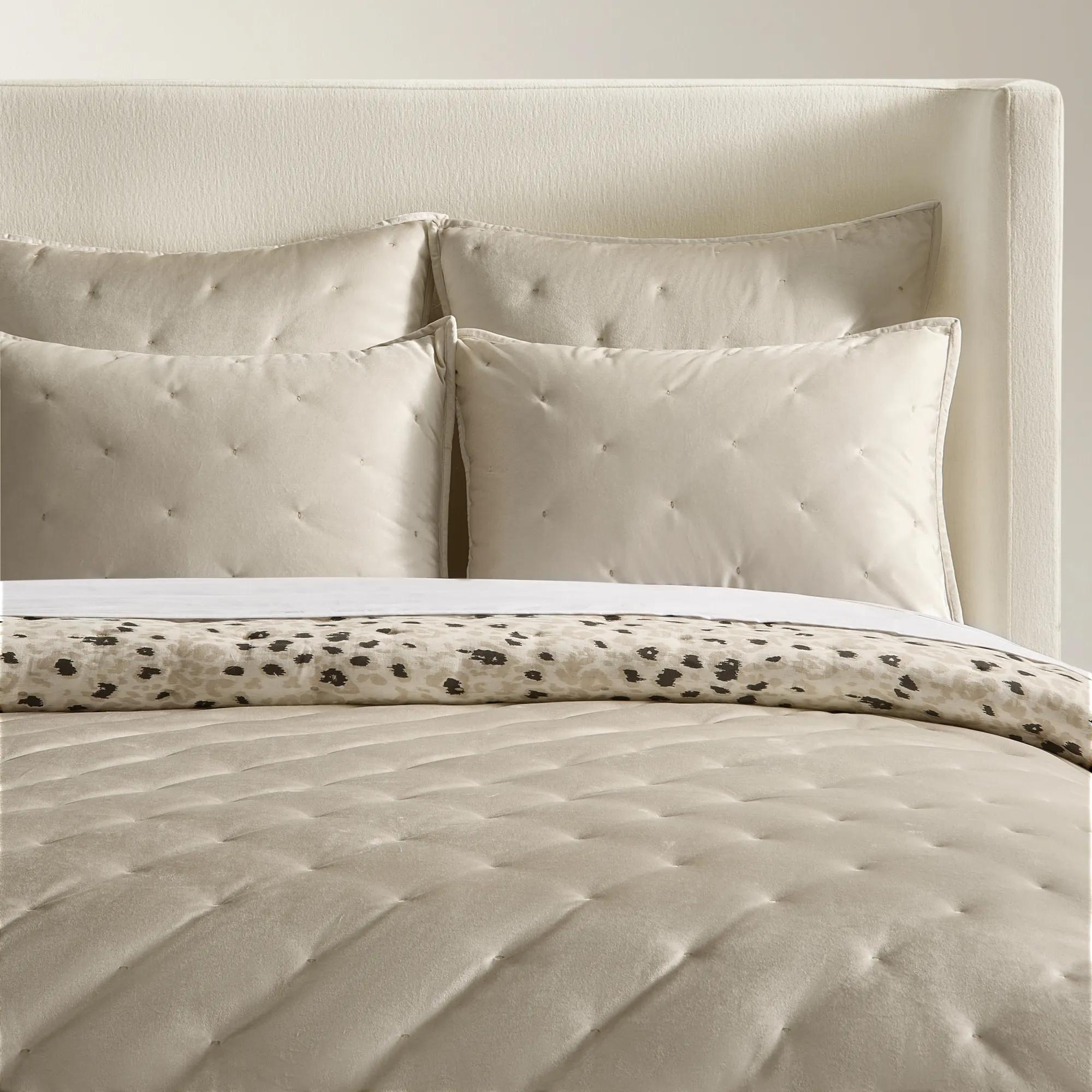 Nemera Alabaster/Leopard Reversible Velvet & Cotton Linen Quilt Set$89
A reversible quilt set featuring plush alabaster velvet on one side and bold leopard print cotton-linen on the other.
Add To Cart -
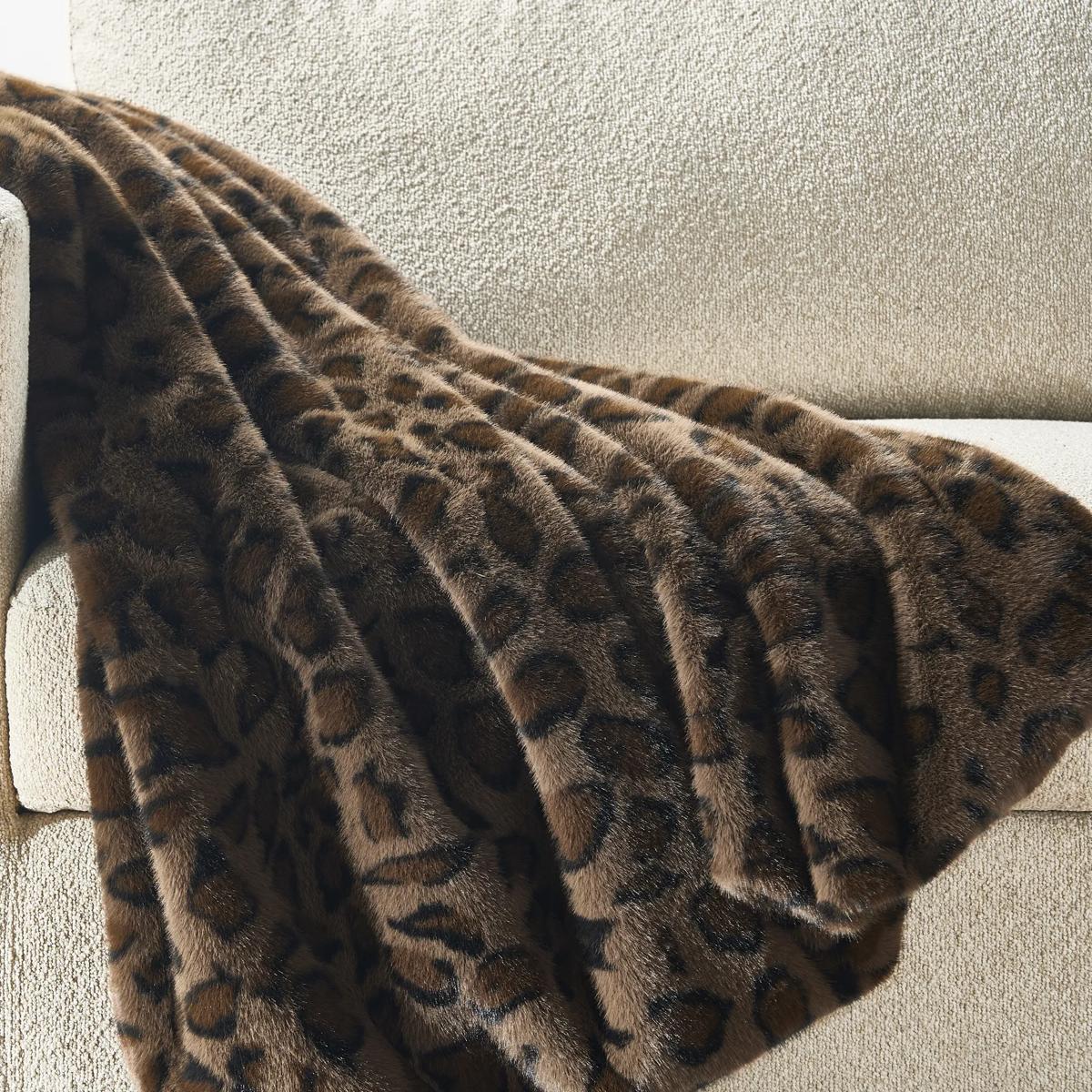
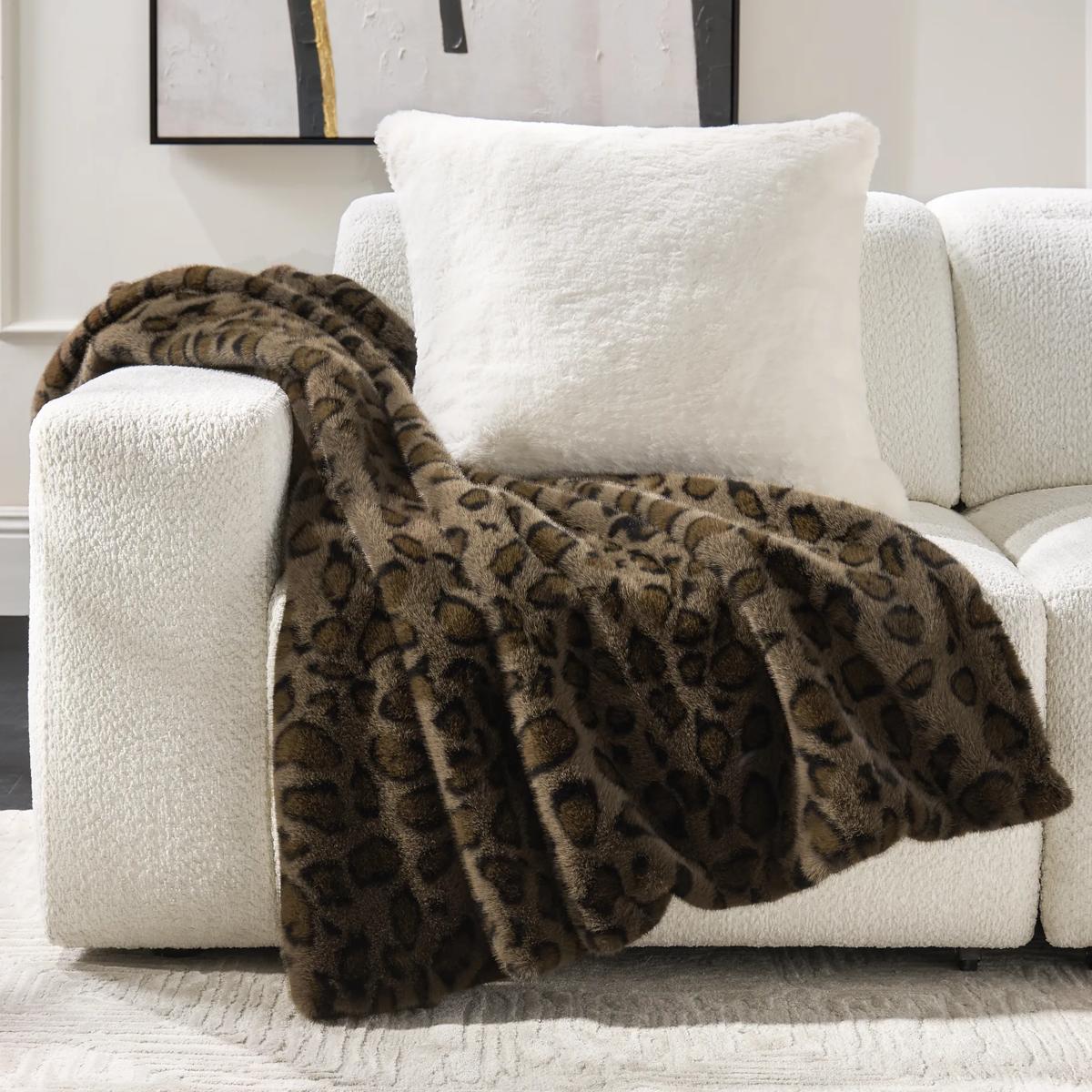 Nyx Brown Animal Print Faux Fur Throw 50" x 60"$149
A brown leopard print faux fur throw offering ultra-soft texture and bold, glamorous style.
Add To Cart -
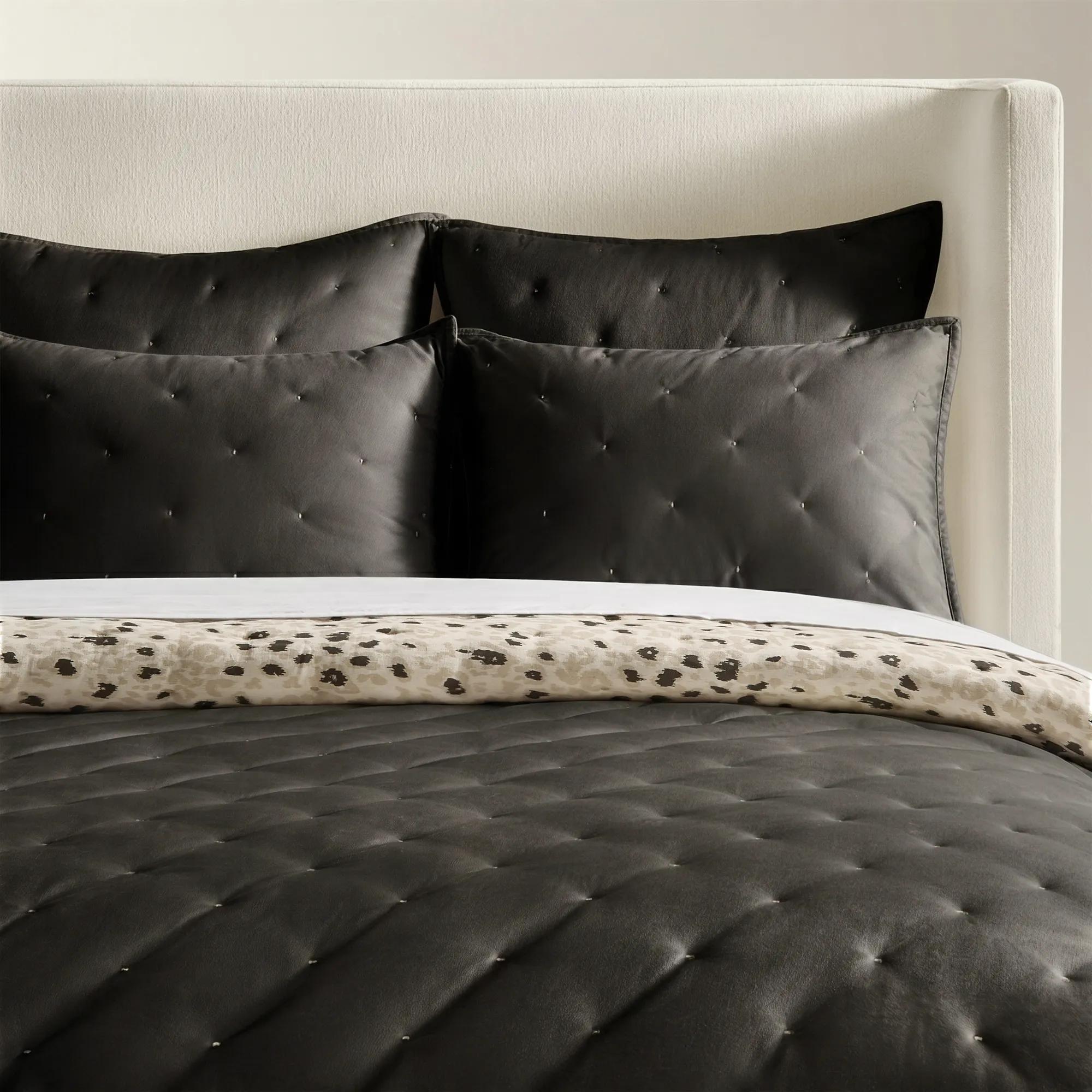
 Nemera Graphite/Leopard Reversible Velvet & Cotton Linen Quilt Set$299
A reversible quilt set featuring plush graphite velvet on one side and bold leopard print cotton-linen on the other.
Add To Cart

Soft Leopard Print Bedding
Explore soft leopard print bedding to give your bedroom an expressive animal-print focal point. Consider how the pattern’s scale and contrast will work with your existing decor, then pair it with solid-colored linens for balance or complementary patterns for a more dramatic, layered look.
Soft leopard print bedding pairs the expressive character of an animal motif with fabrics chosen for a smooth, plush, or softly textured feel. Its appeal lies in that contrast: a pattern with undeniable presence, made inviting enough for the most personal room in the home. Leopard’s irregular spots and rosettes introduce movement without the precision of a geometric print, giving a beautifully made bed a more fluid, collected appearance. The effect can be quietly glamorous in ivory, taupe, and charcoal or more pronounced in deeper, higher-contrast combinations. Softness describes the fabric’s feel, while a softly rendered print refers to the gentleness of its colors and edges; the two qualities are worth considering separately. A muted pattern can still have a crisp surface, just as a bold print can feel exceptionally plush. Scale also changes the mood. Smaller markings create an intricate, almost textural impression from across the room, while larger rosettes make the bed a stronger focal point. Against an upholstered headboard, leopard bedding brings definition to a generous expanse of fabric. Beside lacquered furniture or a mirrored nightstand, it introduces an organic counterpoint to gleaming surfaces. Solid sheets and pillowcases give the eye somewhere to rest, allowing the print to feel deliberate rather than crowded. Cream highlights its lighter tones, black sharpens its outline, and a rich accent color can draw attention to a favorite piece of art nearby. For a more layered composition, a subtle stripe or tonal jacquard adds another rhythm without competing with every marking. The most compelling combinations share a color or an underlying mood, leaving the leopard motif free to command attention. Whether the setting is a dramatic primary bedroom or a thoughtfully appointed guest room, this bedding brings personality to the space without requiring every surrounding detail to change.
The feel of leopard print bedding depends on fiber, weave, finish, and construction—not on the pattern alone. Cotton offers a familiar softness and breathability, with different weaves producing distinctly different sensations. Cotton sateen typically has a smoother face and a subtle luster that suits an elegant, layered bed, while percale has a crisper hand and a matte appearance. Brushed microfiber generally feels smooth and supple, and its relatively low-maintenance character can suit frequently used bedrooms. Velvet introduces a directional pile that catches the light, giving the same printed shade different depths as the fabric moves. Faux fur creates a more pronounced plush texture, particularly effective as an accent rather than necessarily across every sleeping layer. Fiber content still matters within these categories: velvet and faux fur describe fabric constructions, not a single material, so the composition and care label provide essential details. For pieces that touch the skin throughout the night, surface feel, breathability, and ease of laundering deserve as much attention as appearance. A duvet cover works with a separate insert and can make refreshing the outer layer more manageable; a comforter combines its decorative shell and fill in one piece. Neither construction guarantees greater softness, since both depend on the materials and finishing involved. Thoughtful details also contribute to lasting comfort. Secure seams help maintain the shape of pillow shams, duvet ties help keep a compatible insert aligned, and well-distributed quilting helps limit fill migration in a comforter. Care requirements vary, especially for pile fabrics, embellished edges, and delicate finishes. Following the label’s washing and drying instructions helps protect the fabric’s hand and the definition of the print. Overloading a washer can prevent bulky bedding from moving freely, while excessive dryer heat may damage certain fibers or finishes. Where machine washing is permitted, sufficient space and thorough drying matter. Decorative pillows with removable covers offer another practical distinction, although the cover and insert may require different care. These construction details allow an expressive bed to remain a pleasure to use, not simply a striking photograph.
Fit gives soft leopard print bedding its finished silhouette. Mattress size is only the starting point: mattress depth, a topper, the height of the bed frame, and the desired drop all influence how a coverlet, duvet, or comforter will fall. A deeper mattress can consume more of the bedding’s width, leaving less fabric along the sides than a styled image might suggest. Comparing the bedding’s actual dimensions with the mattress and preferred coverage provides a clearer picture than relying on a size name alone. Duvet covers and inserts also need compatible measurements to avoid an underfilled outline or excess fabric bunching at the edges. For sheets, pocket depth should accommodate the full mattress height, including any topper. Pillow proportions complete the composition. Standard, queen, king, and square decorative shams serve different purposes, and their dimensions determine whether the arrangement feels tailored, generous, or overly crowded. A few well-scaled layers often give a leopard print more impact than a dense collection of competing accents. A patterned duvet with solid sleeping pillows creates one expression; a solid bed finished with leopard shams creates another, with less pattern across the room. For a wider exploration of expressive motifs, Designer Animal Print Bedding offers a related direction for shaping a distinctive bedroom palette. Intended use remains central to the choice. An everyday bed benefits from a comfortable sleeping surface and a care routine that fits the household, while a guest bed calls for layers that are straightforward to refresh between visits. In homes with pets, a fabric’s tendency to snag or collect visible hair may matter more than an especially elaborate finish. For a housewarming or wedding gift, bedding feels more personal when the recipient’s mattress size, fabric preferences, and appetite for pattern are known. Leopard print is especially suited to someone who enjoys a room with individuality: polished, tactile, and confident enough to let a familiar pattern become the defining detail.
FAQs
Soft leopard print bedding brings the expressive character of animal print into a more understated bedroom palette. Muted tones and gentle contrast can lend the spotted motif a painterly quality, creating a bed that feels inviting, artful, and confidently glamorous.
Ivory, warm taupe, and champagne create a luminous backdrop for soft leopard print bedding. For greater drama, introduce charcoal or black accents. Pulling a shade from the print into pillows, throws, or curtains gives the room a cohesive, thoughtfully composed look.
Let leopard print bedding take the lead against a clean-lined headboard and restrained furnishings. Sculptural lighting, reflective accents, and a striking piece of wall art bring dimension without competing with the pattern. The contrast between tailored silhouettes and expressive print creates a distinctly modern sense of glamour.
Yes—soft leopard print bedding can anchor an artful mix of patterns. Pair its organic spots with crisp stripes or a subtle geometric motif, keeping the colors closely related. Vary the visual scale of the patterns and include solid accents so each element has room to stand out.
Build around the print with solid sheets, a textured throw, and a considered arrangement of accent pillows. Contrast smooth surfaces with dimensional details such as quilting or embroidery. Folding a solid layer across the foot of the bed creates a tailored finish while allowing the leopard motif to remain the focal point.