Stylish Bookends
Stylish Bookends
-
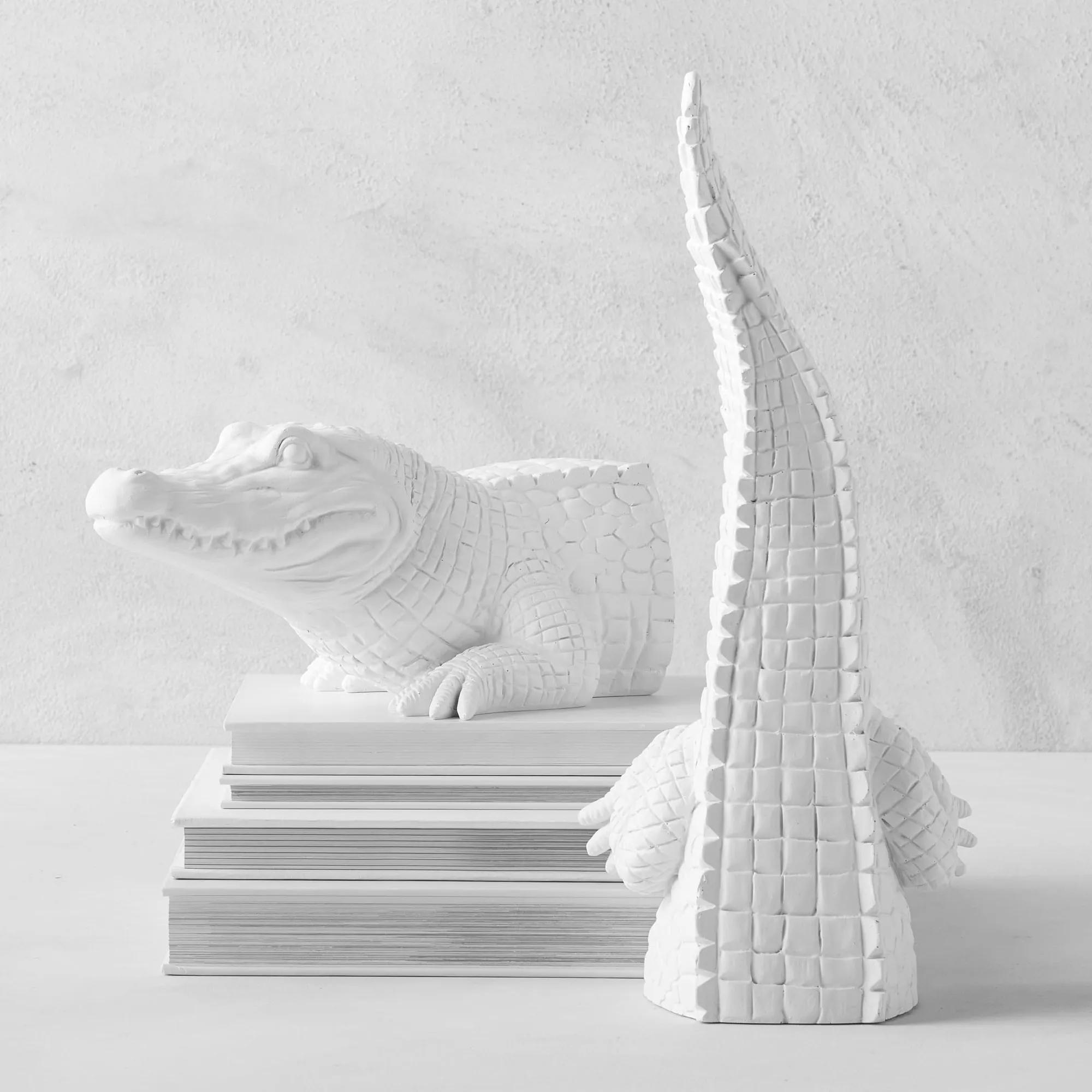
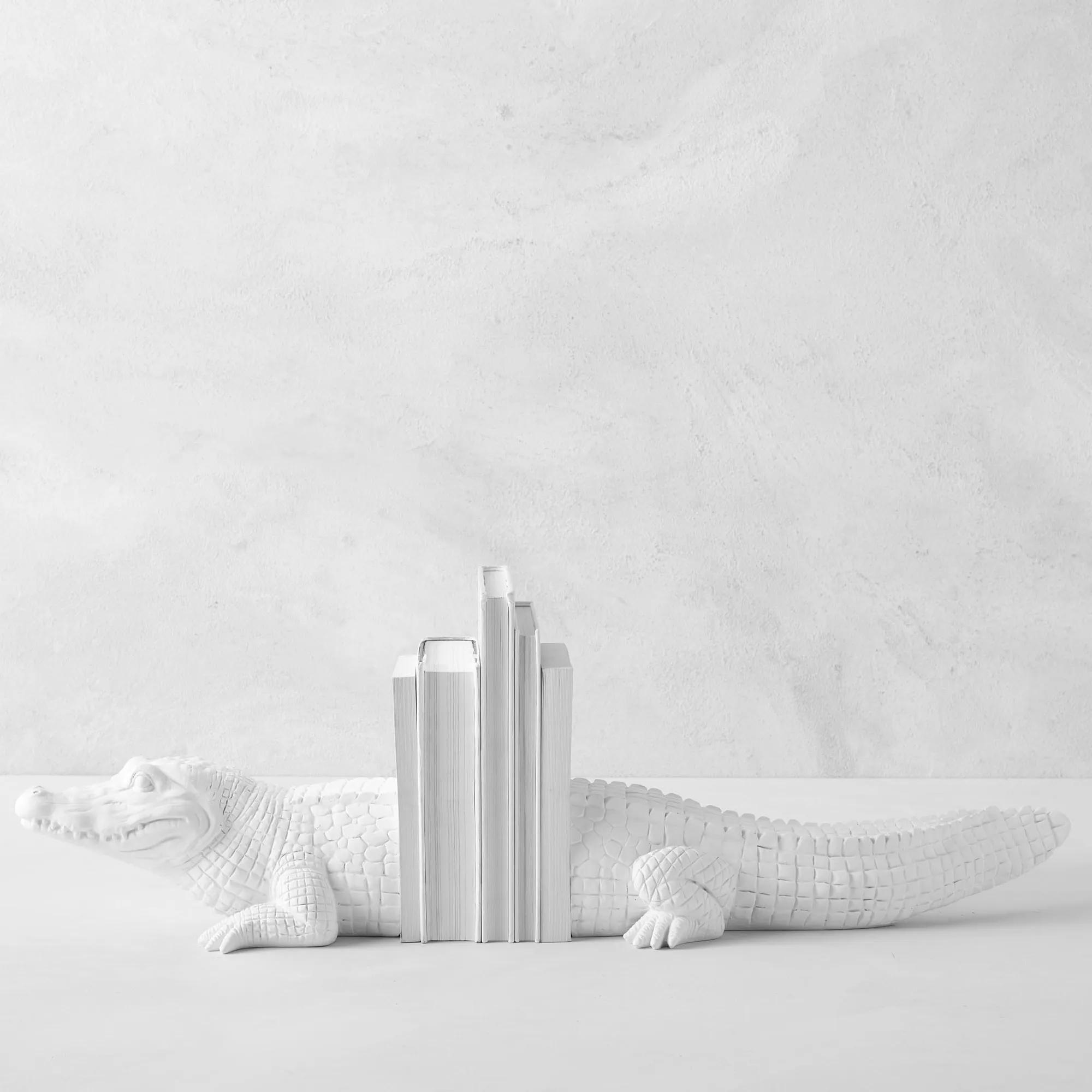 Alligator White Resin Bookends 6.5"$69
A pair of grinning polyresin bookends that add whimsical charm and secure your books in style.
Add To Cart -
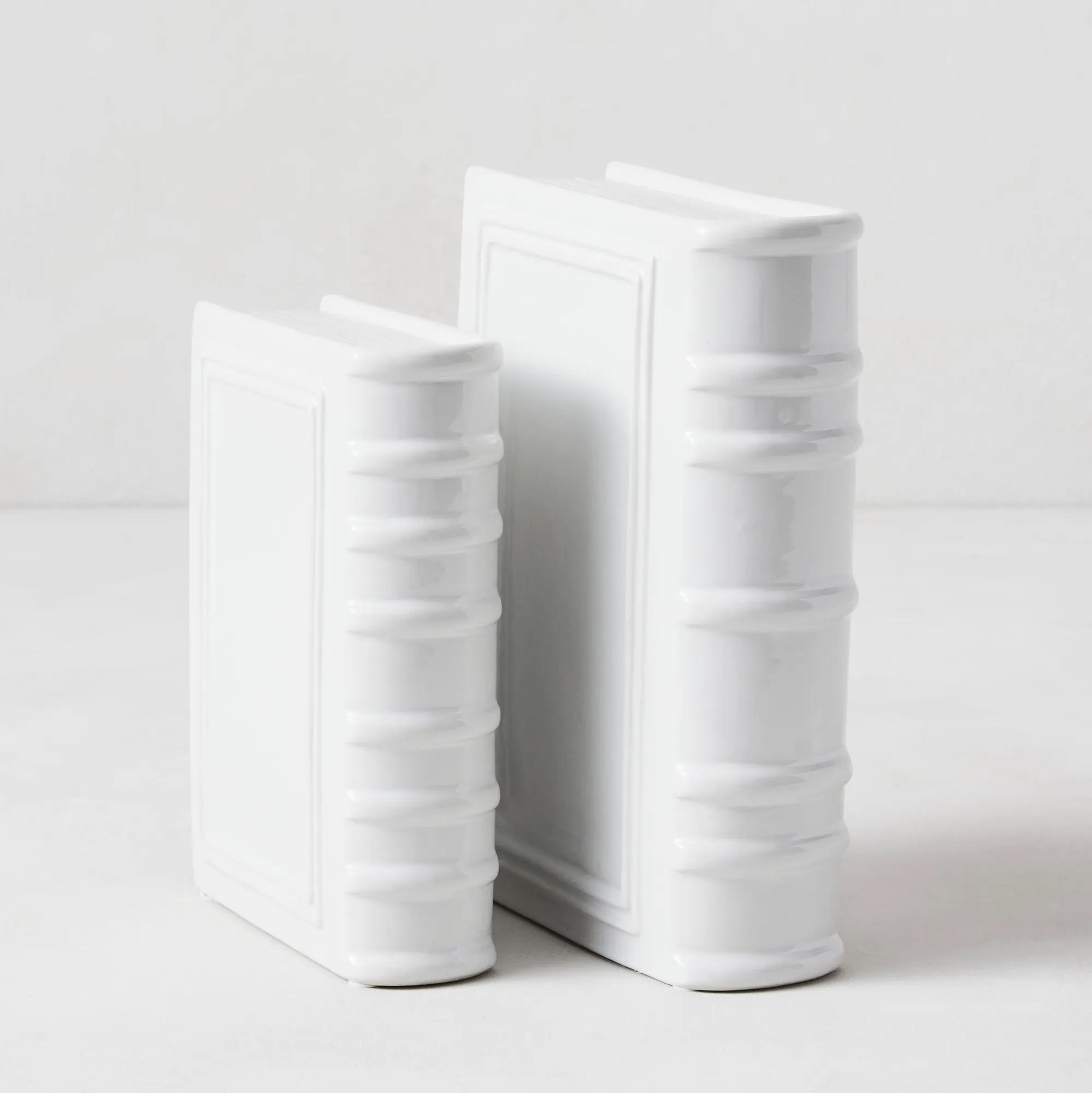
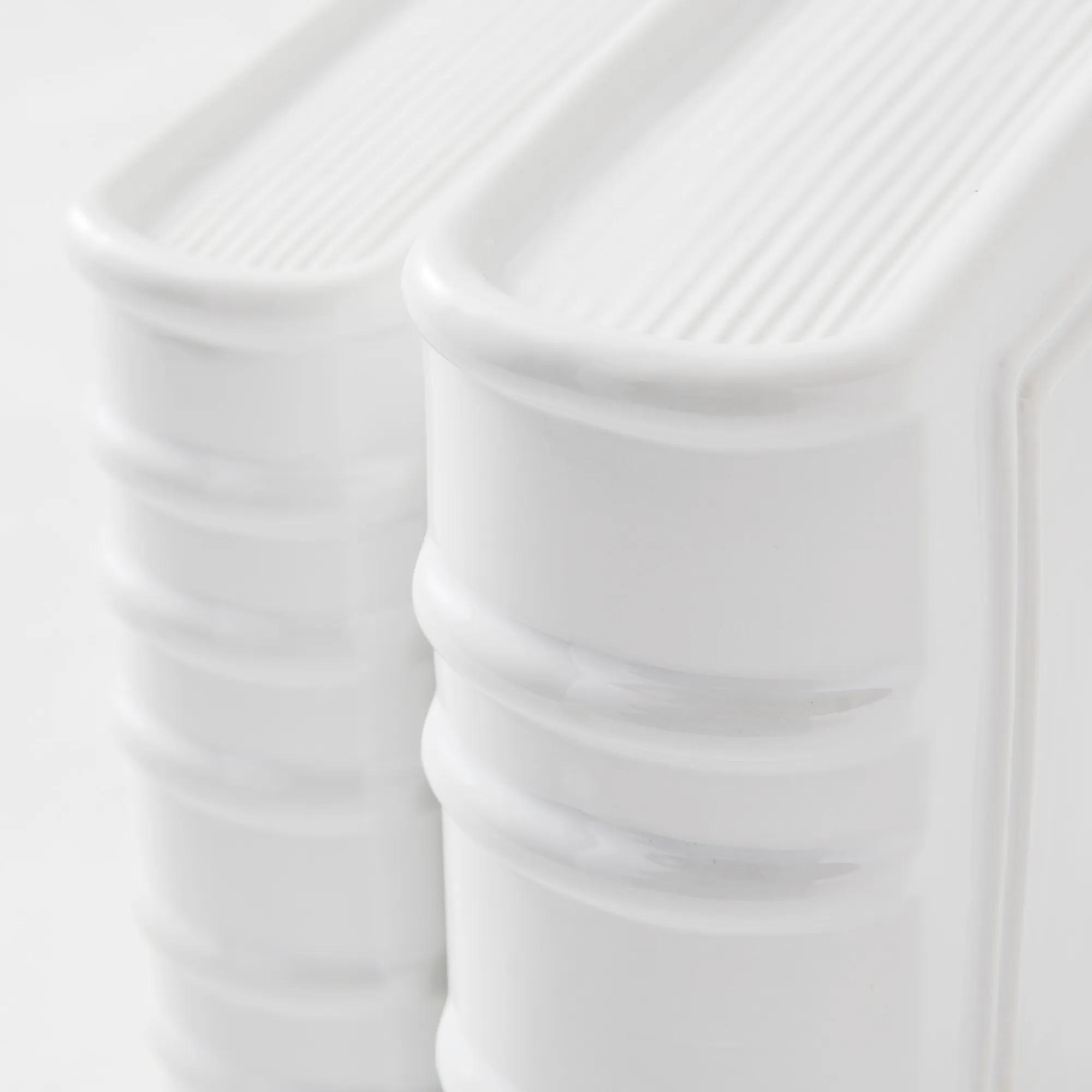 Ceramic Bookends - White$49
A pair of cream ceramic book accents that double as minimalist bookends or decorative console pieces.
Add To Cart -
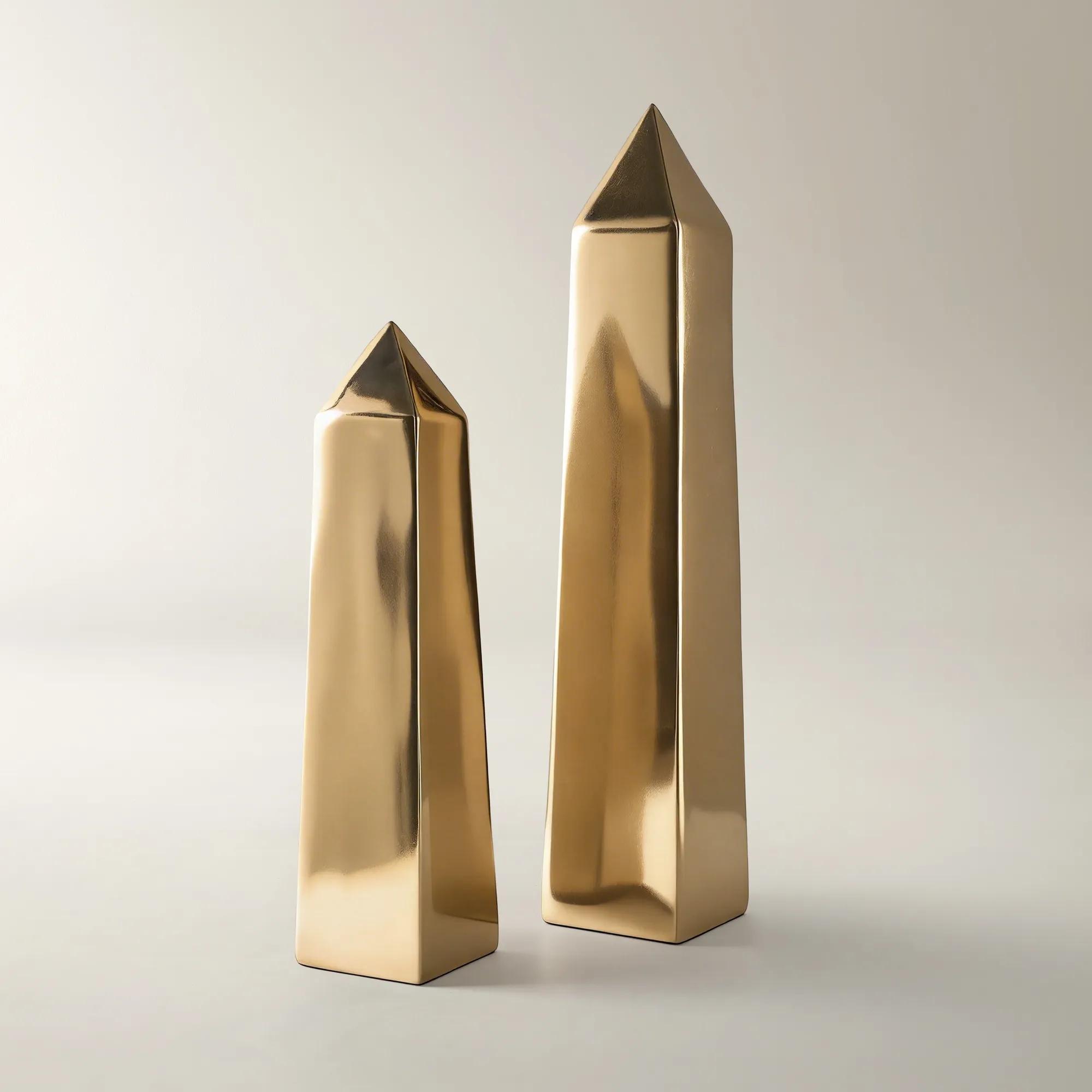
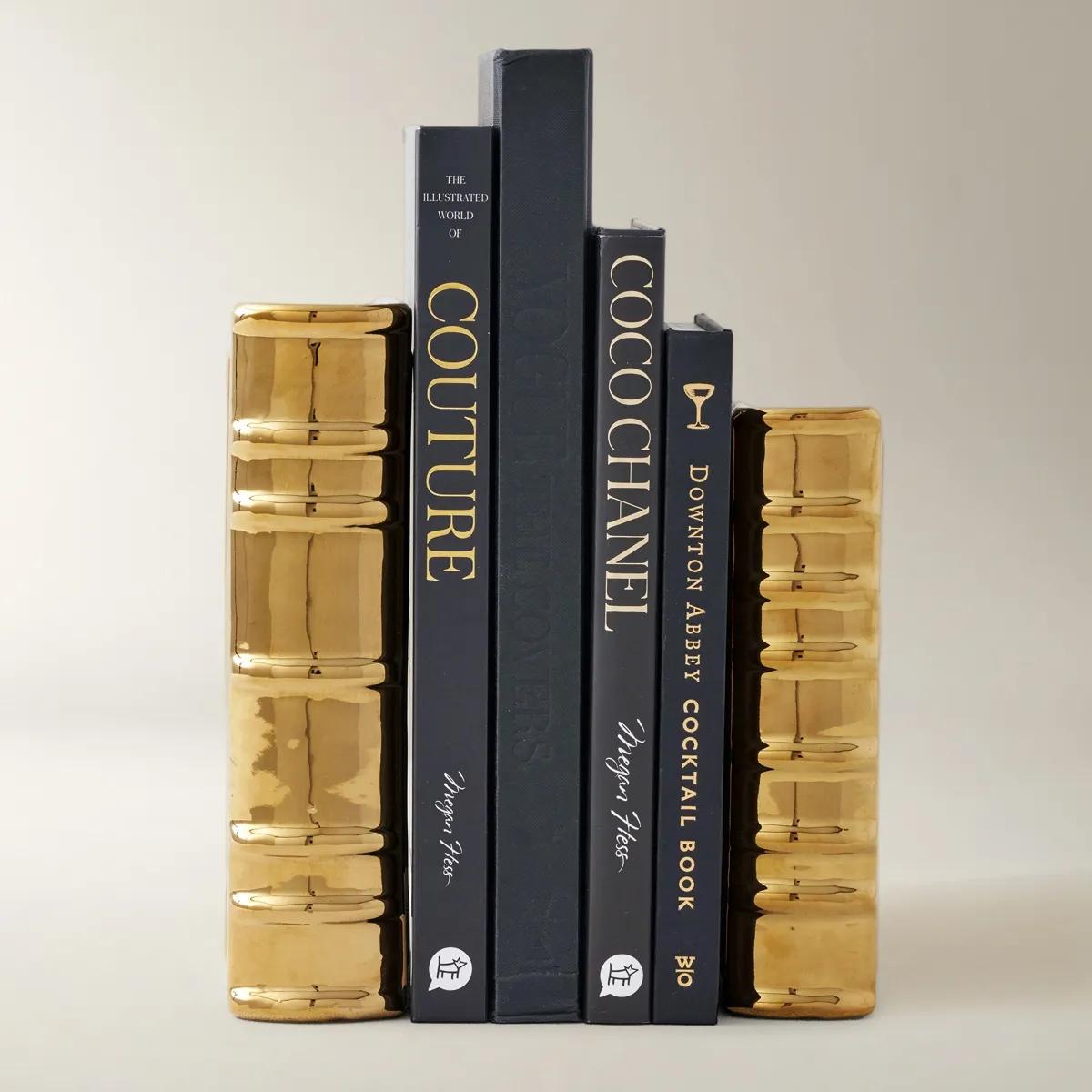 Gold Ceramic Bookends$49
A pair of gold ceramic book accents that double as sleek, modern bookends for any space.
Add To Cart -
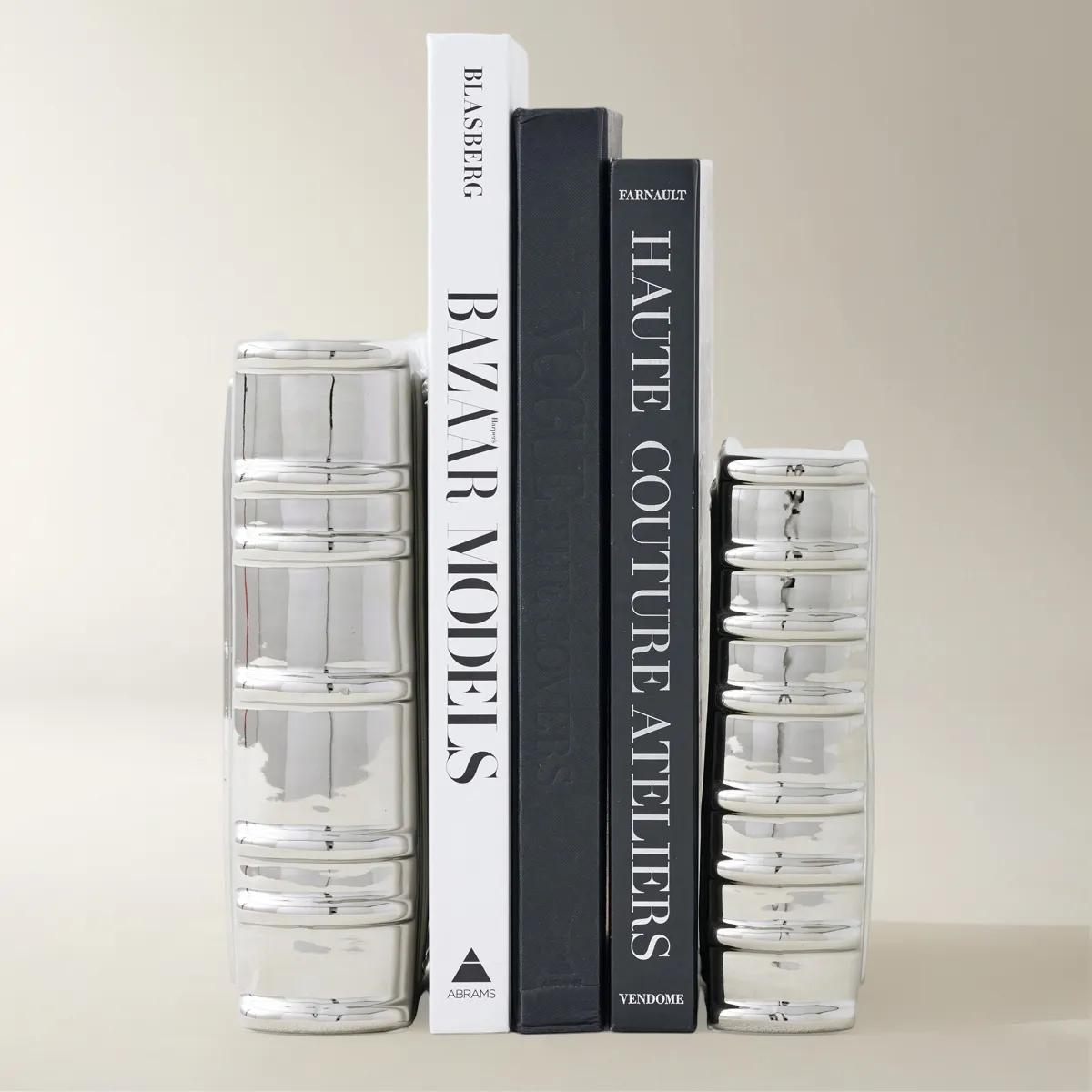
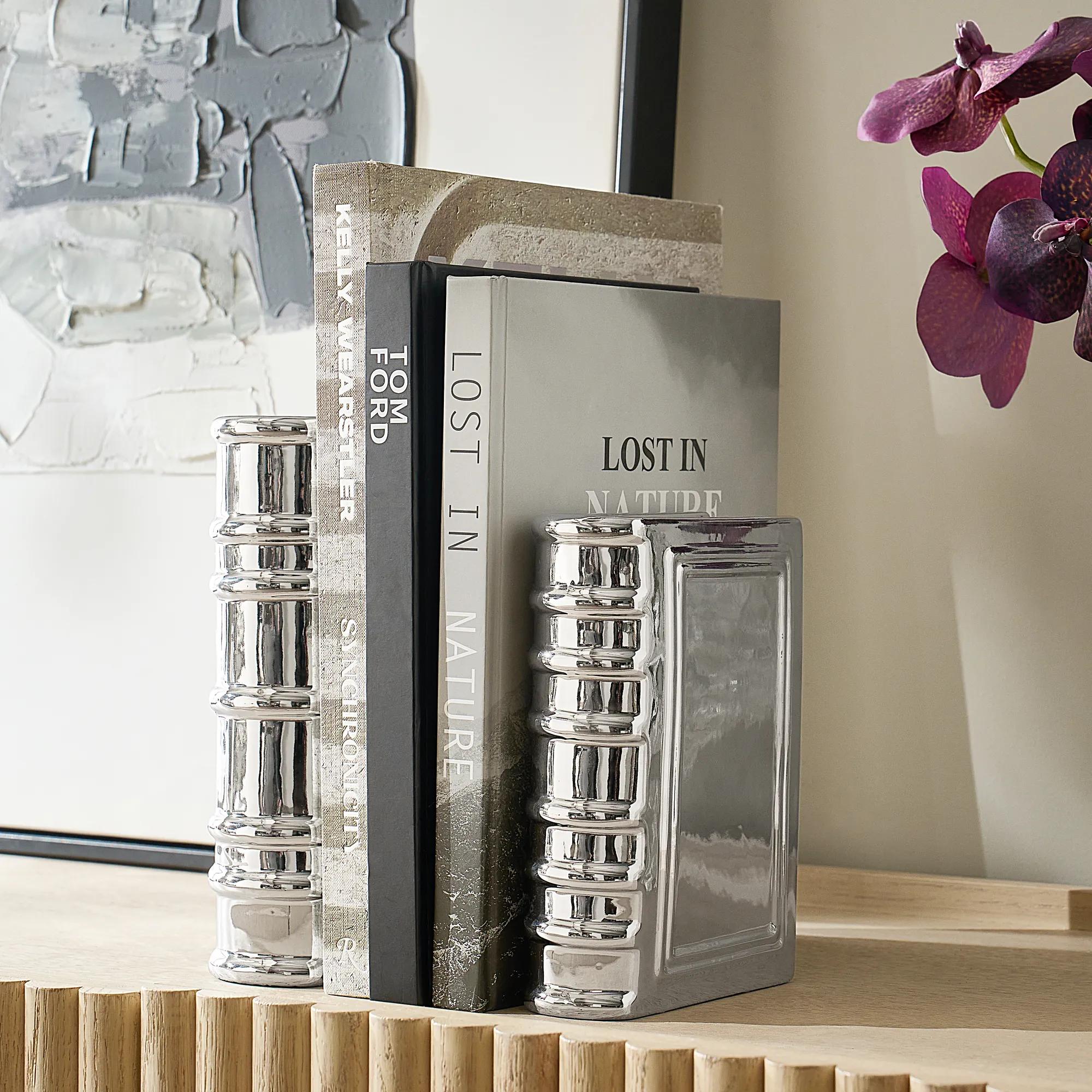 Silver Ceramic Bookends$49
A sleek silver ceramic accent that doubles as stylish bookends for modern decorative displays.
Add To Cart -
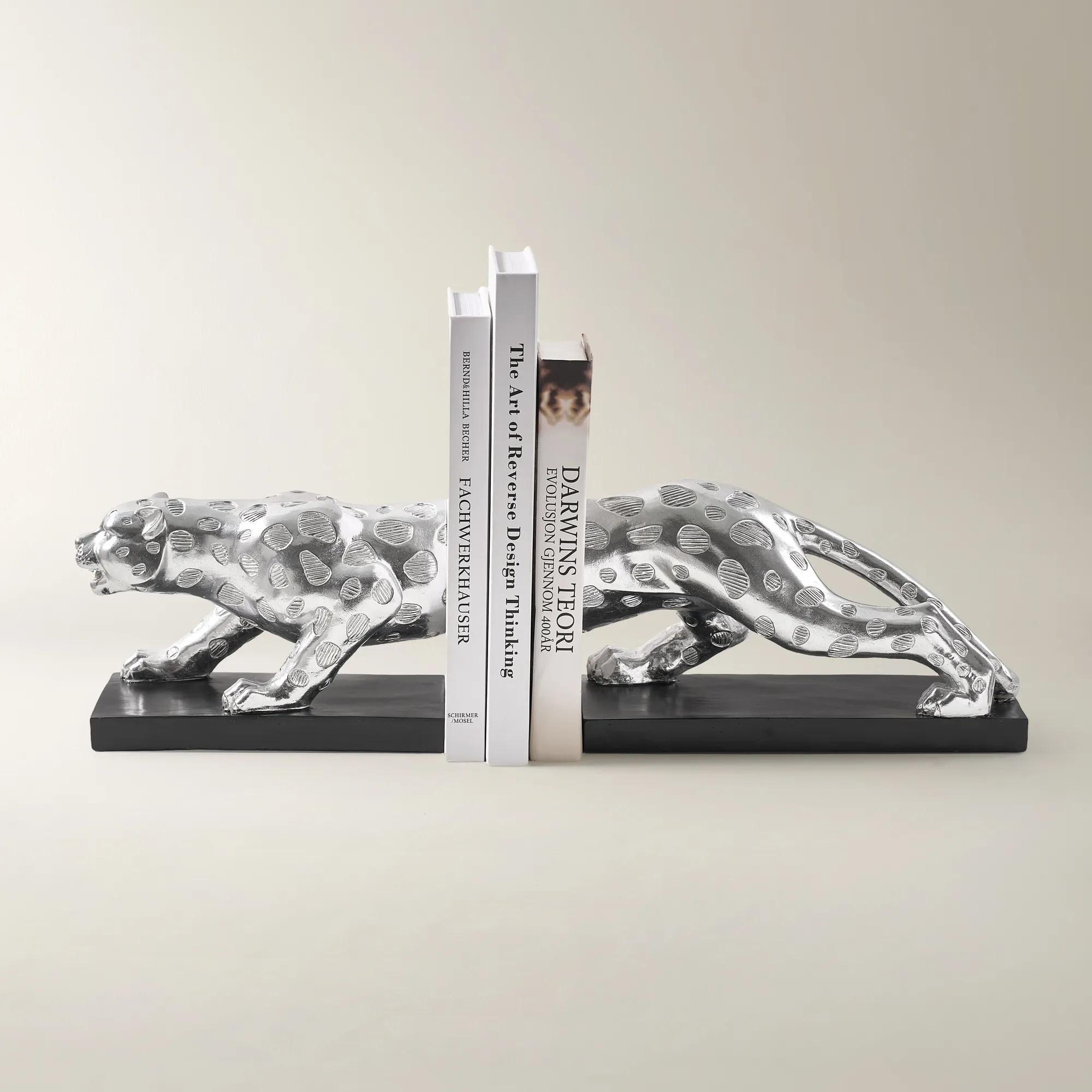 Pose Silver Resin Leopard Bookends$89
A sculptural pair of silver and black polyresin bookends inspired by Leopardo, adding modern glamour.
Add To Cart -

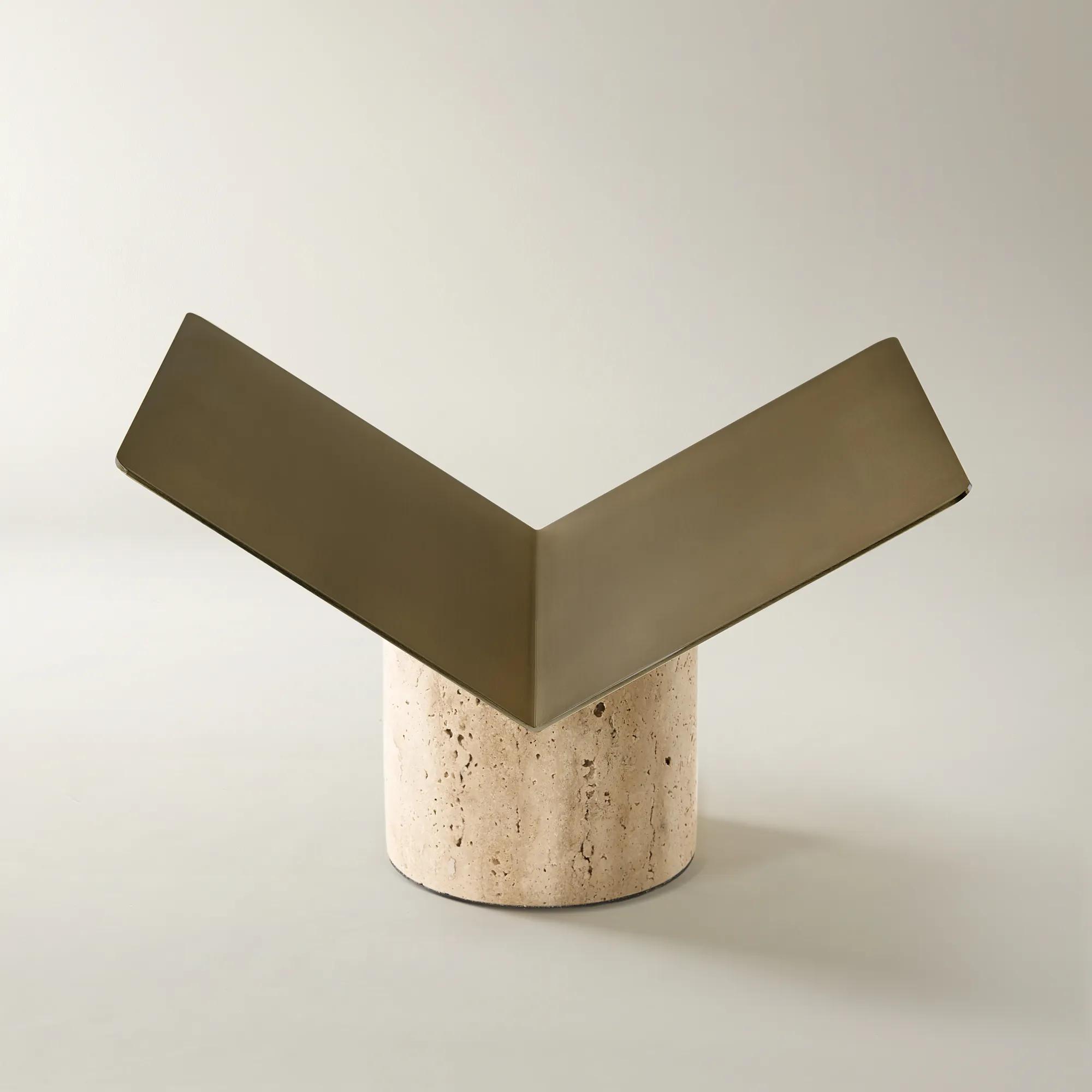
 Travertine Gold Metal Book Display Stand 7"$139
A sculptural beige travertine and gold metal stand that elegantly displays books with unique natural variation.
Add To Cart

Stylish Bookends
Elevate your shelves from ordinary to extraordinary with stylish bookends that do more than simply hold your favorite reads in place—they command attention, spark conversation, and infuse your space with personality. Each piece is a curated work of art, designed to punctuate your collection with unexpected glamour and sculptural intrigue. Whether you’re curating a dramatic library wall or accenting a chic console, stylish bookends transform every stack into a statement, inviting you to showcase your story with unapologetic flair.
Stylish bookends combine support for upright books with the expressive presence of decorative sculpture. They give a row of novels a deliberate beginning and end, bring definition to an open shelf, and introduce a material accent that can echo throughout a room. On a dark wood bookcase, pale stone creates a striking contrast; against white shelving, polished metal adds a gleaming outline. Sculptural bookends can make even a modest collection feel considered, framing favorite titles with curves, angular silhouettes, or artful figurative forms. The appeal lies in that balance of purpose and personality: books remain accessible, while their surroundings become part of the display. For interiors with richly upholstered seating, mirrored surfaces, or dramatic artwork, substantial shapes and luminous finishes carry that same expressive spirit onto the shelves. In a quieter arrangement, a single distinctive pair can supply the visual tension that keeps the space from feeling anonymous. Marble, metal, glass, wood, and resin each bring a different character, from cool, veined surfaces to warm grain and jewel-like reflections. Color matters just as much as form. Black bookends can sharpen a composition of pale covers, clear glass can introduce depth without a dense block of color, and gold-toned finishes create warmth beside deep blue, ivory, or charcoal. For a metallic accent with a more luminous presence, Gold Bookends can carry the warmth of a nearby lamp or picture frame into the bookcase. Matching every finish is unnecessary; a repeated undertone or complementary shape is often enough to make the arrangement feel connected. Decorative bookends also suit more than formal libraries. They can frame design books on a living room console, keep reference volumes within reach in a home office, or give a small collection of treasured hardcovers a place of distinction on a bedroom shelf. Their scale may be compact, but their contribution to a room is unmistakable.
The most satisfying bookends look compelling while providing support appropriate to the books they hold. A few slim poetry volumes place different demands on a pair than oversized art books or a dense row of hardcovers. Weight, base width, height, and the surface beneath the bookends all influence stability, so appearance alone does not establish how much support a design provides. A broad base and a low center of gravity can help resist tipping, while an upright face gives books a surface to rest against. Some metal designs have a flat extension that slips beneath the books, using the weight of the row to help anchor the arrangement. Others rely primarily on their own mass and footprint. For larger volumes, substantial construction and secure contact with the shelf matter more than an imposing silhouette. Dimensions deserve equal attention: tall decorative forms need clearance beneath the shelf above, and deep bases should sit fully on the supporting surface rather than project beyond its edge. The combined weight of books and bookends should also remain within the shelf’s stated capacity. Materials influence both the mood and the demands of everyday use. Marble and other natural stones offer density and individual veining, though edges can chip if knocked and some surfaces are sensitive to acidic cleaners. Metal can deliver crisp lines and polished brilliance, but plated, painted, and lacquered finishes require care that preserves their coating. Glass brings light and reflection, with careful handling essential around edges and projecting details. Wood introduces warmth and visible grain, while resin allows expressive shapes whose weight and durability vary with construction. Protective pads can help reduce direct contact with furniture, although trapped grit should be removed to avoid scratching. Routine care is best kept gentle and consistent with the supplied instructions: a soft cloth for dust, prompt attention to spills, and no abrasive scrubbing on delicate finishes. Lifting bookends before repositioning them, rather than dragging them across a shelf, helps protect both the decorative surface and the furniture beneath.
Bookends are especially effective when their placement reflects how a room is actually used. Beside a reading chair, they can hold the handful of books that are frequently opened rather than a display that never changes. On a desk, they define a compact reference library while leaving room for a lamp, writing space, and the objects that make working there feel personal. In a living room, a vertical row of books framed by sculptural forms offers a pleasing counterpoint to a low stack of large-format volumes. Leaving a little open space around an elaborate silhouette allows its contours to register; crowding it with small accessories can obscure the very detail that makes it distinctive. Book heights need not be identical, but the arrangement should allow each volume to stand securely without leaning heavily on a narrow or delicate feature. For broad shelves, several shorter groupings can feel more intentional than one uninterrupted line, particularly when the surrounding objects vary in height and texture. A glazed vase, a framed photograph, or a single substantial bowl can share the shelf without competing for every inch. On a console or sideboard, bookends can frame a compact selection of exhibition catalogs and bring a personal interest into the room’s larger composition. Near a kitchen, cookbook storage benefits from a position away from splashes, grease, and direct heat, with enough space to remove a volume comfortably. These everyday considerations make decorative bookends thoughtful gifts as well as expressive accents. An avid reader may appreciate support for a growing collection, a graduate may use them to establish a first home office, and a housewarming recipient can give familiar books a fresh setting. The most personal choice reflects the recipient’s interests and interior palette without requiring a complete room redesign. Whether their presence is architectural, luminous, or richly textured, well-proportioned bookends give books a place within the room’s design, honoring both the volumes themselves and the person who chose them.
FAQs
Stylish bookends serve as both functional supports and artistic statements, transforming bookshelves, mantels, or consoles into curated displays. Their unique materials and sculptural forms add texture, color, and personality to any space, creating a focal point that elevates your decor and reflects your individual style.
Elegant bookends are often crafted from luxurious materials such as marble, crystal glass, polished metals, and fine resin. These materials not only provide the necessary weight to support books but also introduce a sense of sophistication and artistry to your shelves.
Absolutely. Chic bookends make thoughtful and memorable gifts for occasions like housewarmings, graduations, weddings, or birthdays. Their blend of beauty and utility appeals to design enthusiasts, avid readers, and anyone who appreciates thoughtful home accents.
To create a visually engaging bookshelf, pair bookends with stacks of books, decorative objects, and greenery. Use bookends to anchor each end of a row or to highlight a special collection, allowing their design to complement the colors and textures of your other decor pieces.
Crystal glass bookends bring a touch of glamour and light to a variety of interiors, from modern and minimalist to classic and eclectic. Their reflective qualities and clarity pair beautifully with metallic accents, plush textiles, and dramatic color palettes, making them a versatile choice for sophisticated spaces.