Stylish Ceramic Bookends
Stylish Ceramic Bookends
-
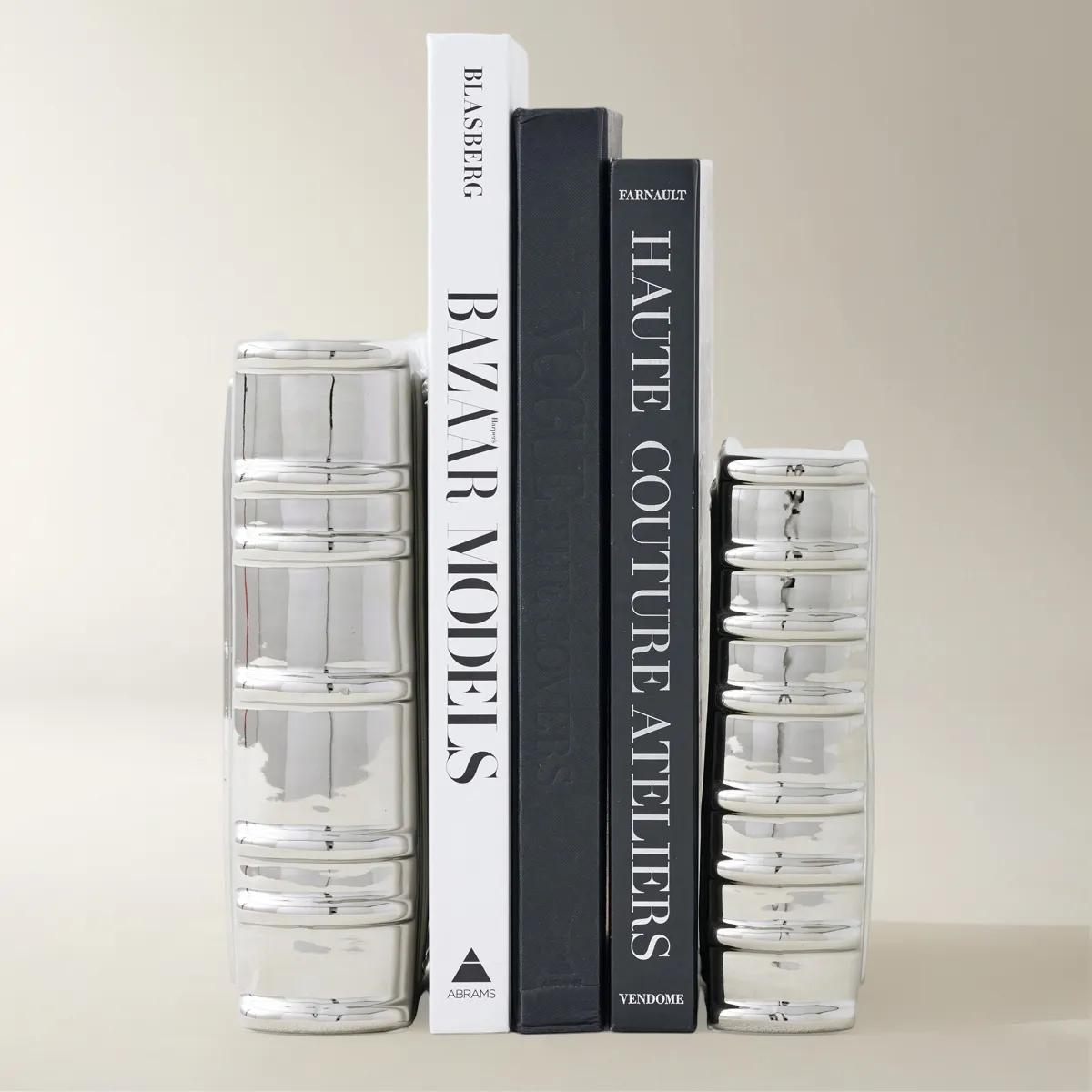
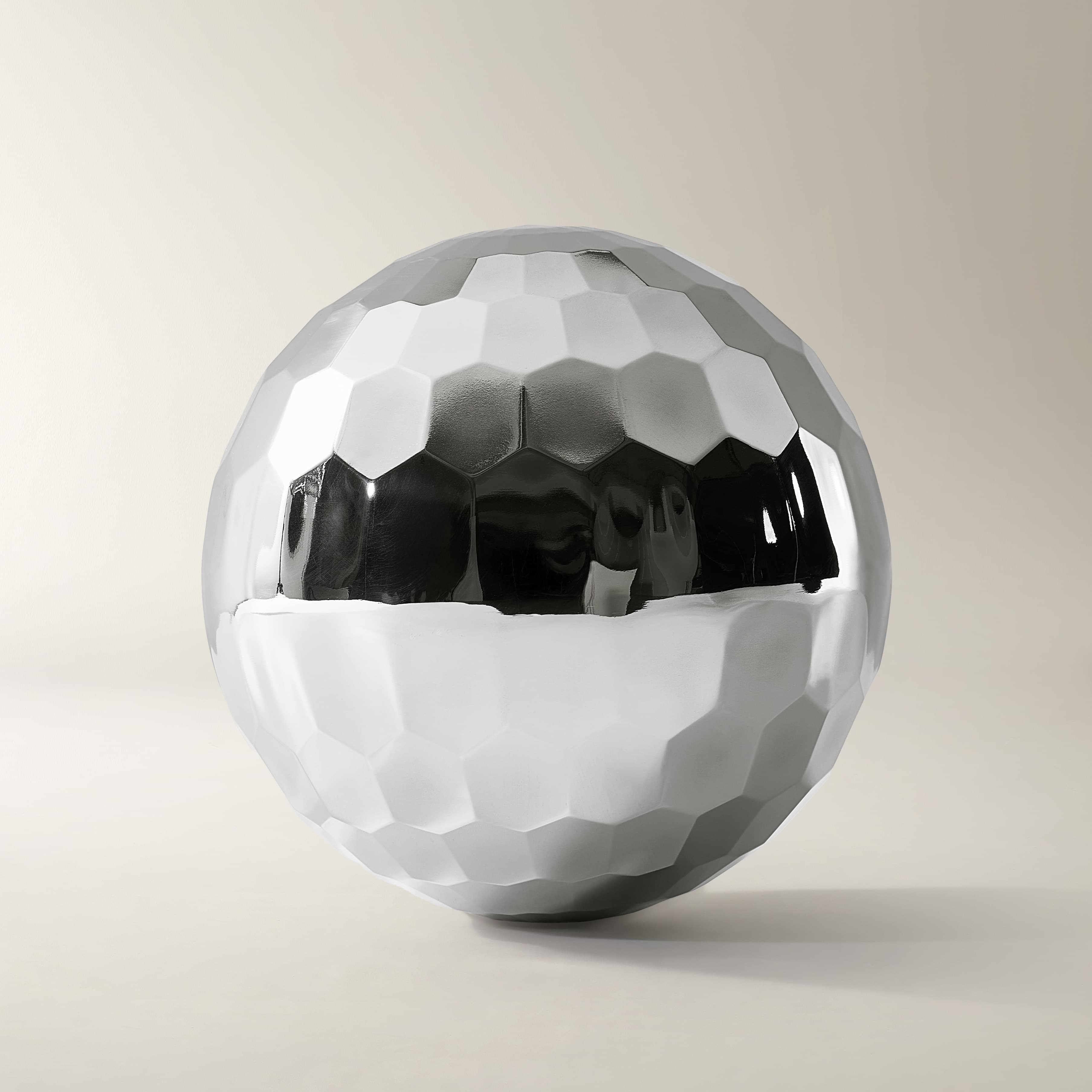
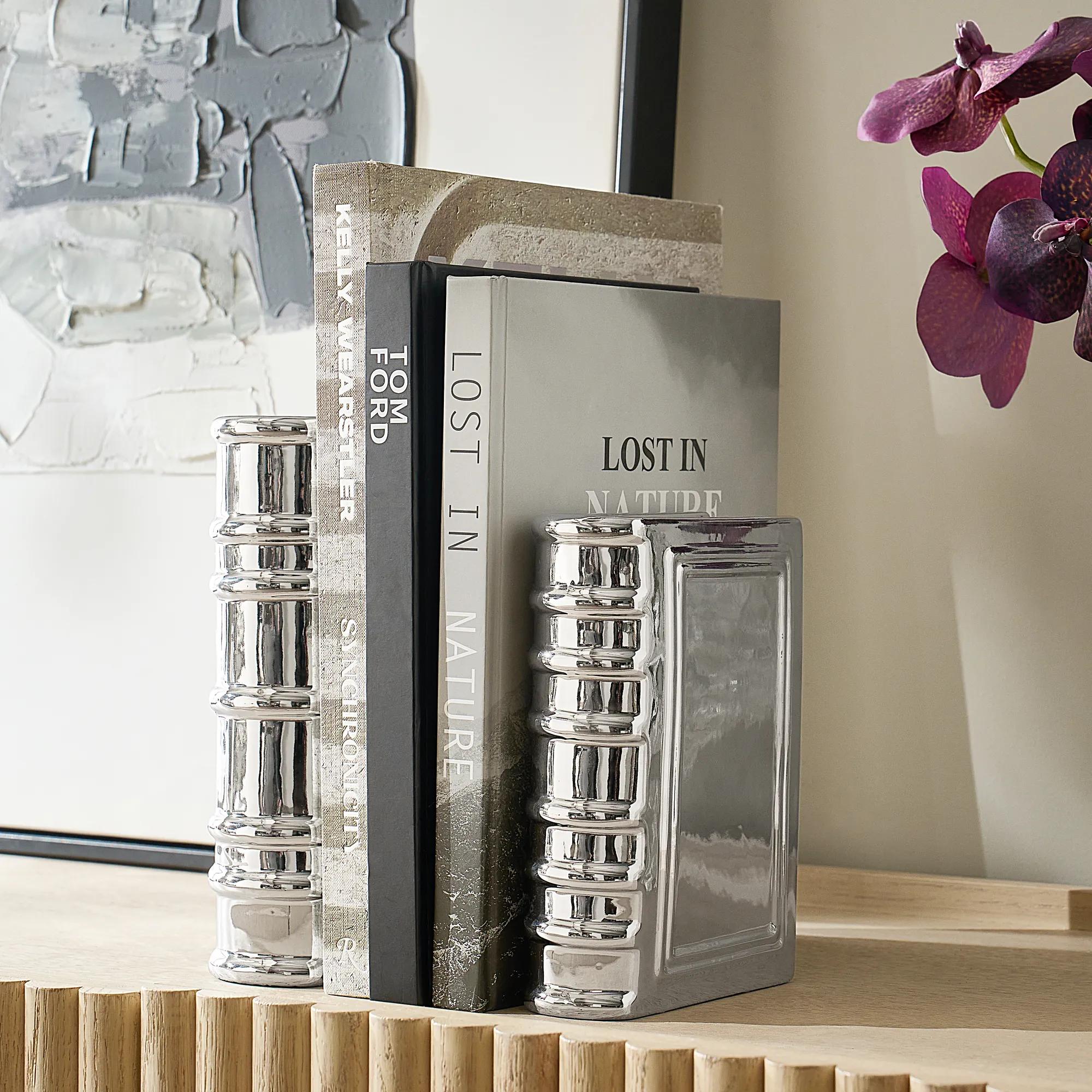 Silver Ceramic Bookends$49
A sleek silver ceramic accent that doubles as stylish bookends for modern decorative displays.
Add To Cart -
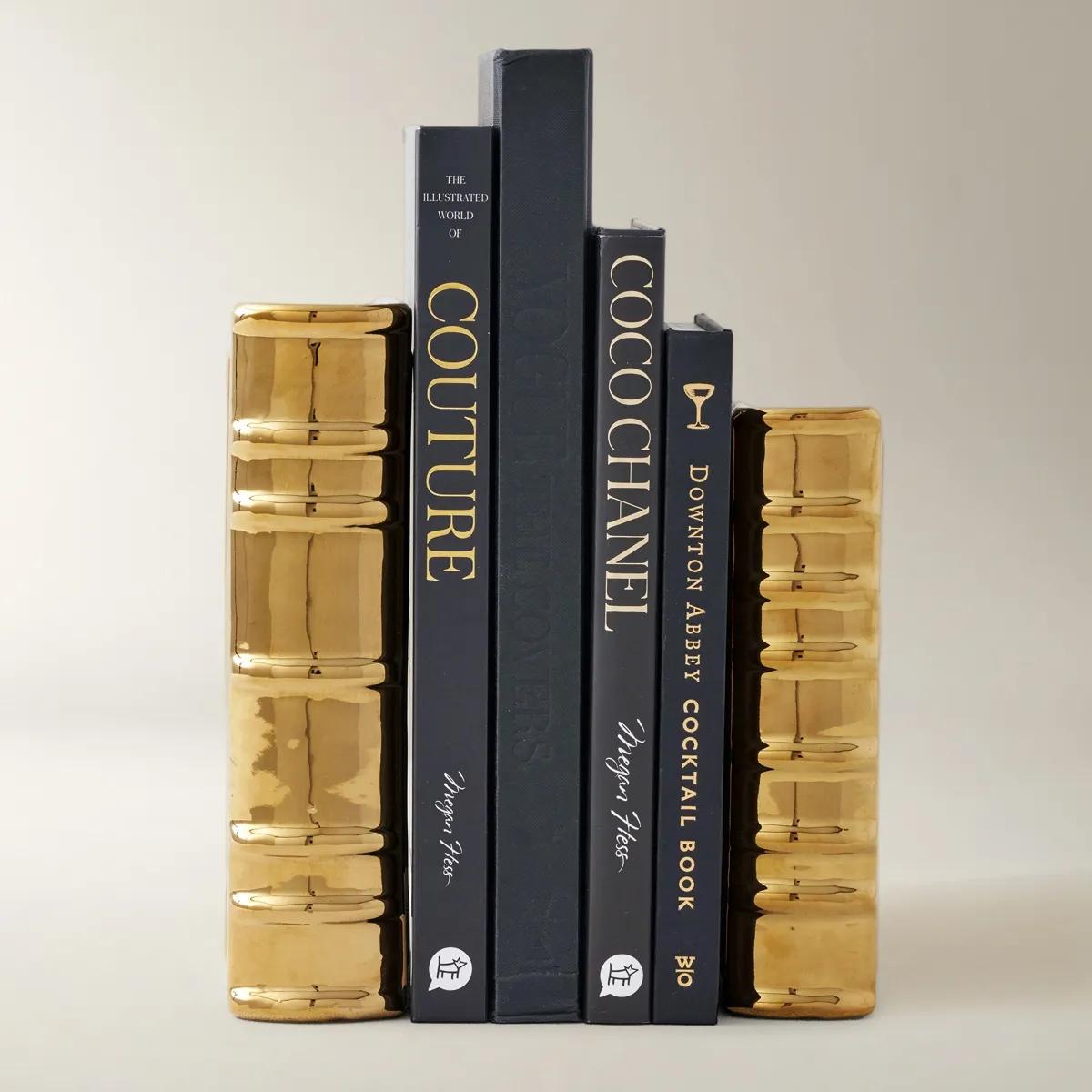 Gold Ceramic Bookends$49
A pair of gold ceramic book accents that double as sleek, modern bookends for any space.
Add To Cart -
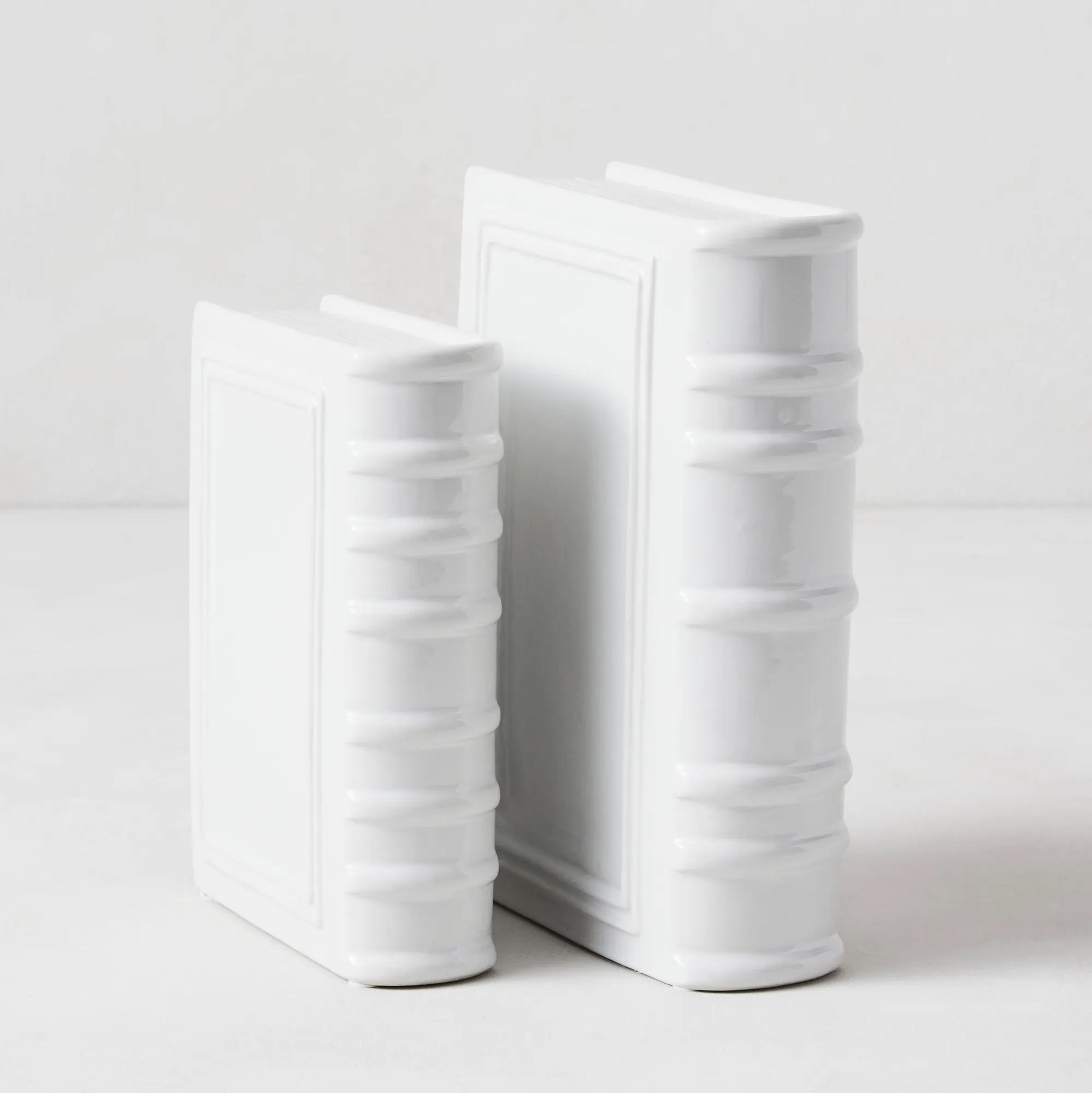
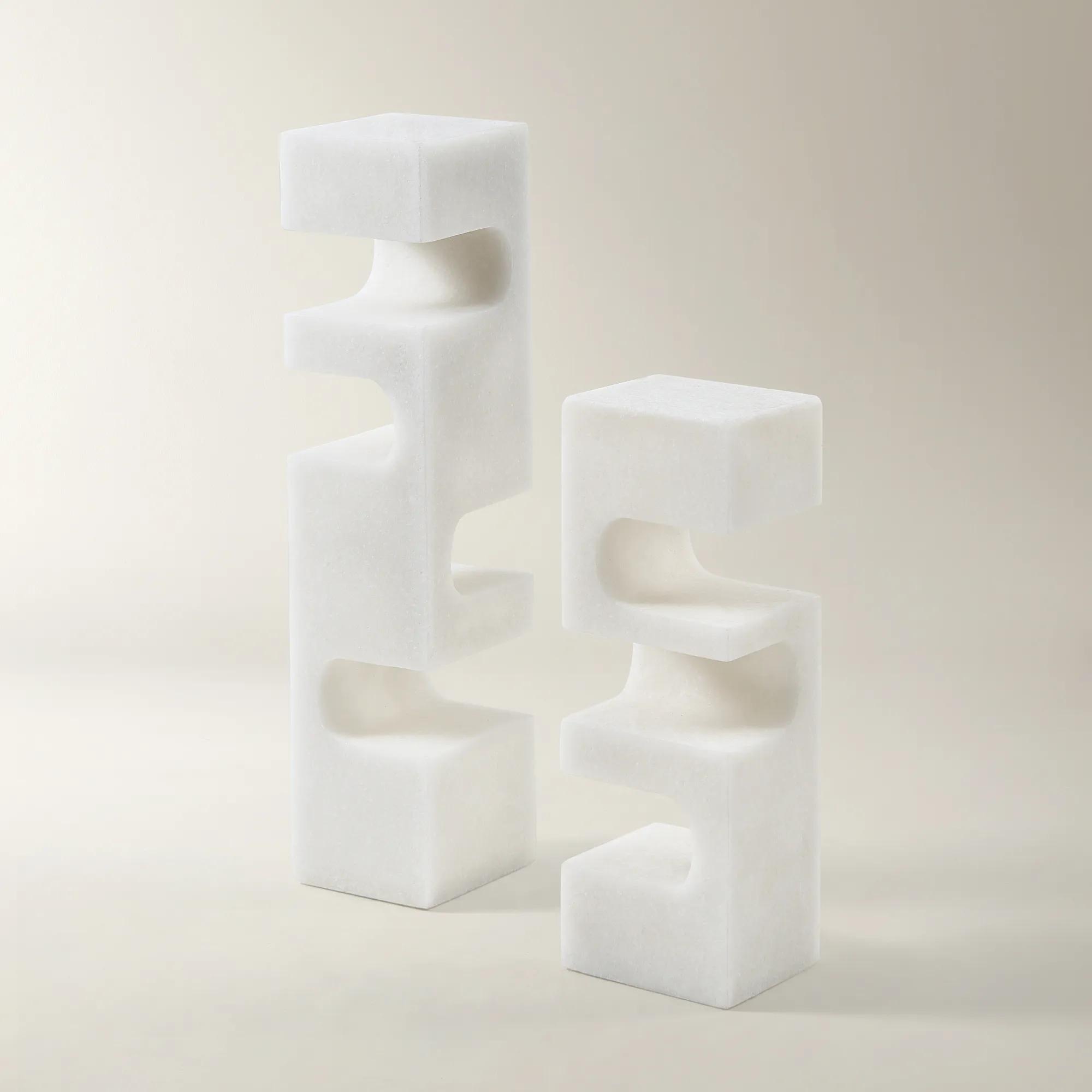
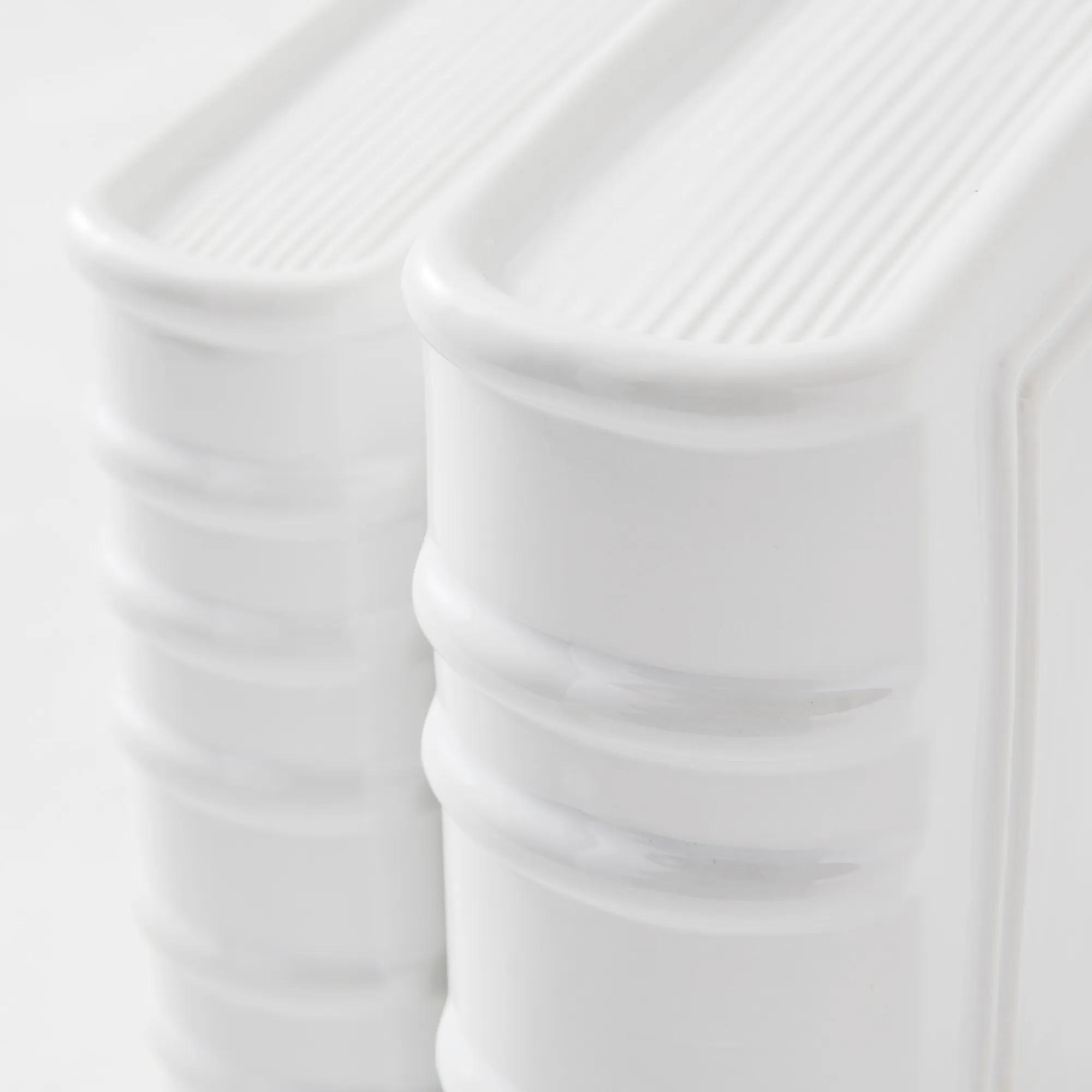 Ceramic Bookends - White$49
A pair of cream ceramic book accents that double as minimalist bookends or decorative console pieces.
Add To Cart

Stylish Ceramic Bookends
Stylish ceramic bookends transform bookshelves into curated showcases, inviting artistry and intrigue to every shelf. Each sculptural piece becomes a miniature work of art—bold, expressive, and endlessly versatile—turning an ordinary stack of novels into a striking display. Whether gracing a home library or elevating a living room vignette, stylish ceramic bookends lend a polished flourish that celebrates both form and function. Discover the power of detail: where gleaming finishes, unexpected silhouettes, and creative craftsmanship unite to capture the eye and spark conversation.
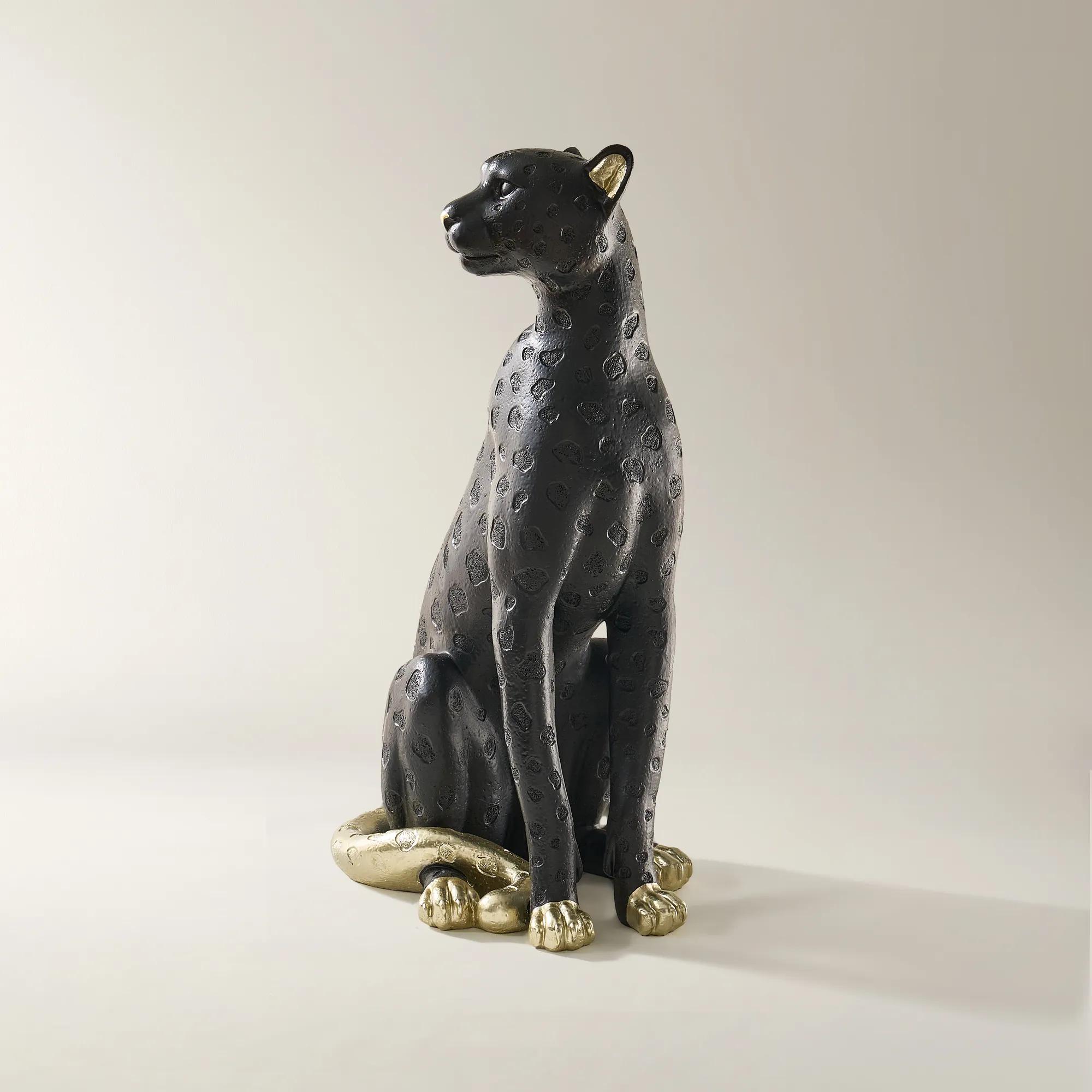
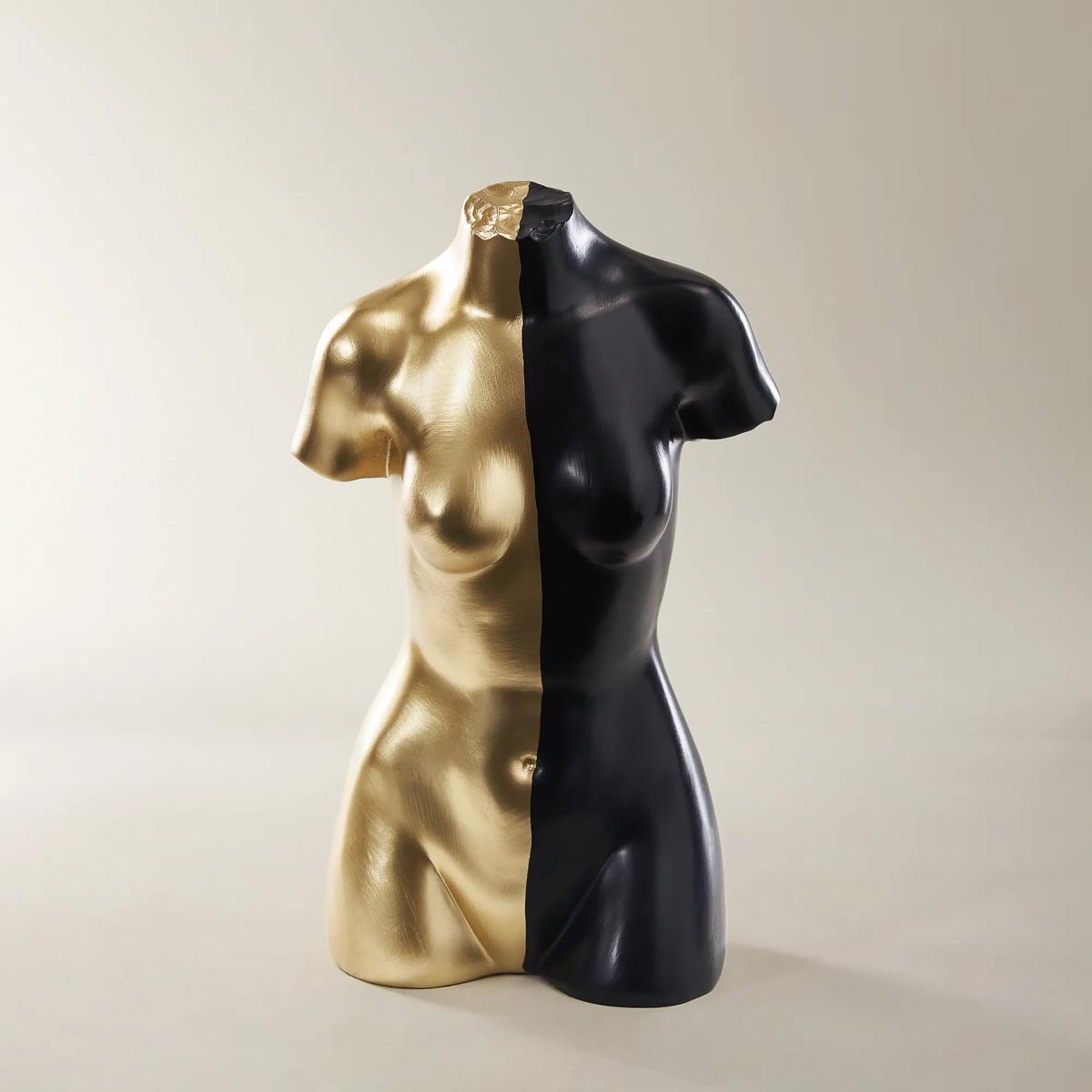
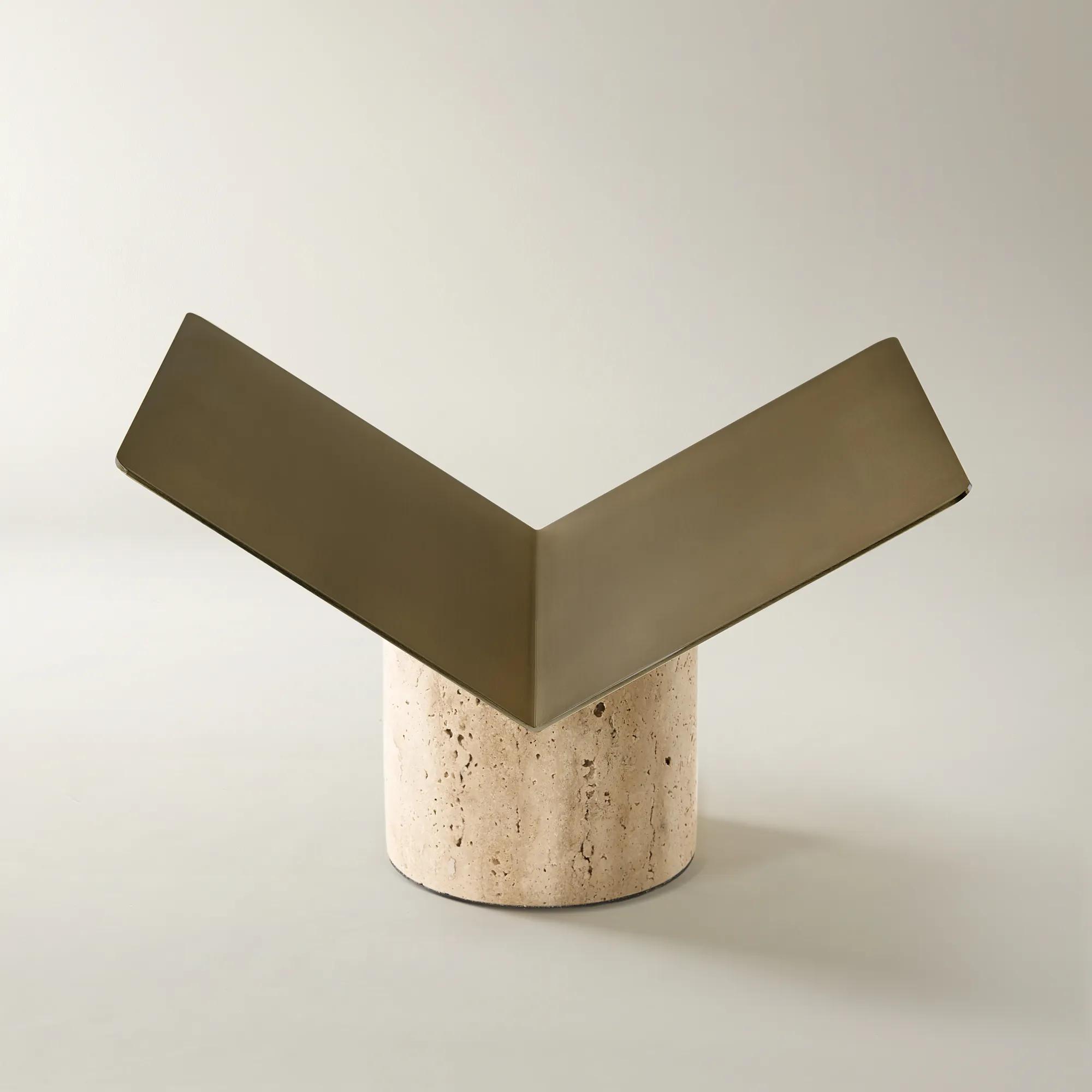
Stylish ceramic bookends bring sculptural presence to a practical task: supporting books while giving a shelf, desk, or console a distinctive point of view. Their appeal lies in the contrast between familiar function and expressive form. A curve of glazed clay can soften a row of angular hardcovers; a geometric silhouette can introduce architectural definition beside a collection of art books. Ceramic encompasses a range of fired-clay materials, including earthenware, stoneware, and porcelain, with different visual qualities depending on the clay, firing process, and finish. Stoneware often lends itself to substantial, grounded forms, while porcelain can offer refined surfaces and crisp detail. The finished piece’s construction matters more than the material name alone when assessing its ability to hold books. Across these materials, glossy glazes catch the light, matte surfaces emphasize shape, and textured finishes create depth without demanding a riot of color. Ivory, black, and warm neutral tones allow the contours to take center stage, while saturated hues turn a modest book arrangement into an artistic focal point. Metallic finishes introduce another dimension, bringing a gleaming accent to cabinetry, lacquered furniture, or glass shelving. Paired bookends can frame a collection with satisfying symmetry, but their impact extends beyond matching arrangements. A sculptural end beside a short run of books can create a deliberate pause within a larger display, especially when the opposite side rests against a stable shelf wall. For readers, collectors, and design enthusiasts, ceramic bookends offer a way to keep favorite volumes visible without sacrificing the room’s aesthetic. A reading corner gains polish, a home office feels more personal, and a living room shelf becomes an expression of the people who inhabit it. The most compelling arrangement lets the books and the ceramic forms share attention: expressive enough to make an impression, restrained enough to preserve the character of a cherished collection.
Beautiful form deserves dependable support, so the essential considerations for ceramic bookends are weight, base stability, dimensions, and the size of the books they will hold. A broad, level footprint helps a bookend sit securely, while sufficient weight helps resist the sideways pressure of leaning volumes. Ceramic pieces may be solid, hollow, or weighted internally; a substantial-looking silhouette does not necessarily indicate substantial holding power. Felt or other protective pads can help cushion contact with furniture, although their grip depends on the pad material and the shelf surface. Tall art monographs and densely packed hardcovers generally need more support than a few slim paperbacks, and an especially heavy collection may be better divided into smaller groups rather than relying on decorative bookends alone. Scale is equally important to the visual result. Consider the bookend’s height beside the tallest spine, the depth of its base within the shelf, and the width it occupies at either end of the arrangement. There is no single ideal dimension for every setting: a compact desk ledge calls for a different footprint than a generous built-in bookcase. Sculptural projections also need clearance so that a curved handle, pointed detail, or extended shape does not touch the shelf above or interfere with removing a book. Ceramic is rigid and can be durable in everyday display, but it remains vulnerable to chips, cracks, and breakage from impact or falls. Position bookends on level surfaces away from precarious edges, and lift them rather than dragging them across a finish. Routine care is usually simple: remove dust with a soft cloth and, where the finish permits, wipe gently with a slightly damp cloth before drying. Manufacturer care instructions should take precedence, particularly for metallic decoration, unglazed surfaces, and delicate applied details. Abrasive cleaners and prolonged soaking can damage some finishes. Designs intended to double as vases or planters add another decorative possibility, but water should only be used in vessels confirmed to be watertight and suitable for that purpose. Dried stems offer an alternative without placing moisture near paper, and any planted arrangement needs protection against drainage and spills.
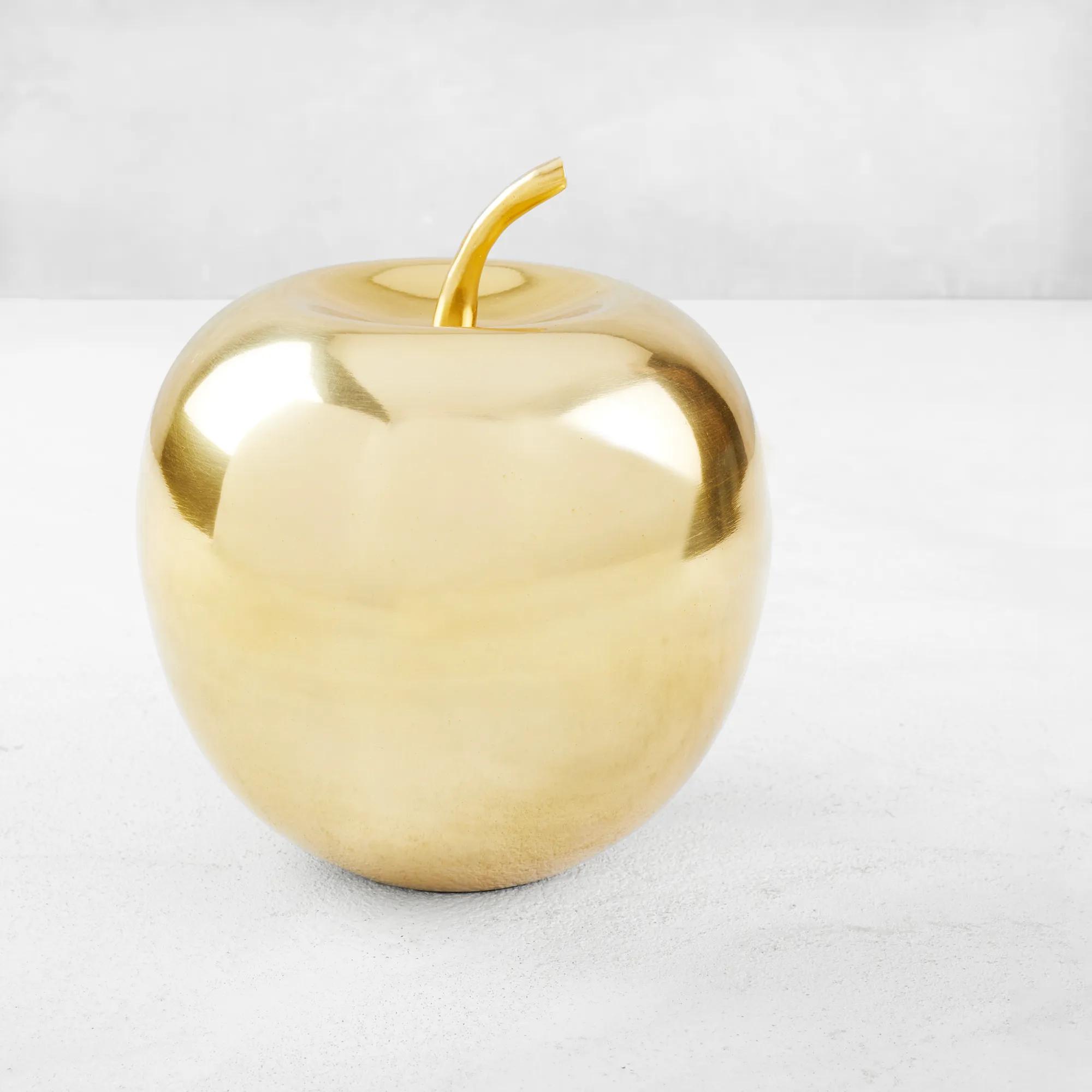
Ceramic bookends feel especially expressive when their finish responds to the surrounding room rather than simply matching every accessory. On a dark wood shelf, a pale glaze creates a luminous contrast that reveals each contour. Against white cabinetry, a deep charcoal or richly colored form can anchor the arrangement with a confident line. A glossy surface brings light to a display of clothbound volumes, while a softly textured ceramic finish offers a compelling counterpoint to polished metal and smooth glass. For a more radiant accent, Gold Bookends introduce a gleaming note that can echo a picture frame, lamp base, or decorative tray without requiring every detail to share the same finish. The relationship between objects is what gives a vignette its character. A pair of sculptural bookends around design books might sit beside one generously scaled vase, leaving enough open space for both forms to register. On a desk, a shorter grouping of frequently used reference books can lend purpose to an ornamental shape while keeping the work surface composed. In a dining room or entryway, cookbooks, photography volumes, or travel collections bring personality to a console, provided the surface offers adequate depth and stability. These pieces also make thoughtful gifts for avid readers, architecture enthusiasts, graduates establishing a home office, or hosts whose shelves already reveal a love of art and interiors. A successful gift considers the recipient’s space as much as their taste: compact forms for smaller shelves, a stronger visual statement for expansive cabinetry, and practical support suited to the books they enjoy. Paired with a meaningful book, ceramic bookends can mark a housewarming or personal milestone with something both decorative and useful. Their lasting charm comes from that dual role. They give a collection structure, bring dimension to an otherwise flat row of spines, and turn an everyday storage surface into a considered composition—one where literature, color, and sculptural detail belong together.
FAQs
Ceramic bookends infuse shelves and tabletops with sculptural artistry and tactile elegance. Their handcrafted forms and distinctive glazes create visual interest, transforming practical storage into a design statement that reflects your personal style.
Absolutely. Handmade ceramic bookends make exceptional gifts for book lovers, design enthusiasts, or anyone who appreciates thoughtful, artistic accents. Their one-of-a-kind nature and luxurious finish offer a memorable way to celebrate special occasions or milestones.
To create a striking vignette, pair ceramic bookends with curated objects such as decorative boxes, small sculptures, or lush greenery. Consider contrast in color and texture to draw the eye, or echo existing tones in your space for a cohesive, gallery-inspired look.
Popular motifs range from abstract shapes and organic forms to playful animals and architectural silhouettes. Finishes span glossy, high-shine glazes to matte, hand-textured surfaces, each offering a different mood—from modern glamor to artisanal charm.
Z Gallerie bookends bring a sense of luxury and artistry that transitions beautifully through the seasons. In winter, their rich textures and gleaming finishes add warmth and sophistication, while in spring and summer, they provide a fresh, expressive accent to lighter, airier interiors.