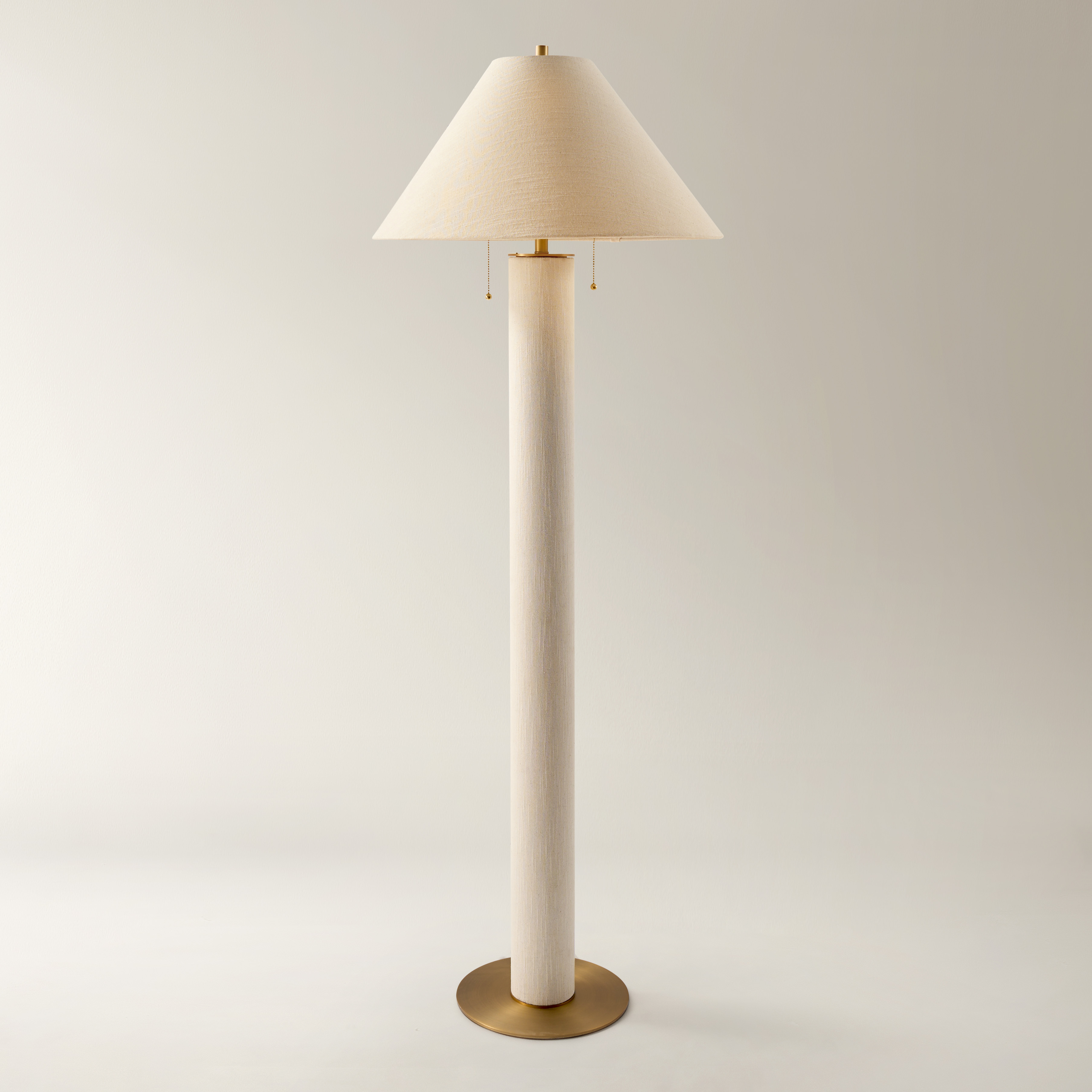
Statement Lighting Fixtures
Statement Lighting Fixtures
-
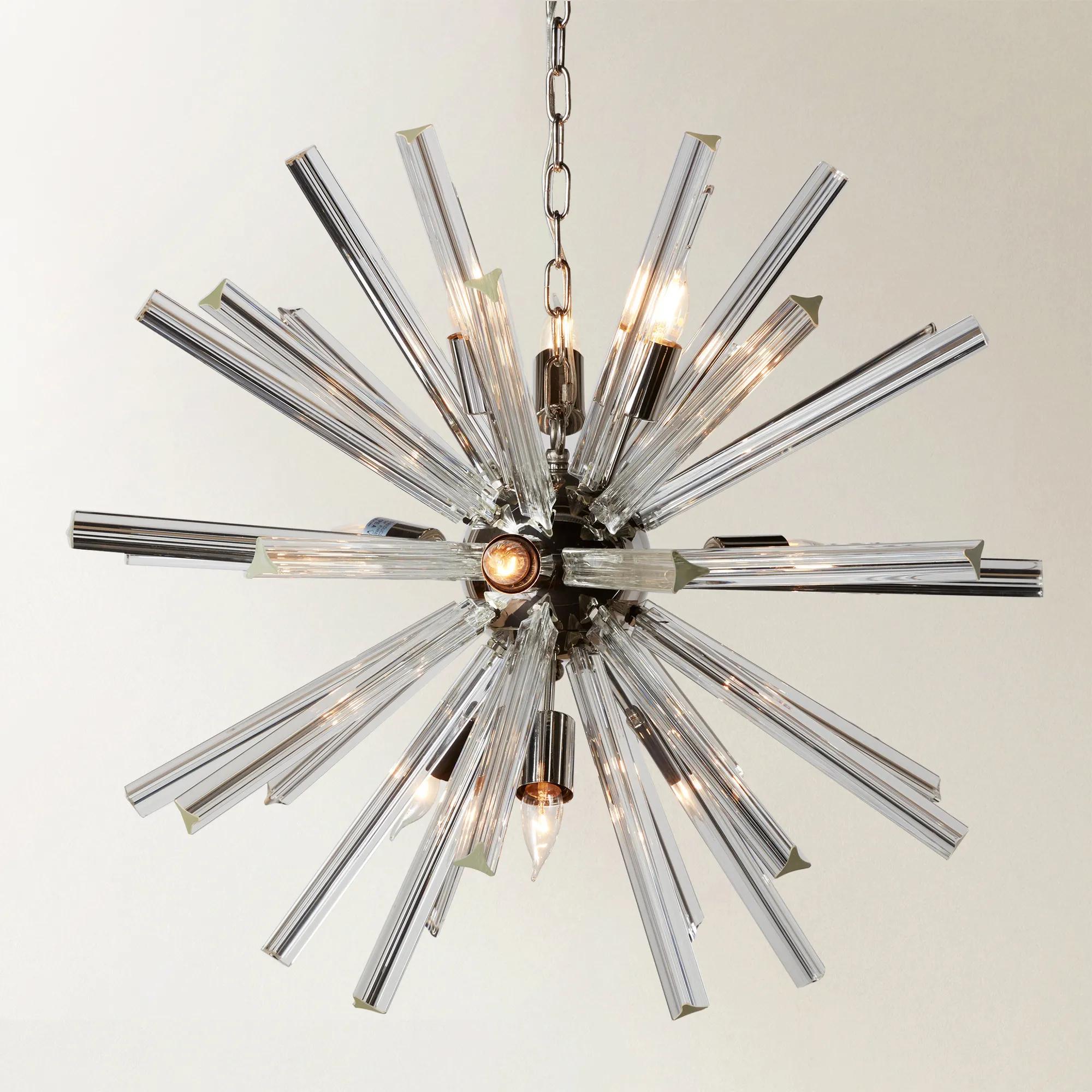
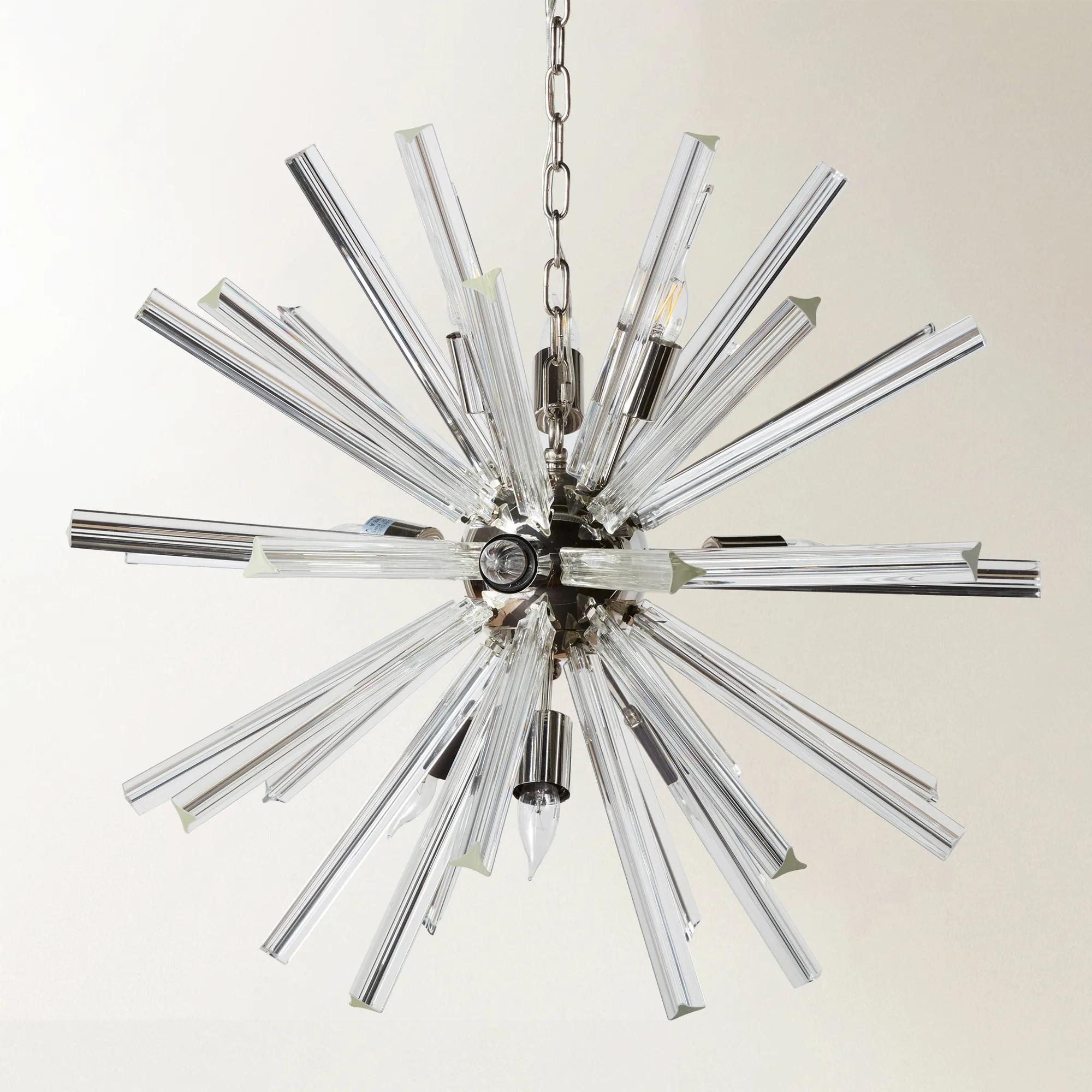 Axis Sputnik Clear Faceted Glass Chandelier 29.5"D$599
A clear glass and iron Sputnik chandelier featuring nine lights and faceted triangular rods.
Add To Cart -
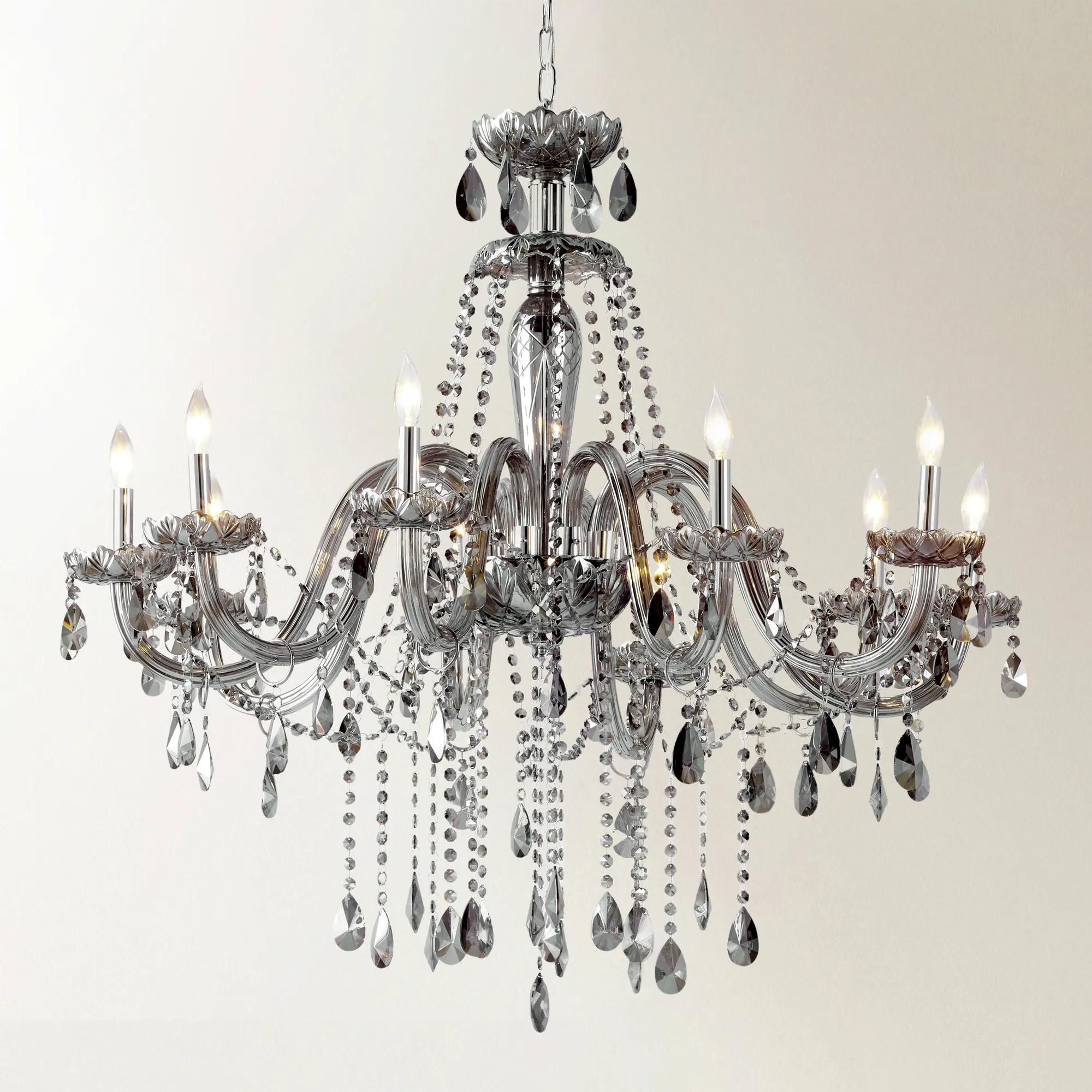
 Omni Chandelier 38.5" - Graphite$999
A dazzling chandelier featuring graphite faceted crystals and ten fluted glass arms with nickel hardware.
Add To Cart -
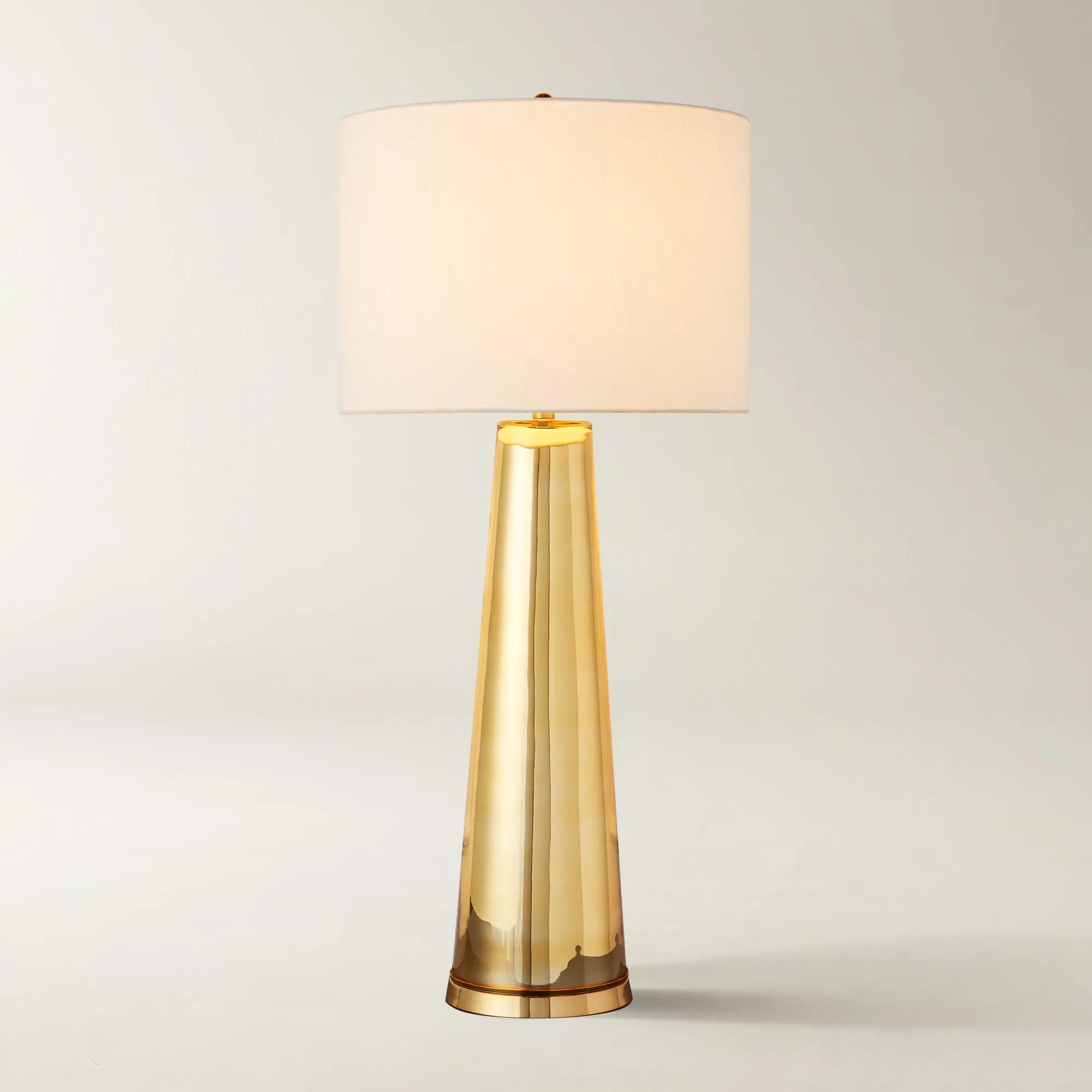
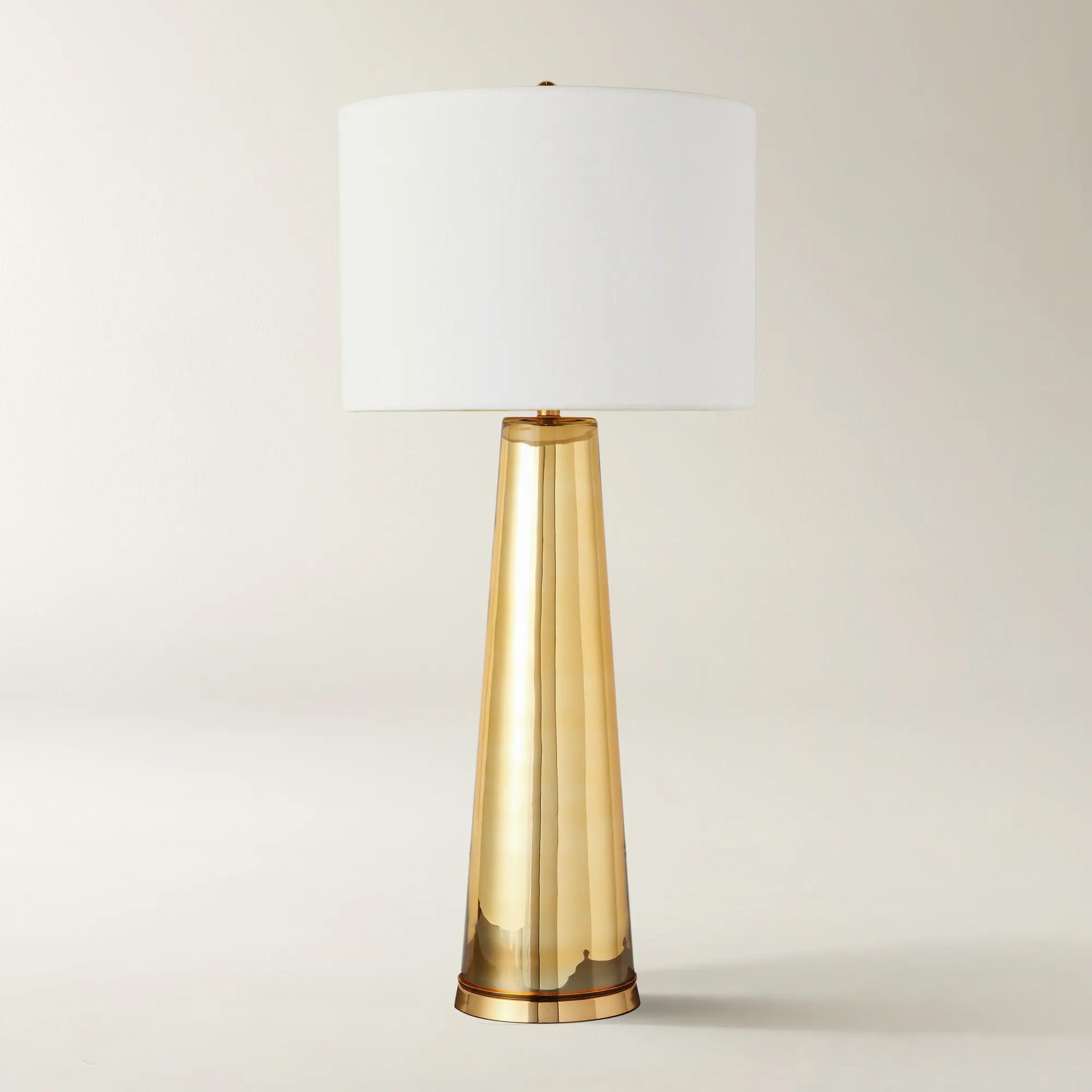 Century Gold Mirrored Glass Table Lamp 40"$299
A modern lamp featuring a mirrored glass base and white drum shade, accented with gold or silver details.
Add To Cart -
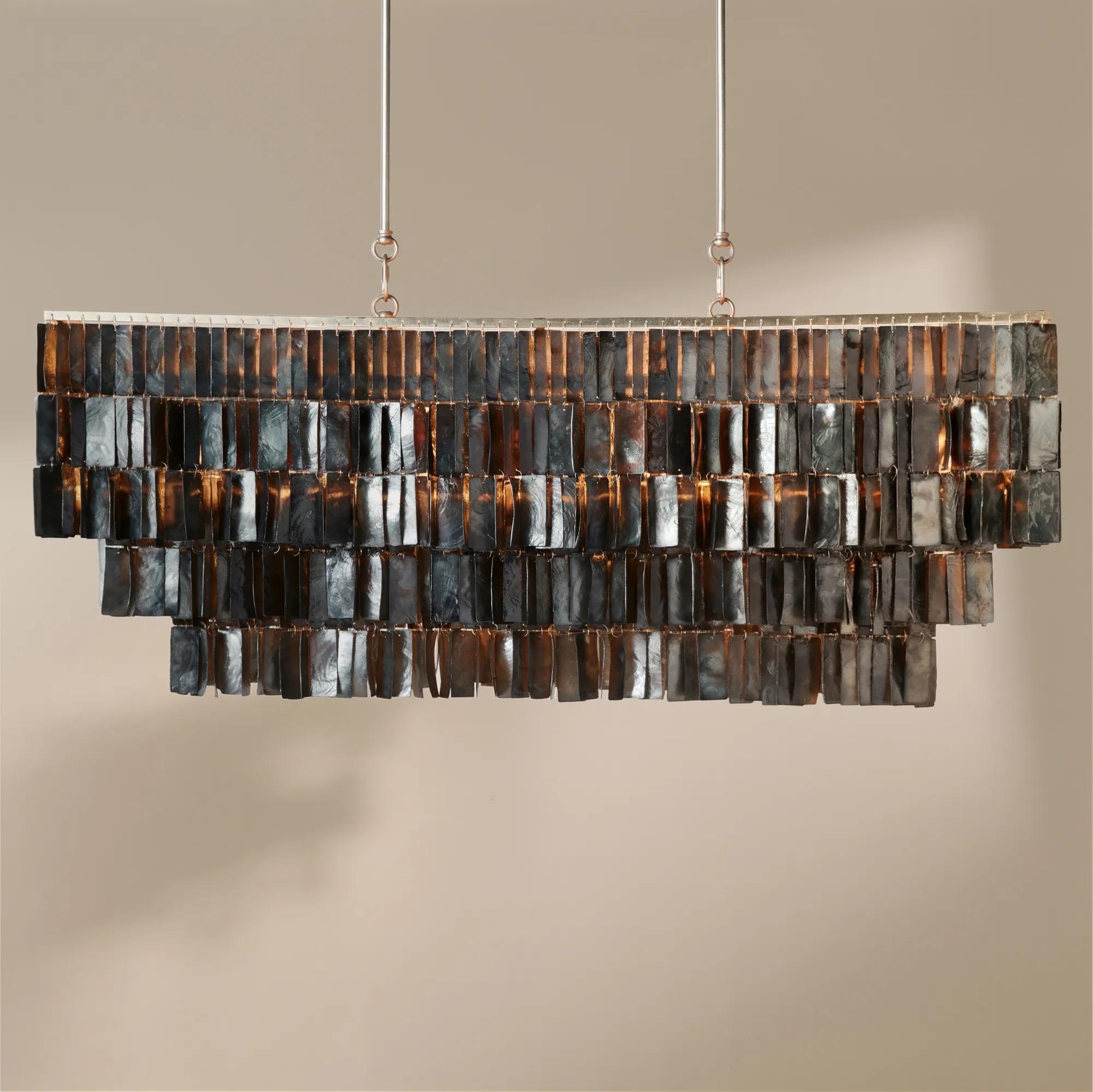
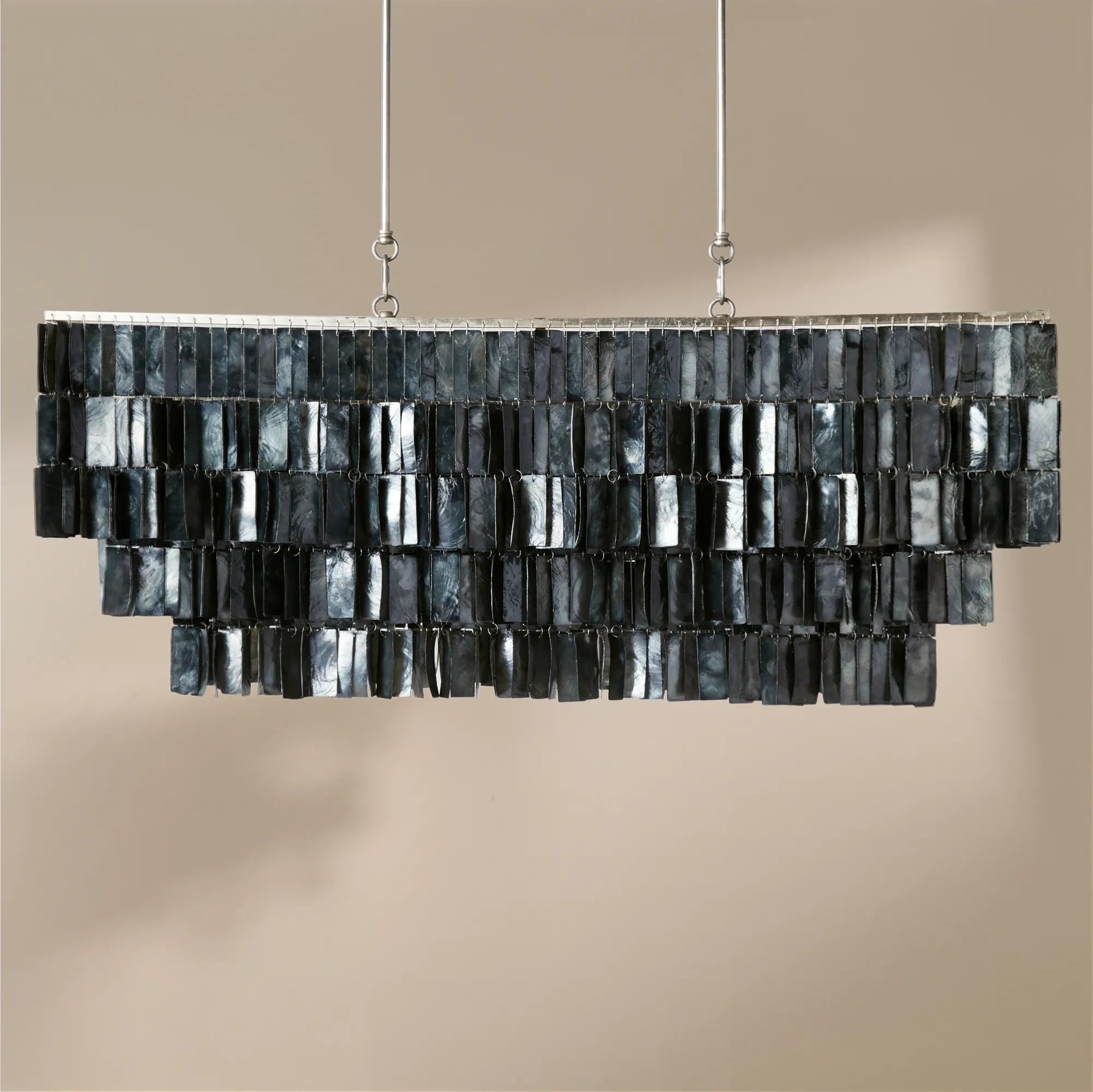 Capiz Shell Graphite Chandelier 39"$849
A chandelier with charcoal capiz shells, a champagne-finished iron frame, and seven dimmable candelabra sockets.
Add To Cart -
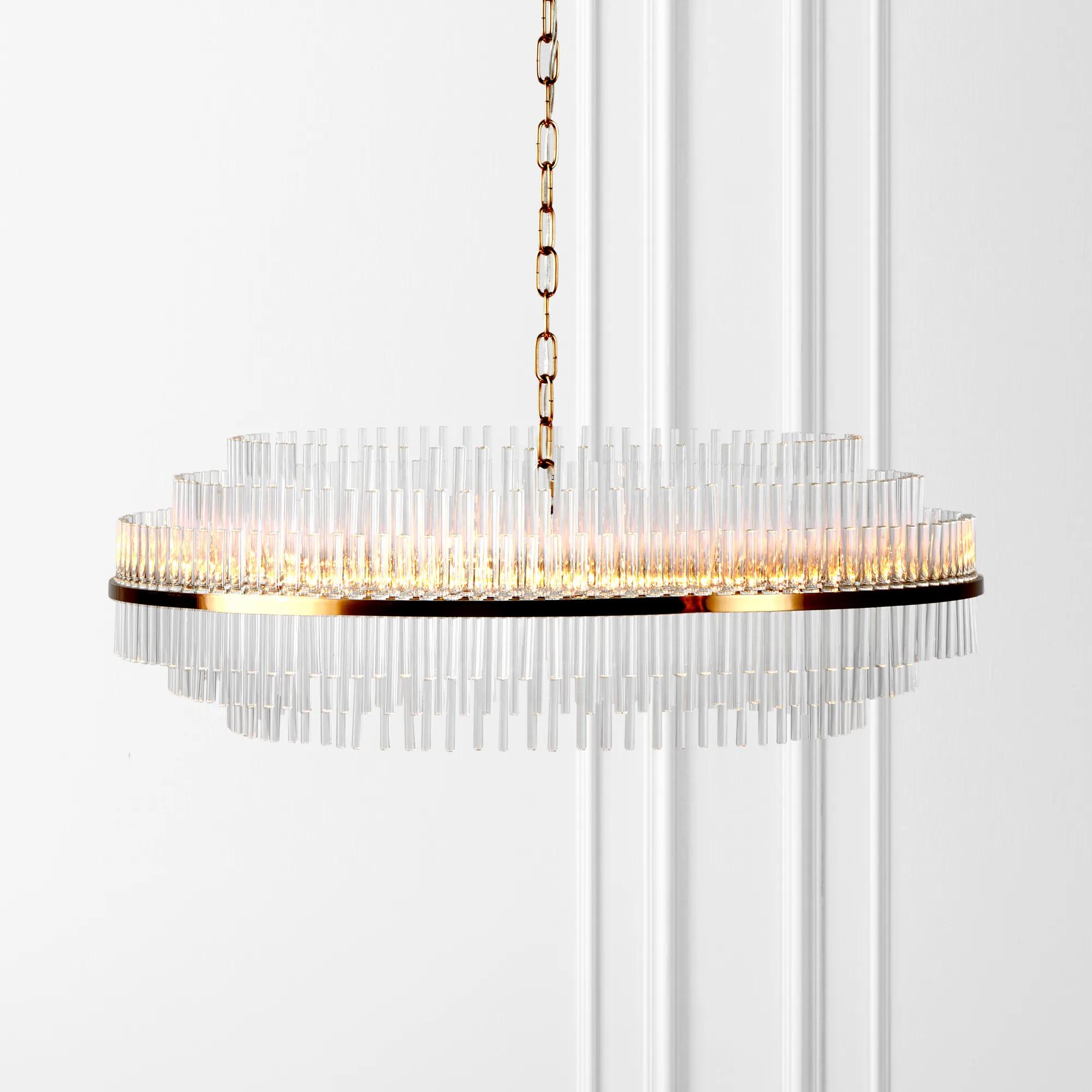
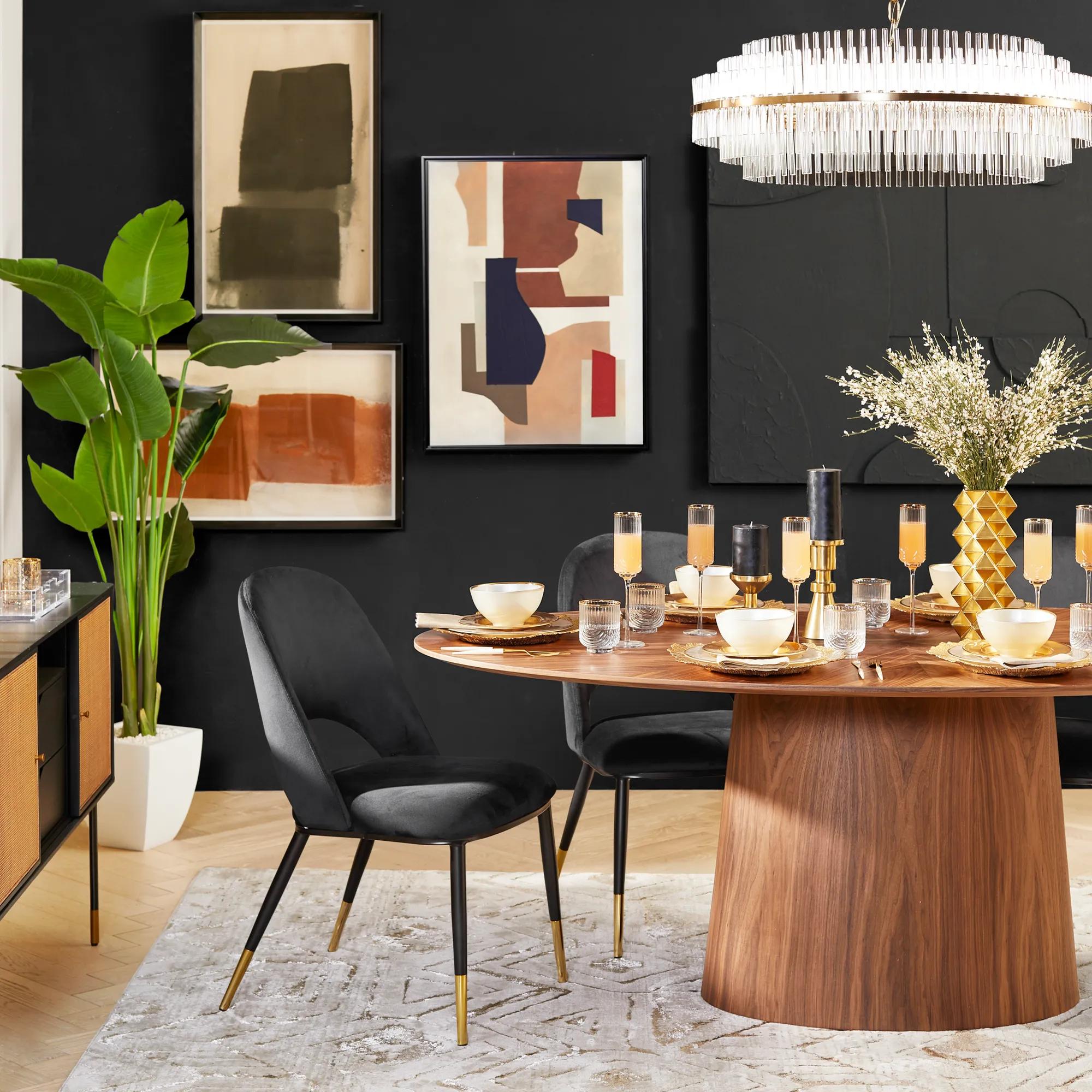 Renata Clear Glass Rod Chandelier 31"W x 10"H$799
A low-profile glass-rod chandelier with a brushed brass iron frame and eight dimmable candelabra lights.
Add To Cart -
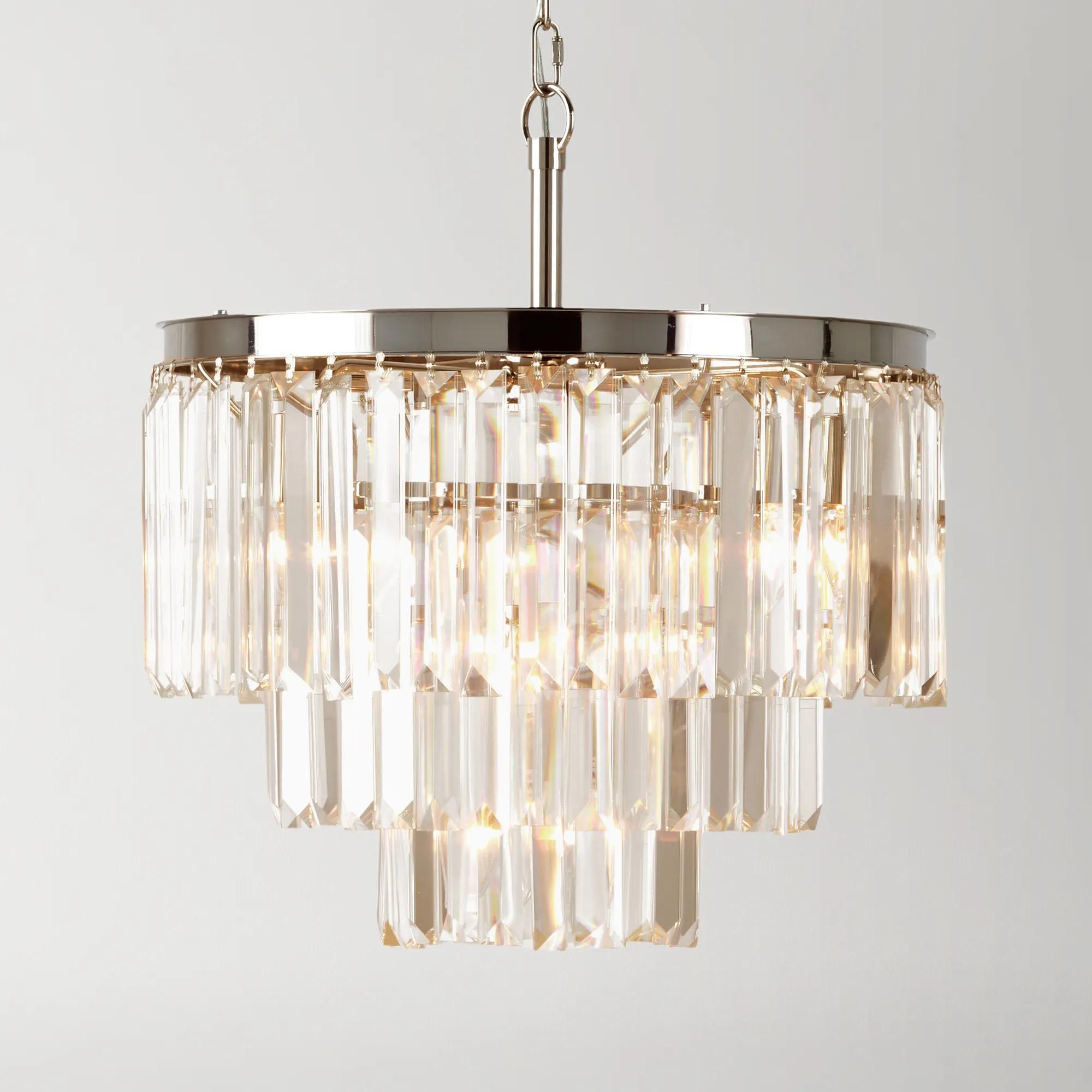
 Luxe Chandelier$799
A glamorous chandelier featuring a nickel-plated iron frame and three tiers of faceted crystal accents.
Add To Cart -
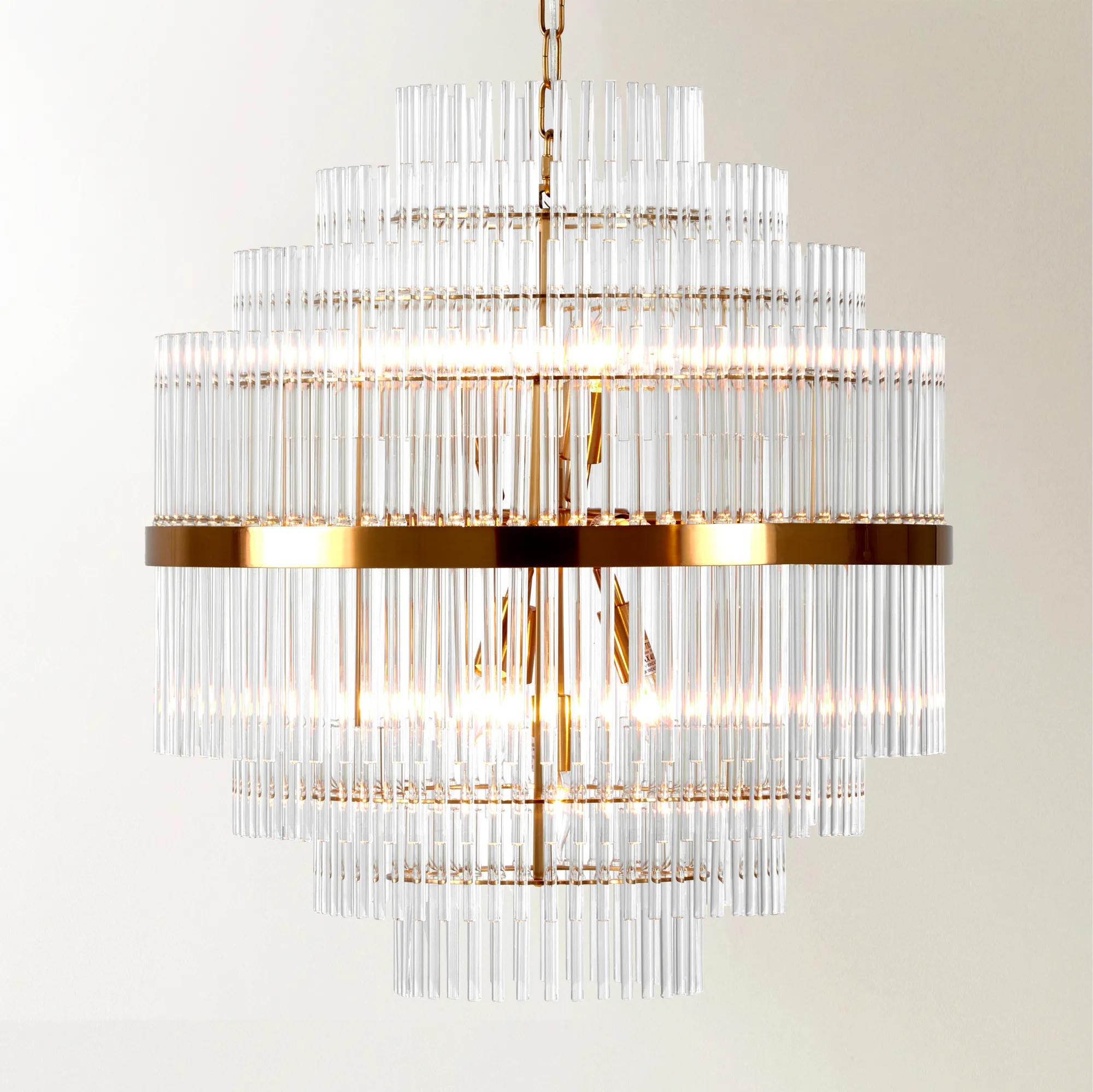
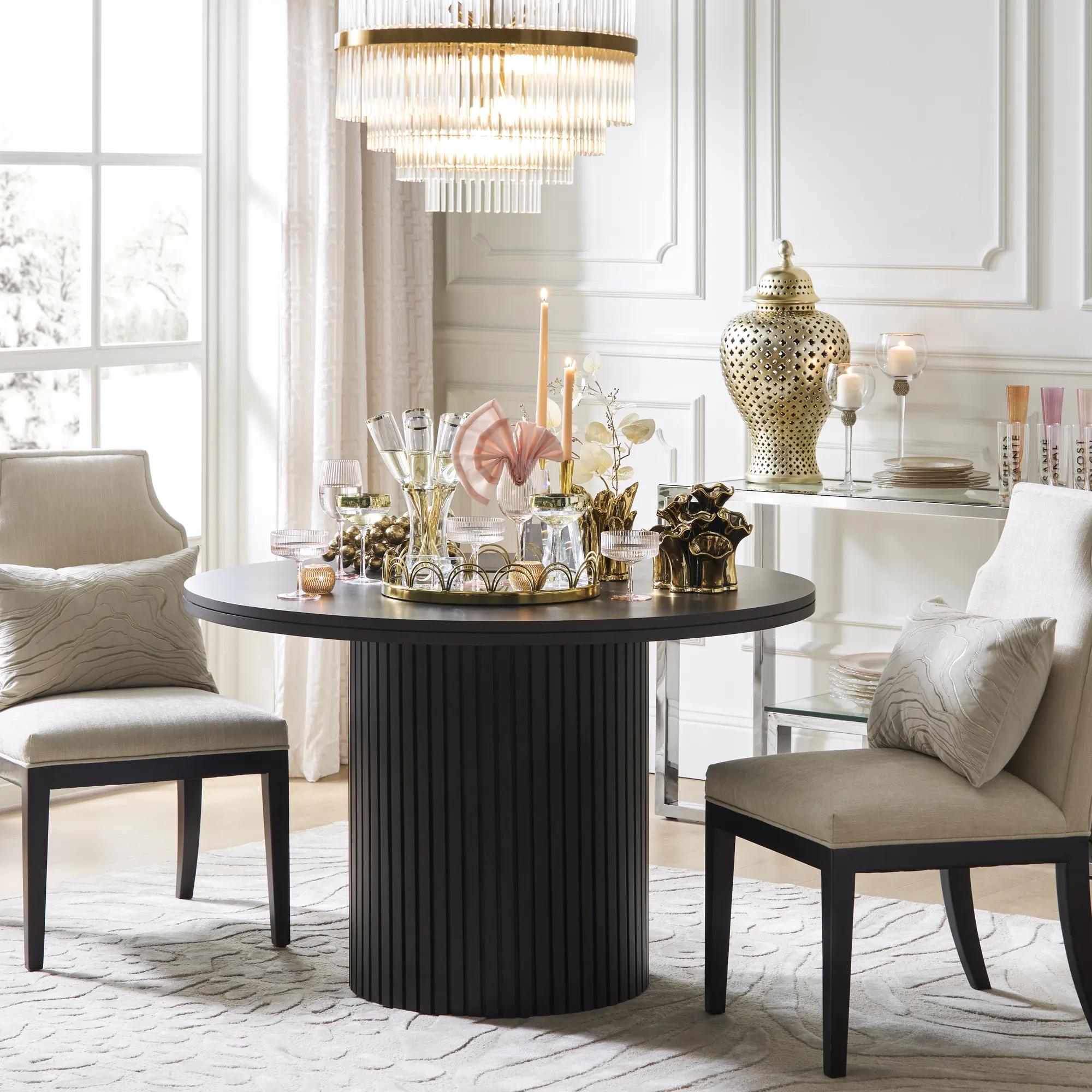 Renata Clear Glass Rod Grand Chandelier 23.6"D x 26.3"H$999
A clear glass rod chandelier with a polished gold iron frame and thirteen-light, dimmable illumination.
Add To Cart -
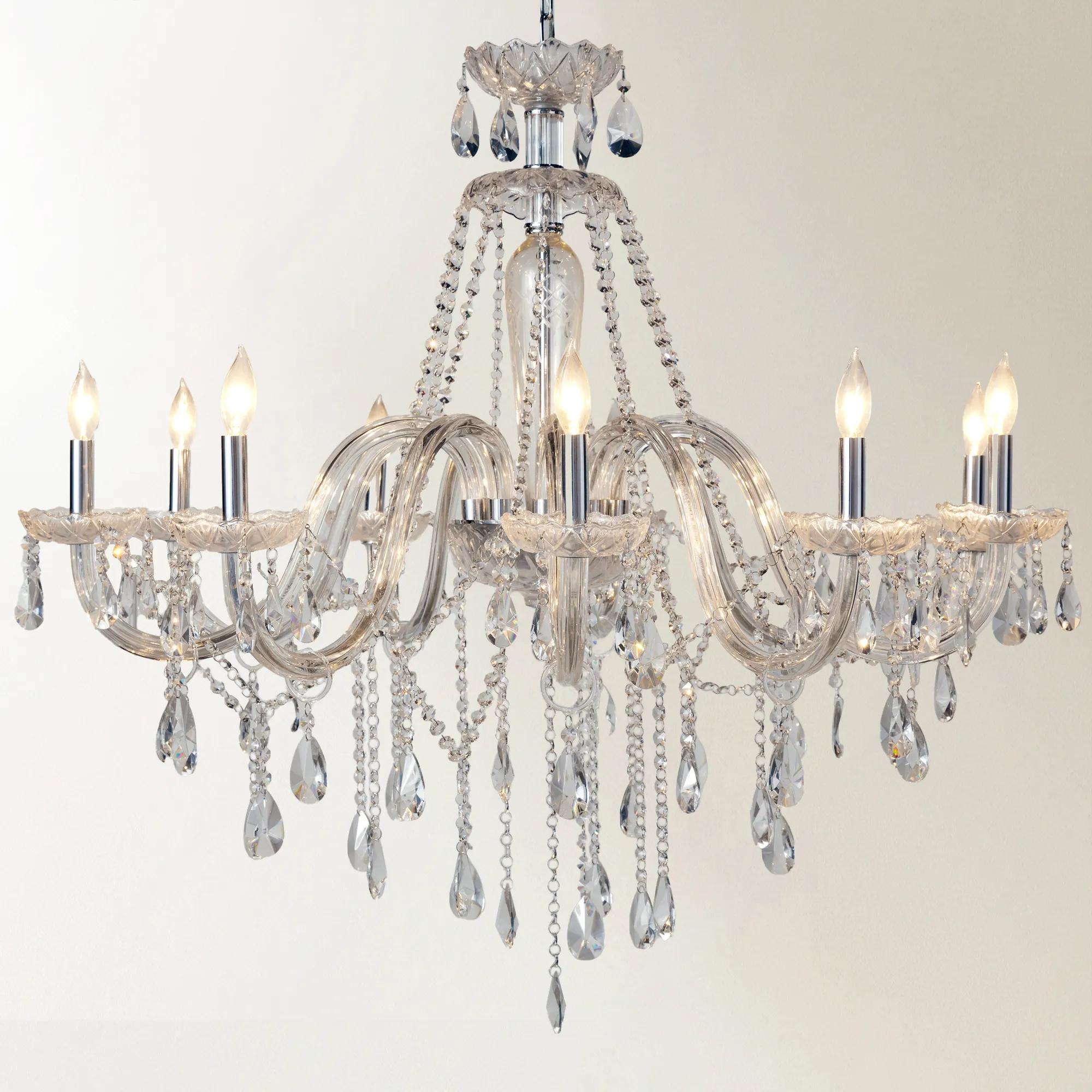
 Omni Chandelier 38.5" - Clear$999
A dazzling chandelier featuring hundreds of clear faceted crystals and ten fluted glass arms with nickel hardware.
Add To Cart -
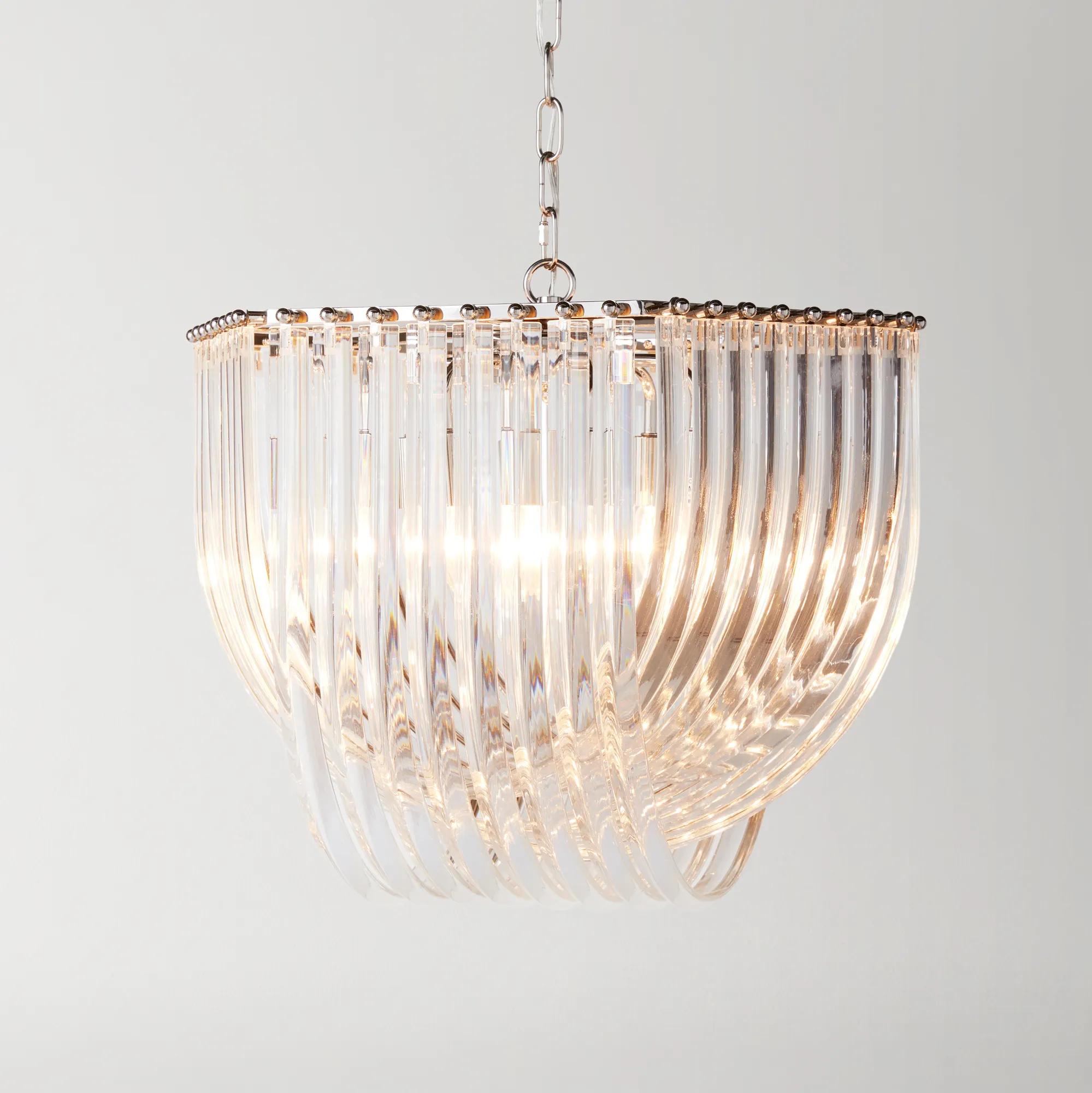 Laval Clear Curved Glass Chandelier 21"D x 18"H$799
A six-light chandelier with layered clear curved glass and a polished nickel frame.
Add To Cart -
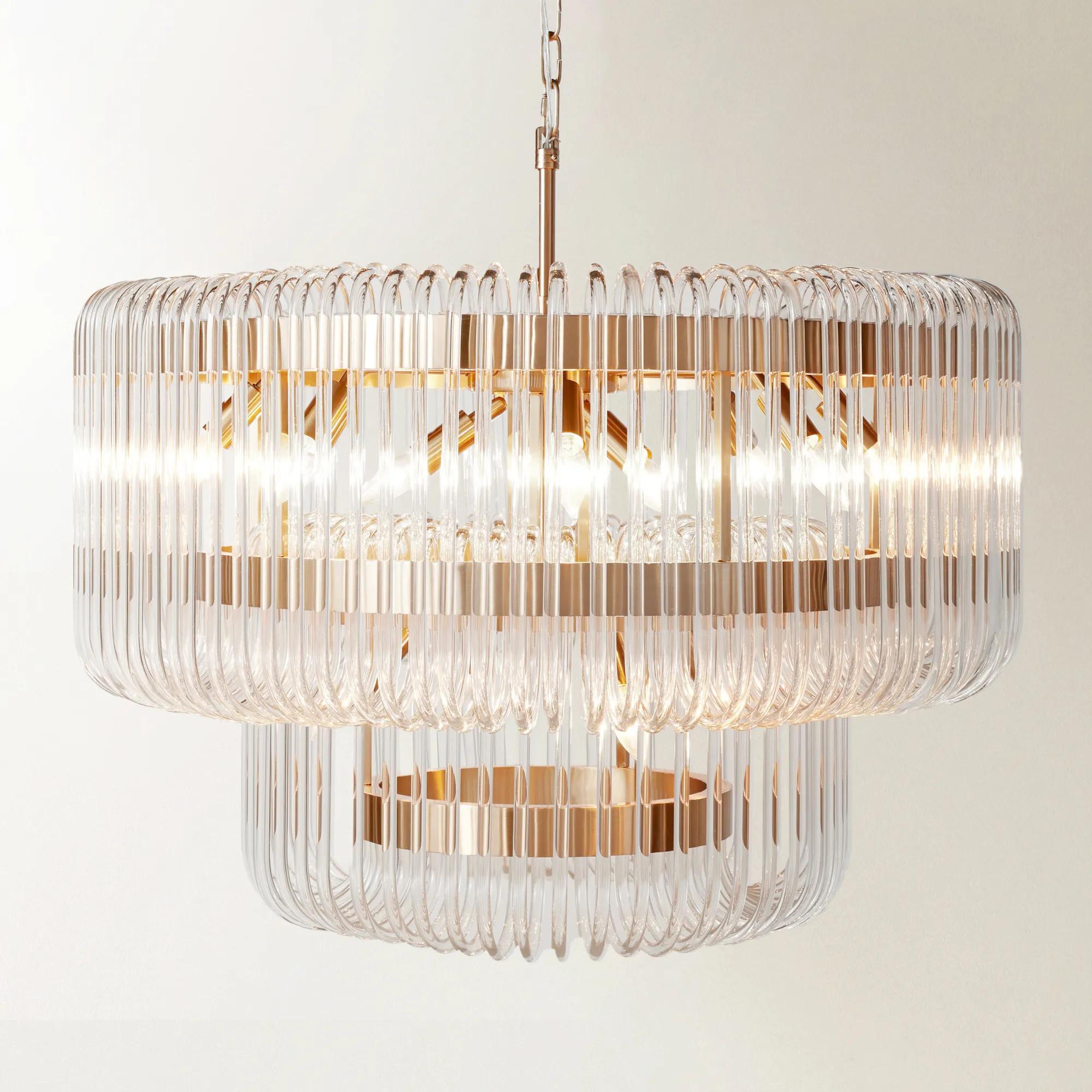 Allure Clear Curved Glass Chandelier 31.5"D x 27.75"H$1499
A chandelier featuring clear curved blown-glass rods, a brushed brass iron frame, and fifteen-light illumination.
Add To Cart -
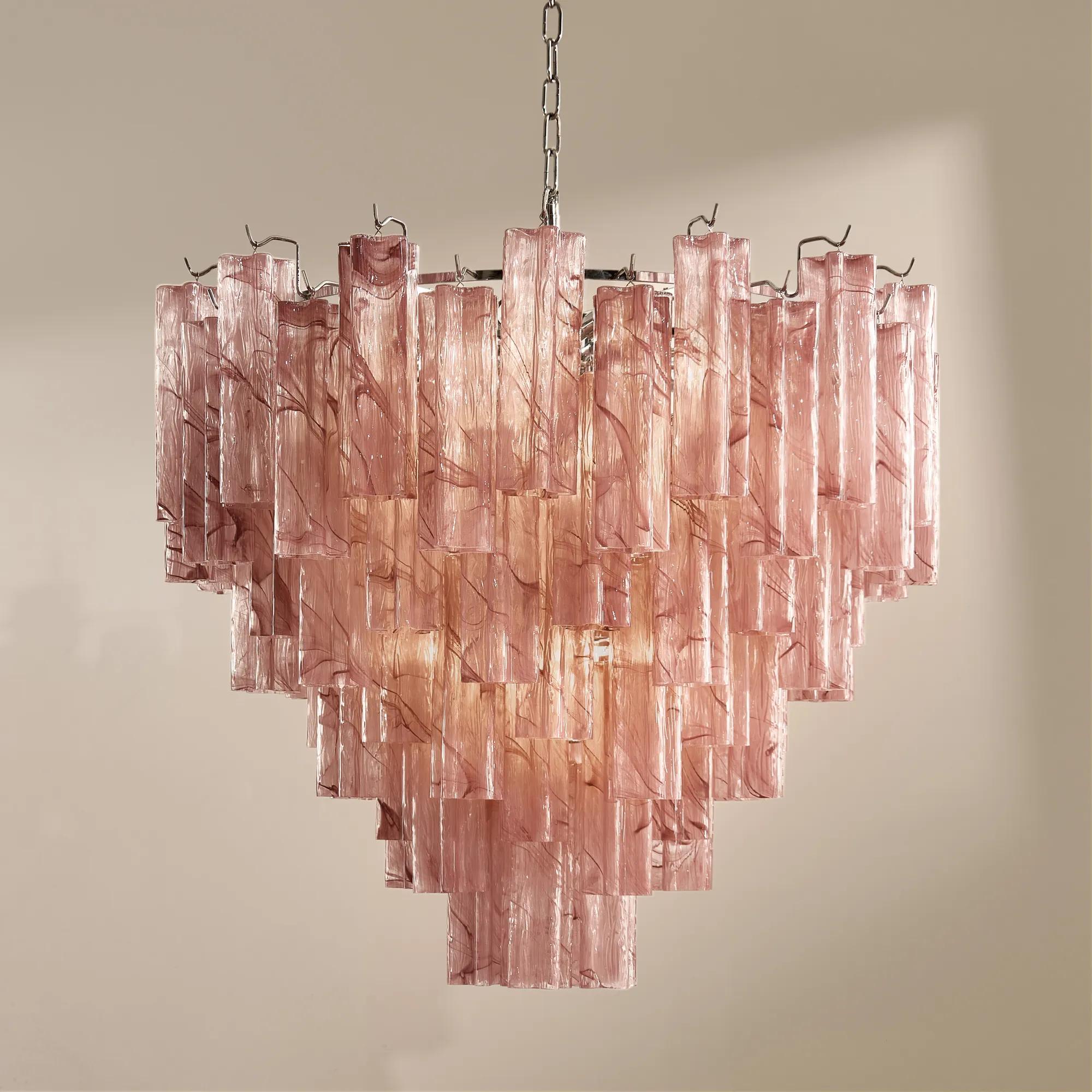 Elodie Rose Glass Chandelier 31.5"$1299
A handcrafted rose glass chandelier with swirled glass, polished chrome framing, and 21 dimmable candelabra lights.
Add To Cart -
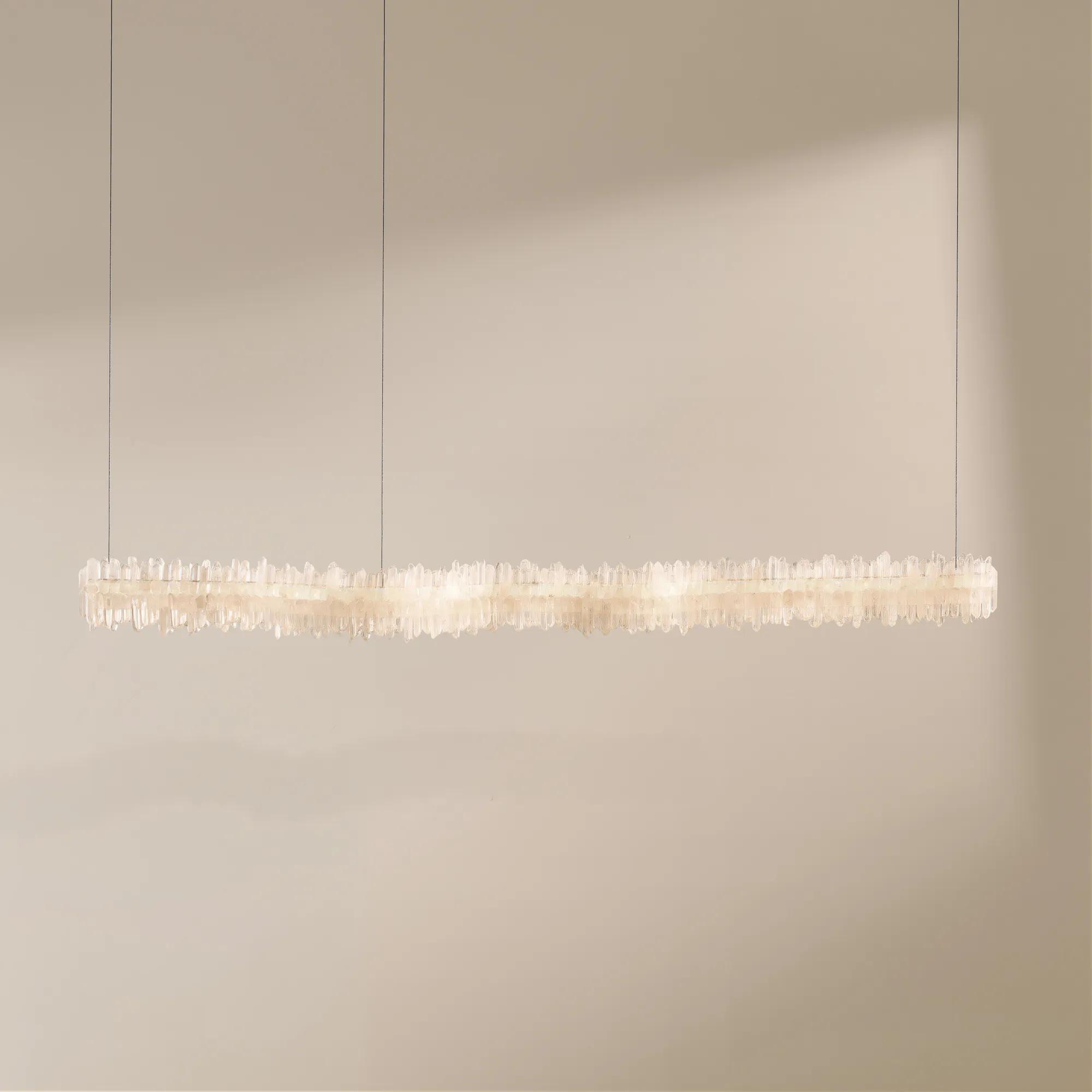 Stella Quartz Crystal LED Chandelier 47.25"$1899
A linear LED chandelier featuring natural raw quartz crystals and a polished rose gold metal frame.
Add To Cart -
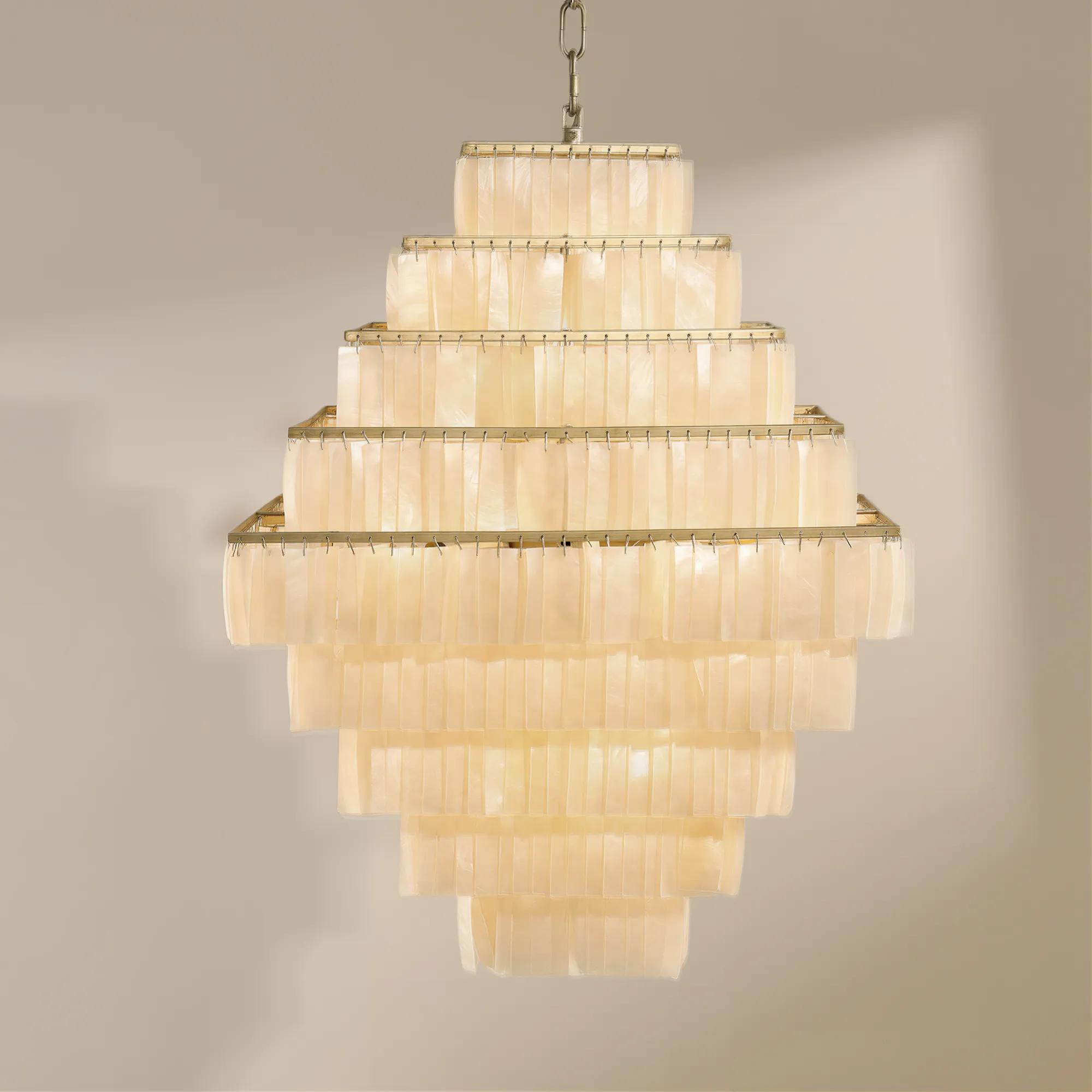 Soleil Capiz Shell Chandelier 25"$999
A modern capiz shell chandelier with 700 pearlescent shells, champagne-finished iron, and dimmable ambient lighting.
Add To Cart -
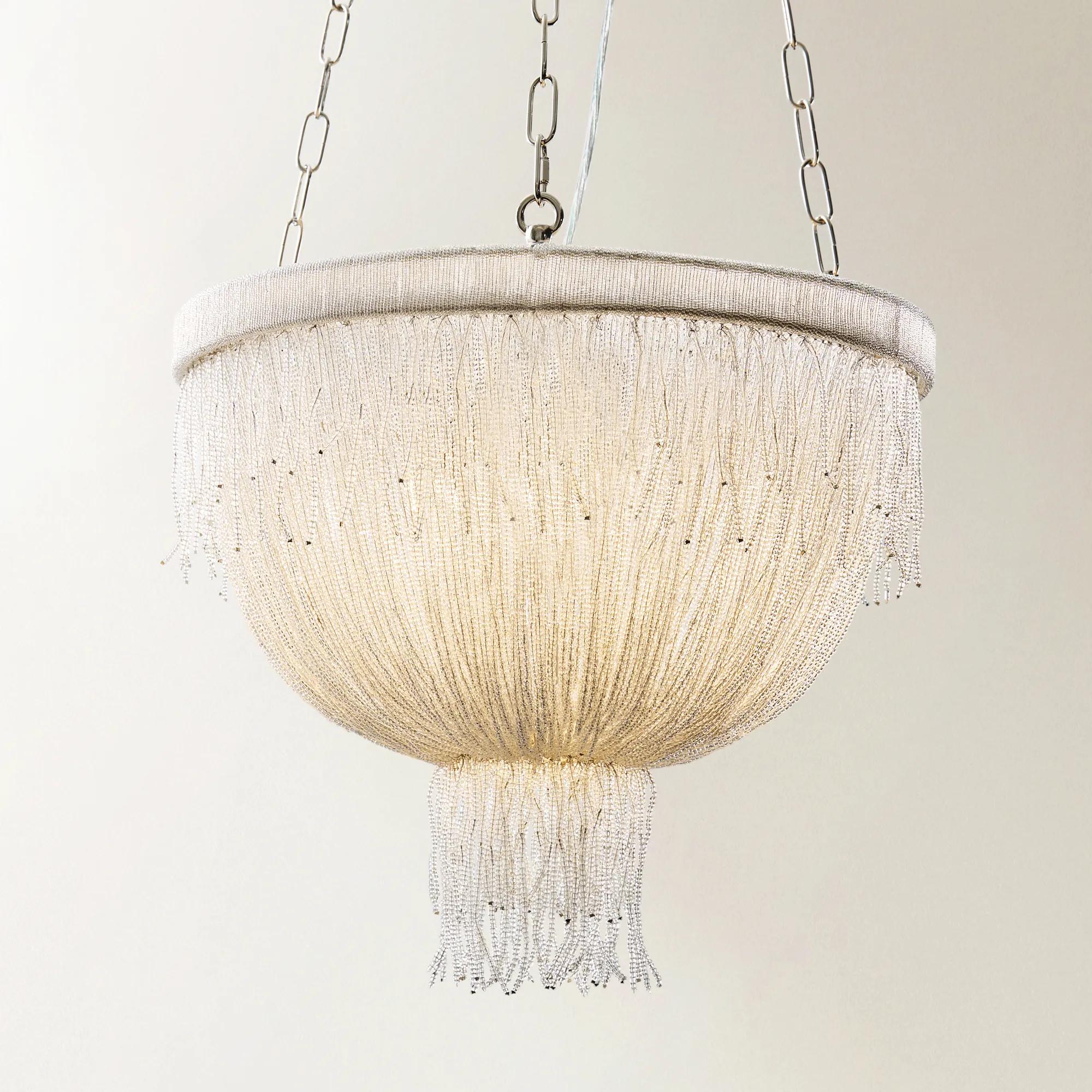 Selene Chandelier$899
A dazzling chandelier featuring cascading clear glass beads and a sleek nickel-finished iron frame.
Add To Cart -
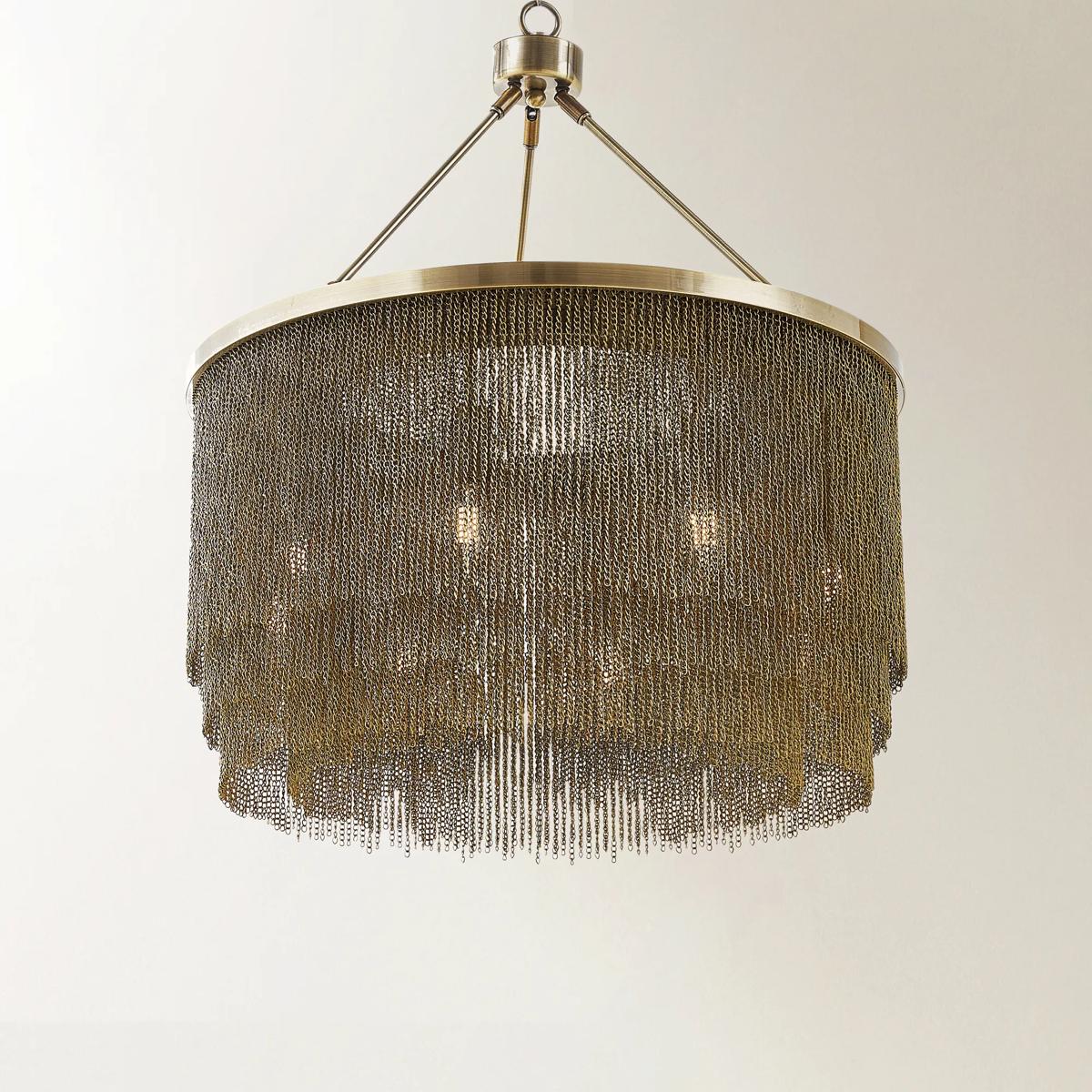
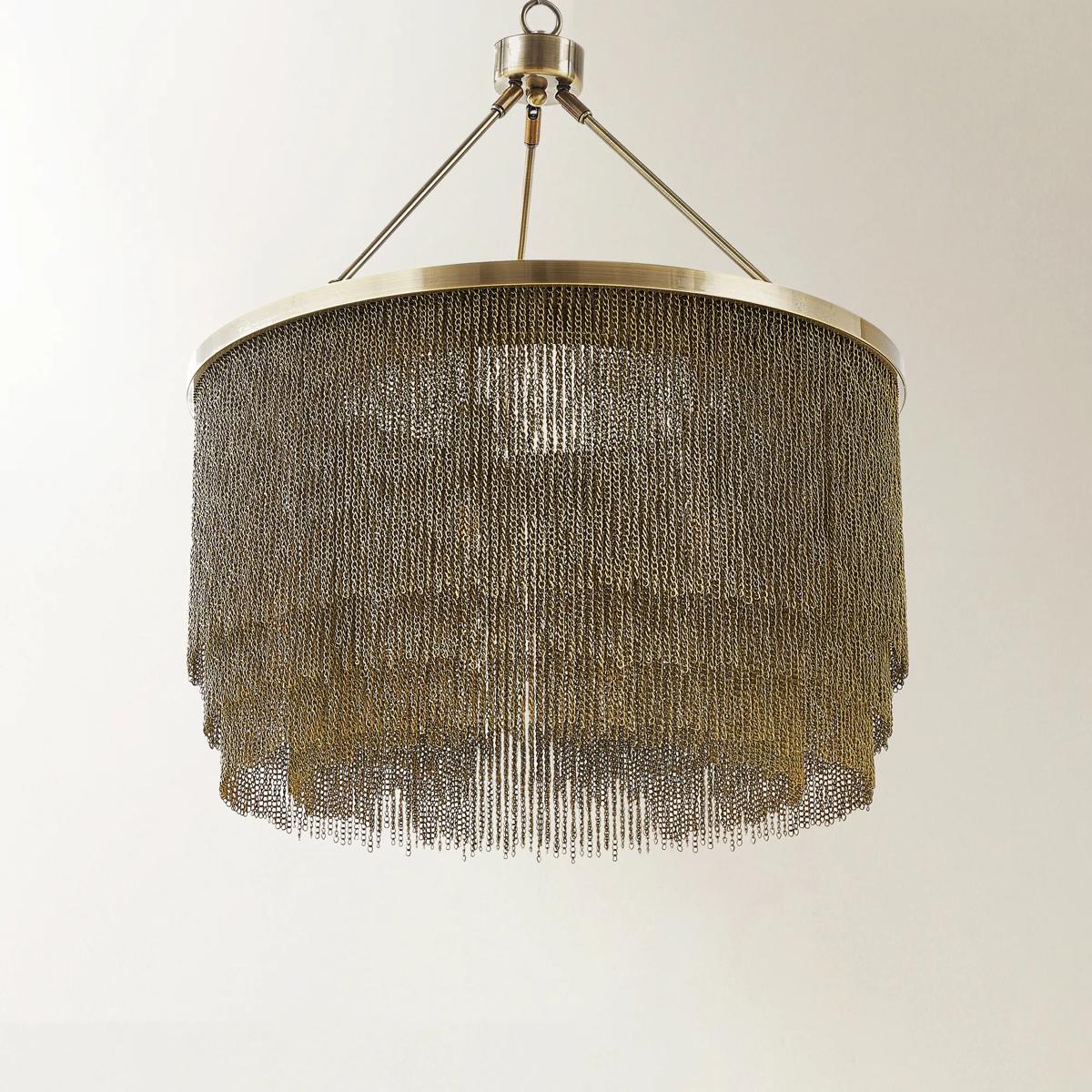 Dagny Brass Link Chain Chandelier 23.5"D x 27.5"H$999
A brass iron chandelier with cascading chain tiers and eight dimmable candelabra lights.
Add To Cart -
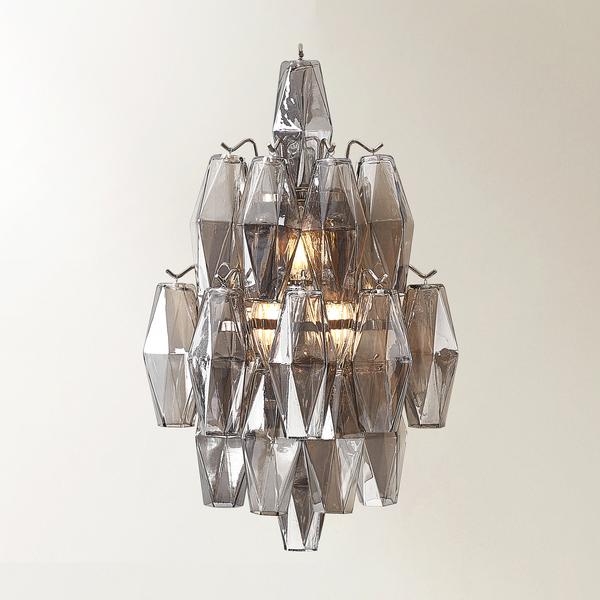
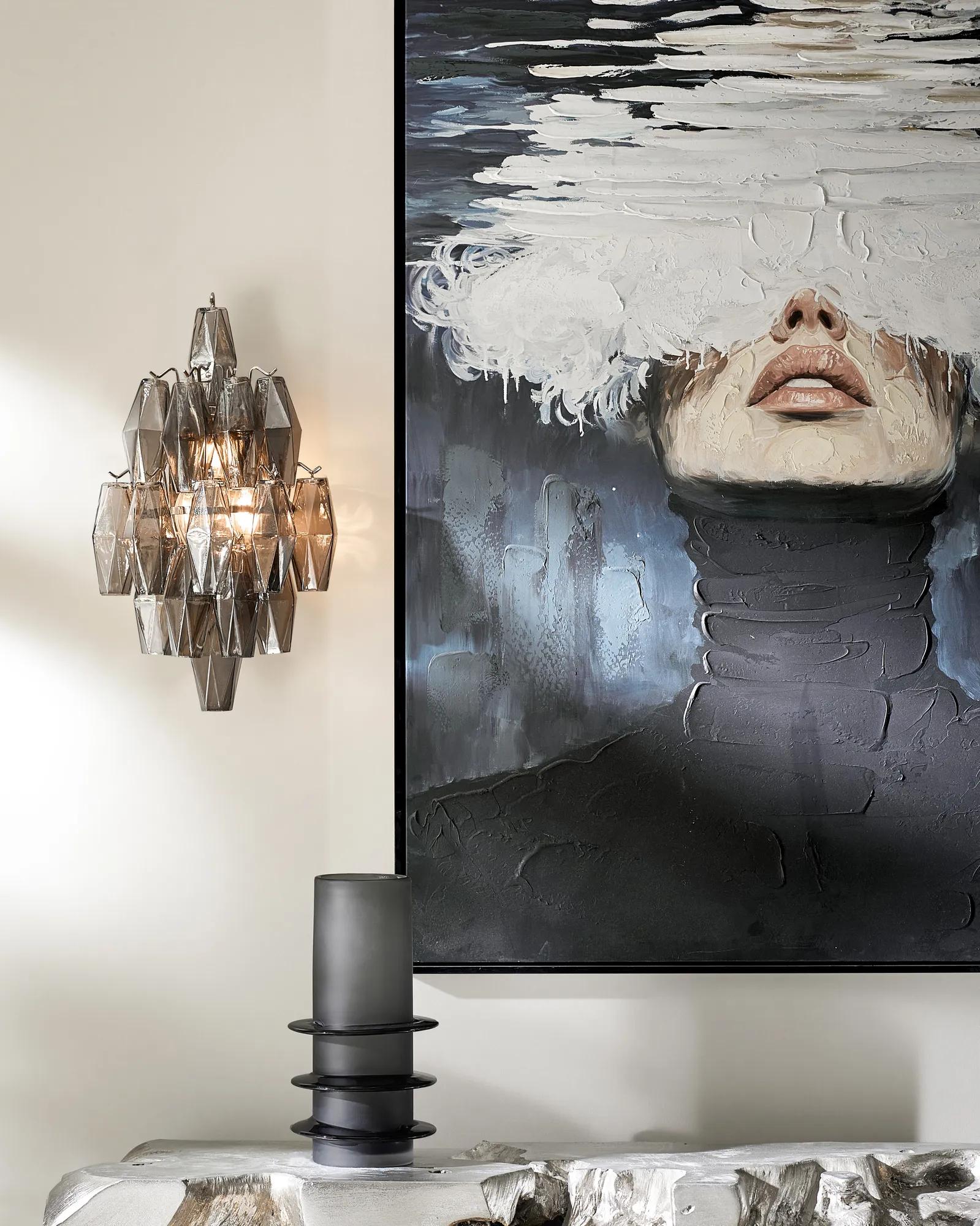 Cosima Glass Sconce 19.75" - Smoke$299
A sculptural sconce featuring hand-blown smoked gray glass and a polished nickel backplate for moody elegance.
Add To Cart -
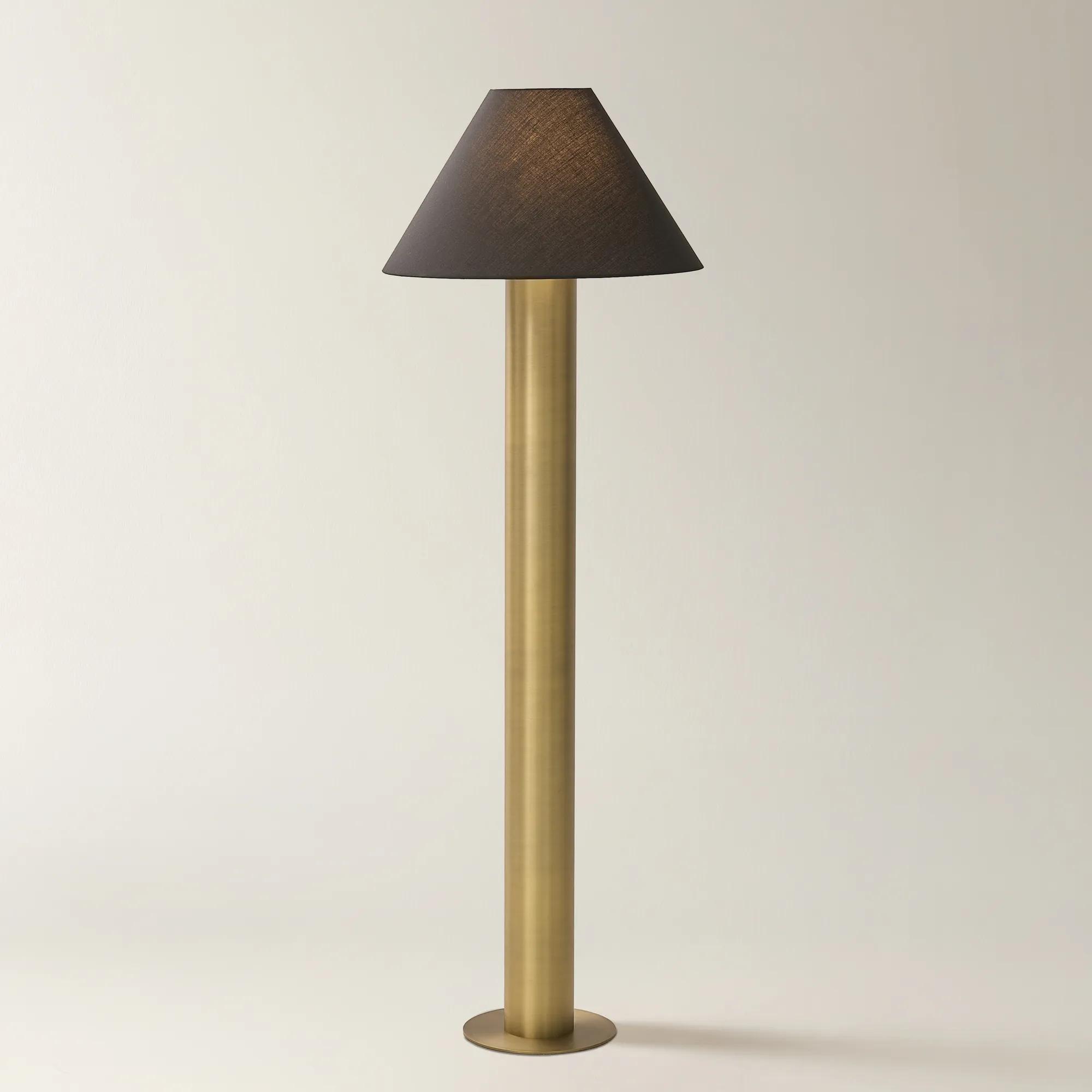
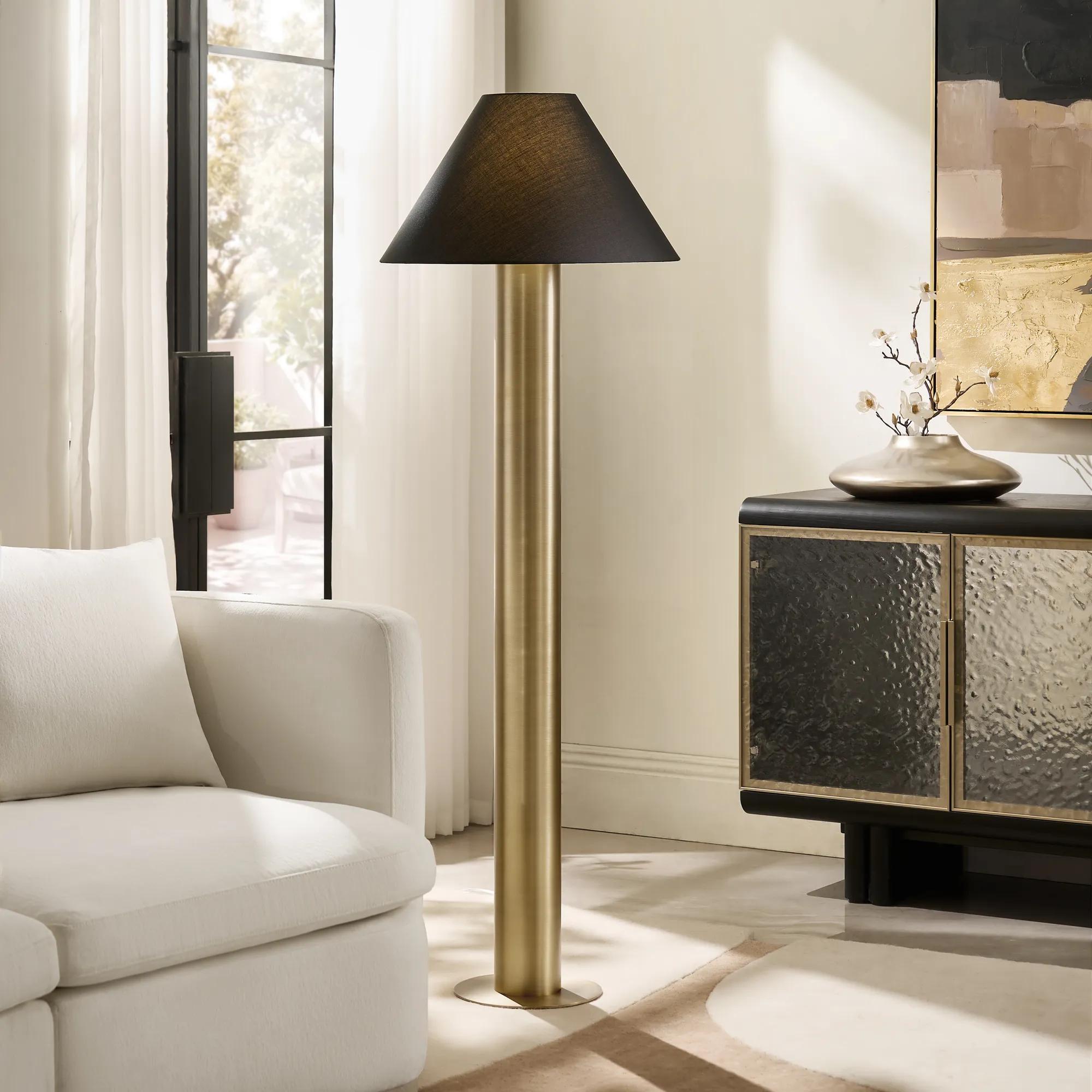 Tova Brushed Brass/Black Floor Lamp 60"$599
A sculptural brushed brass iron frame pairs with a tailored black cotton shade for modern, moody ambiance.
Add To Cart -
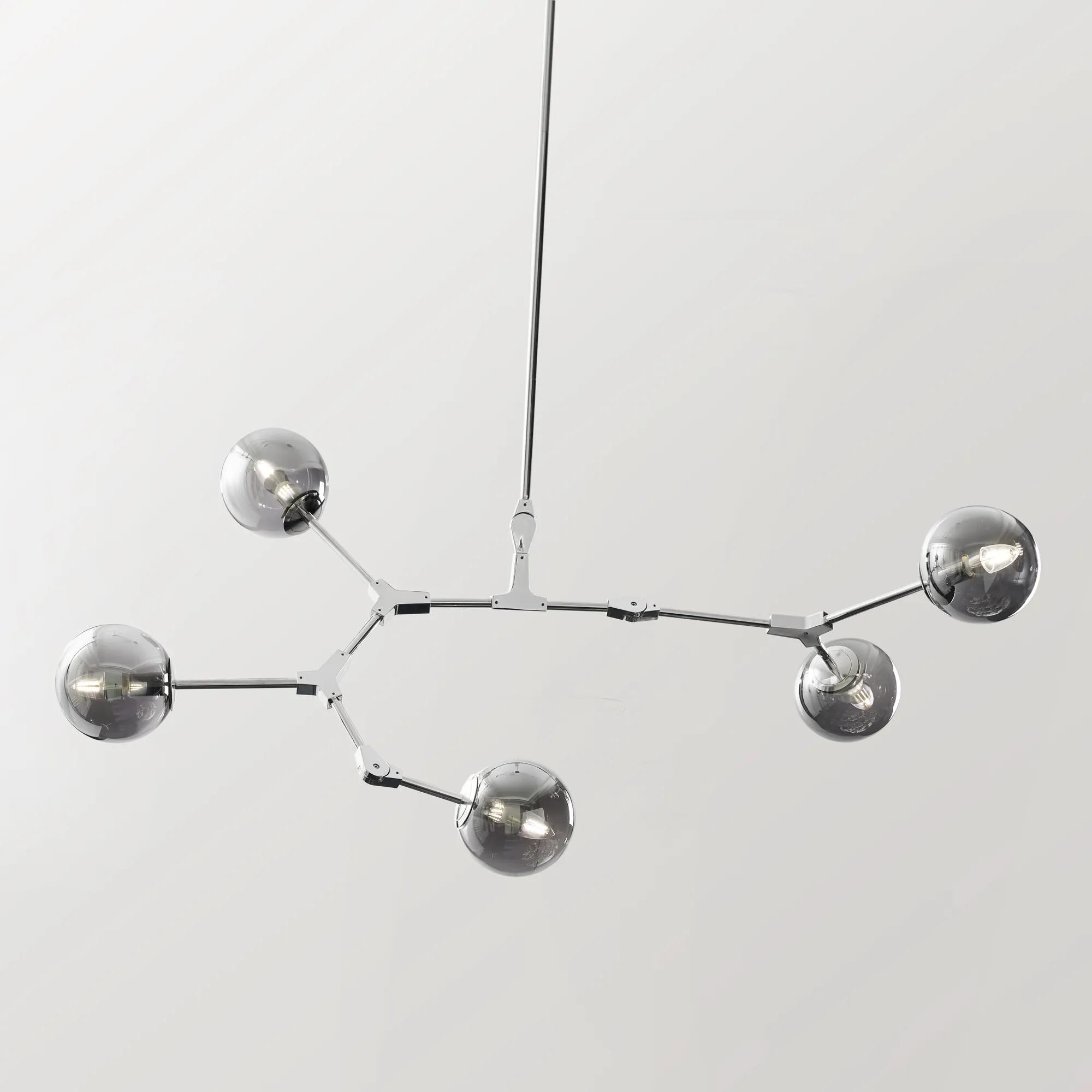
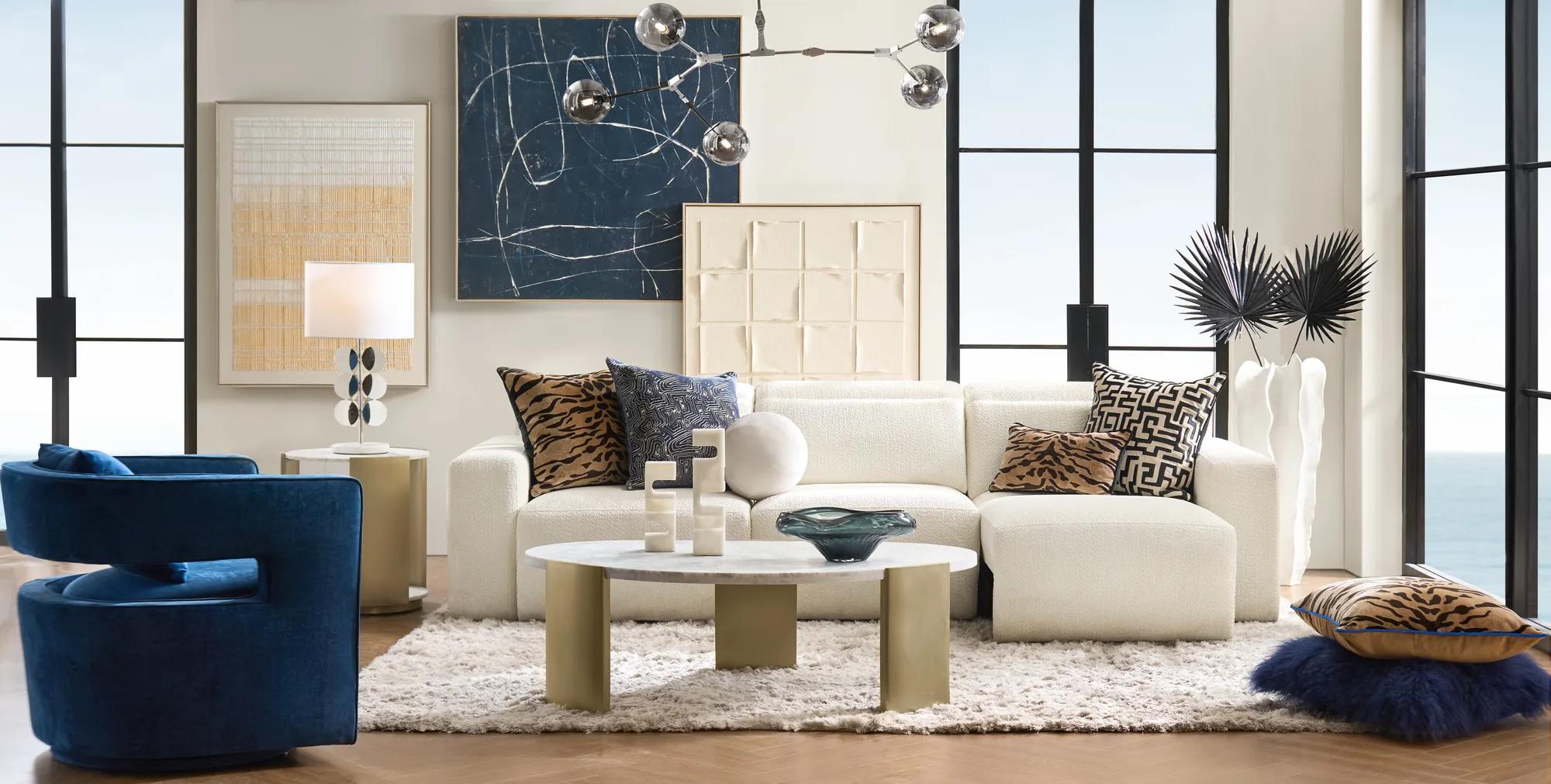 Axel Chandelier$499
A modern chandelier featuring polished nickel arms and smoked glass bulbs for striking, contemporary illumination.
Add To Cart -

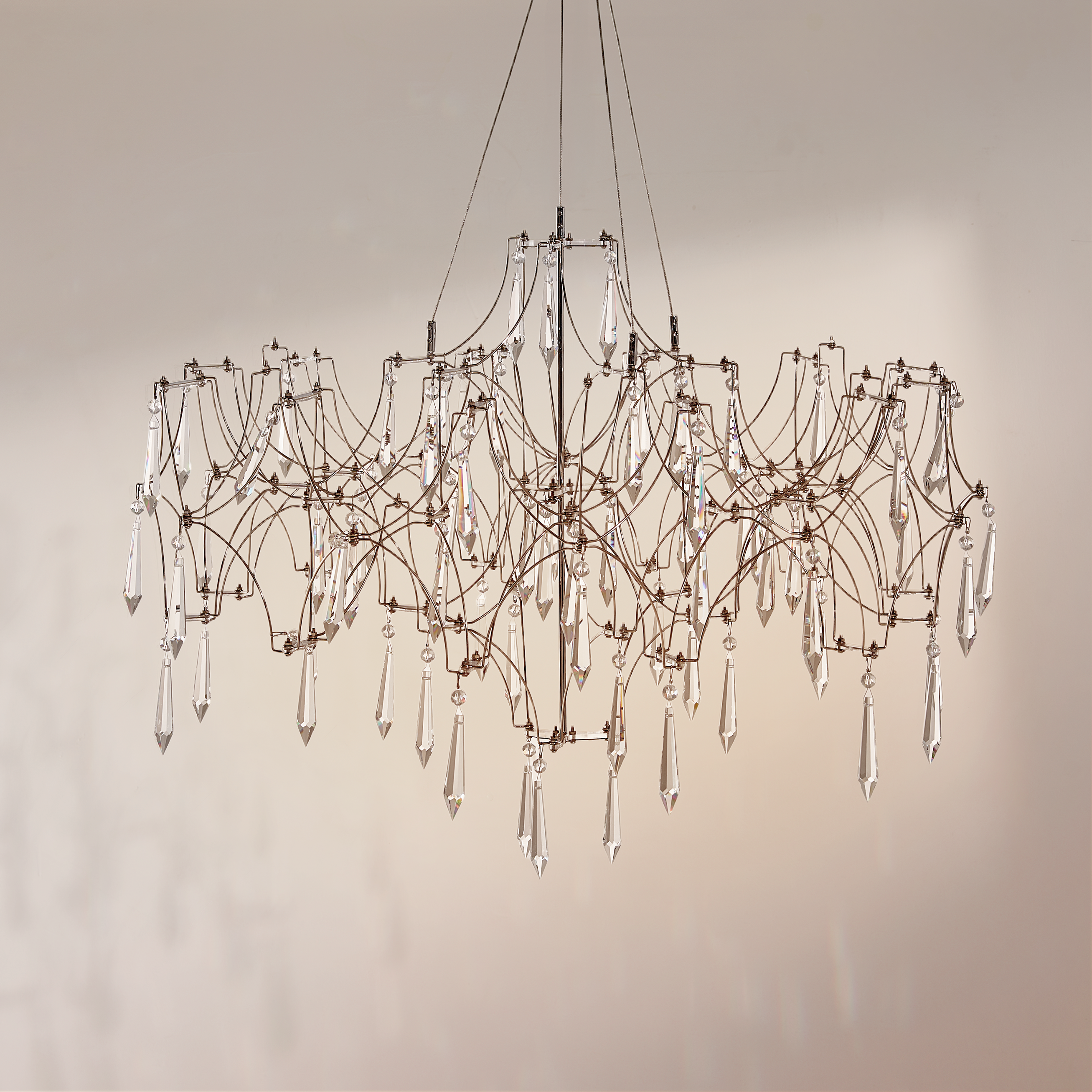 Moderne LED Clear Crystal Chandelier 24.5"W x 19.75"H$899
A clear crystal chandelier with faceted construction, polished nickel framing, and integrated warm LED illumination.
Add To Cart -
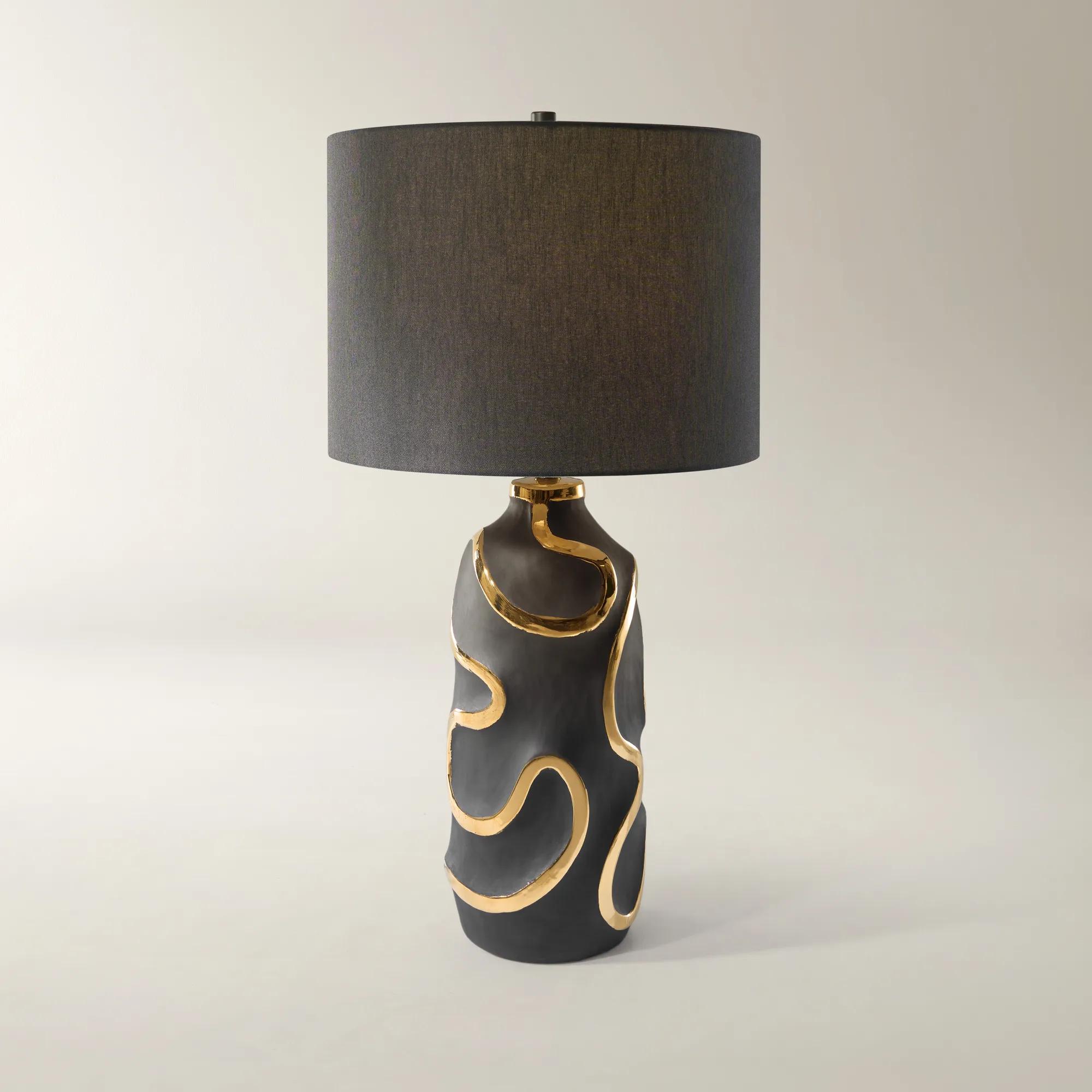 Seraphina Black/Gold Ceramic Table Lamp 32"$249
A matte black ceramic lamp with electroplated gold loops and adjustable three-level lighting.
Add To Cart -

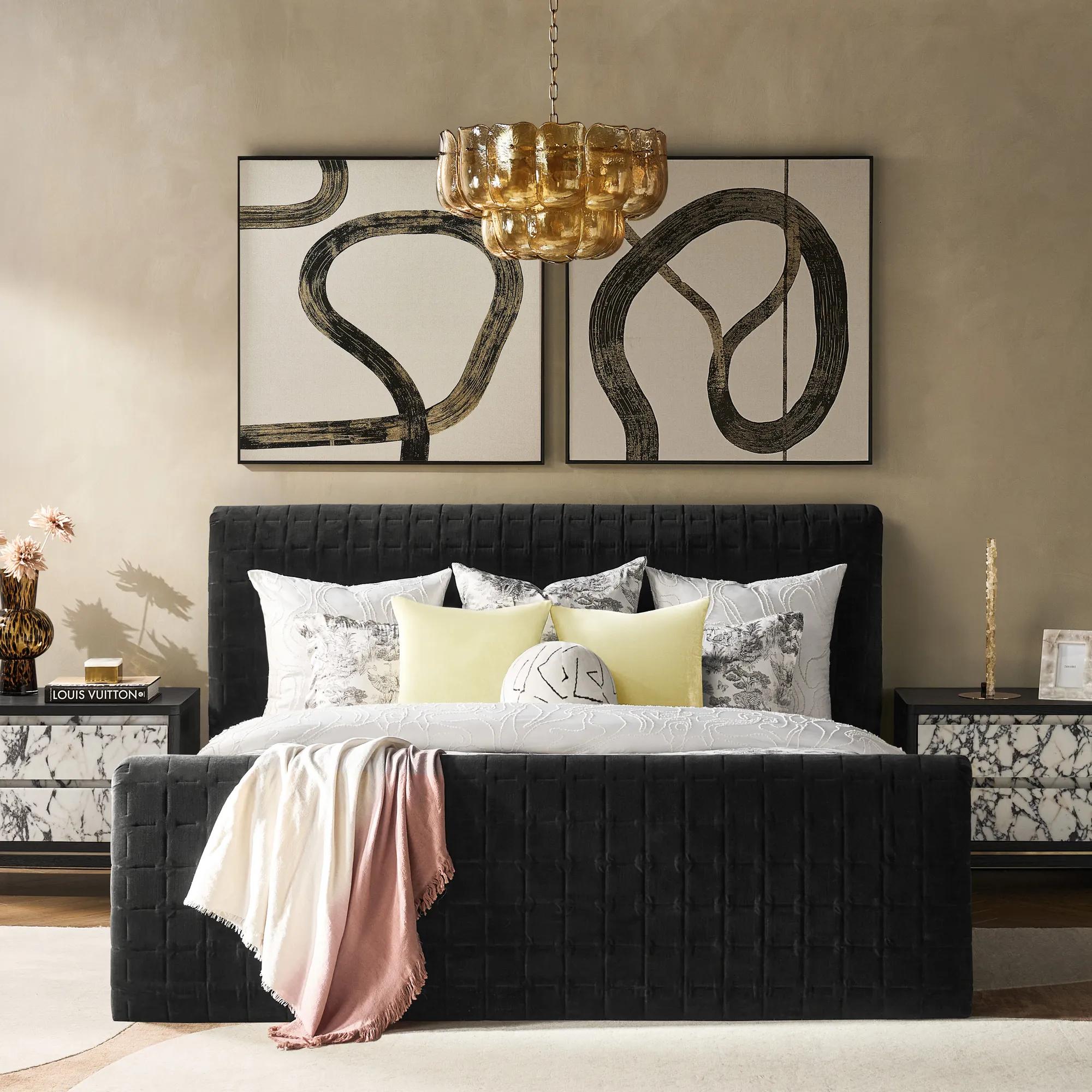 Ember Glow Amber Textured Glass Chandelier 24"$799
A chandelier with textured amber glass petals, brushed brass iron frame, and nine-light ambient illumination.
Add To Cart -

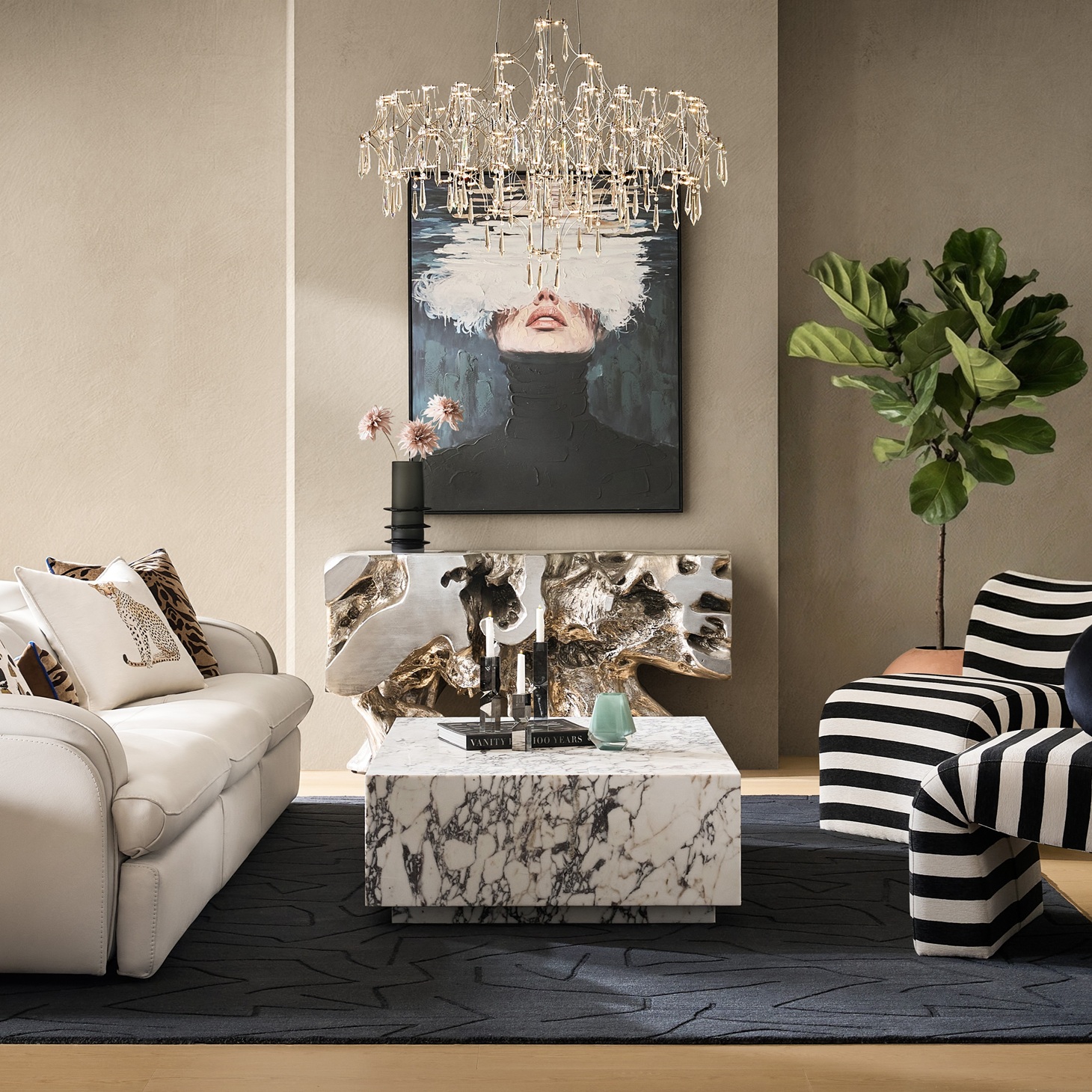 Moderne Grande LED Crystal Chandelier 35.75"W x 28.5"H$1899
A faceted crystal chandelier with polished nickel framing and integrated LED illumination for a modern glow.
Add To Cart -
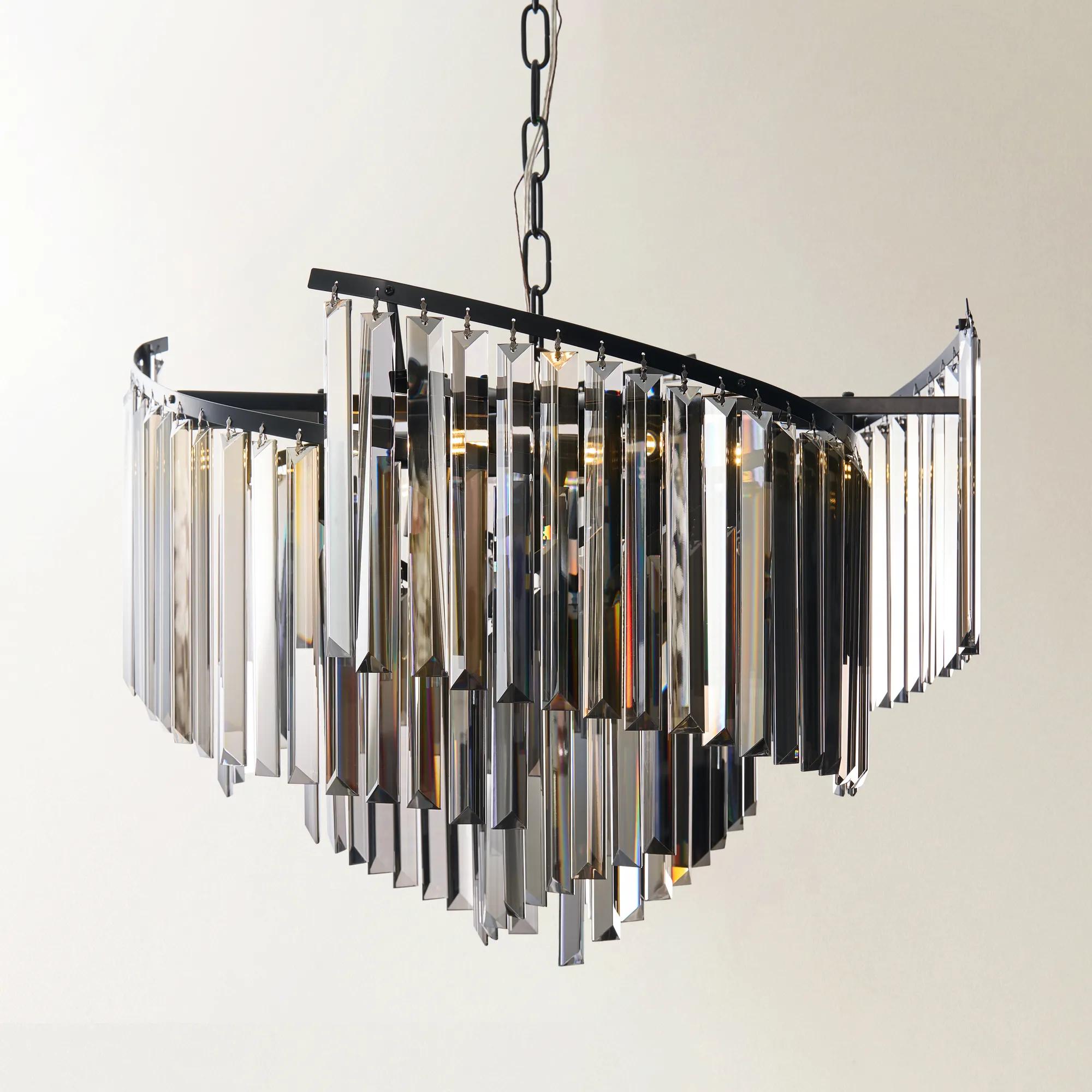 Luxe Spiral Chandelier - Graphite$999
A dramatic chandelier featuring graphite K9 crystals and a matte black iron frame for striking illumination.
Add To Cart -
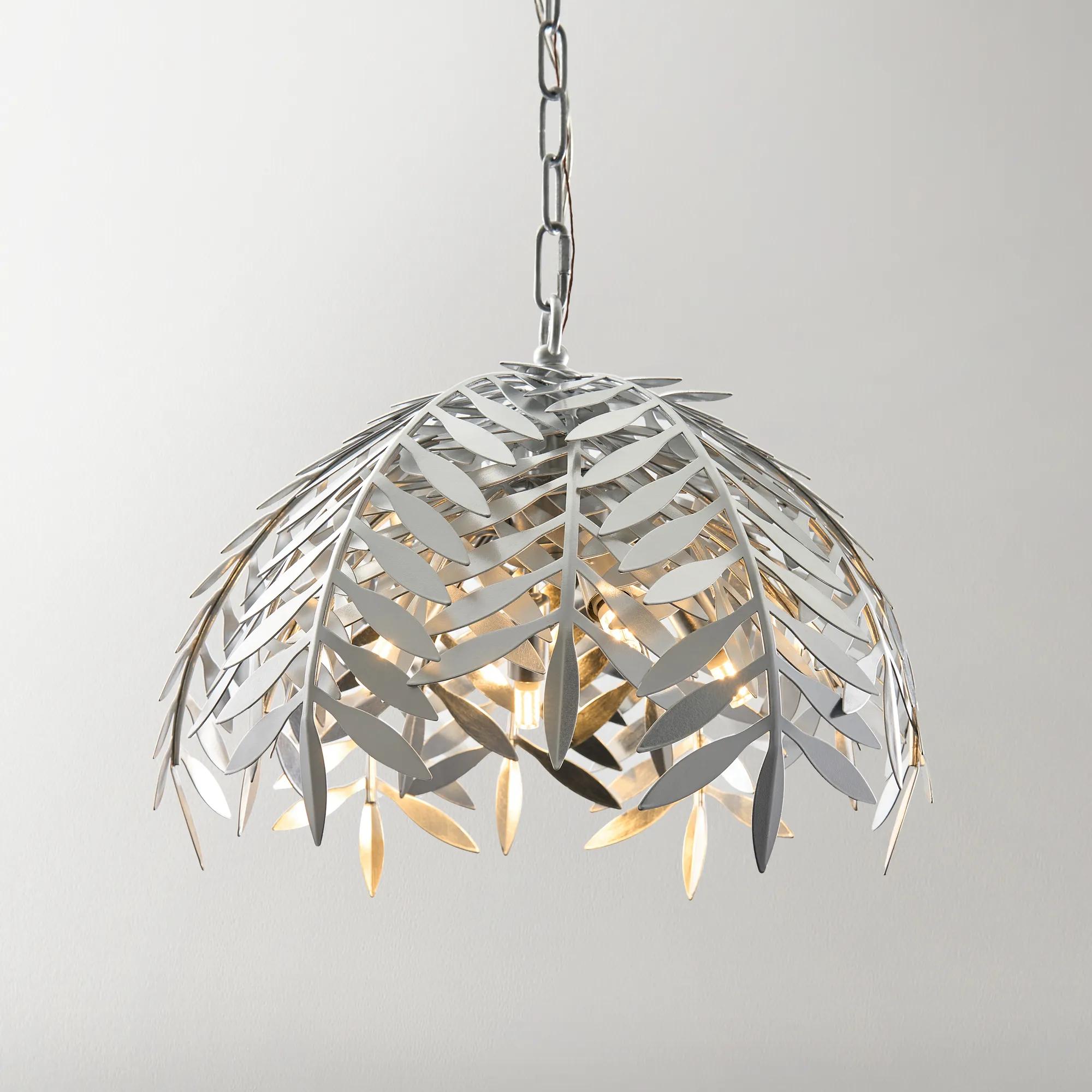
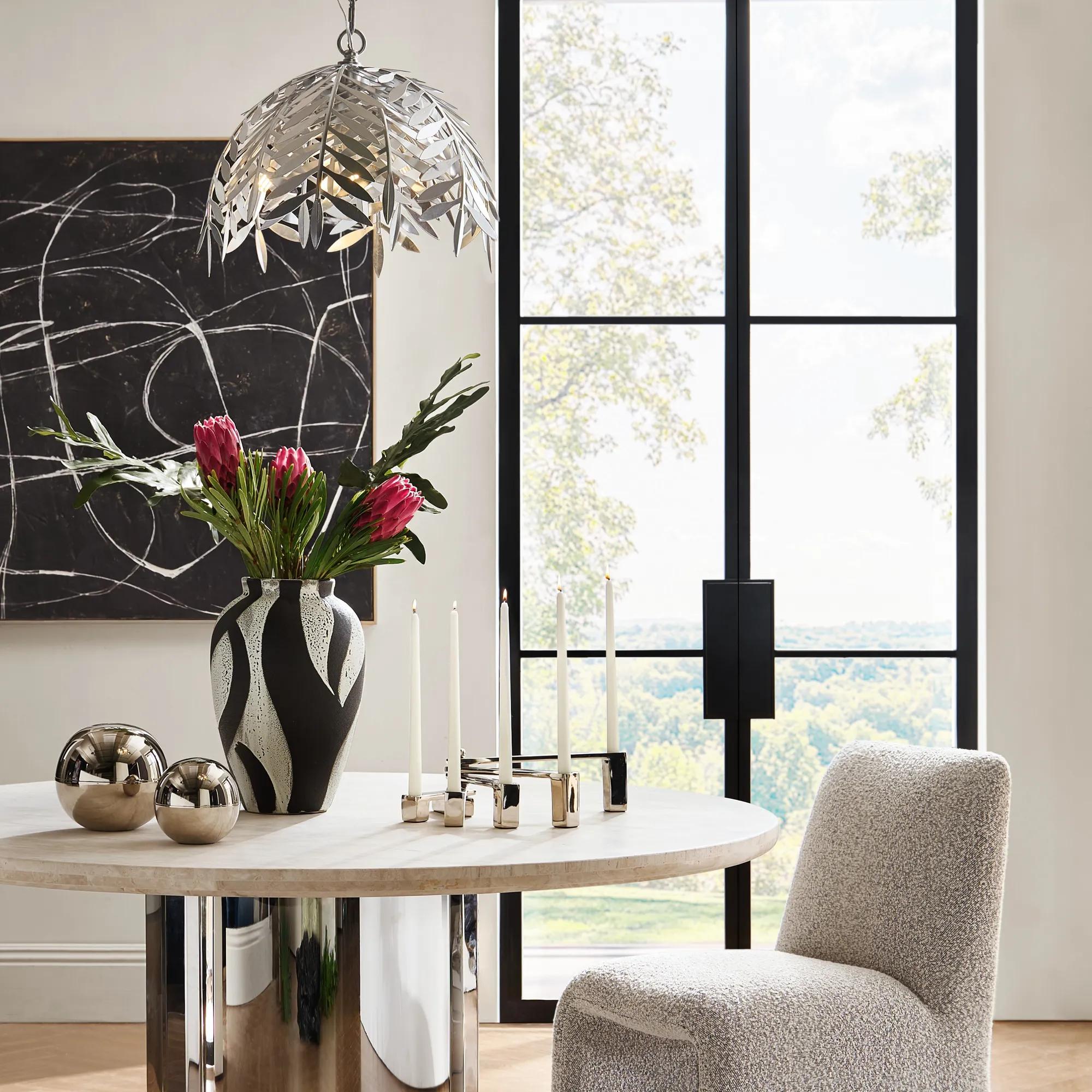 Palm Pendant - Silver$429
A sculpted iron pendant in a lustrous silver finish, casting dramatic shadows with elegant illumination.
Add To Cart

Statement Lighting Fixtures
Explore statement lighting fixtures with expressive designs that make illumination a striking focal point. Consider scale in relation to your room and furnishings, then weigh placement and light output to find a fixture that balances dramatic presence with the glow your space needs.
Statement lighting fixtures combine functional illumination with distinctive scale, shape, or detailing to become a room’s visual centerpiece. A chandelier suspended over a dining table, a sculptural pendant in an entryway, or an arched floor lamp beside a lounge chair can give an interior its defining gesture. The effect is not simply brighter light; it is a stronger sense of composition, with an illuminated focal point that draws furnishings, artwork, and architectural details into conversation. Sweeping arms bring movement to rooms with tailored upholstery, while clustered globes introduce a softer rhythm against angular furniture. An open metal frame can make a substantial silhouette feel airy, and a densely layered design can lend intimacy to a space with generous proportions. Materials shape that presence as much as form. Clear glass offers transparency and visible brilliance, frosted glass diffuses light for a gentler impression, and faceted crystal can scatter sparkling reflections across nearby surfaces. Polished metal adds a gleaming accent, while brushed finishes offer a quieter sheen with depth and texture. Fabric shades soften the appearance of a light source and introduce another tactile element alongside velvet, woven textiles, or smooth leather. For interiors that favor luminous detail and clean-lined silhouettes, Contemporary Crystal Lighting Fixtures offer a compelling expression of decorative lighting, pairing crystalline brilliance with a distinctly modern sensibility. The most memorable statement is not always the largest or most ornate. A precisely placed pendant with an unexpected profile can hold attention in a compact foyer, just as a broad chandelier can establish the gathering place in an expansive dining room. In either setting, the fixture’s character should feel connected to the room without disappearing into it. Repeating a curve, a finish, or a geometric detail creates cohesion; introducing a contrasting silhouette adds the tension that makes an interior feel personal rather than predictable.
Proportion gives dramatic lighting its poise. The dimensions of a room matter, but so do ceiling height, furniture placement, and the space surrounding the fixture. Above a dining table, a chandelier should relate to the tabletop rather than dominate the entire room, leaving comfortable visual space around its edges. A common starting point is approximately 30 to 36 inches between the tabletop and the bottom of a suspended fixture, with the final position adjusted for ceiling height, fixture design, and clear sightlines across the table. A long, linear silhouette can echo a rectangular dining surface, while a rounded composition can reinforce the intimacy of a circular table. In an entryway or an open living area, adequate headroom and unobstructed circulation take priority over a low, theatrical drop. Adjustable suspension can help accommodate different ceiling heights, although the permitted range and suitability for sloped ceilings depend on the fixture’s specifications. Ceiling support, electrical requirements, and installation conditions also matter, particularly for substantial glass or crystal designs; hardwired fixtures are best installed by a qualified electrician. Within those practical boundaries, lighting can create remarkably different moods. Upward-directed illumination may emphasize ceiling height, while downward light can concentrate attention on a dining surface or reading area. Shaded fixtures can temper glare, an especially welcome quality beside seating or within view of a television. A decorative centerpiece works most comfortably alongside other light sources: table lamps add intimacy at seating height, sconces bring illumination to walls, and focused task lighting supports activities that demand greater clarity. Bulb choice completes the composition. Lumens indicate light output, while color temperature influences whether the glow feels warm and intimate or crisper and more neutral. Warm-white light, often around 2700K to 3000K, is a popular choice for living and dining spaces. Dimming allows greater flexibility, provided the fixture, bulbs, and dimmer are compatible, so a room can move from lively conversation to a quieter, more atmospheric setting without losing its visual centerpiece.
Lasting appeal depends on construction and care as well as an arresting silhouette. Metal frames, glass shades, fabric coverings, and crystal accents each bring distinct maintenance considerations, and their finishes deserve treatment suited to the material. Dust can dull a reflective surface or soften the clarity of glass, making regular, gentle cleaning part of preserving the intended effect. With the power switched off and bulbs allowed to cool, a soft microfiber cloth is often useful for routine dusting, while detailed cleaning should follow the manufacturer’s directions. Abrasive cleaners can scratch surfaces or damage protective coatings, and cleaning liquid should never enter sockets or electrical components. Delicate drops, slender arms, and removable shades require careful handling rather than pressure or twisting. A fixture’s accessibility is worth considering before installation, especially over a stairwell or beneath a tall ceiling where cleaning and bulb replacement may require professional assistance. Durability also depends on using the correct bulb type and staying within the stated wattage limits. LED bulbs can reduce replacement frequency when compatible, while designs with integrated LEDs warrant attention to serviceability and component replacement information. Intended location is equally important: lighting near moisture requires the appropriate damp- or wet-location rating, and indoor decorative fixtures should not be assumed suitable for outdoor use. These practical details protect the beauty that makes statement lighting so expressive. In a dining room, that beauty might take the form of reflections playing across glassware; in a bedroom, a shaded lamp can create a pool of light beside a richly upholstered headboard. For a home office, a sculptural task lamp can bring personality to the desk while keeping illumination close to the work surface. A decorative table lamp can also make a considered housewarming or wedding gift when the recipient’s style, available space, and lighting needs are known. Whether chosen for entertaining, reading, or the pleasure of entering a beautifully composed room, statement lighting gives everyday rituals a more distinctive setting. Its strongest expression balances artistry with ease: a silhouette that commands attention, illumination that feels comfortable, and materials whose character remains compelling even when the light is switched off.
FAQs
Statement lighting turns an everyday essential into an artistic focal point. Expressive silhouettes, intricate details, and striking finishes give these fixtures a presence that extends beyond illumination. Whether sculptural or richly embellished, a statement fixture establishes the room’s mood and brings your personal design perspective into focus.
Chandeliers, pendant lights, wall sconces, and sculptural table or floor lamps can all make a statement. A chandelier introduces overhead drama, while an expressive pendant draws attention to its distinctive form. Sconces create an architectural accent, and sculptural lamps bring an artful presence to a curated furniture arrangement.
Look for a connection to your room’s existing design language, such as a repeated curve, a complementary finish, or a shared sense of drama. Sweeping forms can soften angular furniture, while geometric lighting adds definition among sumptuous textures. The fixture should feel intentional without matching every surrounding detail.
Mixing lighting finishes can give a room a layered, collected character. Choose one dominant finish, then introduce a contrasting accent with intention. Repeating that accent in a mirror, decorative object, or furniture detail helps create continuity. A shared shape or design motif can also unite fixtures with different finishes.
Statement lighting brings expressive design to entryways, living rooms, bedrooms, and other spaces deserving a distinctive focal point. An entry fixture can establish a memorable first impression, while sculptural bedside lamps add a personal flourish. Let the setting guide the mood, from theatrical and captivating to intimate and quietly glamorous.