
Sculptural Lighting Fixtures
Sculptural Lighting Fixtures
-
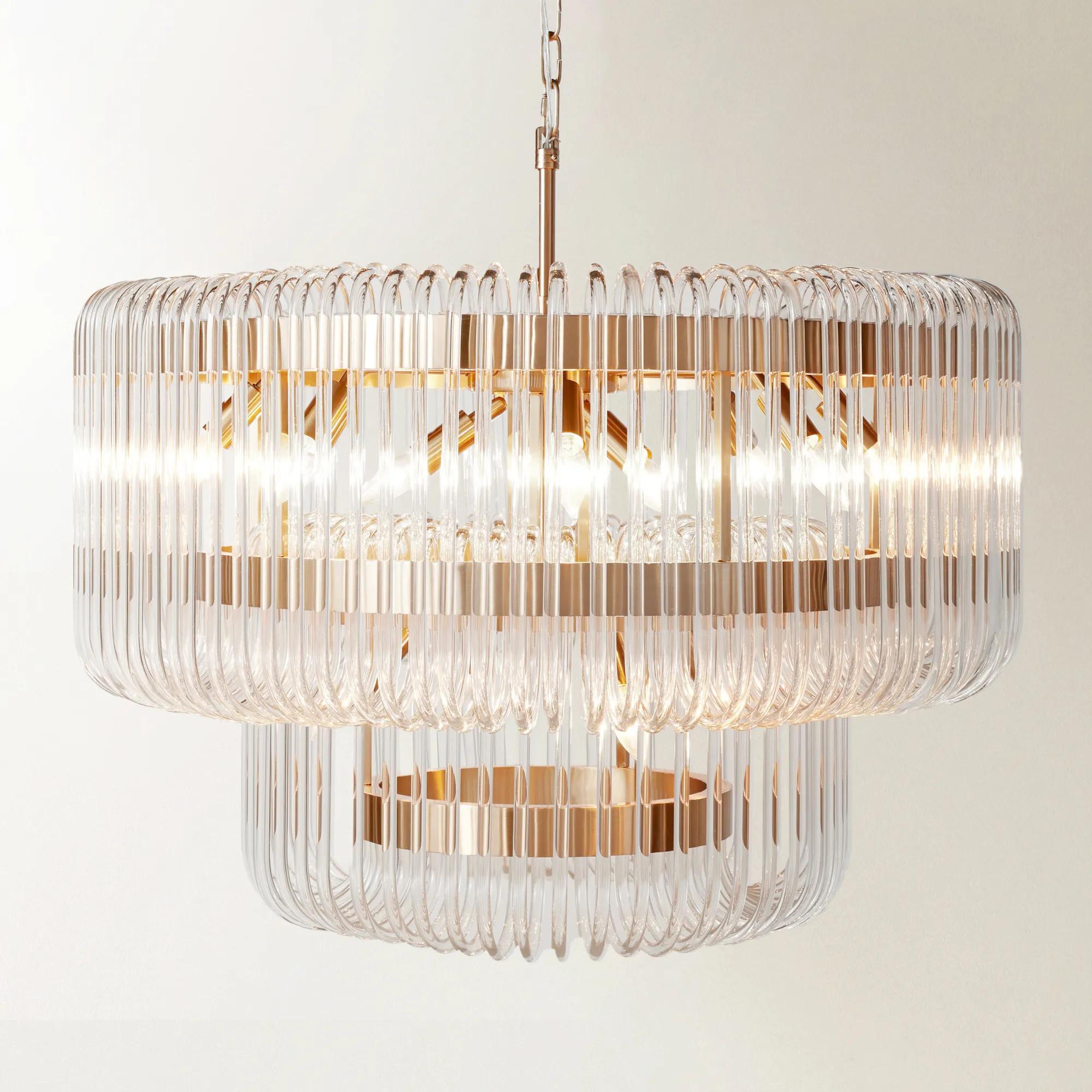 Allure Clear Curved Glass Chandelier 31.5"D x 27.75"H$1499
A dramatic chandelier featuring over 150 clear blown glass rods and brushed brass-finished iron rings.
Add To Cart -
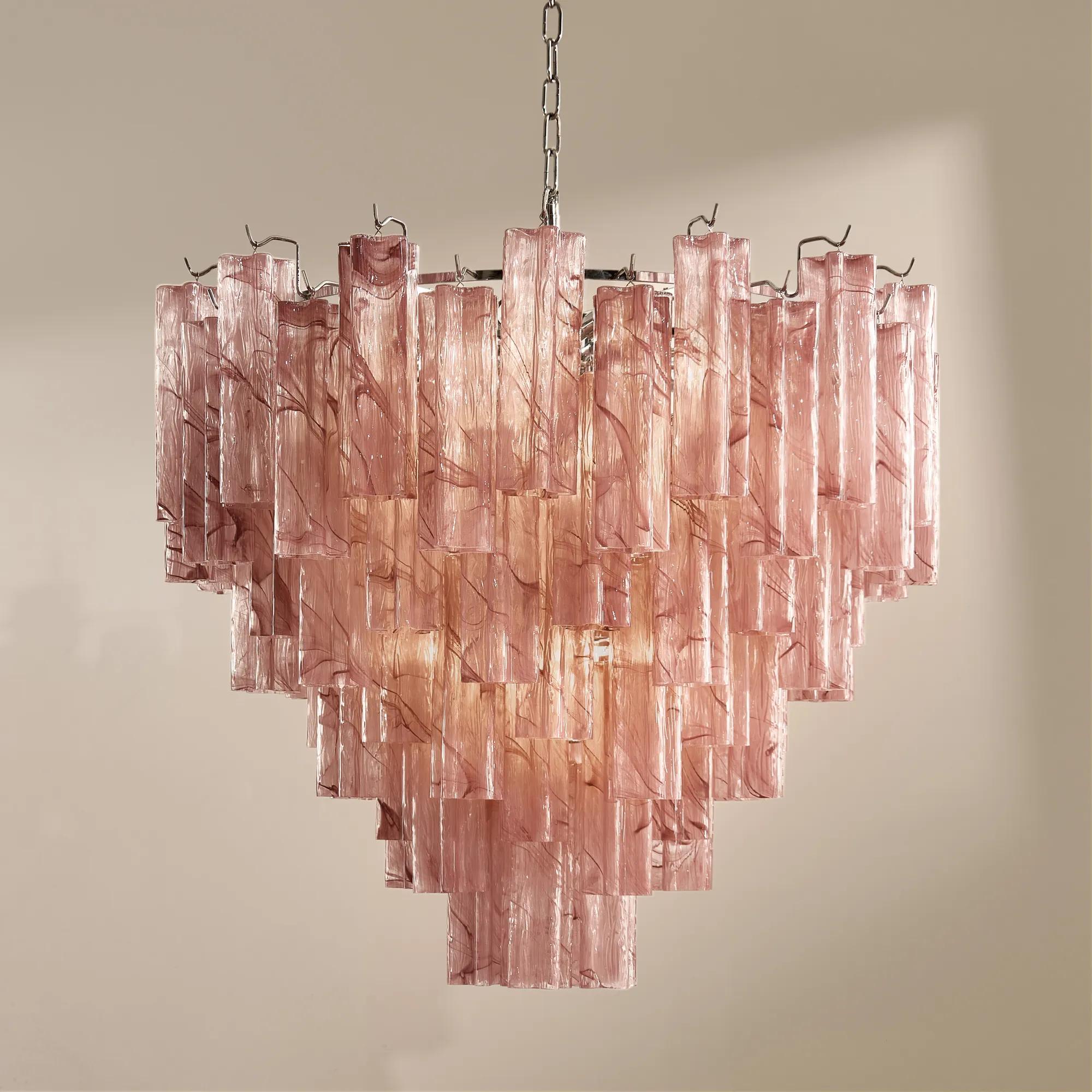 Elodie Rose Glass Chandelier 31.5"$1299
A handcrafted chandelier featuring rose-colored swirled glass and a polished chrome frame for modern elegance.
Add To Cart -
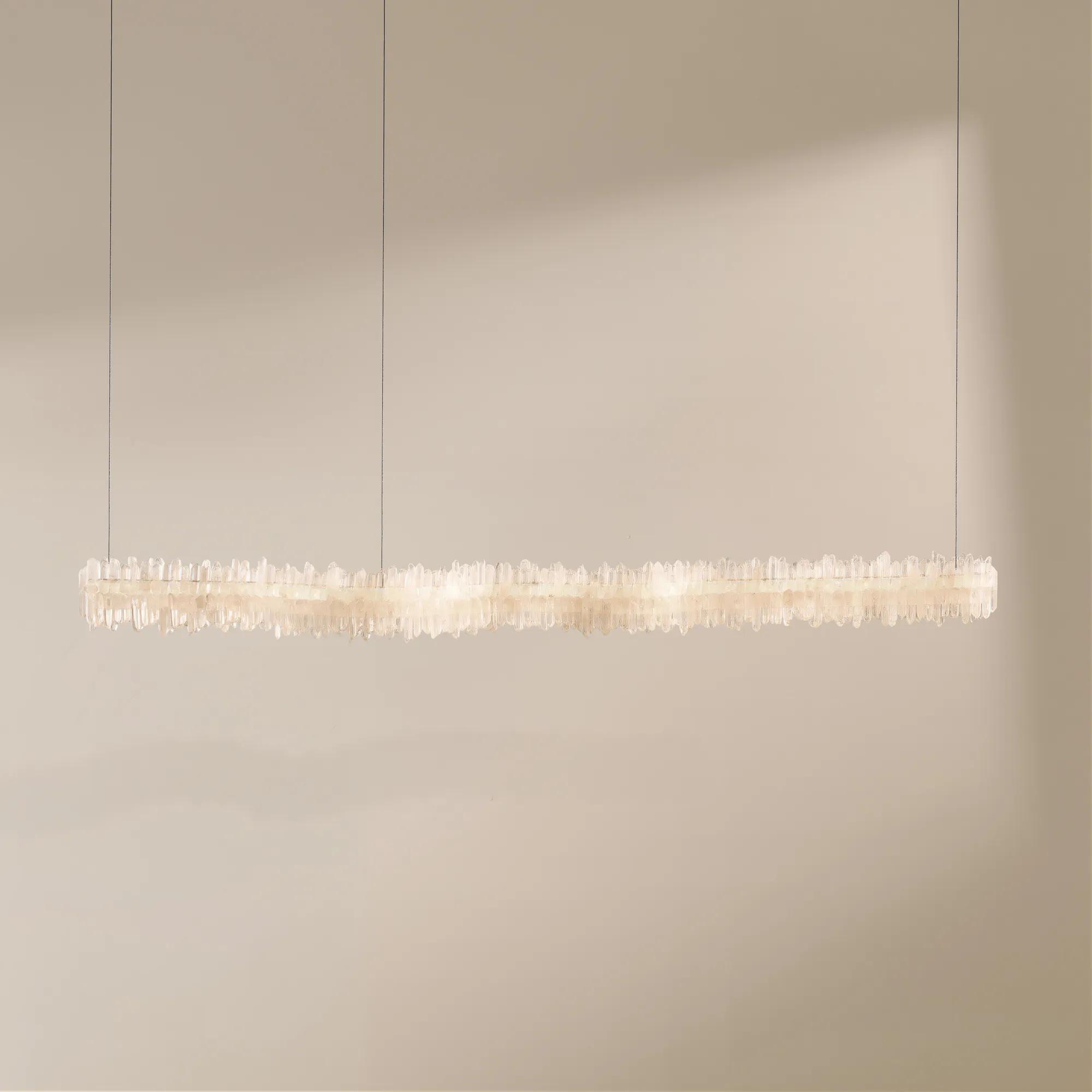 Stella Quartz Crystal LED Chandelier 47.25"$1899
A linear chandelier featuring raw quartz crystals and a rose gold frame with integrated warm LED lighting.
Add To Cart -
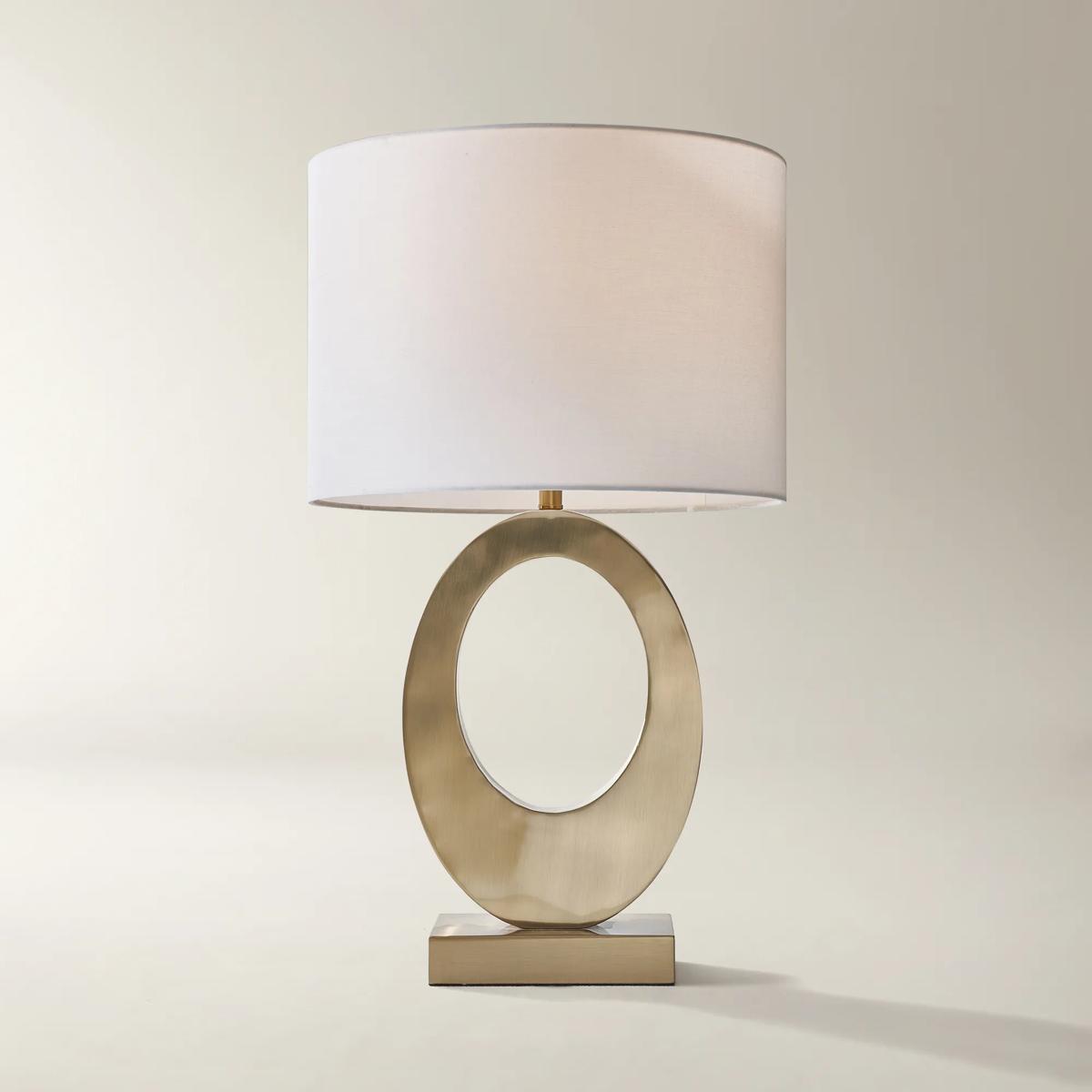 Loop Champagne Gold Metal Table Lamp 26.25"$399
A sculptural iron lamp in champagne gold with a beige cotton drum shade for warm, diffused lighting.
Add To Cart -
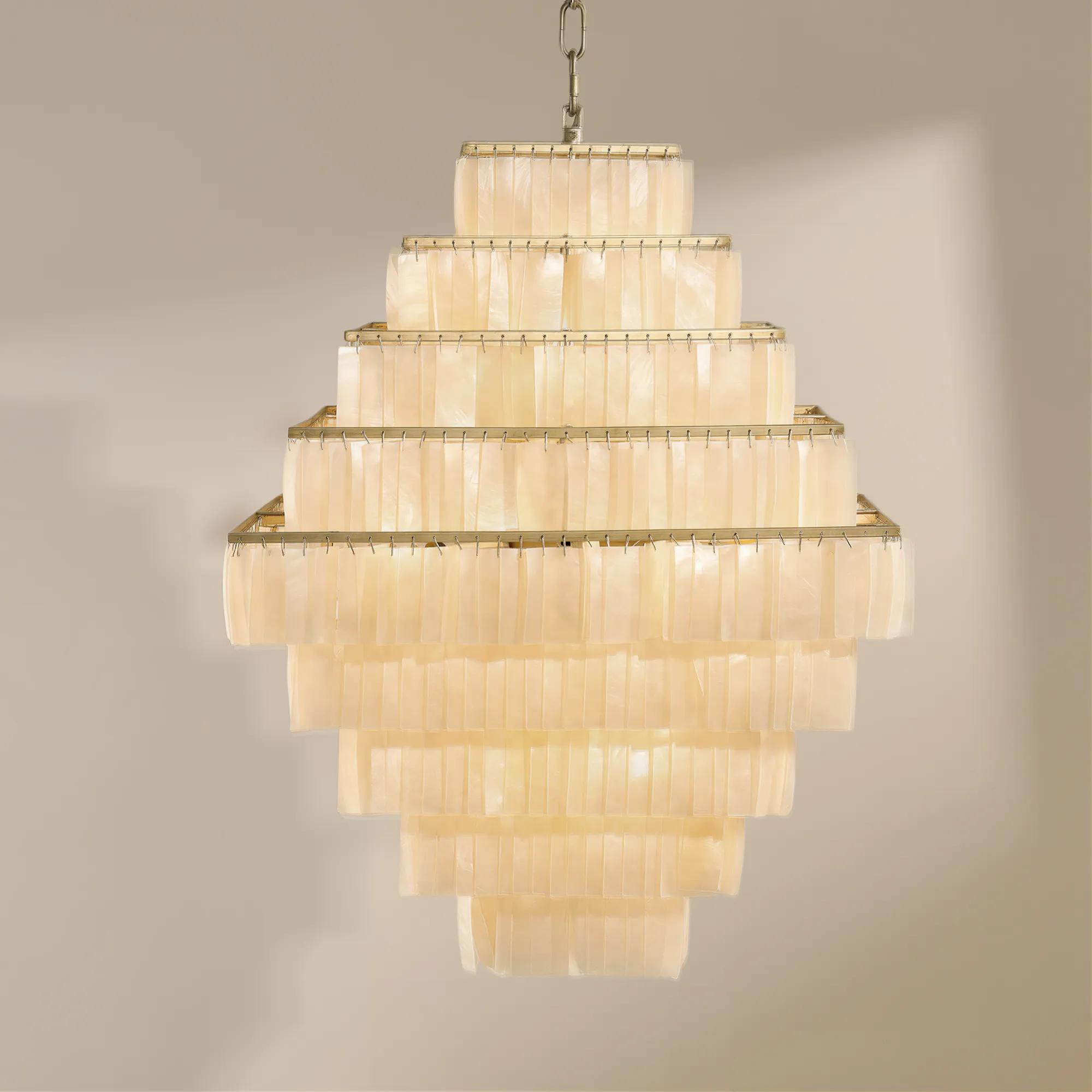 Soleil Capiz Shell Chandelier 25"$999
A luminous chandelier crafted from 700 hand-strung capiz shells and a champagne-finished iron frame.
Add To Cart -
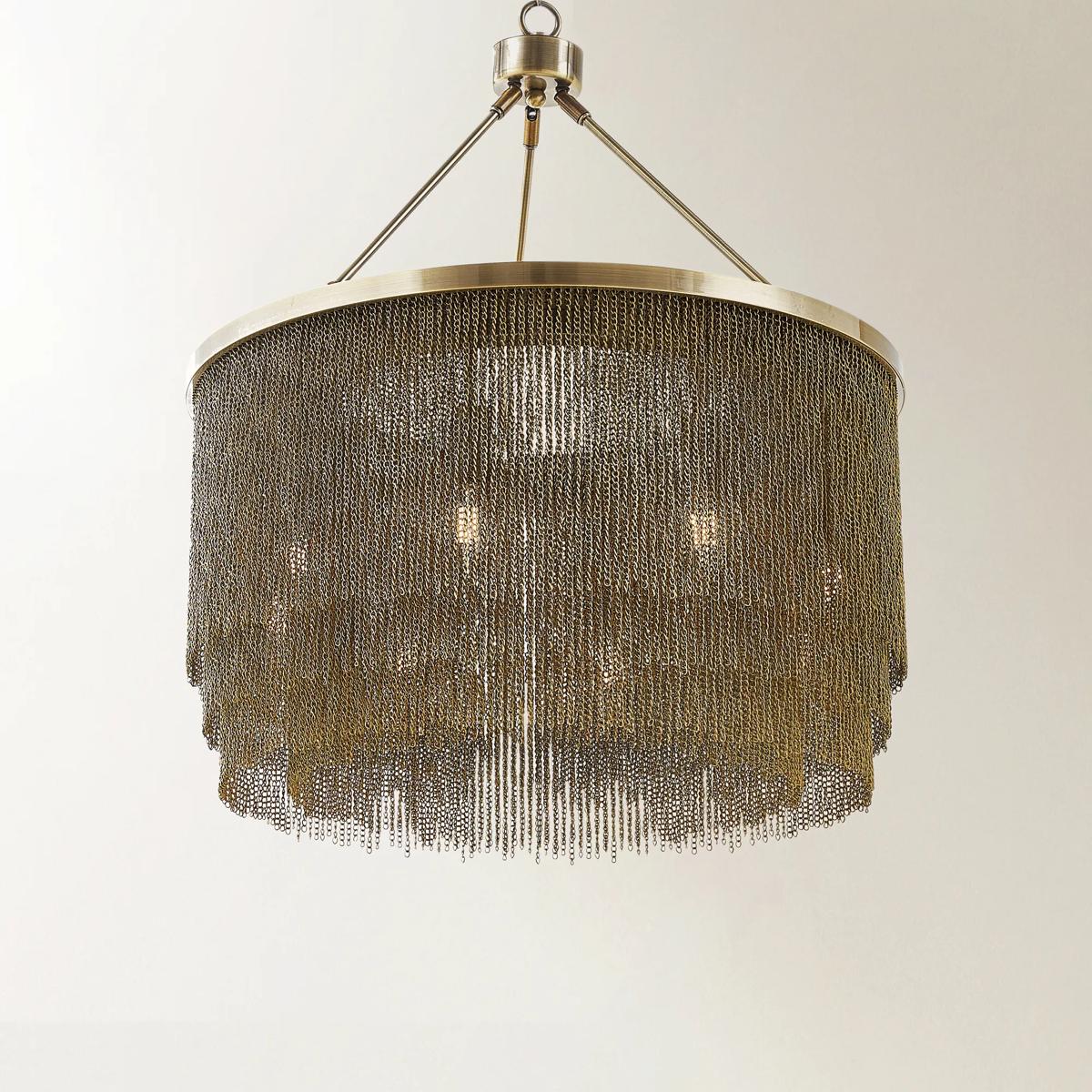
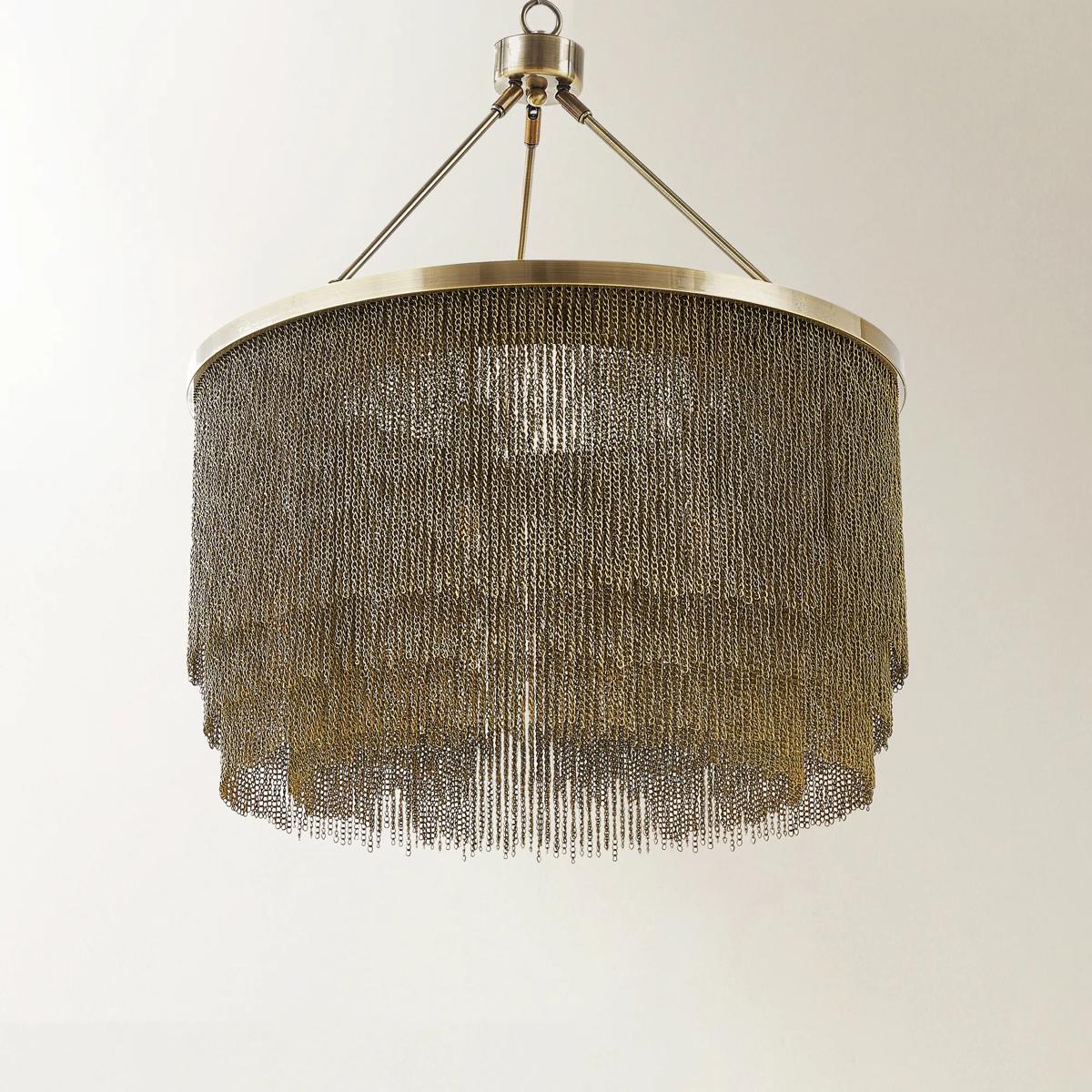 Dagny Brass Link Chain Chandelier 23.5"D x 27.5"H$999
A dramatic chandelier featuring cascading antique brass chains and a polished iron frame with a warm golden finish.
Add To Cart -
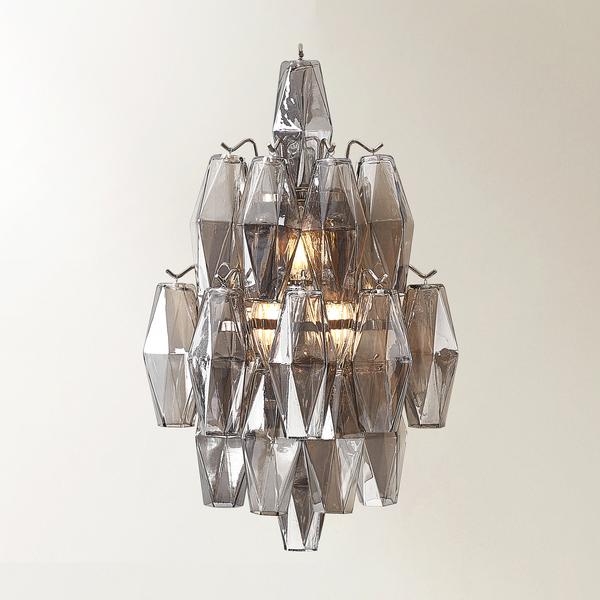
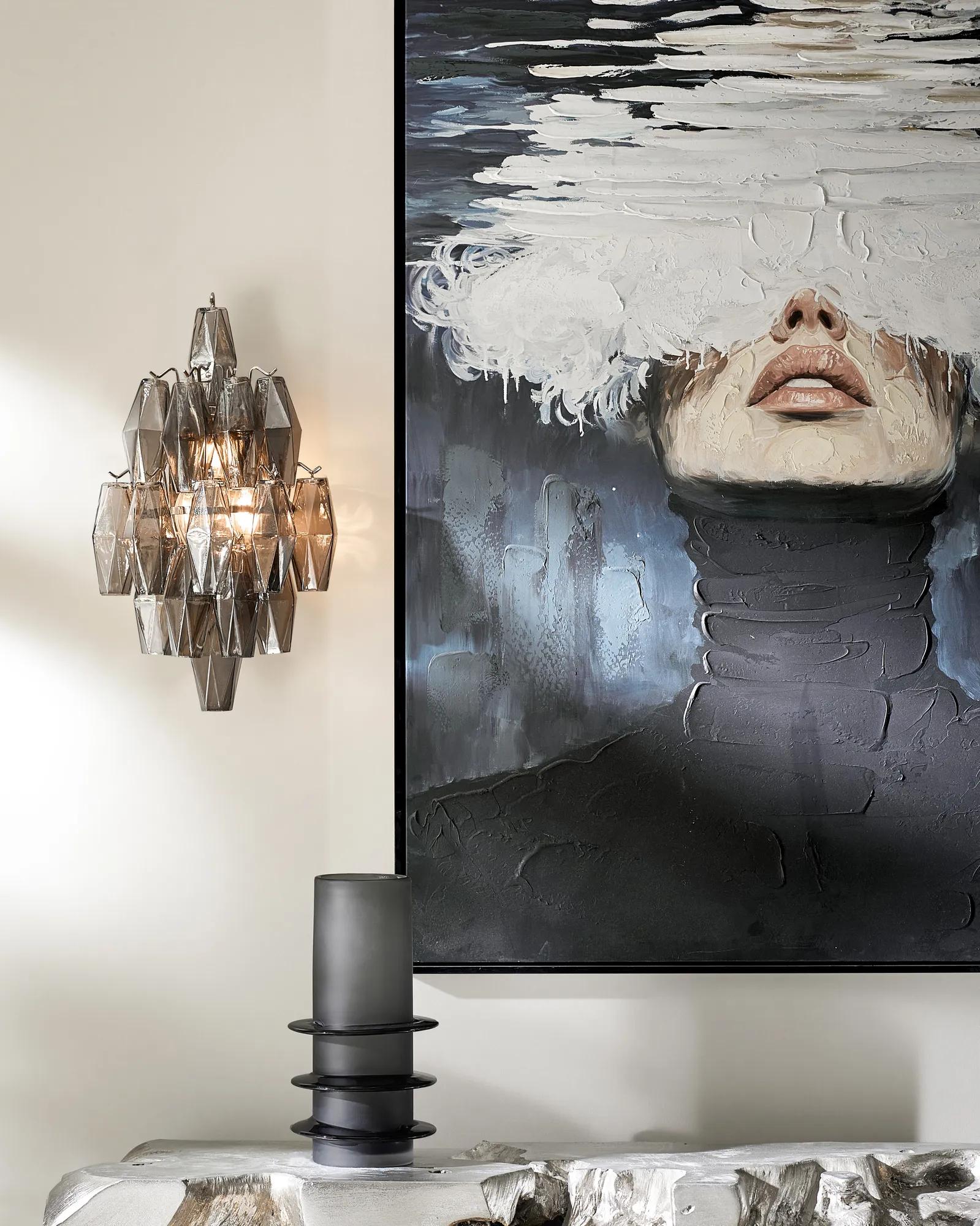 Cosima Glass Sconce 19.75" - Smoke$299
A sculptural sconce featuring hand-blown smoked gray glass and a polished nickel backplate for moody elegance.
Add To Cart -
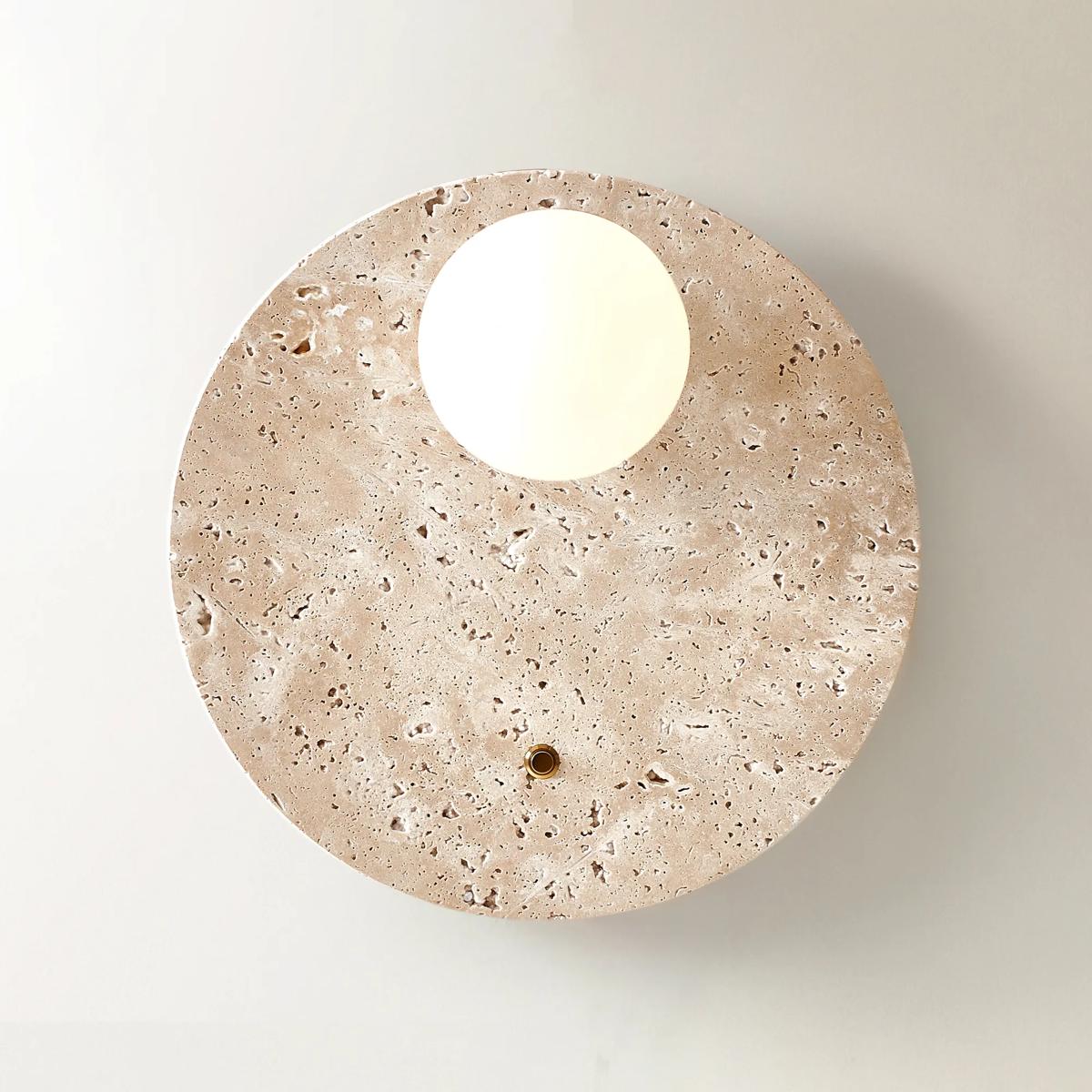
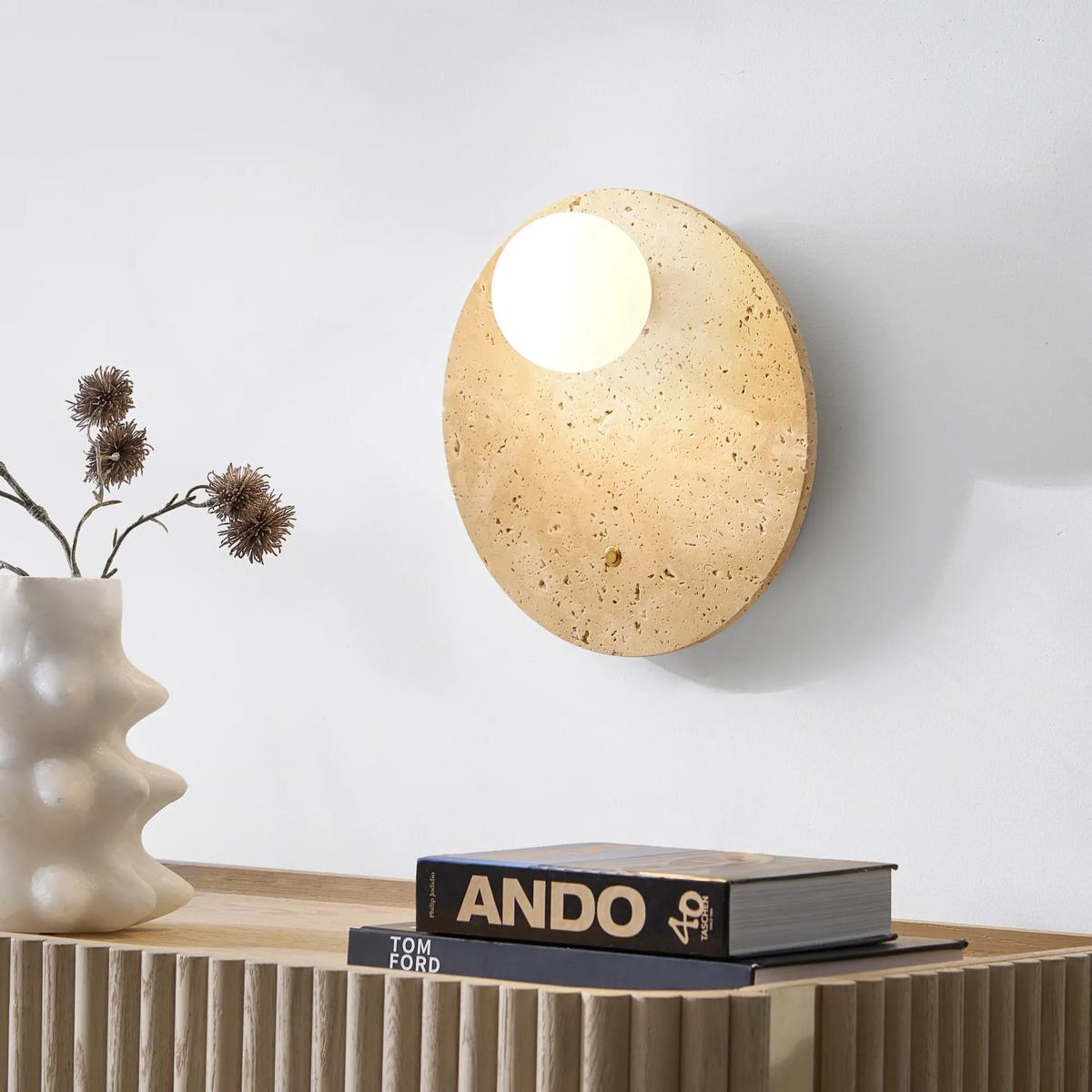 Eden Travertine Sconce 11.75"$149
A sculptural wall sconce crafted from genuine travertine and frosted glass for a softly diffused glow.
Add To Cart -

 Radiante LED Globe Chandelier 36" - Polished Gold$899
A polished gold LED globe chandelier bringing sculptural illumination and modern glamour to contemporary interiors.
Add To Cart -
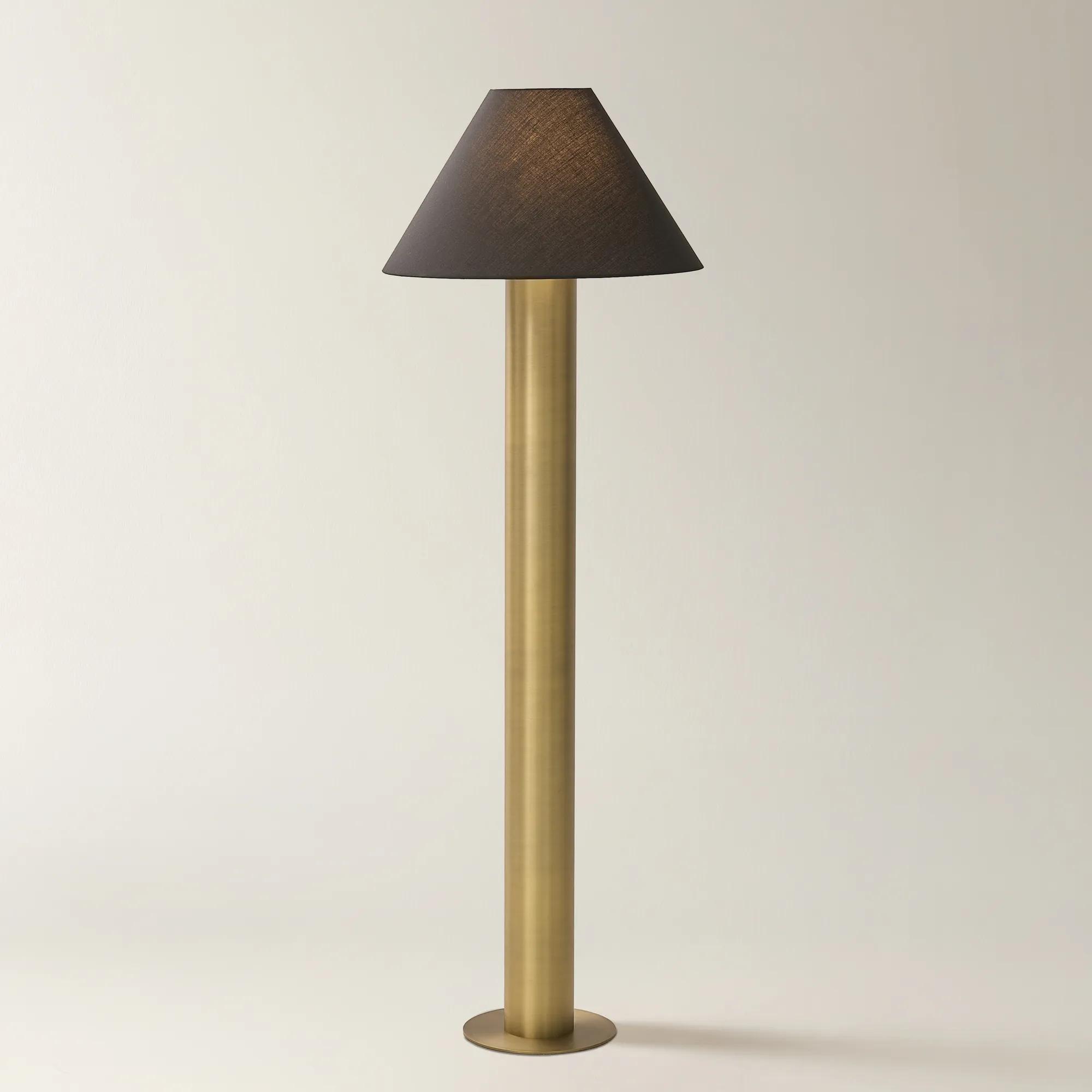
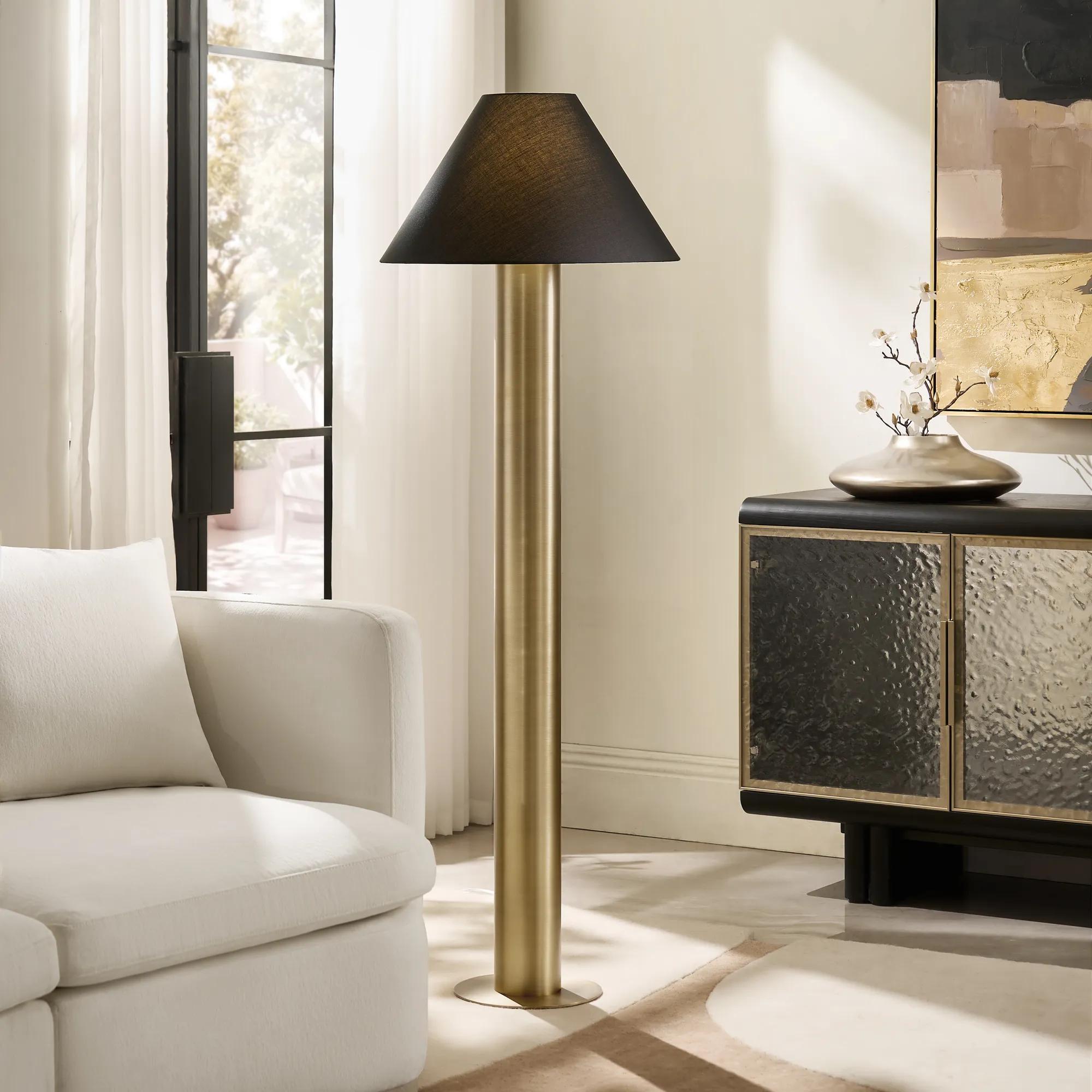 Tova Brushed Brass/Black Floor Lamp 60"$699
A sculptural brushed brass iron frame pairs with a tailored black cotton shade for modern, moody ambiance.
Add To Cart -
 Bolla LED Hand-Blown Glass Bubble Chandelier 60.25"$499
A linear chandelier featuring clear sculptural glass orbs and a matte gold steel frame for modern elegance.
Add To Cart -
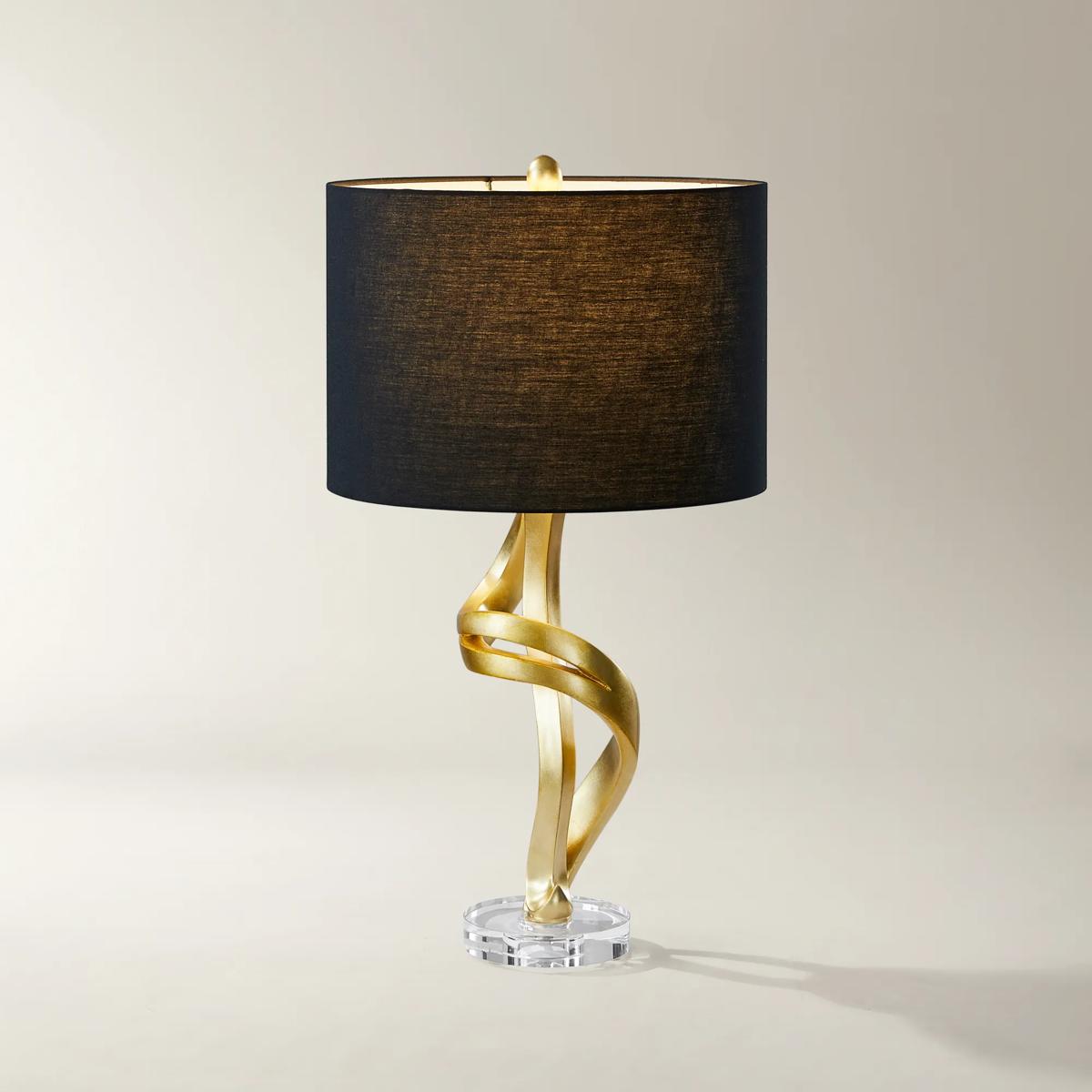
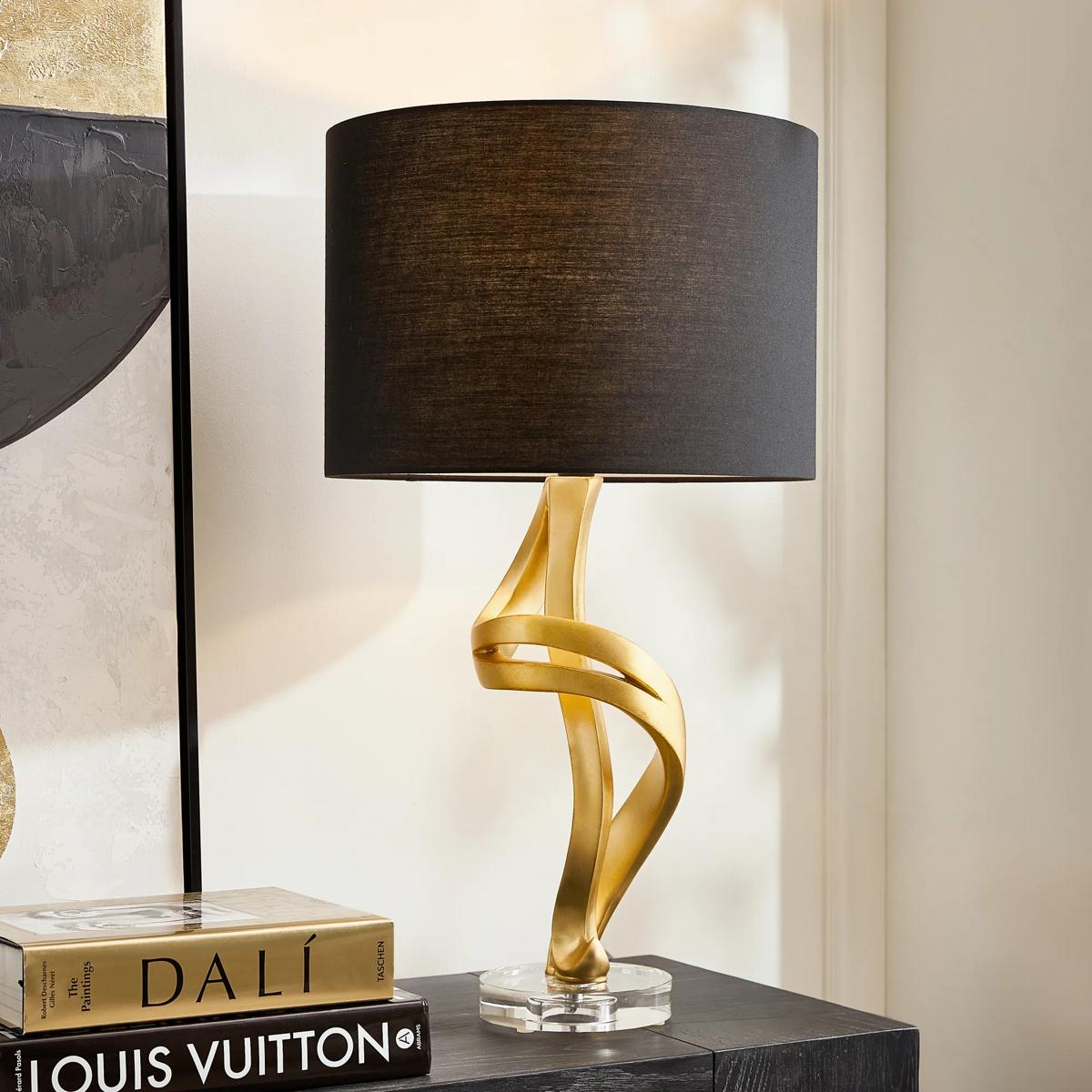 Nisa Sculptural Champagne Resin Table Lamp 28.25"$399
A sculptural resin lamp in champagne gold with a black cotton drum shade and clear acrylic base.
Add To Cart -

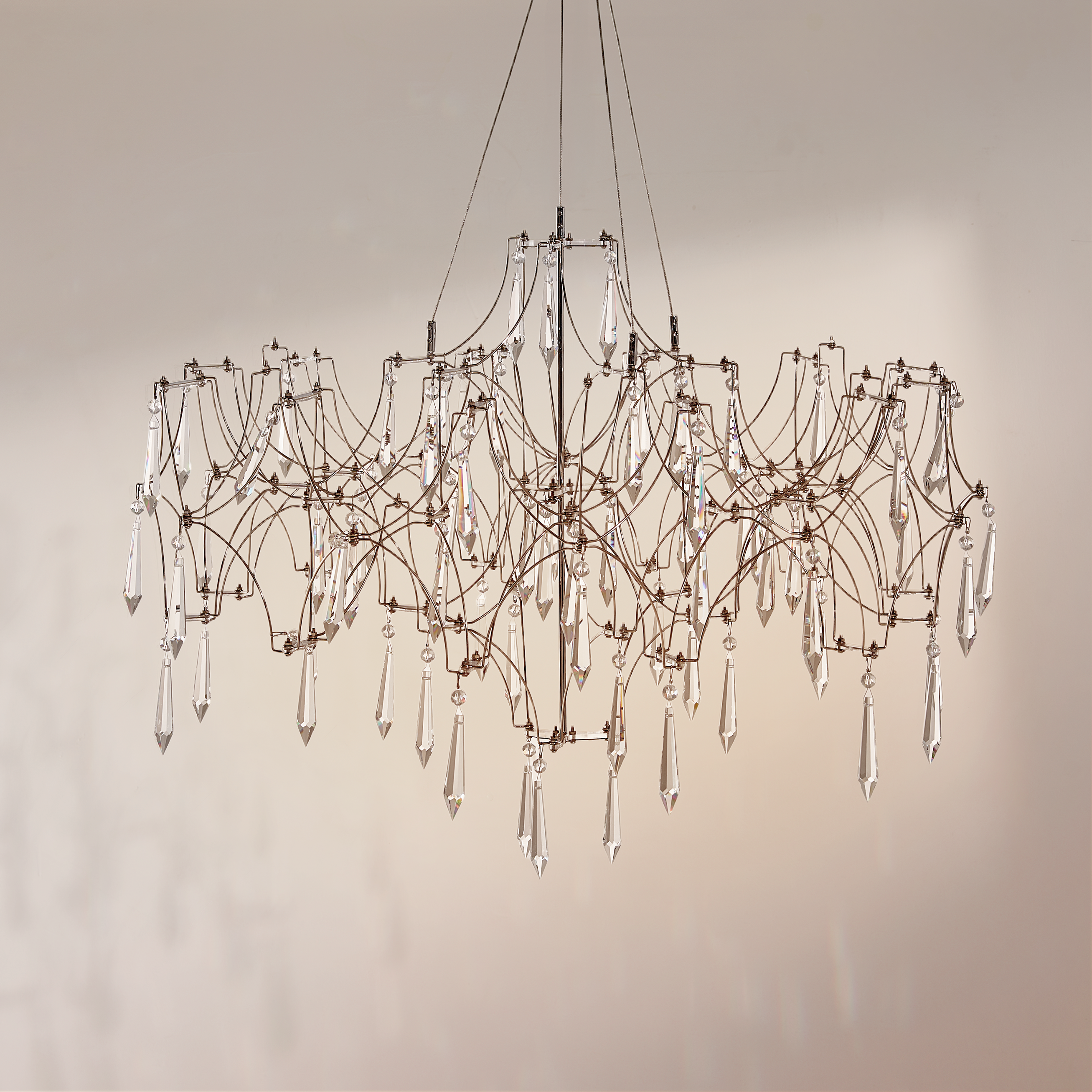 Moderne LED Clear Crystal Chandelier 24.5"W x 19.75"H$899
A faceted clear K9 crystal chandelier with polished nickel wiring and integrated warm LED illumination.
Add To Cart -
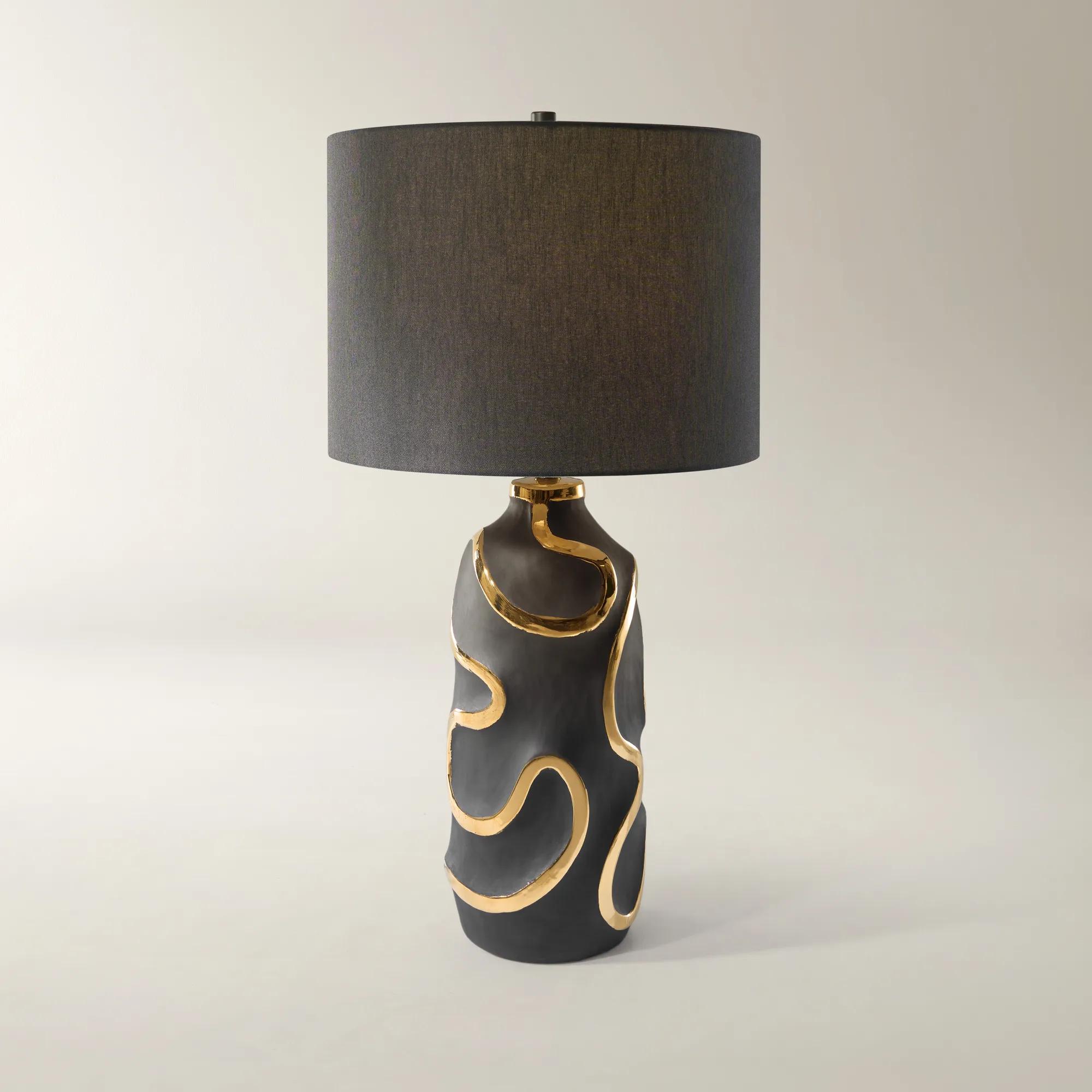 Seraphina Black/Gold Ceramic Table Lamp 32"$249
A matte black ceramic lamp with electroplated gold loops and adjustable three-level lighting.
Add To Cart -
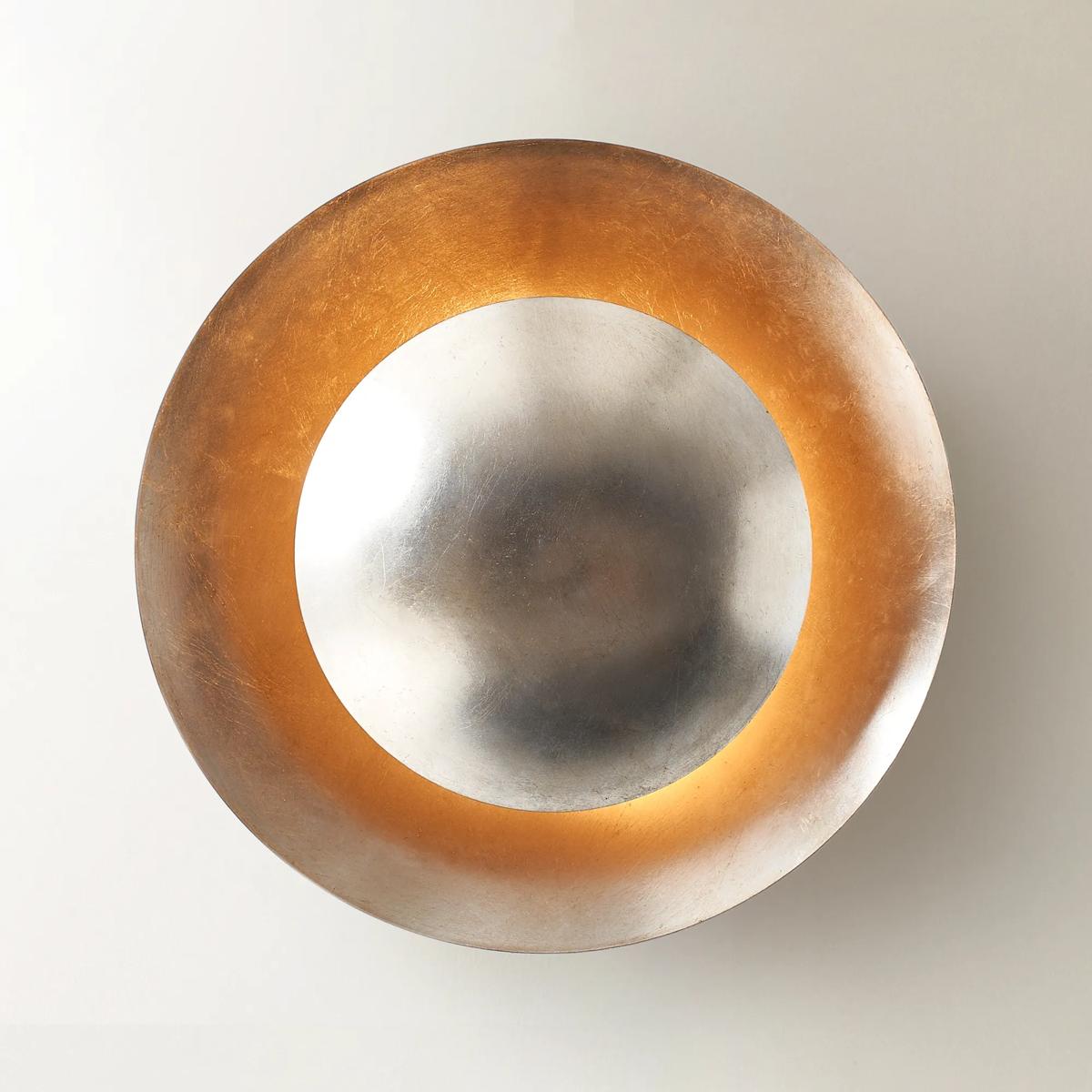
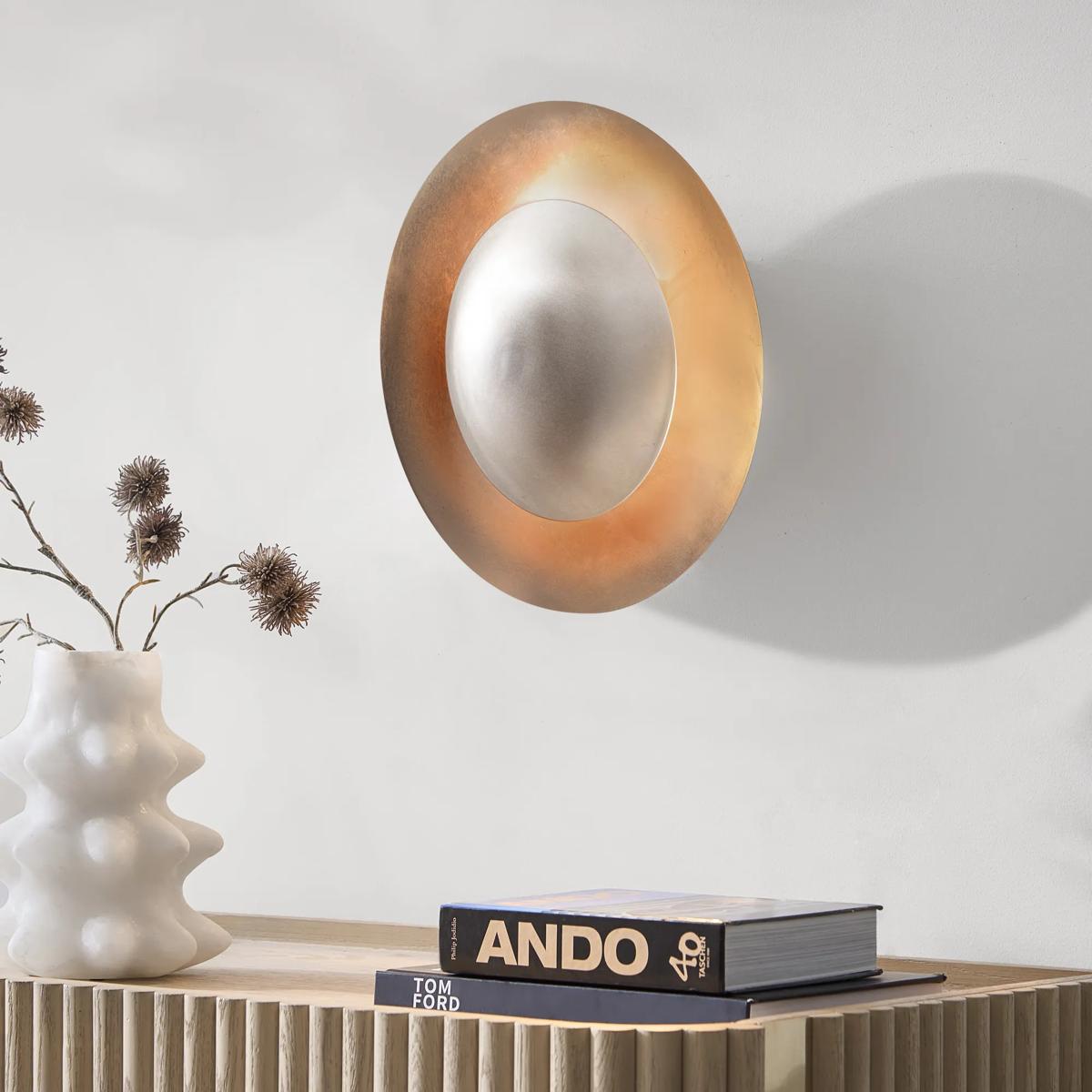 Ovid Wall Sconce 14" - Silver$199
A sculptural iron wall sconce in warm silver with a champagne gold backplate for modern ambiance.
Add To Cart -

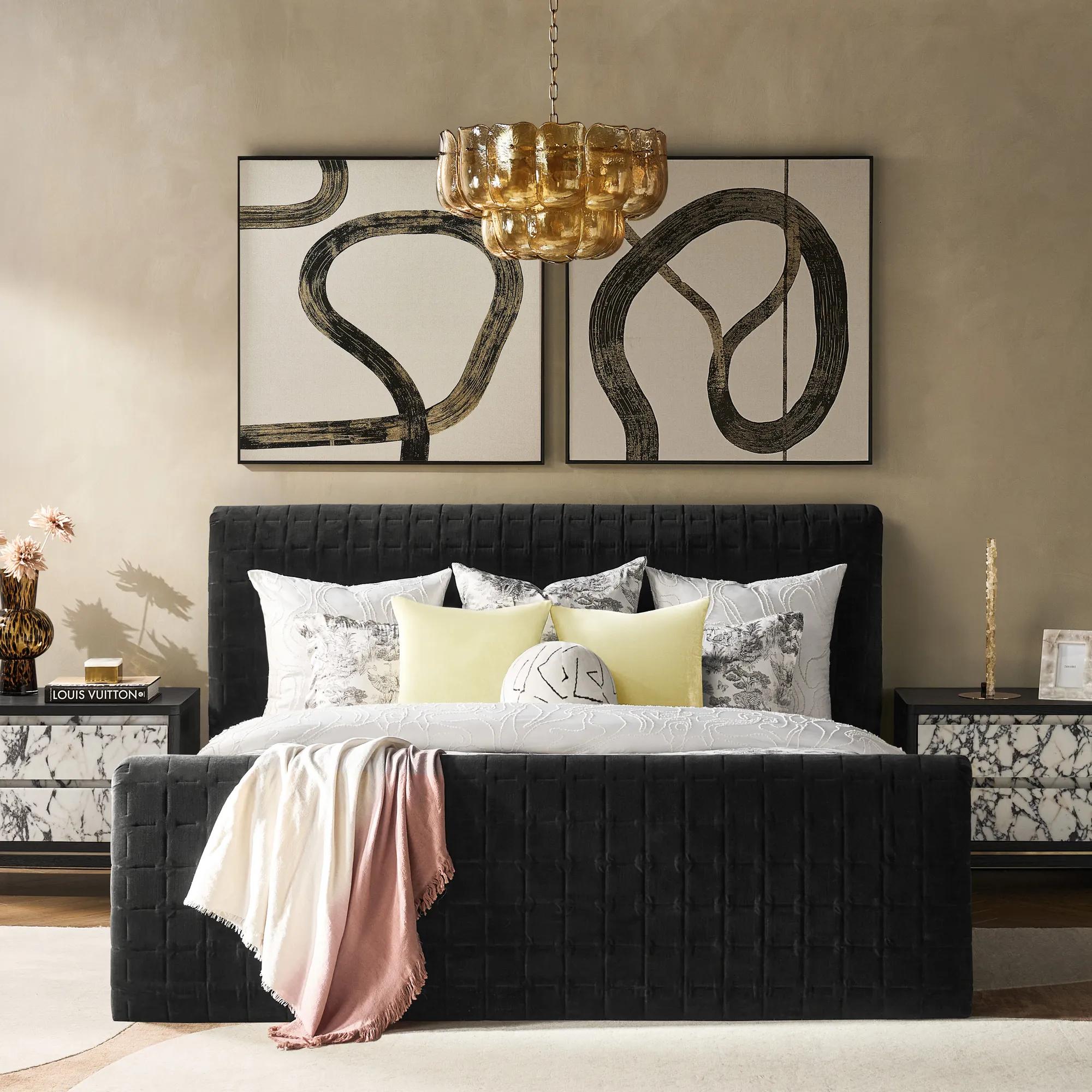 Ember Glow Amber Textured Glass Chandelier 24"$799
A sculptural chandelier with textured amber glass, brushed brass iron, and nine candelabra lights.
Add To Cart -

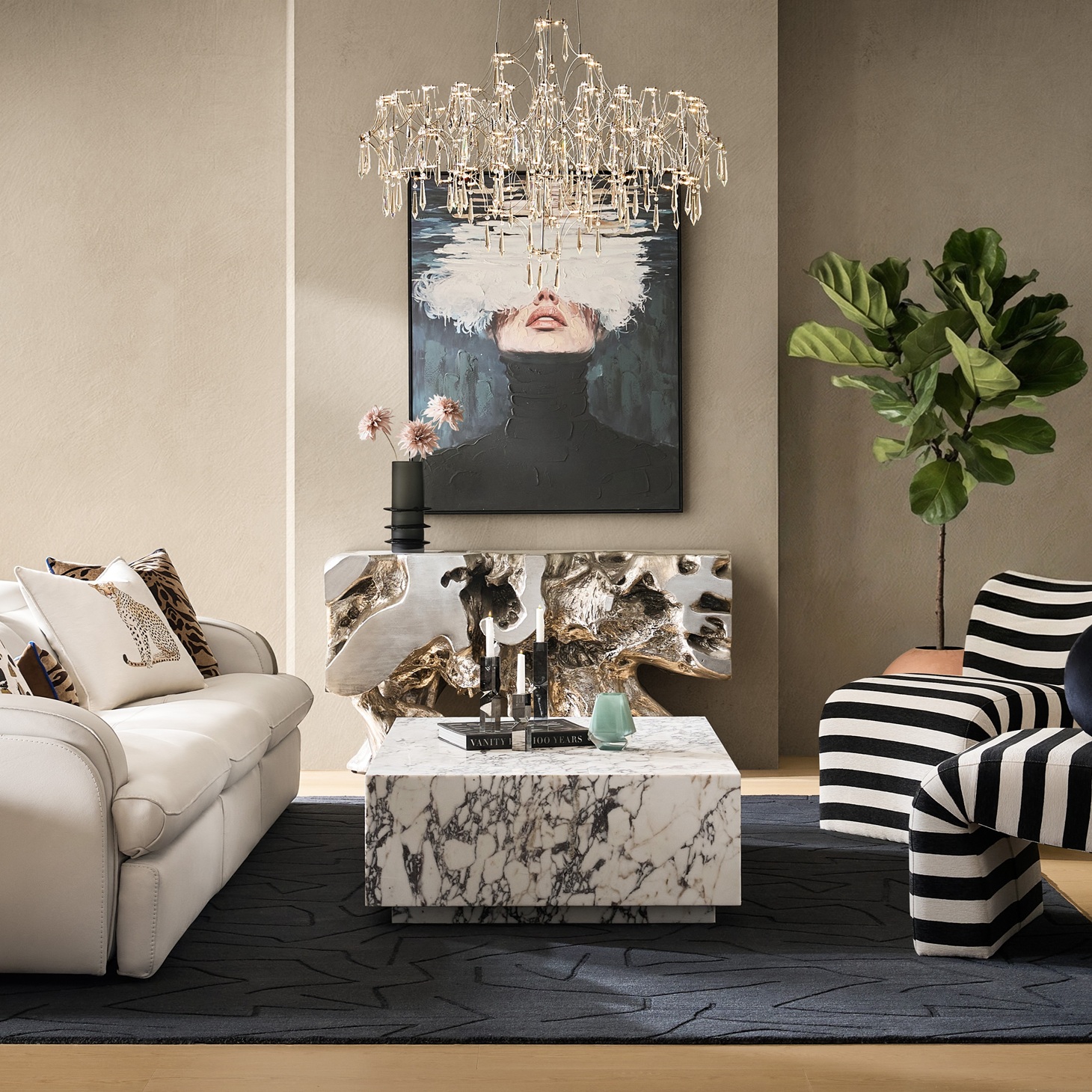 Moderne Grande LED Crystal Chandelier 35.75"W x 28.5"H$1899
A modern crystal chandelier featuring integrated LED lighting and an elegant, glamorous design.
Add To Cart -
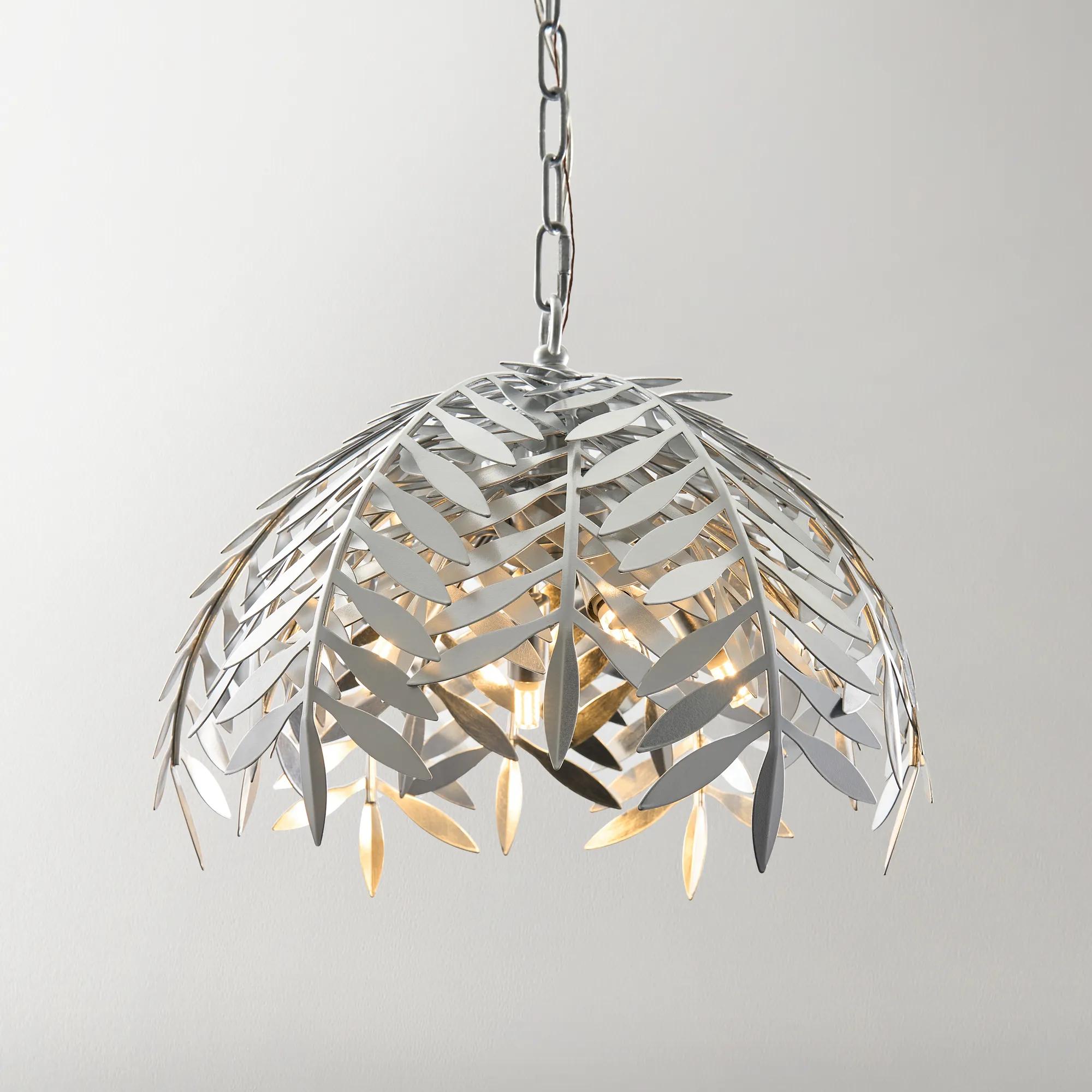
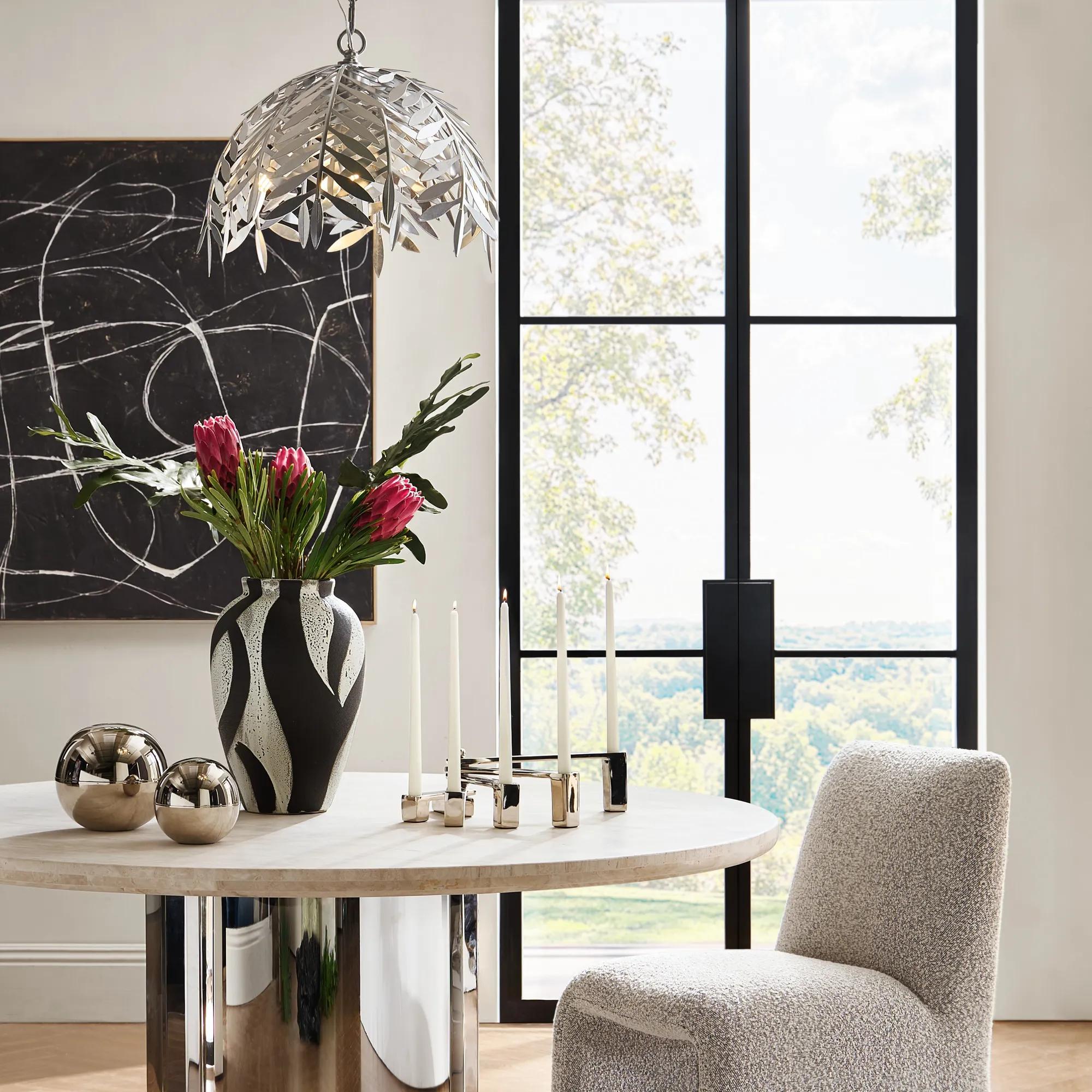 Palm Pendant - Silver$429
A sculpted iron pendant in a lustrous silver finish, casting dramatic shadows with elegant illumination.
Add To Cart -

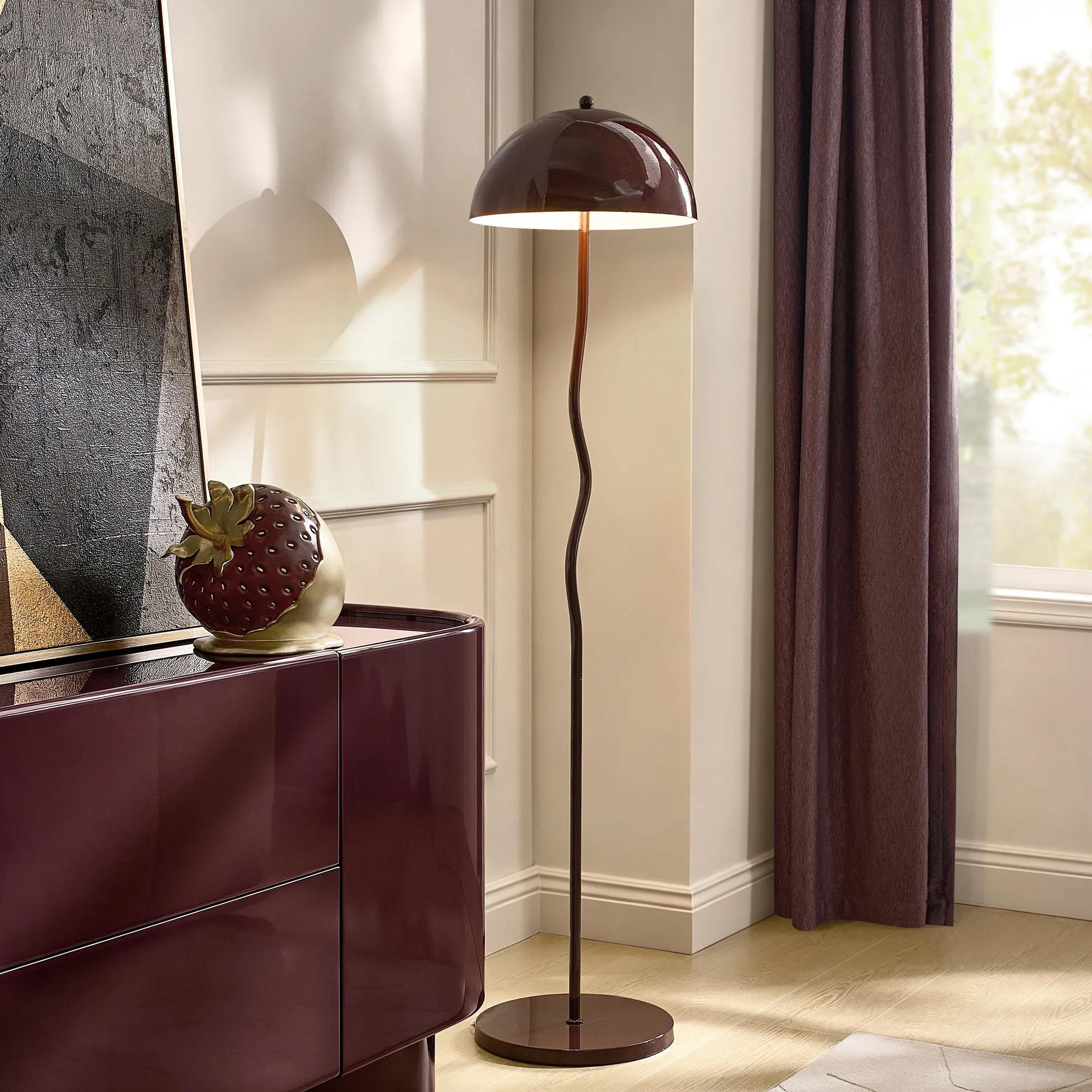 Halsey Fig Wavey Metal Floor Lamp 59"$449
A sculptural metal floor lamp in glossy fig, featuring a fluid silhouette and integrated matching shade.
Add To Cart -
 Le Cube Fig Ceramic Table Lamp 18"$139
A glazed ceramic lamp in rich fig with sculpted grid texture and a matching tonal shade.
Add To Cart -
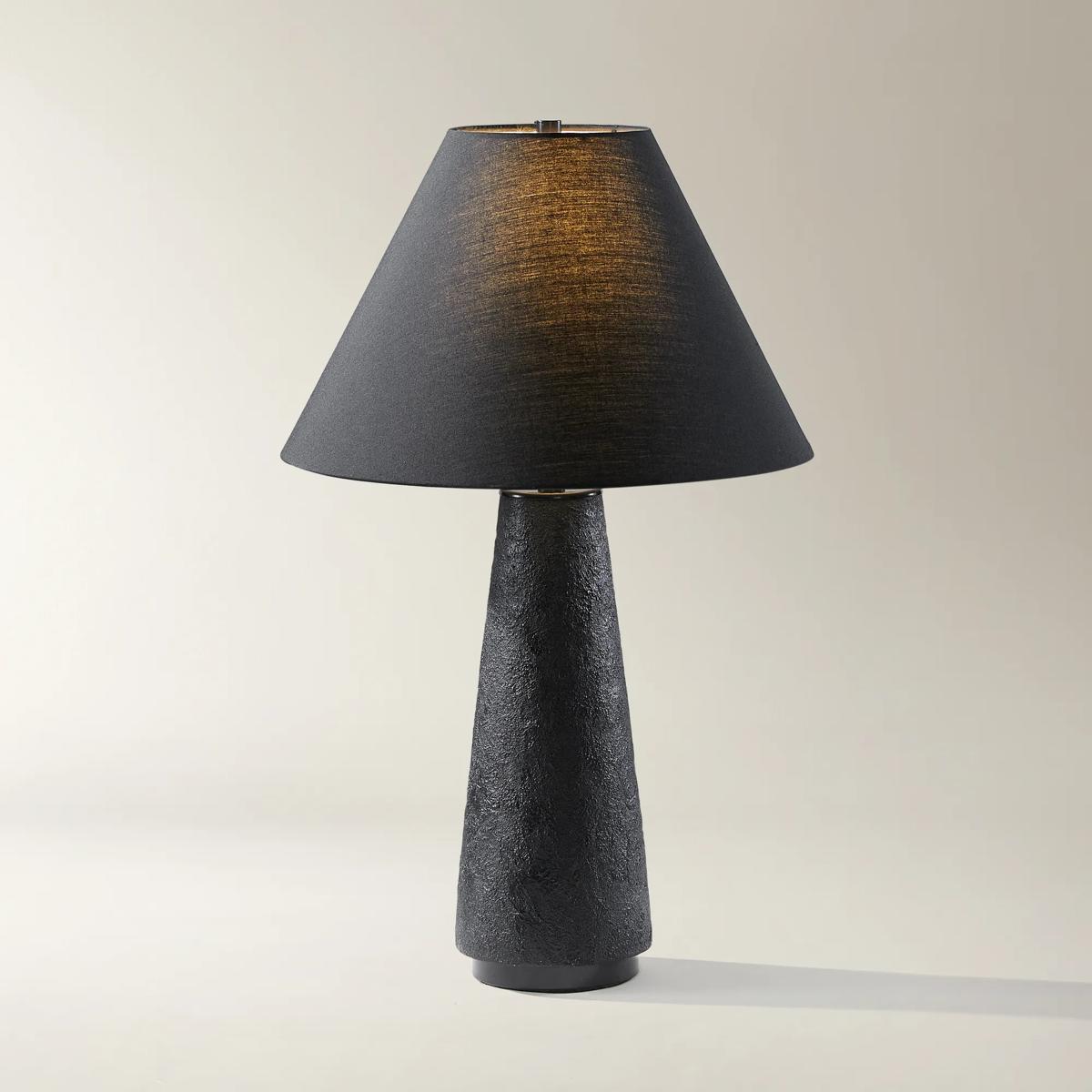 Beton Black Textured Concrete Table Lamp 25"$299
A sculptural table lamp featuring textured black concrete, matte black metal accents, and a black cotton shade.
Add To Cart -
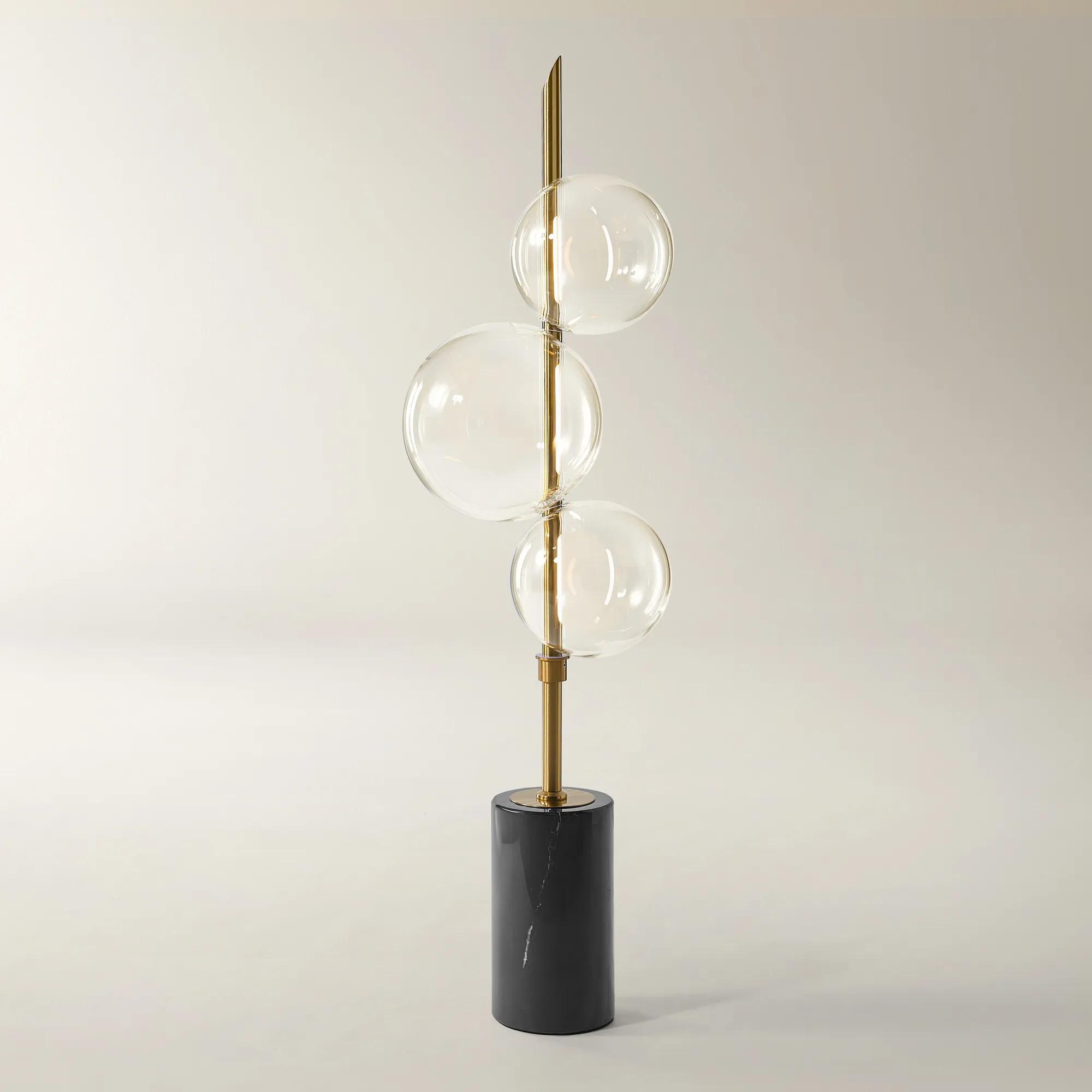
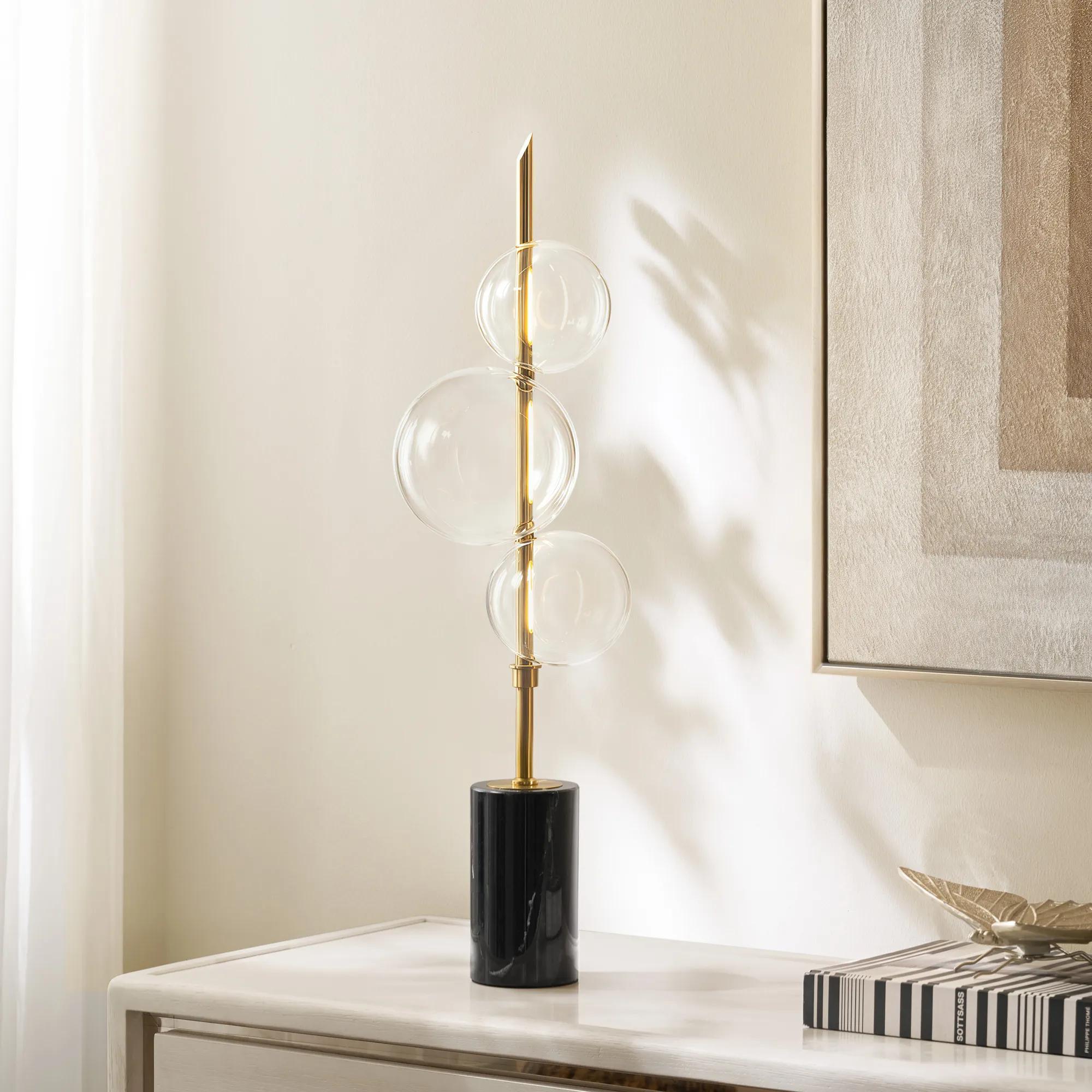 Bolla LED Hand-Blown Glass Bubble And Stone Table Lamp 31.5"$249
A sculptural table lamp featuring clear hand-blown glass bubbles, brass and stone accents, and integrated LED lighting.
Add To Cart -
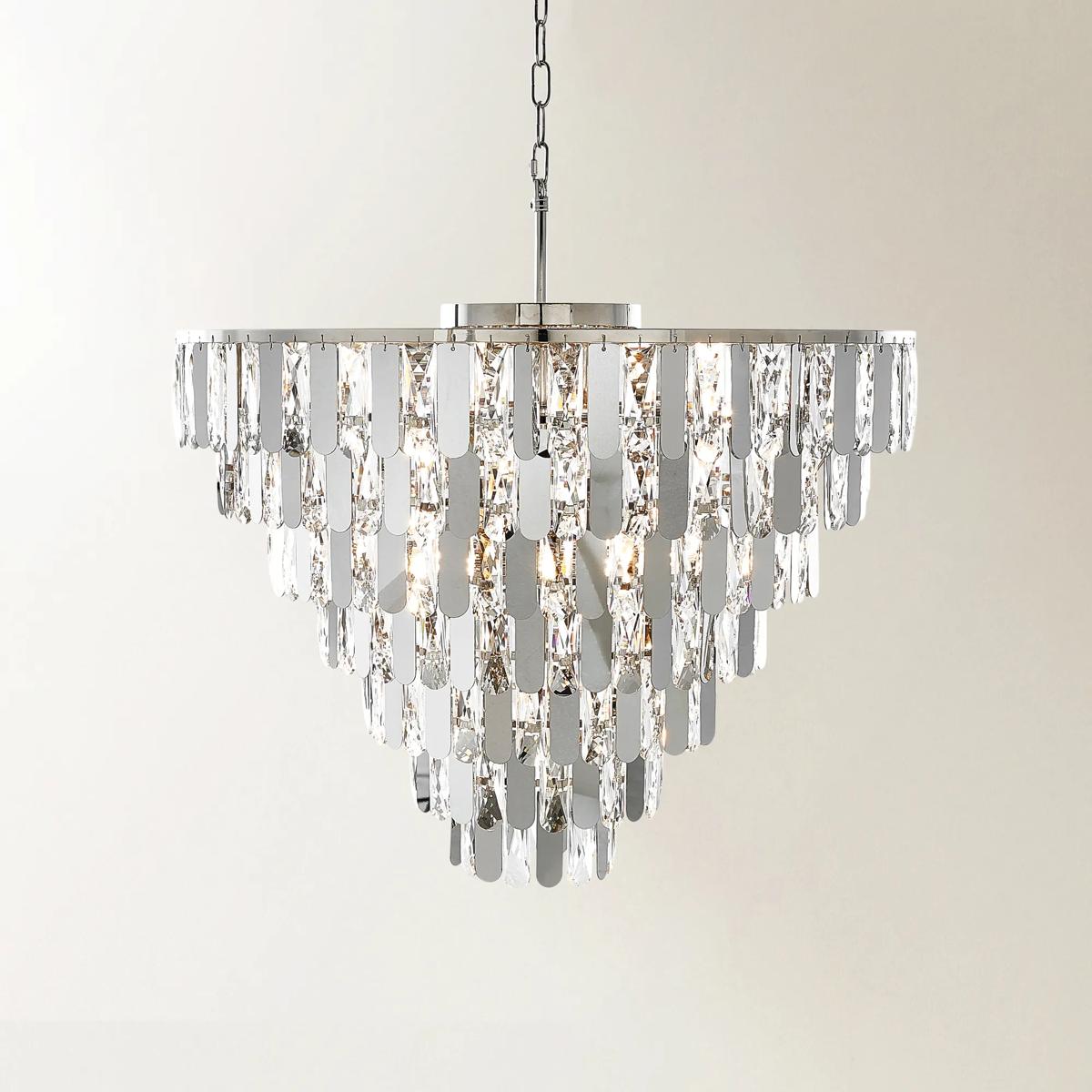
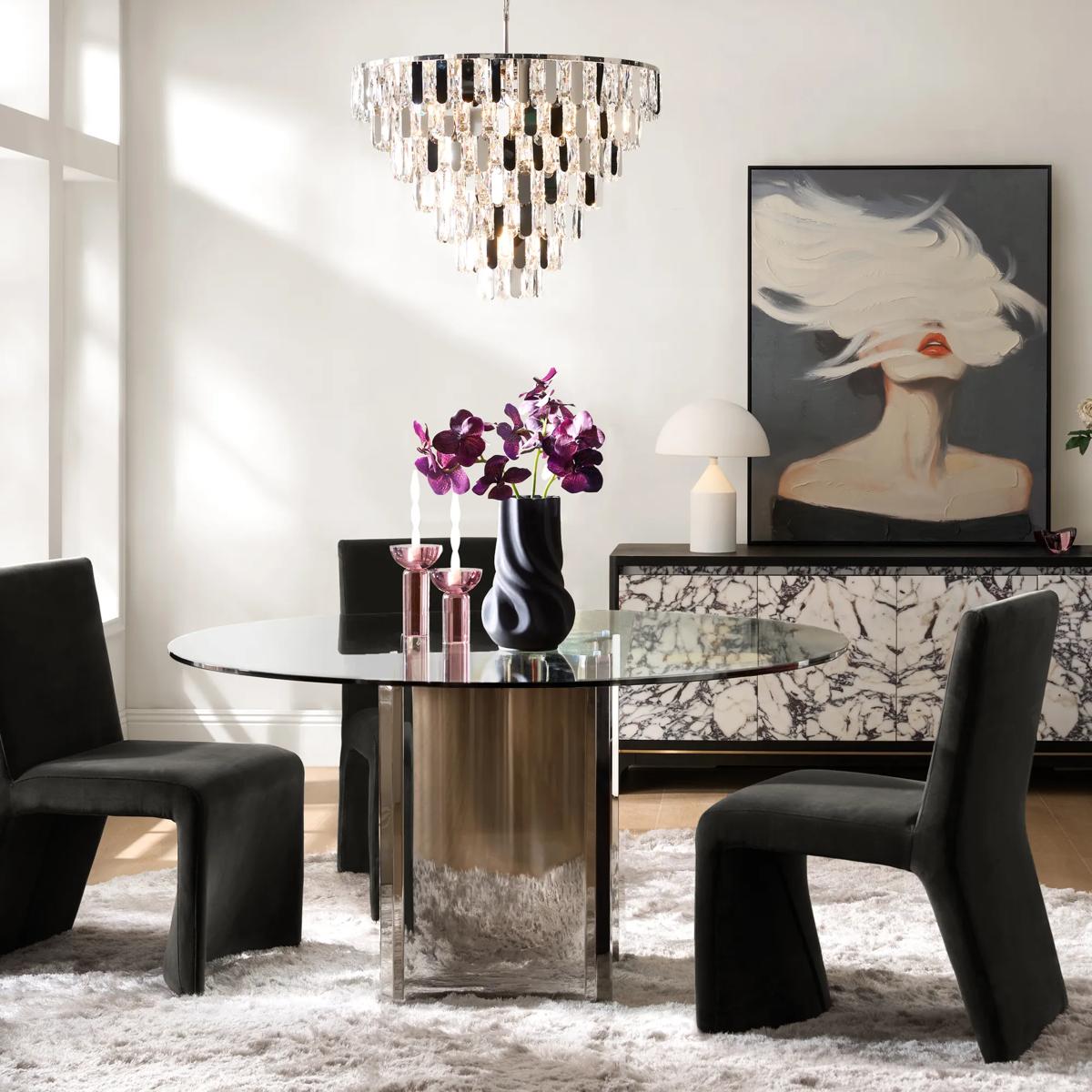 Avenue Crystal Chandelier 28.5"$999
A tiered chandelier crafted from eco-friendly K9 crystal and polished nickel for radiant, modern elegance.
Add To Cart -

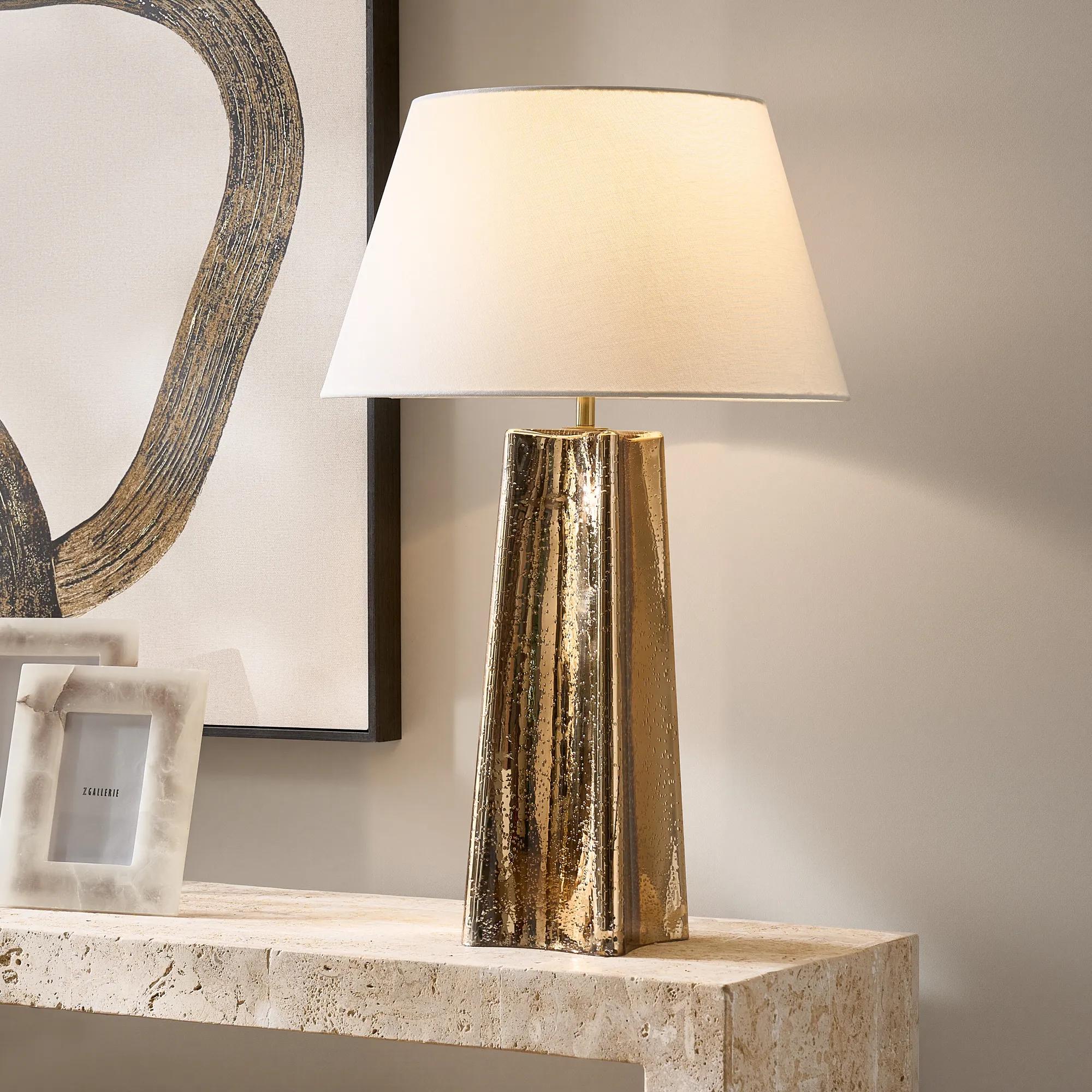 Uma Gold Texture Glass Table Lamp 28.25"$349
A gold textured glass table lamp adding sculptural elegance to contemporary interiors.
Add To Cart

Sculptural Lighting Fixtures
Explore sculptural lighting fixtures that bring expressive form and illumination into focus. With an emphasis on artistic silhouettes and dimensional design, this selection treats lighting as a focal point, not just a finishing touch. Consider scale, shape, and how much light your room needs to choose a piece that balances visual drama with everyday function.
Sculptural lighting fixtures give a room a presence that extends beyond the light they cast. A sweeping arc, a cluster of luminous globes, or a sharply angled silhouette can hold attention with the assurance of a piece of art, then reveal another dimension when illuminated. These designs bring shape, movement, and visual rhythm to interiors, making them especially compelling in spaces where every detail contributes to a distinctive point of view. Above a dining table, an expressive fixture establishes the mood for intimate dinners and animated gatherings. Beside a sofa, a sculptural floor lamp adds height and an unexpected curve to an arrangement of upholstery, tables, and artwork. On a console, a dimensional lamp base can create a striking composition even before its shade begins to glow. The appeal lies in that balance of beauty and purpose: lighting that serves everyday life while giving the room something extraordinary to look at. Materials play a defining role in the effect. Polished metal introduces crisp reflections and a jewelry-like finish, while brushed surfaces offer a quieter sheen that allows the form itself to command attention. Clear glass can preserve an airy silhouette; frosted or opal glass diffuses light for a softer, more enveloping atmosphere. Ceramic and stone bring tactile depth and visual weight, often making a compact lamp feel substantial. When incorporated into a fixture, fabric shades temper strong lines with texture and help create a gentler transition between the light source and its surroundings. Sculptural forms draw on many visual languages, from organic curves and branching structures to geometric arrangements that echo architectural details. A fluid shape can soften a room filled with straight edges, while a precise, angular design introduces definition among plush seating and richly textured textiles. Against a restrained backdrop, sculptural lighting becomes the focal point; in a more layered interior, it can connect the curves, finishes, and proportions already present without simply repeating them.
The most compelling sculptural lighting feels considered in relation to the room, not merely impressive on its own. Scale matters as much as silhouette, particularly for overhead designs. A broad fixture can give a generous dining area the visual anchor it needs, while a narrower profile may suit a compact breakfast space or an entry with limited clearance. The expressive forms of designer chandeliers with sculptural lighting design bring particular drama to these overhead compositions, drawing the eye upward and giving the space a distinct center of gravity. The relationship between fixture, furniture, and ceiling should allow the design to feel intentional without crowding conversation or movement. Above a table, the fixture belongs to the dining arrangement as much as to the architecture, so its width and hanging height should complement the tabletop and preserve comfortable sightlines. In an open living area, an extended arm or an asymmetrical arrangement can introduce movement, provided its reach leaves walkways clear. Table lamps deserve the same attention to proportion: a substantial base needs a surface with enough depth to support it securely, and a wide shade should not overwhelm a narrow console. Beyond fit, the direction and quality of light determine how successfully a fixture serves the space. Diffused illumination suits relaxed seating areas, while a directed beam can support reading in a favorite chair. Exposed bulbs and reflective surfaces may deliver a dazzling effect, but their placement matters near televisions, mirrors, and seated eye level, where unwanted glare can interrupt the atmosphere. Layering overhead lighting with table lamps, floor lamps, or sconces gives a room greater flexibility than relying on a single dramatic centerpiece. Warm-white light often flatters wood, warm metal finishes, and richly colored upholstery, while bulb brightness should reflect the task and the fixture’s specifications. Where the fixture and bulbs are compatible, dimming allows an expressive shape to shift from a brighter gathering-space focal point to a gentler evening presence. Even an elaborate design feels comfortable when its light supports the way the room is actually lived in.
Construction and care help preserve the beauty of sculptural lighting long after its first impression. Depending on the design, metal frameworks, glass elements, stone bases, and ceramic bodies offer different combinations of weight, texture, and maintenance needs. A weighted base can contribute stability to a freestanding lamp, though the full dimensions and the placement of projecting arms still deserve attention in homes with children, pets, or busy circulation paths. Delicate glass extensions and intricate metalwork are best positioned where they can be appreciated without frequent contact. For hardwired fixtures, professional installation helps ensure that mounting, electrical connections, and ceiling support suit the fixture’s requirements; substantial designs may need additional structural support. Fixtures intended for bathrooms or covered outdoor areas also need the appropriate damp- or wet-location rating rather than selection based on appearance alone. Routine care should follow the manufacturer’s instructions, with power switched off and bulbs allowed to cool before cleaning. Gentle dusting with a soft, dry cloth is often suitable for finished metal, while abrasive cleaners and rough cloths can compromise decorative surfaces. Glass components may require a different cleaning method, and cleaners should not be sprayed directly into sockets or electrical assemblies. Fabric shades benefit from careful dust removal without saturating the material. Checking bulb type, base size, wattage limits, and dimmer compatibility protects both performance and the intended lighting effect. These practical details support the pleasure of choosing a fixture for its artistry. For someone furnishing a distinctive apartment, refreshing a reading corner, or completing a richly layered living room, sculptural lighting offers a way to introduce character without replacing every surrounding piece. A thoughtfully selected table lamp can also make a meaningful housewarming or wedding gift when its scale and finish reflect the recipient’s space. Whether the form is restrained and architectural or exuberantly dimensional, its enduring value comes from the relationship between light, material, and the life unfolding around it: a luminous accent that belongs to the room and still knows how to command attention.
FAQs
Sculptural lighting fixtures bring an artistic point of view to illumination, using expressive silhouettes, unexpected curves, or striking geometry. Rather than receding into the background, these lights become part of a room’s composition—creating a focal point with presence even when unlit.
Sculptural lighting lends itself beautifully to modern, contemporary, and glam interiors, where distinctive forms feel at home. It can also introduce a daring contrast to traditional rooms. Choose a silhouette that echoes the space’s architectural lines or creates deliberate tension with them for a richly layered look.
Let the fixture establish the room’s visual rhythm. Echo an arcing silhouette in curved furniture, or carry an angular motif into artwork and decorative accents. Give its distinctive shape an uncluttered backdrop, then build depth with sumptuous textiles and carefully composed vignettes.
Yes—sculptural lighting and statement artwork can create a compelling dialogue. Connect them through a shared shape, tonal palette, or sense of movement without matching every detail. If the artwork is visually intricate, consider a fixture with a more defined silhouette so each piece retains its own presence.
A cohesive lighting story does not require identical fixtures. Repeat a visual thread—such as fluid curves, crisp geometry, or a similar finish direction—while allowing each room its own expression. The result feels thoughtfully collected, with distinctive moments that unfold from space to space.


