Statement Chandeliers For High Ceilings
Statement Chandeliers For High Ceilings
-
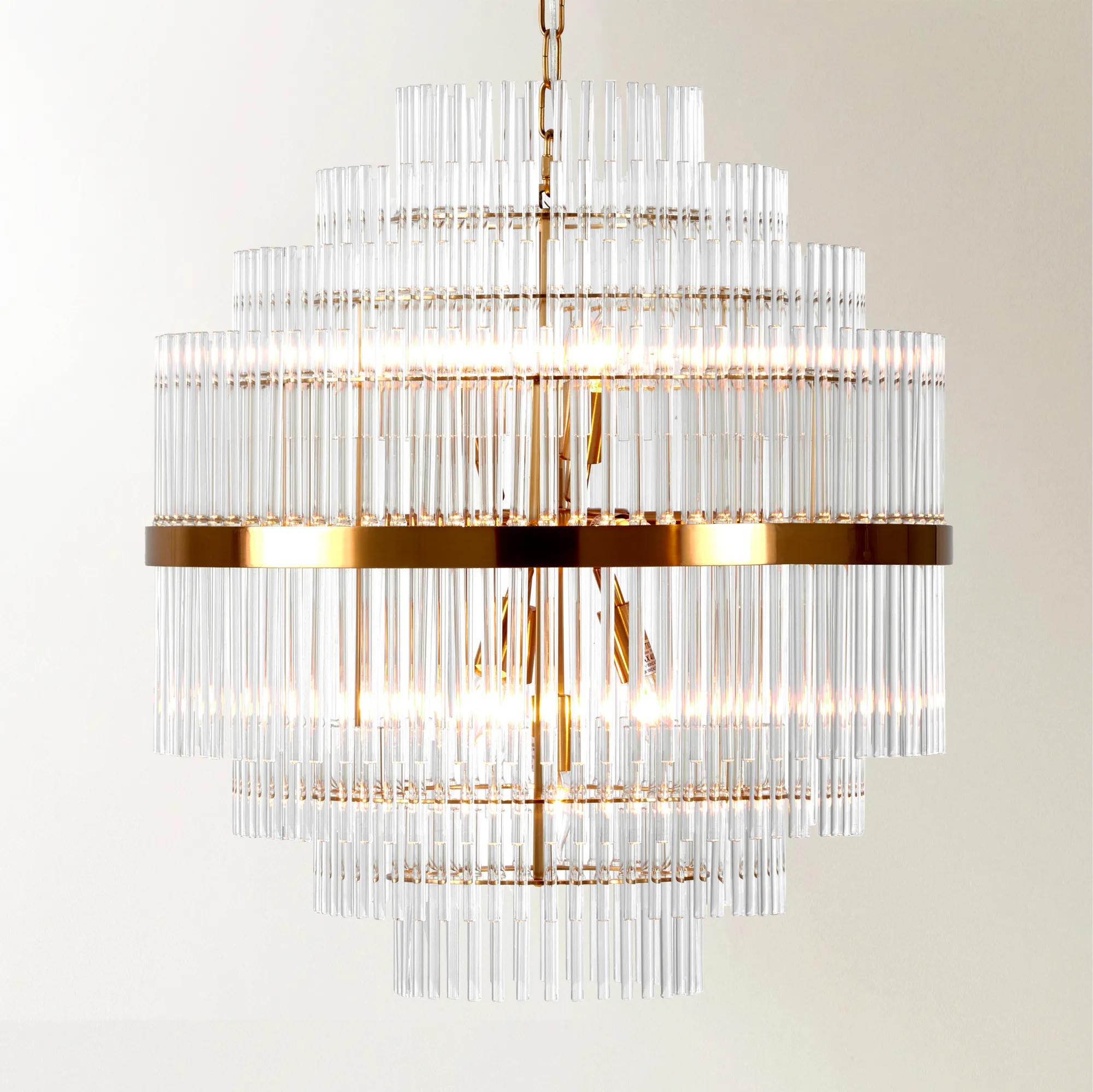
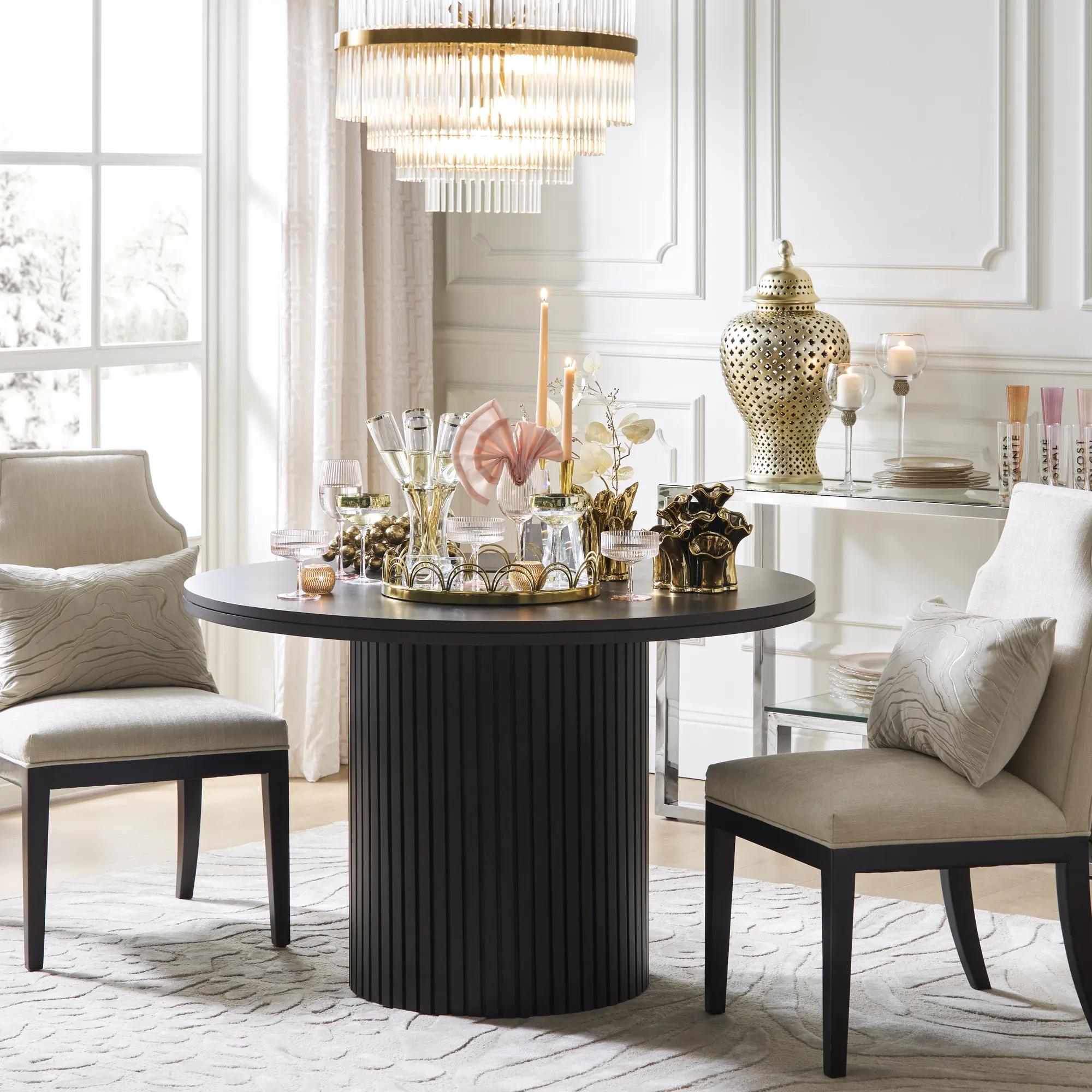 Renata Clear Glass Rod Grand Chandelier 23.6"D x 26.3"H$999
A clear glass rod chandelier with a polished gold iron frame and thirteen-light, dimmable illumination.
Add To Cart -
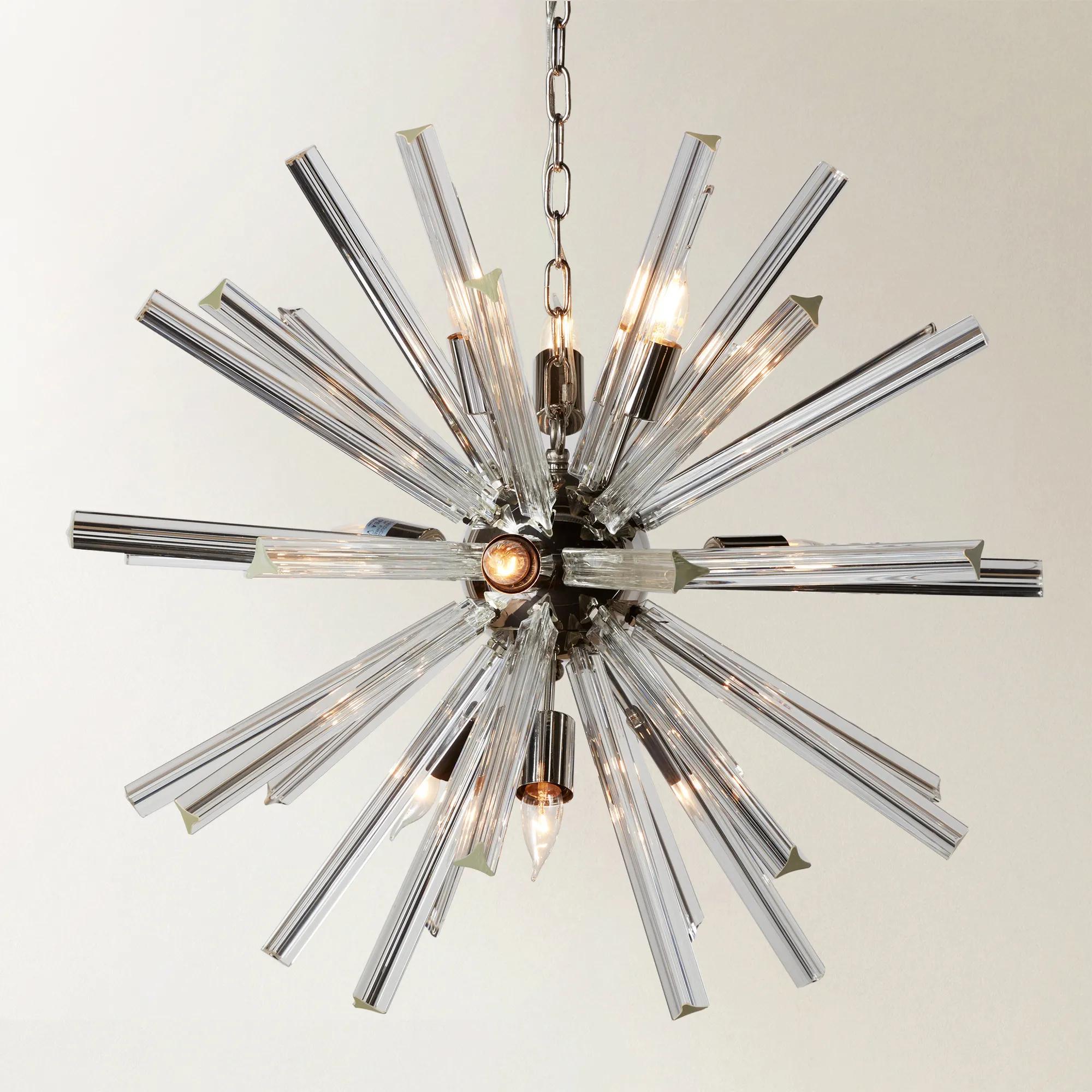
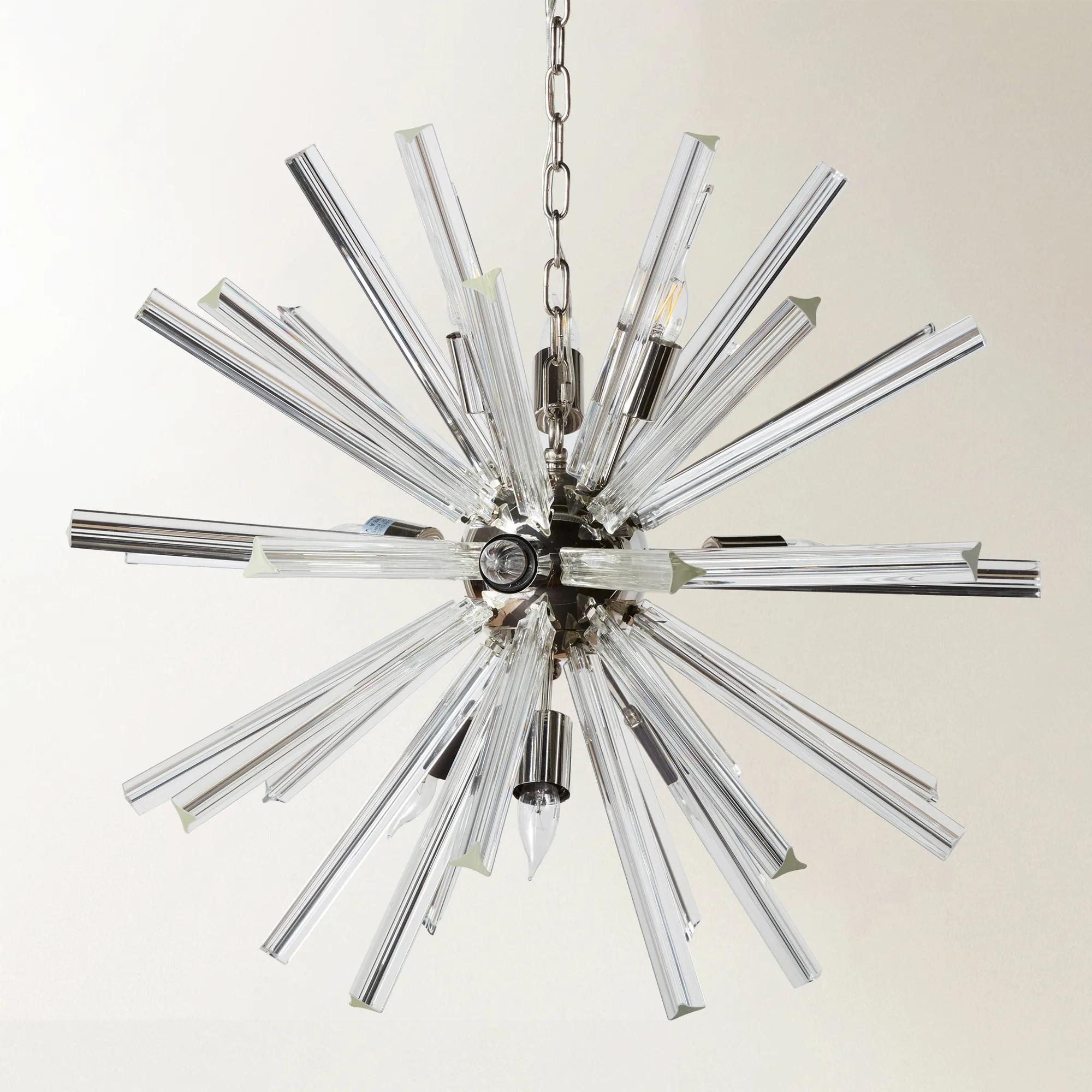 Axis Sputnik Clear Faceted Glass Chandelier 29.5"D$599
A clear glass and iron Sputnik chandelier featuring nine lights and faceted triangular rods.
Add To Cart -
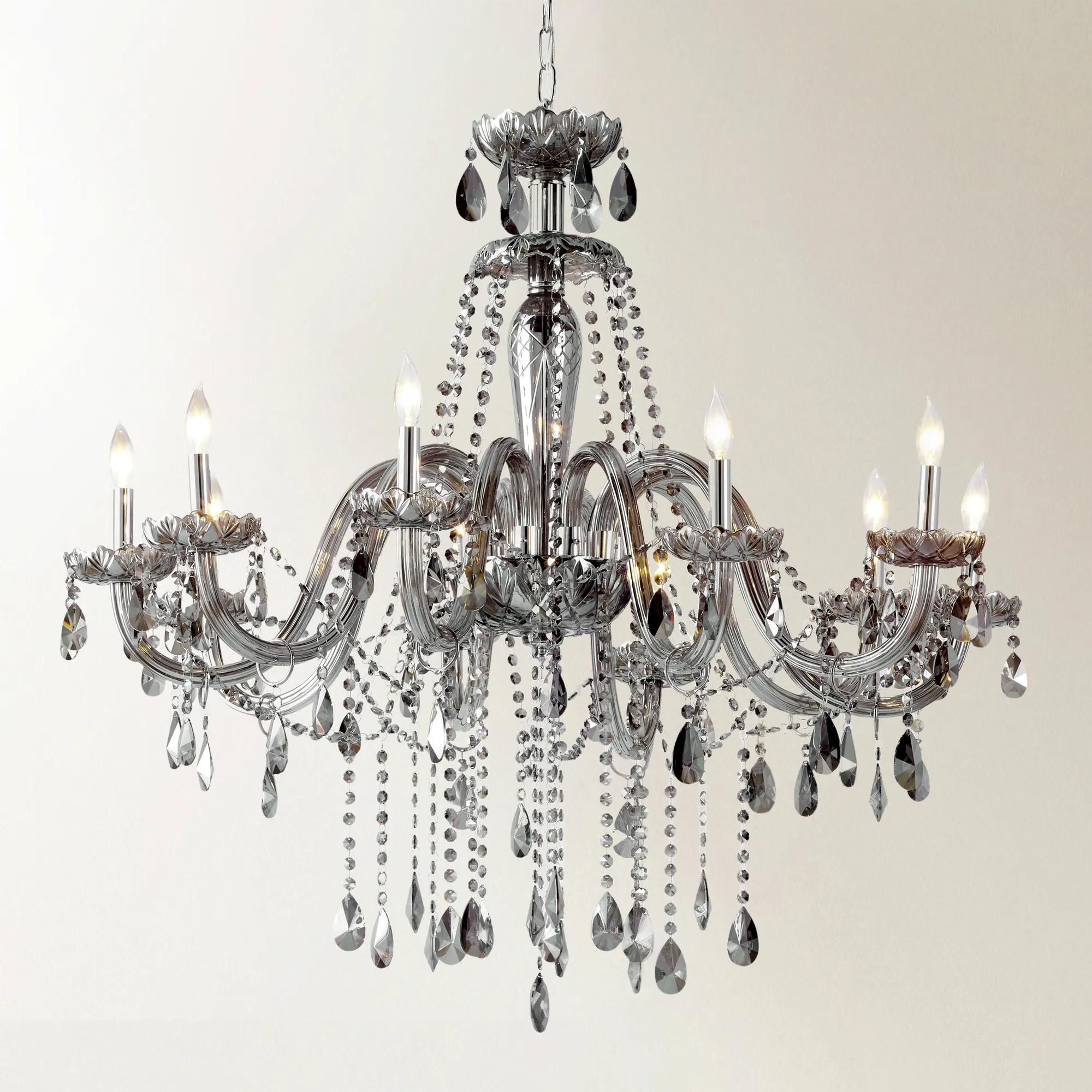
 Omni Chandelier 38.5" - Graphite$999
A dazzling chandelier featuring graphite faceted crystals and ten fluted glass arms with nickel hardware.
Add To Cart -
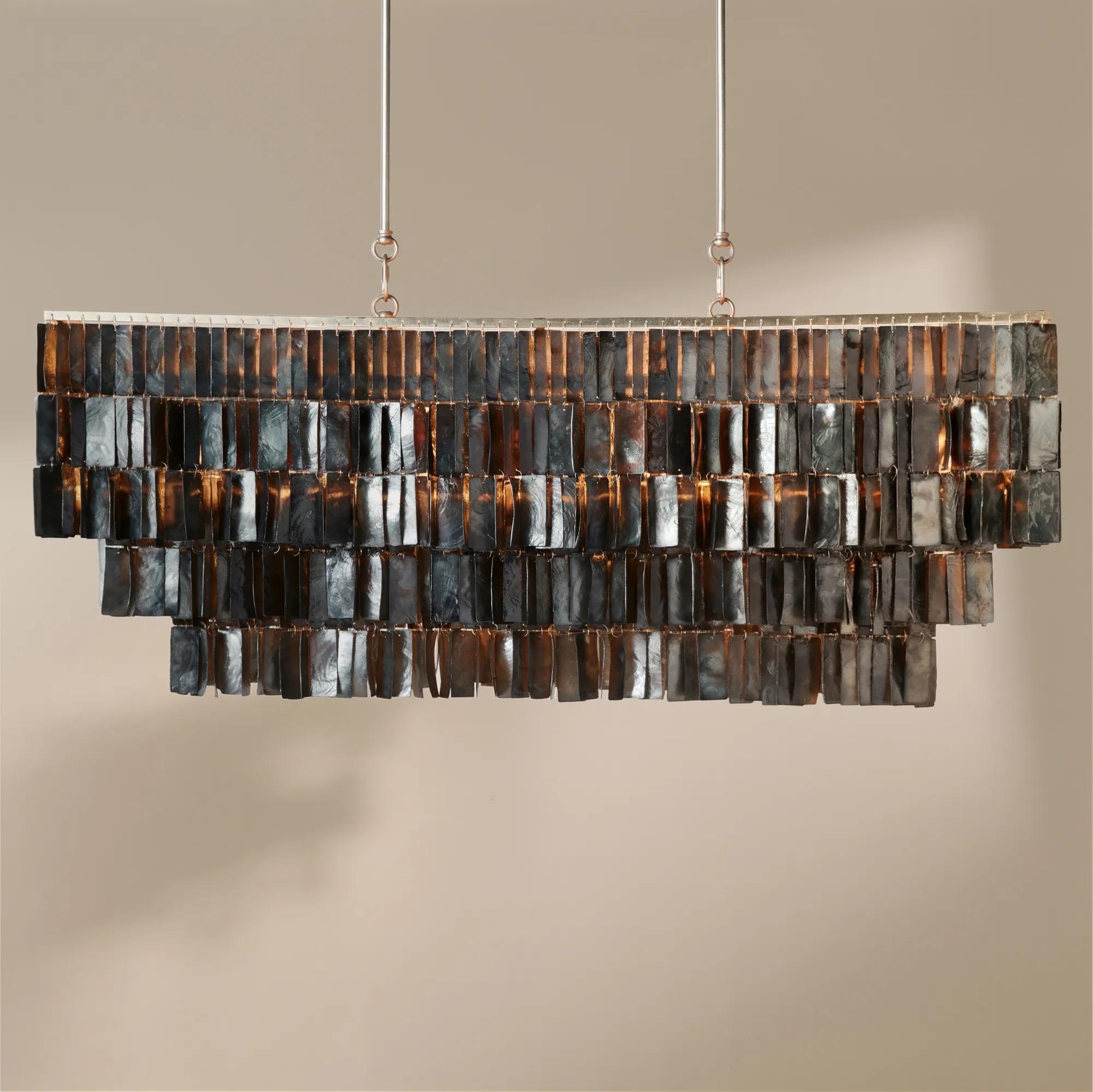
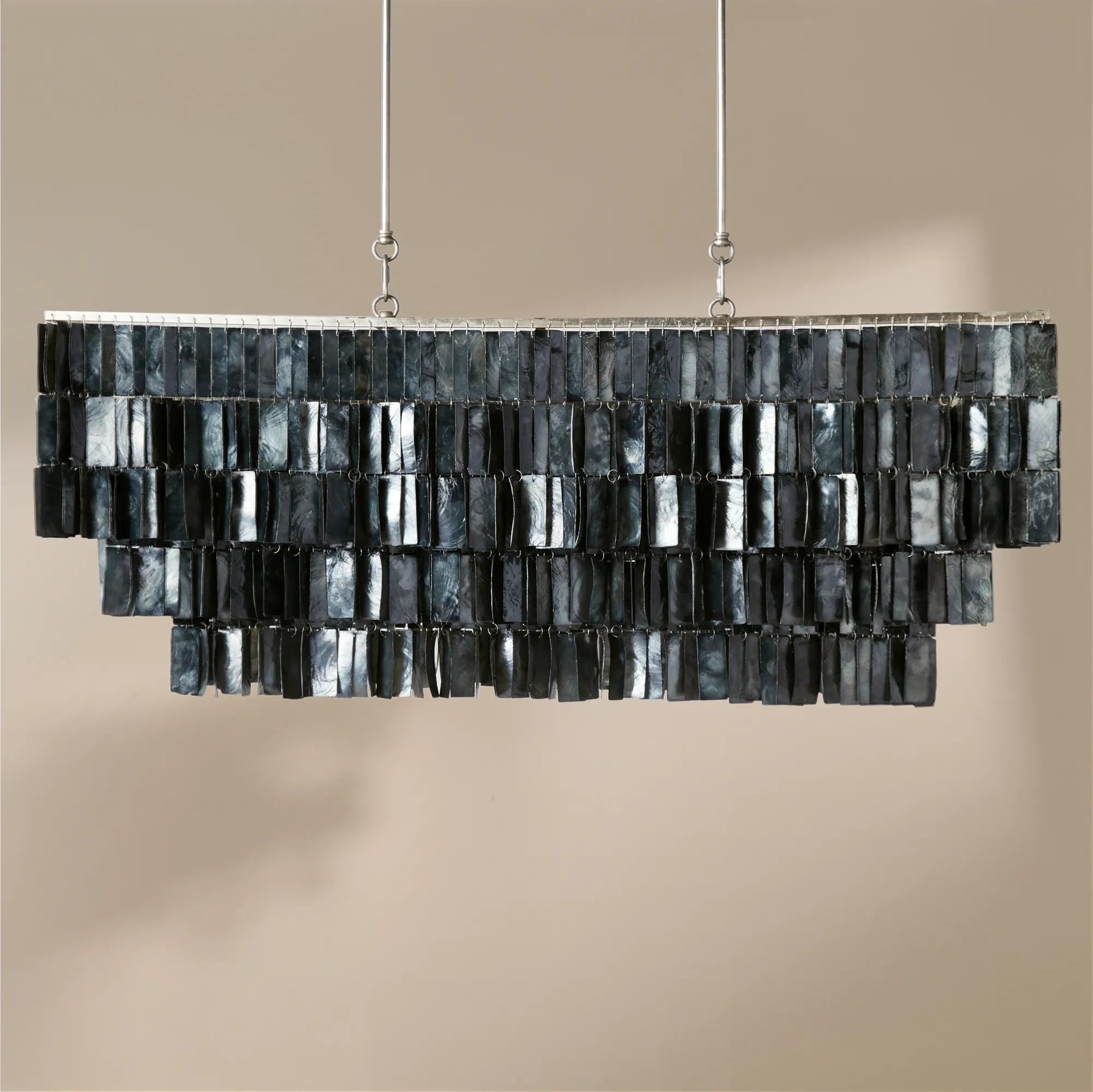 Capiz Shell Graphite Chandelier 39"$849
A chandelier with charcoal capiz shells, a champagne-finished iron frame, and seven dimmable candelabra sockets.
Add To Cart -
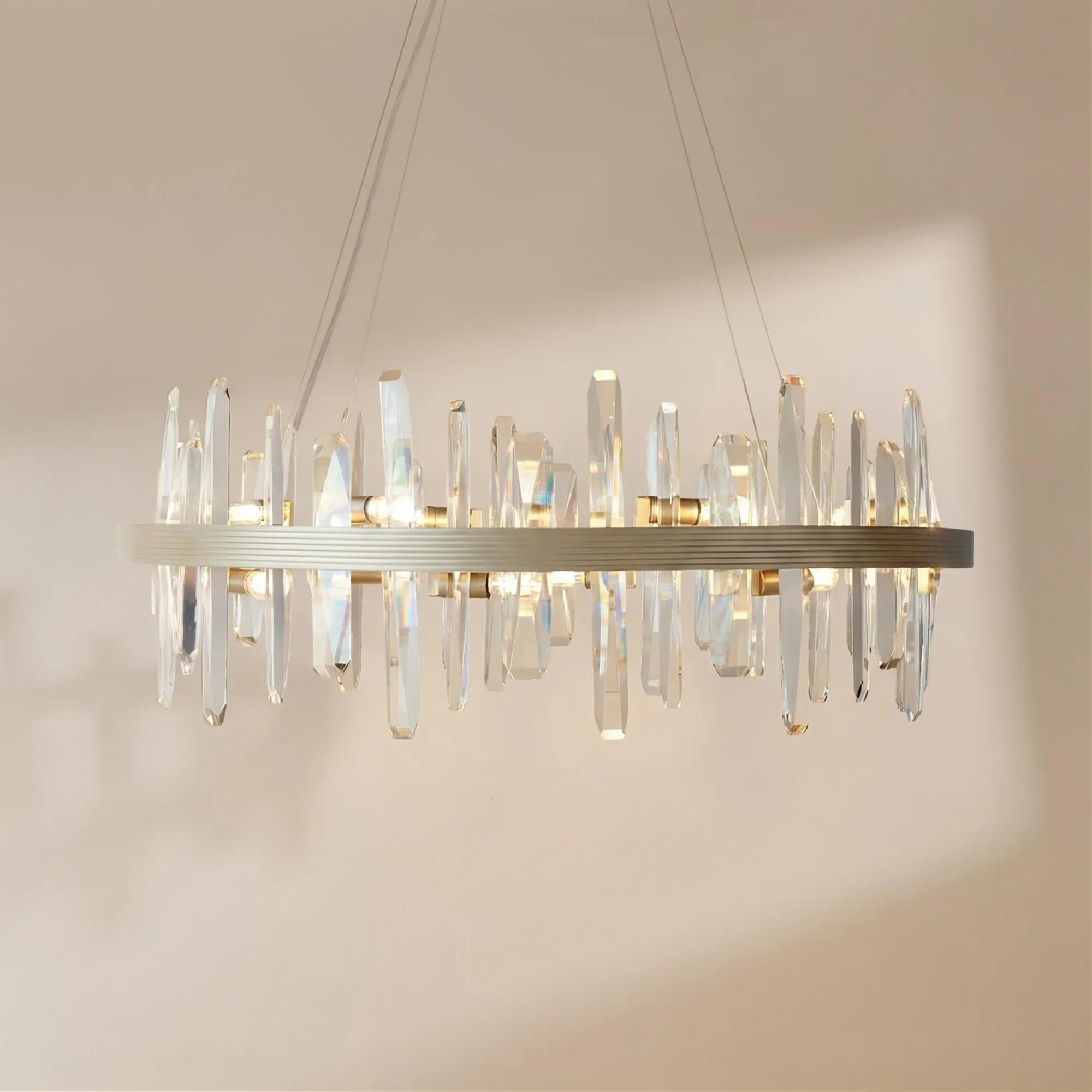
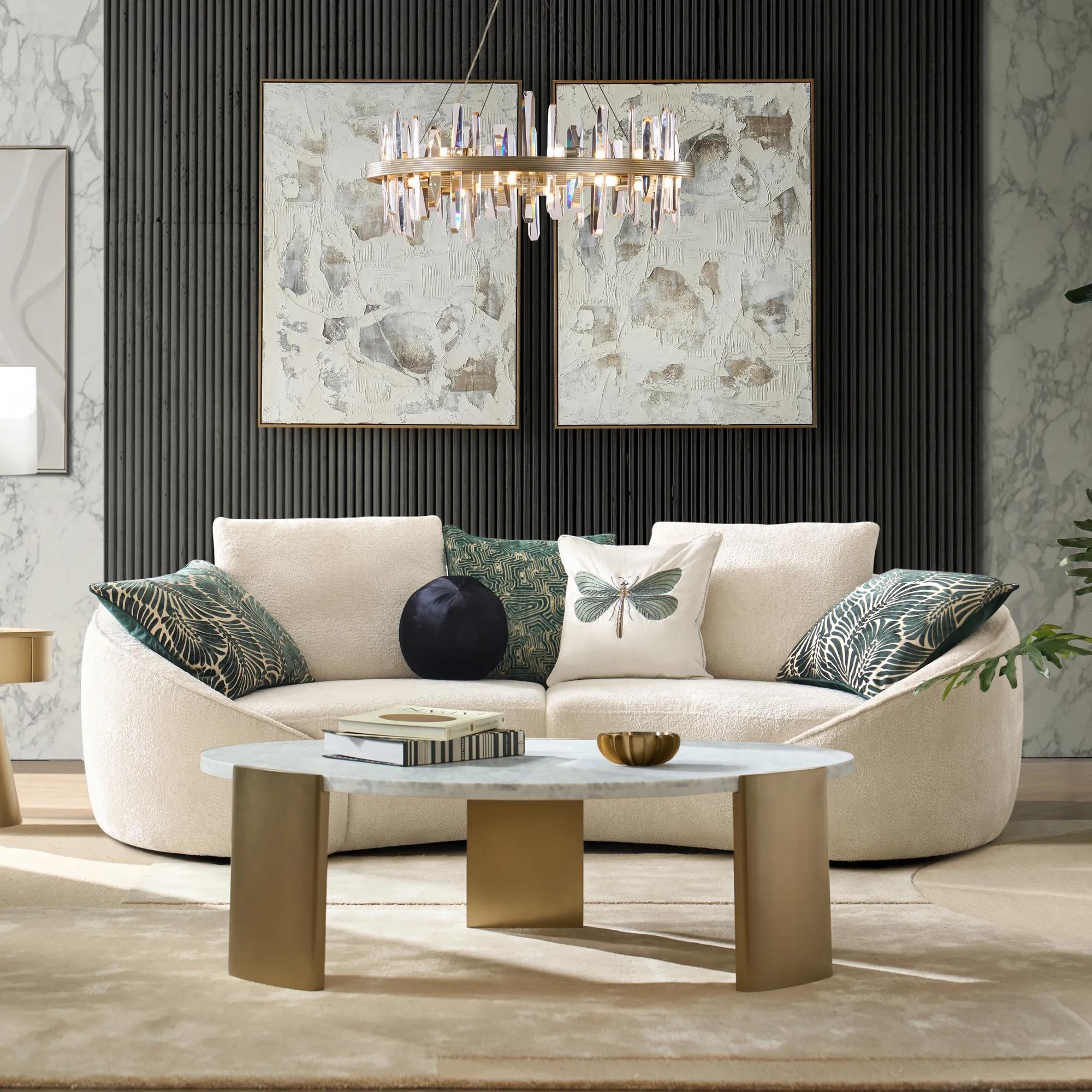 Lumi Clear Beveled Glass Chandelier 31.5"W$929
A chandelier with clear beveled glass, a champagne-finished iron frame, sixteen lights, and dimmable illumination.
Add To Cart -
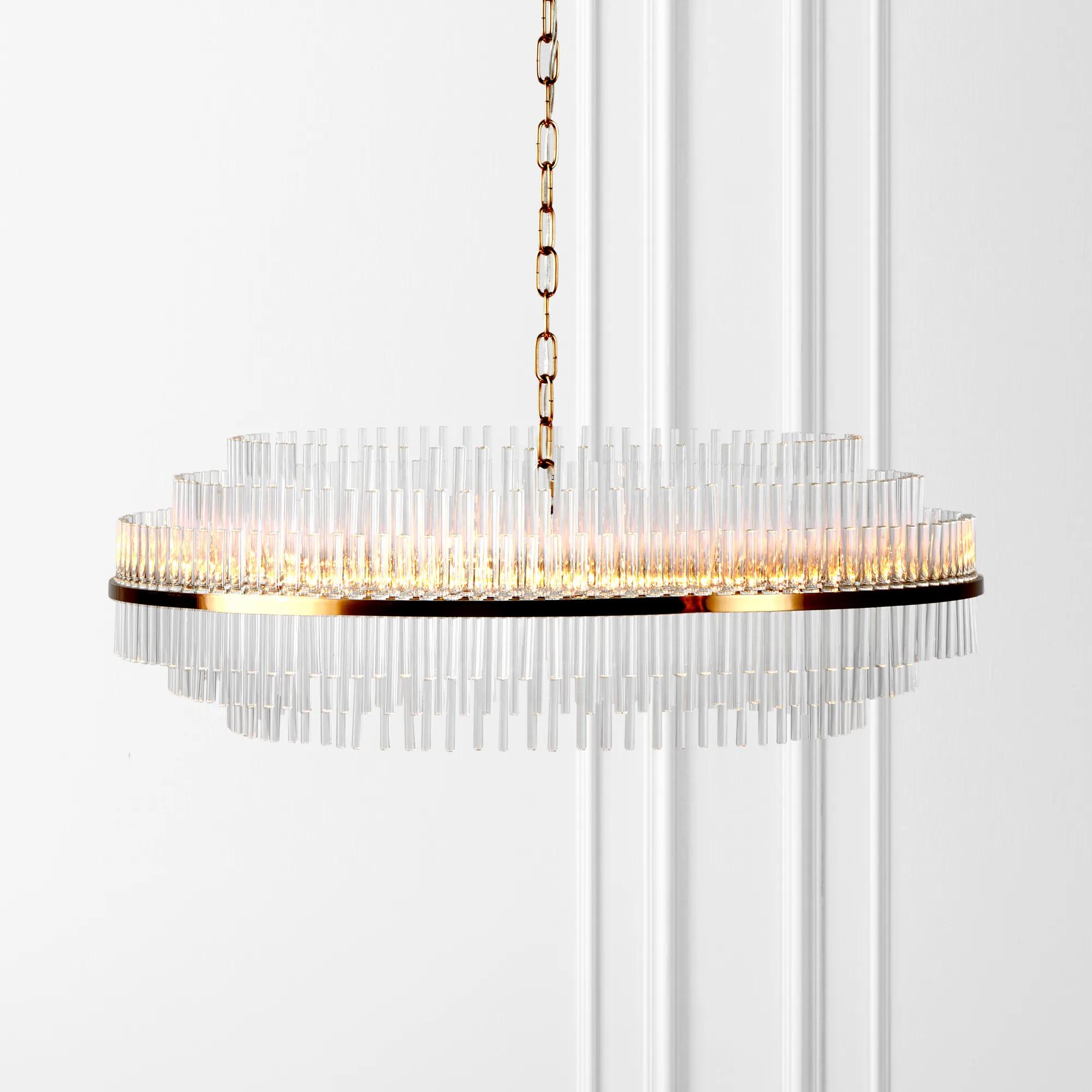
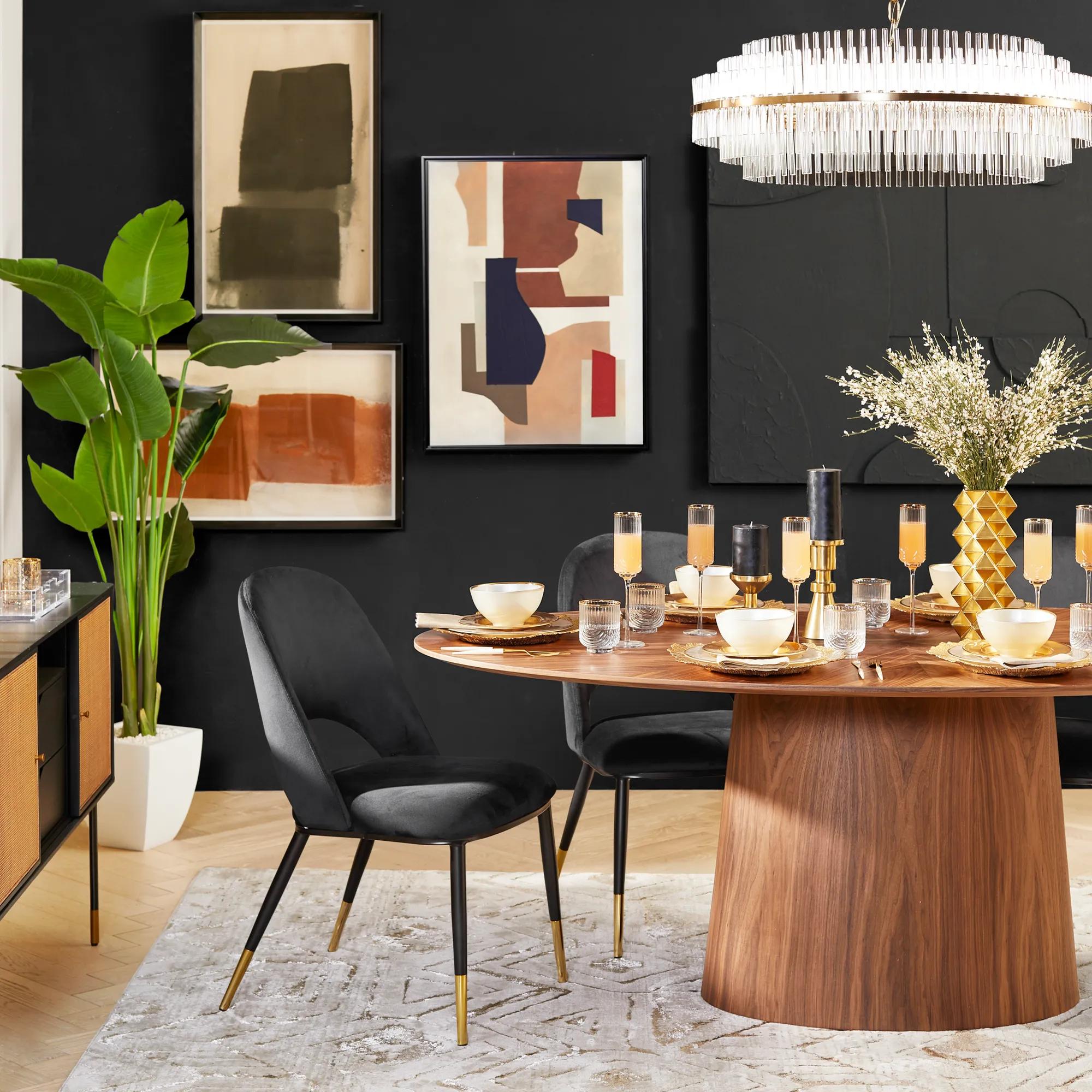 Renata Clear Glass Rod Chandelier 31"W x 10"H$799
A low-profile glass-rod chandelier with a brushed brass iron frame and eight dimmable candelabra lights.
Add To Cart -
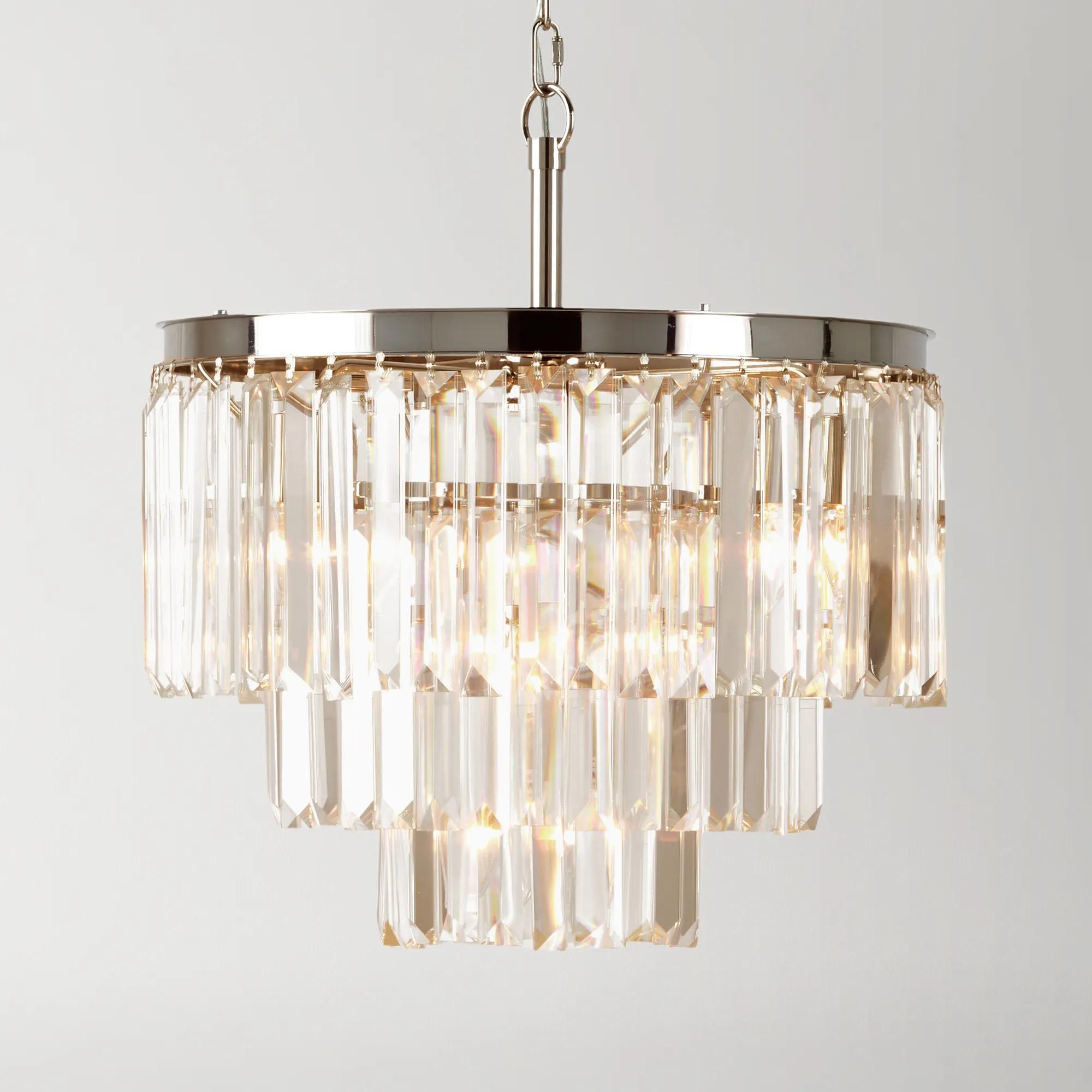
 Luxe Chandelier$799
A glamorous chandelier featuring a nickel-plated iron frame and three tiers of faceted crystal accents.
Add To Cart -
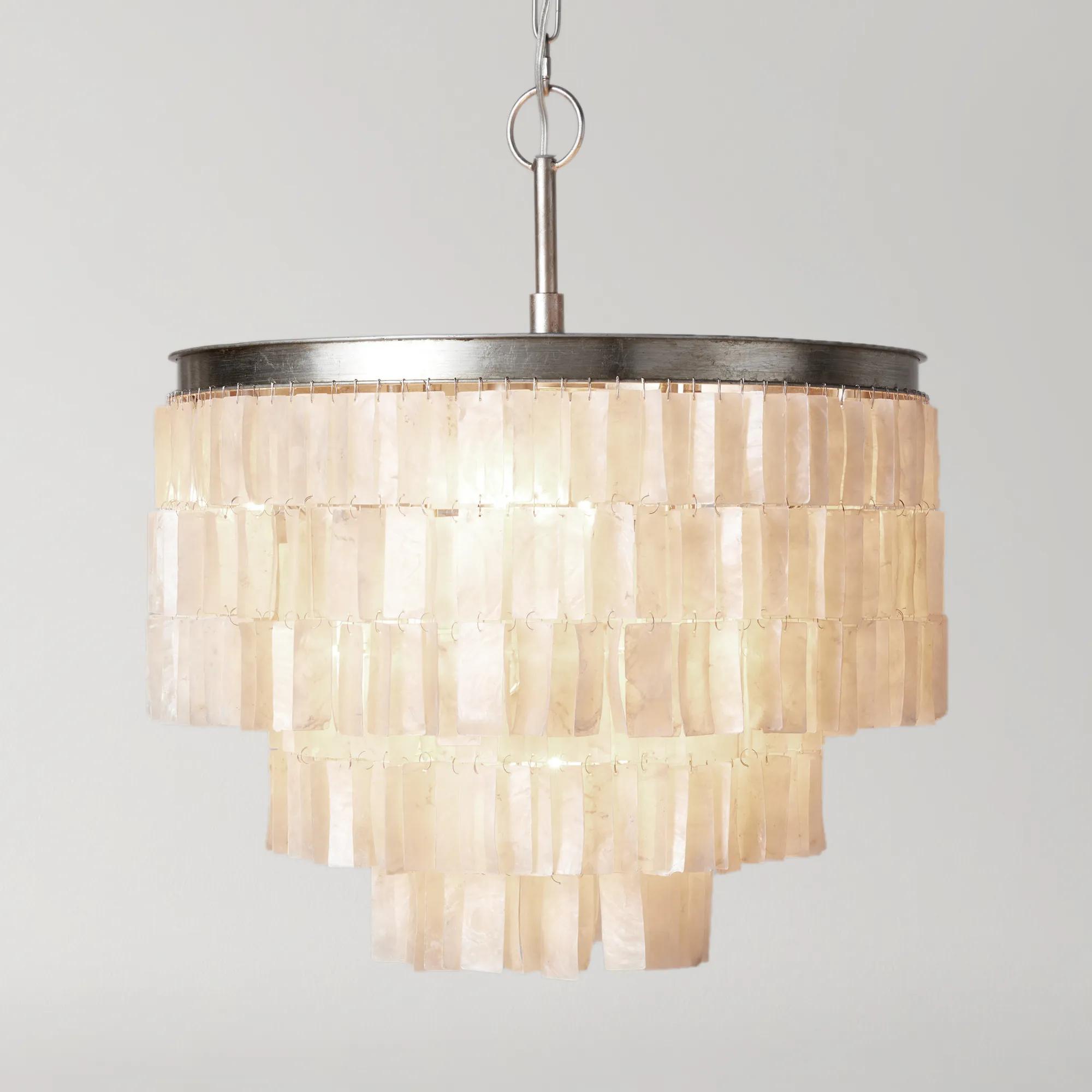 Capiz Chandelier$699
A cascading chandelier featuring over six hundred natural Capiz shells on a nickel-plated iron frame.
Add To Cart -
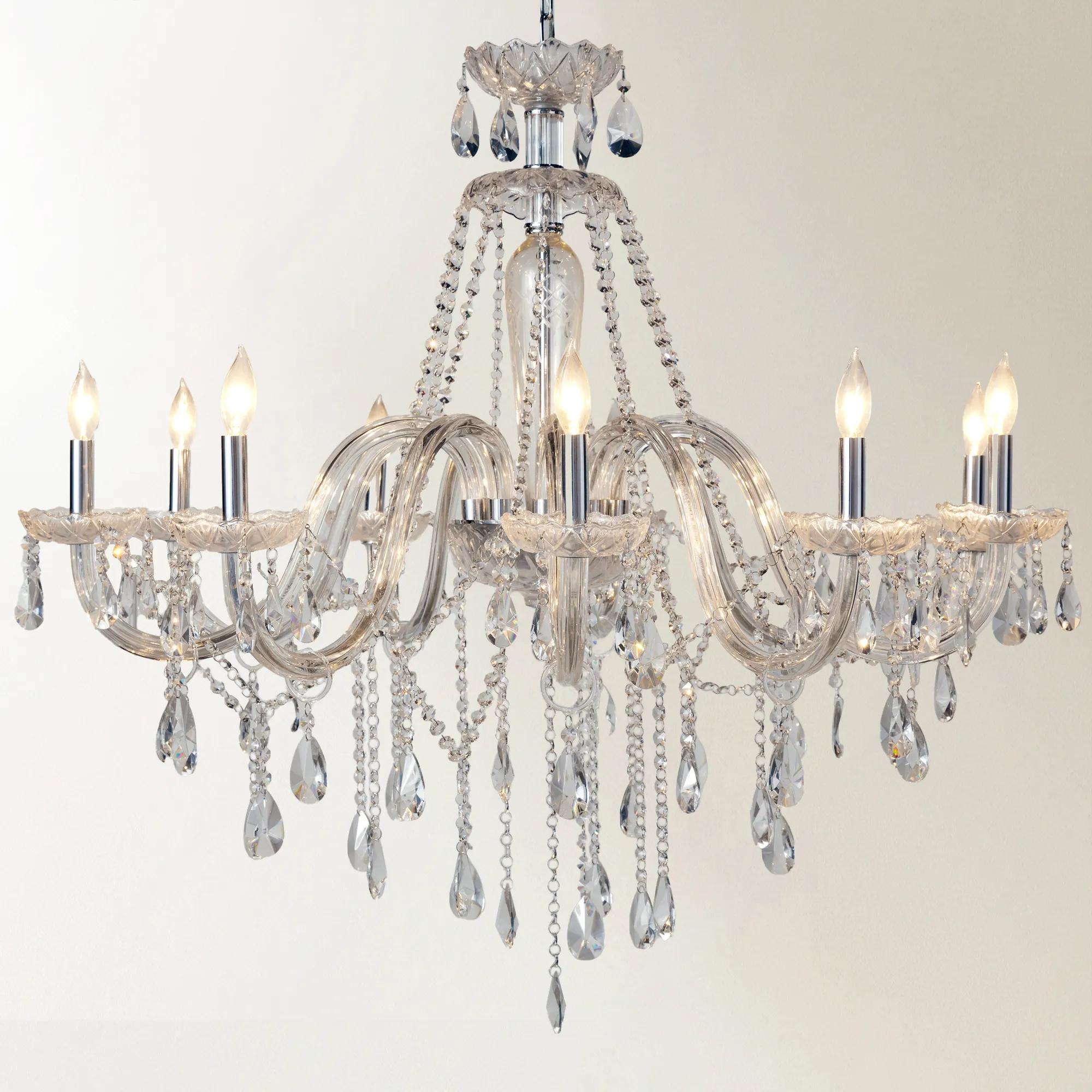
 Omni Chandelier 38.5" - Clear$999
A dazzling chandelier featuring hundreds of clear faceted crystals and ten fluted glass arms with nickel hardware.
Add To Cart -
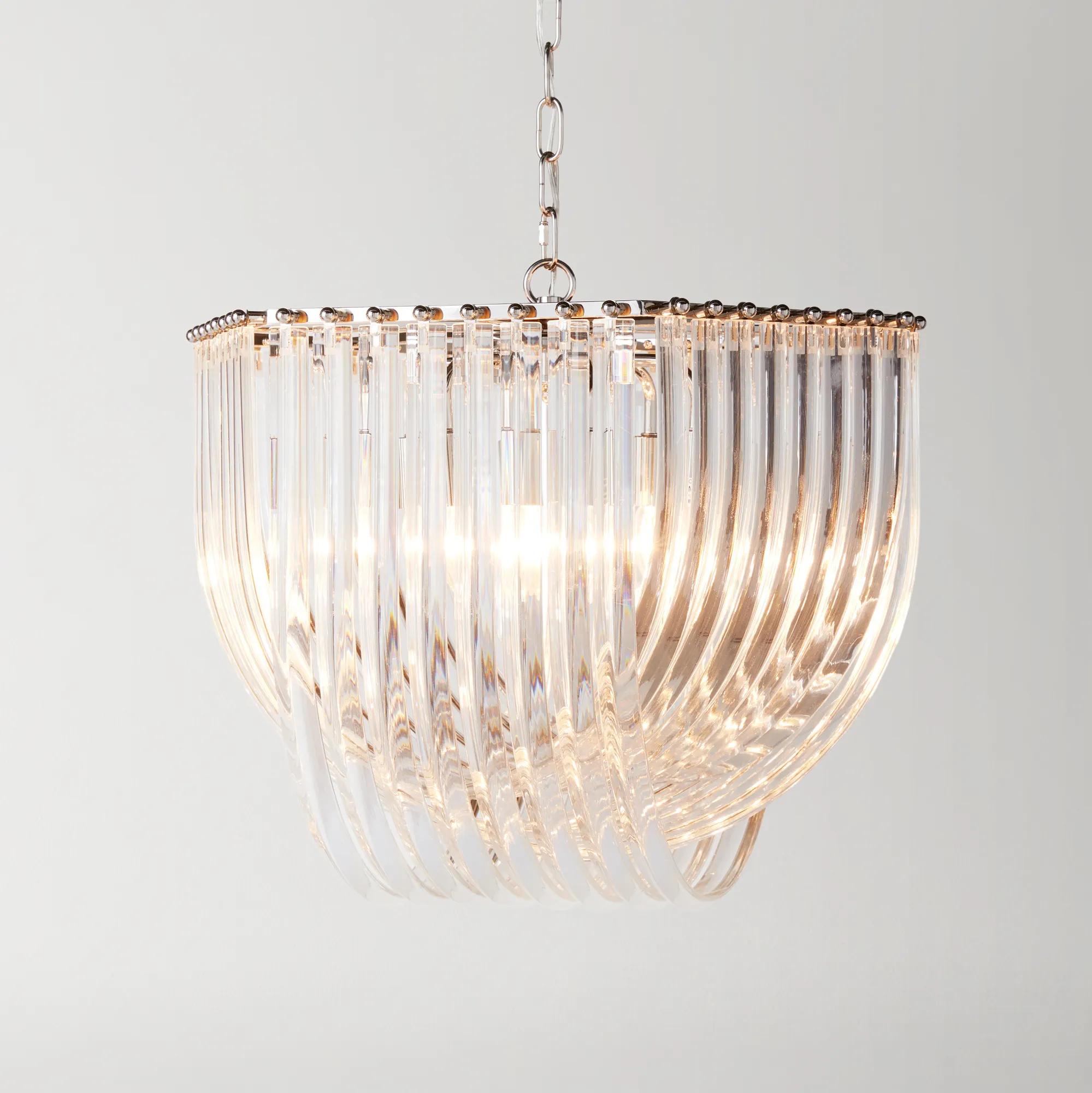 Laval Clear Curved Glass Chandelier 21"D x 18"H$799
A six-light chandelier with layered clear curved glass and a polished nickel frame.
Add To Cart -
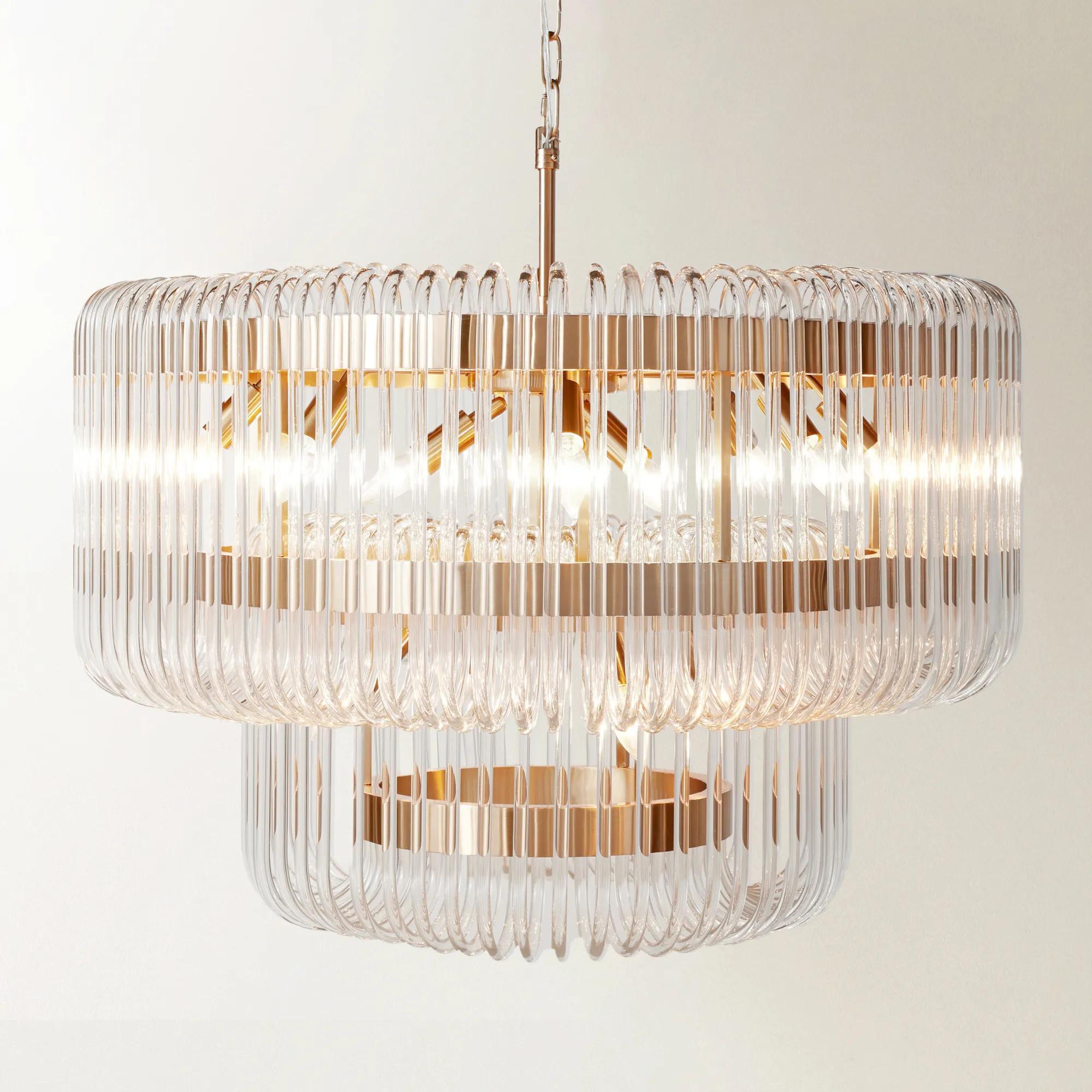 Allure Clear Curved Glass Chandelier 31.5"D x 27.75"H$1499
A chandelier featuring clear curved blown-glass rods, a brushed brass iron frame, and fifteen-light illumination.
Add To Cart -
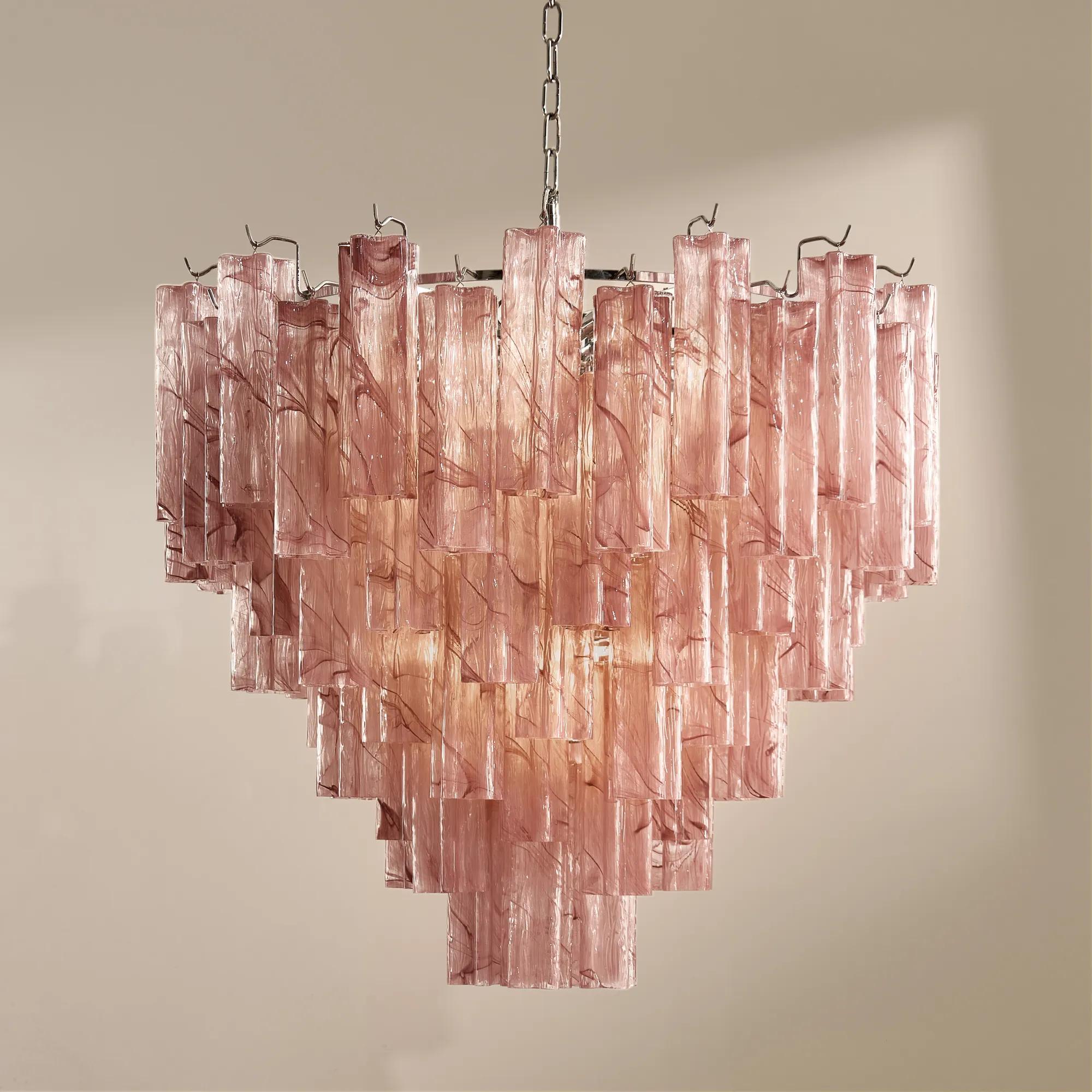 Elodie Rose Glass Chandelier 31.5"$1299
A handcrafted rose glass chandelier with swirled glass, polished chrome framing, and 21 dimmable candelabra lights.
Add To Cart -
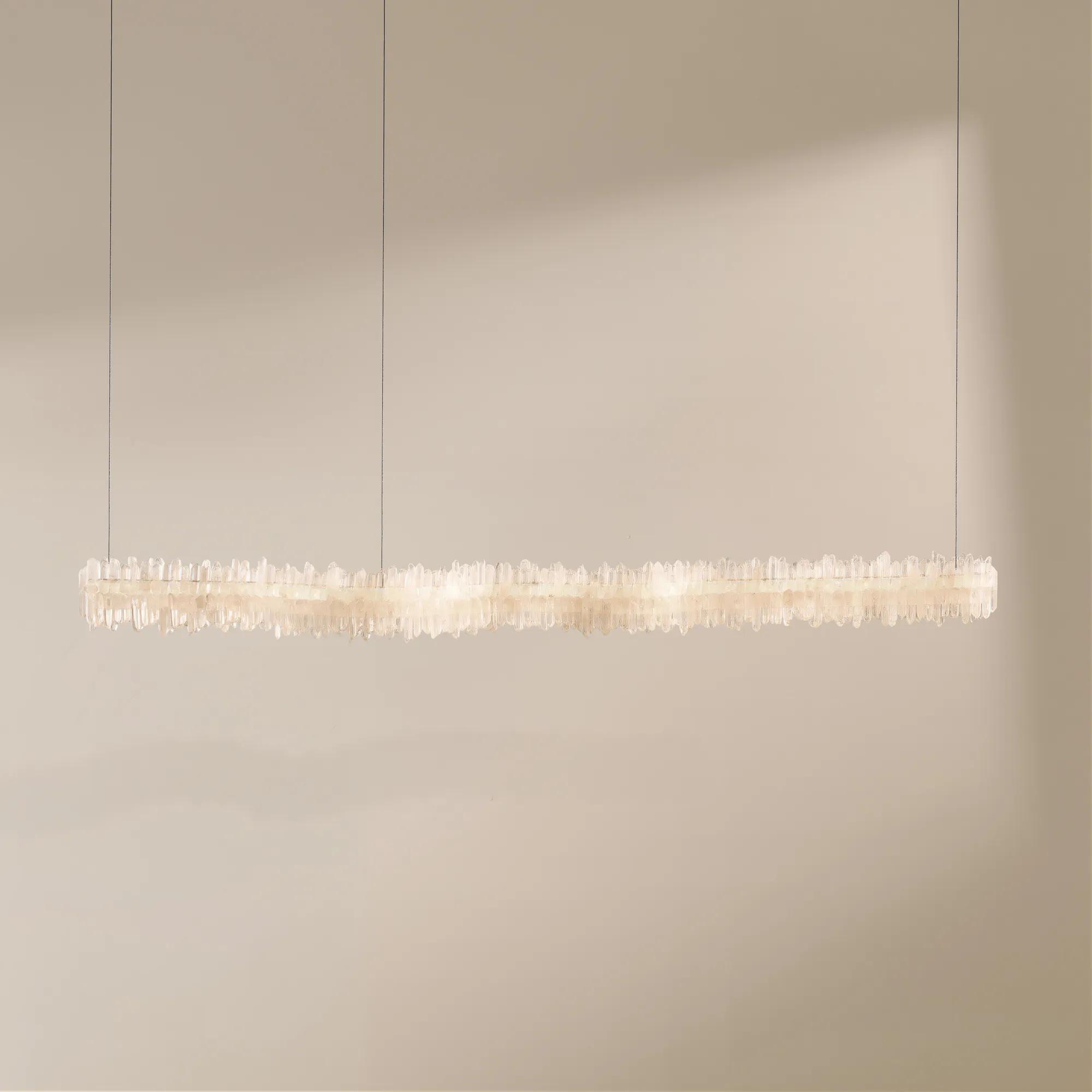 Stella Quartz Crystal LED Chandelier 47.25"$1899
A linear LED chandelier featuring natural raw quartz crystals and a polished rose gold metal frame.
Add To Cart -
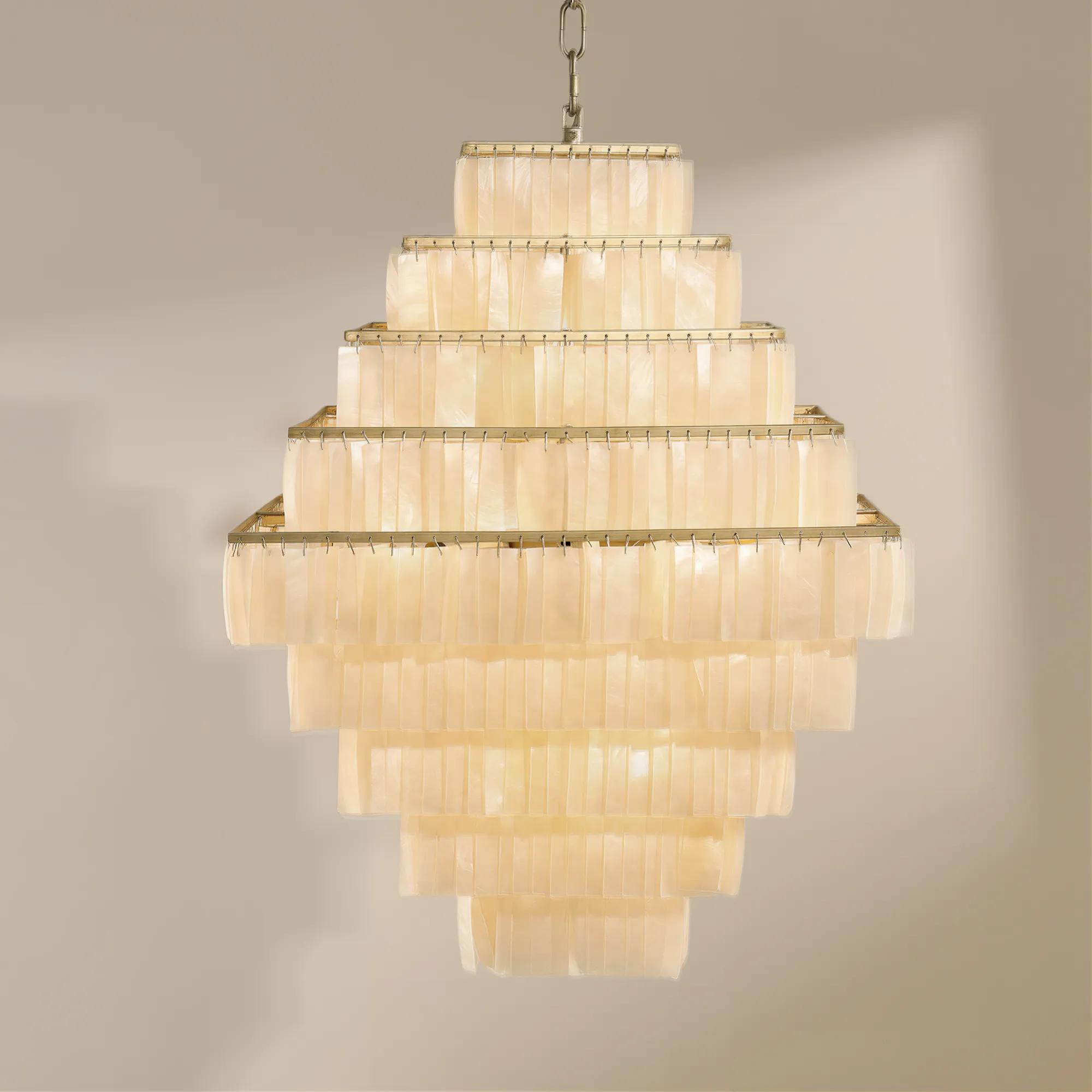 Soleil Capiz Shell Chandelier 25"$999
A modern capiz shell chandelier with 700 pearlescent shells, champagne-finished iron, and dimmable ambient lighting.
Add To Cart -
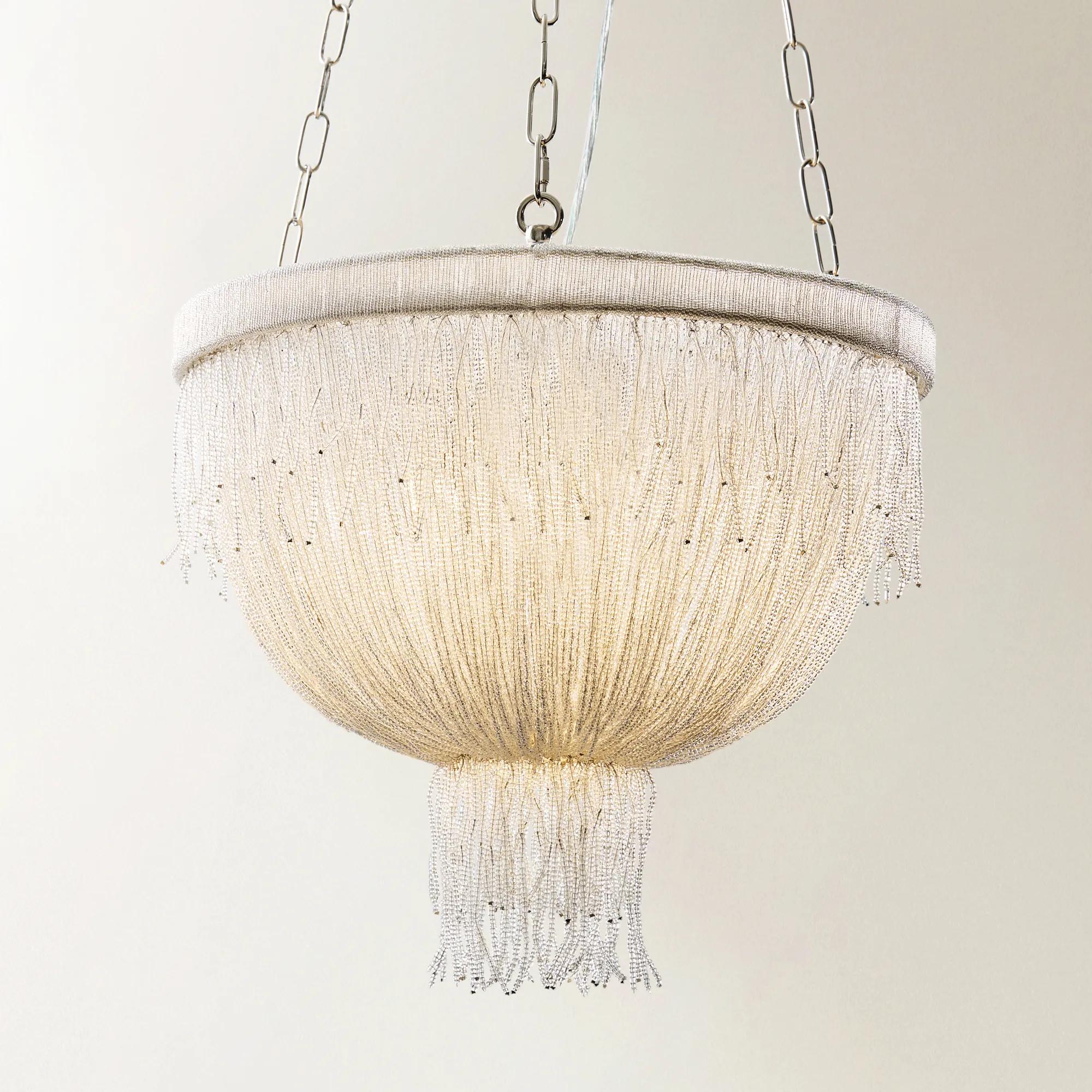 Selene Chandelier$899
A dazzling chandelier featuring cascading clear glass beads and a sleek nickel-finished iron frame.
Add To Cart -
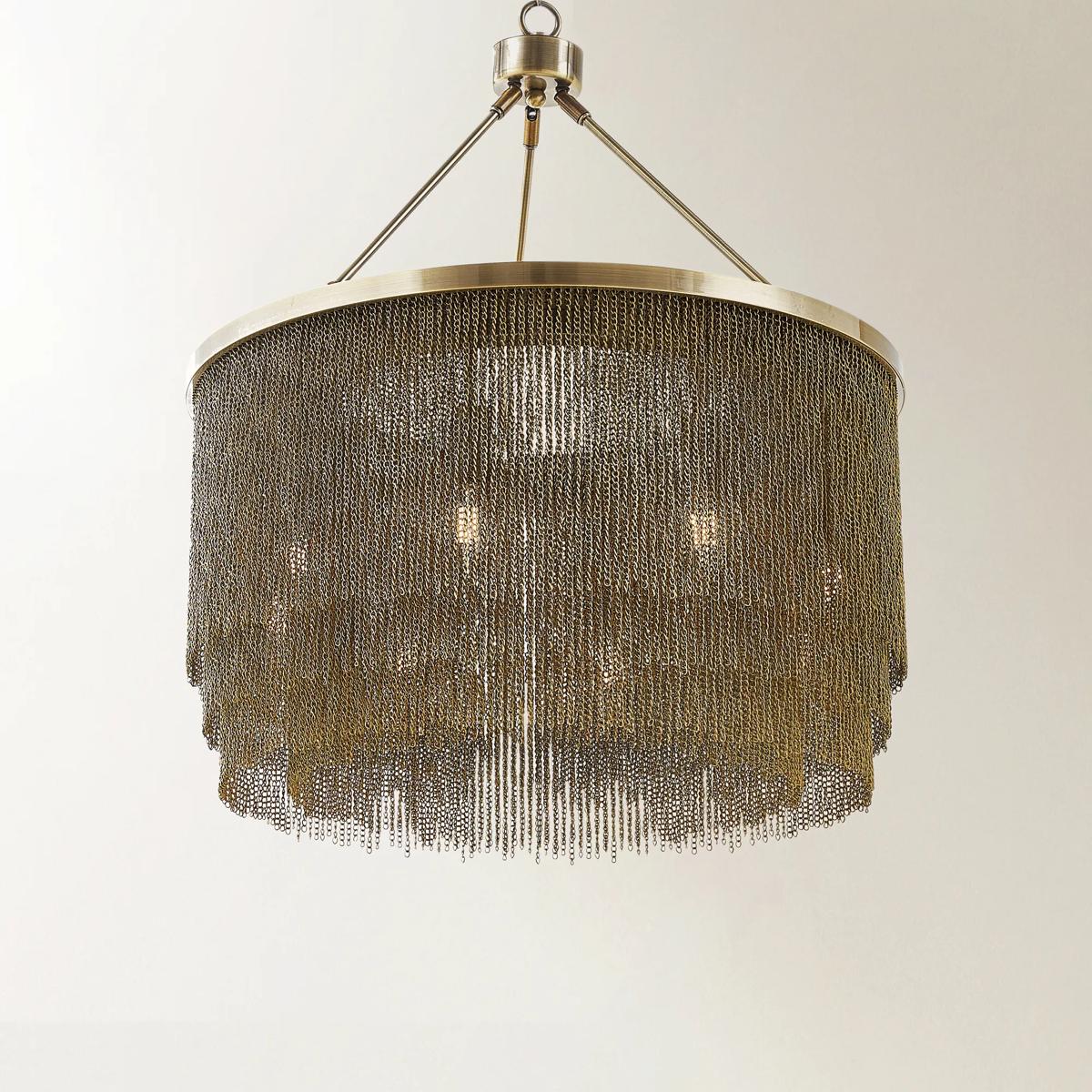
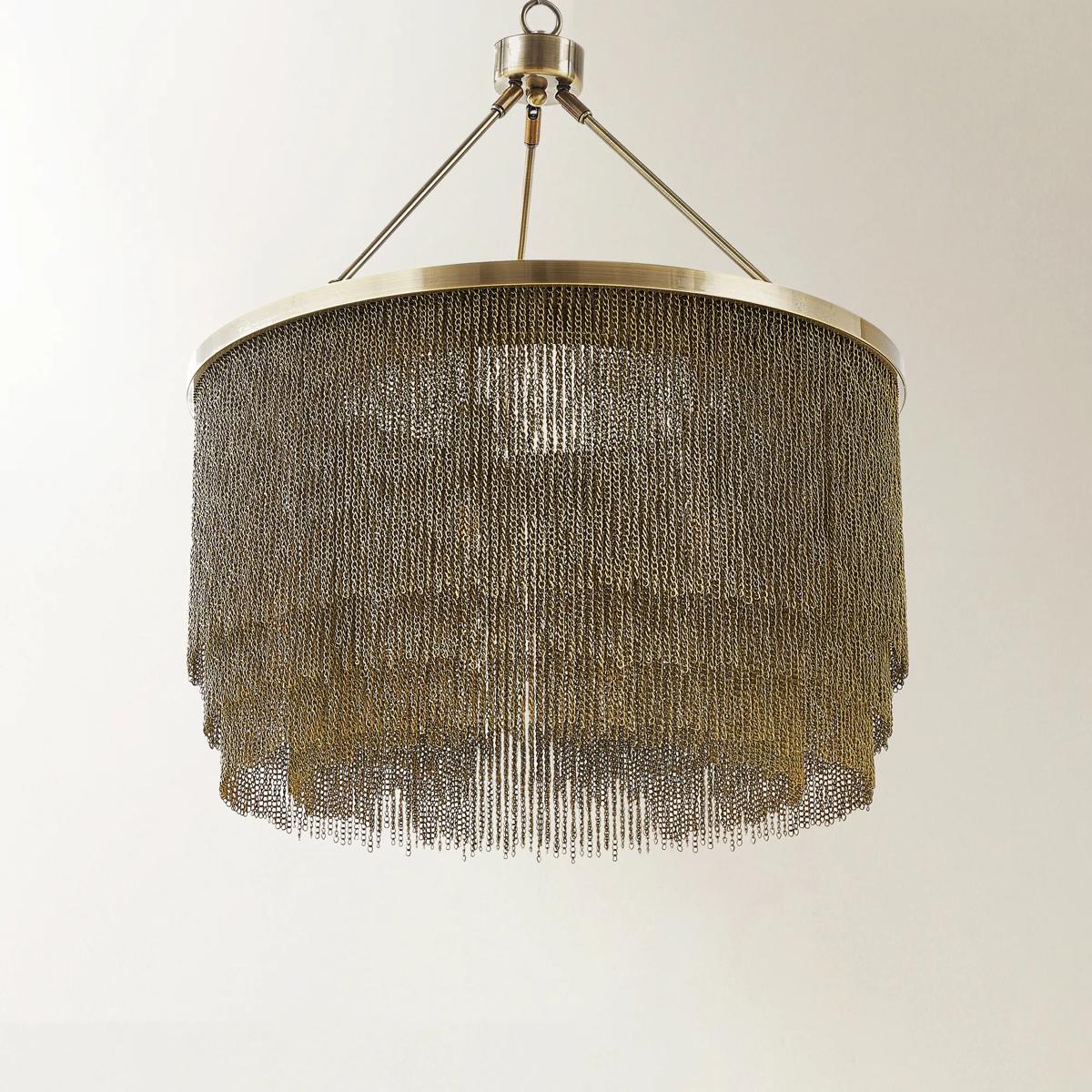 Dagny Brass Link Chain Chandelier 23.5"D x 27.5"H$999
A brass iron chandelier with cascading chain tiers and eight dimmable candelabra lights.
Add To Cart -

 Radiante LED Globe Chandelier 36" - Polished Gold$899
A polished gold LED globe chandelier bringing sculptural illumination and modern glamour to contemporary interiors.
Add To Cart -
 Bolla LED Hand-Blown Glass Bubble Chandelier 60.25"$499
A hand-blown glass chandelier with clear bubbles, matte gold steel framing, and integrated warm LED illumination.
Add To Cart -
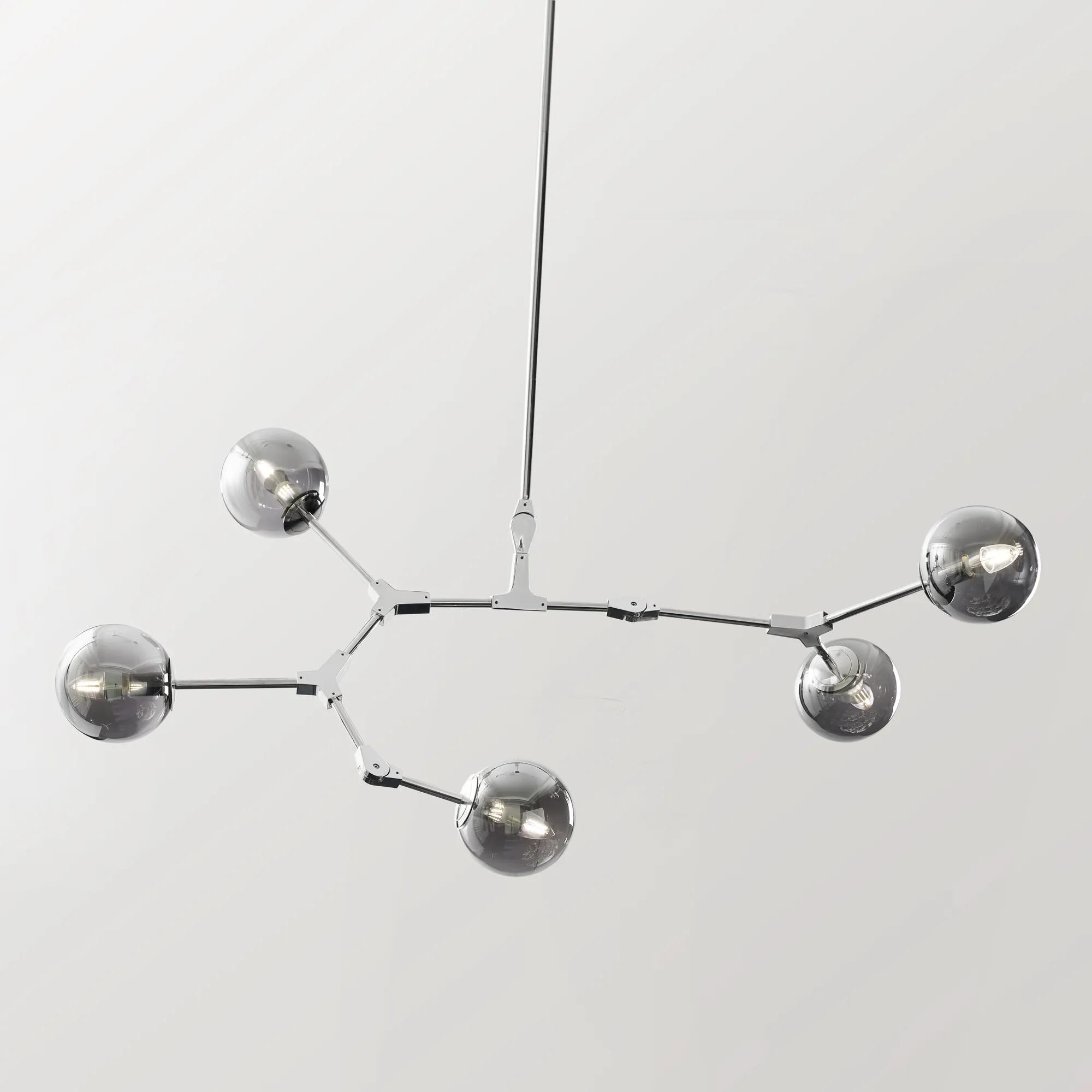
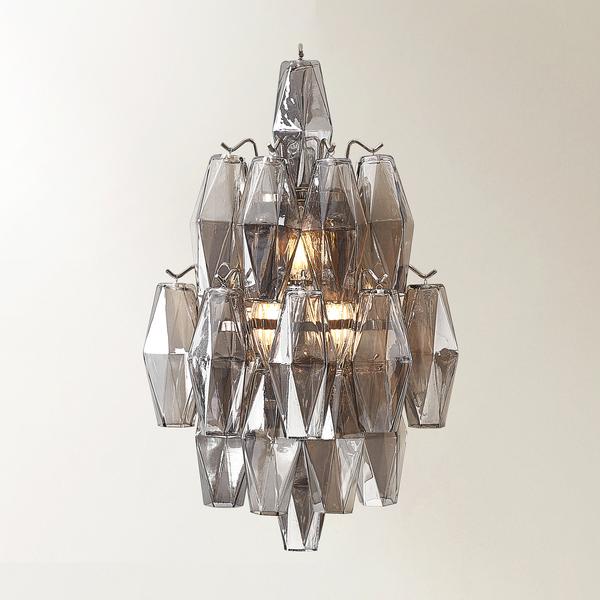
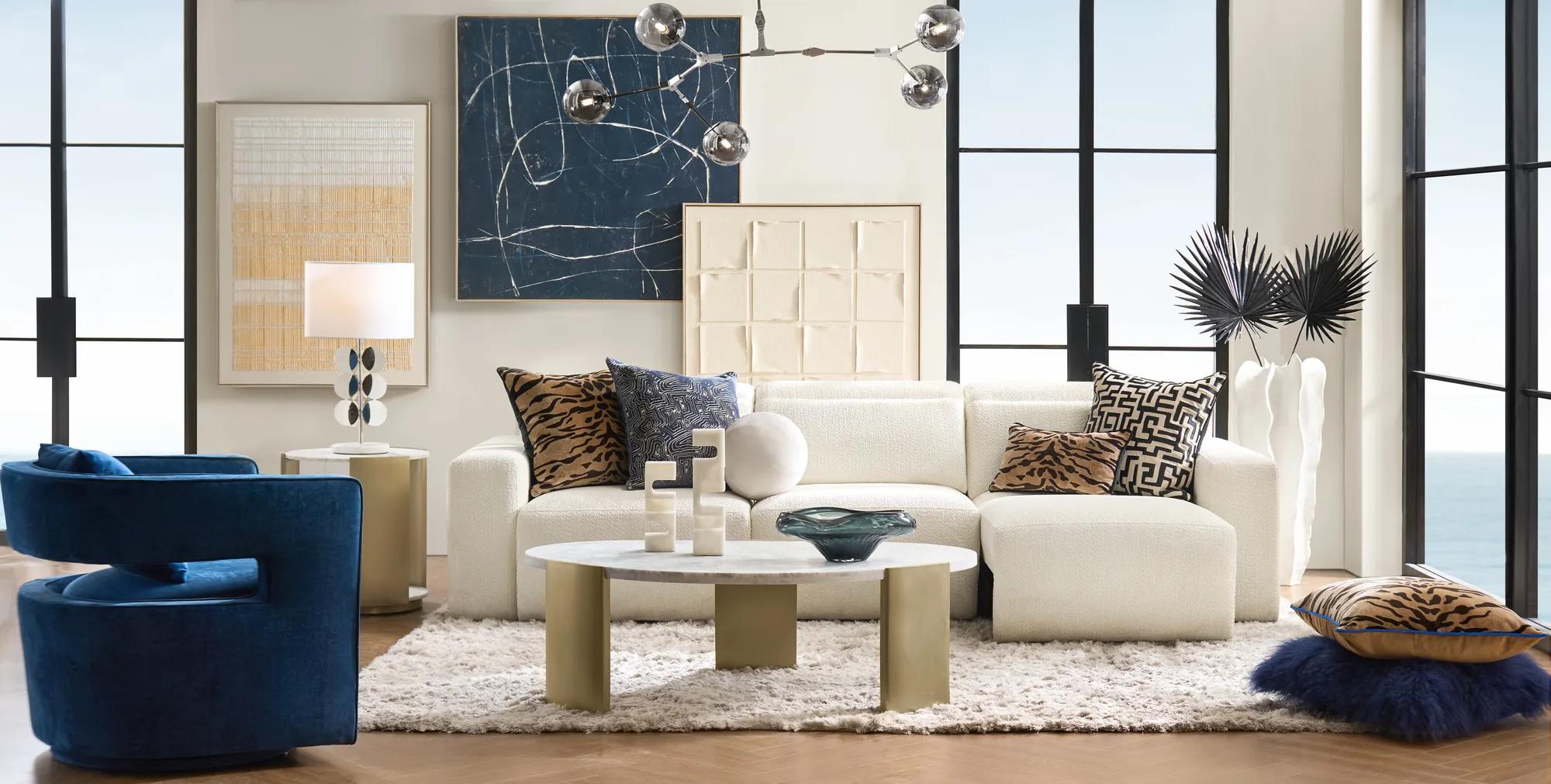 Axel Chandelier$499
A modern chandelier featuring polished nickel arms and smoked glass bulbs for striking, contemporary illumination.
Add To Cart -

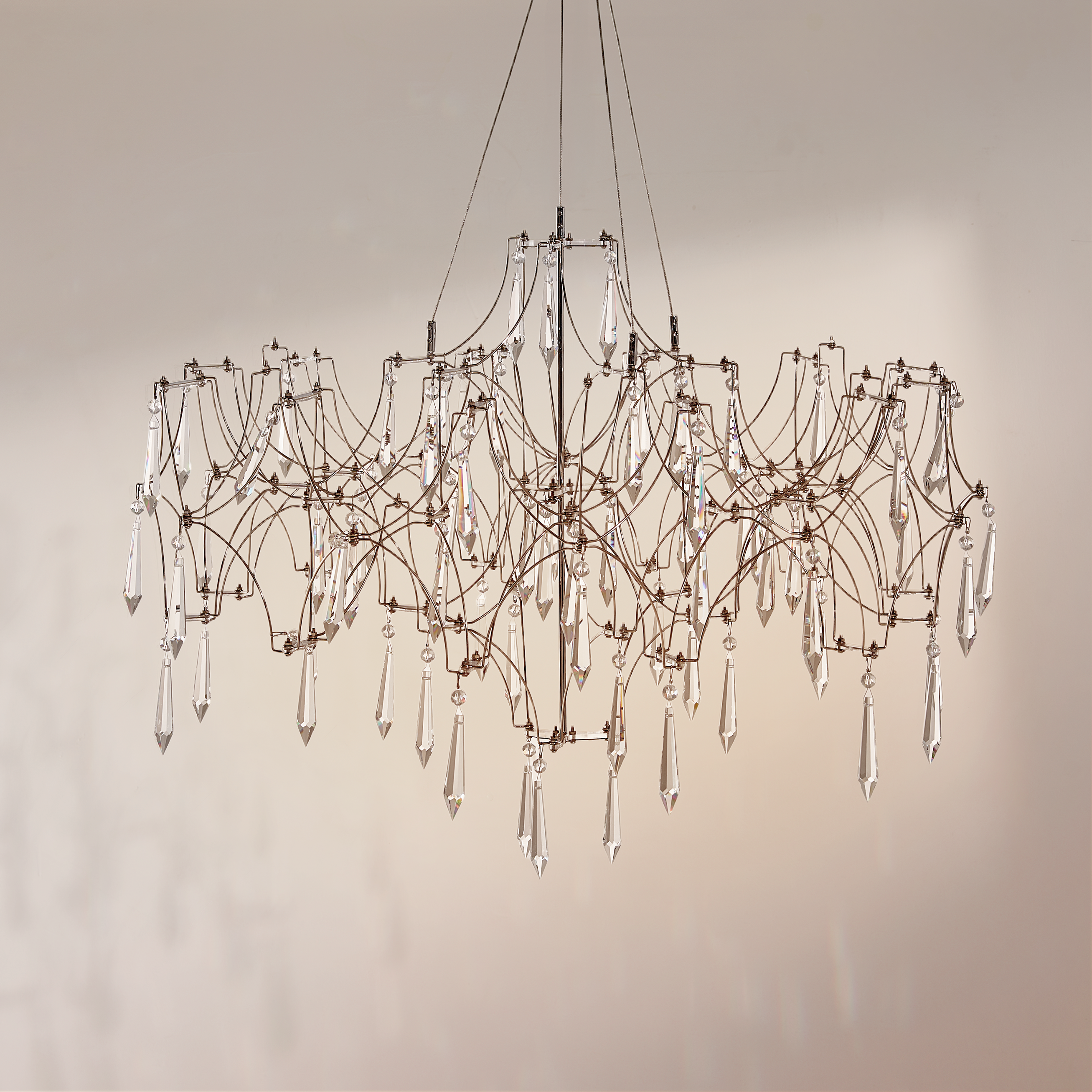 Moderne LED Clear Crystal Chandelier 24.5"W x 19.75"H$899
A clear crystal chandelier with faceted construction, polished nickel framing, and integrated warm LED illumination.
Add To Cart -

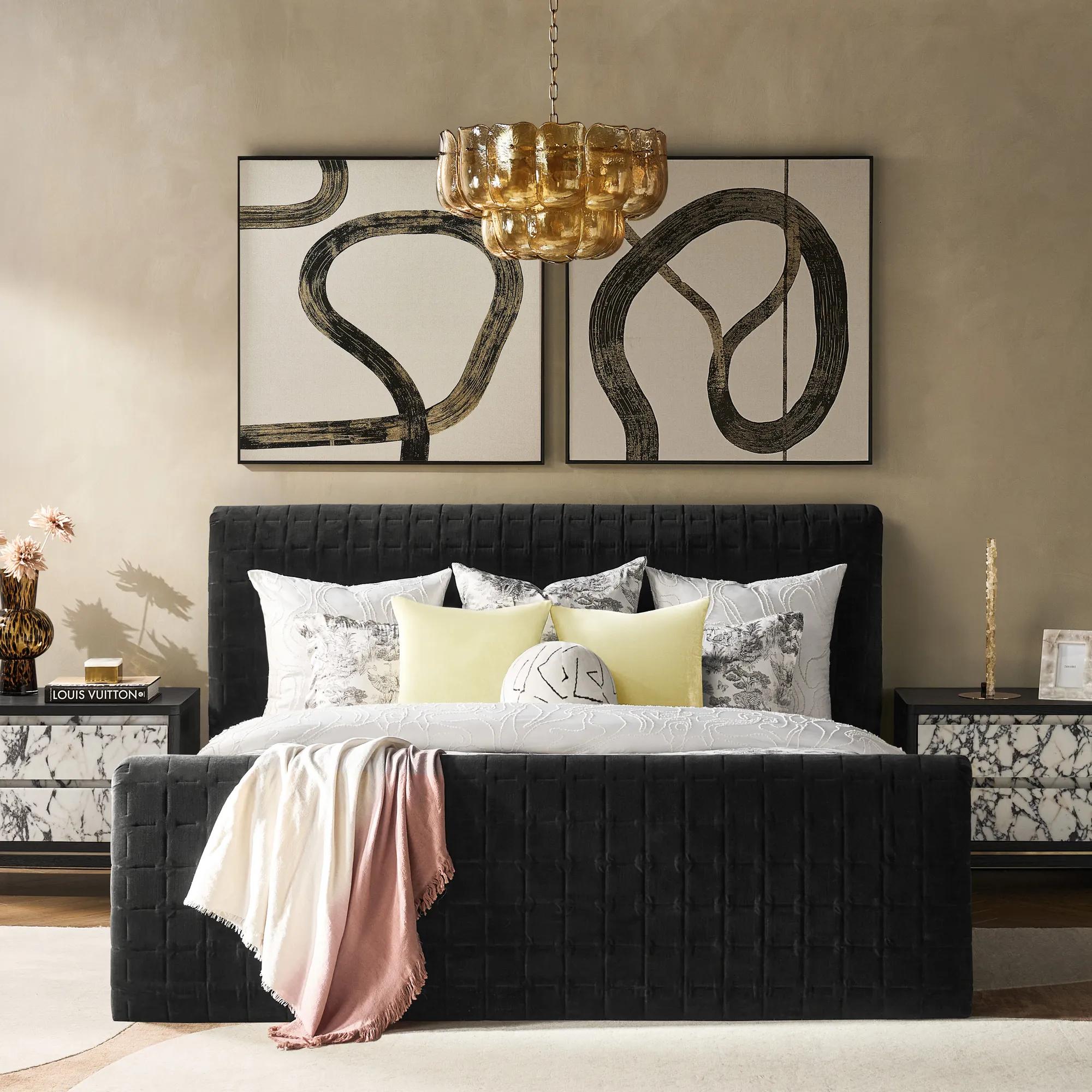 Ember Glow Amber Textured Glass Chandelier 24"$799
A chandelier with textured amber glass petals, brushed brass iron frame, and nine-light ambient illumination.
Add To Cart -

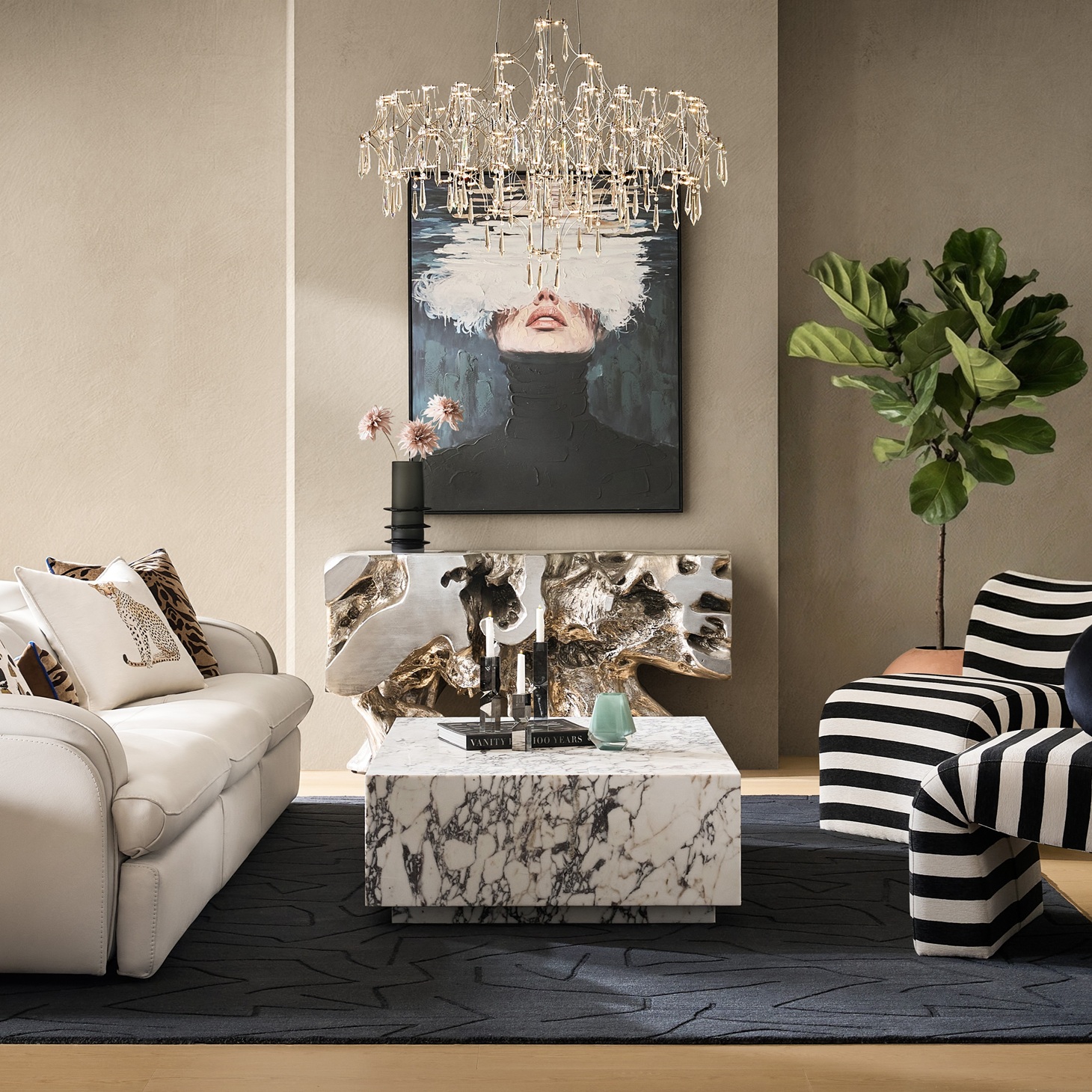 Moderne Grande LED Crystal Chandelier 35.75"W x 28.5"H$1899
A faceted crystal chandelier with polished nickel framing and integrated LED illumination for a modern glow.
Add To Cart -
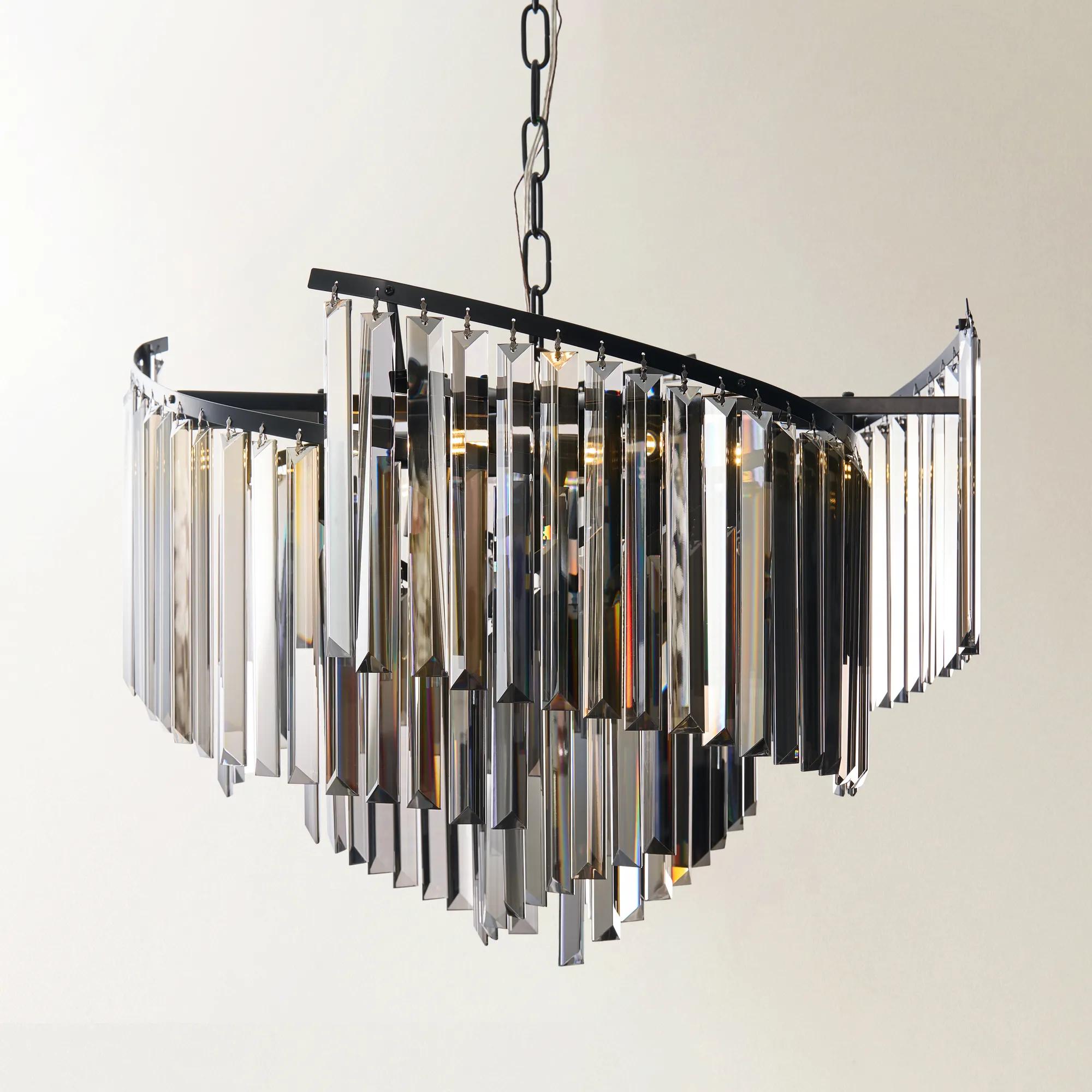 Luxe Spiral Chandelier - Graphite$999
A dramatic chandelier featuring graphite K9 crystals and a matte black iron frame for striking illumination.
Add To Cart -
 Glacier Clear and Frosted Glass Chandelier 24"$899
A glass chandelier with icicle-inspired clear and frosted panels, brushed brass frame, and twelve-light illumination.
Add To Cart

Statement Chandeliers For High Ceilings
Explore statement chandeliers for high ceilings that bring a bold focal point to soaring entryways, living rooms, and dining spaces. As you compare designs, consider fixture dimensions, hanging height, and your room’s proportions to choose overhead lighting with the visual presence to command the space without overwhelming it.
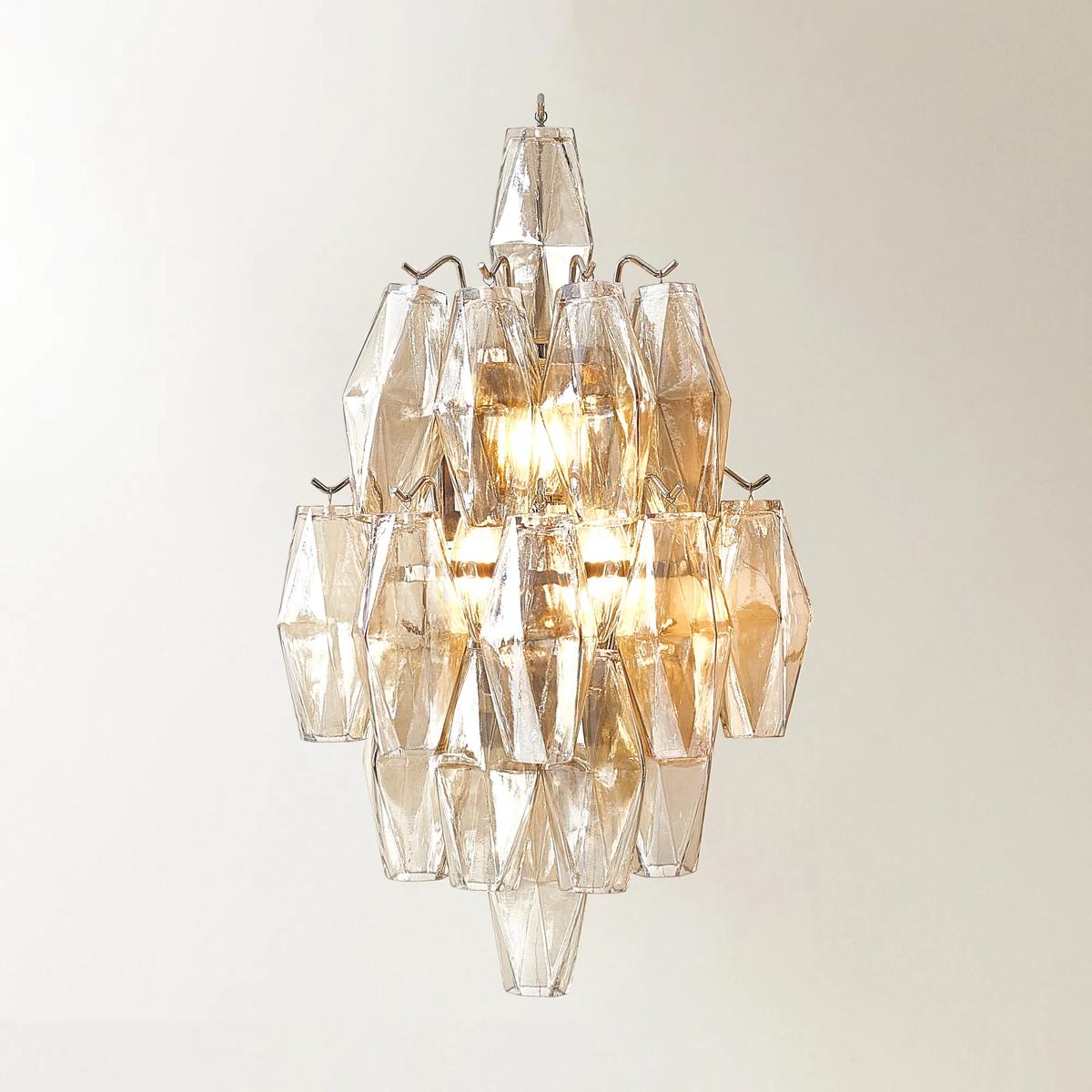
Statement chandeliers for high ceilings give generous architecture a focal point worthy of its proportions. In a two-story entry, an elongated chandelier draws the eye through the room’s height; above a dining table, a broad, layered silhouette creates an intimate gathering space beneath an expansive ceiling. The most compelling designs balance vertical presence with enough width to feel connected to the furnishings below. Cascading crystal, sculptural branches, sweeping arms, and stacked tiers each achieve that balance differently, bringing movement and definition to space that might otherwise feel unfinished. A narrow stairwell can carry a long, descending composition without the visual weight of an equally tall, wide fixture, while an open living room often benefits from a chandelier with a generous horizontal reach. Materials shape the atmosphere as much as silhouette. Faceted crystal catches light in sharp flashes, clear glass keeps a substantial form visually airy, and frosted or opal glass softens the glow for a more enveloping effect. Gold-toned metal introduces warmth against pale walls and richly colored upholstery; polished silver tones lend a crisp, reflective quality; darker finishes make the framework itself part of the statement. For spaces where brilliance is the defining detail, large crystal chandeliers for high ceilings offer a particularly expressive direction, combining substantial scale with light-catching texture. The effect can be lavish without overwhelming the room: transparent elements allow sightlines to continue through the fixture, while repeated drops or tiers establish a clear architectural rhythm. These chandeliers suit homeowners furnishing a grand foyer, refreshing a double-height living area, or giving a formal dining room a stronger identity. Their appeal is not simply decorative. A thoughtfully proportioned chandelier brings the upper volume of a room into the design, connecting the ceiling, furniture, and illuminated surfaces into one cohesive setting.
Scale involves more than choosing the tallest or widest chandelier. Overall fixture height, diameter, suspension length, and the room’s usable clearances all determine whether a design feels beautifully composed. A chandelier that looks substantial in isolation may appear slight beneath a soaring ceiling, while an oversized frame can crowd a narrow entry even when there is ample height above it. In a foyer, the fixture needs sufficient clearance beneath its lowest point for comfortable passage; at least seven feet above the floor is a common minimum in walking areas, though tall entries may call for considerably more. A staircase introduces another consideration: the chandelier should remain clear of people using the stairs and landing, not merely clear of the floor below. Over a dining table, the relationship is more intimate. A familiar starting point is approximately 30 to 36 inches between the tabletop and the bottom of the fixture, with placement adjusted for ceiling height, fixture proportions, sightlines, and the manufacturer’s recommendations. The chandelier should feel connected to the table without interrupting conversation or creating glare at seated eye level. Suspension details matter especially in tall rooms. An adjustable chain, cable, or downrod can help establish the intended drop, but adjustment ranges vary, and a sloped or vaulted ceiling requires compatible mounting hardware. The canopy, electrical box, and supporting structure must also suit the fixture’s weight; substantial metal frames and dense crystal arrangements deserve particular attention. Professional installation is especially valuable when the ceiling is difficult to reach or the chandelier requires assembly at height. In open floor plans, positioning can follow the seating arrangement or dining table rather than the geometric center of the entire space. That distinction gives each area a sense of purpose. A view from an upper landing or an adjacent room also becomes part of the composition, making the chandelier’s profile, visible wiring, and canopy important details rather than afterthoughts. The result is drama with intention: a fixture that commands attention while respecting the way the room is lived in.
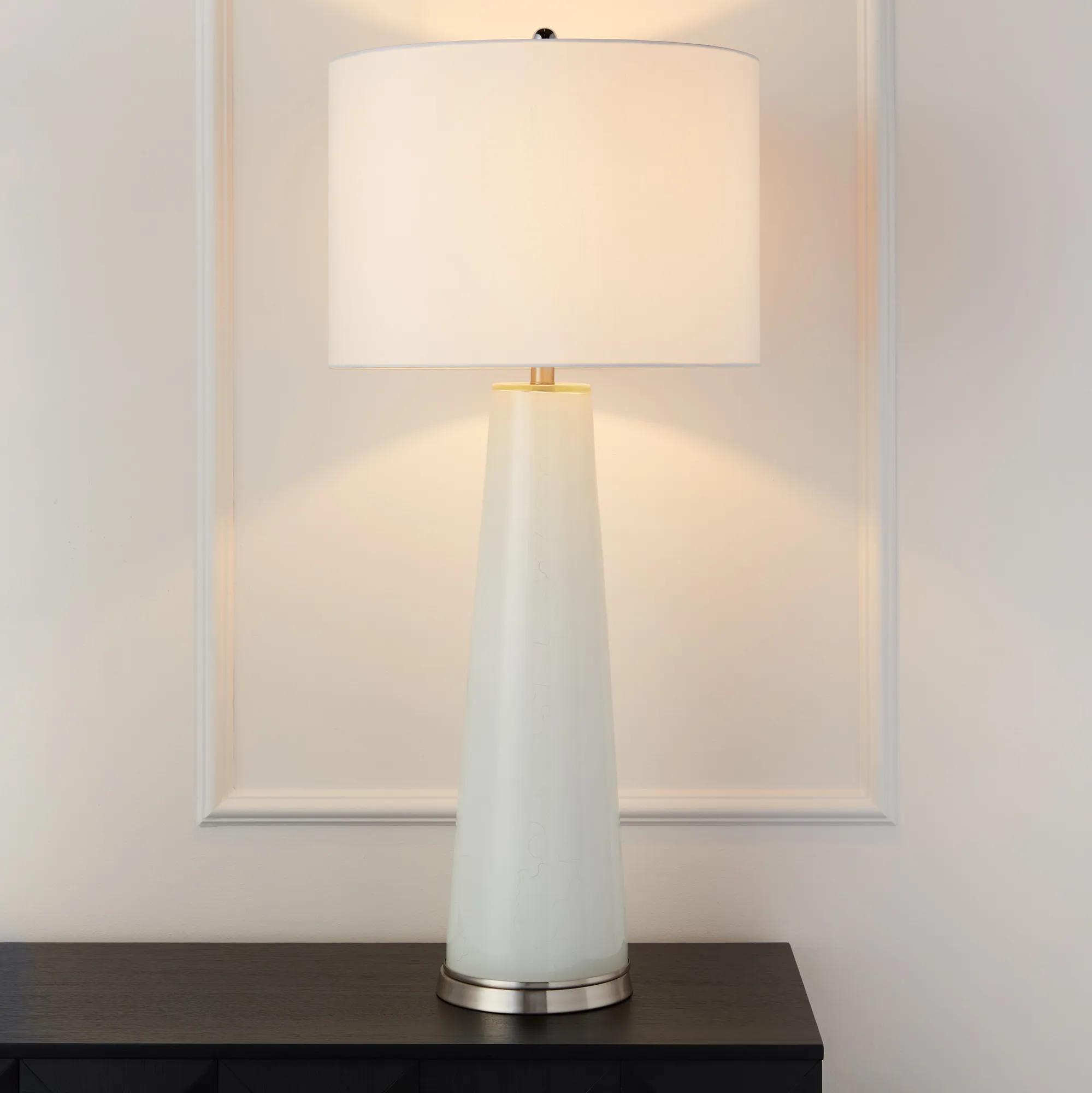
Light quality gives a statement chandelier its lasting presence after the initial impression. Exposed bulbs can emphasize a sculptural frame, while shaded or diffused sources create gentler illumination across faces, walls, and tabletops. Crystal and polished metal multiply highlights, so the number and placement of light sources influence both sparkle and visual comfort. Warm-white light, often around 2700K to 3000K, can complement gold-toned finishes, wood furniture, and sumptuous textiles without making a formal room feel austere. Brightness should suit the room’s purpose rather than rely on bulb count alone: a tall foyer needs welcoming illumination, while a dining room benefits from the ability to move from a luminous gathering to a softer, more intimate setting. Dimming offers that flexibility when the fixture, bulbs or integrated light source, and dimmer are compatible. A chandelier also works best as part of a layered lighting arrangement, supported by sconces, table lamps, or recessed lighting where needed rather than expected to illuminate every corner from a single lofty position. Practical details preserve the beauty of that focal point. Bulb access and cleaning access deserve consideration before installation, particularly above a staircase or in a double-height room where routine maintenance may require professional assistance. Durable construction, secure connections, and a finish appropriate to the setting contribute to lasting performance, but even substantial materials need thoughtful care. Dust can soften the clarity of crystal and dull reflective surfaces; gentle cleaning with a soft cloth, following the manufacturer’s instructions, helps retain their character. Power should be switched off and light sources allowed to cool before cleaning, and cleaning solutions should never be sprayed directly onto electrical components. Abrasive products can damage plated finishes or delicate surfaces. With those details considered, a high-ceiling chandelier becomes more than an impressive object overhead. It lends architecture a distinct personality, turns an arrival into an occasion, and gives everyday gatherings a luminous sense of place.
FAQs
Sculptural chandeliers, cascading silhouettes, and dramatic tiered designs bring artistic presence to rooms with high ceilings. Choose fluid curves for a sense of movement or crisp geometry for architectural definition. The silhouette should express the room’s personality, whether boldly contemporary or richly glamorous.
Let the finish shape the mood. Warm metallic tones lend a golden richness, silvery finishes feel polished and luminous, and dark finishes create graphic contrast. Echo a finish found in your mirrors, furniture accents, or decorative objects to give the room a deliberate visual rhythm.
Give an expressive chandelier a thoughtfully edited backdrop. Tonal upholstery and understated window treatments let its silhouette command attention, while a few distinctive accents carry its character through the room. Repeat one detail, such as a curve or gleaming finish, rather than competing with every flourish.
A statement chandelier brings expressive contrast to modern furniture’s clean lines. Pair tailored seating with a fluid, sculptural fixture, or echo angular furniture with a geometric chandelier. Sumptuous upholstery and textured accents help connect the chandelier’s drama with the furnishings below.
Aim for a shared design language rather than an identical set. Connect a statement chandelier with lamps or sconces through a recurring finish, shape, or decorative detail. Simpler companion fixtures allow the chandelier to lead while giving the room a layered, collected character.