Pendant Lights For High Ceilings
Pendant Lights For High Ceilings
-
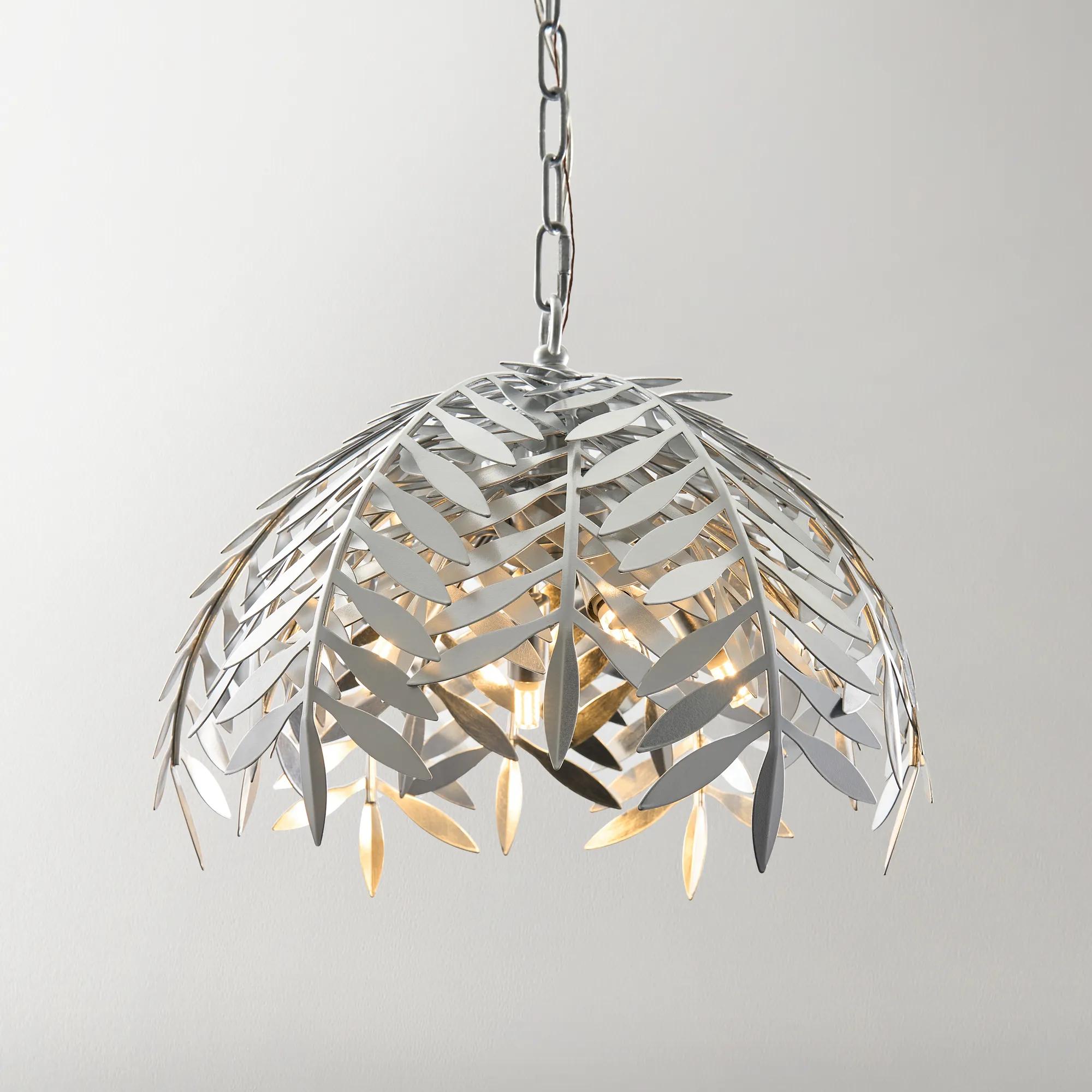
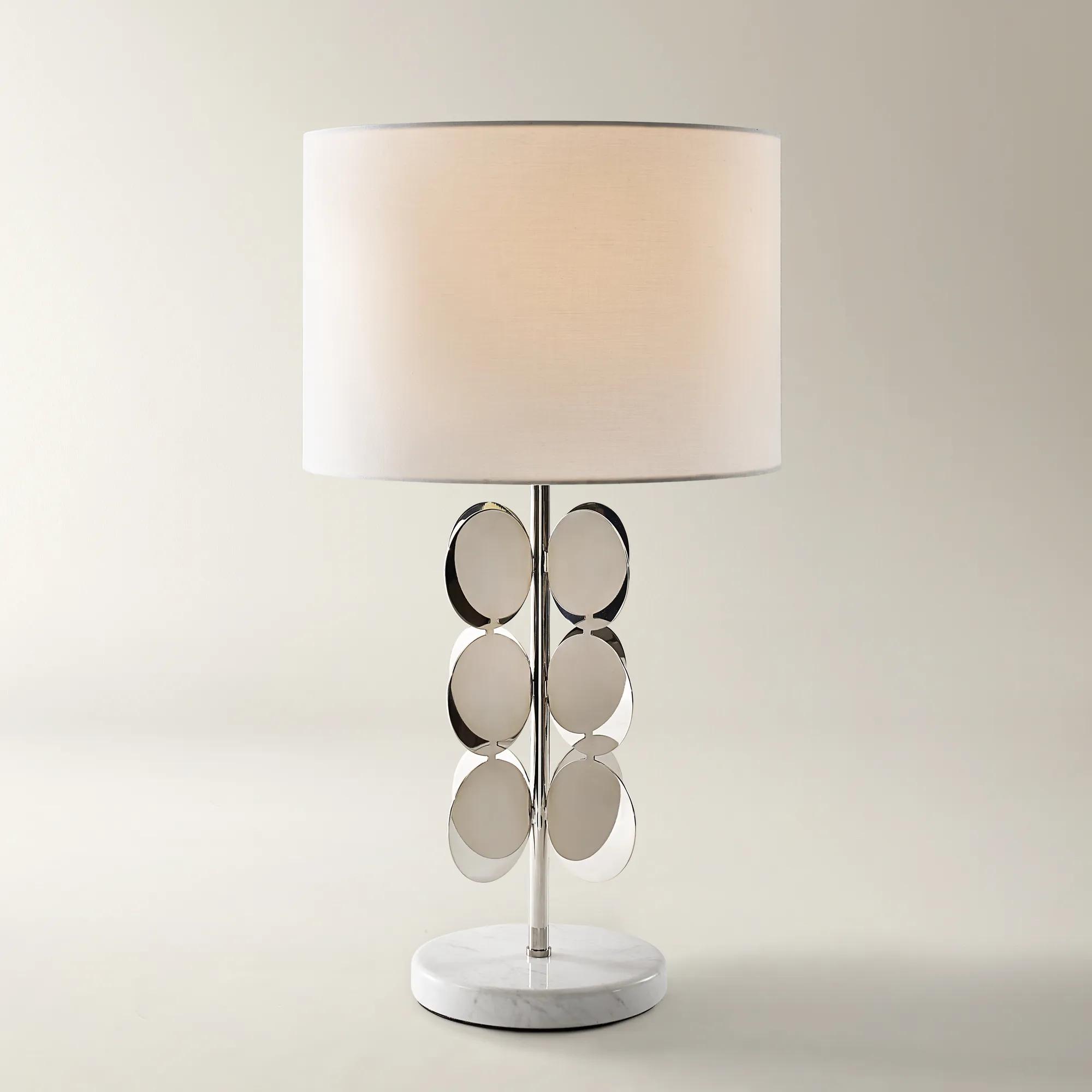
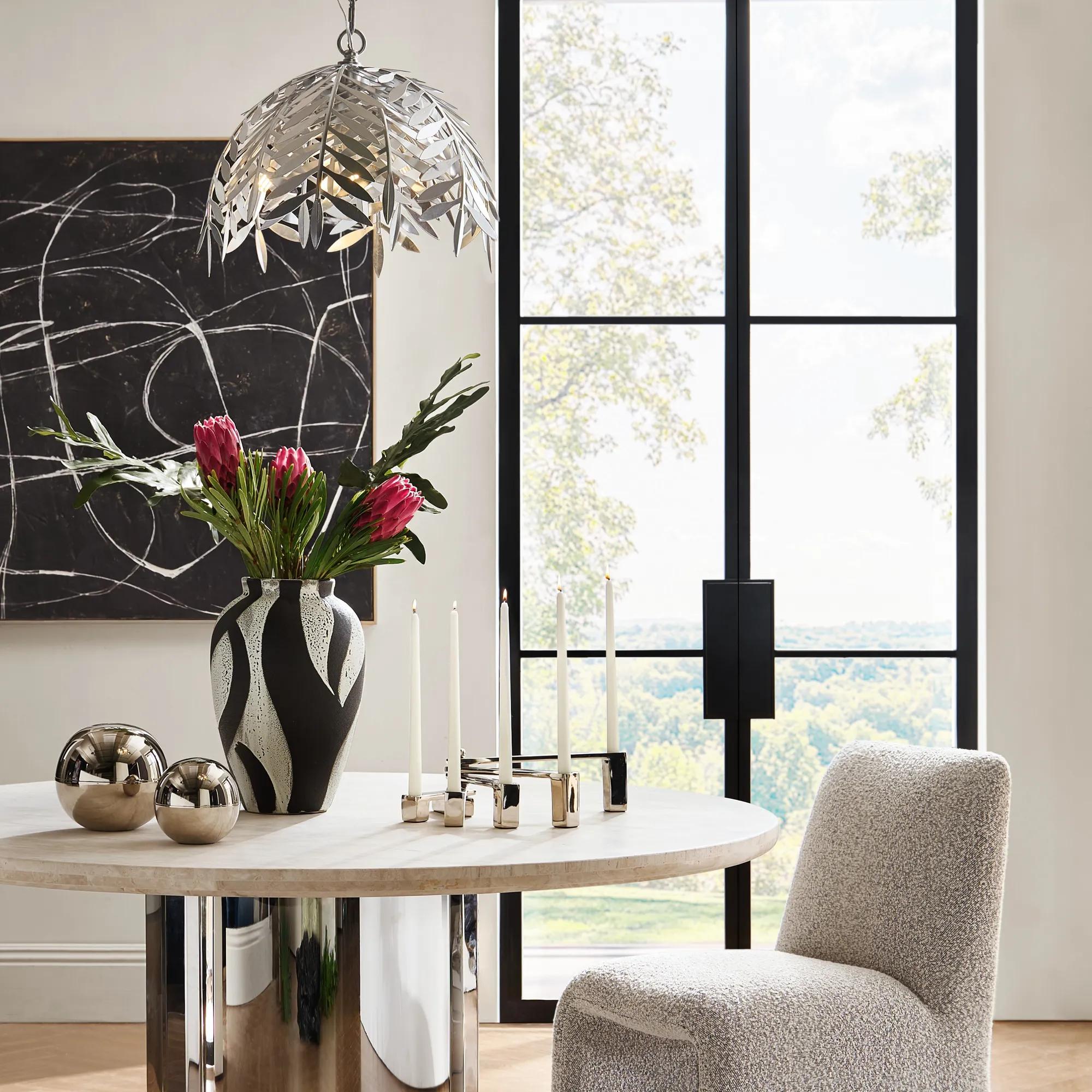 Palm Pendant - Silver$429
A sculpted iron pendant in a lustrous silver finish, casting dramatic shadows with elegant illumination.
Add To Cart -
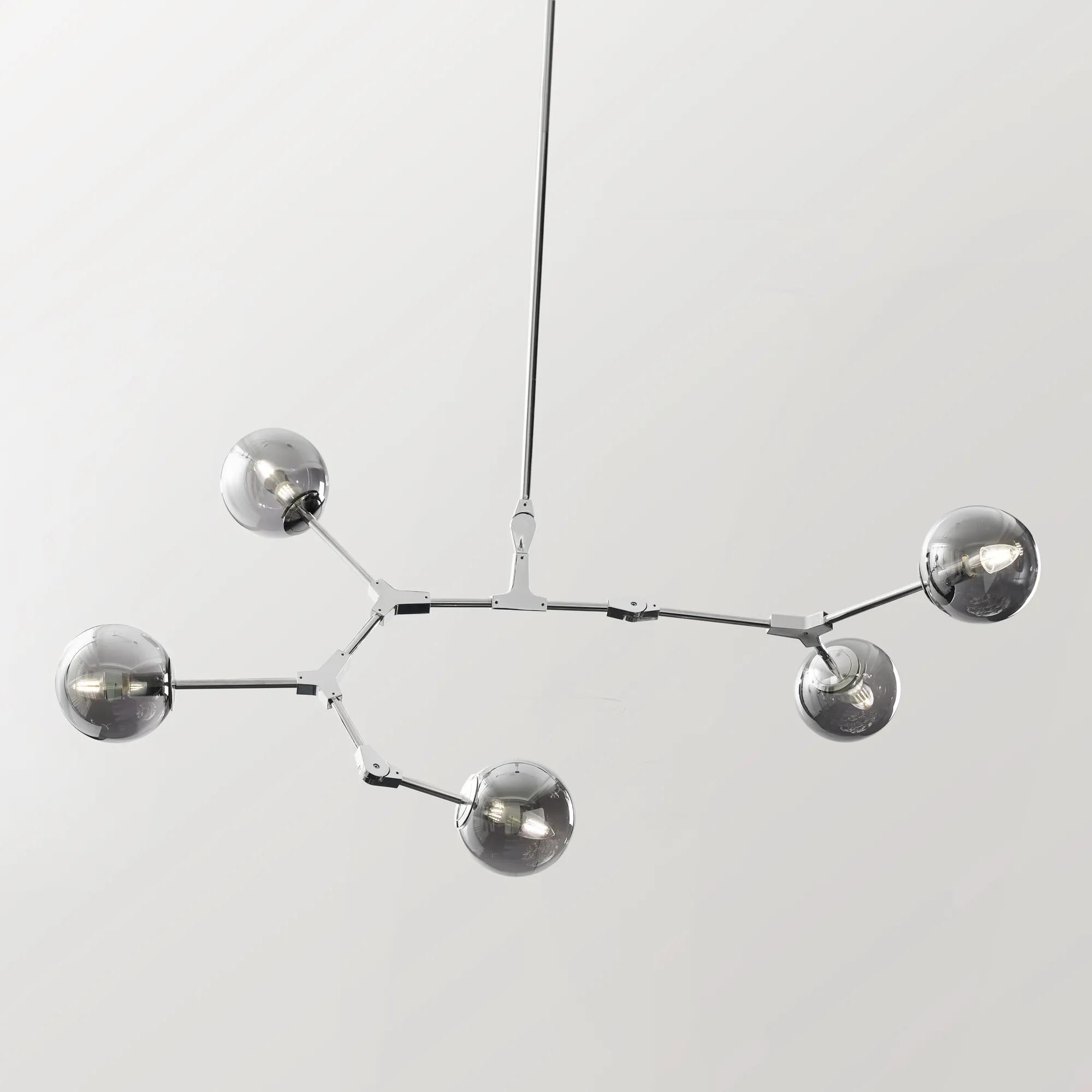
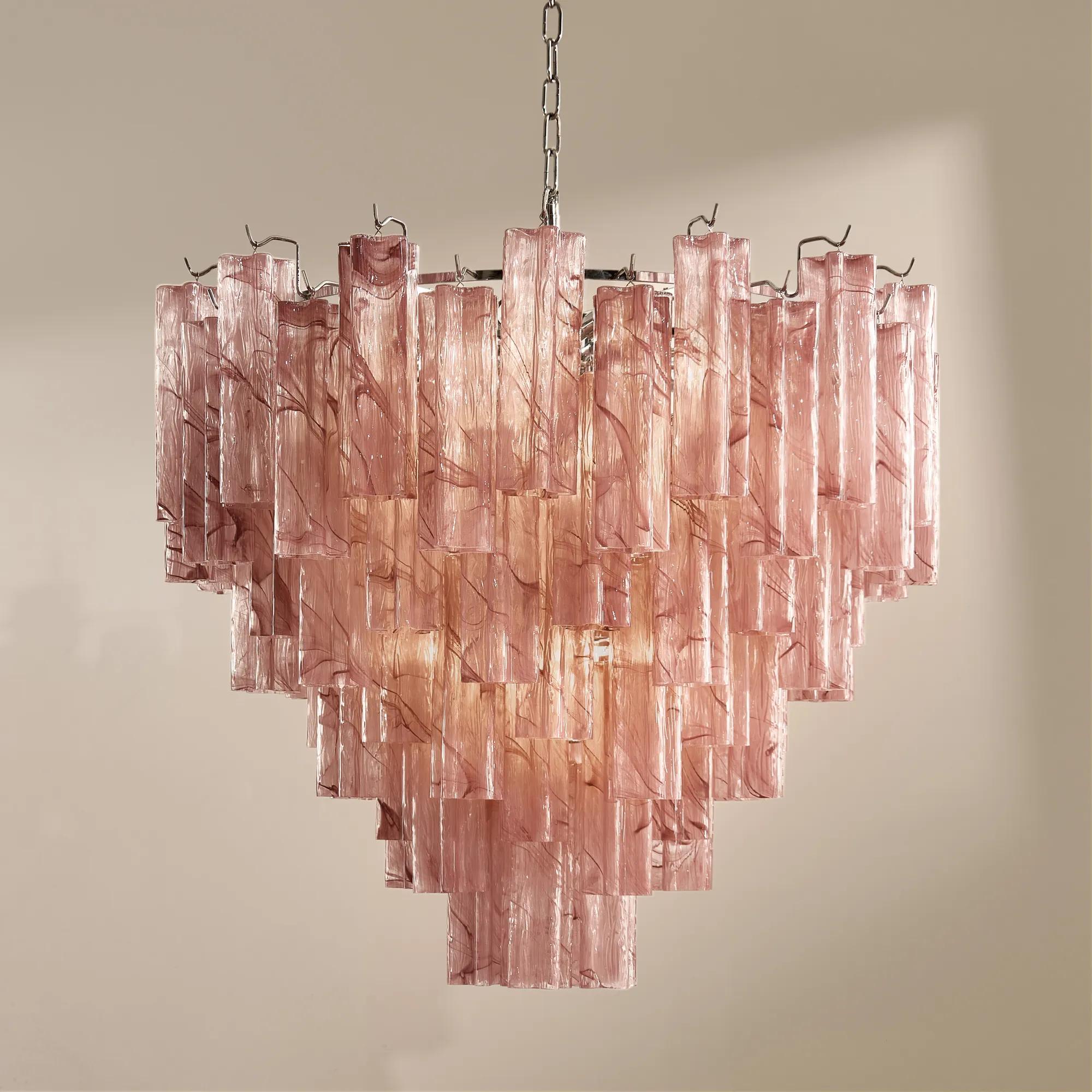 Elodie Rose Glass Chandelier 31.5"$1299
A handcrafted chandelier featuring rose-colored swirled glass and a polished chrome frame for modern elegance.
Add To Cart -
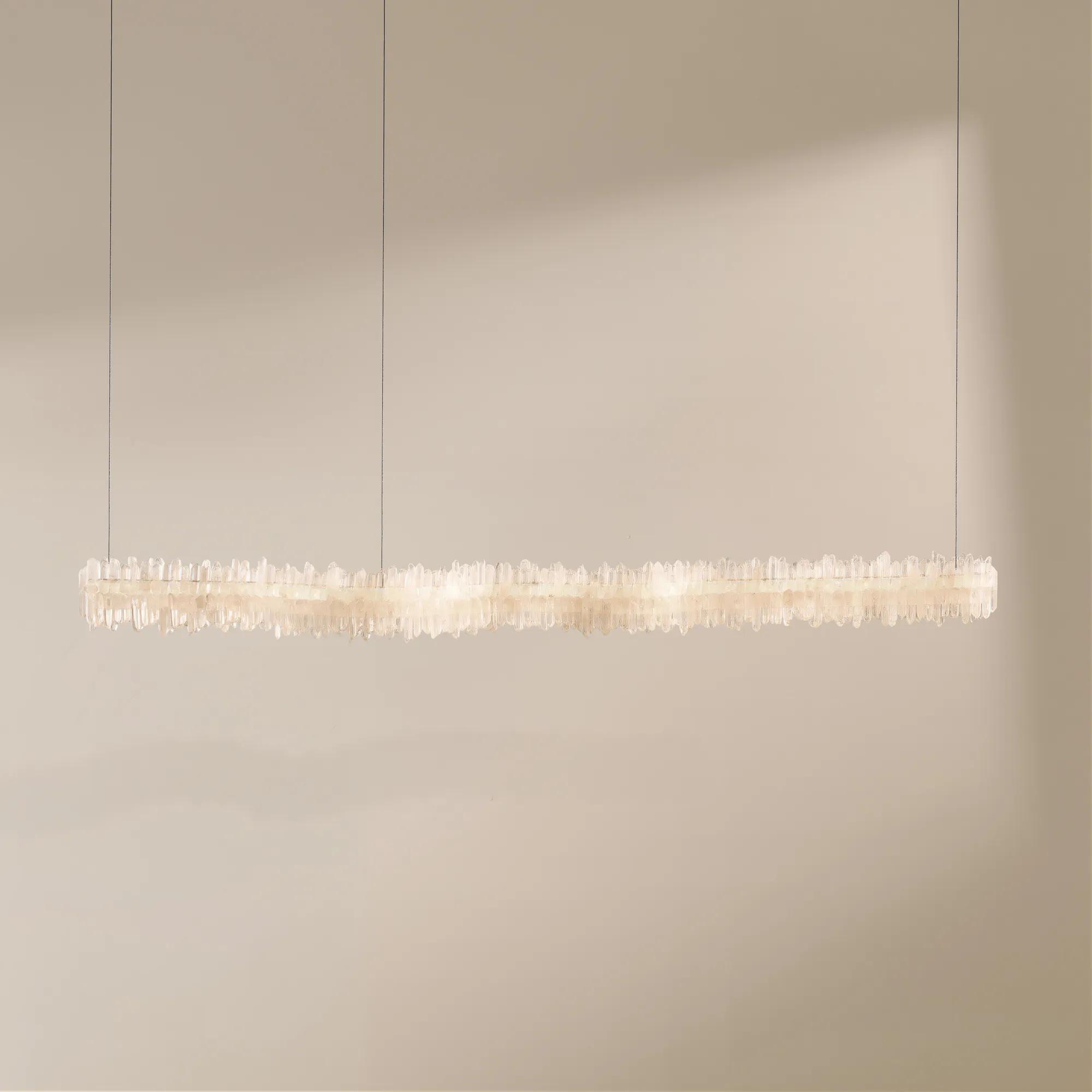 Stella Quartz Crystal LED Chandelier 47.25"$1899
A linear chandelier featuring raw quartz crystals and a rose gold frame with integrated warm LED lighting.
Add To Cart -
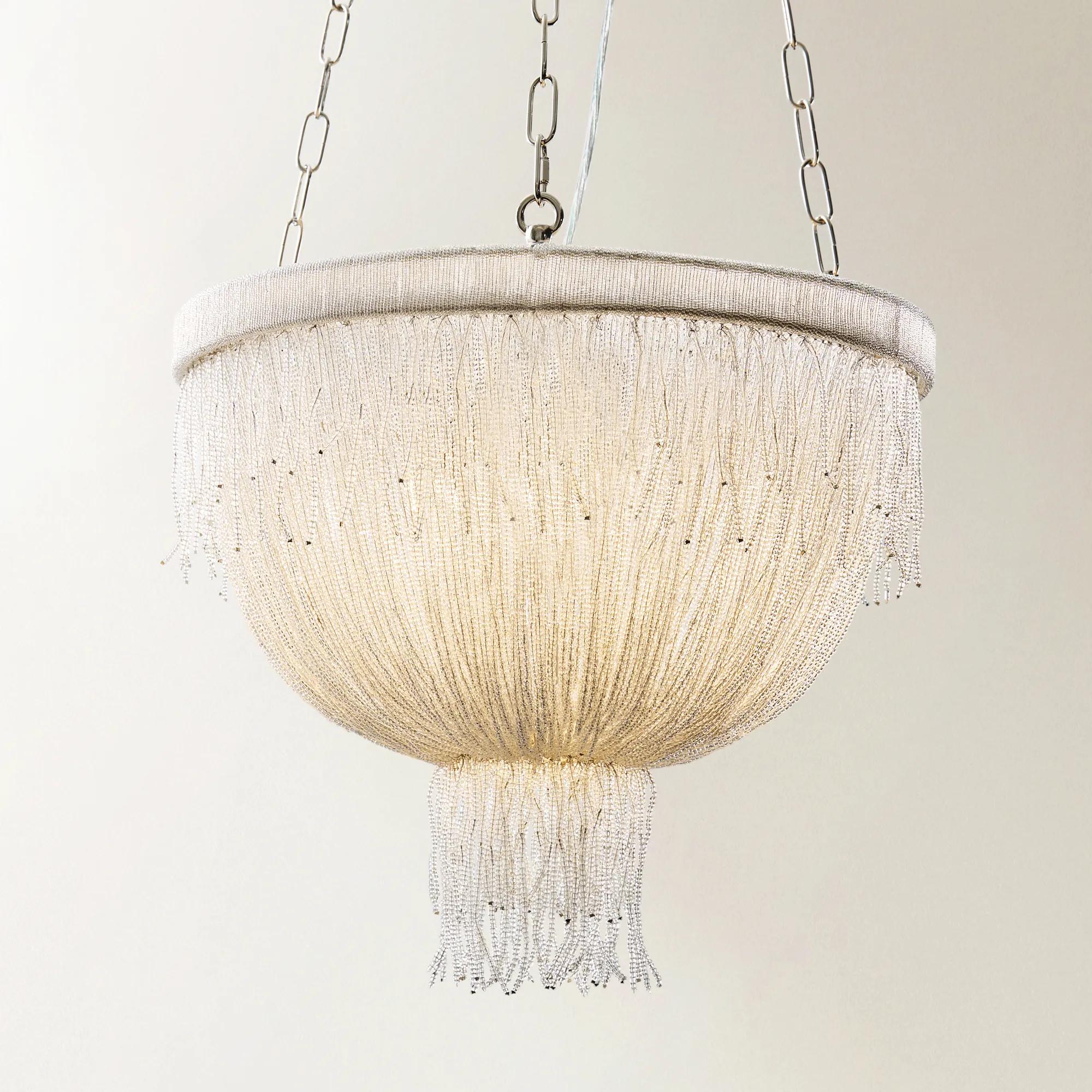 Selene Chandelier$899
A dazzling chandelier featuring cascading clear glass beads and a sleek nickel-finished iron frame.
Add To Cart -

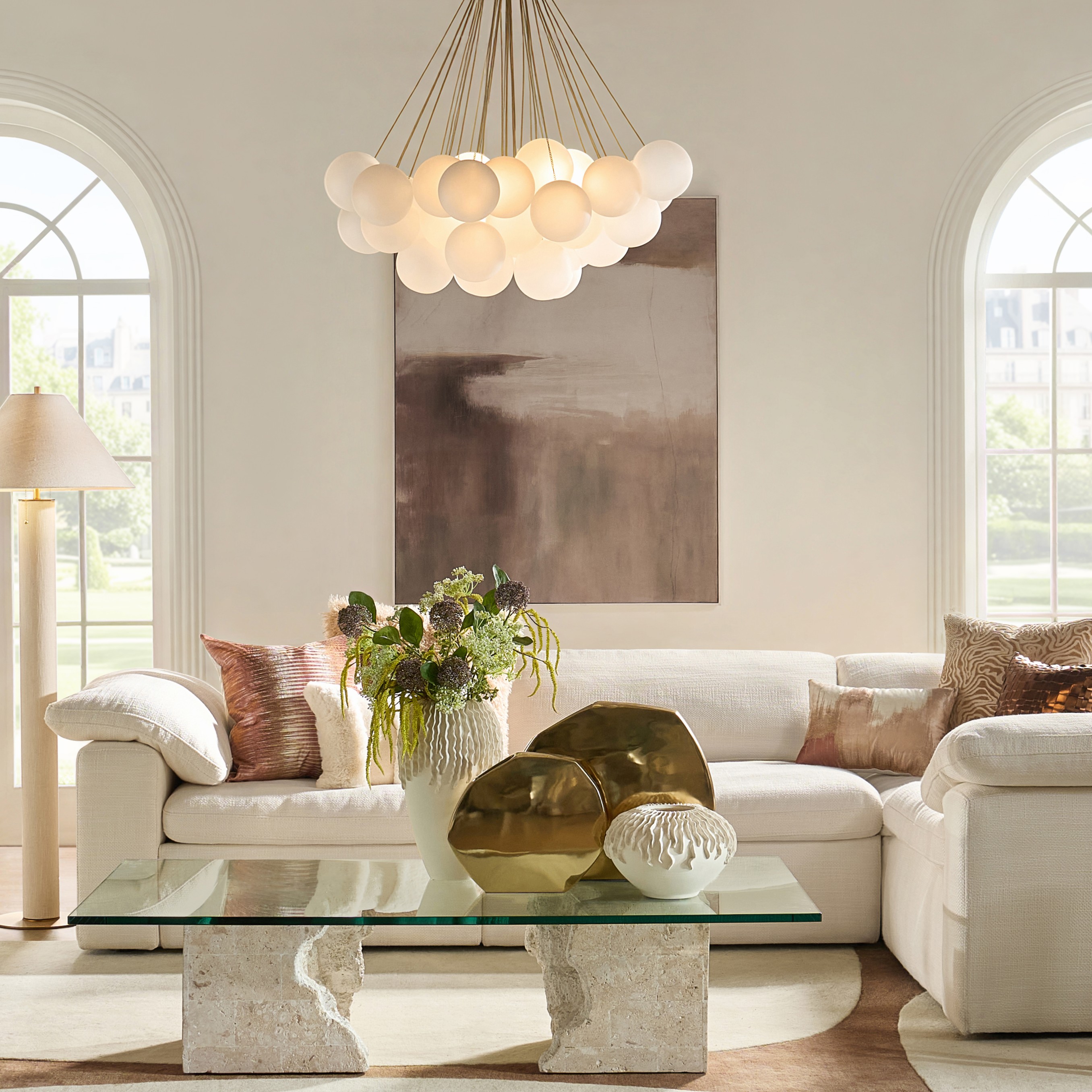 Sanela Frosted Glass Globe Chandelier 39.5"$899
A sculptural chandelier featuring frosted glass globes and an antique brass iron frame for diffused illumination.
Add To Cart -
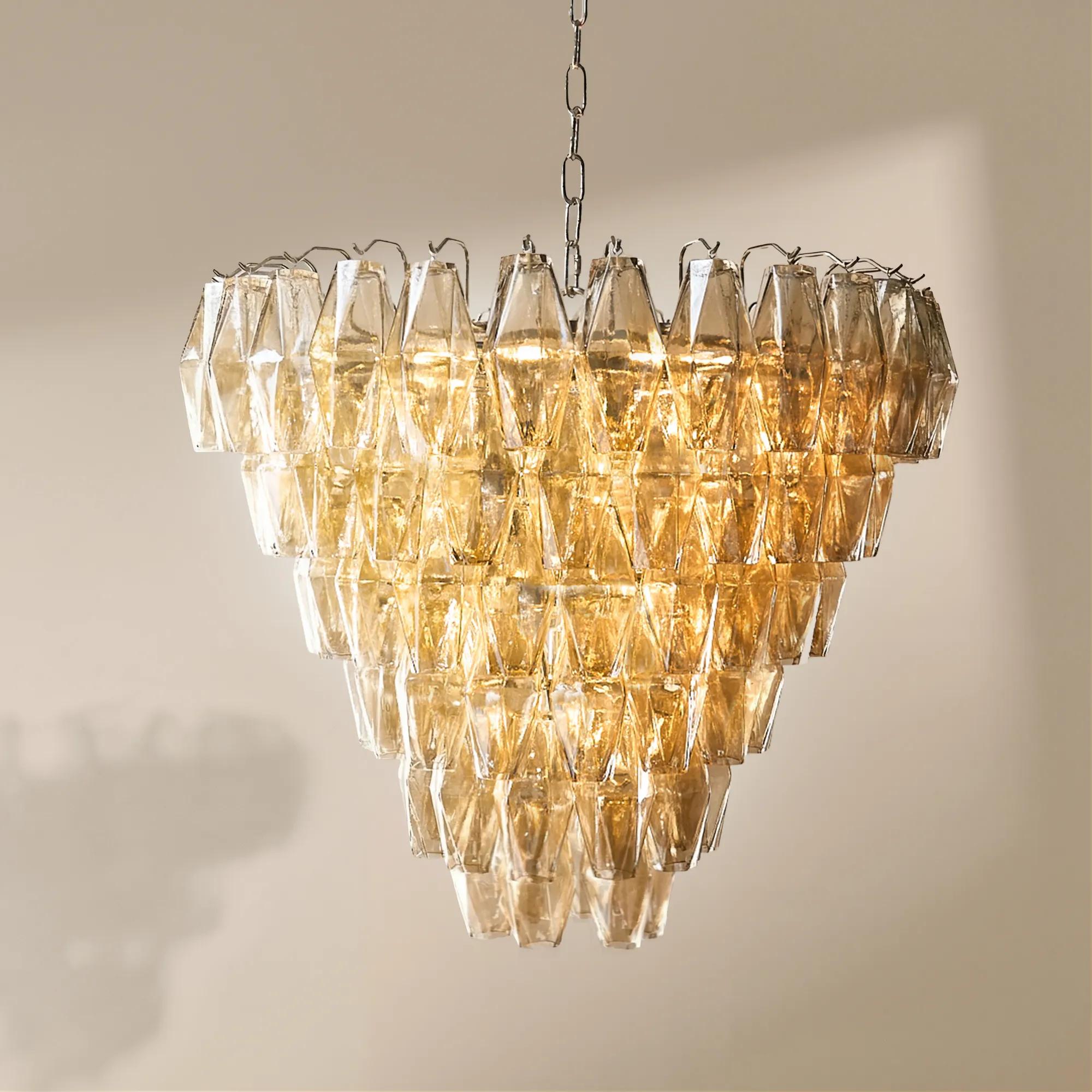
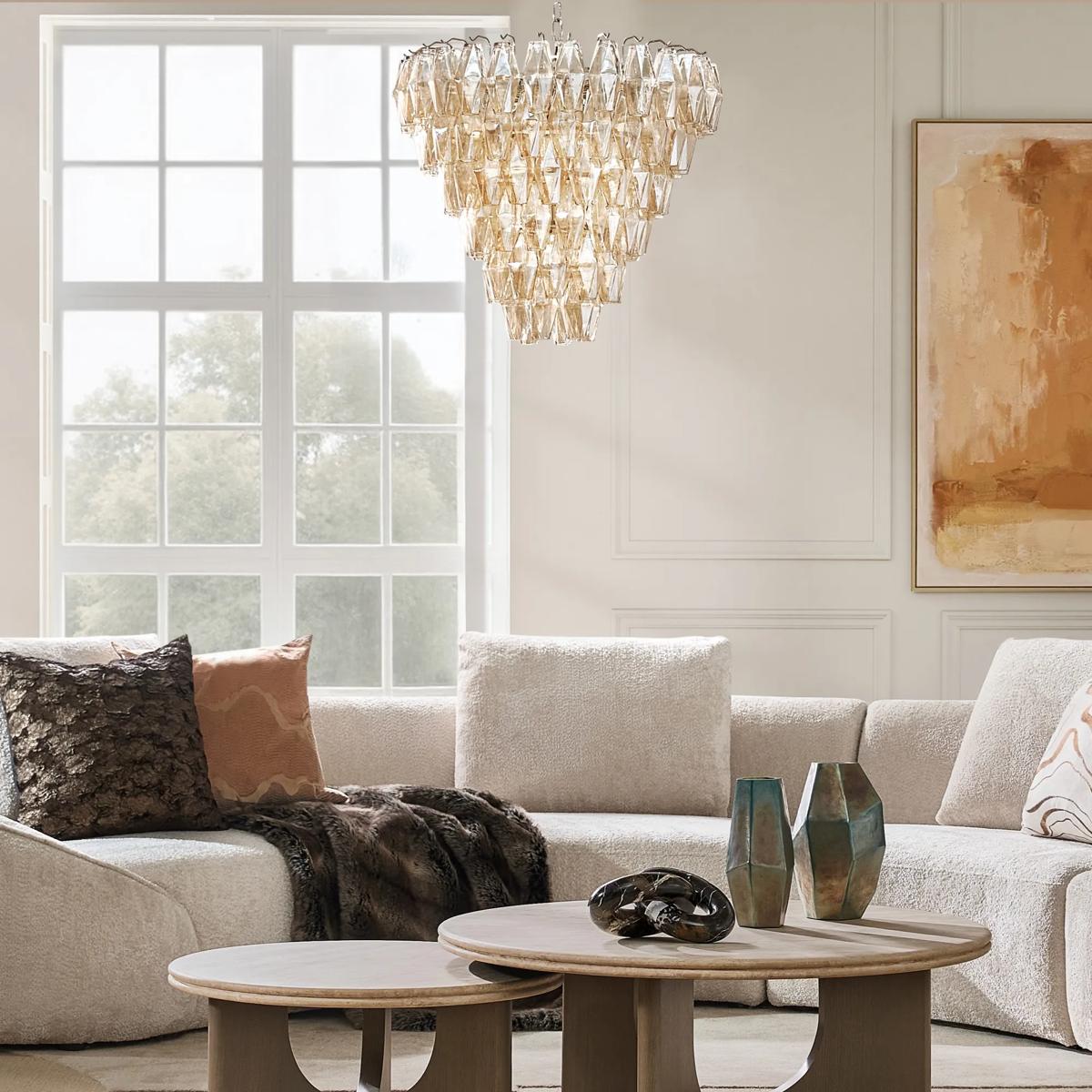 Cosima Champagne Blown Glass Chandelier 25.5"D x 23"H$1299
A sculptural chandelier featuring hand-blown champagne glass and a polished nickel frame for radiant, modern elegance.
Add To Cart

Pendant Lights For High Ceilings
Elevate your interiors to breathtaking new heights with pendant lights for high ceilings—where artistry meets atmosphere in dazzling suspension. These luminous statement pieces don’t just illuminate; they command attention, drawing the eye upward and transforming vertical space into a dramatic focal point. Whether cascading in sculptural clusters or suspended as singular works of art, pendant lights for high ceilings infuse every room with a sense of grandeur and possibility. Let your ceilings soar and your style shine with lighting that turns every glance skyward into a moment of pure wonder.
Pendant lights for high ceilings bring illumination closer to the rooms beneath them, giving tall interiors a sense of proportion, intimacy, and architectural presence. A generous ceiling creates room for a striking silhouette: a luminous glass globe suspended over a dining table, an elongated shade that echoes the height of an entryway, or a composition of pendants arranged at different levels above a stairwell. The effect is more than decorative. By drawing the eye downward, pendant lighting connects an expansive overhead space with the furniture, artwork, and gatherings below. In a double-height living room, a substantial fixture can establish a visual center without competing with large windows. Over a kitchen island, a balanced arrangement of pendants defines the working surface while lending polish to an open floor plan. For dining rooms designed around conversation and leisurely meals, a pendant becomes part of the setting, casting light across glassware, sculptural centerpieces, and richly textured upholstery. Scale matters as much as style: a small shade can appear lost against a soaring ceiling, while a wider or taller fixture gives the room a more deliberate composition. Large pendant lights are not the only way to achieve that presence; multiple smaller pendants can create a similarly commanding effect when their spacing and drop lengths feel considered. Clear glass keeps the outline visually light and reveals the glow within, while opal or frosted glass softens the light for a more enveloping atmosphere. Metal shades introduce a defined silhouette and often direct illumination toward the surface below. Gold-toned finishes bring warmth to stone and wood, polished surfaces add brilliance, and dark finishes create graphic contrast against pale walls. Textured glass, sculptural metalwork, and layered forms add detail that rewards a closer look. These qualities make high-ceiling pendant lighting especially expressive in homes where architecture has a strong personality and furnishings are chosen to complement it rather than disappear into the background.
The most important specification for pendant lights in tall rooms is the maximum hanging height, considered alongside the fixture’s width, body height, and intended placement. A beautiful shade cannot create the desired effect if its suspension stops too close to the ceiling. Product specifications may describe cord length, chain length, downrod length, or total installed height differently, so the distinction matters: the suspension measurement alone does not necessarily represent the full distance from the ceiling to the bottom of the fixture. Adjustable cords and chains often offer flexibility for long drops, while rigid stems create a crisp architectural line and may use compatible sections to establish the desired height. Any additional suspension components should be approved for the fixture rather than improvised. Vaulted and sloped ceilings introduce another consideration, since a pendant needs a canopy or mounting system designed for that angle; a long cord does not automatically make a light suitable for a sloped ceiling. Placement also changes the appropriate drop. Above a dining table, the bottom of a pendant is commonly positioned about 30 to 36 inches above the tabletop, with adjustments for the fixture’s size, seated sightlines, and the room’s proportions. A high ceiling does not, by itself, mean the light should be suspended far above the table. Over an island, comfortable illumination and unobstructed views across the kitchen are equally important, especially when several shades share the space. In an entryway or other walking area, pendants generally need at least seven feet of clearance above the finished floor, with more clearance often appropriate for expansive spaces and tall occupants; local requirements and the specific location may call for a different minimum. Stairwells require attention to clearance over the steps and landings, not simply the floor below. A qualified electrician can assess mounting support, electrical connections, ceiling compatibility, and safe positioning. Those practical details allow the visual design to feel effortless, whether the result is a single dramatic pendant aligned with a doorway or a staggered arrangement that traces the vertical rhythm of an open staircase.
The character of the light deserves as much attention as the fixture’s silhouette. Pendant lighting can provide focused task illumination, a soft ambient glow, or a decorative accent, depending on the shade, light source, and direction of output. An opaque metal shade may create a pool of light over a table while leaving the ceiling comparatively quiet; translucent glass can spread illumination more broadly and reveal the pendant as a glowing form from across the room. Clear shades expose the bulb, making its shape, brightness, and potential glare part of the design. For high-ceiling living areas, pendants often work best alongside sconces, table lamps, or other ceiling lighting rather than carrying the entire room alone. Compatible dimming gives a dining space the range to move from bright preparation to a softer atmosphere for entertaining, while bulb type, color temperature, and lumen output help determine how comfortably a fixture serves its setting. LED options can reduce energy use and the frequency of lamp replacement, a useful benefit when access requires professional equipment, but integrated LED fixtures and replaceable-bulb designs have different maintenance needs. Durable metal construction and well-secured glass components support lasting use, although finish care remains essential: abrasive cleaners can dull polished surfaces or damage decorative coatings. Gentle dusting and manufacturer-recommended cleaning preserve the clarity of glass and the depth of metallic finishes. Power should be turned off before cleaning, and fixtures beyond safe reach are best maintained by a professional. Placement near cooking areas may also mean more frequent attention to residue on shades. For spaces that call for a broader arrangement of arms or multiple light sources within one fixture, Contemporary Chandeliers for High Ceilings offers a related lighting direction. Whether the setting is a welcoming foyer, an expansive great room, or a dining area made for memorable evenings, a well-proportioned pendant gives height a purpose, bringing light and sculptural detail into the room’s everyday experience.
FAQs
Pendant lighting is especially well-suited for high ceilings because it draws the eye upward, accentuates architectural height, and adds a sense of drama to expansive spaces. The elongated drop of a pendant fixture ensures that light is brought closer to the living area, creating both visual interest and functional illumination while celebrating the grandeur of tall ceilings.
Pendant lights for high ceilings serve as striking focal points, anchoring the room with sculptural beauty and casting layered, ambient light. Their presence can transform a space from echoing and cavernous to warm and inviting, infusing every gathering or quiet moment with a sense of artistry and intention.
Absolutely. Pendant lighting for tall ceilings comes in a variety of styles, from sleek and contemporary to ornate and classic. Whether your décor leans toward modern minimalism or old-world opulence, there are pendant designs that can complement and elevate your unique aesthetic.
Yes, pendant lighting is a sophisticated way to delineate zones within open-plan interiors. For example, a cluster of pendants above a dining table or kitchen island can create a sense of intimacy and purpose, while still allowing the overall space to feel cohesive and thoughtfully designed.
Popular materials and finishes for pendant lighting high ceilings include gleaming metals like brass or chrome, hand-blown glass, crystal, and matte black or white finishes. These choices allow you to tailor the mood—whether you crave a touch of glamour, a hint of industrial edge, or a soft, diffused glow—to suit the character of your home.