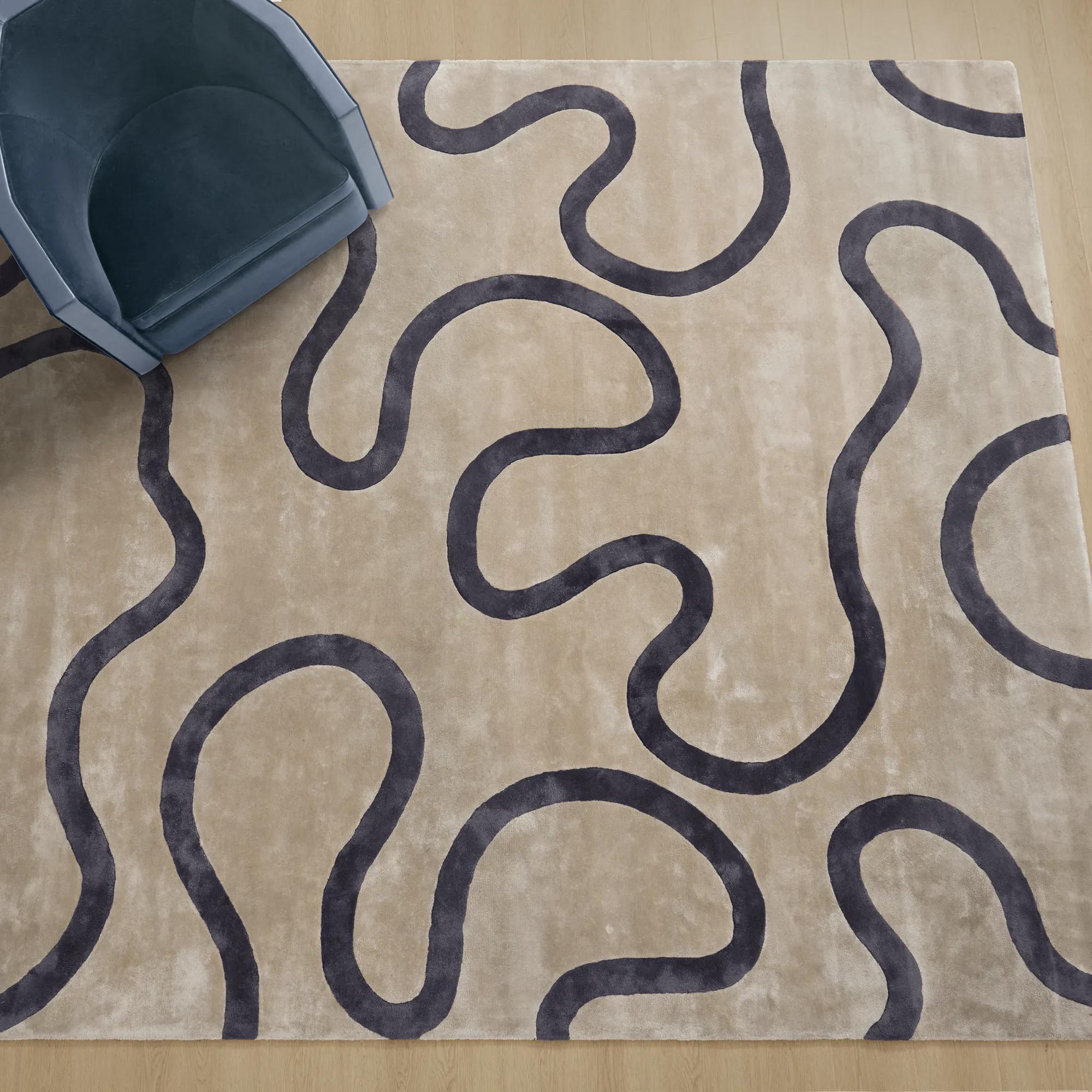
Soft Touch Polyester Rugs
Soft Touch Polyester Rugs
-
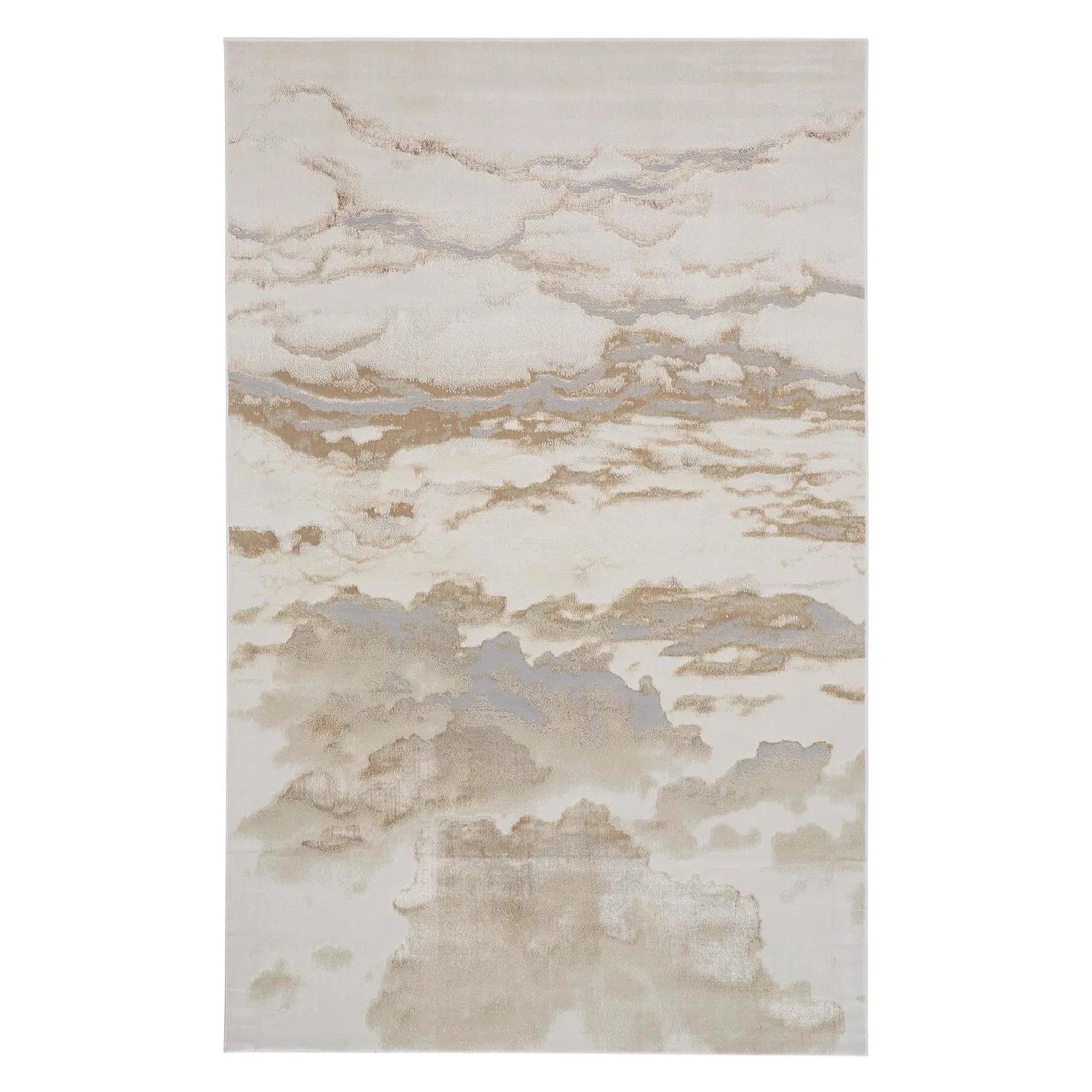
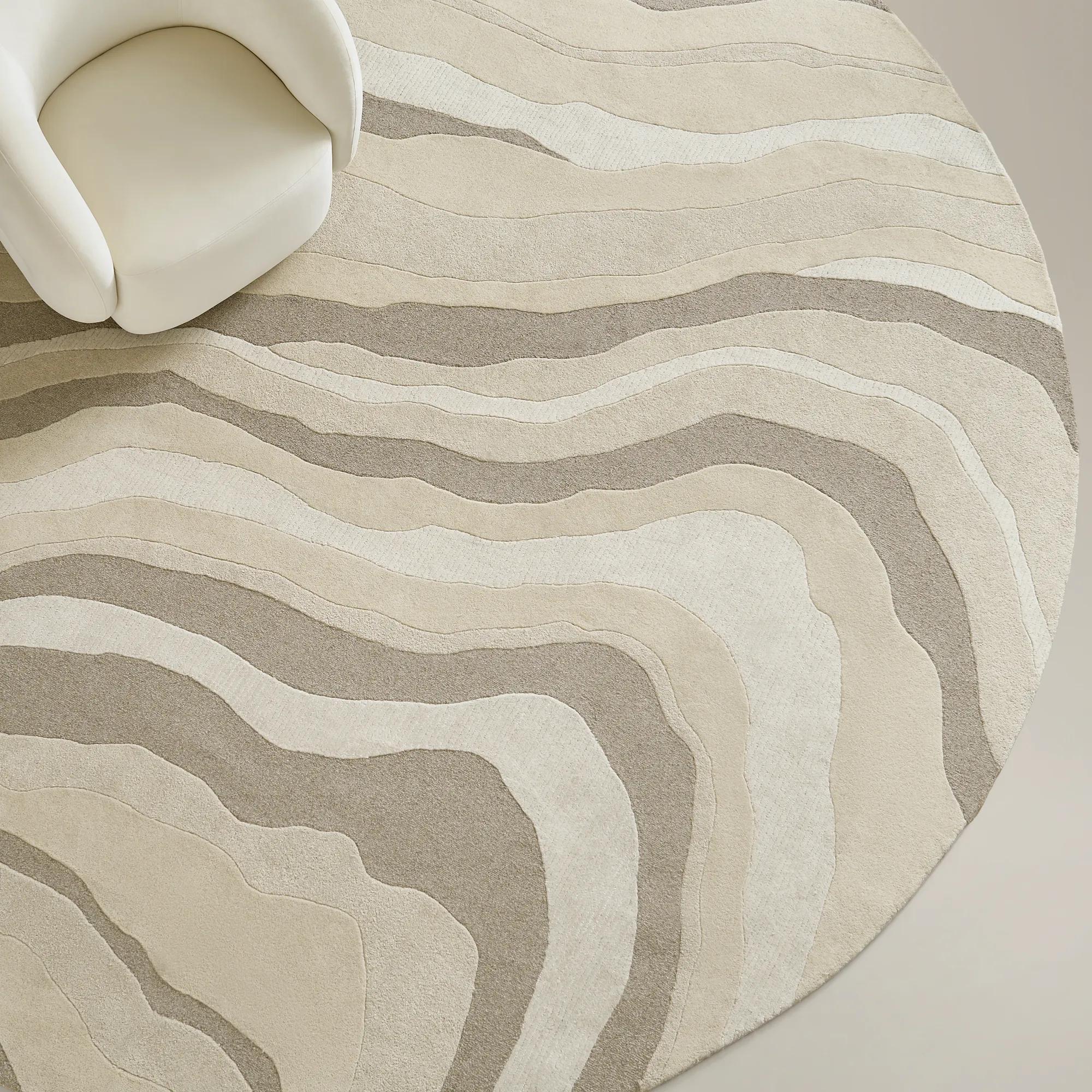
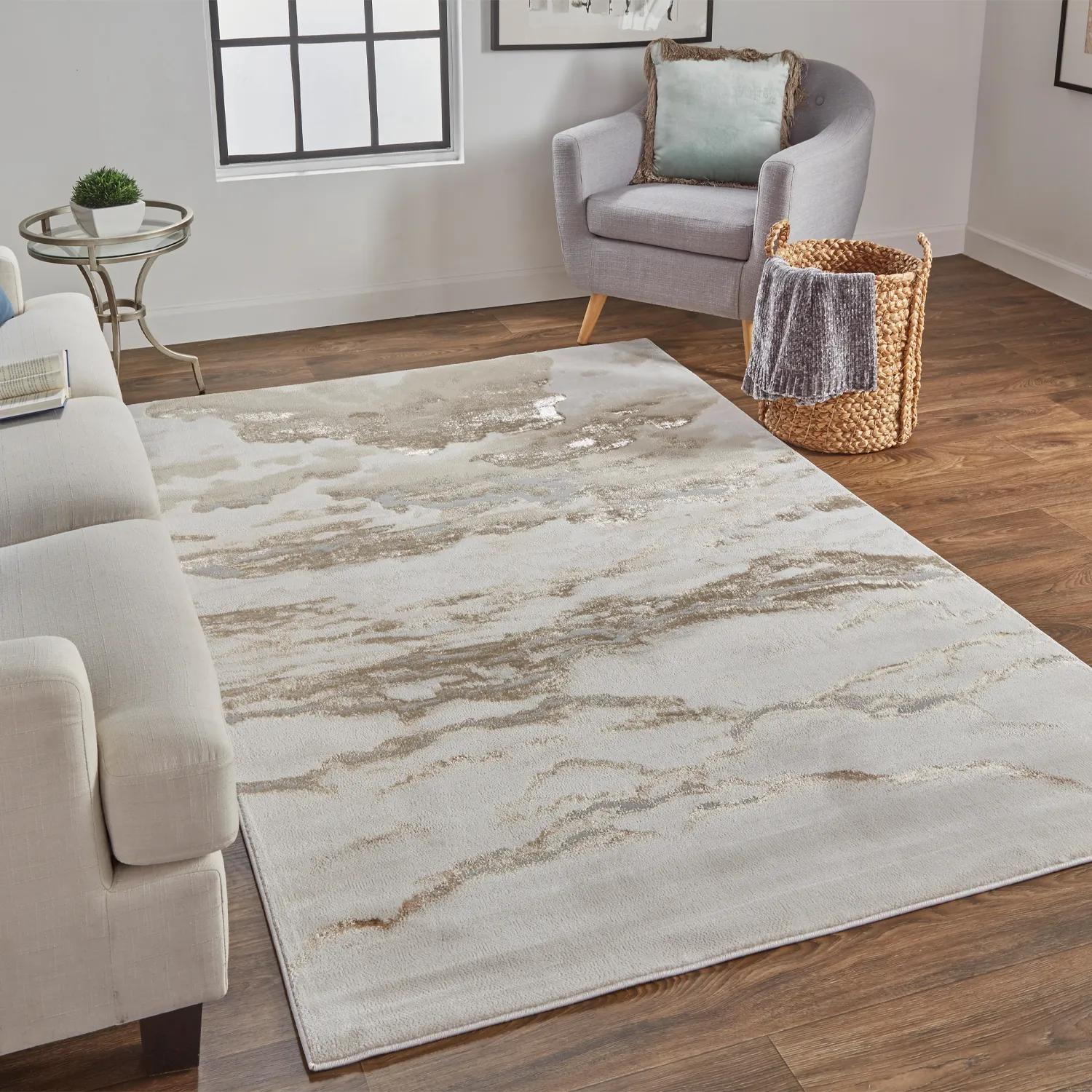 Tide Power-Loomed Beige/Gold/Ivory Rug$449
A machine-made rug in beige and gold, crafted from ultra-soft polyester and polypropylene for elegant appeal.
Add To Cart -
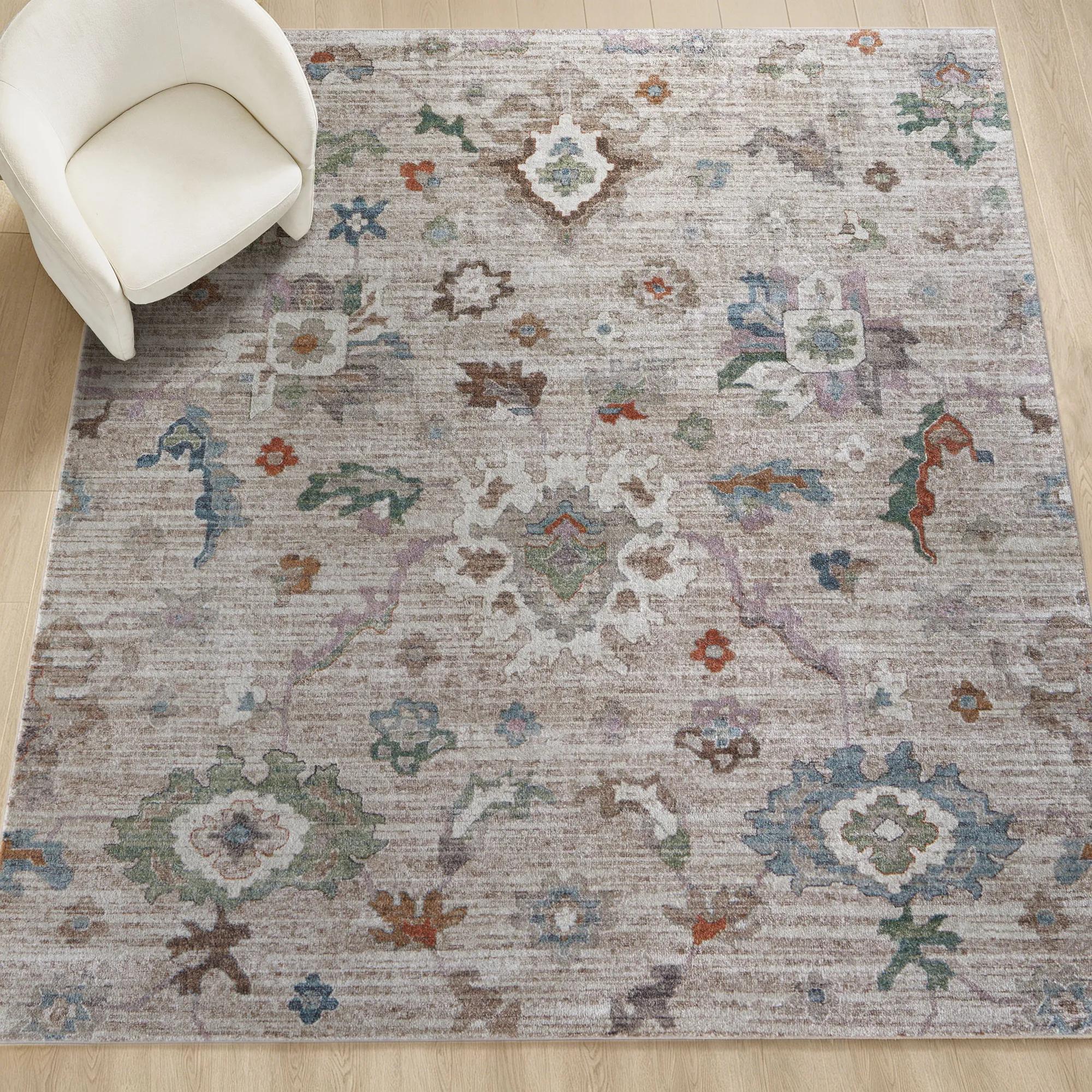
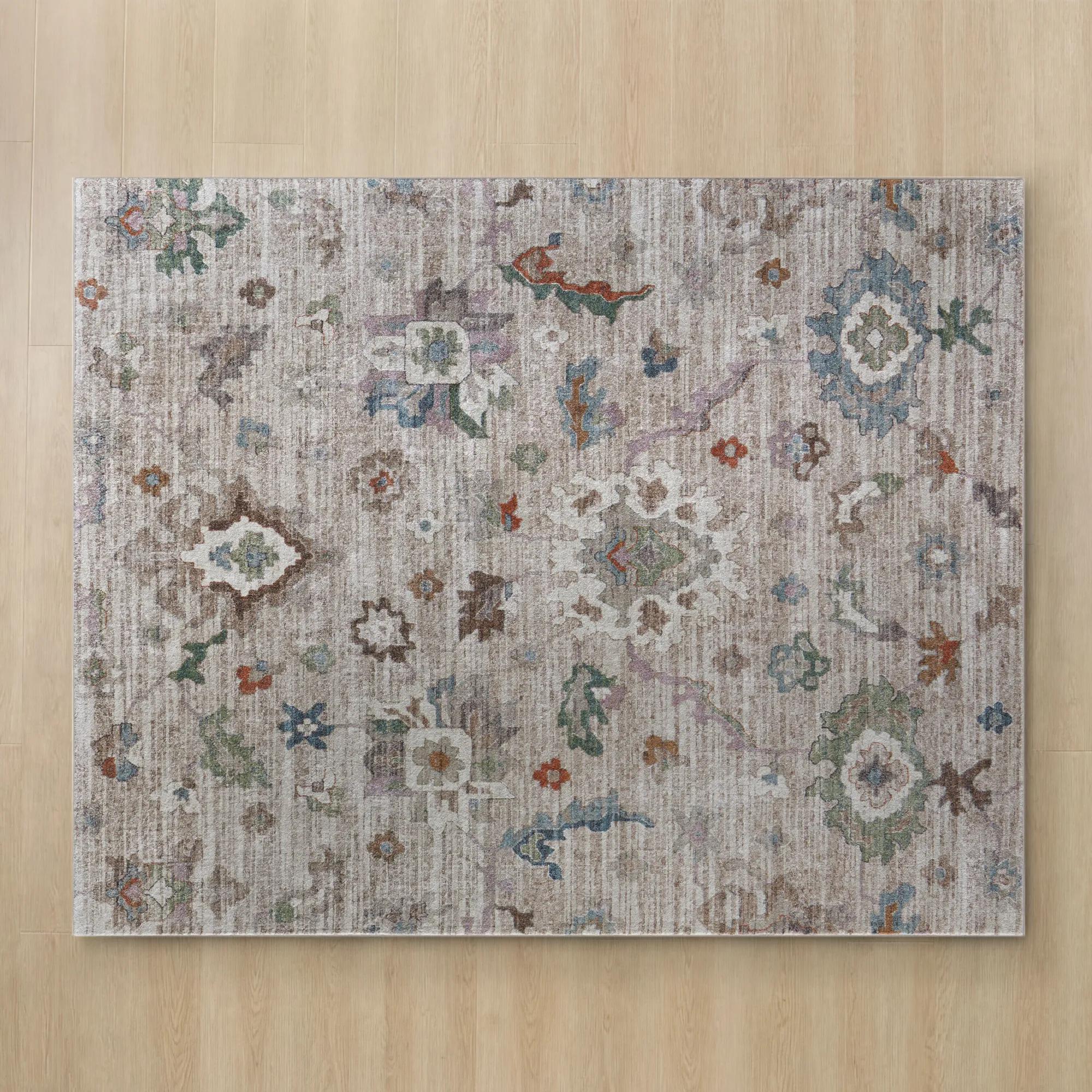 Ariella Floral Taupe/Ivory/Beige/Blue/Green Performance Power Loomed Rug$1499
A Persian-inspired rug in taupe, ivory, beige, blue, and green with a plush, power-loomed polypropylene pile.
Add To Cart -
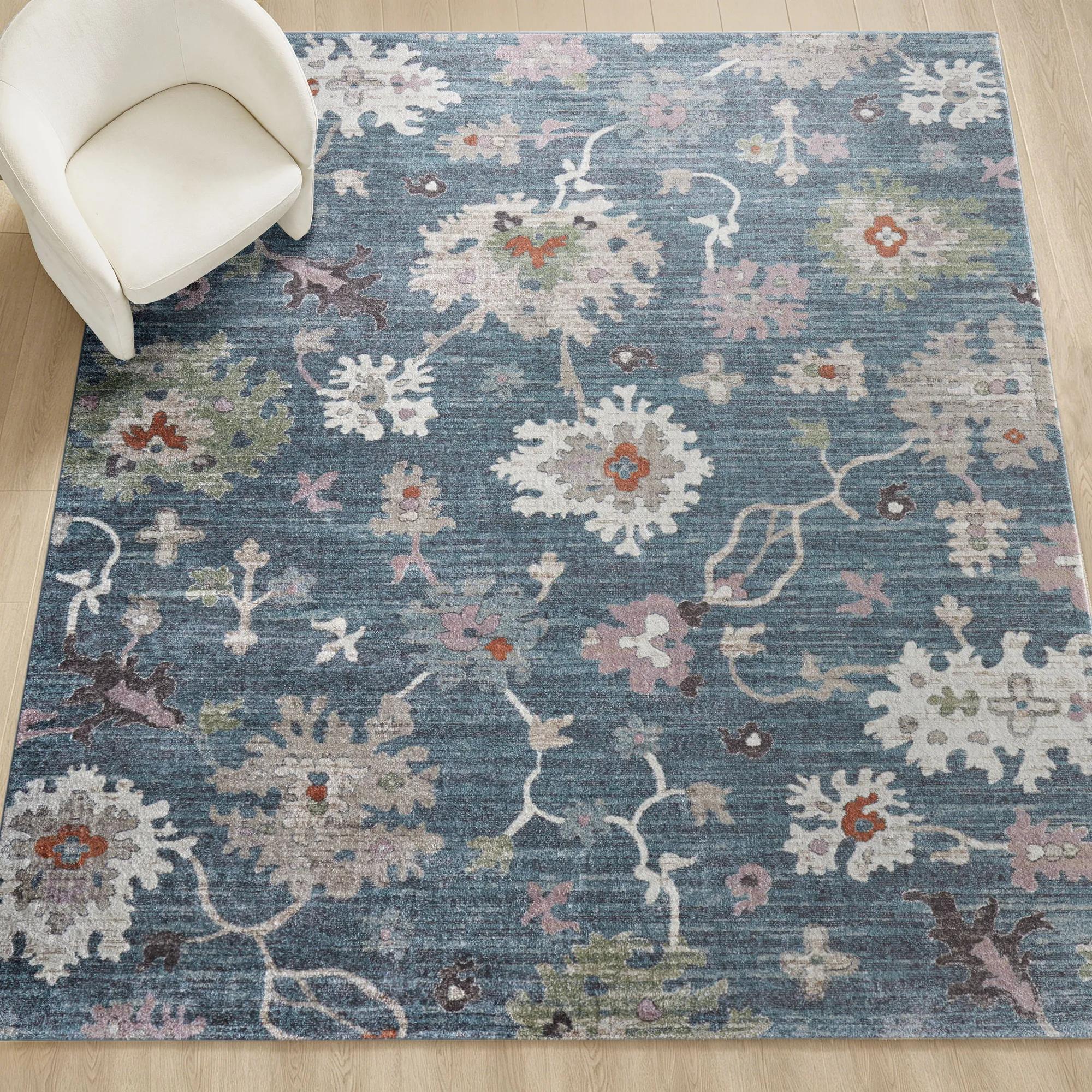
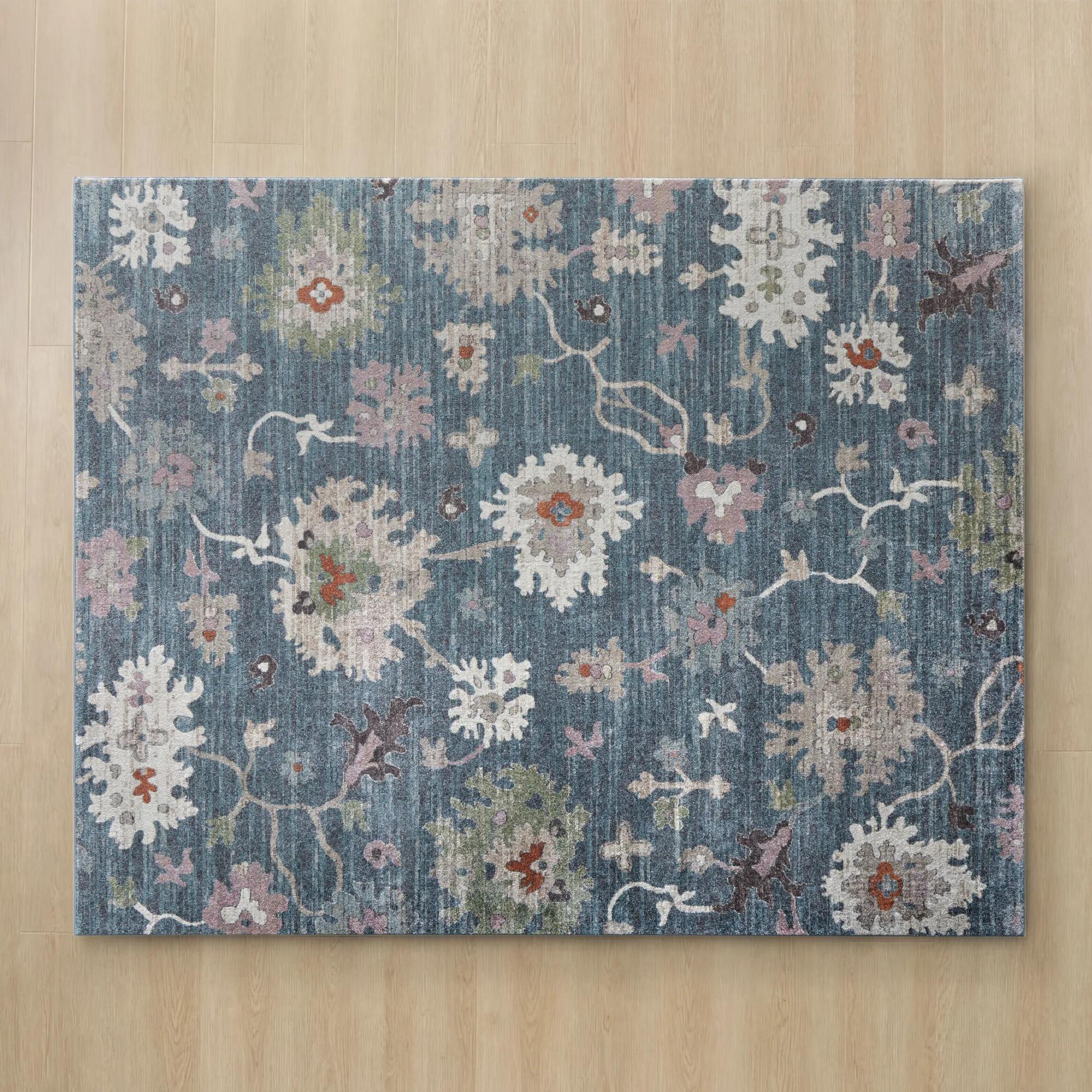 Ariella Floral Blue/Ivory/Beige/Green/Rose Dust Performance Power Loomed Rug$1499
A Persian-inspired rug in blue, ivory, beige, green, and rose dust with plush, stain-resistant polypropylene.
Add To Cart -
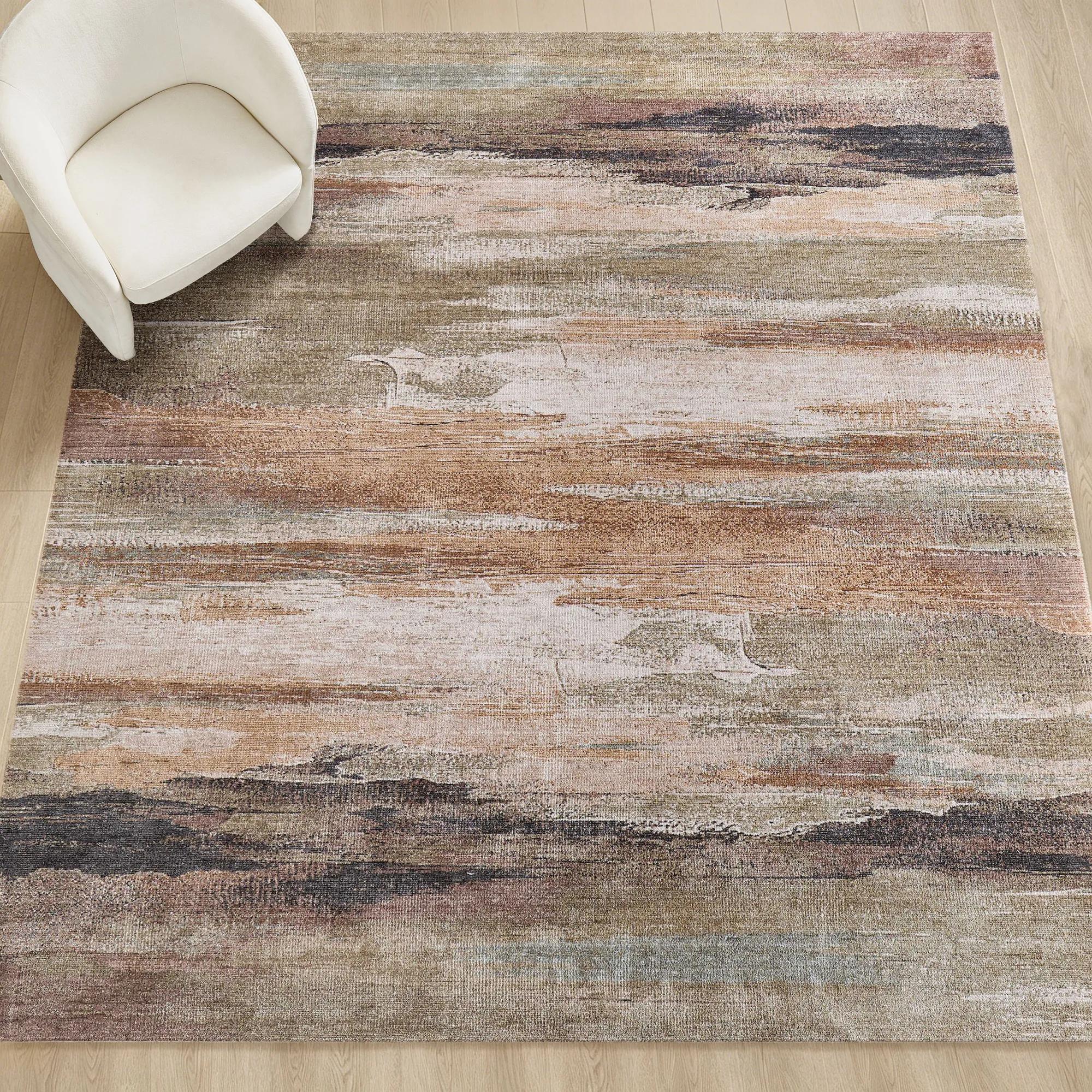
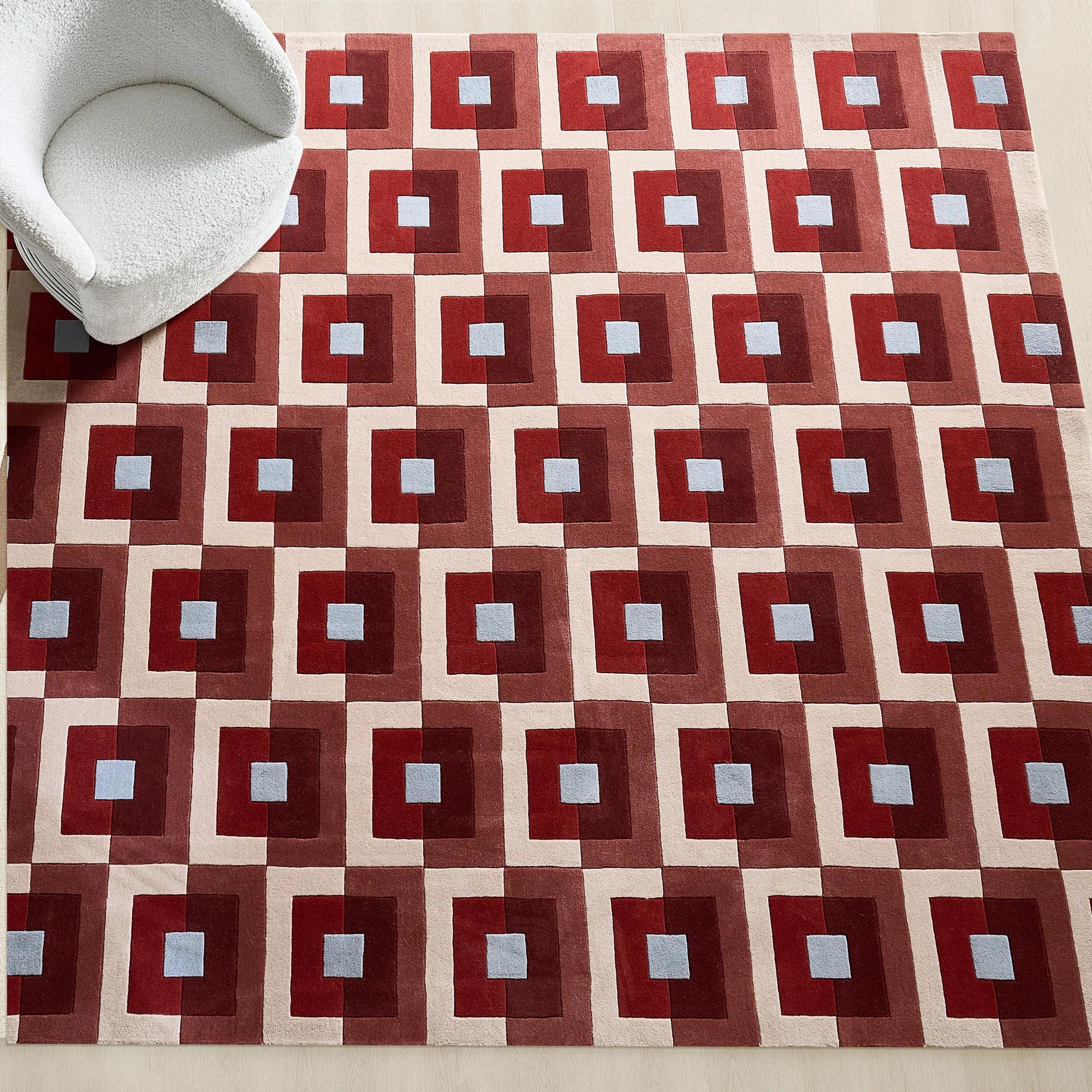
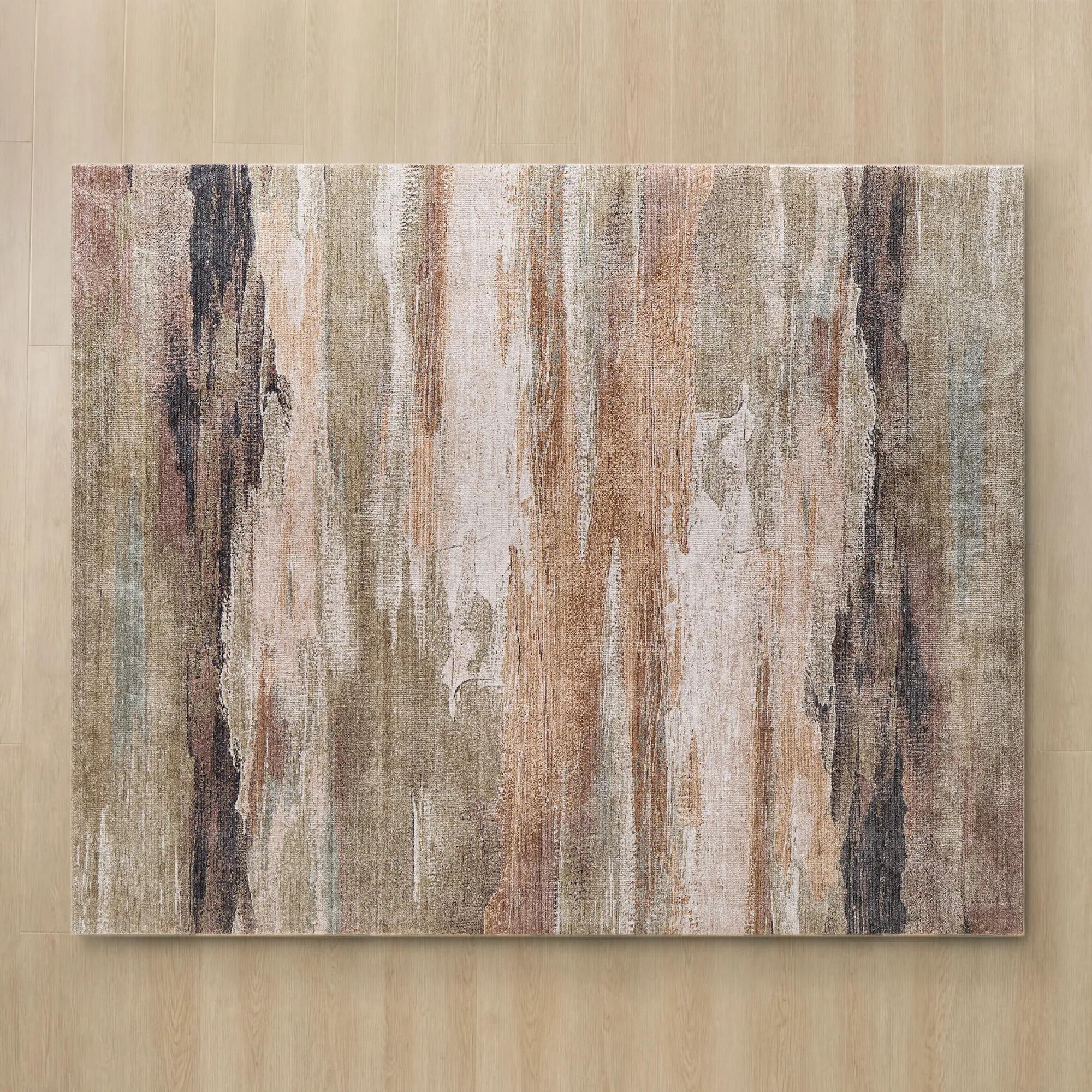 Sedona Rust/Beige/Moss Green/Charocal/Blue Performance Power Loomed Rug$1999
A power-loomed polyester rug featuring a rich abstract pattern in rust, beige, moss green, charcoal, and blue.
Add To Cart -
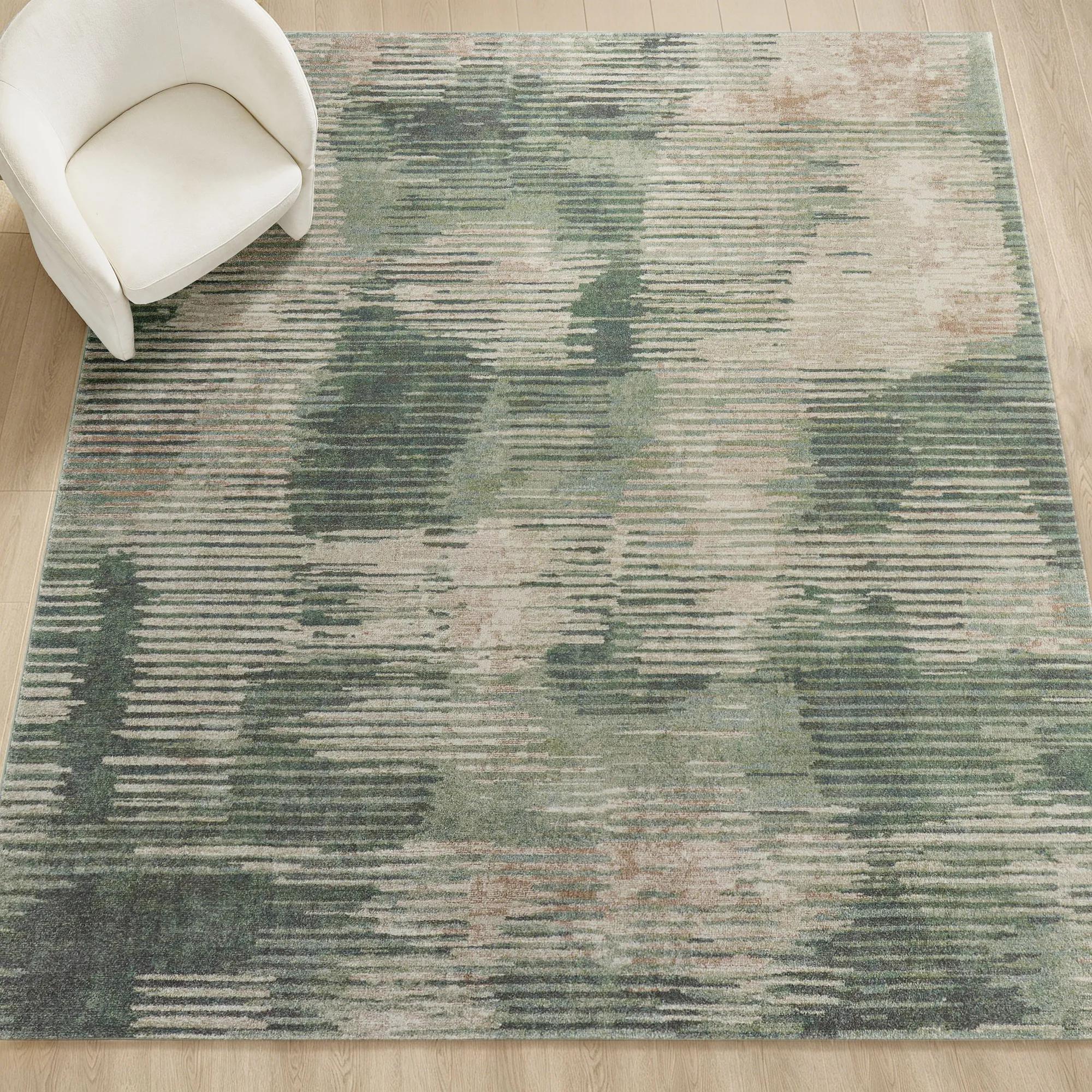
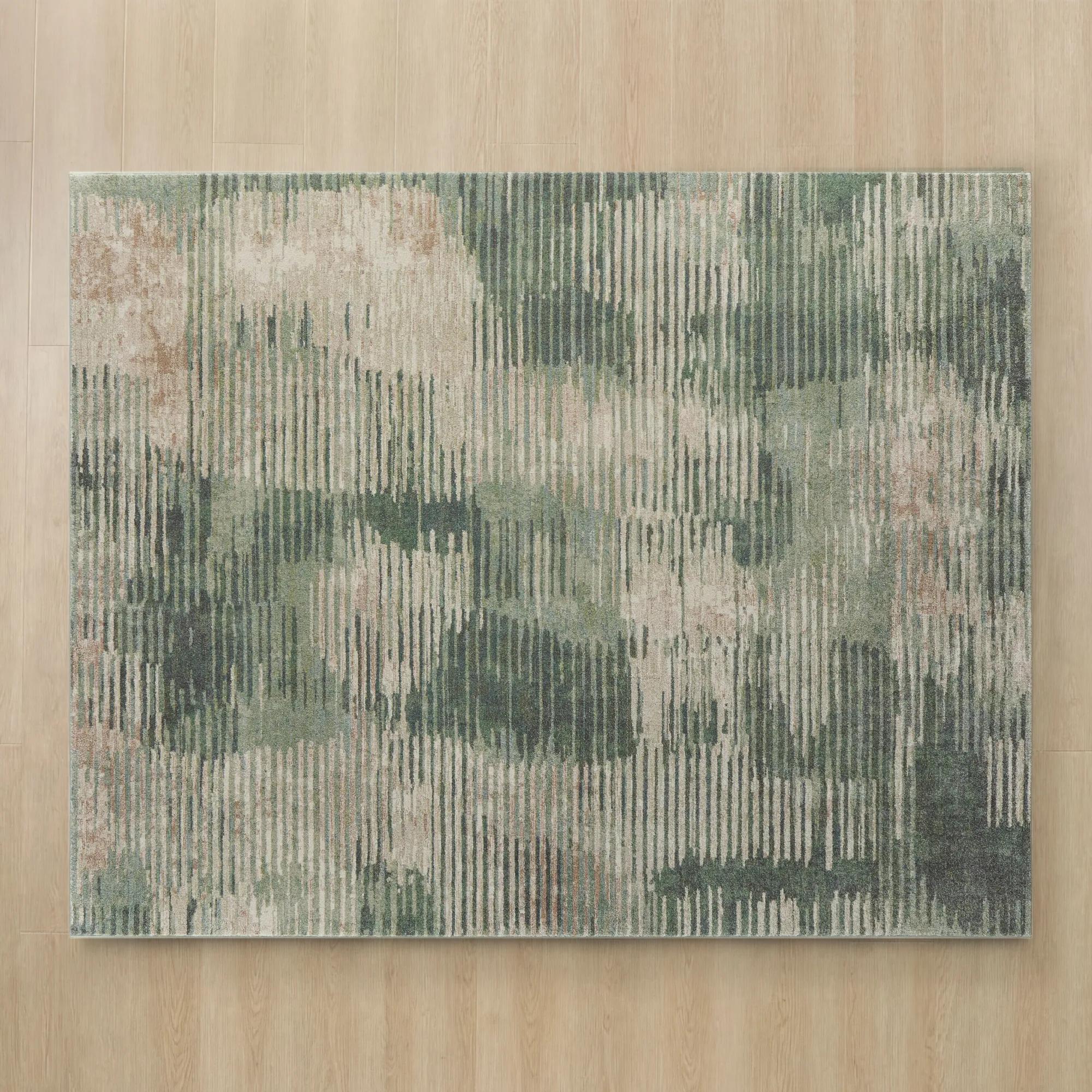 Sylvan Green/Beige Power Loomed Rug$329
A power-loomed polypropylene rug in smoked olive green and beige with a soft, contemporary organic pattern.
Add To Cart -
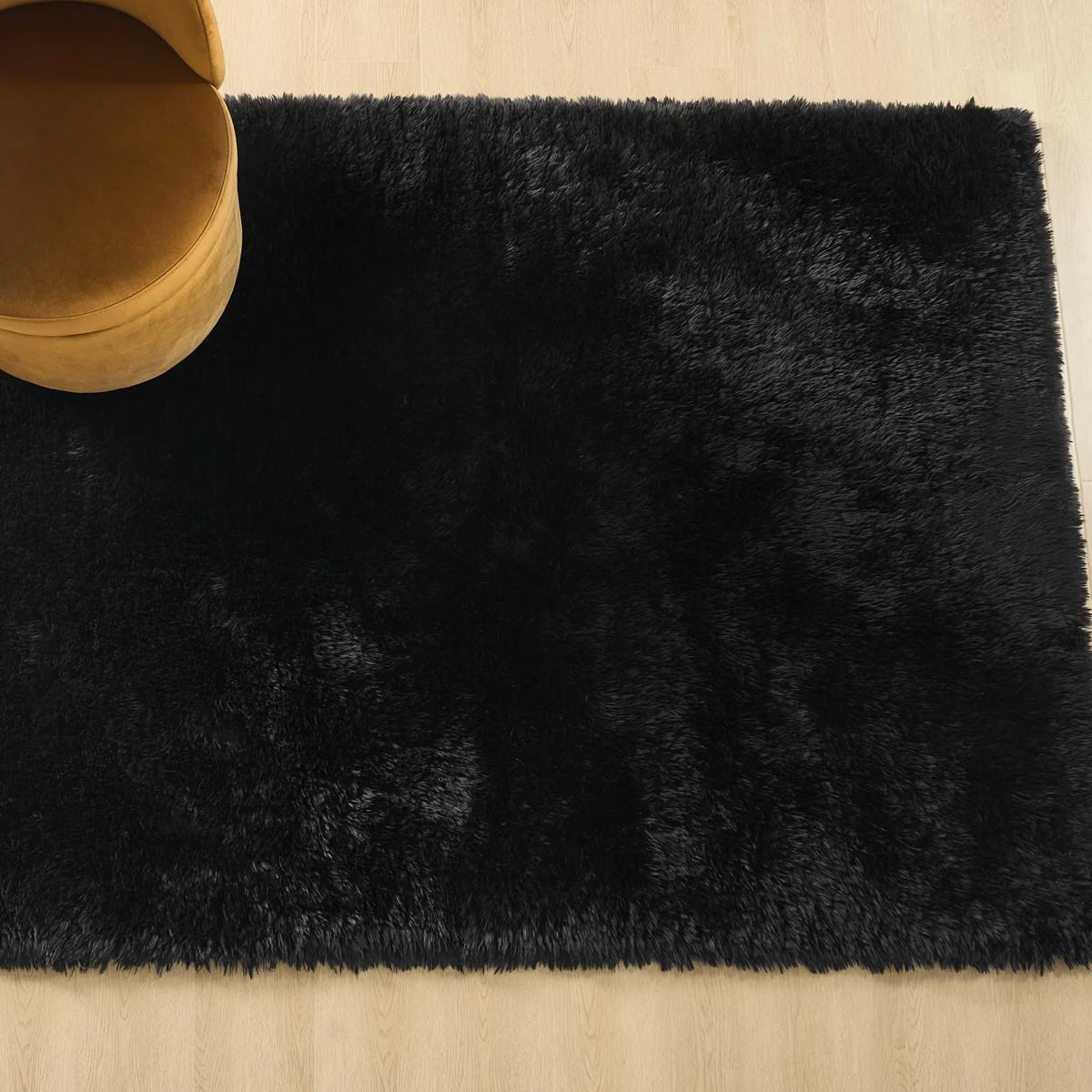
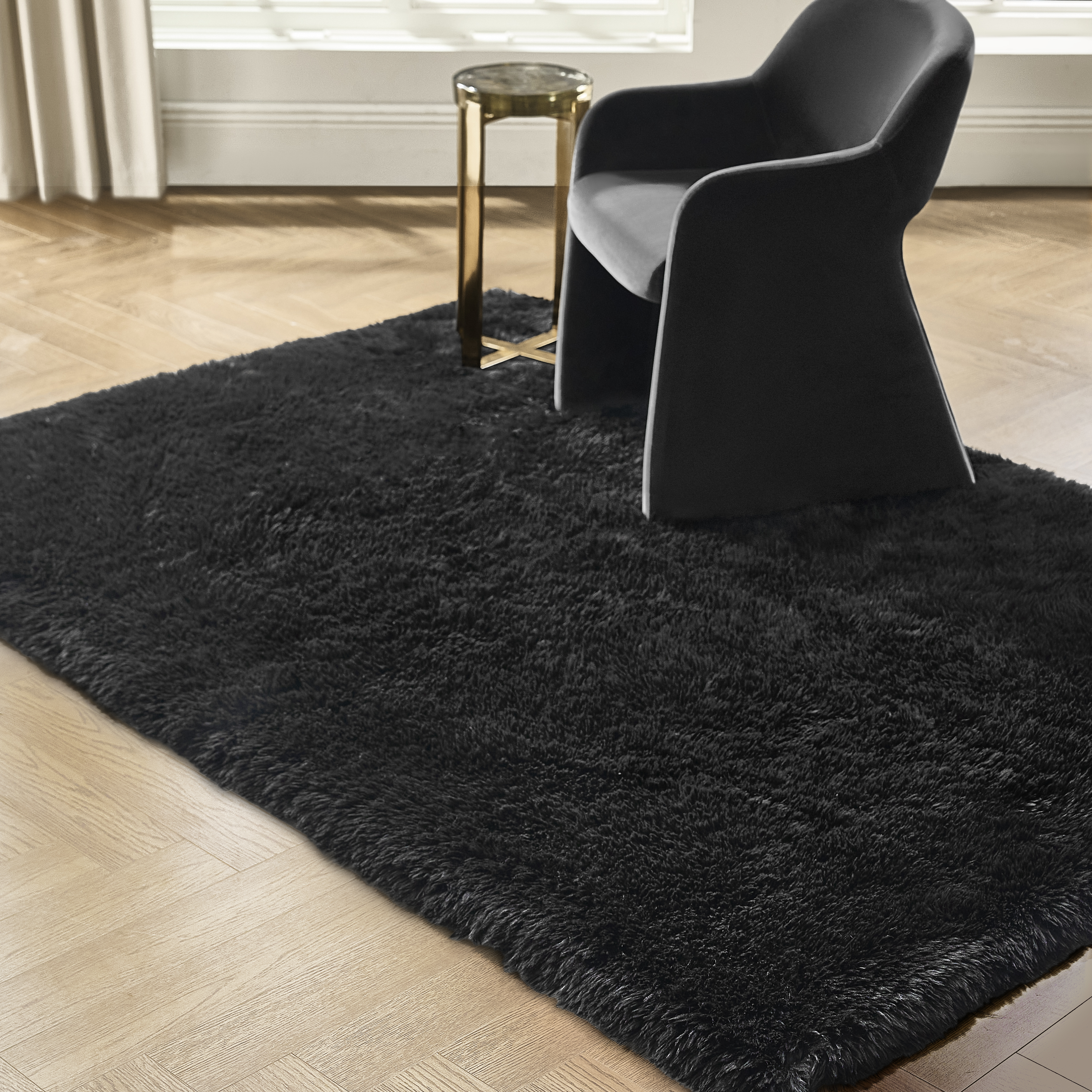 Lustre Shag Rug - Black$299
A plush, ultra-soft high-pile rug in deep black polyester with a non-slip backing for modern elegance.
Add To Cart -
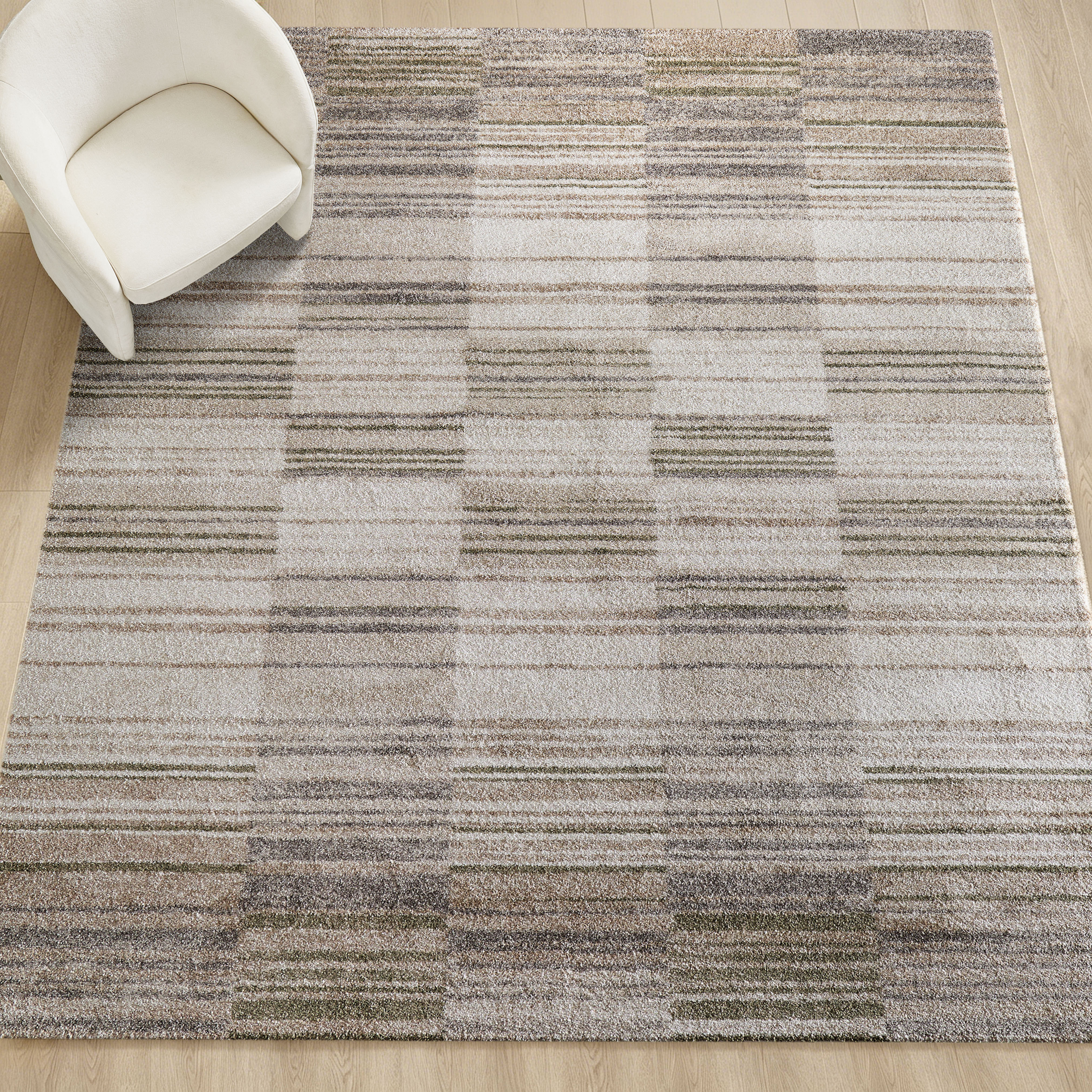
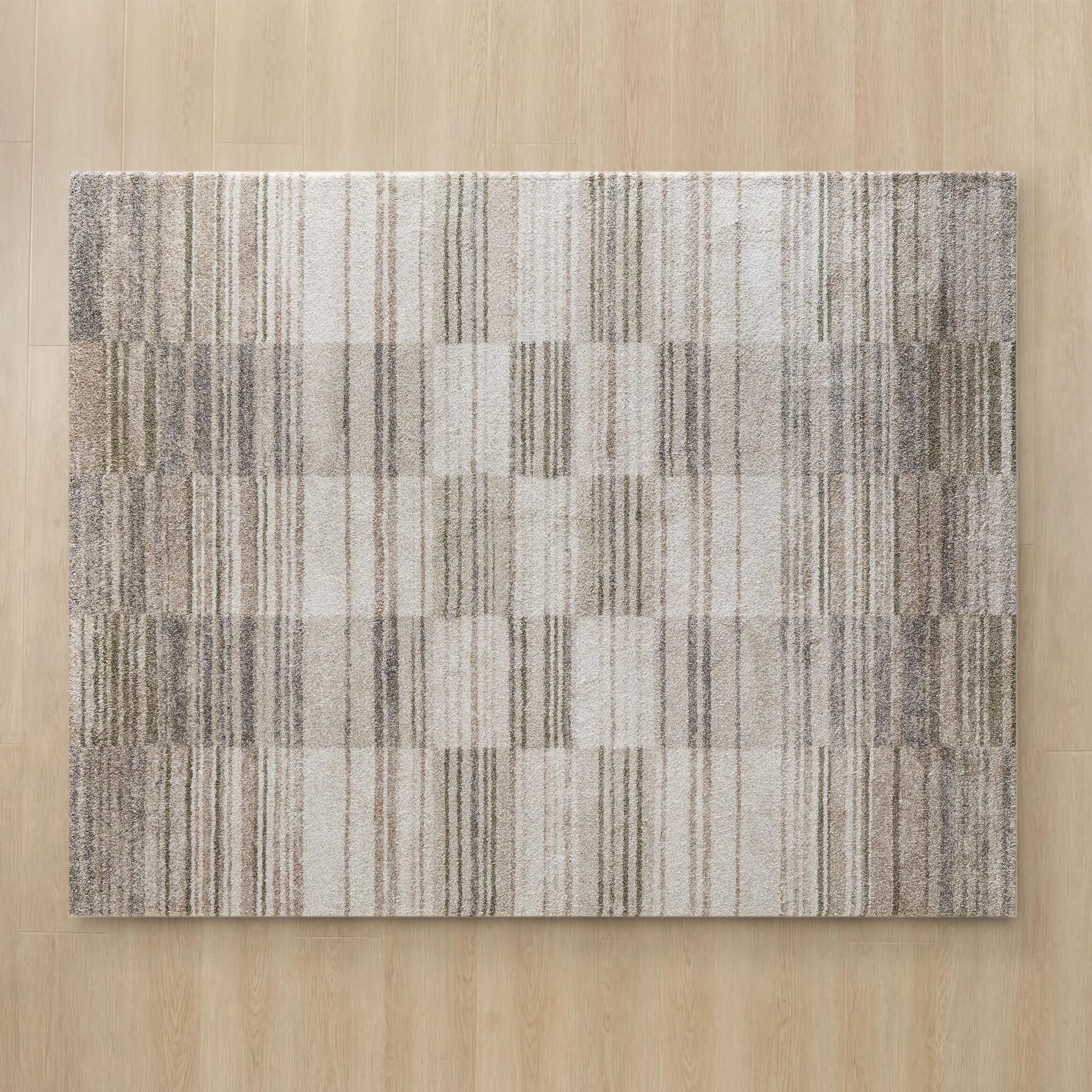 Checka Grey/Tan/Ivory/Soft Green Performance Power Loomed Rug$1649
A plush, power-loomed rug featuring a soft check pattern in grey, tan, ivory, and green.
Add To Cart -
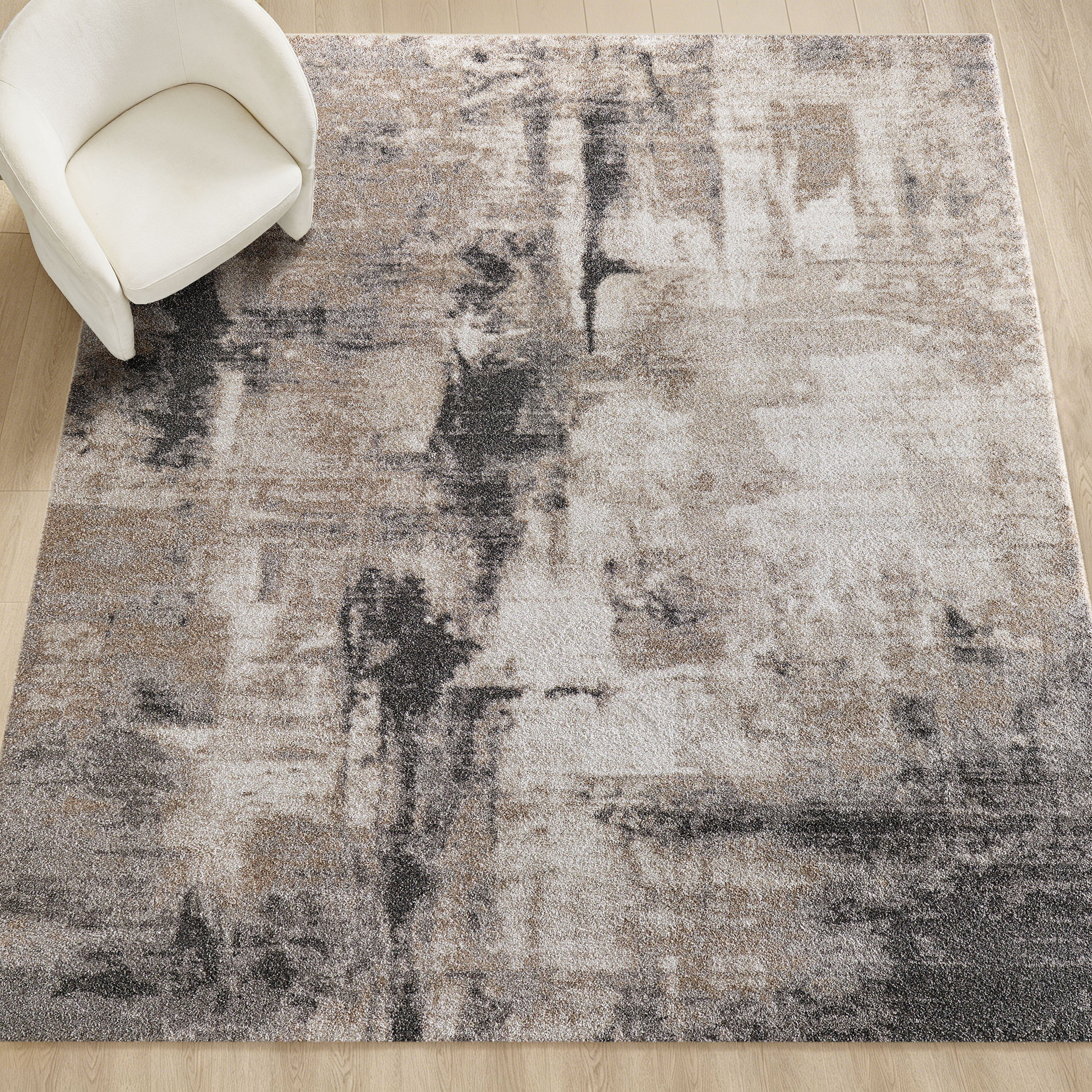
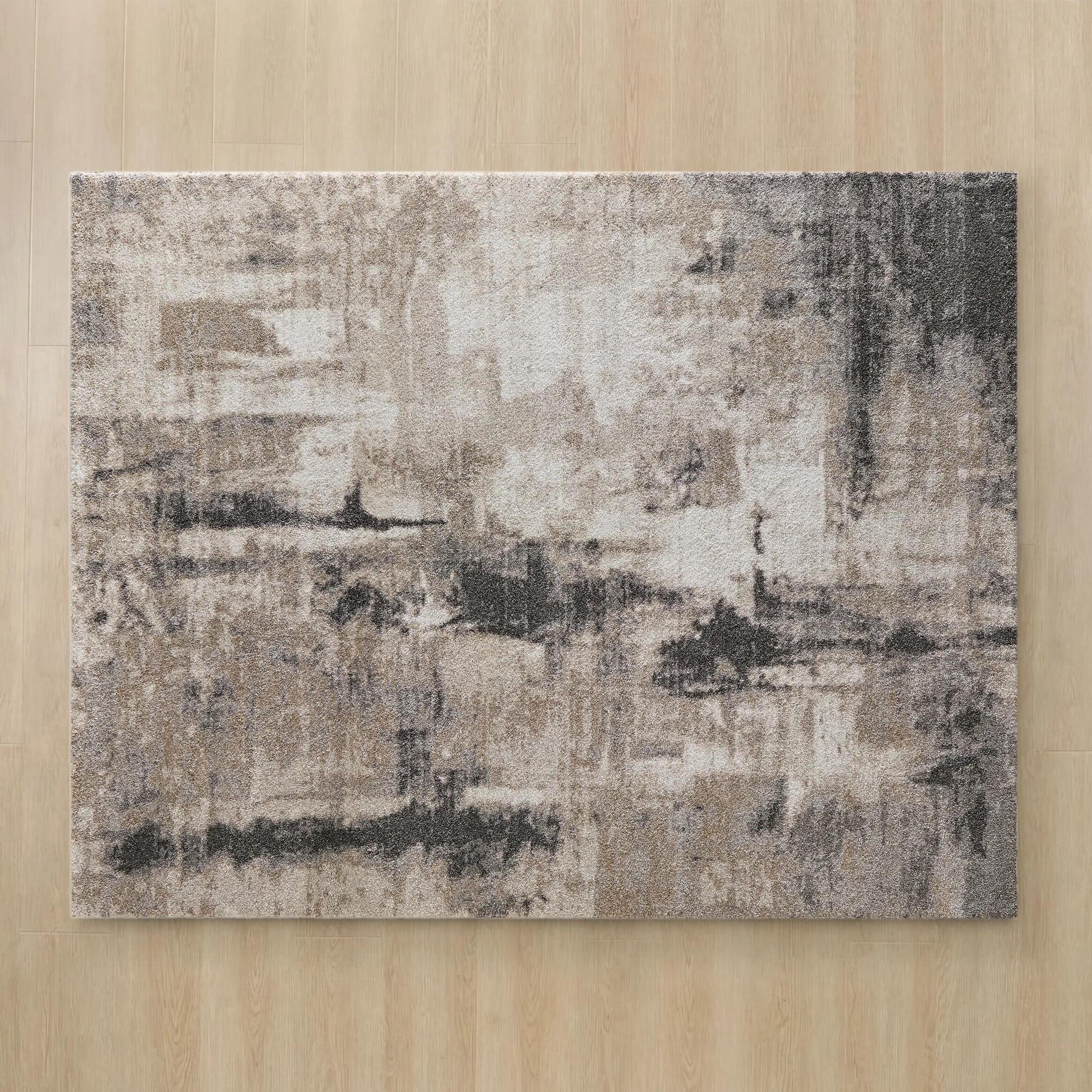 Atlas Abstract Grey/Taupe/Ivory/Charcoal Performance Power Loomed Rug$1349
An abstract rug in grey, taupe, ivory, and charcoal with a plush, stain-resistant polypropylene-polyester blend.
Add To Cart -
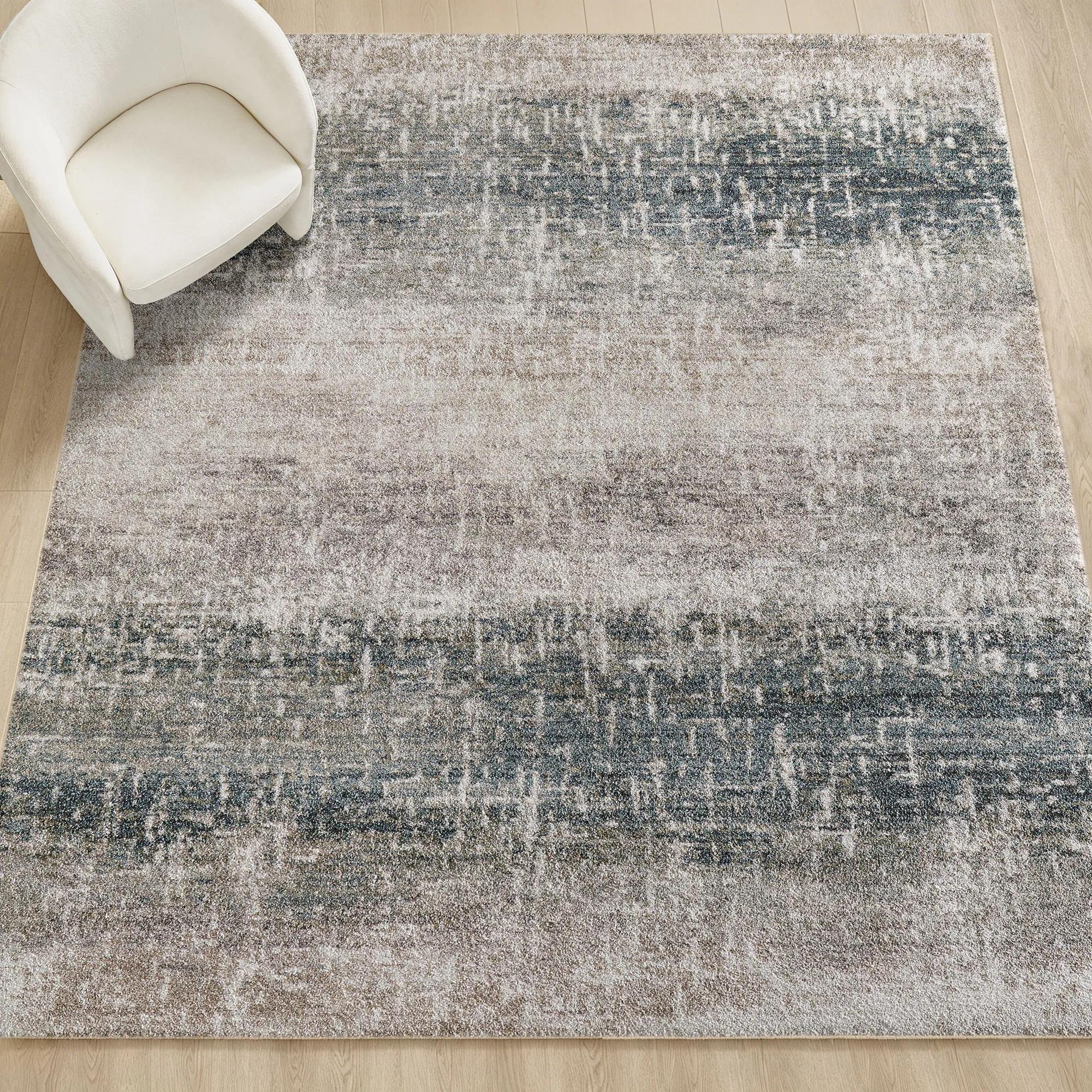
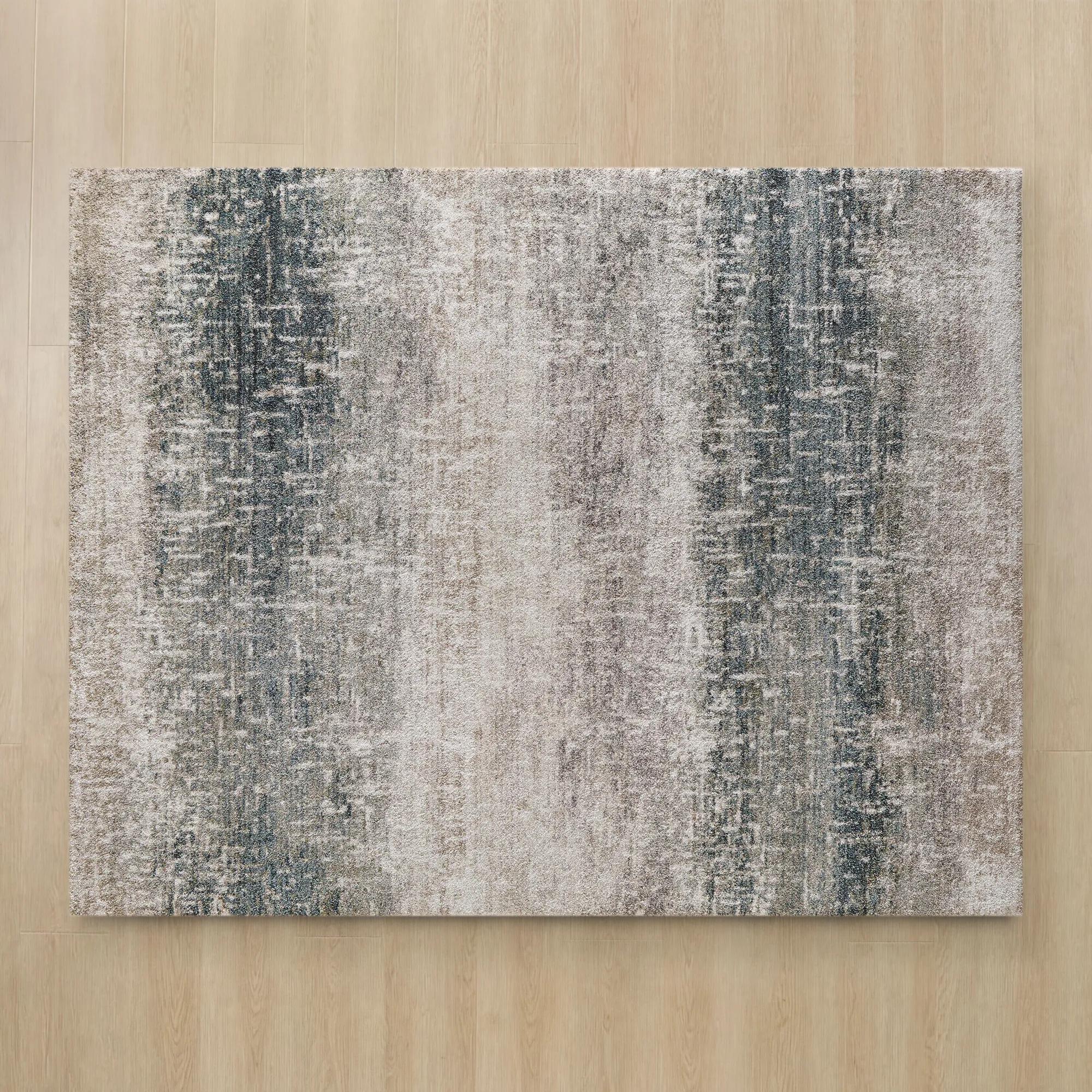 Collier Taupe/Grey/Blue/Green Performance Power Loomed Rug$399
An abstract rug in taupe, grey, blue, and green with a plush, stain-resistant polypropylene-polyester blend.
Add To Cart -
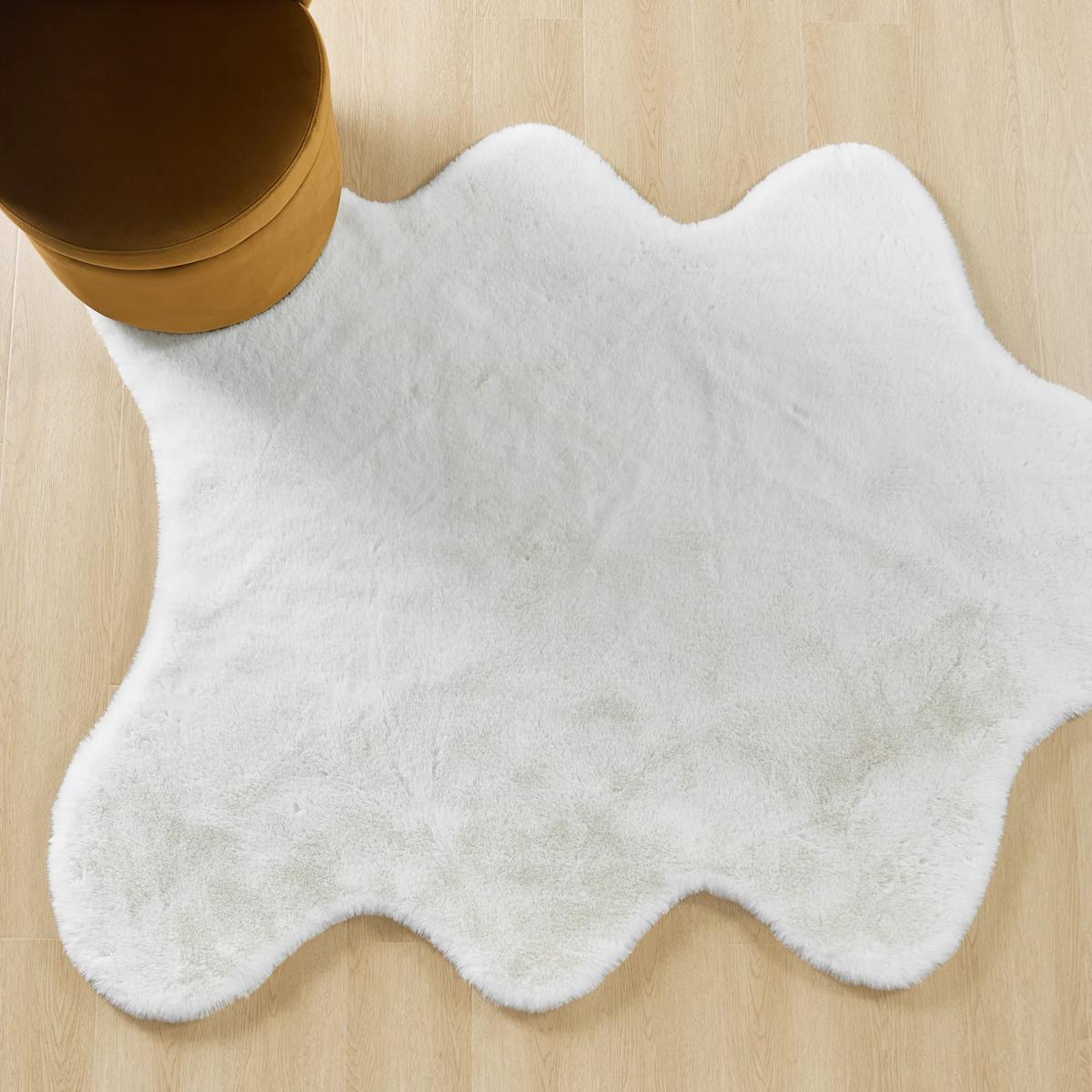
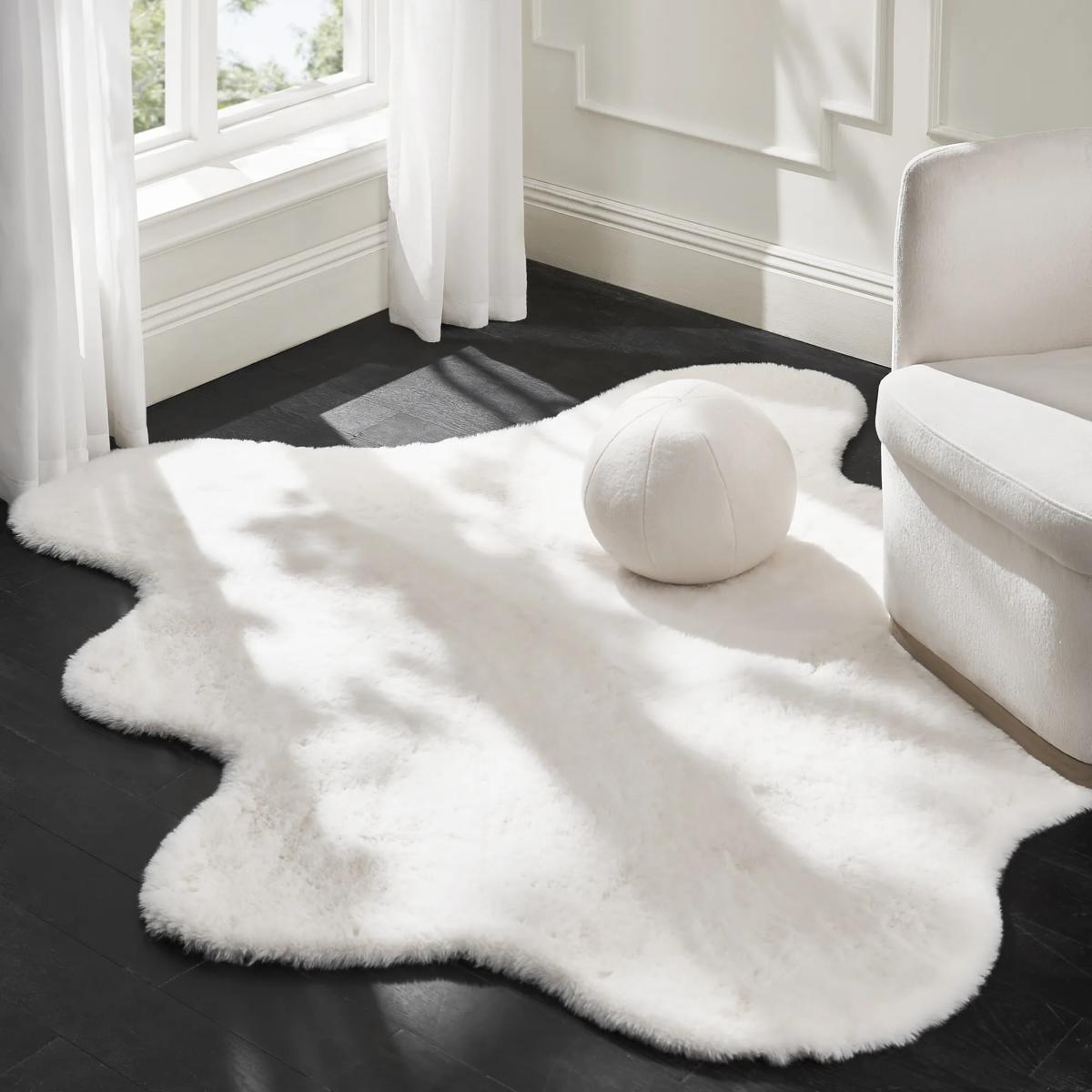 Odin Faux Fur White Shaped Rug 5' x 6'$249
A plush, cloud-shaped white rug with ultra-soft polyester pile and a practical non-slip backing.
Add To Cart -
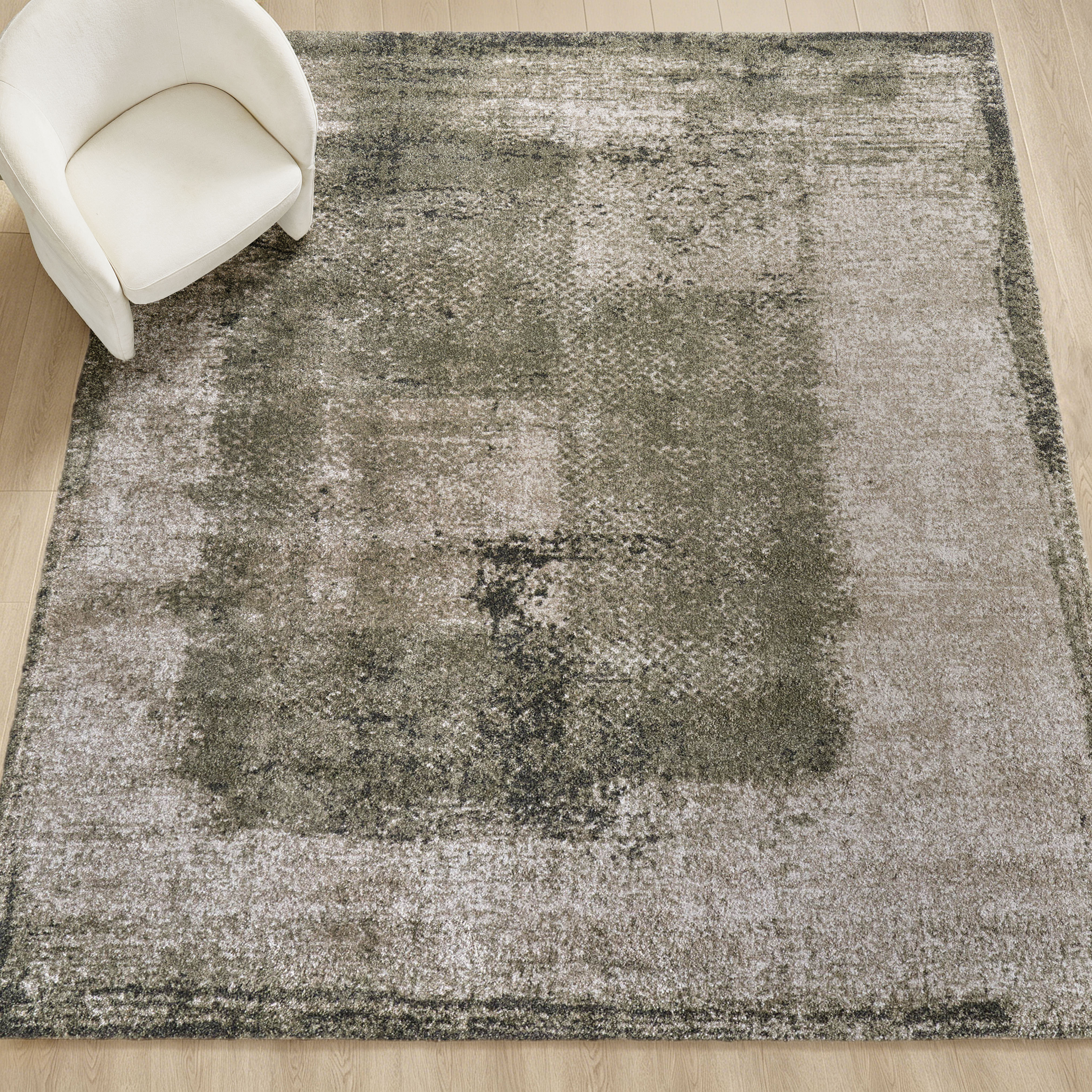
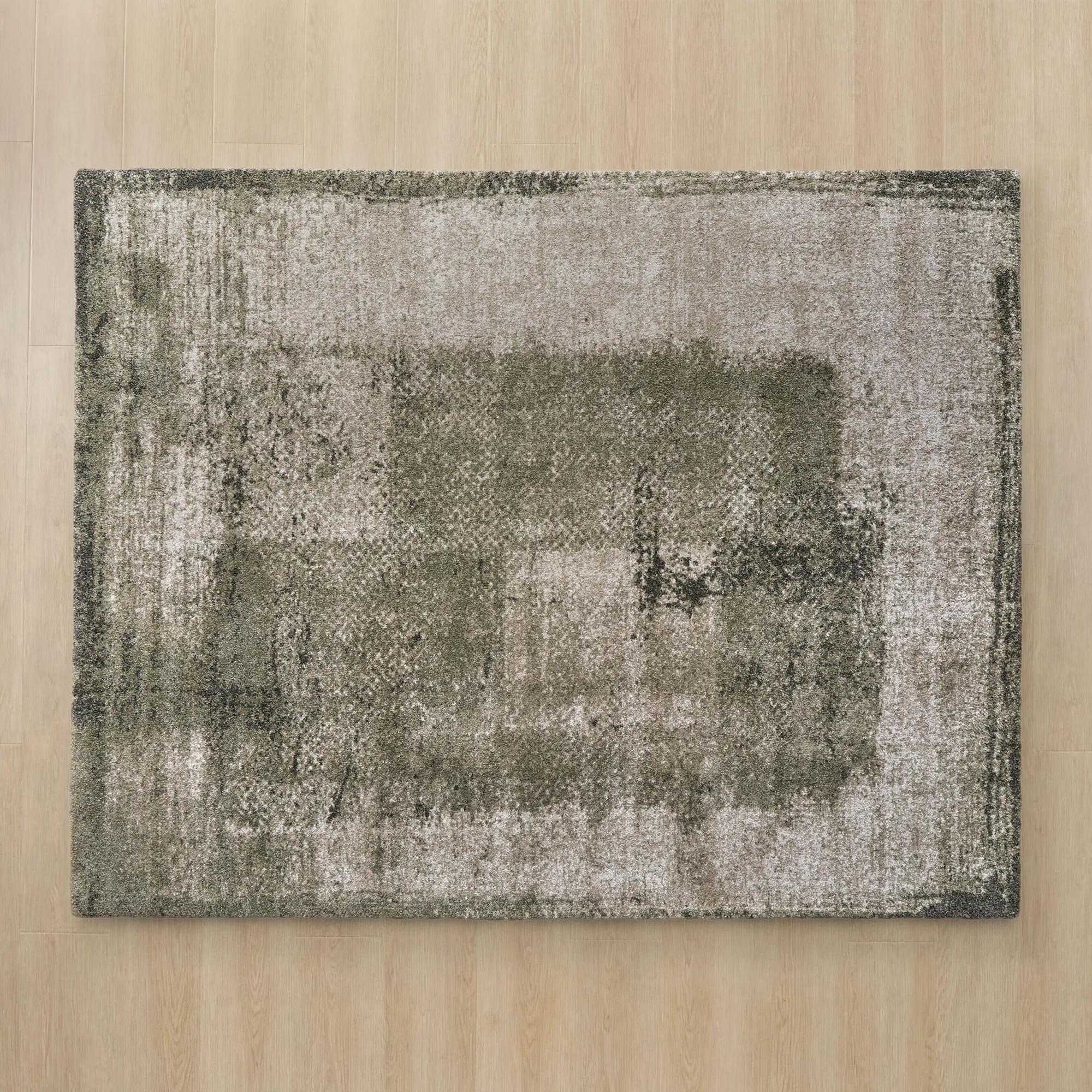 Irving Abstract Moss Green/Beige/Grey Performance Power Loomed Rug$1349
An abstract rug in moss green, beige, and grey with plush, durable polypropylene and polyester construction.
Add To Cart -
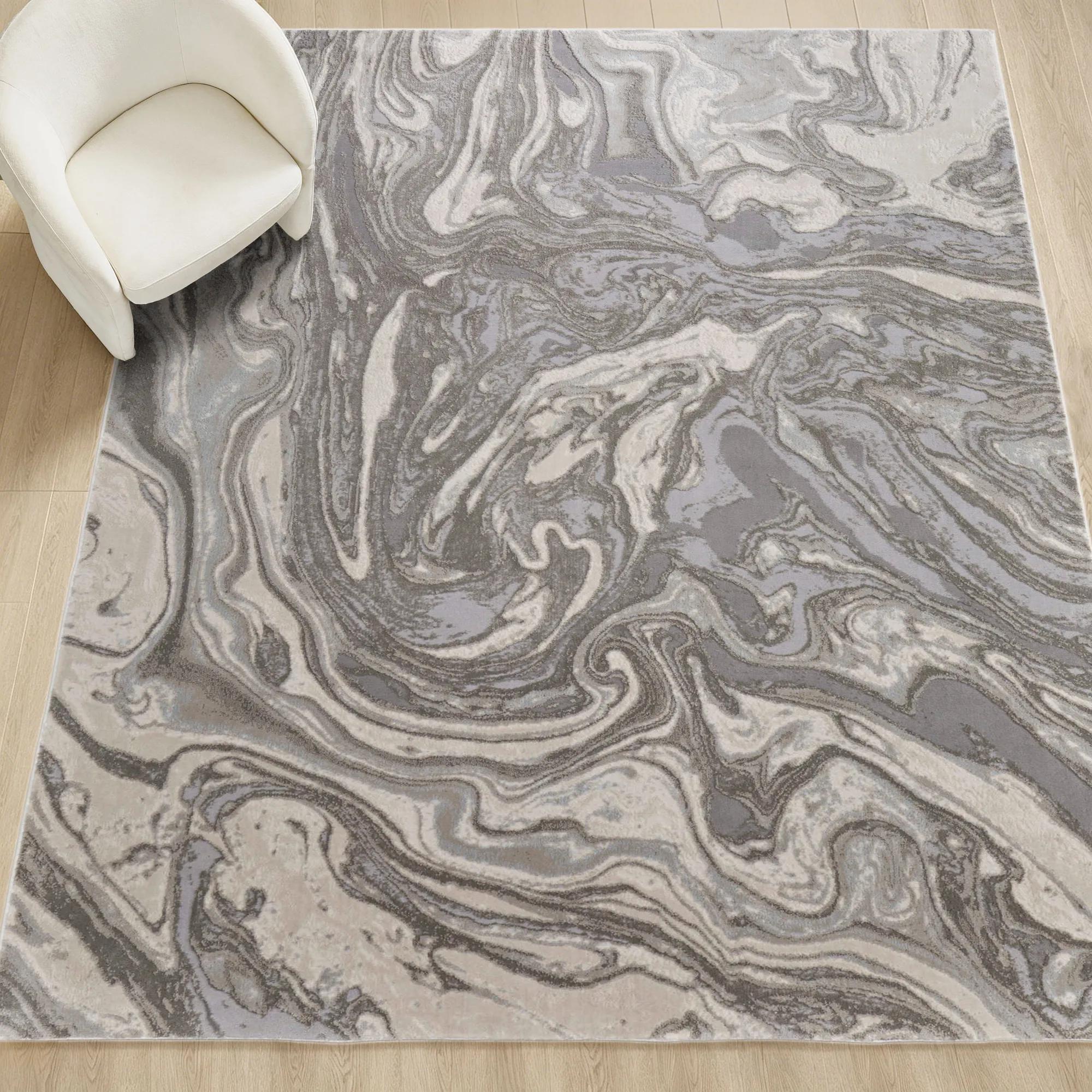
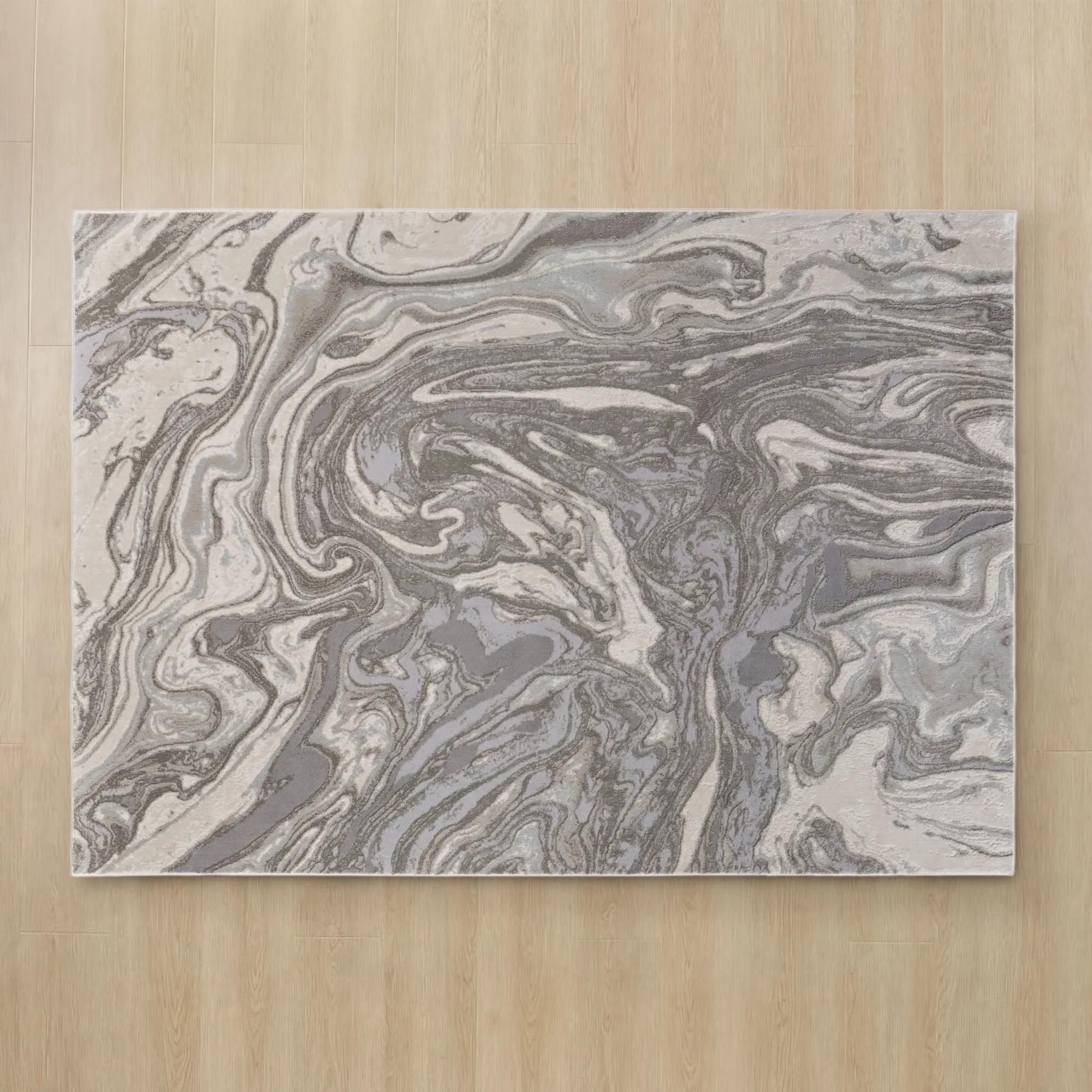 Marbre Marbled Grey/Taupe/Powder Blue Performance Power Loomed Rug$379
A softly marbled rug in grey, taupe, and powder blue with a textured, stain-resistant polypropylene blend.
Add To Cart -
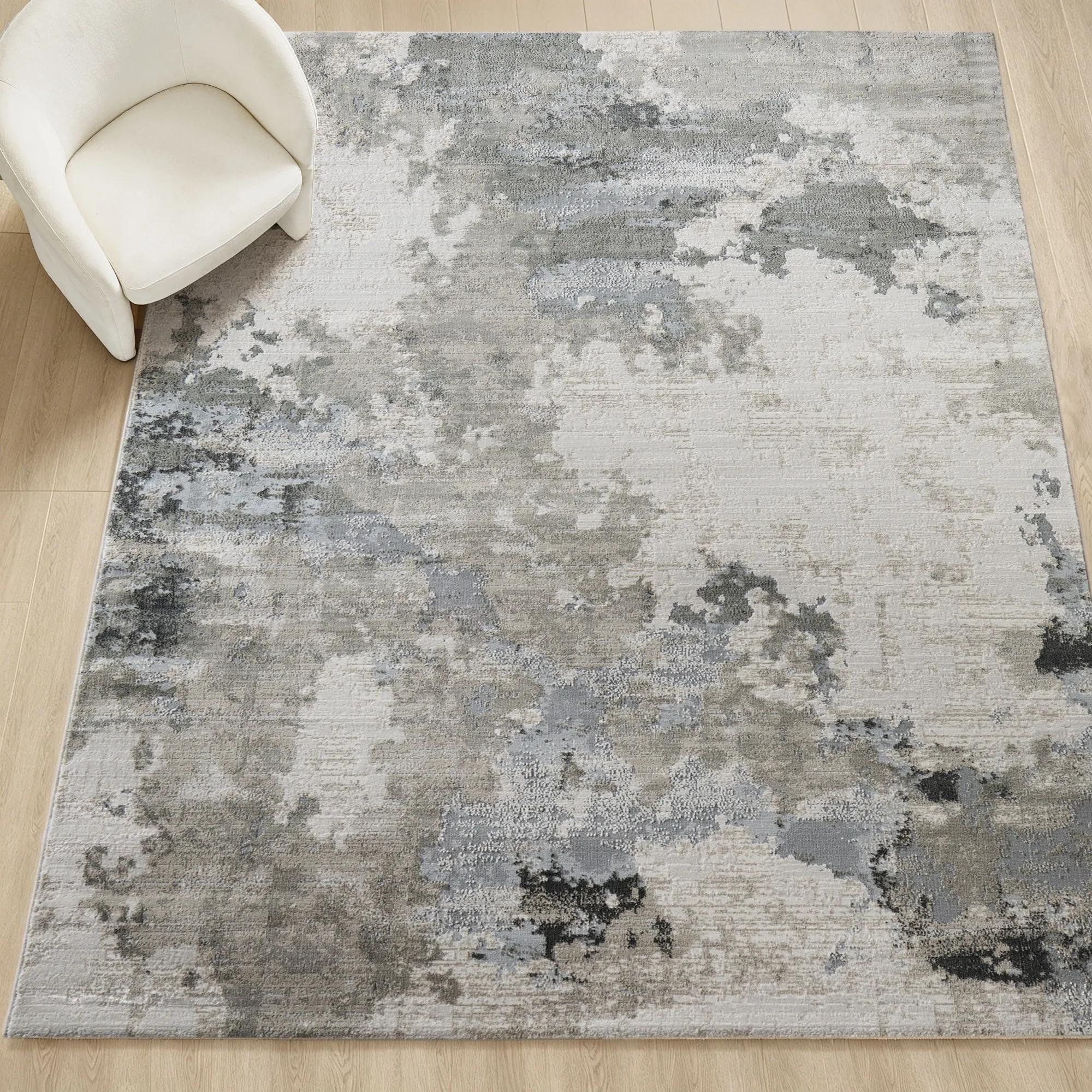 Alarion Abstract Grey/Muted Blue/Ivory Performance Power Loomed Rug$379
A power-loomed rug featuring a grey, muted blue, and ivory abstract pattern with stain-resistant durability.
Add To Cart -
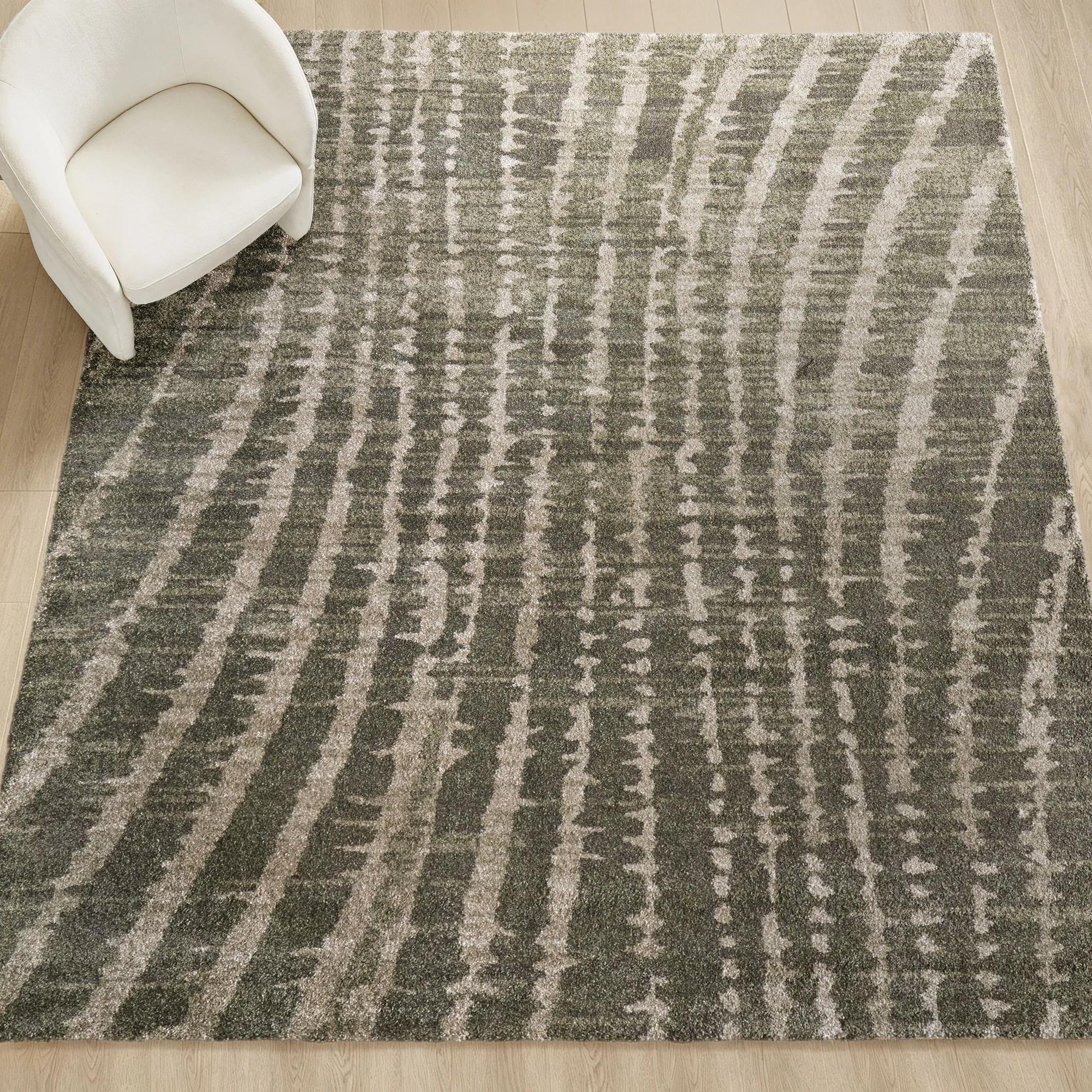
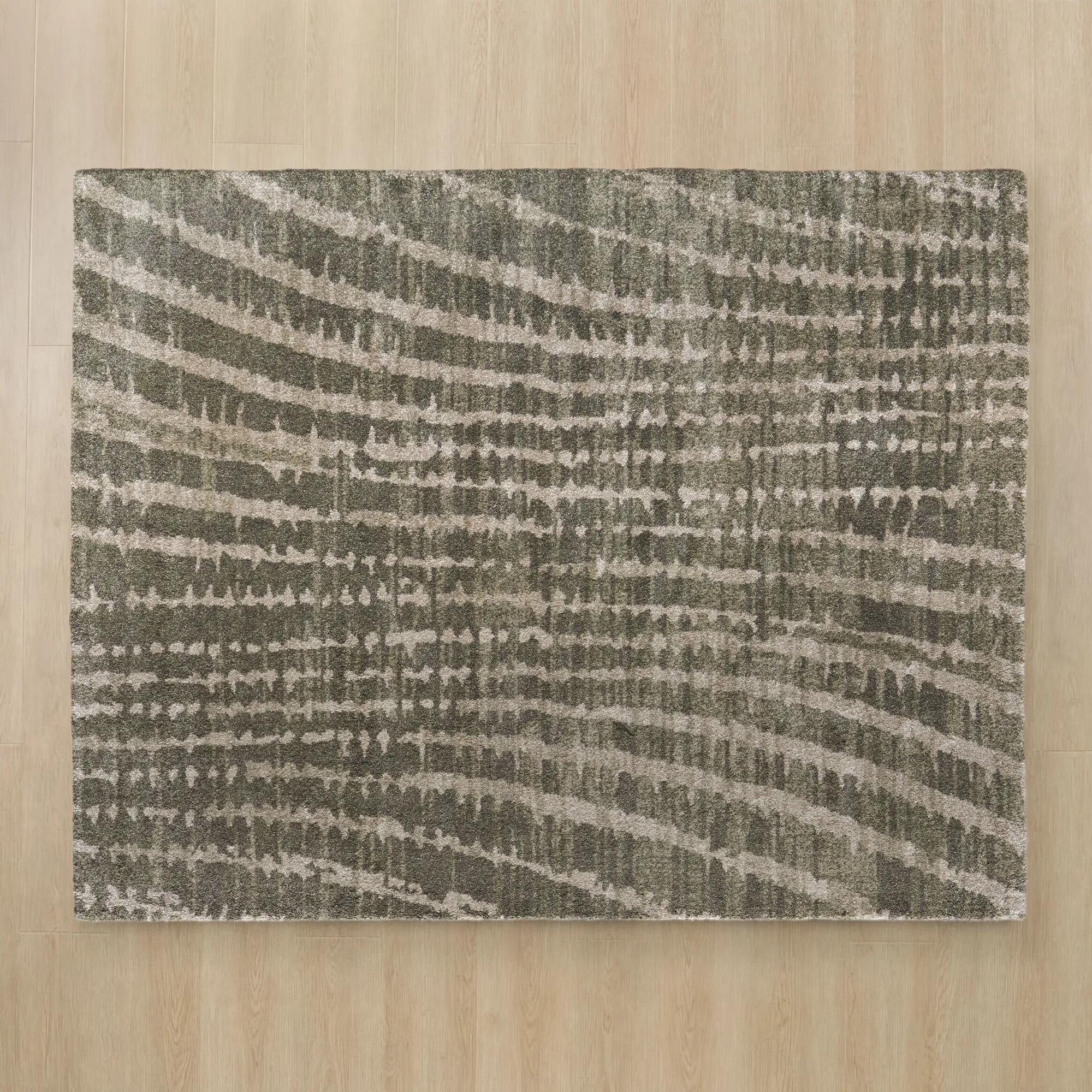 Tempo Green/Grey/Beige Performance Power Loomed Rug$399
An abstract charcoal grey and beige rug with plush cut pile and durable, stain-resistant polypropylene-polyester blend.
Add To Cart -
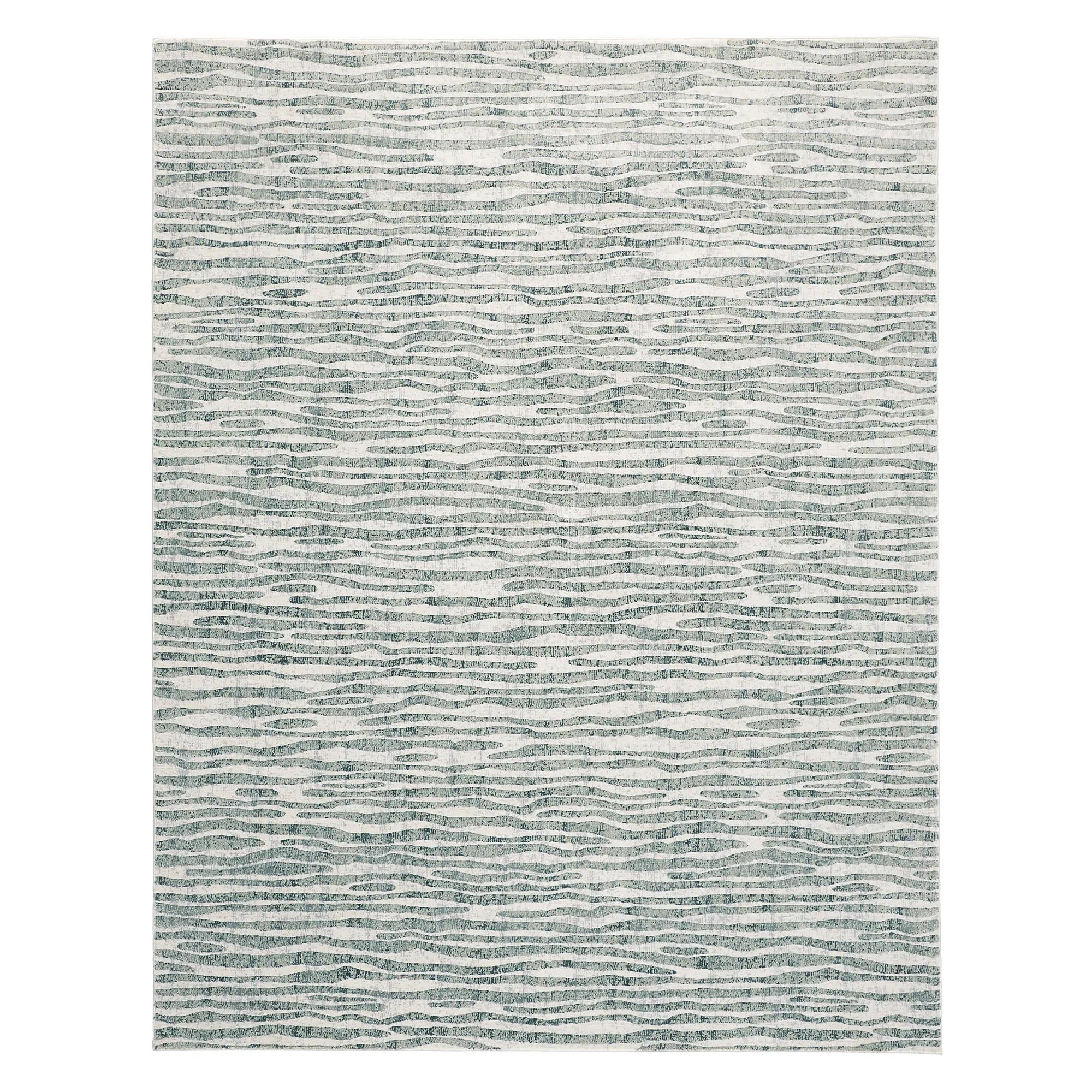 Samantha Power-Loomed Aqua/Grey Rug$719
A machine-woven rug featuring silvery-aqua and green accents on an ivory and grey polypropylene base.
Add To Cart -
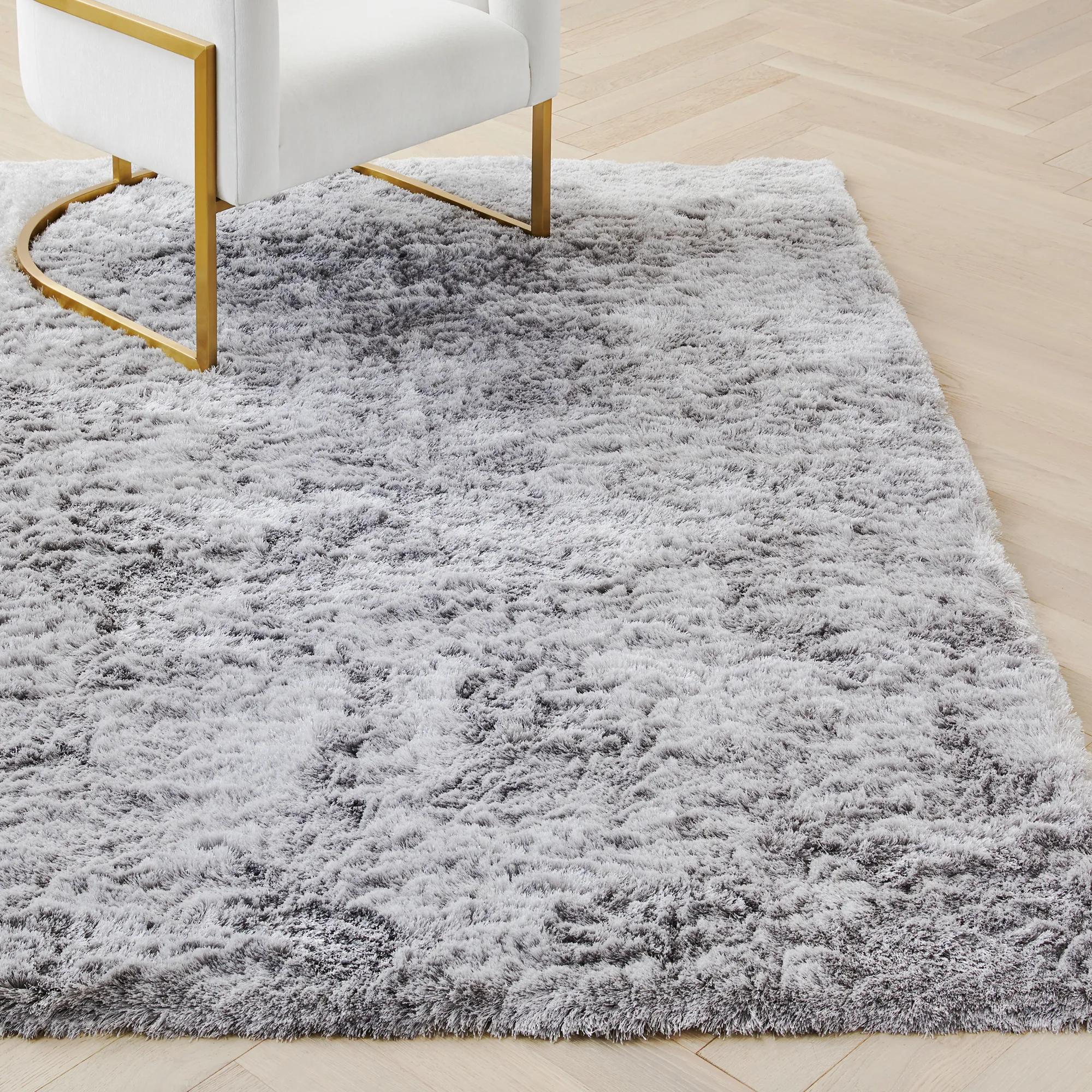 Indochine Shag Platinum Rug$399
A platinum-toned shag rug with a subtle sheen and plush 1.5" polyester pile for luxurious texture.
Add To Cart -
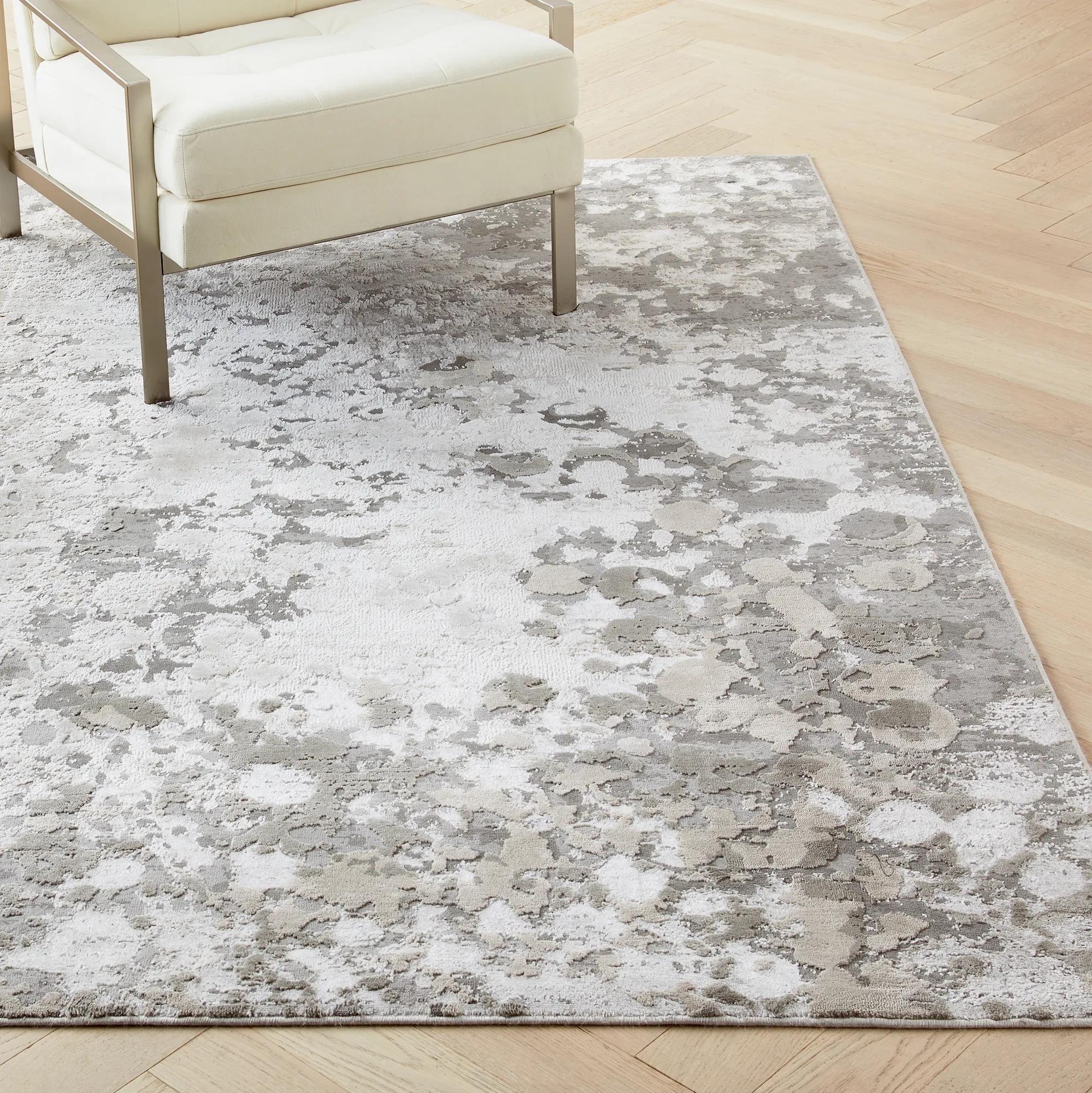 Mercury Power-Loomed Silver/Grey/Beige Rug$449
A neutral floor covering featuring a silver, grey, and beige palette with a soft, textured polyester blend.
Add To Cart -
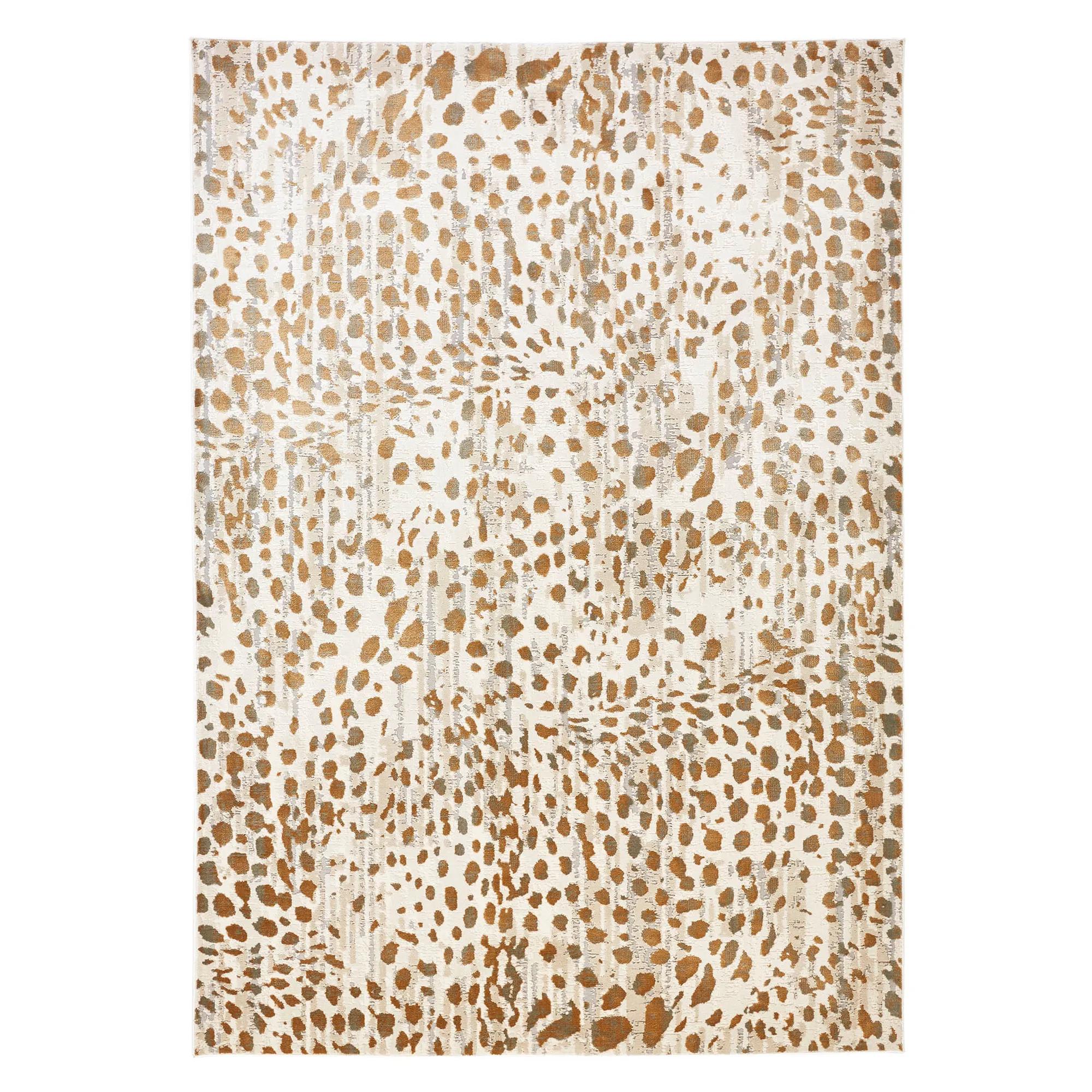
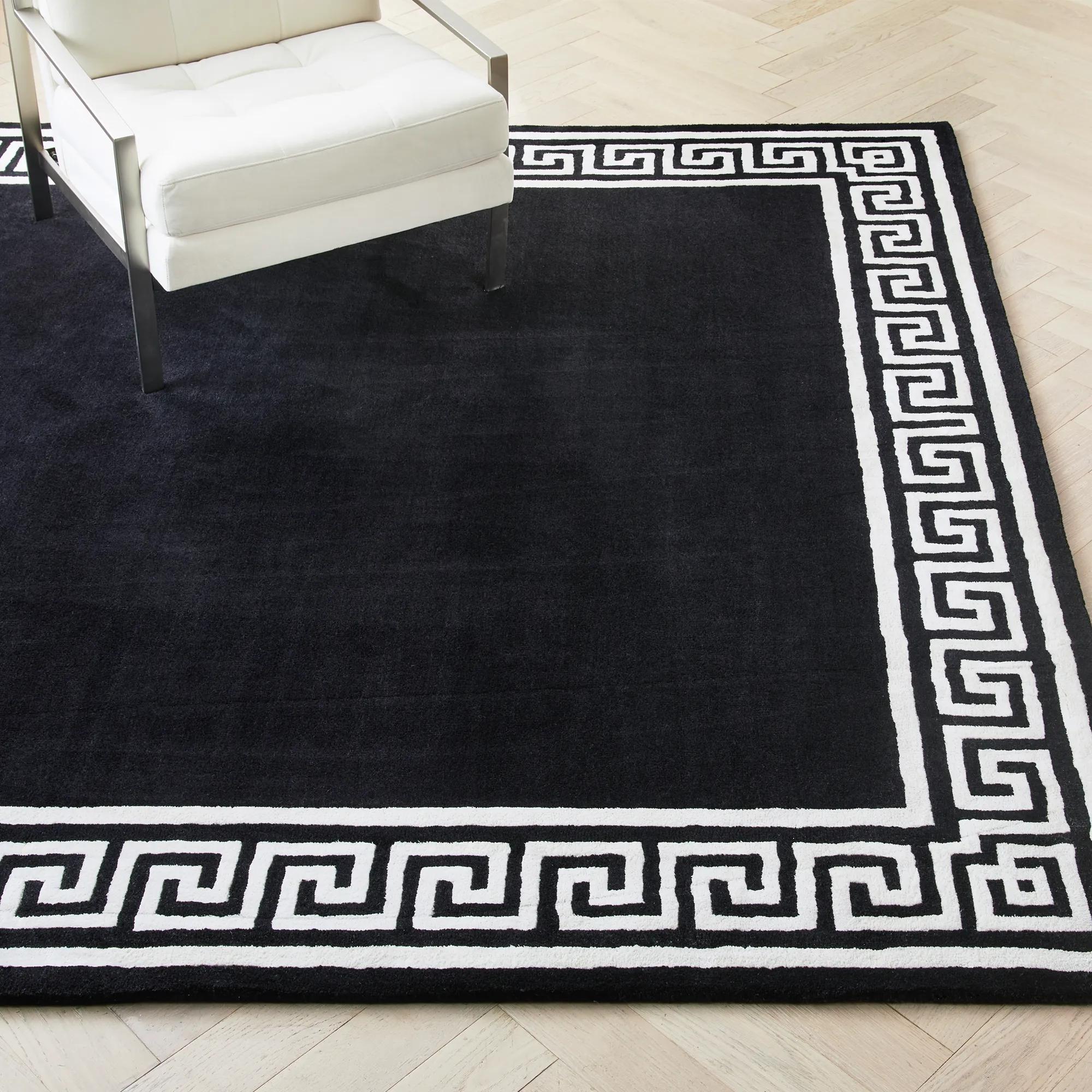
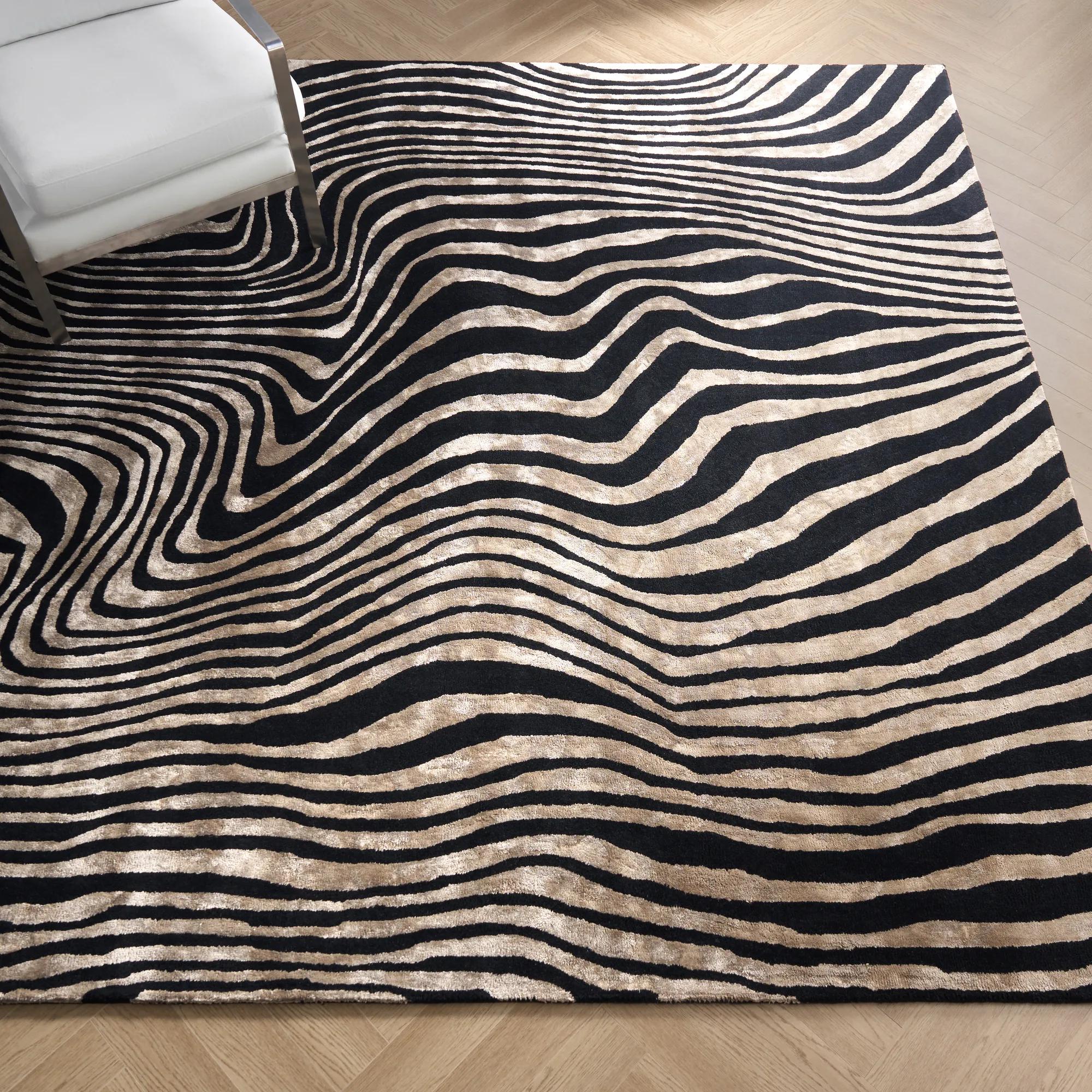
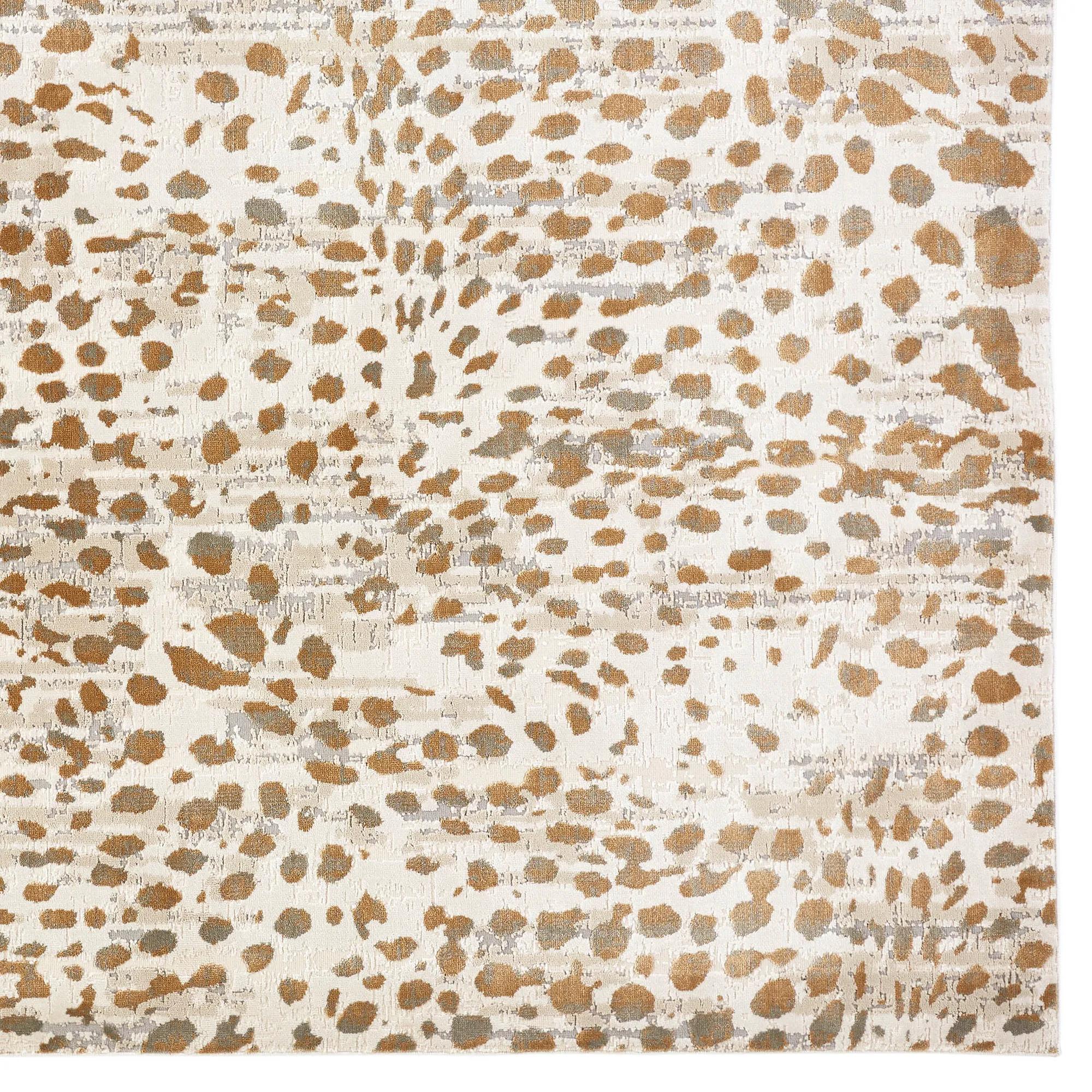 Amur Ivory/Natural Animal Print Power-Loomed Rug$399
A hand-tufted wool and viscose rug featuring a gold chain link design on neutral grey.
Add To Cart -
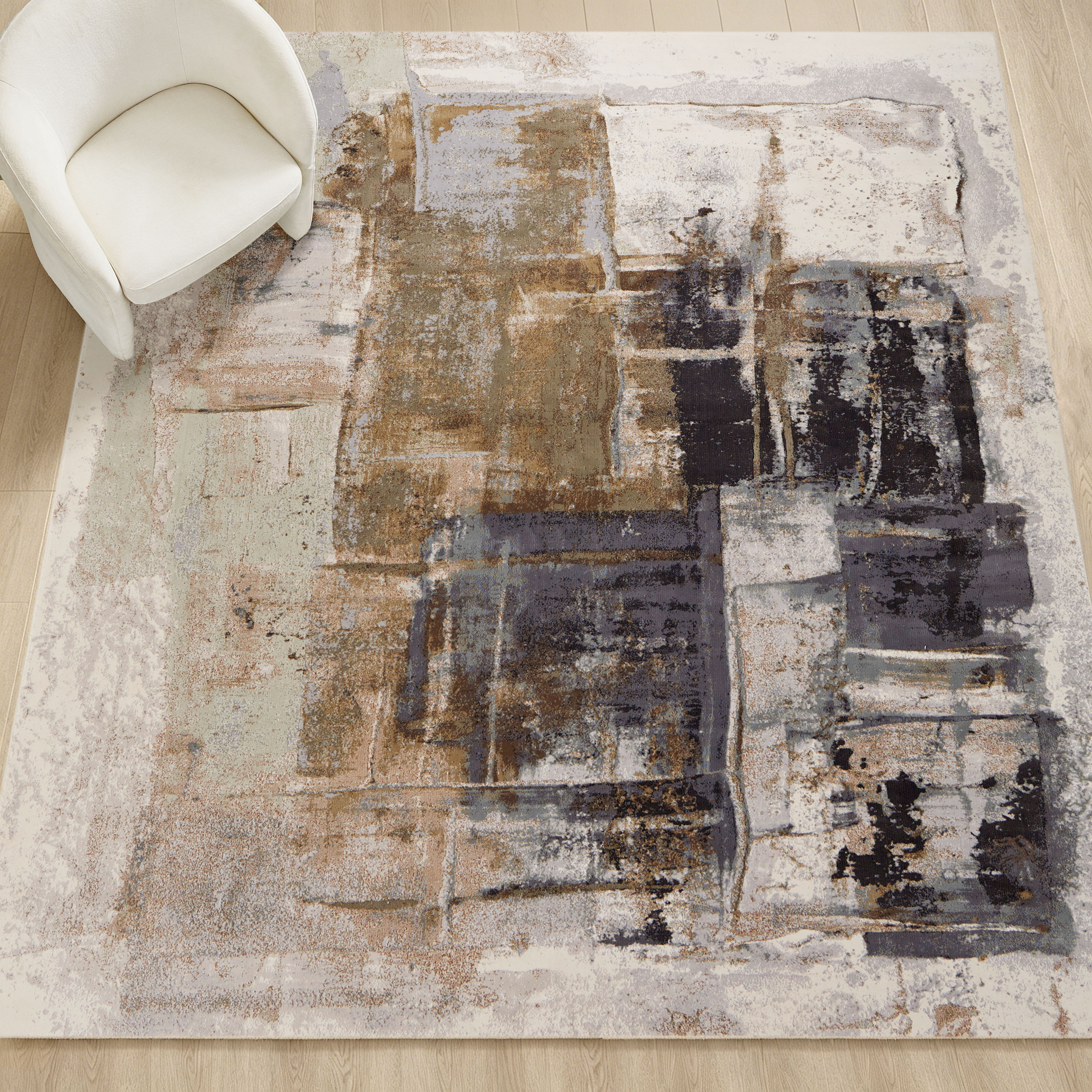
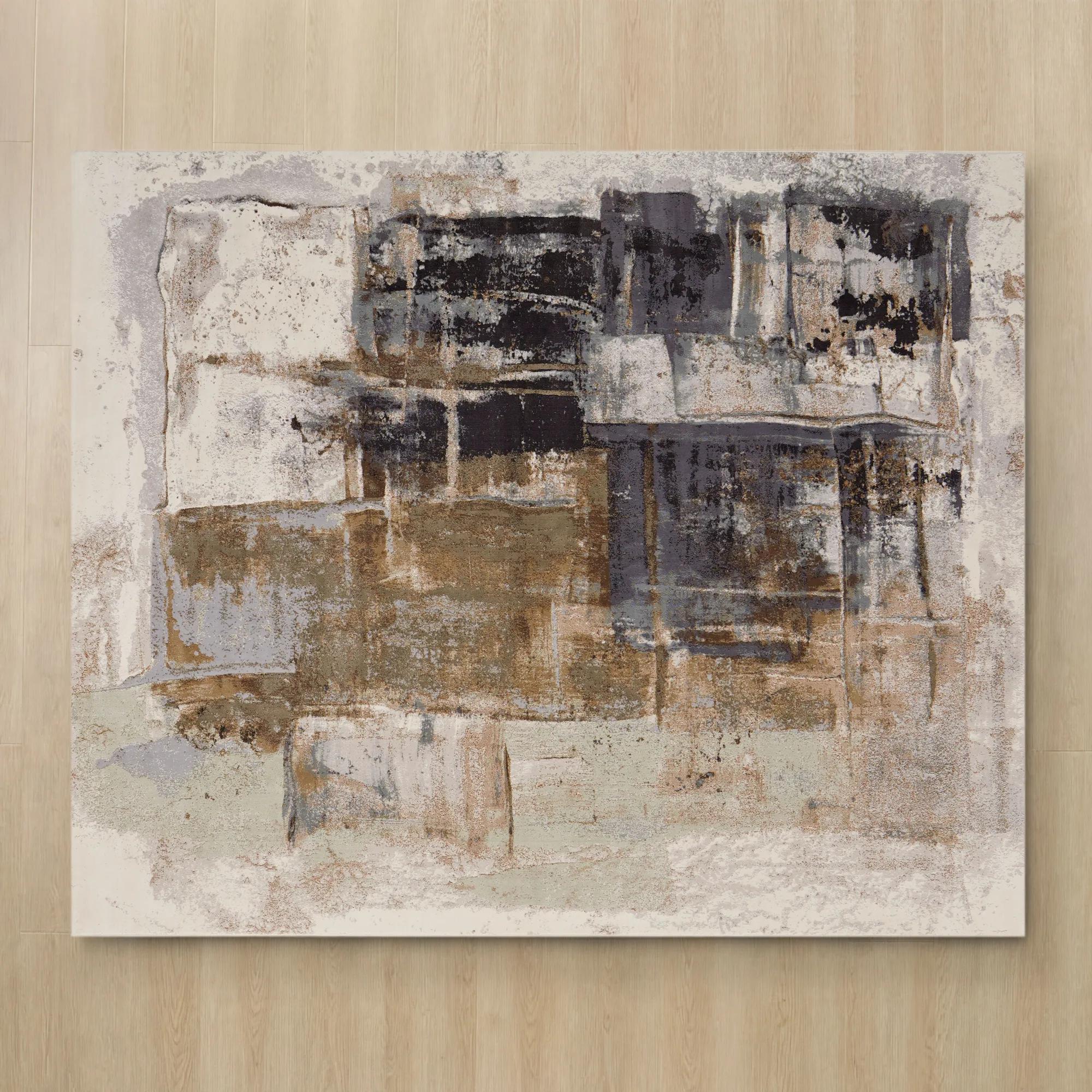 Gaia Abstract Grey/Charcoal/Ivory/Gold/Blue Performance Power Loomed Rug$449
An abstract rug in grey, charcoal, ivory, gold, and blue with a soft, stain-resistant performance blend.
Add To Cart -
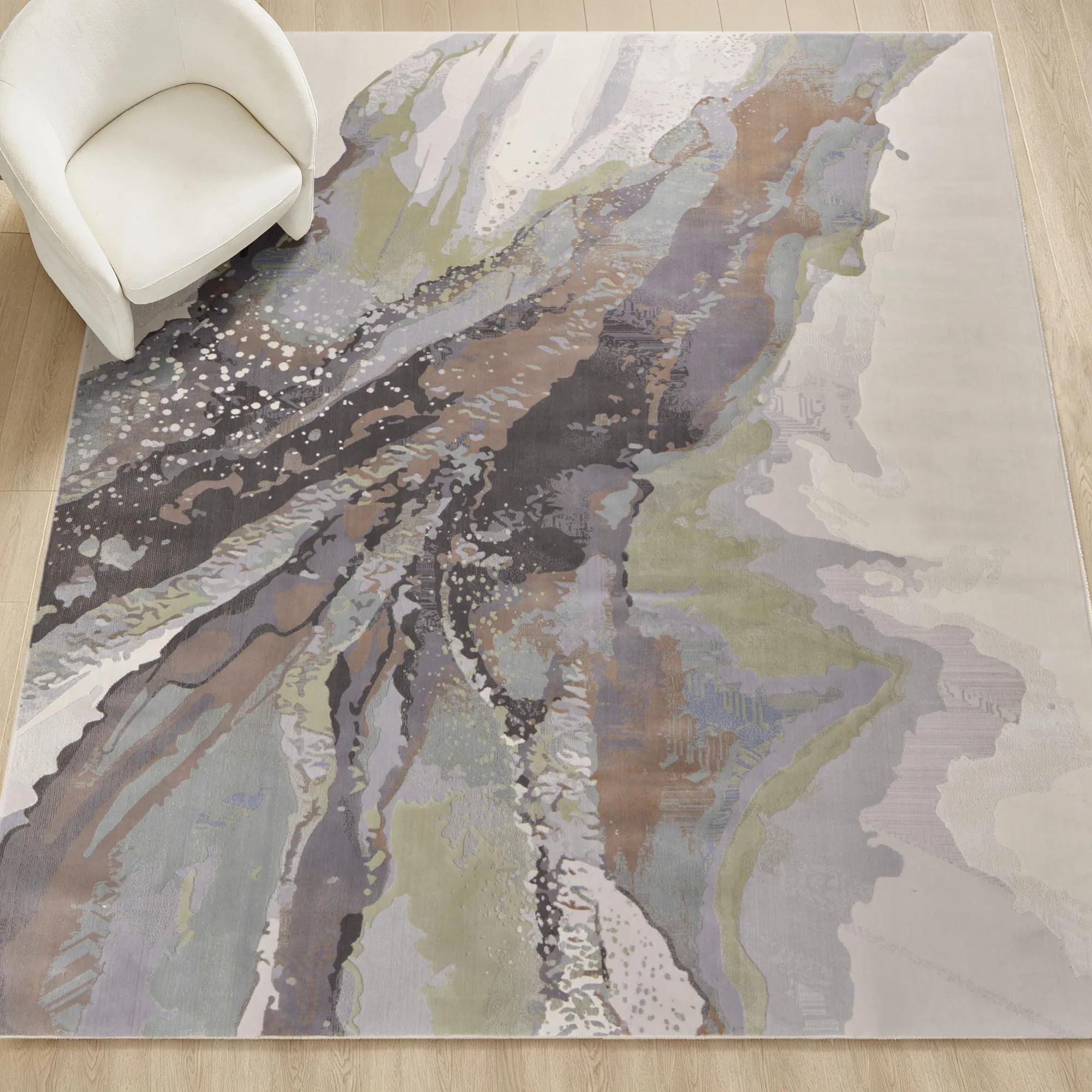
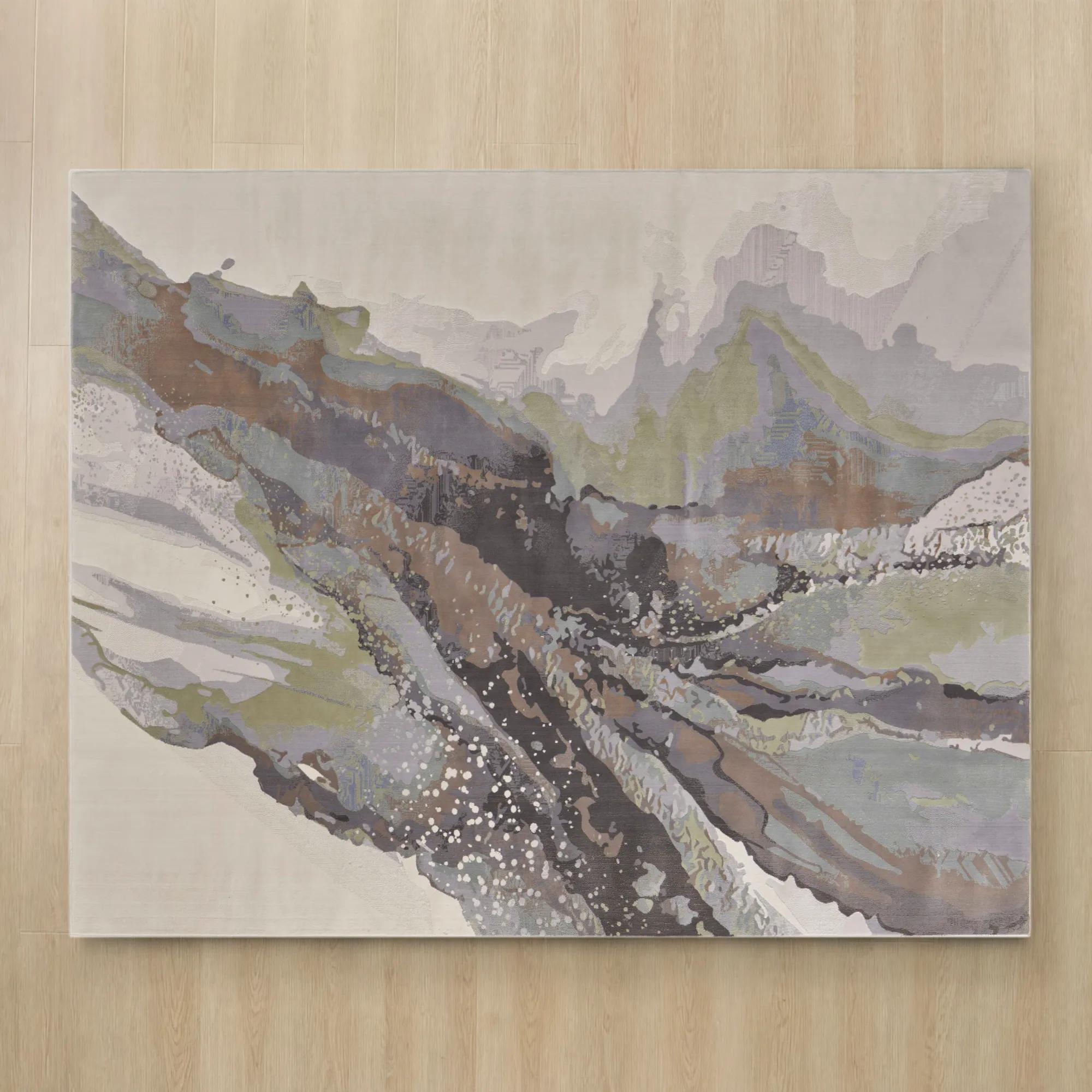 Nerissa Abstract Ivory/Grey/Blue/Green Performance Power Loomed Rug$449
An abstract rug in ivory, grey, blue, and green with a textured, stain-resistant polypropylene-polyester blend.
Add To Cart -
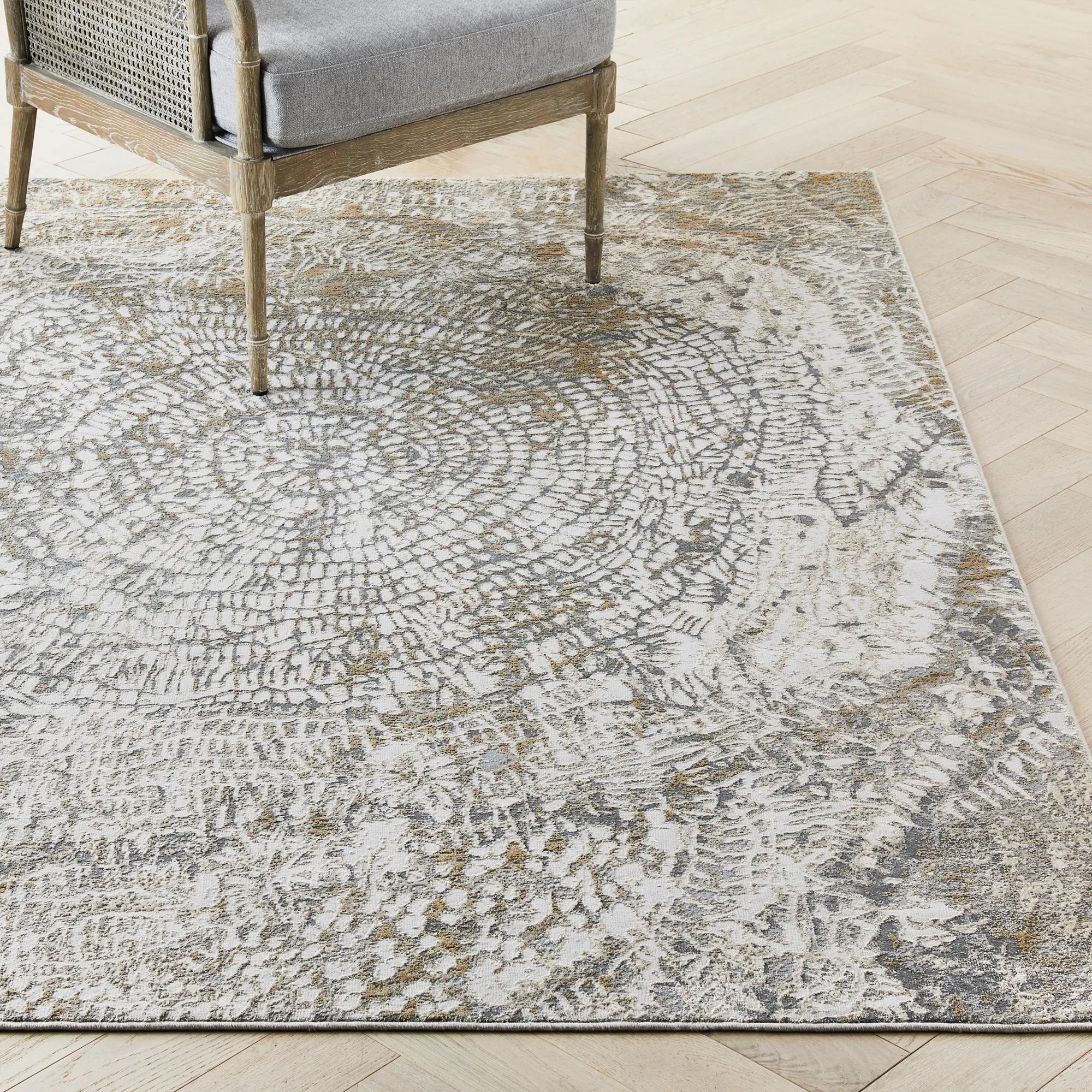 Nautilus Power-Loomed Silver/Grey/Natural Rug$999
A machine-woven ivory rug featuring subtle tonal variations and a durable polypropylene blend construction.
Add To Cart

Soft Touch Polyester Rugs
Soft touch polyester rugs transform every step into an experience—inviting you to indulge in a world where comfort meets couture. Each piece is a tactile masterpiece, designed to elevate your floors with sumptuous softness and undeniable allure. Whether anchoring a grand living room or adding warmth to an intimate retreat, soft touch polyester rugs infuse your space with a sense of luxury and artistry. Let your home become a canvas for bold expression, where every detail delights and every moment feels extraordinary.
Soft touch polyester rugs are synthetic floor coverings valued for their plush feel, expressive color, and luxurious texture underfoot. Made with polyester fibers, they can bring a velvet-like softness to bedrooms, living rooms, and other indoor spaces where comfort is part of the design. Their character depends on more than fiber alone: pile height, yarn density, construction, and backing all influence how a rug feels, looks, and performs. A dense, closely cut pile can create a smooth, tailored surface, while longer fibers introduce a more sumptuous dimension, catching the light as they move. Some constructions reveal subtle shifts in shading when brushed in different directions, giving a solid color depth without an elaborate pattern. This combination of tactile appeal and visual richness makes polyester especially compelling in interiors that balance sculptural furniture, polished finishes, and generous upholstery. An ivory rug can soften the contrast between a dark sofa and a gleaming accent table; a silver-gray design can echo metallic details without making the room feel overly coordinated. Abstract patterns bring another layer of expression, suggesting the movement of painted brushstrokes or the veining of stone. Color, pattern, and texture each contribute differently to the composition: a quiet field allows statement furniture to command attention, while a dramatic motif gives restrained furnishings a more expressive setting. Polyester generally holds color well, although prolonged direct sunlight can still affect a rug’s appearance. Its fibers also tend to resist many water-based spills, but that does not make every rug stainproof or suitable for wet areas. Within the broader selection of Soft Touch Synthetic Rugs, polyester offers a distinctive pairing of softness and decorative versatility, with the finished construction determining whether the overall effect feels sleek, cloudlike, or richly dimensional.
Scale gives that softness its architectural presence. A generously proportioned polyester area rug can draw separate furnishings into a single composition, making a seating arrangement feel deliberate rather than scattered. In a living room, a size that accommodates at least the front legs of the main seating pieces often creates a cohesive foundation; a smaller rug placed entirely between them can feel disconnected, particularly beneath a substantial sectional. The right dimensions depend on the furniture layout as much as the room itself, with door swings, walkways, and floor vents remaining clear. Under a bed, enough rug extending beyond the sides creates a comfortable landing and gives the entire arrangement a more expansive silhouette. A rug beneath the lower portion of the bed can provide that effect without covering the full floor, while individual bedside rugs offer a more focused touch of softness. Dining spaces call for a different balance: chairs should remain on the rug when pulled back, and a lower pile generally allows them to move more easily than a deep, plush surface. For a home office, a thick pile may feel indulgent beside a reading chair but interfere with the movement of a rolling desk chair. These distinctions make intended use essential to the selection. A soft polyester rug can be especially inviting in a bedroom retreat, a conversation area, or a reading corner where bare feet and lingering moments are welcome. In busier spaces, denser construction and a more moderate pile may provide a better balance of comfort and practicality, subject to the rug’s stated use recommendations. Pattern also has a practical role: a layered abstract or tonal design can make everyday lint and minor marks less conspicuous than a uniform pale field. The result can still feel serene, with enough visual variation to support daily living. A suitable rug pad adds cushioning and helps reduce movement, provided its material is compatible with both the rug backing and the floor finish.
Lasting beauty depends on how the rug’s construction meets the demands of the room. Polyester can perform well in everyday interiors, but softness alone is not a measure of durability. Fiber density, pile structure, edge finishing, and the amount of repeated foot traffic all matter. Deep or loosely structured piles may flatten along familiar walking paths or beneath furniture, while pressure from narrow furniture legs can leave impressions. Rotating a rug periodically, when its shape and placement allow, helps distribute wear and light exposure more evenly; appropriate furniture protectors can also reduce concentrated pressure. Regular vacuuming removes grit before it becomes embedded, though the correct setting depends on the pile and the manufacturer’s care instructions. Suction-only cleaning is often appropriate for delicate or longer fibers, and rotating brush rolls may need to be switched off to prevent pulling or tangling. Fringed edges and loose yarns deserve particular care rather than repeated passes with an aggressive vacuum head. Spills are best addressed promptly by blotting with a clean, absorbent cloth instead of rubbing, which can spread the mark and disturb the surface. Any cleaning solution should be approved for the rug and tested in an inconspicuous area first. Polyester’s resistance to many water-based stains does not extend equally to oils, and greasy residues may require special attention. The fiber content also does not establish whether a rug is machine washable: the backing, adhesives, dimensions, and overall construction determine the appropriate cleaning method. Excess moisture can affect components beyond the visible pile, so soaking is not a substitute for following the care label. Professional cleaning may be appropriate where the manufacturer recommends it. For households with children or pets, pile height, secure placement, and realistic maintenance expectations deserve as much attention as color. A shorter surface may be easier to keep free of crumbs and pet hair, while a deeper pile offers a more enveloping feel in a quieter room. Soft touch polyester rugs are most rewarding when their tactile richness is matched to the way a space is lived in—an inviting foundation that supports both expressive design and everyday comfort.
FAQs
Soft touch polyester rugs are woven with ultra-fine micro-polyester fibers, creating a silky, cloudlike texture that mimics the opulence of natural silk or wool. This advanced fiber technology delivers a plush, inviting surface that pampers your feet with every step, elevating the everyday experience of your home.
Absolutely. The gentle, velvety hand of soft touch polyester rugs makes them a perfect choice for bedrooms, nurseries, and any space where comfort is paramount. Their plush pile creates a cozy landing for little ones and a soothing retreat for adults alike.
Polyester fibers are renowned for their ability to hold dye, resulting in rugs that showcase bold, fade-resistant colors and a luminous sheen. This means your chosen design—whether subtle or statement-making—remains as captivating and radiant as the day it was unrolled.
These rugs are incredibly versatile, complementing a range of aesthetics from contemporary glam to classic elegance. Whether you’re layering a touch rug beneath a sculptural coffee table or anchoring a dramatic seating area, their luxurious texture and rich patterns enhance any interior with a sense of artistry and sophistication.
A soft touch polyester rug makes a decadent and memorable gift for housewarmings, weddings, or anyone who delights in expressive interior design. Their combination of tactile indulgence, easy care, and striking visual appeal ensures they’ll be cherished and enjoyed every day.