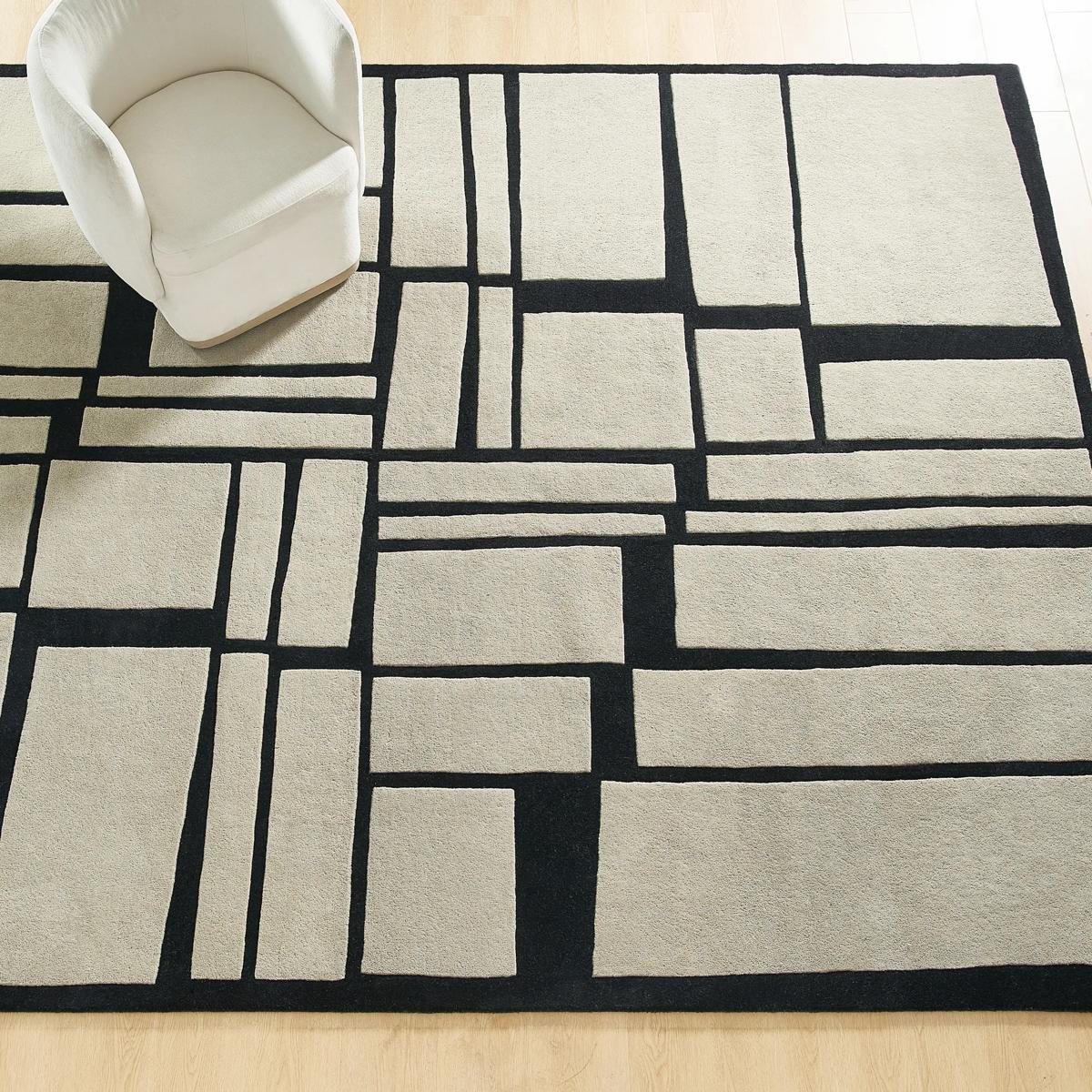
Soft Hand Pile Rugs
Soft Hand Pile Rugs
-
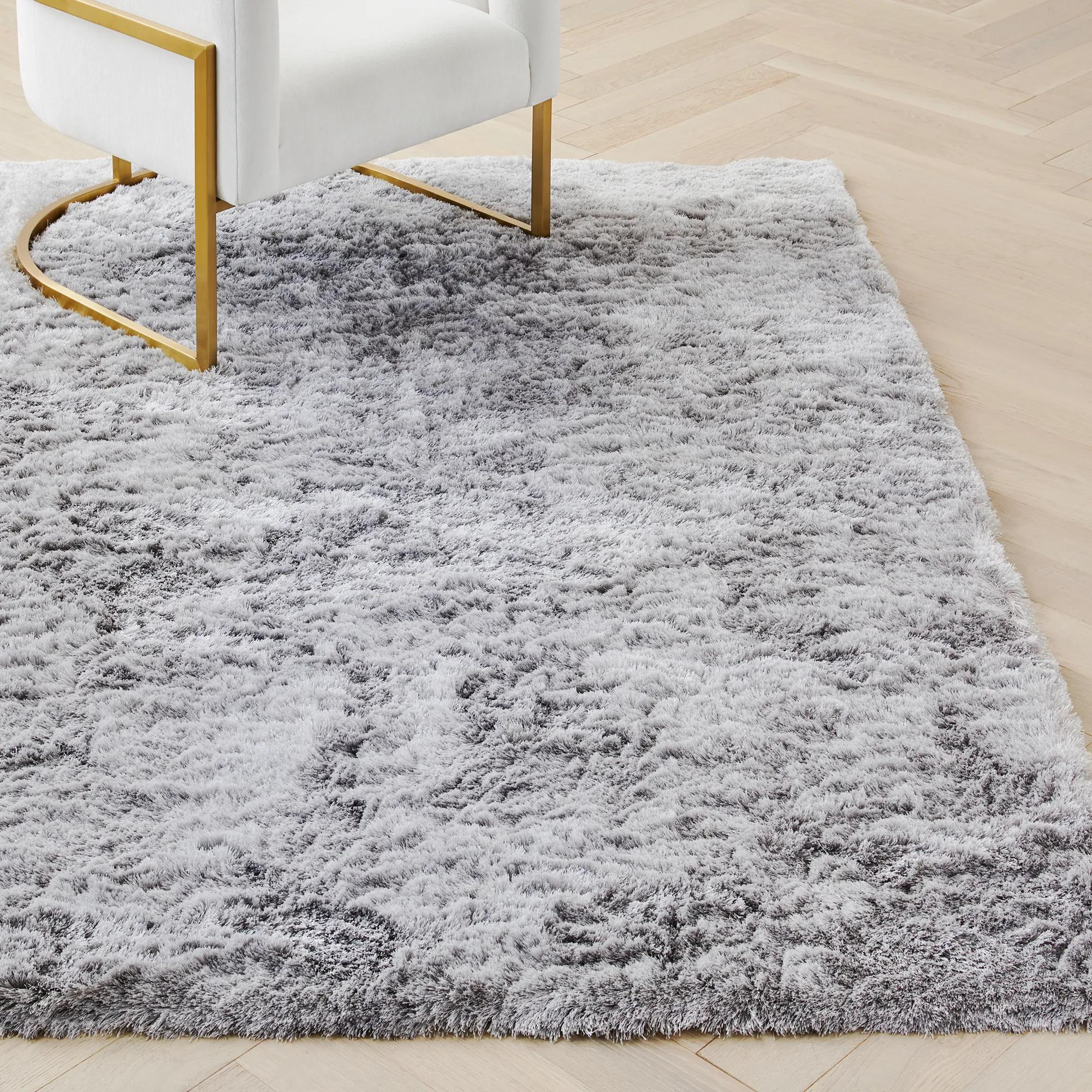 Indochine Shag Platinum Rug$399
A platinum-toned shag rug with a subtle sheen and plush 1.5" polyester pile for luxurious texture.
Add To Cart -
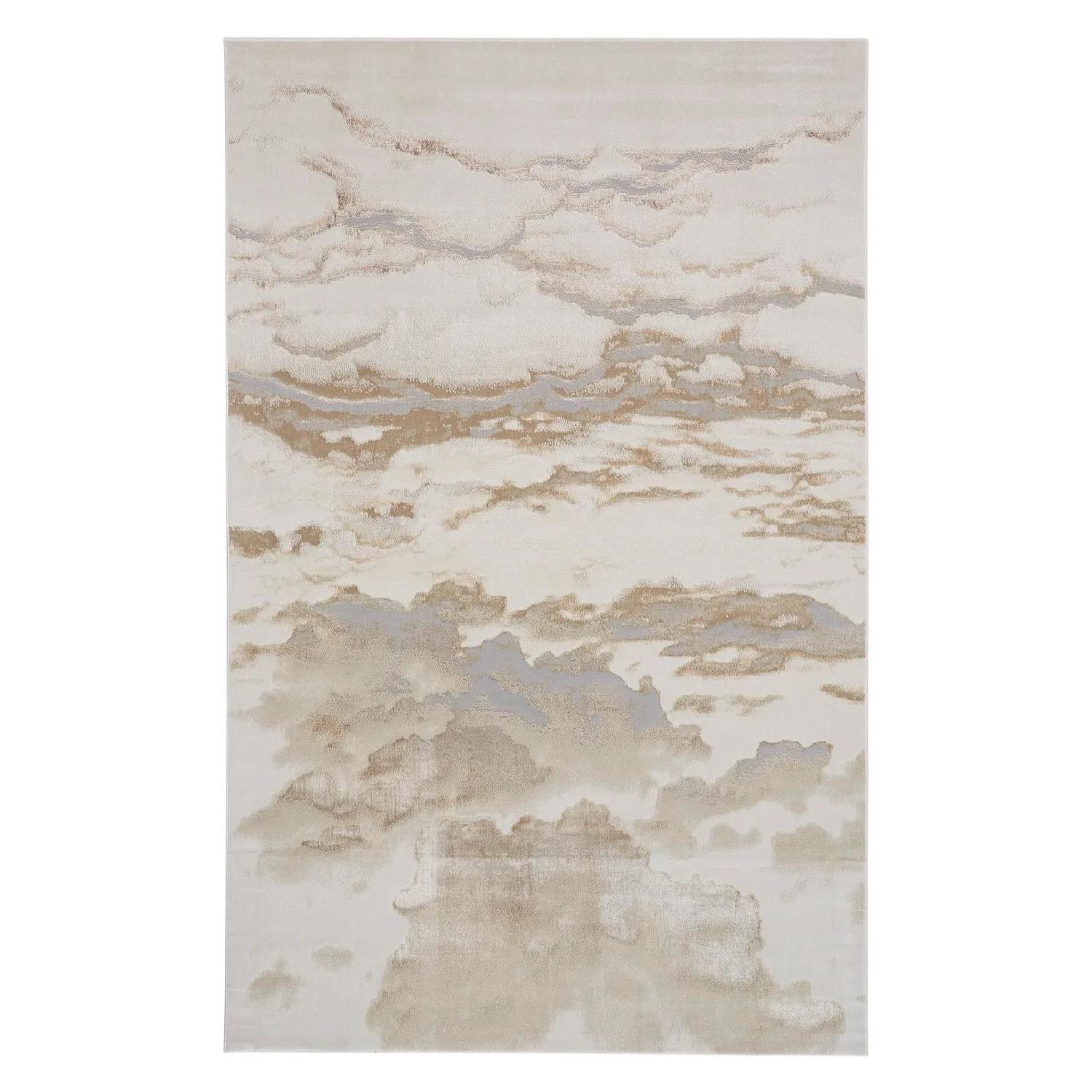
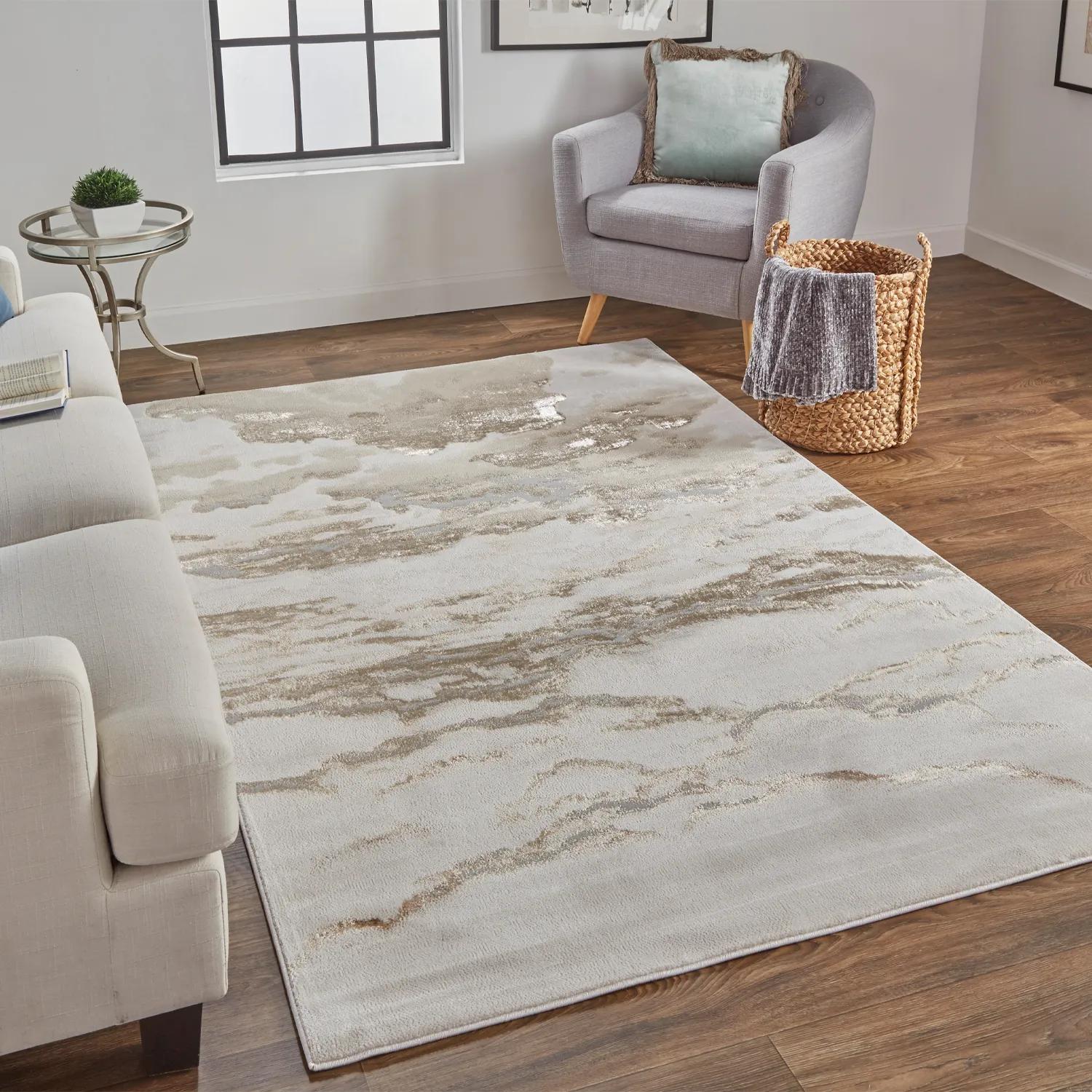 Tide Power-Loomed Beige/Gold/Ivory Rug$899
A machine-made rug in beige and gold, crafted from ultra-soft polyester and polypropylene for elegant spaces.
Add To Cart -
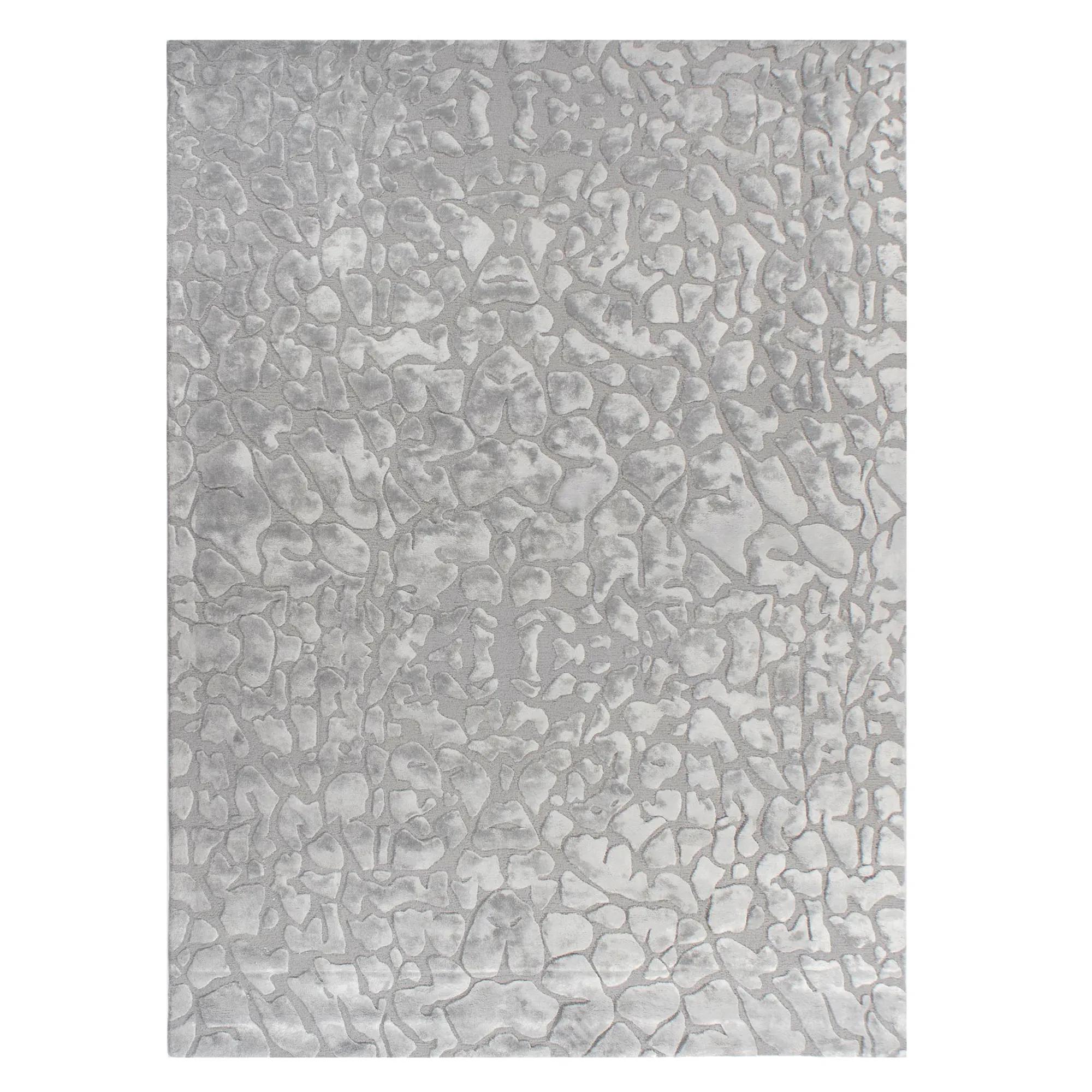
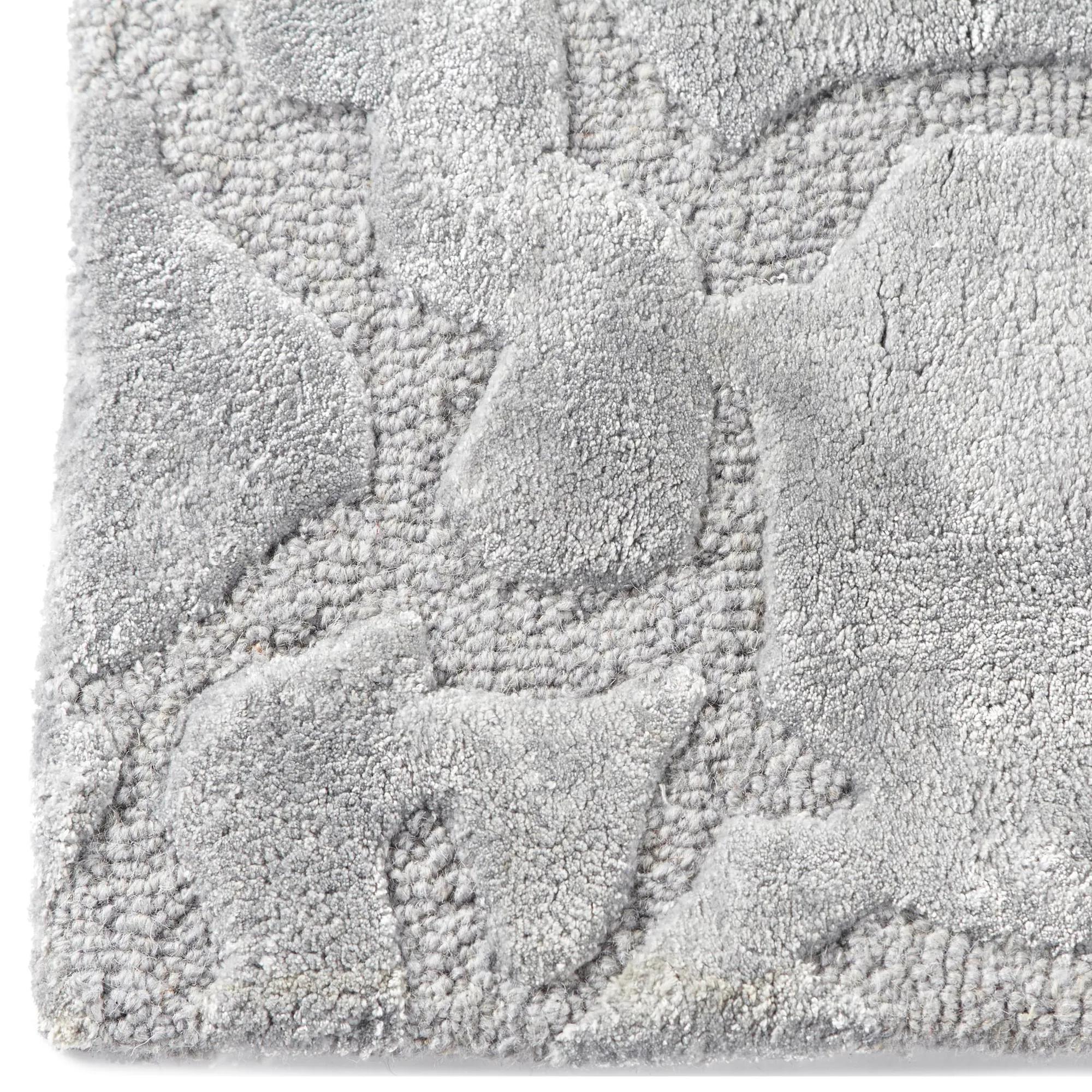 Nola Hand-Tufted Cool Grey Wool Blend Rug$849
A hand-tufted silver rug with contrasting pile heights, crafted from wool and viscose for plush texture.
Add To Cart -
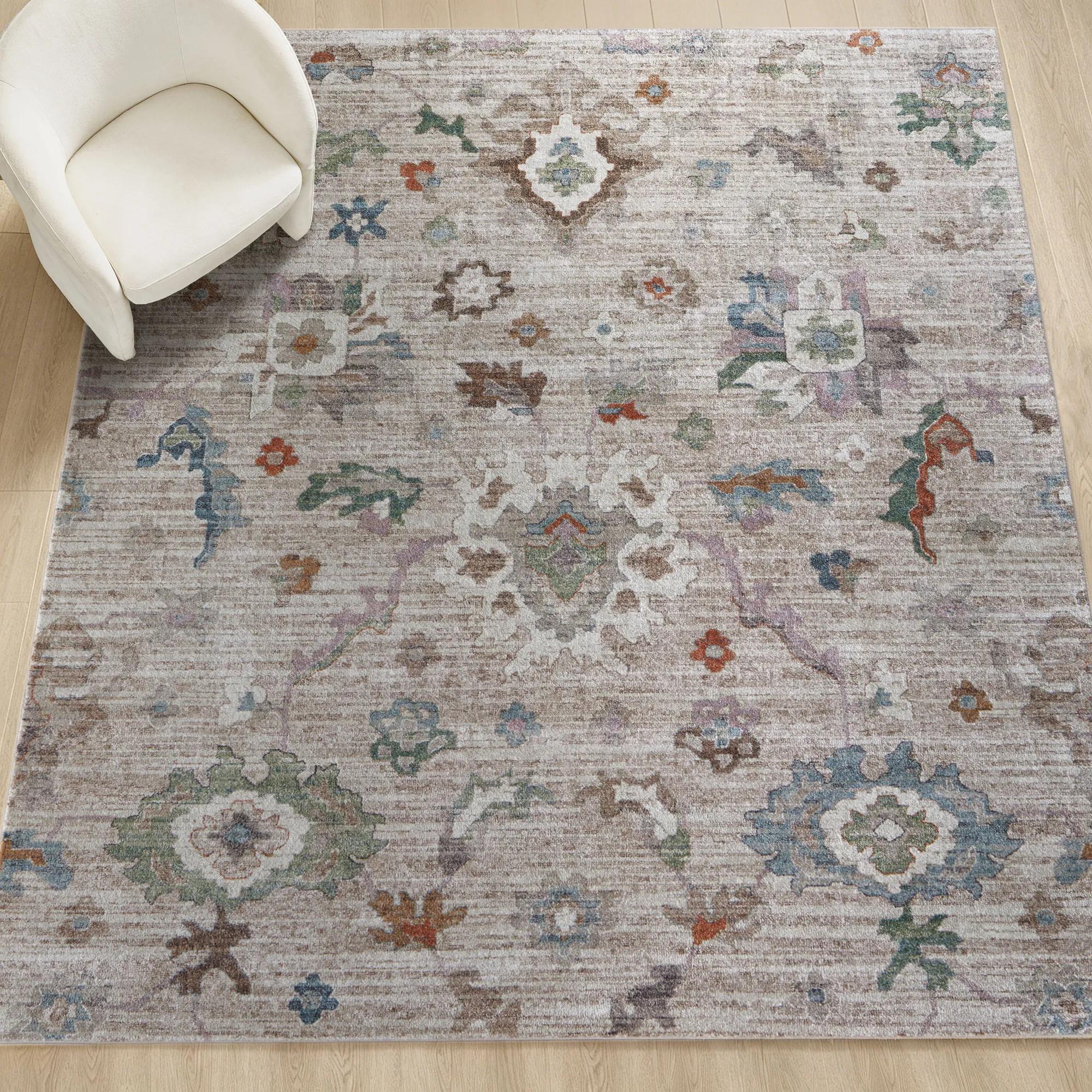
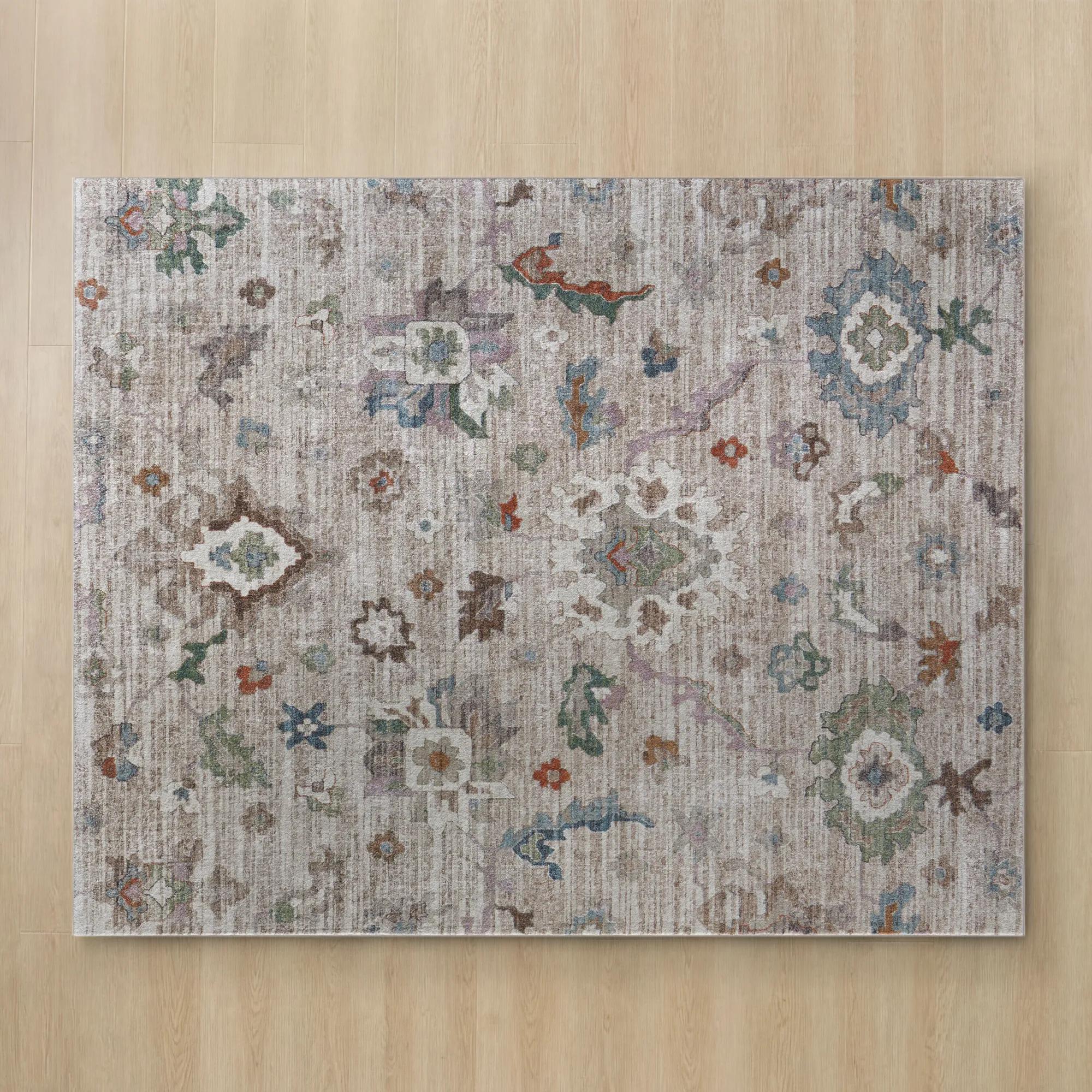 Ariella Floral Taupe/Ivory/Beige/Blue/Green Performance Power Loomed Rug$1499
A Persian-inspired rug in taupe, ivory, beige, blue, and green with a plush, power-loomed polypropylene pile.
Add To Cart -
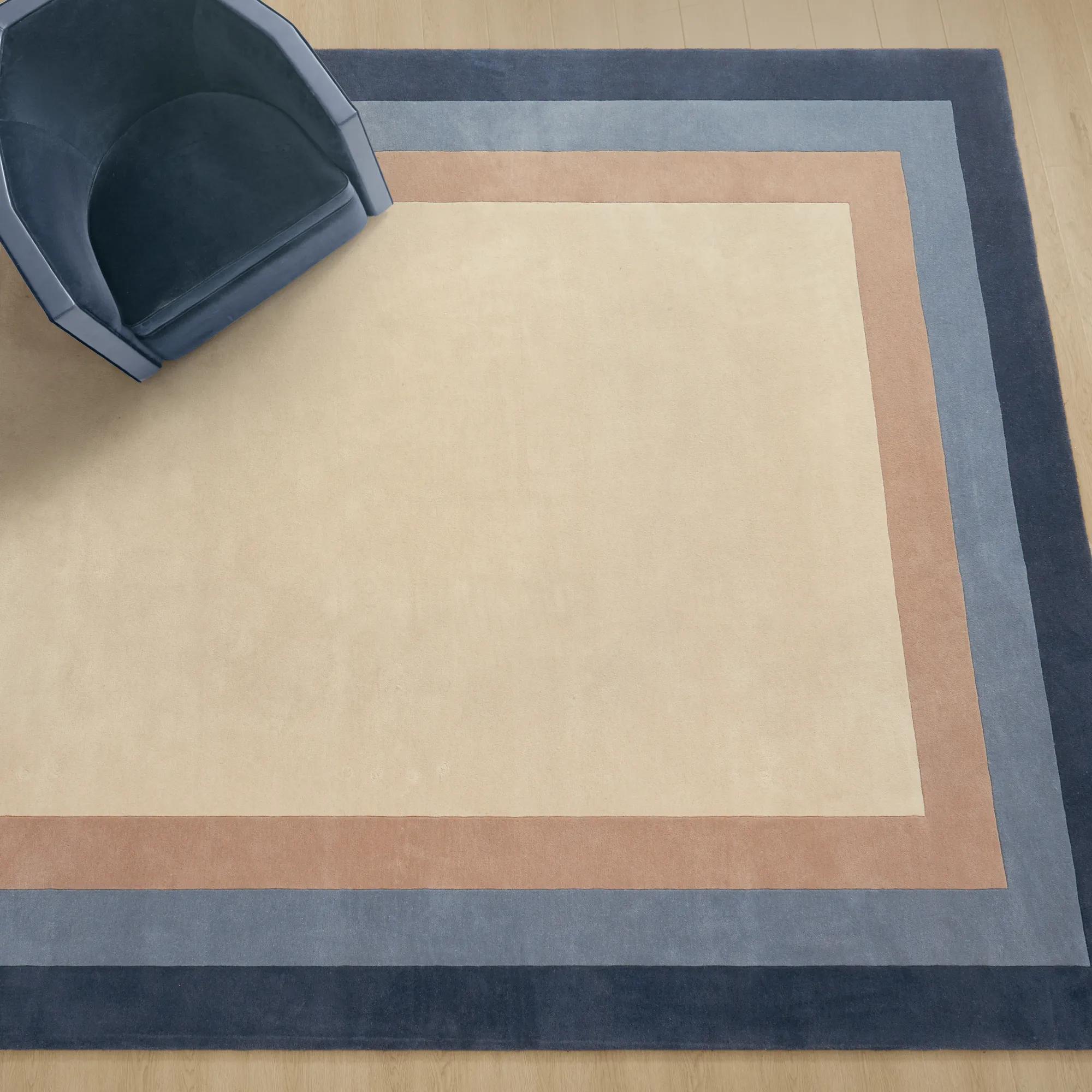 Bastien Hand-Tufted Blue/Taupe/Ivory Wool Border Rugs$1499
A hand-tufted wool rug featuring a bold color-blocked border in dusty blue, taupe, and ivory tones.
Add To Cart -
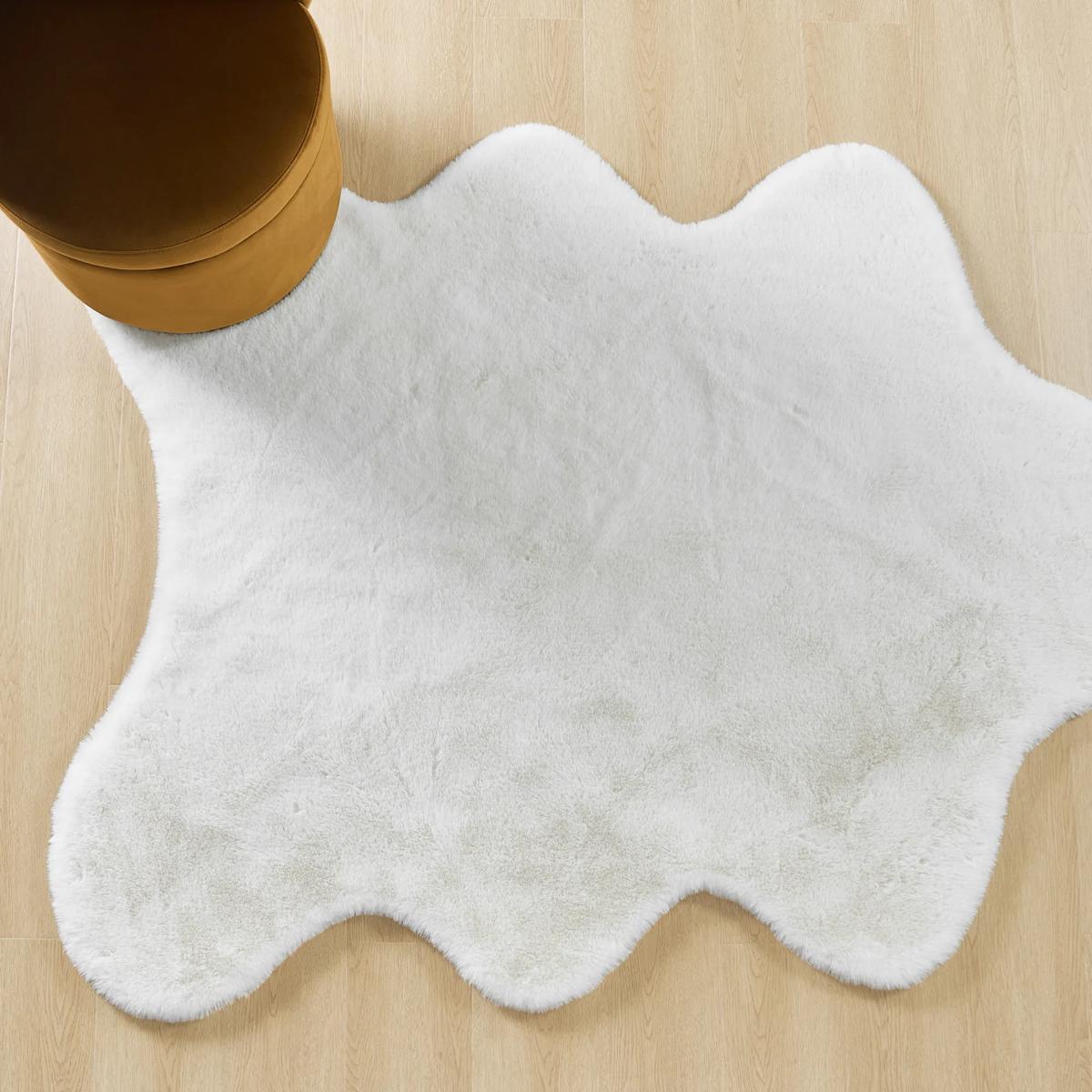
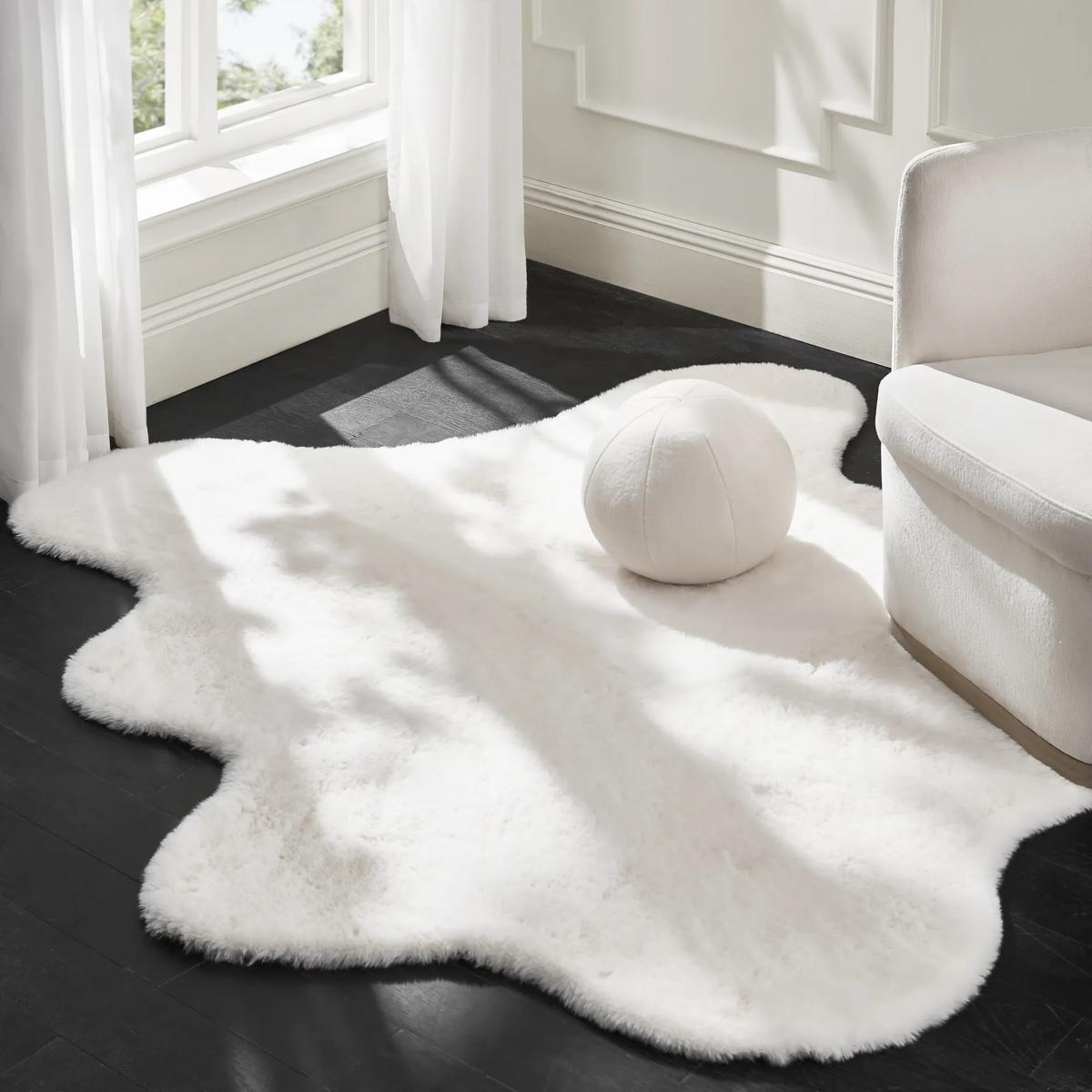 Odin Faux Fur White Shaped Rug 5' x 6'$249
A plush, cloud-shaped white rug with ultra-soft polyester pile and a practical non-slip backing.
Add To Cart -
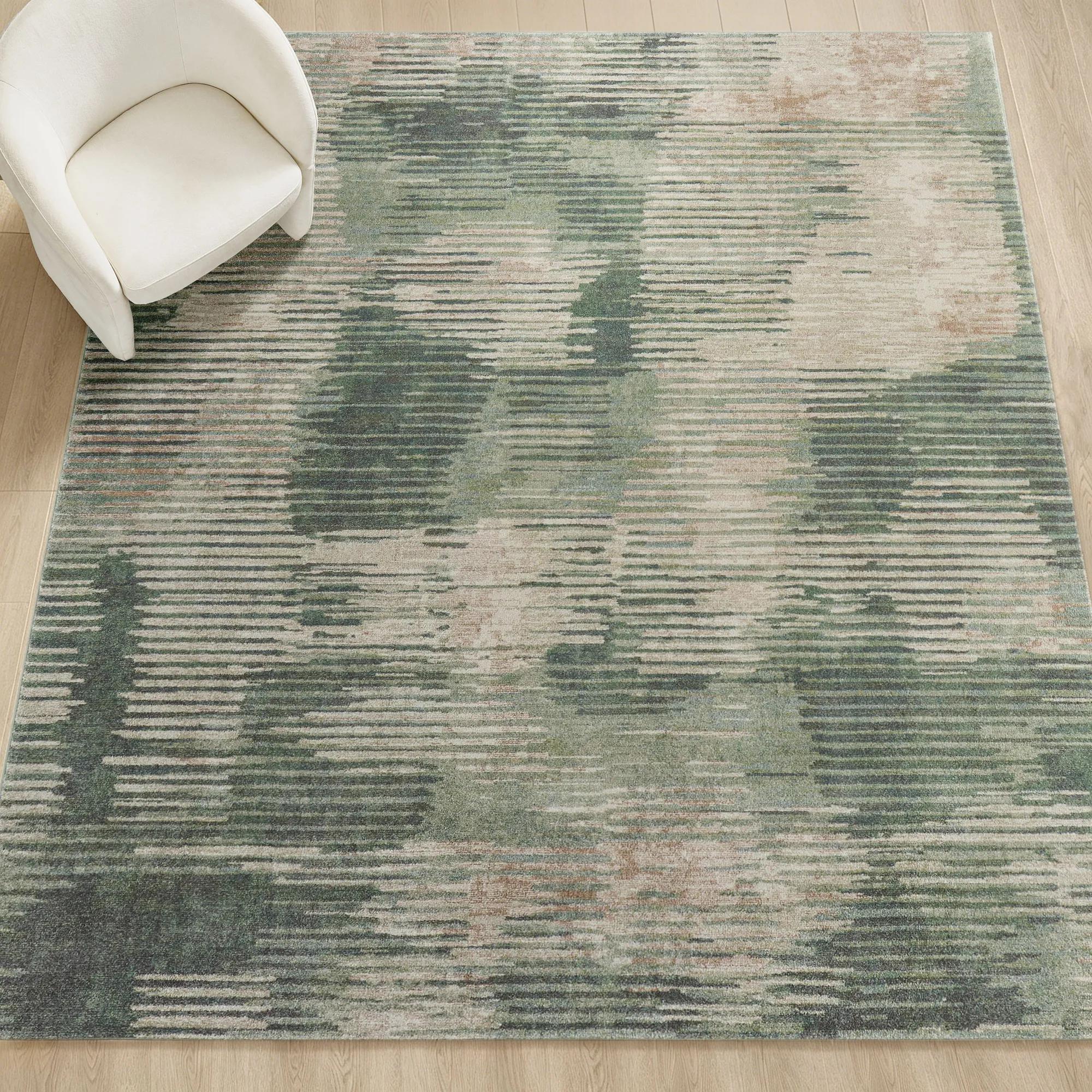
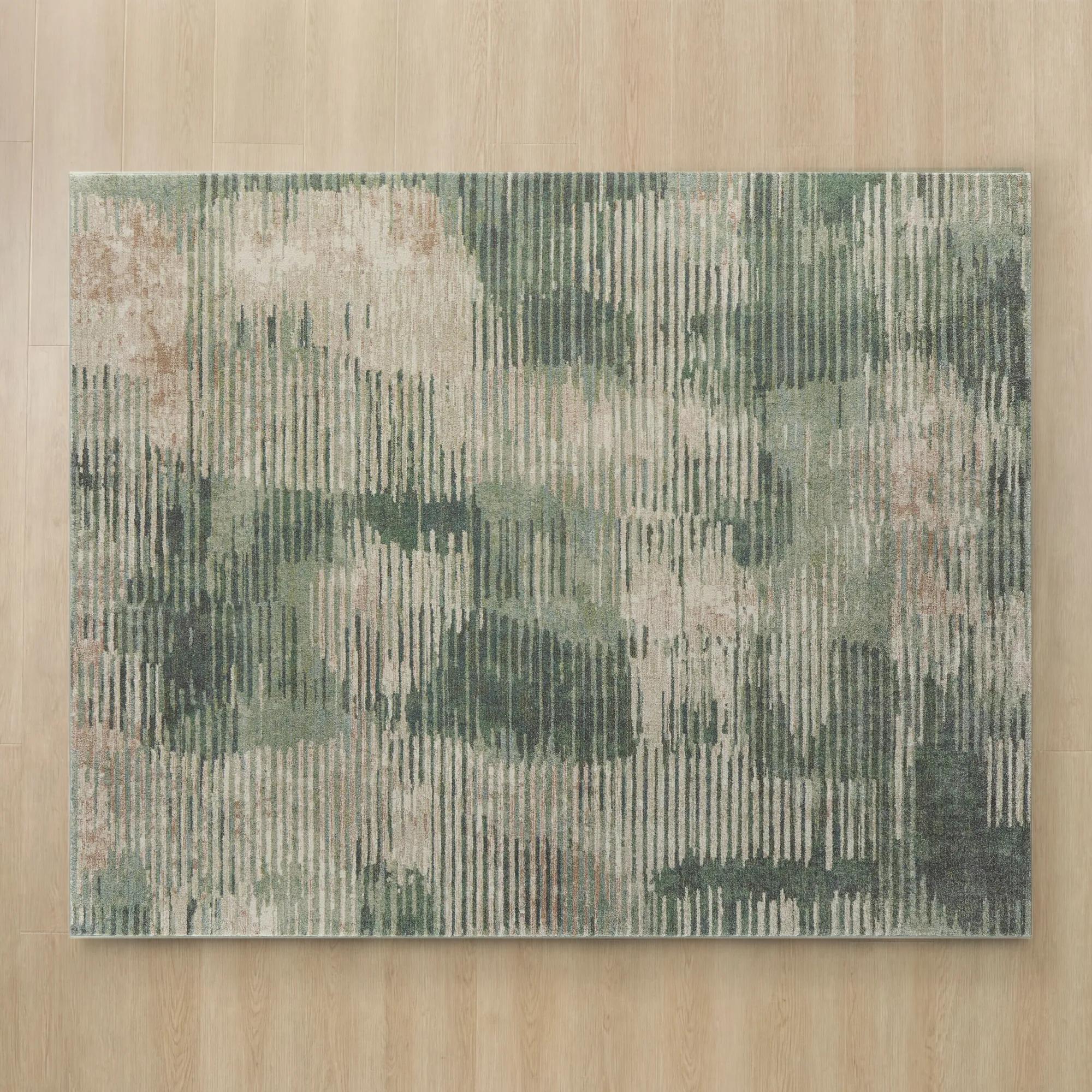 Sylvan Green/Beige Power Loomed Rug$689
A contemporary rug featuring a smoked olive green and beige organic pattern with a soft, power-loomed polypropylene pile.
Add To Cart -
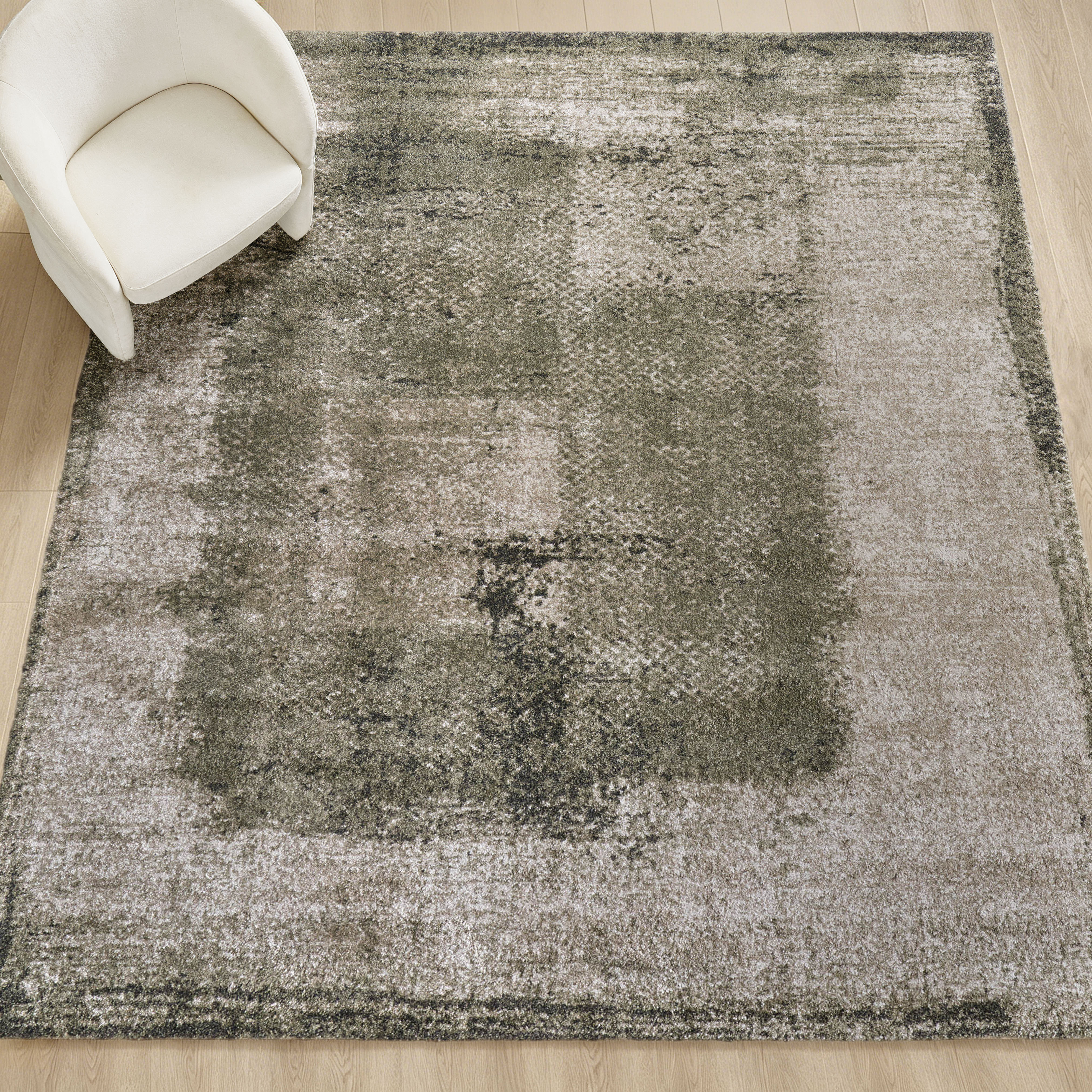
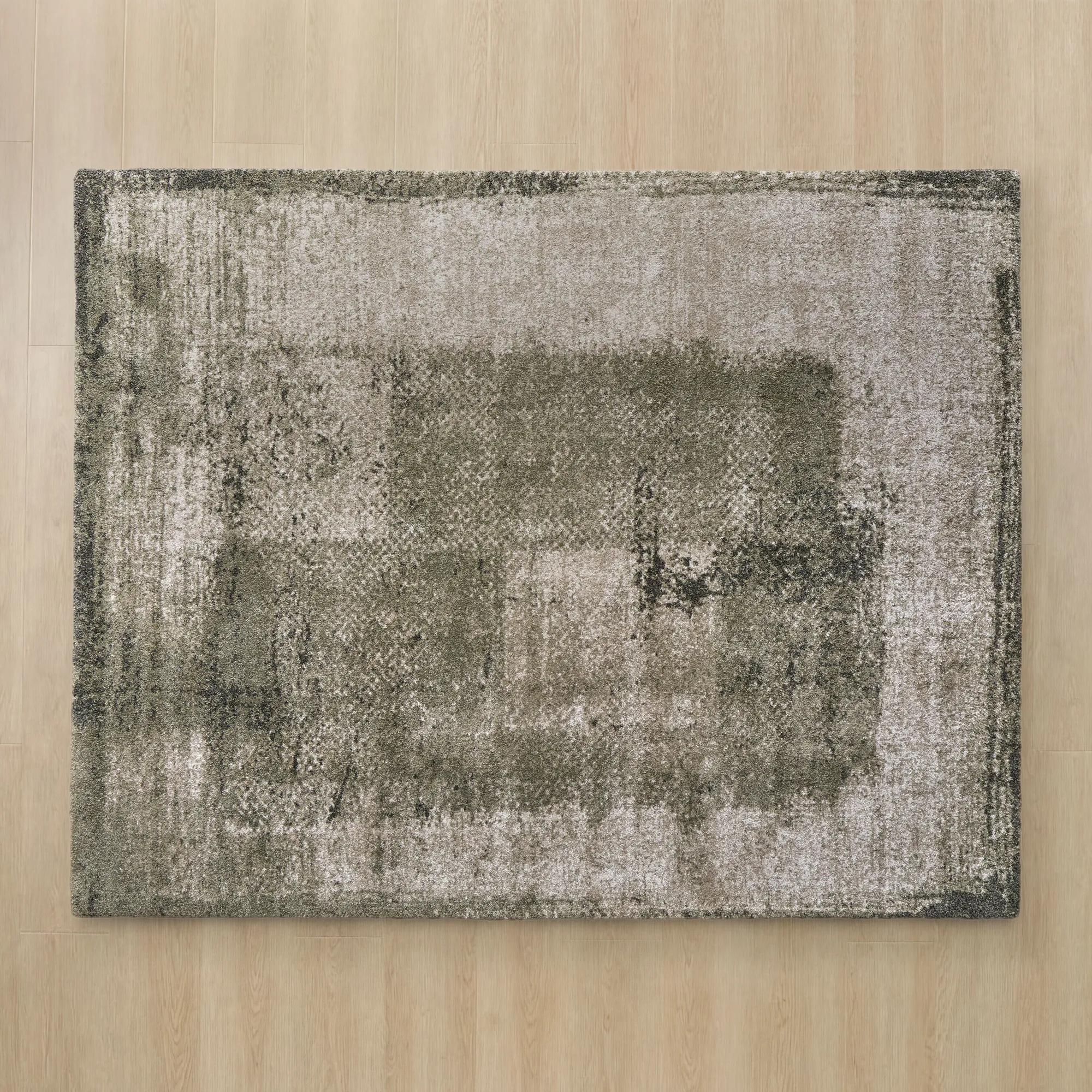 Irving Abstract Moss Green/Beige/Grey Performance Power Loomed Rug$1649
An abstract rug in moss green, beige, and grey with plush, durable polypropylene and polyester construction.
Add To Cart -
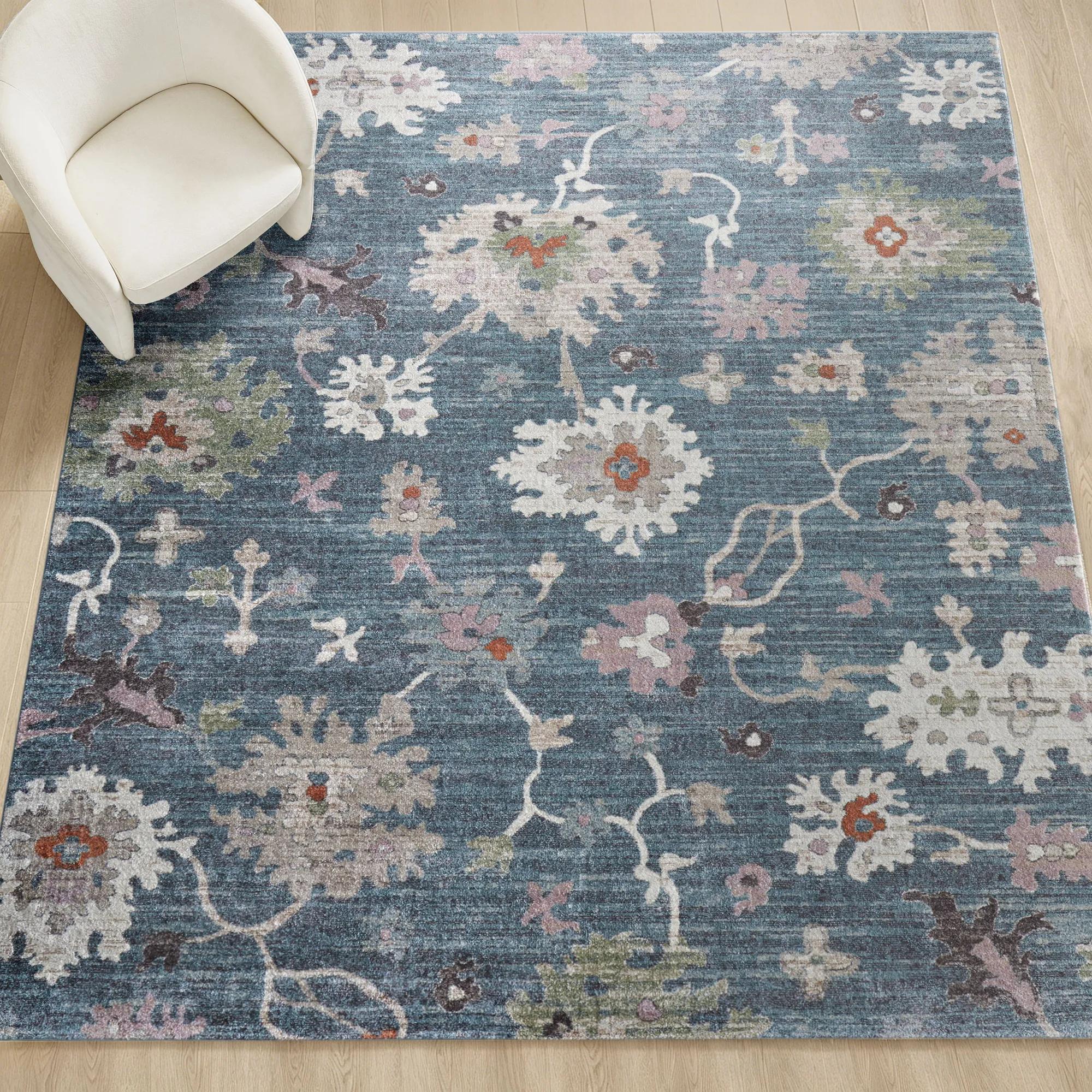
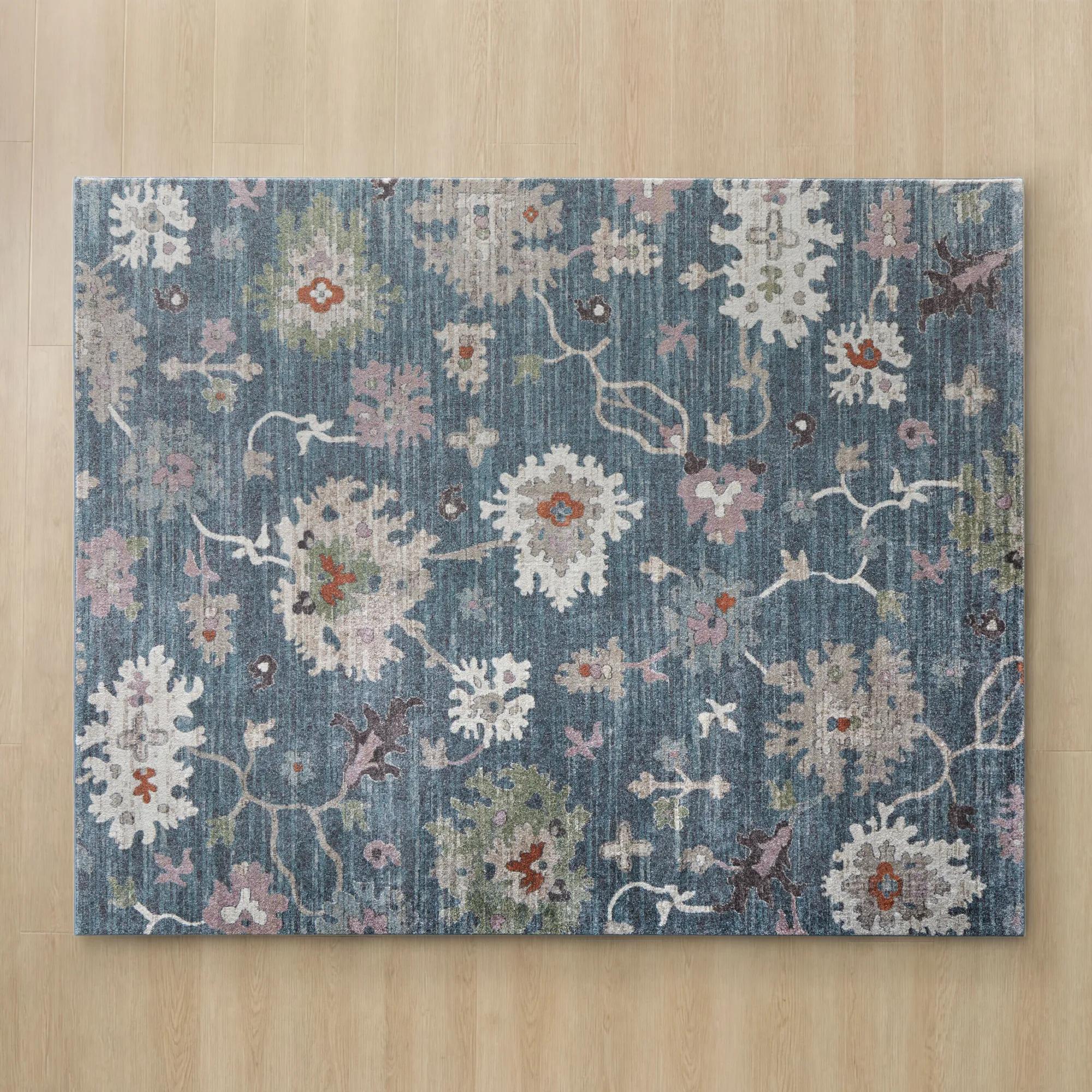 Ariella Floral Blue/Ivory/Beige/Green/Rose Dust Performance Power Loomed Rug$1399
A Persian-inspired rug in blue, ivory, beige, green, and rose dust with plush, stain-resistant polypropylene.
Add To Cart -
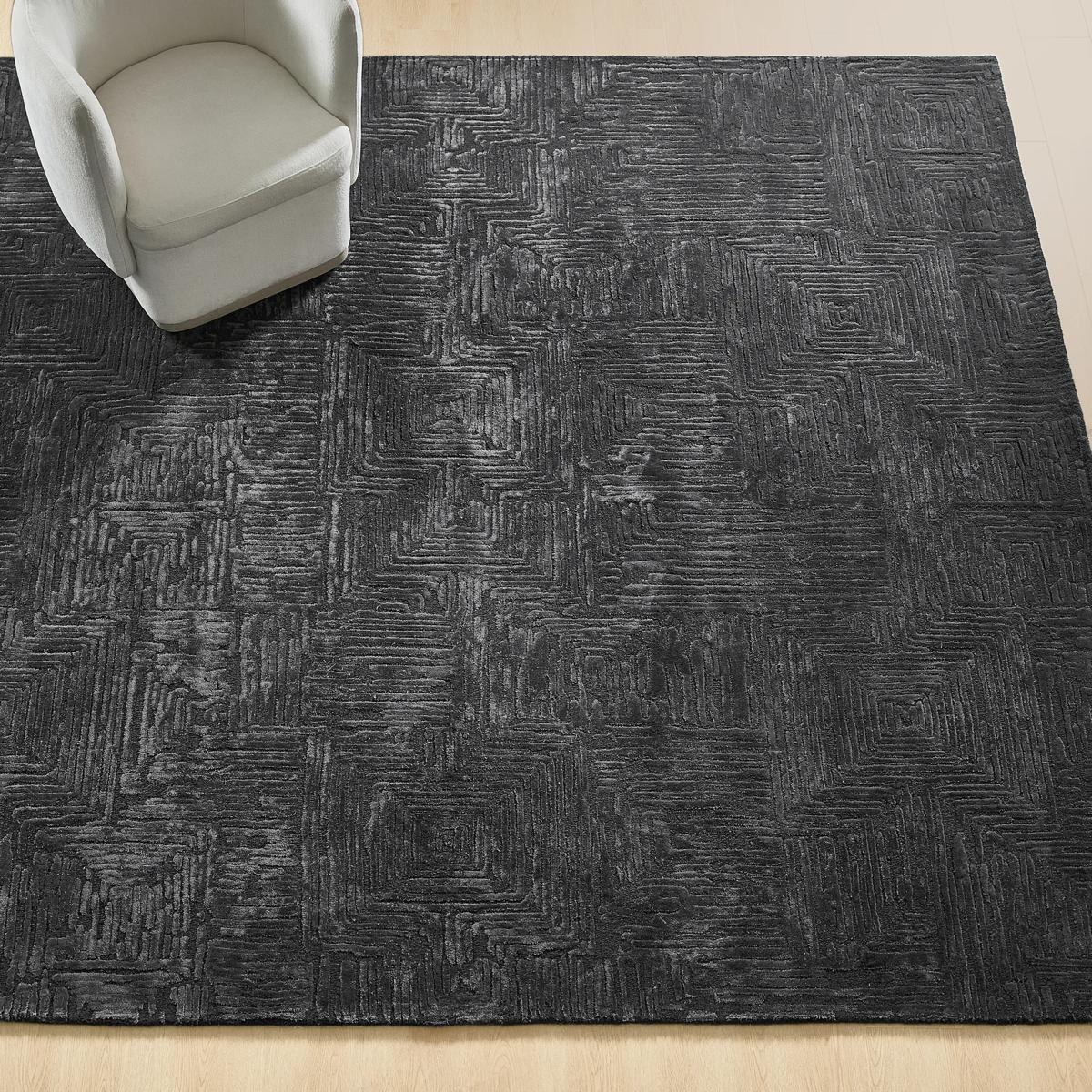
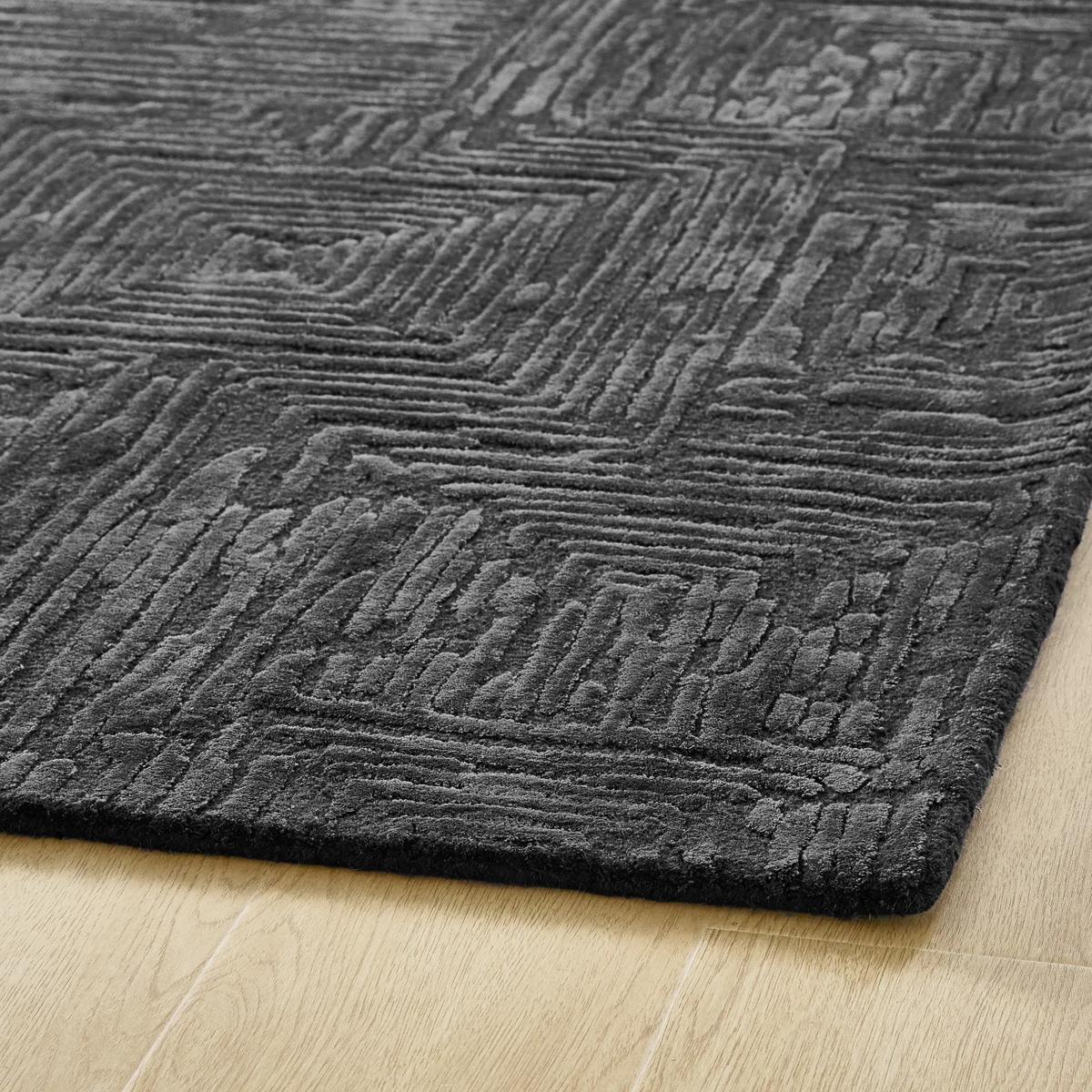 Andra Charcoal Hand-Tufted Wool Blend Dimensional Rug$1499
A hand-tufted viscose-wool rug in rich charcoal with a sculptural, dimensional pattern and plush texture.
Add To Cart -
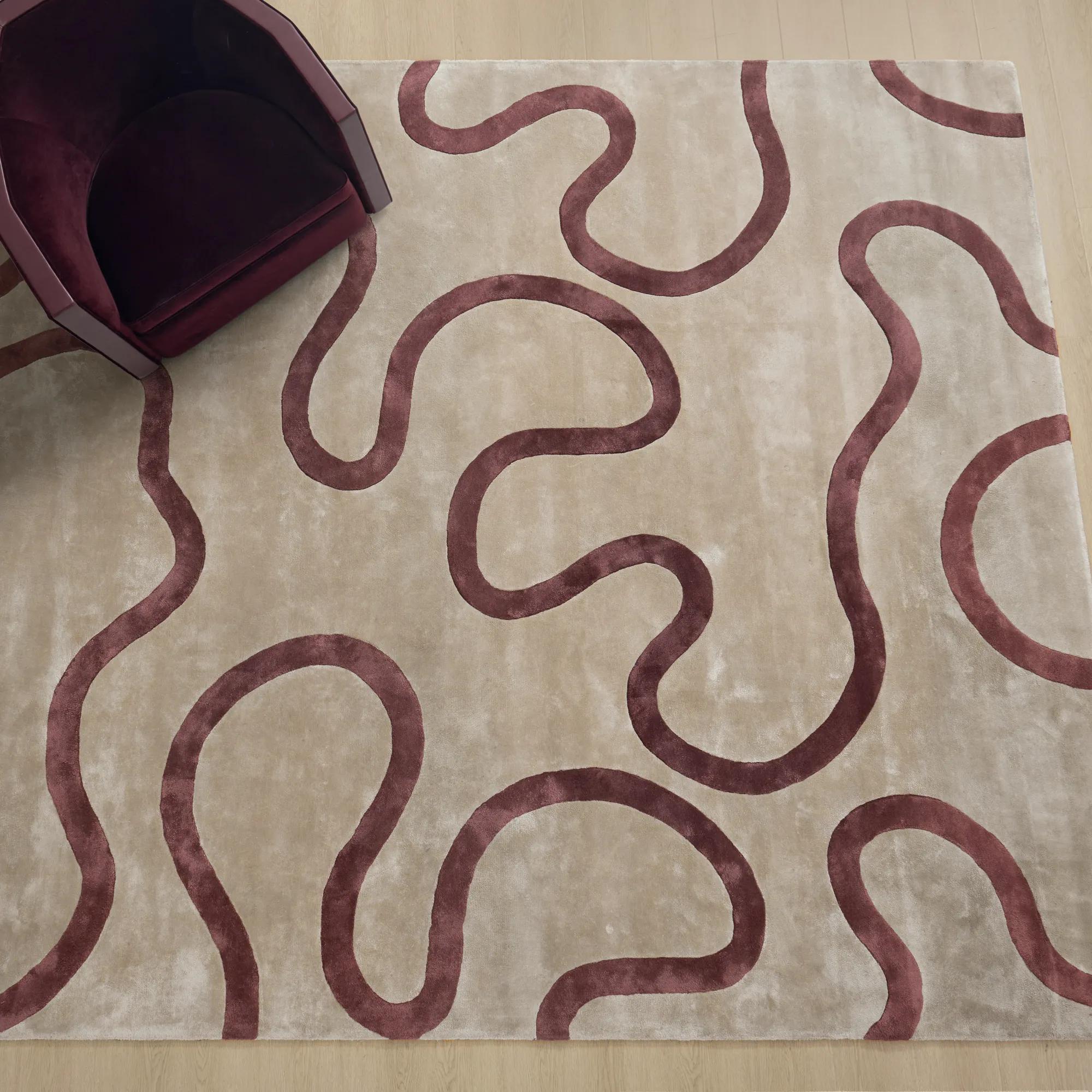 Seraphine Hand-Tufted Fig/Taupe Viscose Loop Rugs$599
A hand-tufted wool rug featuring bold fig and taupe loops for a graphic, Deco-inspired look.
Add To Cart -
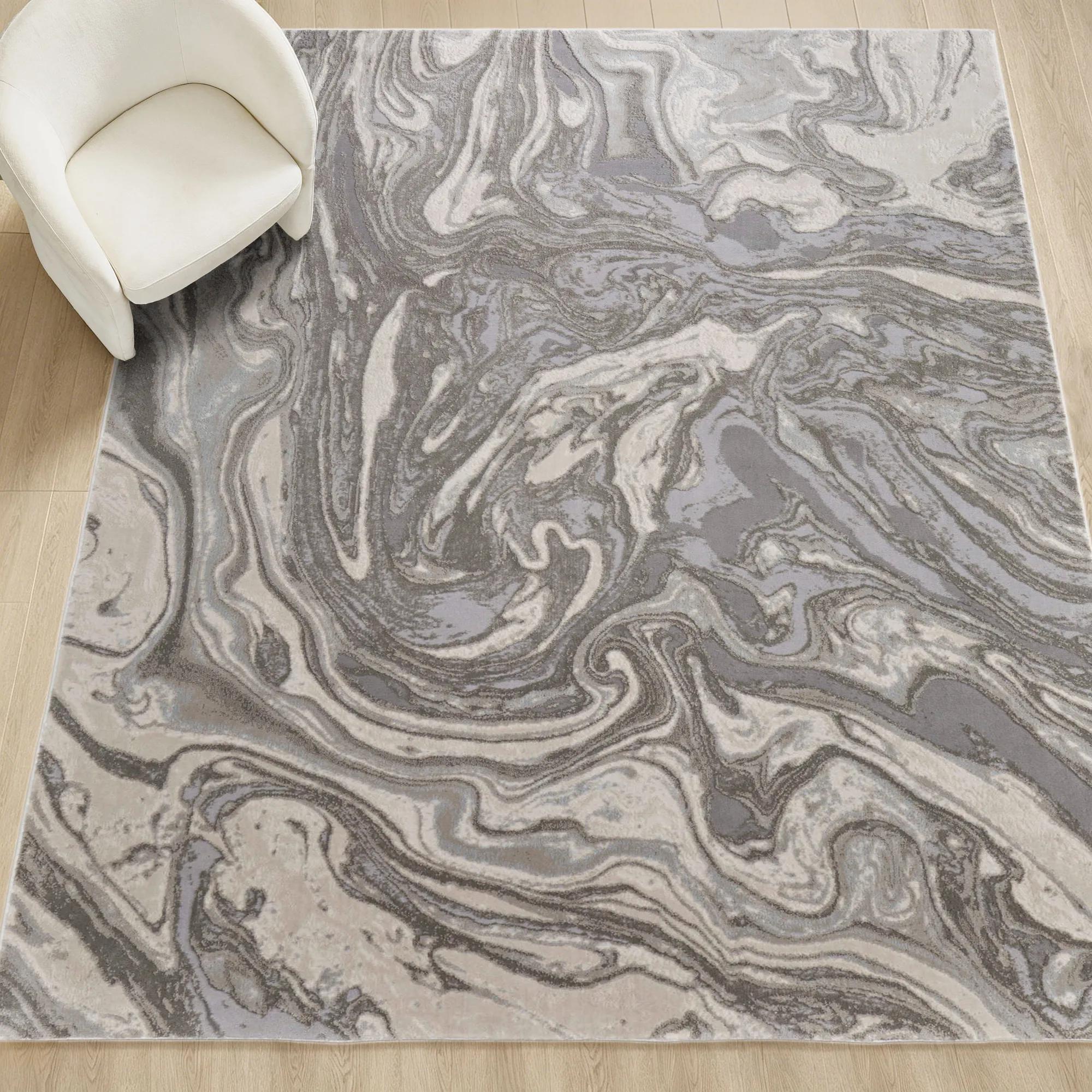
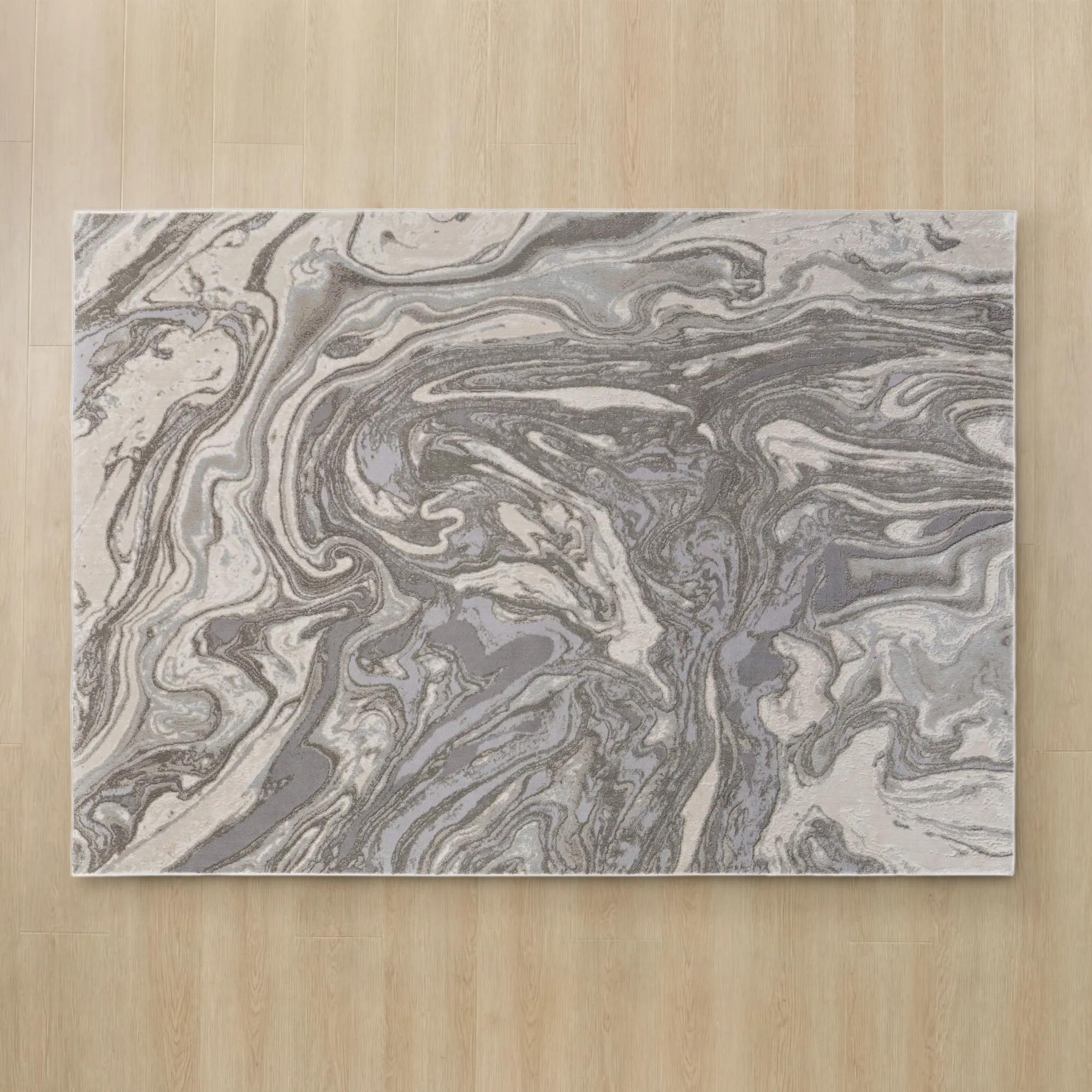 Marbre Marbled Grey/Taupe/Powder Blue Performance Power Loomed Rug$379
A softly marbled rug in grey, taupe, and powder blue with a textured, stain-resistant polypropylene blend.
Add To Cart -
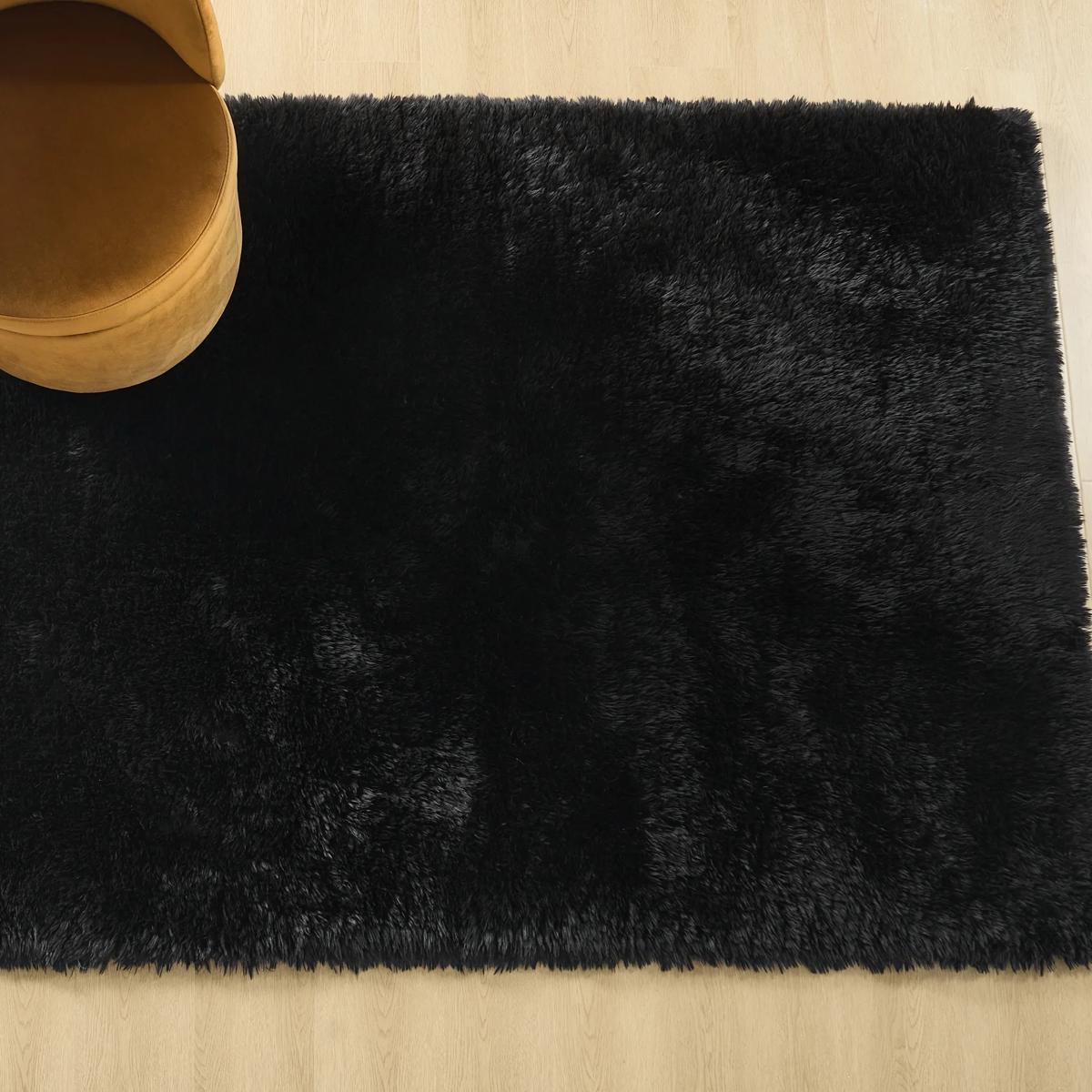
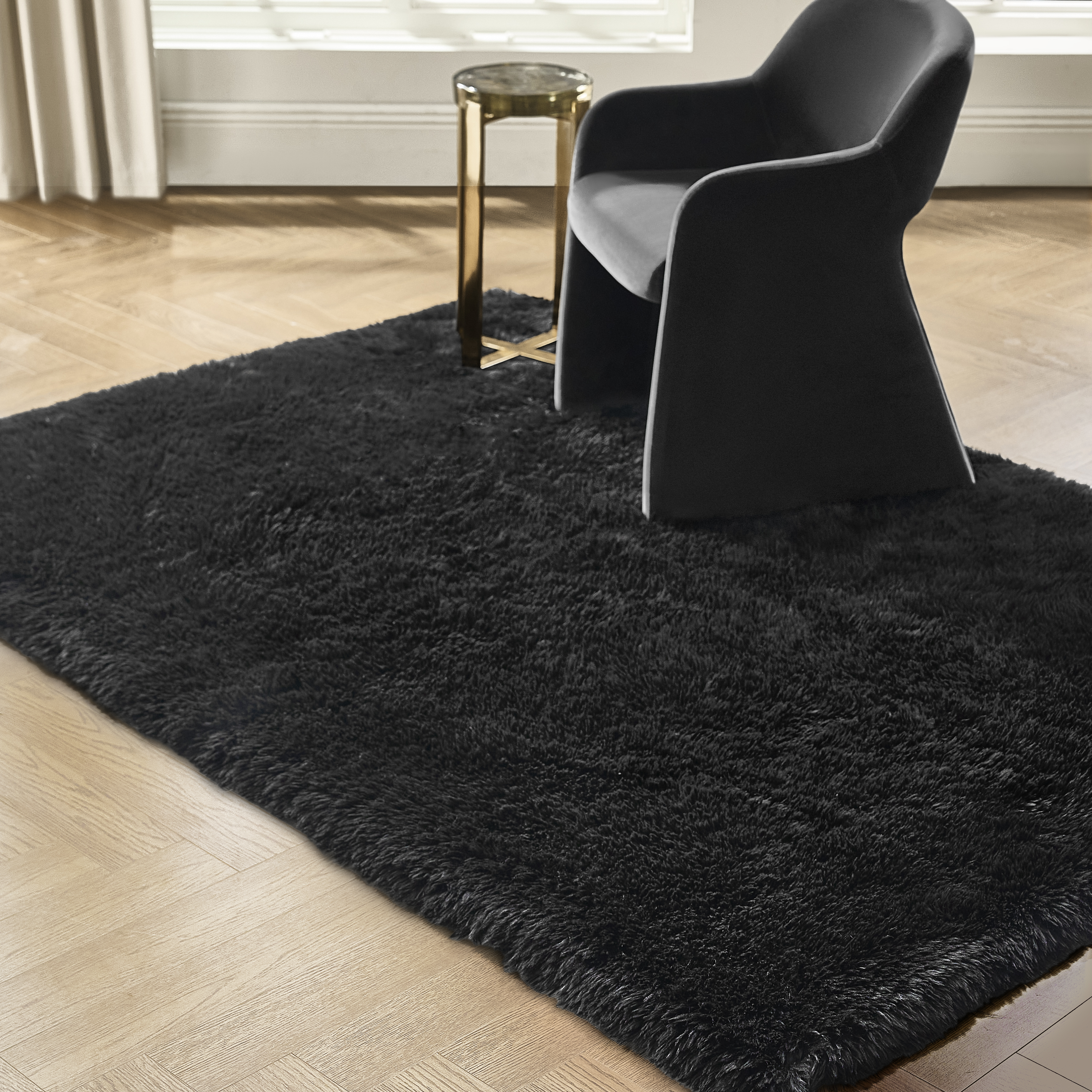 Lustre Shag Rug - Black$299
A plush, ultra-soft high-pile rug in deep black polyester with a non-slip backing for modern elegance.
Add To Cart -
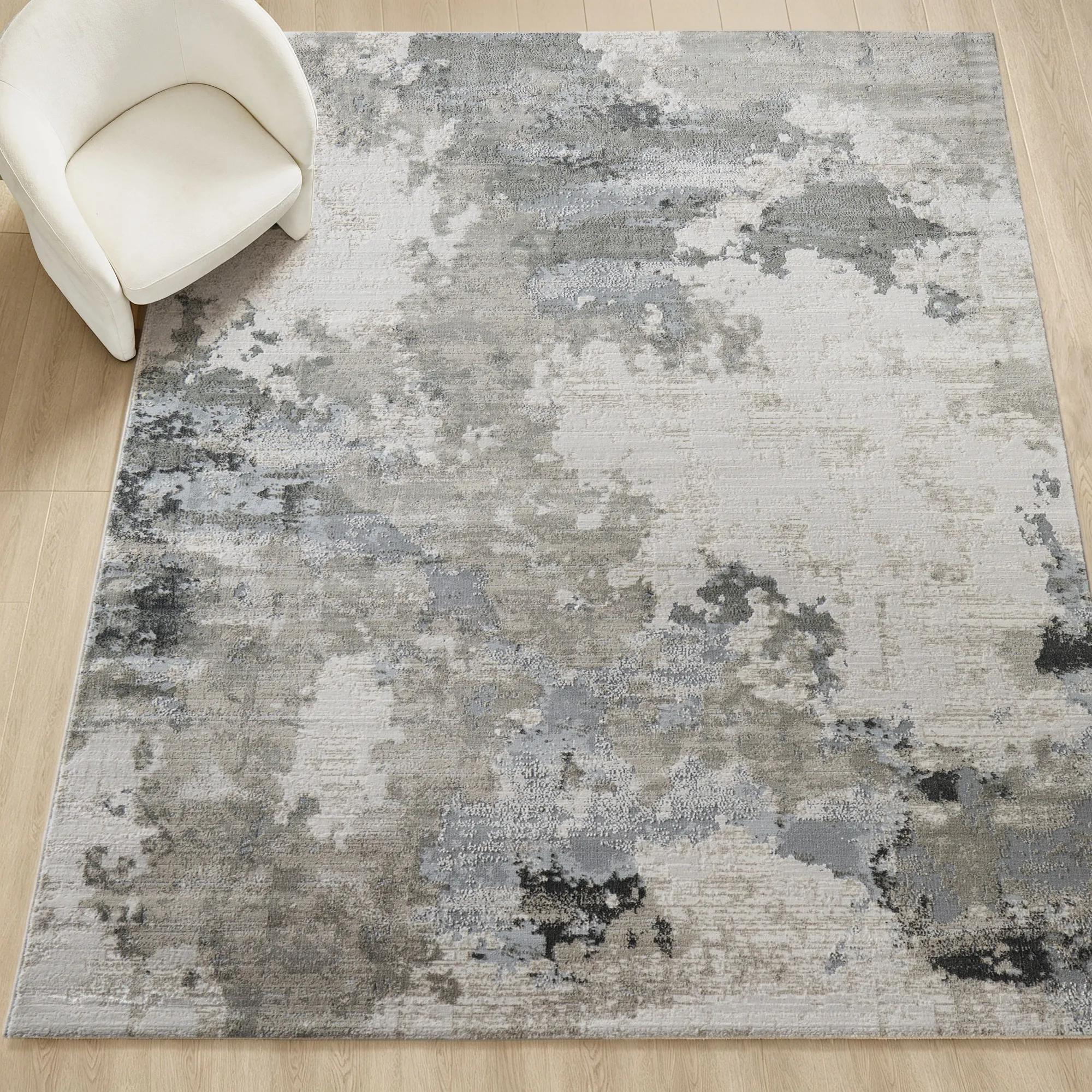 Alarion Abstract Grey/Muted Blue/Ivory Performance Power Loomed Rug$849
A power-loomed rug featuring a distressed abstract pattern in grey, muted blue, and ivory with stain resistance.
Add To Cart -
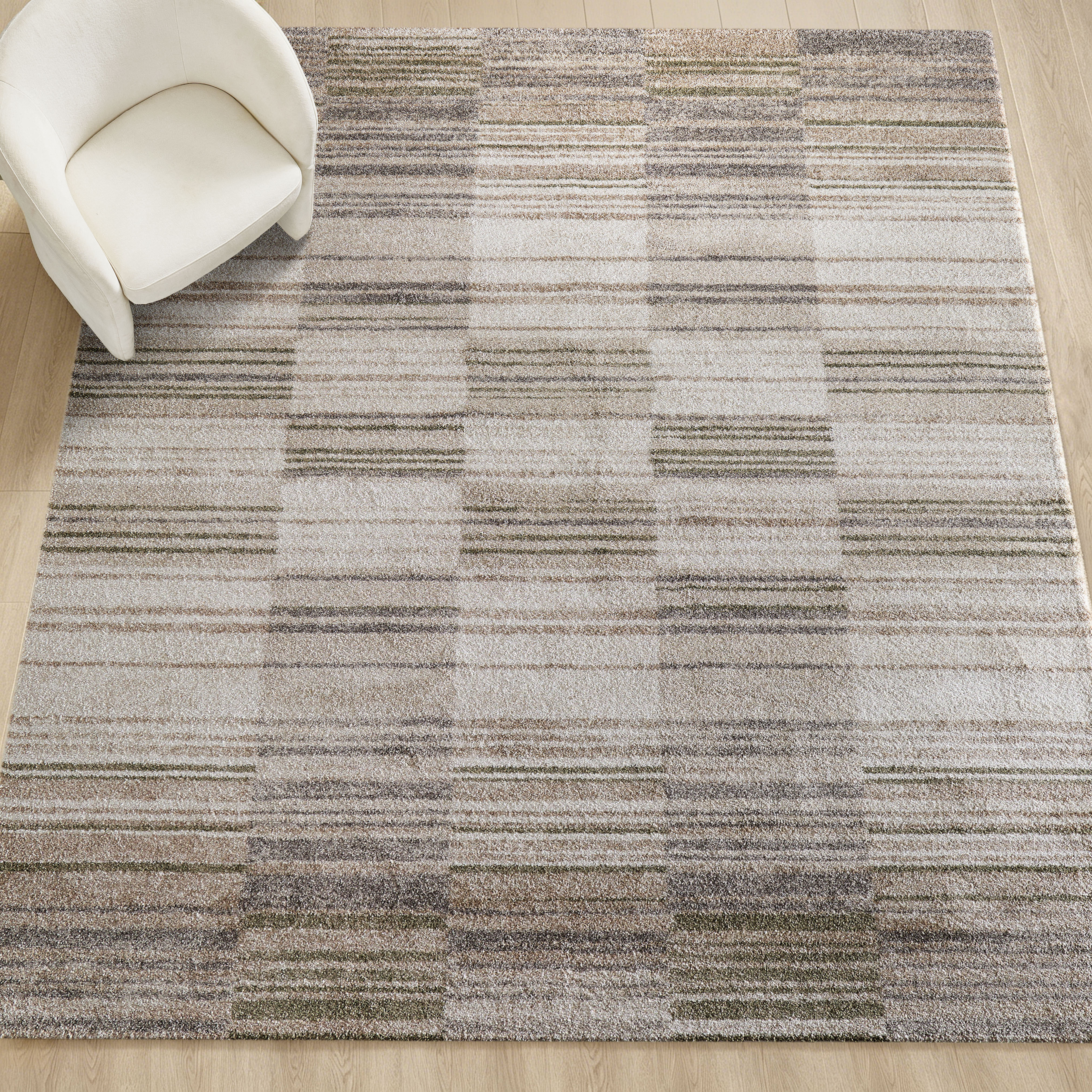
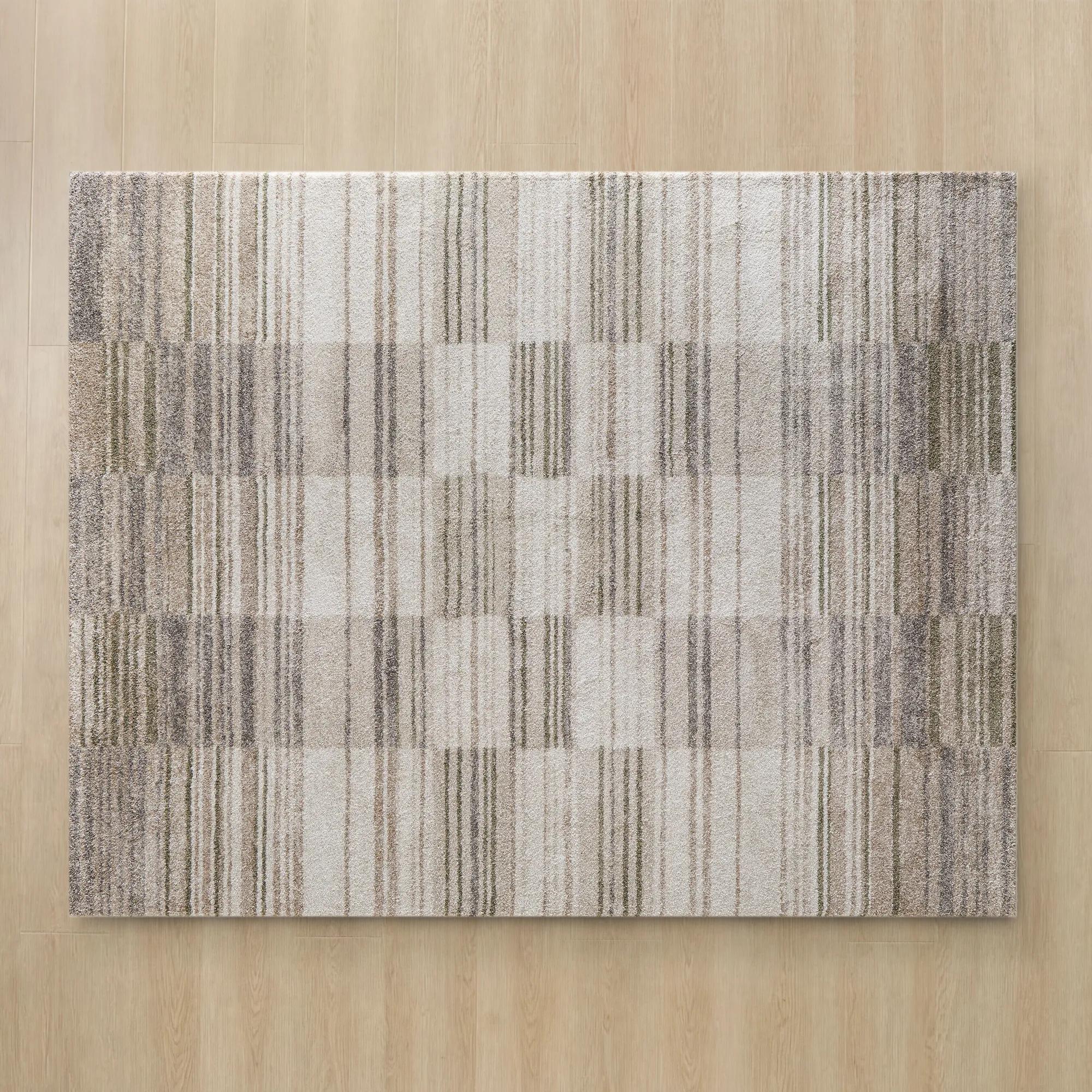 Checka Grey/Tan/Ivory/Soft Green Performance Power Loomed Rug$1649
A plush, power-loomed rug featuring a soft check pattern in grey, tan, ivory, and green.
Add To Cart -
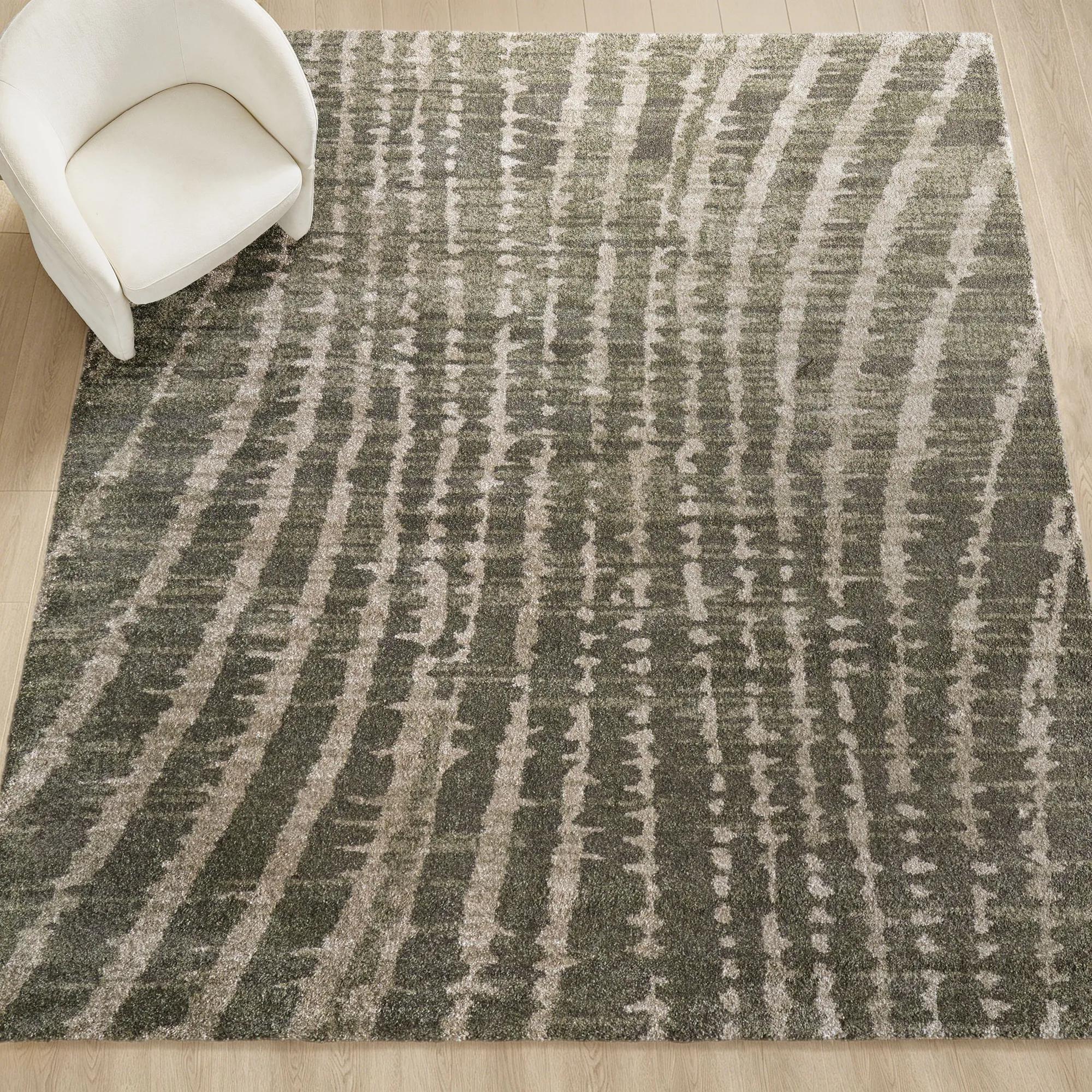
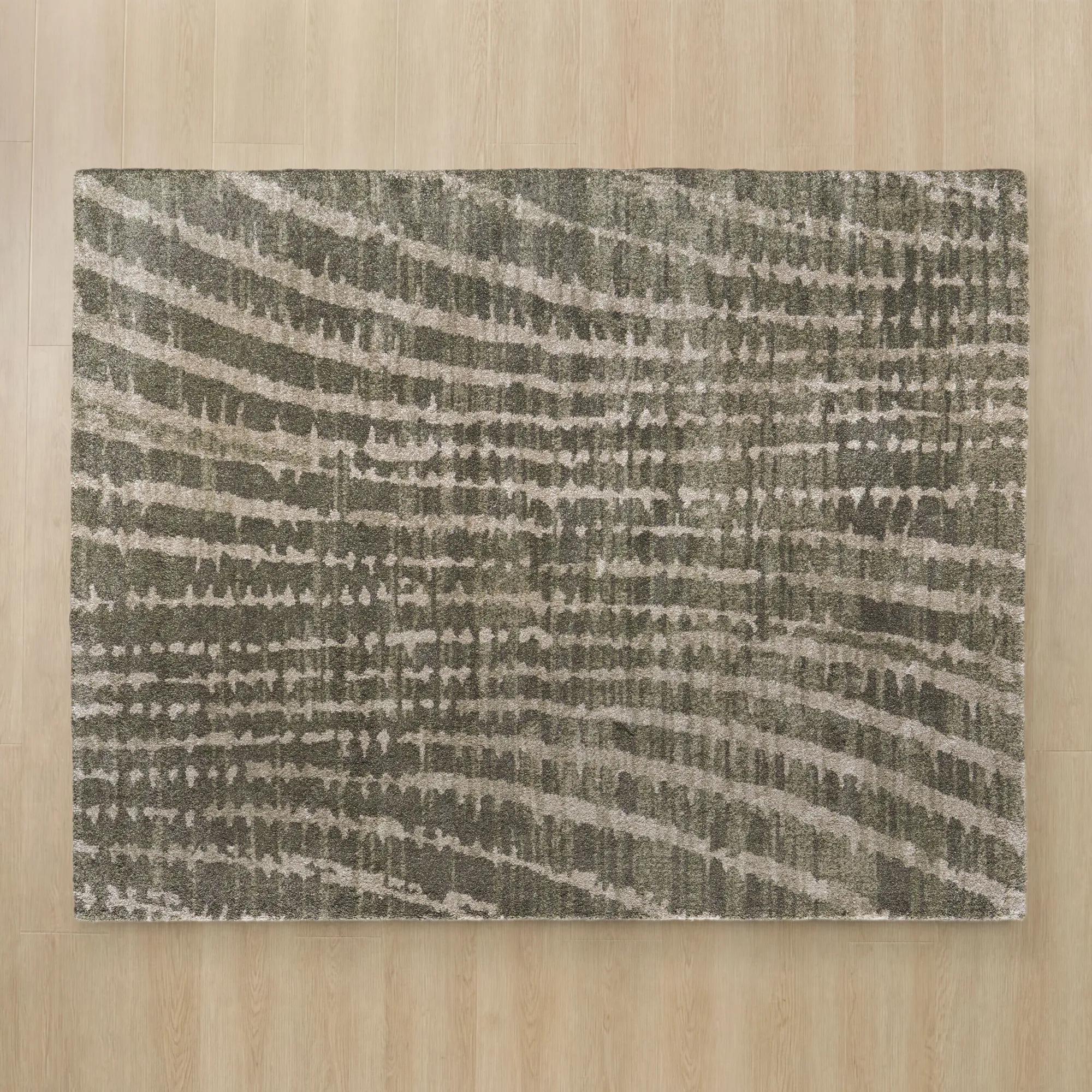 Tempo Green/Grey/Beige Performance Power Loomed Rug$1649
An abstract charcoal grey and beige rug with plush cut pile and durable, stain-resistant polypropylene-polyester construction.
Add To Cart -
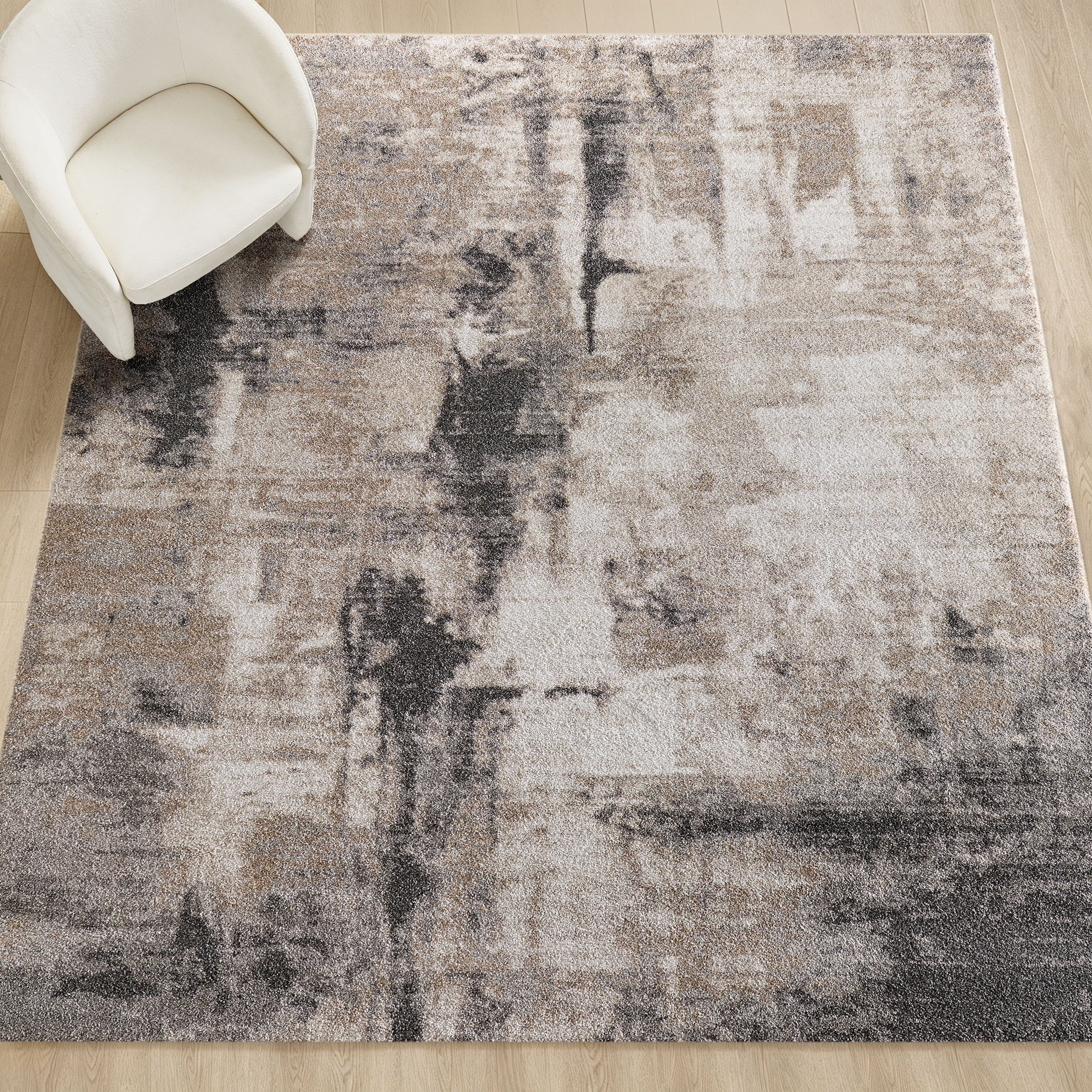
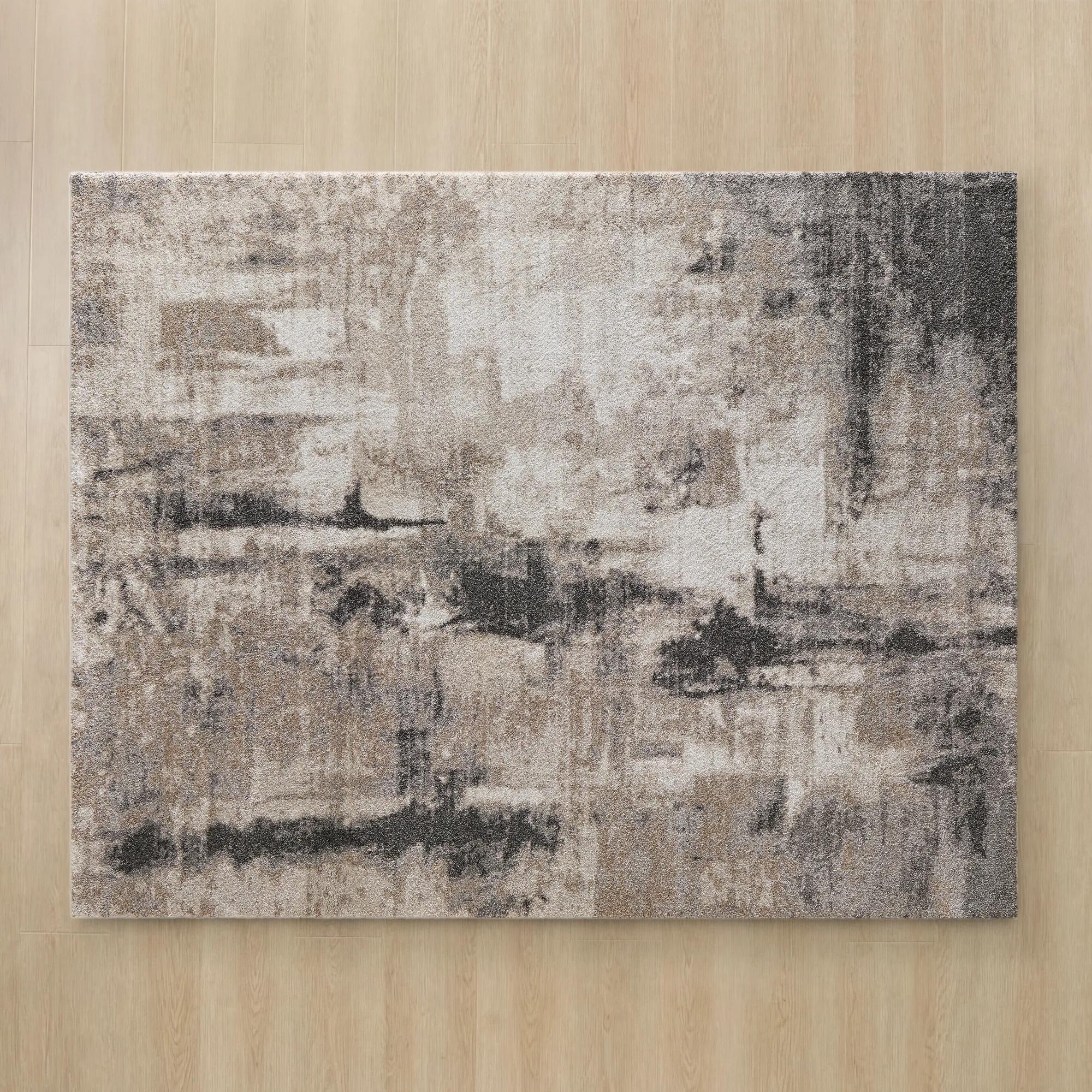 Atlas Abstract Grey/Taupe/Ivory/Charcoal Performance Power Loomed Rug$399
An abstract rug in grey, taupe, ivory, and charcoal with a plush, stain-resistant polypropylene blend.
Add To Cart -
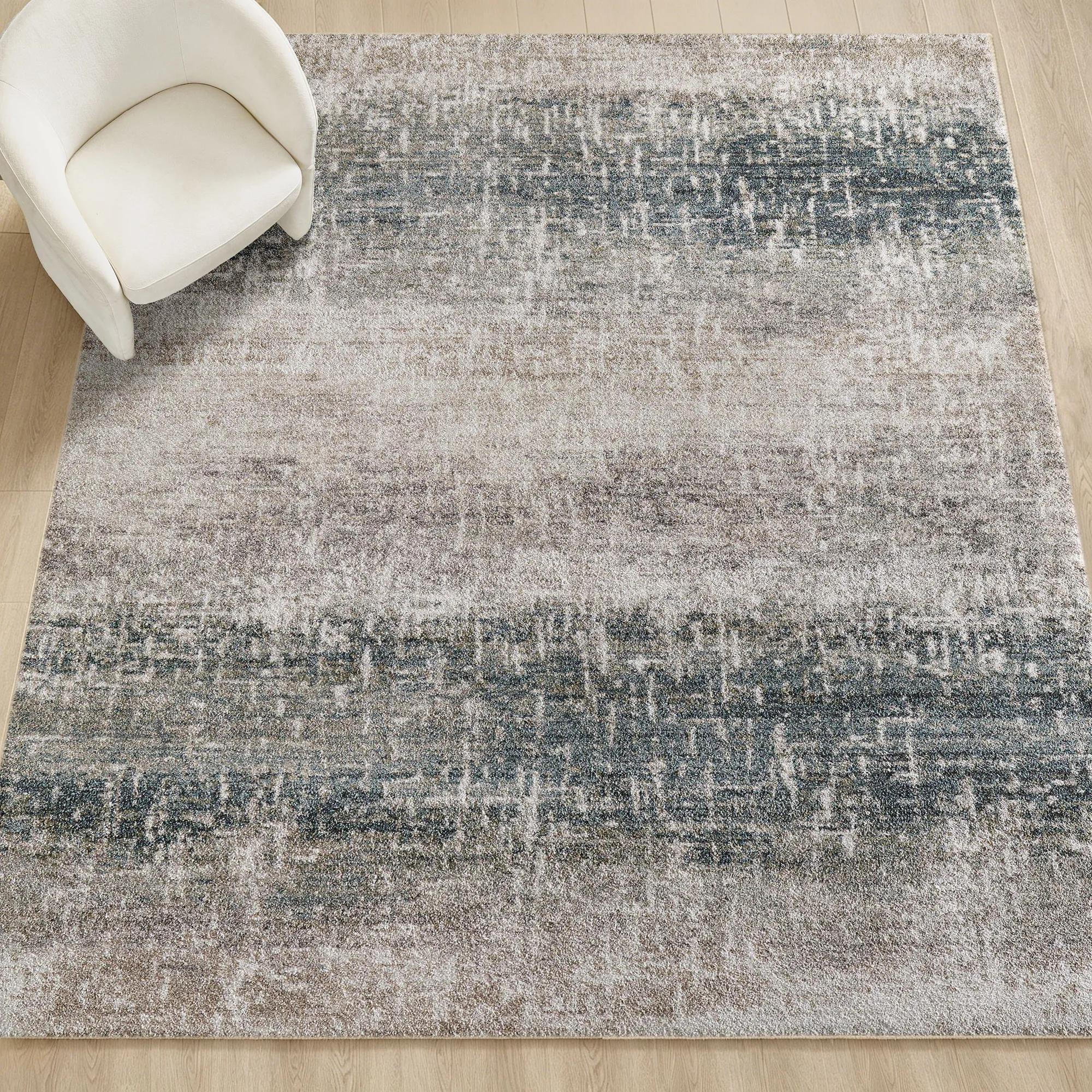
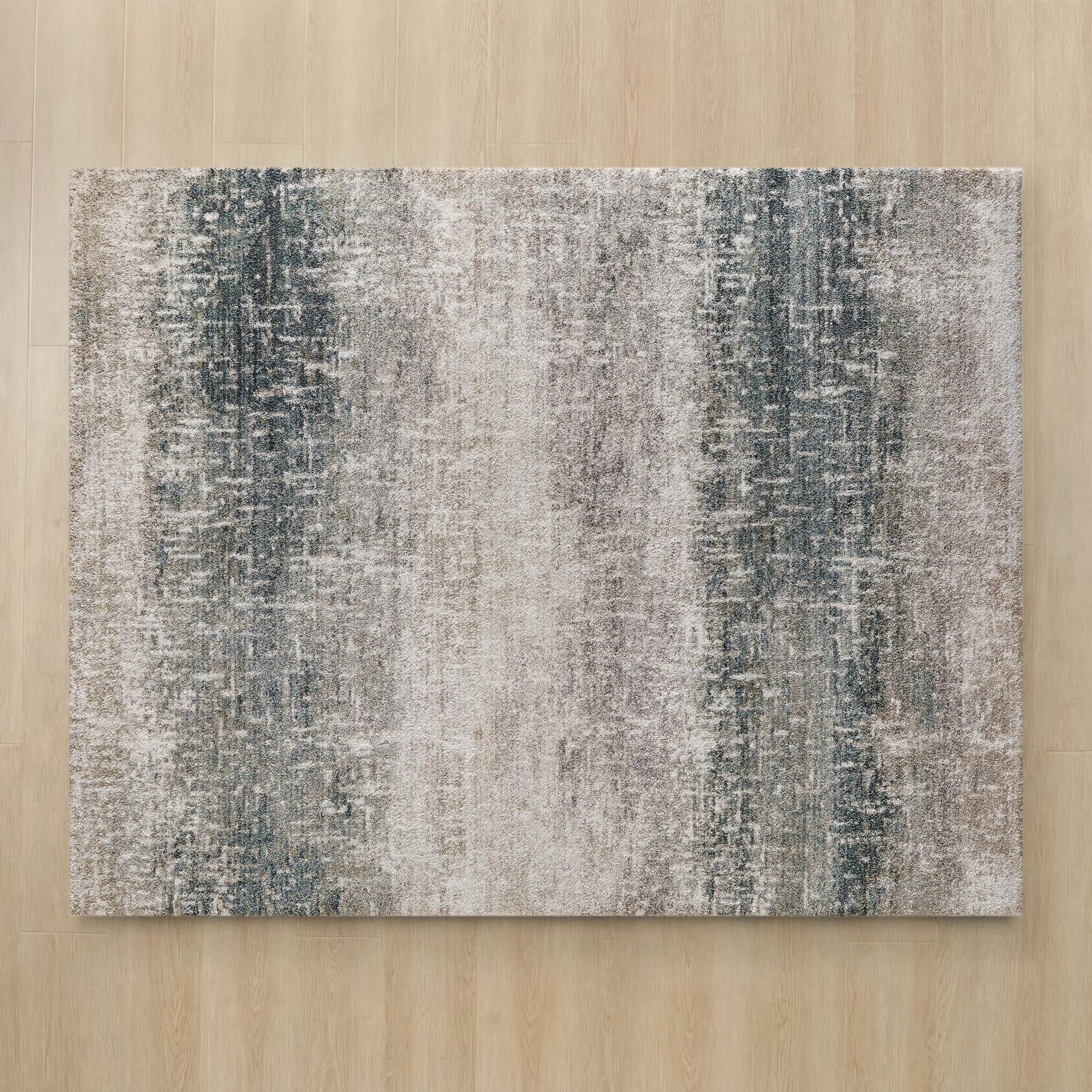 Collier Taupe/Grey/Blue/Green Performance Power Loomed Rug$1649
An abstract rug in taupe, grey, blue, and green with a plush pile and durable, easy-care blend.
Add To Cart -
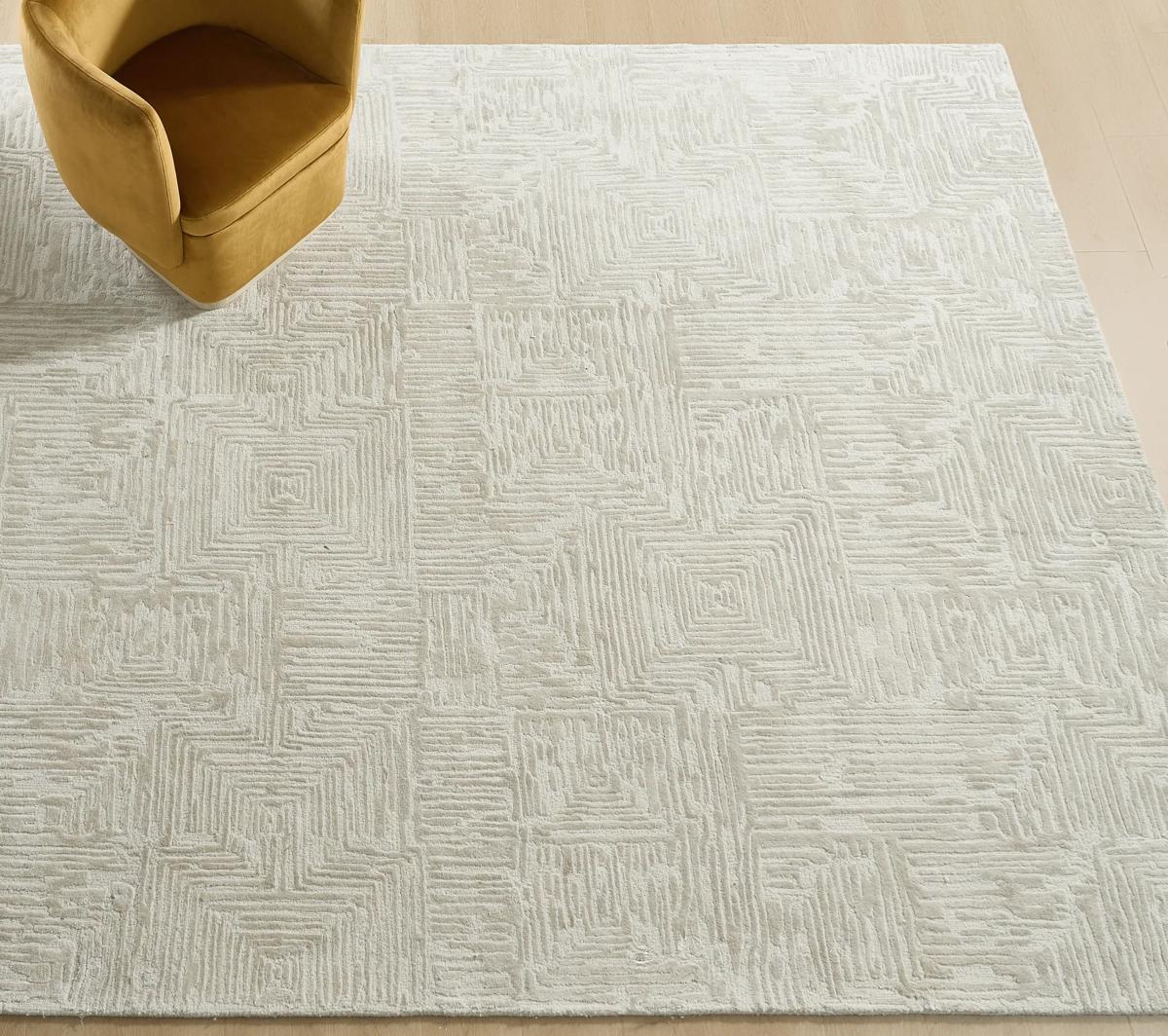 Andra Ivory Hand-Tufted Wool Blend Dimensional Rug$999
A hand-tufted ivory rug featuring a viscose-wool blend, raised textural detailing, and a subtle sheen.
Add To Cart -
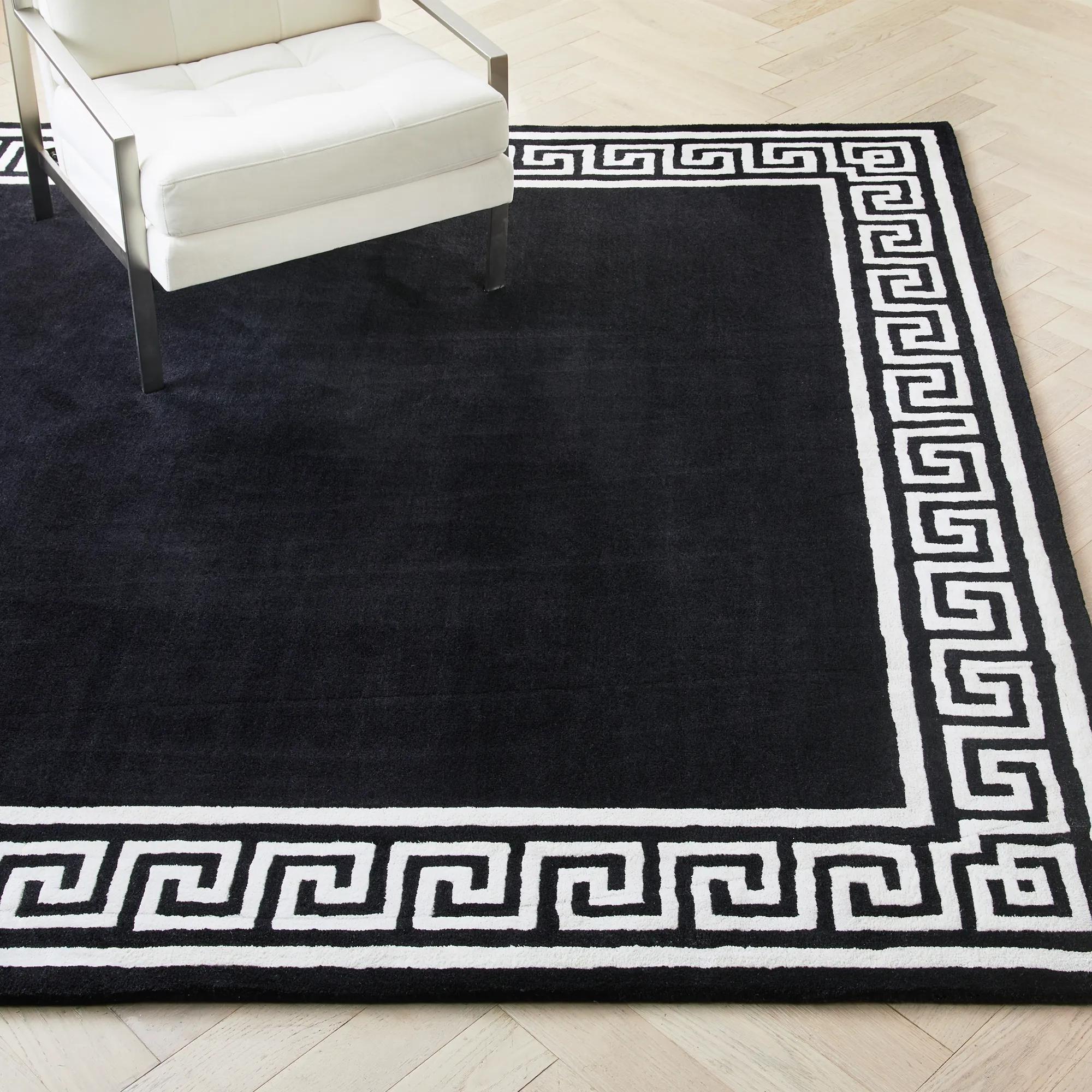
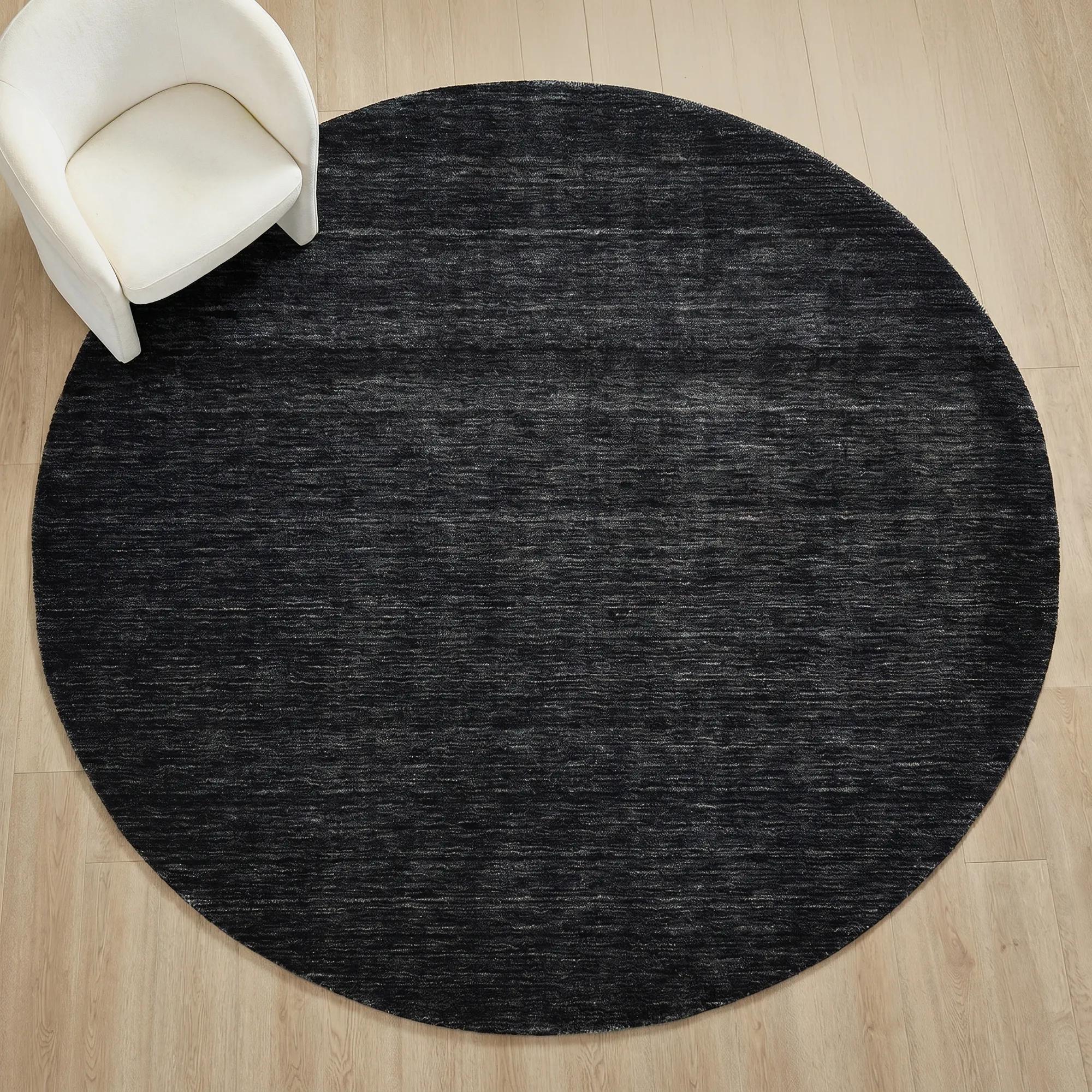 Juni Hand Woven Heathered Black Rug$799
A handwoven round wool rug in heathered black, offering durable texture and moody, contemporary style.
Add To Cart -
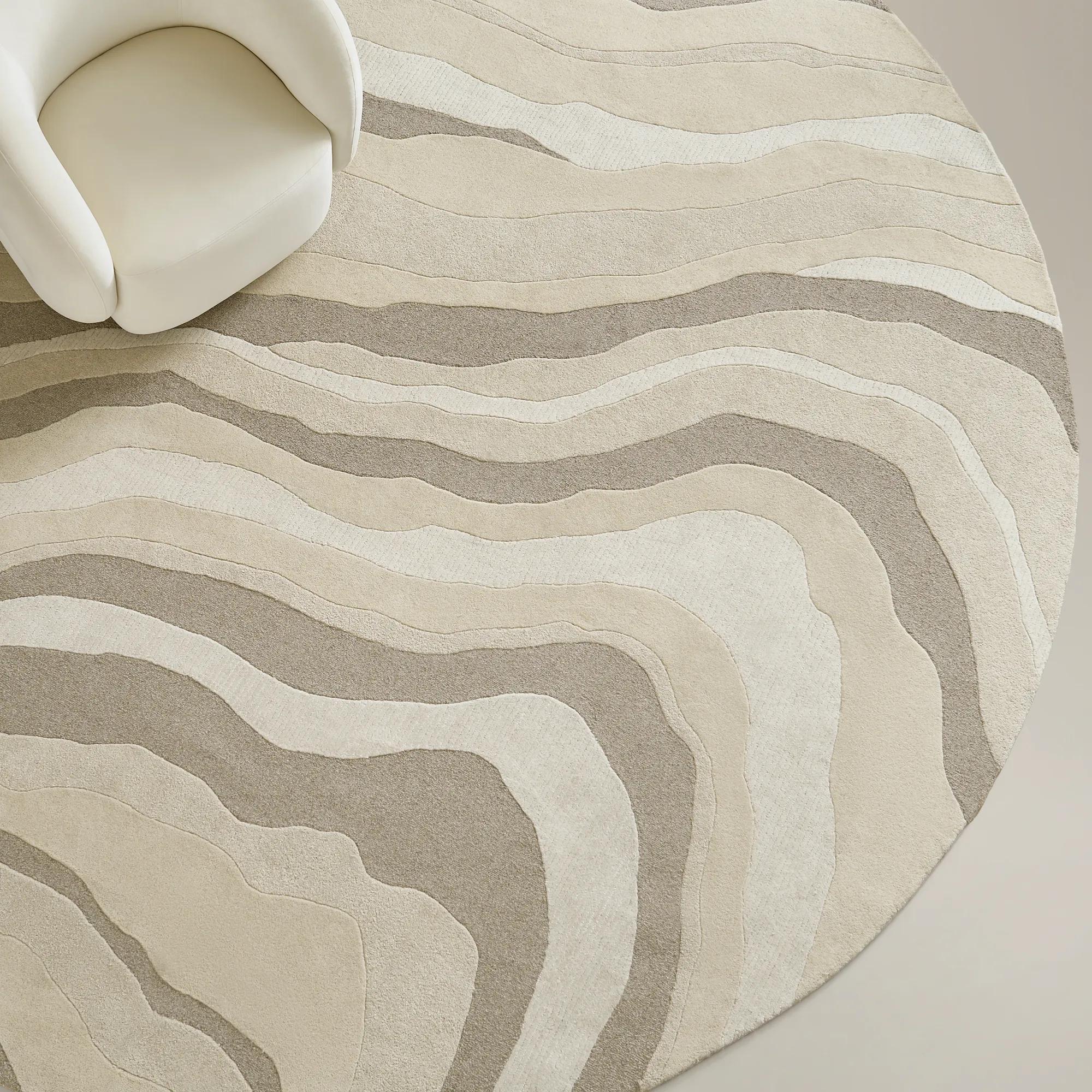
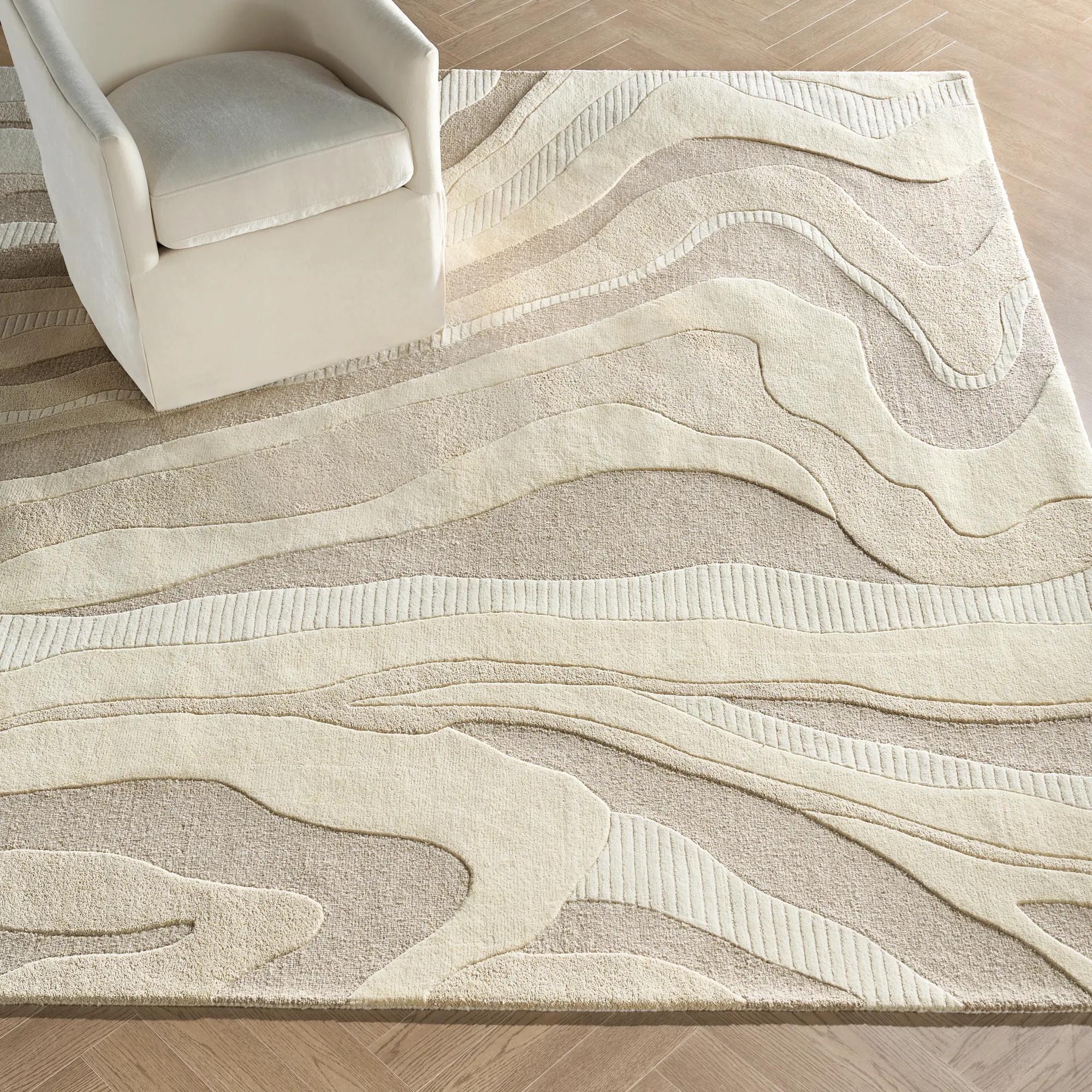 Kadence Hand-Tufted Ivory/Tan Wool Rug$1499
A hand-tufted wool rug featuring a multi-textured swirl design in ivory and tan for timeless elegance.
Add To Cart -
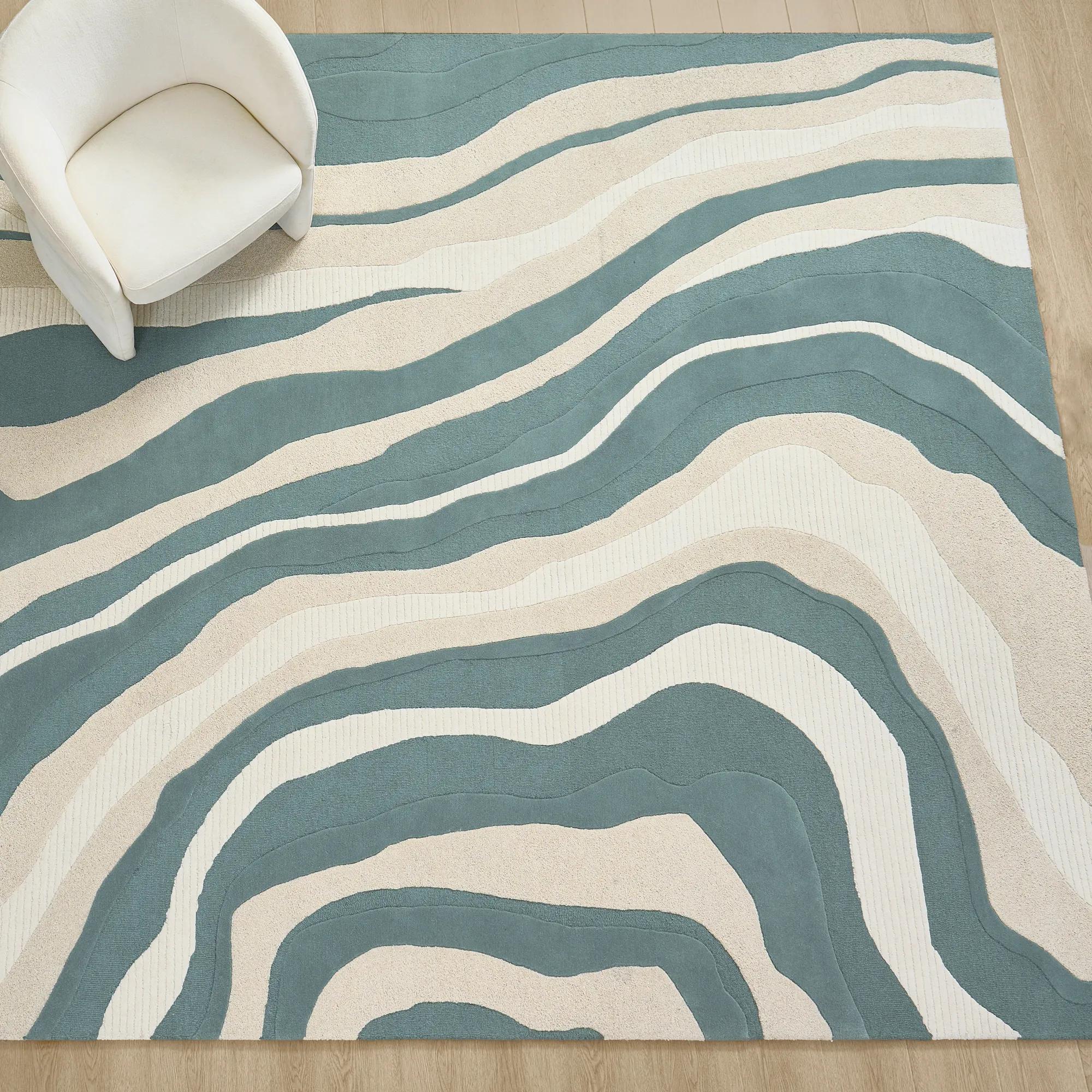 Kadence Hand-Tufted Sage Green/Ivory Wool Rugs$1499
A hand-tufted wool rug in deep sage green and ivory with a sculptural high-low abstract wave pattern.
Add To Cart -
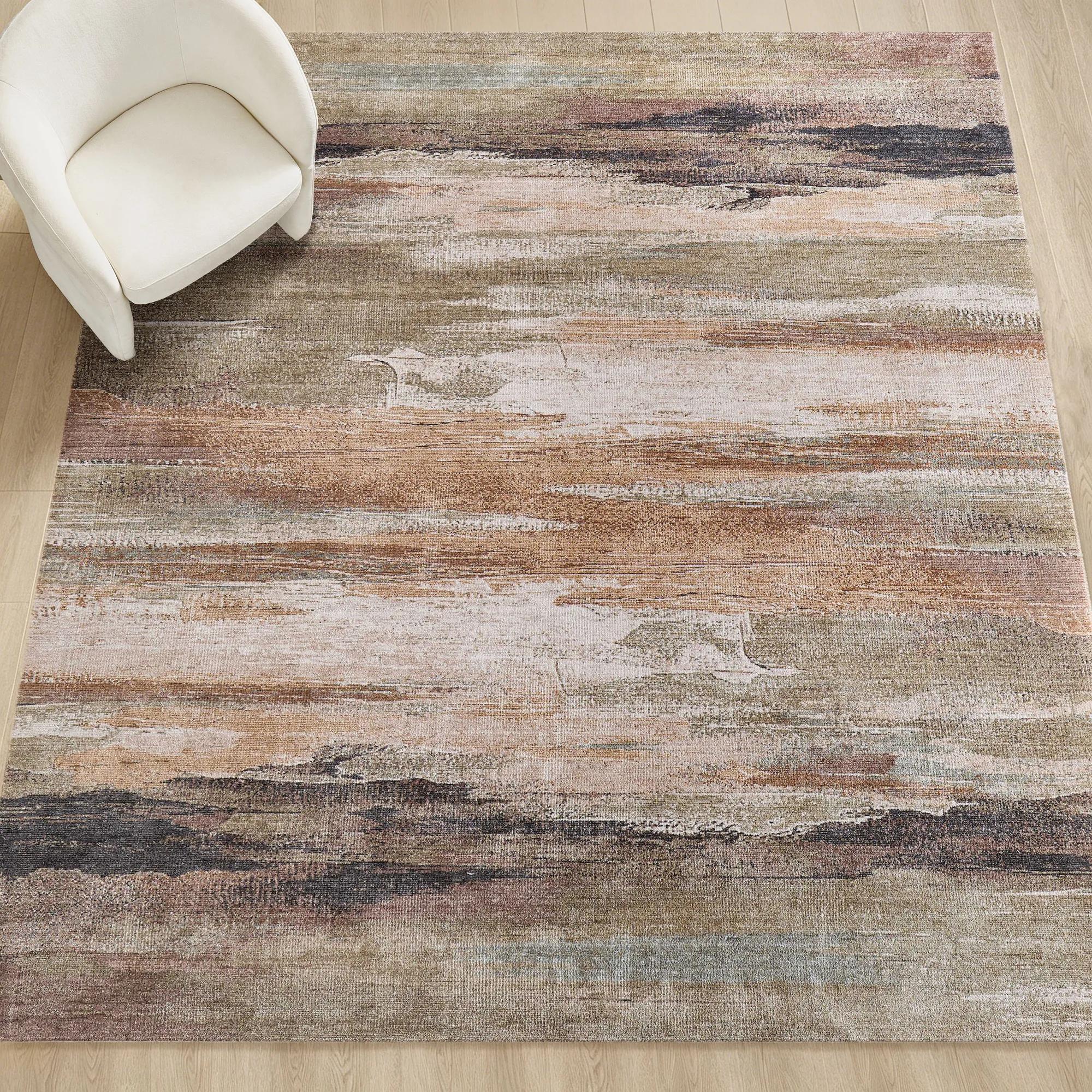
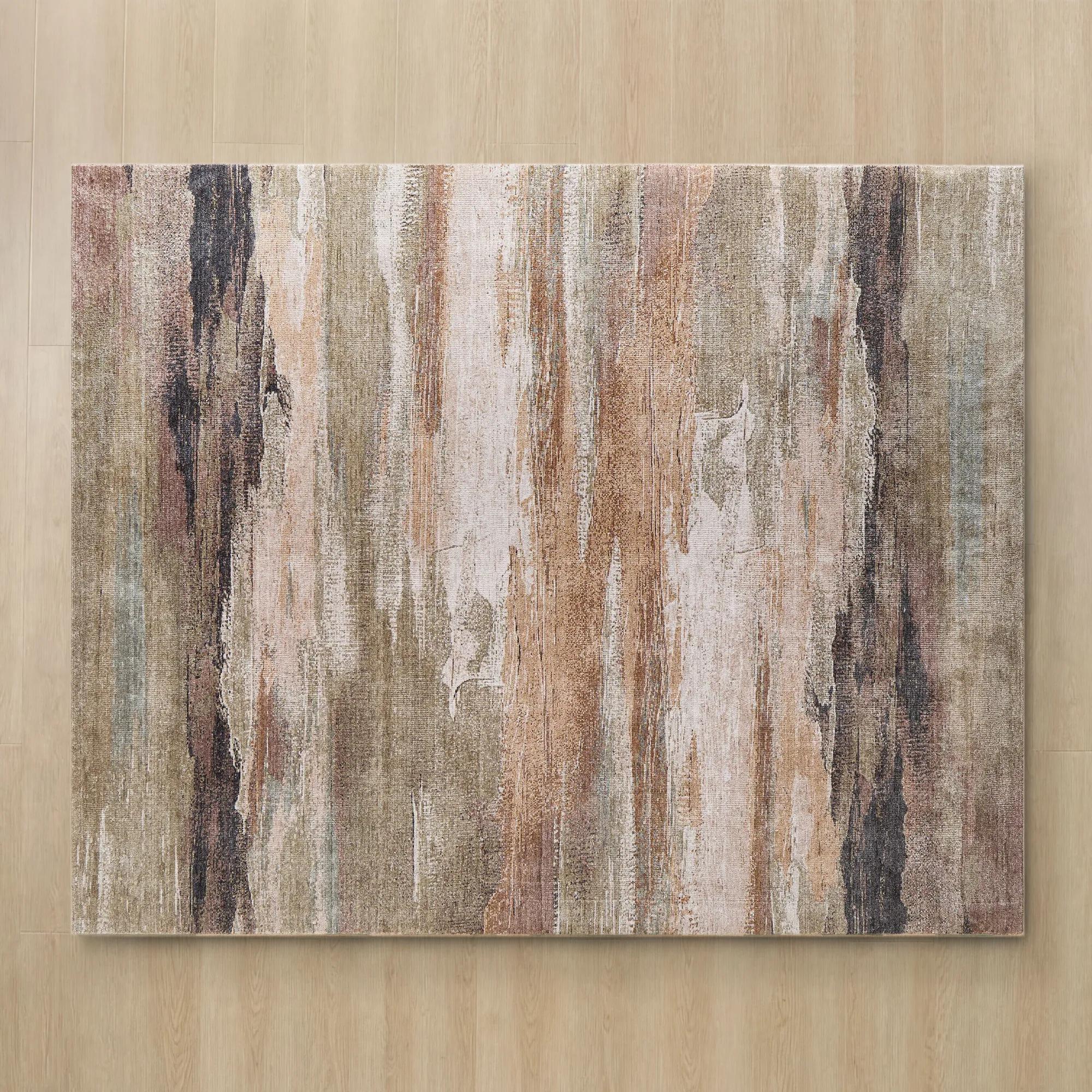 Sedona Rust/Beige/Moss Green/Charocal/Blue Performance Power Loomed Rug$599
A plush, power-loomed polyester rug featuring a rich abstract pattern in rust, beige, moss green, charcoal, and blue.
Add To Cart -
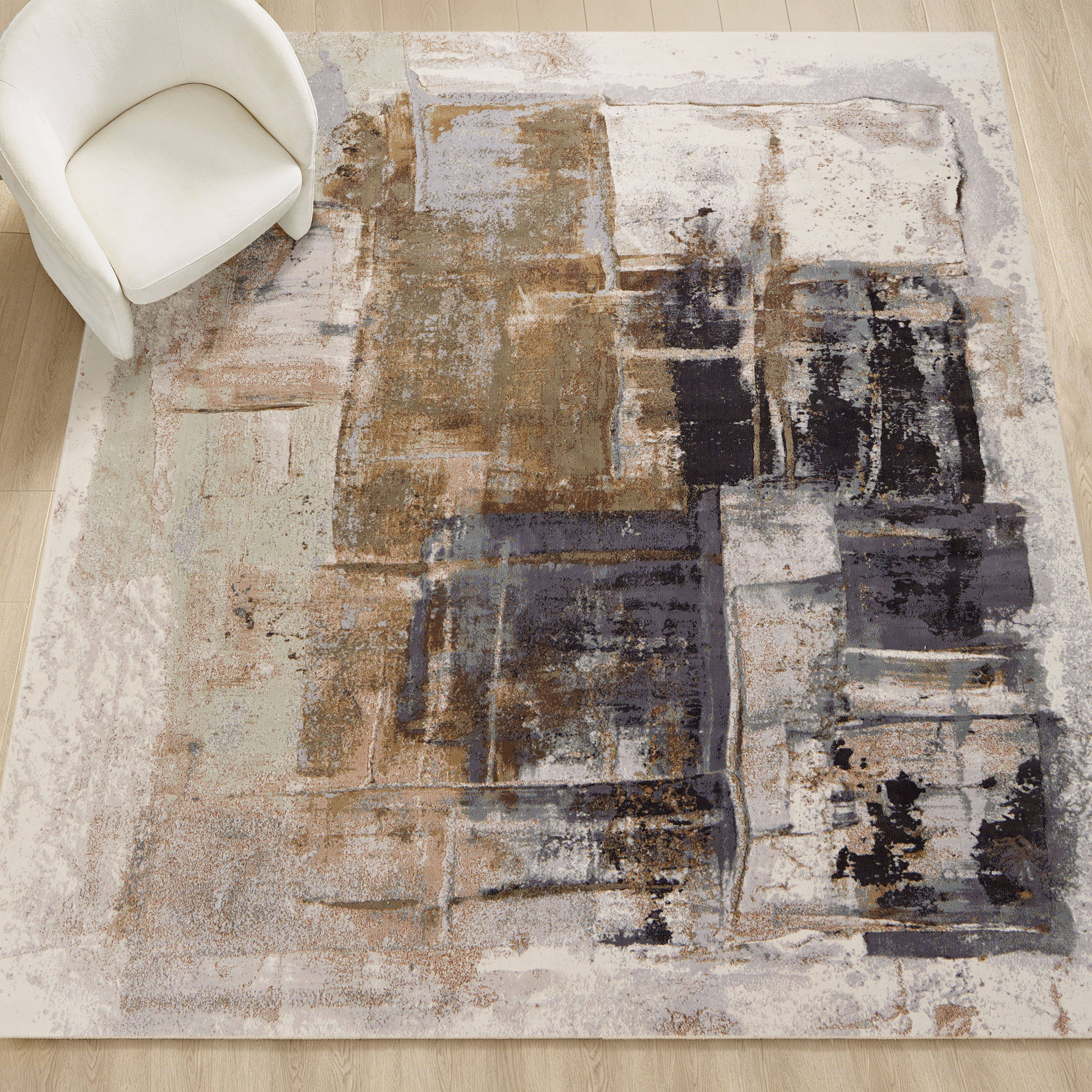
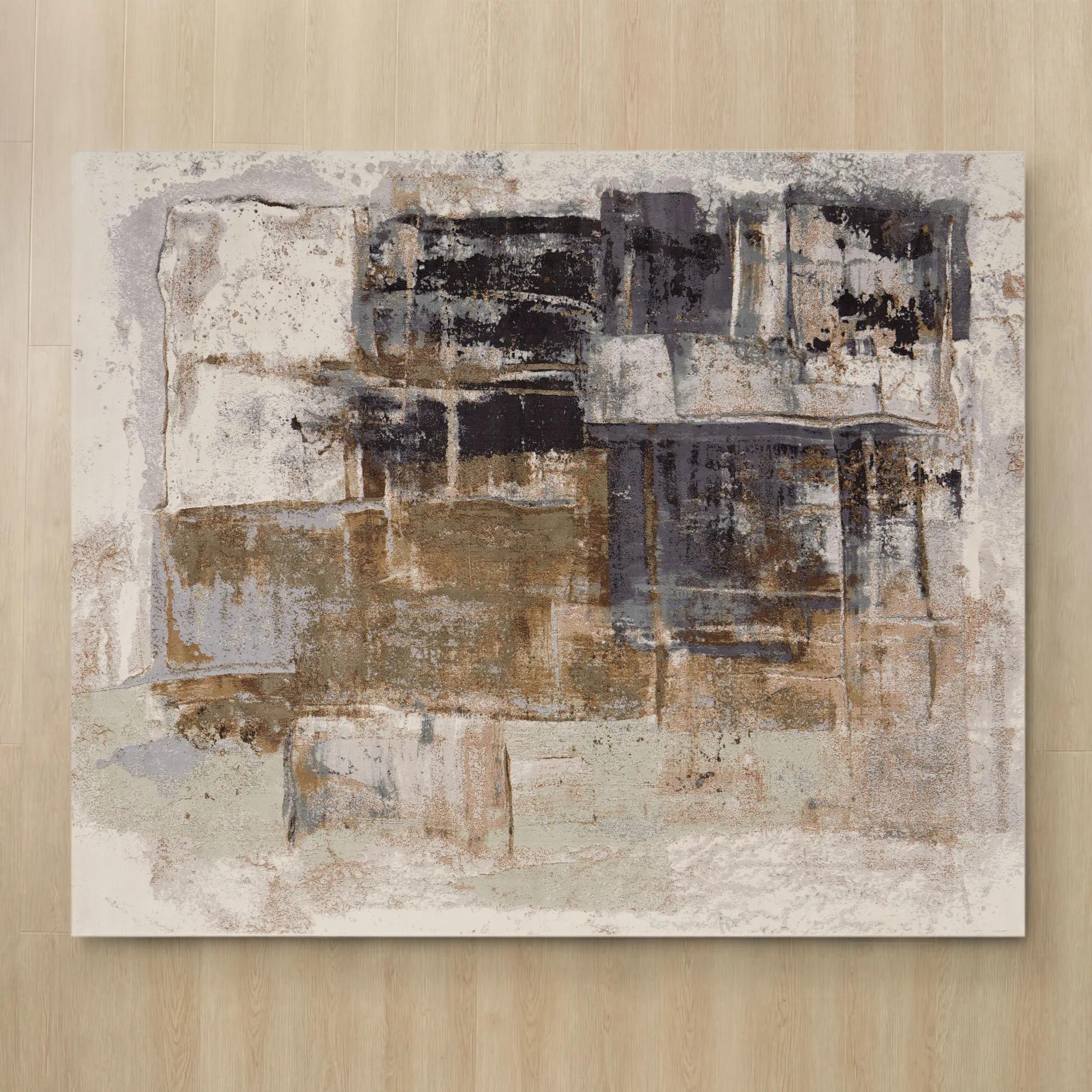 Gaia Abstract Grey/Charcoal/Ivory/Gold/Blue Performance Power Loomed Rug$1549
An abstract rug in grey, charcoal, ivory, gold, and blue with a soft, stain-resistant performance blend.
Add To Cart

Soft Hand Pile Rugs
Soft Hand Pile Rugs invite you to indulge in a tactile symphony beneath your feet—where every step is an embrace of sumptuous comfort and high-style allure. These rugs transform ordinary floors into extraordinary canvases, layering your space with plush elegance and inviting warmth. Whether anchoring a dramatic living room vignette or adding a whisper of luxury to a serene bedroom retreat, Soft Hand Pile Rugs elevate the art of living, infusing each moment with irresistible texture and sophisticated charm. Paint your home boldly—let every stride be a statement.
Soft hand pile rugs are area rugs with a raised fiber surface that feels supple, plush, or velvety to the touch. In rug terminology, “hand” describes the feel of the material, not whether the rug was made by hand; a soft hand can appear in hand-tufted, hand-knotted, or machine-made constructions. That tactile quality gives these rugs their appeal: they introduce comfort underfoot while bringing depth and dimension to a room. Cut pile can create a smooth, inviting surface, while looped or mixed-pile designs offer a more textured expression, with softness depending on the fiber, yarn, density, and finishing. A rug does not need an exceptionally long pile to feel luxurious. Closely packed, shorter fibers can deliver a cushioned sensation with a tailored appearance, while longer fibers create a more relaxed, enveloping texture. Across contemporary interiors, soft pile area rugs provide a beautiful counterpoint to polished stone, gleaming metal, lacquered furniture, and sculptural silhouettes. An ivory rug beneath a dark sofa can illuminate an entire seating arrangement; a smoky gray surface can draw out the shine of a glass coffee table without competing for attention. Tonal patterns bring movement to a restrained palette, while abstract motifs give the floor the presence of a canvas. Depending on the yarn and finish, the pile may reflect light differently as its direction changes, revealing subtle shading throughout the day. That movement lends even a solid-colored rug visual complexity, especially in a room with generous natural light. For interiors that favor a composed balance of plush texture and expressive design, Elegant Soft Pile Rugs offer a related direction to explore. Whether the setting is a dramatic living room or a serene bedroom, the effect is both visual and personal: a softer landing for bare feet, a richer foundation for furniture, and a sense that the room has been considered down to its last tactile detail. During the cooler months, that layer can make expansive spaces feel especially welcoming without requiring a change in the room’s overall palette.
Material and construction shape how a soft hand pile rug feels and how it responds to everyday life. Wool is valued for its natural resilience and inviting texture, with fibers that can recover from compression better than some less resilient alternatives. It may shed, particularly when new, and its softness varies with the quality of the wool and the way the yarn is processed. Polyester can provide a notably soft touch and saturated color, while polypropylene is often selected for moisture resistance and ease of maintenance; neither quality makes a finished rug immune to stains or wear. Viscose and similar regenerated cellulose fibers can create a luminous, silk-like appearance, but they are more sensitive to moisture and may require specialist cleaning. Blended fibers can balance texture, sheen, and performance, making the listed composition more informative than appearance alone. Construction matters just as much. Hand-tufted rugs typically rely on a backing system to hold the yarns in place, whereas hand-knotted rugs secure individual knots to a foundation. Machine-made rugs can also have a sumptuous hand, with performance determined by their materials and structure rather than by the production method alone. For a bedroom, a plush surface can turn the first steps of the morning into a small pleasure. In a living room used for conversation, reading, and evening gatherings, a dense, moderate pile can balance tactile richness with easier furniture placement. Deeper shag textures bring generous softness to quieter spaces, though they can hold debris and make rolling furniture harder to move. Households with pets may favor constructions without exposed loops that claws could catch, while frequent spills call for particular attention to fiber sensitivity and cleaning instructions. Softness is an immediate impression; durability emerges through the relationship between fiber resilience, pile density, backing, traffic, and care. A rug chosen for the way a room is actually lived in can retain its expressive character more gracefully than one selected for touch alone.
Scale gives a soft pile rug its architectural presence. In a seating area, a rug large enough to accommodate at least the front legs of the main sofa and chairs helps connect separate pieces into a deliberate composition. A small rug isolated beneath a coffee table can leave an otherwise generous room feeling visually divided. Beneath a bed, enough exposed rug along the sides and foot creates a comfortable landing and allows the texture to remain part of the design rather than disappearing beneath furniture. Door clearance, floor vents, and the height of nearby thresholds also deserve attention, particularly with a deep pile and an added rug pad. In dining spaces, chairs need room to remain on the rug when pulled back, and a shorter, denser pile is generally easier to navigate than a long, loose surface. The right rug pad, selected for the rug’s backing and the flooring underneath, can help reduce shifting, add cushioning, and protect the floor; compatibility is especially important with finishes that may react to certain pad materials. Care should follow the manufacturer’s instructions, since a cleaning method suited to one fiber can damage another. Regular vacuuming with an appropriate suction setting helps remove loose soil before it settles deeper into the pile. Rotating brushes may be unsuitable for delicate fibers, loops, or shag constructions, so the recommended attachment matters. Spills are best blotted promptly with a clean, absorbent cloth rather than rubbed, with any approved cleaning solution tested first in an inconspicuous area. Moisture-sensitive rugs may need professional treatment instead of water-based spot cleaning. Occasional rotation helps distribute foot traffic and light exposure, while furniture cups can reduce concentrated pressure from heavy legs. For a housewarming or a thoughtfully planned room refresh, a rug can be a meaningful gift when the recipient’s measurements, palette, and care preferences are known. Its lasting appeal lies in that union of beauty and belonging: a sumptuous surface that supports daily rituals, frames treasured furnishings, and gives the room a distinctly personal finish.
FAQs
A soft hand pile rug is distinguished by its exceptionally plush, velvety surface, achieved through dense, finely crafted fibers. This luxurious texture offers a tactile richness that sets it apart from flat-weave or low-pile rugs, creating a sensation of warmth and comfort underfoot that is both inviting and indulgent.
Soft hand pile rugs are remarkably versatile and can be used to anchor a living room seating area, define a cozy bedroom retreat, or add a layer of opulence to a dining space. Their sumptuous texture pairs beautifully with both modern and classic furnishings, serving as a statement piece or a subtle foundation, depending on your color and pattern choices.
Yes, the plush nature of soft hand pile rugs makes them a favorite for families and pet owners, offering a gentle, comfortable surface for play and relaxation. Opt for darker tones or patterned designs to help conceal everyday wear, and choose materials known for durability and easy maintenance to ensure lasting beauty.
Soft hand pile rugs are often crafted from premium materials such as wool, silk, viscose, or high-quality synthetic fibers. Each material offers its own unique blend of softness, sheen, and resilience, allowing you to select a rug that matches your desired level of luxury and practicality.
Absolutely. Layering a soft hand pile rug over a larger, flat-woven base can create depth, dimension, and a designer-inspired look. This technique adds visual interest and enhances the tactile experience in any room, making your space feel curated and uniquely personal.