Soft Pile Geometric Rugs
Soft Pile Geometric Rugs
-
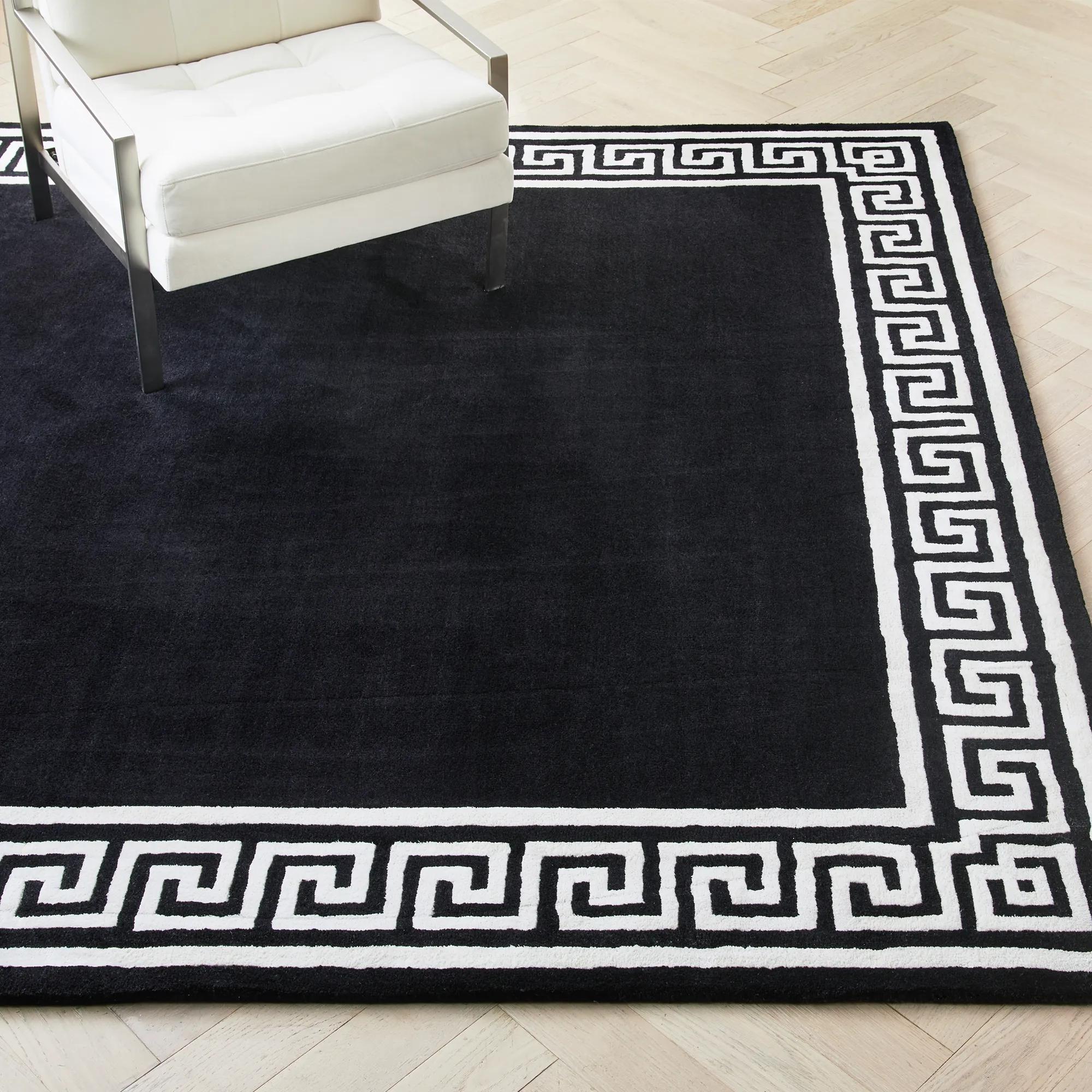
 Fiona Hand-Tufted Ivory/Beige/Black Border Fringe Rug$1599
A hand-tufted ivory, beige, and black rug featuring a distinctive border and fringe detailing.
Add To Cart -
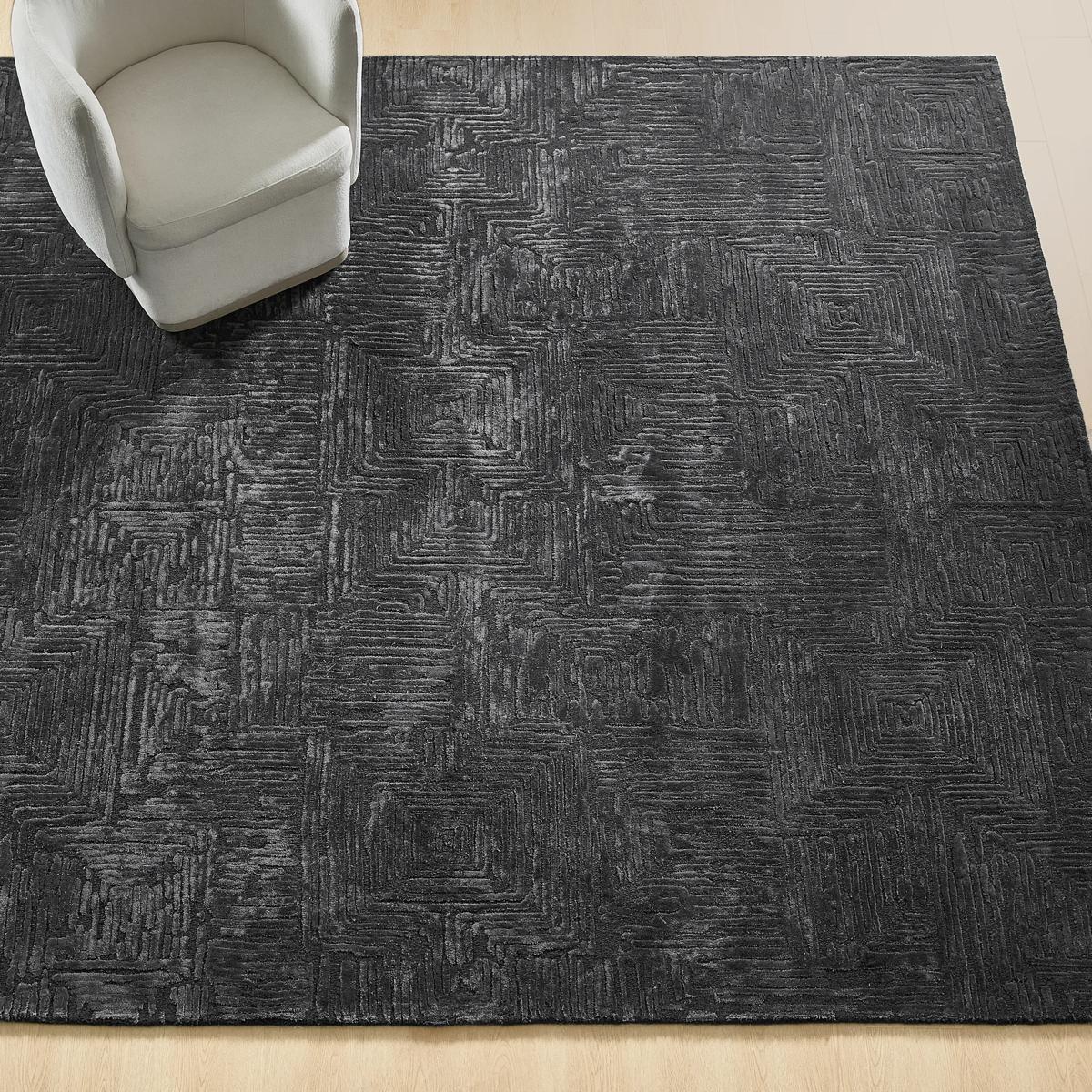
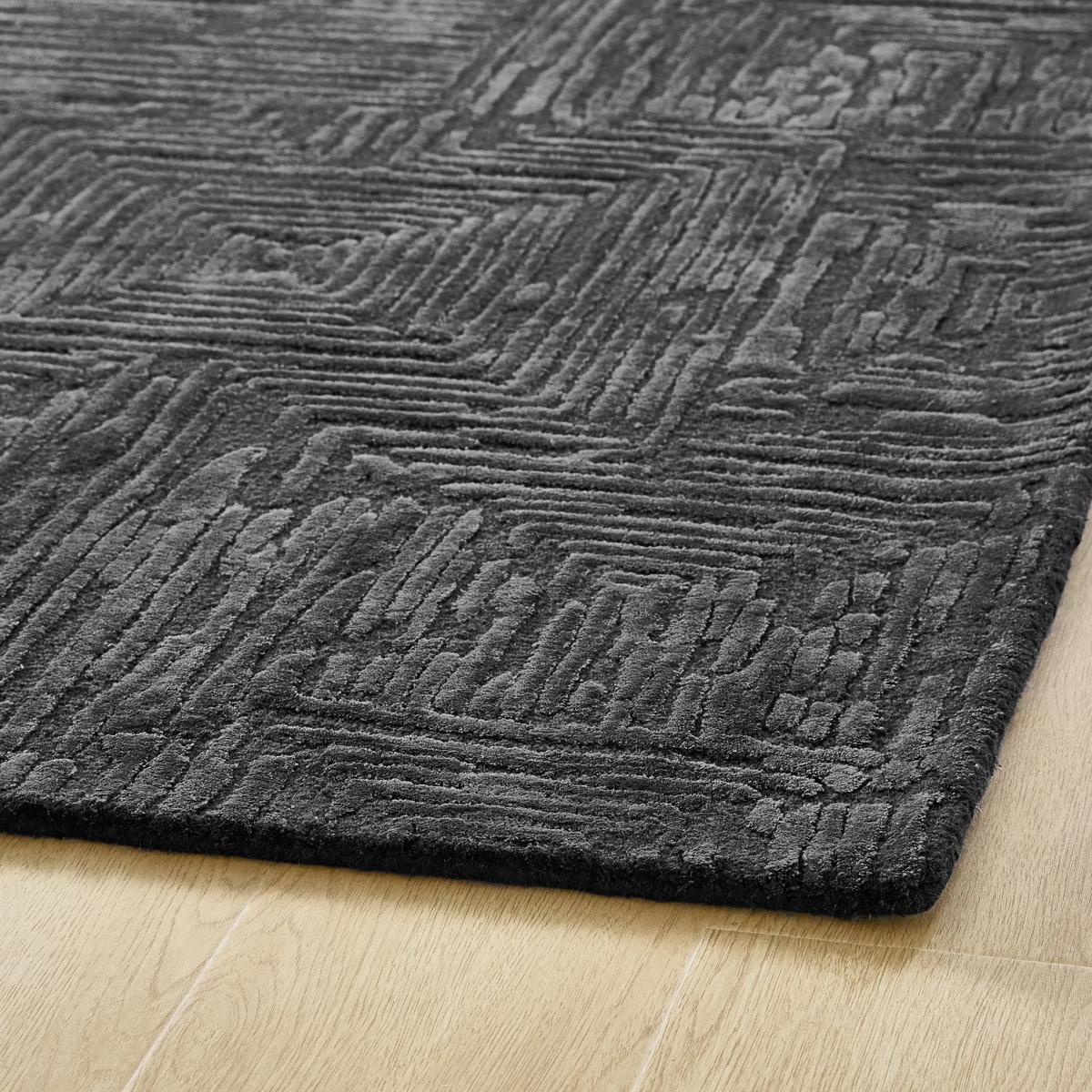 Andra Charcoal Hand-Tufted Wool Blend Dimensional Rug$499
A hand-tufted viscose-wool rug in rich charcoal, featuring a sculptural, dimensional pattern for modern spaces.
Add To Cart -
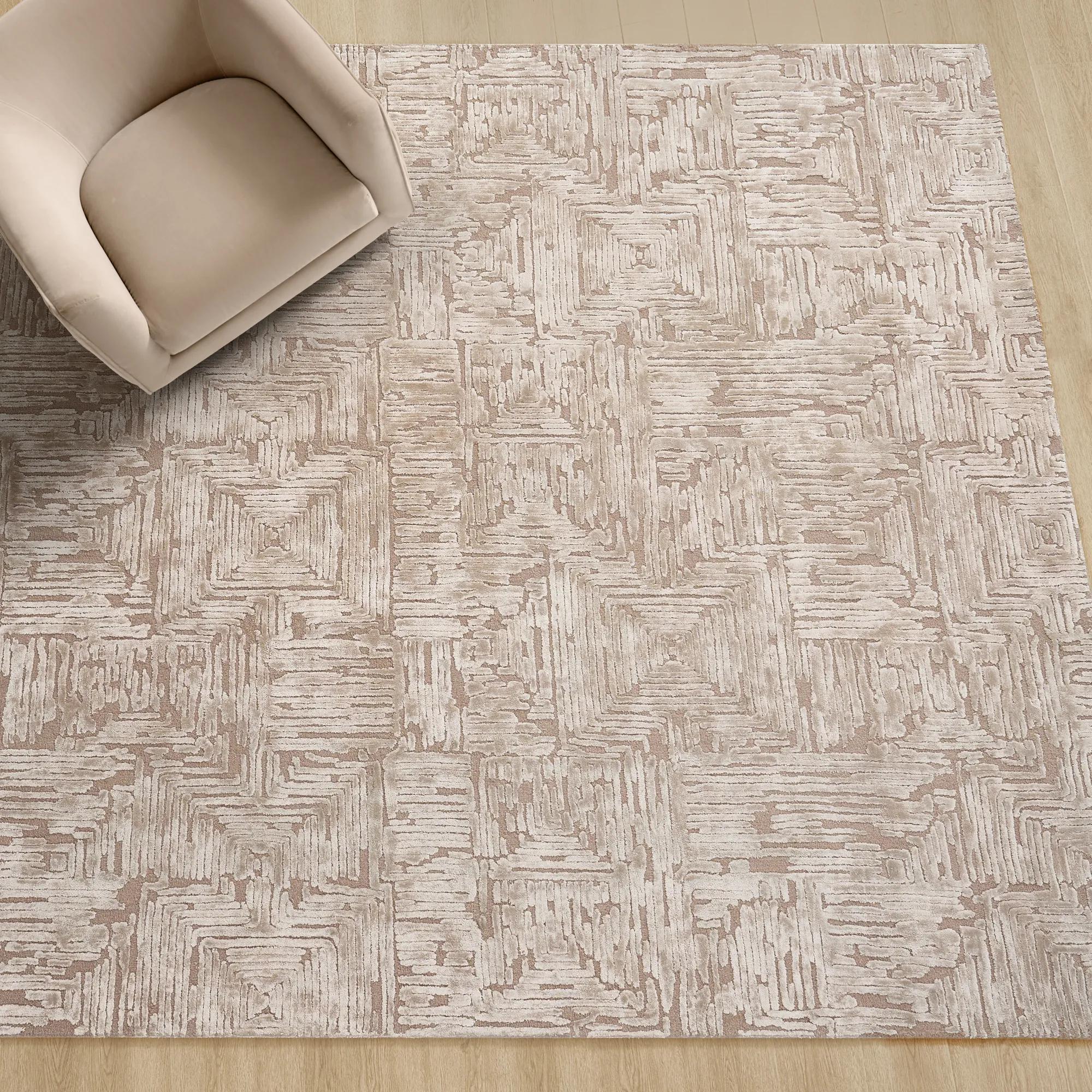
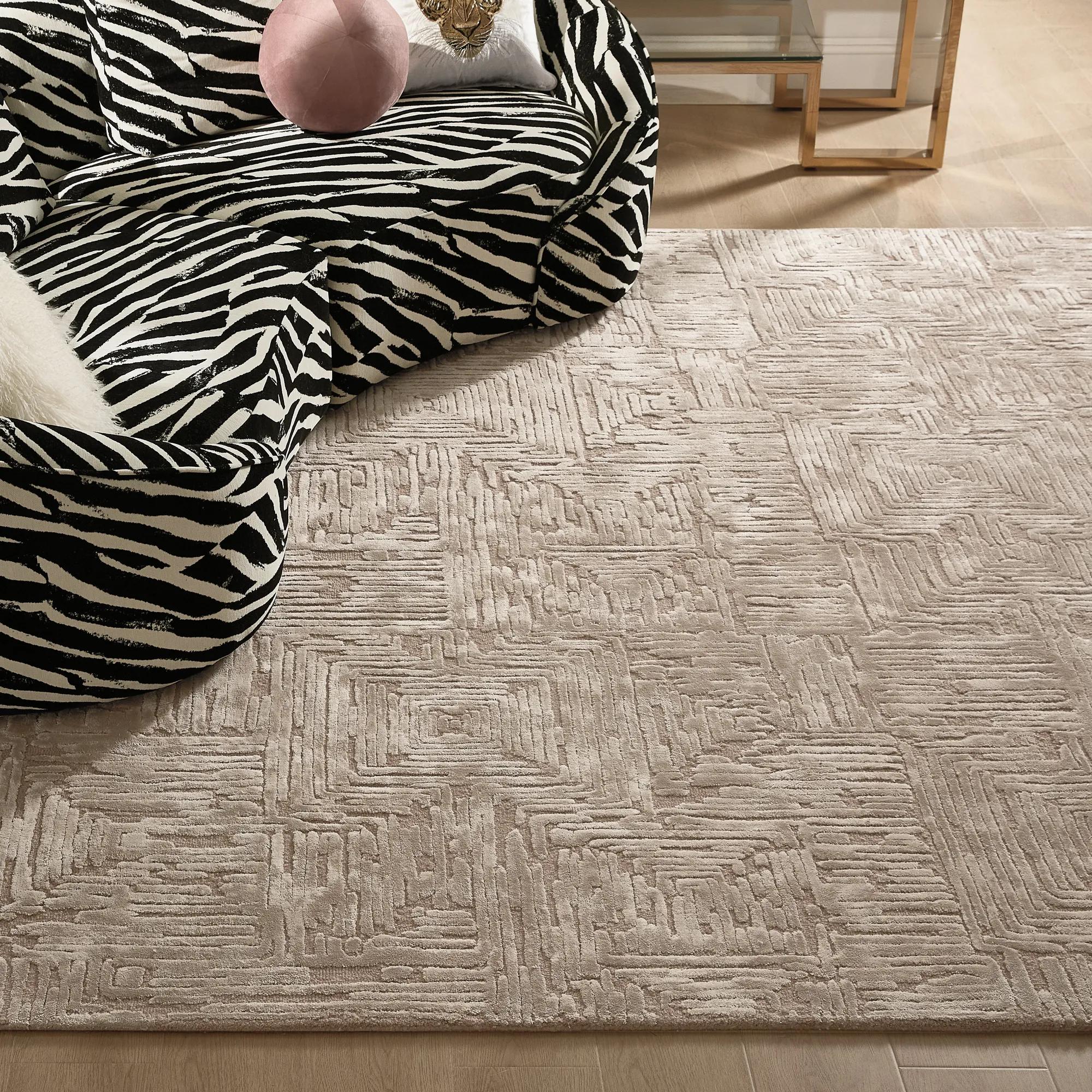 Andra Hand-Tufted Mocha Rose Viscose & Wool Dimensional Rugs$1499
A hand-tufted viscose and wool rug in mocha rose, featuring a dimensional geometric pattern and soft sheen.
Add To Cart -
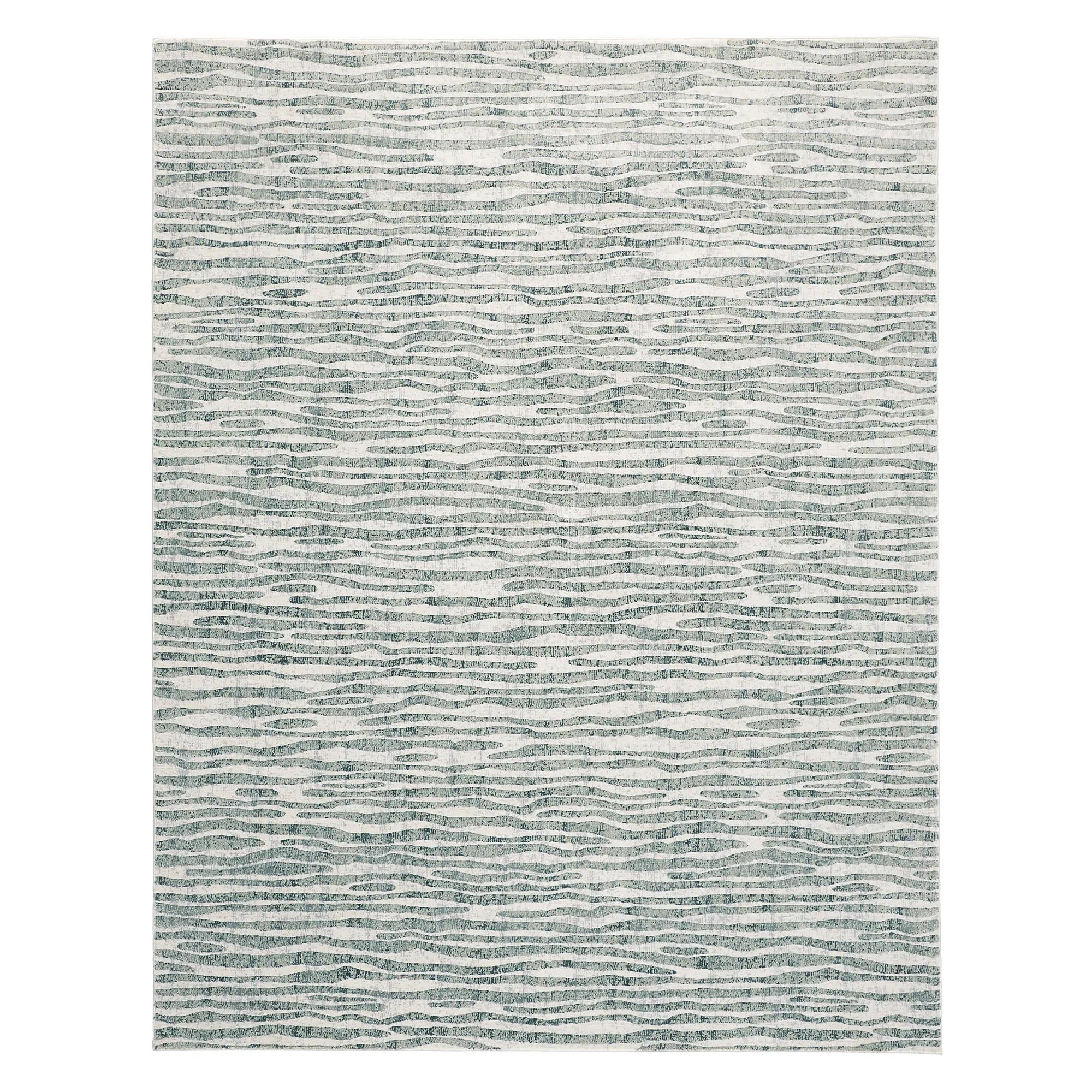 Samantha Power-Loomed Aqua/Grey Rug$719
A machine-woven rug featuring silvery-aqua and green accents on an ivory and grey polypropylene base.
Add To Cart -
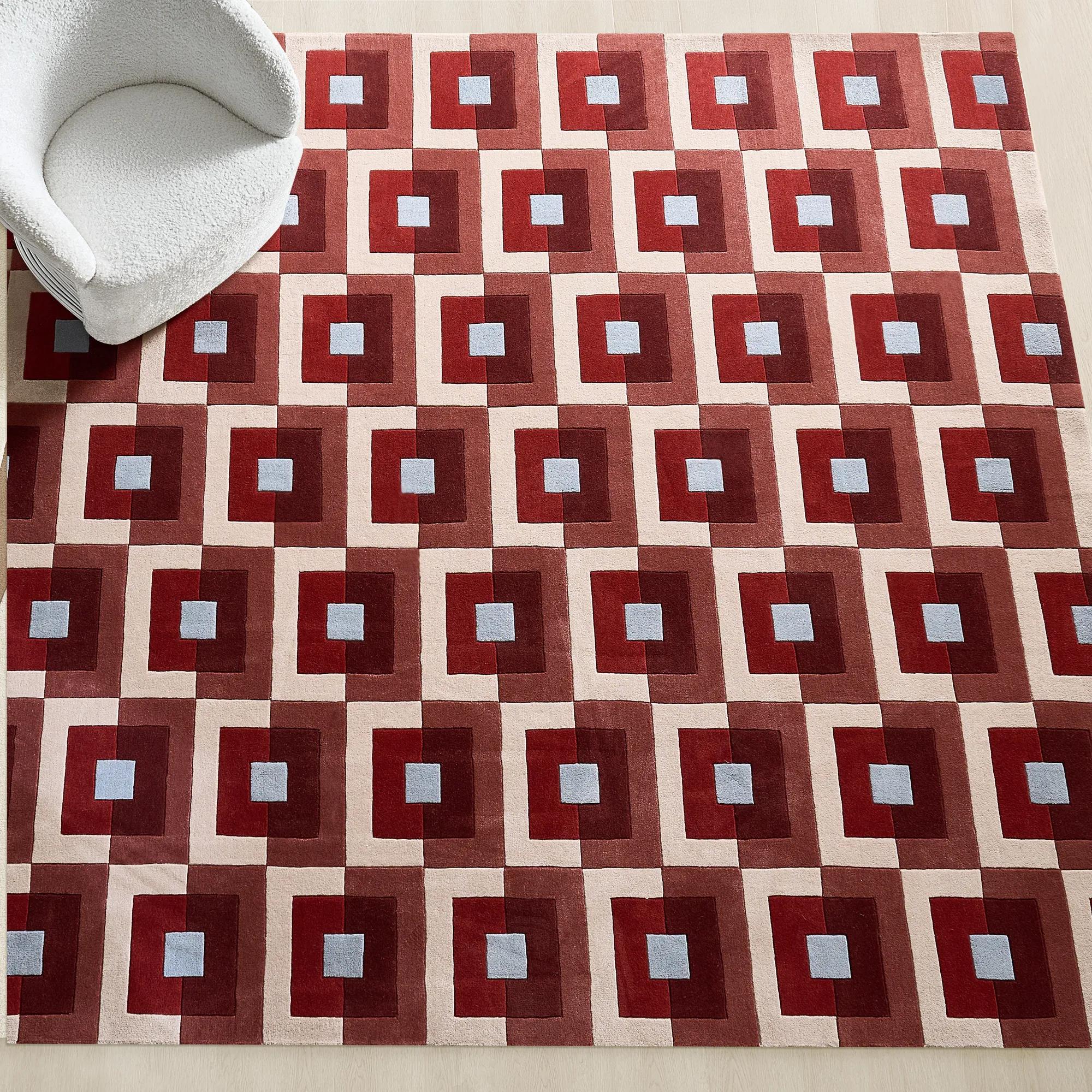
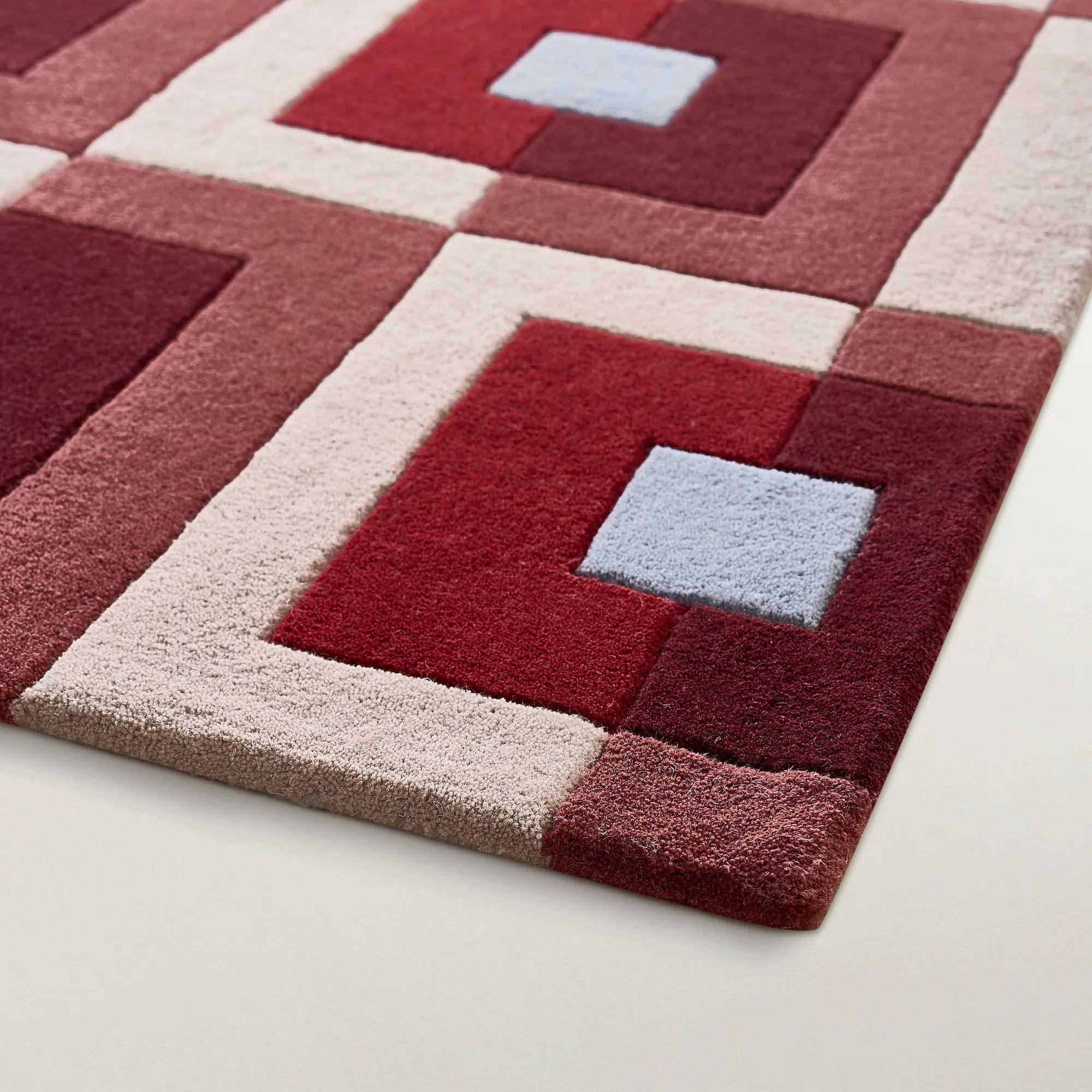 Geo Pop Wool Rug - Oxblood Red/Airy Blue$599
A geometric wool rug combining oxblood red and airy blue for a bold, modern statement.
Add To Cart -
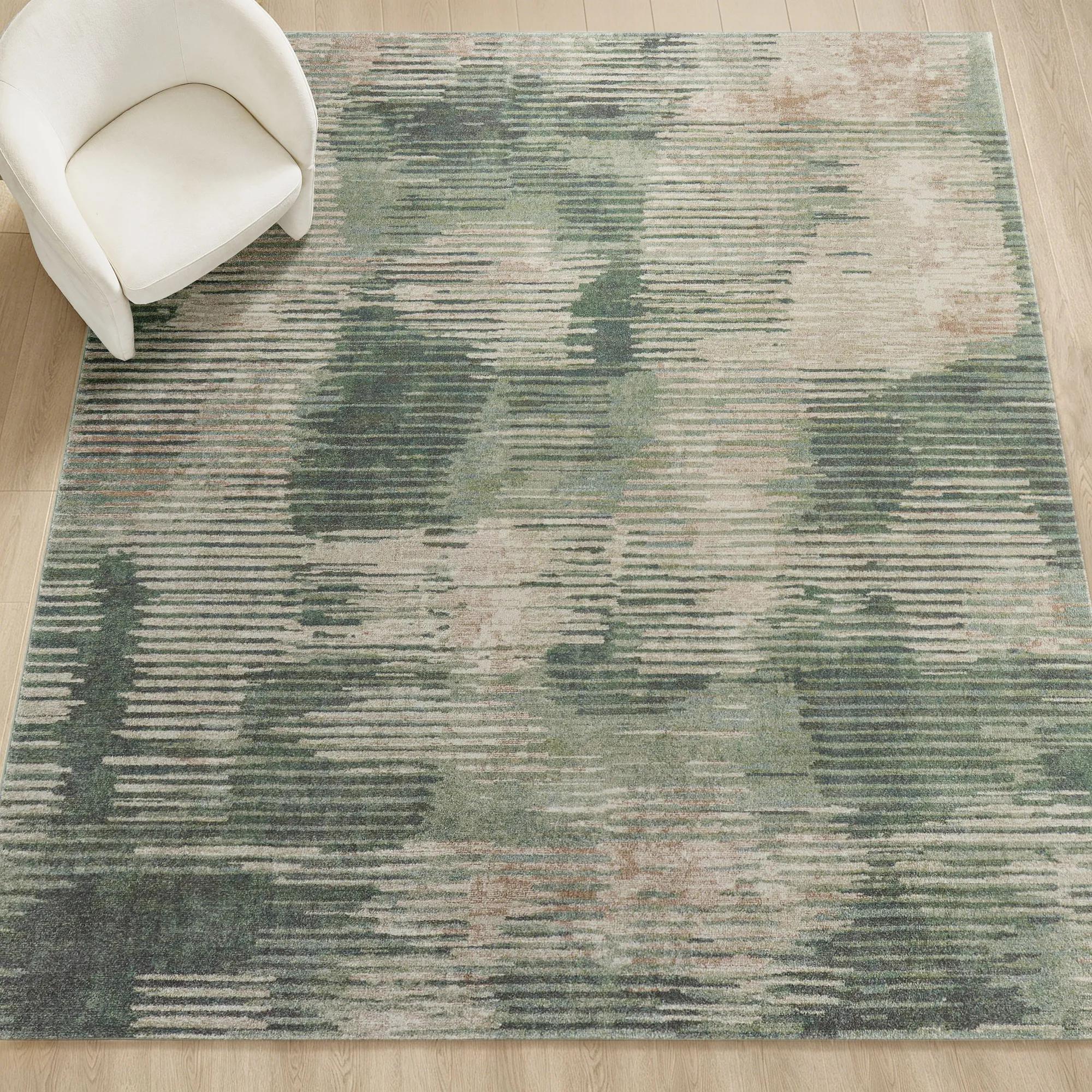
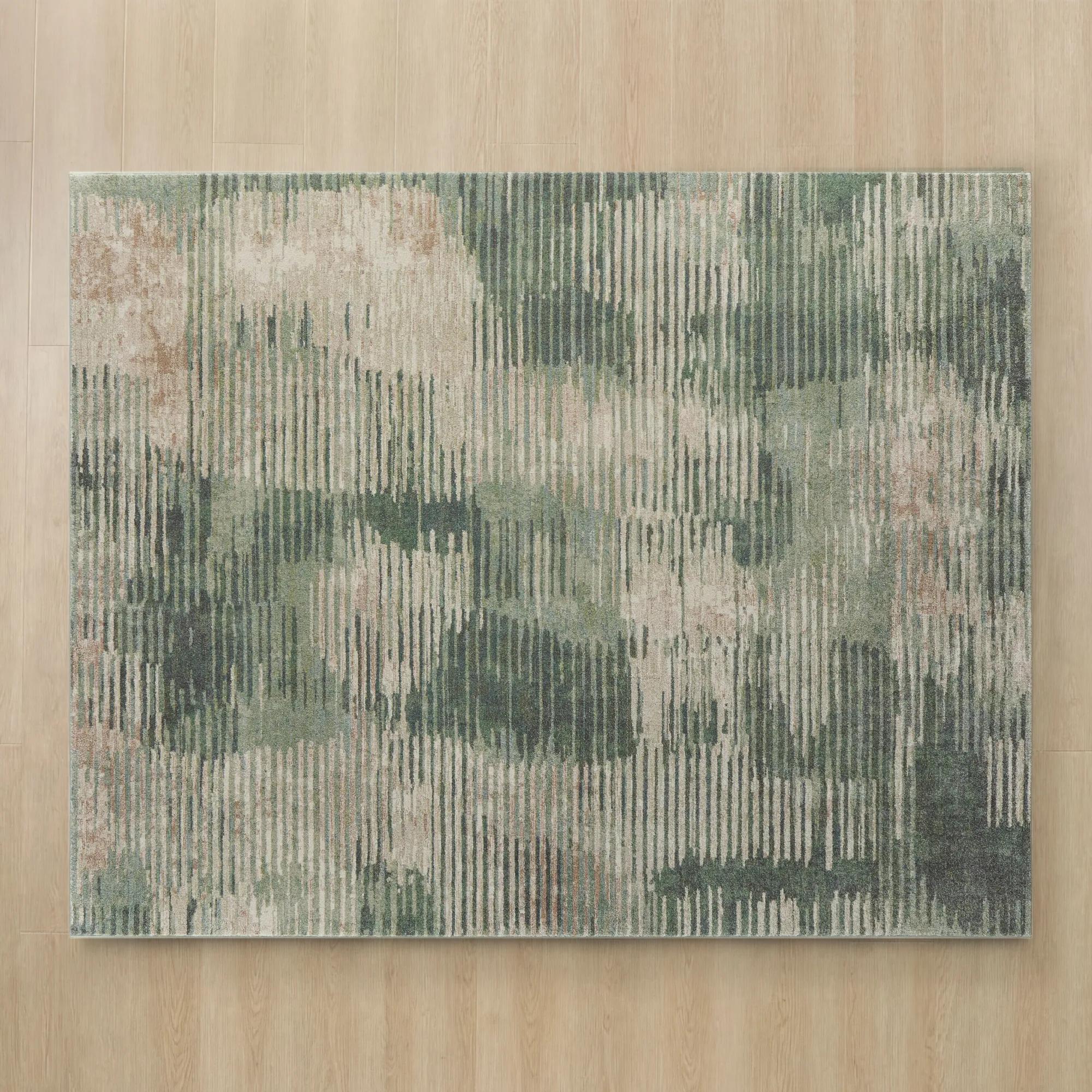 Sylvan Green/Beige Power Loomed Rug$1499
A power-loomed polypropylene rug featuring a smoked olive green and beige organic pattern with a soft pile.
Add To Cart -
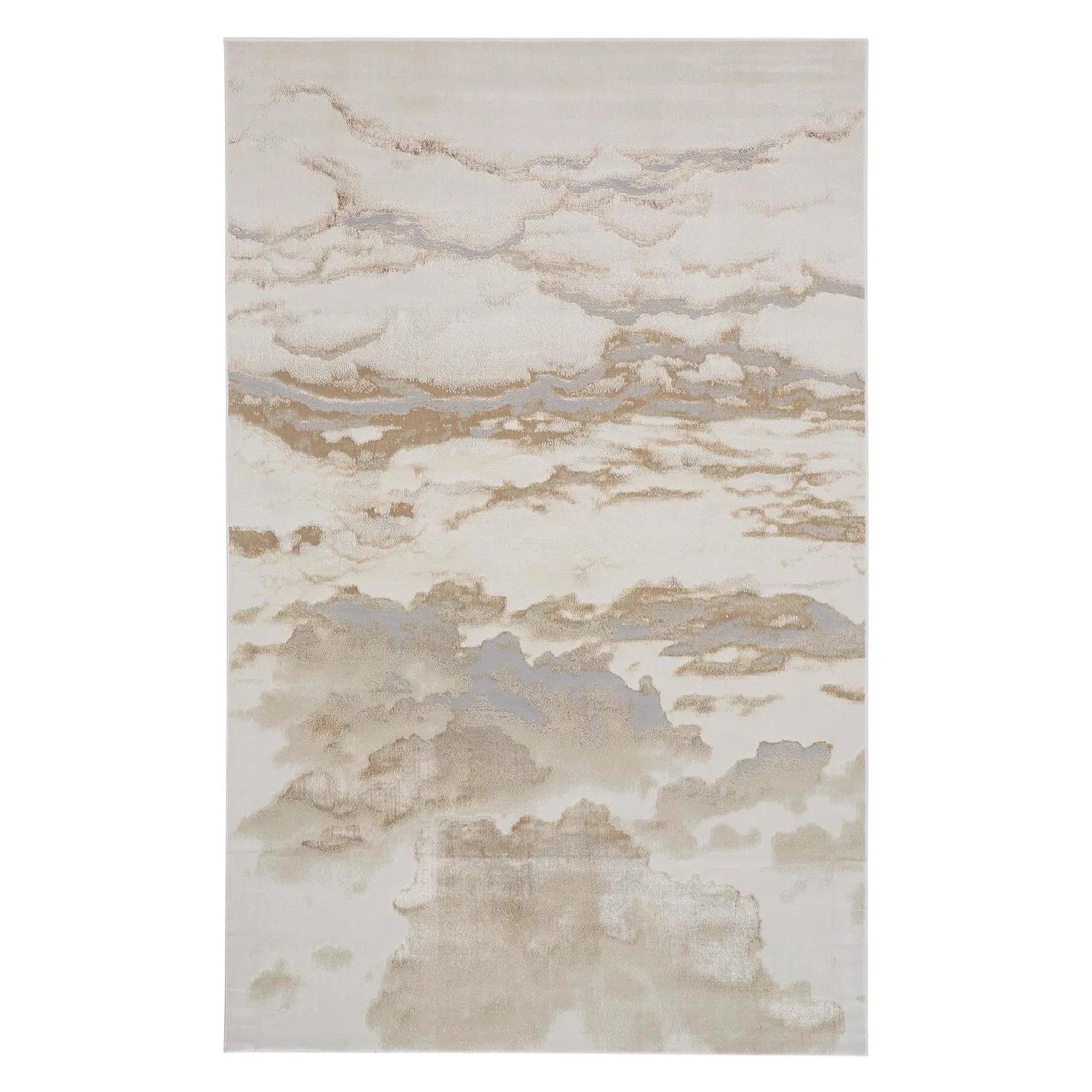
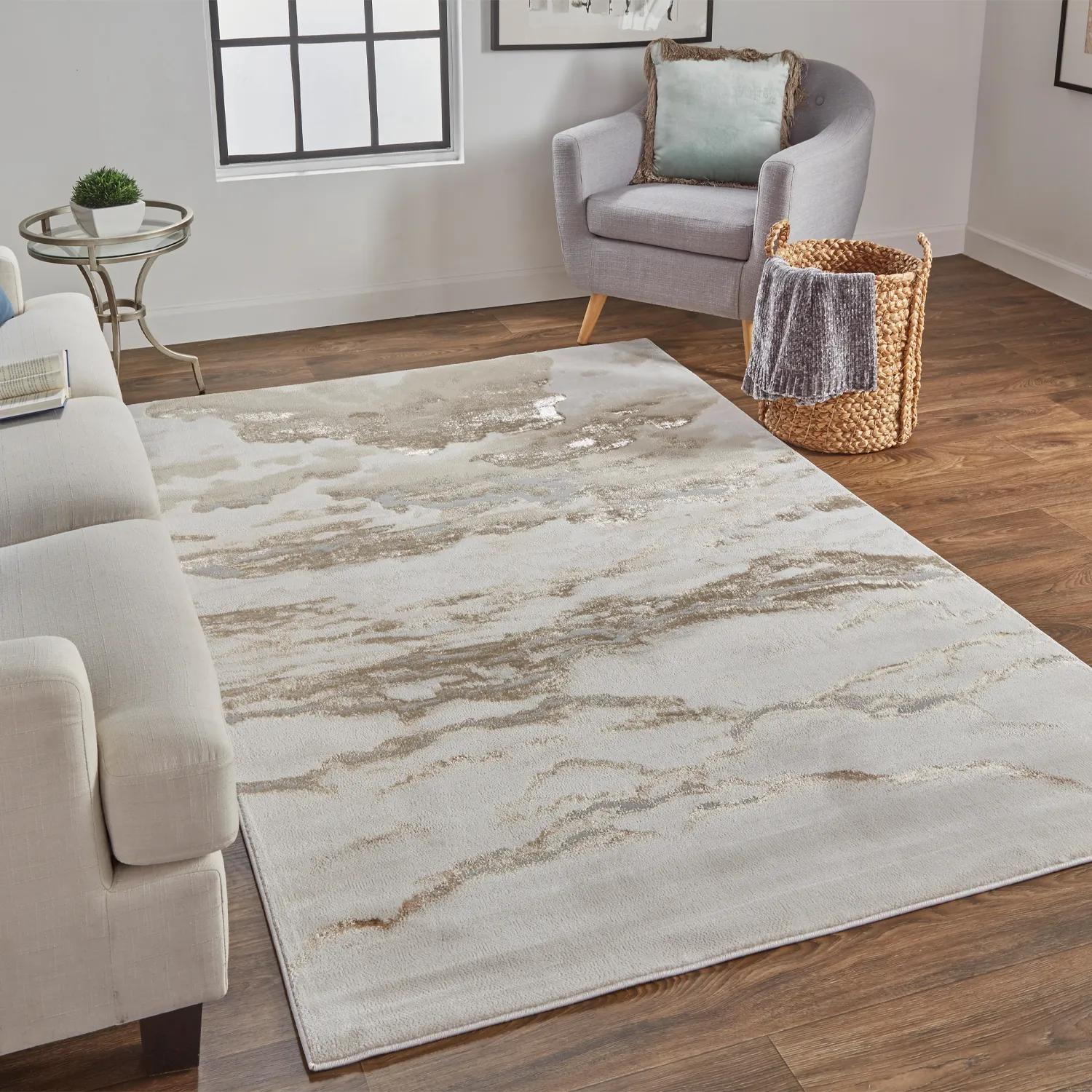 Tide Power-Loomed Beige/Gold/Ivory Rug$449
A machine-made rug in beige and gold, crafted from ultra-soft polyester and polypropylene for elegant appeal.
Add To Cart -
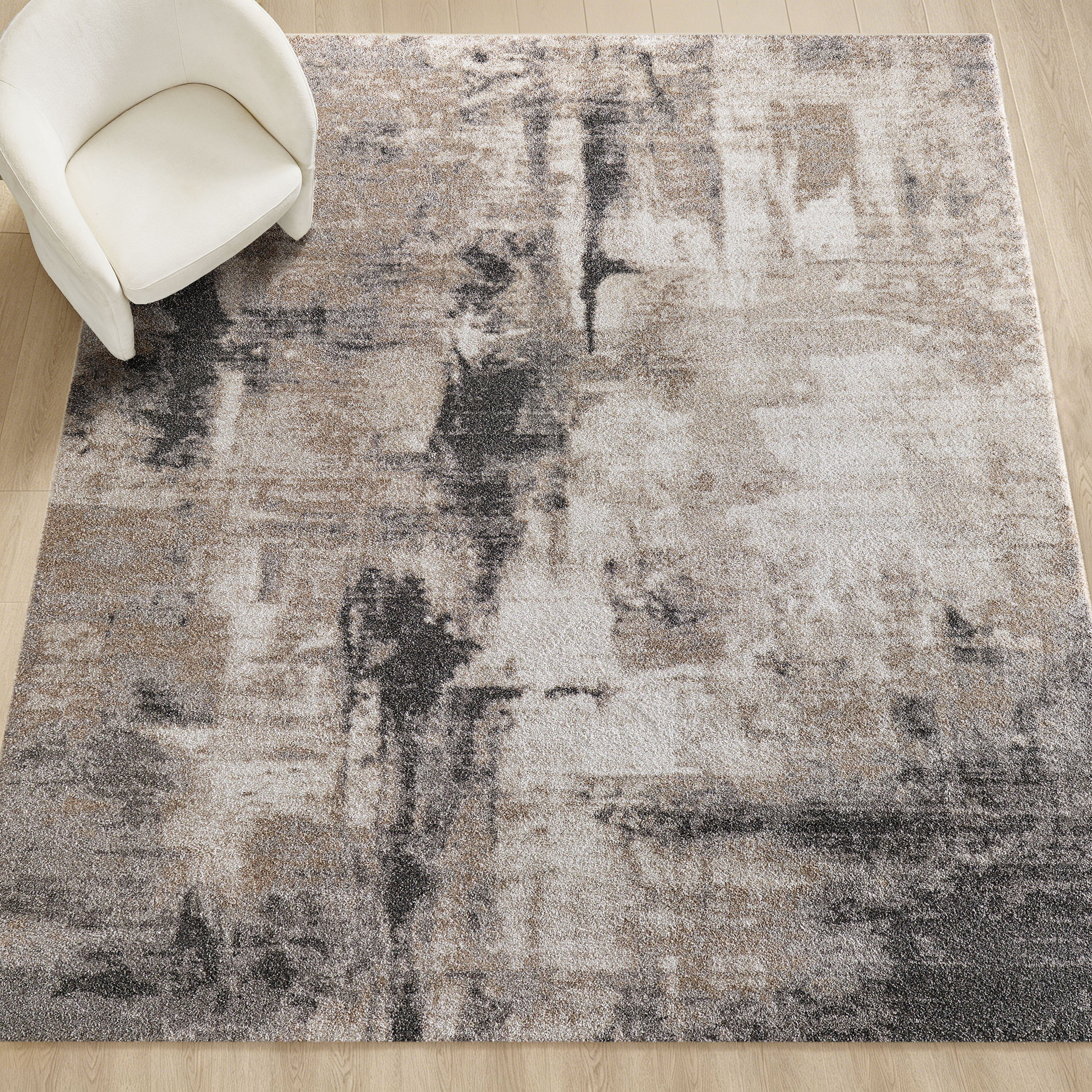
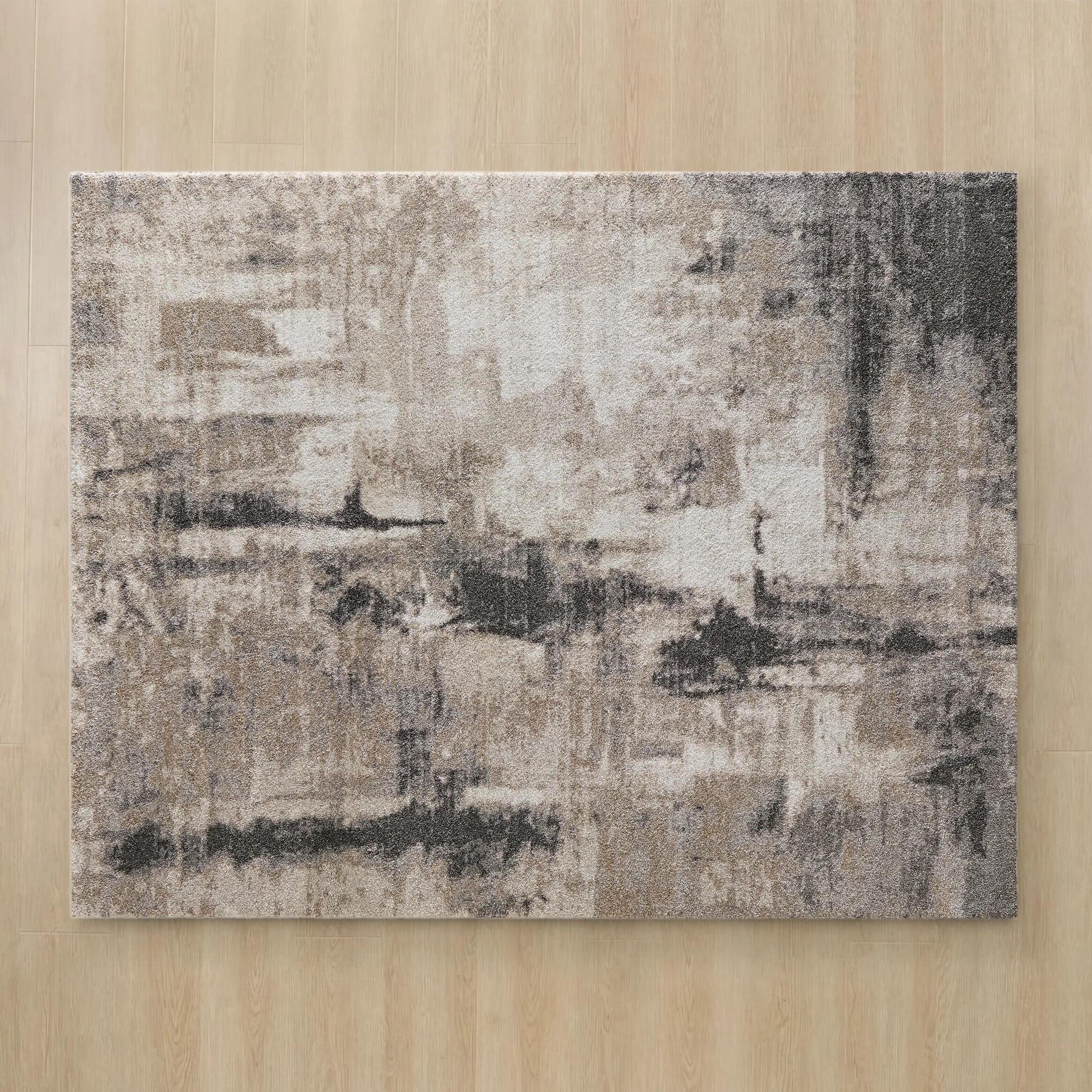 Atlas Abstract Grey/Taupe/Ivory/Charcoal Performance Power Loomed Rug$399
An abstract rug in grey, taupe, ivory, and charcoal with a plush, stain-resistant polypropylene blend.
Add To Cart -
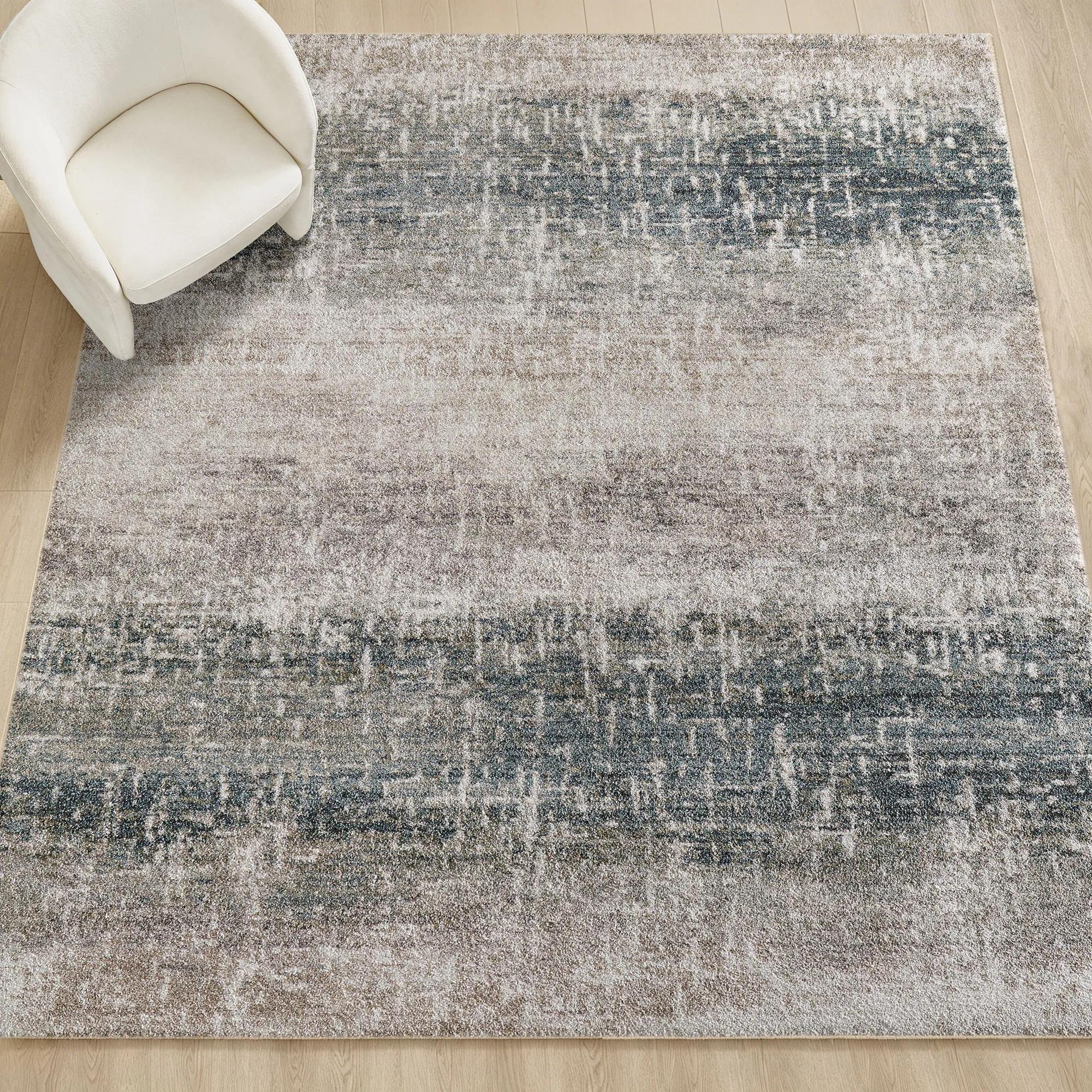
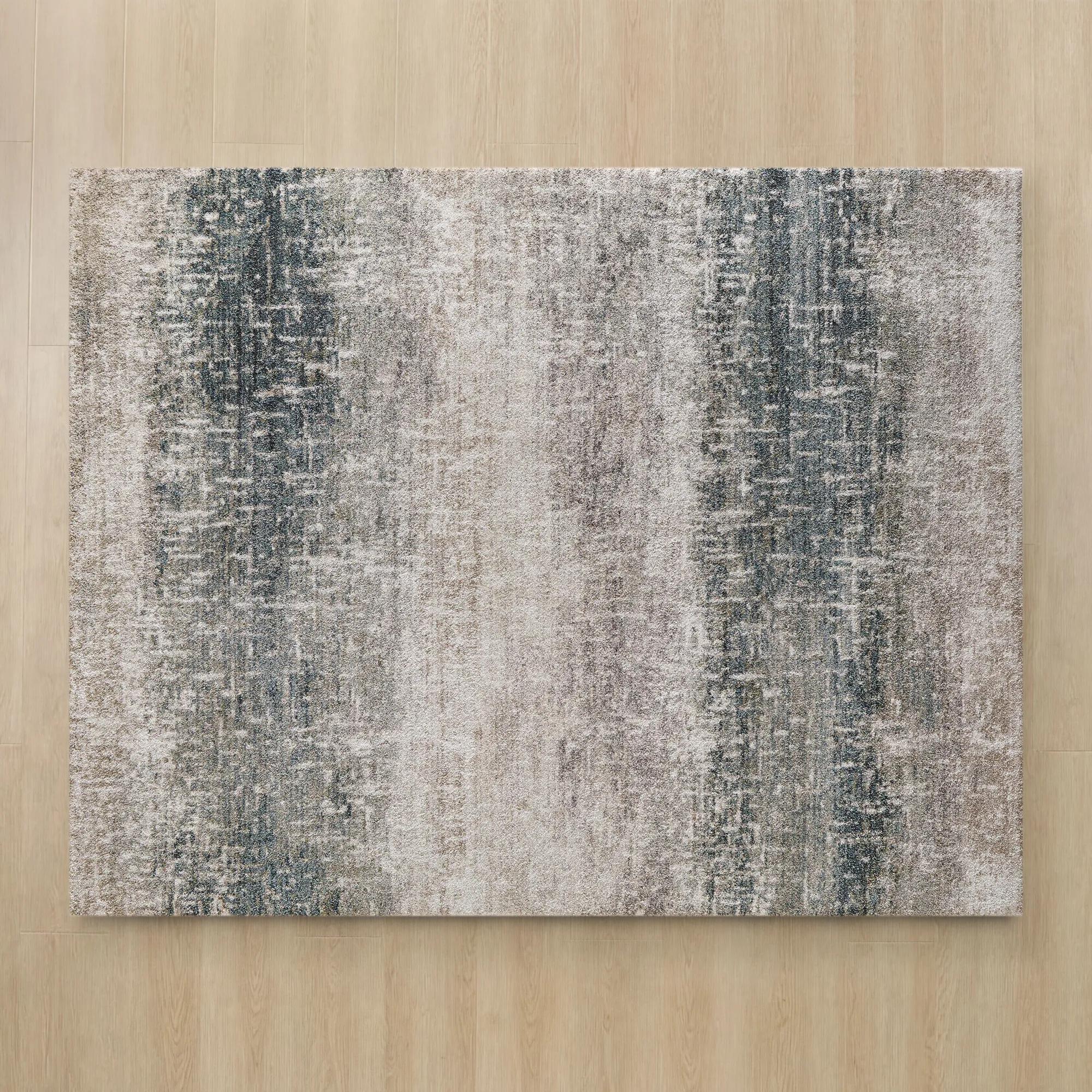 Collier Taupe/Grey/Blue/Green Performance Power Loomed Rug$849
An abstract rug in taupe, grey, blue, and green with a plush, durable, and easy-care performance blend.
Add To Cart -
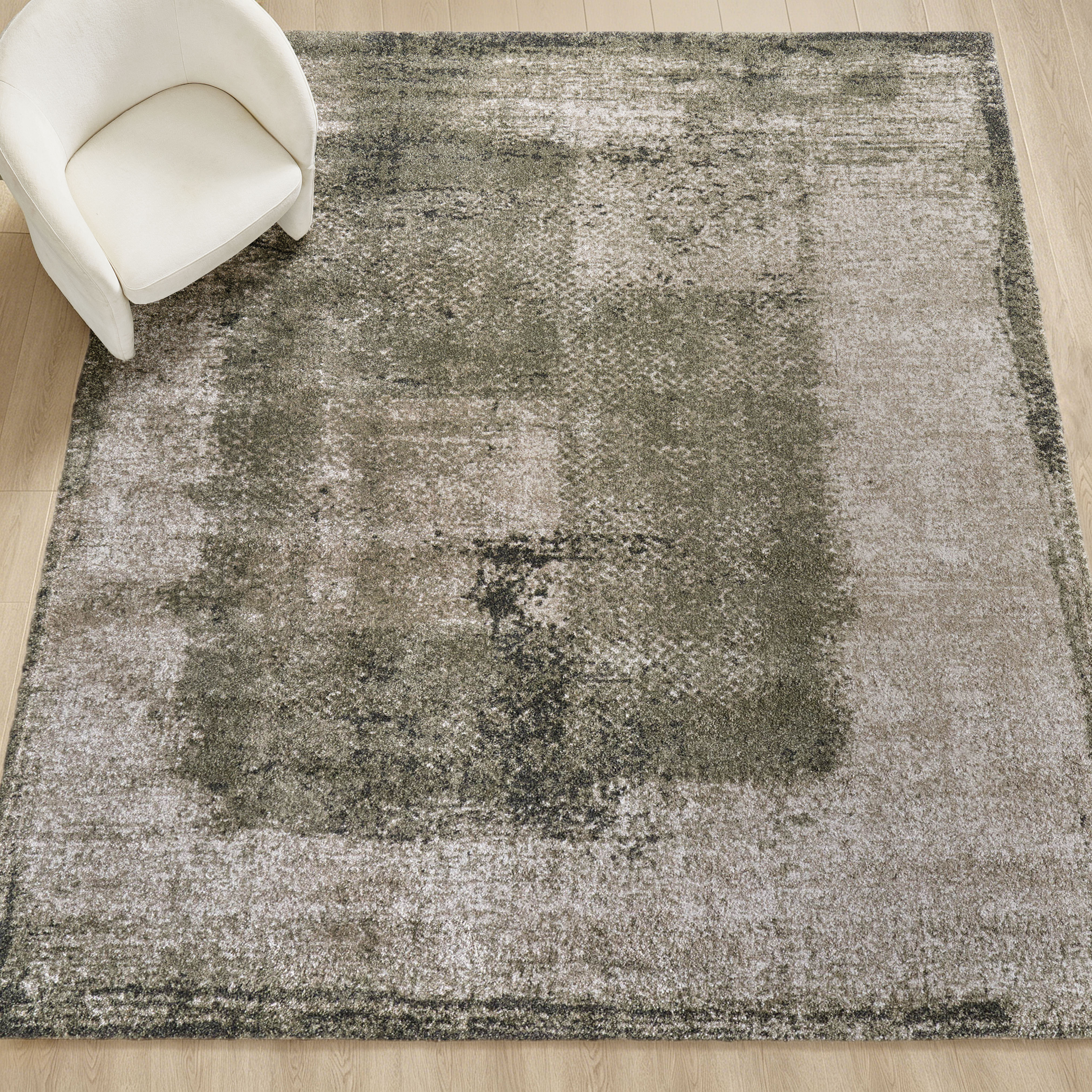
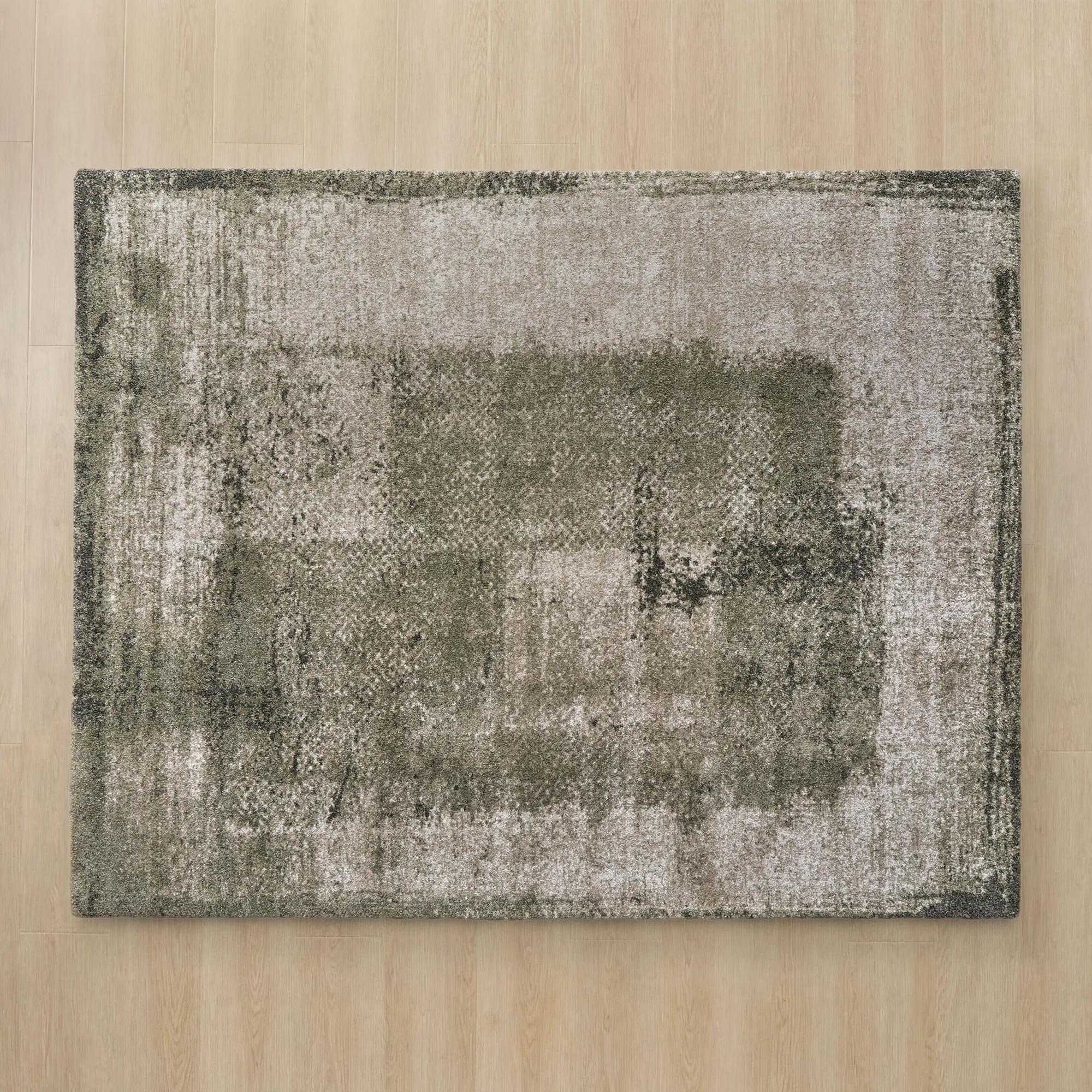 Irving Abstract Moss Green/Beige/Grey Performance Power Loomed Rug$1349
An abstract rug in moss green, beige, and grey with plush, durable polypropylene and polyester construction.
Add To Cart -
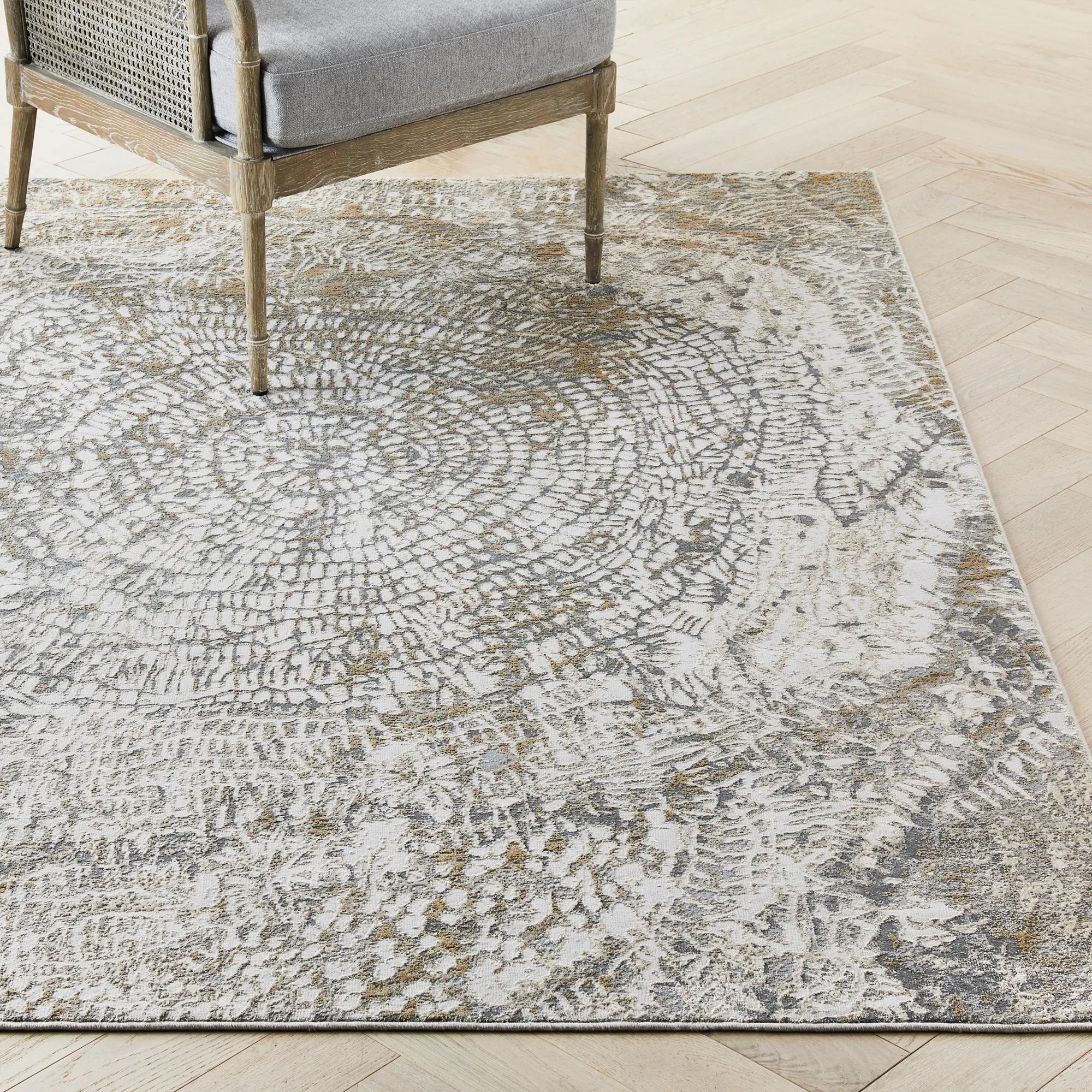 Nautilus Power-Loomed Silver/Grey/Natural Rug$999
A machine-woven ivory rug featuring subtle tonal variations and a durable polypropylene blend construction.
Add To Cart -
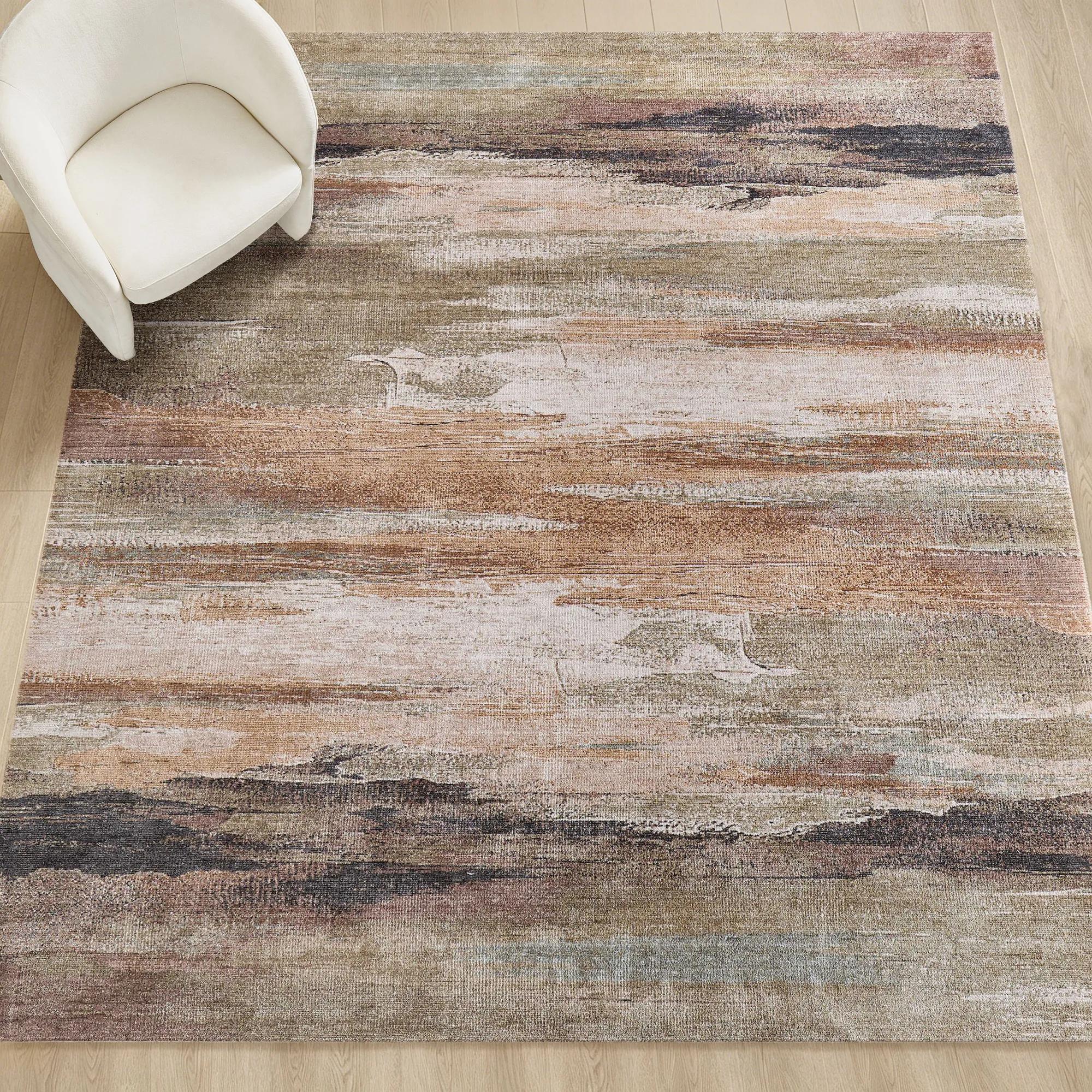
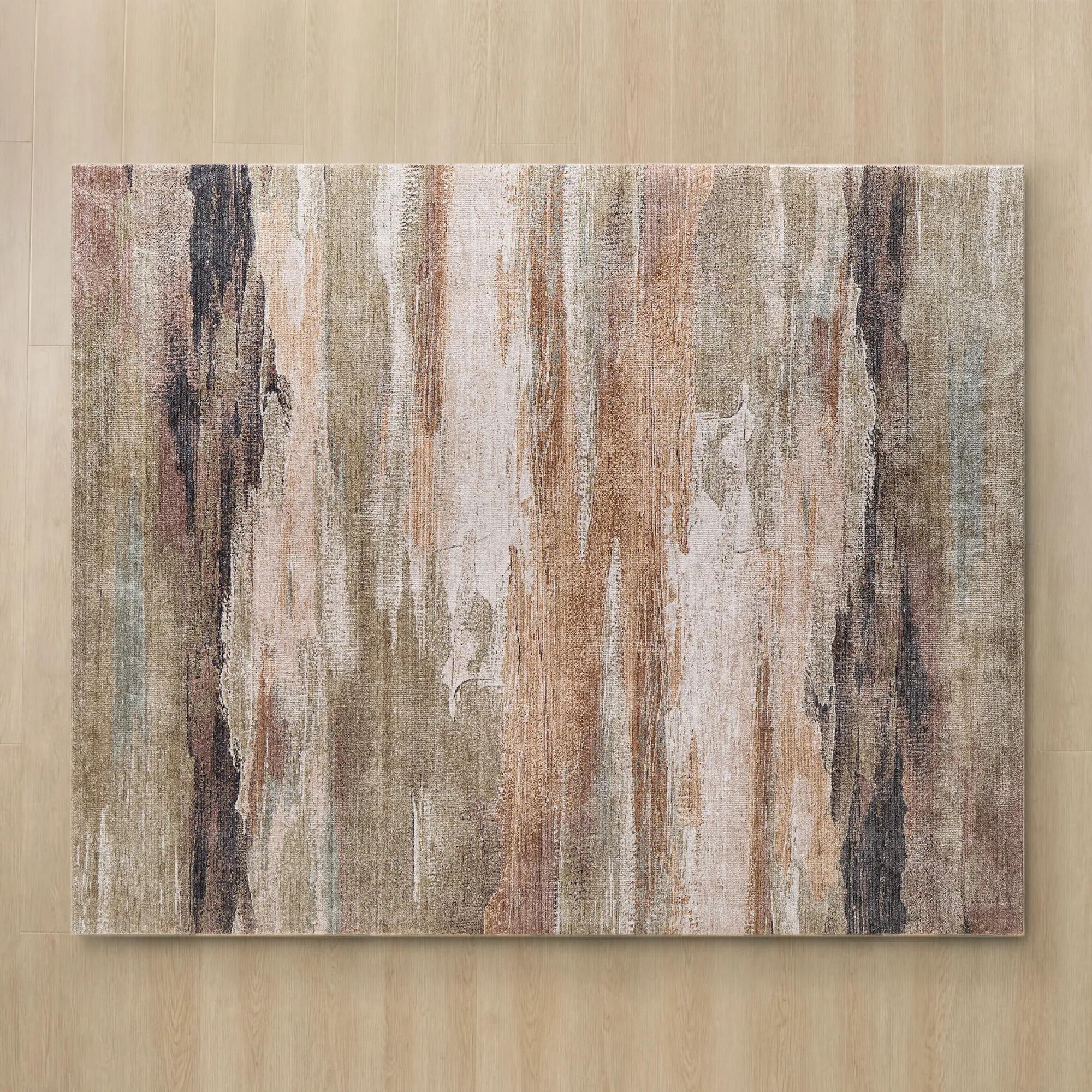 Sedona Rust/Beige/Moss Green/Charocal/Blue Performance Power Loomed Rug$1999
A power-loomed polyester rug featuring a rich abstract pattern in rust, beige, moss green, charcoal, and blue.
Add To Cart -
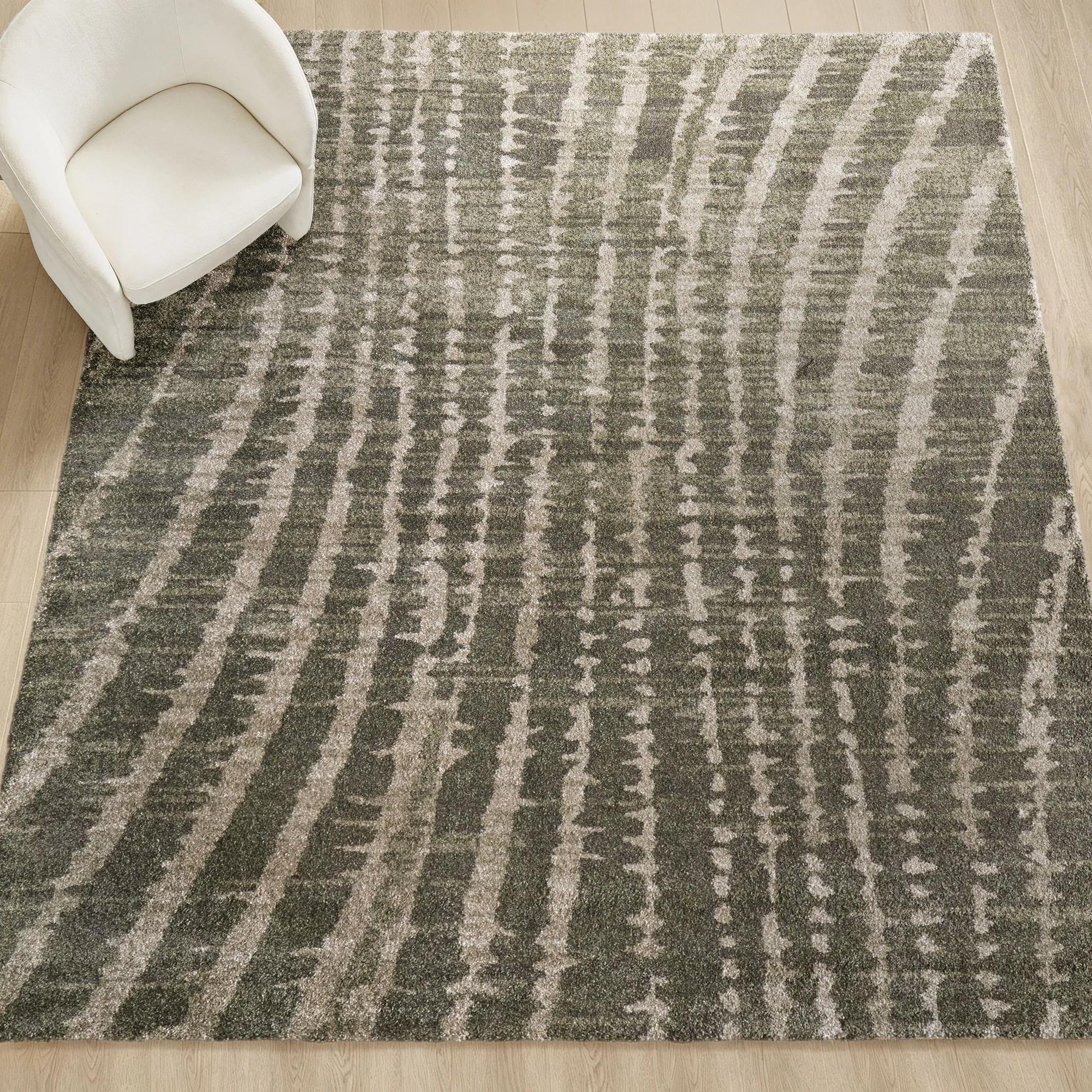
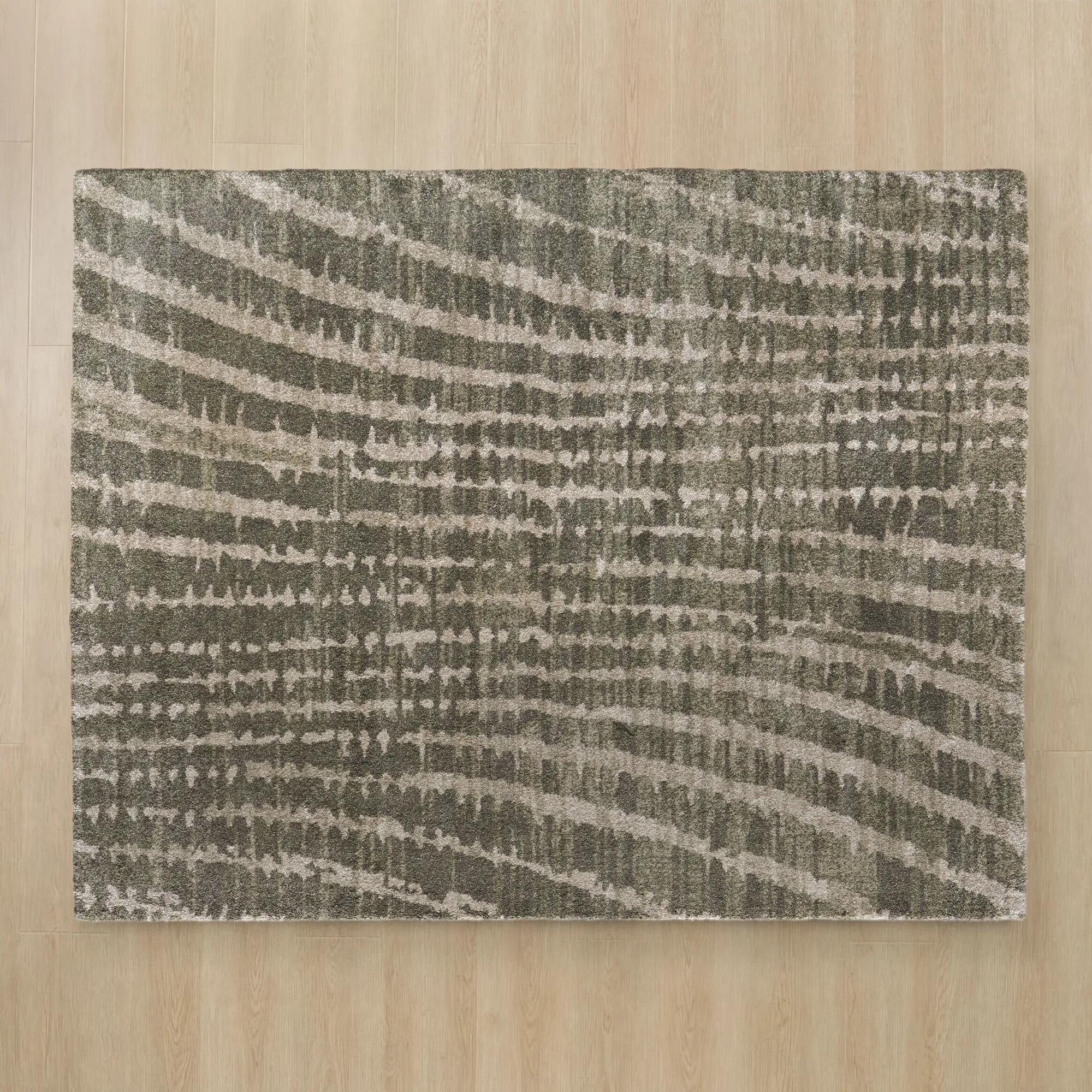 Tempo Green/Grey/Beige Performance Power Loomed Rug$399
An abstract charcoal grey and beige rug with plush cut pile and durable, stain-resistant polypropylene-polyester blend.
Add To Cart -
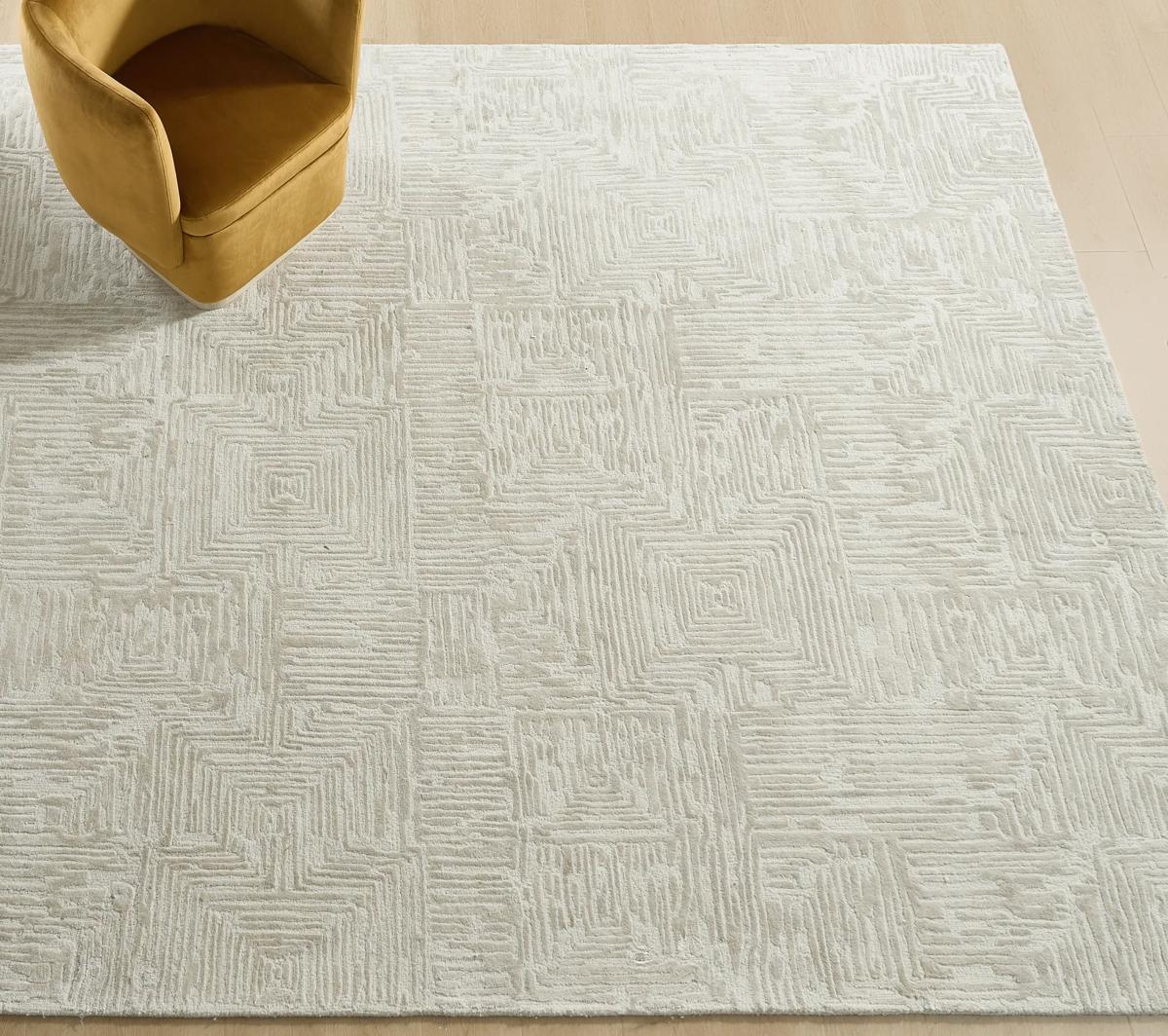 Andra Ivory Hand-Tufted Wool Blend Dimensional Rug$499
A hand-tufted ivory rug in a viscose-wool blend with raised textural detailing and subtle sheen.
Add To Cart -
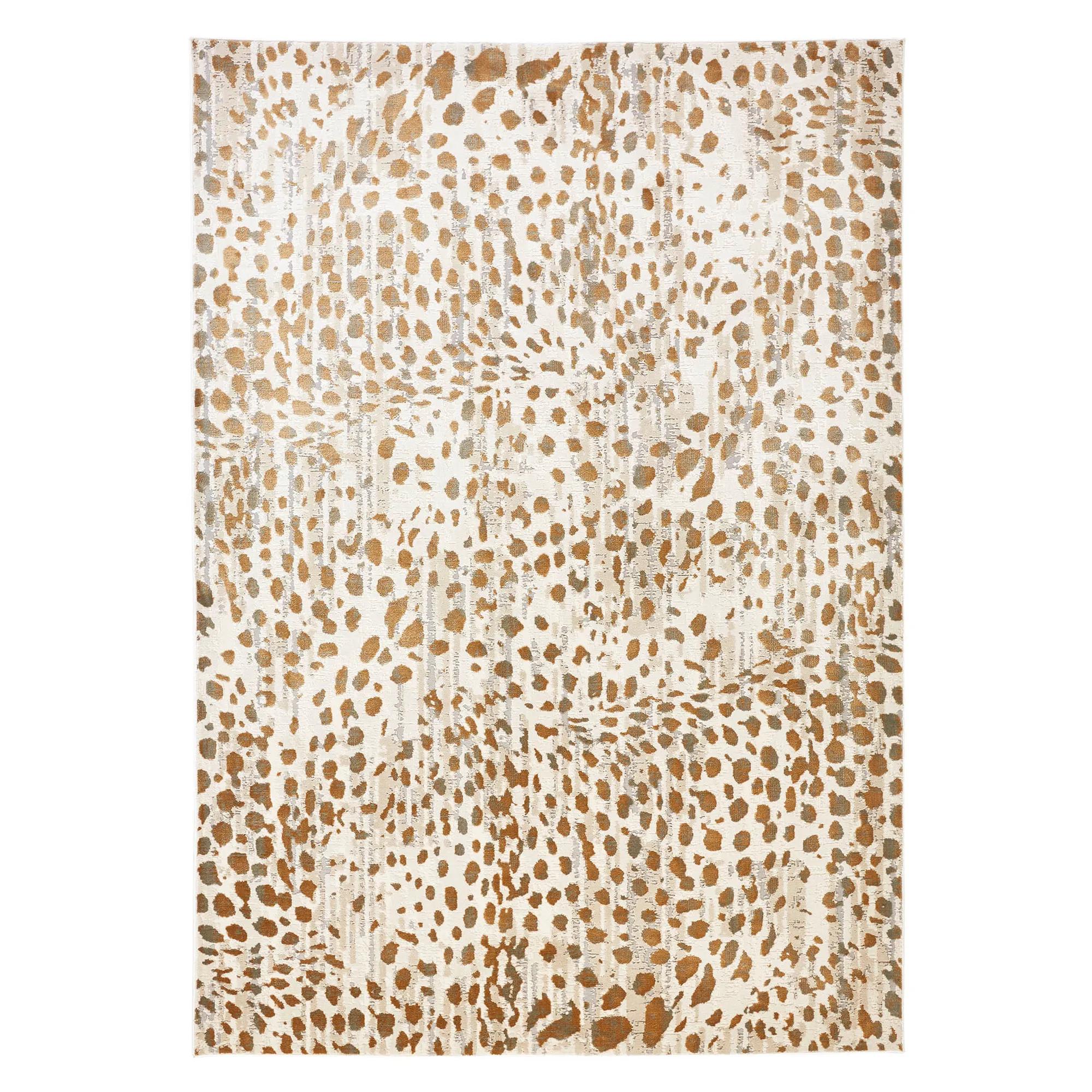
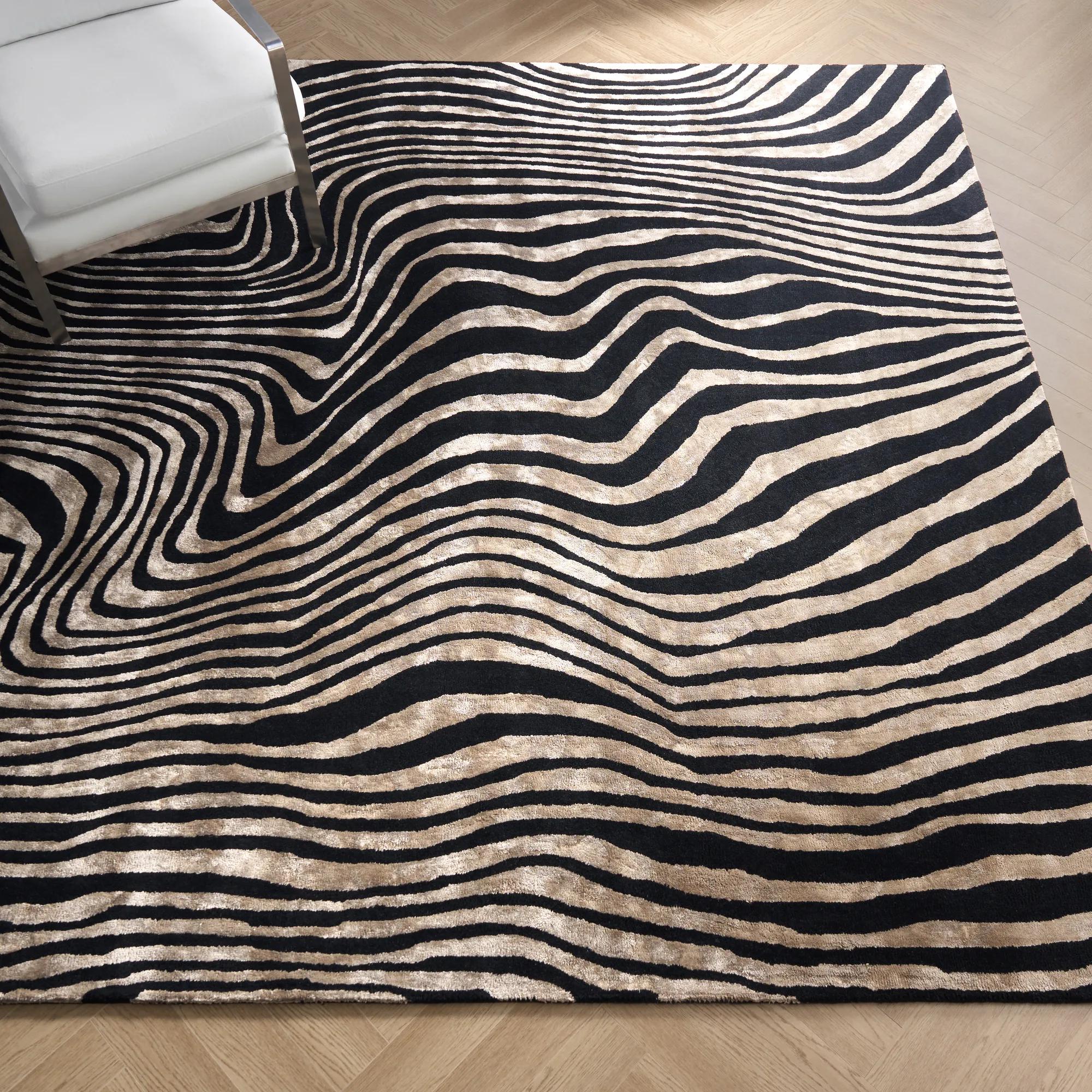
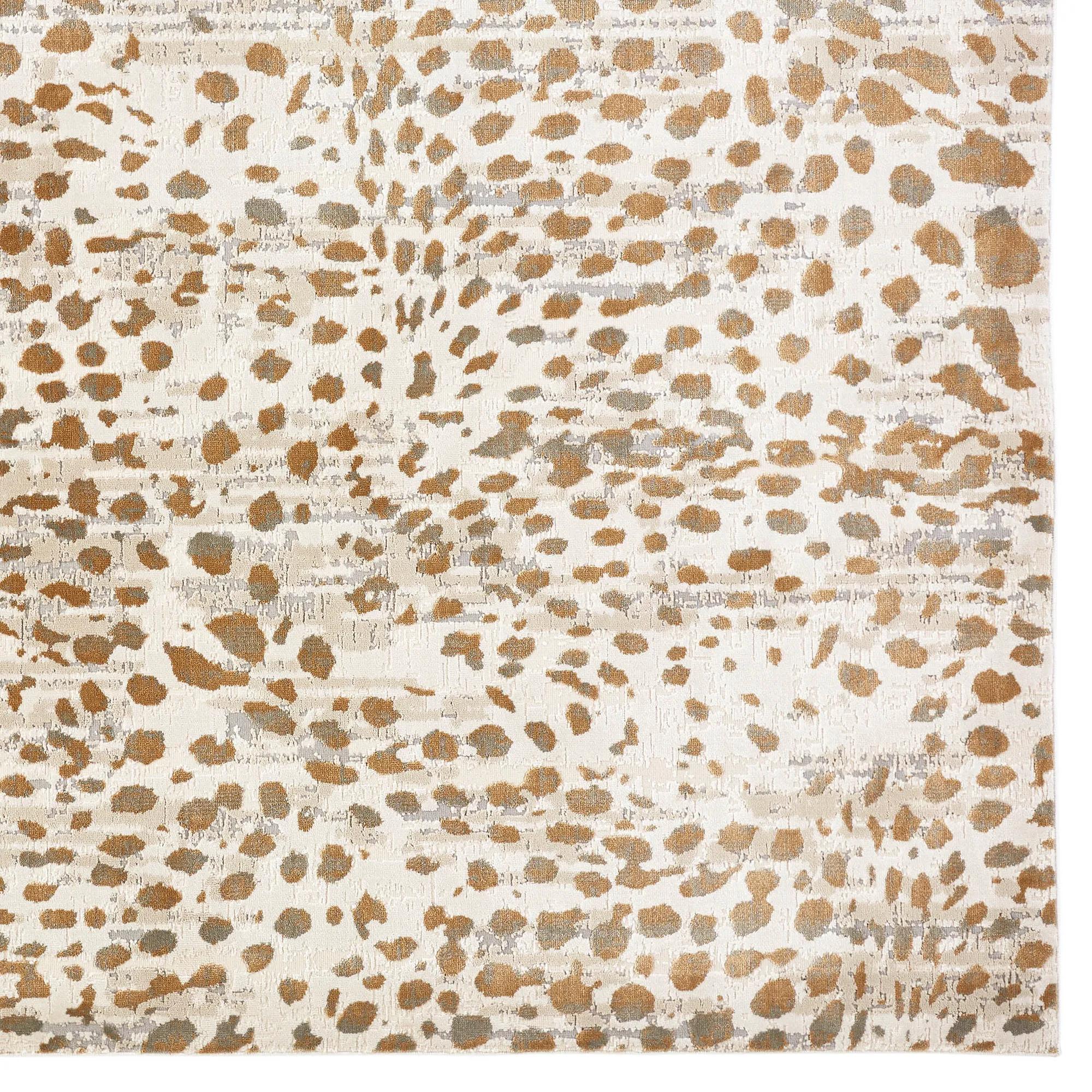 Amur Ivory/Natural Animal Print Power-Loomed Rug$399
A hand-tufted wool and viscose rug featuring a gold chain link design on neutral grey.
Add To Cart -
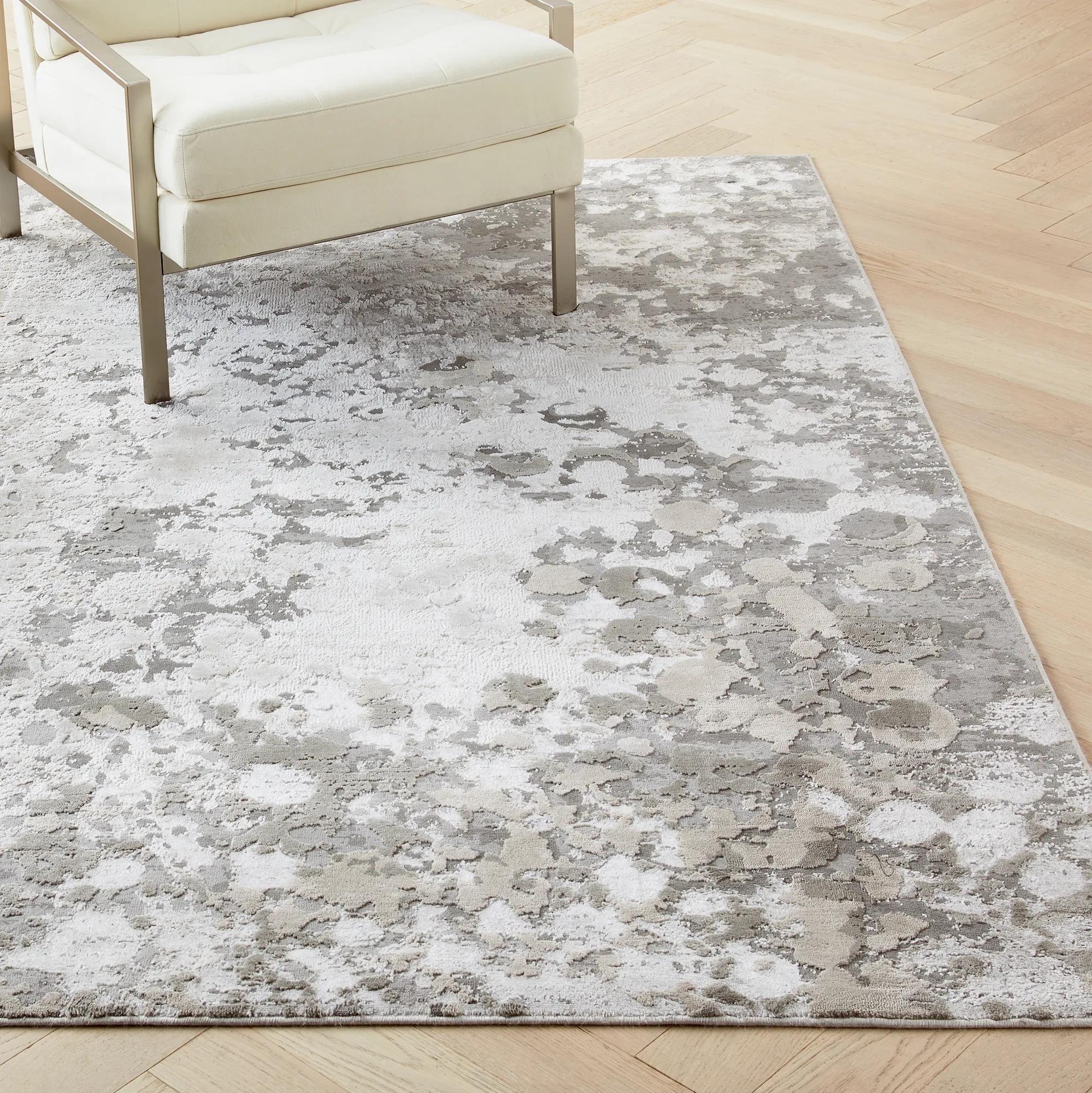 Mercury Power-Loomed Silver/Grey/Beige Rug$449
A neutral floor covering featuring a silver, grey, and beige palette with a soft, textured polyester blend.
Add To Cart -
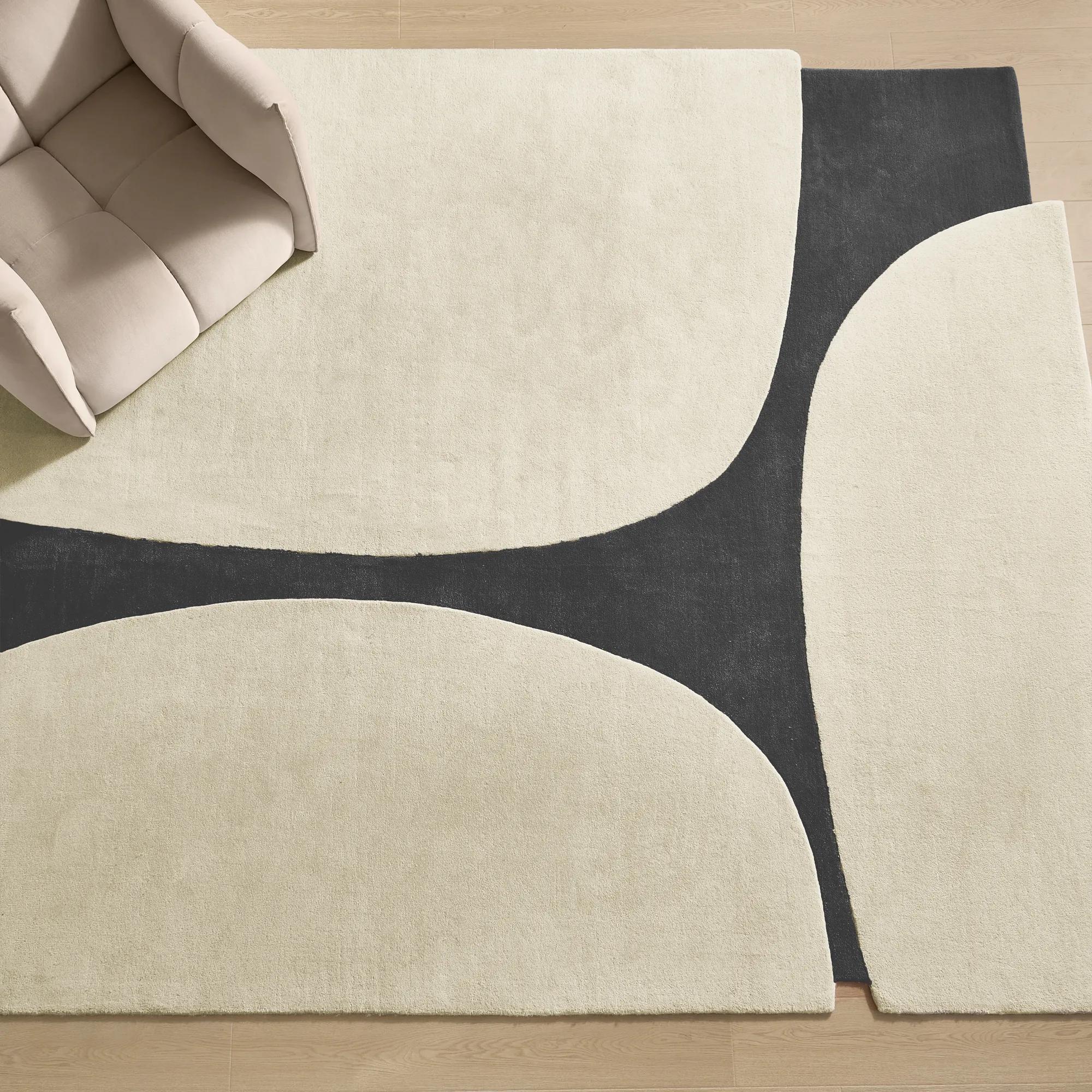 Contour Hand-Tufted Ivory/Charcoal Wool & Viscose Rugs$1499
An artfully shaped hand-tufted rug featuring high-low texture in warm ivory and charcoal wool-viscose blend.
Add To Cart -
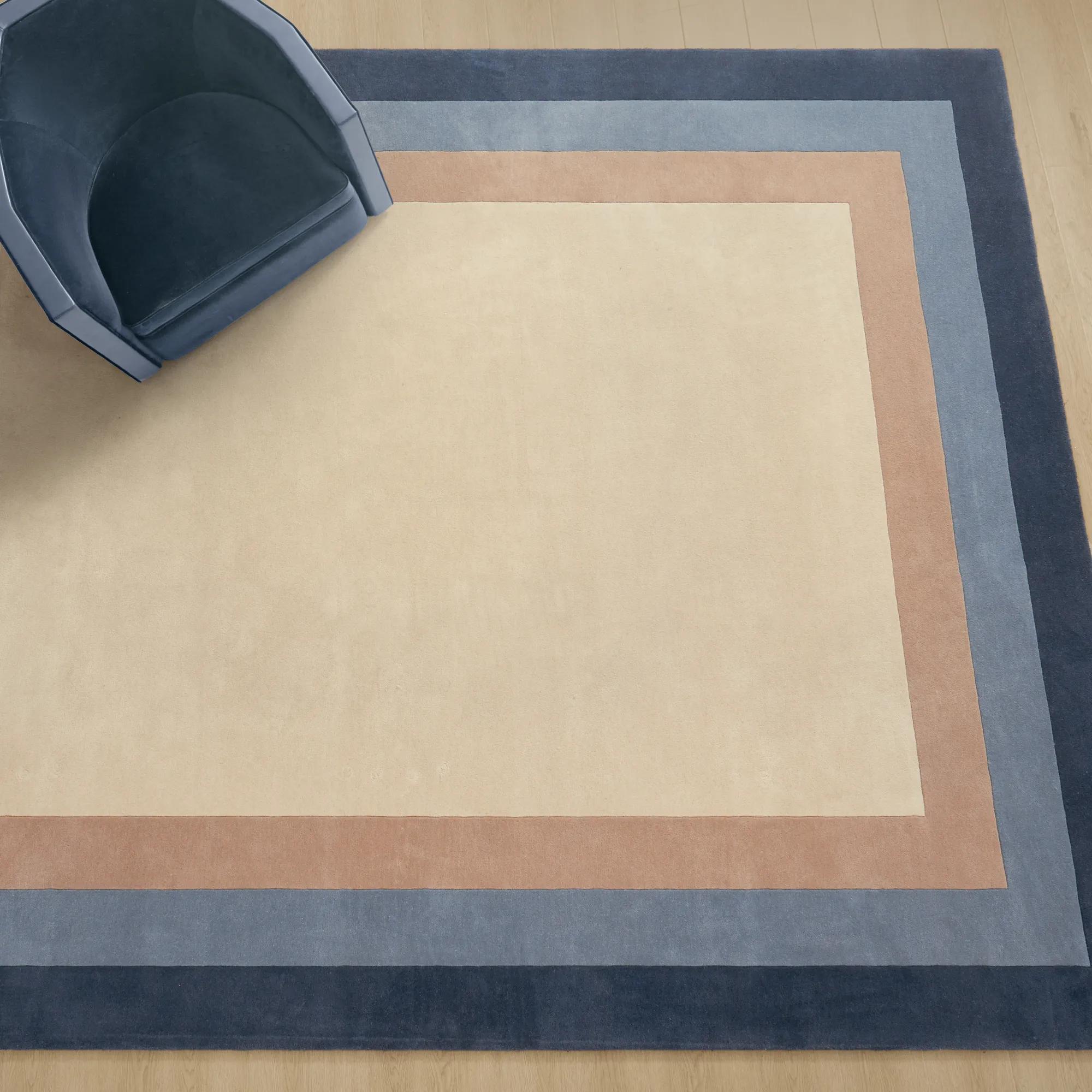 Bastien Hand-Tufted Blue/Taupe/Ivory Wool Border Rugs$1499
A hand-tufted wool rug featuring a bold color-blocked border in dusty blue, taupe, and ivory tones.
Add To Cart -
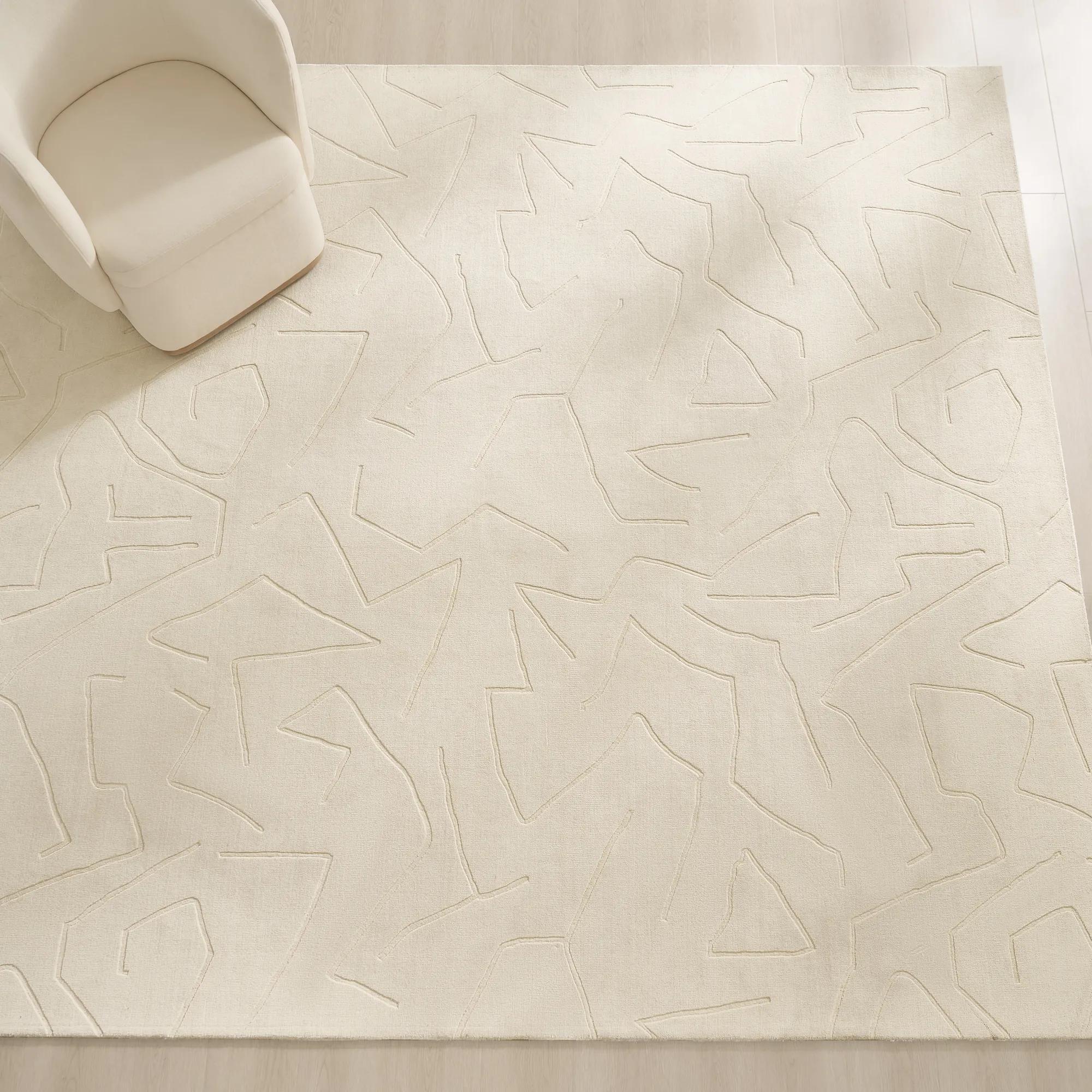 Carved Maze Ivory Hand-Loomed Wool Blend Rug$699
A hand-loomed ivory wool-blend rug featuring a carved maze pattern for modern, textural appeal.
Add To Cart -
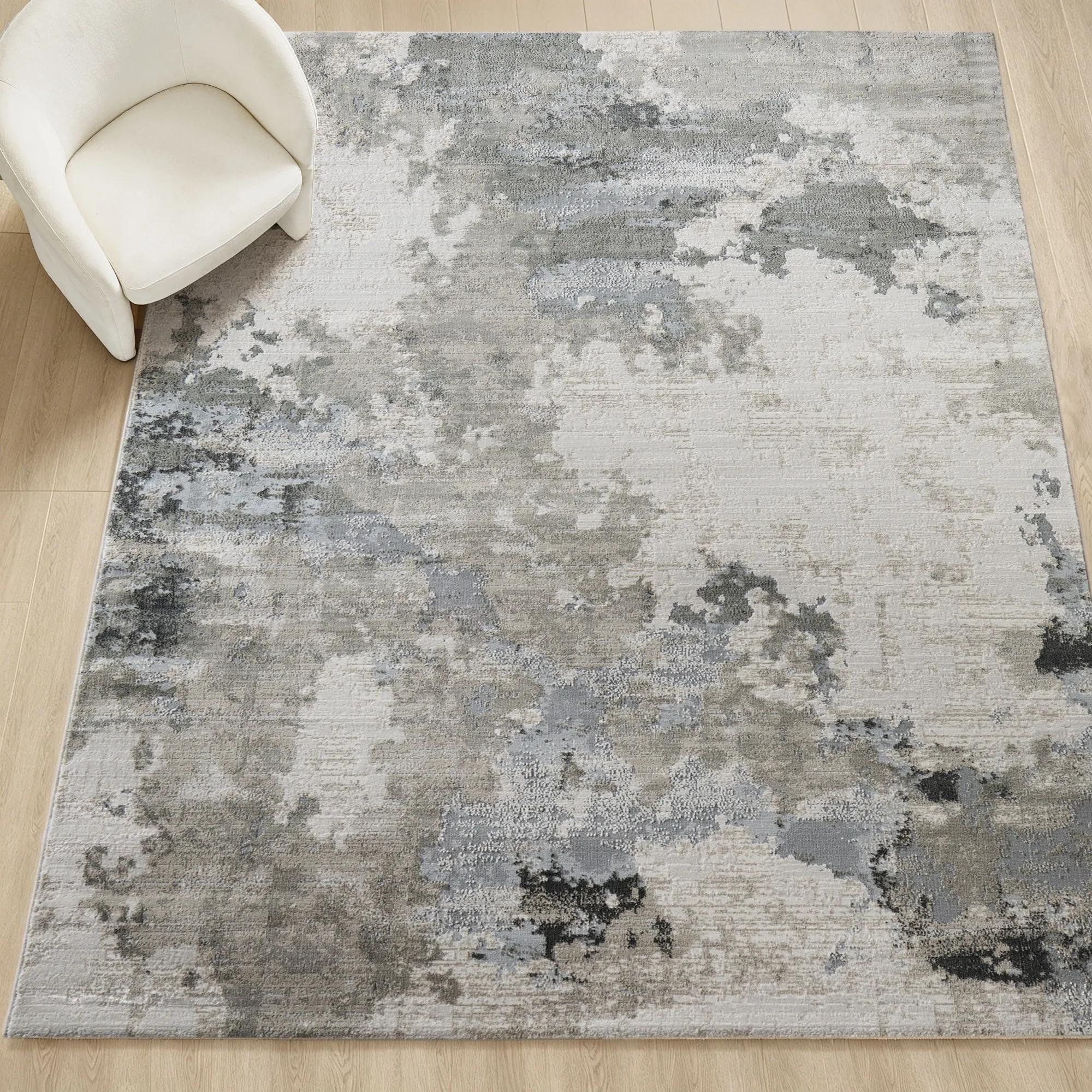 Alarion Abstract Grey/Muted Blue/Ivory Performance Power Loomed Rug$1499
A power-loomed rug featuring a distressed abstract pattern in grey, muted blue, and ivory with stain resistance.
Add To Cart -
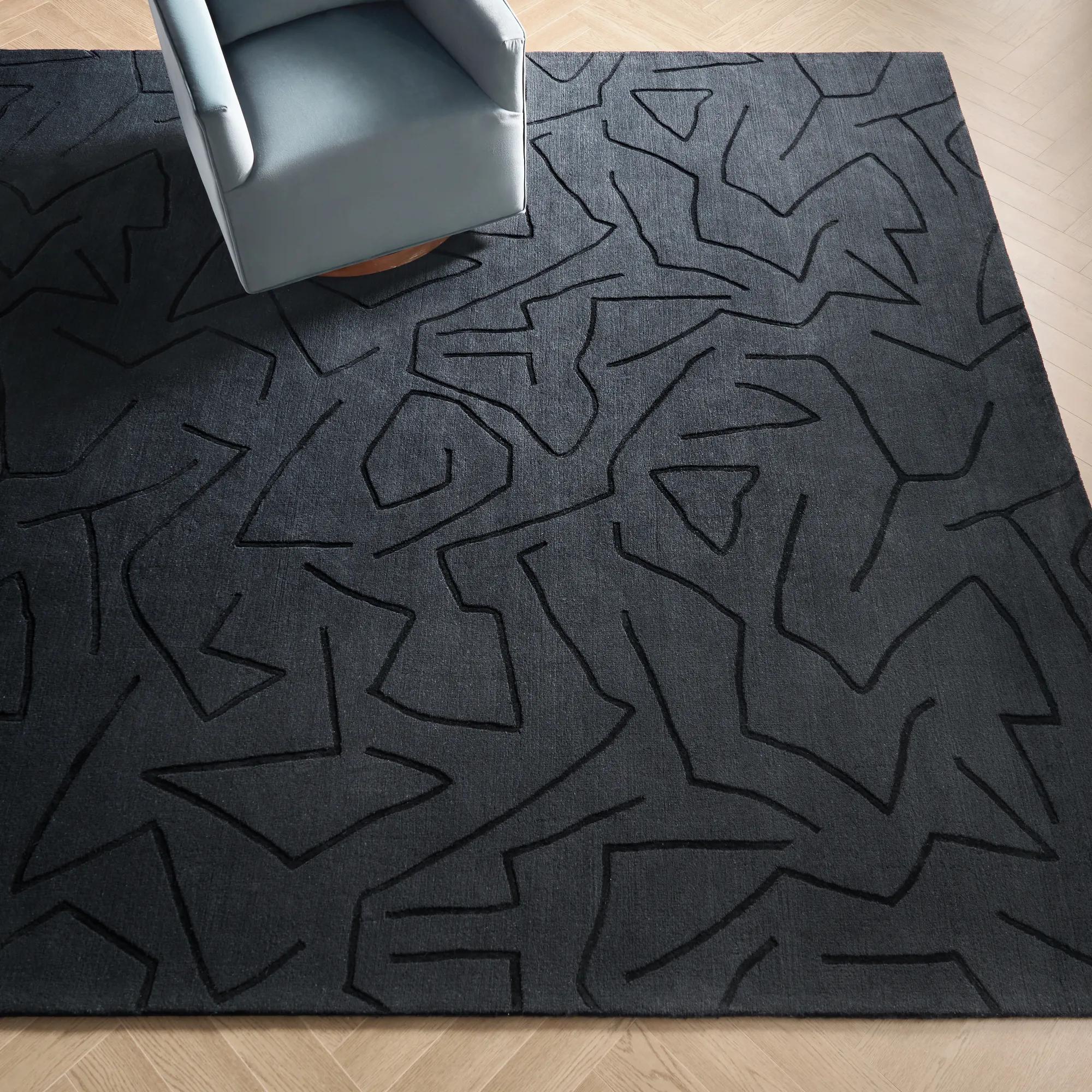 Carved Maze Rug$699
A hand-loomed black rug crafted from wool and viscose, featuring a carved maze design for added texture.
Add To Cart -
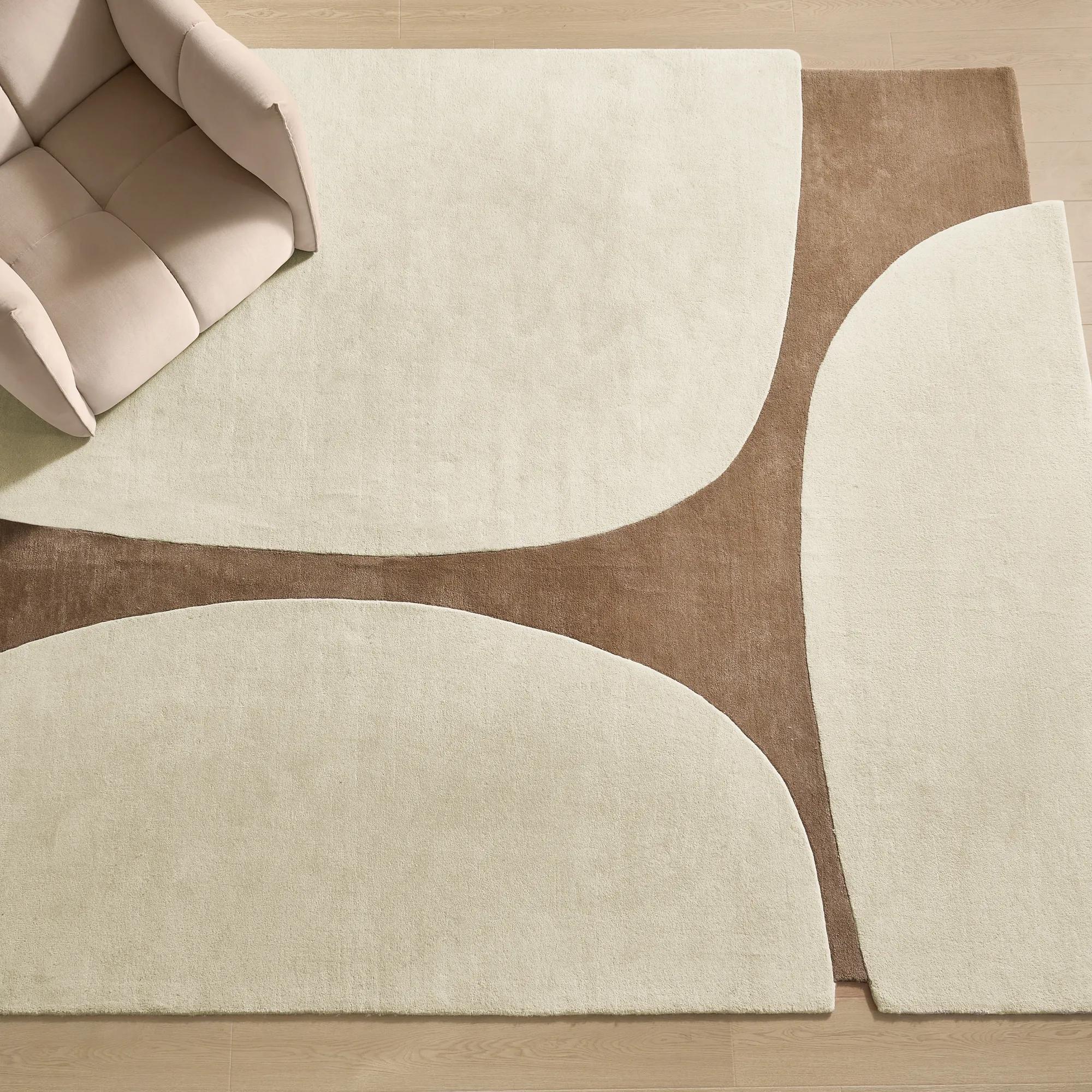
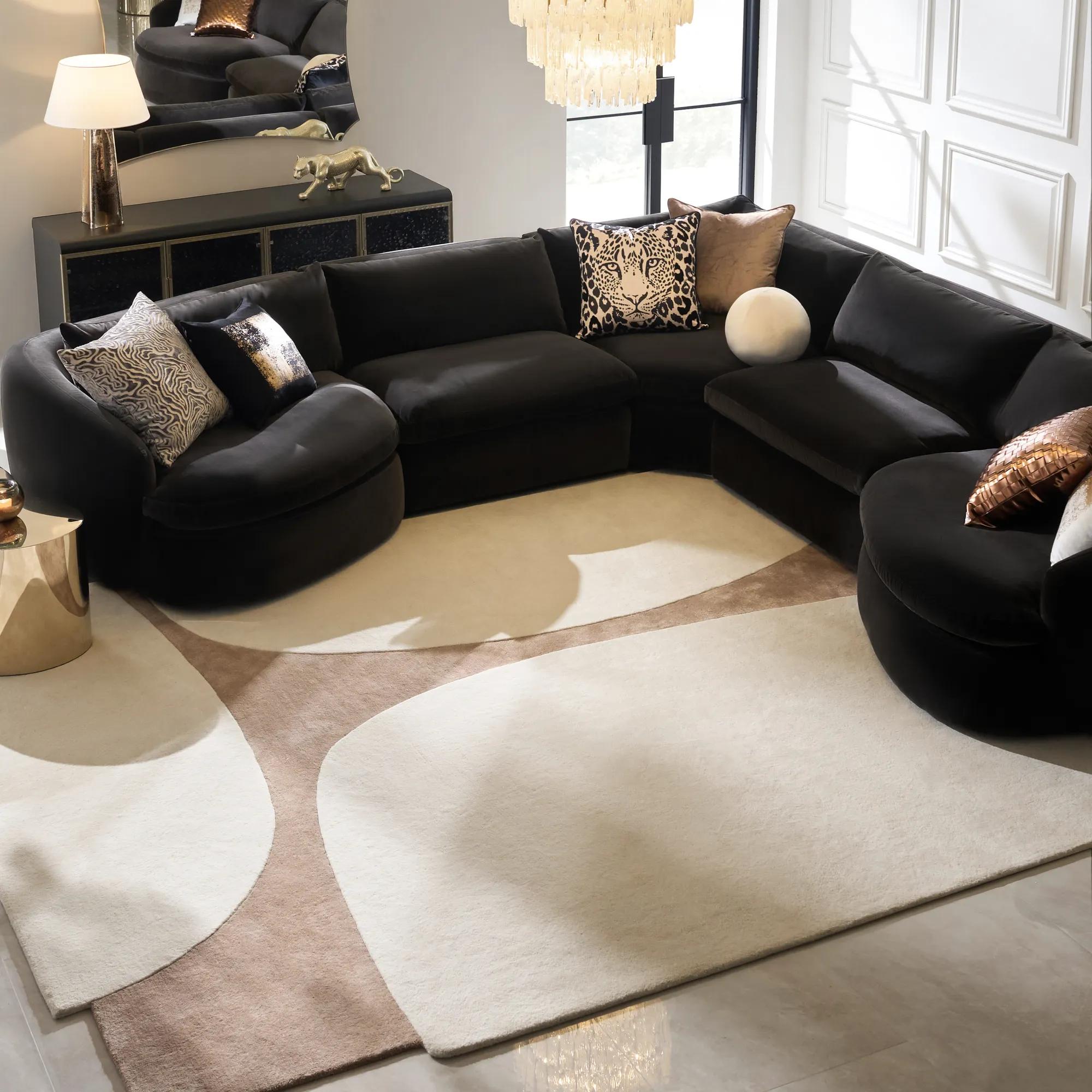 Contour Hand-Tufted Ivory/Ginger Root Wool Blend Rug$499
A hand-tufted wool rug blending ivory and ginger root tones for textured, modern warmth.
Add To Cart -
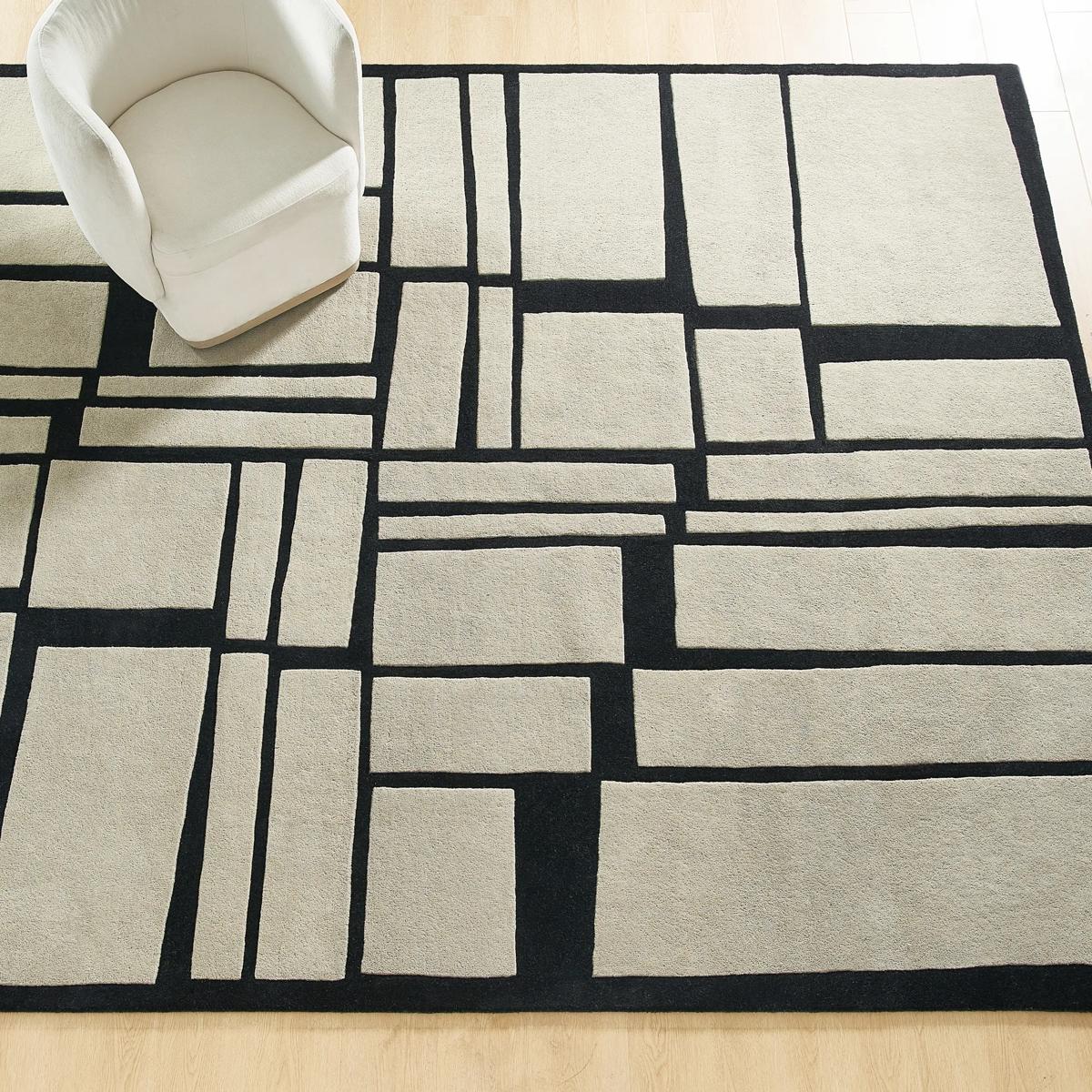 Novak Hand-Tufted Natural/Black Wool Rug$949
A hand-tufted wool rug featuring a bold black and natural grid design for modern, graphic appeal.
Add To Cart -
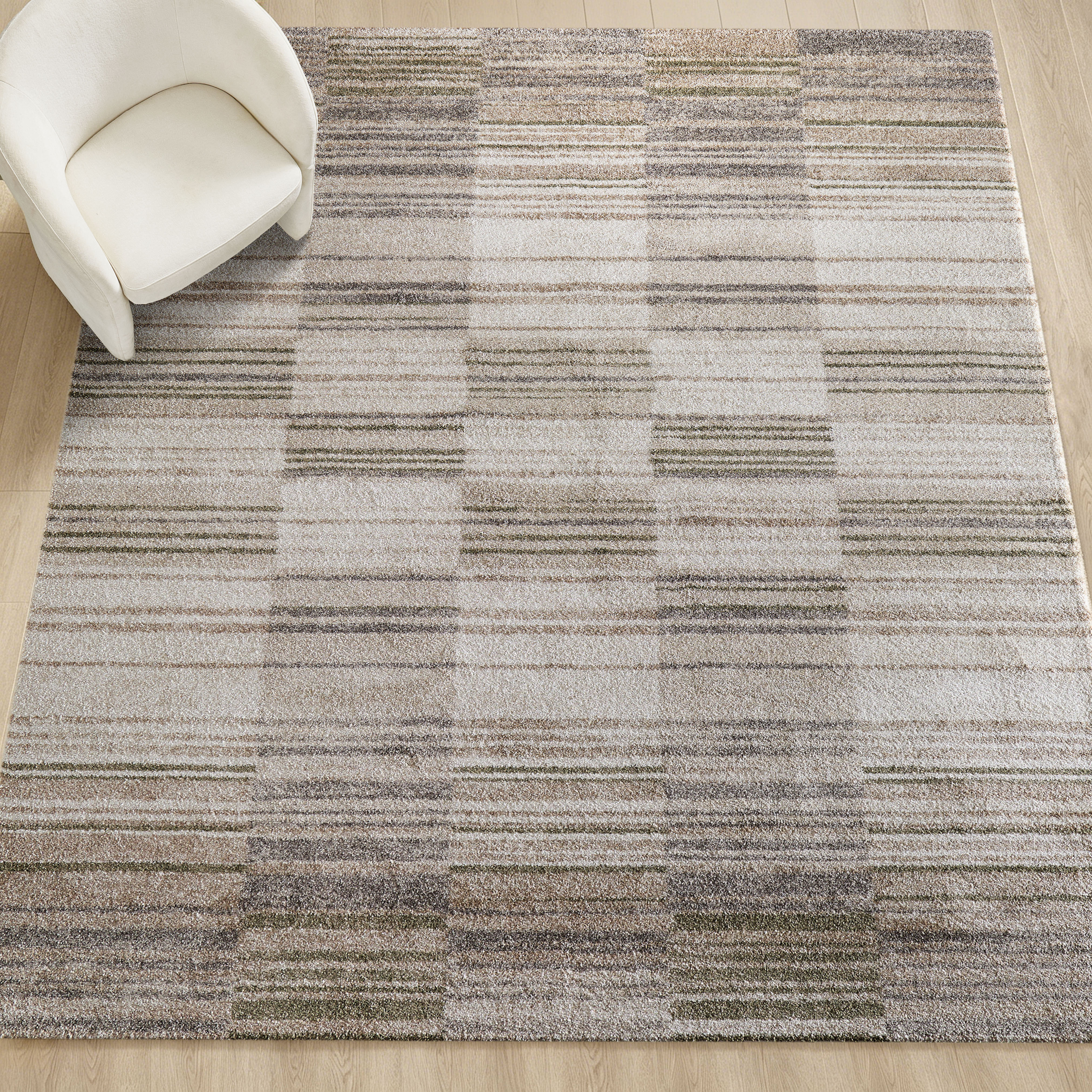
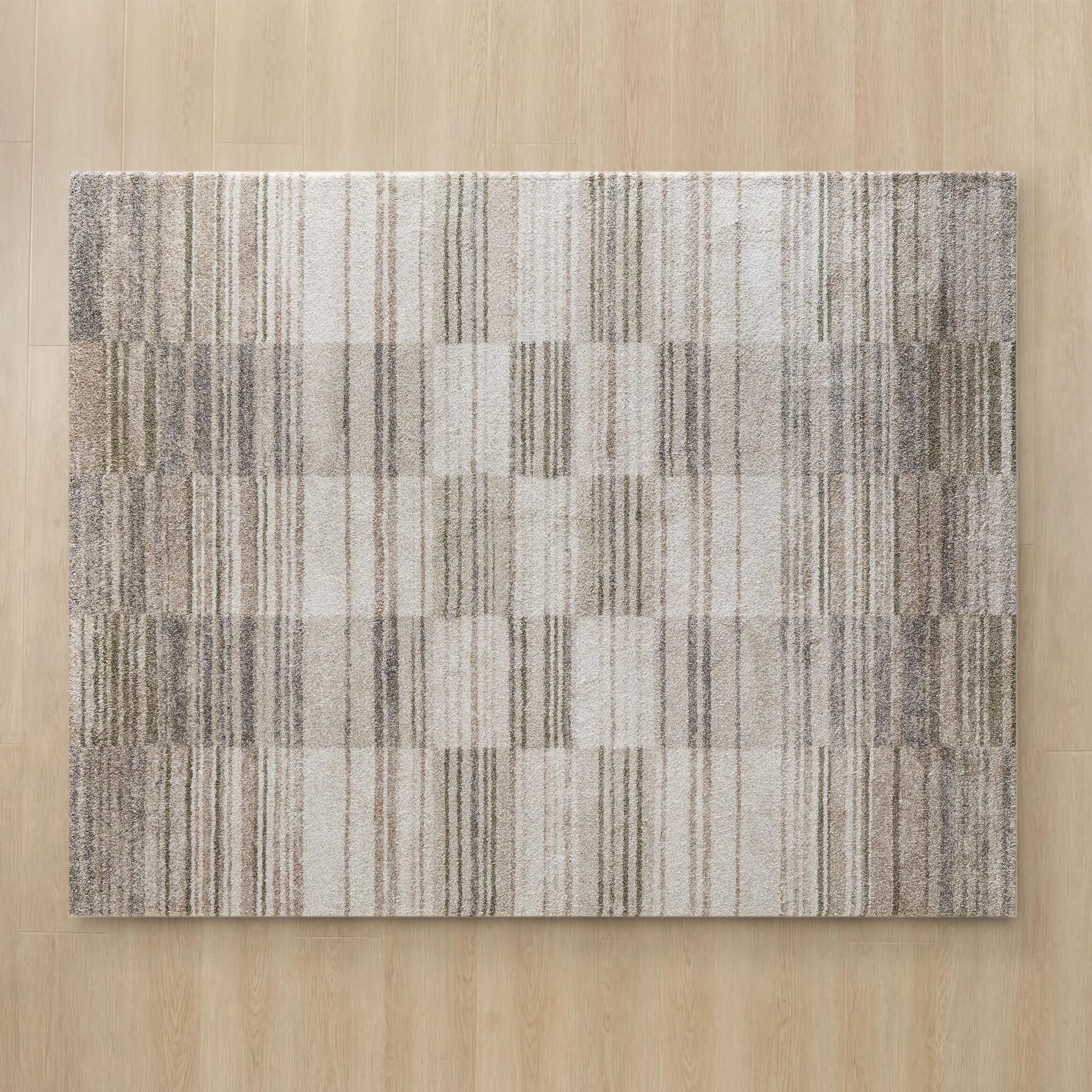 Checka Grey/Tan/Ivory/Soft Green Performance Power Loomed Rug$1649
A plush, power-loomed rug featuring a soft check pattern in grey, tan, ivory, and green.
Add To Cart

Soft Pile Geometric Rugs
Soft pile geometric rugs transform the ordinary into the extraordinary, infusing every step with sumptuous comfort and captivating artistry. Each piece is a masterstroke—where plush texture meets daring pattern, creating a mesmerizing interplay of lines, shapes, and movement beneath your feet. These rugs don’t simply anchor a room; they set the stage for bold self-expression and high-impact design, enveloping your space in tactile luxury and visual intrigue. With soft pile geometric rugs, your floor becomes a canvas, painted with dimension, drama, and undeniable allure.
Soft pile geometric rugs pair a yielding surface with patterns built from lines, angles, curves, and repeating shapes. Their appeal lies in that contrast: plush texture softens the room, while a defined motif gives the furniture arrangement rhythm and intention. Diamonds can create an expansive lattice beneath a seating group; intersecting lines bring architectural precision; broad arches introduce movement without the sharpness of an angular design. In a tonal palette, the pattern may reveal itself through shadows across the pile rather than pronounced color changes. A higher-contrast design becomes a graphic foundation, framing a sculptural coffee table or giving a neutral sofa a more expressive setting. Softness is not limited to deep shag. A shorter, densely constructed pile can feel supple underfoot while maintaining a more tailored profile, and a higher pile creates a relaxed, enveloping surface with greater texture. High-low construction adds another dimension, allowing raised shapes to stand against recessed areas for a subtly carved effect. Fiber and construction both influence how that surface feels and performs. Wool offers natural resilience and a rich hand, though some shedding can occur, particularly when a rug is new. Polyester can provide a soft touch and expressive color, while polypropylene is often valued for resistance to moisture absorption and many everyday stains. Nylon is known for resilience, although softness and performance still depend on the individual construction. Viscose and similar regenerated fibers can lend a luminous finish, but they generally require greater care around moisture and spills. Blends balance different qualities, so the fiber percentages and care instructions matter as much as the visual impression. The most satisfying choice brings pattern, texture, and practical expectations into harmony: a rug that feels indulgent beneath bare feet while making sense for the way the room is actually lived in. For design lovers drawn to expressive interiors, that balance gives geometric pattern lasting appeal beyond any single decorating moment.
Scale determines whether a geometric area rug reads as an elegant foundation or a competing focal point. Large, open motifs give furniture room to breathe and can feel especially striking beneath pieces with clean silhouettes. Smaller repeats create a more continuous field of pattern, adding visual texture without asking every shape to stand alone. Color changes the effect just as decisively. Ivory, sand, and soft gray allow raised details and subtle sheen to carry the composition; charcoal against cream introduces a sharper outline that can echo dark window frames or polished metal accents. A restrained palette leaves space for sumptuous upholstery, expressive artwork, and reflective finishes without diminishing the rug’s presence. In a living room, a generous rug that accommodates at least the front legs of the main seating pieces helps connect the arrangement. The dimensions should respond to the furniture group, not simply the empty space between the sofa and television. A small rug floating beneath a coffee table can make even substantial furnishings feel disconnected, while a larger footprint establishes a deliberate gathering place. In a bedroom, soft pile is especially inviting beside the bed, where enough exposed rug allows feet to land on texture rather than a narrow decorative border. Bed size, nightstand placement, and the path to a dresser all influence the right proportions. Dining spaces call for a different balance: chairs should remain on the rug when pulled out, and a shorter pile generally allows easier movement and crumb removal than a deep shag. Door clearance also deserves attention wherever a rug sits near an entrance. For a reading corner, a compact geometric rug can define an intimate setting around an accent chair and ottoman, provided its edges sit outside the most frequent walking path. These practical relationships preserve the drama of the design while keeping the room comfortable to navigate. A plush surface belongs where its softness can be enjoyed, rather than where it complicates every movement.
Durability depends on matching the rug’s construction to its setting, not on softness alone. A densely made, shorter-pile rug may be better suited to a frequently used family room than a delicate, loosely constructed plush surface. Deep pile offers luxurious texture in quieter lounging areas, but it can hold crumbs and small debris more readily and may show furniture impressions. Homes with pets benefit from close attention to construction, since exposed loops can catch claws and long fibers may require more frequent maintenance. A compatible rug pad adds cushioning, helps reduce shifting, and limits friction between the rug and floor; its material should be appropriate for the flooring beneath it. Routine care protects both the pattern and the hand of the pile. Vacuum settings should follow the manufacturer’s directions, with suction-only cleaning often preferable for delicate fibers or long pile that could catch in a rotating brush. Spills deserve prompt blotting with a clean, absorbent cloth rather than vigorous rubbing, which can spread moisture and disturb the surface. Cleaning solutions should be approved for the fiber and tested in an inconspicuous area, and machine washing is appropriate only when the care label explicitly permits it. Periodic rotation can help distribute wear and exposure to light, while furniture coasters may reduce concentrated pressure beneath heavy legs. Those considerations leave more freedom for the expressive part: pairing a diamond motif with curved seating, balancing a bold grid with richly textured pillows, or allowing a nearly monochromatic pattern to emerge beneath a glass table. For rooms that favor softened ornament over crisp geometry, Soft Pile Vintage Rugs offer a different interpretation of an inviting, tactile foundation. Either direction benefits from thoughtful proportions and a palette that relates to the surrounding furnishings. With geometric designs, the distinctive pleasure is the meeting of order and softness: precise pattern below, sumptuous texture underfoot, and a room that feels composed without losing its sense of personality.
FAQs
Soft pile geometric rugs combine tactile luxury with bold, artistic patterns. Their plush, dense fibers create an inviting underfoot experience, while geometric motifs—ranging from crisp abstracts to intricate Moroccan-inspired designs—add visual intrigue and expressive flair to any room. These rugs become focal points that both ground and elevate your interior, making them a favorite among those who appreciate design with personality and depth.
Geometric patterns can dramatically shape the ambiance of a room. Clean lines and symmetrical shapes evoke a sense of order and modernity, while more organic or tribal-inspired motifs add warmth and a touch of global sophistication. The interplay of pattern and texture allows you to either make a daring statement or create a subtle, layered backdrop, depending on your personal style and the overall vision for your home.
Absolutely. Many soft pile geometric rugs are crafted with durable, stain-resistant materials and feature easy-care construction, making them a practical yet stylish choice for family life. The plush surface is gentle for little ones at play, while the high-density fibers and resilient weaves stand up beautifully to everyday activity, ensuring your space remains both chic and comfortable.
Soft pile geometric rugs are remarkably versatile, complementing a wide range of design aesthetics. They shine in contemporary and modern settings with their bold lines and abstract forms, but also add a striking counterpoint in boho, eclectic, or transitional spaces. Whether your decor leans minimalist or maximalist, these rugs offer a canvas for creative expression and unexpected harmony.
Layering rugs introduces dimension, texture, and a sense of curated luxury to your space. Placing a geometric rug over a larger neutral base or pairing contrasting patterns creates visual depth and a bespoke, designer look. This technique allows you to experiment with color, scale, and pattern, resulting in a space that feels thoughtfully collected and uniquely yours.