Soft Grey Bedding Collections
Soft Grey Bedding Collections
-
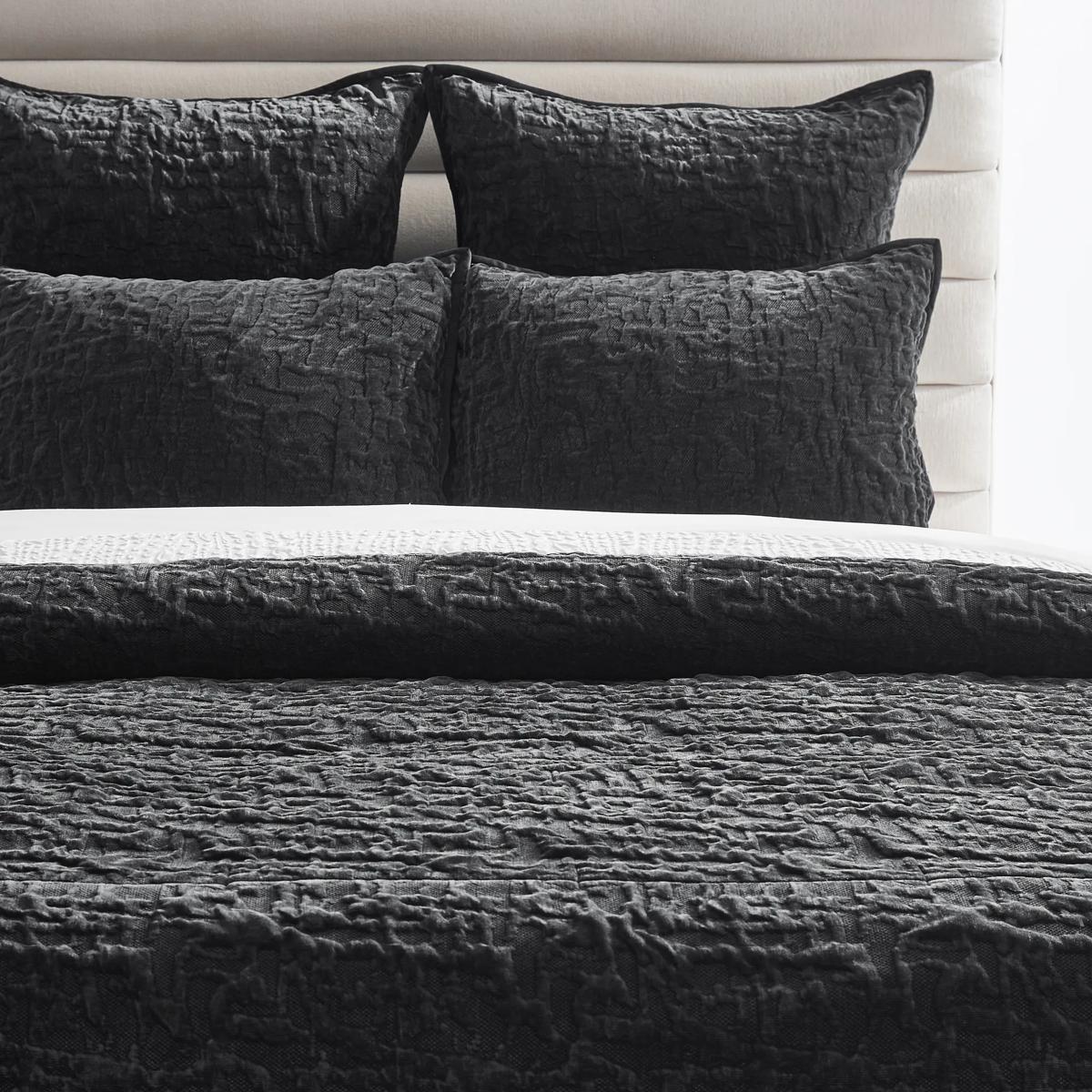
 Glam Grey Shiny Viscose Velvet Quilt Bedding Set$89
A lustrous grey velvet bedding collection featuring modern quilted stitching and refined piped edges.
Add To Cart -

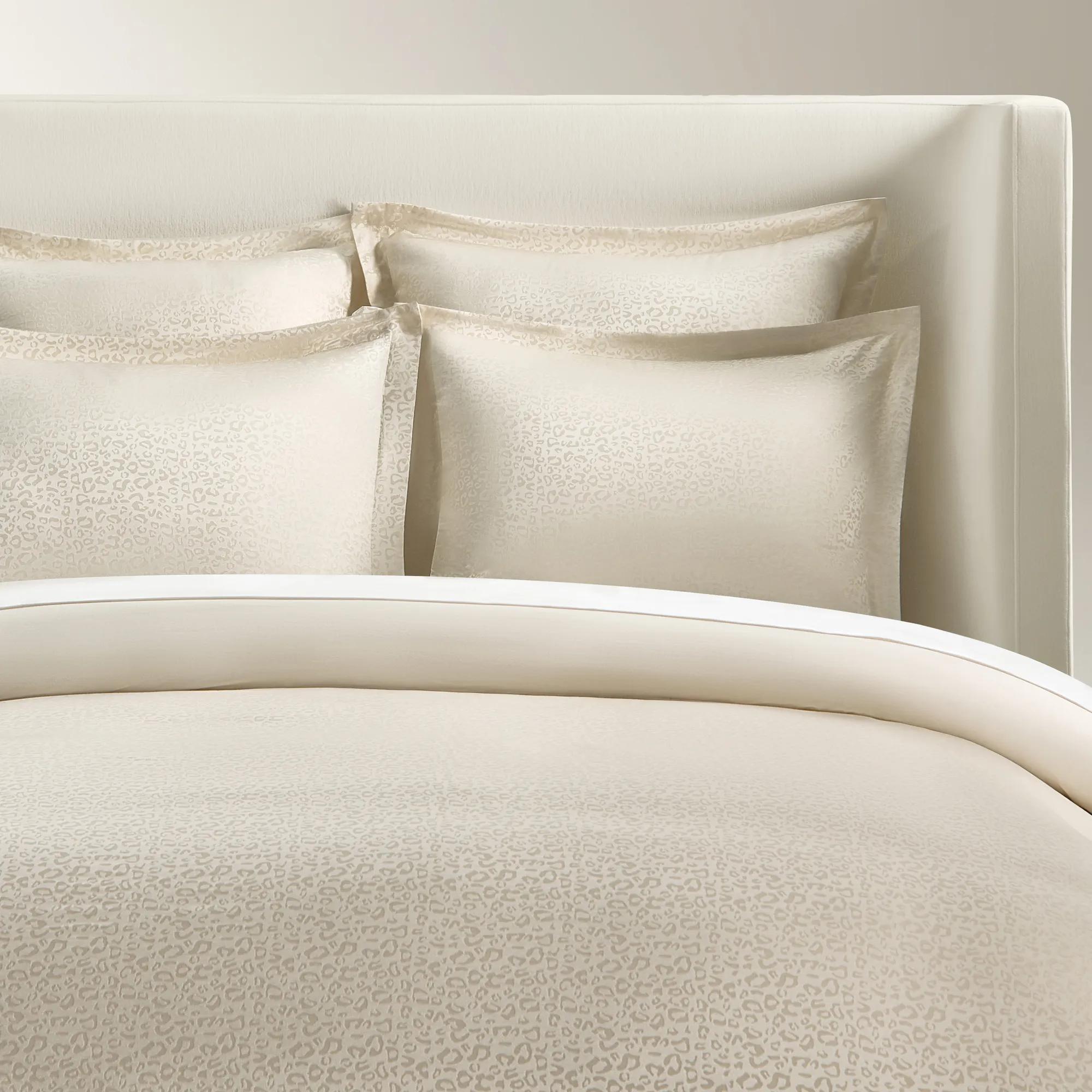
 Fan Velvet Quilt Set - Smoke Grey$69
A luxurious smoke grey velvet quilt set featuring a sculptural fan pattern and polished piped edges.
Add To Cart -

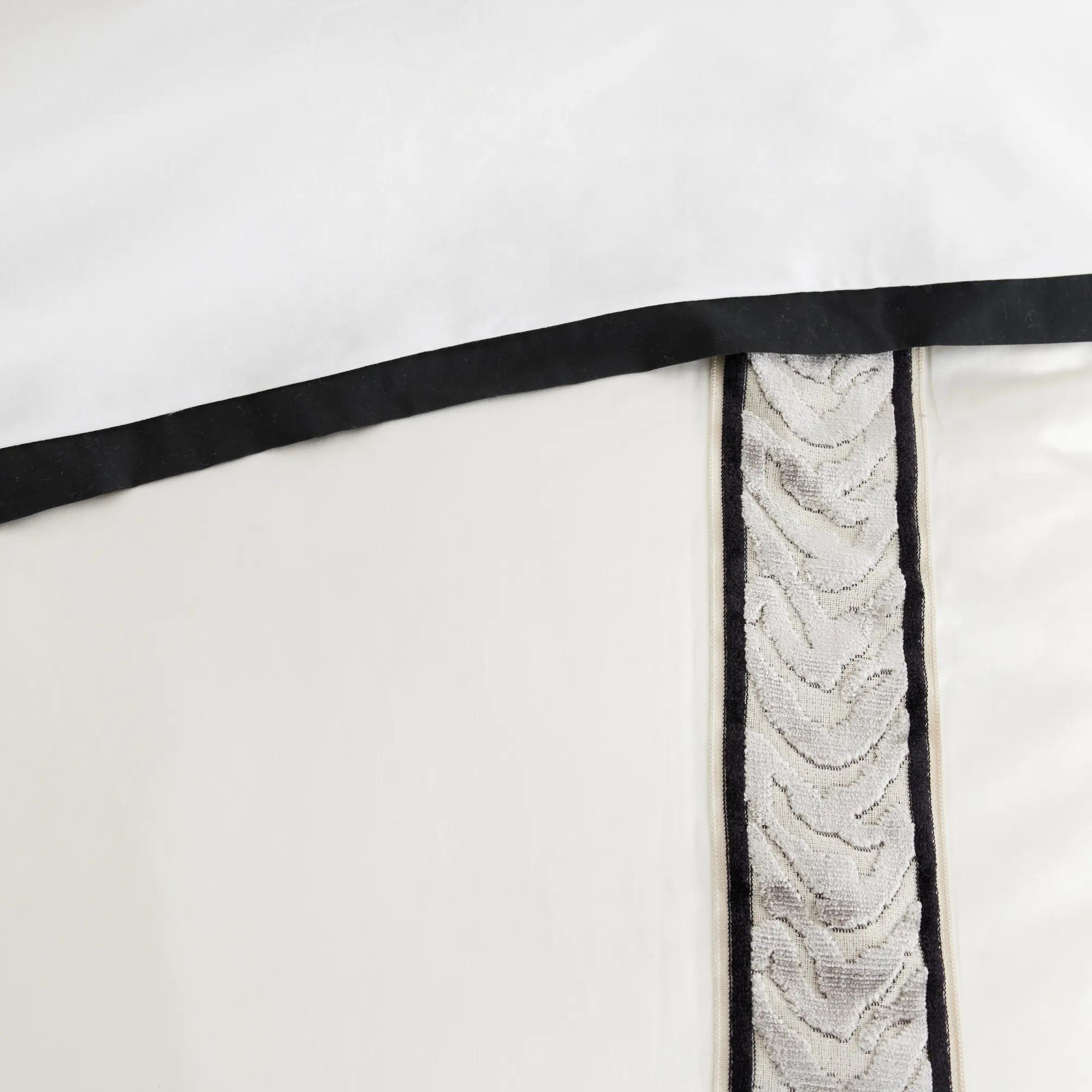 Gianna Grey/Black/White Animal Print Cut Velvet Appliqué Border Bedding Set$119
A luxurious grey and black bedding collection featuring a cut velvet tiger-stripe appliqué border for bold elegance.
Add To Cart -
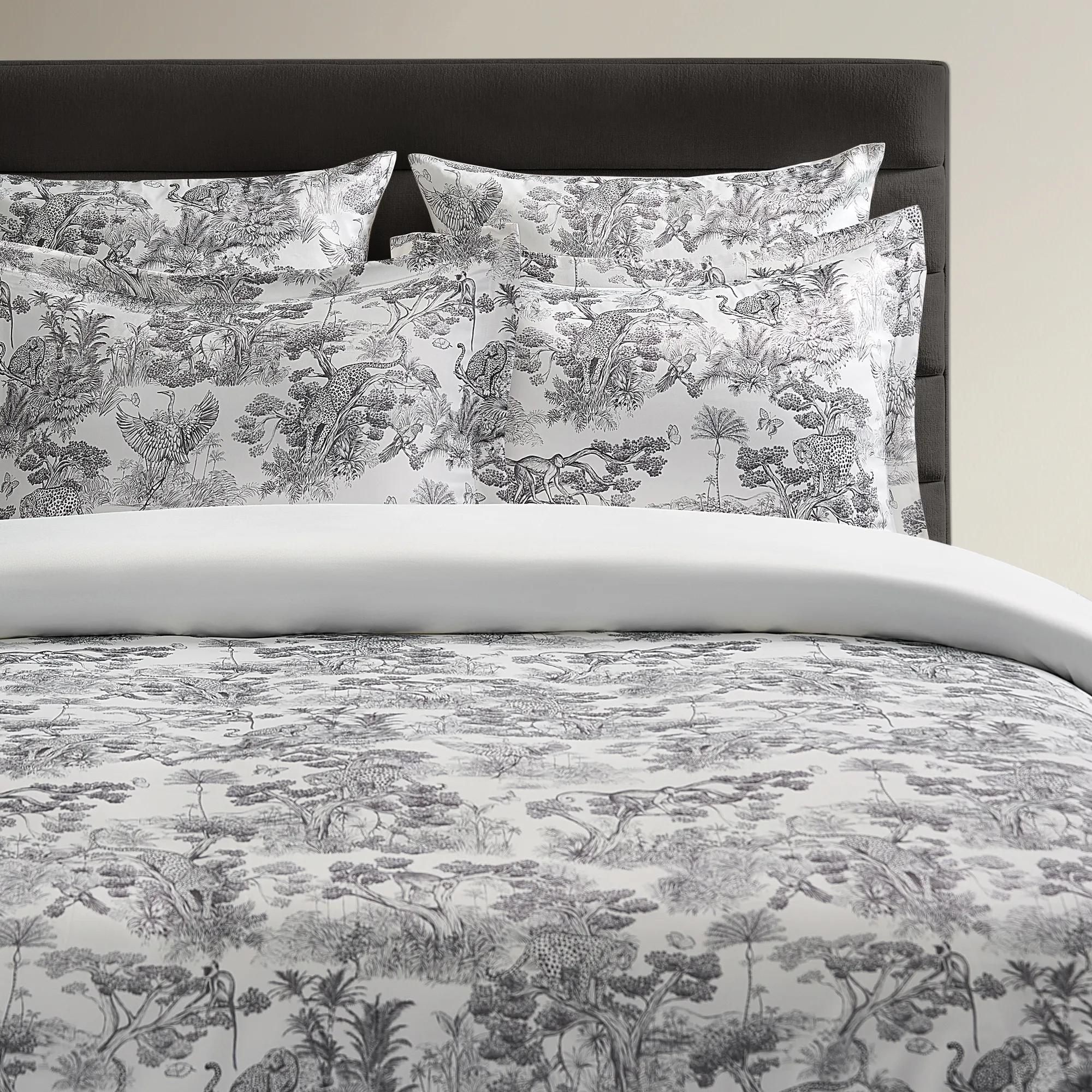
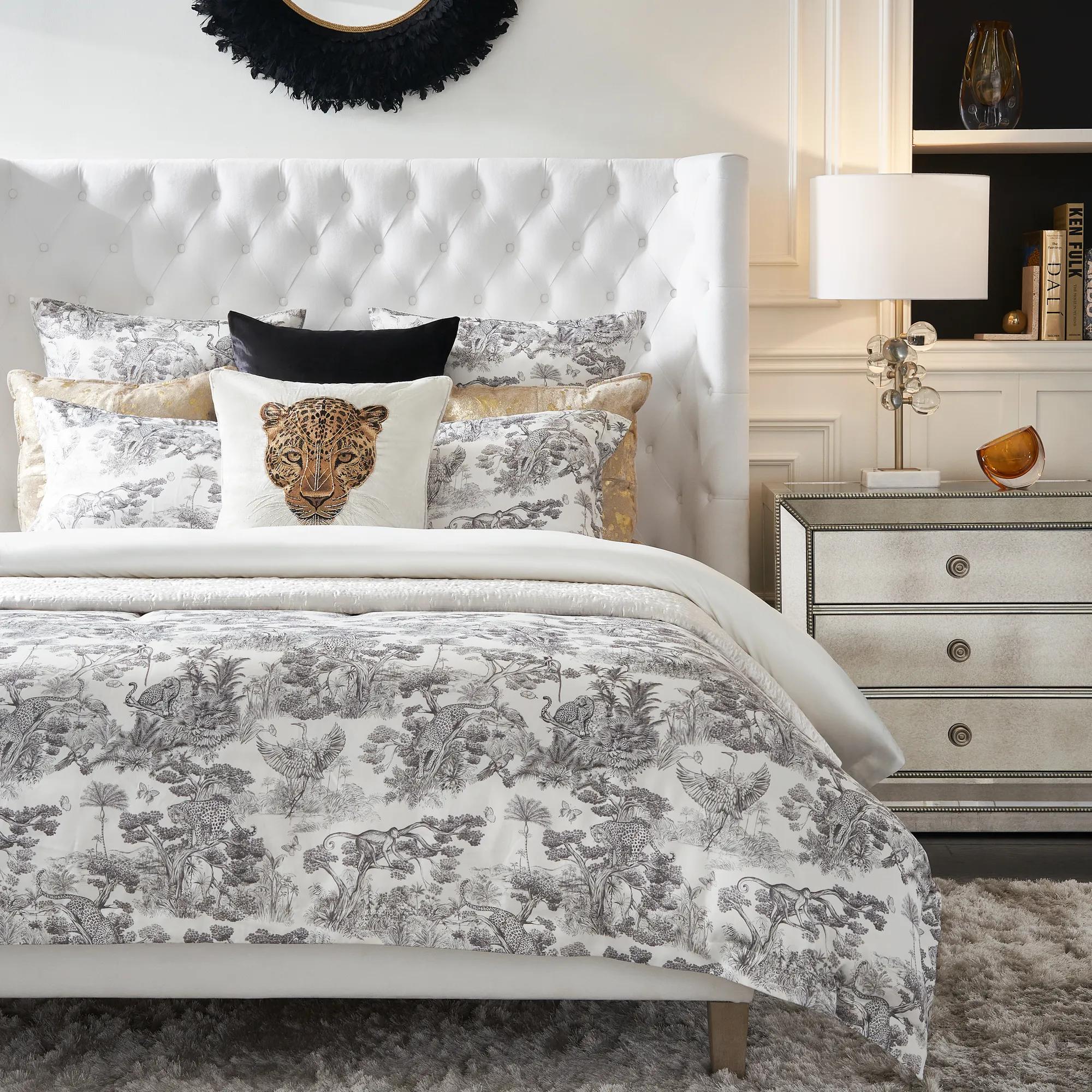 Jungle Toile Bedding Set - Ivory/Black$189
An elegant ivory and black bedding set featuring a luxurious satin jungle print and refined flange edging.
Add To Cart -
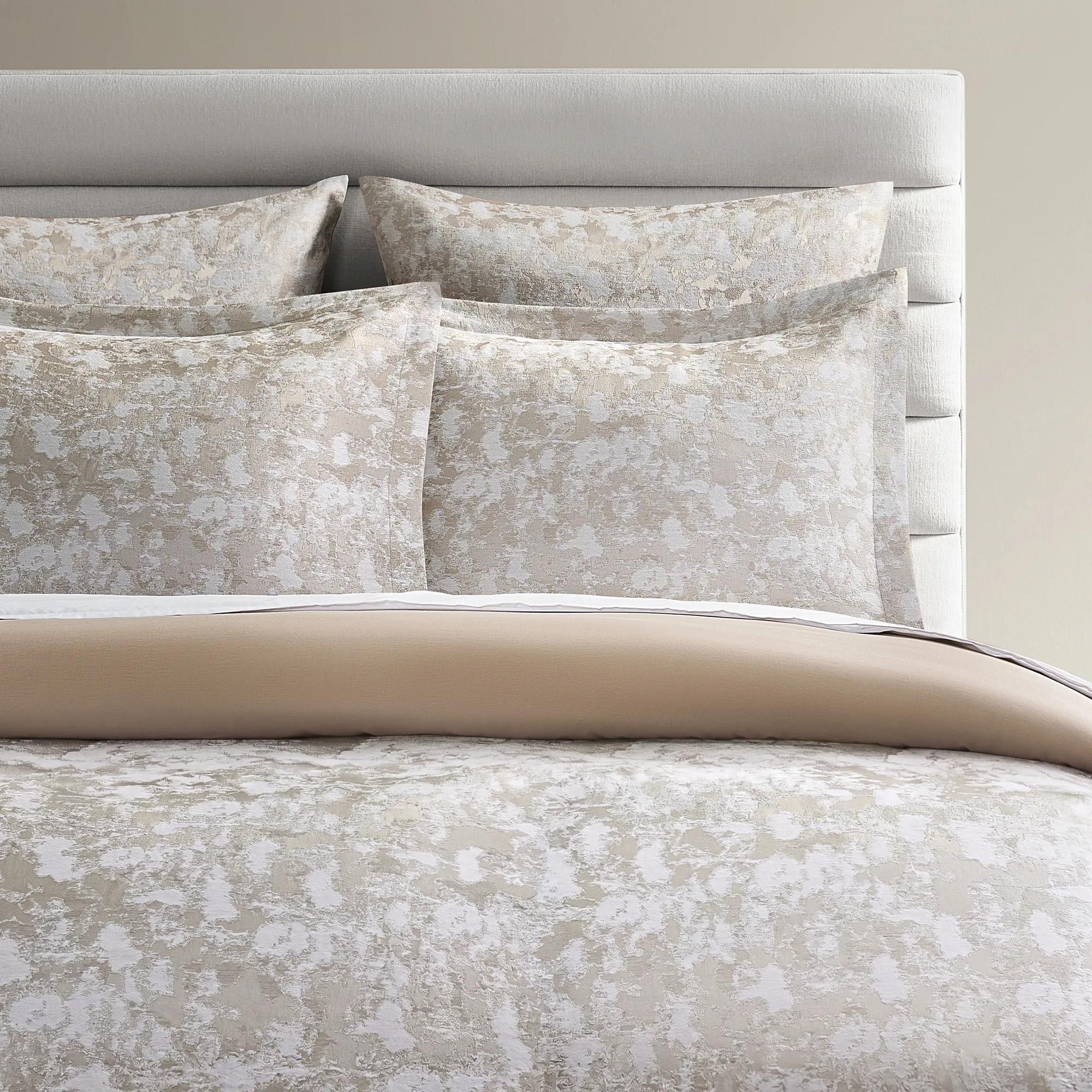 Nimbus Jacquard Metallic Champagne and Silver Bedding Set$49
A cloud-inspired bedding set in champagne and silver metallic jacquard with a soft marbled shimmer.
Add To Cart -
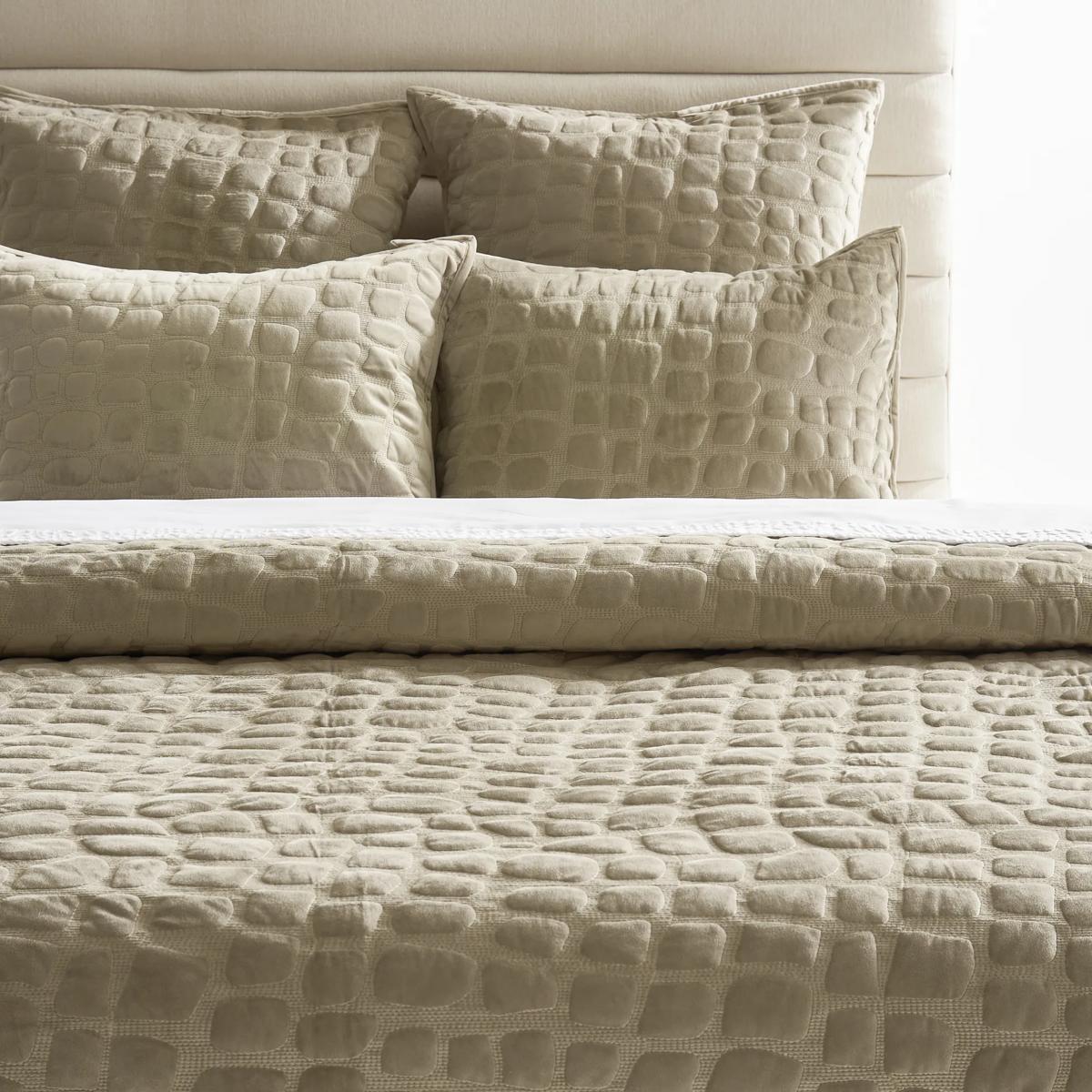
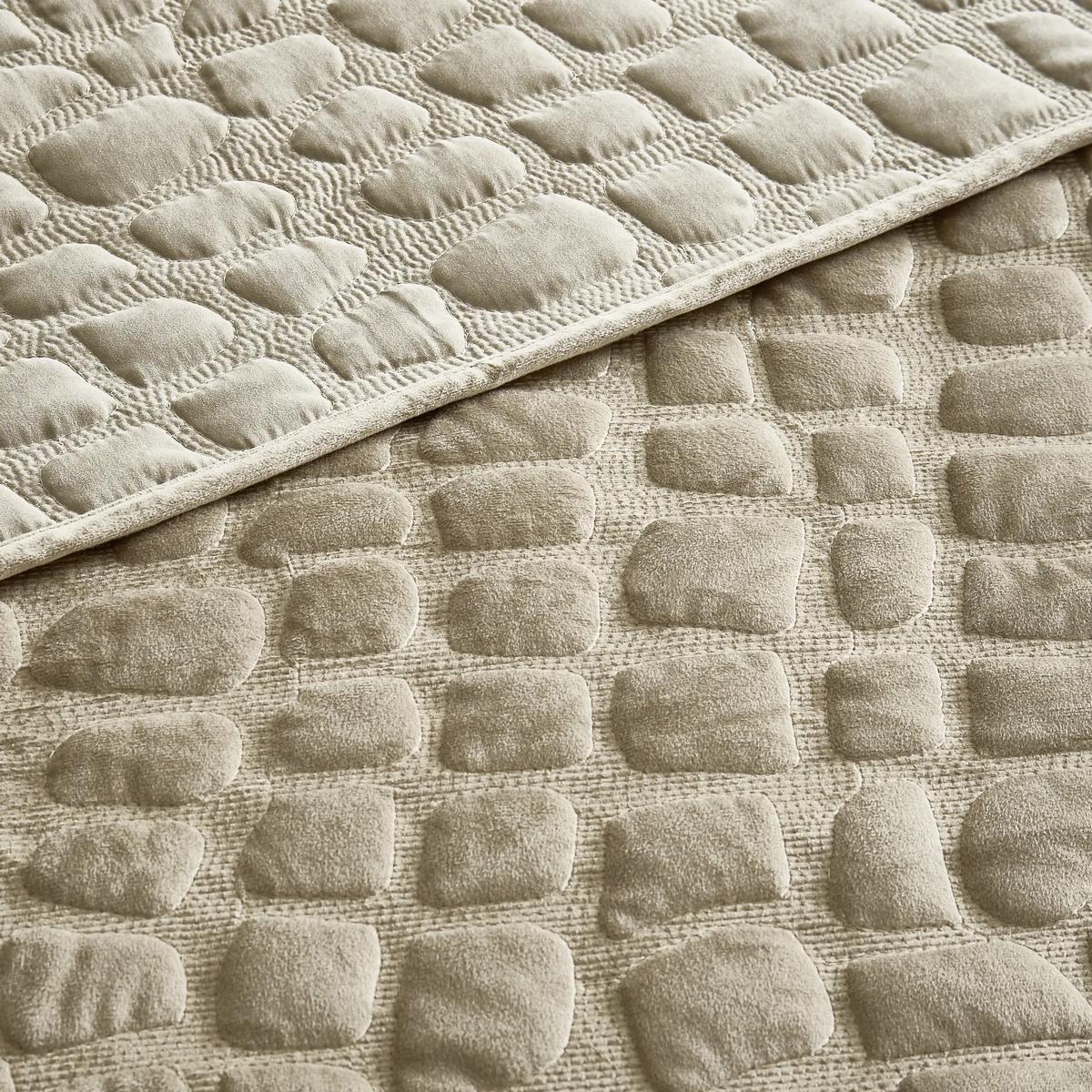 Valen Velvet Quilt Set - Sand$199
A plush sand velvet quilt set featuring a croc-inspired pattern and refined piped edges.
Add To Cart -
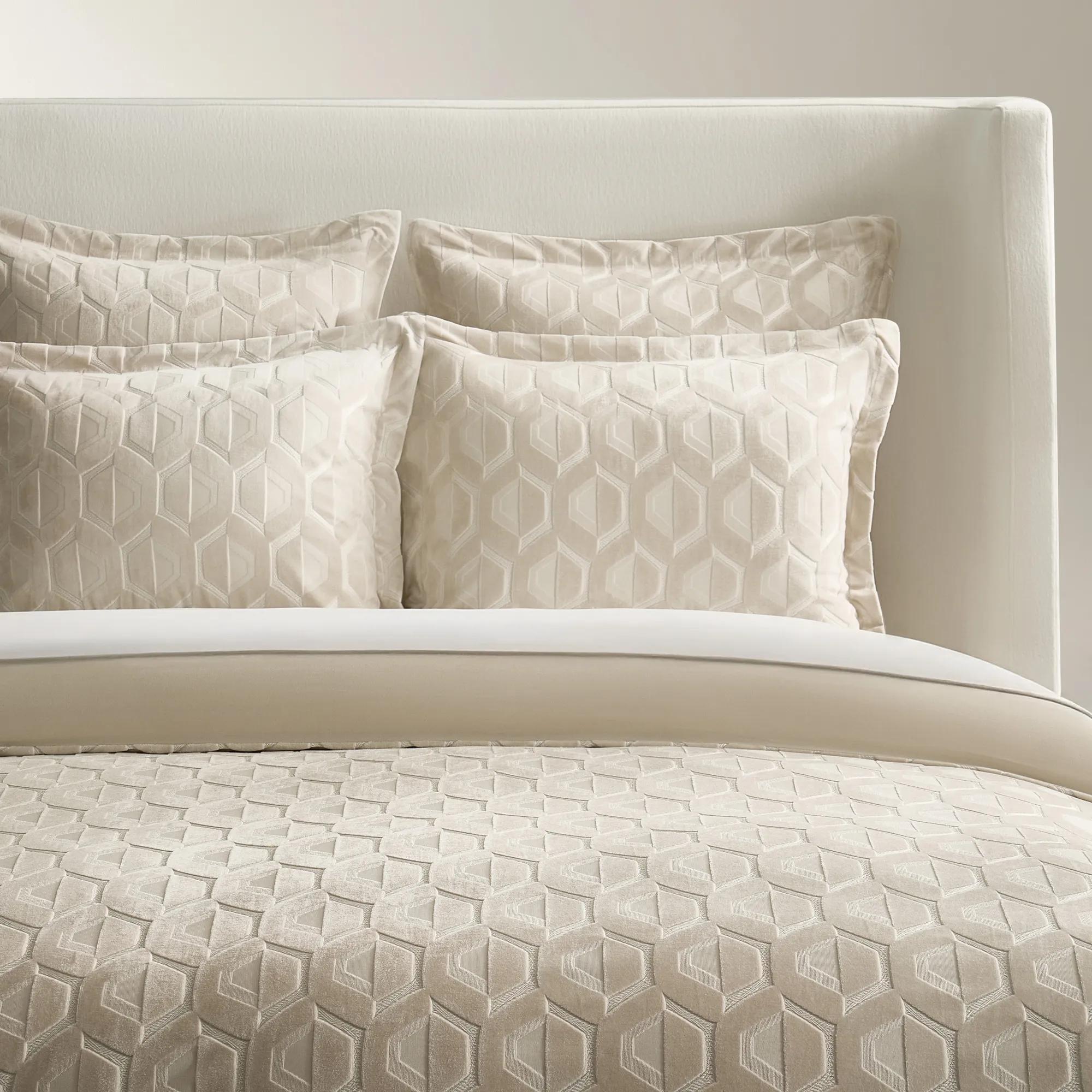 Cielo Alabaster White Geometric Cut Velvet Bedding Set$69
A white bedding set featuring geometric cut velvet textures for a luxurious, modern bedroom aesthetic.
Add To Cart -
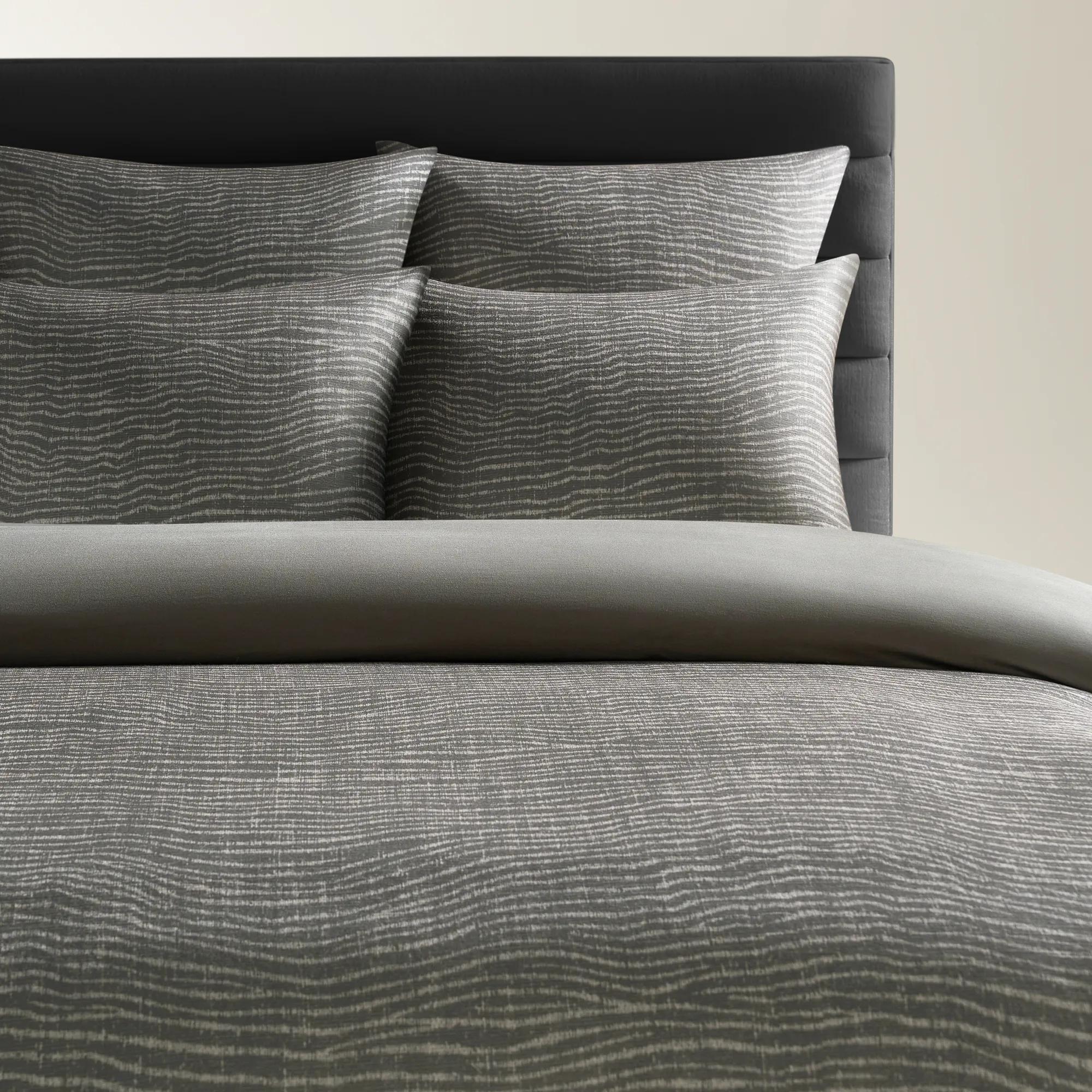 Sahara Bedding Set - Charcoal$59
A soft jacquard bedding set in calming charcoal with a subtle wave-inspired zebra print and refined details.
Add To Cart -
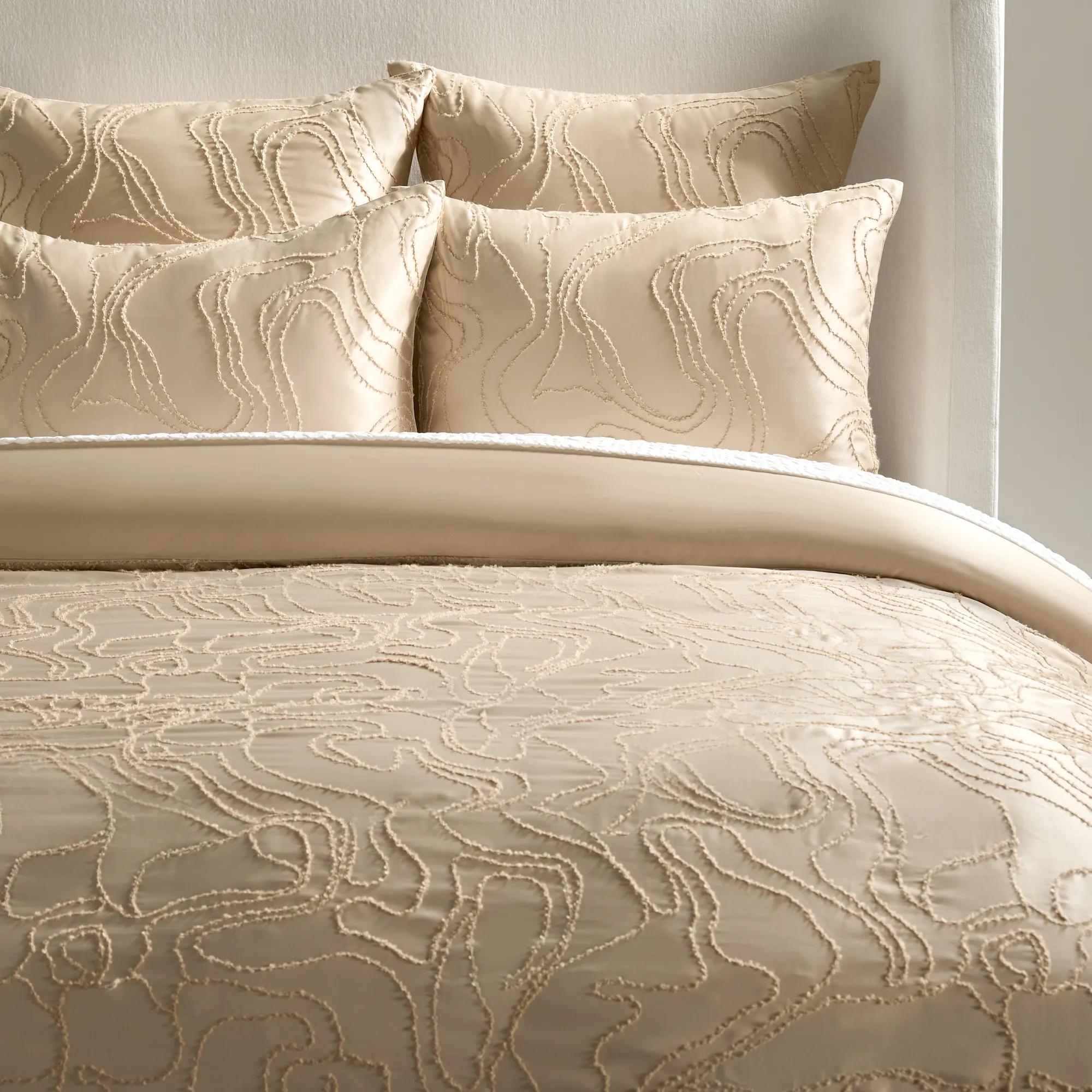 Noa Embroidered Champagne Beige Bedding Set$249
A champagne beige bedding set featuring elegant embroidered detailing for a refined bedroom aesthetic.
Add To Cart -
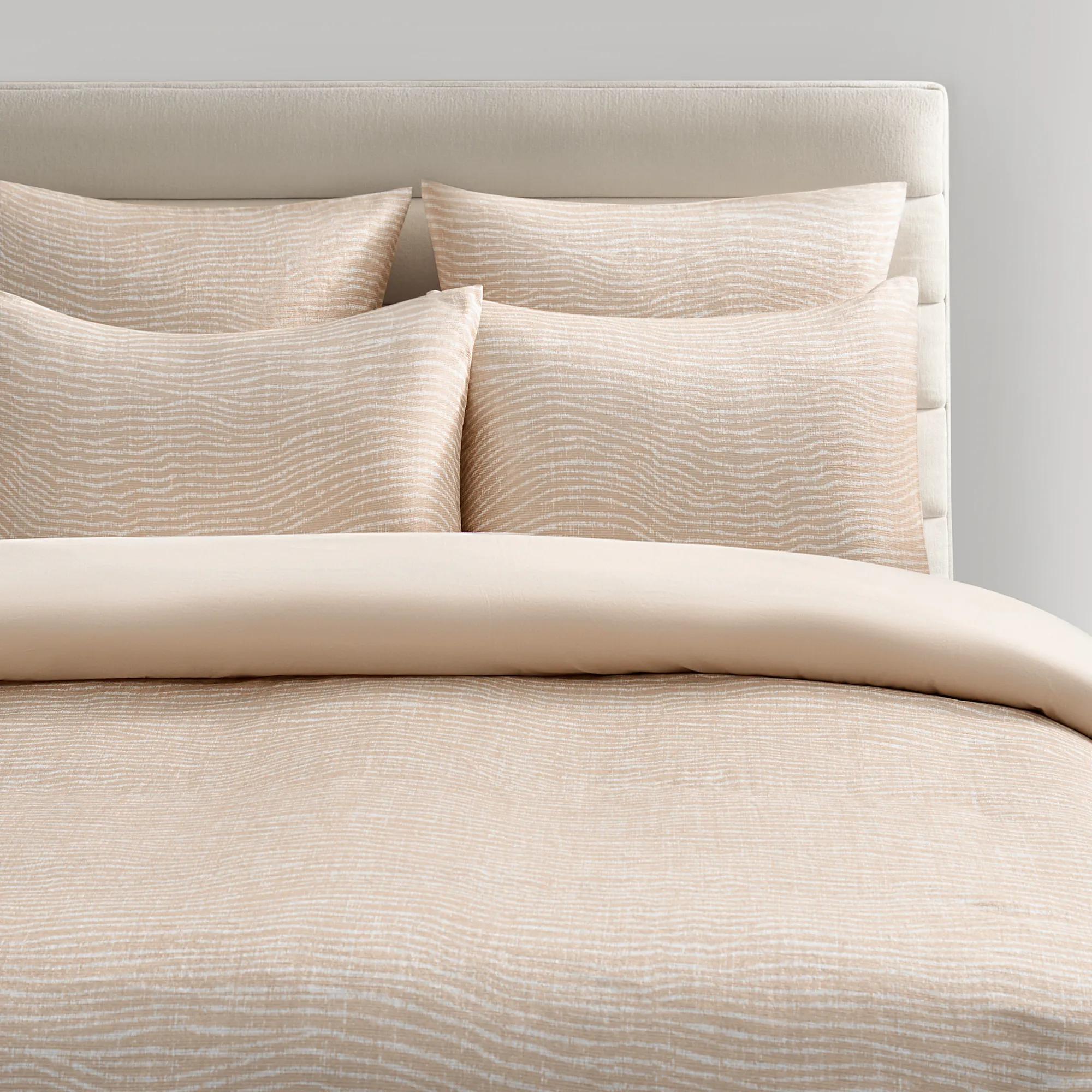 Sahara Bedding Set - Tan/Cream$199
A soft jacquard bedding set in tan and cream with a subtle wave-inspired zebra print and button closure.
Add To Cart -
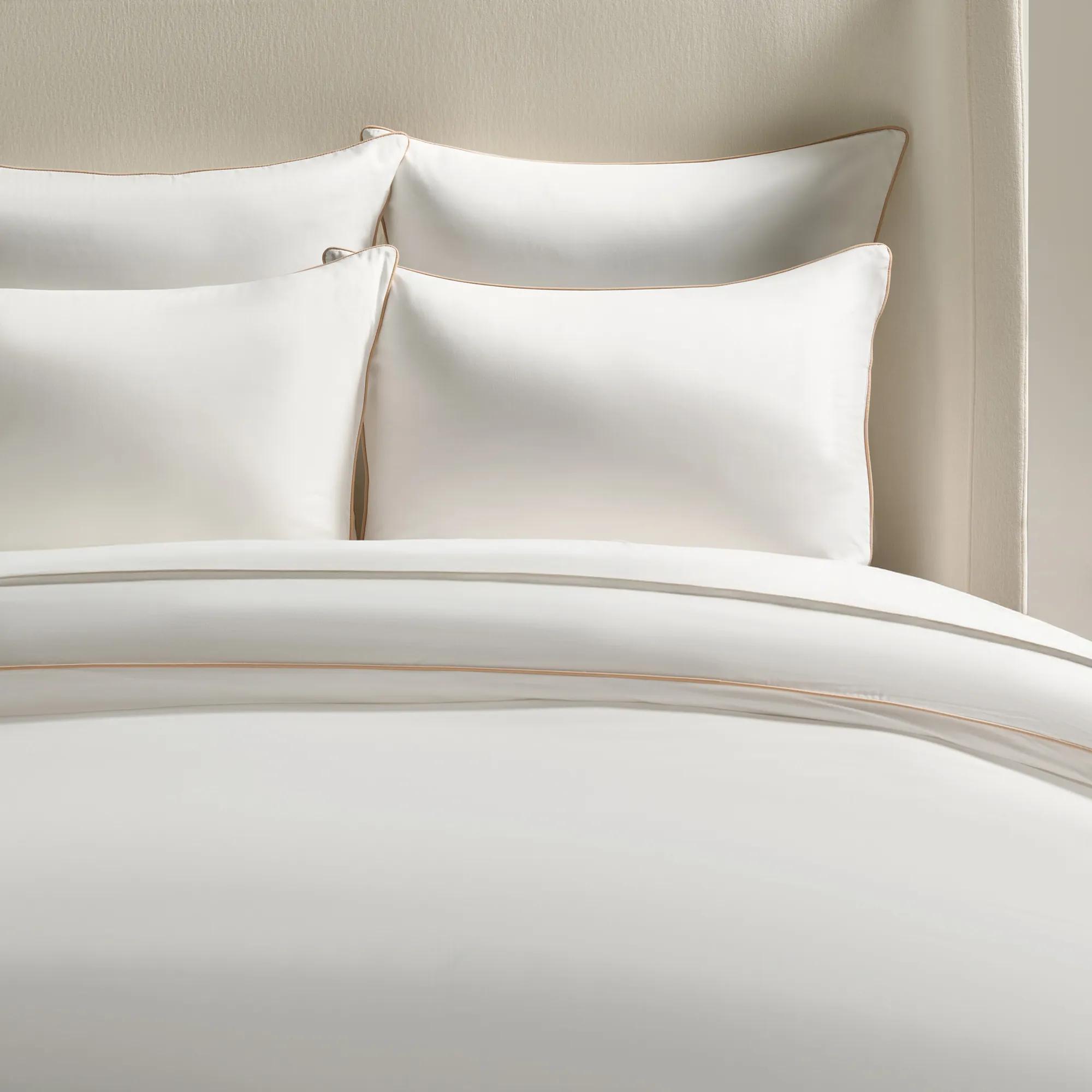
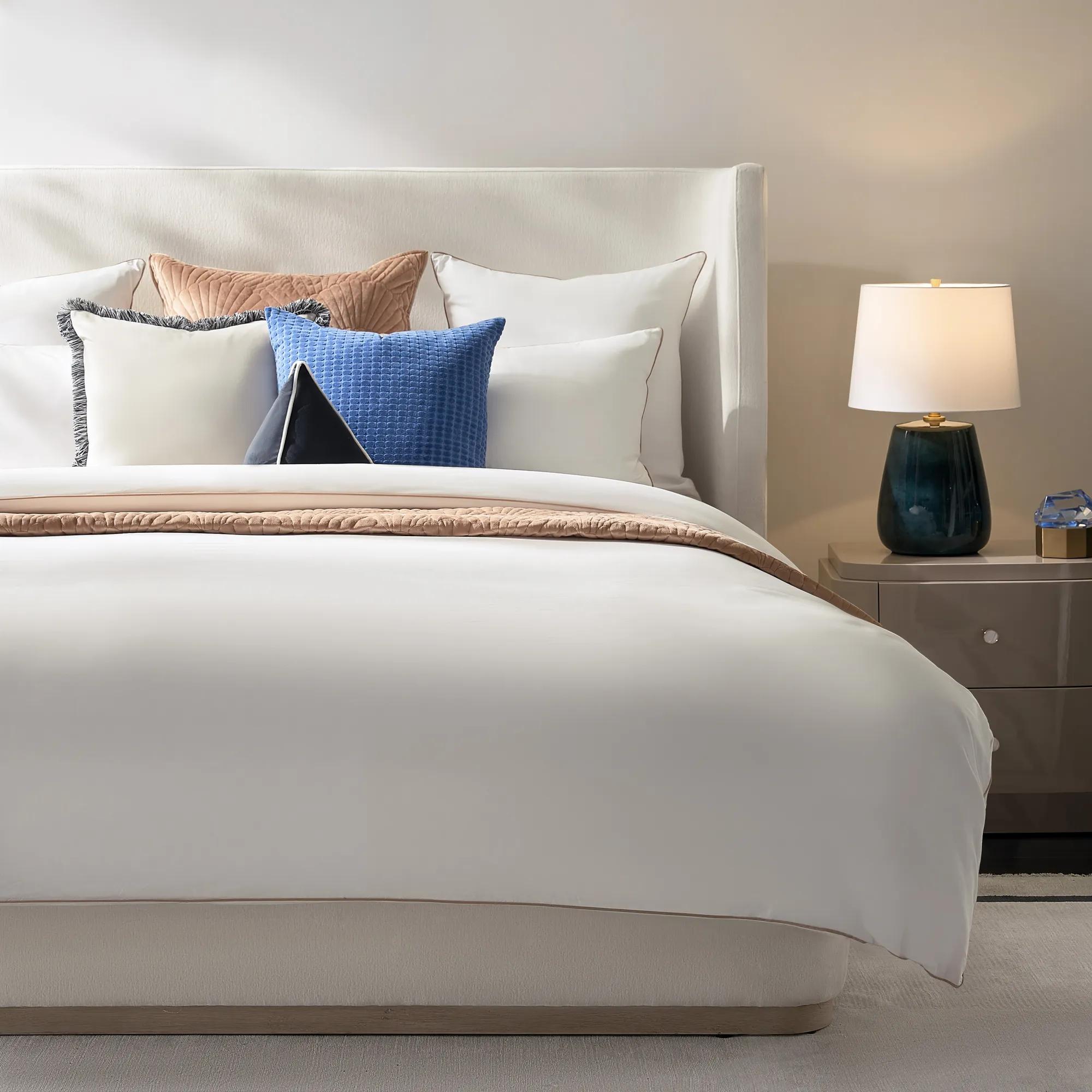 Sarla Contrast Cotton Percale Bedding Set - White/Tan$199
A crisp cotton percale bedding set featuring white and tan contrast detailing.
Add To Cart -
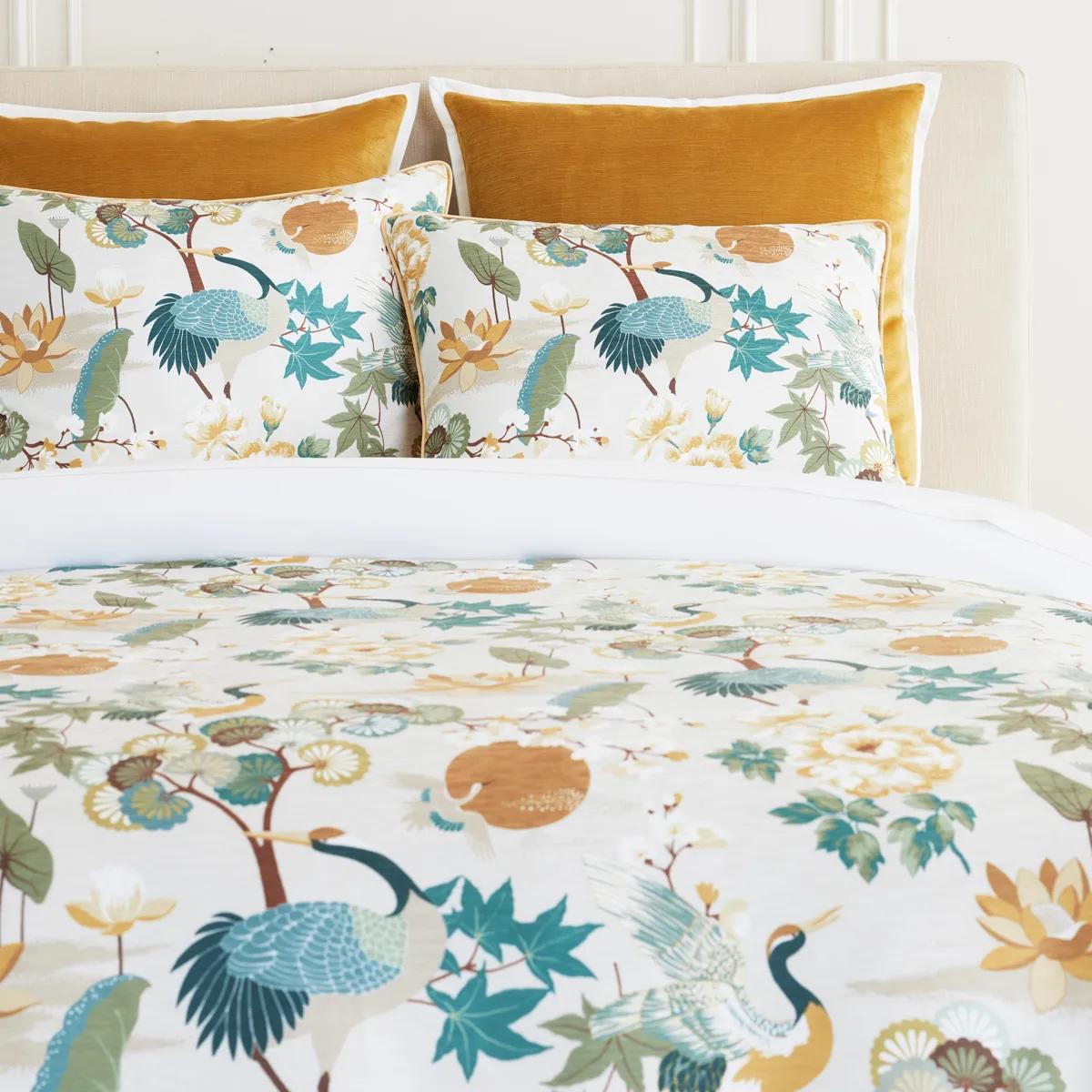
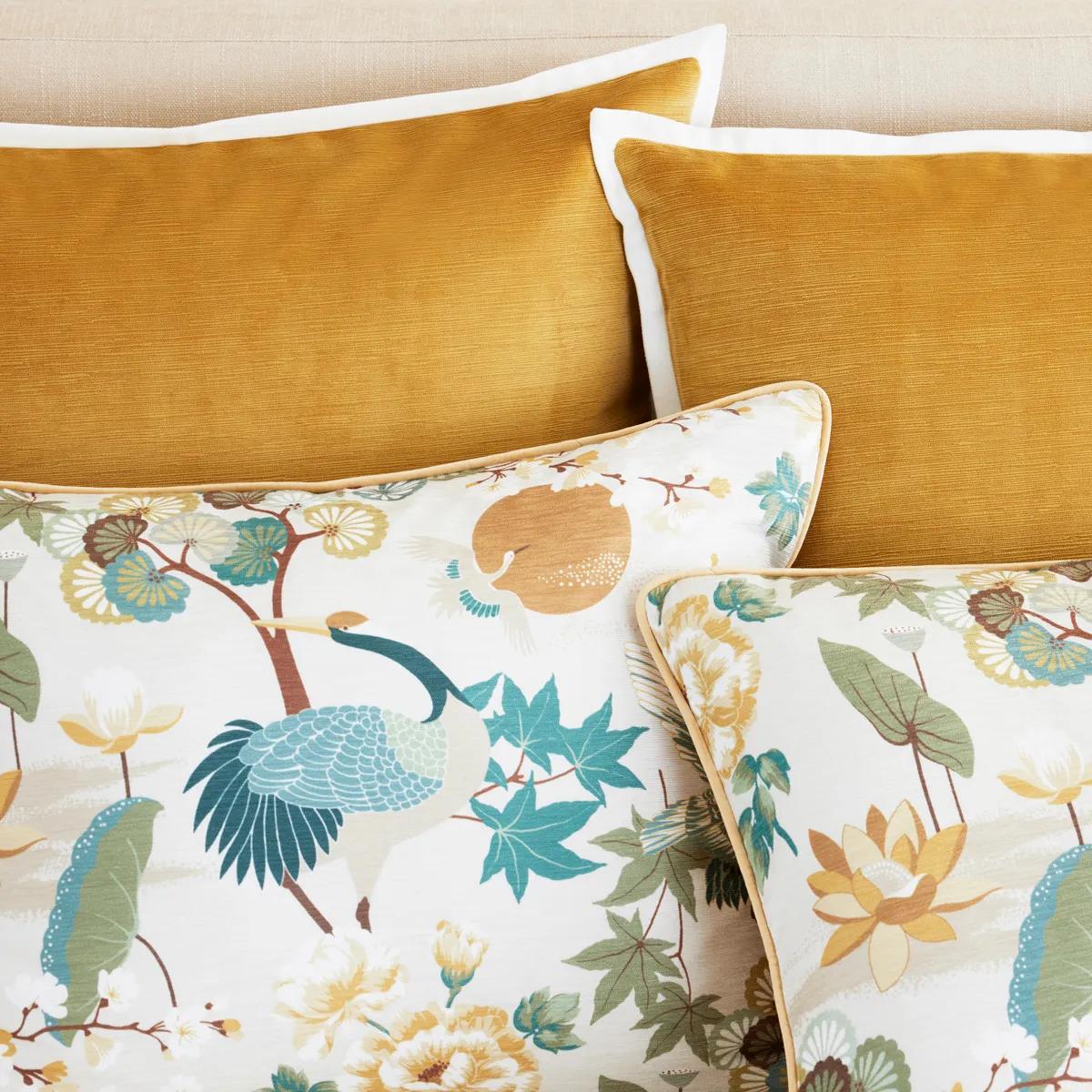 Sandhill Ivory/Multi Color Printed Bedding Set$639
An ivory bedding collection featuring earthy tones, gold velvet accents, and a soft cotton-polyester blend.
Add To Cart -
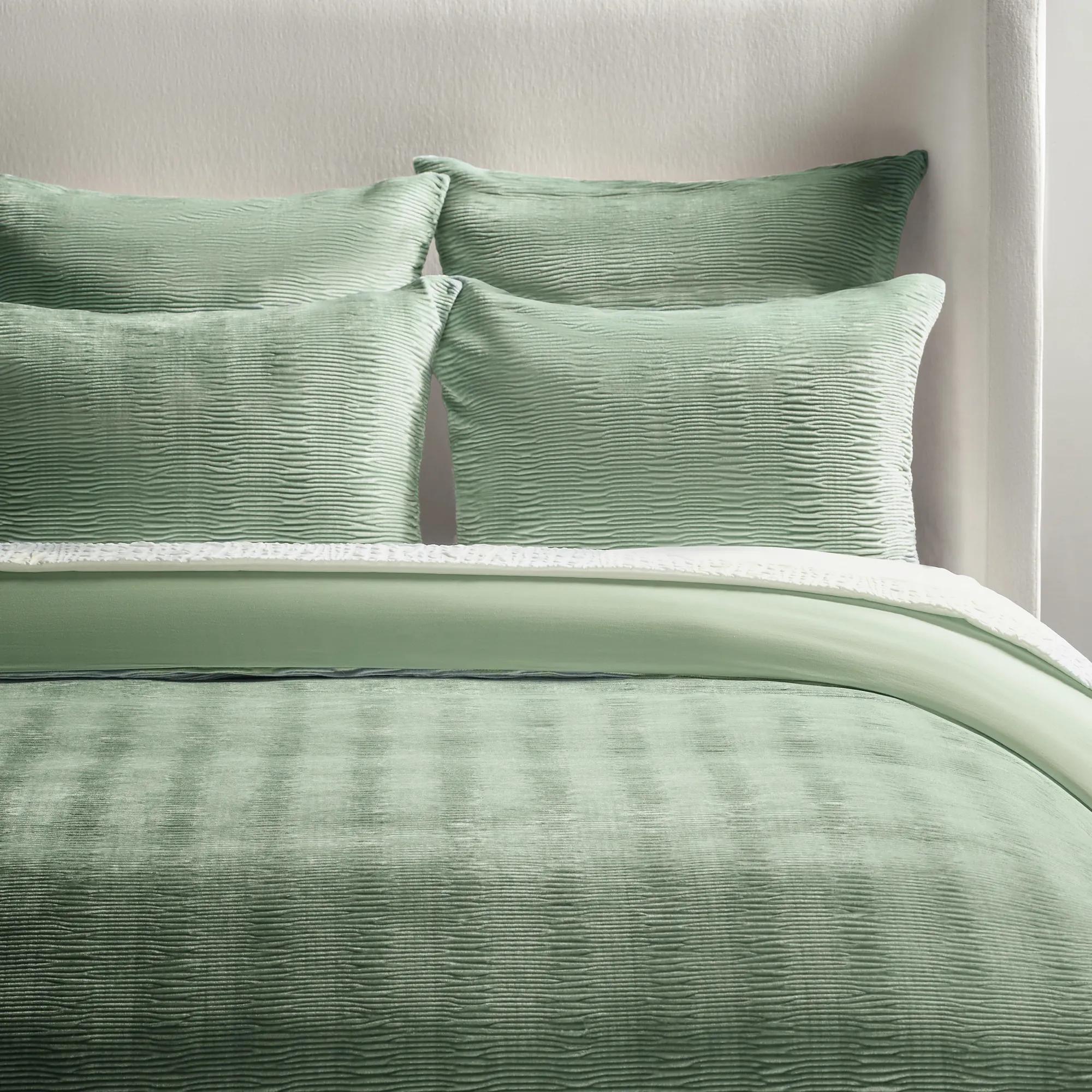
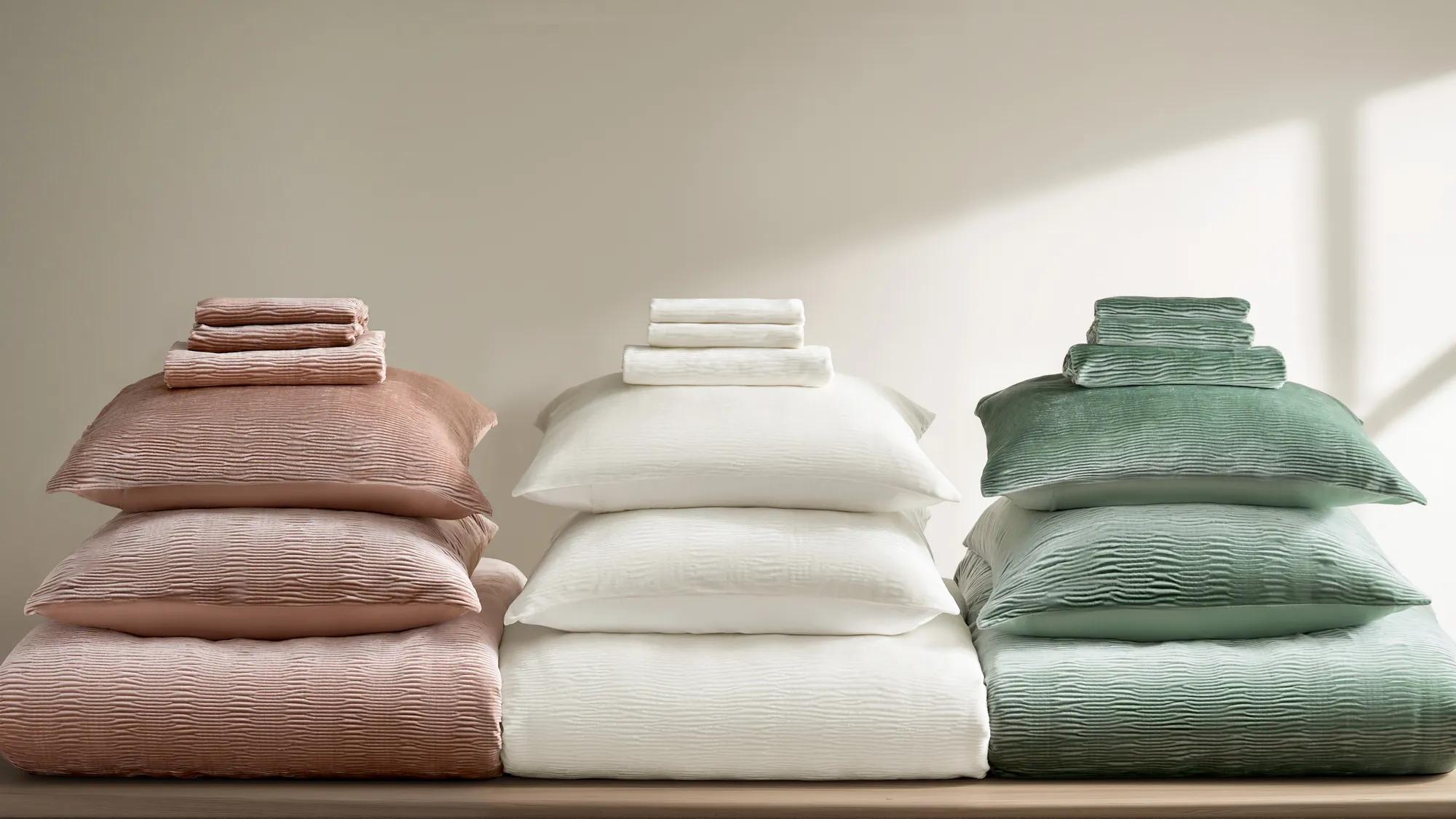 Vera Velvet Bedding Set - Malachite Green$229
A luxurious malachite green velvet bedding set with coordinating duvet and sham covers.
Add To Cart -
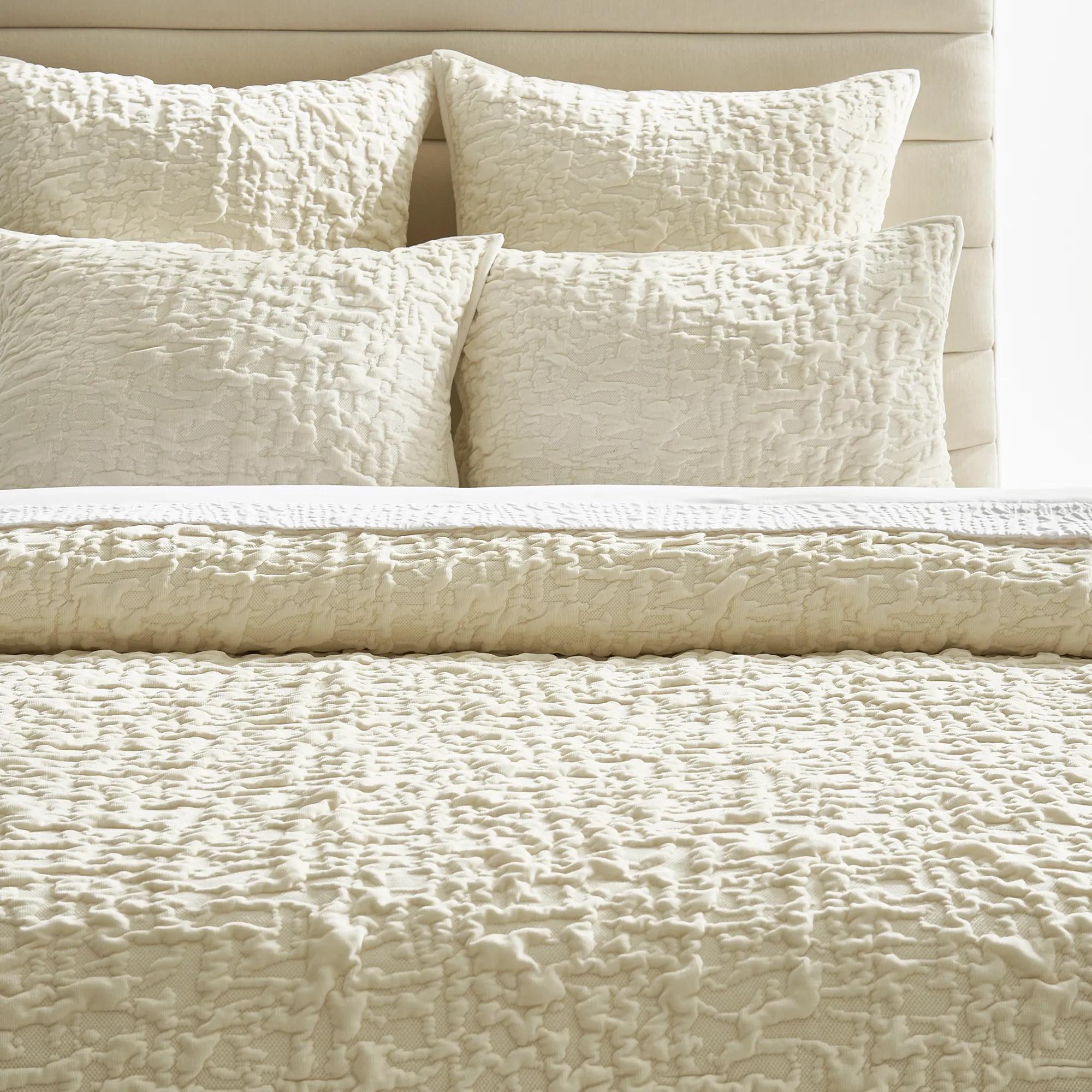
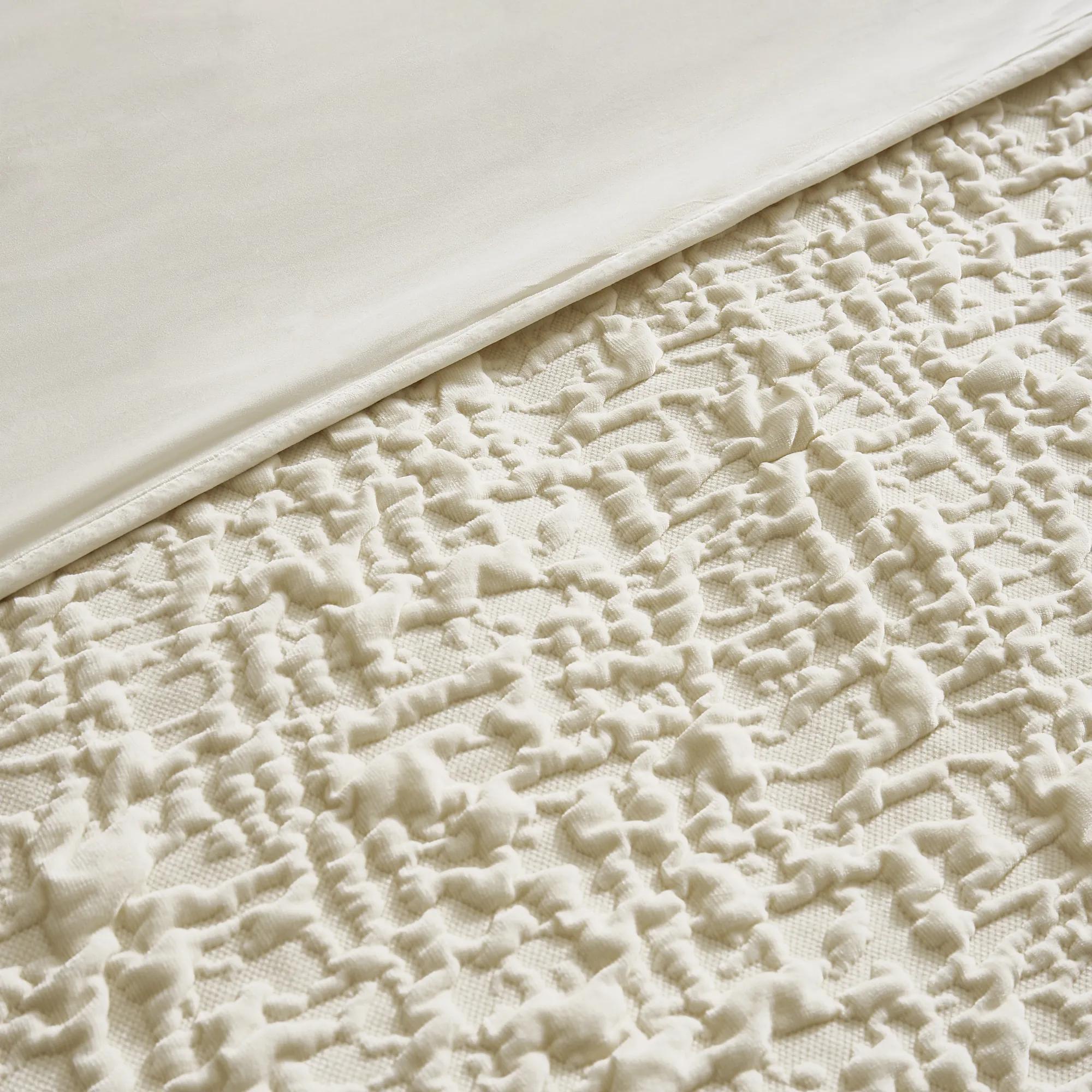 Madera Ivory Textured Velvet Bedding Set$249
A plush ivory velvet coverlet set with crushed embroidered texture and breathable cotton backing for serene style.
Add To Cart -
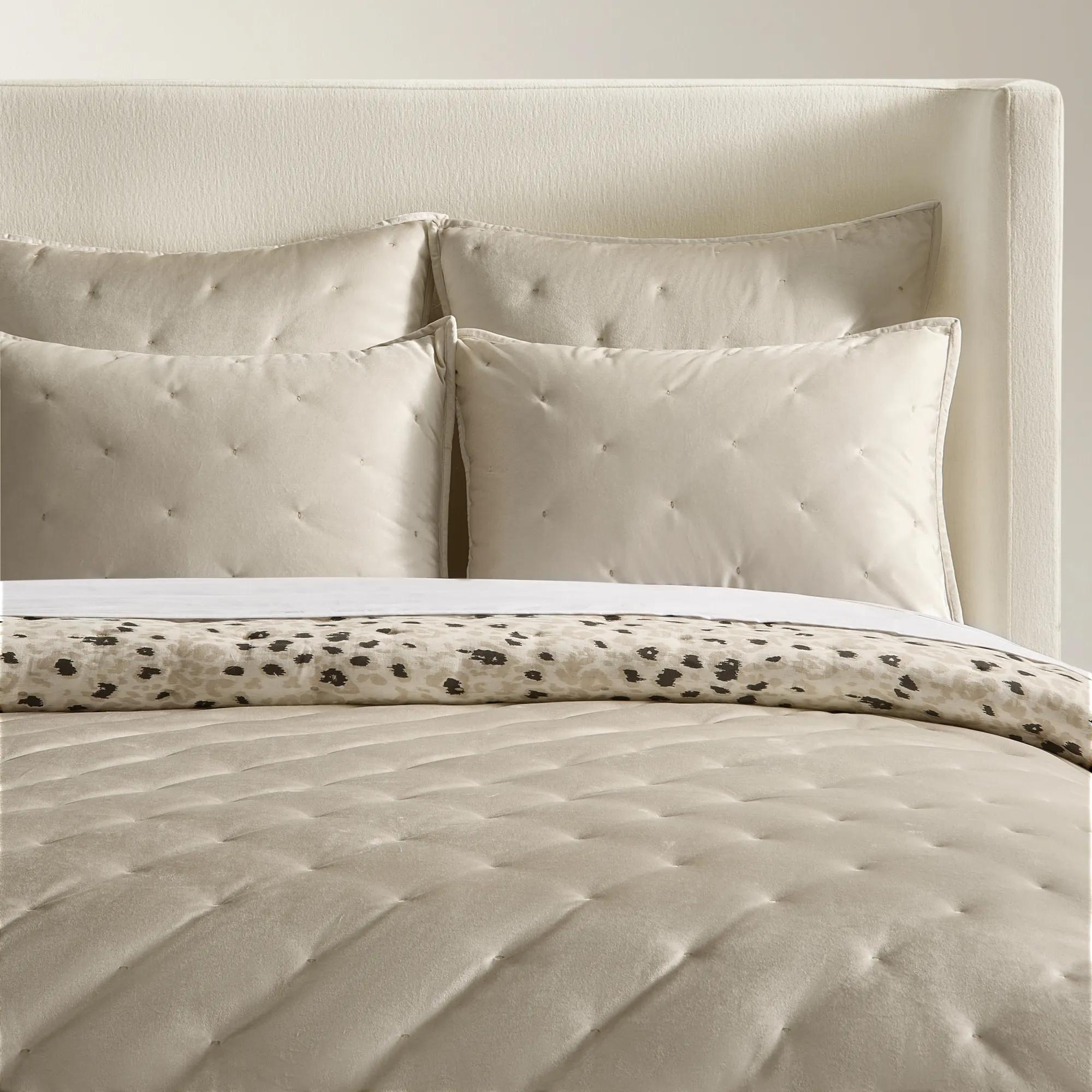 Nemera Alabaster/Leopard Reversible Velvet & Cotton Linen Quilt Set$349
A reversible quilt set featuring plush alabaster velvet on one side and bold leopard print cotton-linen on the other.
Add To Cart -
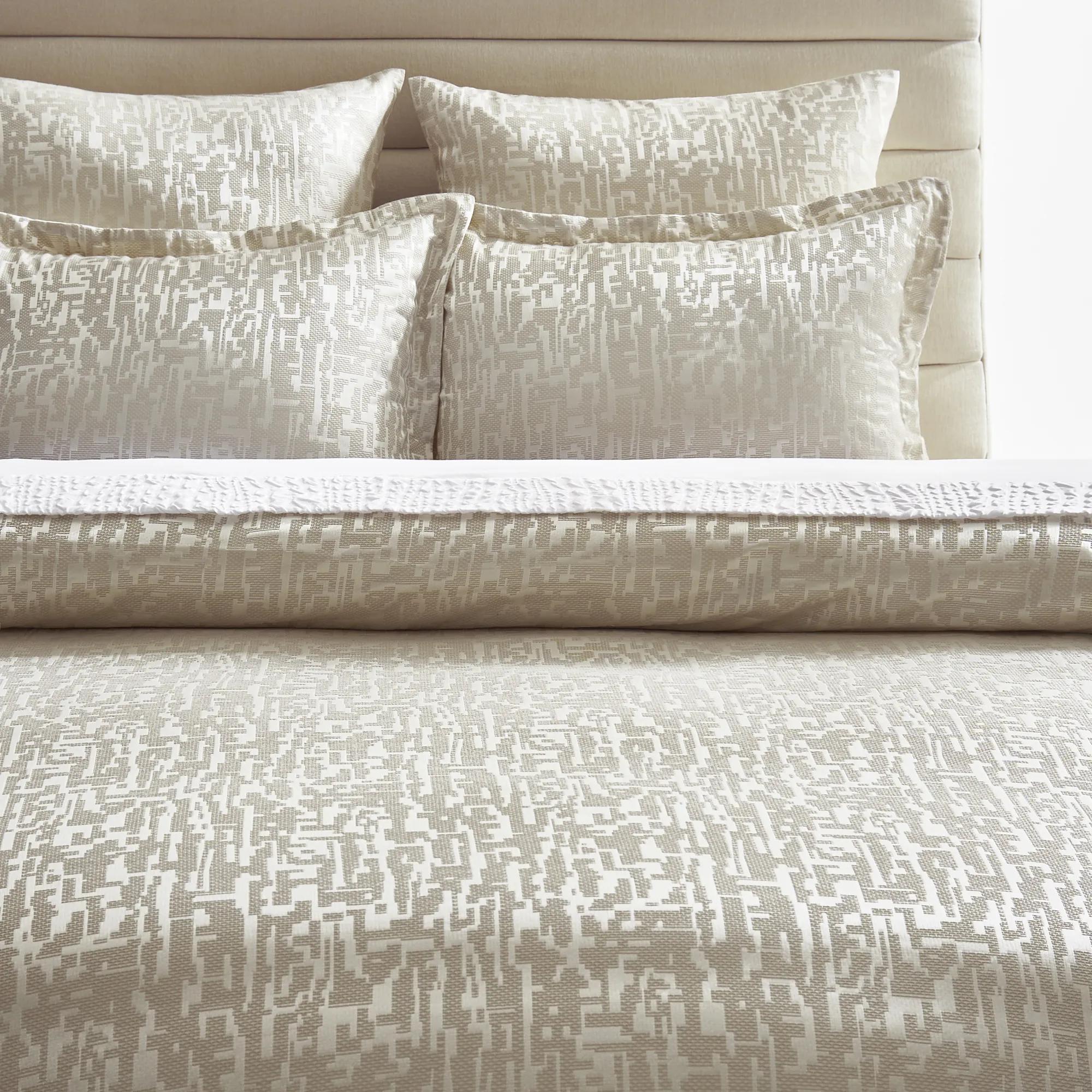
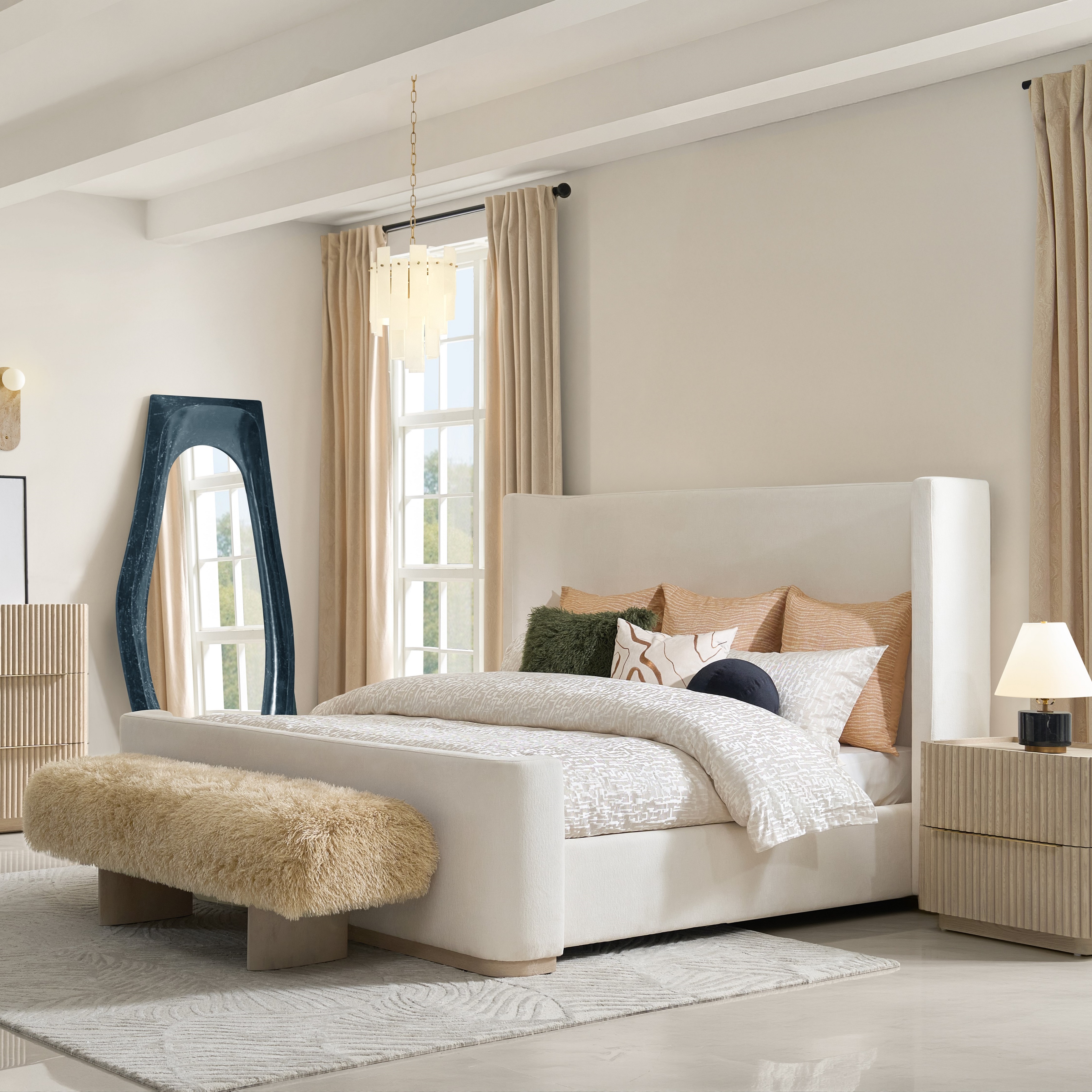 Podva Embroidered Pearl/Ivory Bedding Set$279
A serene pearl and ivory bedding set featuring a modern embroidered motif on smooth satin and cotton.
Add To Cart -

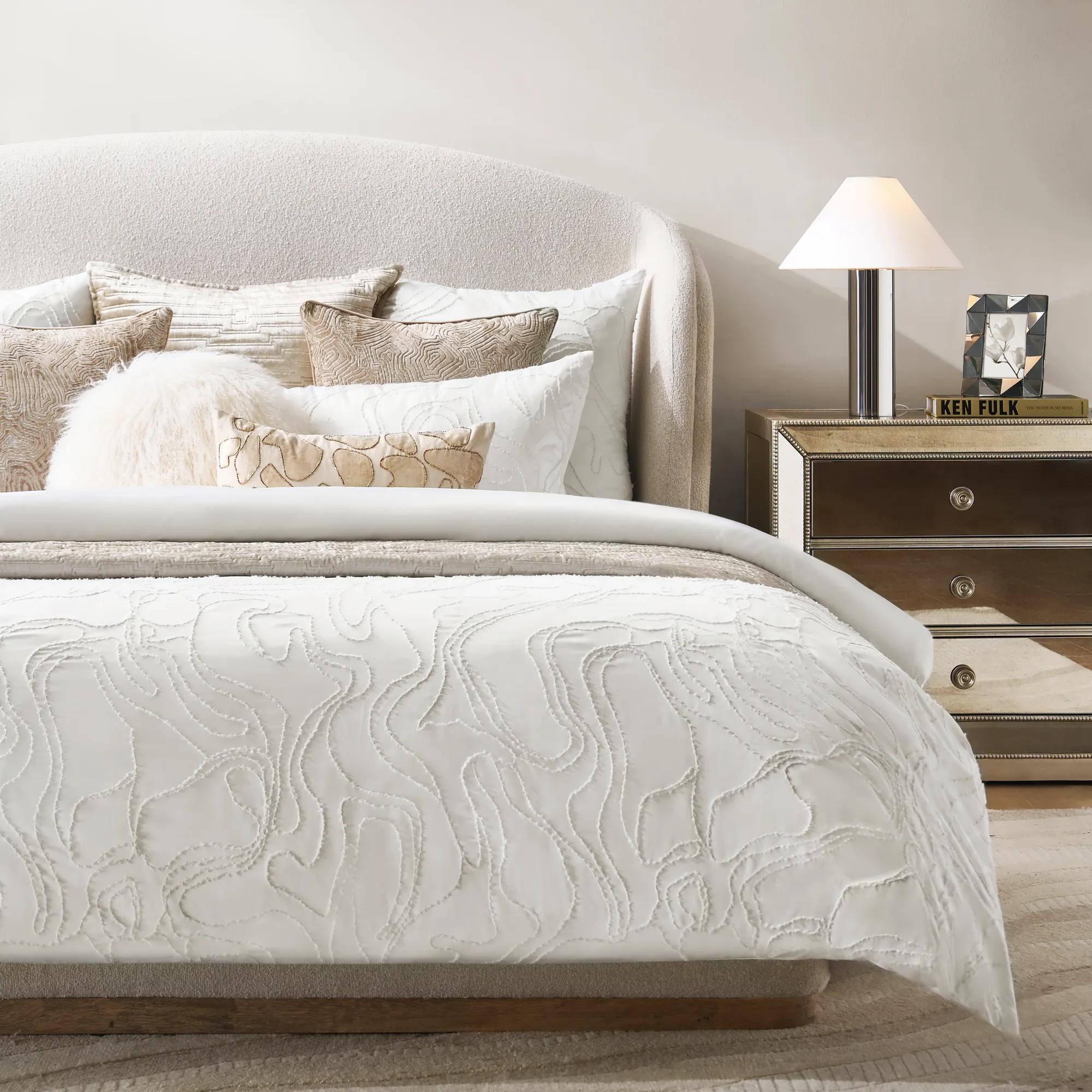 Noa Embroidered Pearl White Bedding Set$249
A luminous pearl satin bedding set featuring an embroidered swirl pattern for a touch of refined luxury.
Add To Cart -
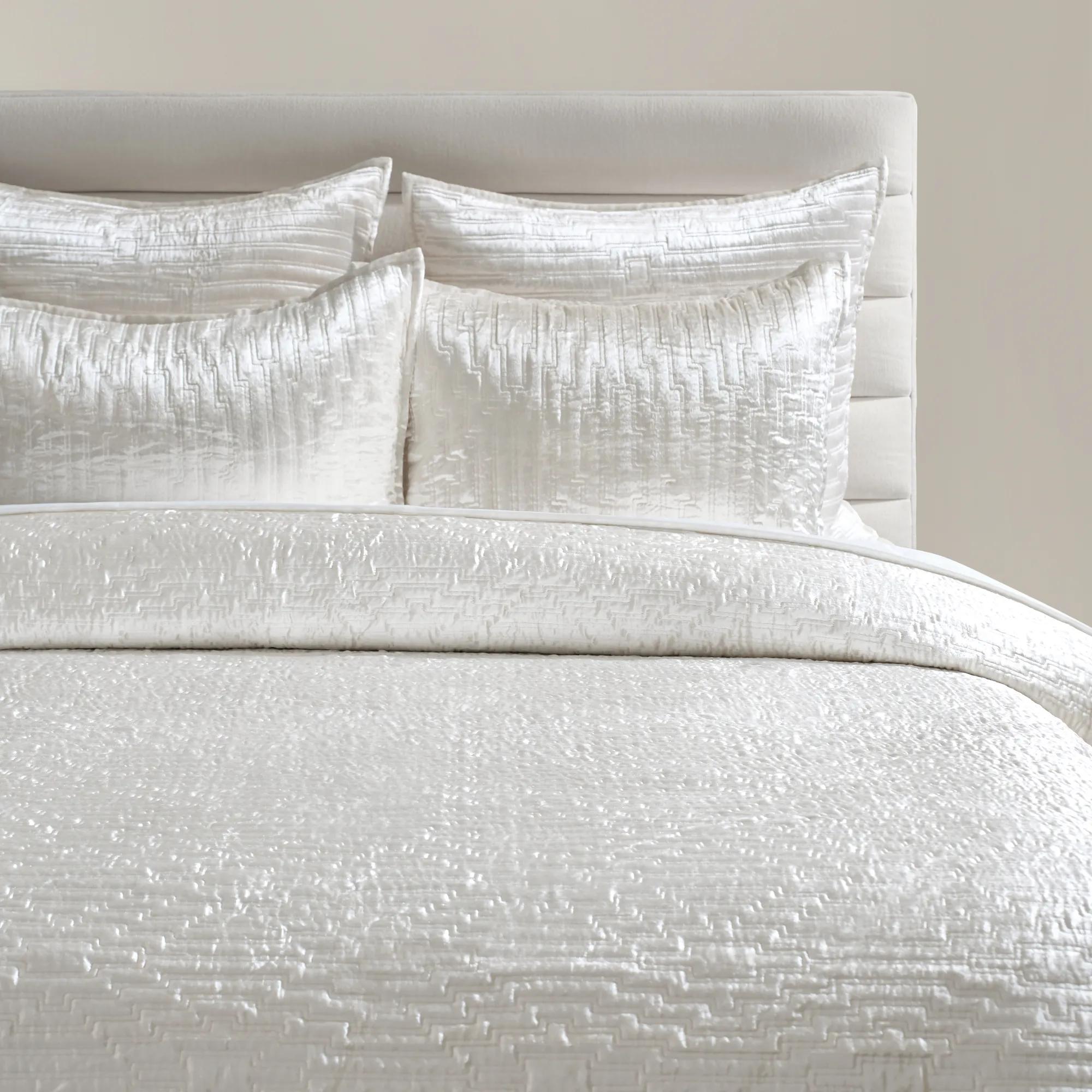
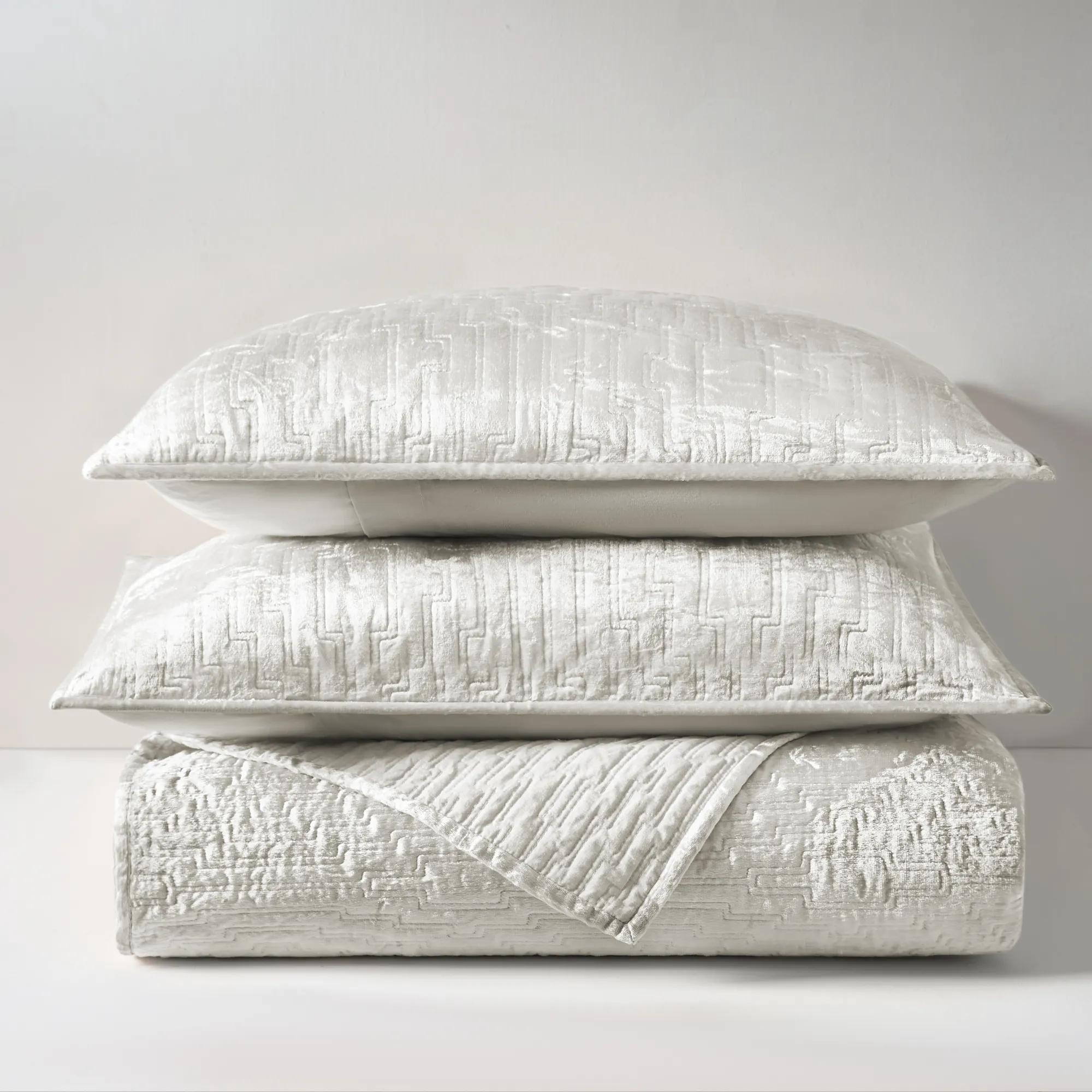 Glam Cloud White Shiny Viscose Velvet Quilt Bedding Set$399
A lustrous cloud-colored velvet quilt with modern geometric stitching and refined piped edges for luxurious comfort.
Add To Cart -
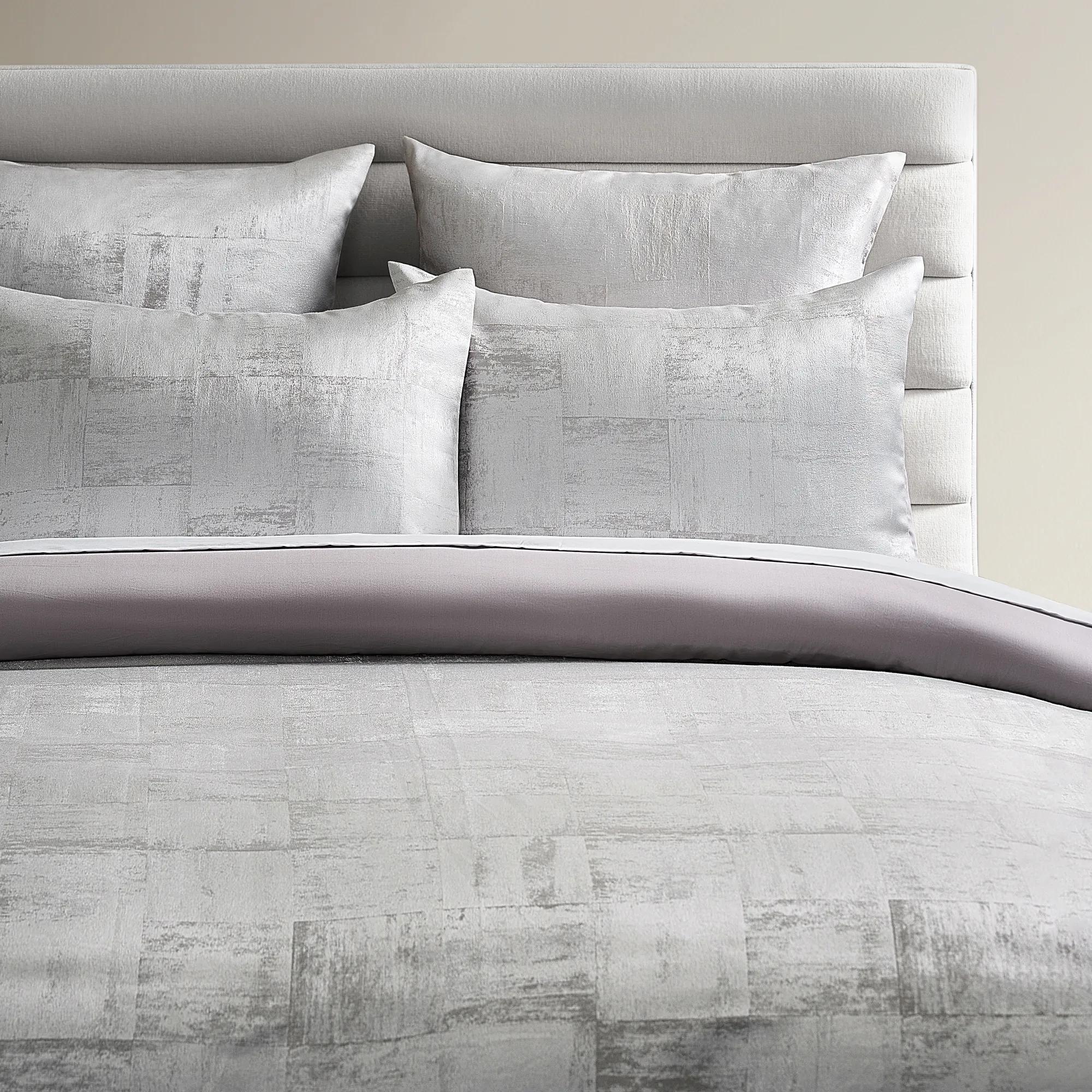 Auden Bedding Set - Platinum$229
A platinum jacquard bedding set featuring a subtle block pattern, knife-edge detail, and polished button closures.
Add To Cart -
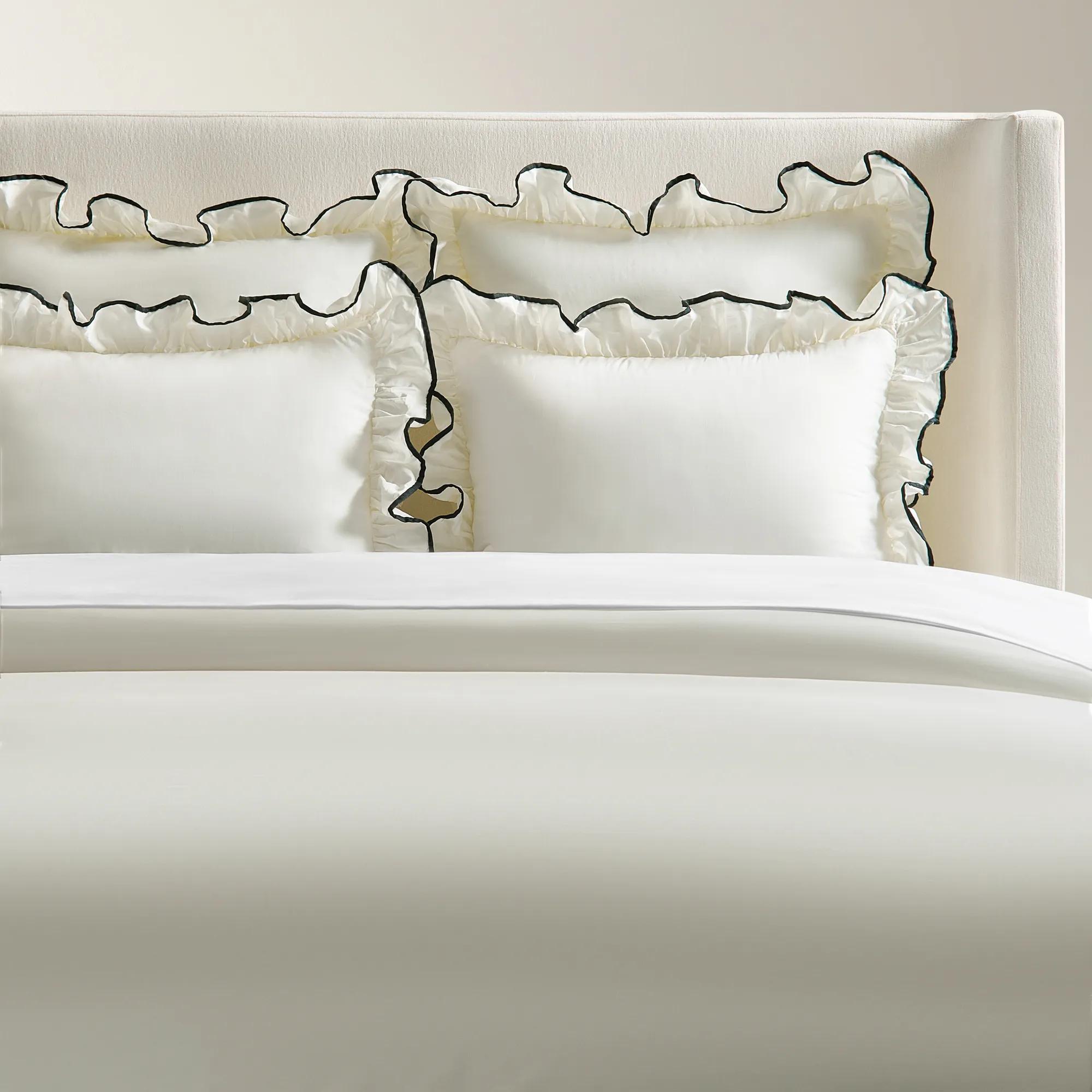
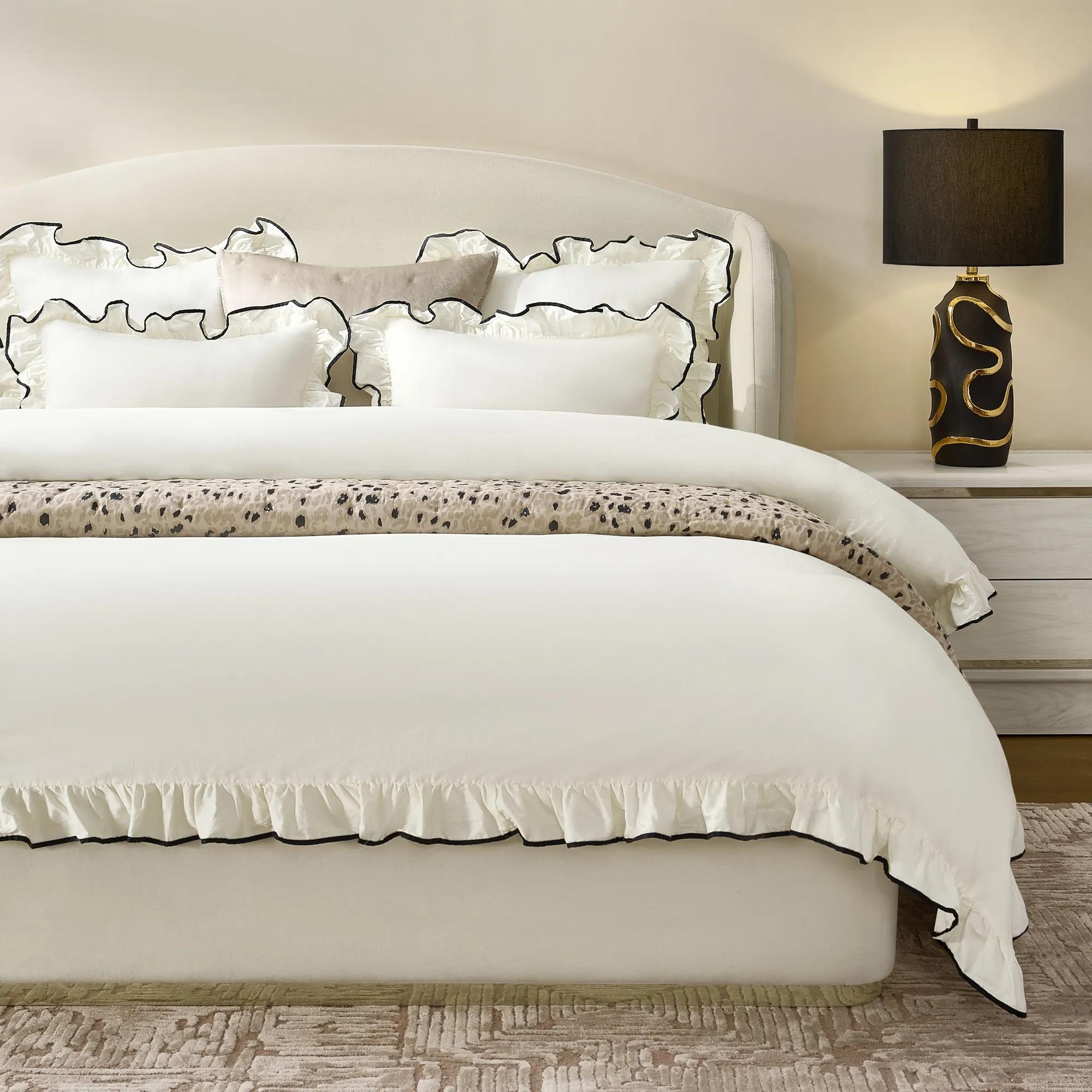 Vittoria Ivory/Black Cotton Percale Ruffle Bedding Set$79
An ivory cotton percale bedding set with dramatic black ruffle trim for a crisp, Deco-inspired look.
Add To Cart -
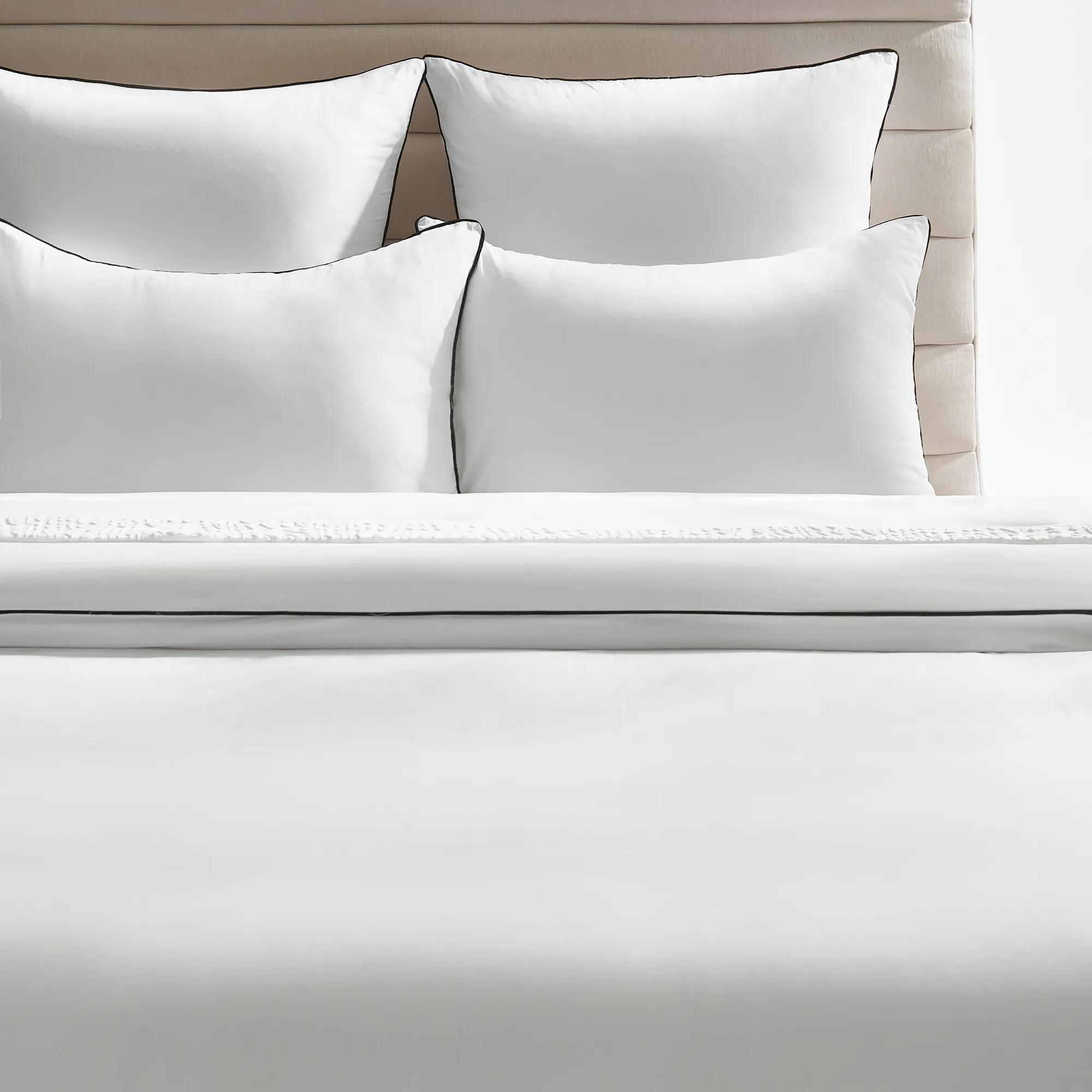 Sarla Contrast Cotton Percale Bedding Set - White/Black$229
A crisp white cotton percale bedding set featuring modern black piping for a refined, graphic contrast.
Add To Cart

Soft Grey Bedding Collections
Soft Grey Bedding Collections invite you to indulge in a world where tranquility meets artistry, transforming your bedroom into an oasis of understated opulence. Effortlessly elegant, these curated layers evoke a sense of serenity with their silvery tones and sumptuous textures—each piece designed to cocoon you in comfort while elevating your sanctuary’s style. Whether draped across a grand four-poster or paired with sculptural accents, Soft Grey Bedding Collections set the stage for restful nights and luminous mornings, painting your retreat with the quiet confidence of modern luxury.
Soft grey bedding collections bring a light, versatile neutral palette to coordinated bed linens, creating a bedroom that feels composed without losing its sense of drama. Depending on the collection, the assortment may include duvet covers, comforters, quilts, coverlets, sheets, and pillow shams, with each layer contributing a different texture or finish. Grey’s particular appeal is its ability to frame more expressive details: a sculptural headboard, a gleaming bedside lamp, an oversized piece of art. Pale silver tones lend definition to white upholstery, while greys with warmer undertones sit beautifully beside ivory, taupe, and natural wood. Blue-leaning shades create a more silvery impression against polished metal and crisp white sheets. These distinctions matter because a color that appears nearly neutral beside one fabric can reveal a subtle undertone beside another. Viewing fabric in daylight and under bedroom lighting helps establish whether the shade complements the surrounding finishes. Across the bed itself, tonal variation gives the palette dimension. A smooth duvet cover against a finely textured coverlet creates depth without requiring a strong pattern, while stitched geometry or a raised woven motif introduces detail that becomes more apparent up close. For a quieter composition, closely related shades let the silhouettes of pillows and the drape of the bedding carry the design. For greater contrast, charcoal accents, luminous ivory, or a restrained metallic detail can sharpen the arrangement. Soft grey is particularly effective in a primary bedroom where the bed anchors the space, but it also gives guest rooms a polished foundation that accommodates different decorating preferences. The result need not be spare or understated. With generous layers, considered proportions, and a distinctive mix of surfaces, this adaptable neutral can feel as expressive as a saturated color, allowing texture and craftsmanship to take the leading role.
Material determines how bedding feels in everyday use, and a soft grey color does not necessarily indicate a particular level of softness, weight, or sheen. Cotton percale generally has a crisp hand and a matte appearance, making it a compelling counterpart to plush upholstery or highly reflective furniture. Cotton sateen typically feels smoother and displays a subtle luster that gives pale grey a more fluid, luminous presence. Linen brings visible texture and a relaxed drape, with natural variations that suit a bed designed to look inviting rather than perfectly pressed. It also tends to soften with repeated use and appropriate laundering. Microfiber, commonly made from finely woven synthetic fibers, often offers a smooth surface and straightforward care, although feel and performance vary with construction. Blends can combine different characteristics, so fiber content is more informative than a fabric name alone. For decorative layers, embroidery, quilting, and textured weaves add richness, but their placement deserves attention: a raised surface may be beautiful across the foot of the bed while a smoother fabric feels more comfortable close to the face. Durability depends on more than thread count. Even stitching, securely finished edges, well-attached closures, and care requirements suited to the household all contribute to lasting satisfaction. Fit is equally important to the finished look. Mattress size is only the starting point for sheets; fitted-pocket depth should accommodate the mattress and any topper without pulling at the corners. For duvet covers, matching the listed dimensions to the insert helps prevent empty edges or excessive bunching. Comforters and coverlets deserve a similar proportion check, especially on taller mattresses where a modest drop can expose more of the bed base than intended. King and California king beds have different proportions, and decorative pillow sizes do not always correspond to sleeping pillows. Reviewing individual measurements and set contents makes it easier to create the generous, tailored silhouette that gives coordinated bedding its presence.
The most satisfying bedding arrangement balances visual richness with the way the bedroom is actually used. For someone who prefers an uncomplicated nightly routine, a duvet and a small selection of shams may provide enough definition without a large assortment of decorative pillows. A more layered bed can pair a coverlet with a folded duvet, letting contrasting surfaces create an inviting composition even within a narrow range of grey tones. Sleeping pillows remain the functional foundation, while shams and accent cushions establish height and frame the headboard. In a shared bedroom, coordinating the visible layers does not require identical preferences underneath; separate pillow types or individually chosen bedding weights can sit within the same cohesive palette. Guest bedding benefits from a similarly thoughtful balance of presentation and practicality, particularly when fabrics can be refreshed without elaborate handling. Care instructions should always guide washing, drying, and pressing, since fibers, fills, dyes, and decorative finishes may require different treatment. Washing compatible colors together, avoiding an overloaded machine, and using the recommended cycle help preserve both appearance and texture. Thorough drying before storage is important, and a breathable storage space helps keep clean linens ready for their next use. Embellished pieces may need gentler care than plain sheets, while duvet inserts have their own instructions separate from their covers. For gifting, soft grey bedding offers a versatile direction for a wedding, housewarming, or thoughtfully appointed guest suite, provided the recipient’s bed measurements, fabric preferences, and care expectations are known. A coordinated look is most successful when it reflects those everyday details rather than color alone. Explore Modern Grey Bedding Sets for a related expression of this nuanced neutral. Whether the room leans toward sculptural glamour or a more restrained elegance, the distinction comes from the interplay of fabric, scale, and finish—a bed with depth, presence, and a clear sense of personal style.
FAQs
Soft grey bedding collections are often crafted from luxurious materials such as brushed cotton flannel for cozy warmth, sateen weave for a smooth and lustrous finish, organic percale for crisp breathability, and plush down alternative fills for inviting comfort. Each material brings its own unique texture and feel, allowing you to curate a bedding ensemble that suits both your tactile preferences and your sense of style.
Soft grey bedding serves as a versatile foundation for a range of design aesthetics. Pair lighter shades of grey with metallic accents for a touch of glamour, or layer in deep charcoals with jewel-toned pillows for a dramatic statement. Mixing textures—such as velvet throws, quilted shams, and silk cushions—adds depth and visual interest, creating a bedroom that feels thoughtfully composed and irresistibly inviting.
Absolutely. Soft grey bedding collections are designed to transition beautifully through the seasons. Opt for breathable percale or lightweight sateen in warmer months to keep your sleep environment cool and crisp. As the temperature drops, layer in brushed flannel or down alternative duvets for added warmth, ensuring year-round comfort without sacrificing style.
Soft grey bedding makes an exquisite gift for a variety of occasions. Newlyweds, recent graduates, new homeowners, or anyone embarking on a fresh chapter will appreciate the timeless elegance and comfort these collections provide. It’s a thoughtful gesture that elevates daily living and brings a sense of luxury to every night’s rest.
To preserve the softness and color of your grey bedding, launder with gentle, color-safe detergents and avoid harsh bleaches. Wash on a delicate cycle and tumble dry on low or line dry to maintain the integrity of the fabrics. Regularly rotating and fluffing duvets and pillows helps keep them plush and inviting, ensuring your bedding remains a luxurious centerpiece in your bedroom.