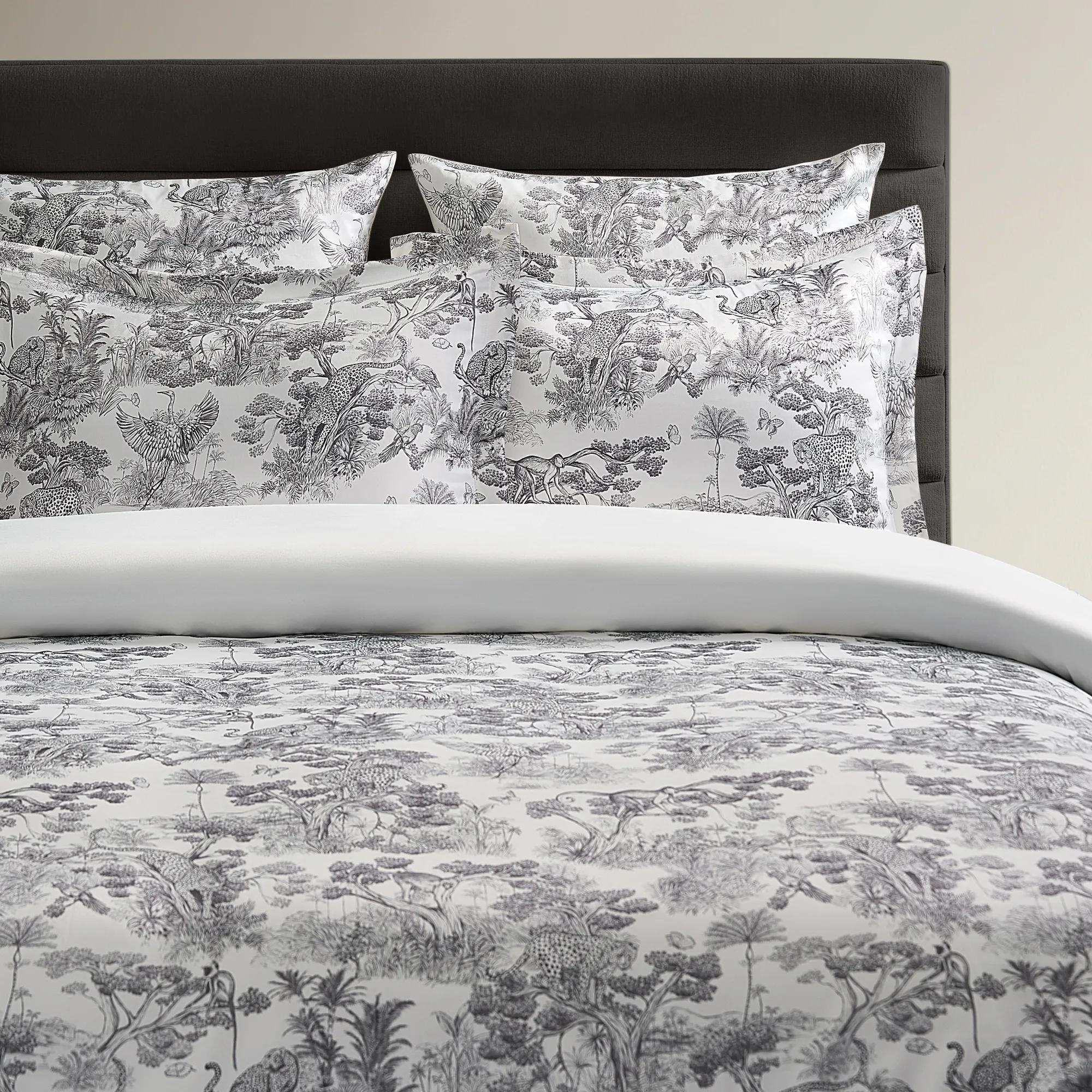
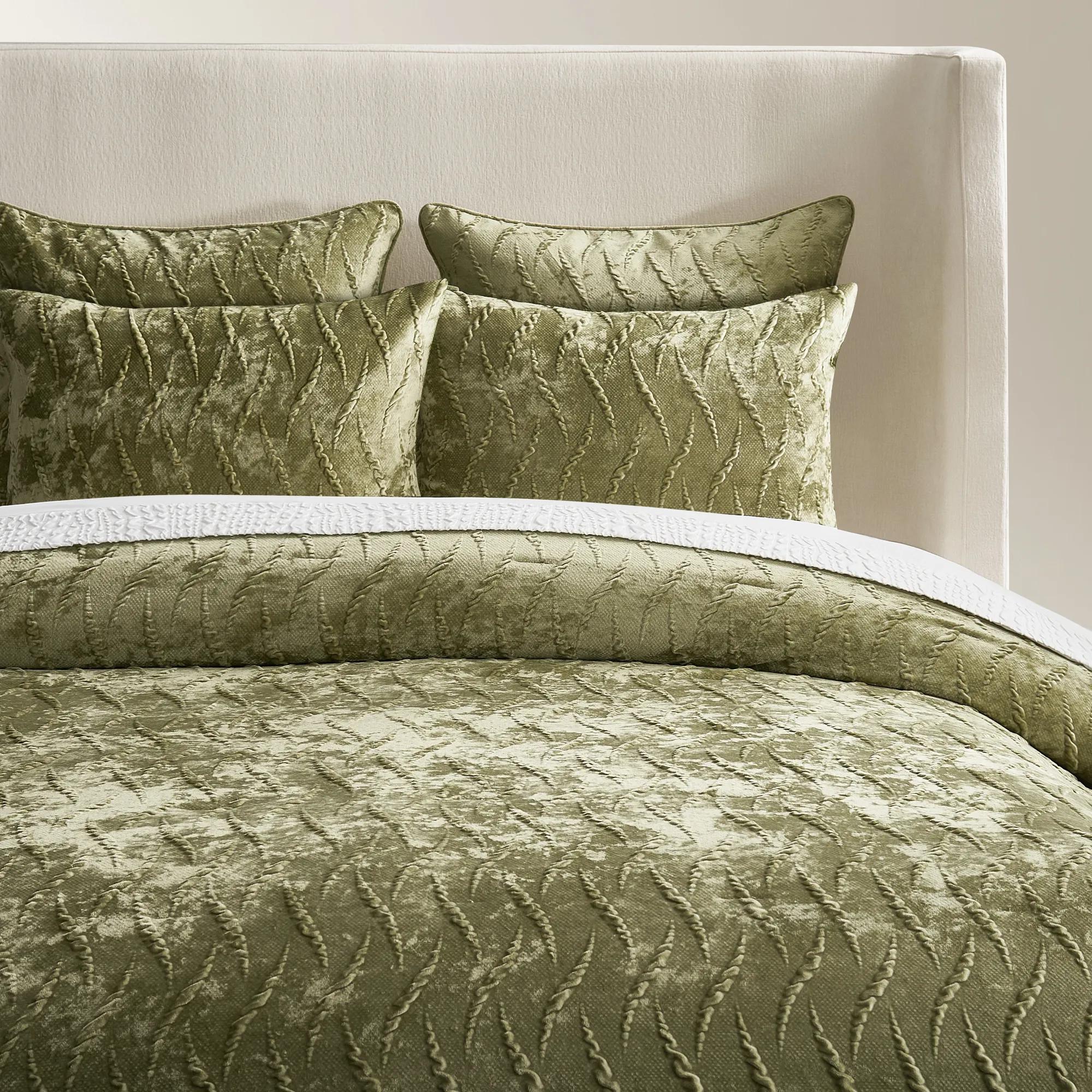
Soft Touch Bedding Collections
Soft Touch Bedding Collections
-
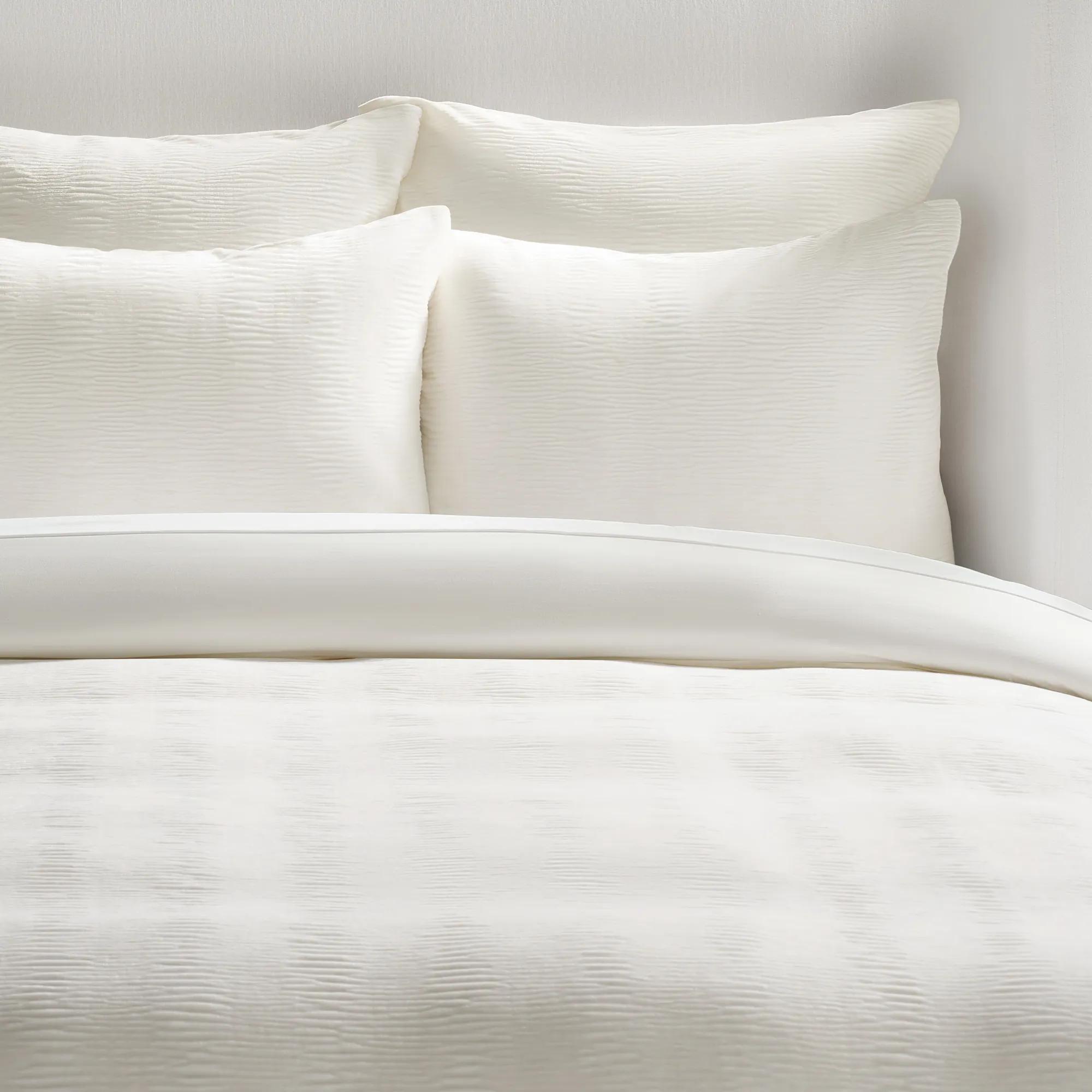 Vera Cloud White Soft Pleated Velvet Bedding Set$249
A cloud-white velvet bedding set featuring soft pleated texture and coordinating duvet and sham covers.
Add To Cart -
 Glam Grey Shiny Viscose Velvet Quilt Bedding Set$109
A lustrous grey velvet bedding collection featuring modern quilted stitching and refined piped edges.
Add To Cart -
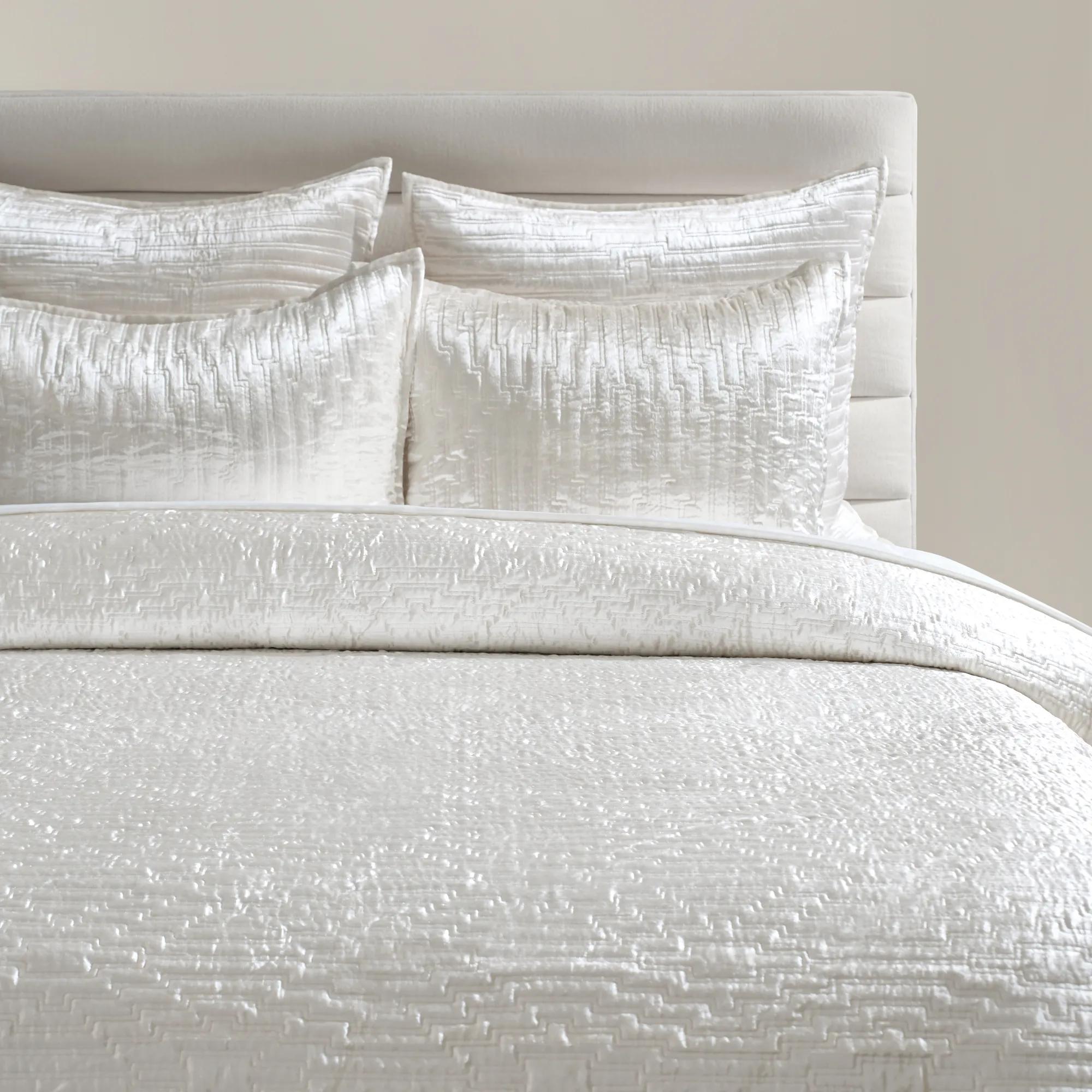
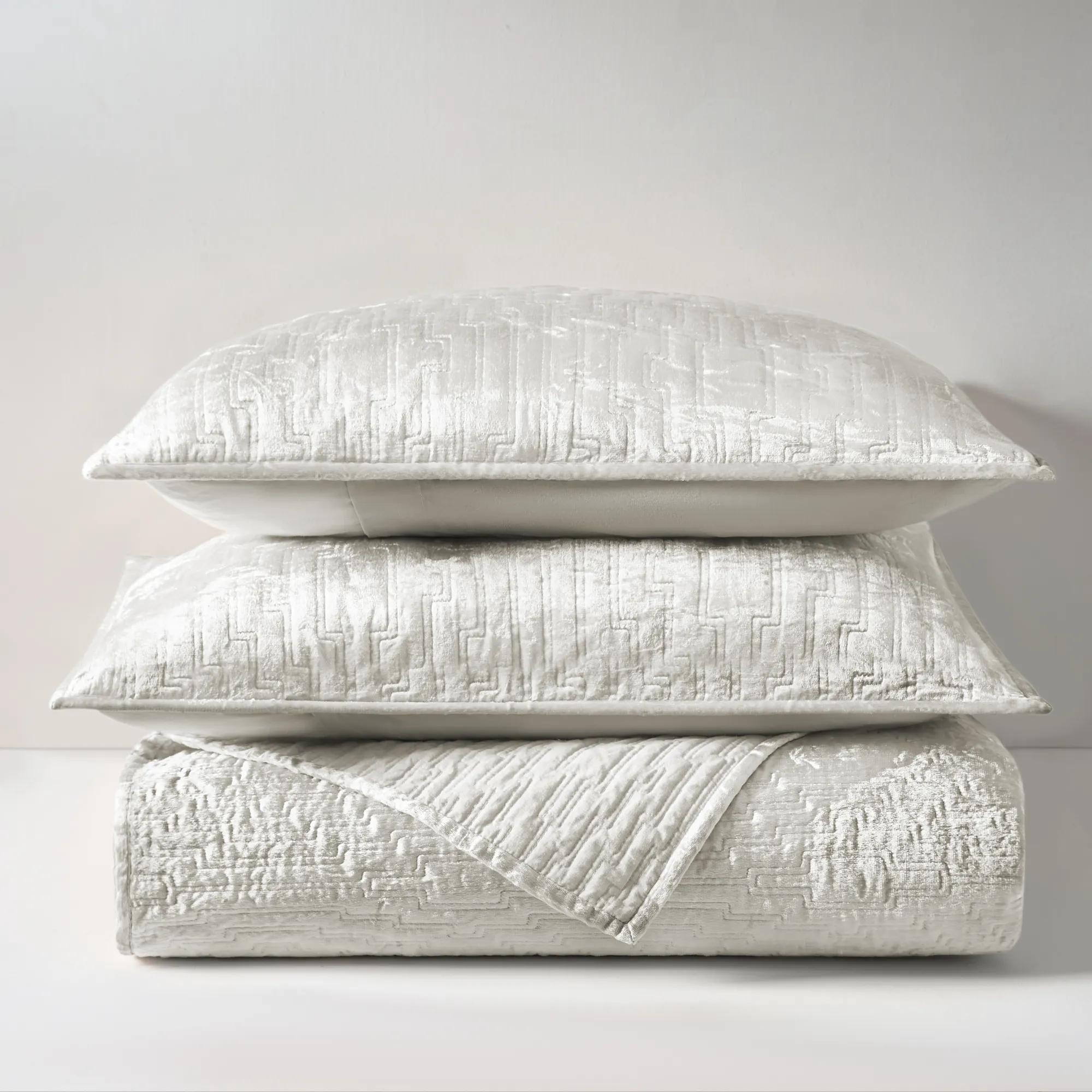 Glam Cloud White Shiny Viscose Velvet Quilt Bedding Set$109
A lustrous cloud-colored velvet bedding collection with modern quilted stitching and refined piped edges.
Add To Cart -
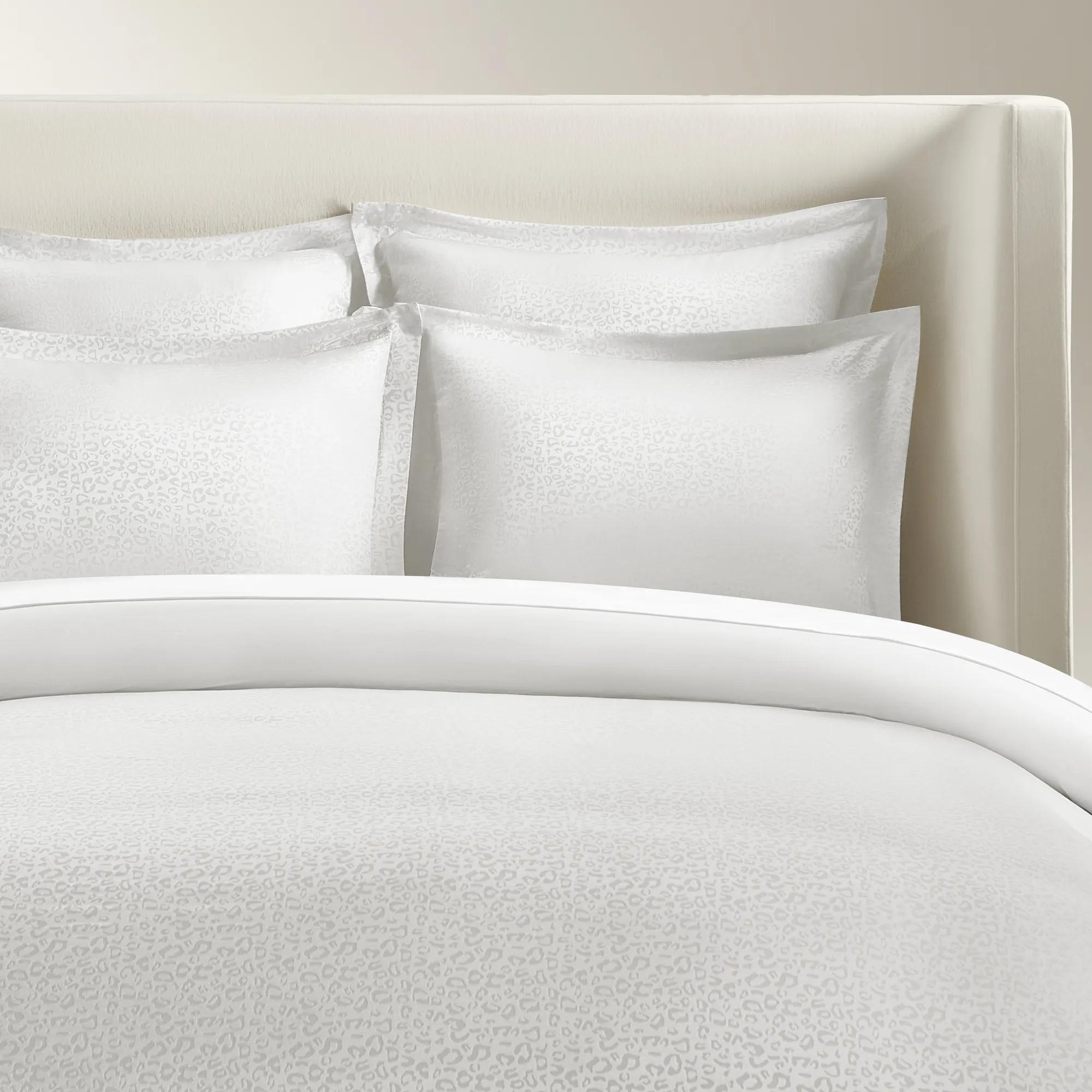
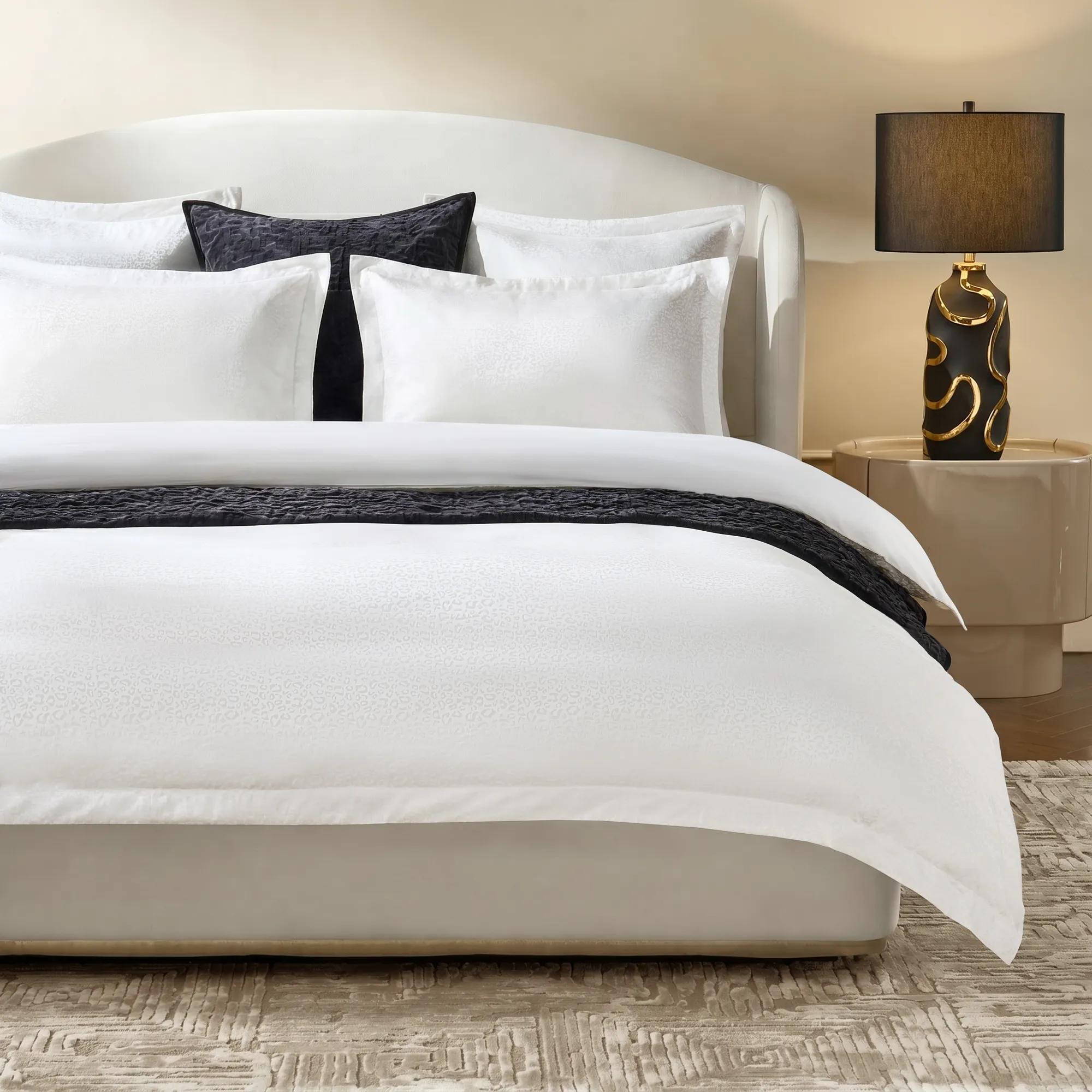 Abi Leopard Cloud White Tencel Bedding Set$79
A cloud white bedding set featuring a tonal leopard print in a smooth Tencel blend with cotton reverse.
Add To Cart -
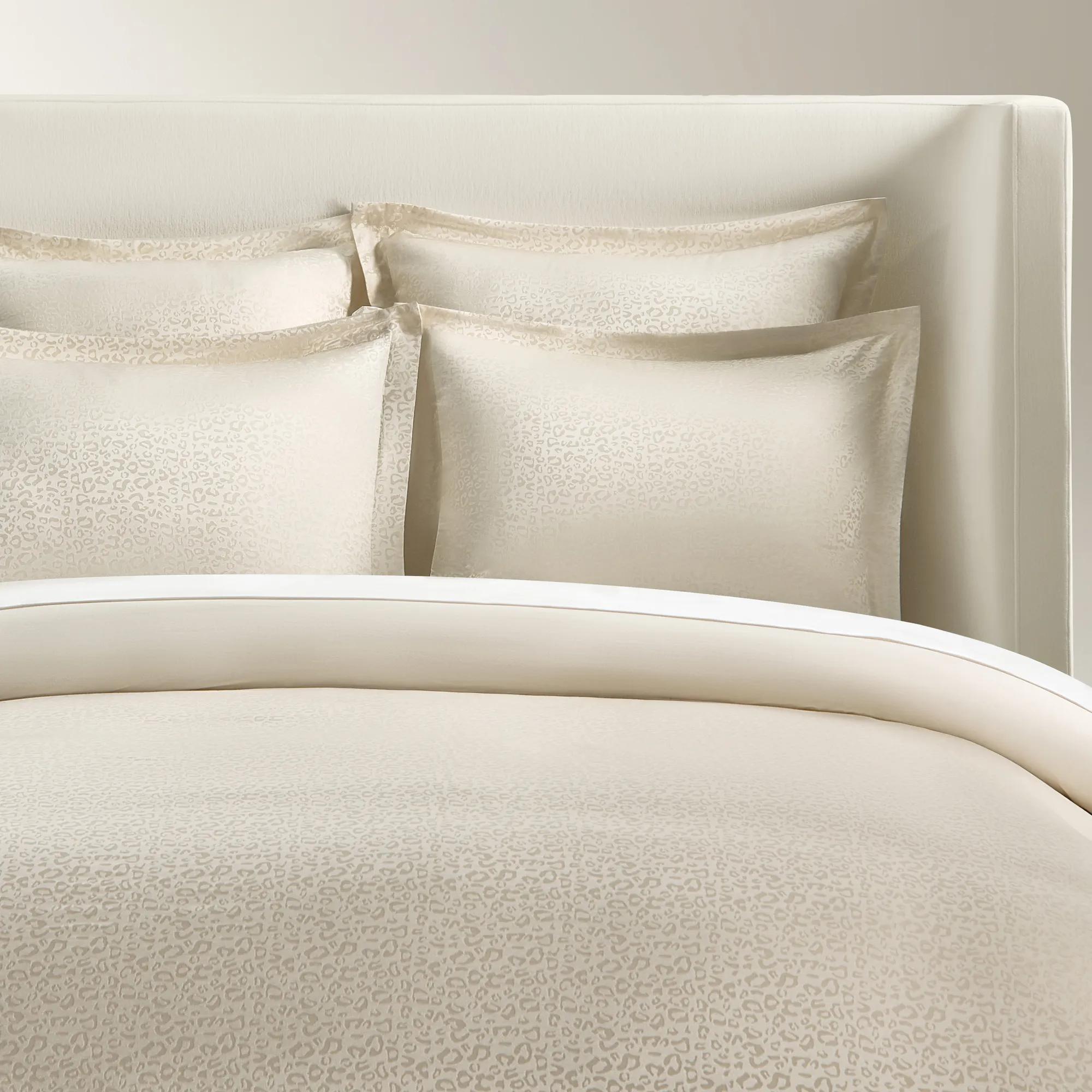 Abi Leopard Soft Nude Tencel Bedding Set$299
A soft nude bedding set featuring a tonal leopard print in a smooth Tencel blend with cotton reverse.
Add To Cart -

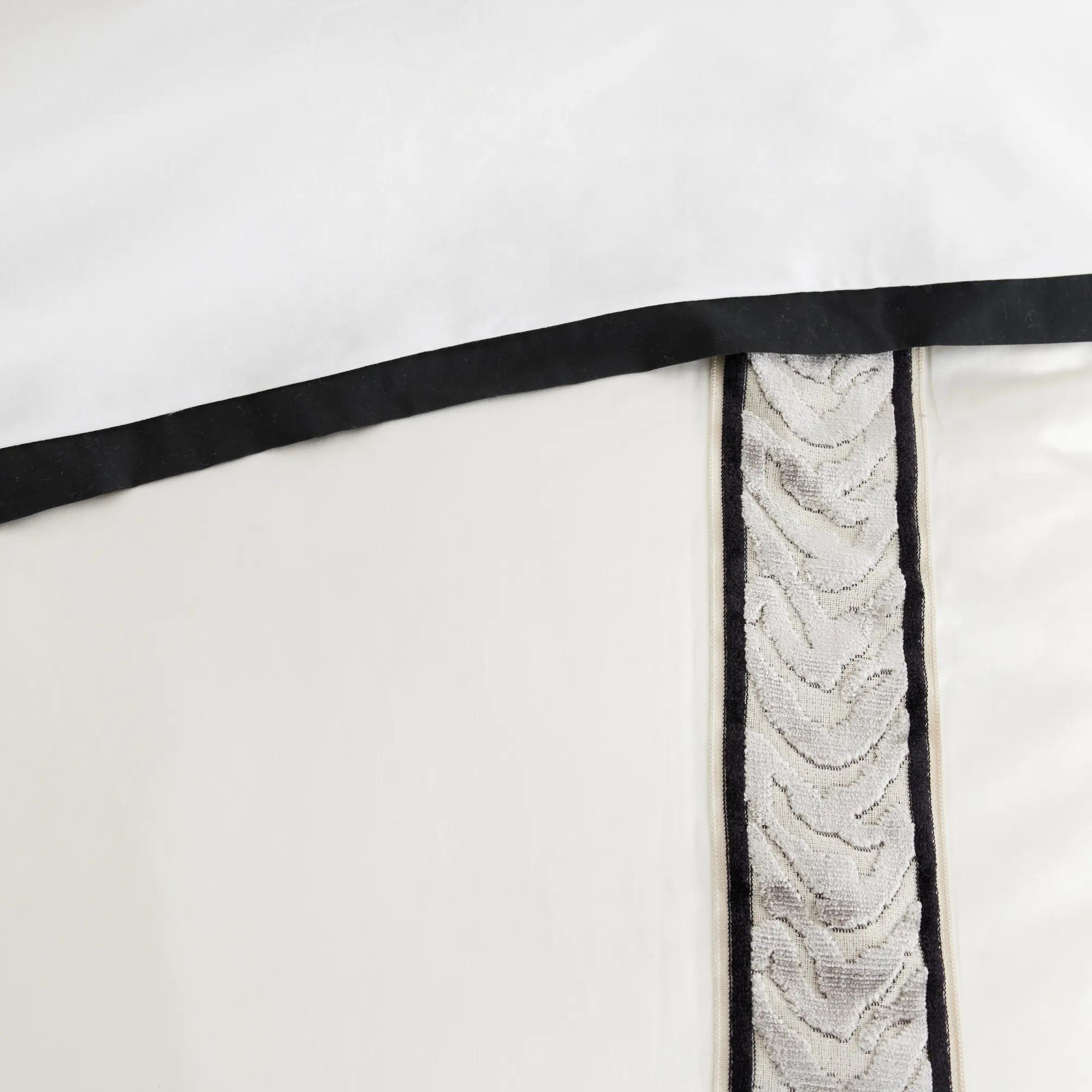 Gianna Grey/Black/White Animal Print Cut Velvet Appliqué Border Bedding Set$199
A luxurious grey and black bedding collection featuring a cut velvet tiger-stripe appliqué border for bold elegance.
Add To Cart -
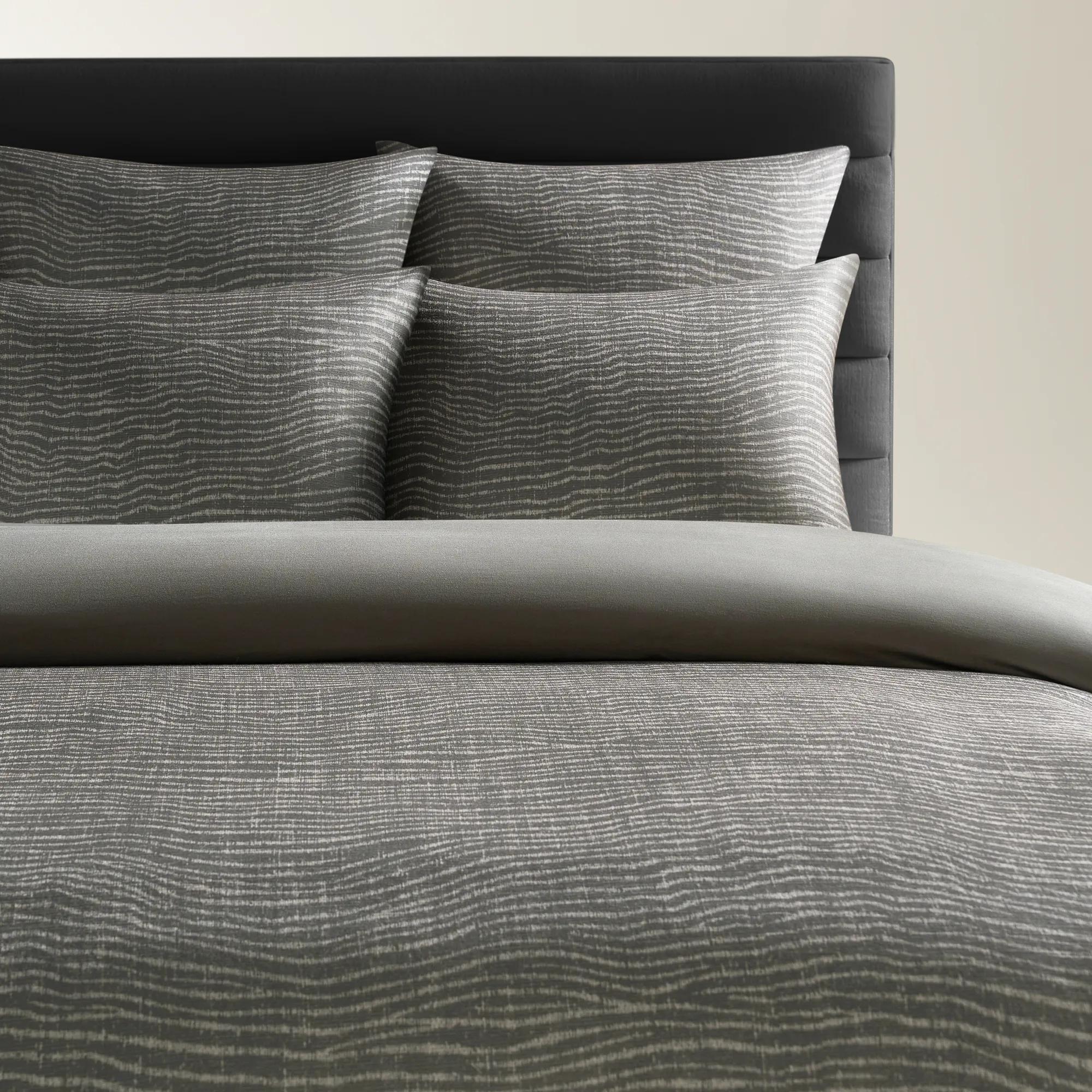 Sahara Bedding Set - Charcoal$199
A soft jacquard bedding set in calming charcoal with a subtle wave-inspired zebra print and refined details.
Add To Cart -
 Eve Pistachio Green Textured Velvet Quilt Set$69
A green textured velvet bedding set with coordinating duvet and sham covers for polished comfort.
Add To Cart -
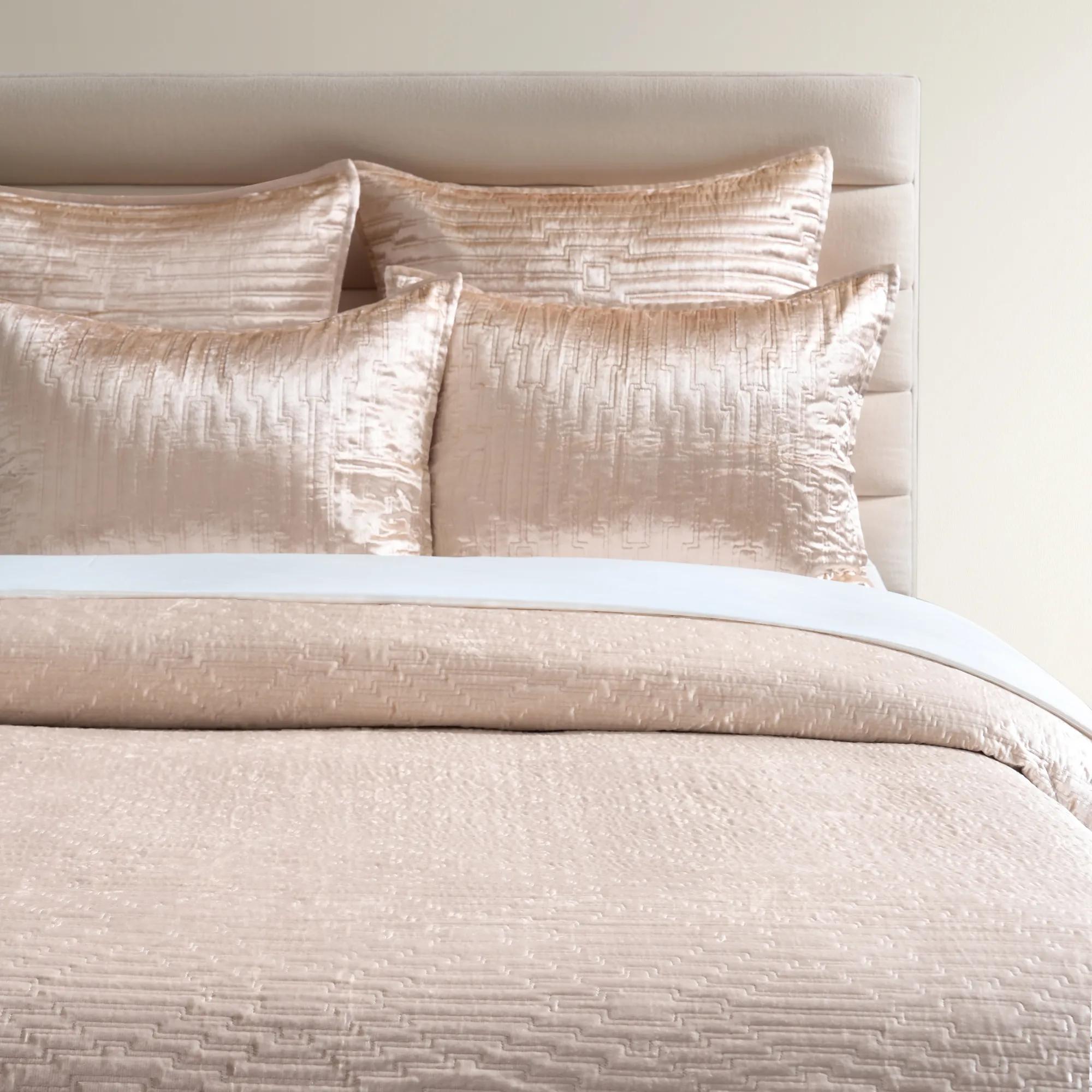
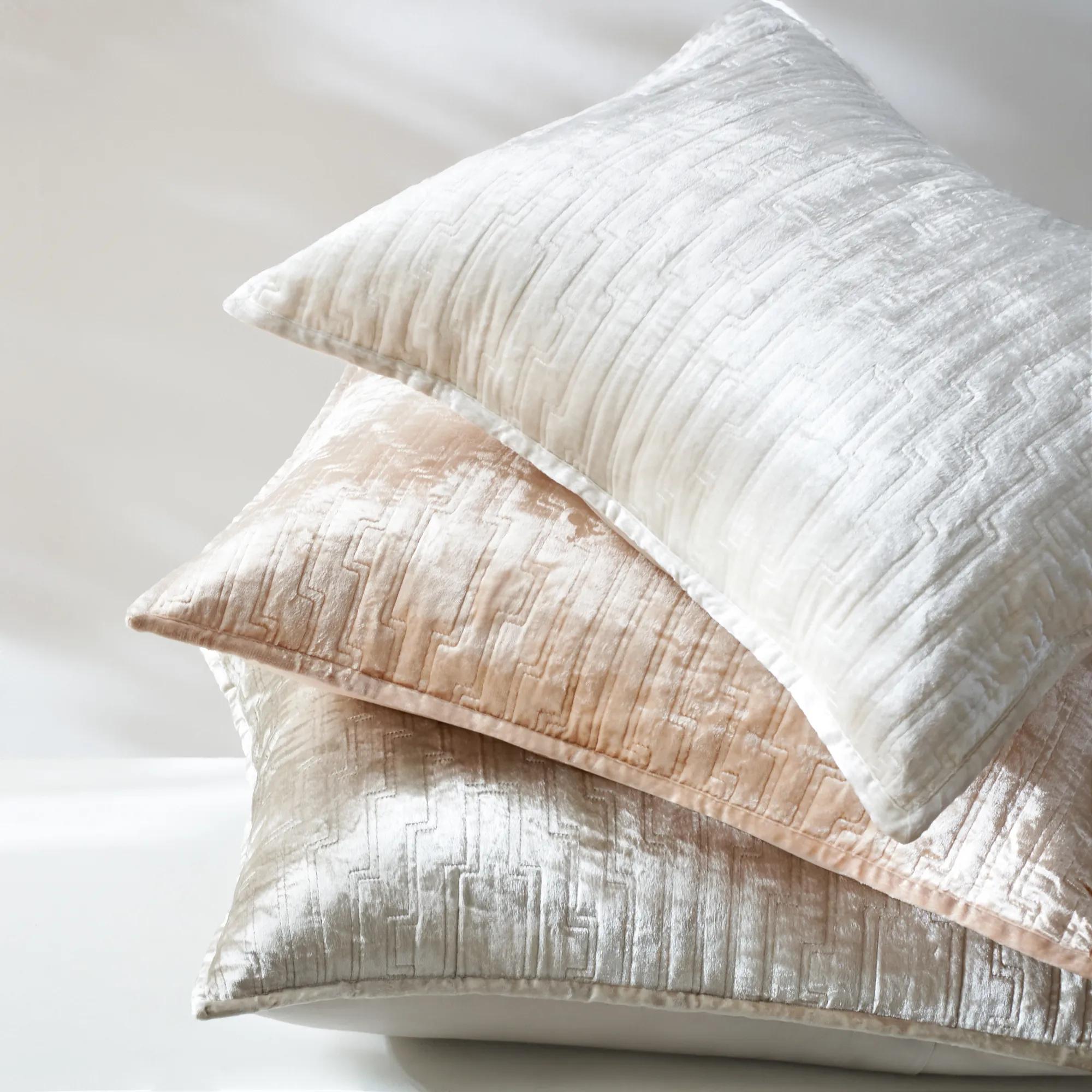 Glam Velvet Bedding - Blush$109
A blush pink quilted velvet bedding set with piped edges and a soft cotton backing for luxurious comfort.
Add To Cart -
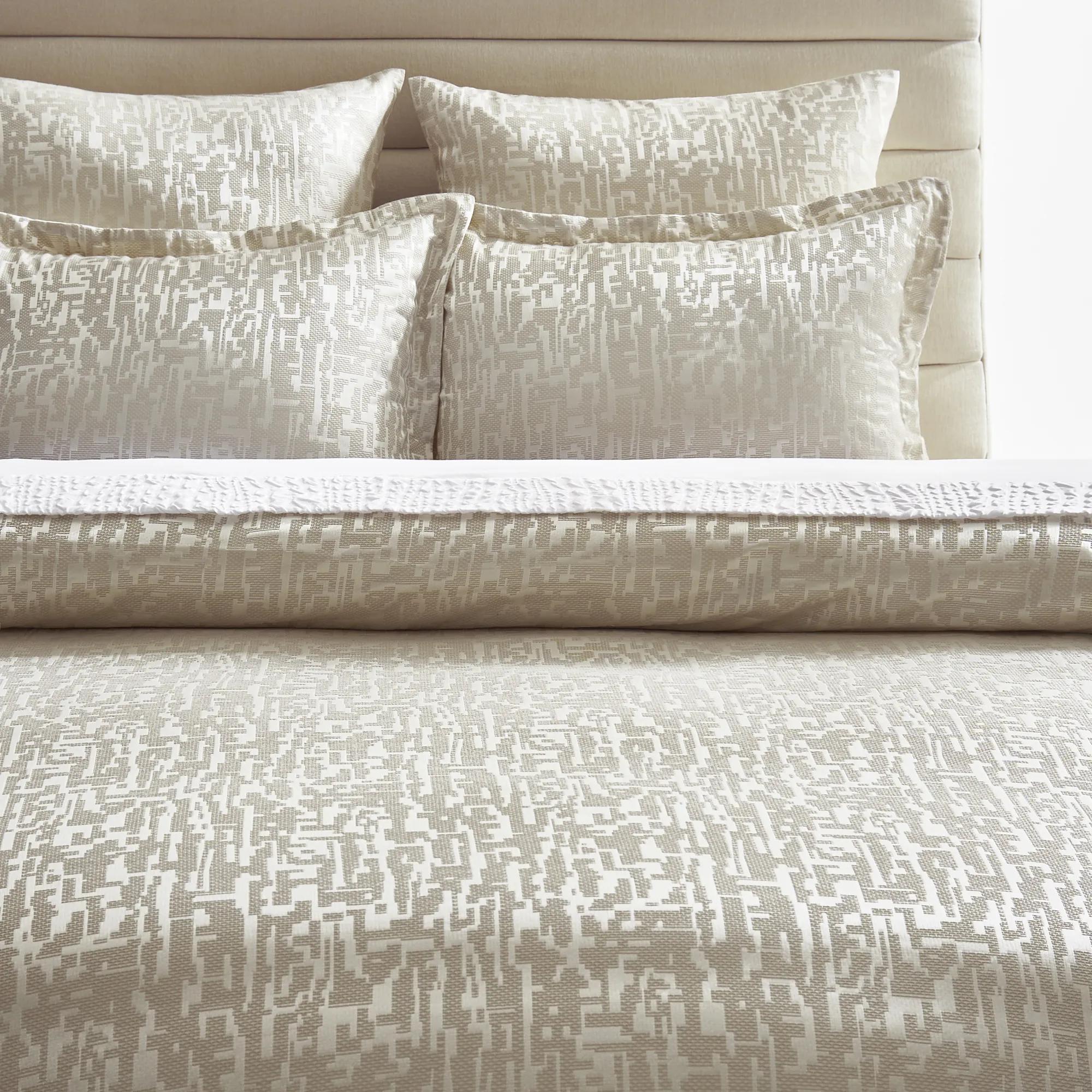
 Podva Embroidered Pearl/Ivory Bedding Set$249
A satin and cotton bedding set in pearl and ivory, featuring modern embroidery and crisp flange edges.
Add To Cart -
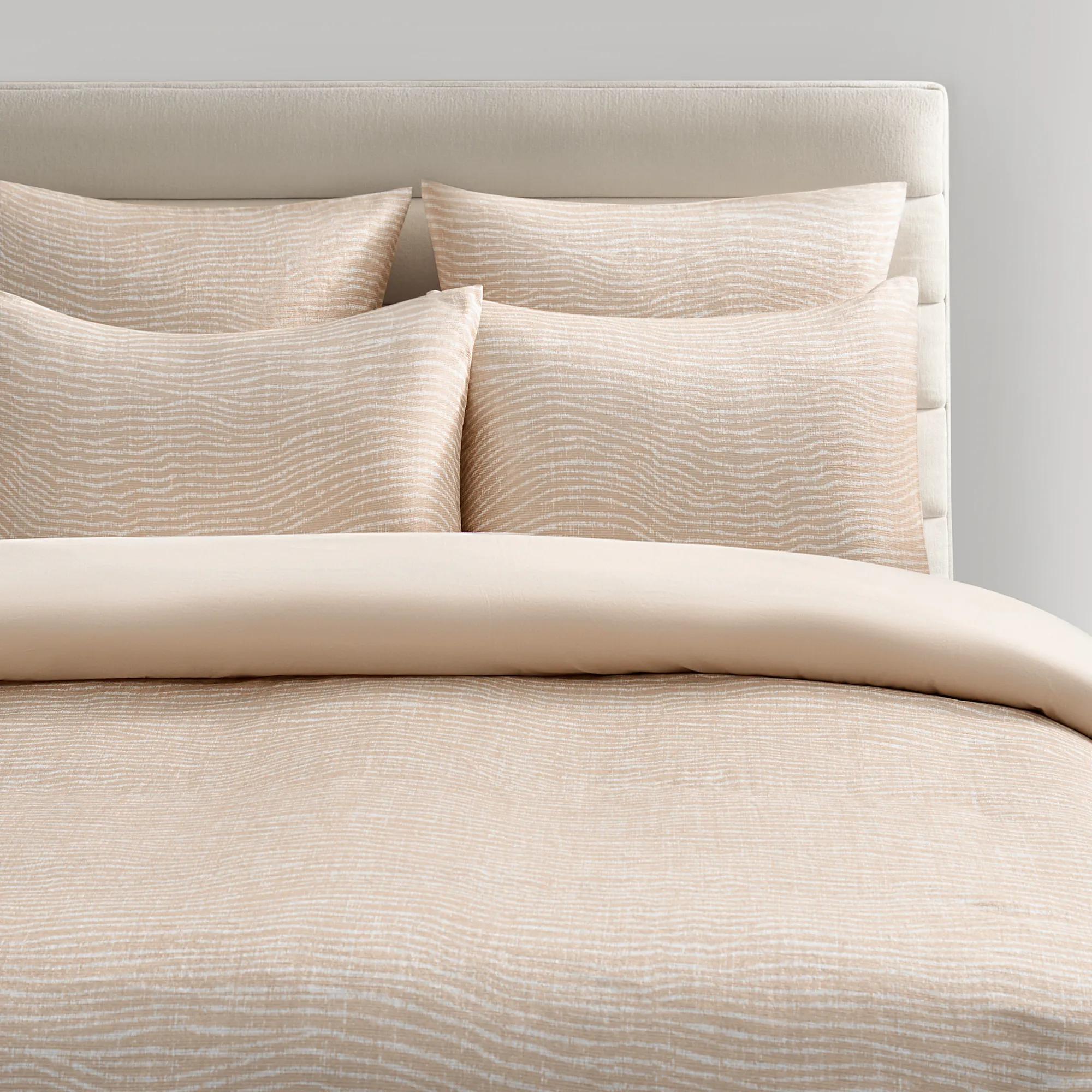 Sahara Bedding Set - Tan/Cream$199
A soft jacquard bedding set in tan and cream with a subtle wave-inspired zebra print and button closure.
Add To Cart -
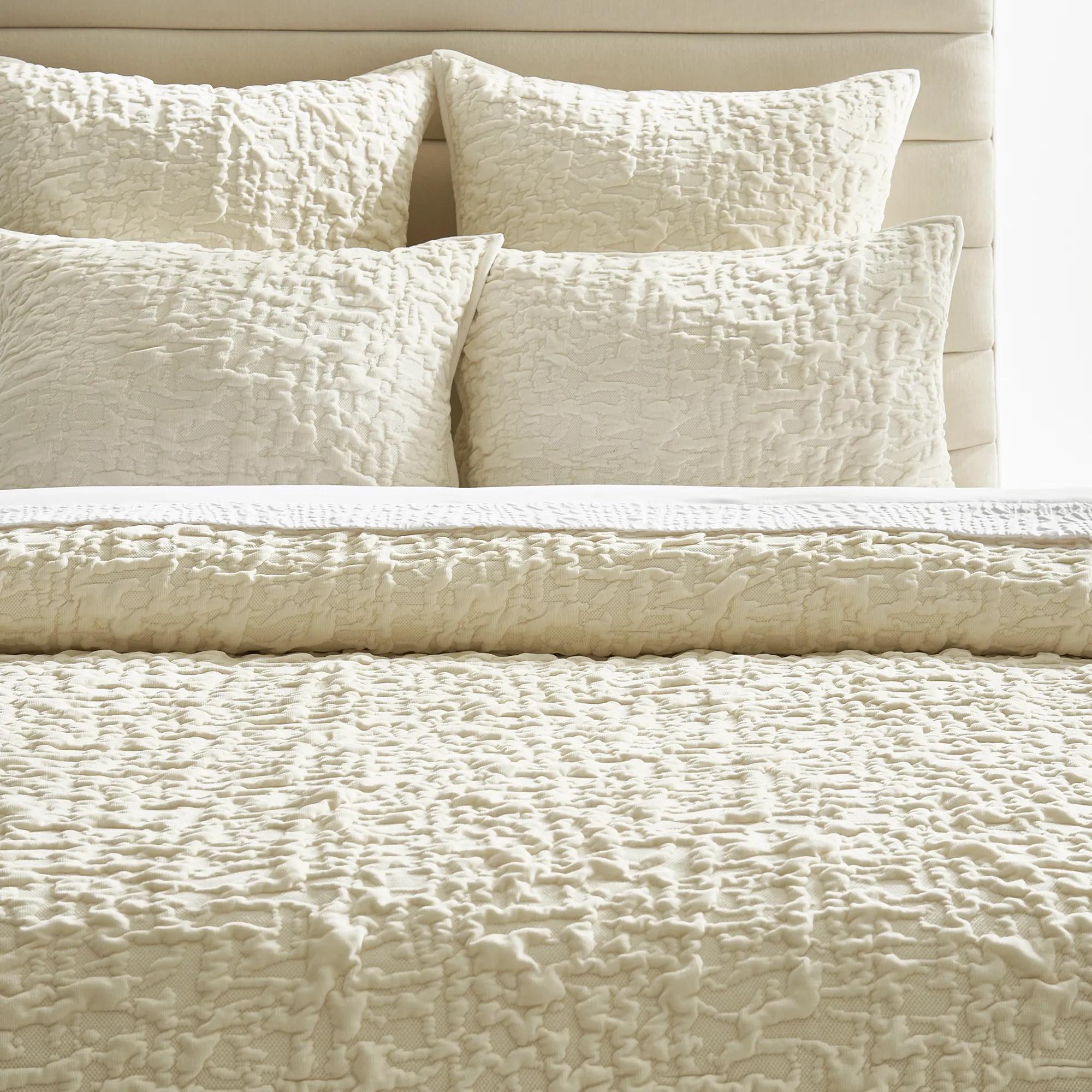
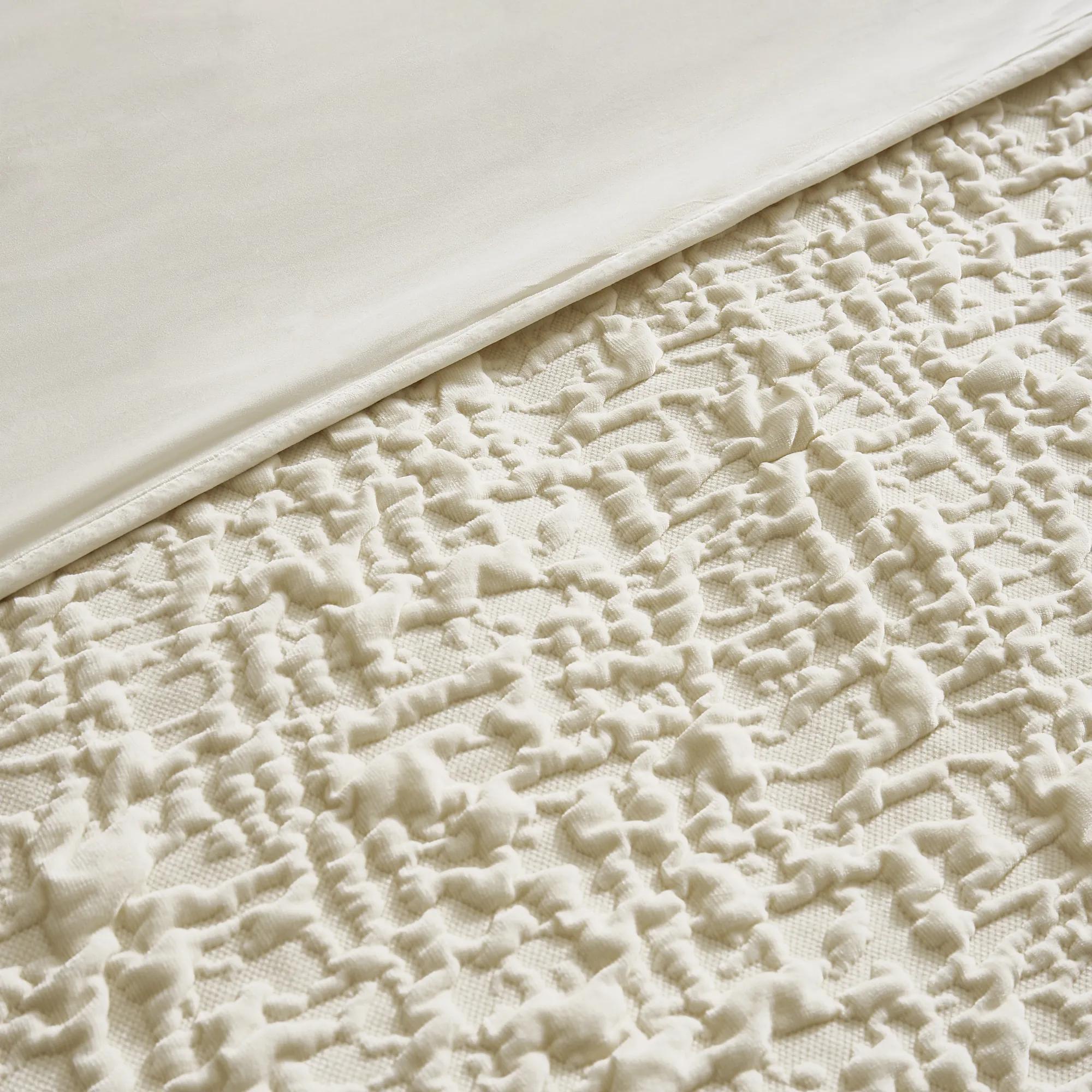 Madera Ivory Textured Velvet Bedding Set$69
A plush ivory velvet coverlet set with crushed embroidered texture and breathable cotton backing for serene style.
Add To Cart -
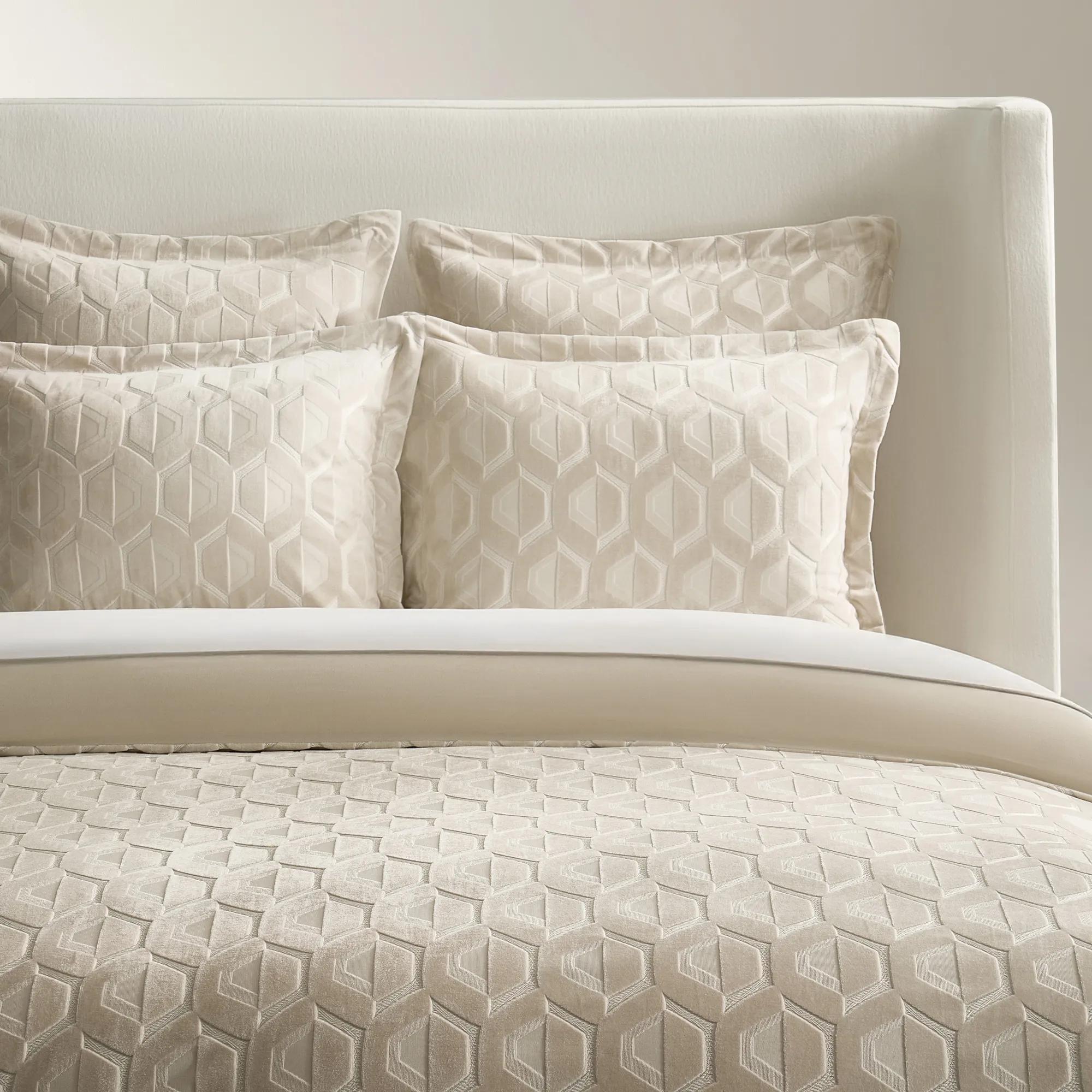 Cielo Alabaster White Geometric Cut Velvet Bedding Set$229
A luxurious alabaster-white bedding set featuring geometric cut velvet texture for sophisticated, layered styling.
Add To Cart -
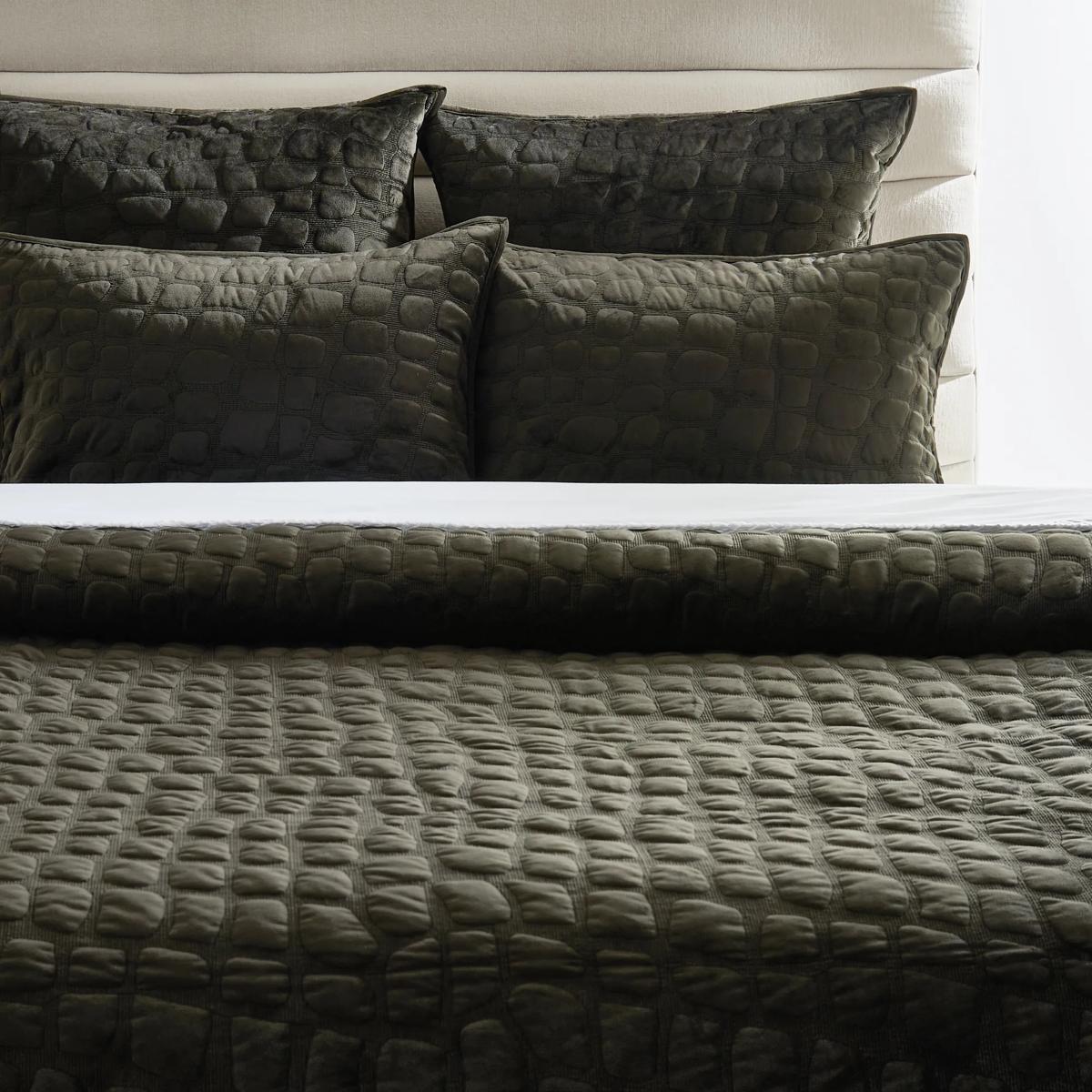
 Valen Velvet Quilt Set - Black$69
A bold quilt set featuring luxe black velvet with a quilted croc pattern and tailored piped edges.
Add To Cart -
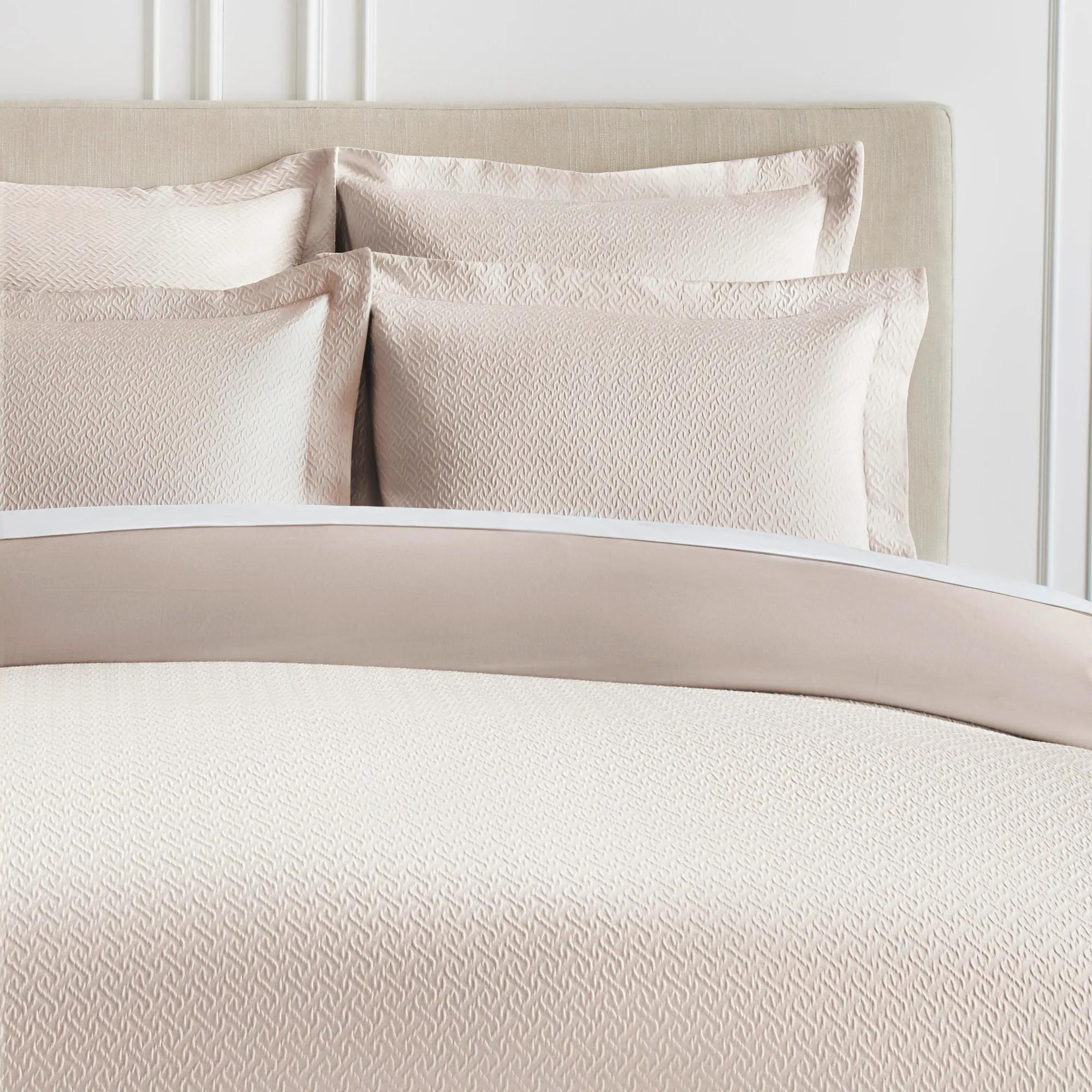
 Marlowe Jacquard Blush Bedding Set$169
A blush jacquard bedding collection offering subtle texture and year-round comfort with a soft cotton blend.
Add To Cart -
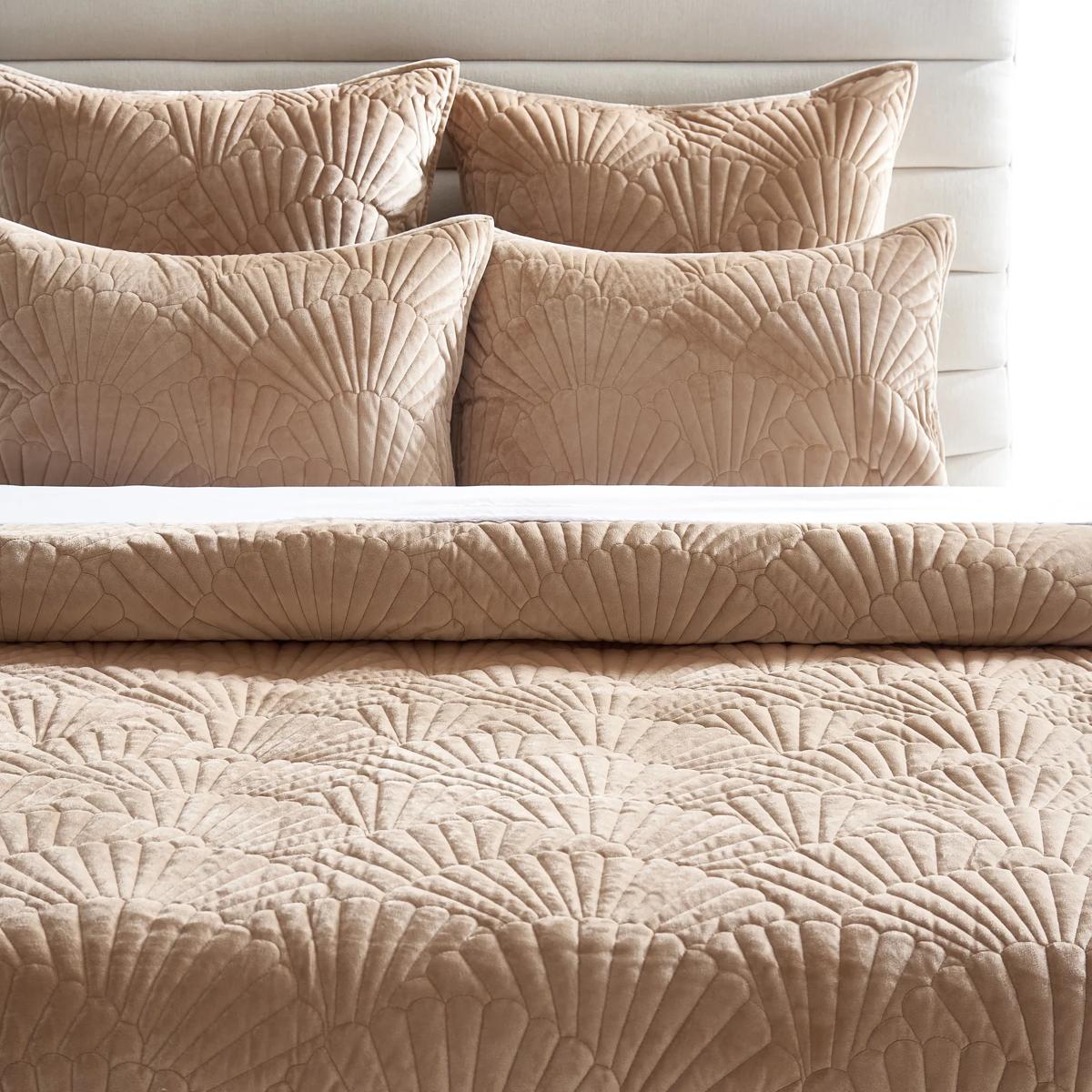 Fan Velvet Quilt Set - Muted Coral$199
A plush muted coral velvet quilt set featuring a sculptural fan motif and piped edges for modern elegance.
Add To Cart -
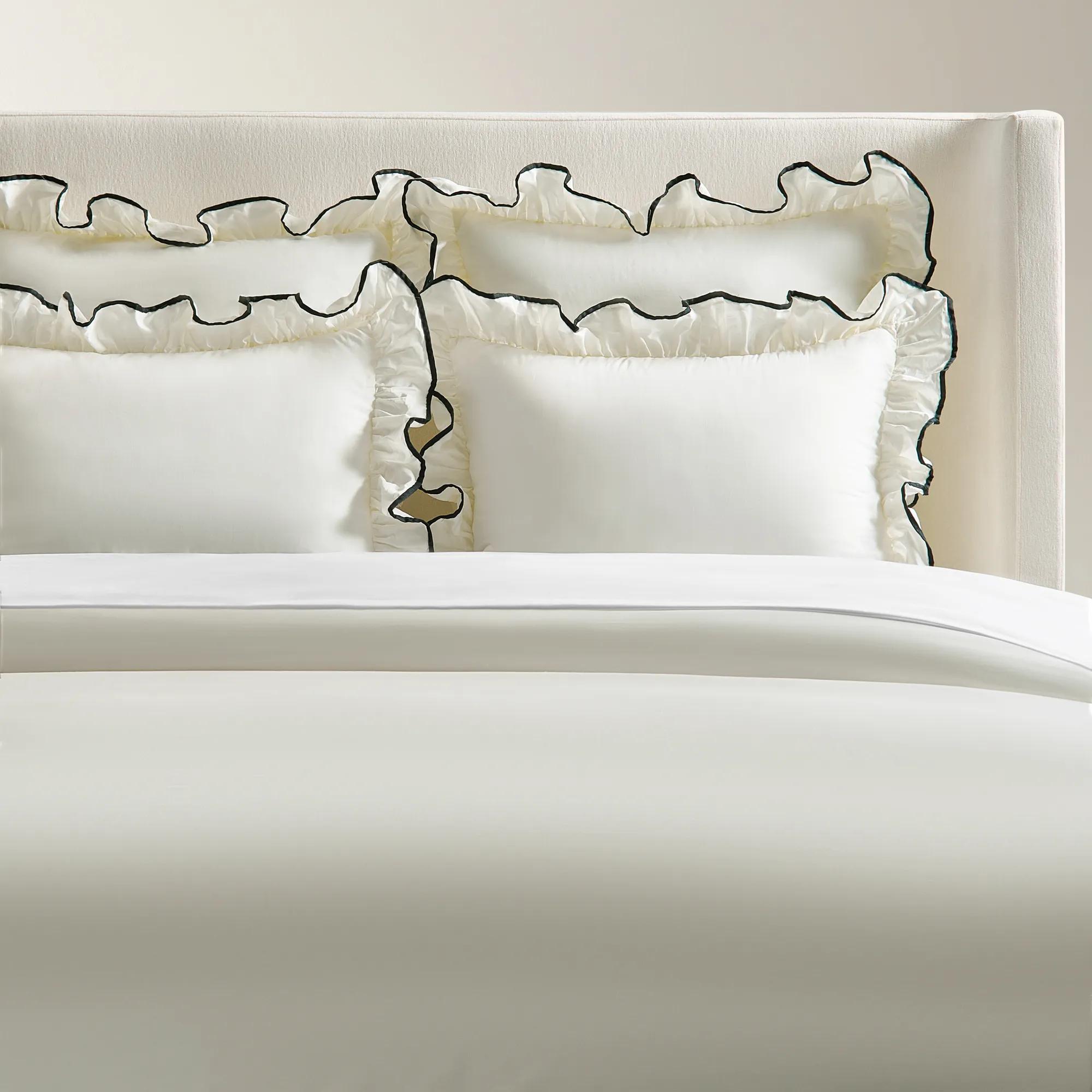
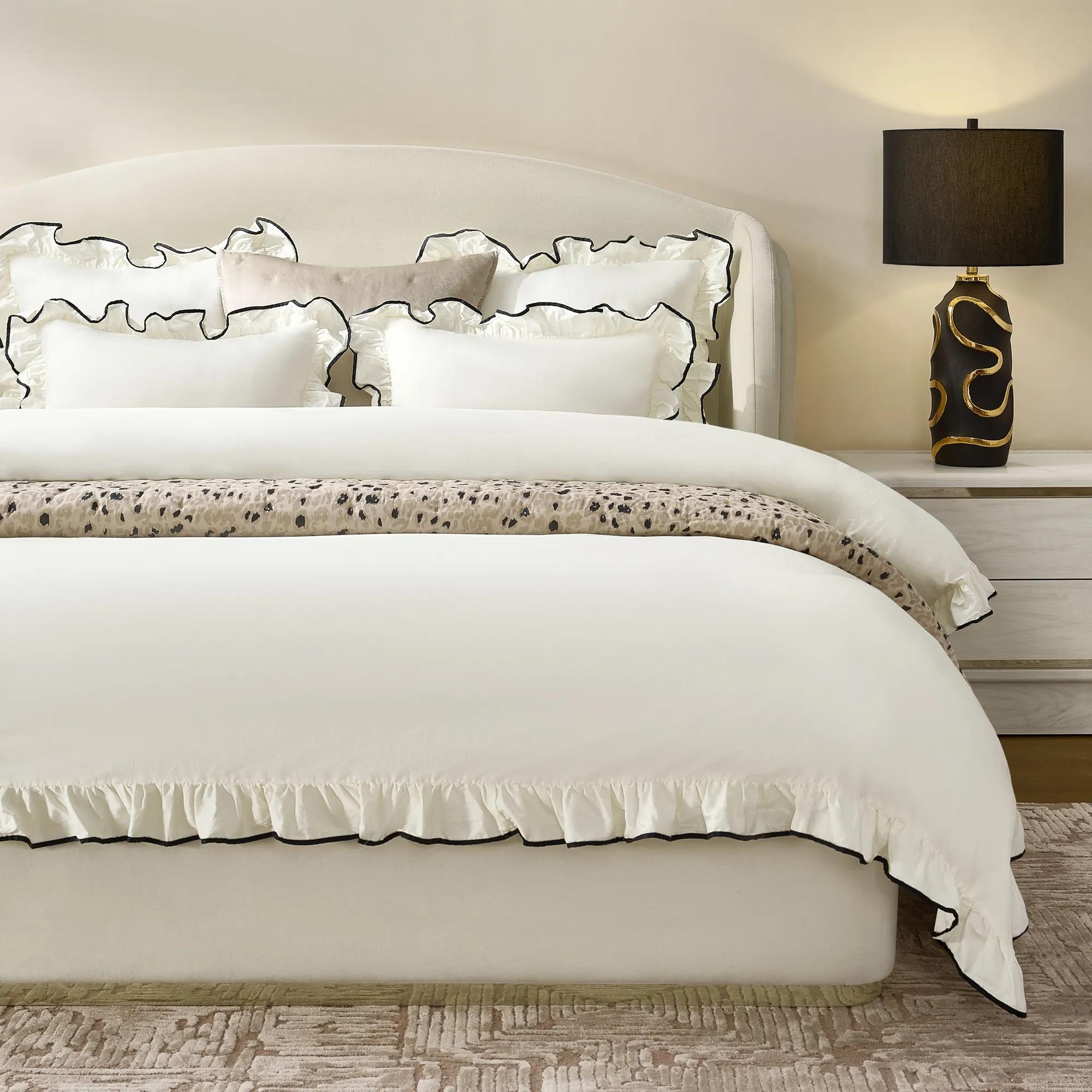 Vittoria Ivory/Black Cotton Percale Ruffle Bedding Set$79
An ivory cotton percale bedding set with dramatic black ruffle trim for a crisp, Deco-inspired look.
Add To Cart -
 Cora Crane Multicolor Satin Bedding Set$69
A whimsical fig, white, and charcoal crane print bedding set crafted from smooth, polished satin polyester.
Add To Cart -

 Jungle Toile Bedding Set - Pale Pink$59
A luxurious satin bedding set featuring a delicate black jungle print on a pale pink background.
Add To Cart -
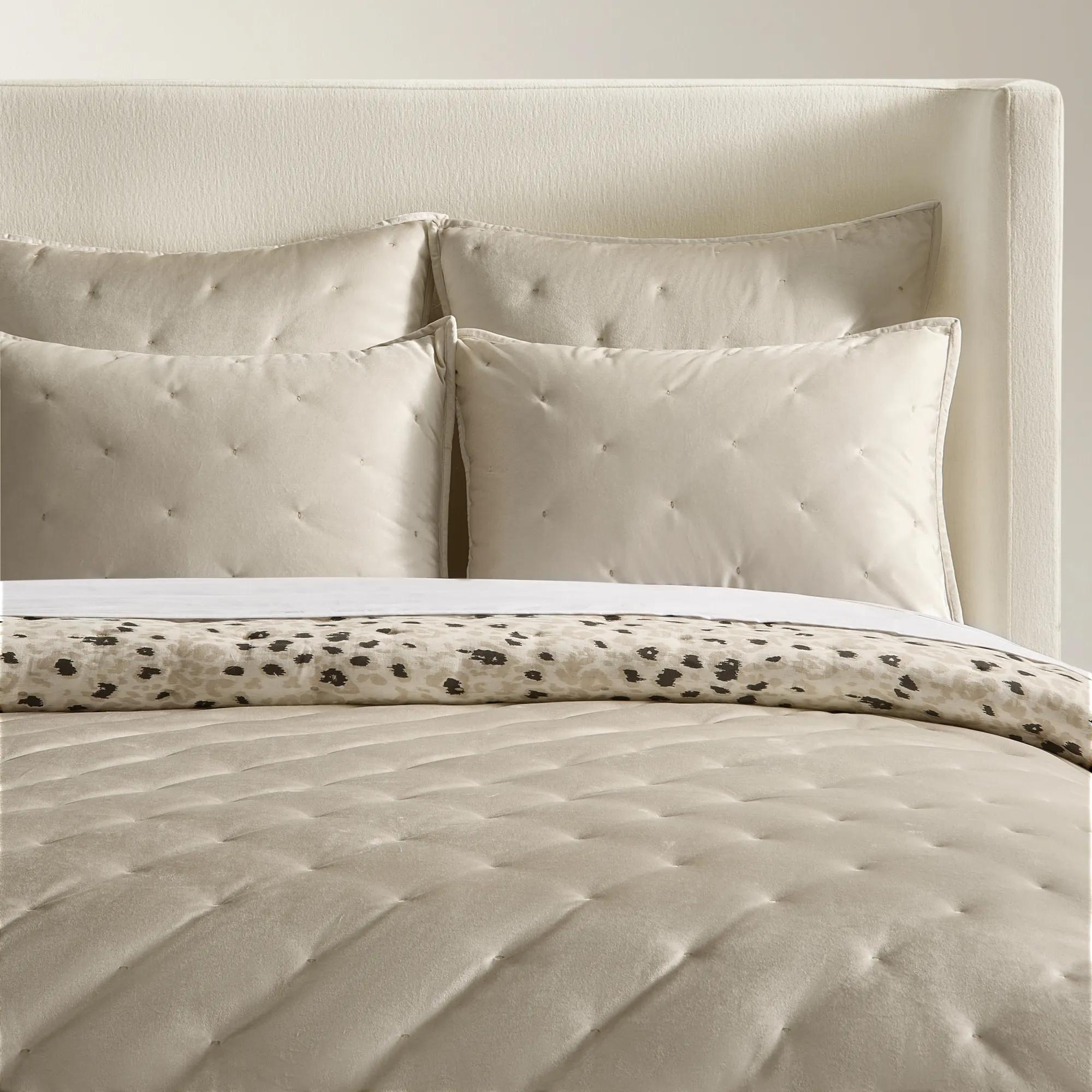 Nemera Alabaster/Leopard Reversible Velvet & Cotton Linen Quilt Set$89
A reversible quilt set featuring plush alabaster velvet on one side and bold leopard print cotton-linen on the other.
Add To Cart -

 Fan Velvet Quilt Set - Smoke Grey$69
A luxurious smoke grey velvet quilt set featuring a sculptural fan pattern and polished piped edges.
Add To Cart -
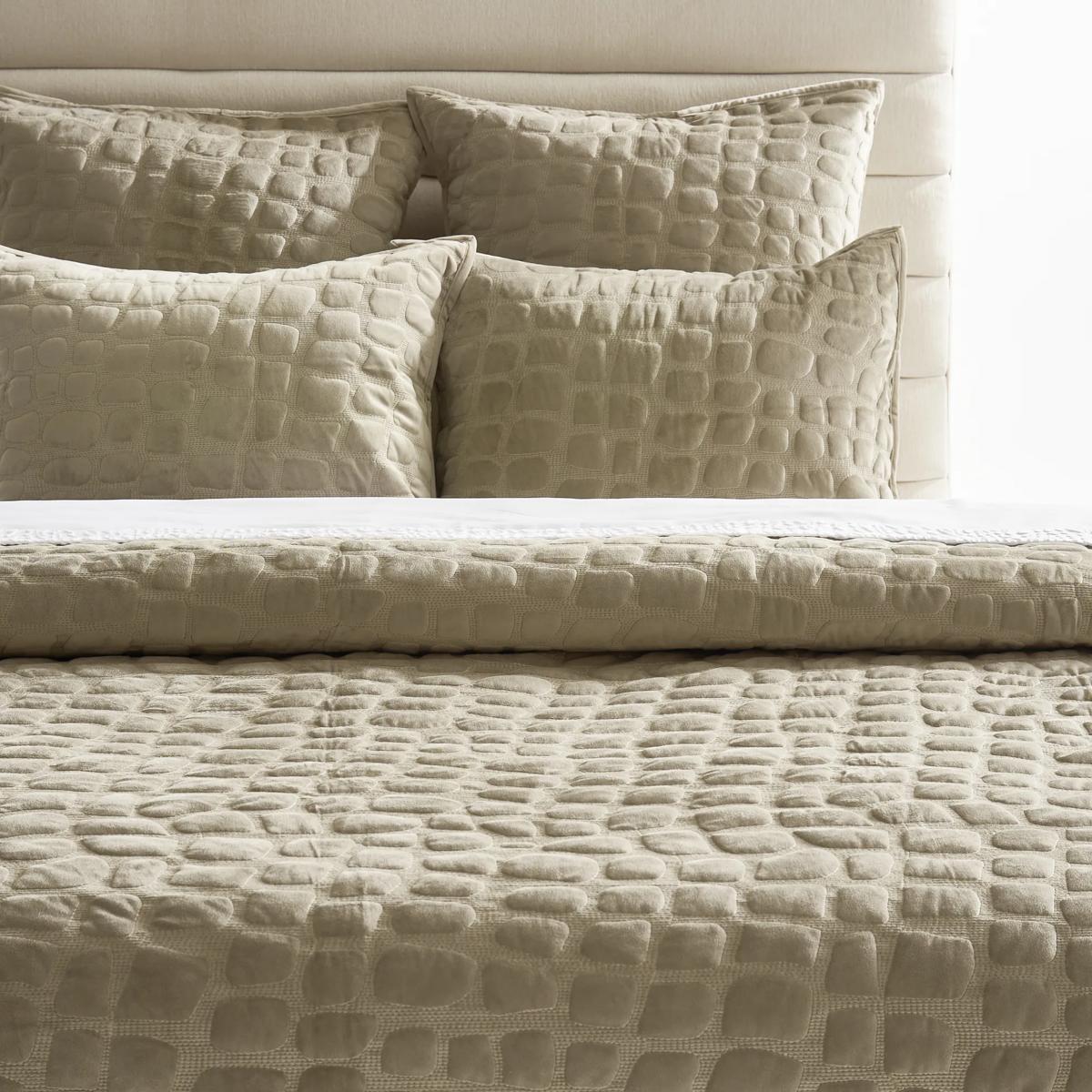
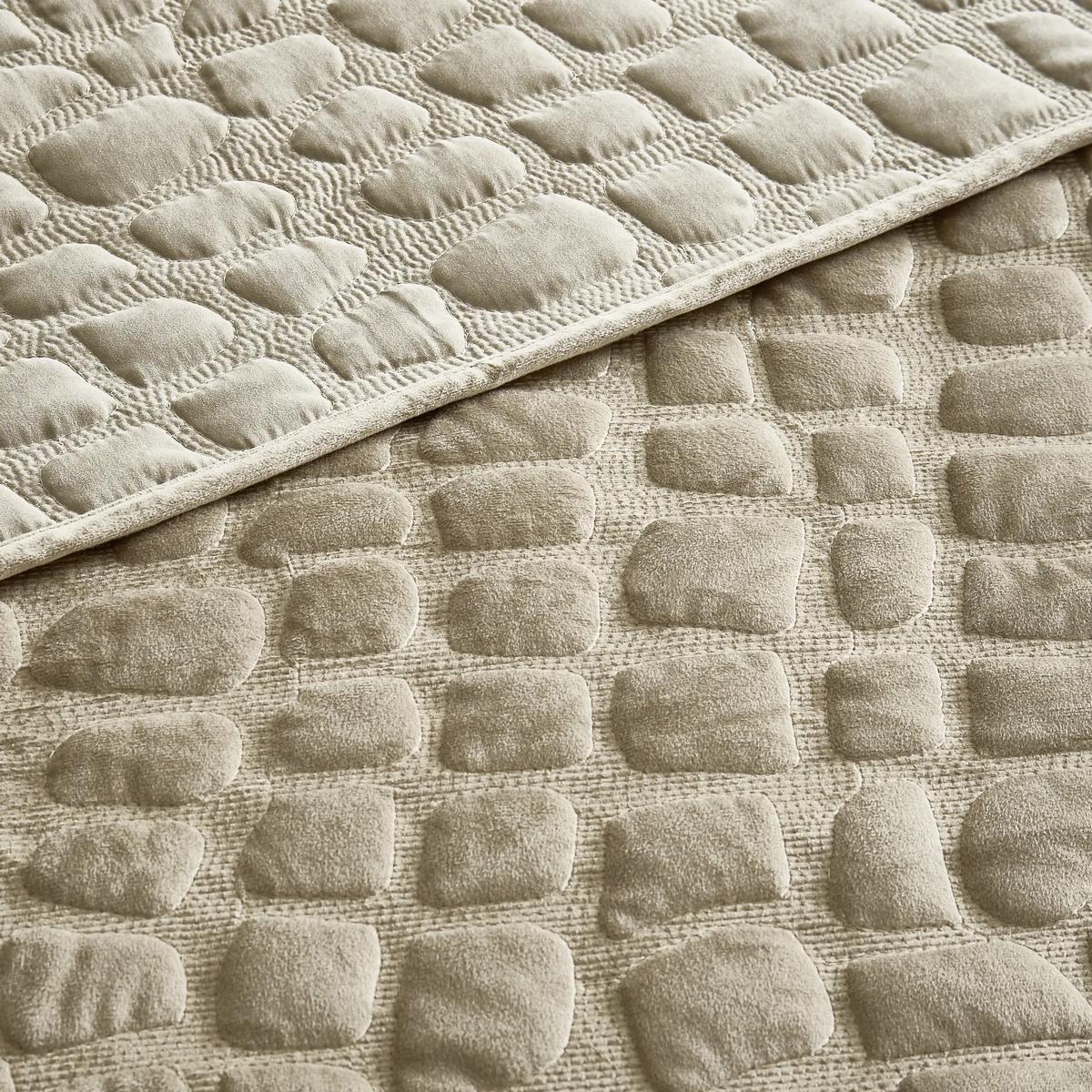 Valen Velvet Quilt Set - Sand$199
A plush sand velvet quilt set featuring a croc-inspired pattern and refined piped edges.
Add To Cart -
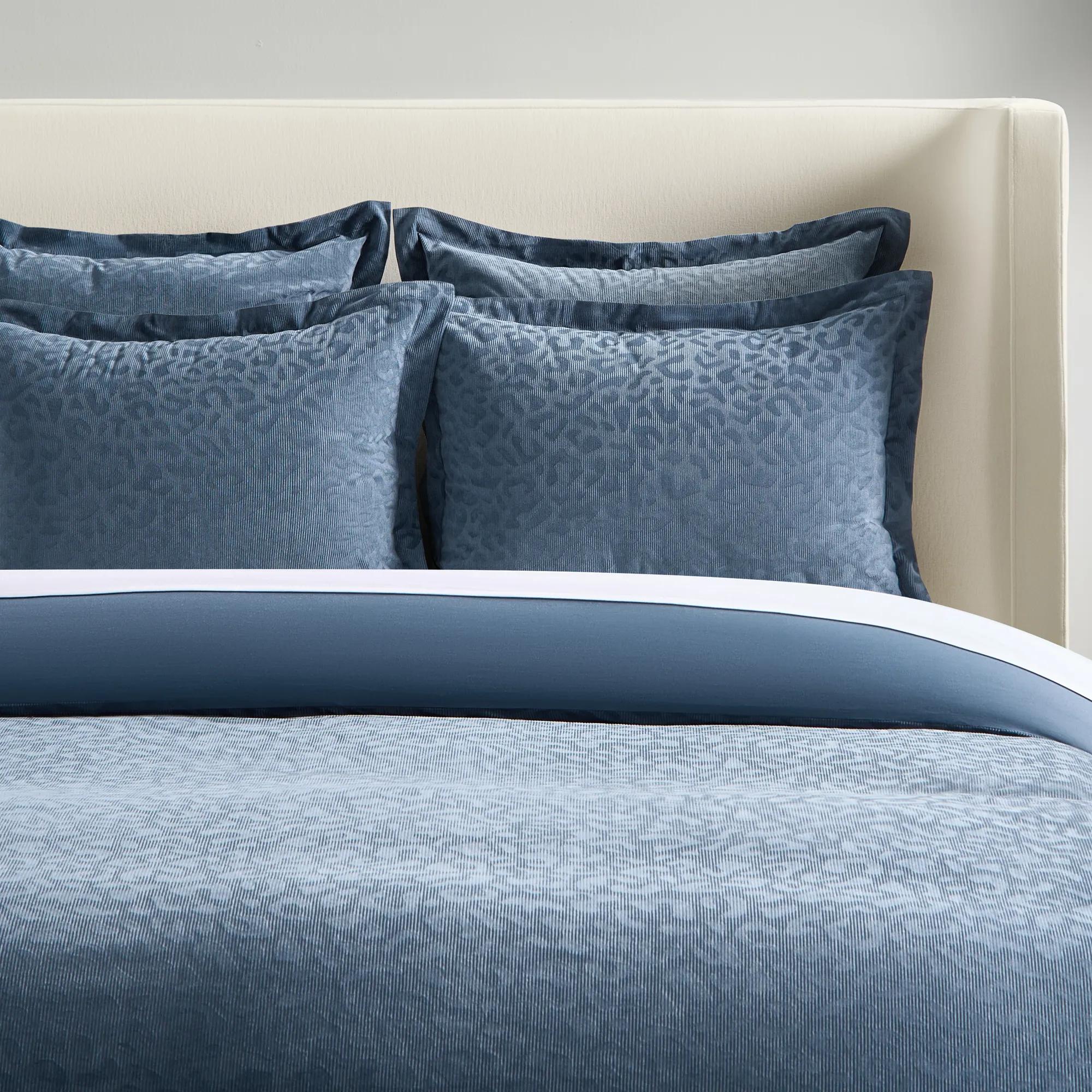
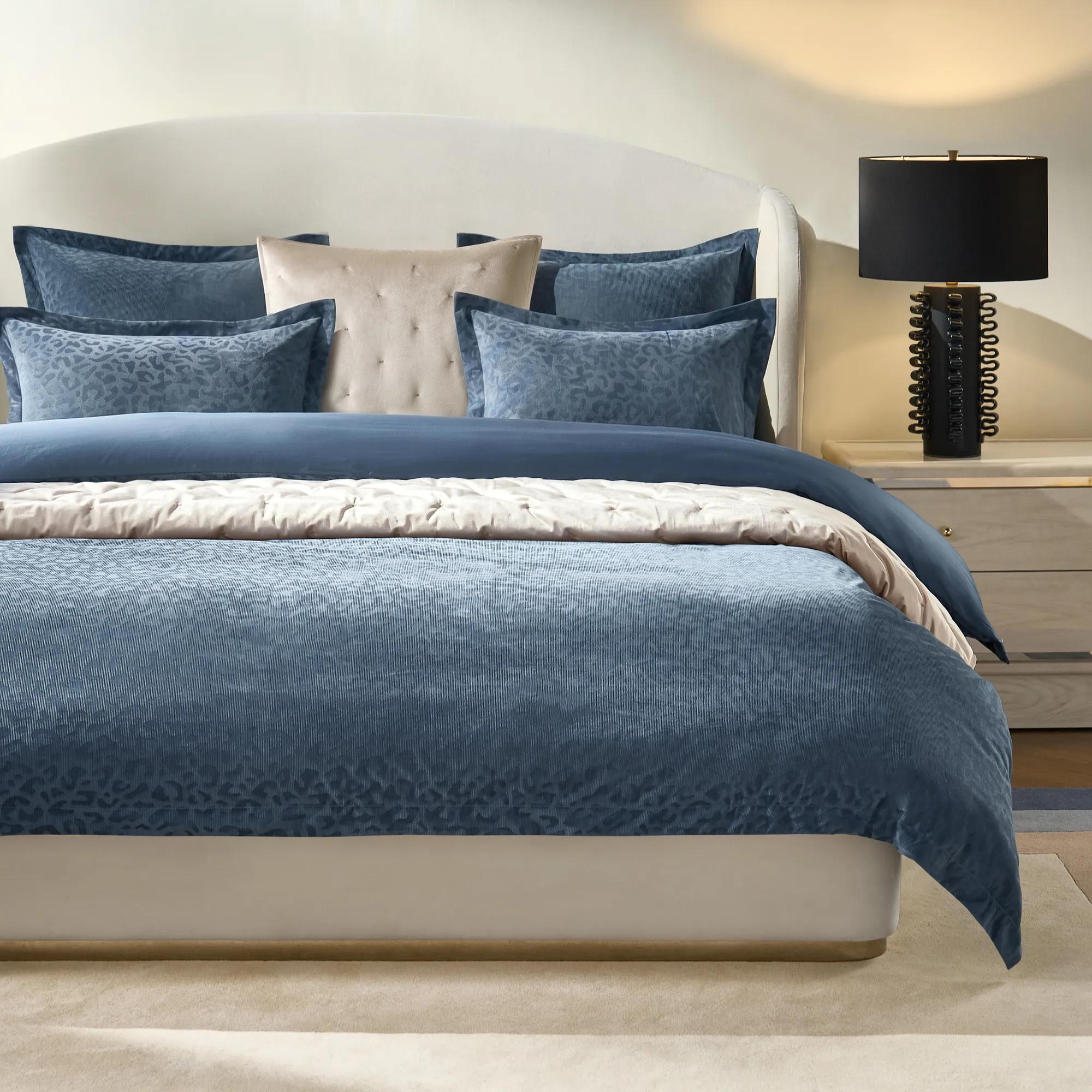 Leopard Dusty Blue Cotton Corduroy Velvet Bedding Set$199
A dusty blue bedding set featuring tonal leopard print on corduroy-textured velvet with a cotton backing.
Add To Cart -
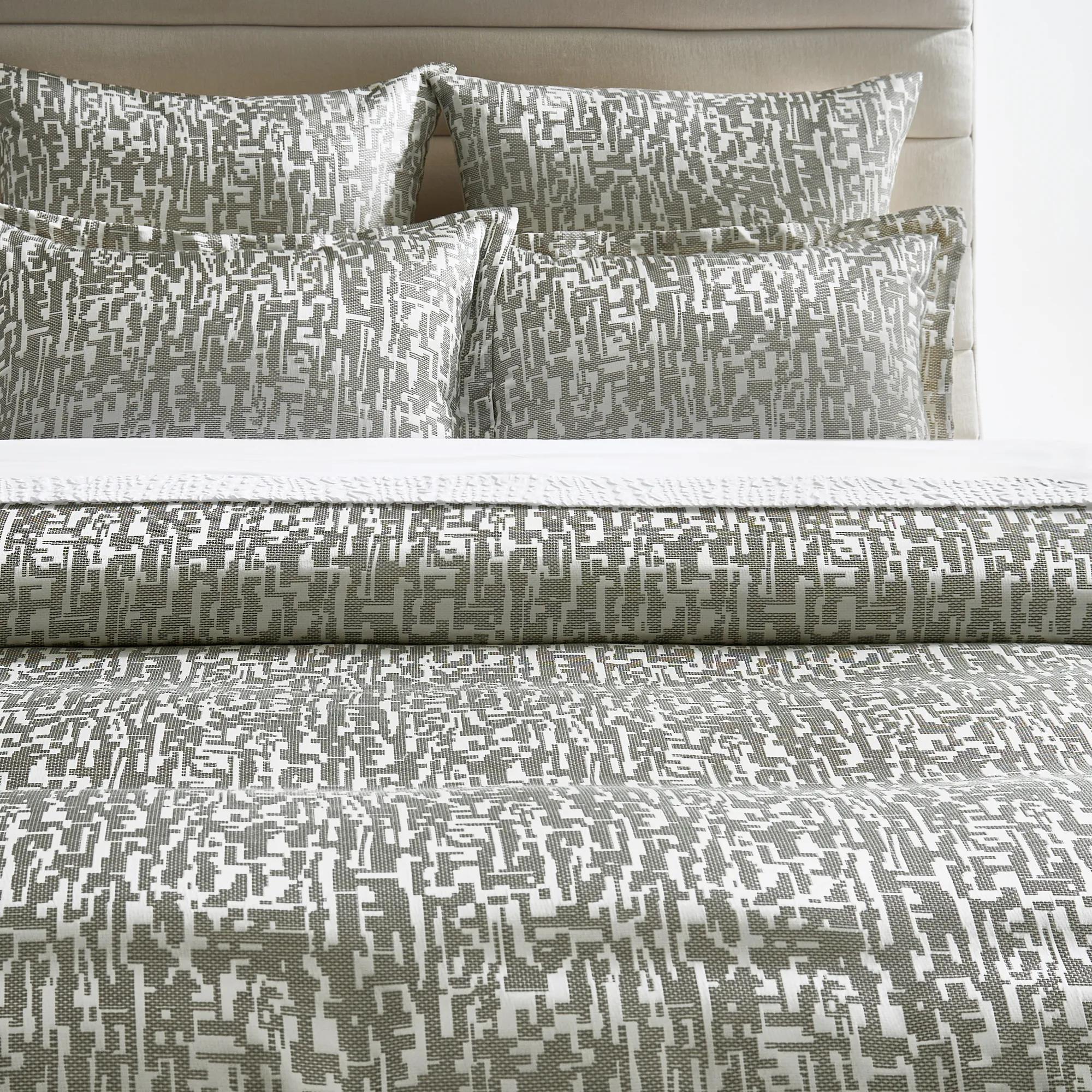
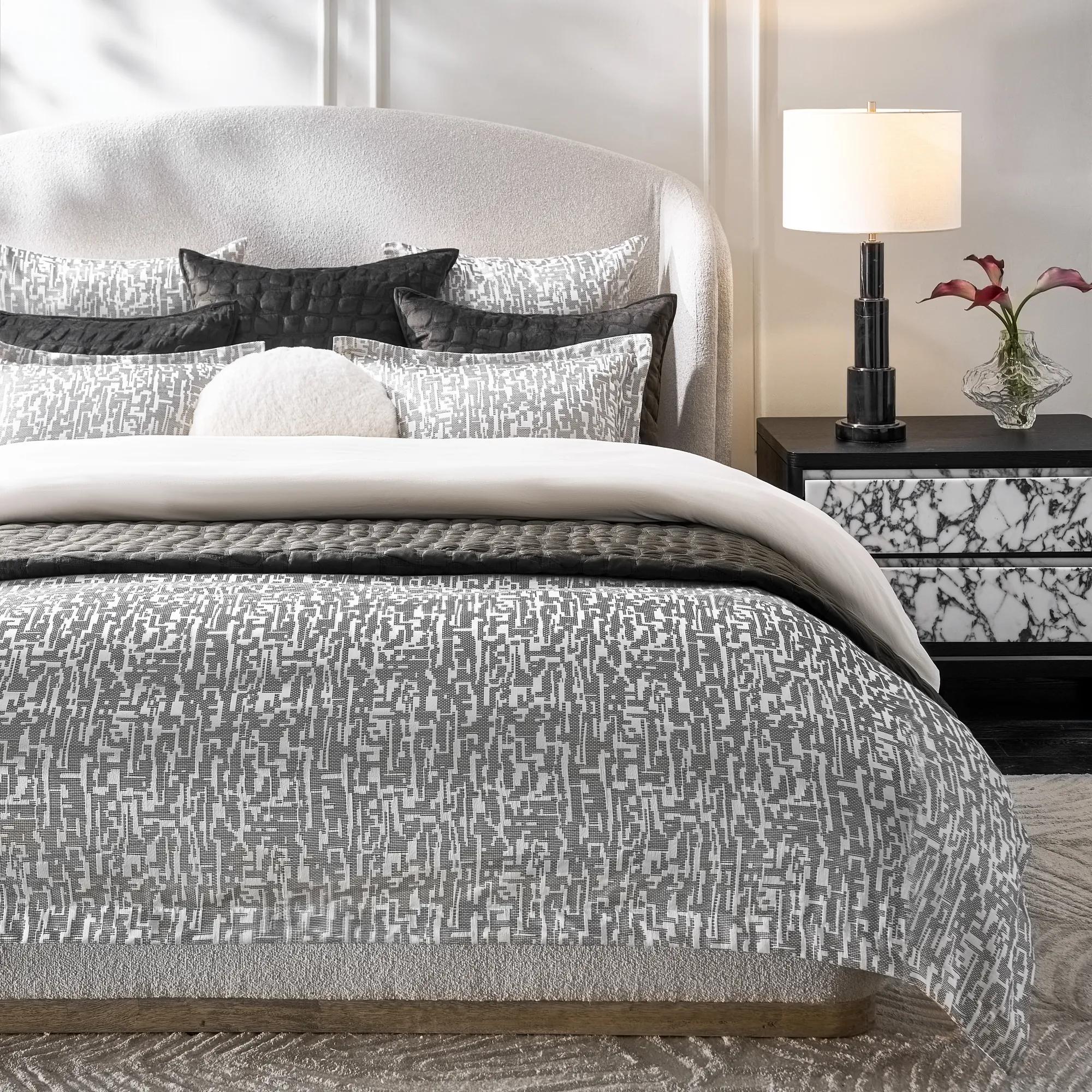 Podva Embroidered Bedding Set - Pearl/ Charcoal$69
A smooth satin bedding set in pearl and charcoal, featuring abstract embroidery and a polished flange edge.
Add To Cart

Soft Touch Bedding Collections
Soft Touch Bedding Collections transform the ordinary act of rest into a nightly ritual of indulgence. Imagine sinking into layers that caress the skin with a whisper-soft embrace, inviting you to linger just a little longer in bed’s cocooning comfort. Each piece in our Soft Touch Bedding Collections is thoughtfully curated for those who believe that luxury is found in life’s most intimate moments—where sumptuous textures and artful design elevate your sanctuary from simple to spectacular. Let your bedroom become an oasis of serenity and style, where every detail is crafted to delight the senses and inspire sweet dreams.
Soft touch bedding collections bring a sense of indulgence to the bedroom through supple fabrics, inviting textures, and coordinated layers that make the bed feel as considered as the room around it. The phrase describes a tactile quality rather than a single material: softness can come from the fiber itself, the fineness of the yarn, the weave, or the finishing process. Depending on the collection, bedding may include sheets, pillowcases, duvet covers, comforters, coverlets, and decorative shams, each contributing a different dimension to the finished bed. Smooth foundations create an intimate layer against the skin, while dimensional stitching, a subtle sheen, or a plush accent introduces visual depth. Cotton is a familiar choice for its absorbency and versatile feel, though its character changes with construction. Cotton sateen typically has a smoother surface and a gentle luster, while percale has a more matte appearance and a crisp hand that can soften with laundering. Fine microfiber, often made from polyester, can offer a velvety feel with a fluid drape; its care requirements and resistance to wrinkles depend on the particular fabric. Lyocell and blended fabrics may lend a silky touch, while velvet and other pile fabrics create a richer surface for decorative layers. Fiber content alone does not tell the whole story. Fabric weight, yarn quality, weave, and finishing all influence how bedding feels, falls, and holds its appearance. Thread count is useful context for some woven fabrics, but it is not a universal measure of softness or durability. A beautifully dressed bed balances these practical qualities with an expressive point of view: luminous ivory against a sculptural headboard, smoky gray layered with pearl-toned shams, or a saturated accent that gives an otherwise restrained palette its signature. The appeal is both personal and visual—a bed that feels welcoming at the end of the day and lends the bedroom a composed, unmistakably luxurious presence. Even a monochromatic arrangement can feel richly layered when matte, lustrous, and raised surfaces catch the light differently.
The most successful bedding arrangements pair that visual drama with proportions that suit the mattress and the way the bed is used. Standard size names are a starting point, but actual measurements matter, especially with deep mattresses, added toppers, substantial bed frames, or a preference for a generous overhang. A fitted sheet needs enough pocket depth to accommodate the full mattress profile without pulling at the corners, while a duvet cover should correspond closely to its insert for an even, full appearance. An insert that is much smaller than its cover can leave empty edges; one that is too large may bunch rather than settle into a graceful silhouette. Where included, interior ties help keep a compatible insert aligned, and secure closures help maintain a polished finish. Pillowcase and sham dimensions deserve the same attention, since a tailored outline depends on the relationship between the cover and the pillow inside. Beyond fit, the intended use shapes the composition. A primary bedroom may call for a smooth, easily refreshed foundation beneath a richly textured coverlet, while a guest bedroom benefits from coordinated layers that are comfortable, straightforward to care for, and simple to arrange between visits. For someone who reads in bed, the distinction between sleeping pillows and decorative shams keeps the arrangement functional without sacrificing its sculptural effect. A smaller number of substantial layers can look more deliberate than an abundance of competing details. Let a quilted surface provide rhythm, give a lustrous duvet room to drape, or repeat a single accent shade in the shams to connect the bedding with nearby artwork. For another expression of this dimensional approach, Soft Textured Bedding Sets offer a related perspective on tactile layering. The goal is not rigid uniformity, but a harmonious relationship between touch, scale, and color, with enough contrast to make each fabric feel intentional.
Lasting softness depends on care as much as initial fabric selection, making maintenance an important part of choosing bedding for everyday use. Care labels should guide washing, drying, ironing, and any professional cleaning, particularly when a piece combines several materials or includes embroidery, raised textures, decorative trim, or a pile surface. Machine-washable sheets and covers can make regular refreshing more manageable, but washable does not mean every fabric should receive the same treatment. Appropriate detergent, the recommended cycle, and sufficient space in the machine help fabrics move freely and rinse thoroughly. Closing zippers or other fasteners before washing, when directed, can help limit snagging, while separating bedding from rough towels and exposed hardware protects delicate surfaces. Drying deserves equal attention: excessive heat can damage some fibers and finishes, and bedding should be fully dry before it is folded or returned to the bed. Fabric softener is not automatically the answer to preserving a supple feel; some materials and finishes perform better without it, so the label remains the most reliable reference. Durable construction also matters. Secure seams, neatly finished edges, and well-attached closures support repeated use, while decorative details may require a gentler routine. Rotating between sets can distribute wear and make laundry less disruptive, particularly in a frequently used bedroom. These considerations make soft bedding a thoughtful gift for a wedding, housewarming, or newly furnished bedroom, provided the recipient’s mattress size, preferred materials, and care habits are known. Someone who favors uncomplicated laundering may appreciate a different fabric than someone drawn to intricate texture and decorative finishing. Color is equally personal: a restrained foundation leaves room for changing accents, while a deeper hue can establish the entire room’s mood. Chosen with that level of attention, soft touch bedding becomes more than a finishing layer. It brings tactile pleasure to a daily ritual and gives the bedroom a distinctive elegance that remains intimately, comfortably livable.
FAQs
Soft Touch Bedding Collections are most commonly crafted from high-quality microfiber or expertly blended fabrics, often double-brushed to achieve an ultra-smooth, velvety texture. These materials are chosen for their remarkable softness, durability, and ability to maintain a luxurious hand-feel wash after wash.
Soft Touch bedding instantly elevates the ambiance of any bedroom by introducing a layer of tactile luxury and visual sophistication. The gentle sheen and sumptuous texture create a welcoming retreat, while the carefully curated colors and patterns allow you to express your personal style, transforming the bed into a true statement piece.
Absolutely. The breathable construction of Soft Touch bedding makes it a versatile choice for every season. While it provides warmth and coziness during the colder months, its lightweight and airy feel ensures comfort even as the weather shifts, making it an ideal foundation for year-round relaxation.
Soft Touch bedding makes an inspired gift for anyone who values comfort and style in their home. It is especially cherished for occasions like weddings, housewarmings, or birthdays, offering recipients a daily dose of pampering and a beautiful addition to their bedroom sanctuary.
Soft Touch Bedding Collections are designed with versatility in mind, seamlessly complementing a range of interior aesthetics—from modern glamour to classic elegance. Their refined textures and thoughtfully selected color palettes allow them to blend harmoniously with existing décor or serve as a bold focal point in any bedroom design.