Soft Fabric Sofas
Soft Fabric Sofas
-

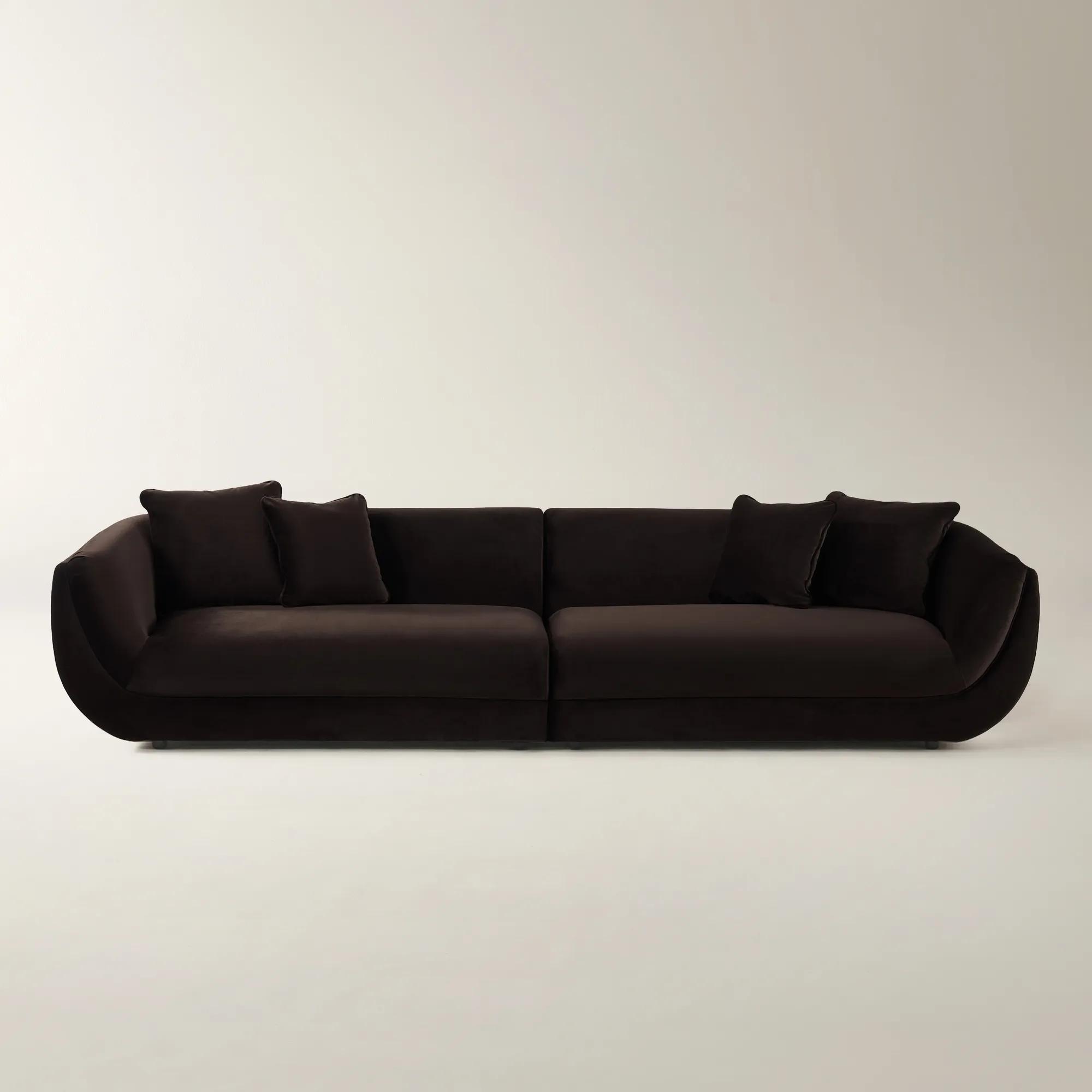
 Curvia 2-Piece Dark Chocolate Velvet Grand Sectional Sofa$2899
A modular sectional wrapped in dark chocolate velvet, featuring sculptural curves and deep, plush lounge seating.
Add To Cart -
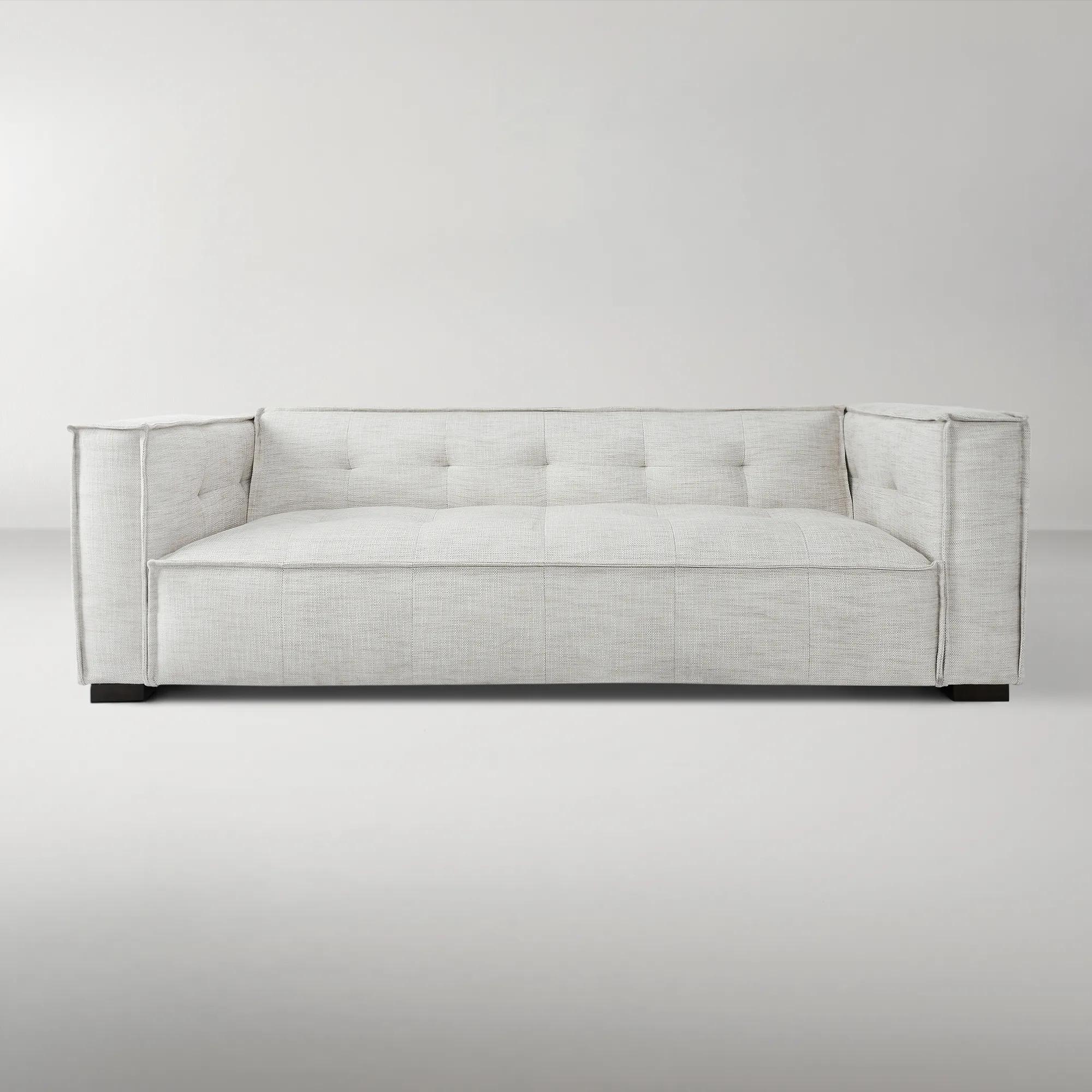
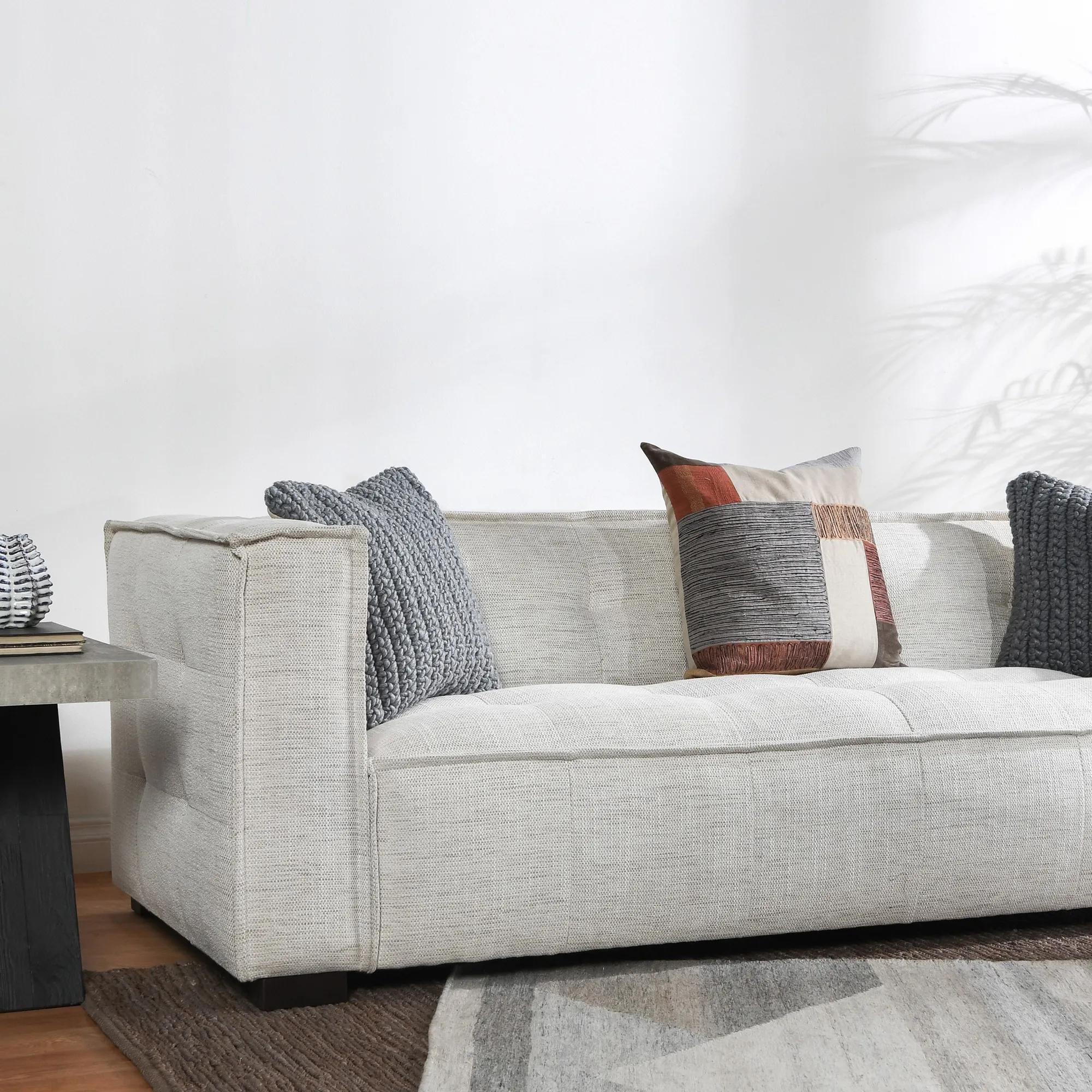 Element Box-Tufted Beige Sofa$2599
A transitional beige sofa handcrafted with a polyester blend and pine wood legs, seating up to four.
Add To Cart -
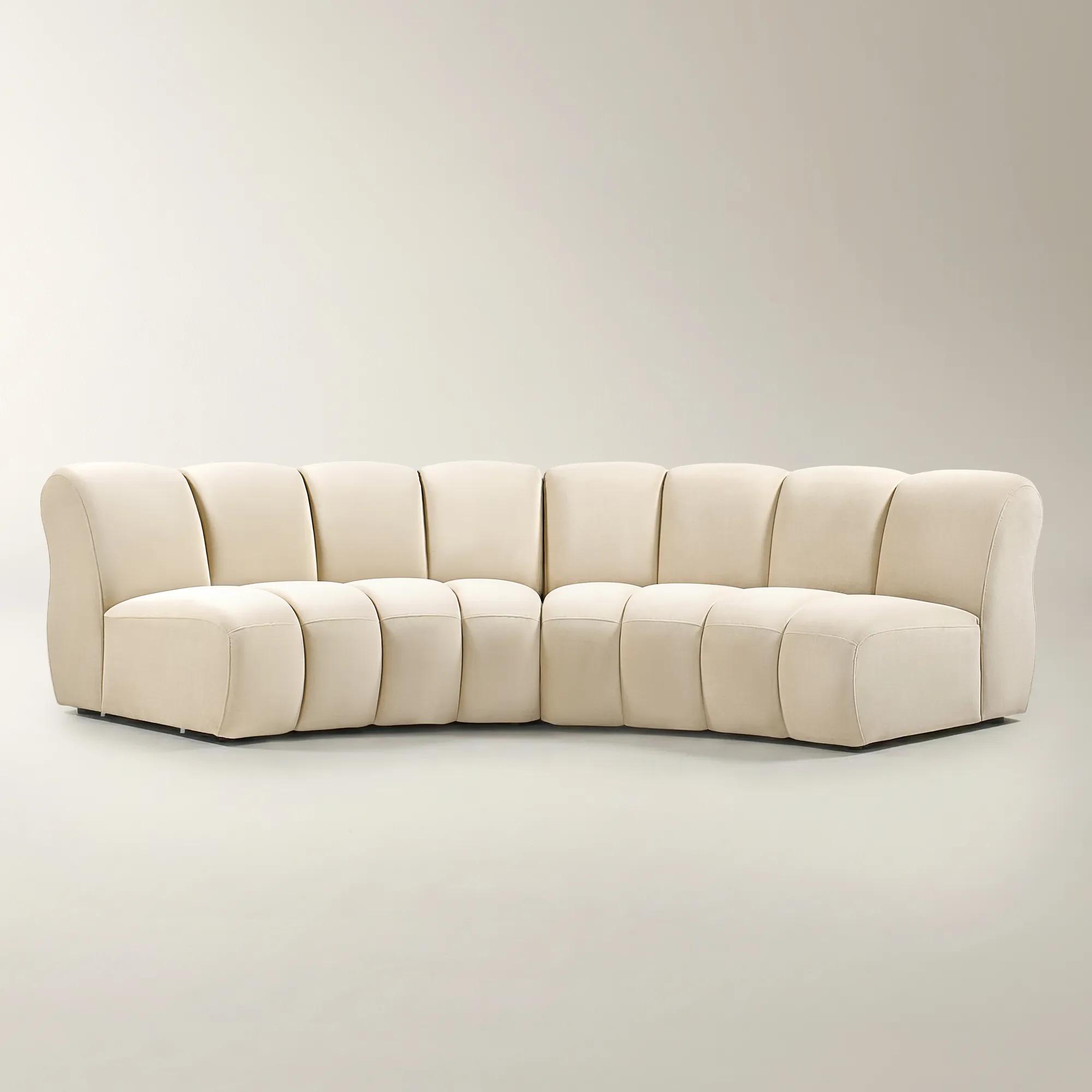
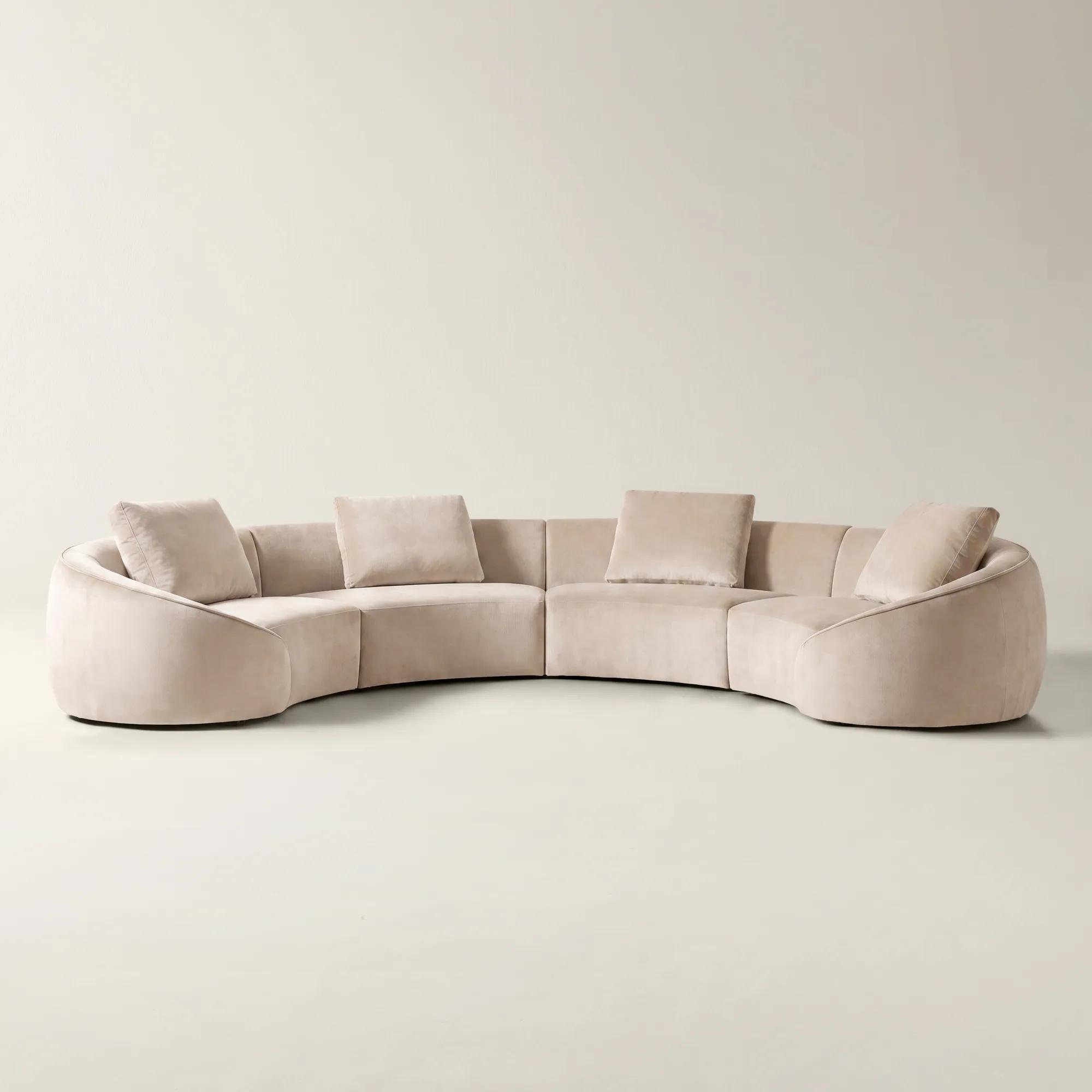
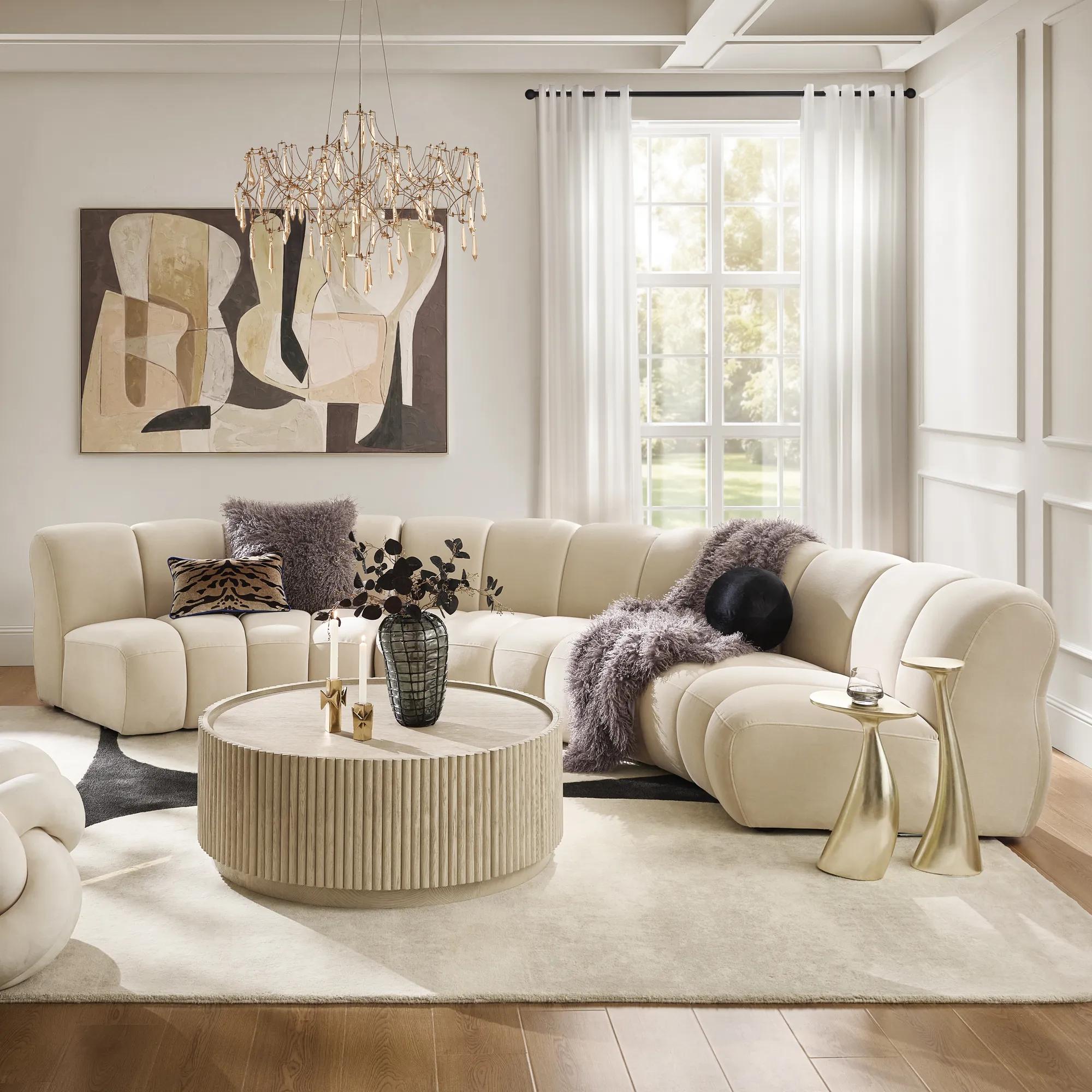 Jocelyn 2-Piece Channel-Tufted Oatmeal Velvet Sectional Sofa$2699
A sculptural oatmeal velvet sectional with deep channel tufting, curved silhouette, and modular, conversation-friendly design.
Add To Cart -
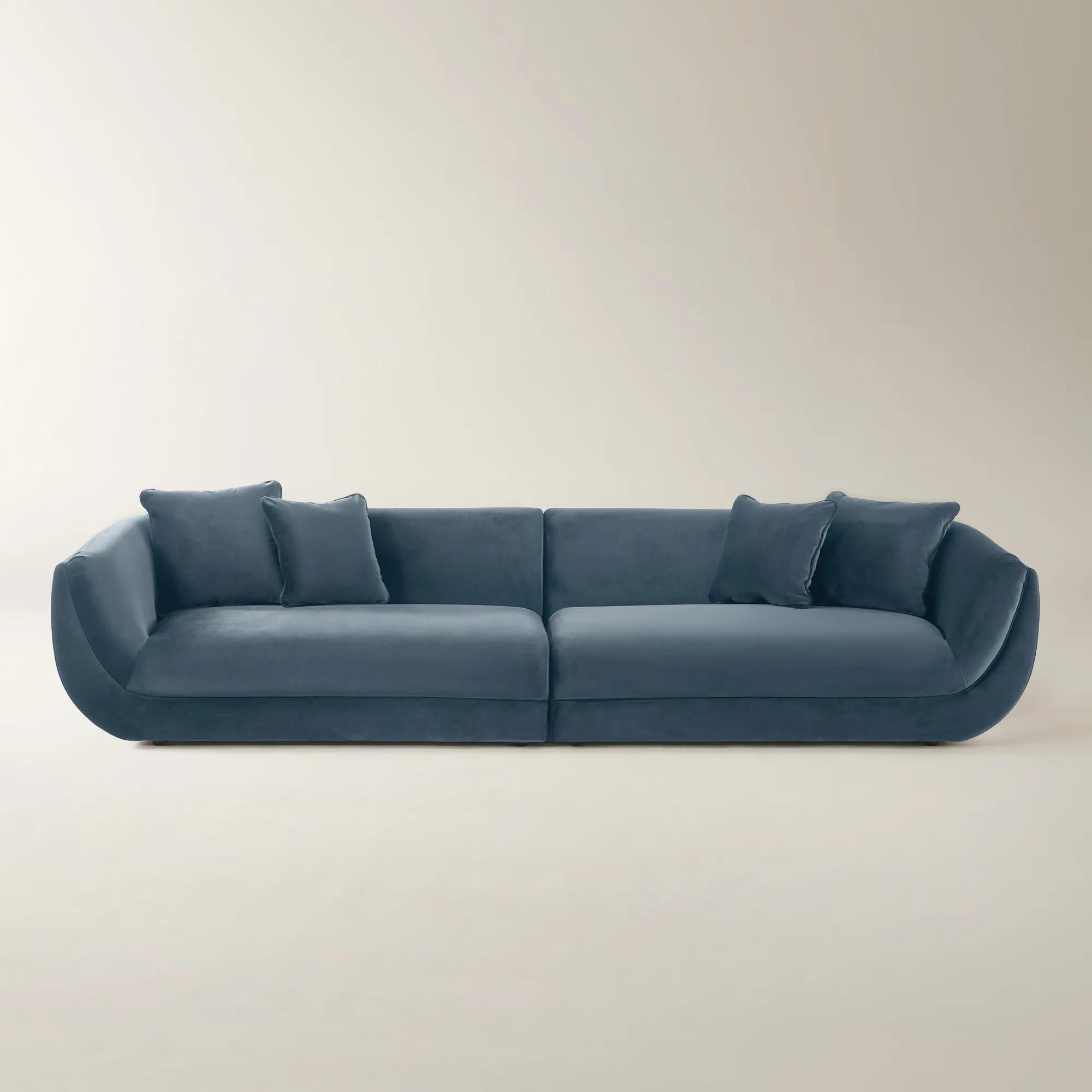
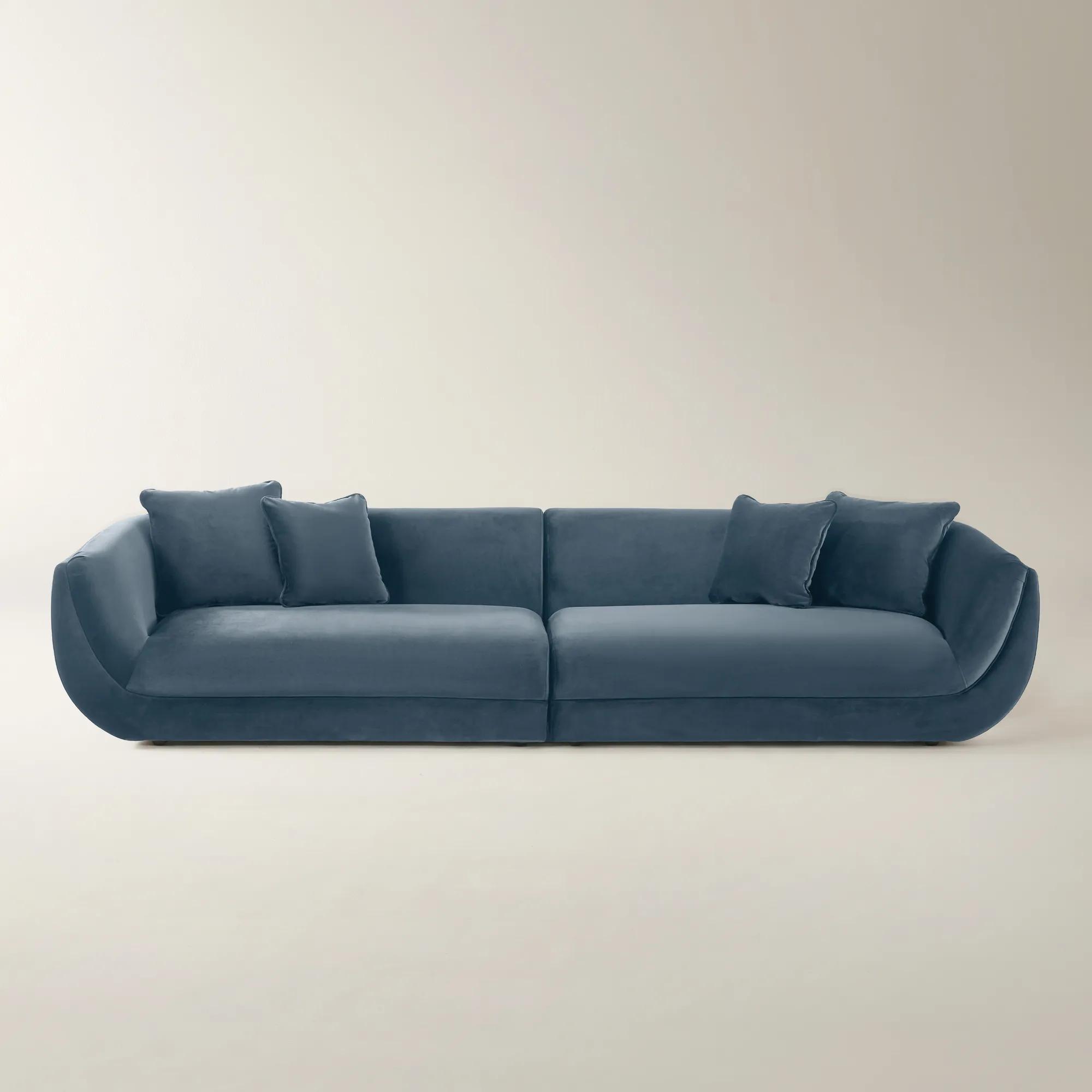
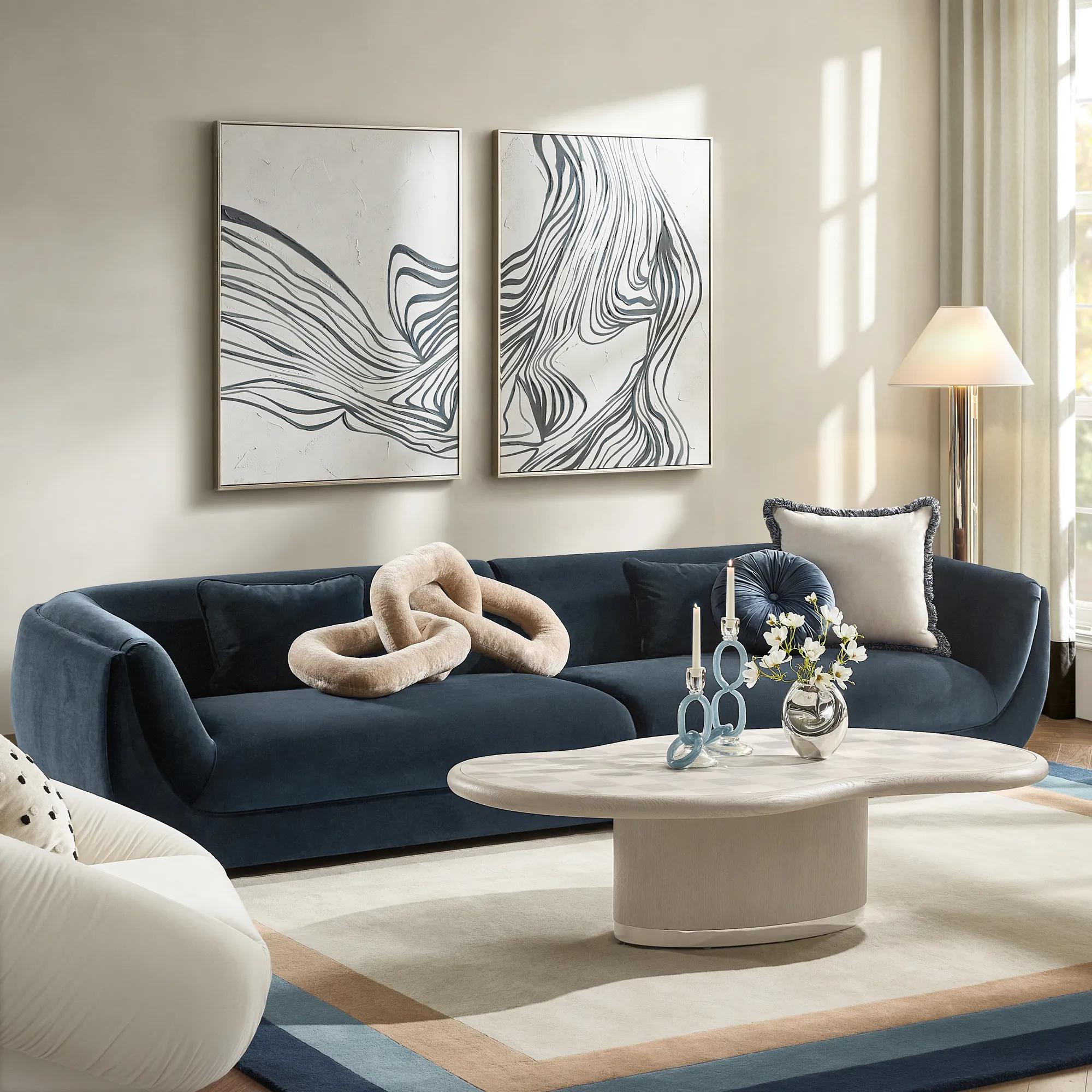 Curvia 2-Piece Dusty Blue Velvet Grand Sectional Sofa$2899
A plush, modular sectional wrapped in dusty blue velvet with sculptural curves and deep, lounge-worthy comfort.
Add To Cart -
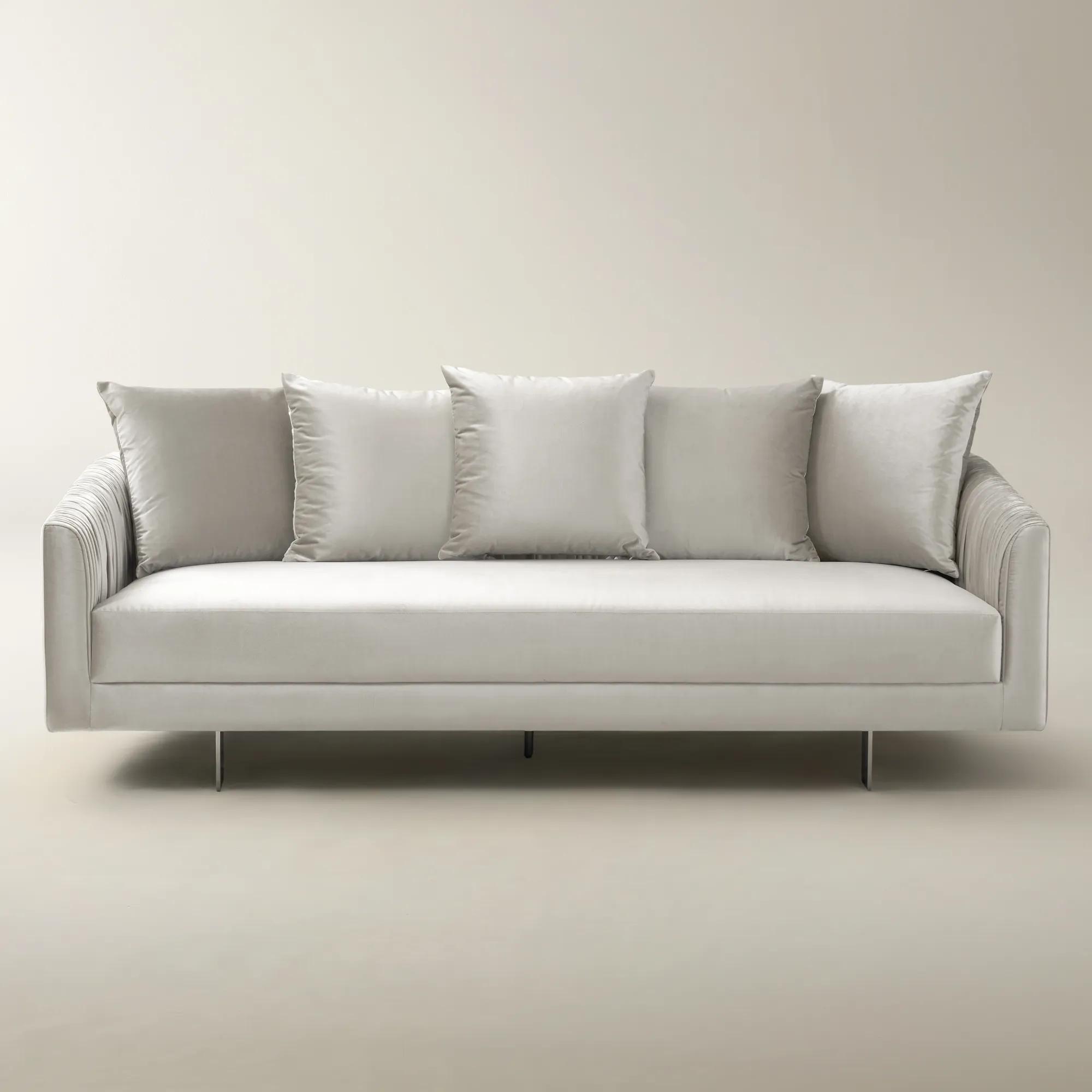
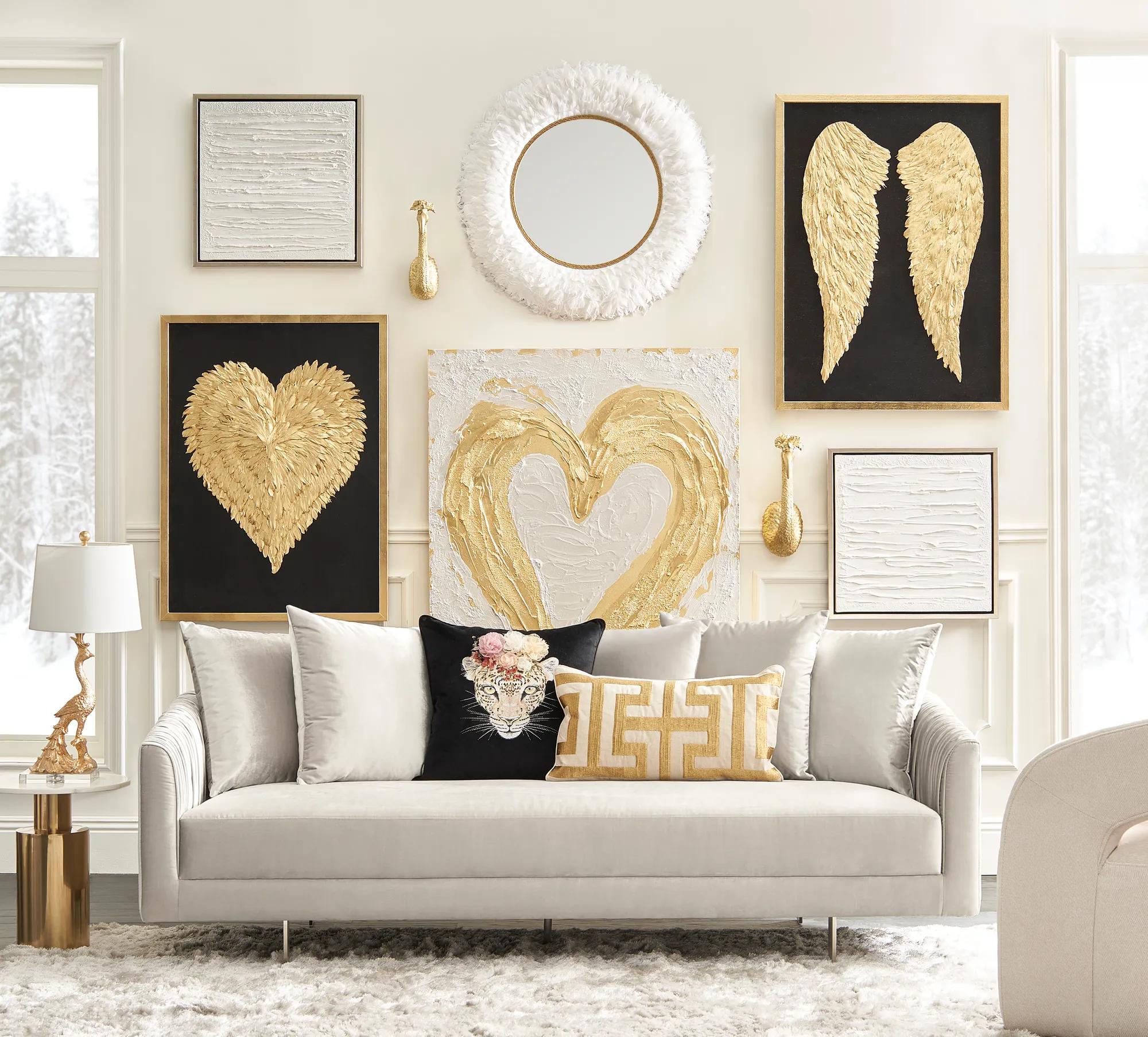 Isabel Softgrey Velvet Sofa$2599
A luxurious hand-tufted sofa with plush feather and foam cushions, nickel-brushed legs, and five pillows.
Add To Cart -
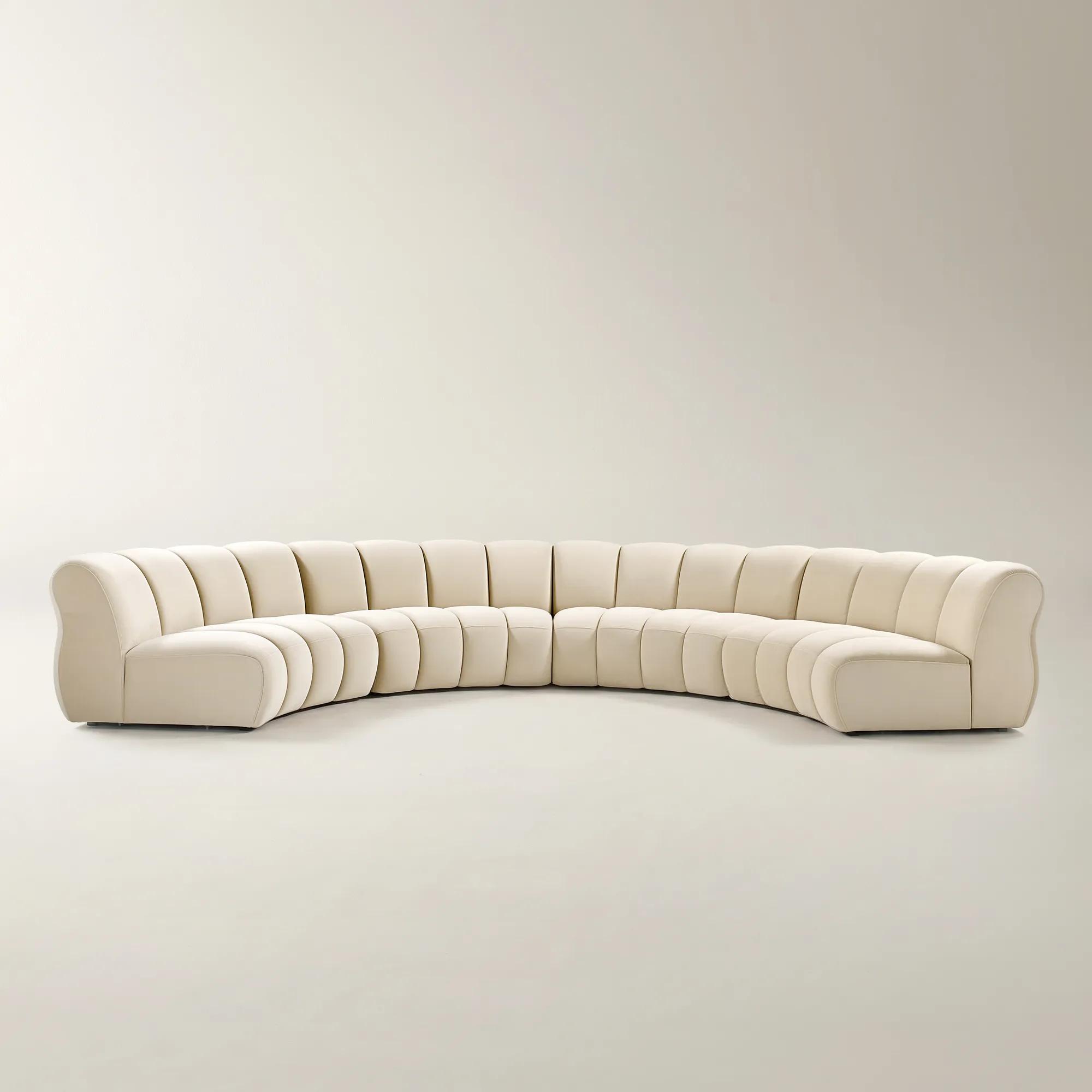
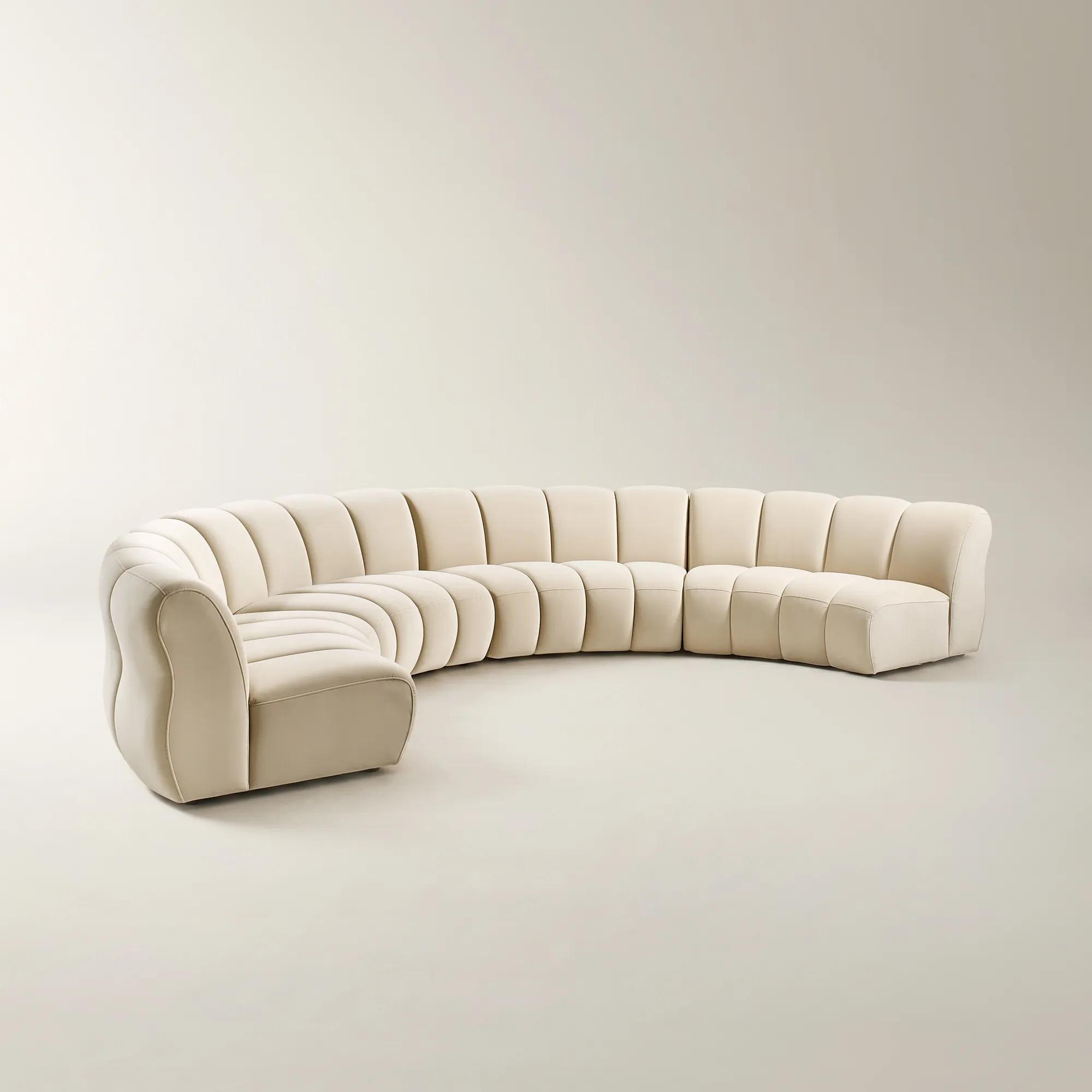 Jocelyn 4-Piece Channel-Tufted Oatmeal Velvet Sectional Sofa$4999
An oatmeal velvet sectional with deep channel tufting, curved silhouette, and modular design for versatile lounging.
Add To Cart -
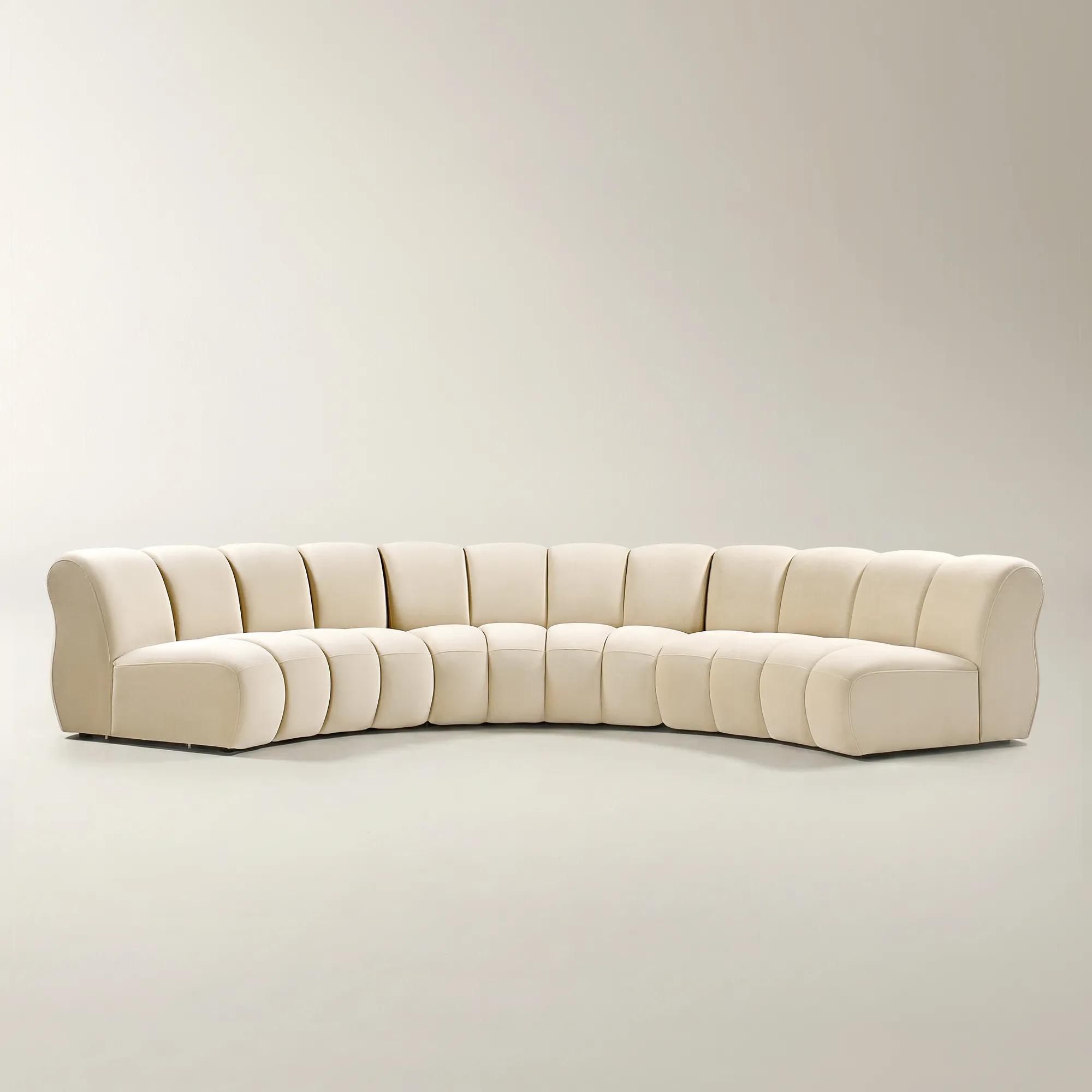
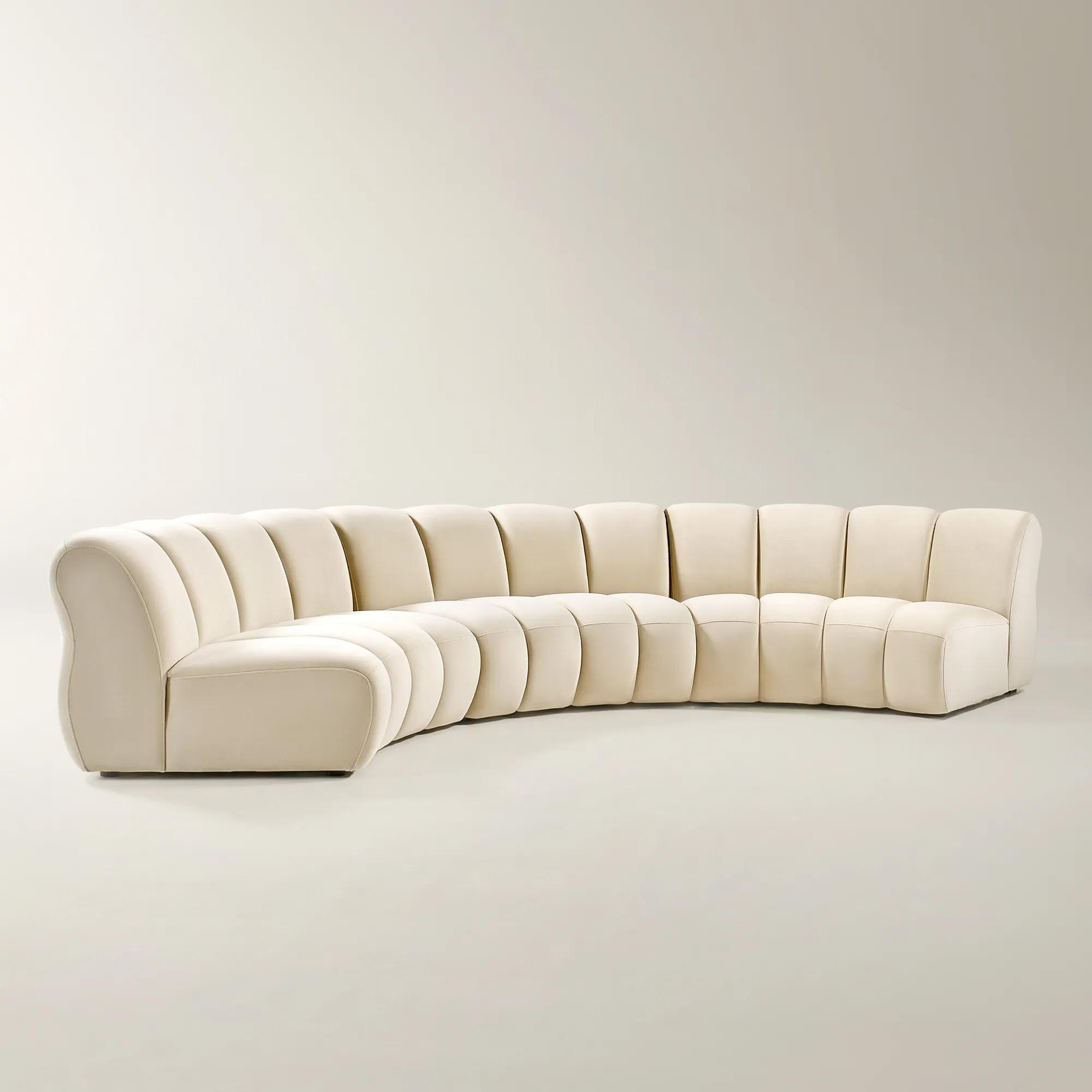 Jocelyn 3-Piece Channel-Tufted Oatmeal Velvet Sectional Sofa$4099
An oatmeal velvet sectional featuring deep channel tufting, sculptural curves, and modular, kiln-dried wood construction.
Add To Cart -

 Curvia 2-Piece Dark Chocolate Velvet Sectional Sofa$2699
A sculptural sectional wrapped in dark chocolate velvet with plush cushioning and modular, lounge-ready design.
Add To Cart -
 Asheville Beige Boucle Sofa$2399
A light grey boucle sofa with feather-filled cushions, removable slipcover, and kiln-dried solid oak feet.
Add To Cart -
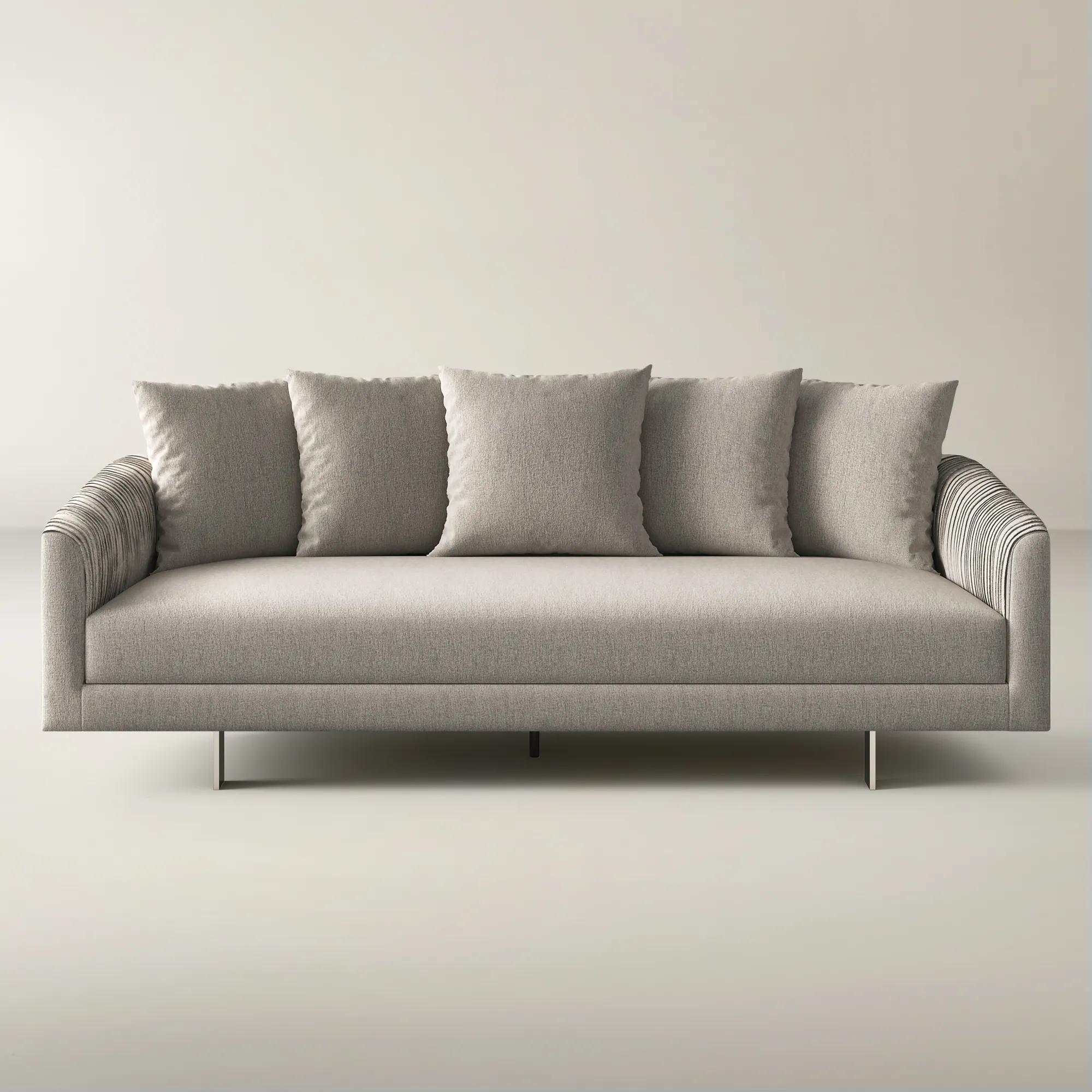 Isabel Moondust Chenille Sofa$2299
A luxurious hand-tufted sofa with plush feather and foam cushions, nickel-brushed legs, and five pillows.
Add To Cart -
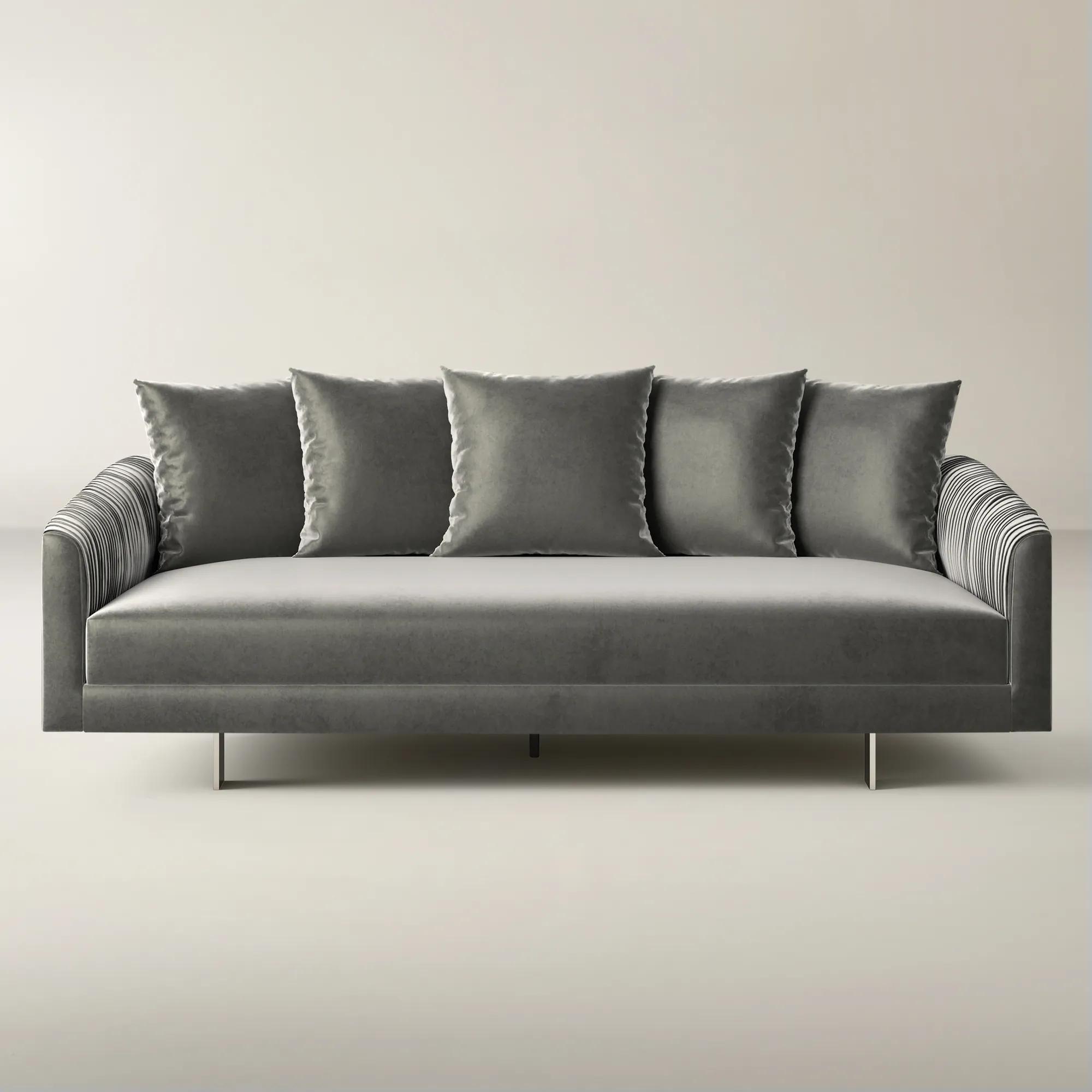 Isabel Ottergrey Velvet Sofa$2599
A luxurious hand-tufted sofa with plush feather-filled cushions, nickel-brushed stainless steel legs, and five decorative pillows.
Add To Cart -

 Reina 3-Piece Tufted Oatmeal Velvet Sectional Sofa$2499
A plush oatmeal velvet sectional featuring channel tufting, deep seating, and an architectural winged silhouette.
Add To Cart -
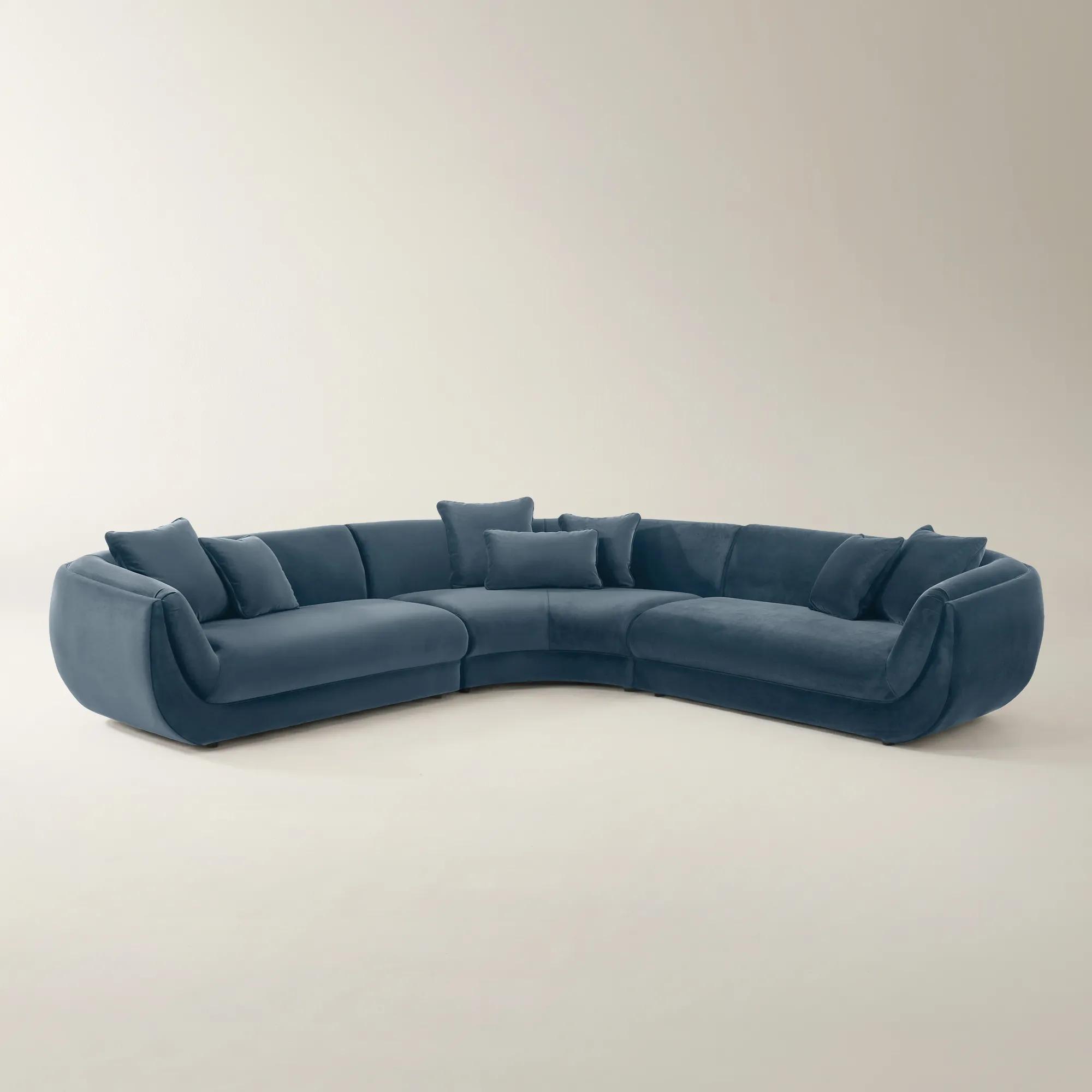
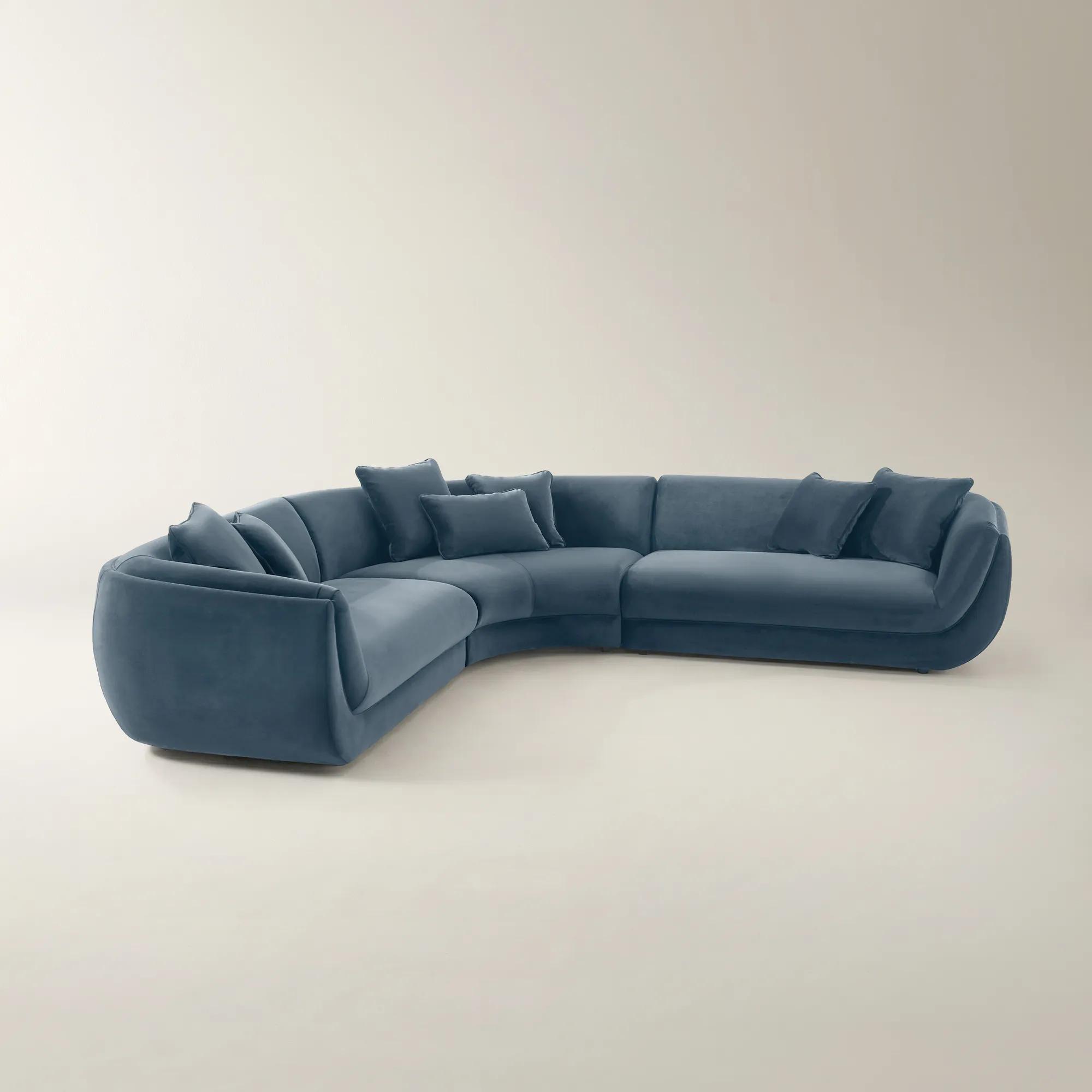 Curvia 3-Piece Dusty Blue Velvet Sectional Sofa$4599
A modular sectional wrapped in plush dusty blue velvet with deep lounge seating and sculptural curves.
Add To Cart -
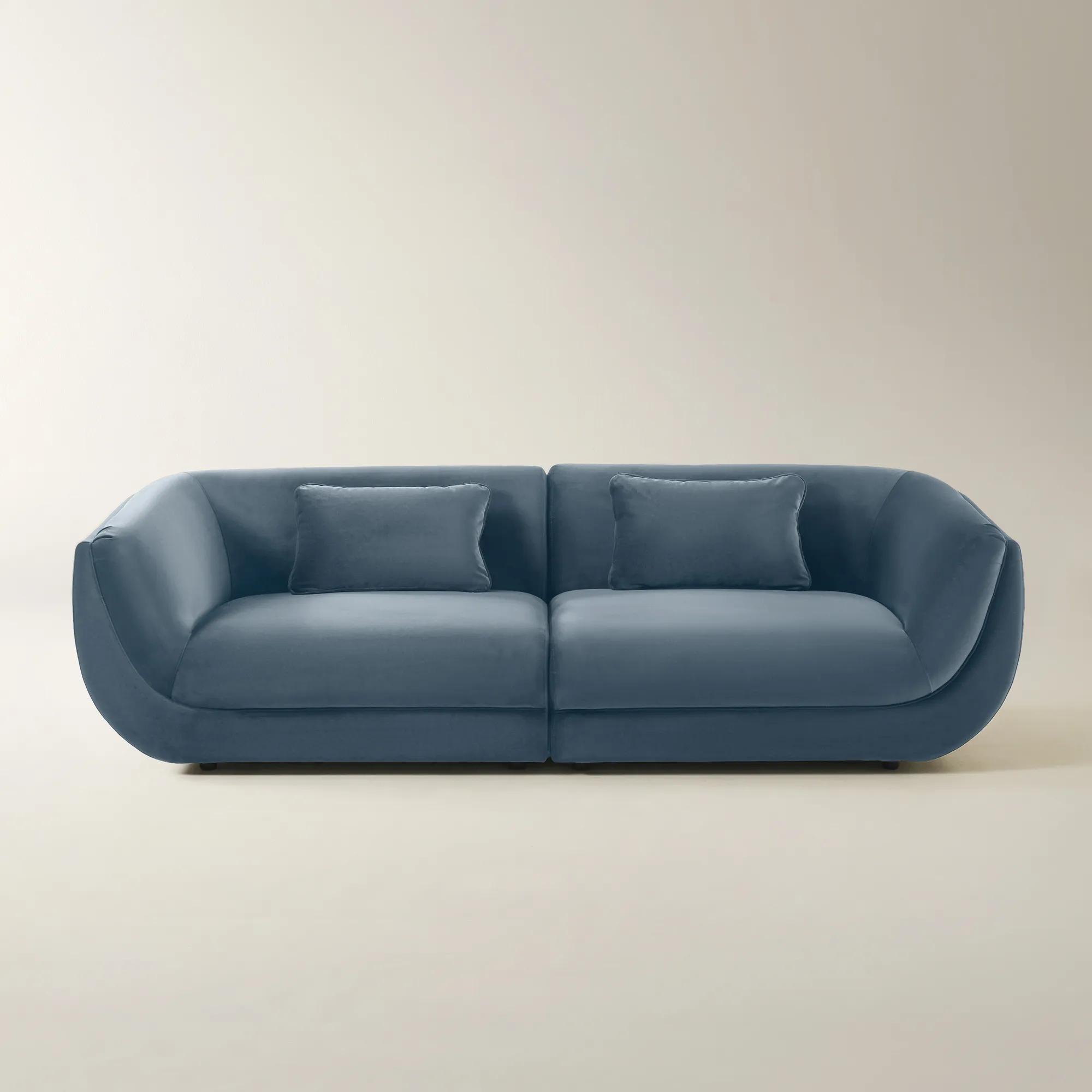 Curvia 2-Piece Dusty Blue Velvet Sectional Sofa$2699
A modular sectional wrapped in plush dusty blue velvet with sculptural curves and deep, lounge-worthy comfort.
Add To Cart -
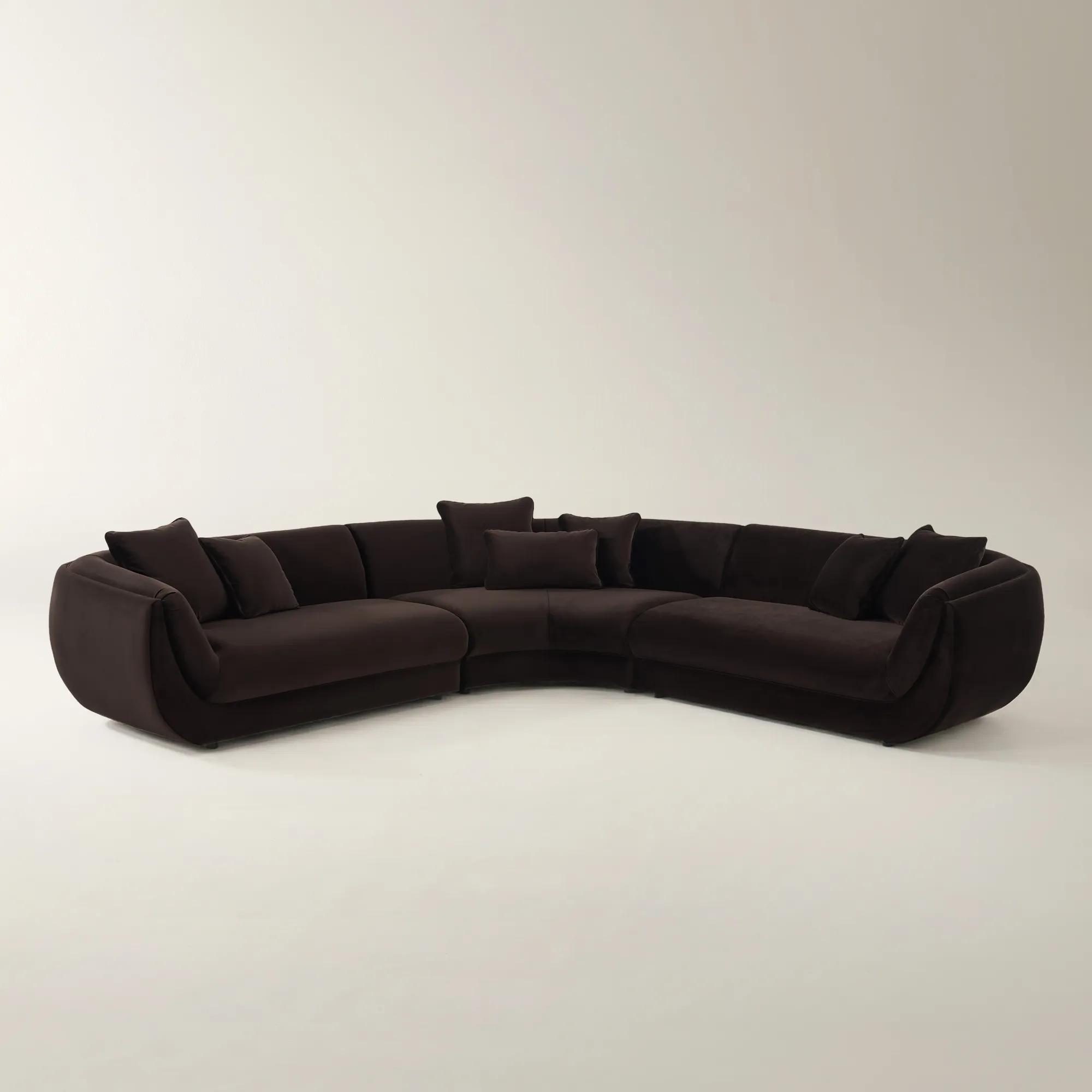
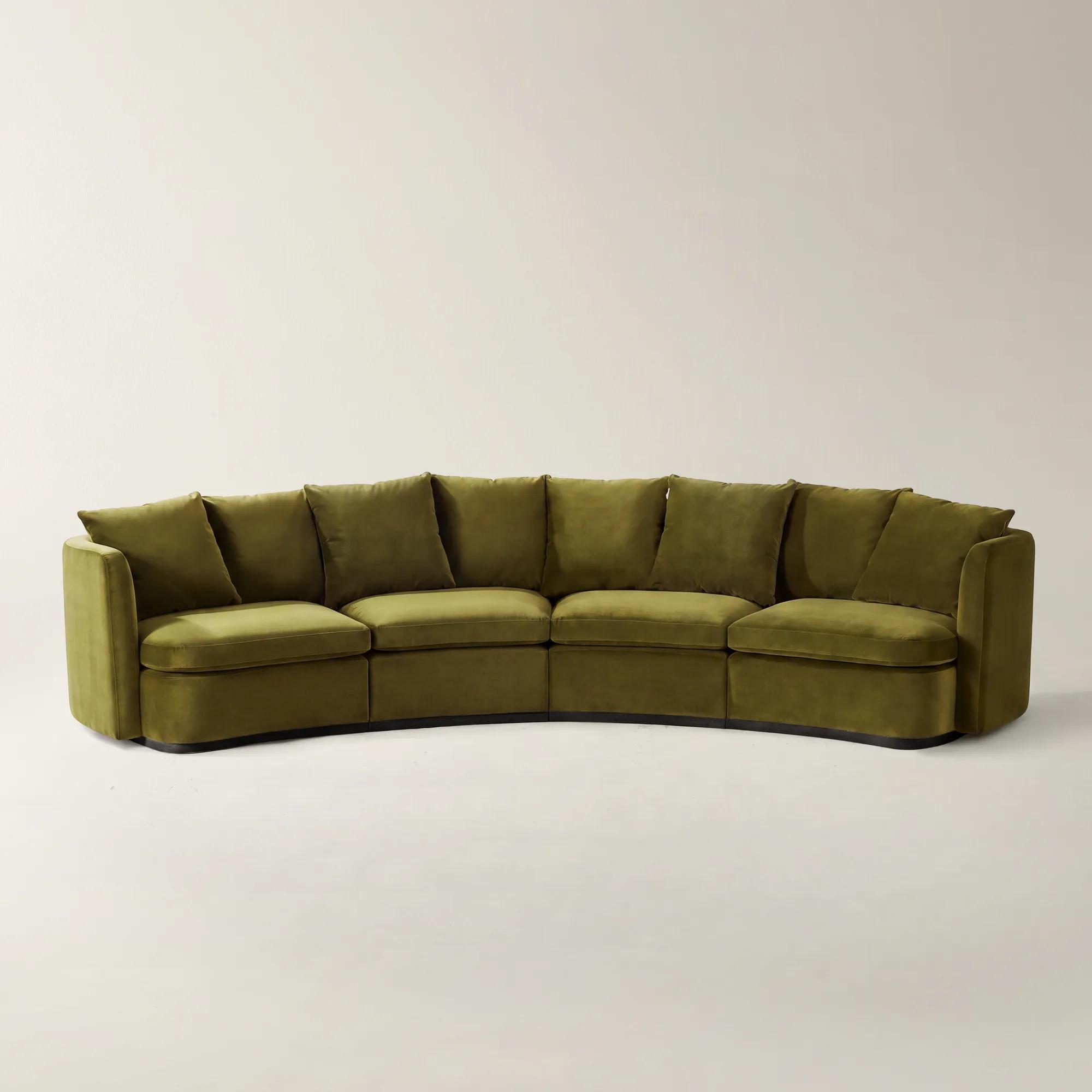
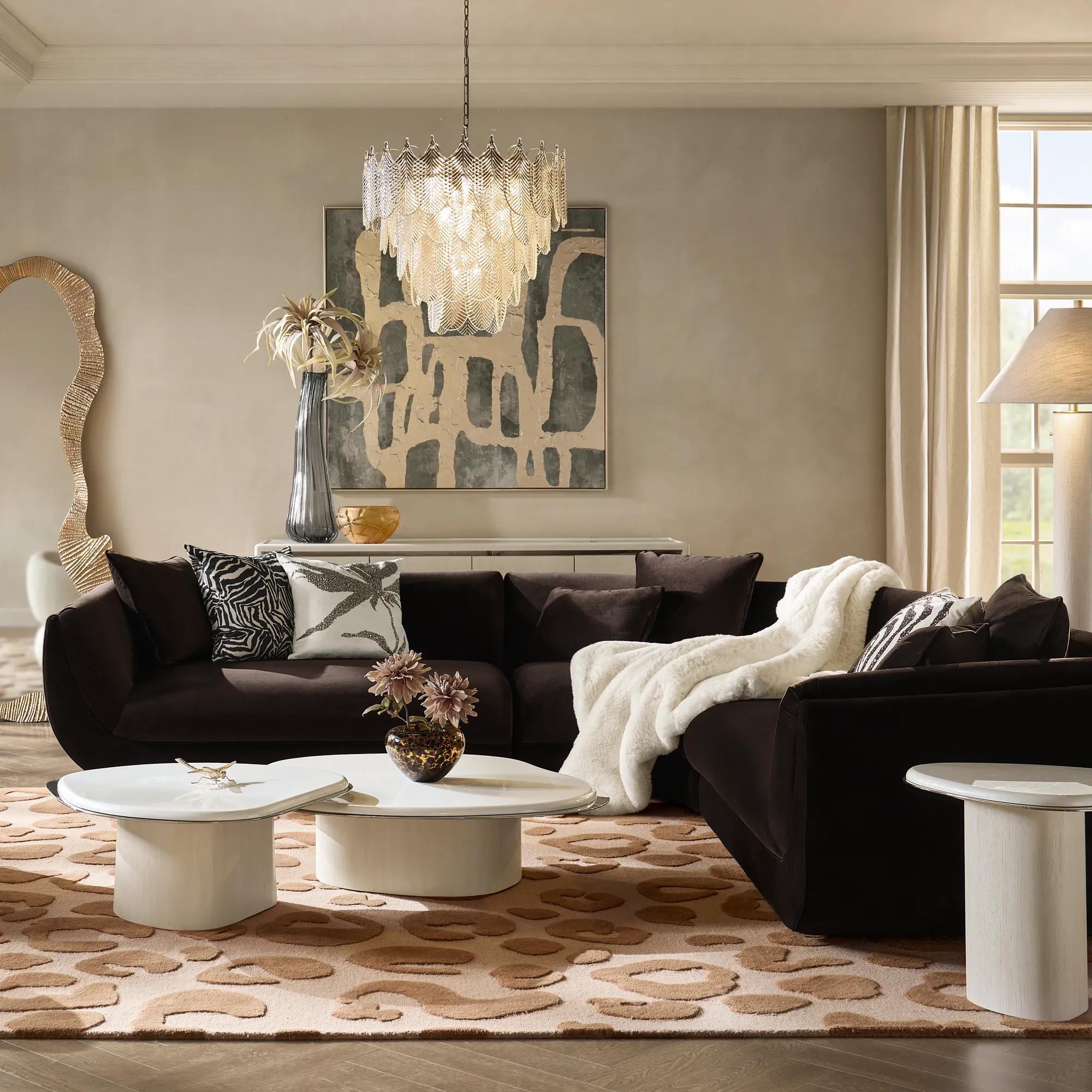 Curvia 3-Piece Dark Chocolate Velvet Sectional Sofa$4599
A modular sectional wrapped in dark chocolate velvet, featuring sculptural curves and deep, plush lounge seating.
Add To Cart -
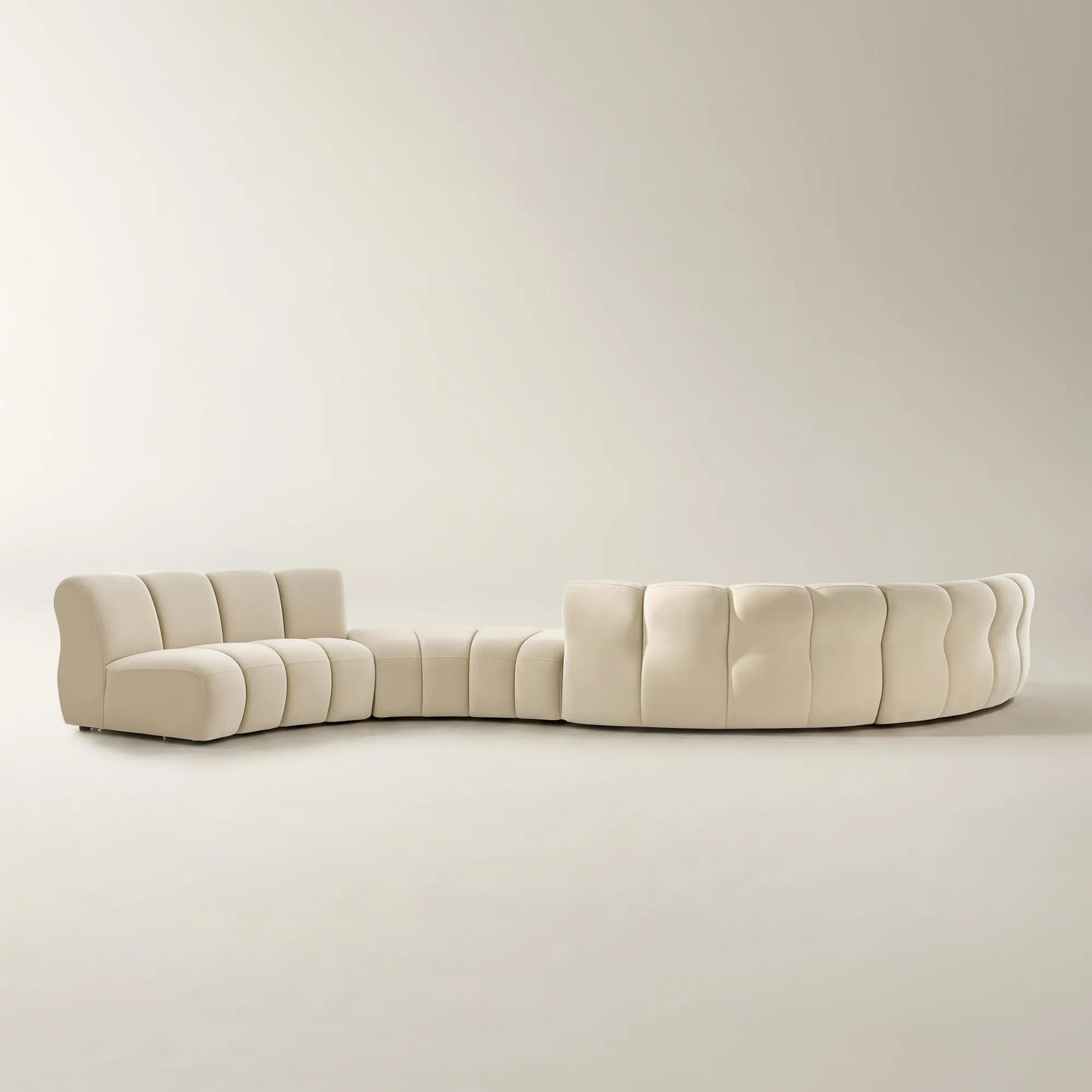 Jocelyn 4-Piece Channel-Tufted Oatmeal Velvet Sectional Sofa With Ottoman$4999
An oatmeal velvet sectional with deep channel tufting, curved silhouette, and modular design for flexible arrangements.
Add To Cart -
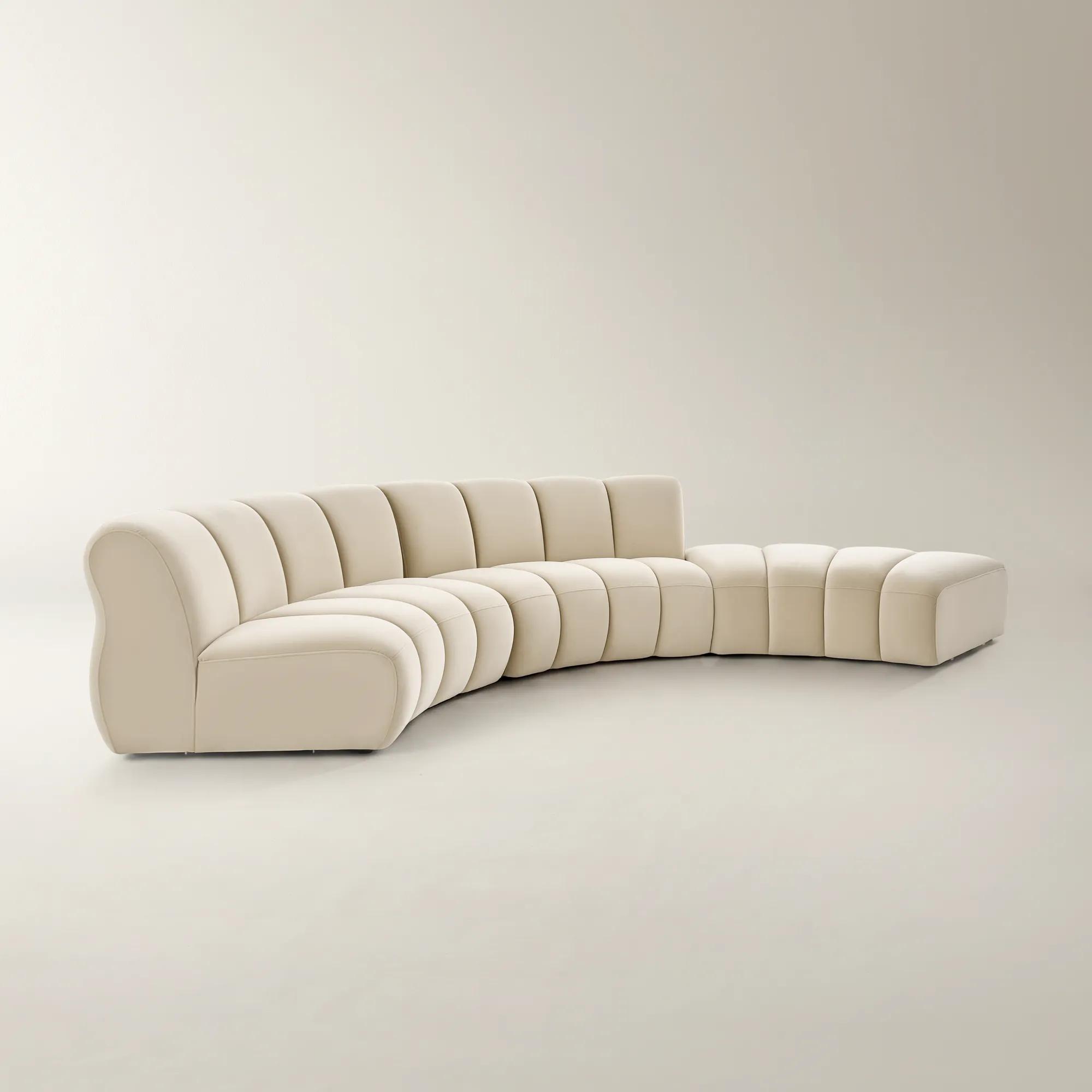 Jocelyn 3-Piece Channel-Tufted Oatmeal Velvet Sectional Sofa With Ottoman$3699
An oatmeal velvet sectional with deep channel tufting, curved silhouette, and modular design for versatile lounging.
Add To Cart -
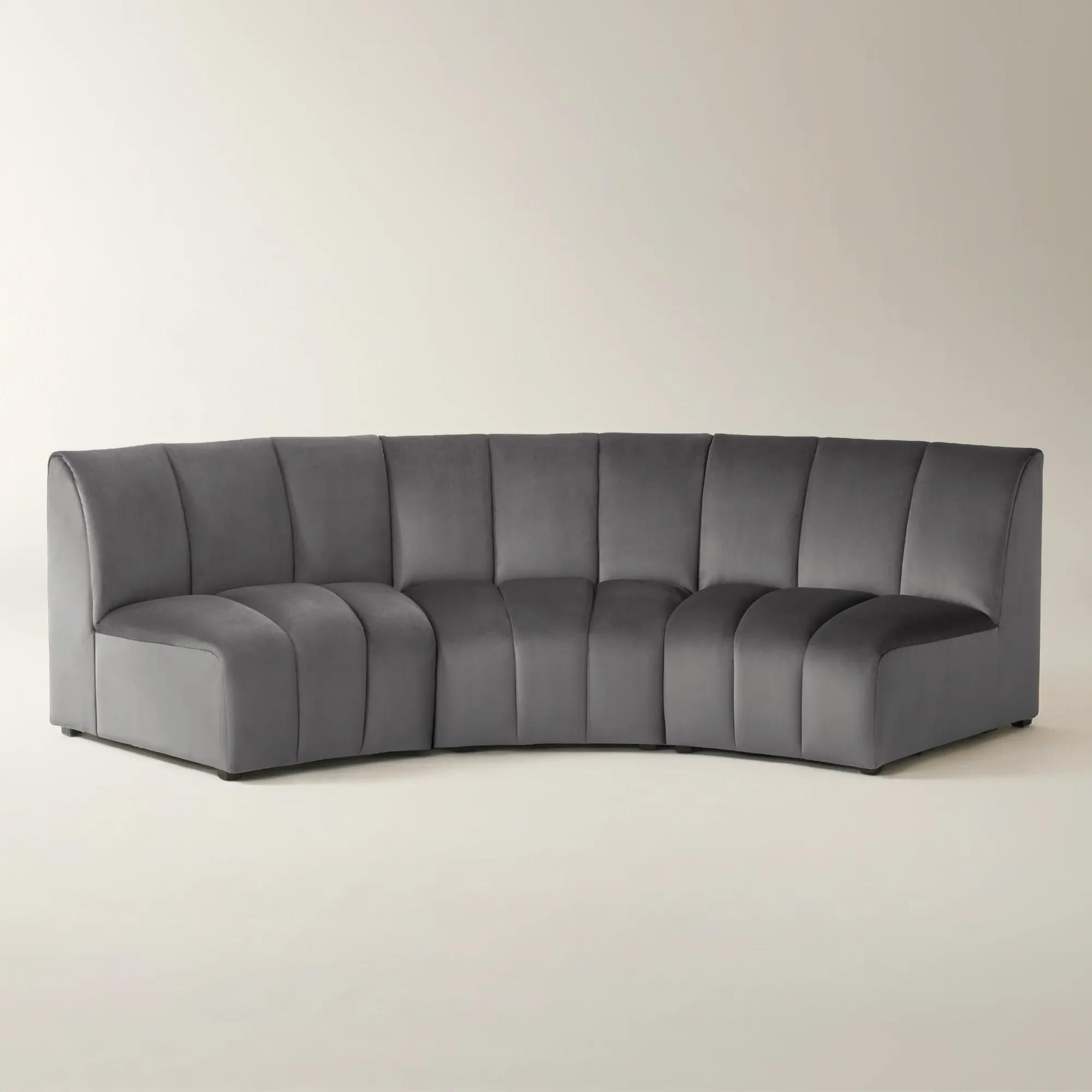 Jayce 3-Piece Channel-Tufted Smoked Pearl Velvet Sectional Sofa$2799
A modern curved sectional in silver grey velvet with deep channel tufting and plush, high-density foam cushions.
Add To Cart -
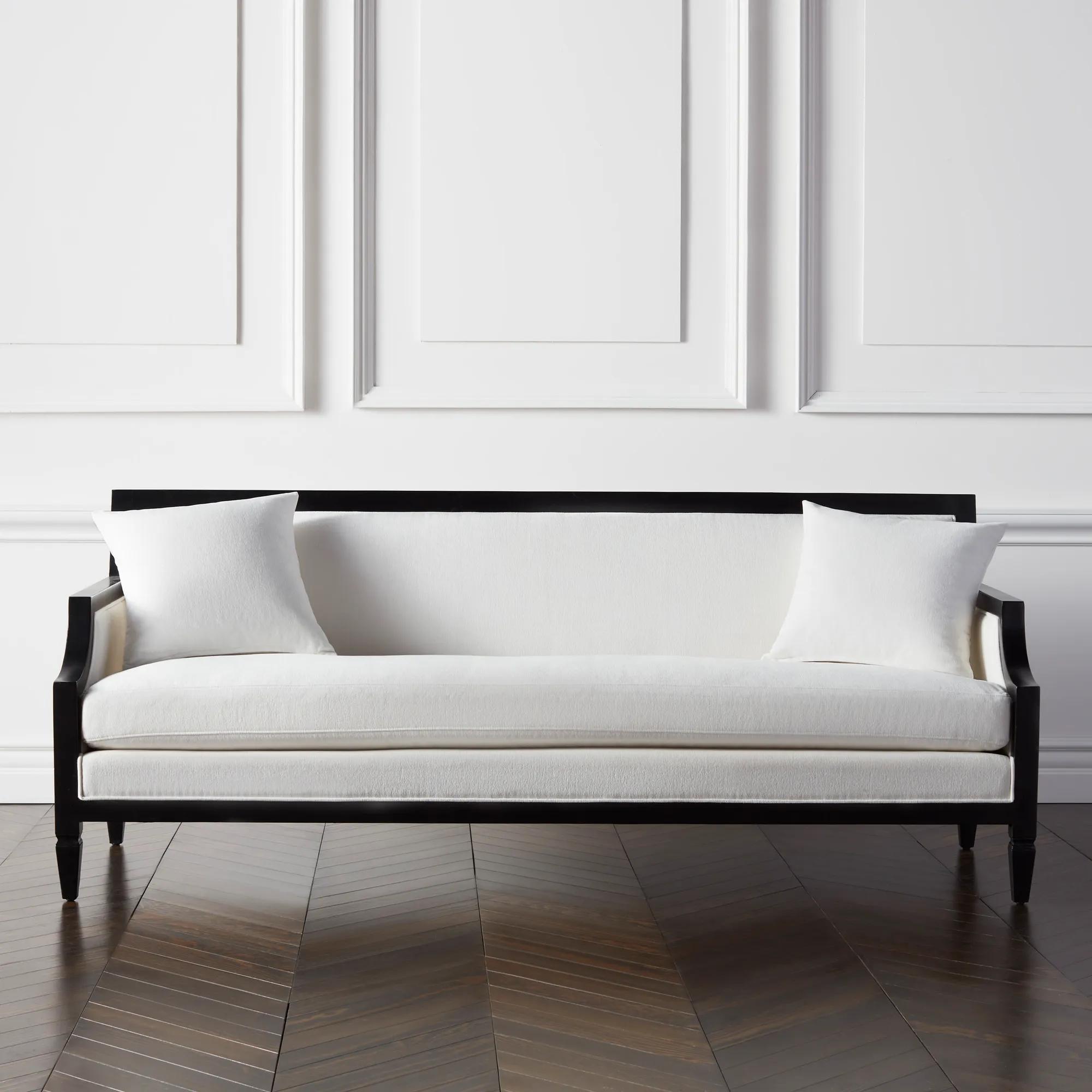
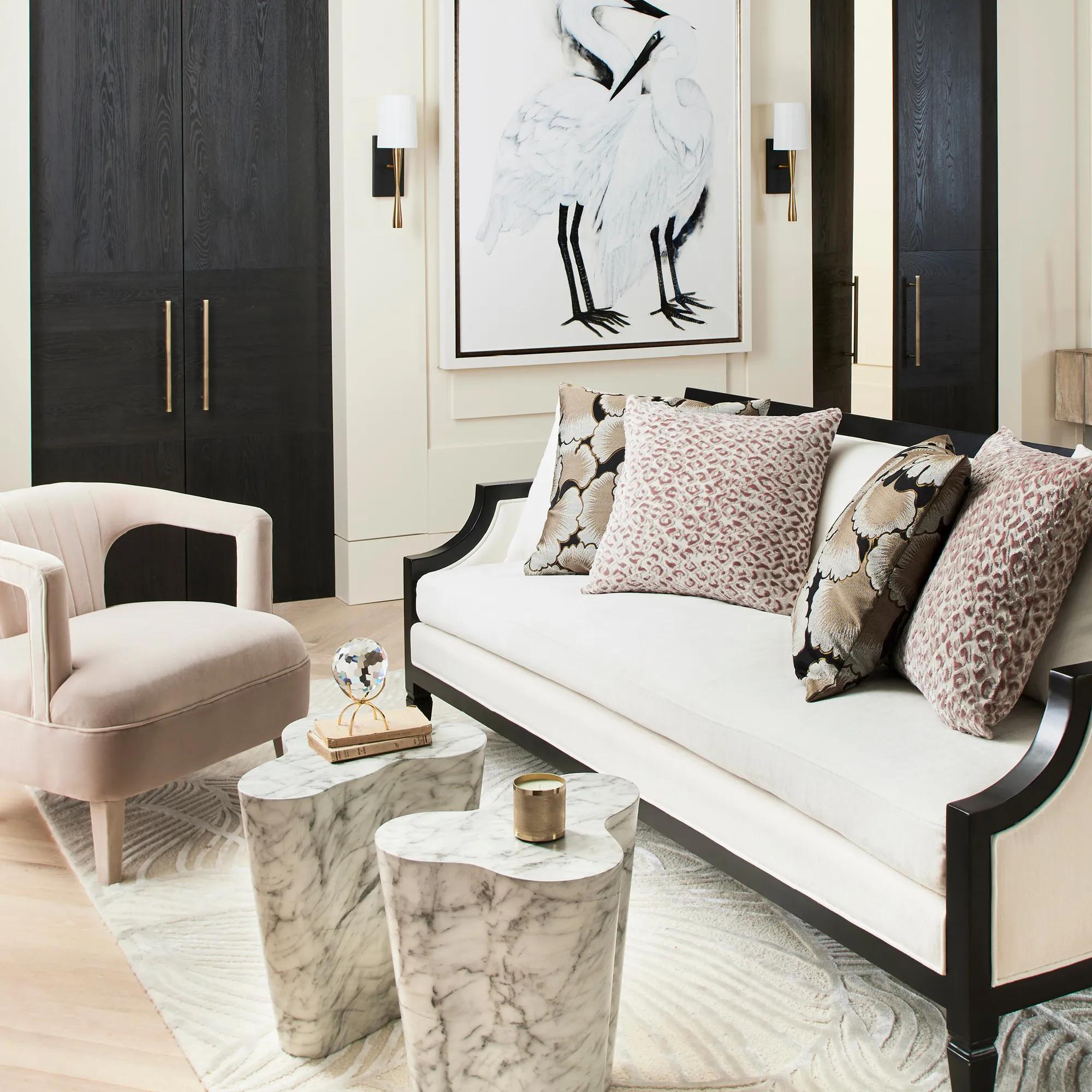 Kayla Sofa$2249
A plush, modern sofa featuring notched arms, matte black wood frame, and soft Kenley Chenille Snow upholstery.
Add To Cart -
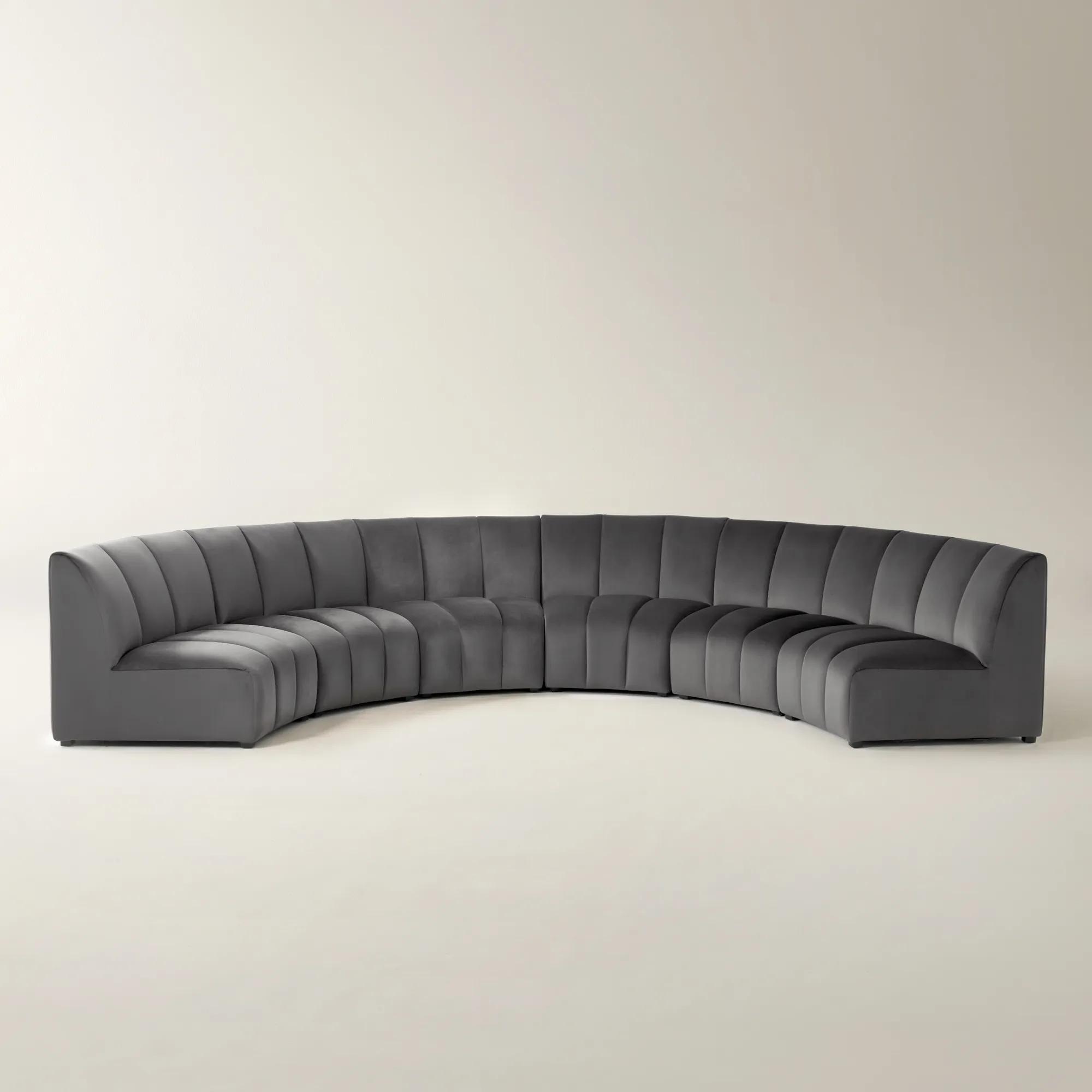 Jayce 6-Piece Channel-Tufted Smoked Pearl Velvet Sectional Sofa$5499
A modern curved sectional in silver grey velvet with deep channel tufting and plush, high-density cushions.
Add To Cart -

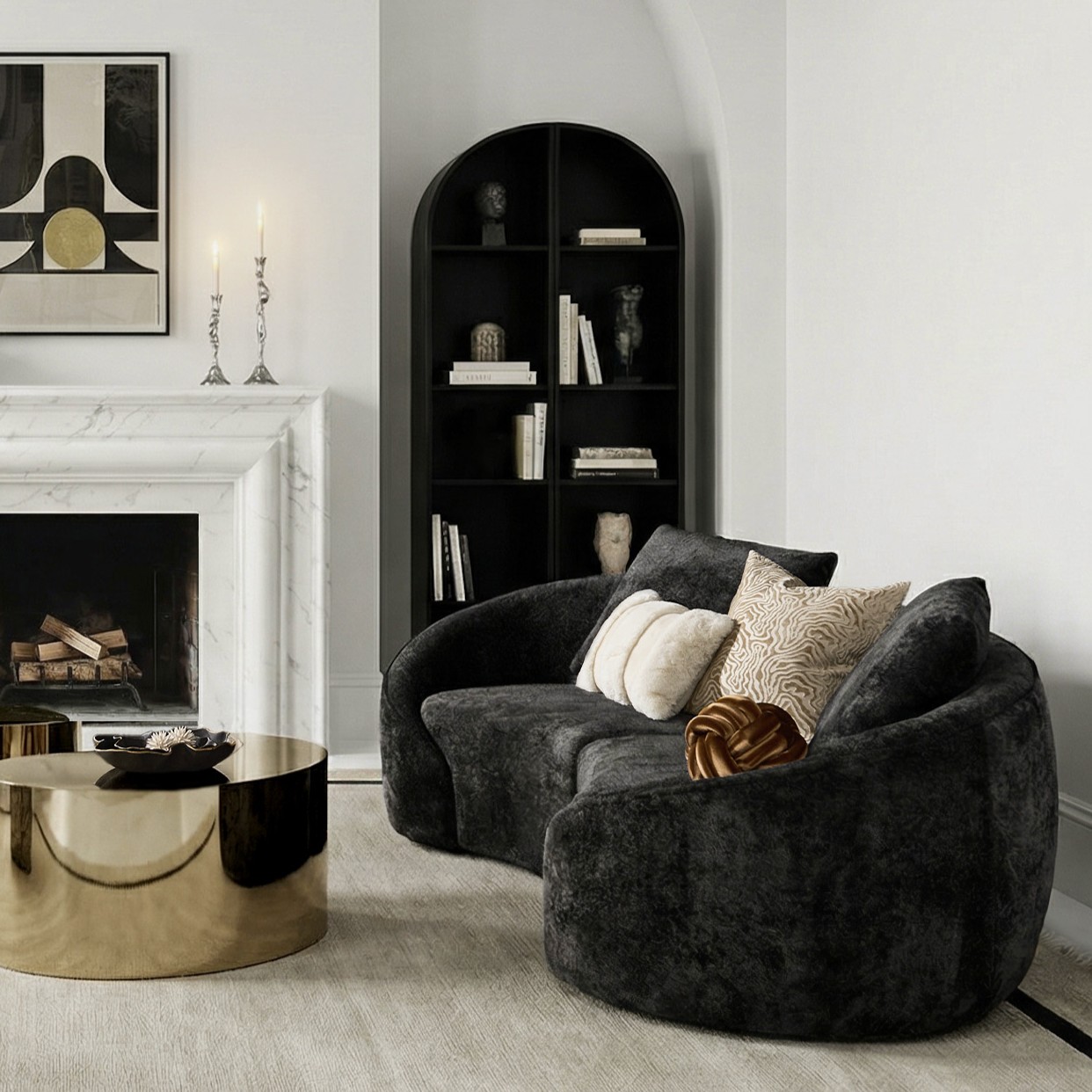 Irene 2-Piece Black Chenille Sectional$2699
A modern curved sectional upholstered in plush utopia sand chenille with high-density foam cushioning for comfort.
Add To Cart -

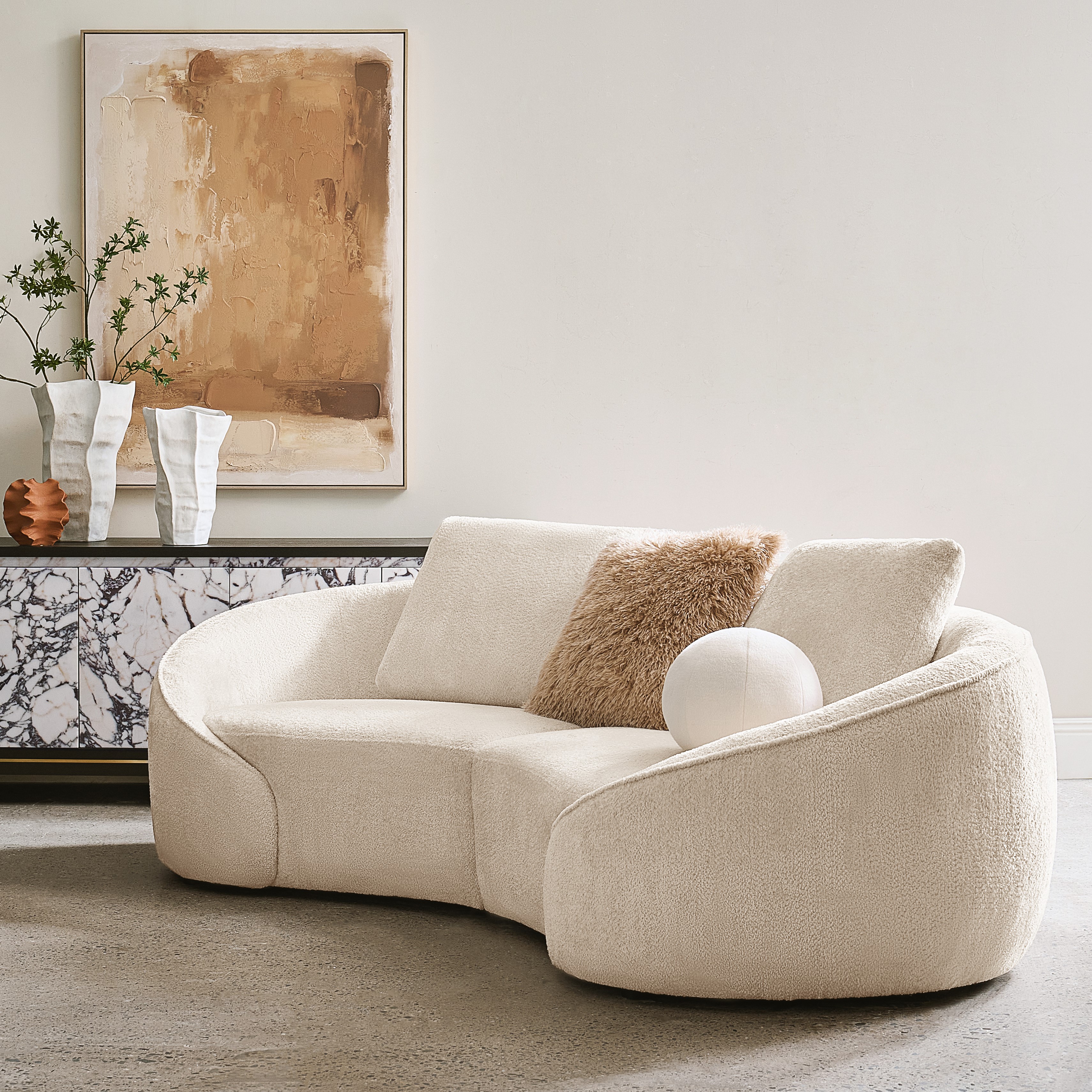 Irene 2-Piece Utopia Sand Chenille Sectional$2699
A modern curved sectional upholstered in plush Utopia Sand chenille with high-density foam cushioning for comfort.
Add To Cart -
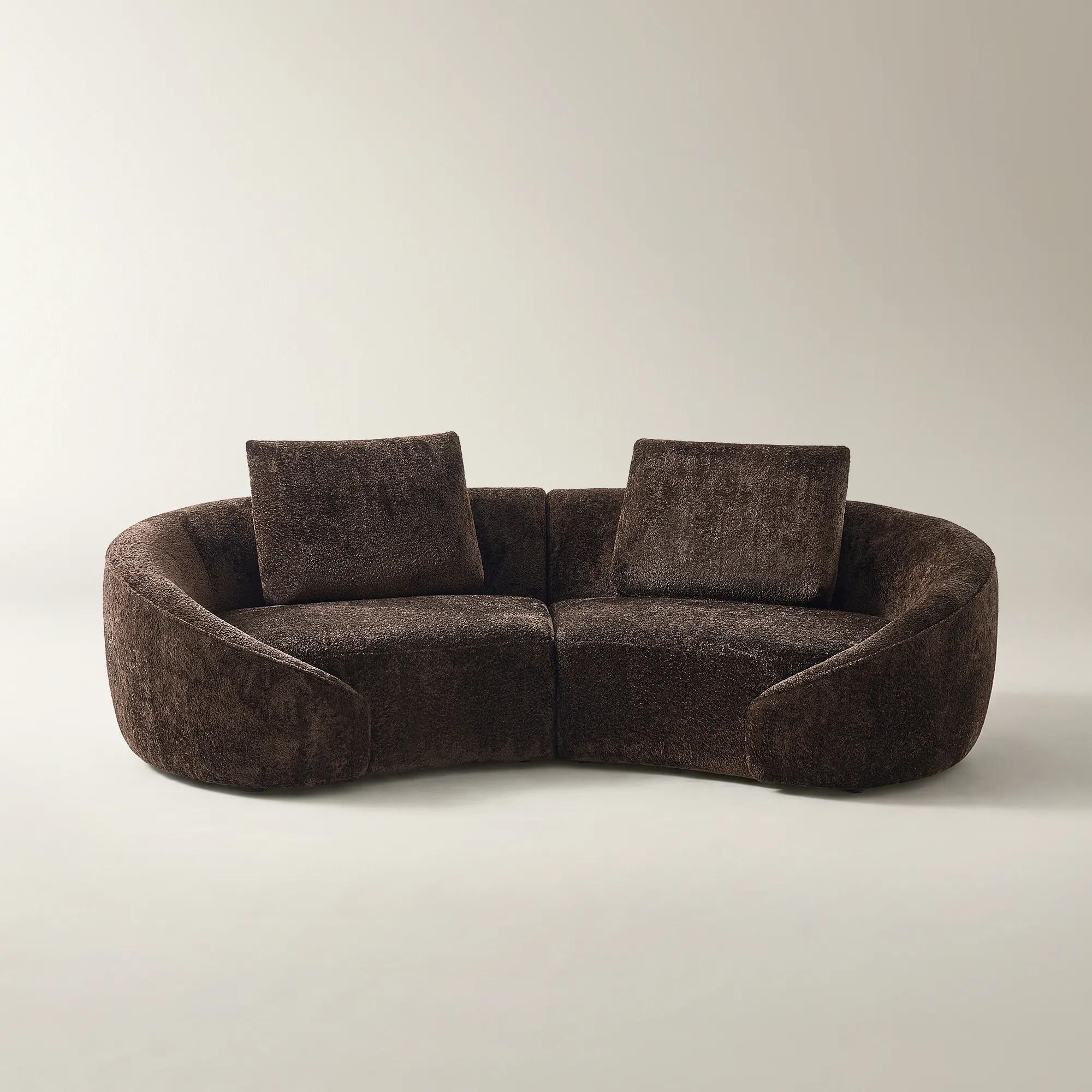 Irene 2-Piece Dark Chocolate Chenille Sectional Sofa$2699
A sculptural, hand-finished sectional wrapped in plush dark chocolate chenille with high-resiliency foam cushions.
Add To Cart -
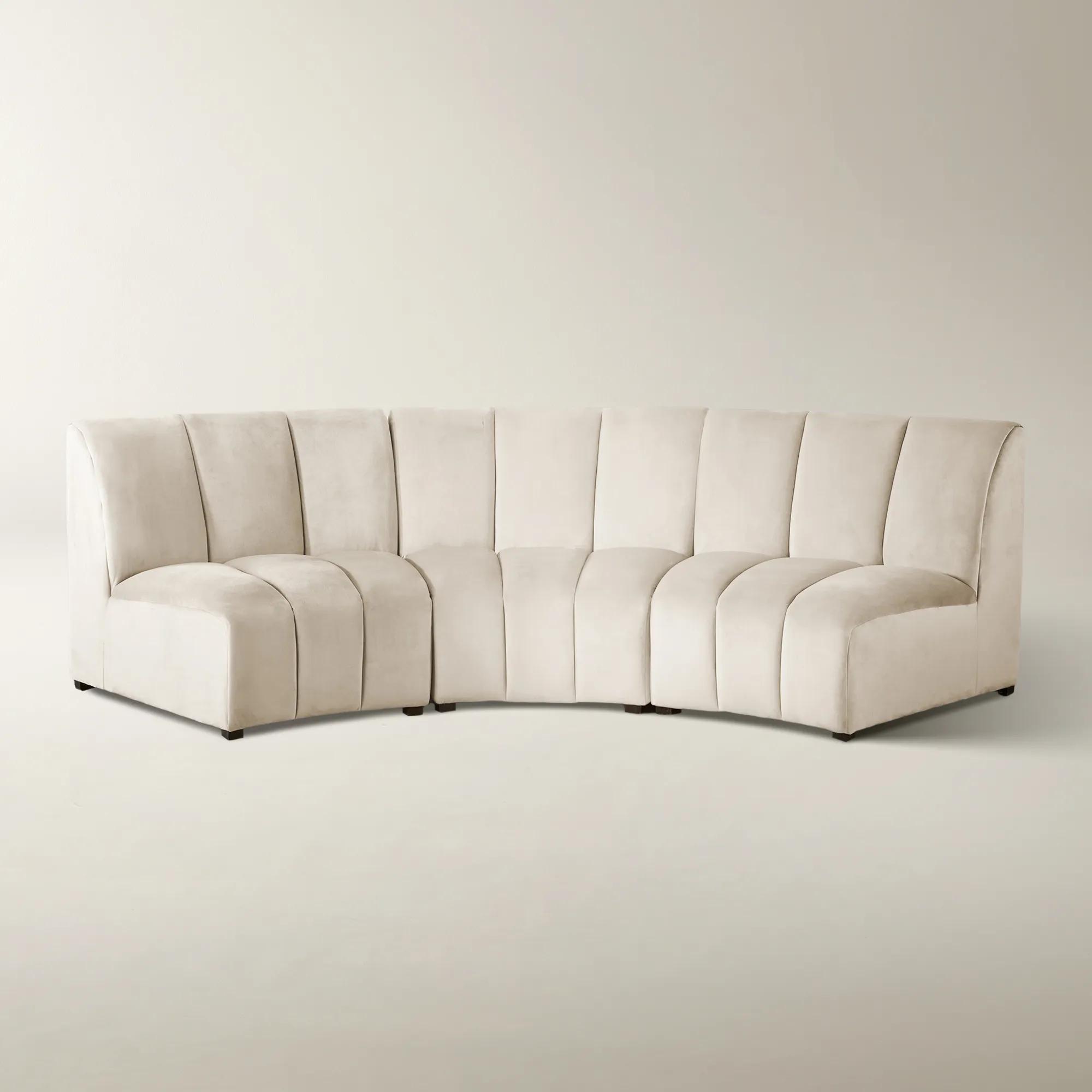
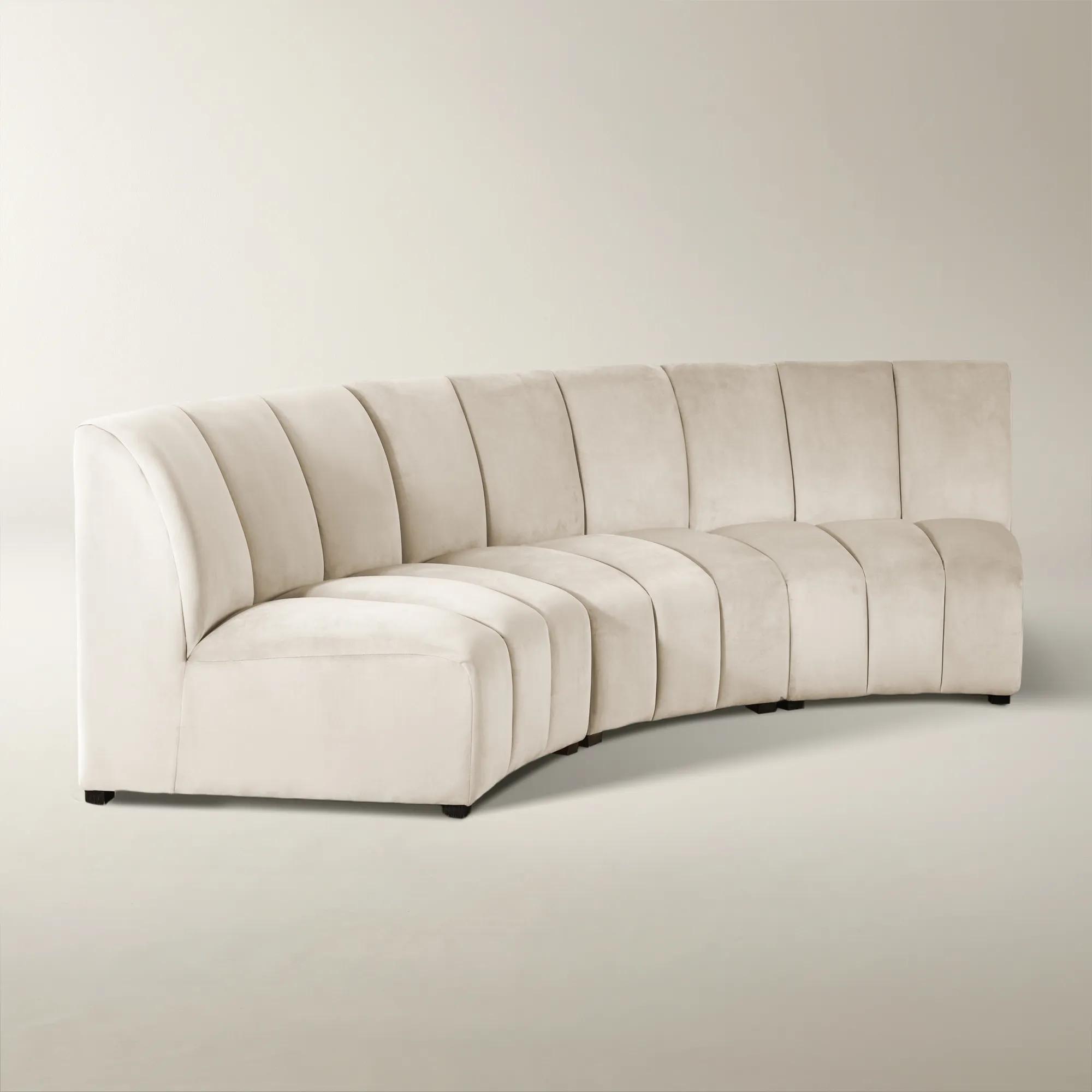 Jayce 3-Piece Channel-Tufted Ivory Velvet Sectional Sofa$2799
A modern curved sectional in stain-resistant Velvet Ivory with deep channel tufting and plush, structured cushions.
Add To Cart

Soft Fabric Sofas
Soft Fabric Sofas invite you to indulge in a world where comfort meets couture, transforming your living space into a haven of tactile luxury. Each piece is thoughtfully crafted to elevate the everyday, enveloping you in sumptuous textures that beckon you to linger a little longer. With silhouettes that blend sculptural artistry and plush allure, these sofas become the heart of any room—setting the stage for gatherings, quiet moments, and everything in between. Let Soft Fabric Sofas infuse your home with an air of effortless sophistication, creating a sanctuary that is as inviting as it is unforgettable.
Soft fabric sofas pair tactile upholstery with cushioned seating, creating a place to settle in without sacrificing the room’s sense of drama. Velvet, chenille, corduroy, and woven fabrics each offer a different expression of softness, from a luminous, close-cut pile to a richly textured surface. The distinction matters: a sofa can feel sumptuous to the touch while offering a supportive seat, or combine smooth upholstery with deep, yielding cushions for a more enveloping experience. Velvet brings depth to color, catching light across its surface so that ivory, charcoal, or jewel tones take on subtle dimension. Its finish lends itself to sculptural silhouettes, curved arms, and tailored profiles that make seating feel as considered as the artwork above it. Chenille has a fuzzy yarn structure that gives upholstery a plush hand and visual richness, making it especially appealing when texture is the defining detail. Corduroy introduces a pronounced rib, adding rhythm to broad cushions and generous arms. Cotton and linen blends can offer a softer, more relaxed surface with visible weave variation, although their feel and wear characteristics depend on the blend and construction. Polyester blends and other synthetic upholstery can also feel exceptionally soft; fiber content alone does not determine comfort or quality. Performance fabrics are designed for particular practical benefits, such as resistance to staining or abrasion, but those benefits vary and should be confirmed in the fabric specifications. These material differences give soft upholstered sofas a broad design vocabulary. A pale woven sofa can bring quiet dimension to a room layered with mirrored accents and expressive art, while velvet in a saturated shade creates a commanding focal point against restrained walls. For an intimate sitting room, a softly rounded silhouette encourages conversation. In a living room that hosts movie nights, visiting friends, and everyday pauses, plush fabric makes the largest piece of furniture feel inviting rather than imposing. The appeal is both visual and physical: upholstery that gives a room depth and offers a pleasing surface for time spent together.
Comfort also depends on what sits beneath the fabric and how the sofa fits the people who use it. Seat depth, seat height, cushion fill, and back support shape the experience as much as a soft surface does. Deeper seats invite reclining and curled-up lounging, particularly when paired with generous back cushions; shallower seats often suit upright conversation and make it easier for some people to sit with their feet resting on the floor. A low, expansive silhouette may look beautifully proportioned in an open living area, yet a more elevated seat can be preferable for someone who finds standing from low furniture difficult. Foam cushions generally provide more consistent support, while fiber-filled or feather-and-down cushions can feel more yielding and may need regular reshaping. Layered fills can balance a supportive core with a softer surface, depending on their construction. A sturdy frame and well-designed suspension help maintain that comfort through repeated use, so upholstery softness is only one part of the overall picture. Scale deserves the same attention. A sofa should leave comfortable passage around coffee tables, entrances, and adjoining furniture, with enough breathing room for its silhouette to register. Measuring the intended footprint, doorways, hallways, and stair turns helps prevent a beautifully sized room arrangement from becoming a difficult delivery. In a compact apartment, a tailored sofa with slender arms can devote more of its overall width to seating. In a larger gathering space, a sectional can establish an inviting conversation area without scattering the room with separate chairs. Households that prefer adjustable lounging positions may also consider soft fabric reclining sectional sofas, allowing space for any reclining movement specified by the design. Think about the familiar scenes the room needs to accommodate: two people reading at opposite ends, guests sitting comfortably without crowding, or a long evening spent watching a film. The most satisfying fit supports those habits while keeping the surrounding composition graceful, open, and deliberate.
The enduring appeal of a soft fabric sofa comes from matching its tactile character to the demands of daily life, then caring for it according to the upholstery’s instructions. In a home with children, frequent guests, or pets, documented stain resistance, abrasion performance, and suitable cleaning methods deserve attention alongside color and texture. A densely woven fabric may be less vulnerable to snagging than an open weave, while raised yarns and loops can catch on claws or jewelry. Velvet and chenille may show changes in pile direction, creating lighter and darker areas that are not necessarily stains; the appropriate care method depends on the particular fabric. No upholstery is entirely immune to wear, and a performance designation does not mean that spills can remain unattended. Blotting promptly with a clean, absorbent cloth, rather than rubbing, helps avoid spreading a spill or driving it further into the surface. Before applying water, solvent, or a cleaning product, follow the manufacturer’s care label and test any permitted treatment in an inconspicuous area. Removable cushion covers should not be assumed machine washable. Gentle vacuuming with an appropriate upholstery attachment helps remove dust and grit, while rotating reversible cushions and reshaping loose fills, when recommended, can encourage more even use. Direct sunlight may fade some textiles, so placement and window coverings are worth considering when a sofa sits near expansive windows. Color can serve both the room’s atmosphere and its routines: softly variegated weaves can make small traces of daily use less conspicuous, while solid pale upholstery creates a luminous backdrop that calls for attentive upkeep. Darker fabrics lend visual depth but may reveal lint or light-colored pet hair. Finish the setting with contrasting textures rather than repeating softness everywhere—a gleaming table, a sculptural lamp, or a richly patterned rug gives plush seating a sharper presence. Whether the sofa anchors a polished entertaining space or a deeply personal lounge, its fabric, proportions, and construction should work together, creating comfort that feels intentional and a room that expresses its occupants with unmistakable confidence.
FAQs
The most popular fabric options for soft fabric sofas include velvet, chenille, microfiber, and performance blends. Velvet exudes a rich, glamorous sheen and offers a plush feel that elevates any space. Chenille is beloved for its inviting texture and subtle luster, making it both cozy and visually appealing. Microfiber is celebrated for its soft touch and easy maintenance, ideal for busy households. Performance blends, often featuring advanced fibers, combine luxurious softness with enhanced durability, perfect for those who want both beauty and practicality.
When selecting a fabric color, consider the overall mood you wish to create. Deep jewel tones like emerald or sapphire add drama and sophistication, while soft neutrals such as ivory or taupe evoke tranquility and versatility. If your space features bold artwork or metallic accents, a solid color can ground the vignette, while patterned or textured fabrics can introduce visual interest to minimalist settings. Swatches and mood boards can help you envision how the sofa will harmonize with your current palette and decorative accents.
A soft fabric sofa is a versatile canvas for seasonal styling. In winter, layer with faux fur throws, velvet pillows, and metallic trays to create a cozy, opulent atmosphere. As spring approaches, swap in lighter linen or silk cushions in pastel or botanical prints for a fresh, airy vibe. Summer calls for crisp cotton throws and breezy, coastal-inspired accents, while autumn welcomes rich, earthy hues and tactile knits. Rotating your accessories lets your sofa evolve with the seasons, keeping your living space both current and inviting.
Absolutely—many soft fabric sofas are crafted with durability in mind, making them suitable for lively households. Look for performance fabrics or tightly woven materials that resist stains and withstand everyday wear. Microfiber, for instance, is both soft and resilient, while certain velvets and chenilles are engineered for easy cleaning. Pair your sofa with removable, washable cushion covers and stylish throws to add an extra layer of protection without sacrificing luxury or style.
To preserve the beauty of your soft fabric sofa, gently vacuum it regularly using an upholstery attachment to remove dust and debris. Address spills promptly by blotting—never rubbing—with a clean, dry cloth. For deeper cleaning, consult your sofa’s care instructions or schedule professional upholstery cleaning as needed. Fluff and rotate cushions to maintain their shape, and periodically brush the fabric to revive its texture and sheen. Thoughtful care ensures your sofa remains a striking centerpiece for years to come.